Patrícia Faragone
Glassblower
Sao Paulo, Brazil
From fairytales to furnace
- Patrícia's glassmaking is grounded in bringing textile and glass together
- She trained in Brazil, New York, Berlin and England
- Her work explores colour as well as applications of glass
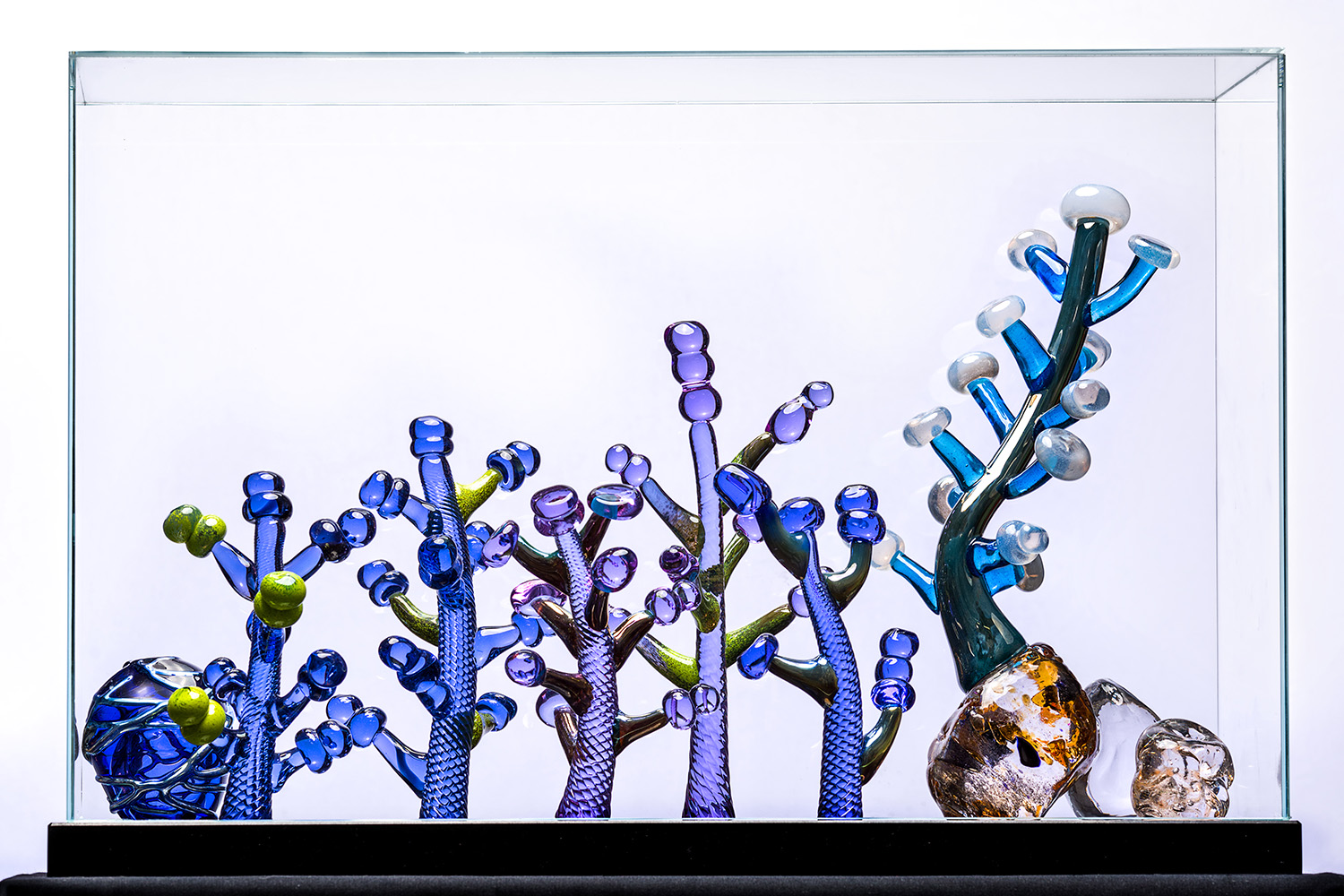
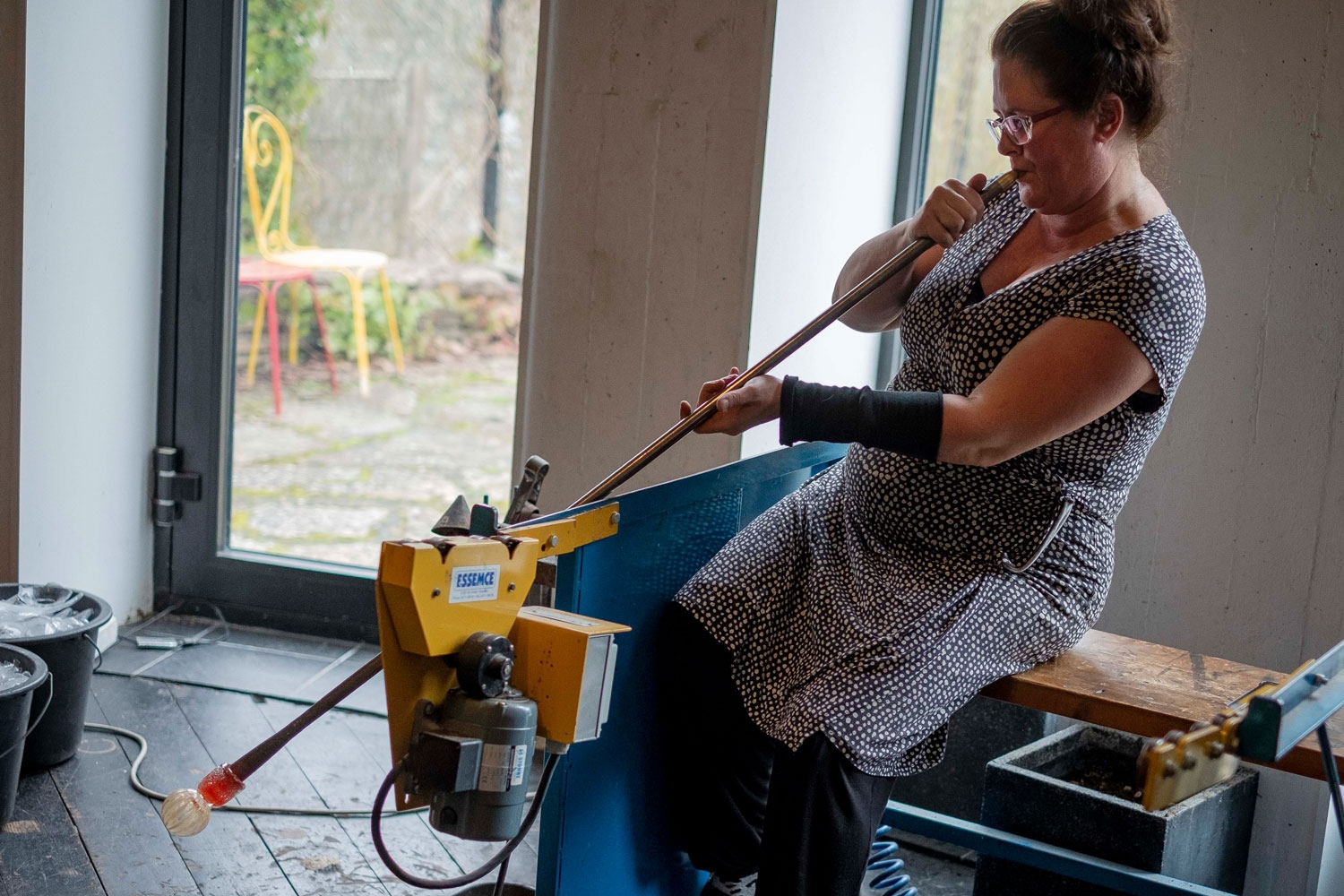
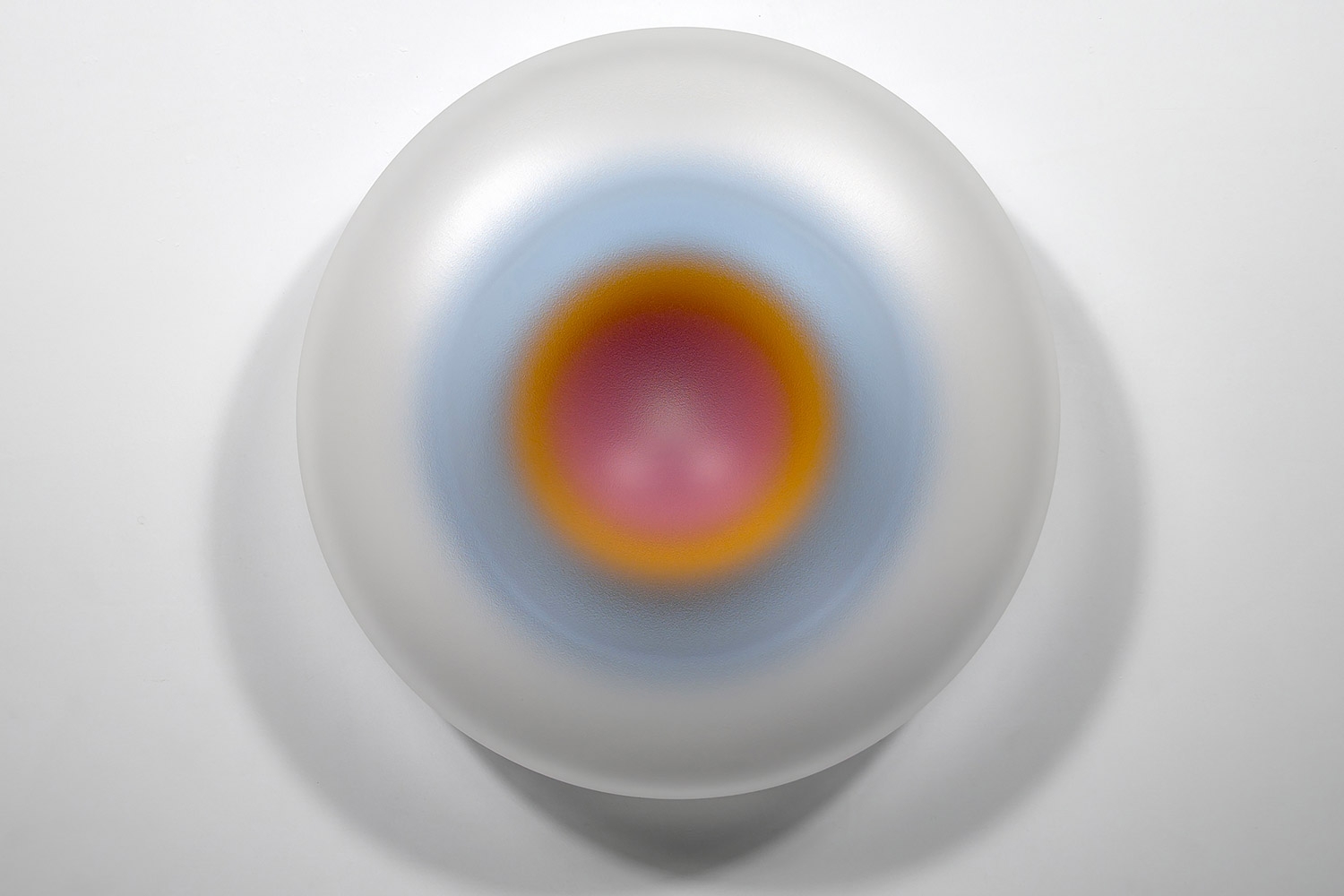
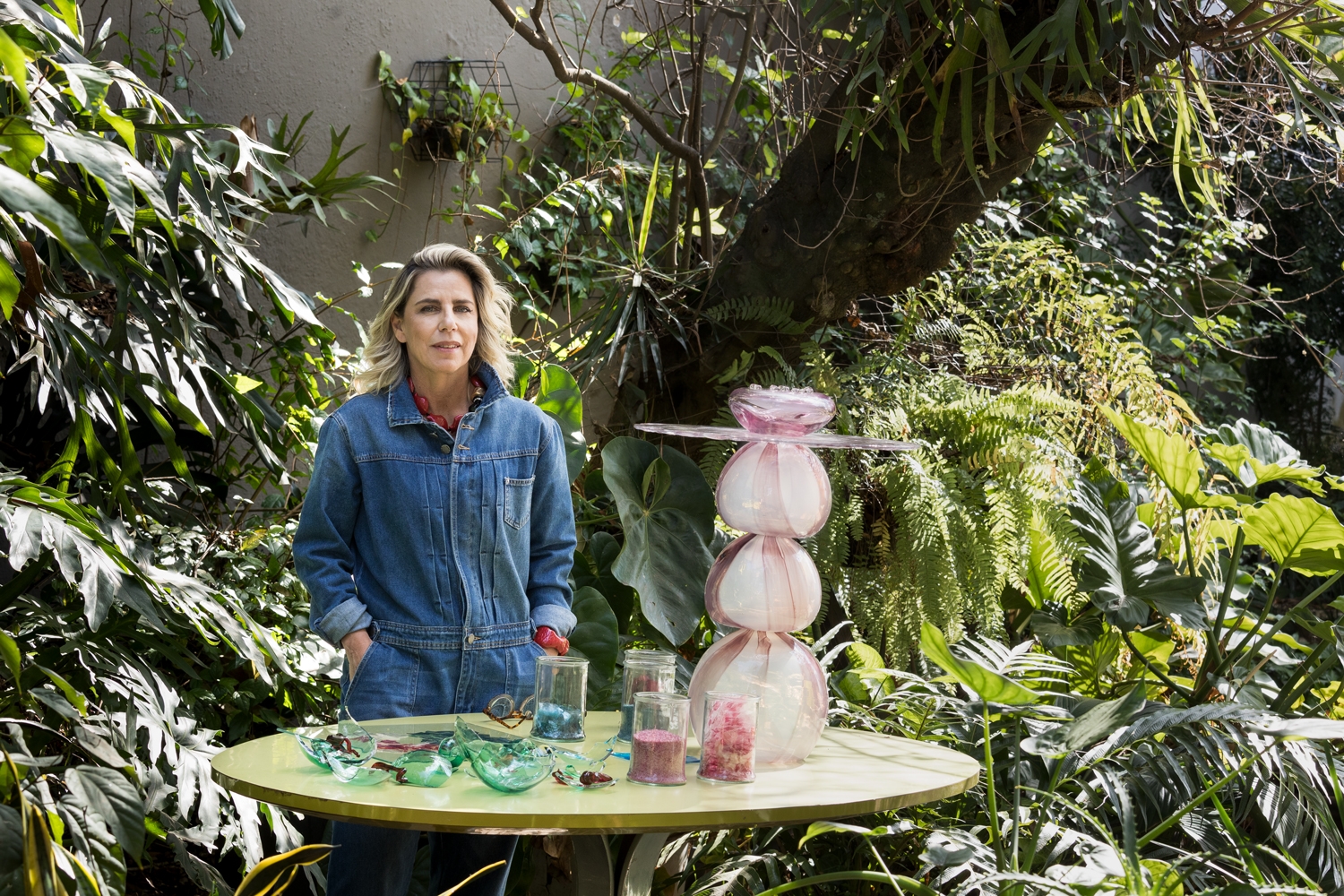
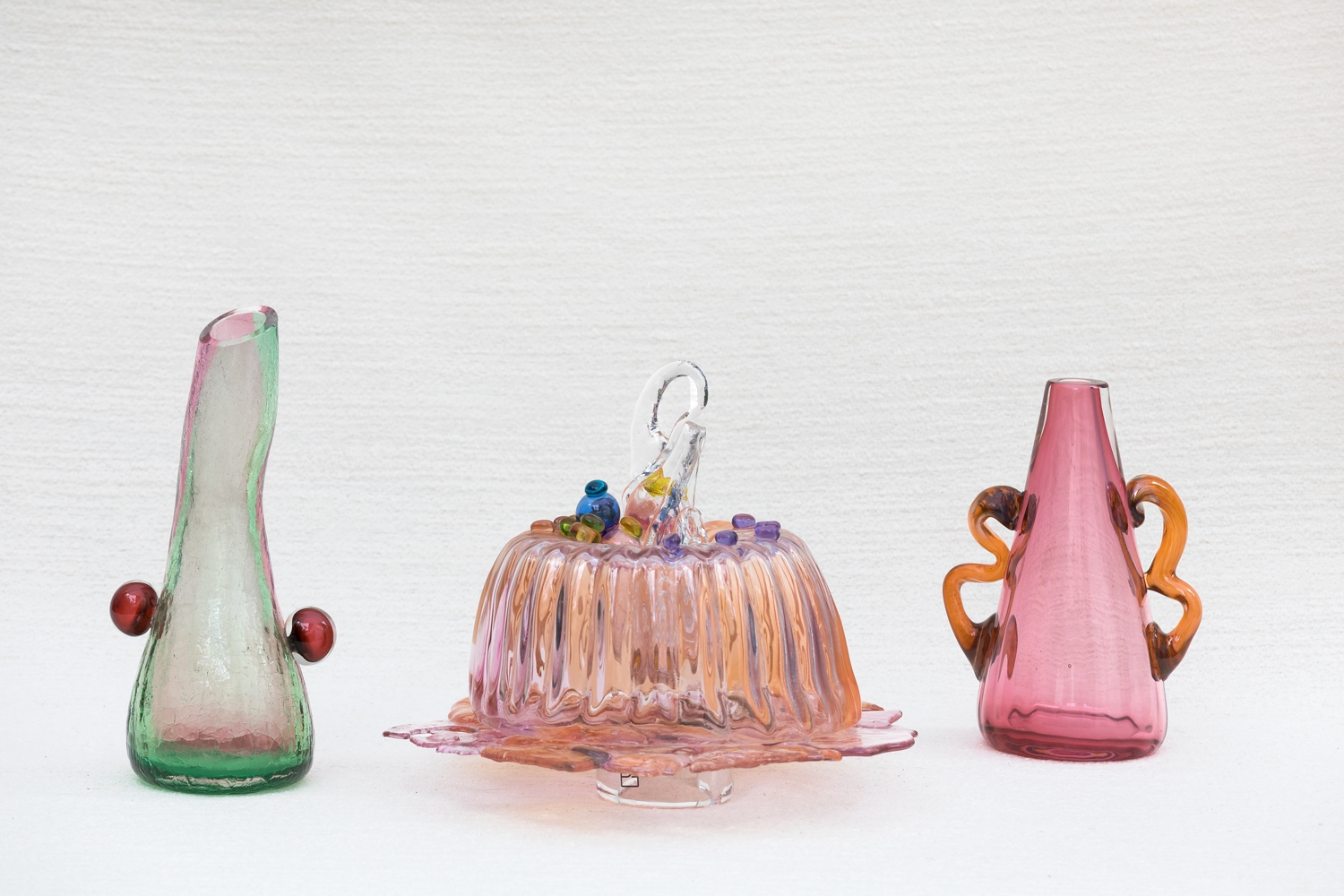
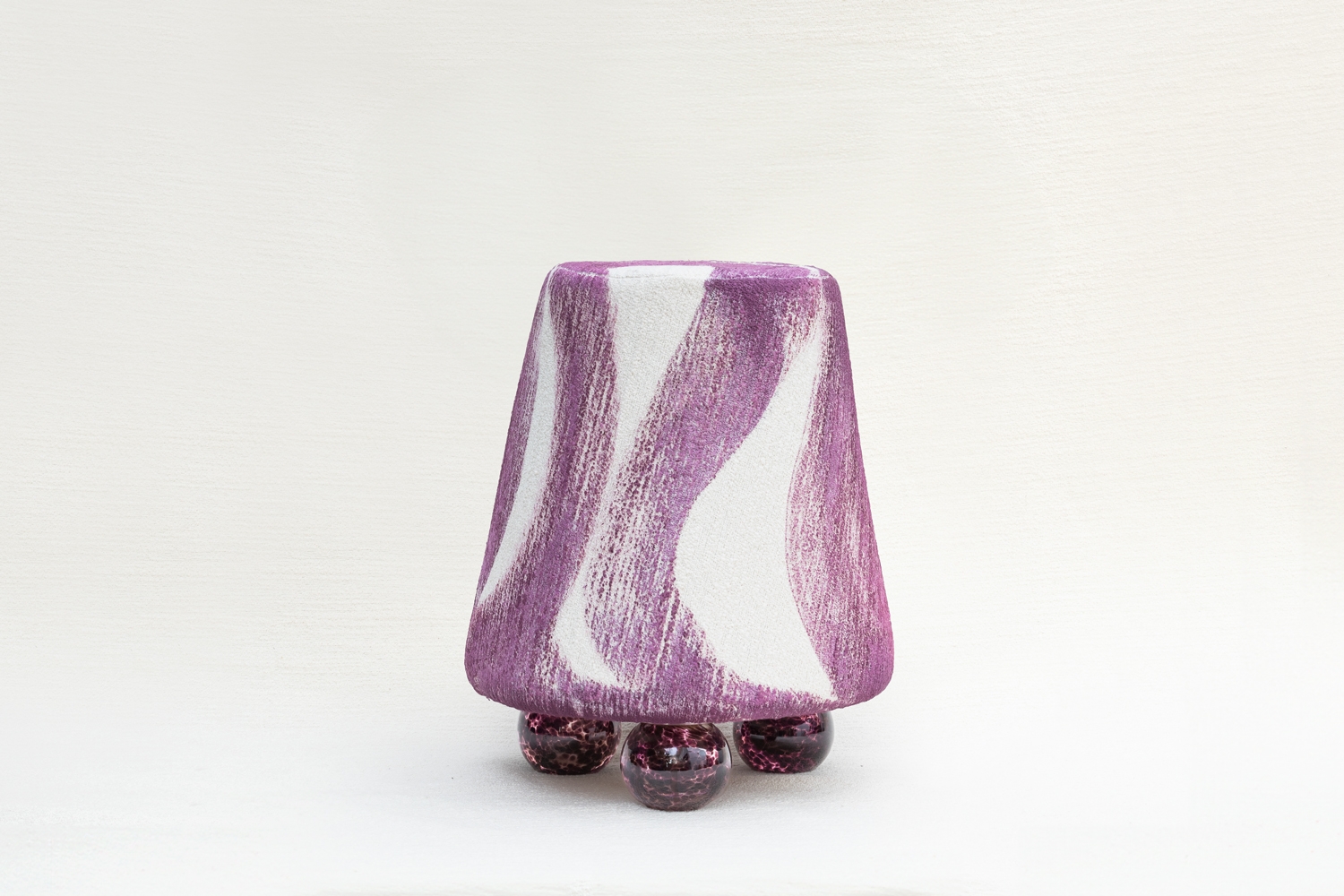
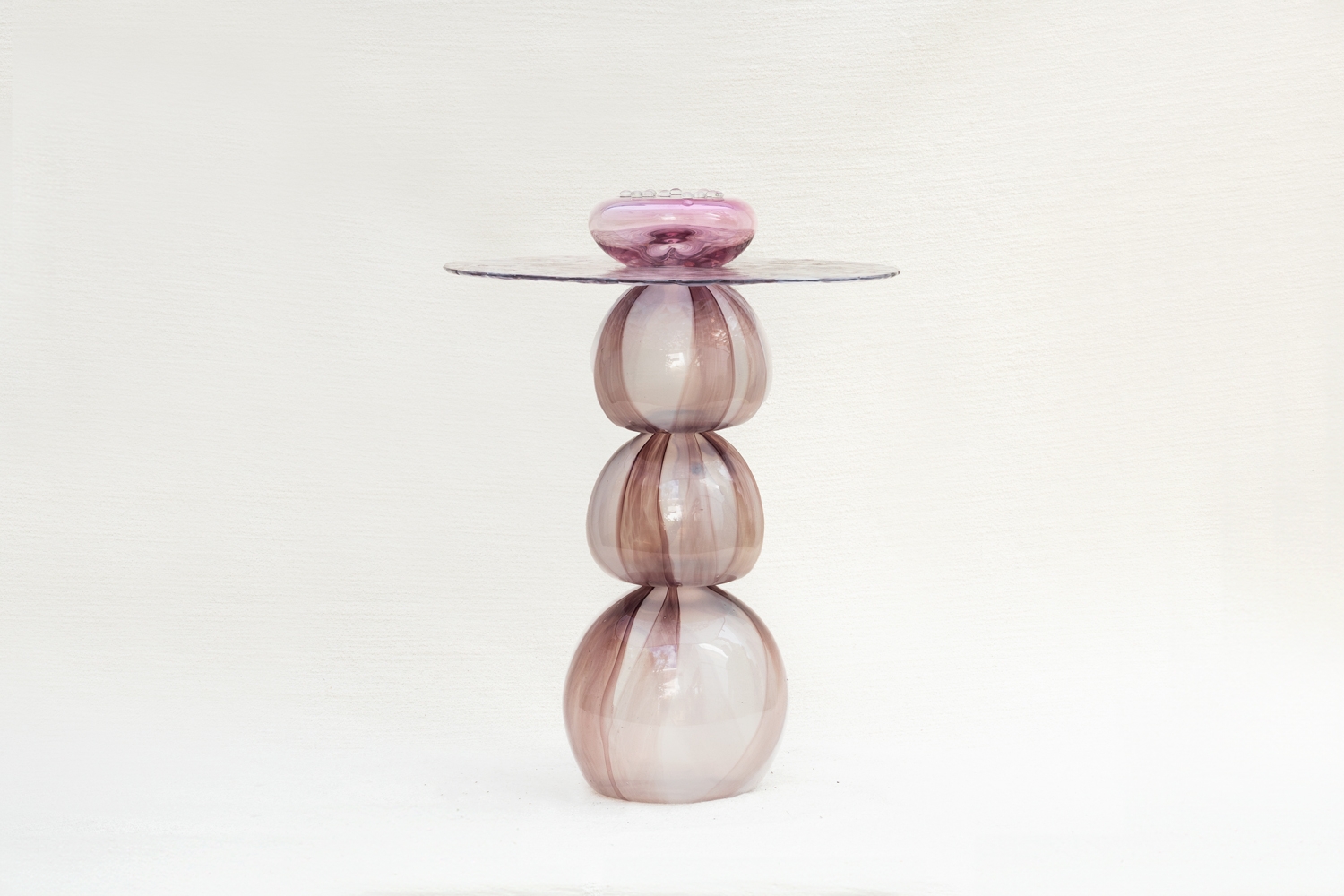
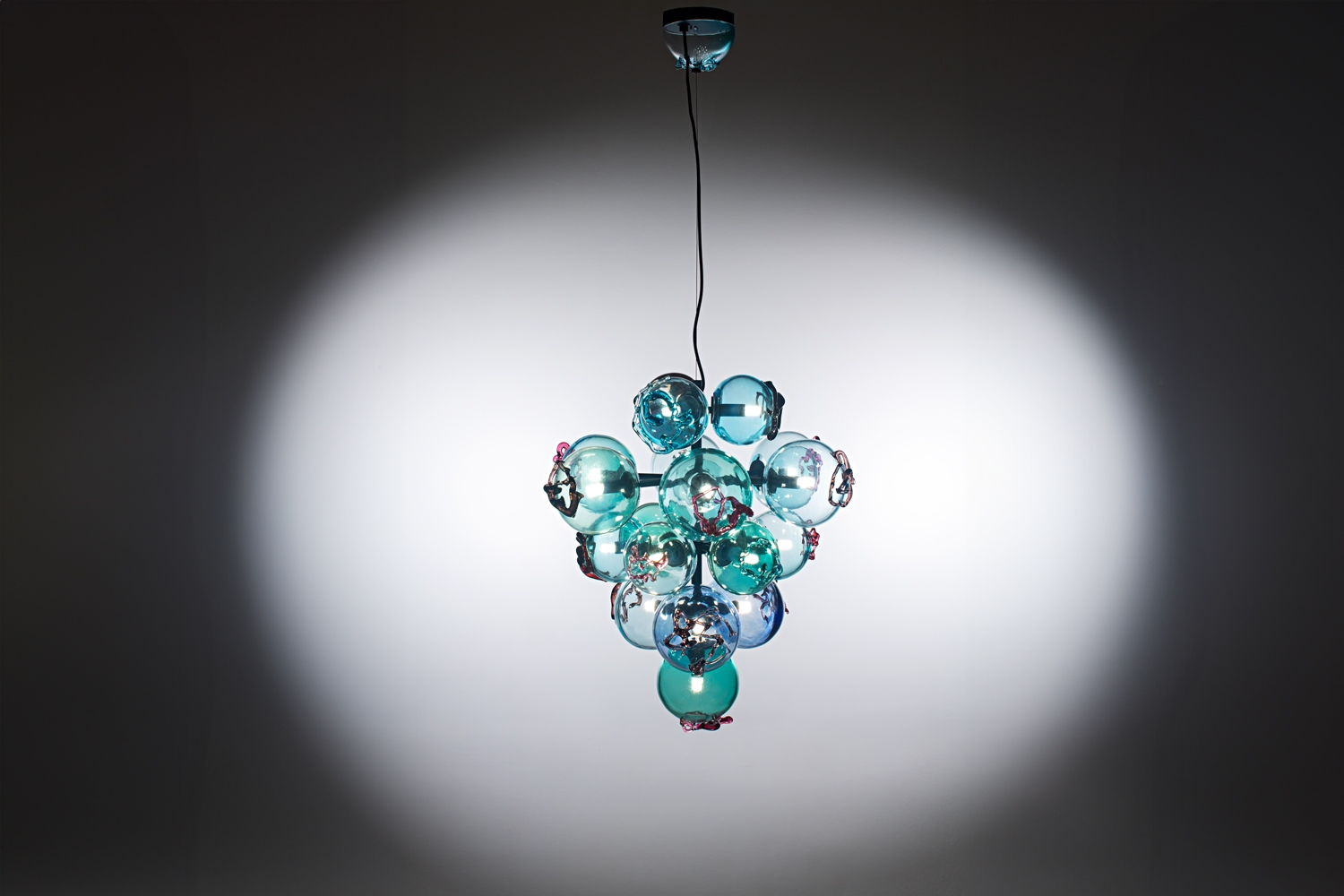
“From an early age, glass held me spellbound,” says Patrícia Faragone. In 2023, after three decades in architecture and fashion, this lifelong fascination became her profession as she turned to glassmaking. Her training in design, balance and scale is evident in her creative expression. Each piece begins with meticulous watercolour sketches, like blueprints, before entering the hot shop. There, through controlled breaths and measured hand motions, Patrícia gives molten matter form. “Colour gives sensorial qualities I associate with flavours, scents, light or joy,” she explains. This is clear in her Tutti Frutti series, where lamps and collectible furniture feature a candy-like appearance and colouring. "My work is about bringing a kind of enchantment that softens harsh realities. To me, that is the magic of glass art.”
INTERVIEW
I first took a course in Brazil, then continued with workshops in New York, Berlin and the English countryside. Since then, I have kept refining my skills, exploring new techniques and deepening my foundations in conceptual art.
Graphic patterns and pop culture clearly surface in my pieces. Other visual references include modern Italian design from the Memphis group, Pop Art, and even pioneers who shaped Art Nouveau and Art Deco. All of these strands are sources of inspiration.
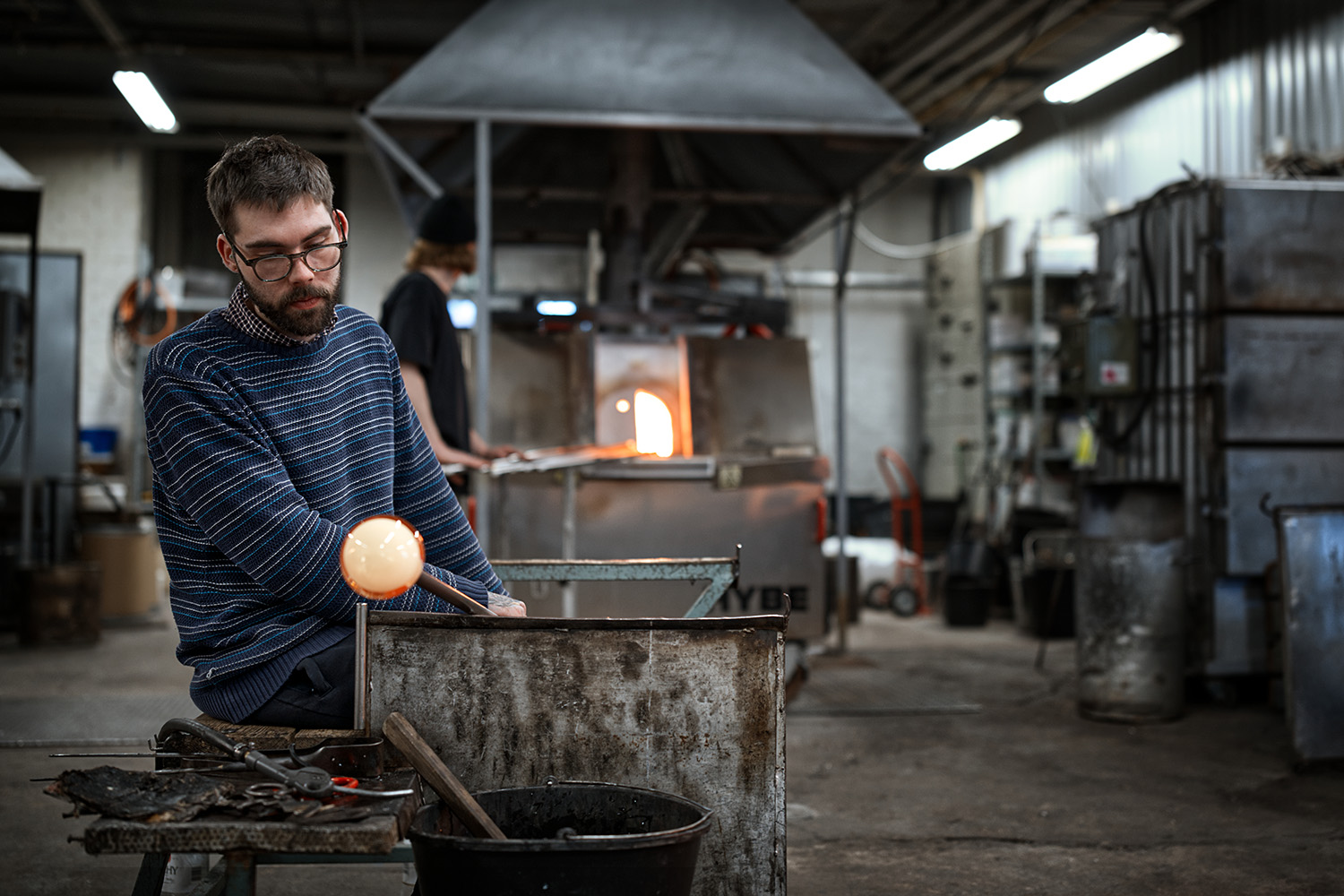
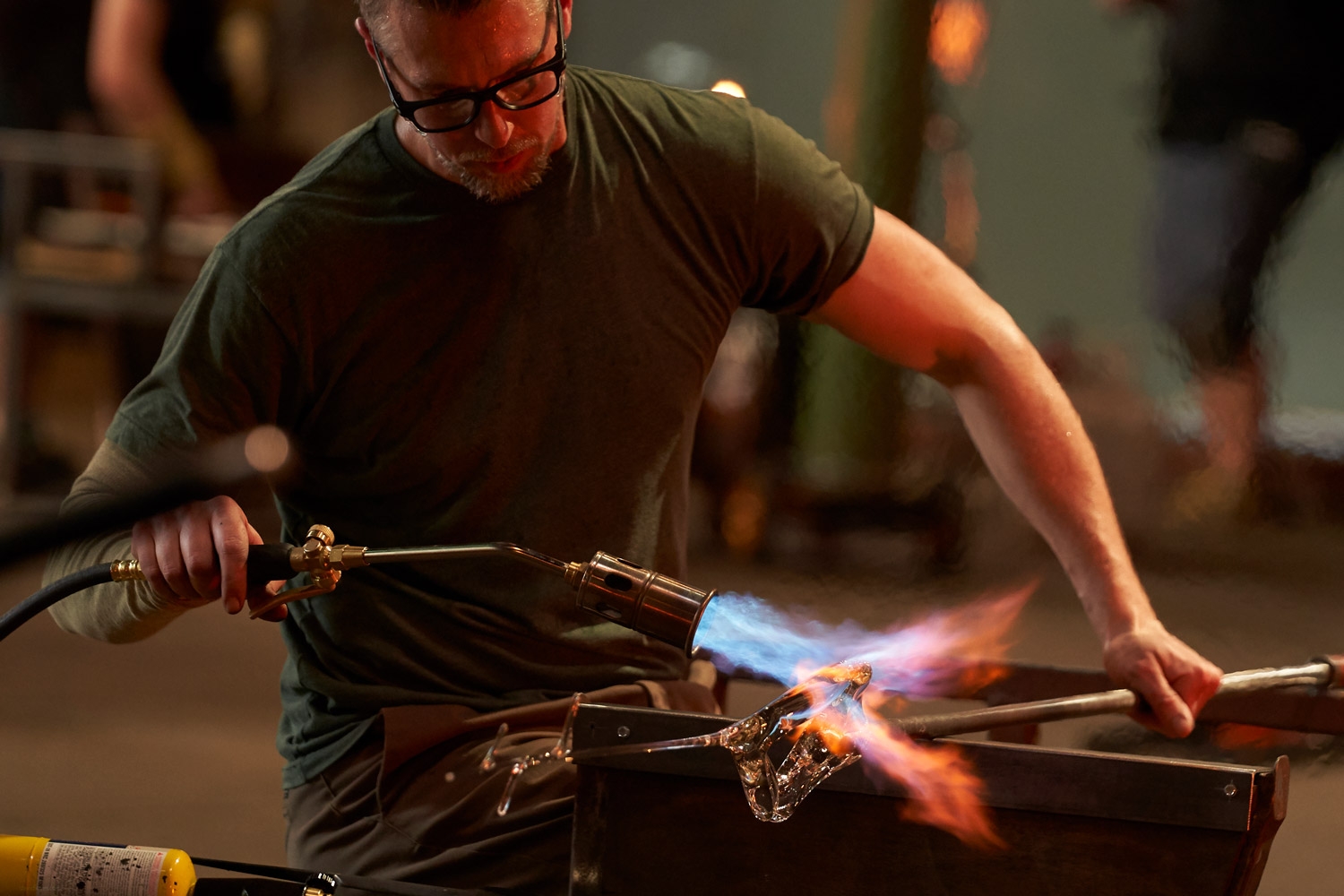
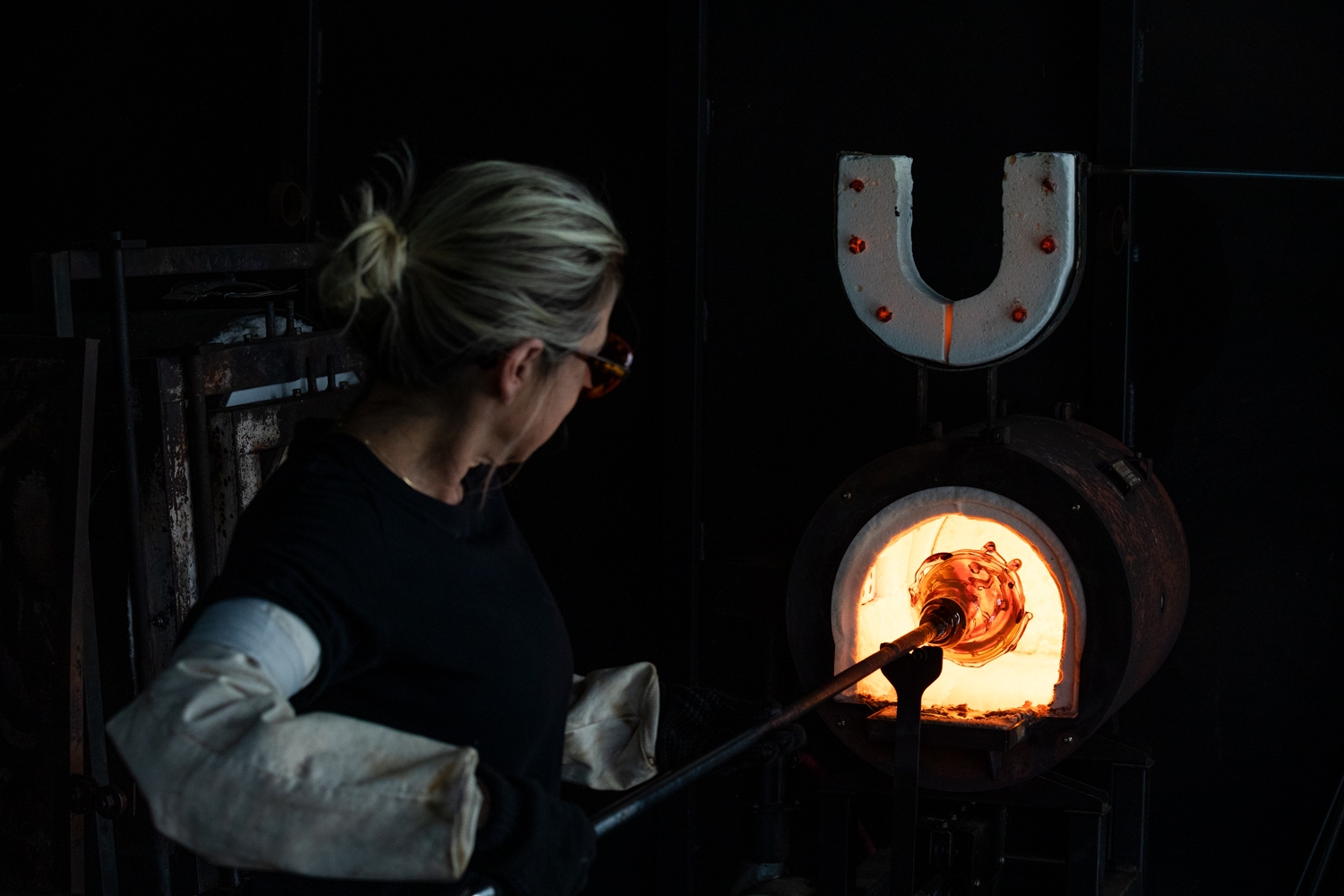
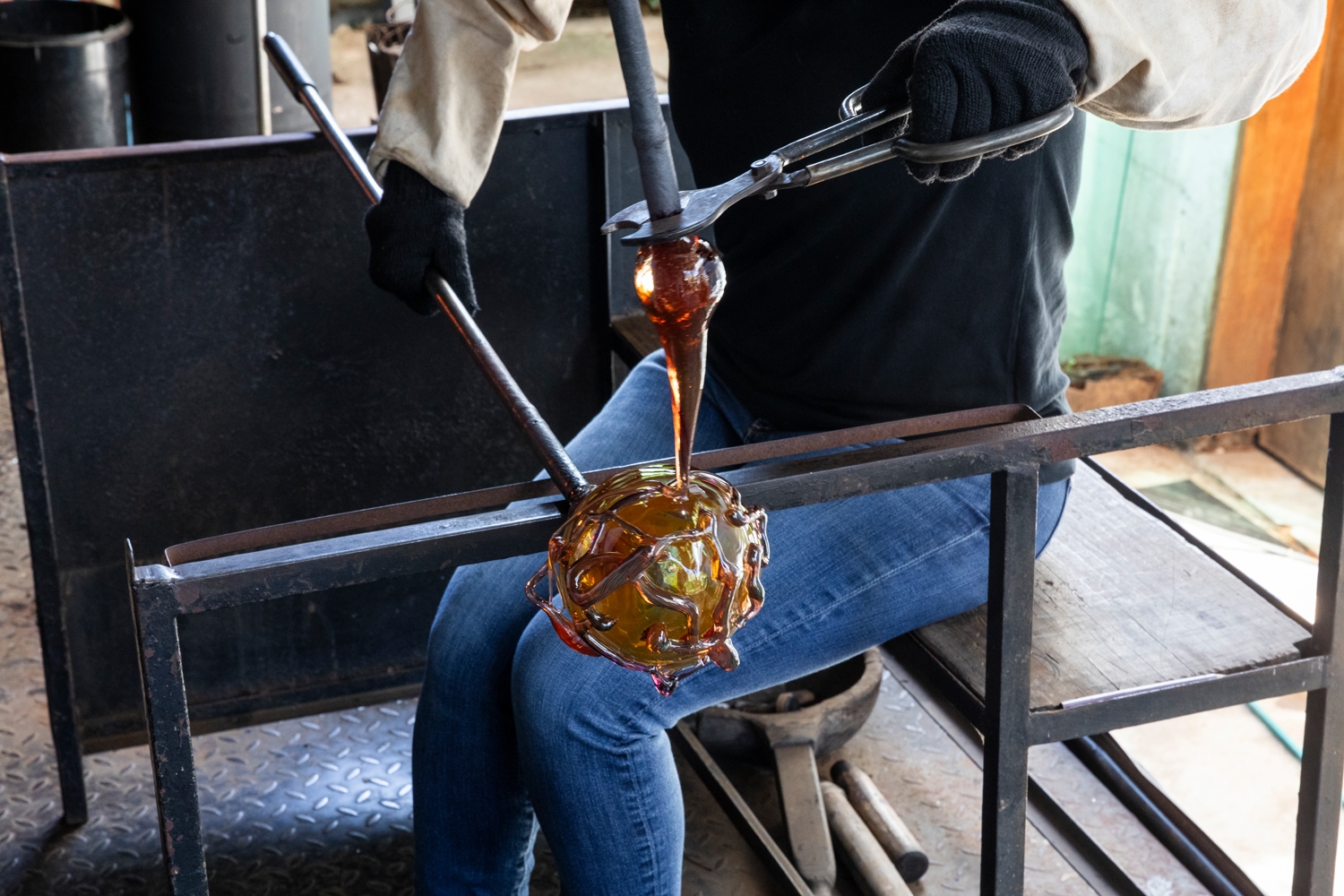
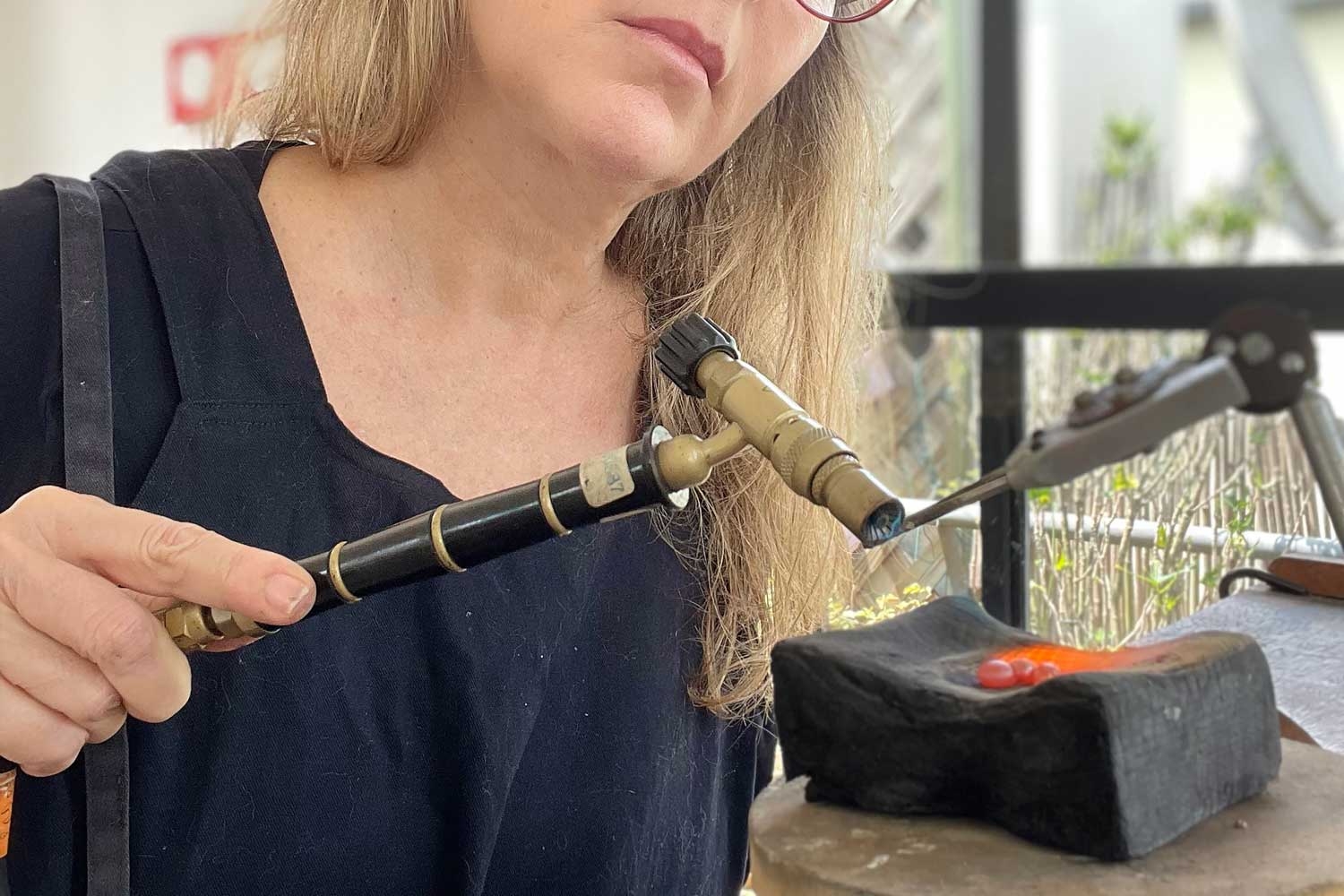
Very intense, but also deeply stimulating. It is a balance between physical effort and agility to work the material while it is still hot and malleable. I must stay focused in order not to get burnt, not to drop the piece, while also constantly rotating the pipe to counter gravity, control the temperature, and manage my breath at each stage.
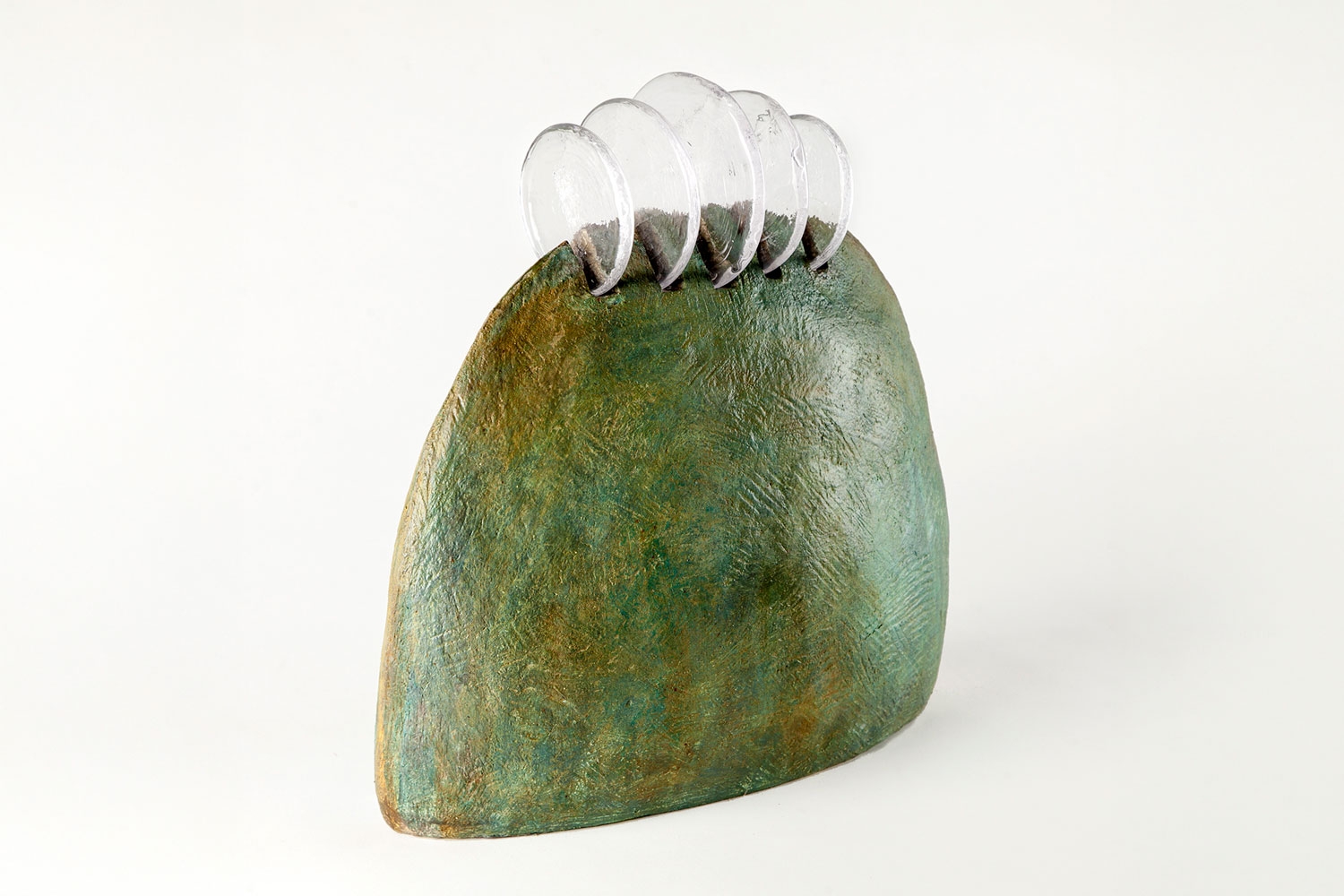
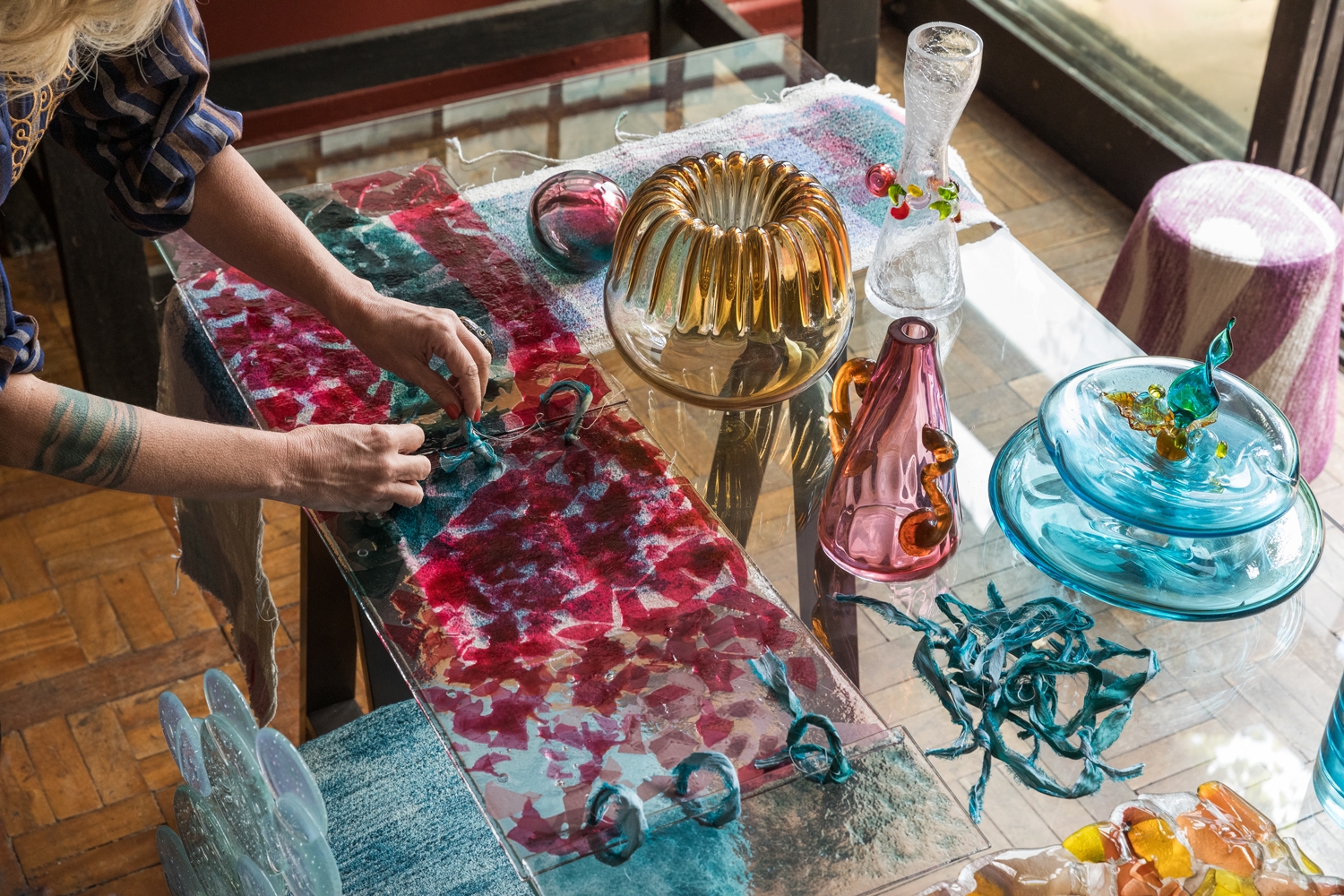
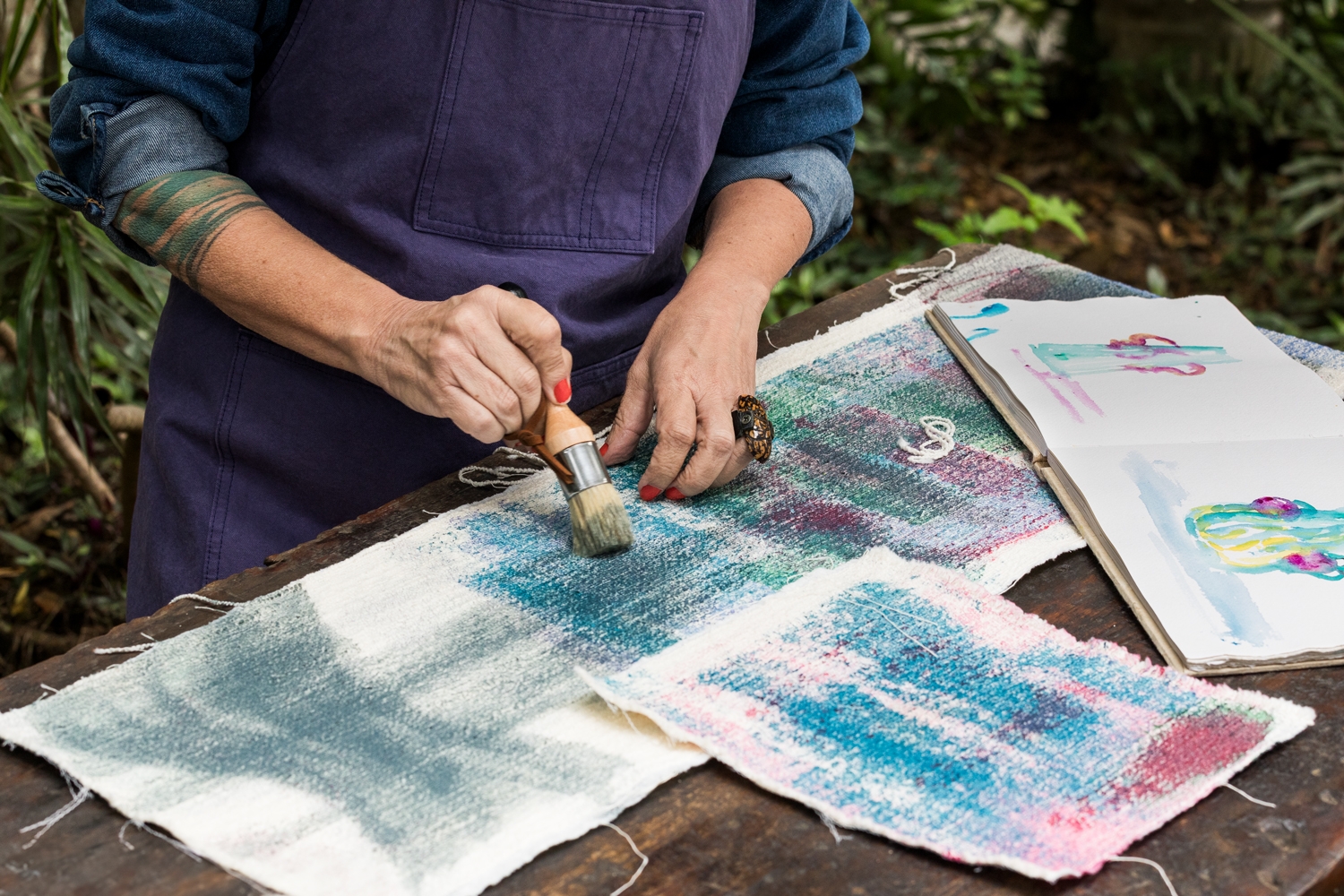
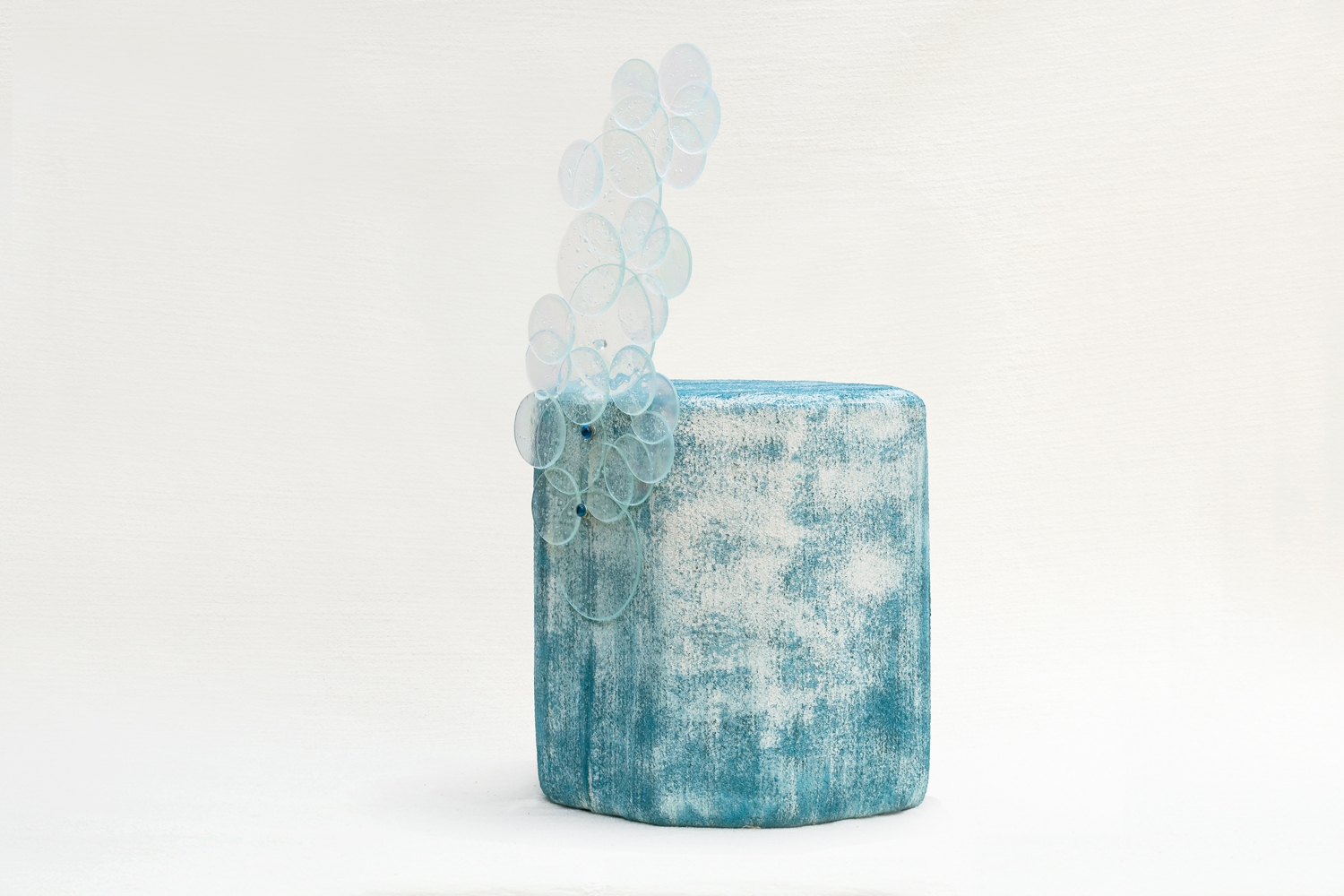
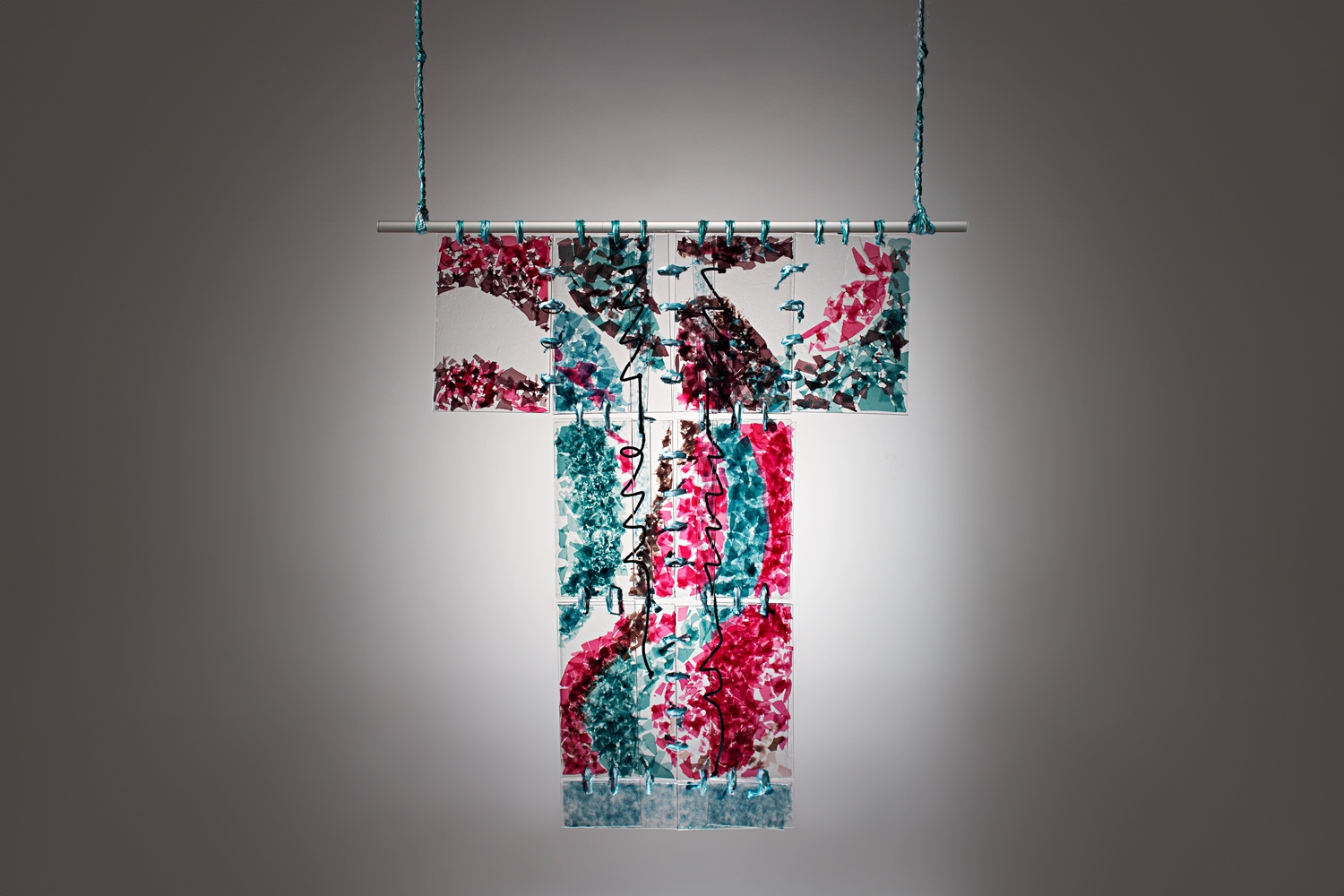
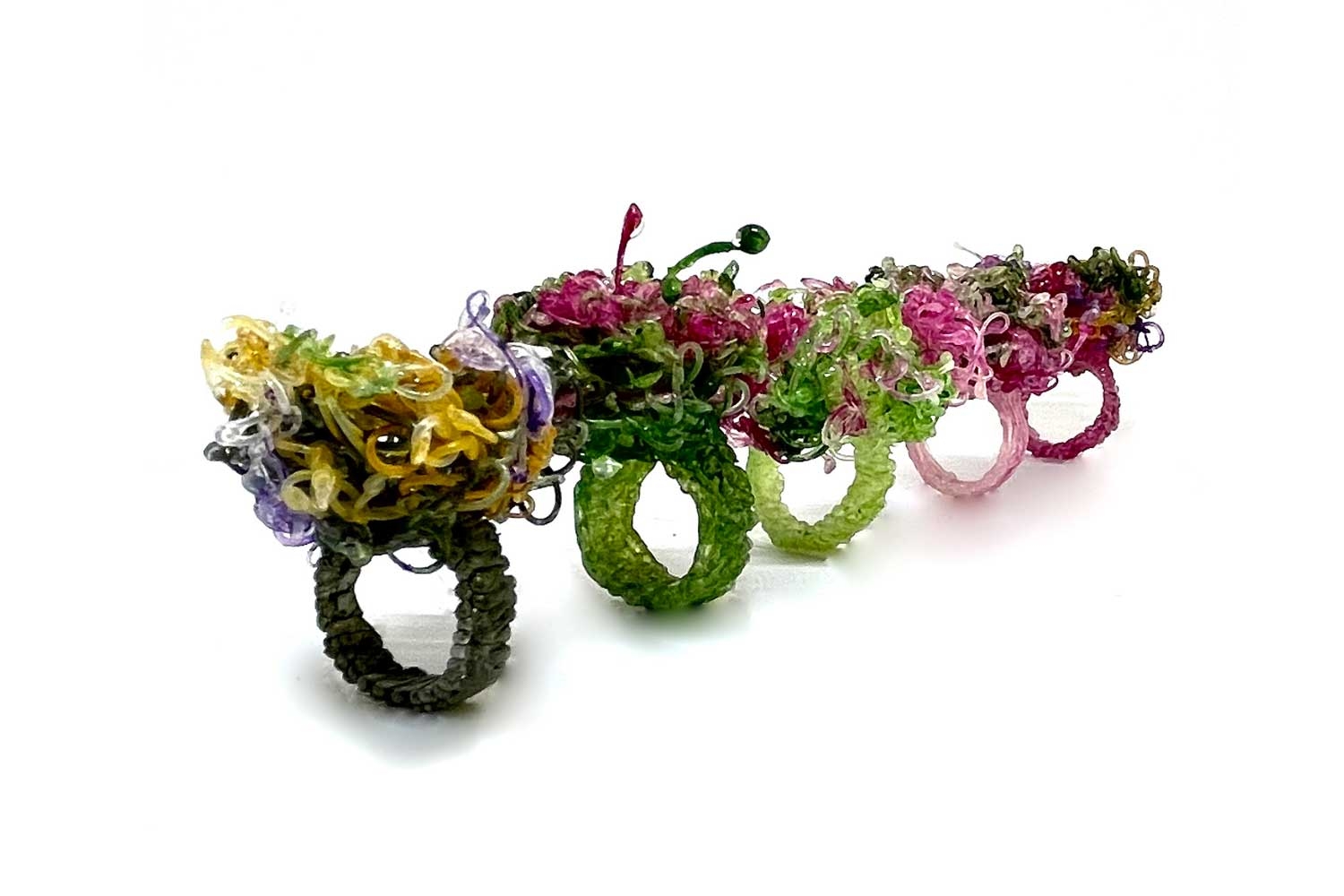
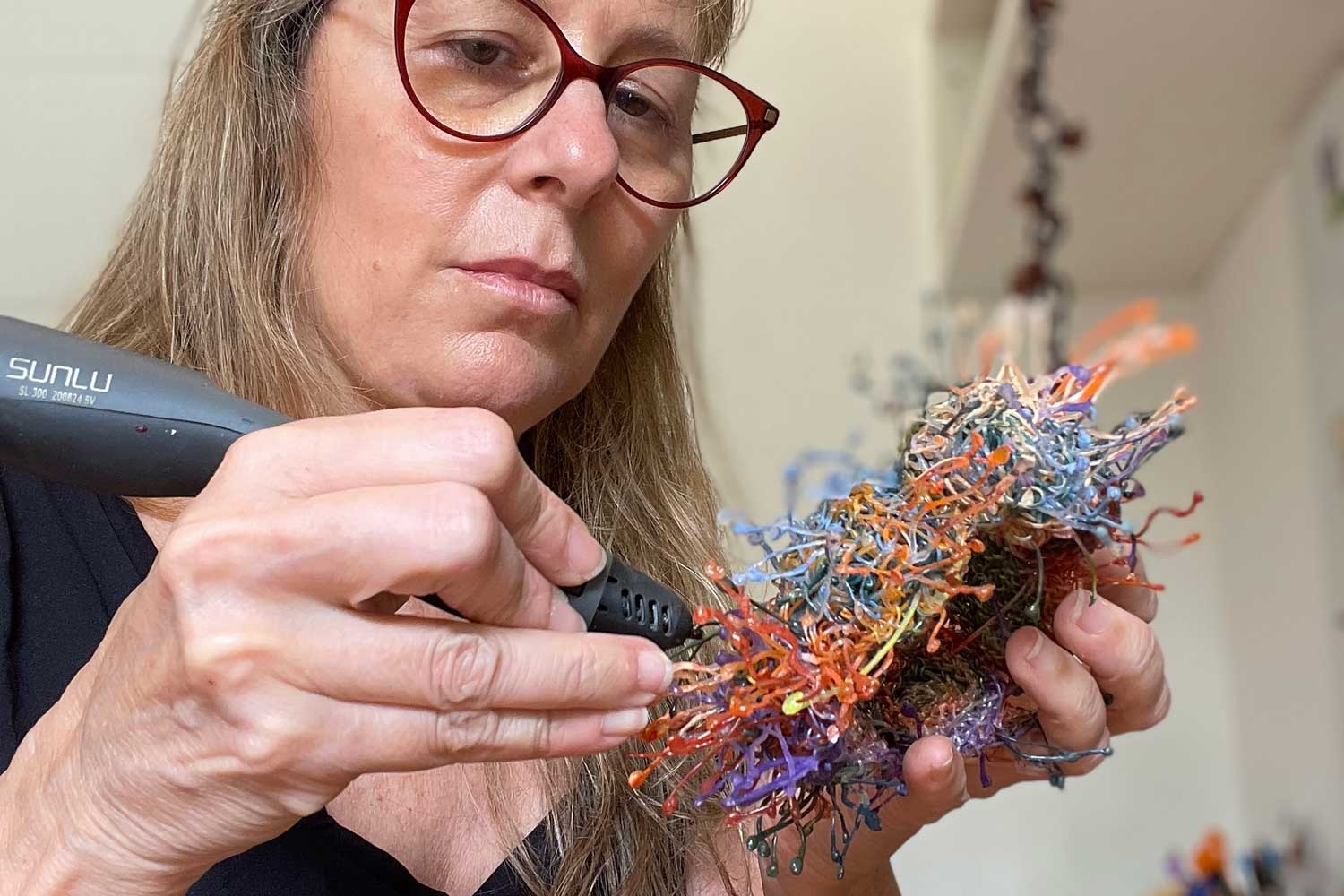
I build on my background in textile and fashion design. In my earlier series Desdobramentos, I created colourful poufs that combined glass and watercolour painted fabric. The Vitreous Garment is a wearable glass object, extending the dialogue between material and body.
Patrícia Faragone
Glassblower
Sao Paulo, Brazil
ADDRESS
Address upon request, Sao Paulo, Brazil
AVAILABILITY
By appointment only
PHONE
+55 11991919155
LANGUAGES
Portuguese, English
Homo Faber Finds is a new service aiming to inspire admirers of craft to connect and collaborate with exceptional artisans.
We invite you to submit an enquiry here.


Bottle Marsupial 2017 Tom Moore.jpg)
Studio Portrait Tom Moore.jpg)
Blowing Glass 4 Tom Moore.jpg)