©Michelangelo Foundation
©Michelangelo Foundation
©Michelangelo Foundation
©BankART1929
©Masaya Hashimoto
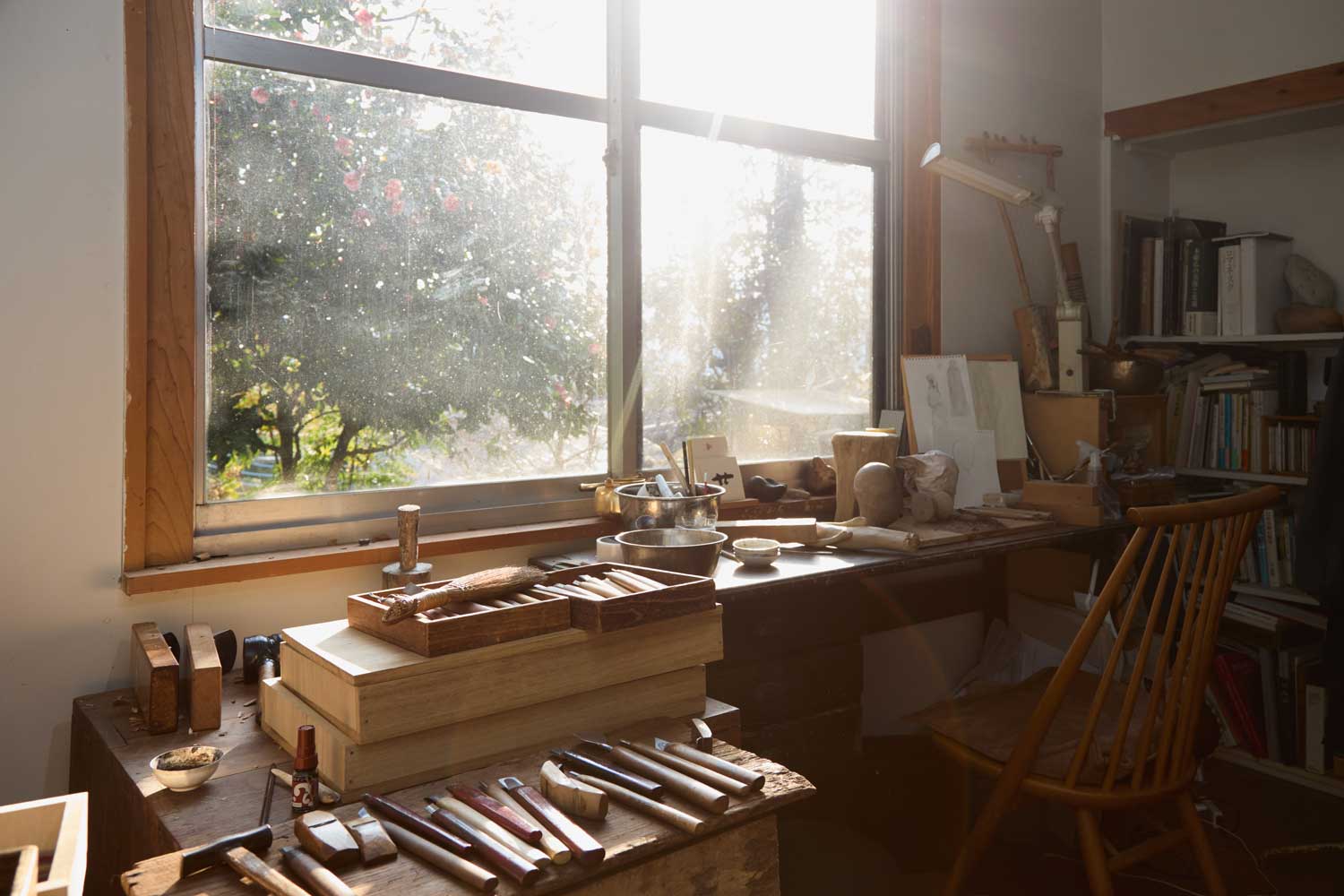
©Michelangelo Foundation
Masaya Hashimoto
Mixed media sculptor
Sagamihara, Japan
©Michelangelo Foundation
©Michelangelo Foundation
©Michelangelo Foundation
©Michelangelo Foundation
©Michelangelo Foundation
©Michelangelo Foundation
©BankART1929
©BankART1929
©Masaya Hashimoto
©Masaya Hashimoto
©Michelangelo Foundation
©Michelangelo Foundation
Revealing the inner nature of wood
- Masaya creates abstract sculptures that amplify organic textures and forms
- A piece of wood picked up casually in India set him on the path of becoming a sculptor
- Buddhist sculpture concepts learned under master Takada Jigen have deeply influenced his practice
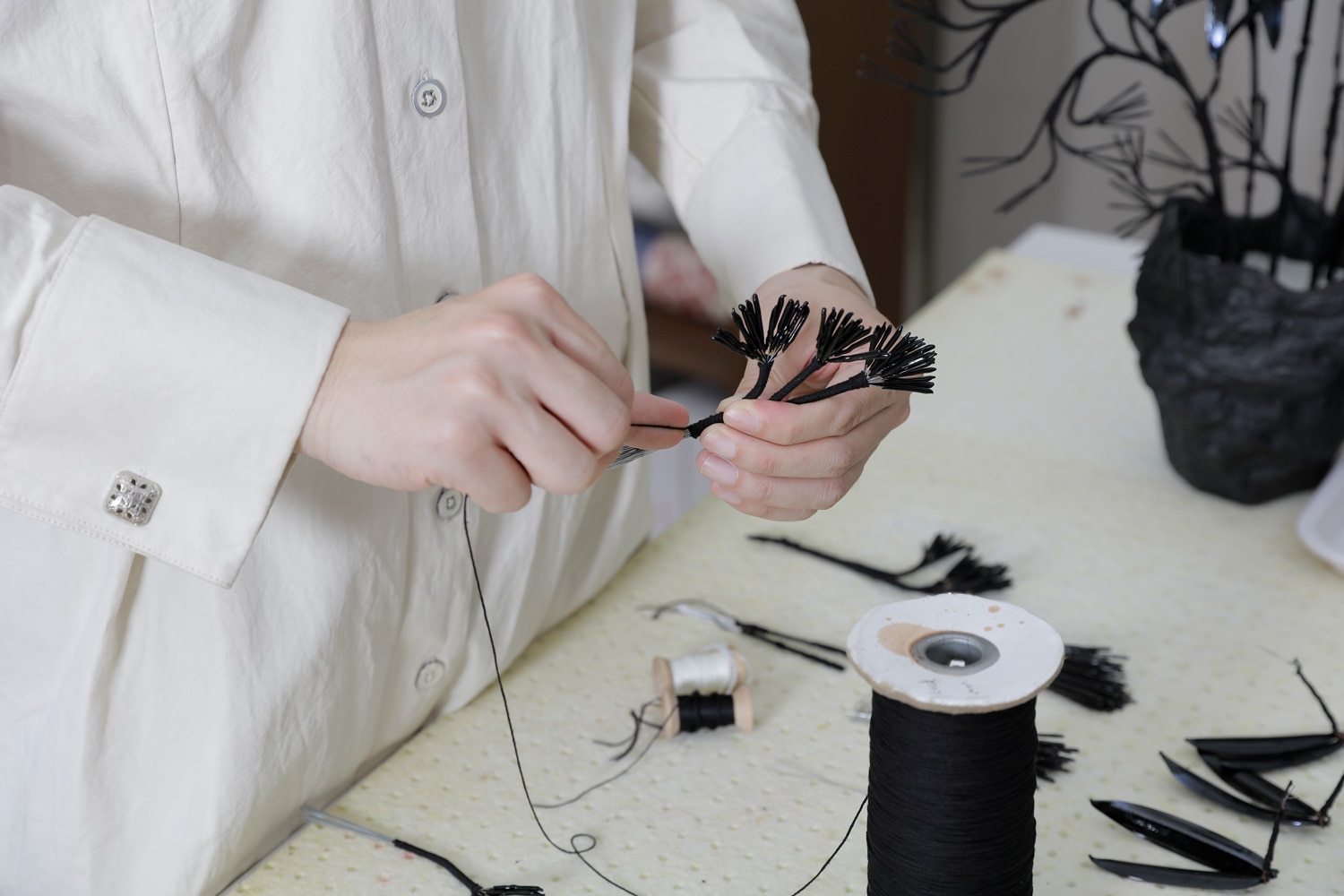
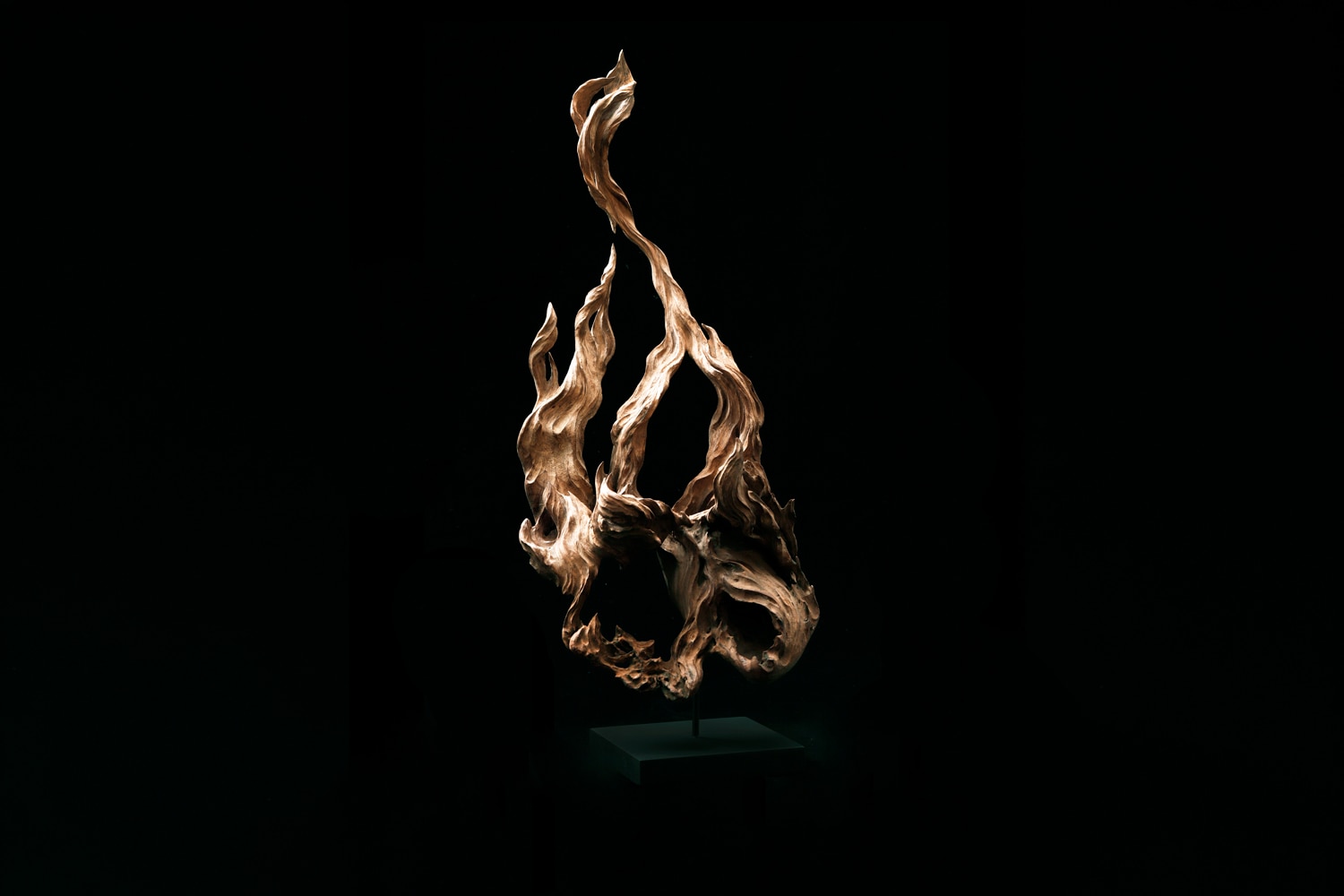
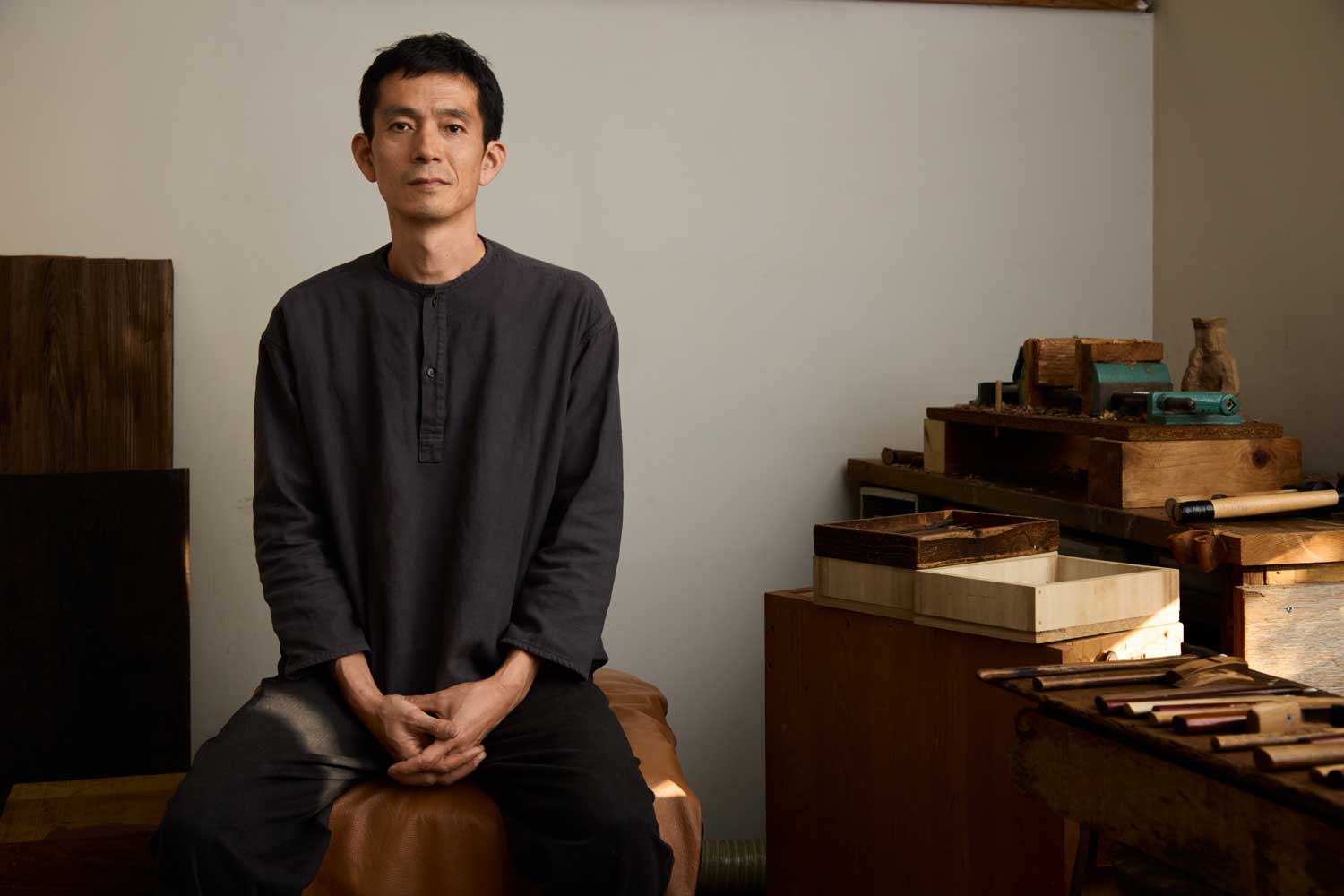
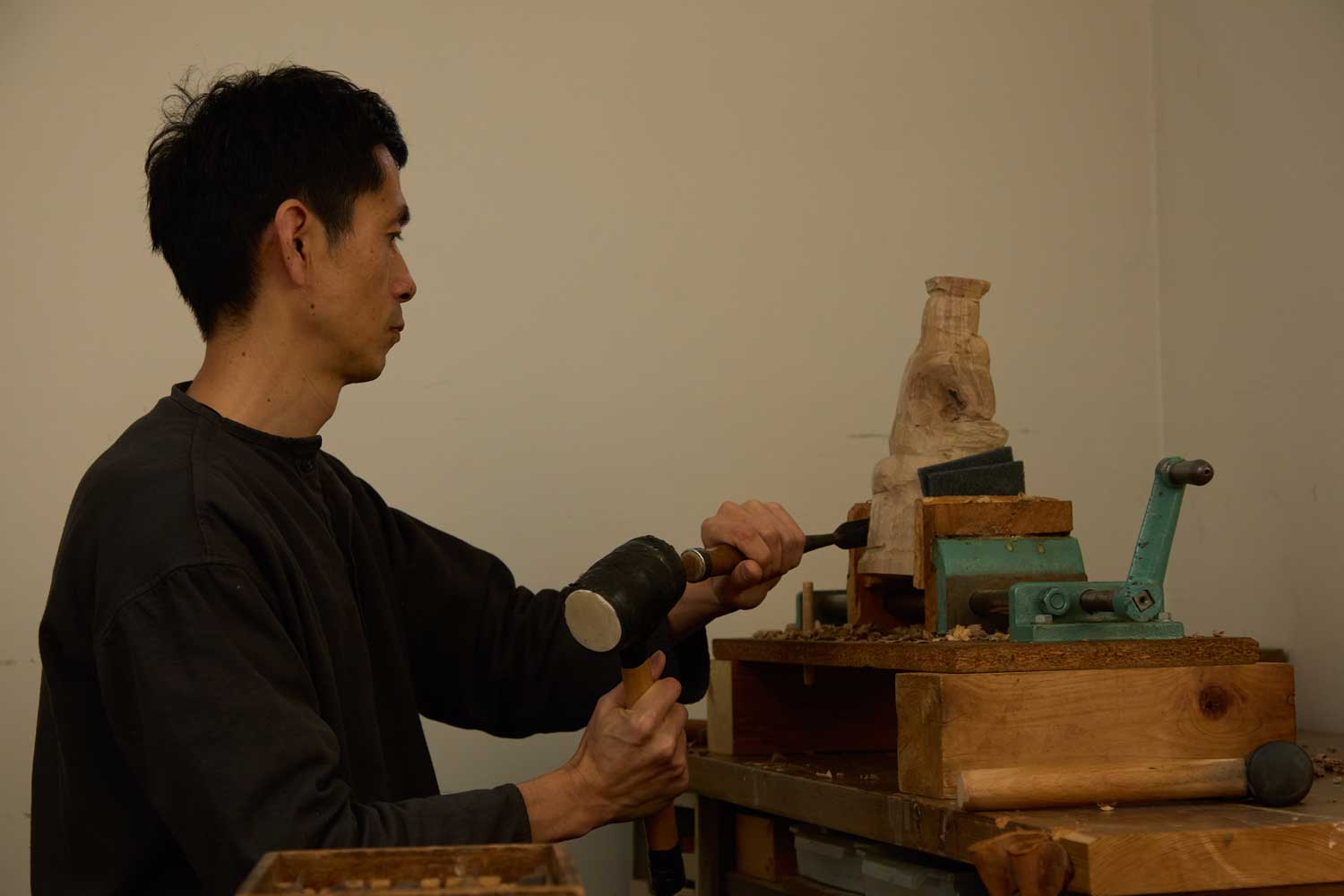
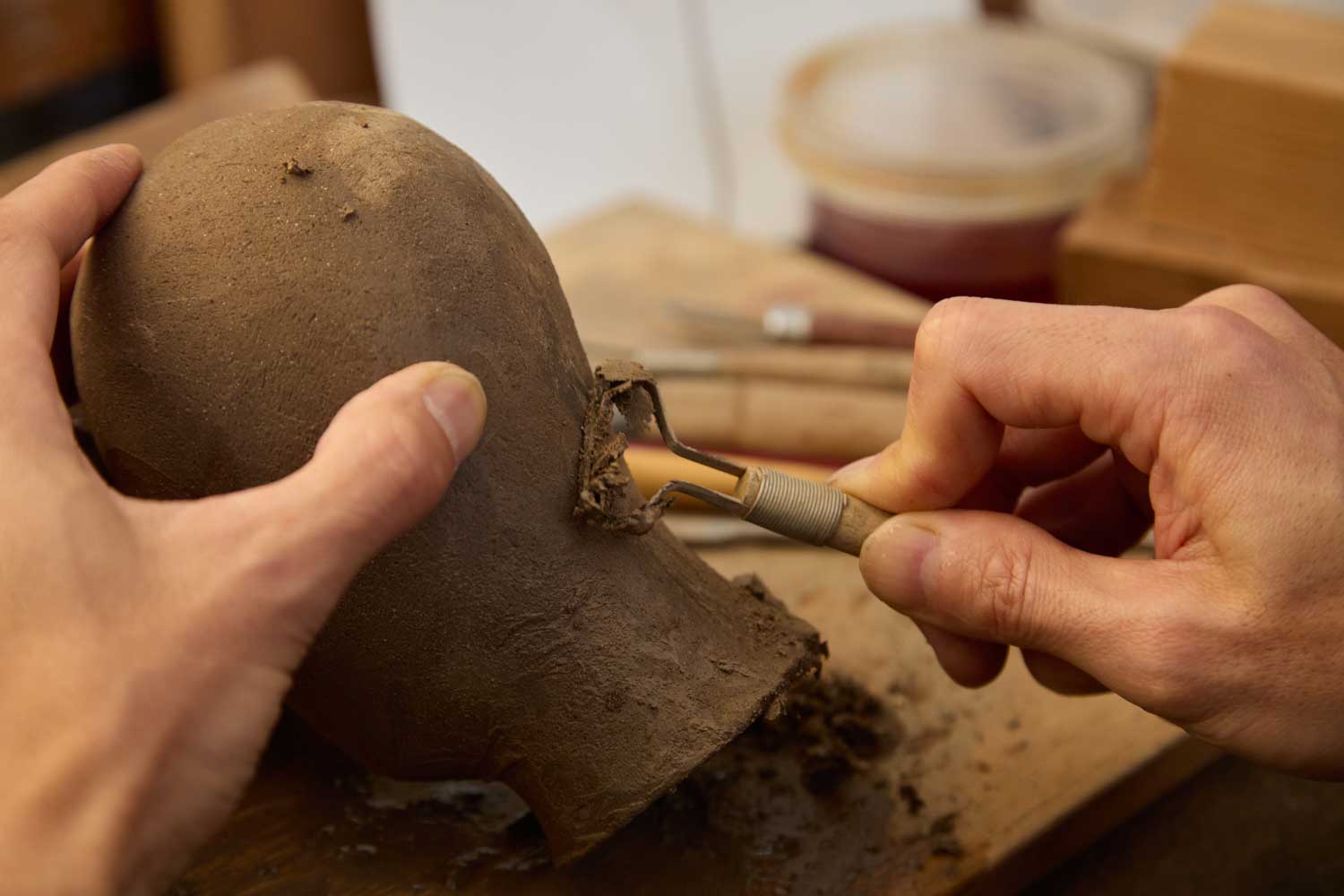
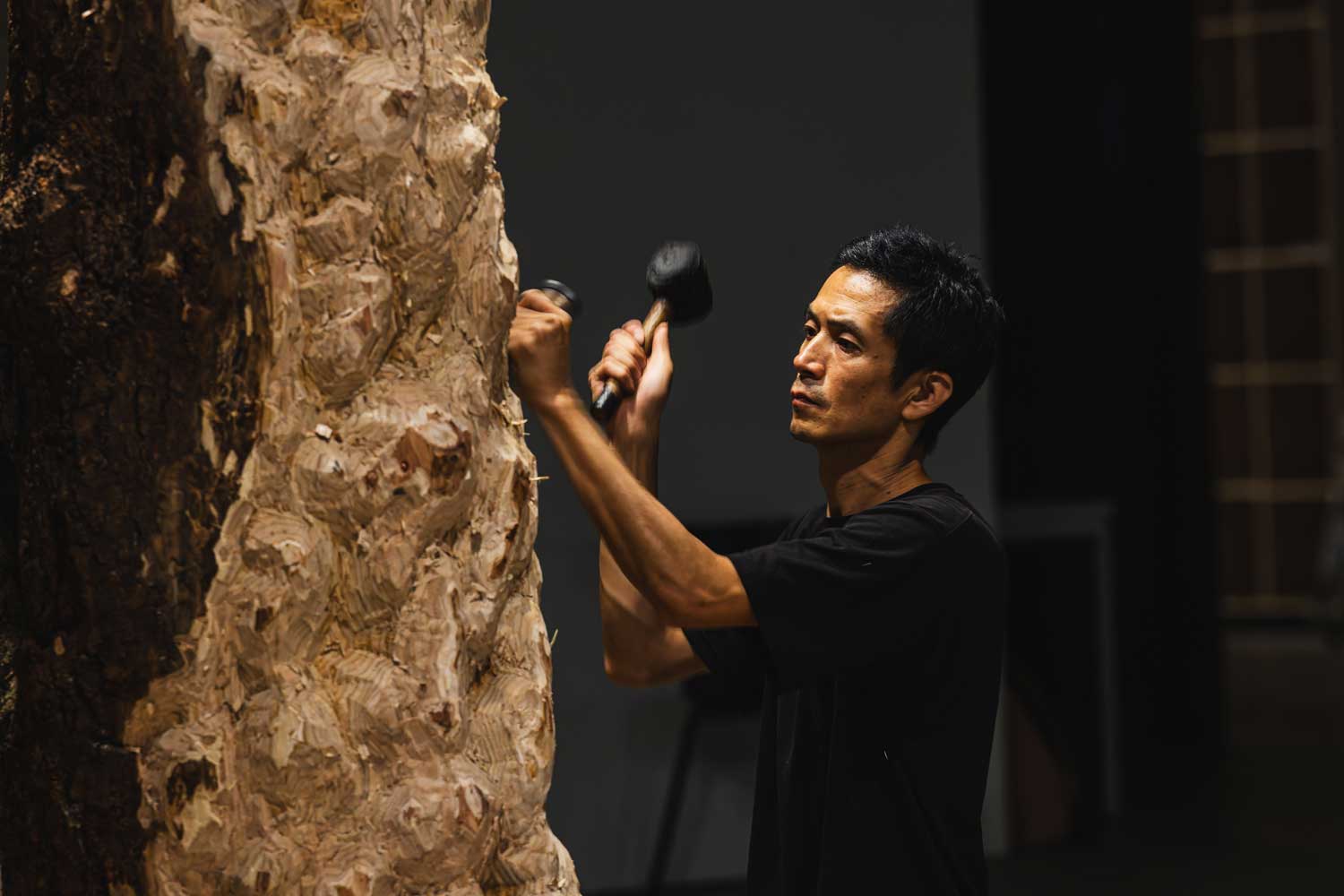
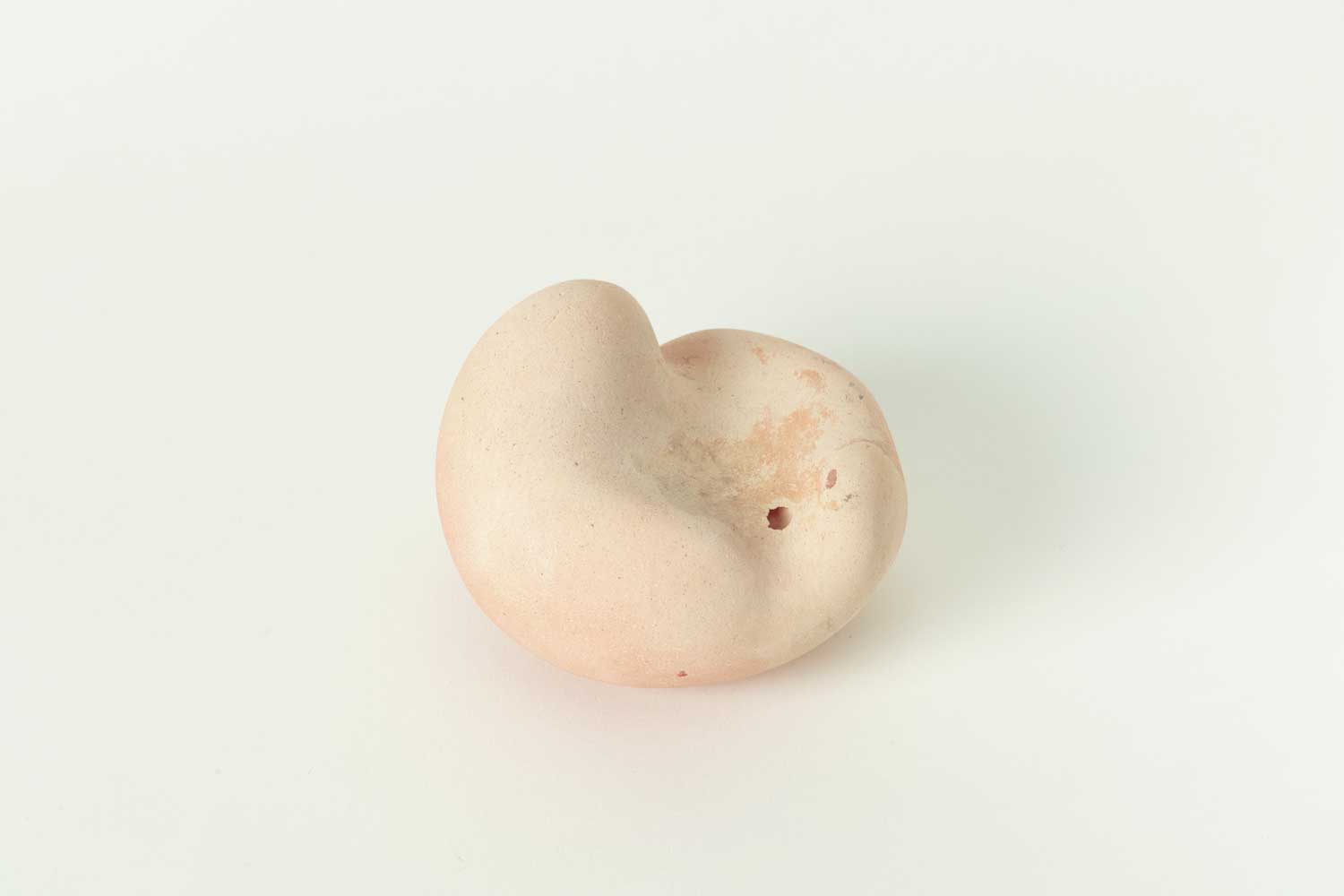
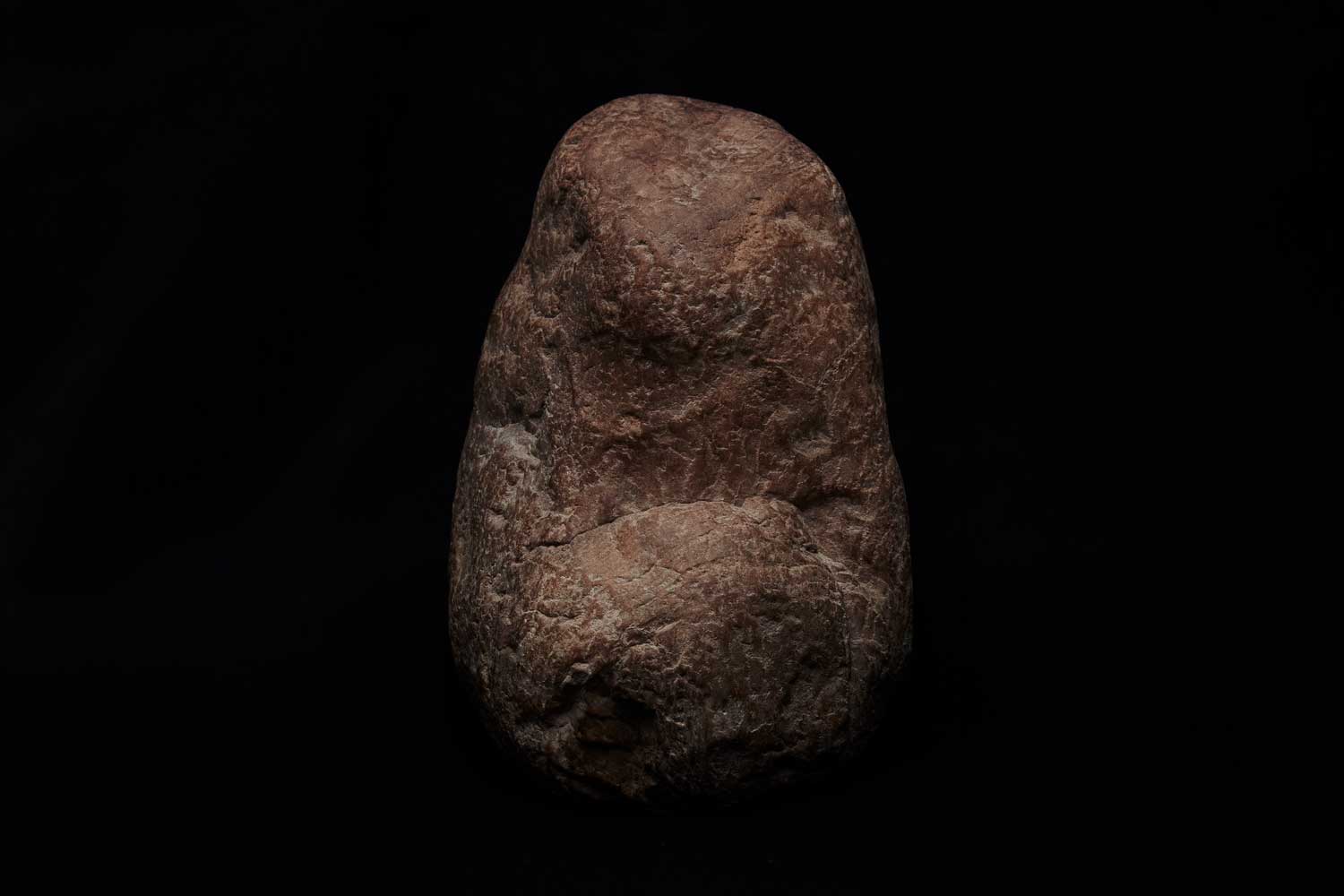
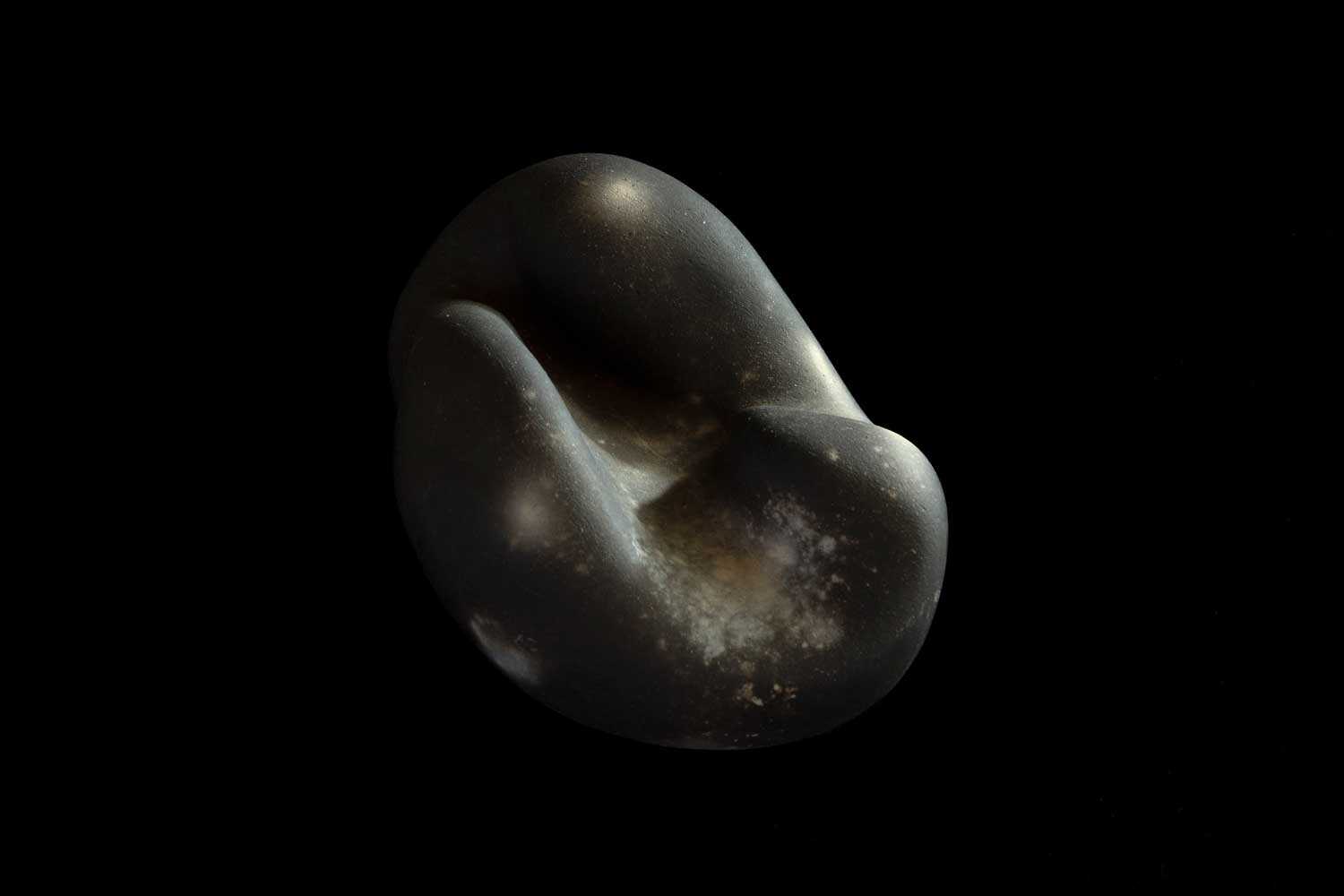
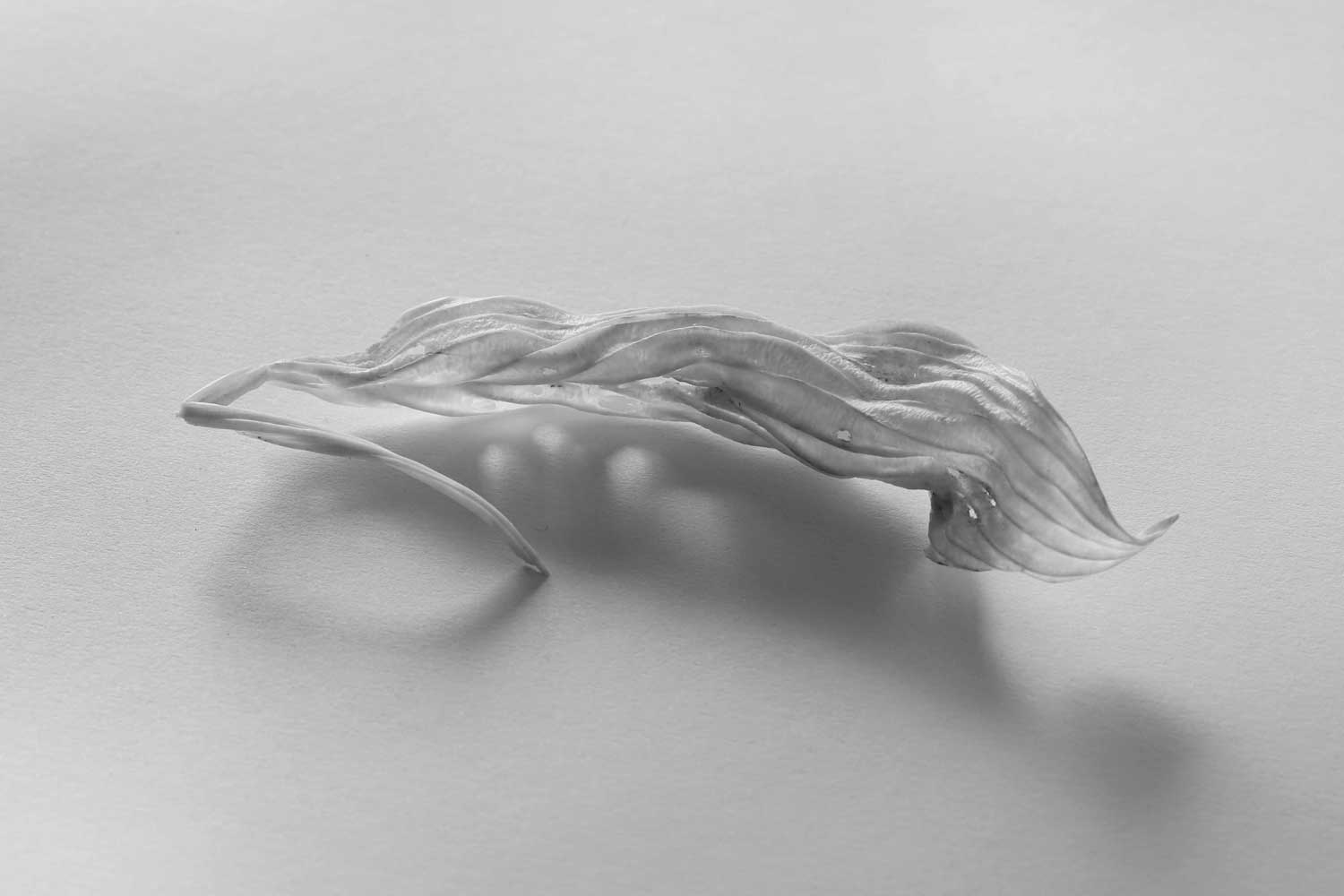
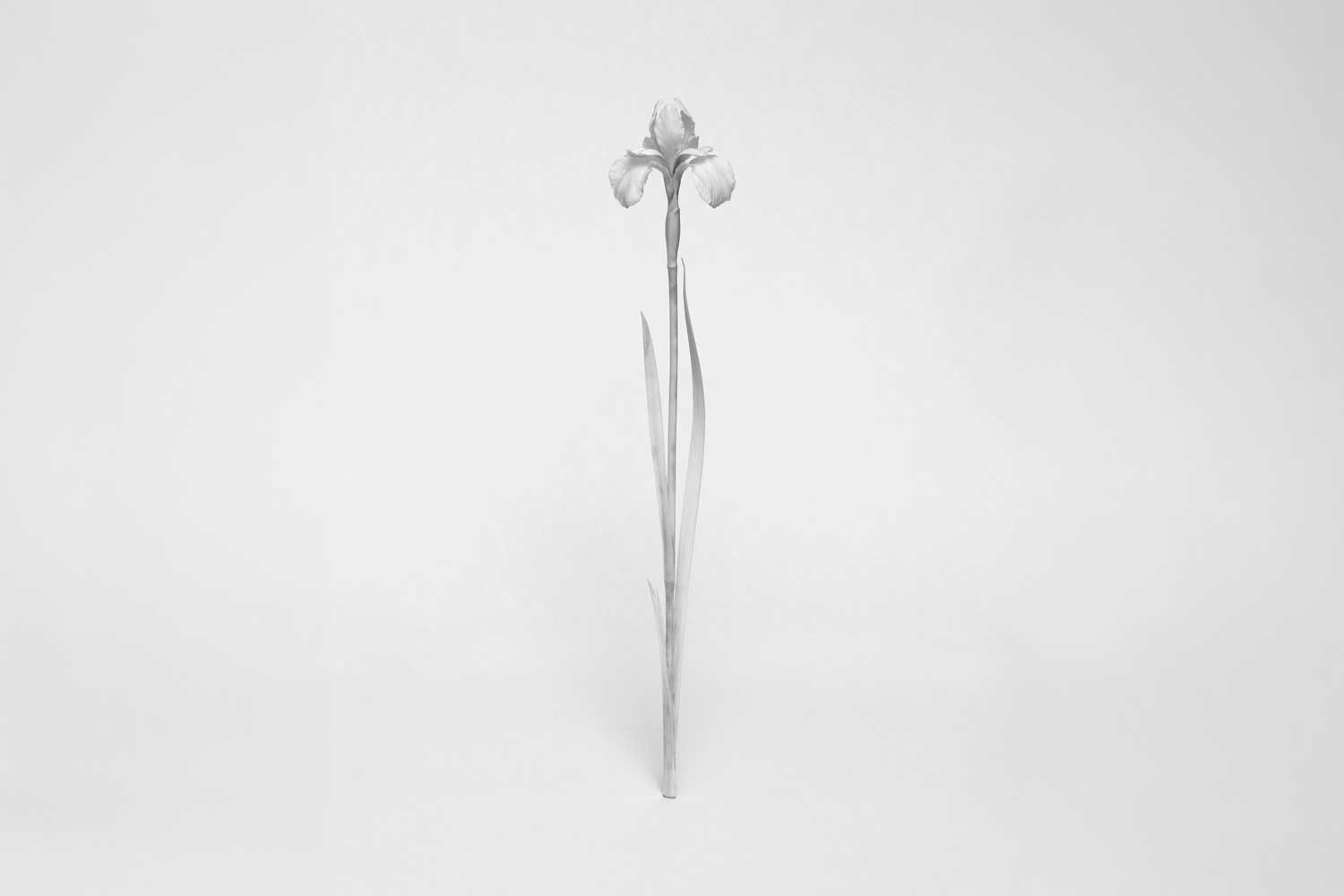
Masaya Hashimoto is a self-taught sculptor creating poetic and meaningful pieces from wood, bone and antlers that connect the viewer to the natural world and help them find their place within it. While he has a particular affinity for wood, he works across a wide range of organic and natural materials including clay, minerals and soil. Masaya’s patient observation of nature in its cycles and subtle variations guides his gestures. “I like to allow the intrinsic qualities of the material itself to emerge rather than impose a form on them. The natural darkening of antler horn gives expression to the mould on a flower's leaf, while certain curves suggest the fluidity and suppleness of plant life,” he says. At the heart of Masaya’s practice are wildflowers and plants carved from deer antler and bone. These pieces evoke the unfolding of slow time, encompassing both the fragility of the moment and the depth of duration.
Masaya Hashimoto is an expert artisan: he began his career in 2000.
INTERVIEW
One reason I favour wood, antler and bone rather than man-made materials is that I sense a depth of life within them. Regardless of the specific material I choose, I wish to remain in a state of wonder towards the world I touch each day and the things that emerge through the act of making.
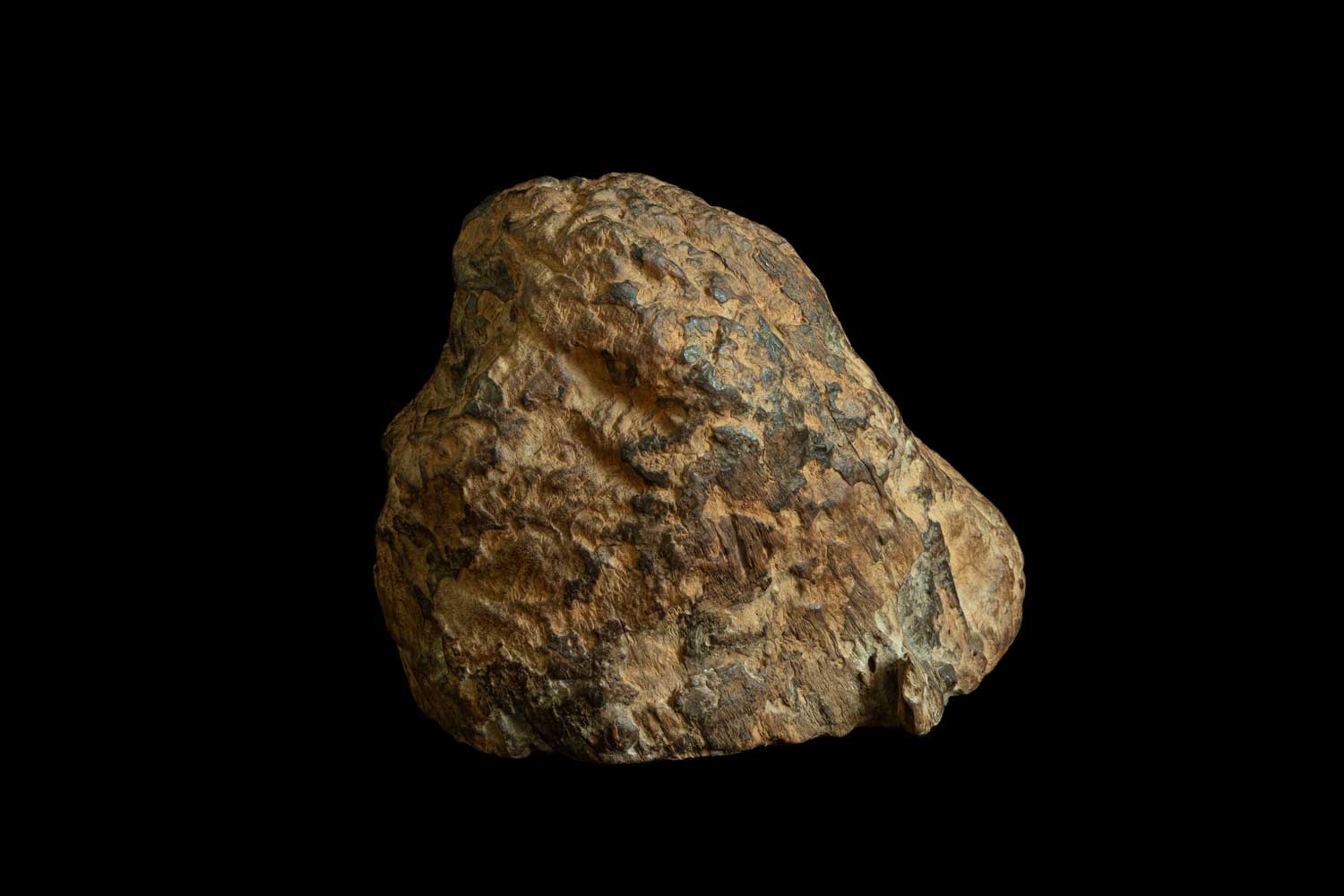
While staying in a village at the foot of the Himalayas, I began sanding a piece of wood I had found in a stream. As the grain slowly revealed itself, I felt a quiet presence. Until then, I had been seeking a way to express myself, but I came to realise that materials already contain something rich within them. Rather than expressing myself, I turned towards drawing out what is inherent in the material. That shift has led me to where I am today.
Such categorical boundaries never arise in the intimate process of engaging with materials and motifs during making. They become an issue only once the piece enters a social context. Boundaries have also shifted across time and geography. In my own practice, I try to approach things without labelling them. In terms of where I show my work, I hope to continue moving across boundaries rather than being confined to any one domain.
Humans have long separated themselves from others and from the continuity of the world around them. For me, this fragmentation has given rise to many of the problems we face today. If my pieces can orientate towards the depth of life and the wholeness of the world, and if those who encounter them can carry something of that experience with them, then perhaps, in a small way, they may contribute to the restoration of that wholeness.
Masaya Hashimoto
Mixed media sculptor
Sagamihara, Japan
ADDRESS
Address upon request, Sagamihara, Japan
AVAILABILITY
By appointment only
LANGUAGES
Japanese
HOMO FABER FINDS
Homo Faber Finds is a new service aiming to inspire admirers of craft to connect and collaborate with exceptional artisans.
We invite you to submit an enquiry here.