Lucie Panis-Jones
So Far Studio
Weaver
Cape Town, South Africa
Textiles between mending and weaving
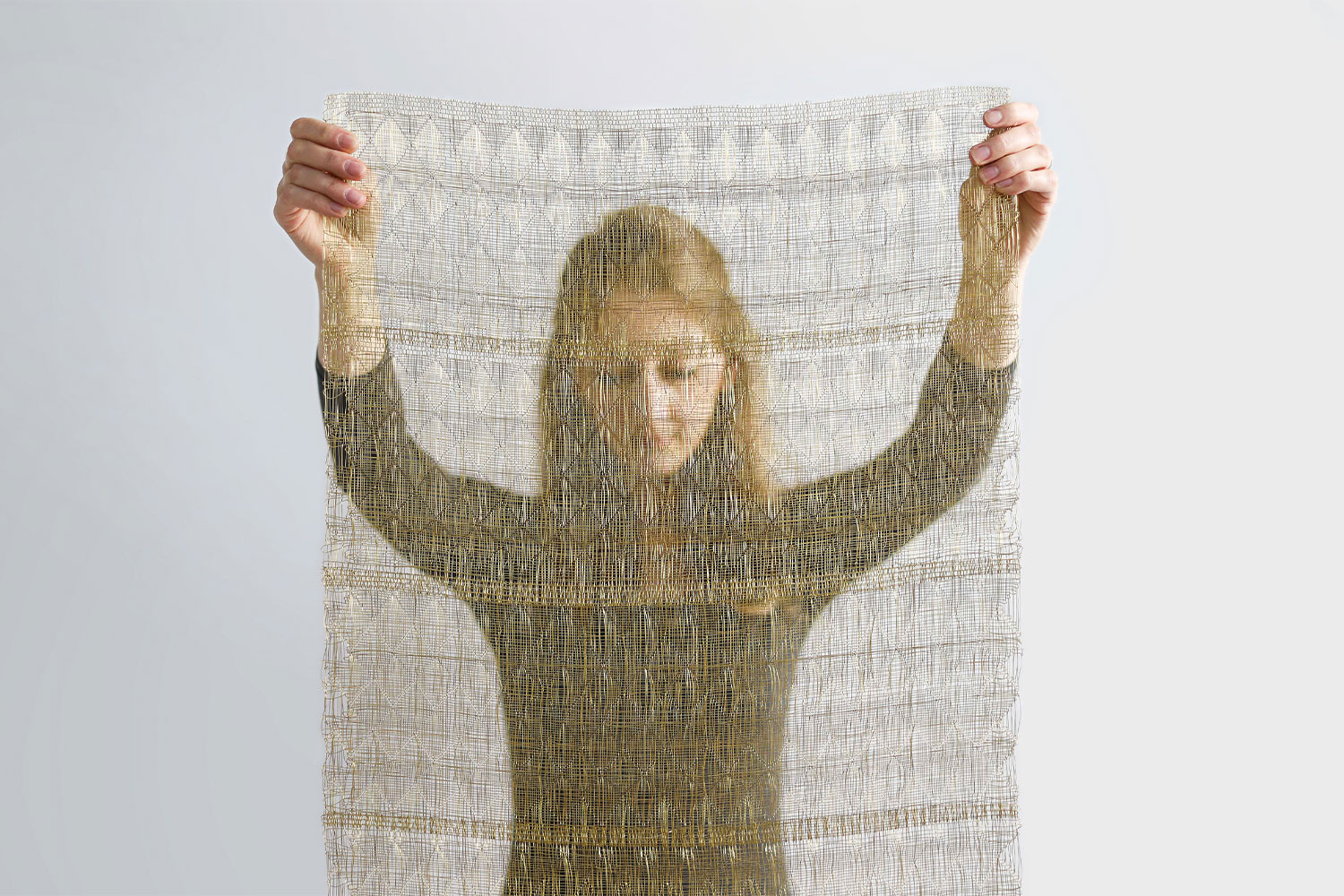
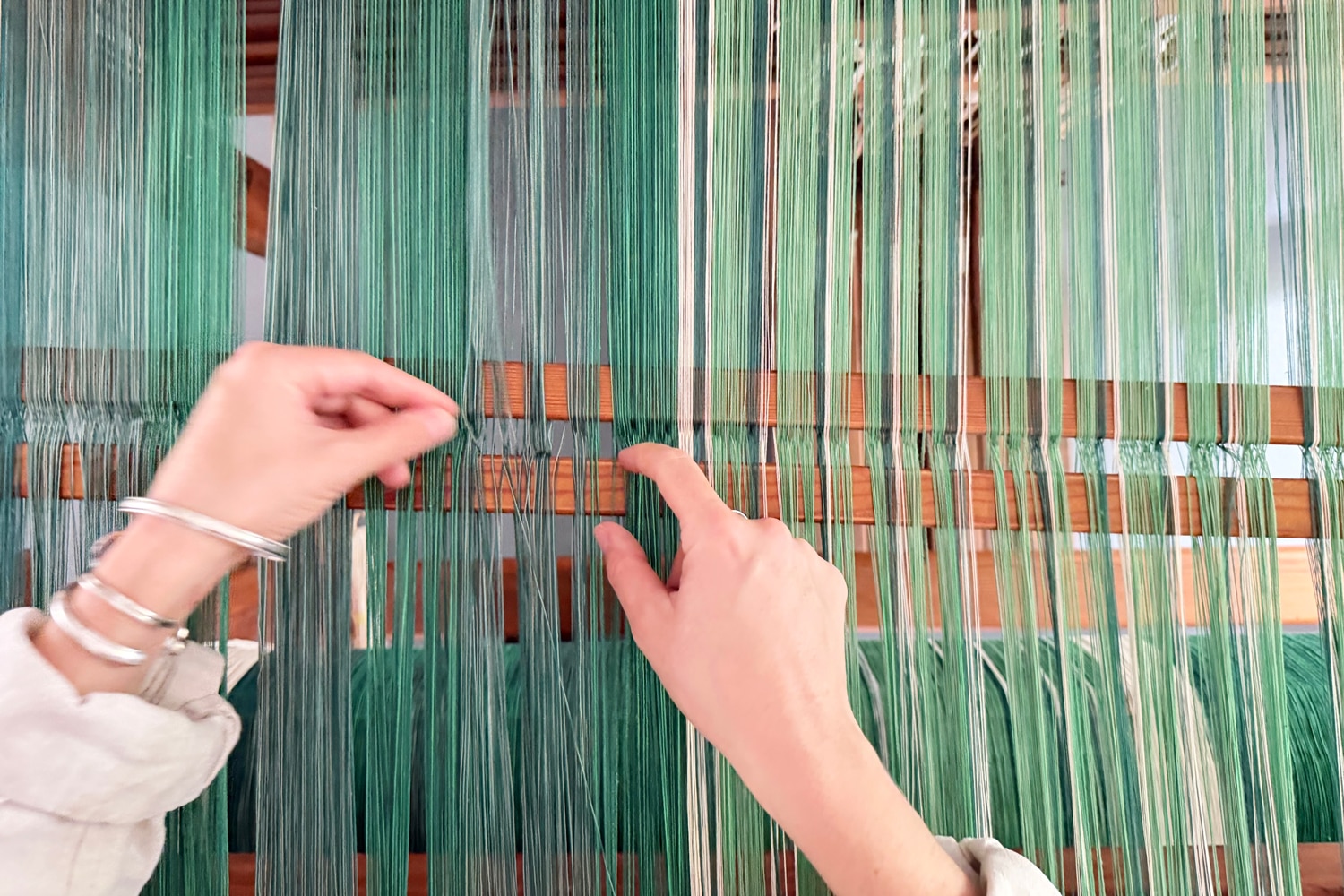
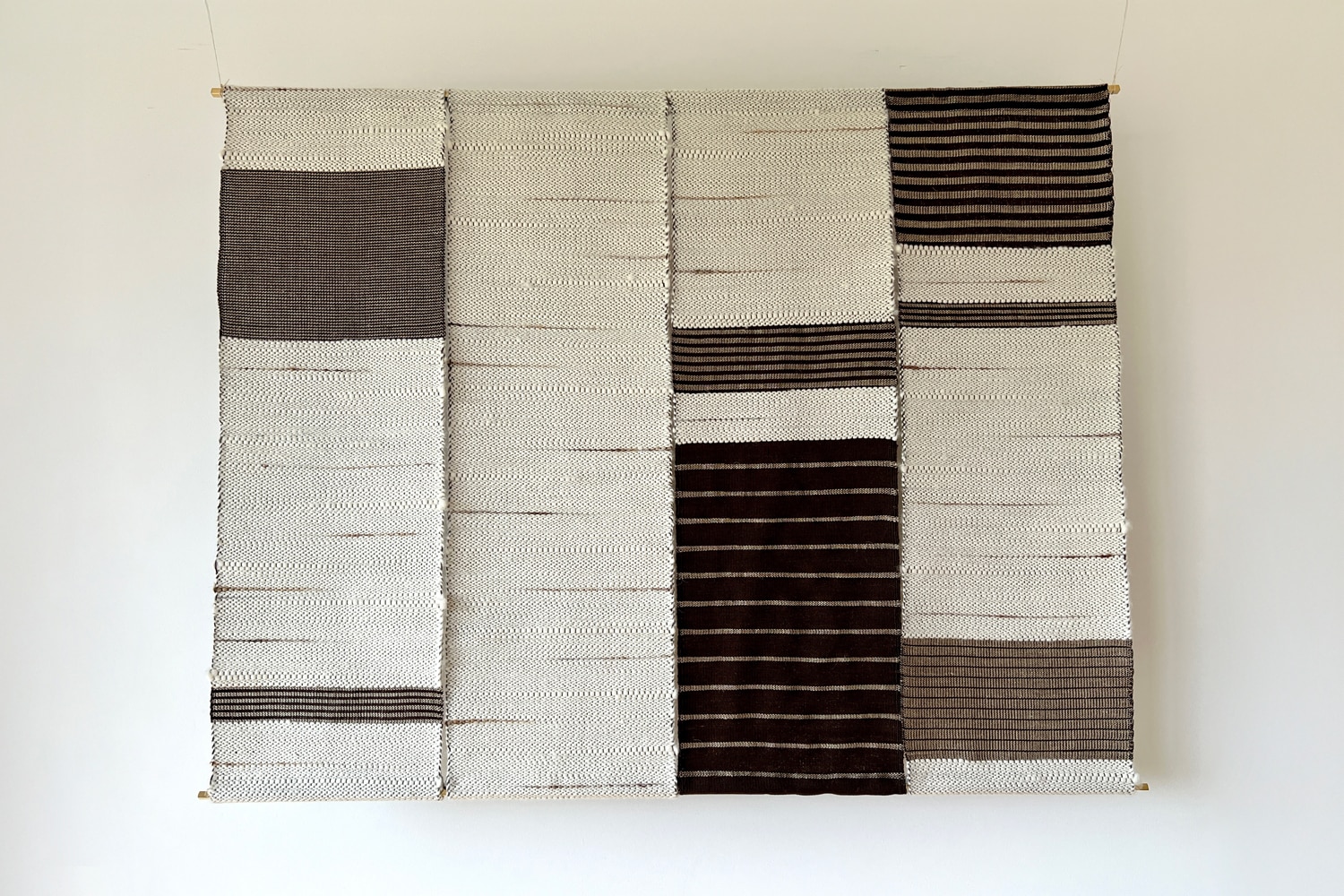
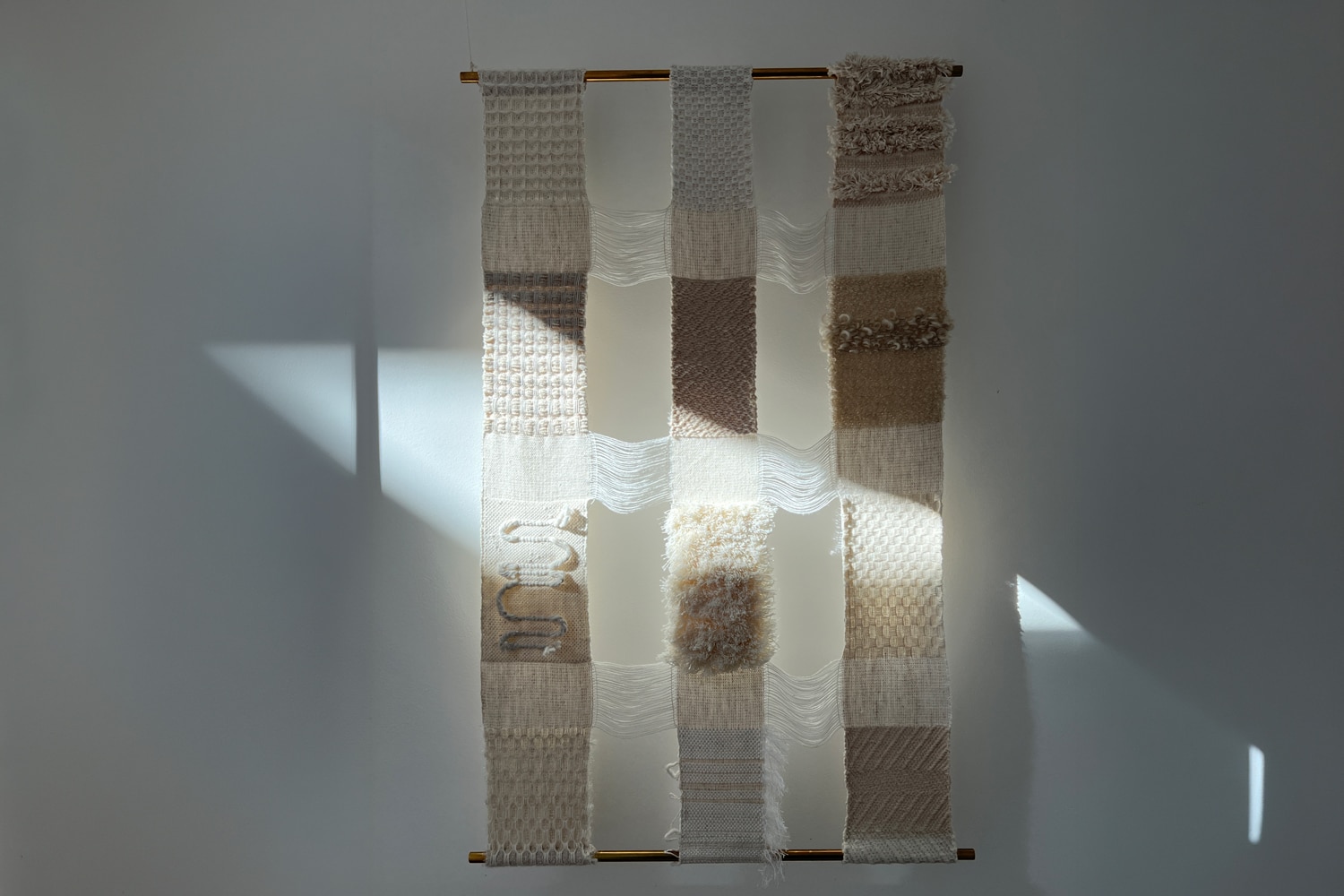
- Lucie creates handwoven pieces using repurposed materials
- Her work embraces imperfections and irregularities that are tied to handmade processes
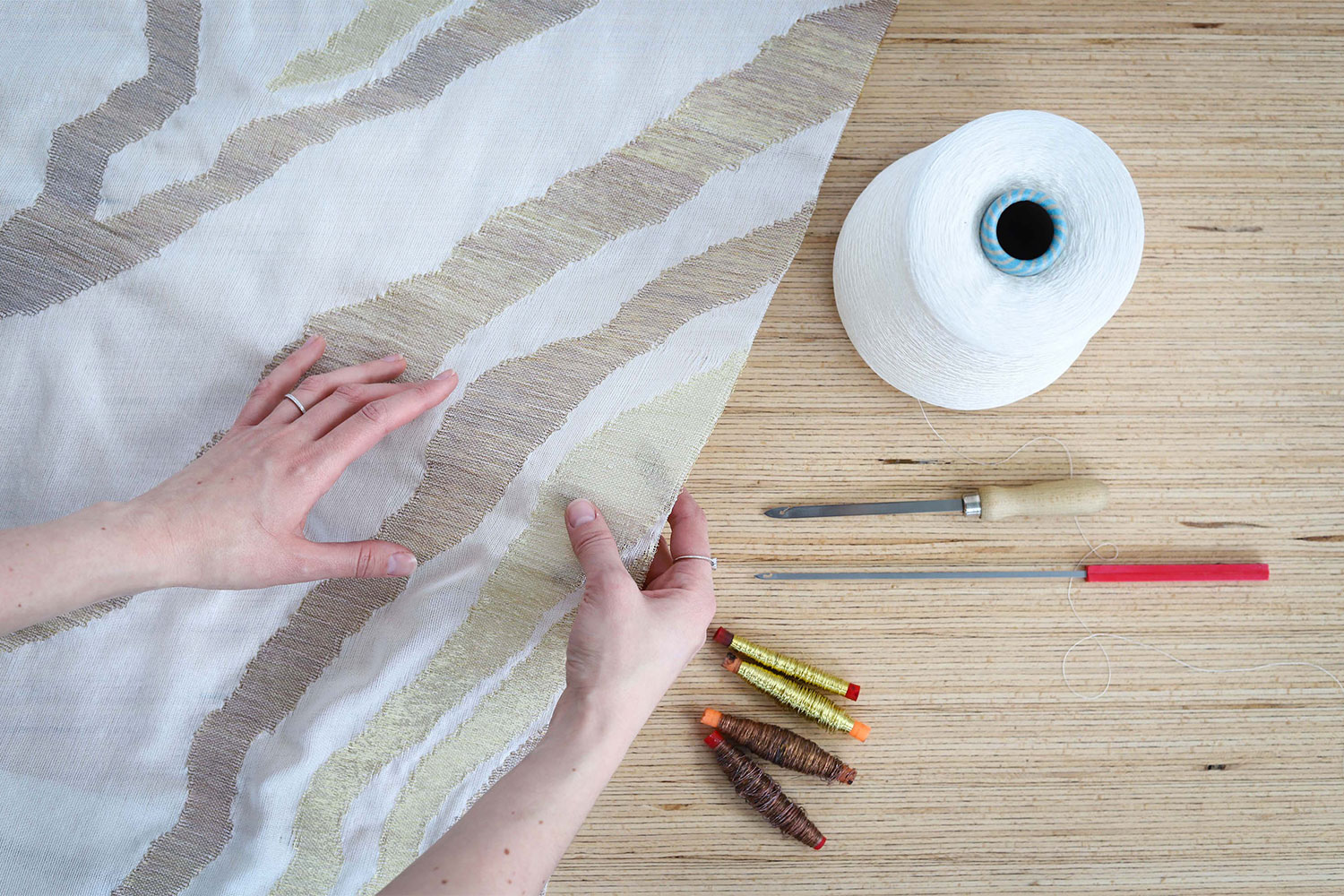
- She offers a mending service for clothes that need repair
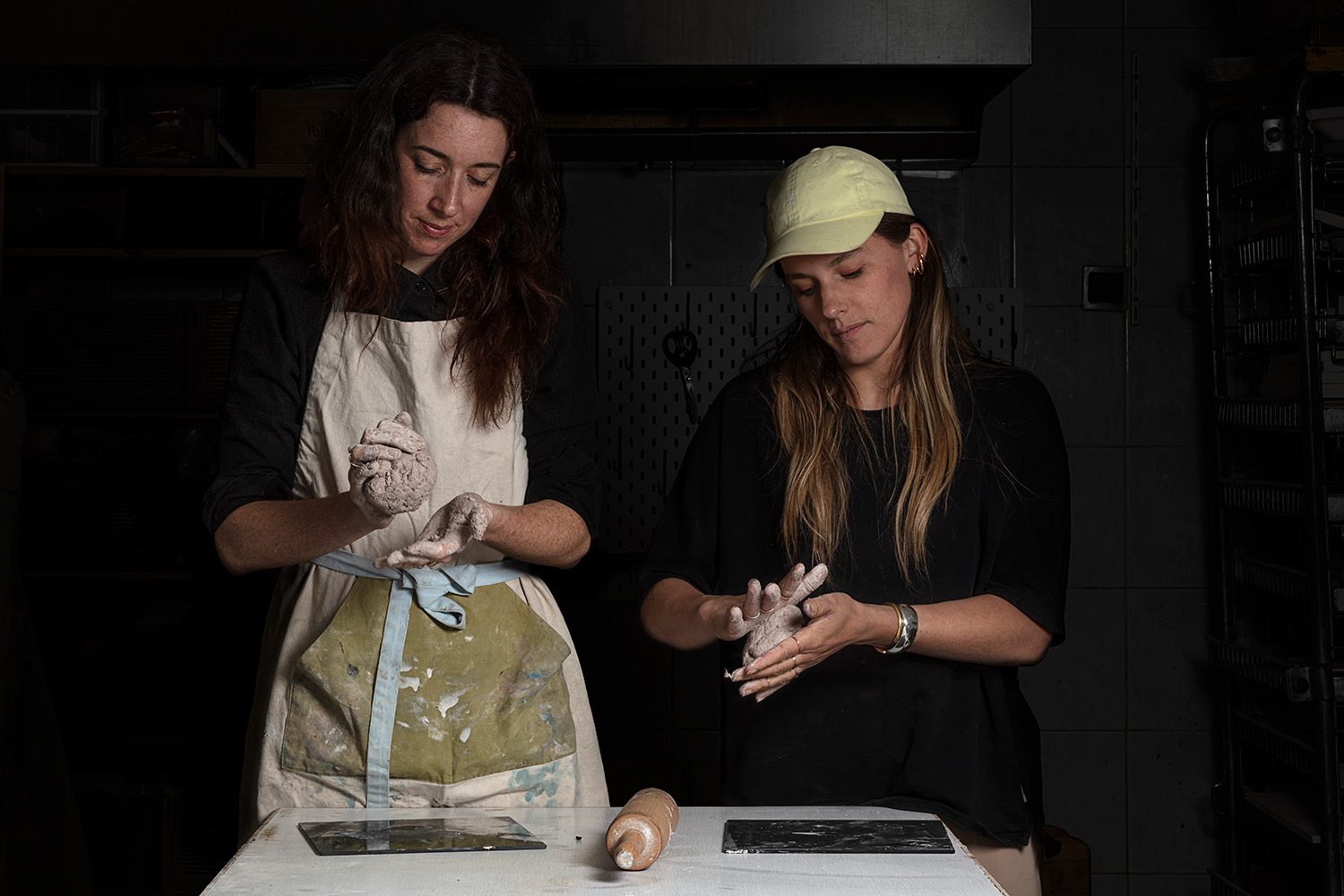
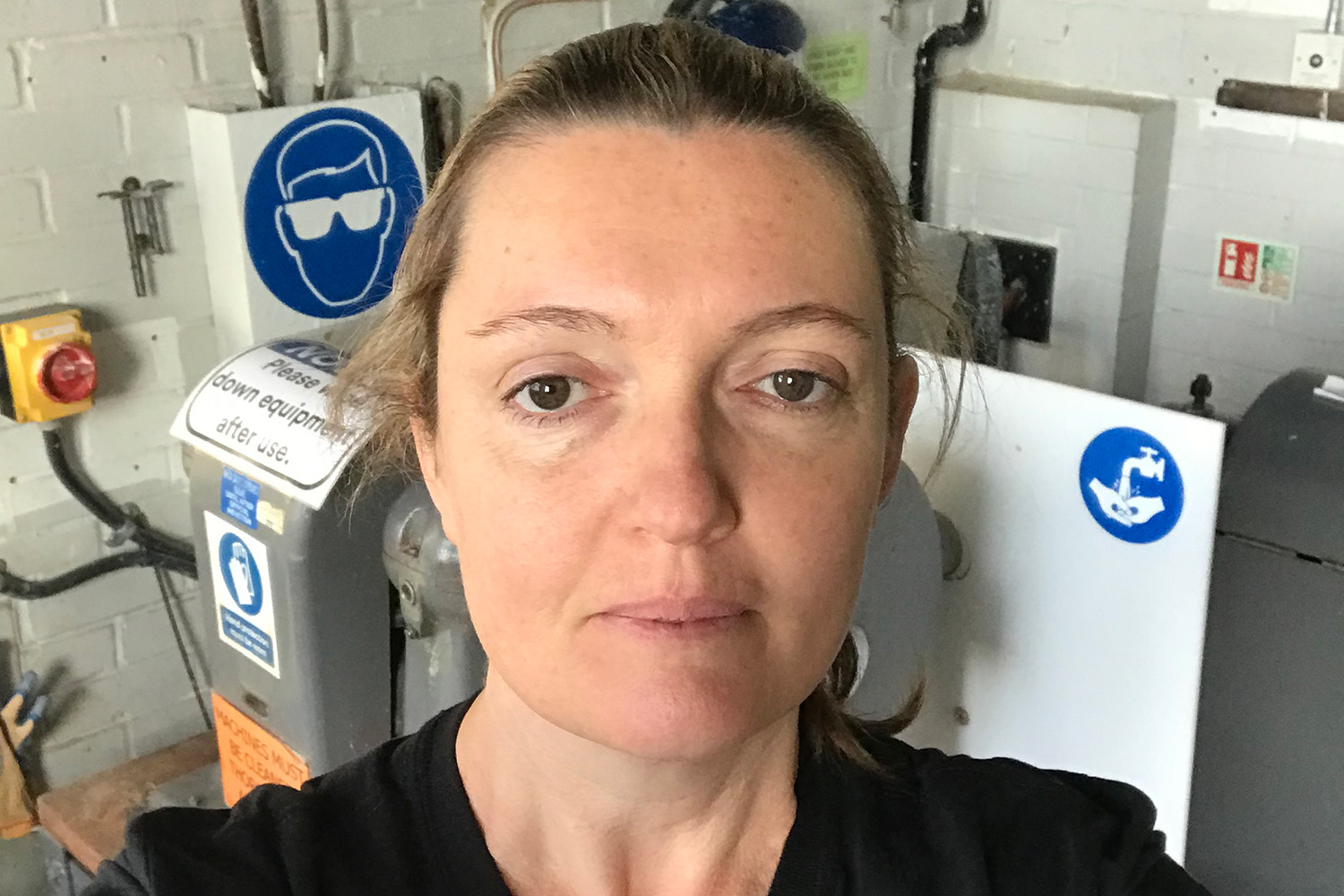
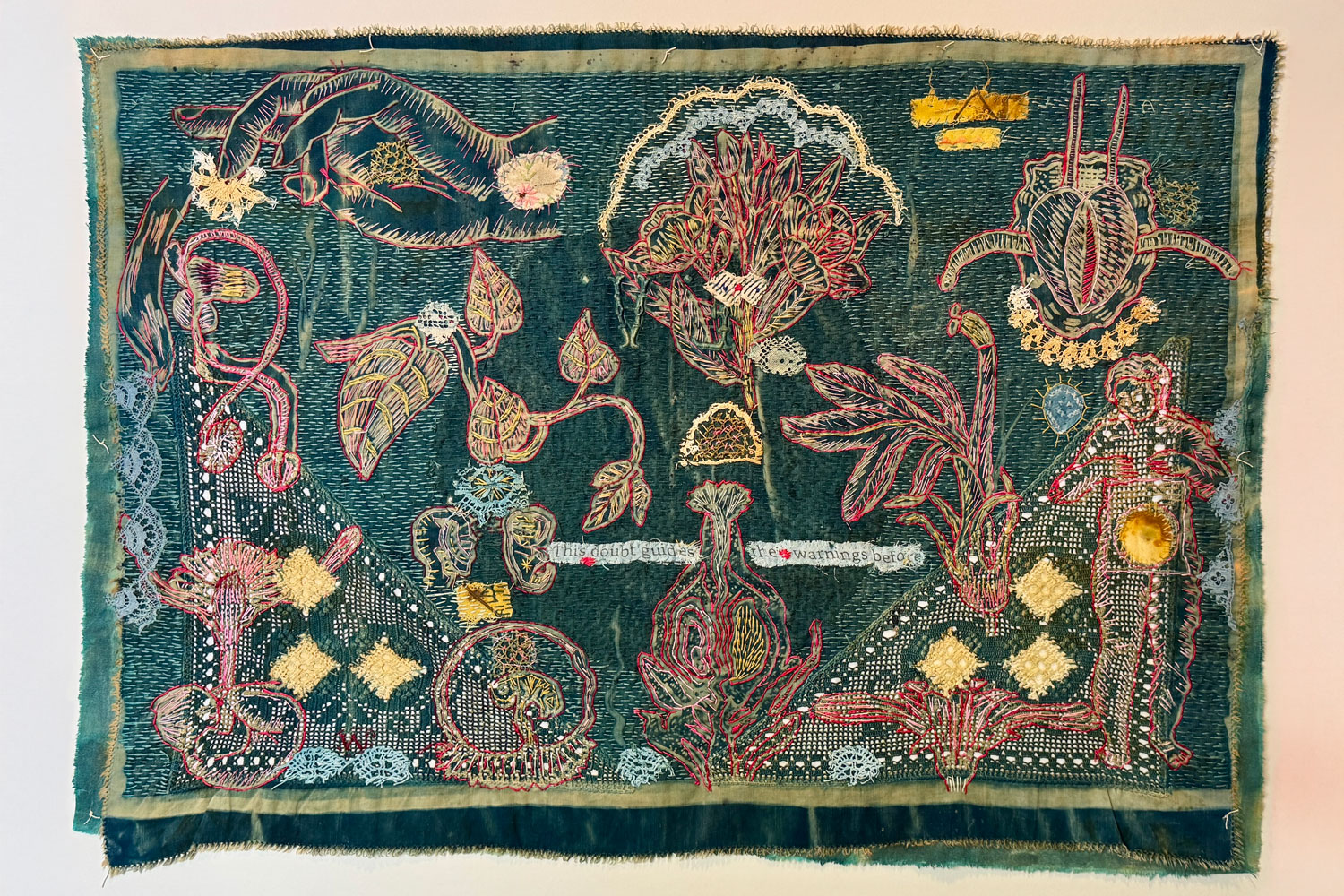
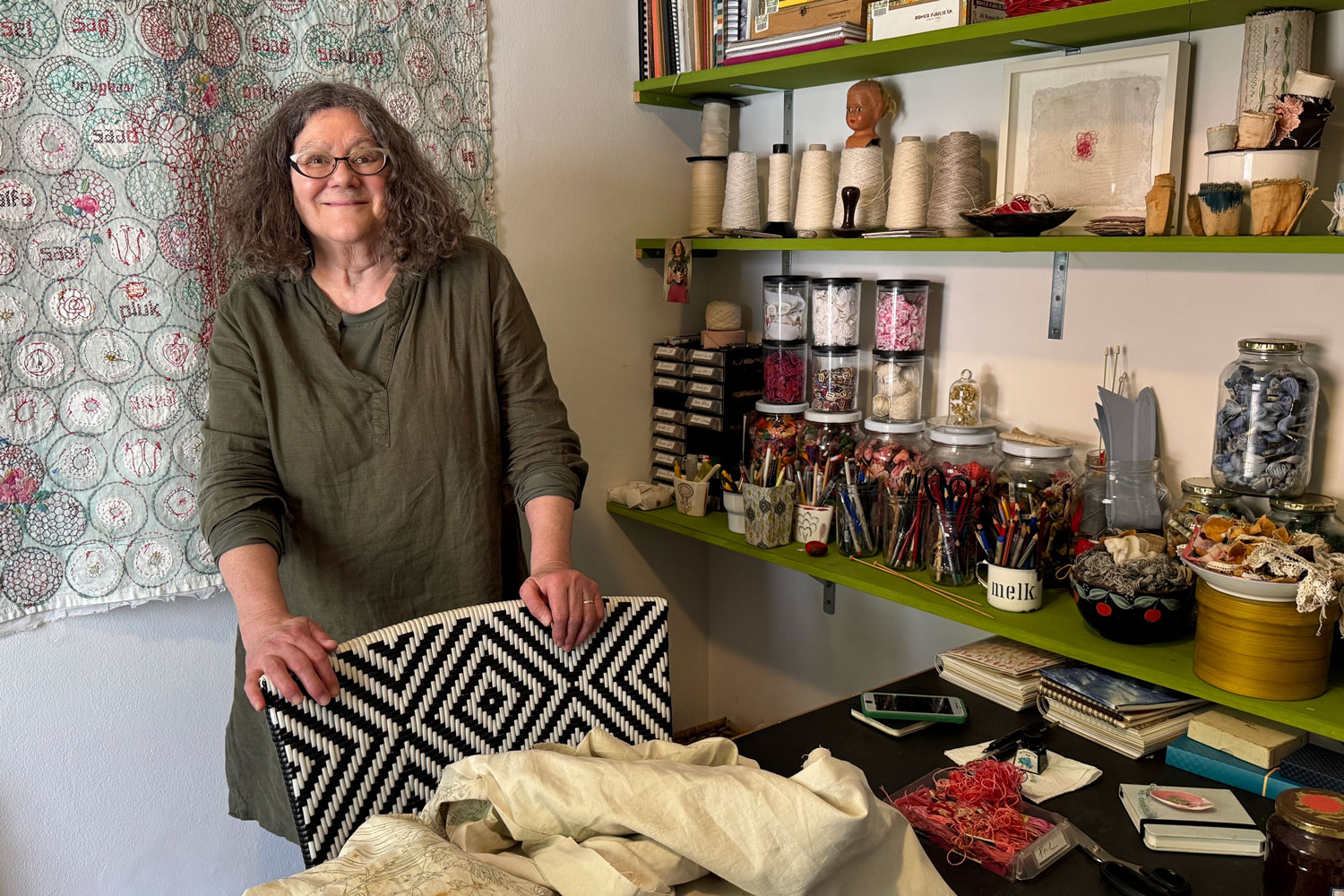
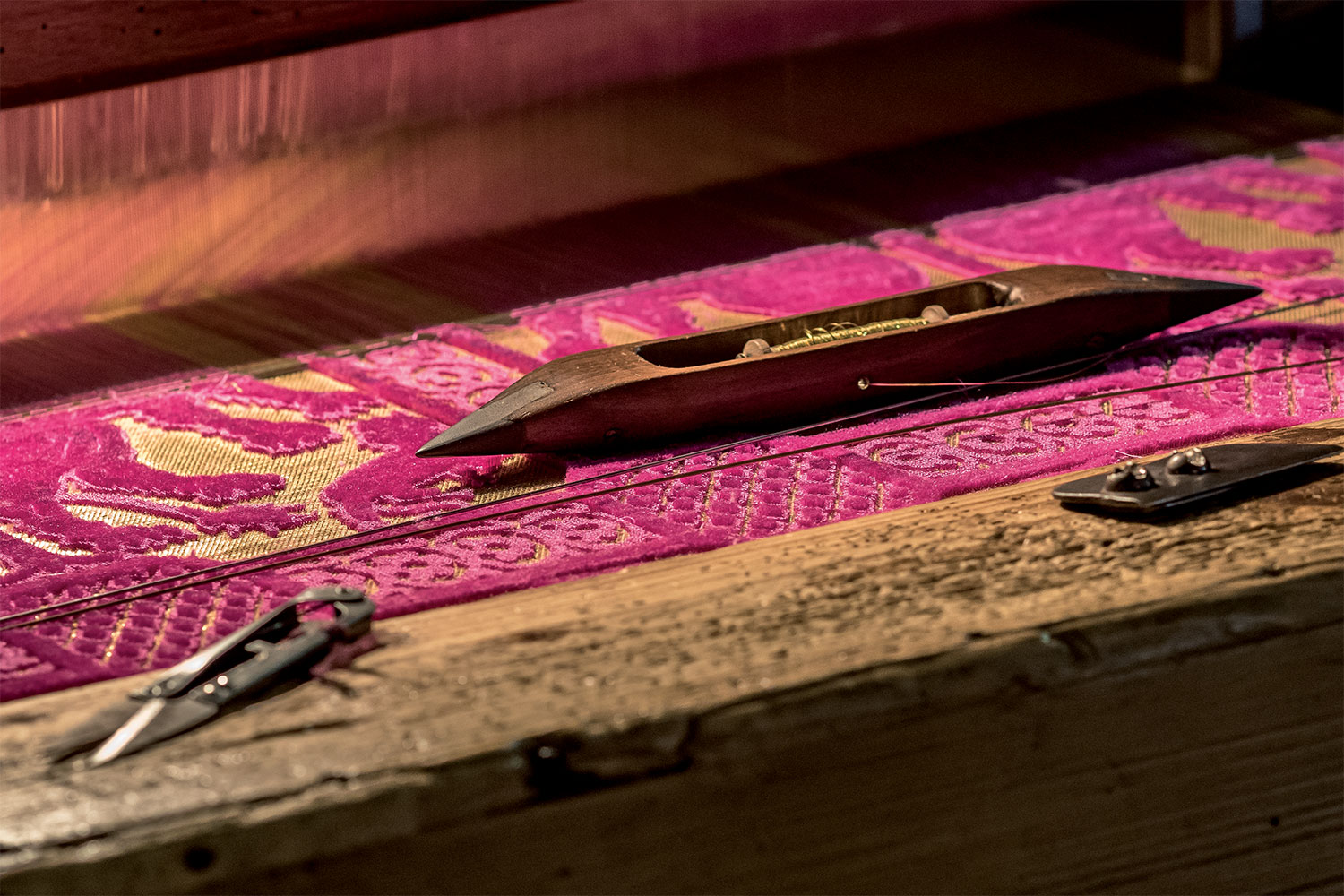
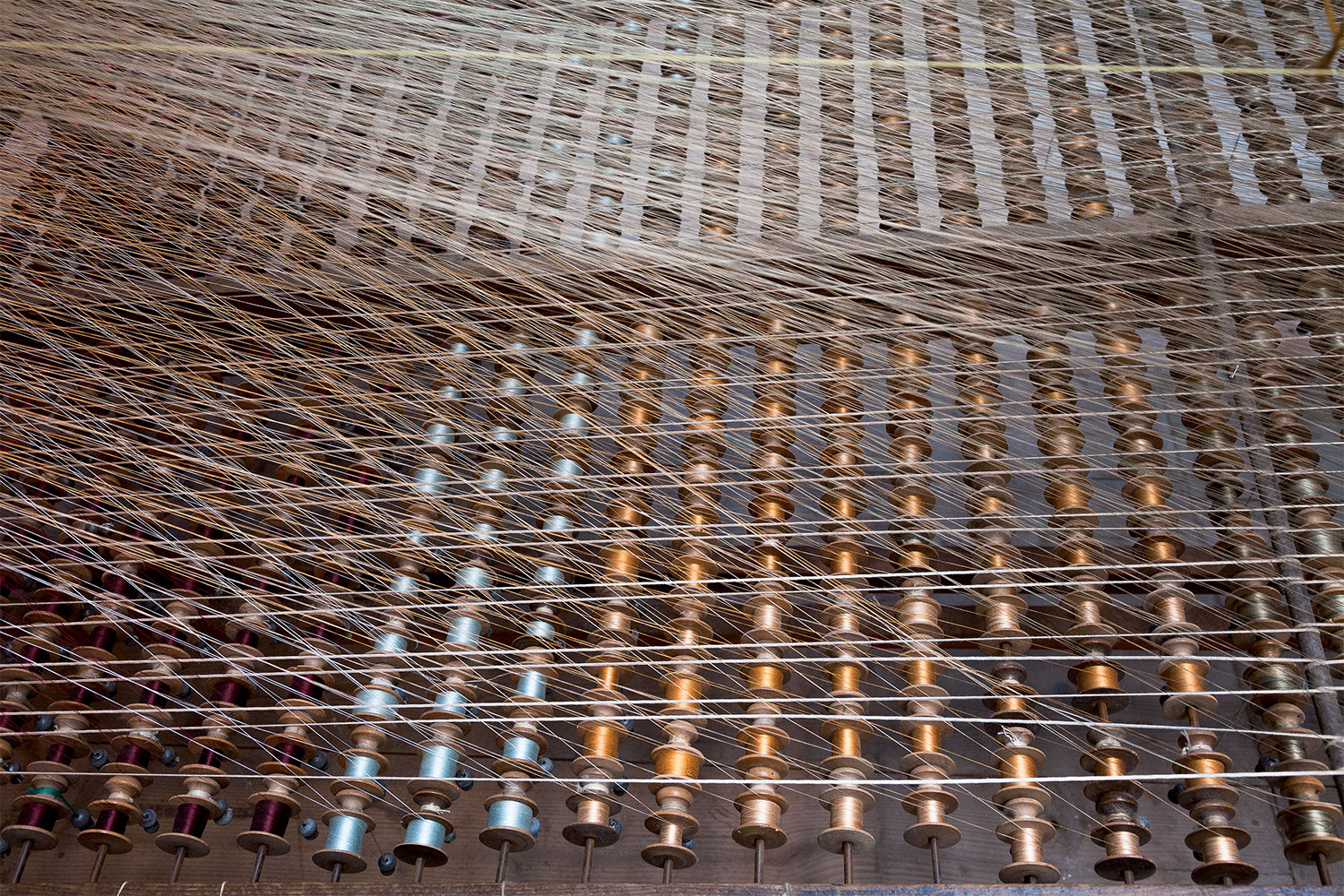
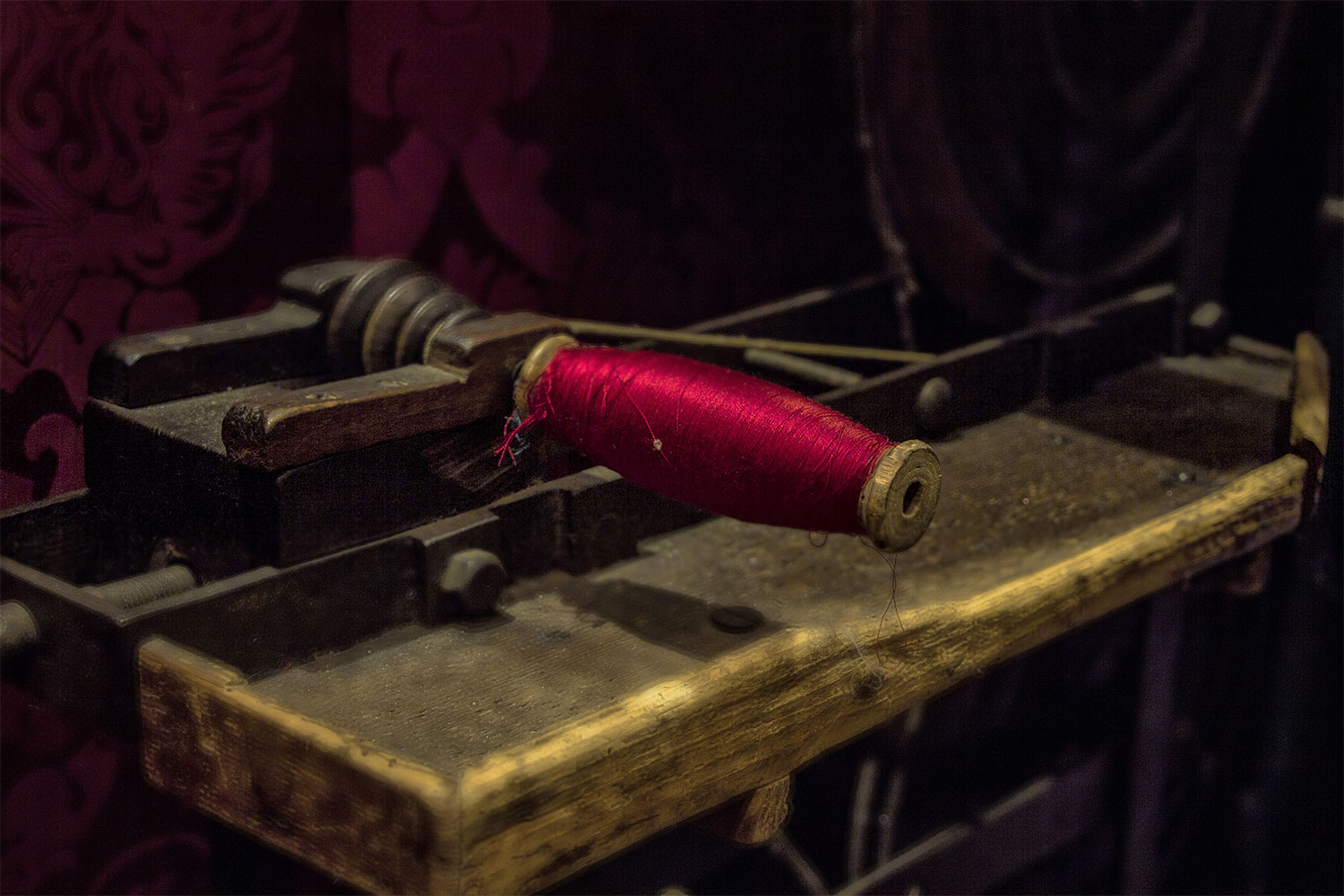
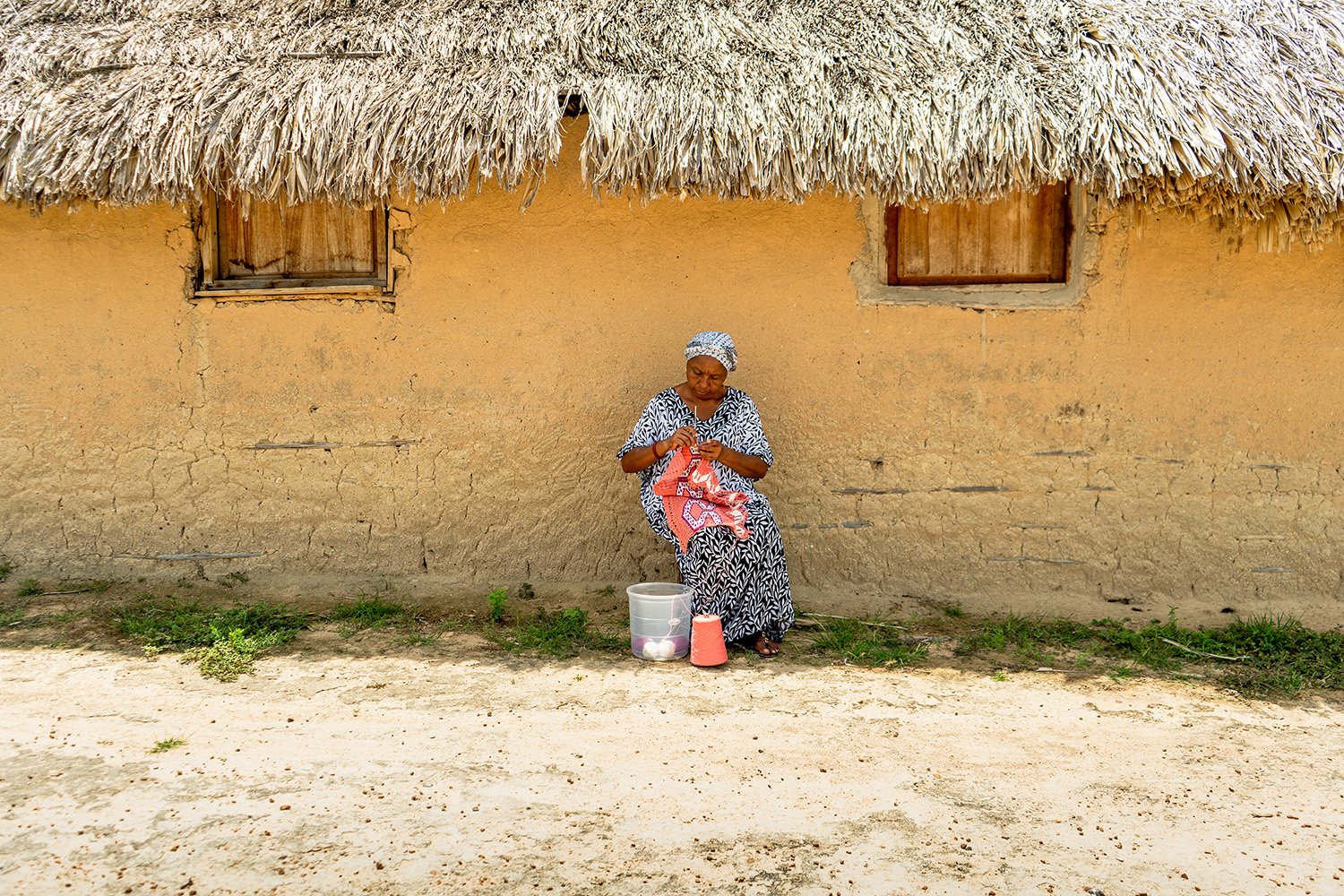
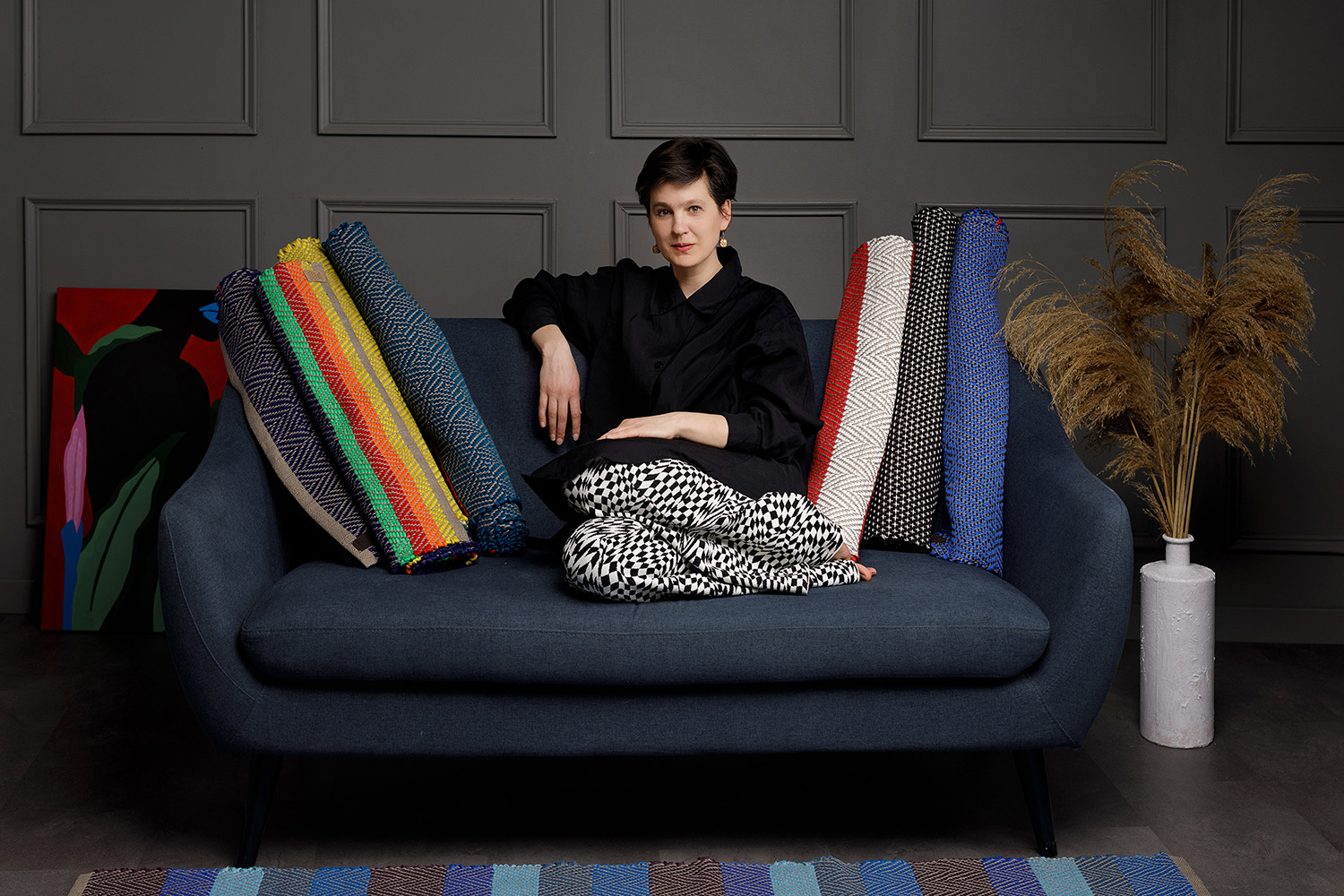
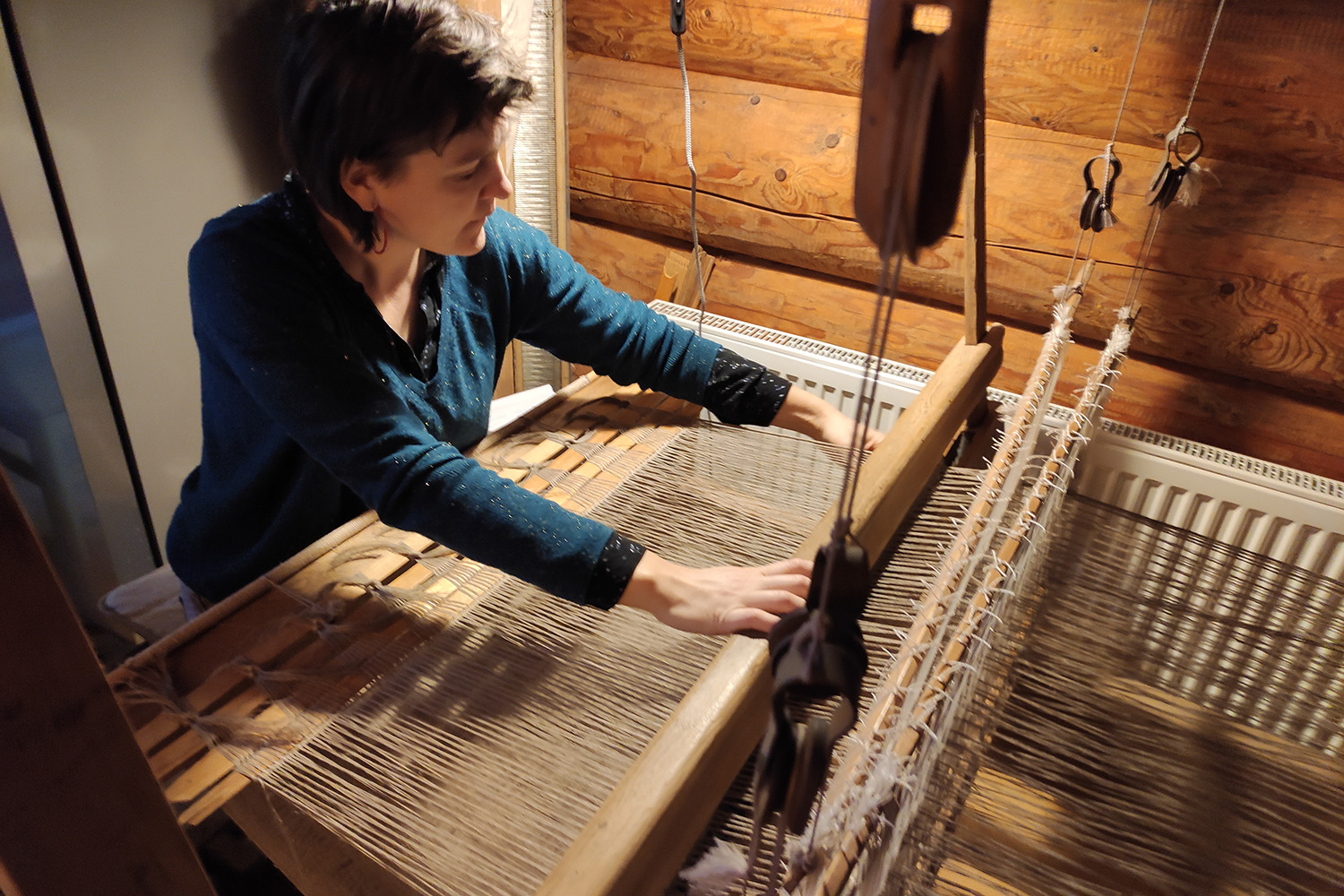
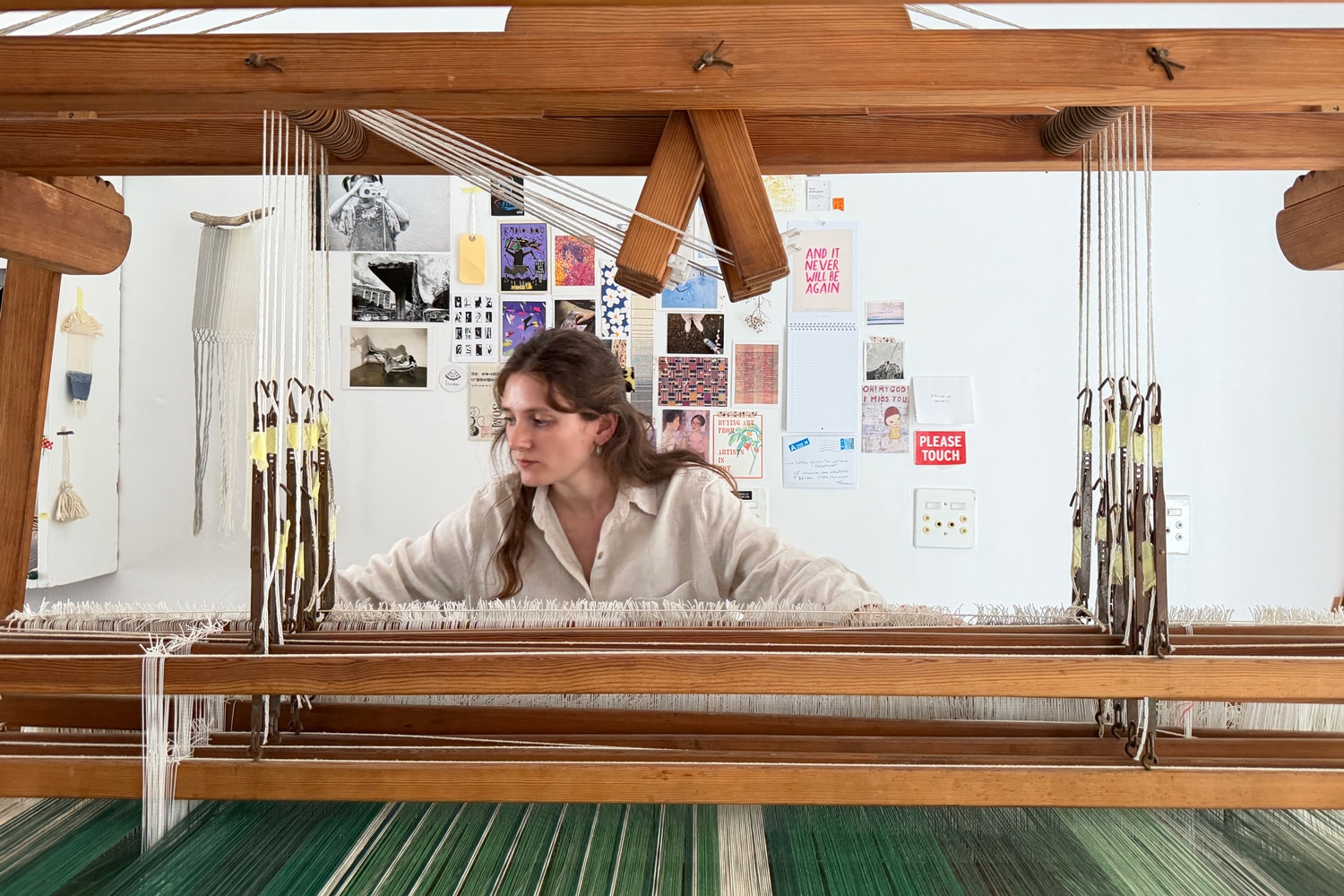
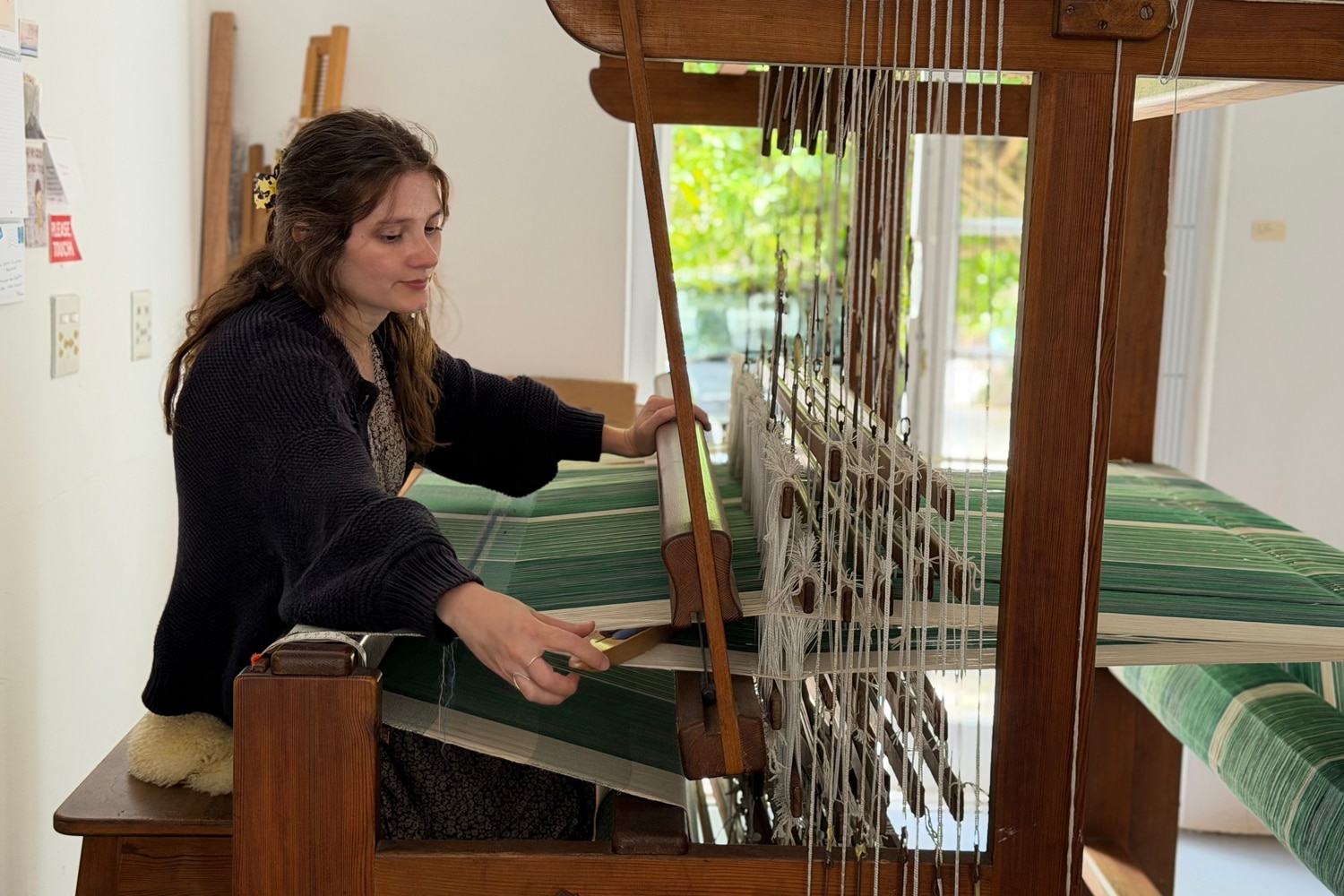
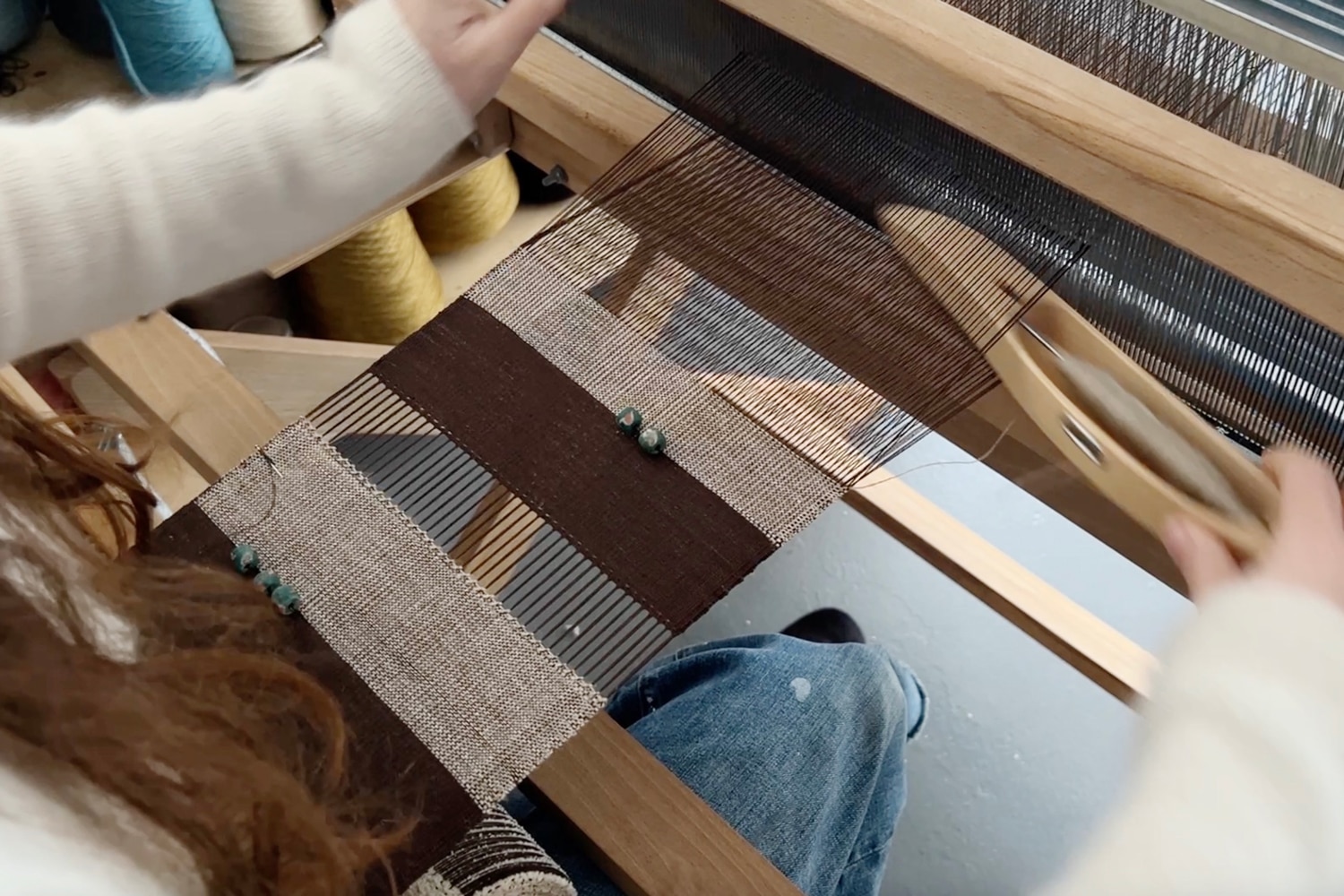
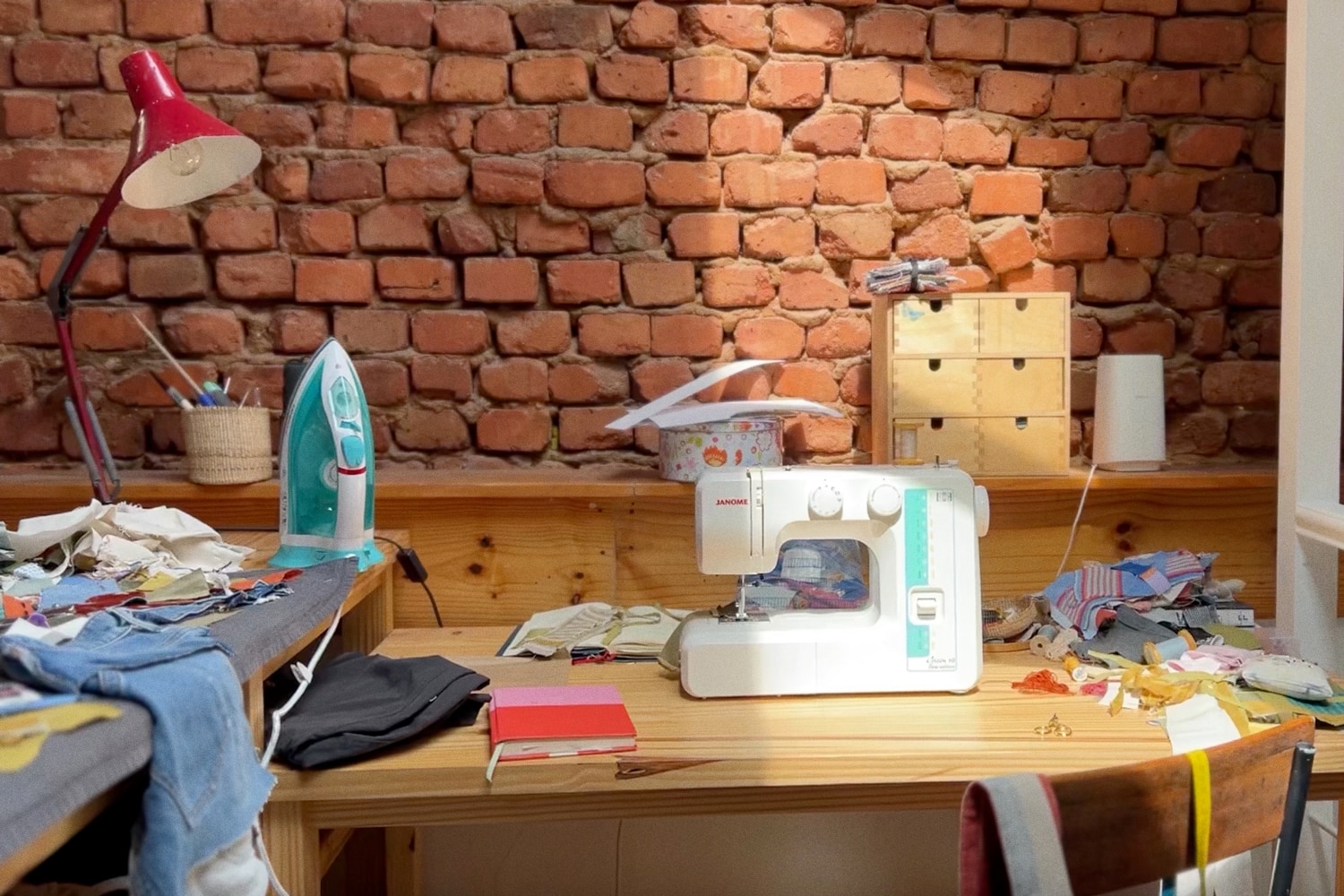
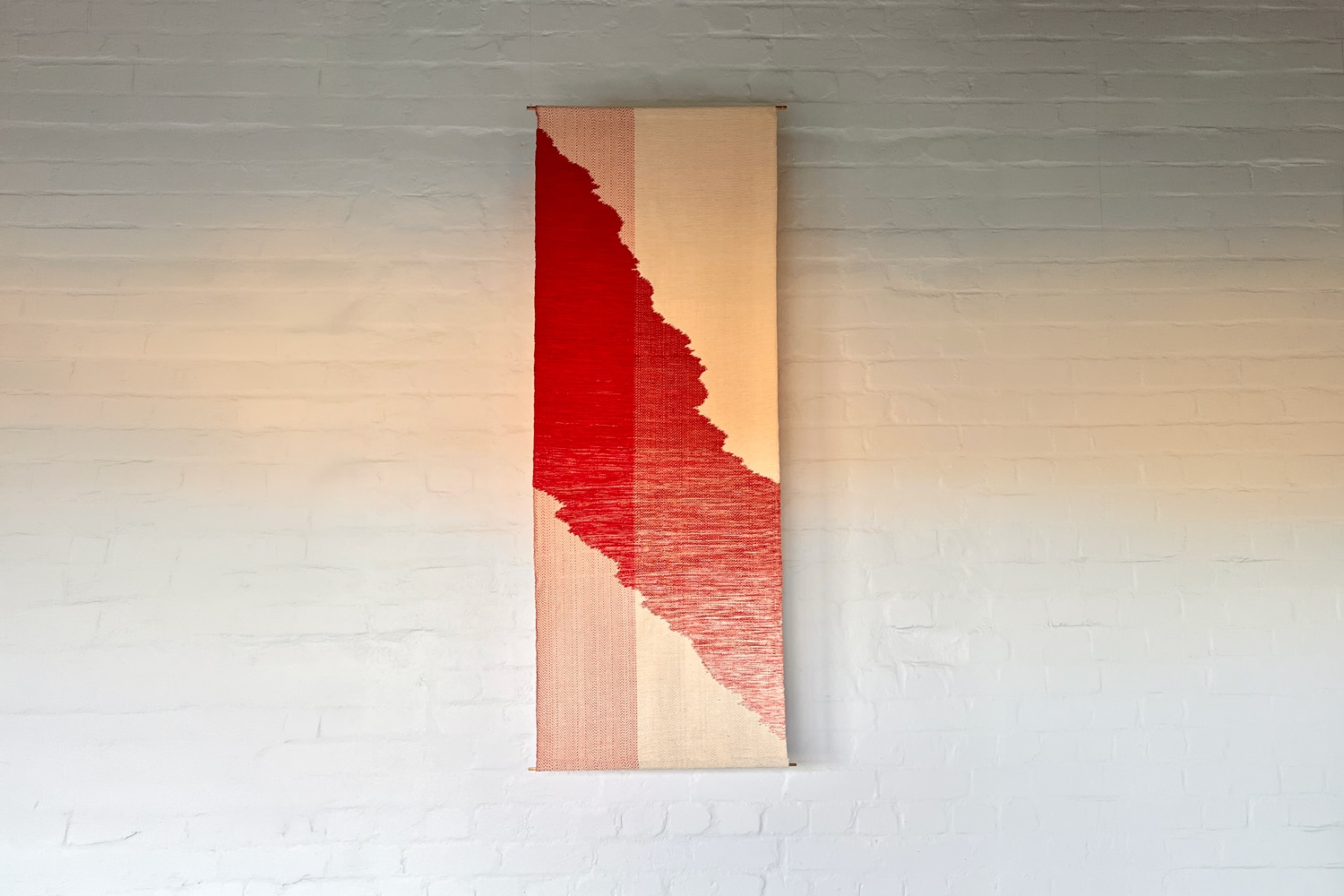
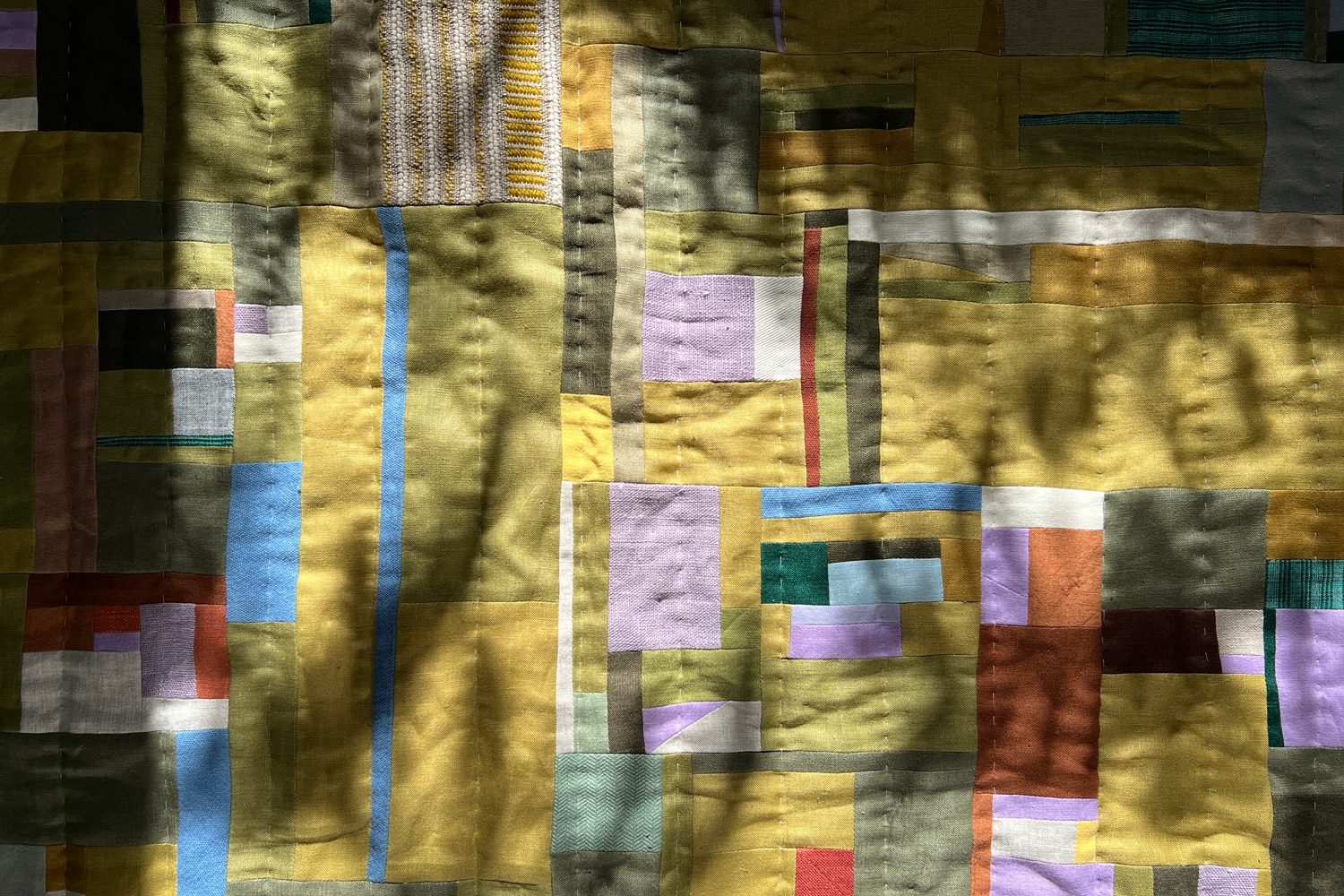
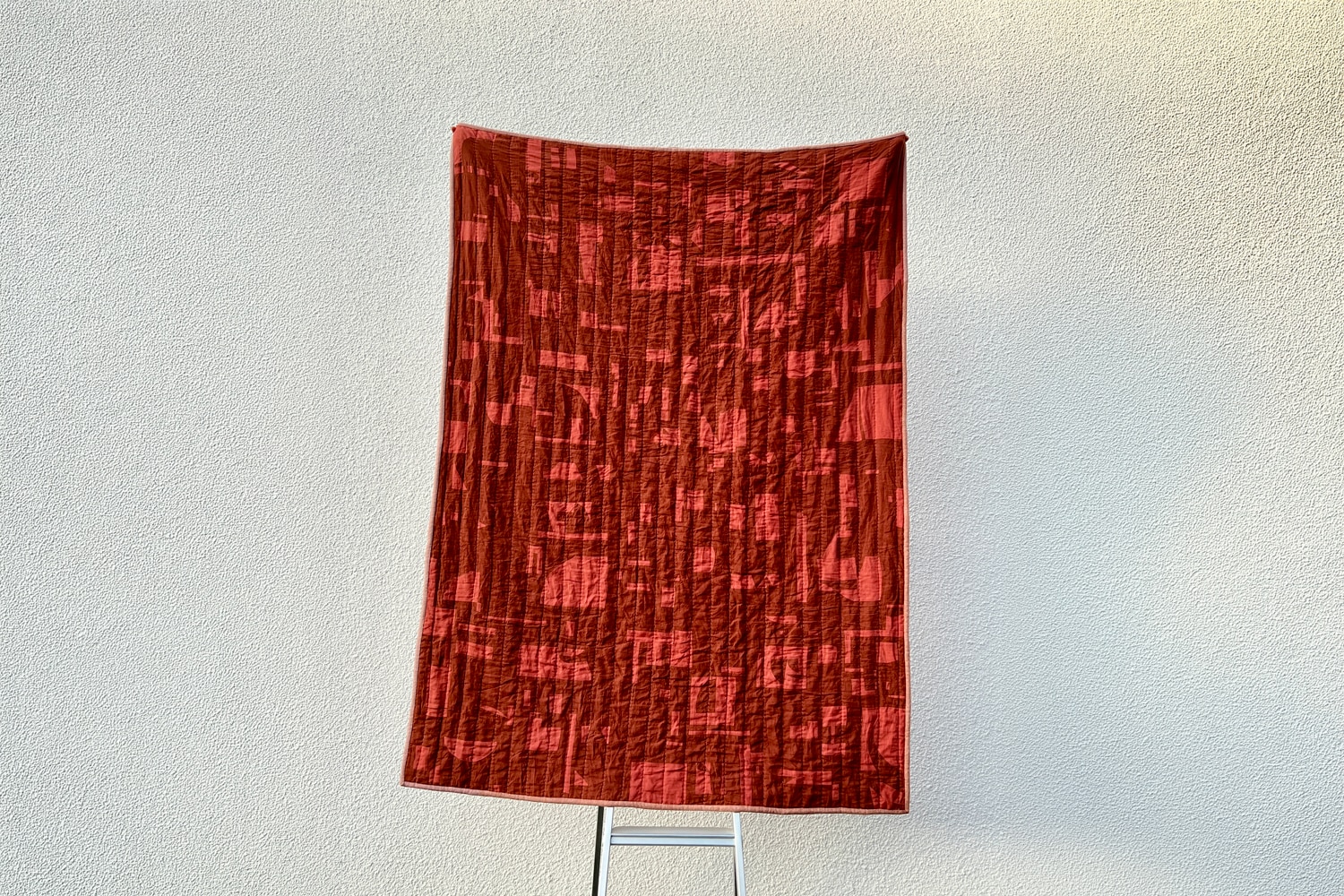
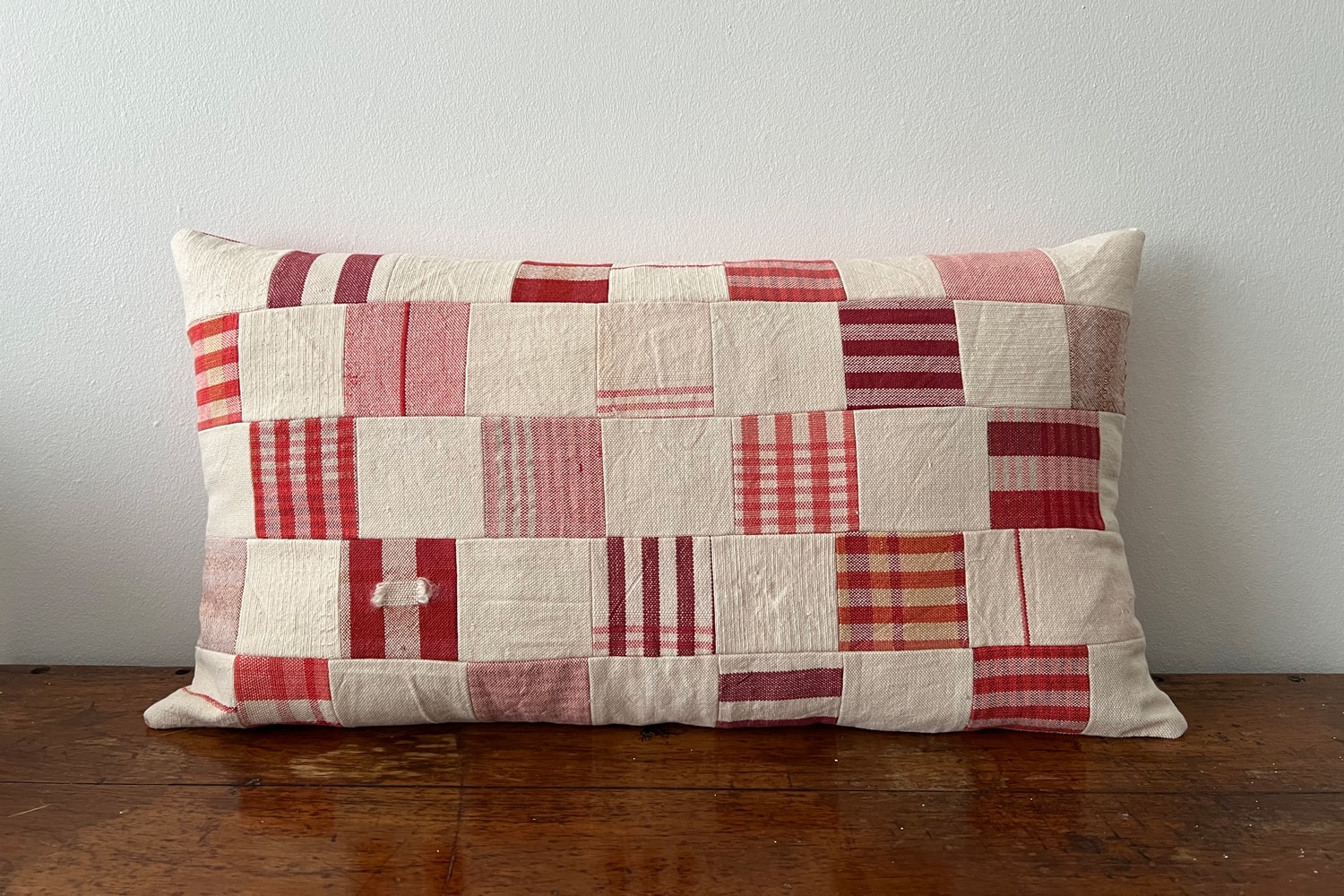
Born in Zimbabwe to an American mother and French father, Lucie Panis-Jones has lived in Harare, Cleveland, Limoges and now resides and works in Cape Town, from her Muizenberg space So Far Studio. She first encountered the Japanese mending tradition boro, which influences her practice today, while working at Le Domaine de Boisbuchet, before going on to study textile design in Roubaix in France. While completing an honours in curatorship at the University of Cape Town during Covid, Lucie began repairing clothes for her peers. “My practice centres on slow, careful processes that emphasise time, repair and respect for handmade materials,” she says. Lucie works across handweaving, patchwork and quilting, often cycling between several pieces over extended periods of time. She makes cushions and homeware objects, as well as framed artworks with fabric, handwoven materials and second hand cloth.
INTERVIEW
As a child, I was really drawn to textures and colour combinations. I remember spending a lot of time in the garden, collecting seed pods and organising them in different ways.
I hope people begin to observe everyday objects differently and question how they are made. A lot of pieces can be repaired, handed down and made to last, and this aspect holds value in today's world.
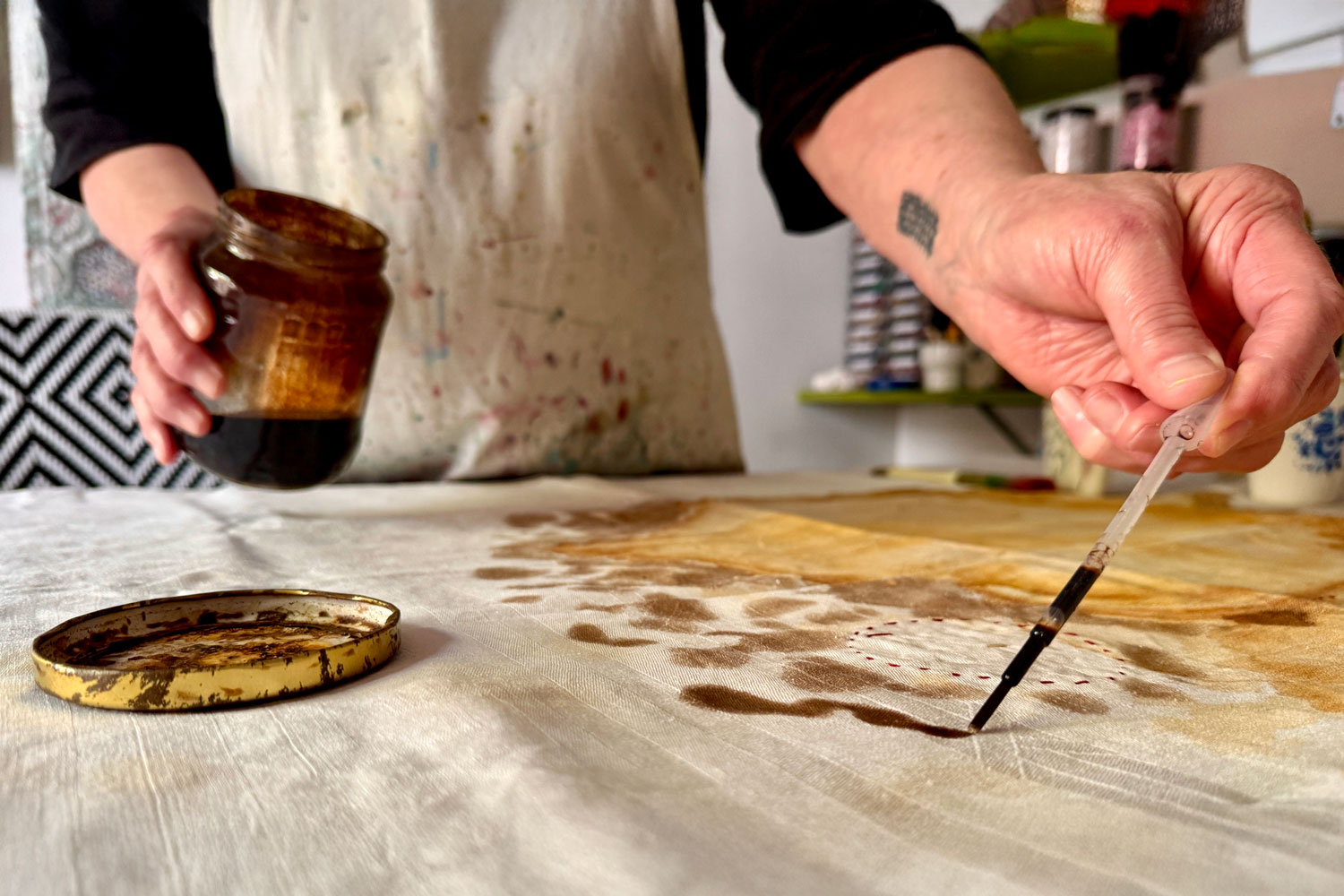
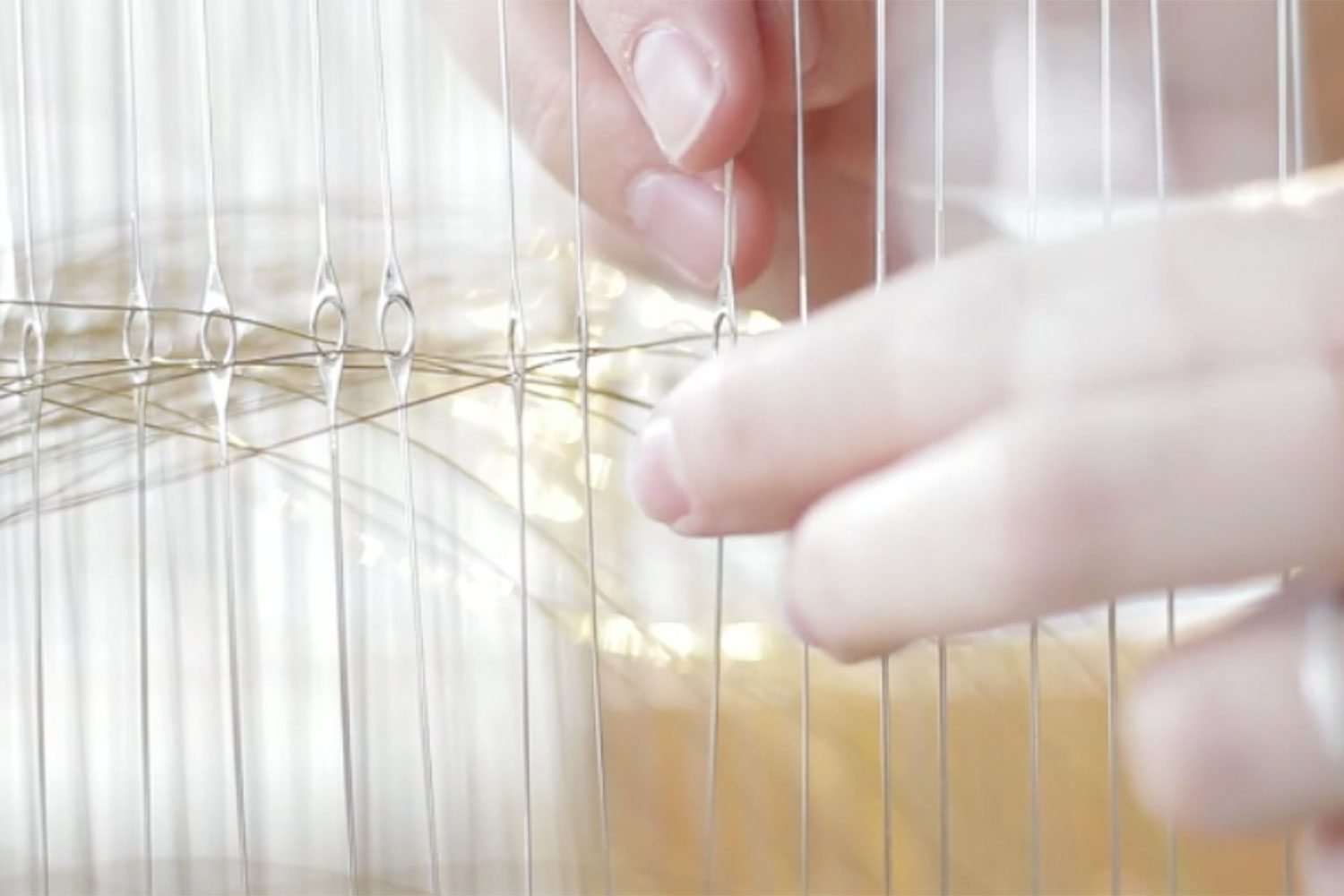
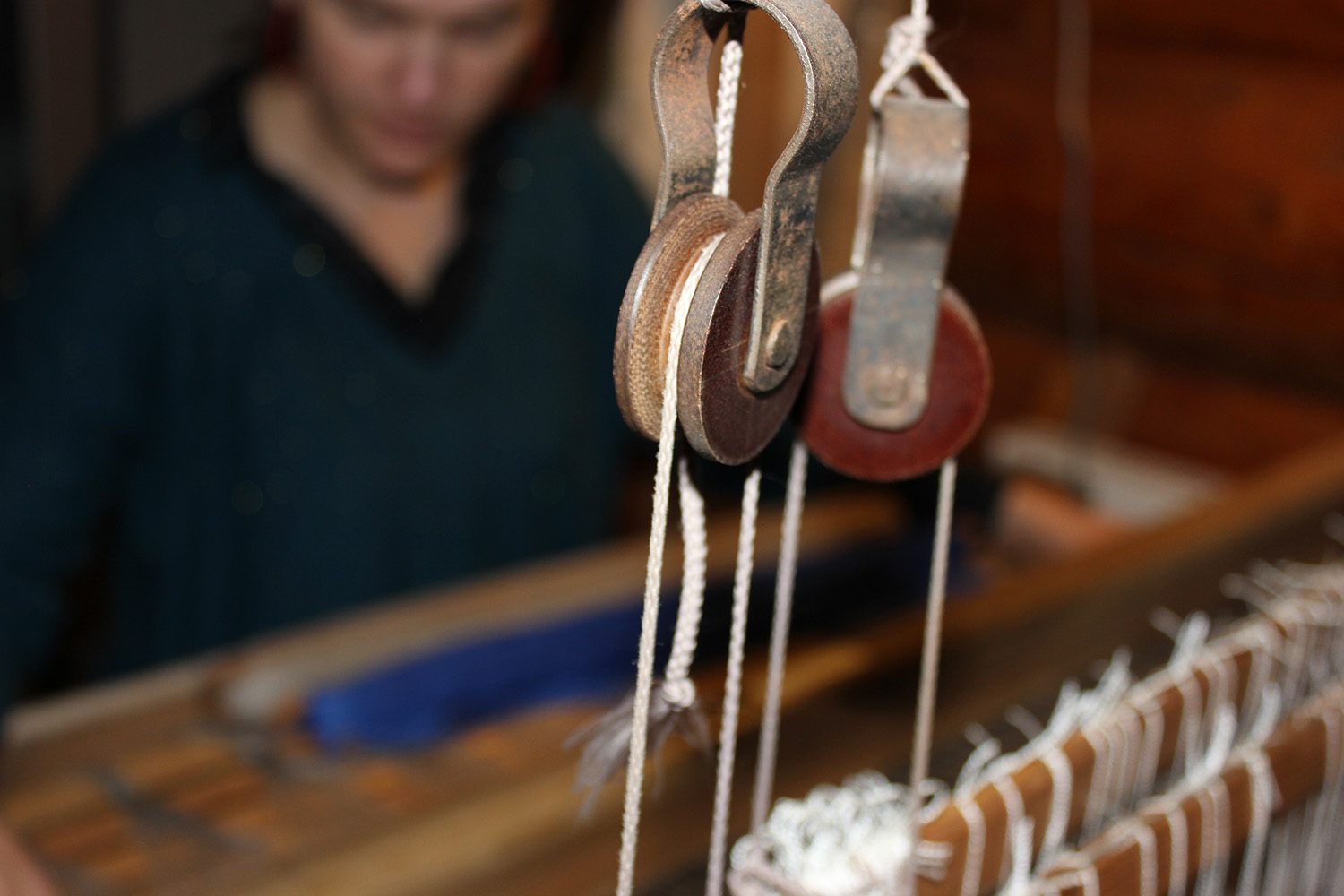
I have learned that I work well with my hands. I enjoy being absorbed in the process. I like putting on headphones and falling into the rhythm of weaving, sewing or quilting. The work takes time and care, and it cannot be rushed.
Yes. Most children are naturally creative, but some are encouraged to keep developing that creativity while others are not. People can learn to be creative again by giving themselves a space for trial and error.
Lucie Panis-Jones
So Far Studio
Weaver
Cape Town, South Africa
ADDRESS
Address upon request, Cape Town, South Africa
AVAILABILITY
By appointment only
LANGUAGES
English, French
Homo Faber Finds is a new service aiming to inspire admirers of craft to connect and collaborate with exceptional artisans.
We invite you to submit an enquiry here.