©Almas Arts Foundation & Head In The Clouds
©Adel Ferreira & S. Guild
©Adel Ferreira & S. Guild
©Imiso & S. Guild
©Hayden Phipps & S. Guild
©Adel Ferreira & S. Guild
Andile Dyalvane
Ceramicist
Cape Town, South Africa
©Almas Arts Foundation & Head In The Clouds
©Almas Arts Foundation & Head In The Clouds
©Adel Ferreira & S. Guild
©Adel Ferreira & S. Guild
©Adel Ferreira & S. Guild
©Adel Ferreira & S. Guild
©Imiso & S. Guild
©Imiso & S. Guild
©Hayden Phipps & S. Guild
©Hayden Phipps & S. Guild
©Adel Ferreira & S. Guild
©Adel Ferreira & S. Guild
A ceramic ode to Xhosa
- Andile's ceramics pay homage to his Xhosa culture
- He works with clay to tell narratives and celebrate community
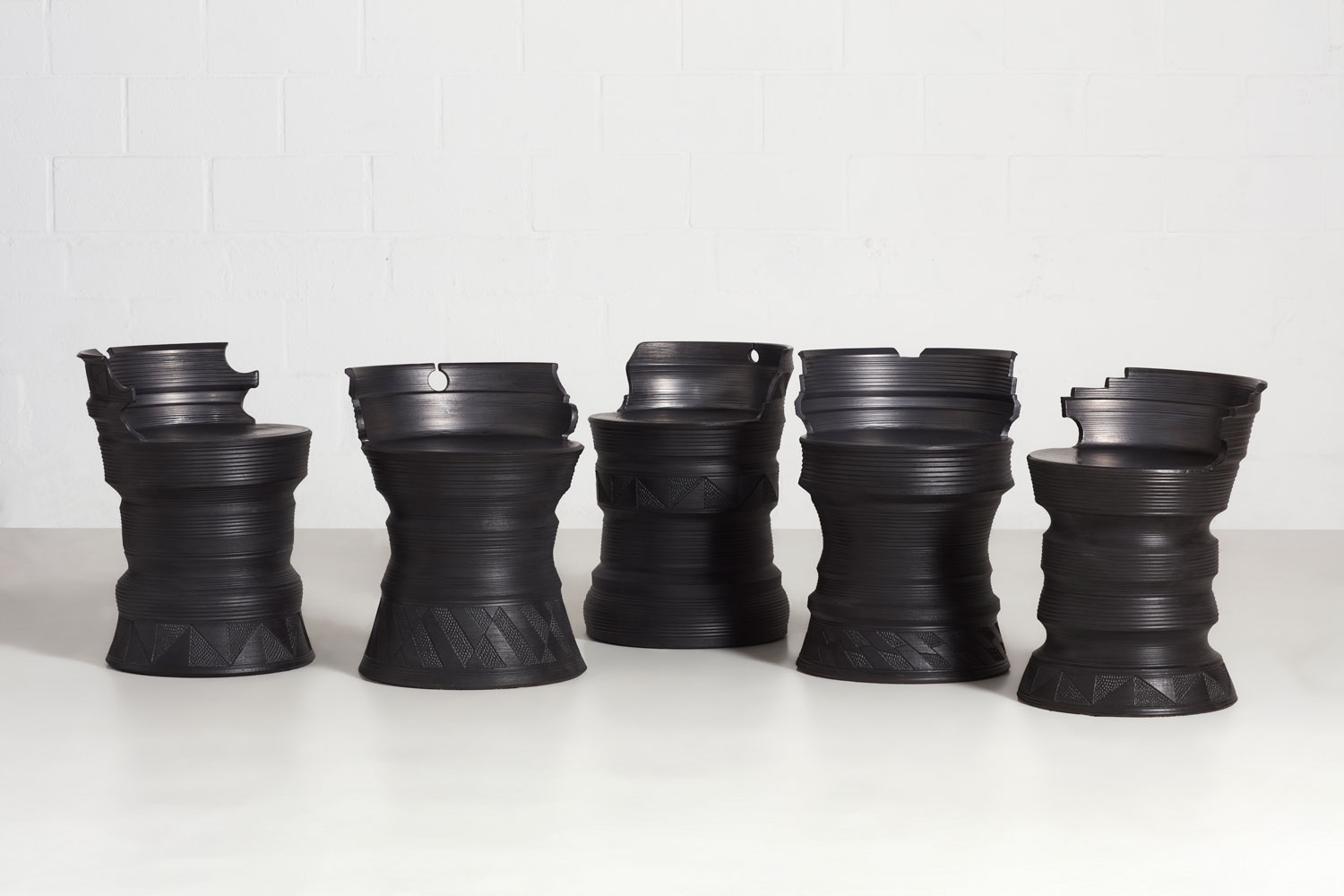
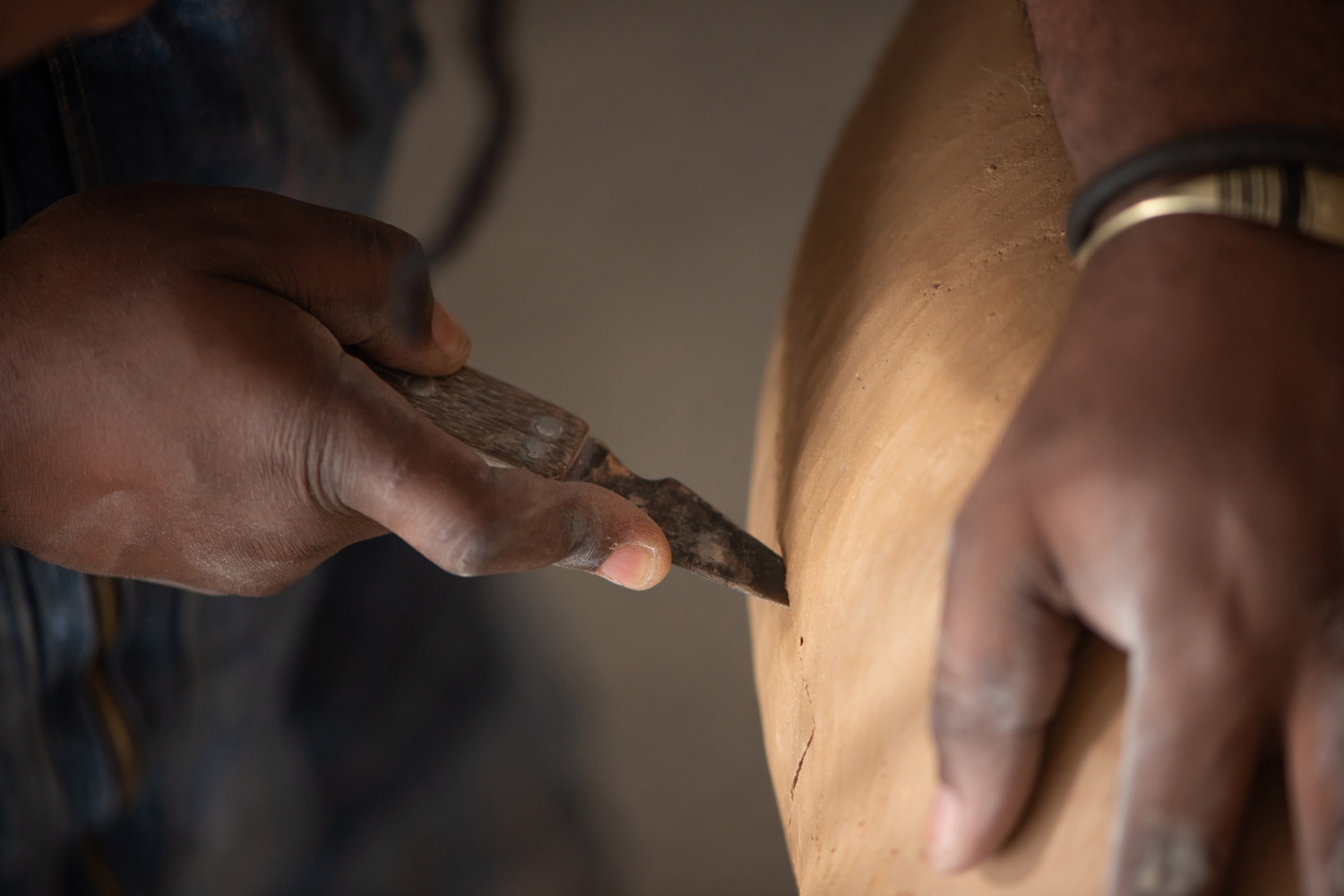
- His pieces often feature his signature ‘scarification’ technique
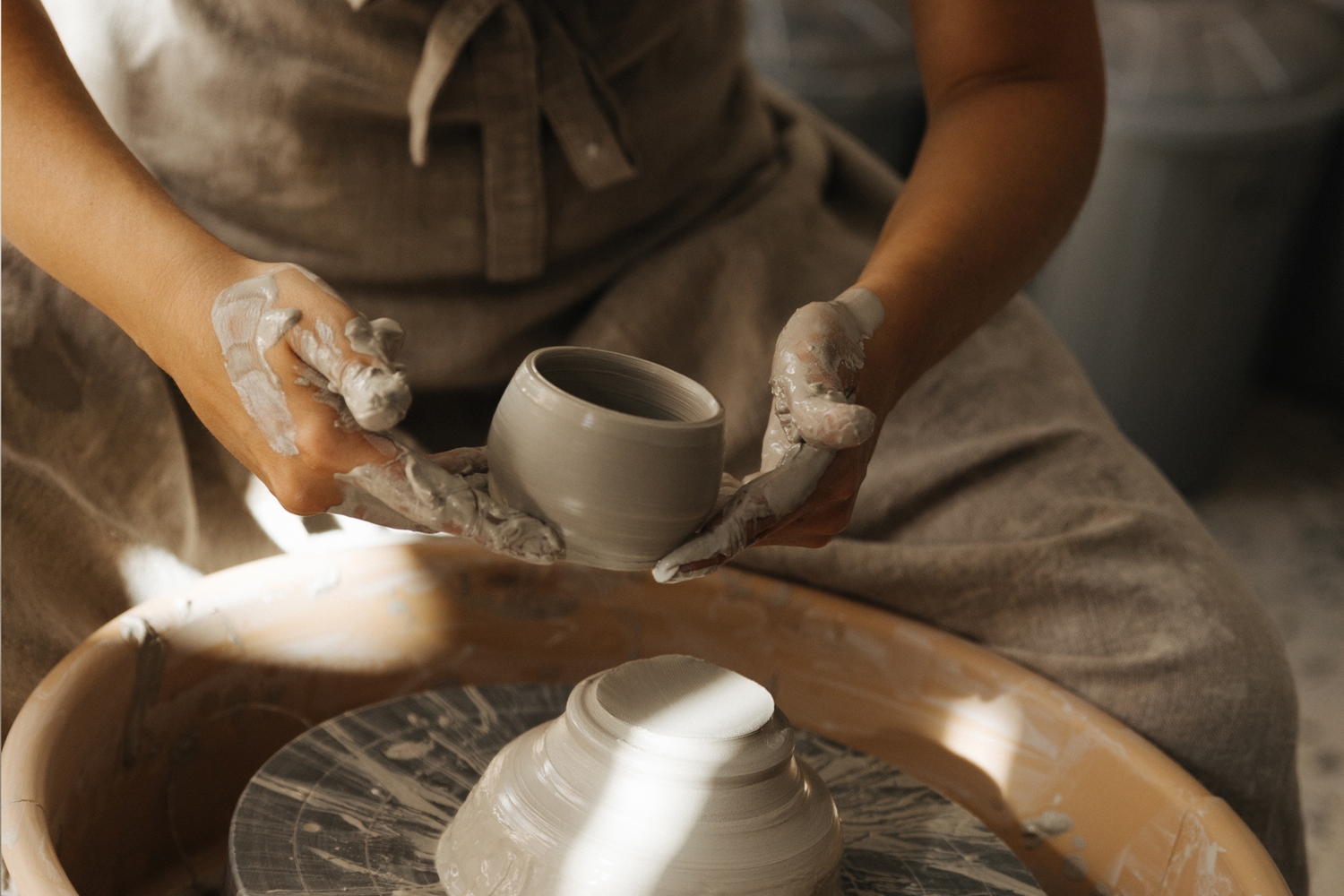
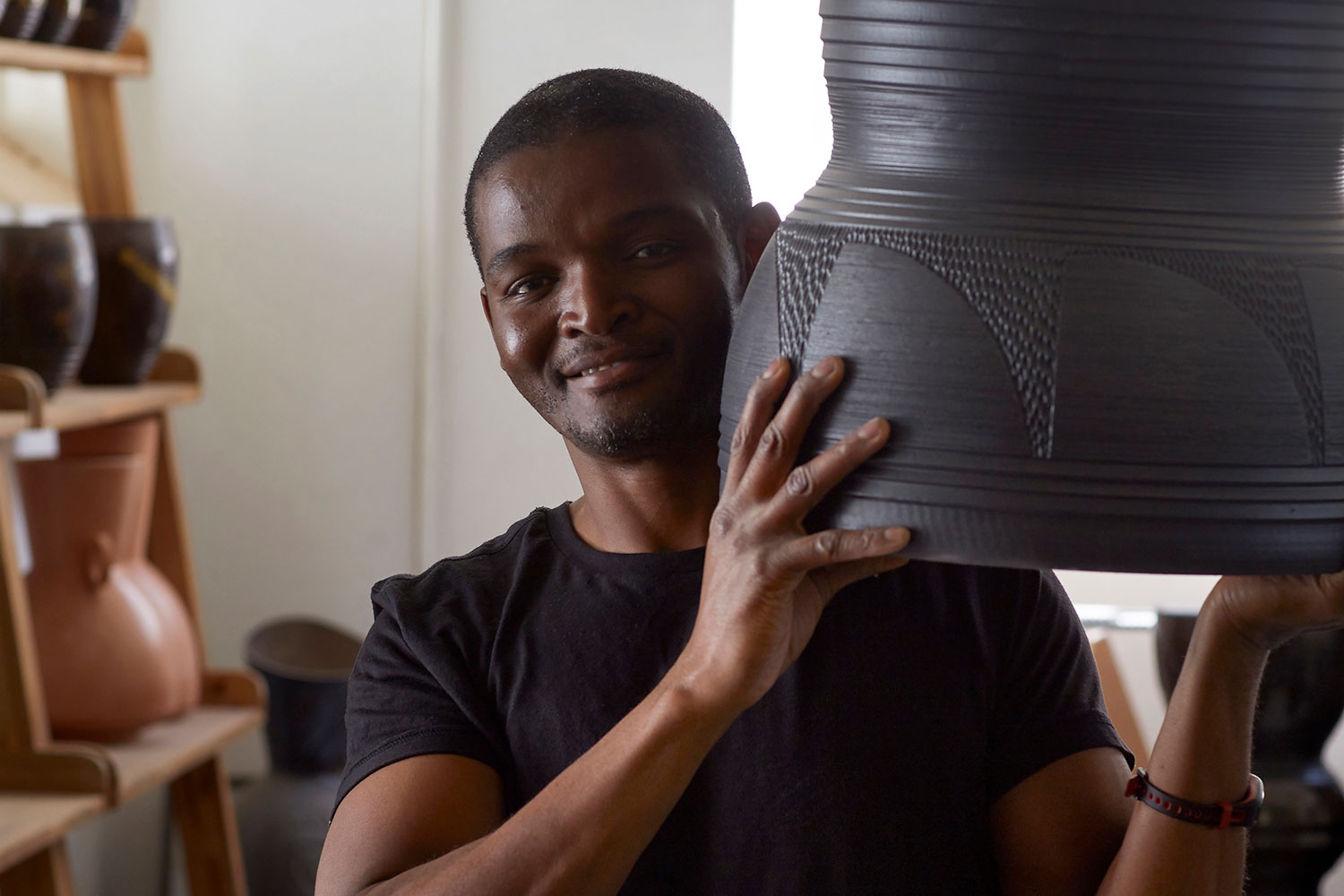
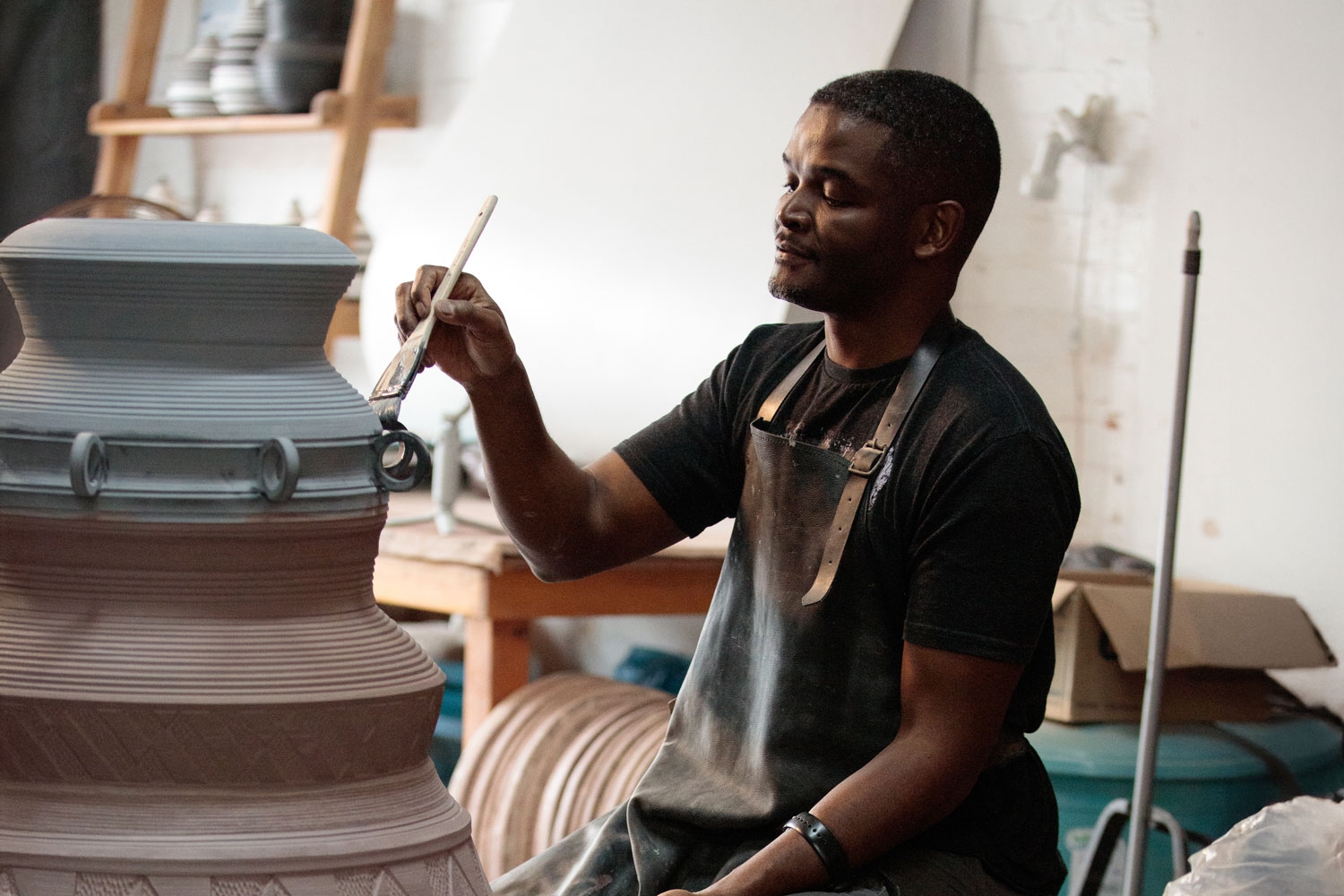
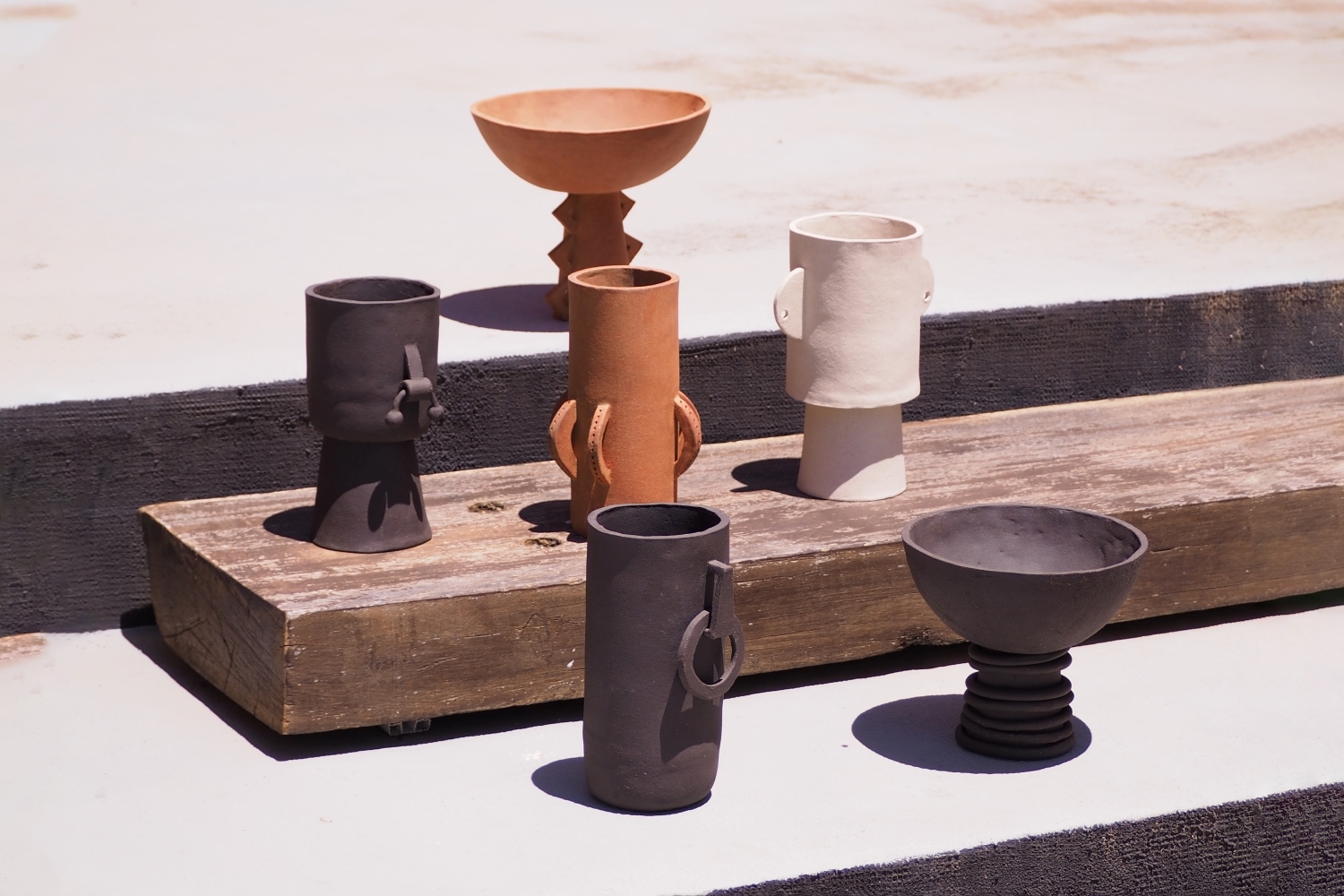
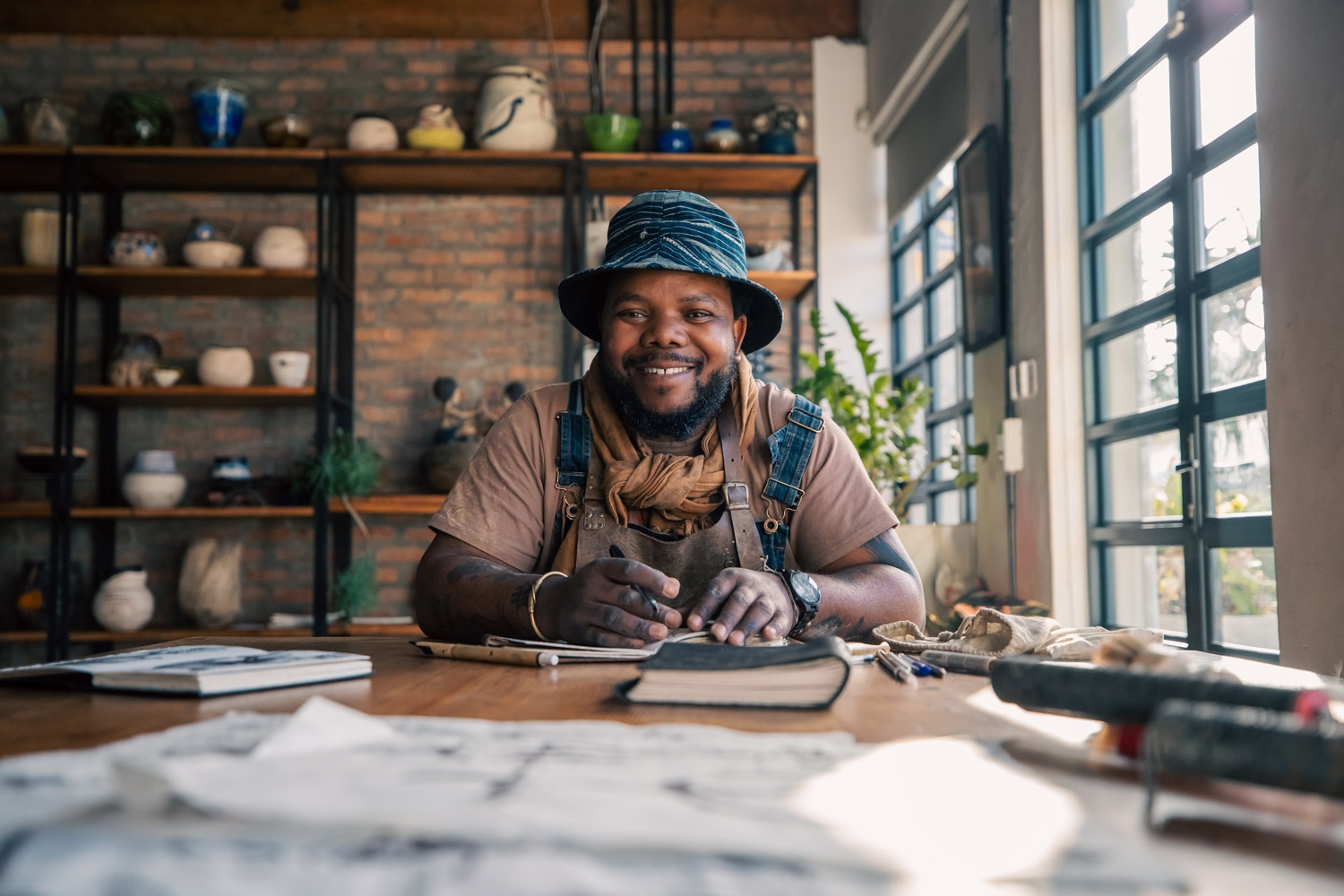
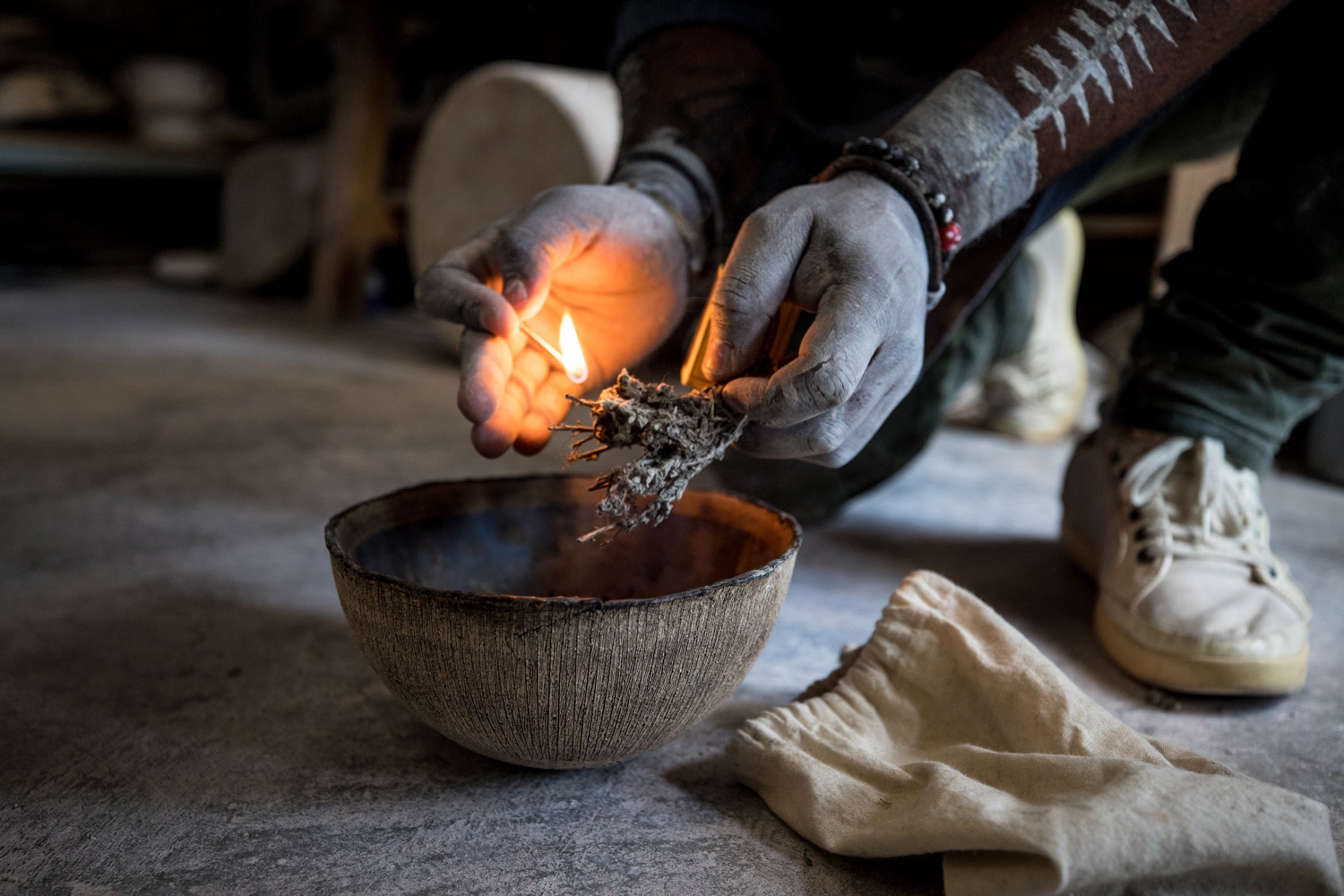
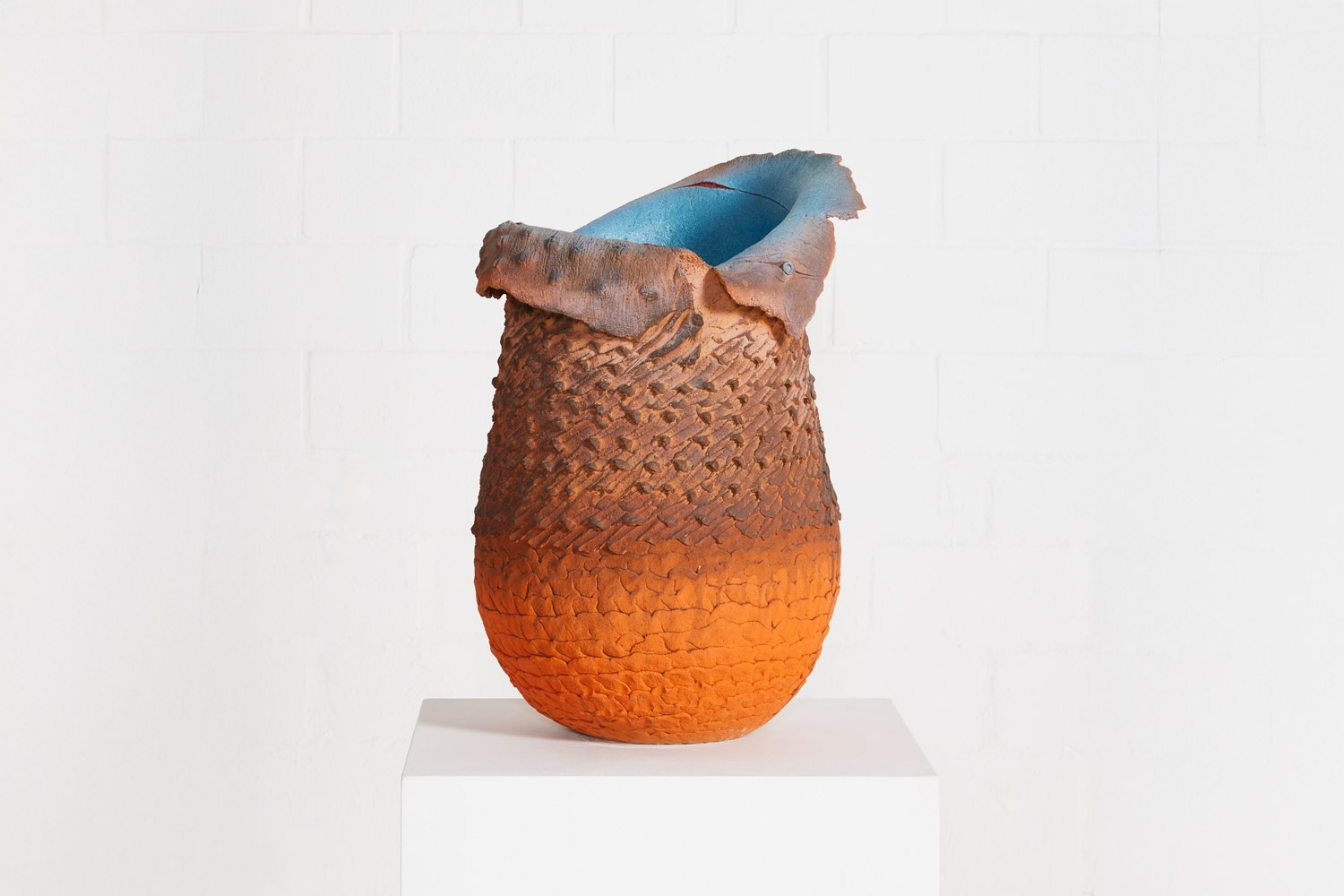
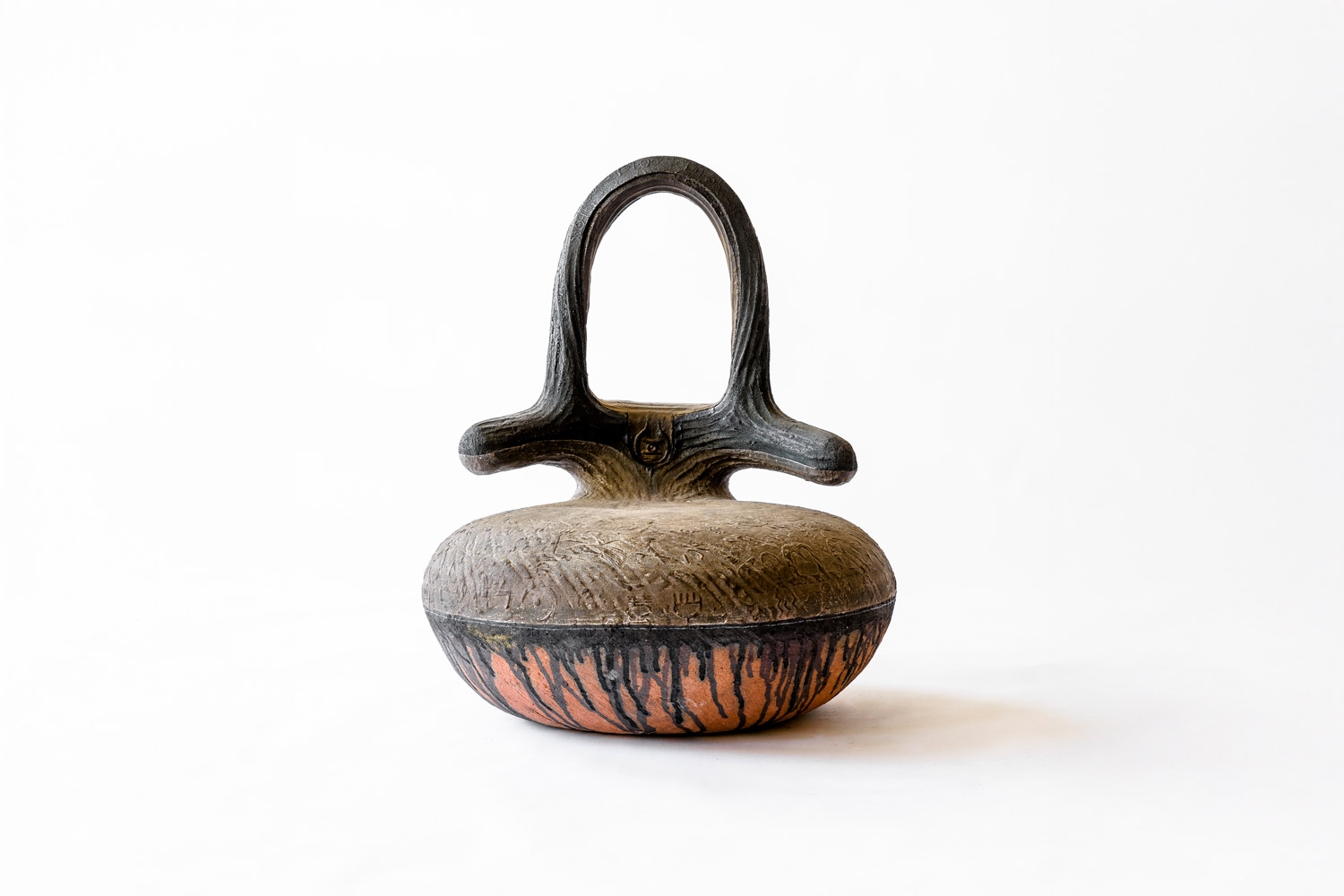
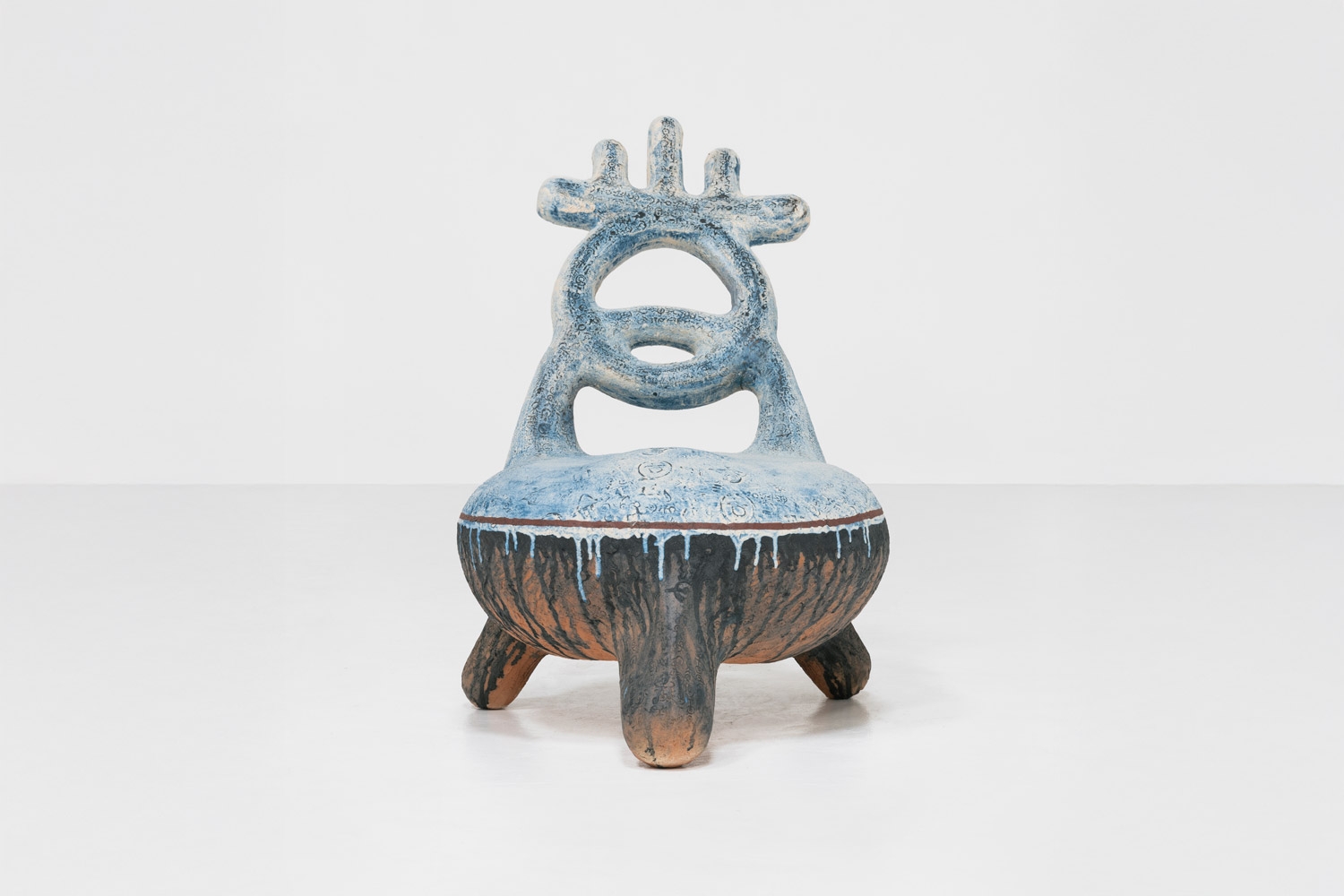
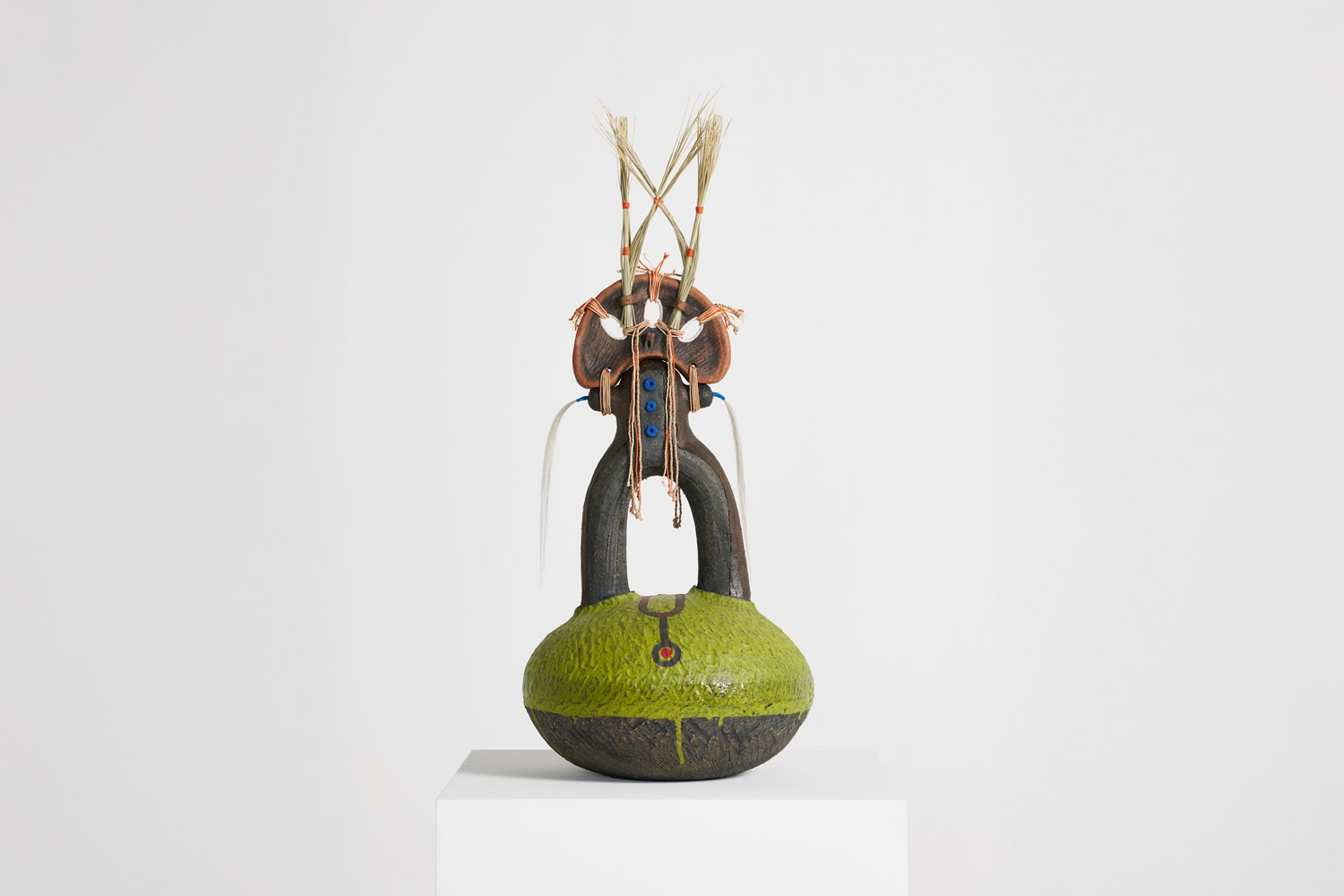
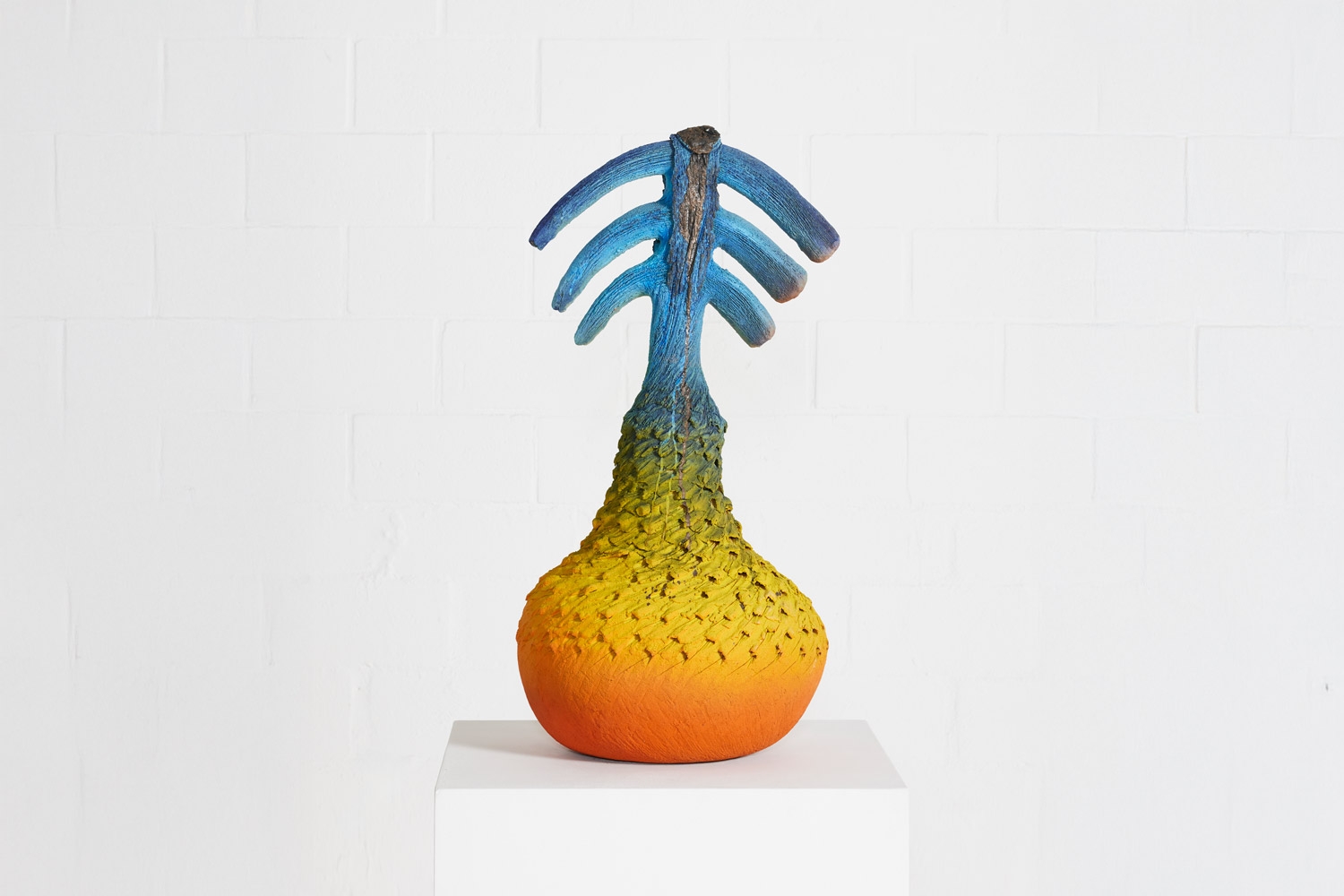
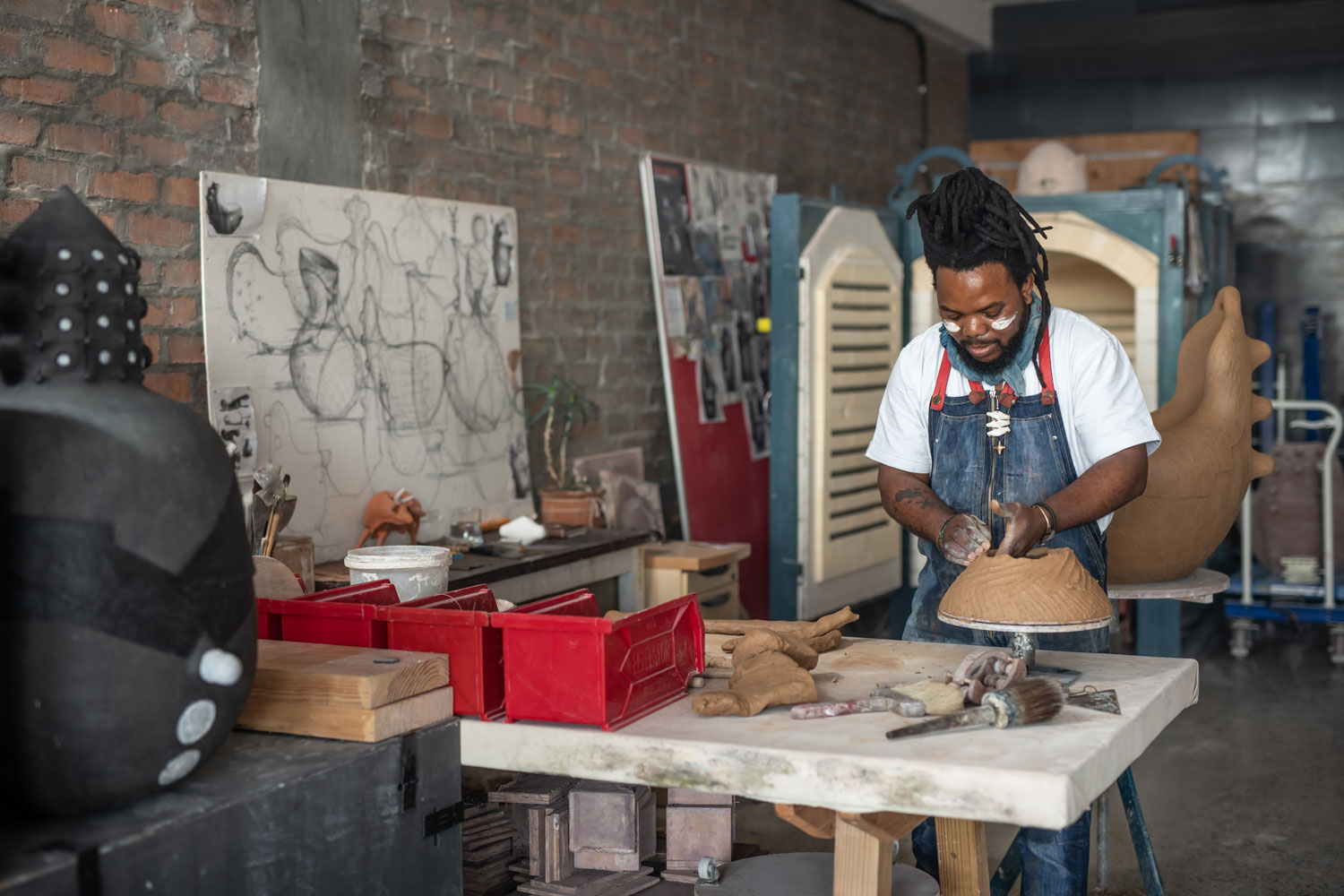
Clay gives Andile Dyalvane the workable quality he needs to communicate his story. "Through craft, we can travel beyond words and experience something new,” he says. Rooted in his identity as an umXhosa Jolinkhomo Jola clansman, Andile’s creativity flows from a deep fount of ancestral knowledge. "Culture and traditions are energetic passages of memory that remind me of our land, language, practices of respecting the earth,” he says. He expresses these influences in various ways, with the goal of highlighting the importance of celebrating community. Andile applies his signature ‘scarification’ technique to his objects, which also carry the stamped symbols he designs to denote Xhosa words. His work is anchored in the natural world and universal themes of our shared humanity.
Andile Dyalvane is a master artisan: he began his career in 1996 and he started teaching in 1999.
INTERVIEW
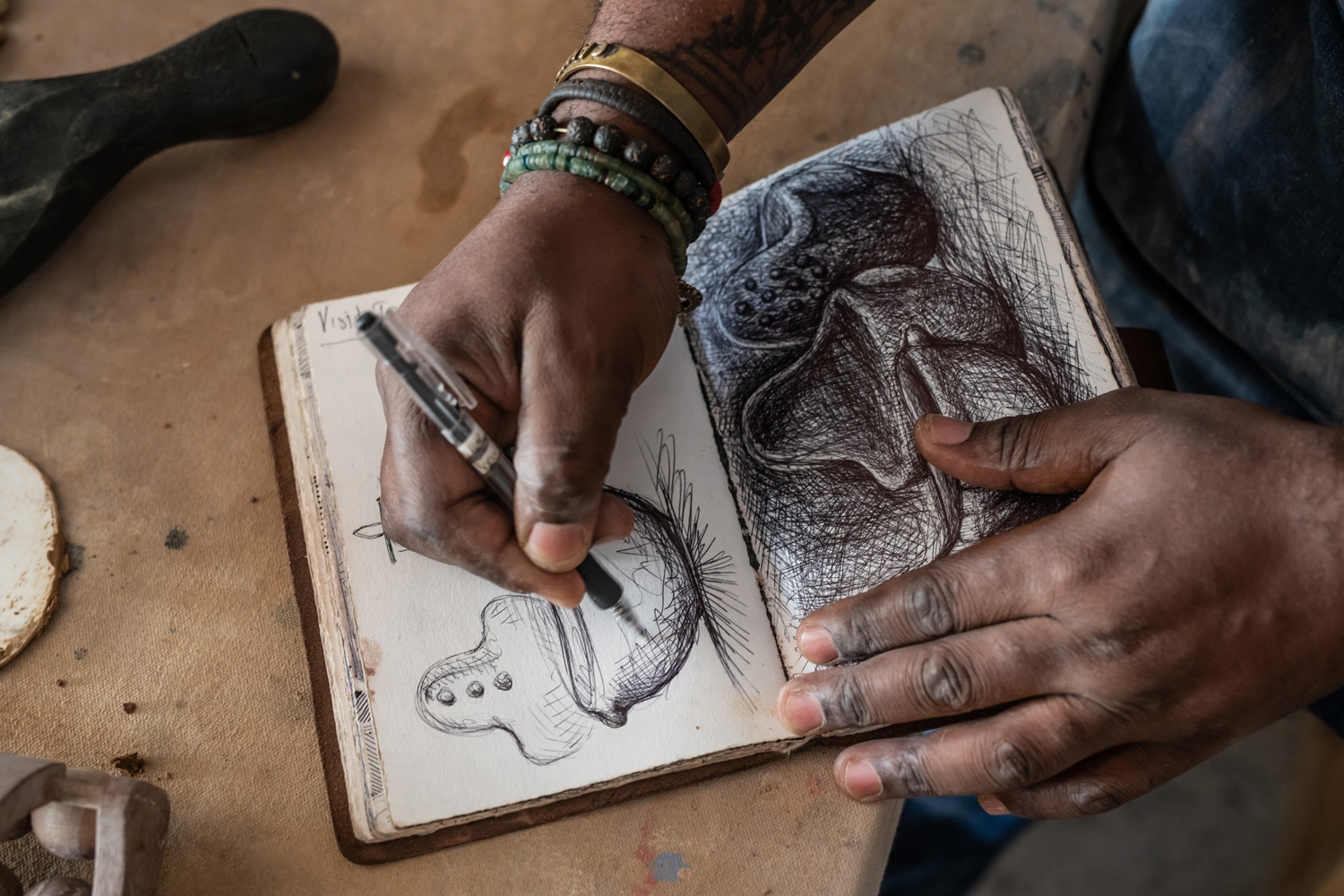
My ceramic objects are born from otherworldly visions that I experience as epiphanies. The making and the story are so vivid, I cannot ignore them. Expressing these visions is imperative to me, it is as crucial as breathing.
Traditions are expressed through forms, textures and colours, as well as collaborative surface treatments and narratives. Innovation amplifies the interpretation of traditions through the rhythms I listen to while creating to particular soundscapes. I also explore structural building techniques.
This work fills me with joy. I also enjoy calling the creative community to participate and bear witness to the craft. It becomes an archival act of shared cultures, and births moments to explore the creative familiarity that connects us.
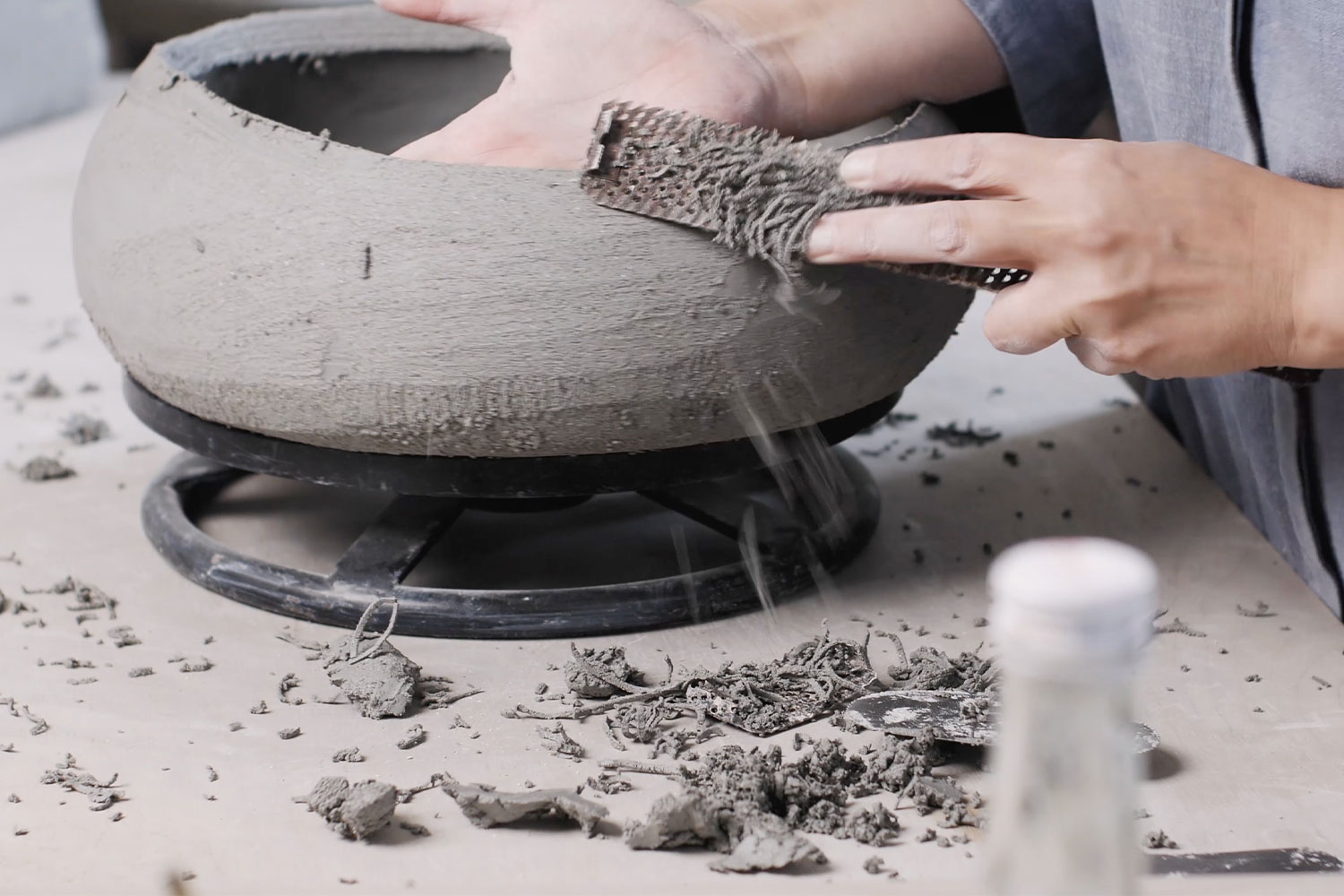
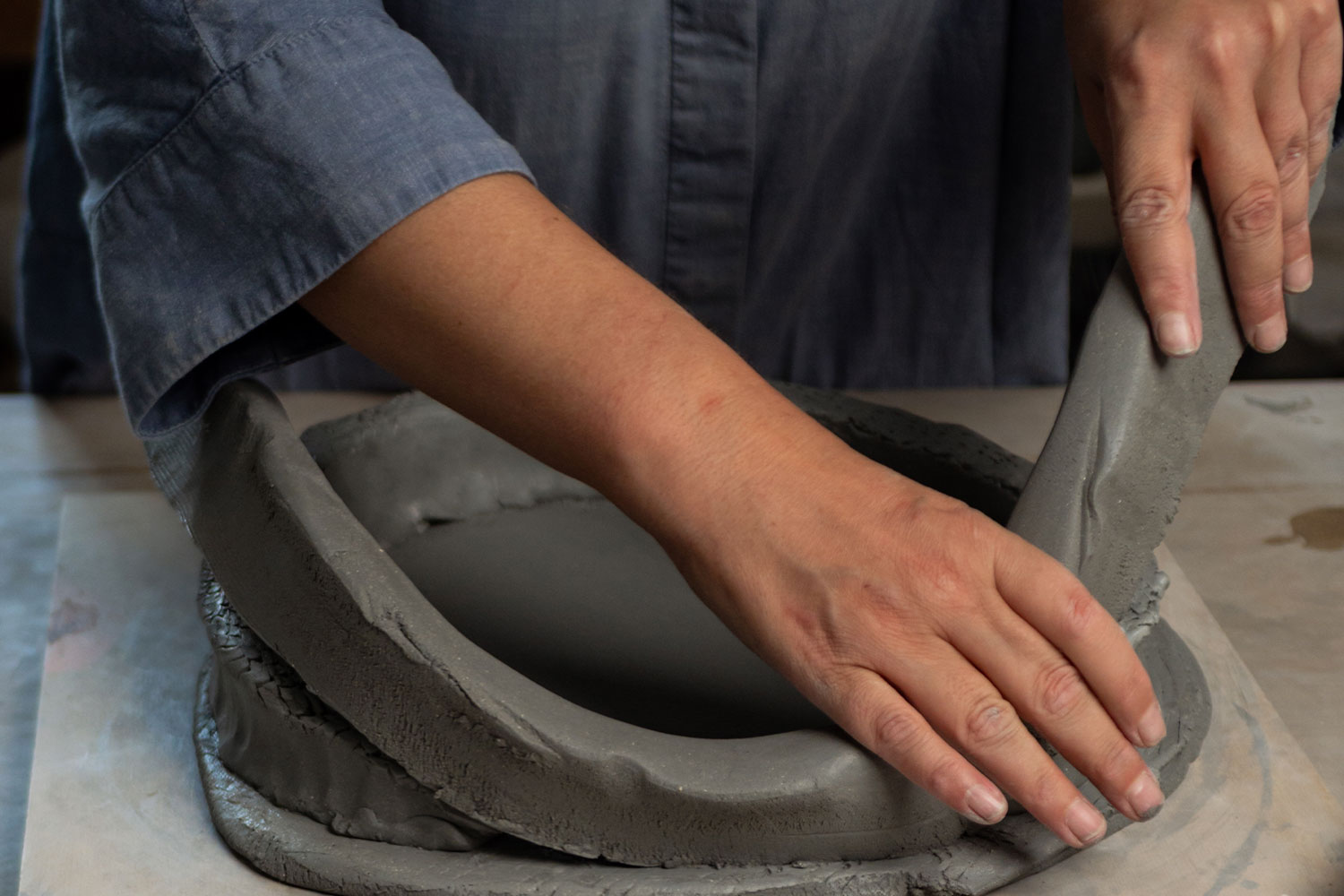
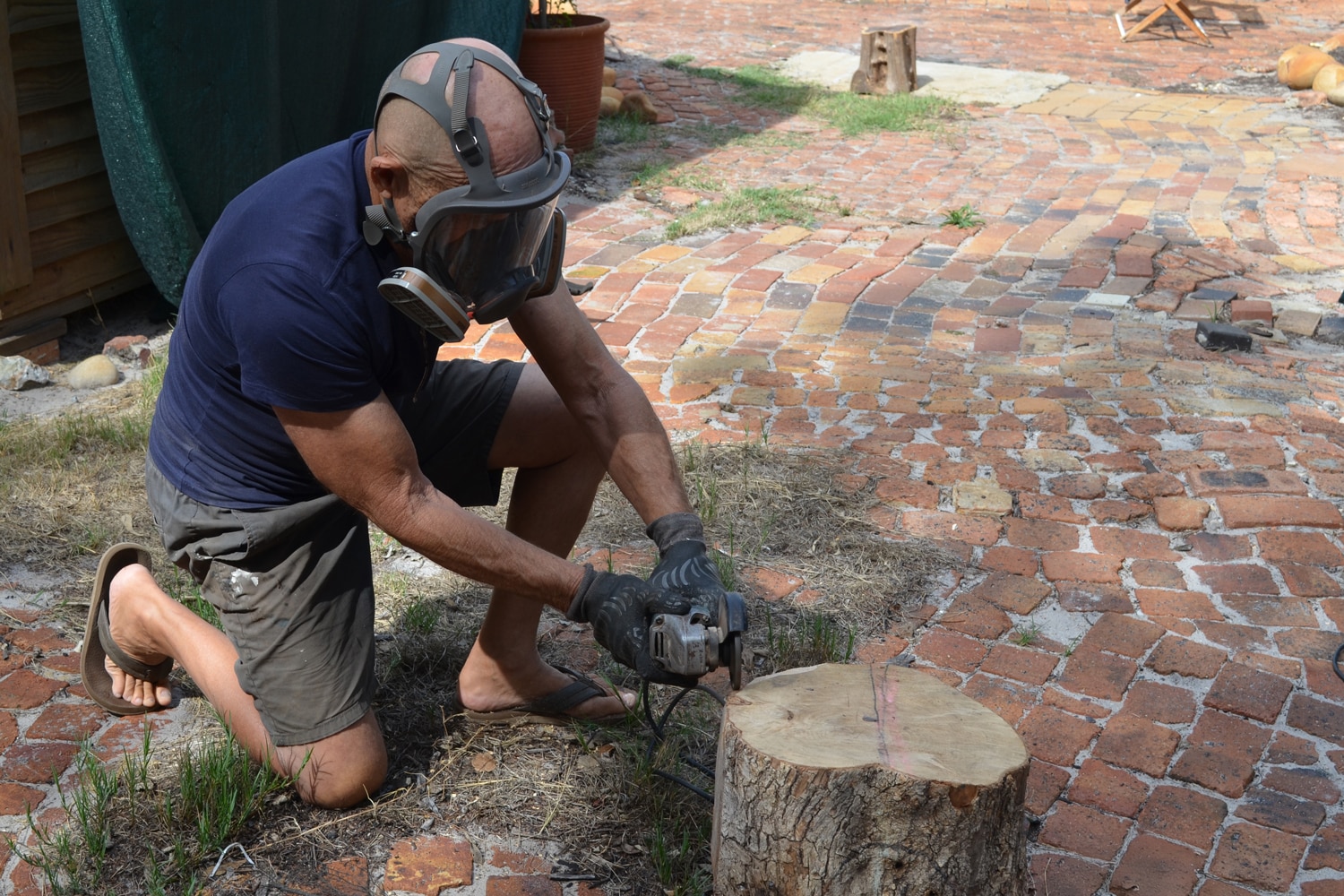
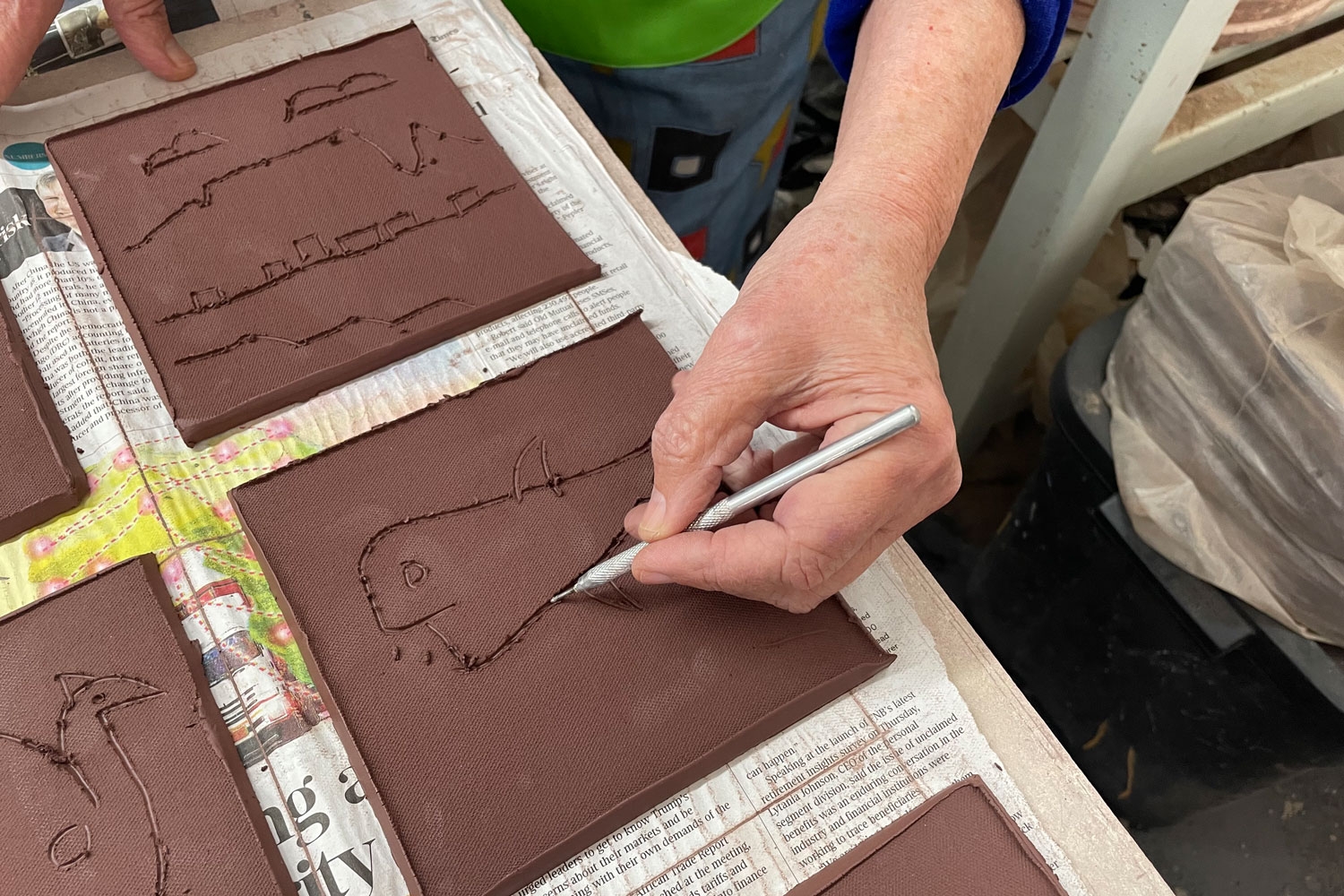
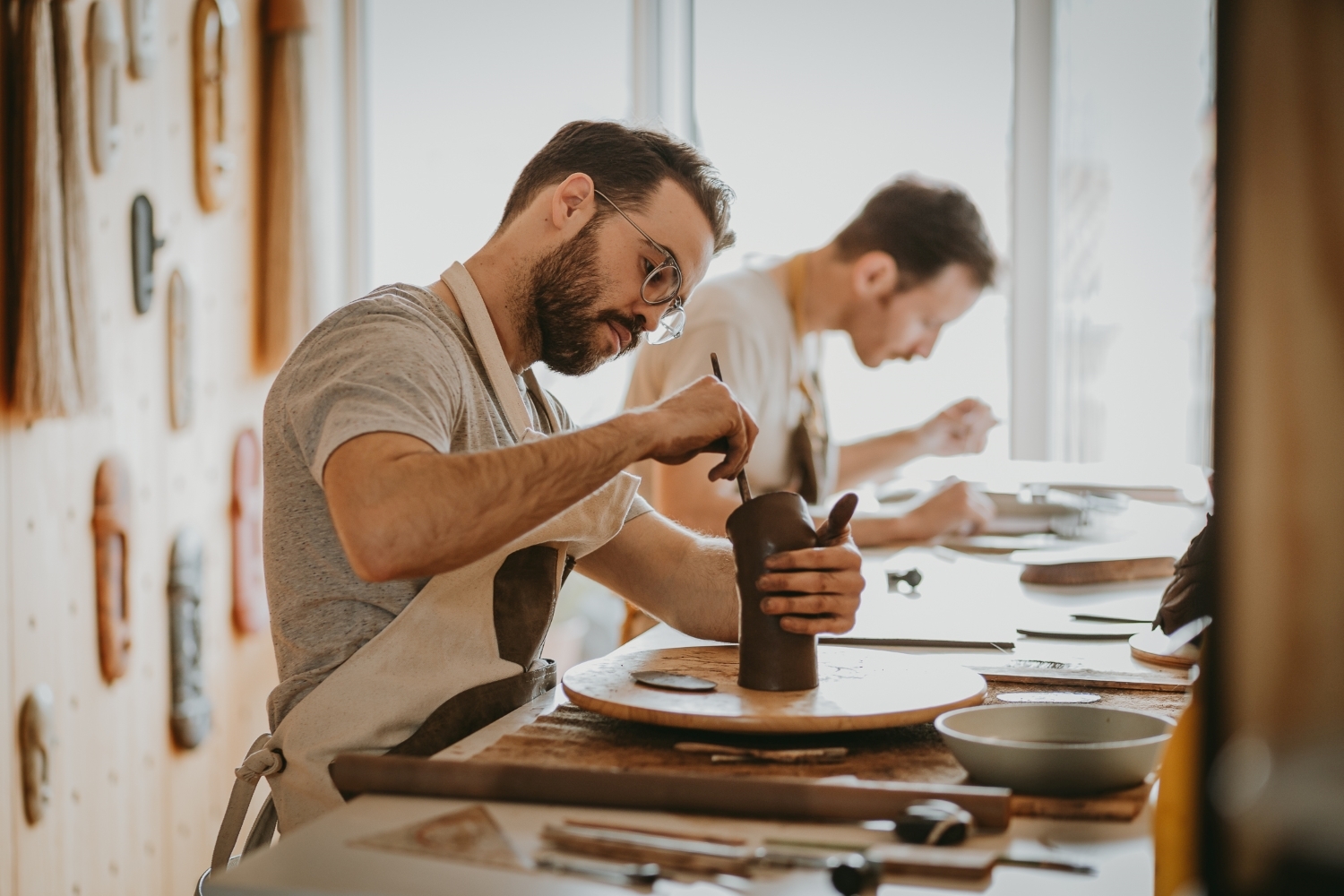
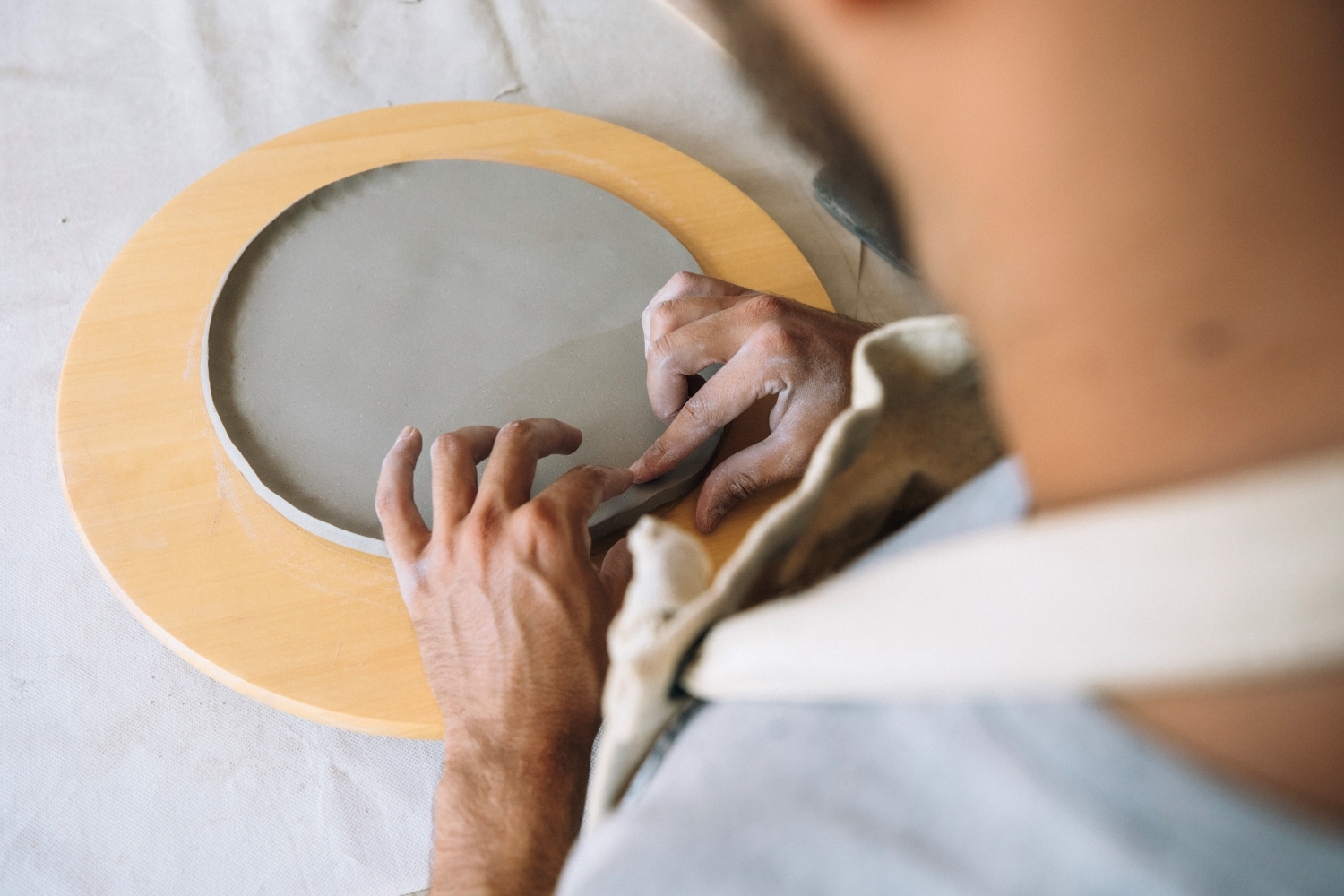
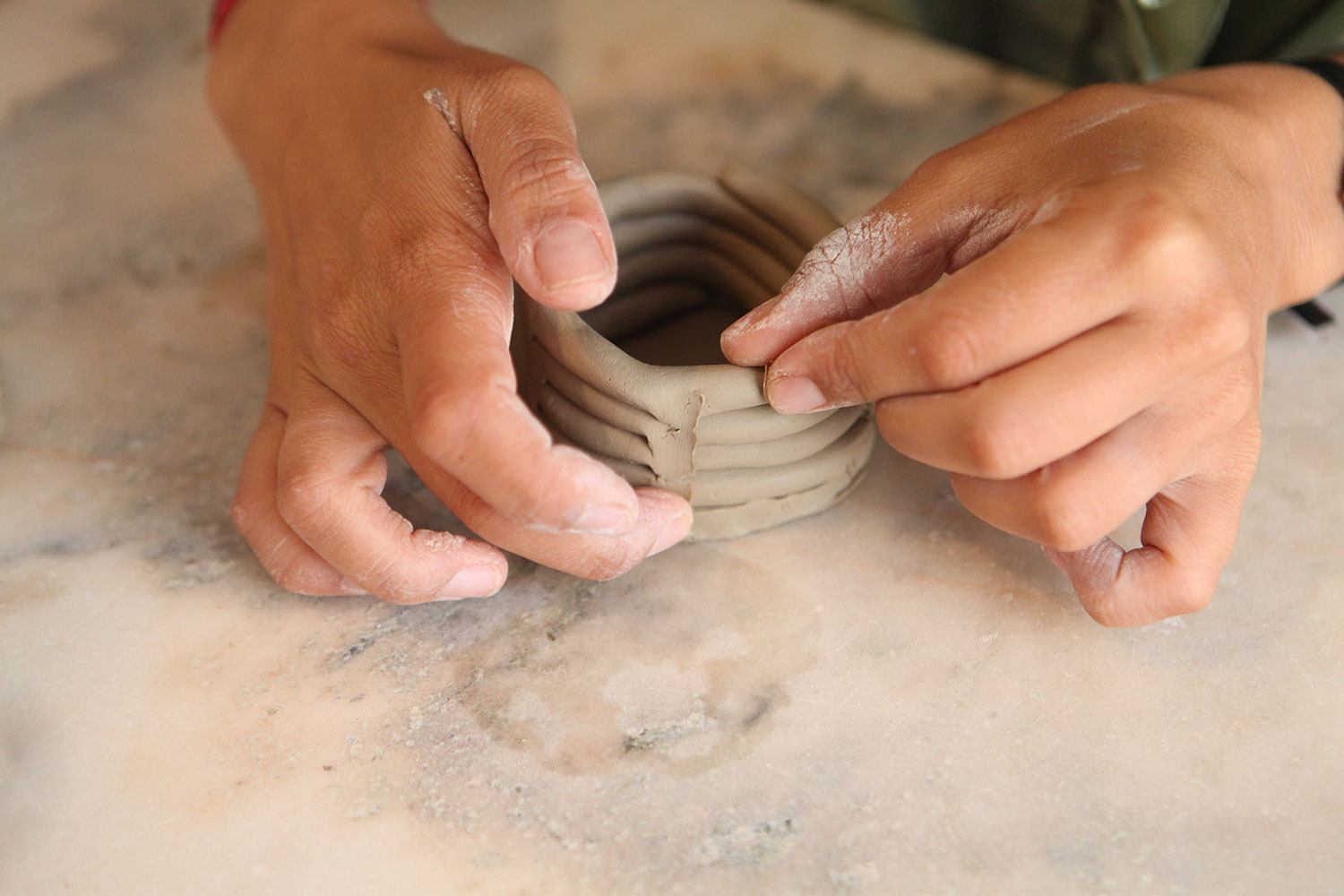
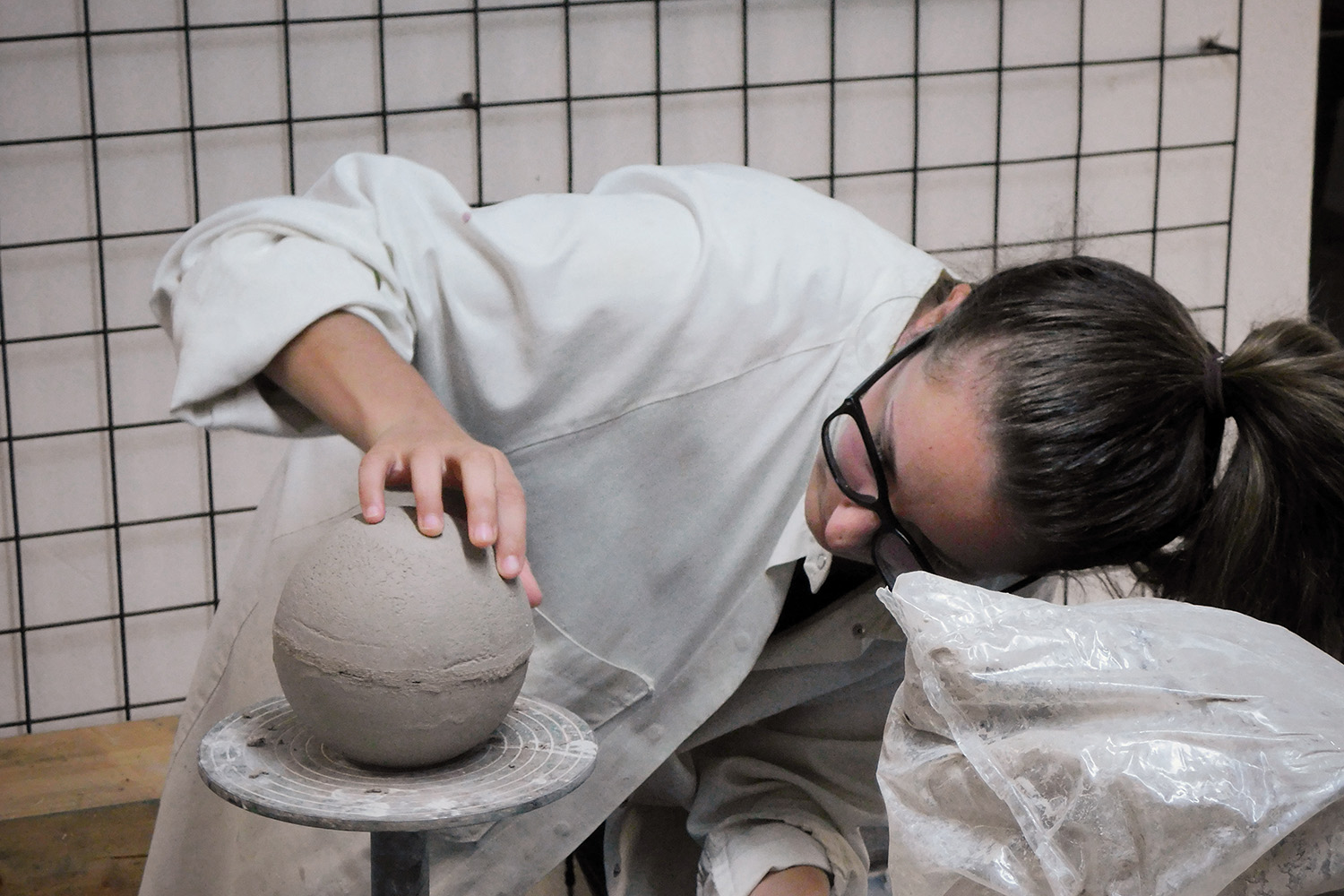
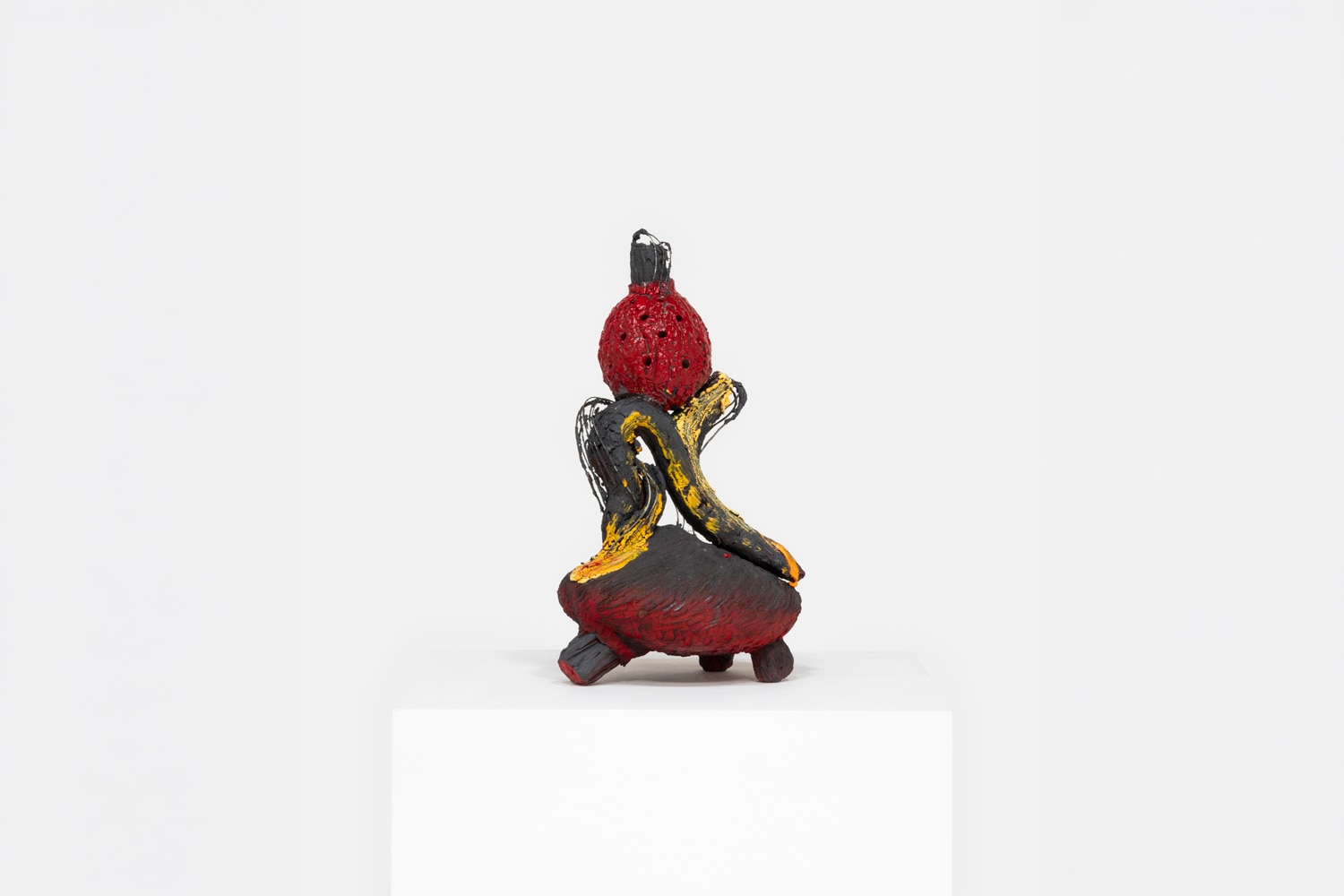
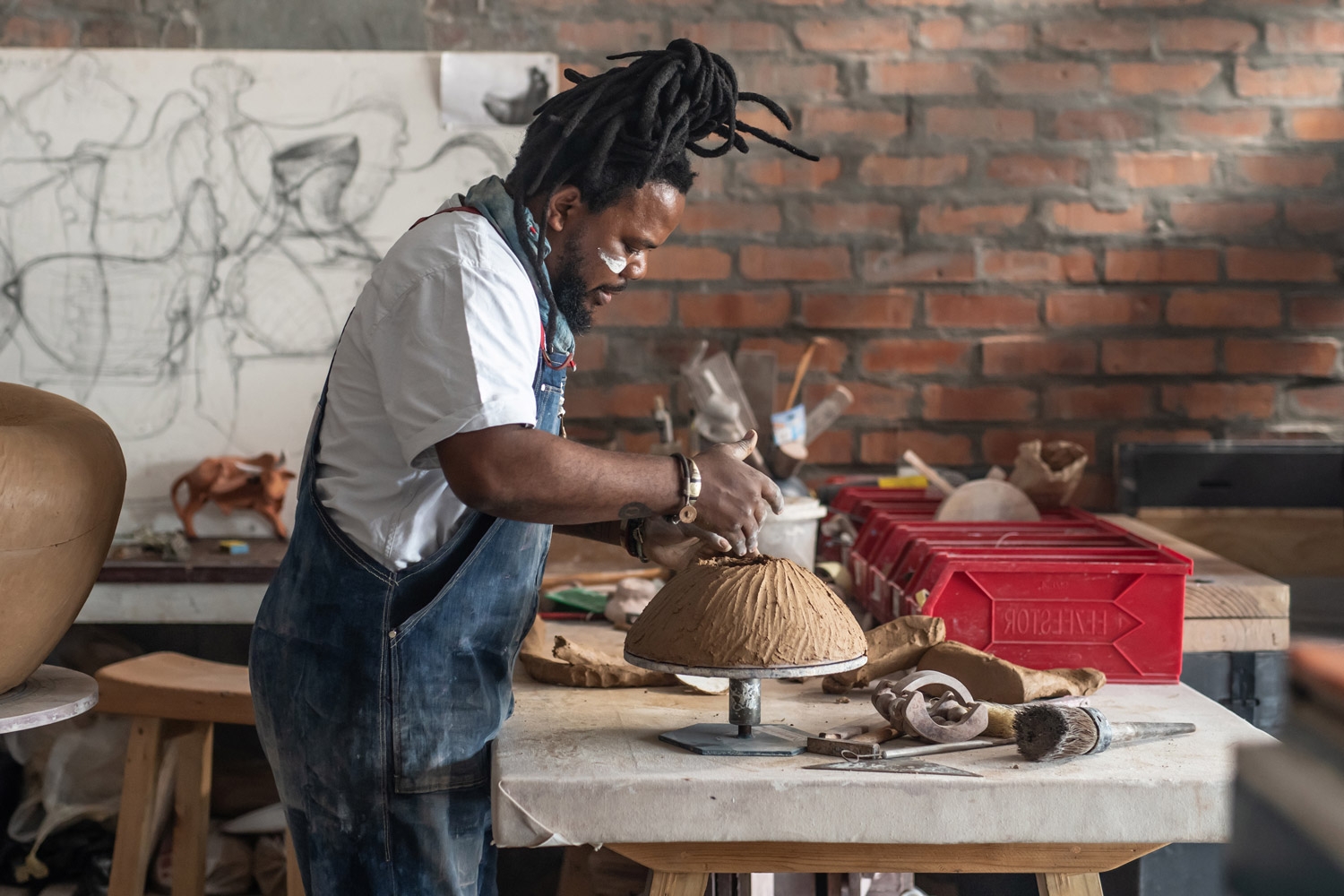
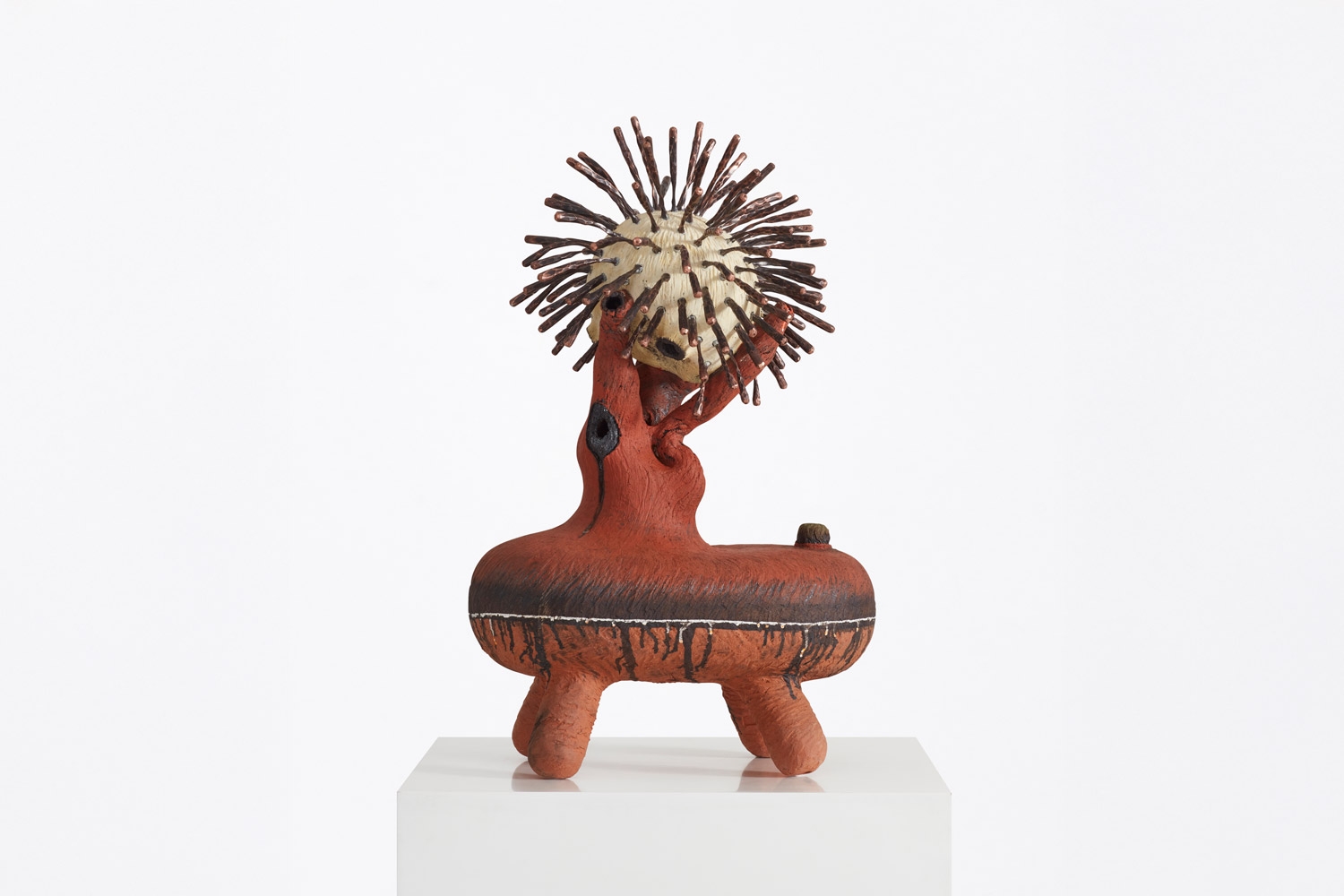
I work primarily with clay, coiling it as a method of building. Using my signature ‘scarification’ technique, I lacerate surfaces with incisions and carvings. I use found objects for surface designs. I mainly work with sound, copper and glass, which can be experienced in my most recent body of works, Ingqweji.

Andile Dyalvane
Ceramicist
Cape Town, South Africa
AVAILABILITY
By appointment only
PHONE
+27 871482177
LANGUAGES
Xhosa, English
HOMO FABER FINDS
Homo Faber Finds is a new service aiming to inspire admirers of craft to connect and collaborate with exceptional artisans.
We invite you to submit an enquiry here.