Mehmet Eren Eskikan
Ceramicist
Çankaya/Ankara, Türkiye
Traces of history and inspiration from the land
- Mehmet Eren creates ceramic works inspired by the rich history and geography of Anatolia
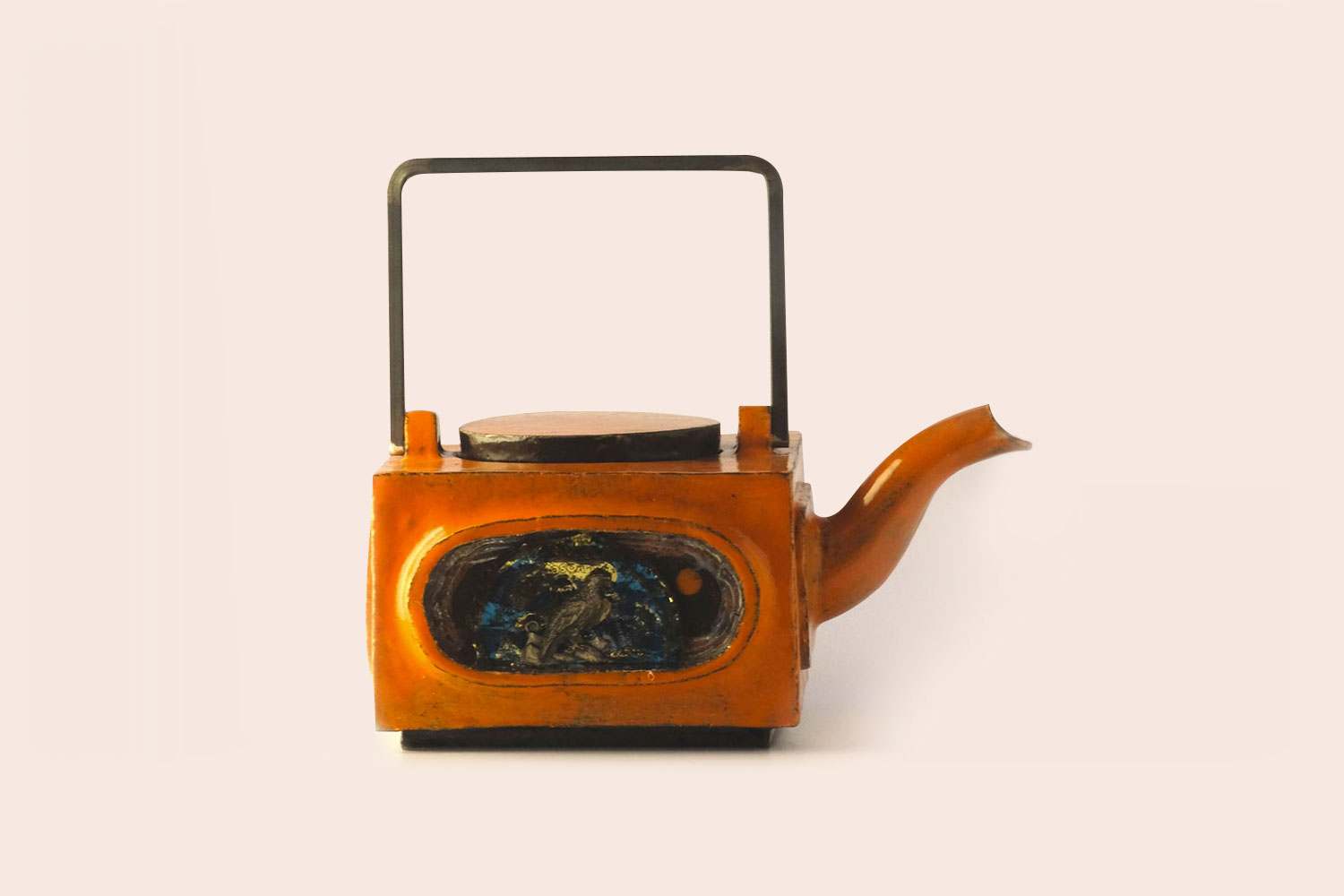
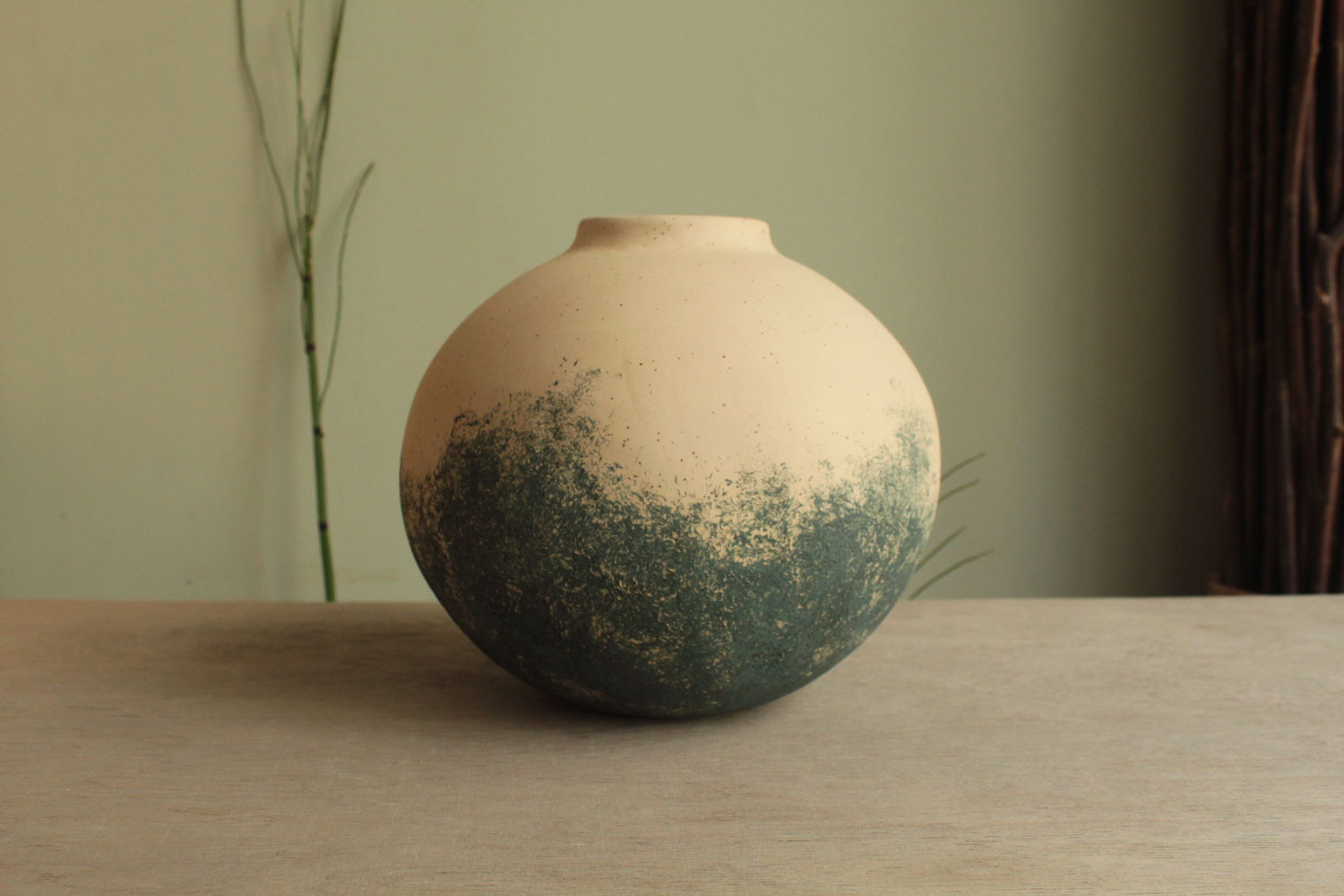
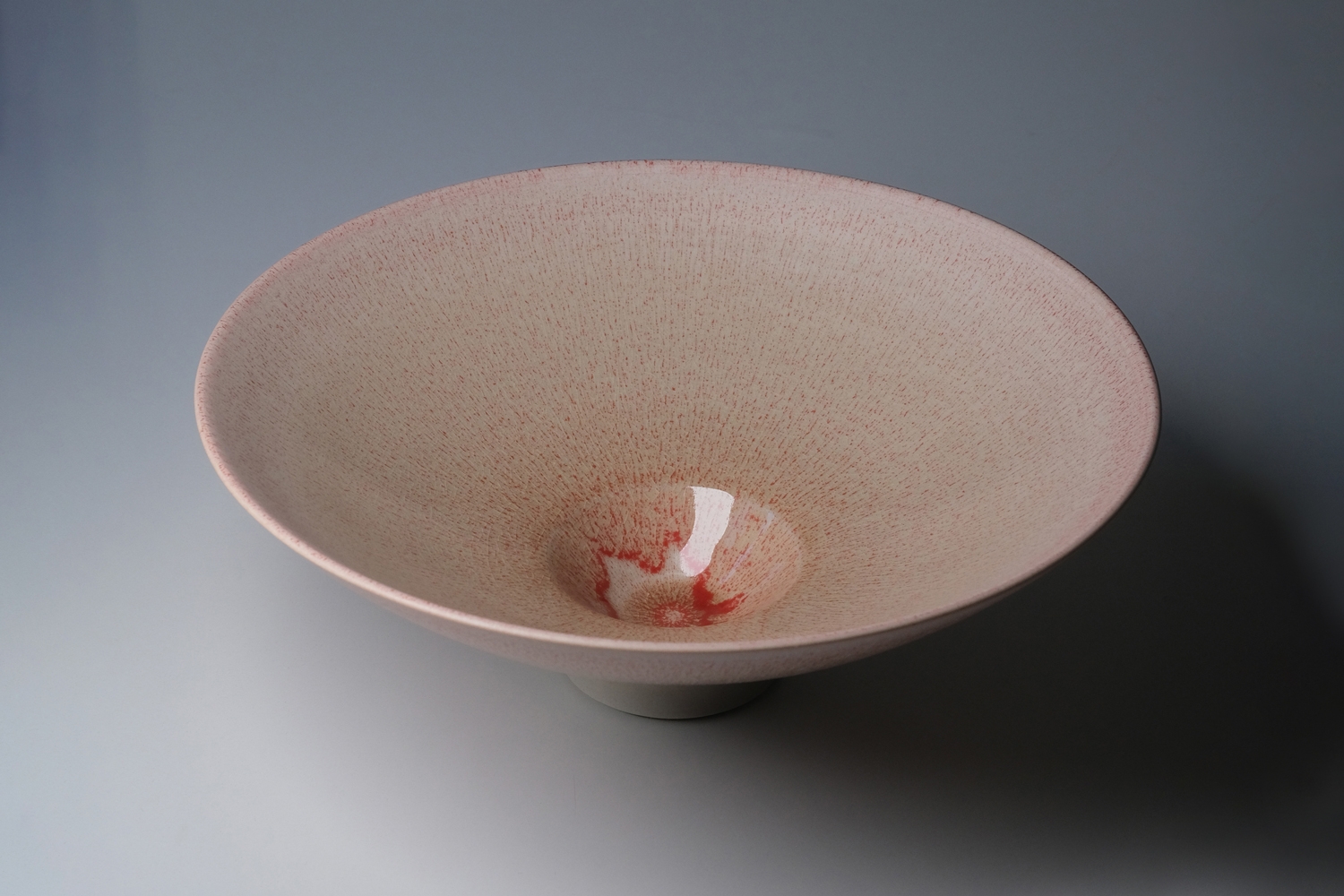
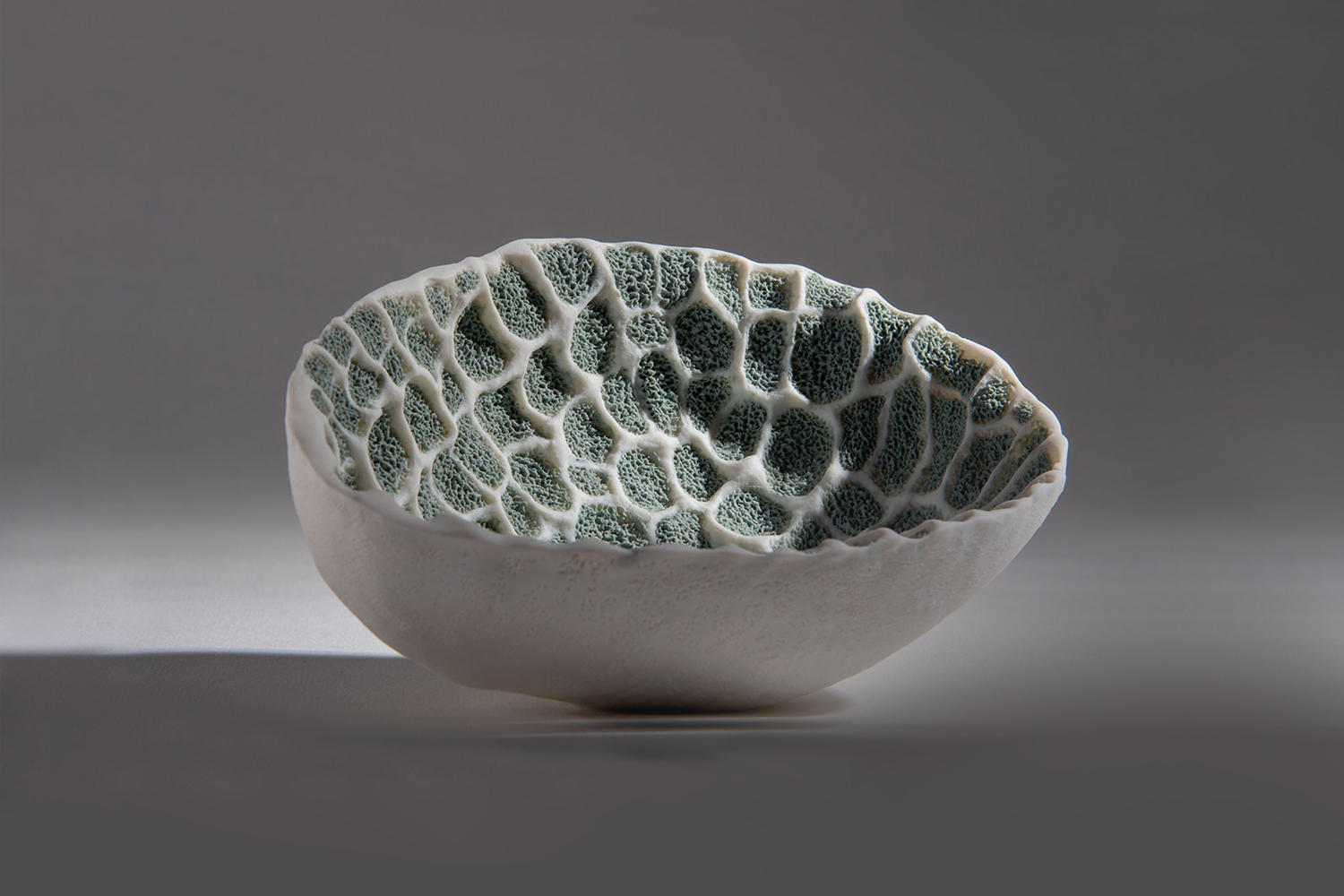
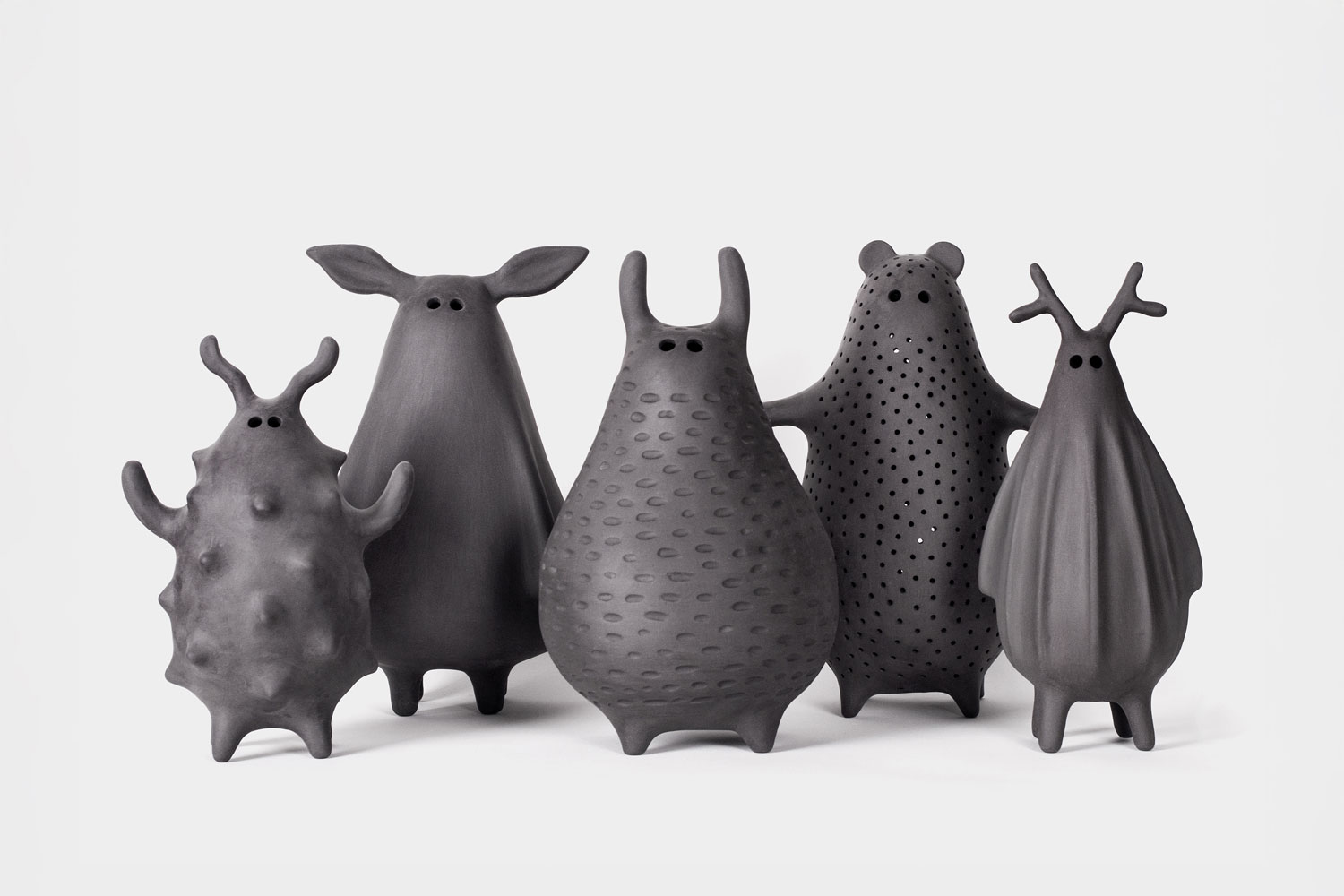
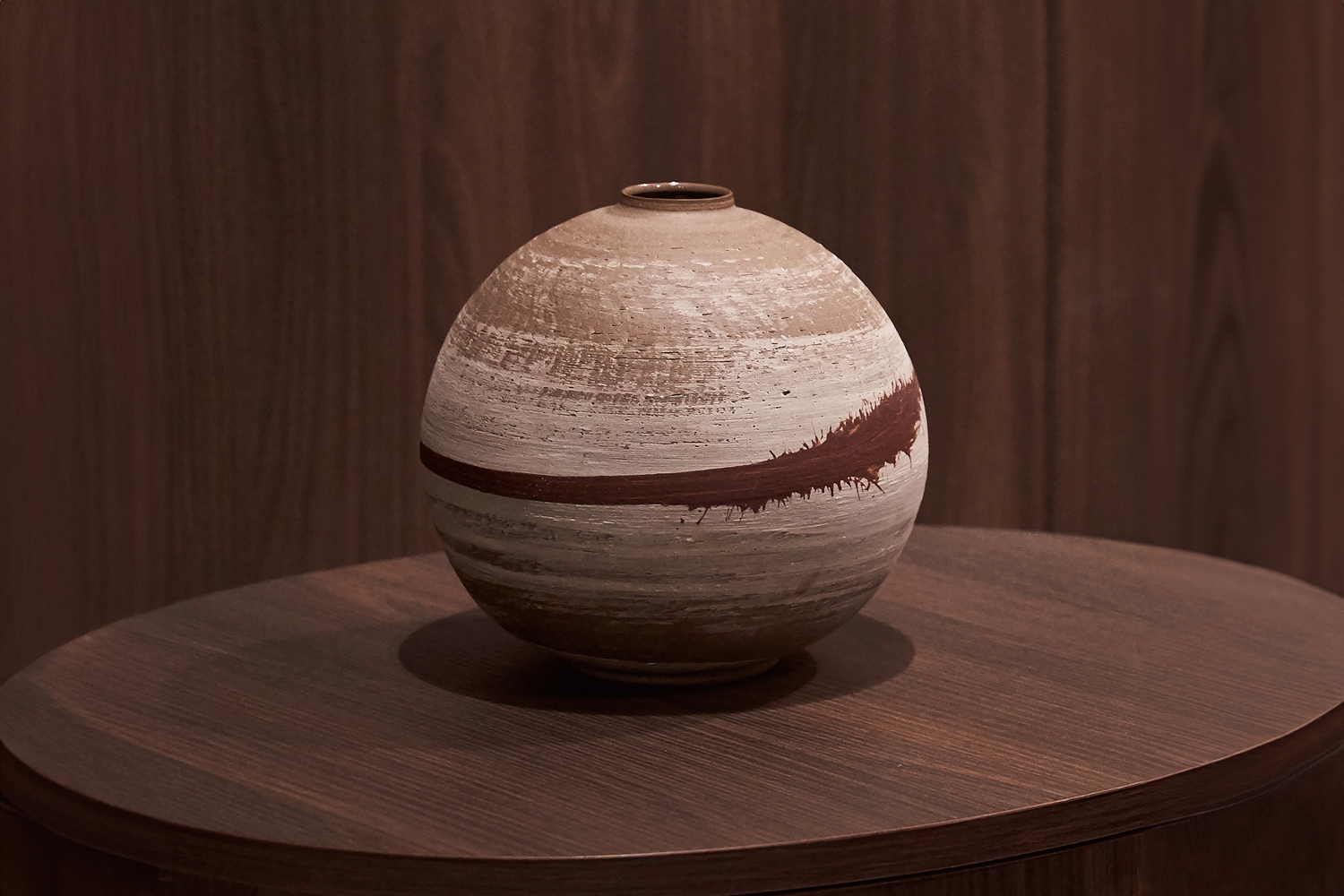
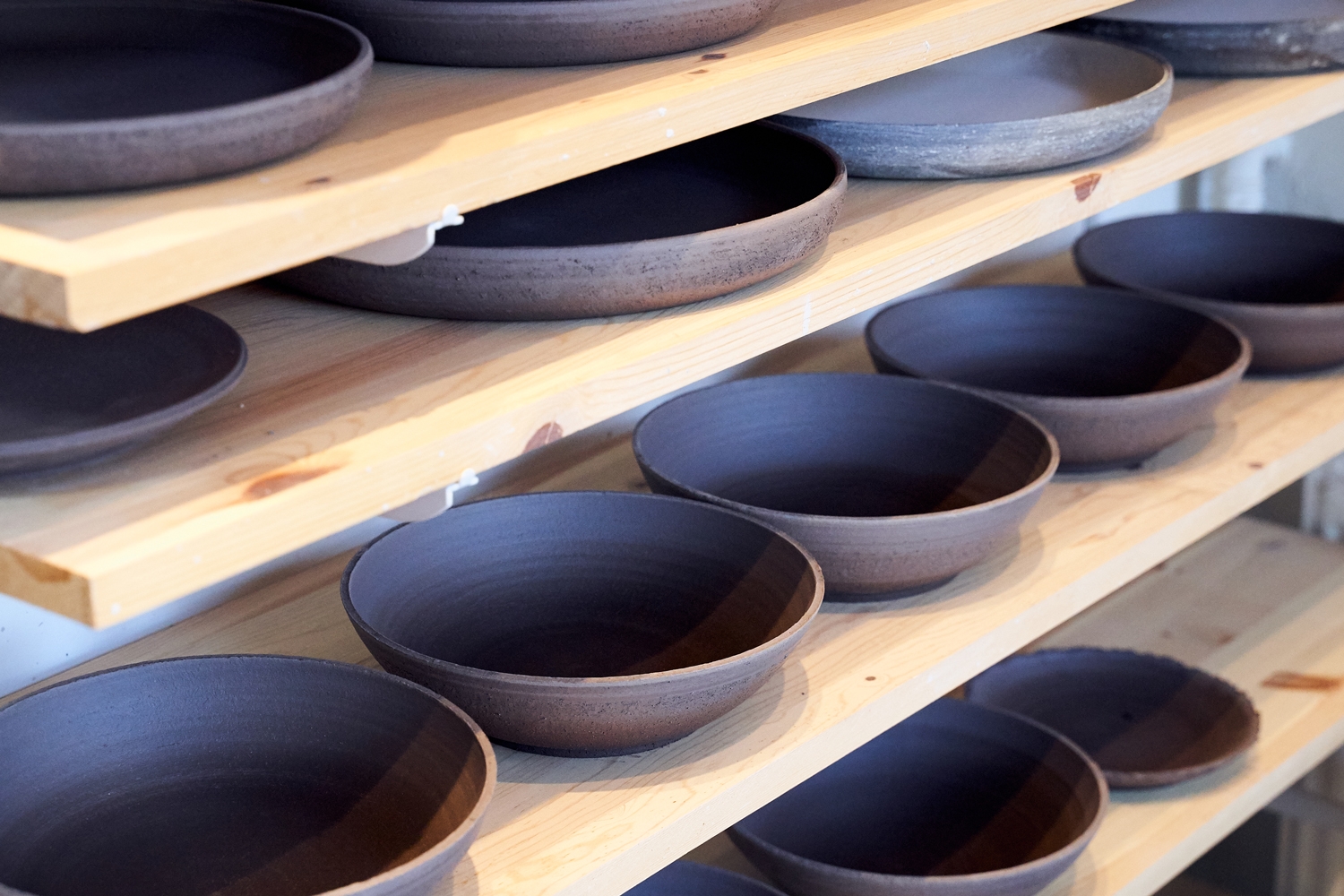
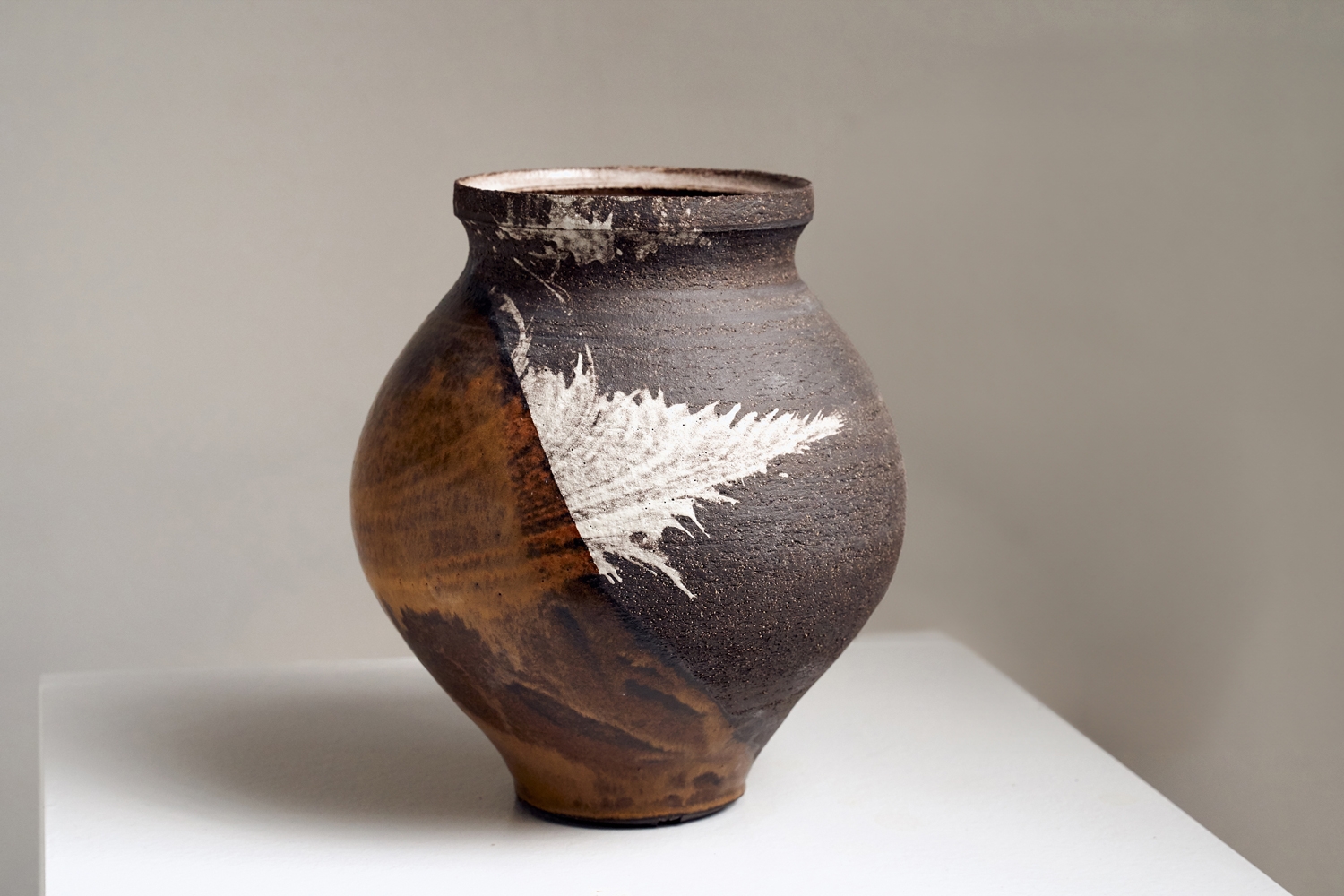
- His collections of dinnerware and decorative objects exude a minimal aesthetic with earthly colors
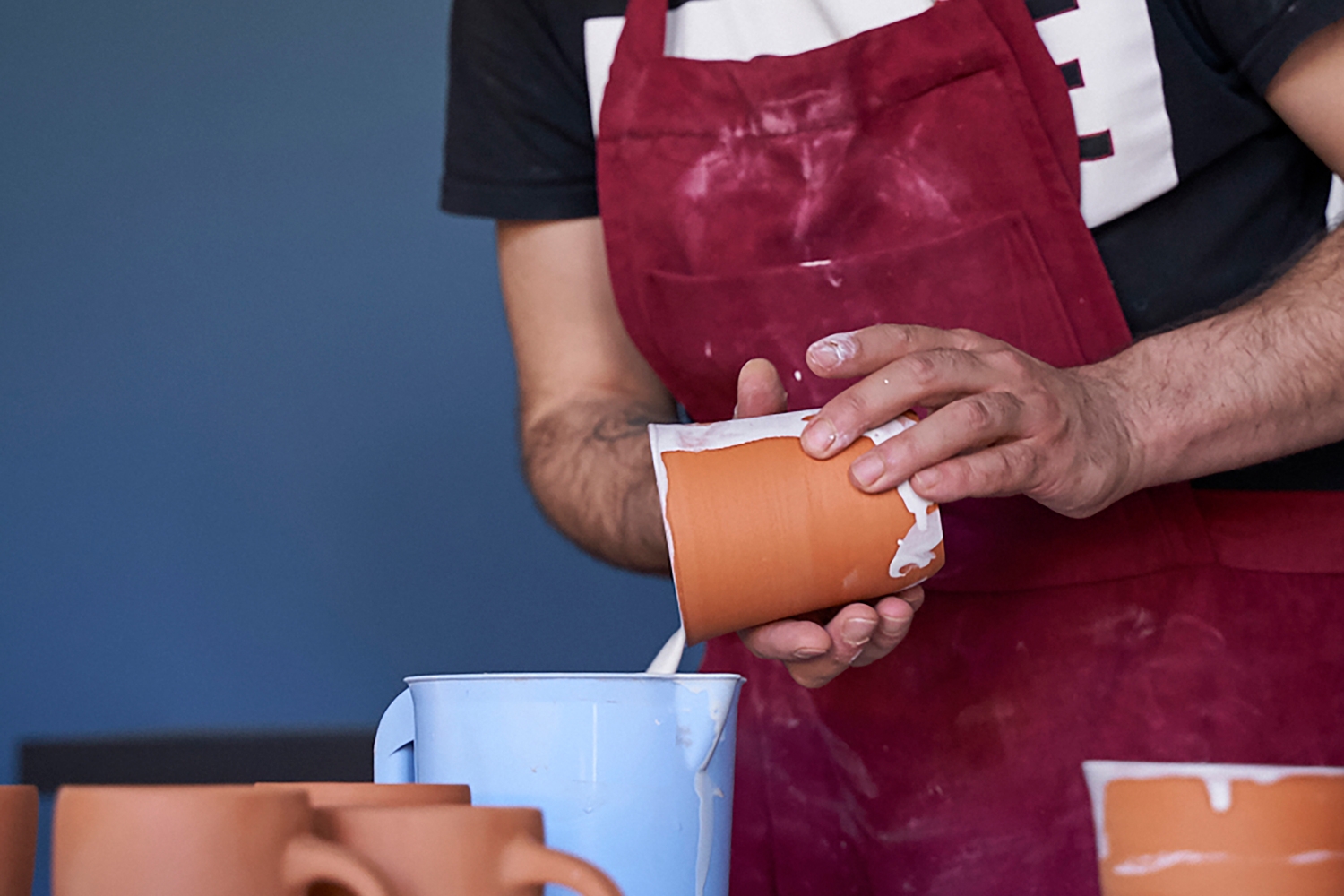
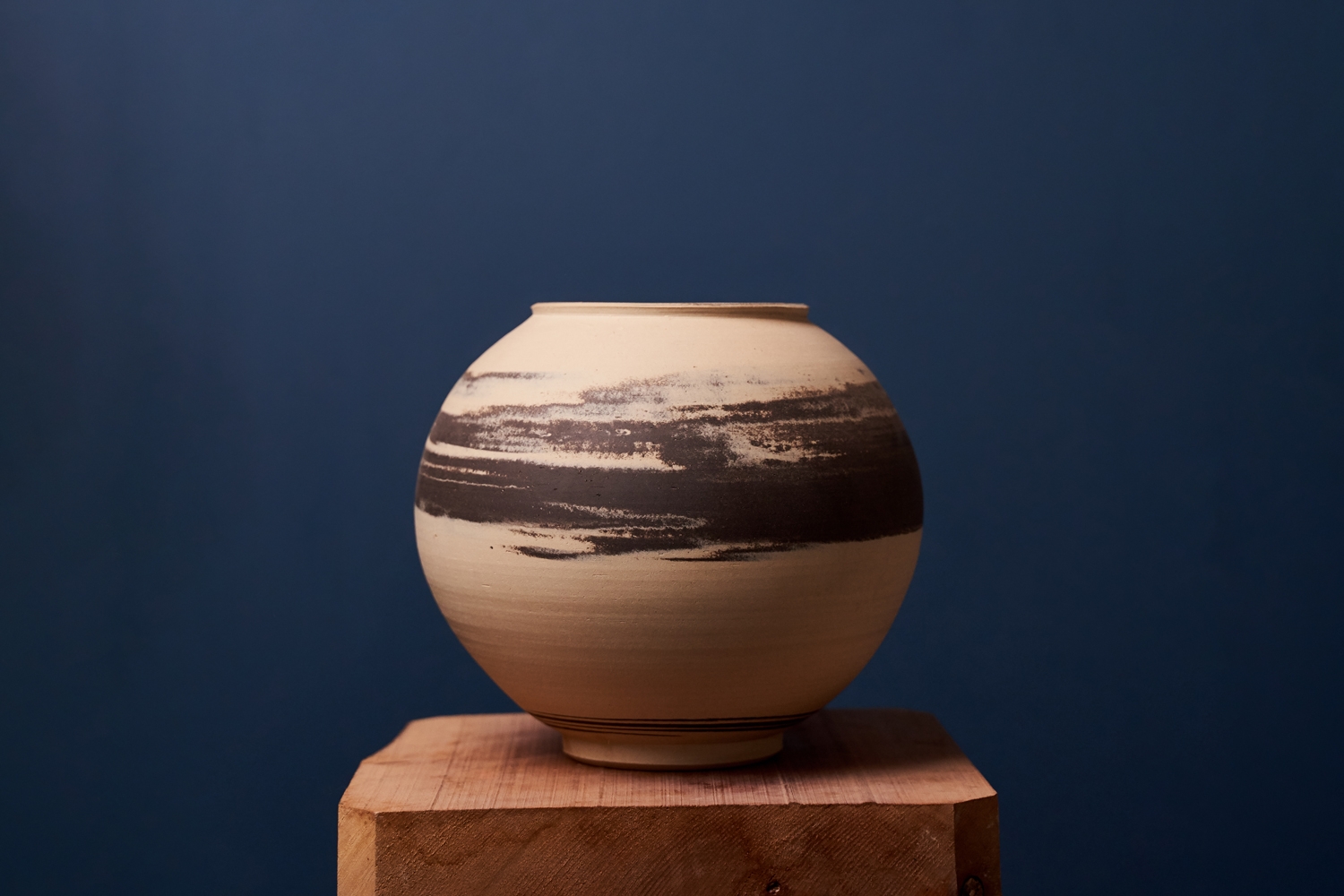
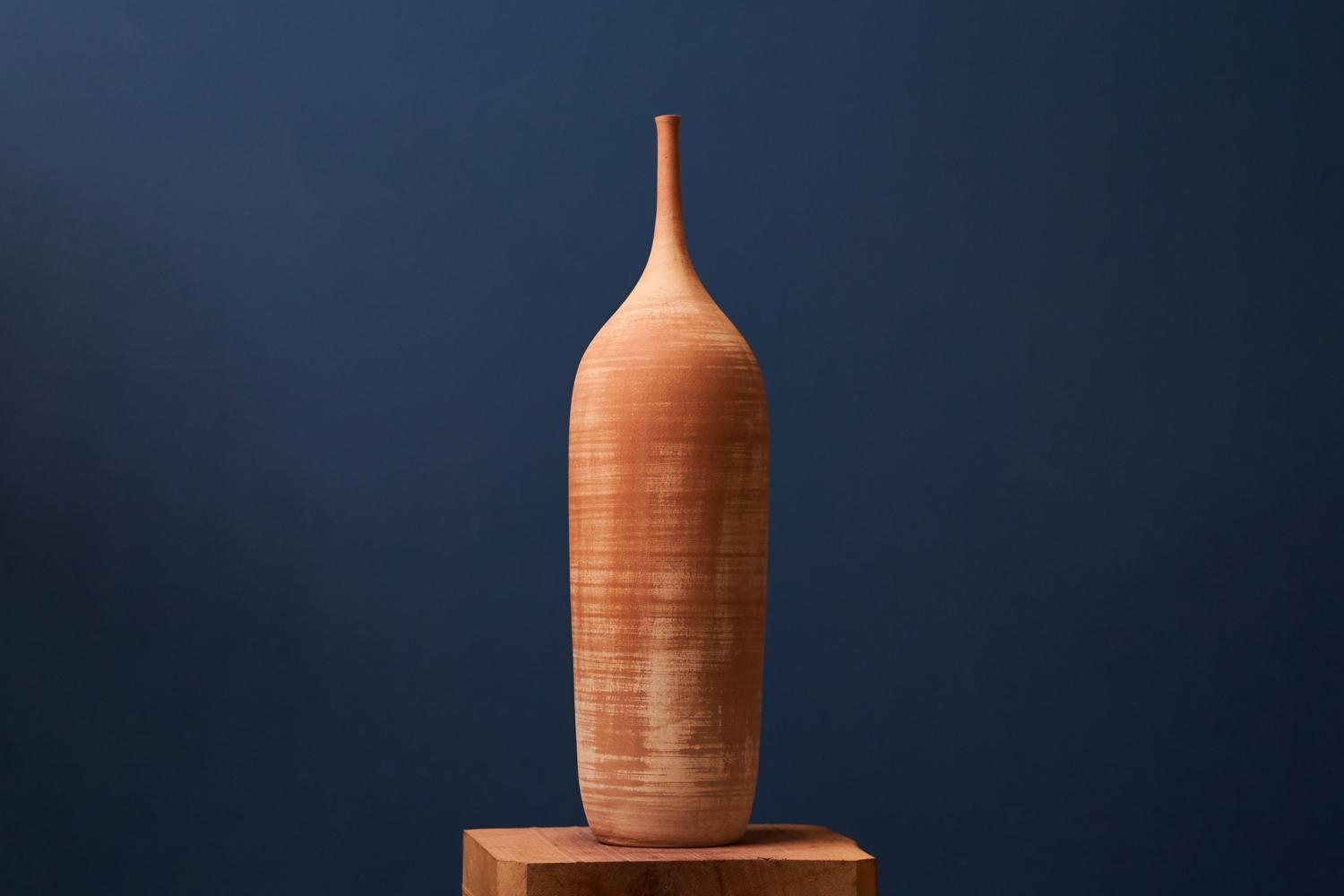
- He uses the Japanese hakeme technique for the application of engobe
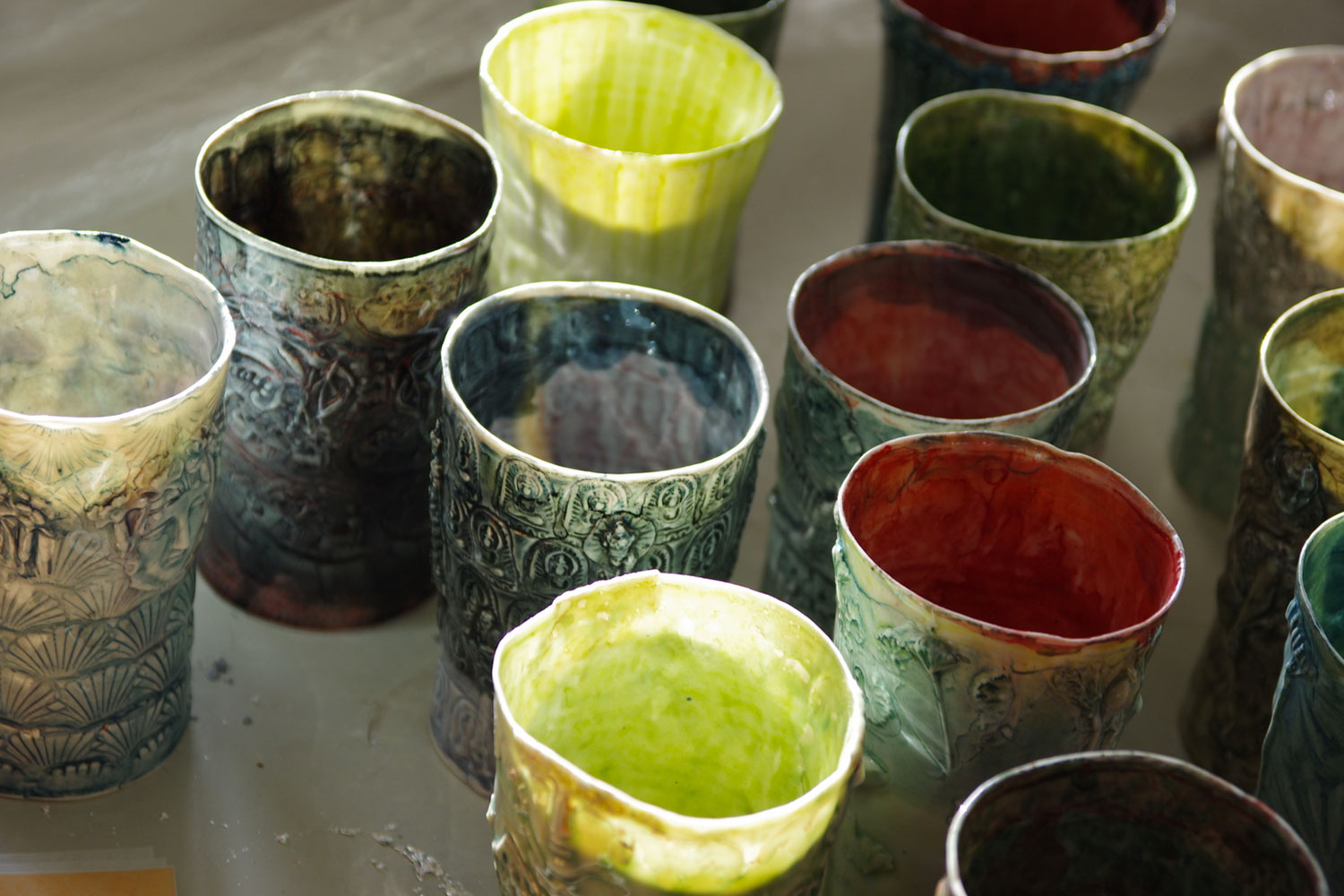
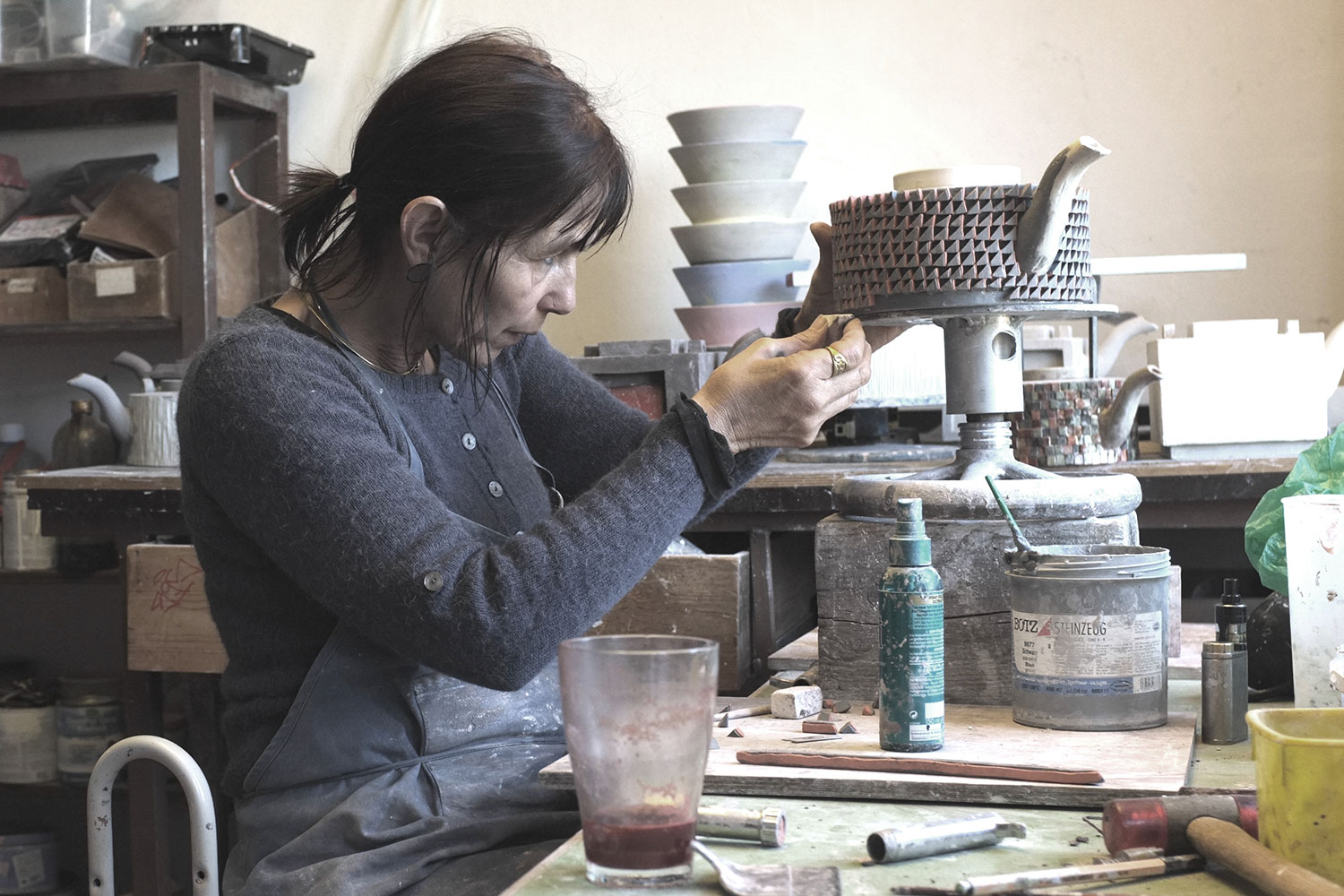
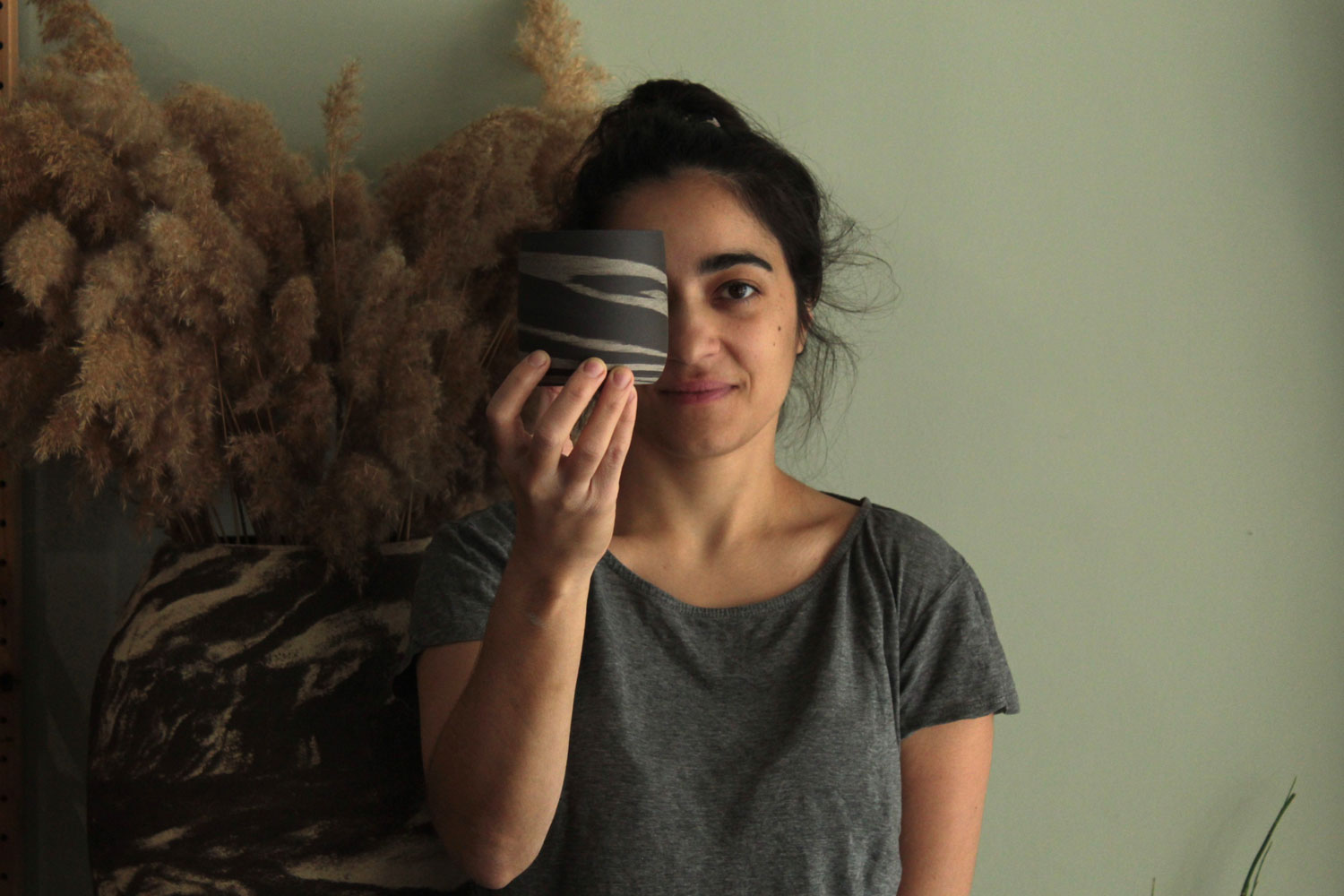
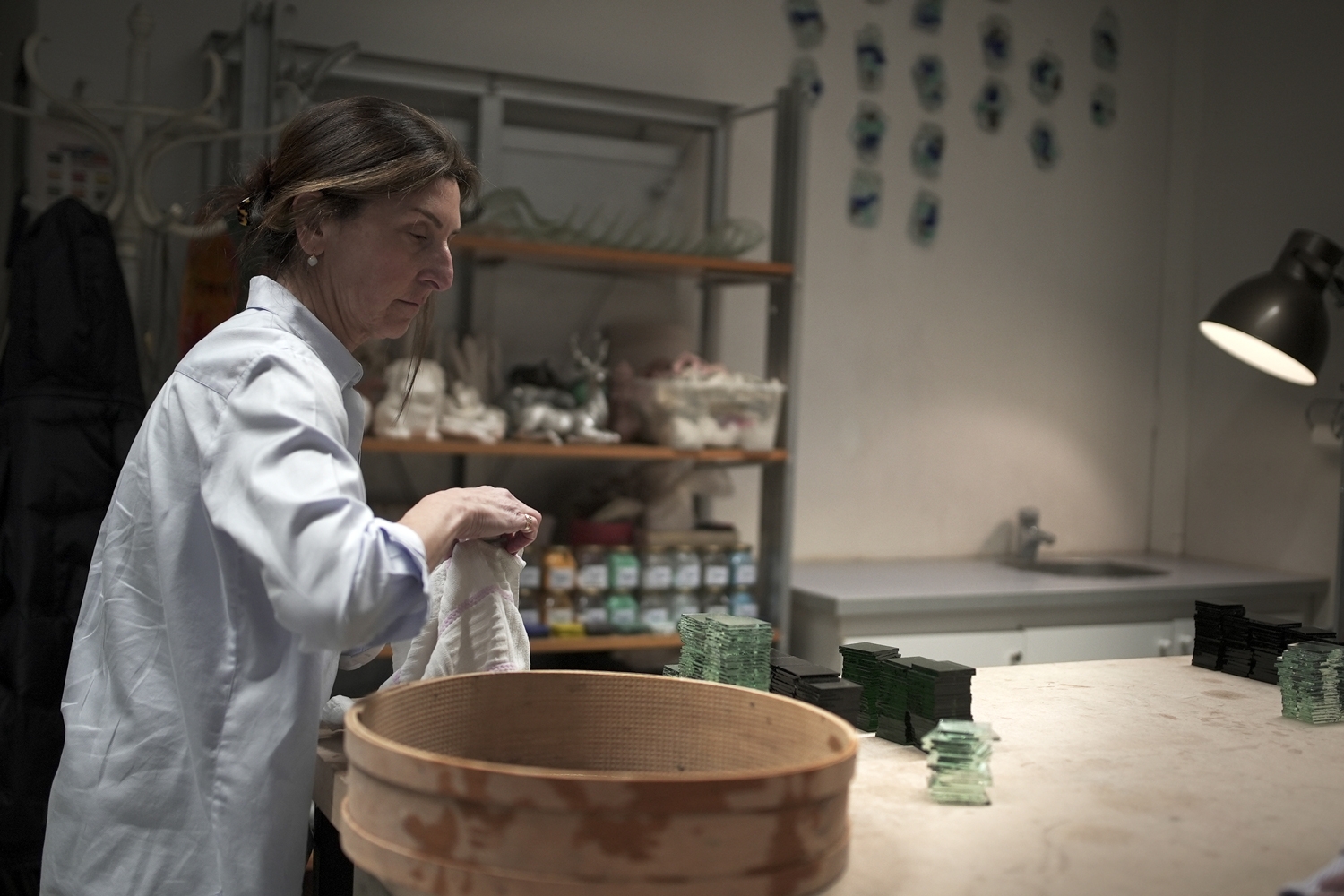
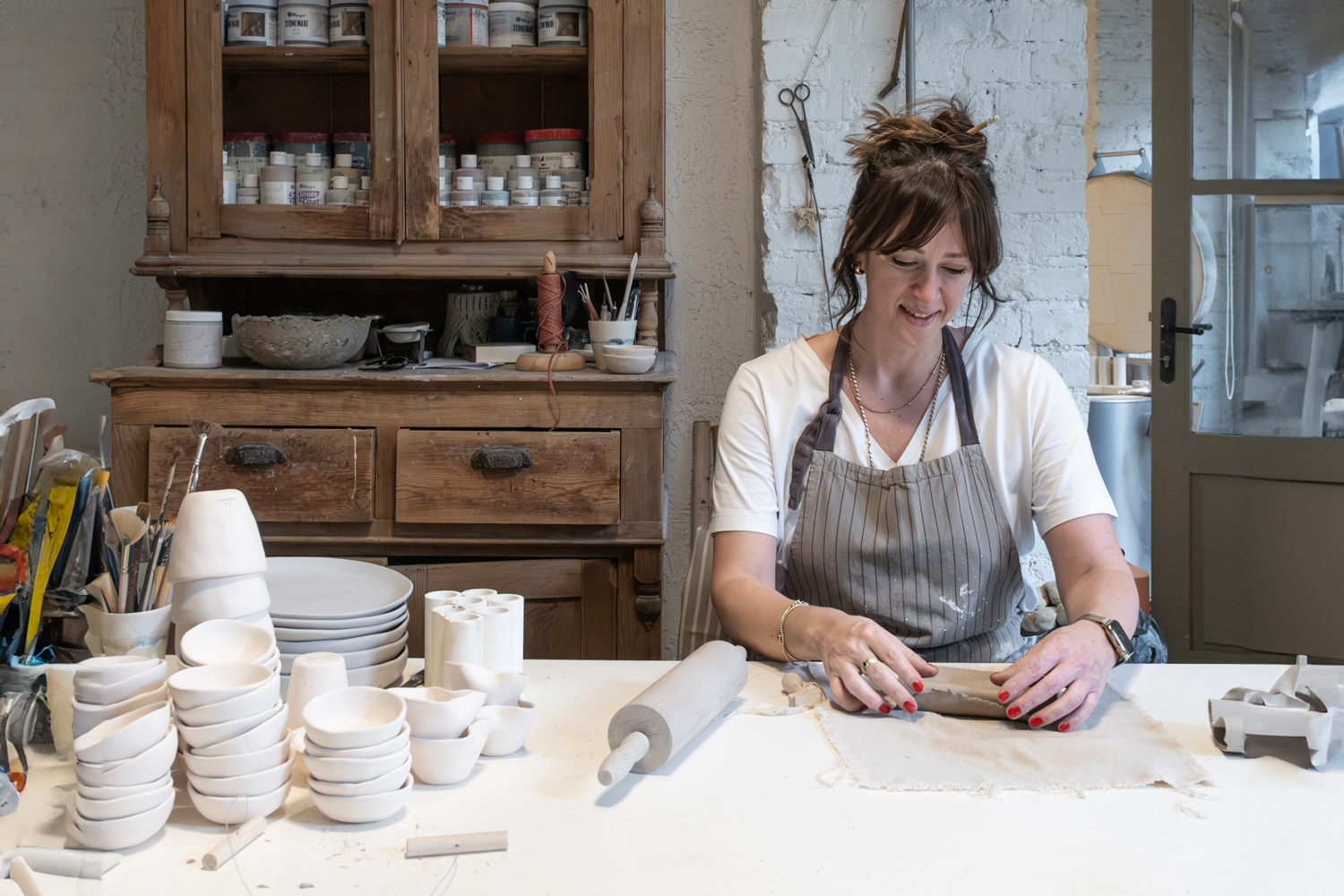
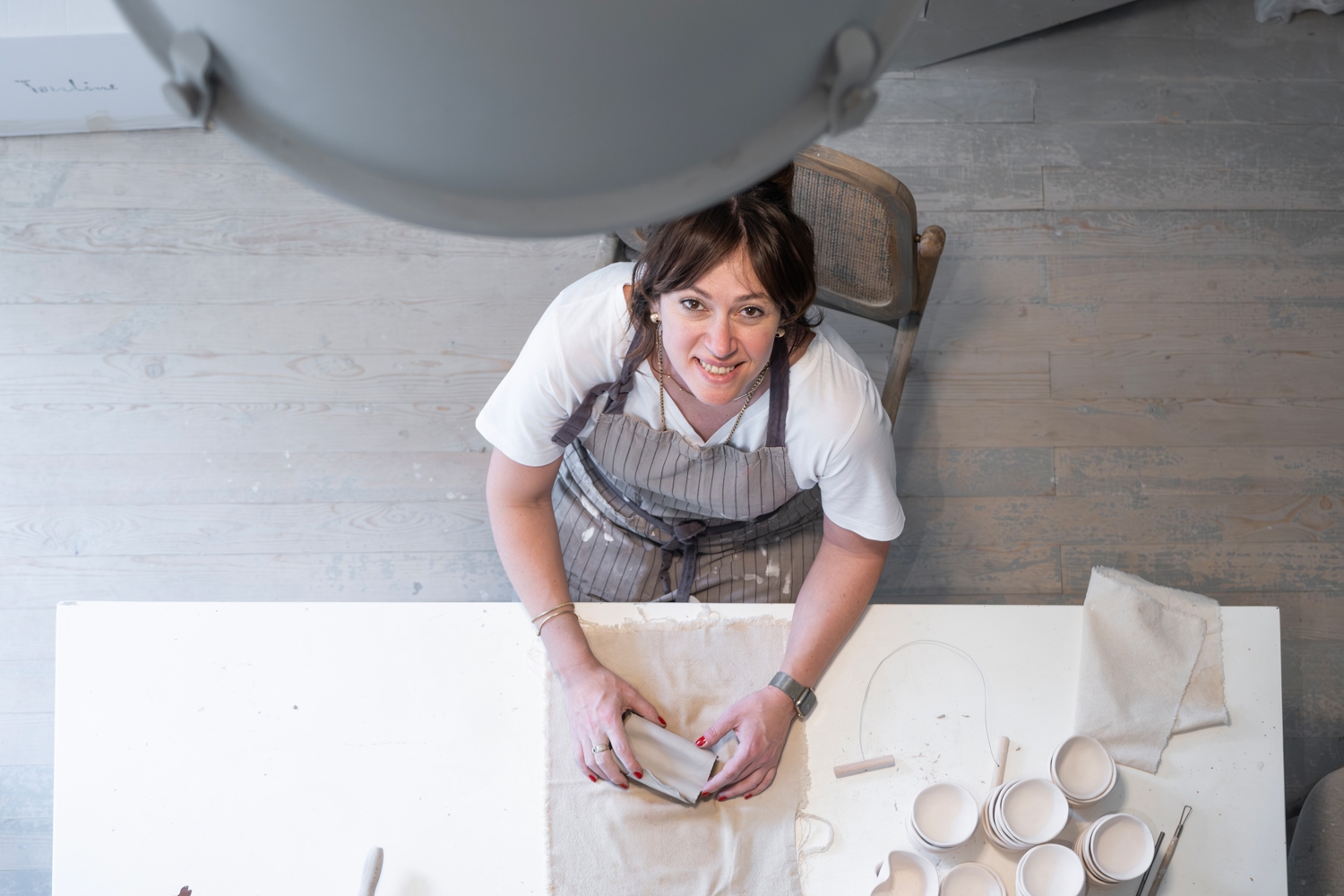
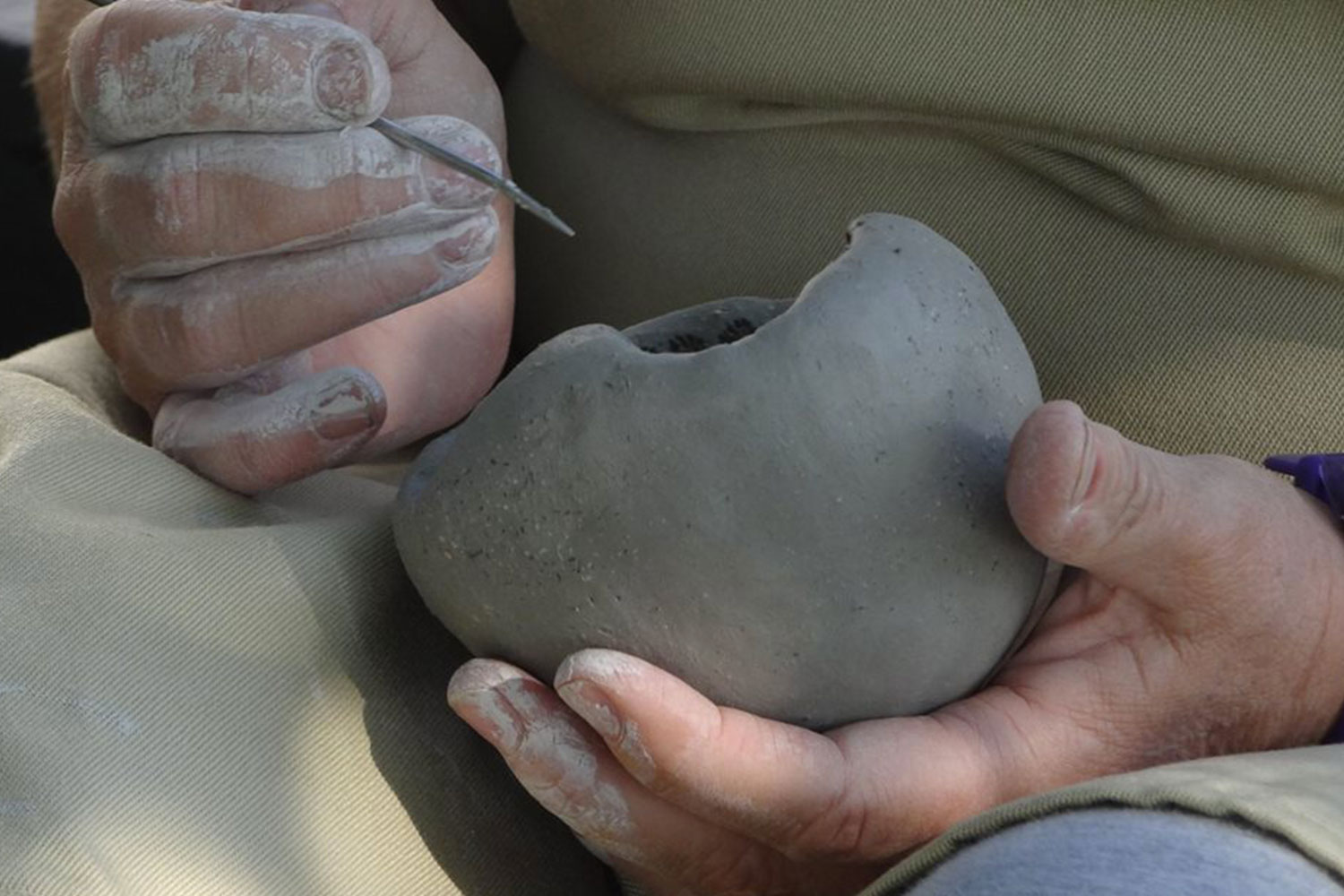
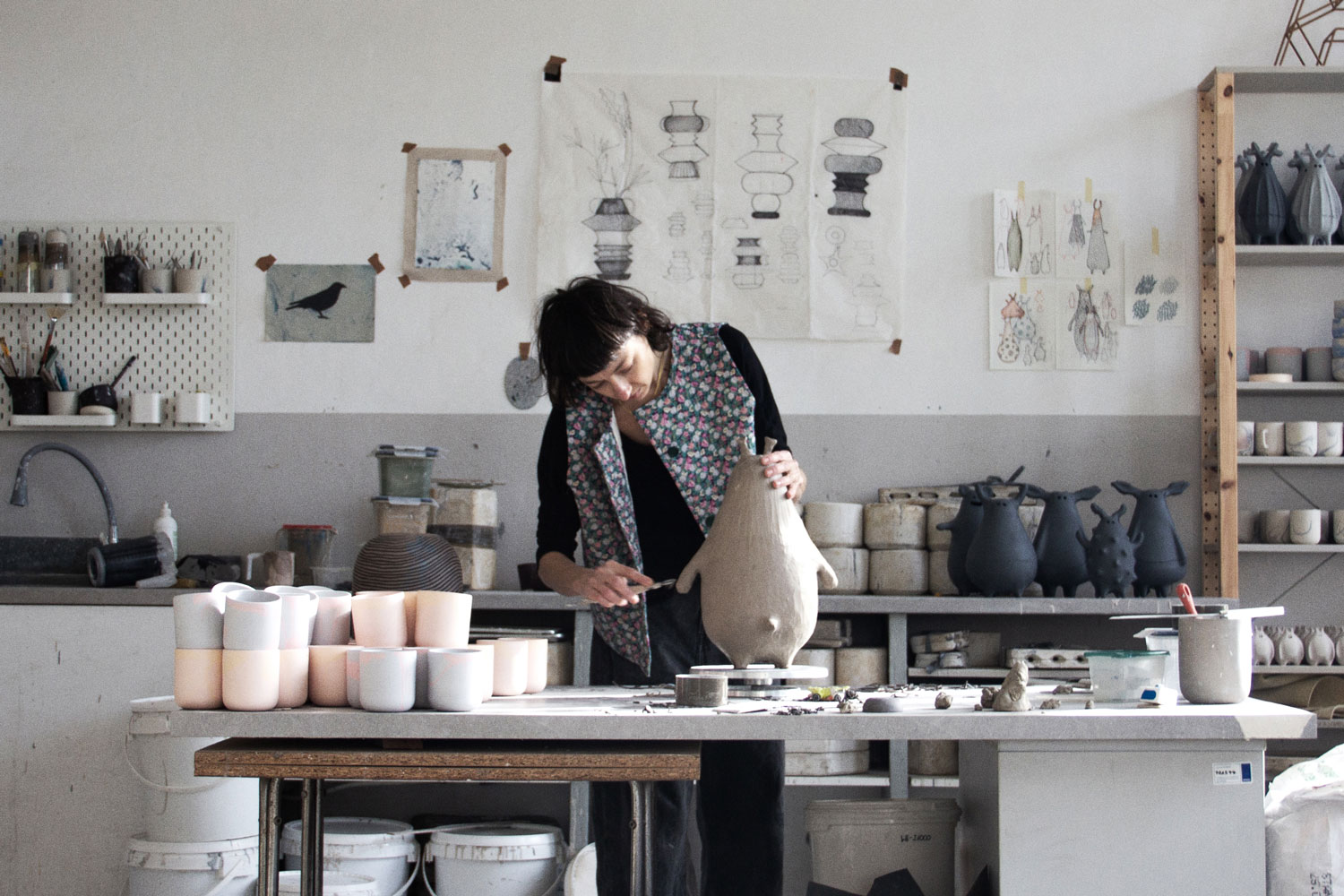
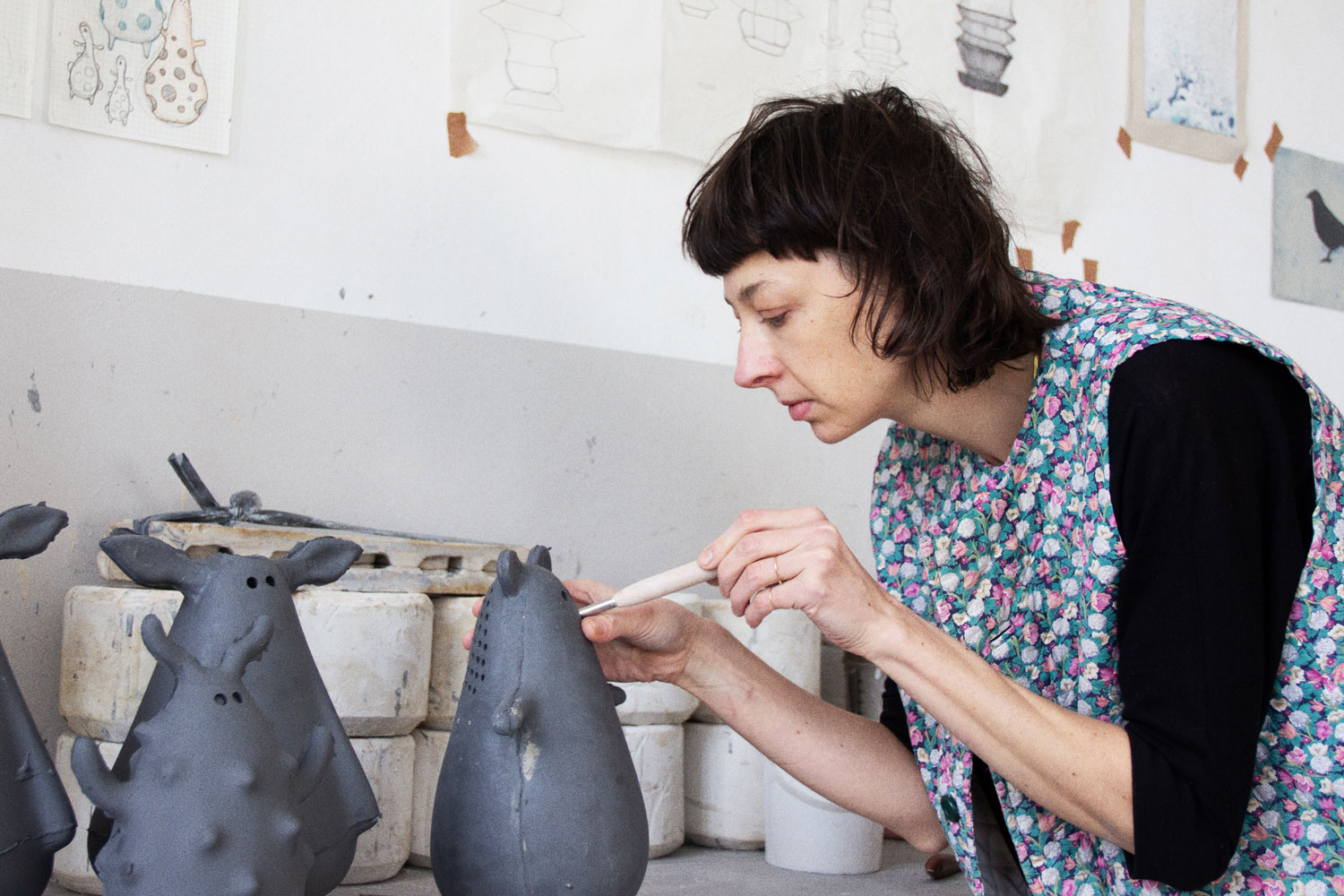
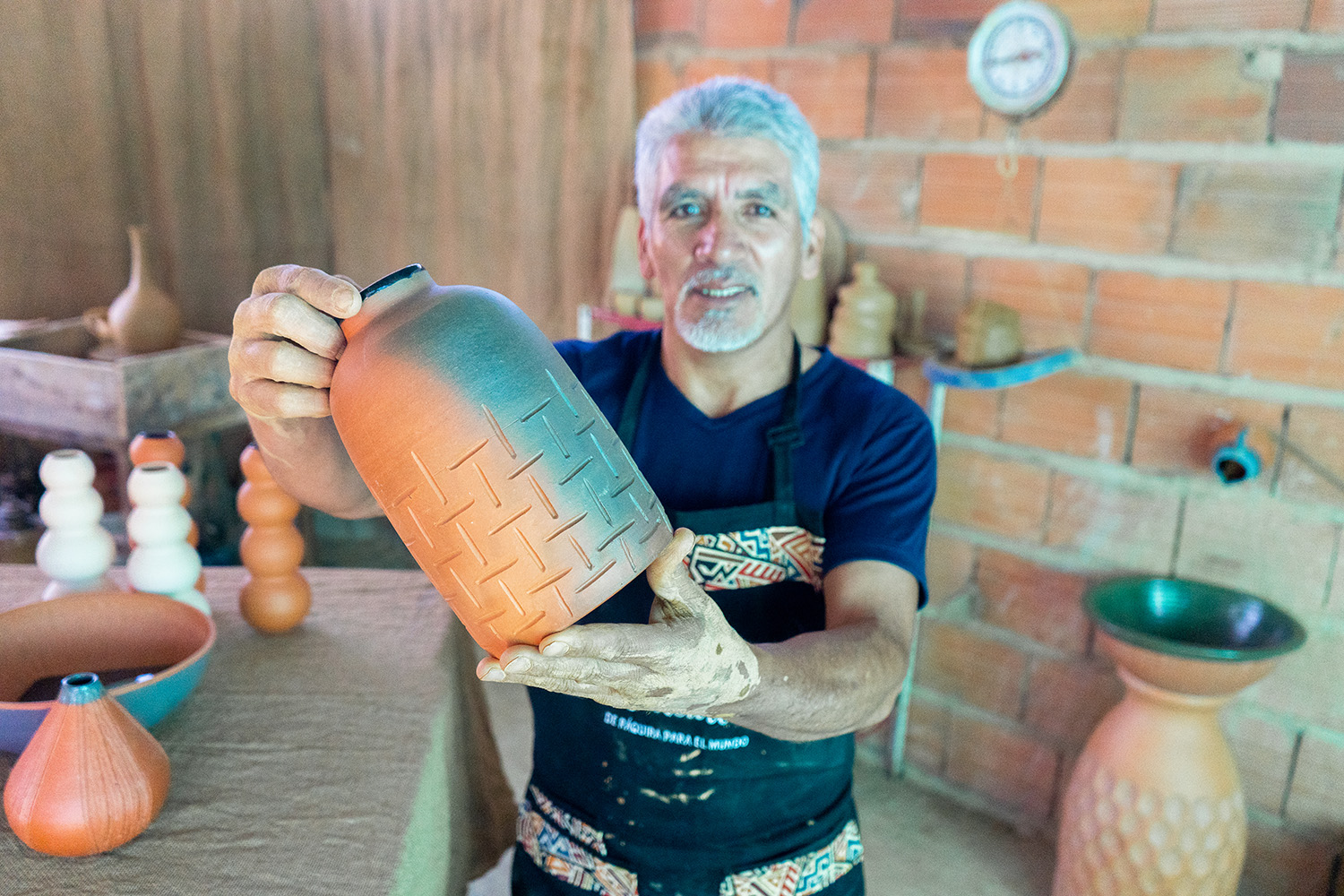
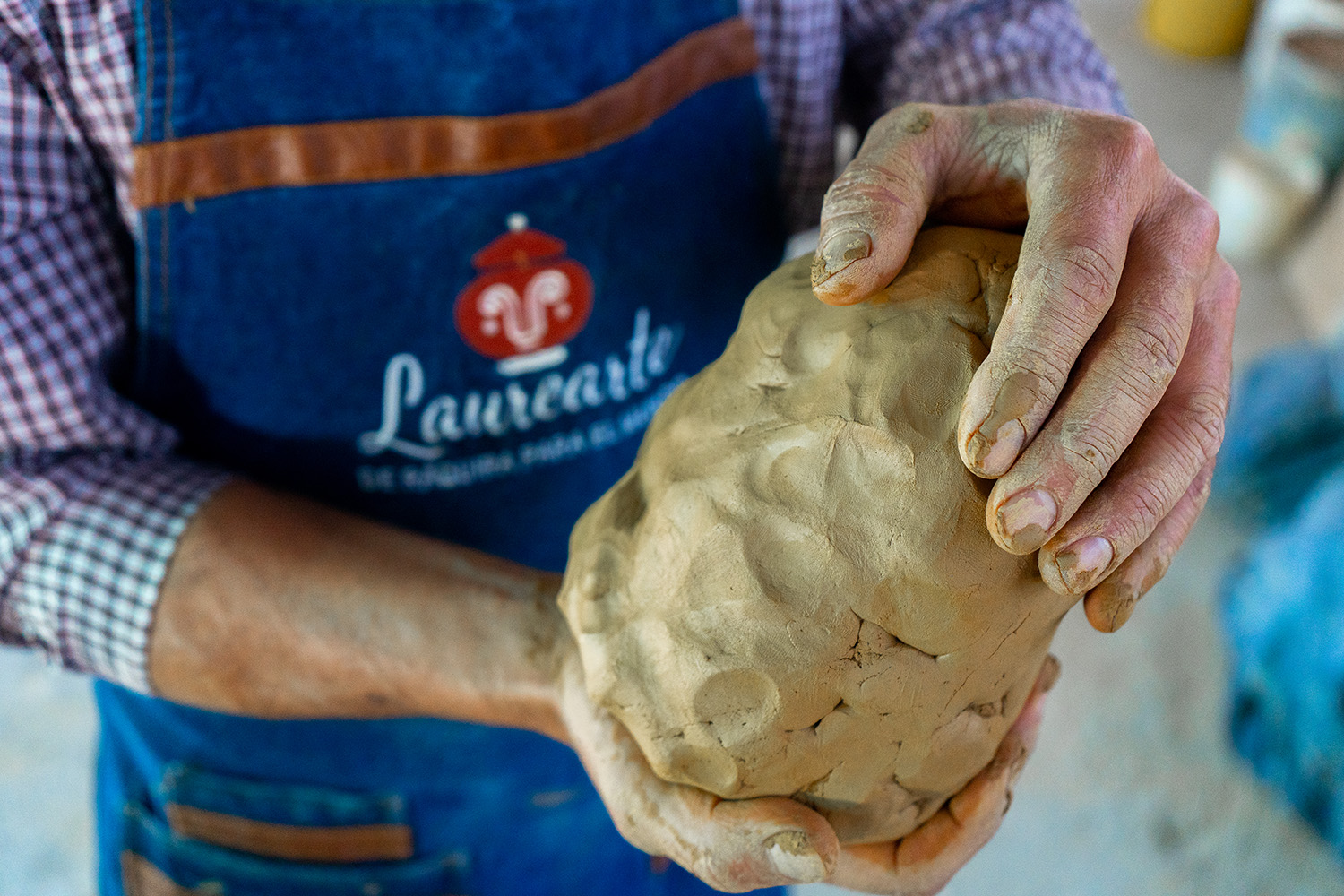
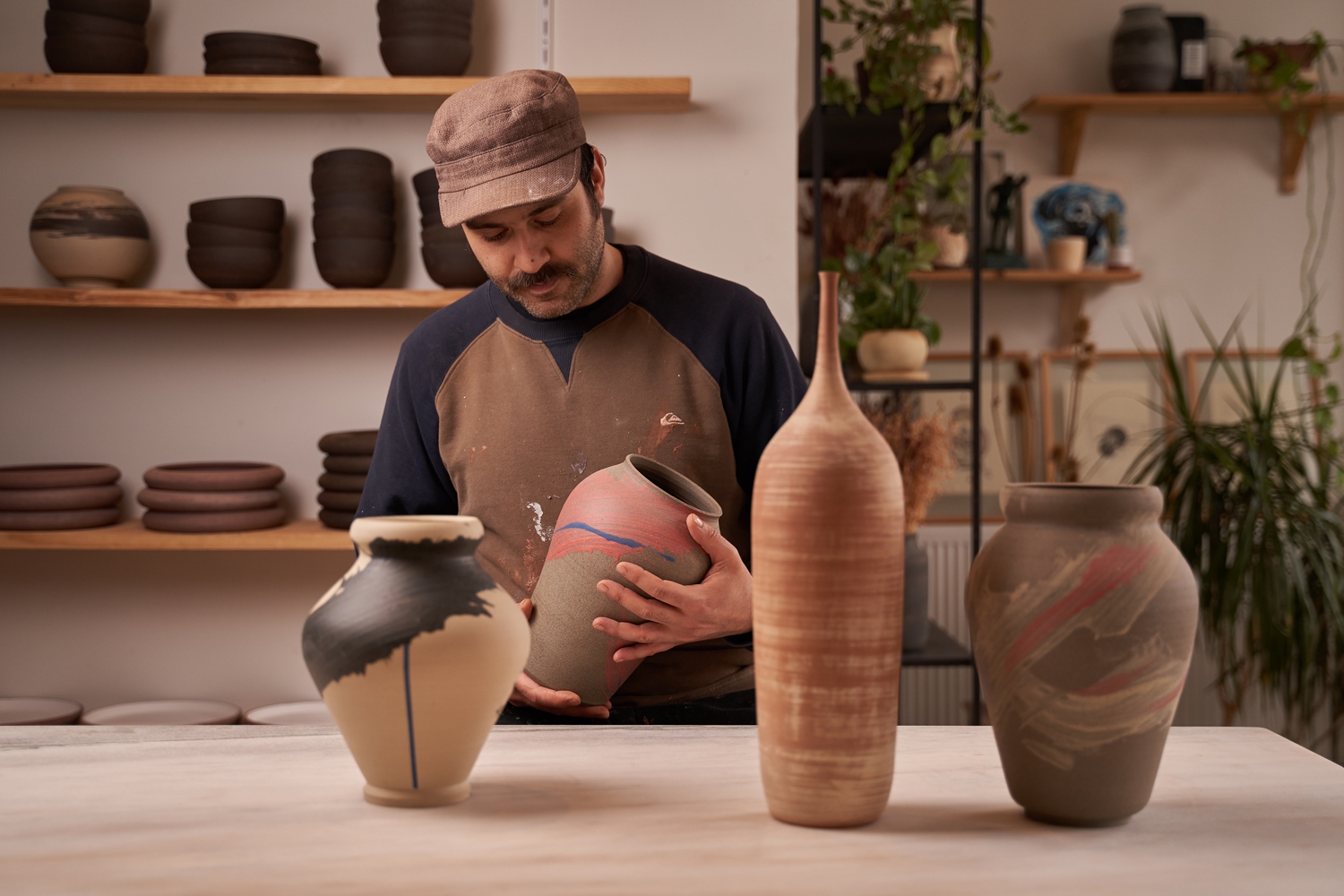
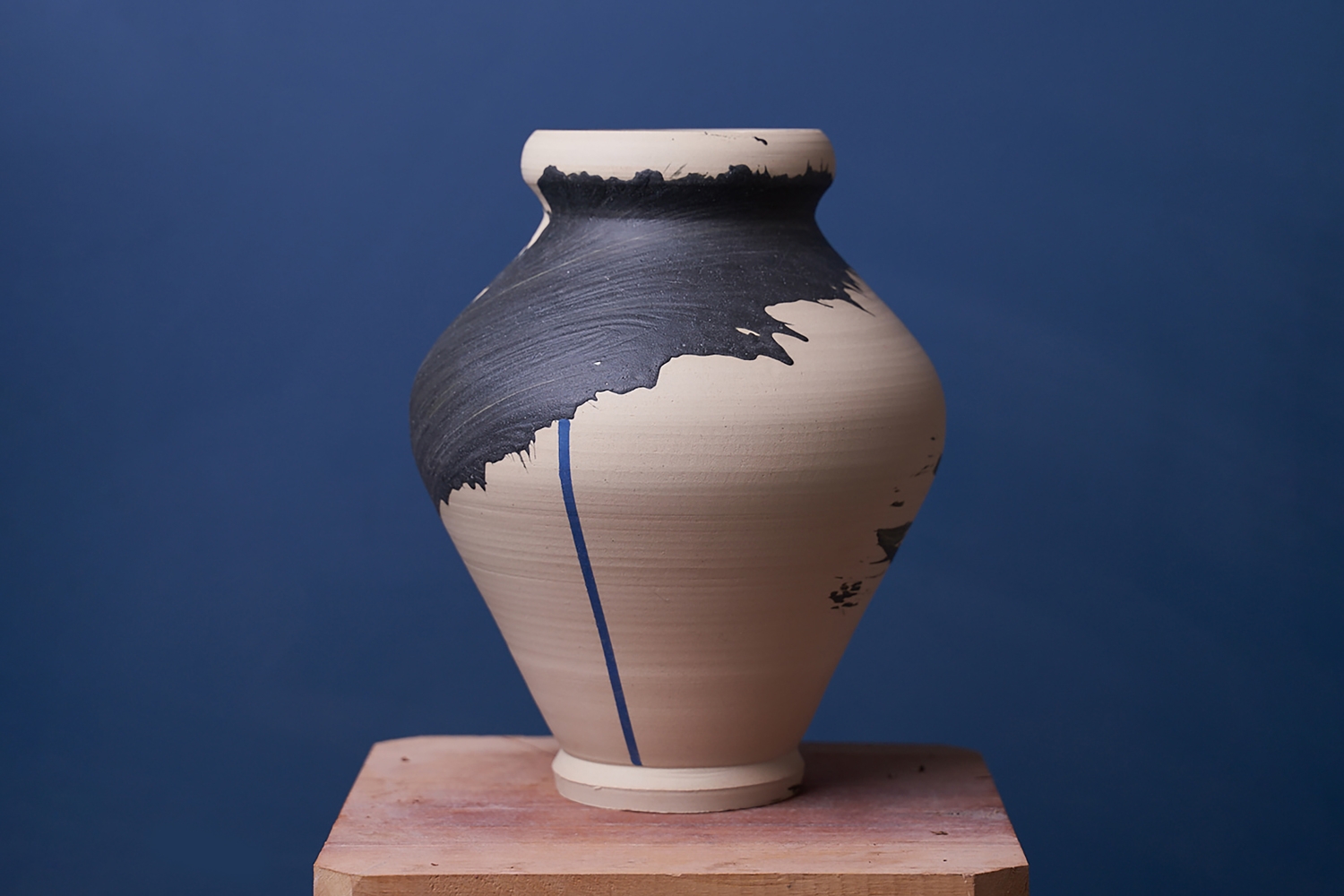
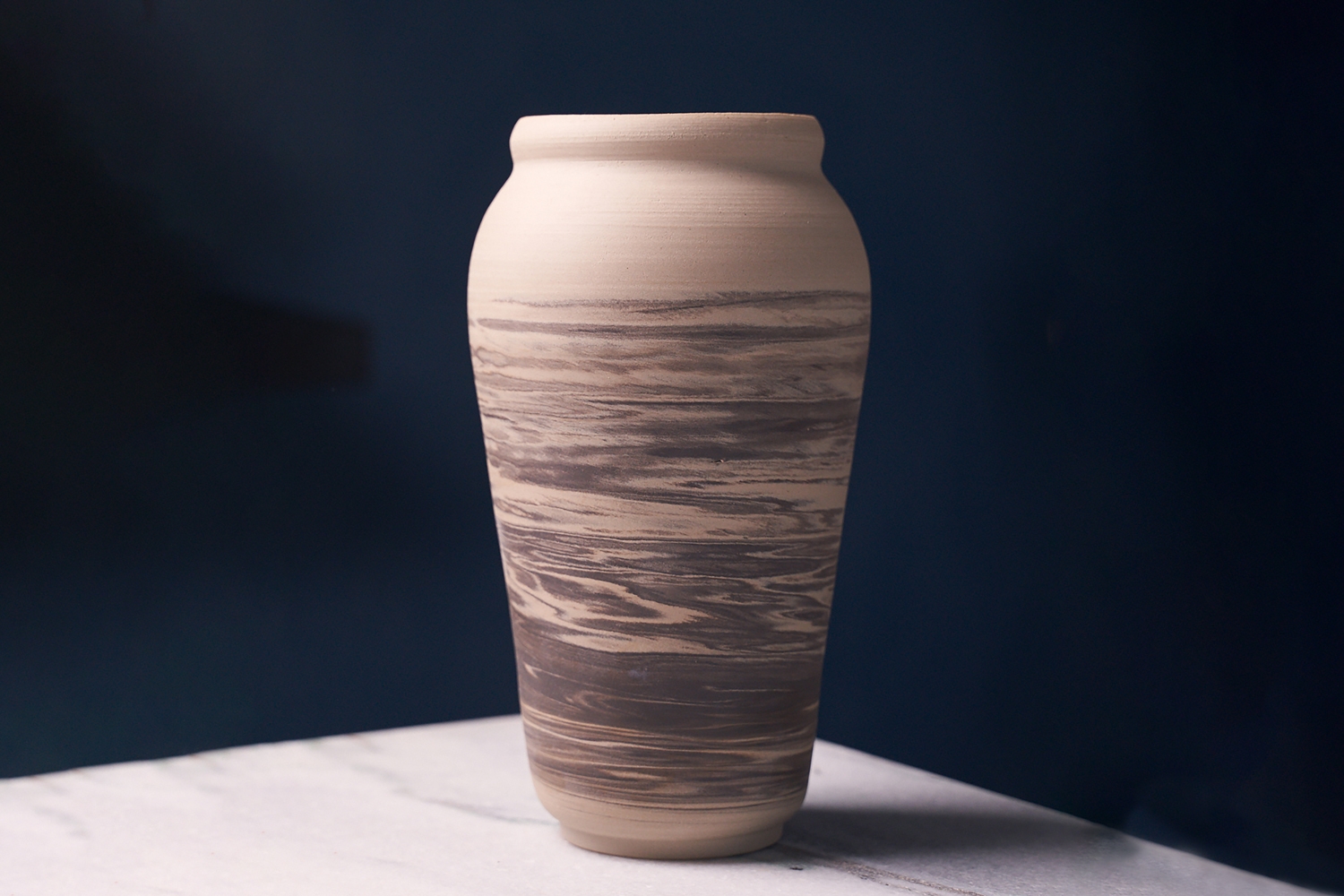
A graduate of the Dumlupınar University Fine Arts Faculty’s ceramic and glass department, Mehmet Eren Eskikan originally specialised in drawing, before discovering the world of ceramics. “I experienced a turning point in my relationship with art, and that was the moment I first felt the texture of ceramic clay,” he says. “Ceramics, for me, became not only a material but also a form of expression; the process of shaping with clay offers an emotional and intellectual journey of discovery.” After completing his master’s degree at Hacettepe University’s Fine Arts Faculty, Mehmet Eren began to make figurative ceramics. Later, he moved onto decorative forms and opened his own workshop in 2021. “The traces left by the various civilisations that Anatolia has hosted throughout history have a significant influence on the forms in my work. The geographical diversity and climate also serve as a source of inspiration for the colours and textures I use in my ceramics,” he adds. Mehmet Eren also utilises the hakeme technique using engobe, a traditional Korean ceramic technique known for its unique brushstroke patterns.
INTERVIEW
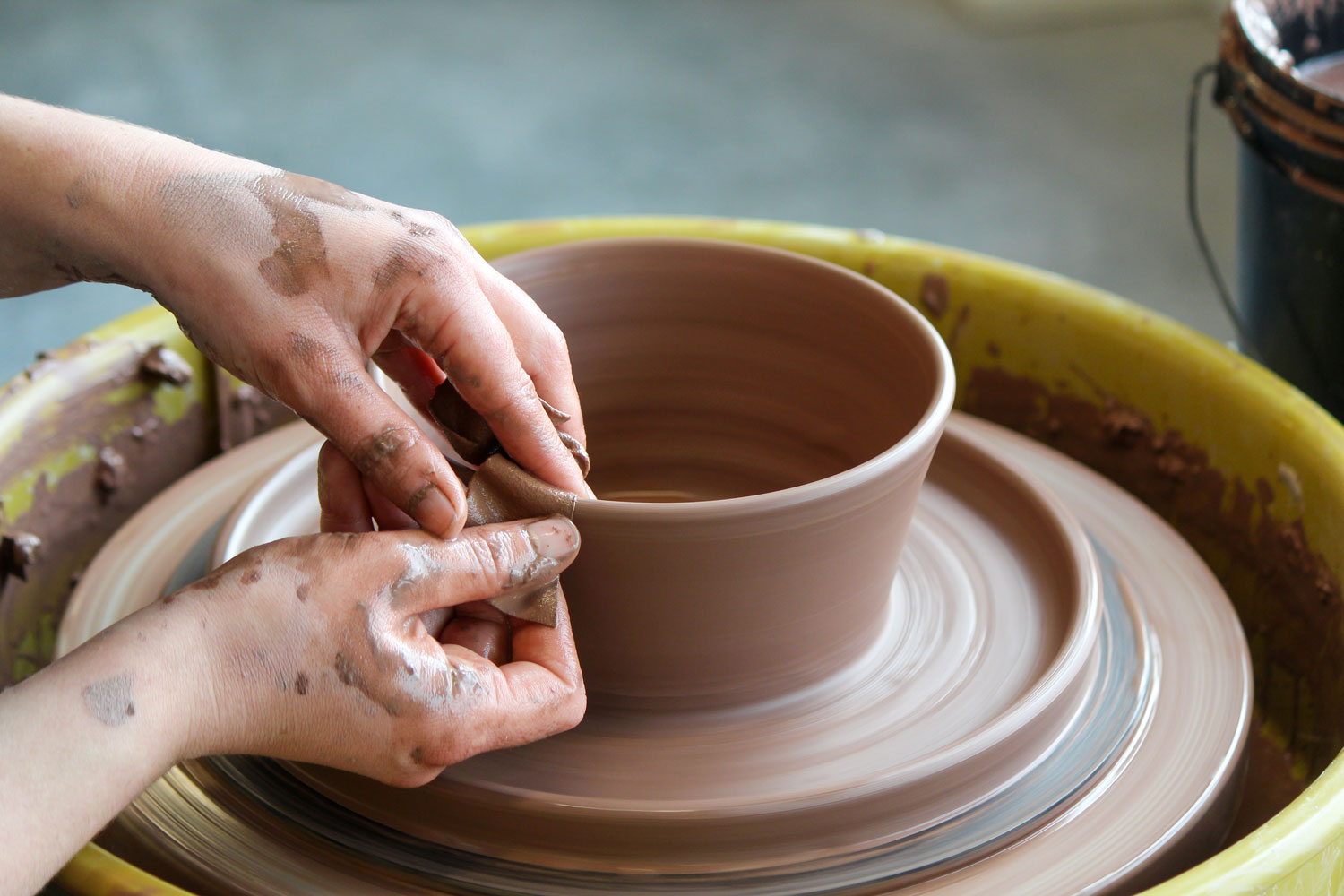
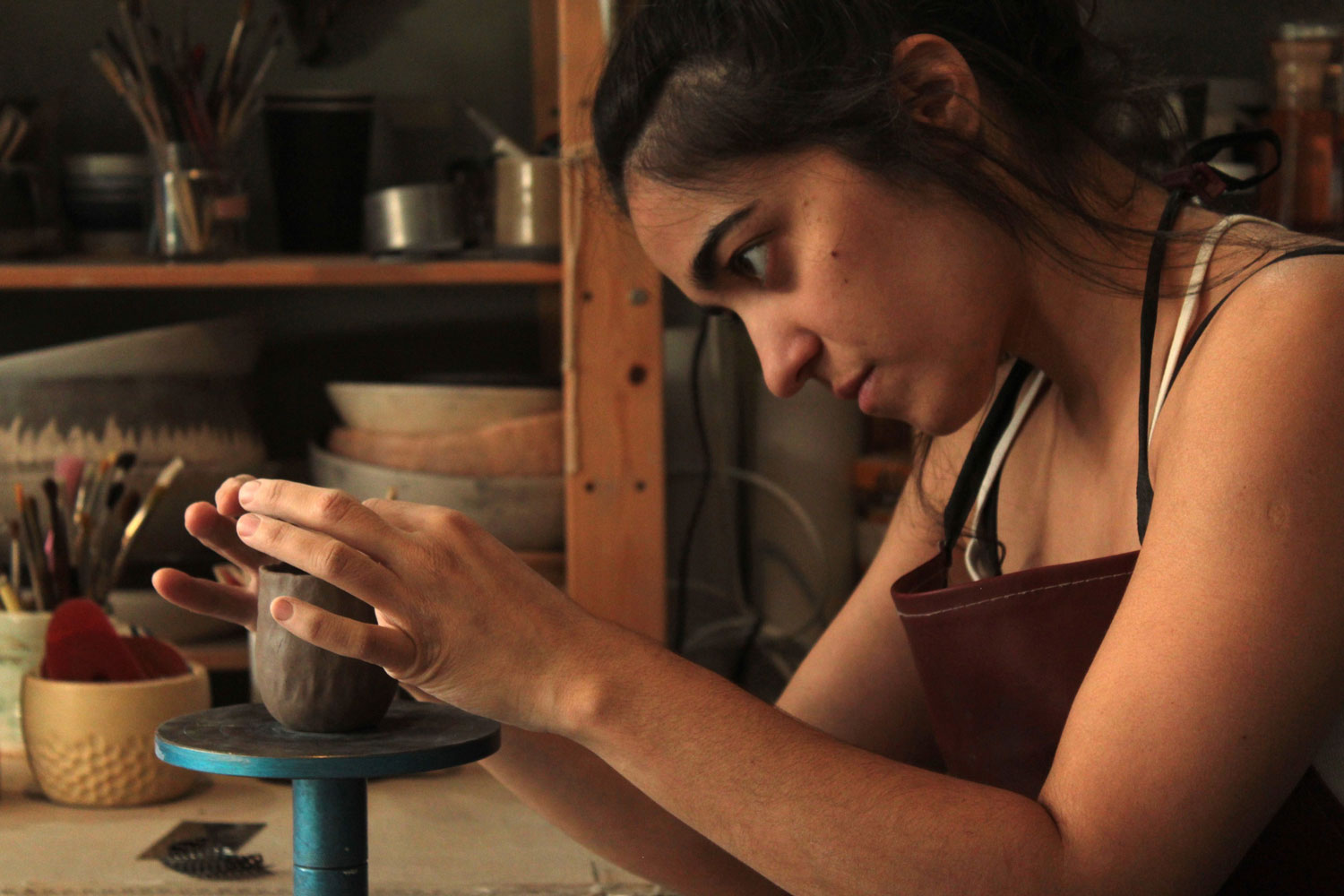
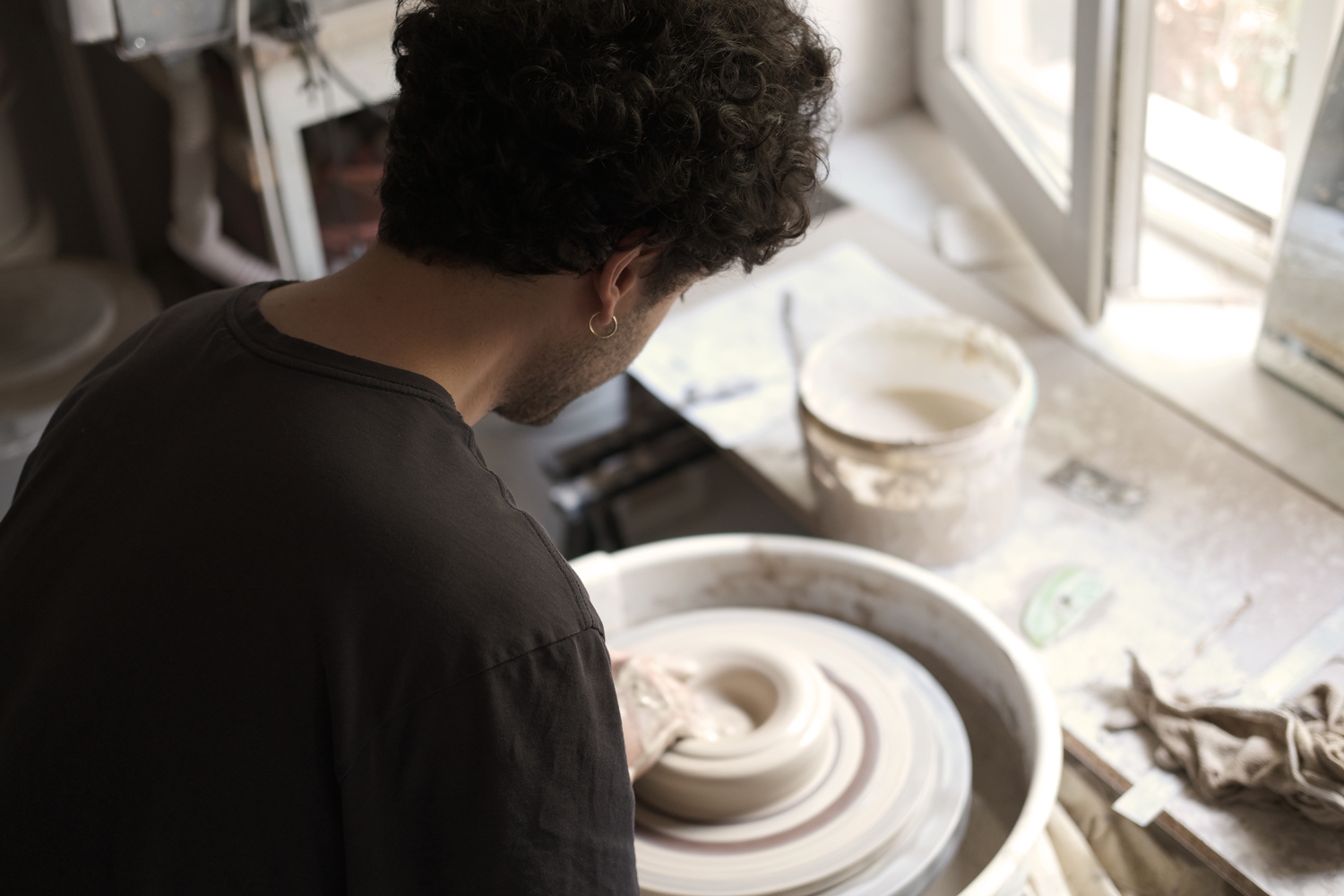
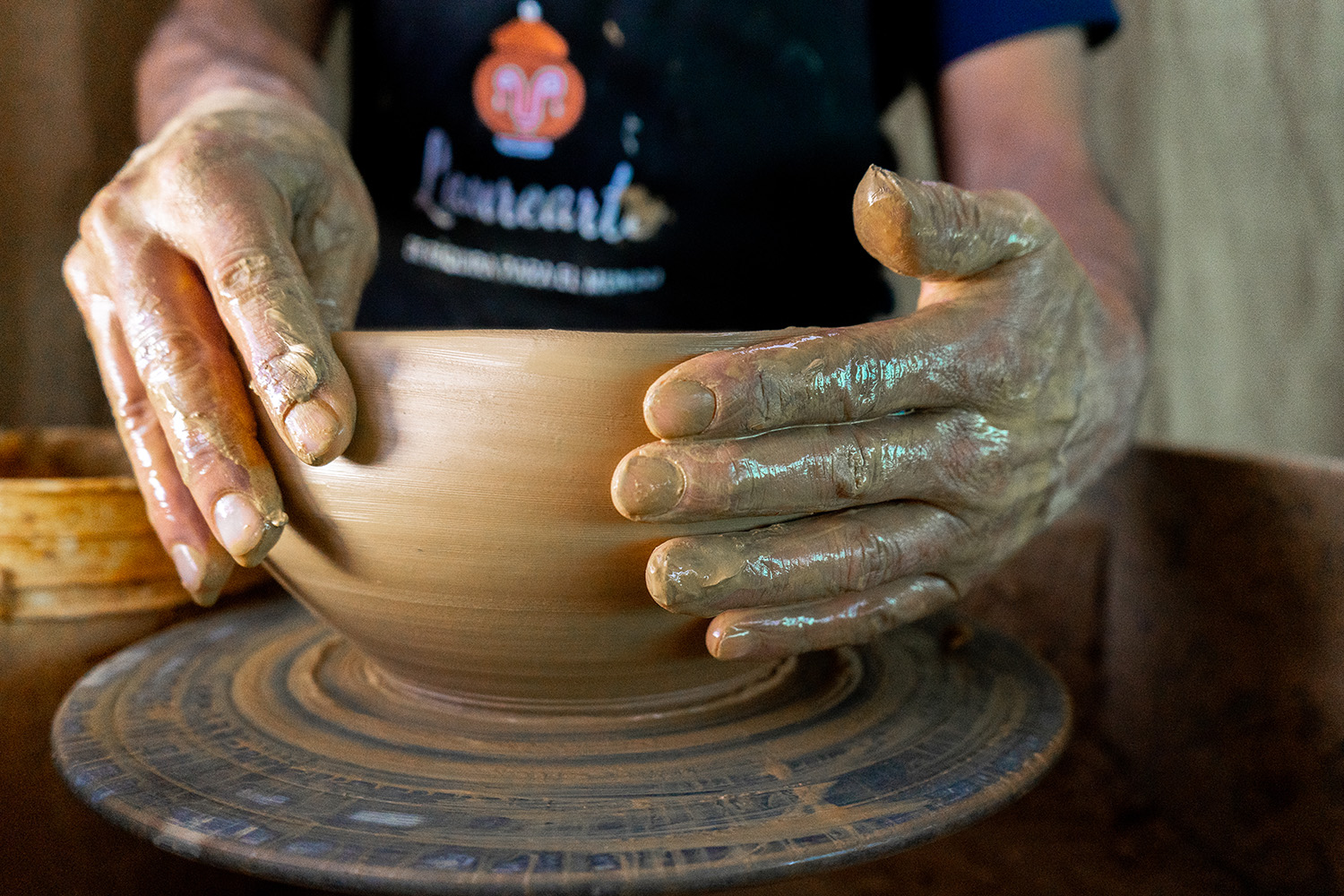
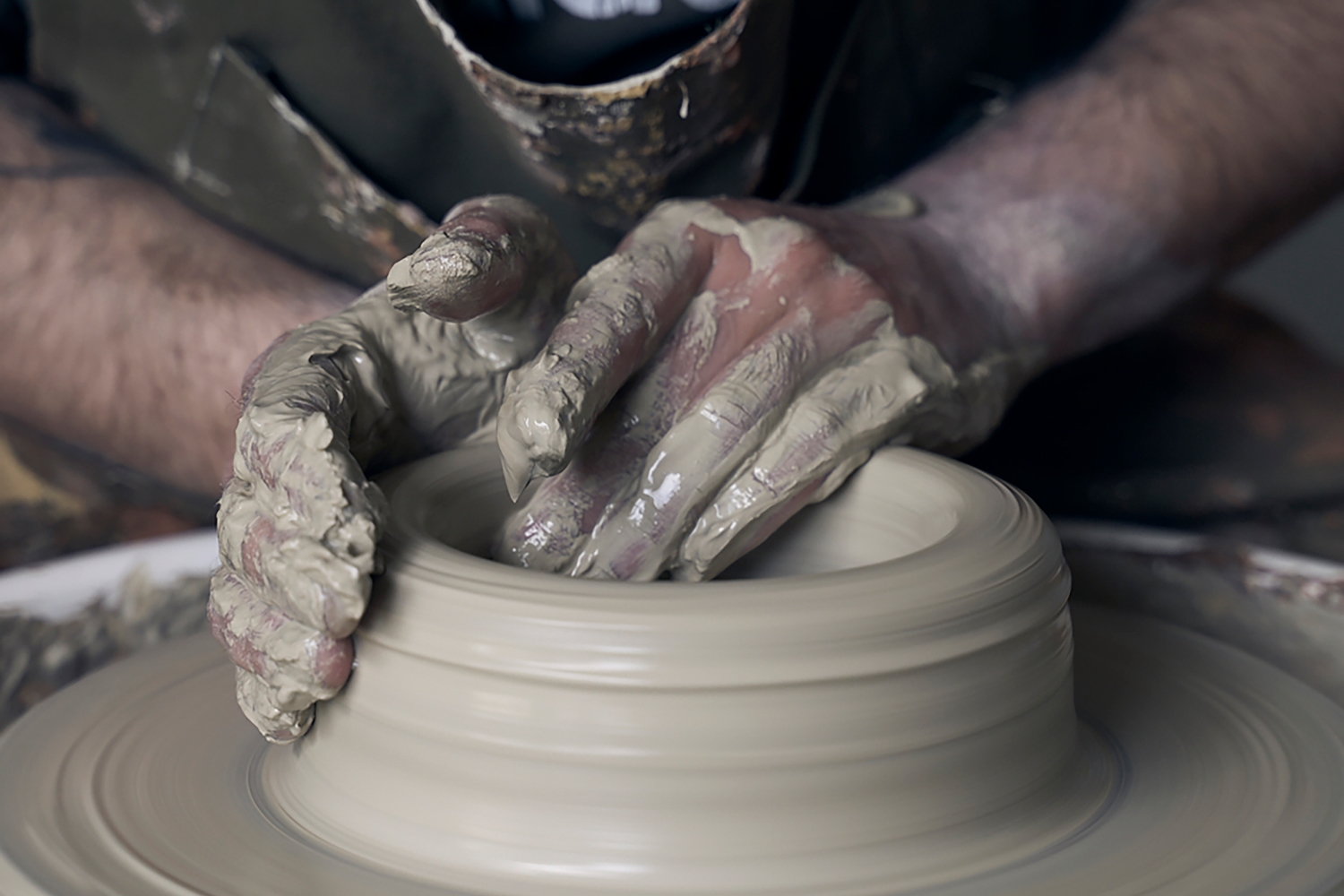
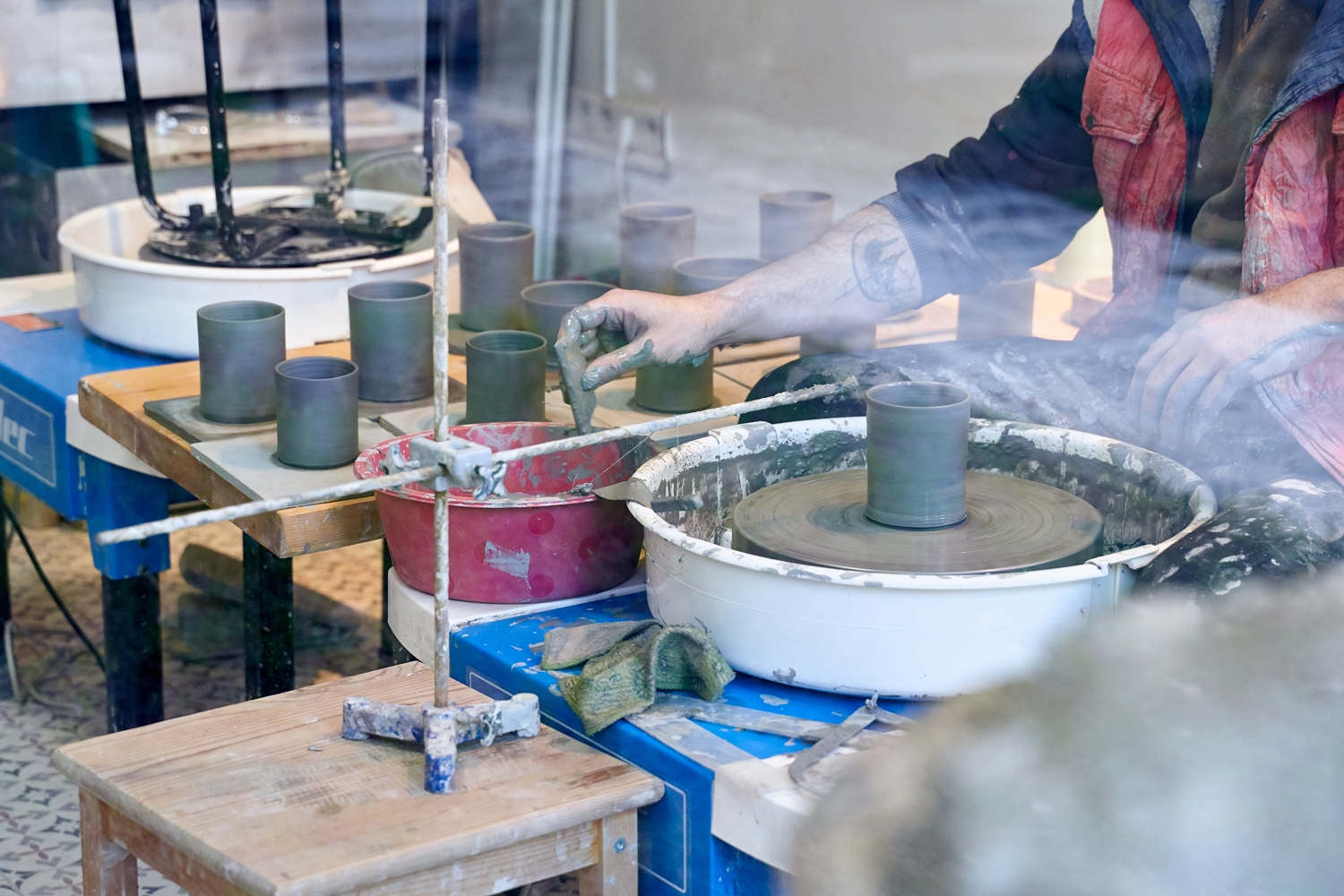
I have specialised in clay wheel throwing as an artist and instructor. I have also expanded my creative boundaries by experimenting with various ceramic engobes. One of my areas of expertise lies in providing ceramic education. Teaching the fundamentals of ceramic art to students has become a profound passion of mine. I strive to maximise the potential of each student by employing user-friendly methods.
Drawing inspiration from the profound traces of the past, I shape my modern designs that reflect contemporary aesthetic sensibilities. With each work, I endeavour to capture the spirit of the times while paying homage to the roots of the past. I also draw inspiration from Japanese techniques, and have learned some of the intricacies of the Japanese ceramic tradition to strike a balance between the traditional and the contemporary.
I am a ceramic artist who combines traditional and contemporary techniques to create unique pieces that highlight the texture and natural beauty of clay. Additionally, I collaborate with chefs to produce specially designed ceramic vessels to showcase their culinary creations. These vessels are crafted to enhance the presentation and aesthetic experience of the dishes.
The increasing interest in ceramic art both globally and in Türkiye can be seen as a promising sign for the future of this art form. However, we do struggle to find young colleagues who engage in traditional crafts and this poses a real challenge. The decline in the number of young individuals interested in traditional crafts is a significant obstacle to the future of these arts.
Mehmet Eren Eskikan
Ceramicist
Çankaya/Ankara, Türkiye
AVAILABILITY
Monday to Saturday 09:00-19:00
LANGUAGES
Turkish, English
Homo Faber Finds is a new service aiming to inspire admirers of craft to connect and collaborate with exceptional artisans.
We invite you to submit an enquiry here.