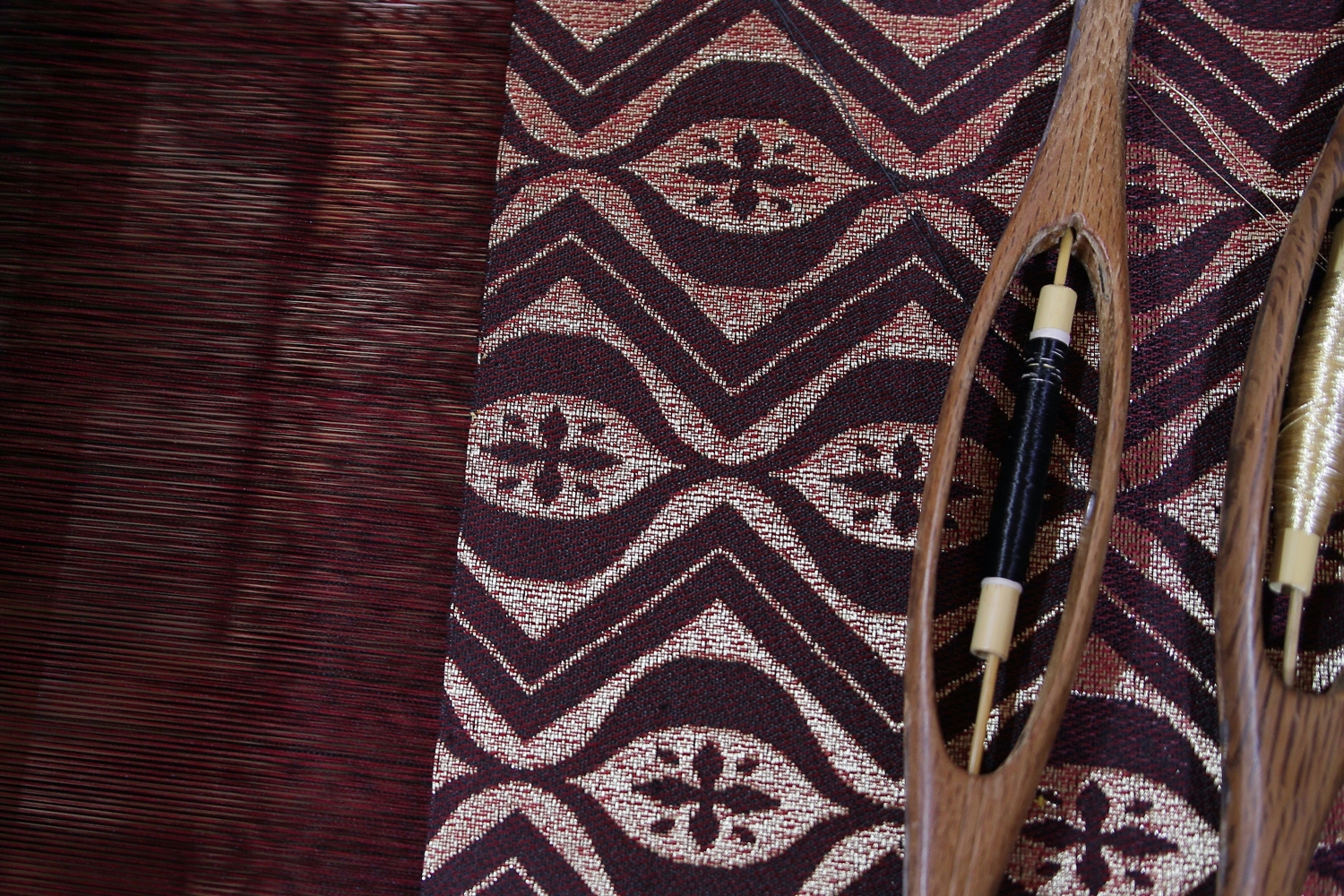
Abdelkader El Ouazzani
Weaver
Fez, Morocco
Brocade weaving and the duty to preserve a craft
- Abdelkader has been weaving brocade pieces for more than five decades
- His works are fully handmade in natural silk fabrics
- He is named a UNESCO Living Human Treasure
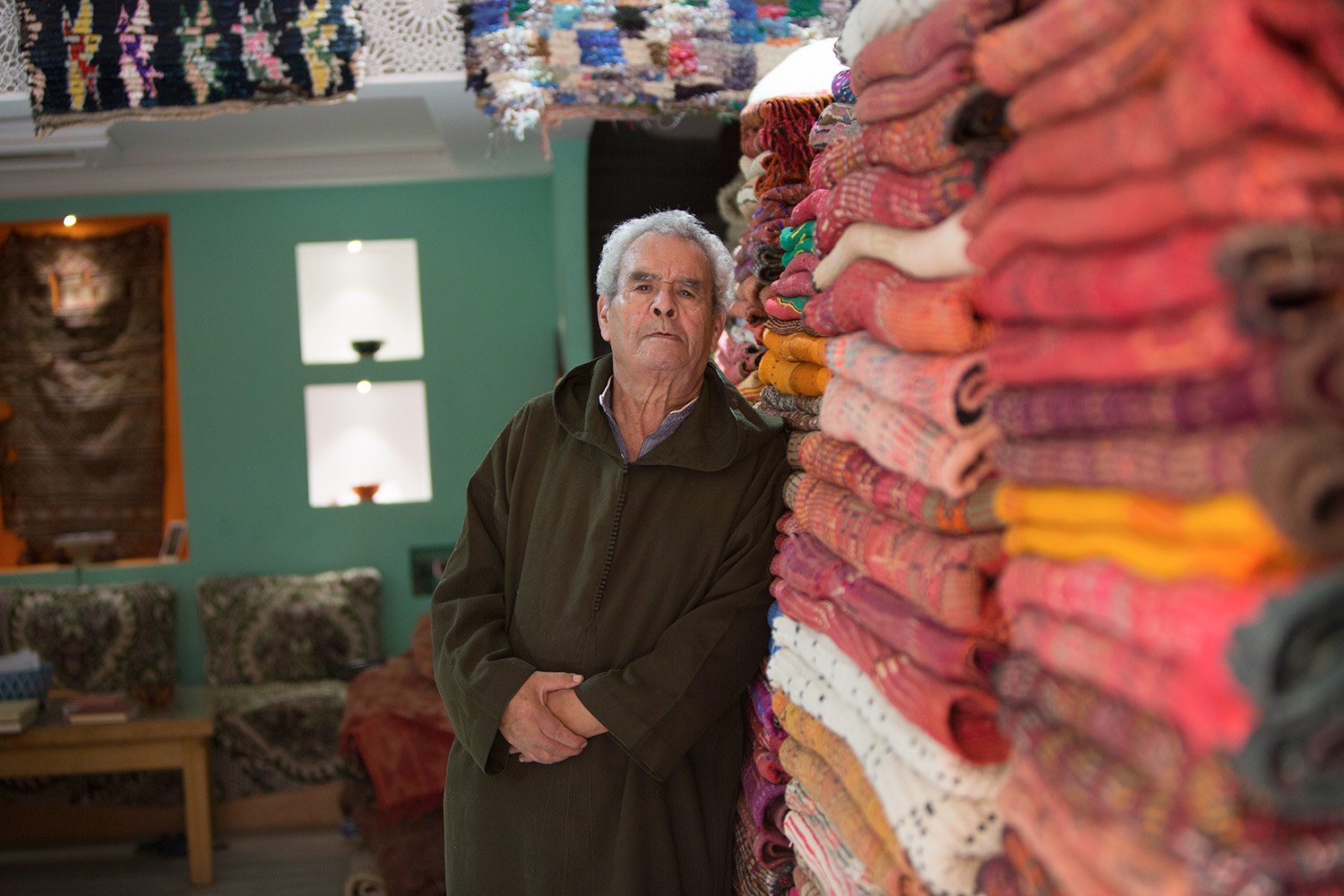
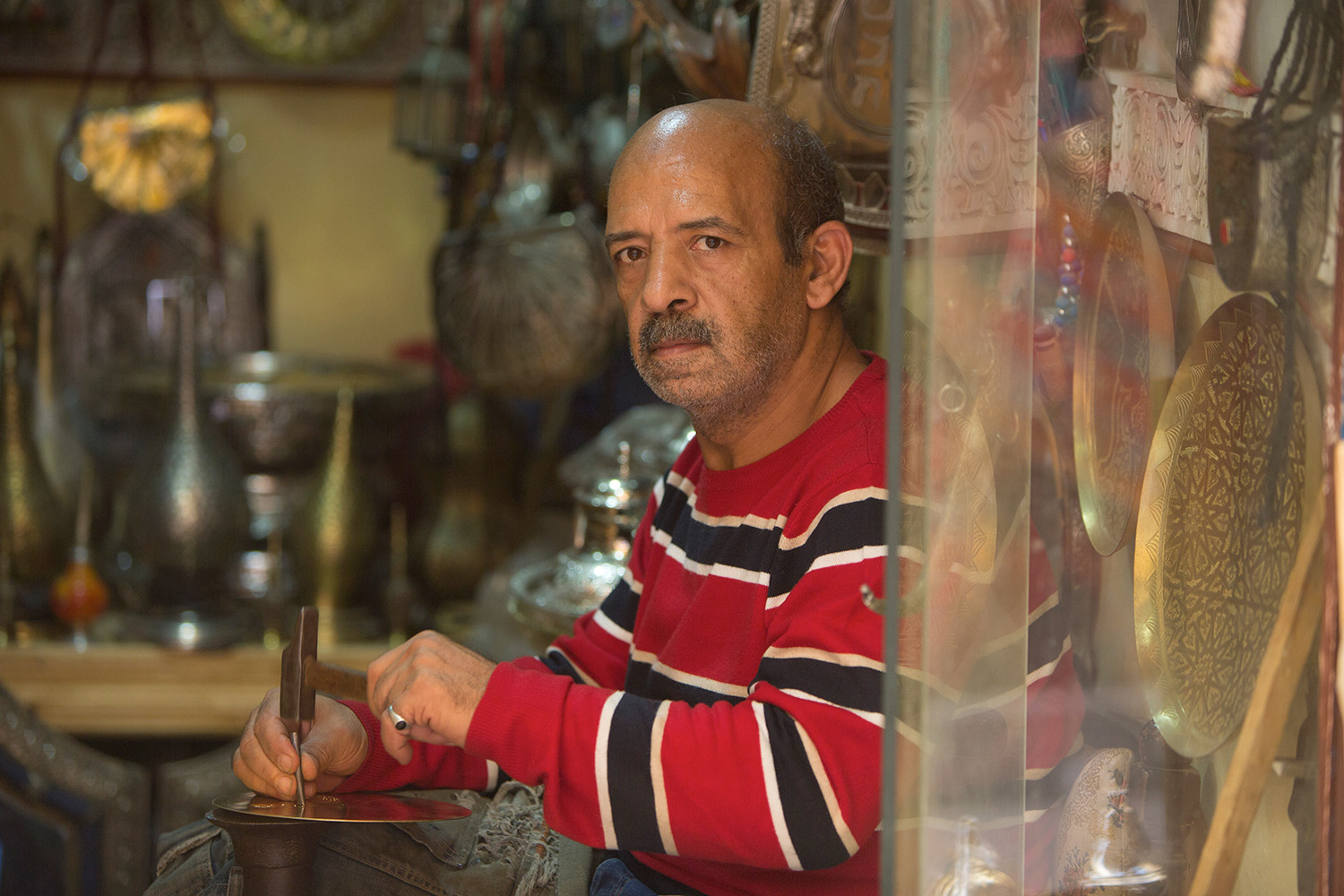
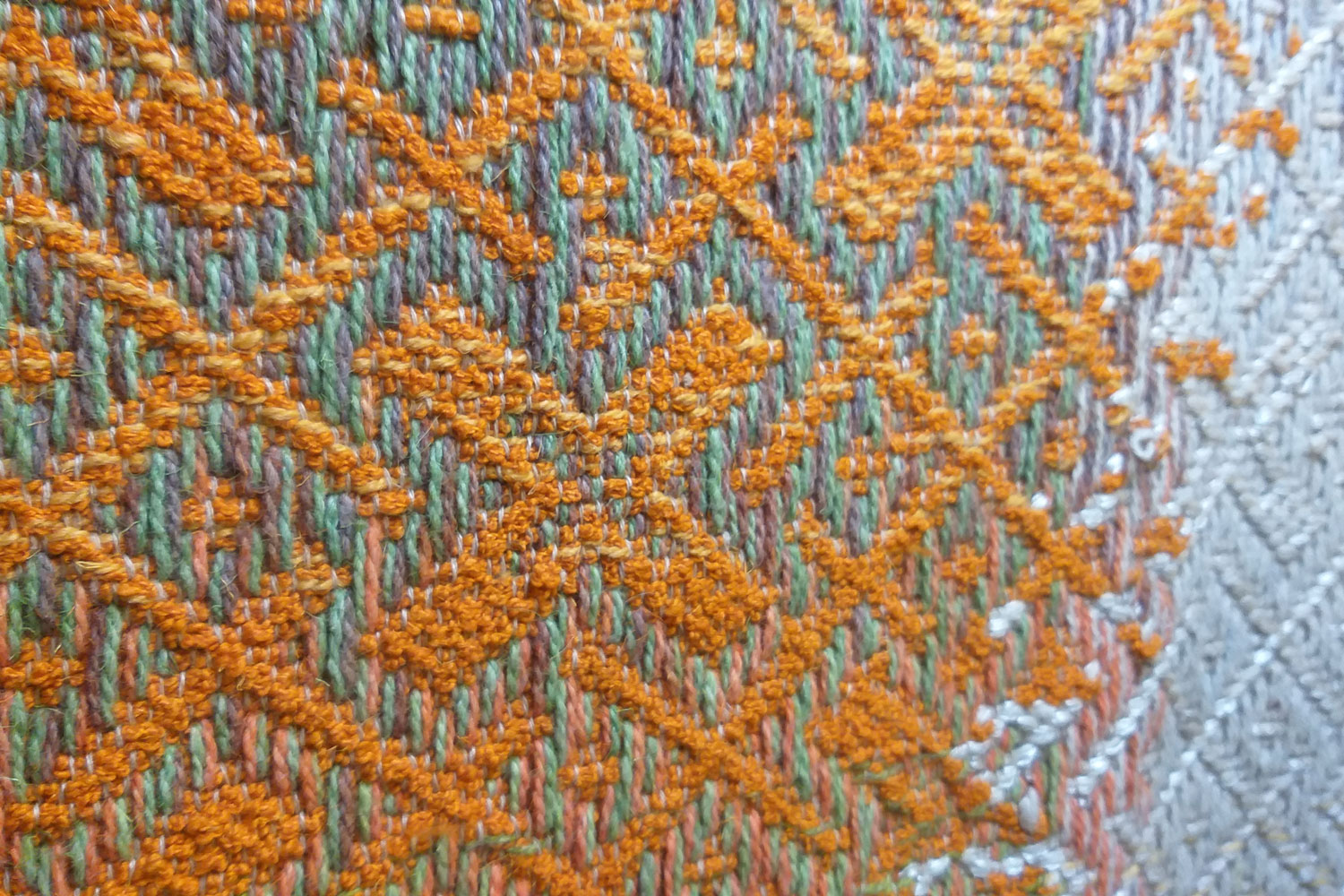
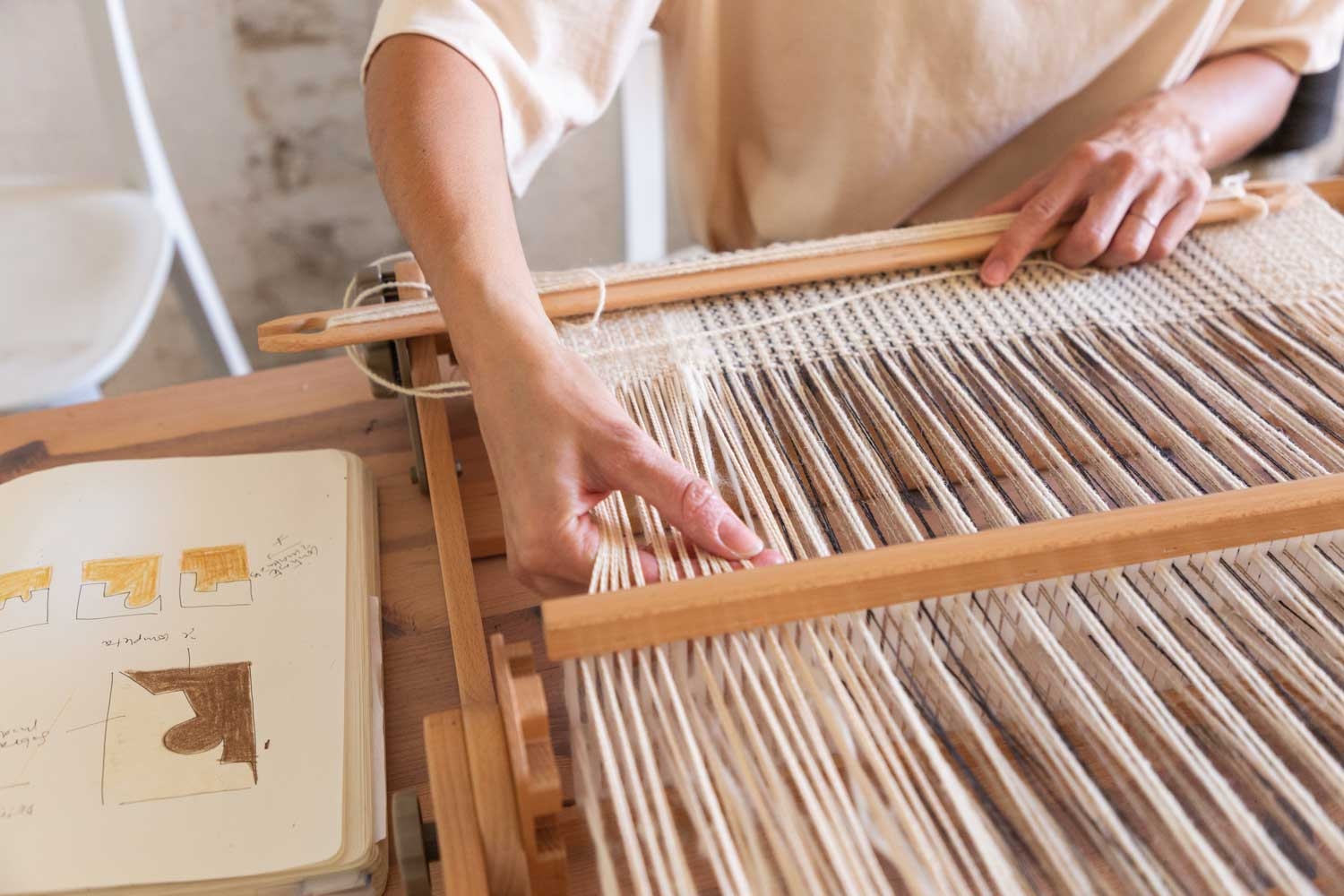
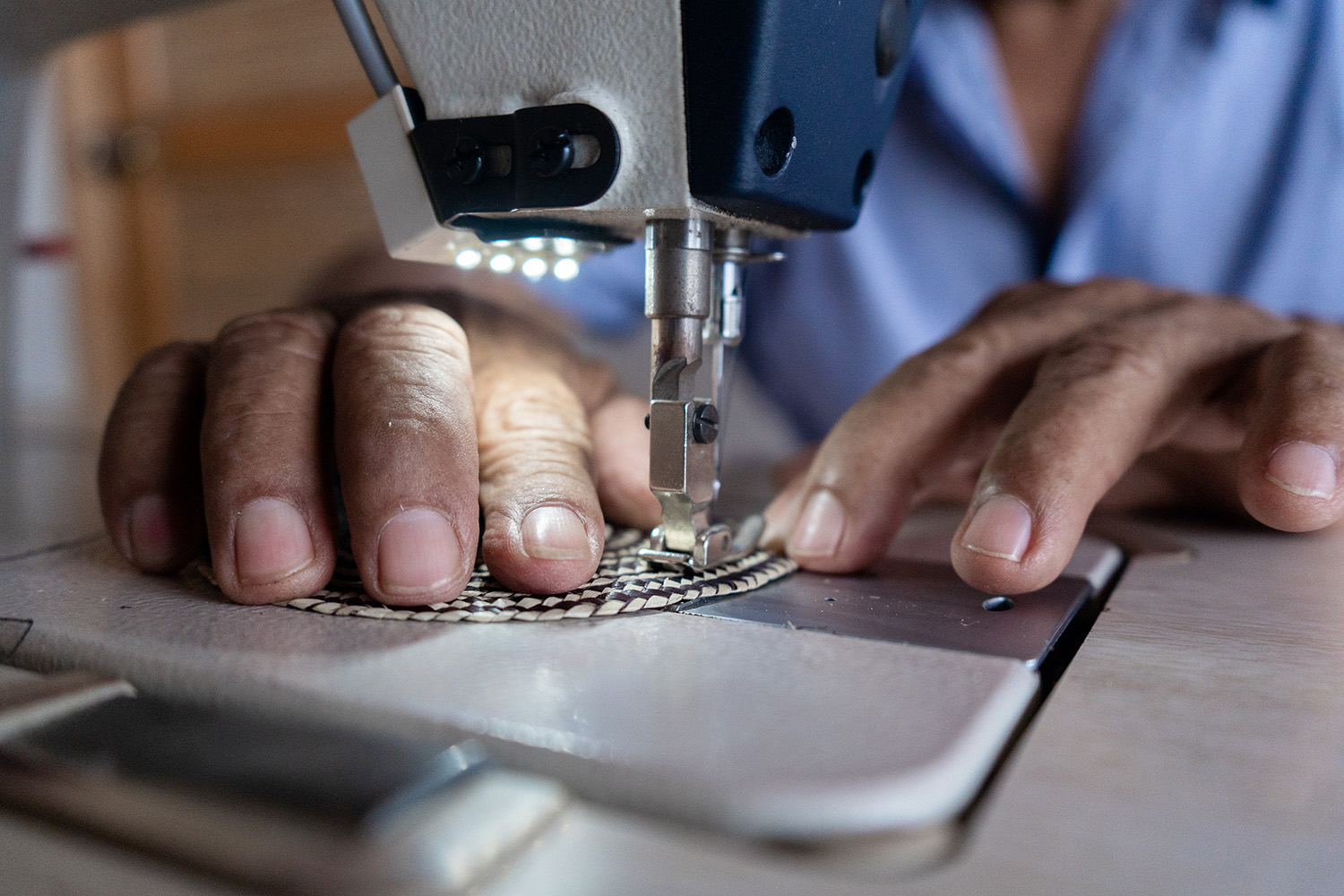
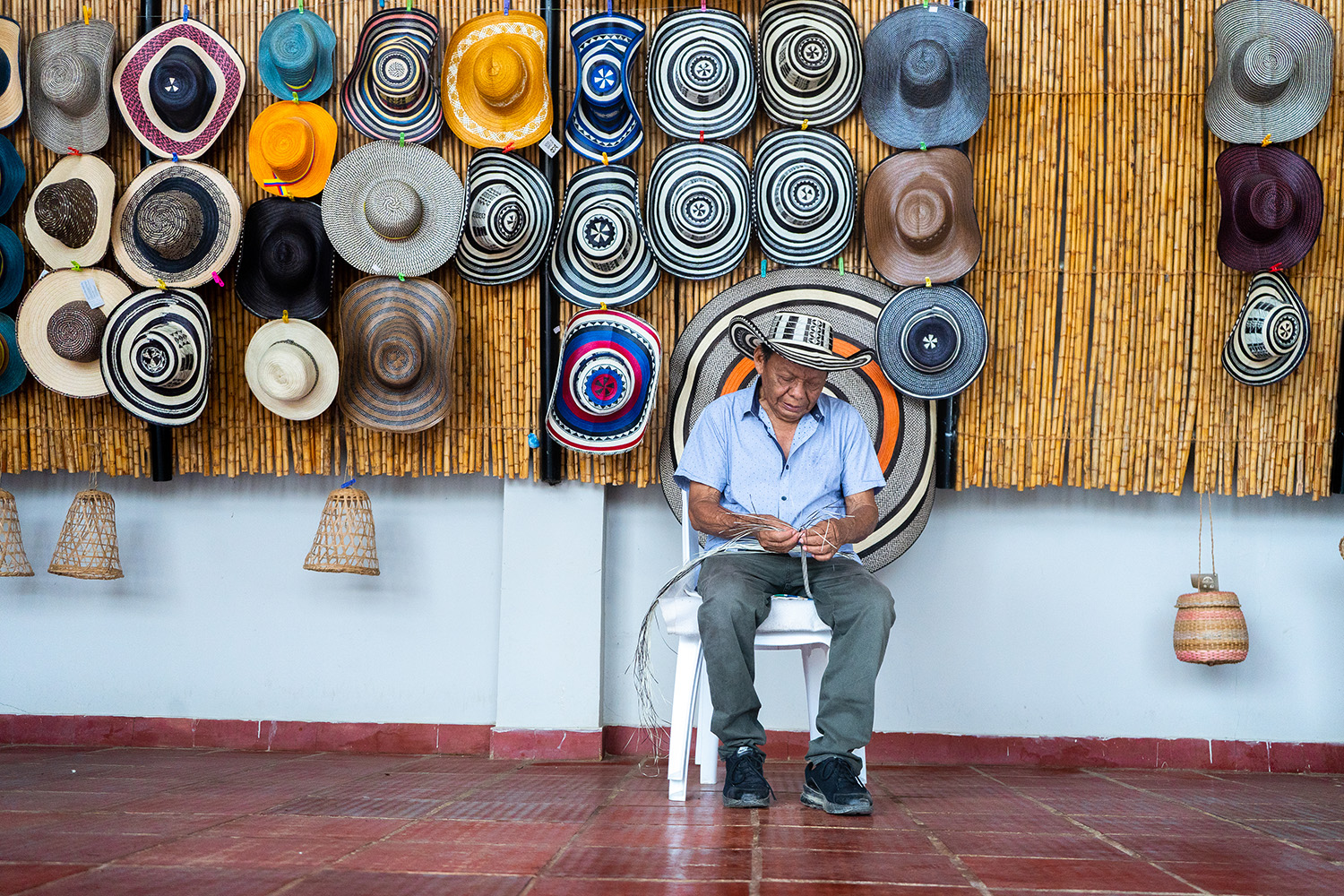
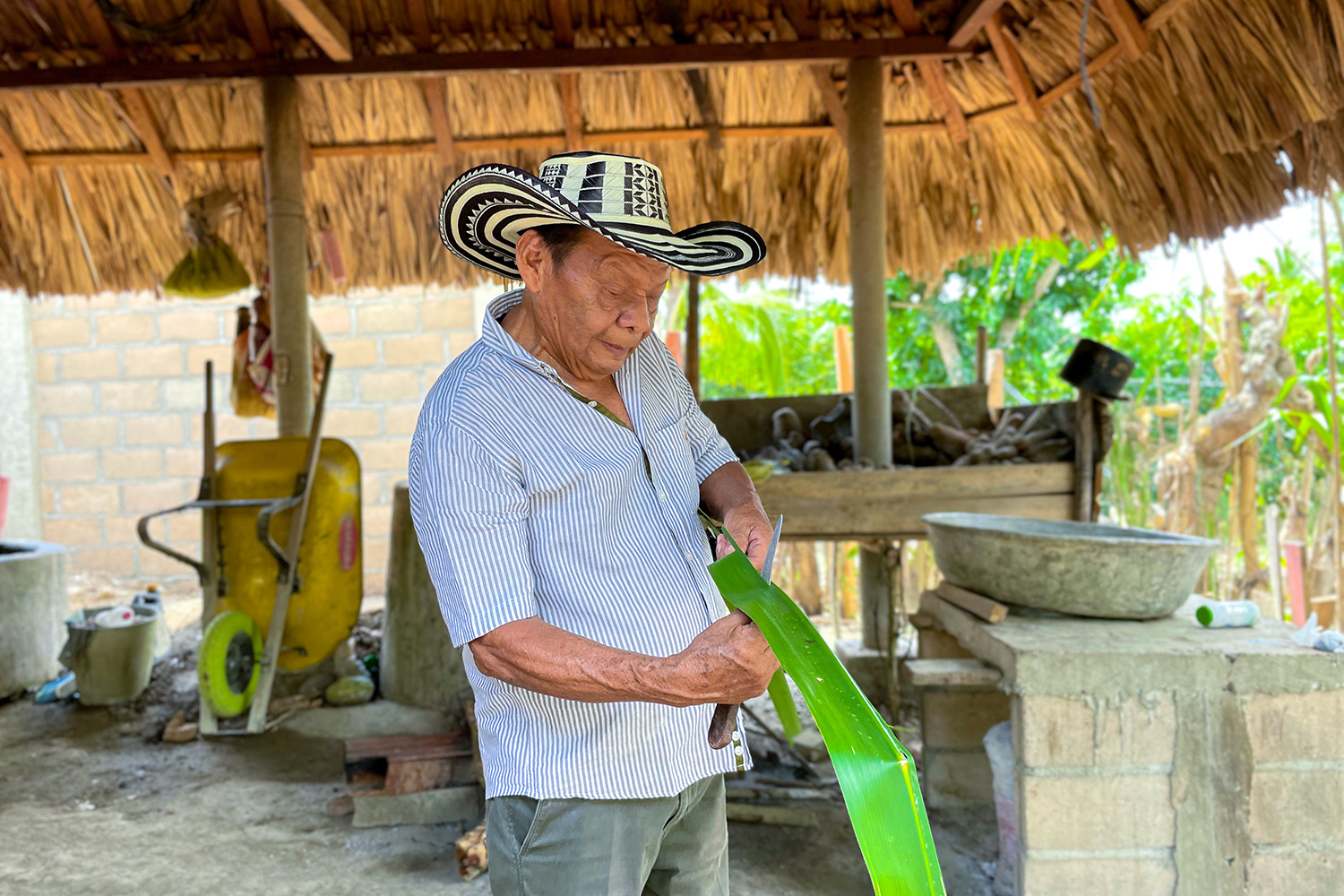
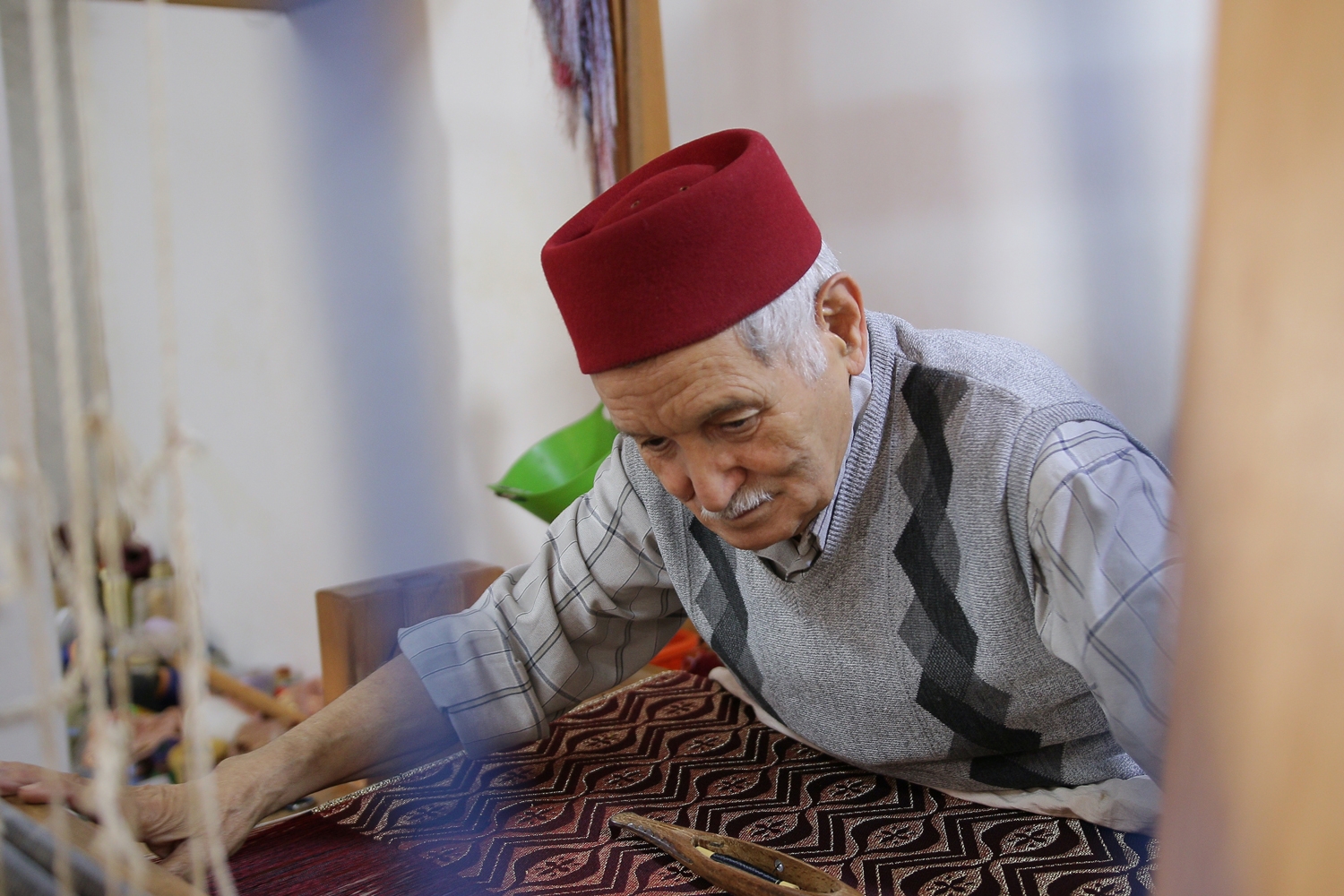
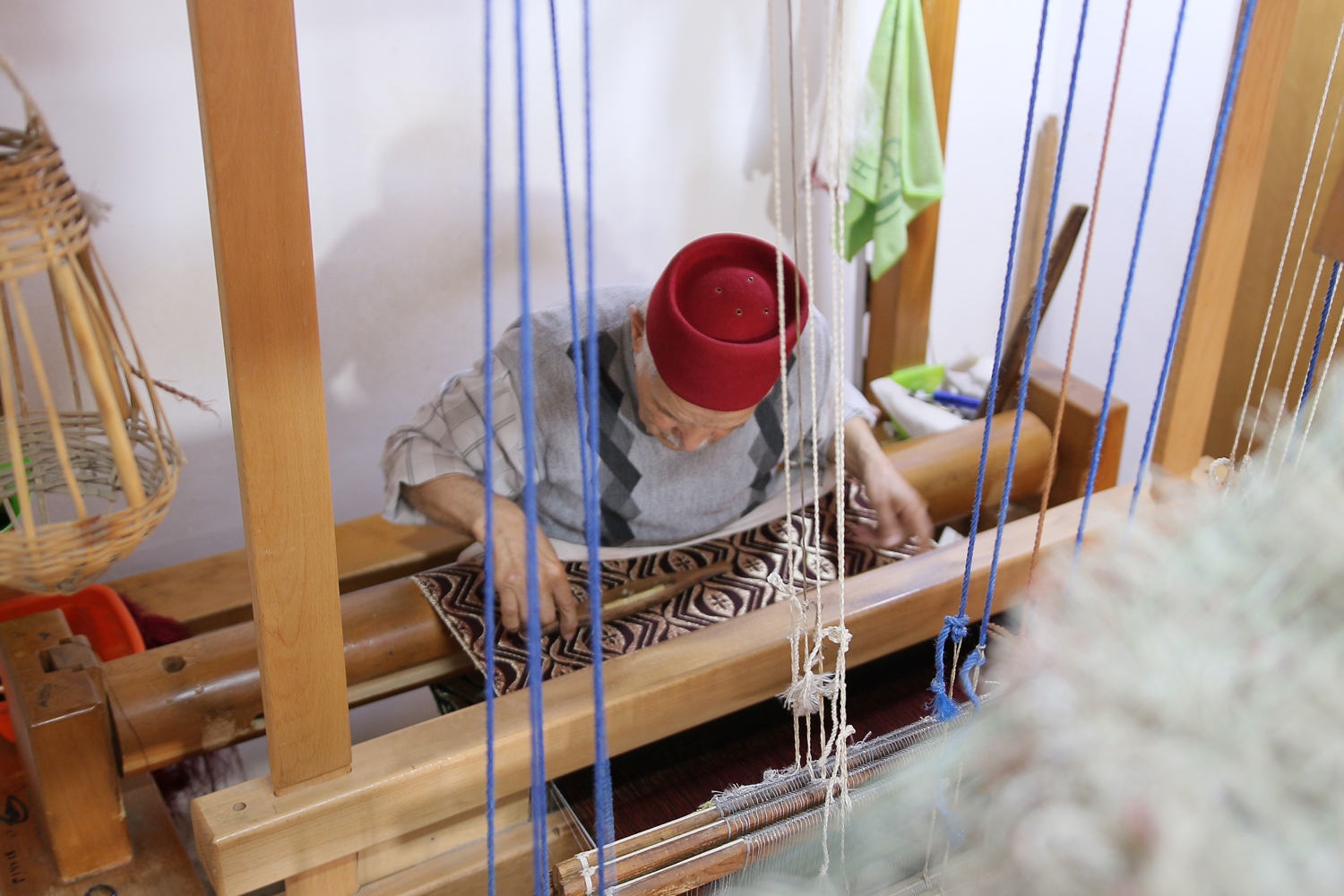
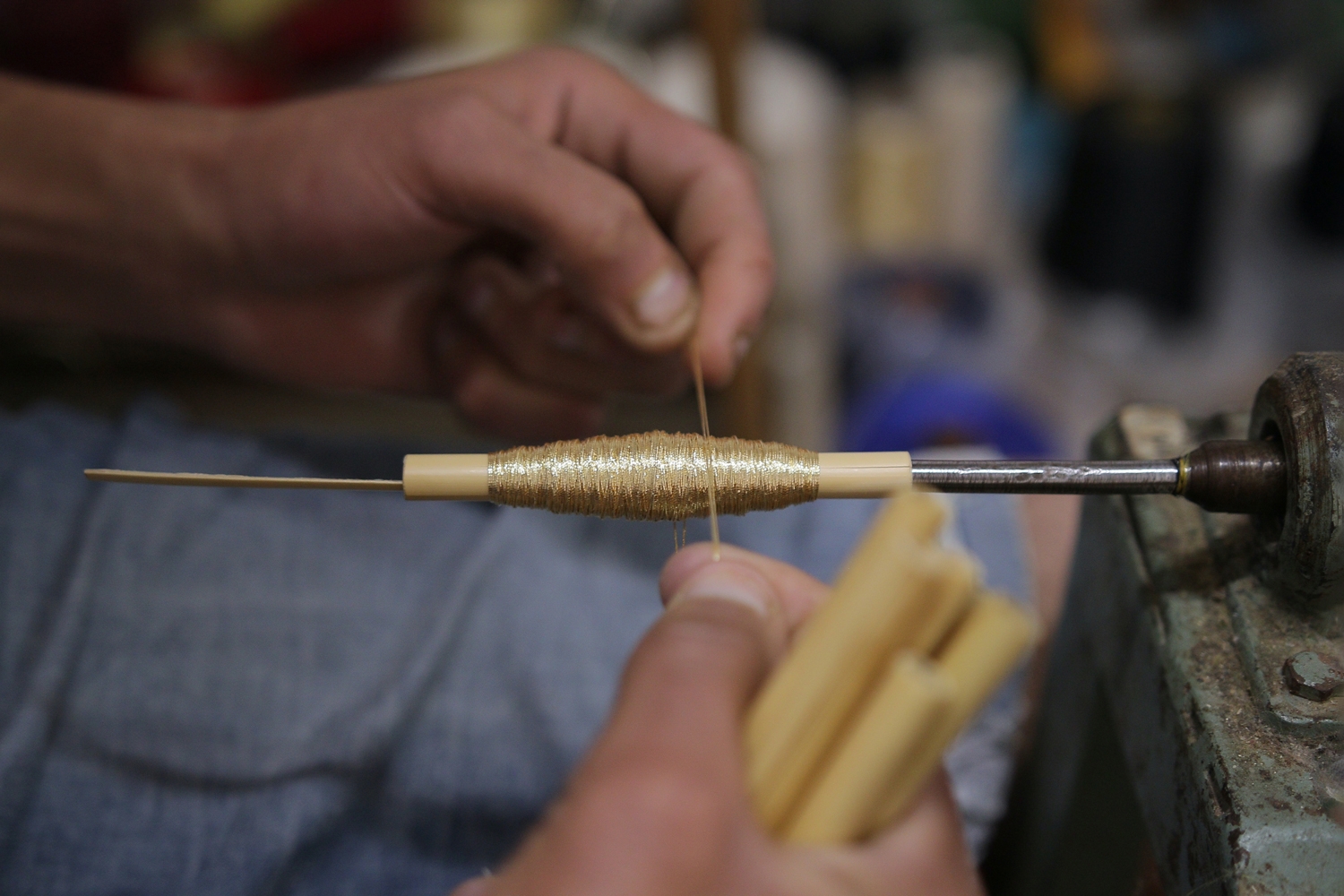
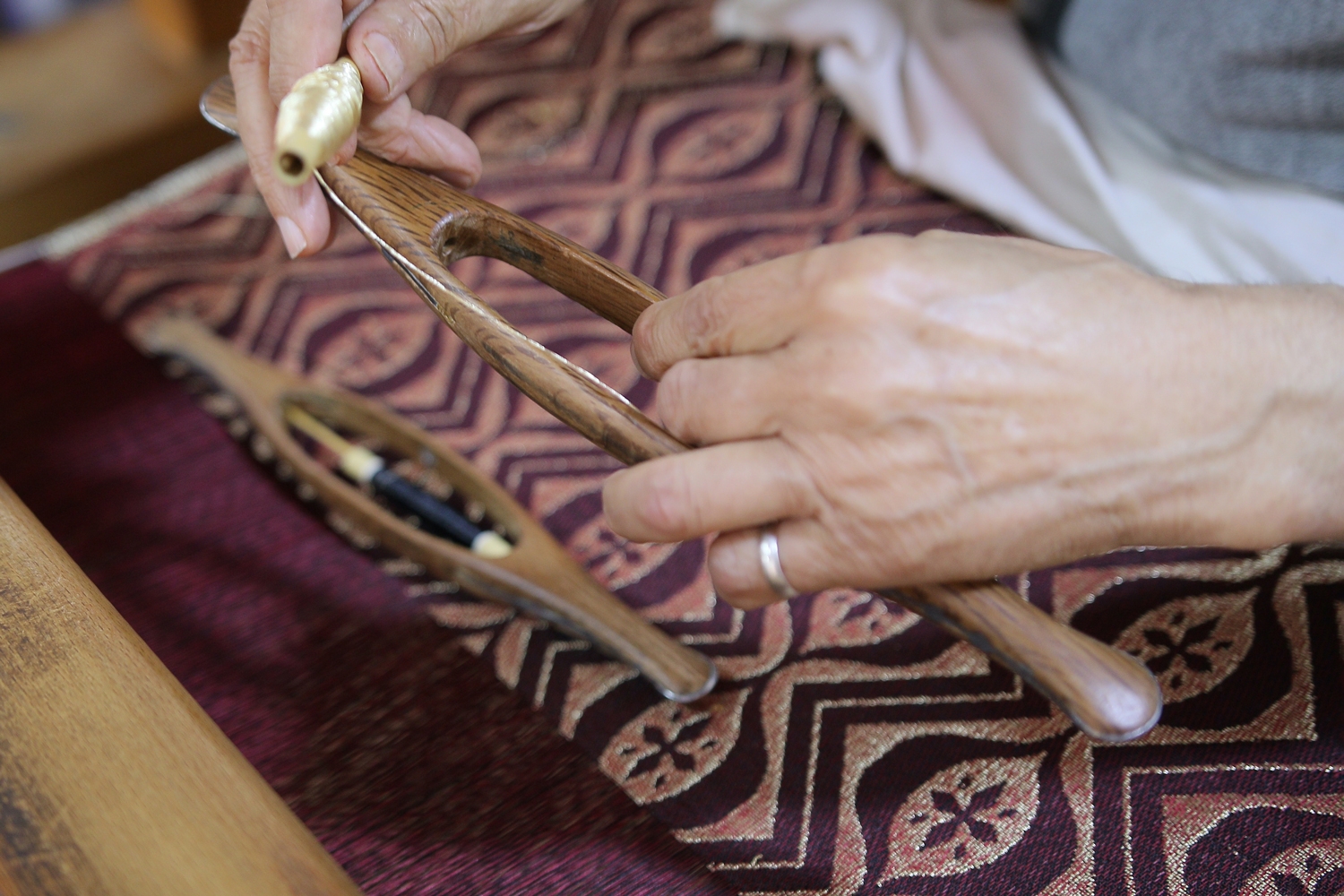
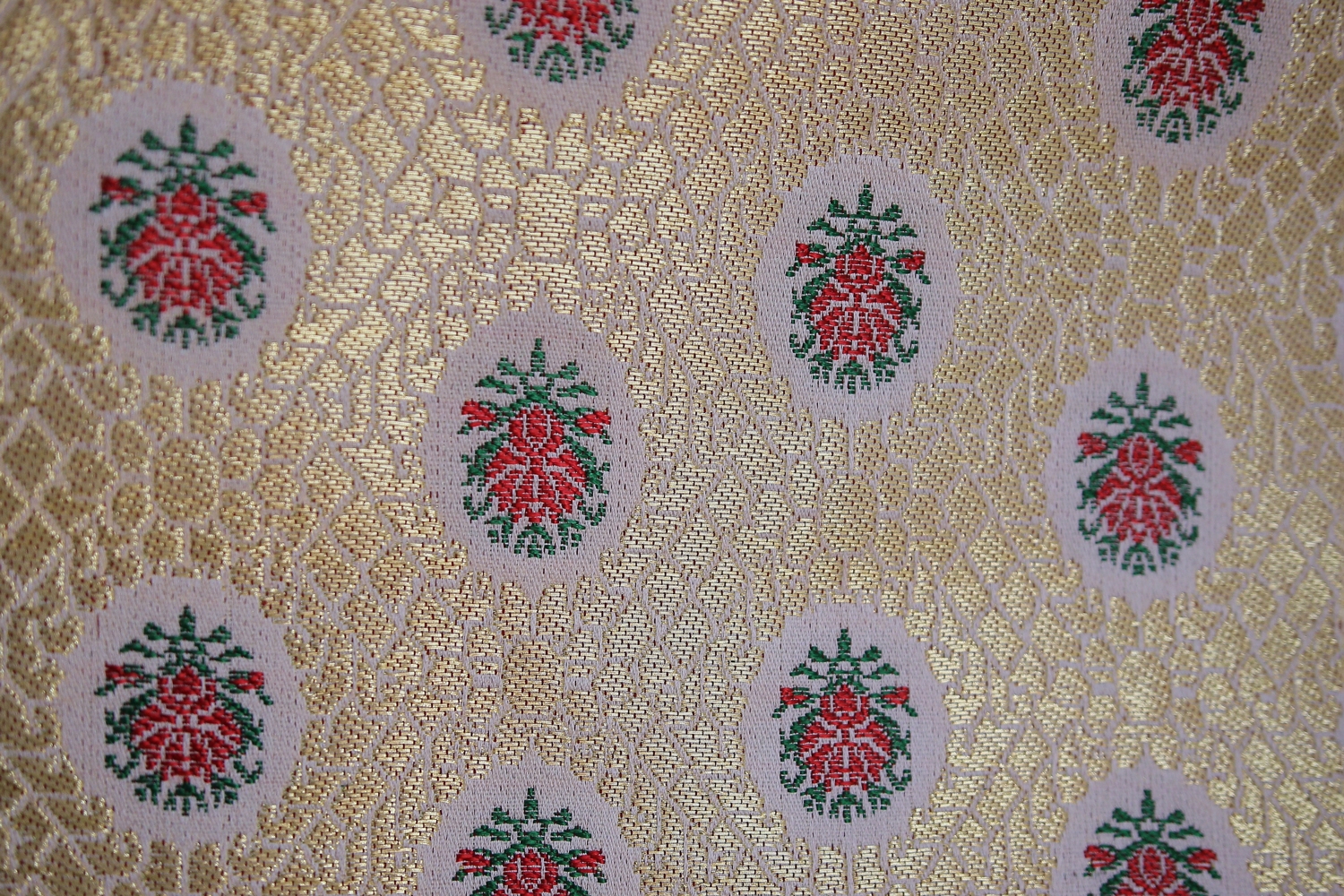
Abdelkader El Ouazzani is one of Morocco’s last masters of brocade weaving, a silk fabric woven with gold and silver threads. Born in the Rif mountains, he trained in Fez from the age of 17, learning by observing, asking questions and weaving daily with precision. Abdelkader's craft is a choreography of hands, feet and eyes, which requires a lot of discipline and patience. "Despite mechanisation, my pieces remain fully handmade. I use natural silk and centuries-old techniques," he says. Abdelkader has been working in his workshop since 1958 and was named a UNESCO Living Human Treasure. "I am proud of my craft, but I worry about its existence in the future," he explains.
Discover his work
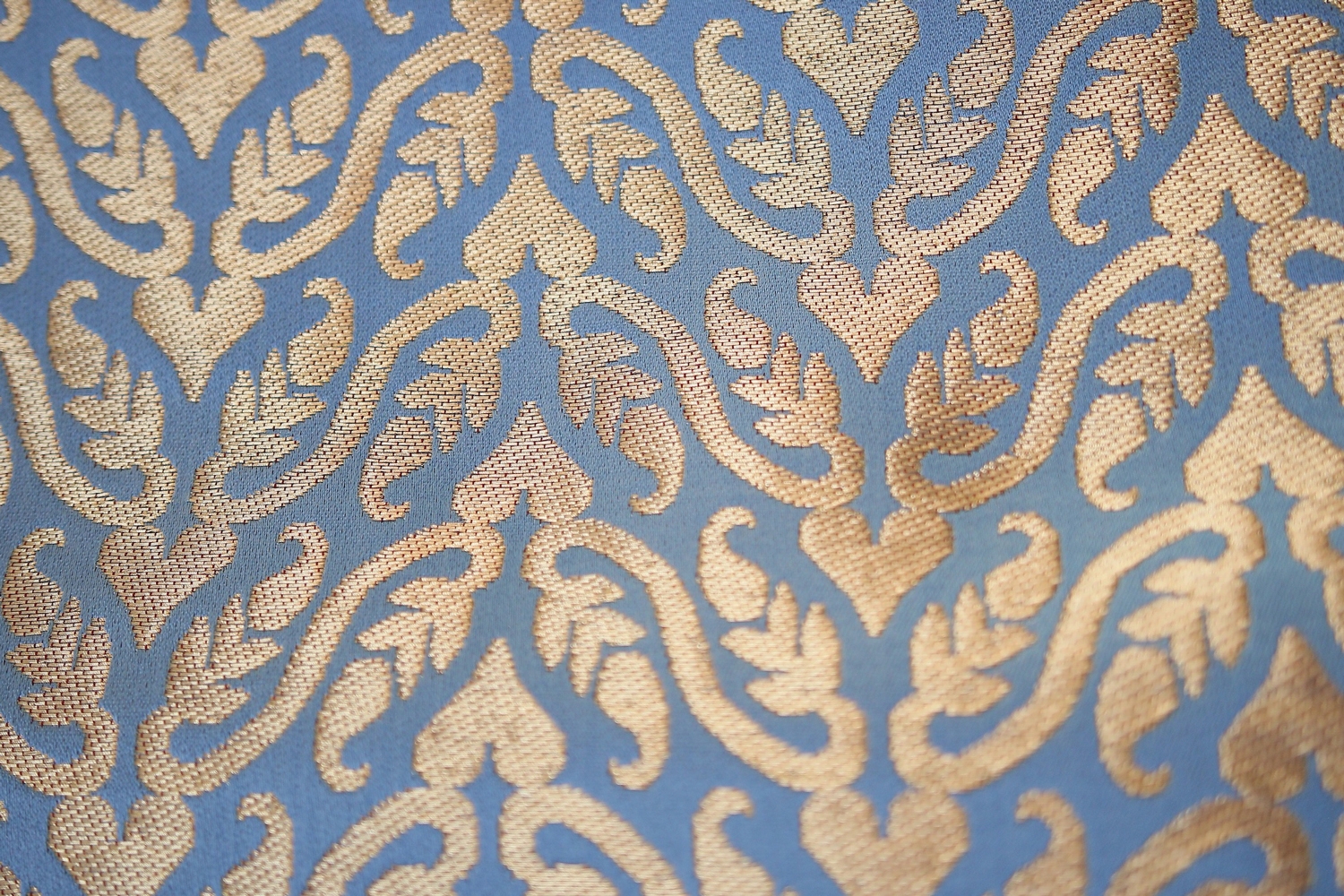
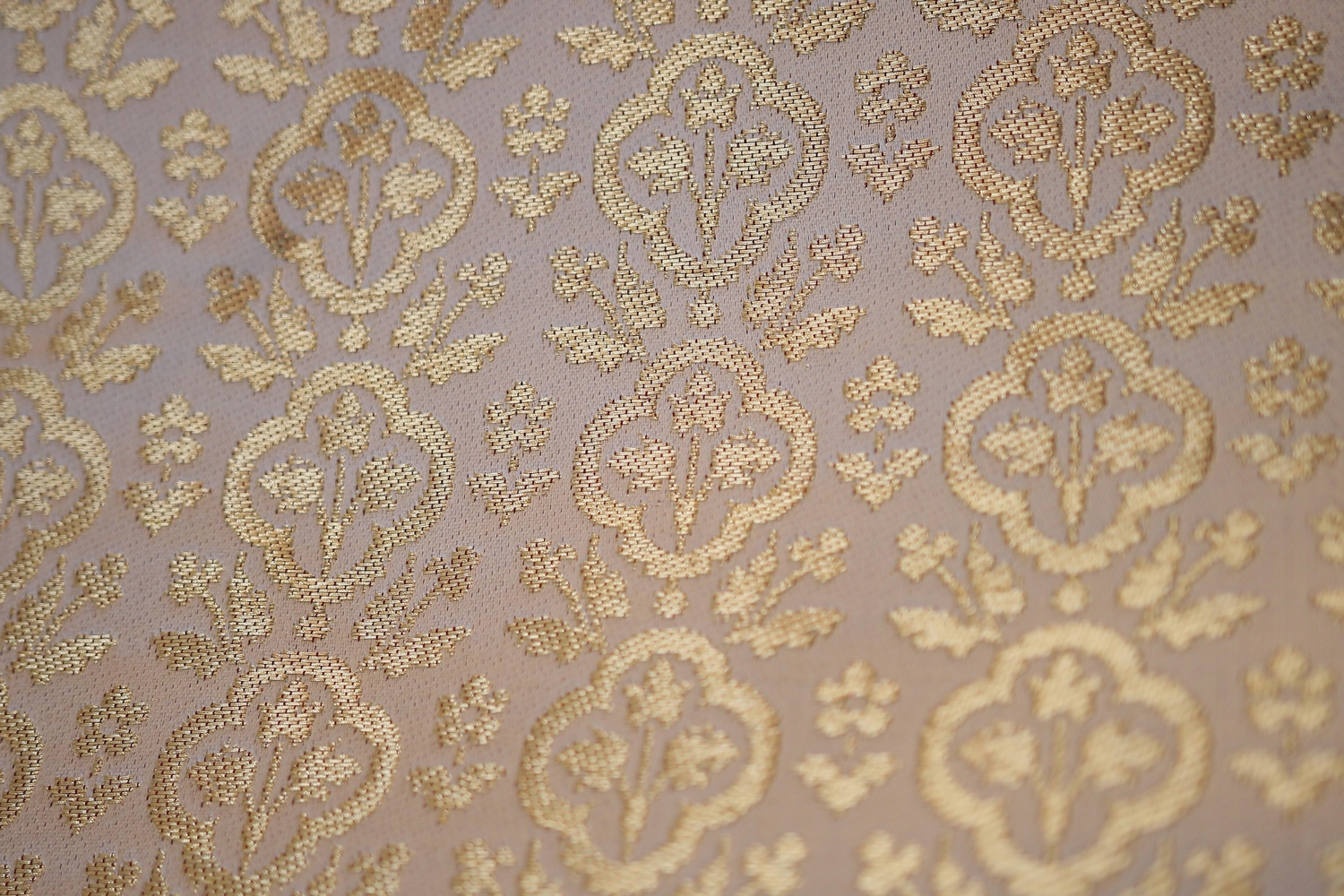
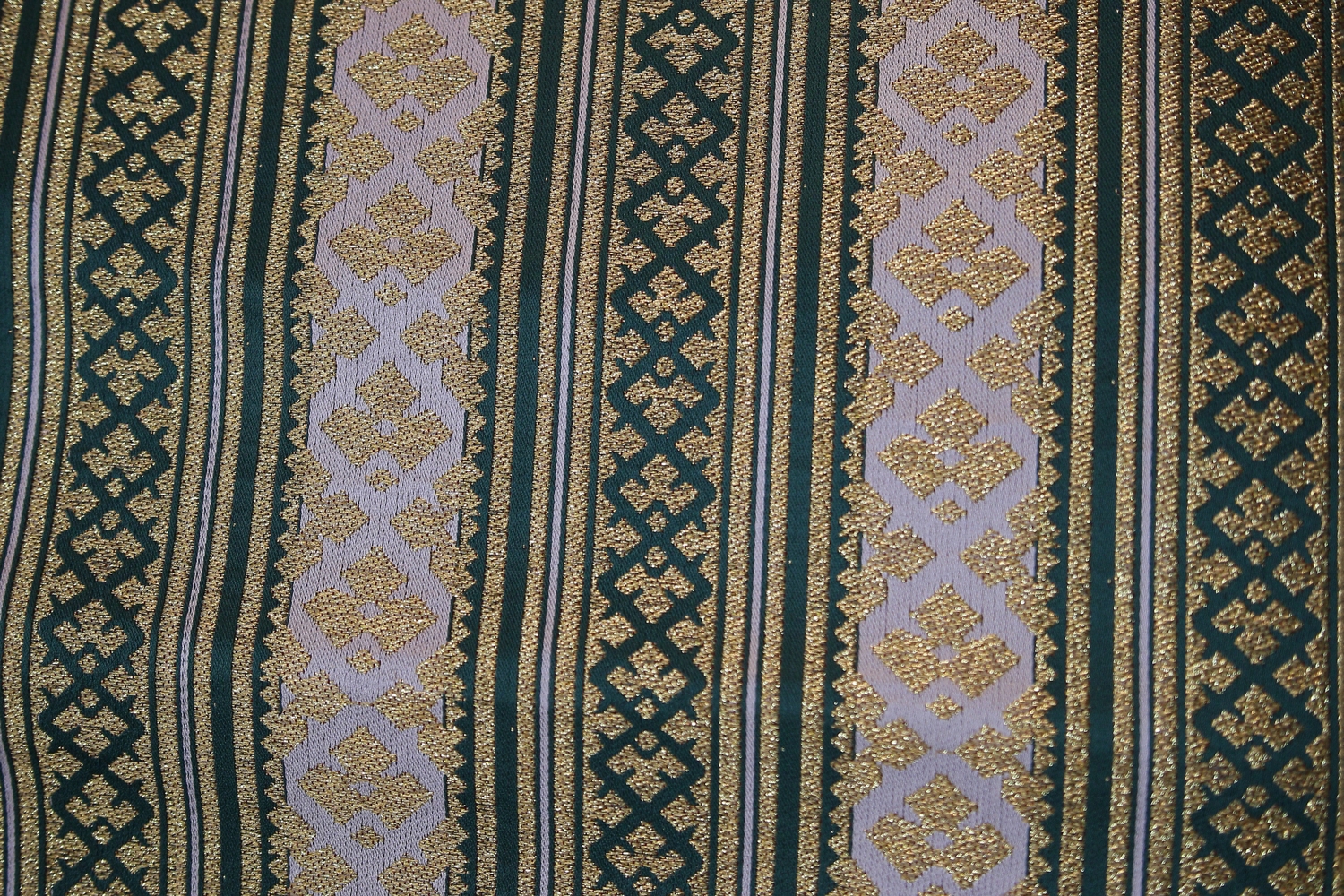
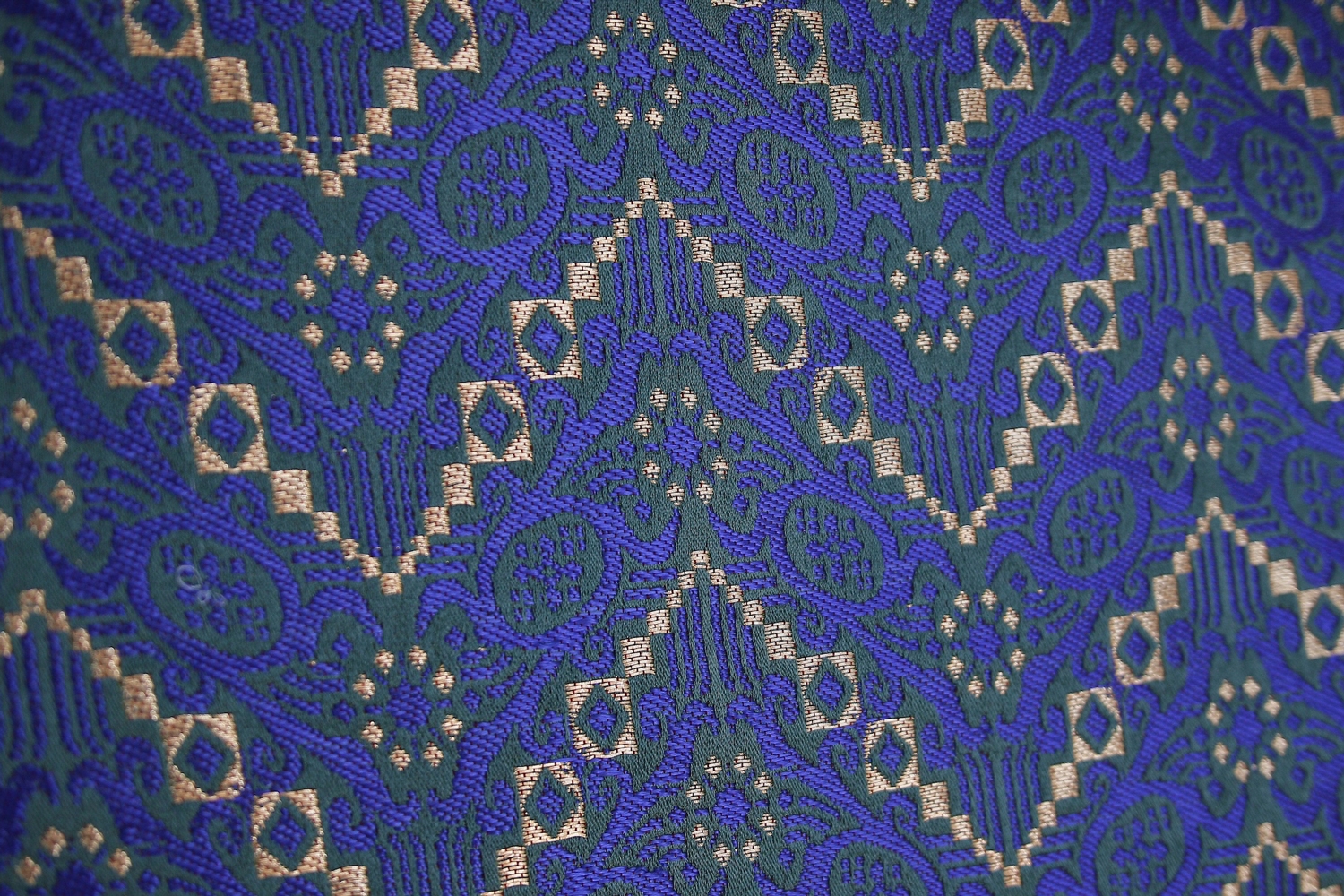
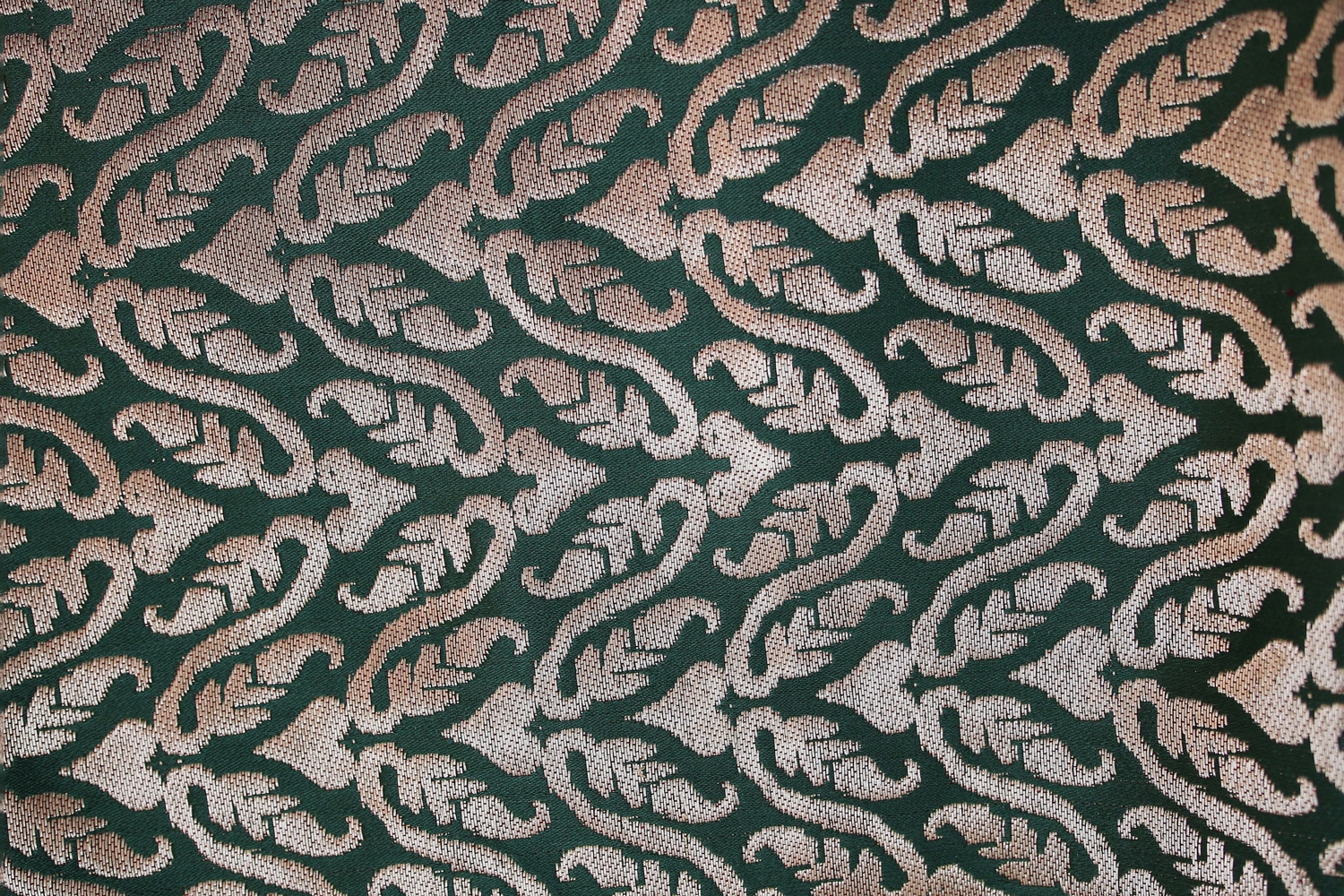
INTERVIEW
I used to watch my friends weaving. I gave a hand at first, but I was not consistent with my practice. A couple of years later, in 1960, I was determined to pursue it exclusively, so I learned the craft and became a skilled weaver by the early 1970s.
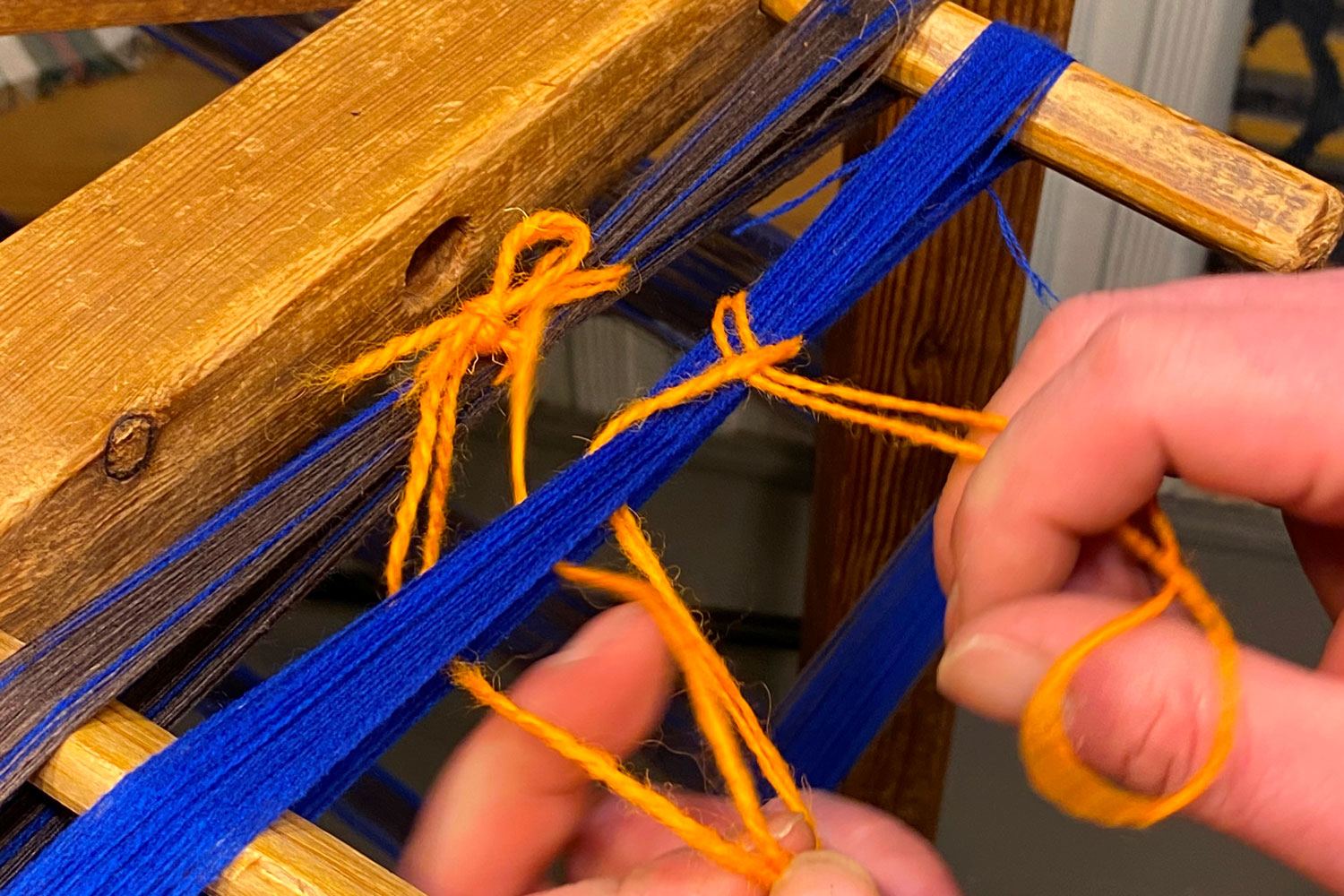
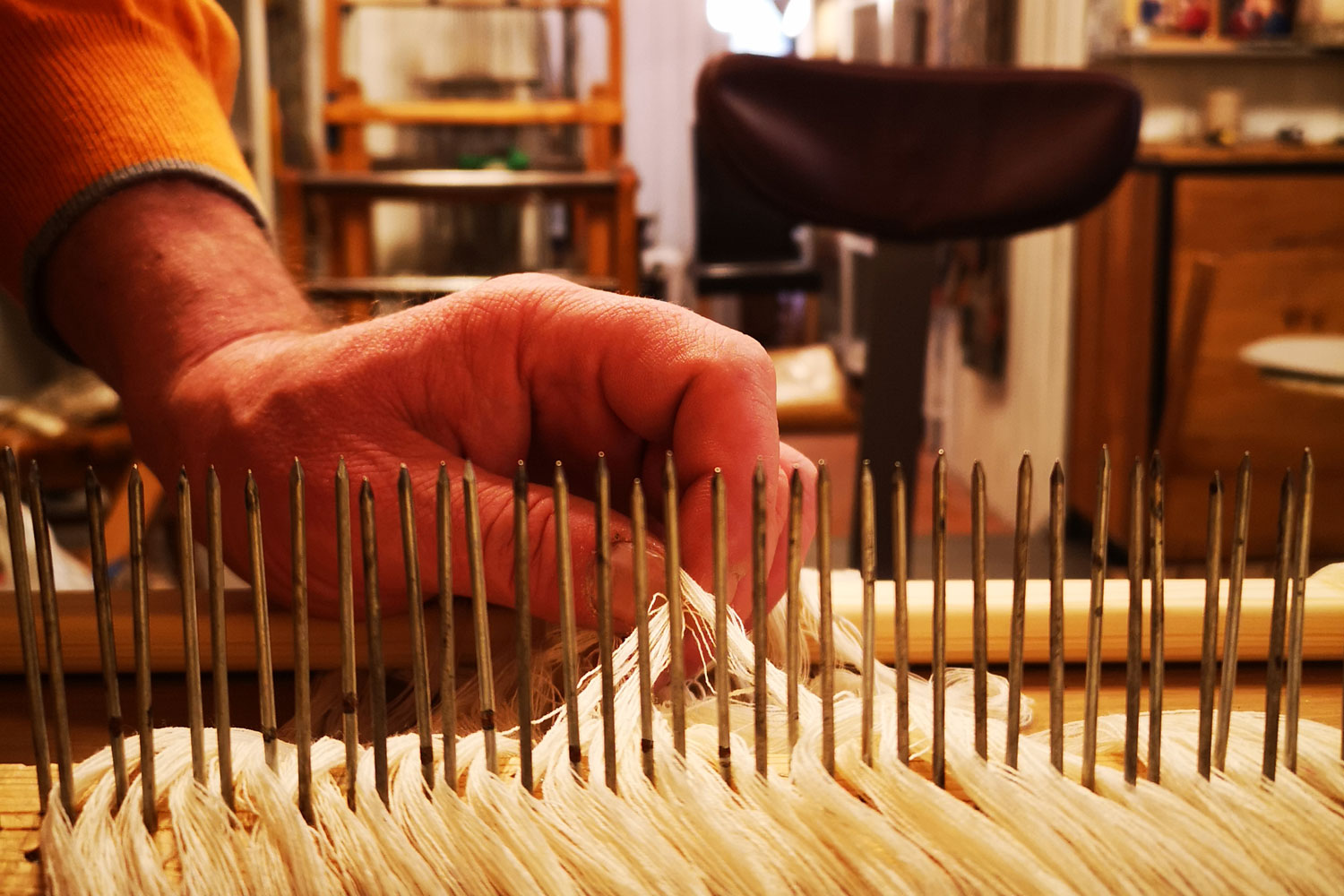
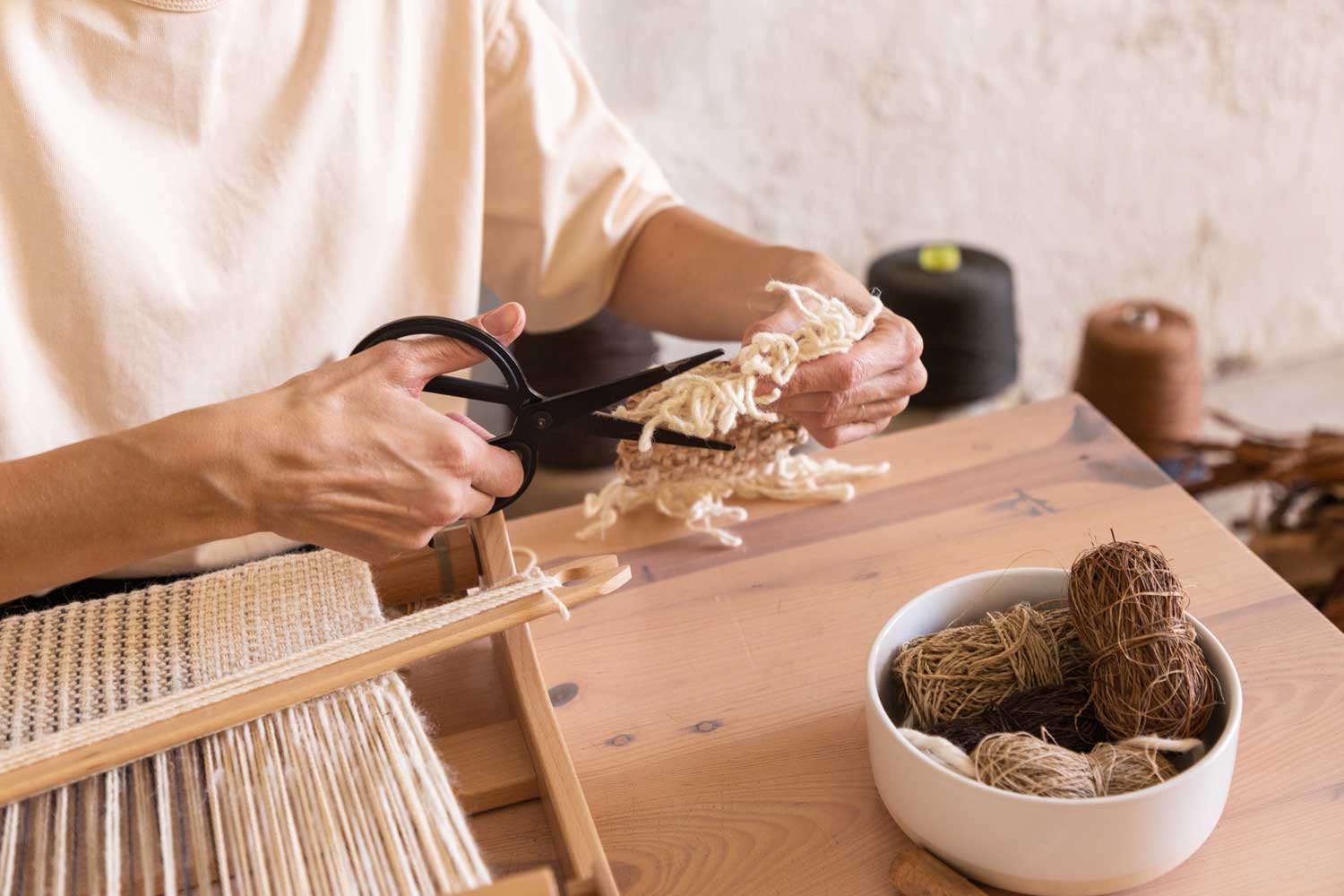
Every thread demands attention – the hands, feet and eyes must work together. Even when we are three artisans working together, we weave barely a metre a day. Weaving is demanding, but that slow pace adds to the beauty of the craft and of the finished pieces.
Clients from Morocco, France, the Gulf and the USA mostly order caftans with traditional or custom designs.
I am proud that brocade is still recognised. I am also proud of being named a UNESCO Living Human Treasure. I wish I could pass my craft on, but very few people are interested in learning it. It is a tough but extremely precious craft.
Abdelkader El Ouazzani
Weaver
Fez, Morocco
AVAILABILITY
Daily 08:00-12:30 / 14:30-18:30
PHONE
+212 661757649
LANGUAGES
Arabic
Homo Faber Finds is a new service aiming to inspire admirers of craft to connect and collaborate with exceptional artisans.
We invite you to submit an enquiry here.