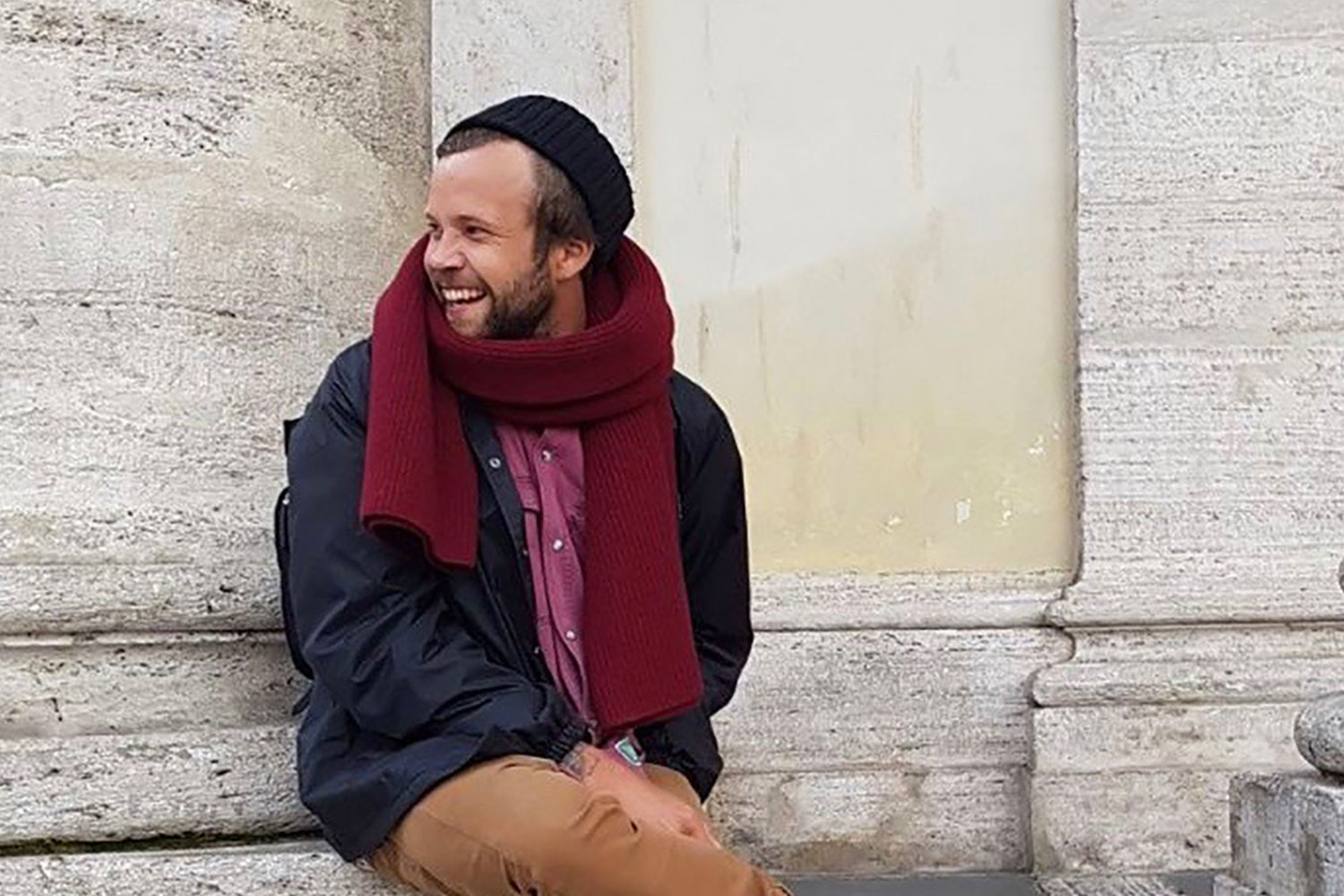
Kadey Ambrose
Basketweaver
Fairbanks, AK, USA
Recommended by Nest
Weaving a path to personal history
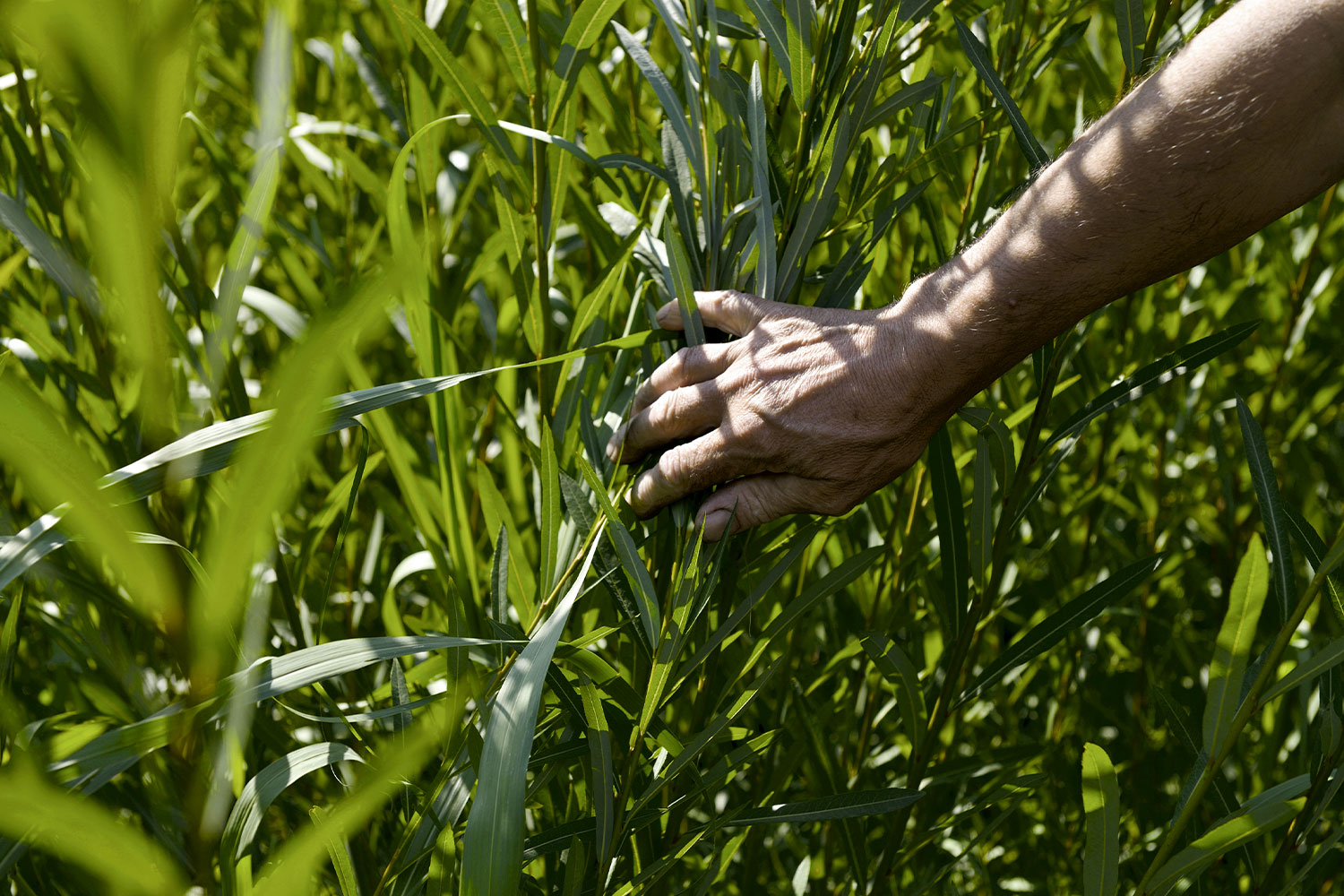
- Kadey wild-forages for materials such as willow and cattails in Alaska
- Her baskets and vessels serve as a way to explore her lineage
- She works from a studio located on a former gold mine
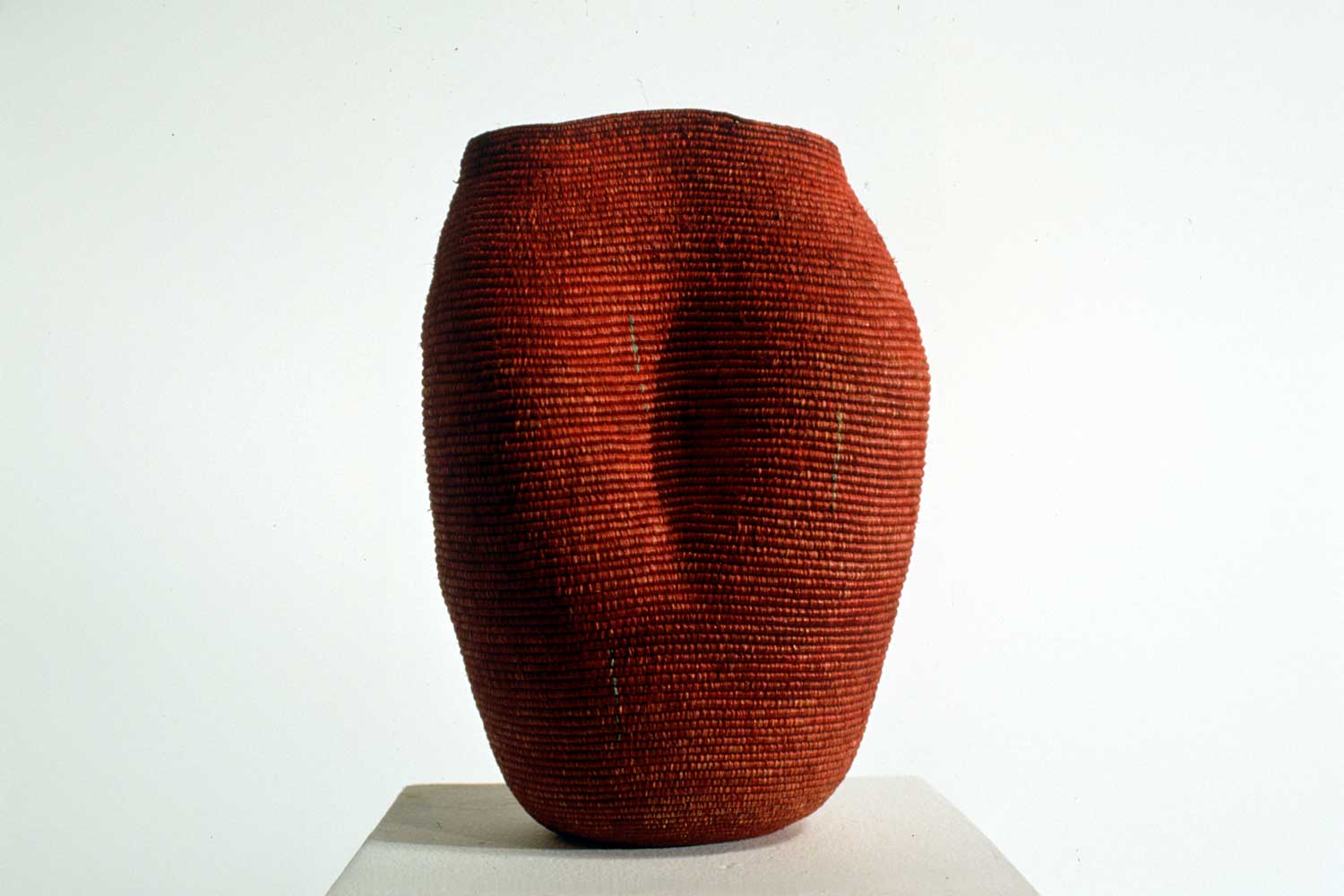
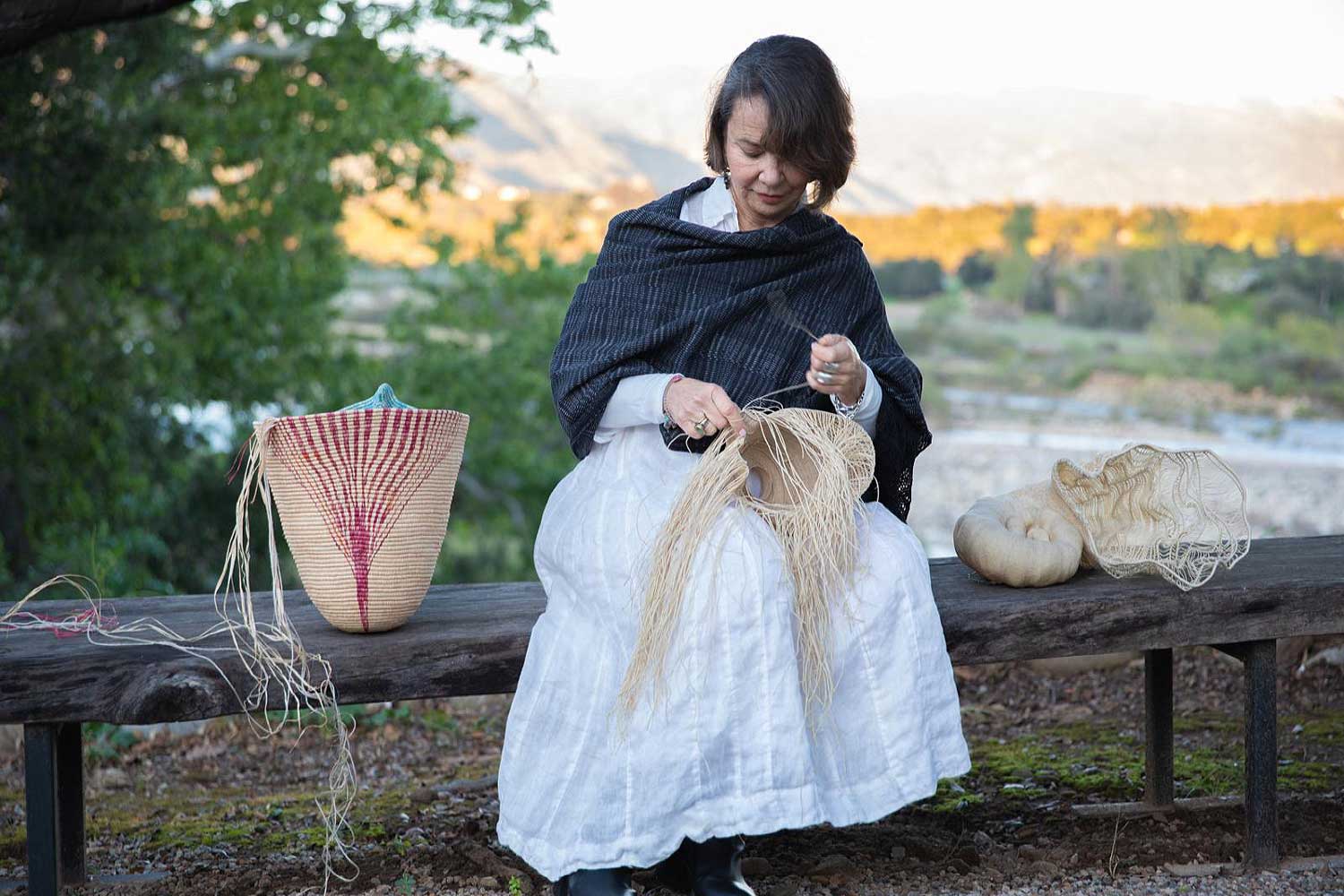
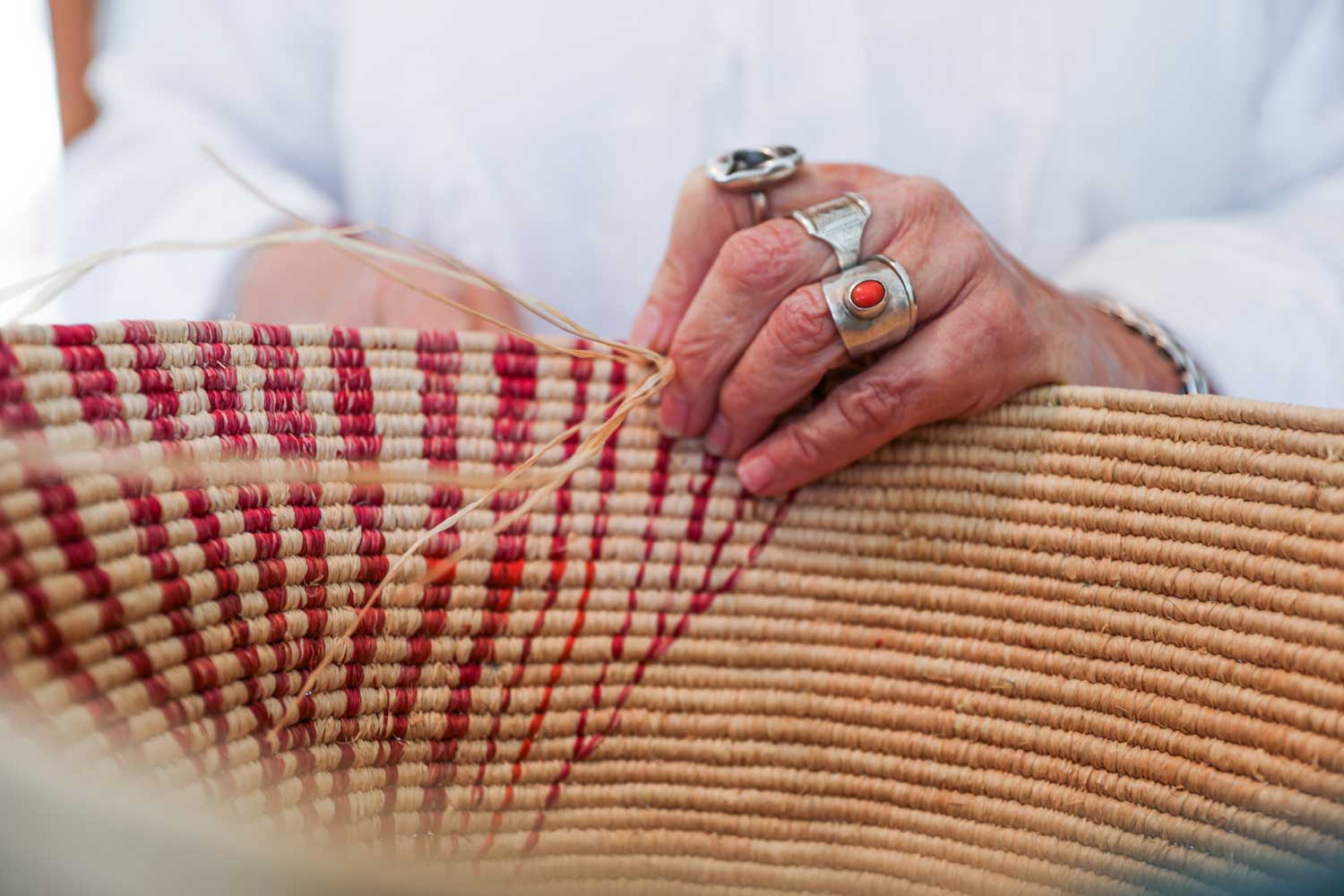
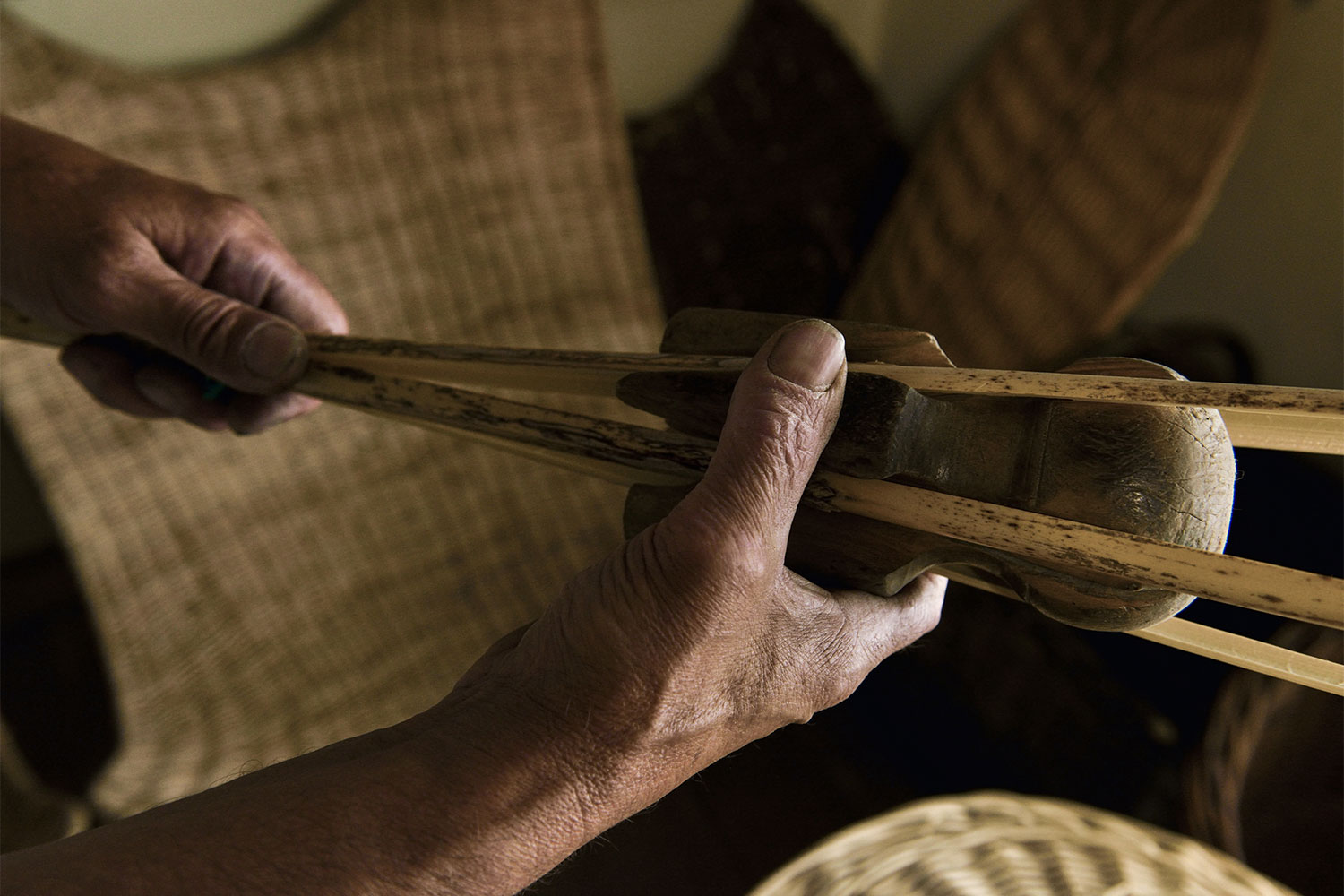
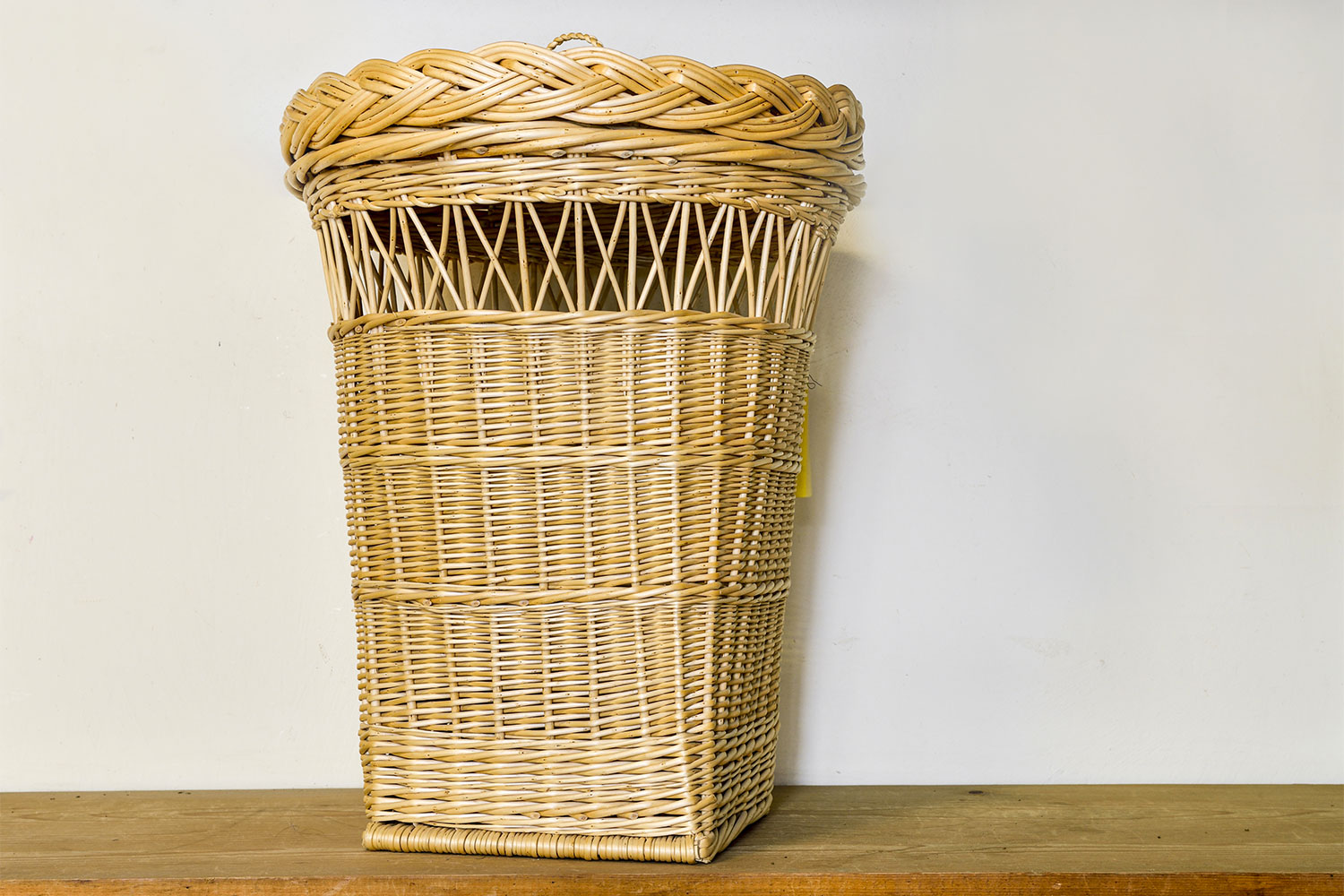
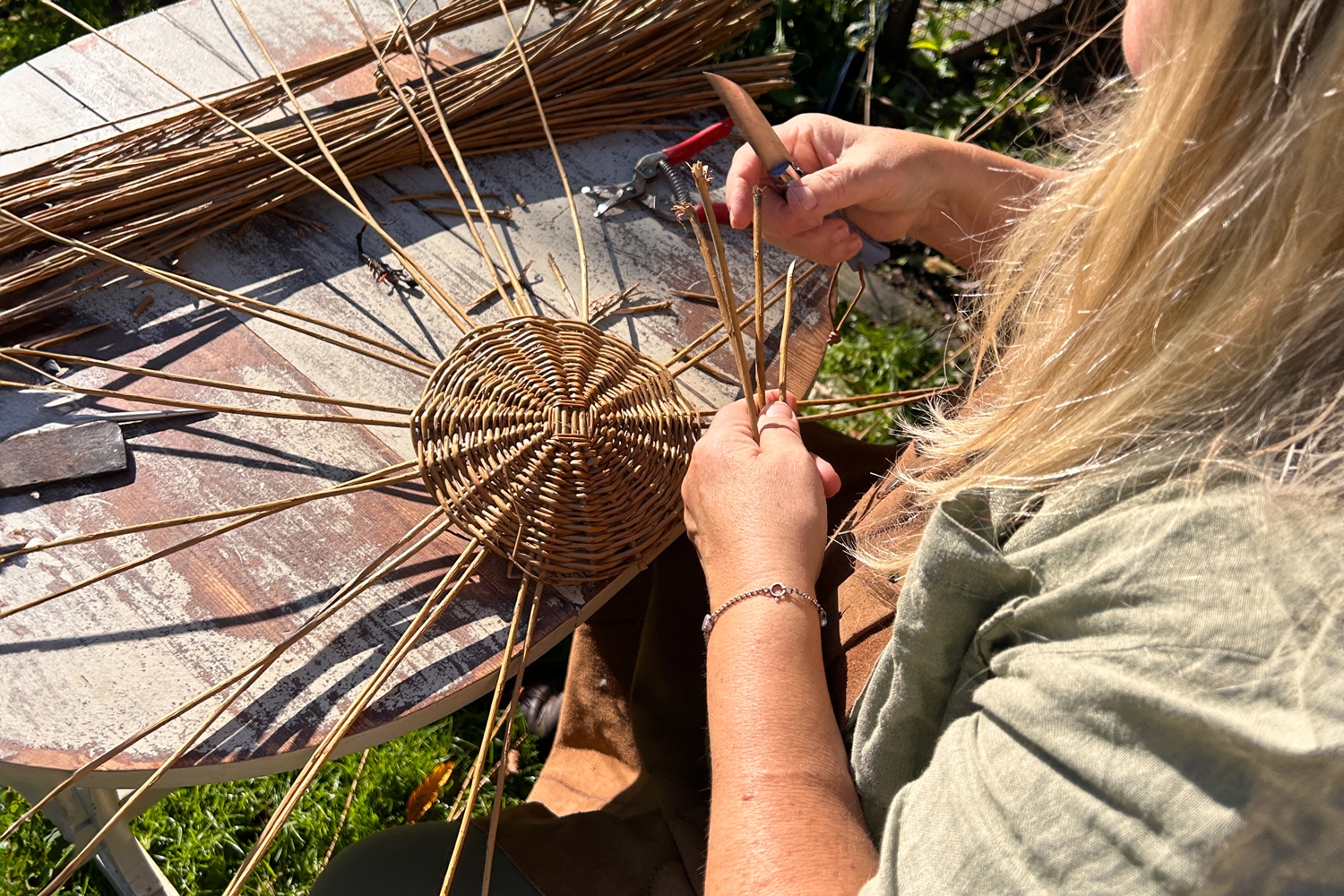
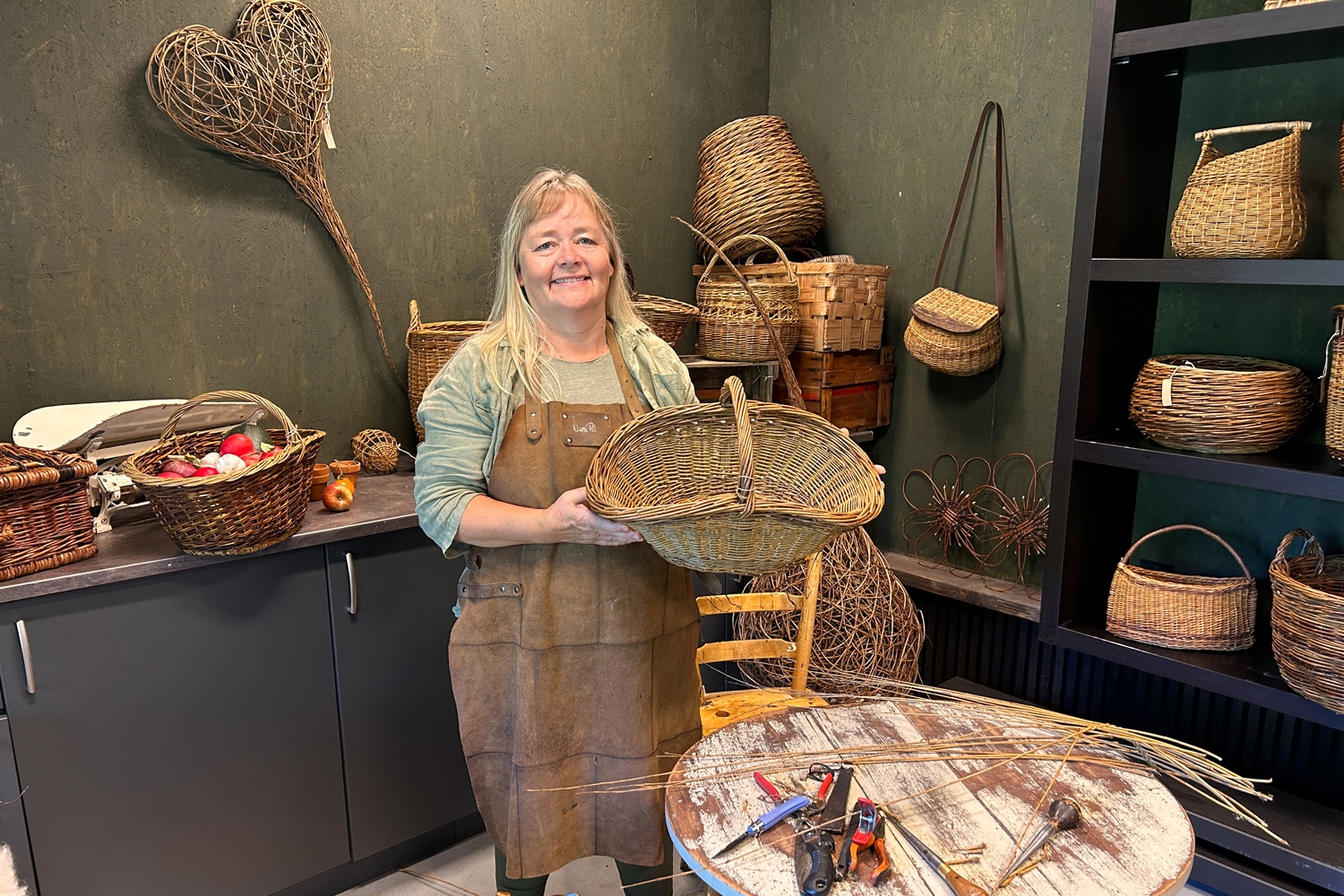
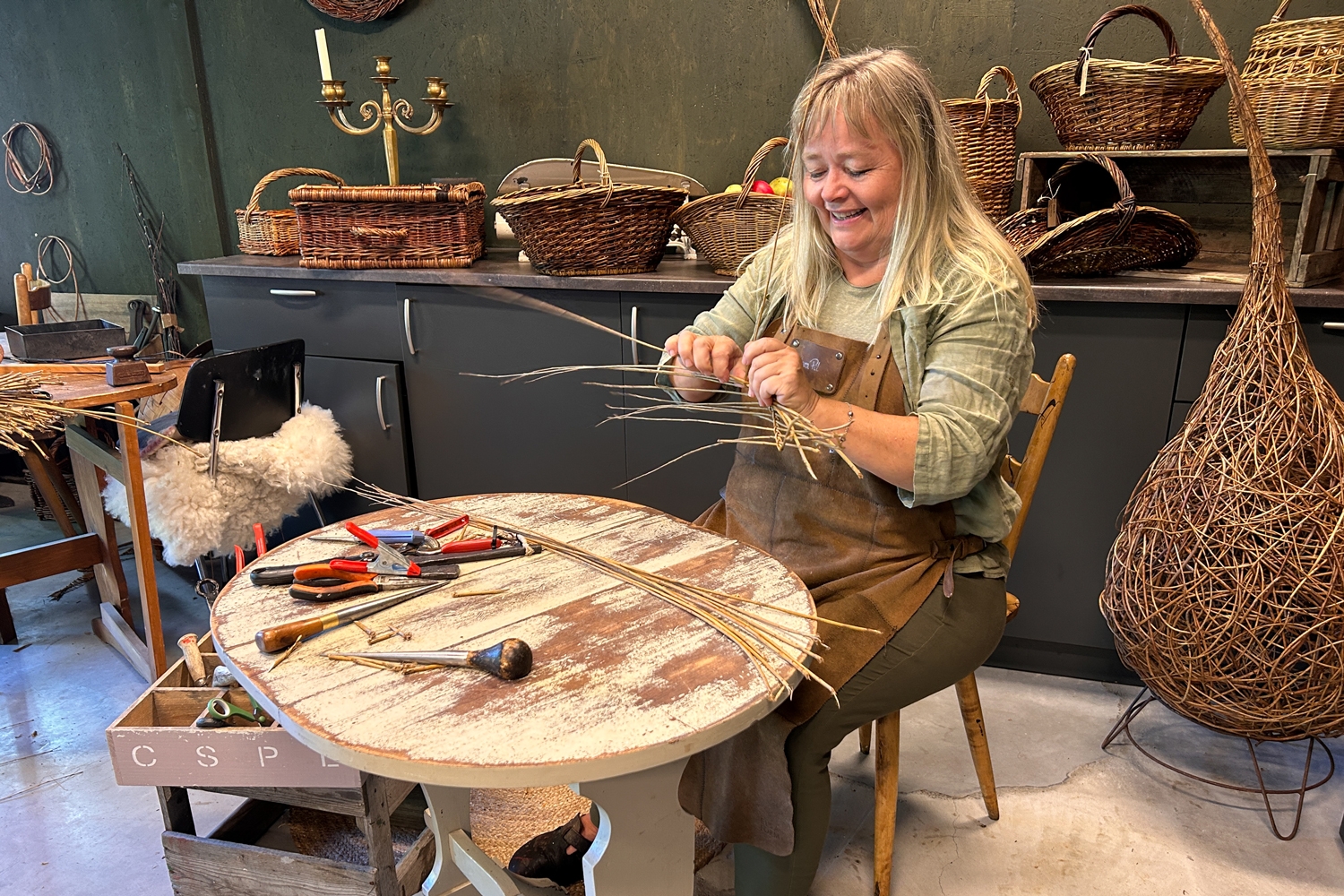
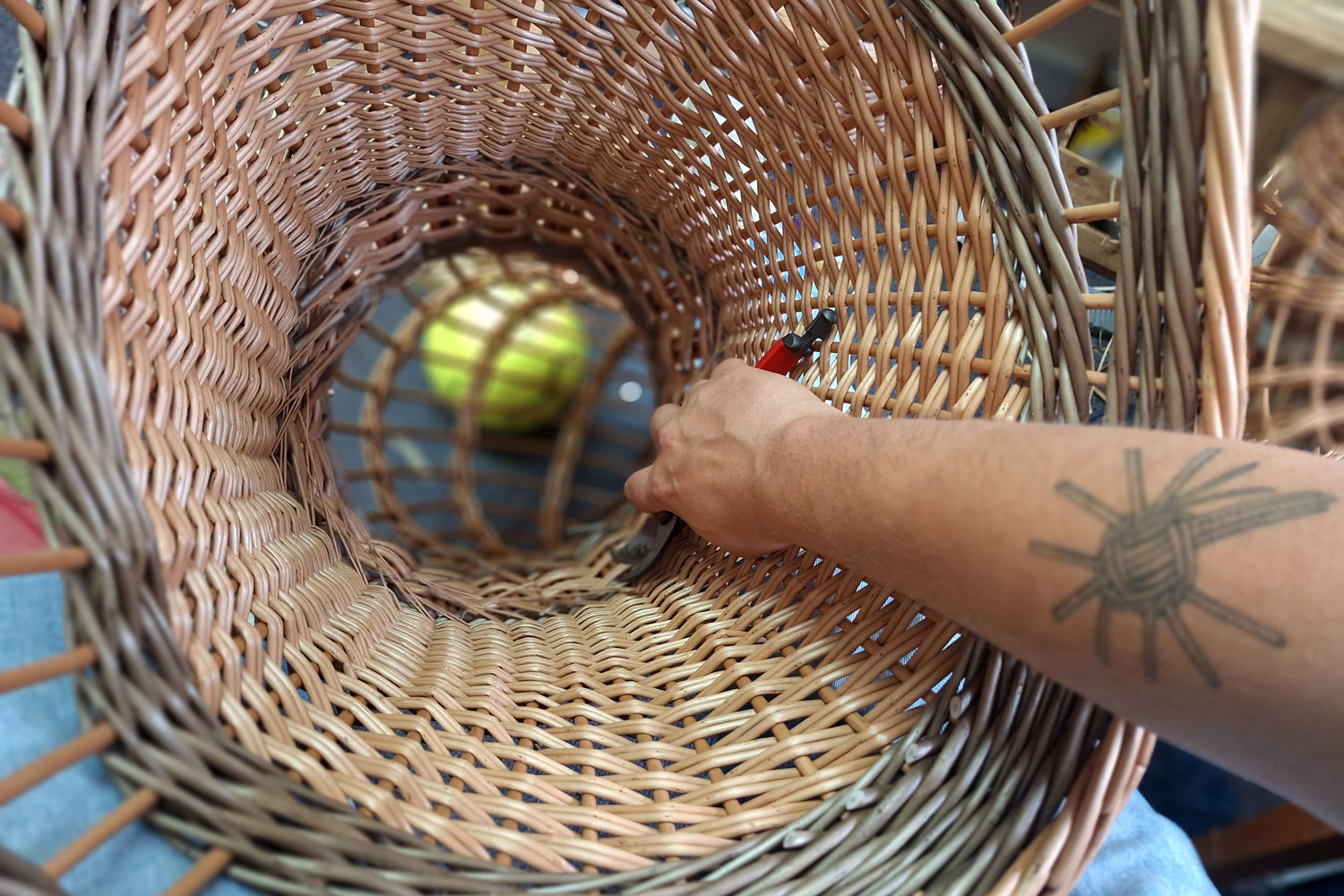
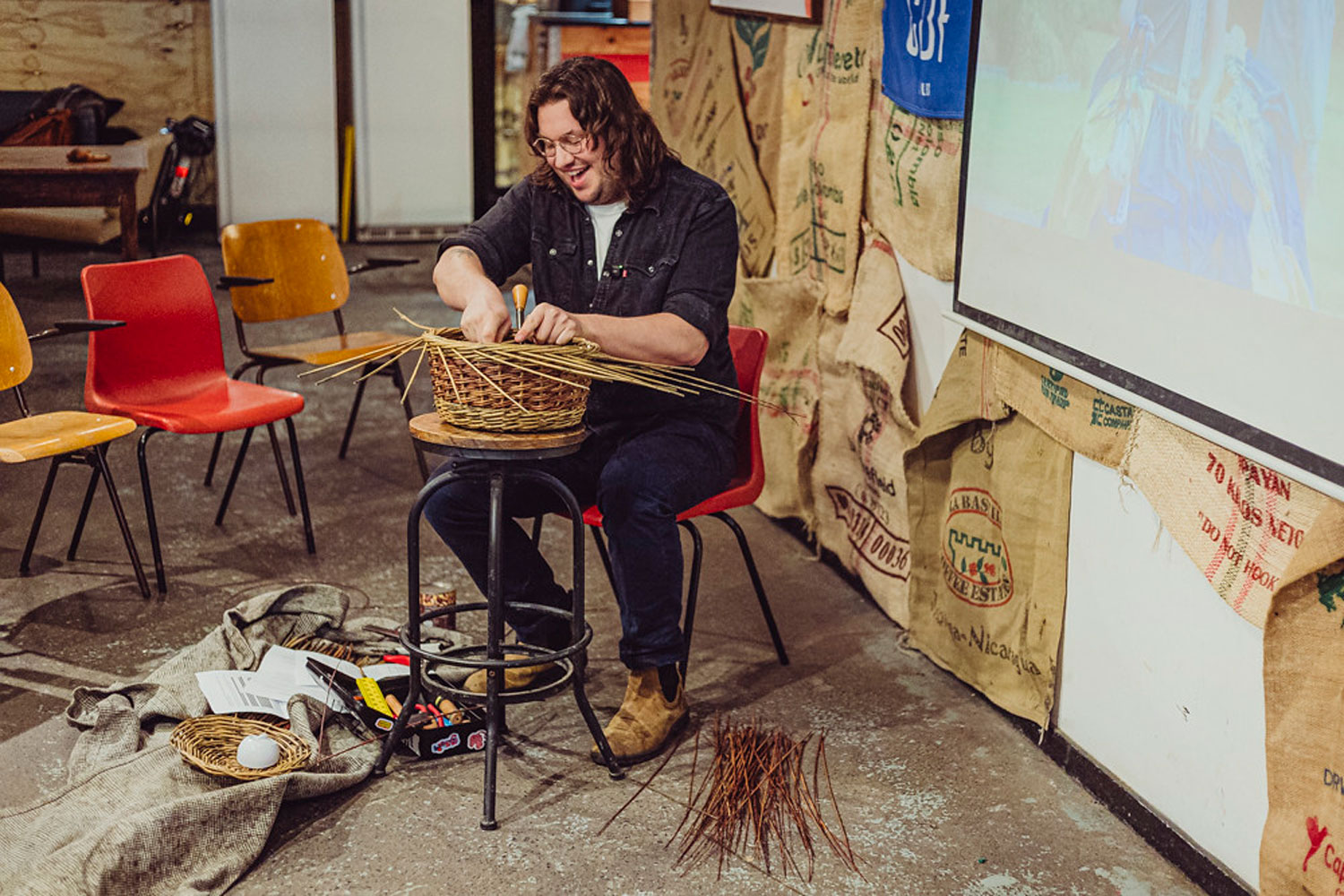
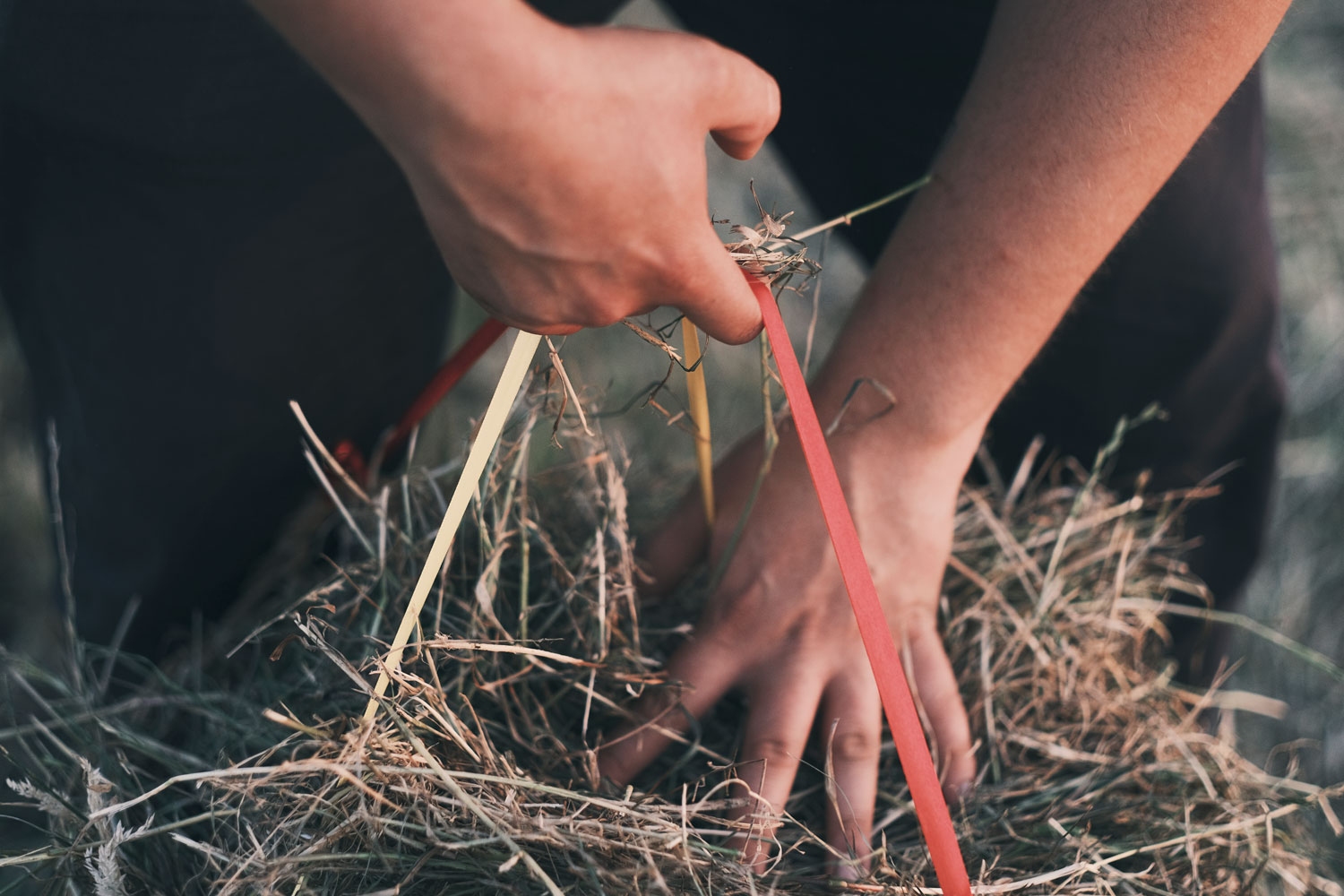
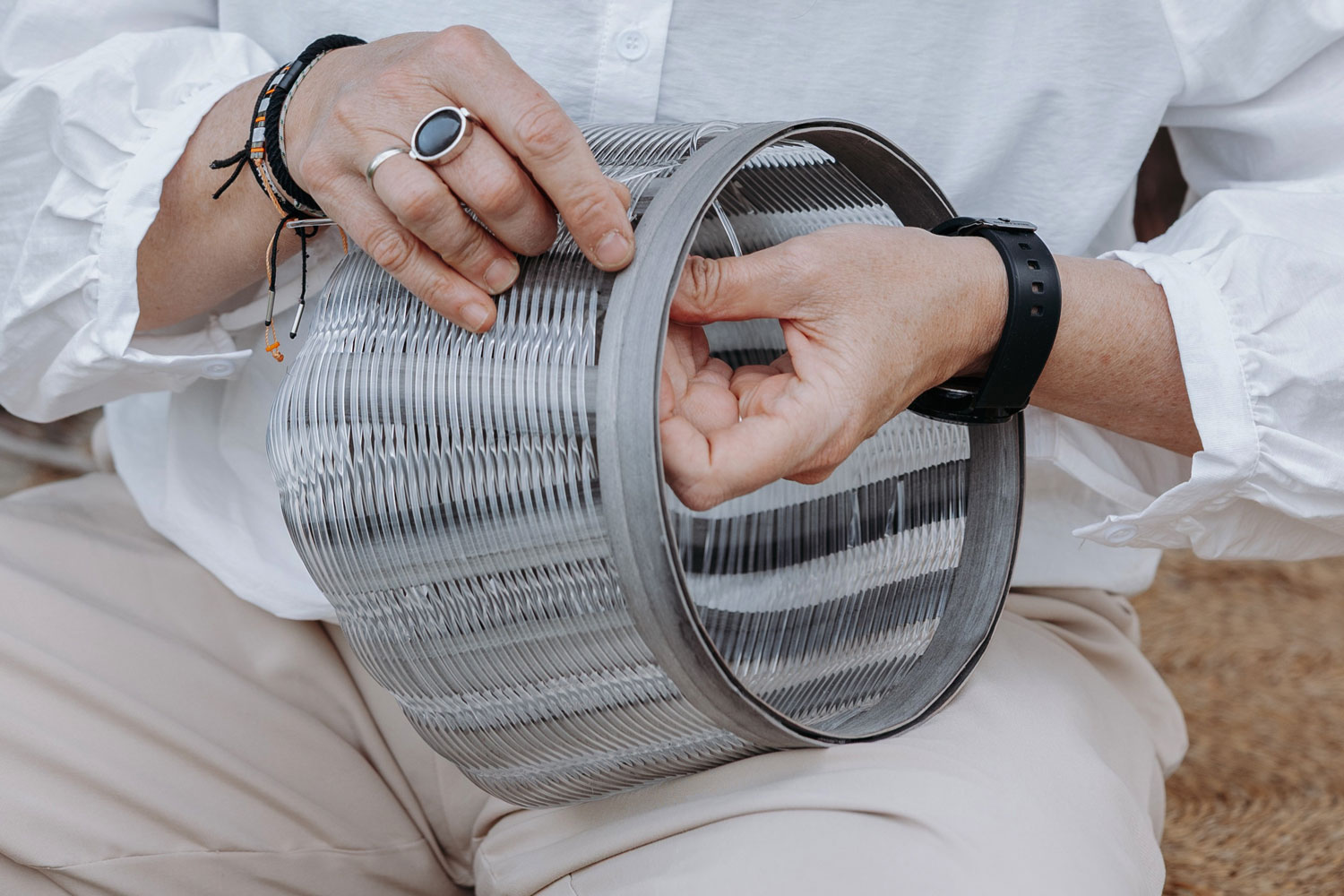
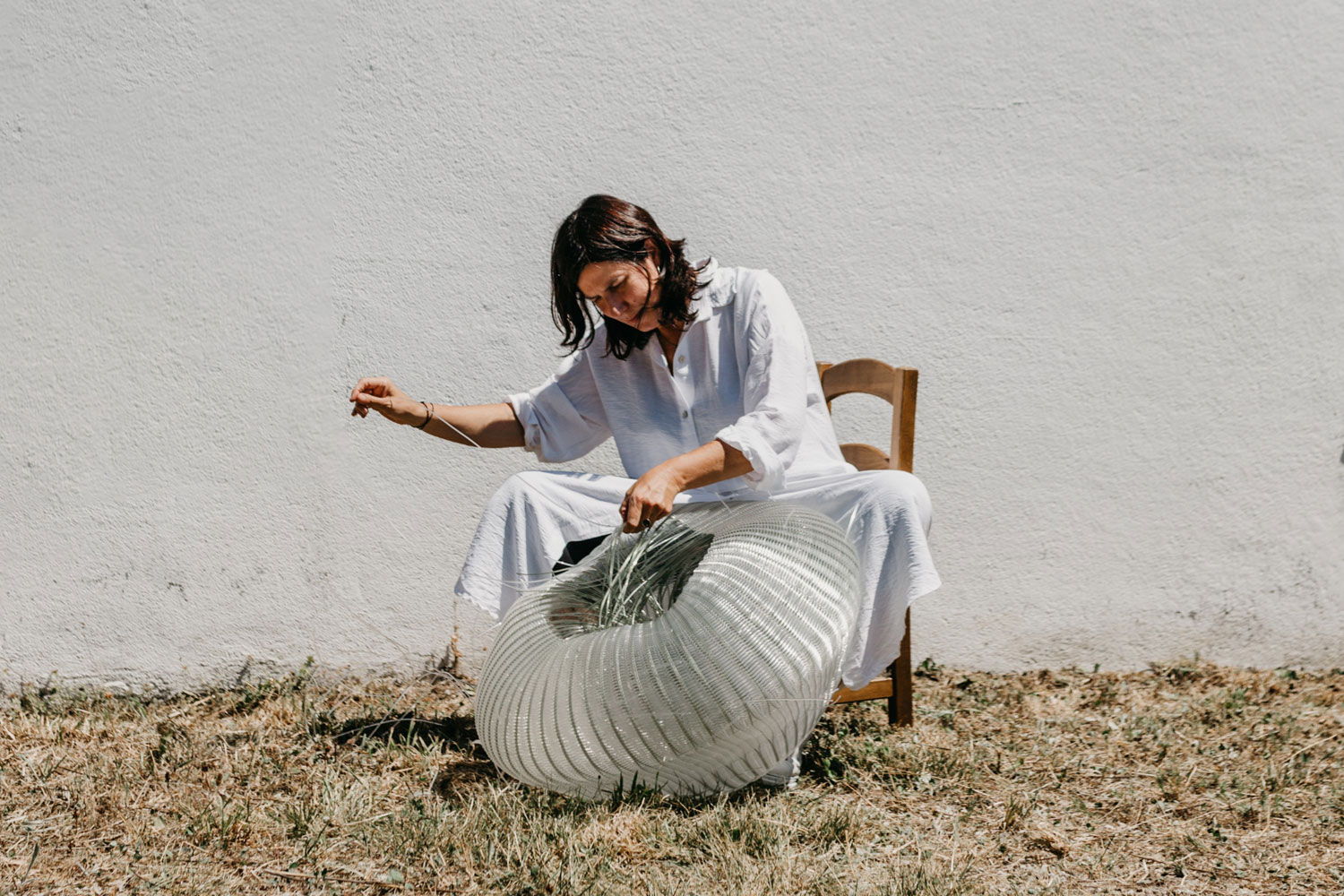
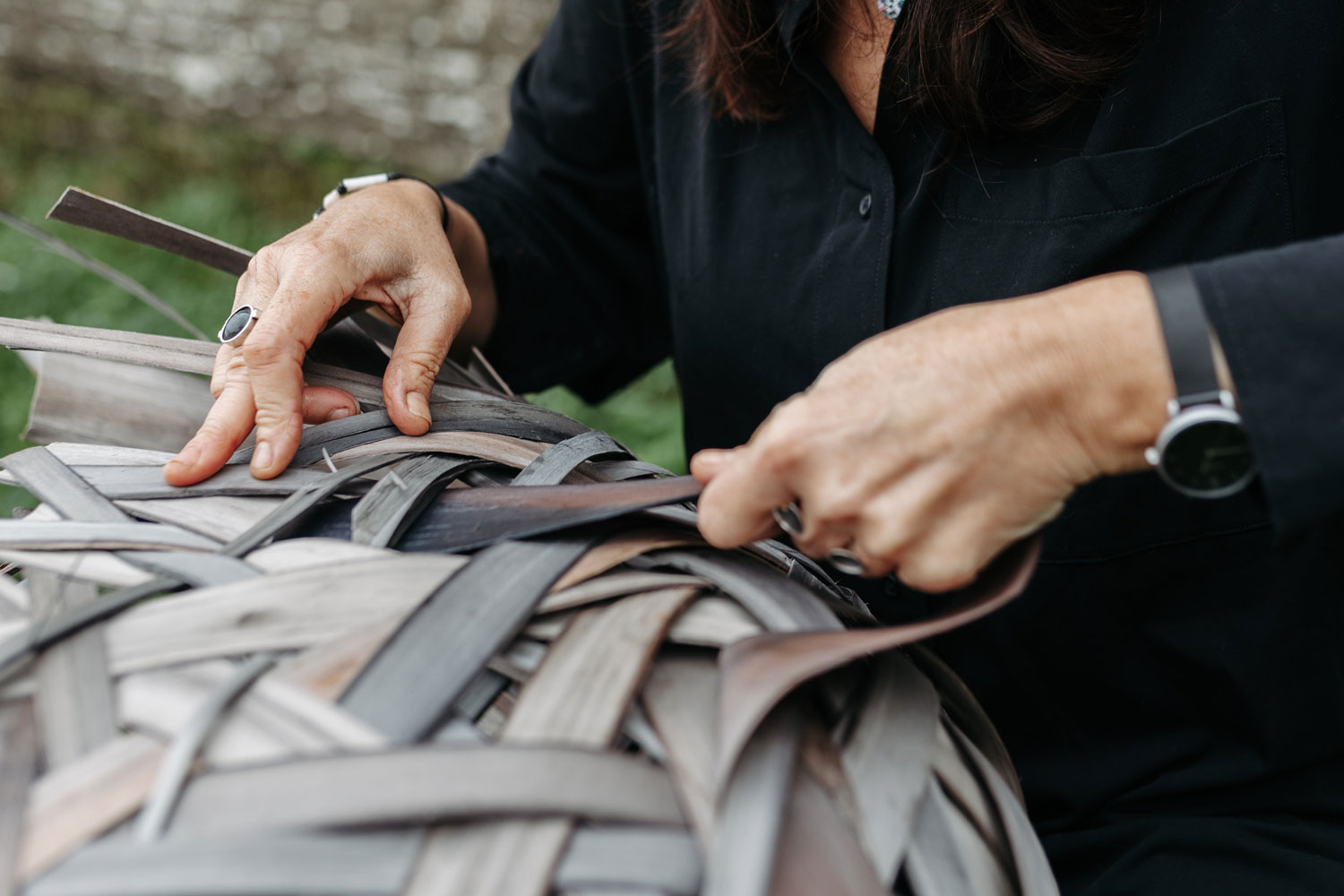
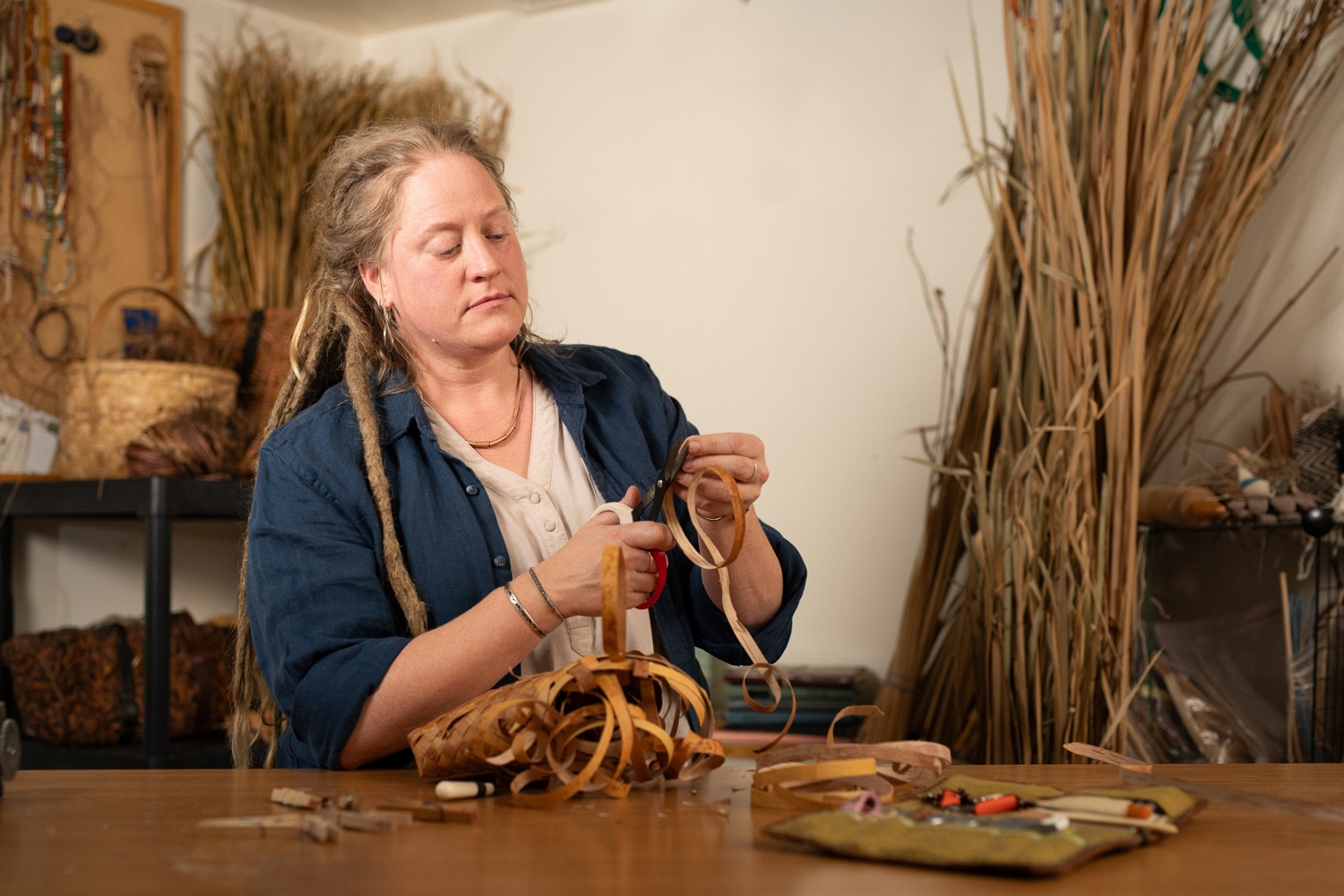
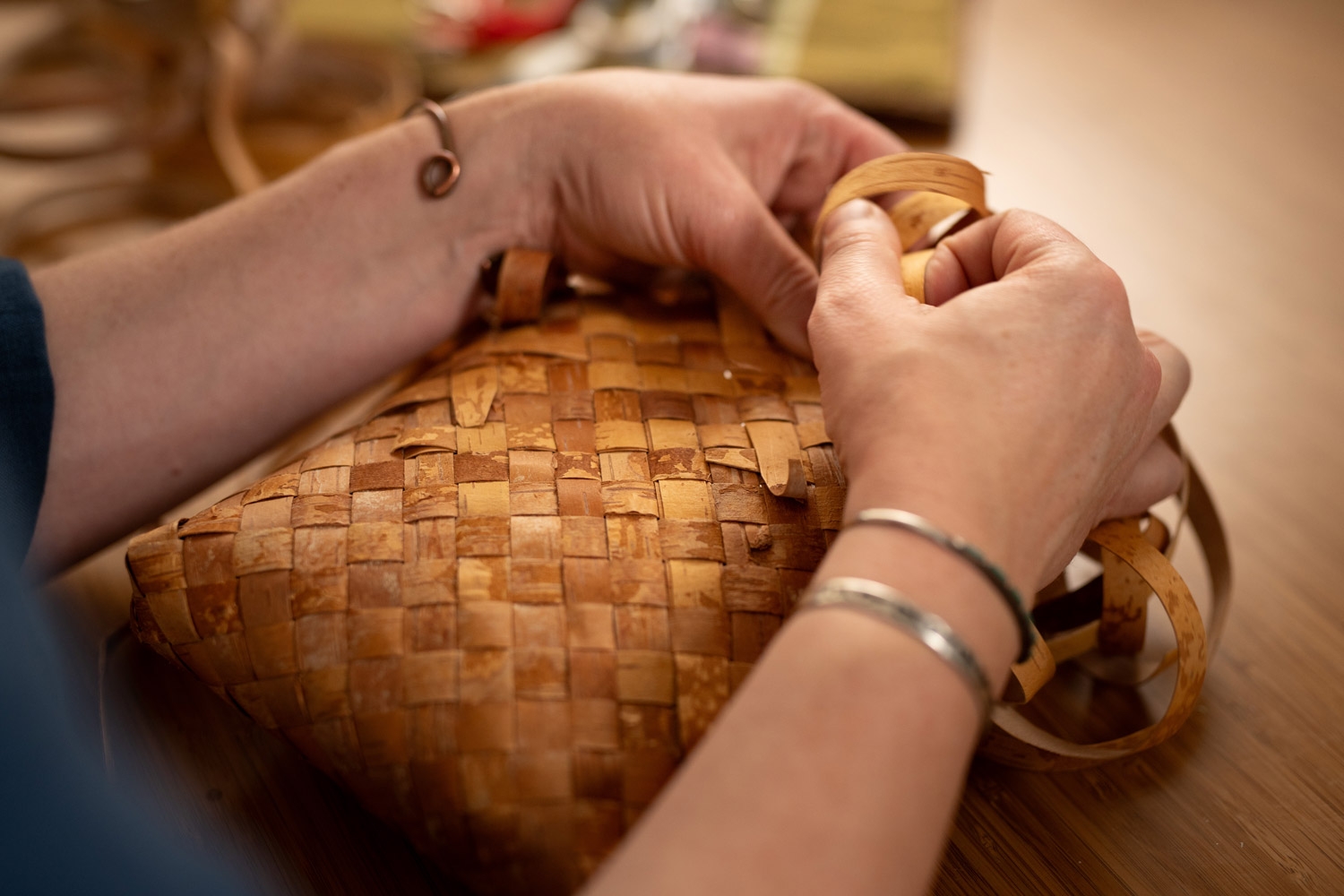
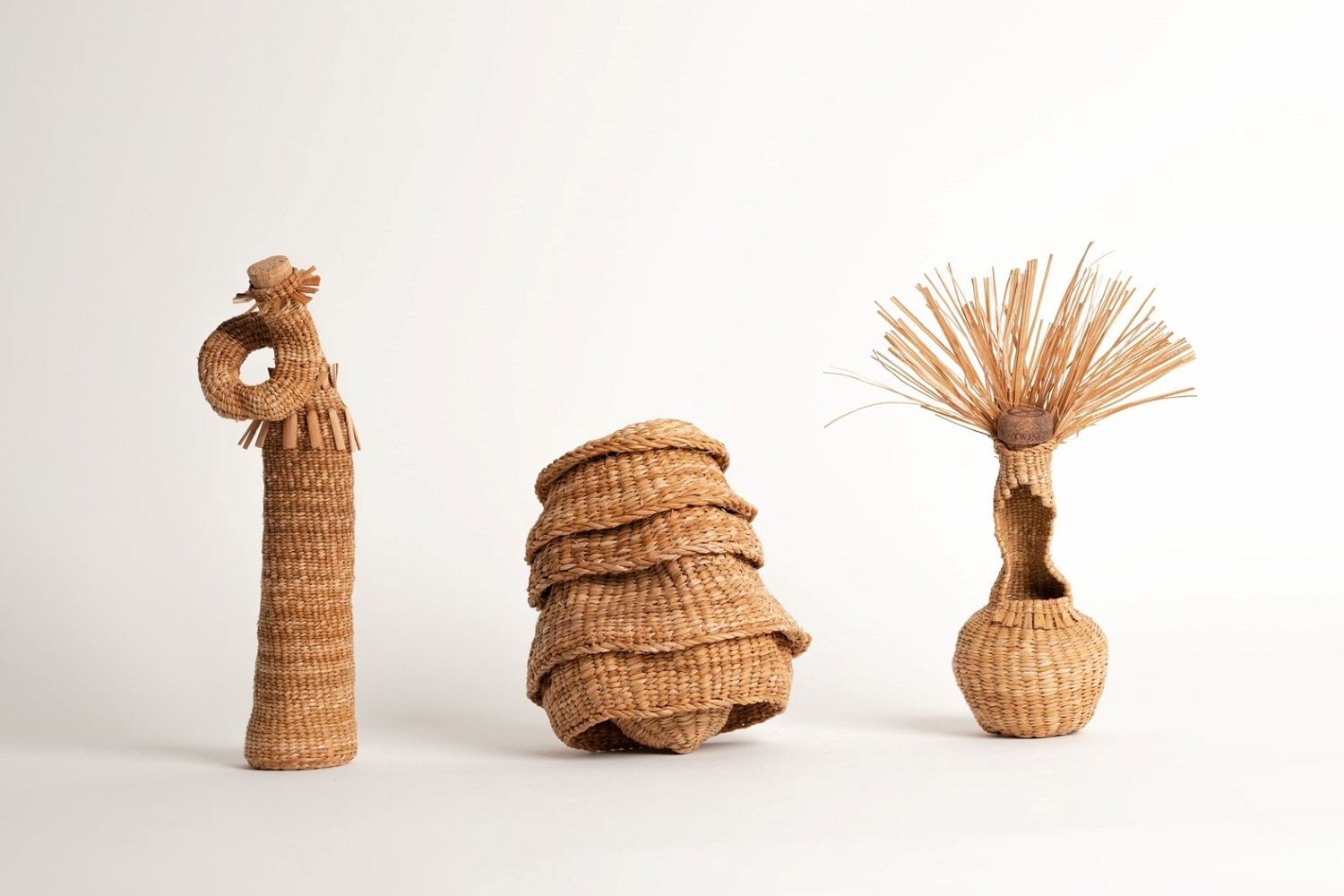
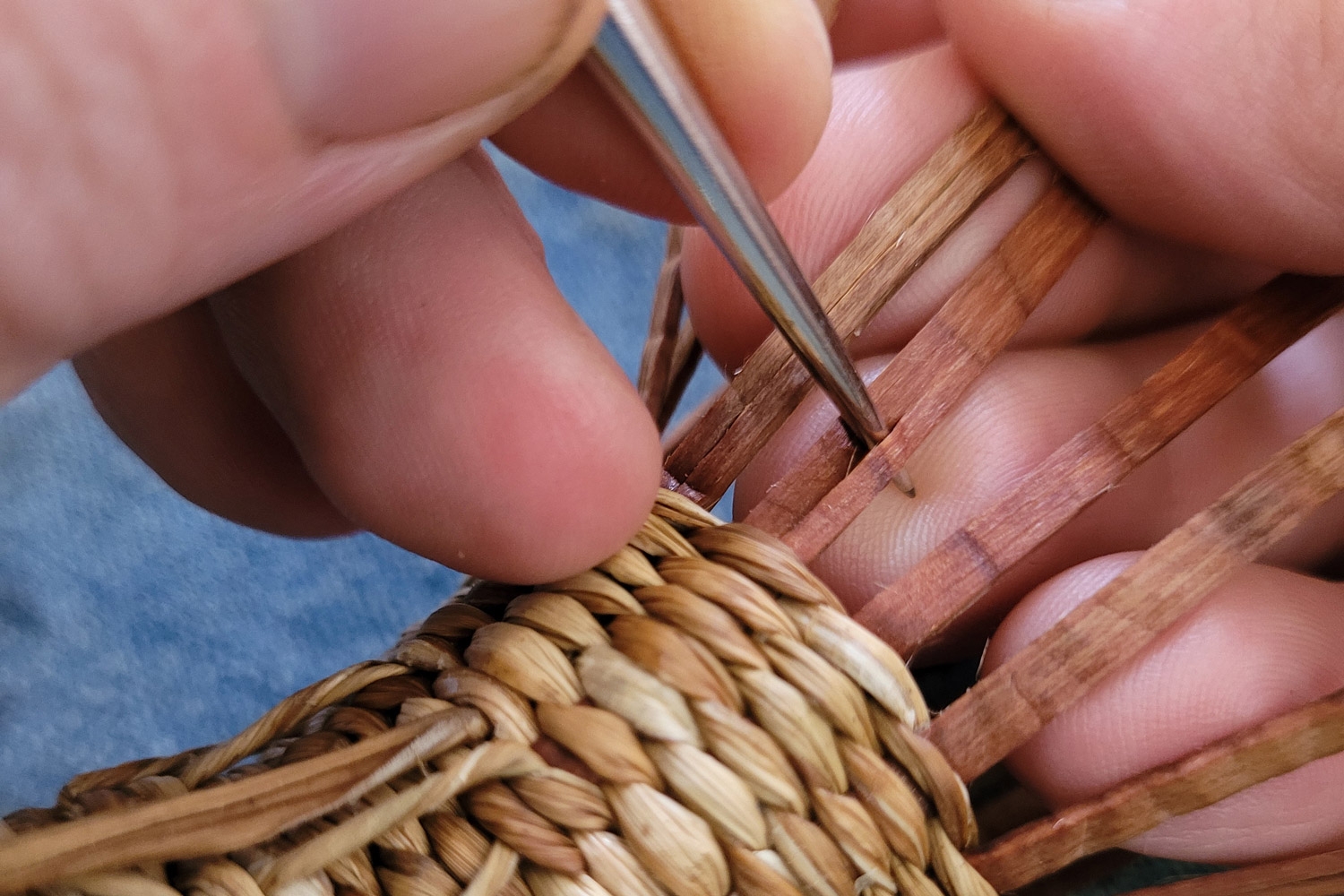
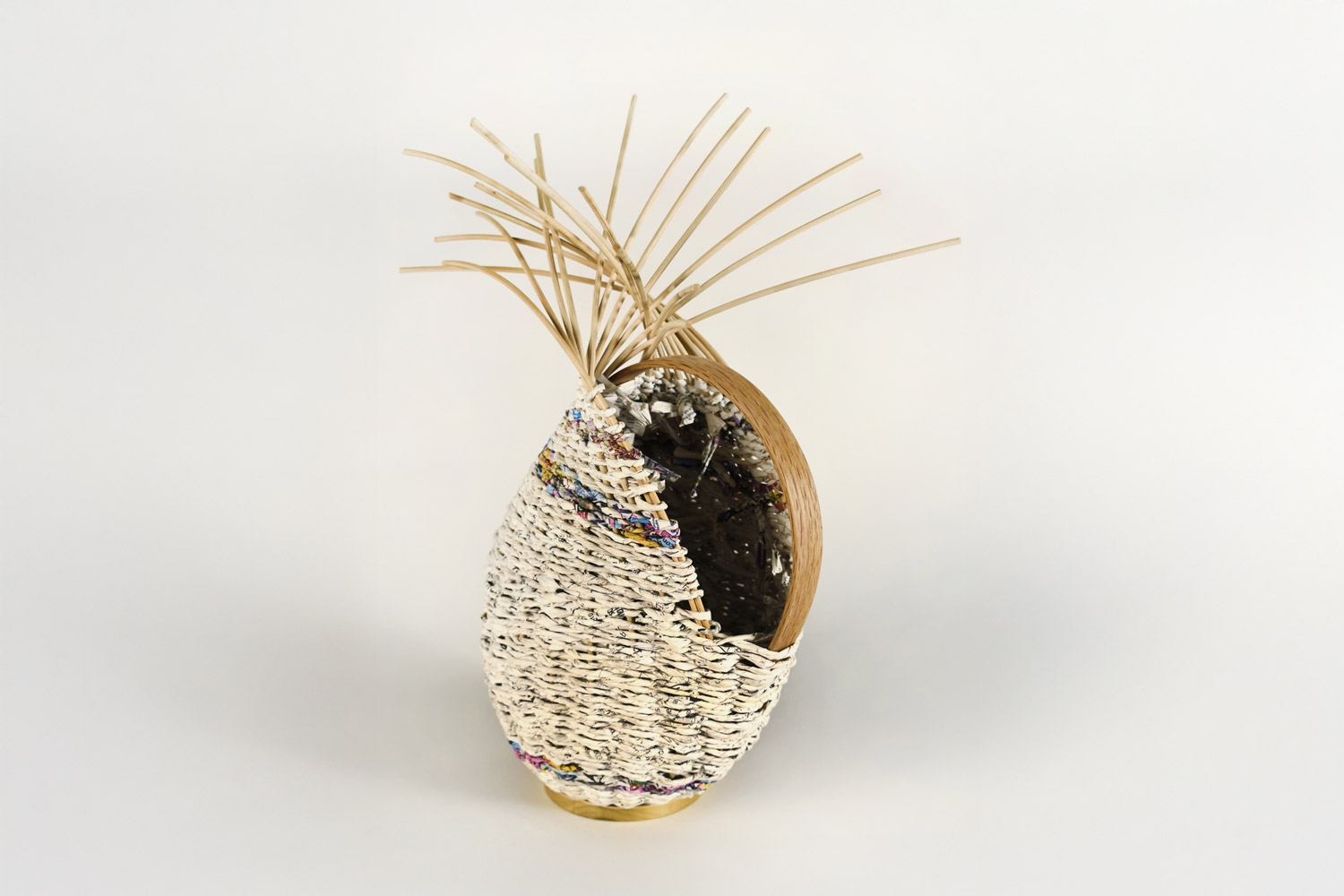
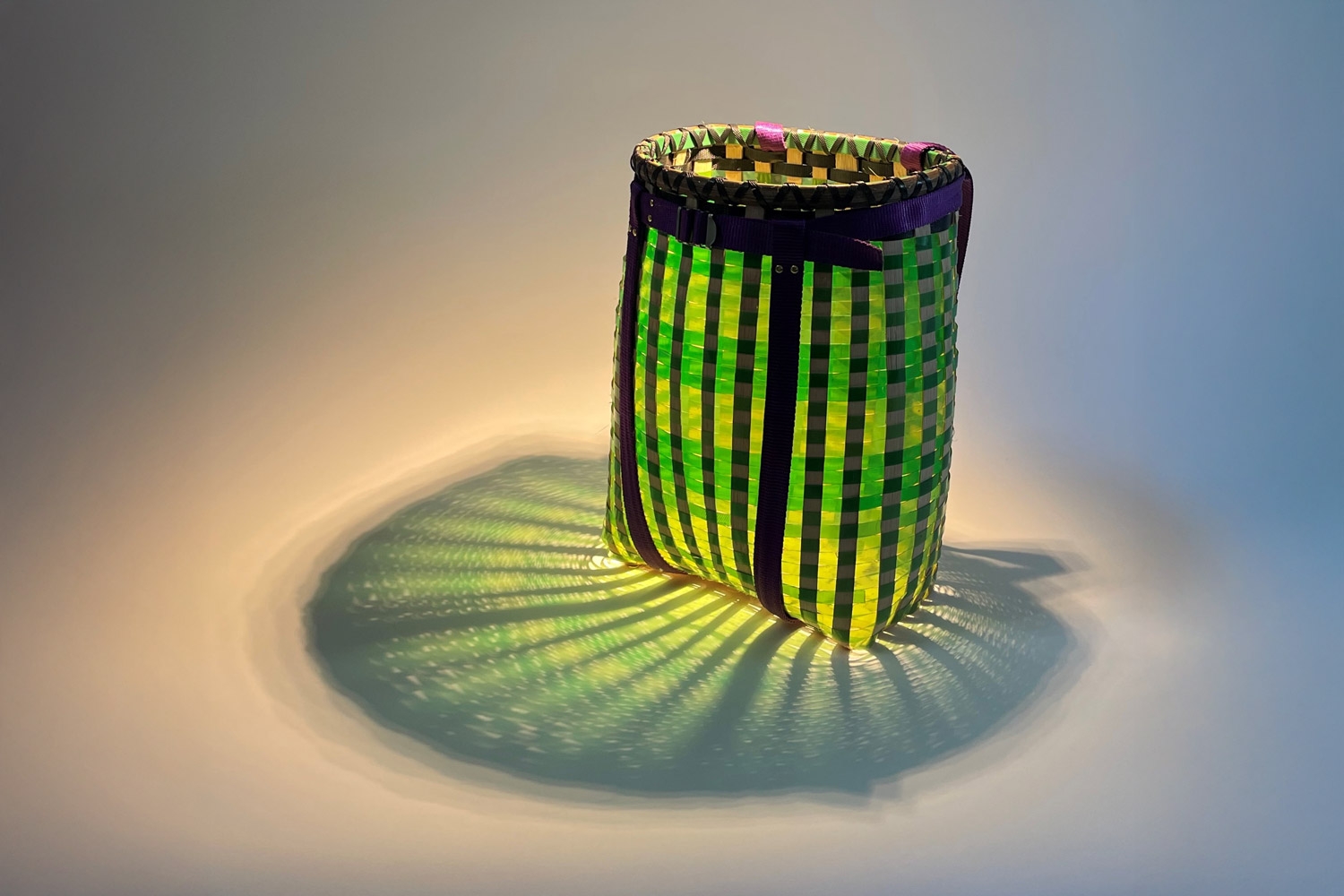
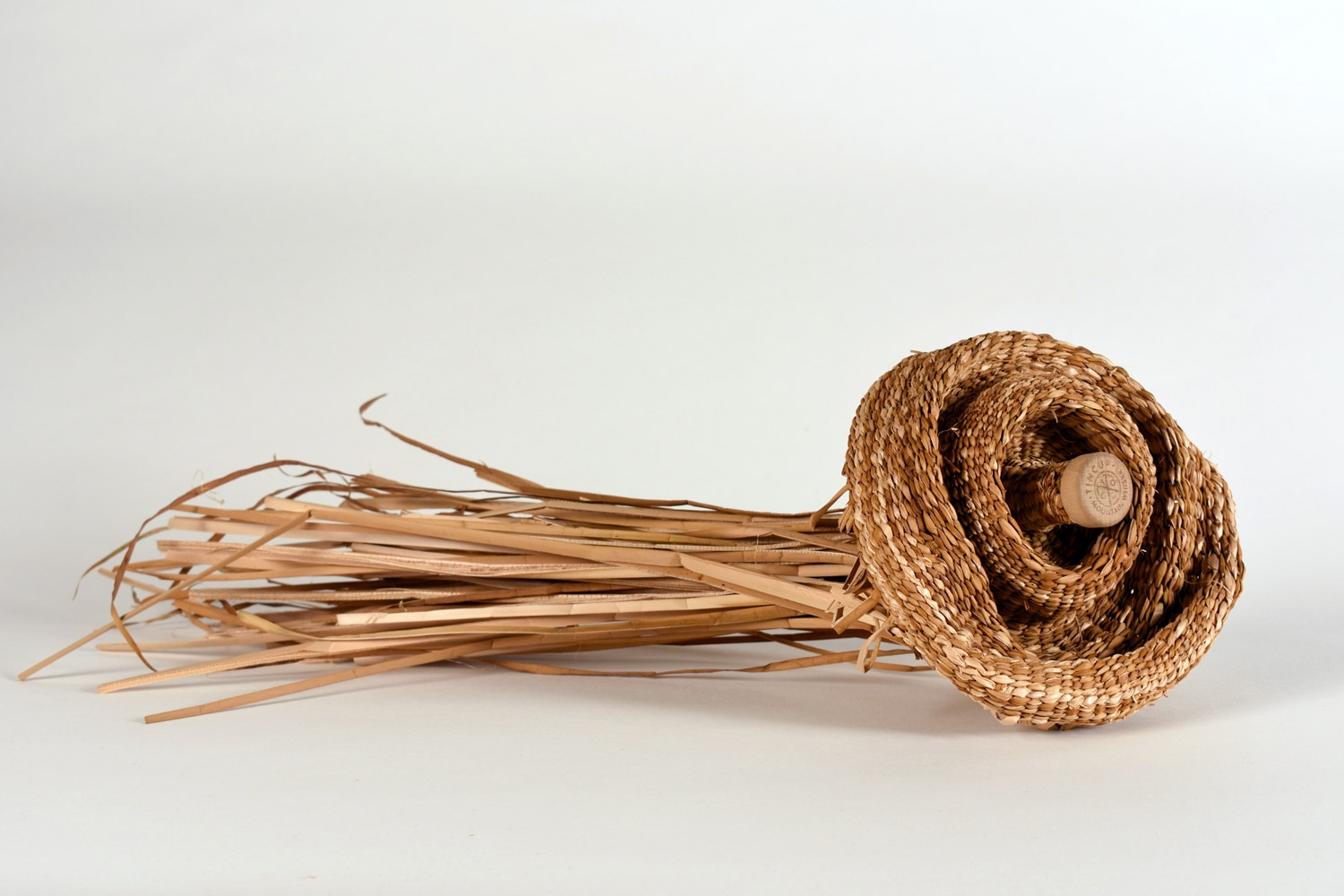
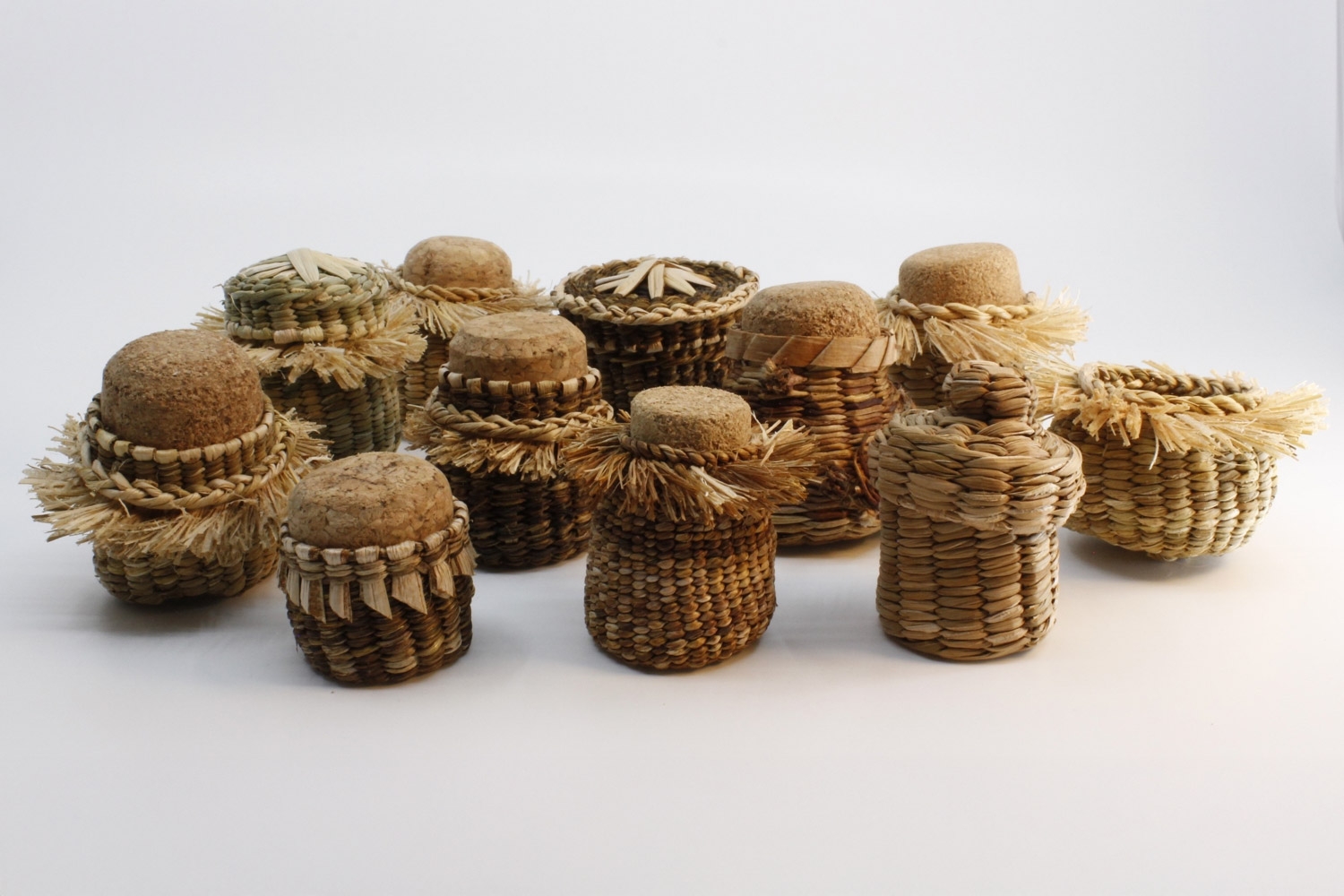
Kadey Ambrose stumbled upon basket weaving during a visit to the Arizona desert to partake in an ancestral skills gathering in 2009. "I realised that I could have a relationship with plants, and use my hands to make something useful and beautiful,” she explains. The discovery prompted Kadey to enrol in an undergraduate programme in Olympia, Washington, where she found a way to weave her passion for basket weaving into her ethnobotany studies. "Researching basket weaving traditions allows me to explore my Irish, Scottish and German heritage,” she says. "Many of the materials I gather in Alaska, such as willow or cattails, also appear in Western European basketry." Kadey's deep commitment to environmentalism allows her to enjoy weaving her baskets, covered vessels and pack baskets in post-consumer materials.
INTERVIEW
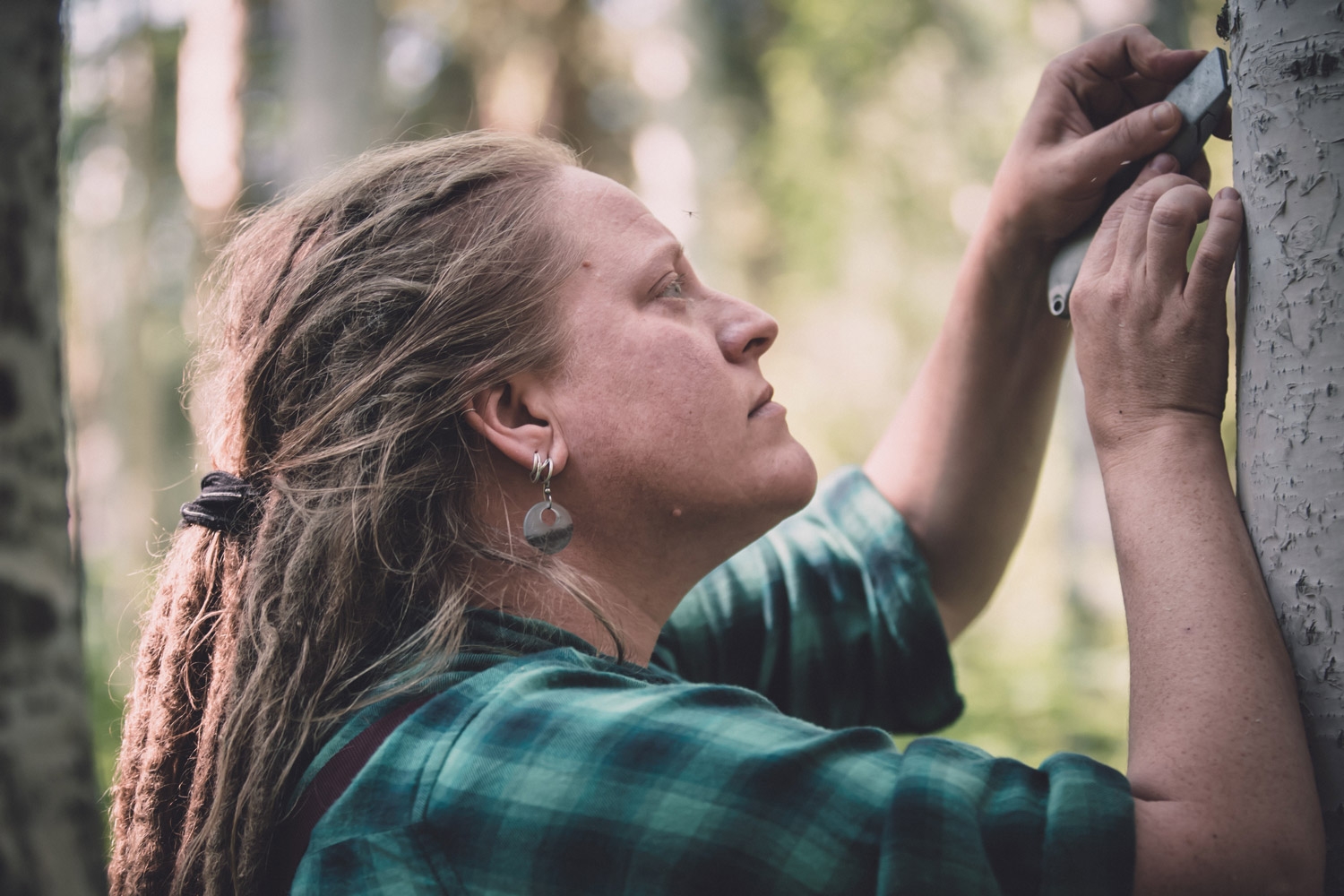
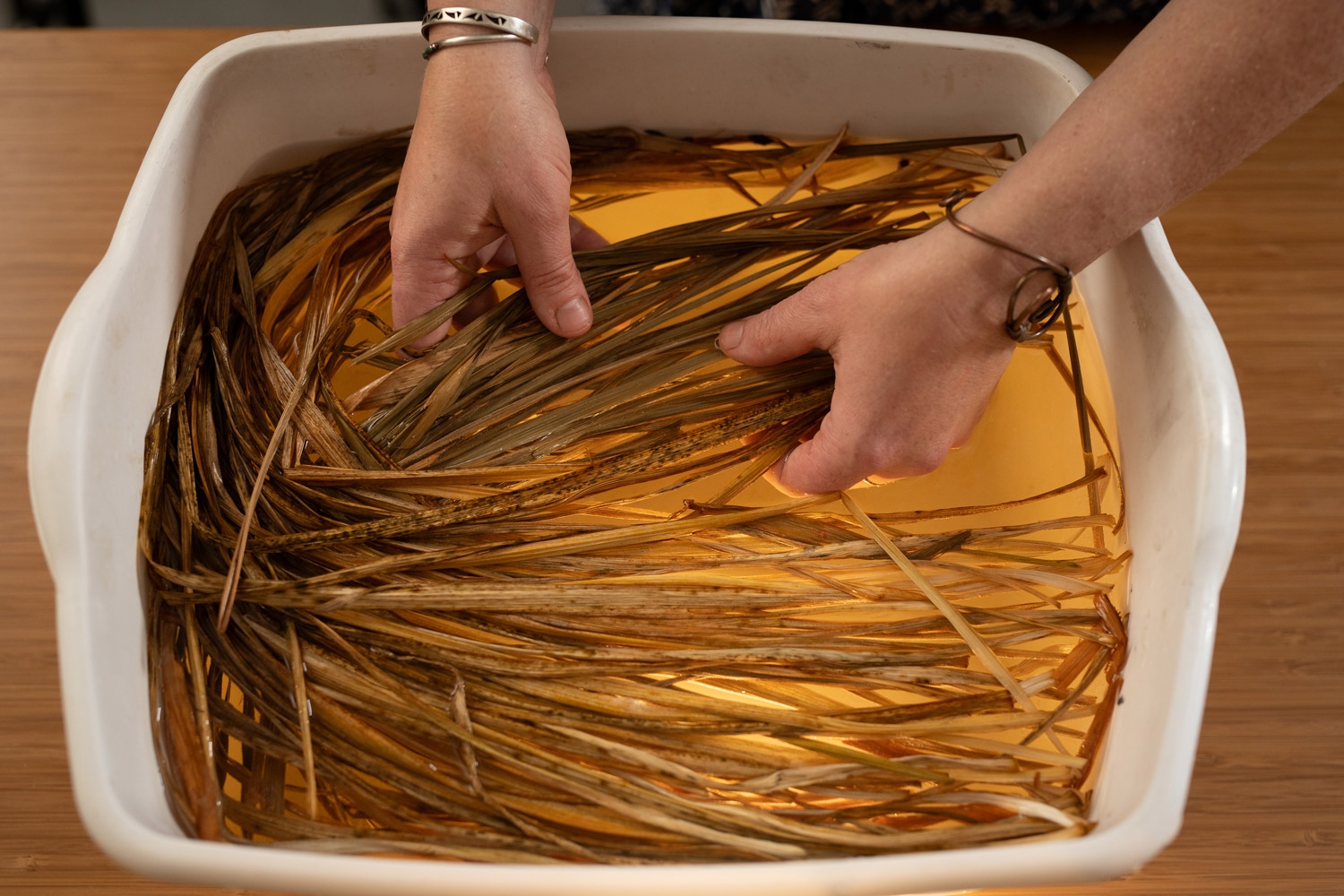
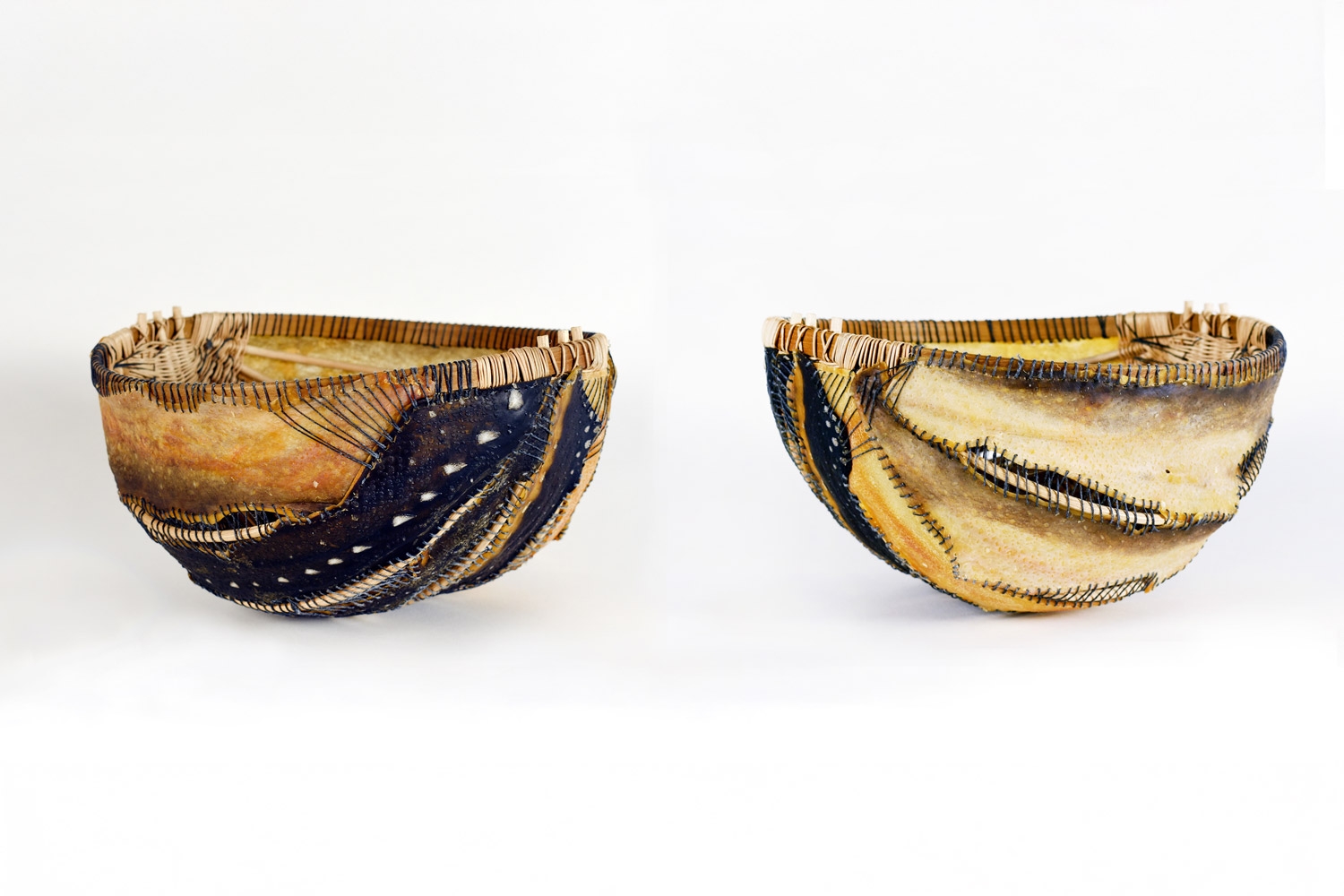
I start by gathering or scavenging nearly all the materials I use, from wild plant materials to old receipts and reclaimed nylon straps. I have even made vessels from cured sturgeon skin given to me by a local fishmonger. I might do some research before getting started, but I do not always have a specific outcome in mind. My work tends to reveal itself over time.
I feel a duty to share the knowledge that was shared with me by my mentors, such as Karen Magnuson at Earthwalk Northwest wilderness school. From an environmental standpoint, I believe that a connection to any type of craft tradition anchors you to the place you are in. To me, that is a vital form of environmental literacy that could change the world.
I love the amazing, supportive craft community. I have met and worked alongside craftspeople from all over the country whose support and generosity of knowledge really shaped and propelled my career.
Yes. There is a space for basket weaving in the art world, and it is growing, slowly but surely. We have been making baskets, more or less, the same way since the dawn of humanity, so there is a real importance in maintaining this living cultural artefact.
Kadey Ambrose
Basketweaver
Fairbanks, AK, USA
Recommended by Nest
ADDRESS
Address upon request, Fairbanks, AK, USA
AVAILABILITY
By appointment only
LANGUAGES
English
Homo Faber Finds is a new service aiming to inspire admirers of craft to connect and collaborate with exceptional artisans.
We invite you to submit an enquiry here.