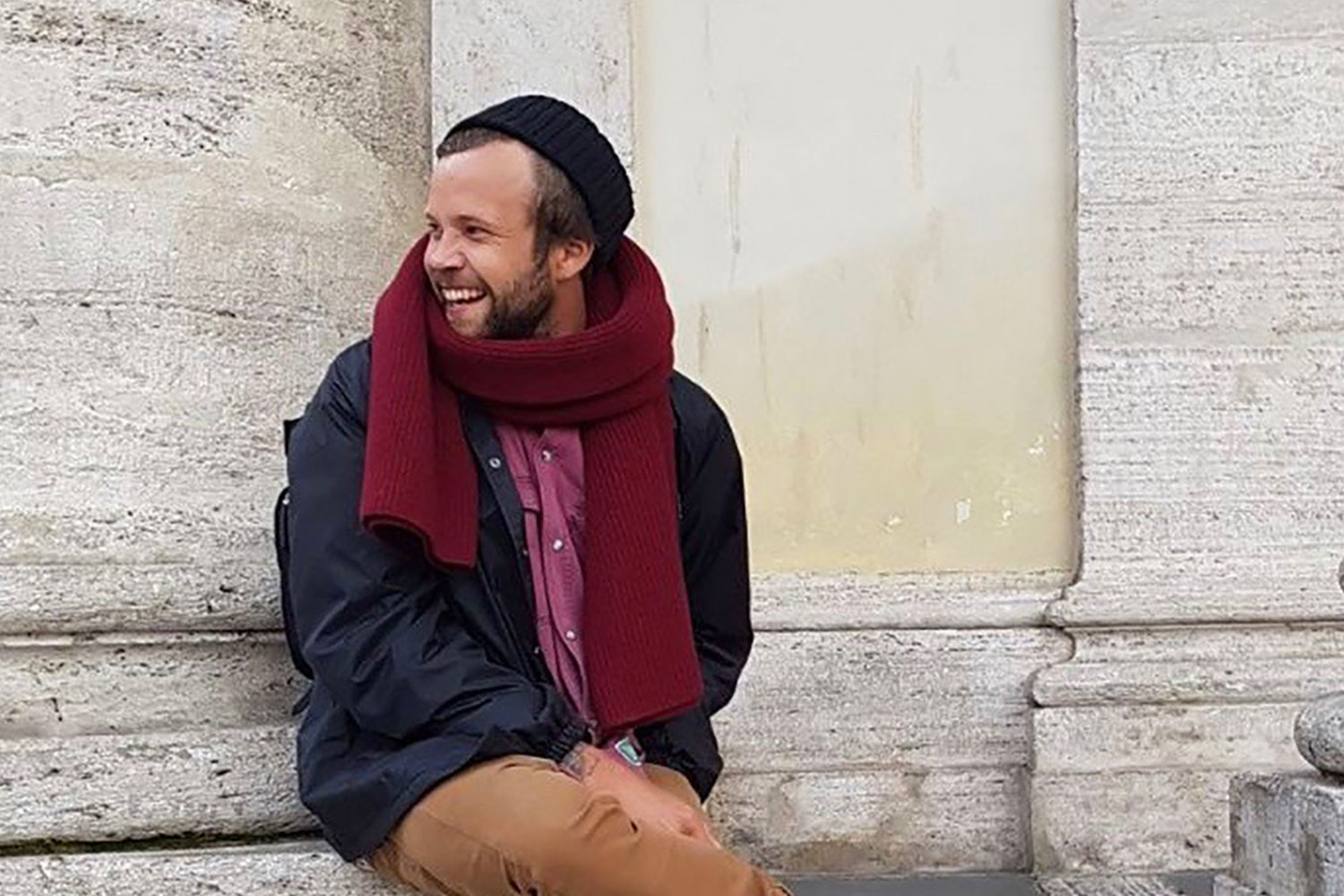
Peeta Tinay
Basketweaver
Orinda, CA, USA
A journey towards basketry
- Peeta is trained in basketry through decades of wicker restoration
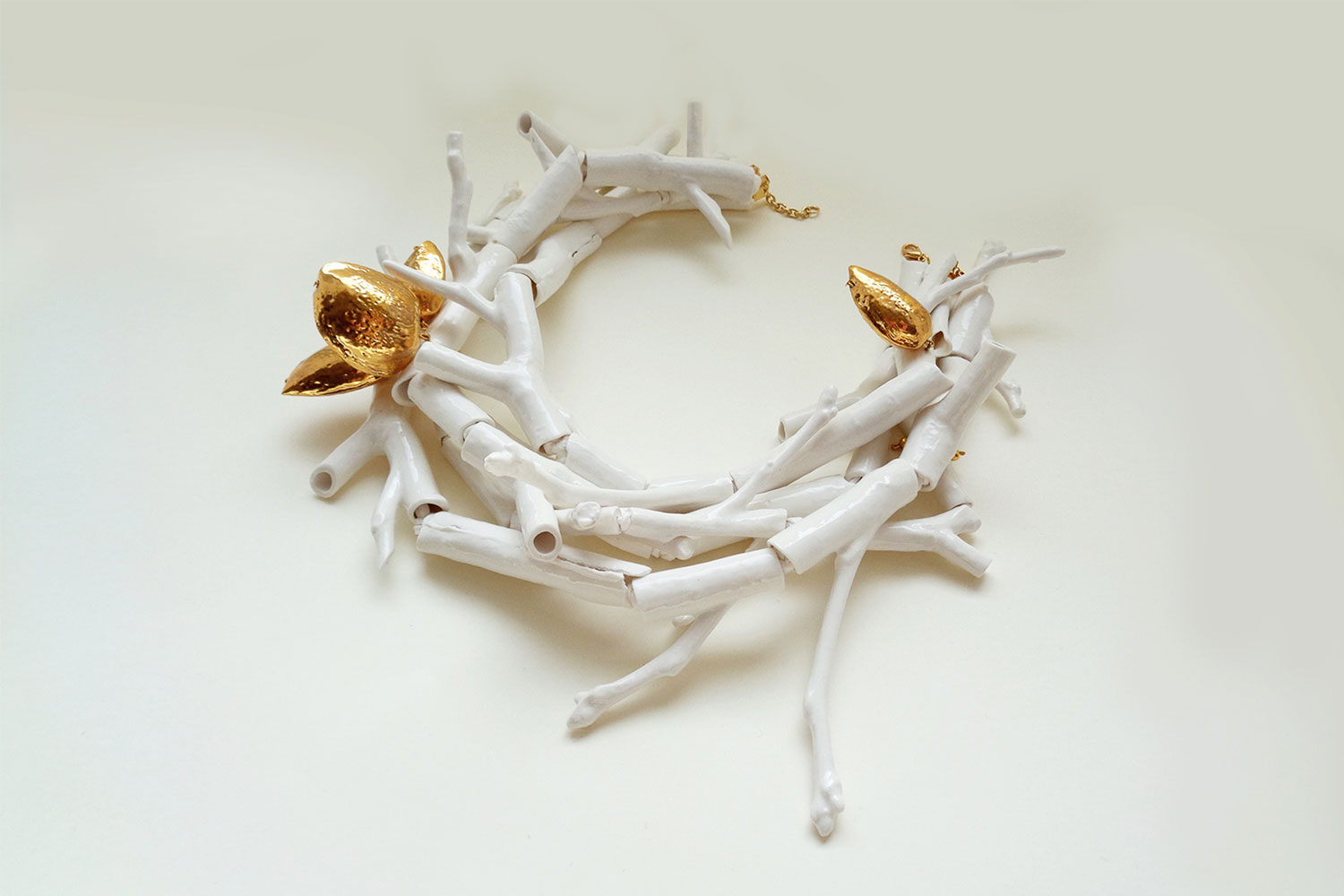
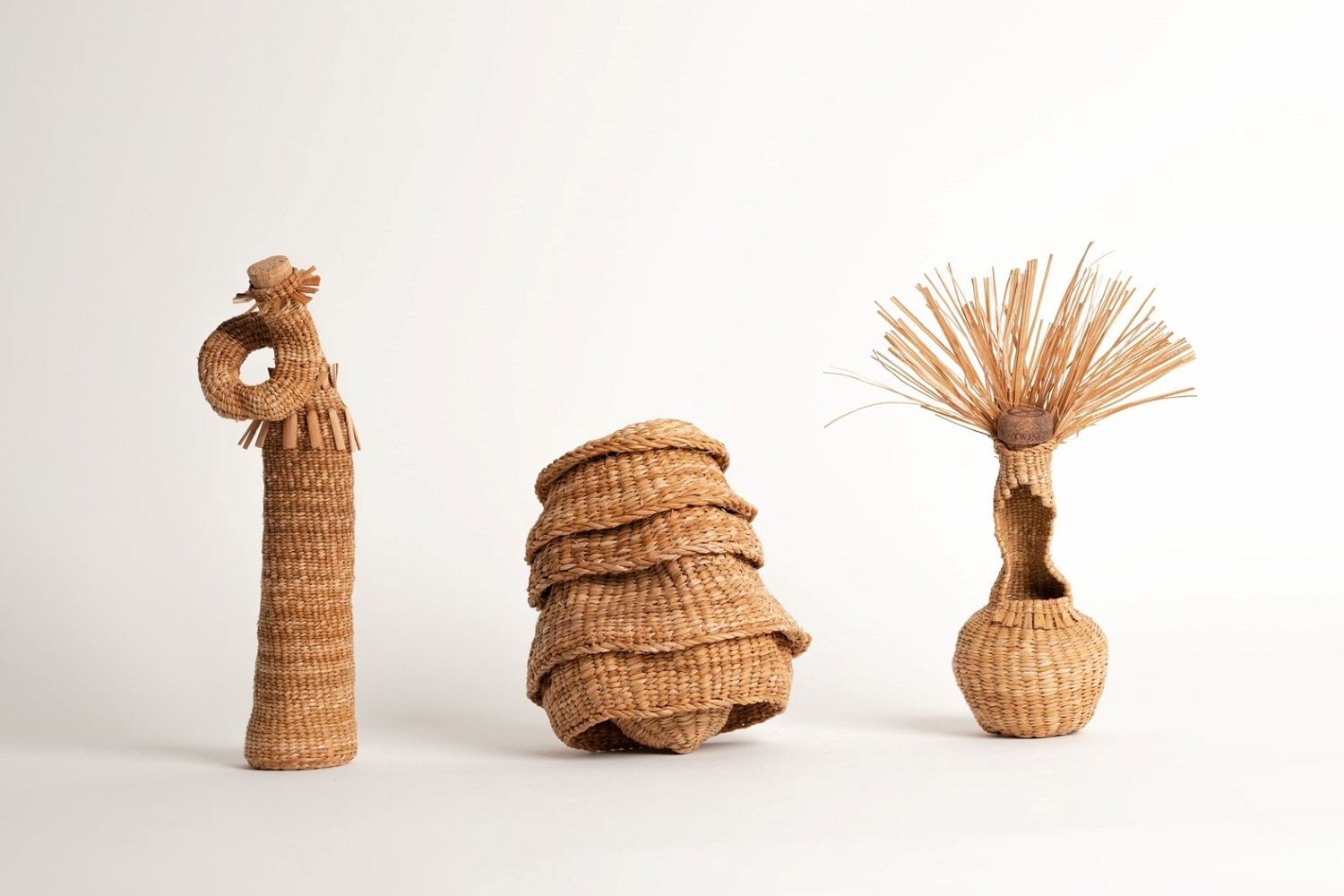
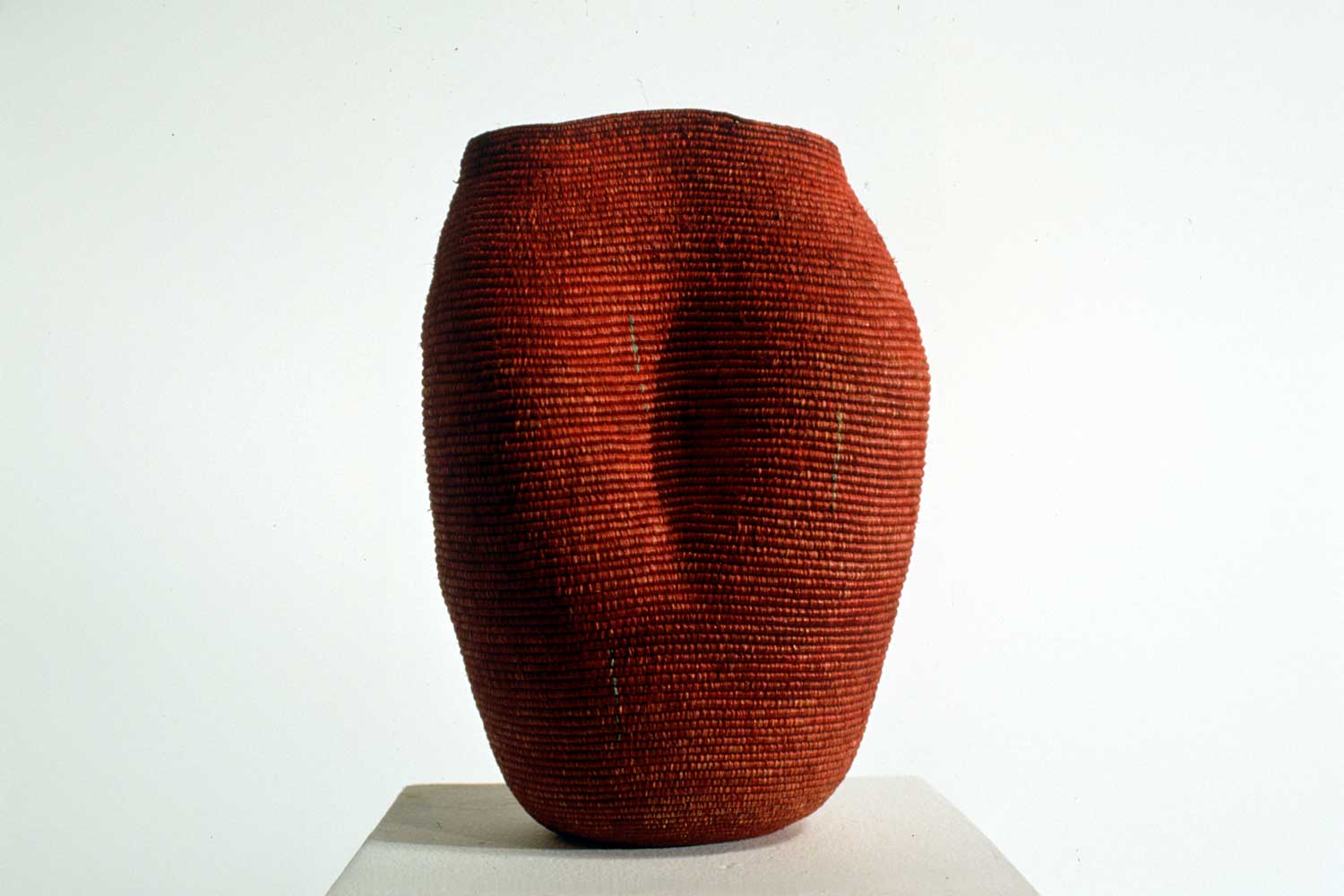
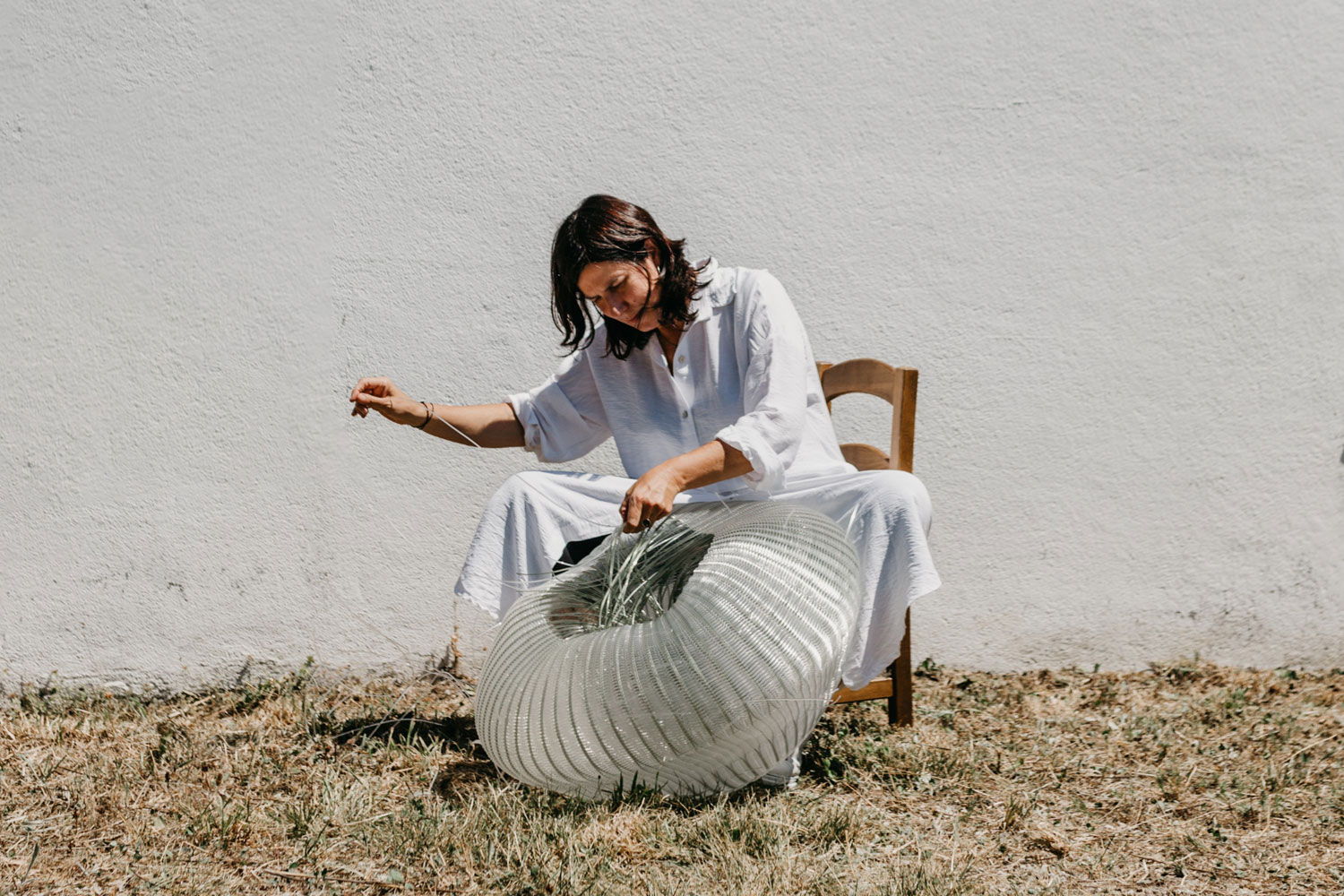
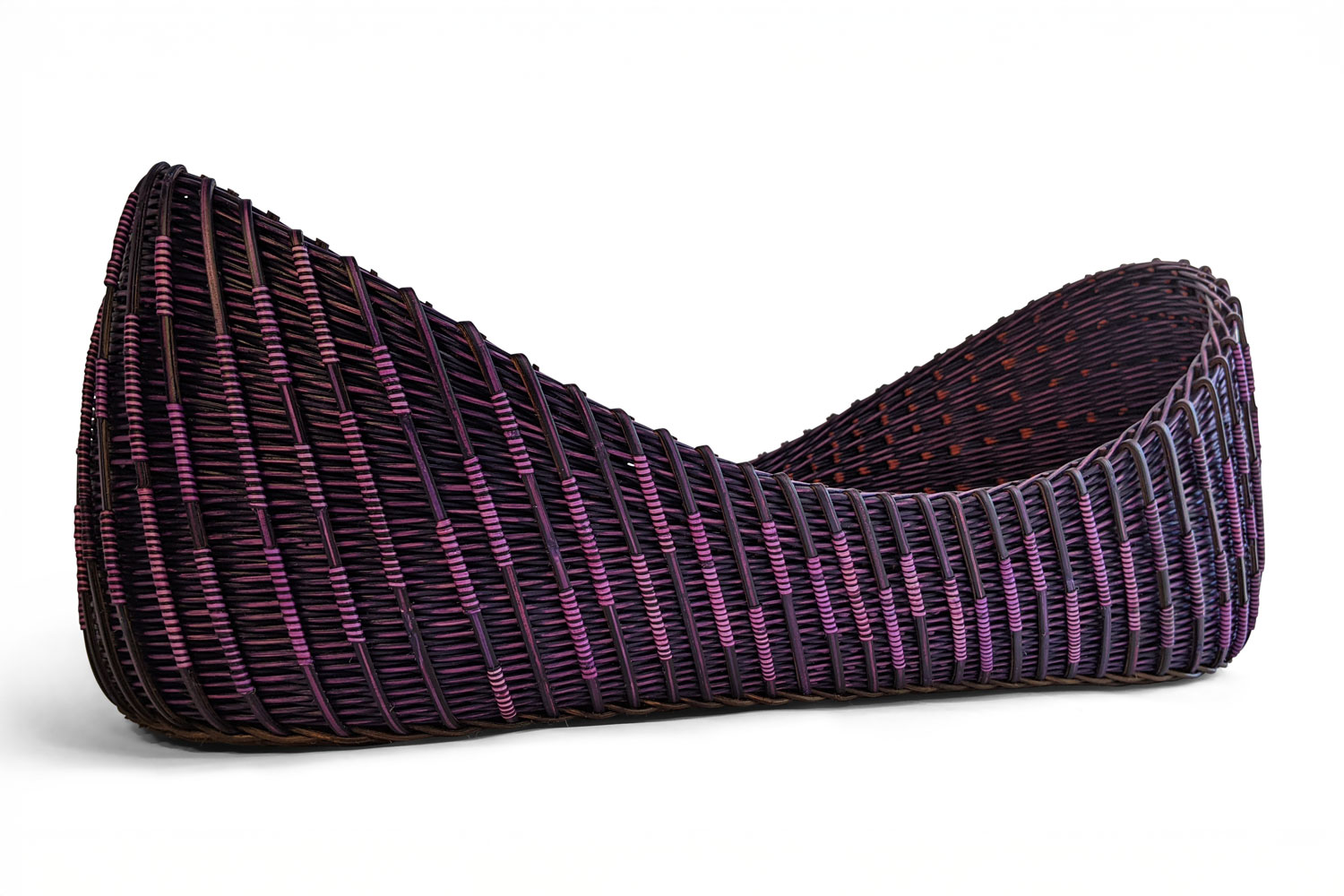
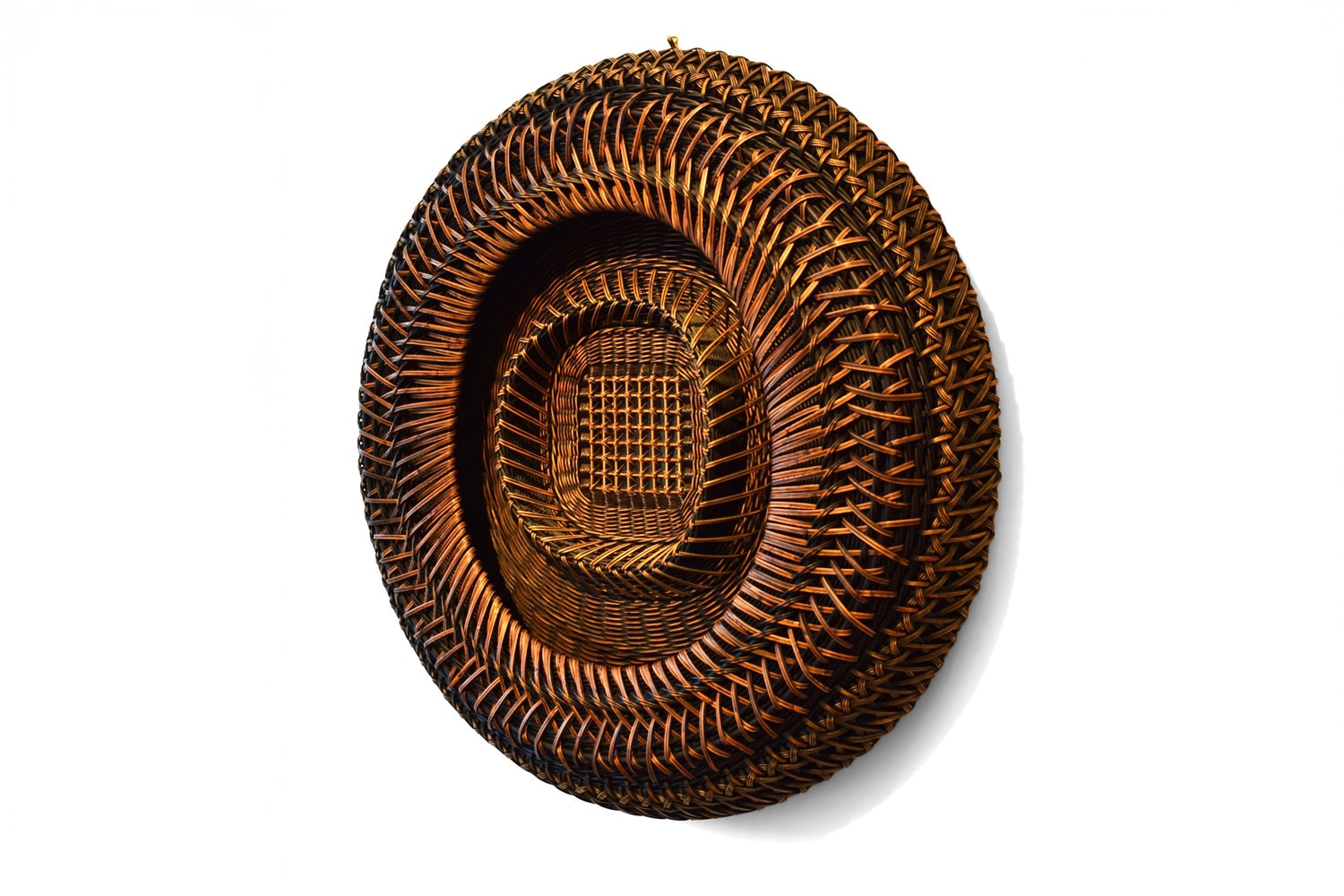
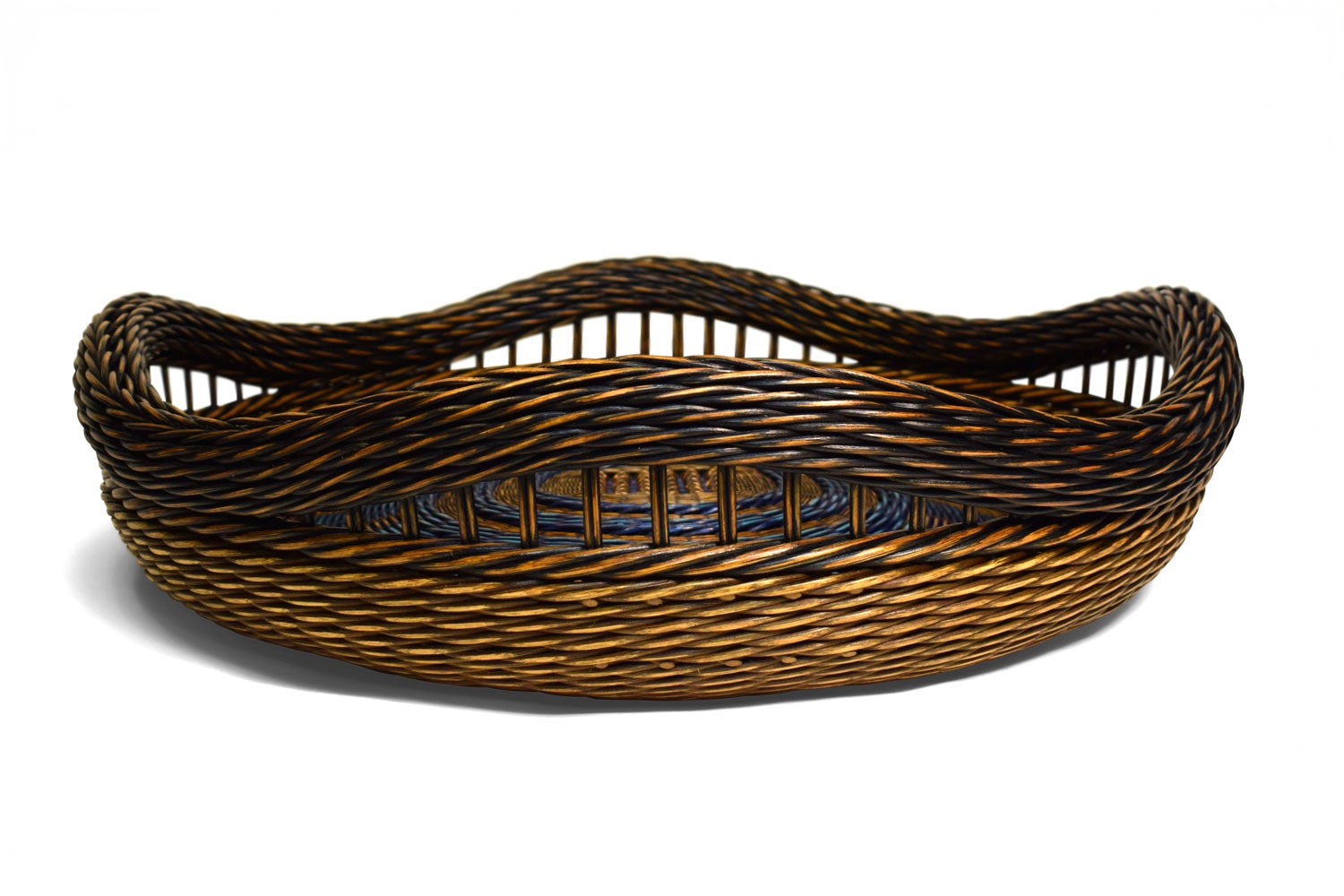
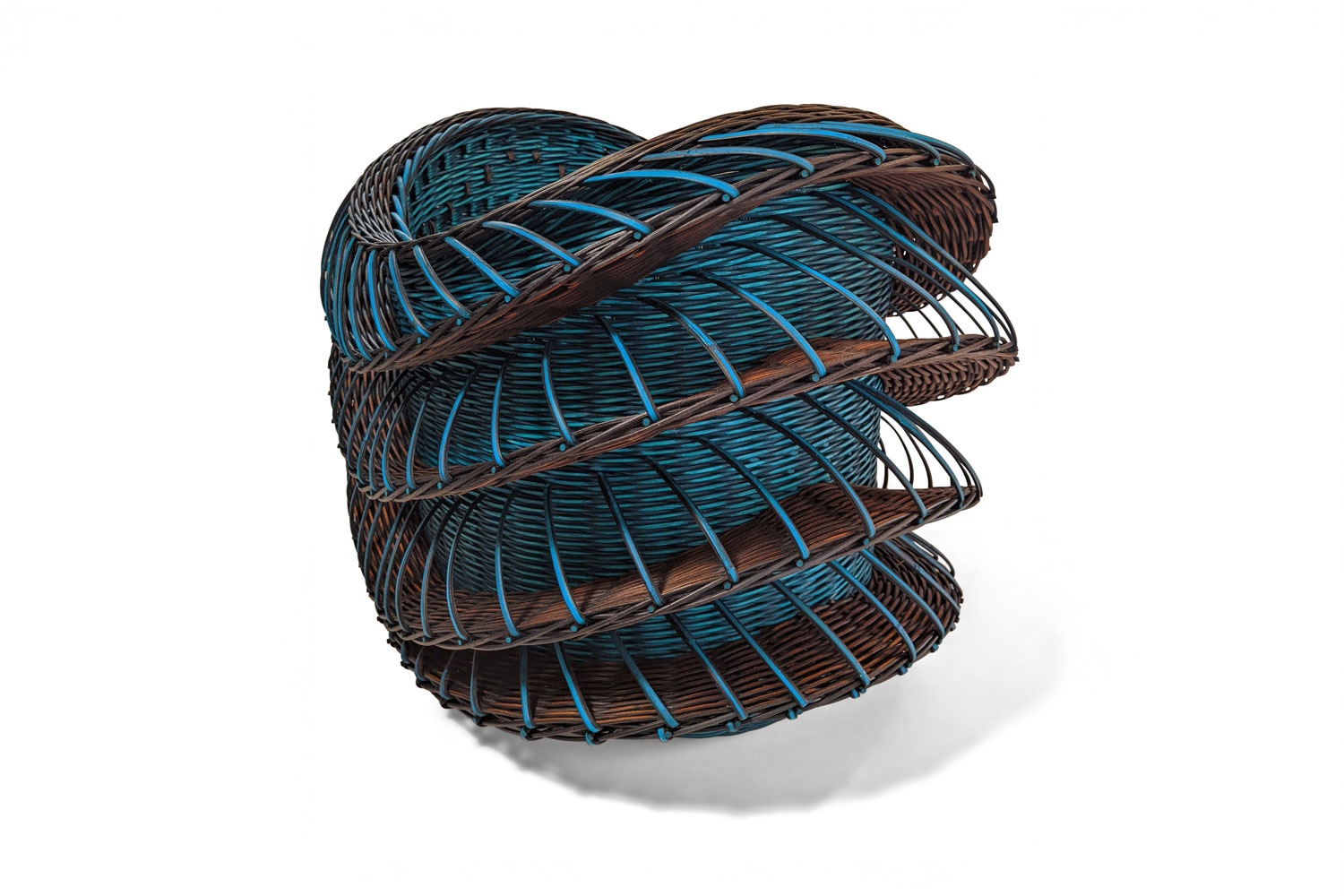
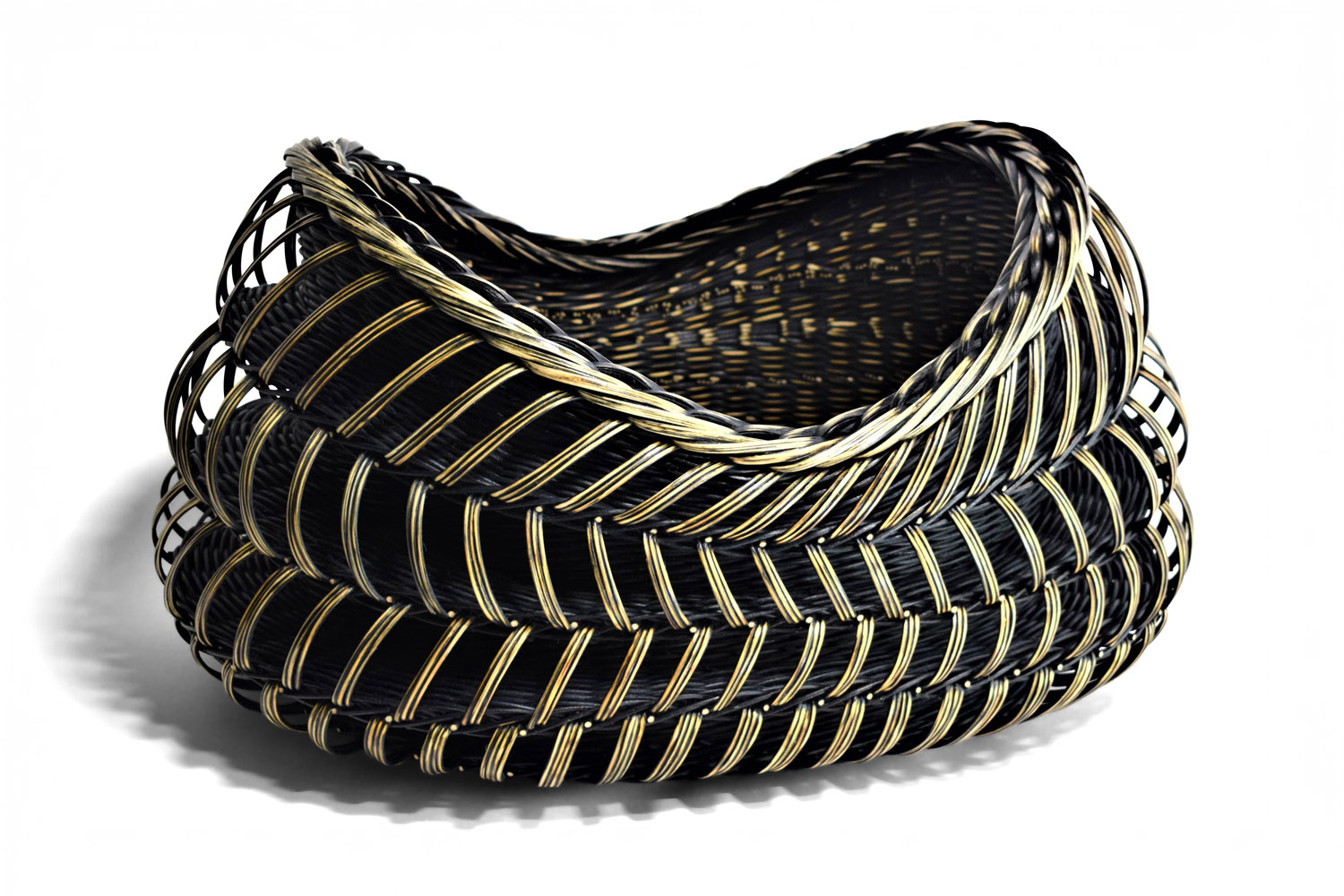
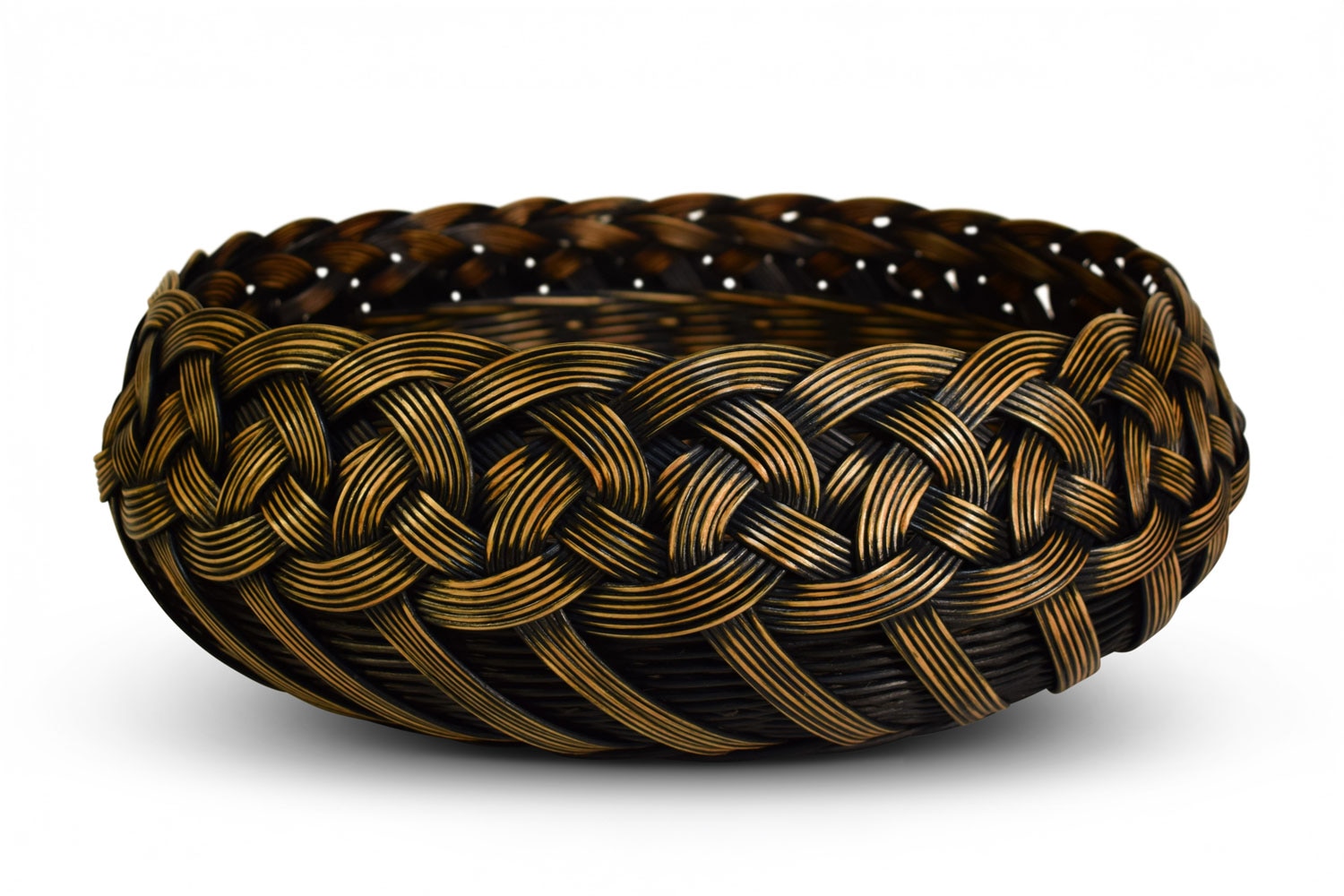
- Her works are grand, intricate sculptural pieces
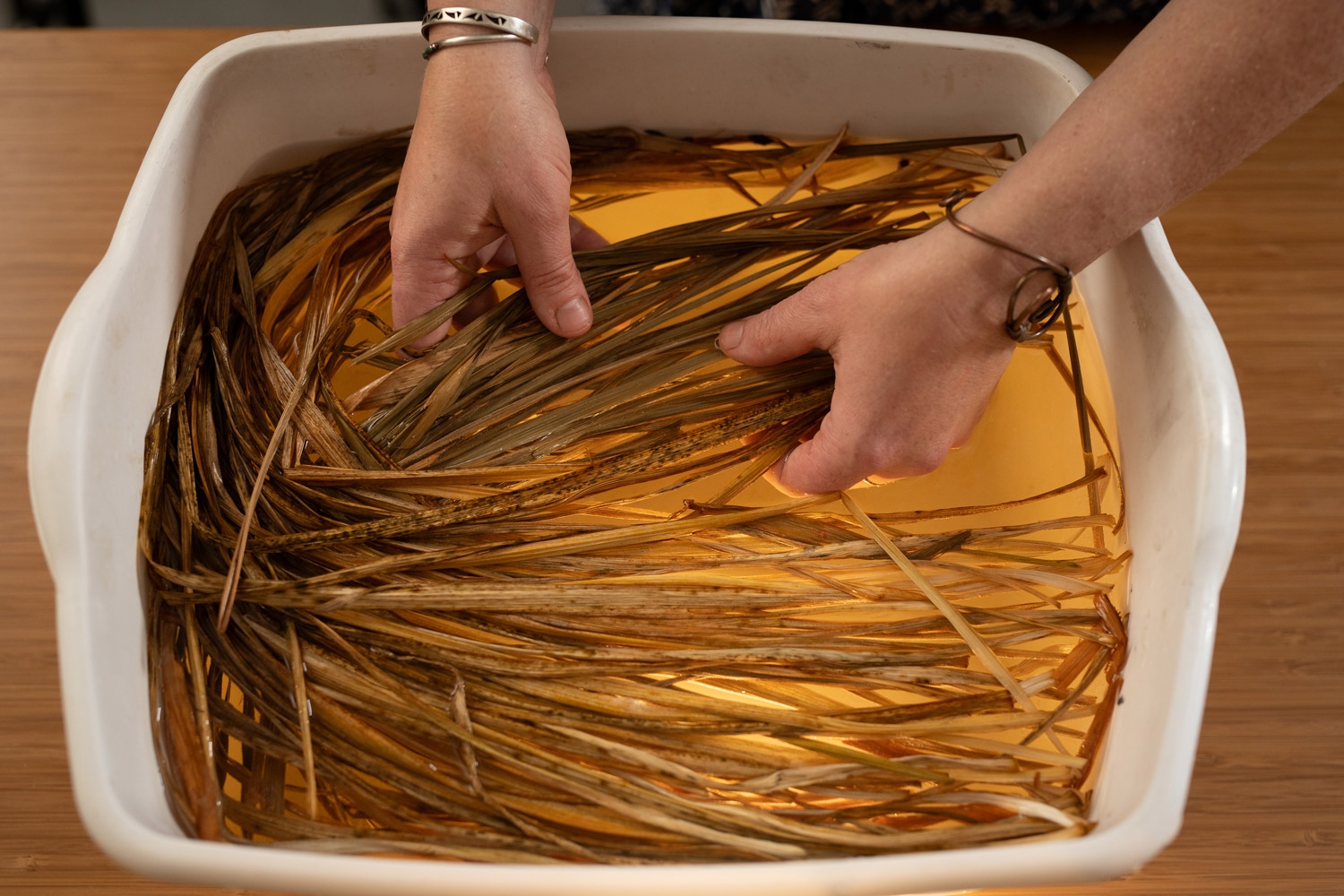
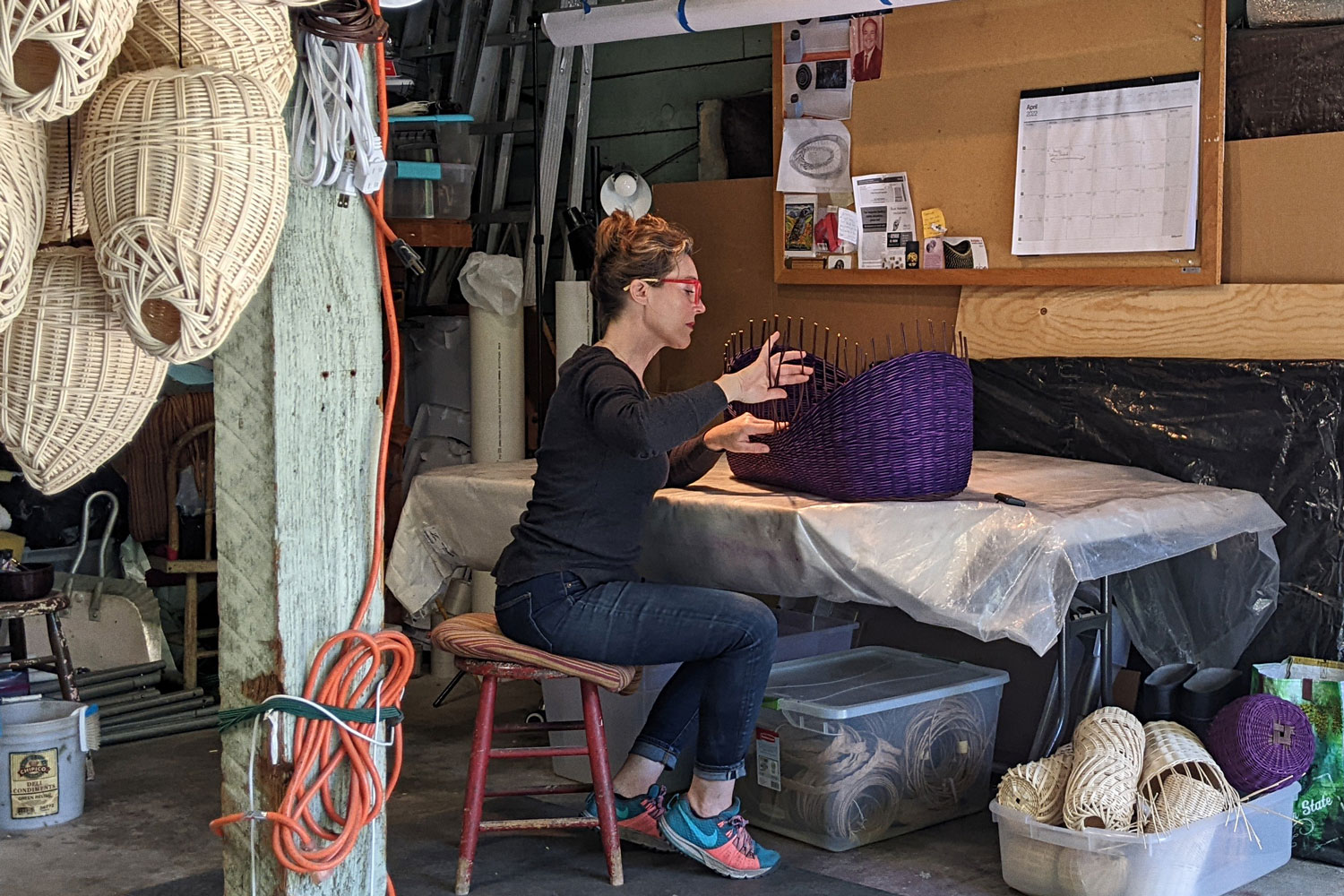
- She loves working with colour and dyes her own materials
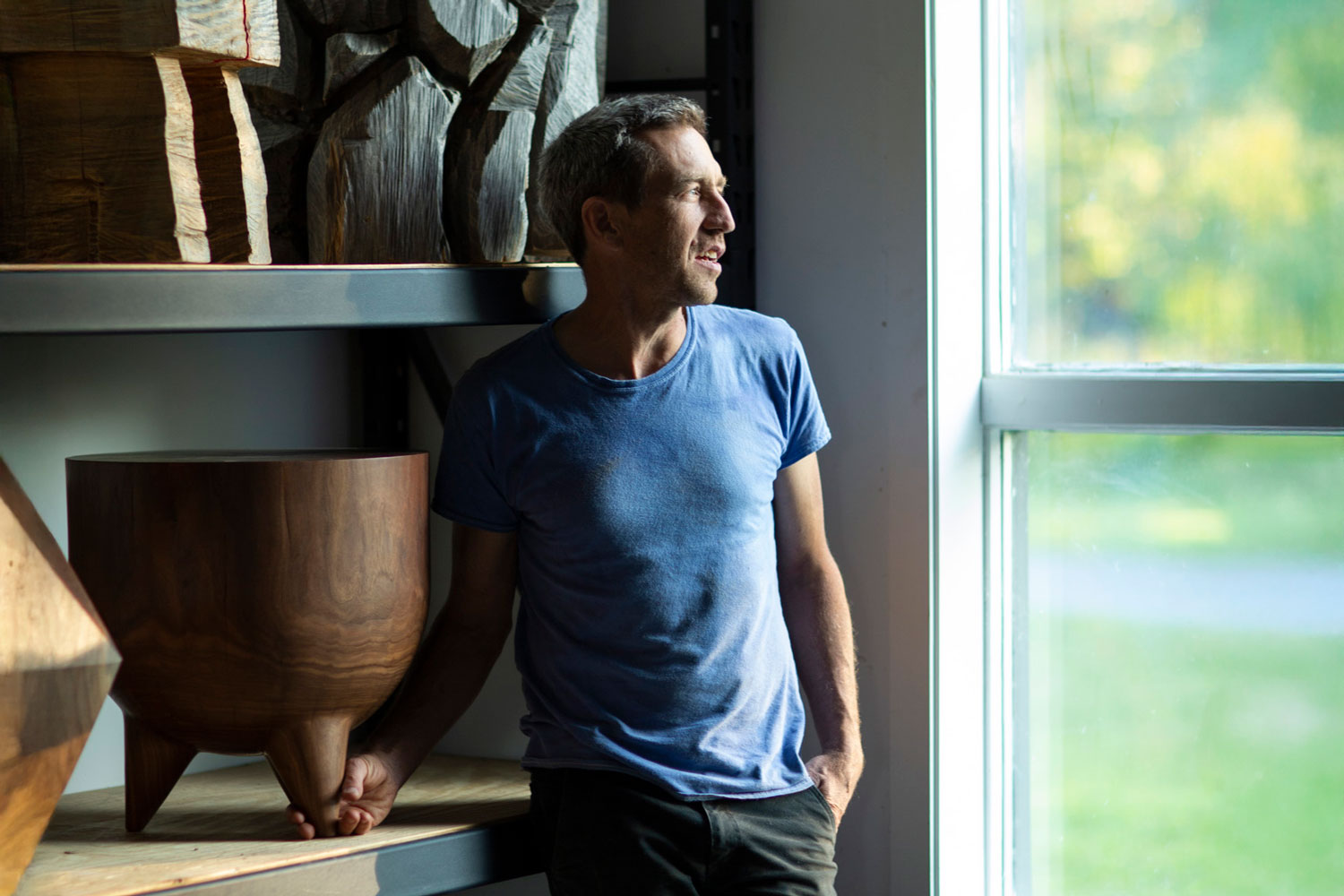
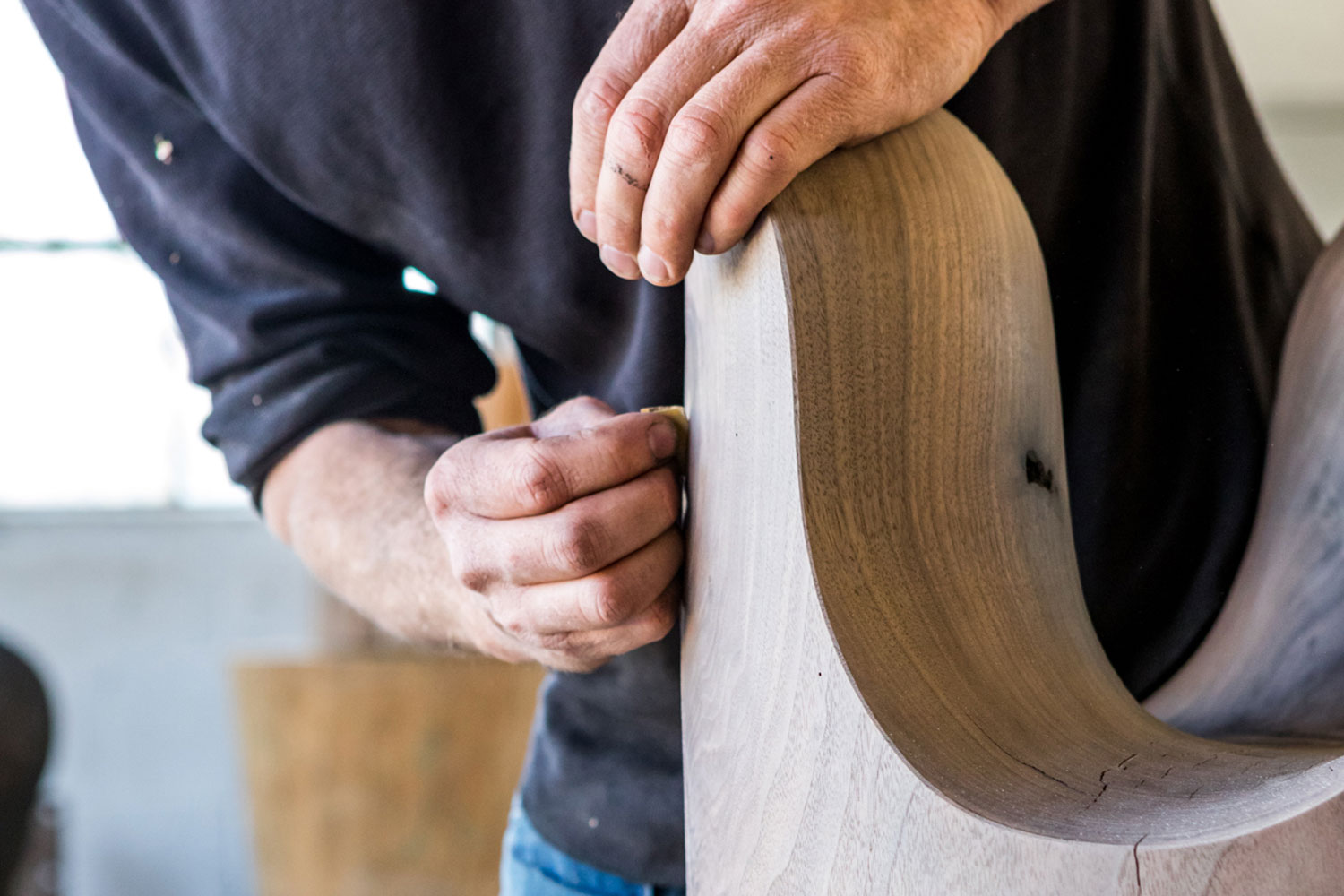
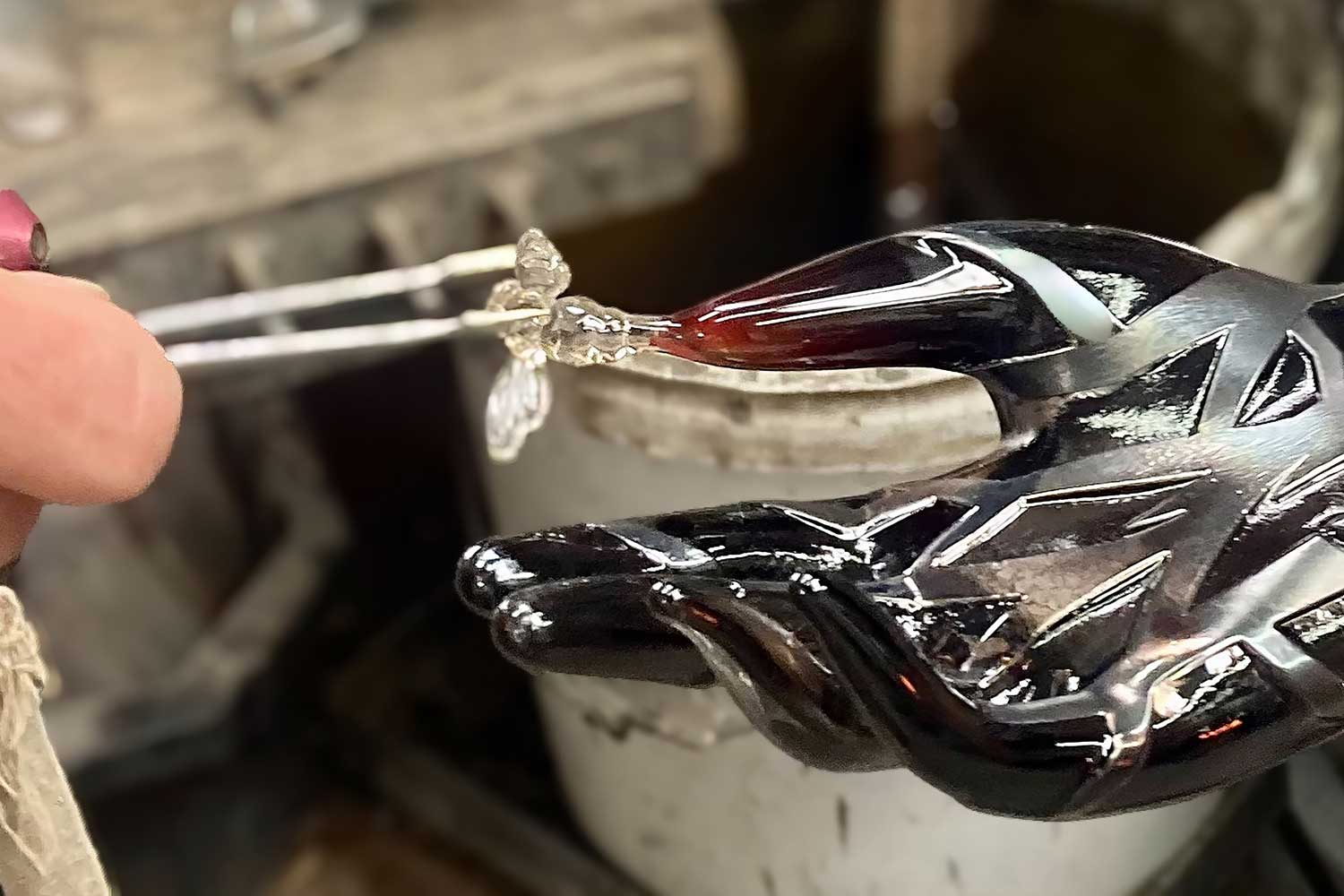
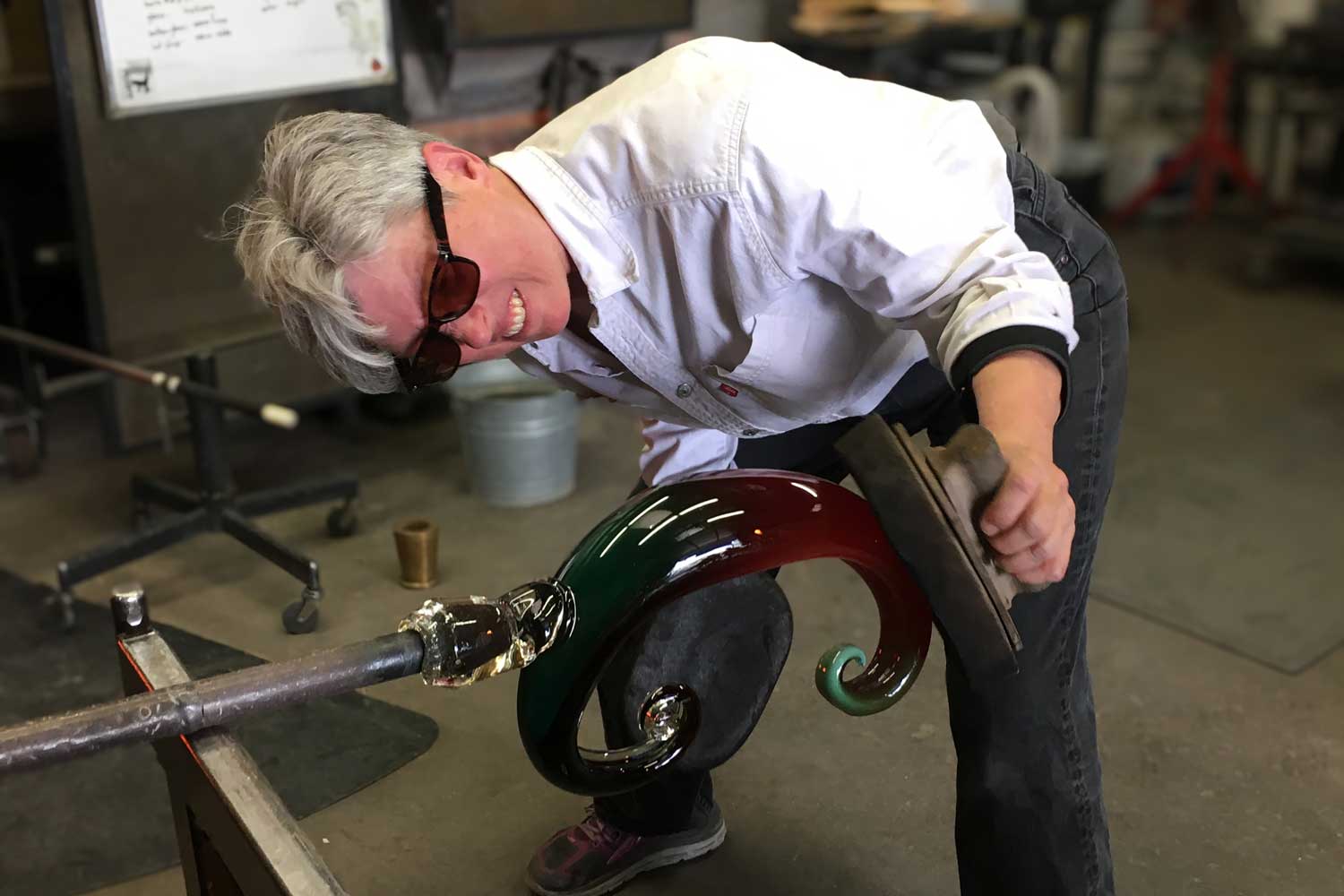
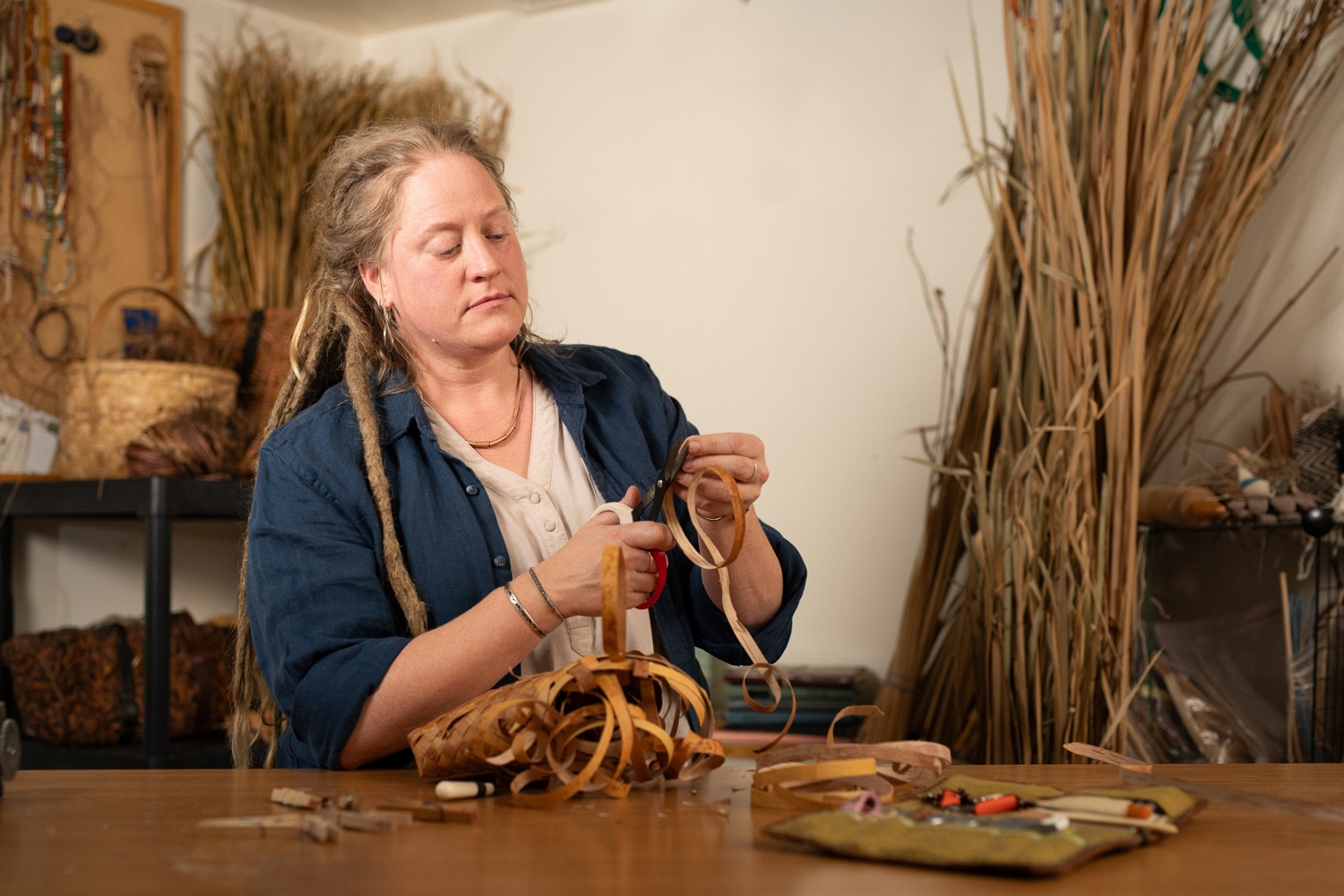
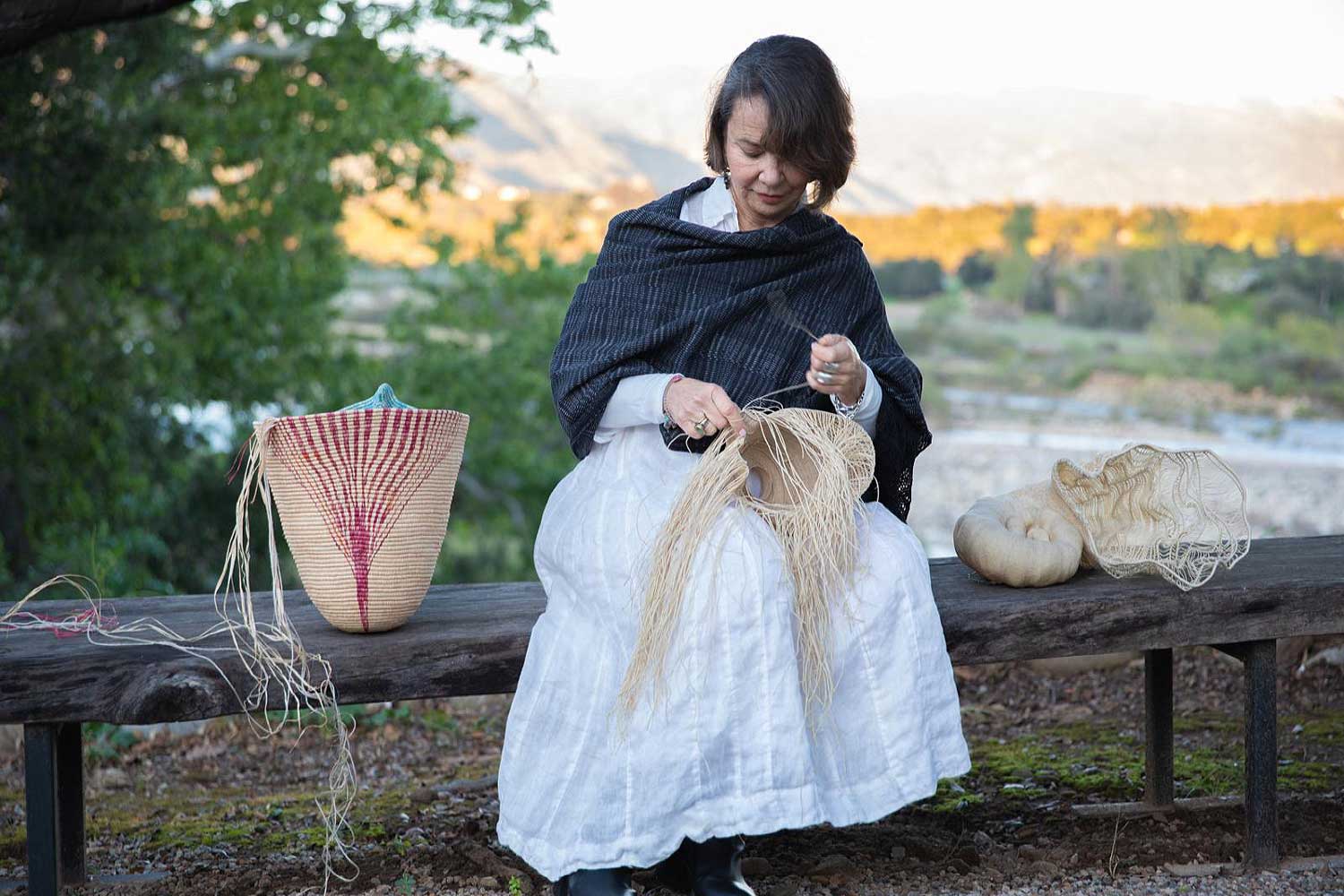
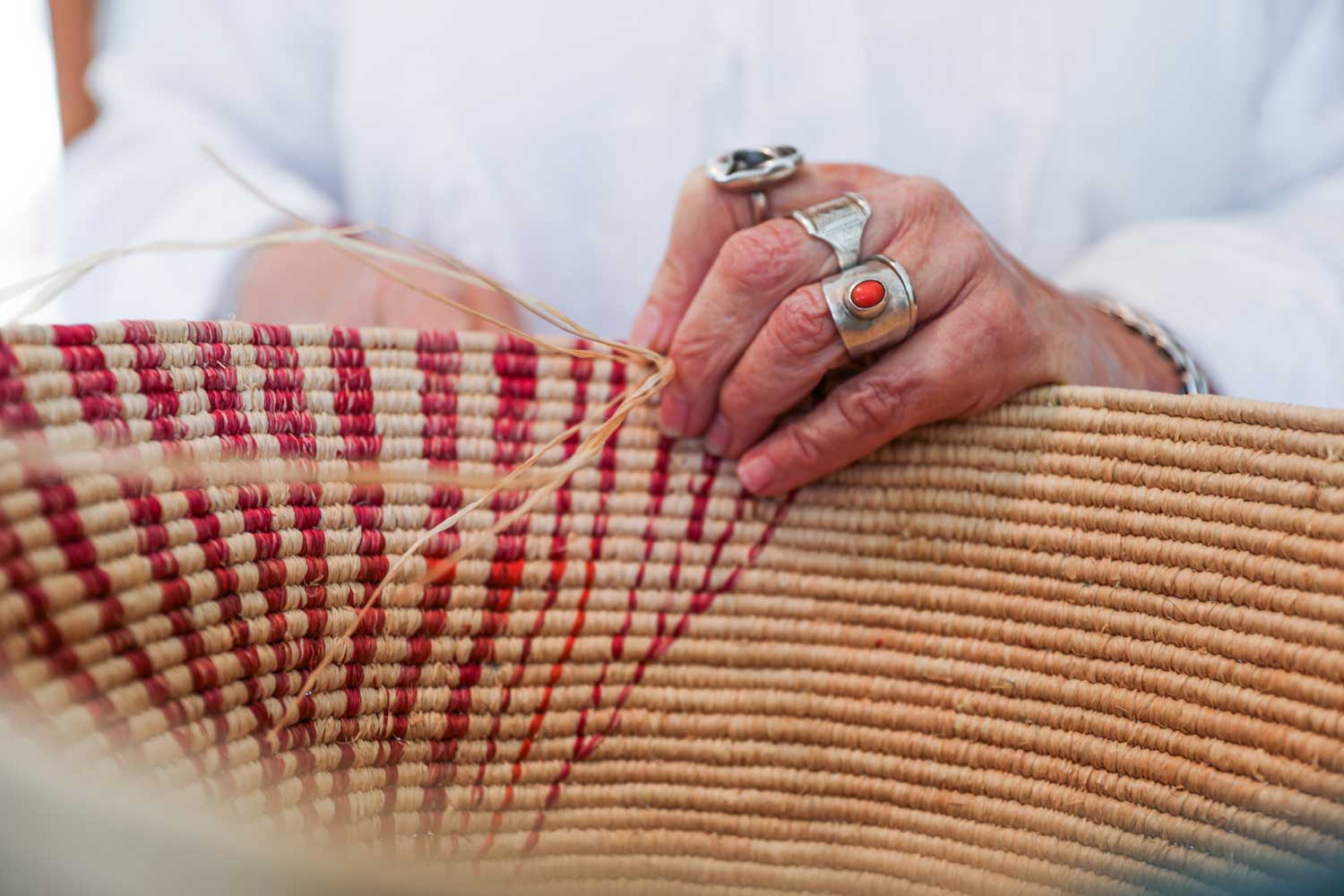
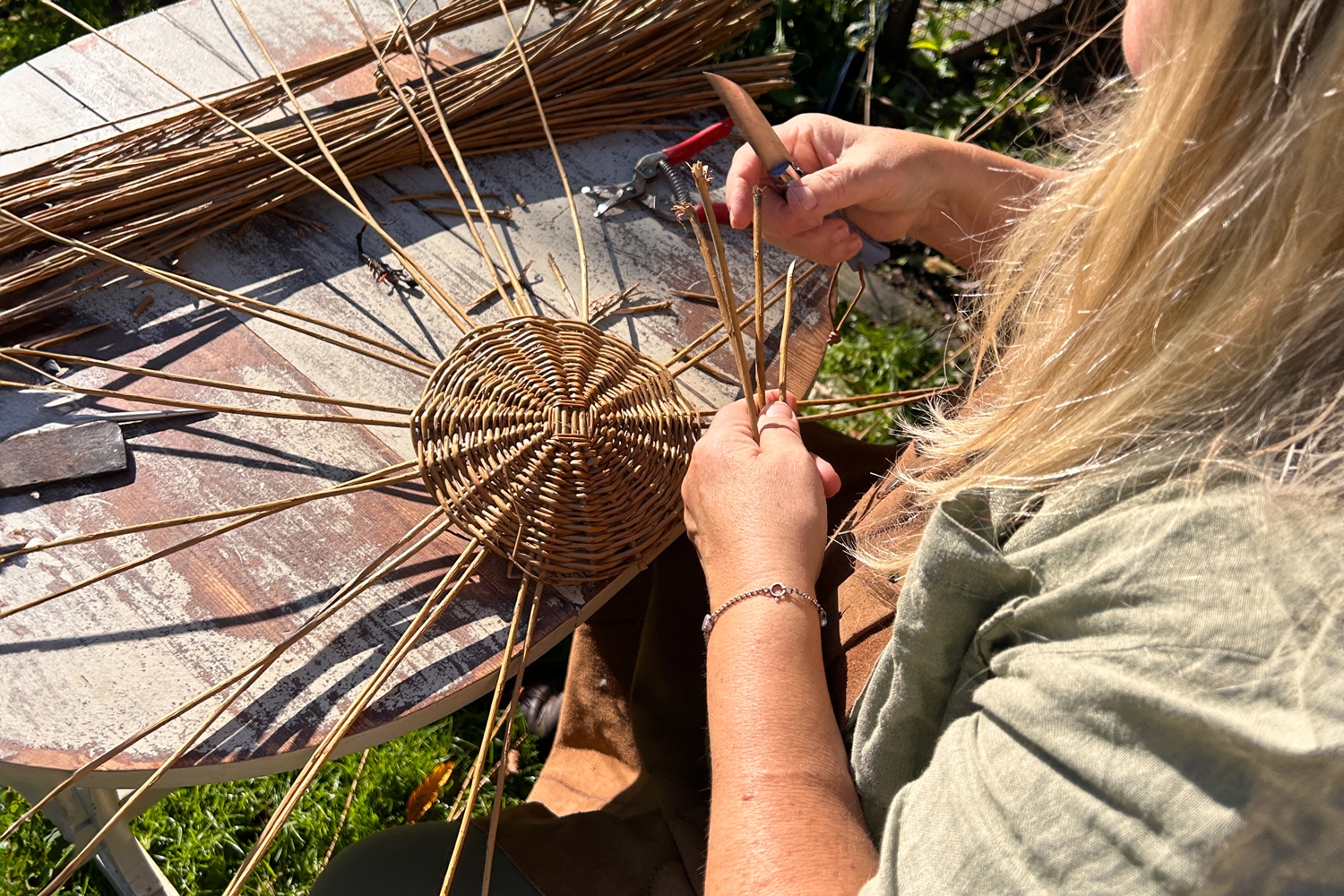
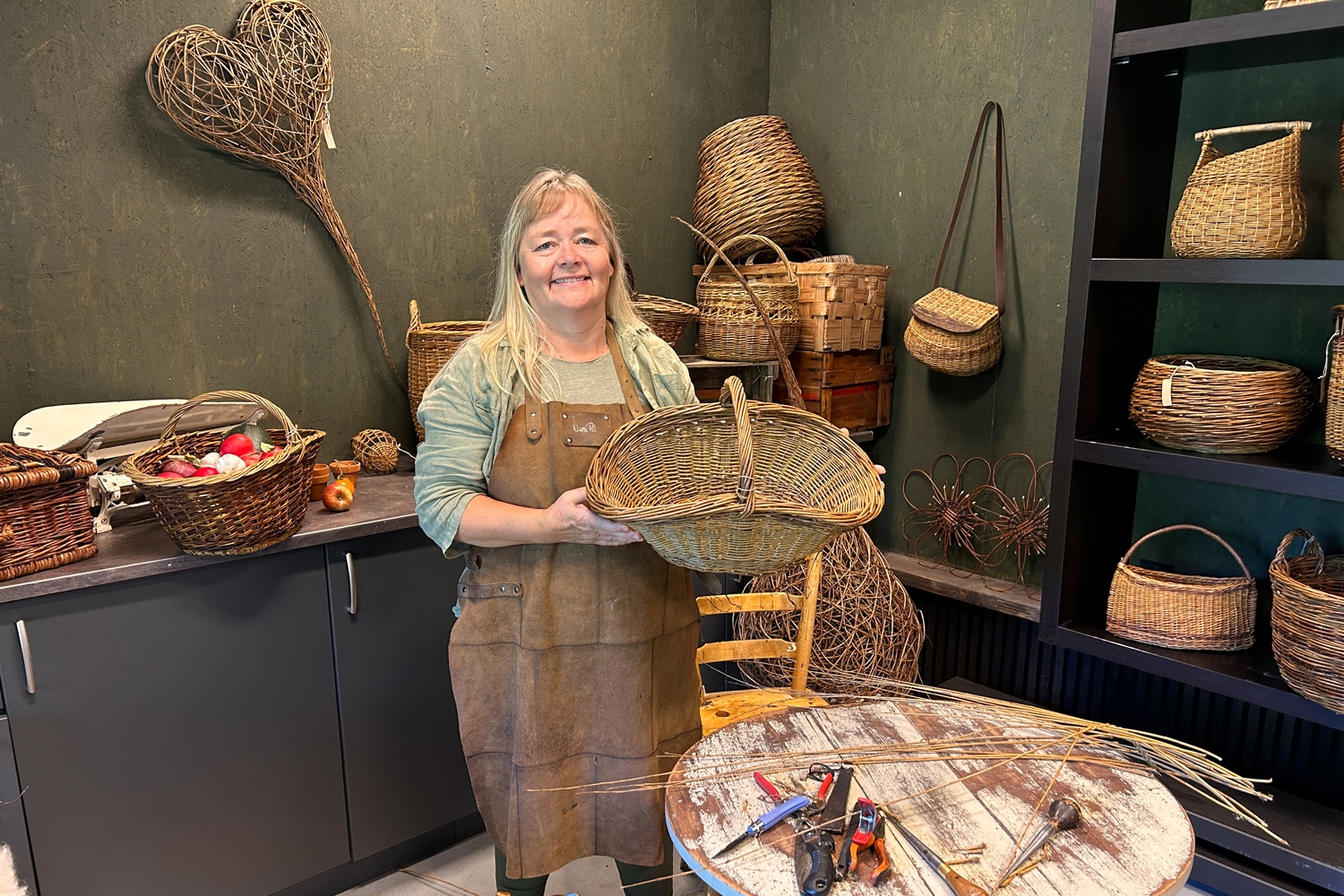
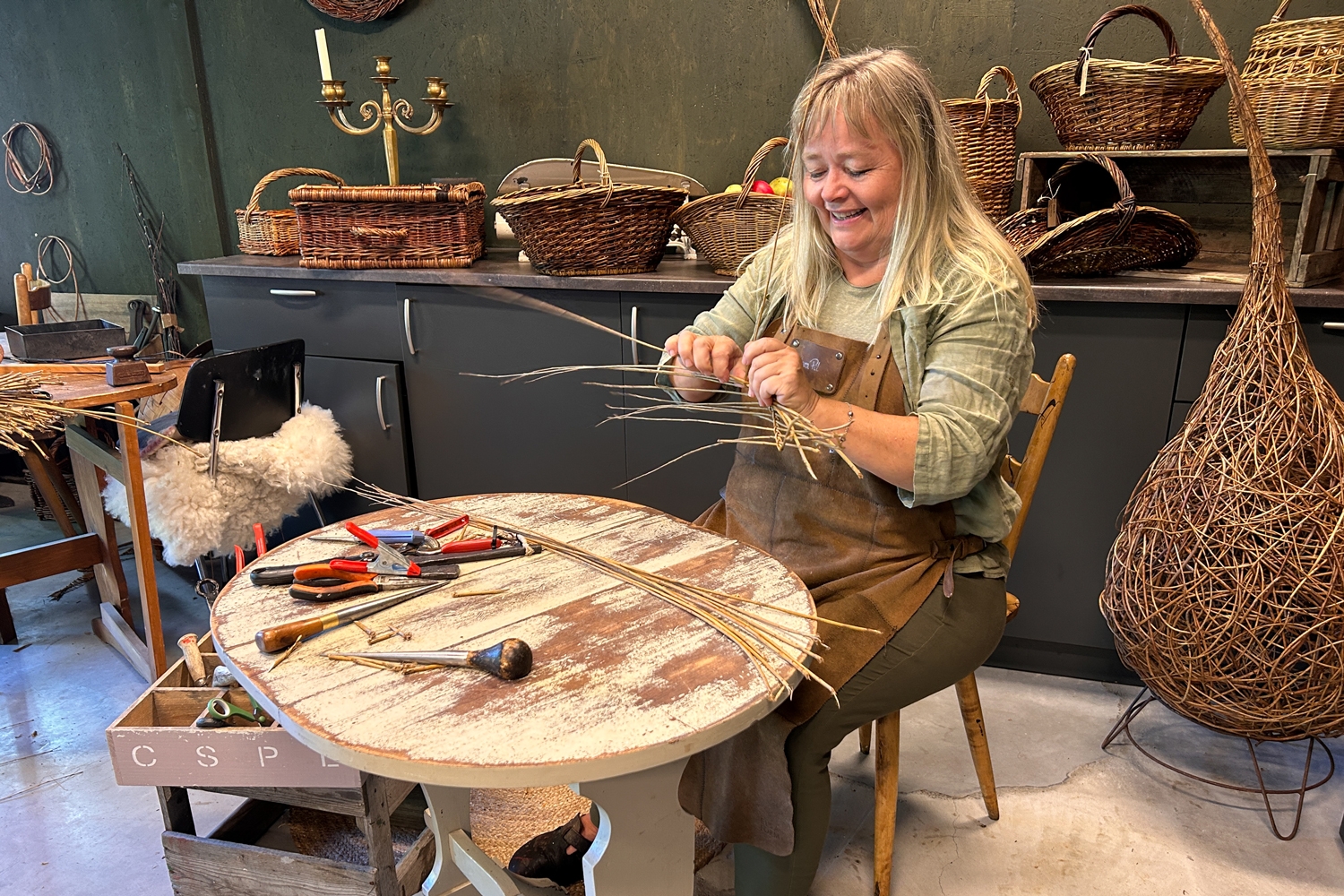
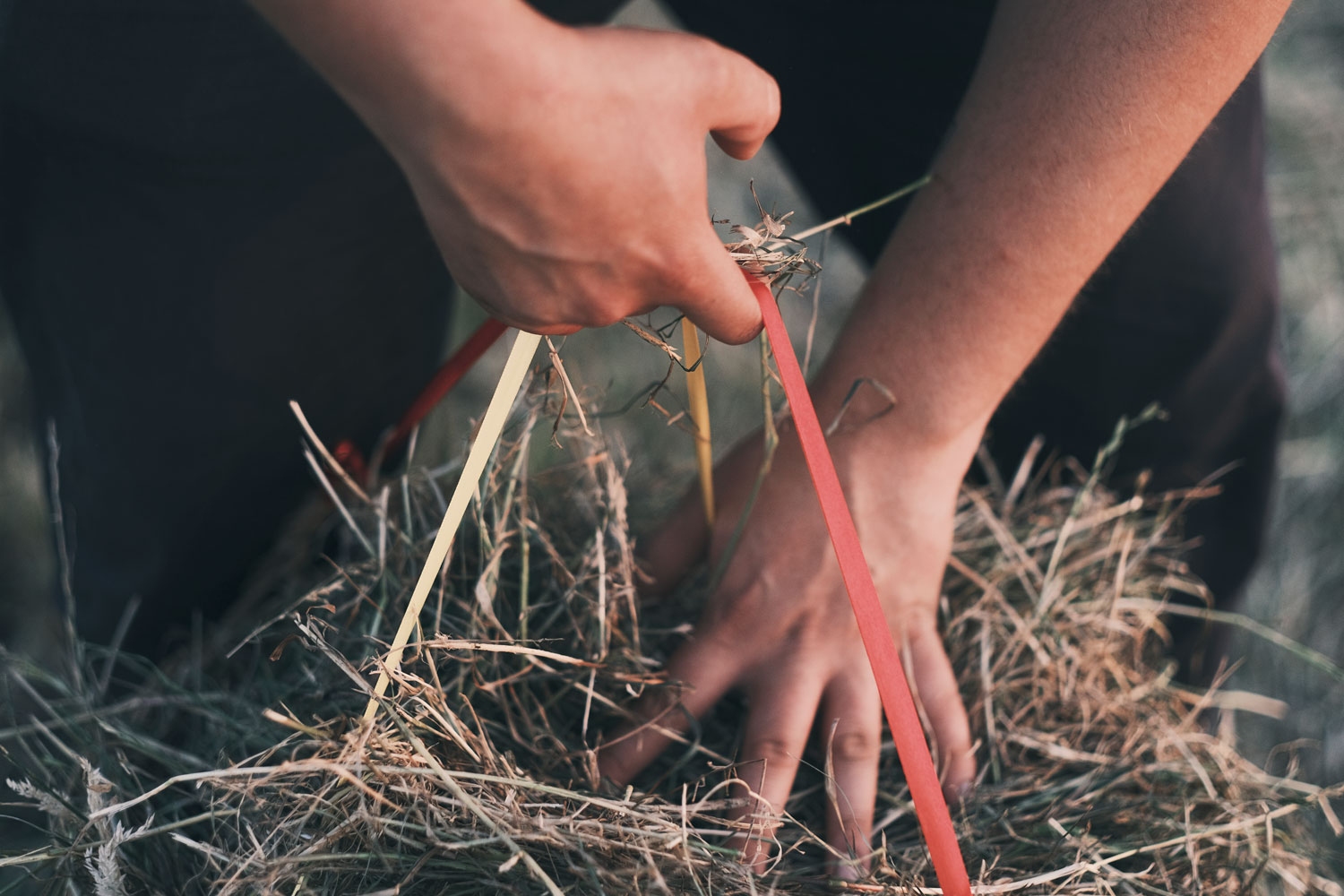
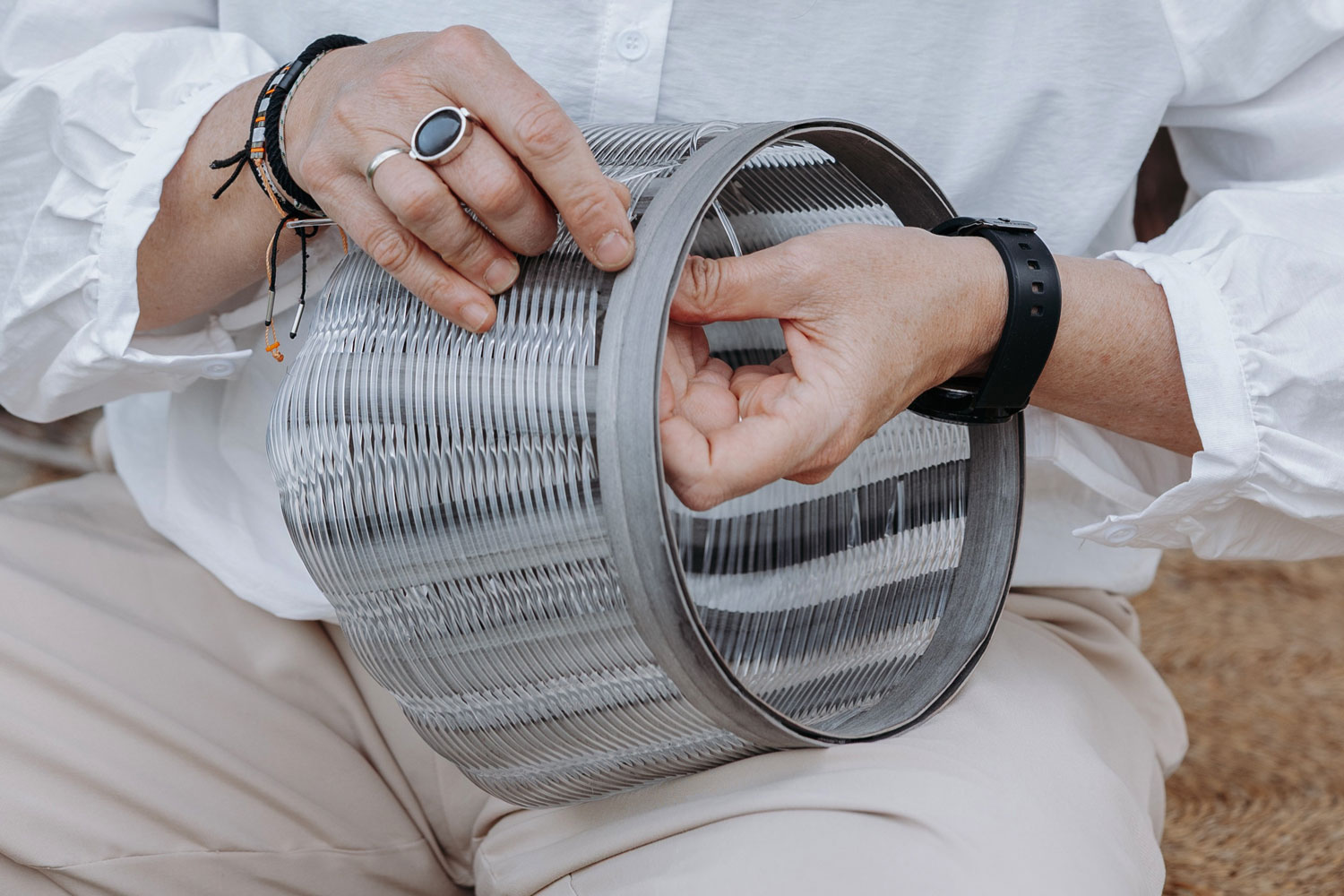
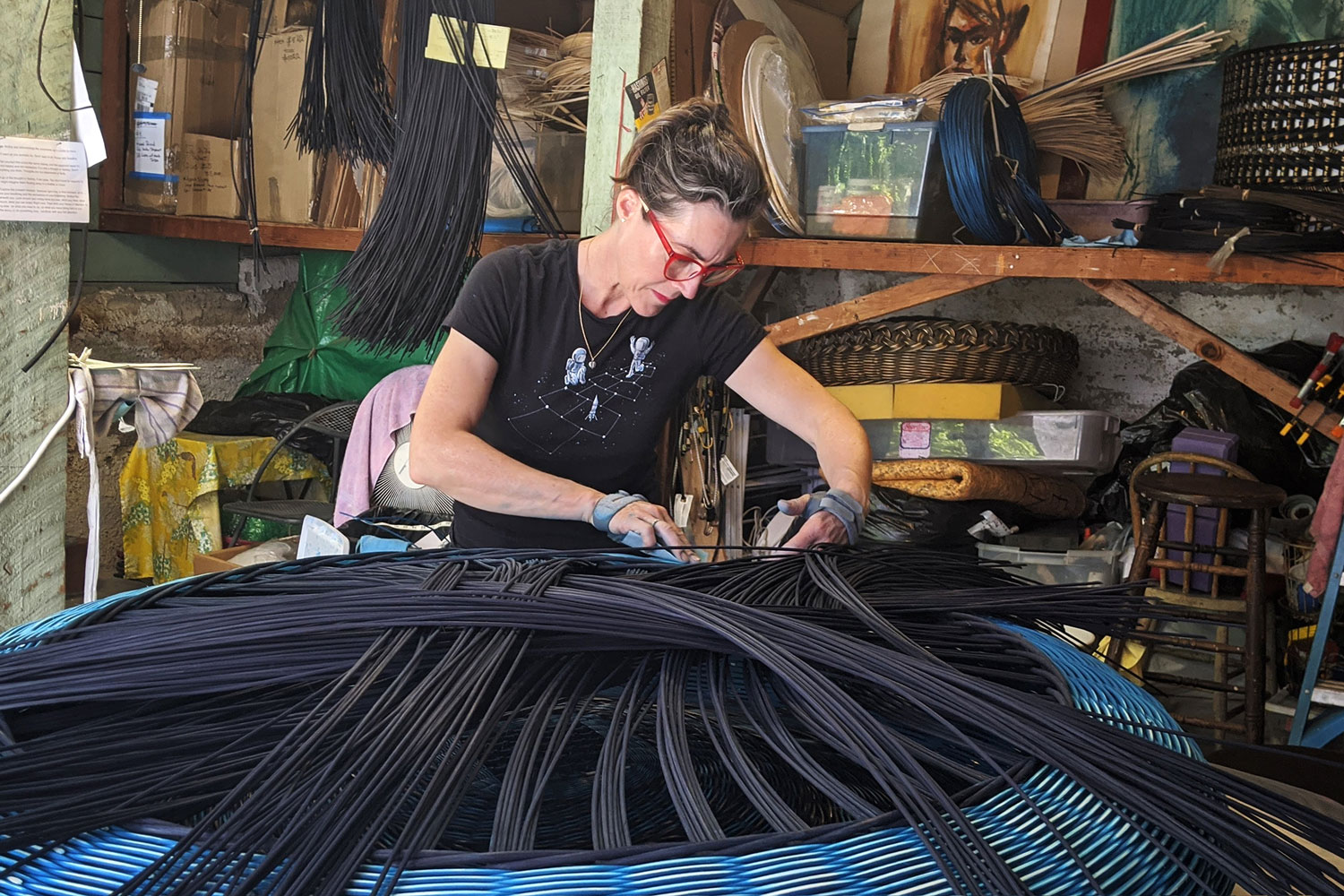
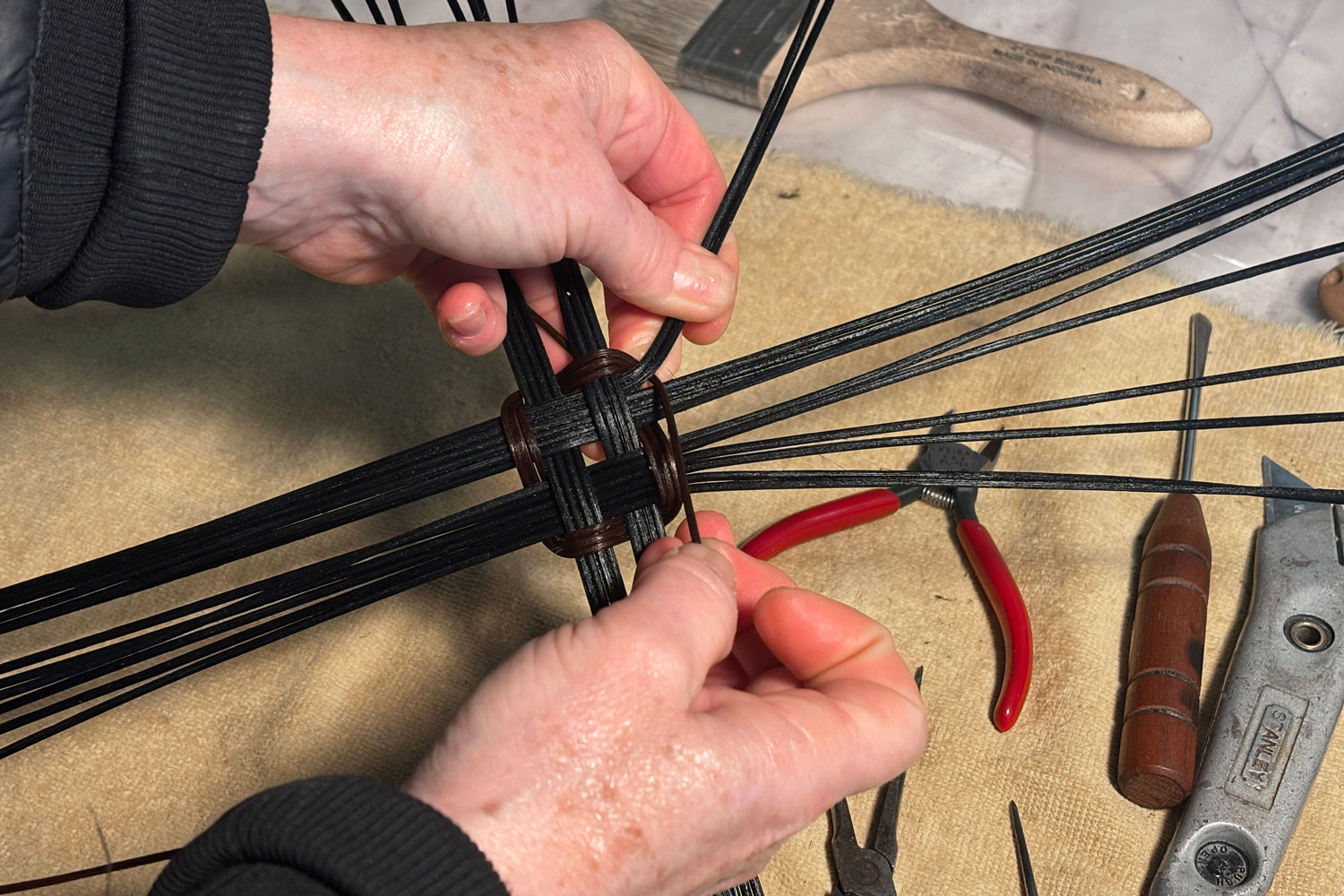
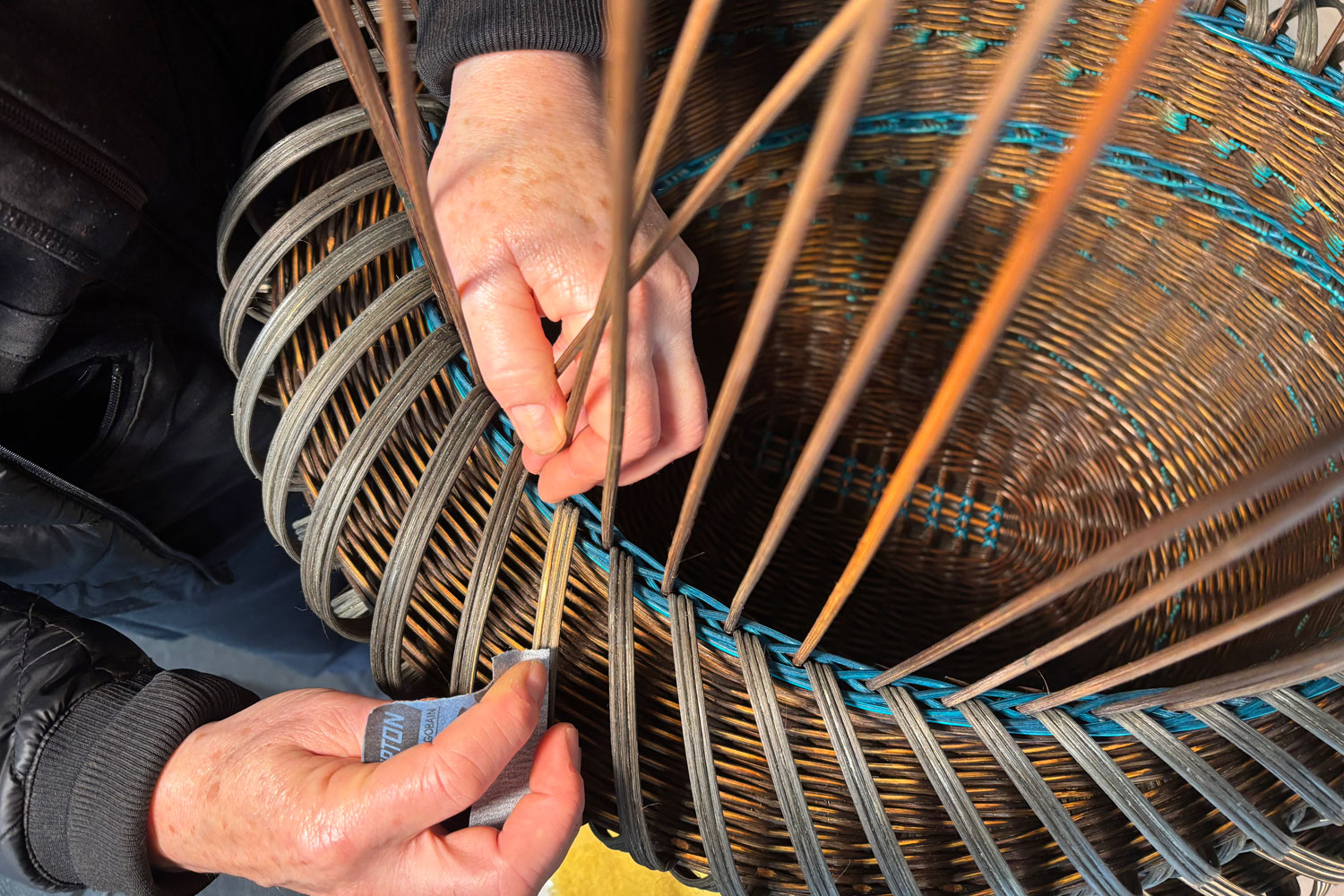
Peeta Tinay’s practice is rooted in looking closely and working intentionally. She entered wicker furniture restoration without prior training, learning the craft by dismantling and rebuilding furniture. Decades of repair taught her patience, precision, and how small choices shape the strength of a weave. Since 2008, Peeta has devoted herself to crafting expansive sculptural works and developing her own designs. “I sketch the entry point of a piece before I begin, and the rest develops as I work, much like a writer discovering the story as they go,” she explains. Peeta hand dyes her weaving materials in big soaking tubs in her studio, treating the fibres to ensure longevity. “Time slips away when I am focused on a piece,” she says. "I think carefully about which projects deserve my energy, though weaving itself is always time well spent.”
Discover her work
INTERVIEW
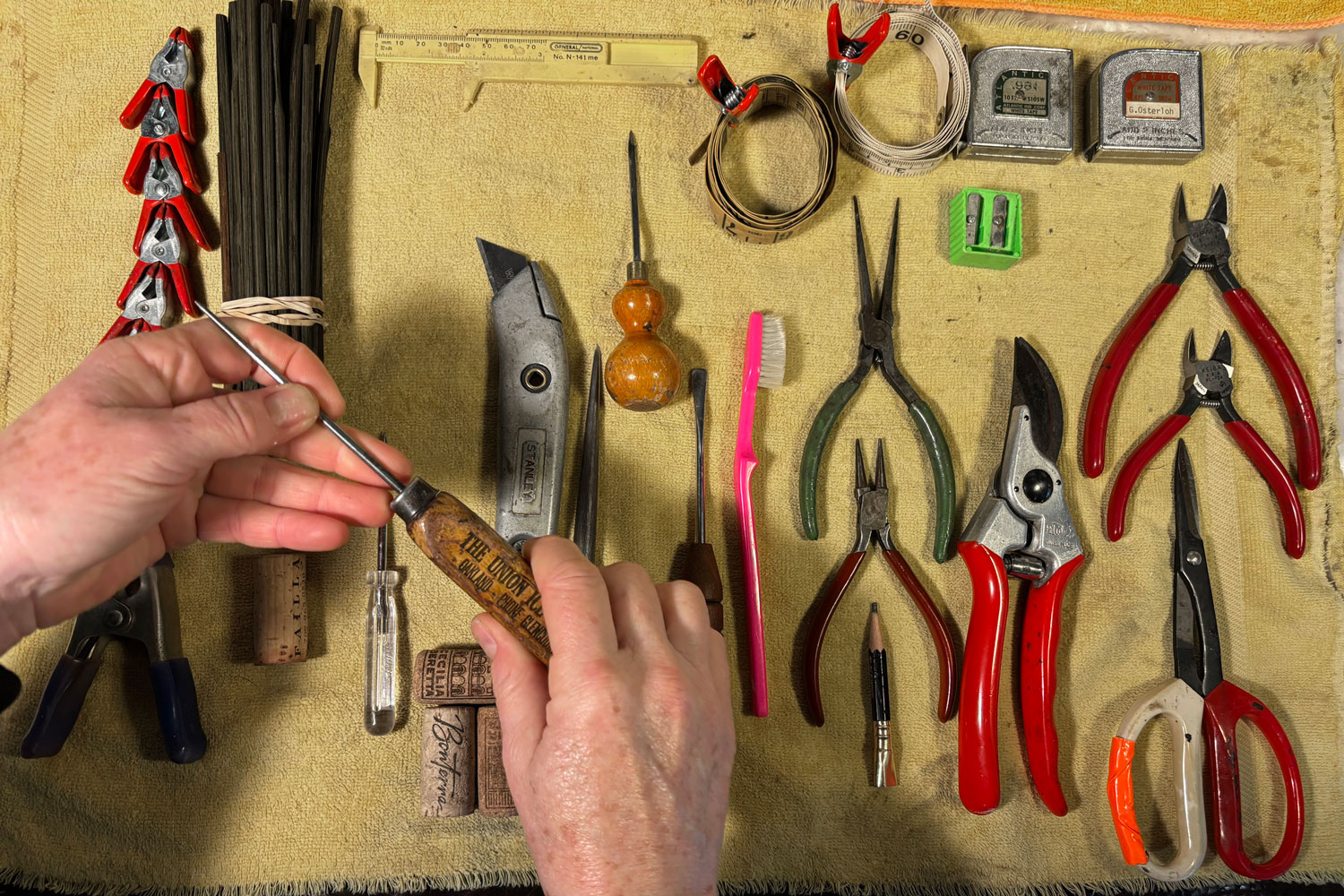
I grew up in a family full of creativity. My grandfather was a well-known inventor in the San Fransico Bay Area, and through our network, my manual abilities were recognised early. I began earning money as a teen in a friends upholstery shop and eventually I was offered a wicker restoration job, despite never having done it before.
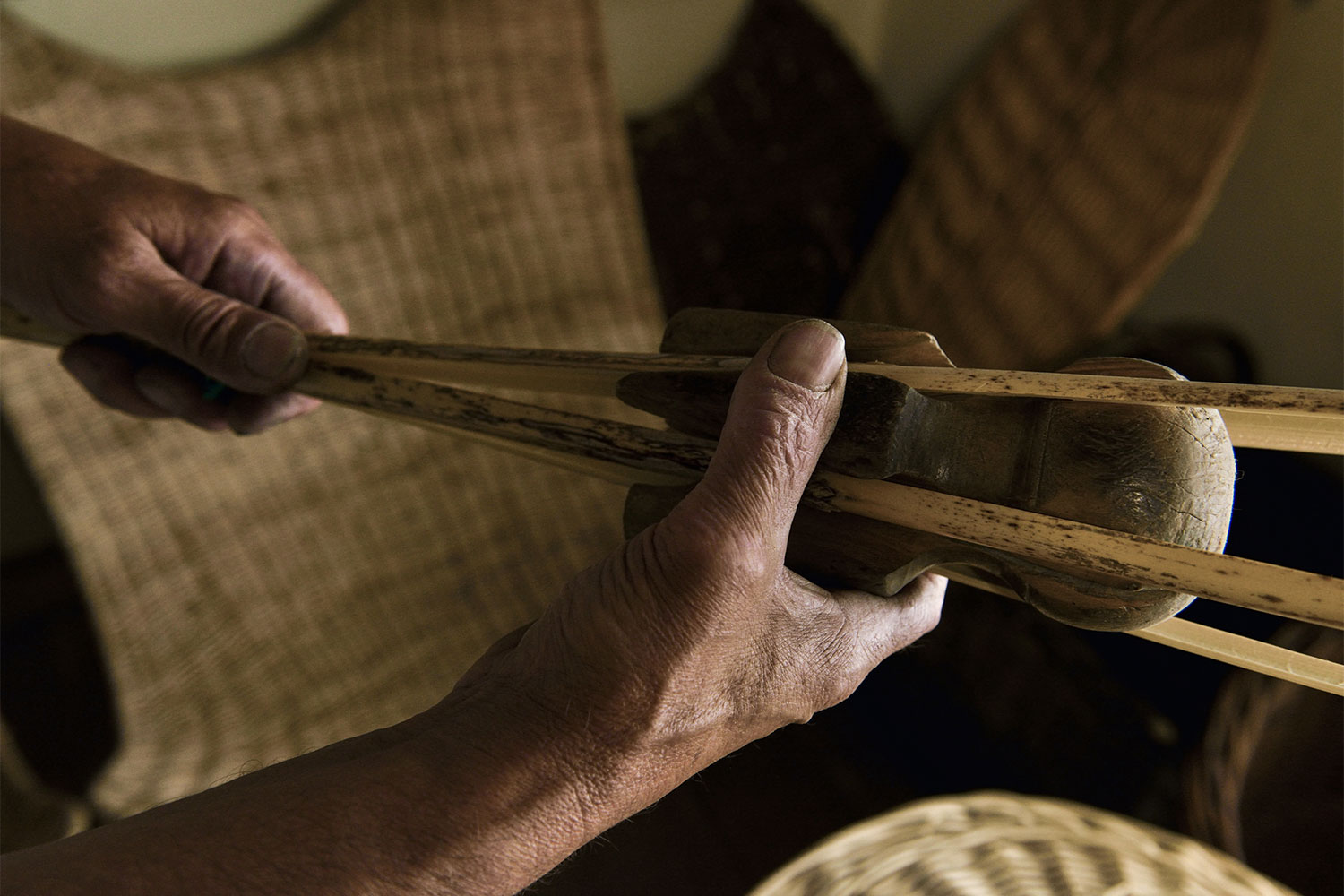
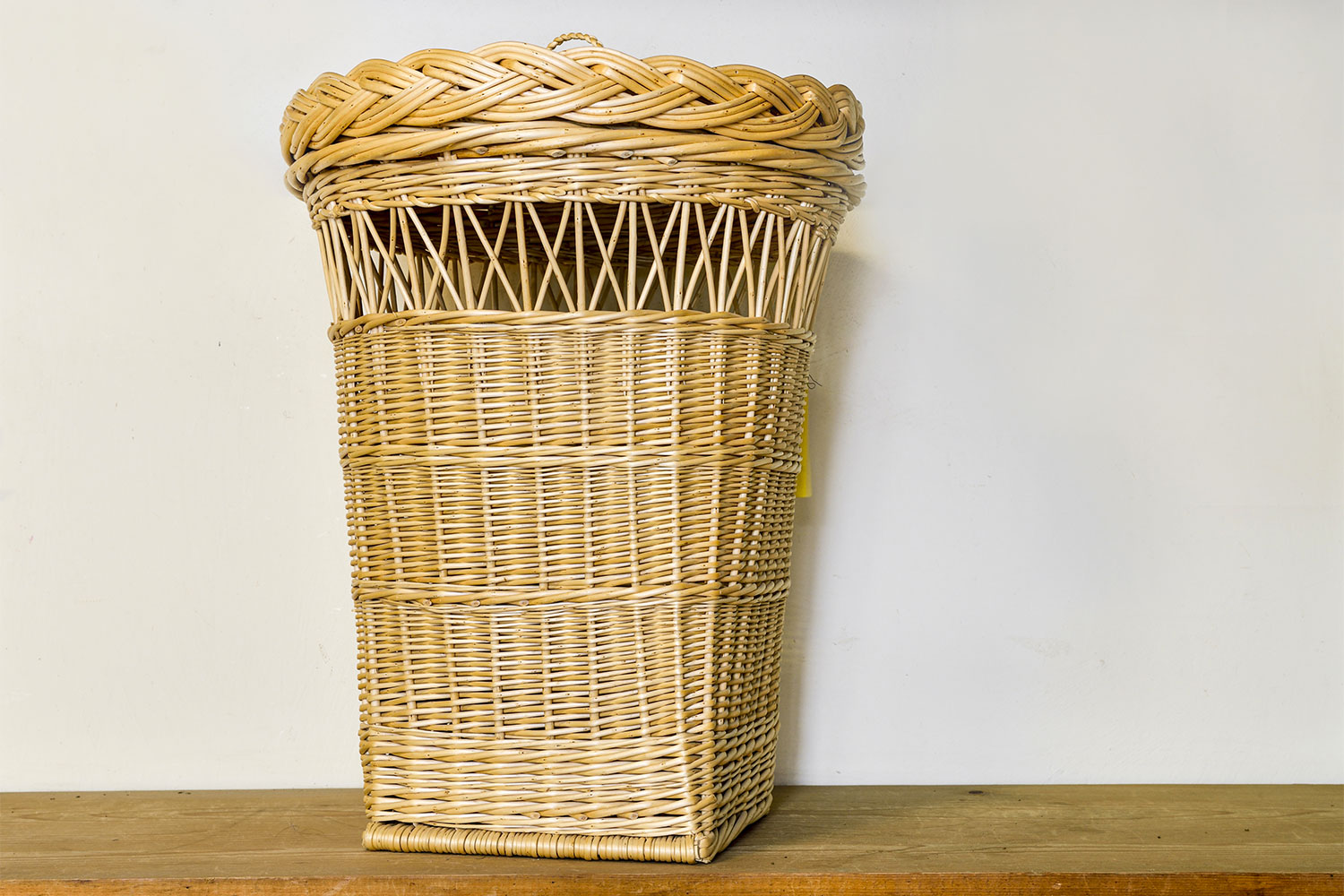
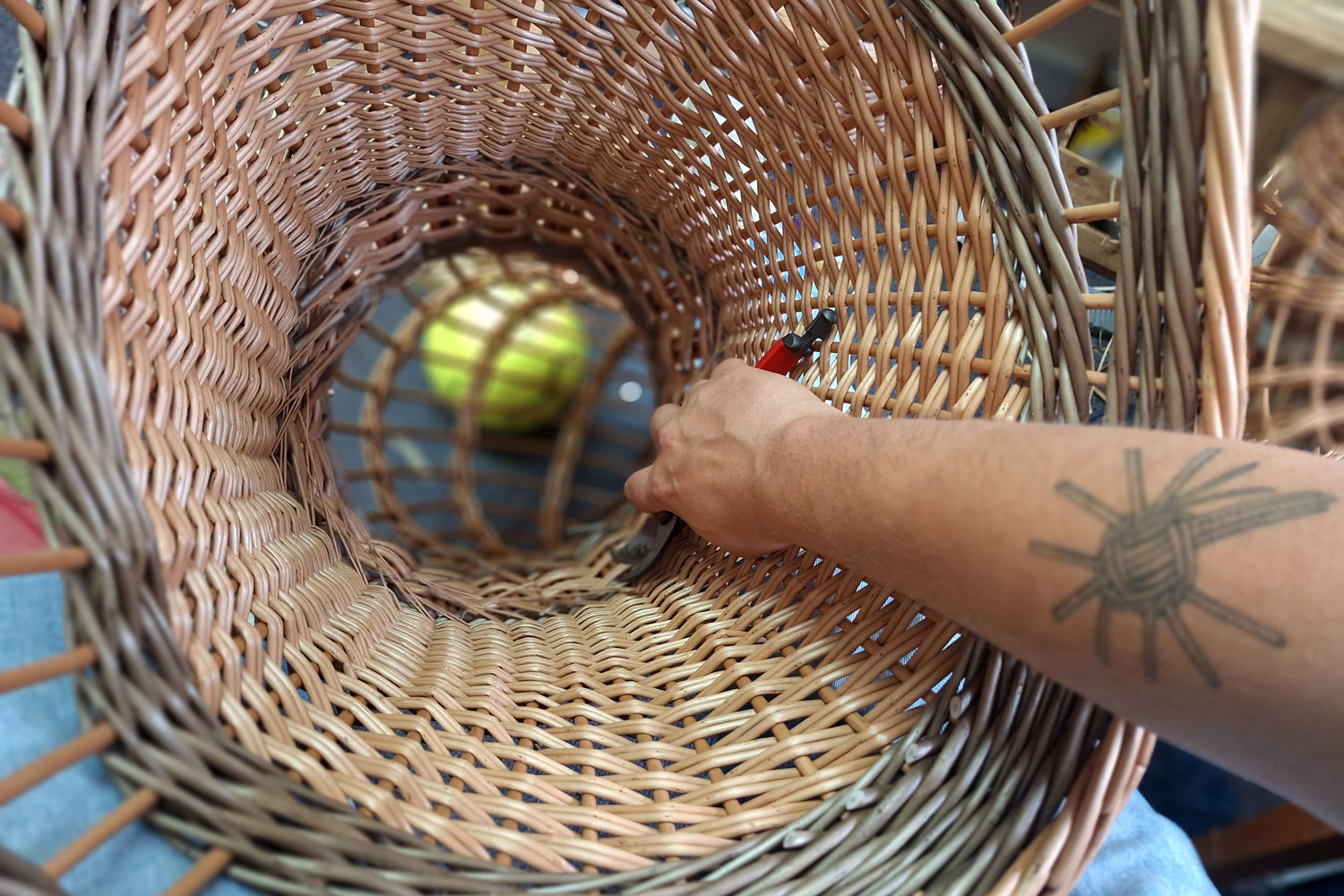
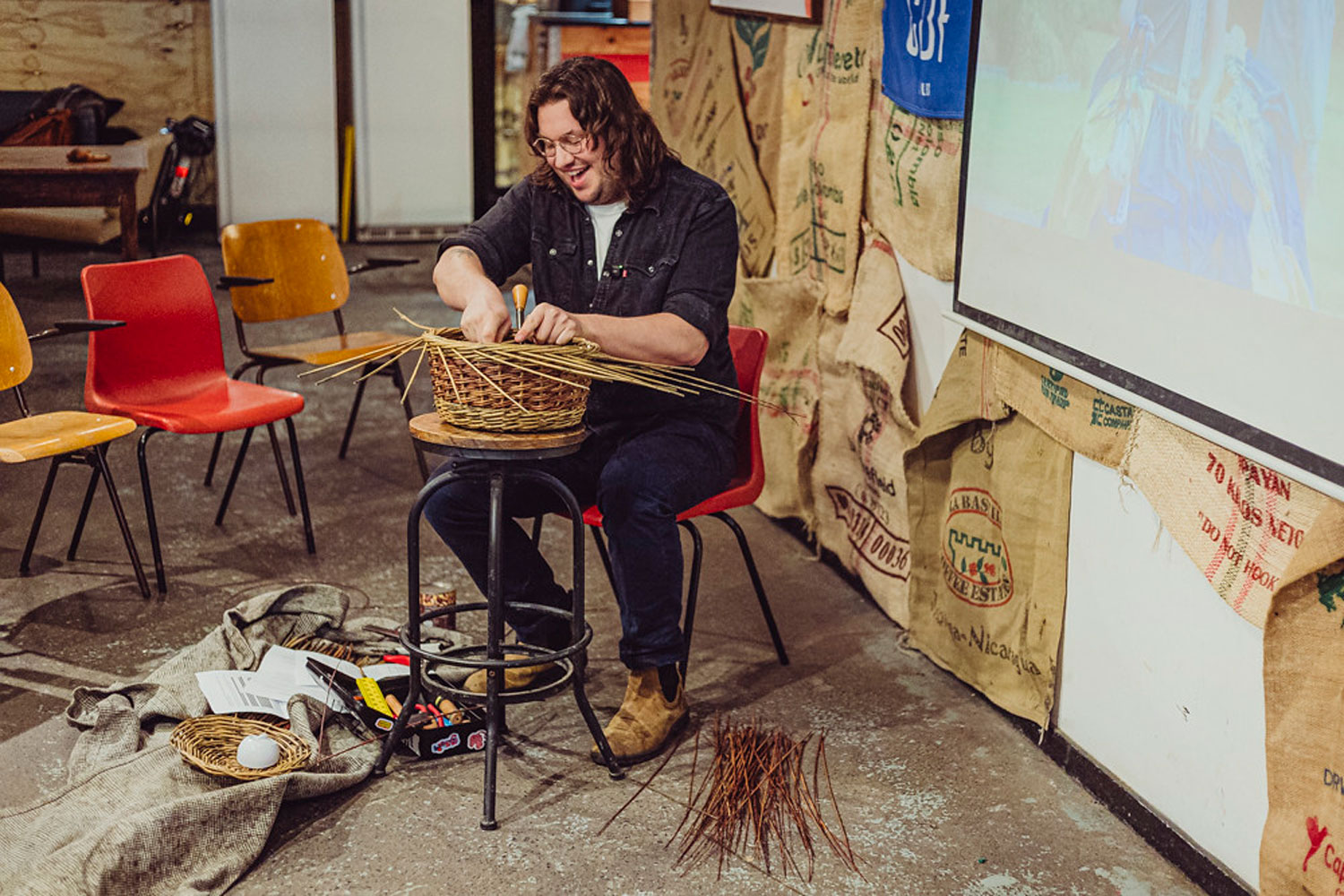
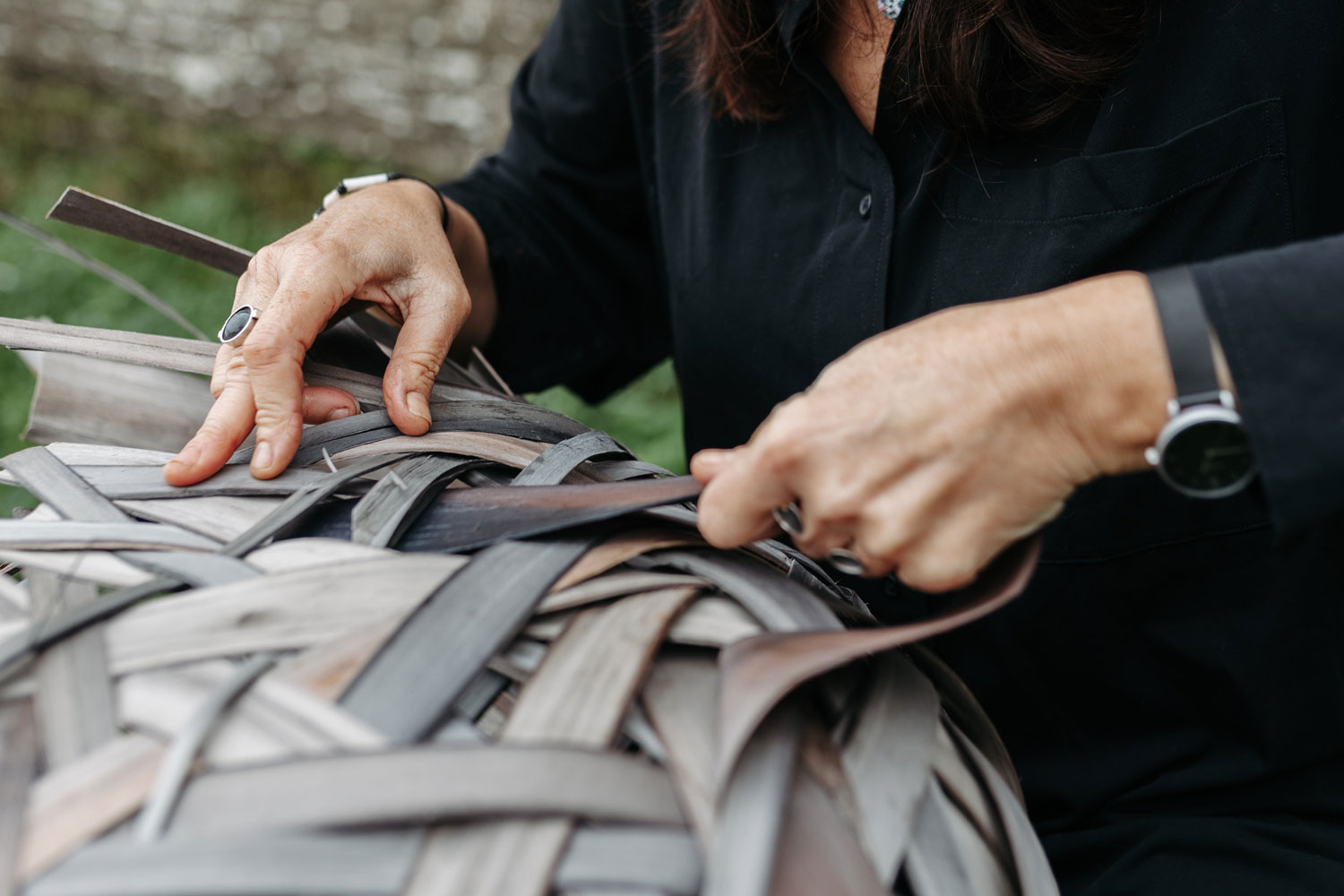
I worked on everything from American-made Victorian wicker furniture to 1920s to 1940s California rattan and European imports. I learned to handle materials such as round reed, cane, seagrass and whole rattan. Working with such a range of styles and materials helped me explore and master a wide range of weaving techniques and approaches.
Wicker can last for generations if treated carefully. Many assume outdoor use is fine, but sunlight and rough handling can easily damage fibres. Even protected materials should be handled wisely. My restoration work has shown that wicker is best kept indoors.
Space allows the work to unfold. My materials need storage and room for dyeing, and the objects themselves need air around them. I step back constantly, using my eye to judge balance and form from different viewpoints.
Peeta Tinay
Basketweaver
Orinda, CA, USA
ADDRESS
Address upon request, Orinda, CA, USA
AVAILABILITY
By appointment only
LANGUAGES
English
Homo Faber Finds is a new service aiming to inspire admirers of craft to connect and collaborate with exceptional artisans.
We invite you to submit an enquiry here.