Cael Chappell
Basketweaver
Los Ranchos de Albuquerque, NM, USA
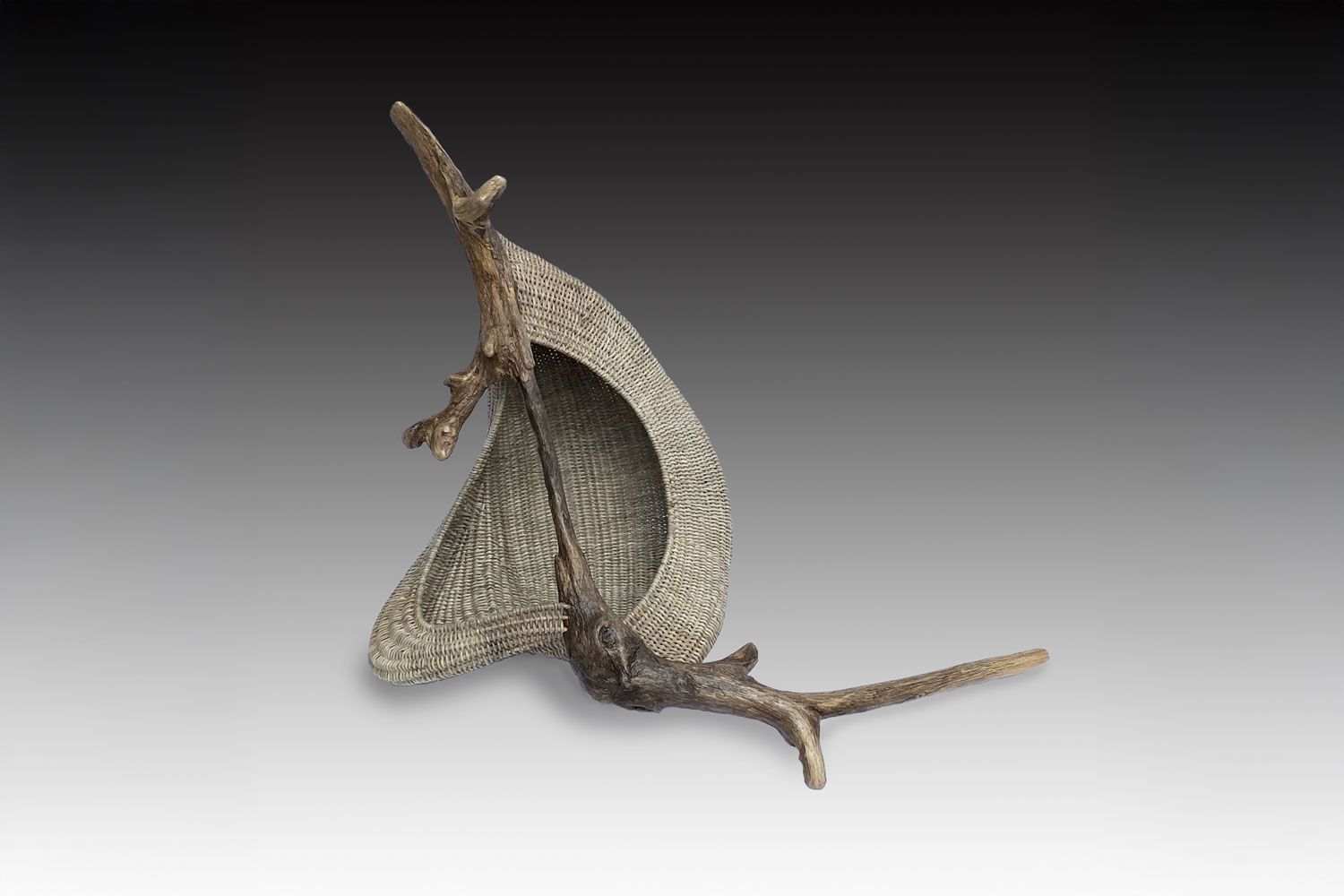
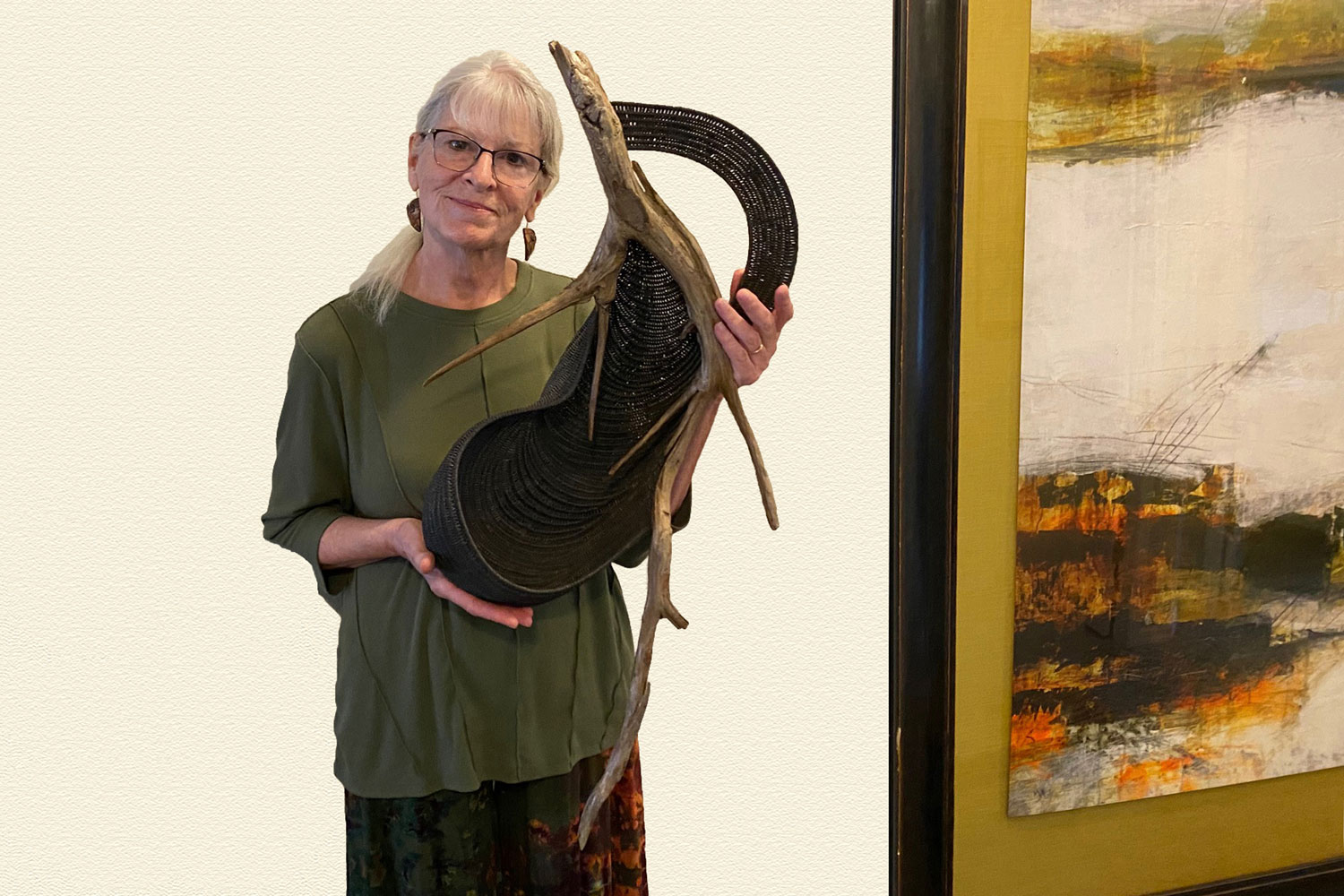
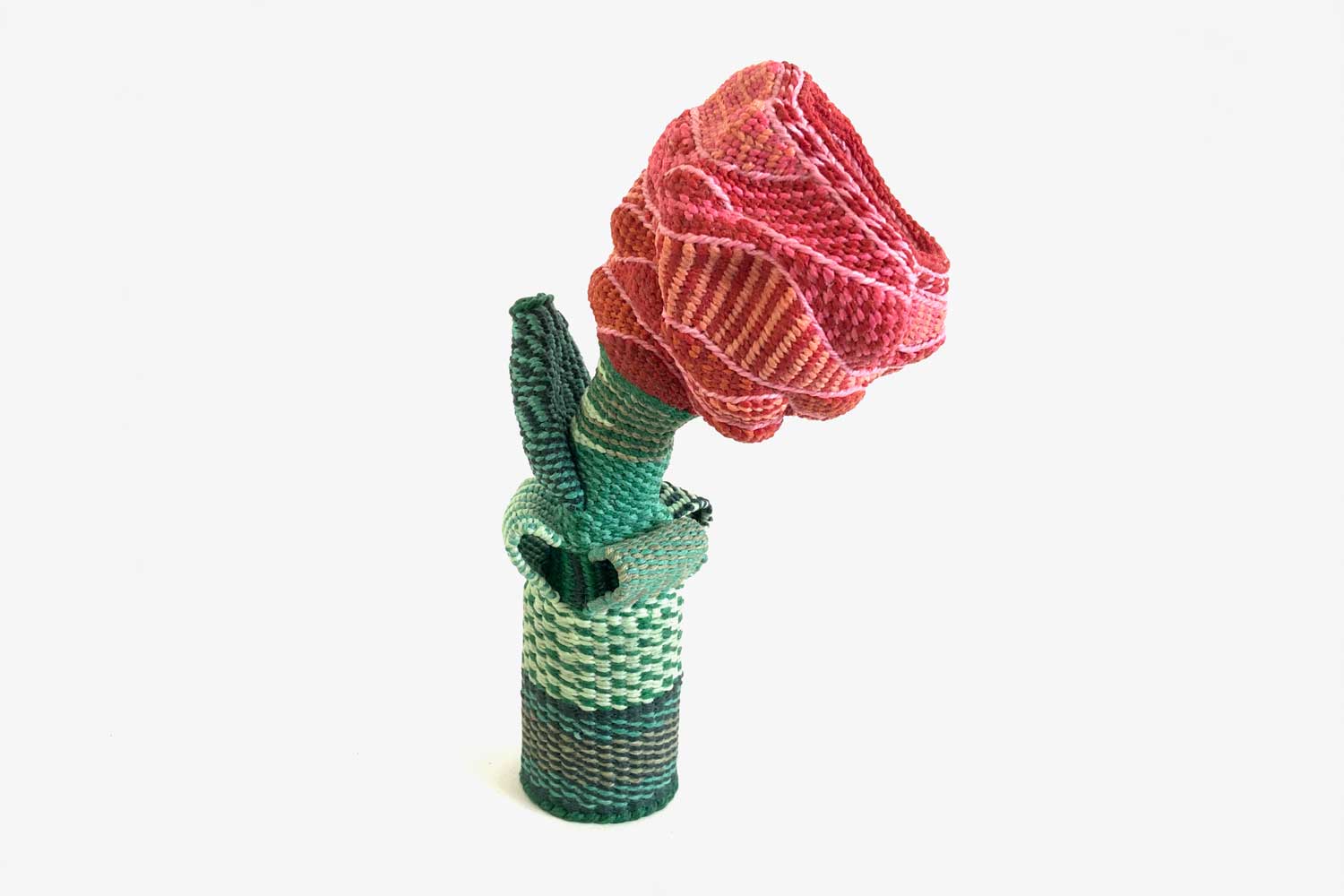
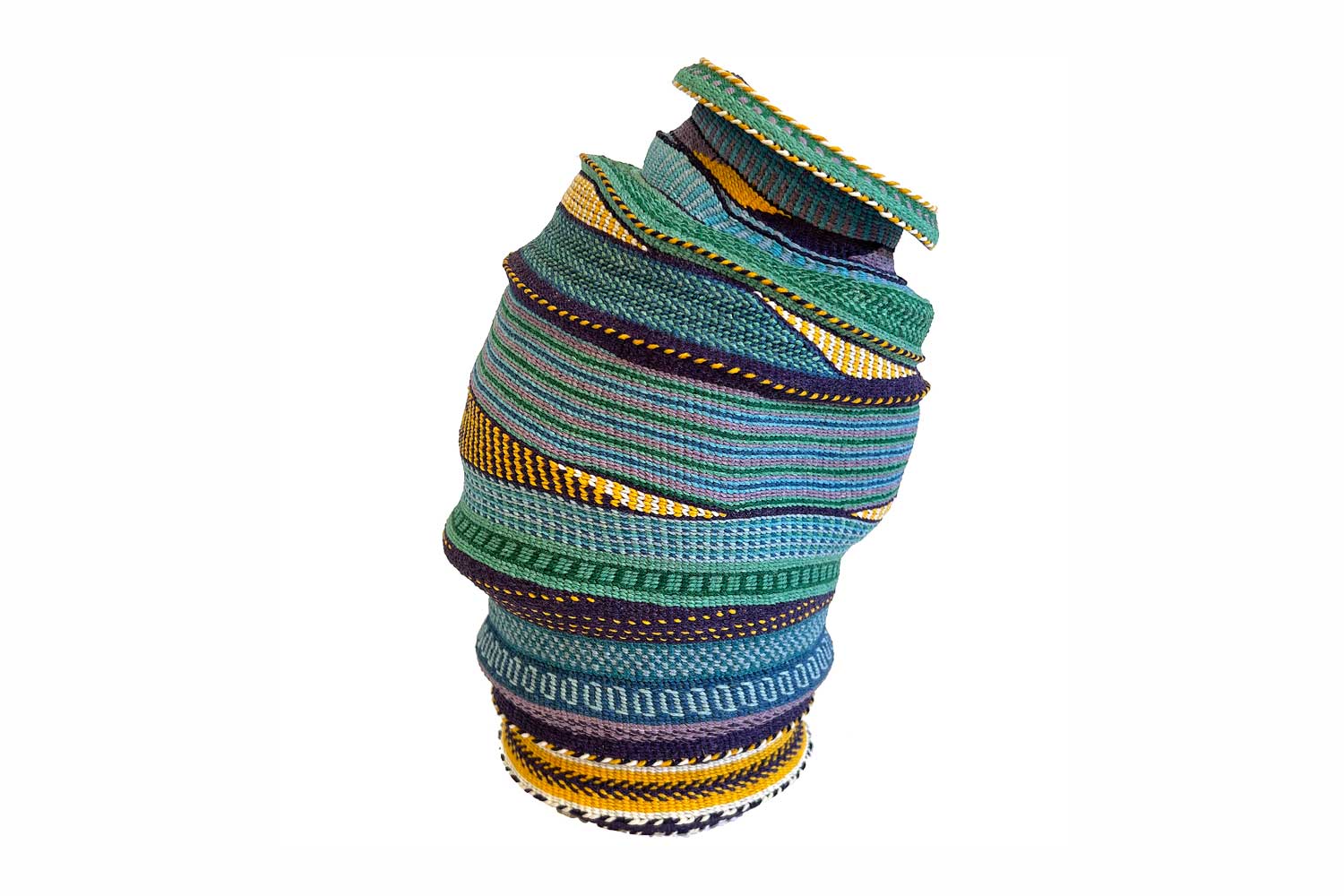
Bending the rules of basketry
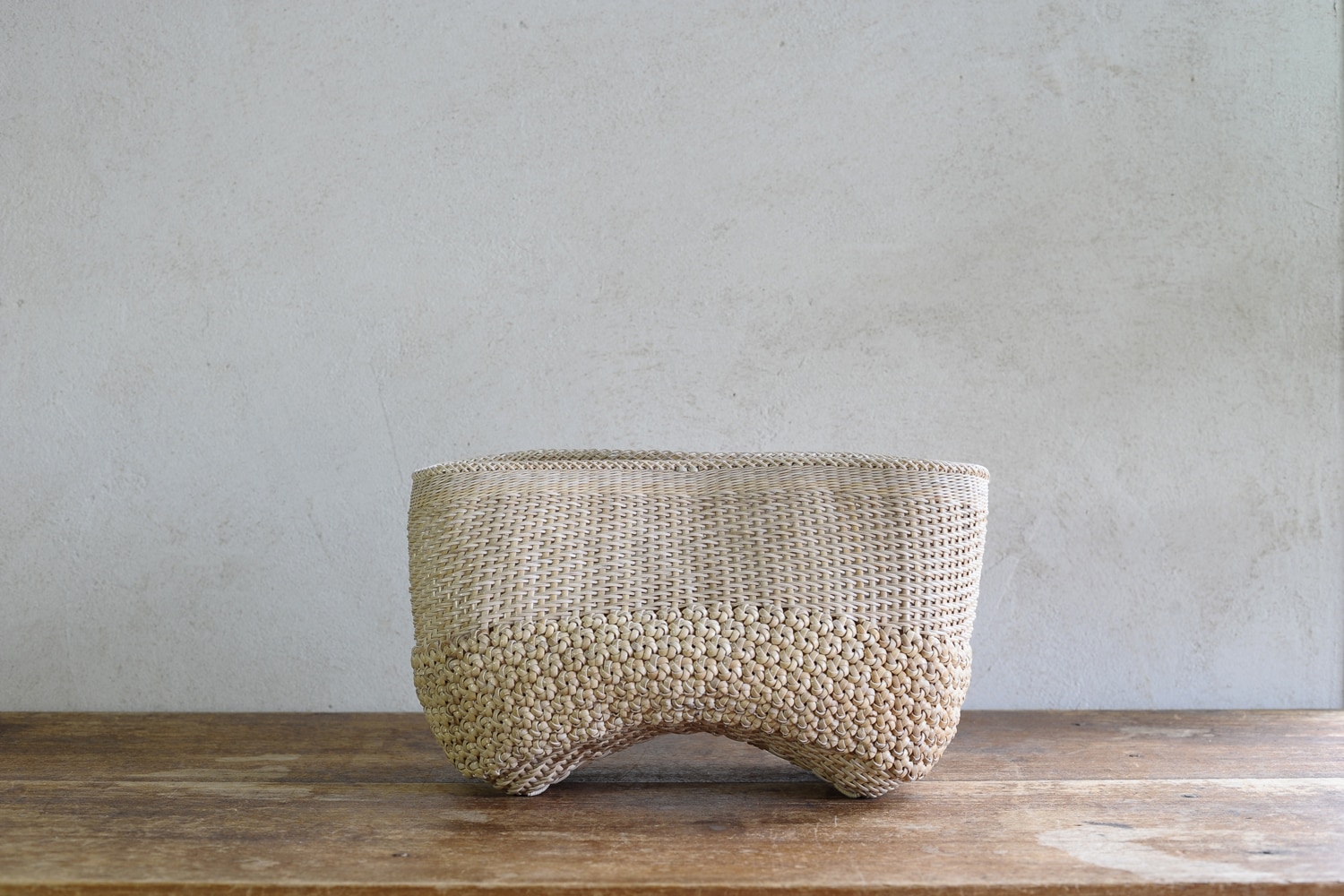
- Cael weaves whimsical and tiny sculptural baskets
- He founded a Fair Trade project to support weavers in Africa
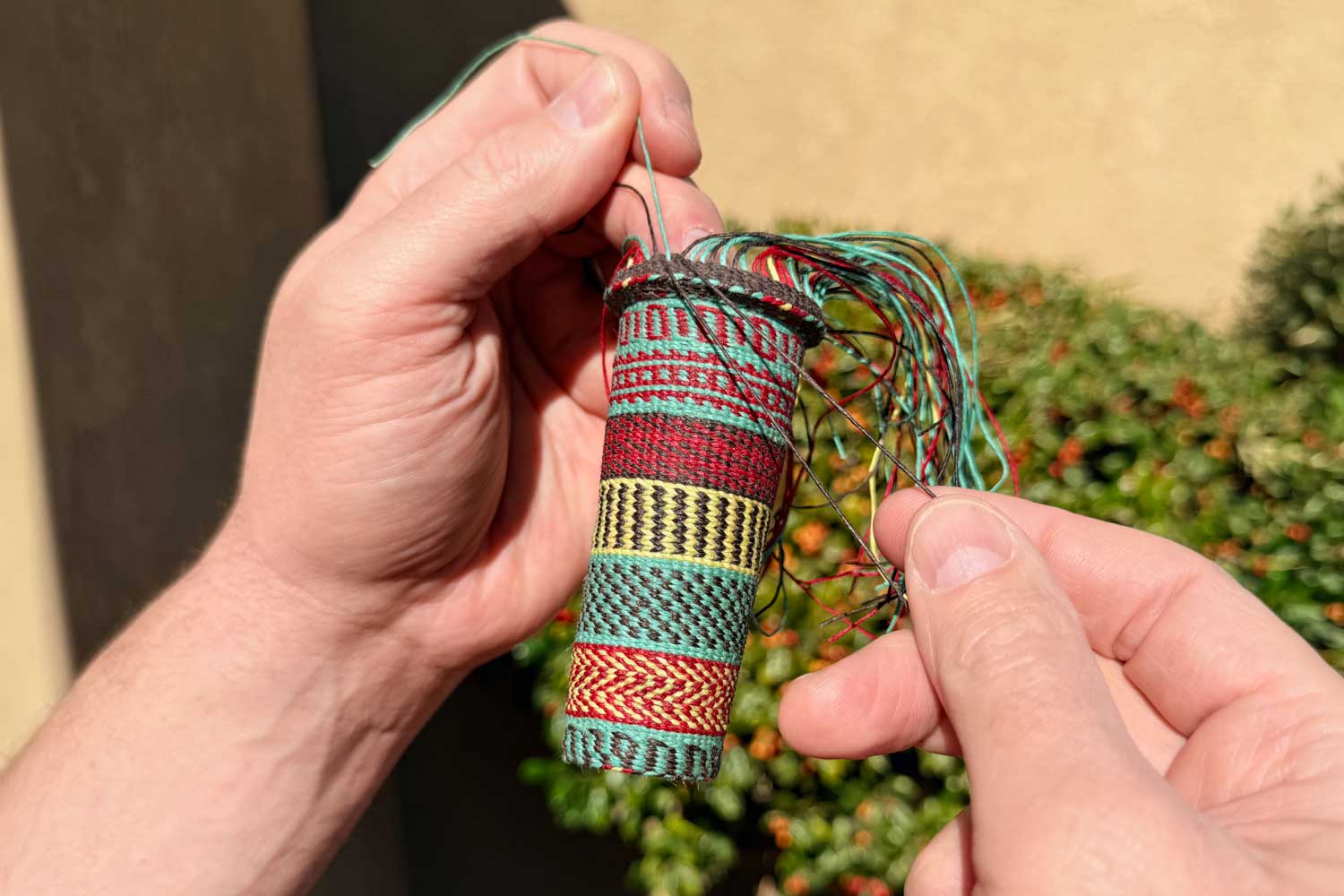
- His practice features waxed flax linen thread in contemporary colours
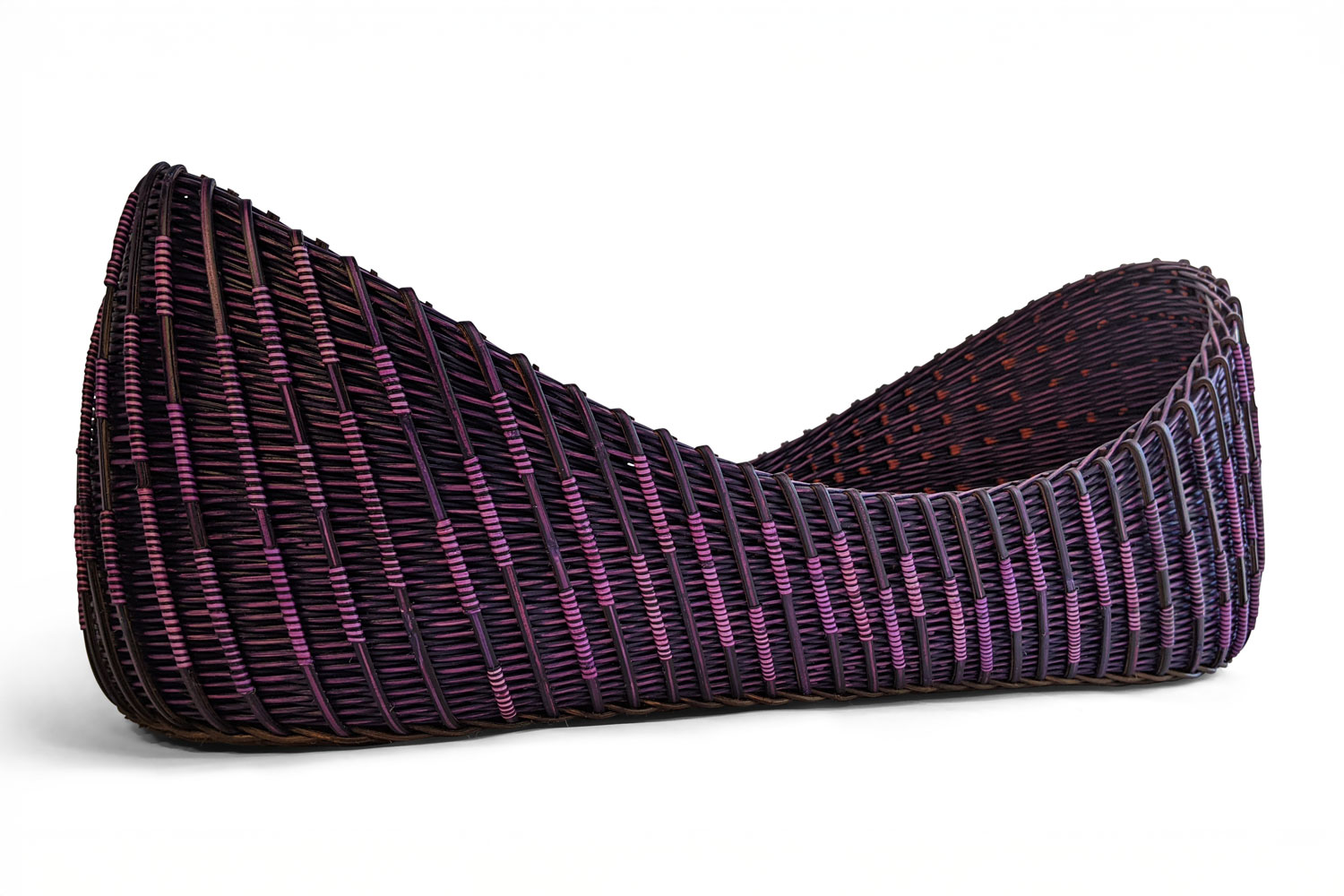
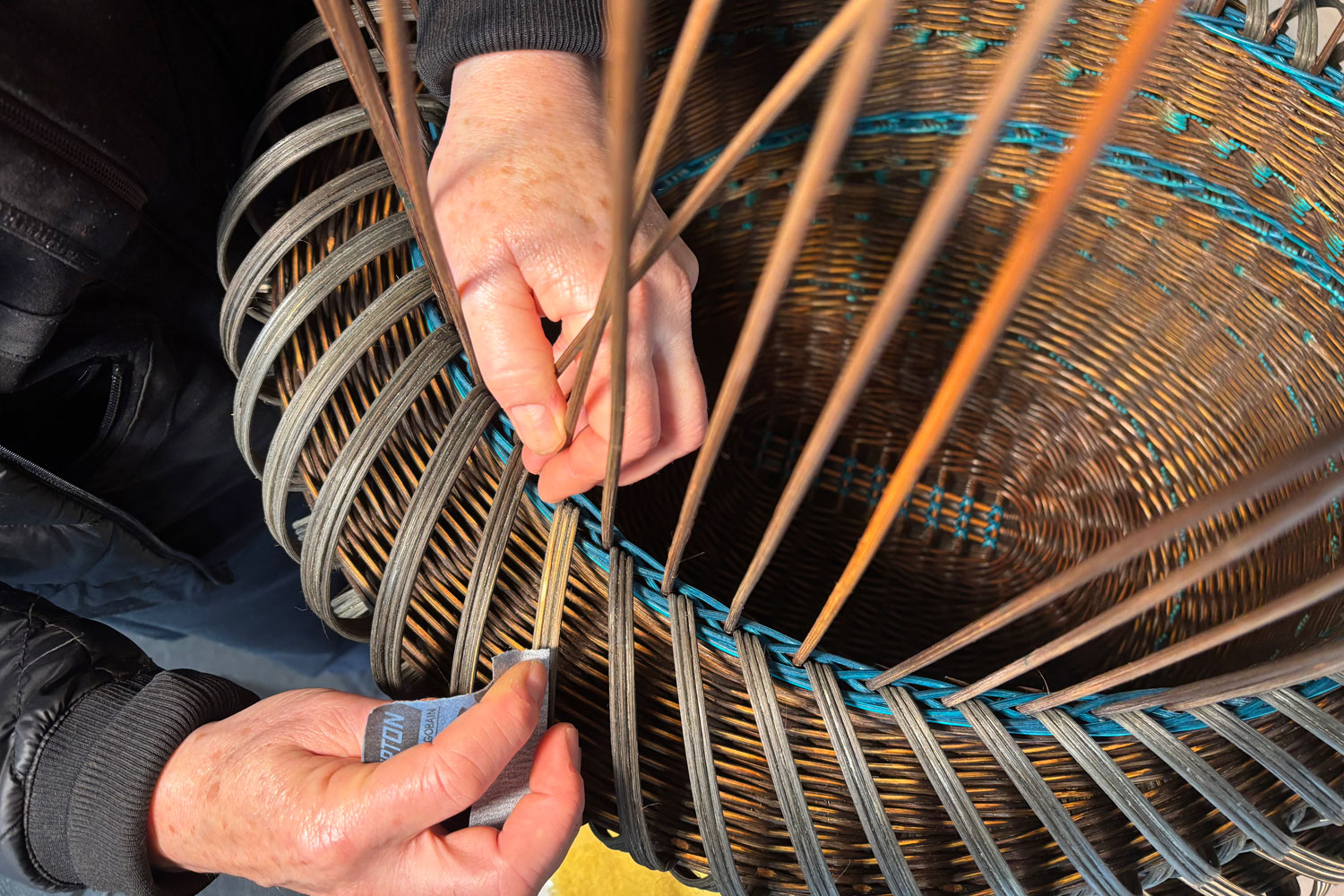
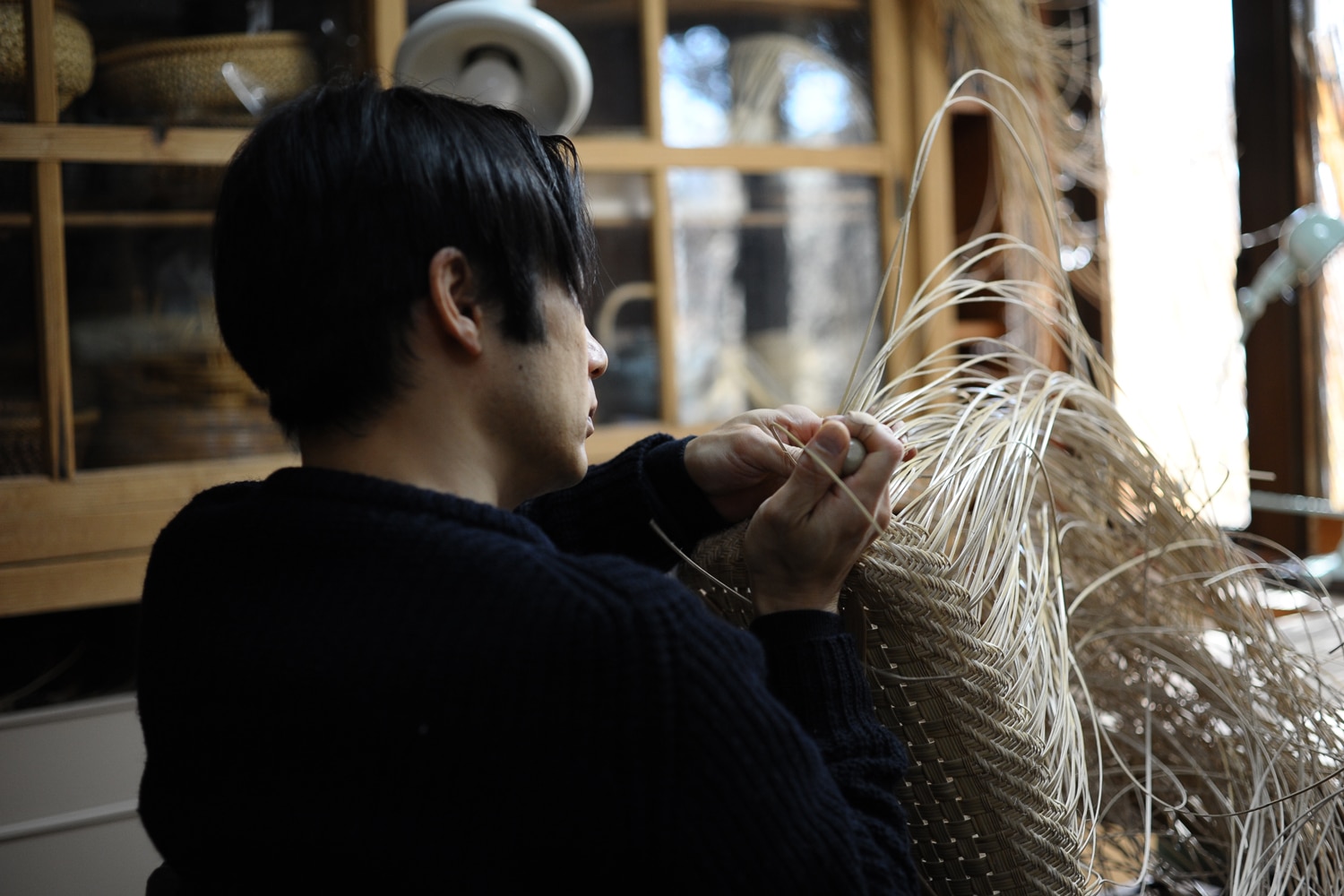
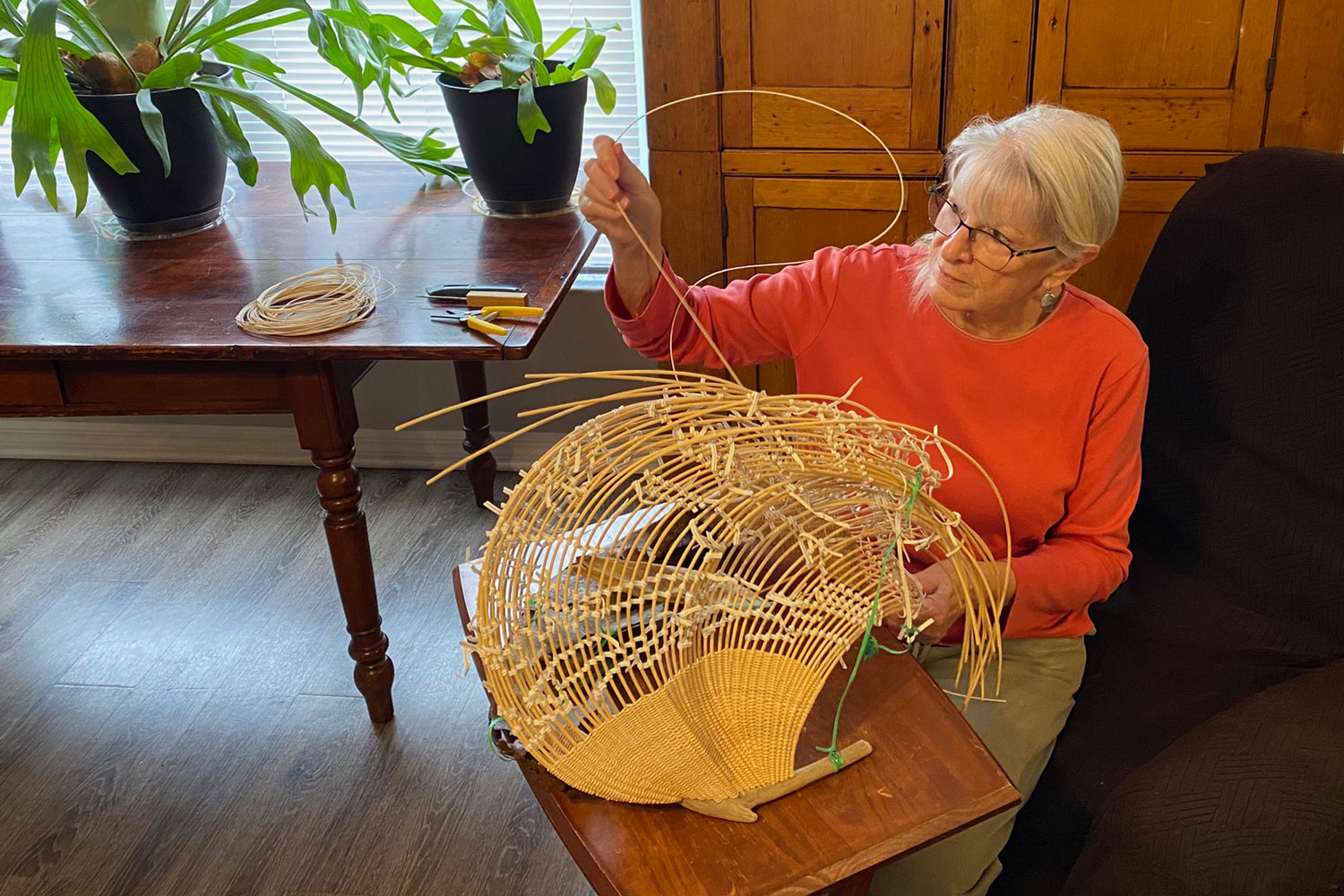
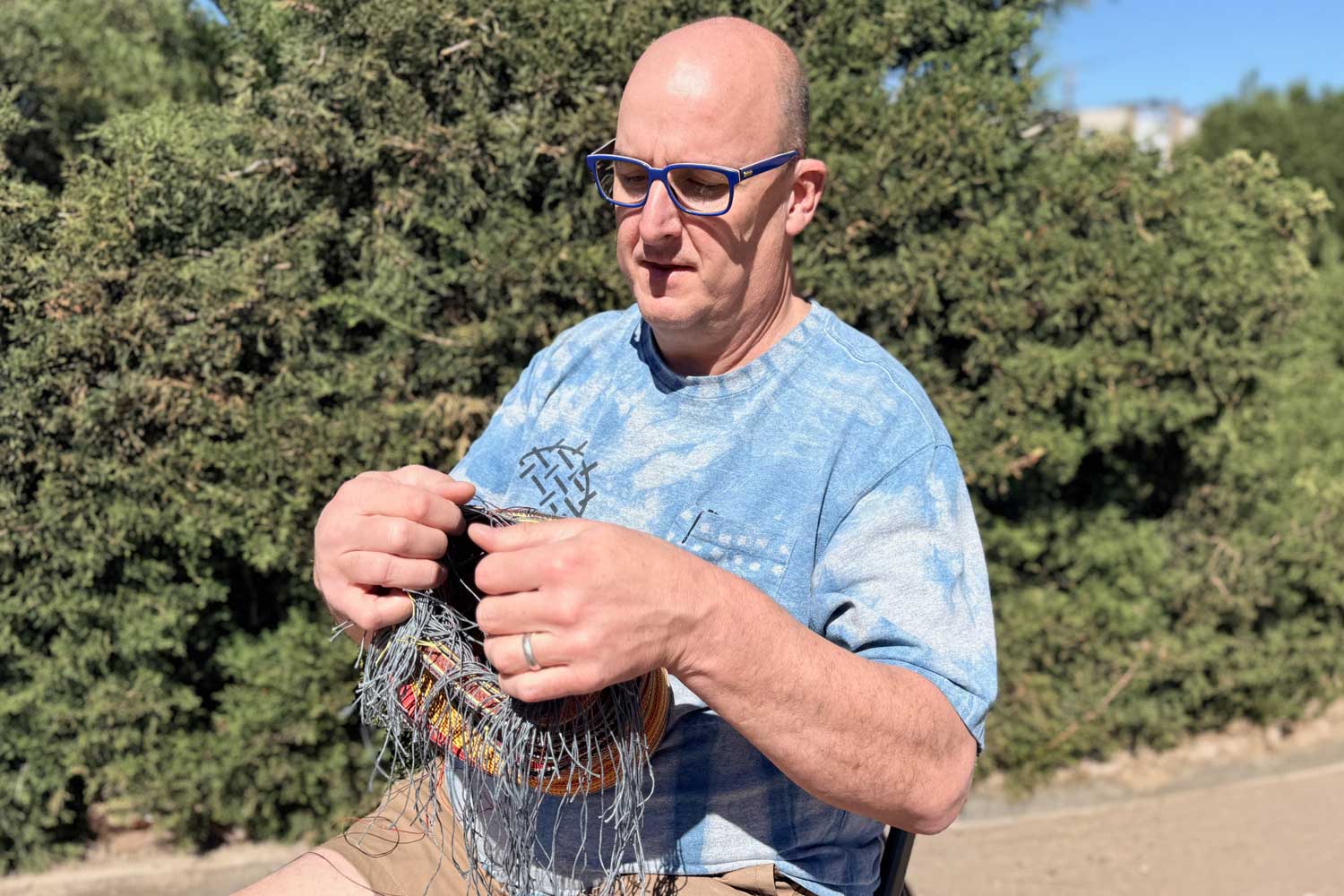
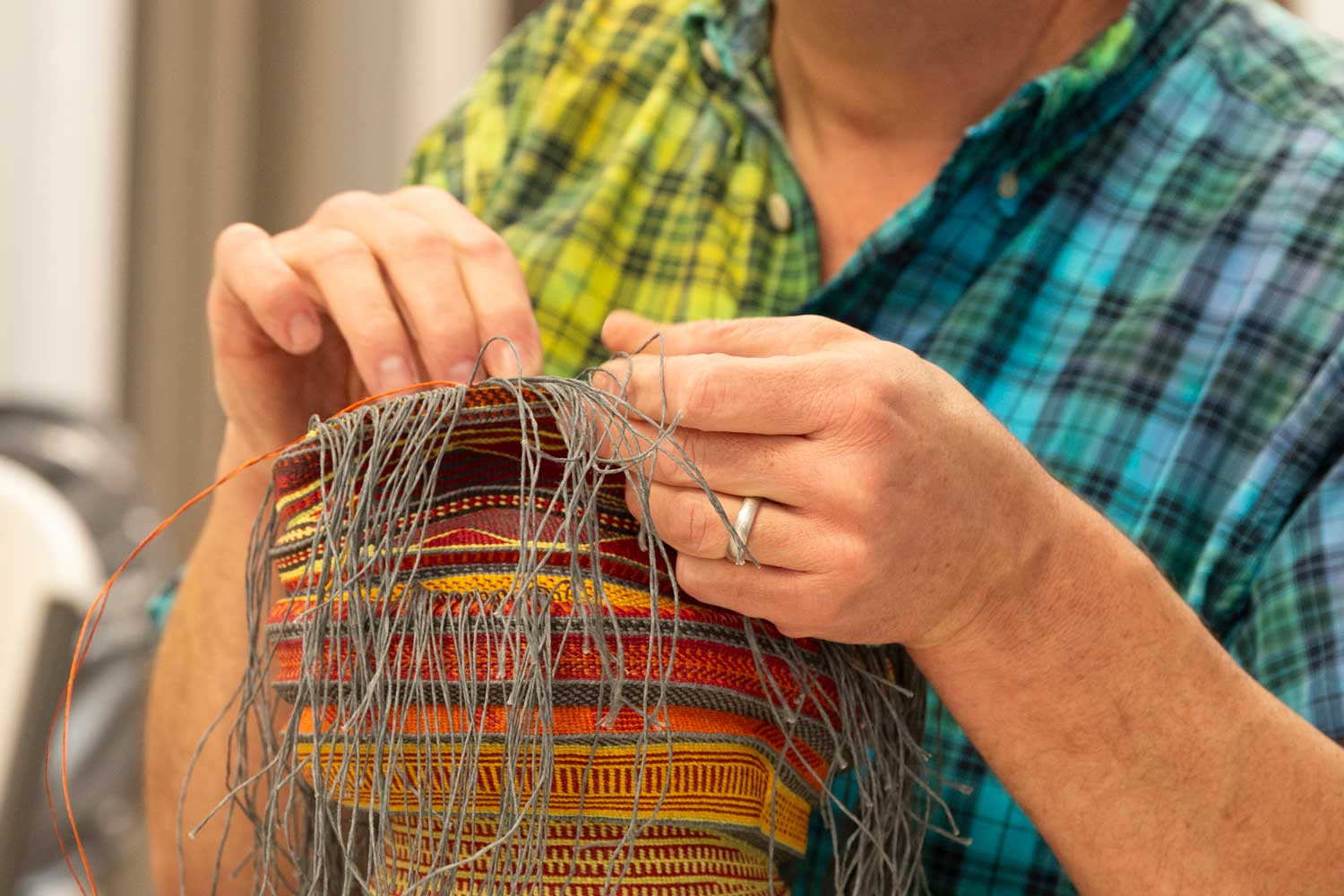
Cael Chappell’s typing skills landed him his first job at an African art gallery, where his work soon included sourcing baskets overseas. After many years of working with village weavers, he finally decided to take up their offers and learn to weave under their tutelage. Cael first tried to work with perfect shapes, but he found the precision required frustrating. Inspired by skilled weavers creating beautiful, functional baskets, he moved into making unusual, playful, contemporary and sculptural basketry, sometimes in miniature. In 2002, Cael founded Baskets of Africa to ensure artisans receive fair pay, and to safeguard one of the world's oldest, most foundational handicrafts. “Every culture has woven baskets, unless the skill has been lost over time,” he says.
INTERVIEW
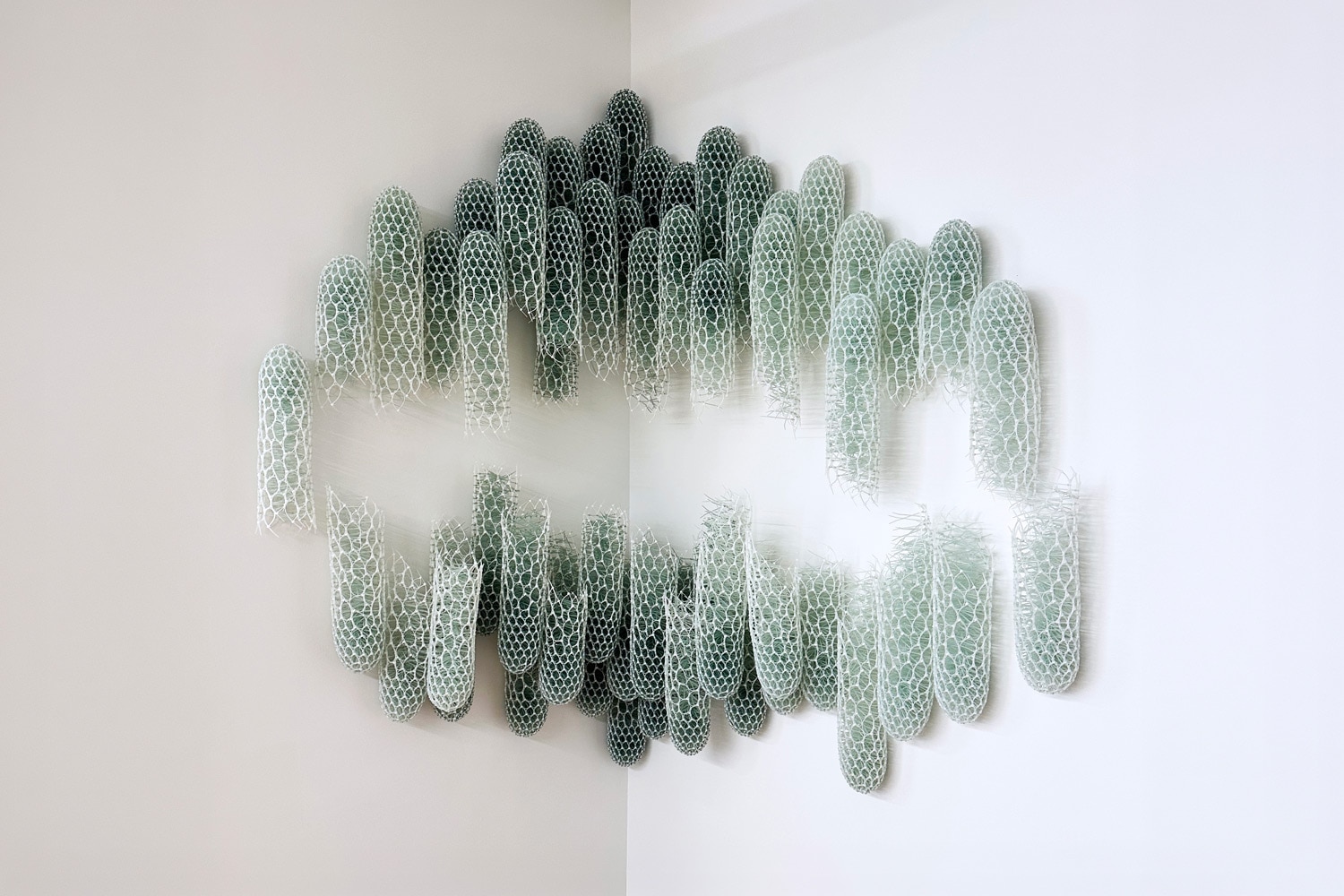
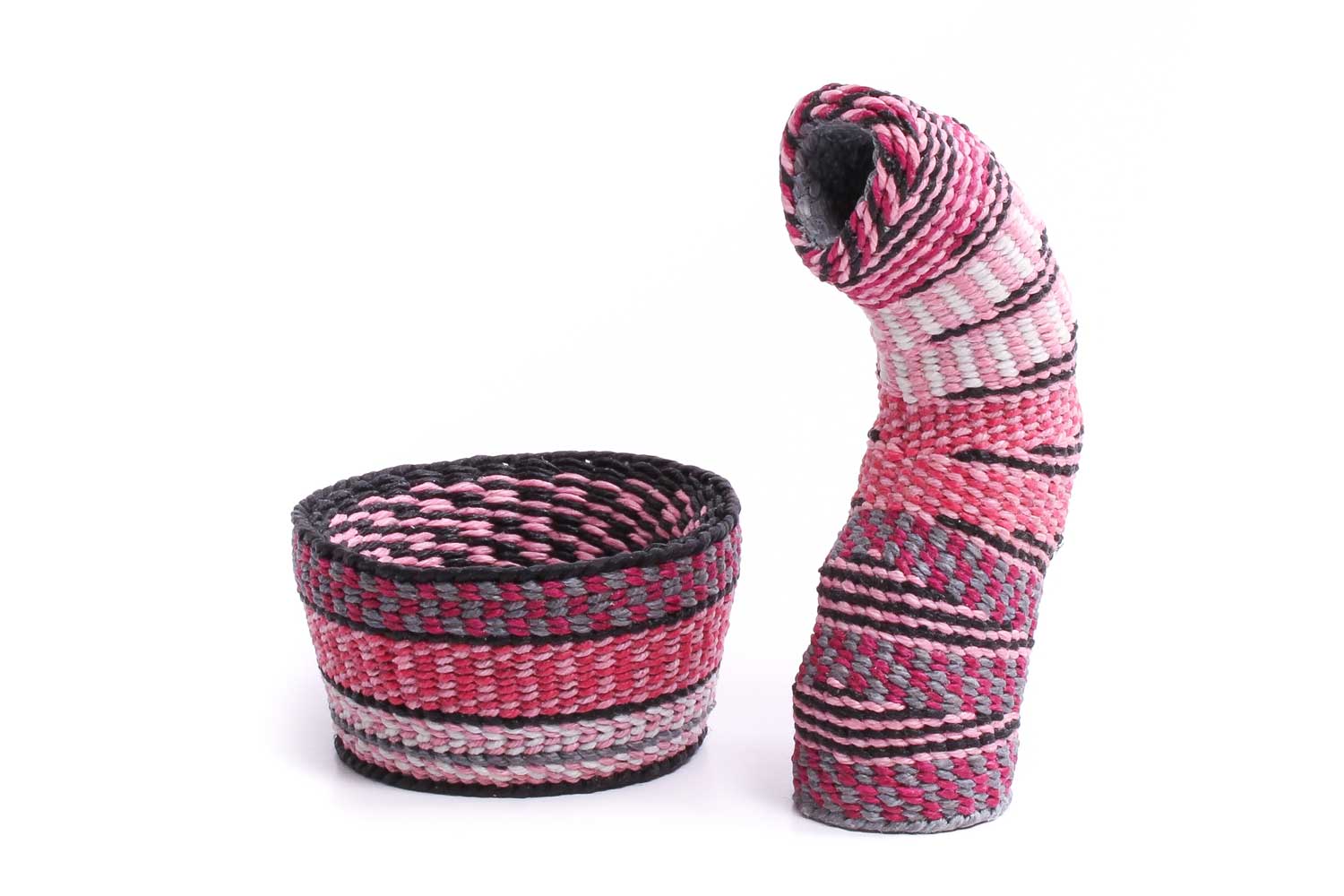
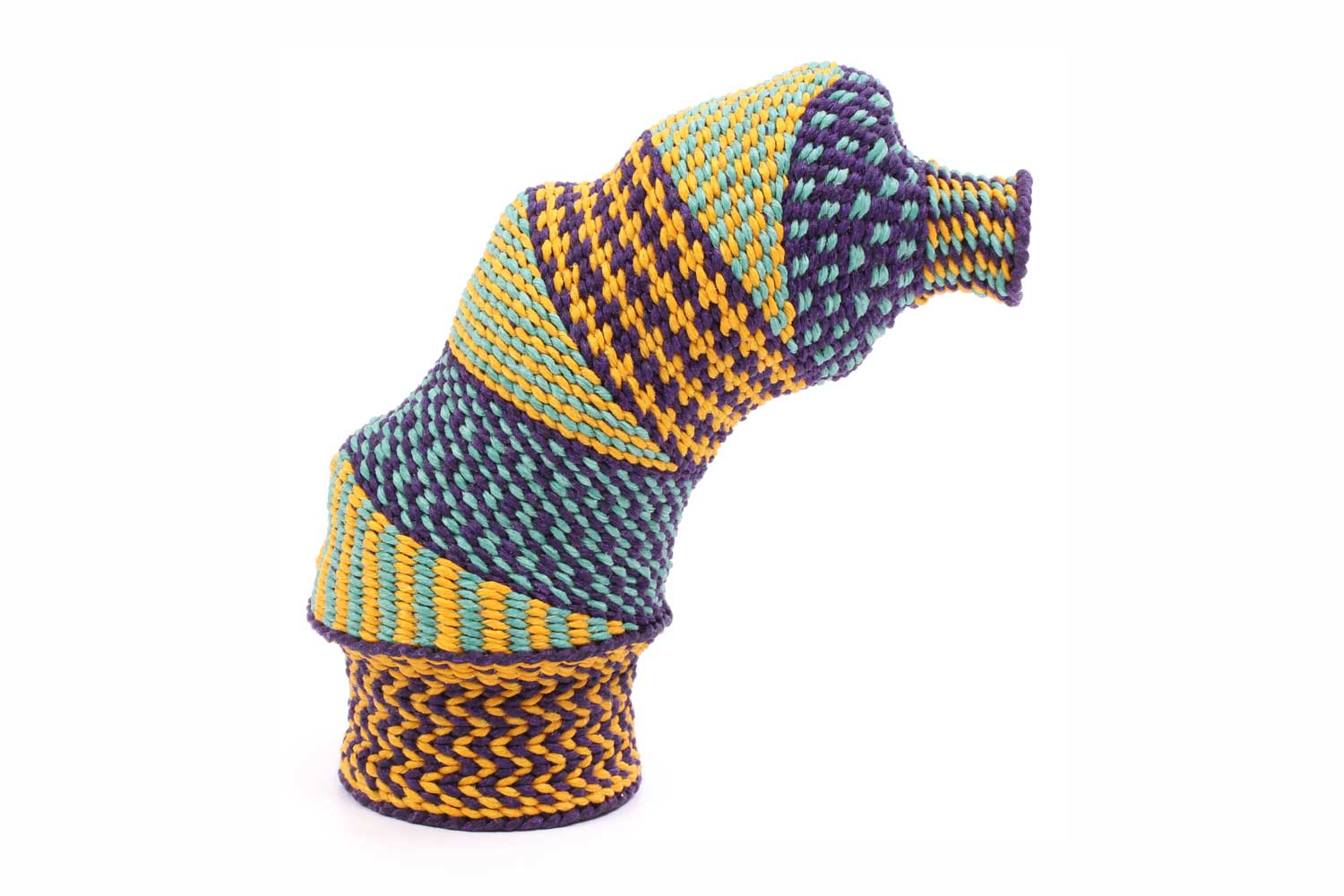
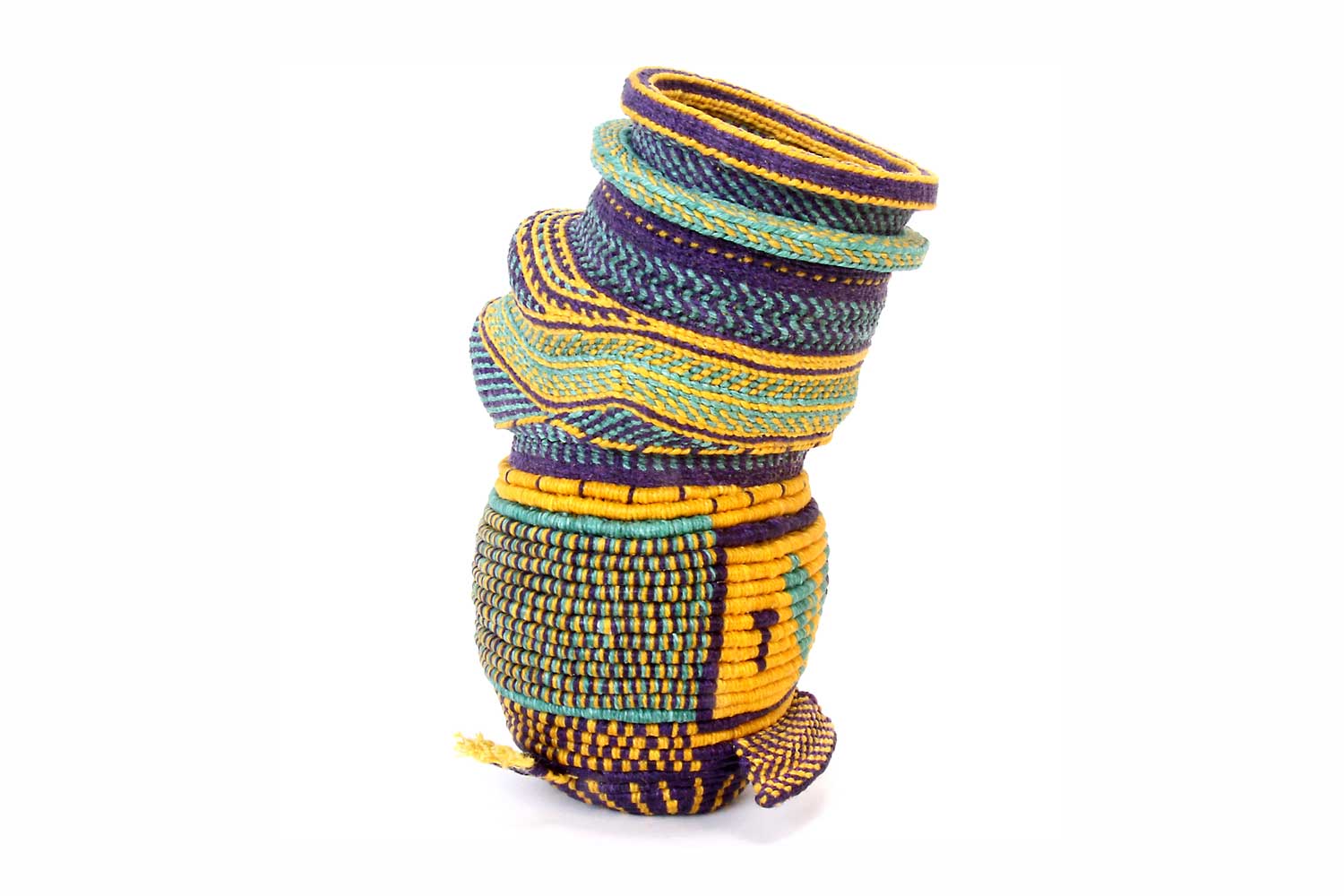
A collector requested two interacting baskets, so I paired a round version with a tall, skinny variation modelled after my bent index finger. Happy with the outcome, I began to think about bending shapes and playing with gravity, opening up to what might happen.
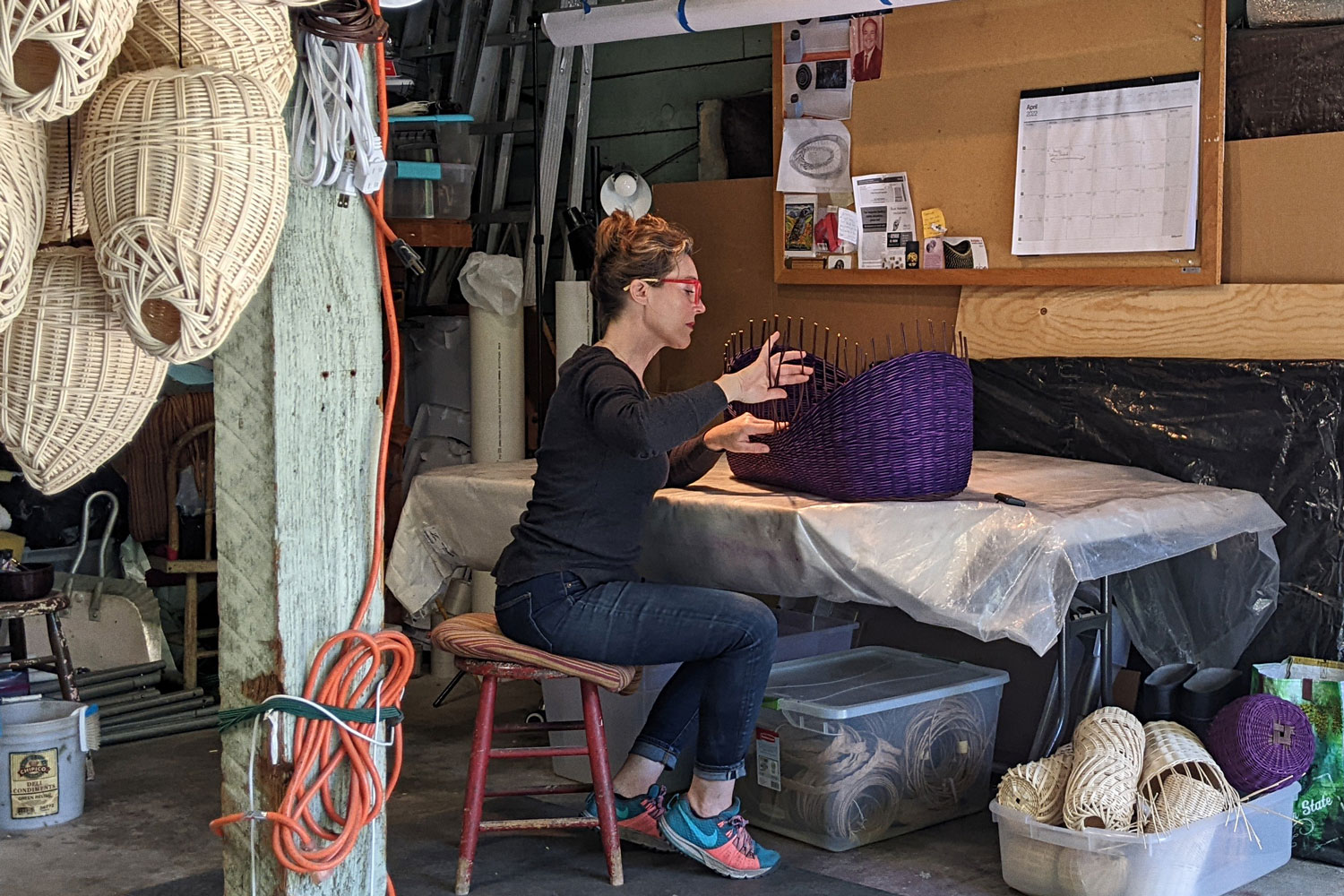
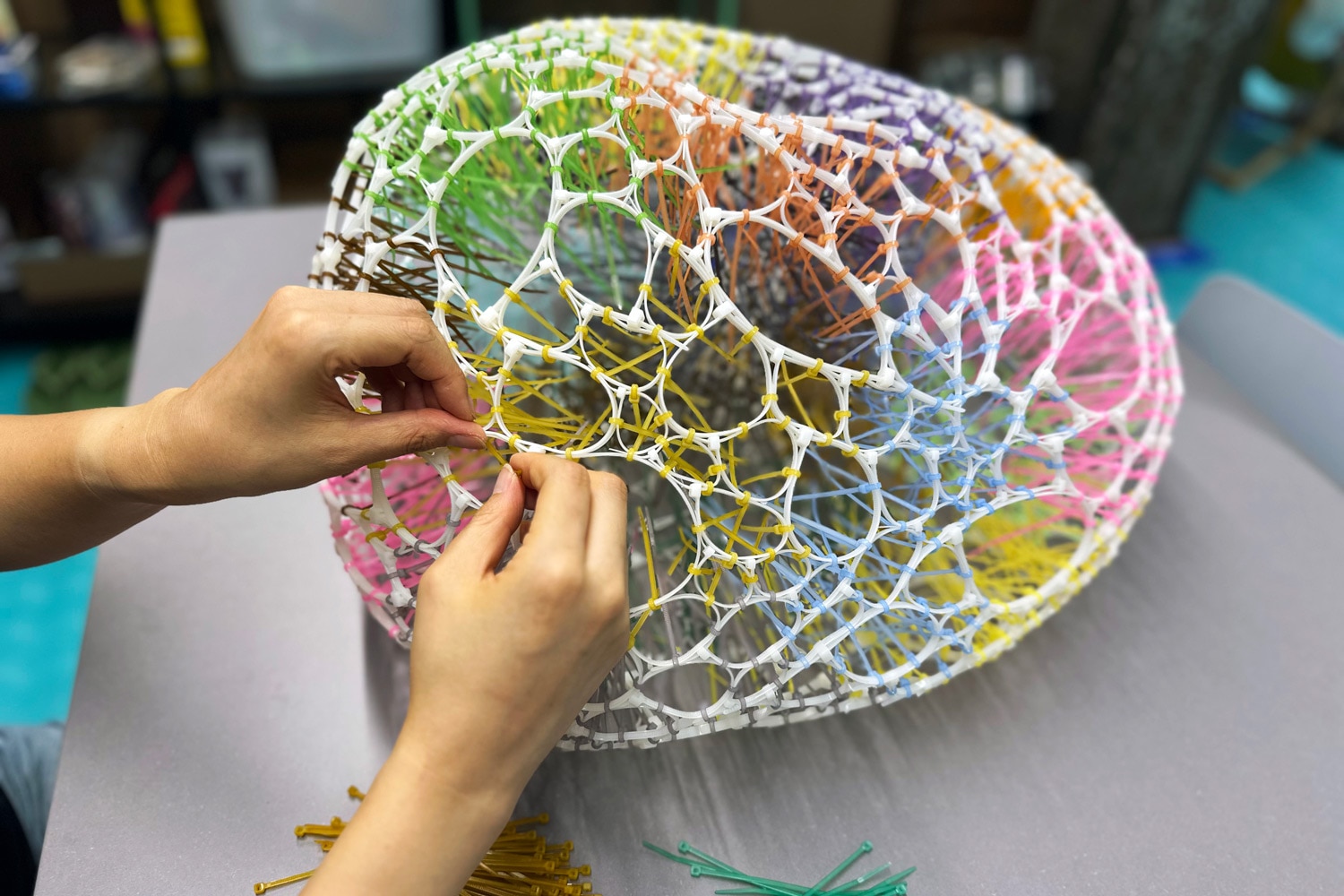
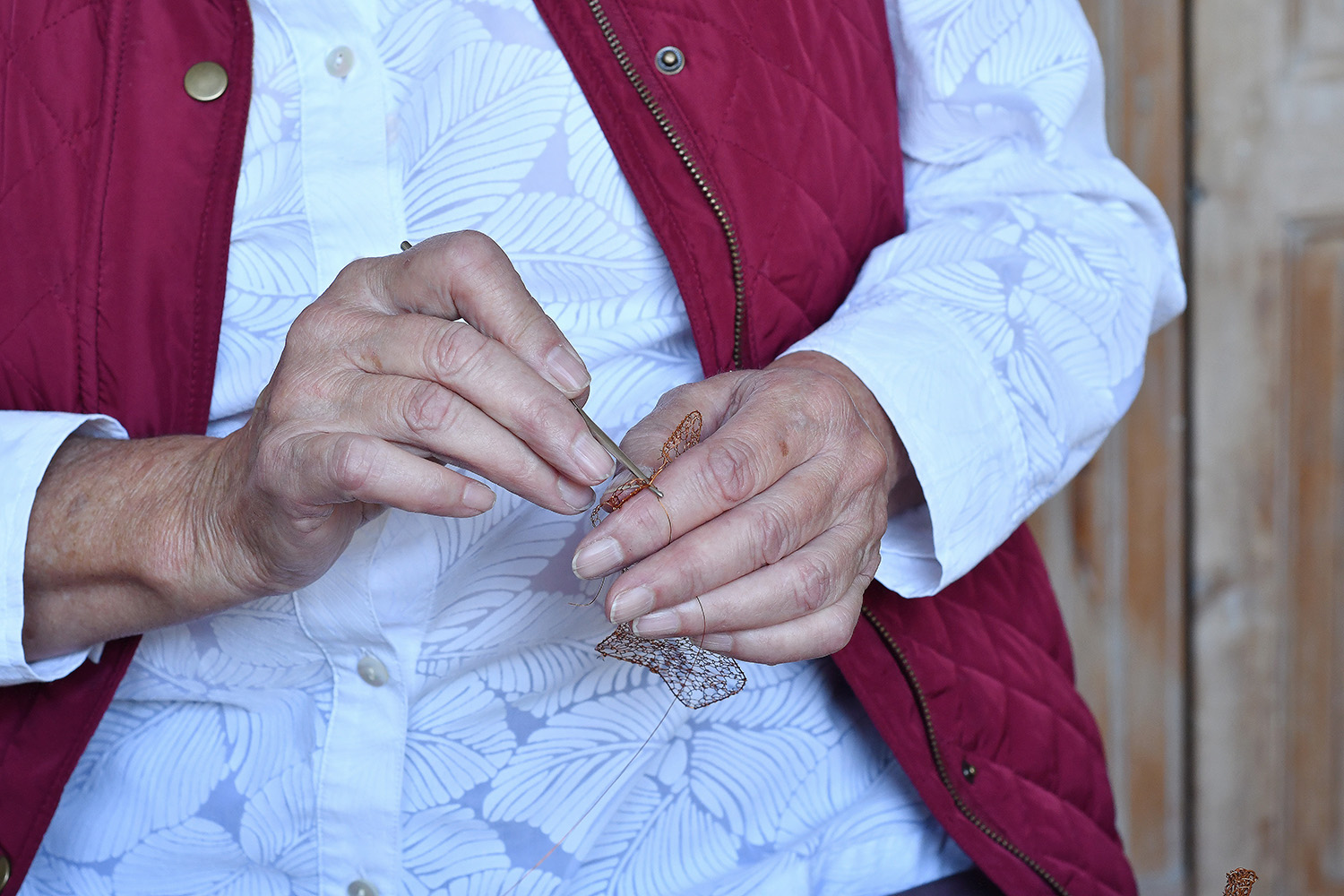
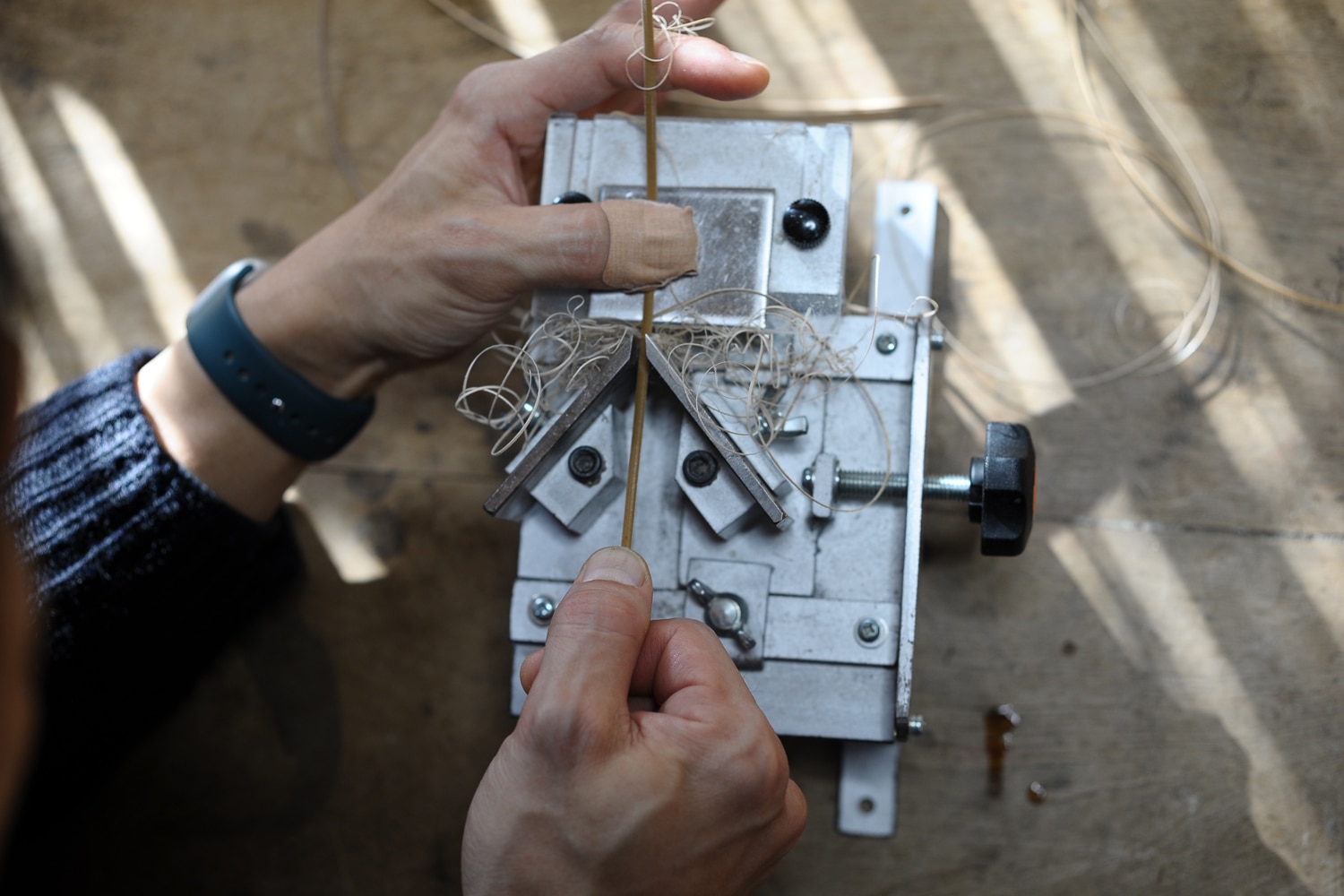
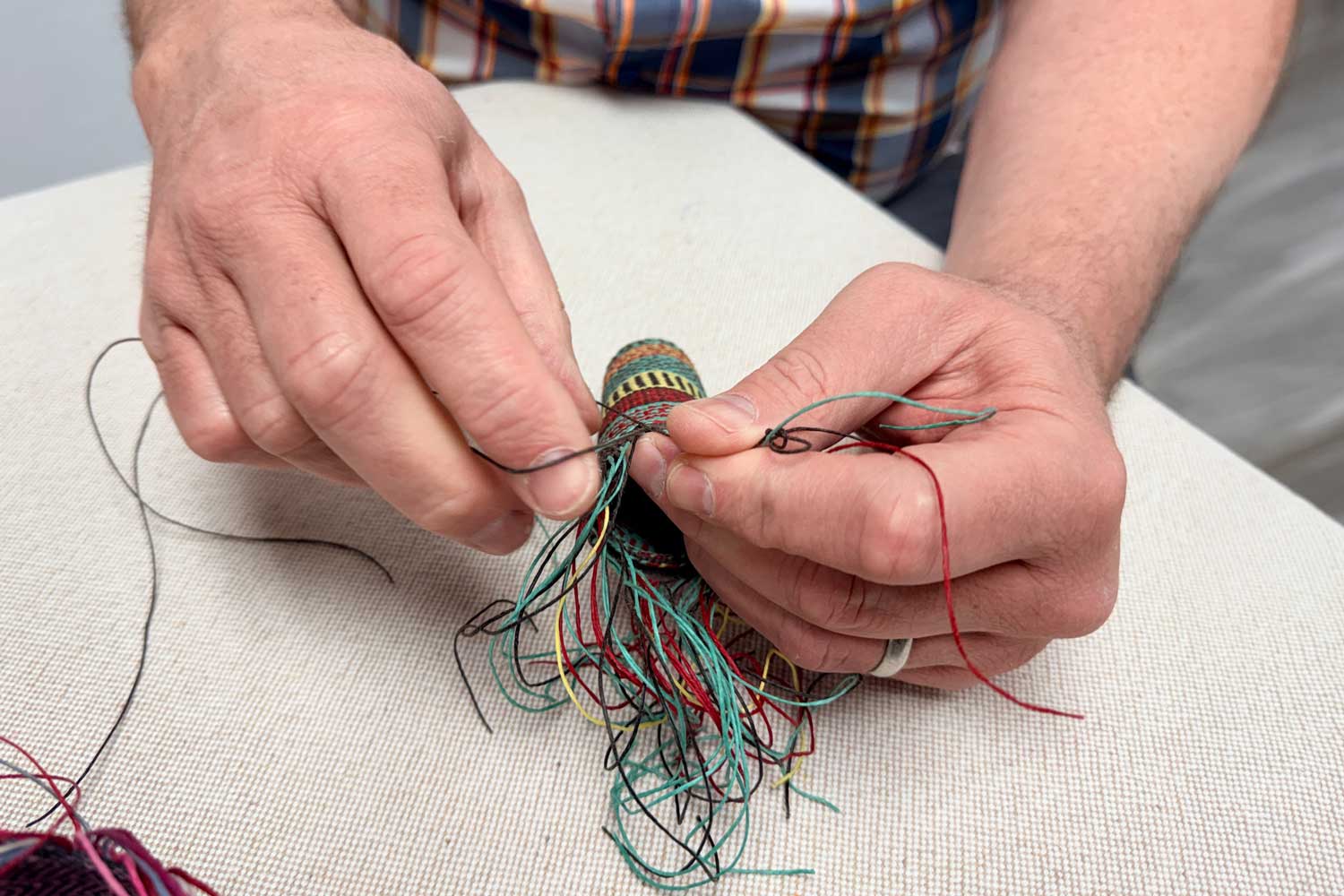
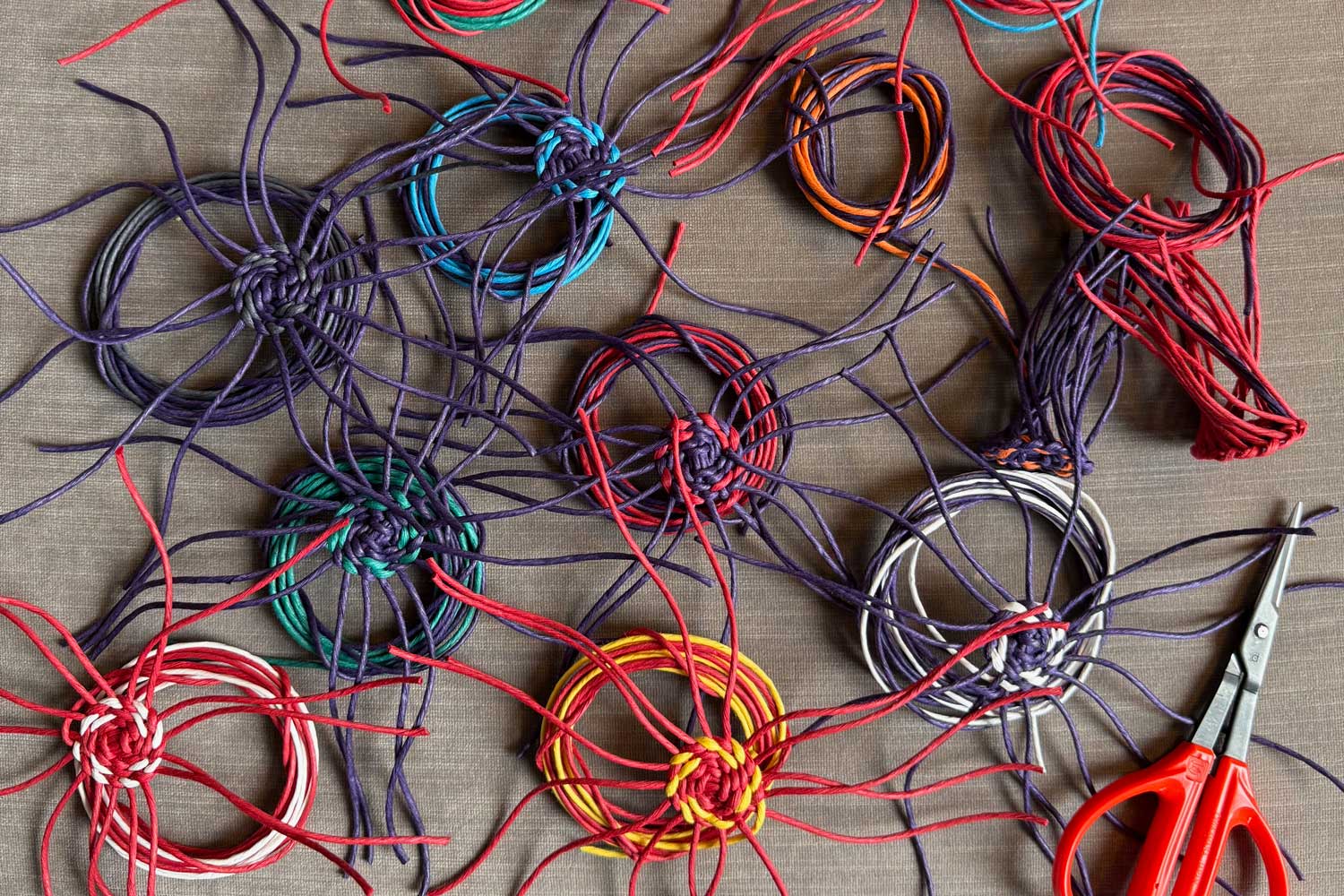
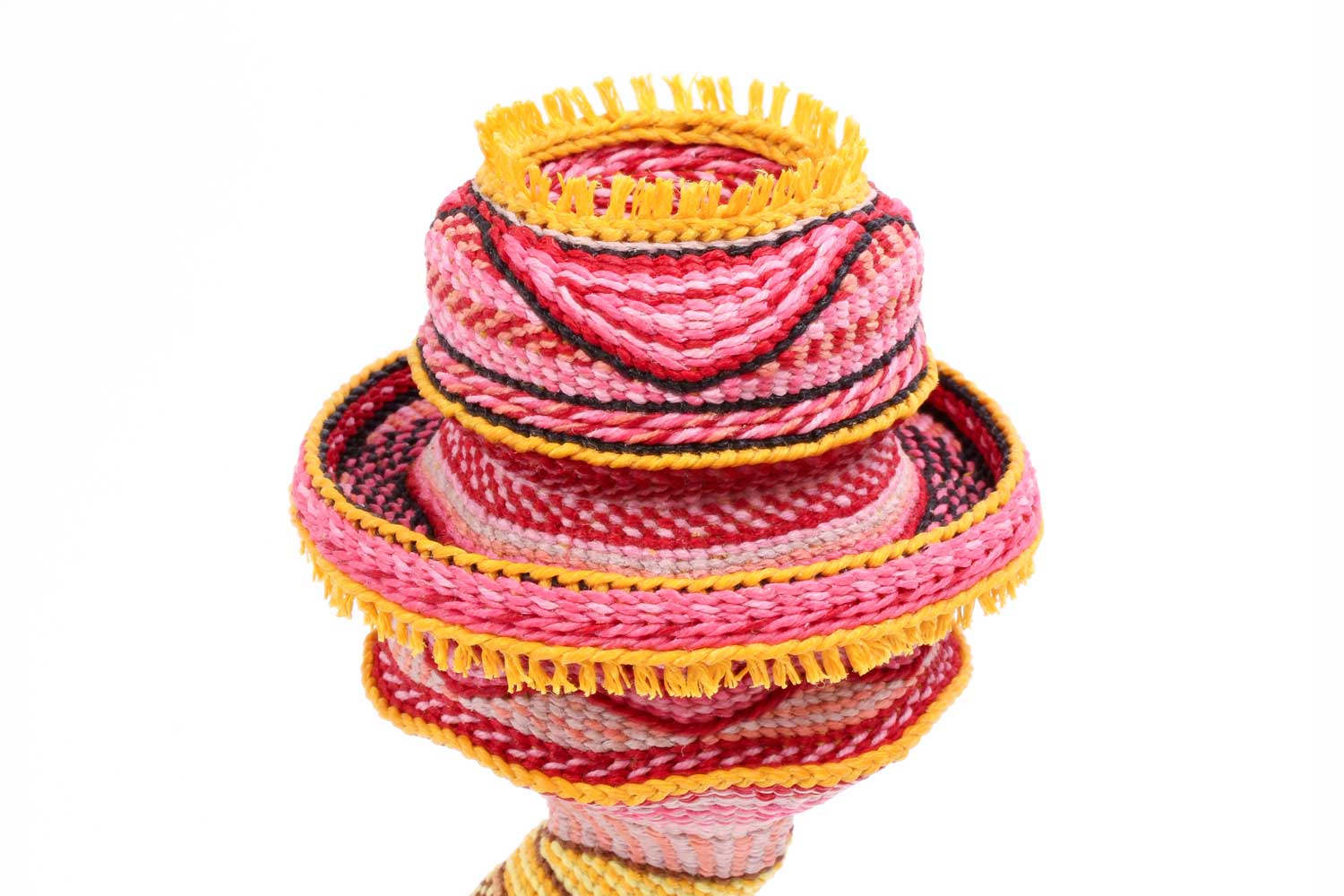
I have woven with dozens of different fibres, but waxed linen thread is my preferred material, and twining is my favourite technique. The tiny baskets require two pairs of tweezers to make. I am learning to work a variety of manual looms, as well as my 16-shaft computer controlled loom.
Weaving baskets is a slow and under-appreciated art form which has not commanded the prices deserved. I help raise the profile of African basketry in the USA and beyond, establishing optimal quality and pricing so that this cultural tradition can continue.
The most satisfying thing is having an idea, taking a couple of fistfuls of thread, and weaving that idea with just my hands. It is a connection to the past and to our ancestors who had to make everything by hand. It is relaxing, and I can do it anywhere.
Cael Chappell
Basketweaver
Los Ranchos de Albuquerque, NM, USA
AVAILABILITY
By appointment only
PHONE
+1 5053232315
LANGUAGES
English
Homo Faber Finds is a new service aiming to inspire admirers of craft to connect and collaborate with exceptional artisans.
We invite you to submit an enquiry here.