Juana Del Carmen Maribur Paloma
Basketweaver
Cañete, Chile
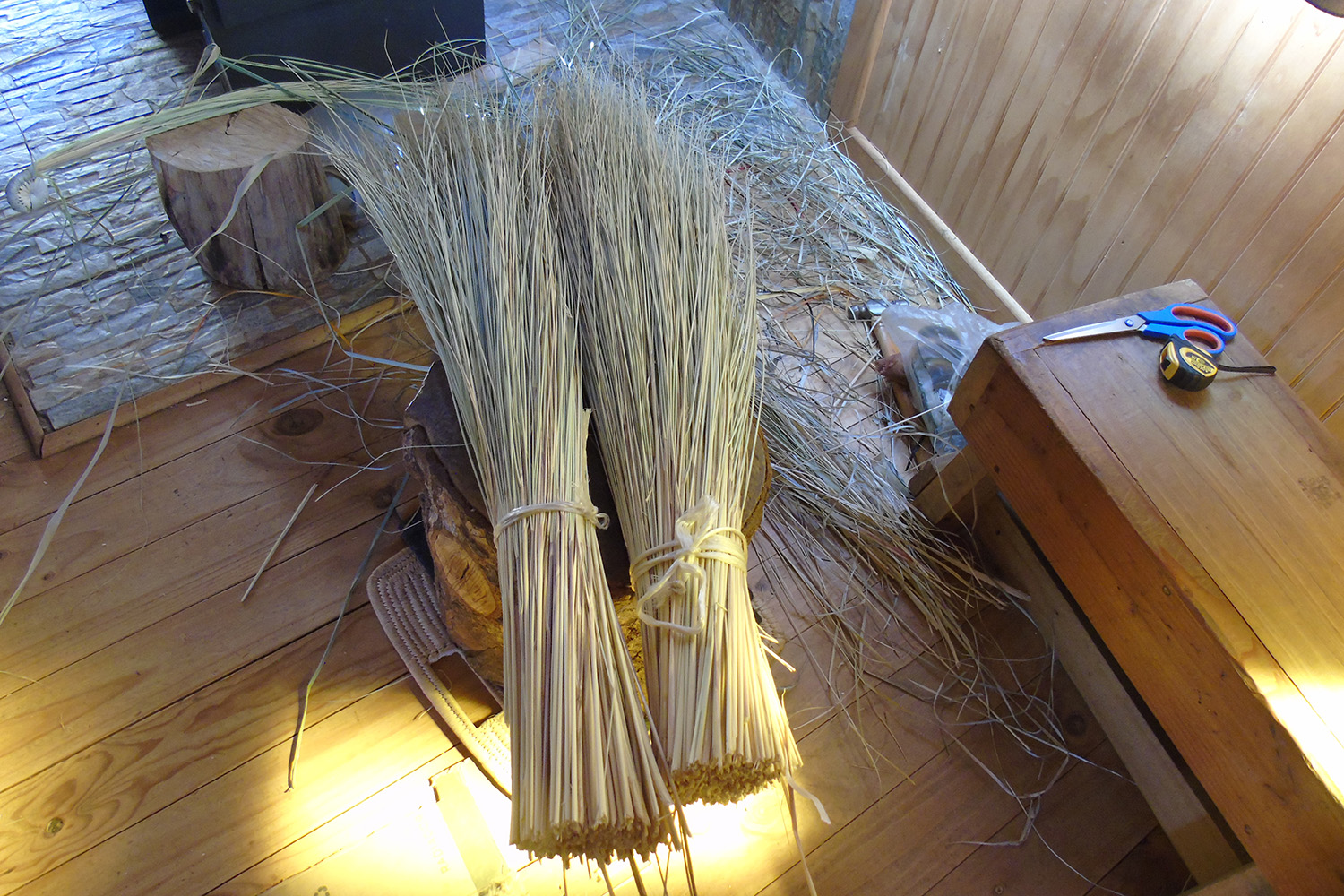
Original Mapuche fibres
- Through her basket weaving, Juana is sustaining the practice of ancestral techniques
- The Mapuches are the oldest native culture in Chile
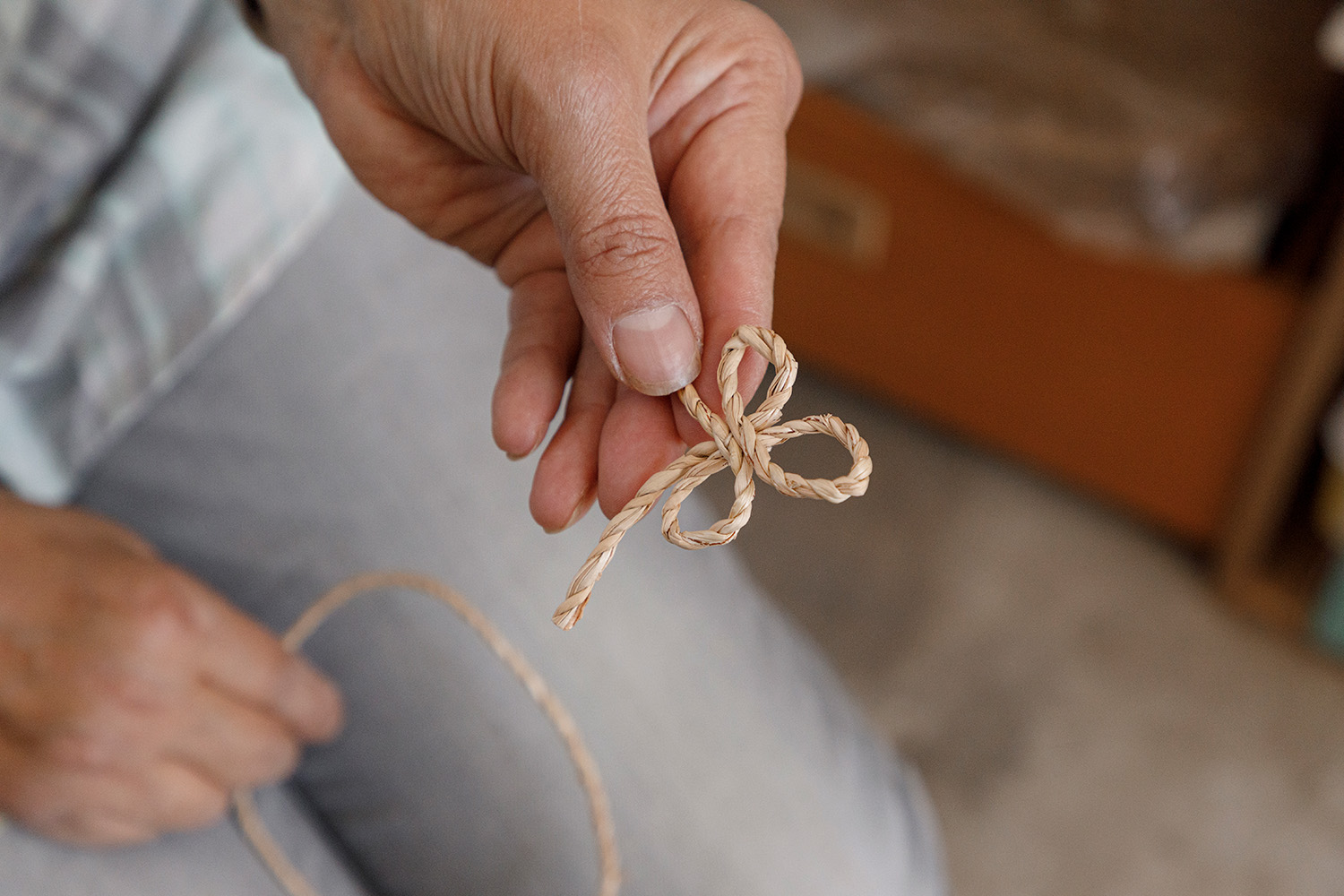
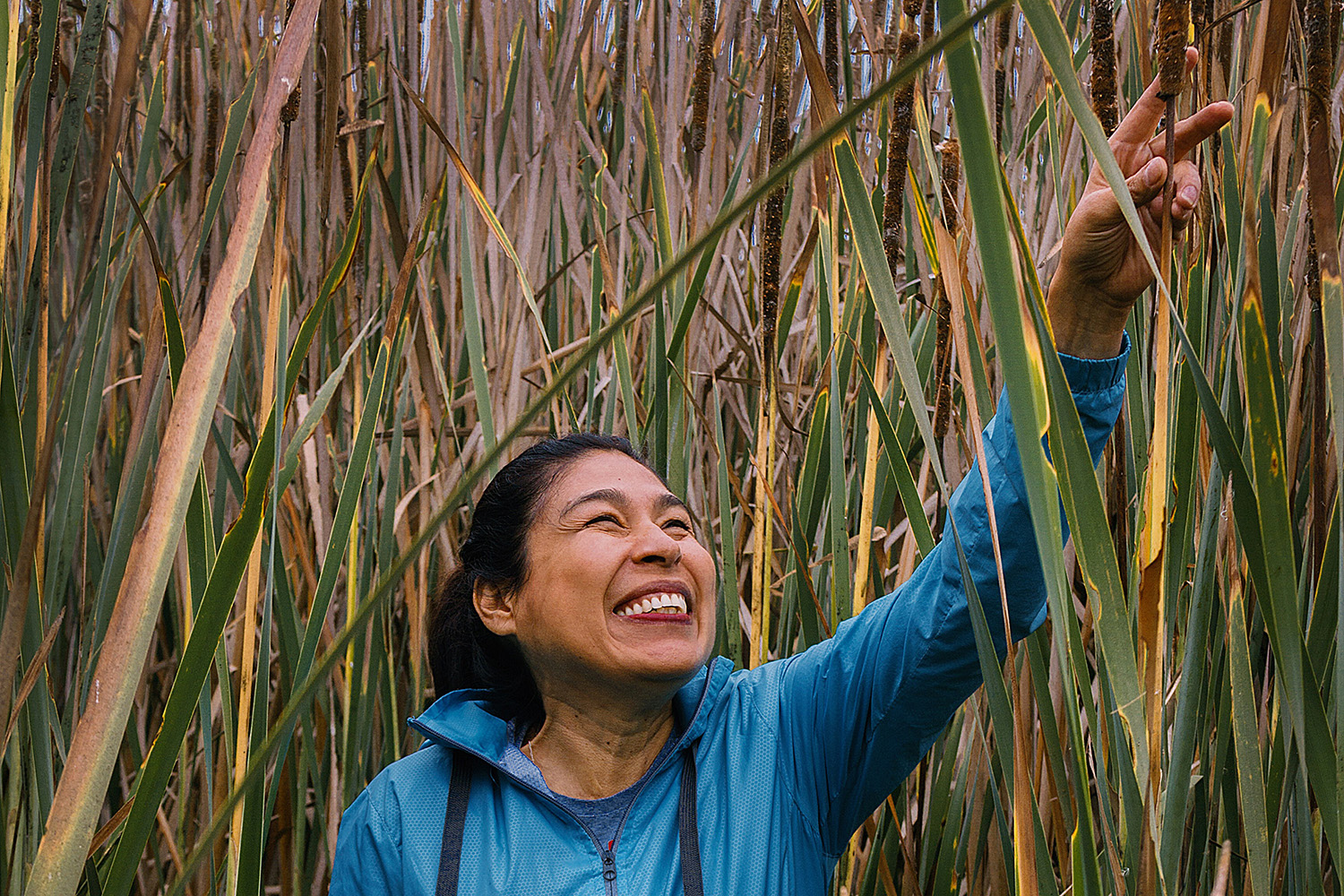
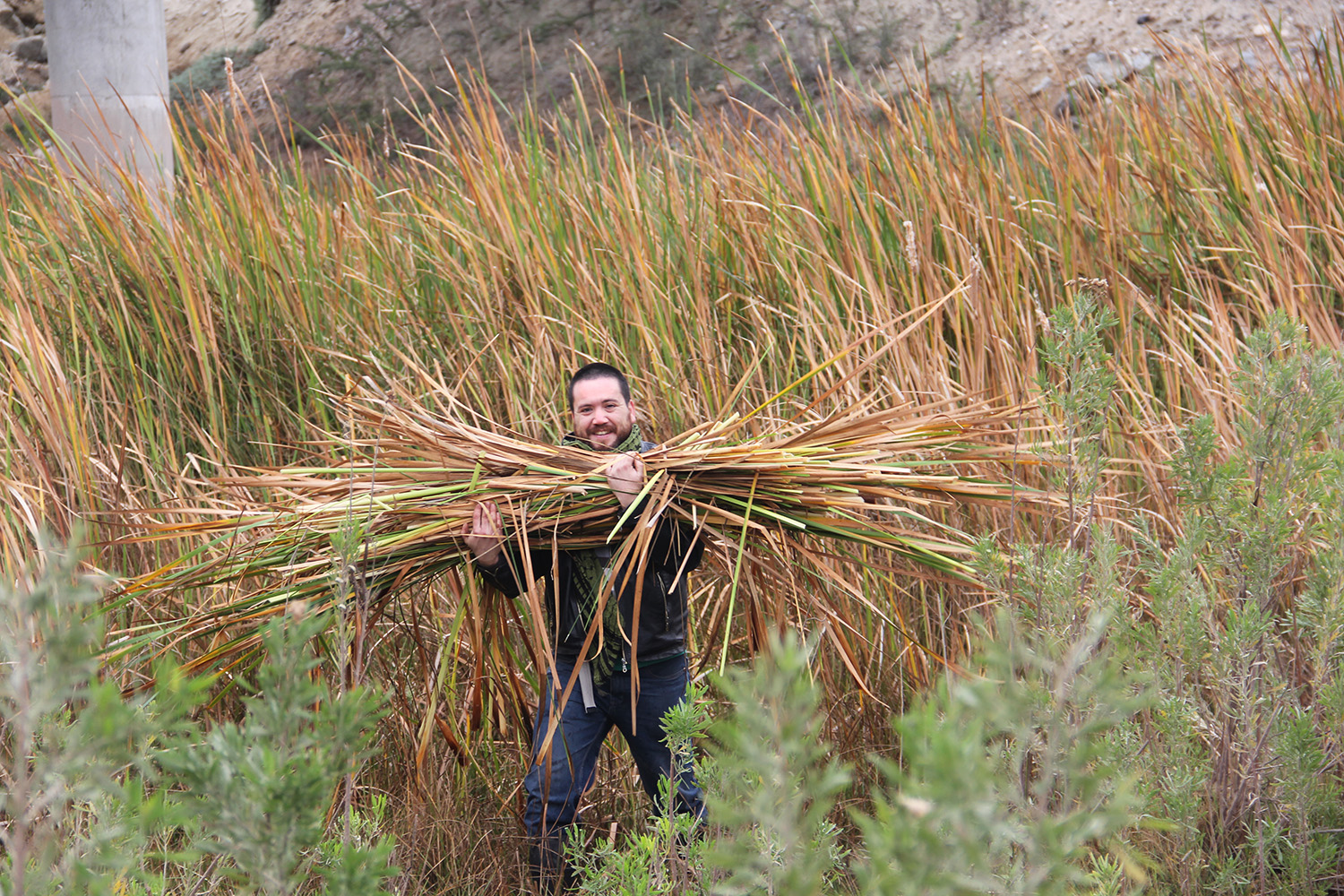
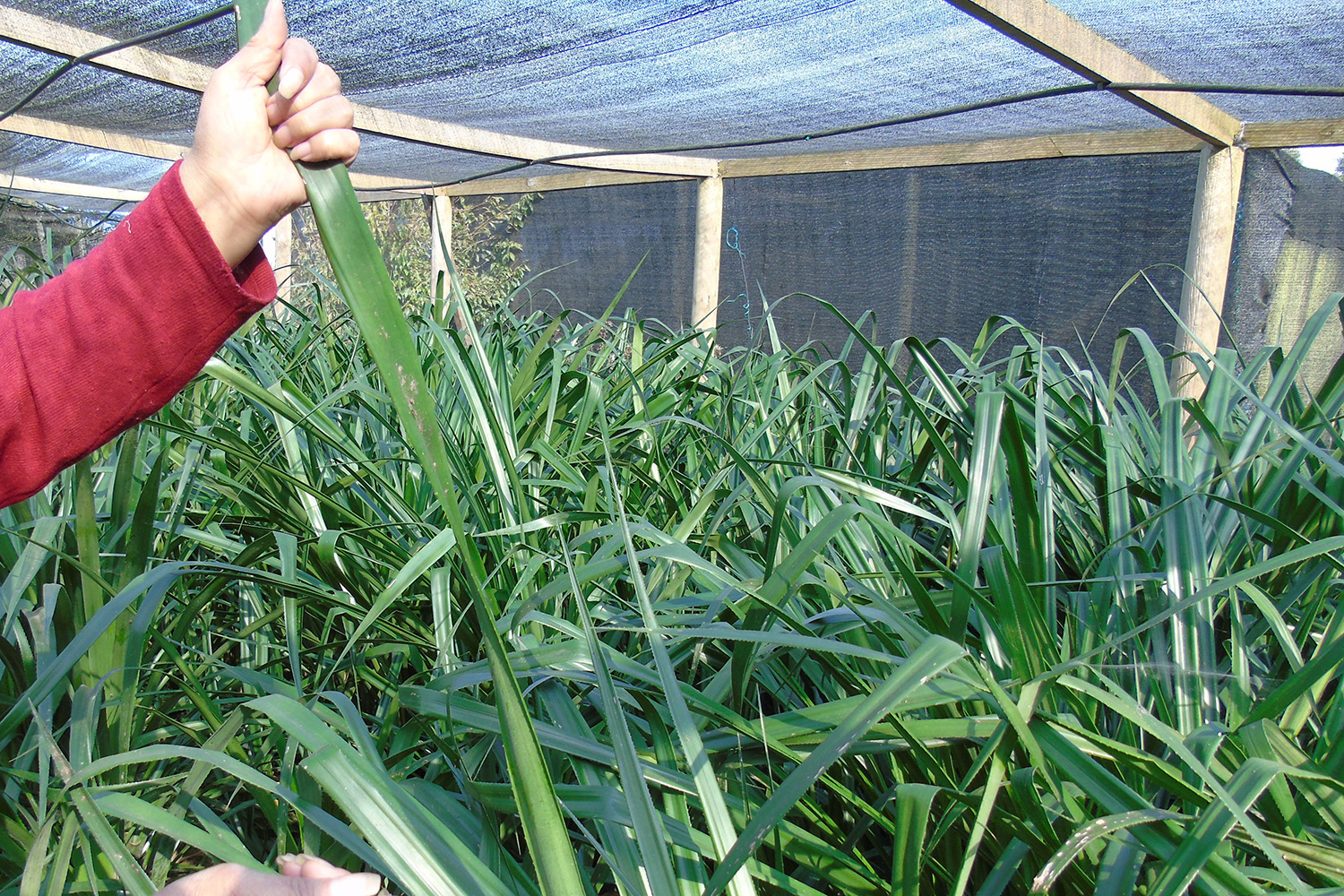
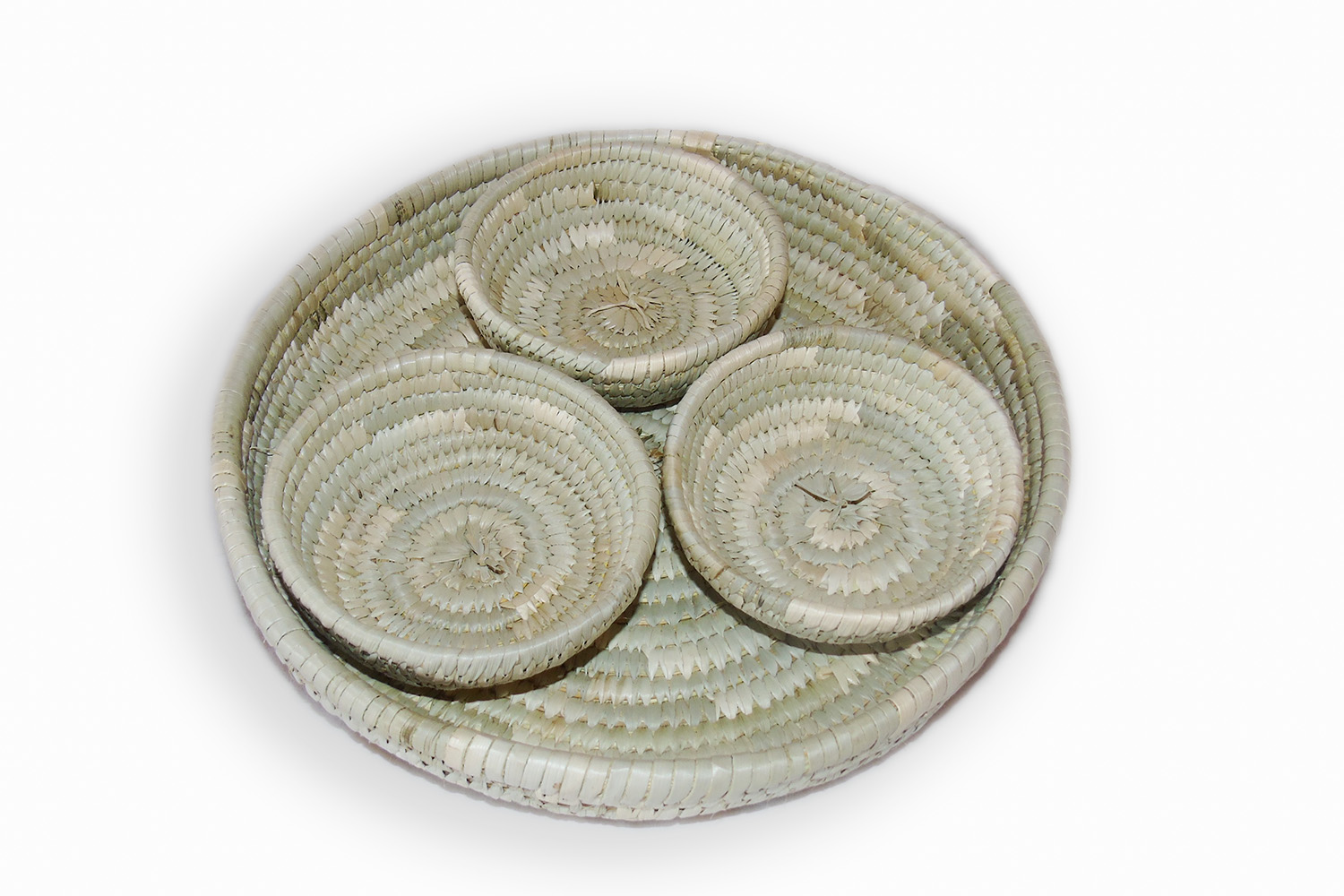
- Her pieces are made of Ñocha fibre, a local plant
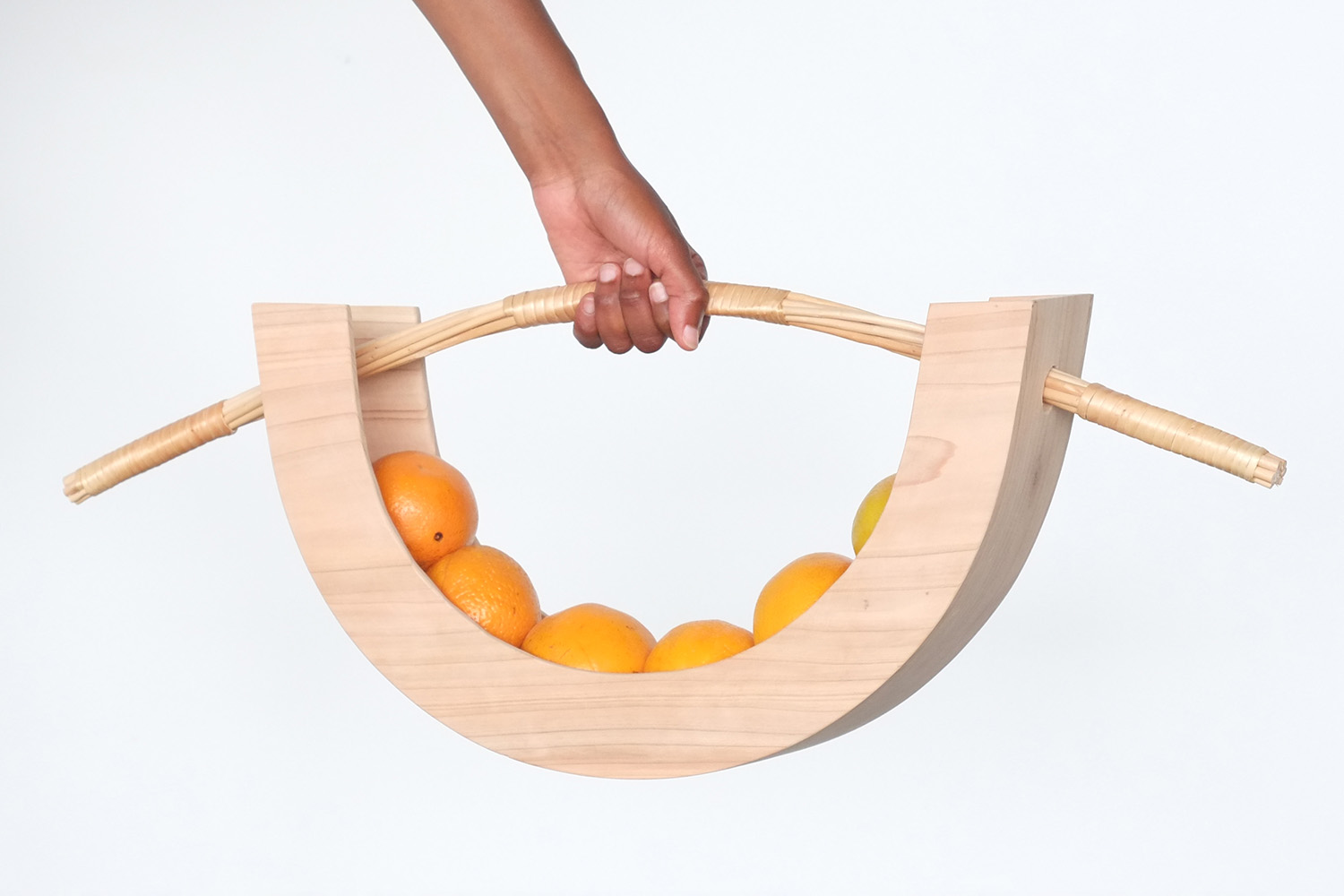
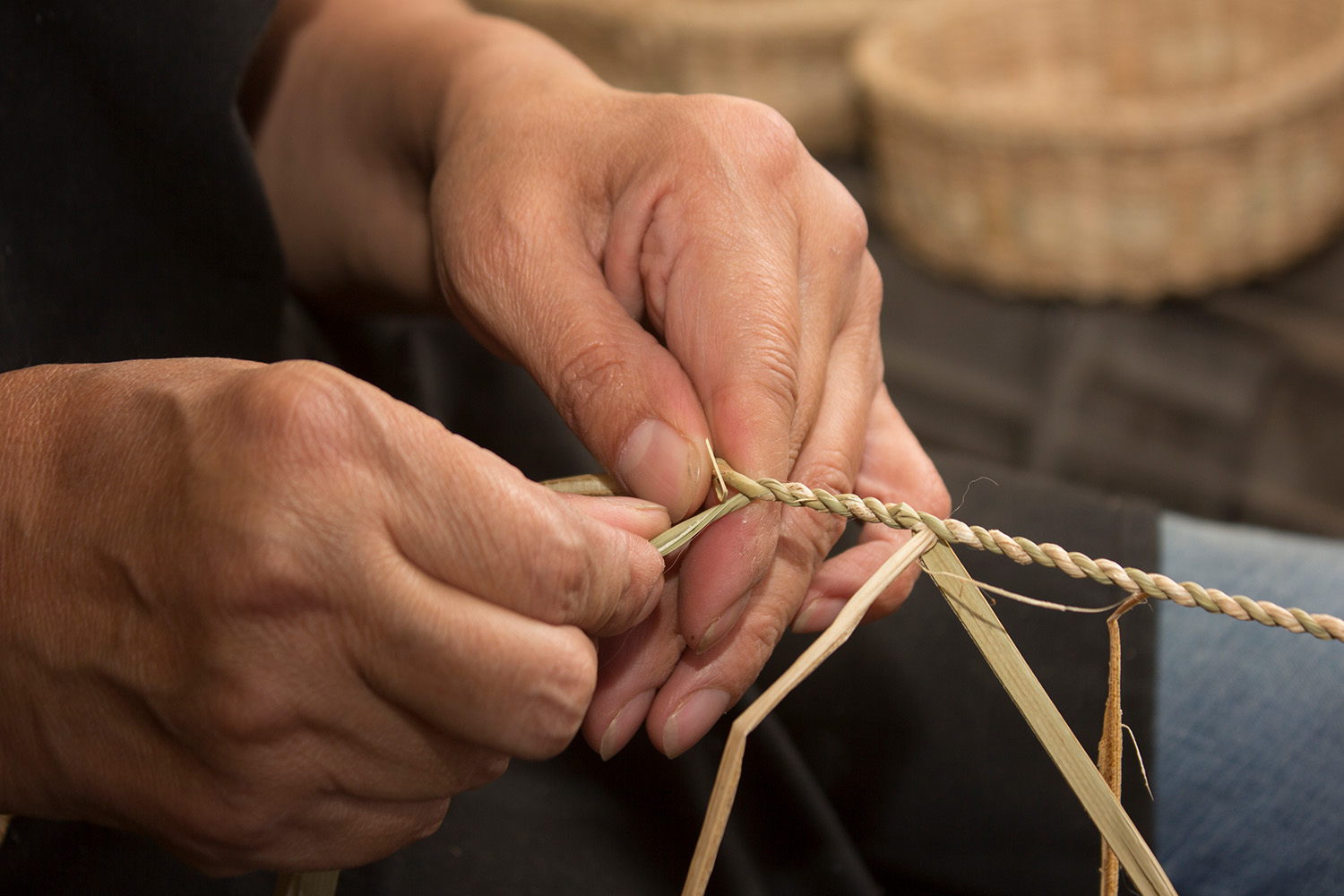
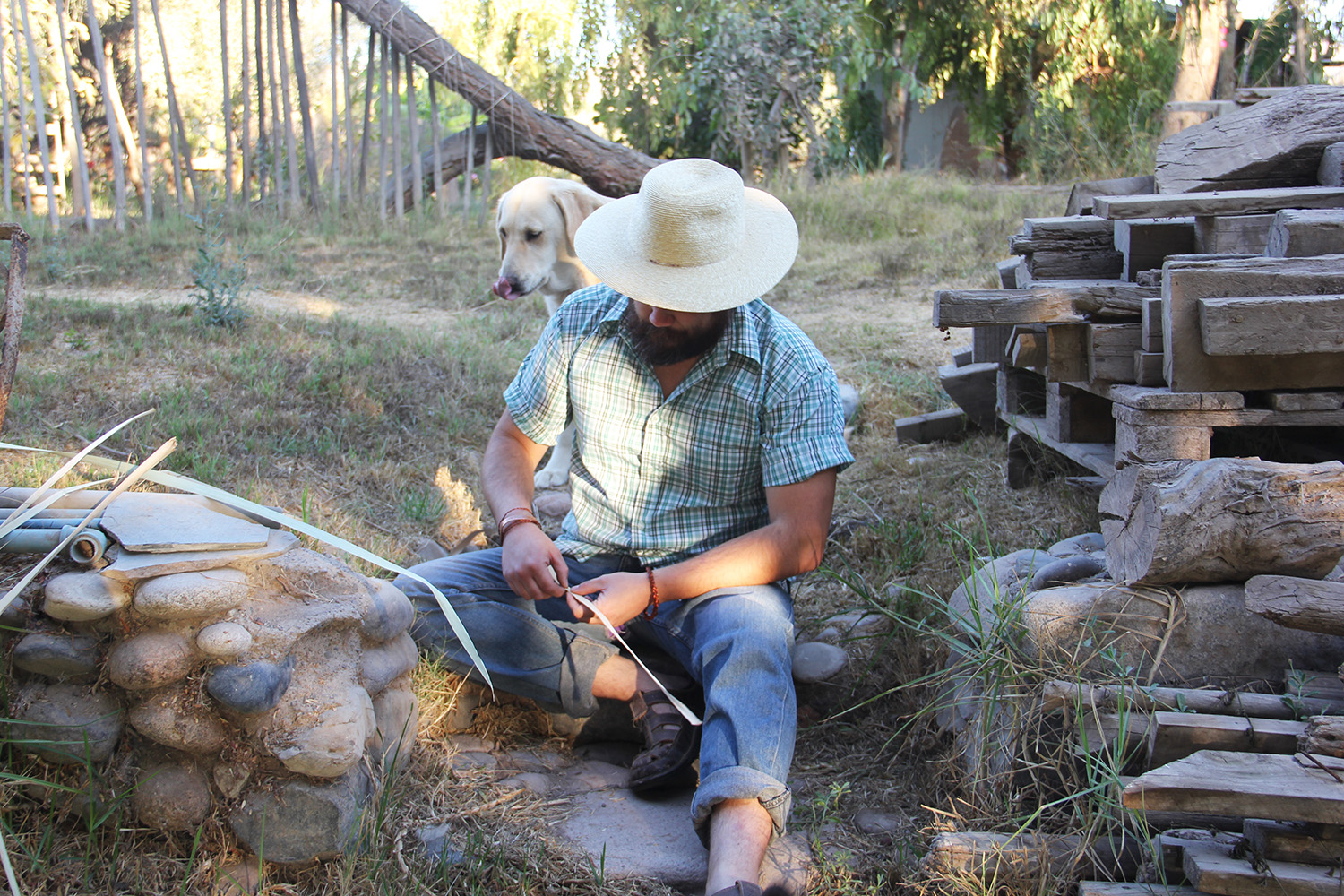
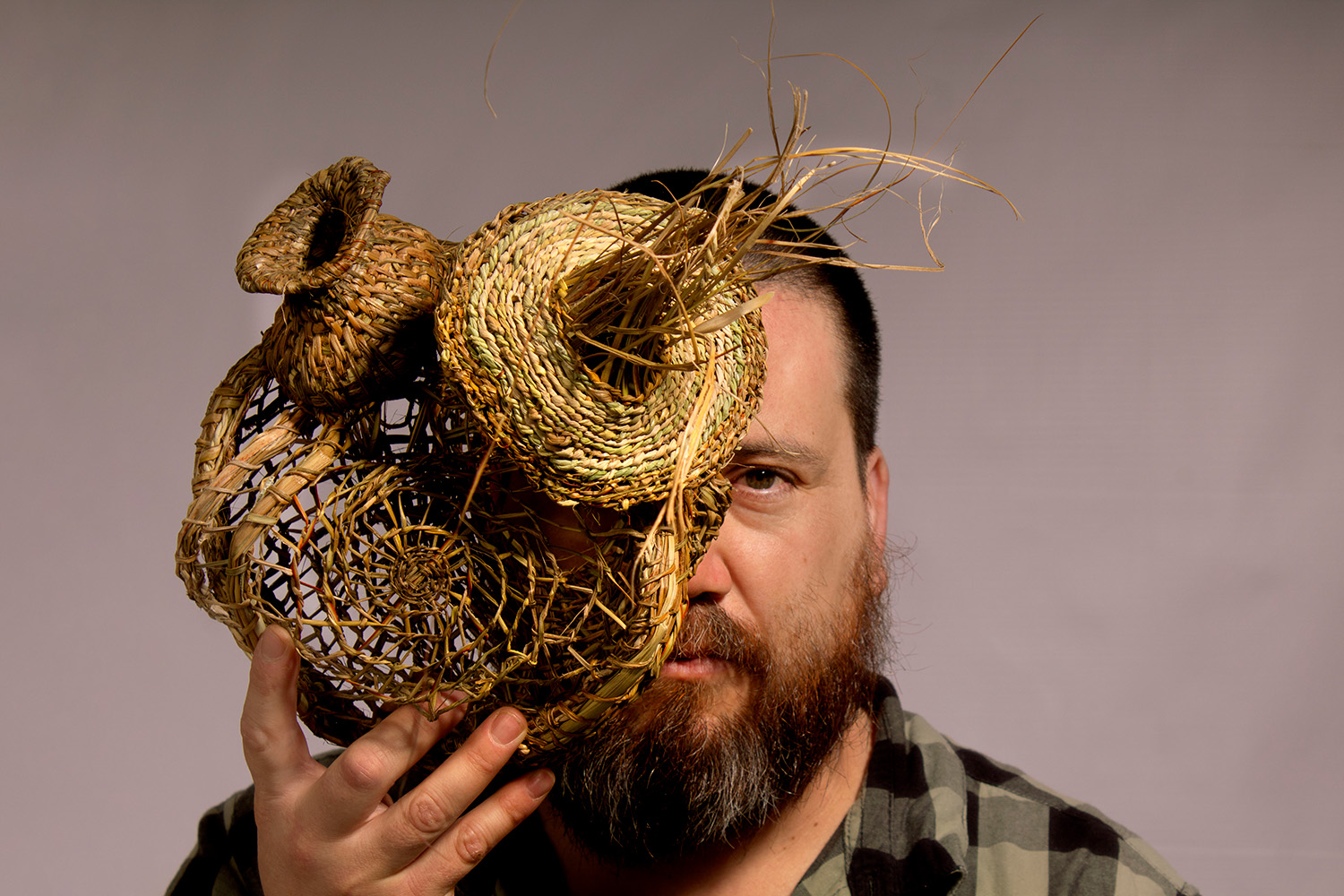
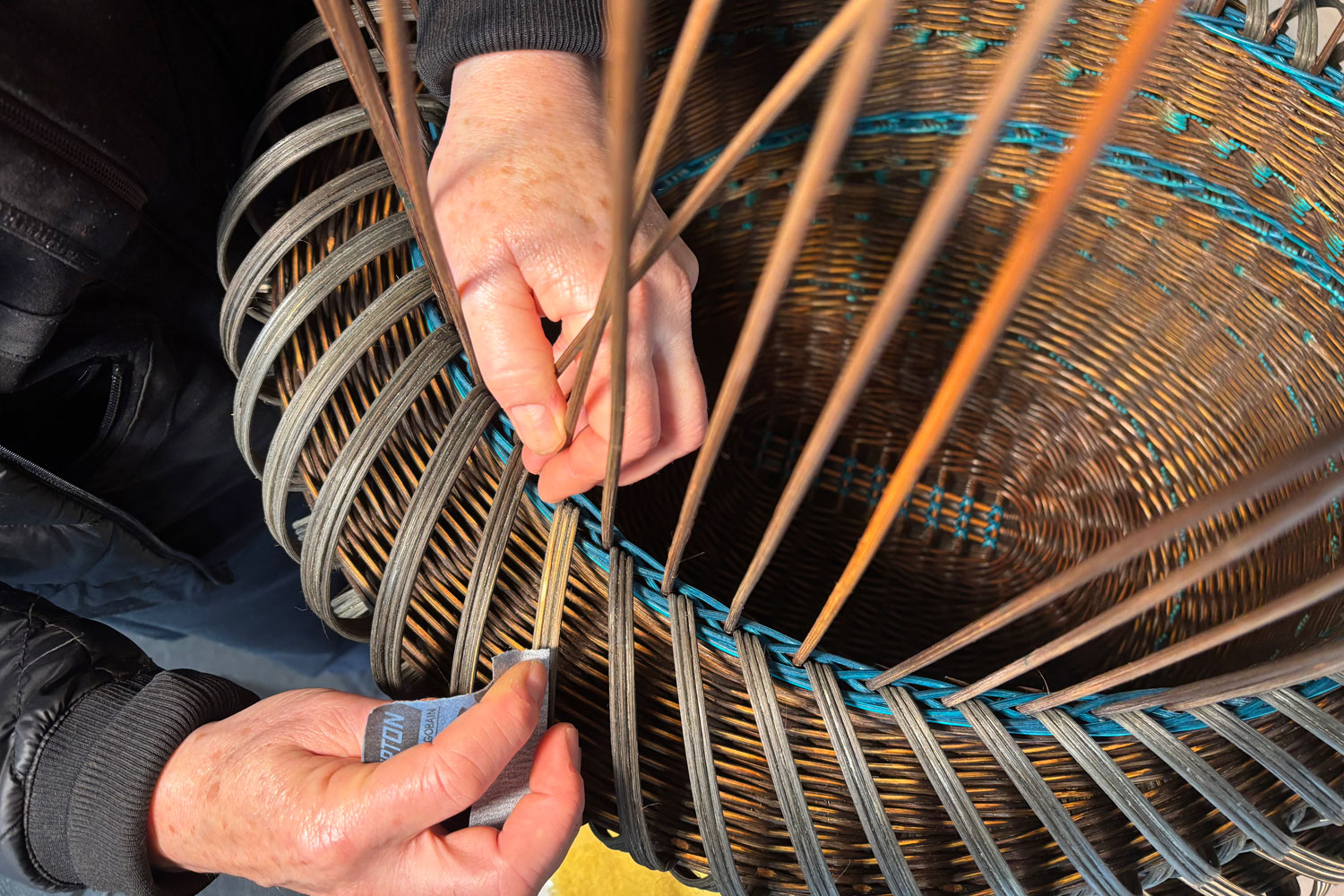
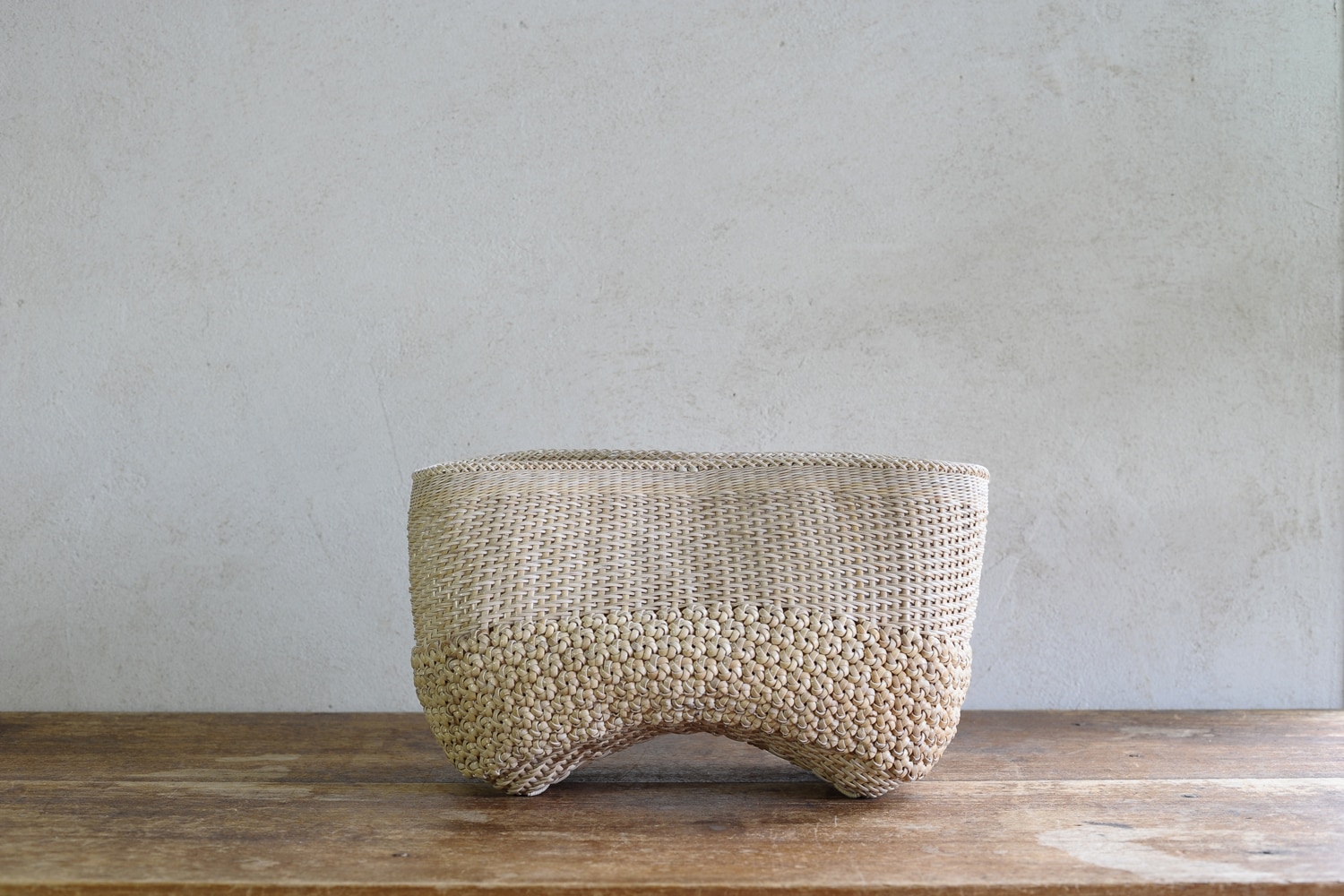
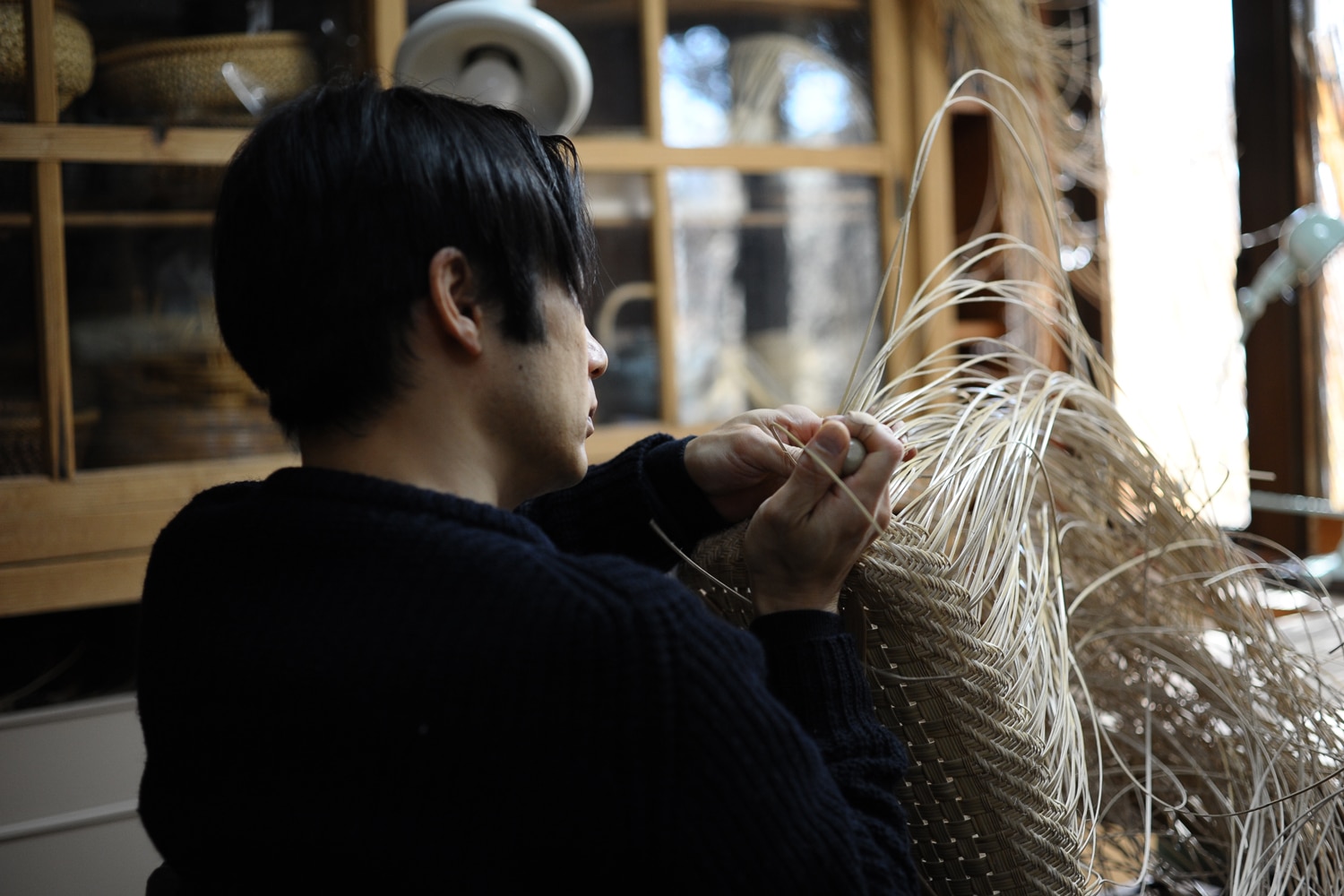
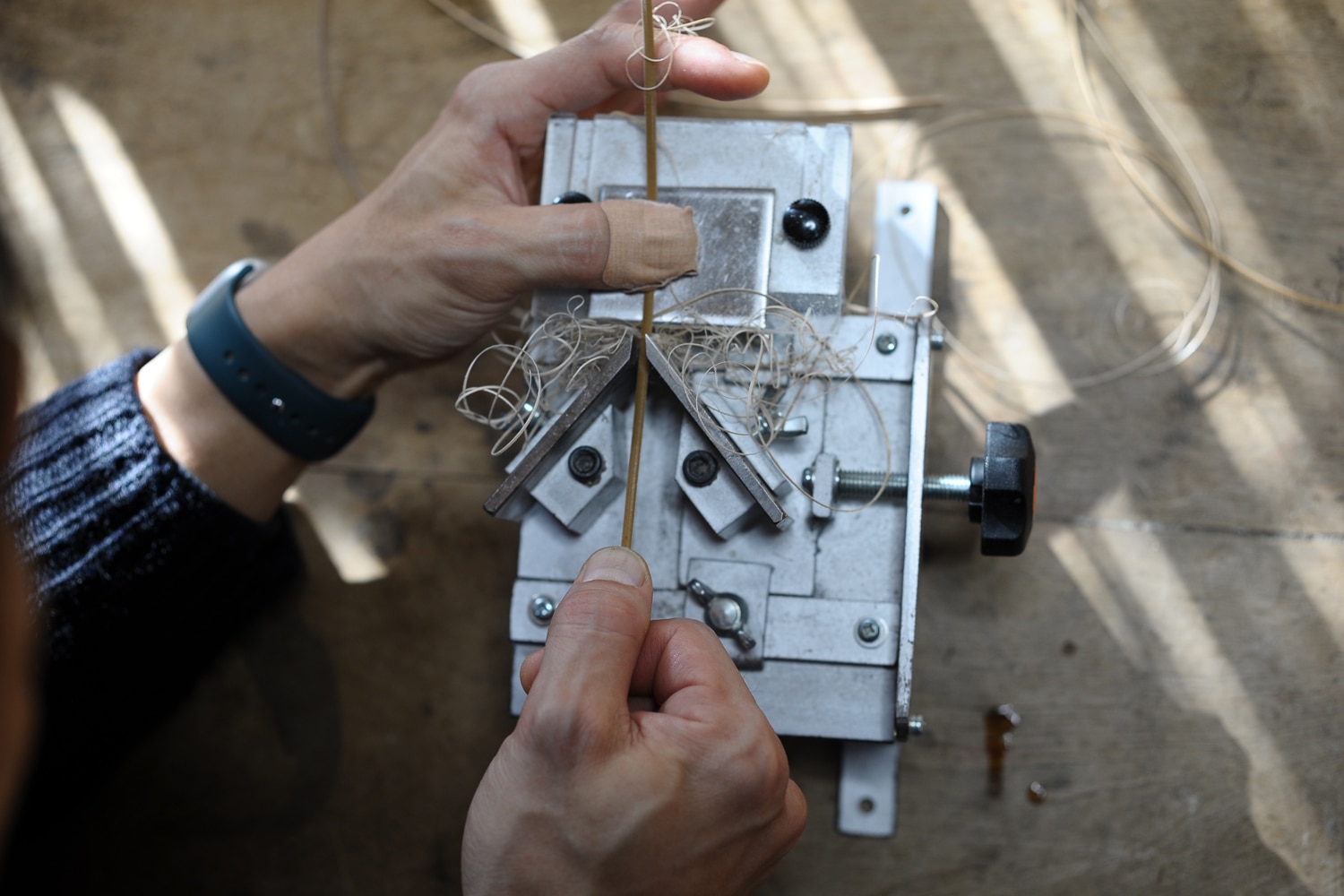
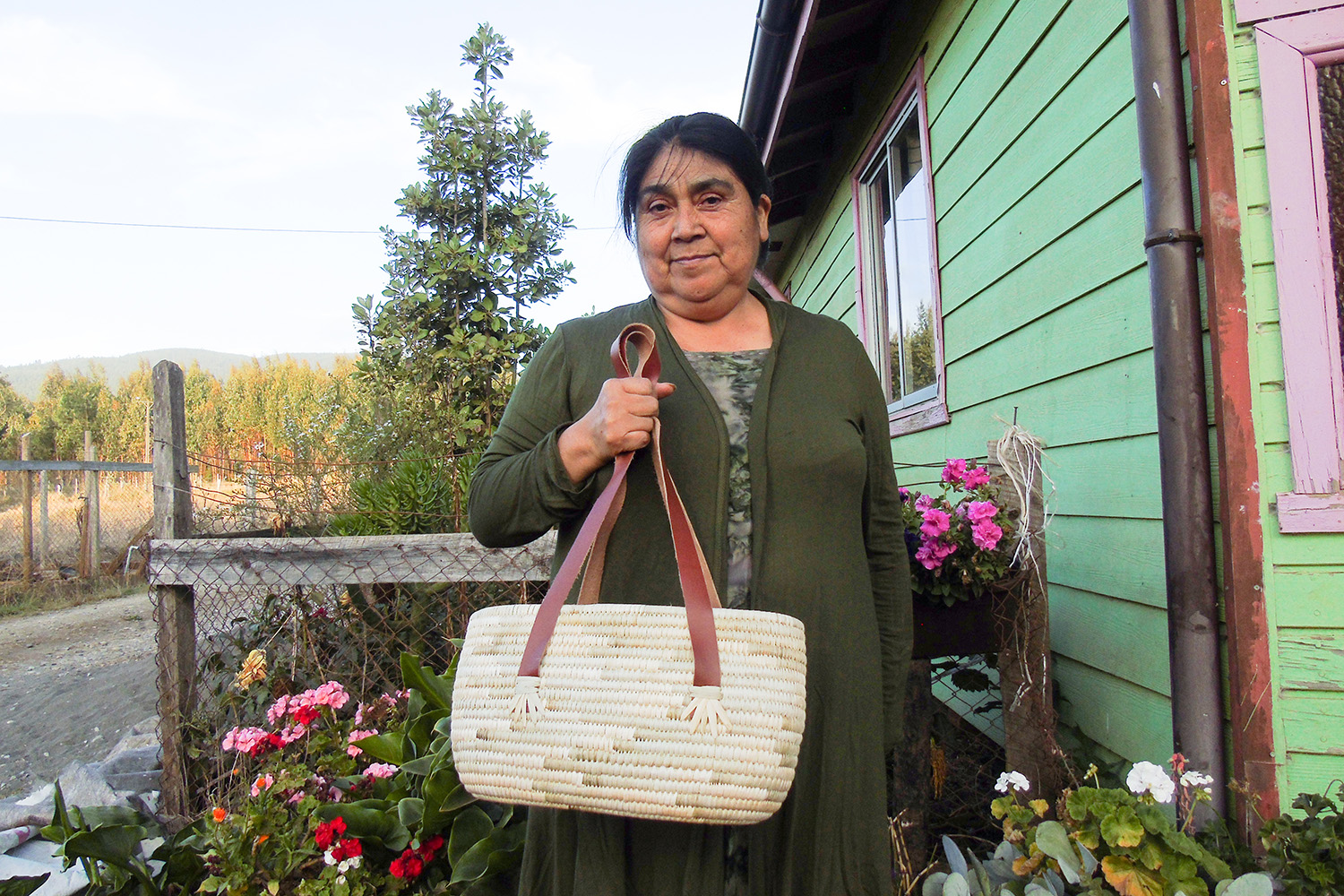
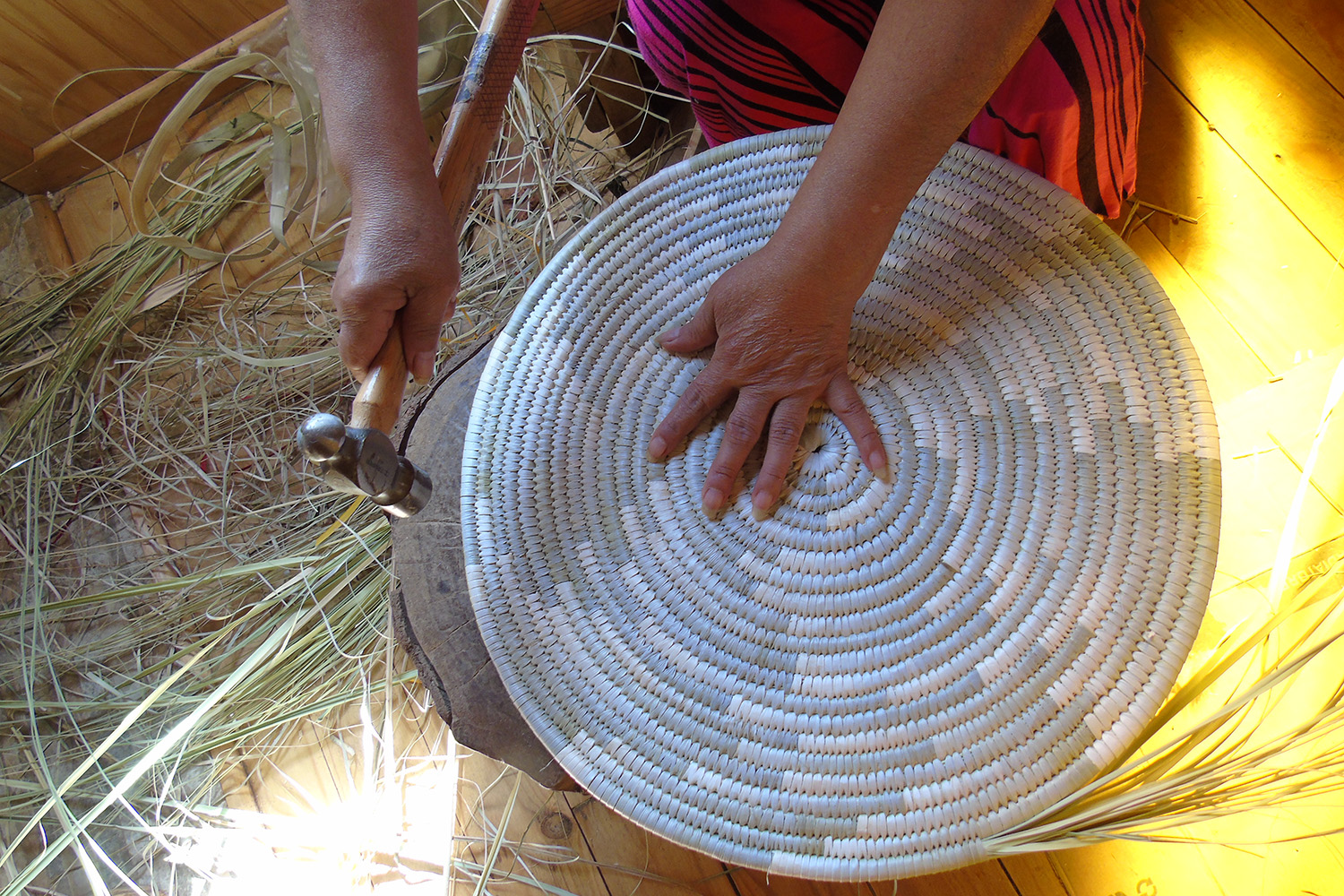
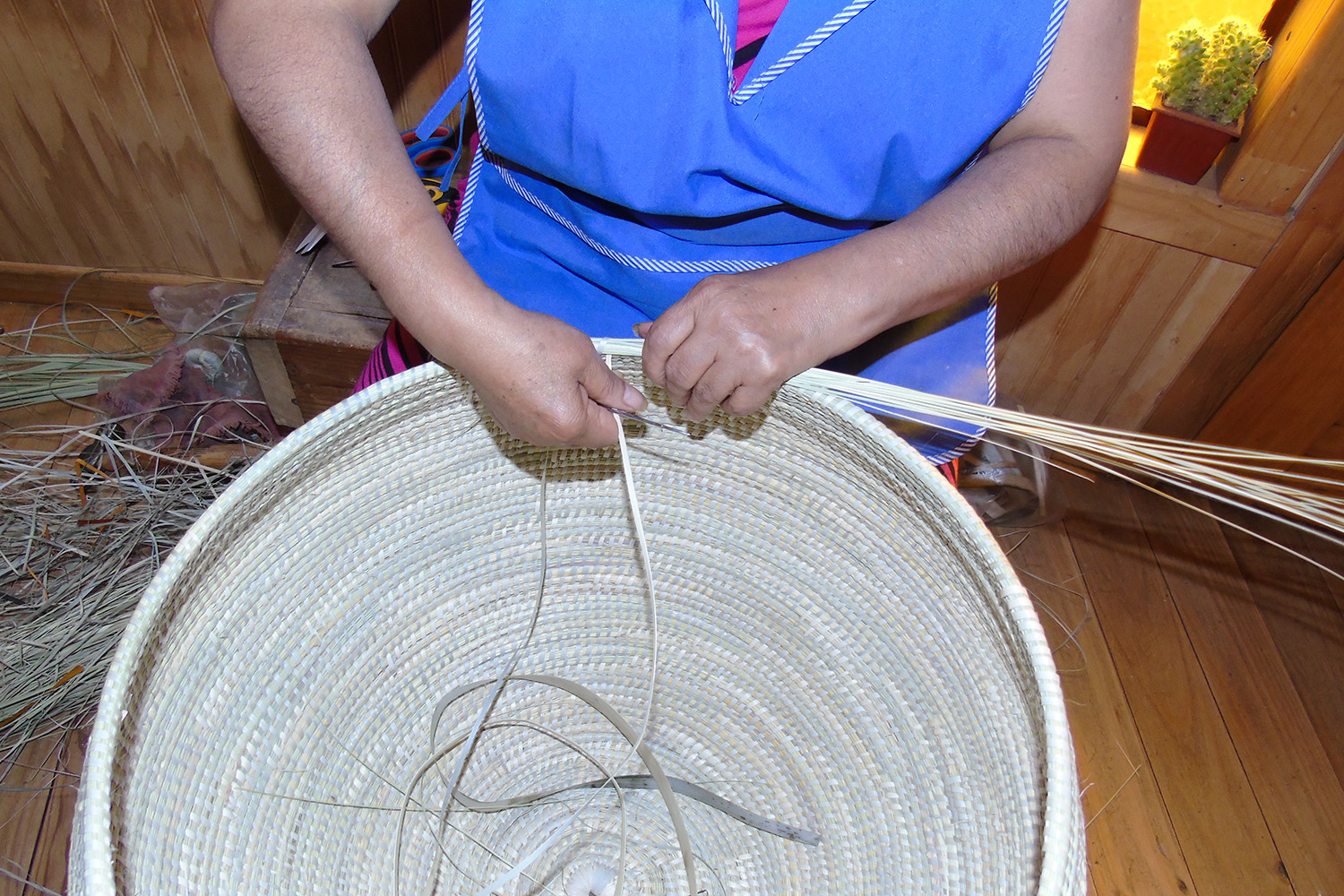
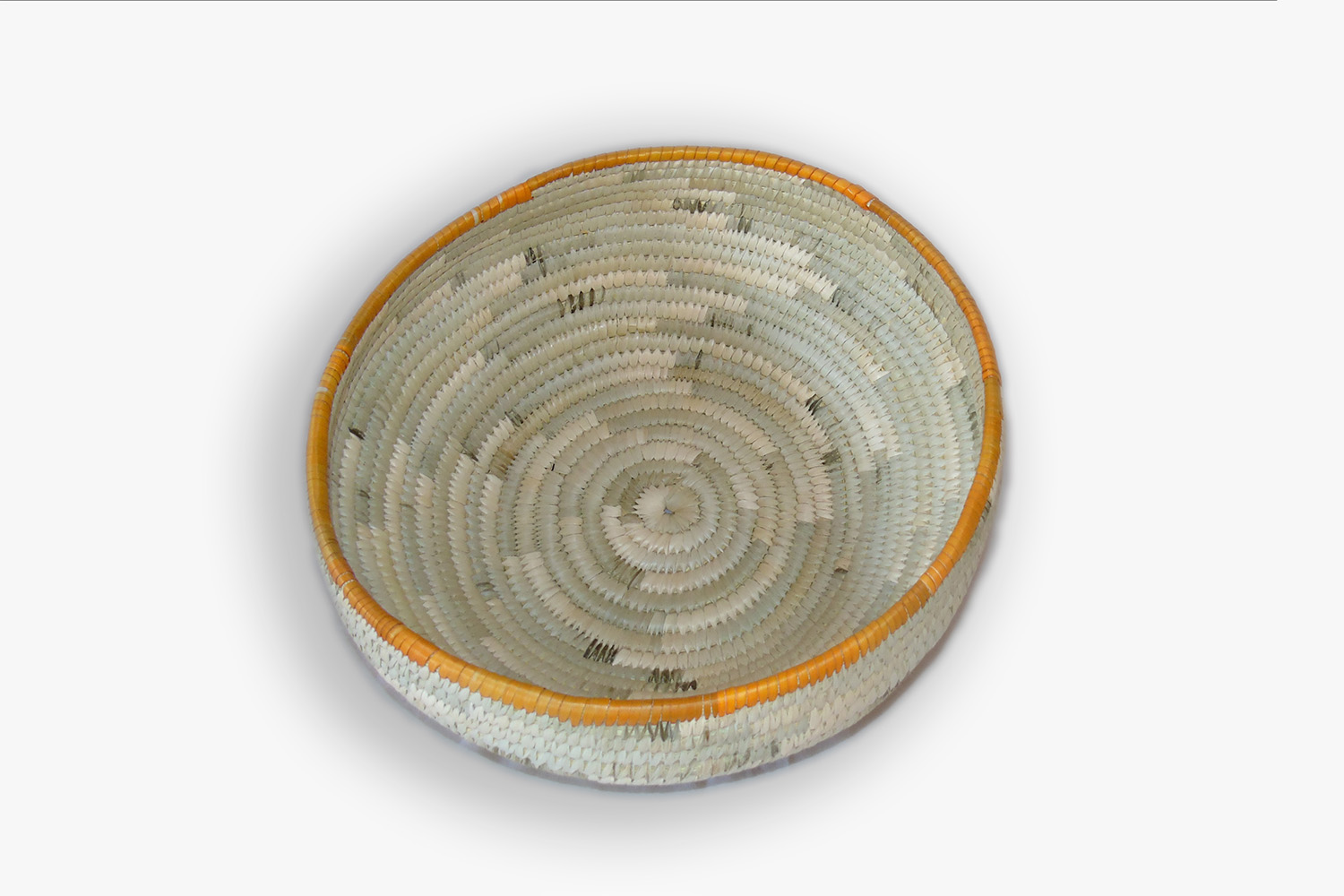
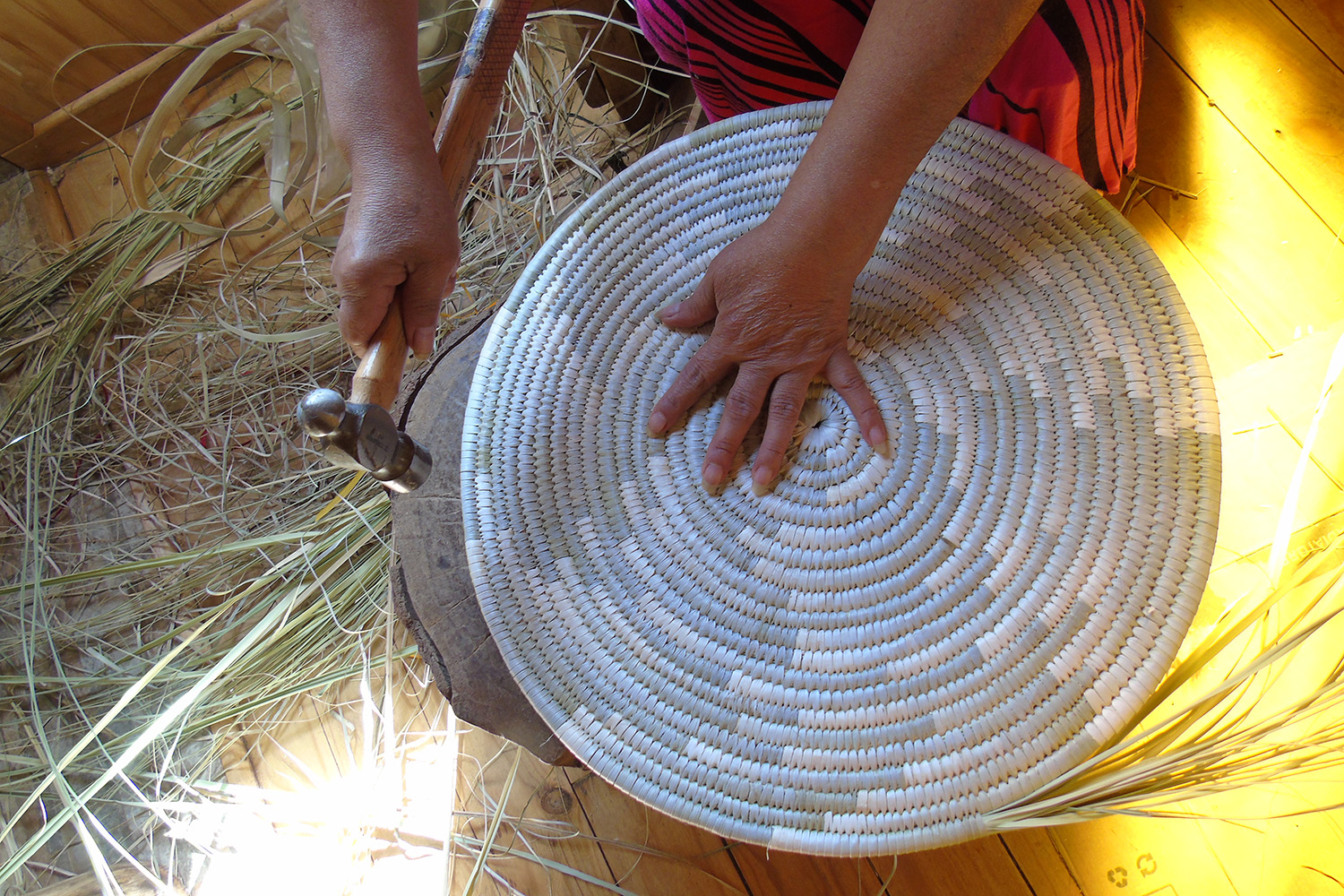
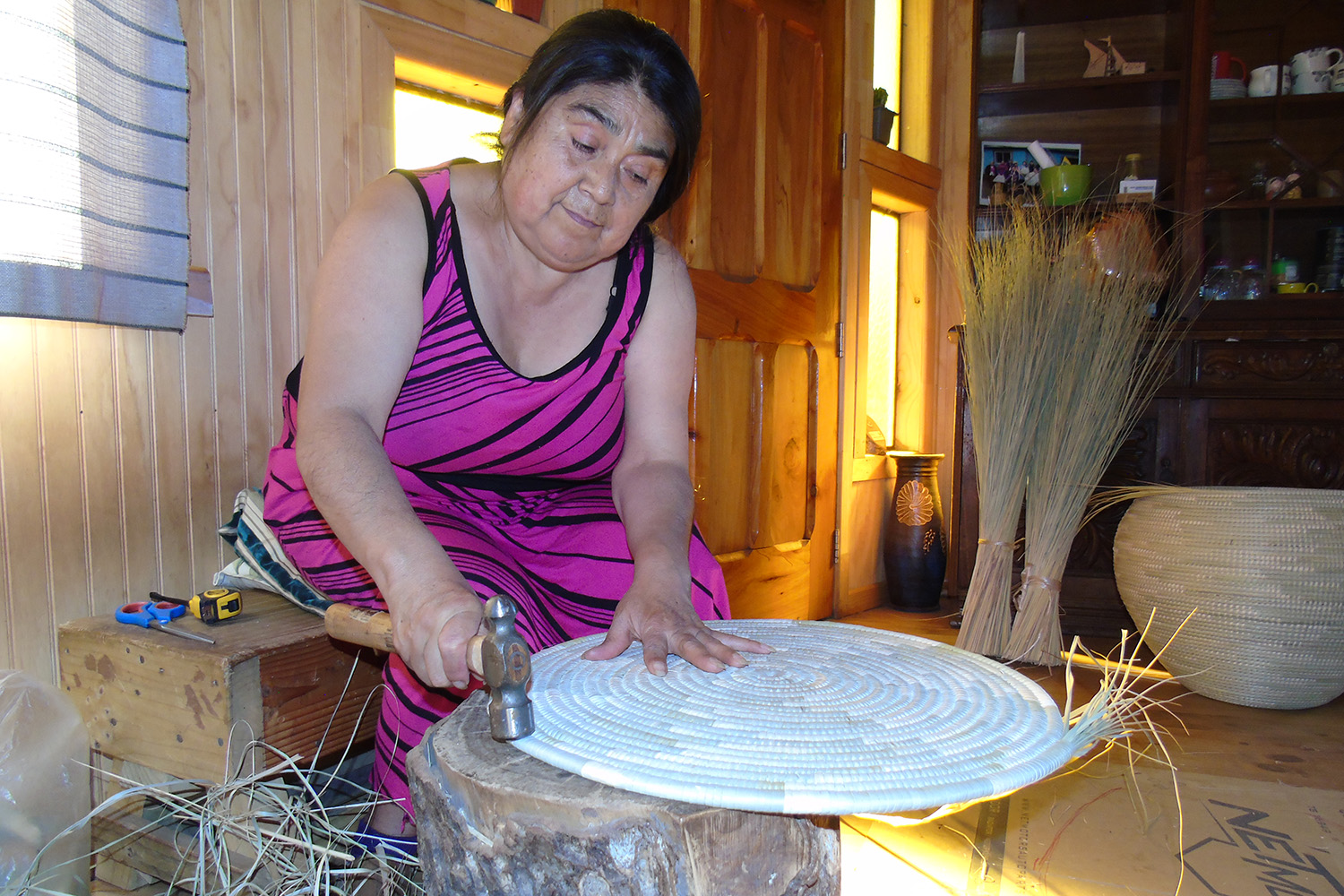
Juana Del Carmen Maribur Paloma learned her craft thanks to the legacy of her ancestors. Her maternal family and her older siblings taught her from when she was a child. She observed intently how they carried out each step of the process to make the final pieces. "One of my main motivations was to start spreading Mapuche handicrafts," Juana says. "In previous times, we did not see many artisans in our area or they were not as well known as they are now. The Internet helped us a lot to get out there." Juana applies various techniques of creation such as the picado stitch, embarrilado, open stitch and openwork stitch. She defines what she does as culture and tradition. "I like everything I do, knitting, representing Mapuche craftsmanship and keeping this ancestral technique alive," she says.
INTERVIEW
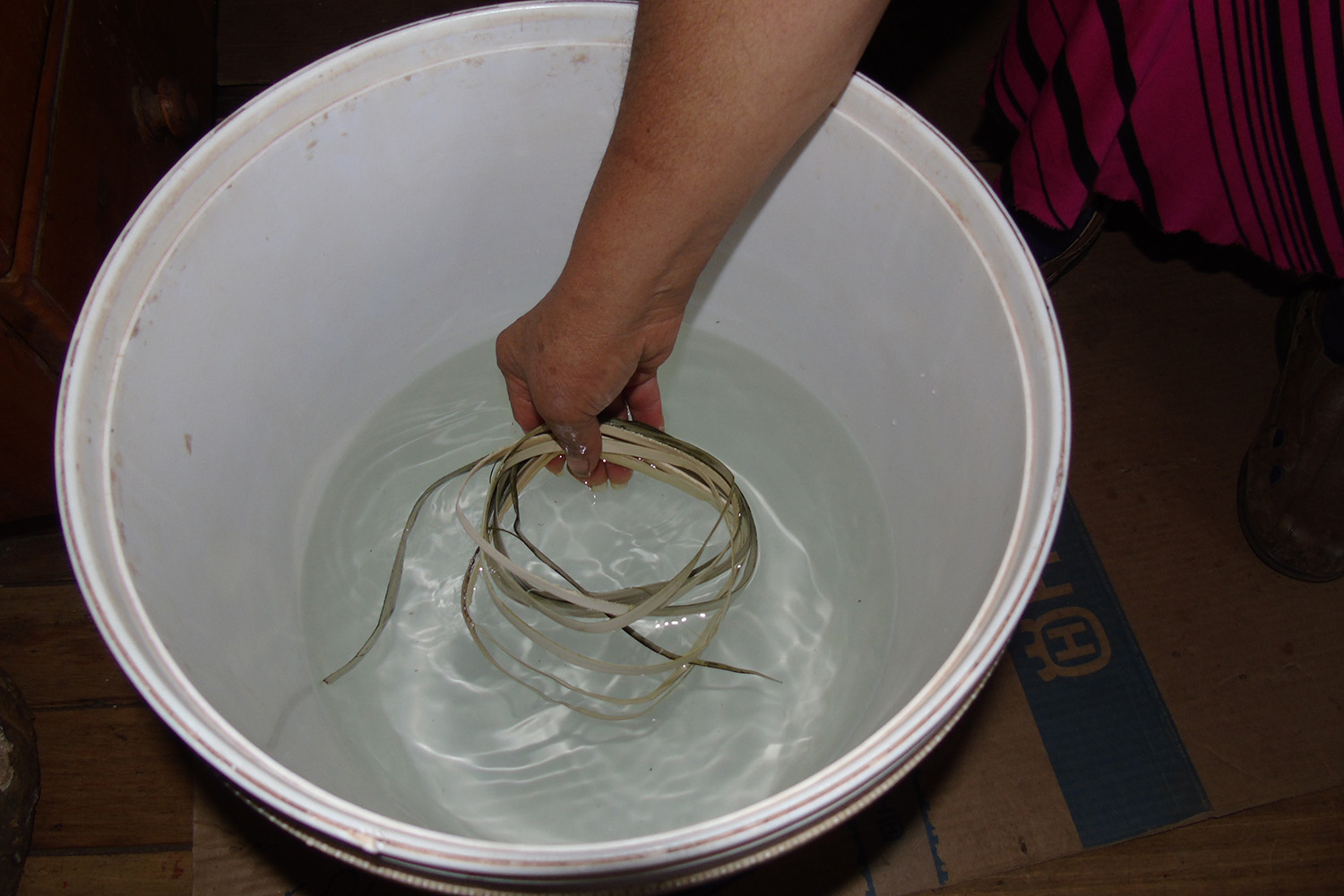
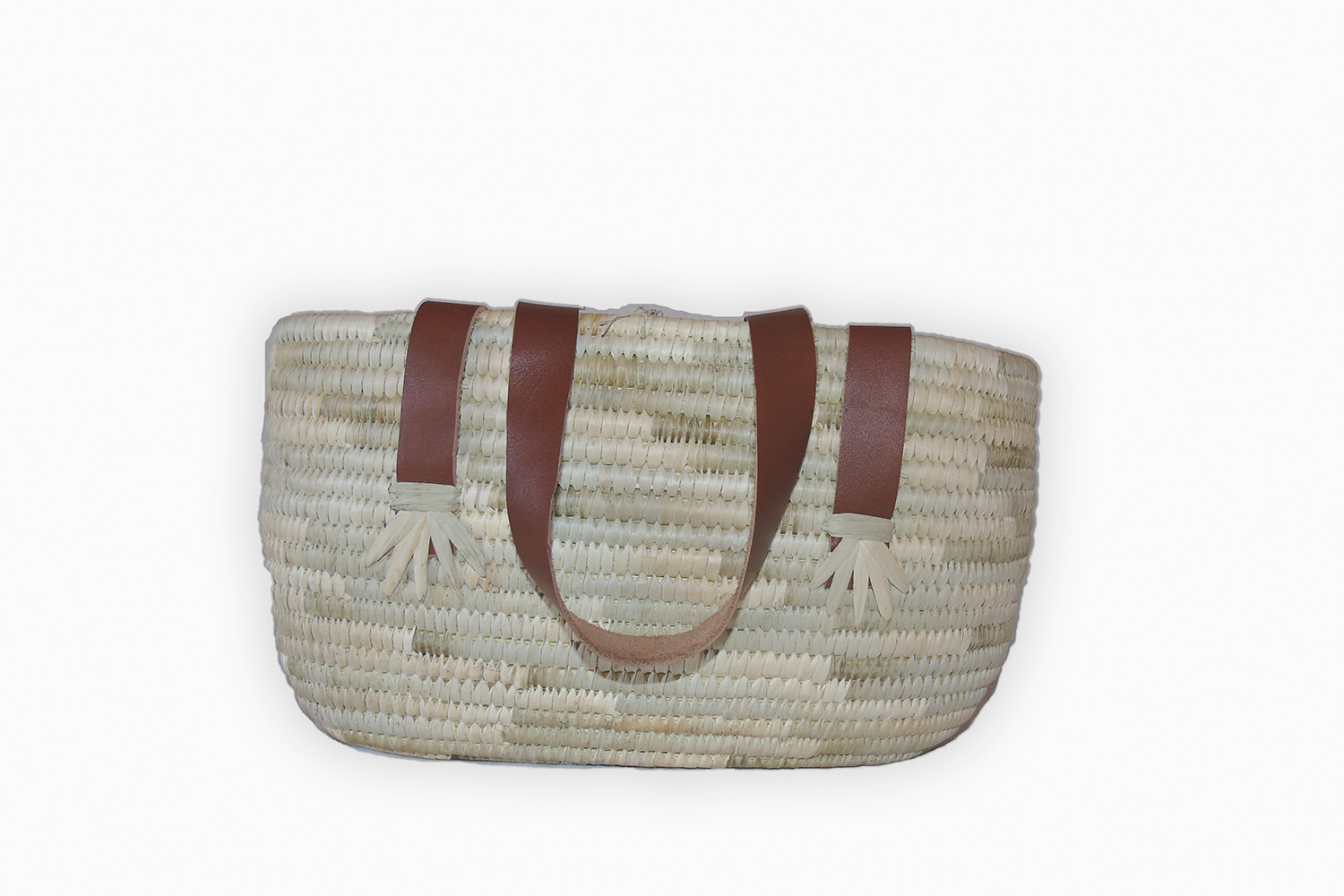
It has everything to do with it: basketry, or specifically Ñocha craftsmanship, has always been used in our Mapuche community. It can be called our traditional craft. Mapuche basketry is made from native plant fibres from the south of Chile.
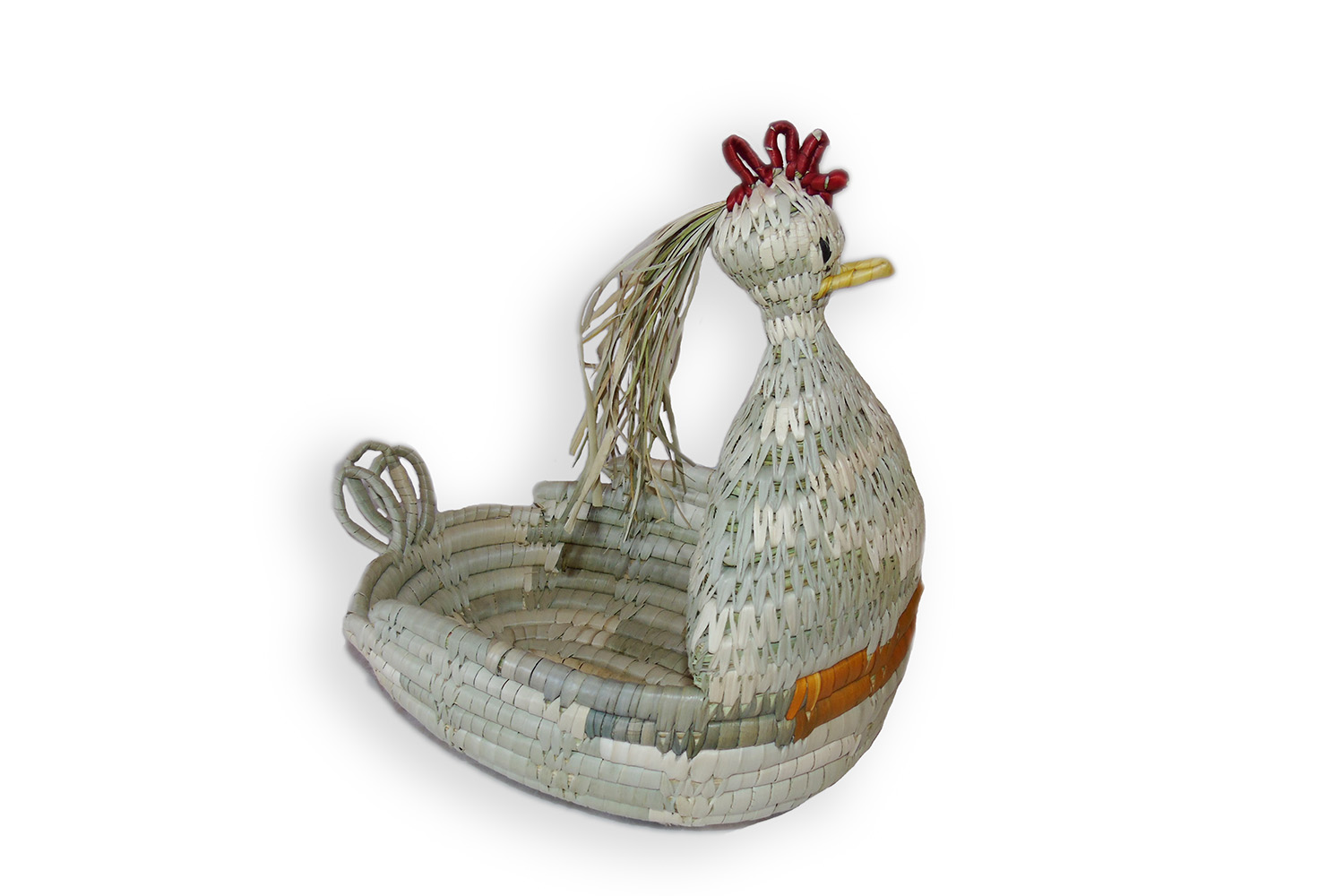
I gather ideas through magazines or some everyday objects that are ideal for home use to get inspiration. Many of the products are also simply born from me. I think, memorise, innovate and create, replicate with basketry a product in mind, applying my personal stamp.
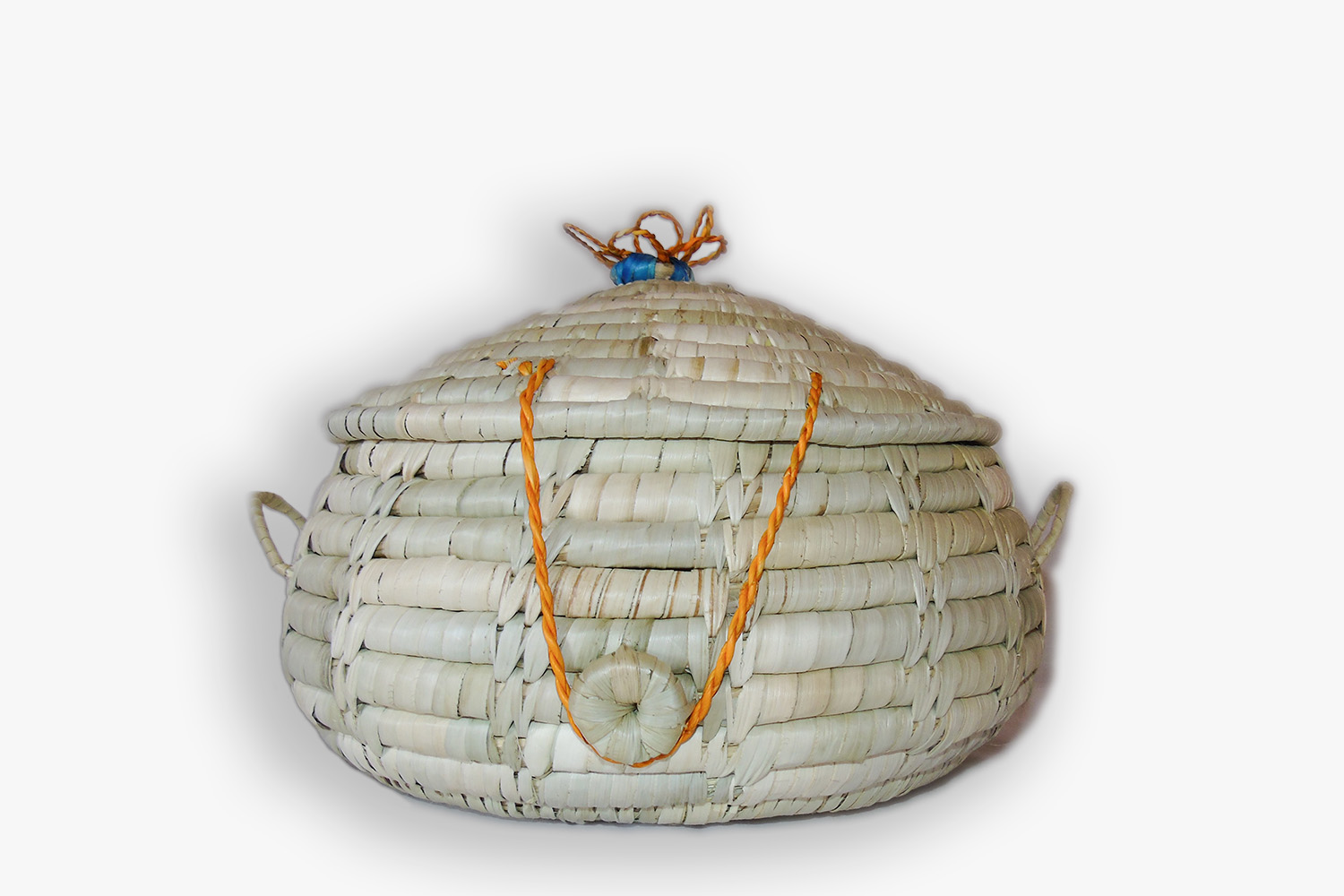
Some of our products are designs of our ancestors, such as the bread basket. I added my personal design by adding wool weaving inside the bread basket. My goal was to keep the bread in that basket, stored and protected from the outside environment. It can be said that I keep the traditional Mapuche techniques, but I add a valuable touch to make it useful for today's customer.
Not in these times. Now more organisations in the country are interested in keeping the traditions of indigenous peoples alive, including Mapuche basketry. When I started with all this, there was not much support. Nor were there many women who knew this craft. Now workshops are being set up in different parts of the country.
2 EXPERIENCES
2 EXPERIENCES
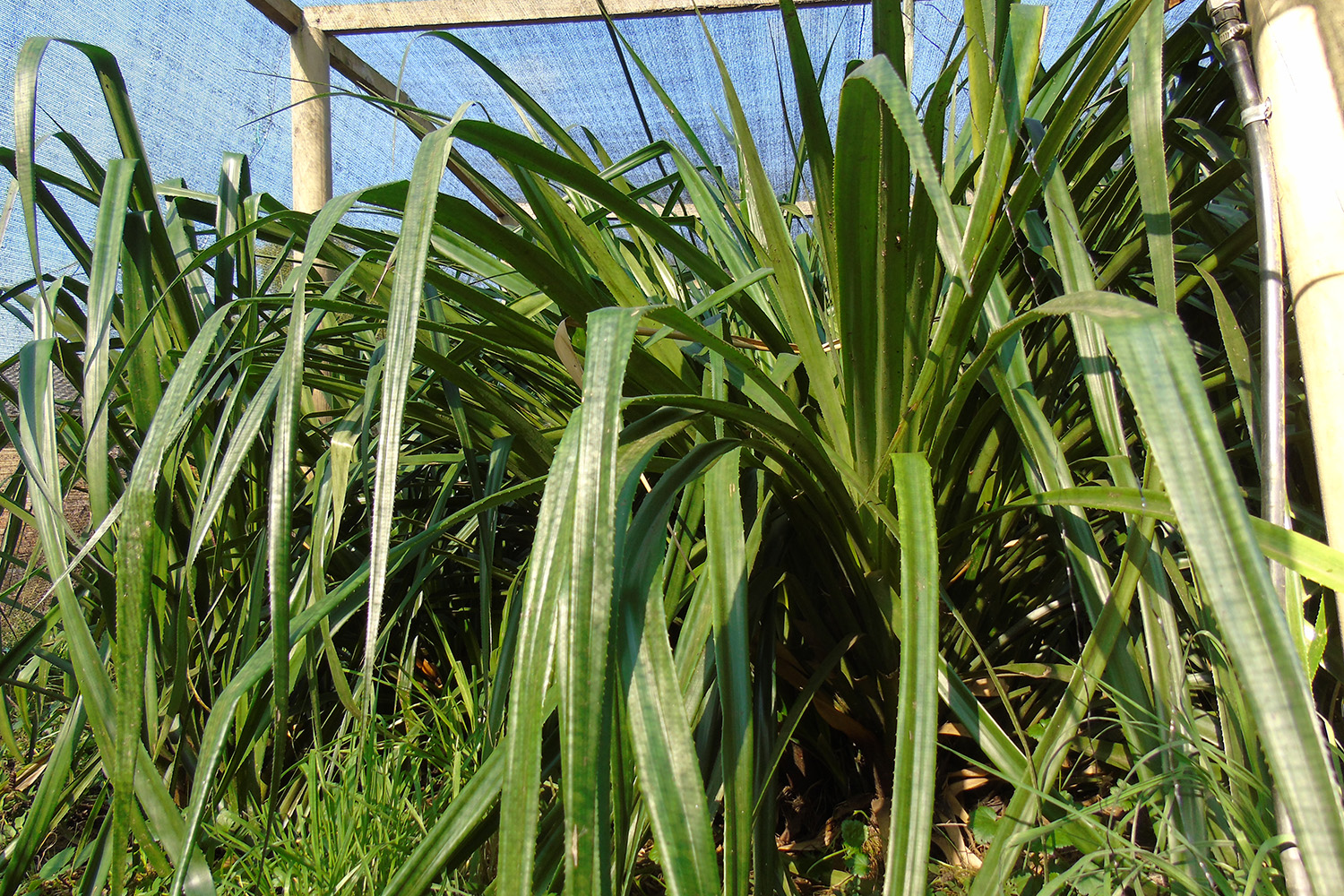
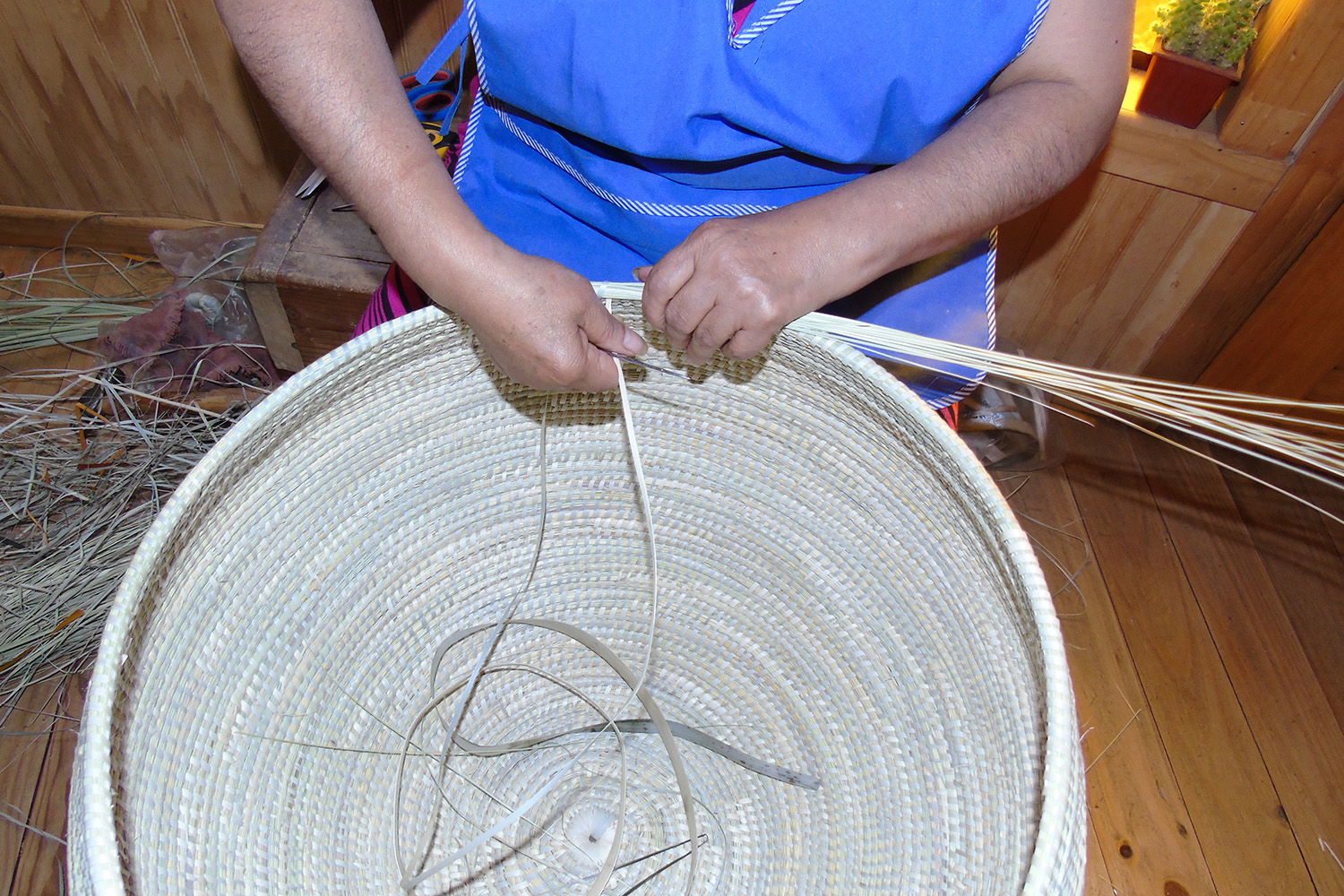
Visit of a ñocha weaver's workshop in Cañete
With Juana Del Carmen Maribur Paloma | Chile
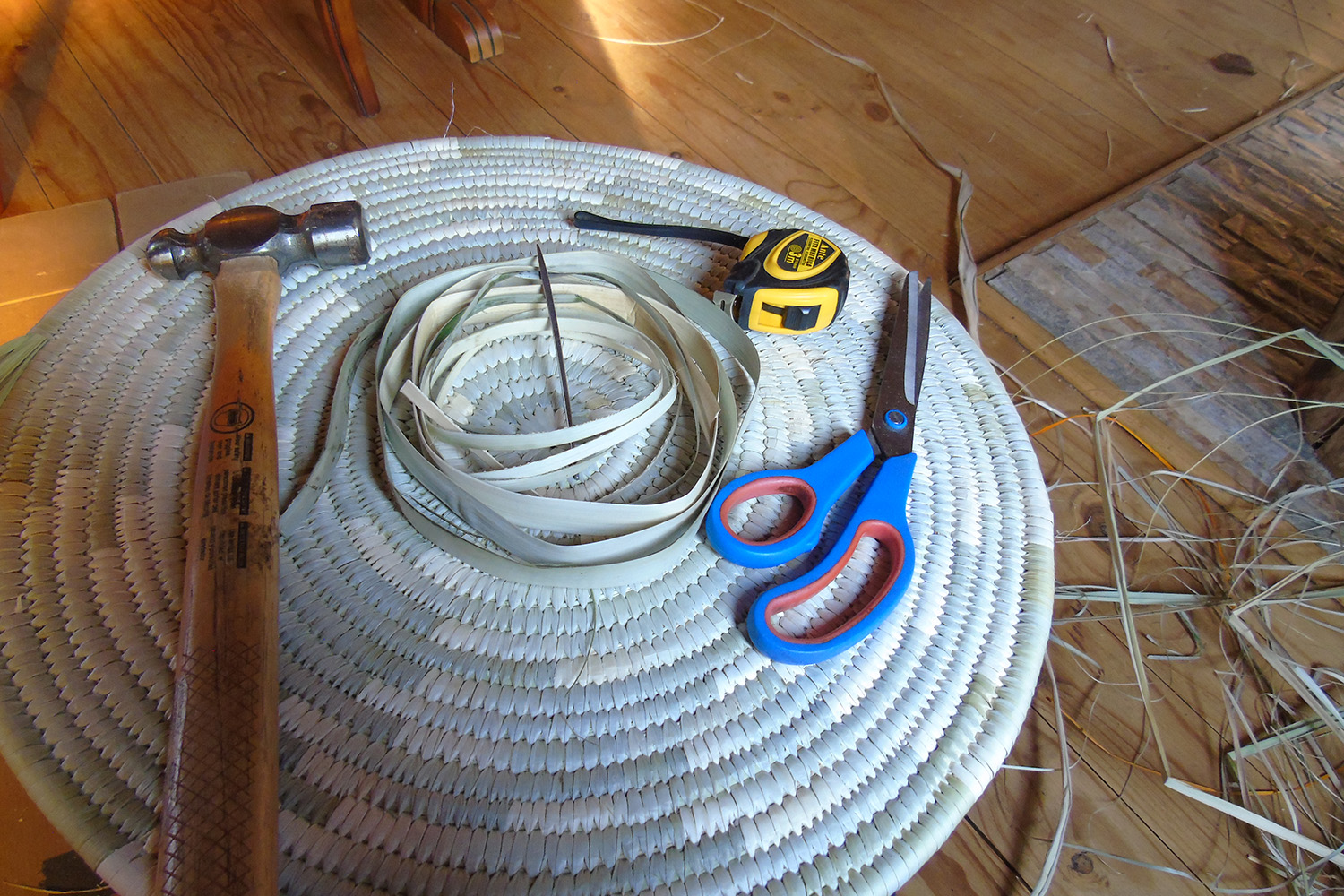
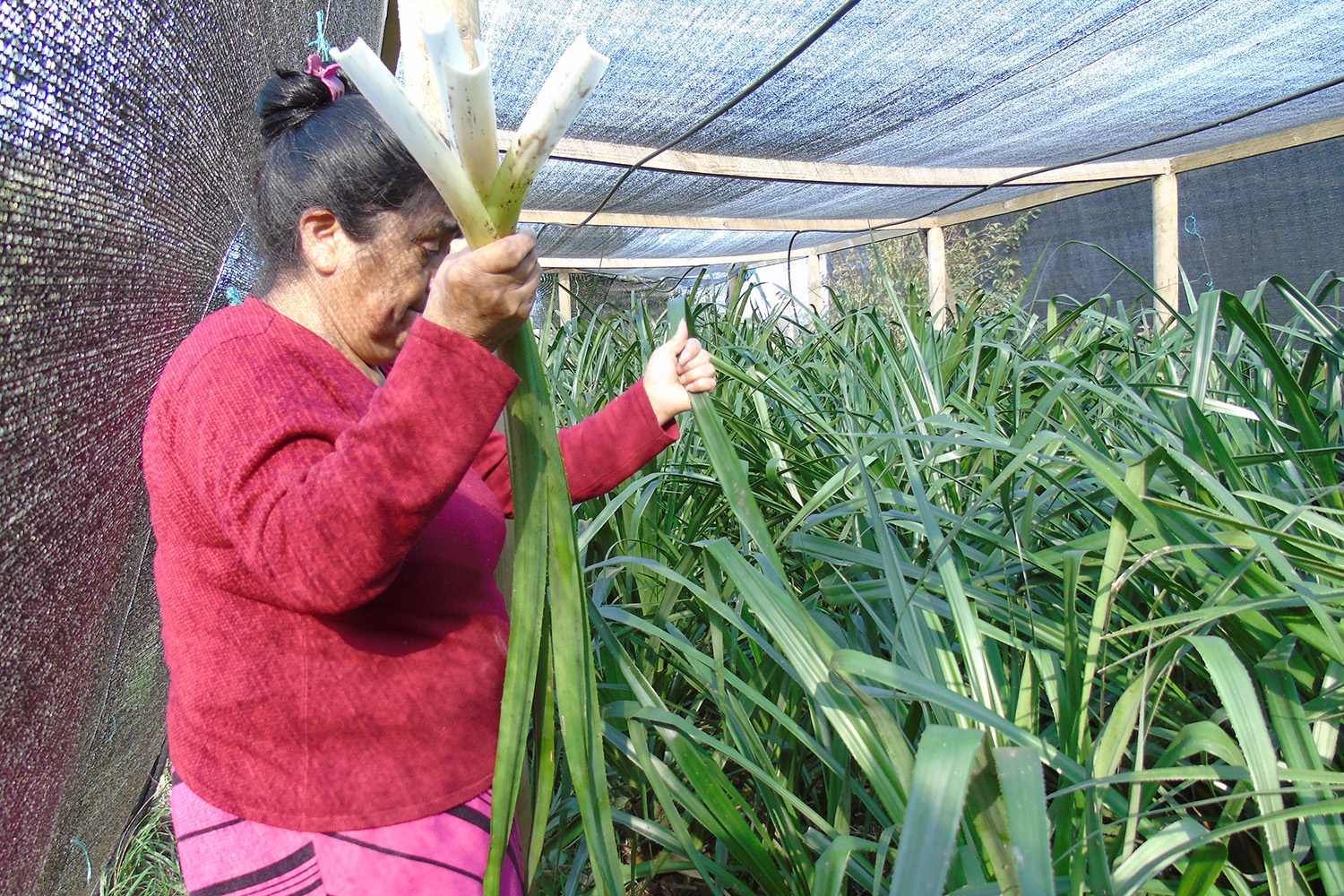
Visit of a ñocha weaver's workshop in Cañete
With Juana Del Carmen Maribur Paloma | Chile
Juana Del Carmen Maribur Paloma
Basketweaver
Cañete, Chile
ADDRESS
Address upon request, Cañete, Chile
AVAILABILITY
By appointment only
PHONE
+56 992964320
LANGUAGES
Spanish
Homo Faber Finds is a new service aiming to inspire admirers of craft to connect and collaborate with exceptional artisans.
We invite you to submit an enquiry here.