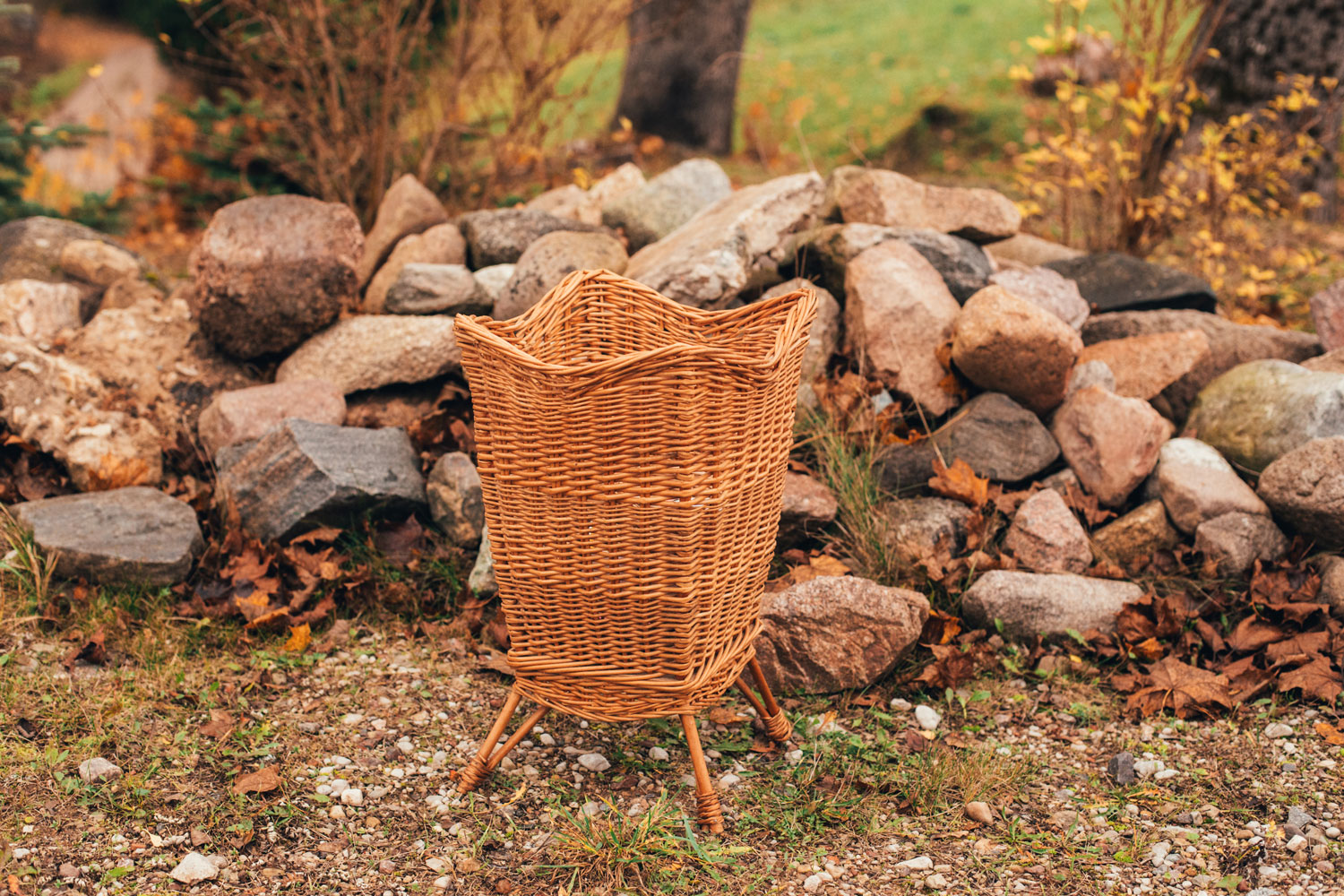
Cecilia Chamorro2_©Cesteria Andina.jpg)
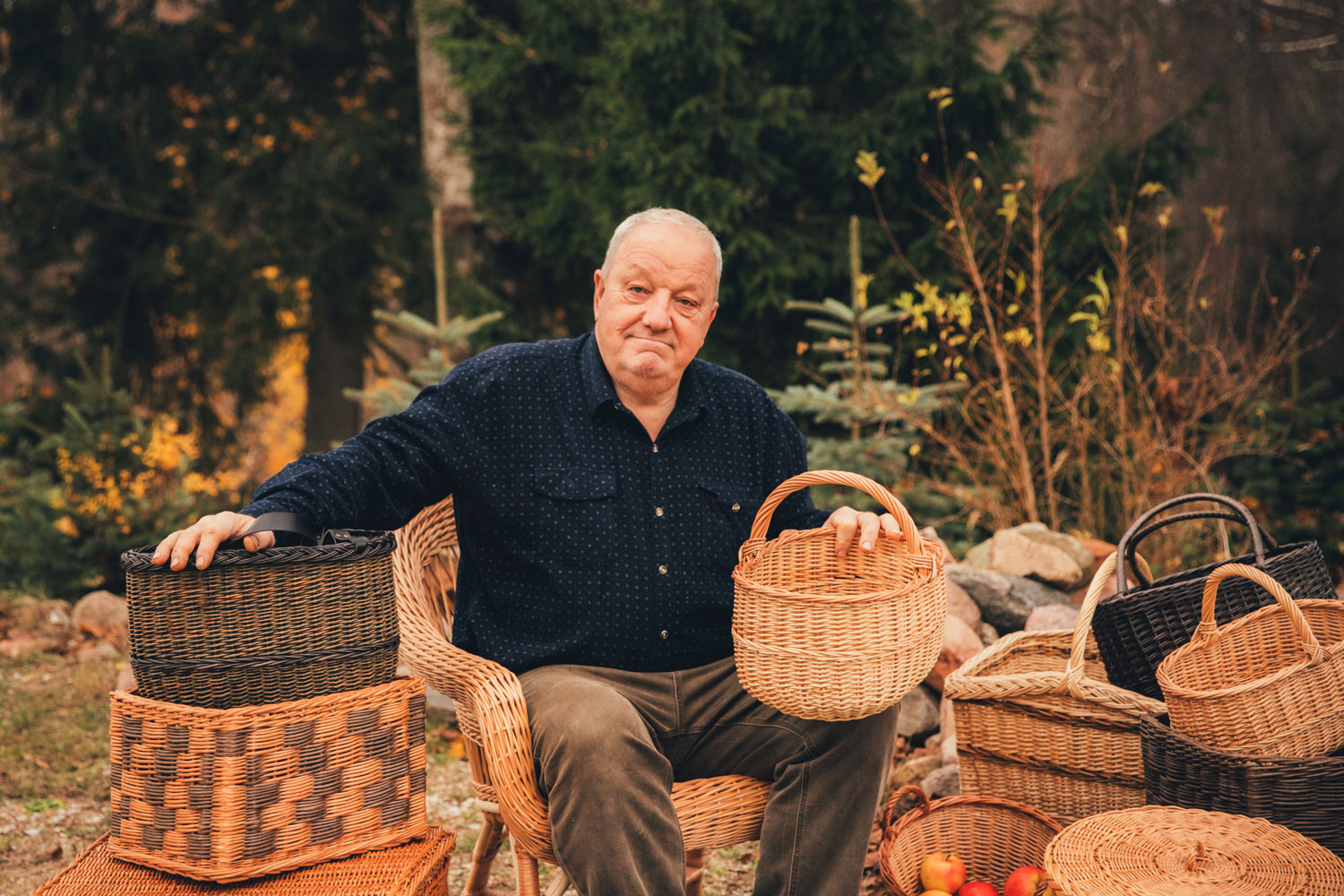
EDITED_PROCESS11_Cecilia Chamorro_©Cesteria Andina.jpg)
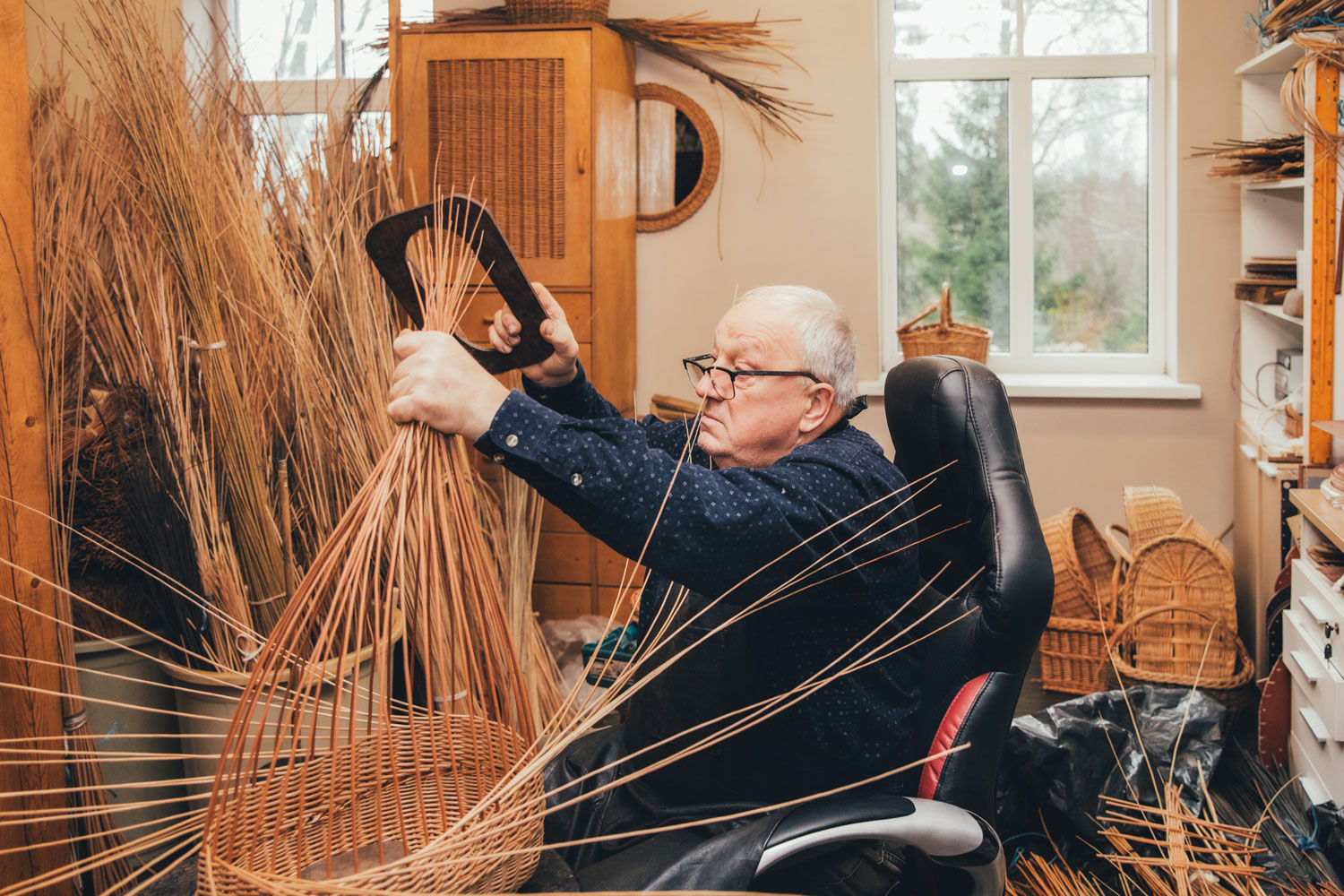
PROCESS7_Cecilia Chamorro_©Cesteria Andina.jpg)
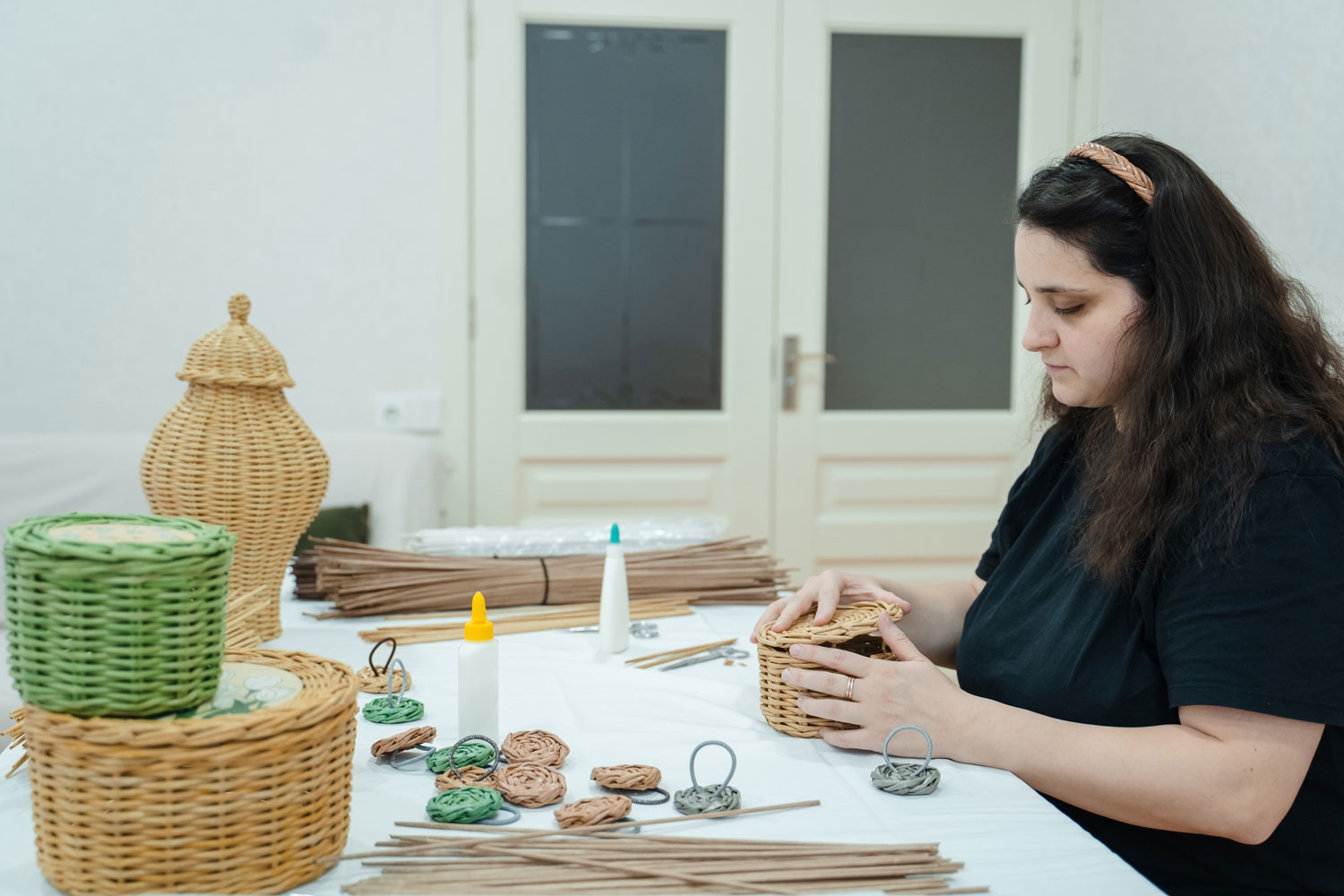
PROCESS5_Cecilia Chamorro_©Cesteria Andina.jpg)
PRODUCT2(15)_Cecilia Chamorro_©Cesteria Andina.jpg)
TOOLS1_Cecilia Chamorro_©Cesteria Andina.jpg)
Cecilia Chamorro
Cestería Andina
Basketweaver
Valparaiso, Chile
A creative free flow to match the landscape
- Cecilia weaves contemporary manila fibre baskets
- She studied art, art history and education in Chile, France and Spain
- She draws inspiration from Chile’s Lake District landscape, colours and craft traditions
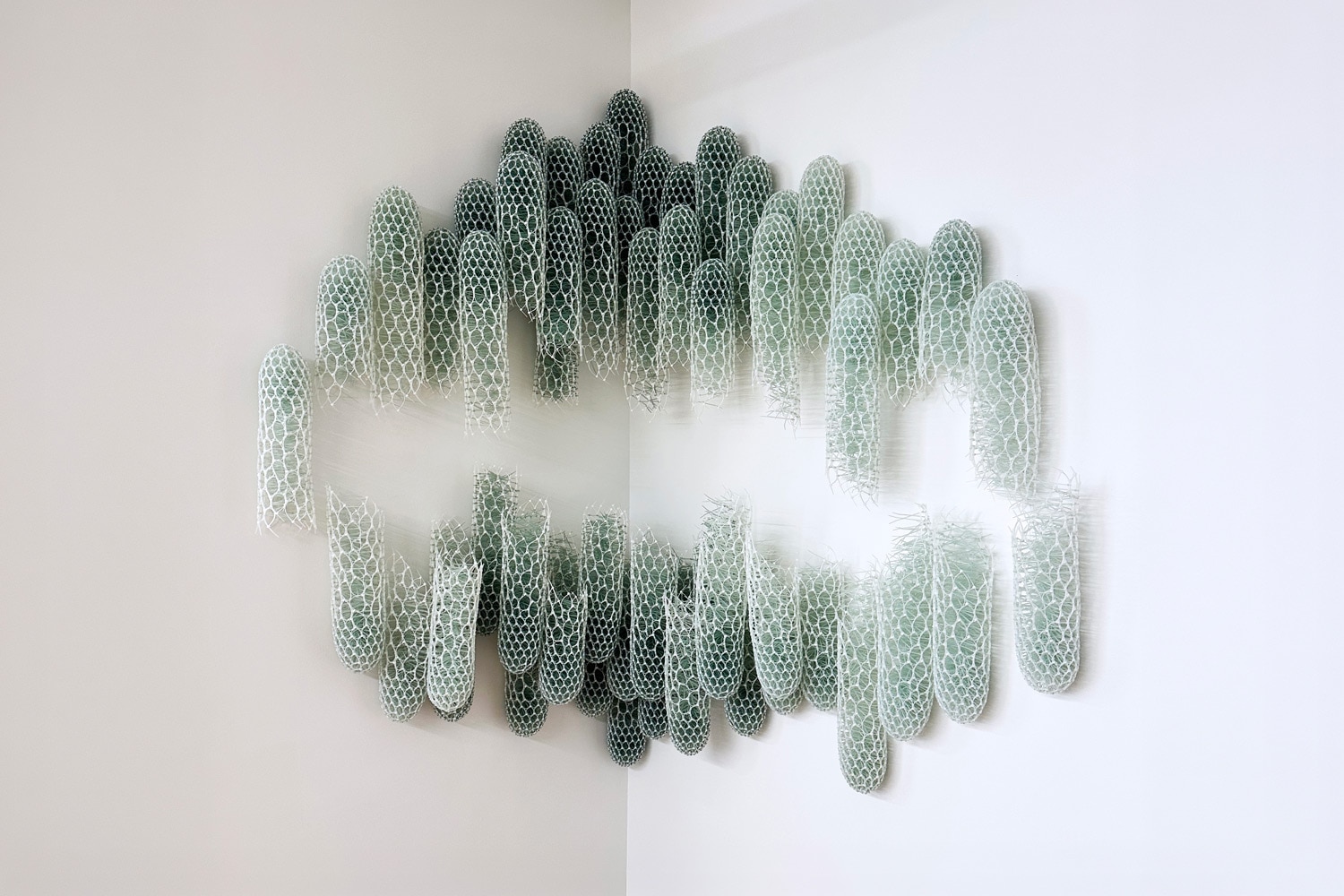
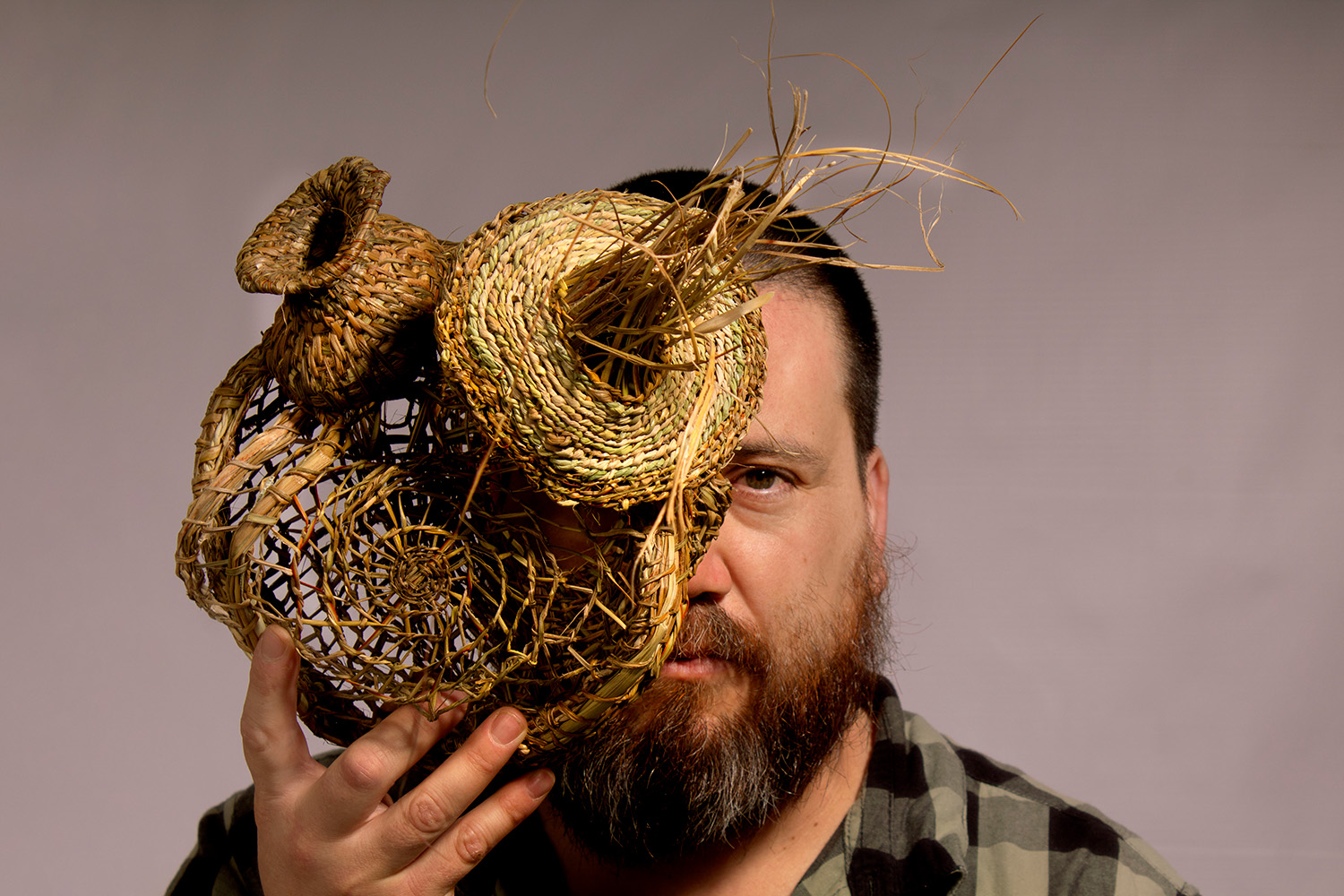
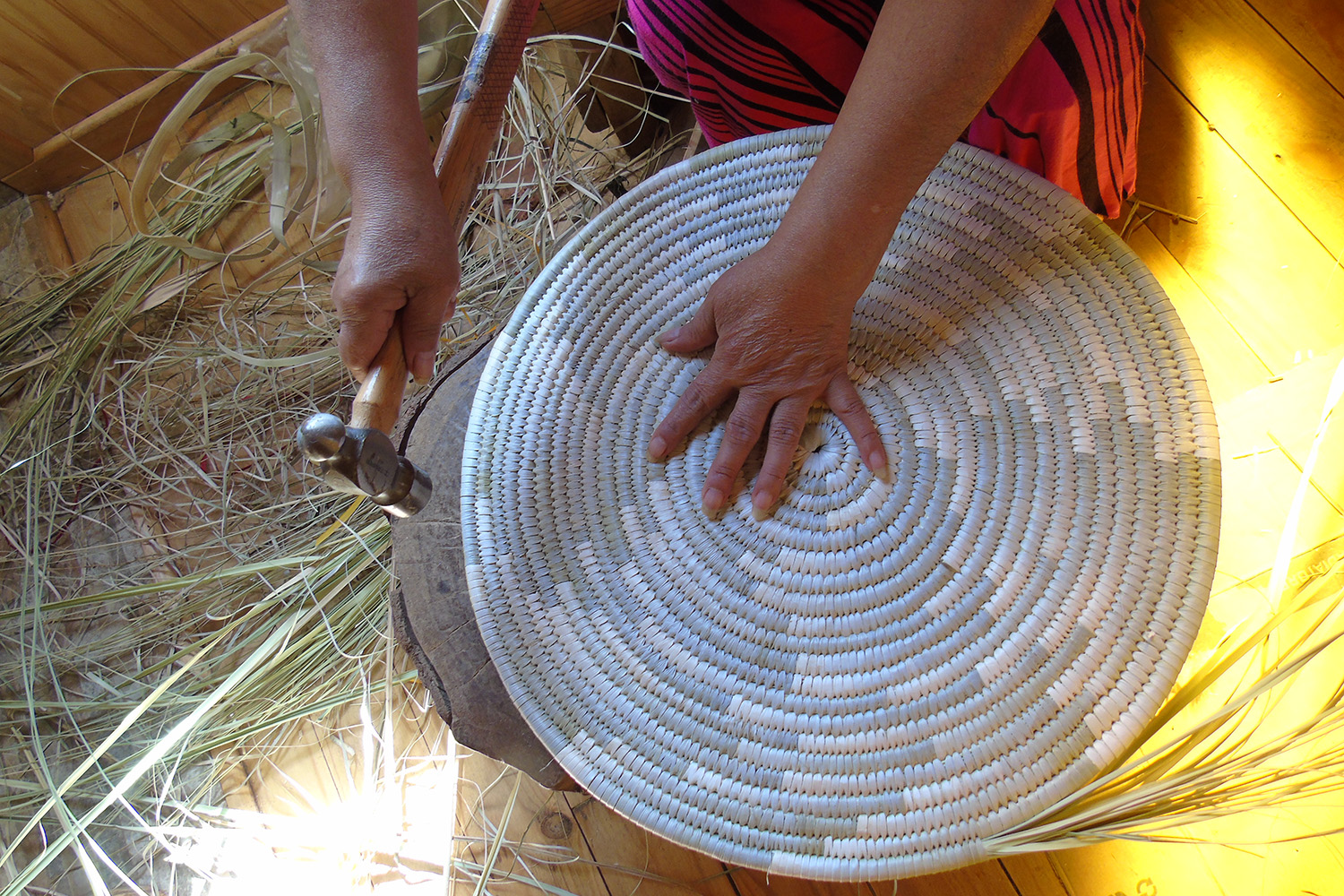
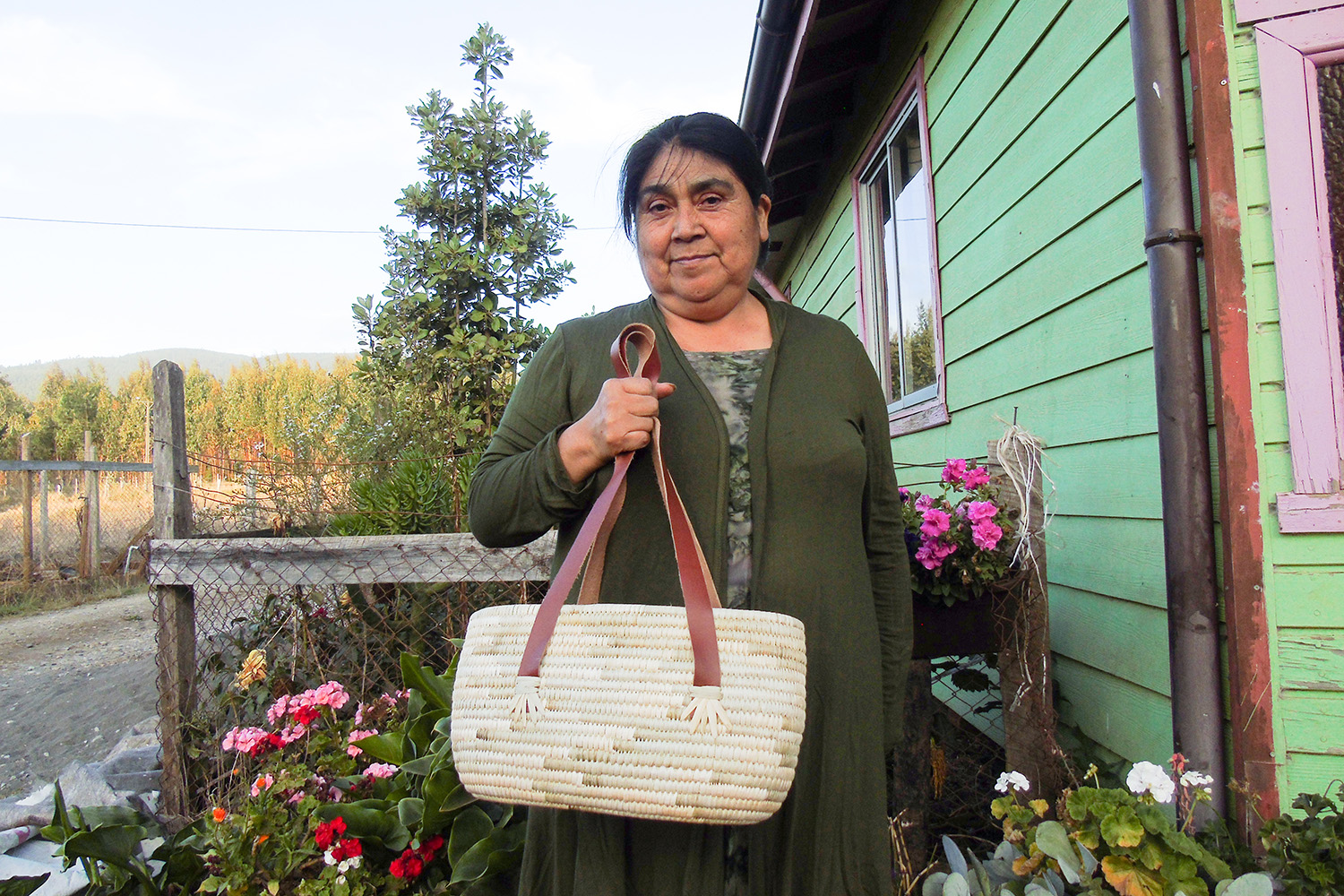
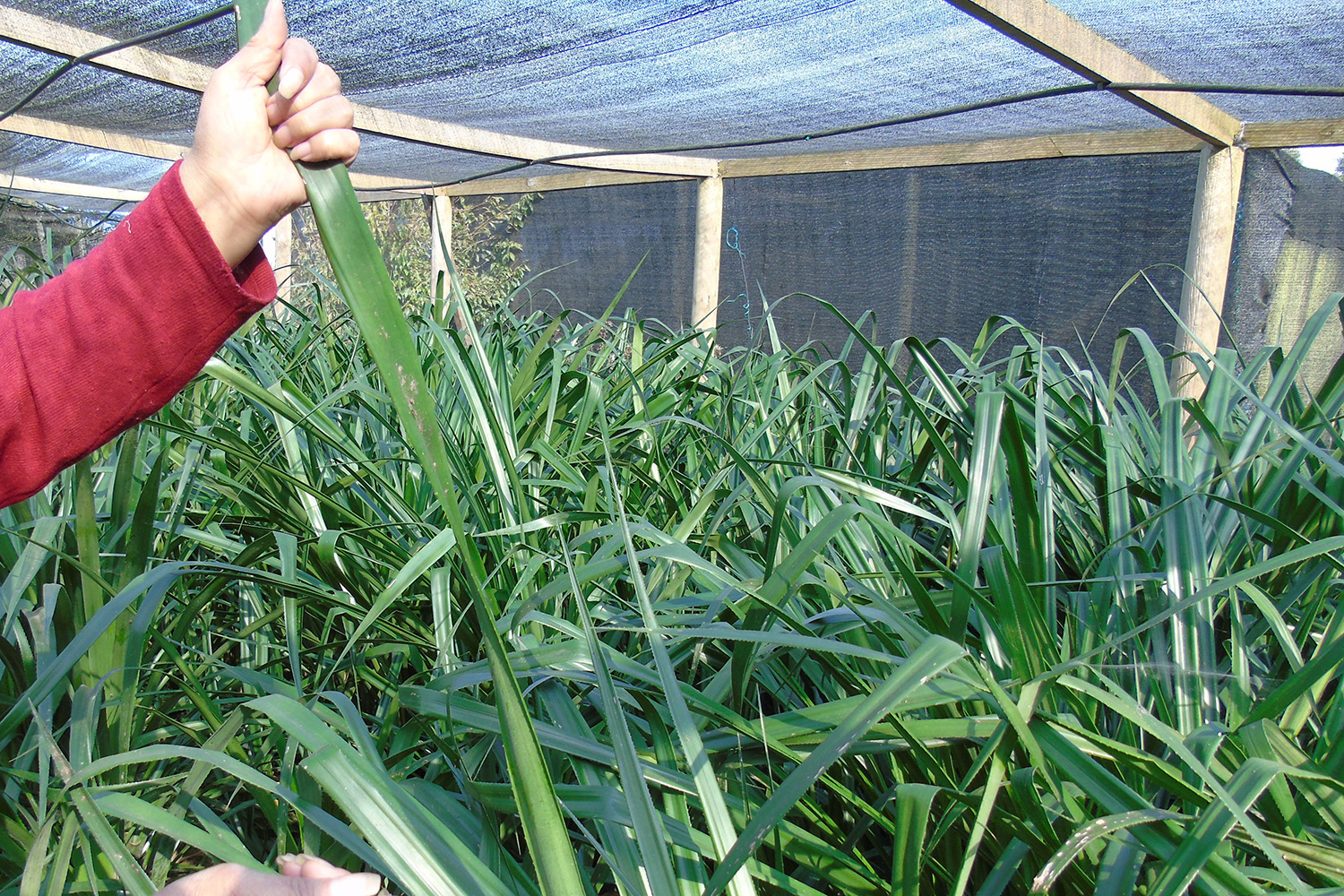
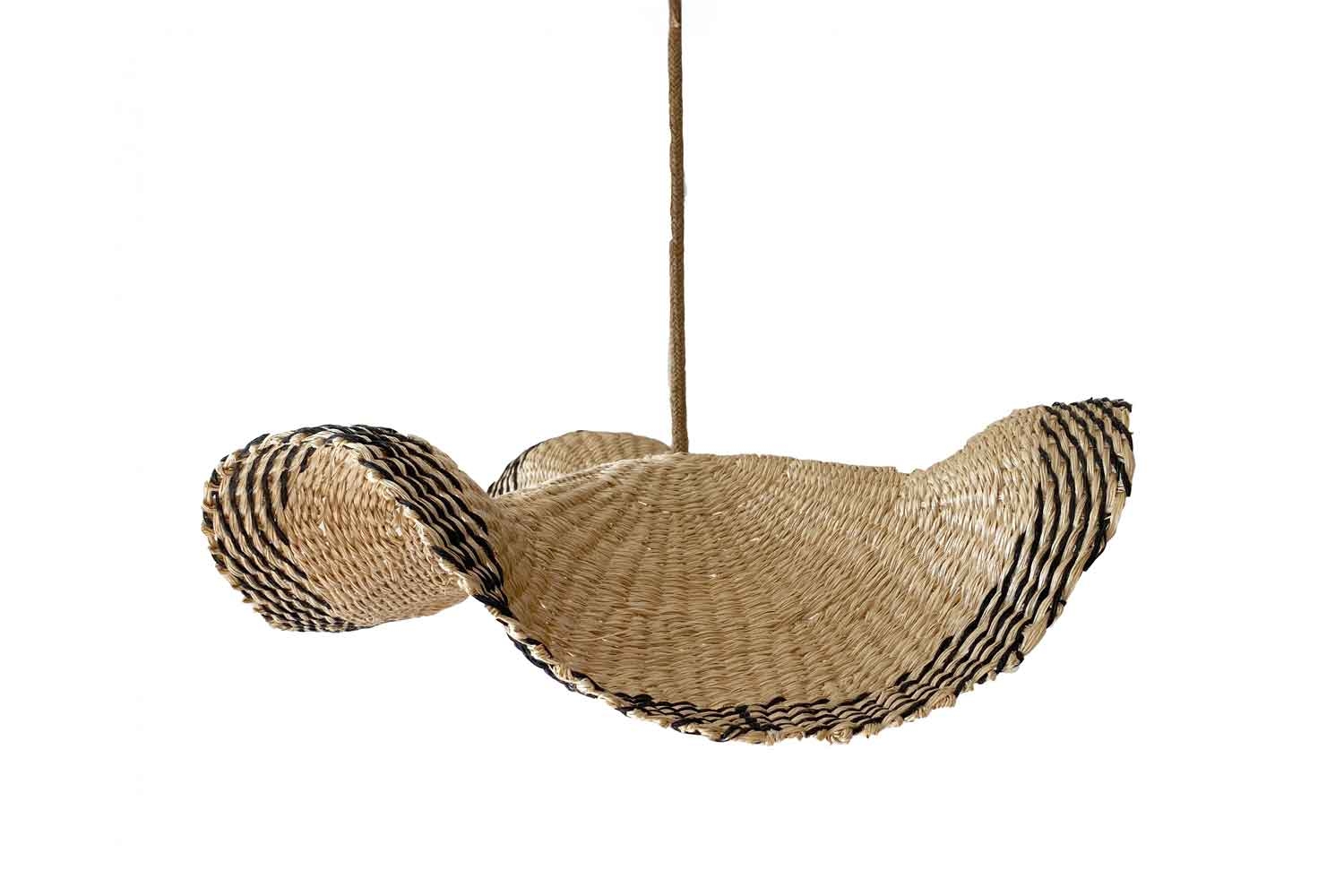
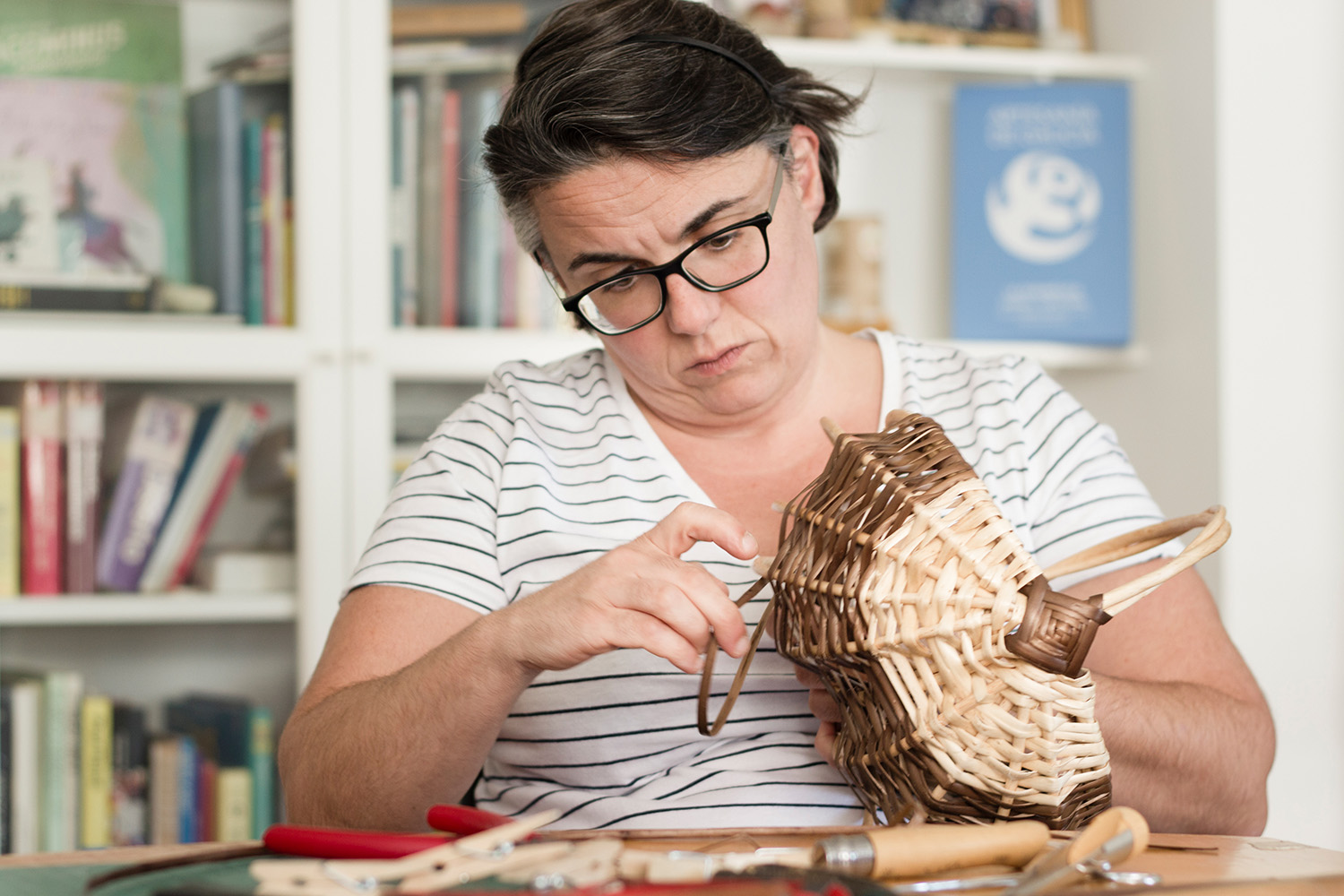
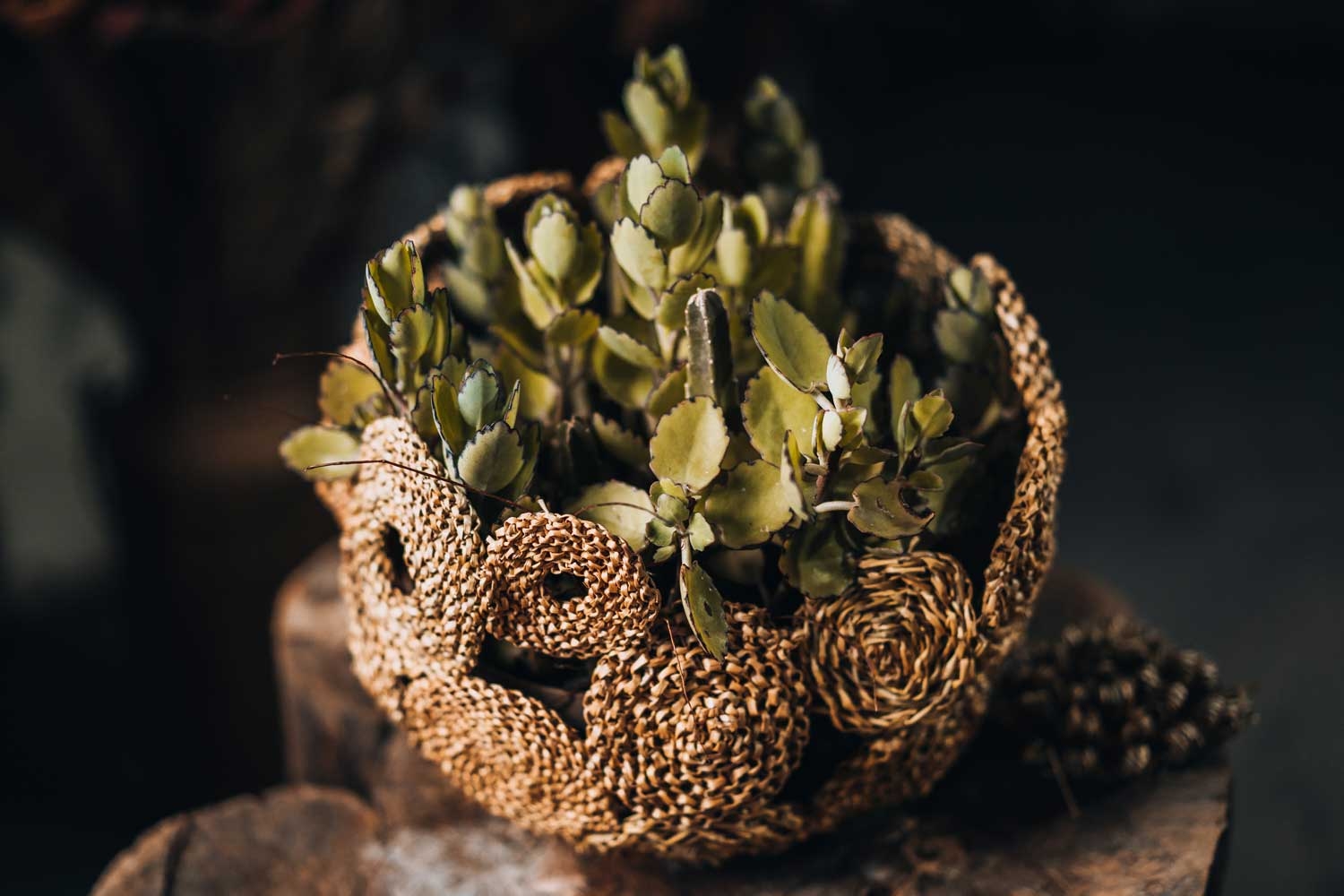
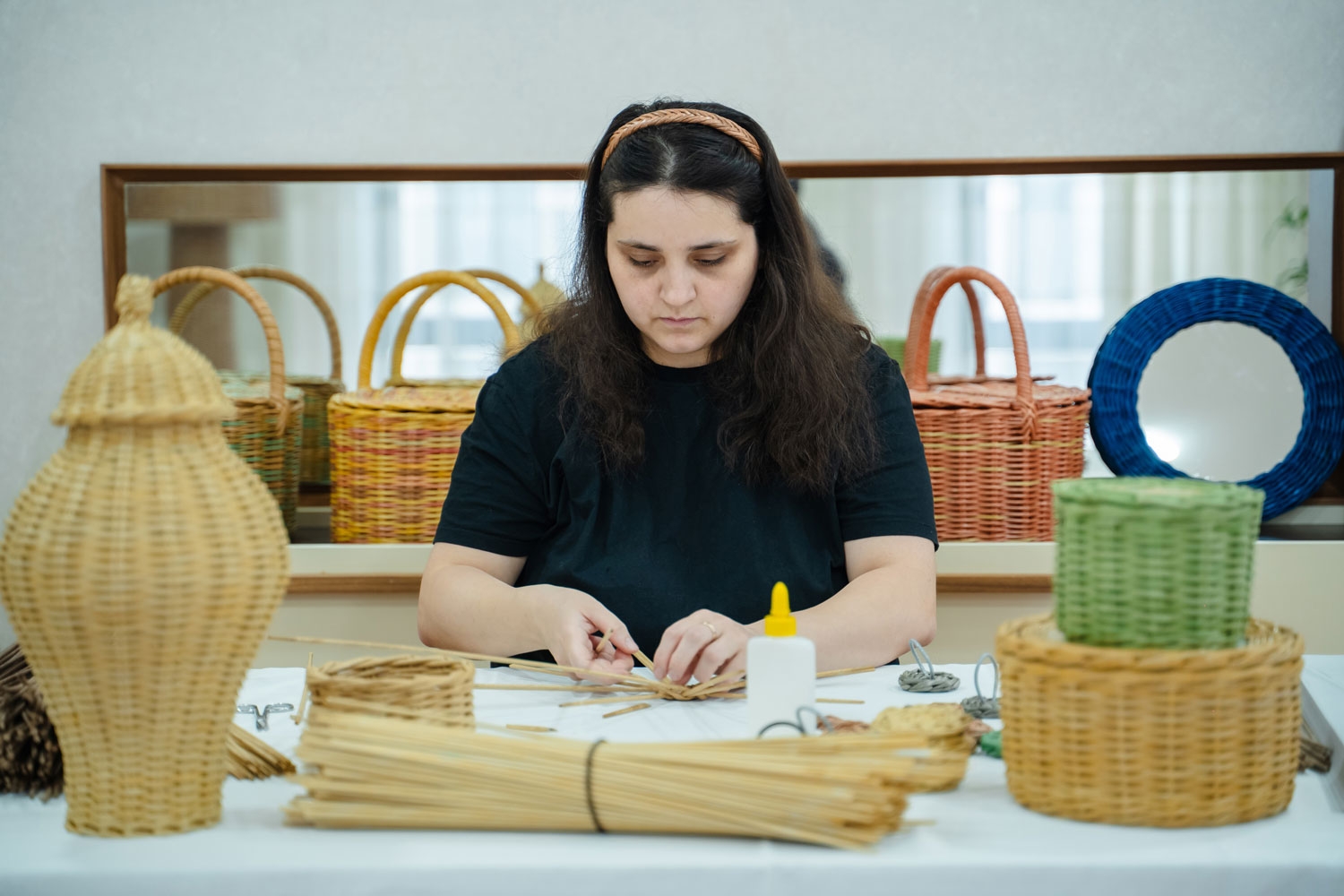
Cecilia Chamorro’s flax basketry is rooted in traditions of the southern lake district of Puerto Montt, where the sea penetrates the mainland, blurring boundaries and causing a network of inland lakes. Her basketry expresses this with fine, close and careful stitches in a coiled and open weave technique, called aduja. Cecilia’s knowledge in art theory and history has guided her self-taught path, along with her ancestral ties to the land. In 2019, she sought creative expression beyond theory, which led her to explore form freely, with technical excellence. The fibre that she uses is phormium tenax, which is referred to as manila locally. Cecilia weaves year-round and showcases her work at Universidad Católica’s International Crafts Show in Santiago each December.
PRODUCT2(12)_Cecilia Chamorro_©Cesteria Andina.jpg)
PRODUCT2(8)_Cecilia Chamorro_©Cesteria Andina.jpg)
PRODUCT9_Cecilia Chamorro_©Cesteria Andina.jpg)
PRODUCT11_Cecilia Chamorro_©Cesteria Andina.jpg)
PRODUCT23_Cecilia Chamorro_©Cesteria Andina.jpg)
INTERVIEW
Both home and school were spaces where creativity was encouraged in a didactic way. I always had an affinity with form, history and the origin of things. This is why my homeland and childhood memories of Puerto Montt’s traditional crafts shape my work to this day.
I began exploring materiality and form through basketry from a practical rather than theoretical perspective. In 2022, I received the Chilean Crafts Foundation’s Seal of Excellence, which opened doors for me, including a 2024 honourable mention. My innovative weaving technique was recognised as a differentiating design trait.
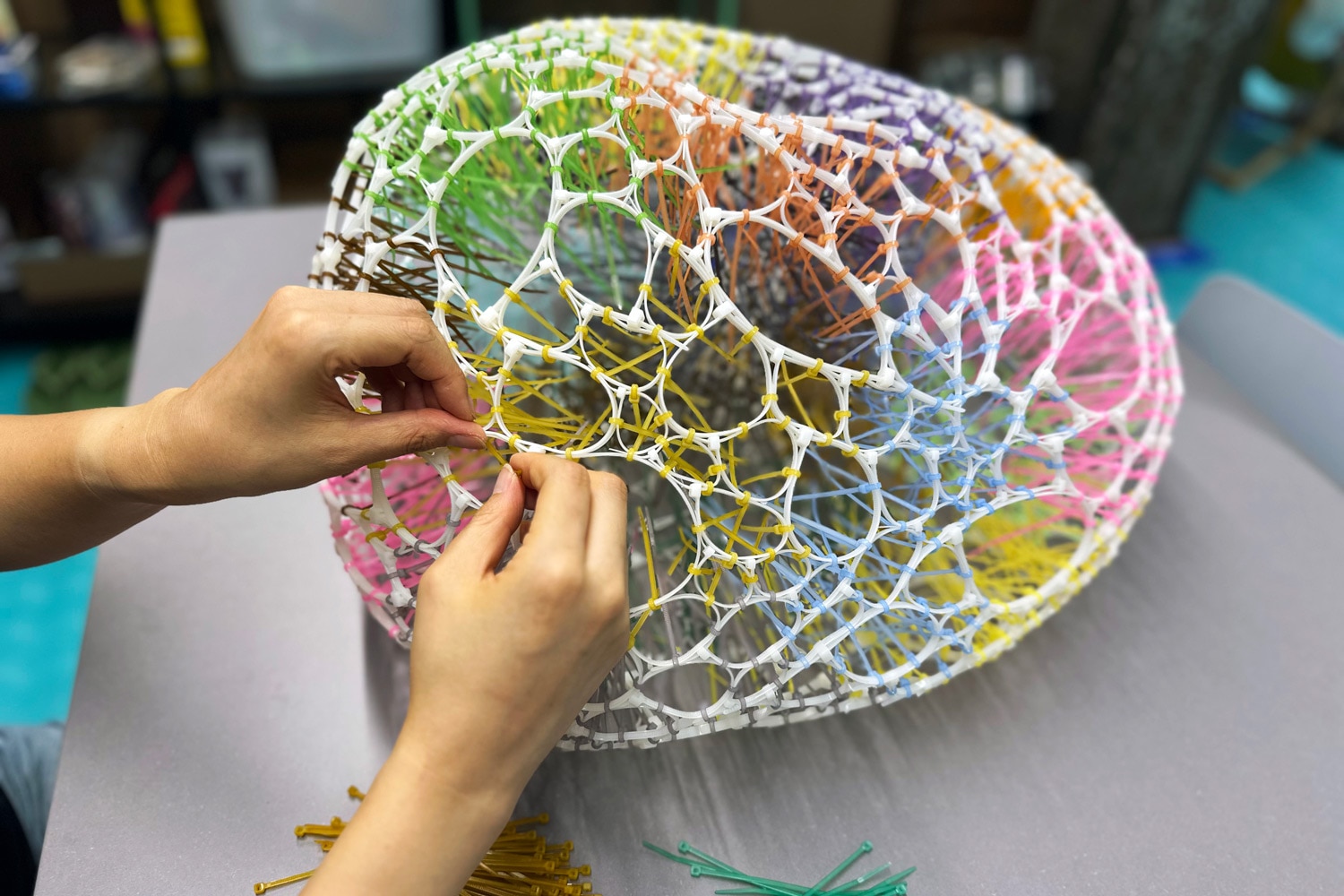
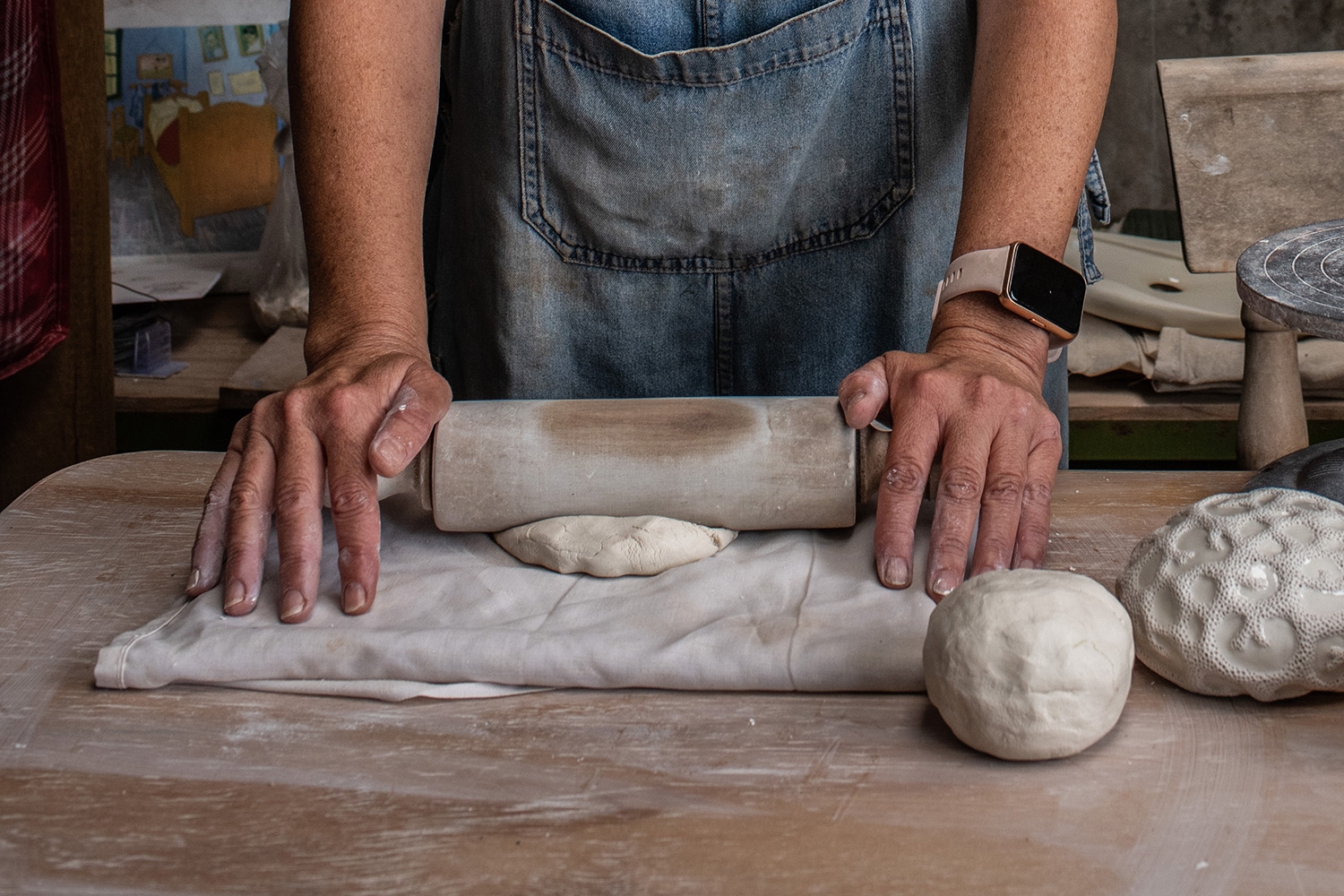
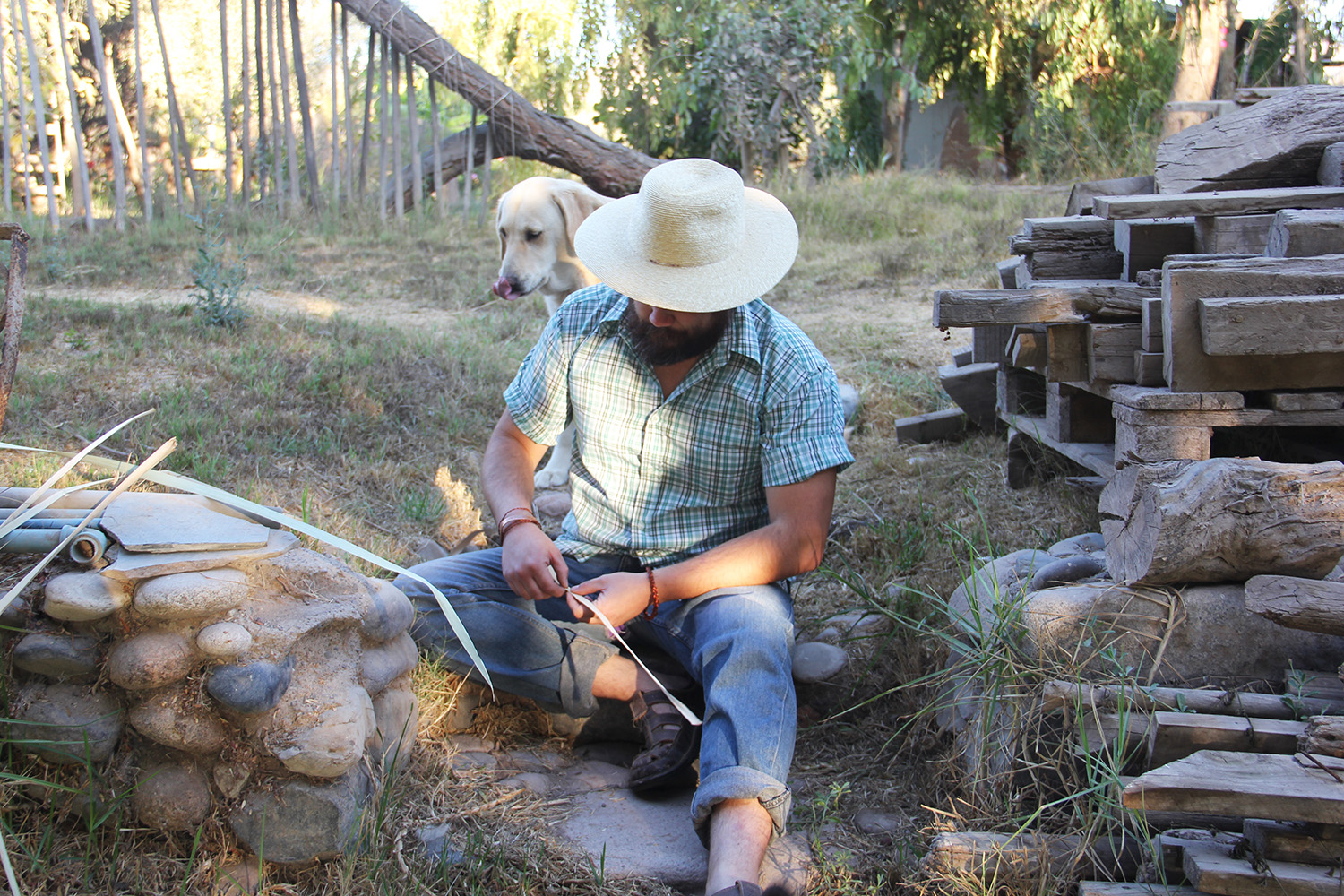
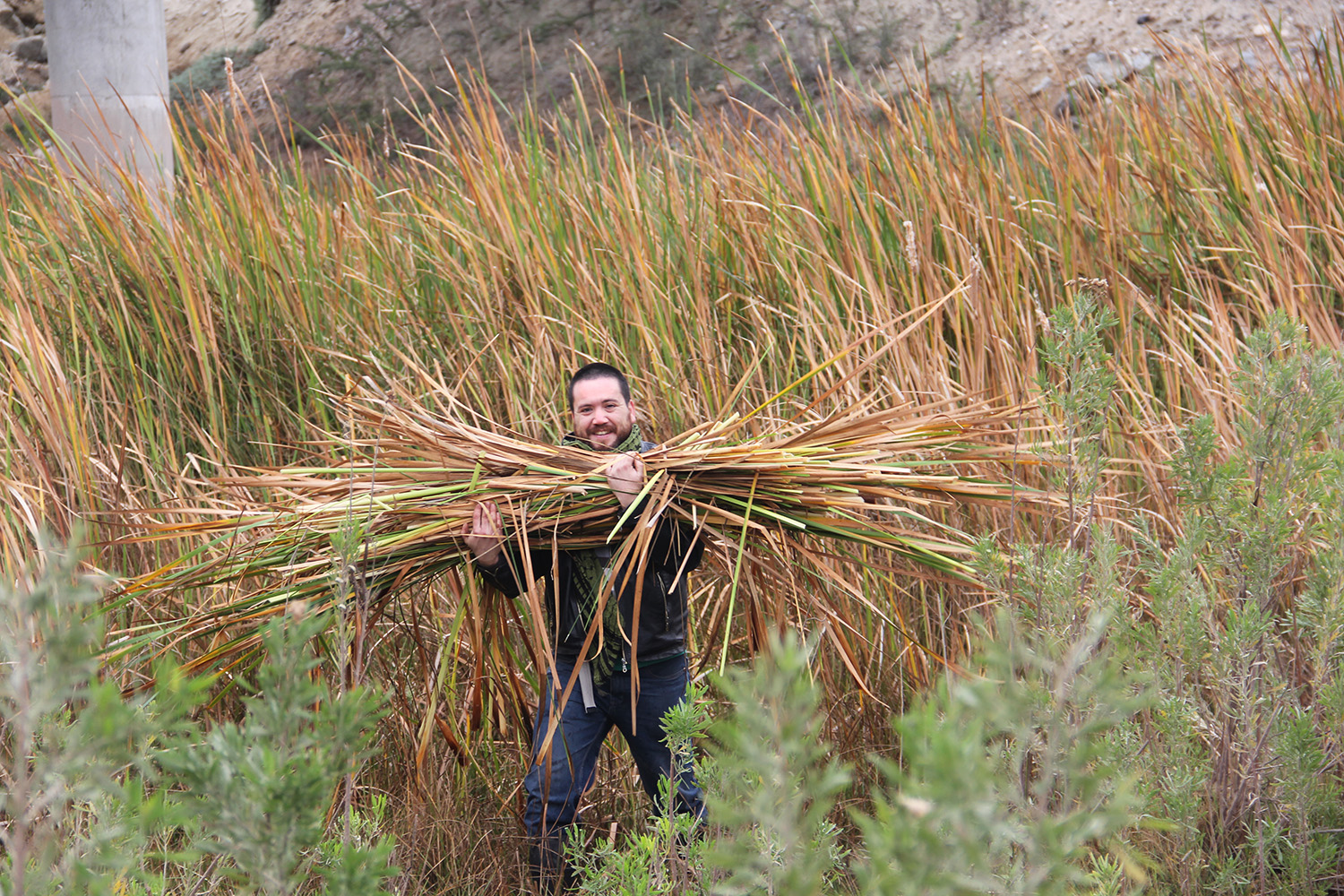
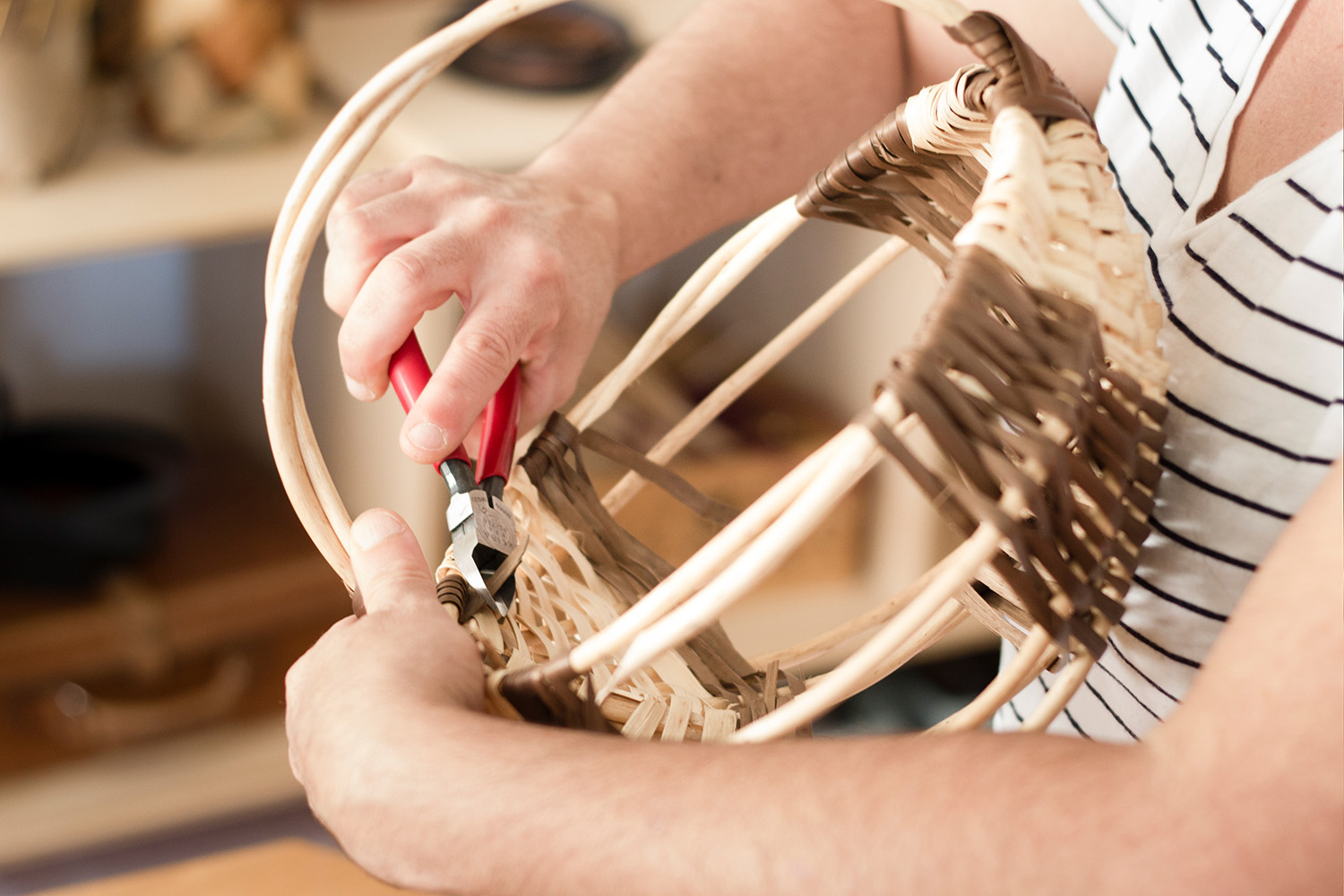
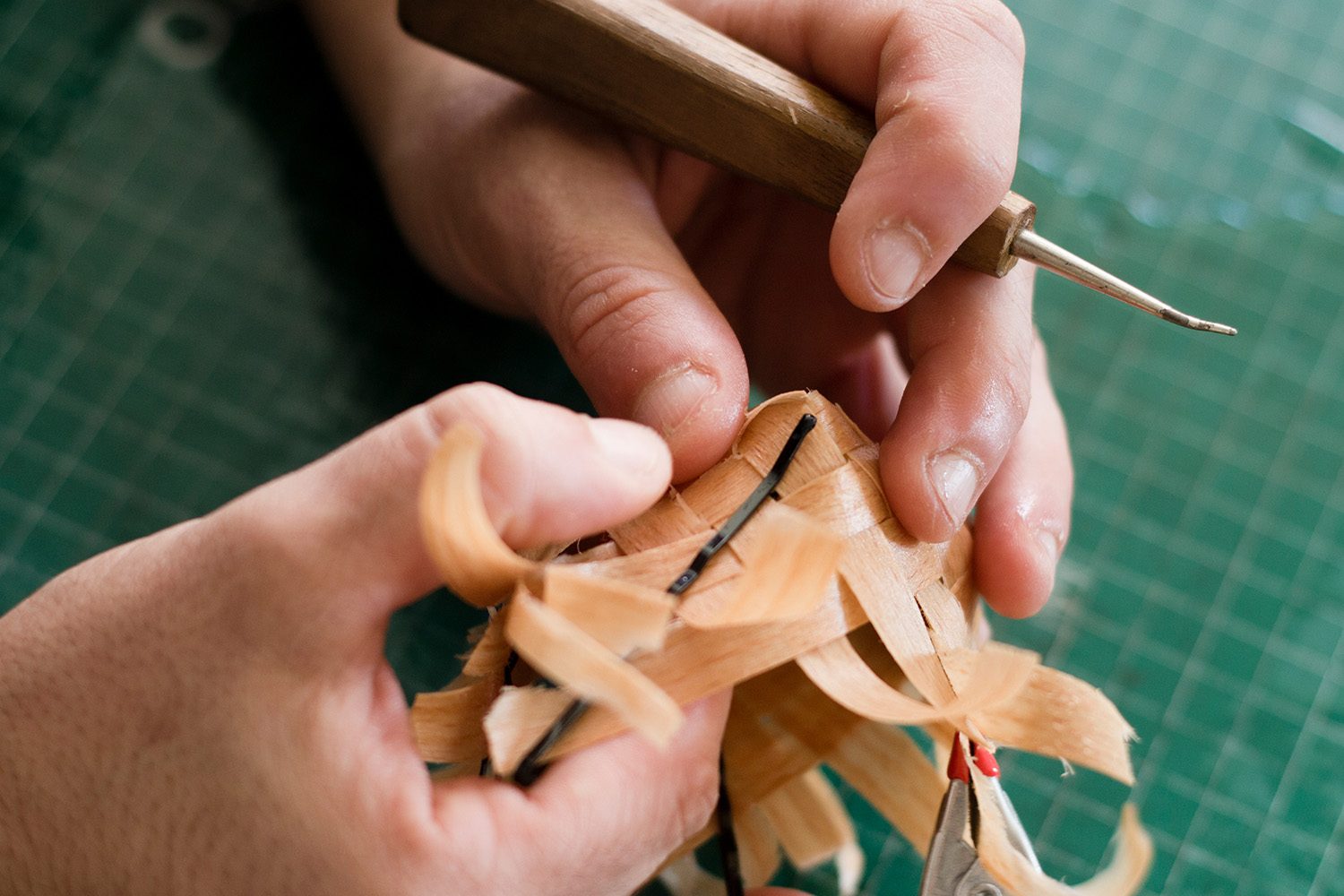
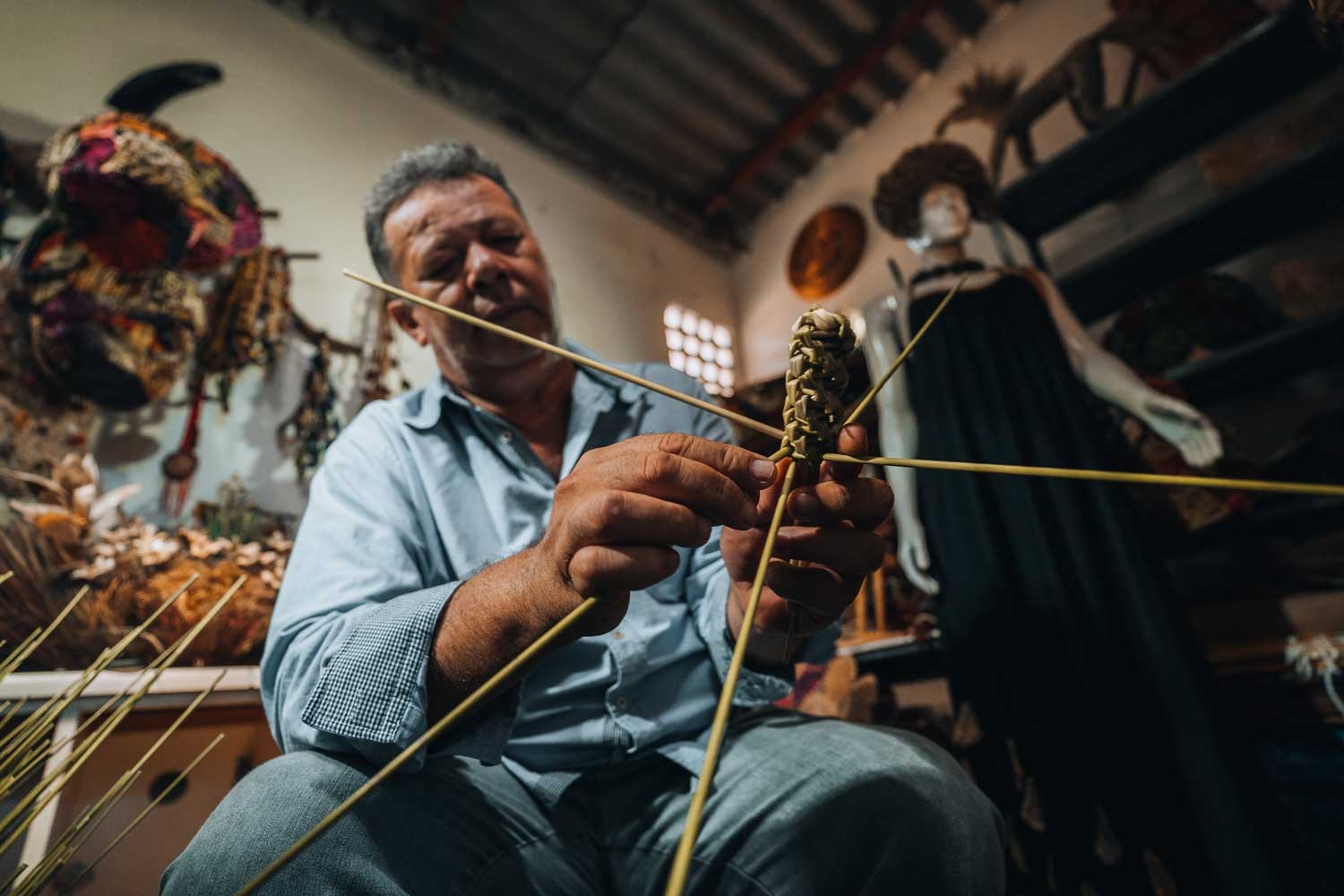
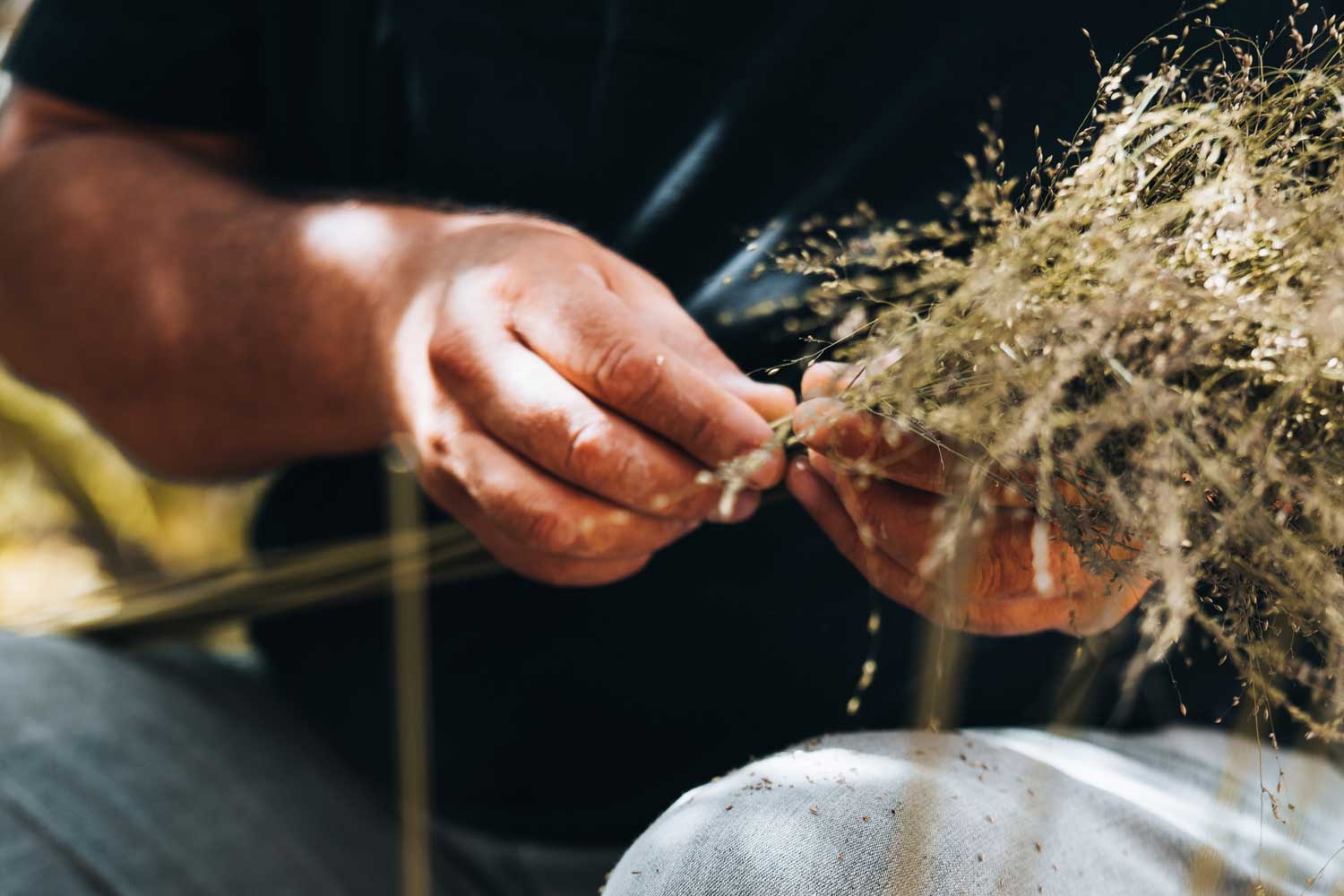
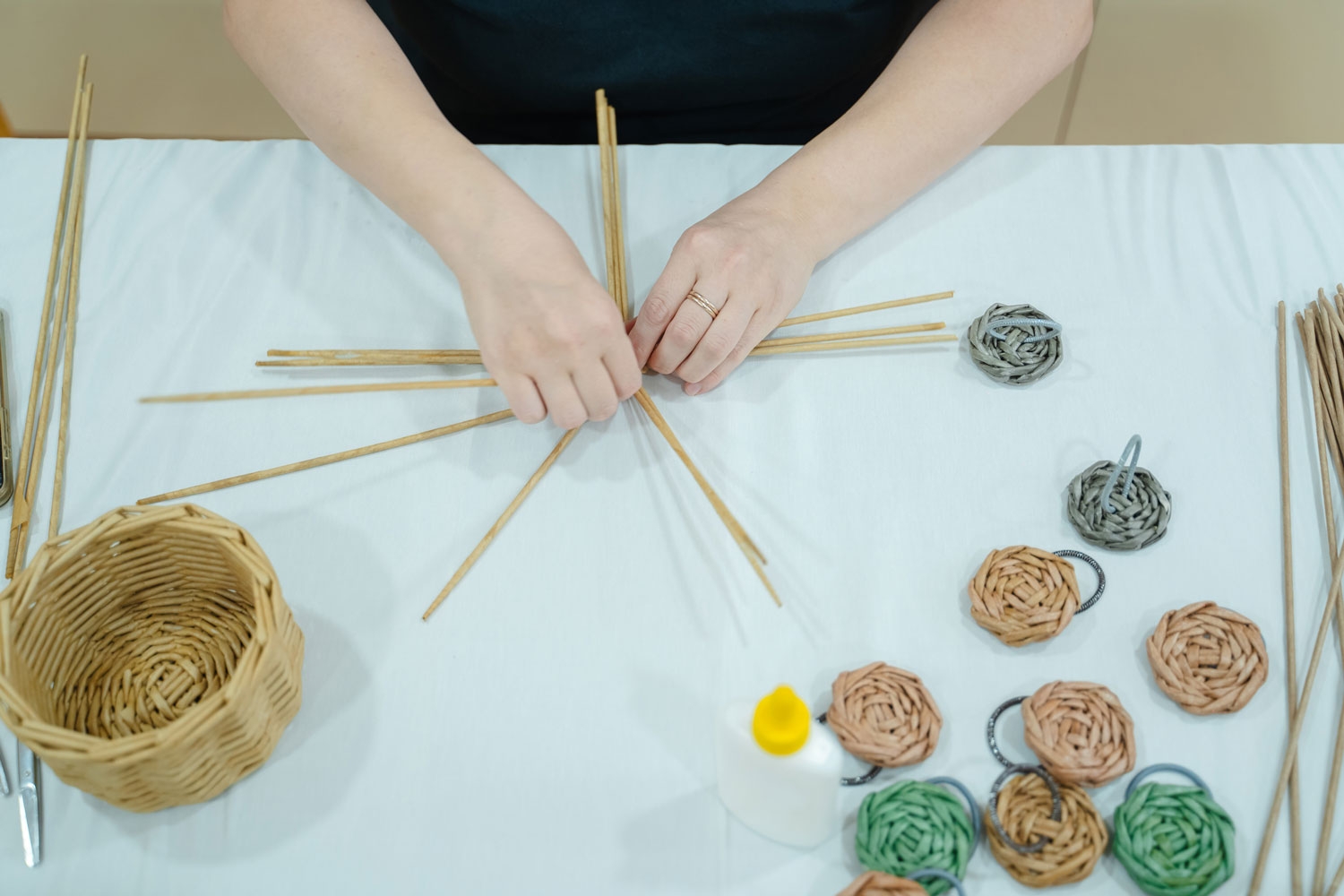
It is a methodical process in the preparation stage, yet unchartered in the creative phase. I gather manila leaves during the austral summer, soak, shred, thread and dry them. Once rehydrated, I begin a slow, meticulous weaving process, ensuring tight stitches while exploring with the free flow of form.
Trial and error are an important part of my weaving process and something I truly enjoy. With no time pressure, I explore multiple paths freely. What I do control are colour and technique. I reject vulgar roughness, favouring delicate, intentional textures in every stitch.
Cecilia Chamorro
Cestería Andina
Basketweaver
Valparaiso, Chile
ADDRESS
Address upon request, Valparaiso, Chile
AVAILABILITY
By appointment only
LANGUAGES
Spanish, French, English
Homo Faber Finds is a new service aiming to inspire admirers of craft to connect and collaborate with exceptional artisans.
We invite you to submit an enquiry here.