Ibechaobi Leishangthem
Basketweaver
Frederick, MD, USA
An ode to contemporary basketry
- Ibechaobi began weaving baskets as a project for her home
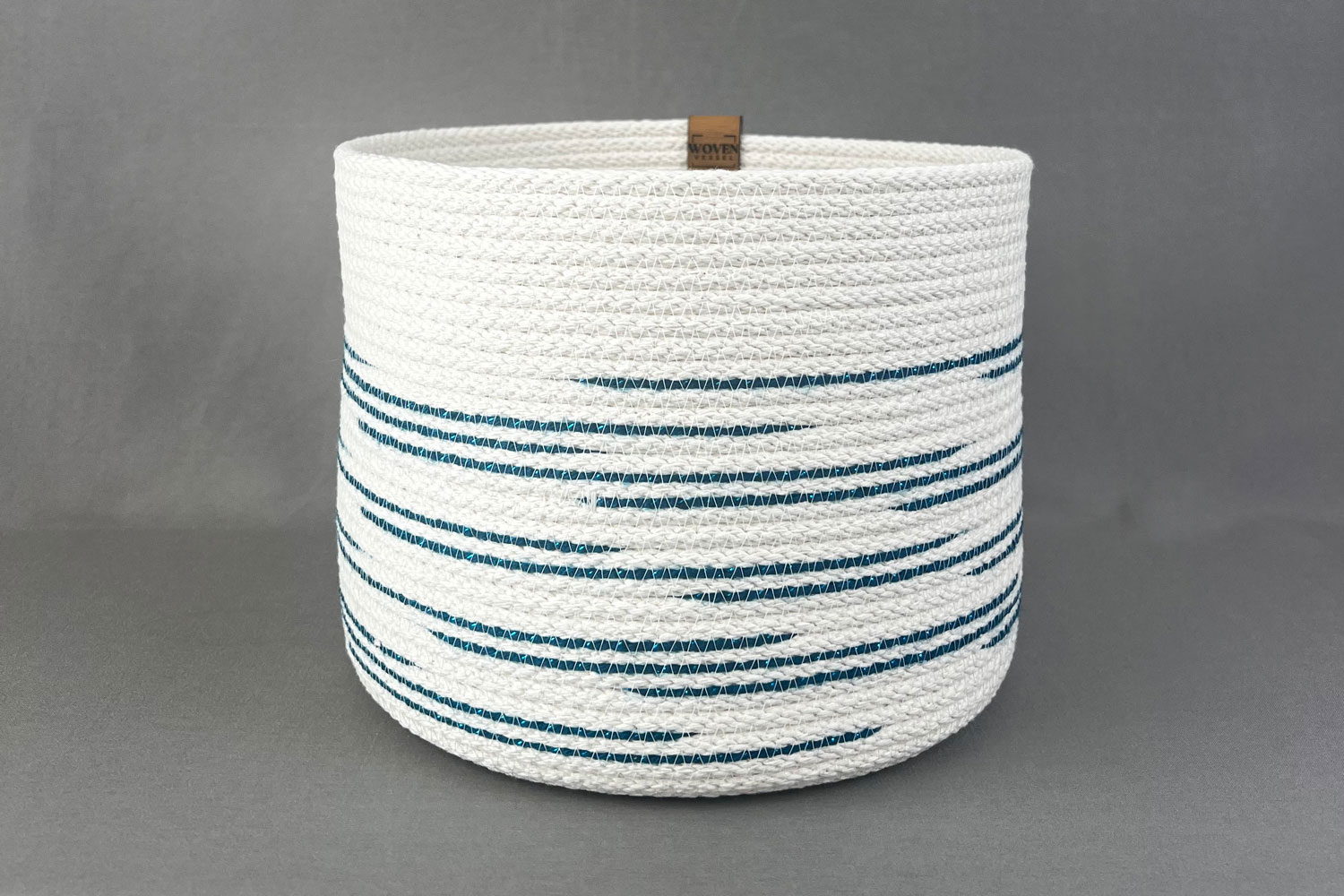
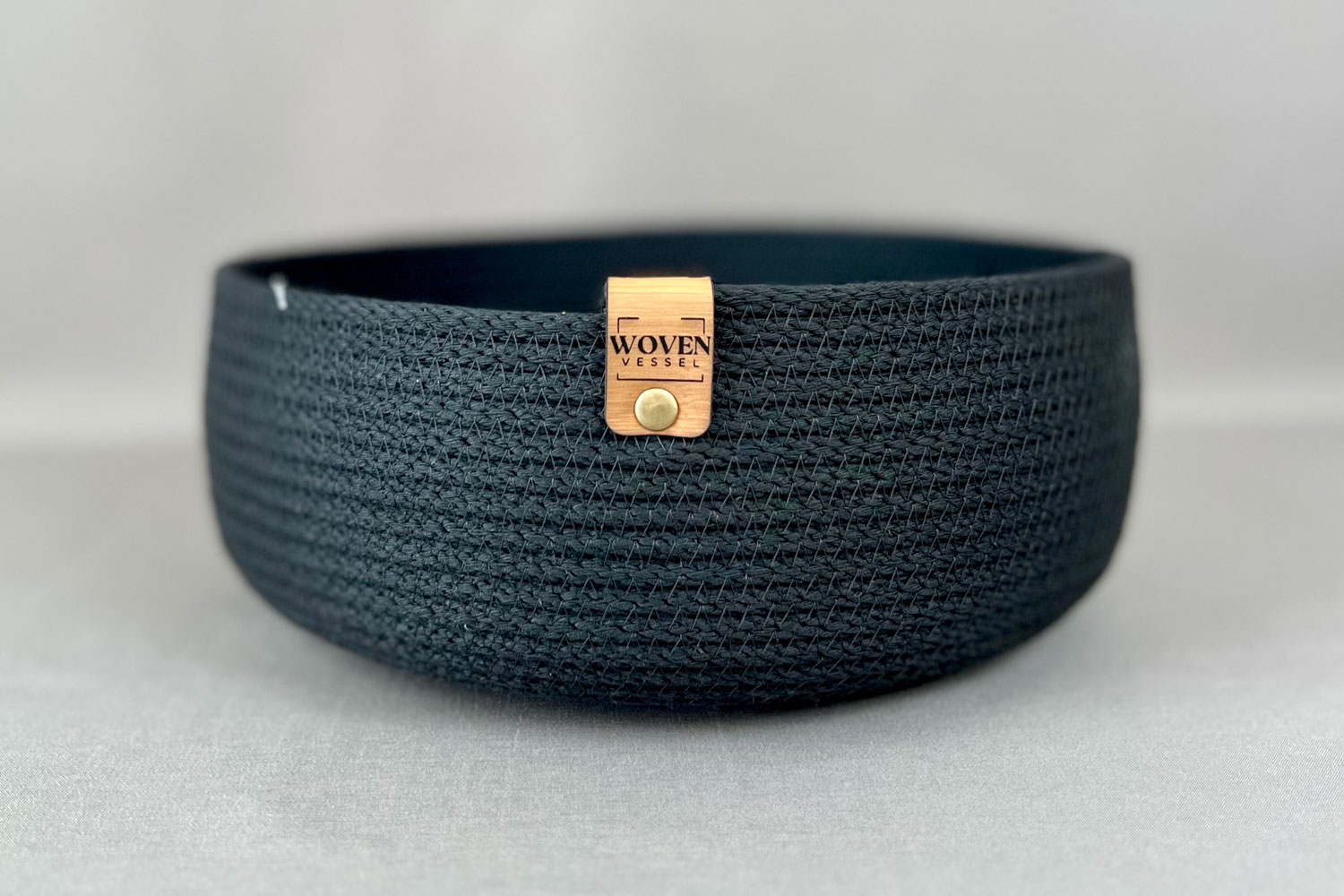
- Self-taught, she has developed an unadorned and minimalistic style of basketry
- She hand dyes cotton to create hues that complement her bold forms
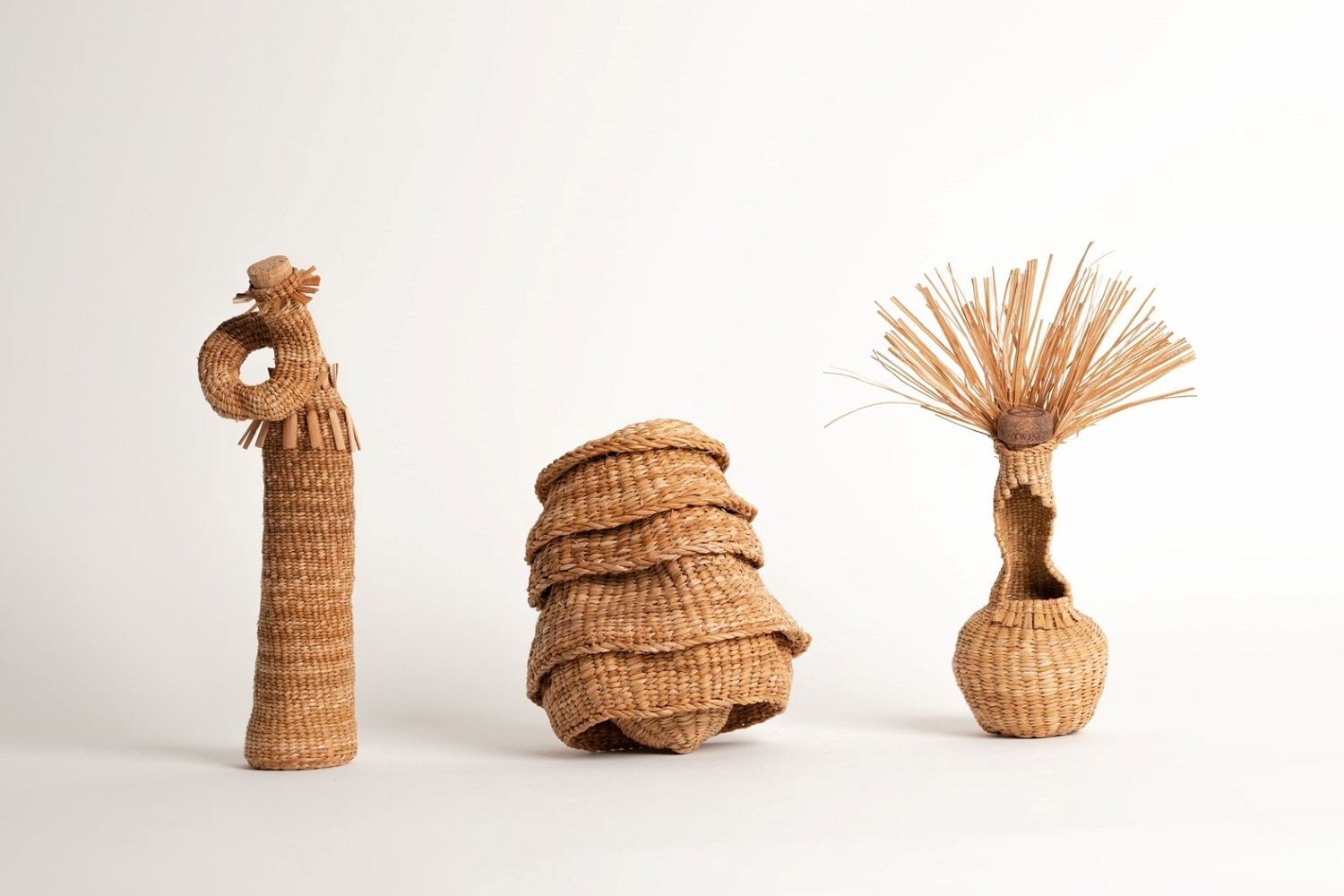
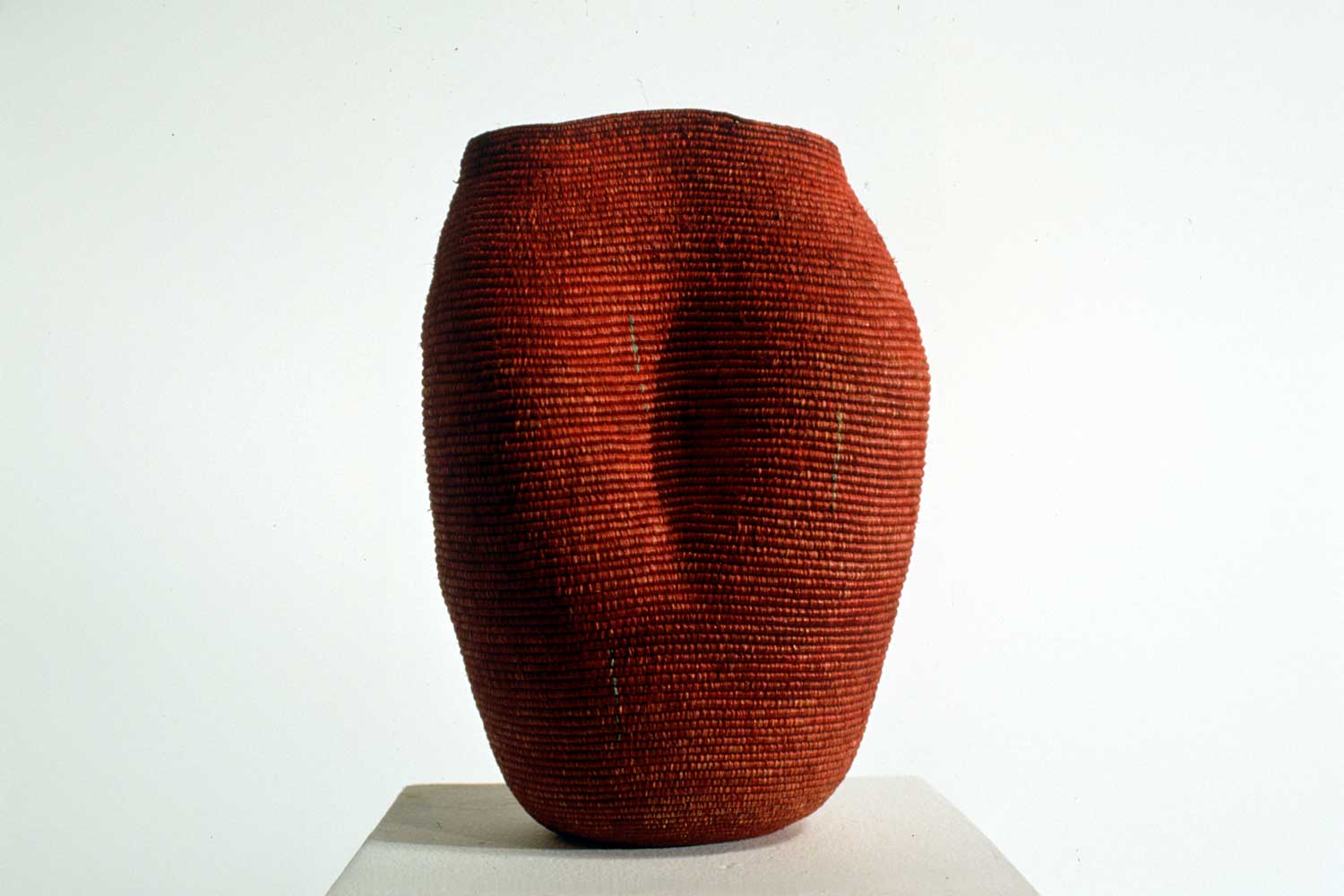
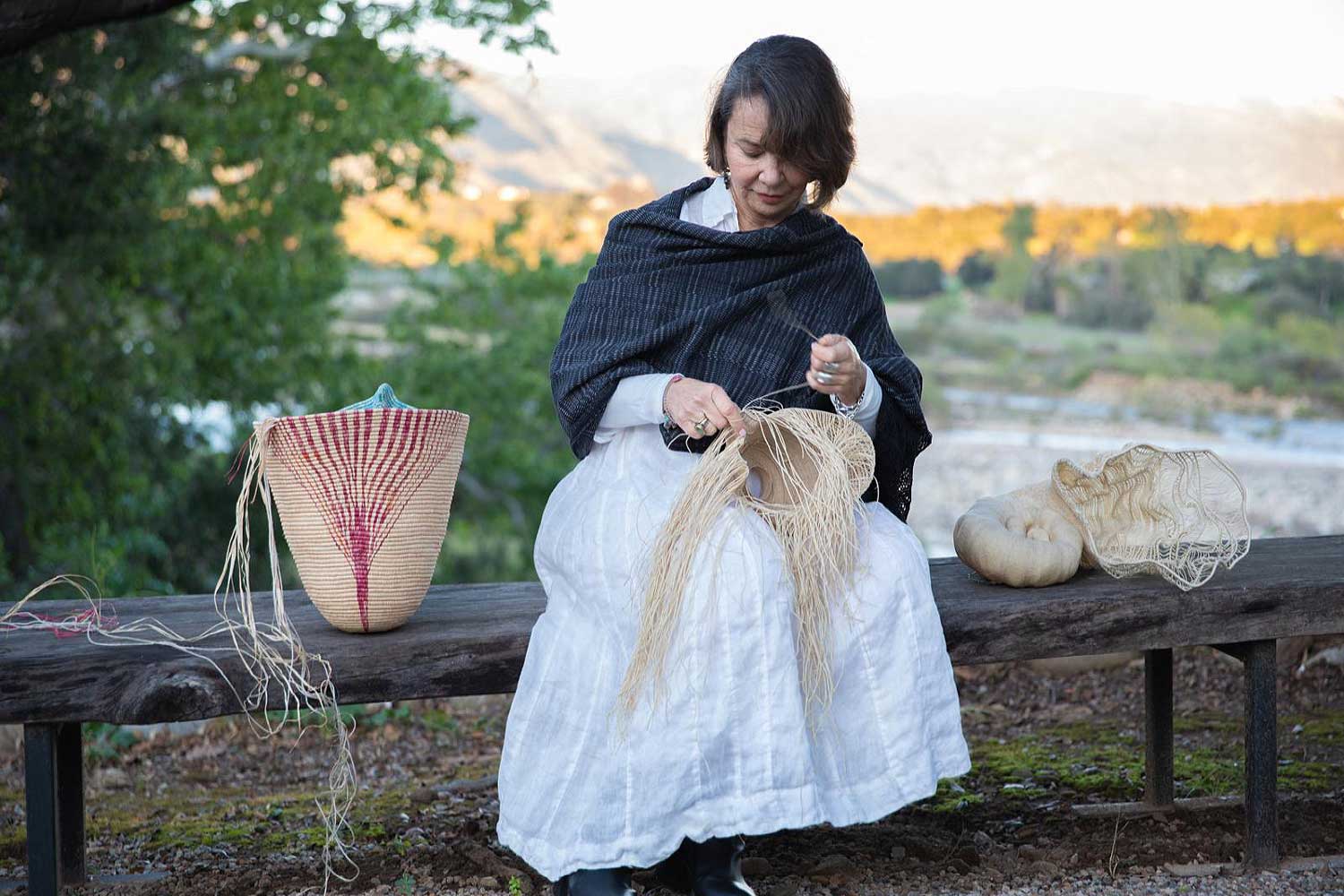
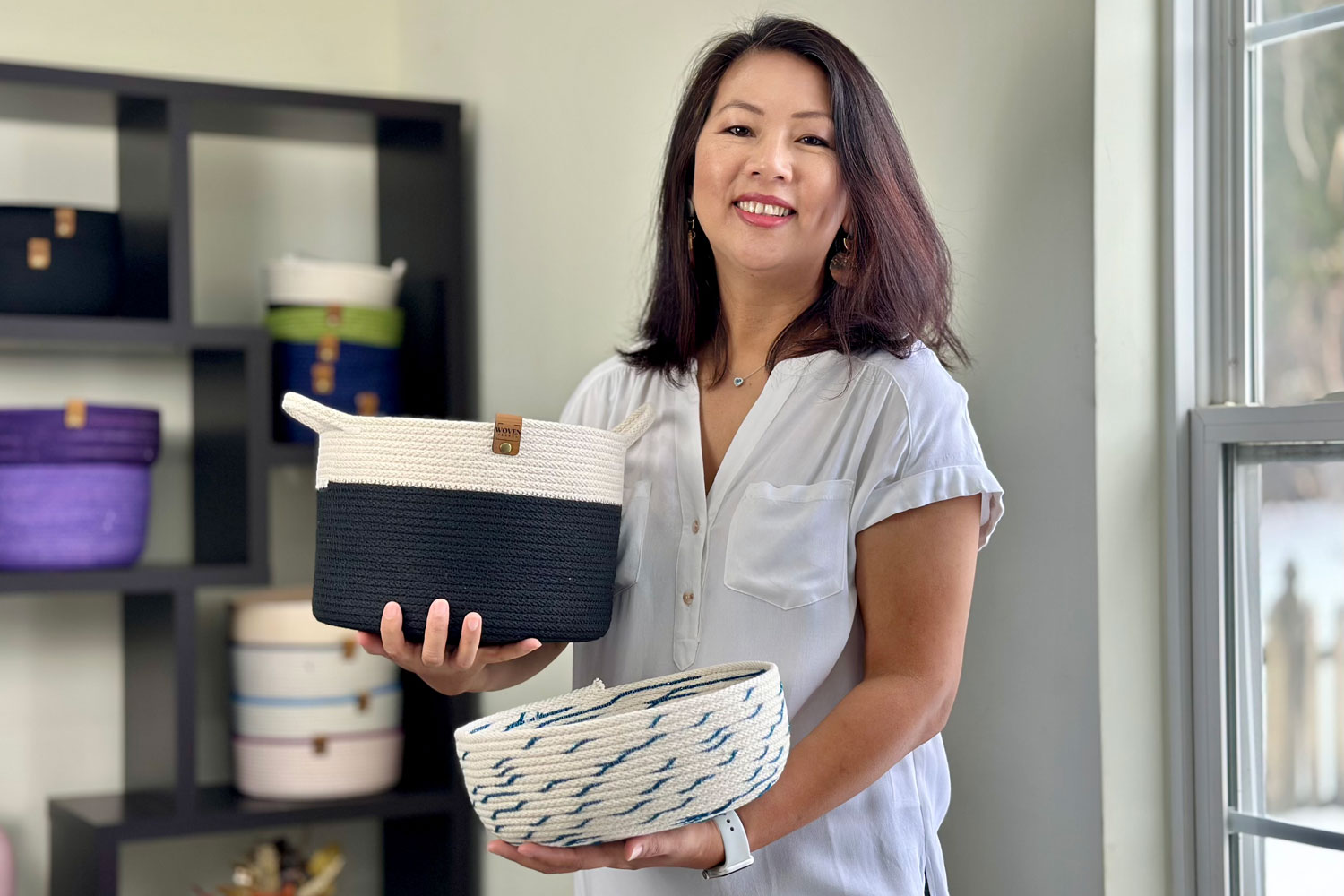
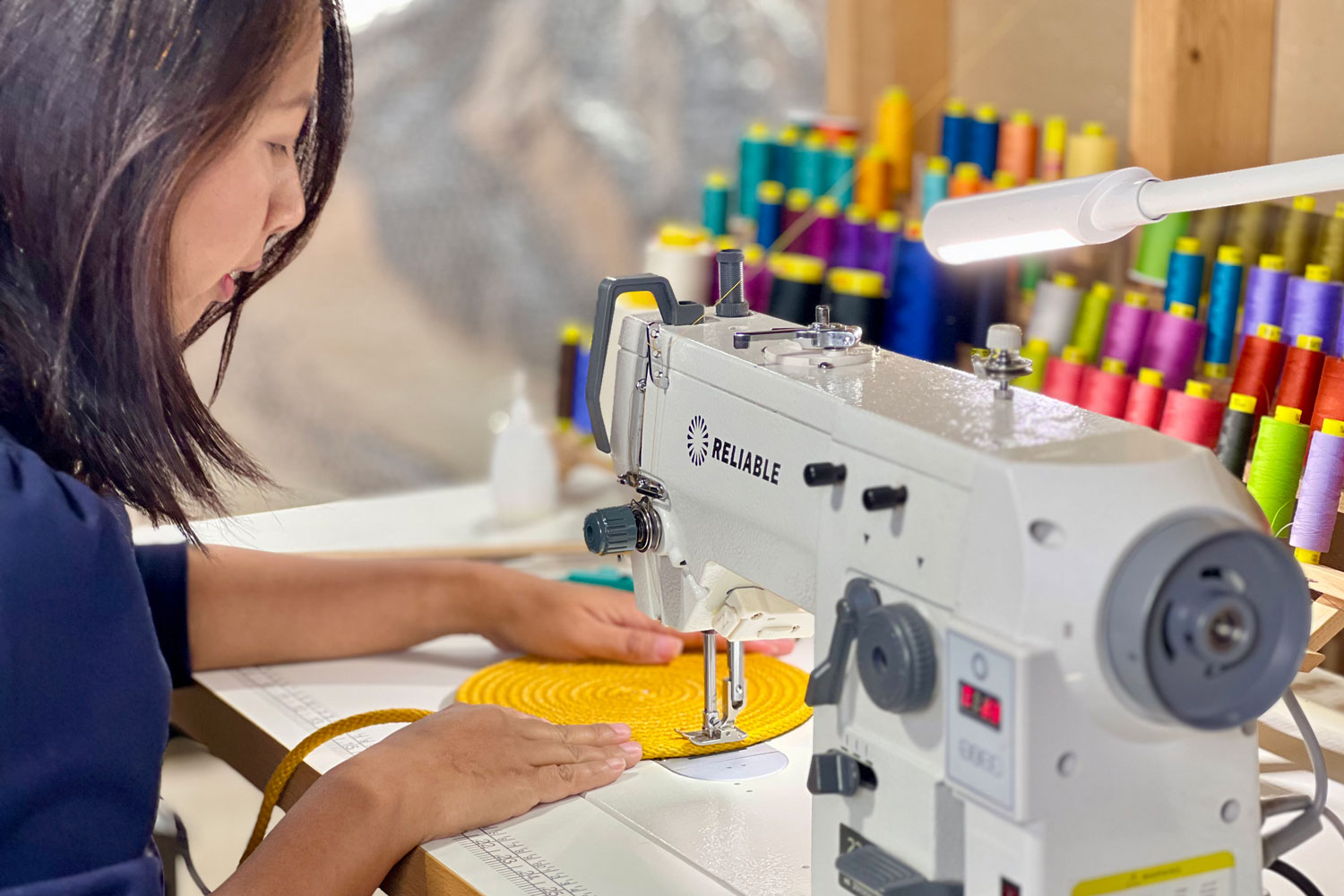
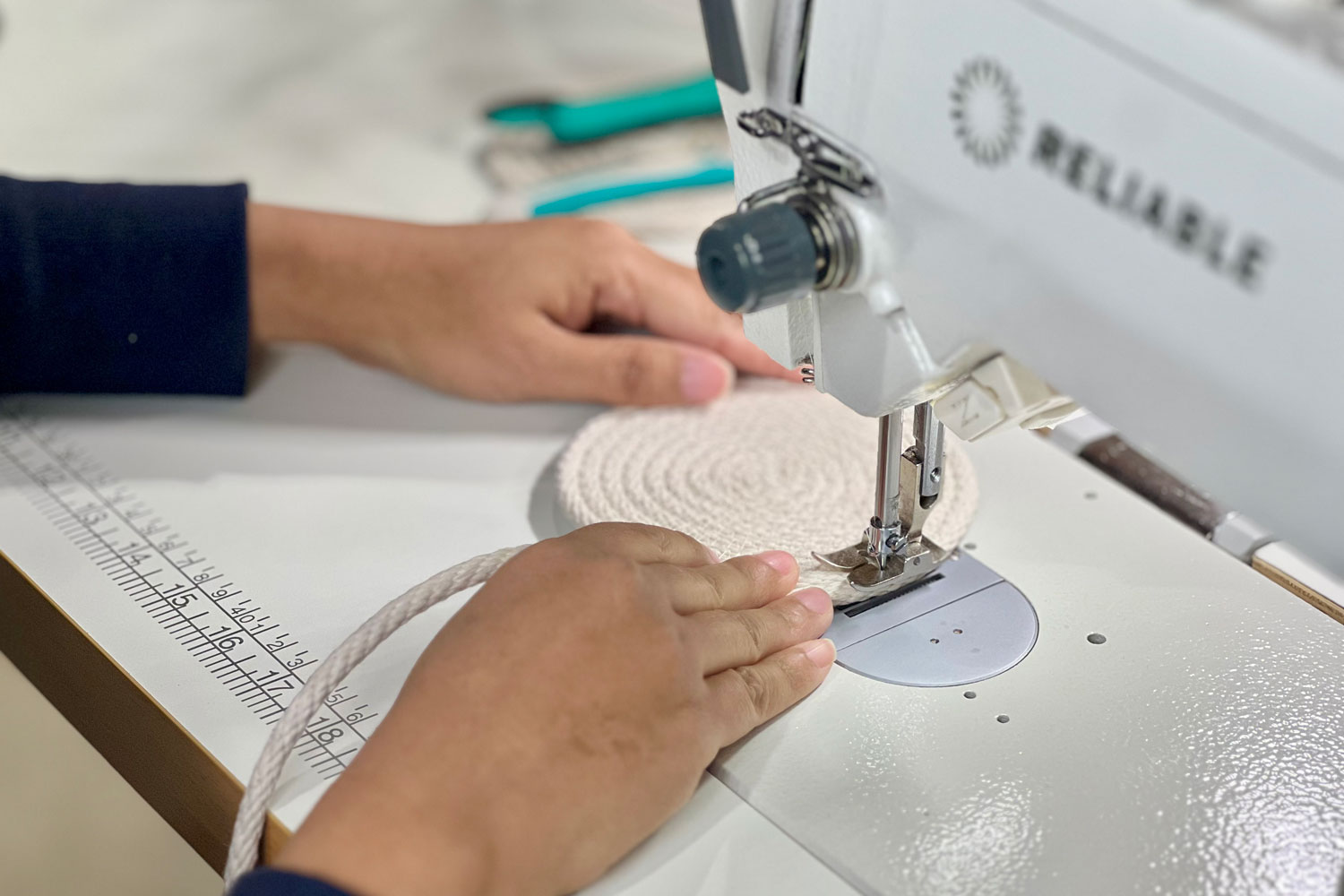
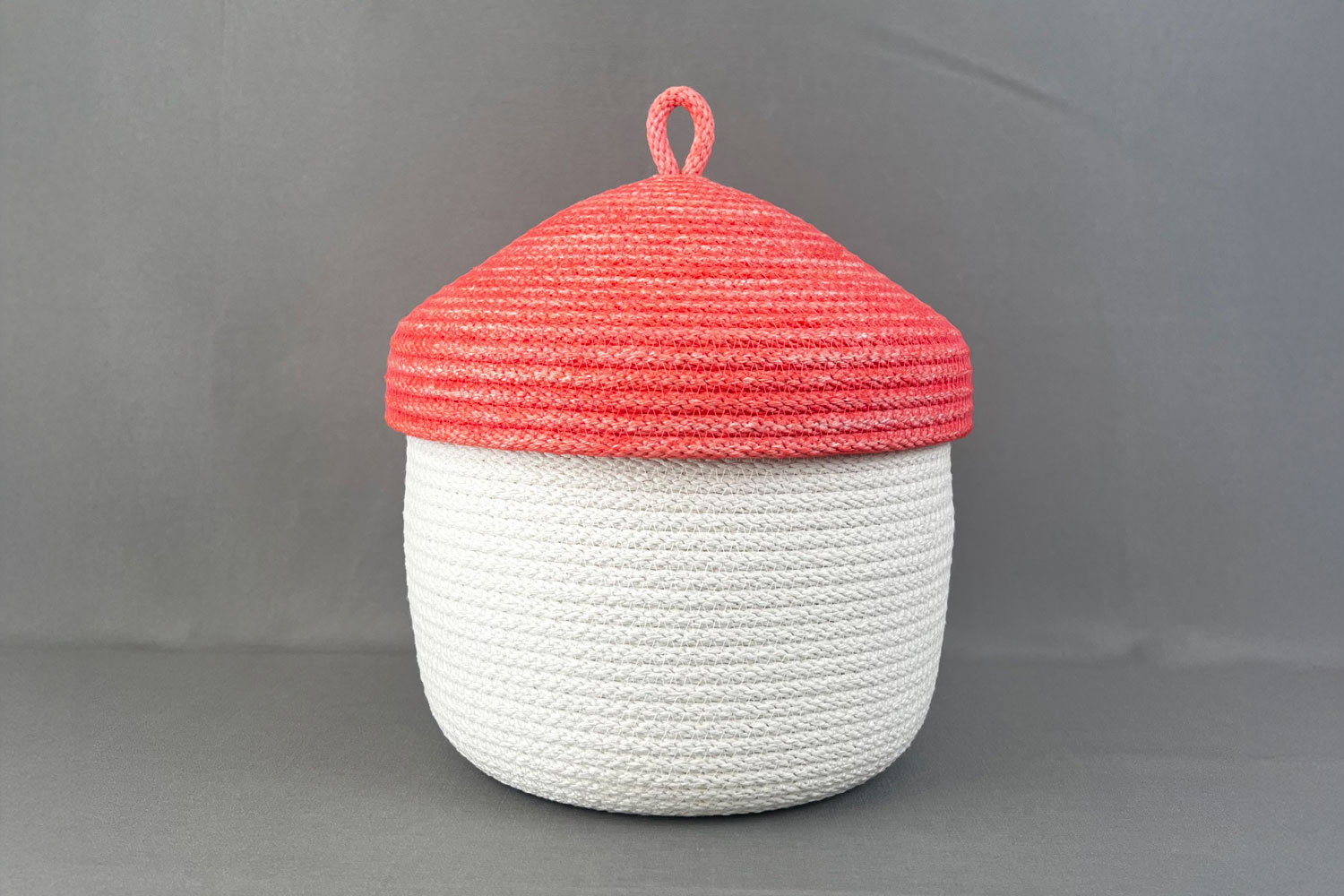
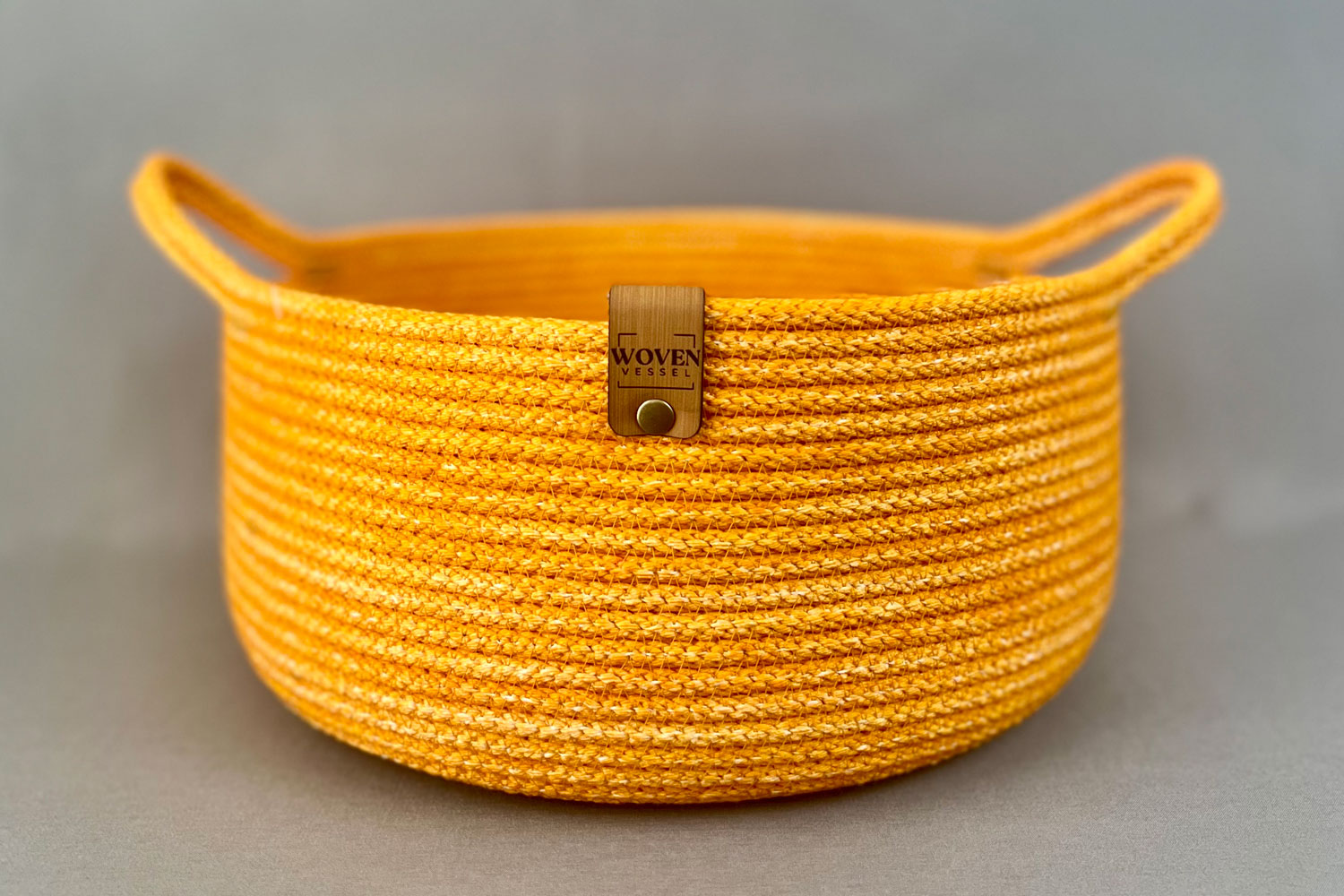
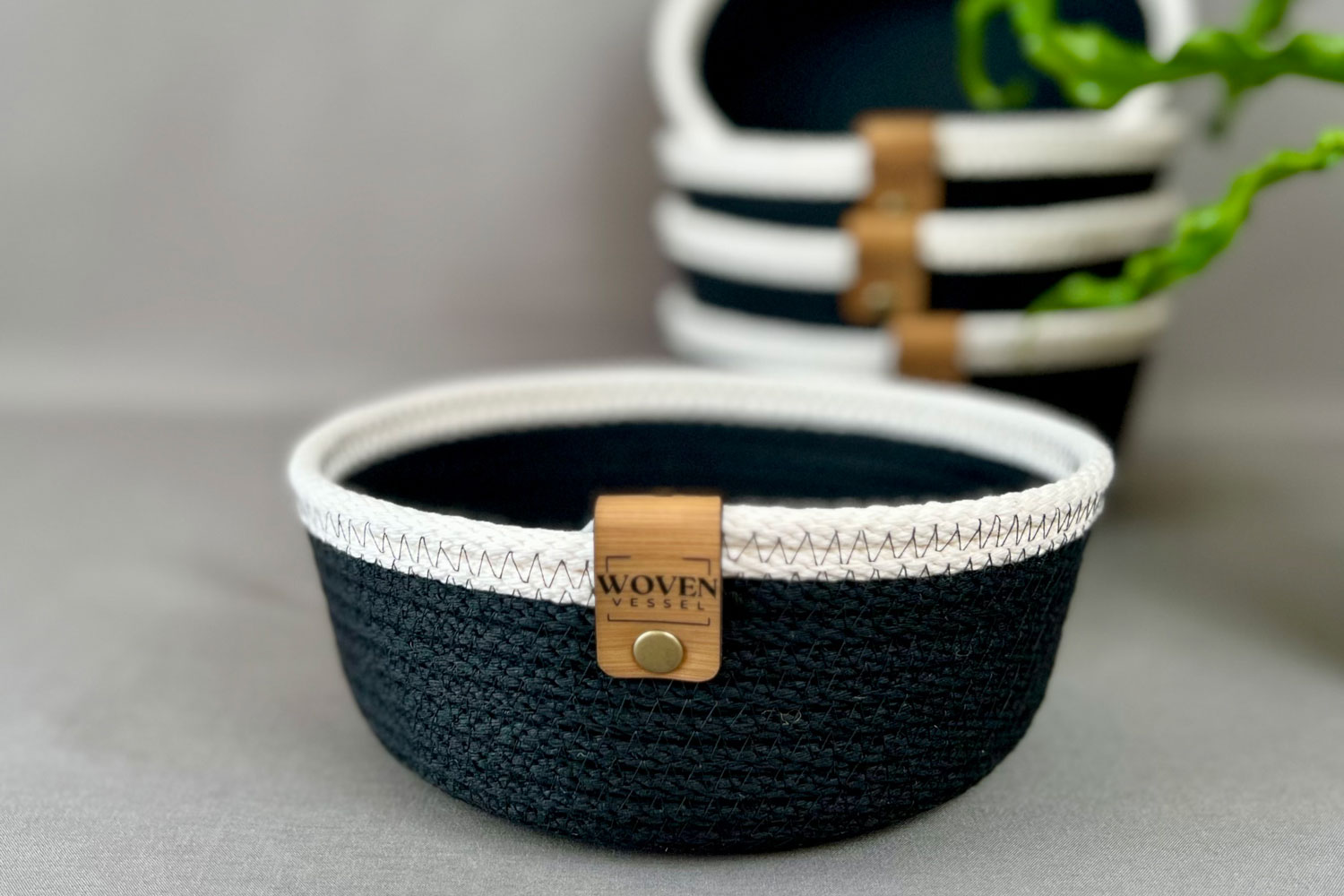
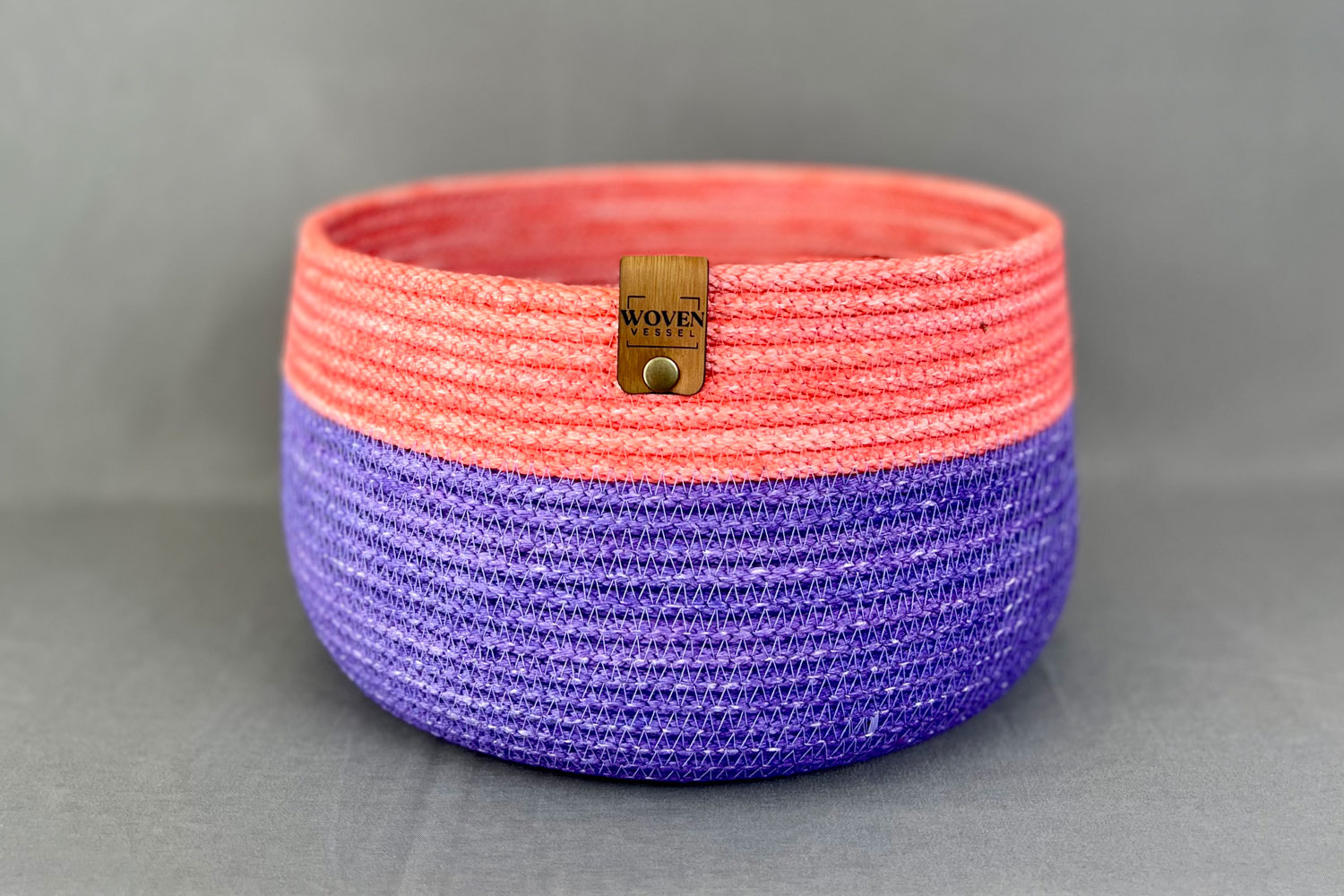
Ibechaobi Leishangthem has always been fascinated by the functional nature of coiled basketry. For her, the cotton rope basket represents a contemporary evolution of the tradition, being natural, practical and suited to everyday life. “I was deeply drawn to this craft, which weaves into our daily routines, and I felt inspired to create a basket of my own using cotton rope,” she says. Ibechaobi bought a clothes line from the supermarket and, using a home sewing machine, began sewing baskets for her own home. With a strong commitment to the environment, the craft aligned naturally with her lifestyle and her desire to create contemporary, minimalist pieces. Ibechaobi’s pieces now span functional and whimsical baskets and have varied applications around the home and as gifts.
Discover her work
INTERVIEW
Basketry began for me as a home project. I sewed many baskets for my children’s toys and as shelf organisers, tea coasters, placemats and small gifts for friends and family. I made so many that I decided to start a home based business, which led me to open an online shop.
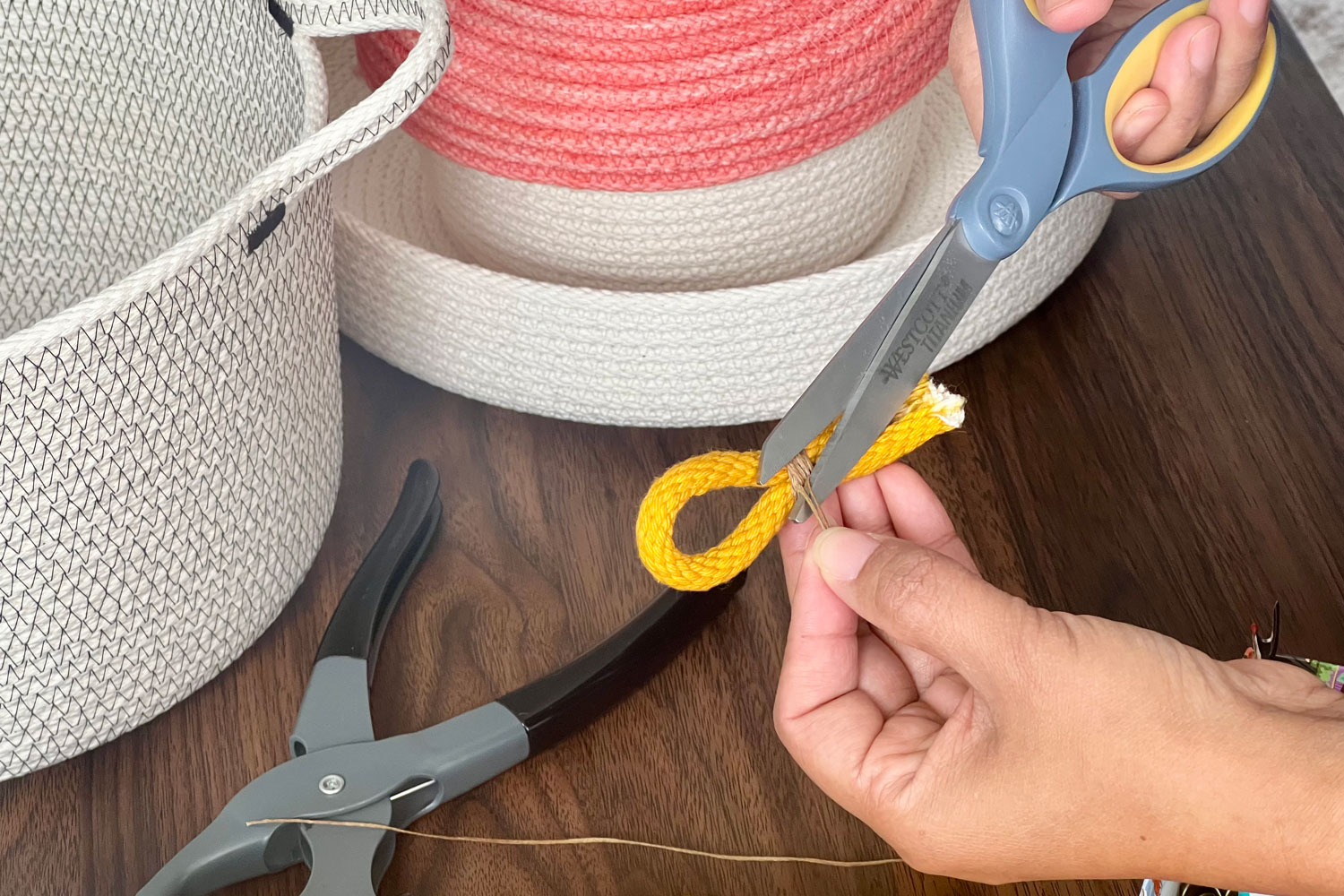
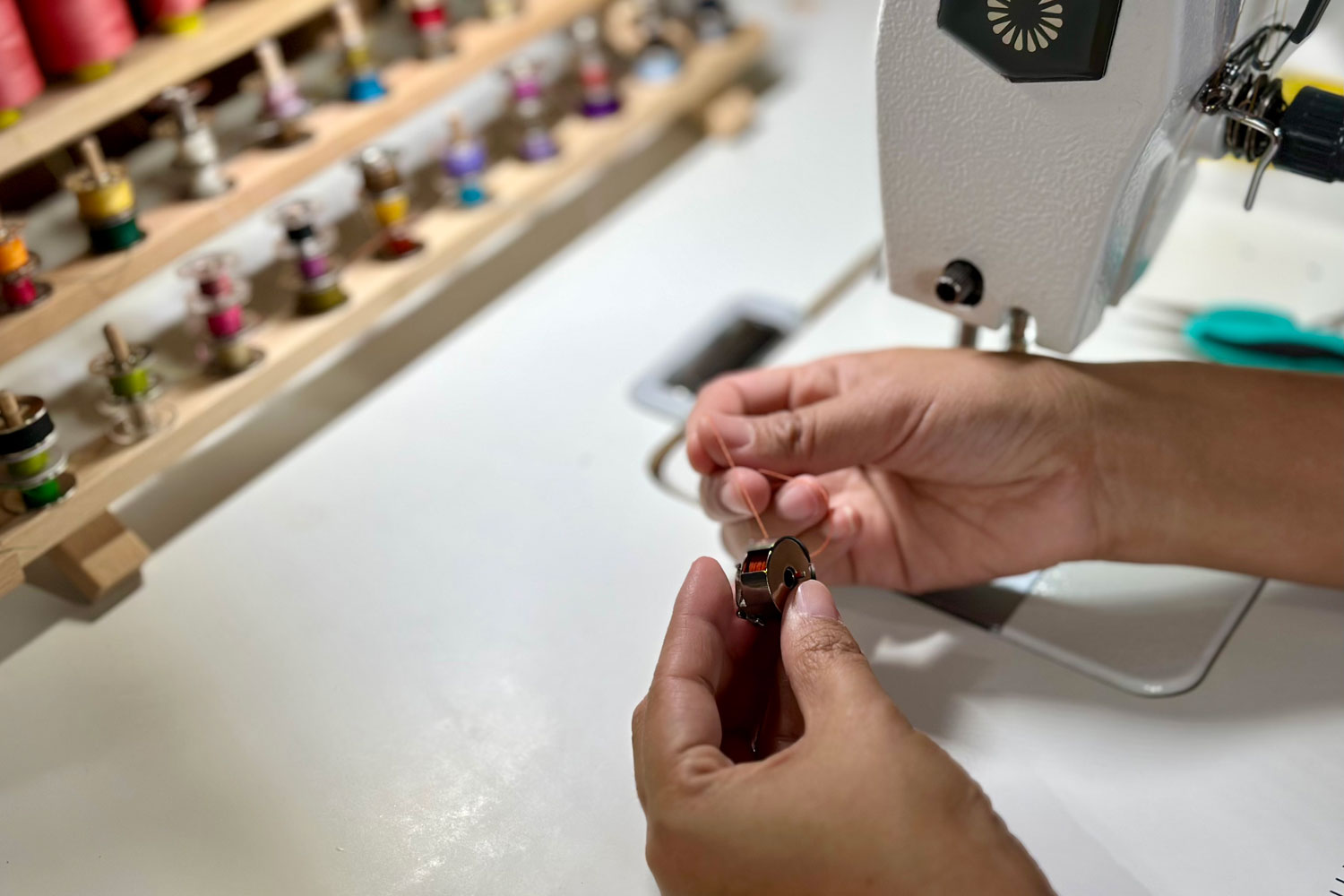
Sewing baskets requires patience and dedication, and I never stop learning or refining my skills. I love working with natural fibres and enjoy experimenting with new designs to develop my craft. I also take online classes and follow tutorials. I am still learning every day, one step at a time.
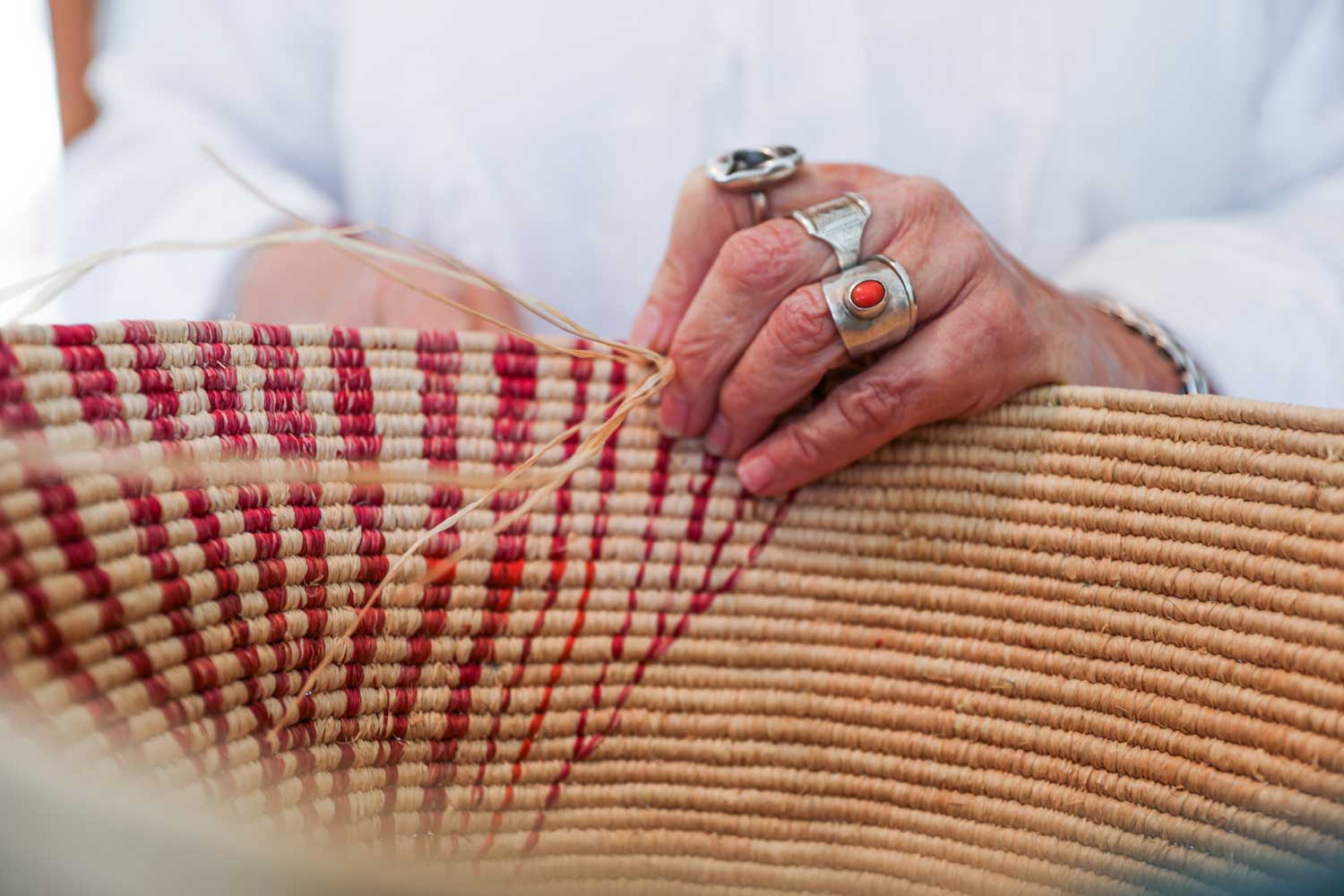
Although I love working with the natural colour of rope, I also specialise in dyeing it in a wide range of shades. Dyeing cotton rope is a lengthy process, taking around 24 hours per batch. The process involves dip dyeing, rinsing, washing, drying and finally sewing the basket. I use fibre reactive dyes sourced locally in the USA.
Baskets come in different colours, shapes and sizes, and sewing them requires patience and love for the practice. The process teaches us that each stage of life is different and demands a distinct approach. Mistakes are not permanent failures, they can be corrected and transformed into something new.
Ibechaobi Leishangthem
Basketweaver
Frederick, MD, USA
ADDRESS
Address upon request, Frederick, MD, USA
AVAILABILITY
By appointment only
LANGUAGES
English
Homo Faber Finds is a new service aiming to inspire admirers of craft to connect and collaborate with exceptional artisans.
We invite you to submit an enquiry here.

DSC02402_©Meg-Lovell.jpg)
DSC01379_©Meg-Lovell.jpg)
DSC01458_©Meg-Lovell.jpg)