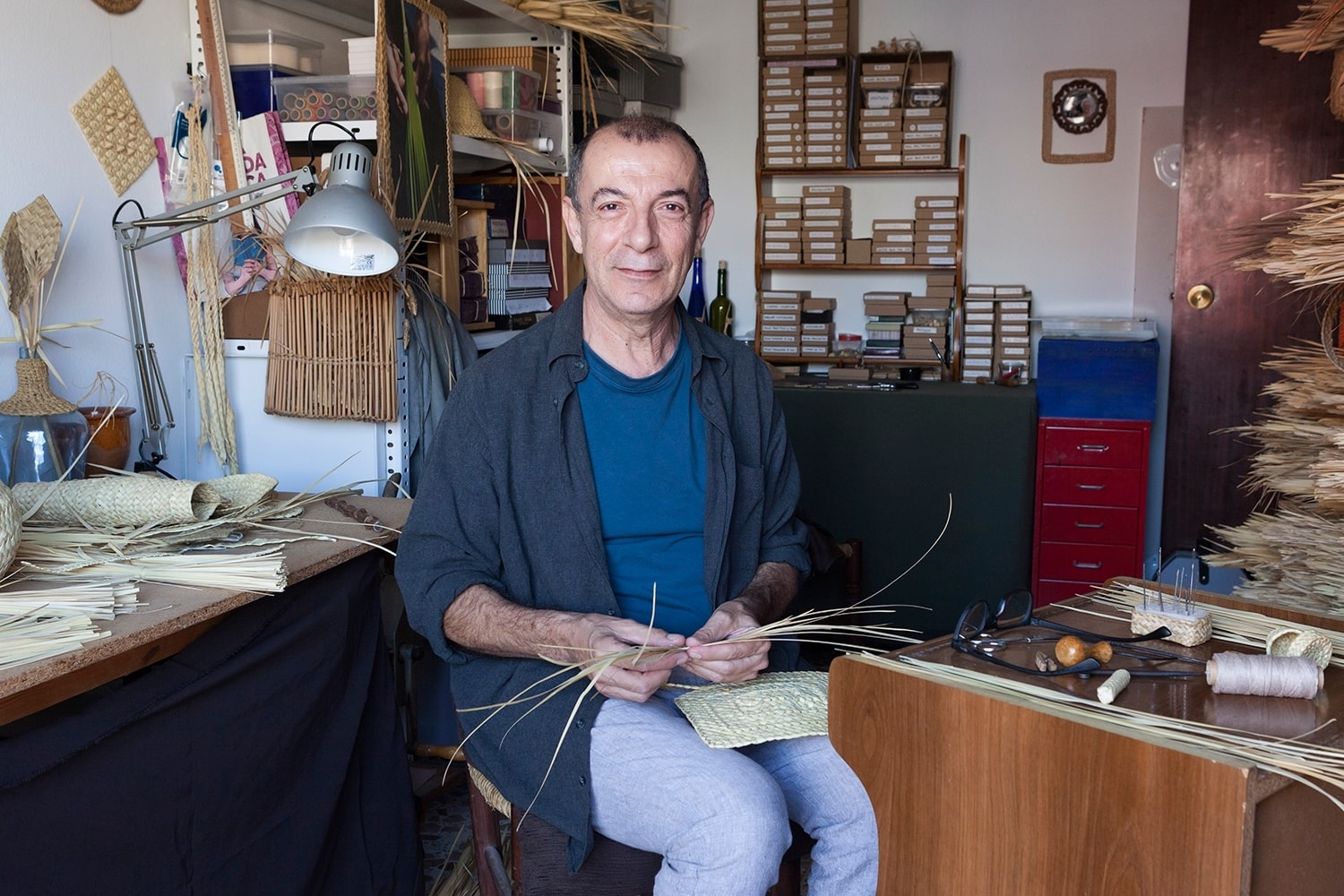

Antonio Rodríguez
Pa Lucir El Palmito
Basketweaver
Rota, Spain
Recommended by Contemporánea de Artes y Oficios
The palmito maestro
- Antonio is a weaver, teacher and researcher of the palmito
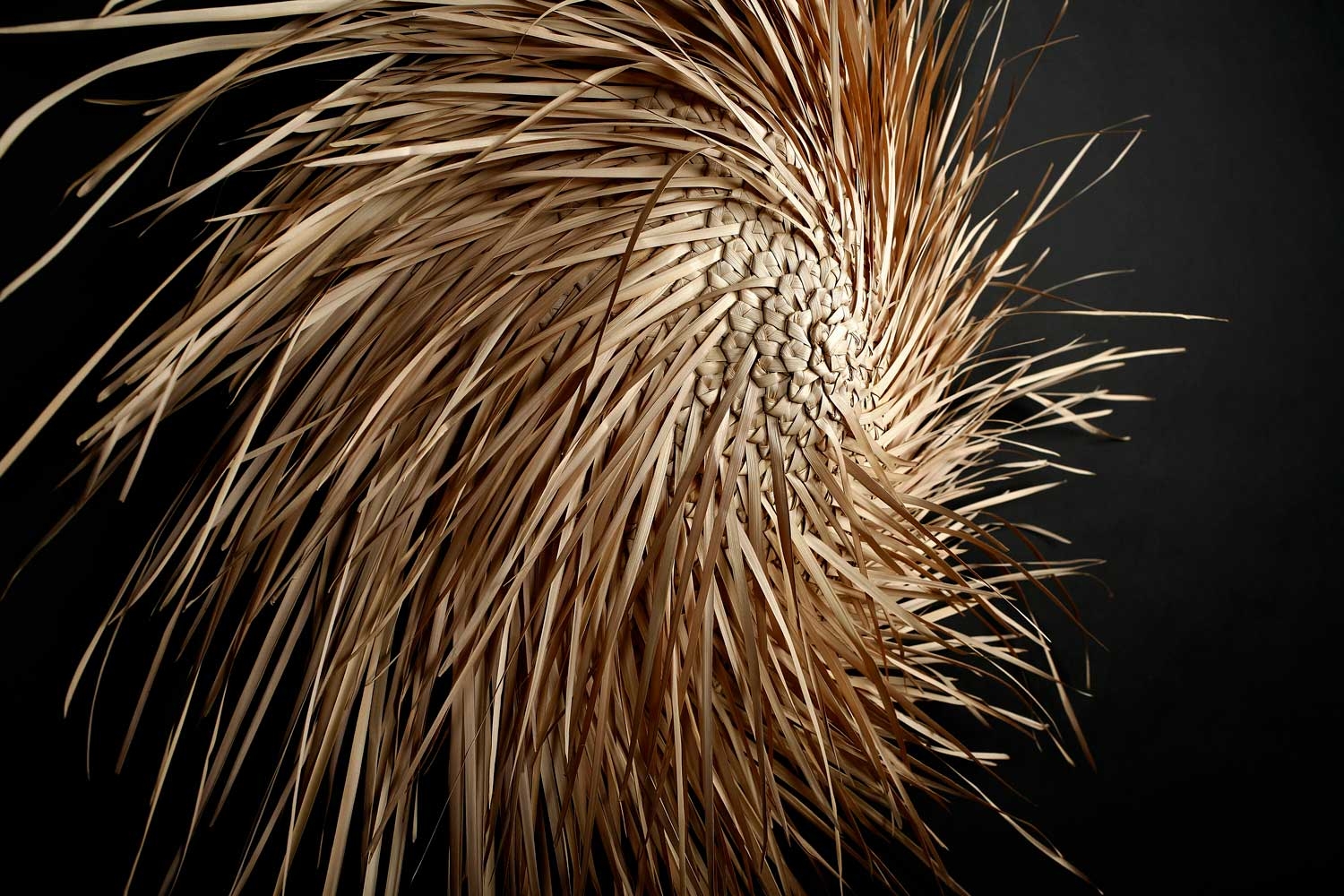
- He uses this natural material to create utilitarian objects and works of art
- His unique pieces have won him national and international awards
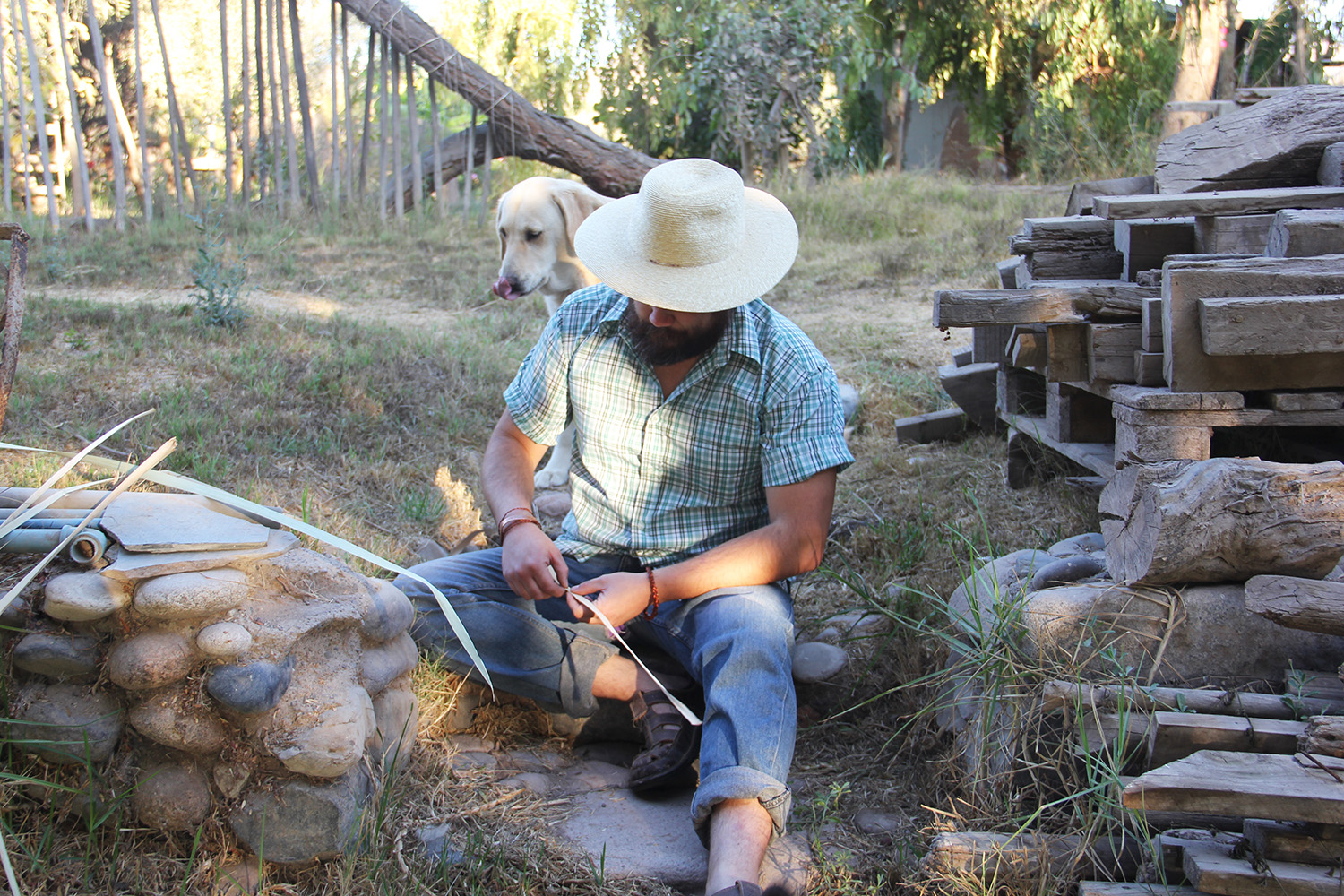
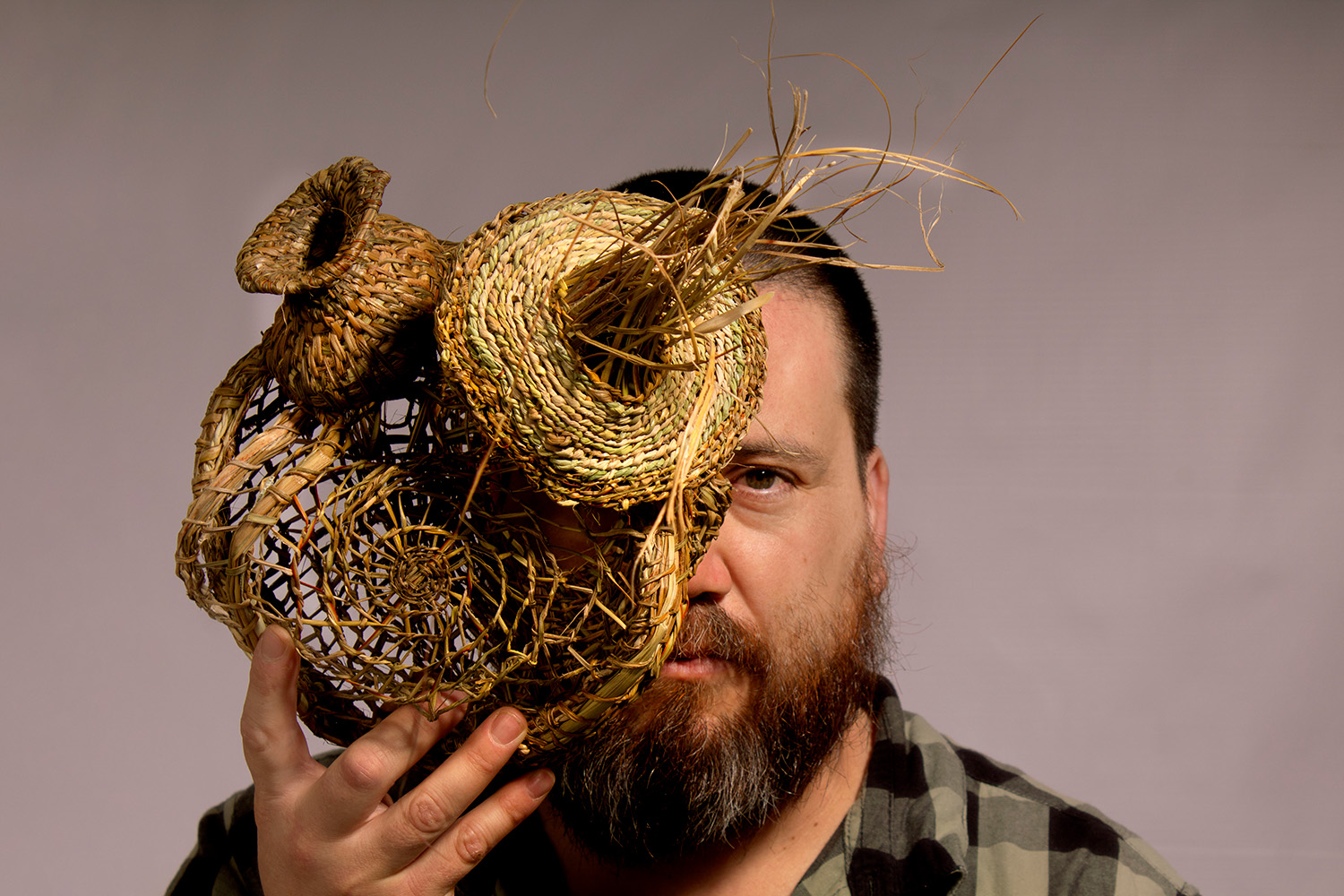
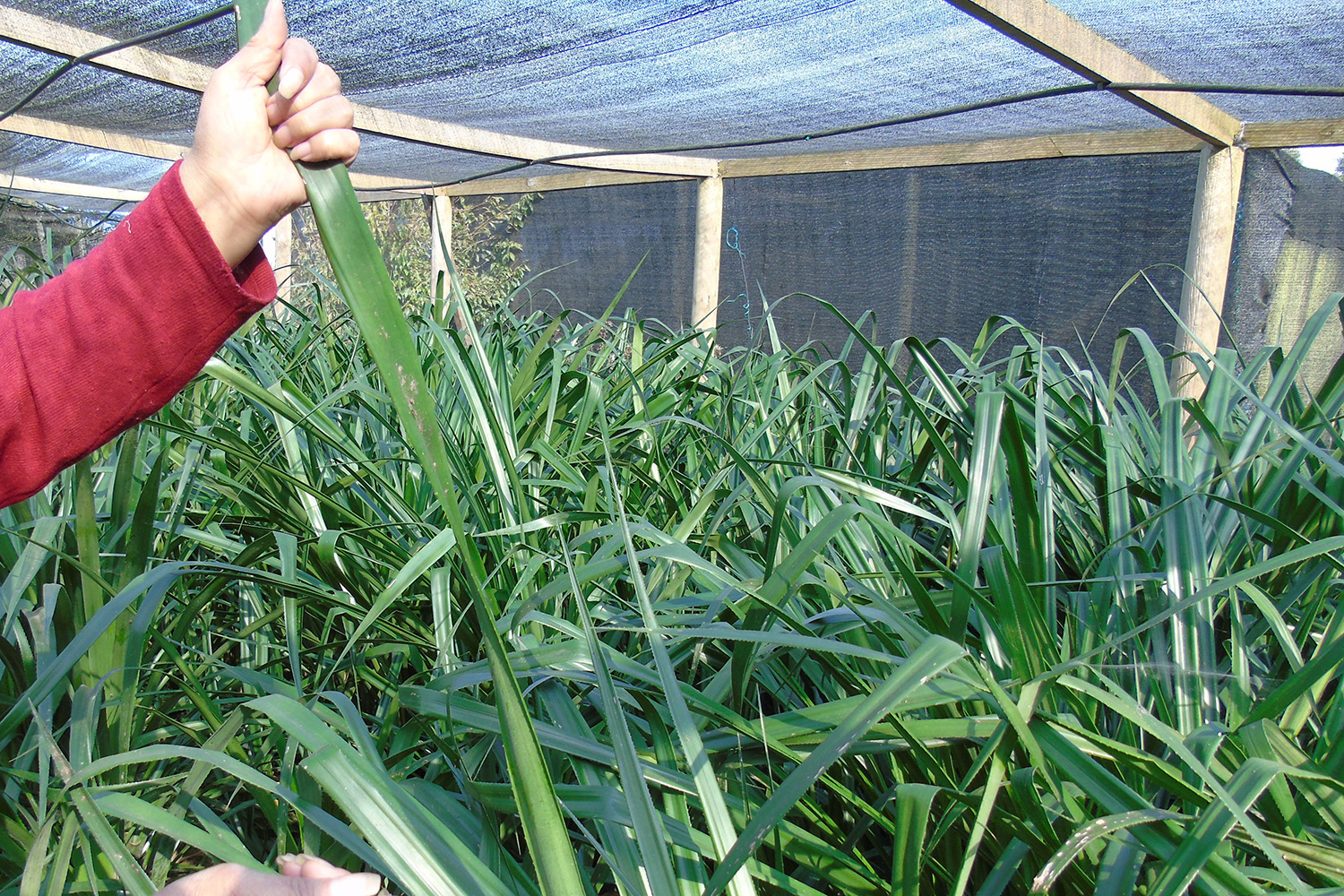
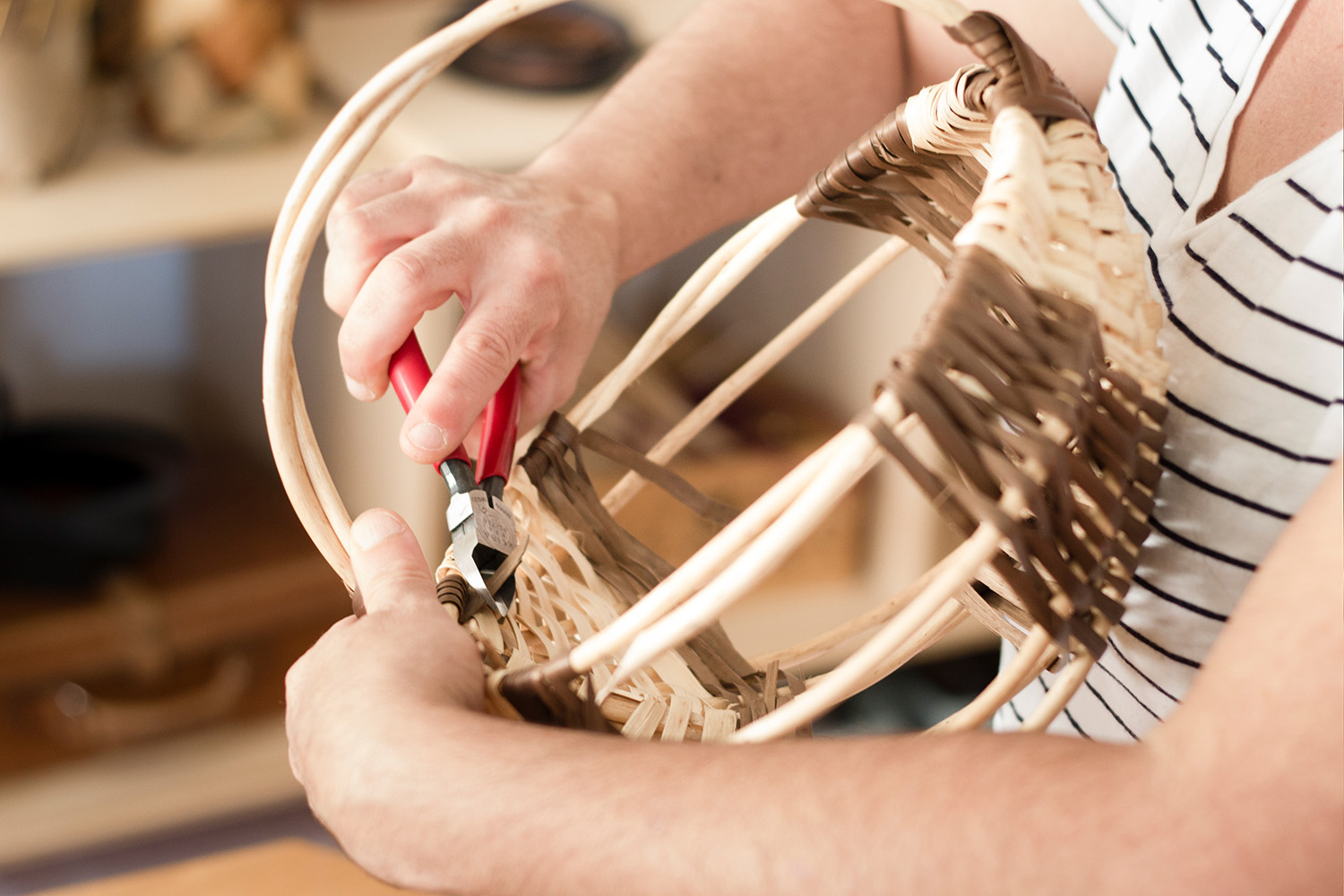
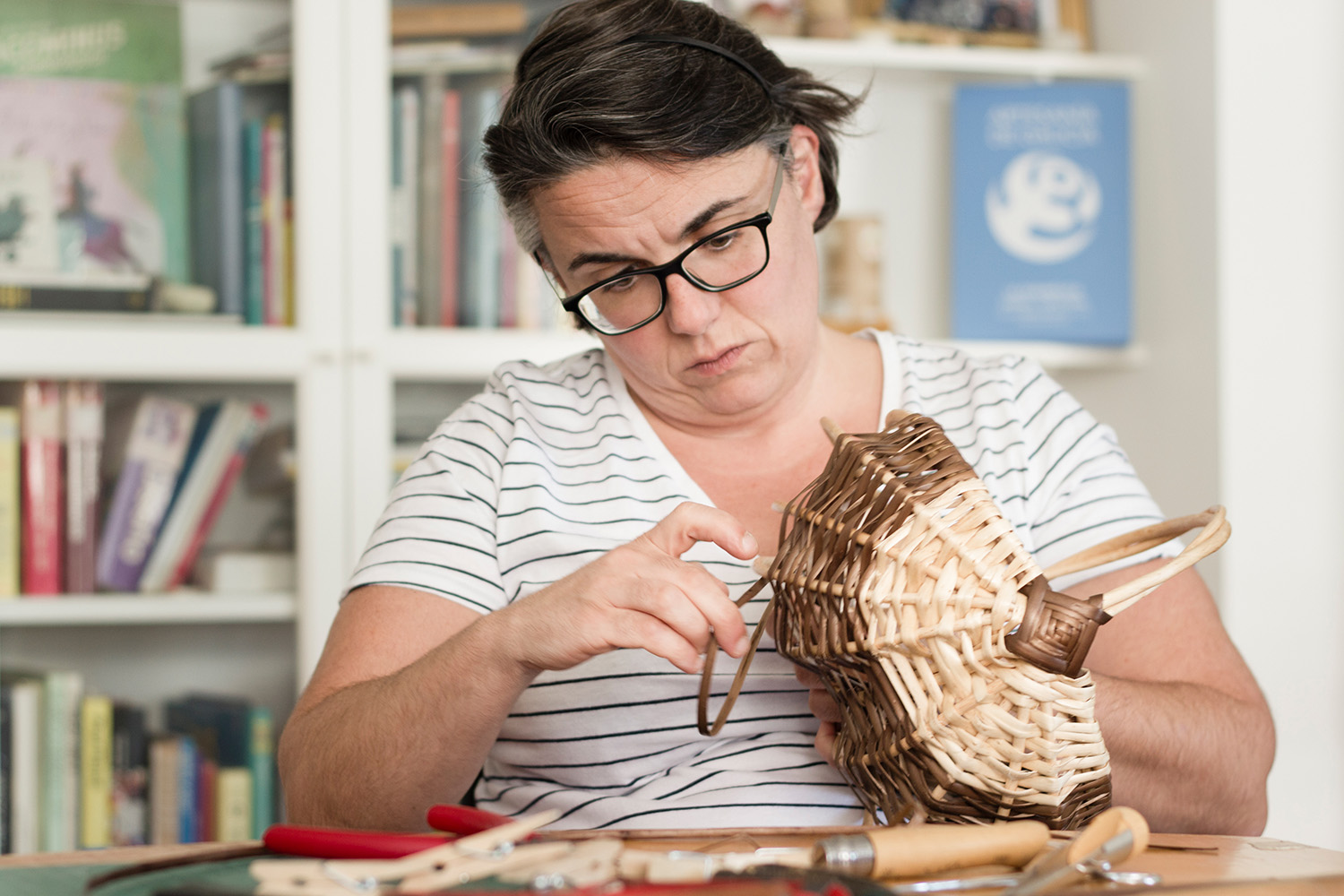
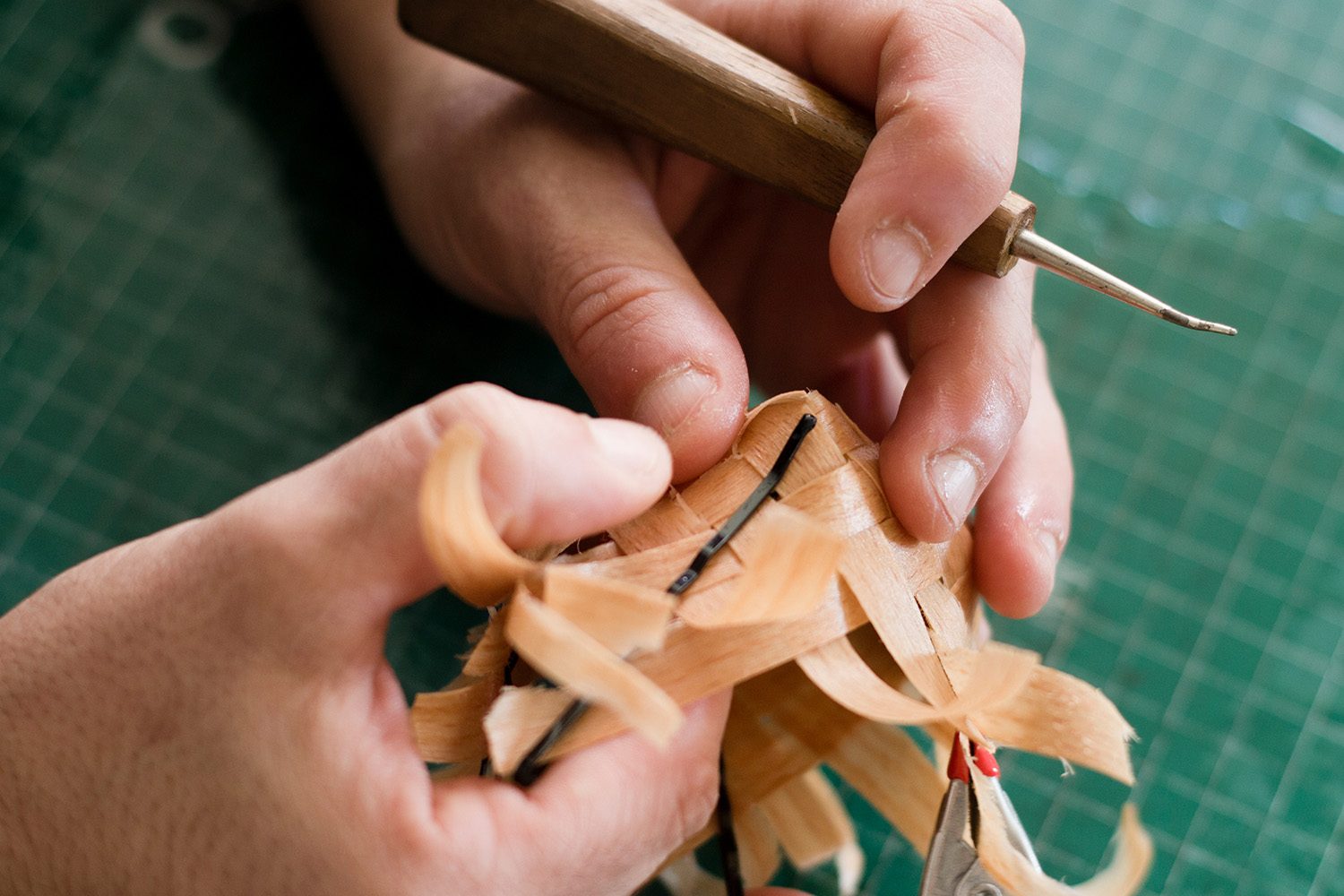
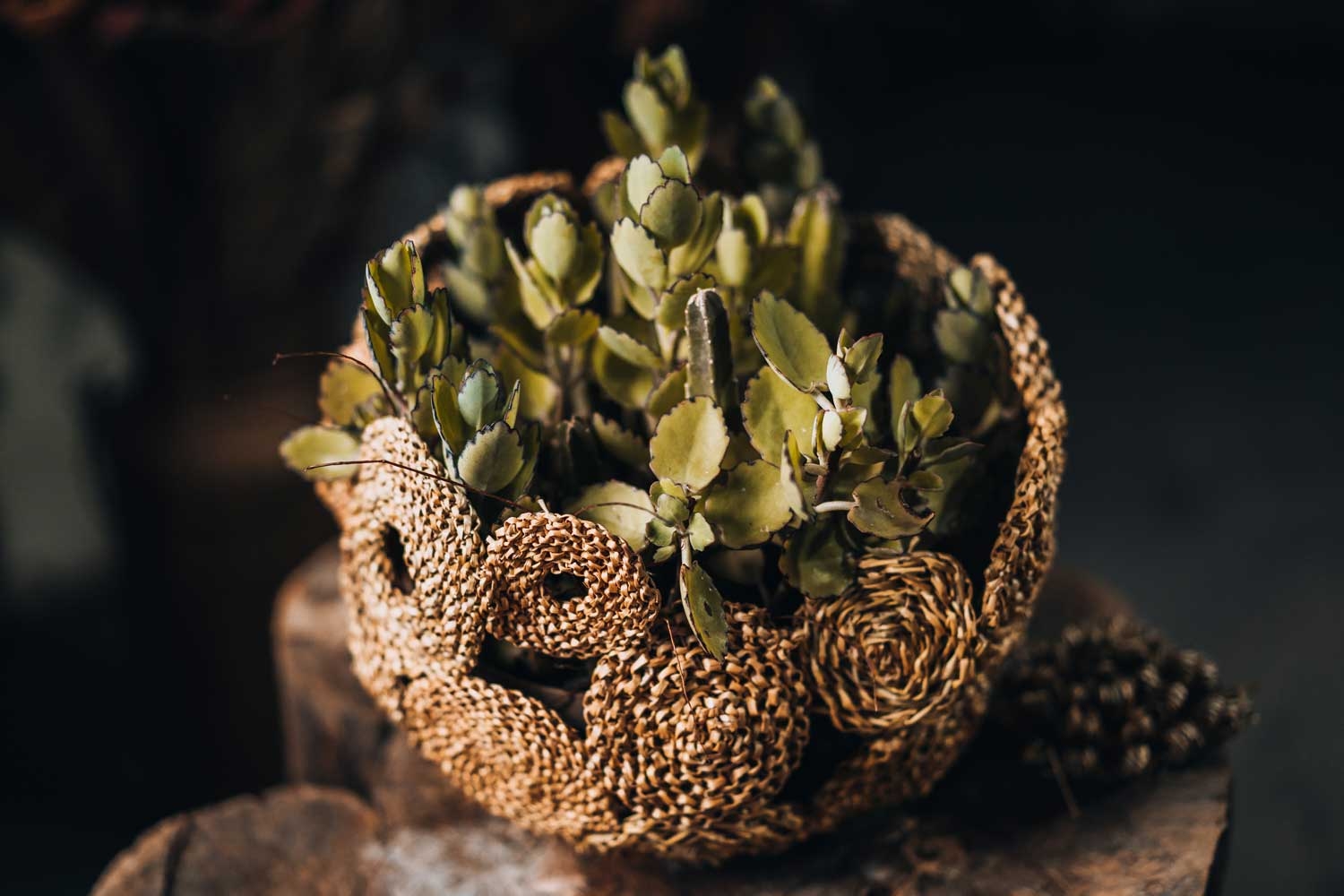
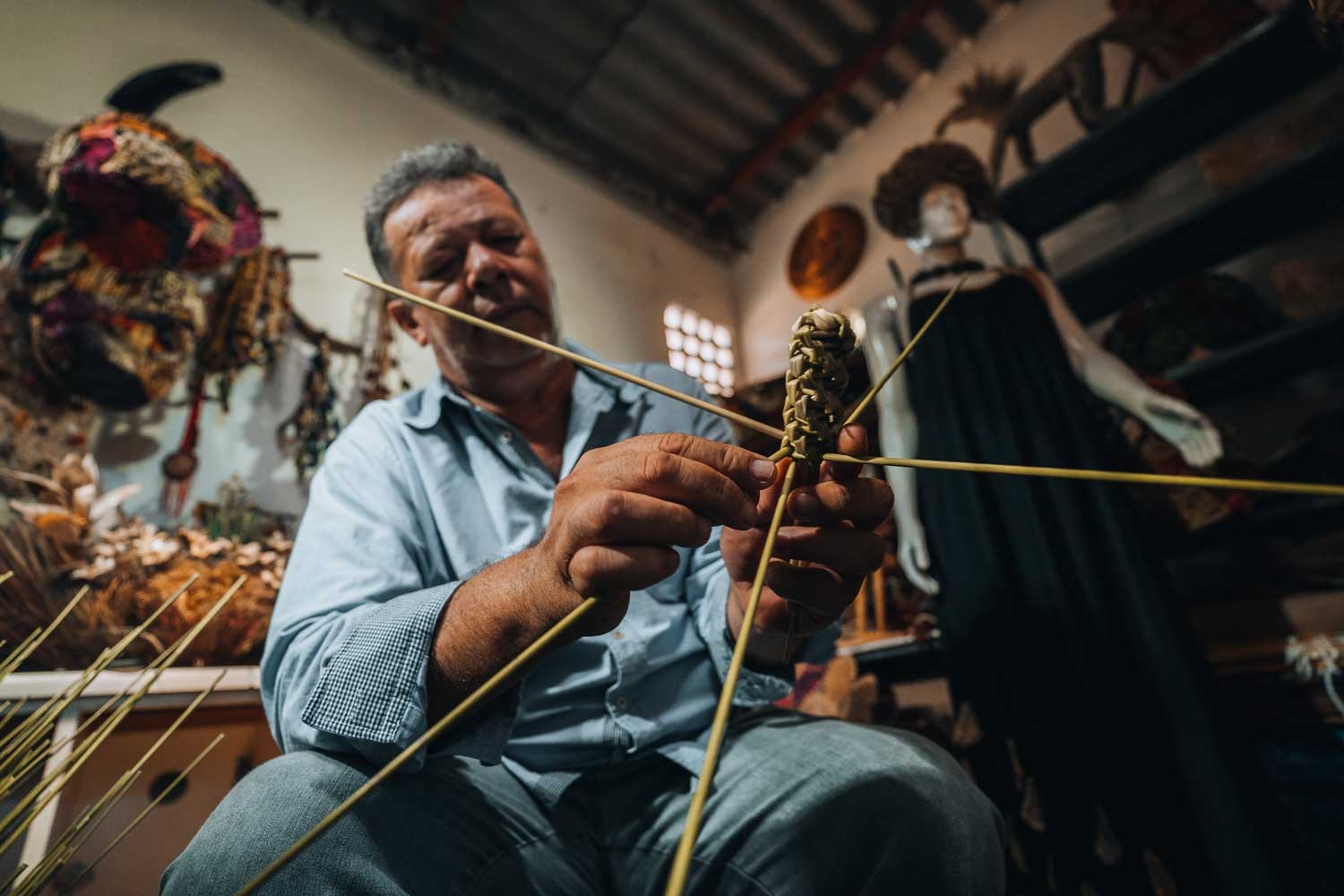
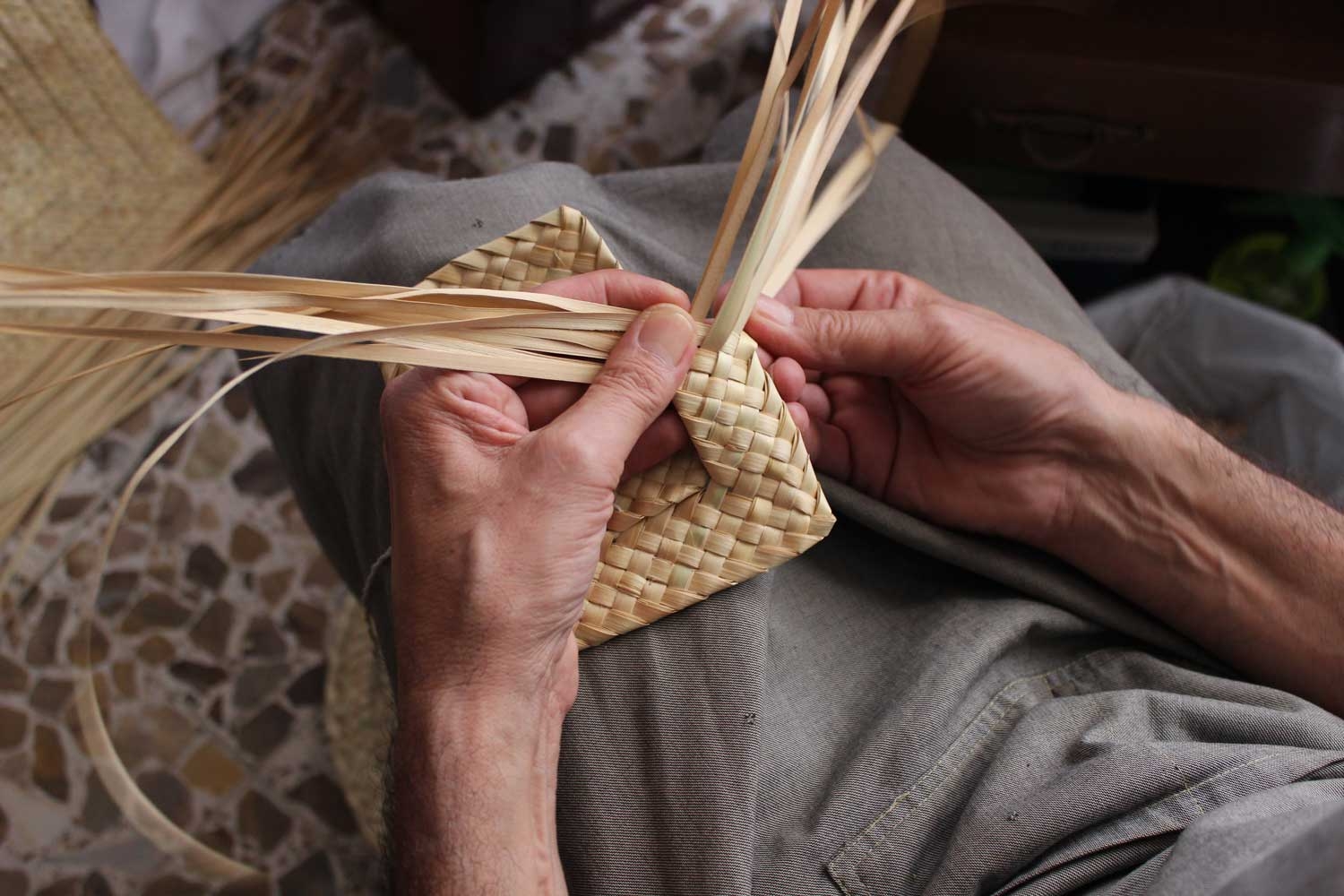
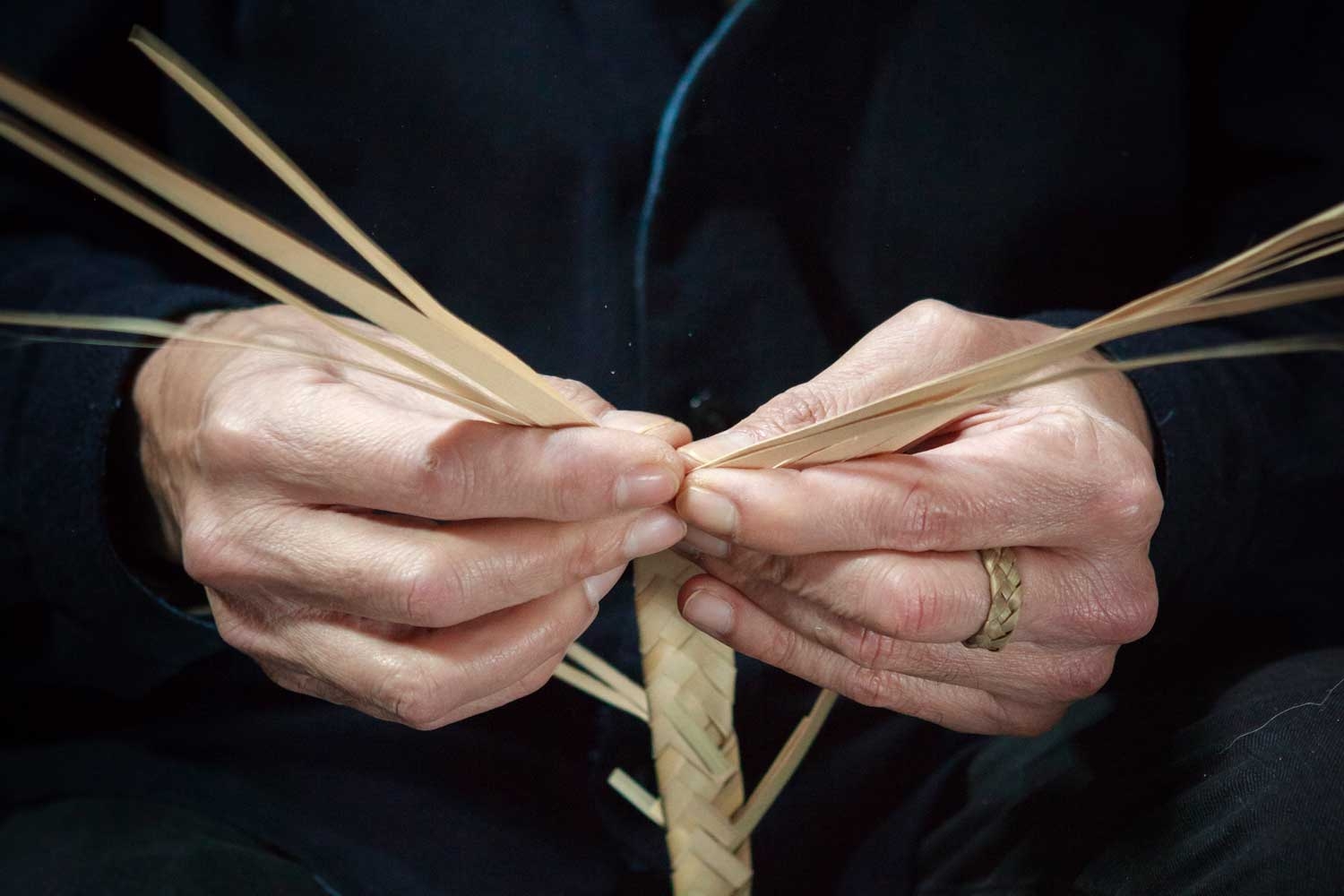
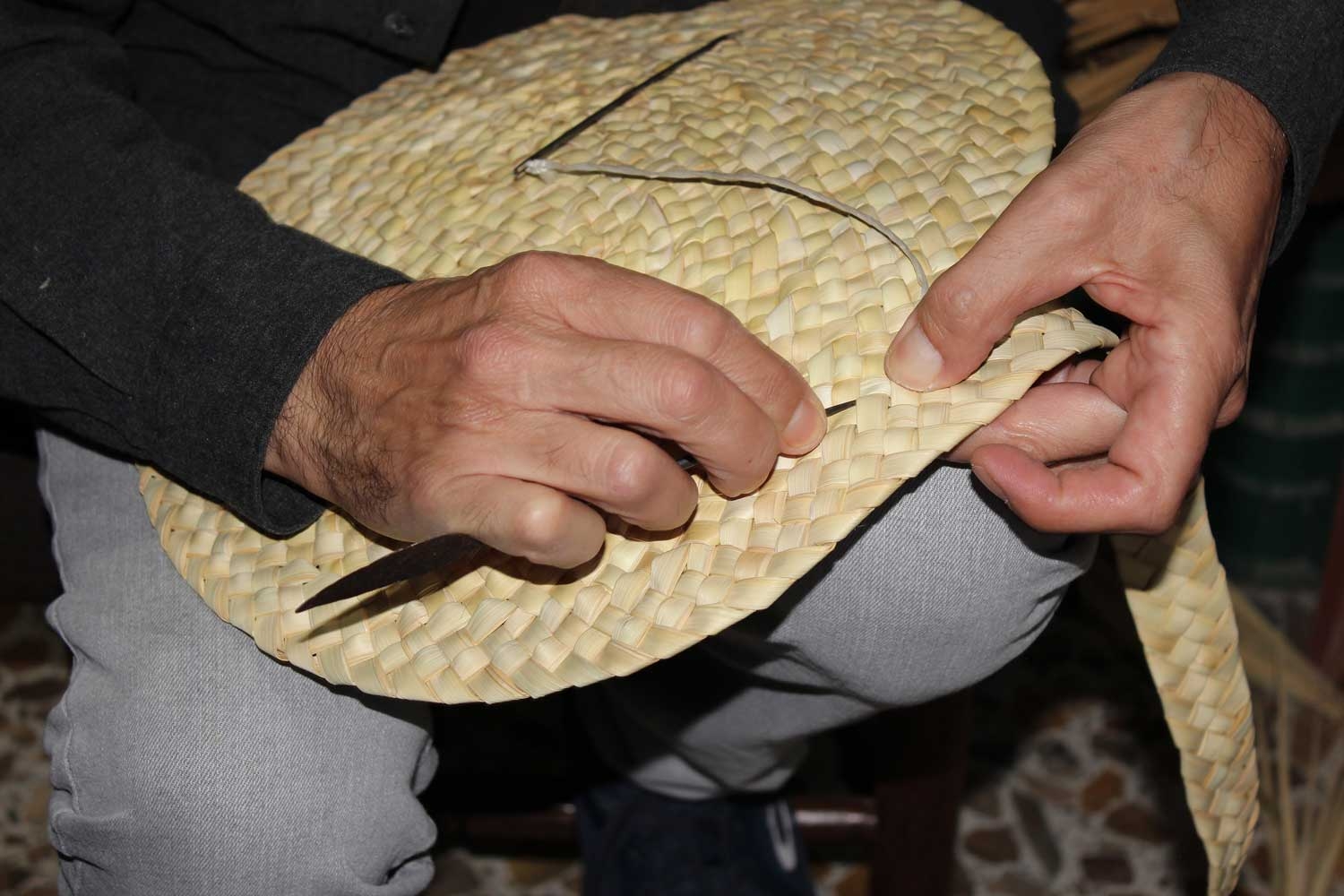
Antonio Rodríguez has mastered all kinds of weaving techniques to create utilitarian and artistic objects from the dwarf fan palm, also known as the Mediterranean or European fan palm. Currently, he is devoting himself to making small pieces such as jewellery, three-dimensional animals and accessories. Antonio learnt his craft from his grandfather, from other basket makers and, above all, from his mistakes as a result of his constant experimentation with the material. Working with this traditional natural plant was just a hobby for him until the end of 2003, when his professional circumstances changed and his partner, Mari, encouraged him to turn his hobby into his profession. That is when Antonio set up his workshop, Pa Lucir el Palmito. His enduring approach to his craft is to strive to continuously refine his techniques, expand his knowledge, perfect his finishes and bring a new contemporaneity to palm-based designs.


INTERVIEW
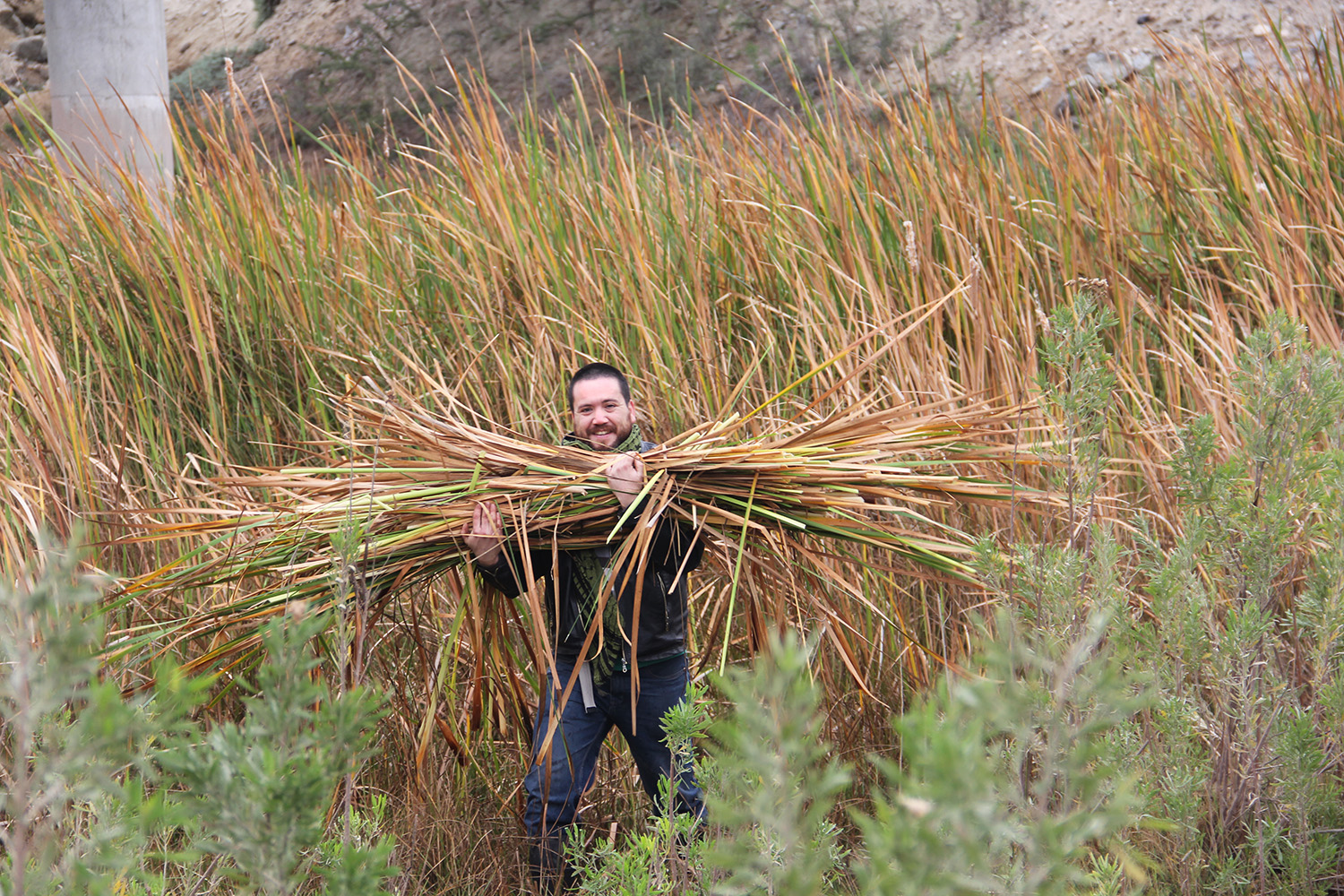
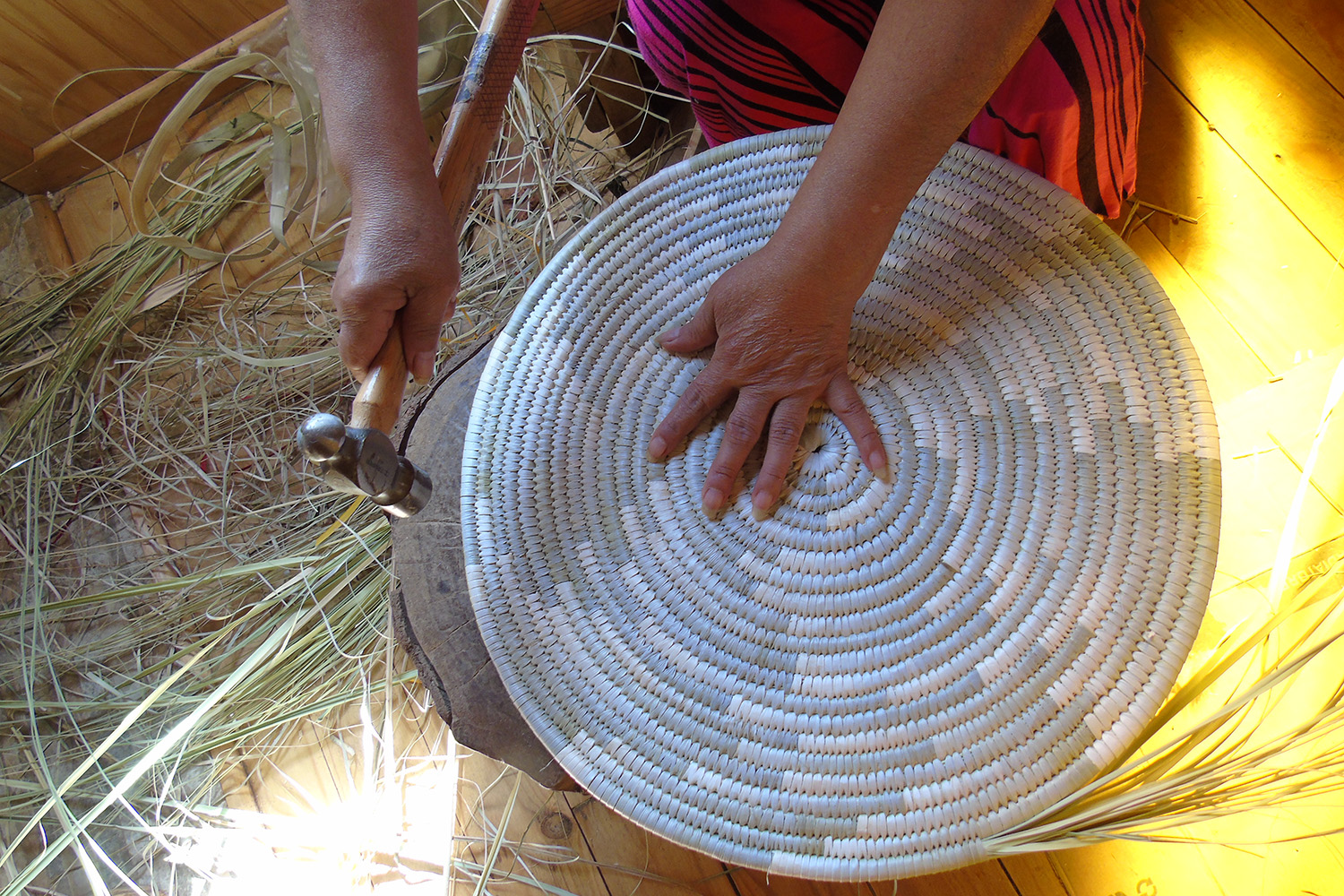
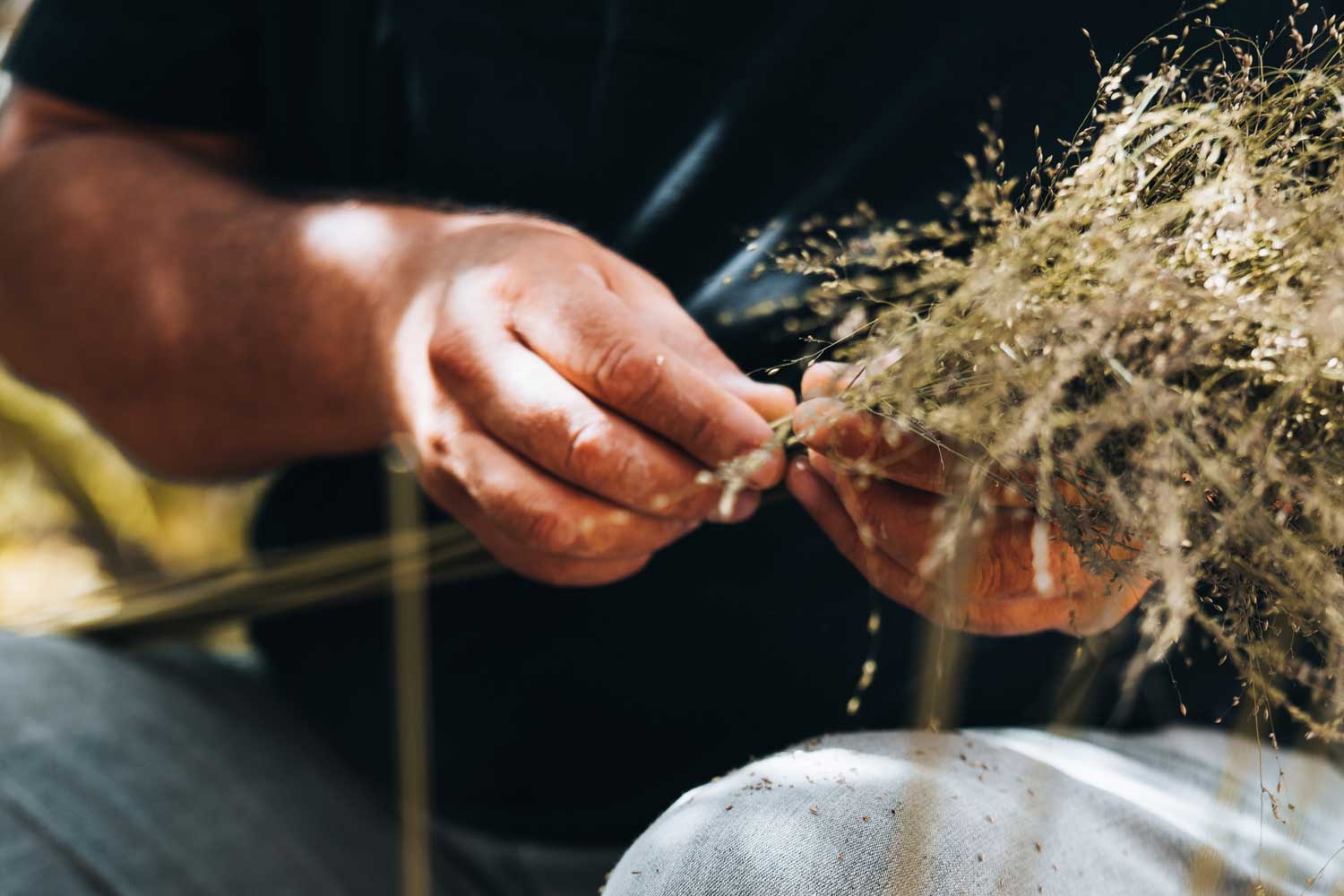
I started working the palm with my grandfather, Domingo Rodríguez, often called El Bornicho. He taught me everything I needed to know, from harvesting, drying and preparing the palm to working the empleita, a traditional Spanish weaving technique. Together we made pieces for our village.
In the village where I live and in the province of Cádiz, the craft of the palmito was never considered as an independent profession but as a complementary craft to working in the fields. People made their baskets and brooms for personal use or as barter. I think the dwarf fan palm chose me.
I convey tradition through the materials and techniques I employ. I express innovation by experimenting with shapes, mixing techniques, changing some of the stitching, and applying new finishes. In short, by letting myself go.
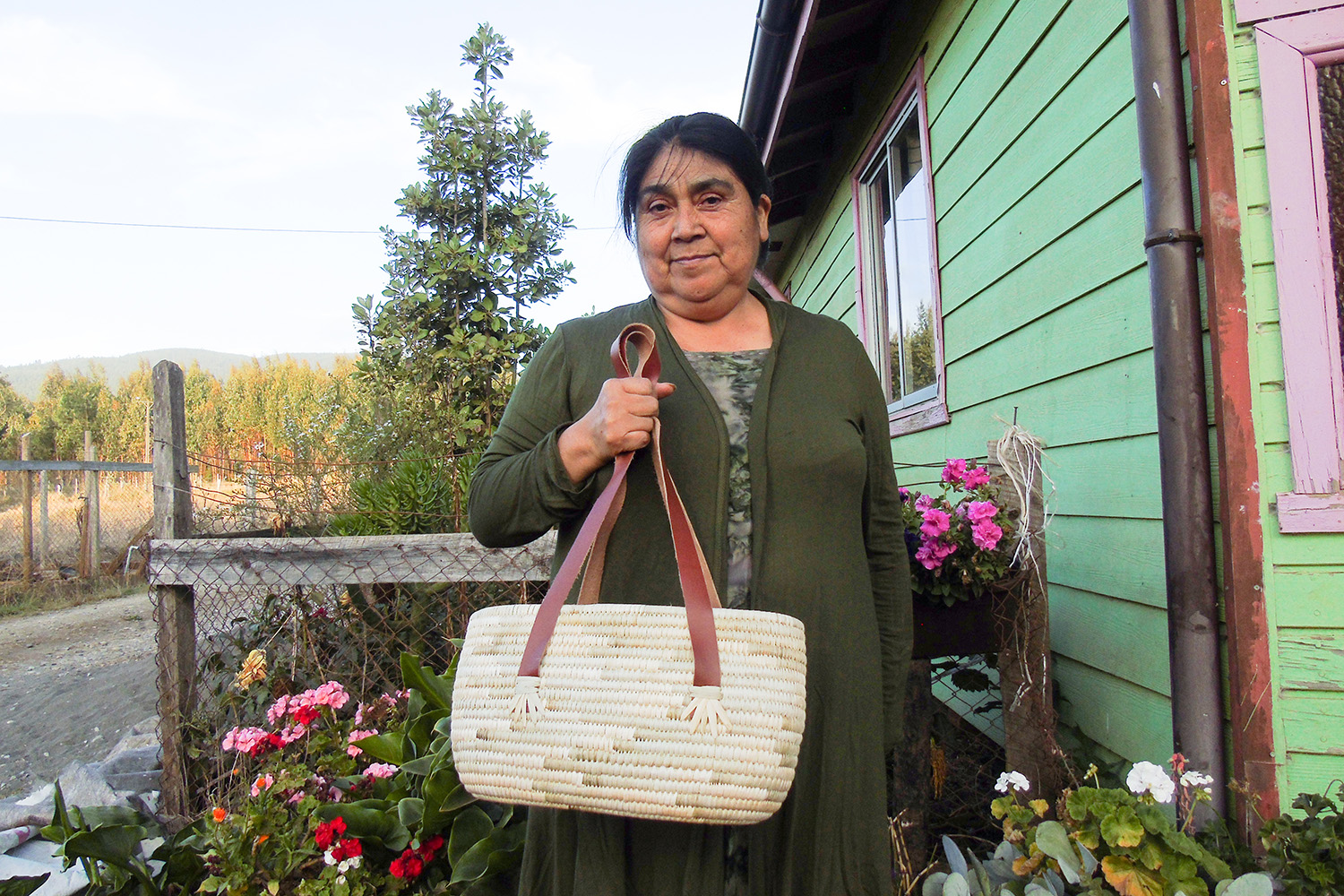
When I won the first prize in the traditional basket category with a capacha meinera from Medina Sidonia, I was very excited. I dedicated the prize to my master, my grandfather Domingo, and to all the craftsmen who have passed on their knowledge to me over the years. It was at the XI Certamen Internacional de Cistelleria Roser Albó (CICRA) during the 23rd Fira Internacional del Cistell de Salt (Girona).
Antonio Rodríguez
Pa Lucir El Palmito
Basketweaver
Rota, Spain
Recommended by Contemporánea de Artes y Oficios
AVAILABILITY
By appointment only
PHONE
+34 628461351
LANGUAGES
Spanish
Homo Faber Finds is a new service aiming to inspire admirers of craft to connect and collaborate with exceptional artisans.
We invite you to submit an enquiry here.