Jemma Gunning
Printmaker
Backwell, United Kingdom
Recommended by Queen Elizabeth Scholarship Trust - QEST
Printing the past
- Jemma loves the variety of her craft
- She uses traditional techniques to record the passage of time
- Her works document industrial decline and loss of heritage
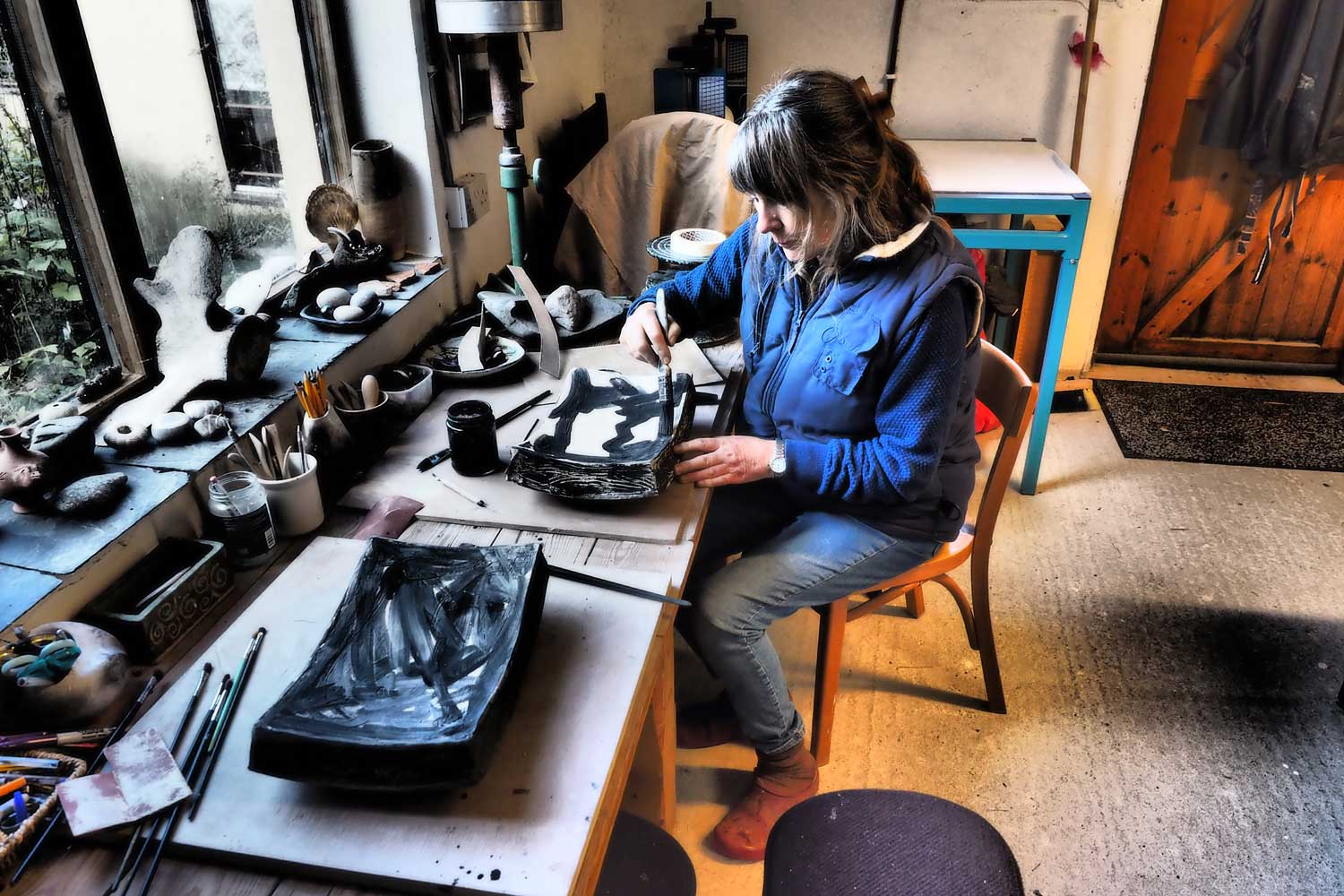
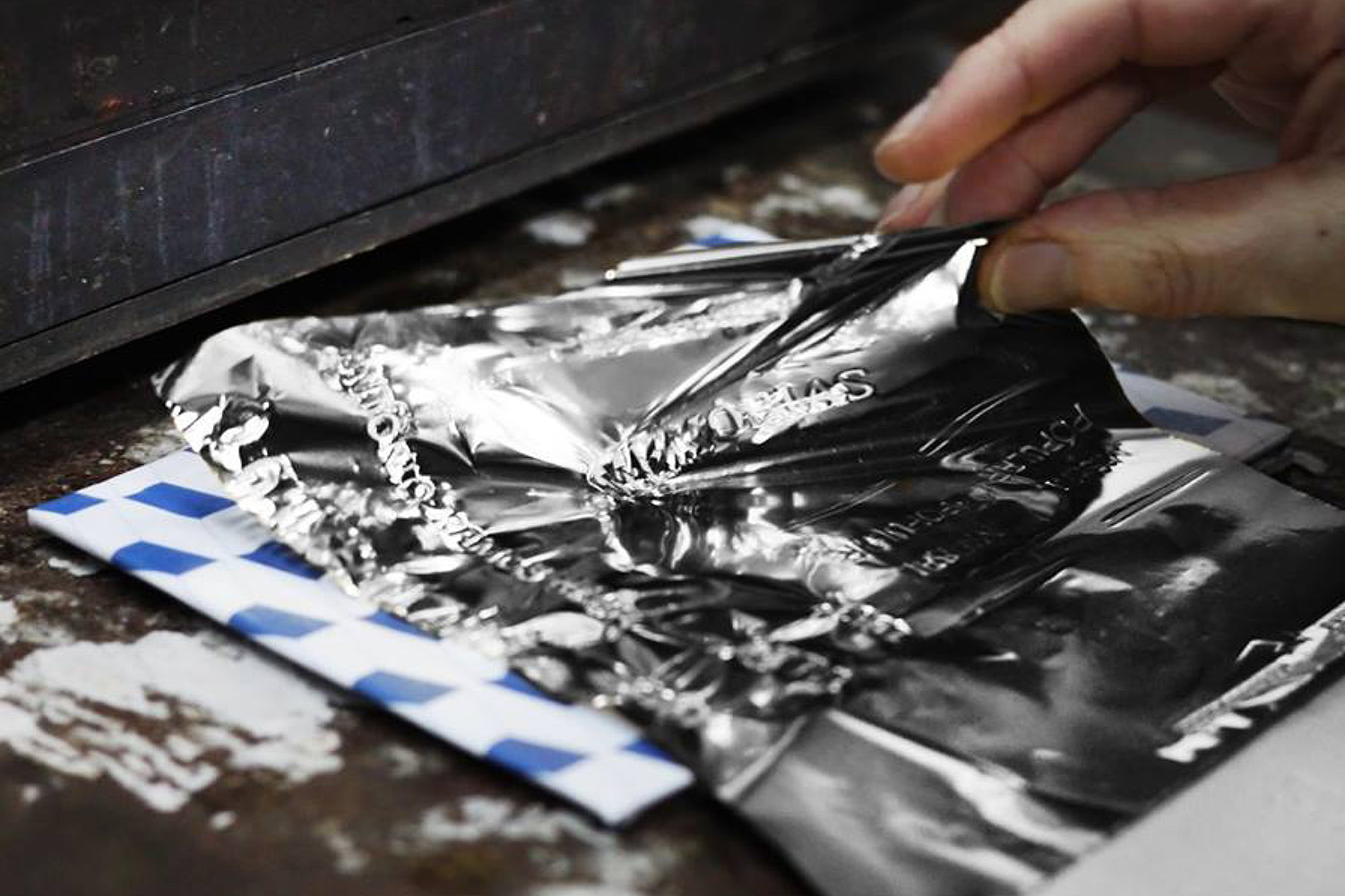
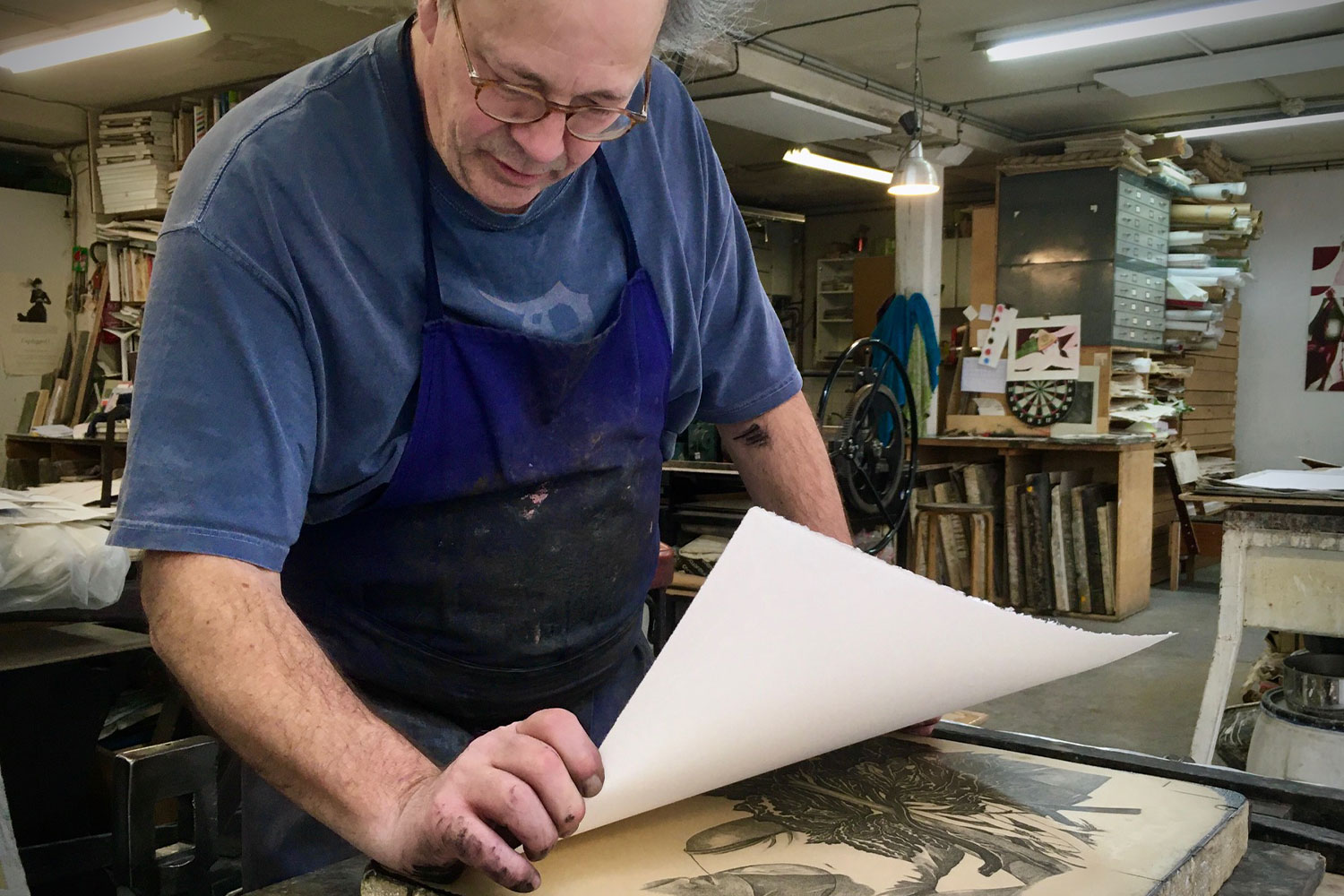
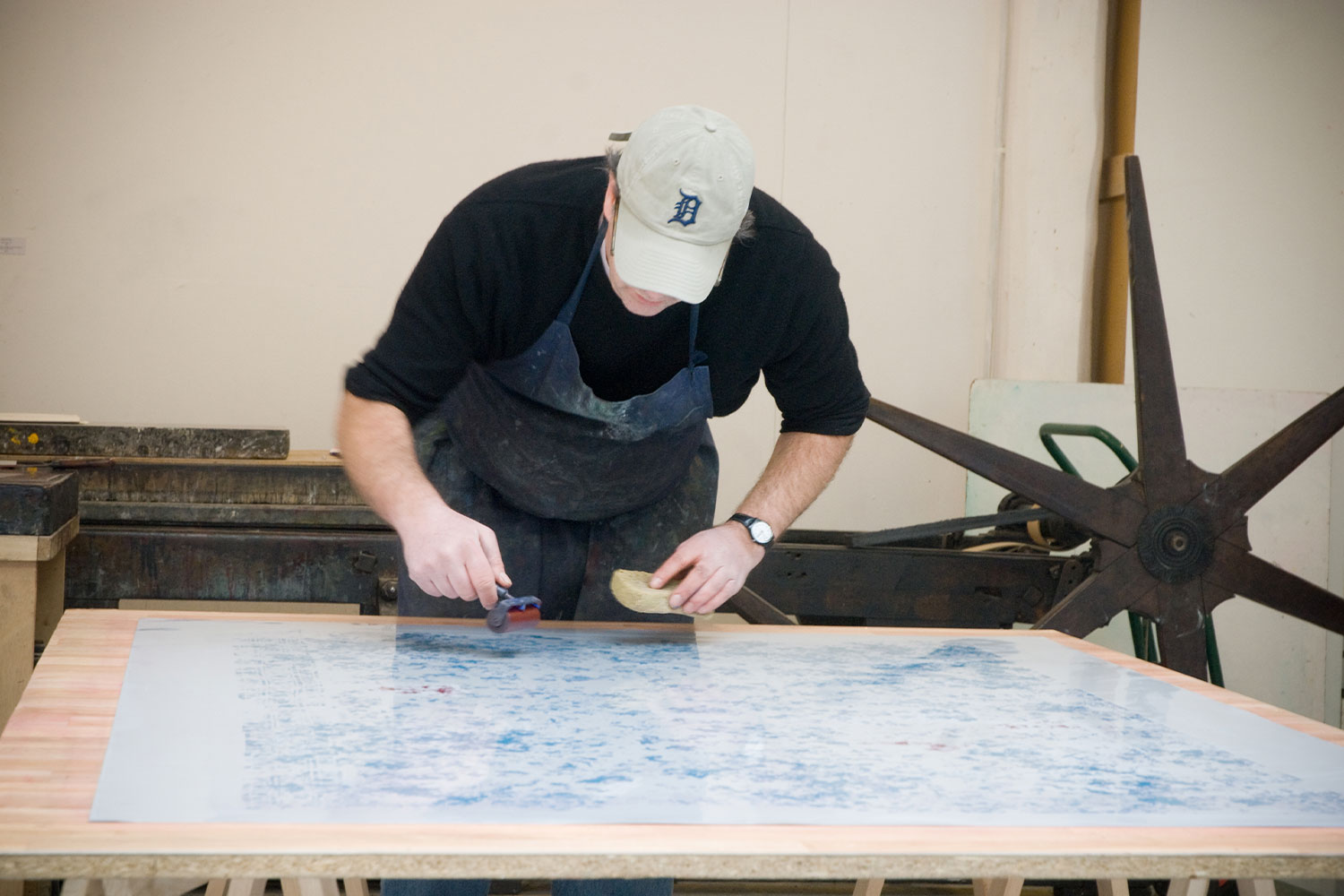
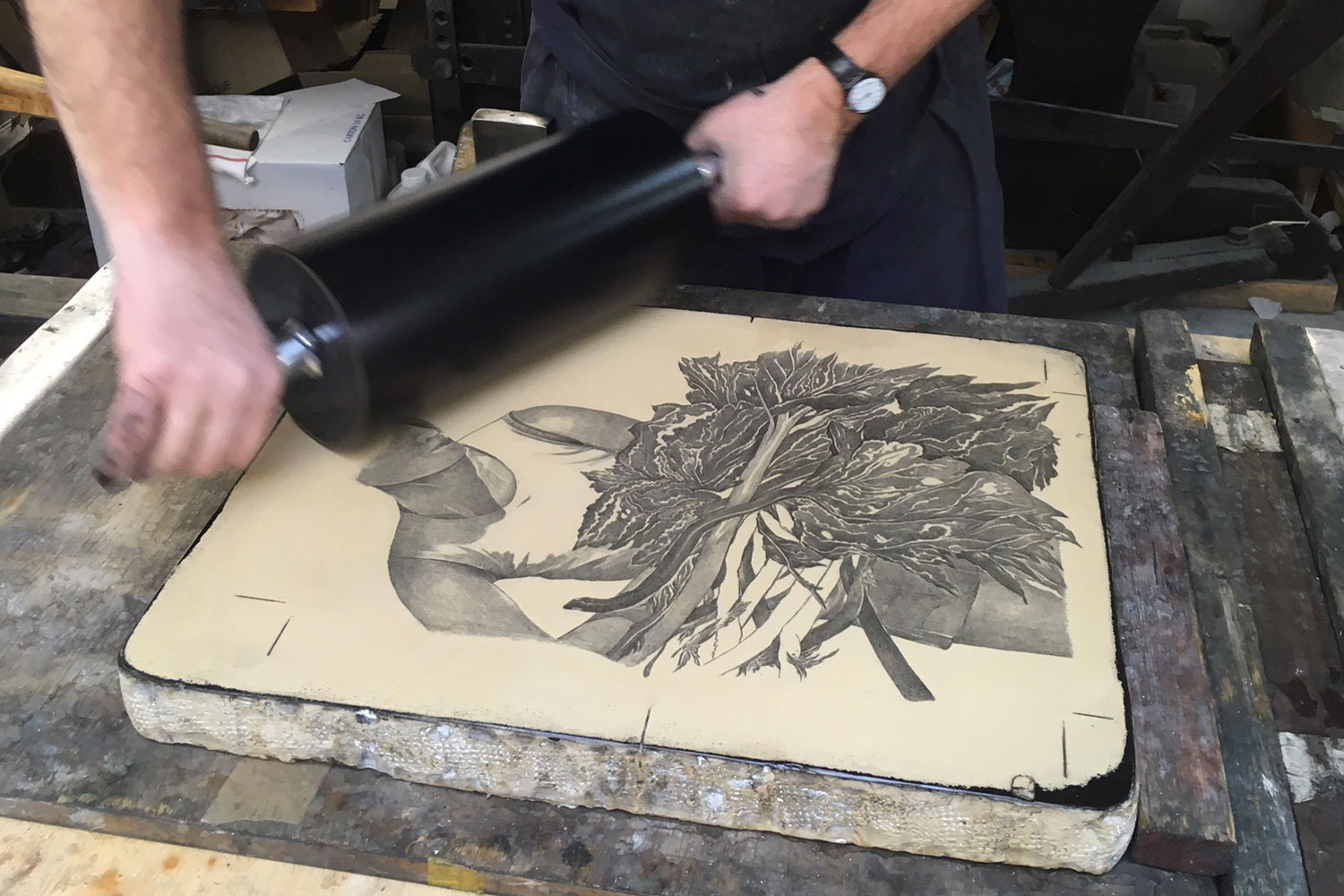
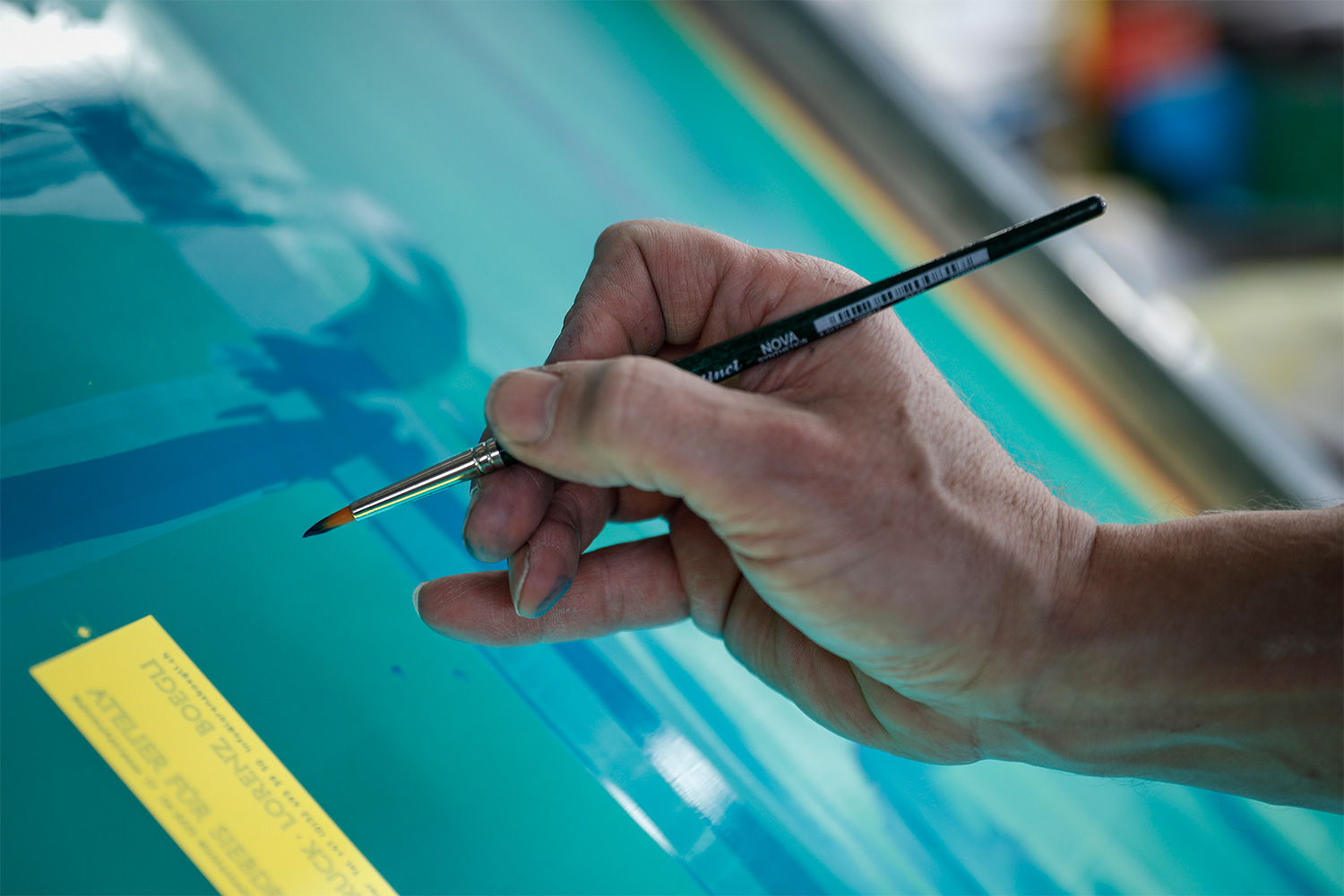
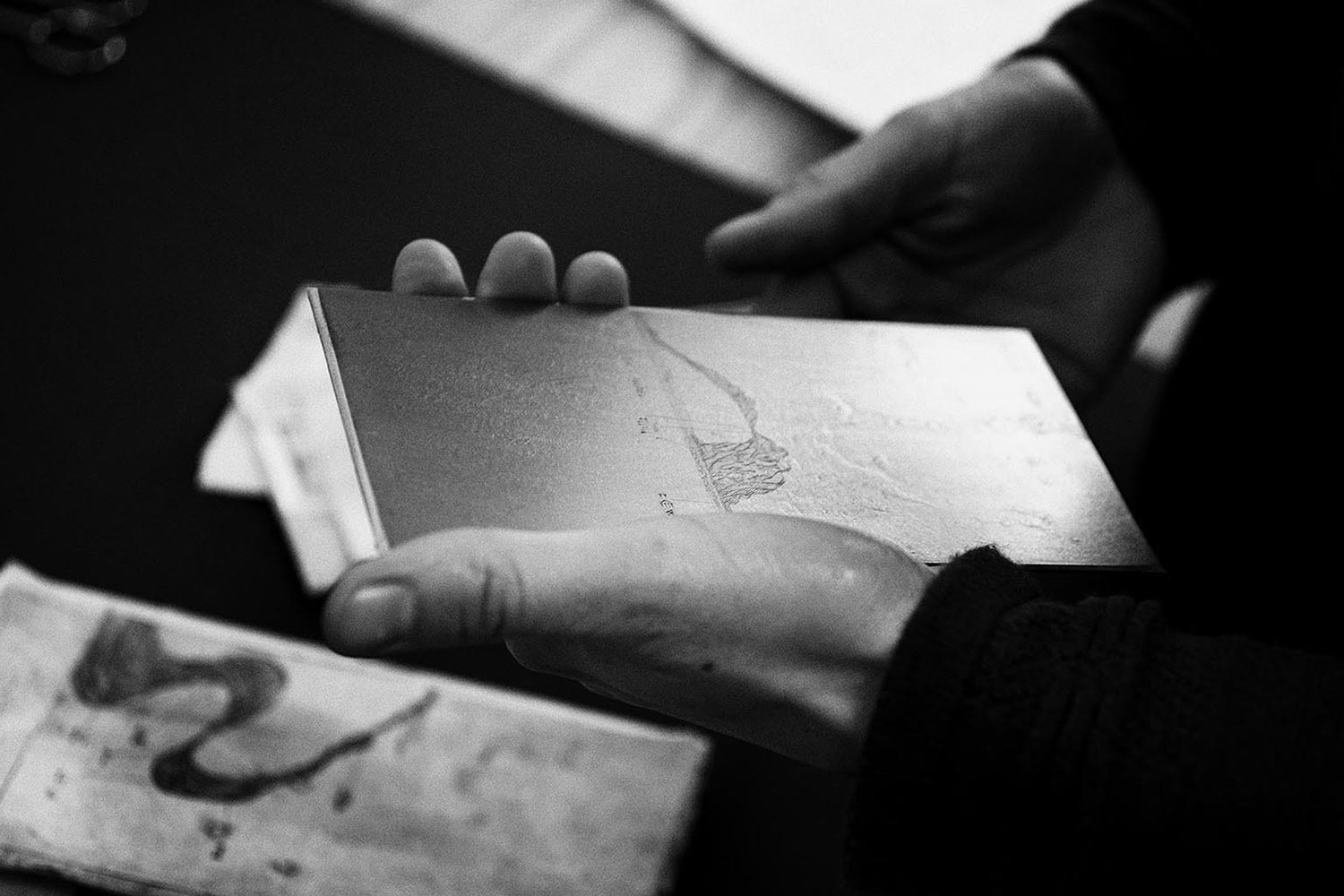
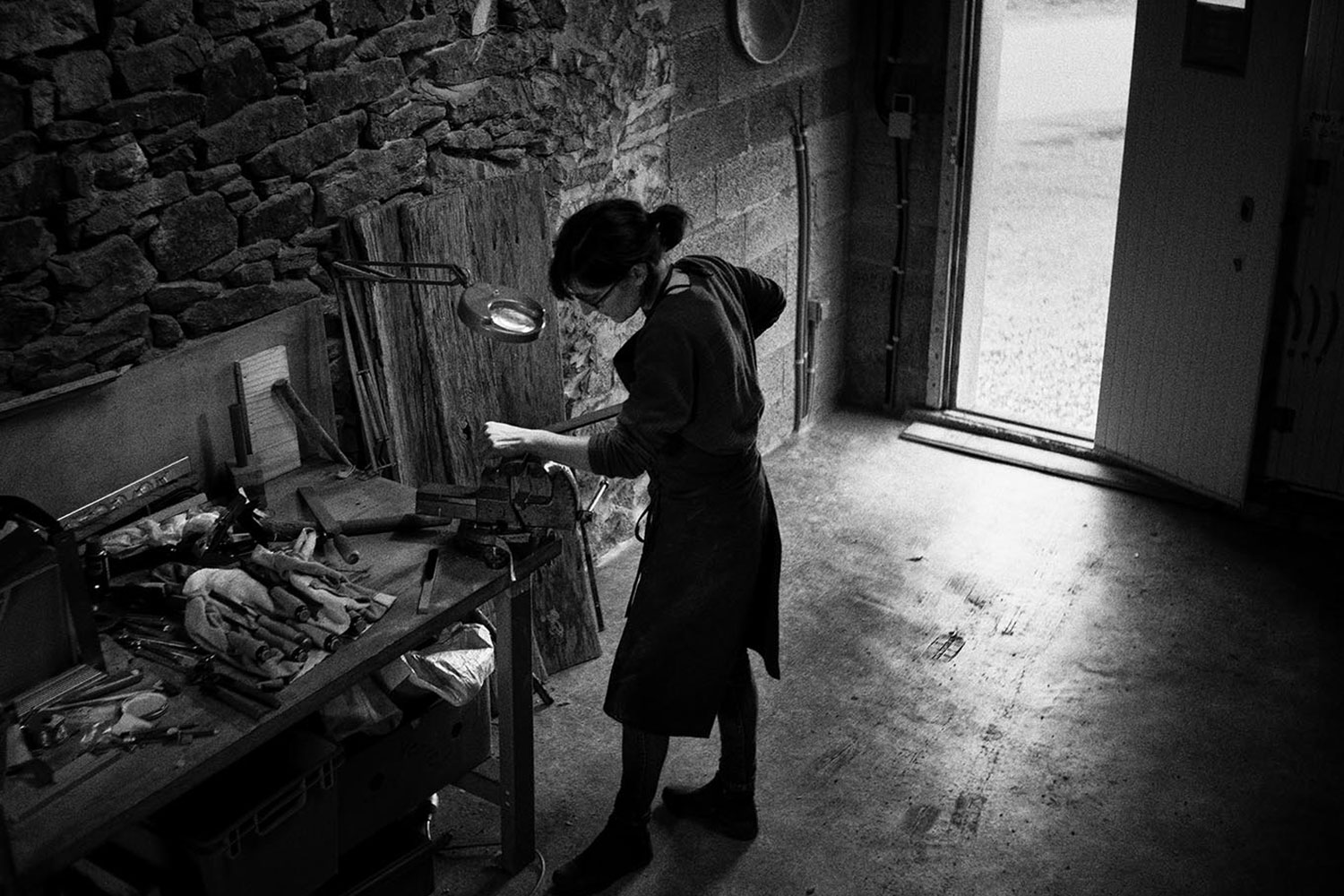
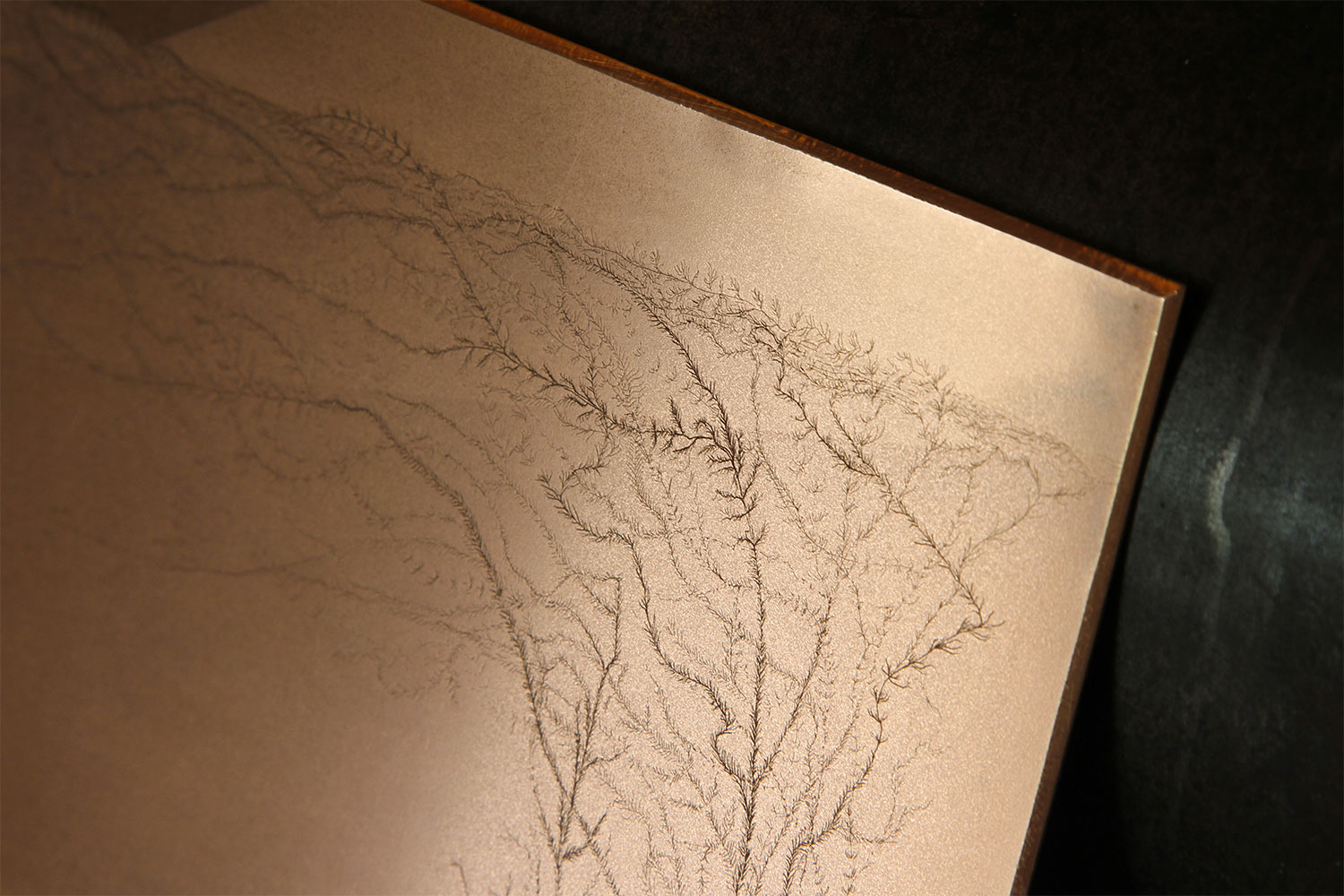
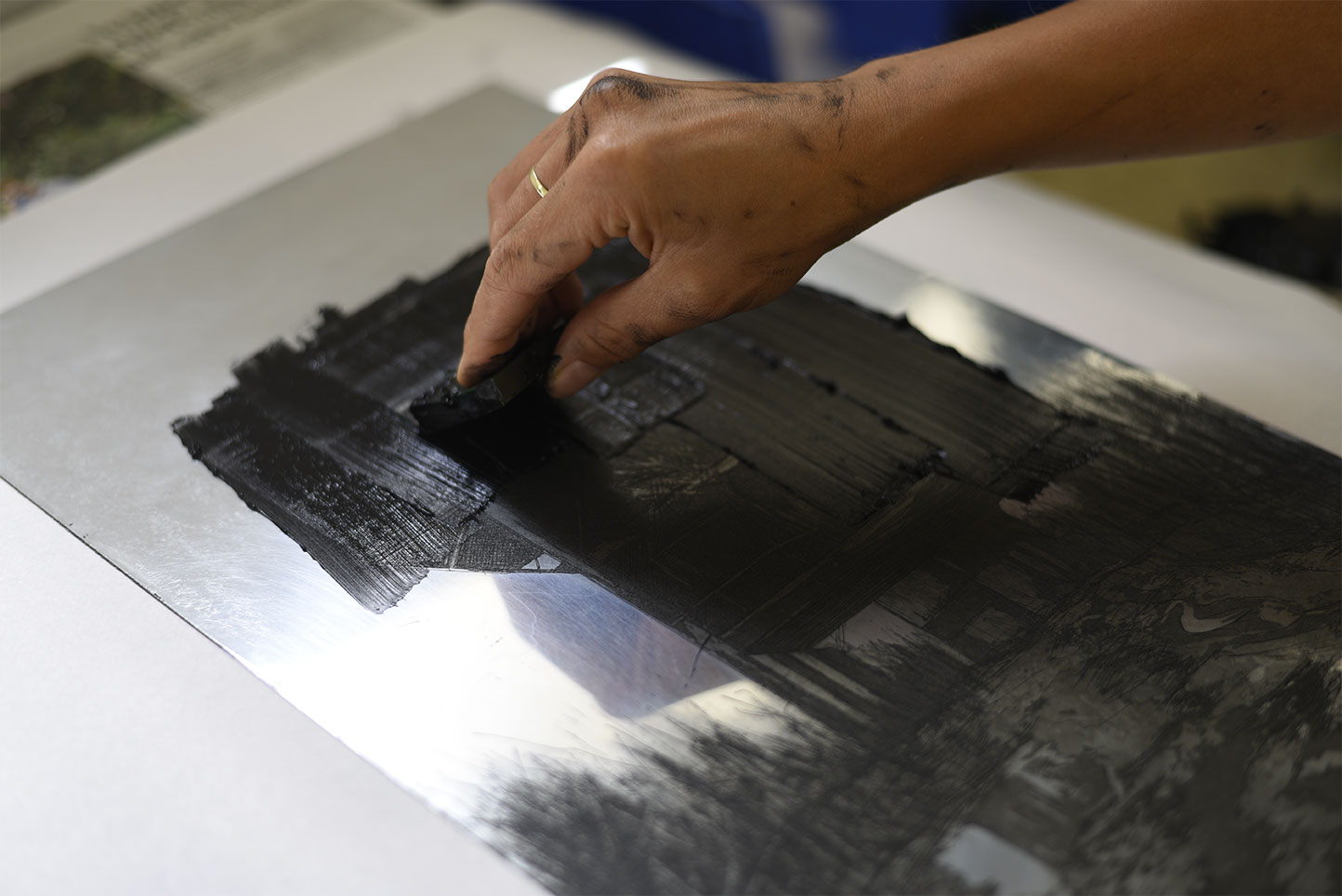
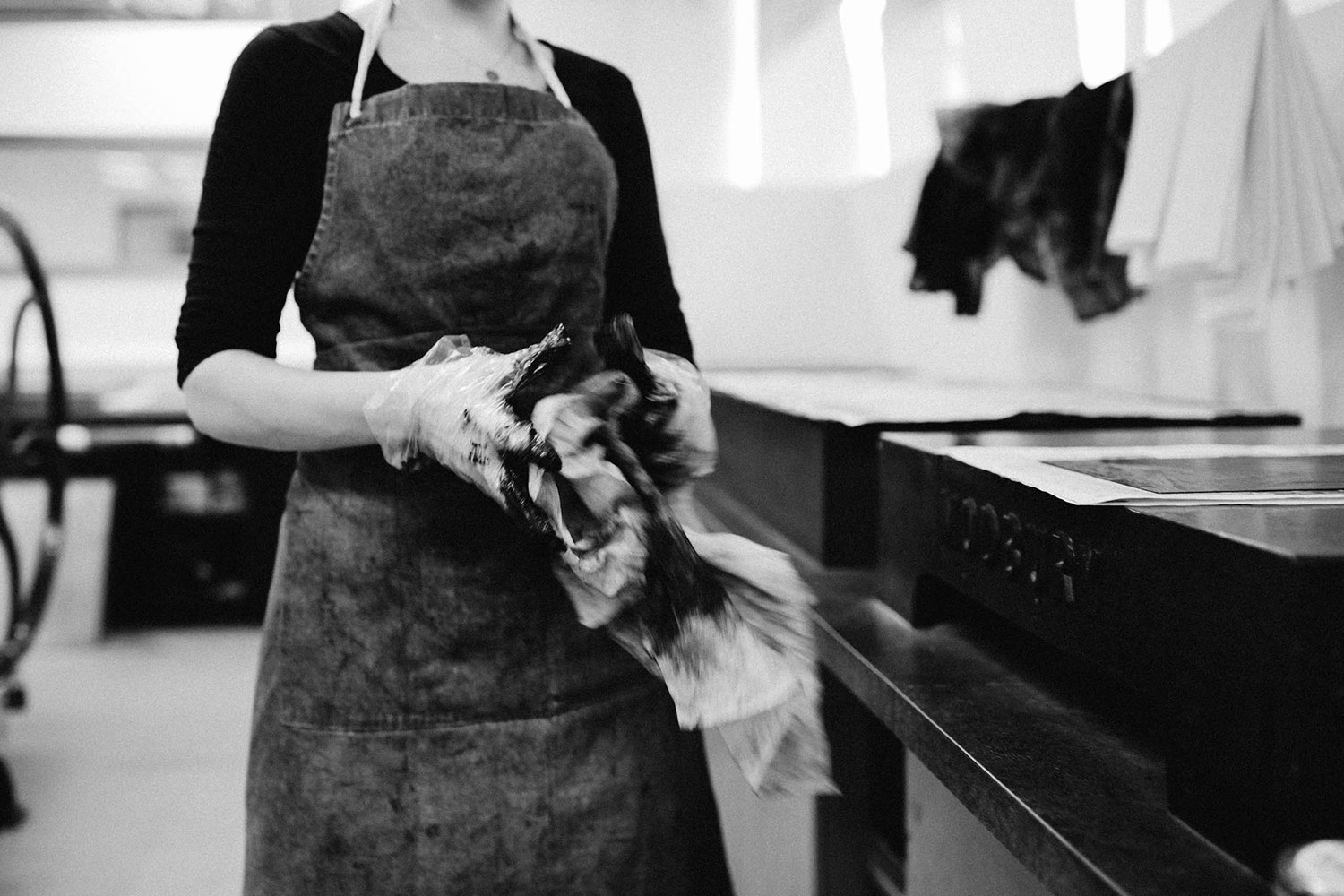
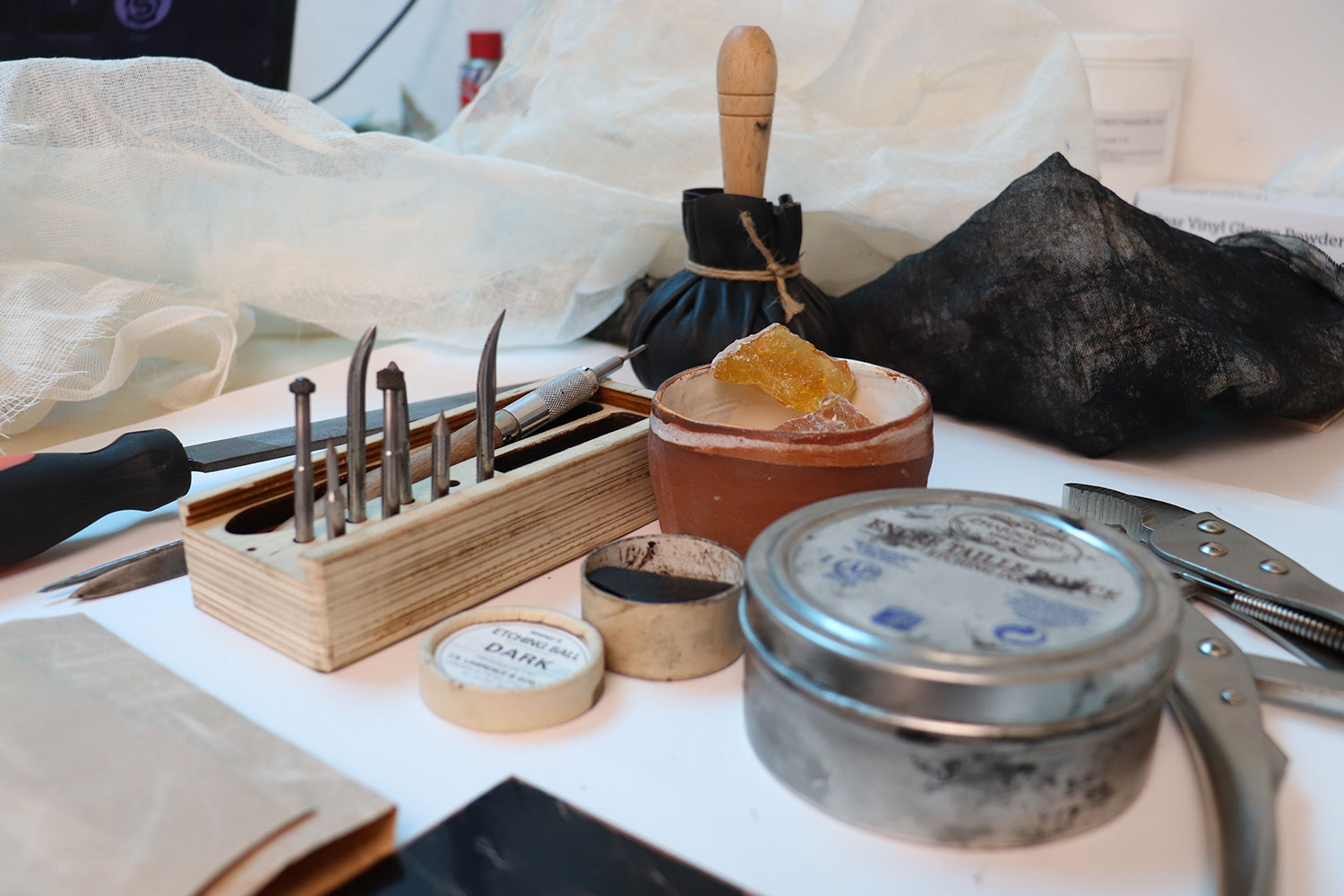
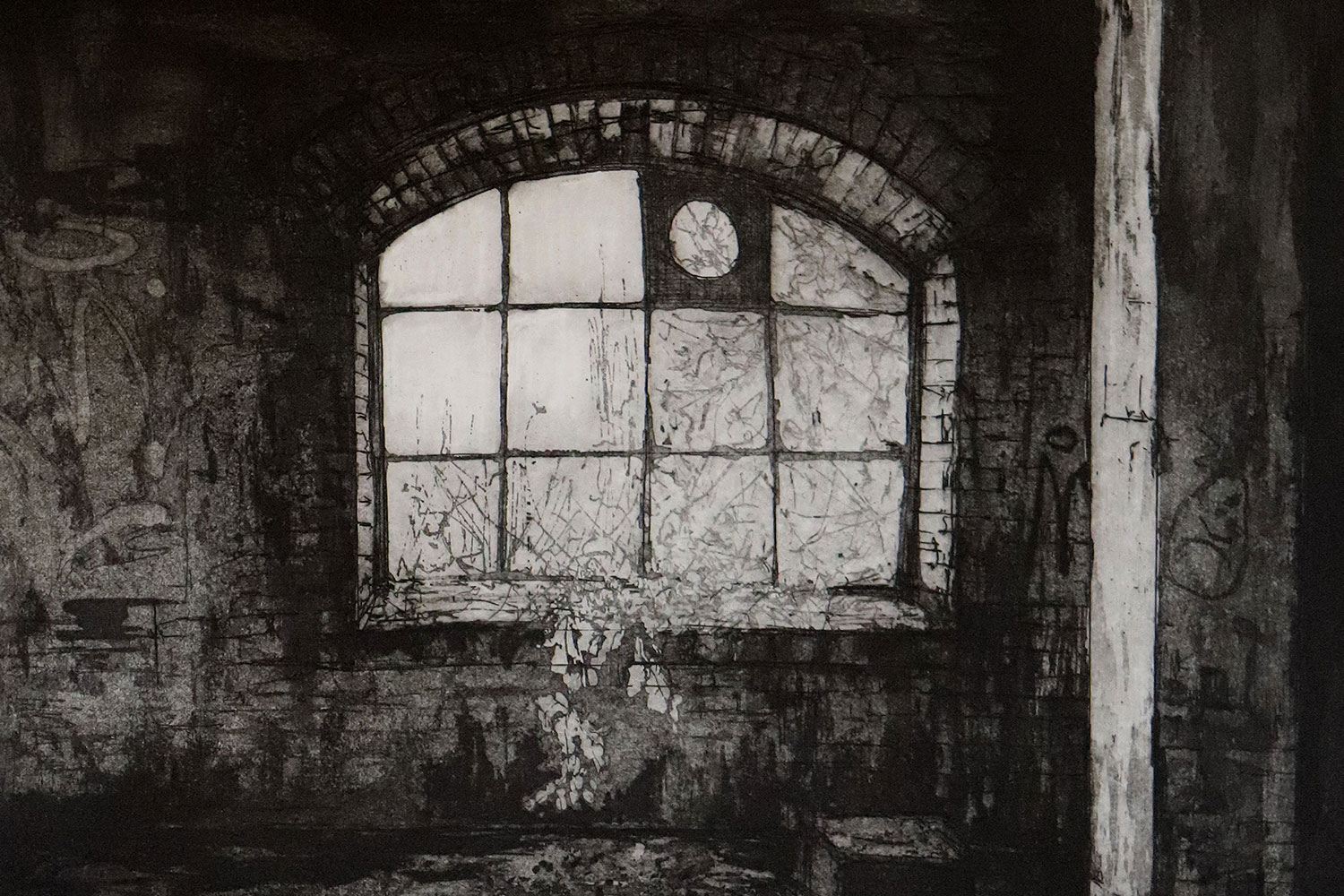
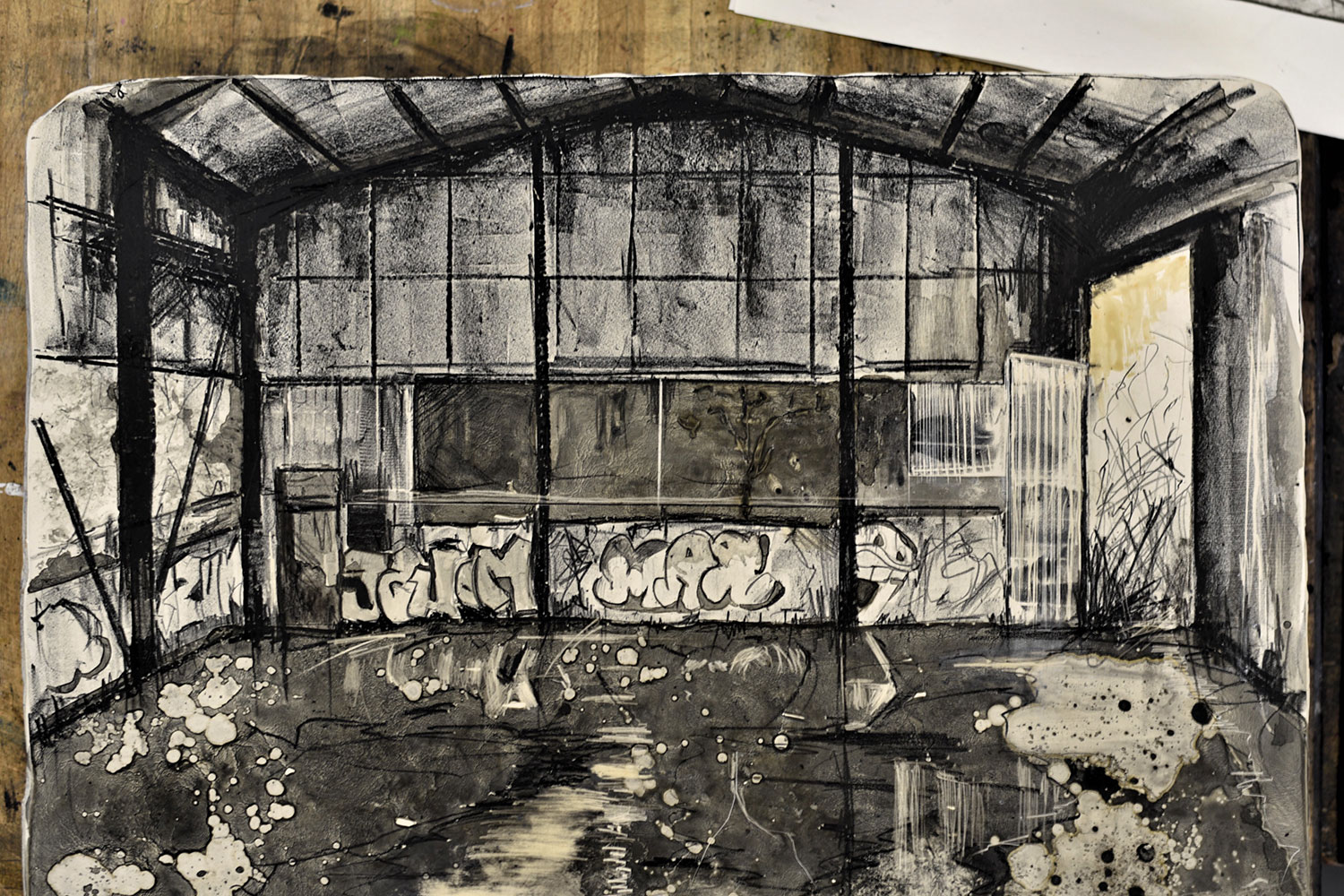
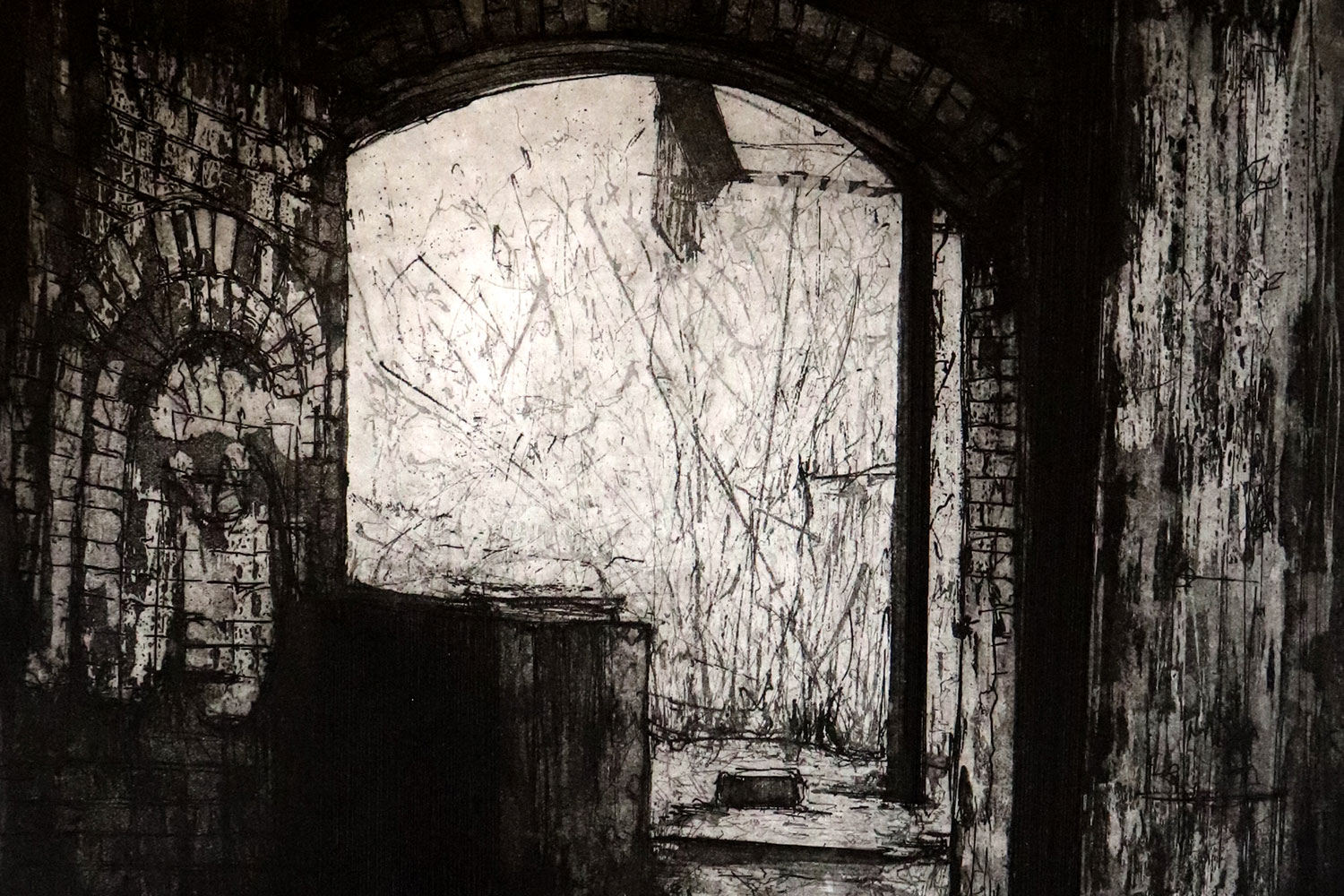
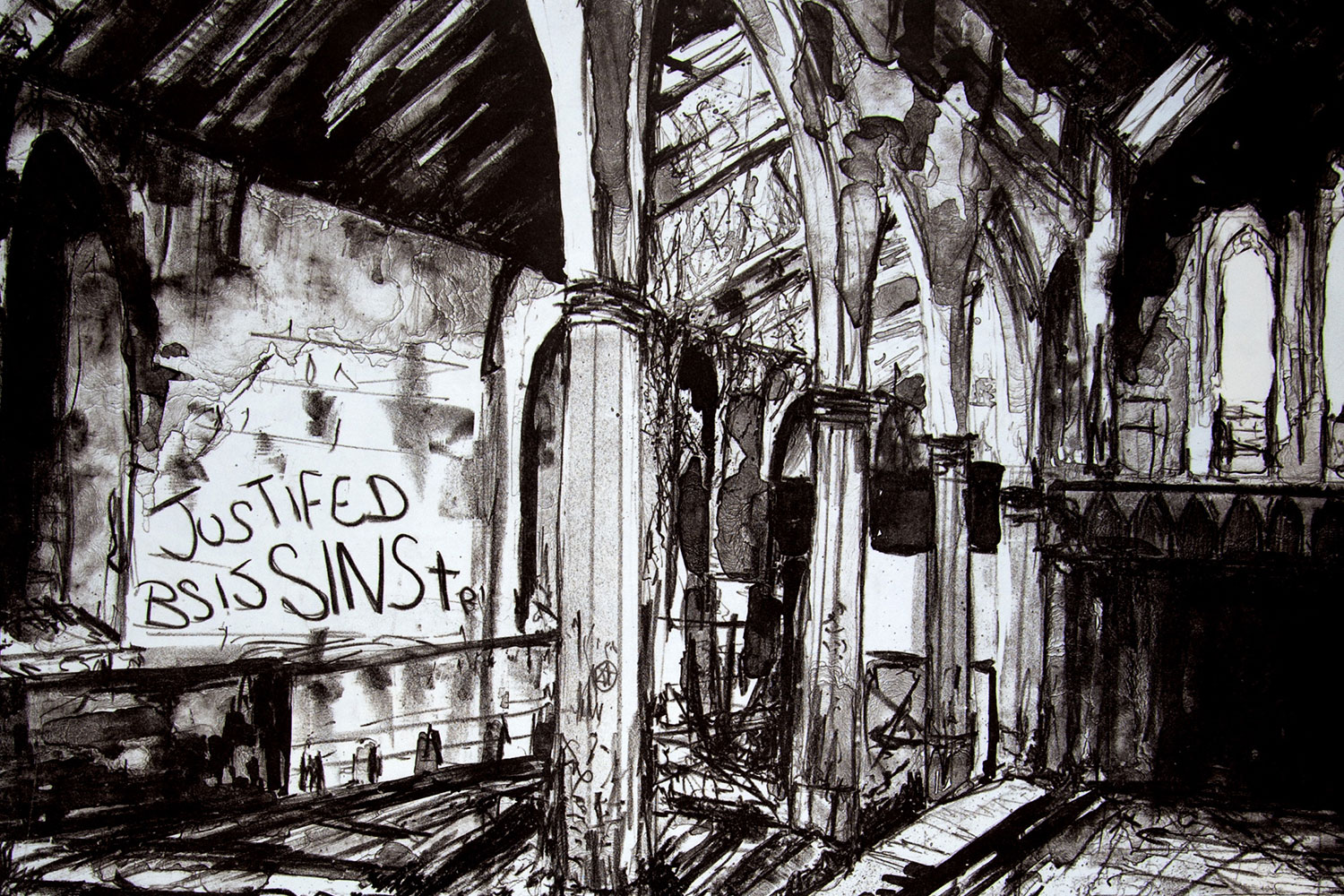
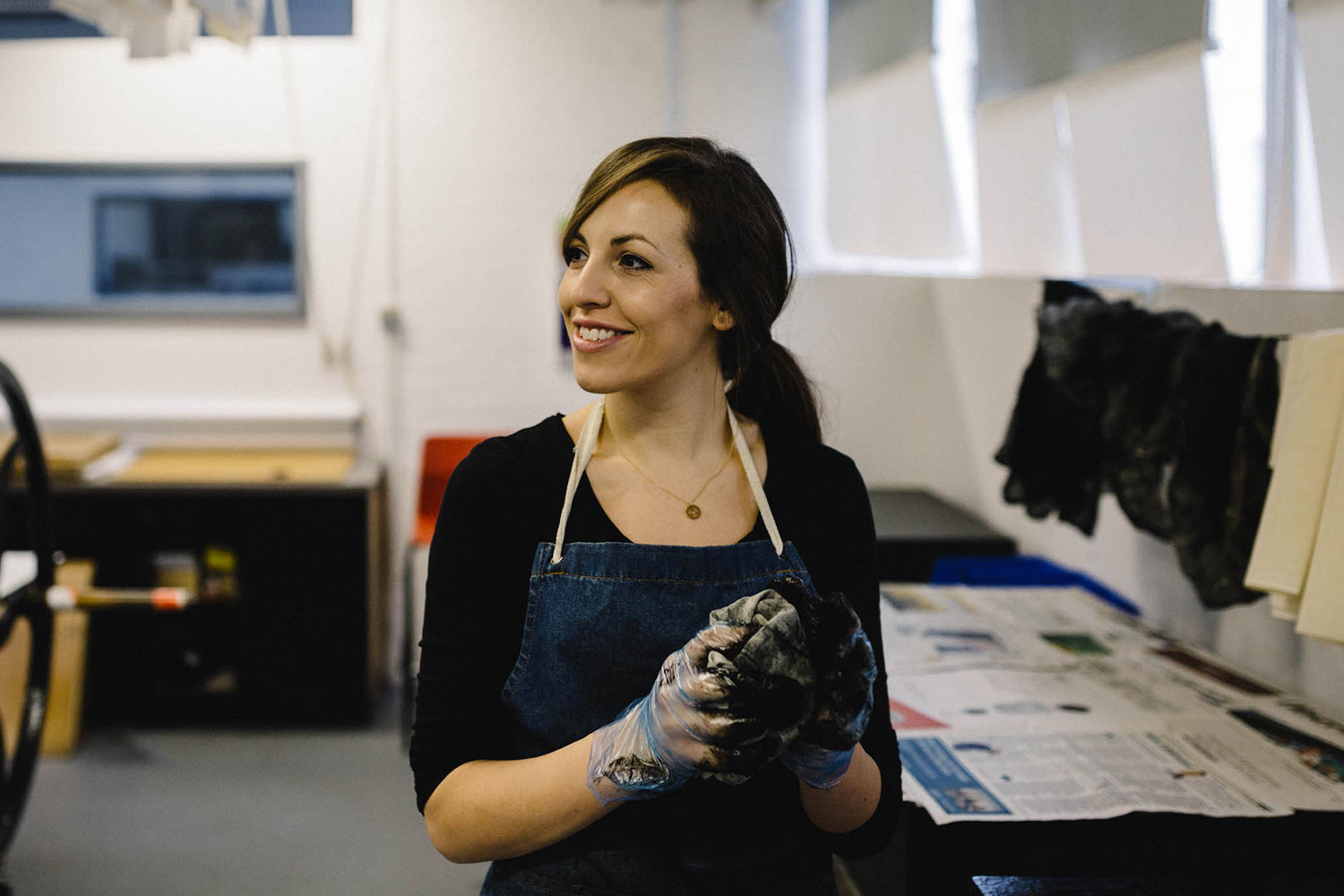
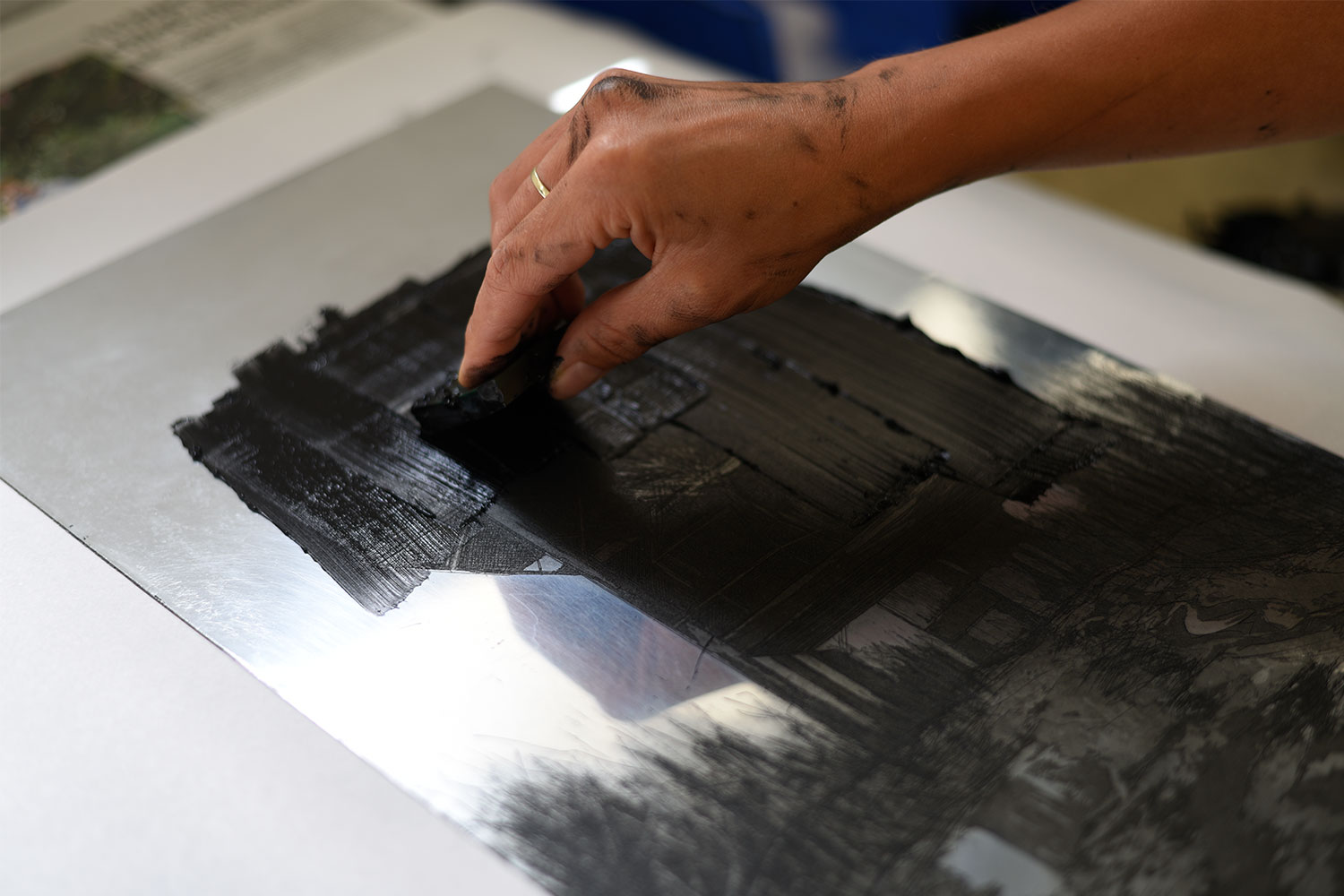
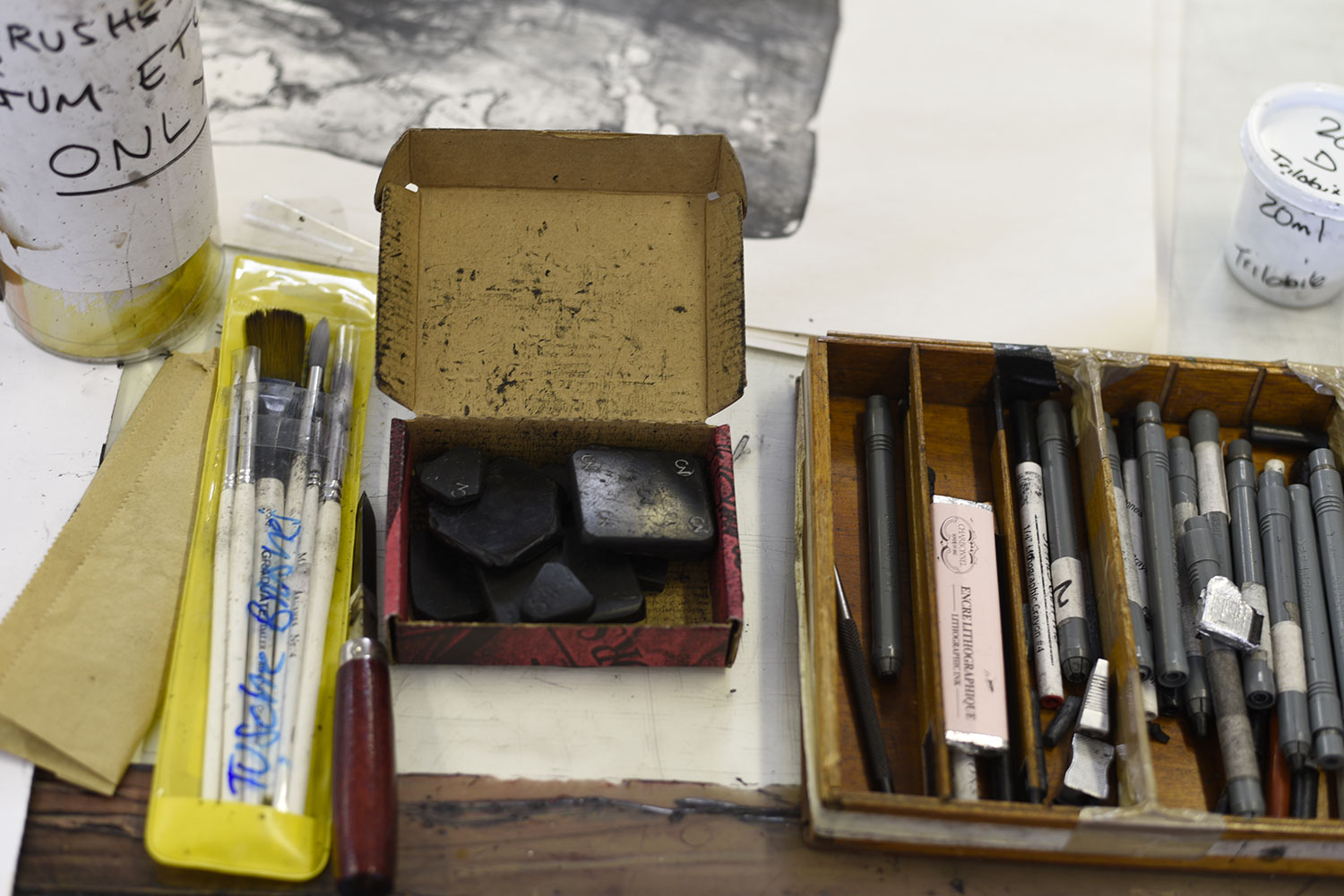
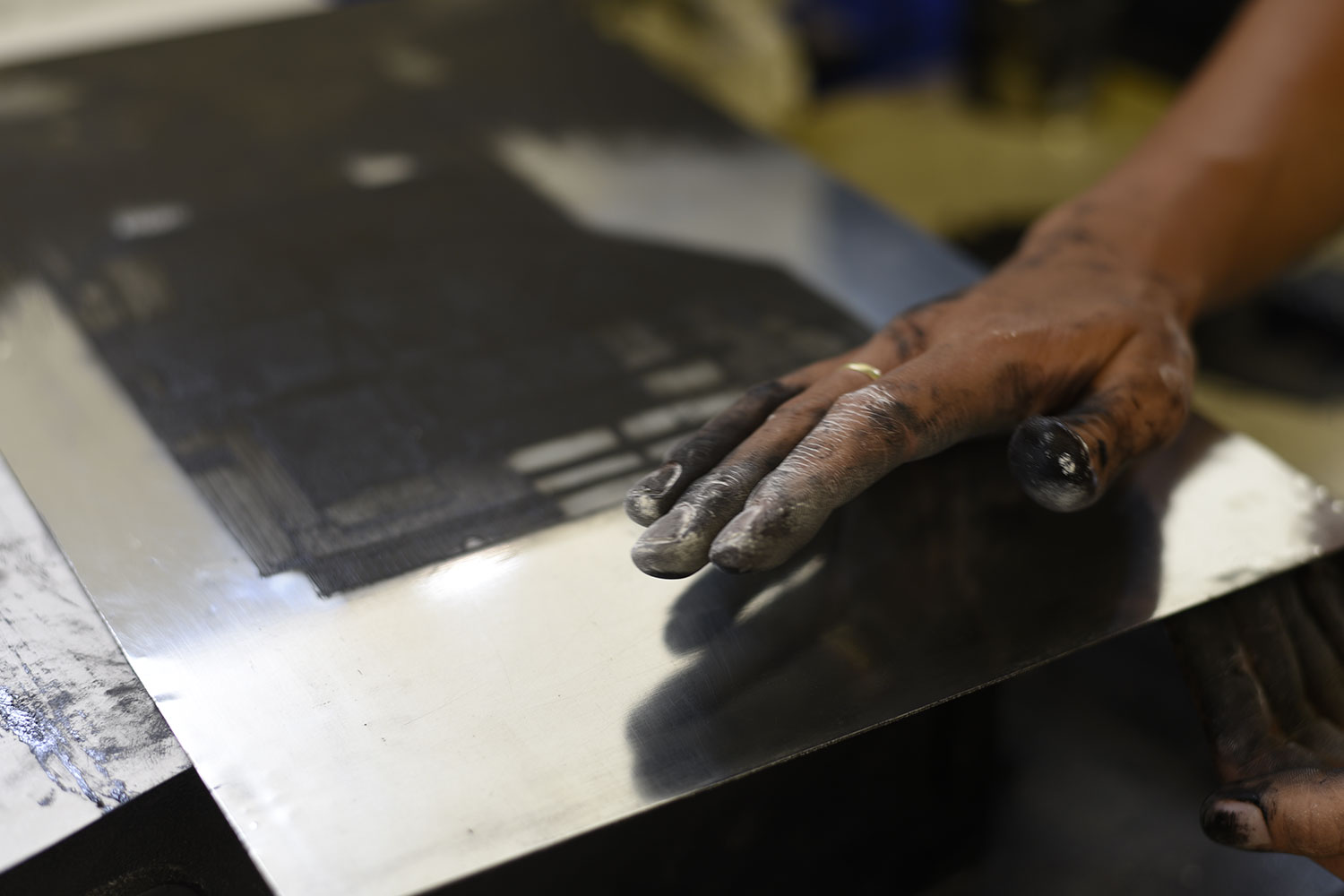
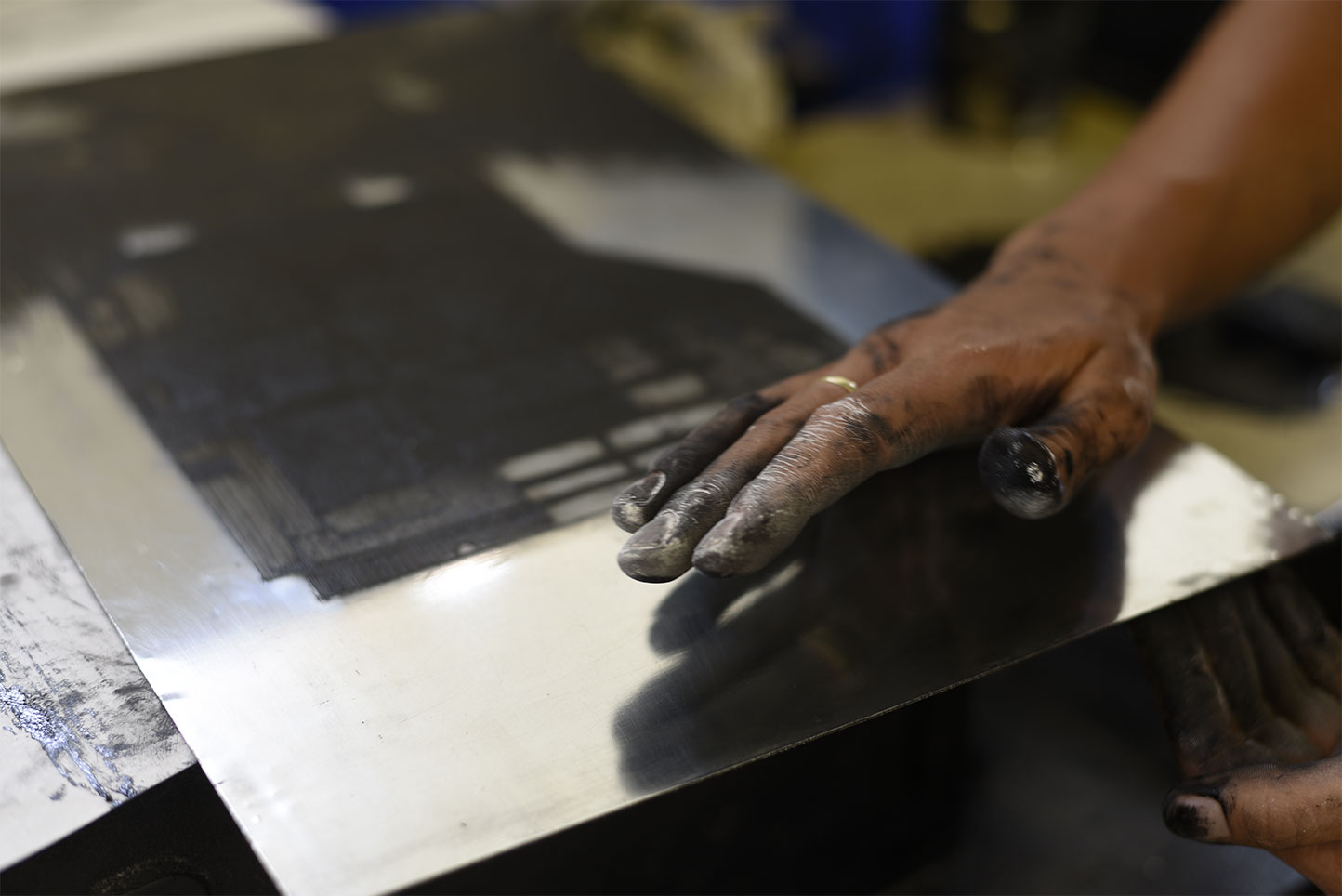
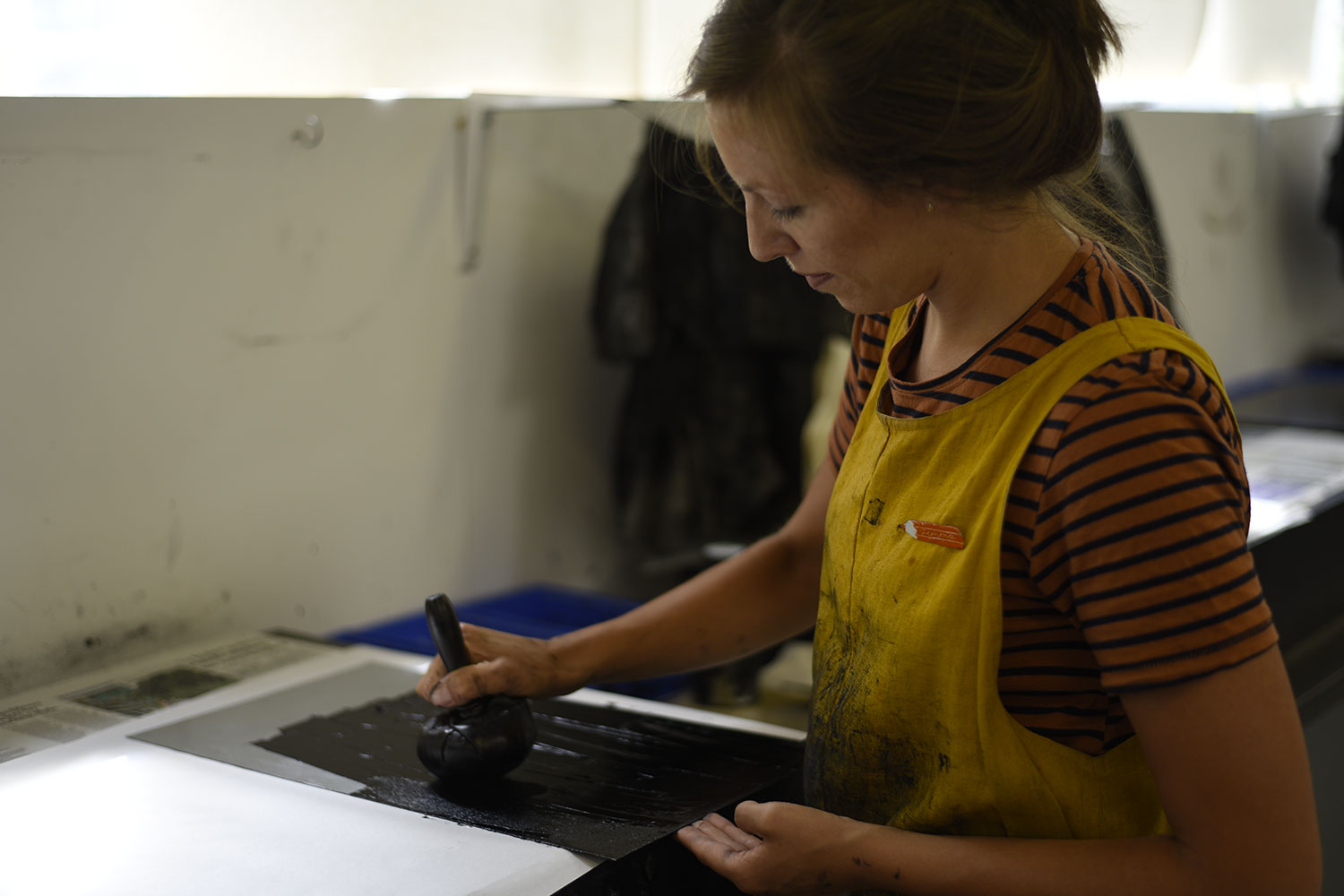
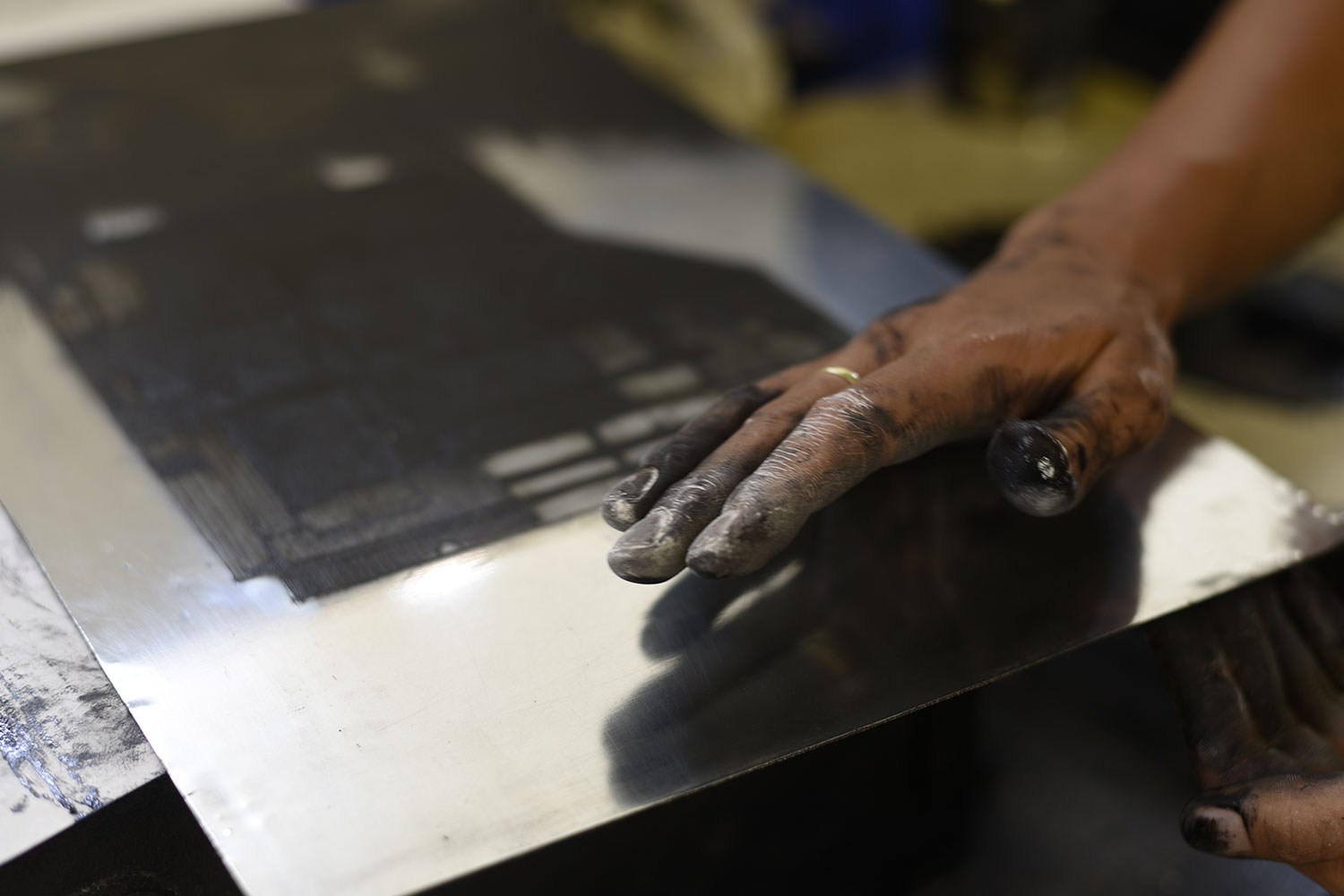
From the first time she set foot in a print studio, Jemma Gunning has been fascinated by the all-encompassing nature of printmaking: the smell of the ink, the weight of the presses and the science and alchemy of the process. For her, this craft offers the ability to explore materials, from which she creates works that document industrial and urban decline, crumbling forms and loss of heritage. Using traditional techniques and skills such as intaglio processes, she records the passage of time in a nostalgic manner, reconnecting the present day to the past.



INTERVIEW
Years ago I stumbled across a series of John Virtue's monoprints at Somerset House. I was drawn to the energetic and suggestive marks he used to convey scenes of London. Large-scale and dramatic, they drew me in and I have never looked back.
Being hands on and using traditional processes to document abandoned historical forms that are in danger of being lost. Every day for me is different. One day I’ll be teaching, the next climbing over walls to access a derelict building, and the rest of the time in the studio making.
With fewer institutions teaching traditional printmaking due to the expansion of technological processes, I am worried these skills could eventually be lost. It’s down to individual craftspeople like me to ensure they continue to thrive and stay alive.
In 2019 I was elected as a member of the Royal Society of Painter Printmakers, a big achievement and wonderful recognition of my skills and passion for traditional printmaking.
3 EXPERIENCES

3 EXPERIENCES
Introduction to monoprinting in Bristol
With Jemma Gunning | United Kingdom

Introduction to monoprinting in Bristol
With Jemma Gunning | United Kingdom
Jemma Gunning
Printmaker
Backwell, United Kingdom
Recommended by Queen Elizabeth Scholarship Trust - QEST
AVAILABILITY
By appointment only
PHONE
+44 7969362297
LANGUAGES
English
Homo Faber Finds is a new service aiming to inspire admirers of craft to connect and collaborate with exceptional artisans.
We invite you to submit an enquiry here.