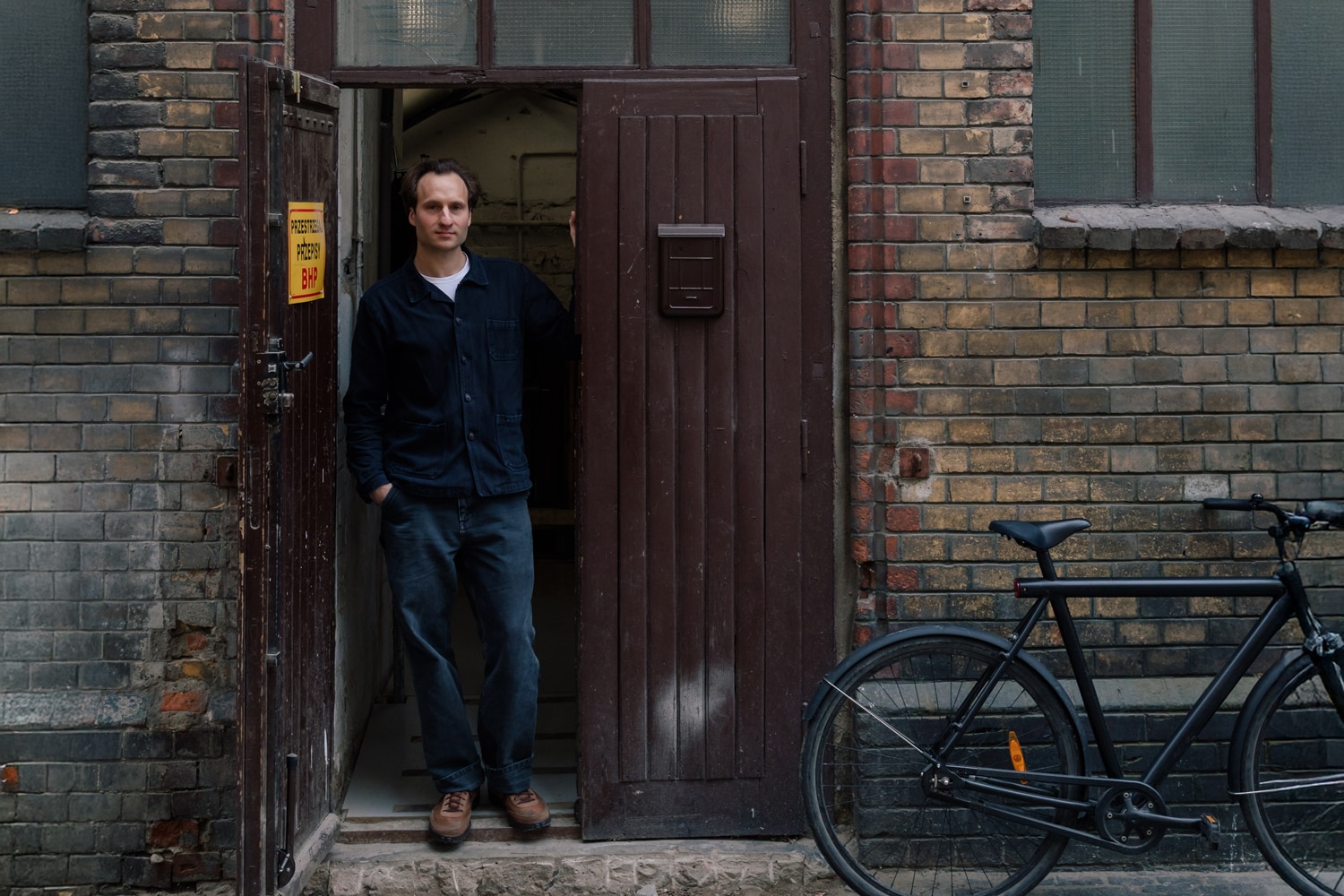
Jan Ankiersztajn
Furniture maker
Poznań, Poland
Fluidity and silence in metal furniture
- Jan shapes aluminium sheets entirely by hand
- His furniture is designed to be quiet
- His process is inspired by aviation and automotive craft traditions
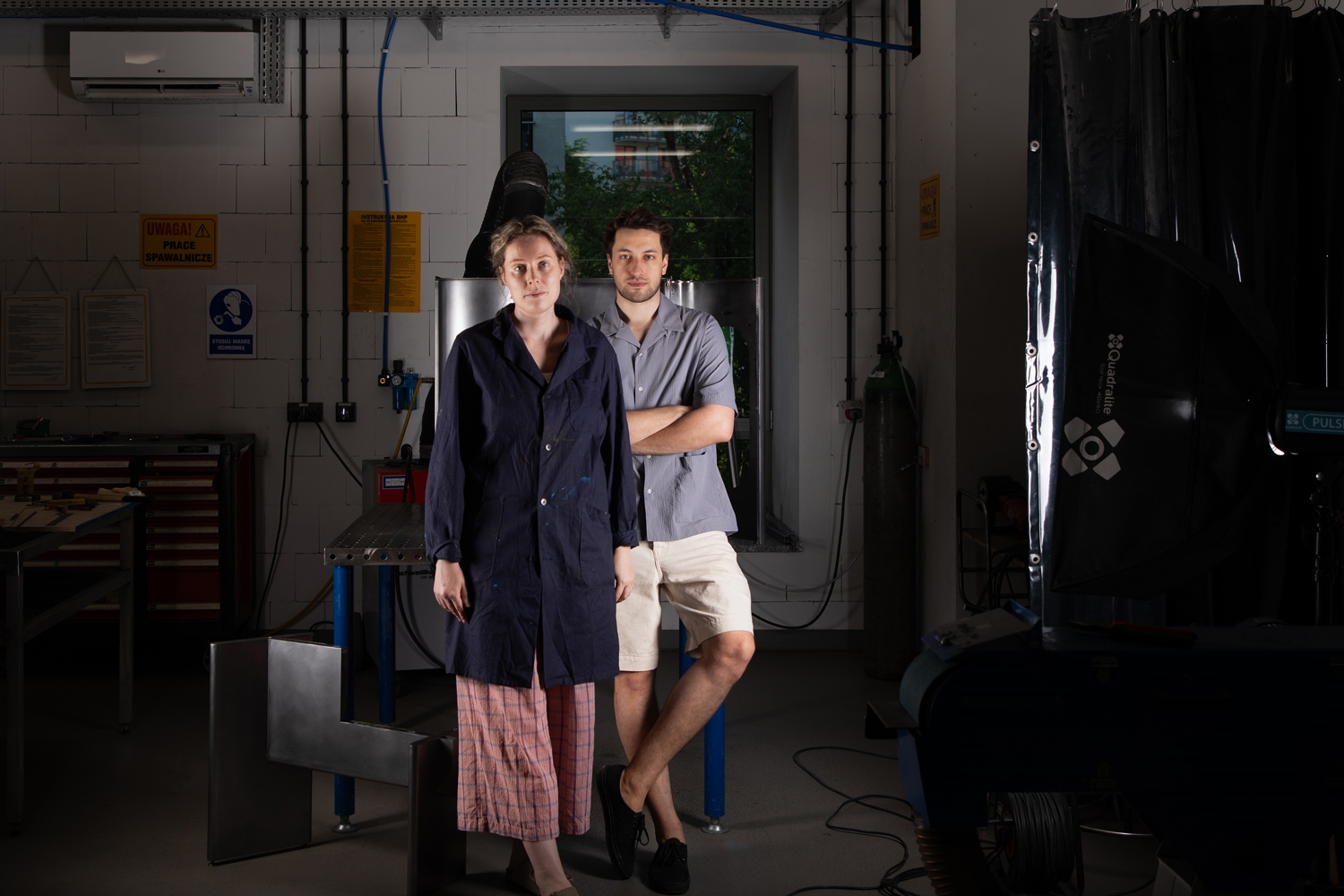
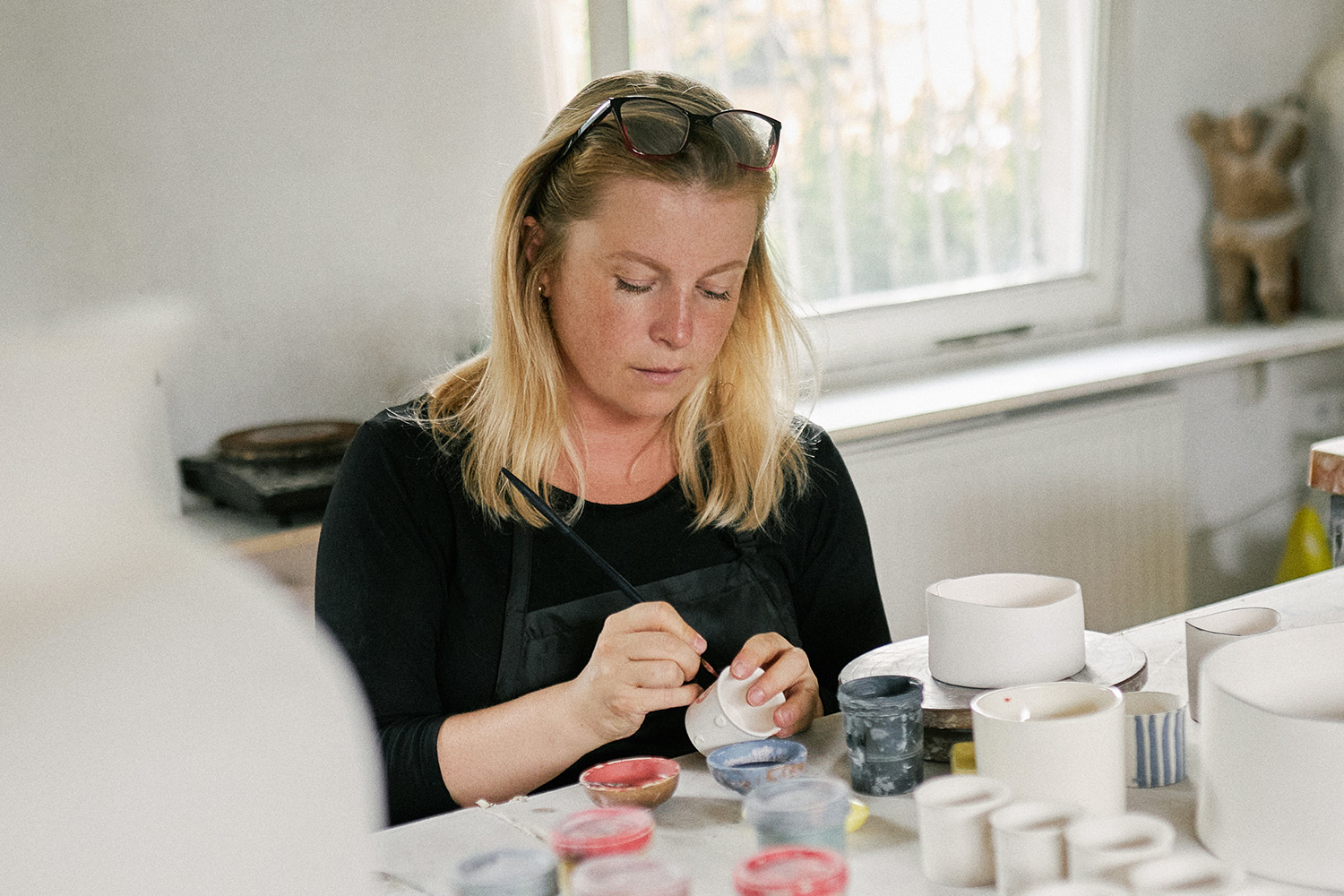
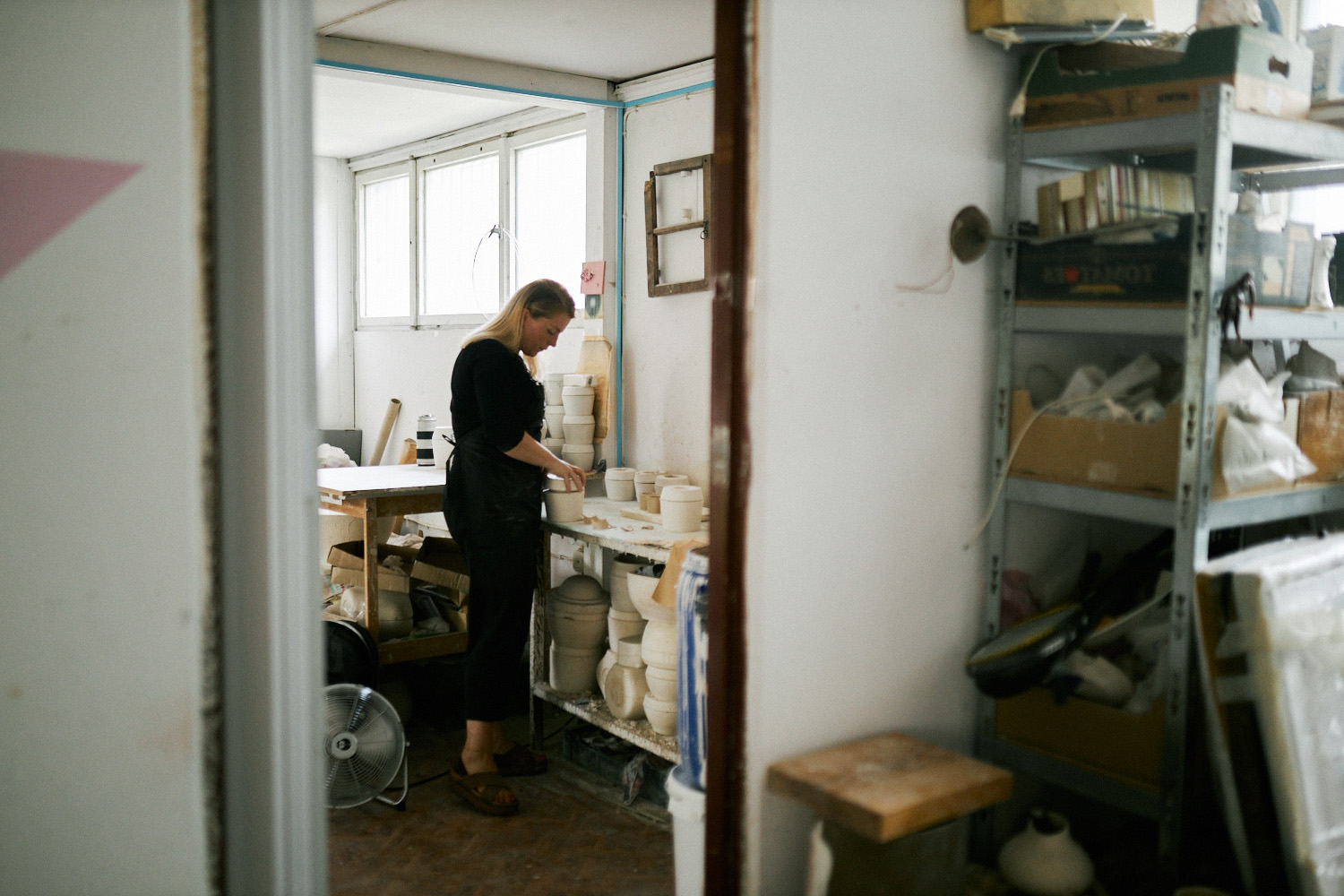
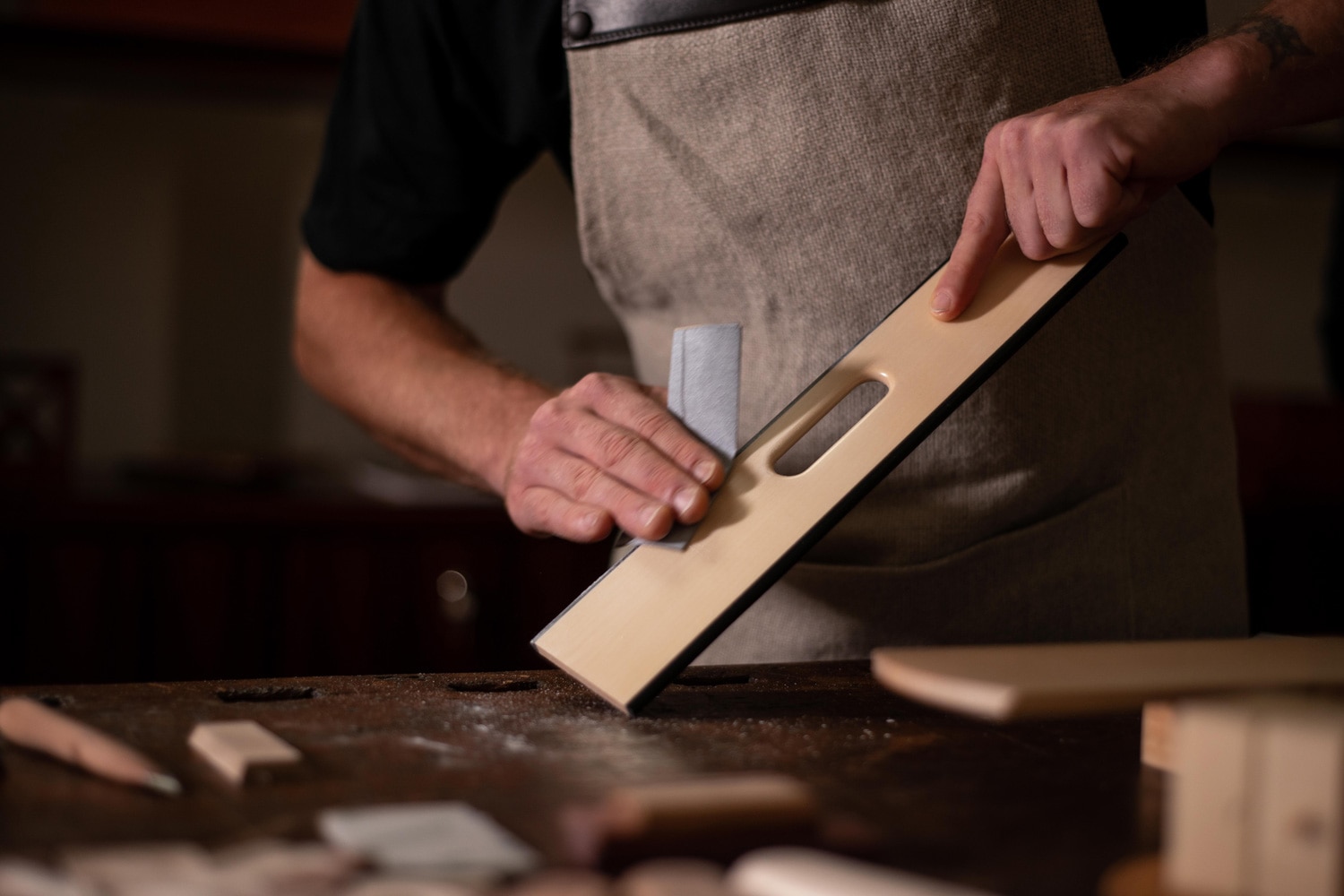
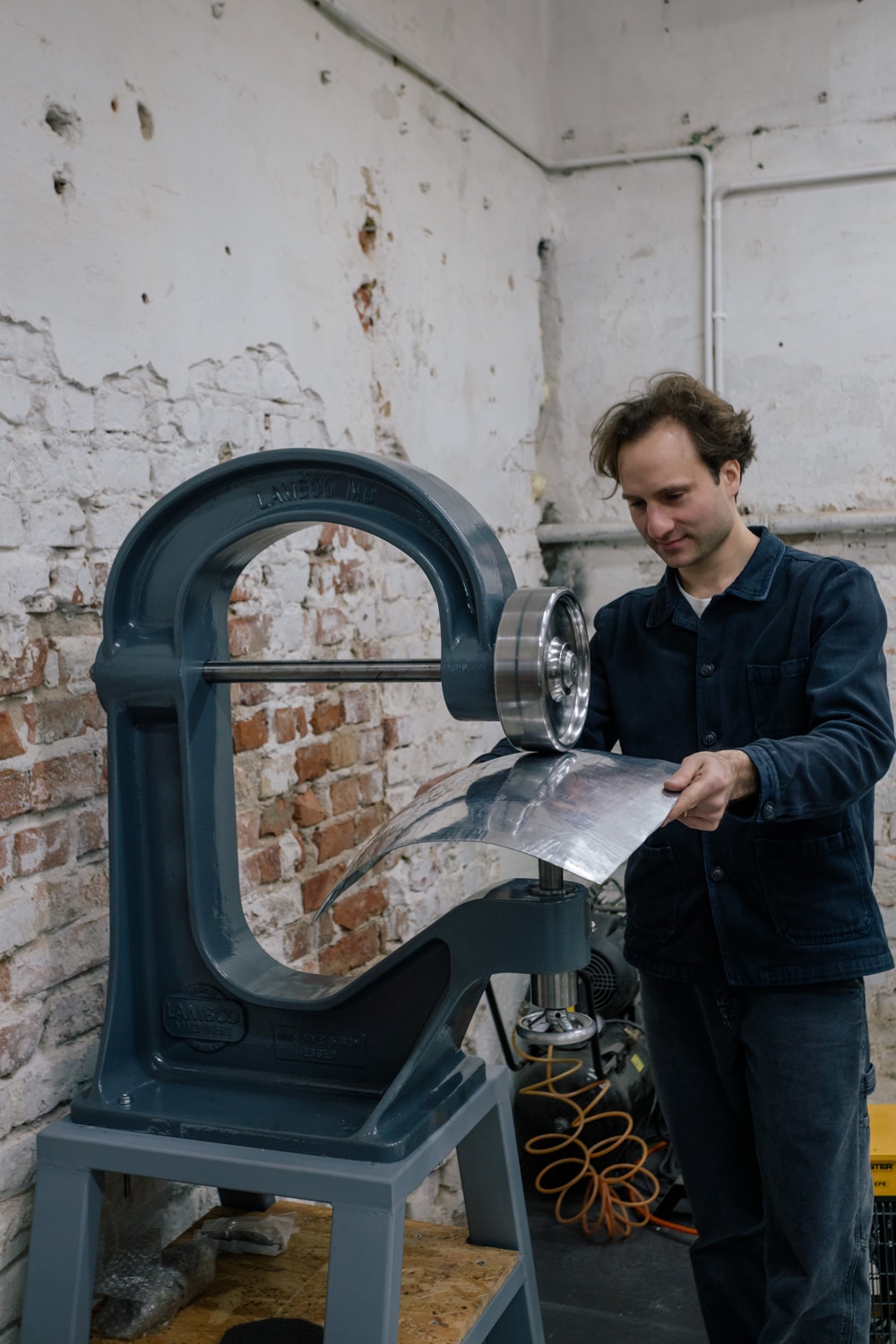
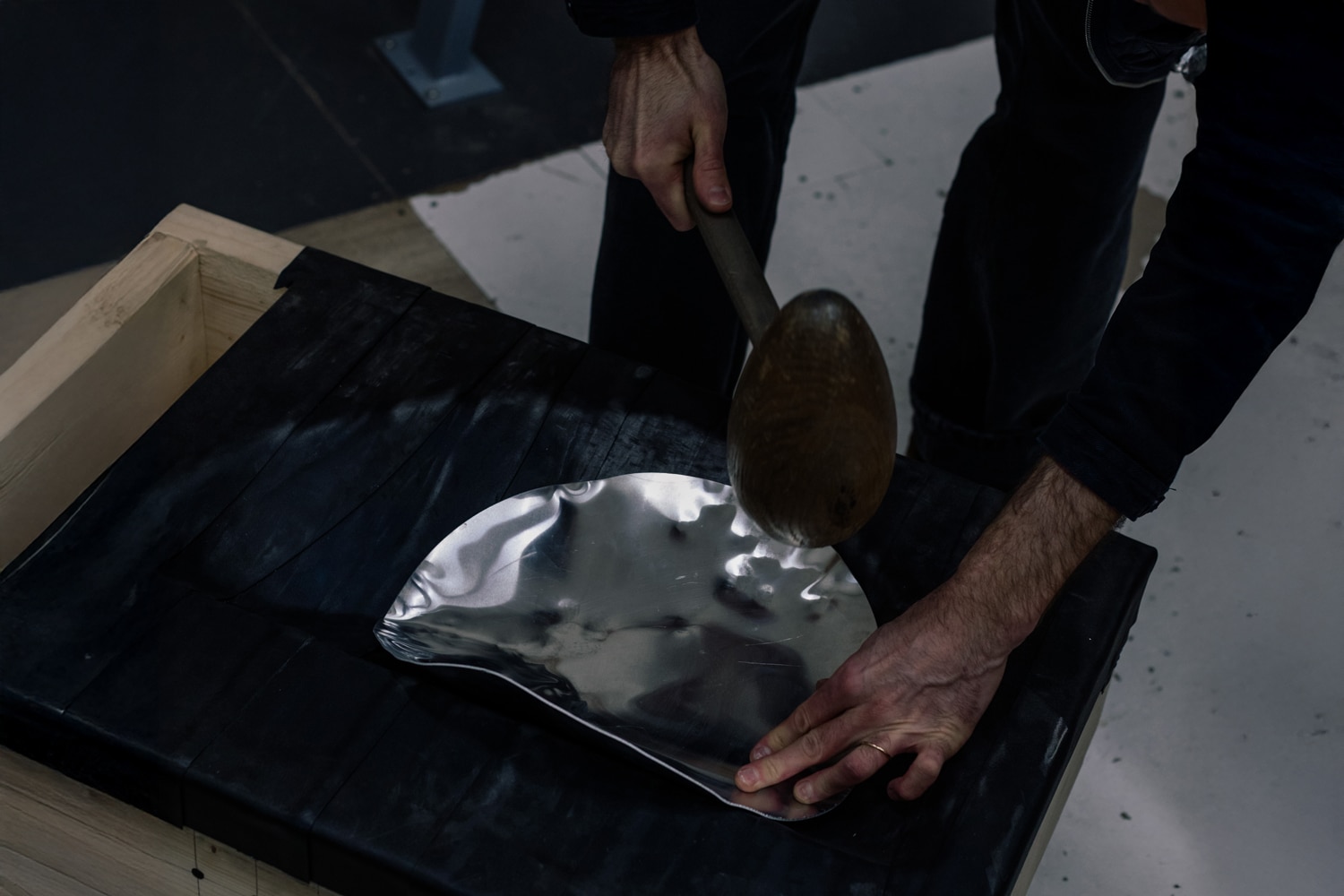
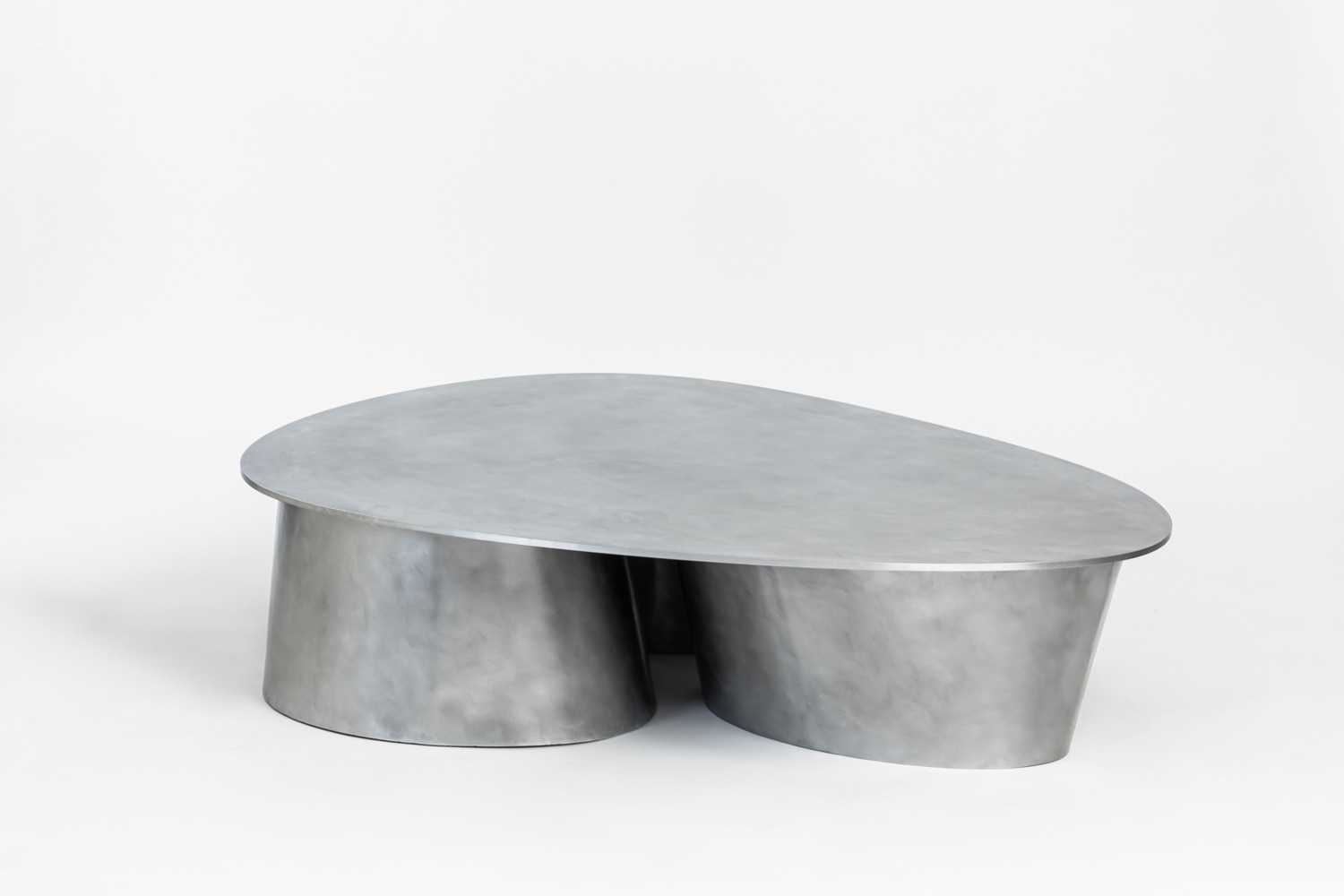
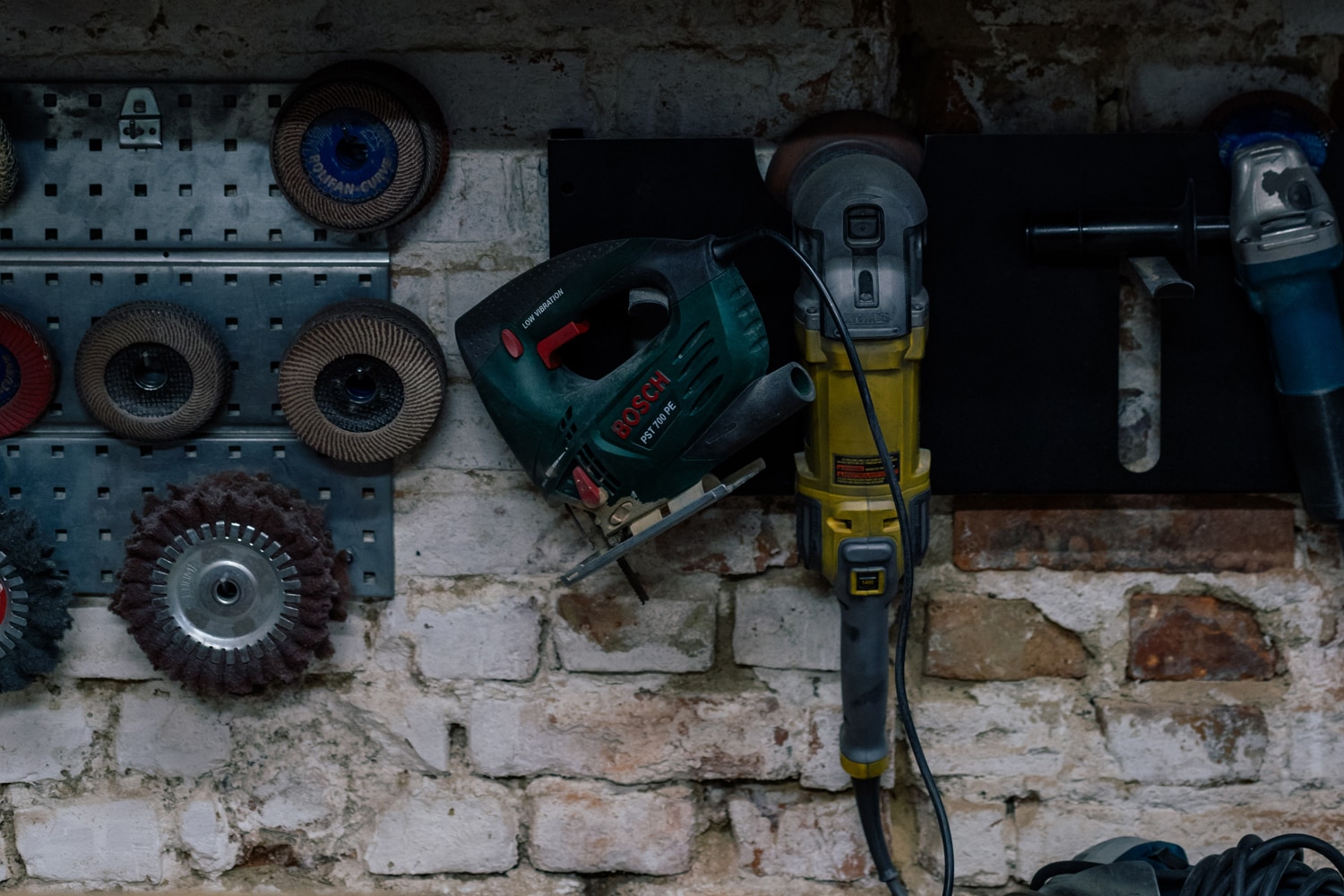
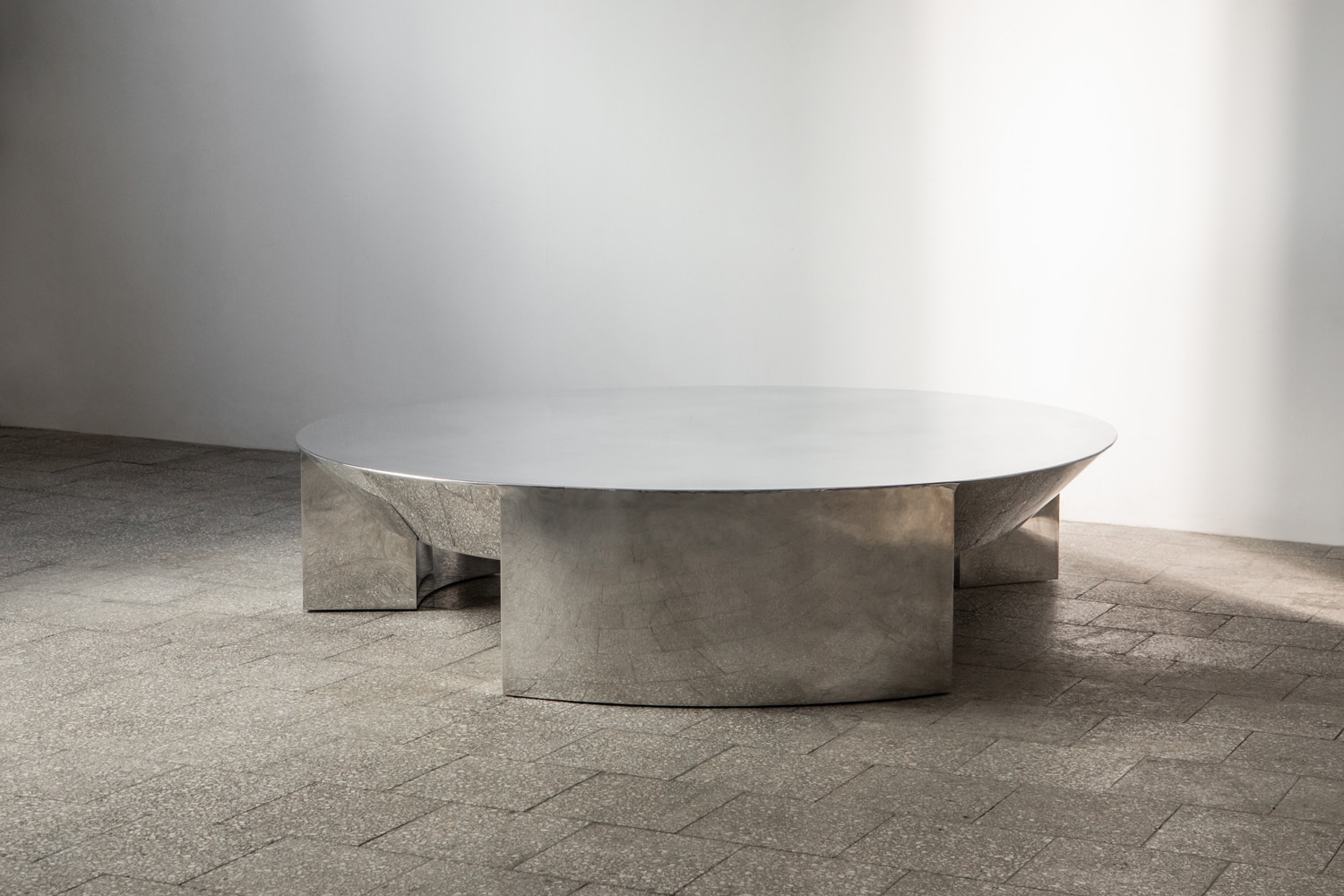
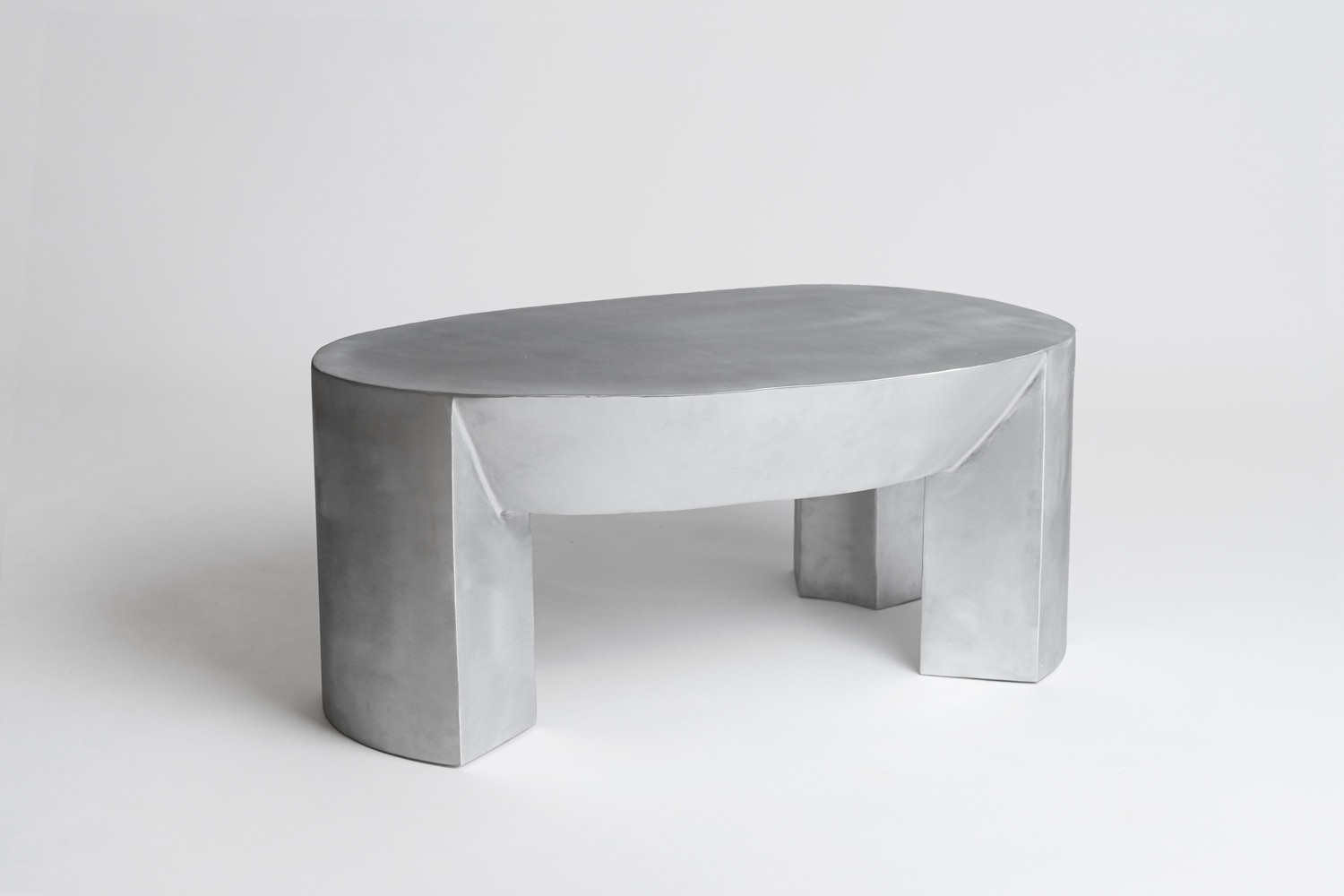
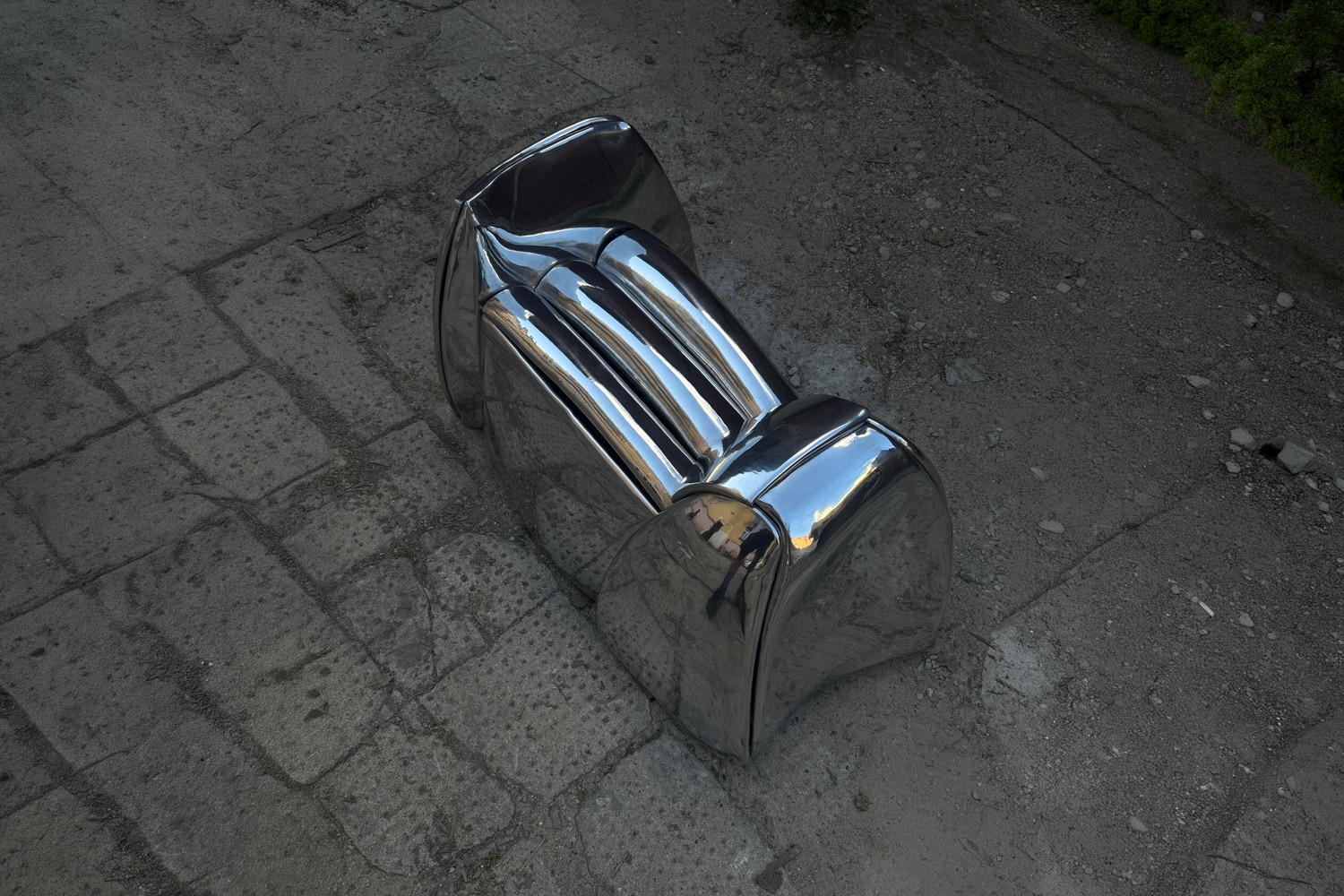
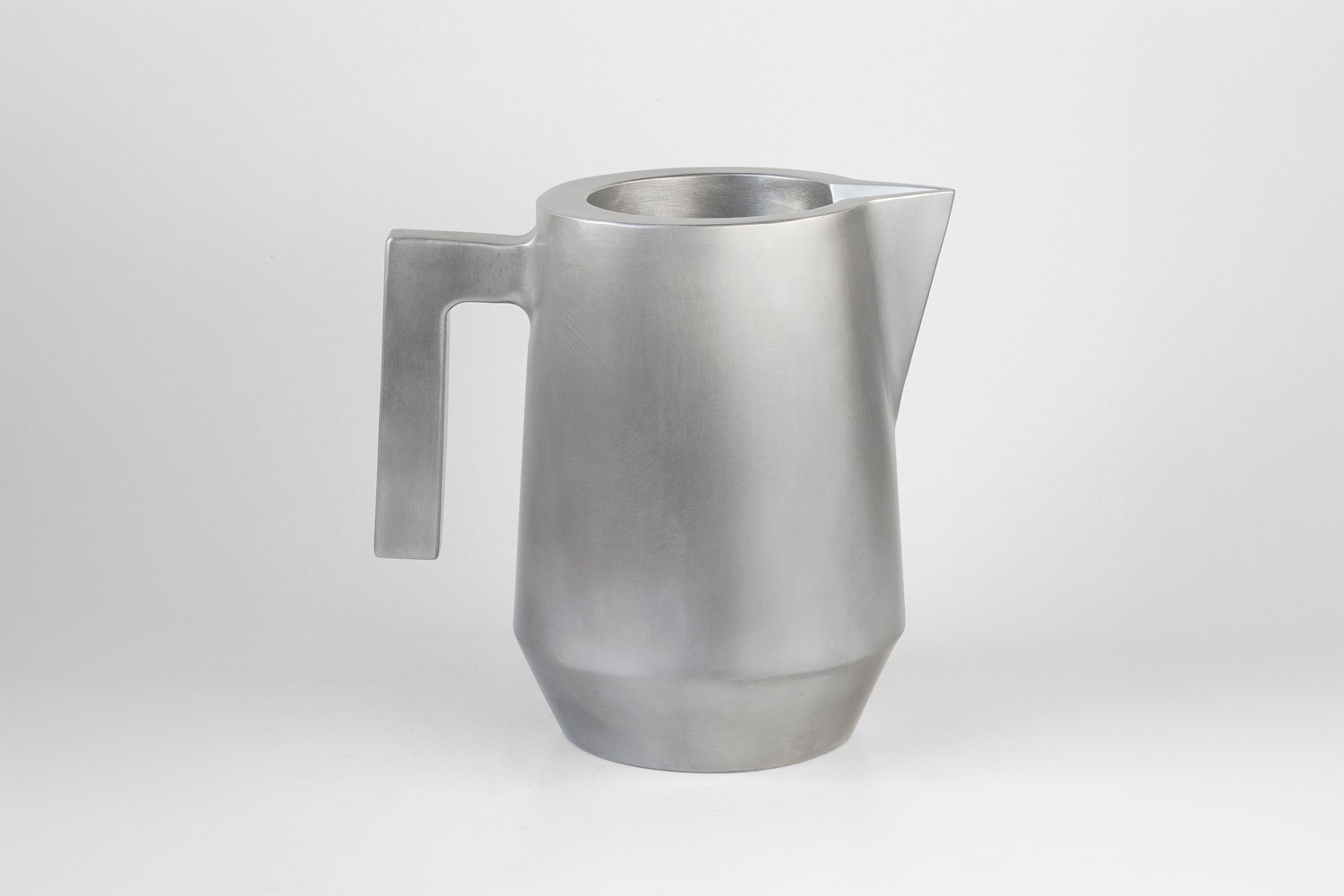
Jan Ankiersztajn creates sleek furniture, drawing on techniques once used to shape aircraft and sports car bodies in the mid-20th century. In his Poznań workshop, a former stable from the 1900s, he hand forms aluminium sheets using an English wheel, hammers and shrinking tools. From concept and construction to welding and finishing, the process is slow and physically demanding, shaped by constant adjustments and a close dialogue with the material. Jan's approach reflects his studies in contextual design at Design Academy Eindhoven, where experimentation and crossing disciplinary boundaries are encouraged. “Craft is a way of thinking through the material,” he says. Despite aluminium’s commercial origins, his objects incorporate elements of sound design and are engineered to remain acoustically quiet.
INTERVIEW
Much of my inspiration comes from aviation and mid-century sports cars. Back then, form followed physics and aerodynamics rather than style. That engineering logic continues to shape how I think about material, structure and the relationship between form and function.
Aluminium fascinates me because of its plasticity. It is surprisingly soft and responsive to the touch of tools, despite its strong industrial associations. The material reacts to manual work, and the way it reflects light constantly changes how the object is perceived.
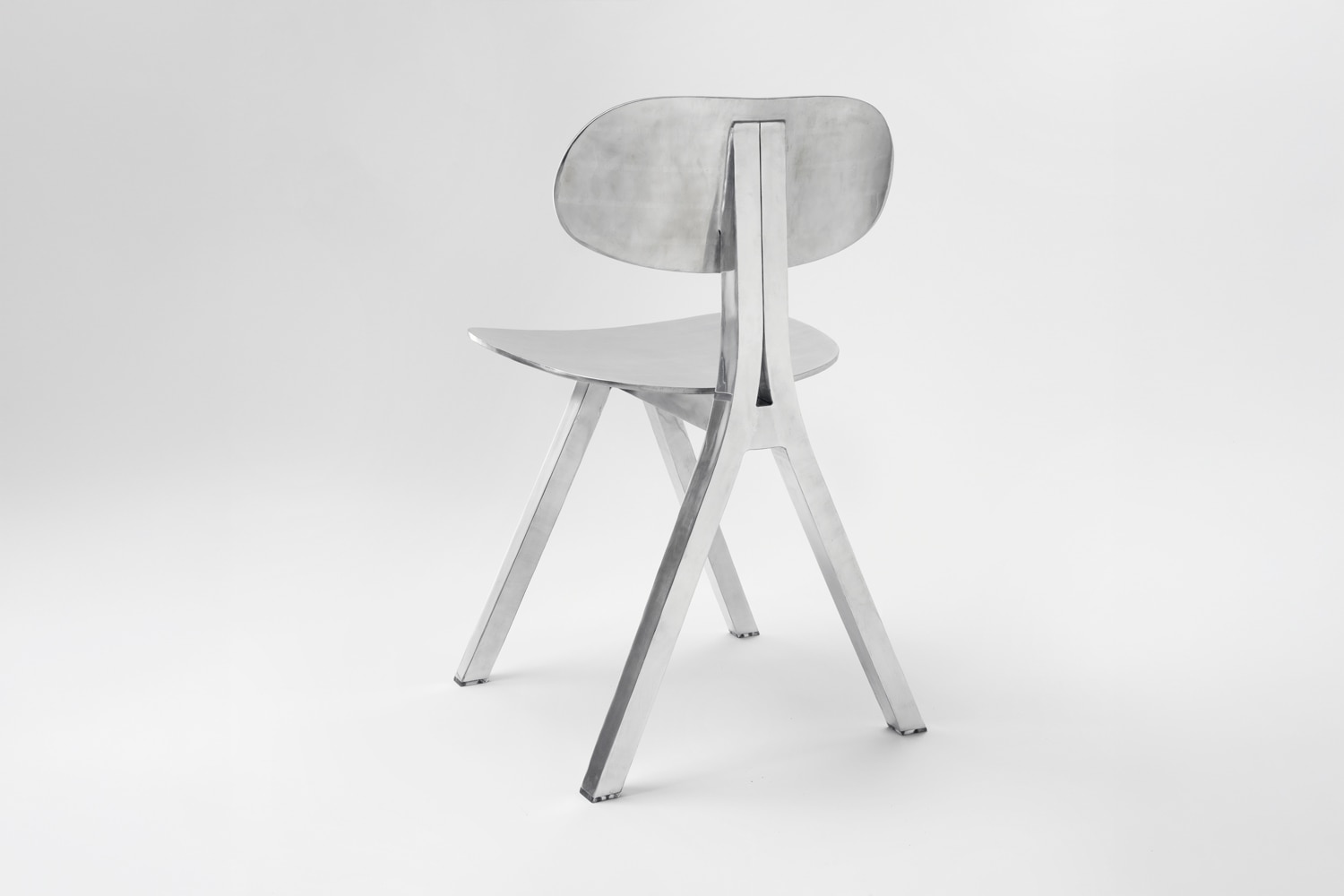
Metal furniture often carries an inherent resonance: it can hum, vibrate or amplify small movements. I design against that. Instead of screws, I rely on welded joints to eliminate mechanical noise, and I integrate elements that dampen vibration. The aim is to create aluminium pieces that feel visually dynamic, yet remain acoustically calm.
Craftsmanship and art come together when a handcrafted object carries meaning beyond function. I am interested in the moment when a table stops being just a table and begins to tell a story.
Jan Ankiersztajn
Furniture maker
Poznań, Poland
ADDRESS
Address upon request, Poznań, Poland
AVAILABILITY
By appointment only
LANGUAGES
Polish, English
Homo Faber Finds is a new service aiming to inspire admirers of craft to connect and collaborate with exceptional artisans.
We invite you to submit an enquiry here.