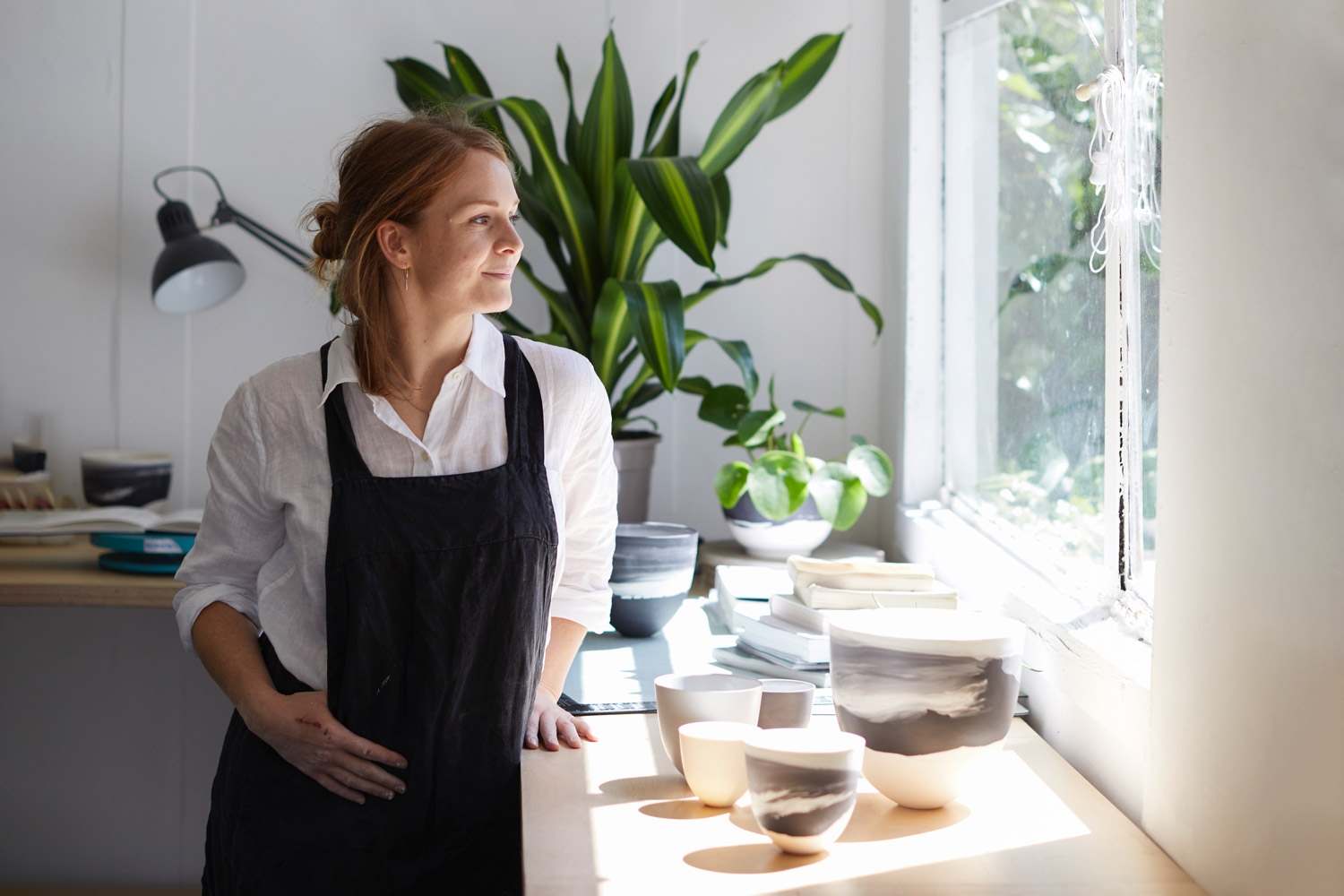
Alicja Patanowska
Ceramicist
Poznań, Poland
Recommended by Anna Woźniak-Starak
Questioning the contemporary world through ceramics
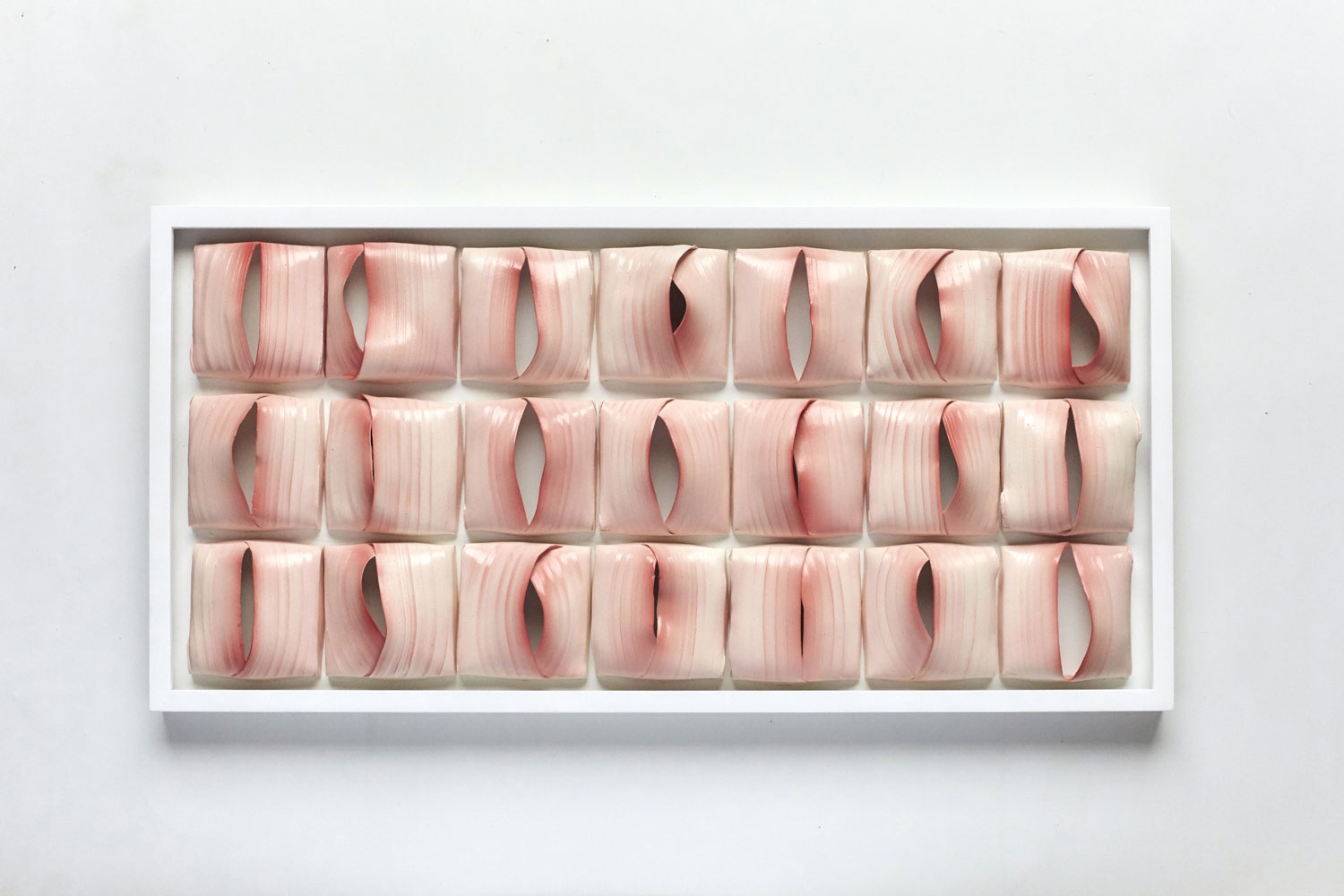
- Alicja makes ceramic works and installations that raise societal or environmental questions
- She is a graduate of Wrocław Academy of Fine Arts and London Royal College of Art
- Her pieces have been exhibited all over the world
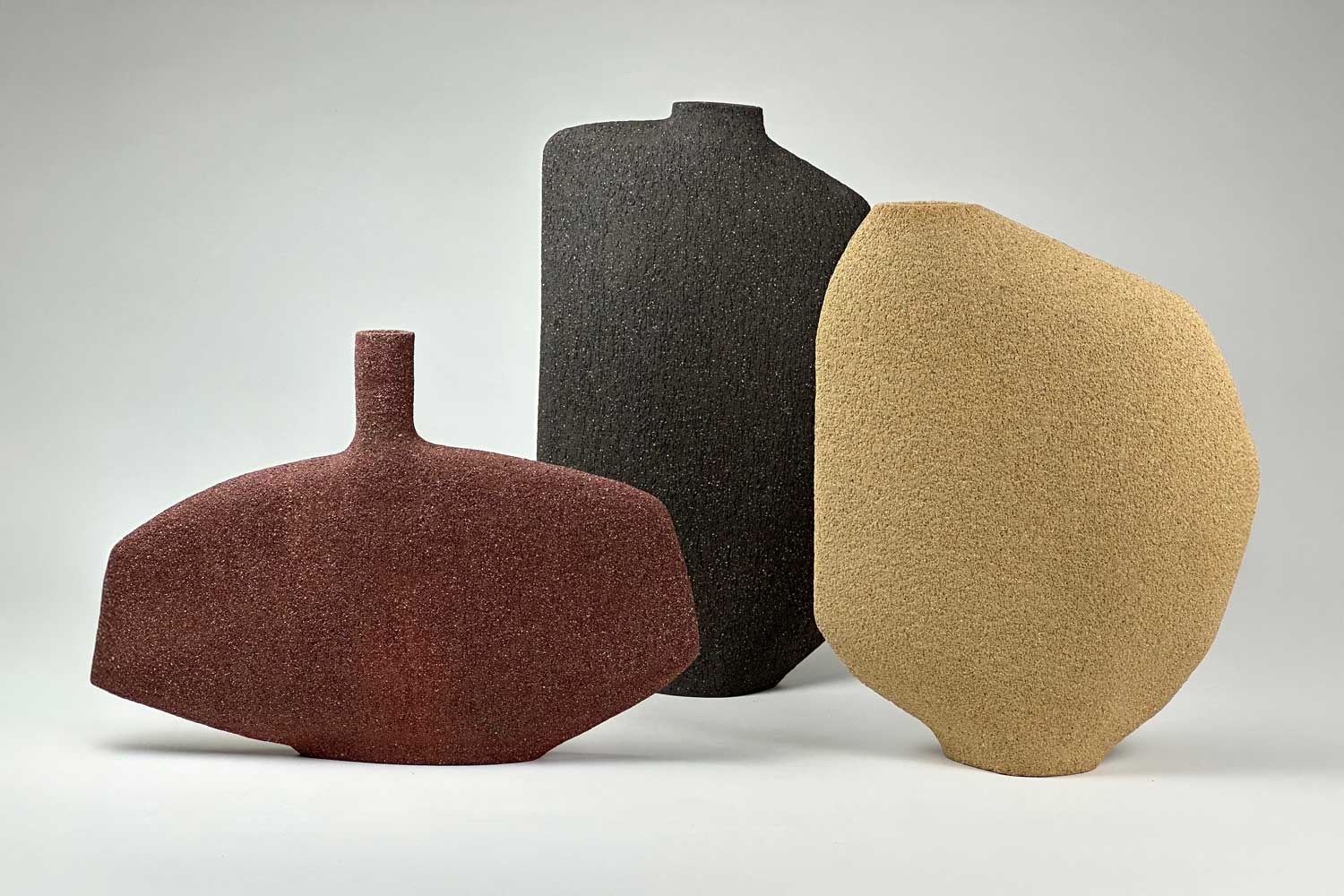
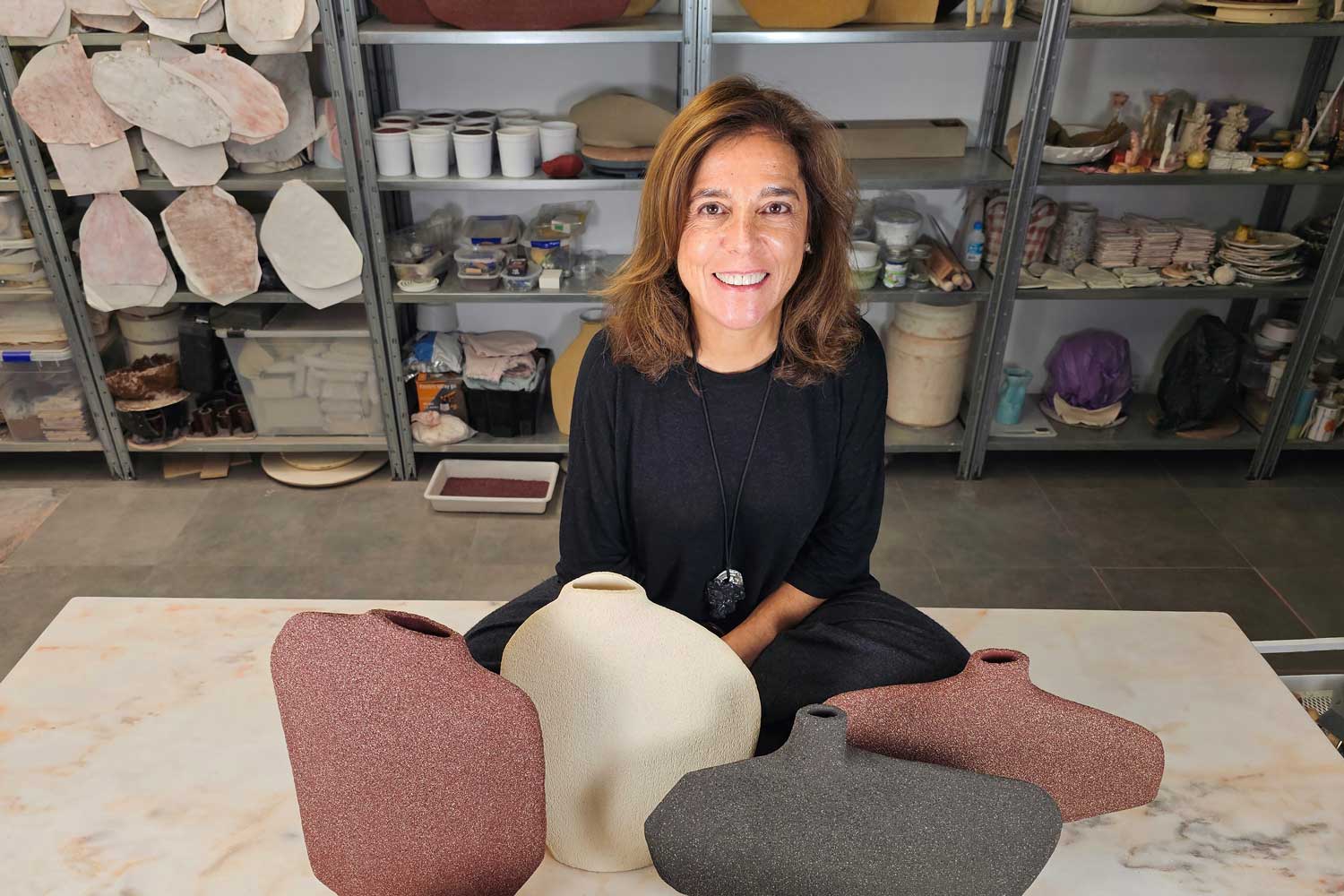
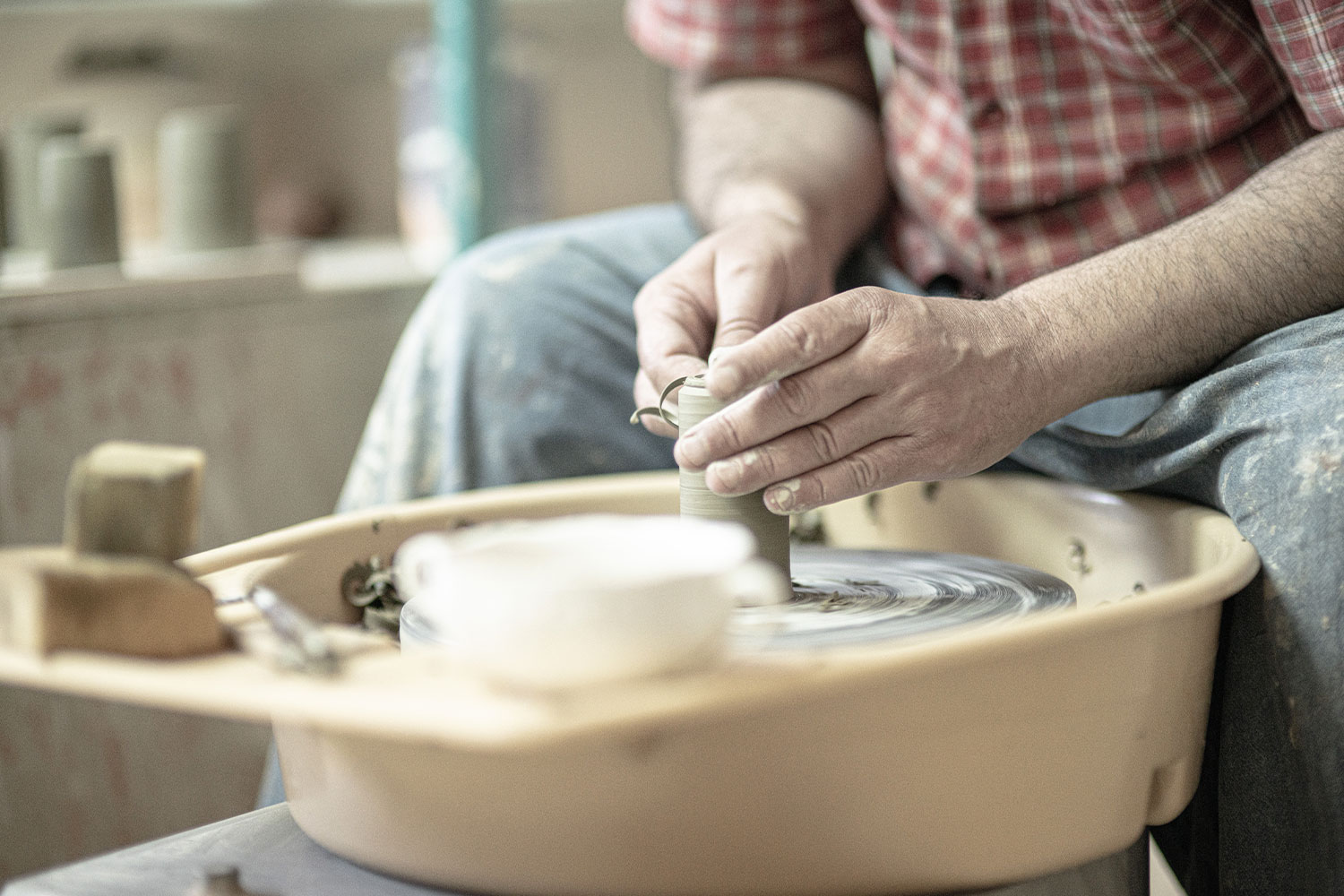
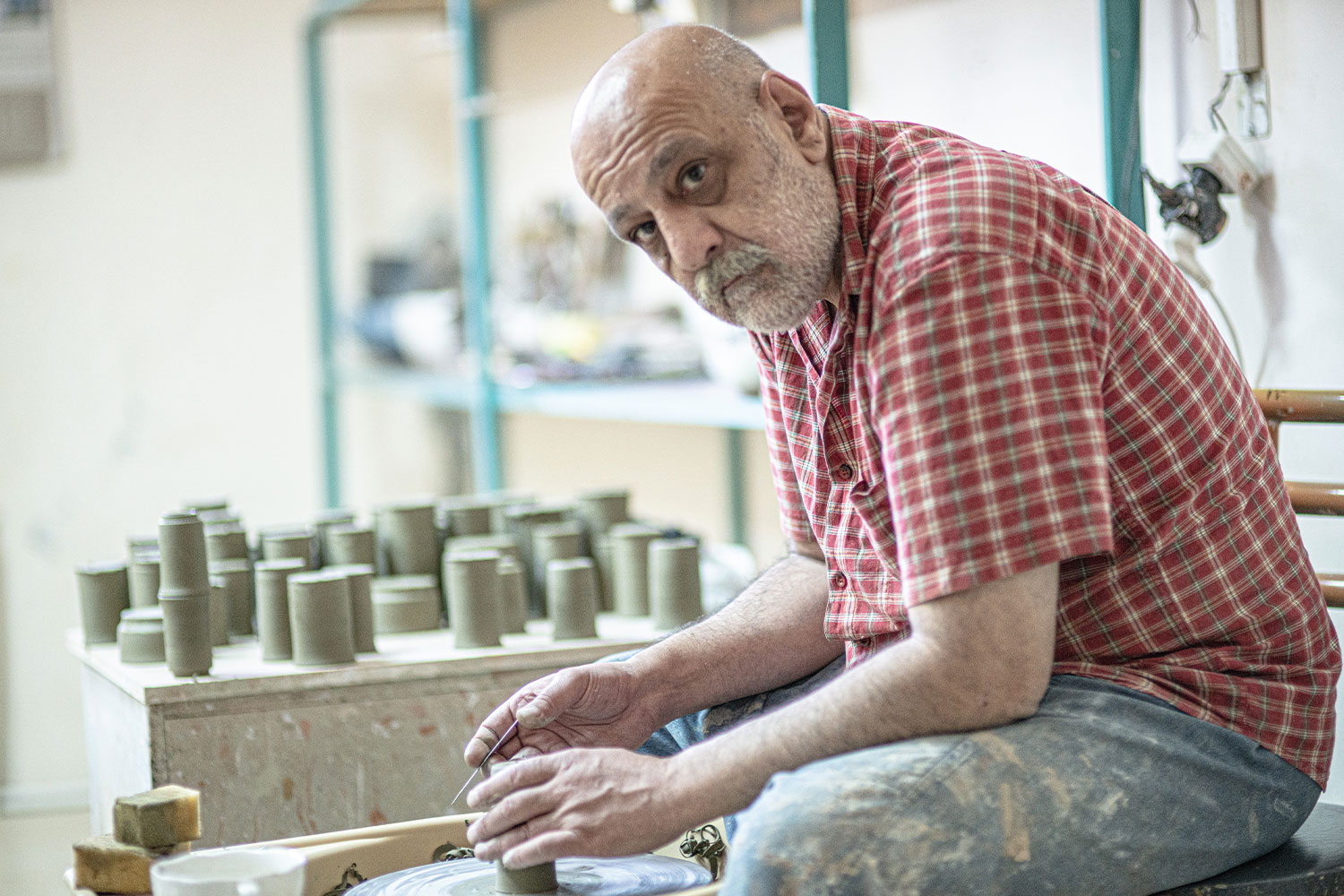
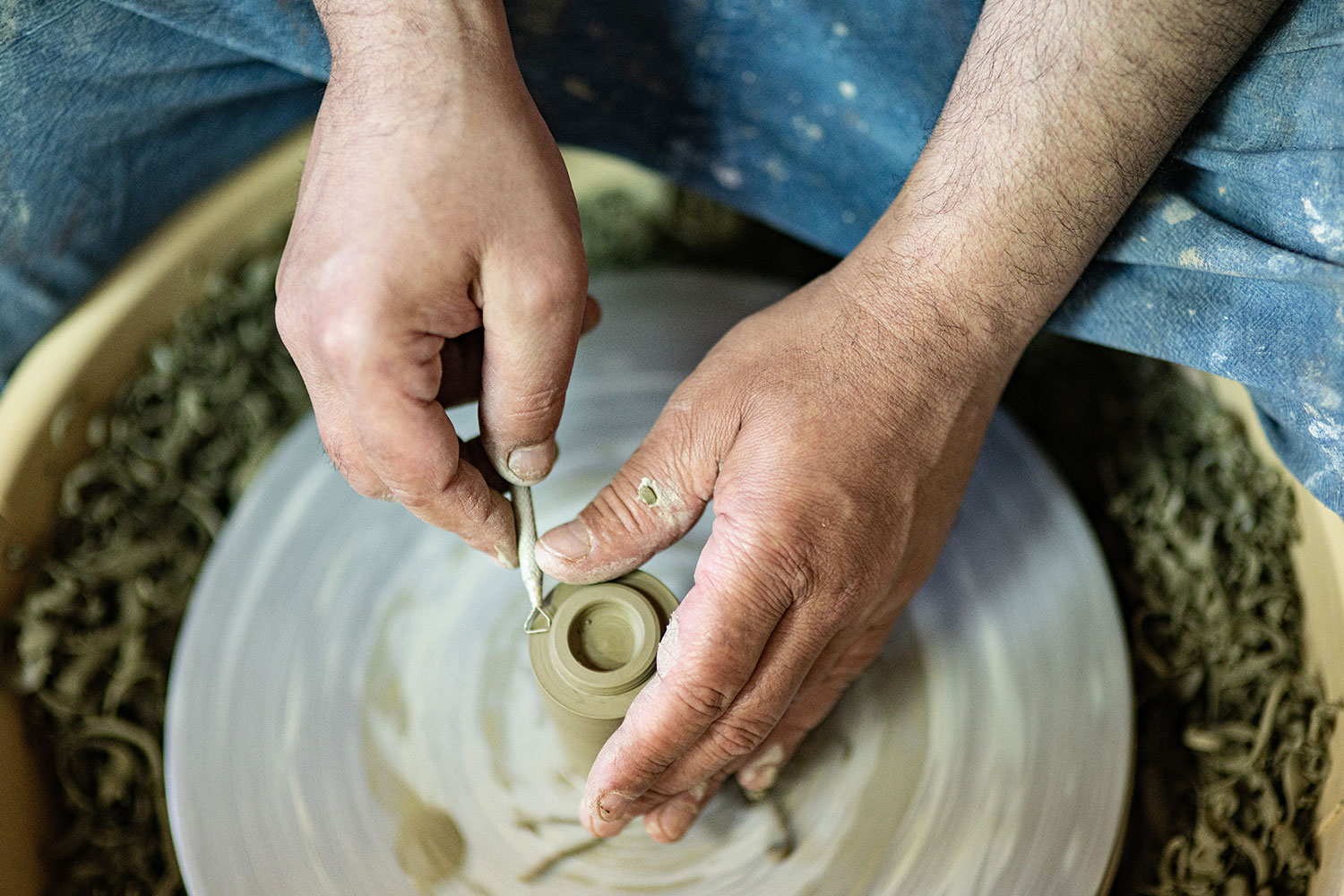
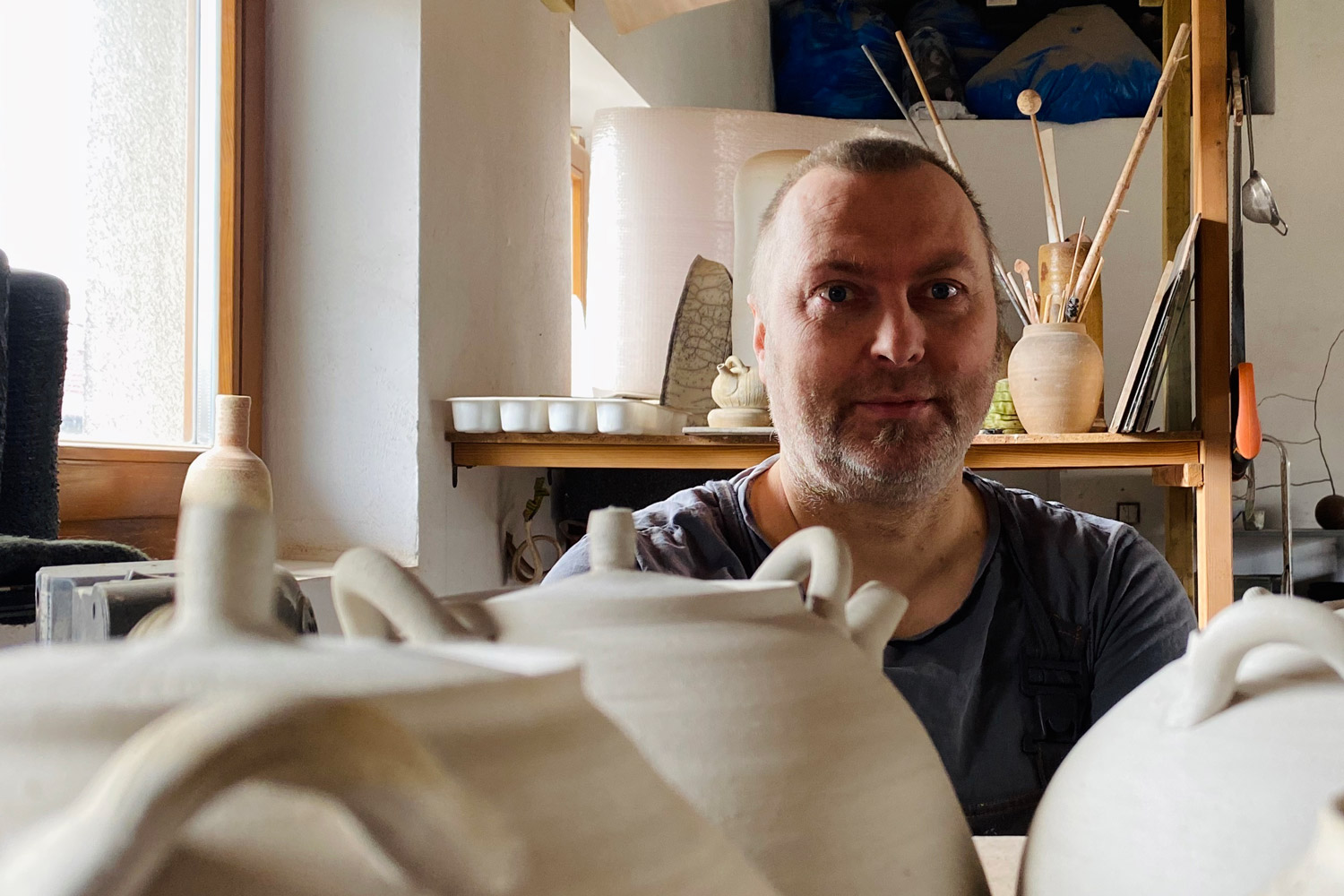
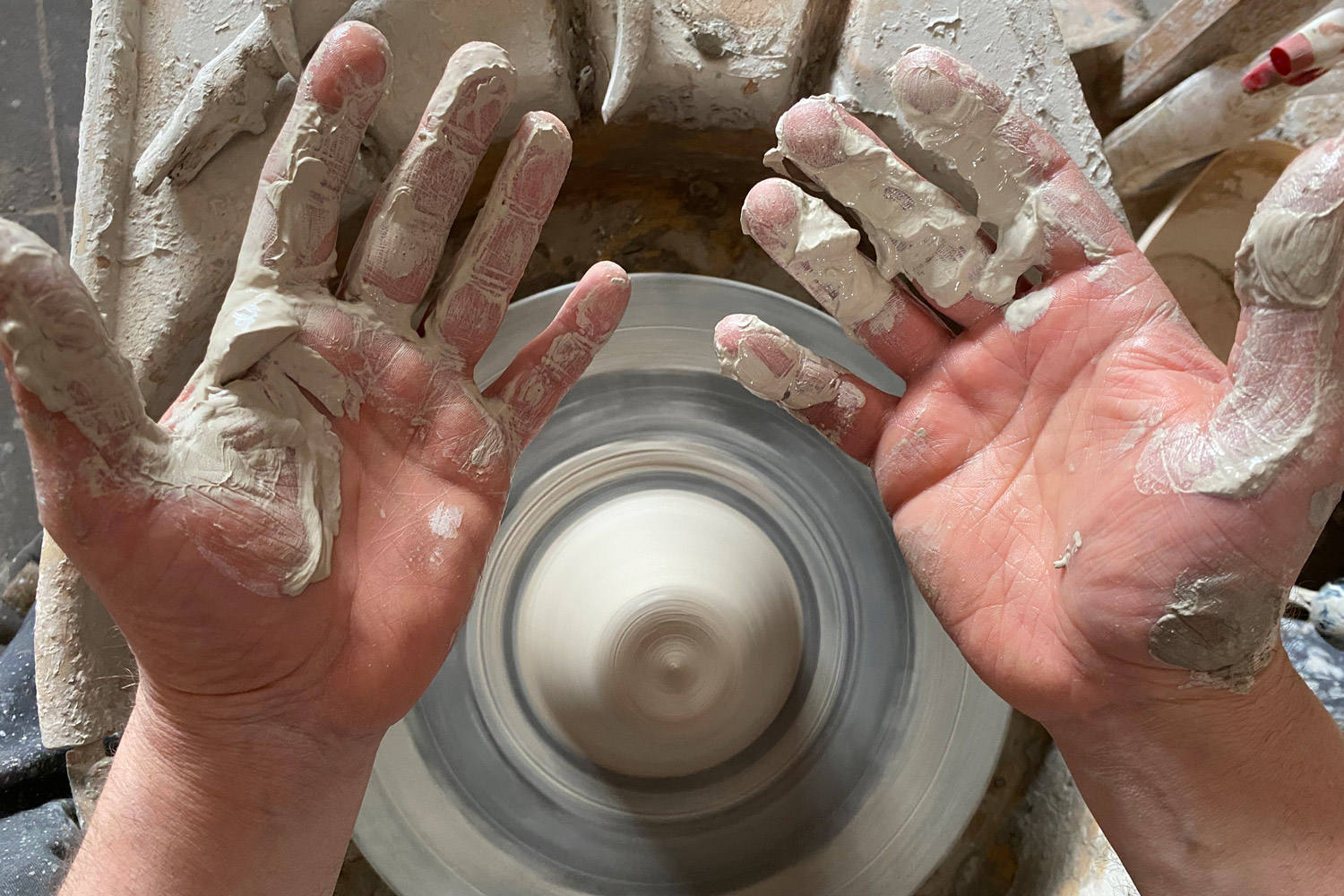
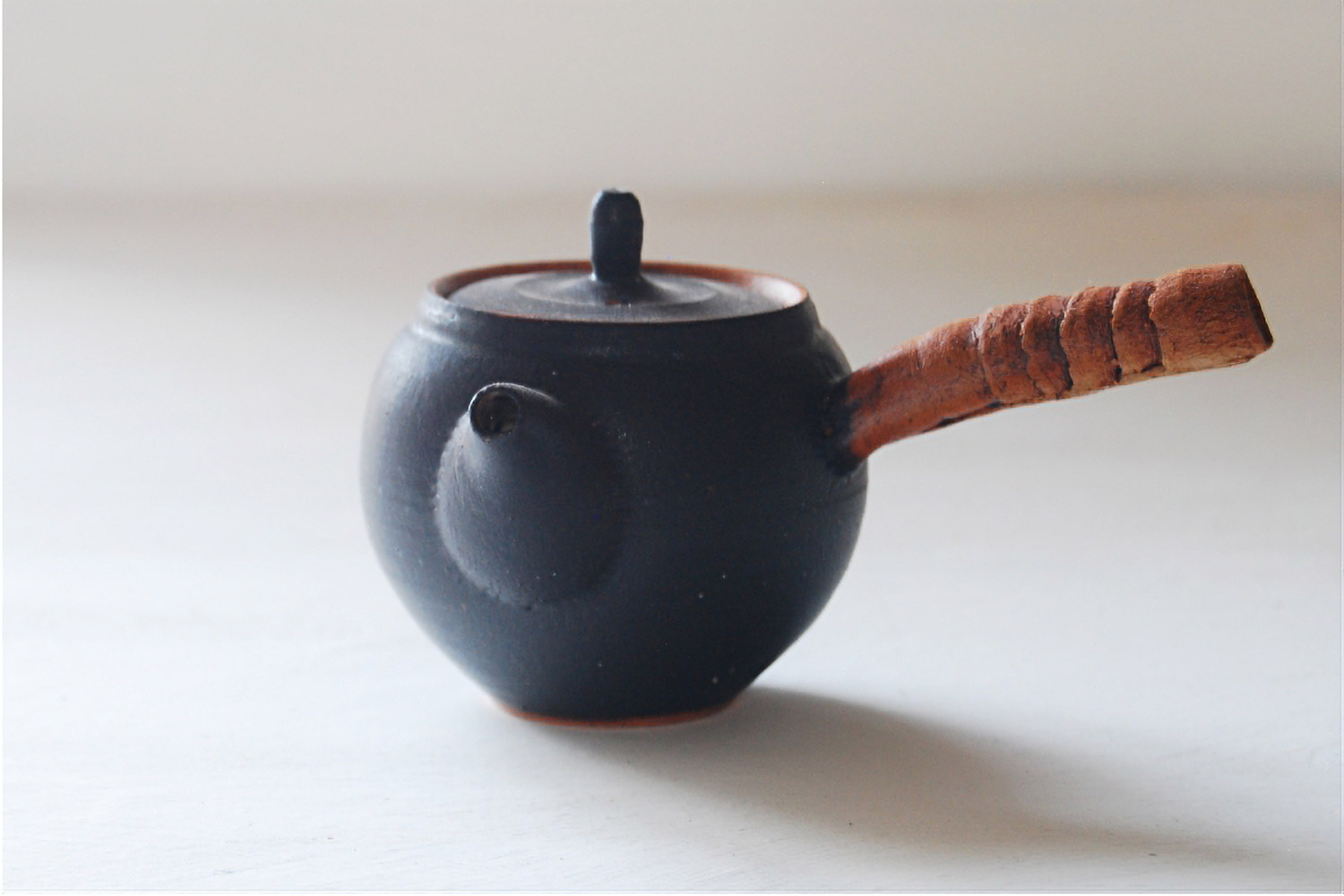
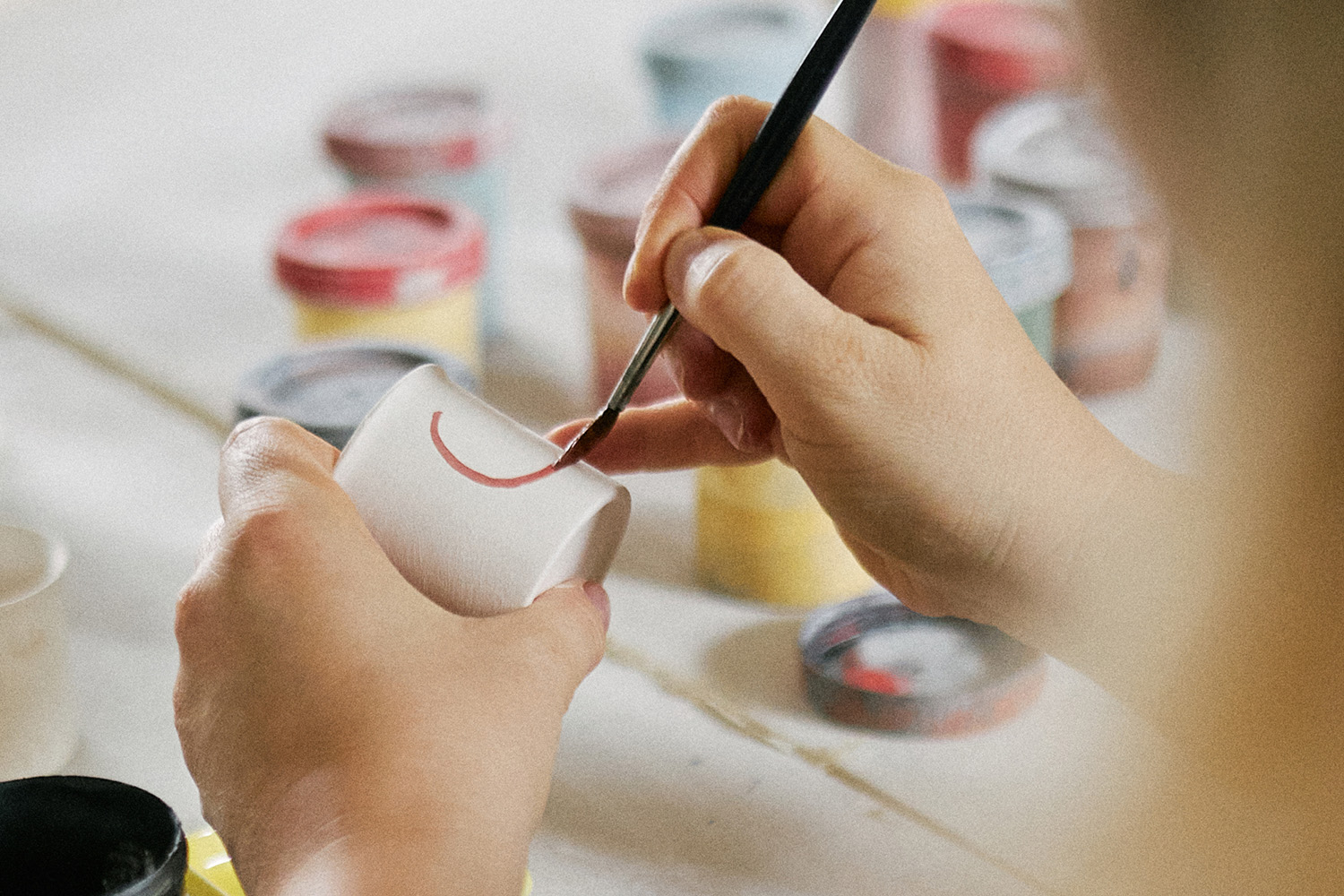
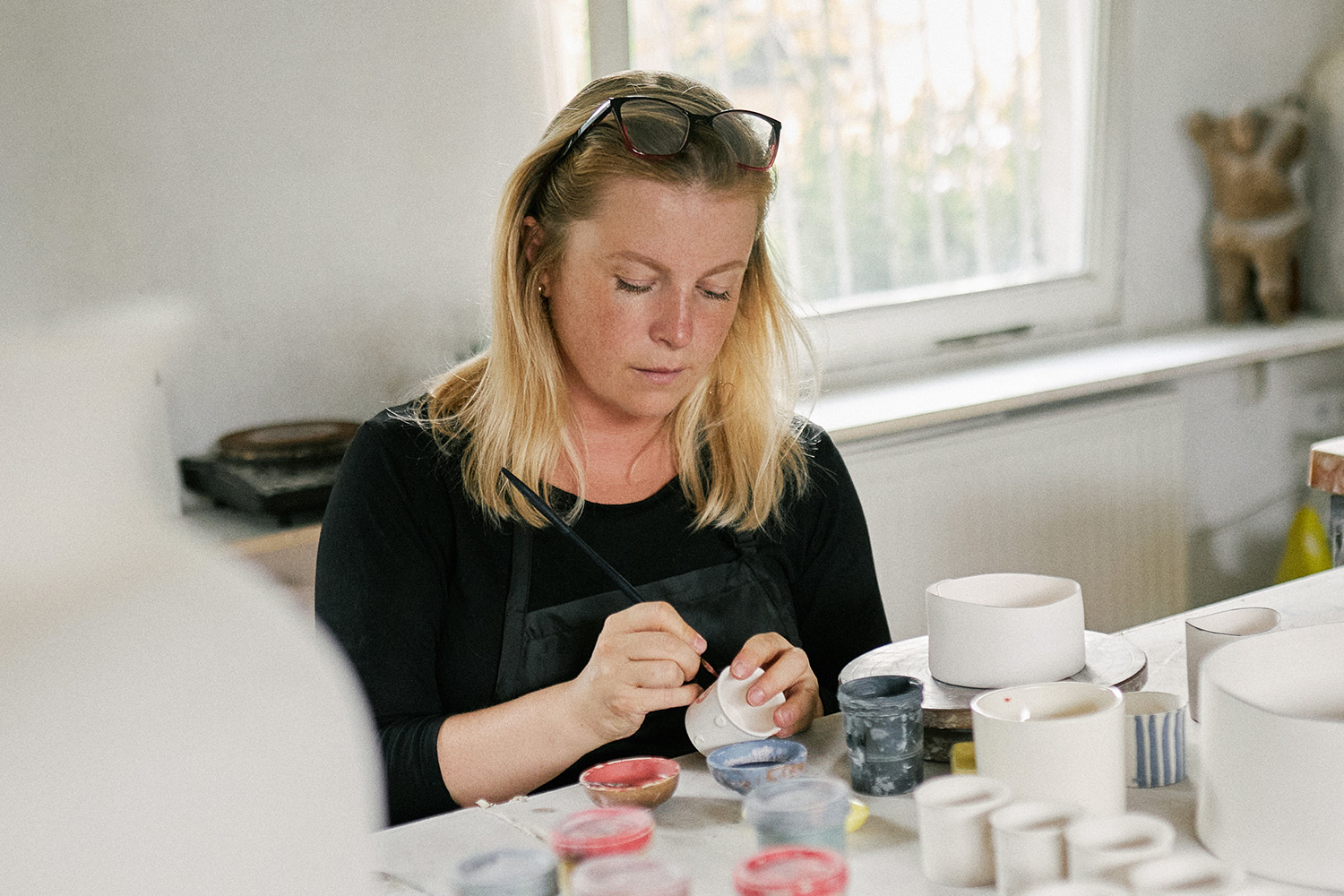
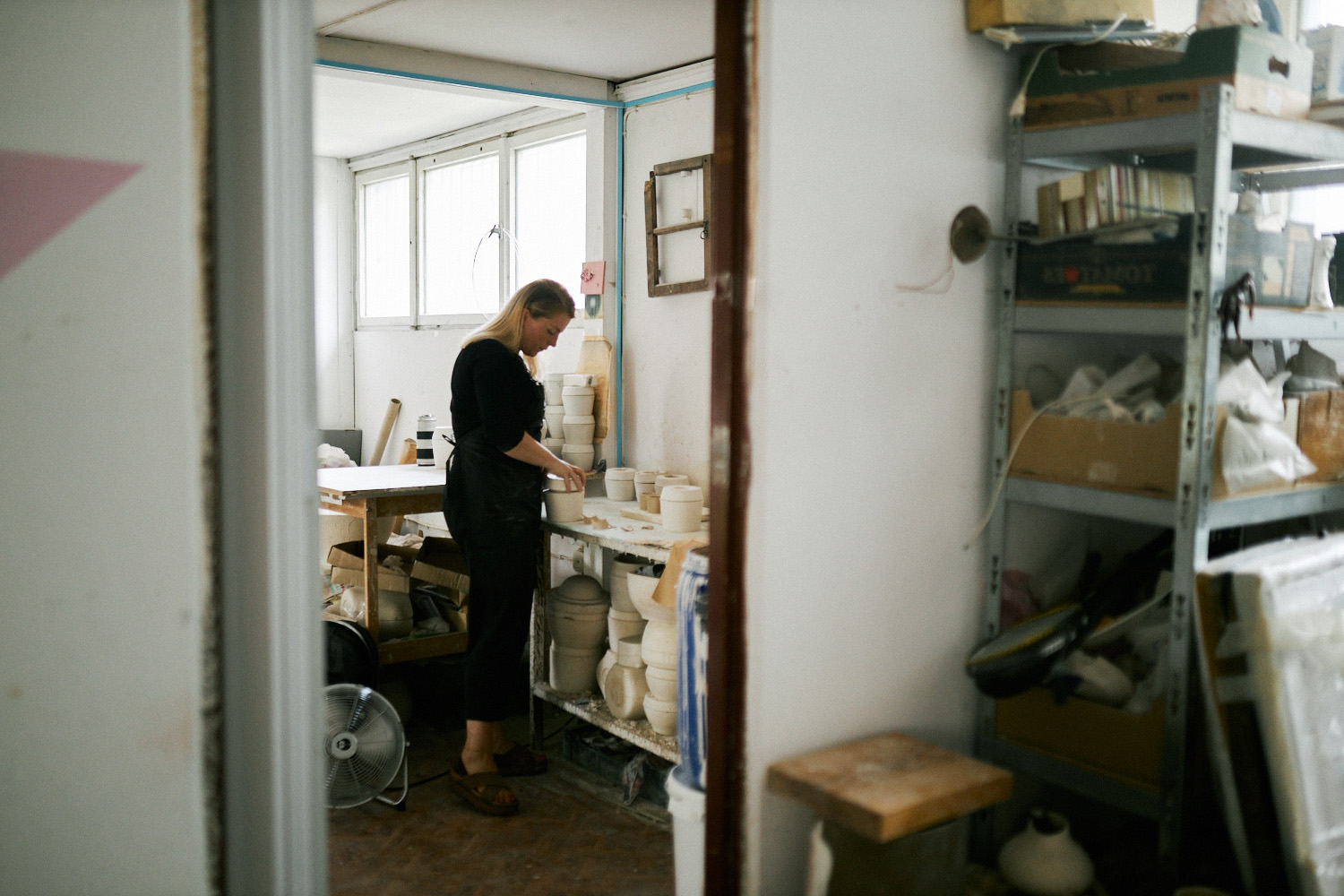
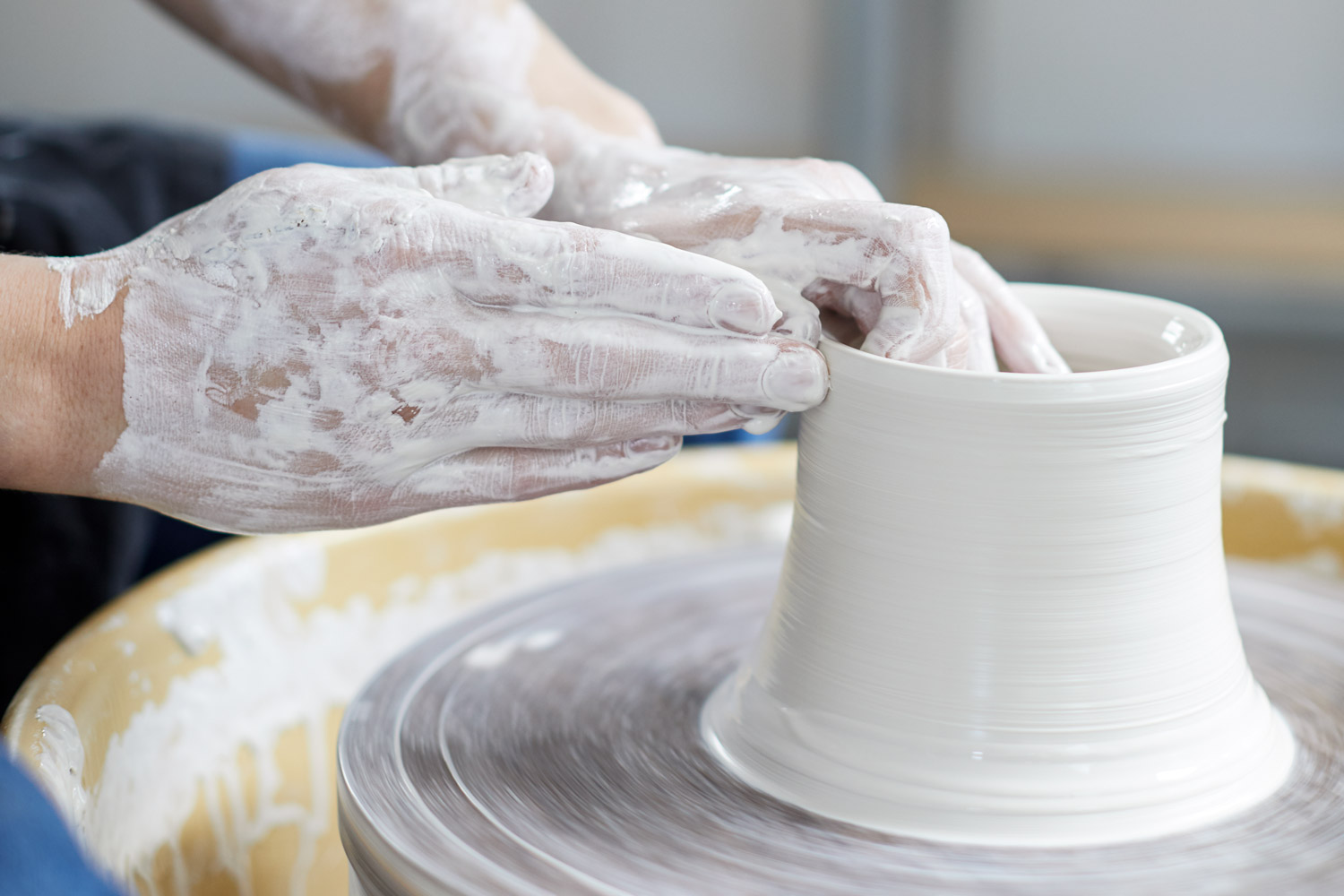
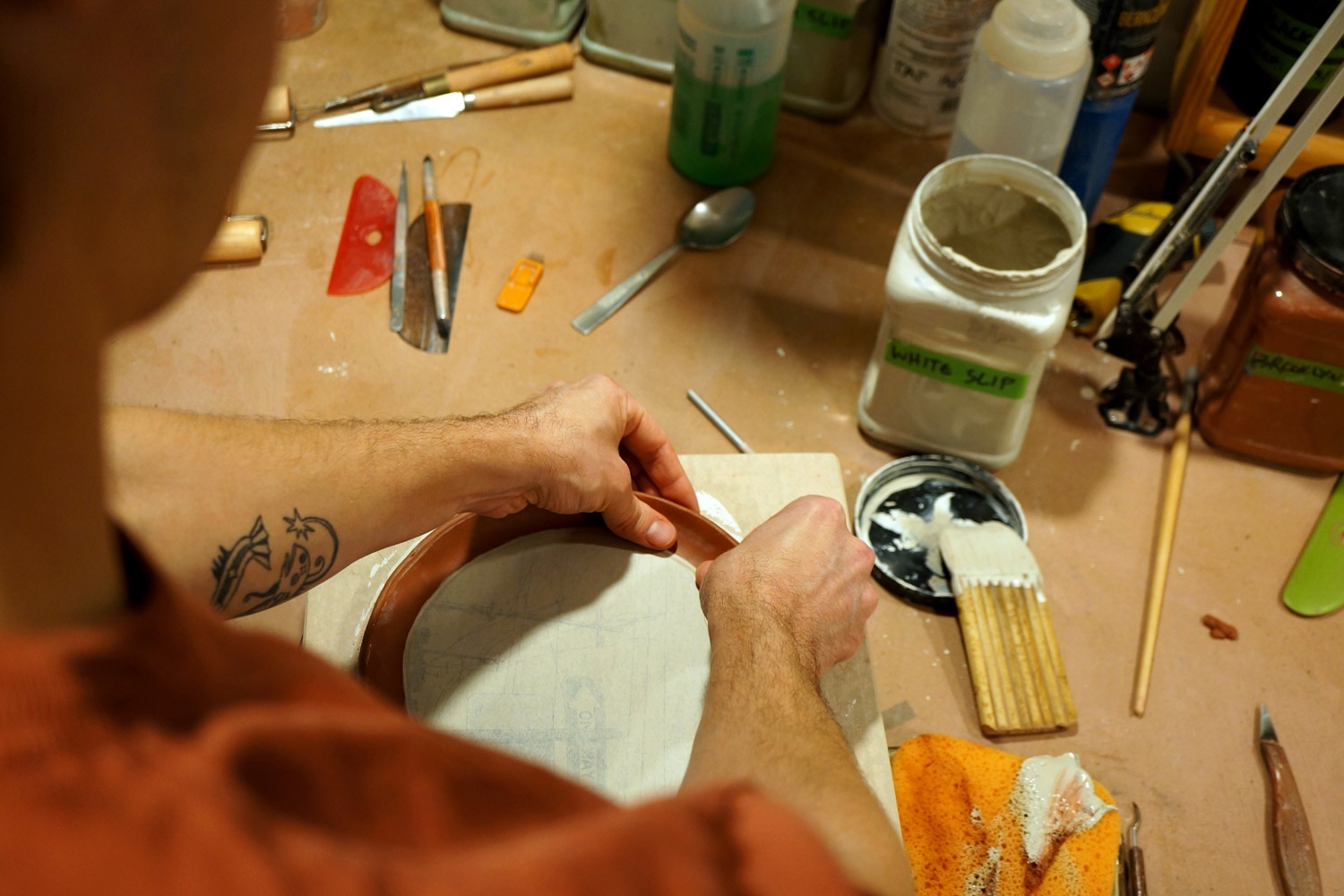
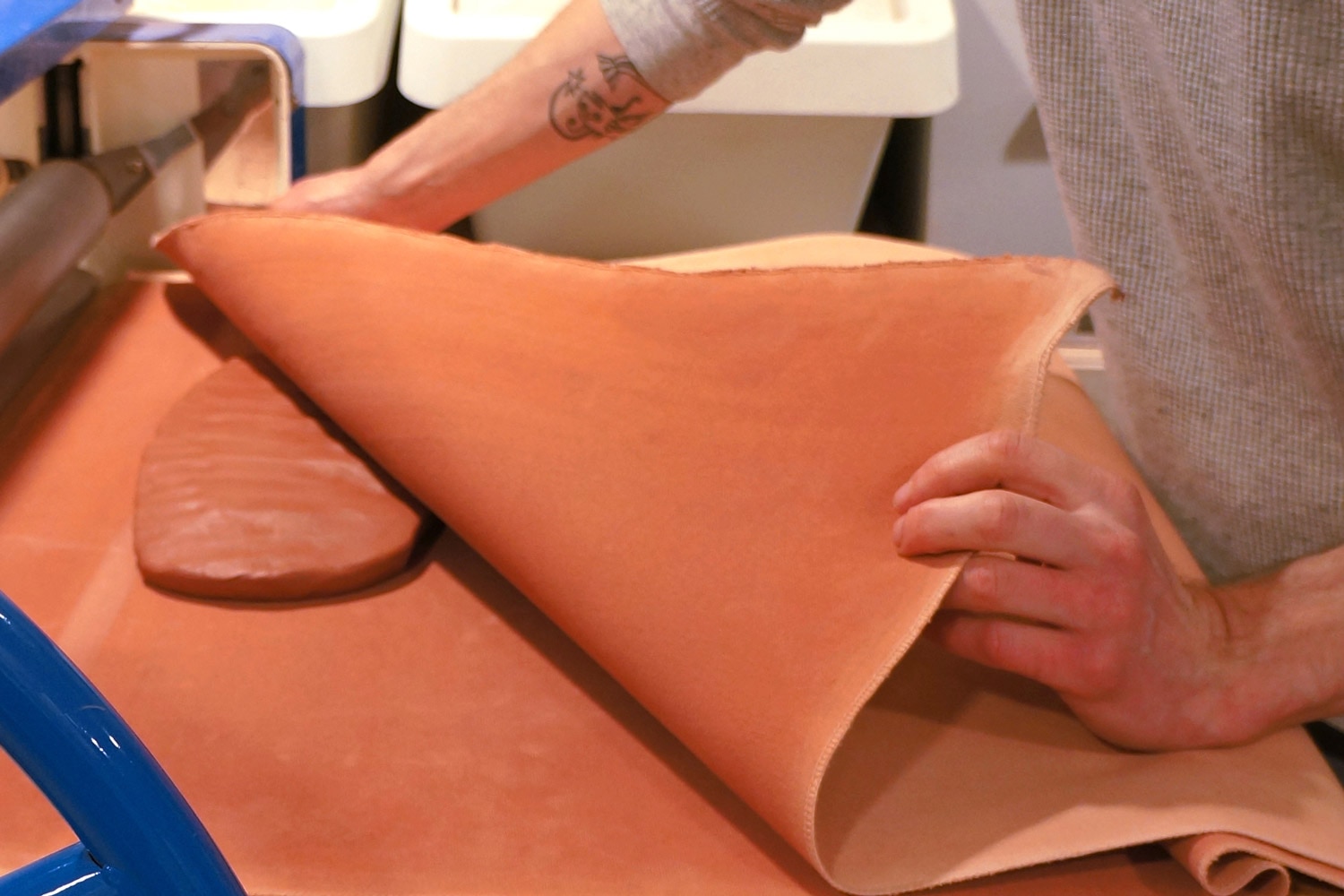
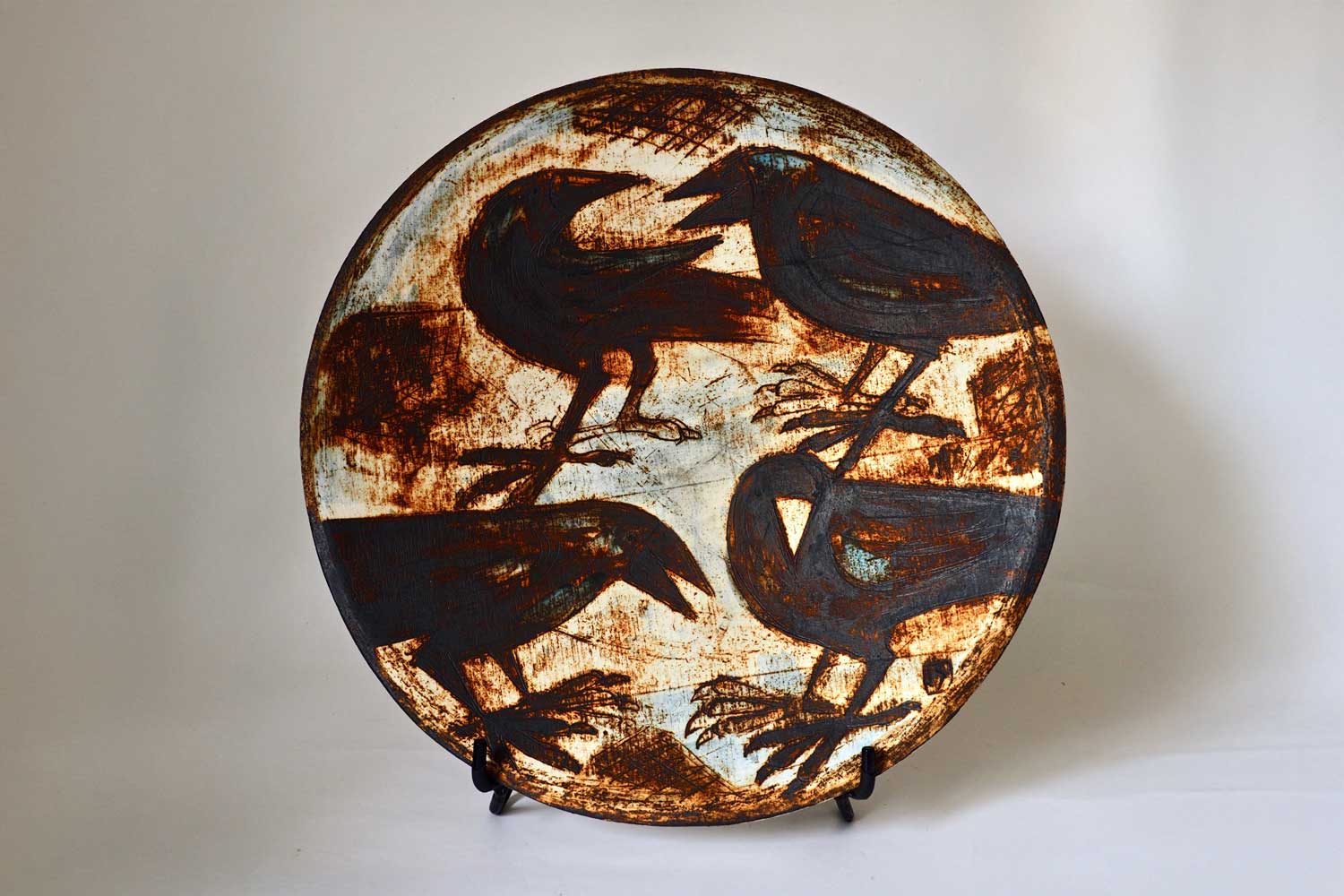
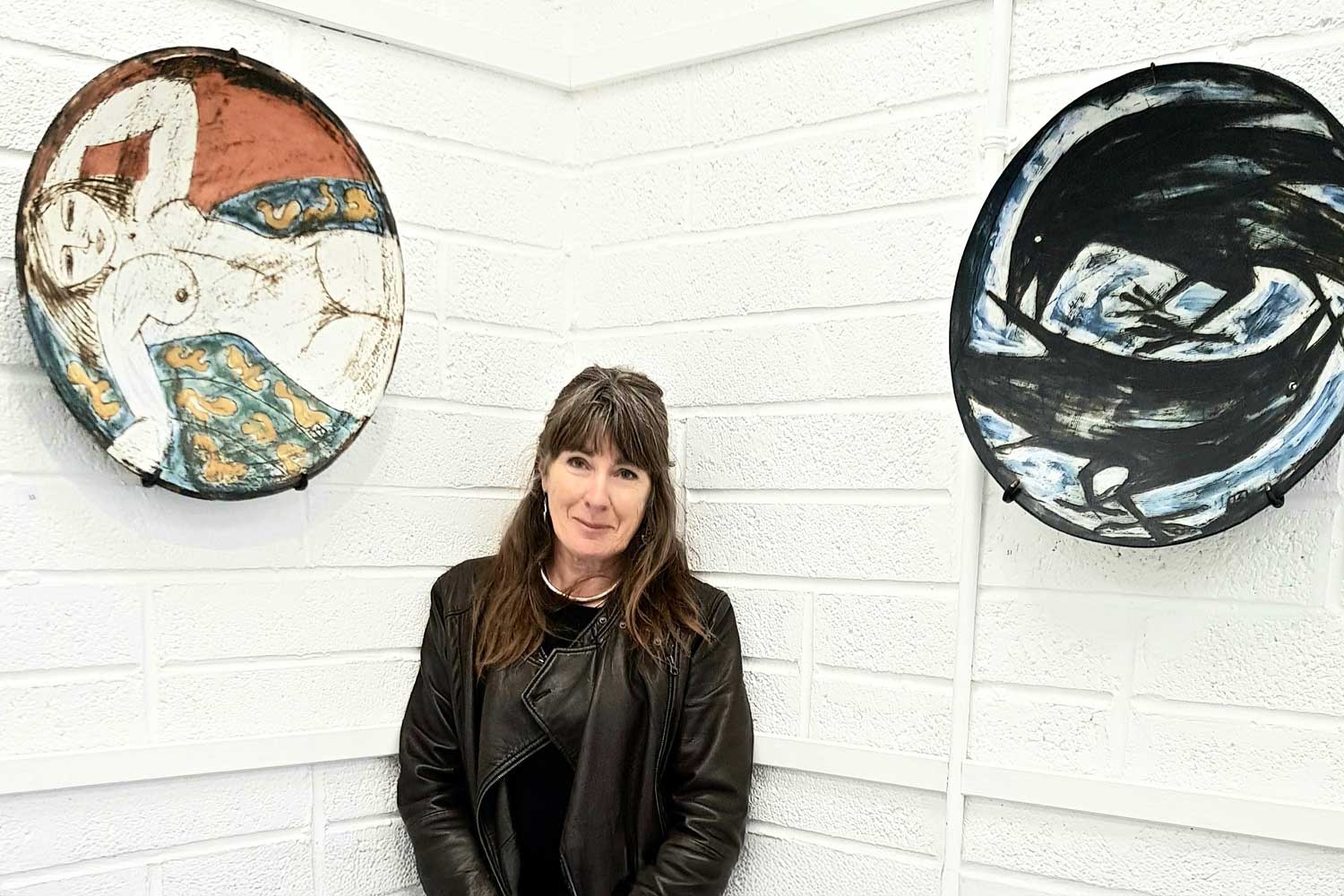
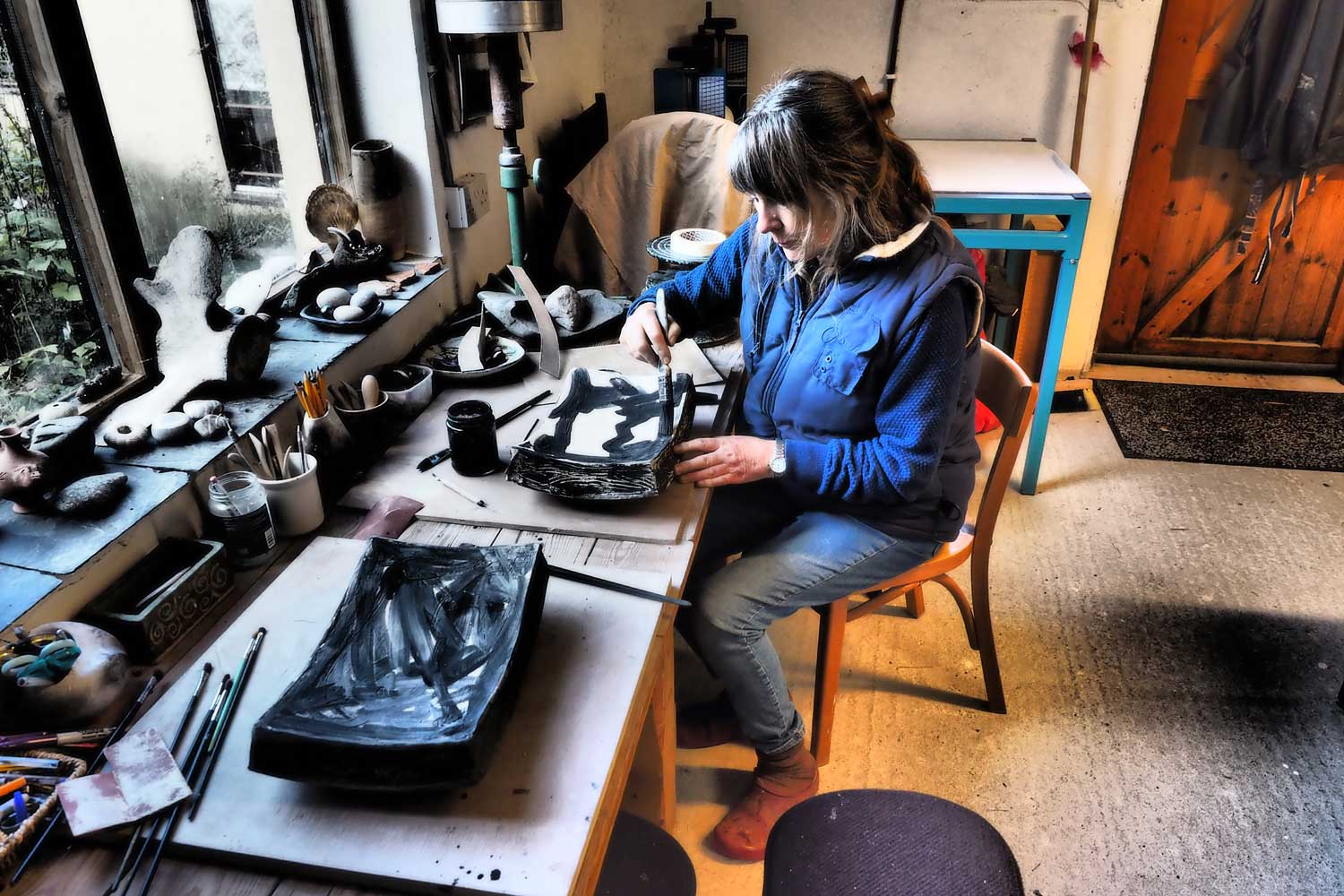
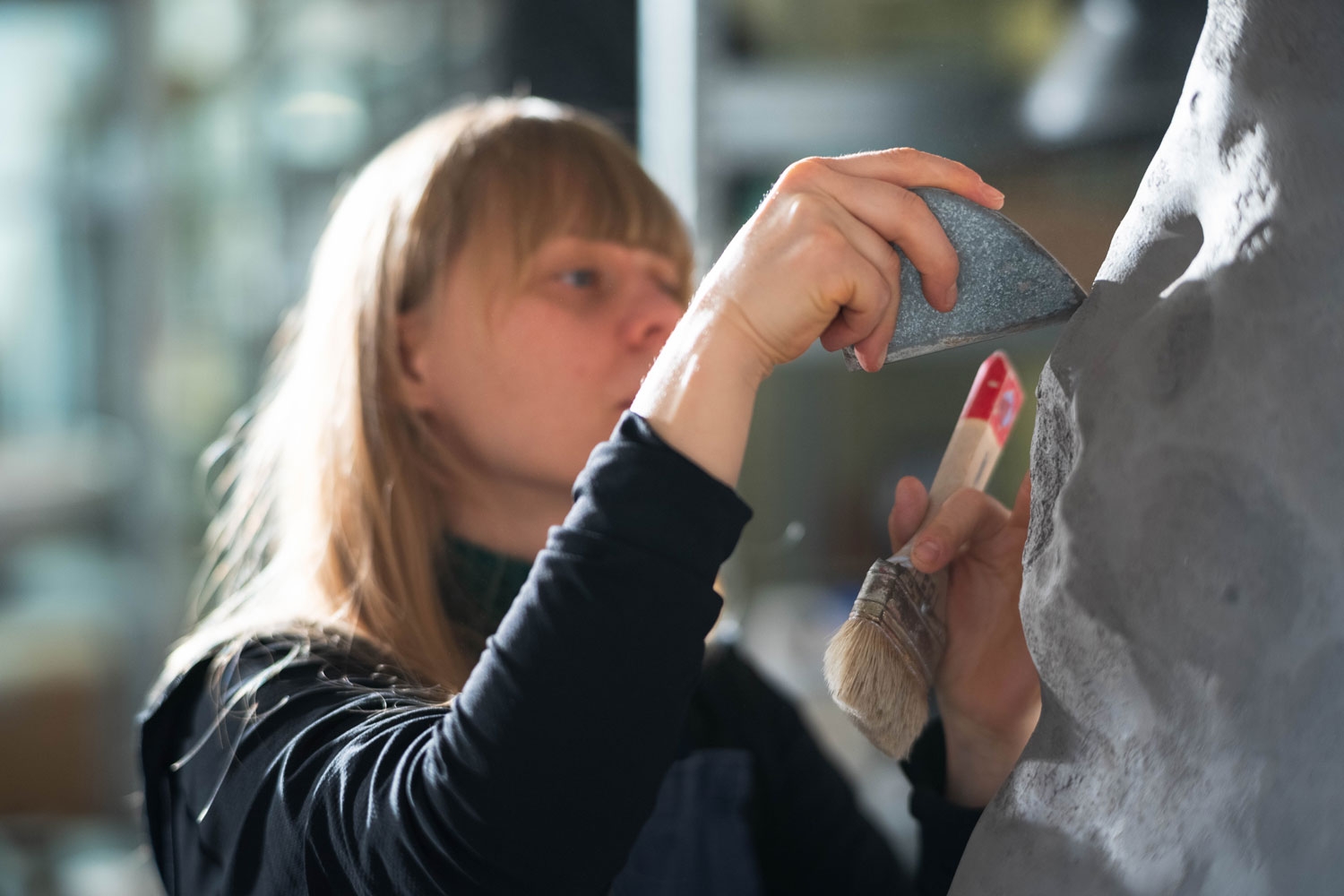
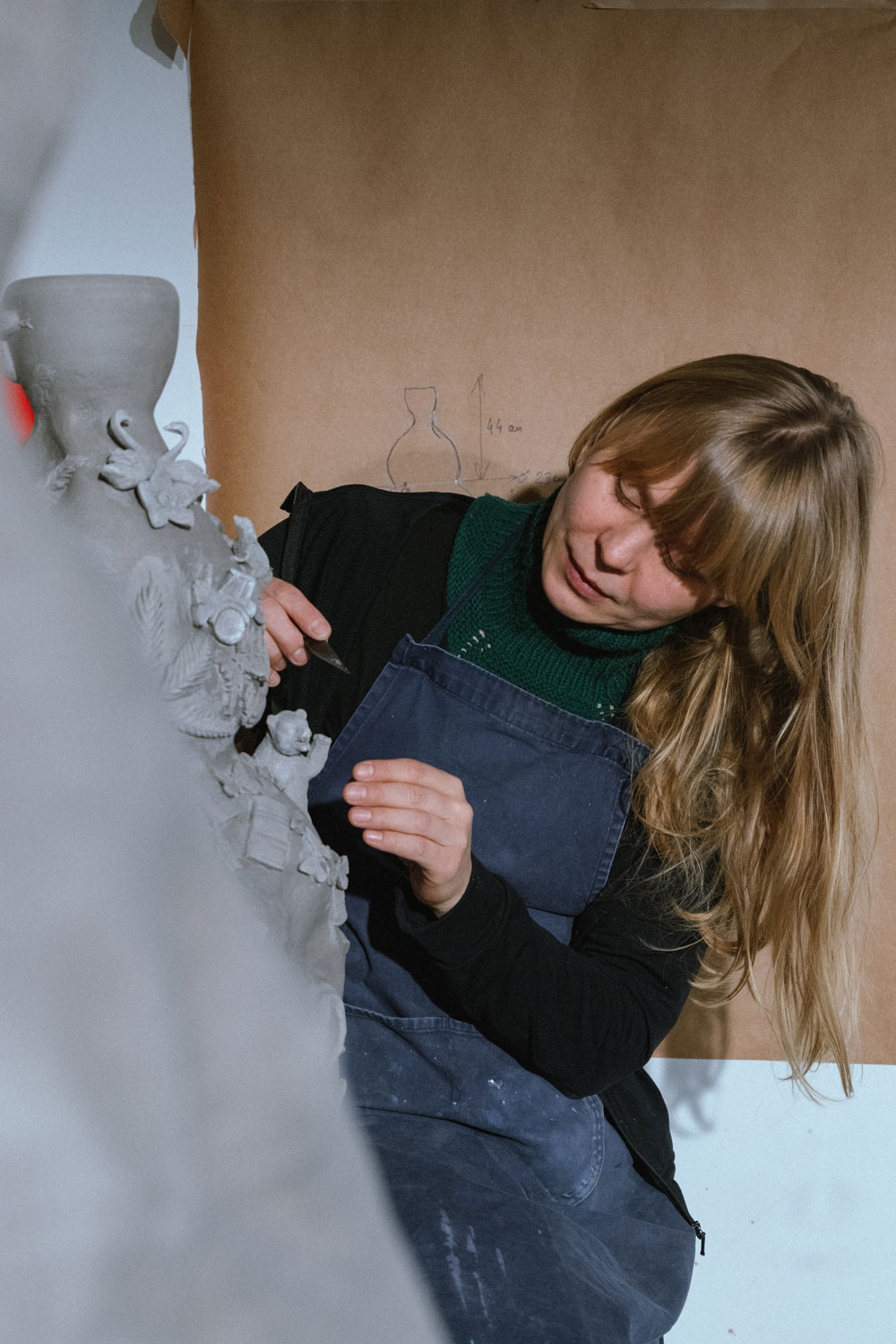
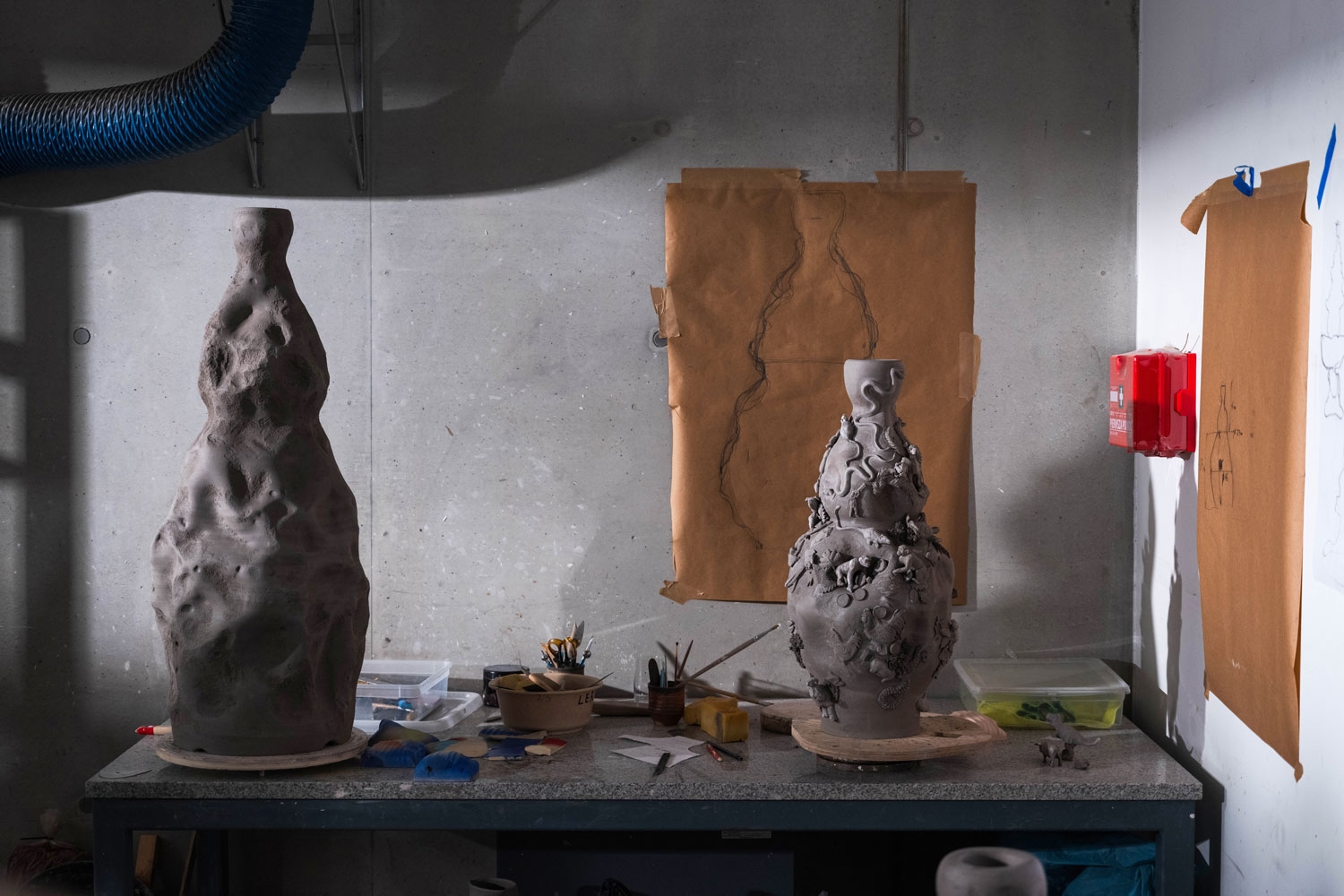
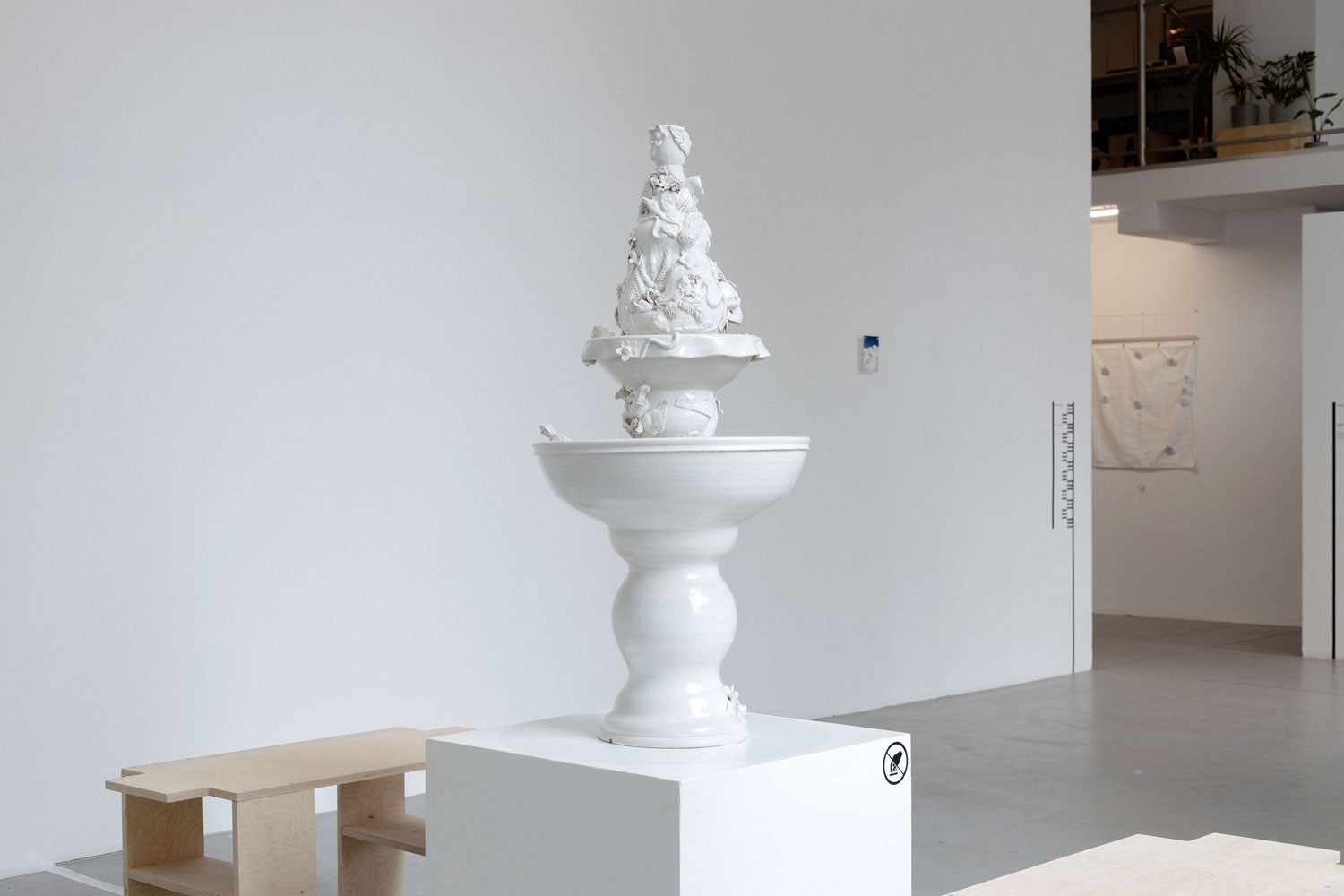
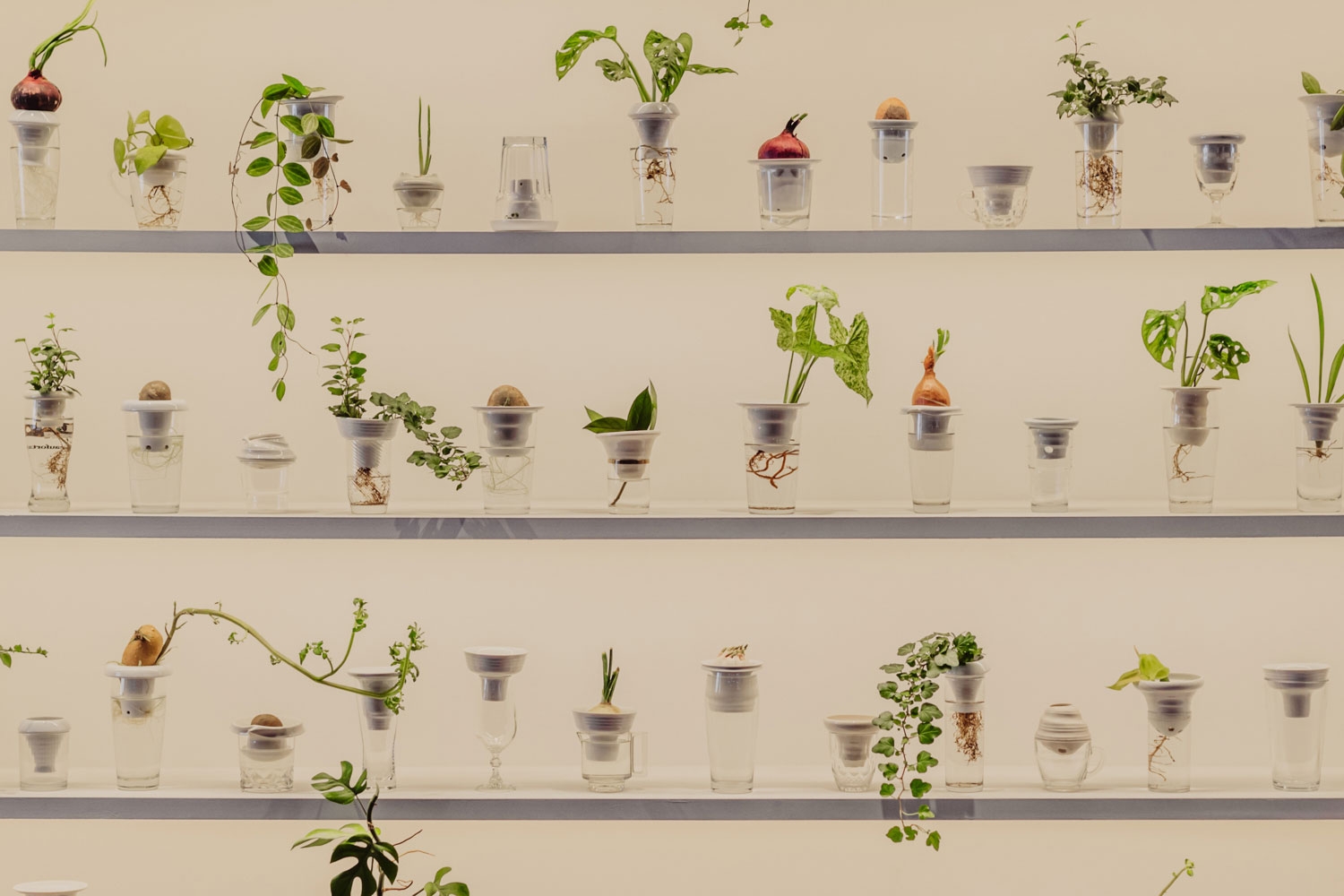
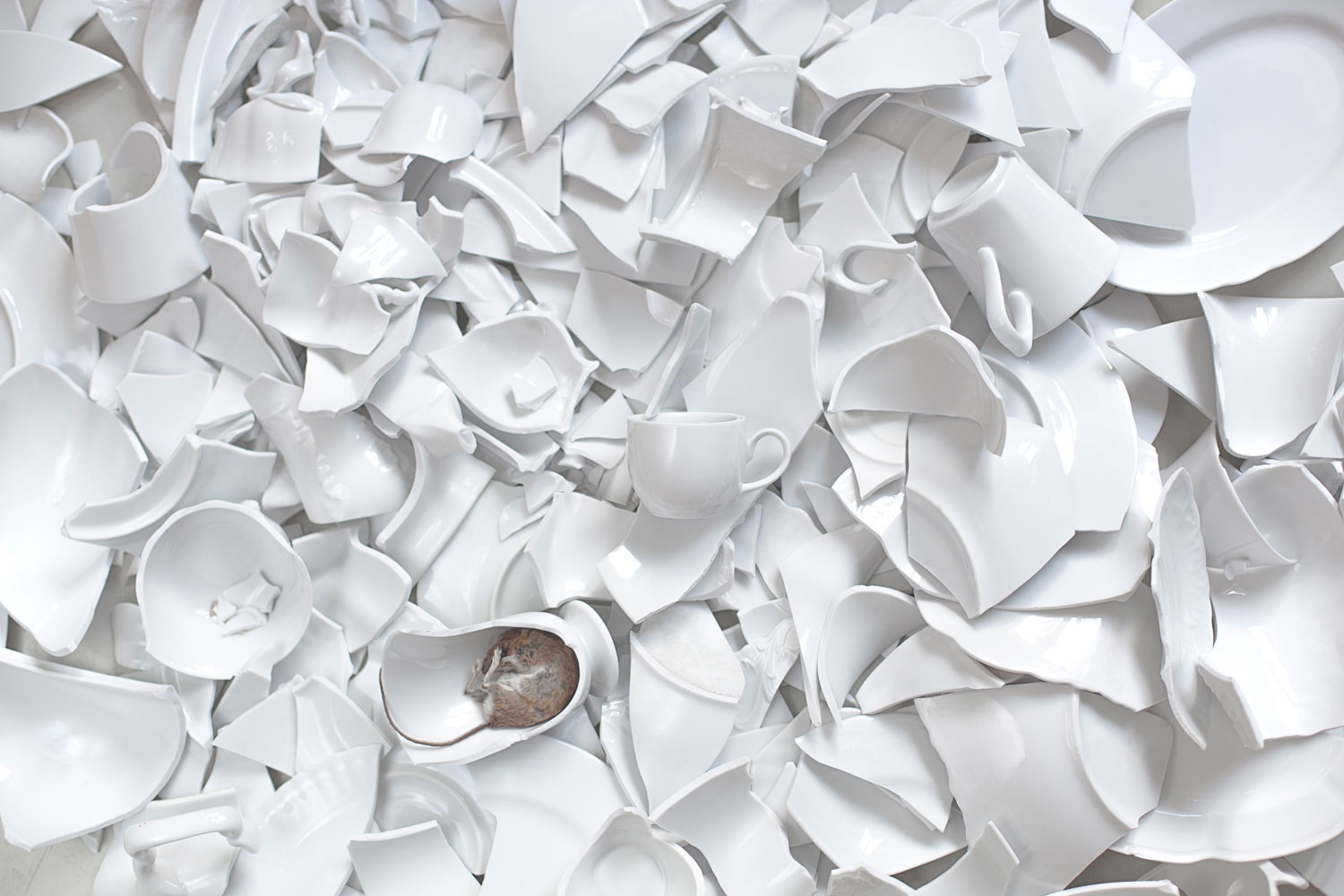
Alicja Patanowska has always felt a strong need to work with material, experiment and explore a creative language. Studies at Wrocław Academy of Fine Arts introduced her to traditional and contemporary ceramic working techniques. Then, the Royal College of Art in London opened a world of interdisciplines, combining art, design and craft. She obtained her PhD with a dissertation on the contemporary context of crafts. Today, Alicja works with traditional pottery techniques, primarily wheel throwing, but places the greatest emphasis on direct engagement with the material and the embodied knowledge it cultivates. Her works were presented in museums across the world including Shanghai Museum of Glass, Museum of Recent Art in Rio de Janeiro and Design Museum Riga. She produces works with a stance on environmental awareness, repurposing materials, and creates installations that play with the uses of ceramics.
Discover her work
INTERVIEW
I grew up on the border of Kociewie and Kashubia, in a place where craft traditions – including pottery – had a long history. A school trip to the Necel Kashubian Ceramics Studio in Chmielno and seeing craftspeople working at the potter's wheel was a defining moment for me.
Where I live always influences my work – not only through access to materials or workshop experiences, but above all through the stories that intertwine there and how craftsmanship can enter into dialogue with the environment.
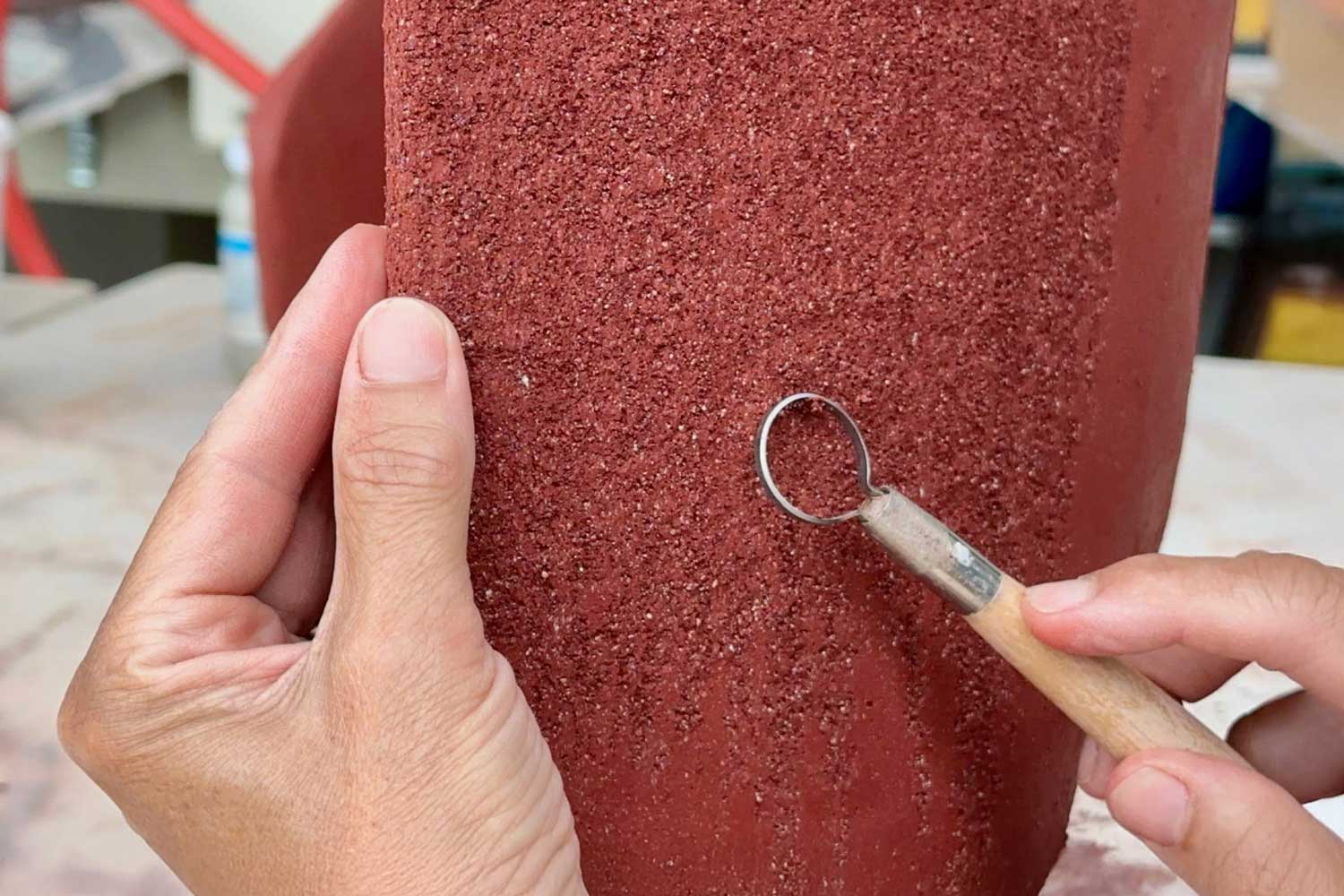
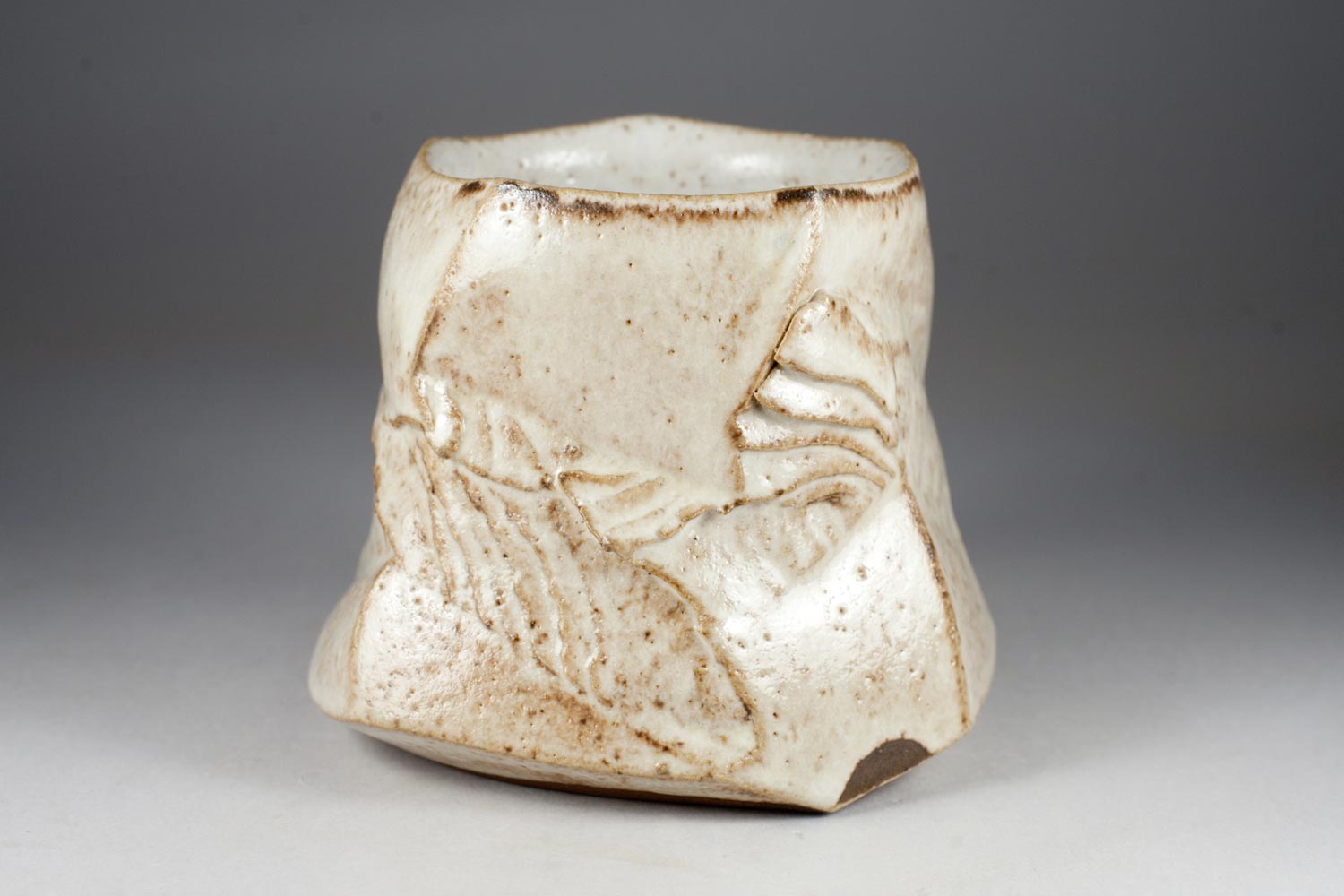
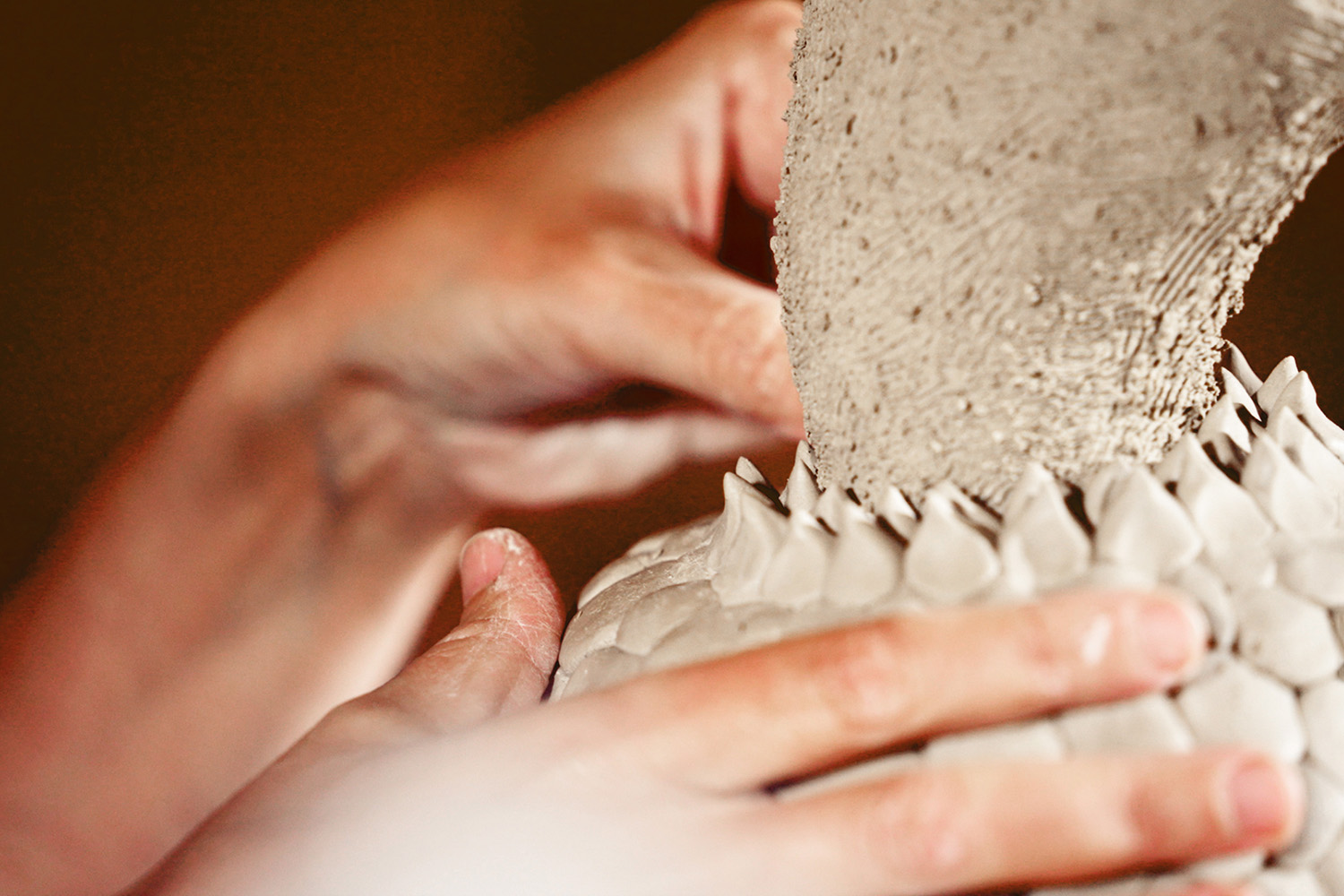
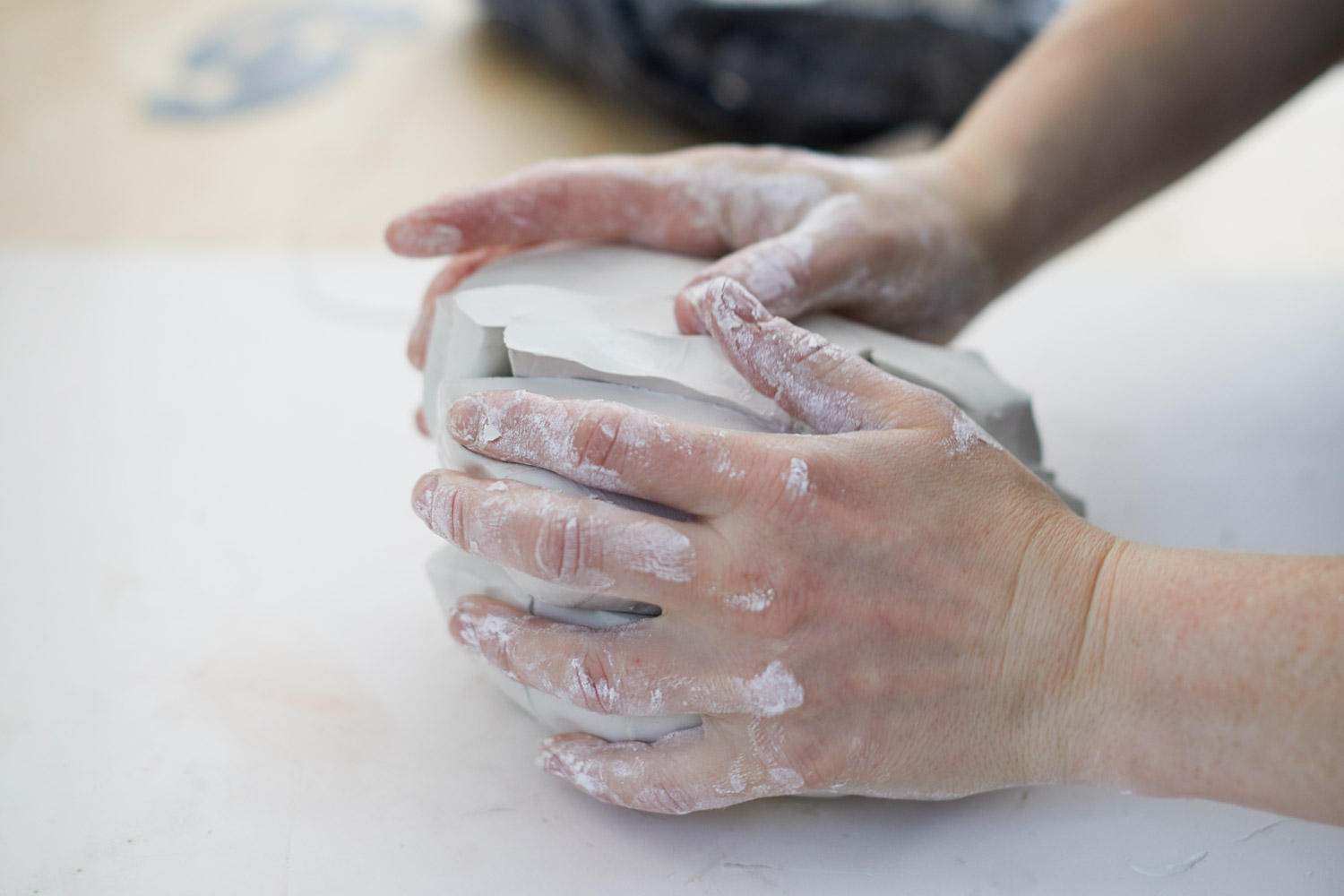
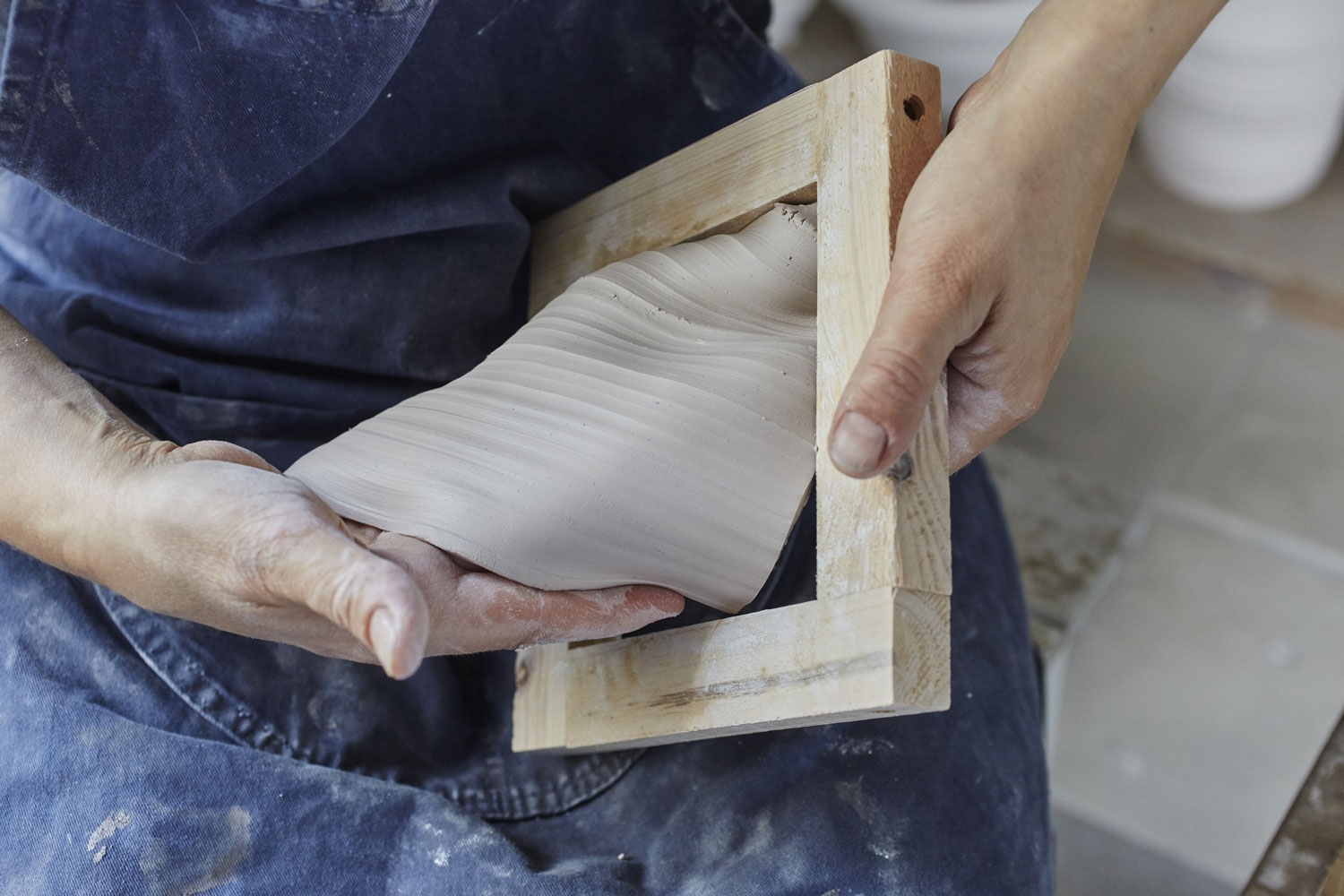
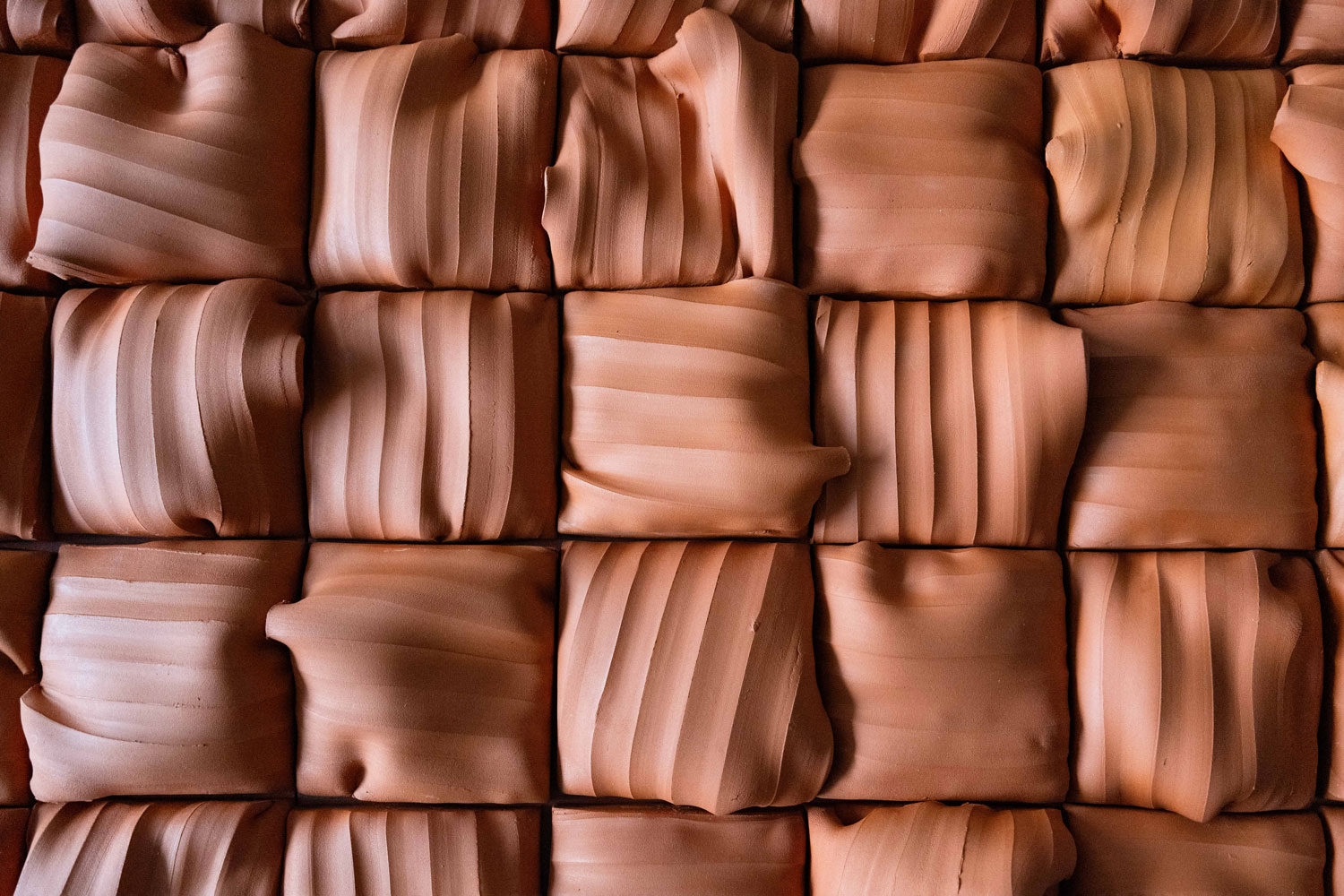
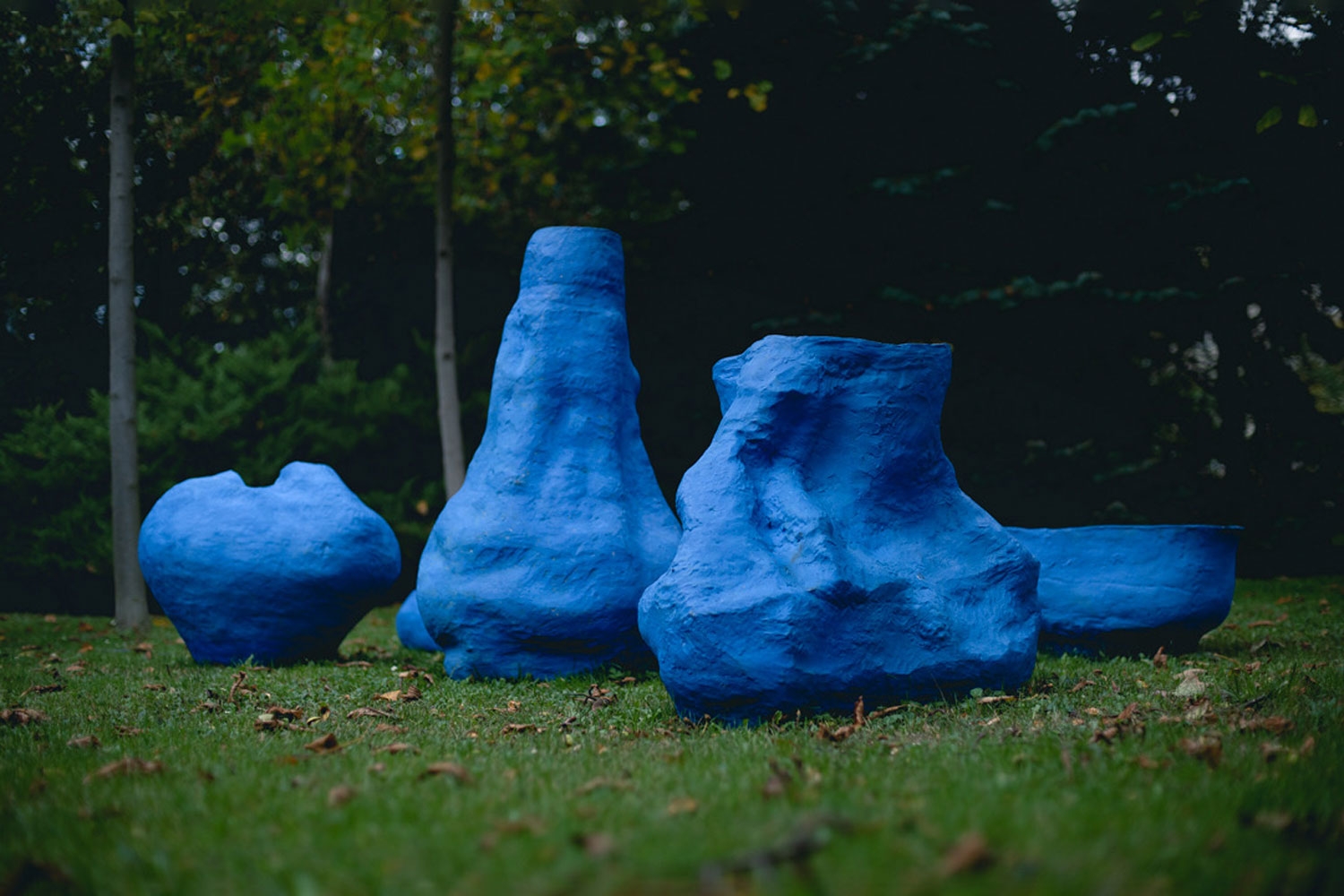
In my work, I often leave fingerprints on the surface of the forms, rather than smoothing the objects to perfection. This goes beyond being an aesthetic choice – I treat it as a trace of the process, a kind of body signature on the material, which emphasises the physicality of the making.
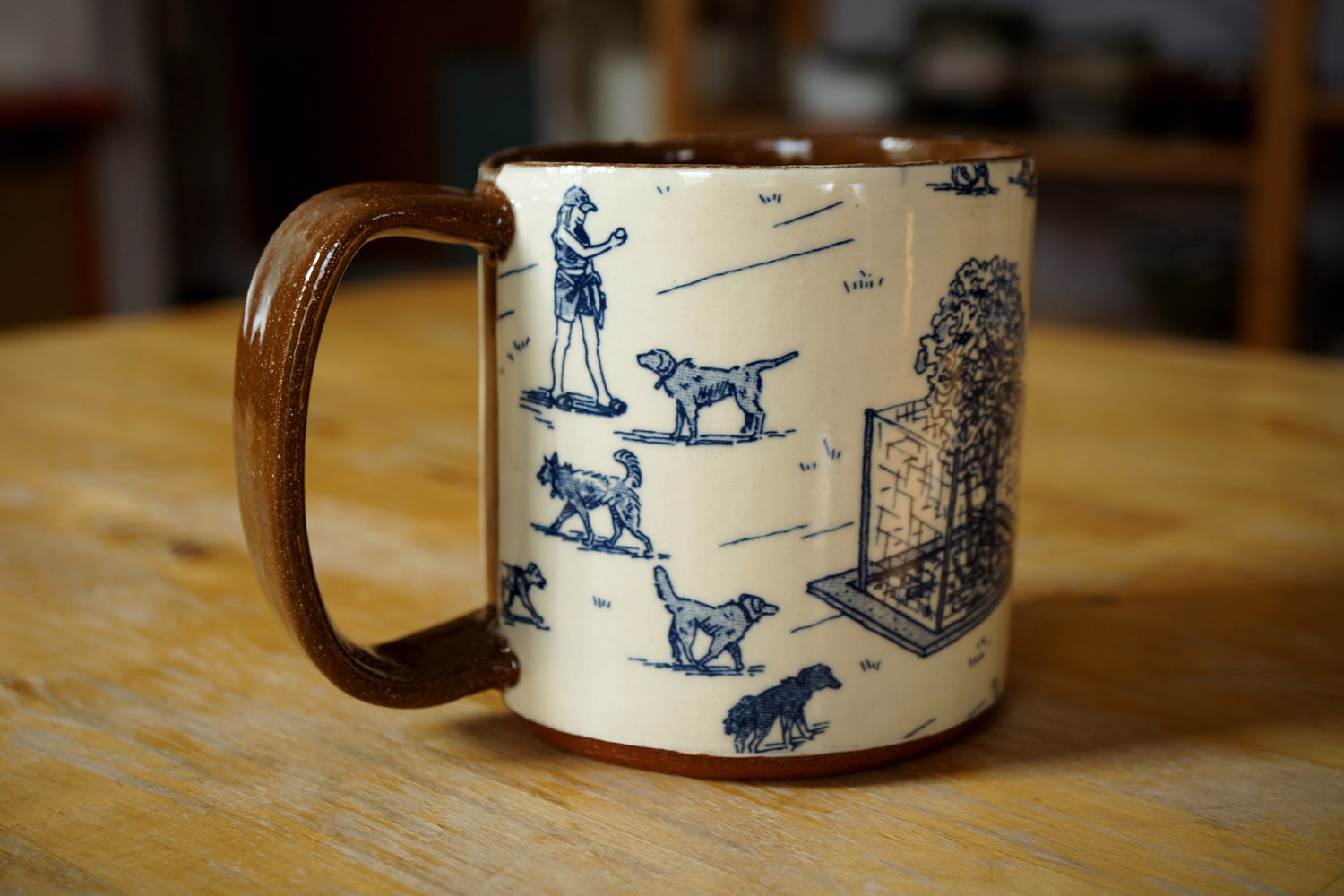
My work is at the intersection of craft, art and design: it is both manual work and reflection on matter and its meaning in political, ecological and social contexts. I am interested in ceramics as a medium to tell stories, build environmental awareness and redefine traditional divisions between craft and art.
Alicja Patanowska
Ceramicist
Poznań, Poland
Recommended by Anna Woźniak-Starak
ADDRESS
Address upon request, Poznań, Poland
AVAILABILITY
By appointment only
PHONE
+48 600253452
LANGUAGES
Polish, English
Homo Faber Finds is a new service aiming to inspire admirers of craft to connect and collaborate with exceptional artisans.
We invite you to submit an enquiry here.