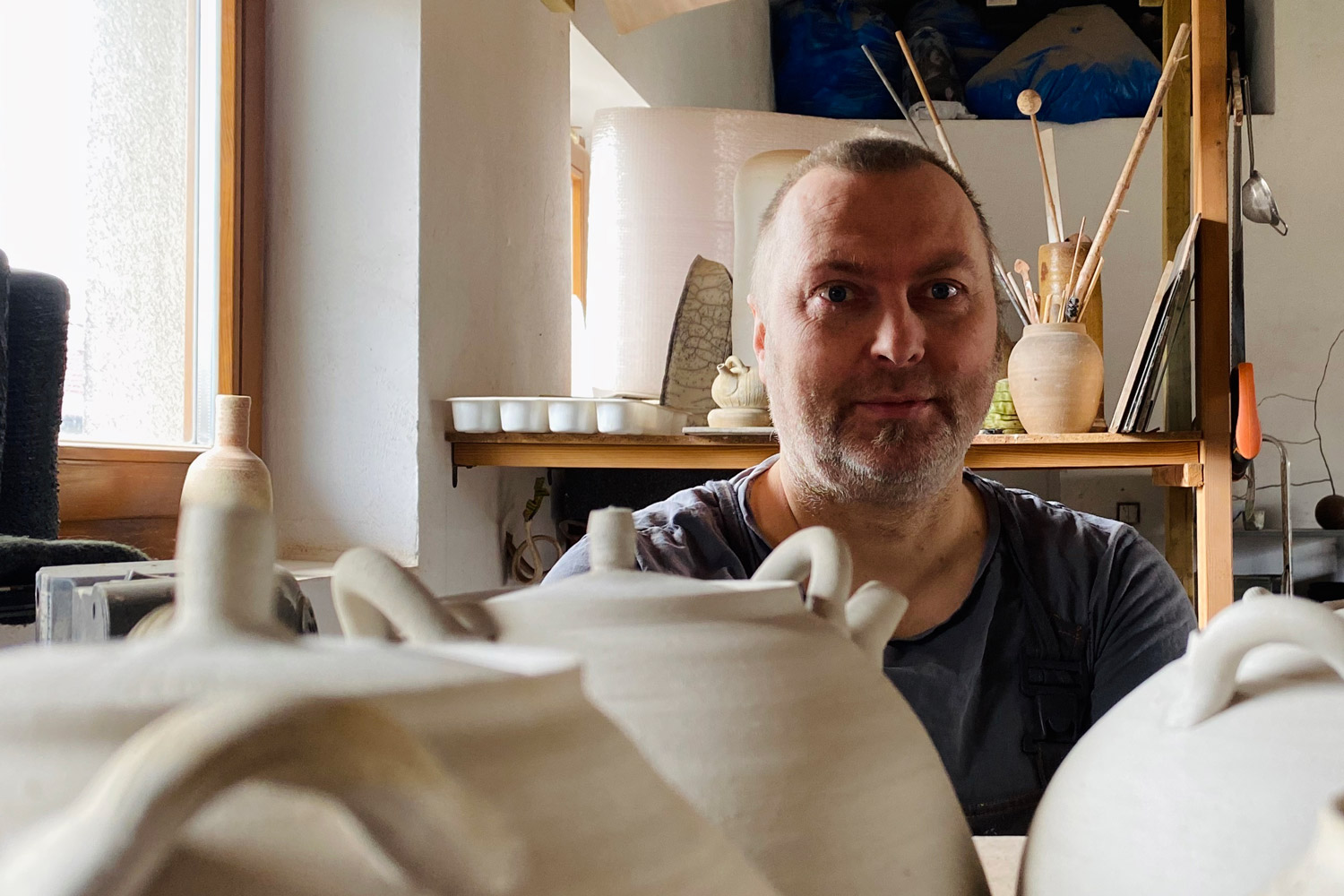
Cyryl Zakrzewski
Furniture maker
Suchy Las, Poland
Recommended by Anna Woźniak-Starak
Digital technology meets art
- Cyryl likes to experiment with traditional craftsmanship and digital technology
- He derives inspiration from the blurred lines between light and dark
- His installation in Slovenia won the Arte Laguna Prize in Venice in 2022
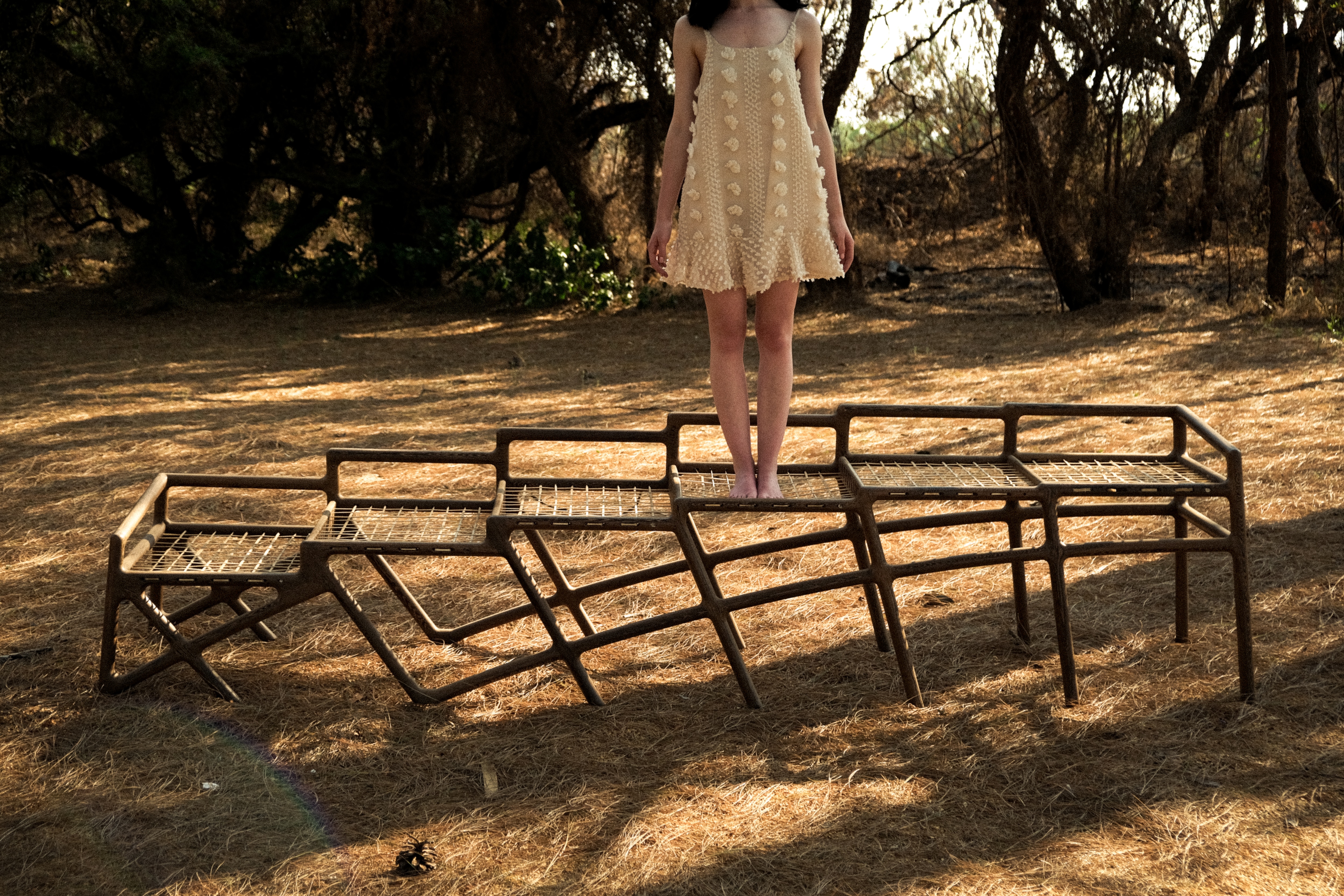
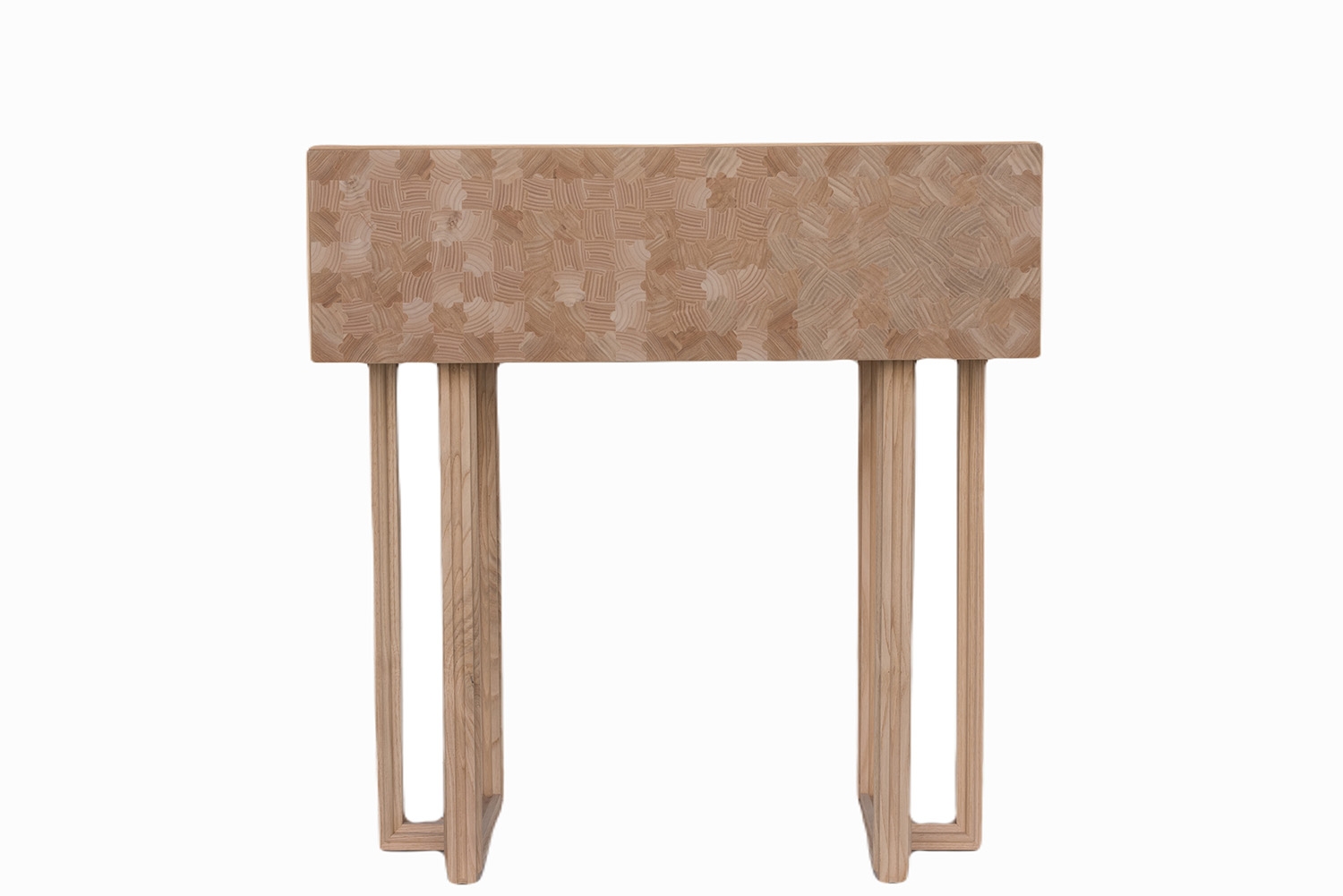
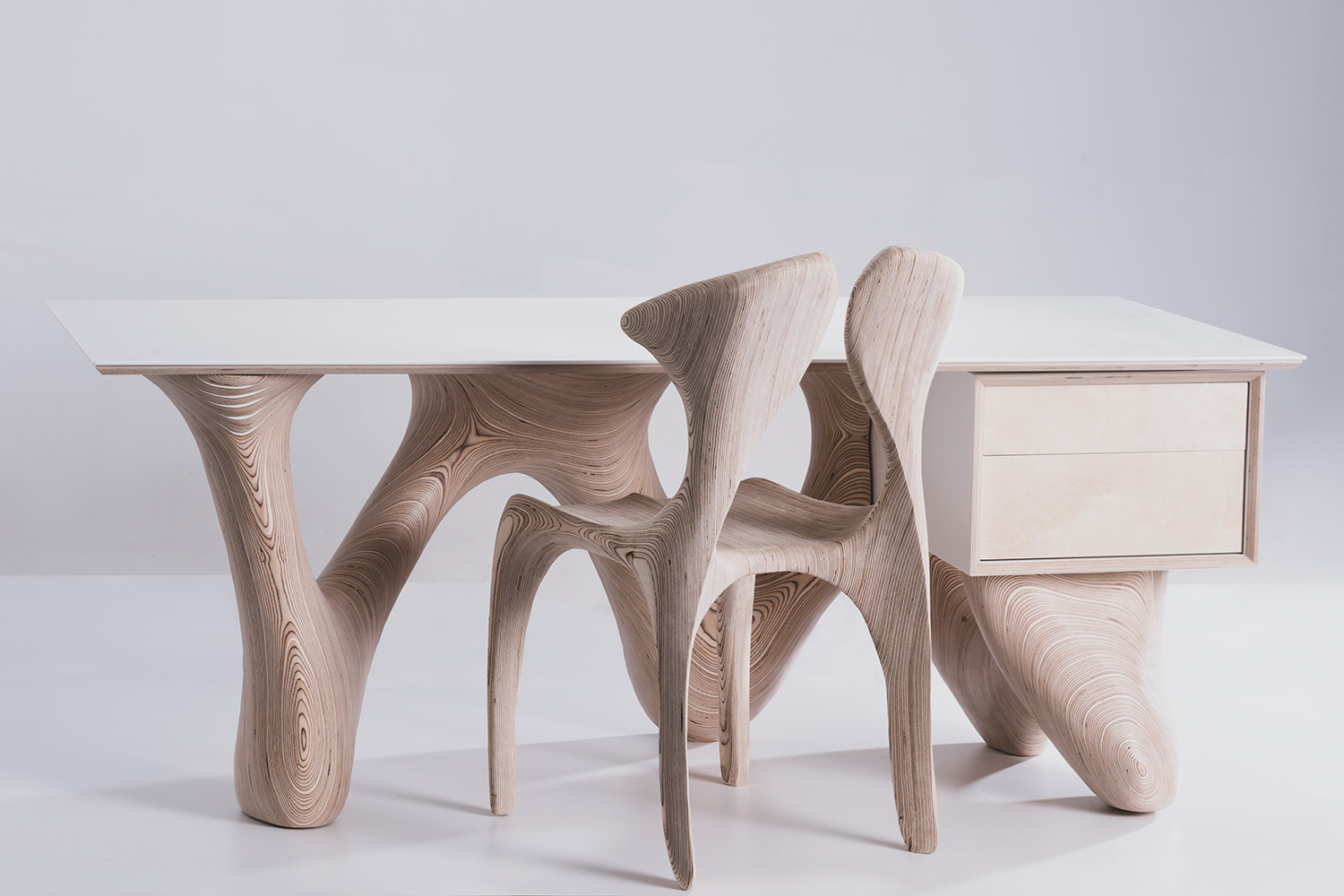
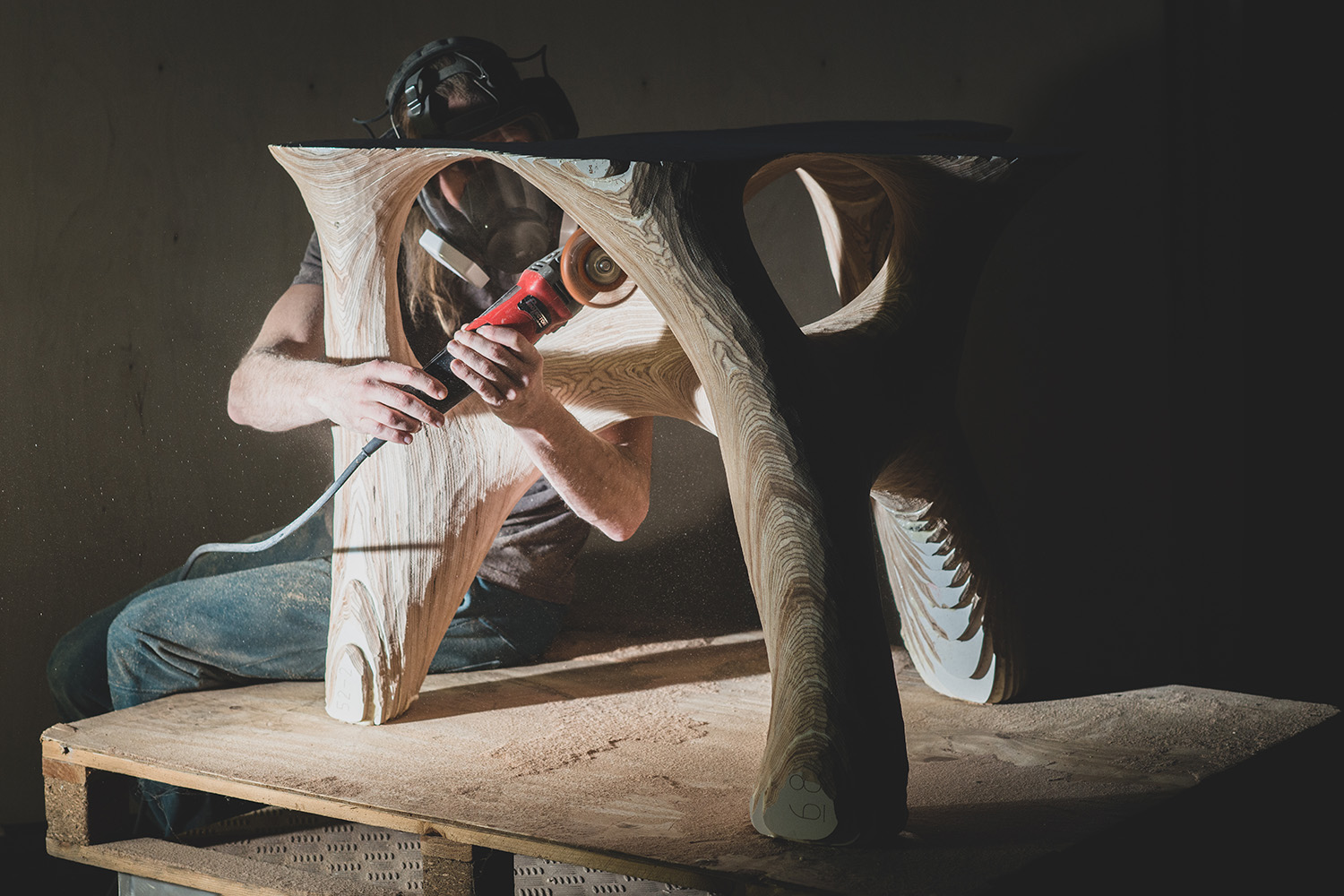
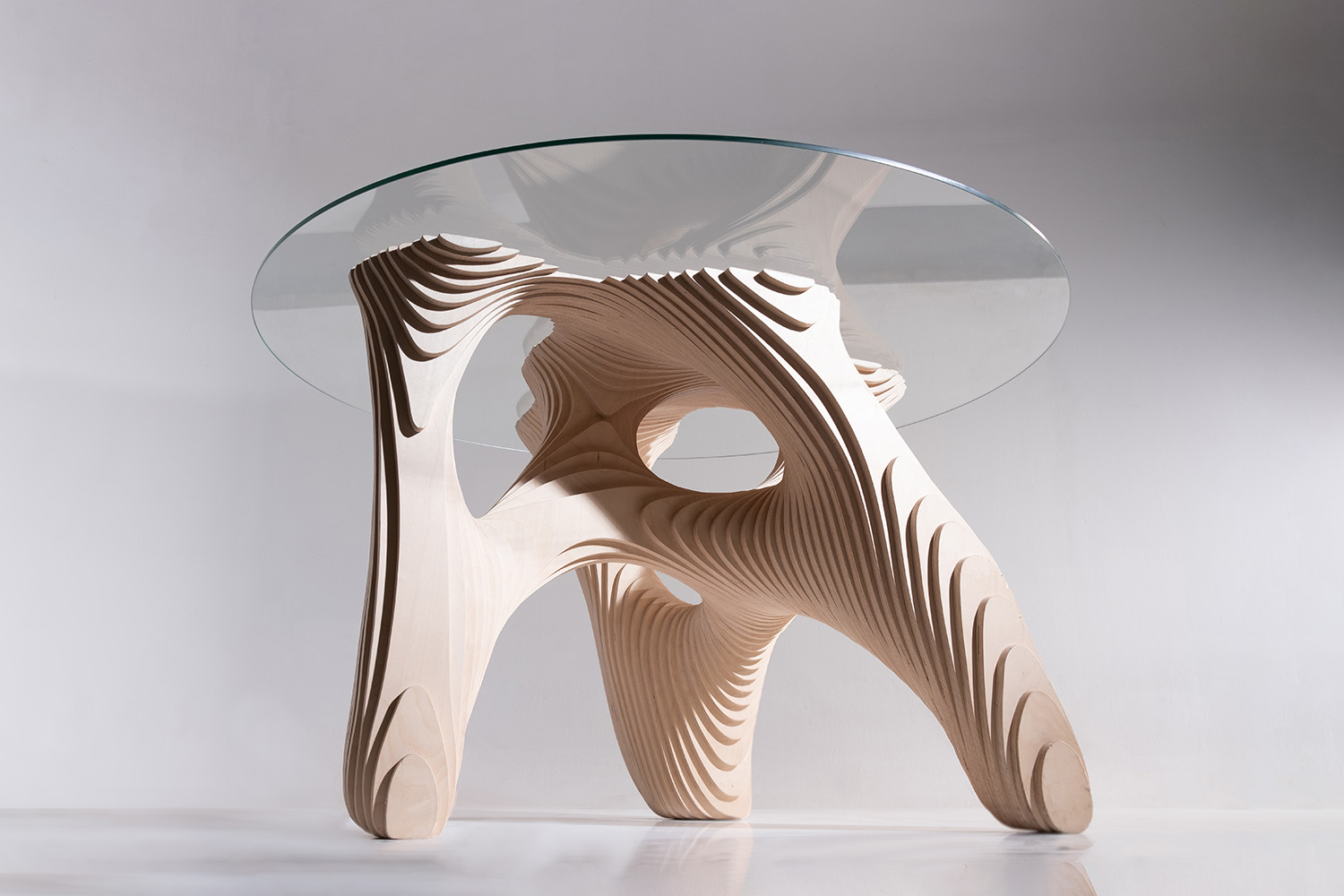
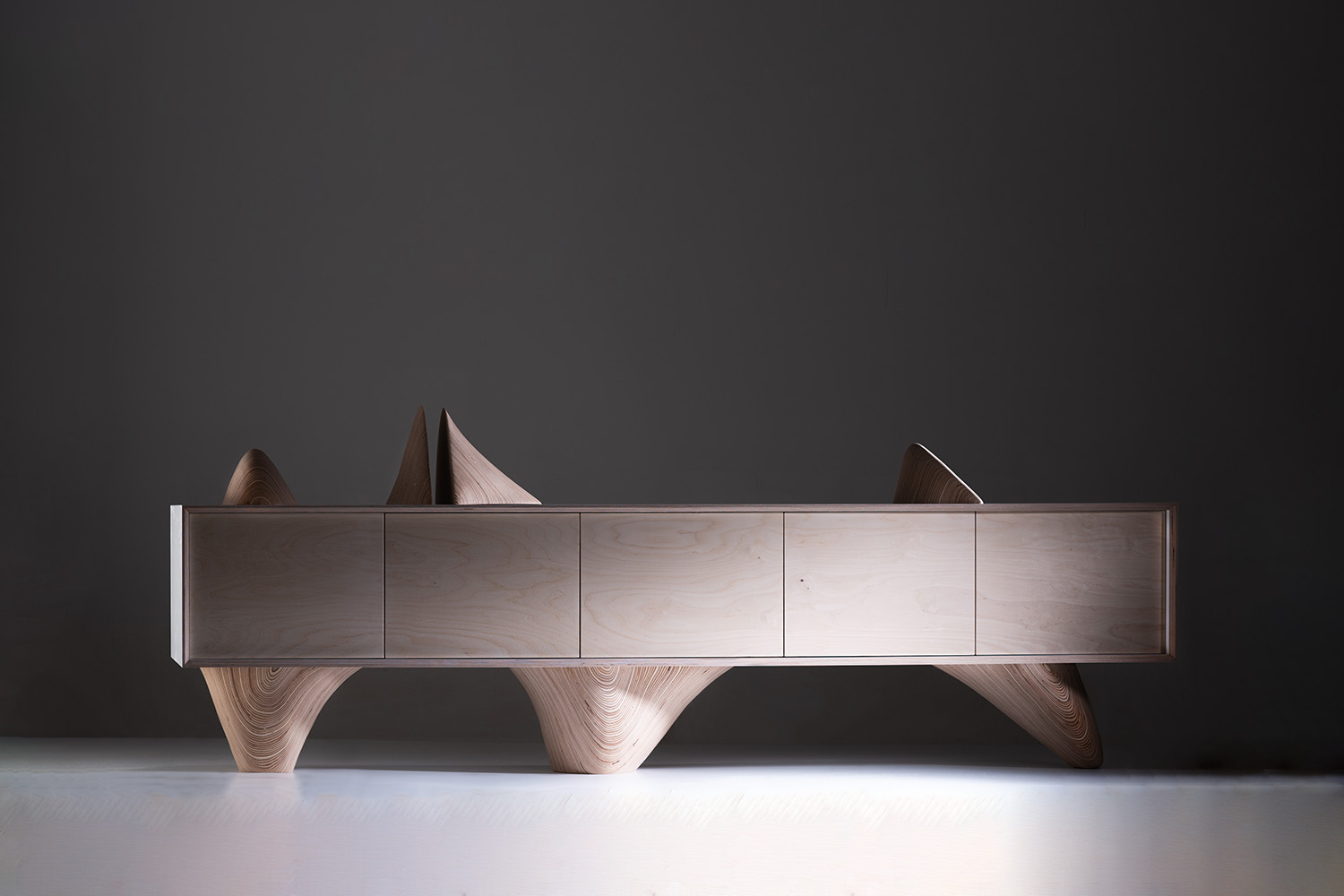
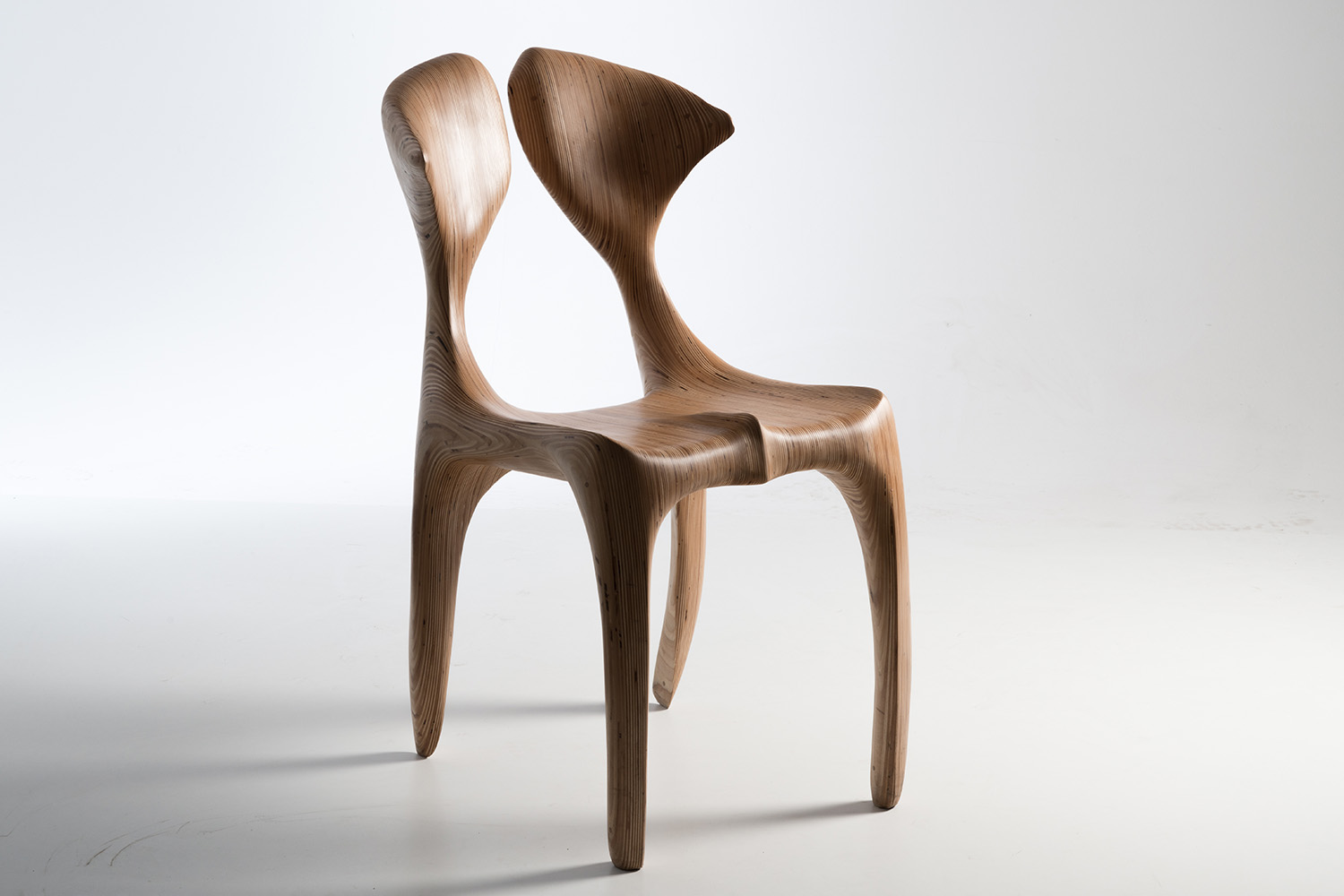
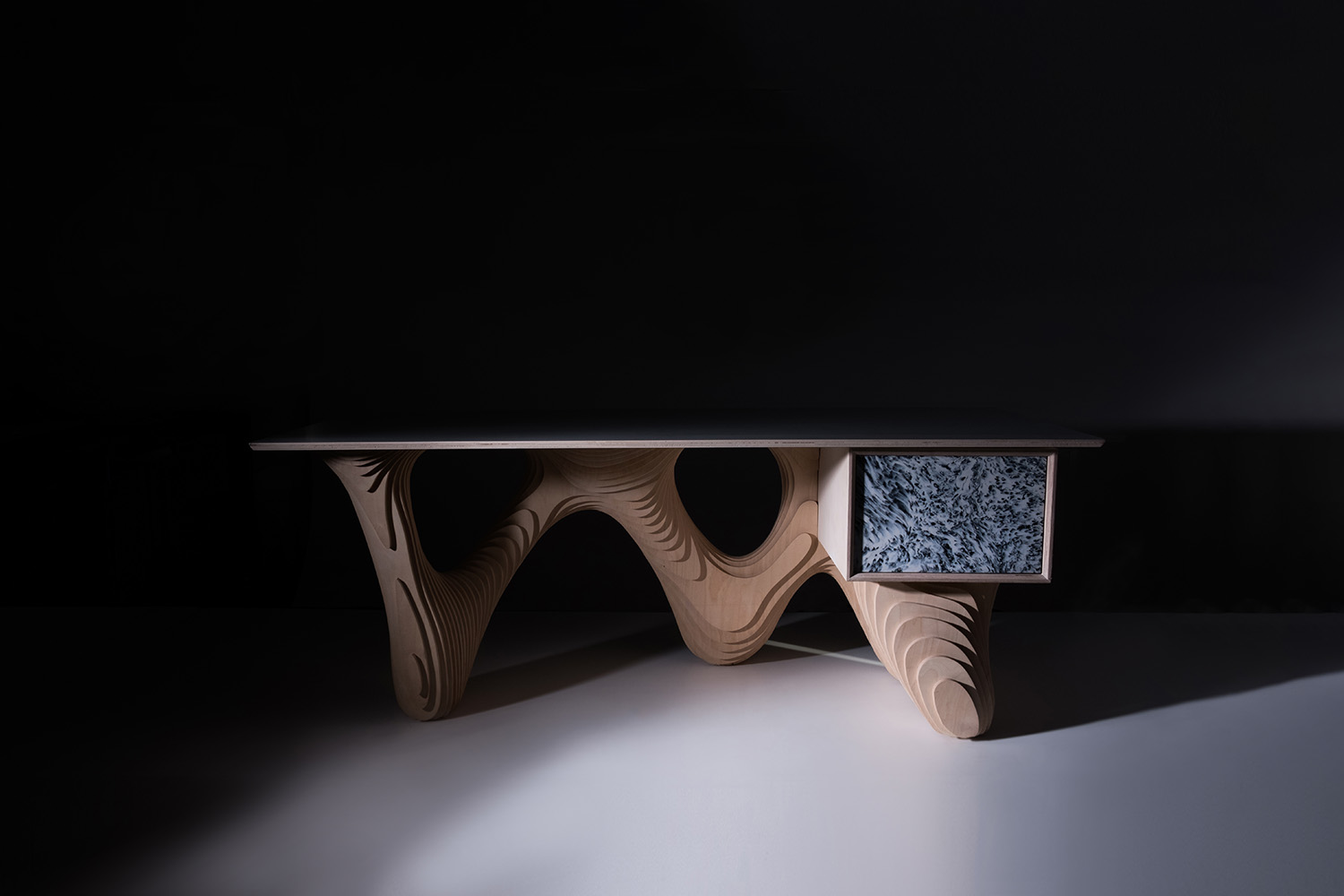
Growing up in a creative family, Cyryl Zakrzewski felt a strong connection to art since early childhood. He developed an interest in sculpting during his studies at the University of Arts in Poznan, Poland, and picked up furniture and wood craftsmanship after his graduation in 2011. Since then, his style has evolved to combine traditional wood carving with digital processing. In his projects he often uses both generative design, CAD and CNC techniques with sculptural craftsmanship. His work can be seen both in his hometown in Poland, as well as in Japan and Slovenia.
INTERVIEW
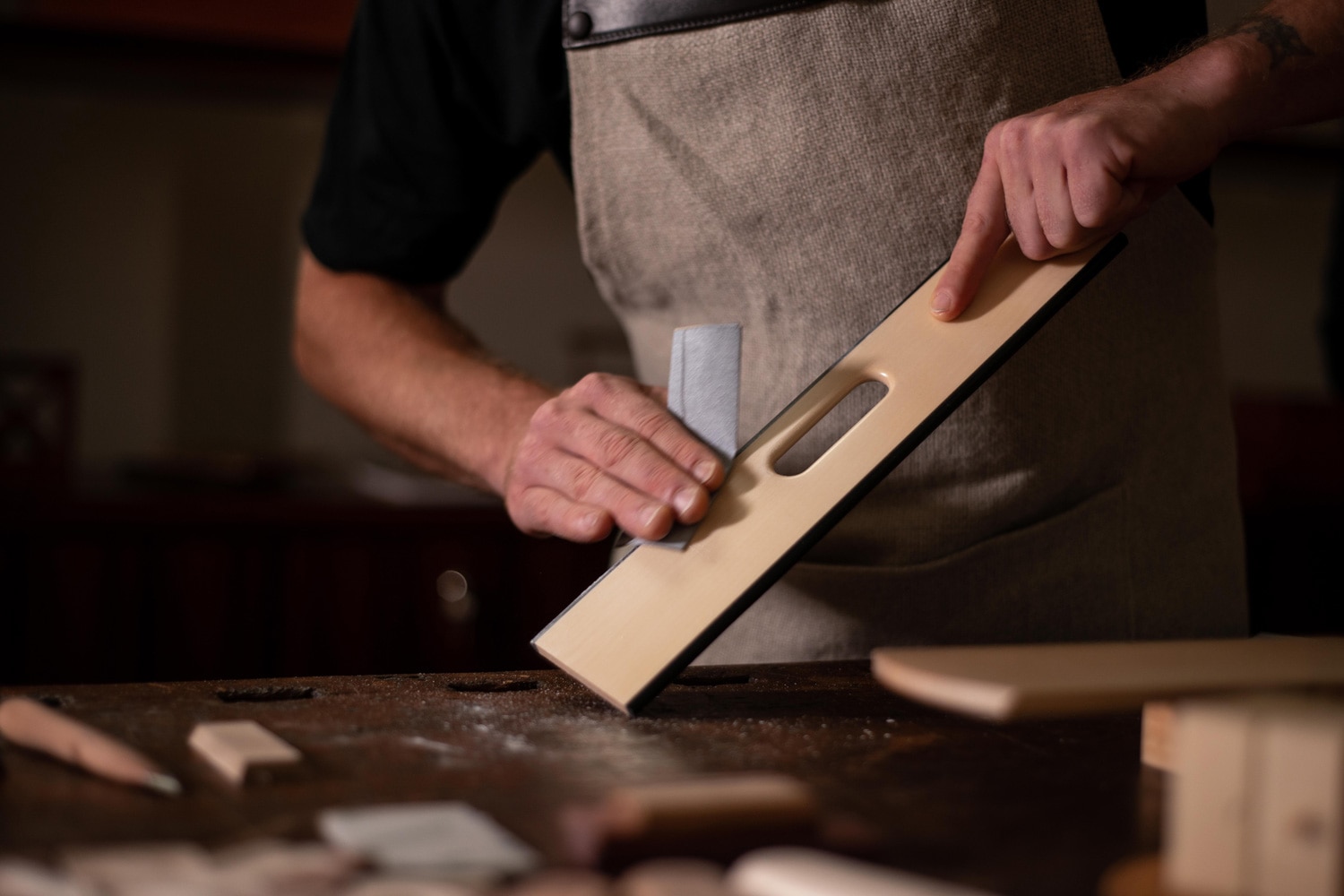
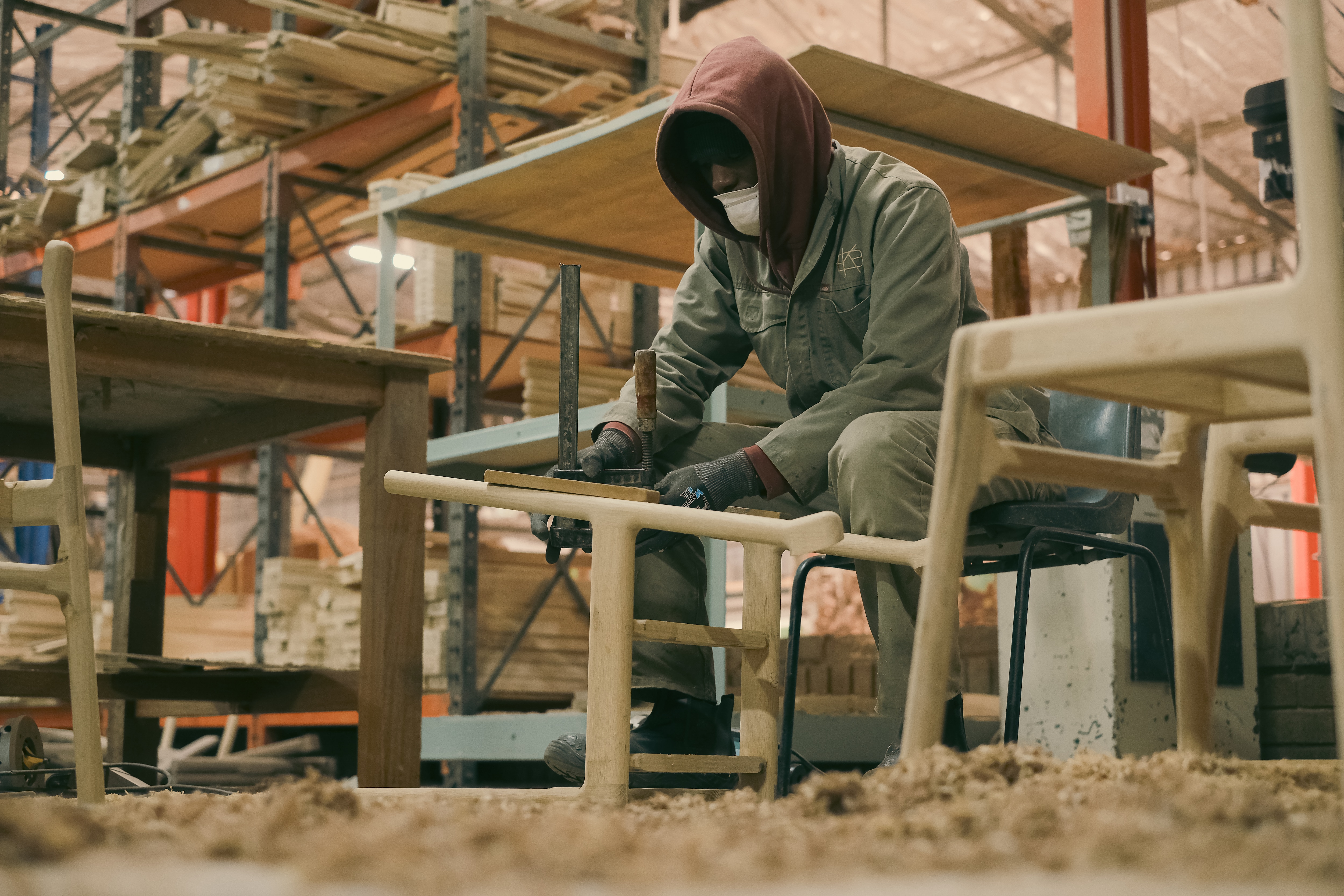
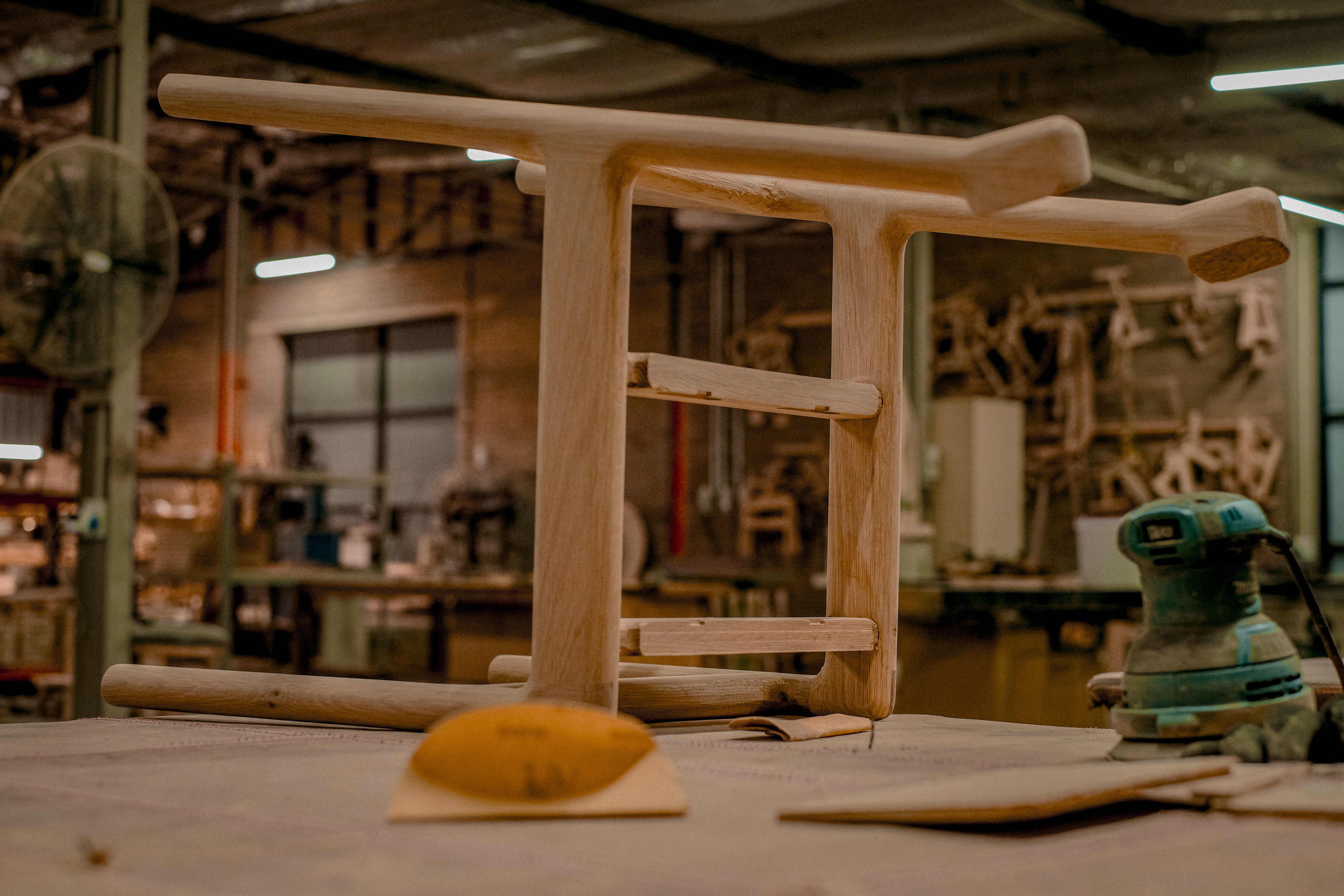
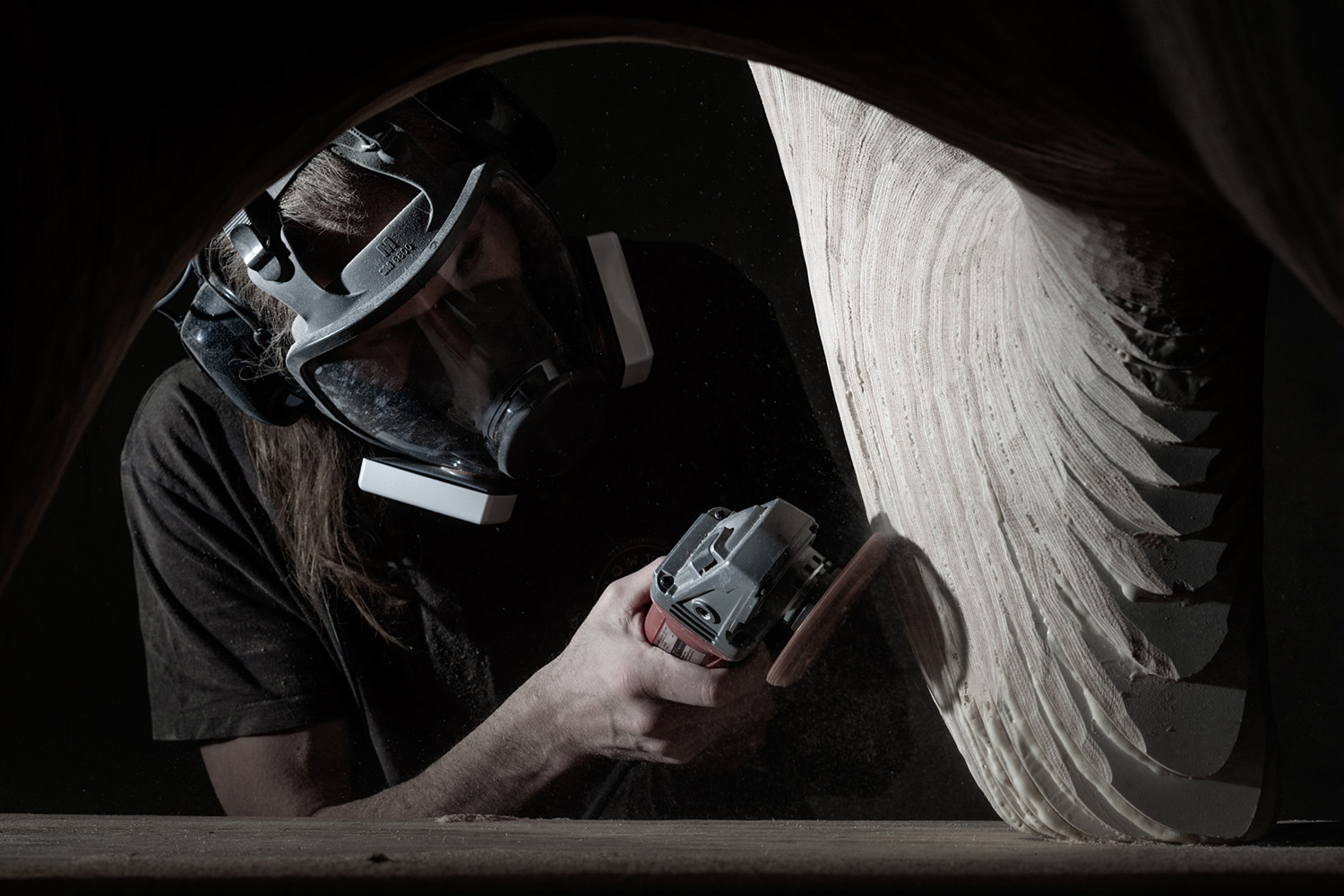
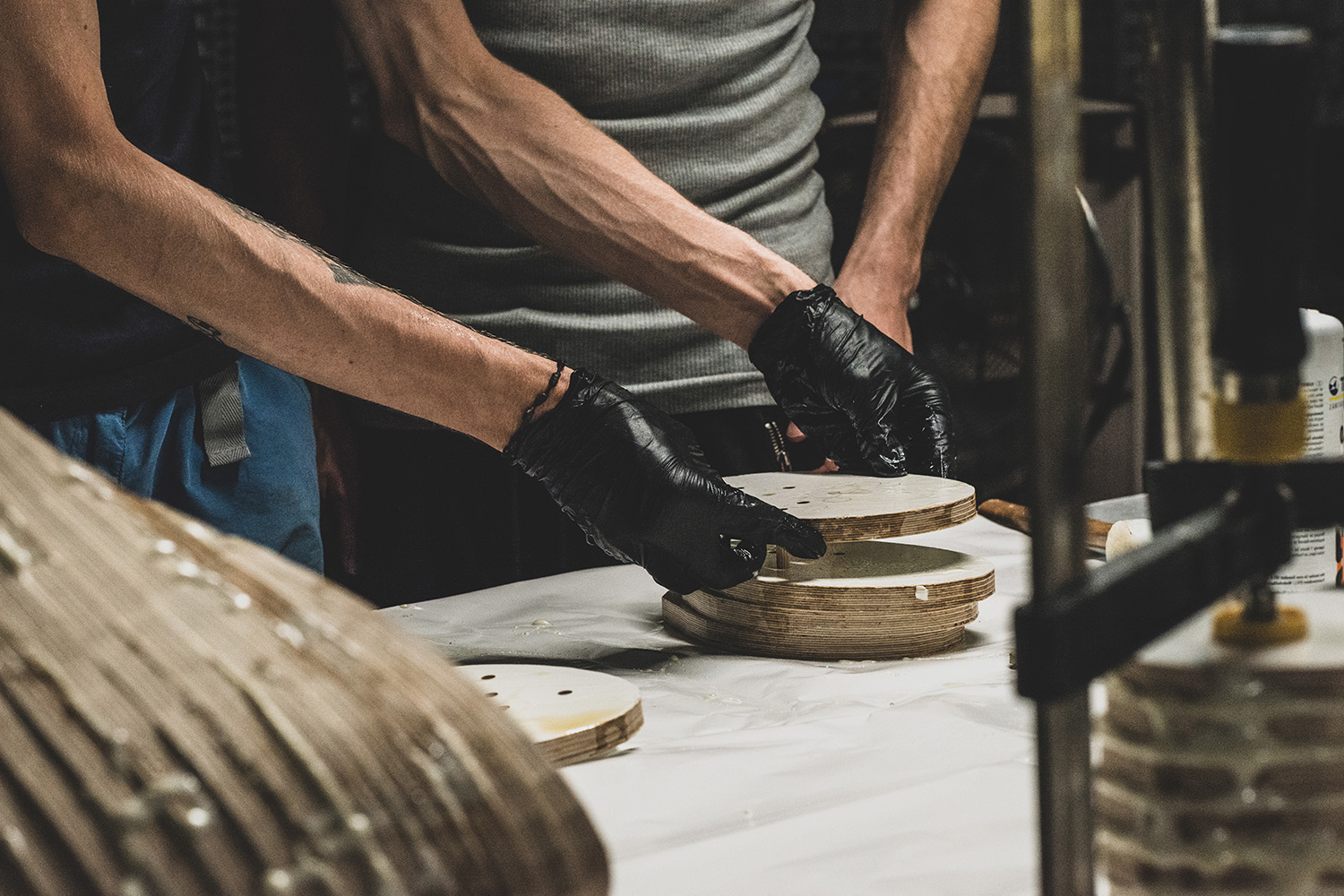
The ideas come to me while sketching or designing in 3D, but only some are worth following. Some projects might take weeks to develop, others half a year or more, because they wait for the right moment. Actually crafting a piece that is technologically refined is a matter of 2-3 weeks, and includes a lot of gluing, sculpting, and grinding.
From my point of view, everything is connected. New ideas are like an evolution of my previous work. The subject and aesthetics in which I evolve create unlimited resources for me to discover, allowing me to do something new and different all the time, while being a continuation of the same process.
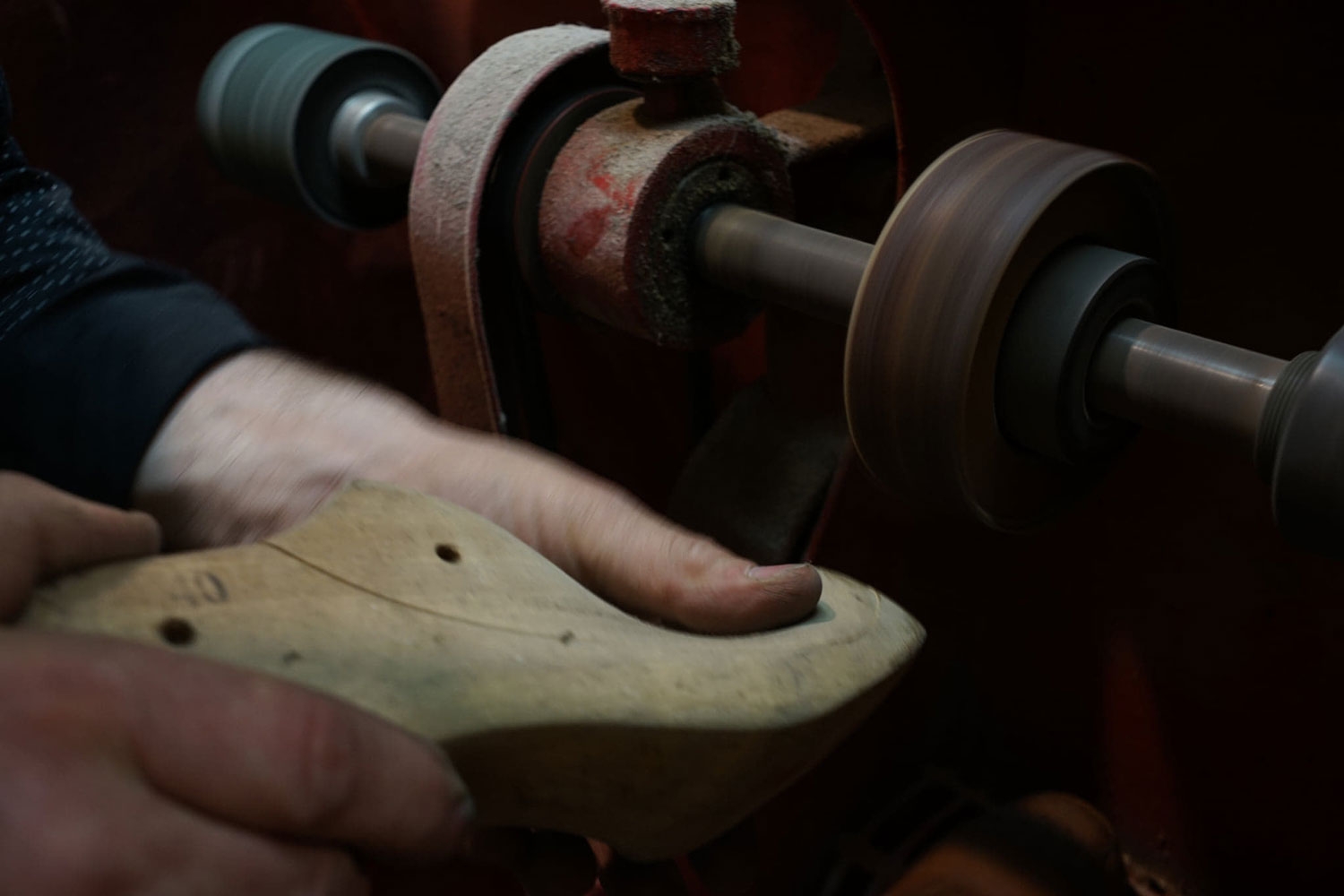
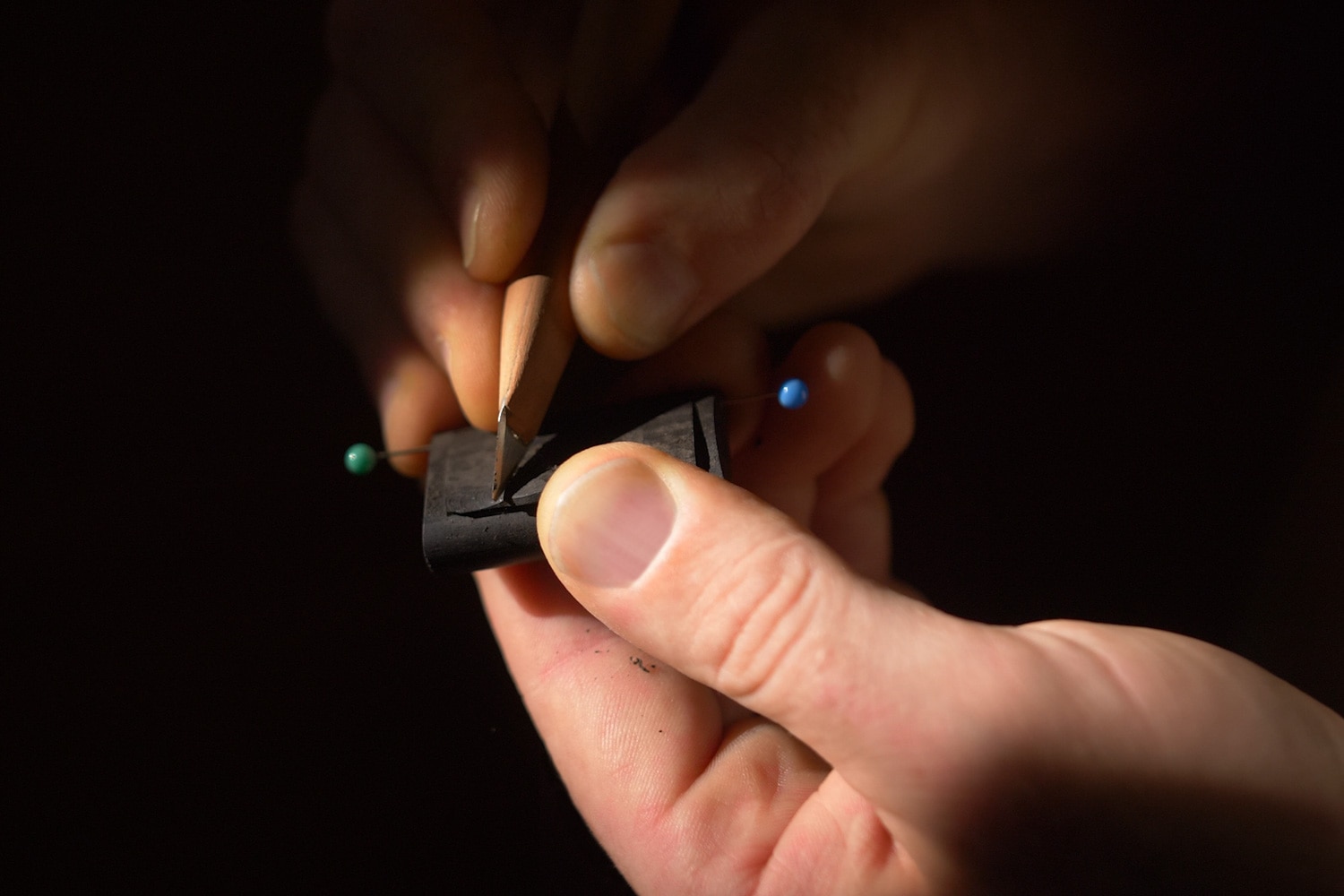
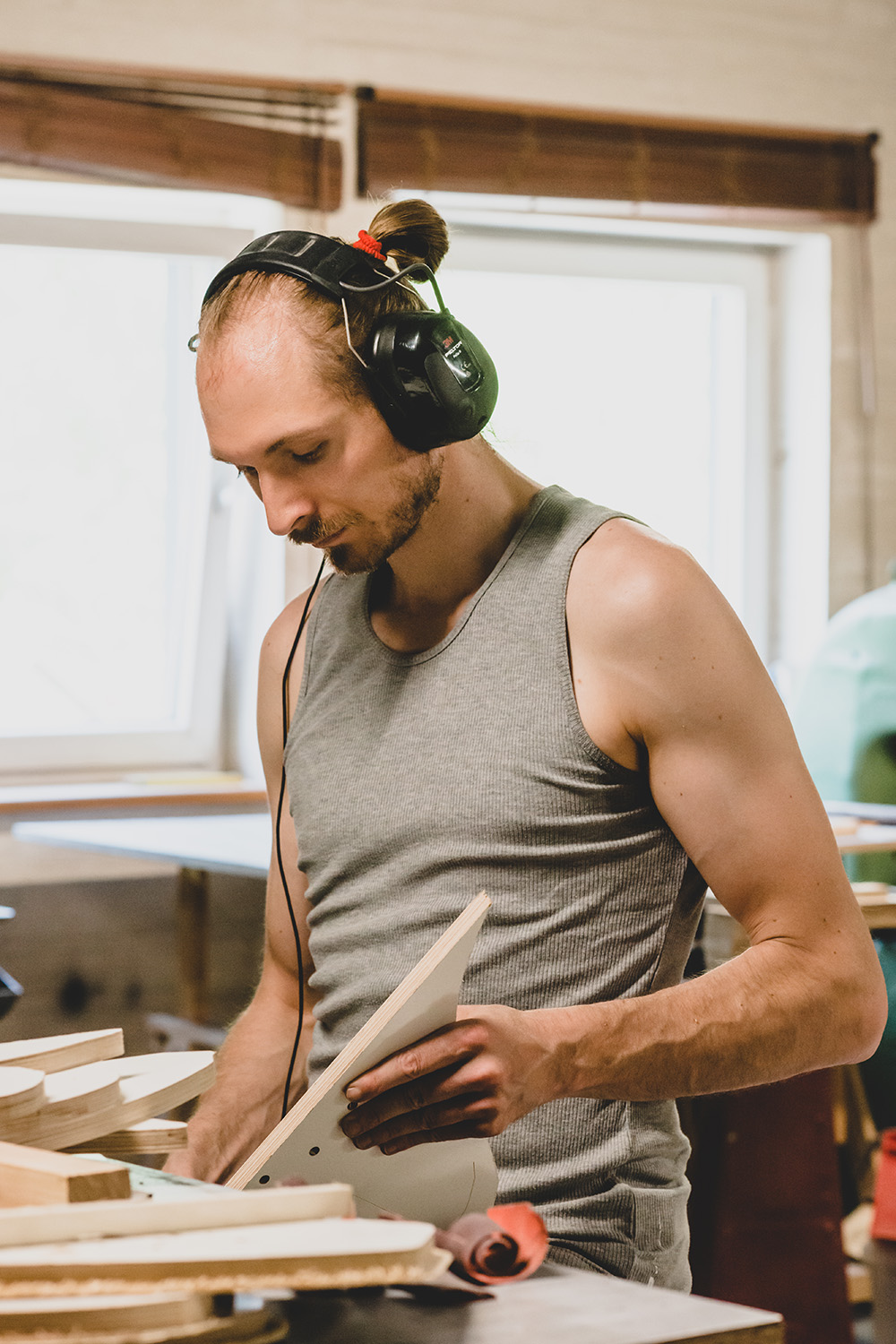
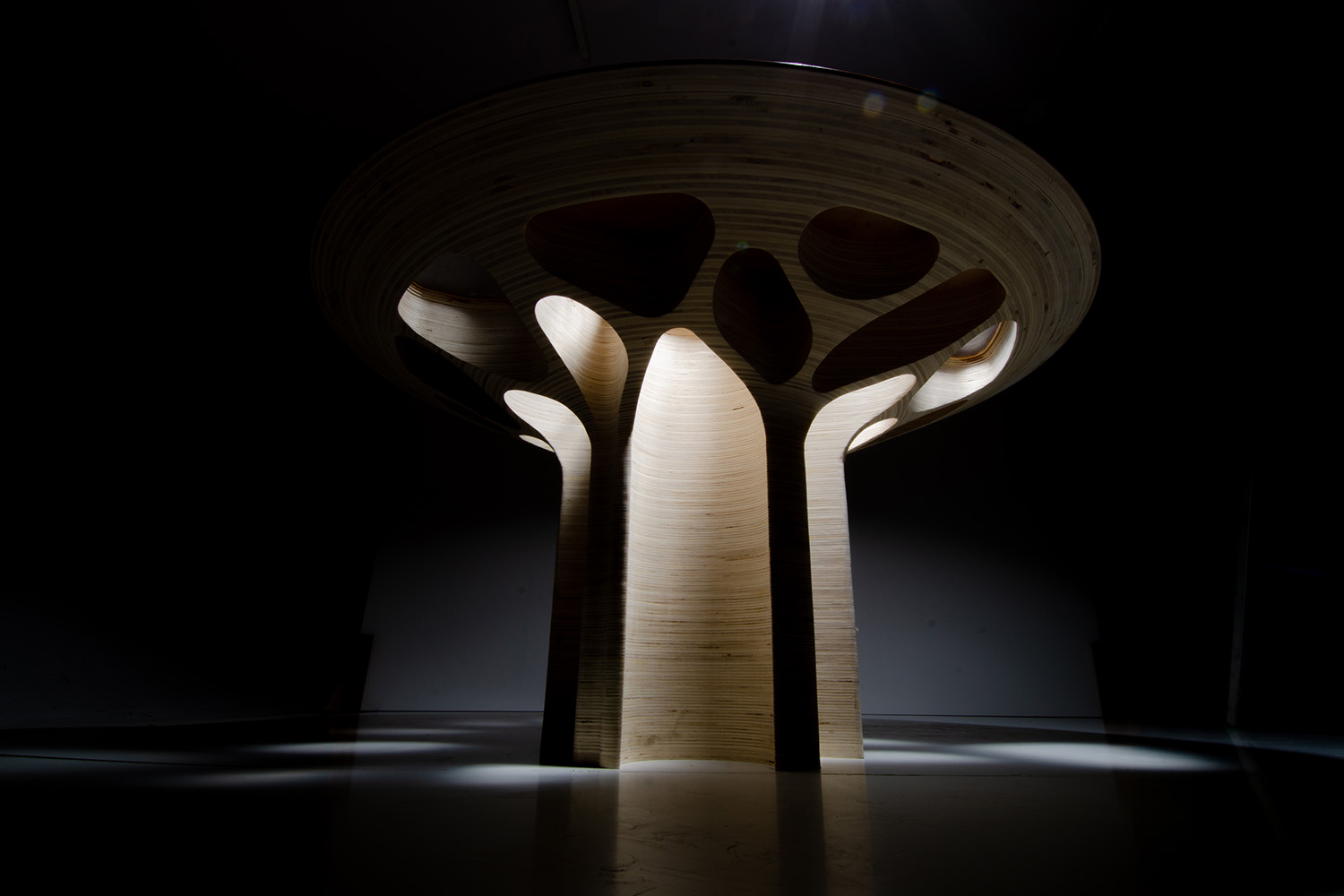
All my techniques are rather commonplace, however, what is unique and rare is the combination. First I develop a 3D model and prepare it in the form of slices that can be cut on a CNC machine. The next step is gluing, and the final part is the manual sculpting, where I can directly influence the final shape of the object.
For me the art in my craft is to include opposites in the form, so that the boundaries between them are blurred. This way nature and culture, light and dark really become one.
Cyryl Zakrzewski
Furniture maker
Suchy Las, Poland
Recommended by Anna Woźniak-Starak
AVAILABILITY
By appointment only
PHONE
+48 600498295
LANGUAGES
Polish, English
Homo Faber Finds is a new service aiming to inspire admirers of craft to connect and collaborate with exceptional artisans.
We invite you to submit an enquiry here.