Rasmus Fenhann
Furniture maker
Copenhagen, Denmark
Wood and mathematics
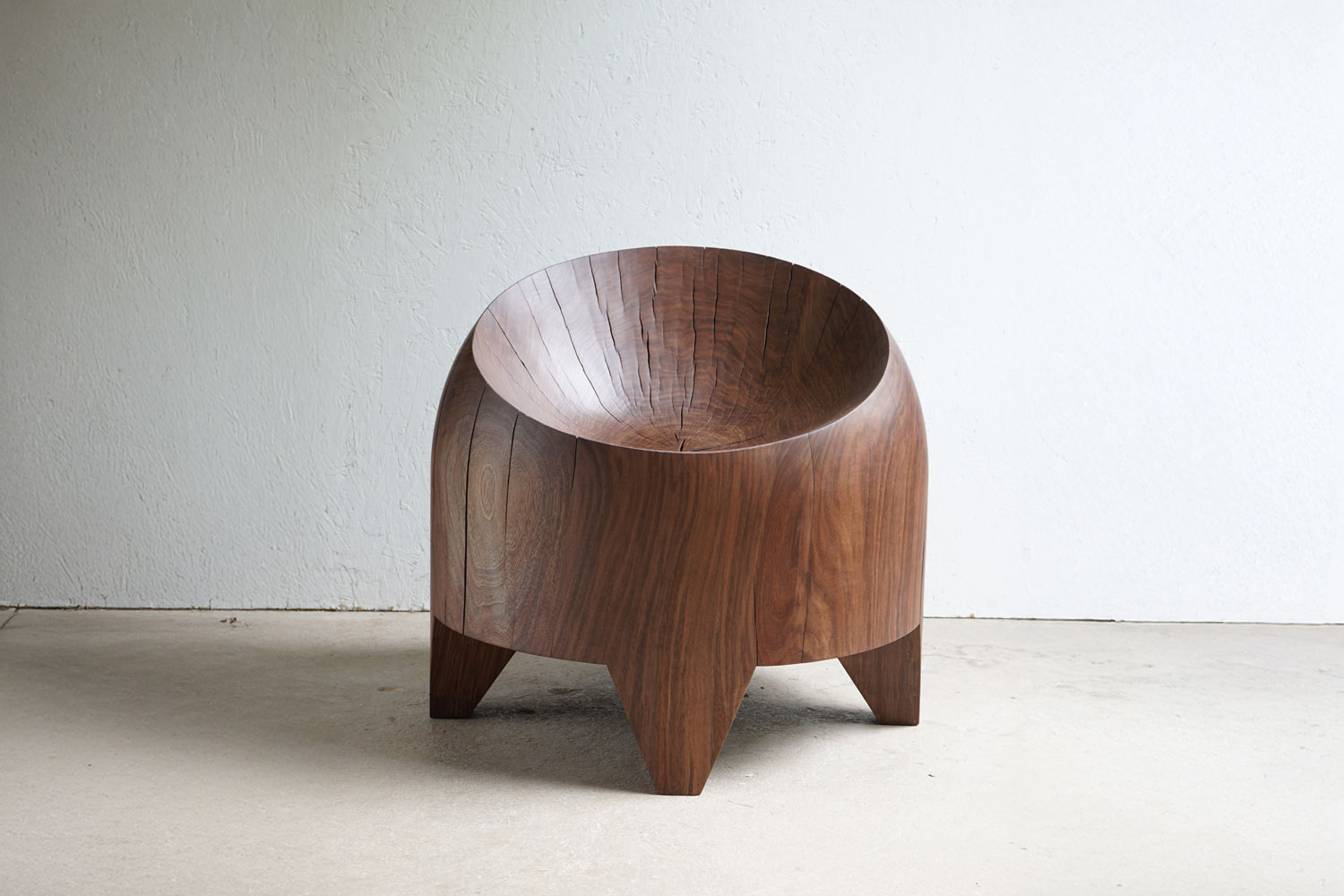
- Rasmus makes wooden furniture pieces
- He is inspired by the structures in nature
- He uses upcycled wood in his process
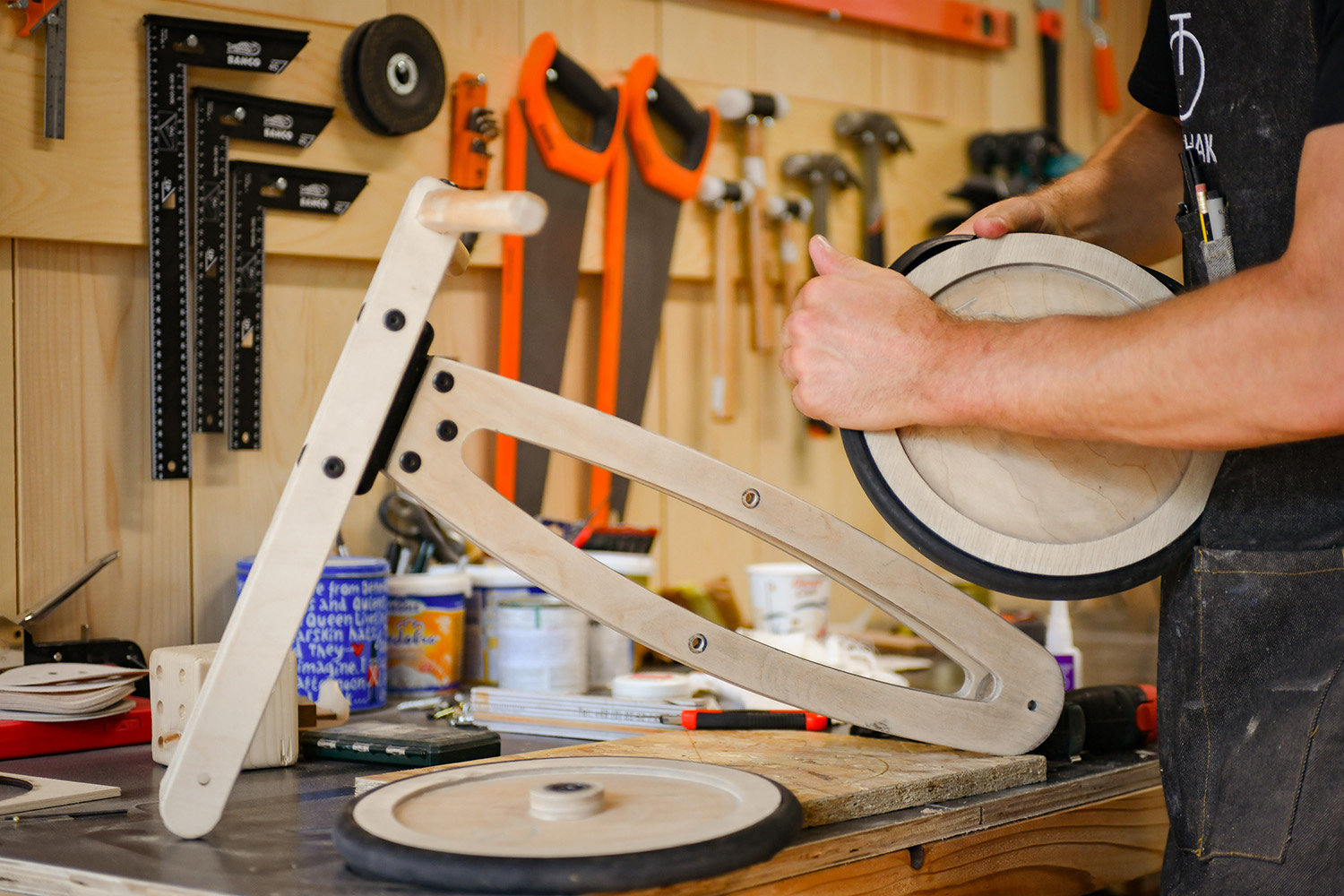
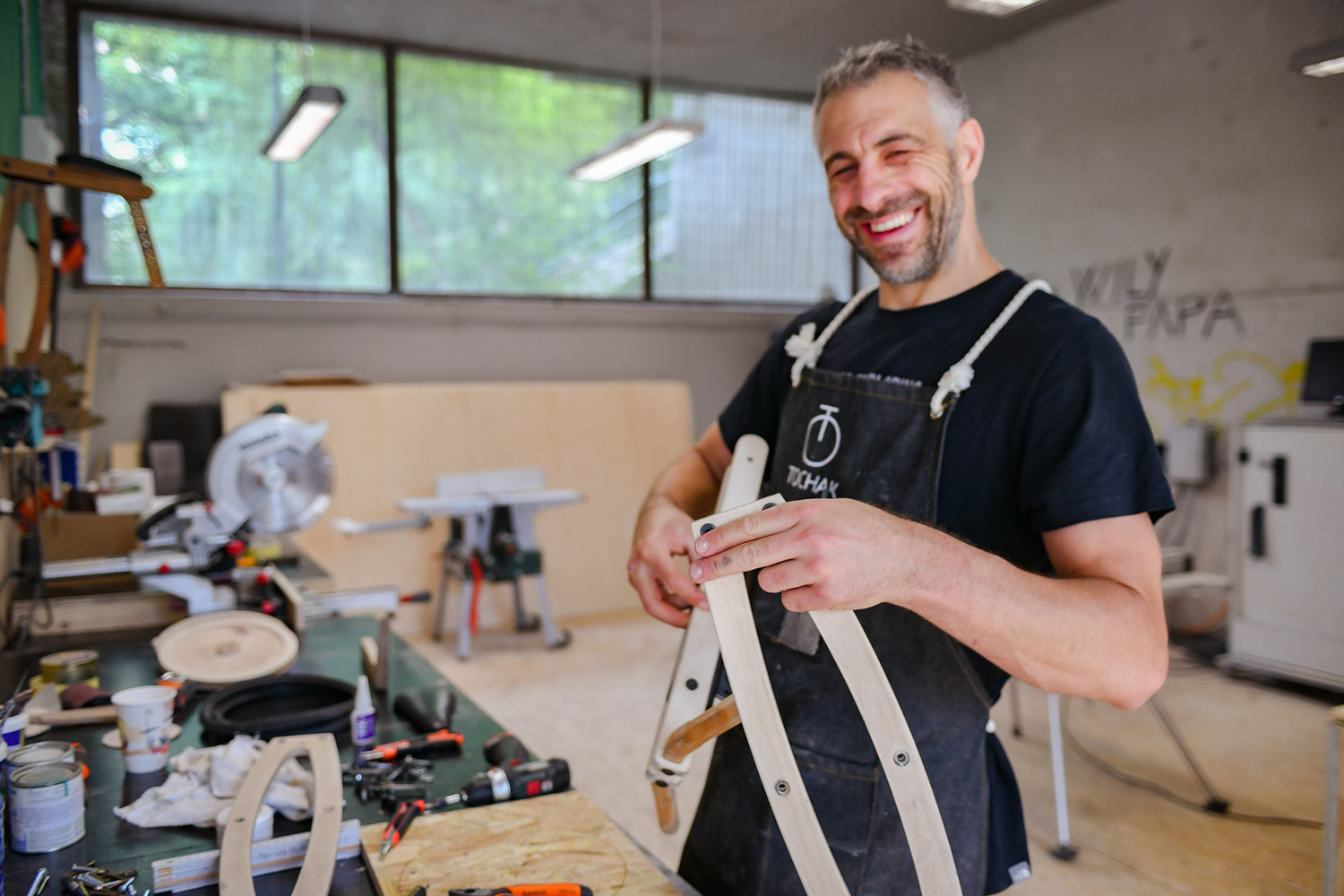
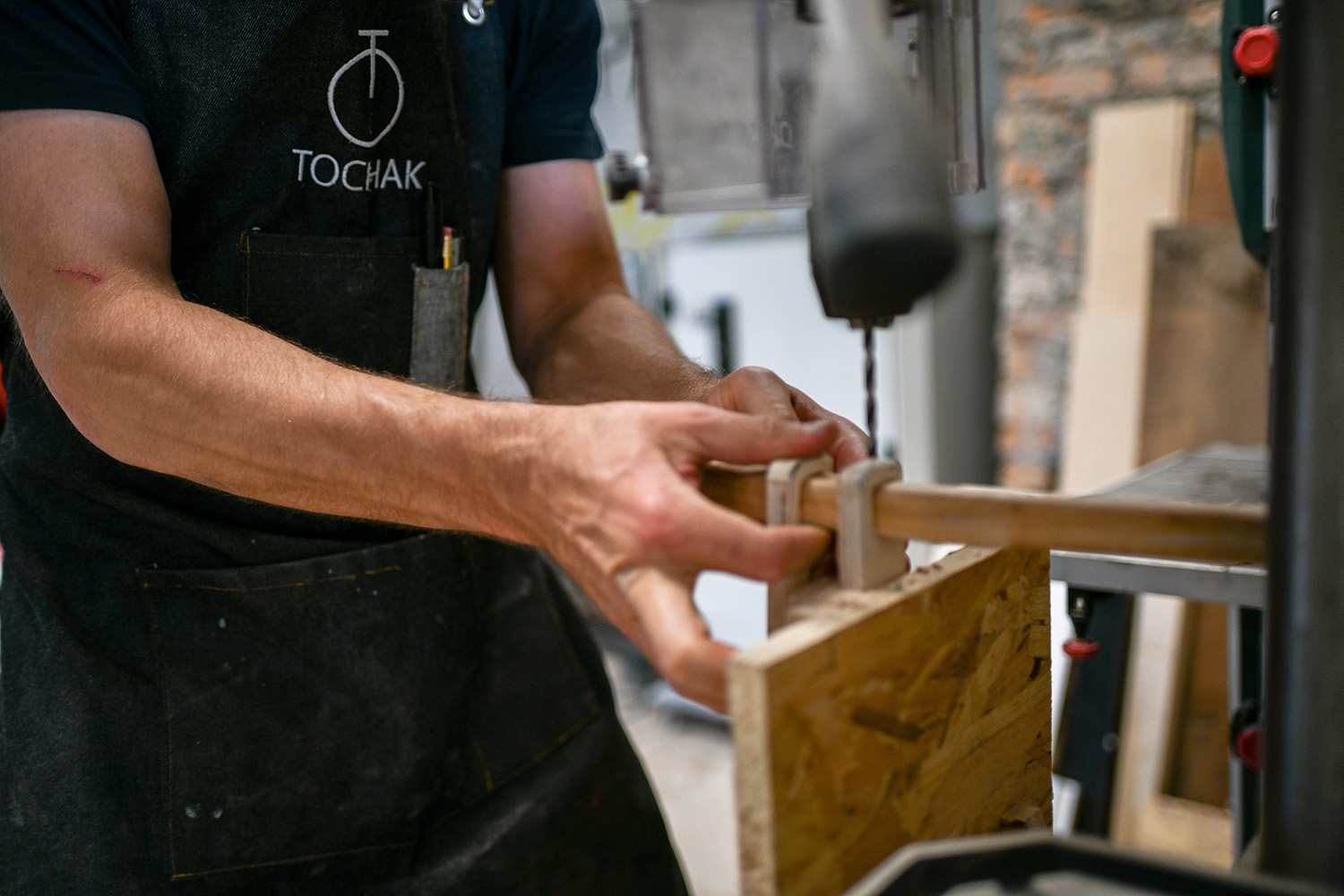
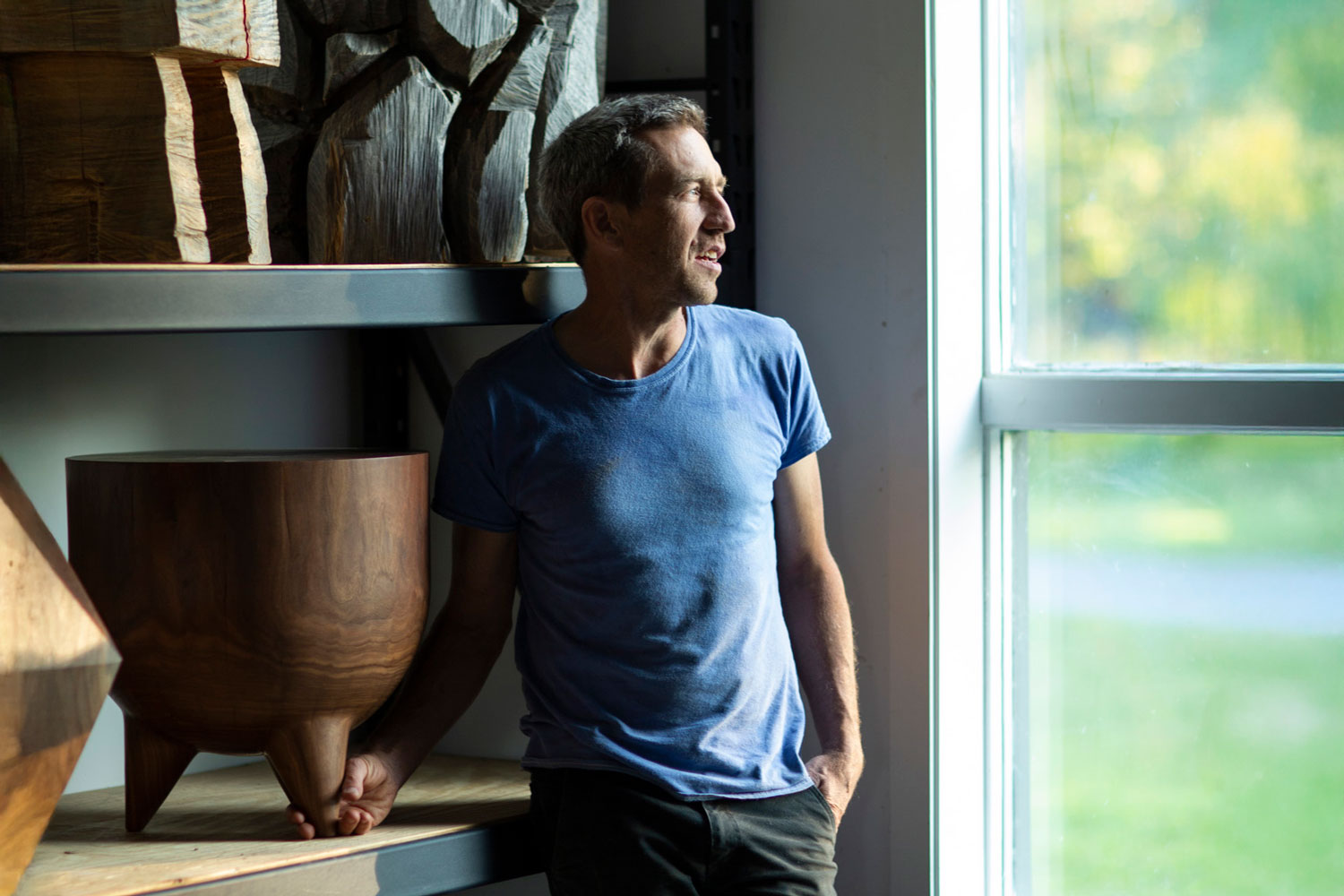
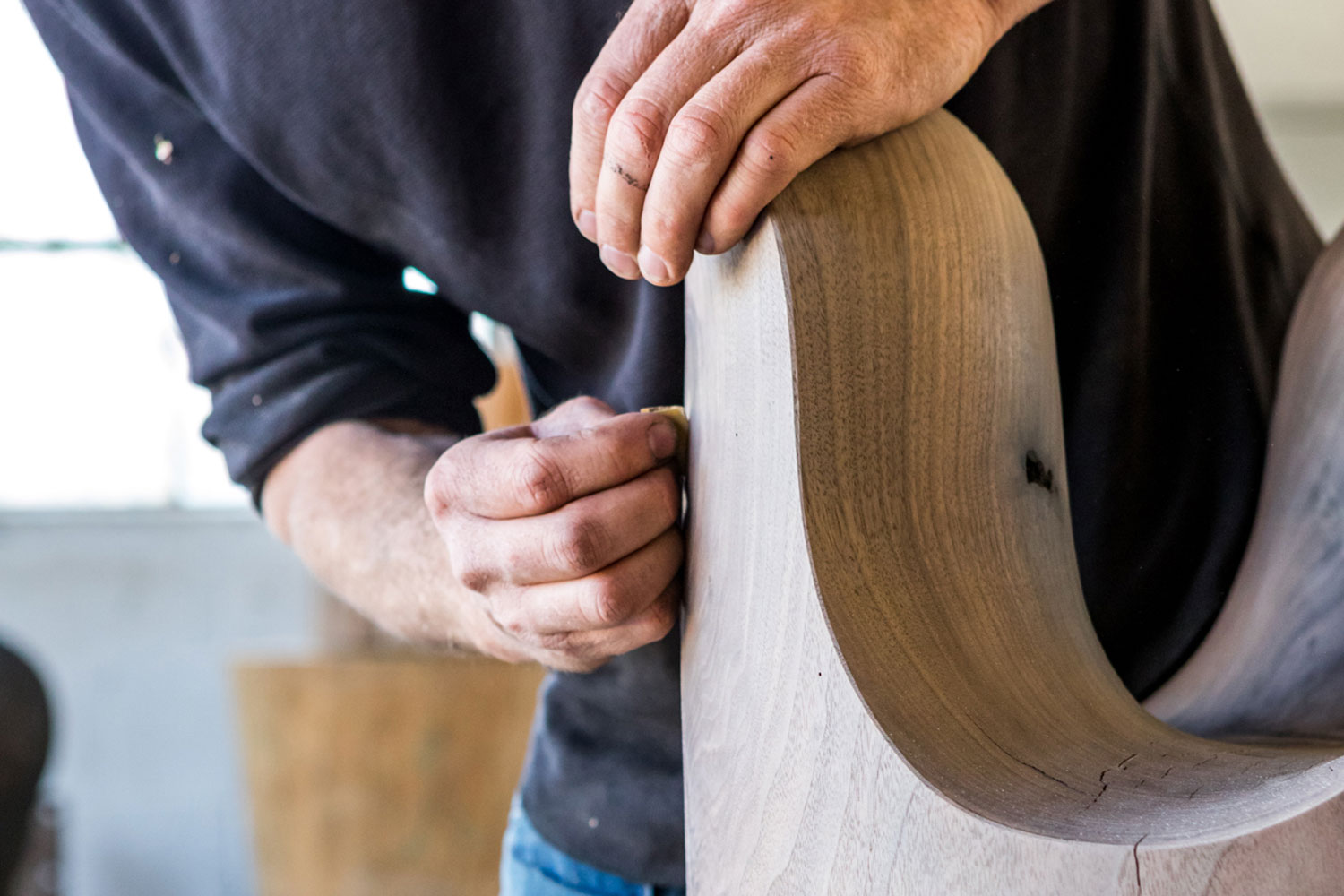
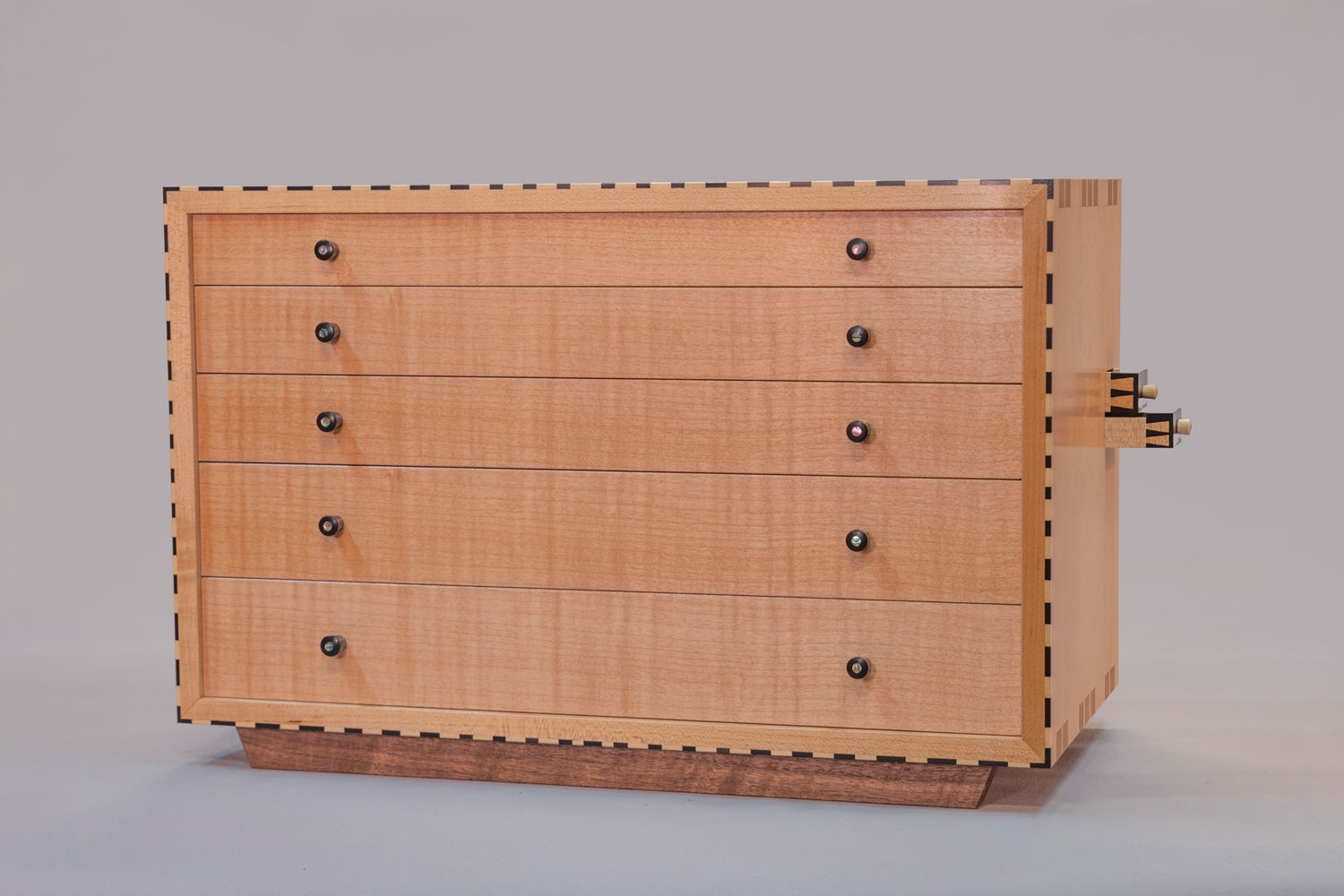
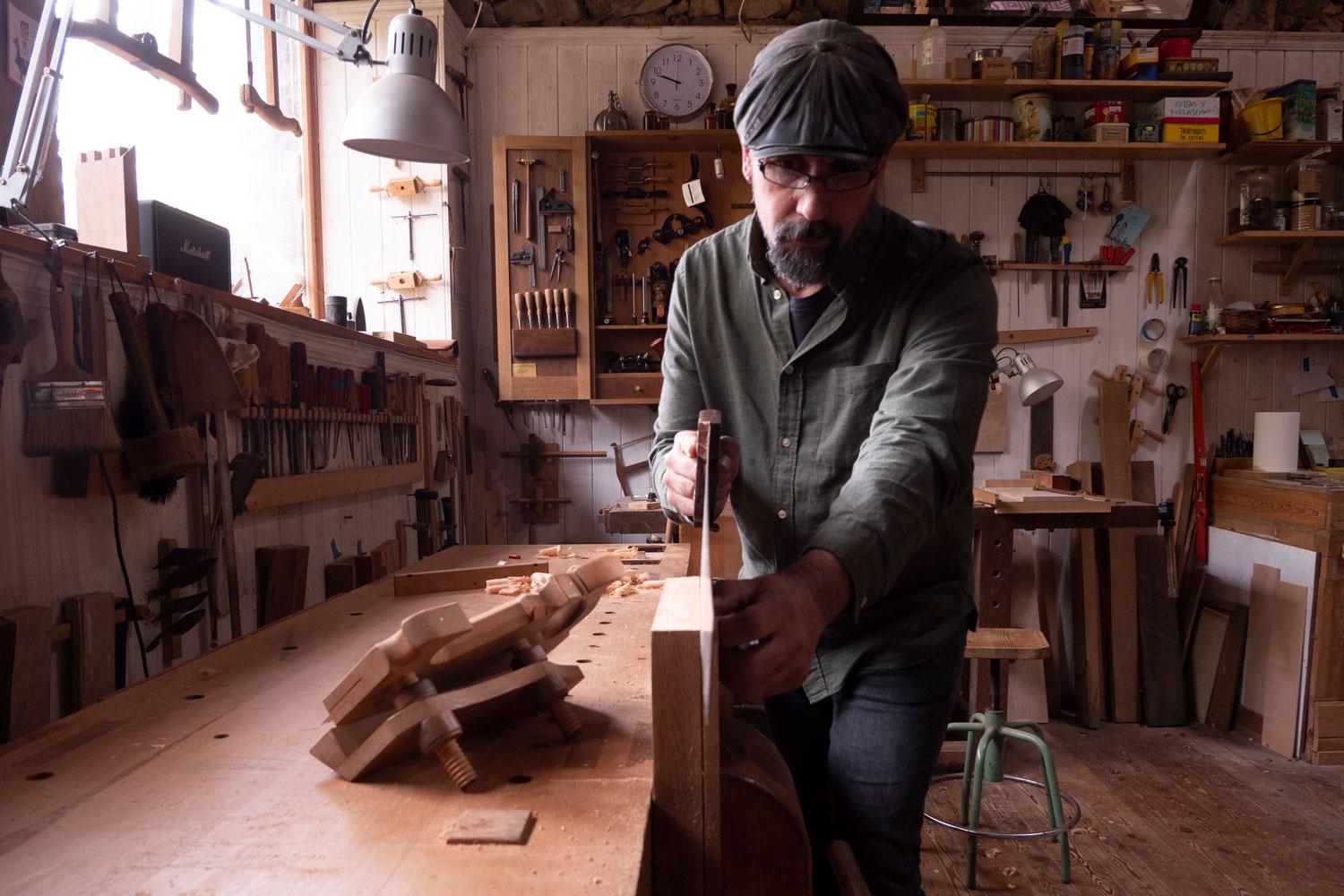
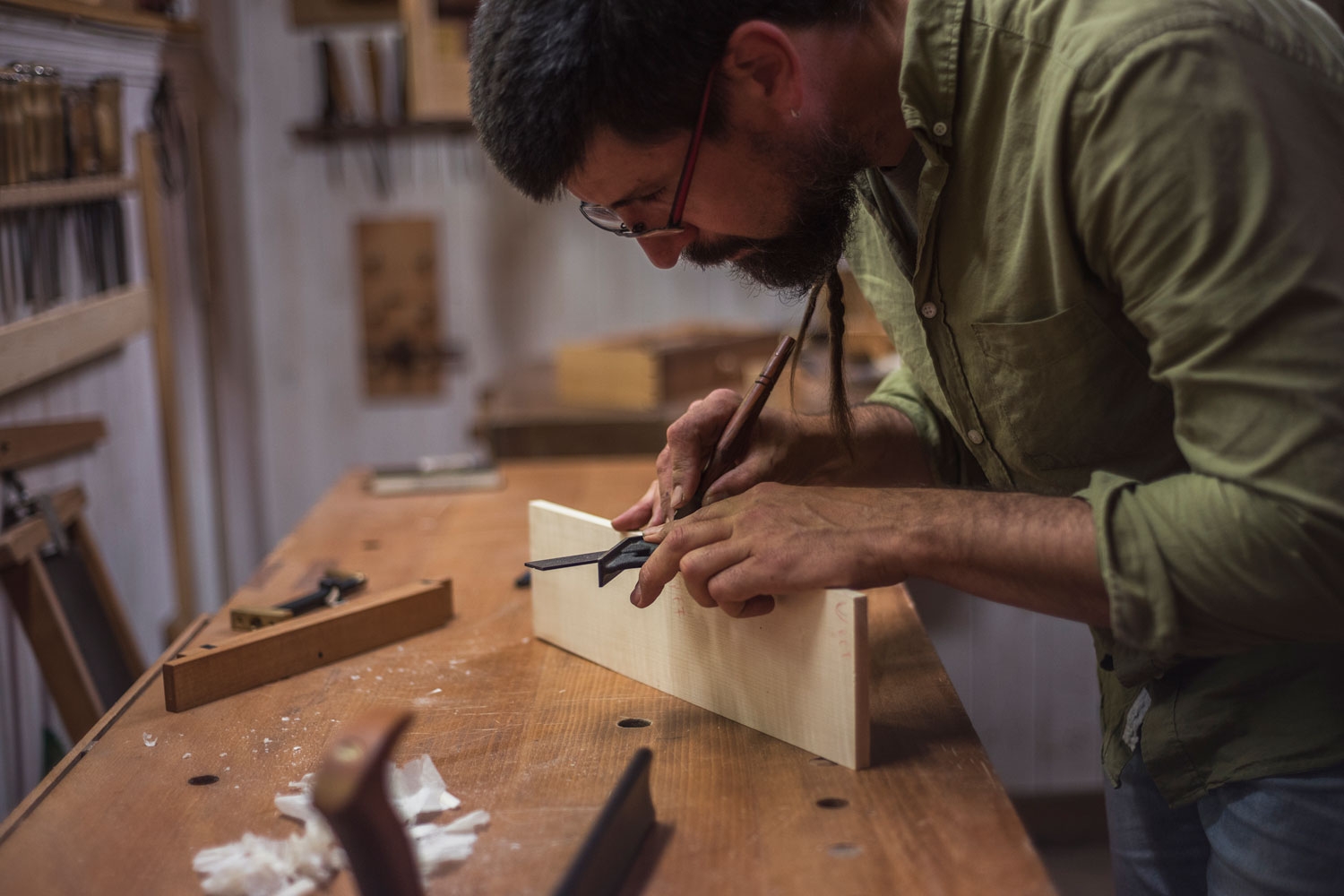
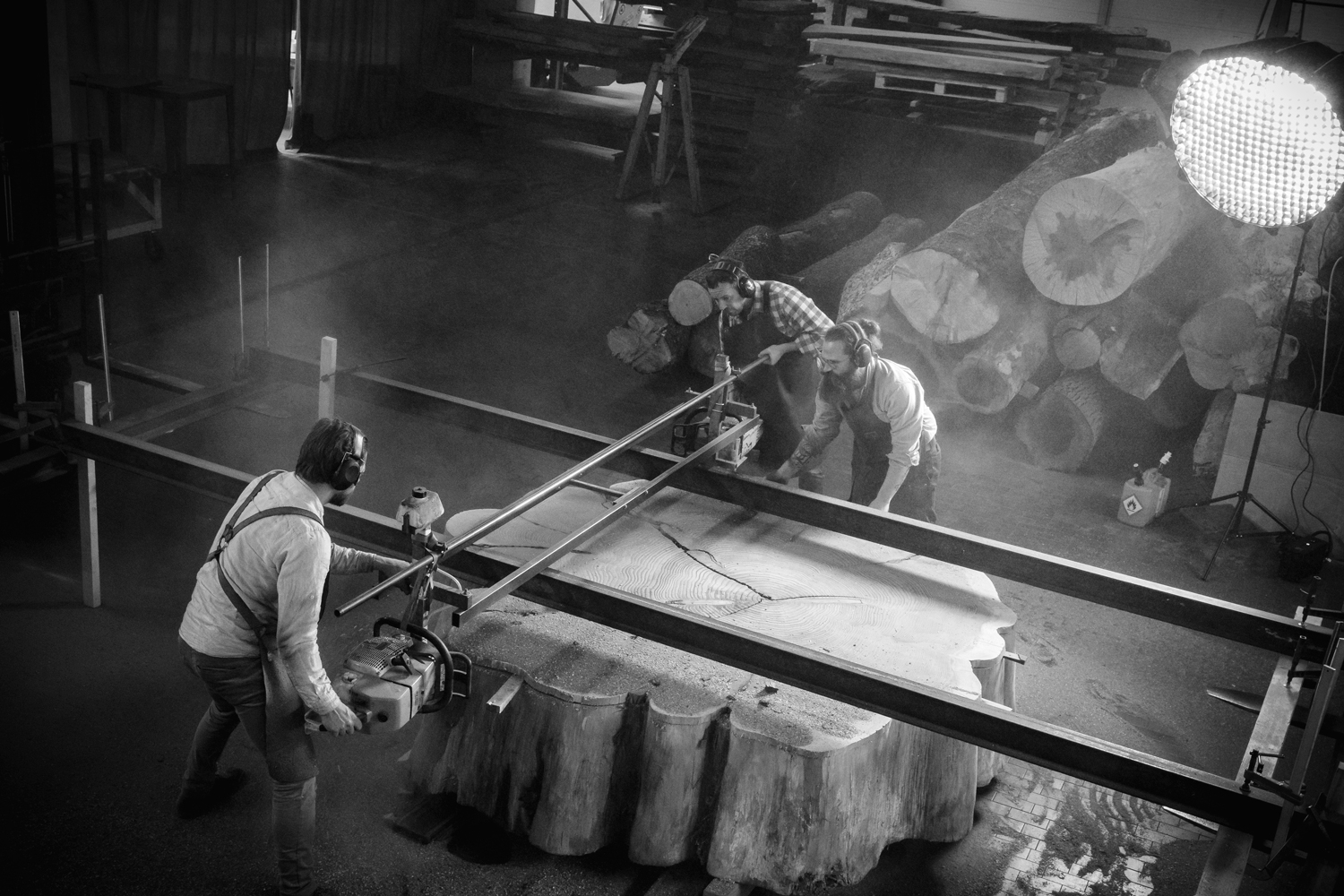
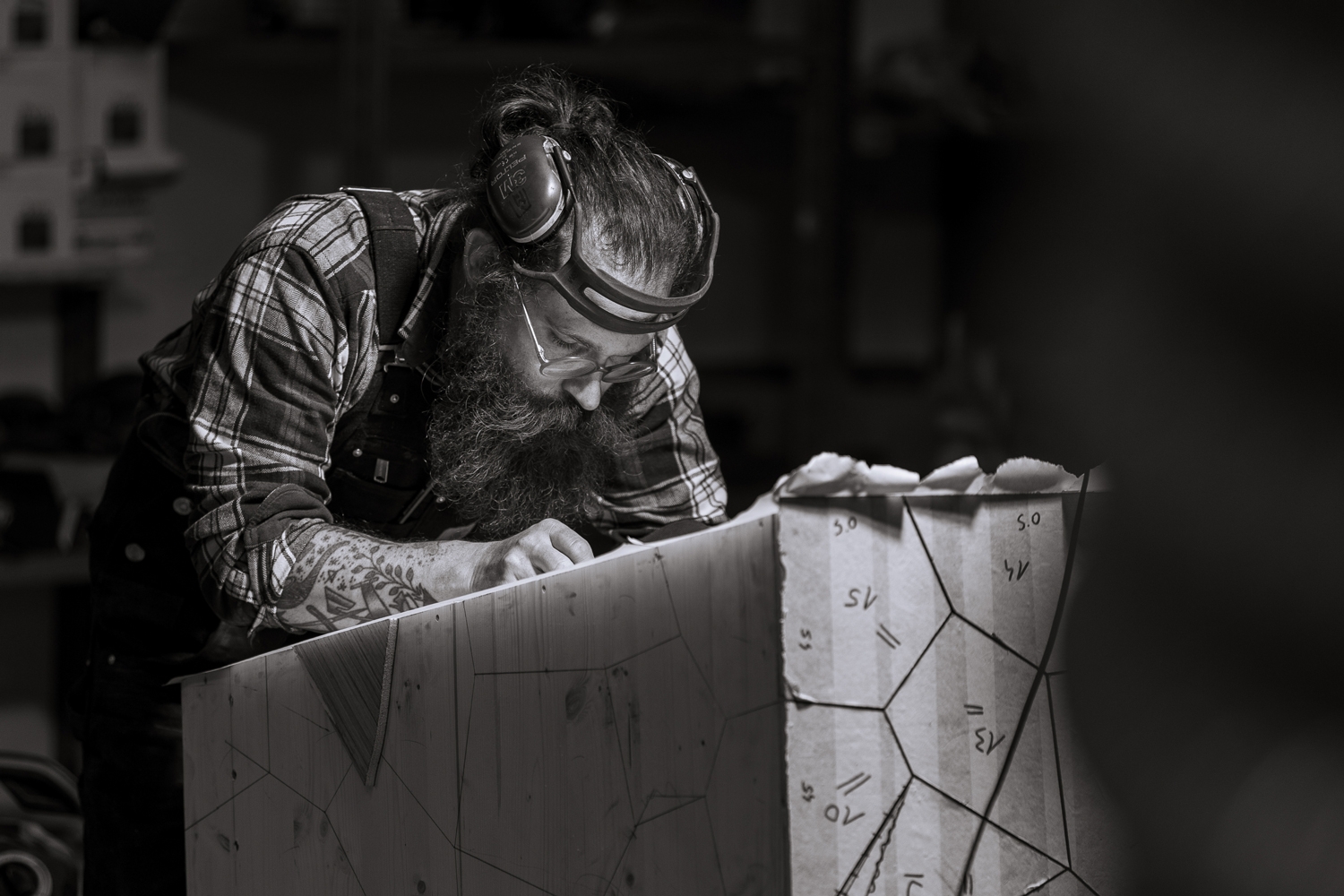
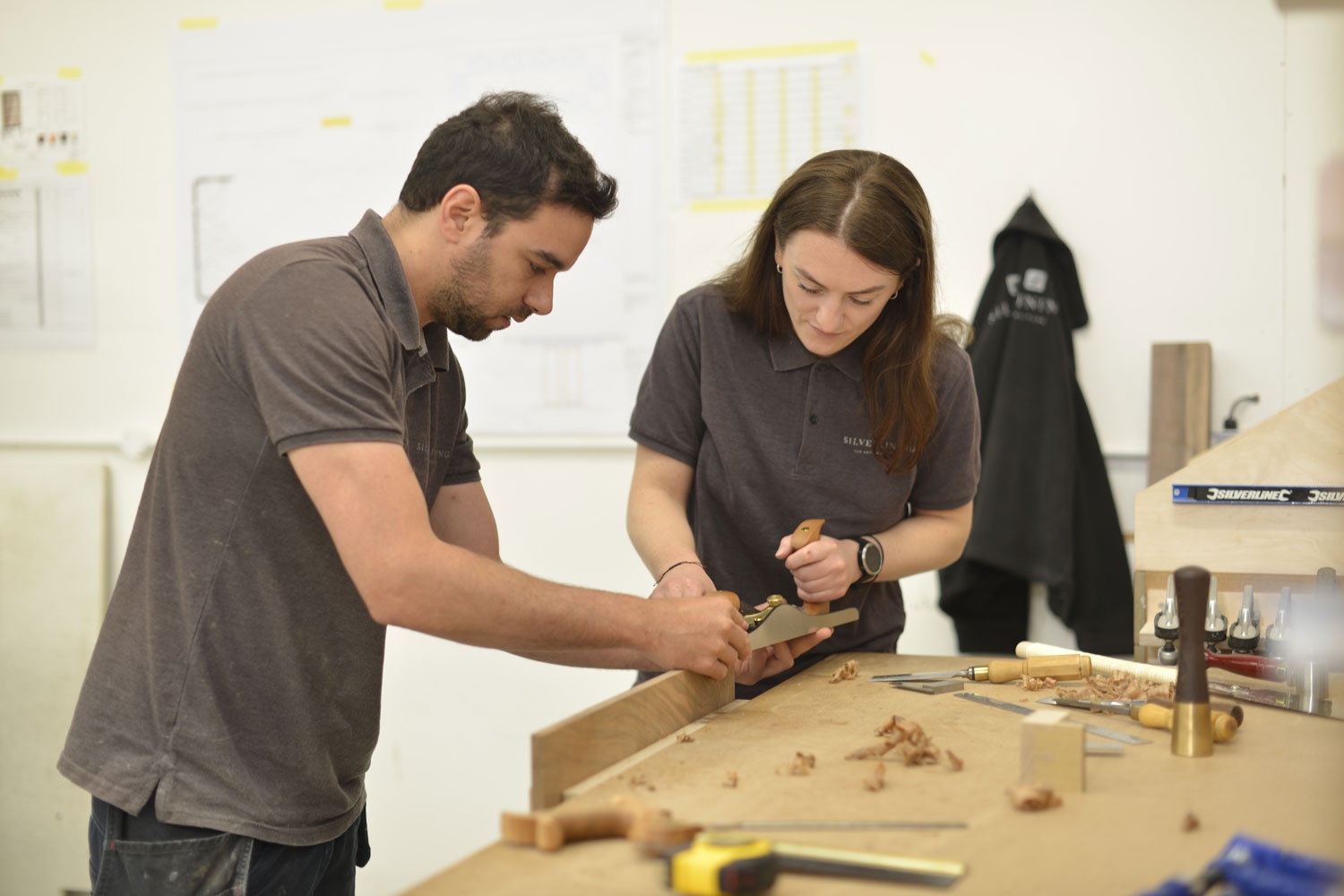
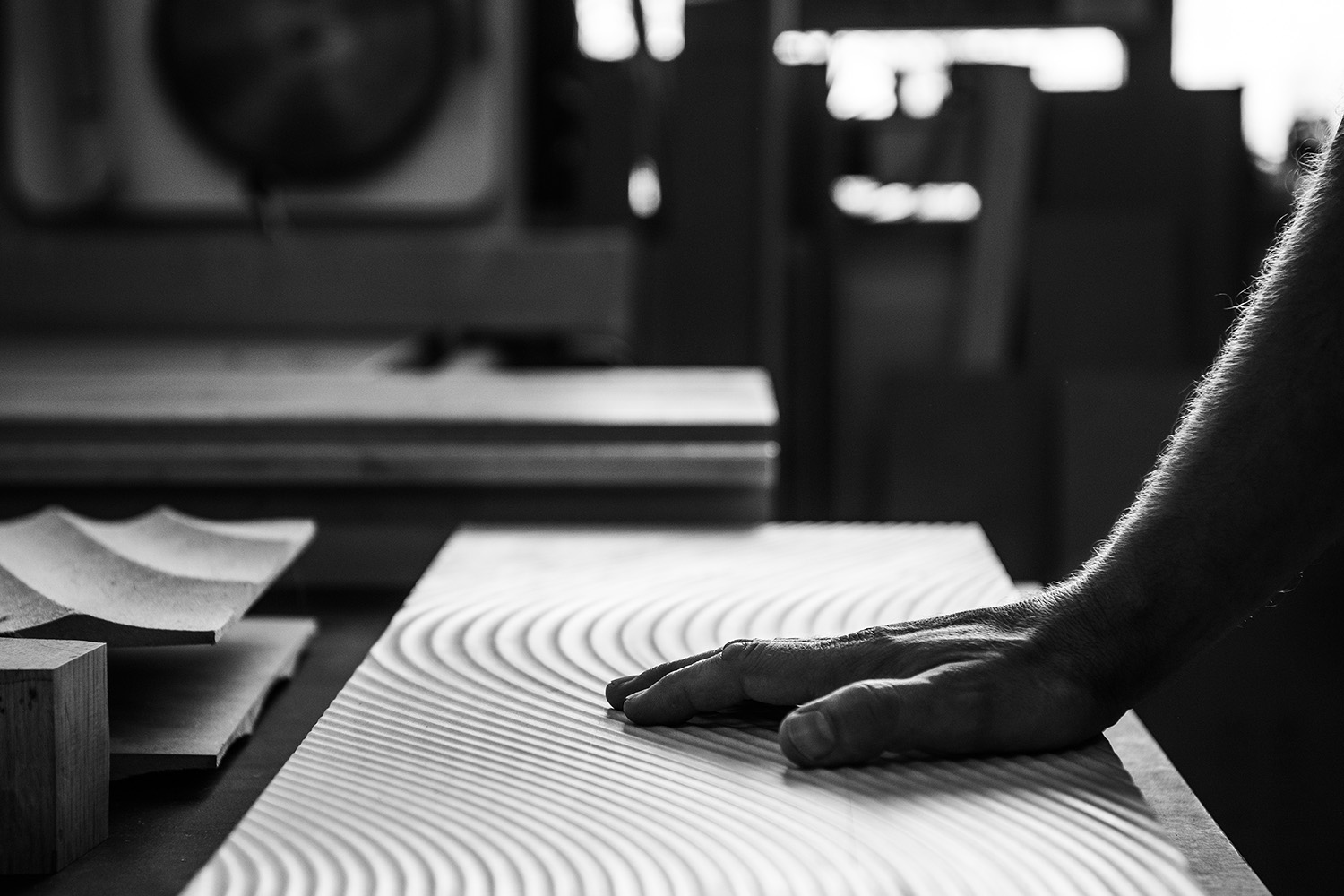
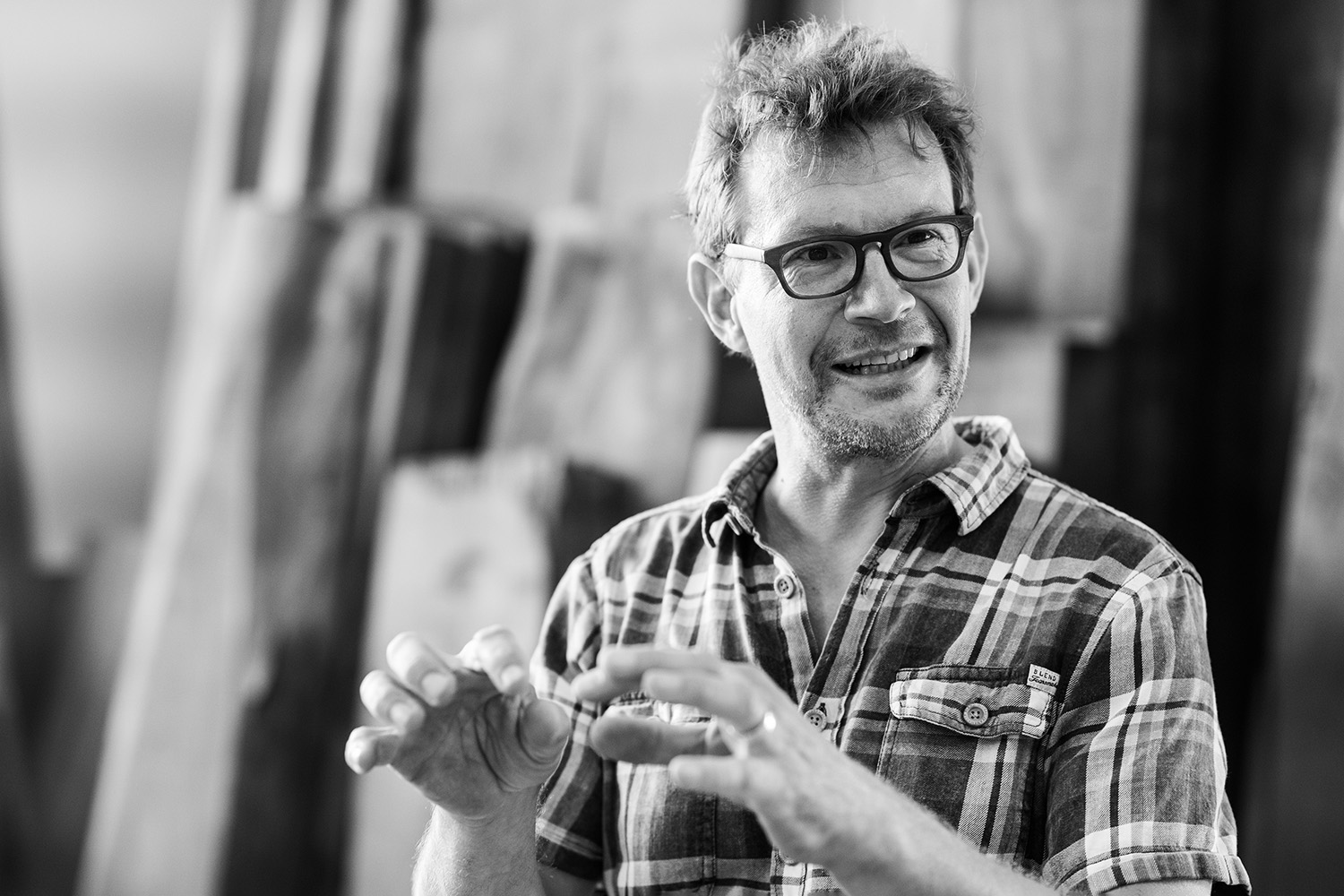
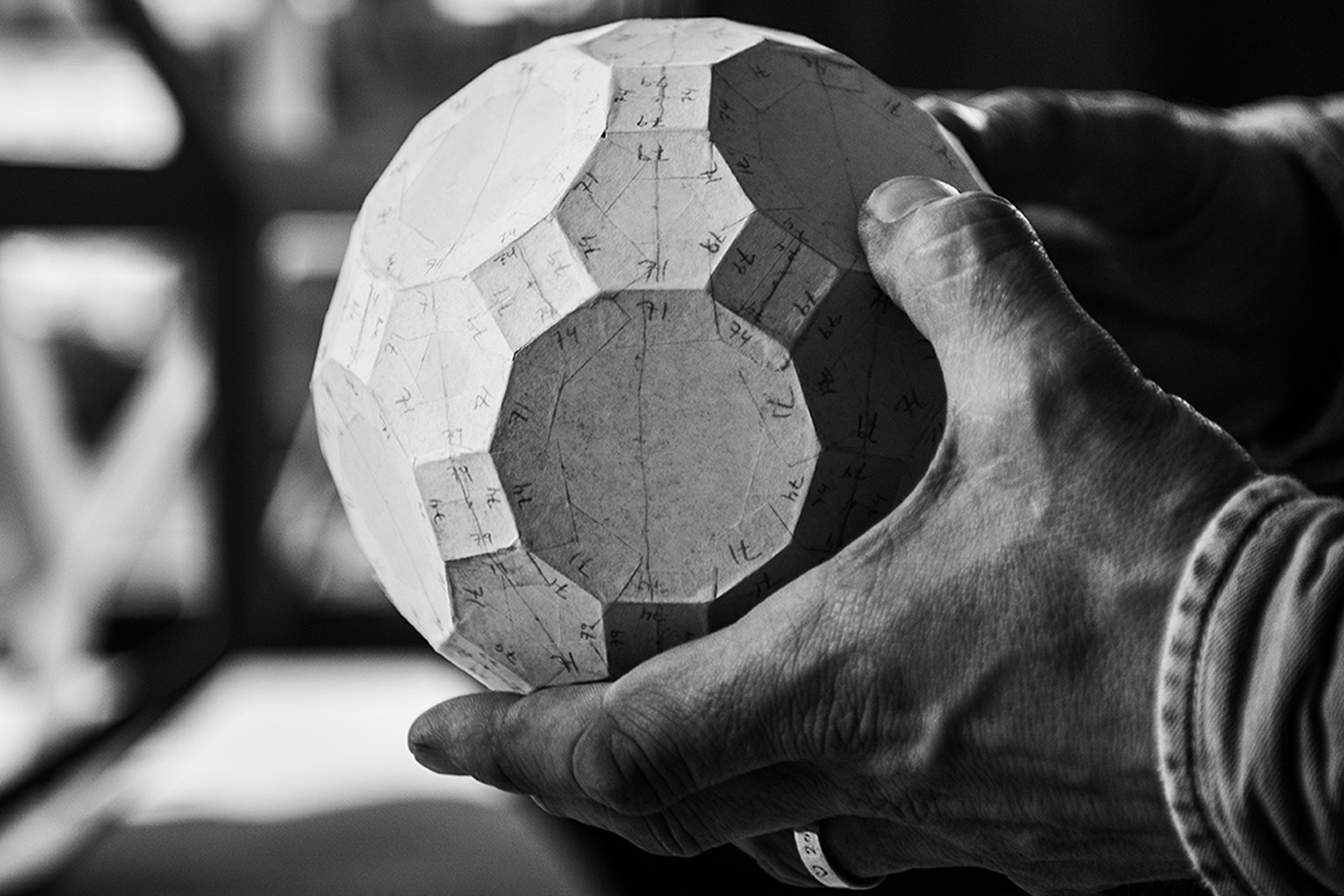
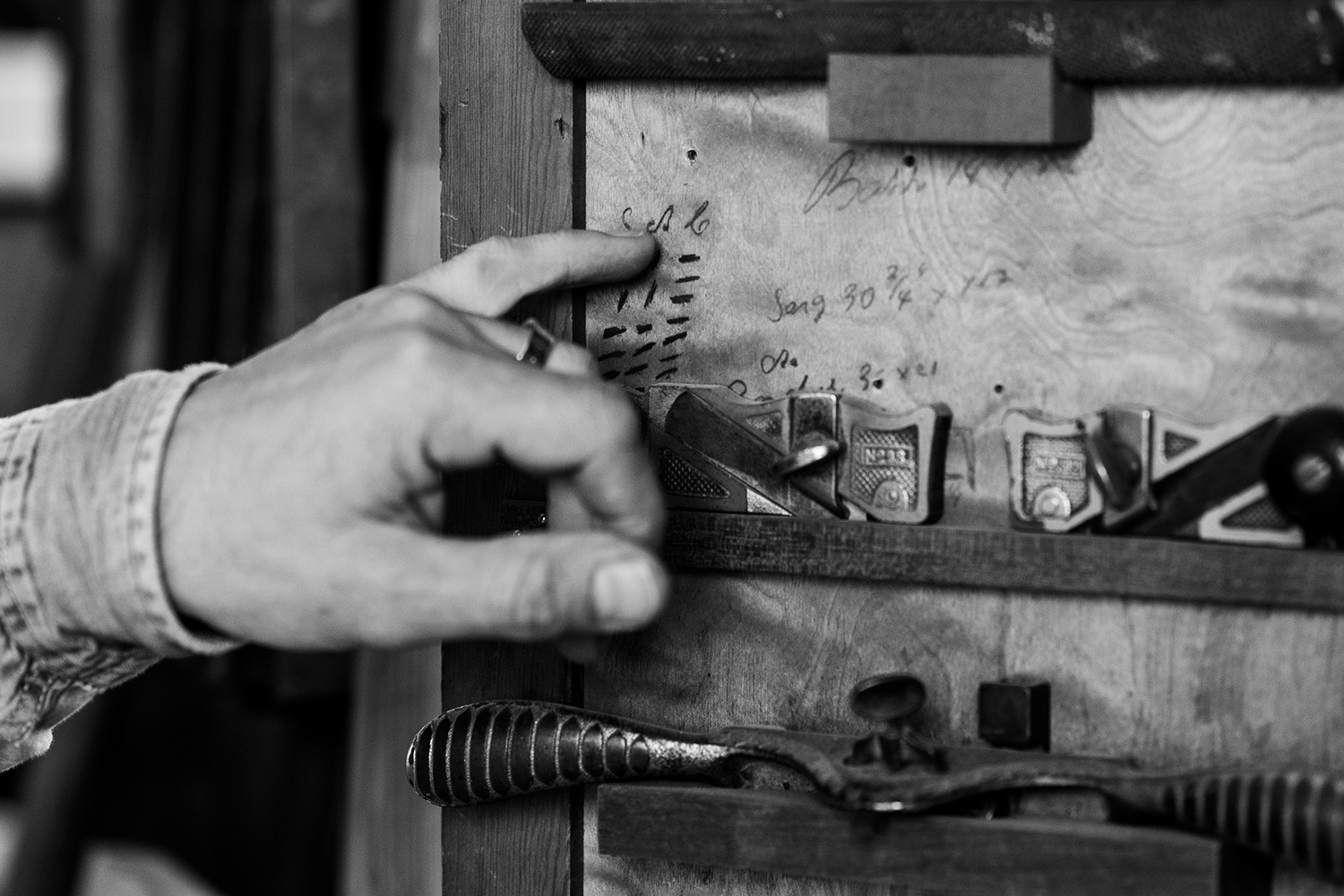
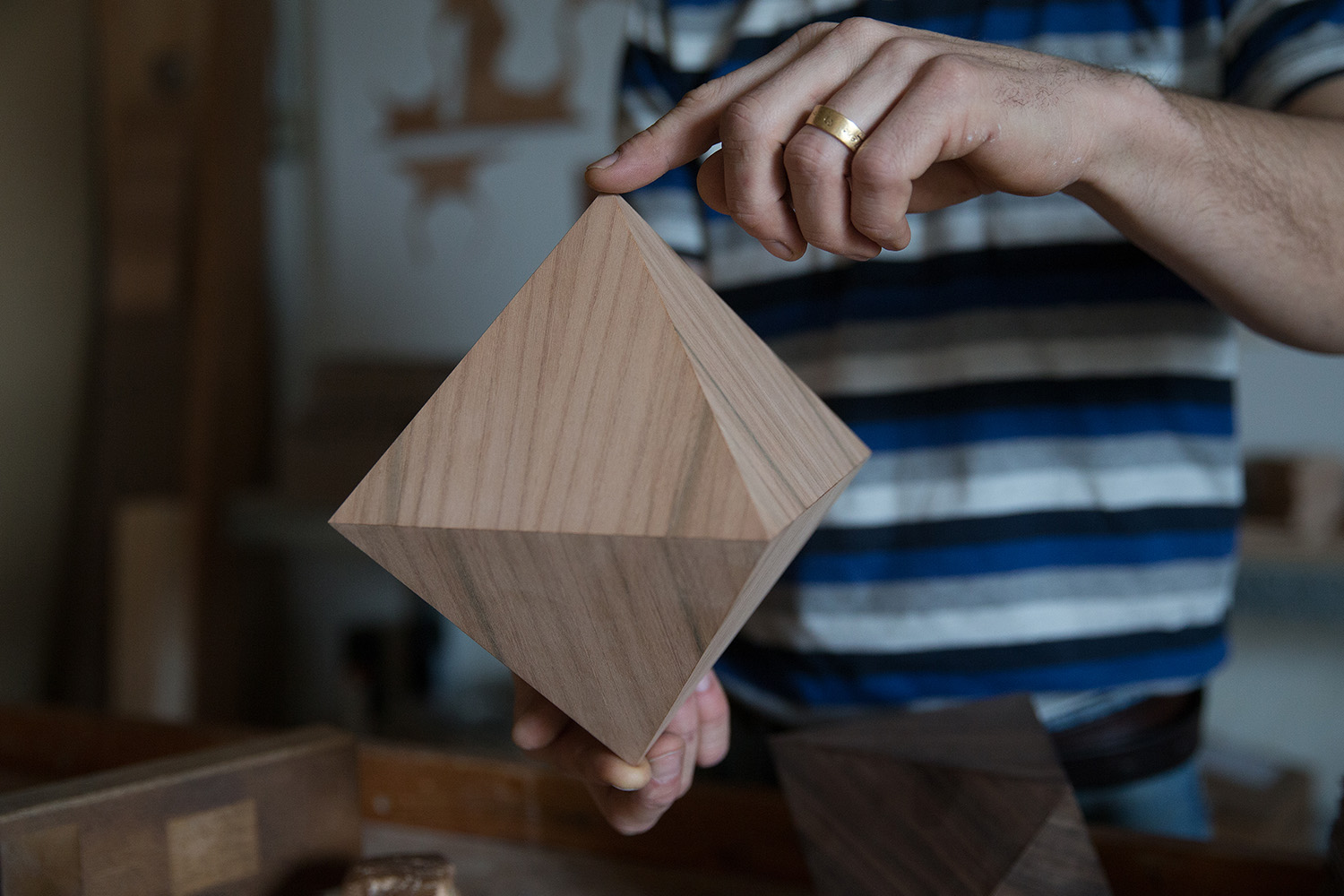
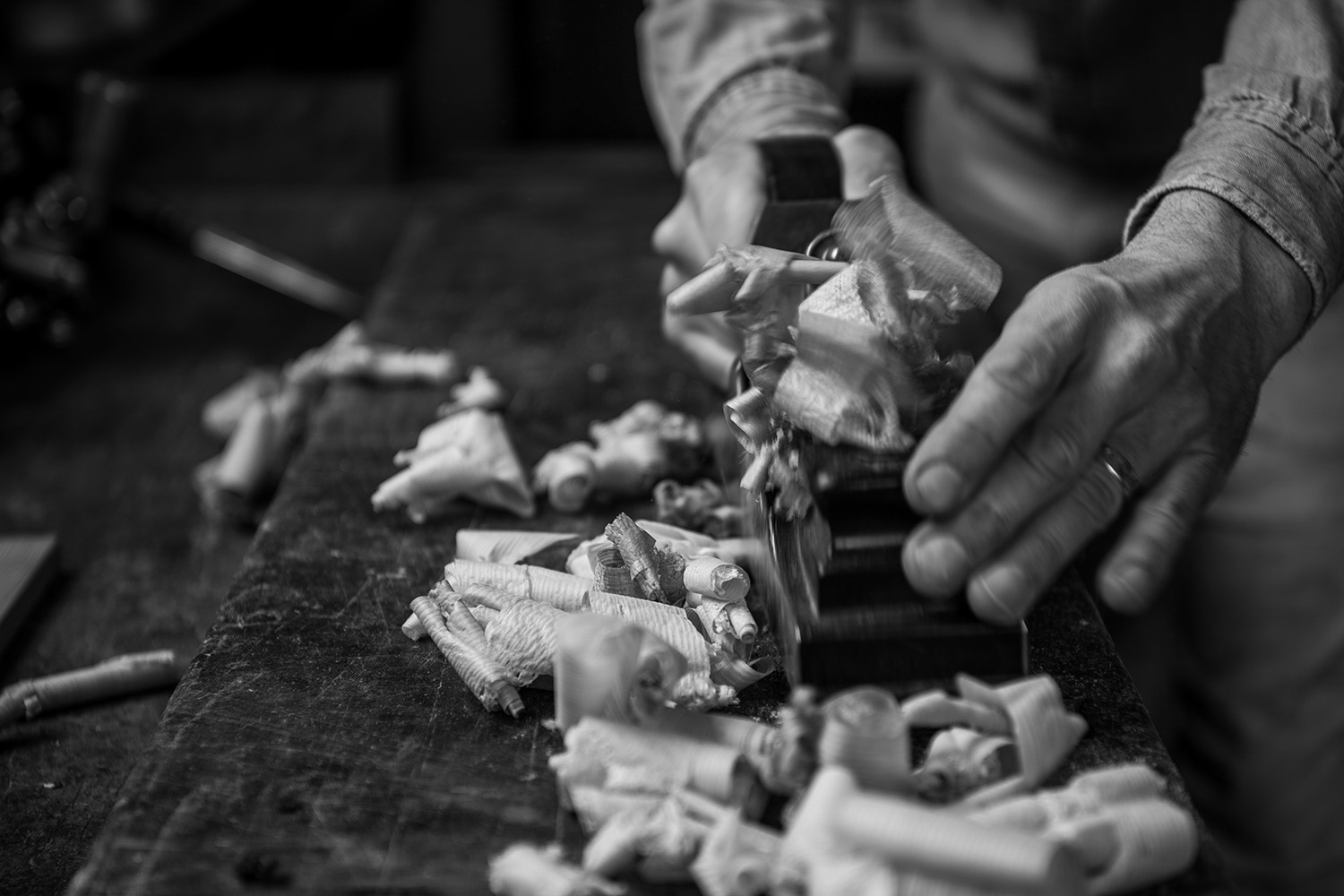
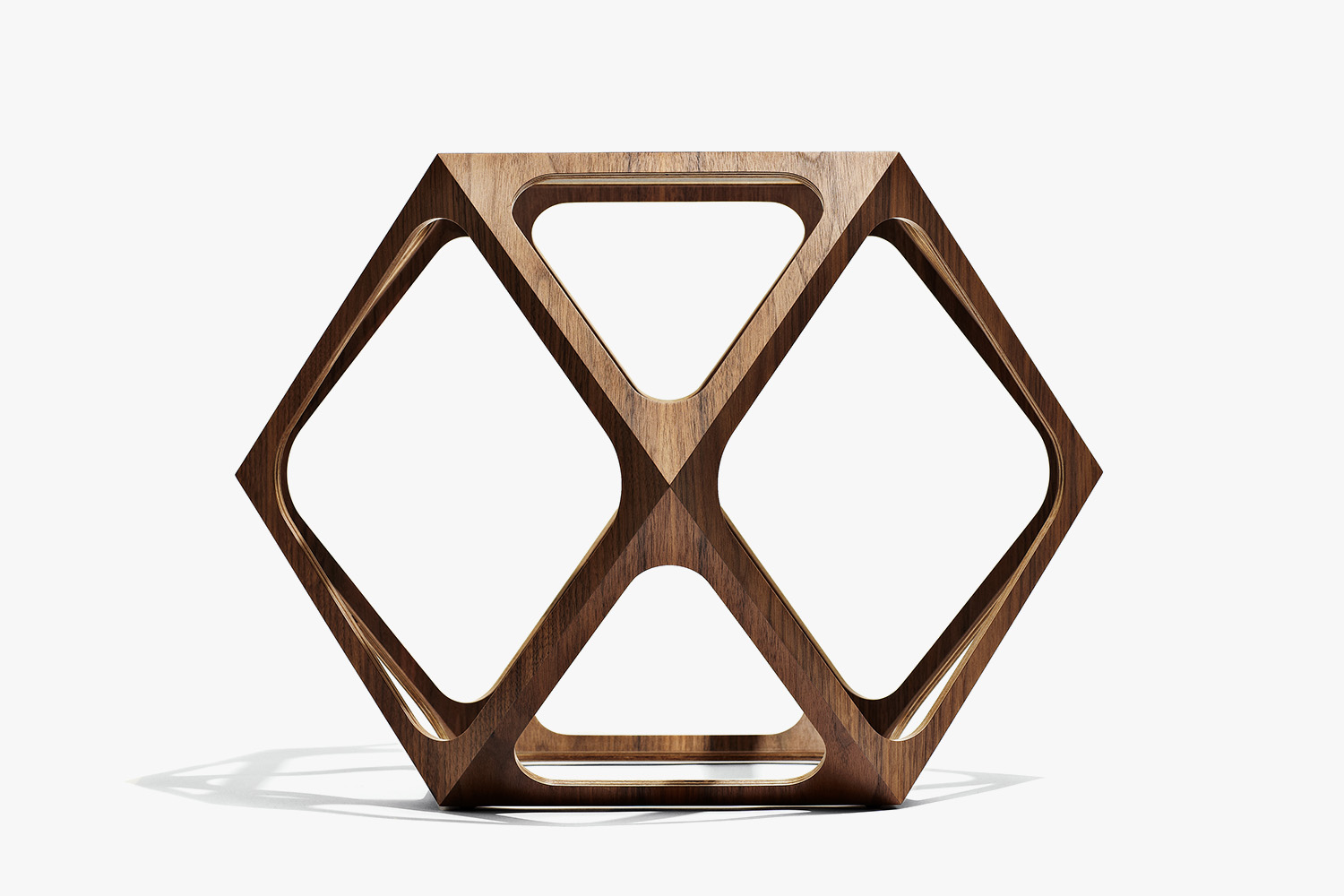
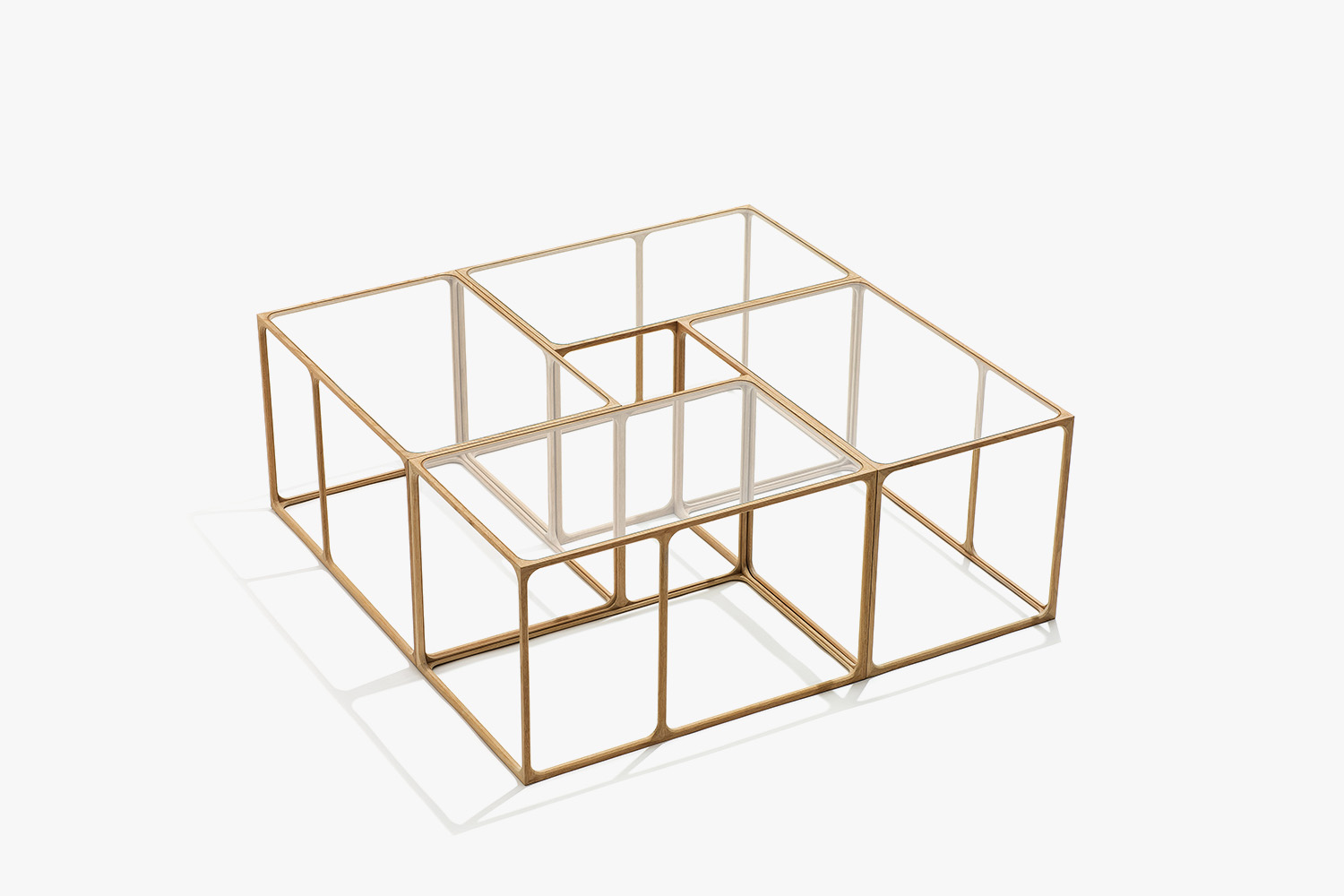
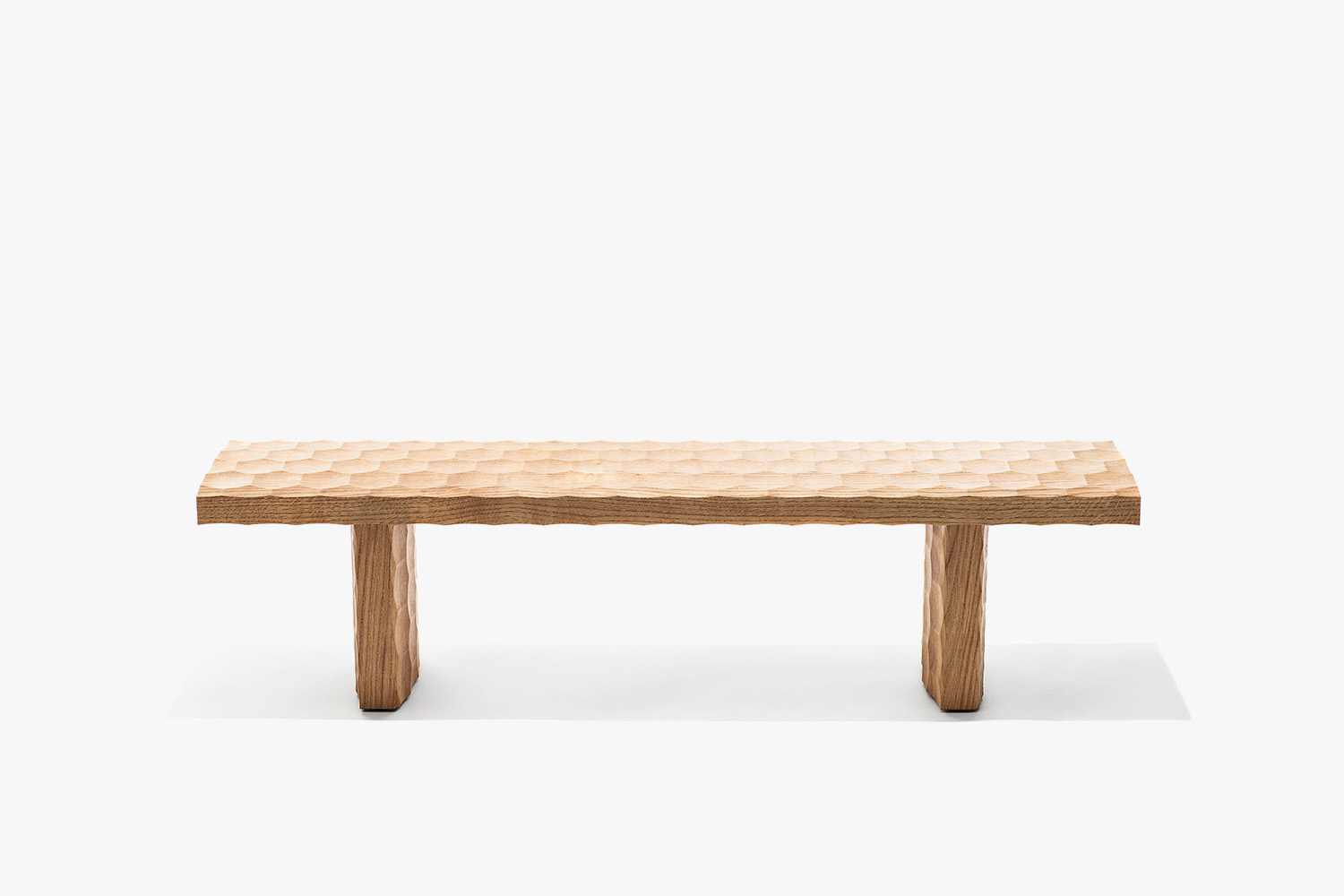
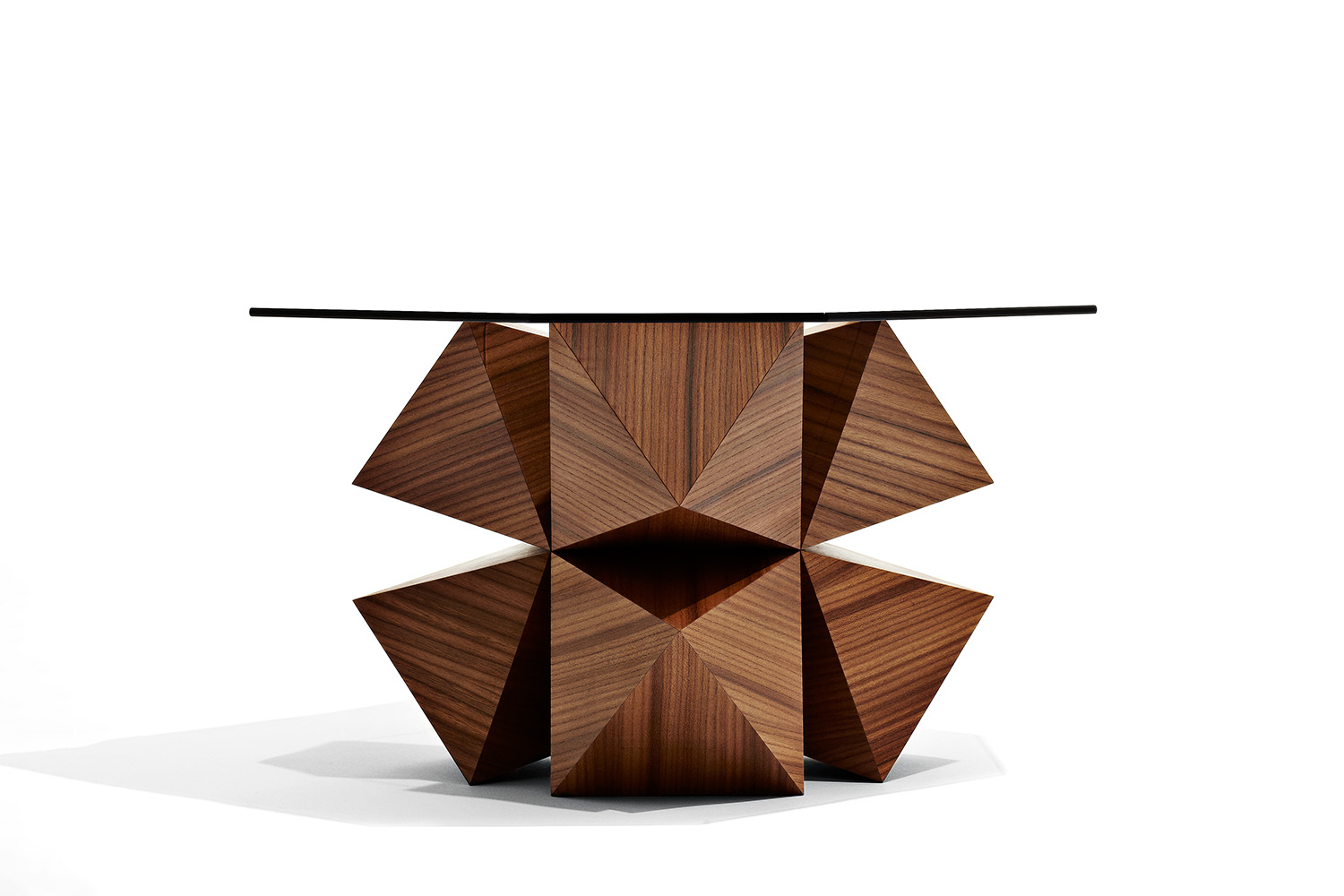
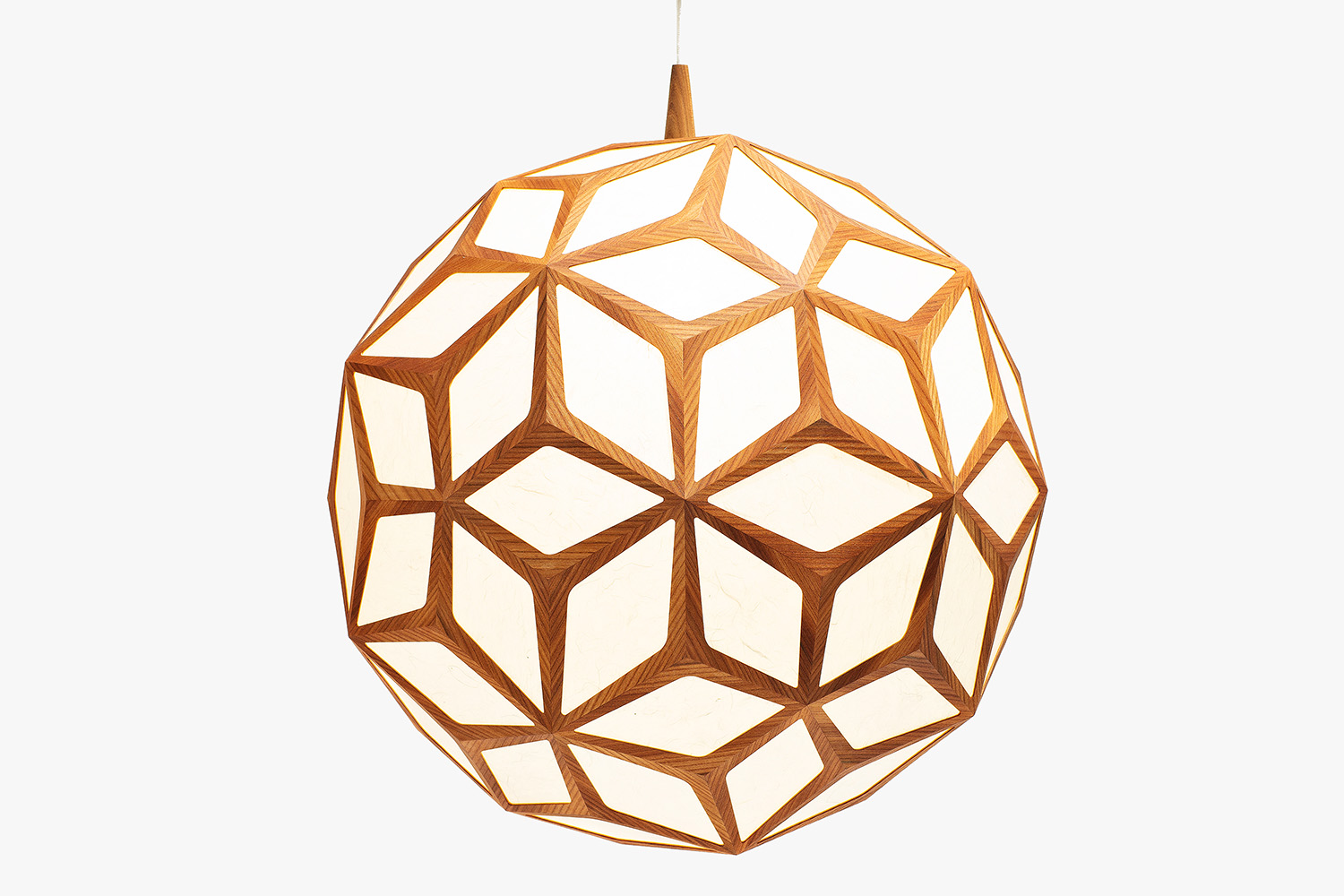
Rasmus Fenhann combines ancient handcraft techniques and woodcarving technology of the future to create work that is at once futuristic and organic. Inspired by mathematical and geometrical shapes that abound in nature, Rasmus succeeds in distilling these formulas into sculptural pieces that bring together vision, execution and functionality. Schooled in the Danish cabinetmaker tradition and further honing his skills at the Japanese Shokunin school, Rasmus strives for absolute precision in his work. This precision is found in every minute detail. He is a designer, sculptor, and caretaker of wood: bridging the old with the new and setting new aesthetics standards for a sustainable future.
INTERVIEW
The aesthetics of maths inspire me. There is a beauty that isn’t man-made, a beauty that calms. The mathematical principles in nature create incredibly strong constructions that allow me to use less wood and work with lightness and transparency.
The ability to read a piece of wood is something I have long cultivated. There is an optimal use for each piece of wood, and it takes time to understand this and build up an extensive collection of wood types.
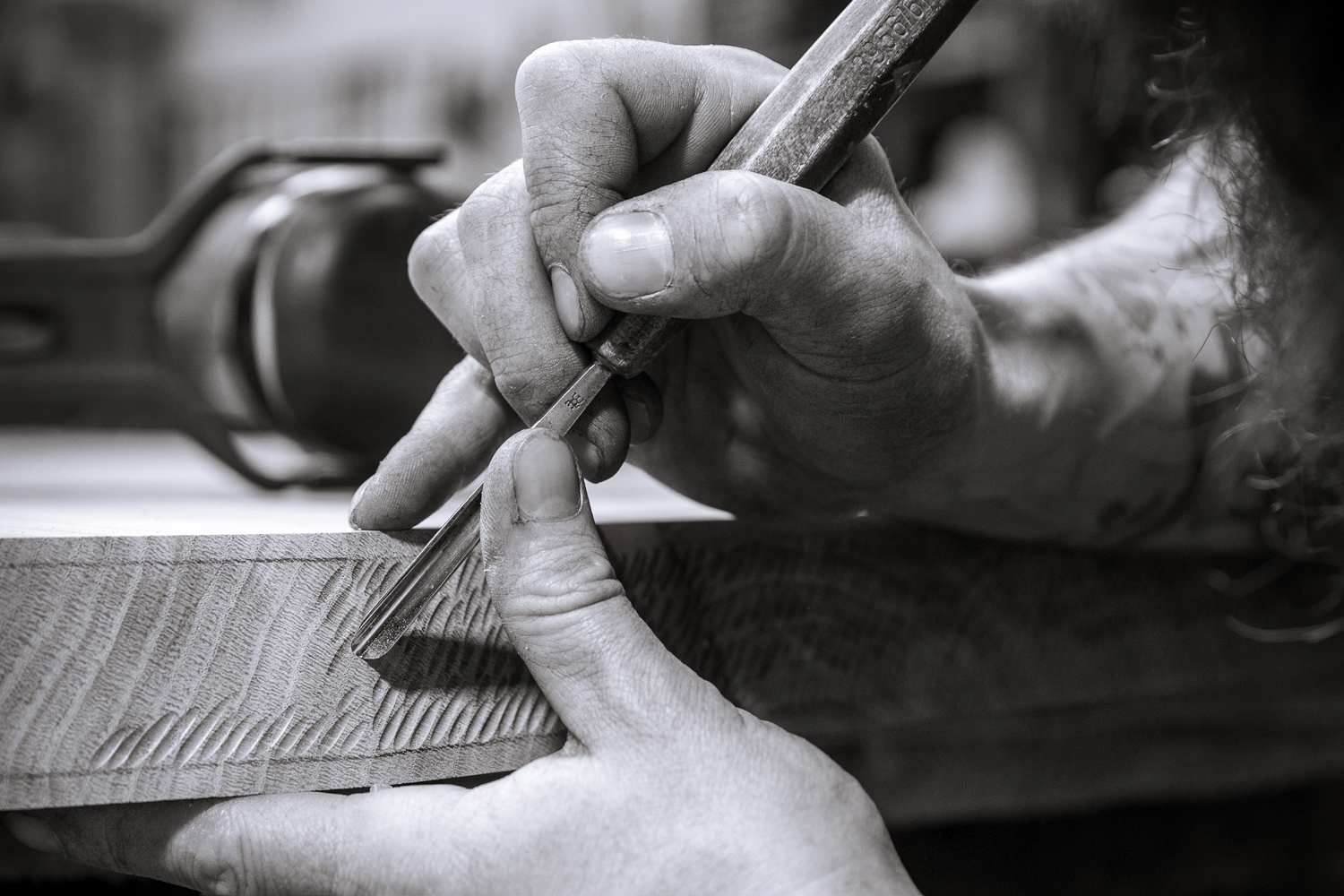
All methods are welcome and should be explored – cutting-edge and ancient techniques. What matters is that the finished work is endowed with spirit, and that requires the human touch.
My process is a kind of upcycling: I reuse wood repeatedly until I find the perfect place for it in a piece of work so that it will last a hundred years. When this happens, the wood can no longer be reused; you just have to care for it.
Rasmus Fenhann
Furniture maker
Copenhagen, Denmark
AVAILABILITY
By appointment only
PHONE
+45 26540604
LANGUAGES
Danish, English
Homo Faber Finds is a new service aiming to inspire admirers of craft to connect and collaborate with exceptional artisans.
We invite you to submit an enquiry here.