
Ikuko Iwamoto
Ceramicist
London, United Kingdom
When the invisible is made visible
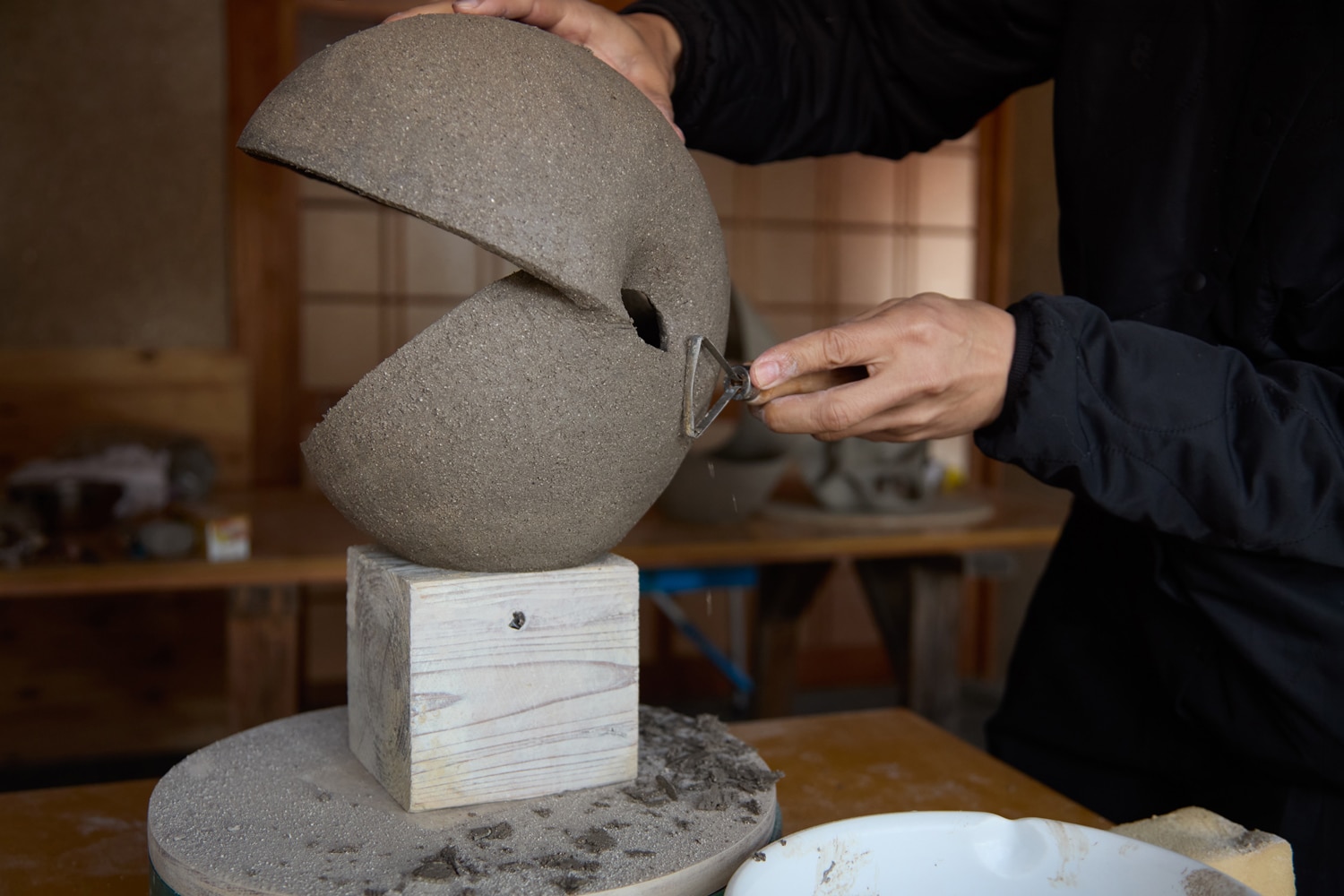
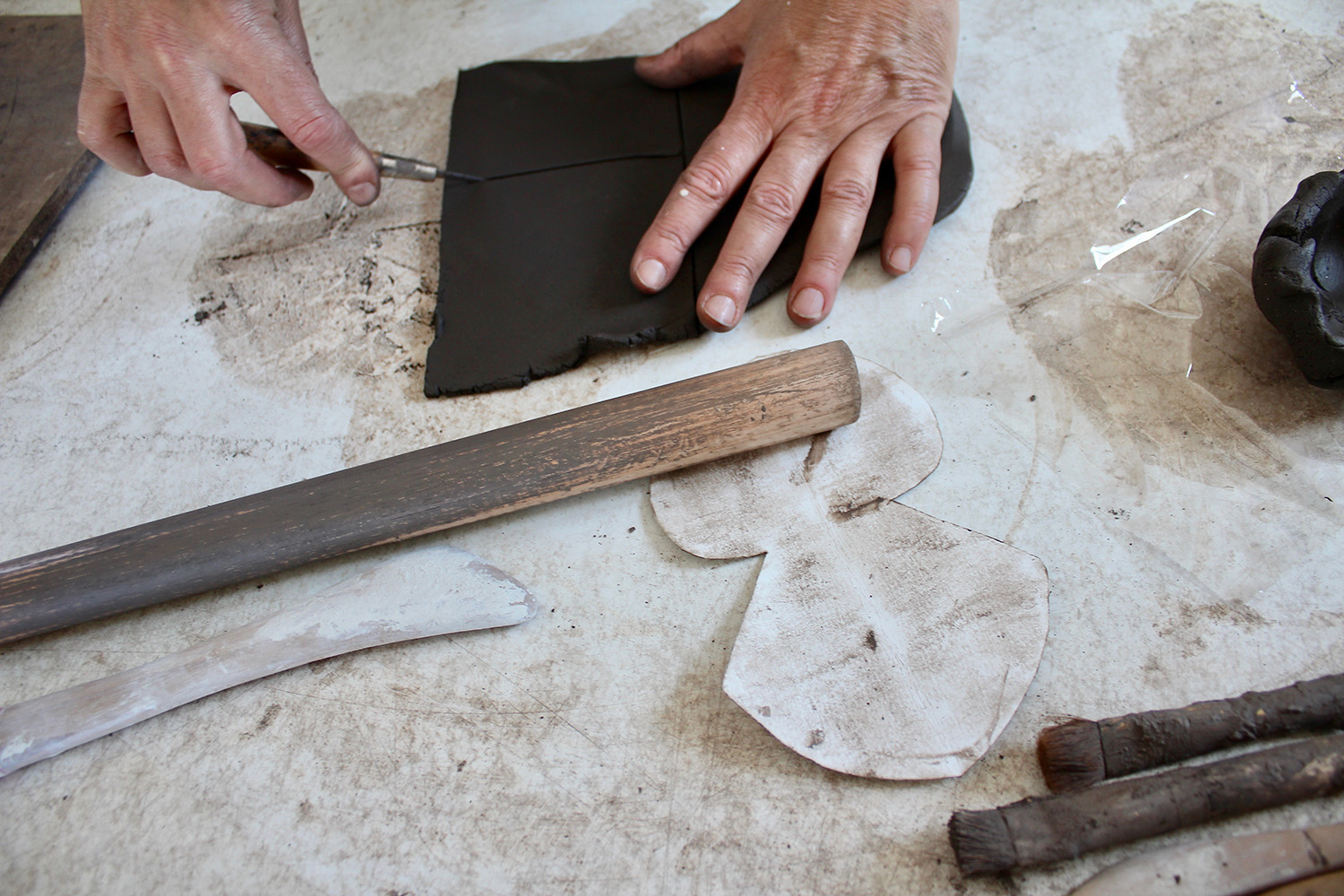
- Ikuko makes all her moulds by hand
- Abstract artists including Paul Klee inspire her
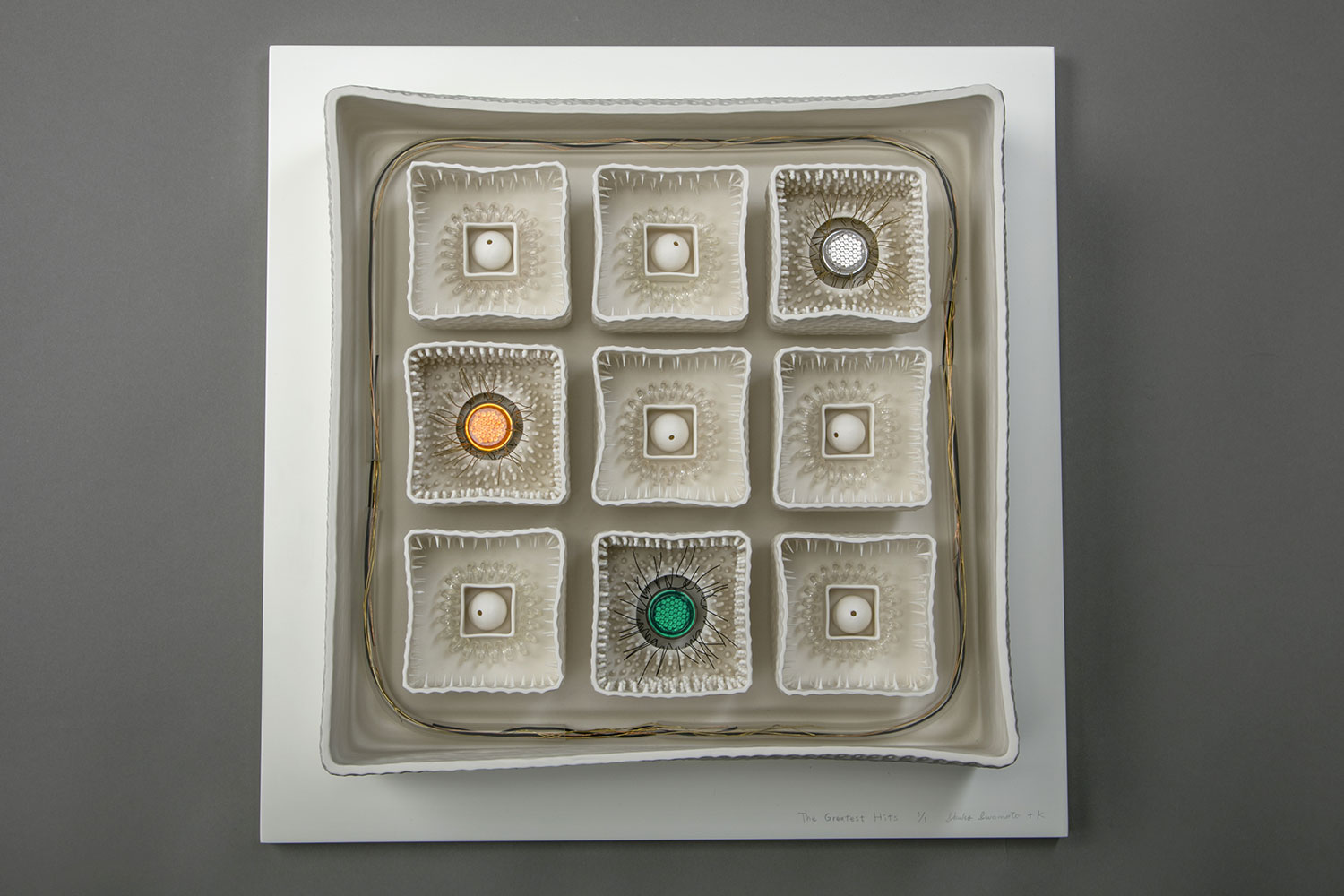
- She sometimes combines clay with materials such as phone cables and metal
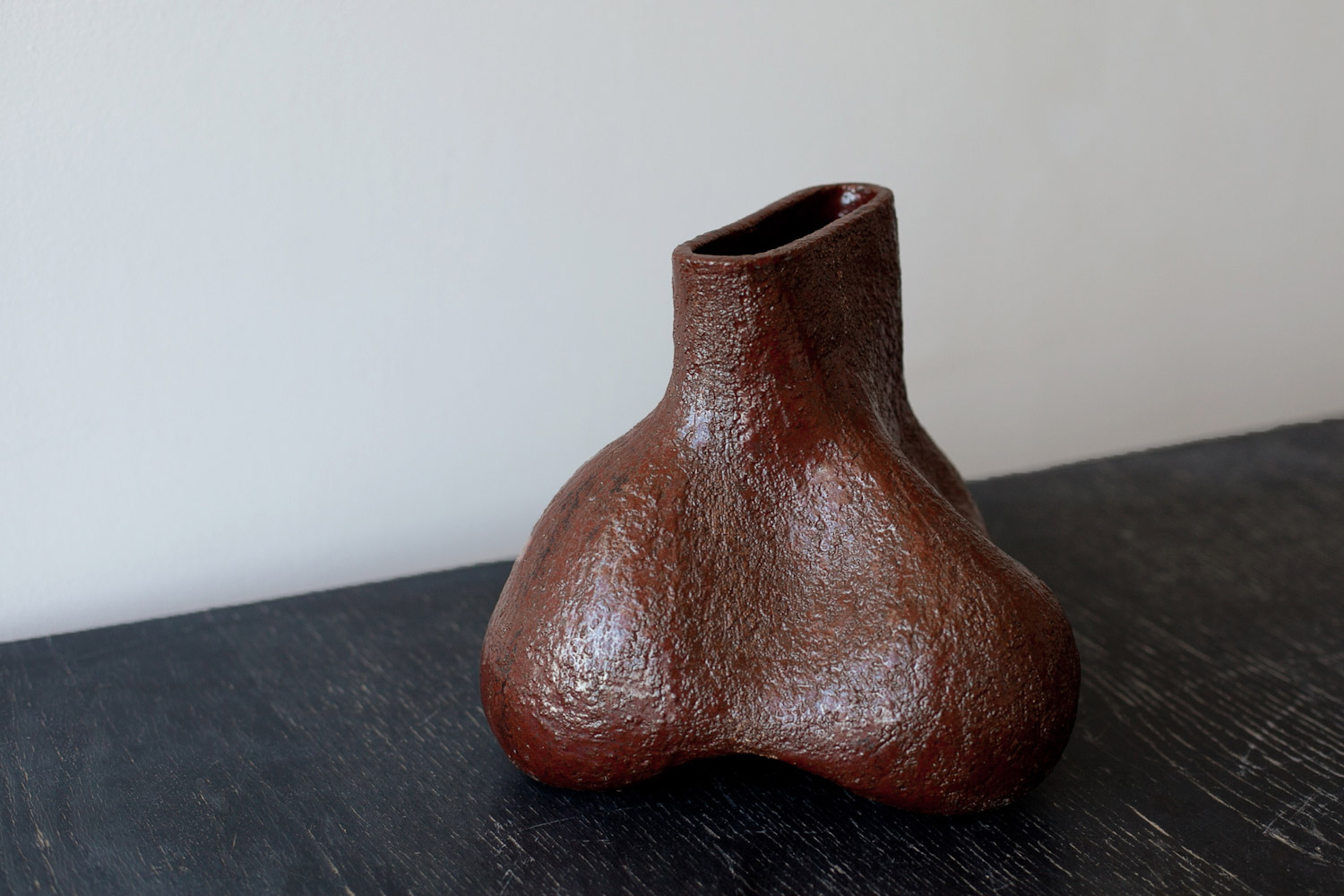
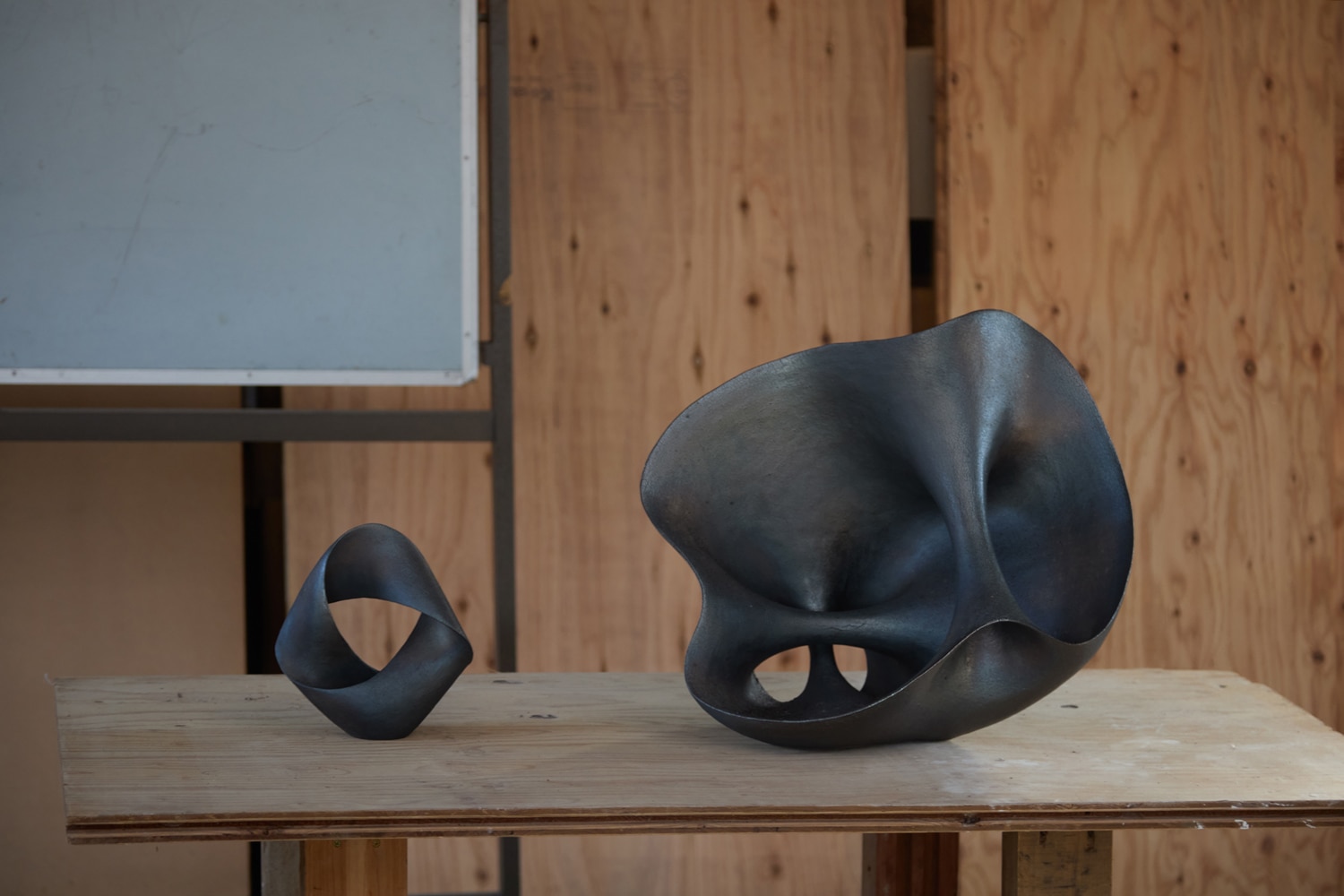
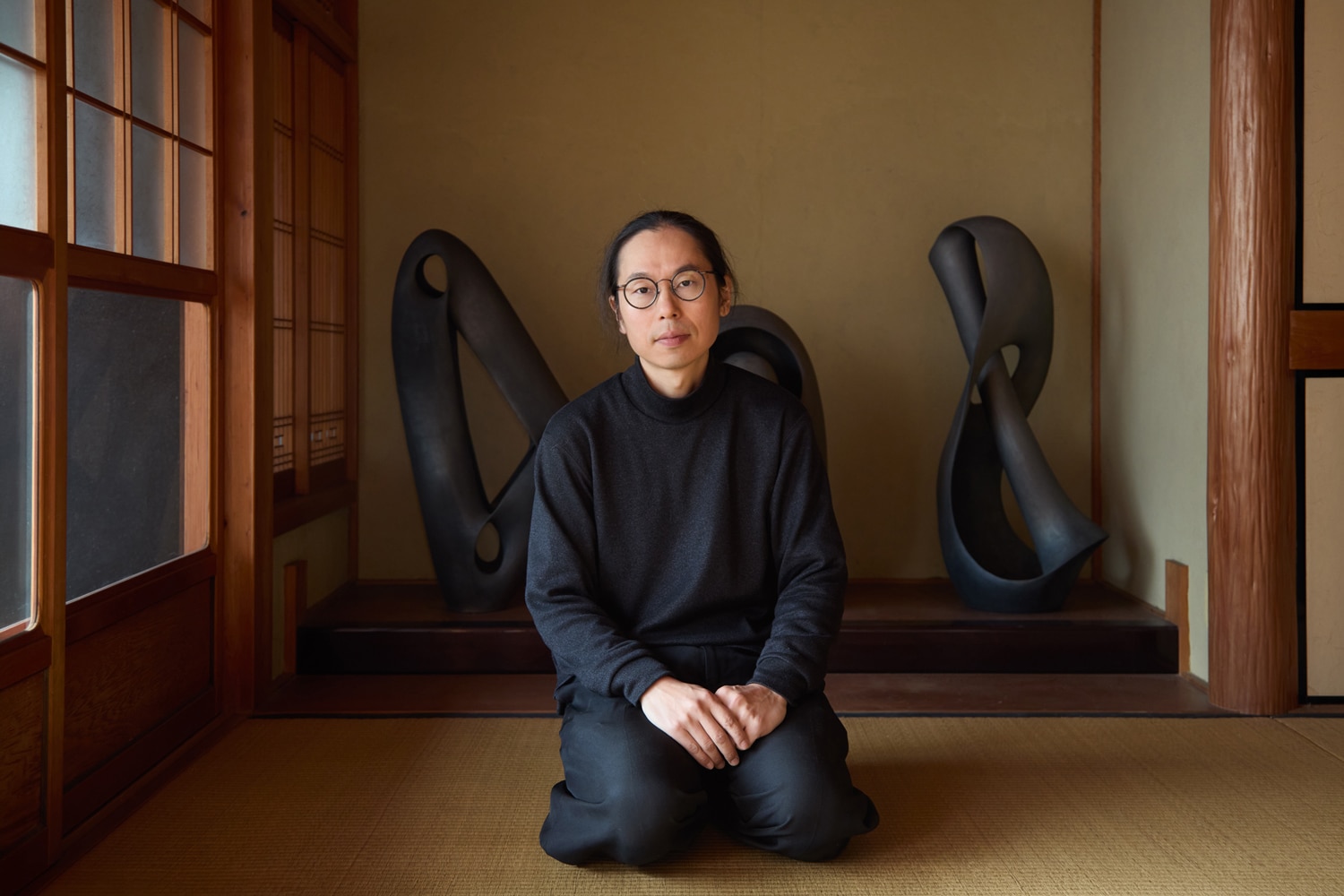
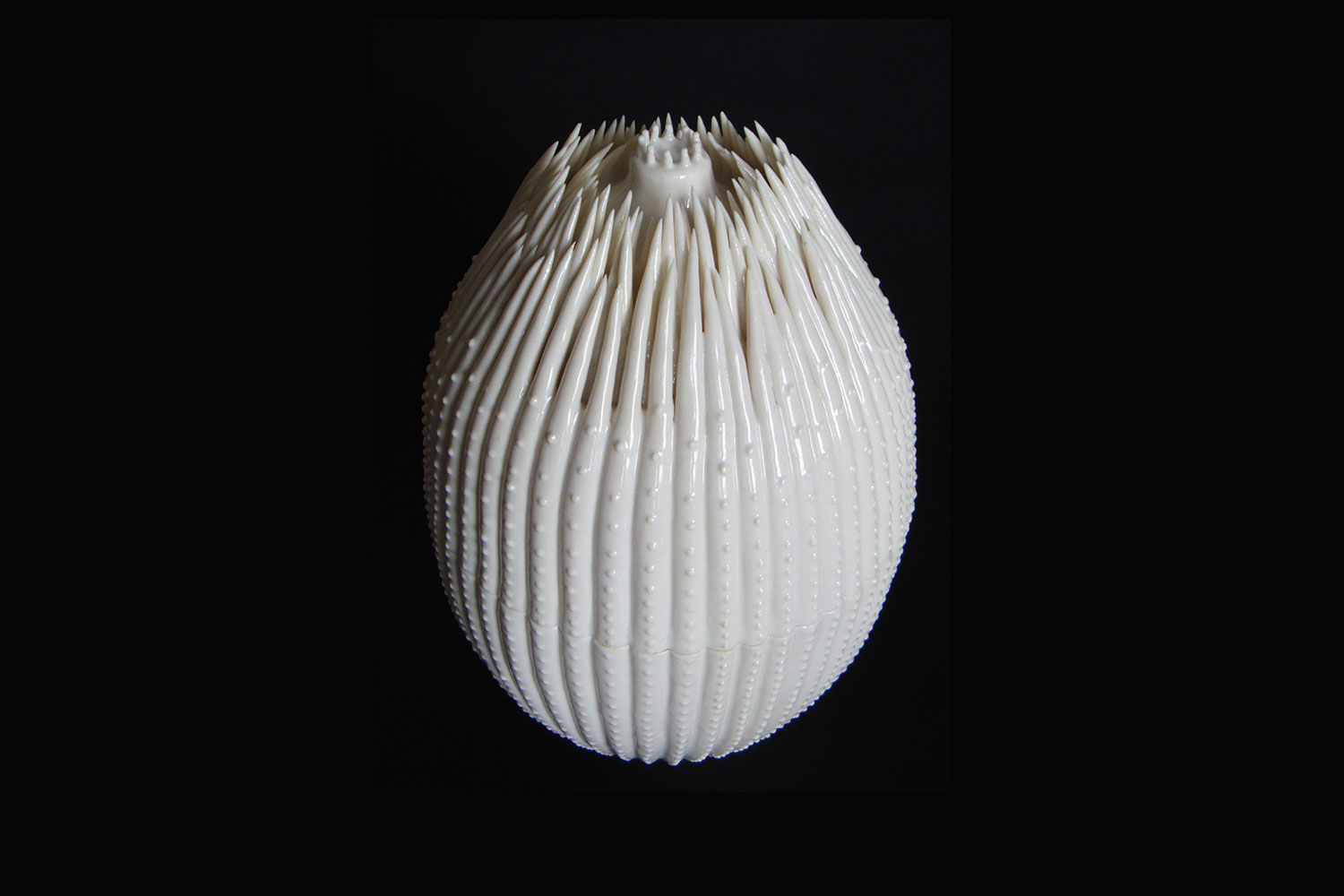
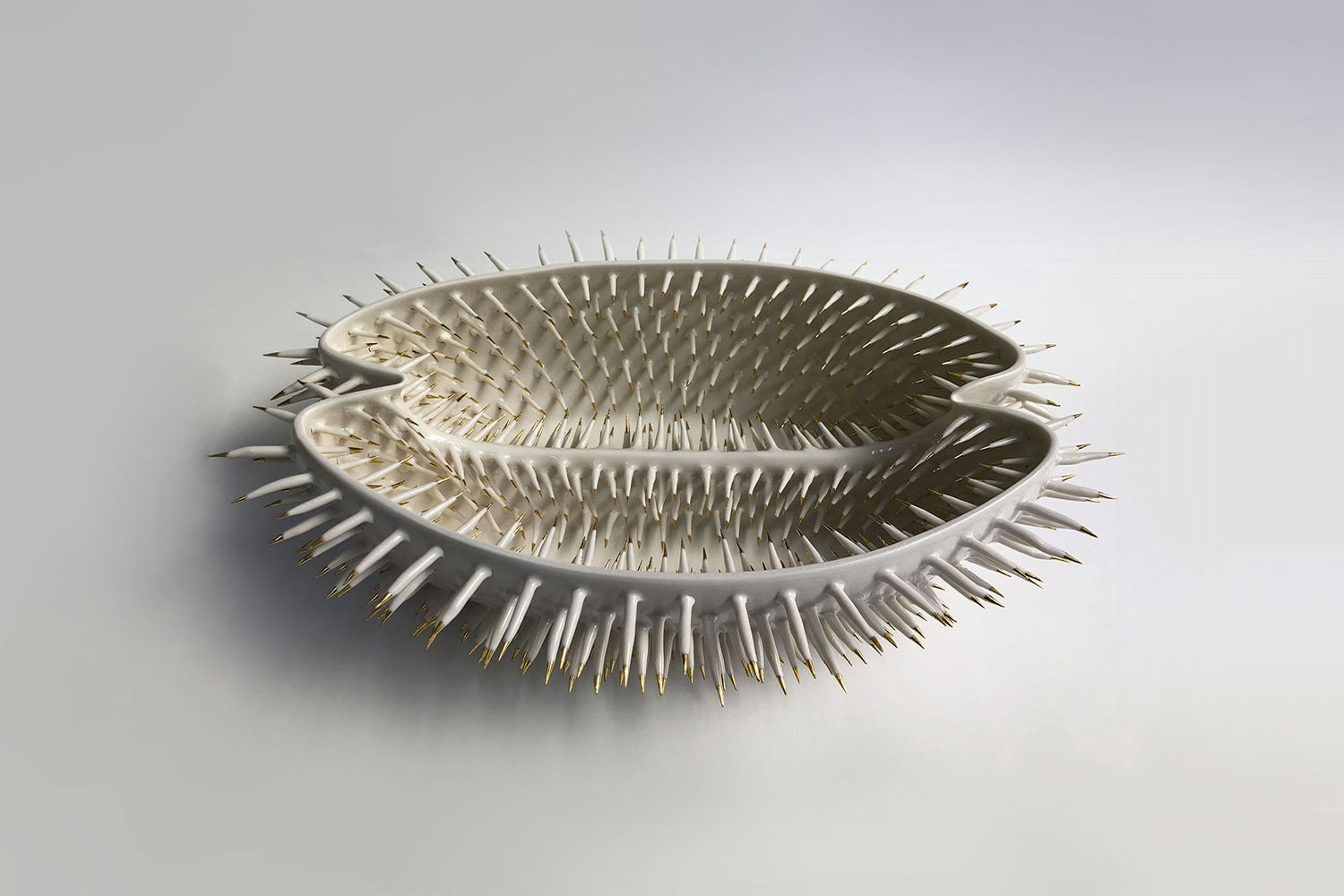
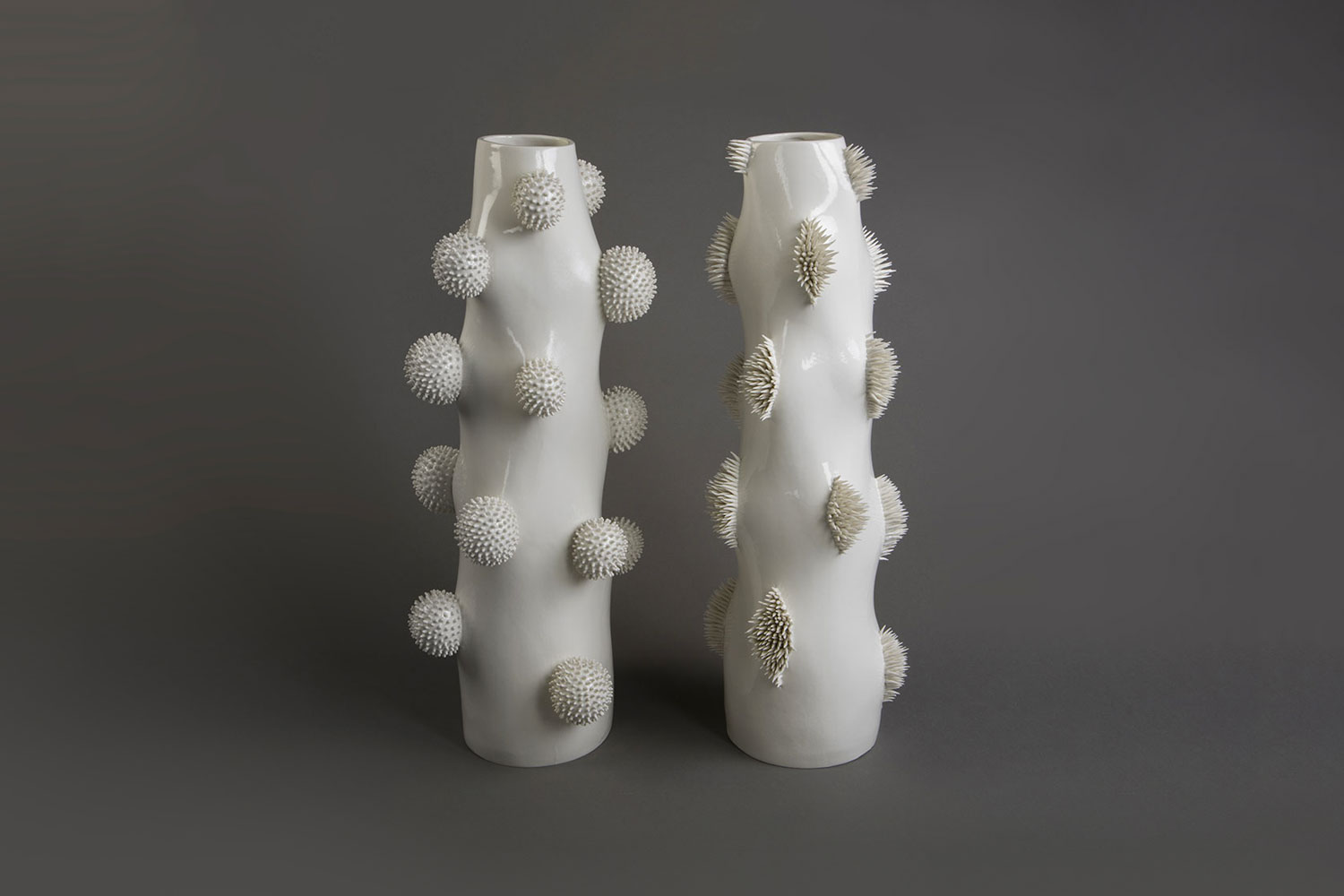
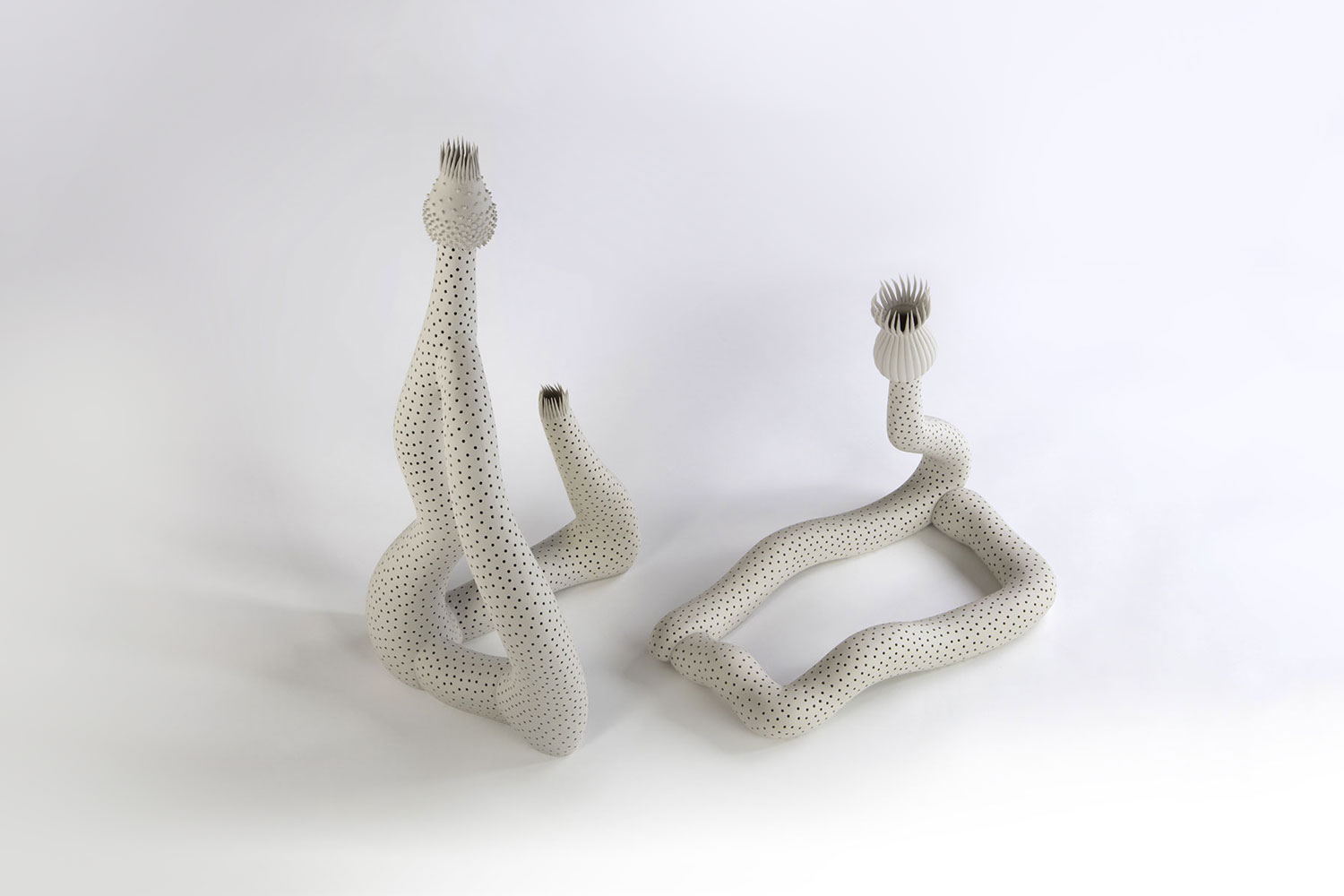
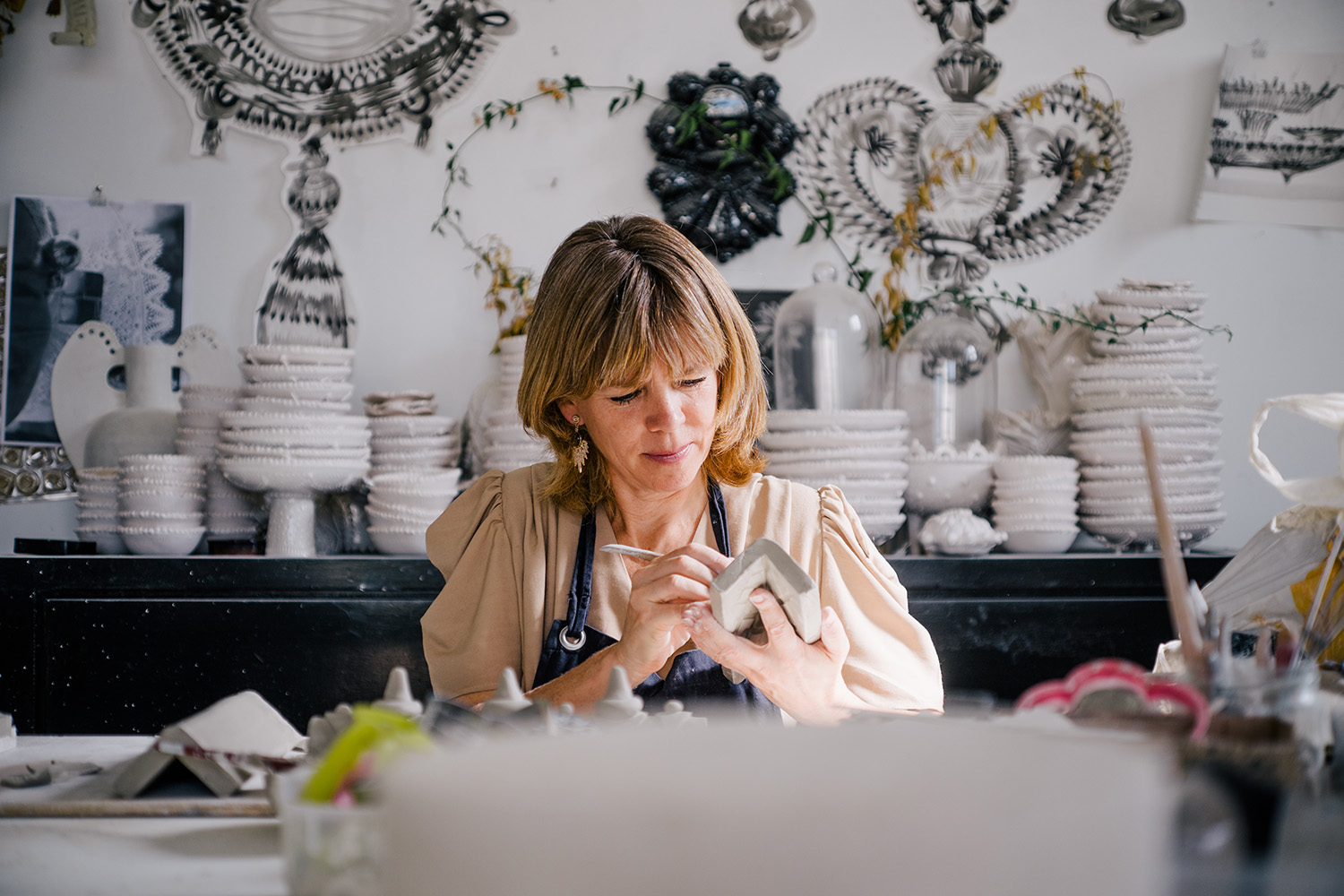
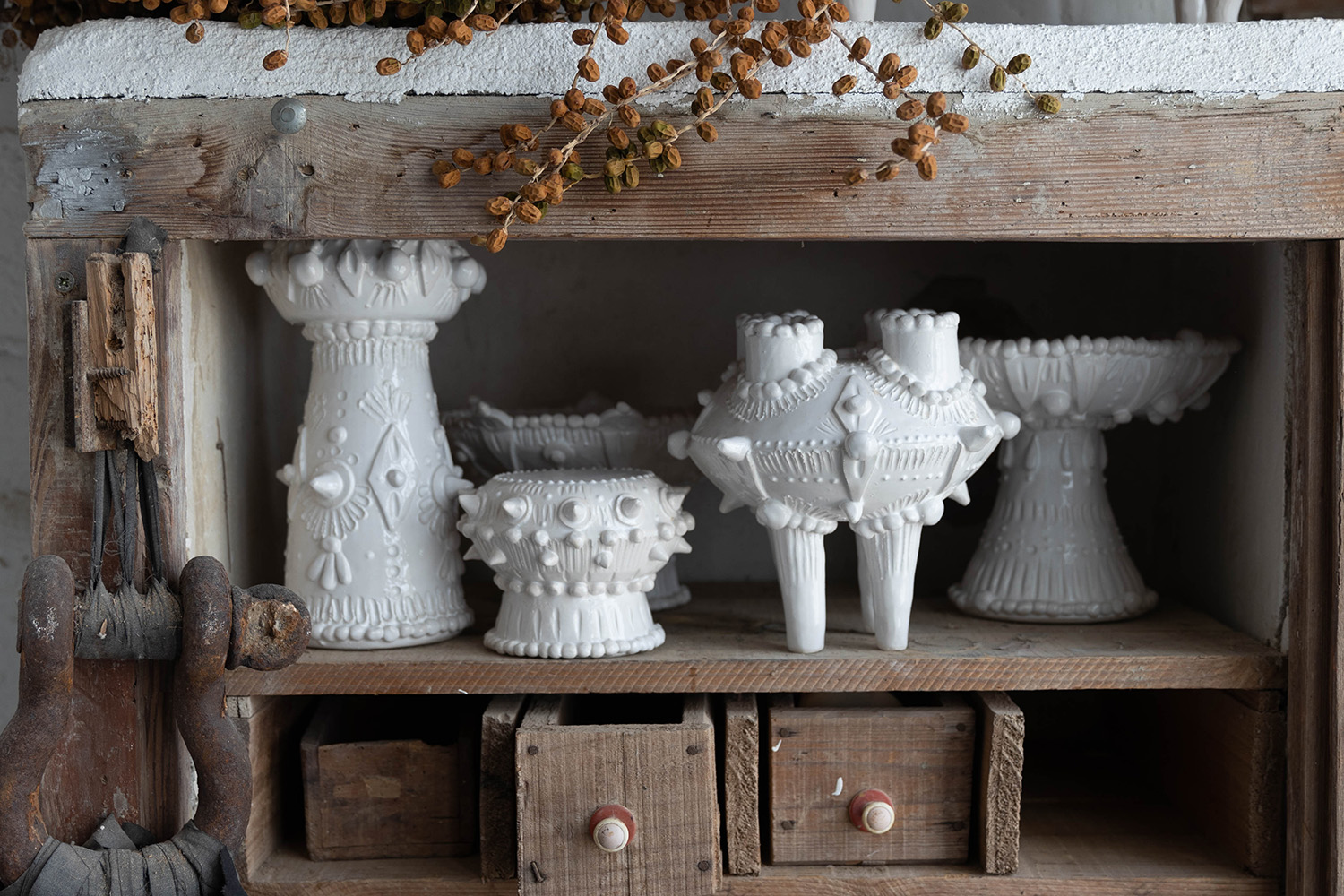
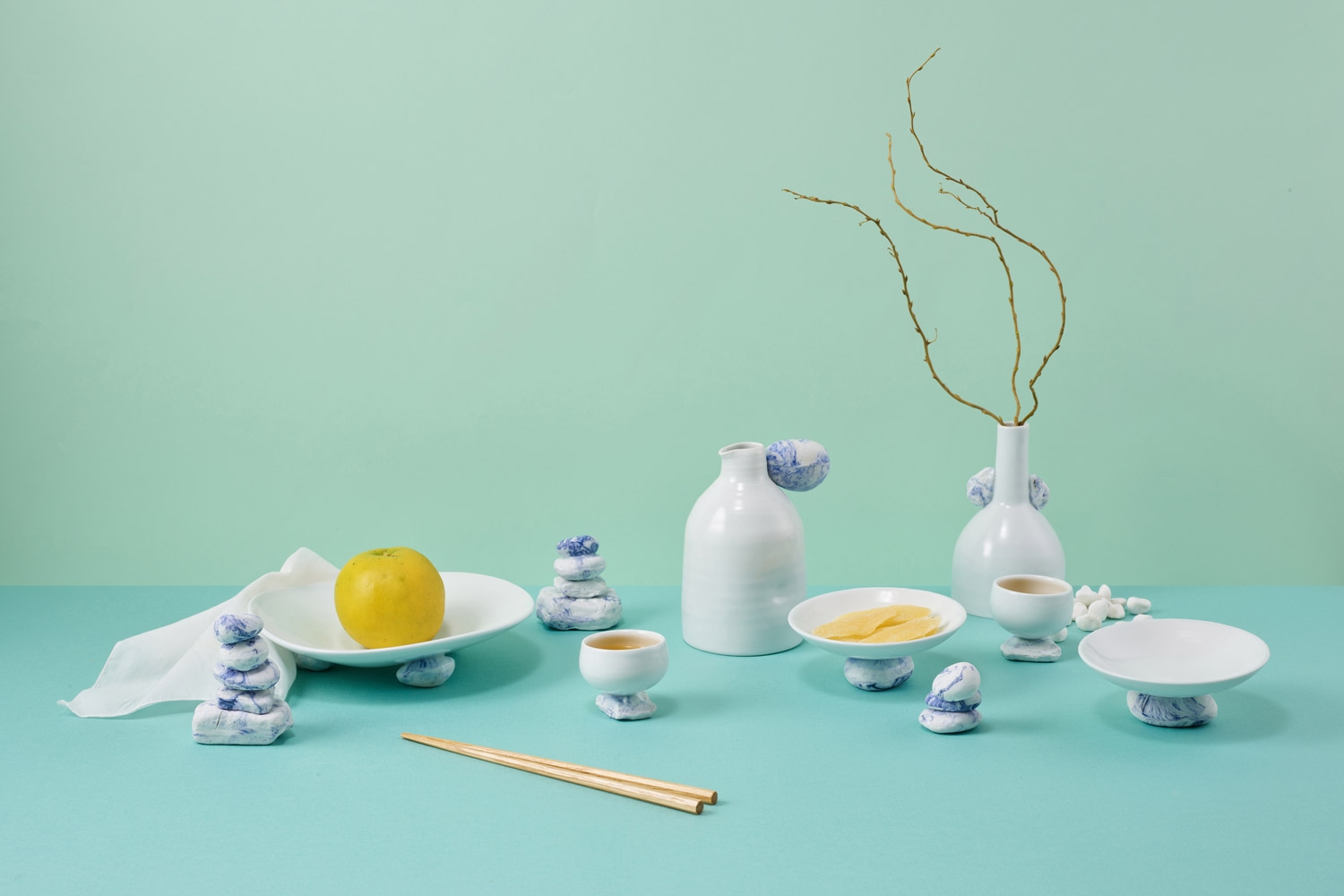
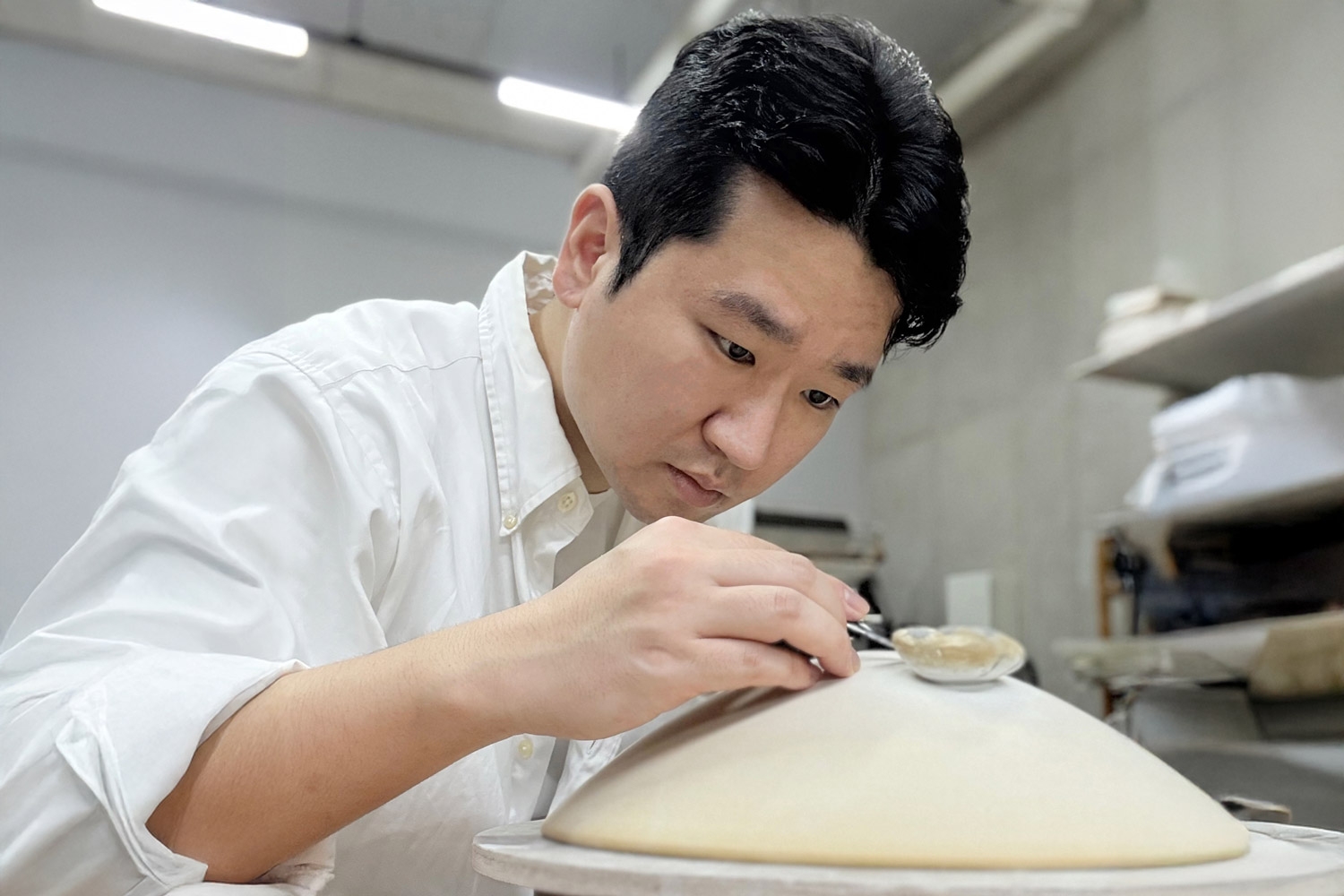
Genes, cells and organic forms are fascinating to Ikuko Iwamoto. Her objects seem alive, shaped to resemble organisms you could observe through a microscope. Her sculptural aesthetic developed first at Tezukayama College in Japan and then at the Royal College of Art in London, to where she moved in 2001. Ikuko began to make tableware using the slip casting techniques she learned at the RCA, before feeling the need to push herself in new creative directions. The idea to make framed sculptures, or wall pieces, was born “in order to liberate myself from the dilemma of working on functional objects,” as she puts it. She has been concentrating on wall pieces since 2012, taking an innovative approach.
Discover her work
INTERVIEW
Yes. When I was a student at high school my art teacher told me that I had no talent for drawing and painting, so I gave up art, and somehow, after a while, I ended up doing craft. My apprenticeship was with the Japanese master Asuka Tsuboi.
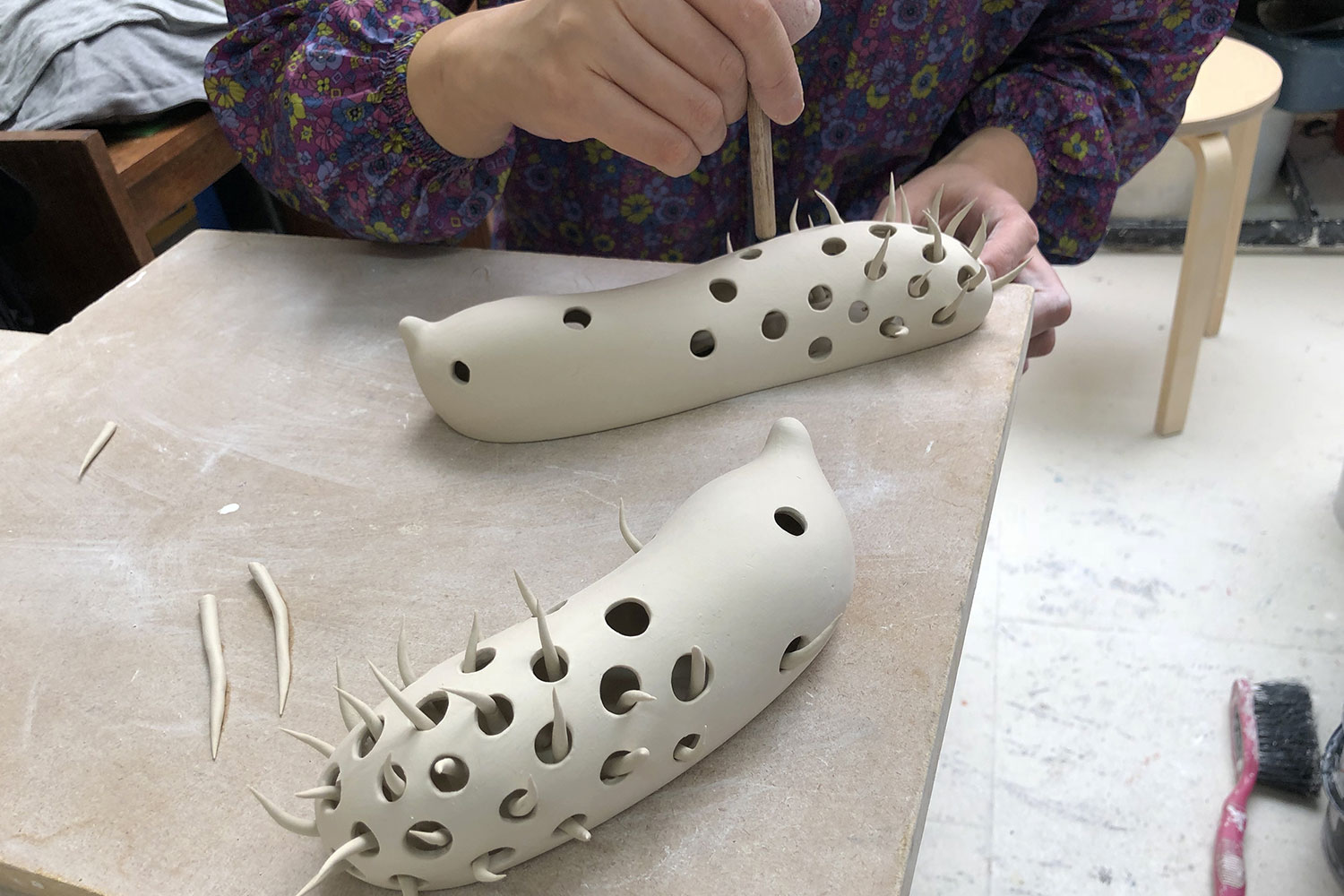
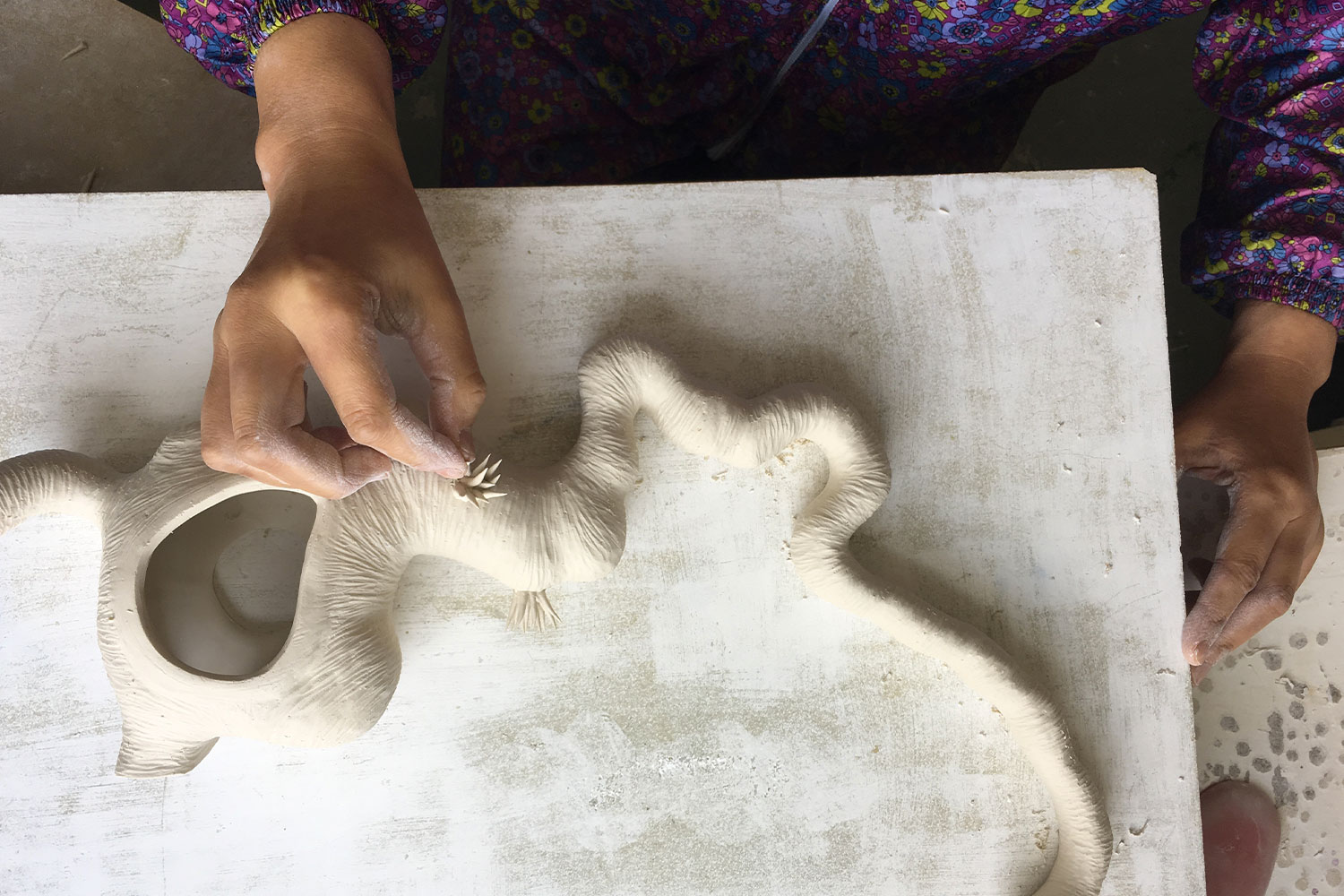
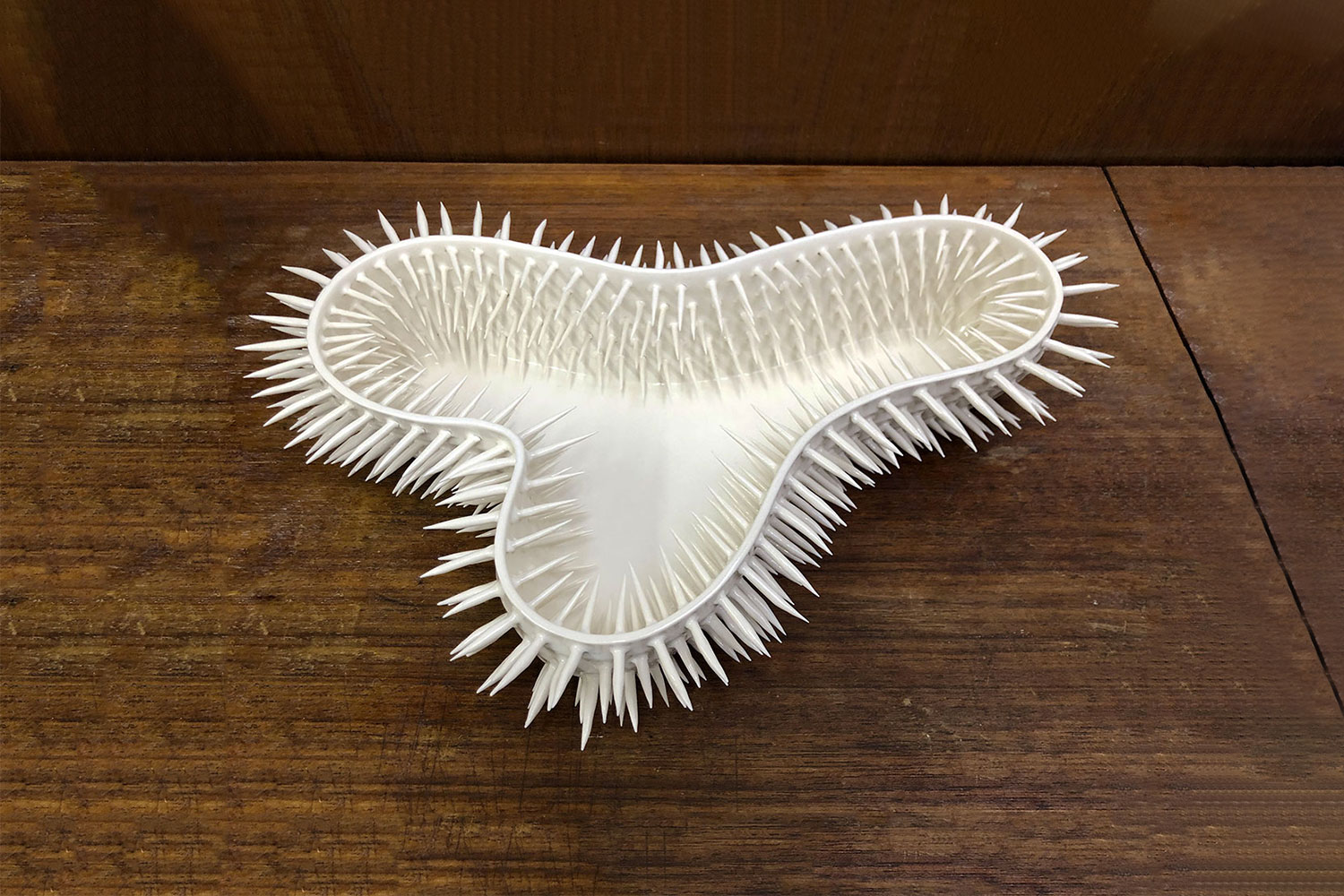
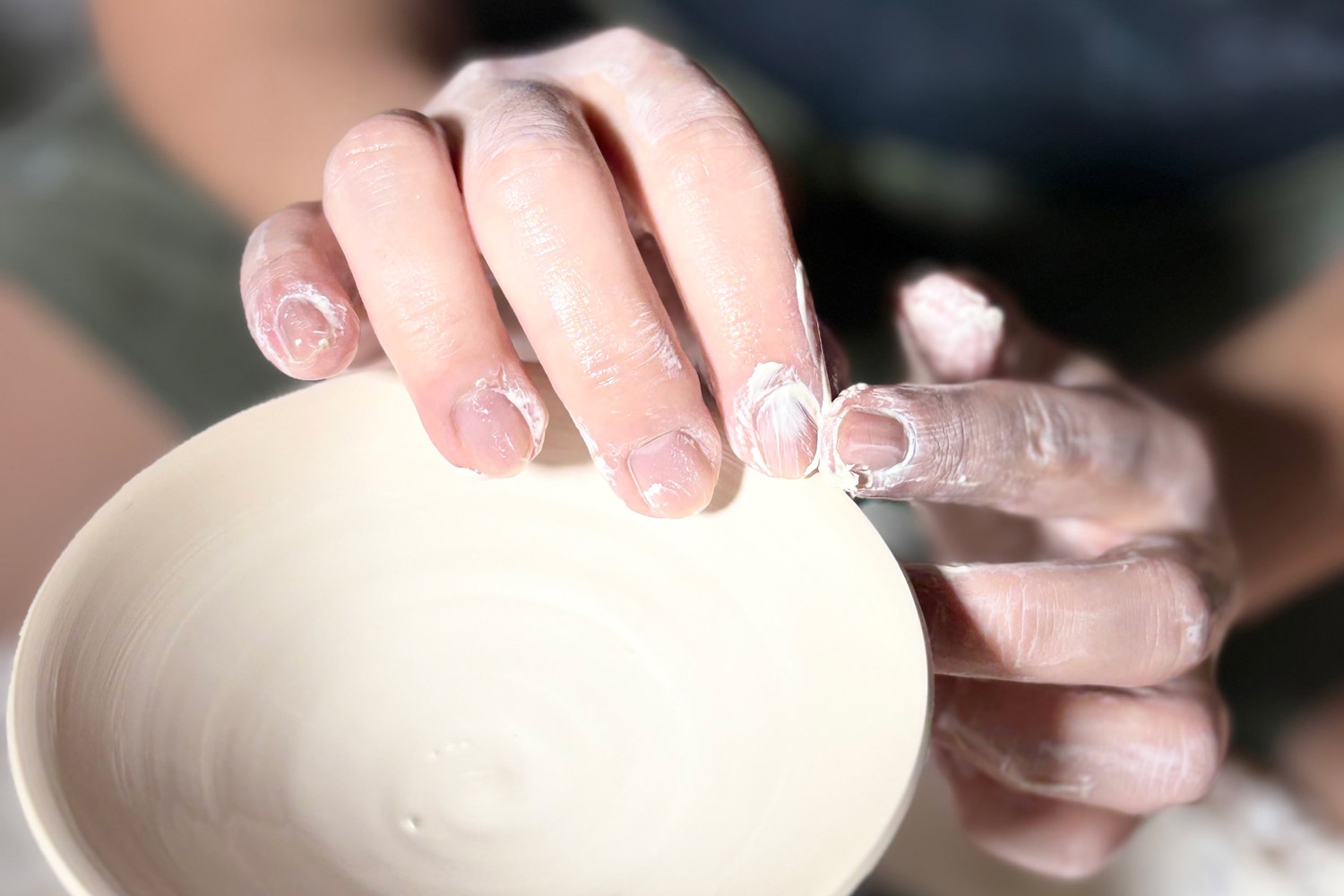
Slip casting, particularly. Porcelain is fired at very high temperatures and slip casted forms can easily crack during the firing process. You still have to do all the elaborate spike attachments or decorations, without knowing if it will come out successfully.
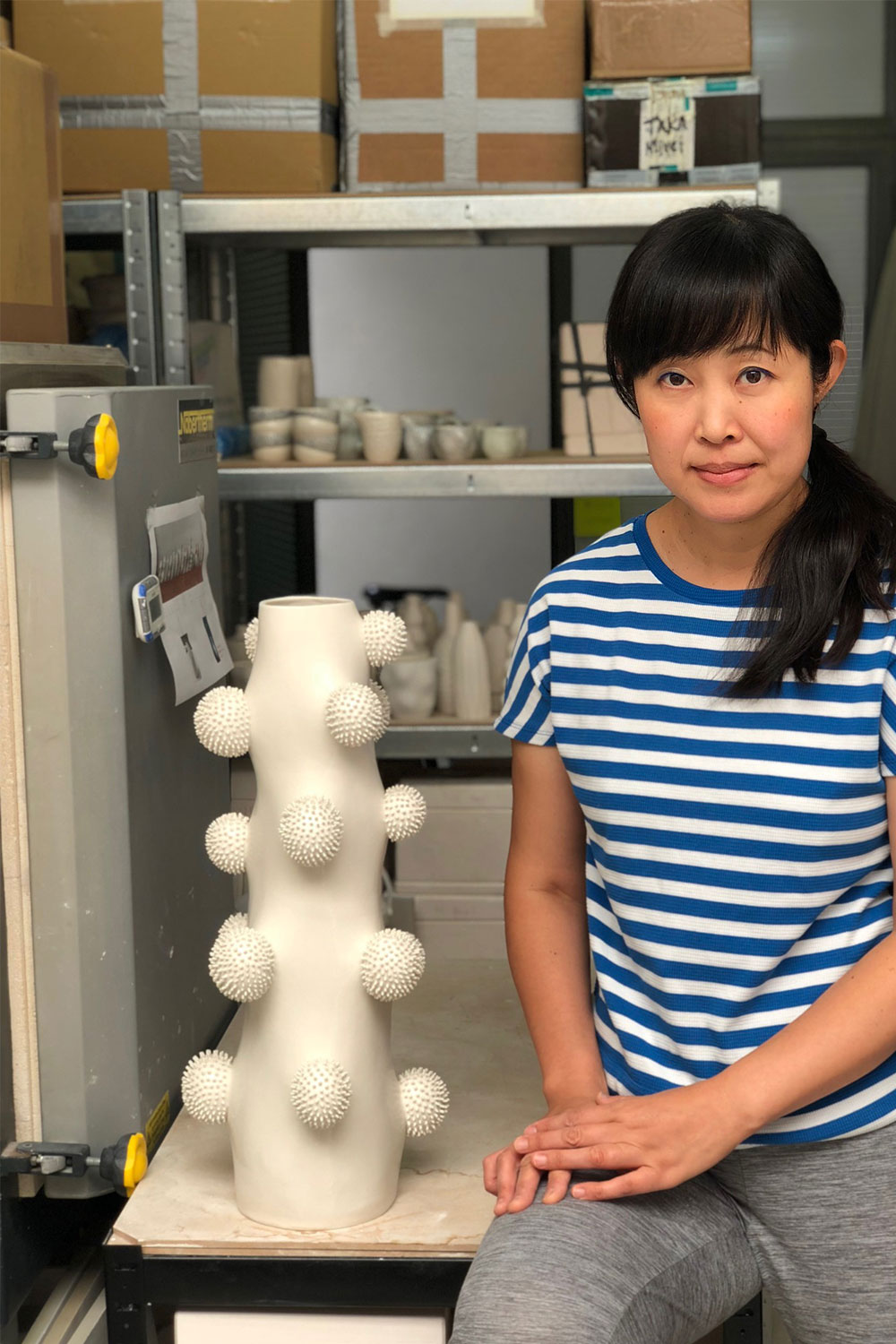
I adore the organic shapes and patterns in an invisible world such as cells, genes and microorganisms, and I aim to translate them into my work, and bring extraordinary things into ordinary, everyday life. I like to make invisible things visible.
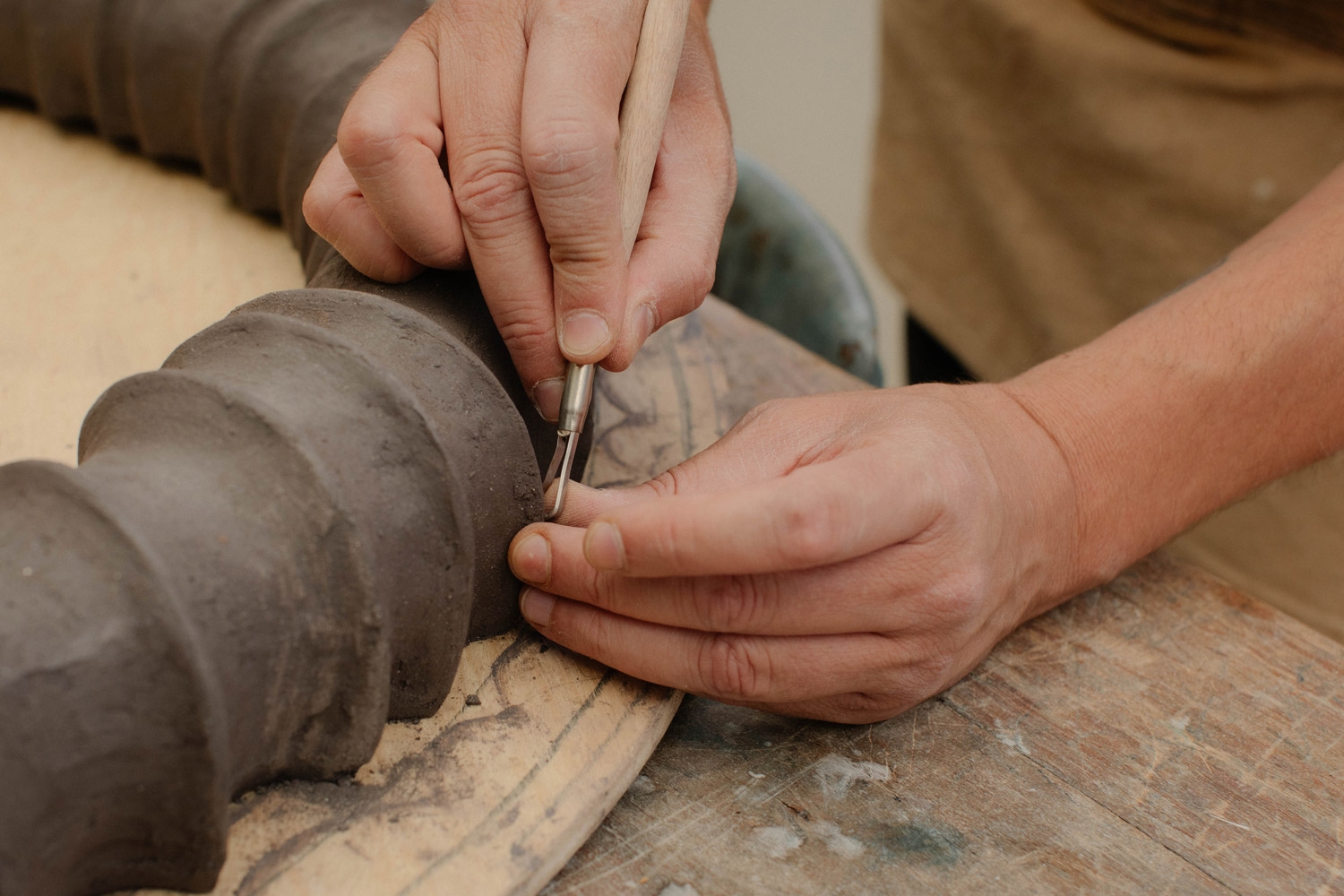
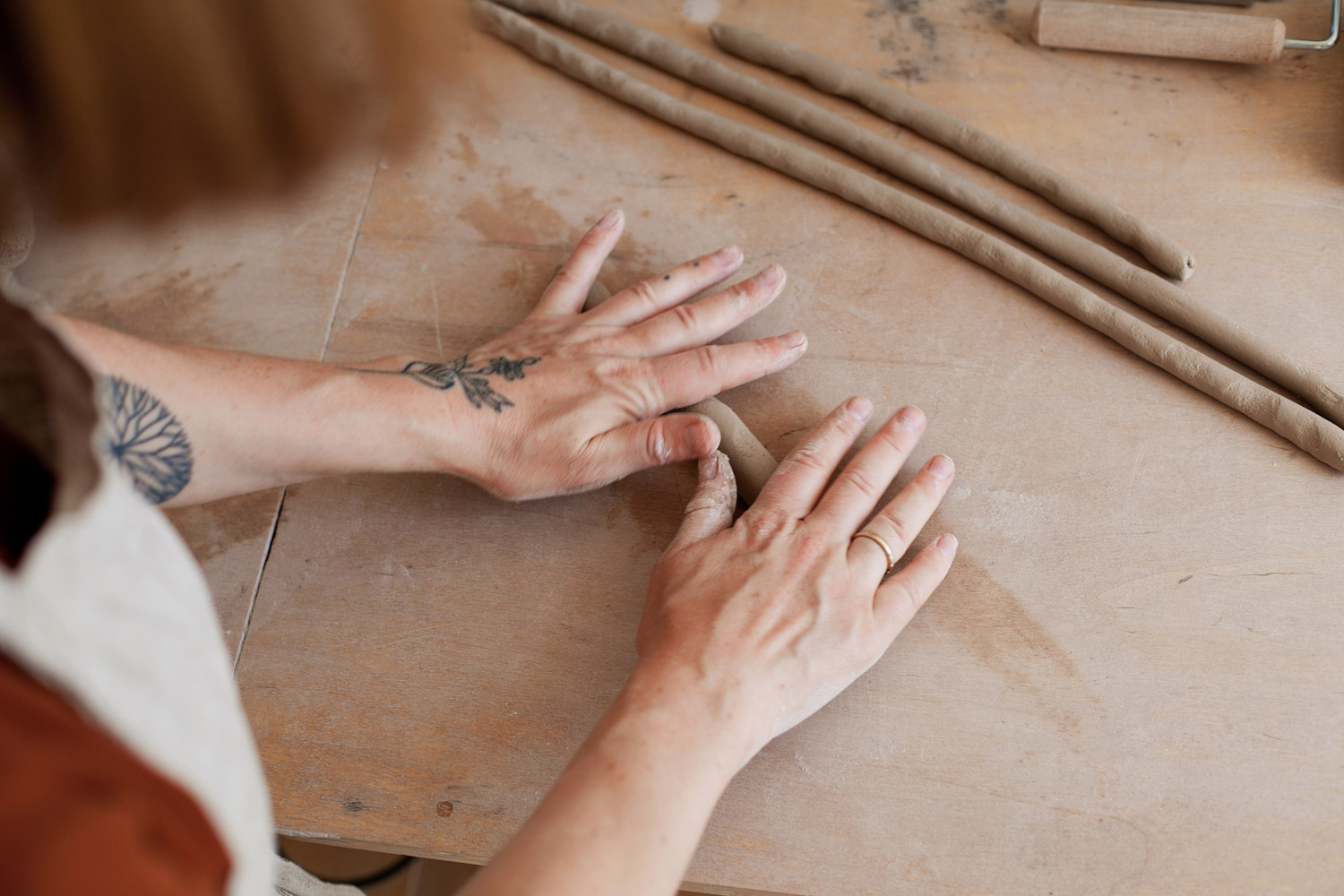
I did some research on visually impaired people, and since then how I feel when my hands come into contact with materials has become part of my creative process. I use lots of spikes and other decorative elements which I craft individually by hand.
Ikuko Iwamoto
Ceramicist
London, United Kingdom
AVAILABILITY
By appointment only
PHONE
+44 7734592791
LANGUAGES
Japanese, English
Homo Faber Finds is a new service aiming to inspire admirers of craft to connect and collaborate with exceptional artisans.
We invite you to submit an enquiry here.
DSC02402_©Meg-Lovell.jpg)
DSC01379_©Meg-Lovell.jpg)
DSC01458_©Meg-Lovell.jpg)