Hyun Joo Kim
Paper artist
Paju, South Korea
Layers of nature in Hanji
- Hyun Joo makes her own hanji paper and uses it to build sculptures
- She seeks inspiration from nature and tries to reflect its structures
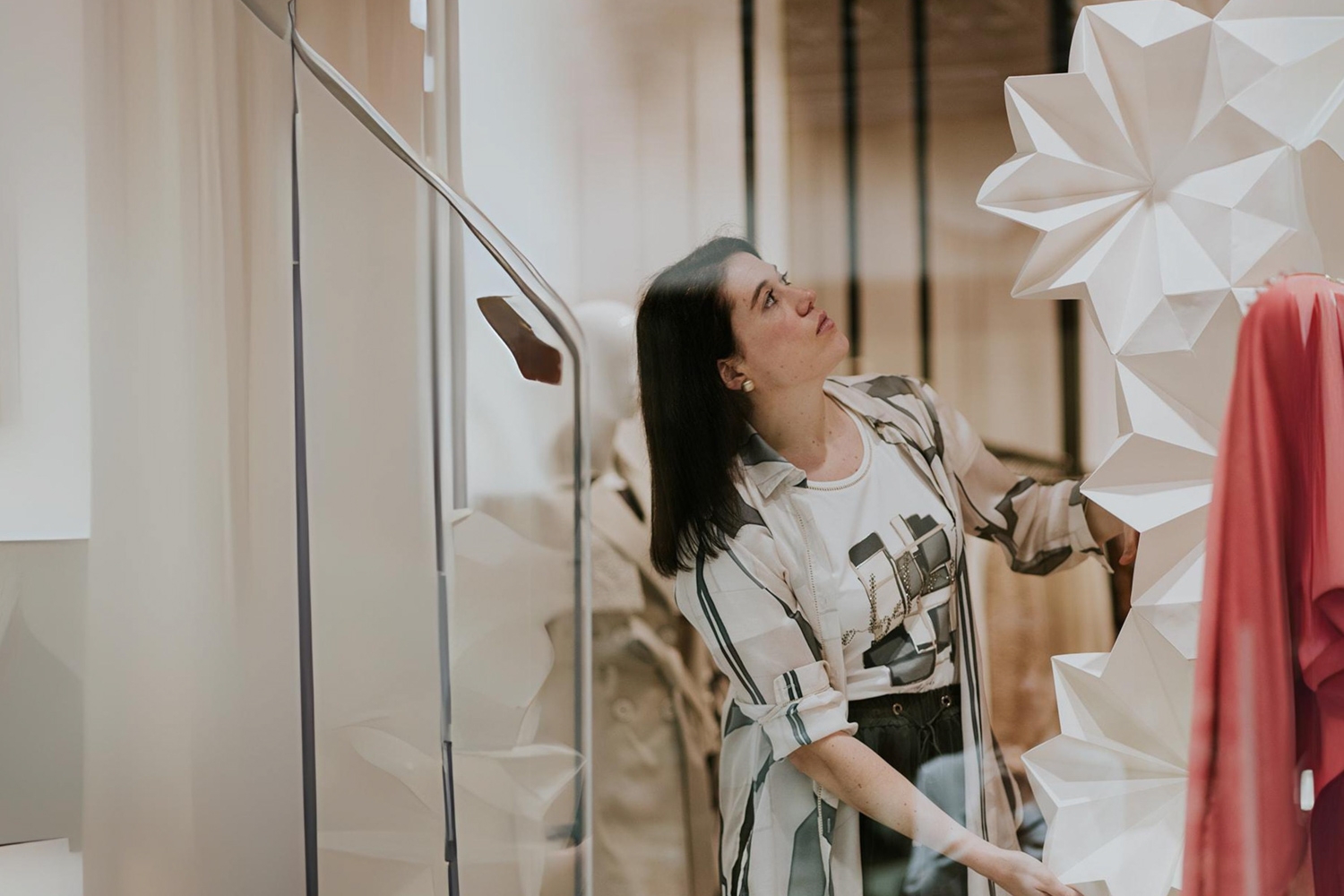
- Her work was featured at Révélations 2025 at the Grand Palais in Paris
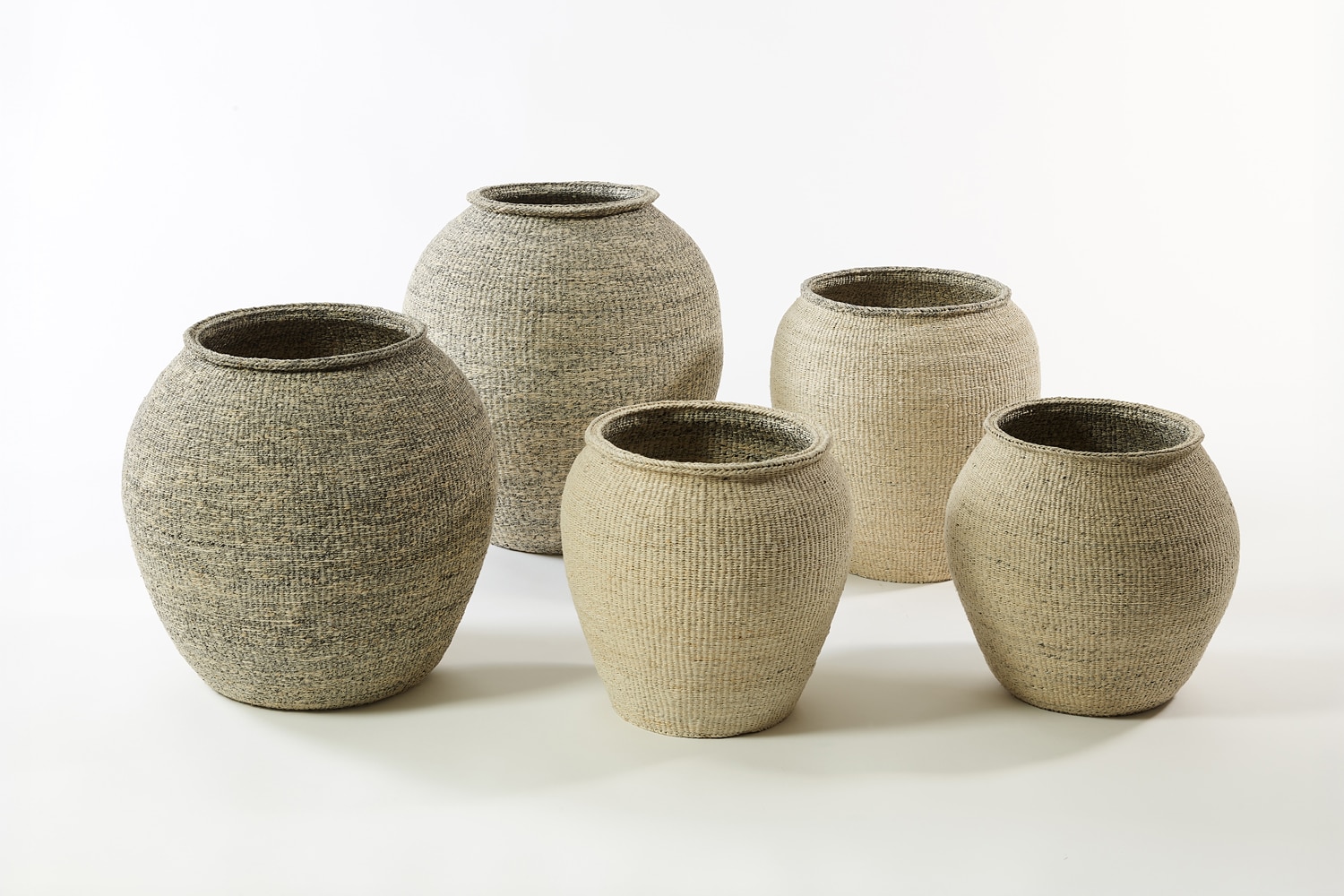
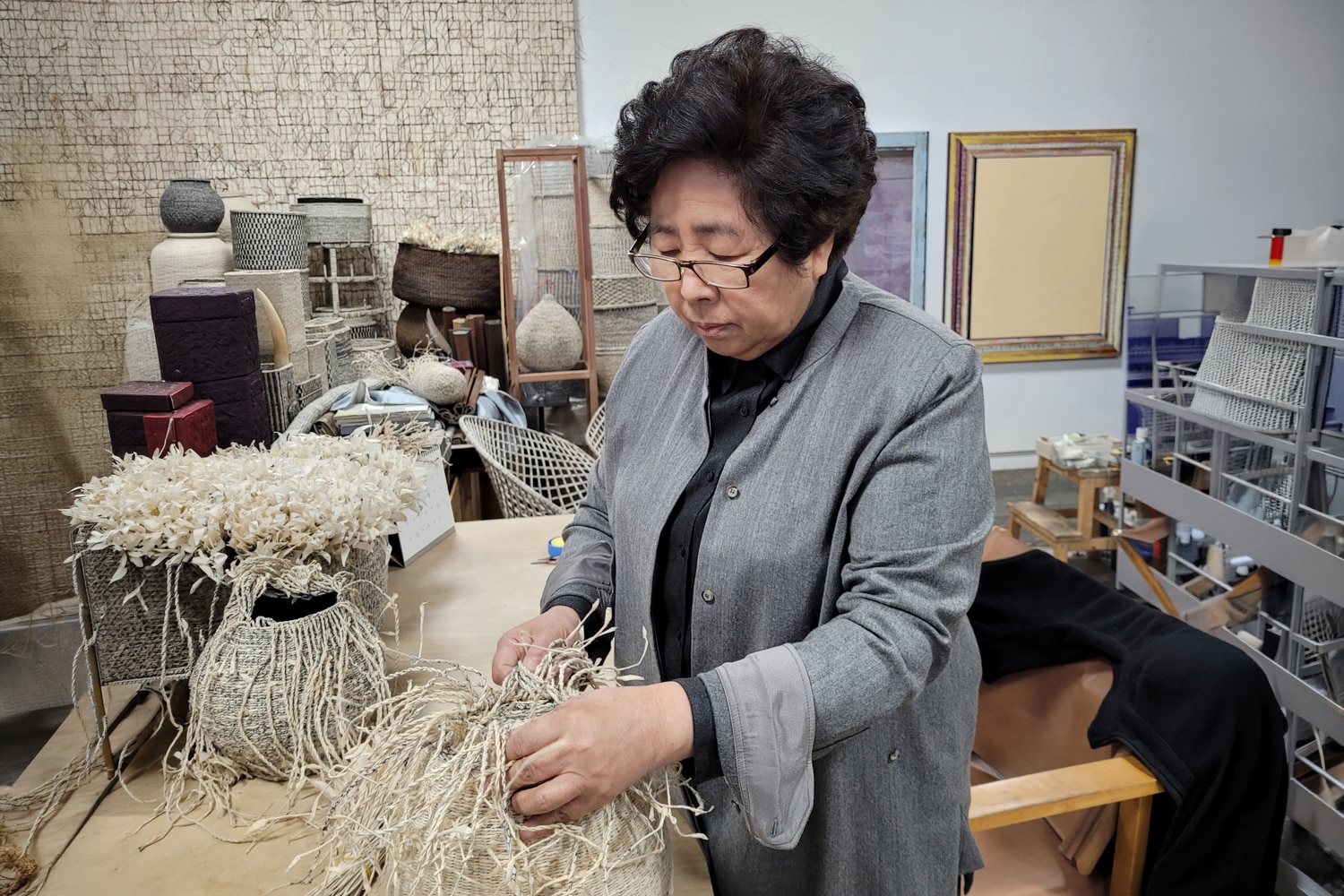
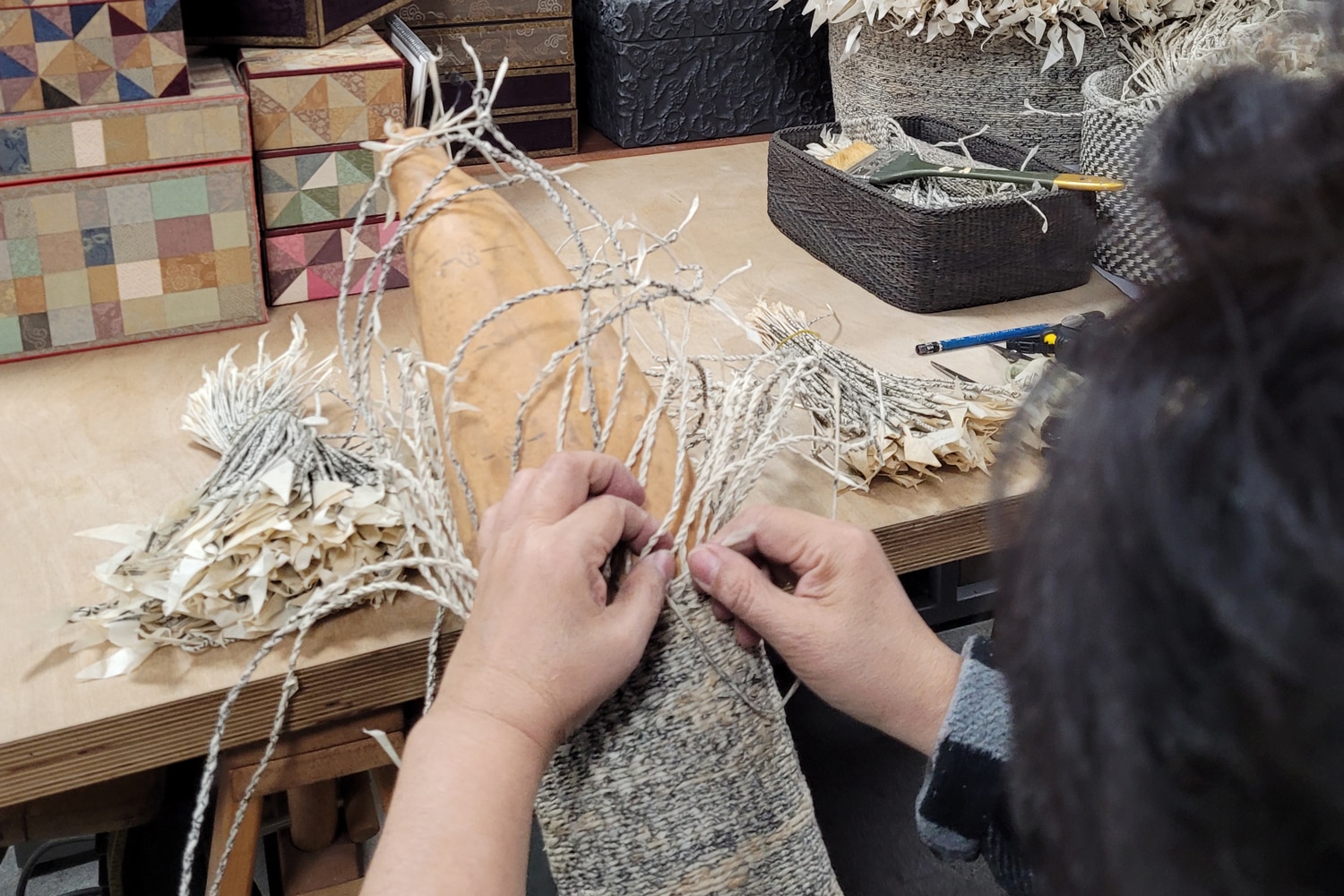
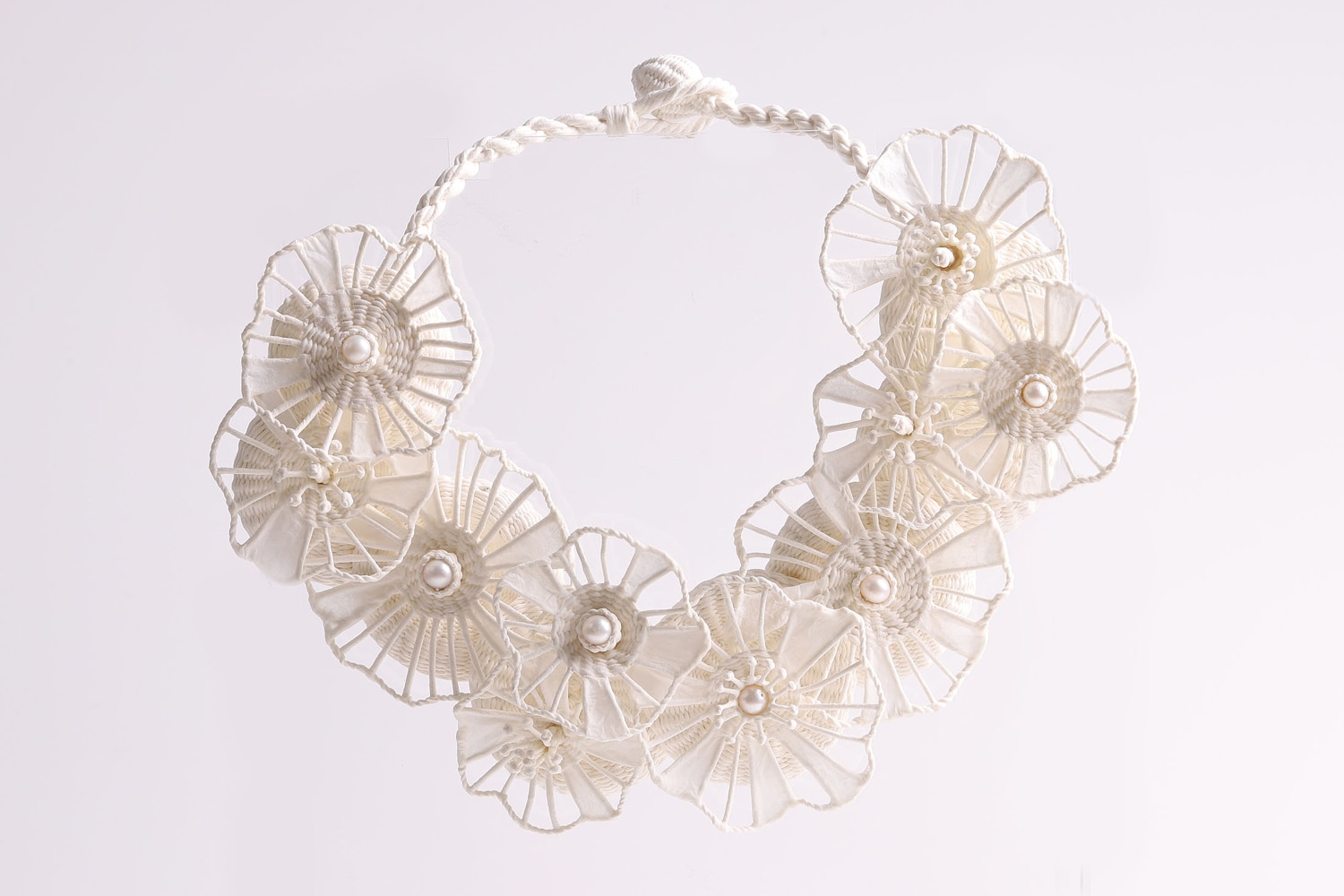
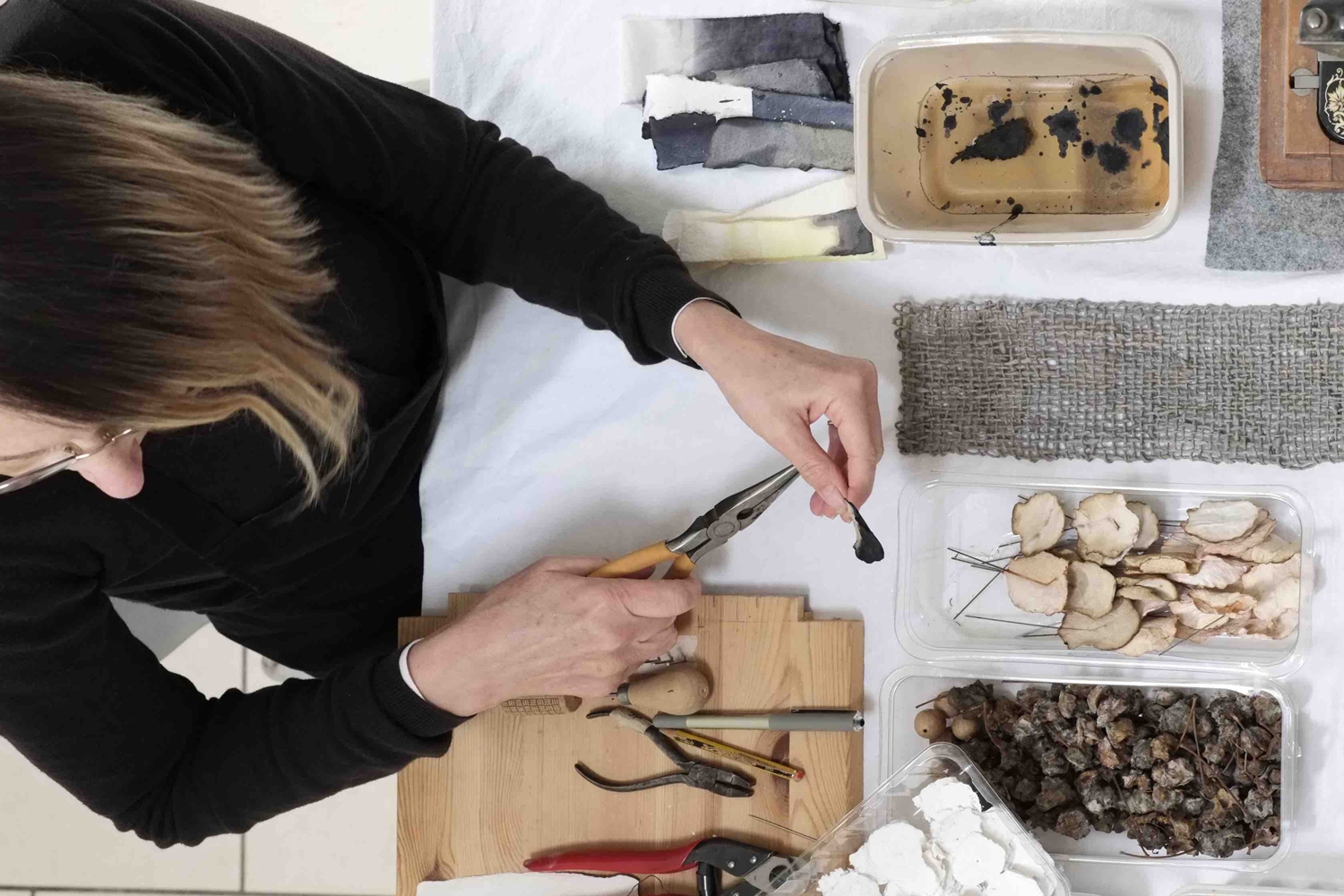
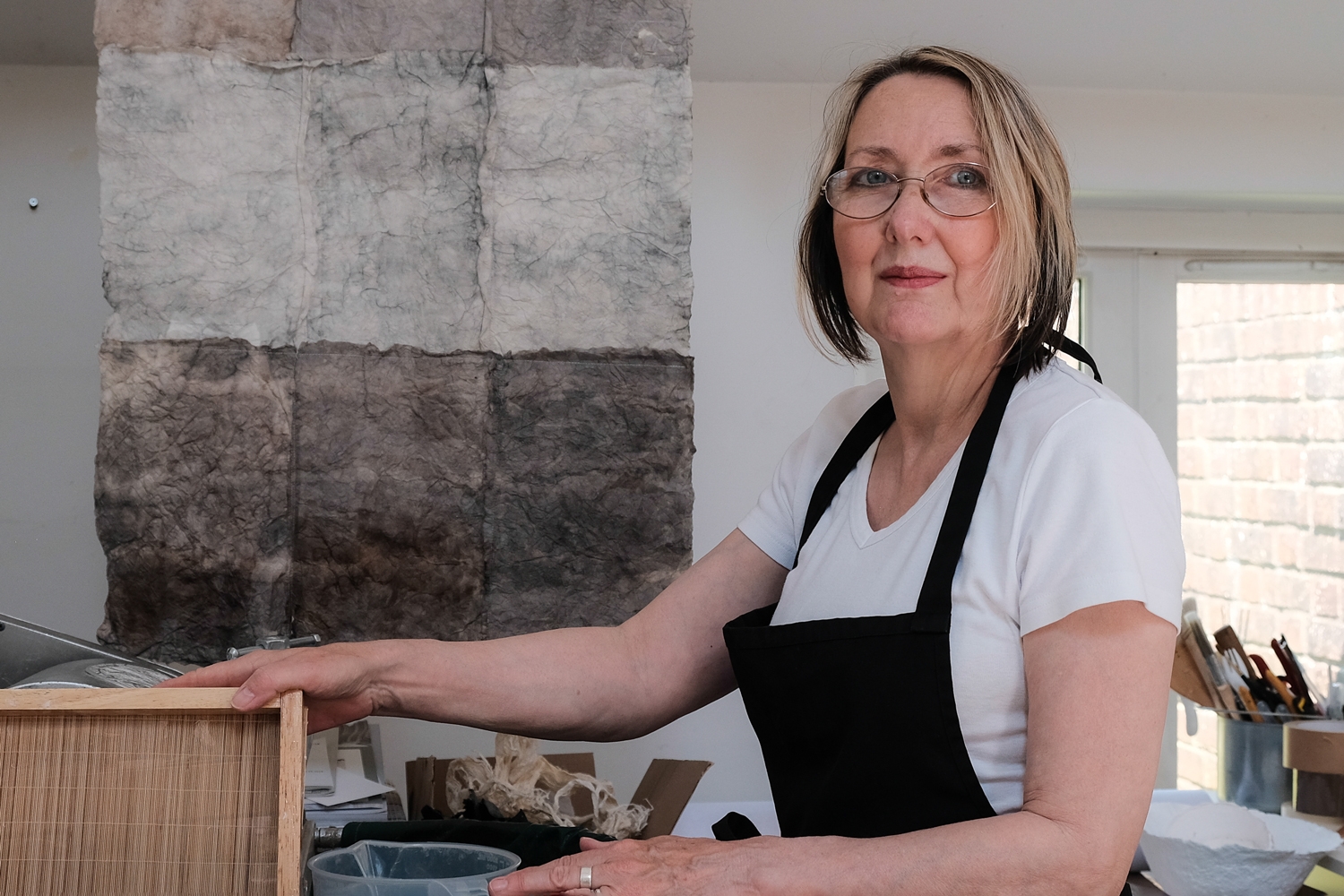
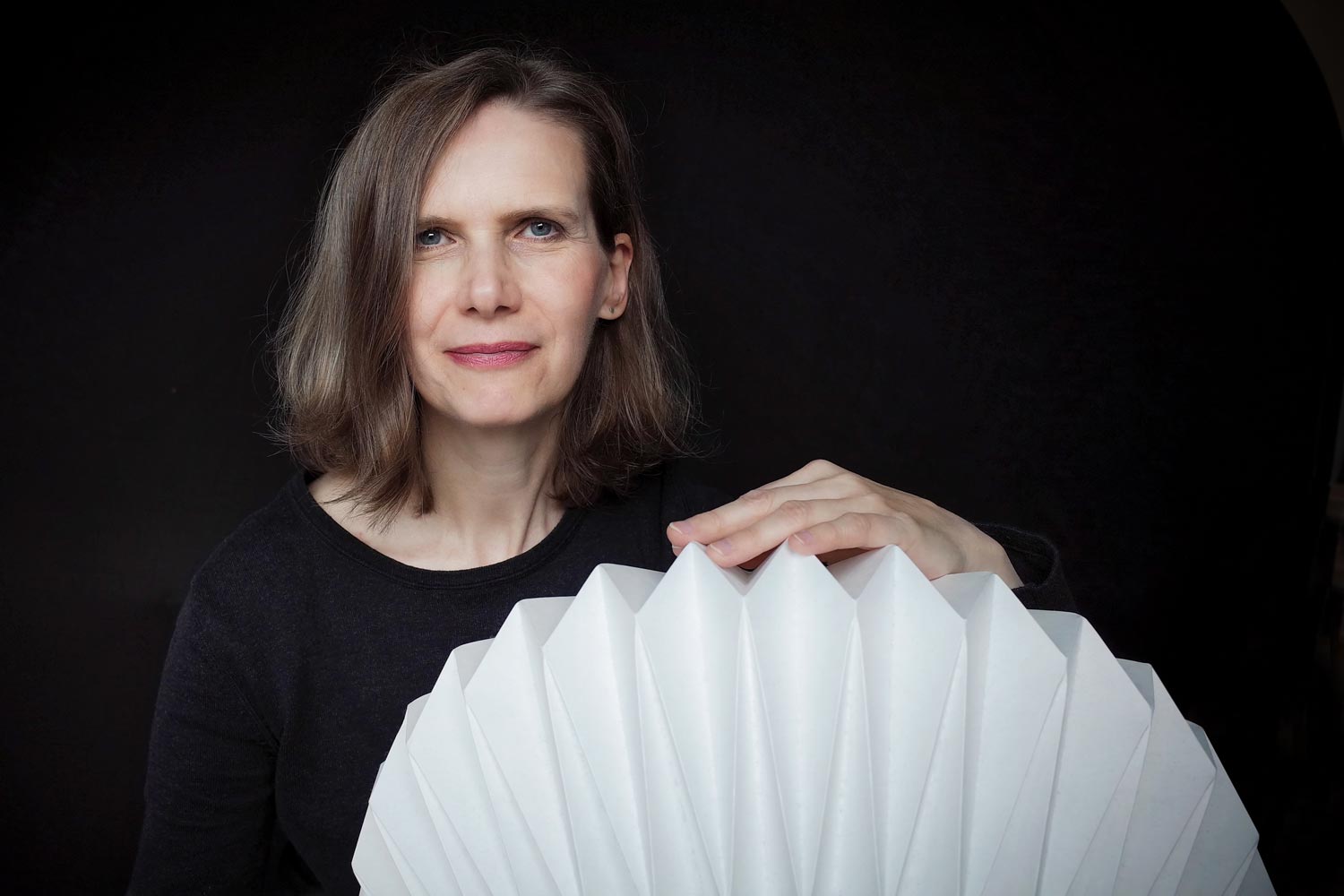
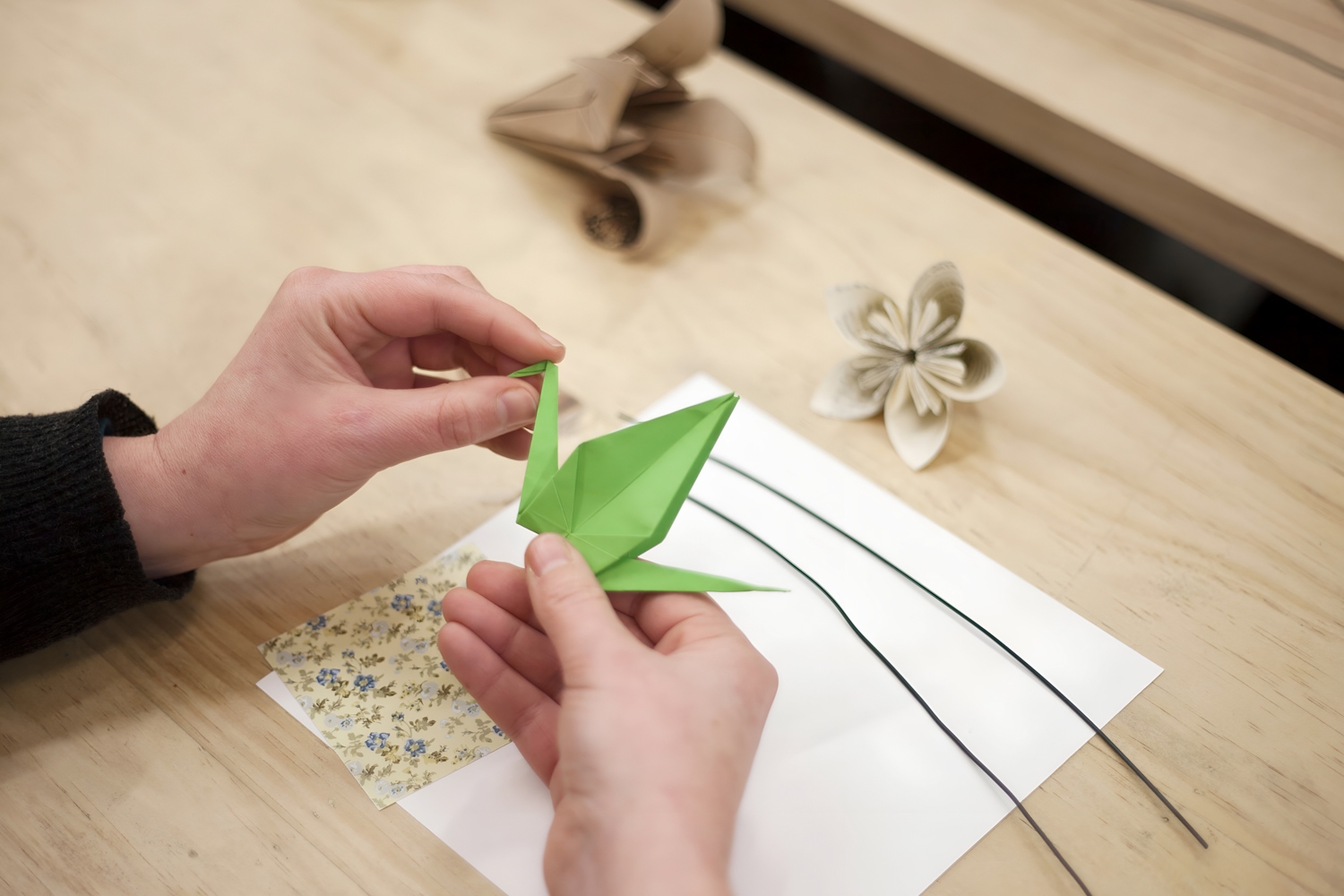
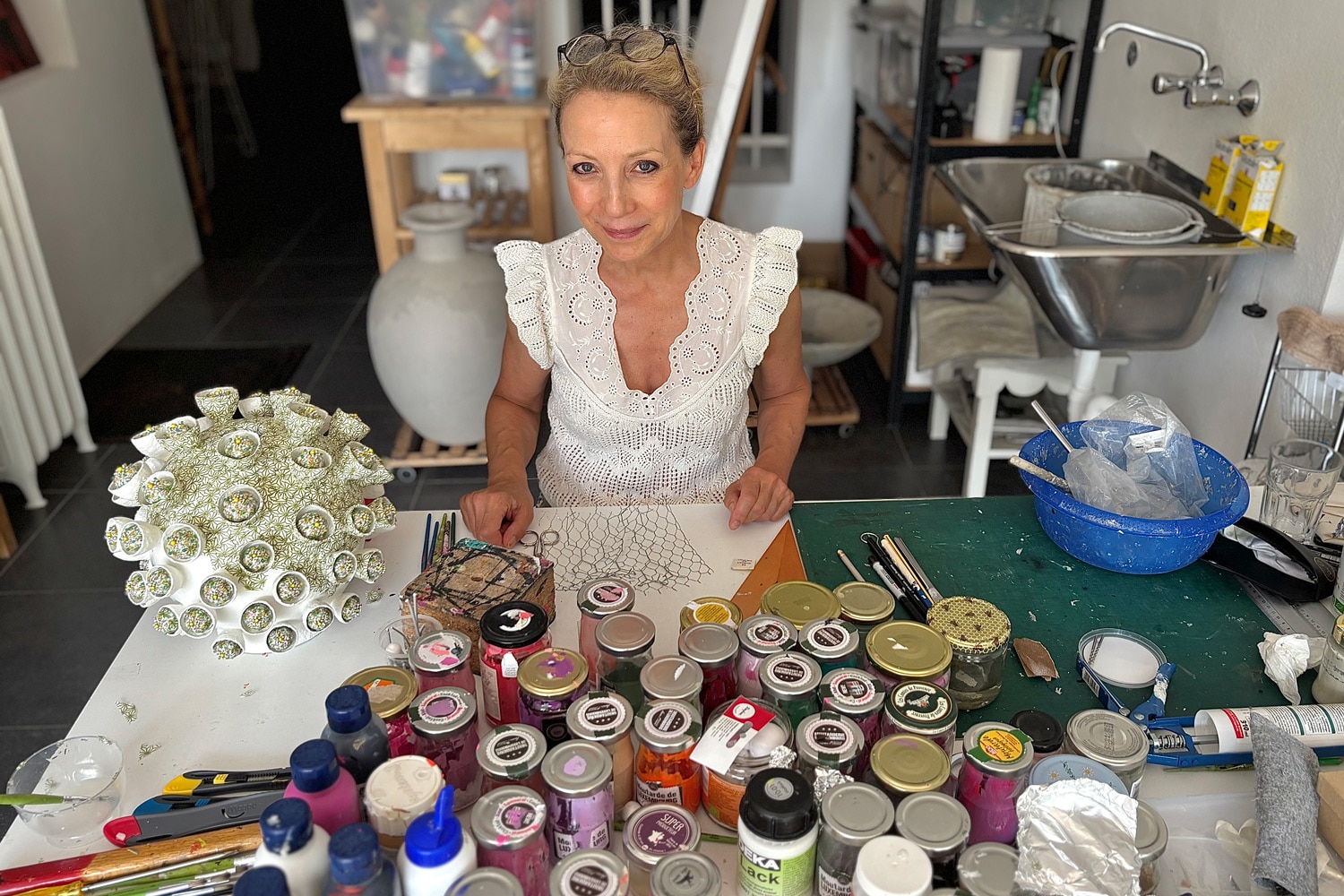
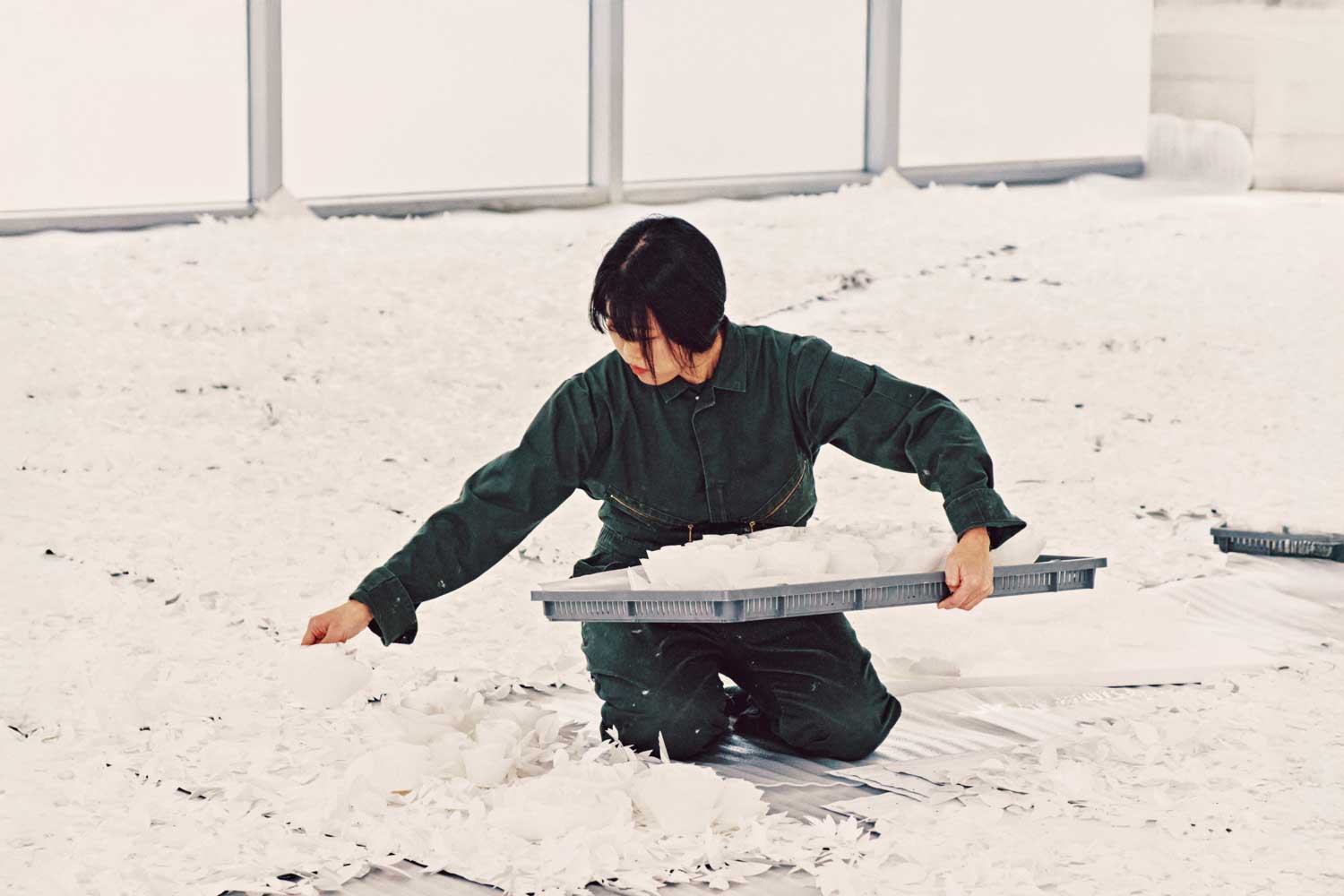
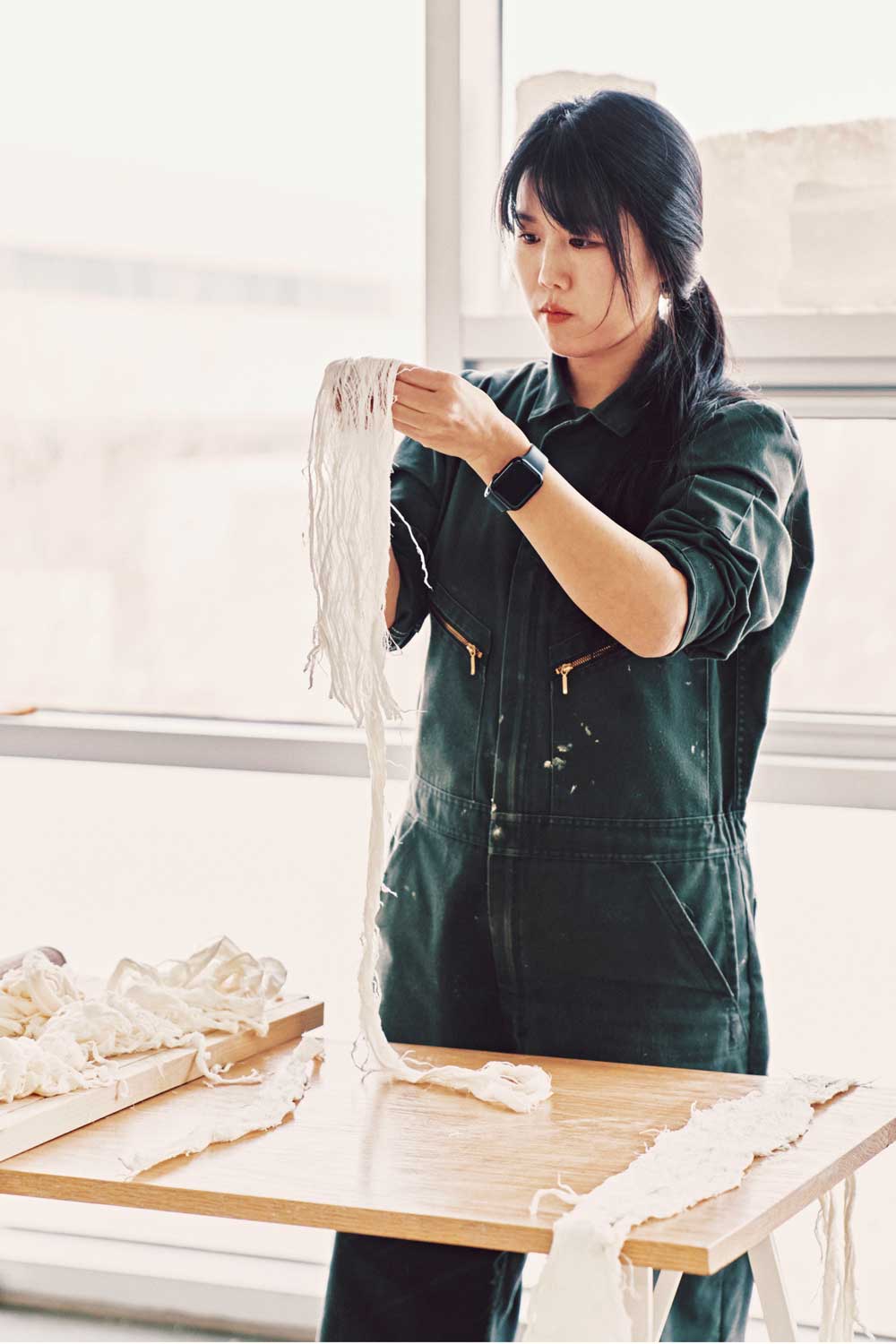
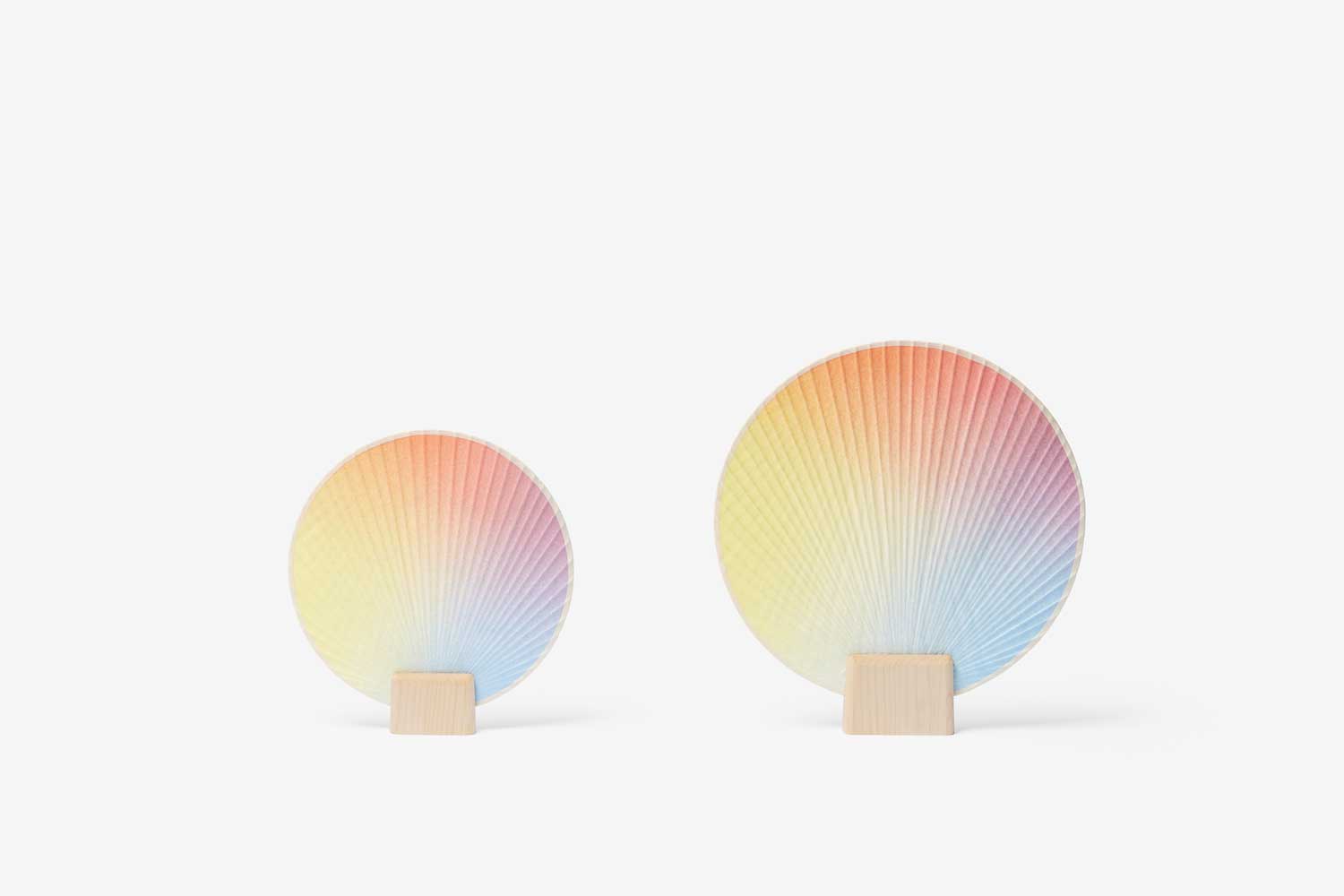
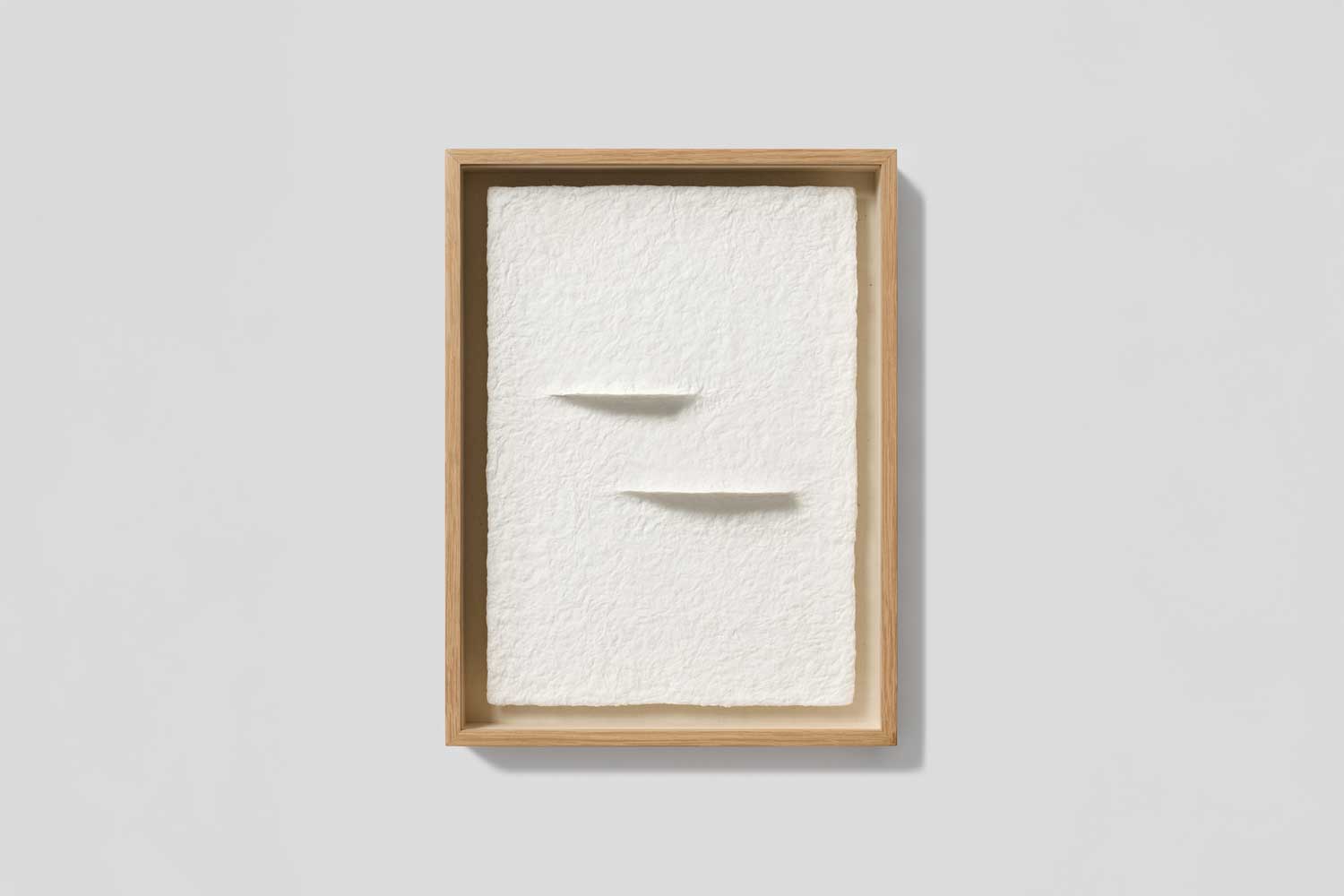
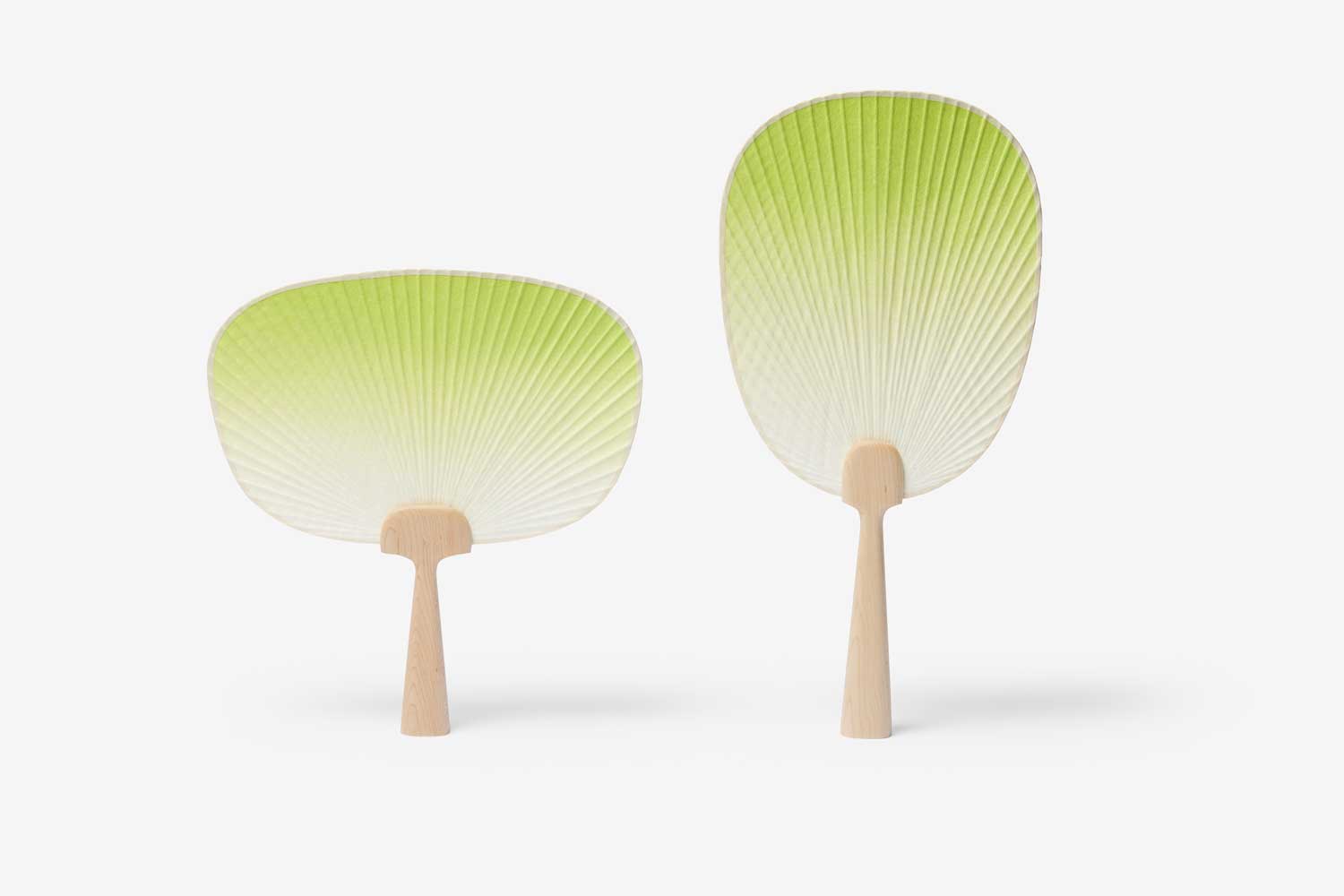
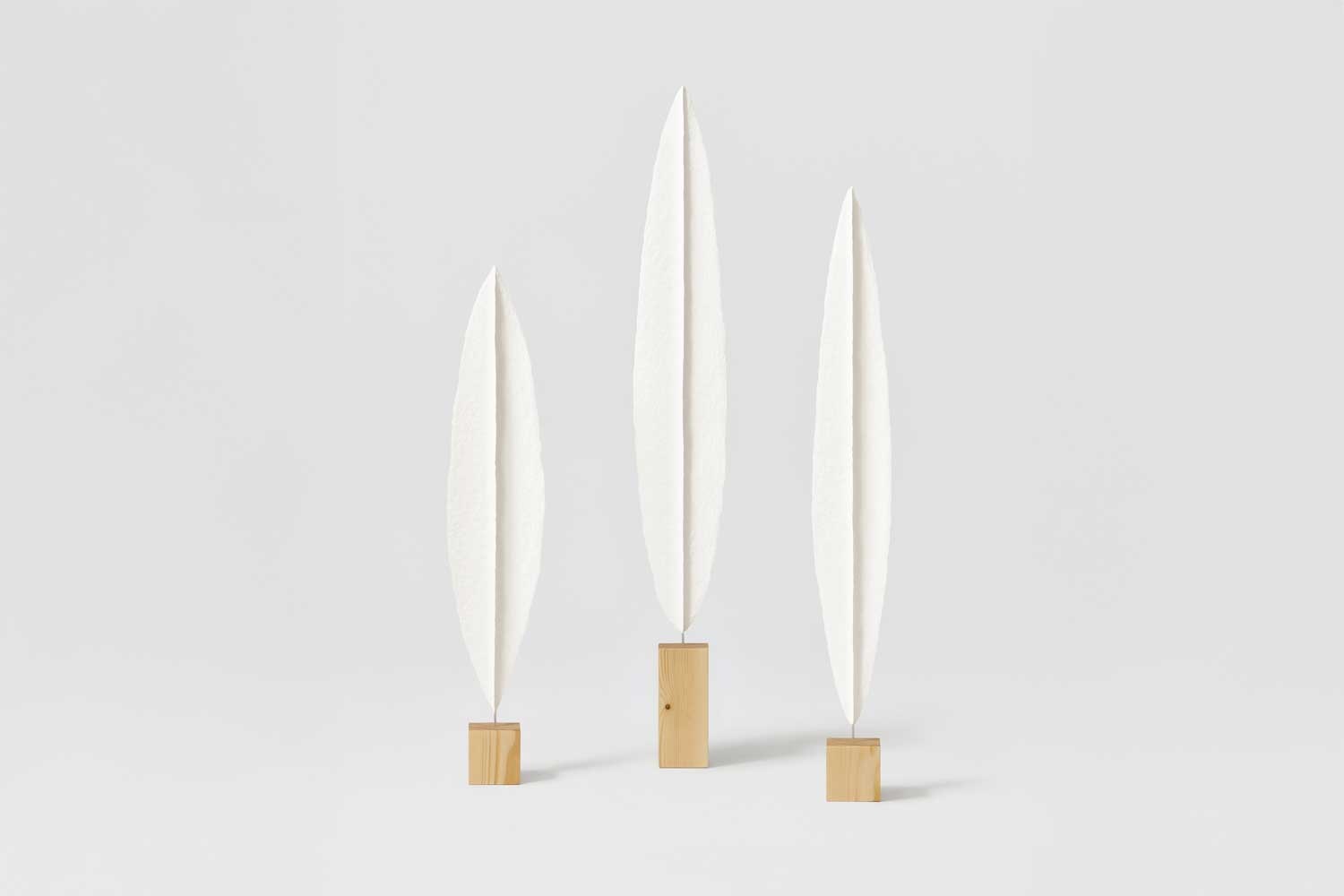
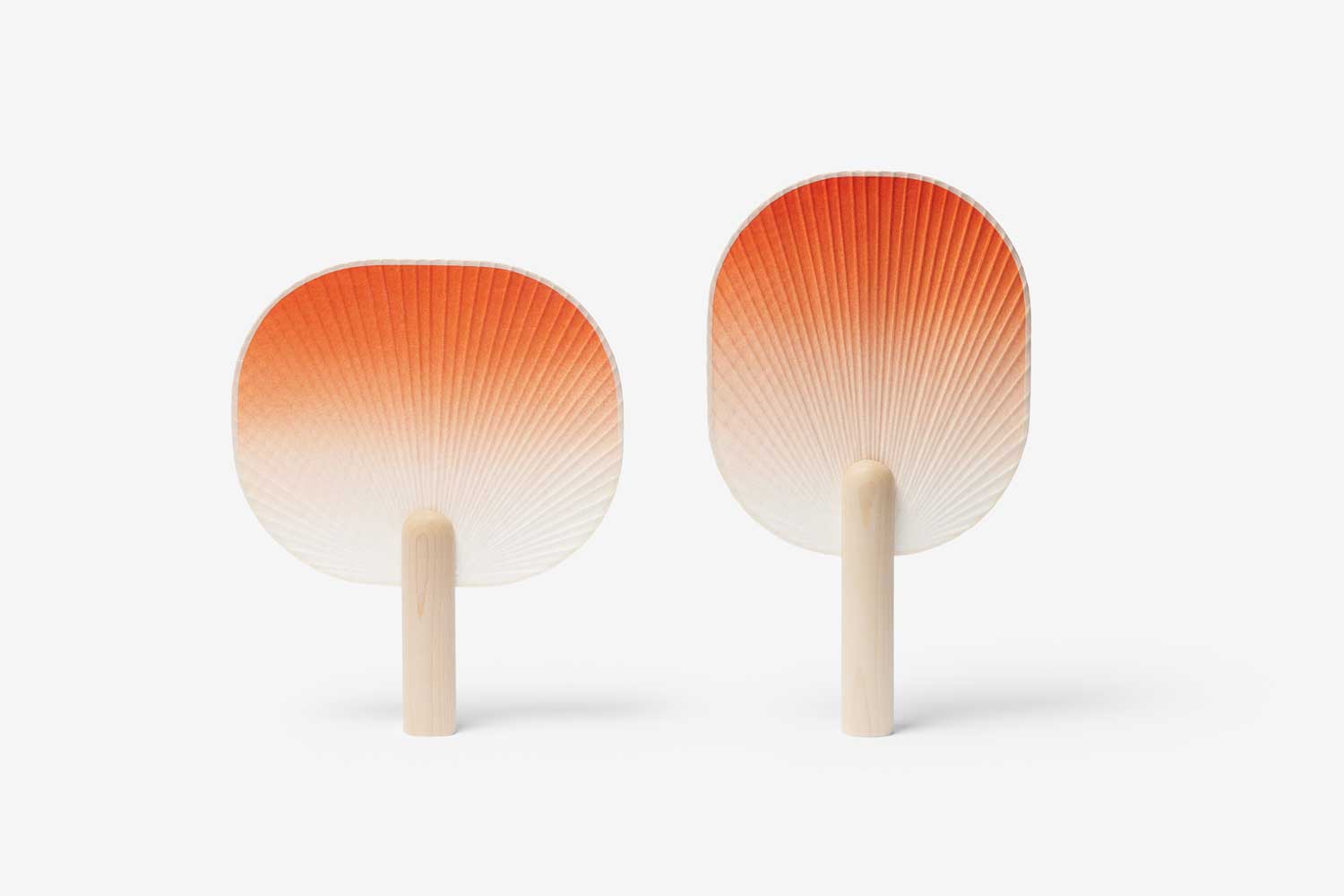
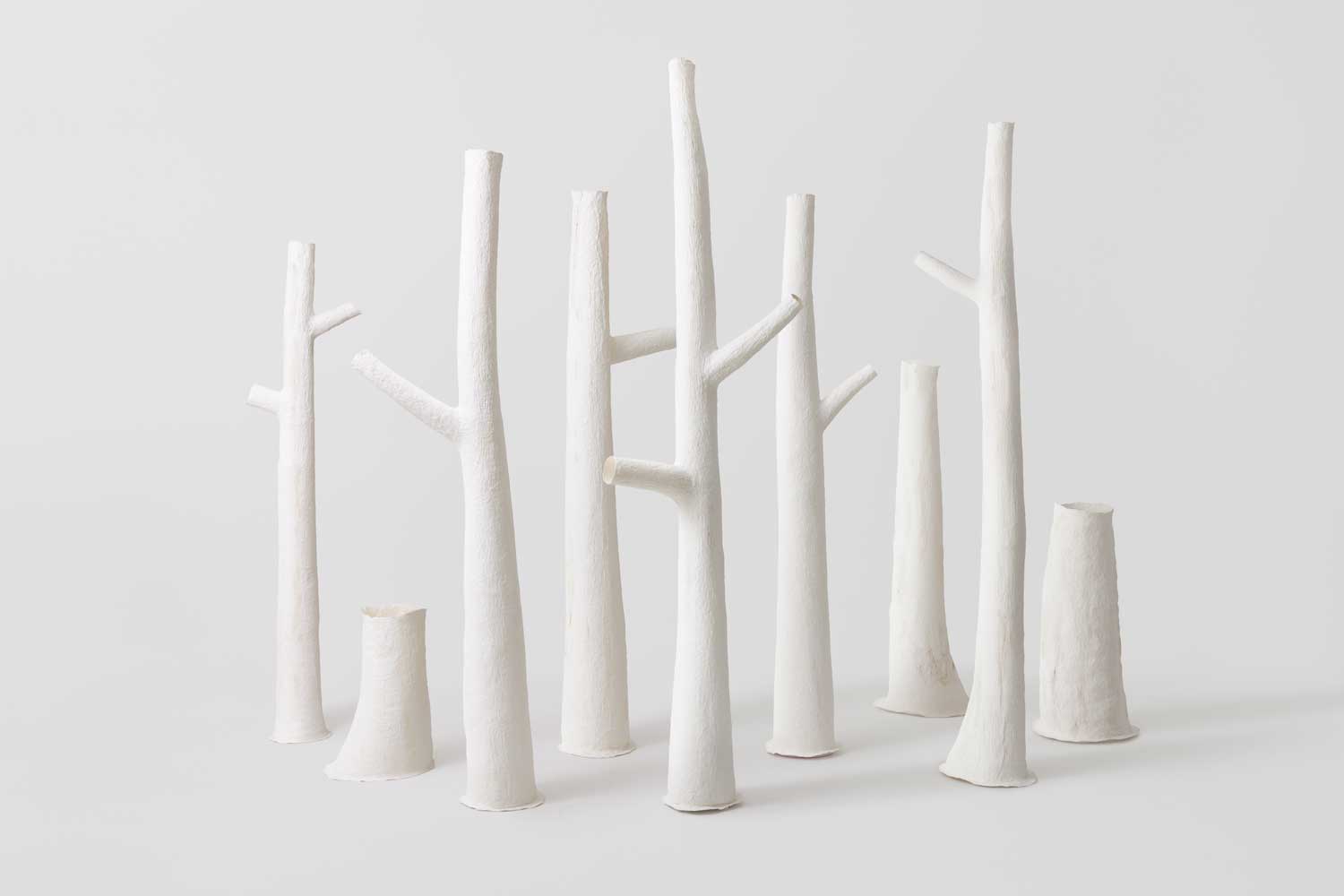
After studying art and design at university, Hyun Joo Kim initially worked in furniture and object design. While exploring materials, she became fascinated by the possibilities of hanji paper and chose to pursue paper art. “Hanji is made from mulberry fibres, which are longer and stronger than wood pulp. This gives the paper durability, flexibility, and a soft, rich texture, ideal for my 3D sculptures,” explains Hyun Joo. Though her work may resemble papier-mâché, it is made using only water and fibres, with no adhesives. She draws inspiration from nature, observing wood grain, leaf veins and organic patterns. “Nature is full of beautiful structures formed through repetition and accumulation," she says. "My work is a landscape created by repeated layering of small elements.”
INTERVIEW
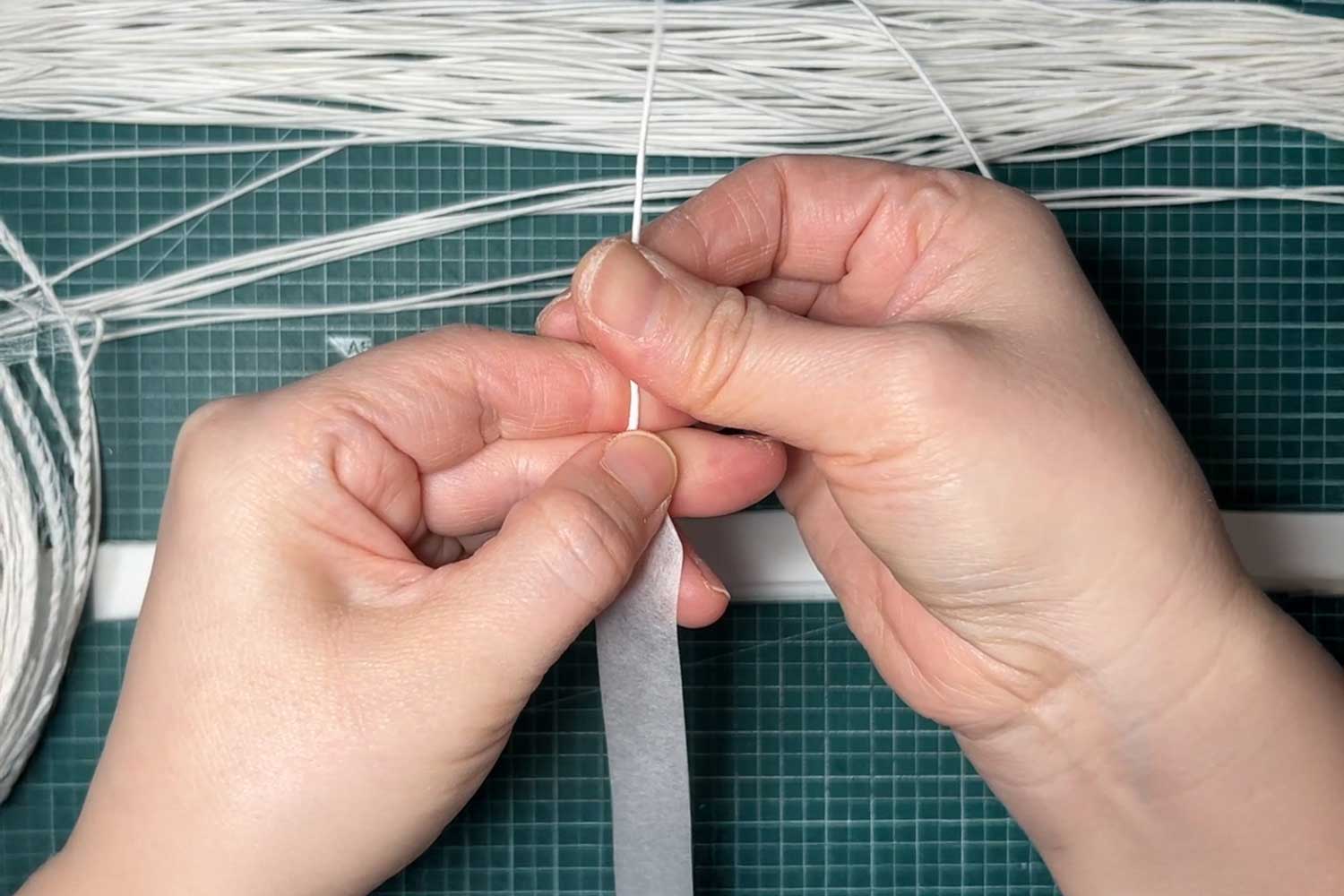
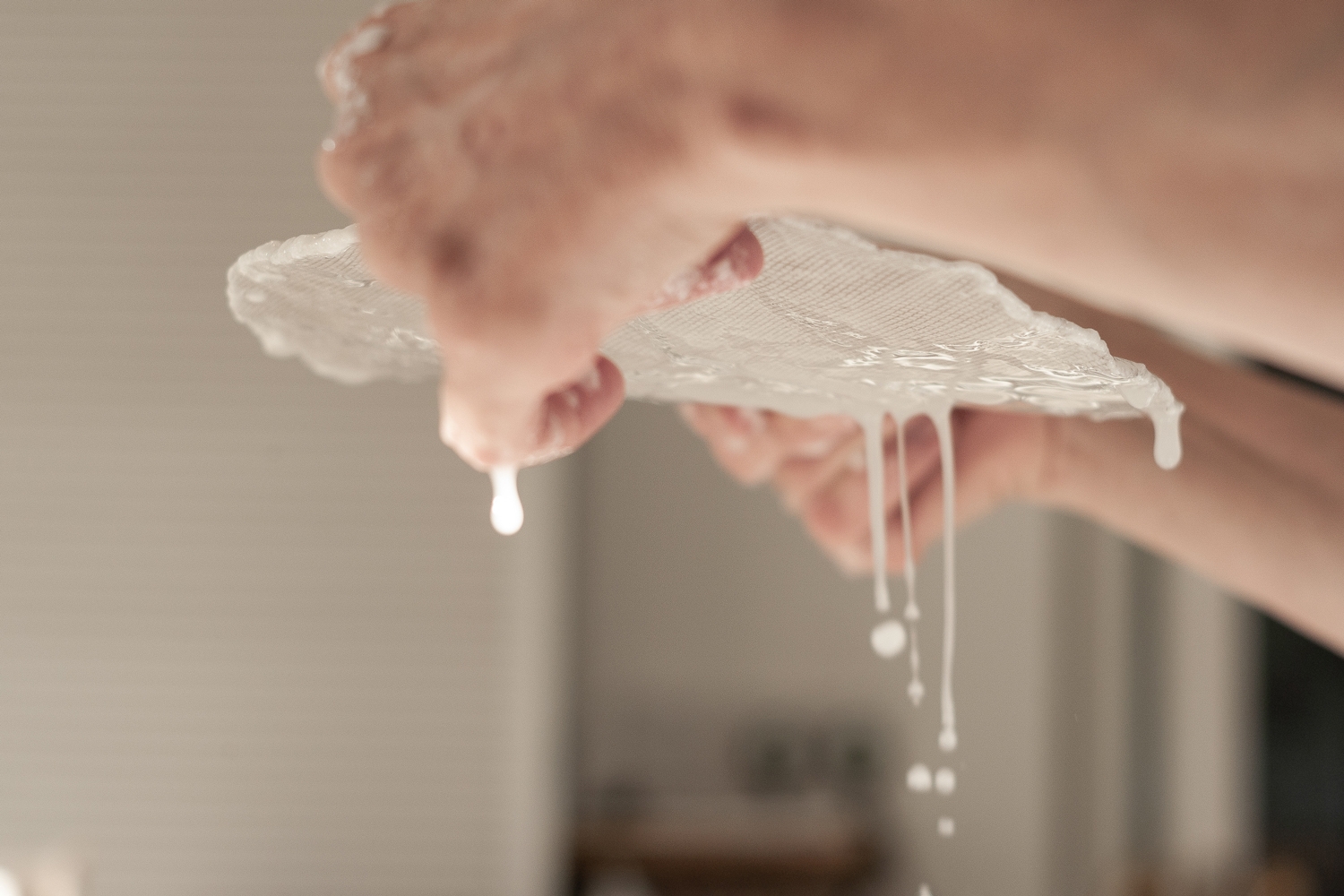
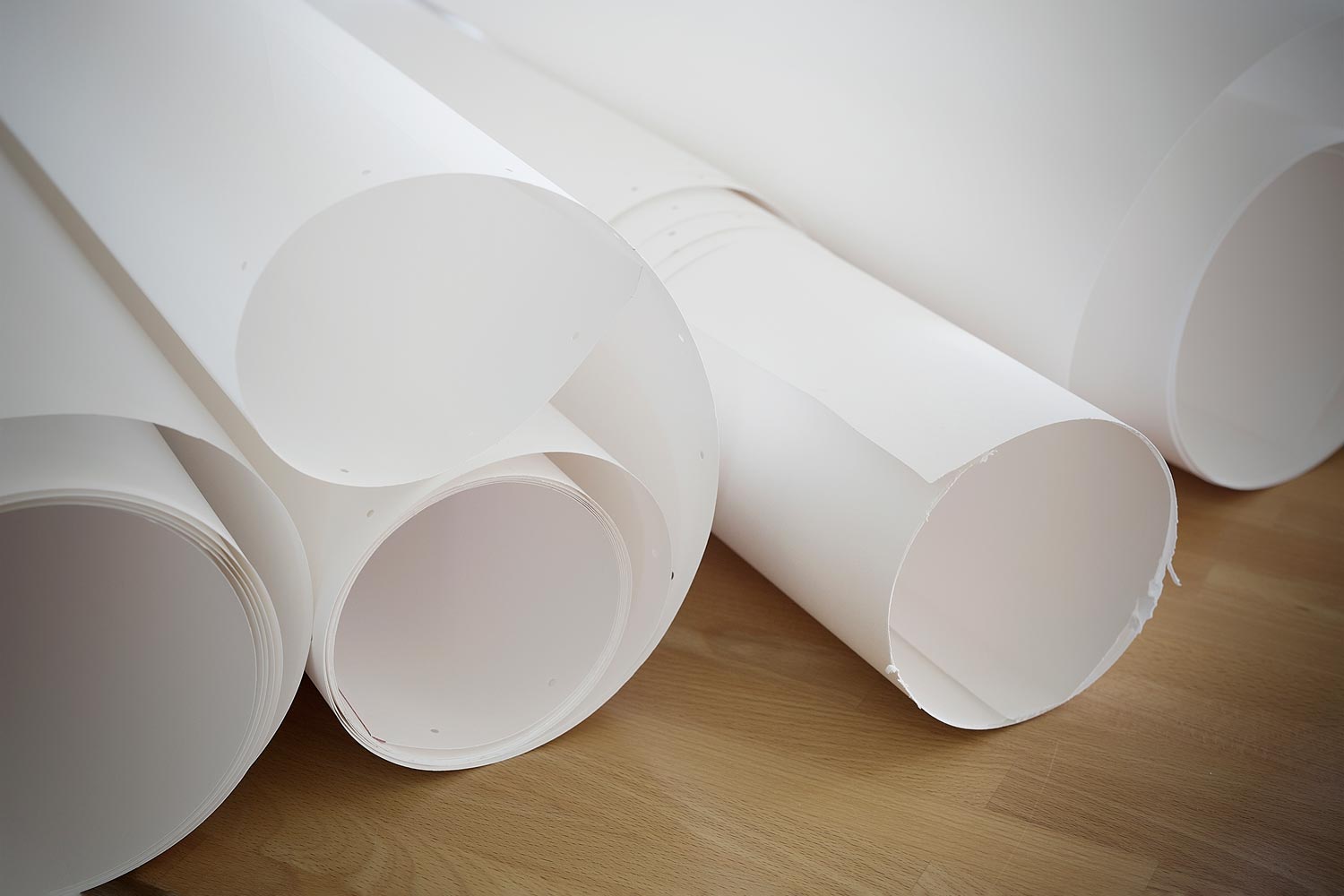
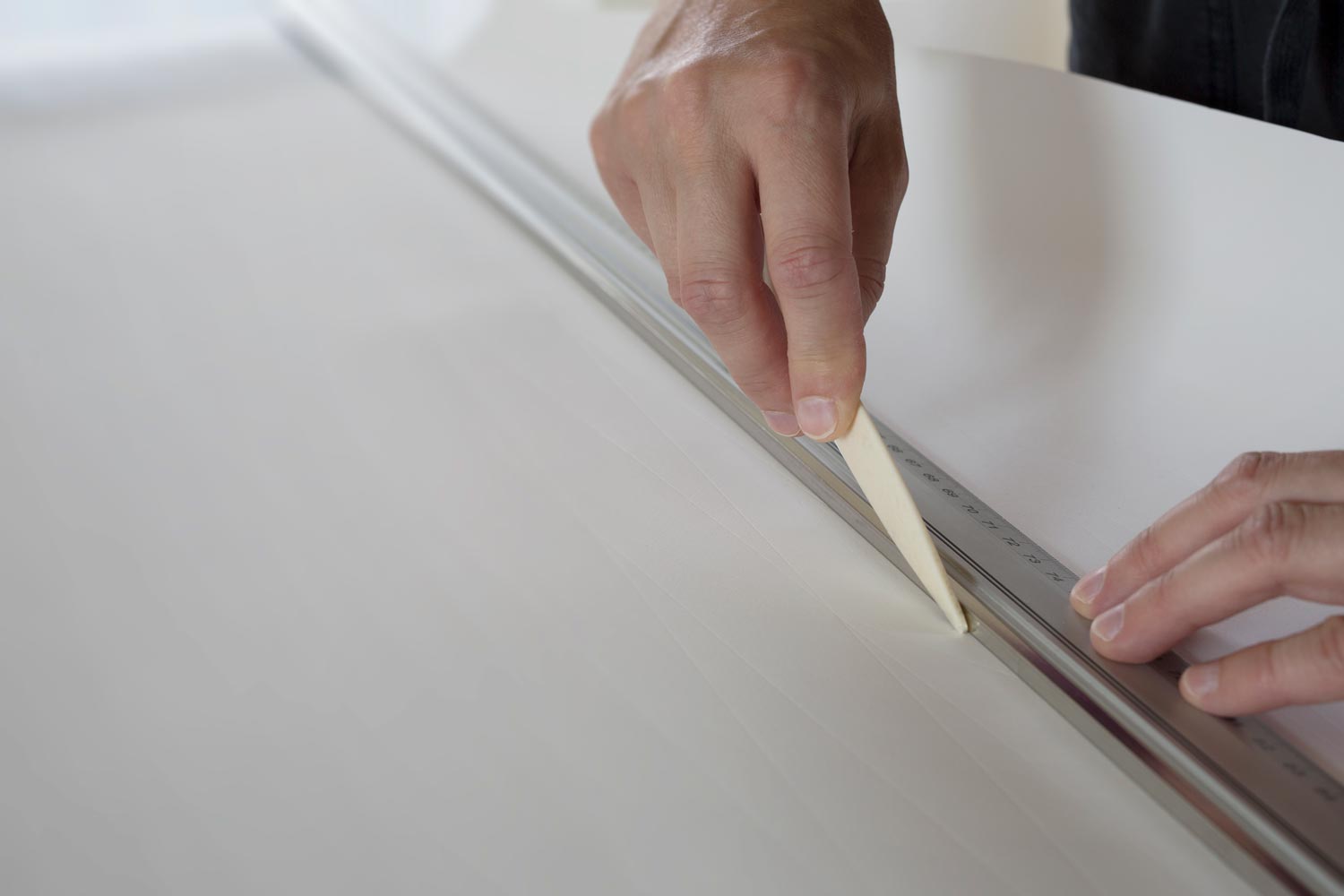
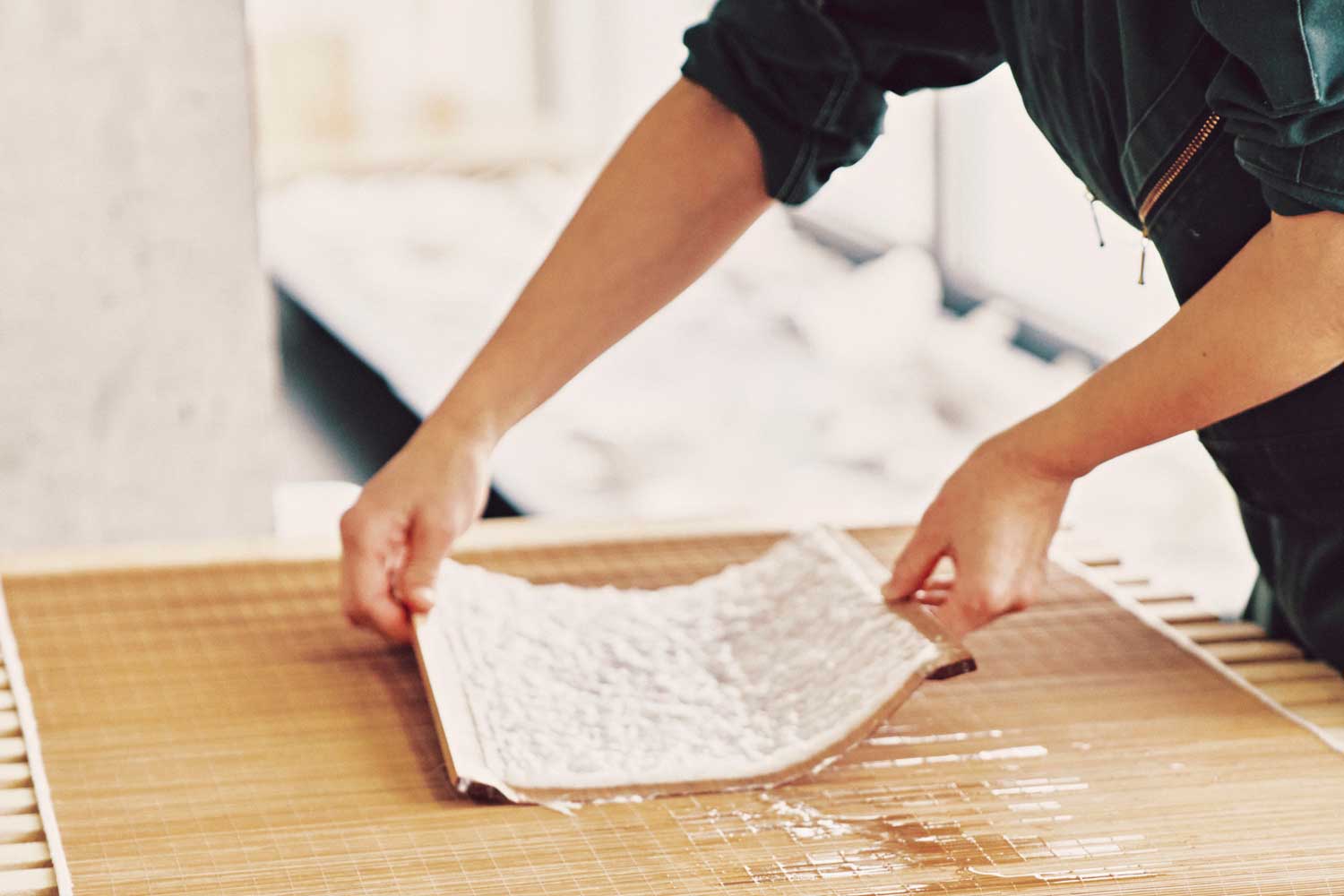
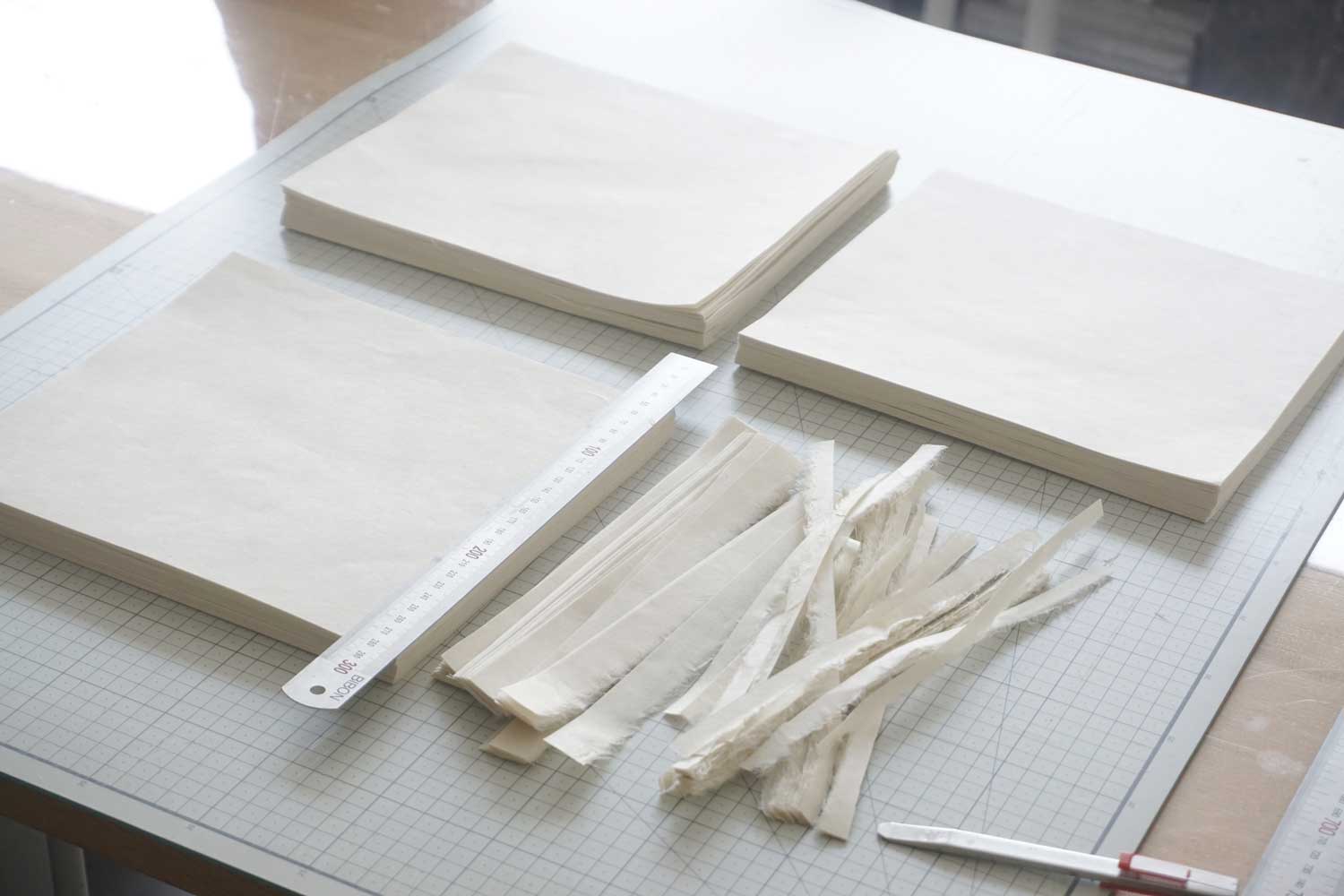
Hanji is made from the bark of the mulberry tree. One-year-old branches are harvested and steamed to separate the bark, and only the light-coloured inner bark is used. It is then boiled, beaten into fibres, mixed with water and formed on a bamboo screen. Once dried, it becomes a single sheet of hanji.
Understanding how a material is made allows for a deeper awareness of its properties and potential. Through this process, it becomes possible to discover new methods of expression and structure. I believe it is a very important experience for a craft artist to create their own materials.
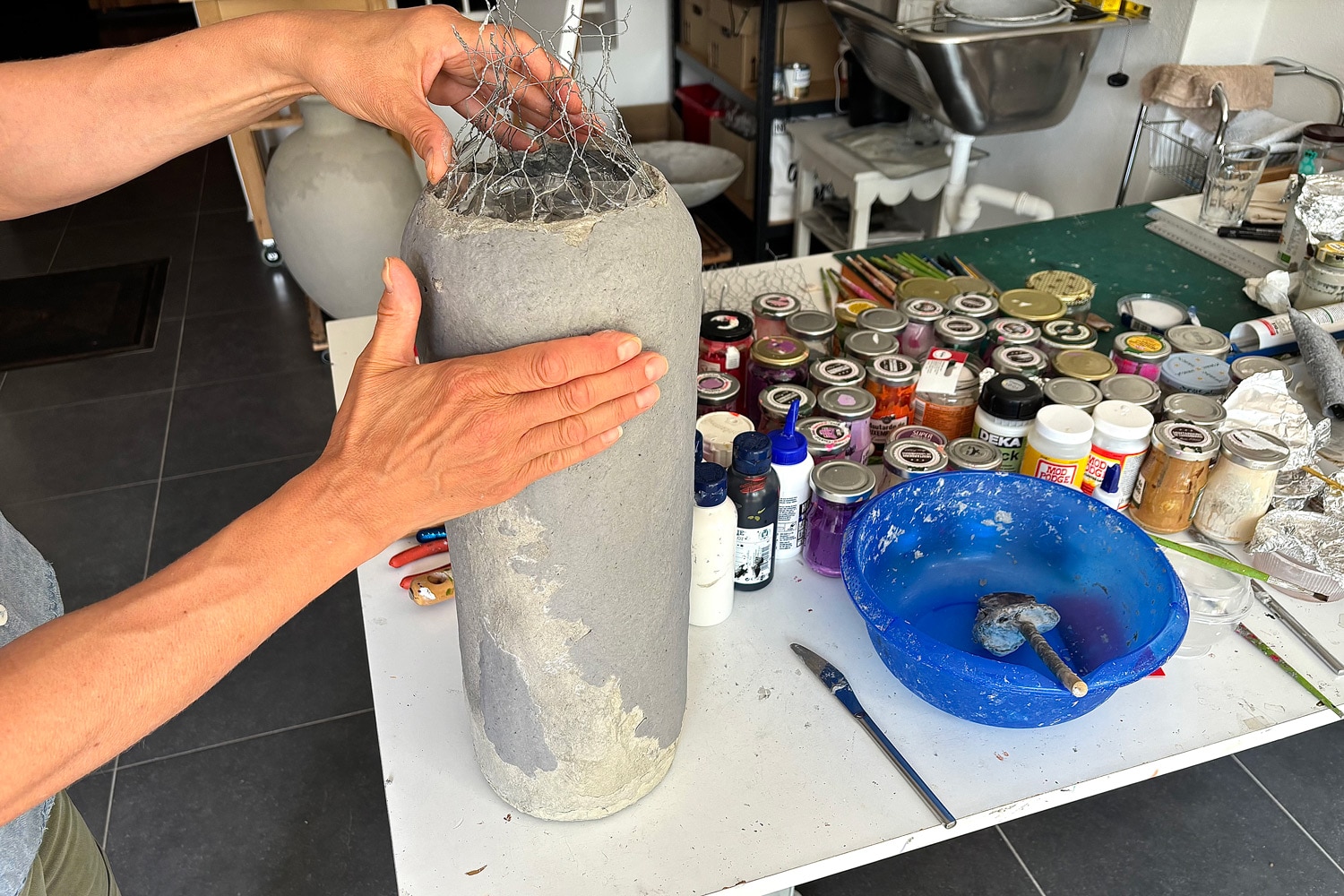
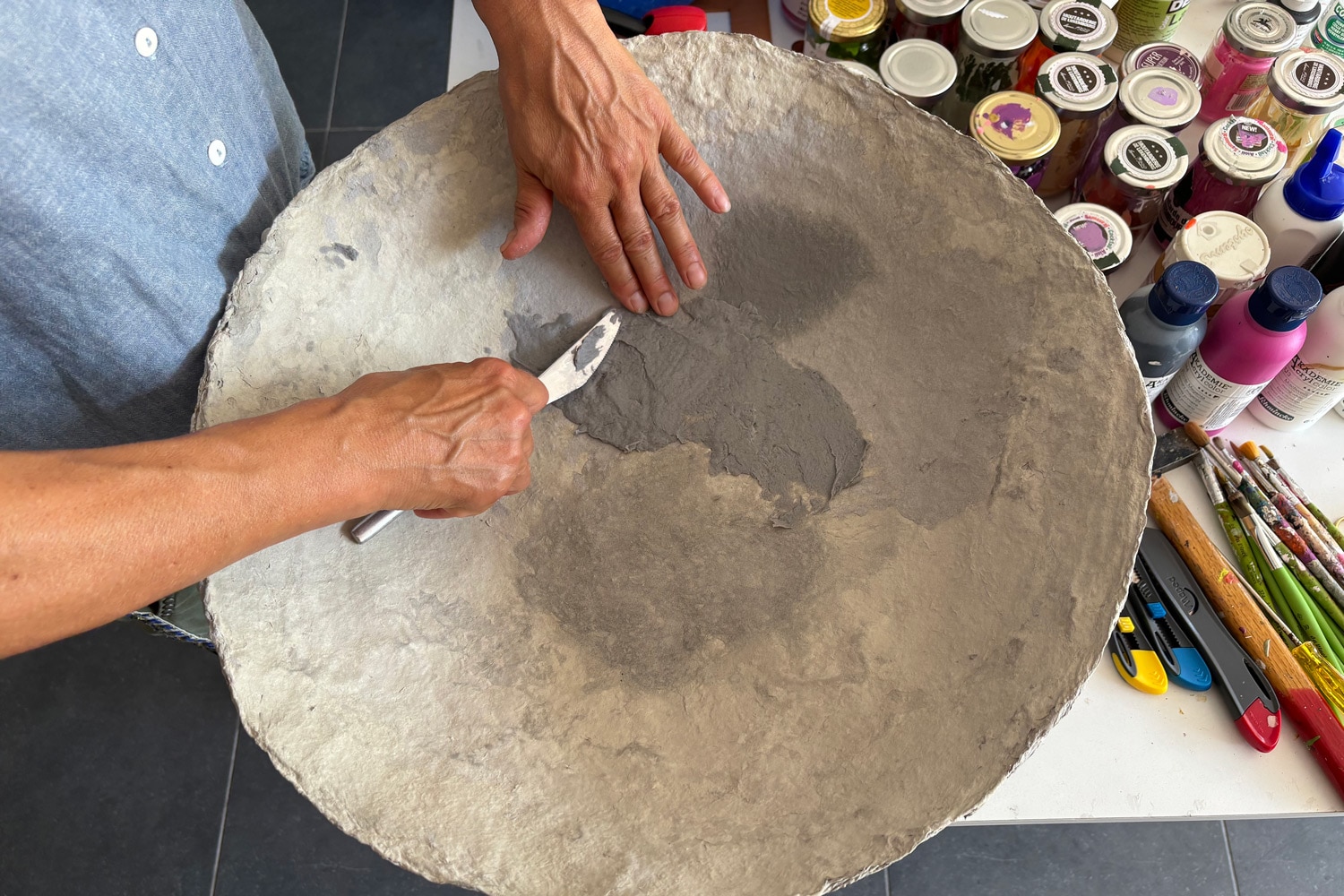
The fibres of hanji are long and strong. When combined with water, they naturally entangle and bond together. As they dry, they form a firm structure. By carefully controlling the density, direction and layering of the fibres, I am able to create works that are structurally stable.
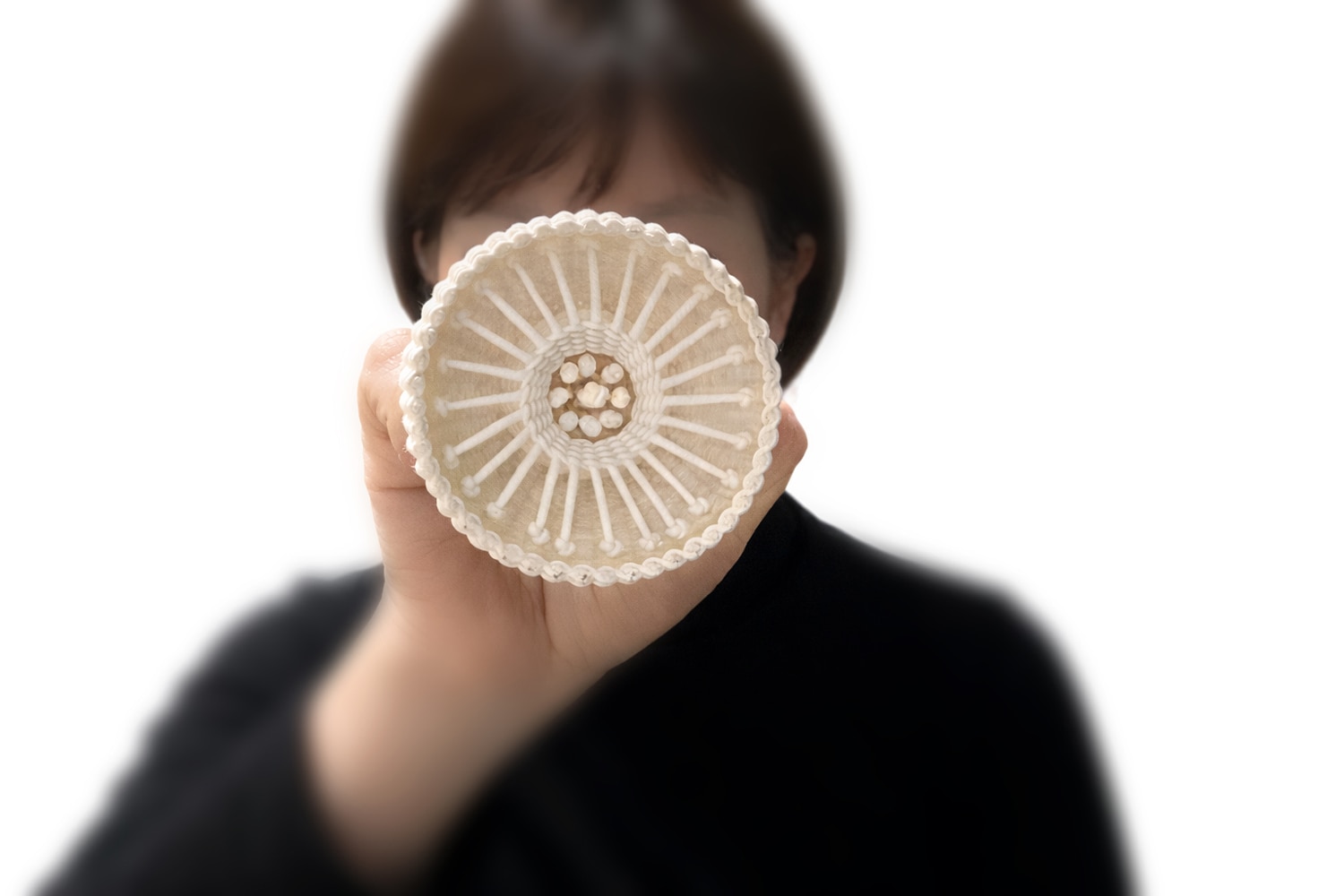
I often encounter unexpected discoveries while experimenting with materials. For example, I found that the density and layering of fibres greatly affect the form and texture of the paper. This led to the creation of seamless cylindrical hanji sculptures and other works in which different textures coexist within a single piece.
Hyun Joo Kim
Paper artist
Paju, South Korea
ADDRESS
Address upon request, Paju, South Korea
AVAILABILITY
By appointment only
LANGUAGES
Korean, English
Homo Faber Finds is a new service aiming to inspire admirers of craft to connect and collaborate with exceptional artisans.
We invite you to submit an enquiry here.