Heehwa Jo
Embroiderer
London, United Kingdom
From Korea with love
- Heehwa is inspired by ancient Korean artifacts in different fields
- She has published a tutorial book on traditional Korean embroidery
- To her, her homeland is not just a place, but a state of mind
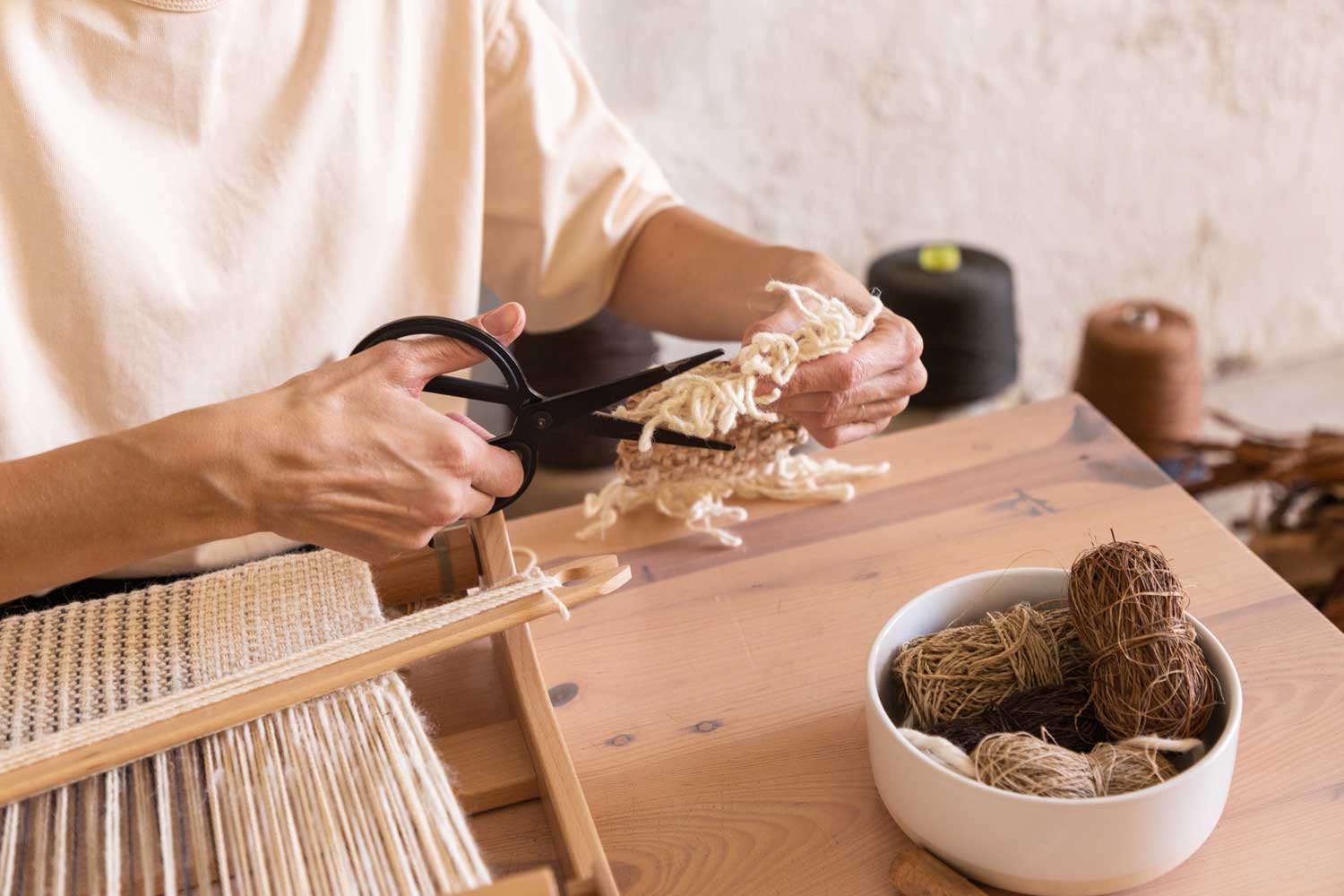
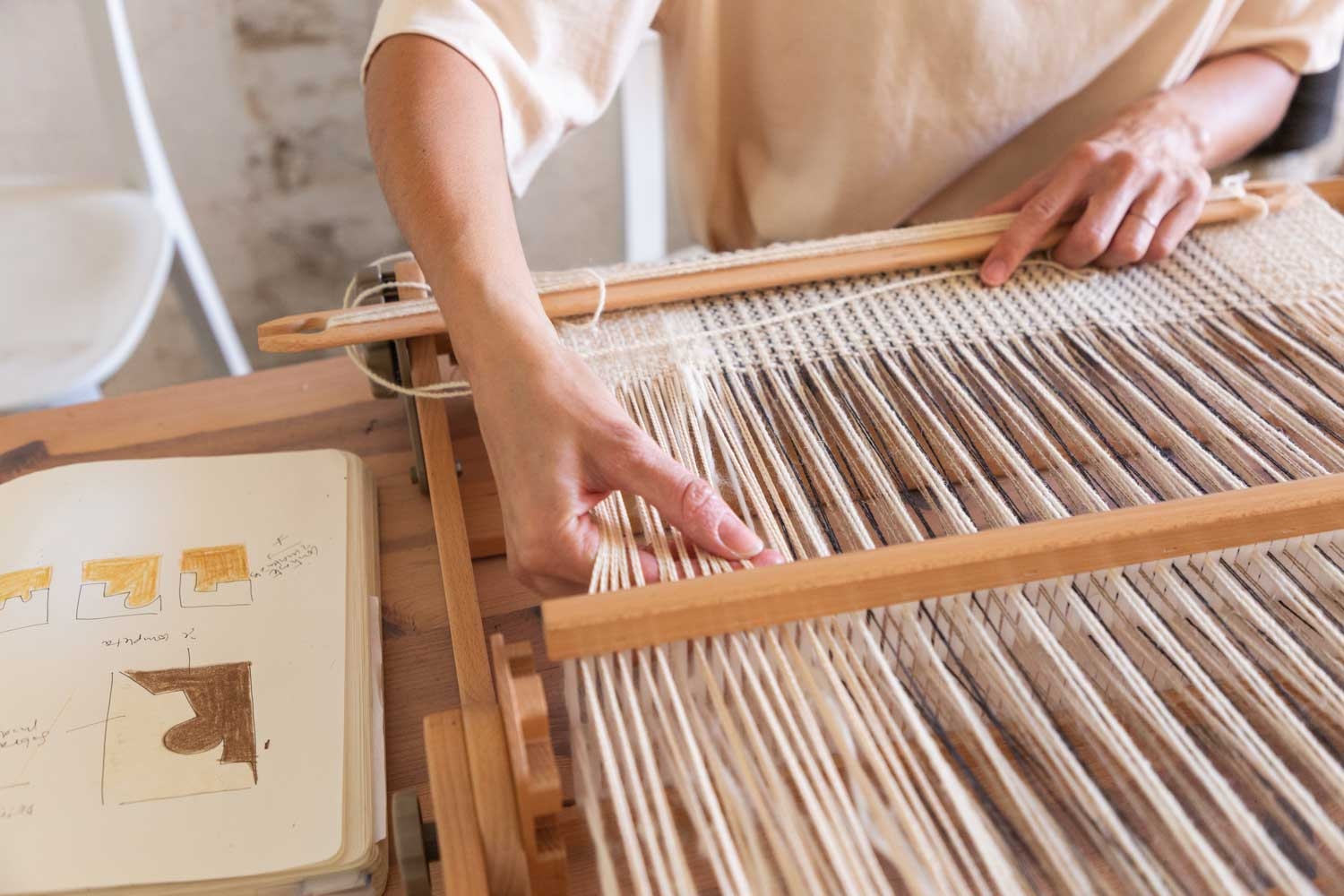
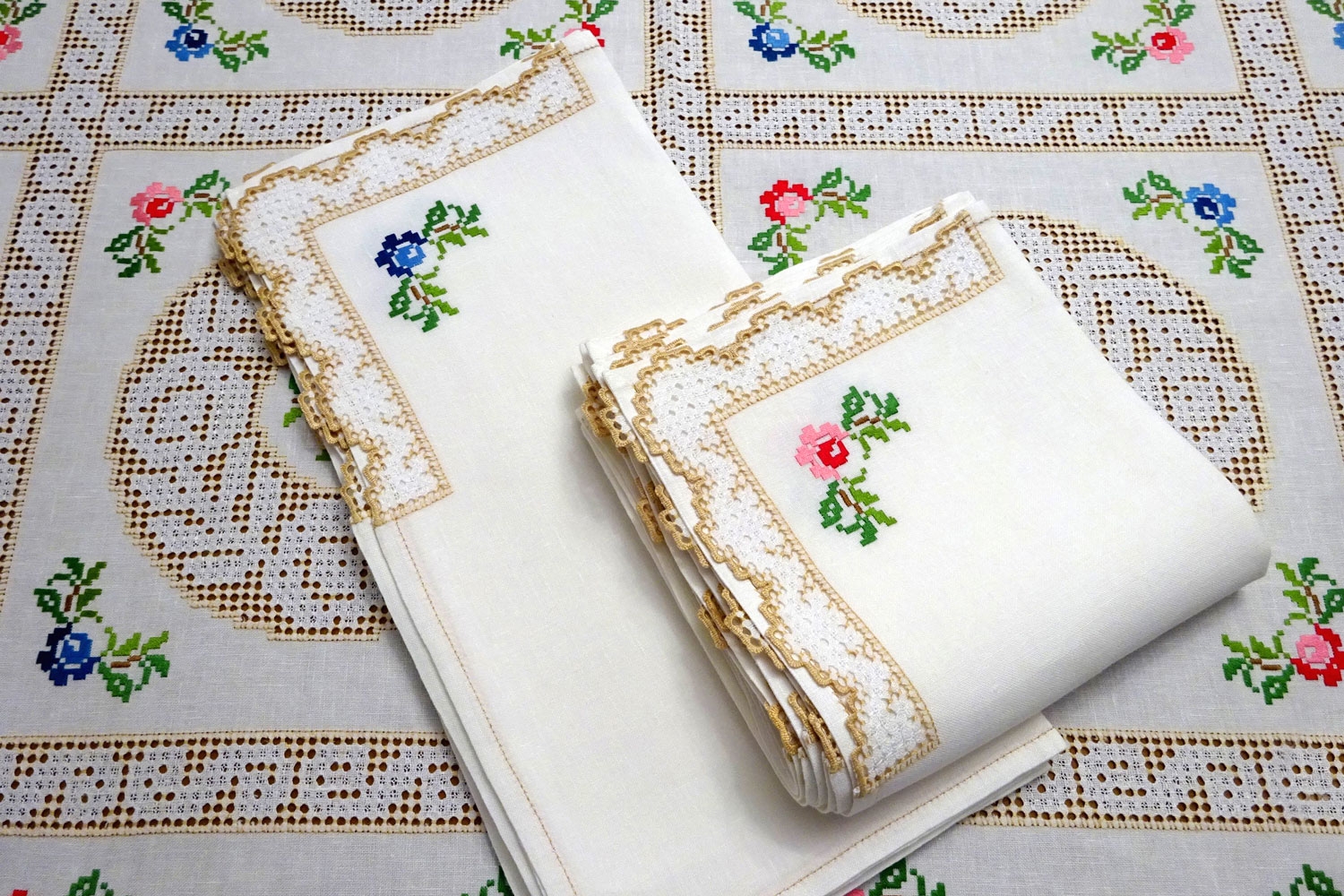
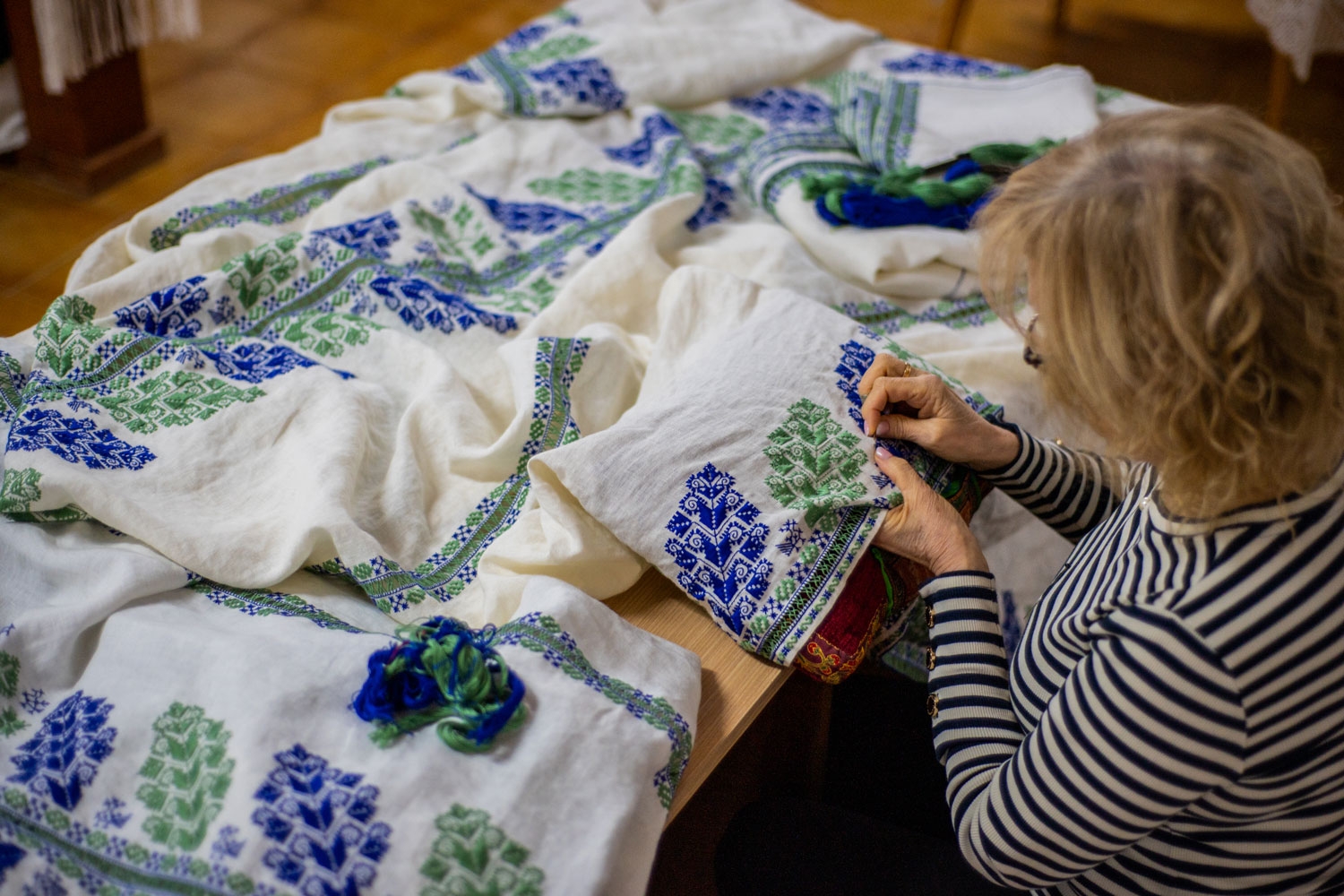
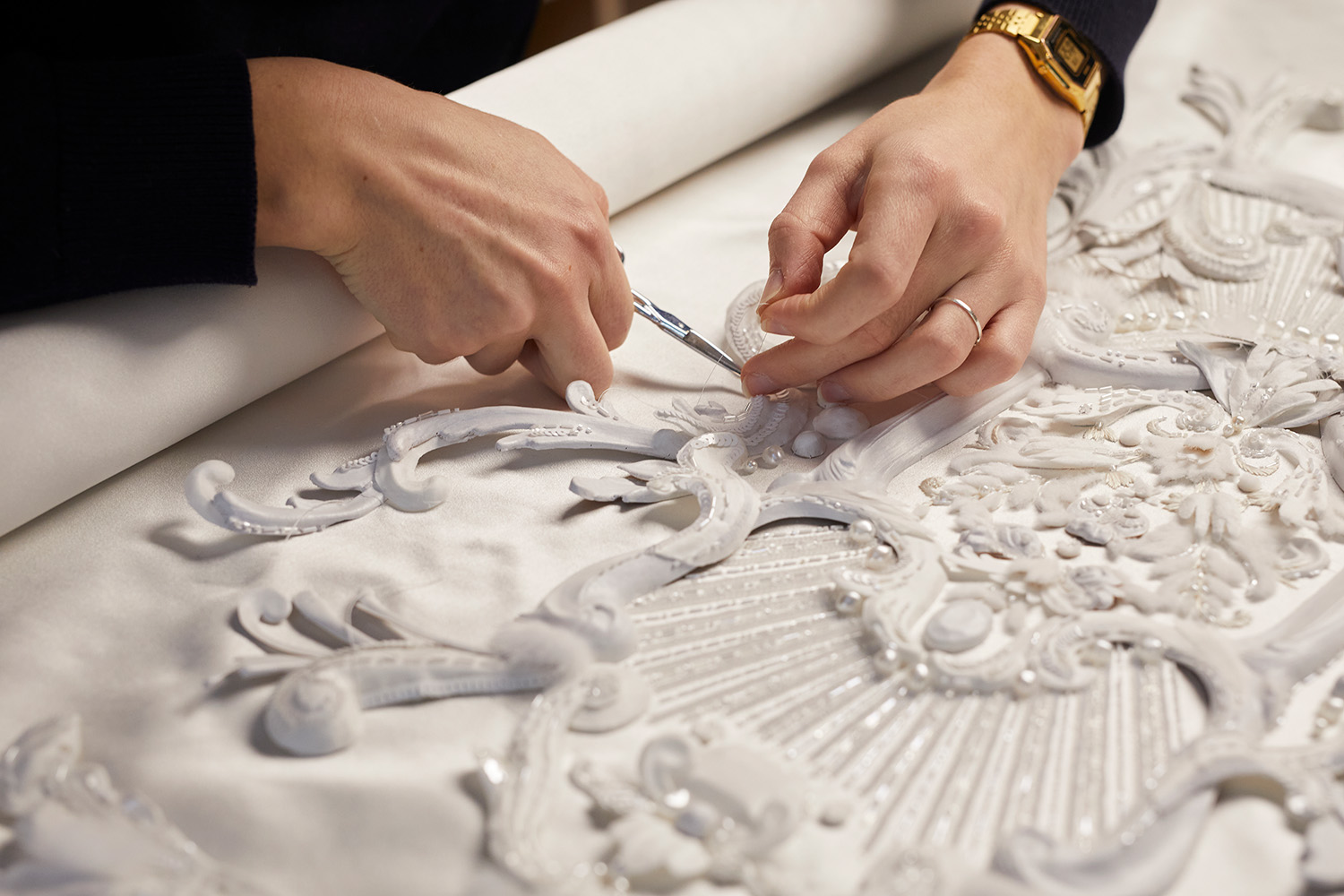
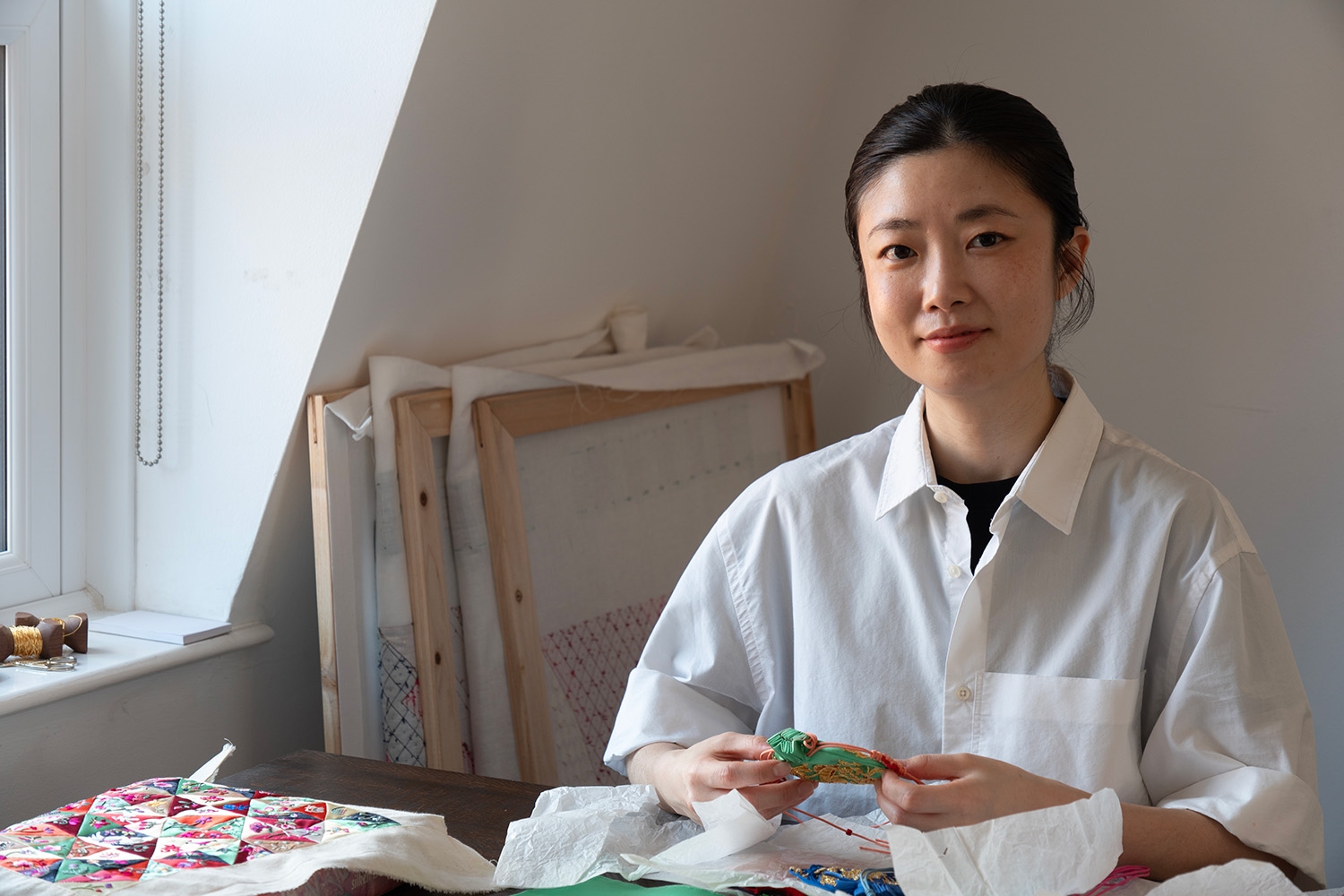
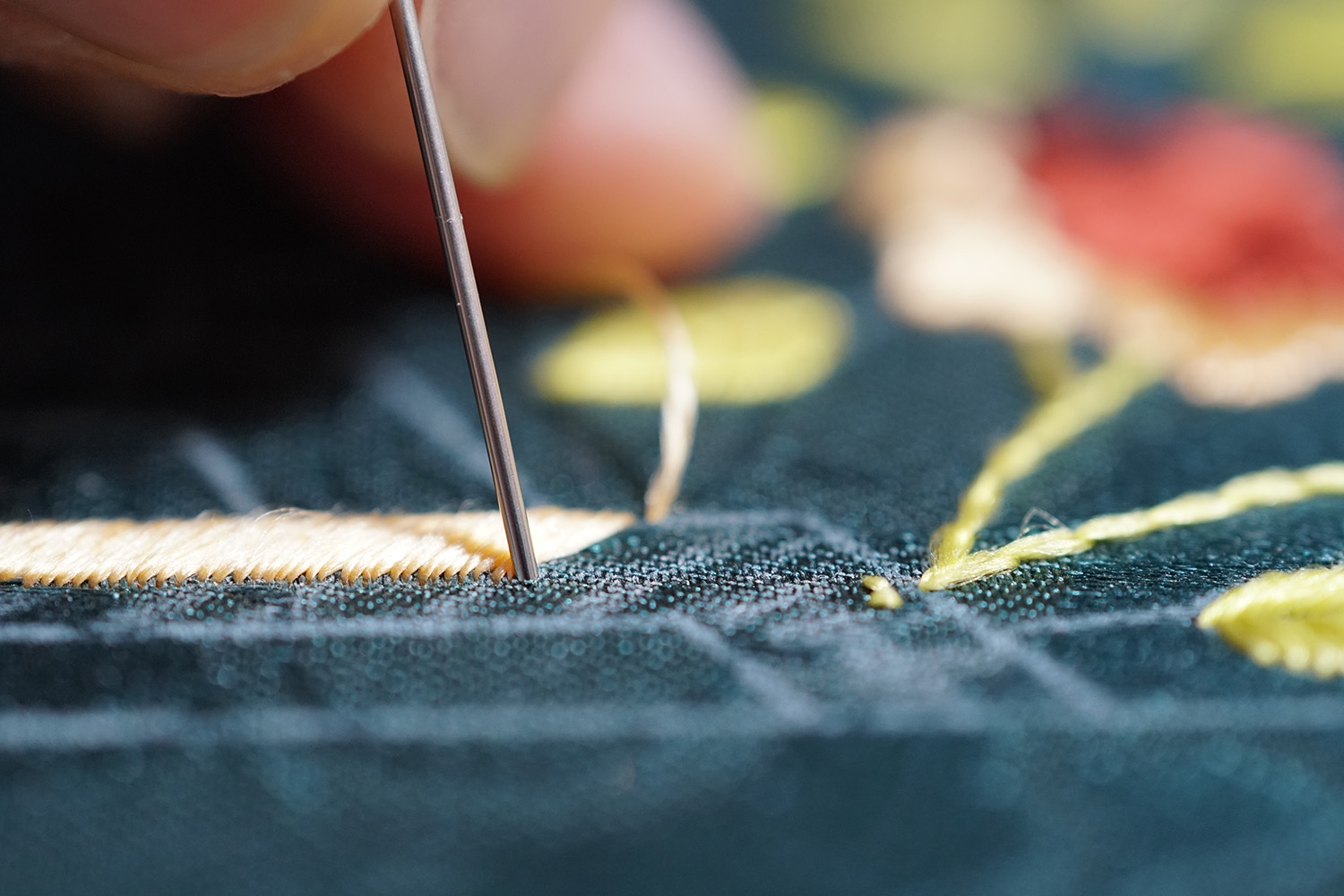
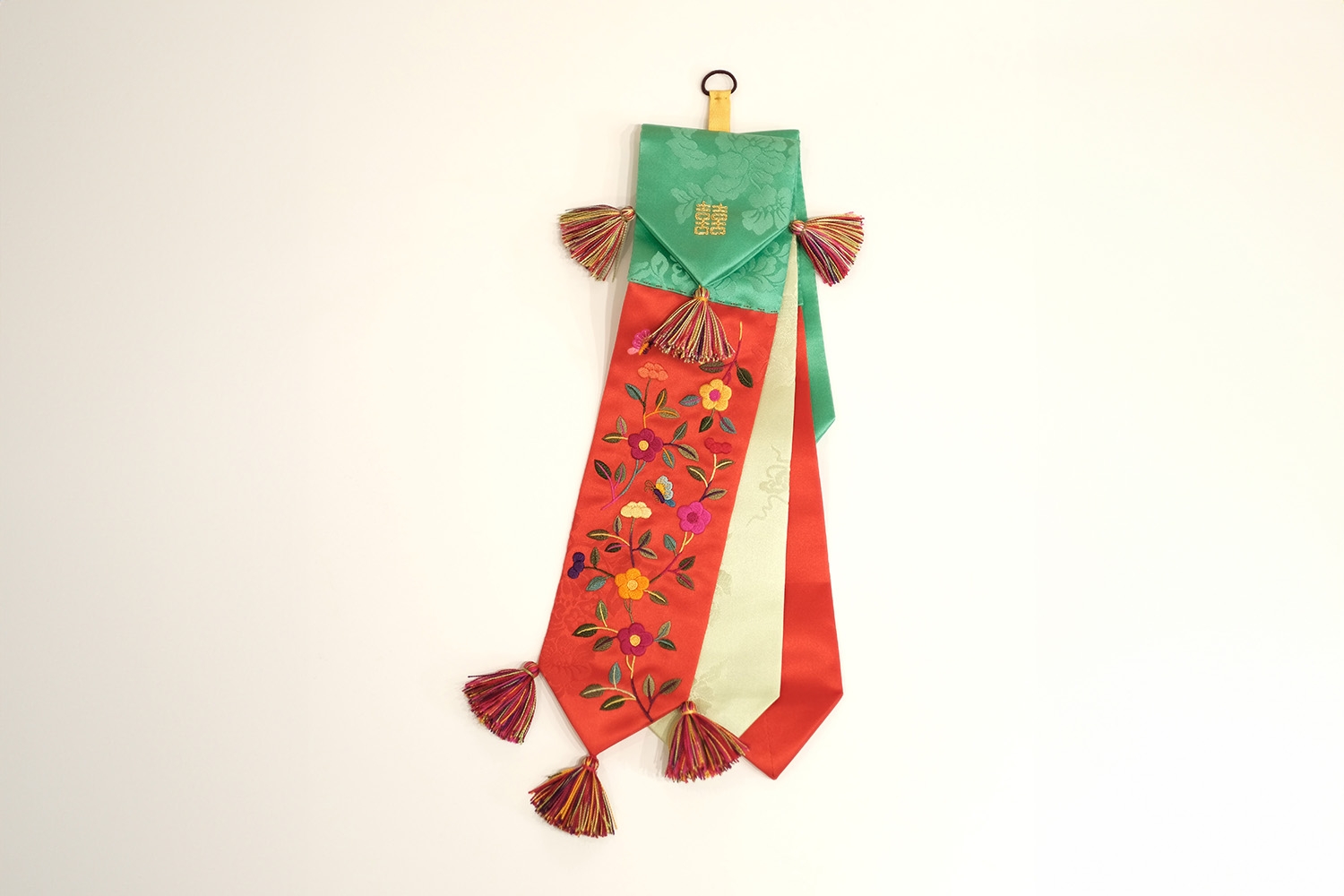
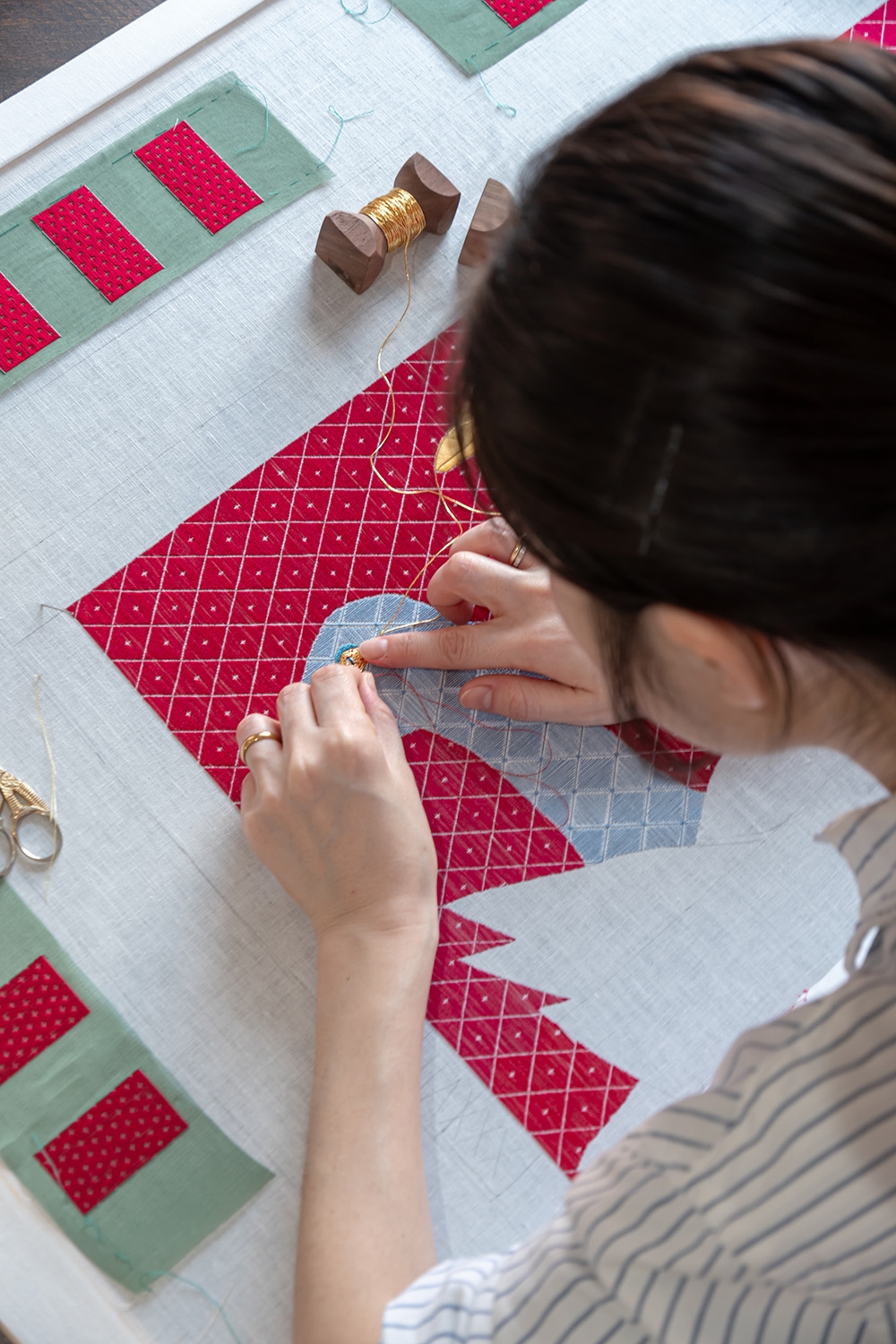
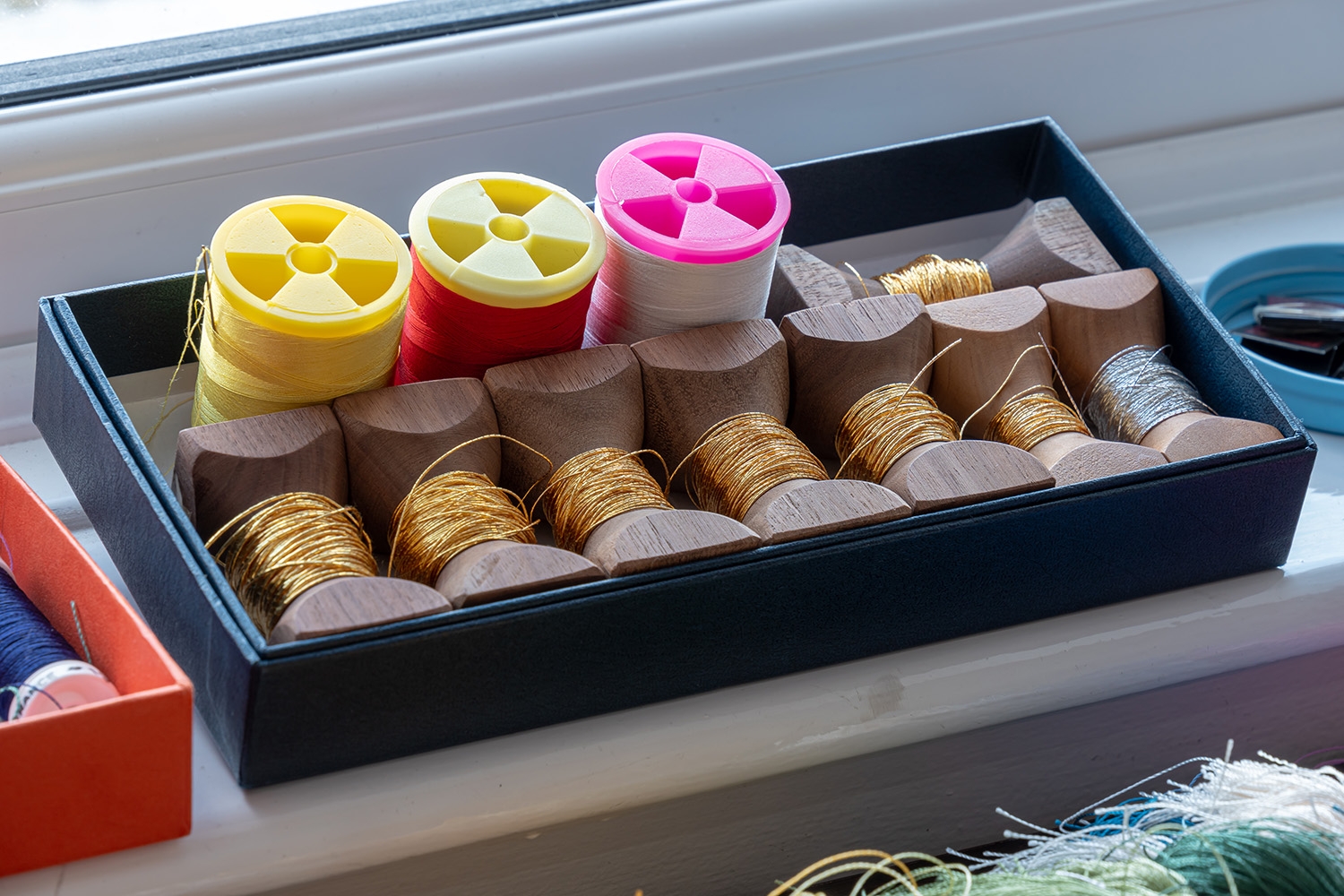
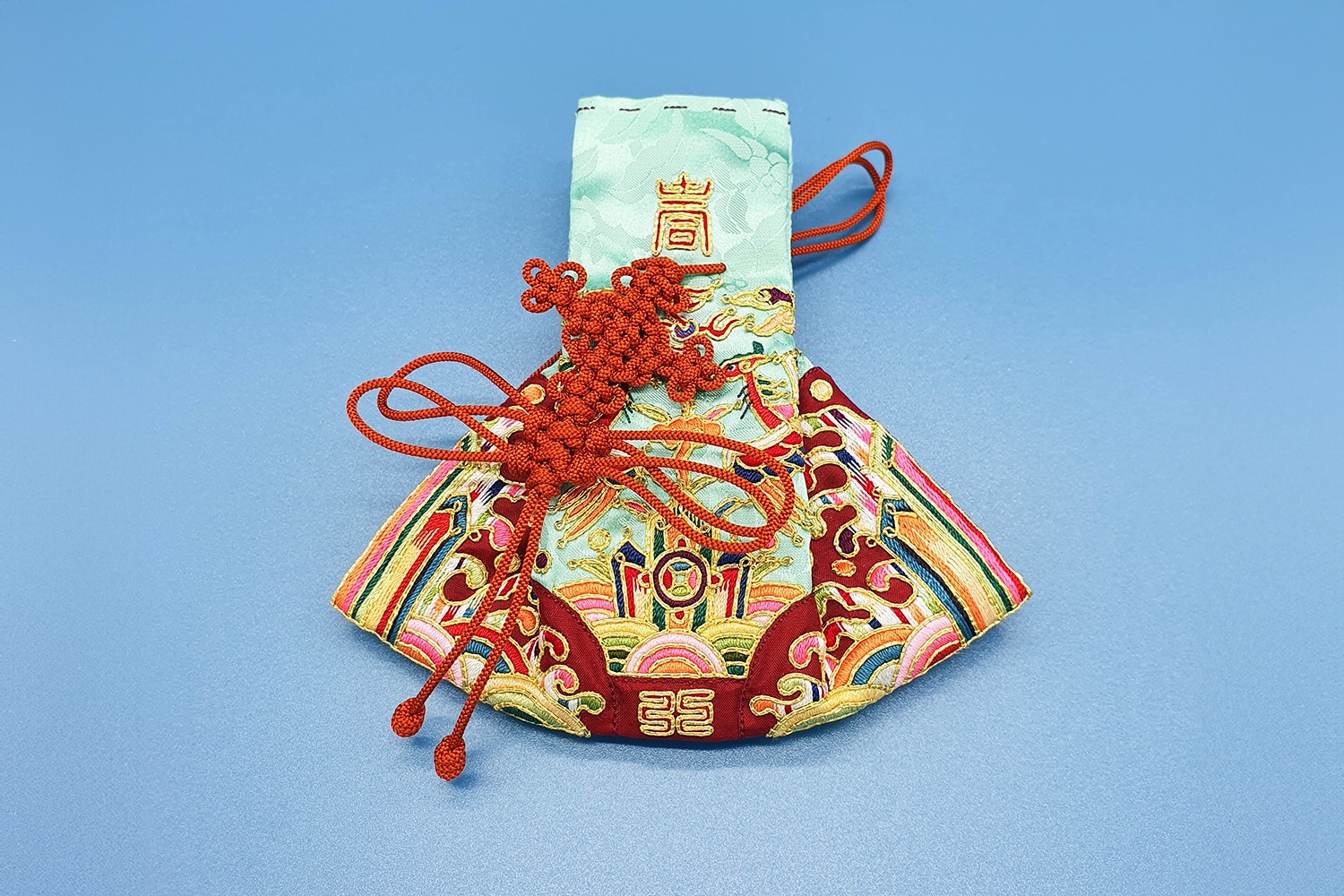
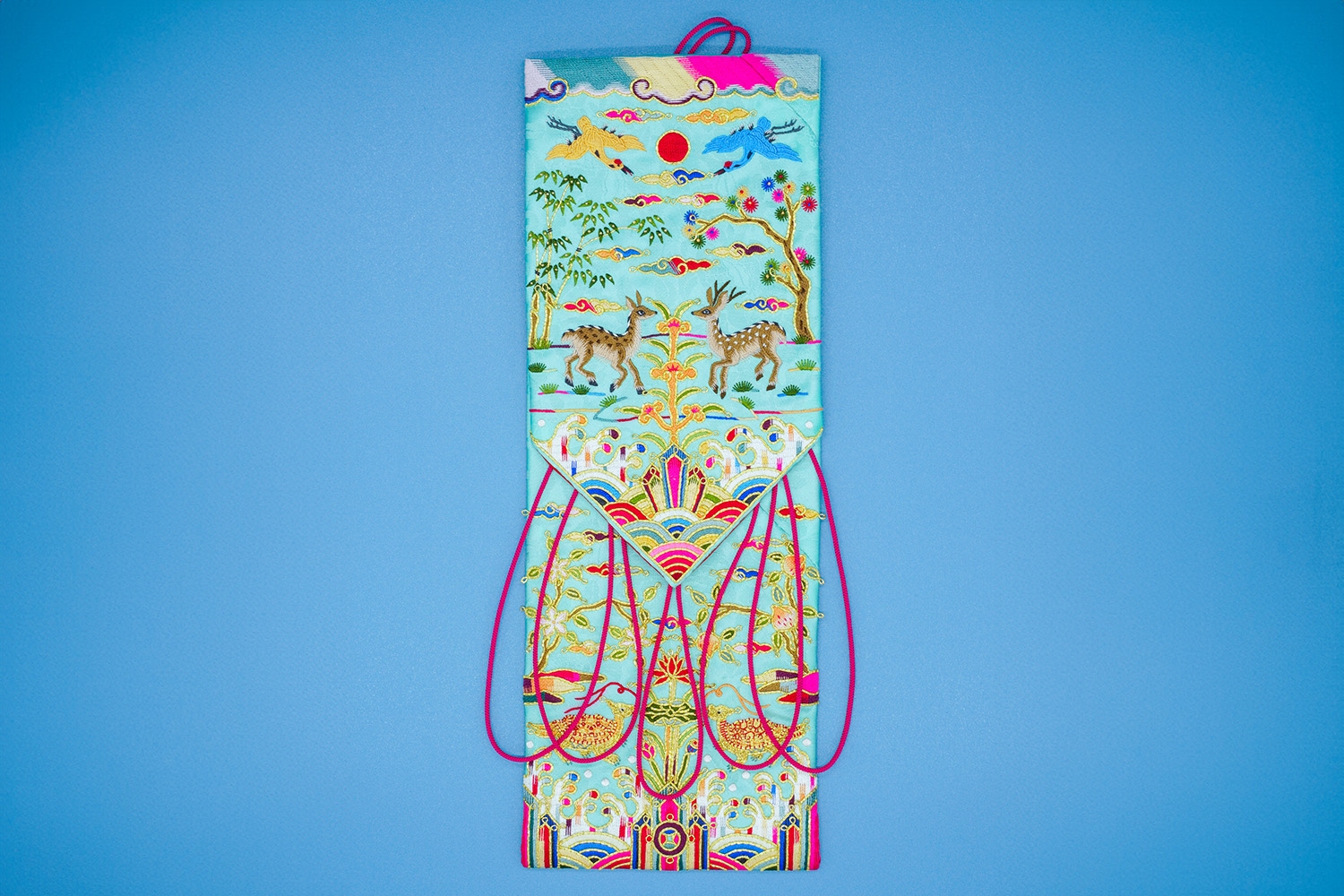
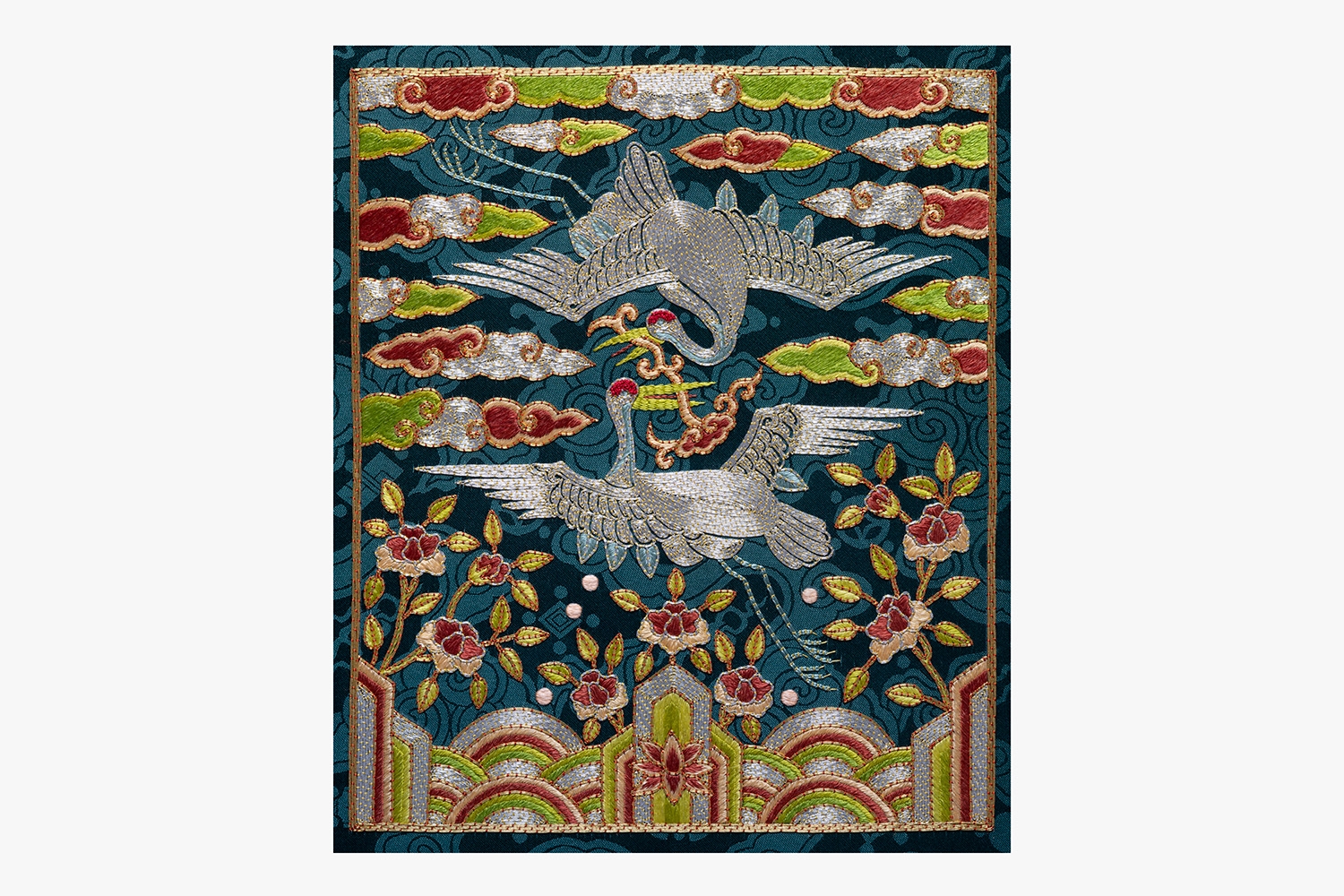
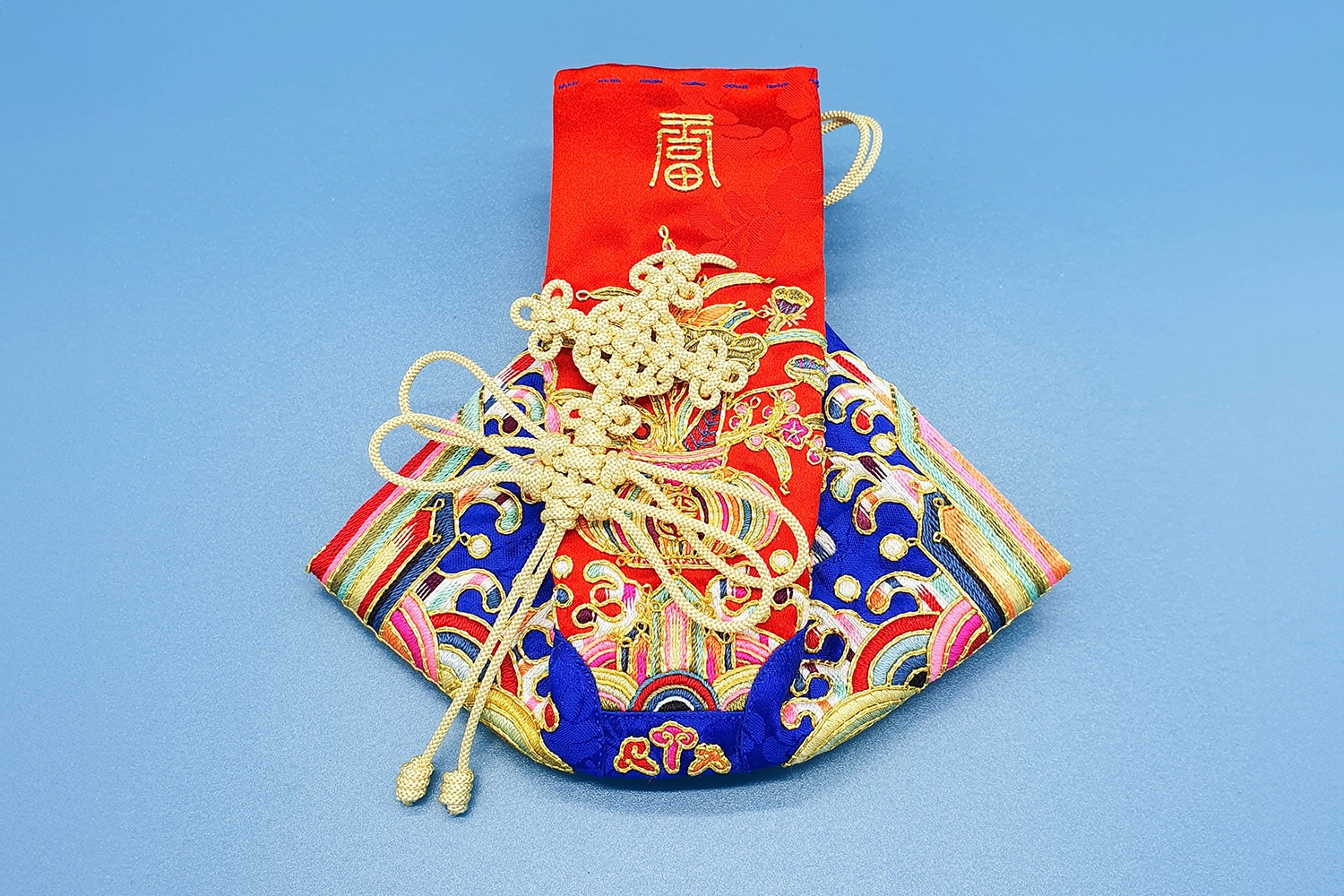
The vision and aesthetic of Heehwa Jo are her personal loving tribute to Korean culture and traditional embroidery. Her fashion studies and training were instrumental in learning about textile art and introducing her to embroidery, focusing on the study of ancient Korean artifacts. Heehwa’s work is meticulous and delicate, drawing inspiration from the embroidery aimed at royal courts, well-balanced in design, refined in the use of twisted fine silk thread and goldwork. She takes pride in doing nowadays what ancestors did in the past. “What we call tradition today was not intended as such then, and what is now considered innovation will become tradition in the future,” she says. "Well-made artifacts speak for themselves as they are powerful and relatable," Heehwa adds.
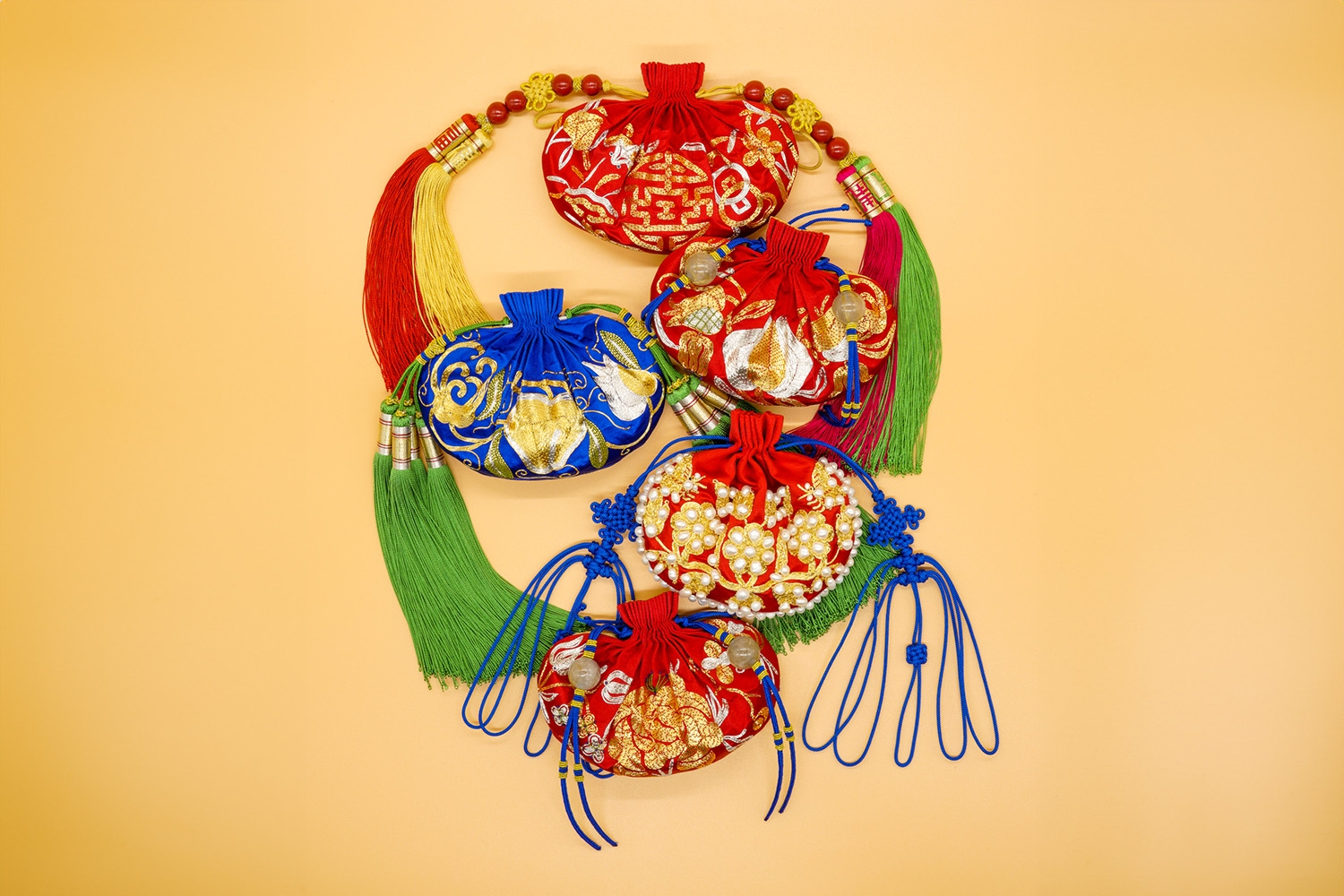
INTERVIEW
I realised that textile art and embroidery were a little known aspect of Korean heritage and this puzzled me. It encouraged me to delve into it. This is how I fell in love with the work of masters, who inspired me with their spirit and attitude, their humour and carefreeness.
It allows me to mix elements, physical or abstract, which complement each other. Physical includes drawing, structure, colour and techniques, which you can observe, while abstract relates to the symbolic meanings and the attitude towards the craft.
It is hard for me to keep my hands idle. Being a professional embroiderer gives me the chance to express my feelings through my hands. I feel almost as though I have a mission to communicate and spread the word about our tradition, making it contemporary.
Past traditions are echoed into the present. Almost every Korean design, pattern, and even colour is a symbol and there are principles that dictate combinations of designs and colours. In this regard, traditional Korean art is to be read rather than seen.
Heehwa Jo
Embroiderer
London, United Kingdom
ADDRESS
Address upon request, London, United Kingdom
AVAILABILITY
By appointment only
LANGUAGES
English, Korean
Homo Faber Finds is a new service aiming to inspire admirers of craft to connect and collaborate with exceptional artisans.
We invite you to submit an enquiry here.
chanel_goossens-savoir-faire-©alix-marnat_18-HD.jpg)
chanel_maison_goossens_©alix-marnat-11-HD.jpg)
chanel_goossens-©alix-marnat_17-HD.jpg)