Fabien Ferreri
Atelier Villard
Furniture maker
Mortagne-au-Perche, France
Implicit mastery
- Fabien's initial passion was heritage building restoration
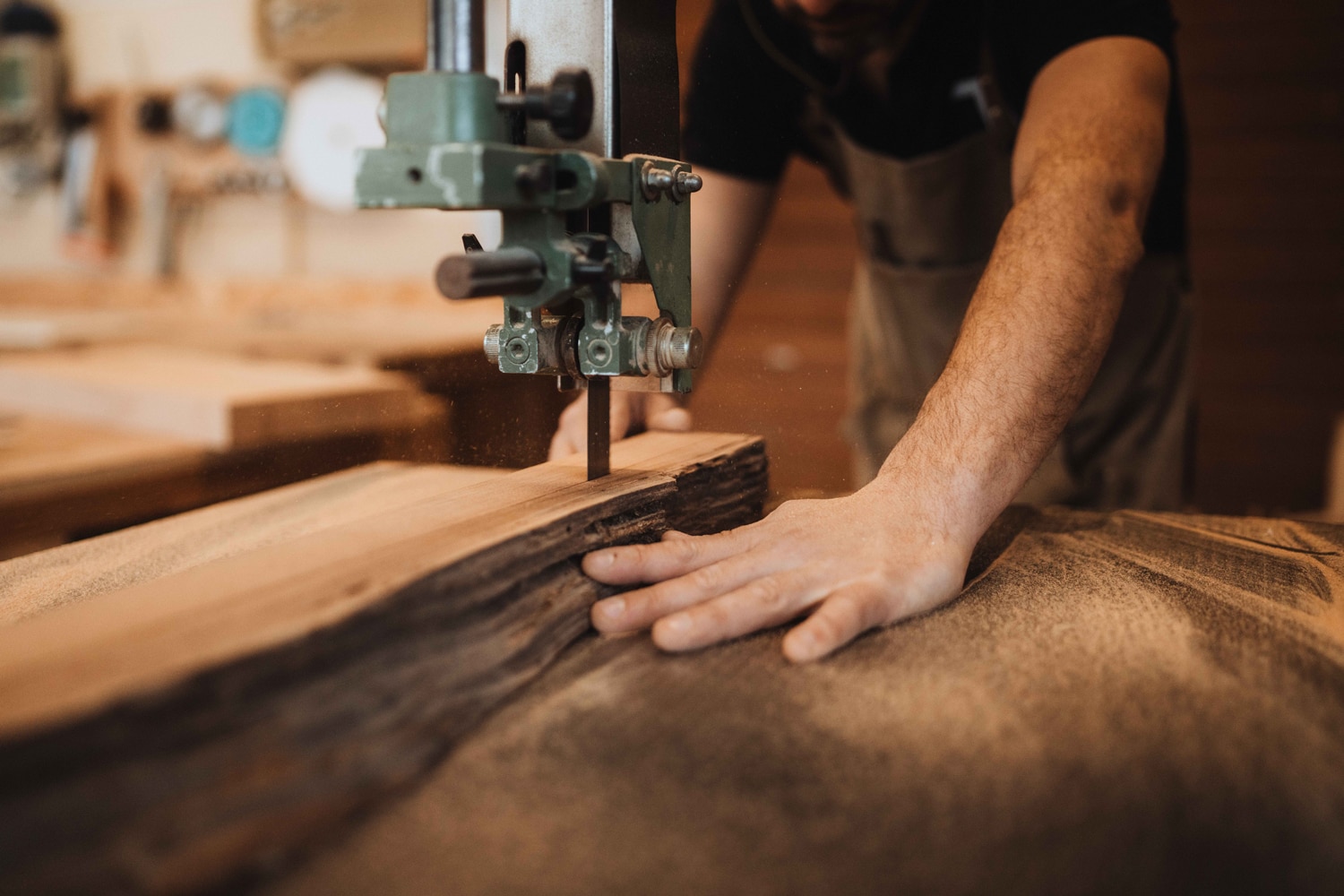
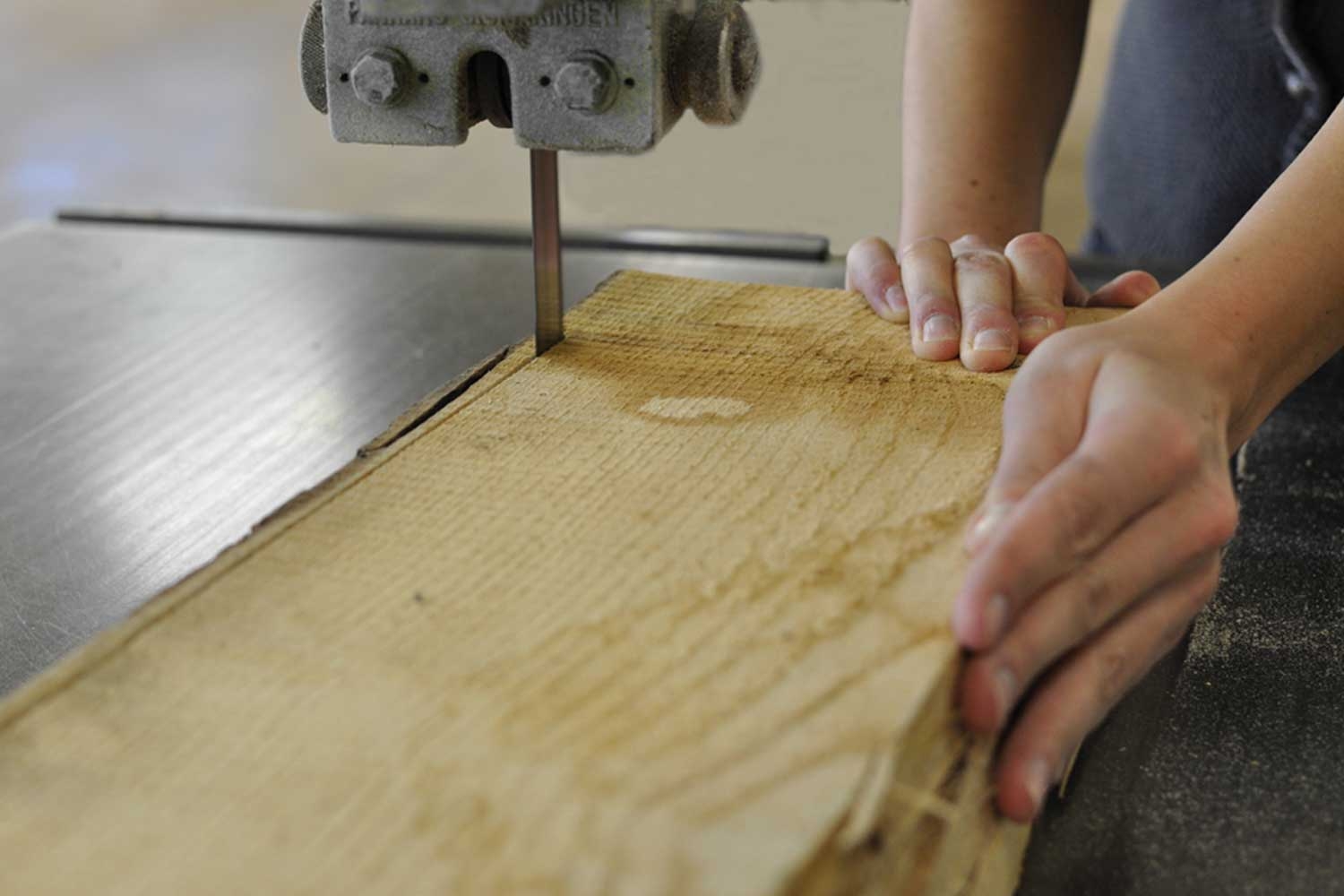
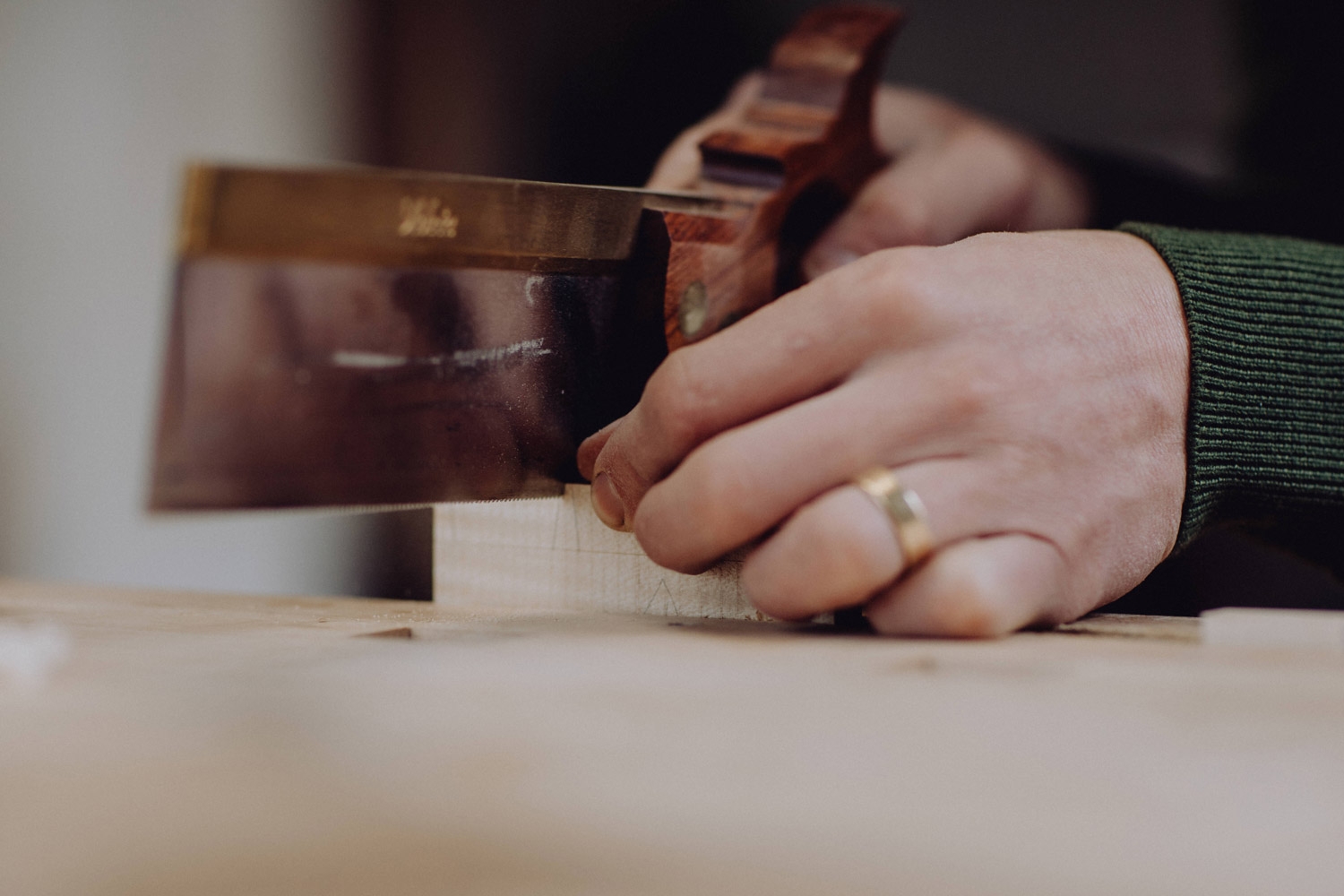
- For him the hand is an extension of the mind
- He grows his own trees and uses this and other local wood alone
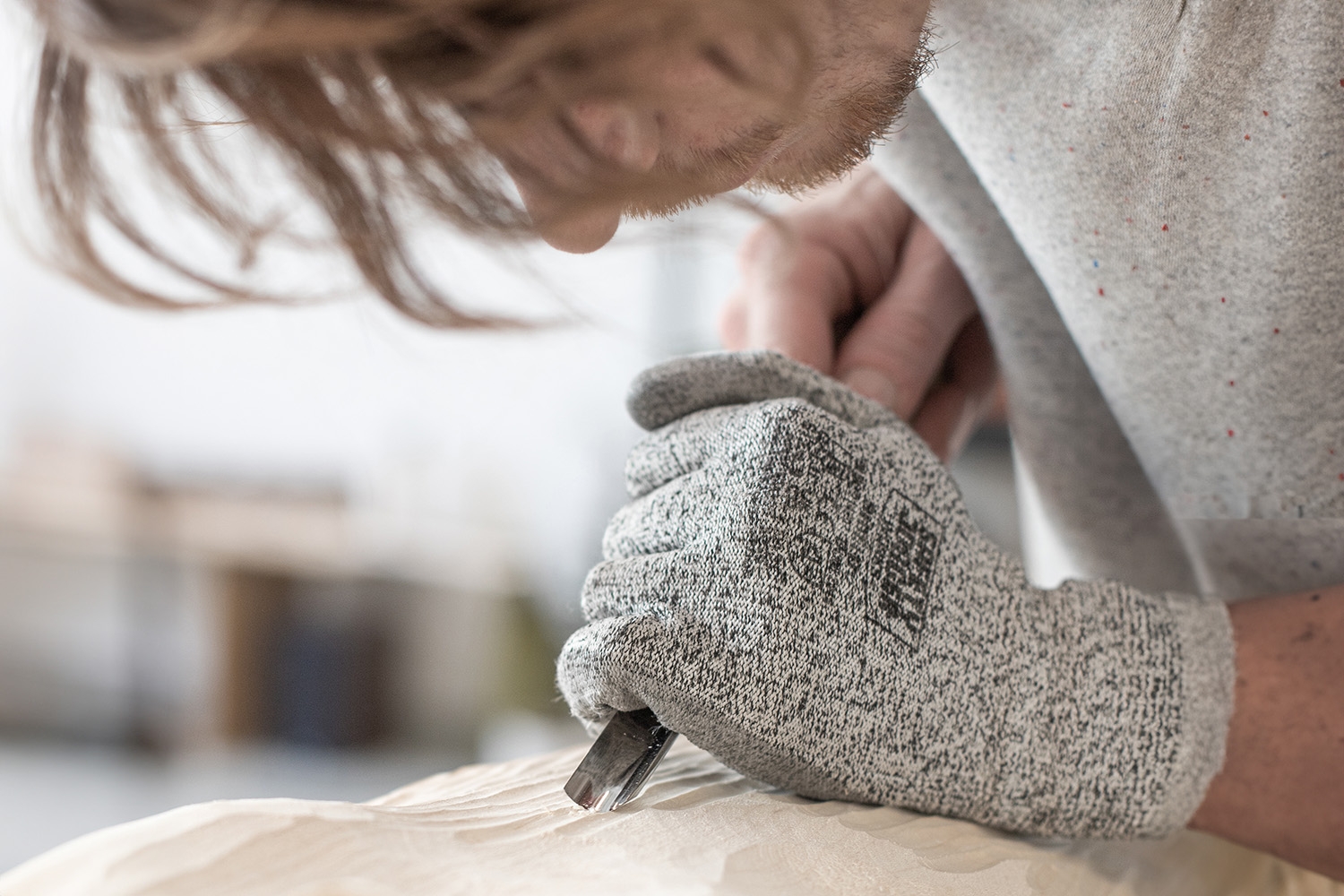
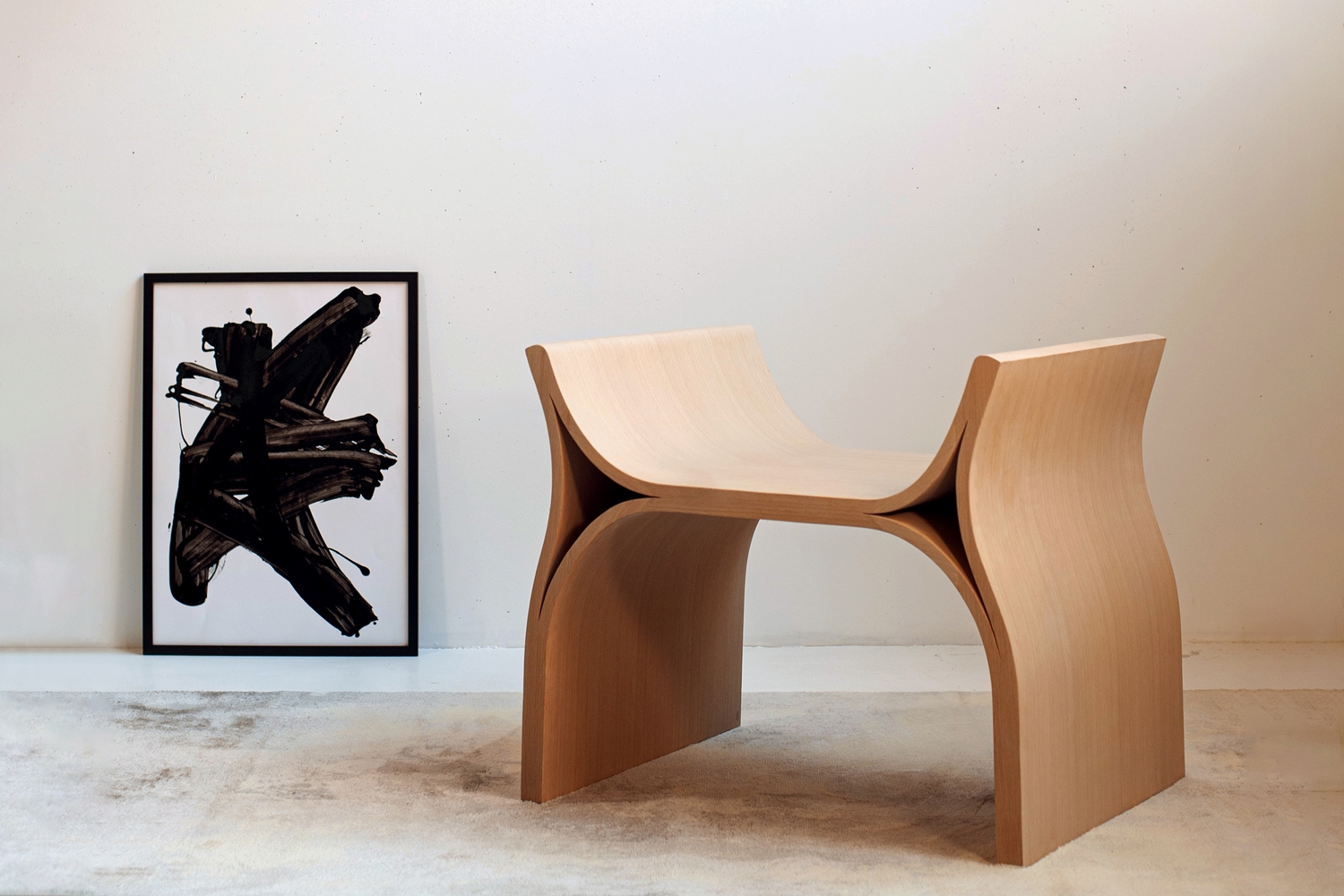
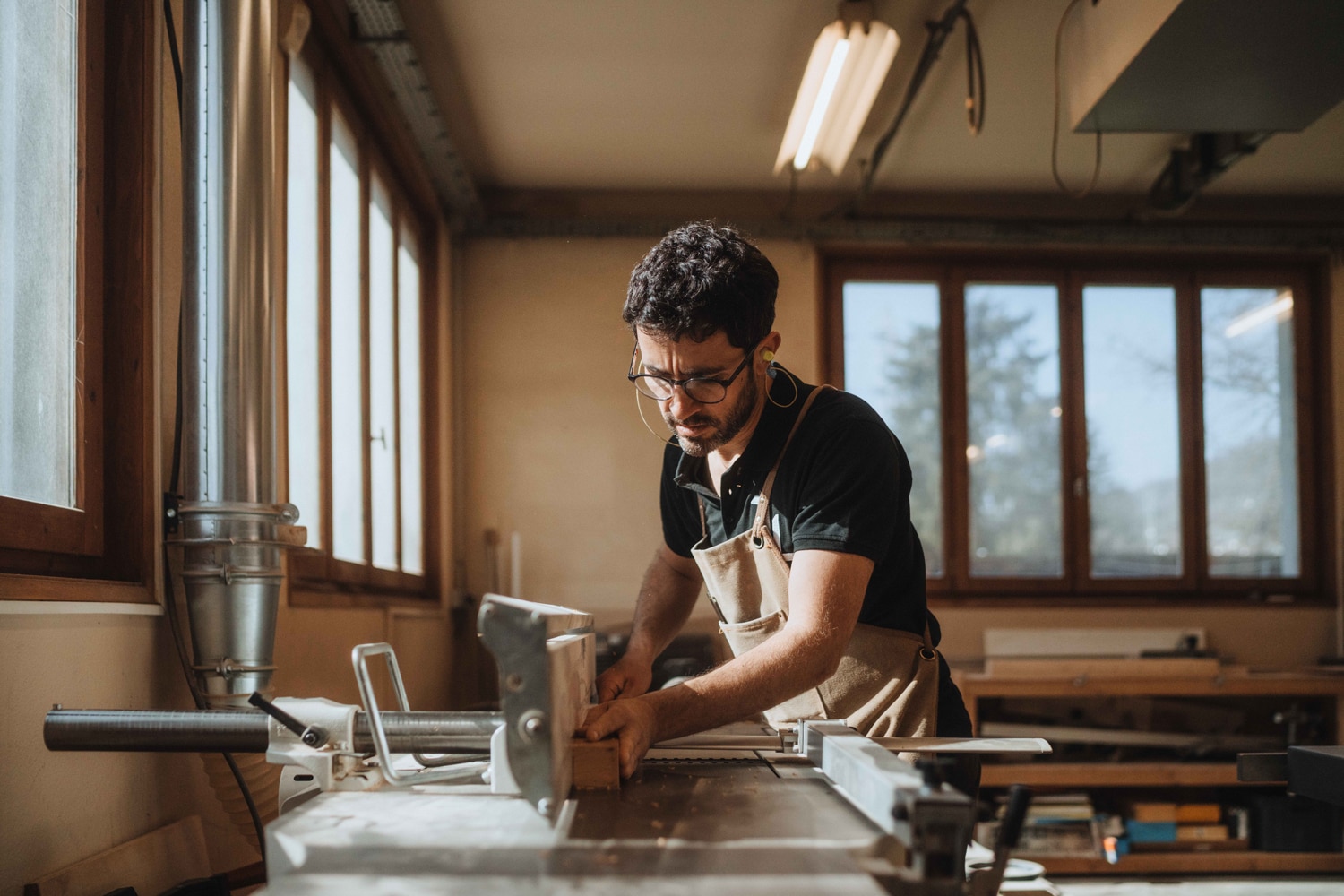
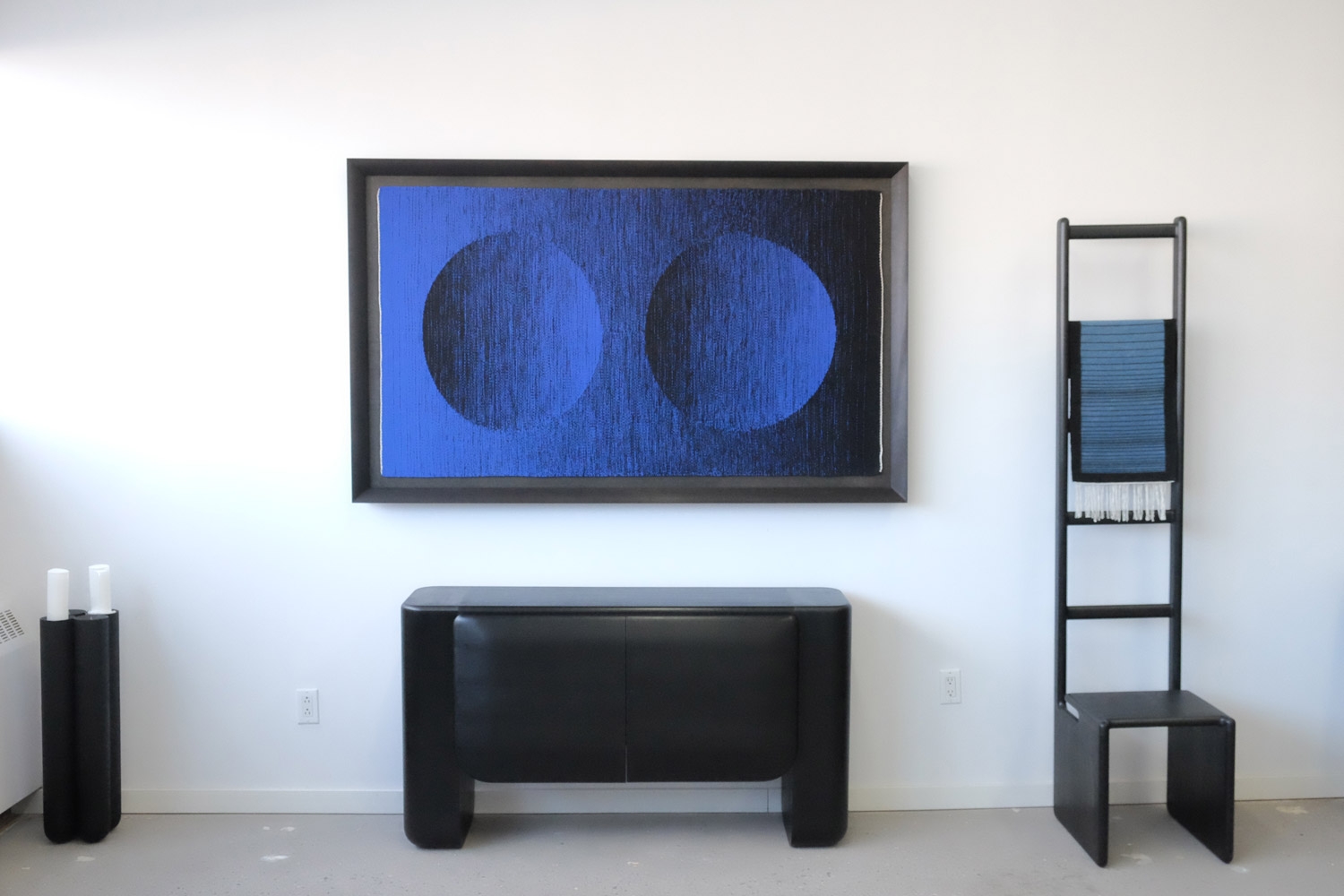
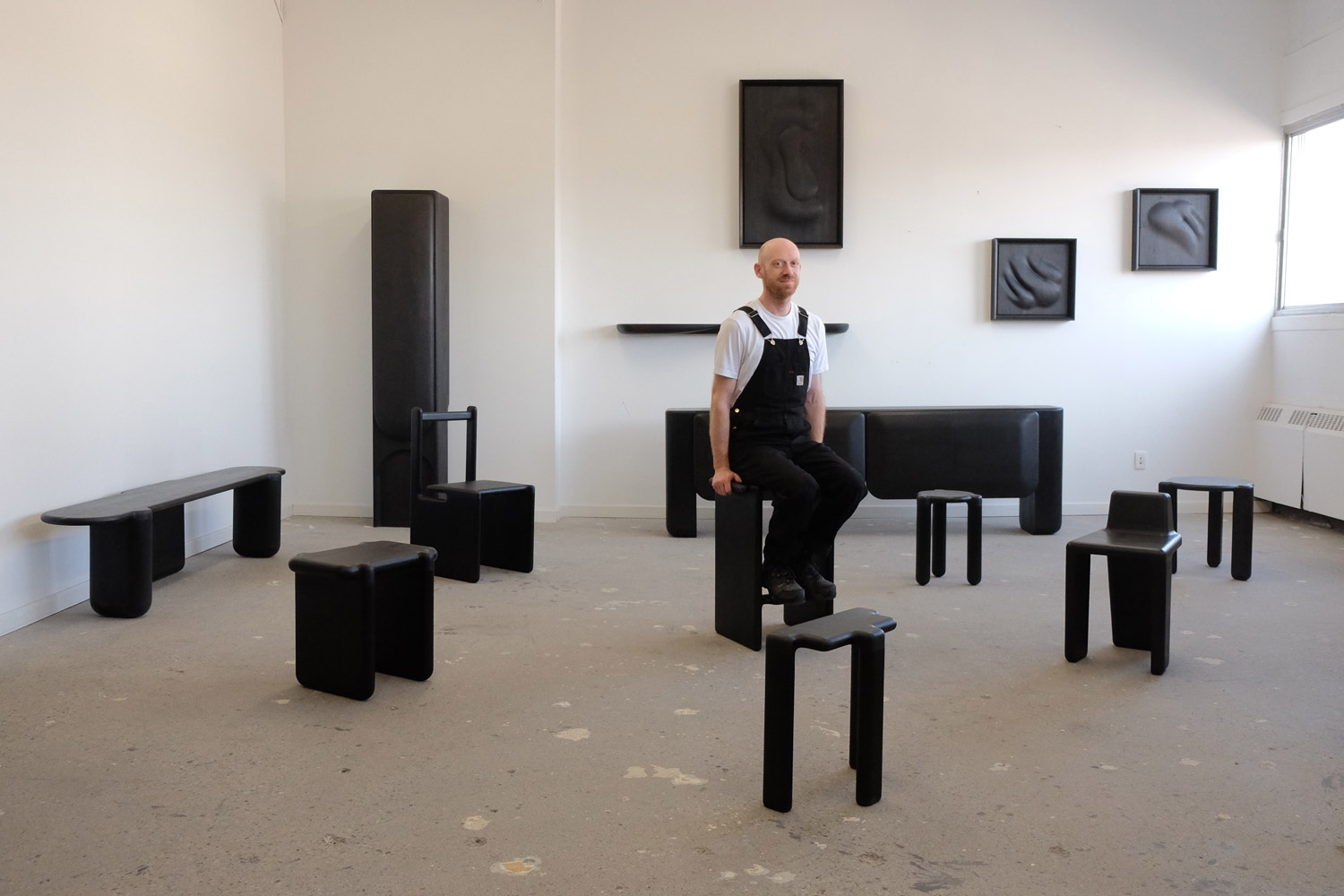
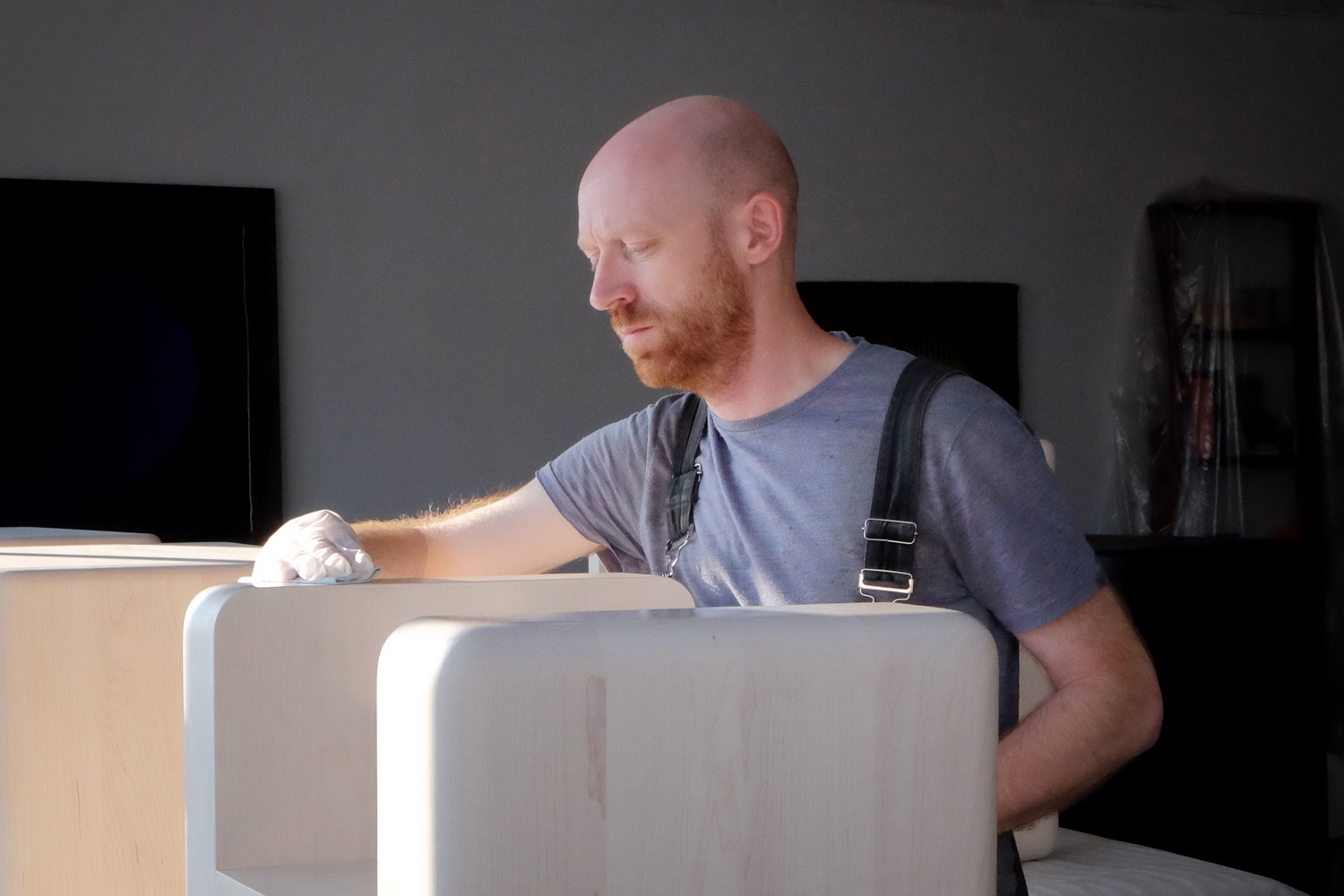
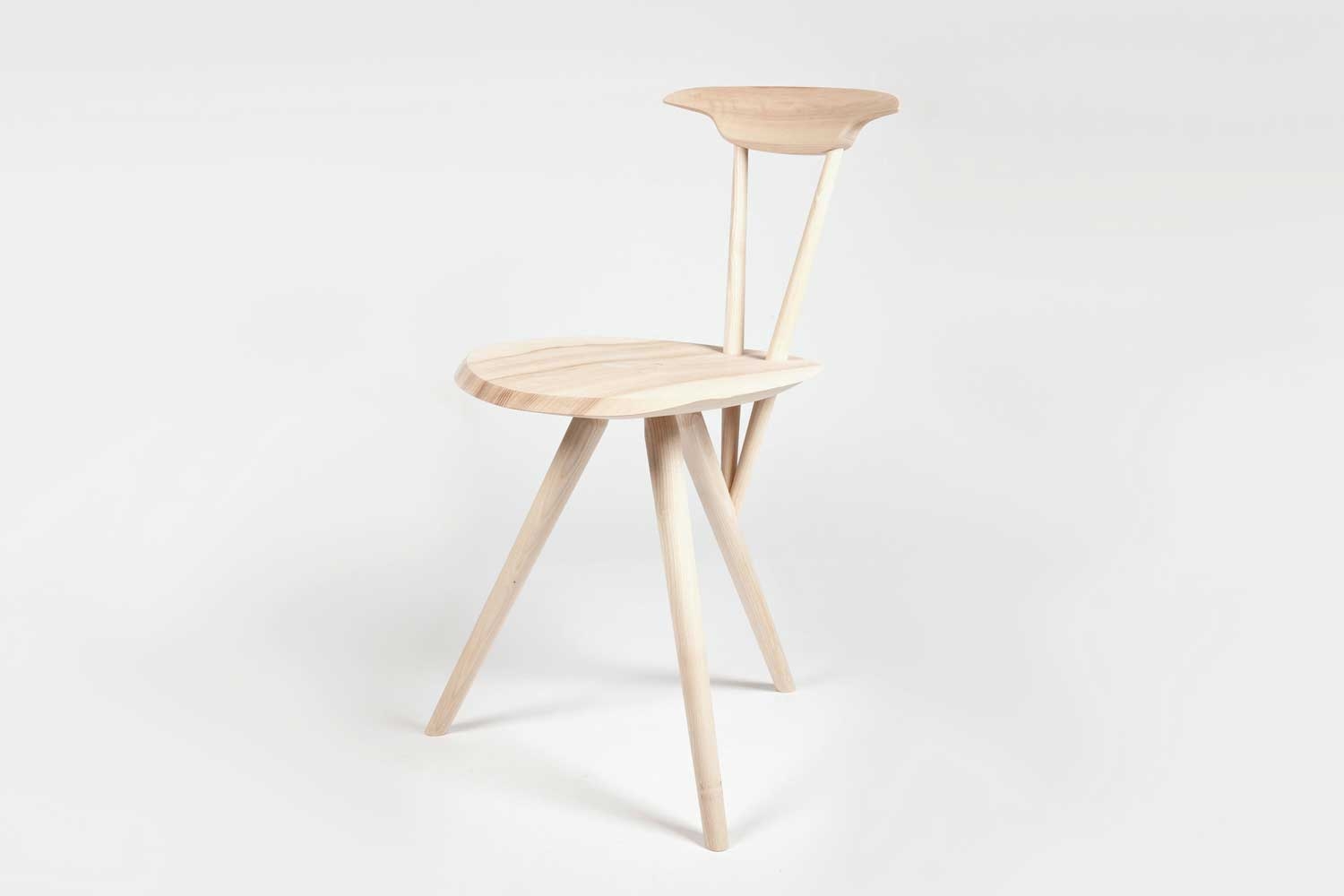
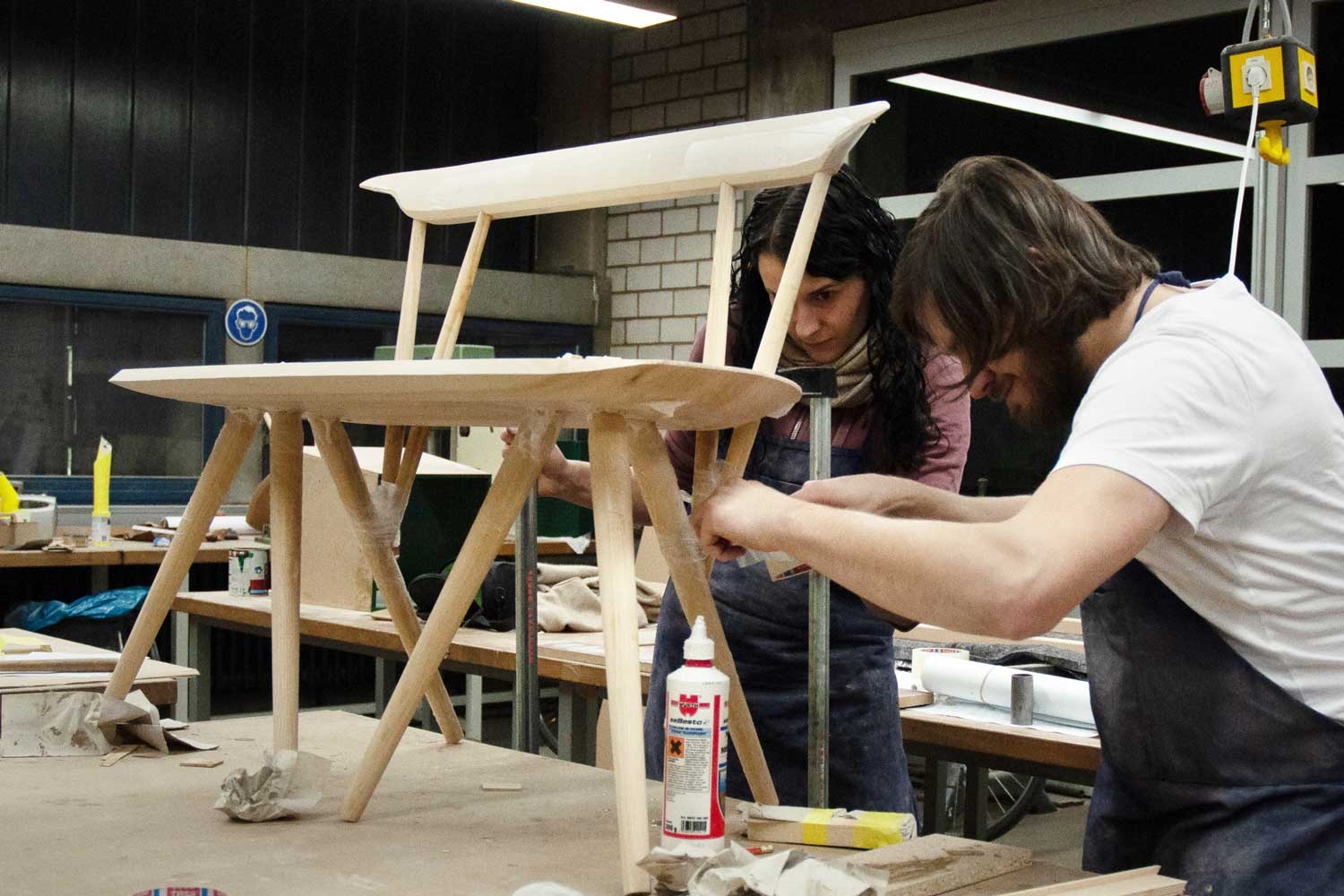
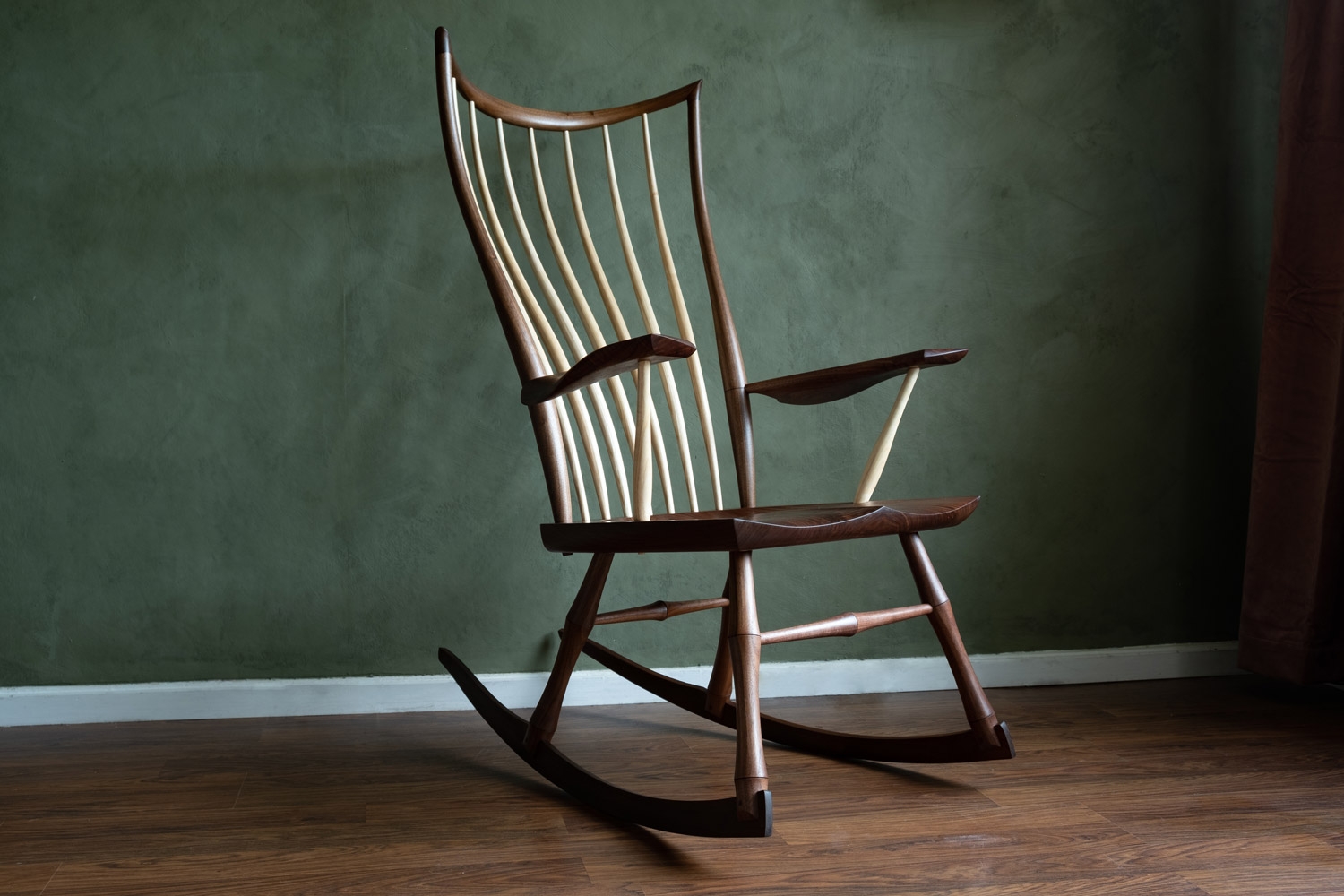
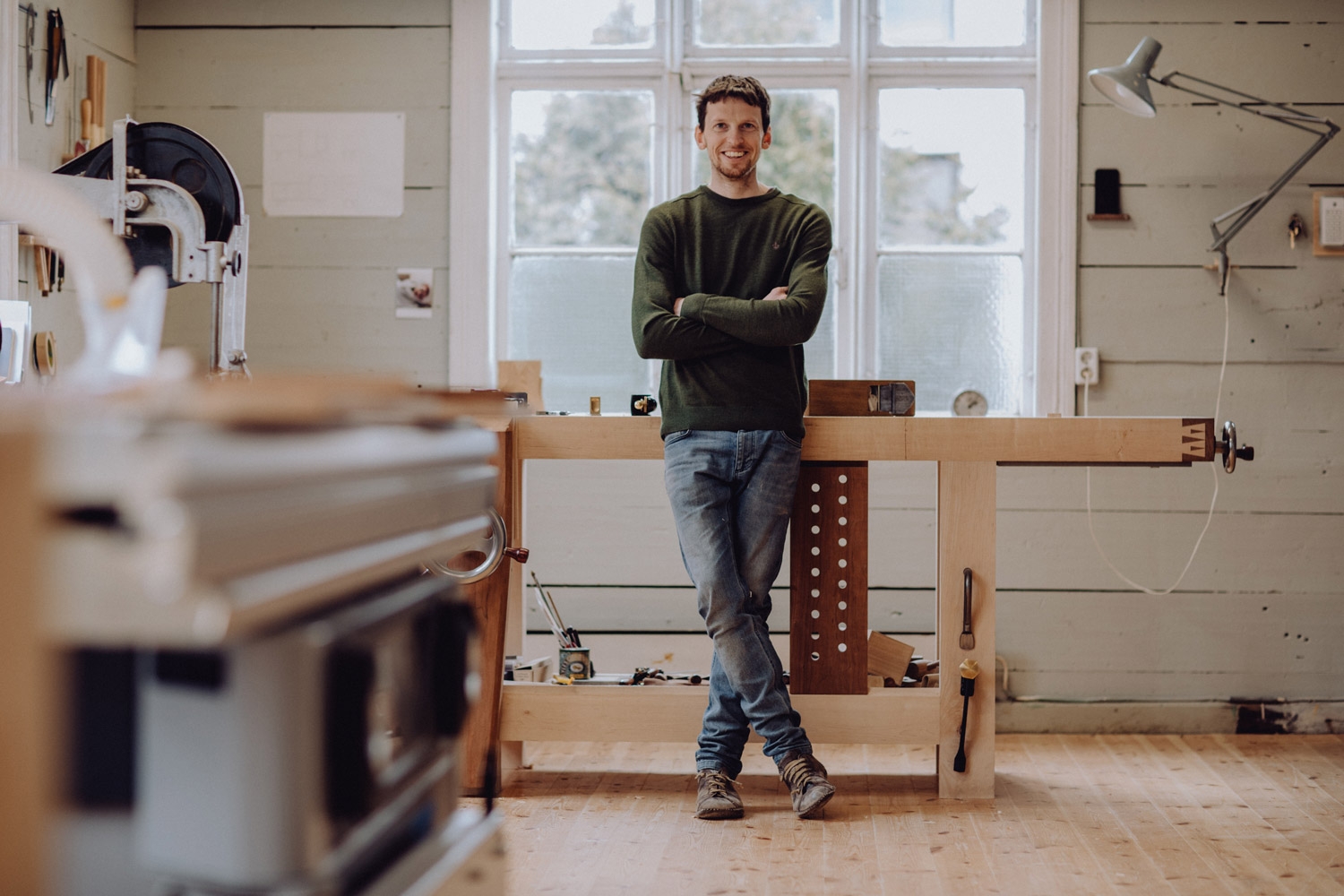
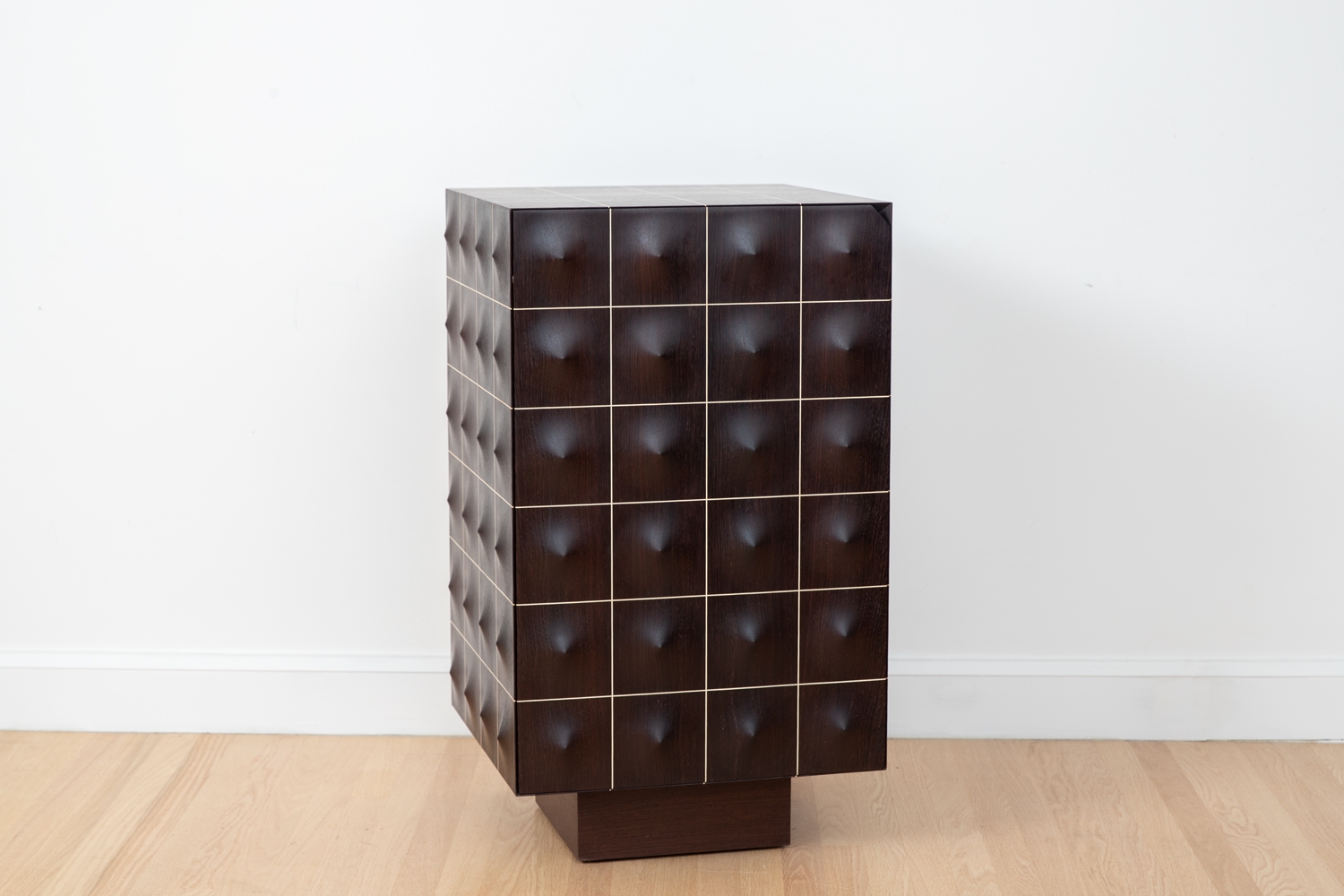
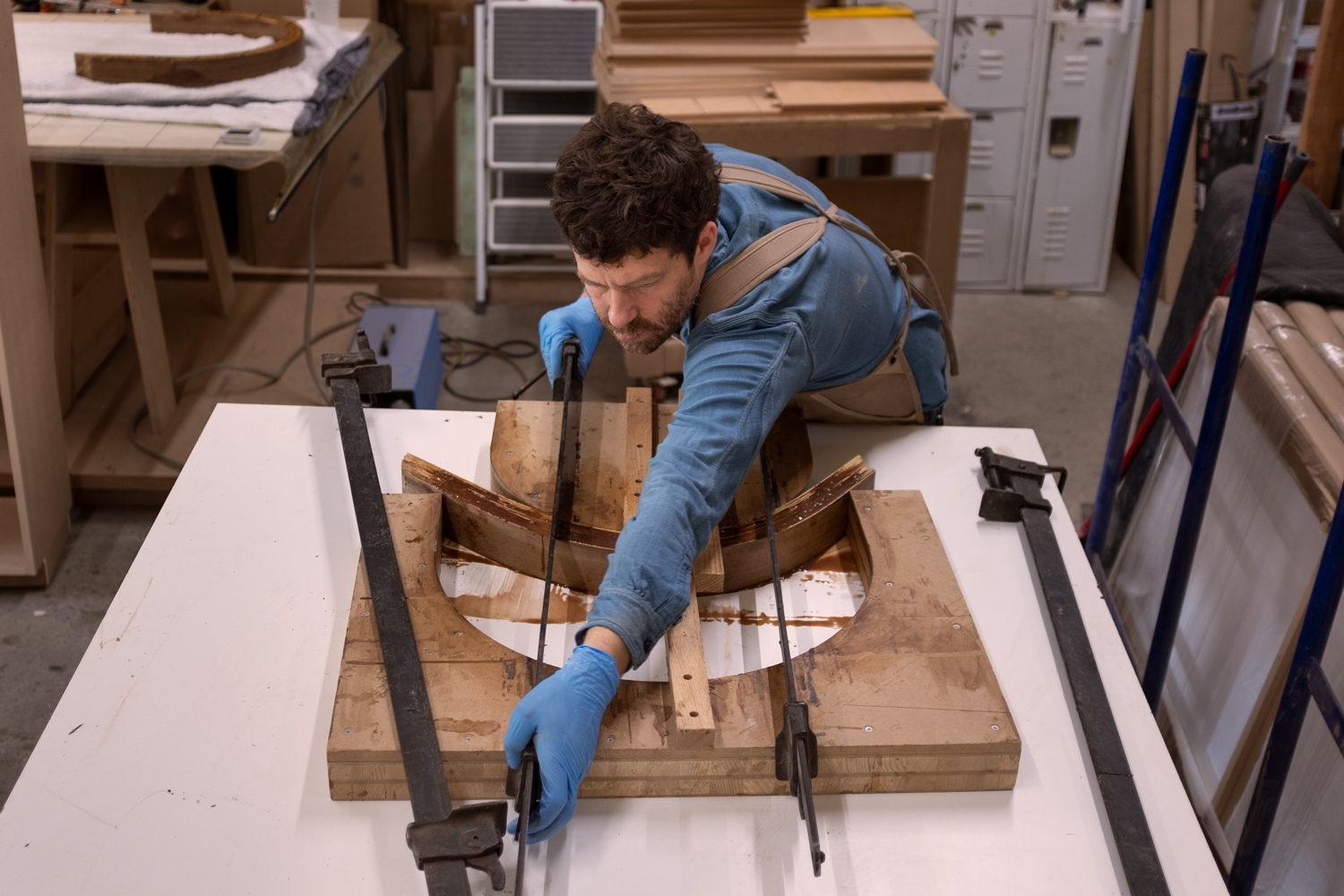
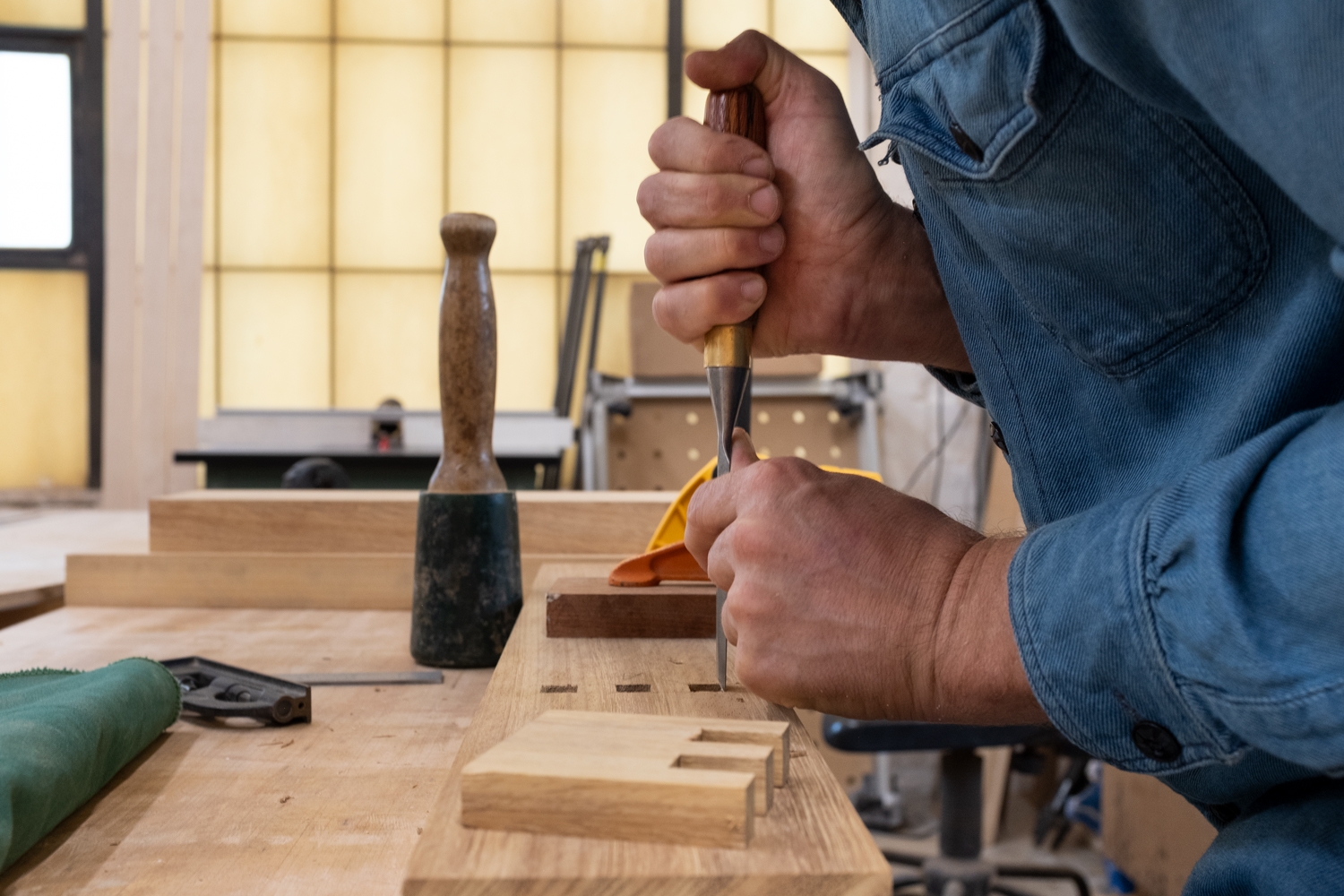
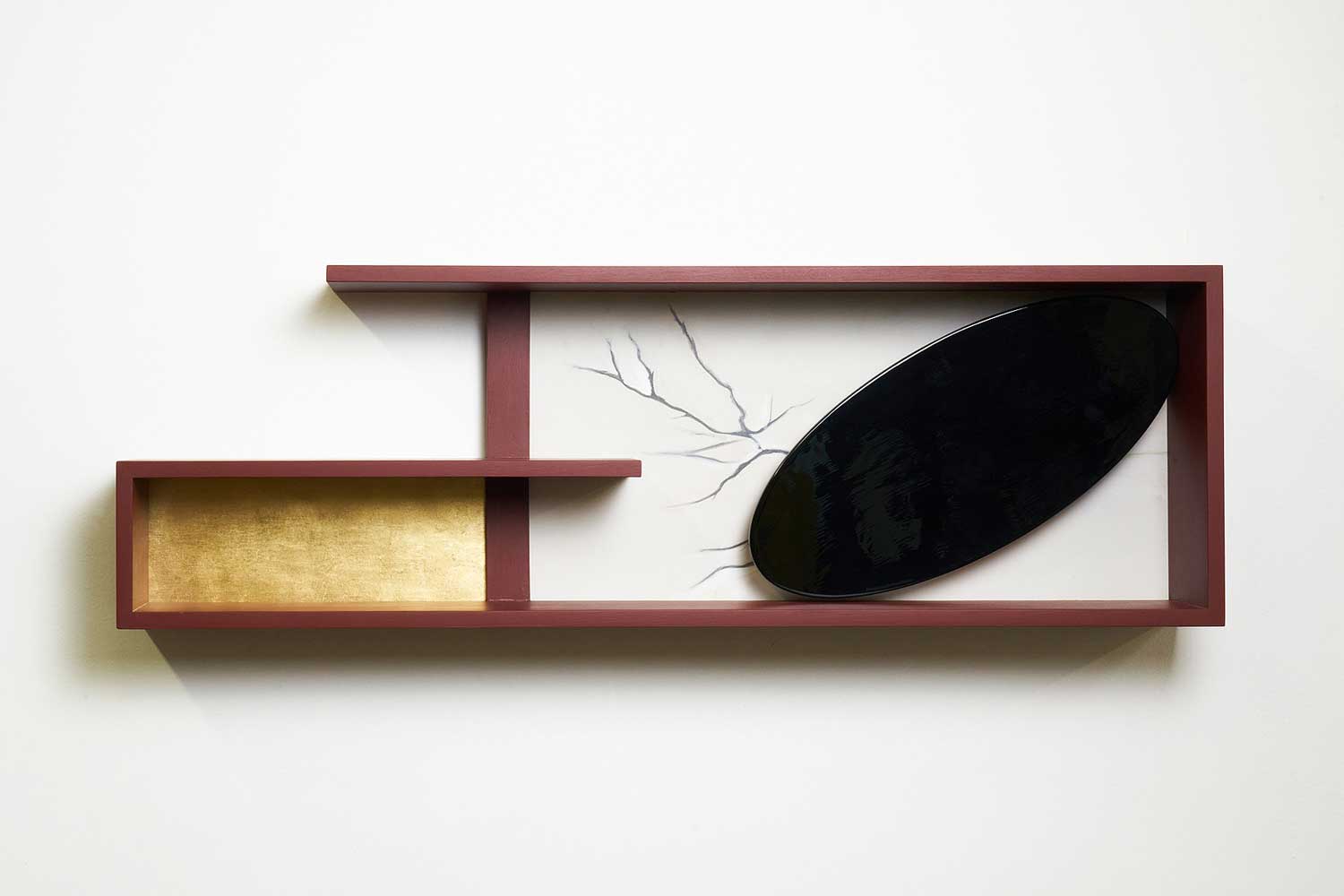
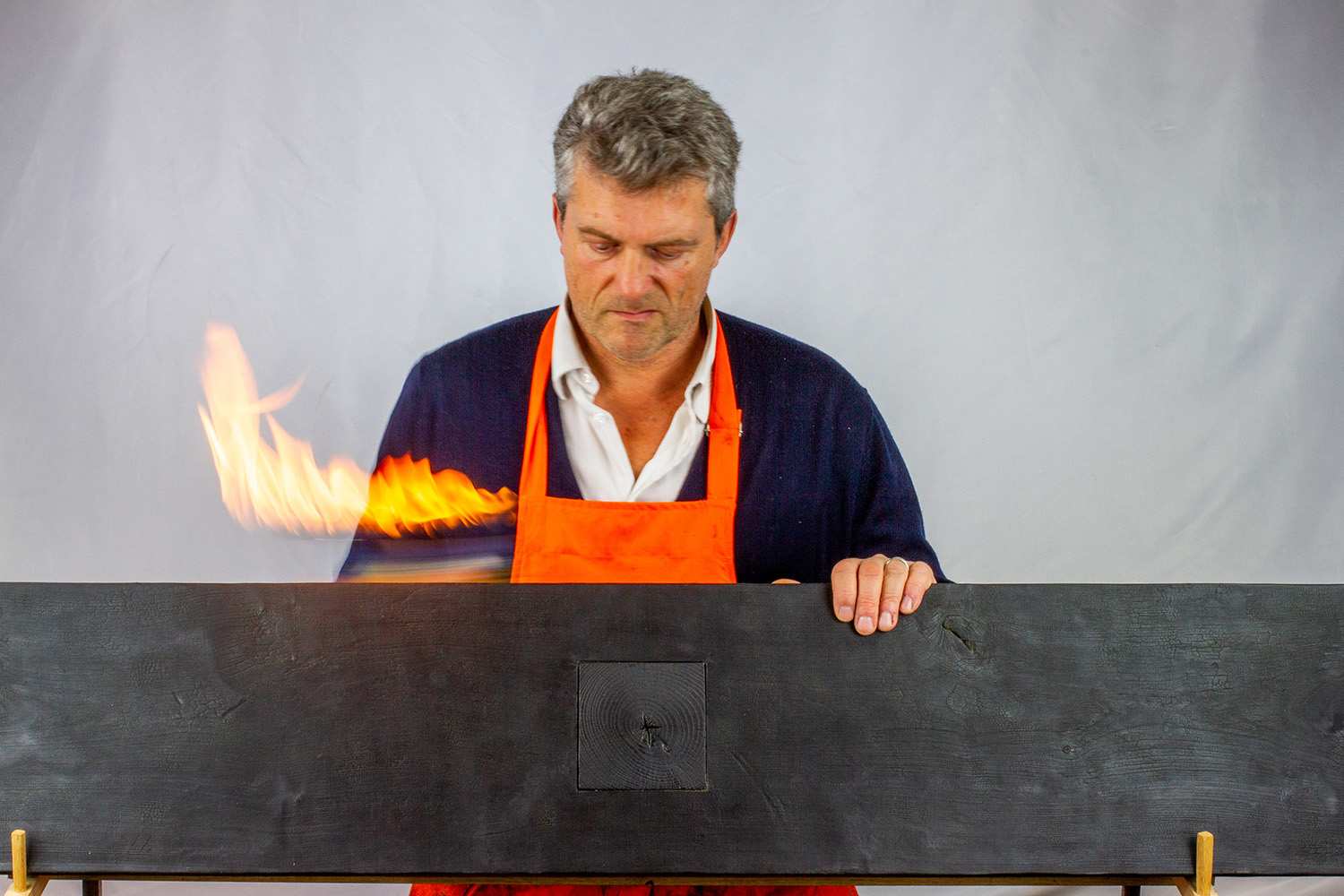
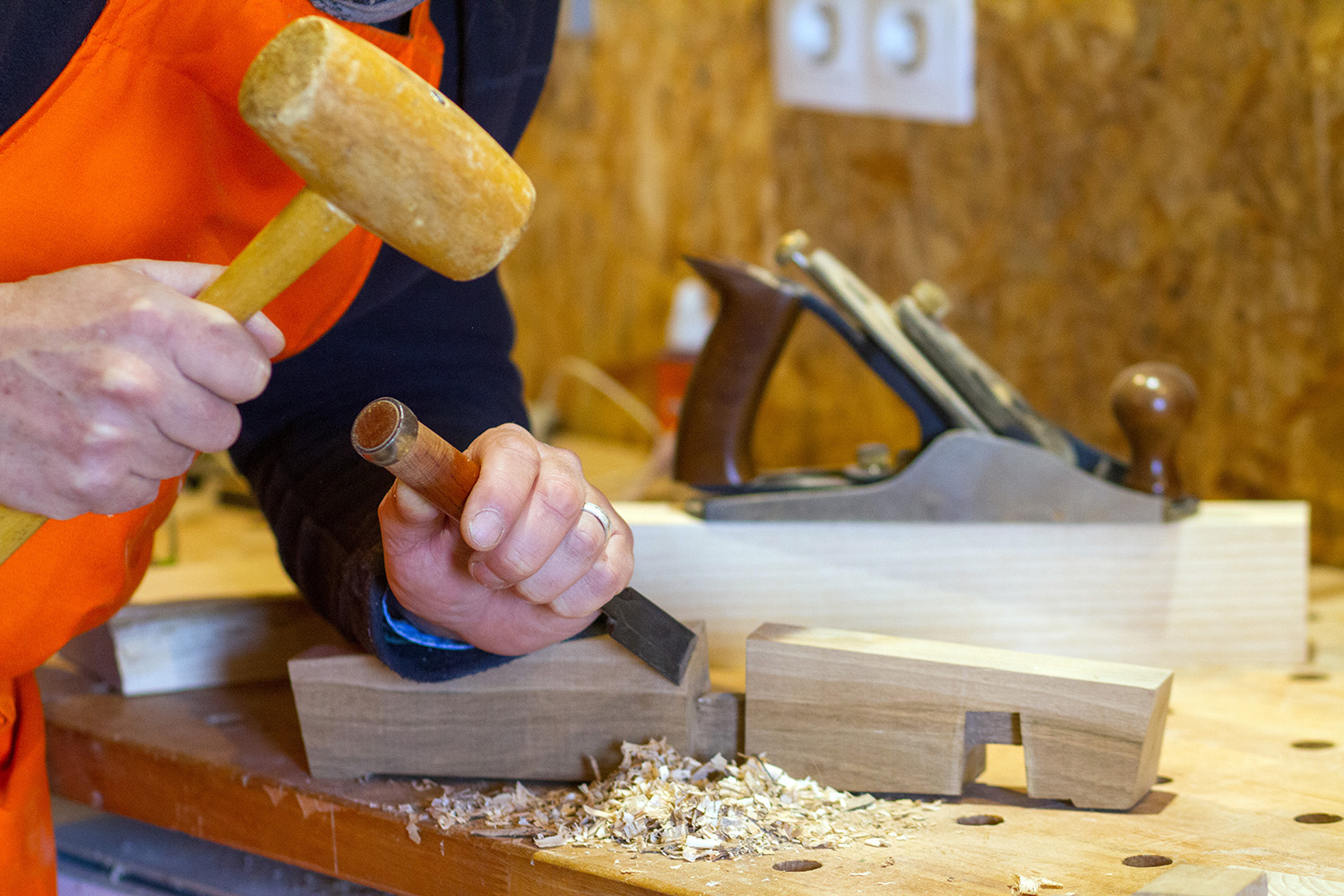
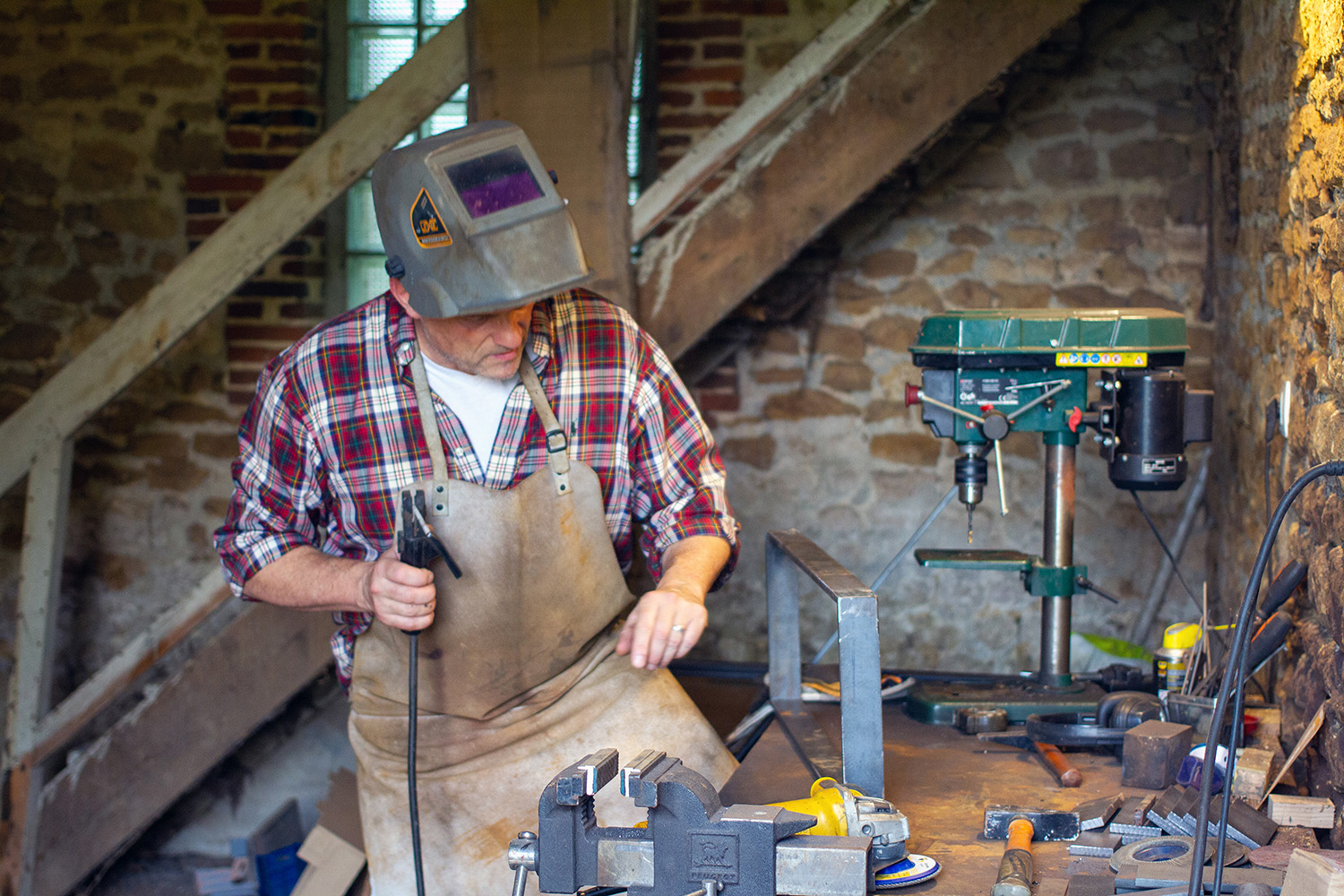
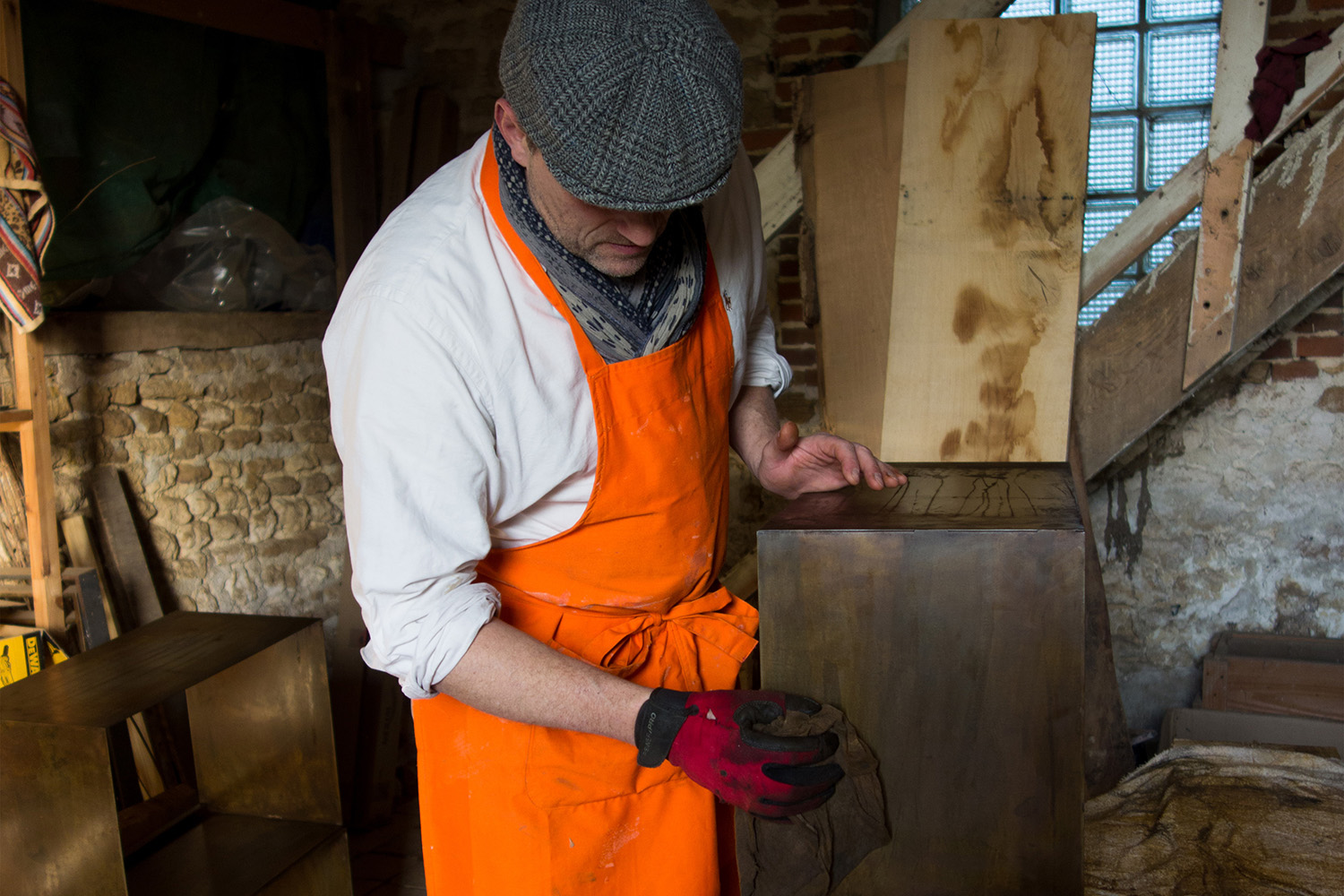
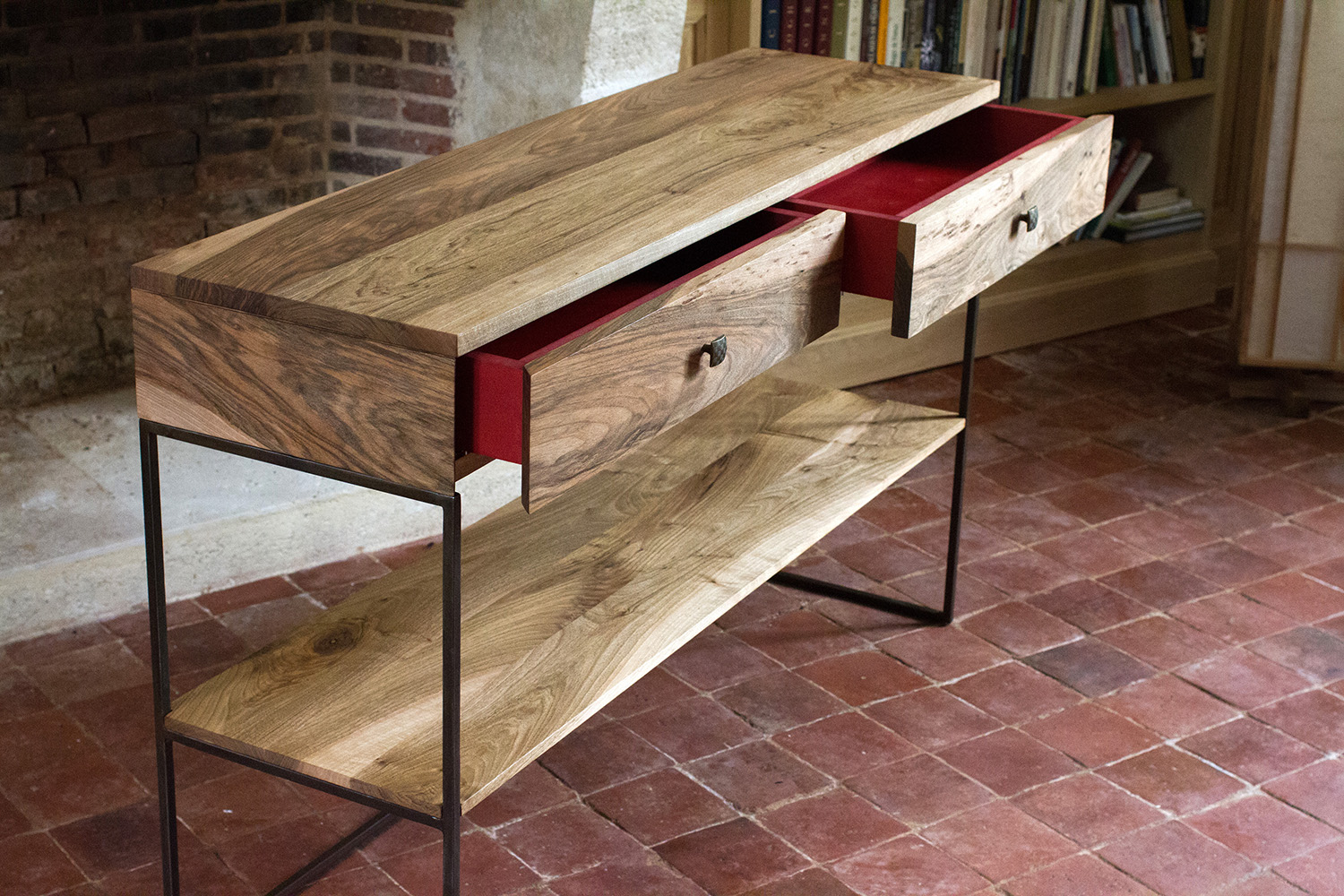
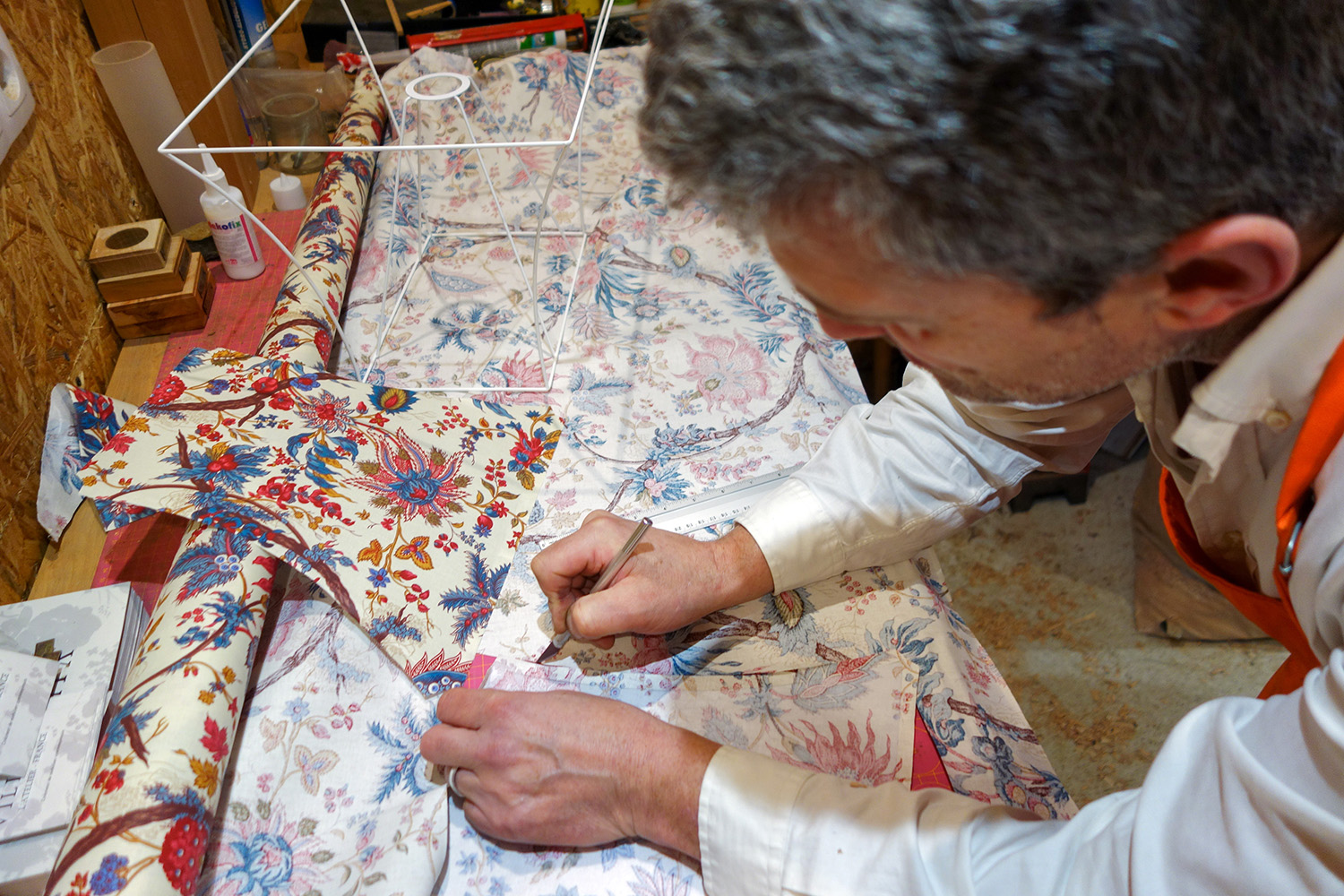
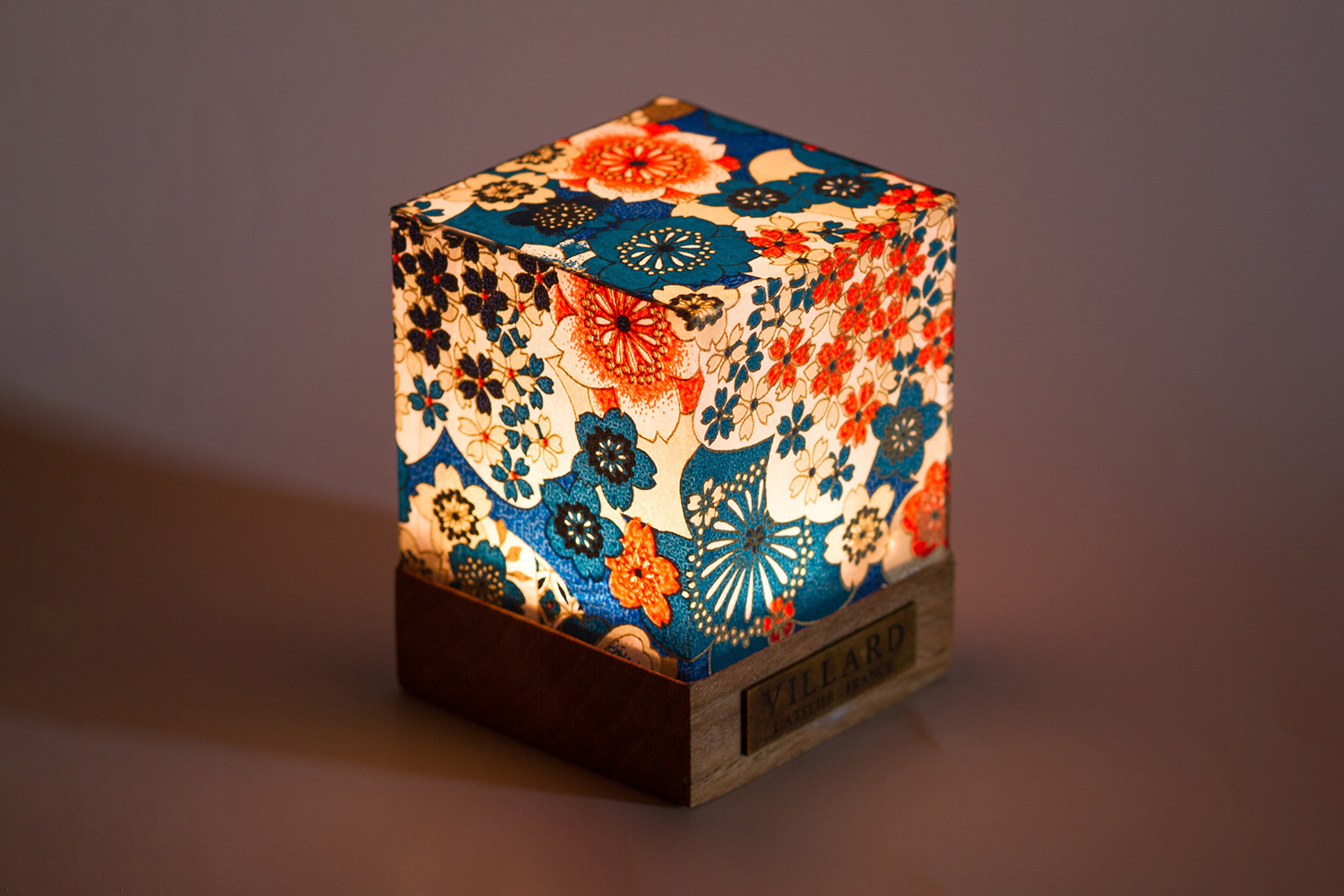
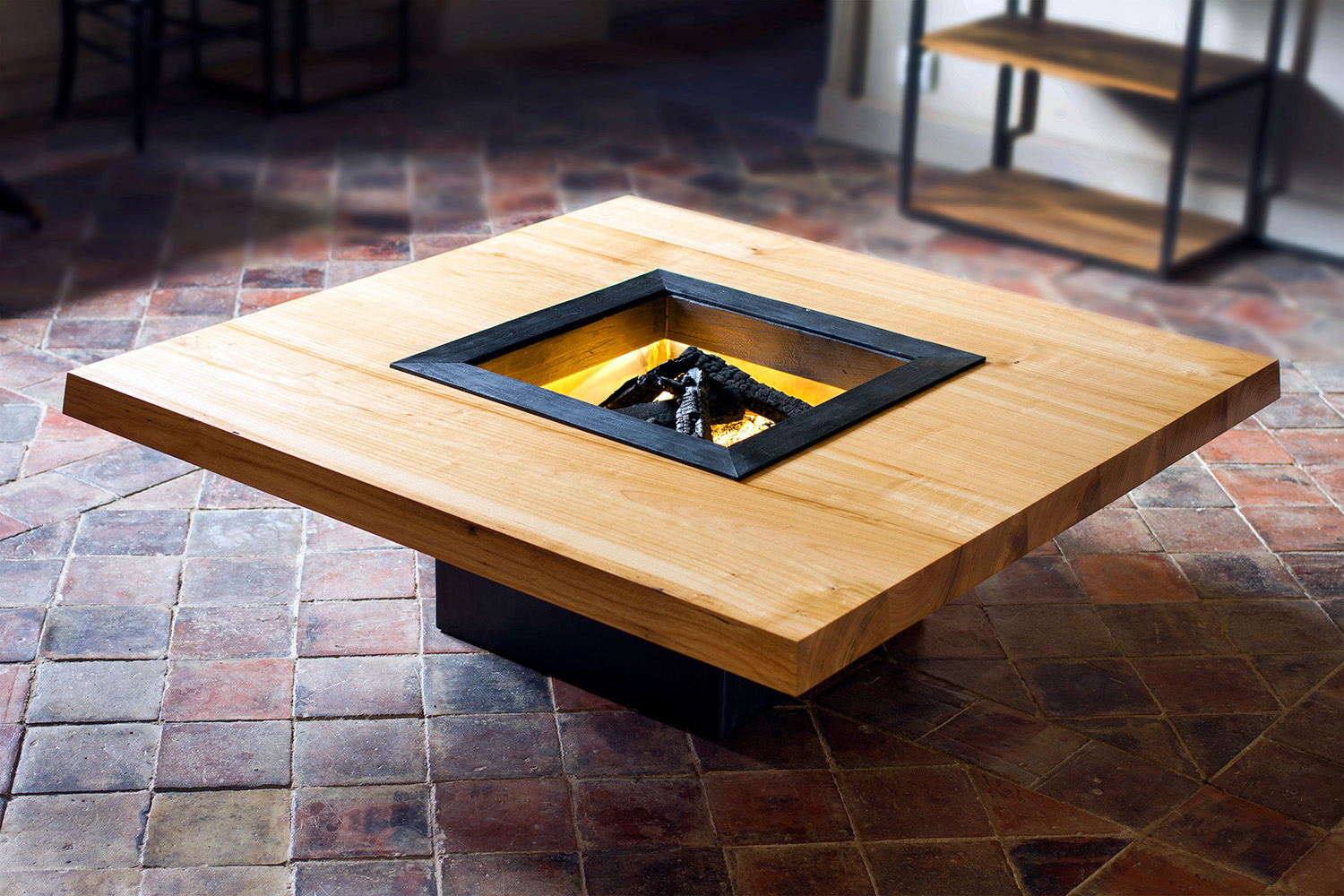
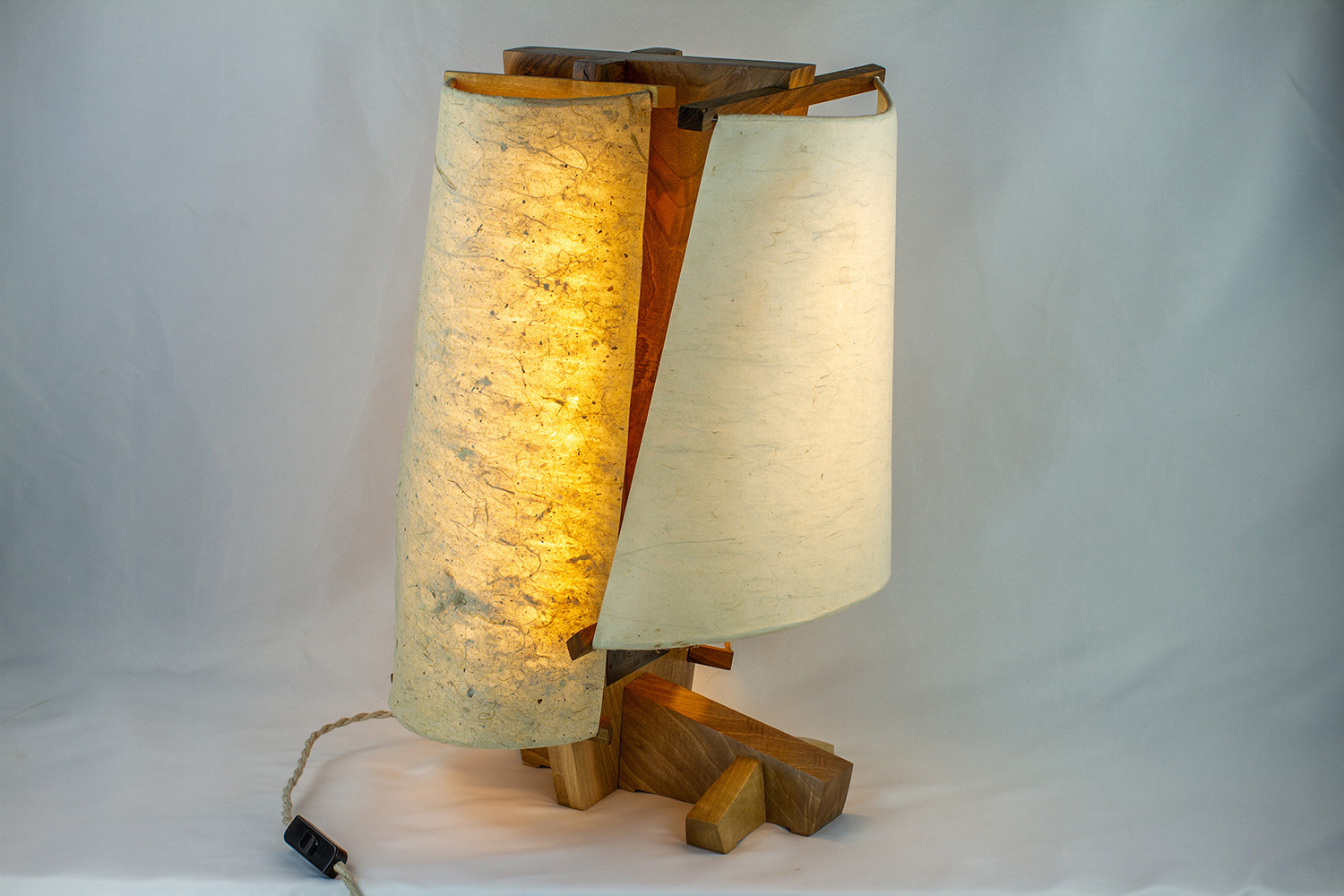
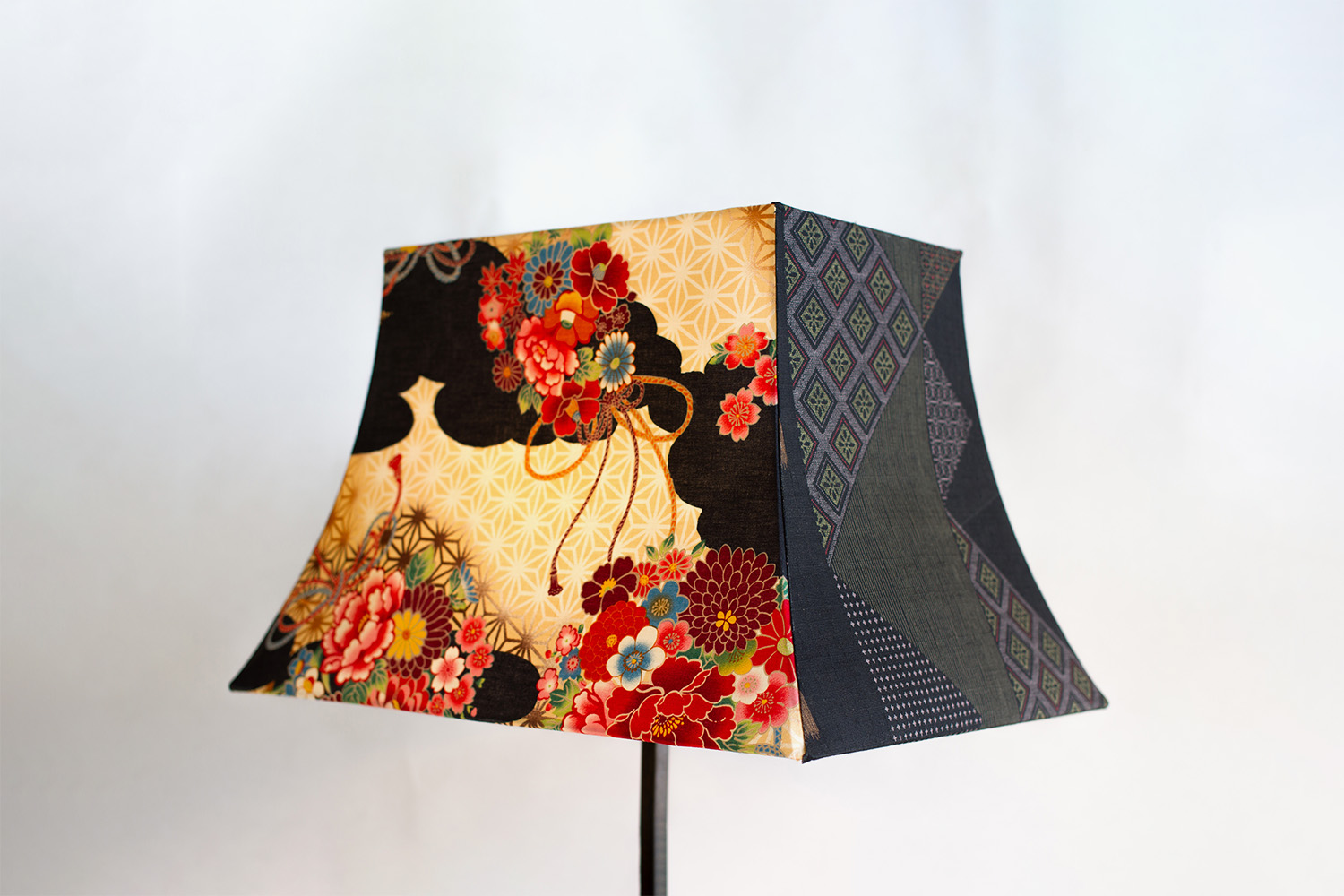
Fabien Ferreri is the French furniture designer behind Atelier Villard. He graduated from École du Bois and École du Louvre, although his initial passion was rural heritage and traditional restoration techniques. In his creations, Fabien works with wood, steel, paper and fabrics, combining materials in a sensual and intellectual dialogue. His research focuses on forms that express, behind their apparent simplicity, a resolute complexity. There is little artifice in his pieces which showcase authoritative, serious, almost radical lines. Inspired by the renaissance of contemporary craftsmanship, his philosophy is based on unique, handmade creations, following an ethical and responsible approach with references to traditional Japan.
Discover his work

INTERVIEW
I pay particular attention to the tree species that I use. They all come from the forests of Normandy or my property. I never work with exotic wood species. Every year, in autumn, I replant the tree species that I have used in my work: cherry, walnut, ash, service tree and acacia.
Creating pieces that will accompany my clients in the intimacy of their daily lives. The freedom of being able to live from a passion that links creative imagination and the mastery of a gesture is also a privilege.
George Brummel wrote that “true elegance consists of not being noticed.” A well made piece is, at Atelier Villard, one that will fully express its emotional and functional power without highlighting the technical complexity involved in its making.
Work, dignity and humility: respecting oneself in order to respect the profession that we wish to practise, explore and represent. Set no limits to your intellectual curiosity and to the long discipline that you have to impose on yourself to master your craft.
Fabien Ferreri
Atelier Villard
Furniture maker
Mortagne-au-Perche, France
AVAILABILITY
Friday 14:00-18:30; Saturday 10:00-13:00 / 14:00-18:30; Sunday 10:00-13:00
PHONE
+33 638124952
LANGUAGES
French, English
Homo Faber Finds is a new service aiming to inspire admirers of craft to connect and collaborate with exceptional artisans.
We invite you to submit an enquiry here.