Tim van Caubergh
Furniture maker
Commentry, France
Sculpting wood
- Tim's art aims to spark joy through beauty
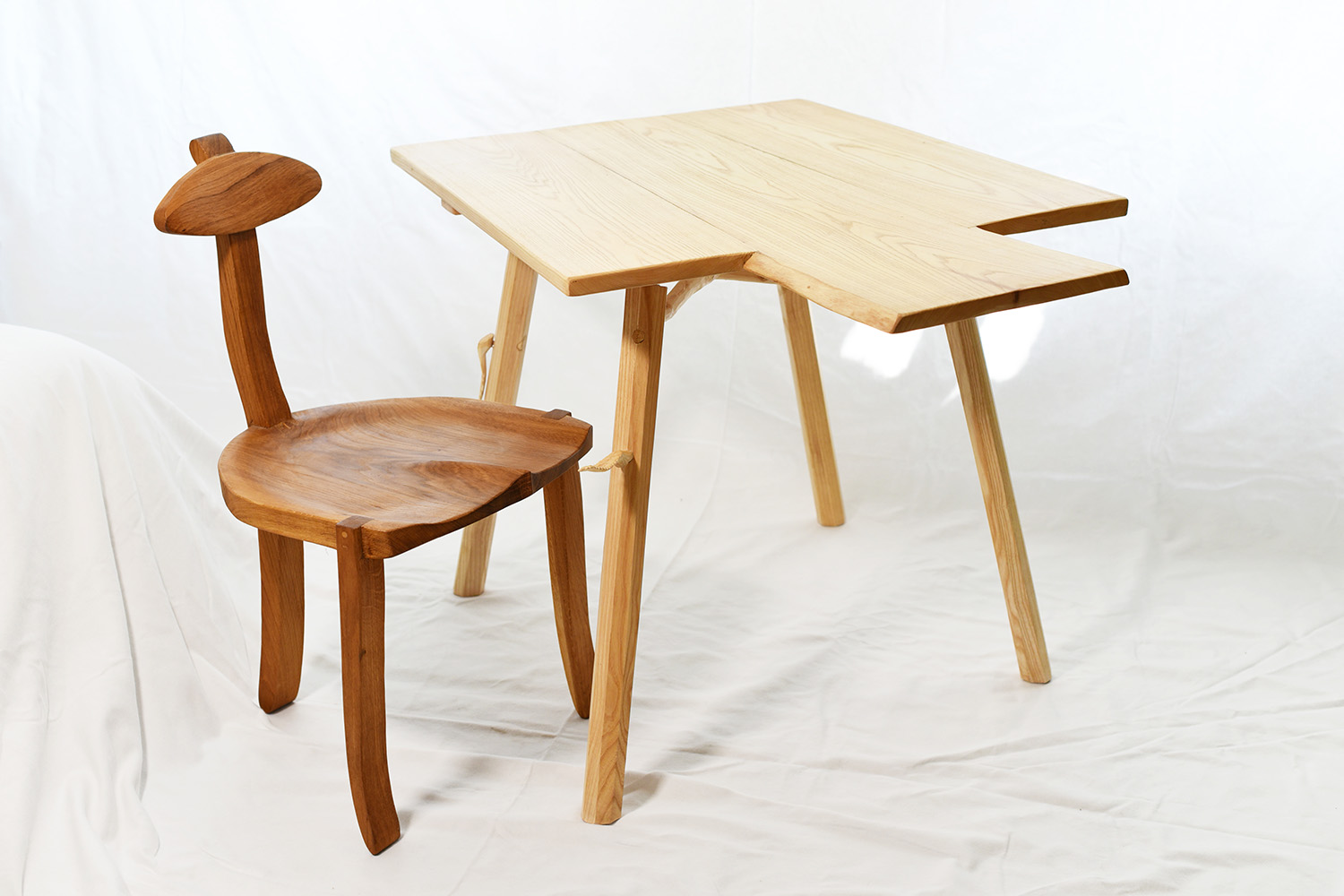
- Organic forms constitute his designs
- Monumental art enhances the heritage of a site
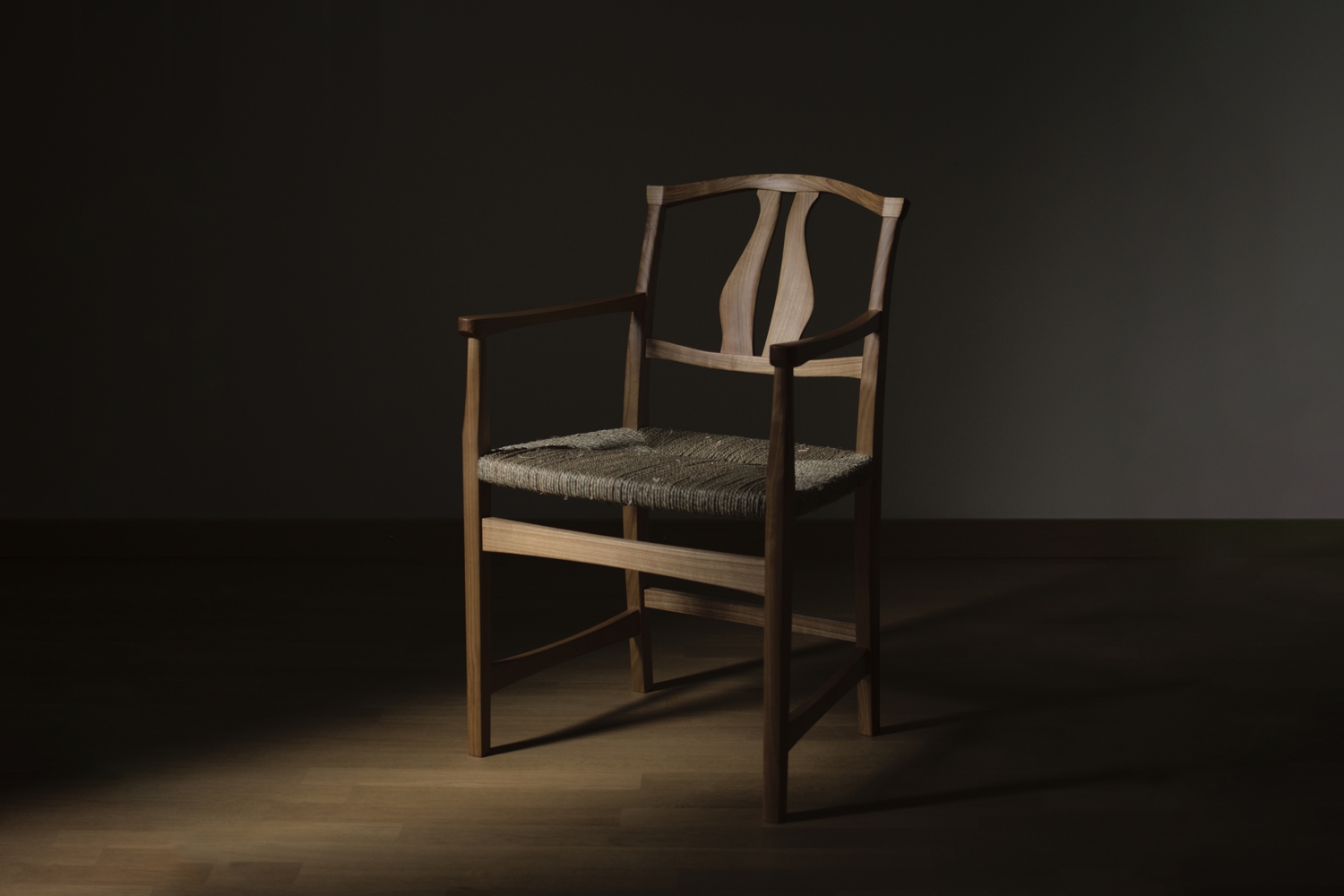
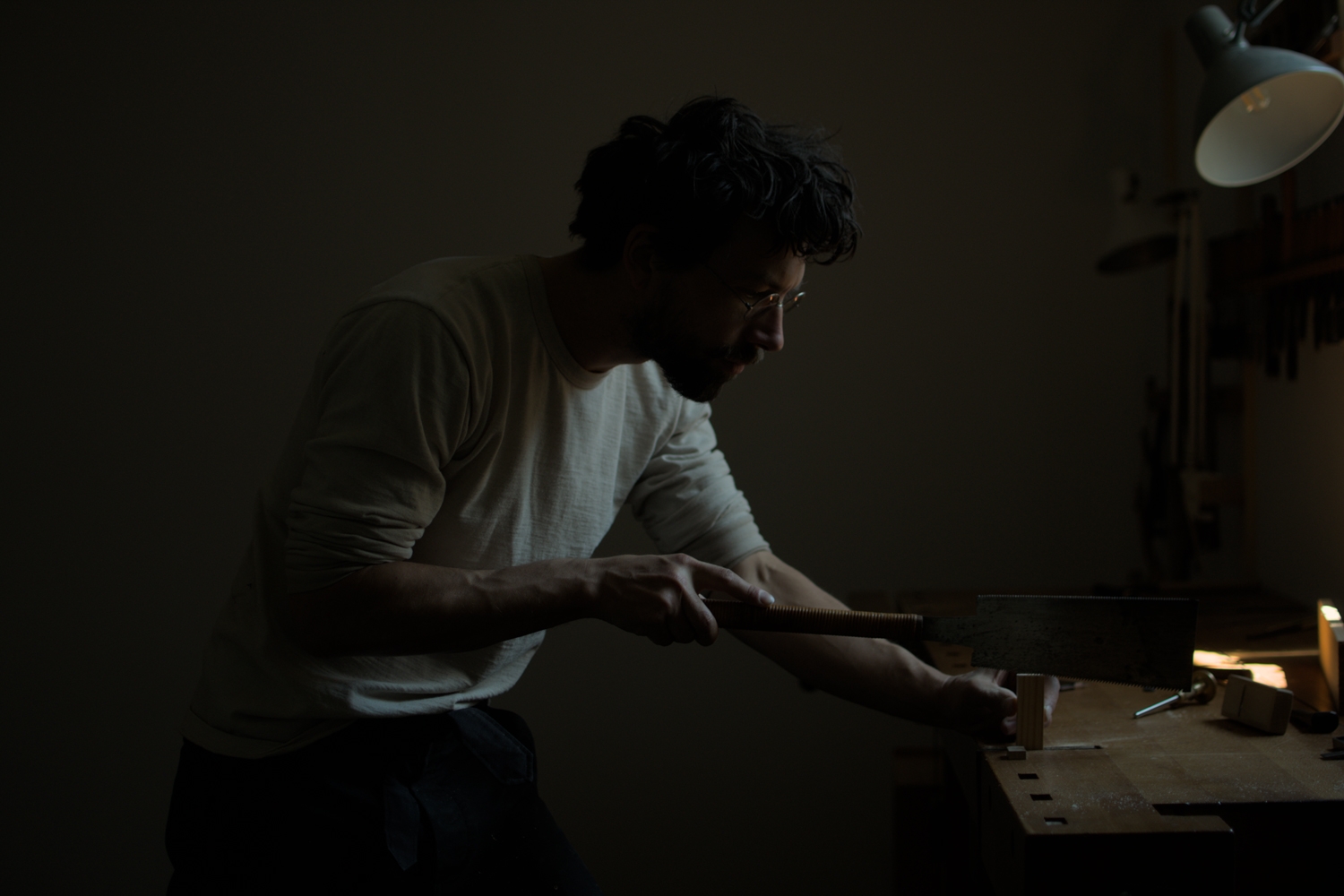
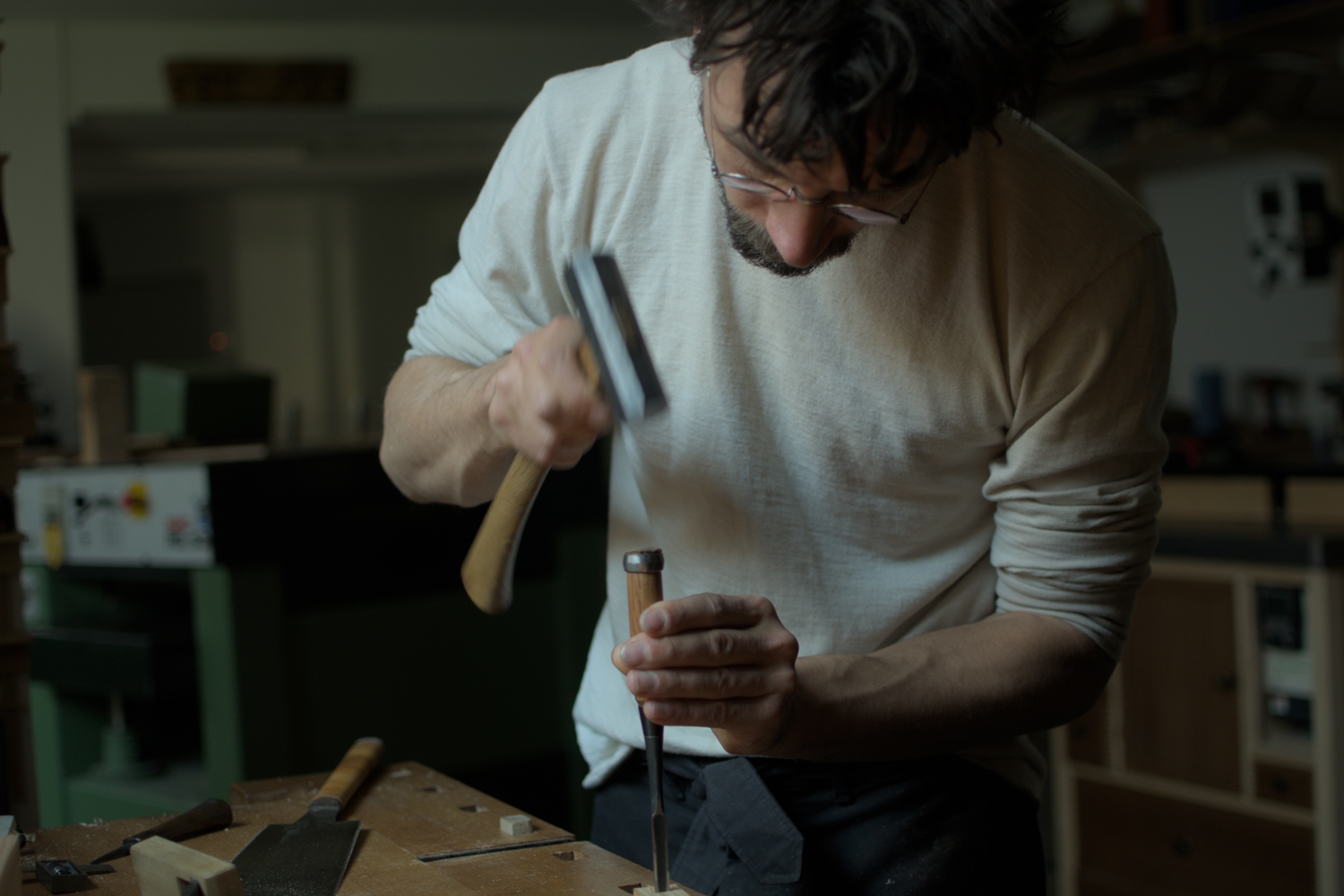
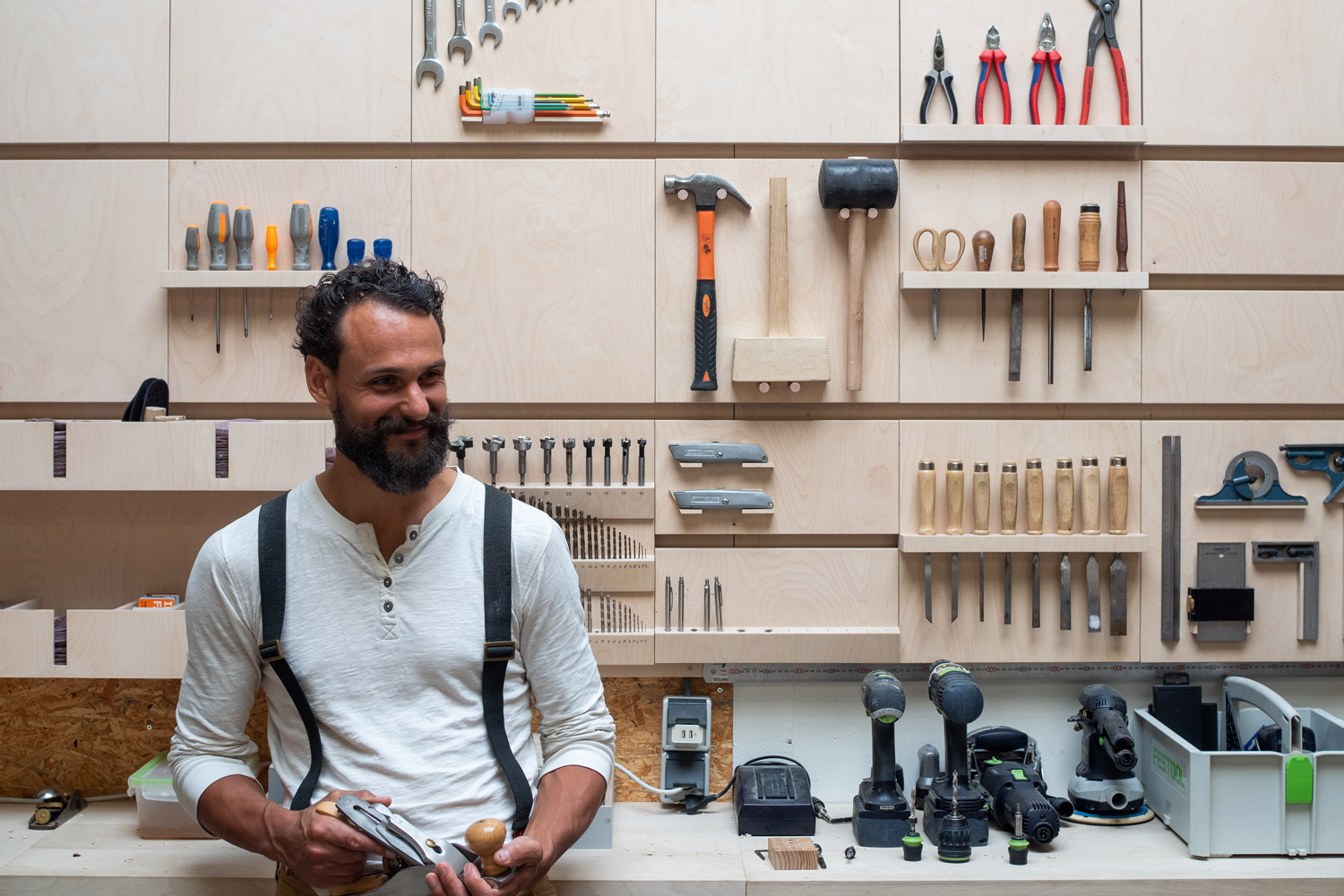
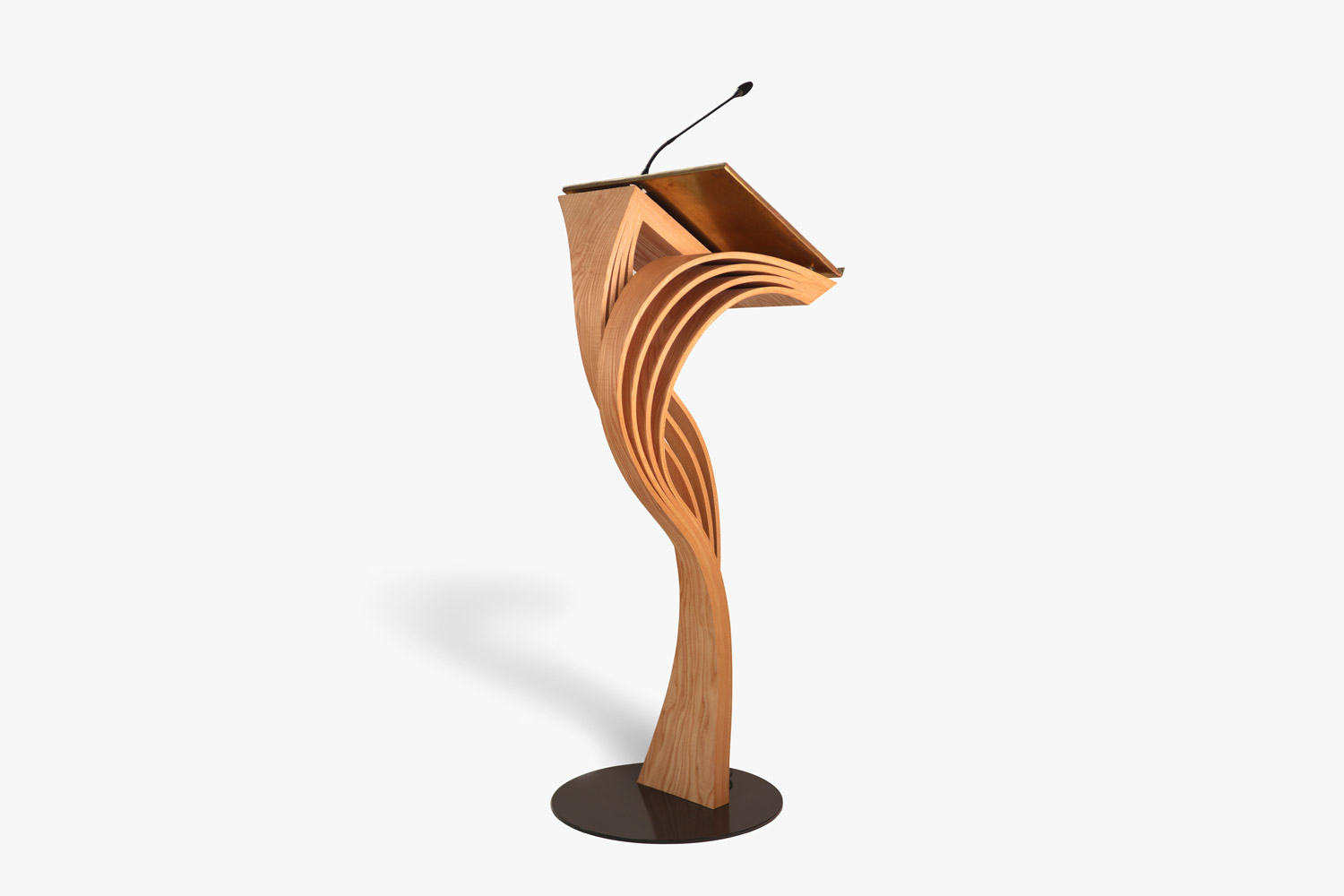
Tim van Caubergh’s talent for construction was apparent as a child, using all sorts of materials, such as Lego and sand, to create and build. After studying Design at the Academy of Arts in Utrecht, he almost chose architecture as his chosen path, however at the last minute he decided to listen to his intuition which told him that he loved to make and craft things with his own hands. His journey into organic architecture has shaped a design ethos that extends beyond the physical piece itself, to a wider, more abstract context. His wood designs resemble the architecture of the building for which the piece is being created, while at the same time, retaining a unique contemporary character. More importantly for Tim, his commissioned pieces must serve the people using them, in the most functional and emotionally pleasing way possible.
INTERVIEW
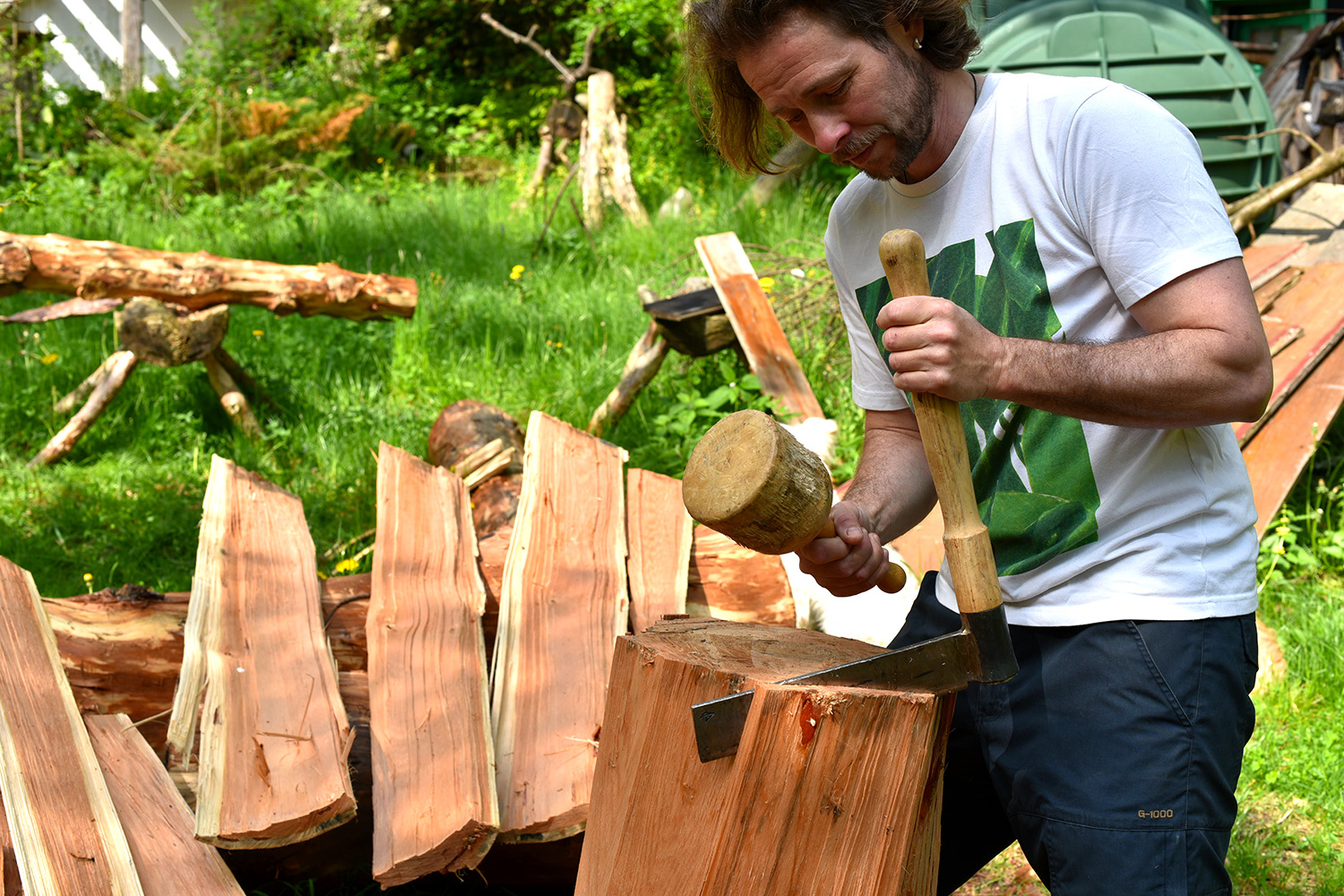
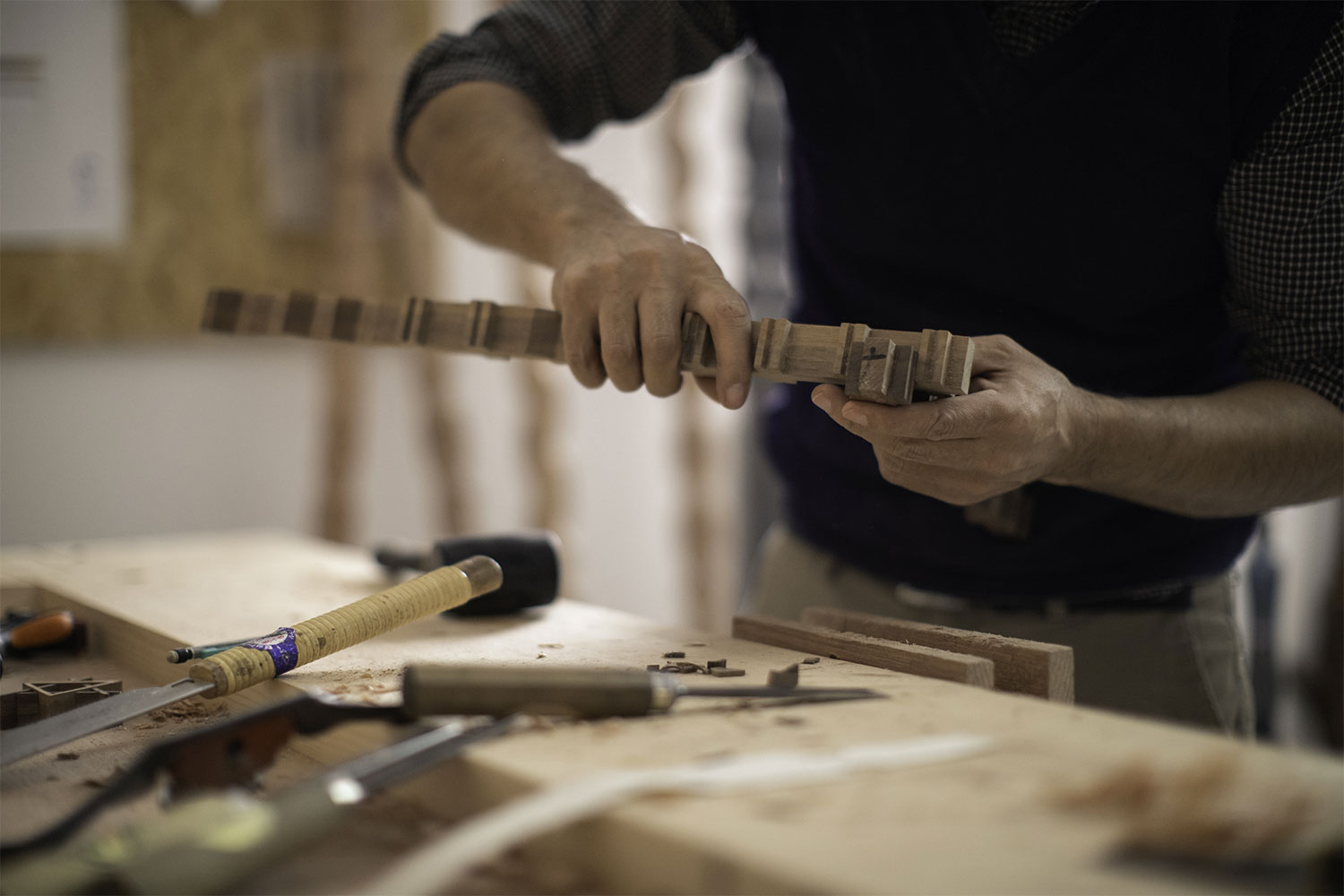
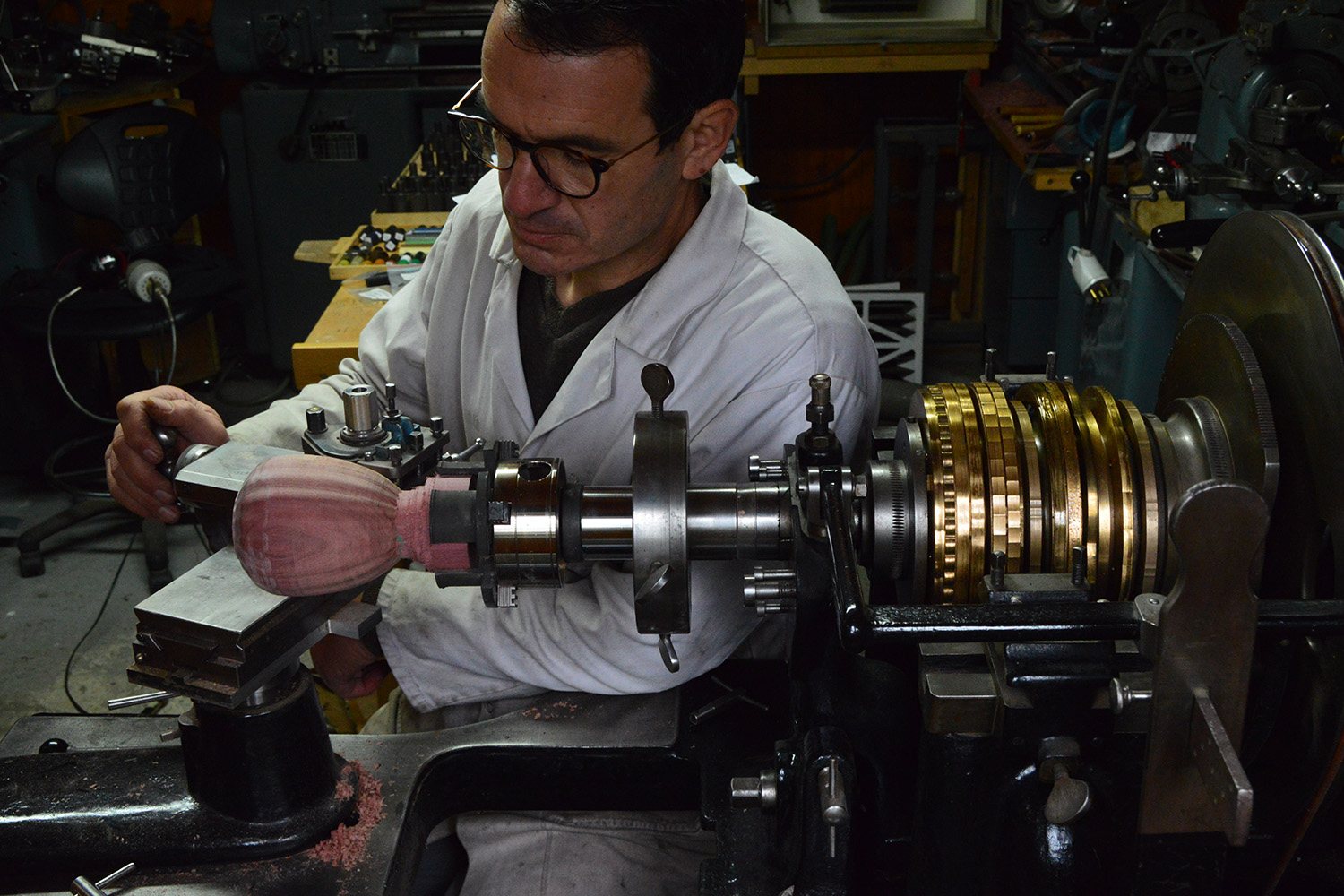
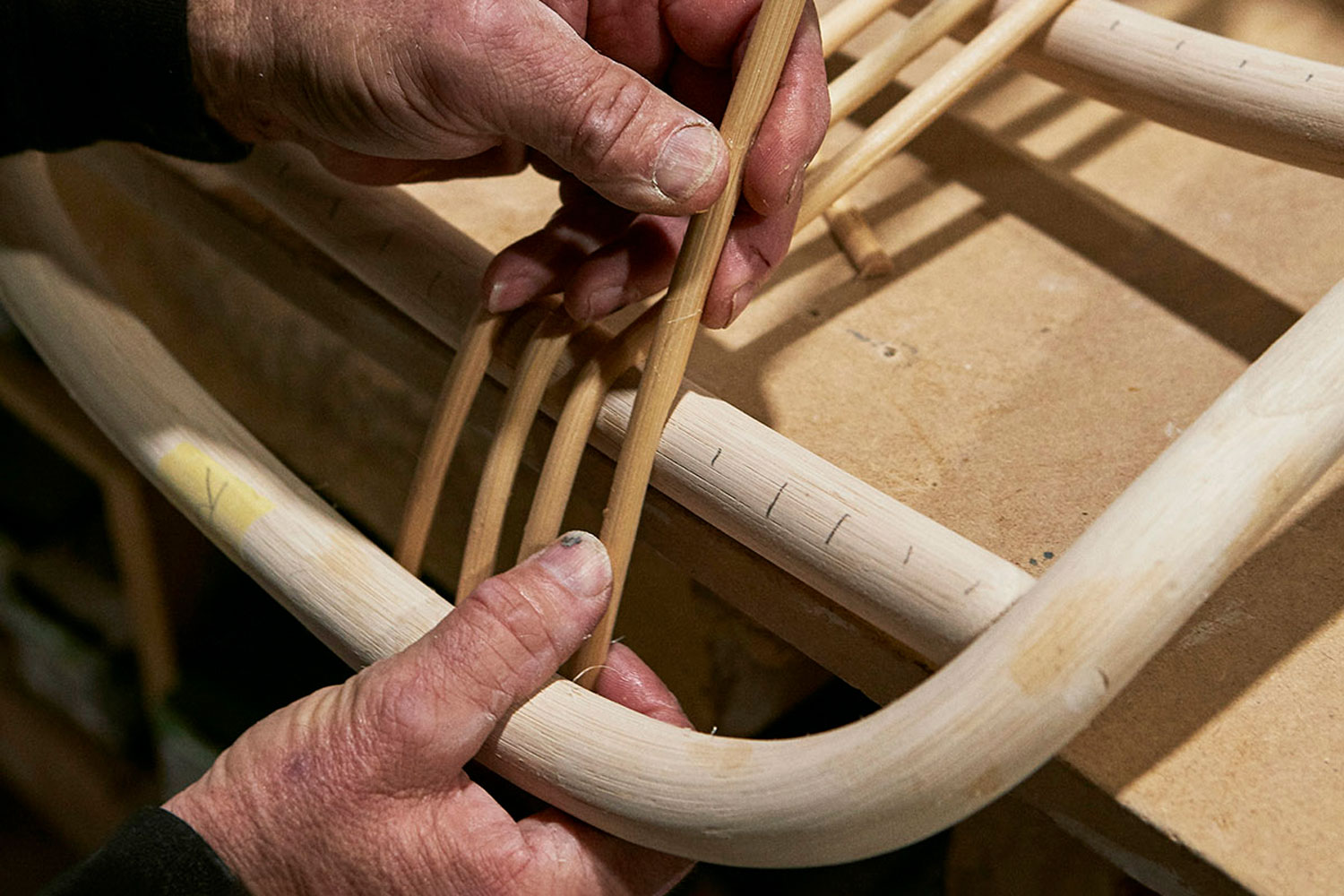
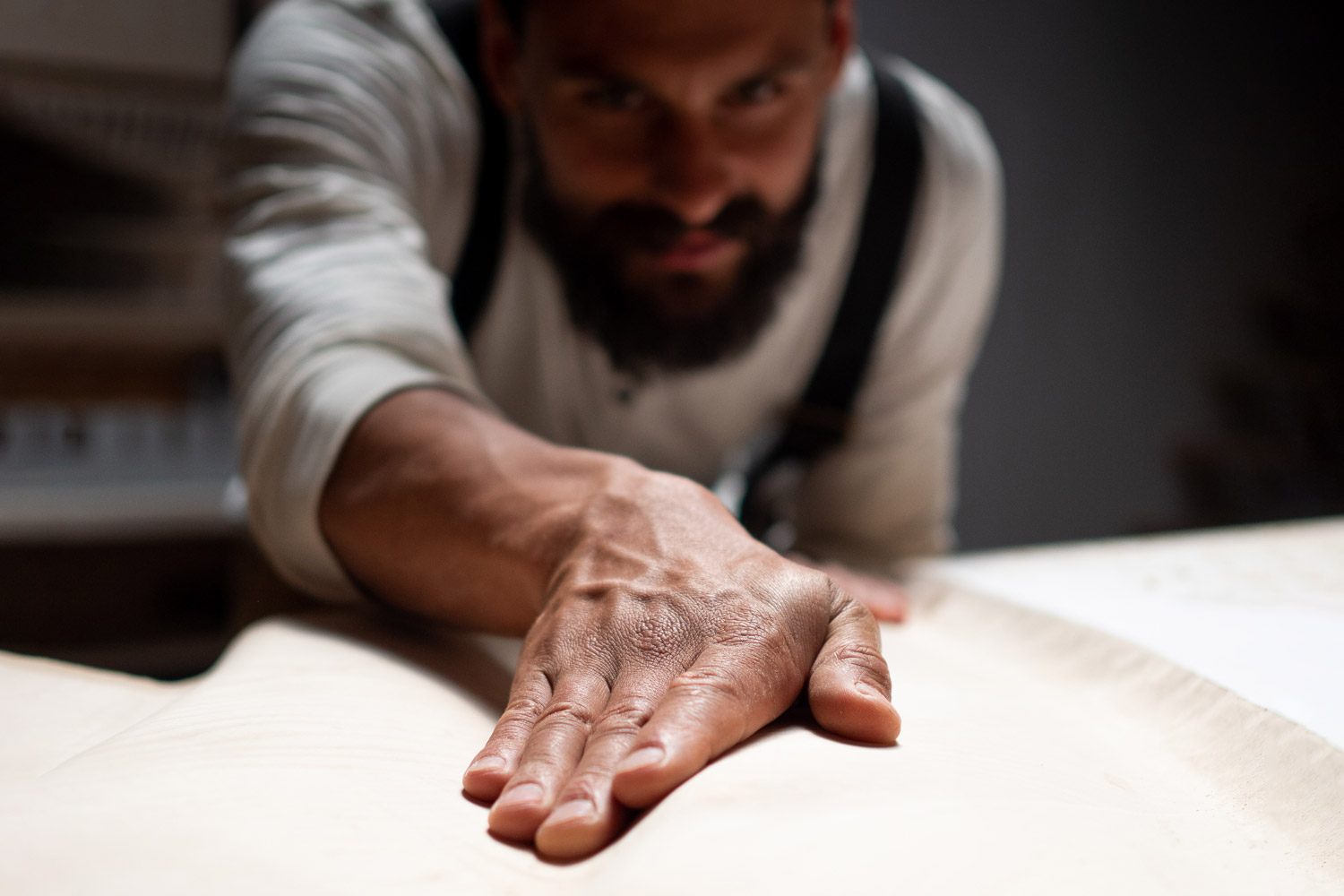
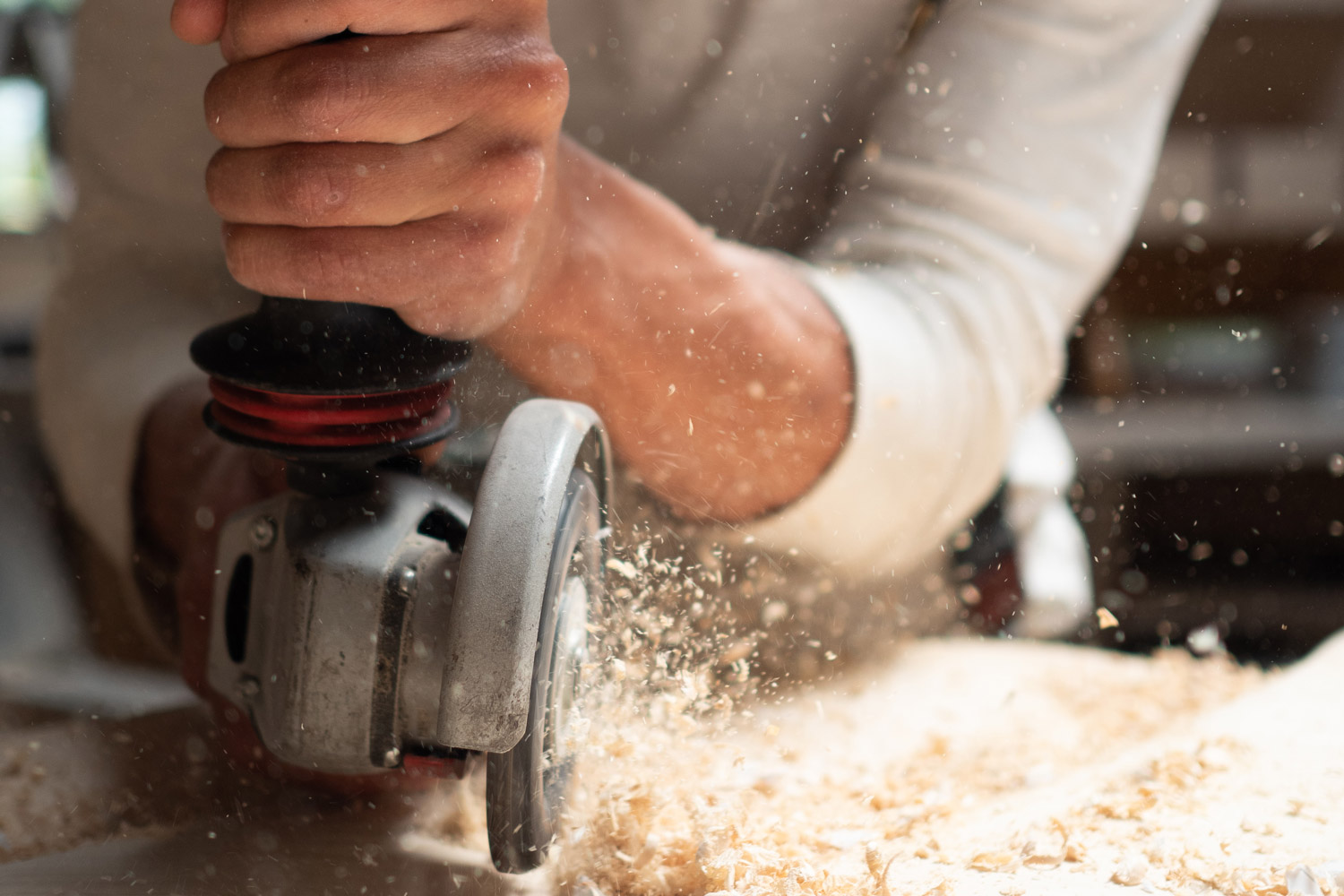
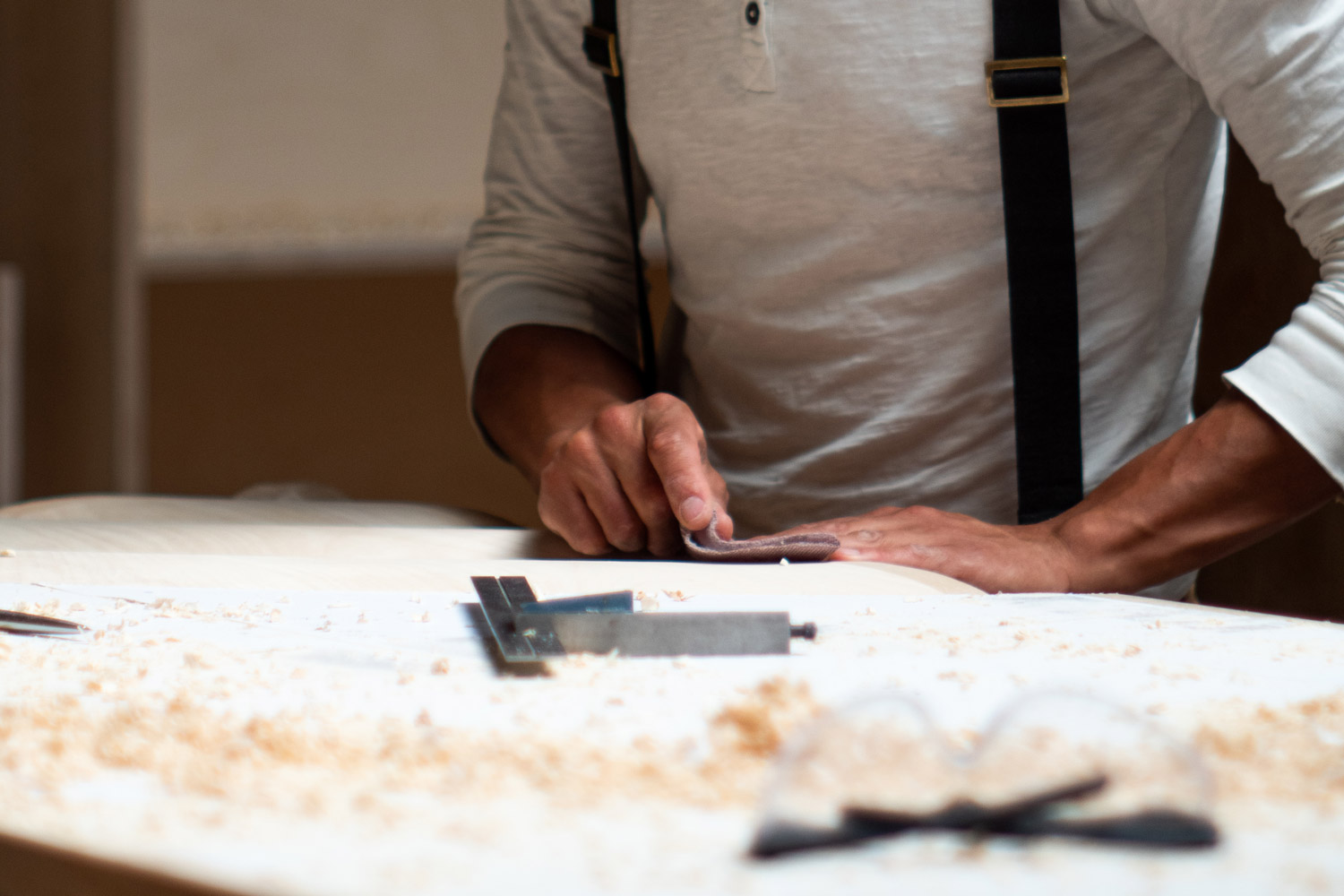
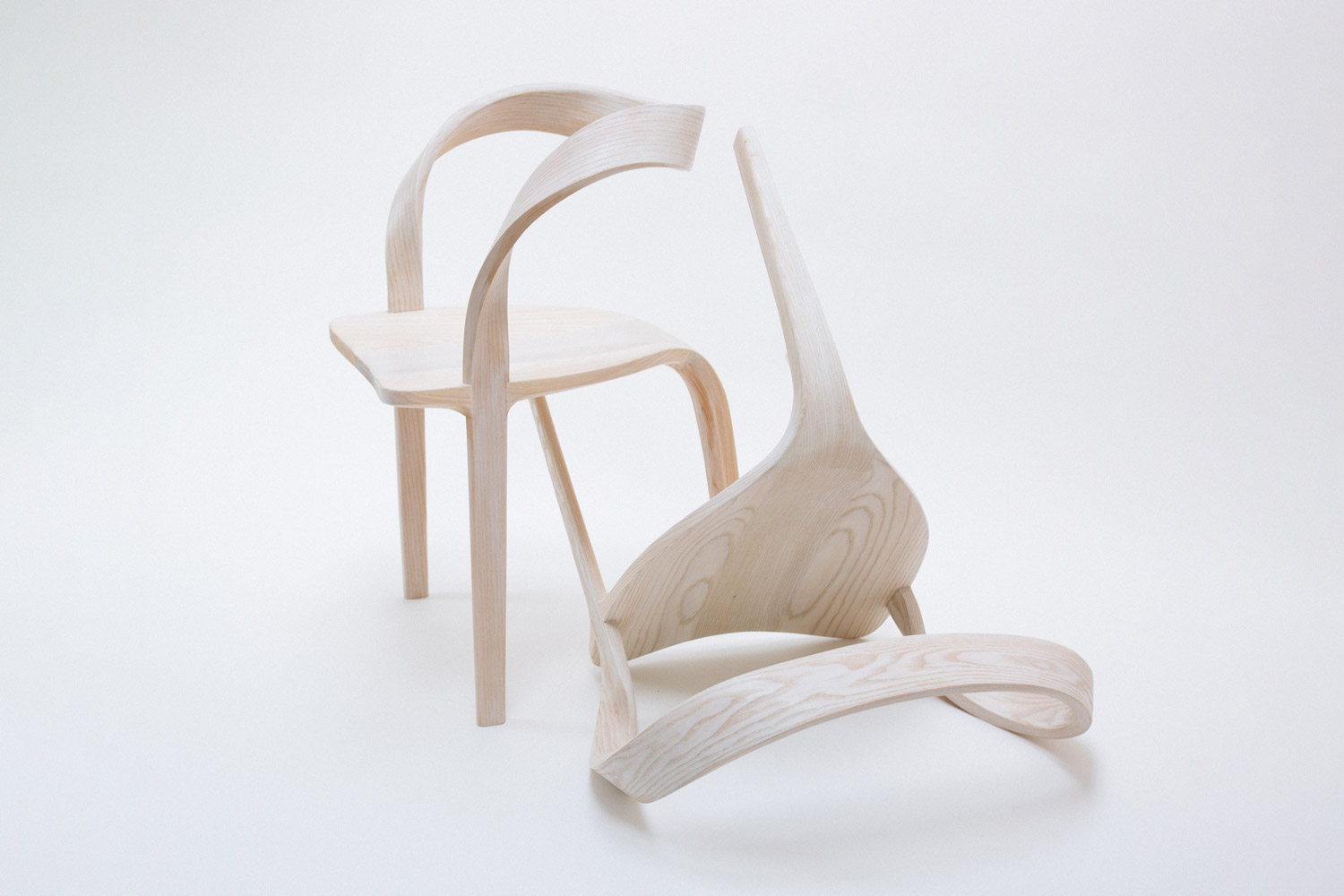
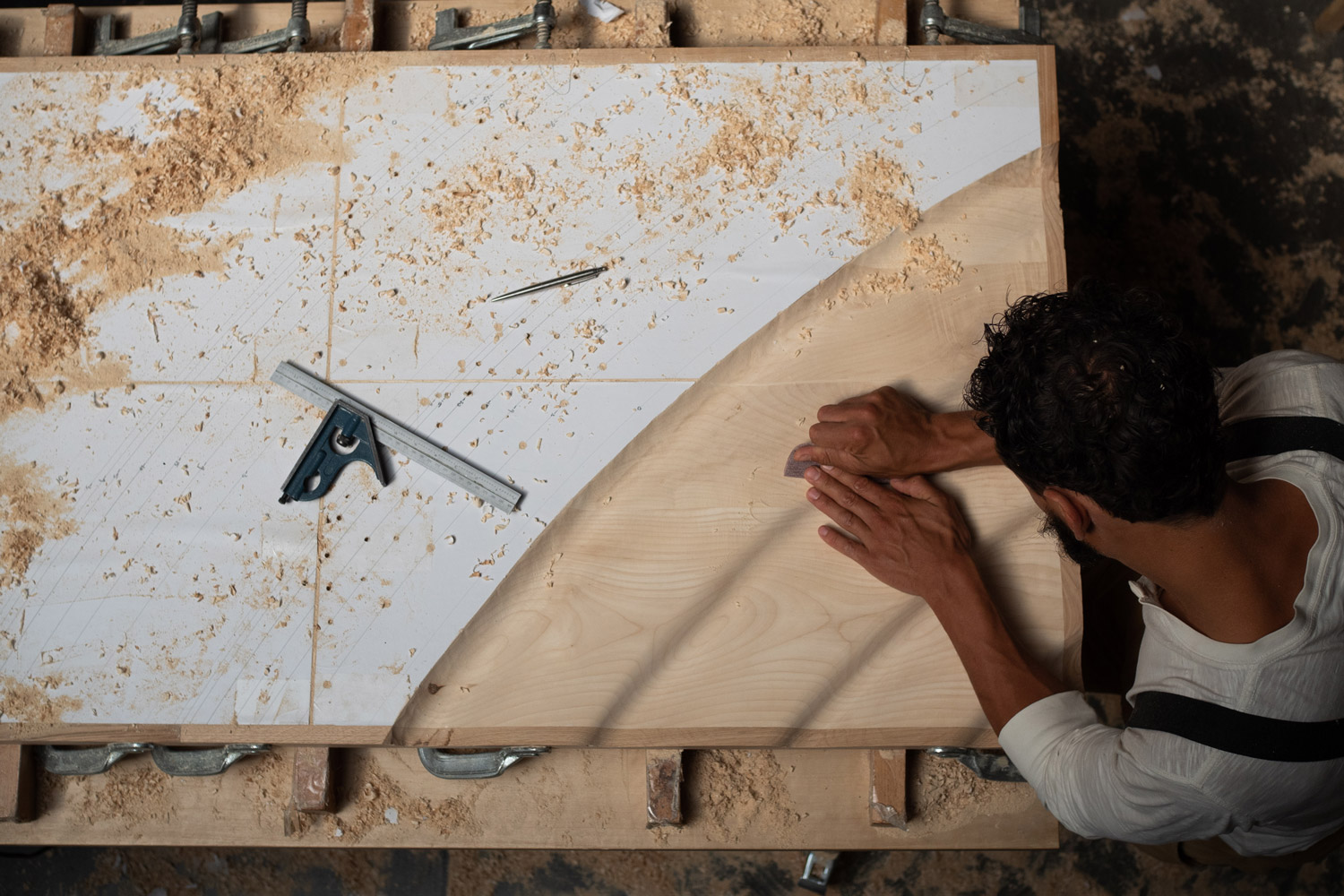
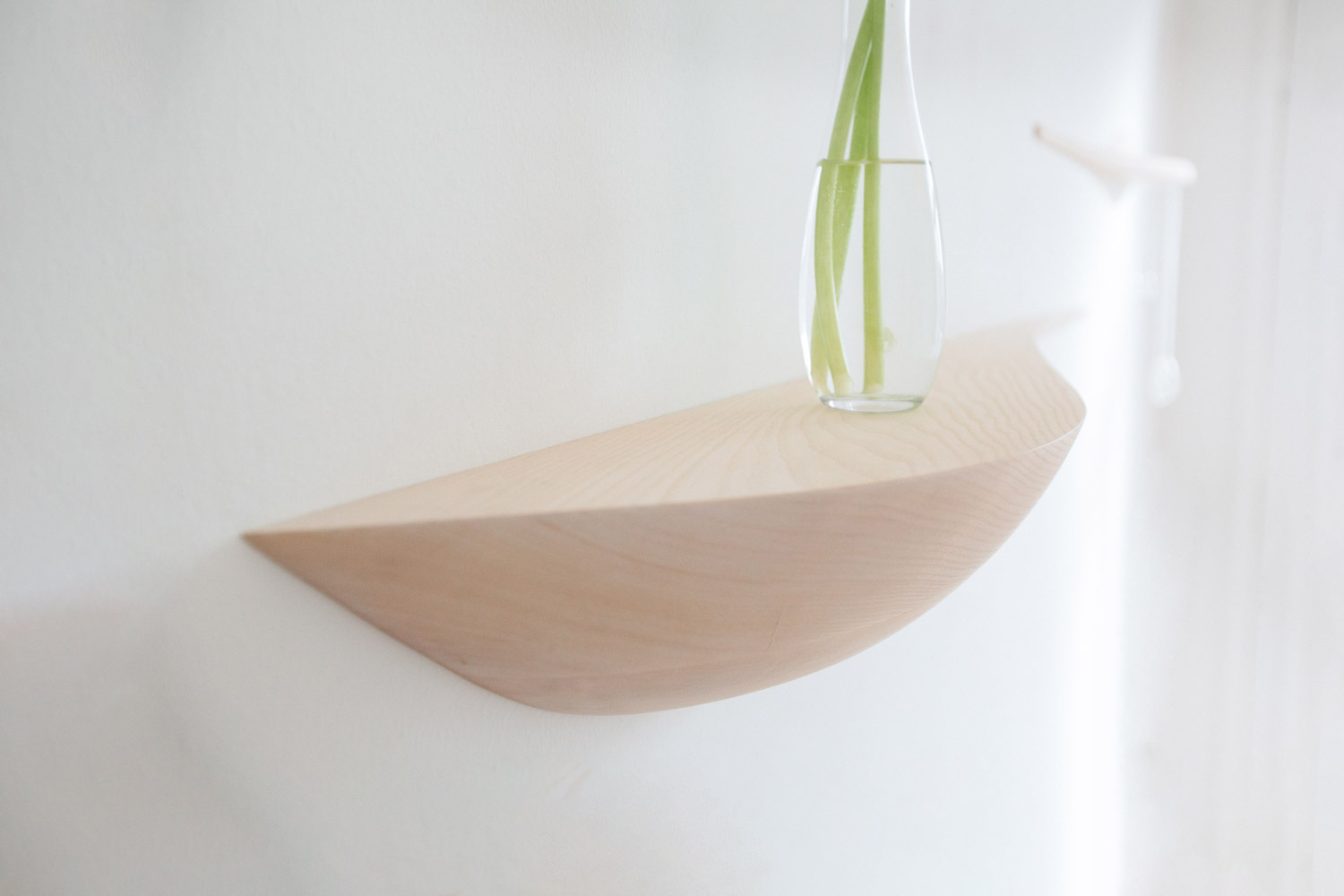
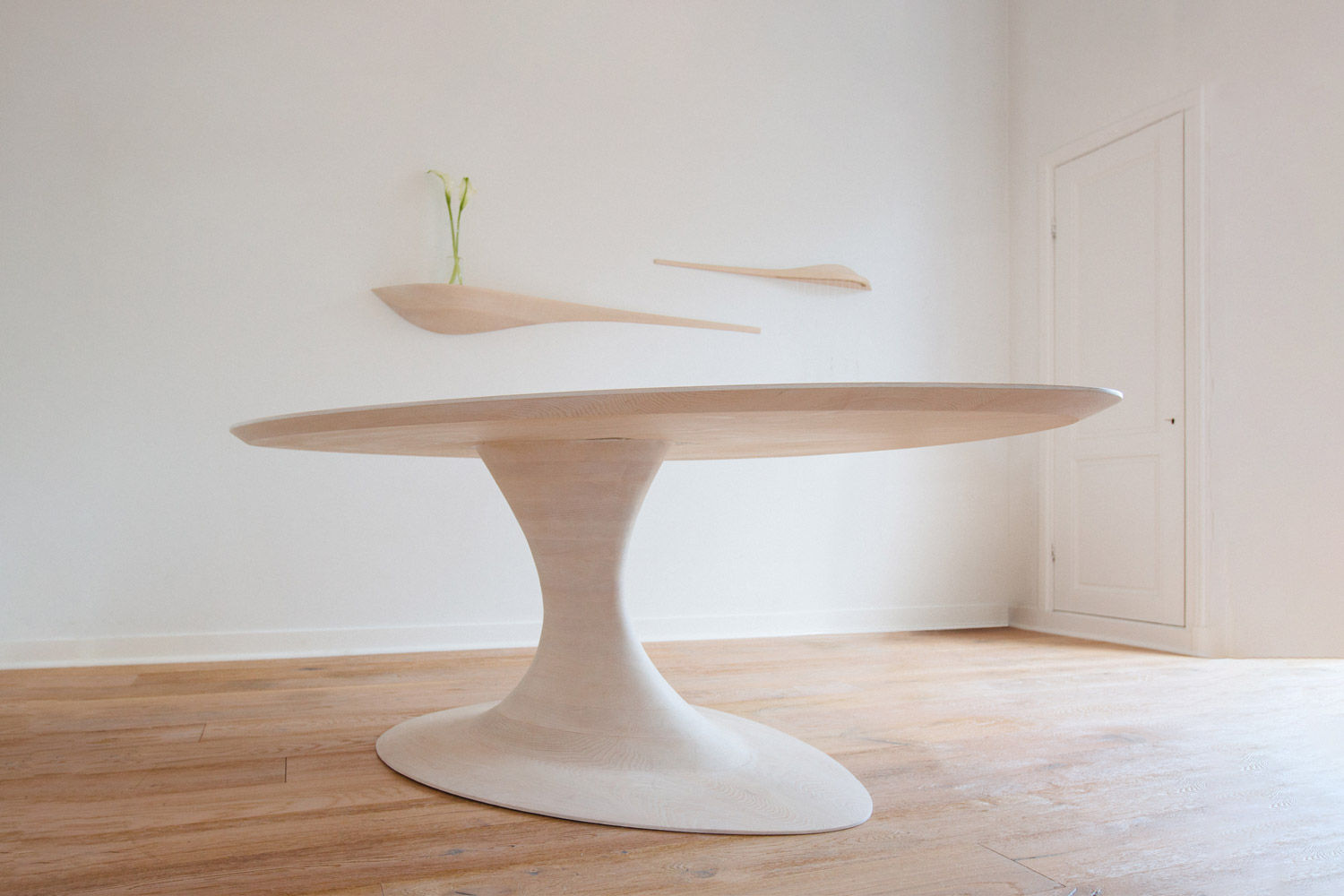
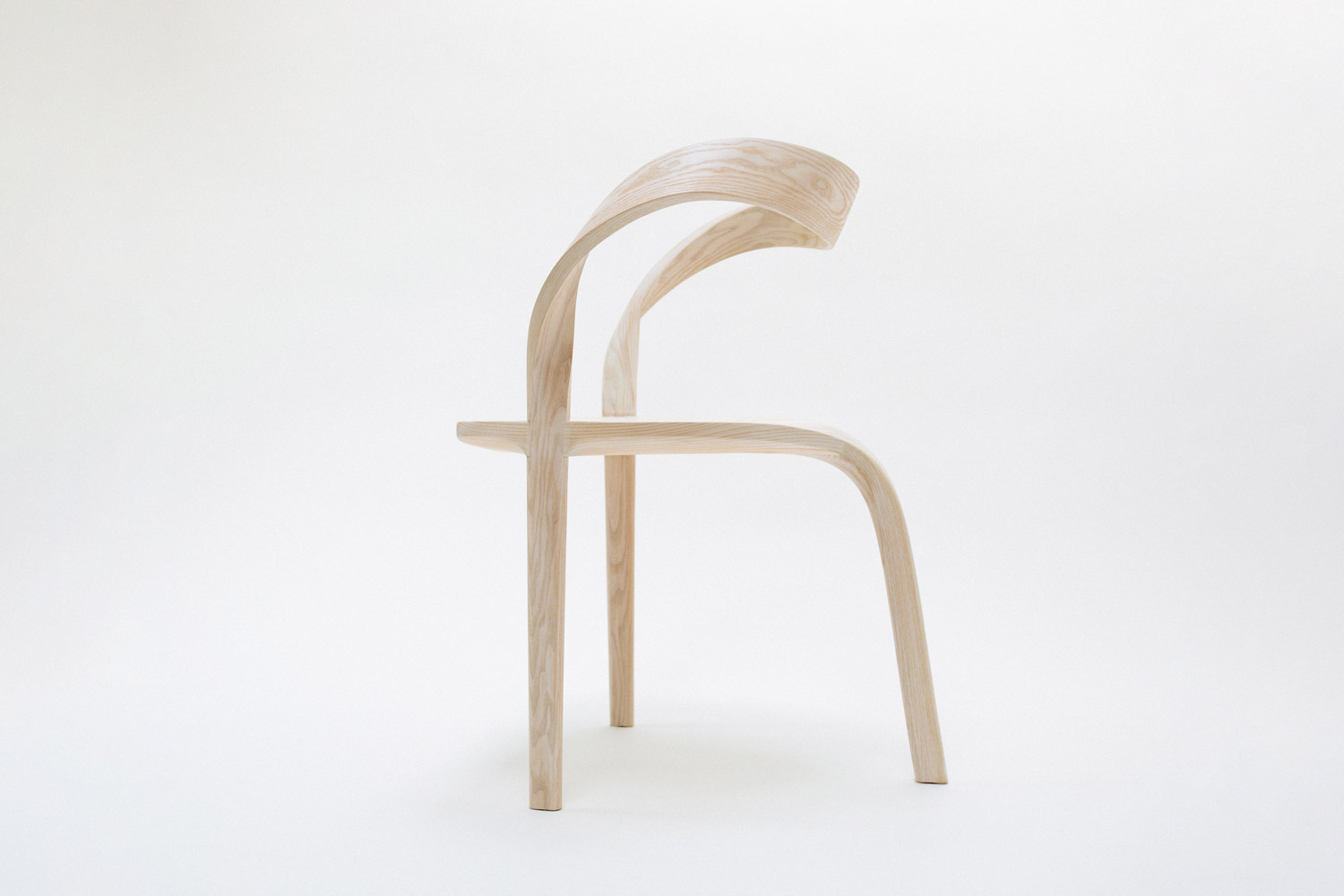
I use two very distinguishable techniques in crafting my objects. The first is lamination and steam-bending to create flowing shapes. The second is sculpting that allows a thick block of wood to be sculpted into a natural shape.
It should not only be something that technically works well, or aesthetically for that matter, but something that serves the owner in its practical and emotional purpose. It should make people happier, be something that speaks to your soul.
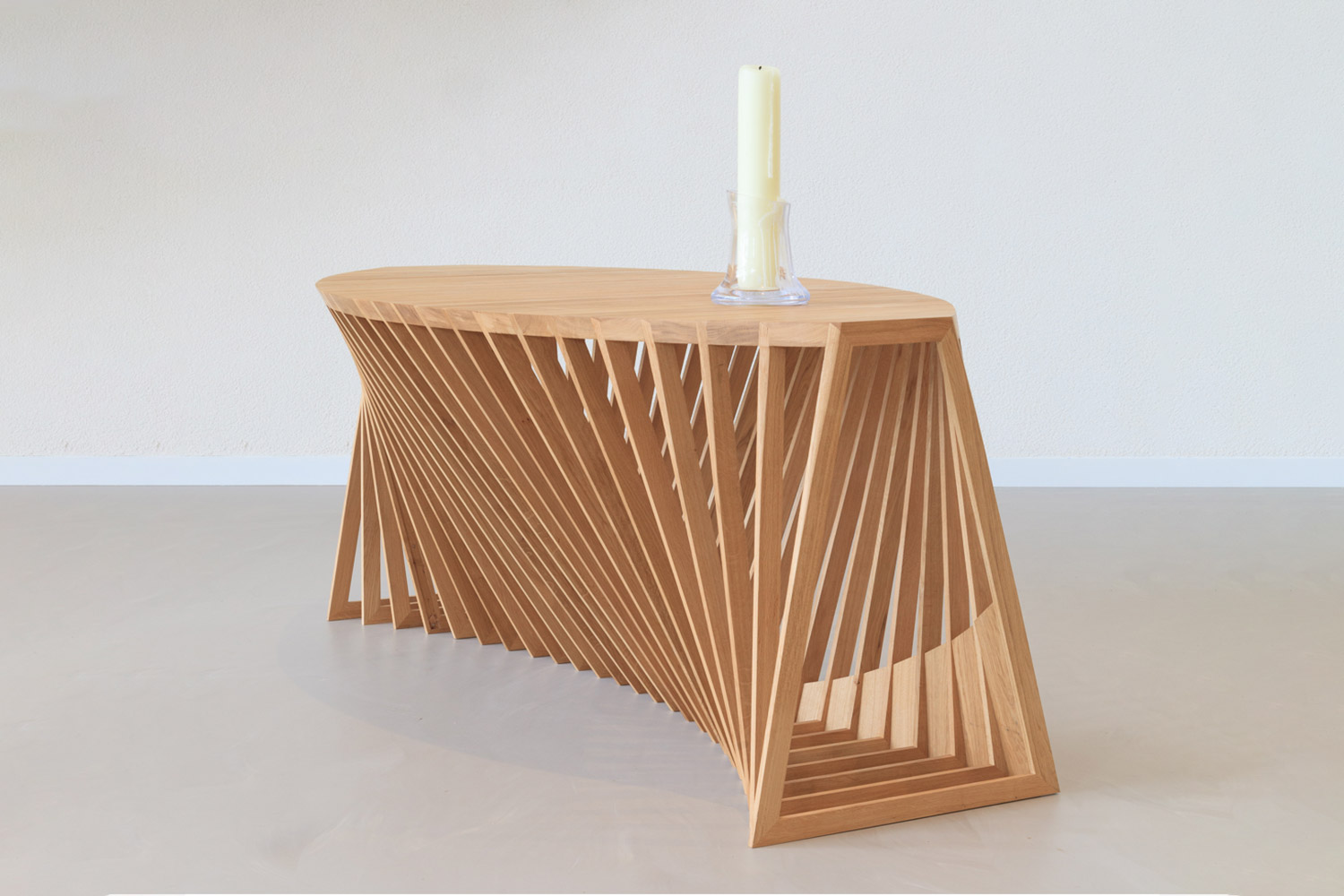
The most challenging object I’ve made was an altar table. It took five months to construct. I took risks and pushed myself to use six new techniques. It was incredibly challenging, so when I finally saw the finished table in its rightful context, a 13th century Gothic church, it was a wow moment.
We cannot compete with factories, so it’s important to create a niche, one which a factory cannot fill. Make pieces that are unique and the most beautiful pieces you can manage. Make them stand out and dare to stick with your belief in the integrity of your designs.
Tim van Caubergh
Furniture maker
Commentry, France
AVAILABILITY
By appointment only
PHONE
+31 681147813
LANGUAGES
Dutch, French, German, English
Homo Faber Finds is a new service aiming to inspire admirers of craft to connect and collaborate with exceptional artisans.
We invite you to submit an enquiry here.