Diana Benavidez
Paper artist
San Diego, CA, USA
Recommended by Craft in America
Piñatas of paper and power
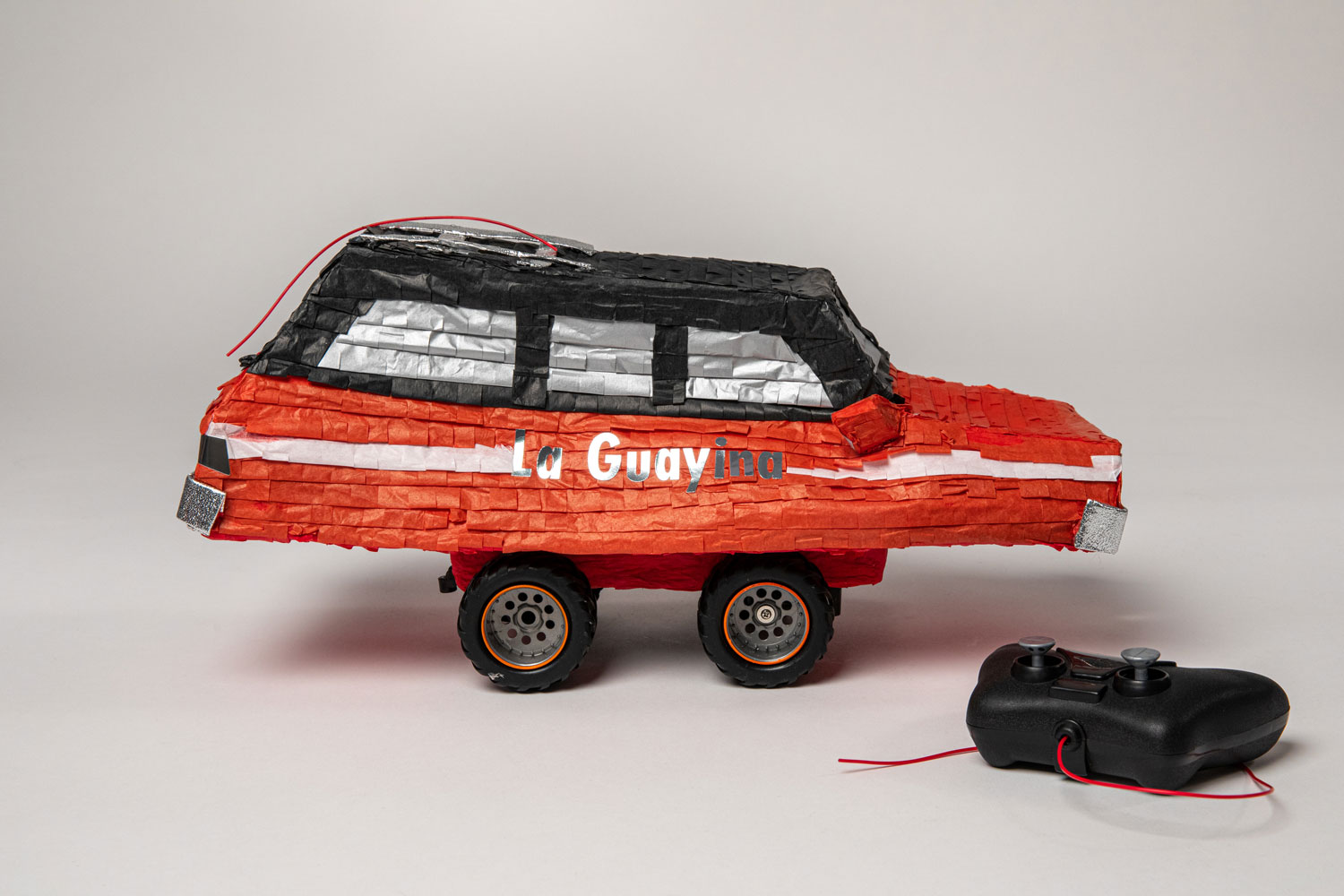
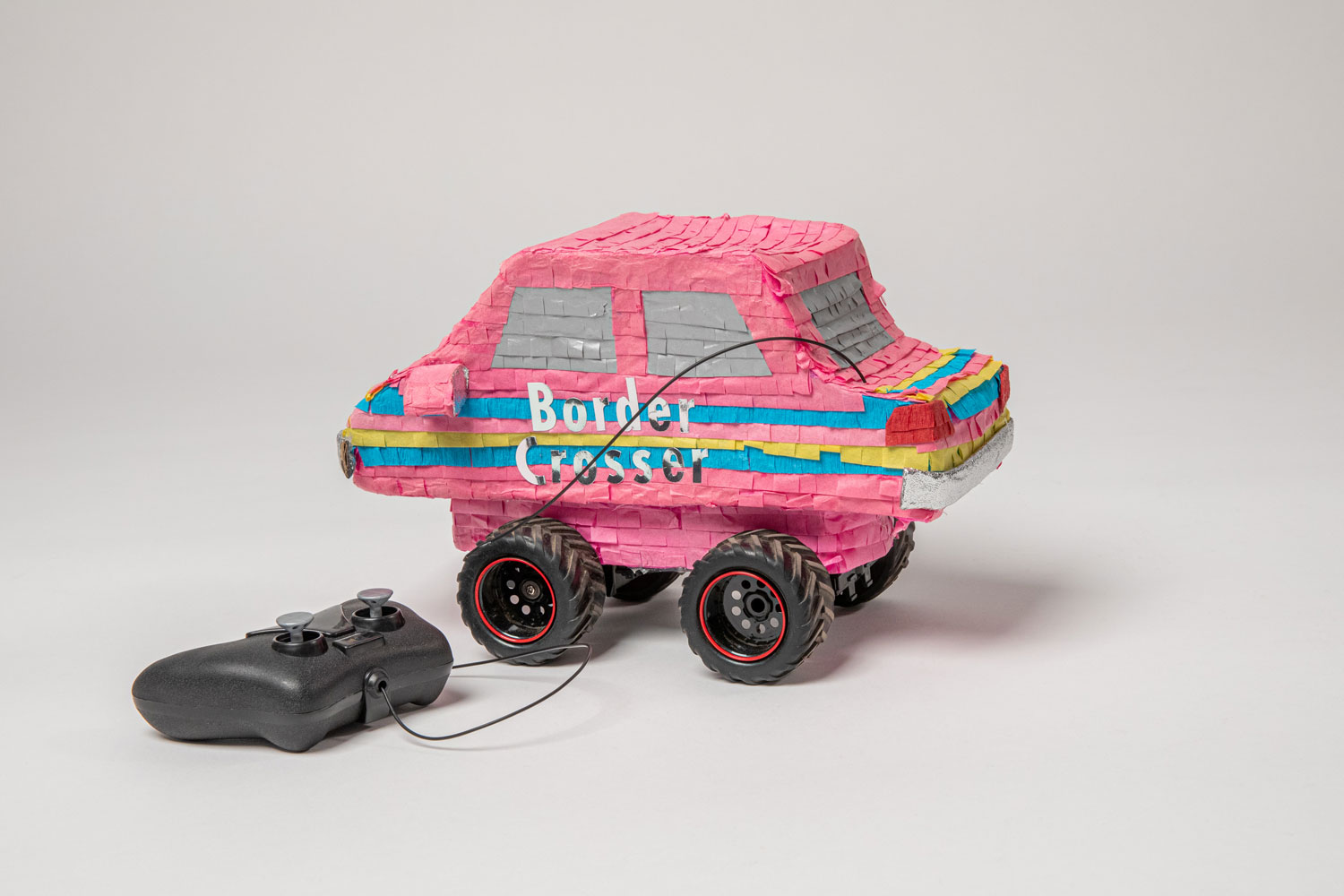
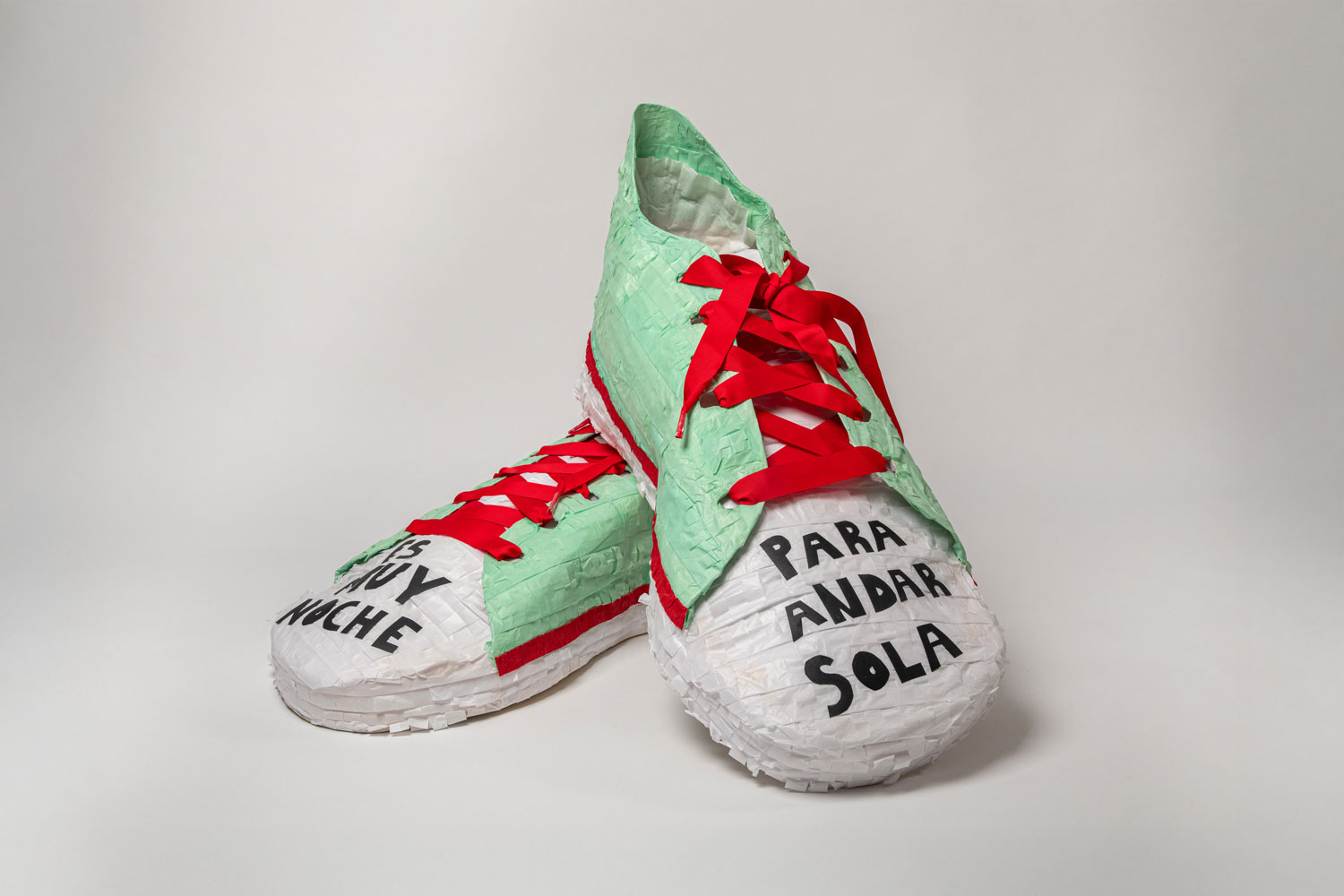
- Diana specialises in making piñatas that carry messages
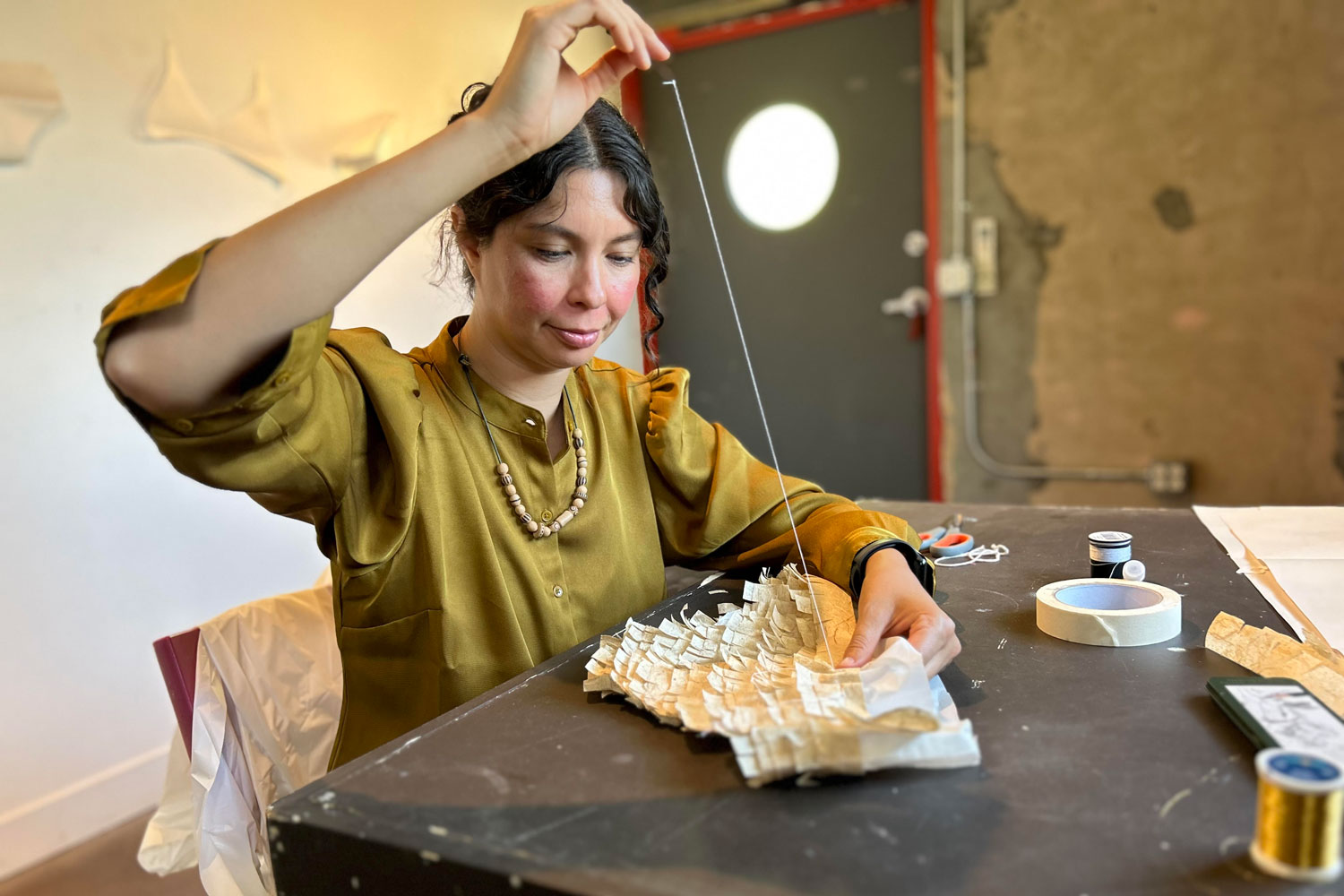
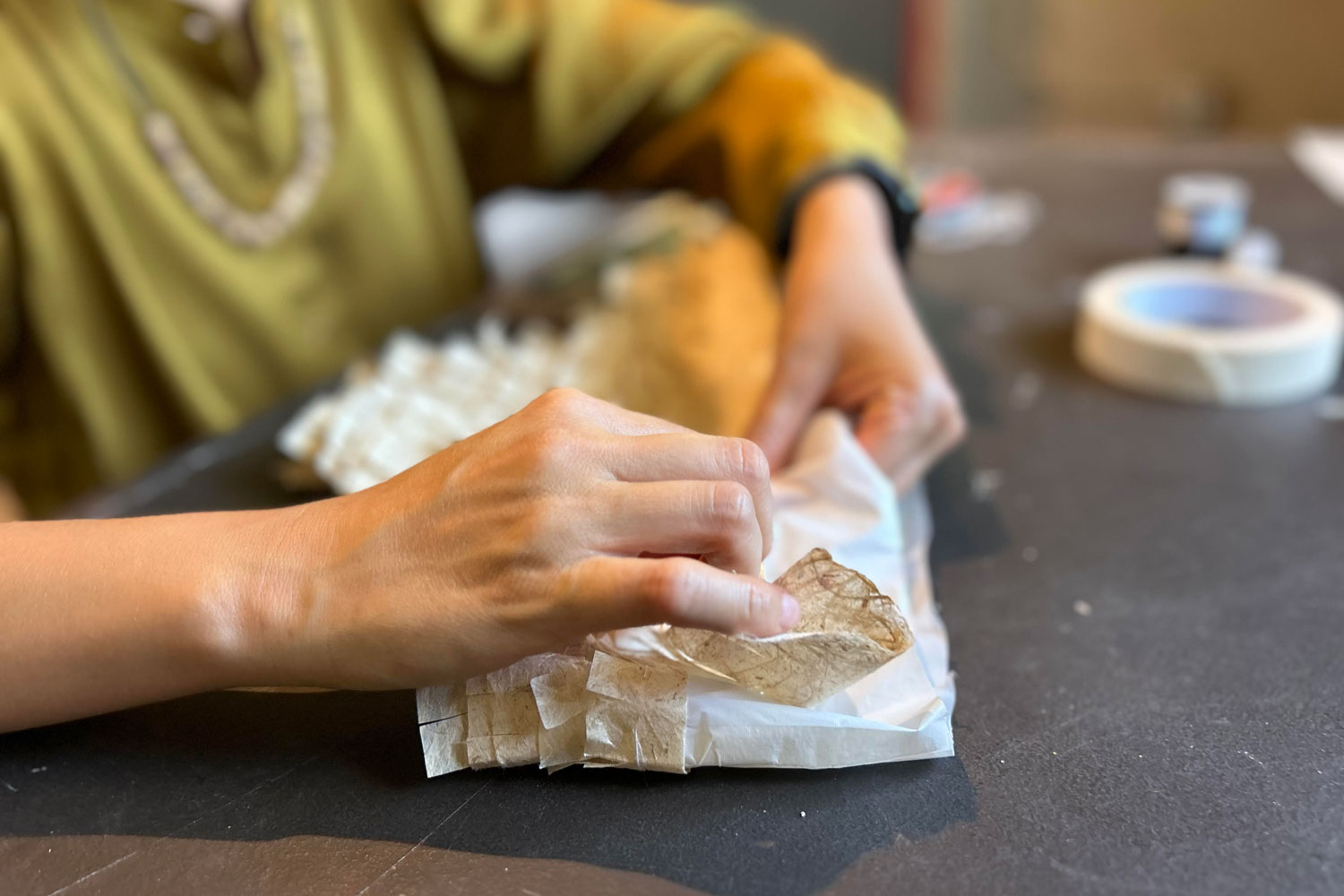
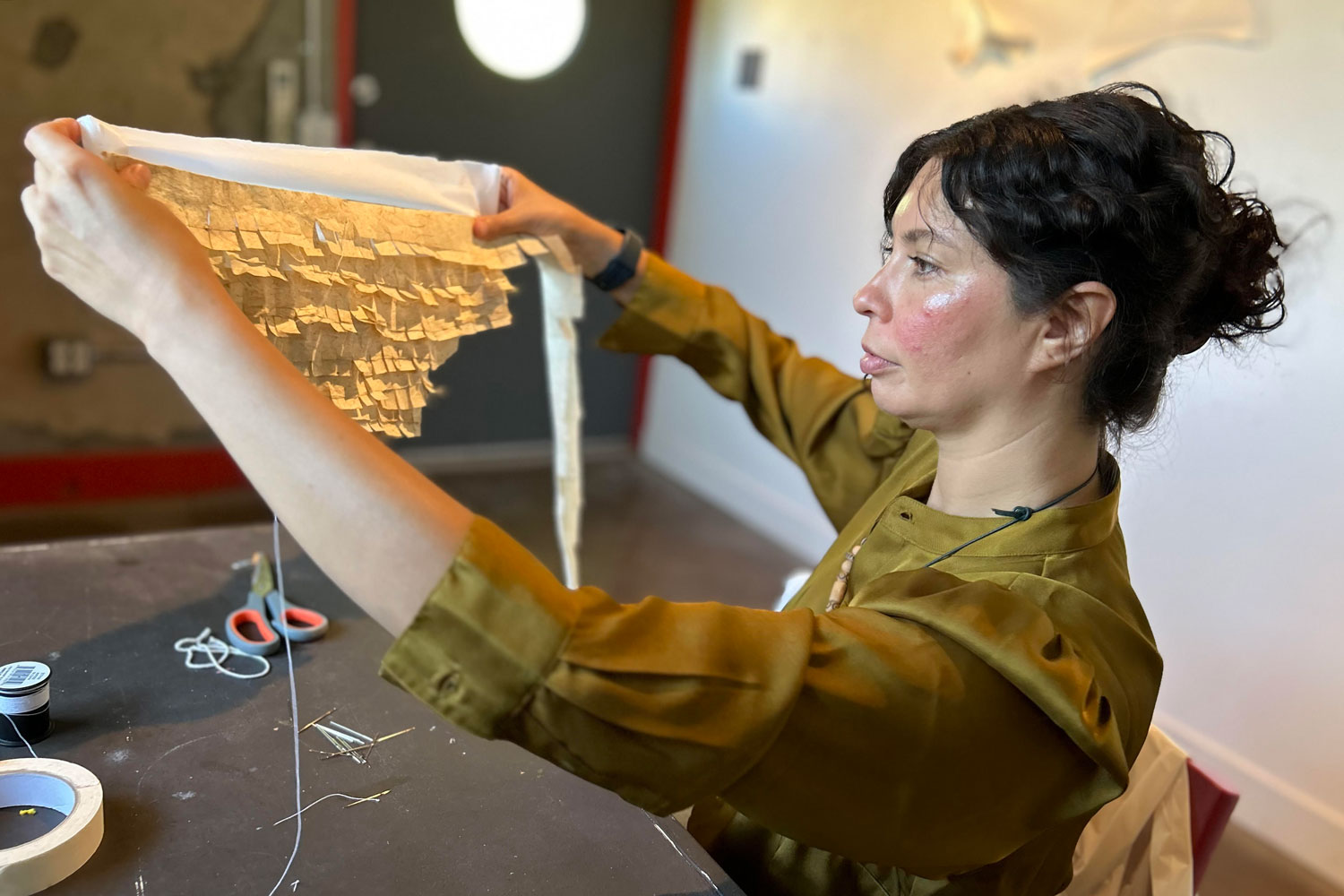
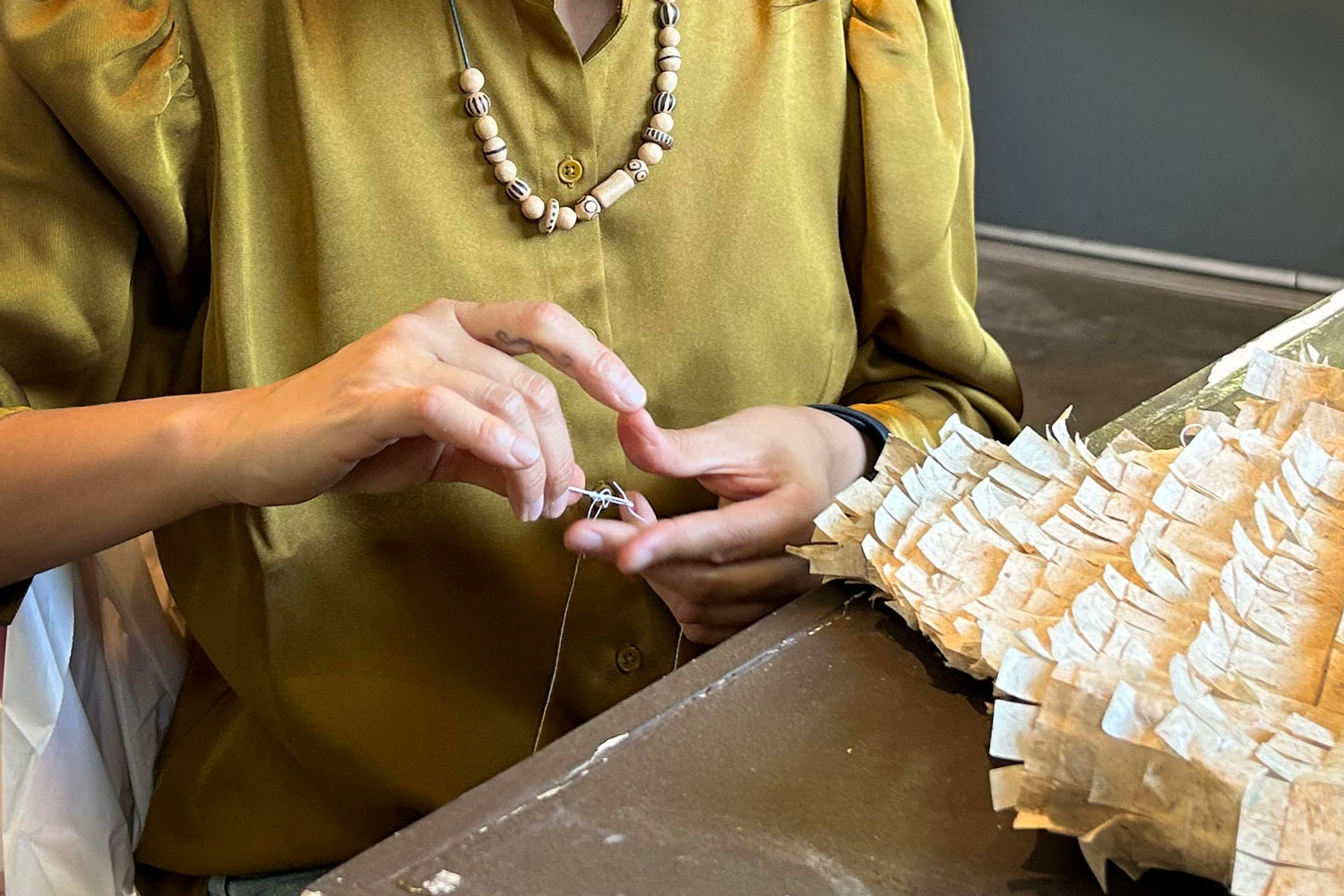
- She learned how to work with hanji, traditional Korean paper, with Aimee Lee
- In 2023, the Mingei International Museum acquired two of her pieces
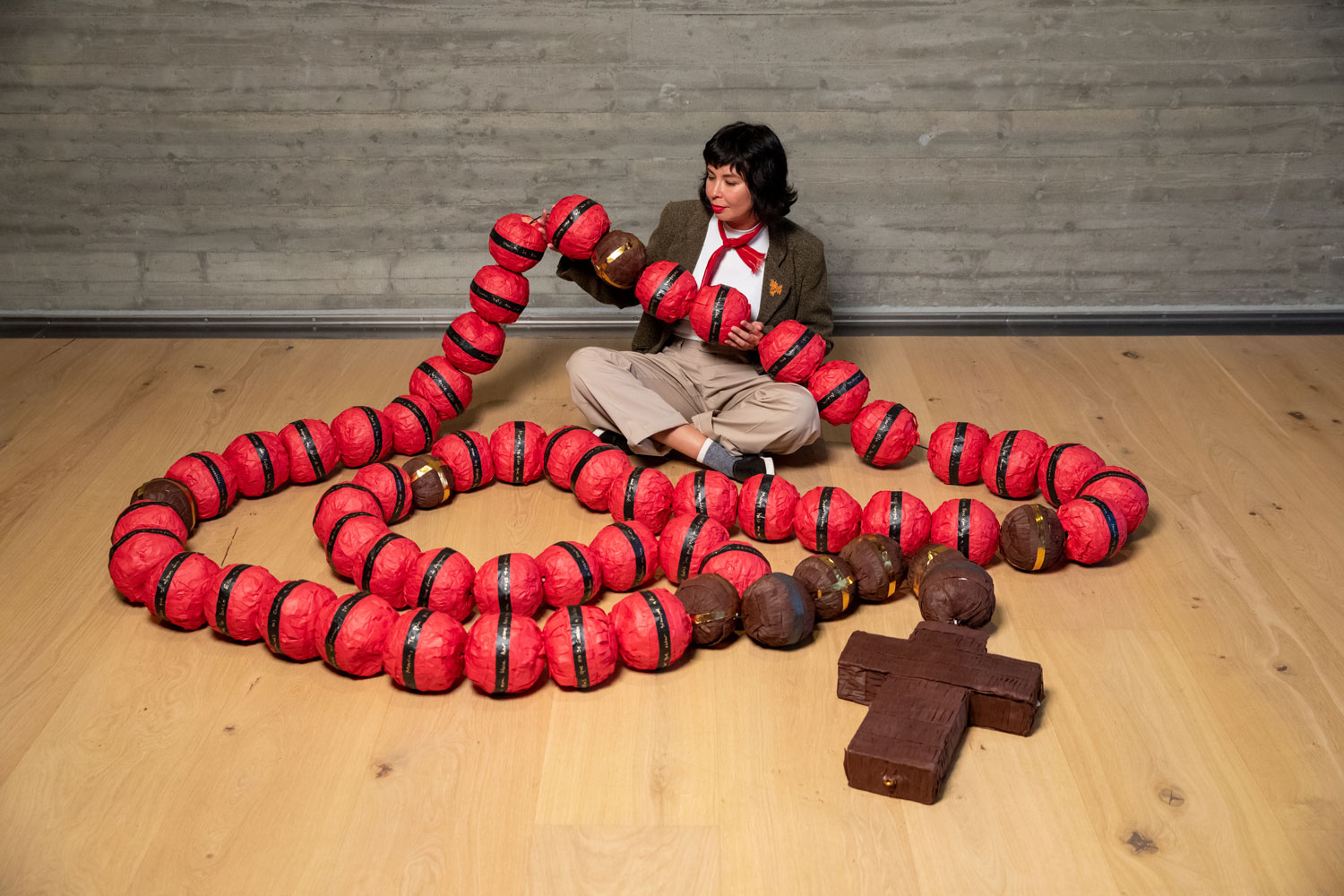
Diana Benavidez creates piñatas that carry powerful personal stories and strong political messages. As a teenager growing up in Tijuana, Mexico, she worked at a candy and party supply shop where the family made piñatas, a traditional craft in Mexico. "I was able to learn directly from them. I consider them masters who passed their craft down through generations,” Diana says. The first object she made that is connected to her practice today was a cigarette piñata made for a photography project in college. “People were interested in it, so I made a series of 12 piñatas based on everyday objects from my childhood, such as a Game Boy, cassette tapes and VHS tapes," she shares. Diana used that work to successfully apply for a solo exhibition at the school gallery, which encouraged her to pursue piñata-making as her practice afterwards.
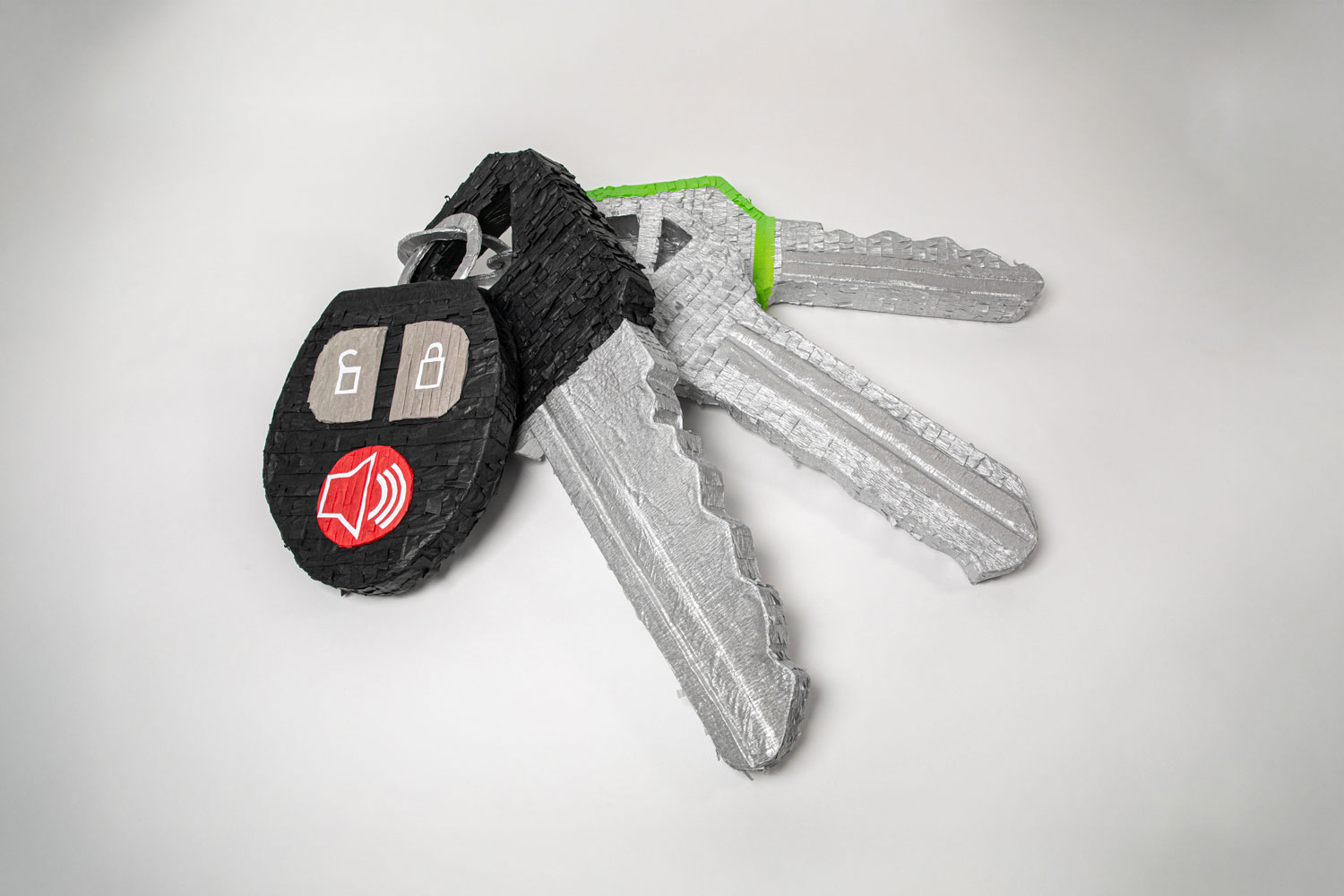
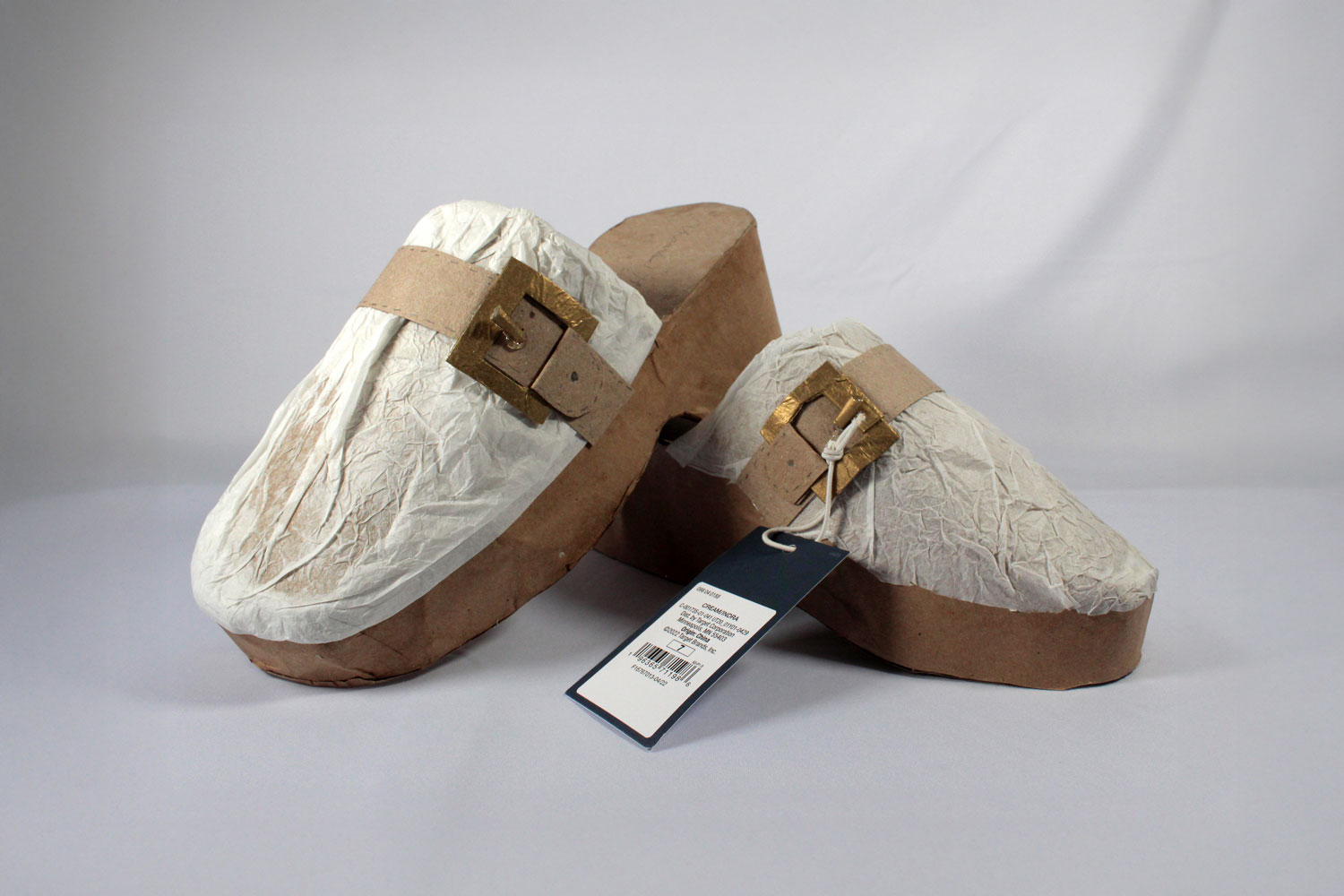
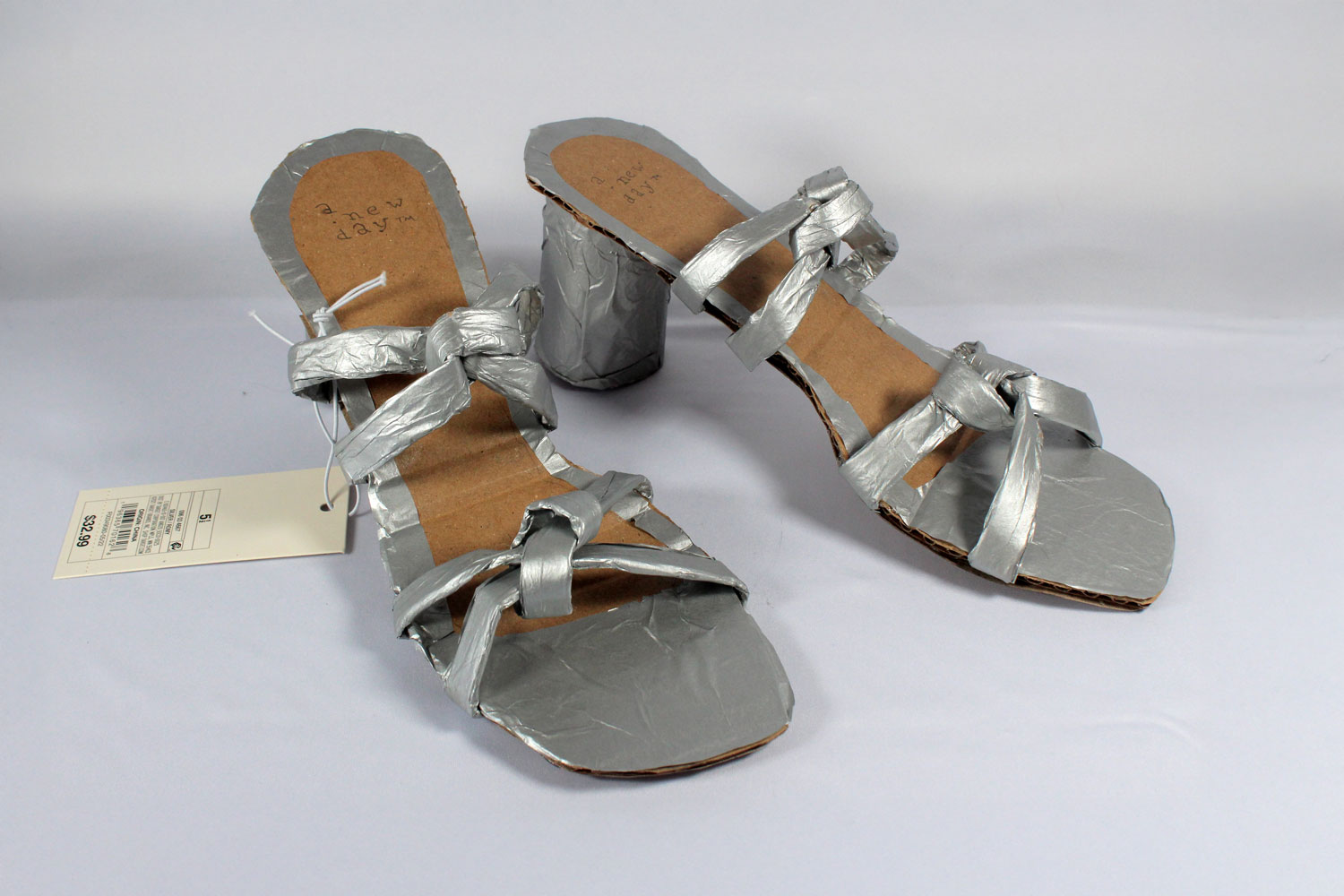
INTERVIEW
I learned to make piñatas in my teens, but during my art degree I realised I still needed to find my focus. I began building cardboard structures, and from there it was an easy transition back to piñatas. The more I made, the more I customised them, and the work gradually shifted towards addressing contemporary social and political issues.
In 2016, I created a body of work titled Asking For It, which transformed feminine hygiene objects into large, colourful piñatas. These pieces became a statement about the political moment, particularly as reproductive rights in the United States were debated following the presidential elections.
It led me to create work that responded directly to contemporary issues in the country. The series resonated with both artists and the general public, many of whom began to see the piñata not only as a celebratory object, but also as a vessel capable of holding personal stories and political meaning.
A decline in paper or cardboard production could affect piñata-making, but the craft has always adapted. Early forms of piñatas from China were made from clay. If materials change, makers will find new solutions.
Diana Benavidez
Paper artist
San Diego, CA, USA
Recommended by Craft in America
ADDRESS
Address upon request, San Diego, CA, USA
AVAILABILITY
By appointment only
LANGUAGES
English, Spanish
Homo Faber Finds is a new service aiming to inspire admirers of craft to connect and collaborate with exceptional artisans.
We invite you to submit an enquiry here.