Wendy Maruyama
Furniture maker
San Diego, CA, USA
Recommended by American Craft Council
A vehicle for stories and ideas
- Wendy is a woodworker who explores memory by making sculptural furniture
- Her work reflects on her cultural identity as a Japanese American
- She has been awarded in the USA and abroad throughout her career
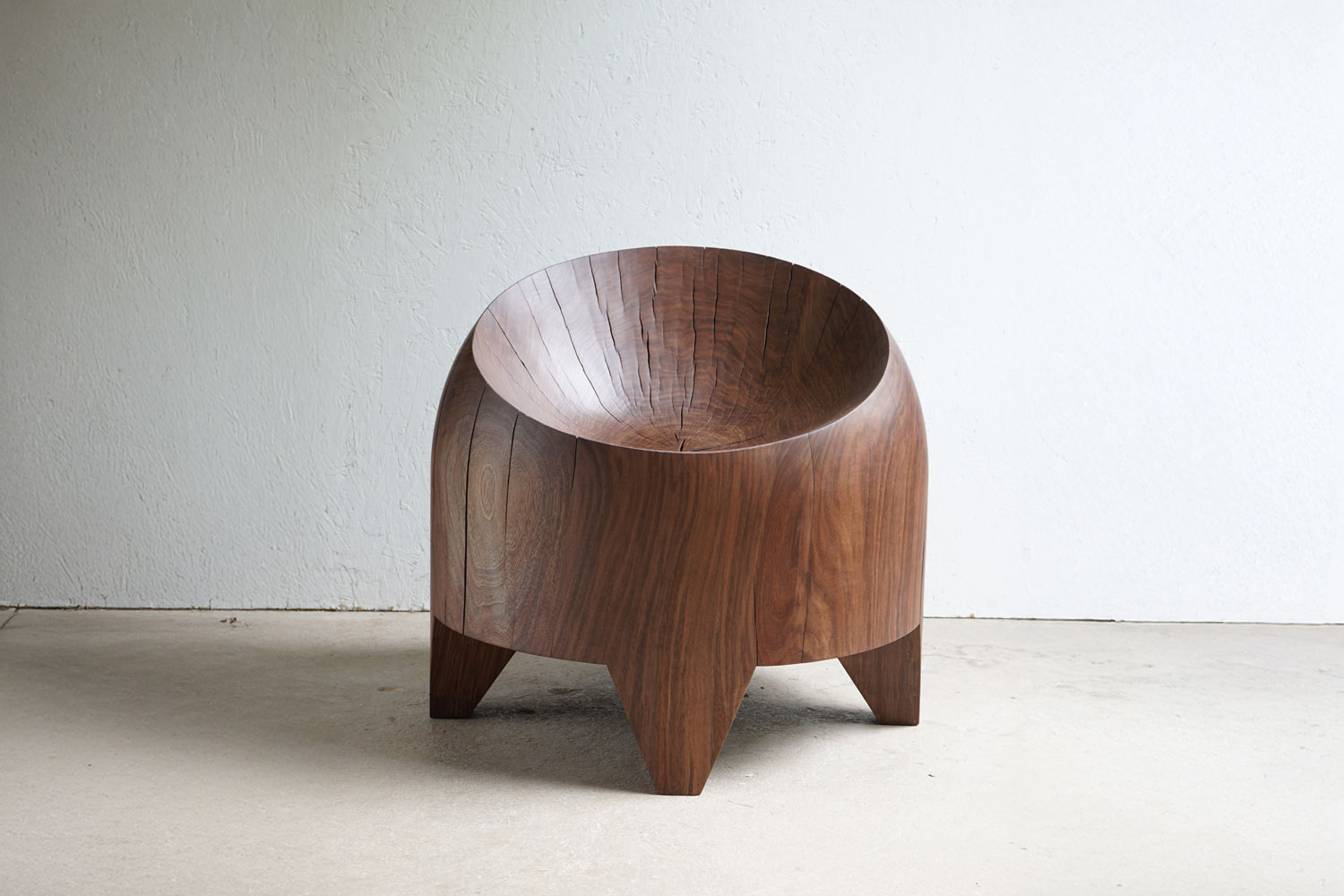
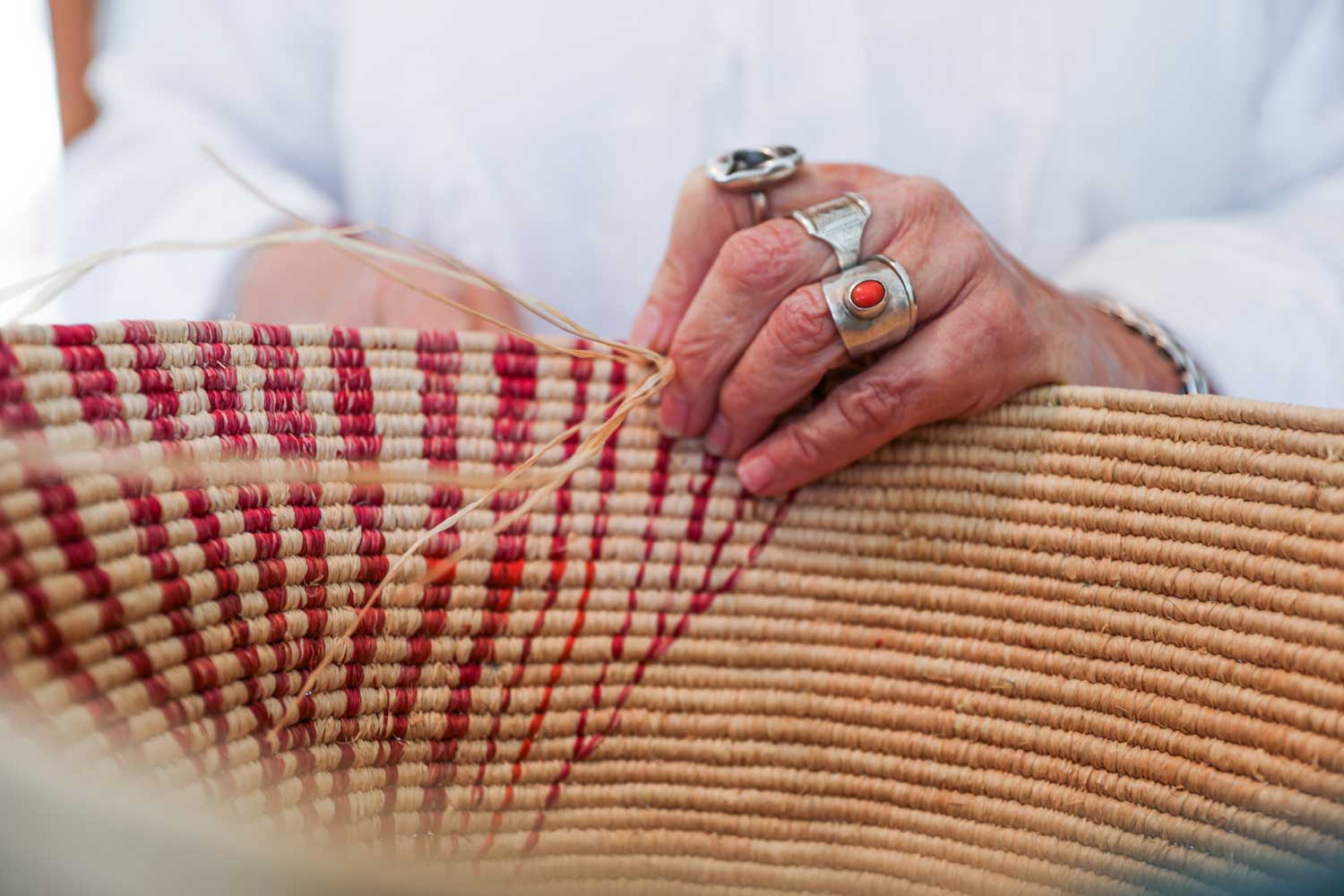
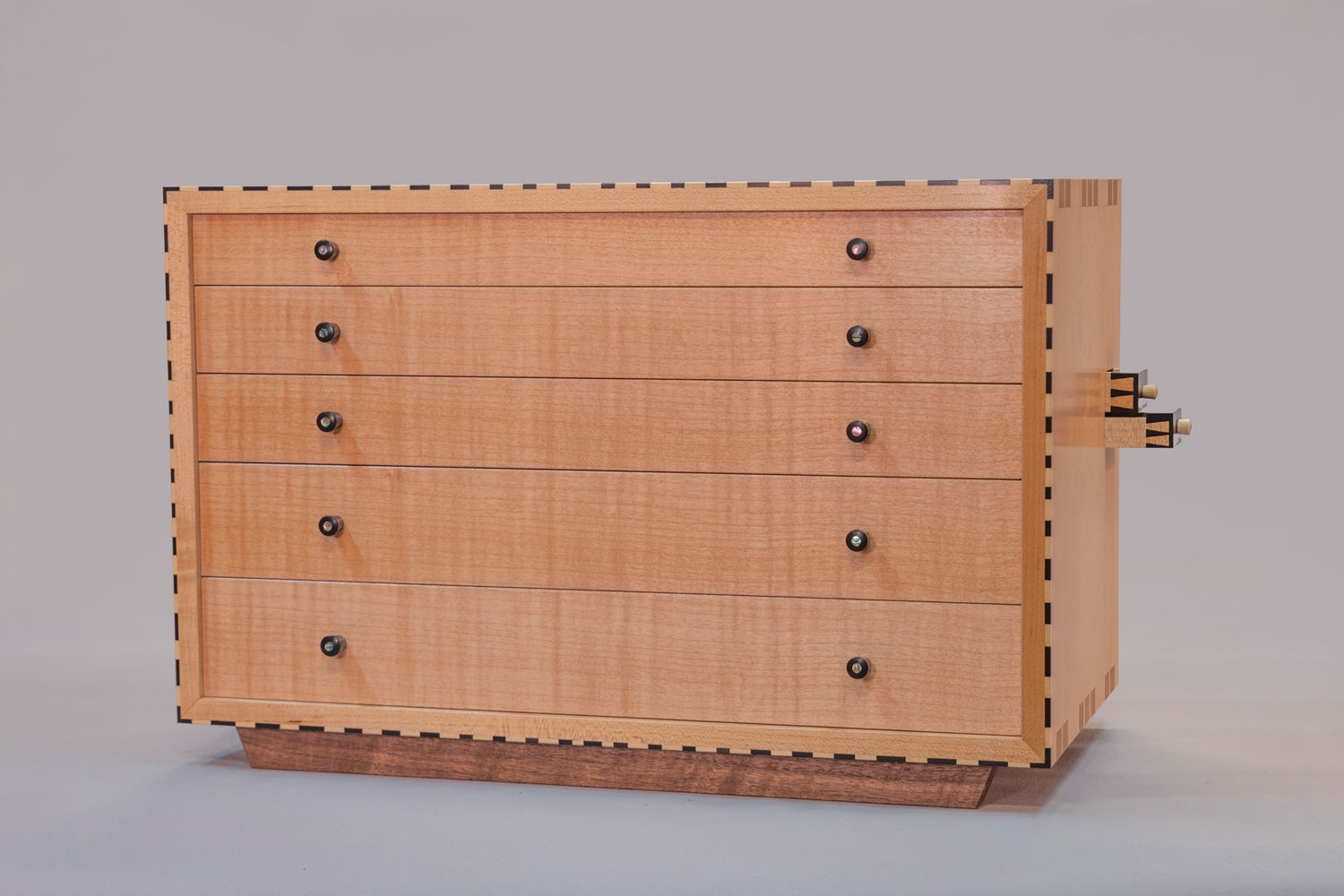
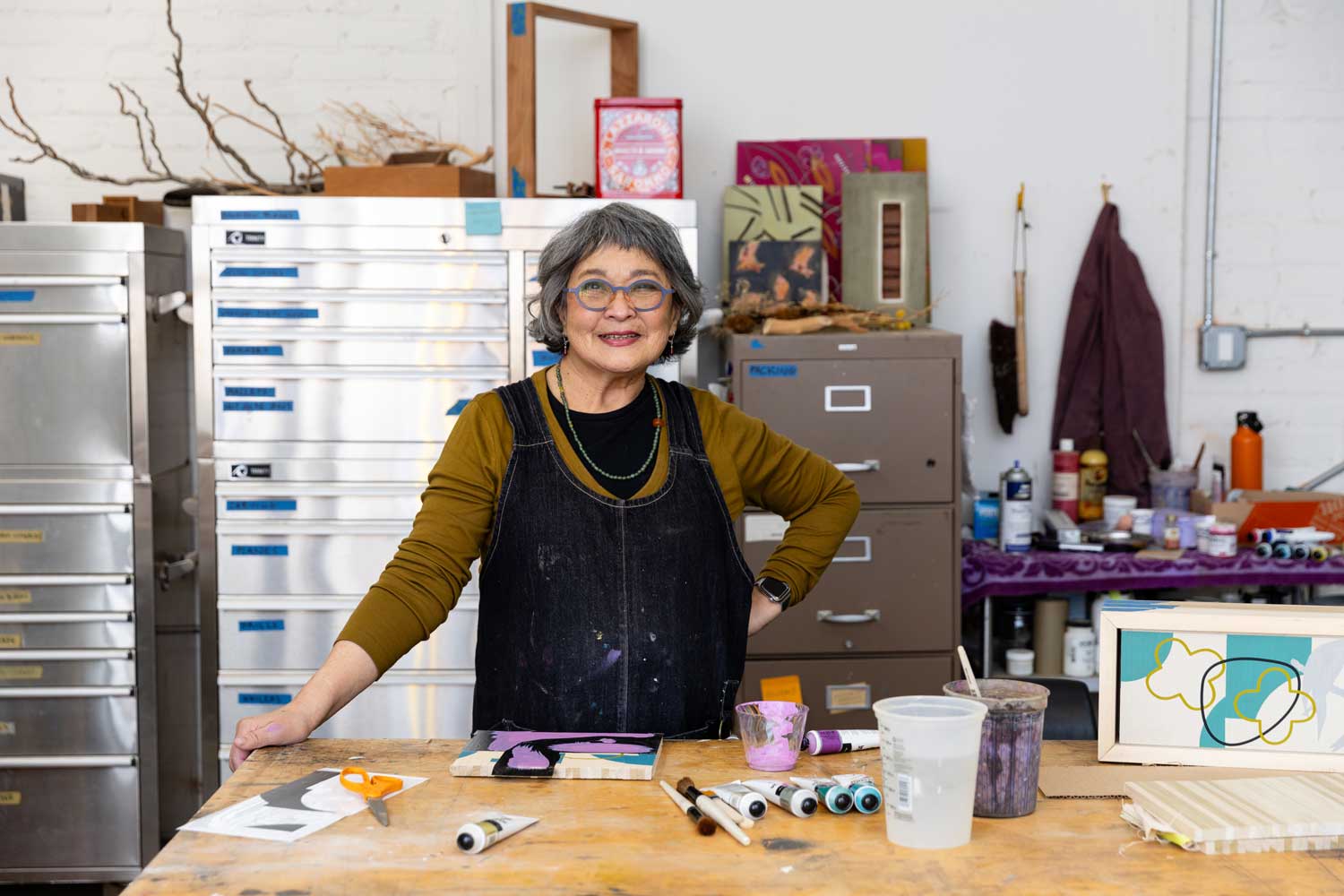
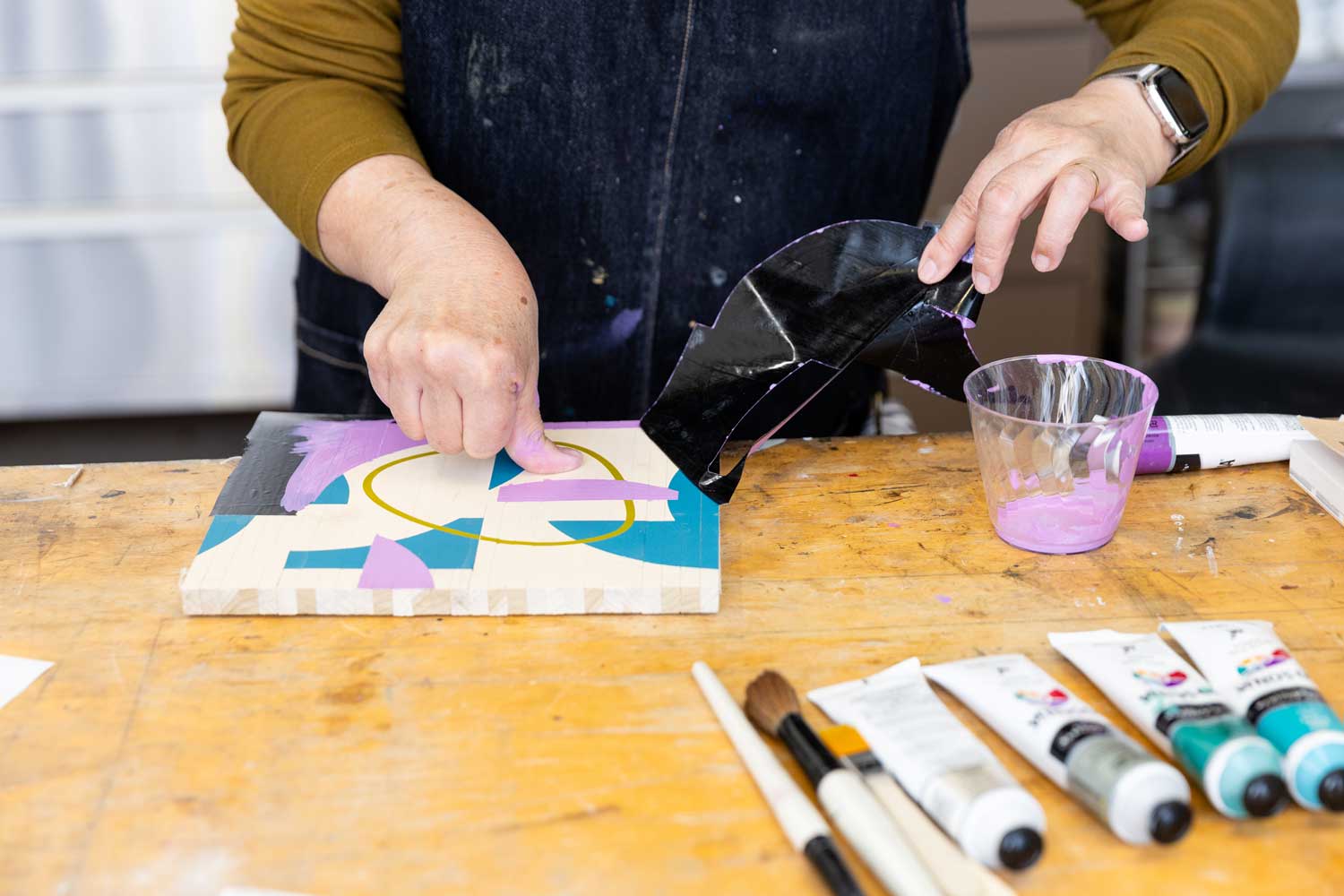
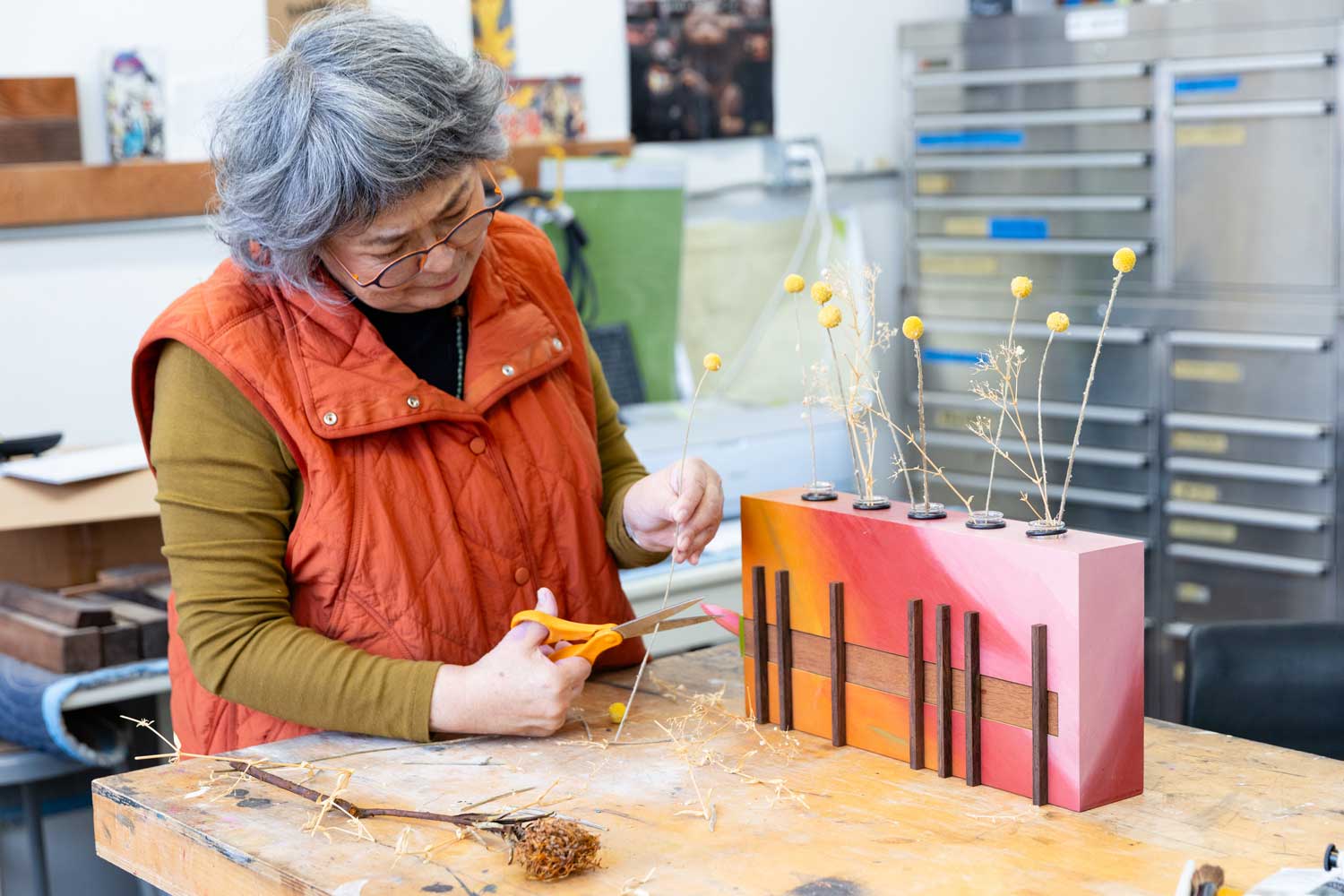
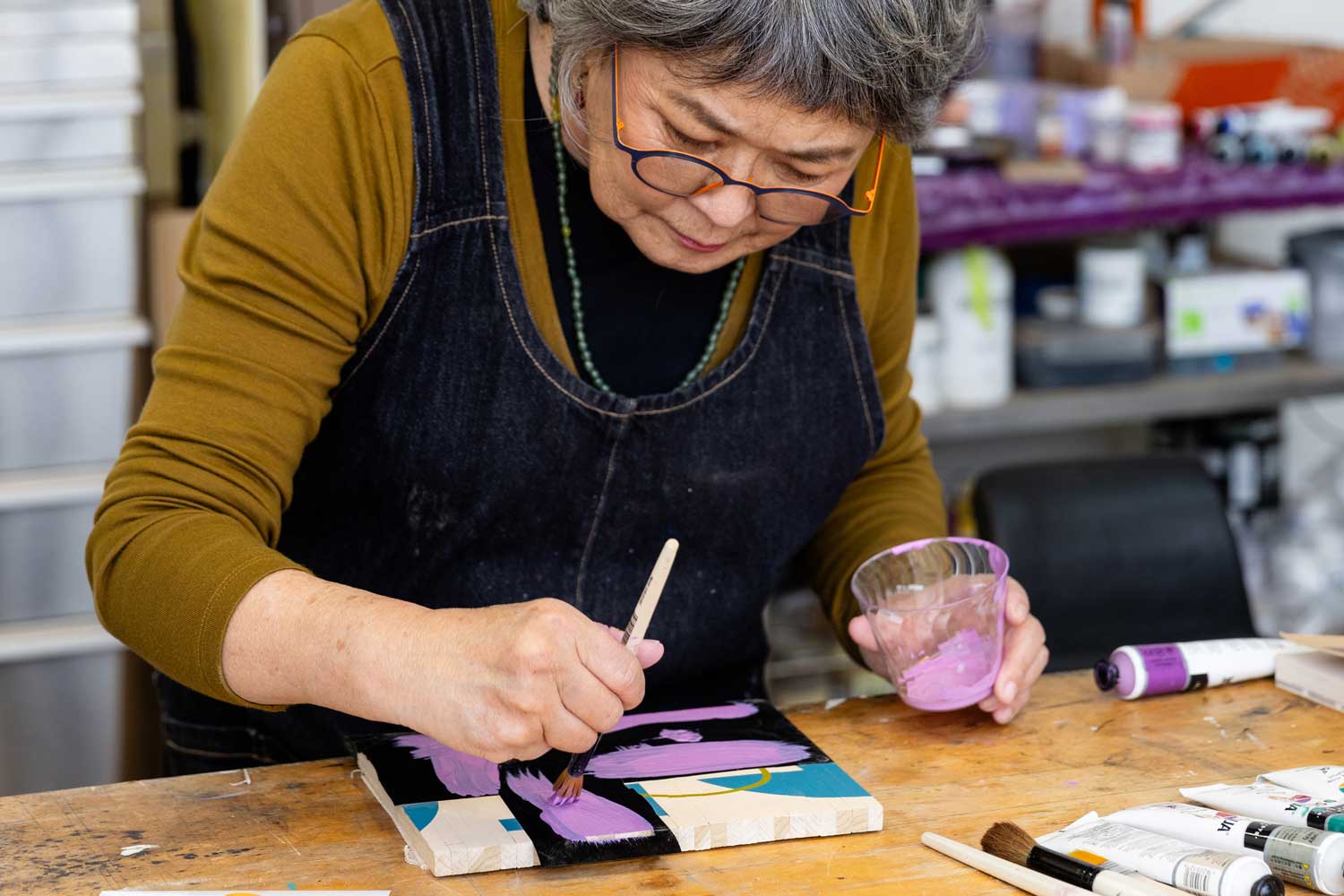
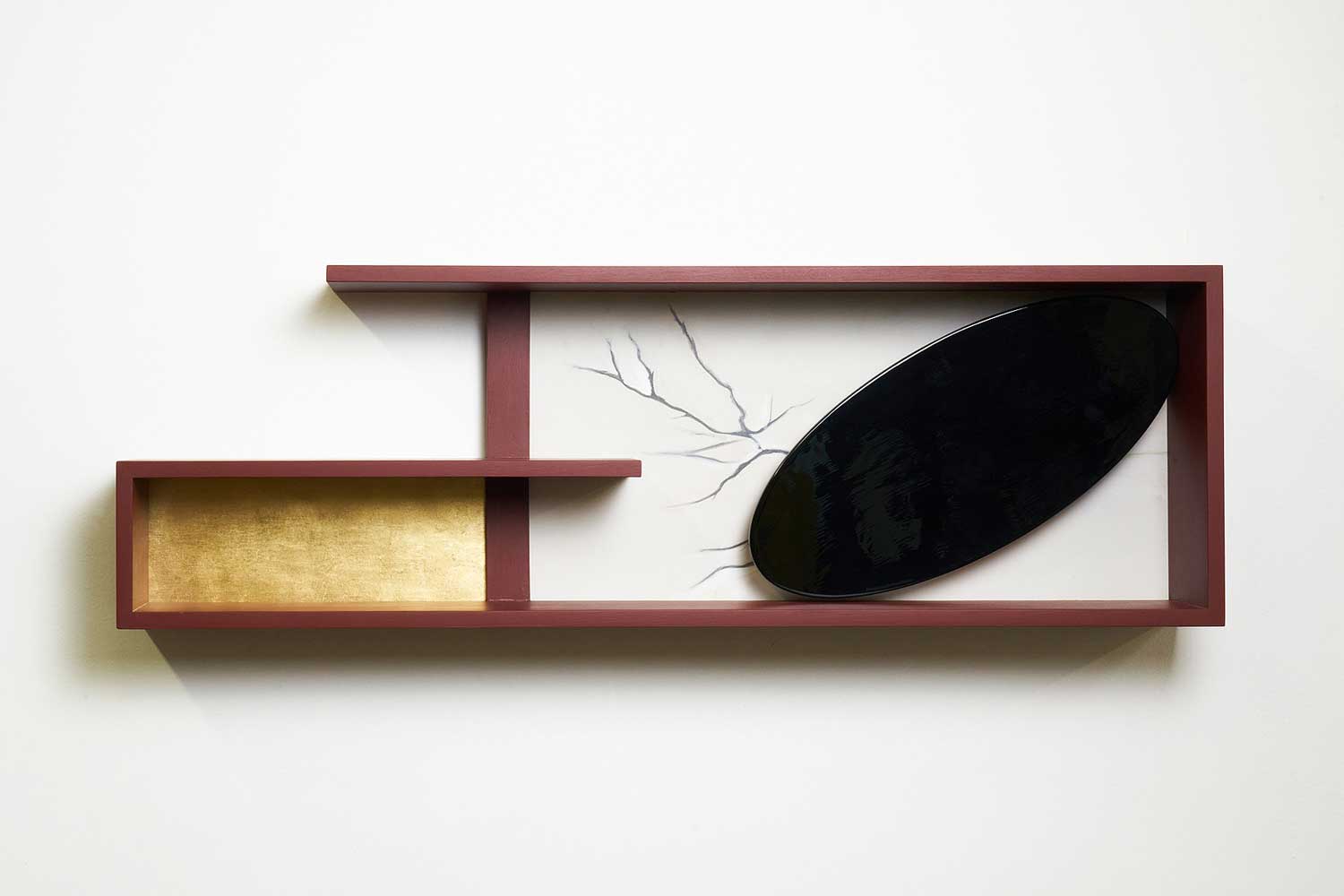
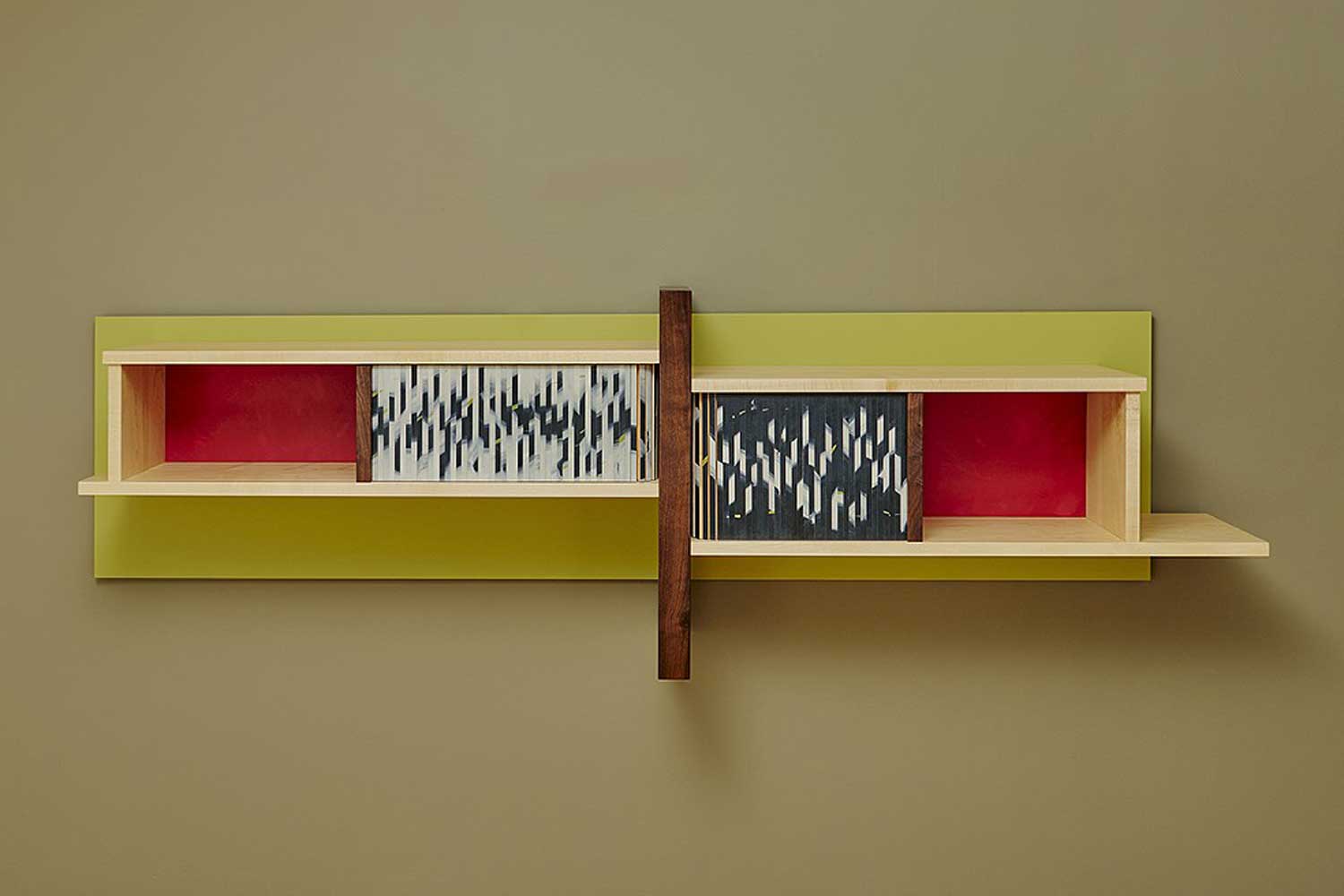
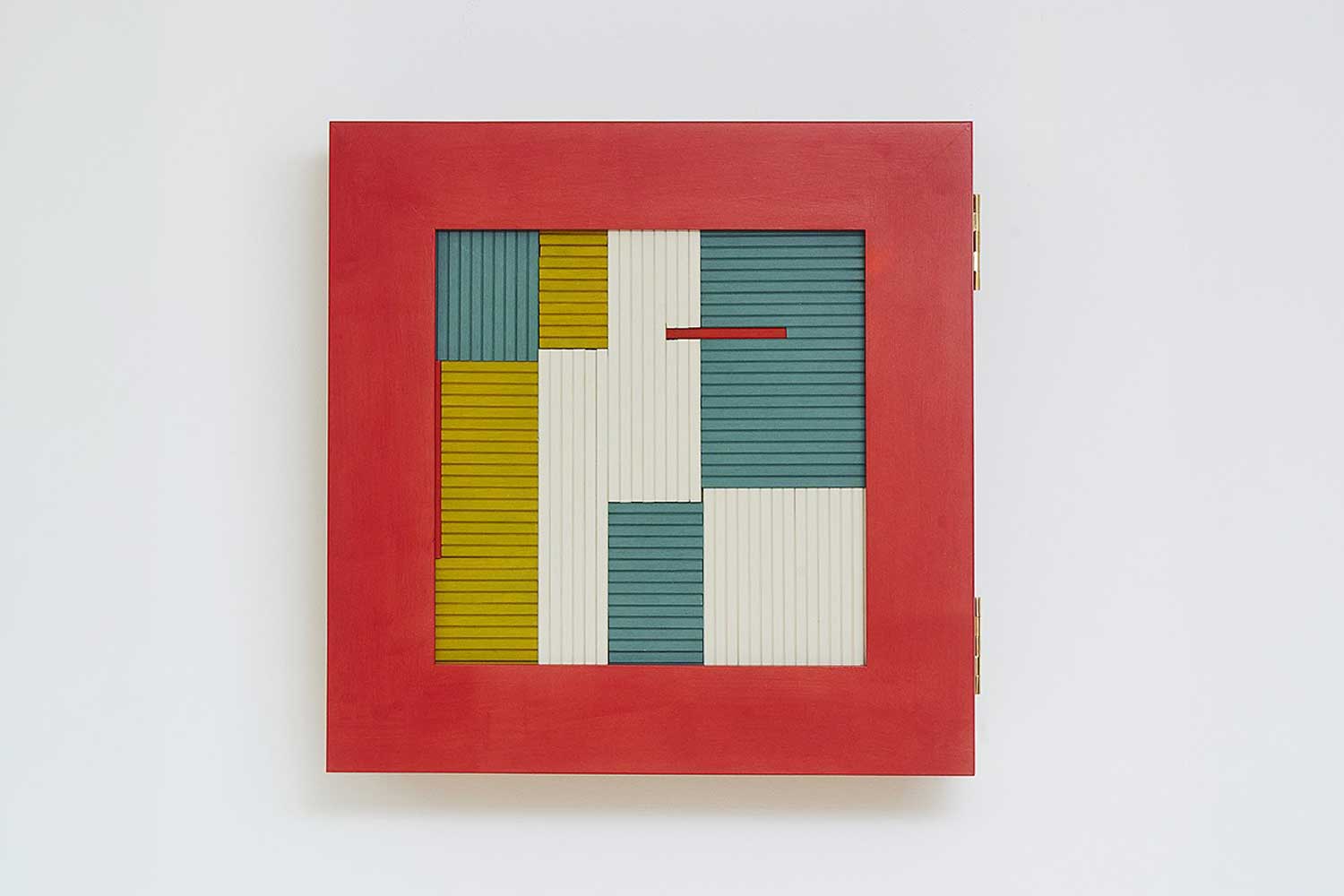
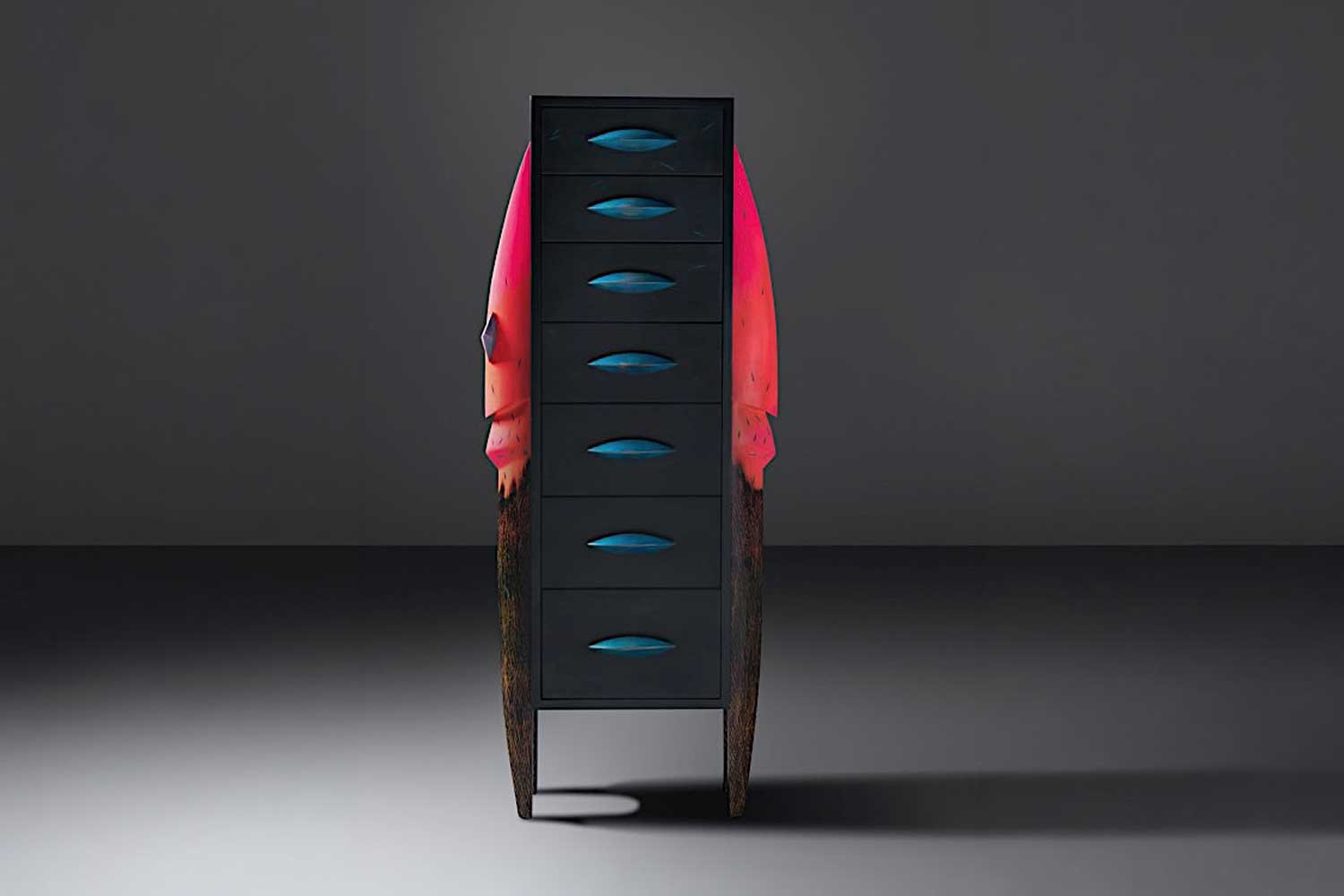
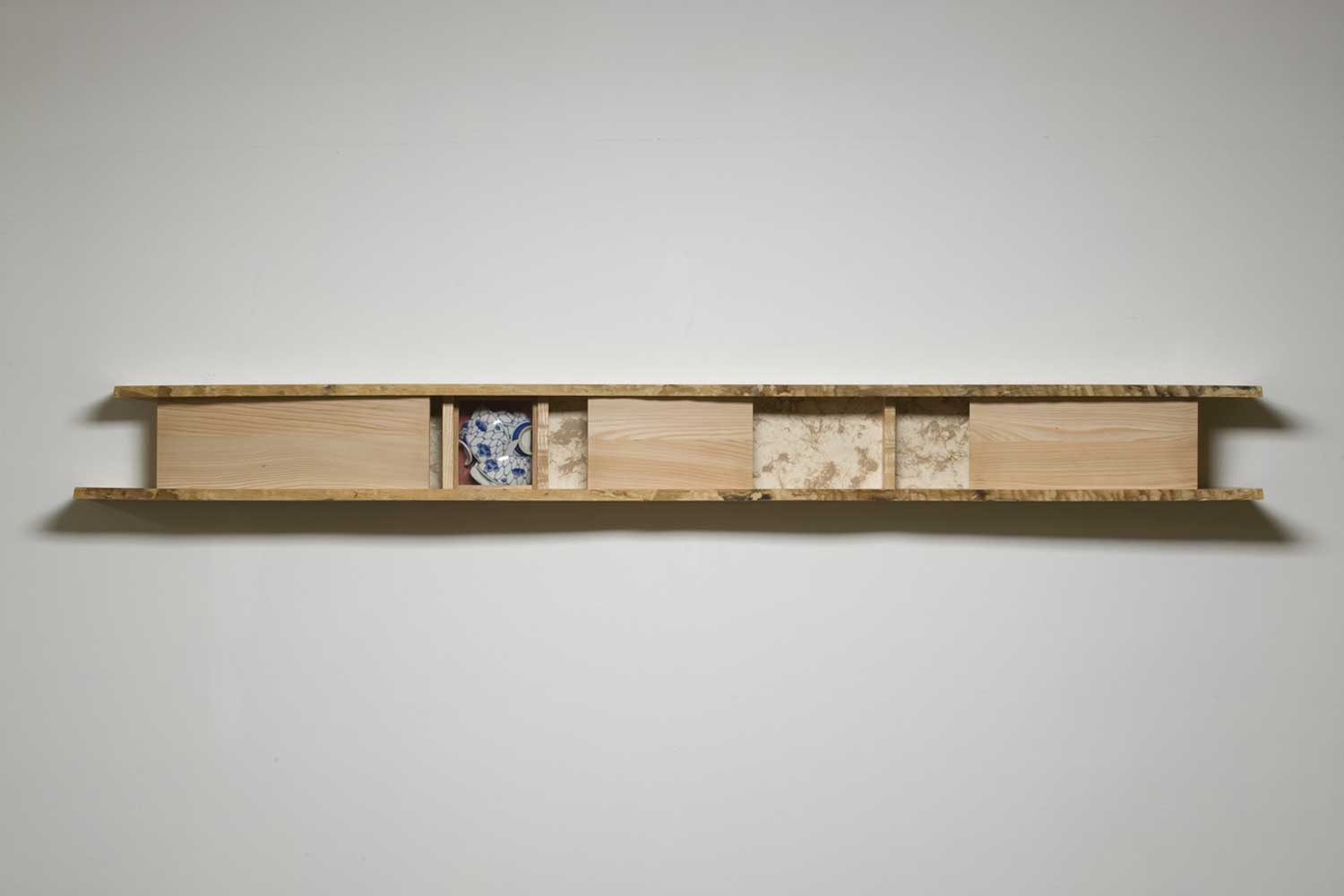
Wendy Maruyama has been creating furniture since 1972. Trained as a traditional woodworker, her practice challenges conventions in studio furniture through conceptually driven forms. "I am interested in how objects can hold meaning beyond their form," she says. Wendy was born in La Junta, Colorado, to Japanese American parents. Her work reflects on heritage, memory, and her experience in engaging with Japanese culture from both insider and outsider viewpoints. Inspired by international residencies in Europe and Asia, her pieces raise themes of cultural identity and perspective, as well as advocacy for social causes. Her landmark project Executive Order 9066 addresses the incarceration of Japanese Americans during World War II through large-scale wood installations. Her recent work examines grief, loss, and remembrance.
INTERVIEW
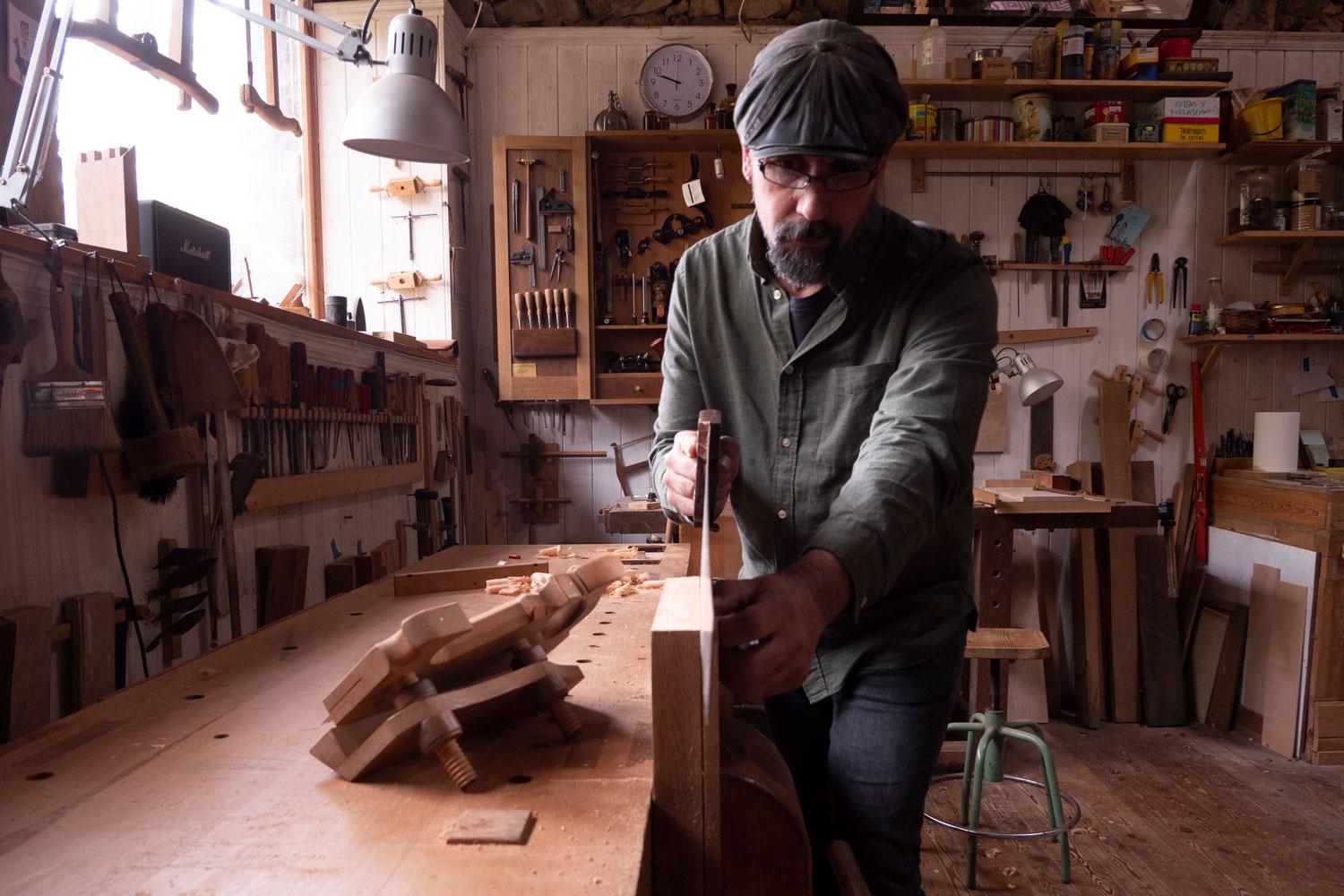
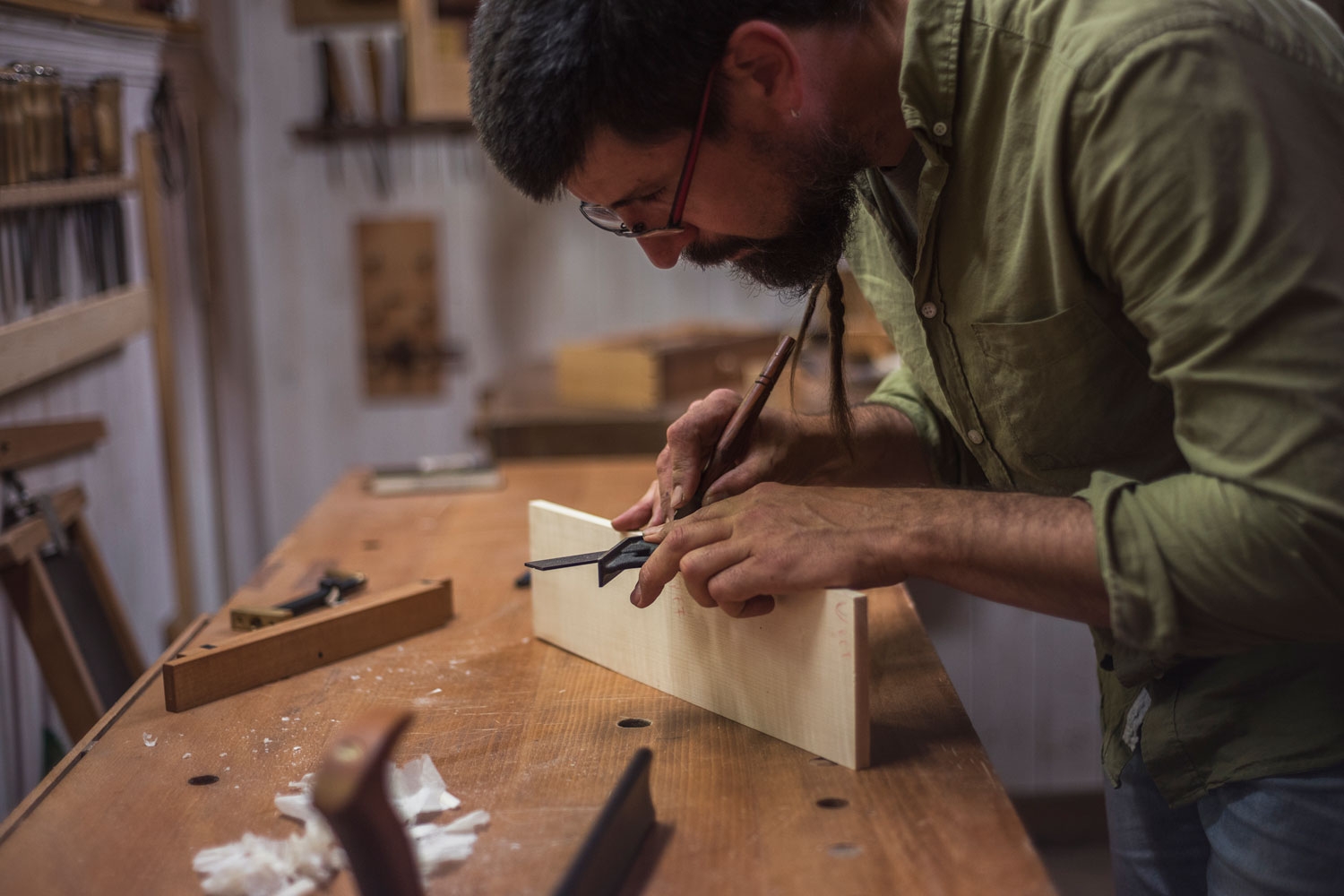
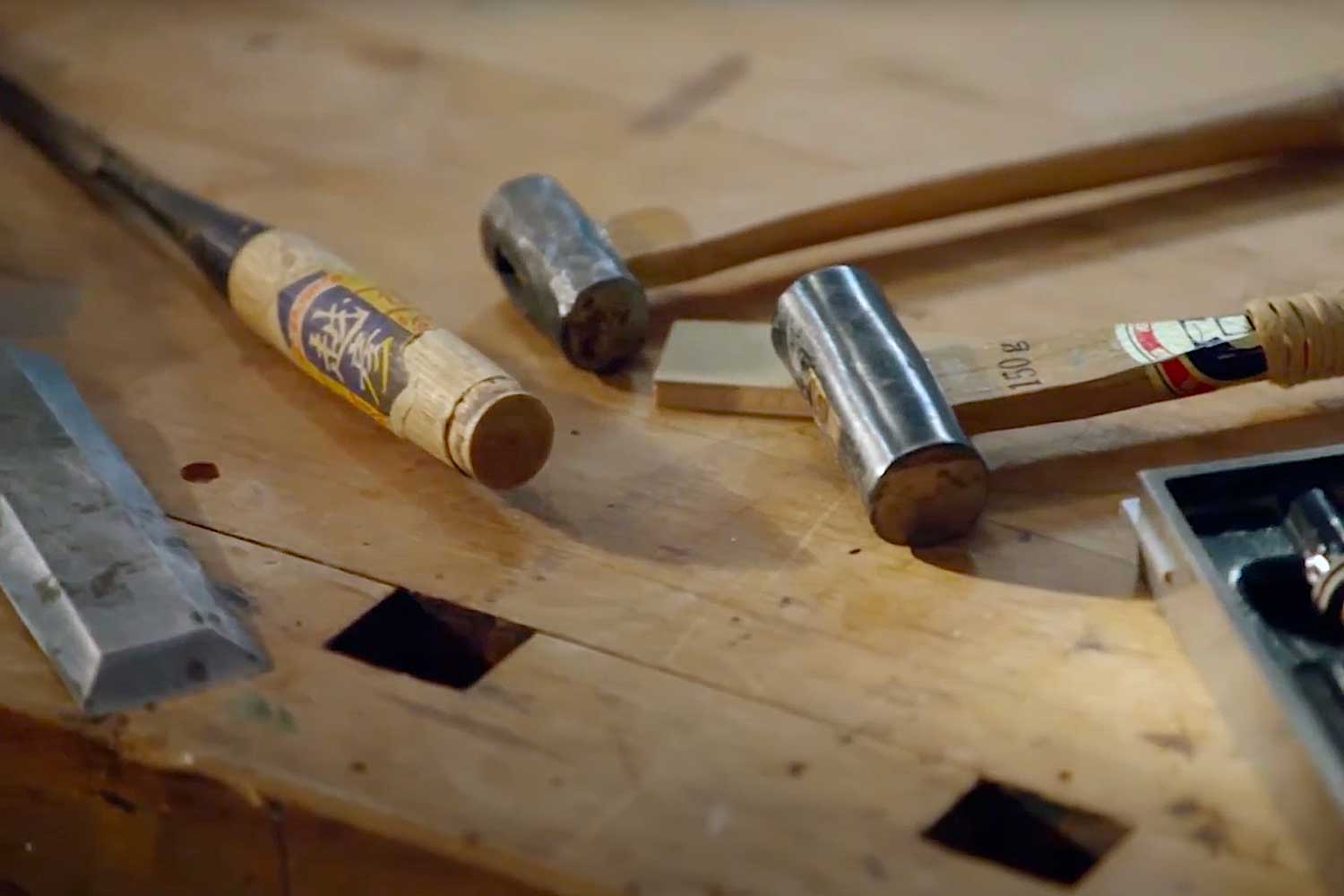
Having entered college without a defined direction, I encountered craft programmes within the academic studio environment, an experience that galvanized my interest in woodworking and furniture design. I became increasingly interested in furniture’s capacity to operate beyond function, as a form through which ideas, histories and cultural narratives could be explored.
My background has informed my work in ways both personal and structural. As a deaf Japanese American, I am shaped by stories carried forward and others obscured. I approach making as inquiry into memory, identity and history, often working in relation to and in resistance against woodworking traditions.
Teaching has been integral to my development as an artist, not separate but an extension of my practice. It required me to articulate intuitive processes, sharpening my understanding. Dialogue with students keeps my practice active, responsive and open to new ways of thinking.
What compels me to make is often a sense that something is unresolved, whether it is a personal memory, a historical absence, or a cultural narrative that feels incomplete or misrepresented. Making becomes a way to work through those uncertainties. I am also deeply inspired by material. Wood, in particular, carries its own history and presence, and that physical engagement continues to ground my practice.
Wendy Maruyama
Furniture maker
San Diego, CA, USA
Recommended by American Craft Council
ADDRESS
Address upon request, San Diego, CA, USA
AVAILABILITY
By appointment only
LANGUAGES
English
Homo Faber Finds is a new service aiming to inspire admirers of craft to connect and collaborate with exceptional artisans.
We invite you to submit an enquiry here.