José & Pedro Ramos
Orfebrería Ramos
Goldsmith
Seville, Spain
Recommended by Ana Maria Abascal & Patricia Medina
Rooted in Seville traditions
- Three brothers work in harmony
- Their father was their teacher and mentor
- Semana Santa is the focus of their activity
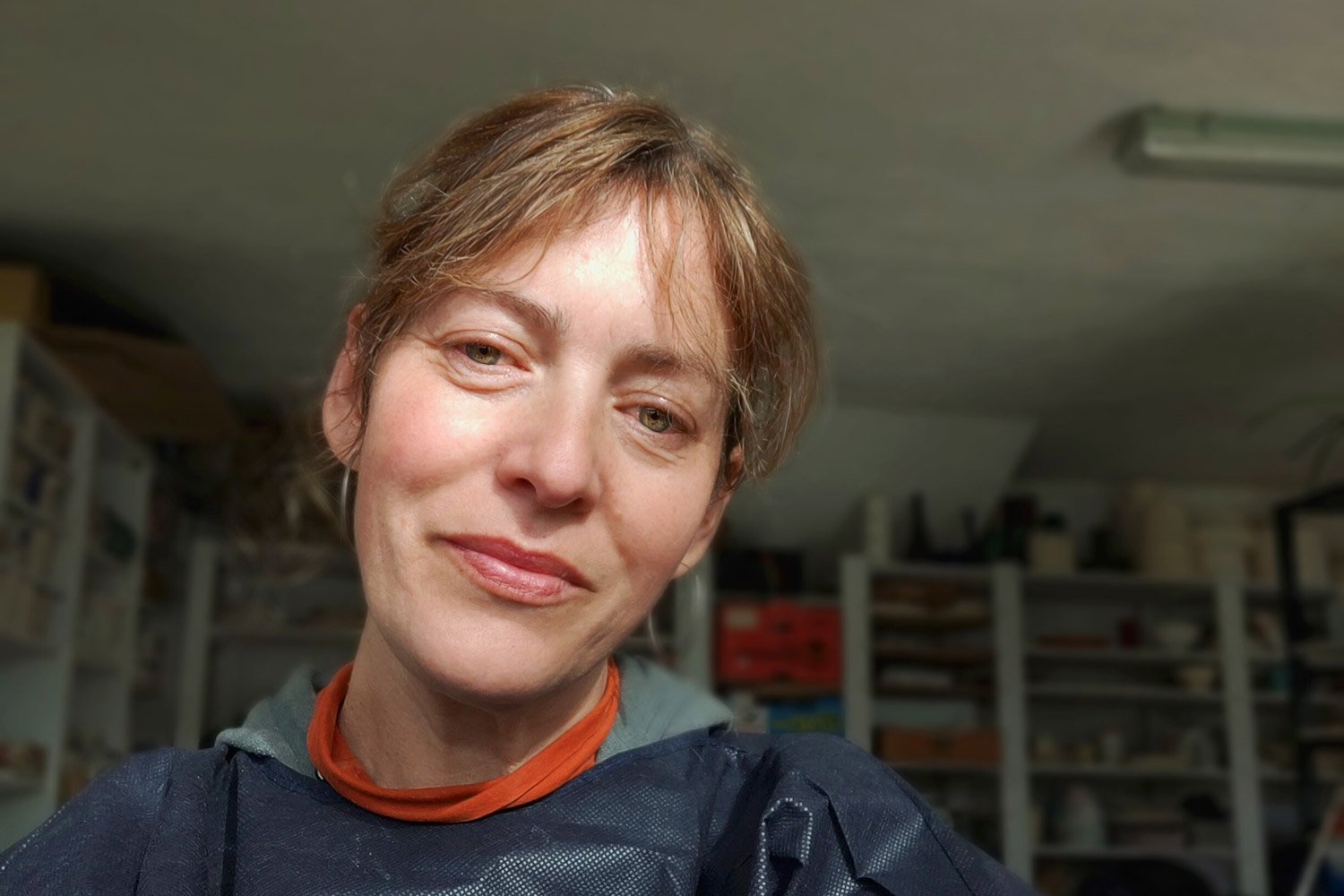
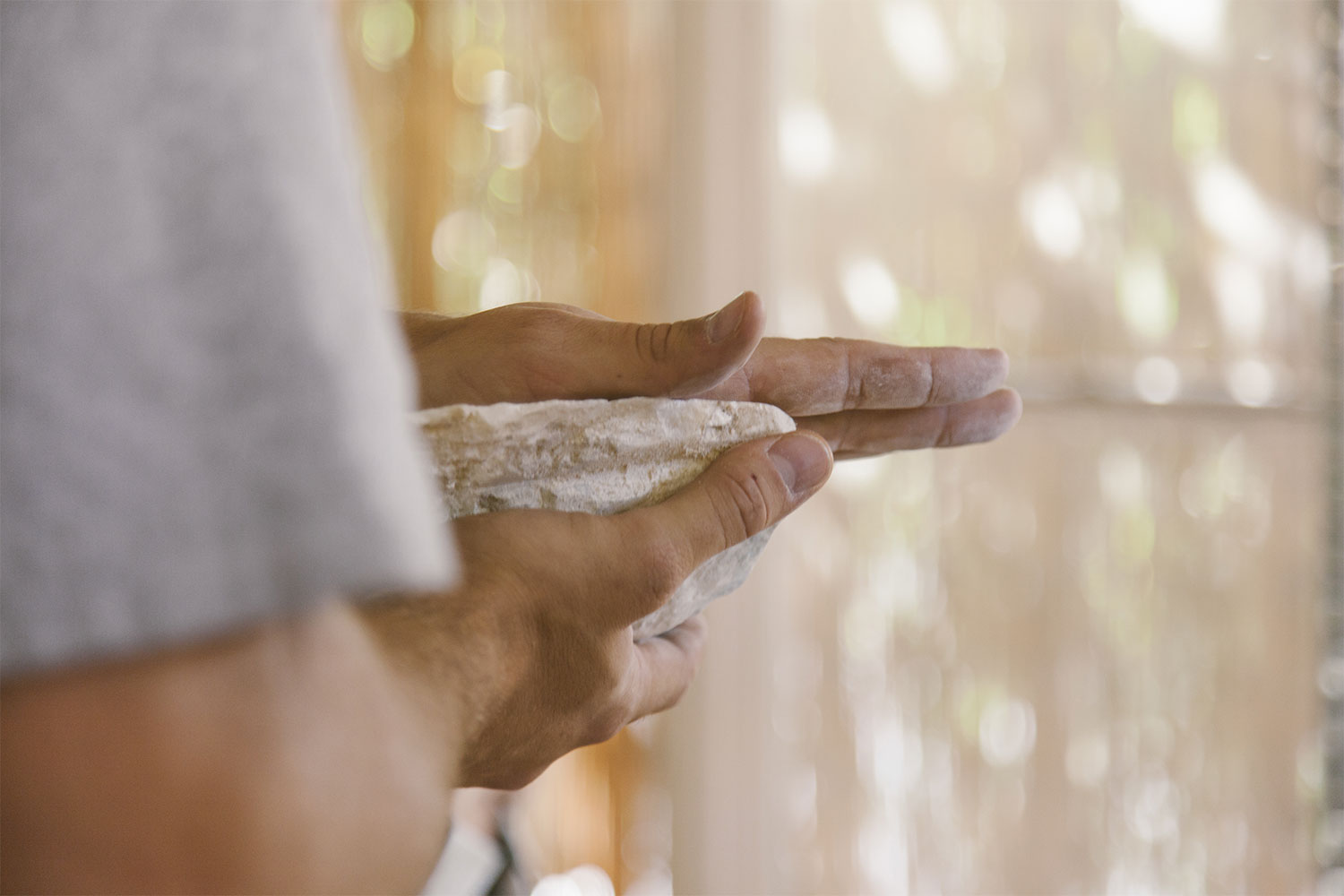
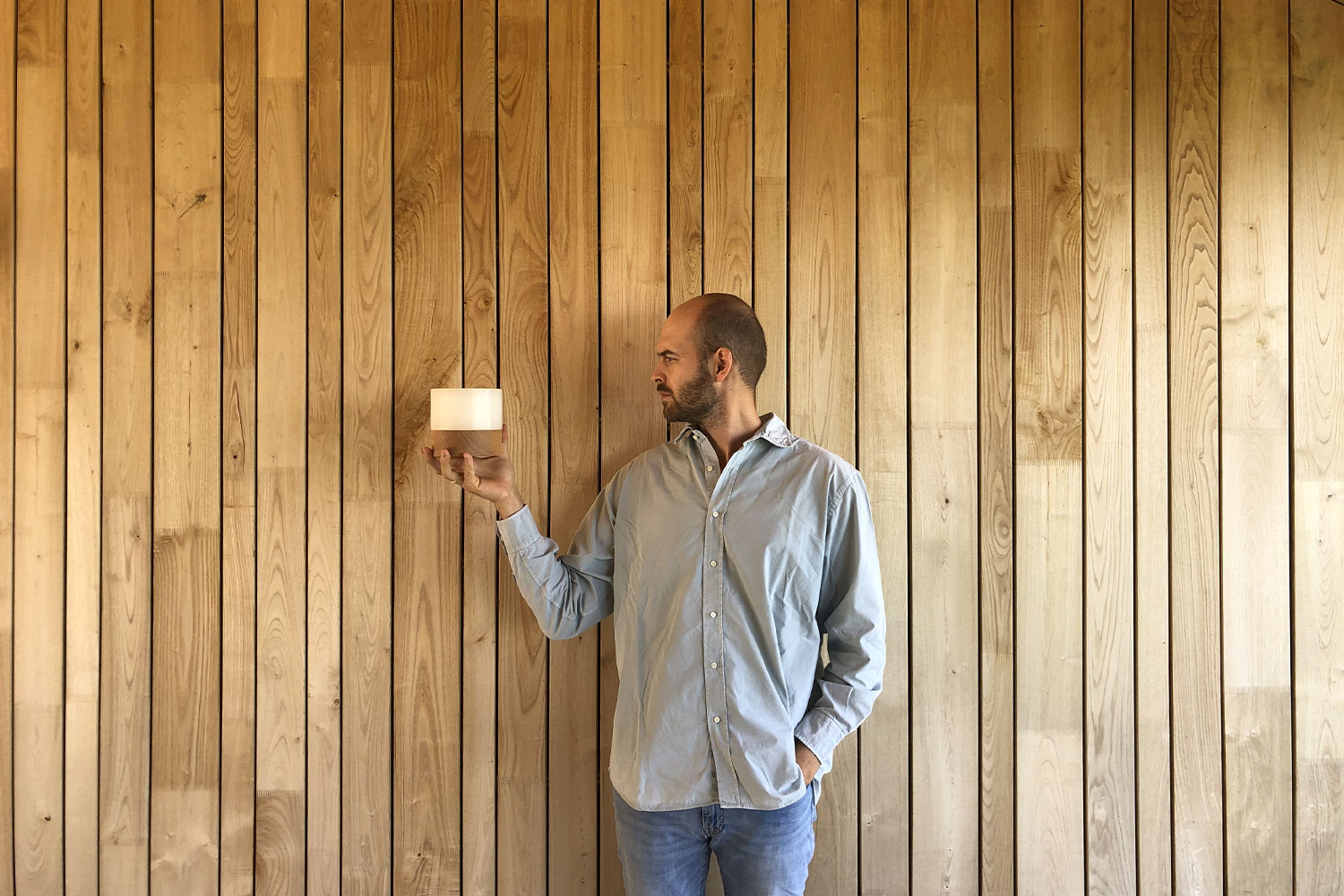
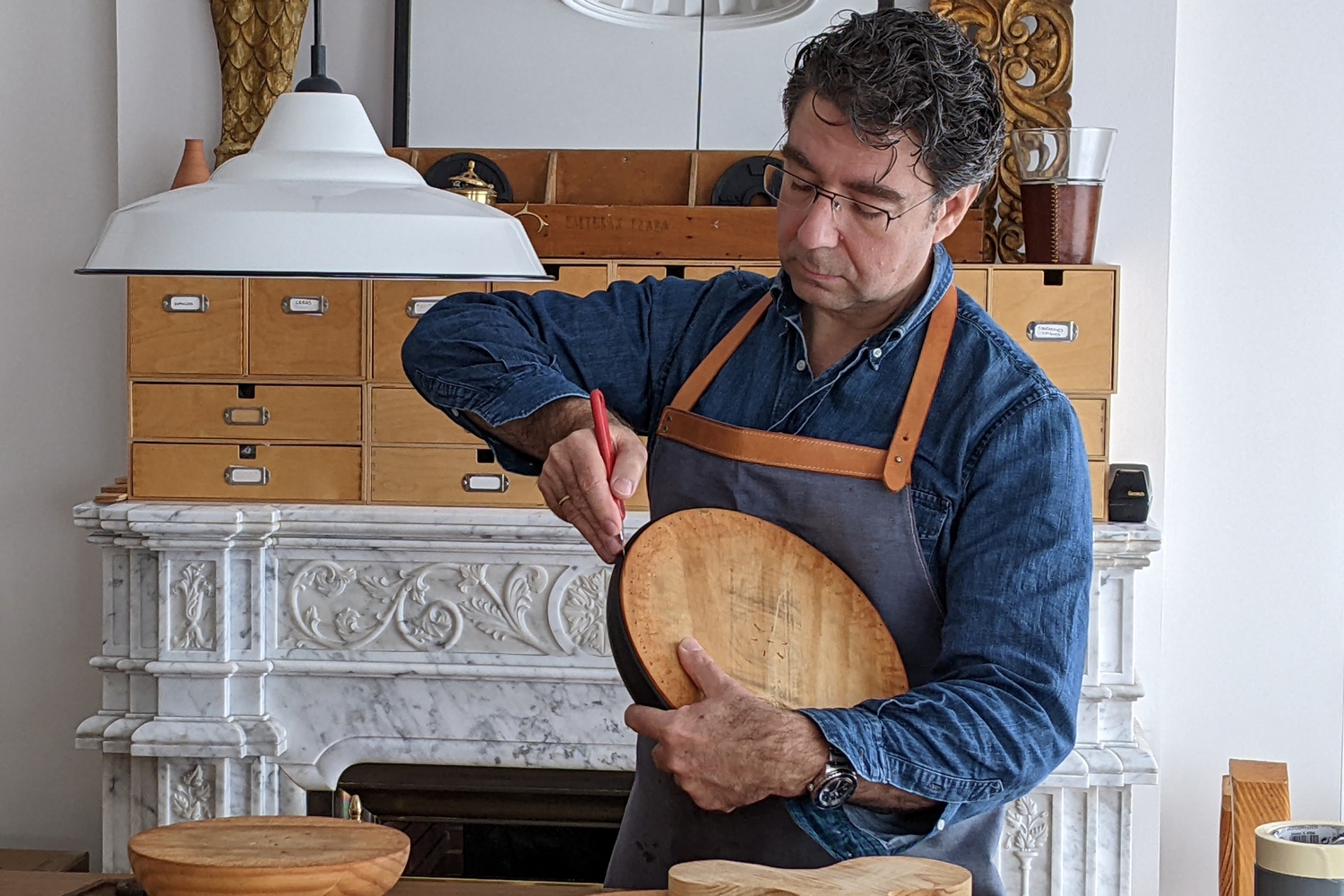
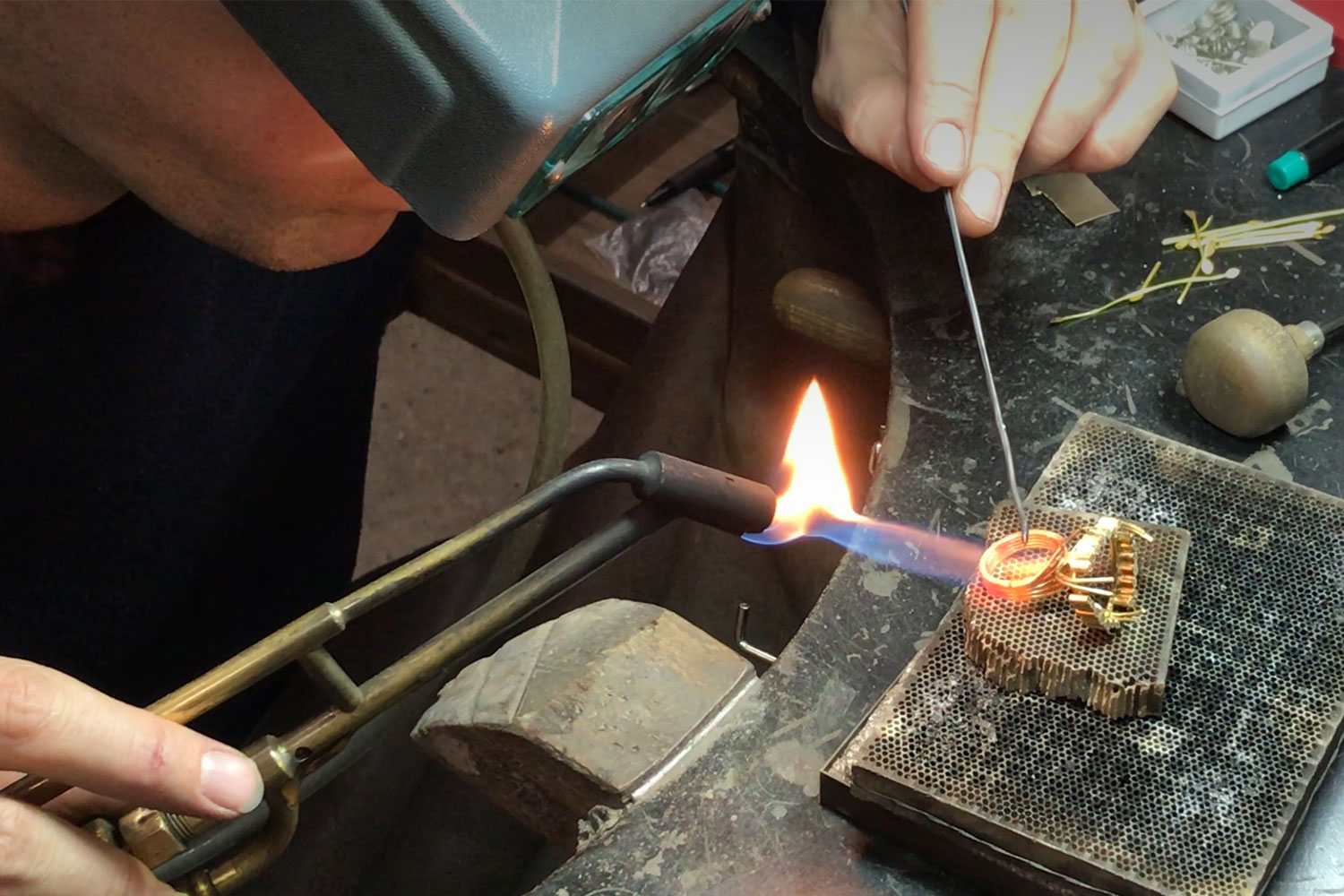
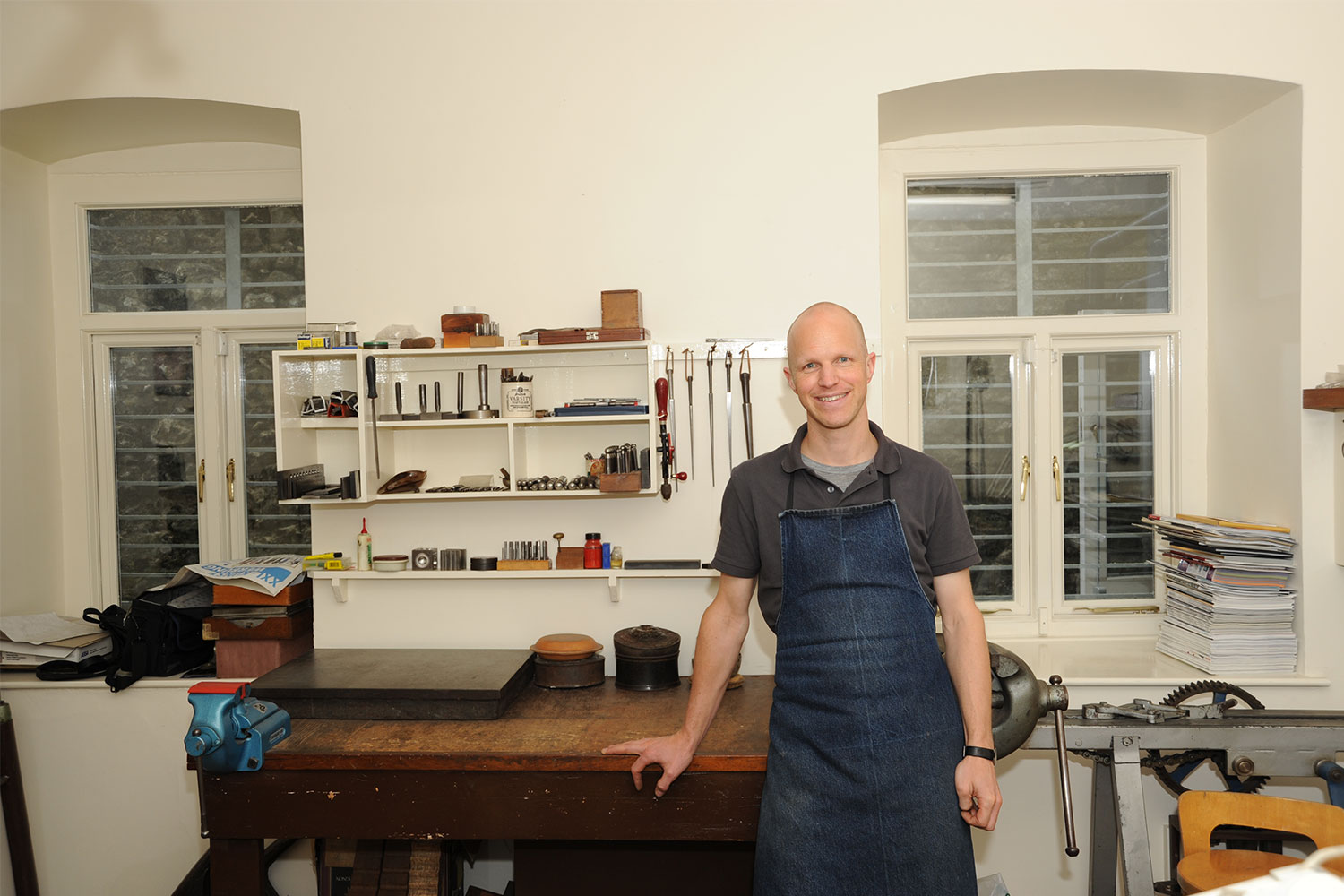
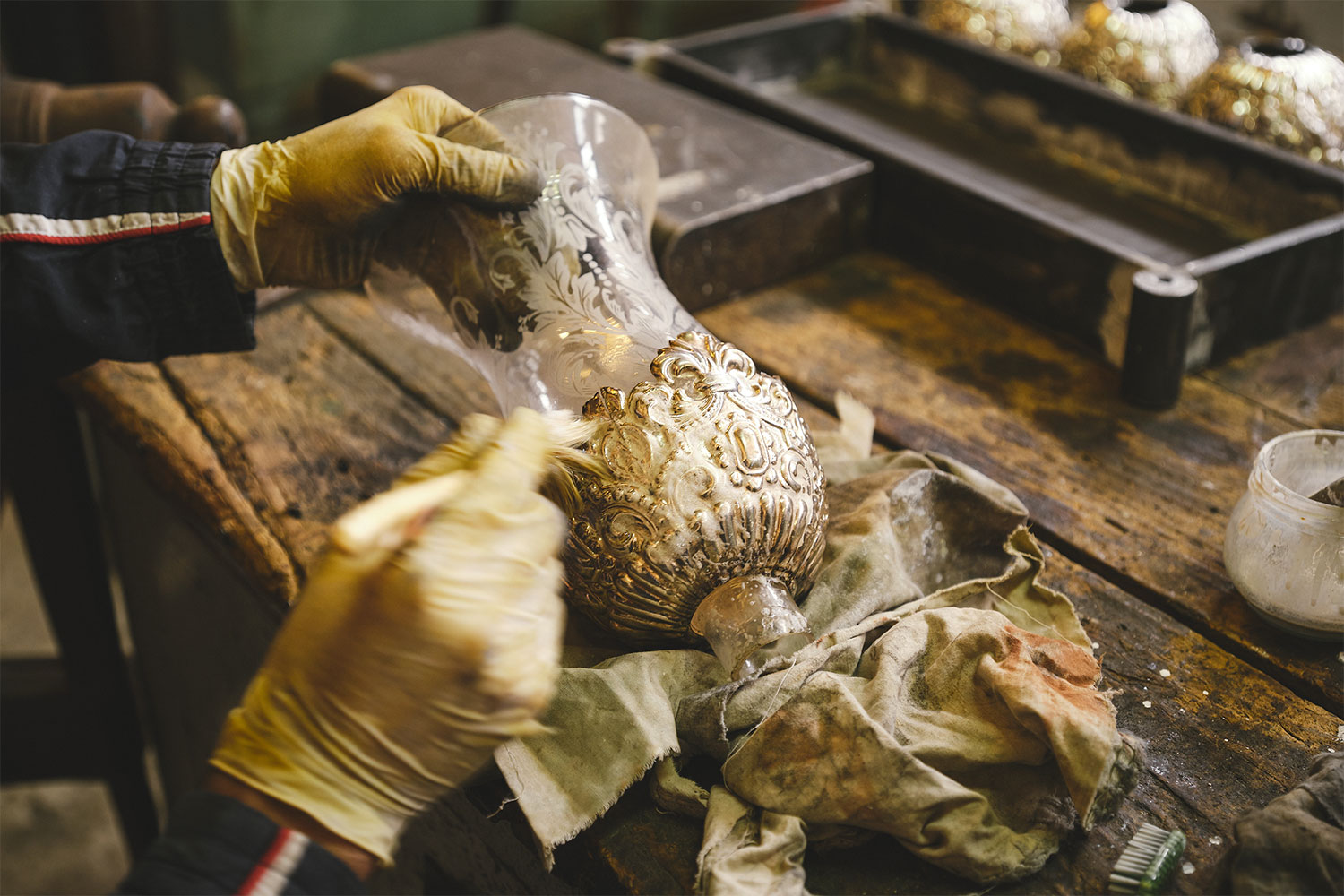
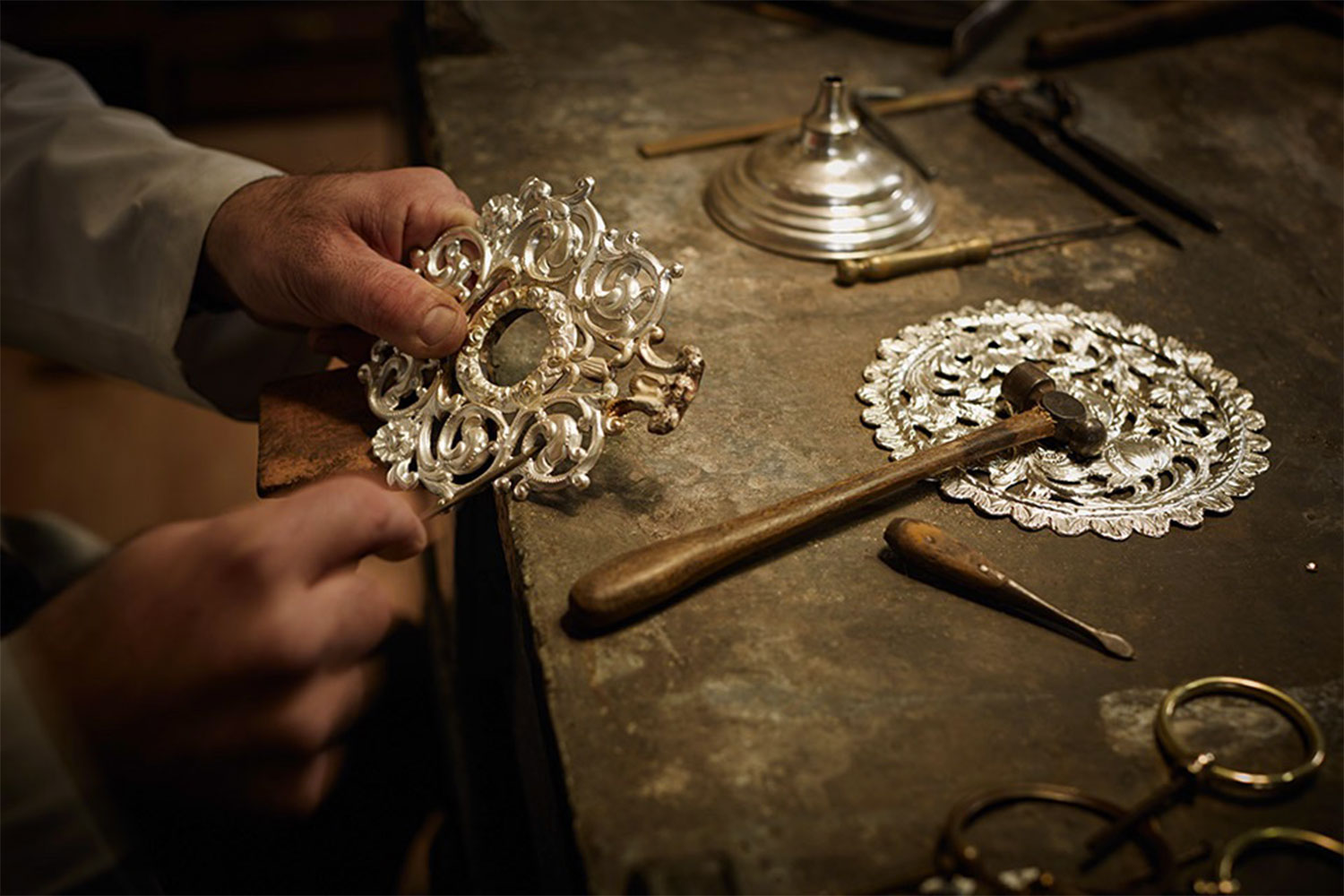
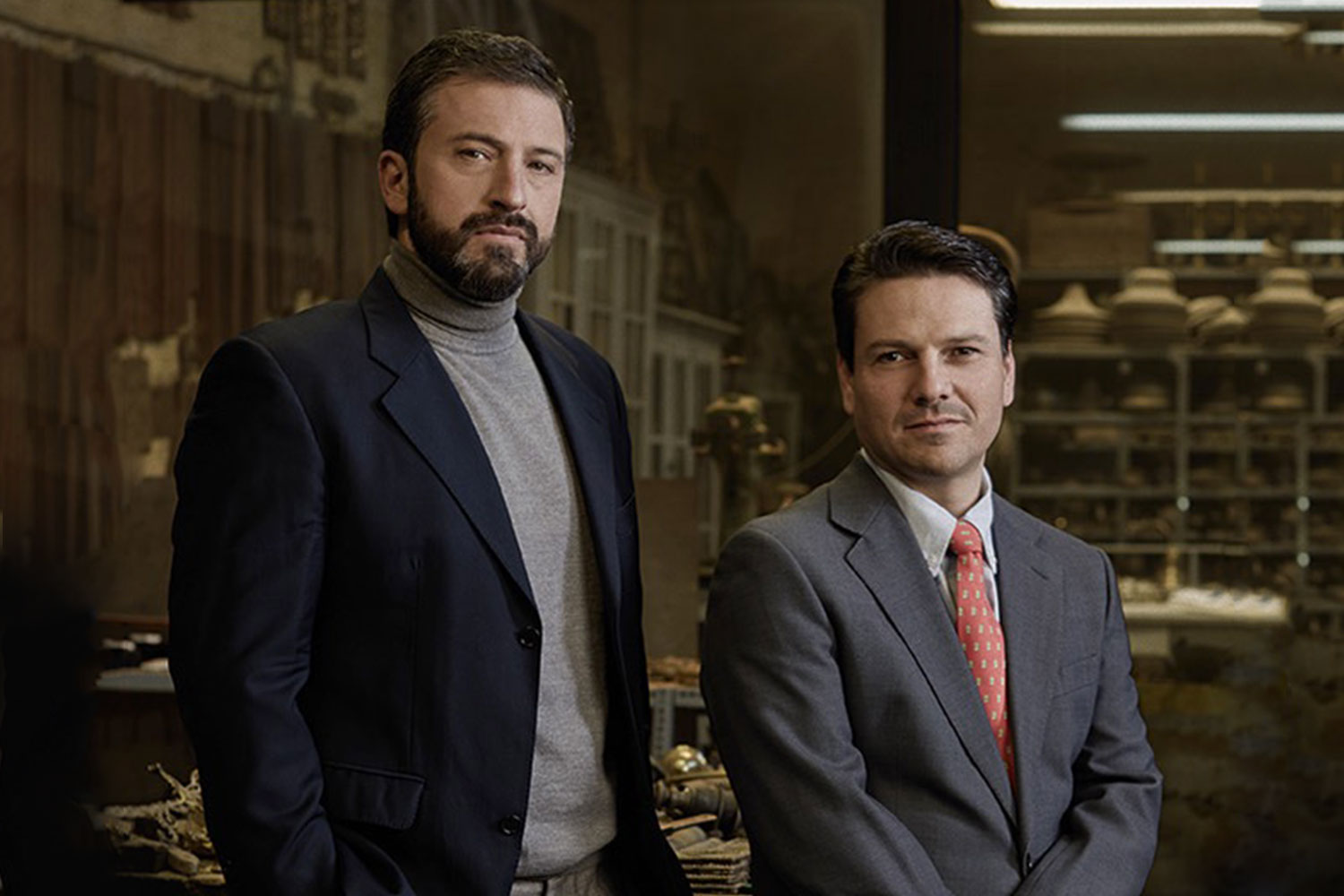
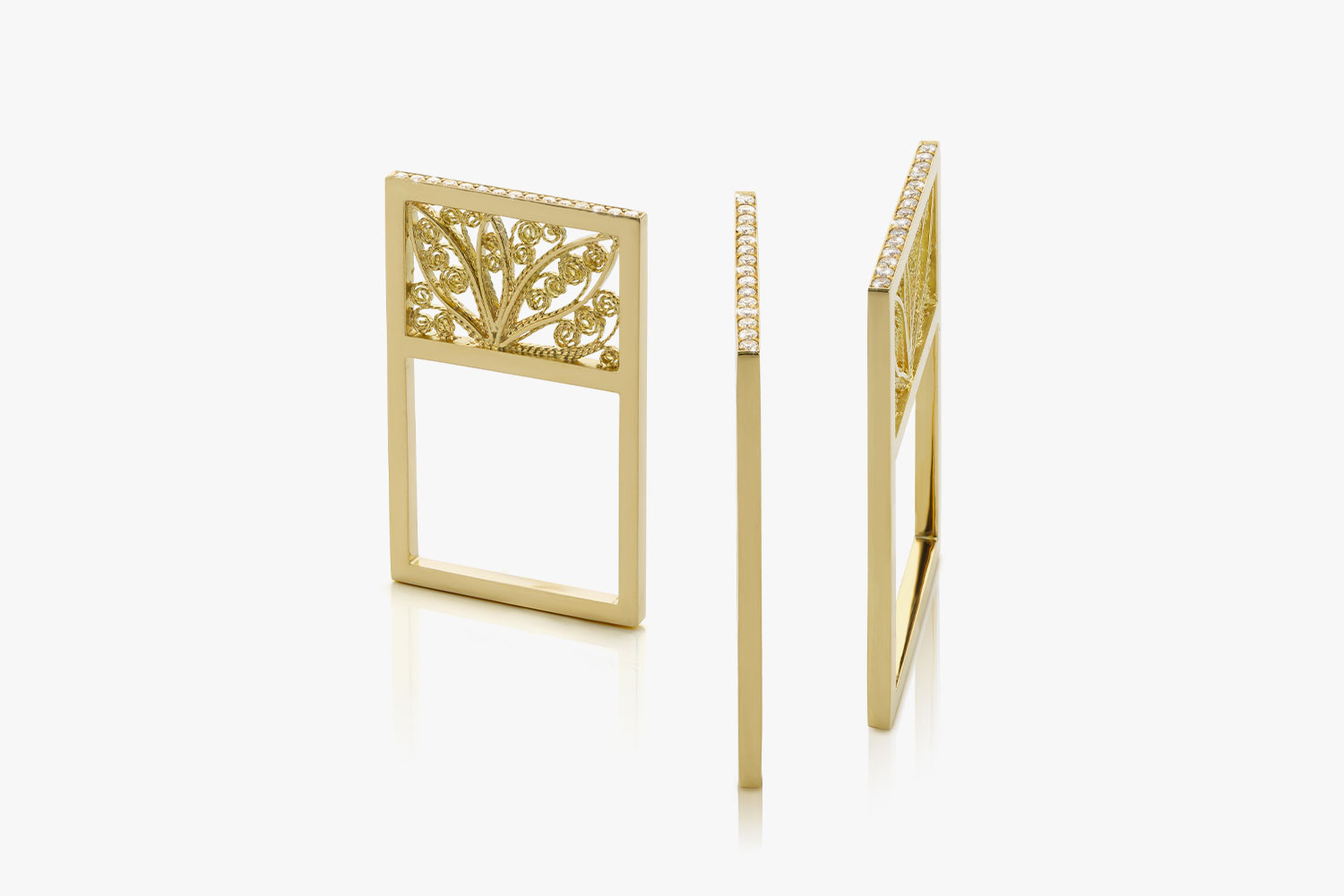
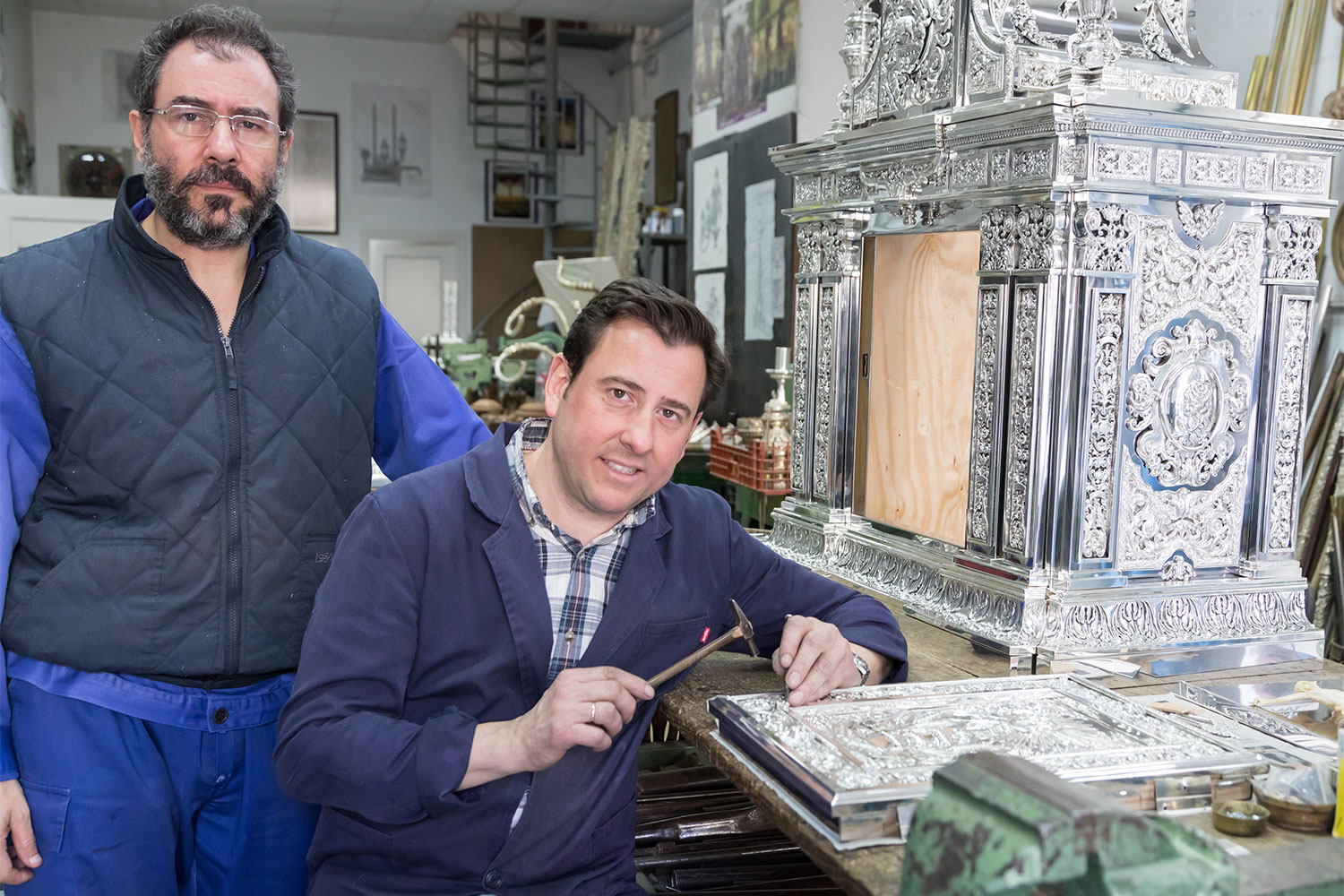
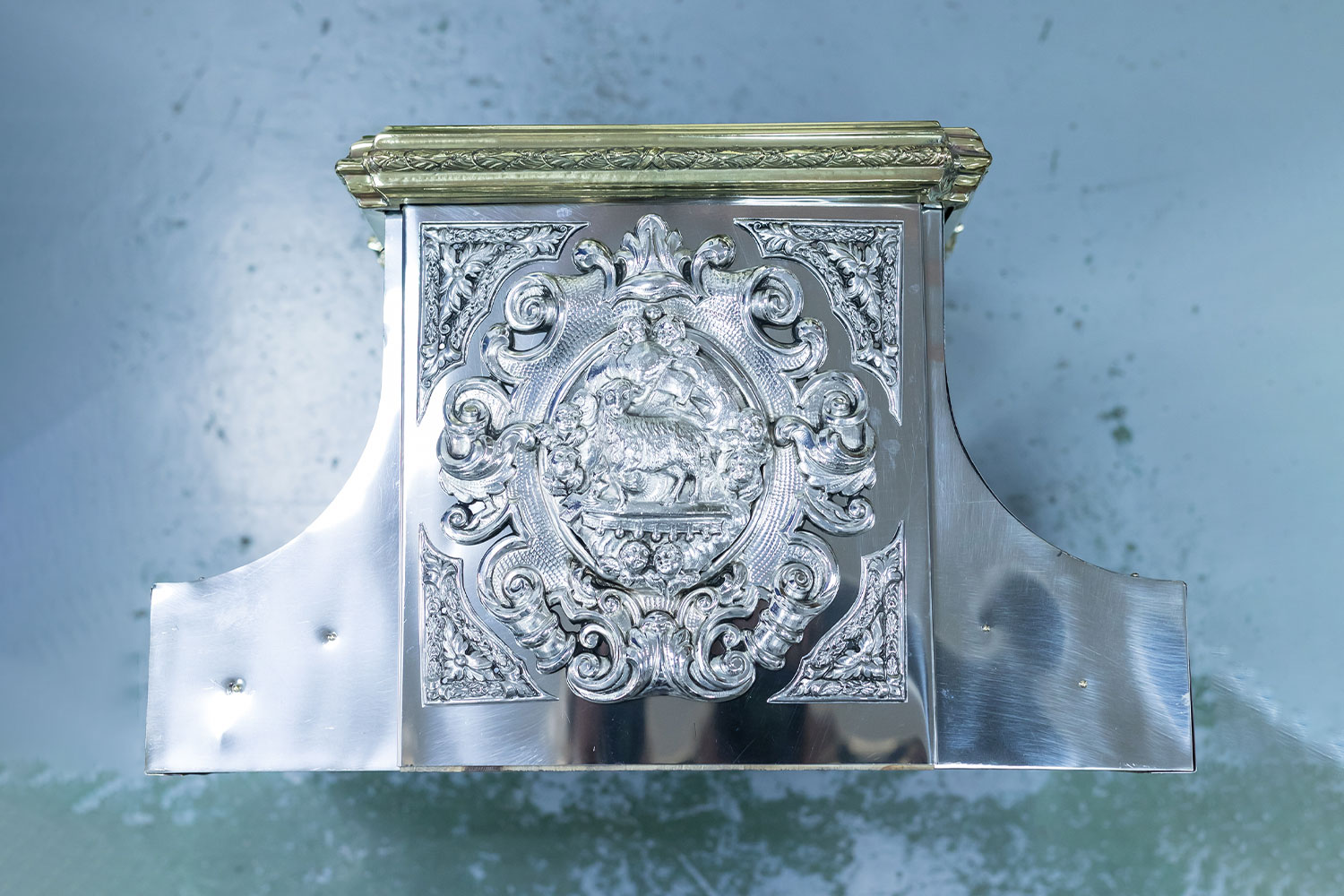
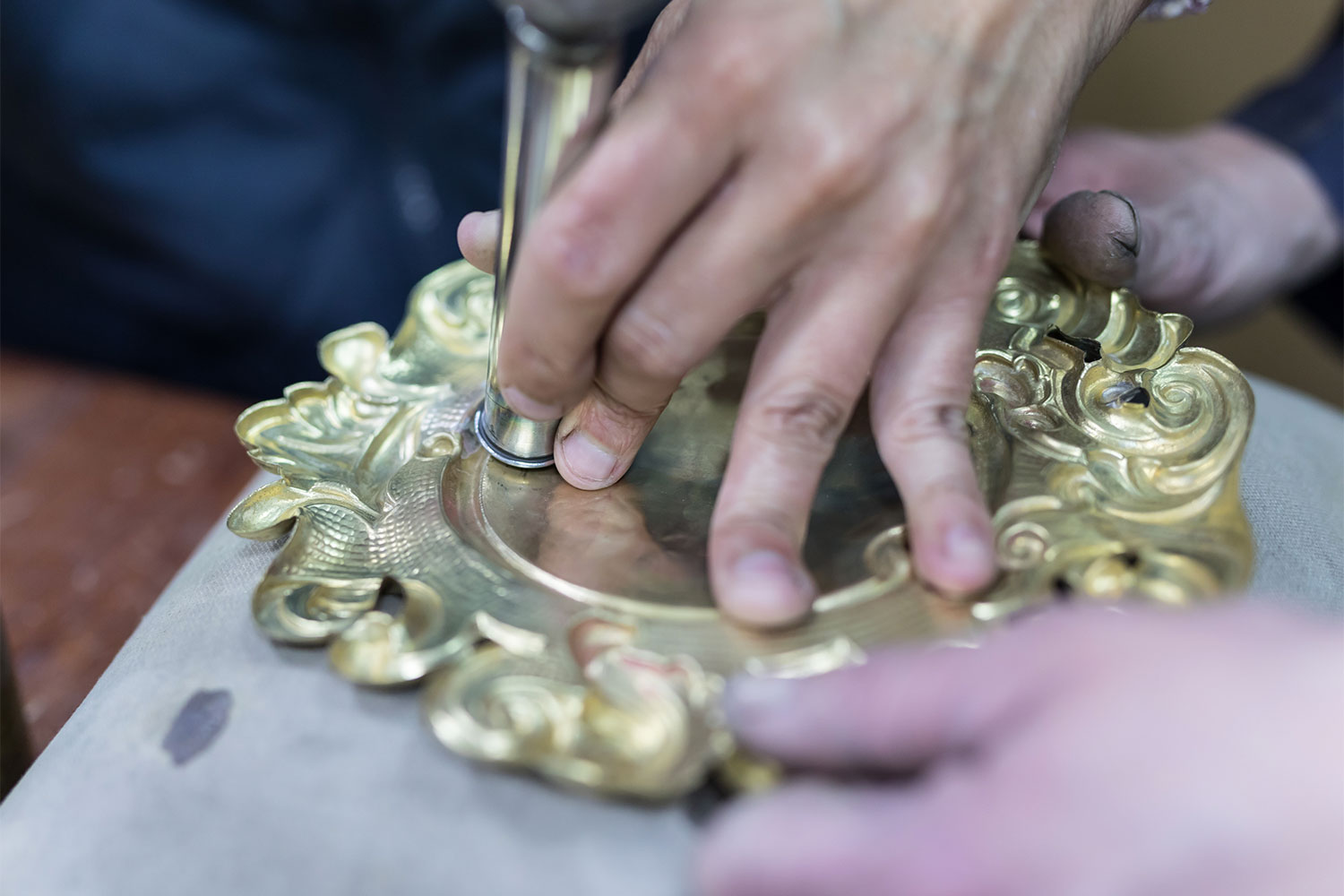
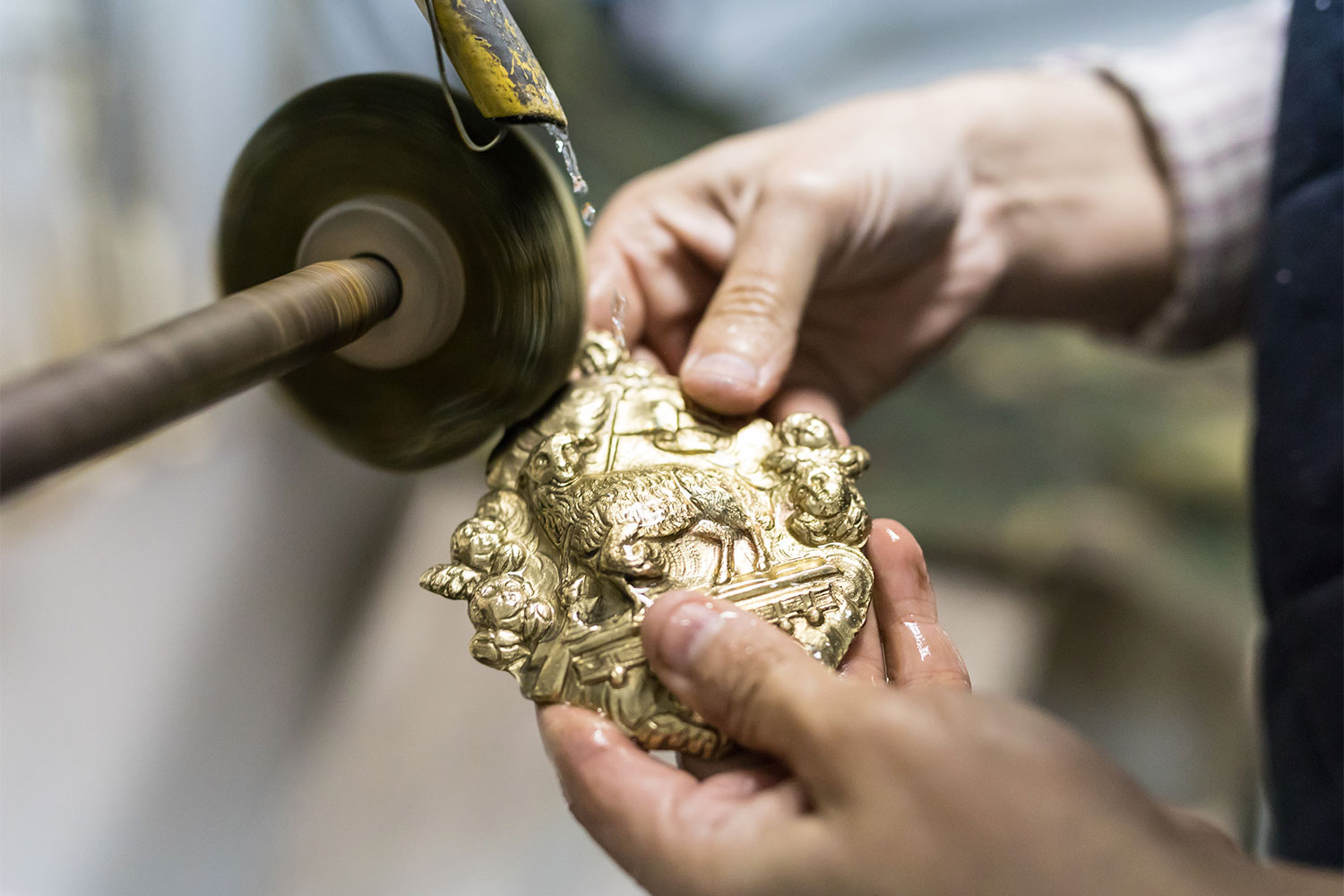
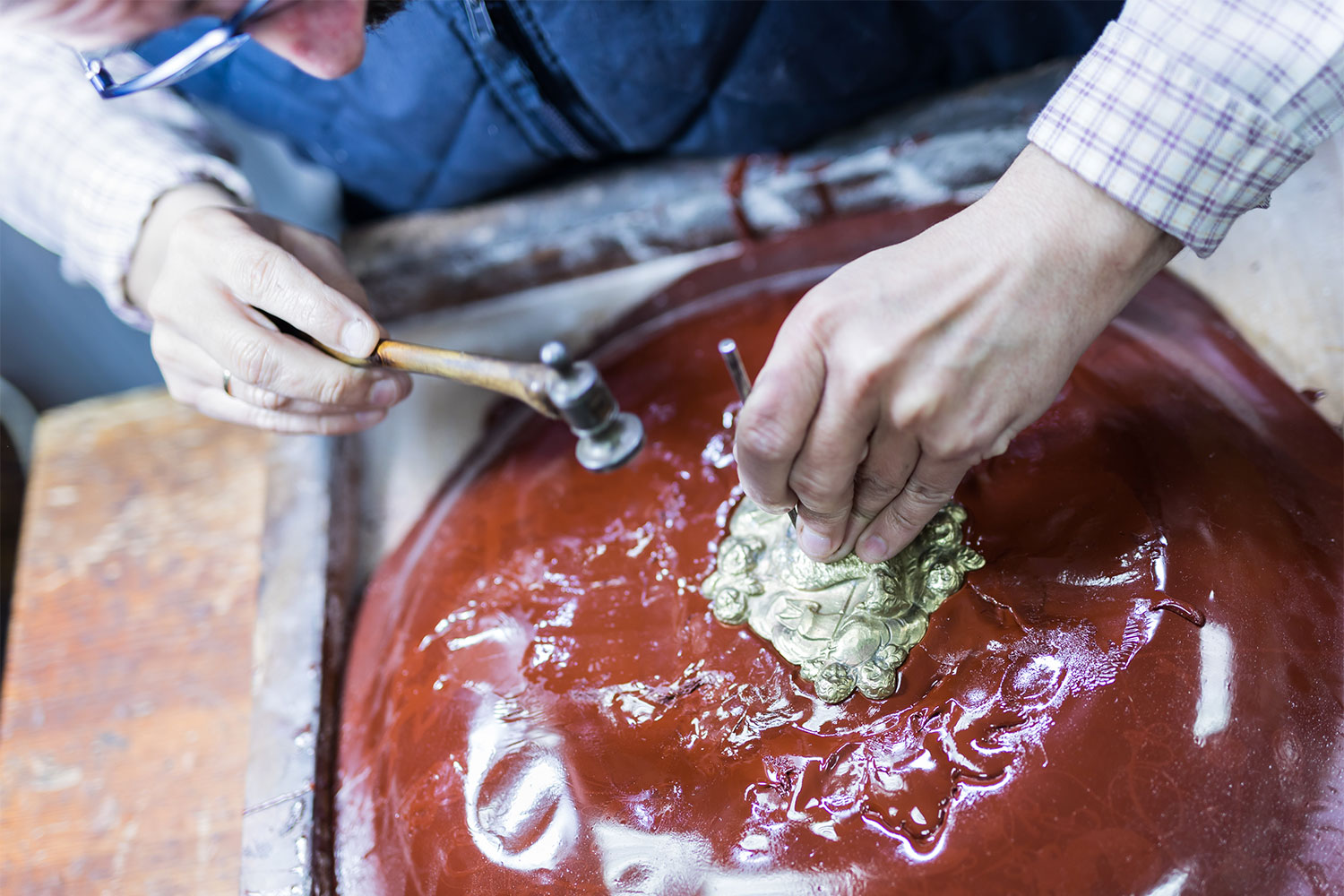
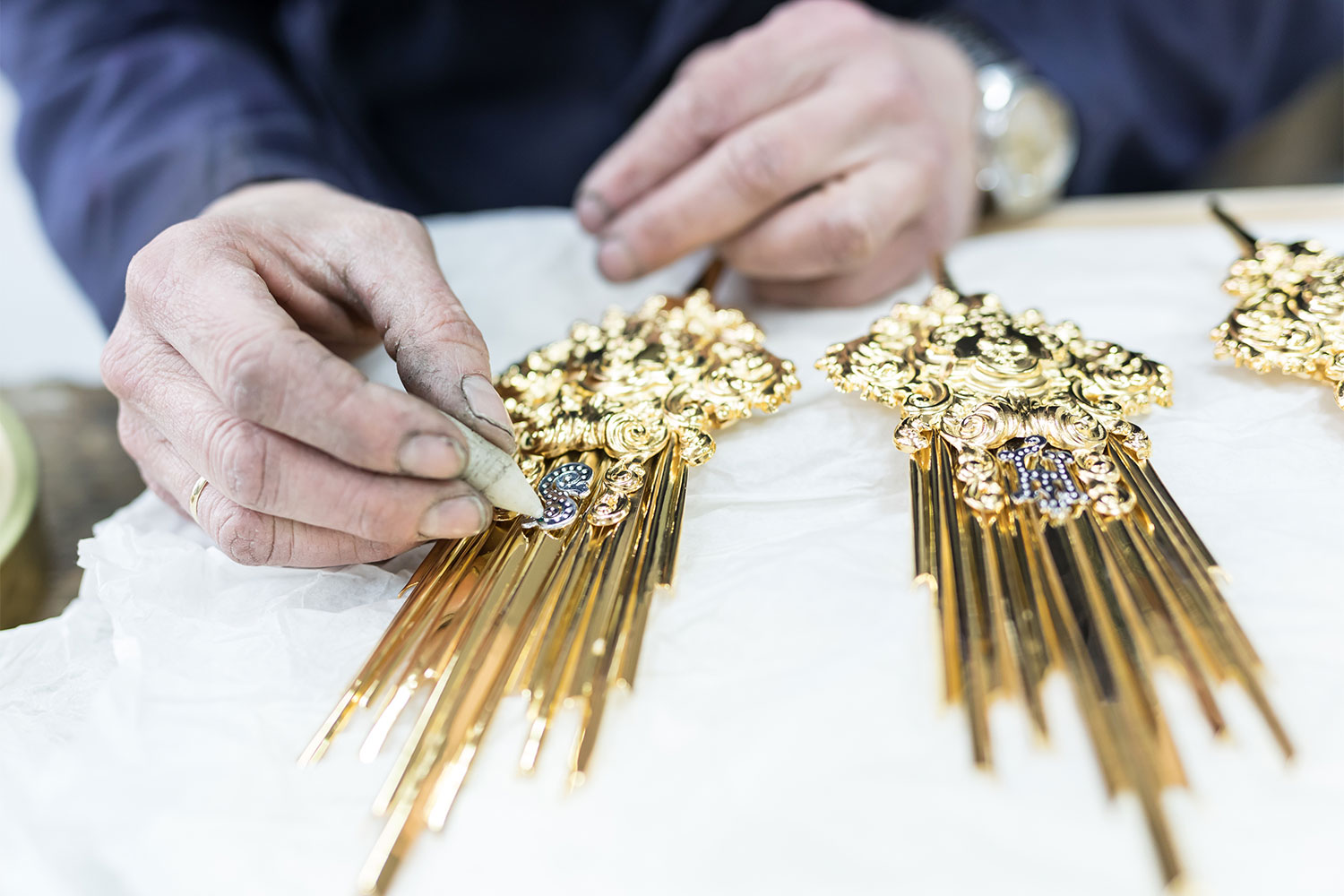
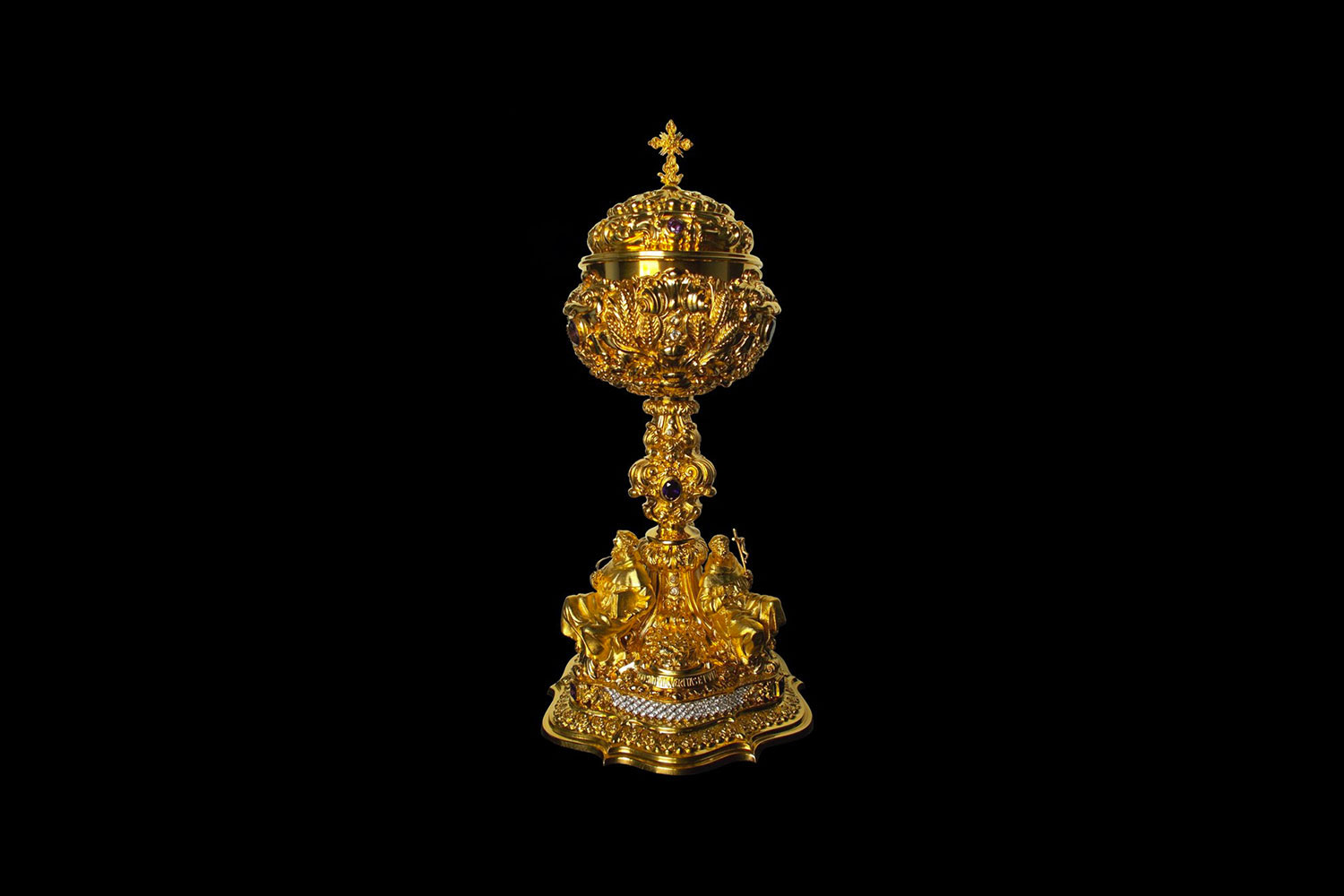
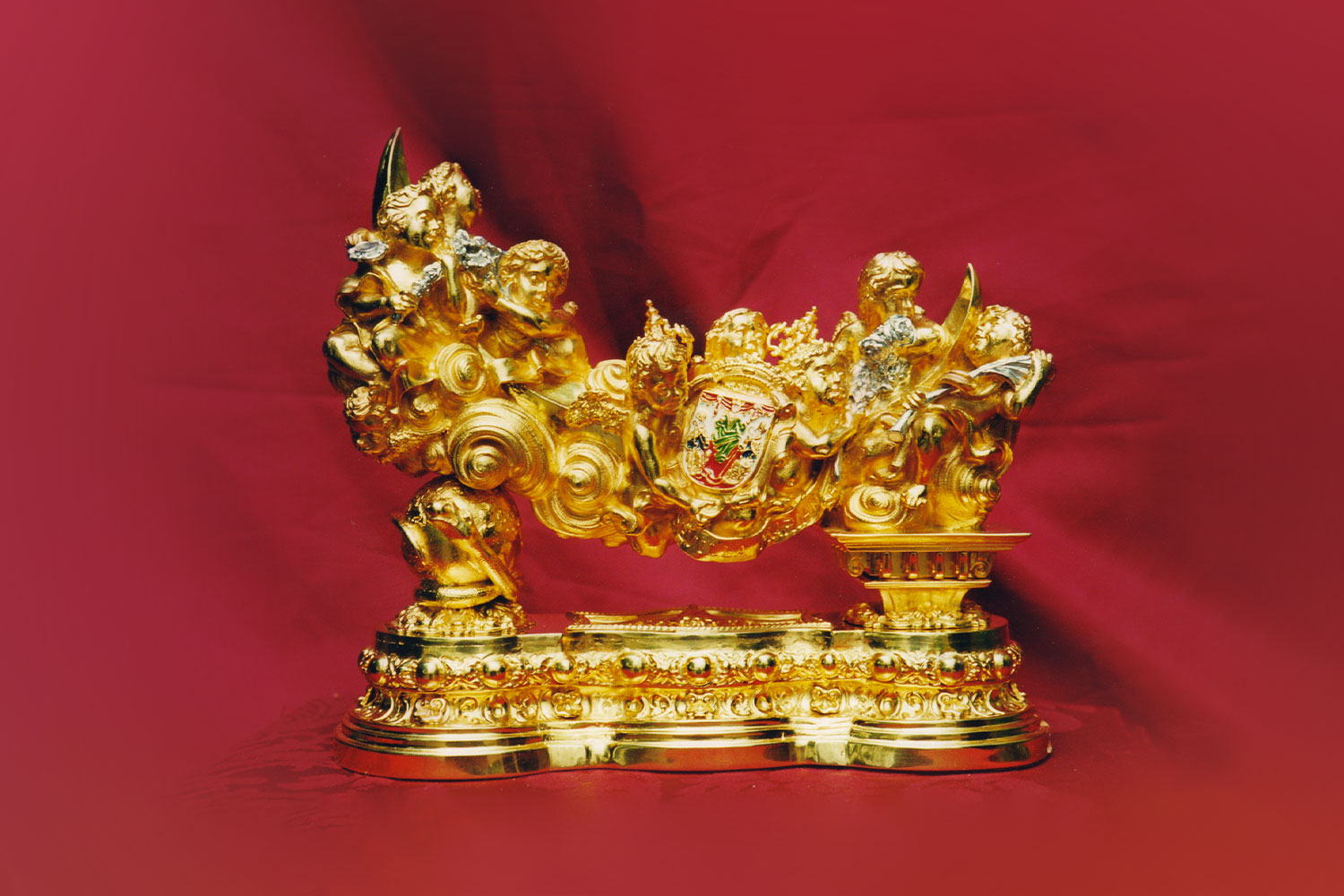
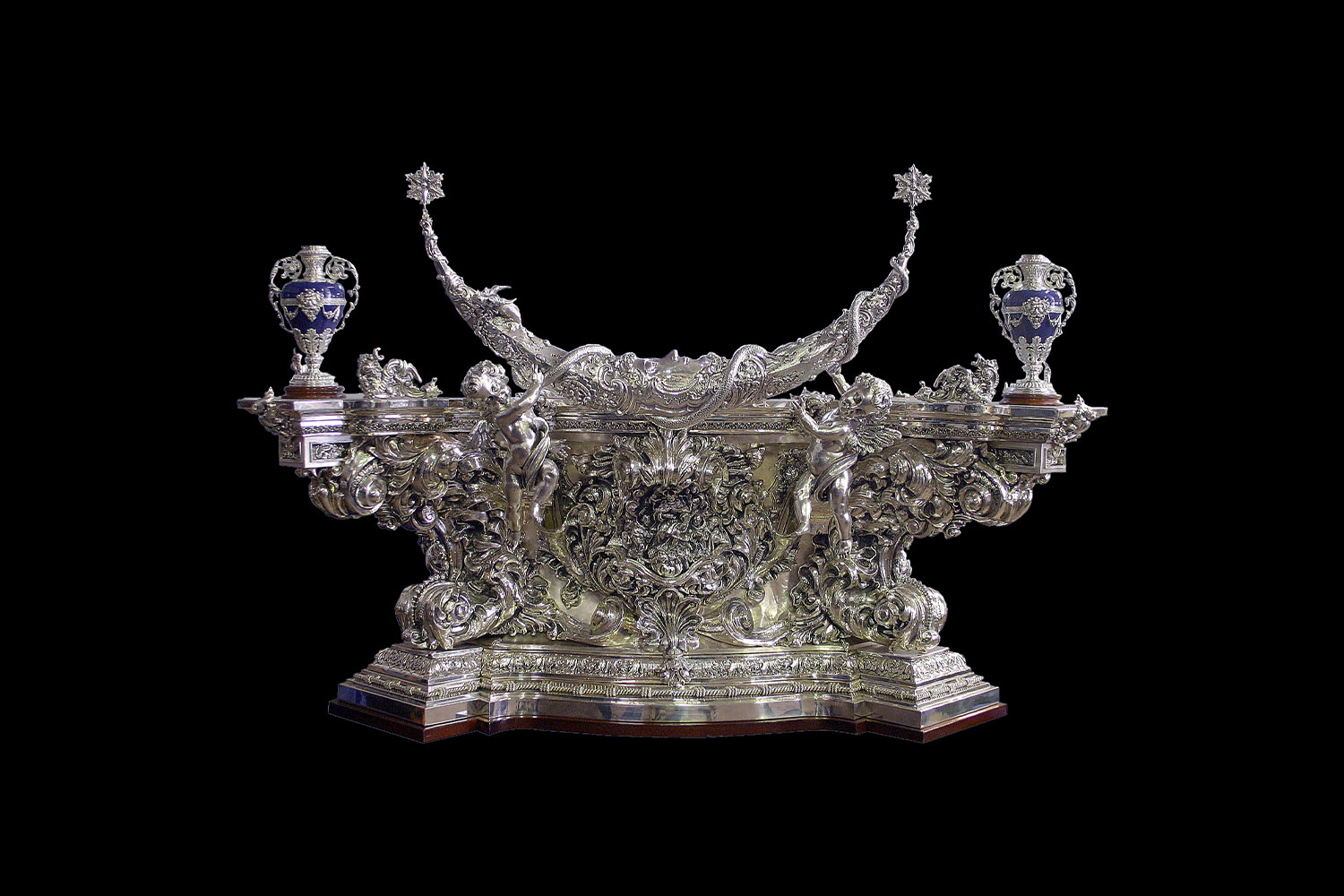
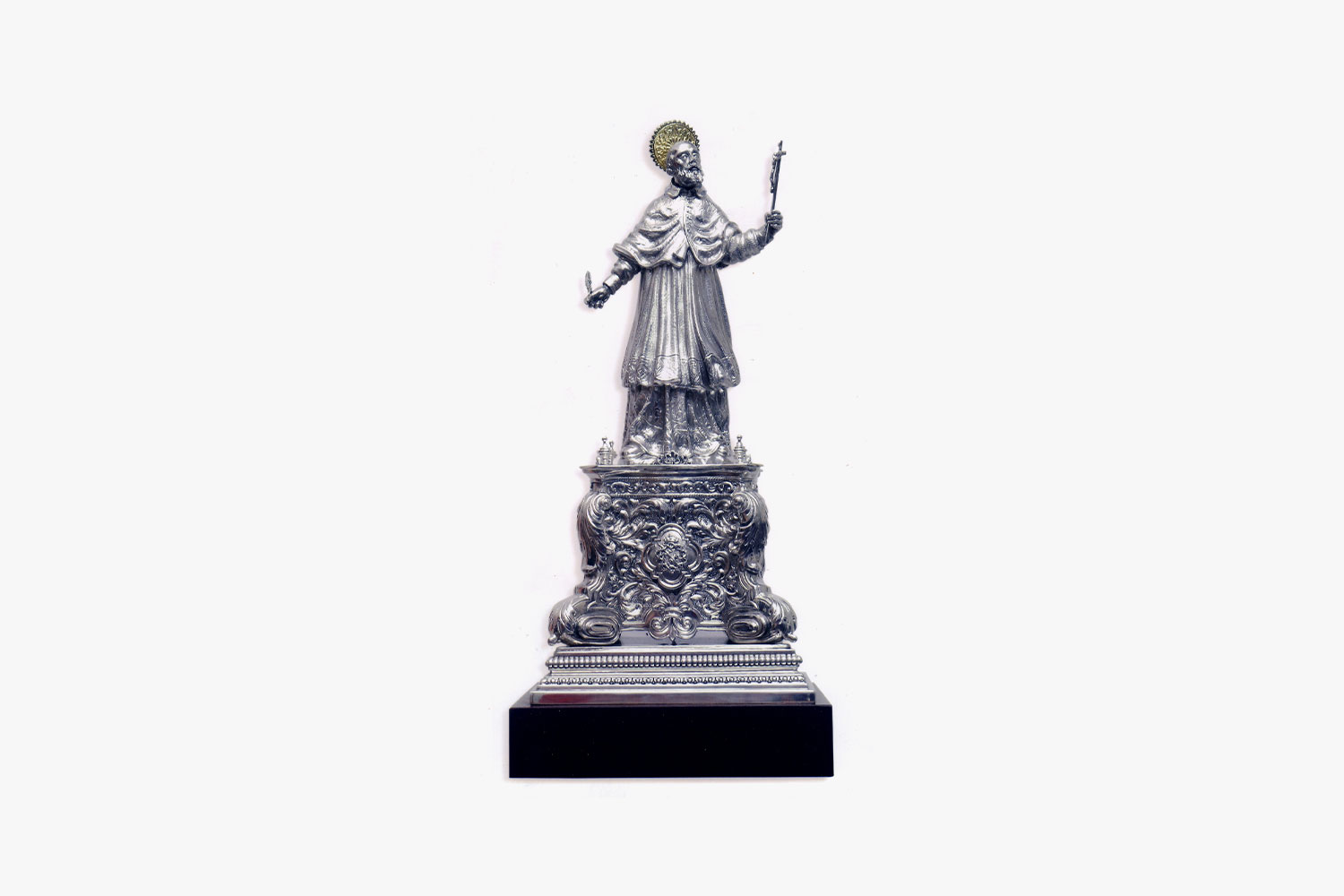
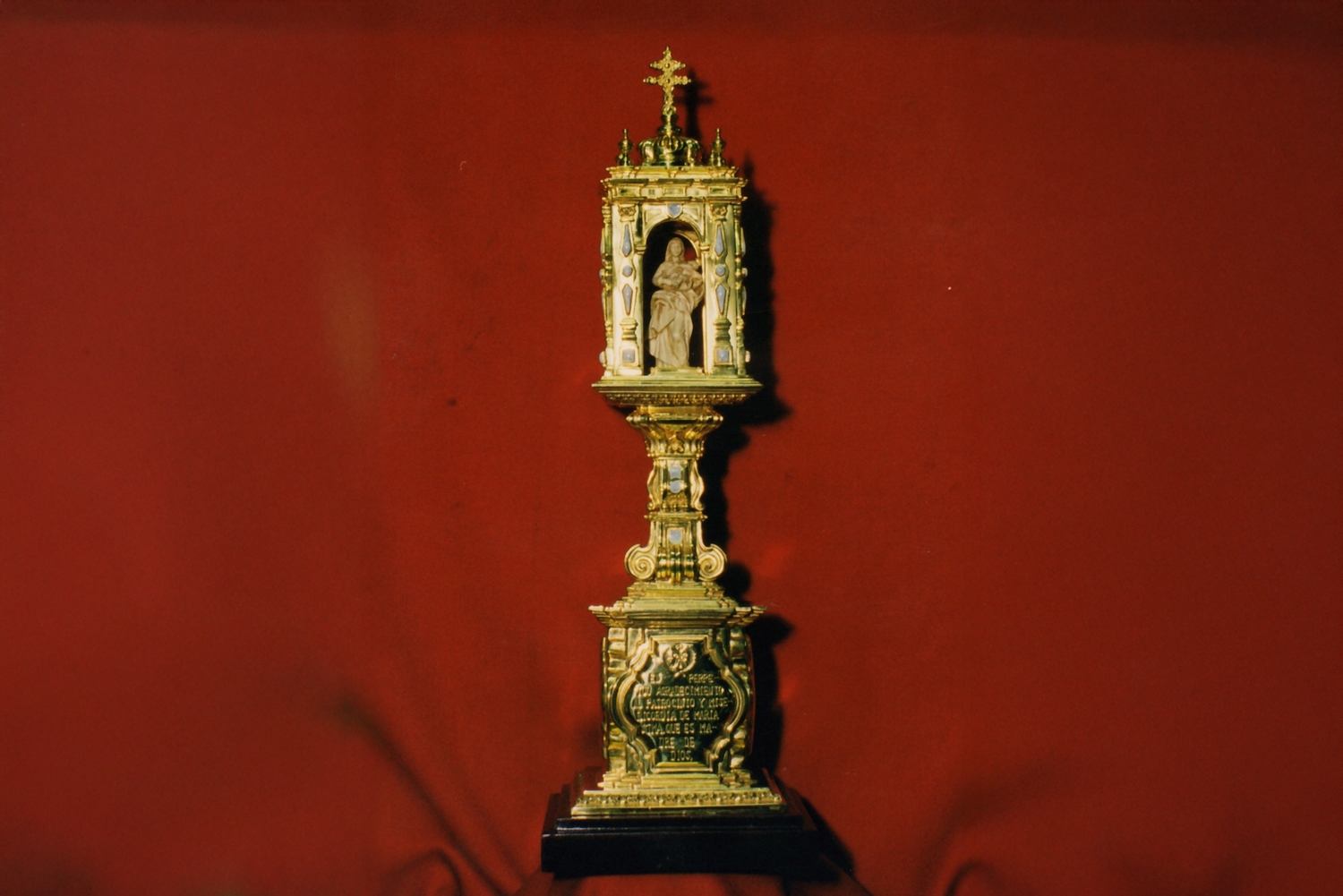
With passion and enthusiasm, the three Ramos Espinosa brothers continue the family goldsmithing workshop, established in 1977 by their father, who was also their mentor and master. They were practically raised in the workshop, where they spent time learning the craft after school. Nowadays, Pedro and José Manuel are the craftsmen, while Jaime looks after the business side. The workshop is deeply rooted in the Seville goldsmithing tradition, connected to the celebration of Semana Santa (Holy Week), when the city’s religious devotion reaches its climax. Their main activity is related to crafting items commissioned by the numerous brotherhoods in the city, alongside restoration and working on customised pieces, such as sculptures and trophies for bullfights, another Seville tradition.
Scopri il loro lavoro
INTERVIEW
It is a moment of such high spirituality that even those who are not devout are drawn to it. It is like a fiesta, where people from all ages and walks of life participate. It stands for our cultural and family identity, and we work all year to see our creations be part of it.
The relationship is based on trust, personal contacts and word of mouth. The floats are very elaborate, as are the altarpieces in the churches. We are able to craft one to three new pieces every year, and then we work on maintenance and restoration of the existing ones.
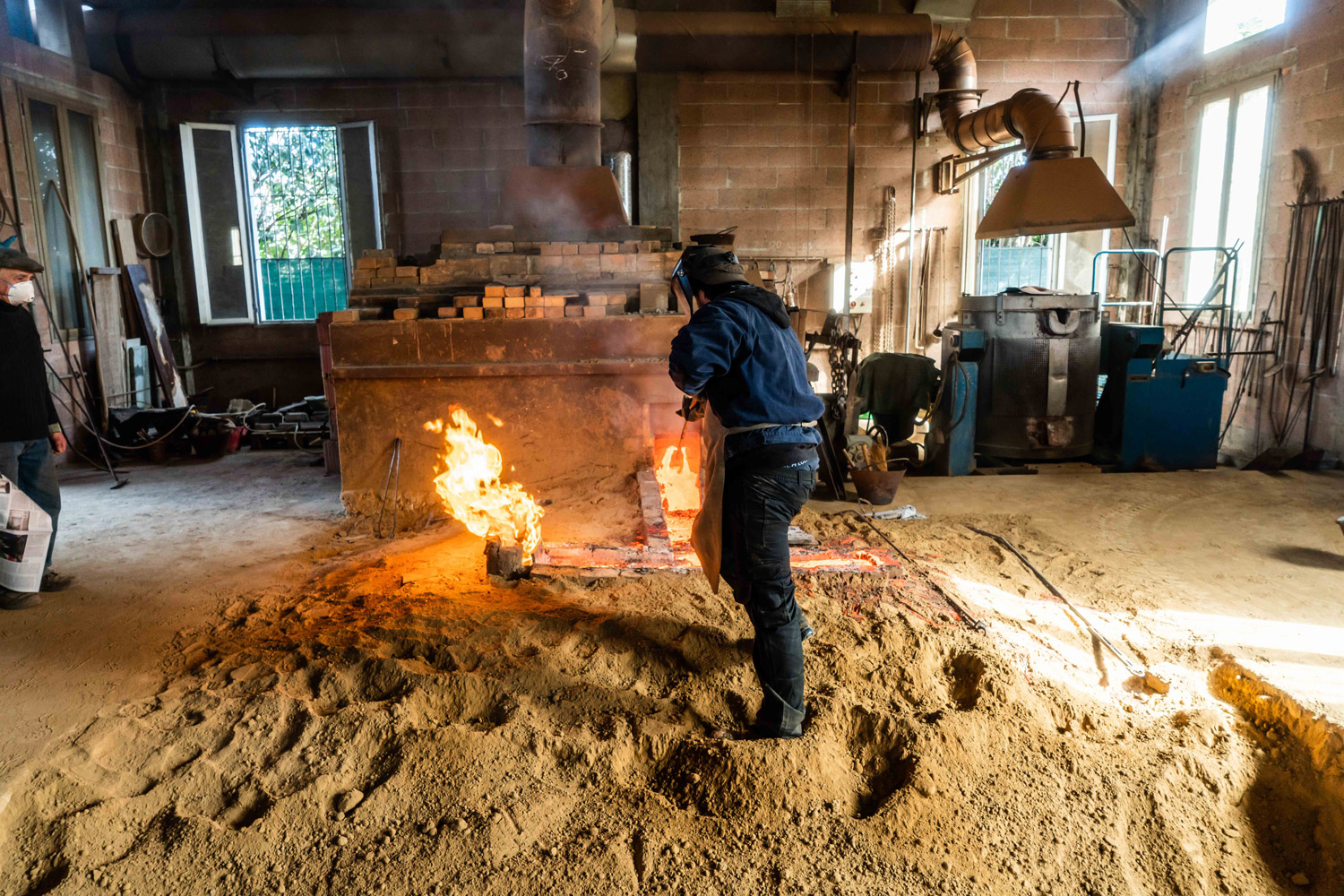
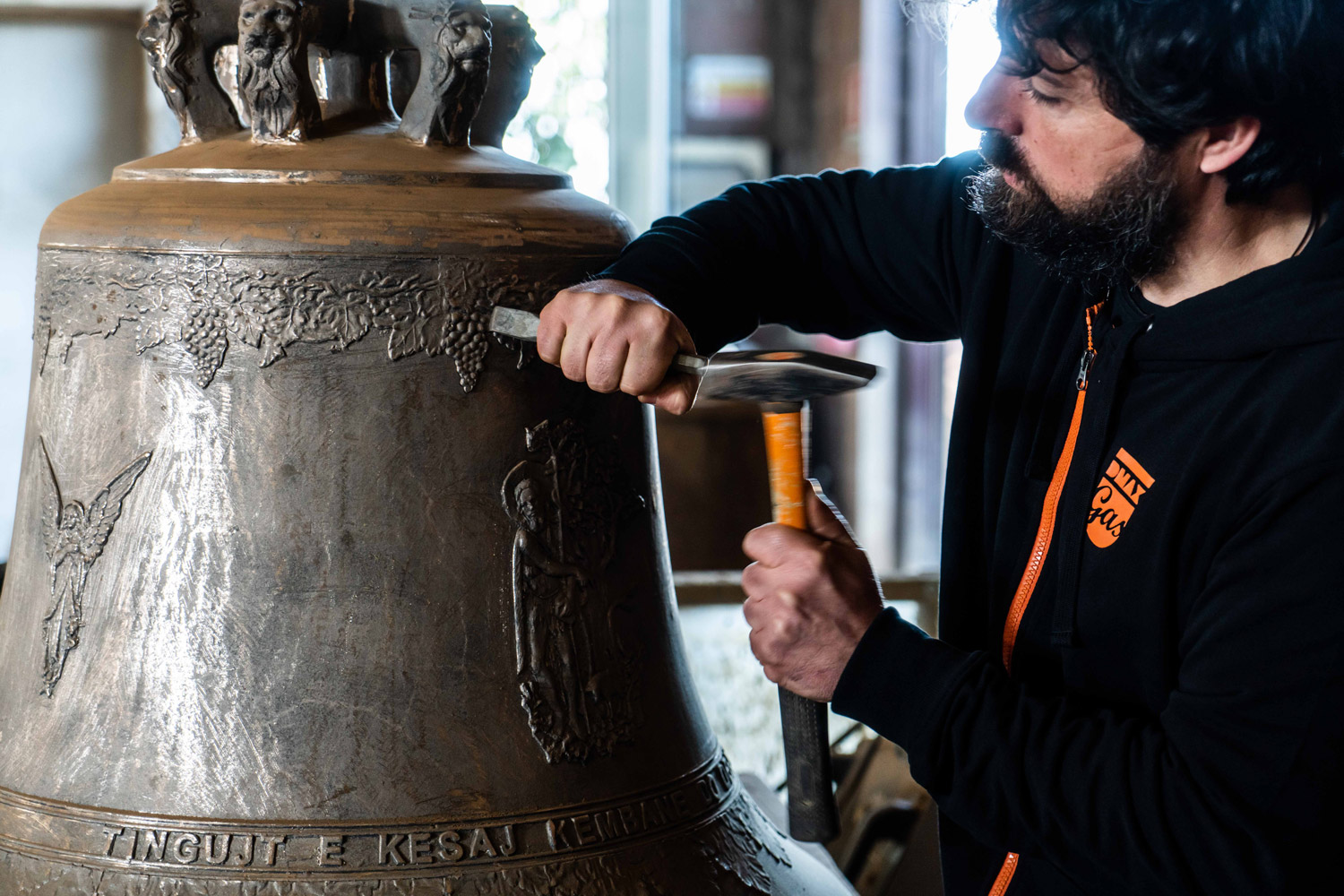
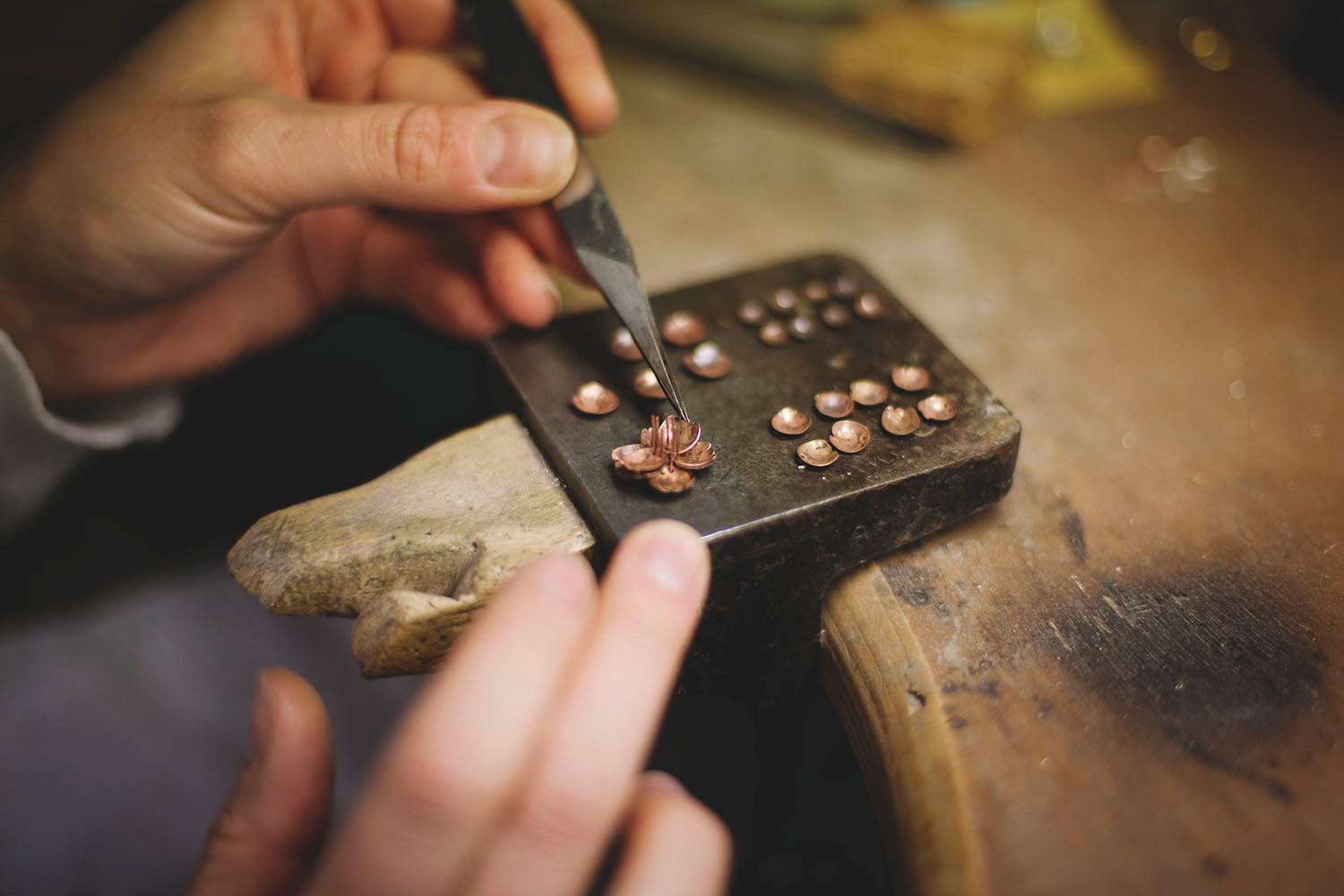
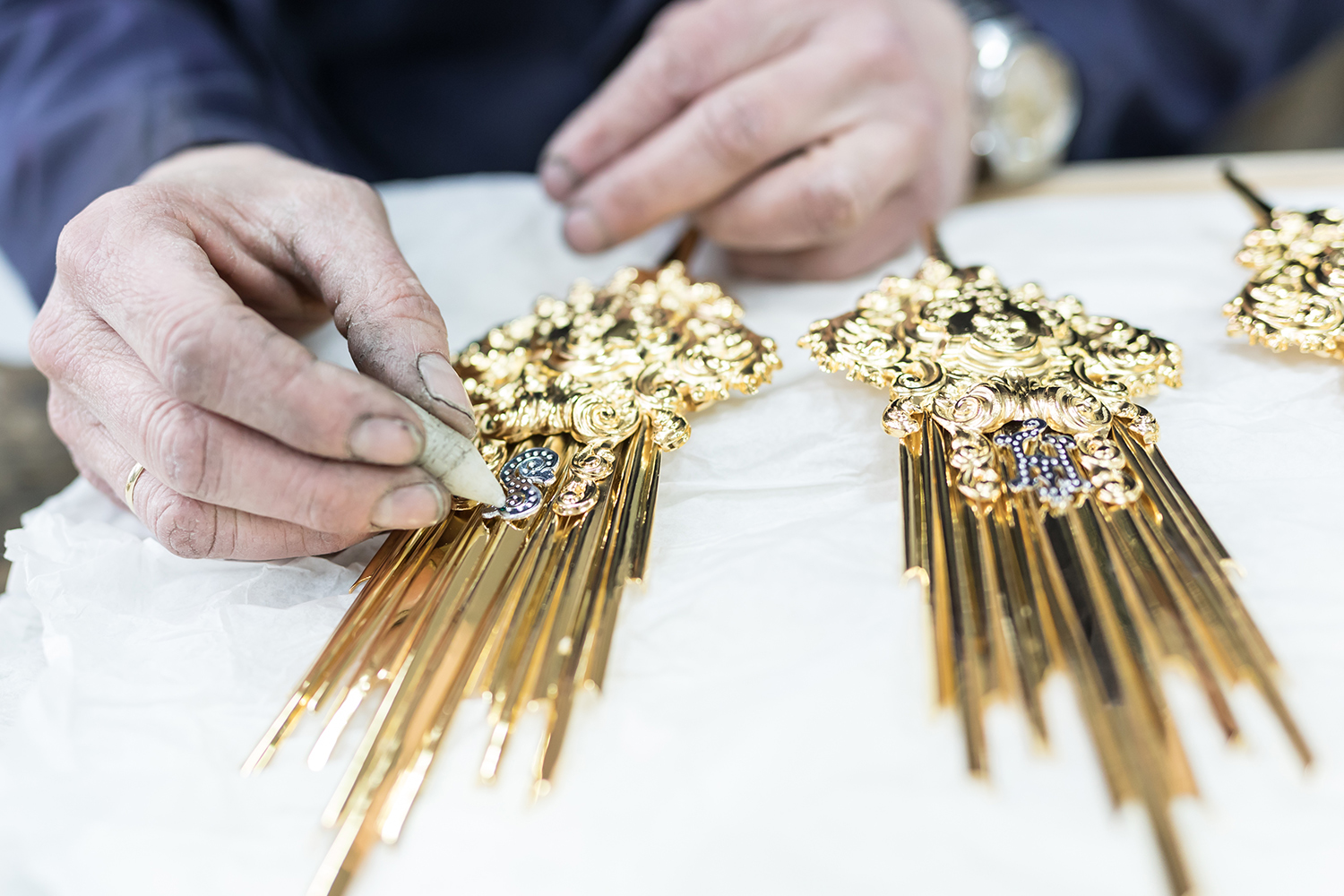
We work closely with the client as we go through all the different steps of designing and crafting. It is like a jigsaw; each part is made separately through moulding, carving, chiselling, melting, plating and polishing. It requires skill and experience, as well as teamwork; it's very rewarding.
Definitely; we have made pieces inspired by elements of the city’s architecture. However, our craft draws inspiration from all different periods in the history of art, such as Classicism and Neoclassicism, Baroque, Renaissance, Rococo, as well as nature and religious imagery.
2 DESTINATIONS
Azur Travel.jpg)
2 DESTINATIONS
José & Pedro Ramos
Orfebrería Ramos
Goldsmith
Seville, Spain
Recommended by Ana Maria Abascal & Patricia Medina
AVAILABILITY
Monday to Friday 09:00-14:00 / 16:00-20:00
PHONE
+34 955797933
LANGUAGES
Spanish
Homo Faber Finds is a new service aiming to inspire admirers of craft to connect and collaborate with exceptional artisans.
We invite you to submit an enquiry here.