Sungyoul Park
Meme Ottchil Art Studio
Lacquerer
Bucheon-si, Gyeonggi-do, South Korea
Ottchil drawn into structure
- Sungyoul crafts sculptural vessels built from self-supporting layers of lacquer
- He trained in traditional lacquer craftsmanship before developing his own technique called yeonchil
- His work was awarded by LOEWE and recognised at the Cheongju International Craft Biennale
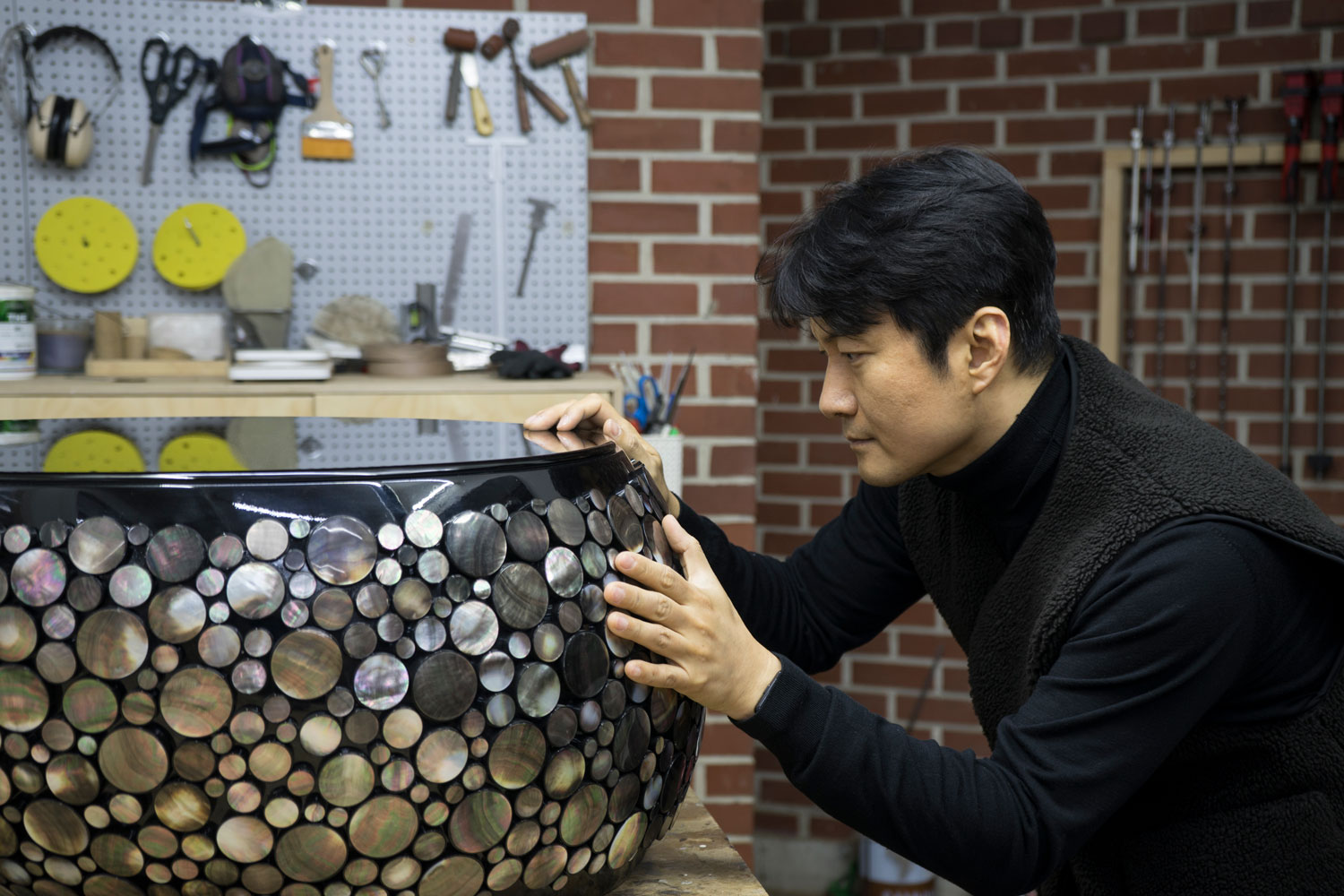
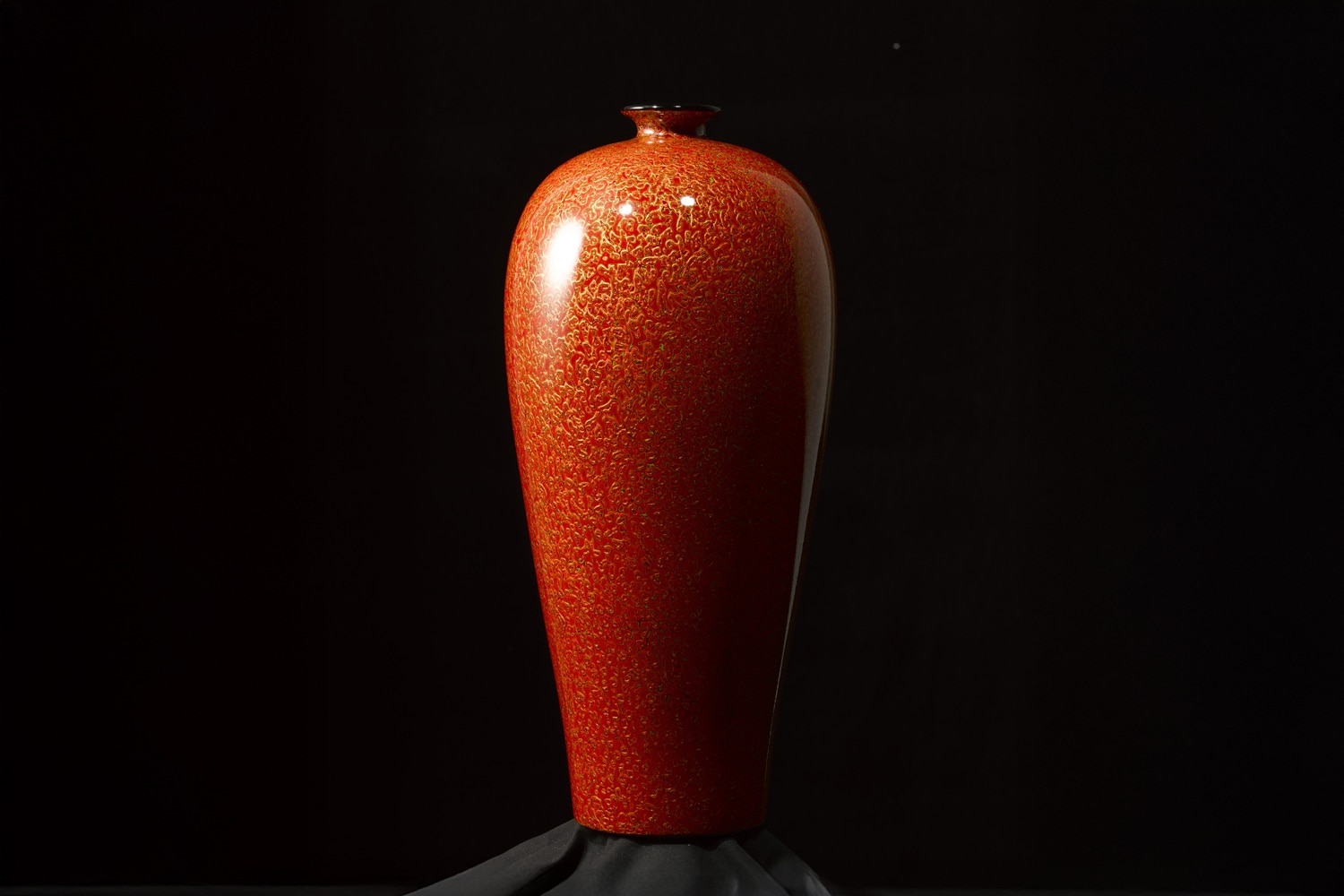
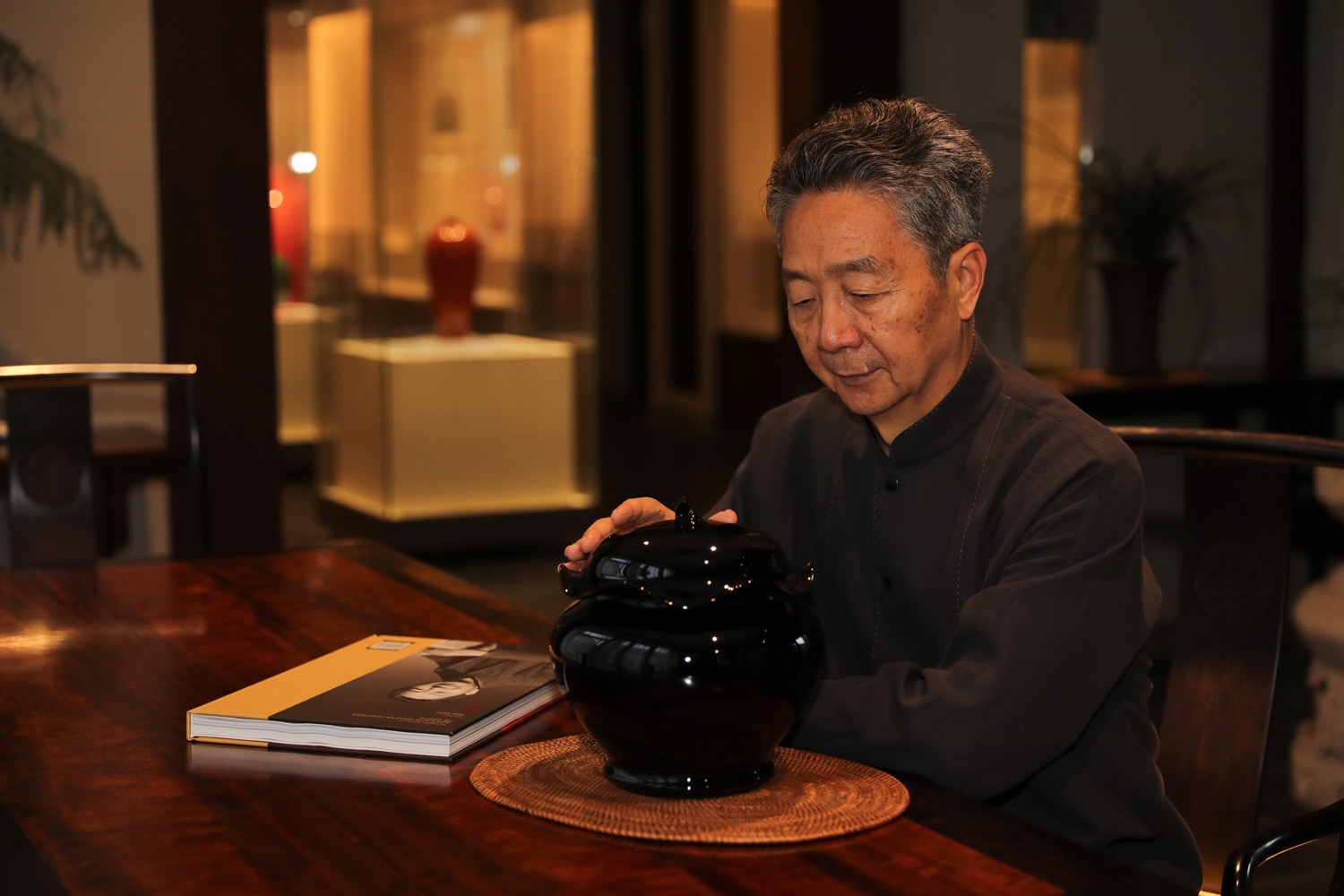
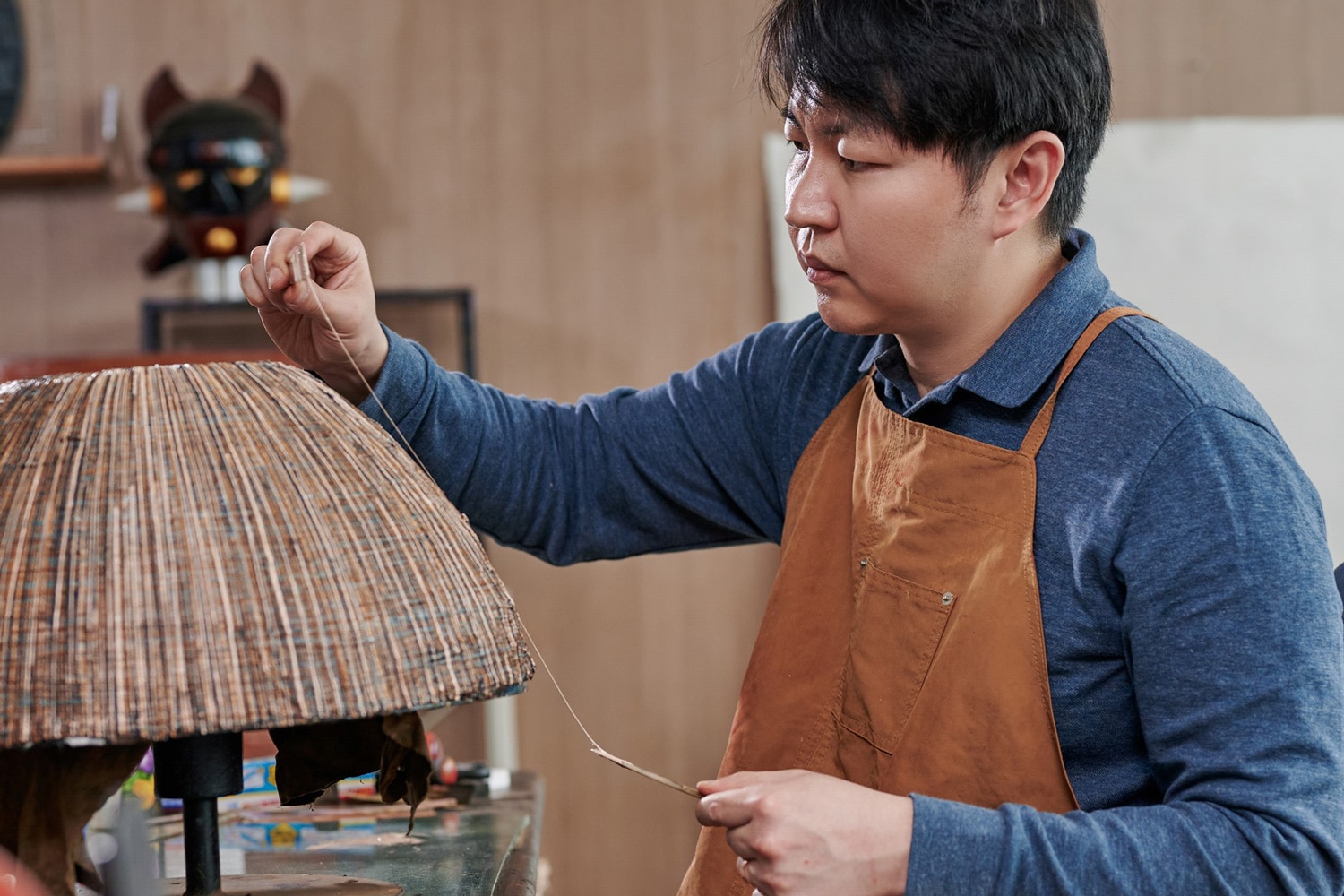
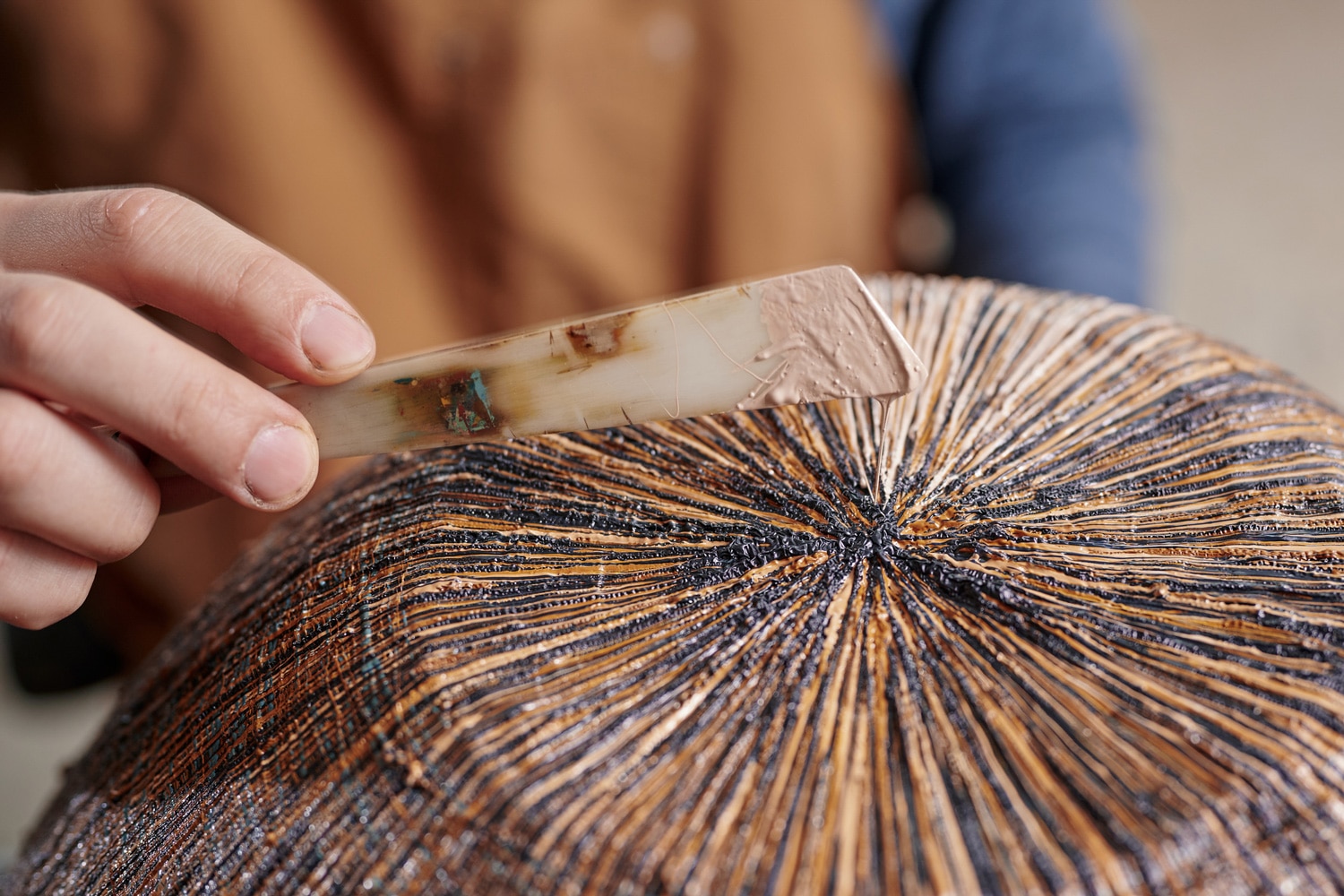
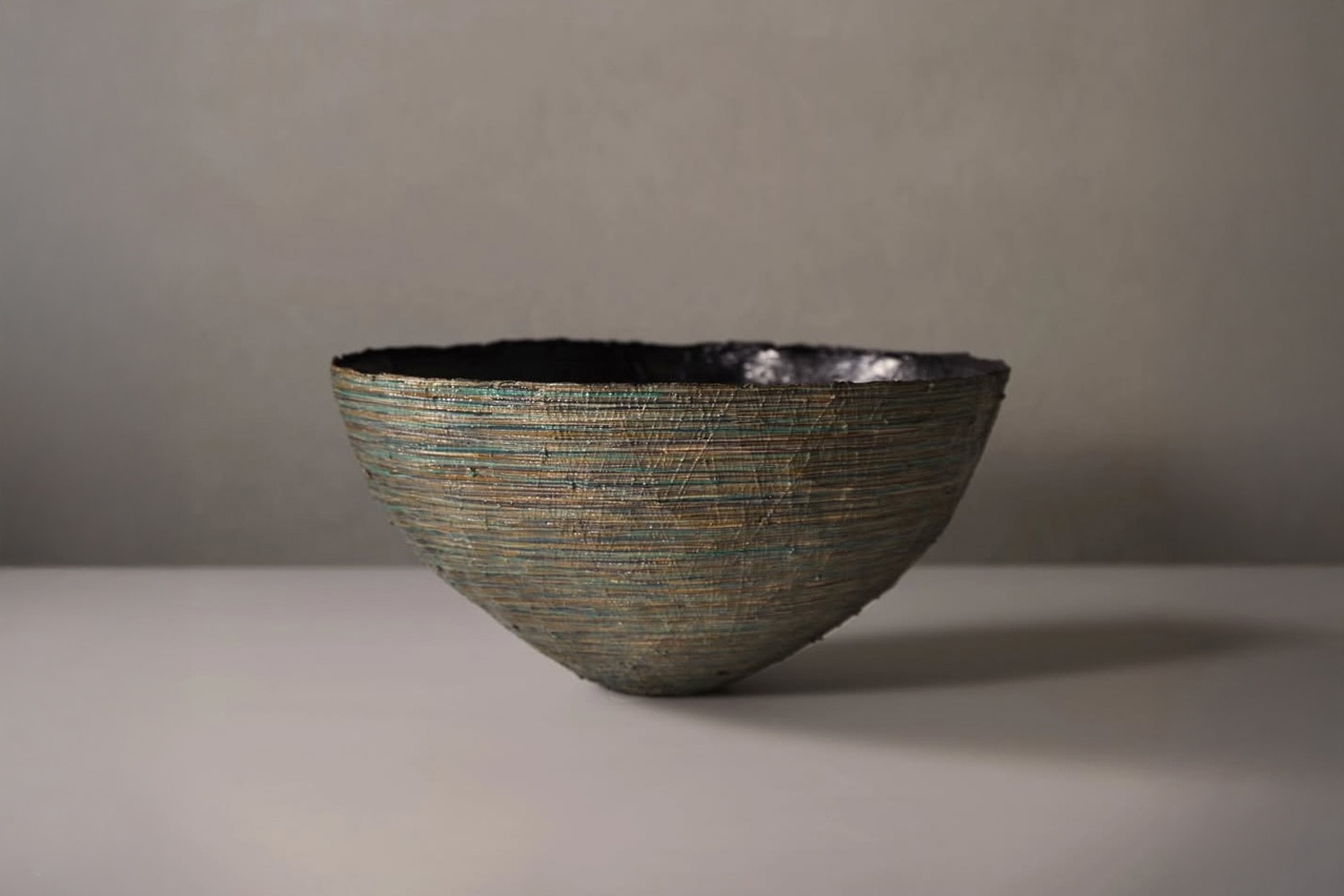
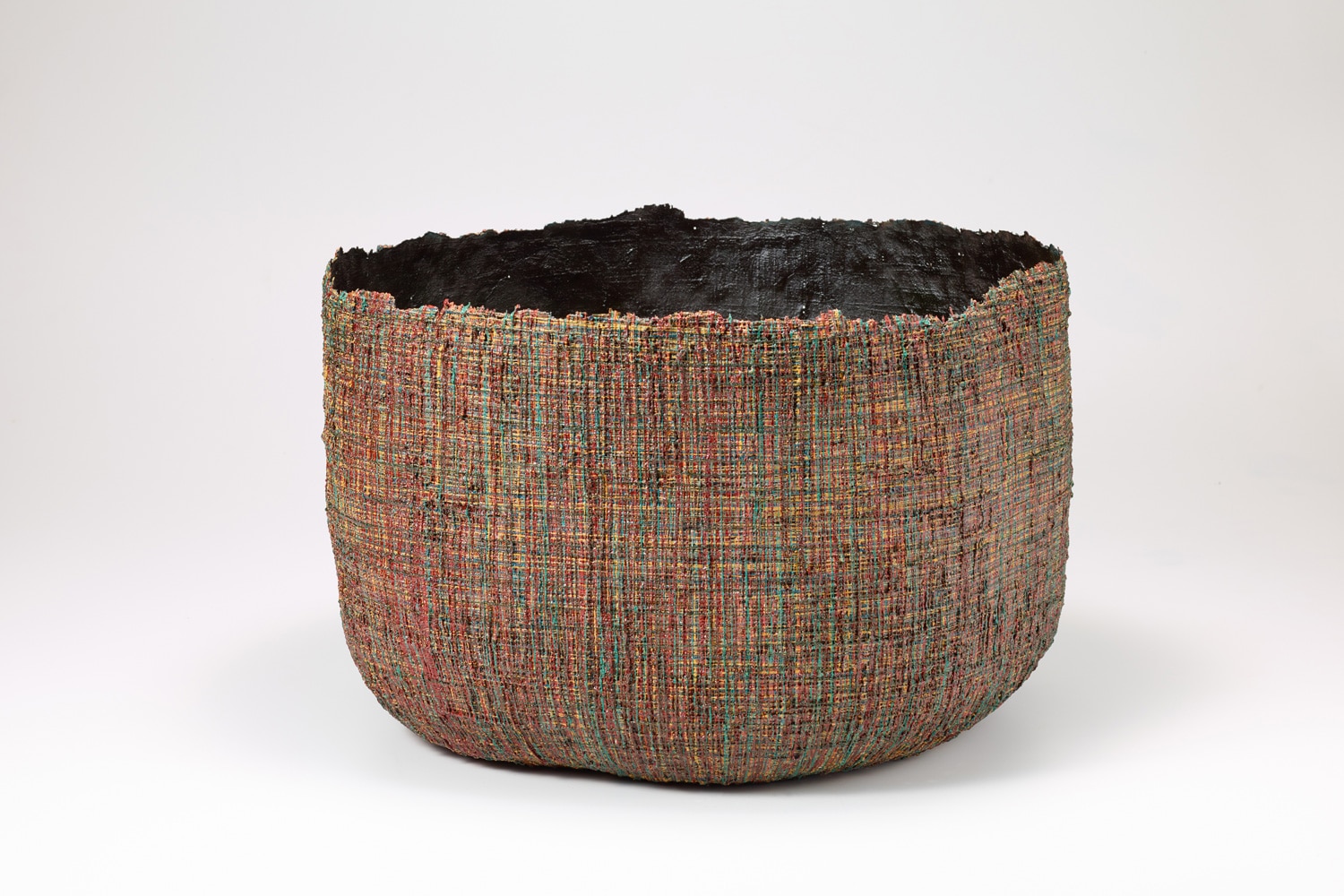
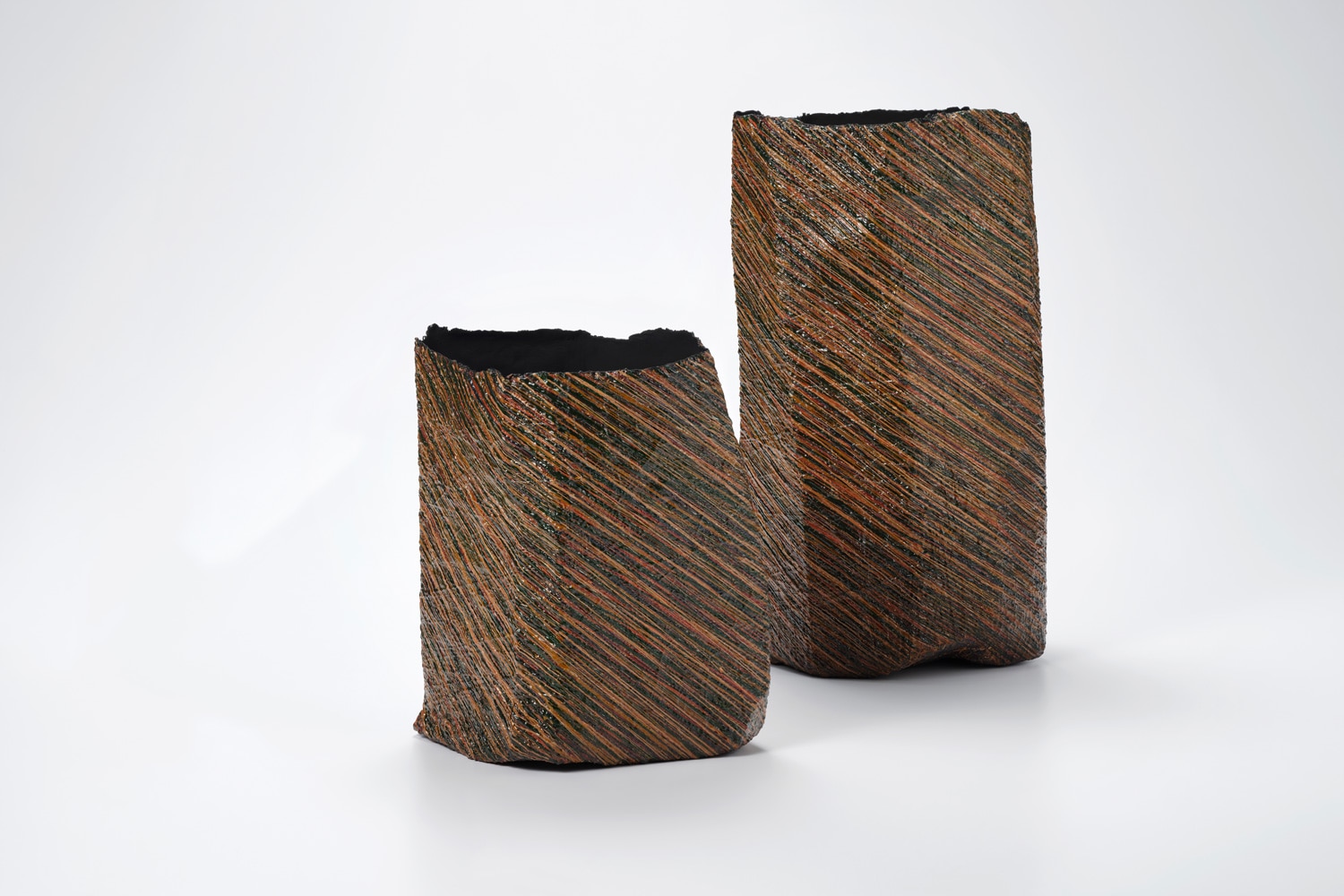
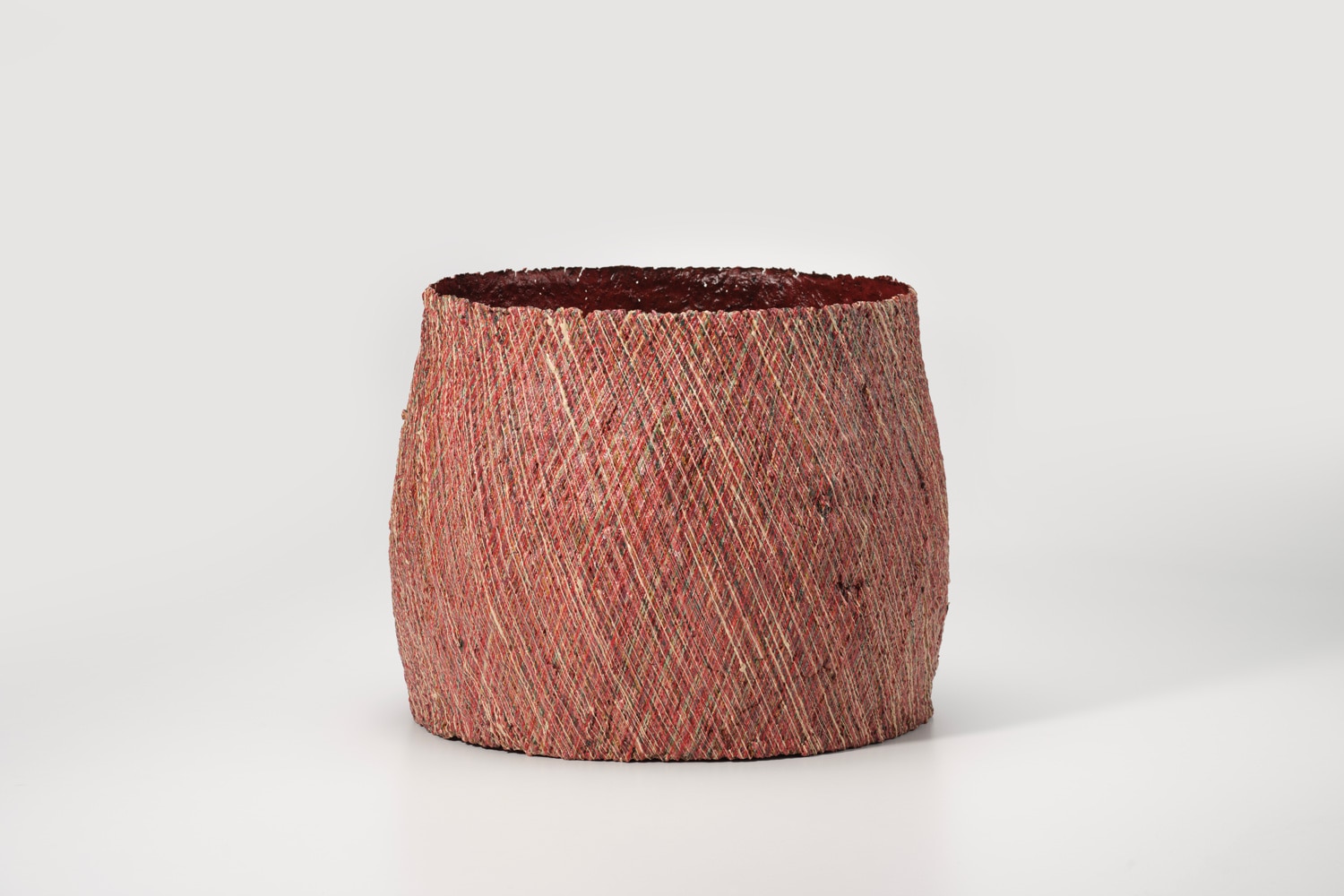
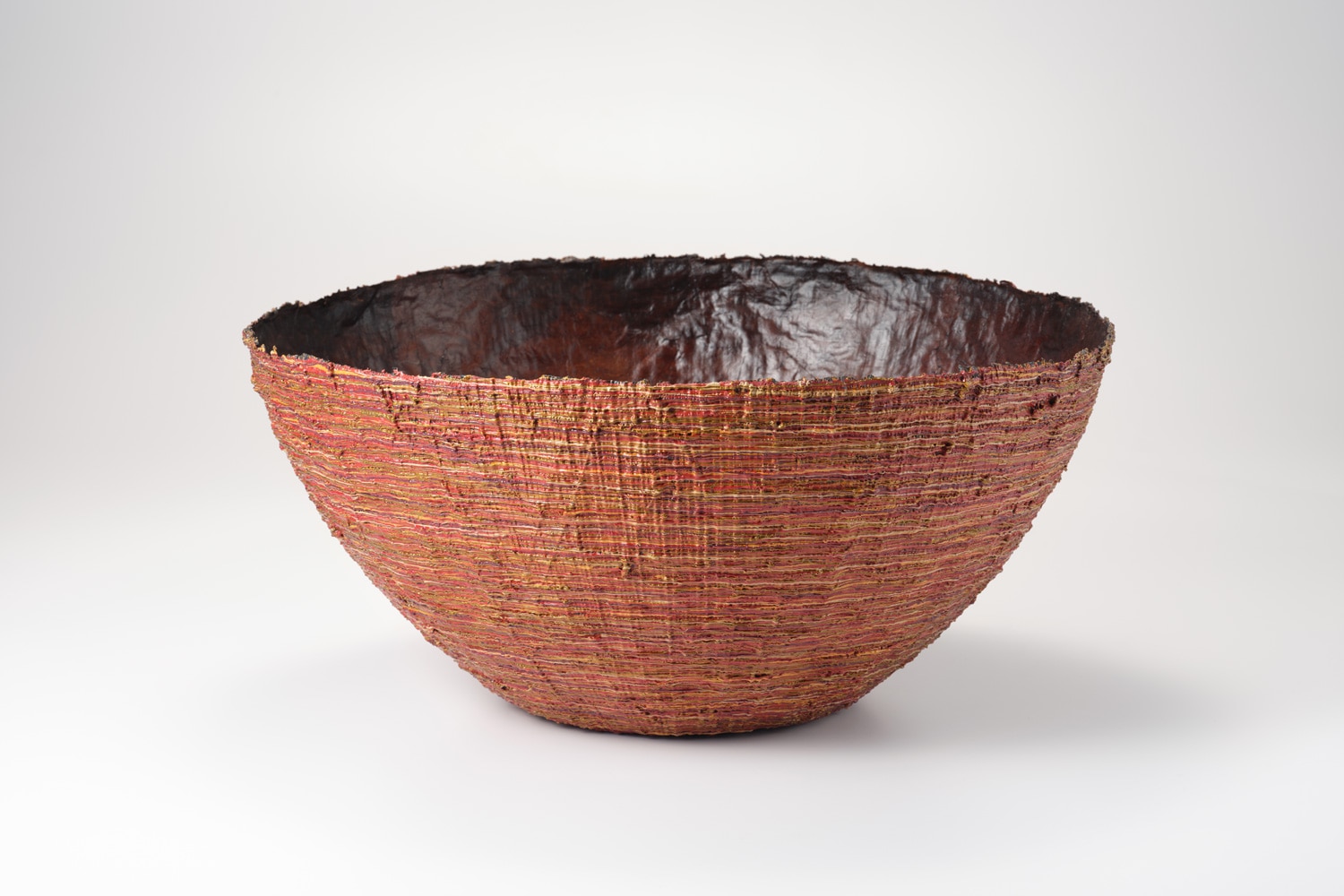
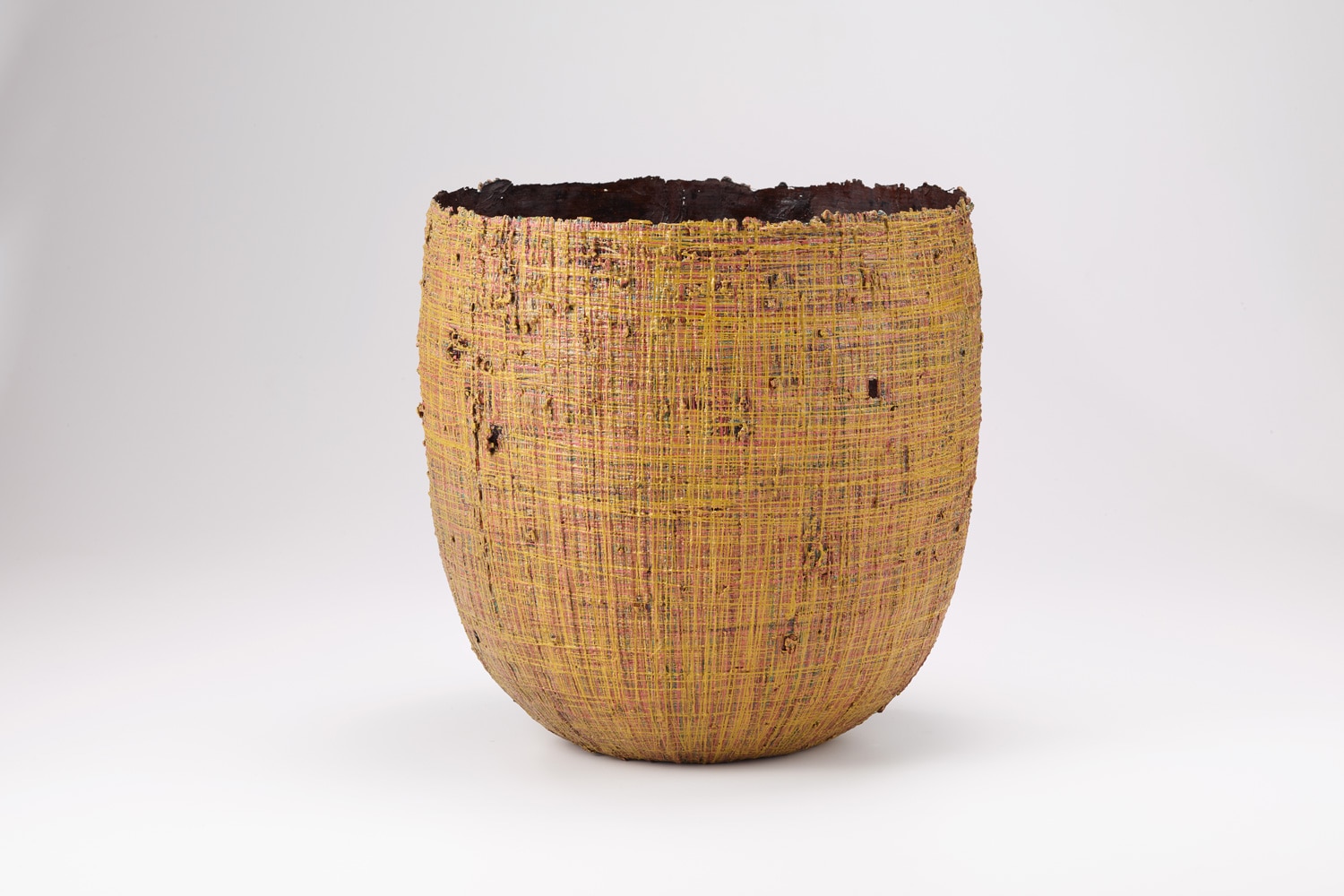
Sungyoul Park is a lacquer artist who explores ottchil, Korean natural lacquer, as both surface and structure. After first studying lacquer in 1997 and training under masters of traditional lacquer craftsmanship, he built his practice on precision and innovation. Sungyoul has focused on lacquer’s ability to cure, harden and gain strength over time, rather than on its decorative role alone. "I sought to move beyond lacquer as a surface coating," he explains. He developed the yeonchil technique, in which refined raw lacquer is stretched into thread-like lines and layered to create self-supporting vessels. Through his Inborn Ott series of works, Sungyoul's approach has gained recognition on an international level, including at the Cheongju International Craft Biennale and with a LOEWE Craft Prize.
INTERVIEW
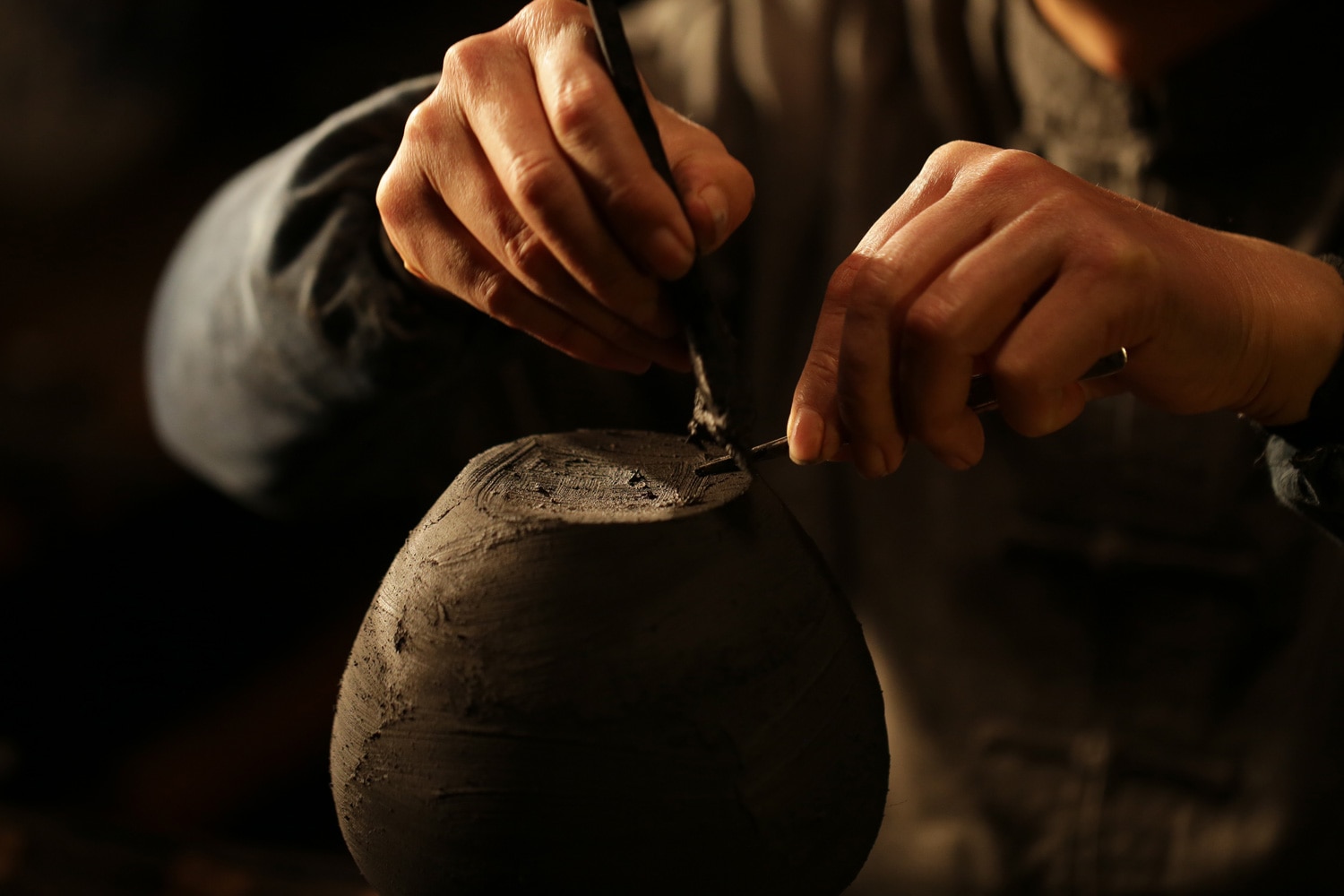
In 1997, when I first encountered ottchil, Korean natural lacquer, while studying it at university and graduate school, what fascinated me was not its role as a coating used to decorate objects. Over time, I became deeply interested in its distinctive vitality and material properties: the way it cures and hardens, almost as if undergoing cell division. Since then, I have continued my practice by exploring the essence of this material.
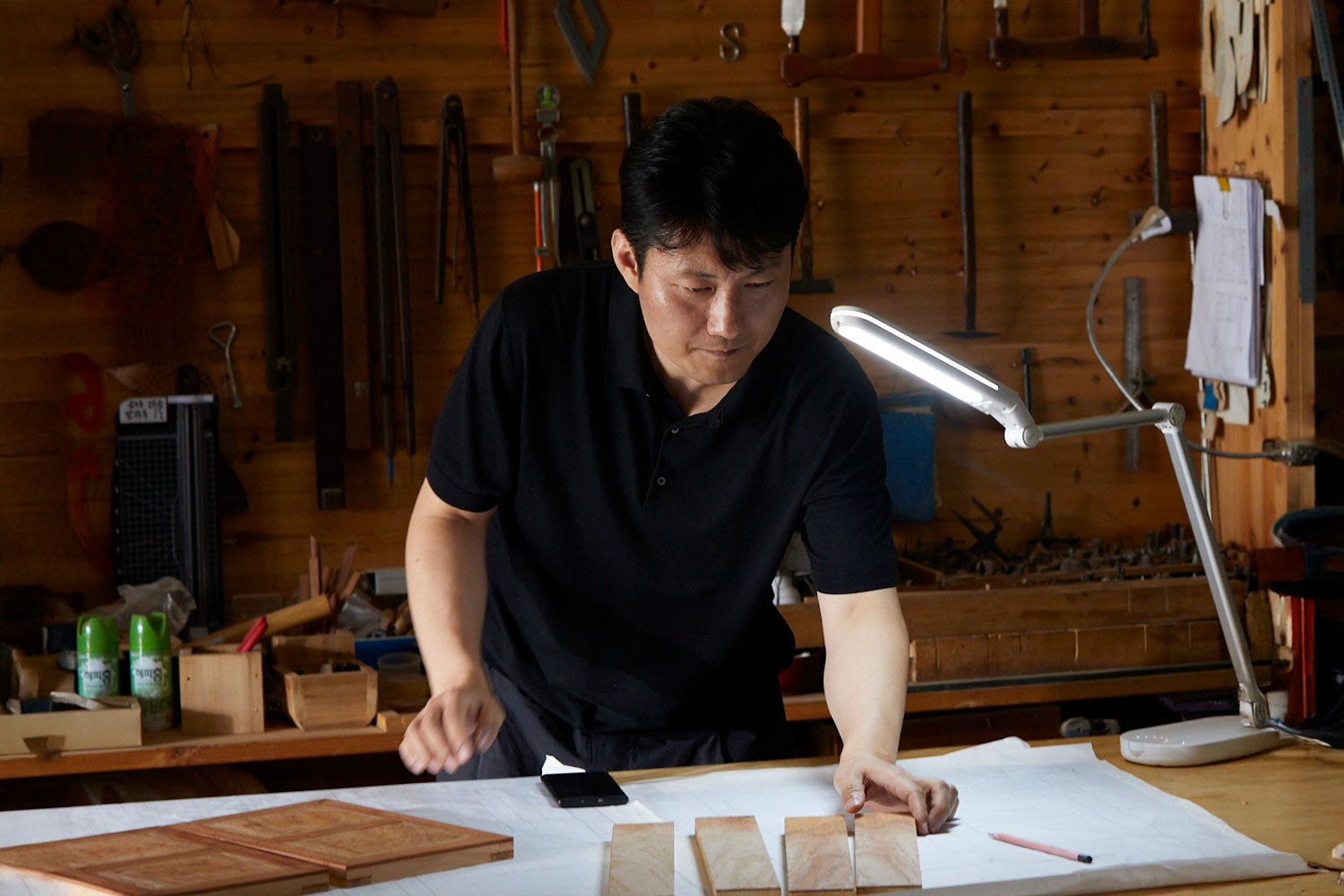
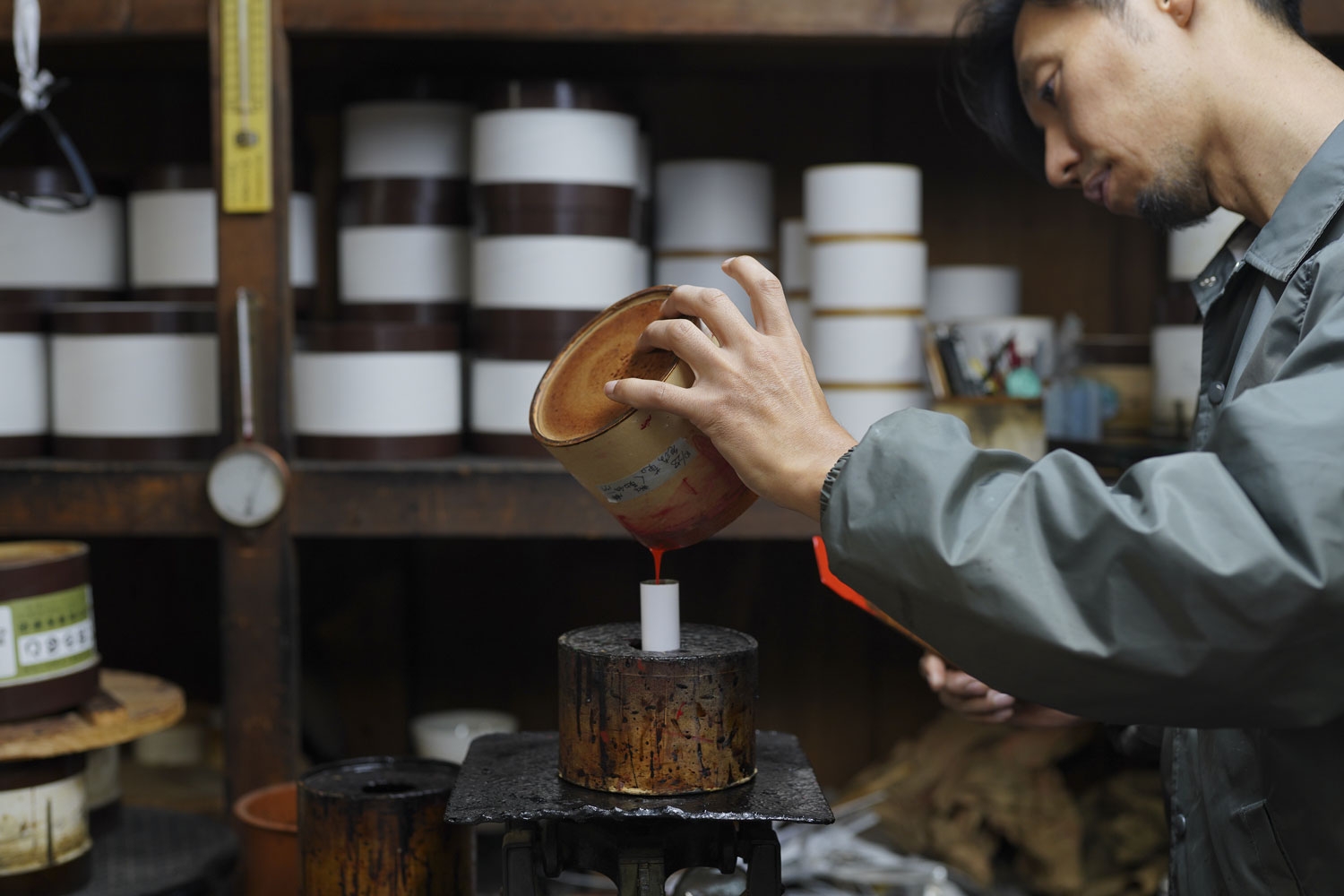
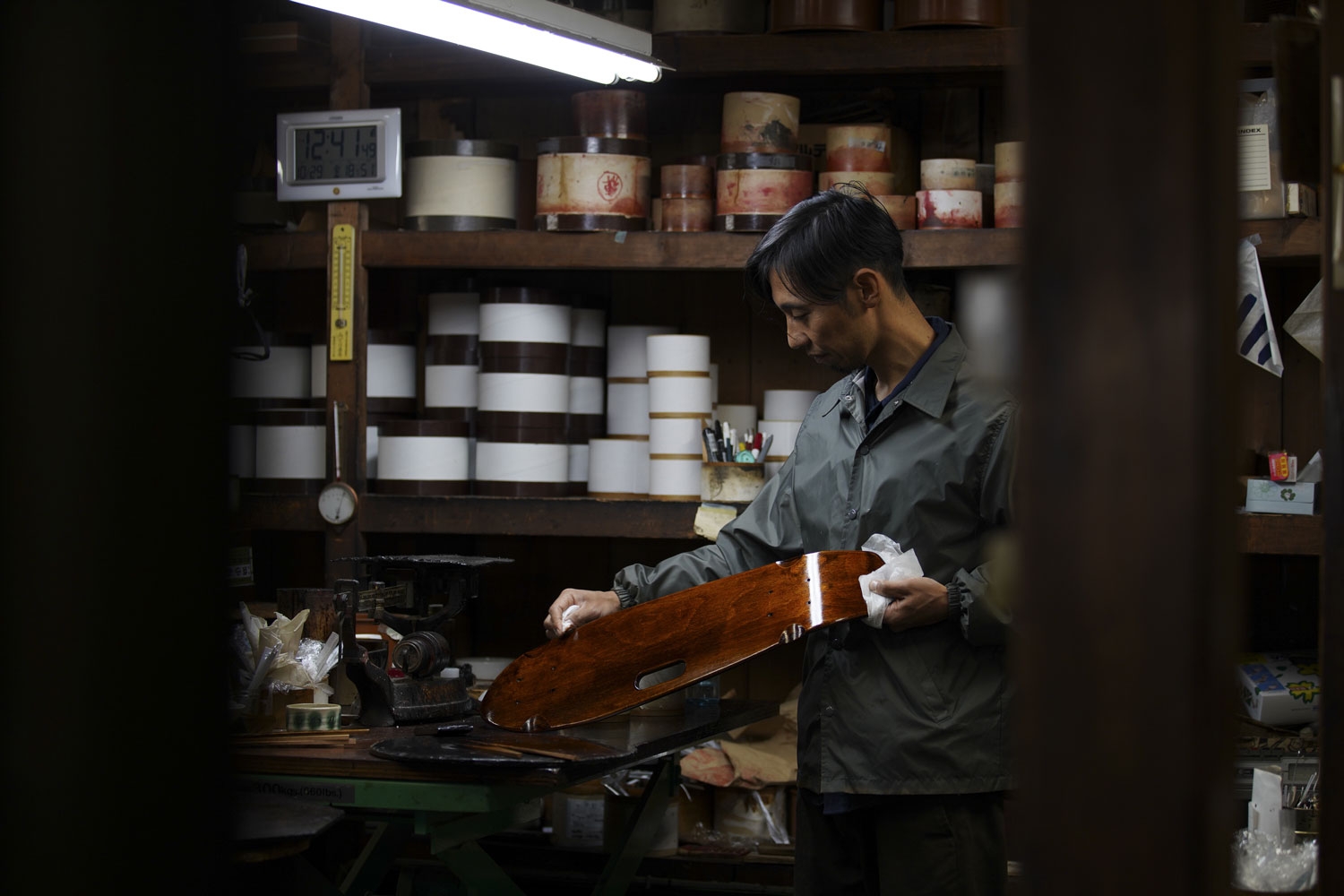
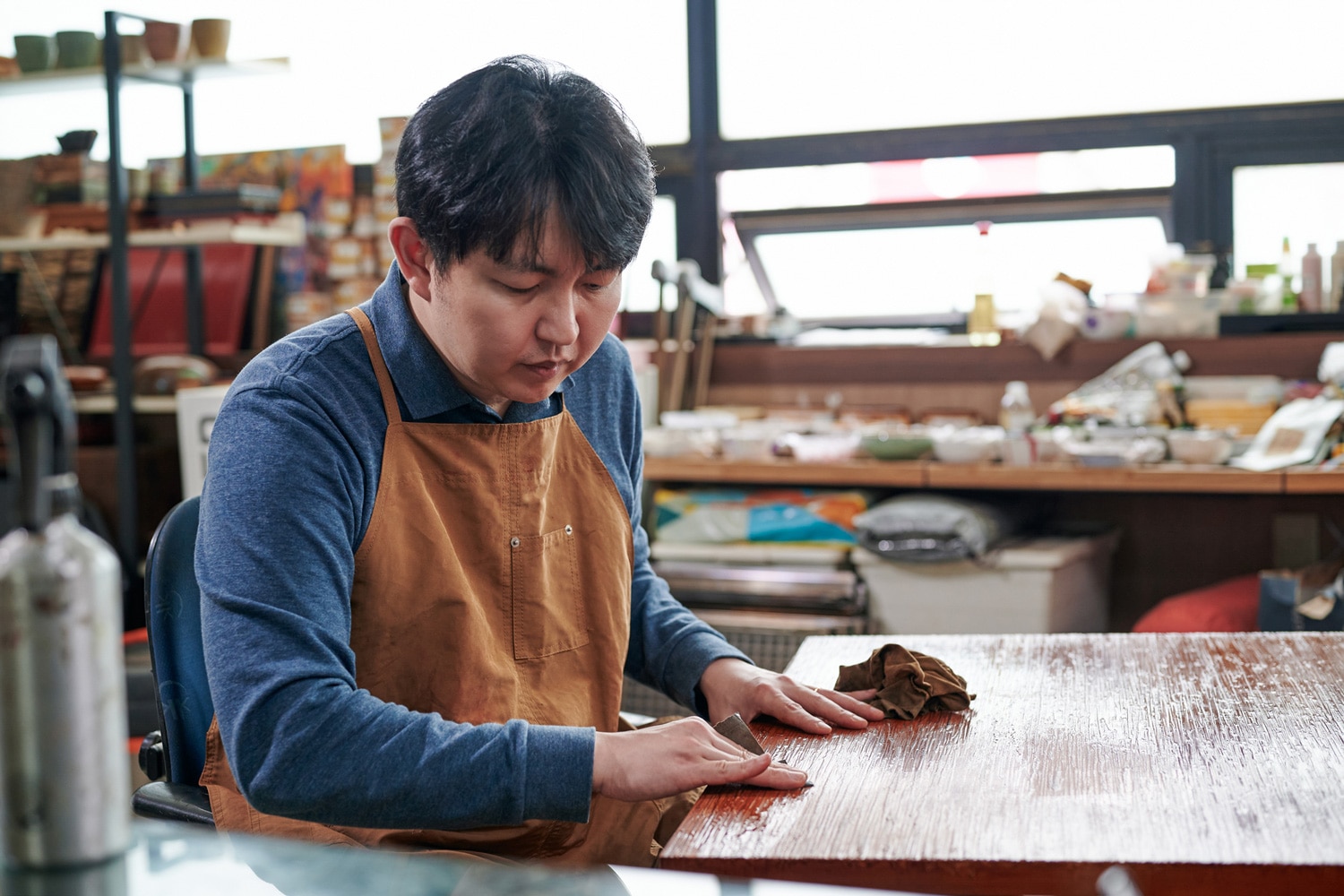
Traditional lacquer craft requires strict control of temperature and humidity, precise refinement of lacquer, and many demanding steps. I trained under Hyung-man Lee, a National Intangible Cultural Heritage master of najeonjang, mother-of-pearl inlay in lacquerware, and Su-hwa Jeong, a master of chiljang, which is traditional Korean lacquerware. The most important lesson was honesty. Lacquer allows no shortcuts. If any process is neglected, the flaw appears during curing and polishing.
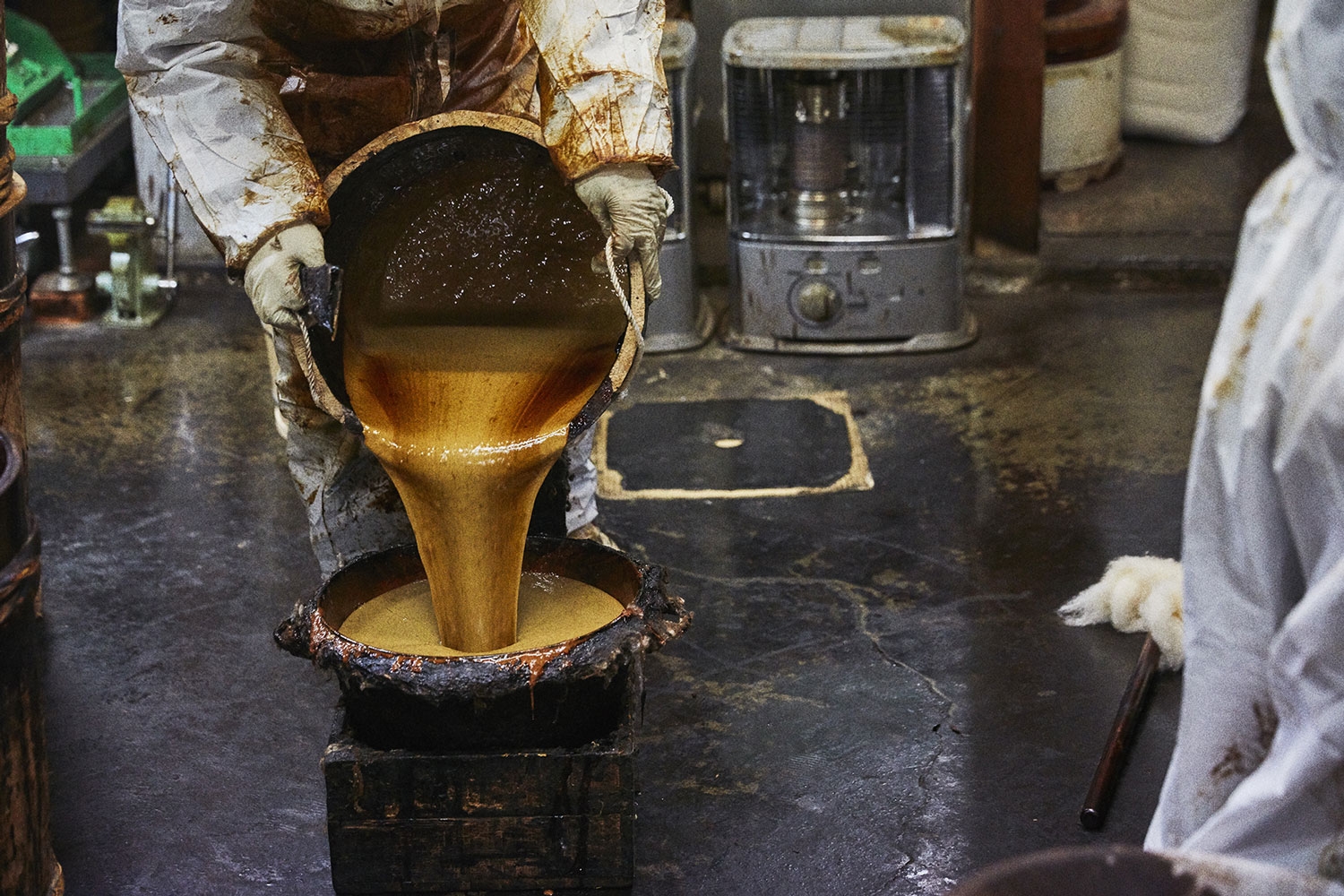
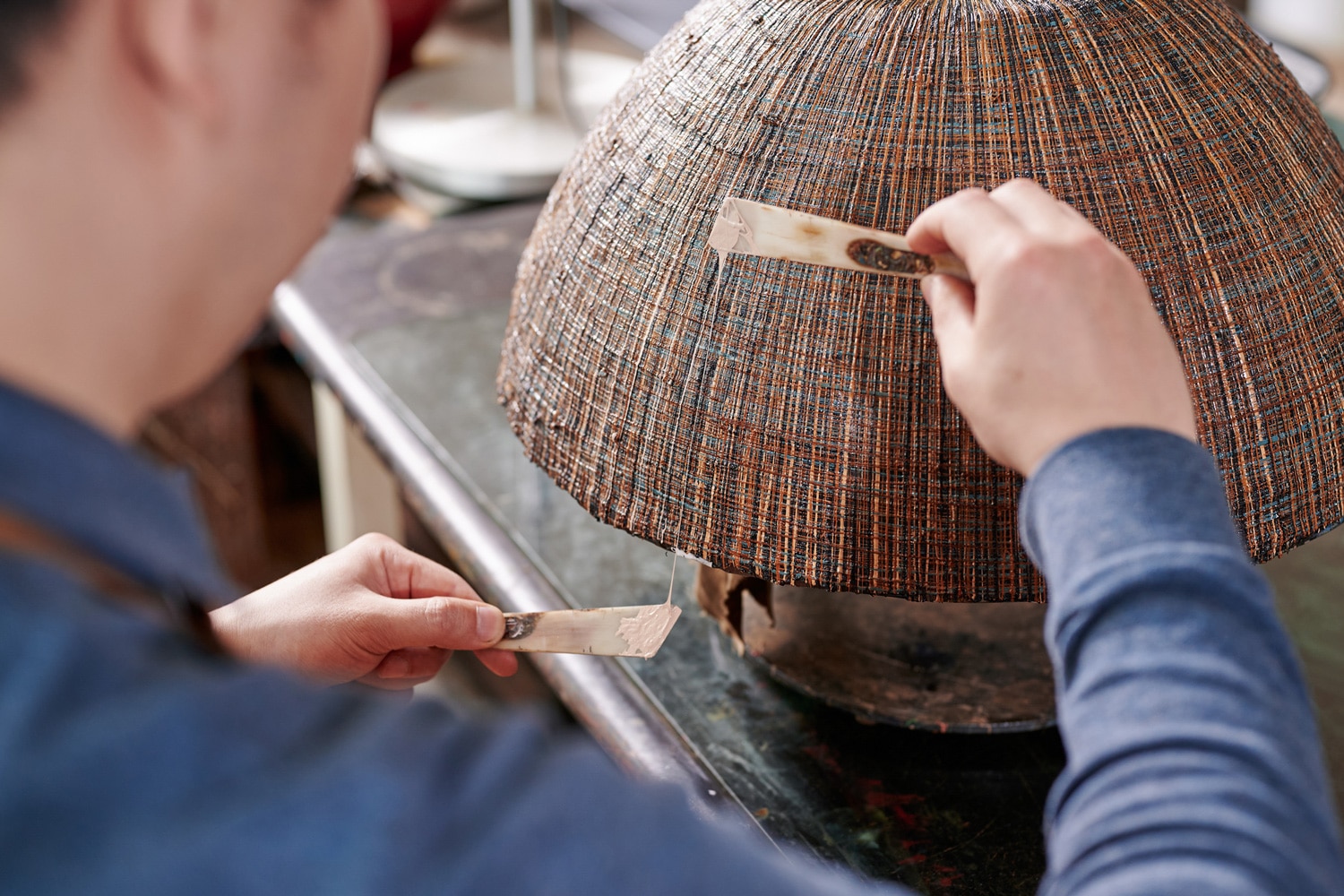
Conventional methods of forming objects with lacquer usually build a firm body by layering hemp fabric or hanji and hardening it with lacquer. In contrast, I remove those structural materials and create forms made of ottchil itself. I call this the yeonchil, or ottchil-stretching, technique. Using the natural components of ottchil and my own refining process, I increase its viscosity and elasticity so it can be stretched into long, thread-like lines. These lines are laid one by one over a form and gradually built up.
The most memorable works are the first three pieces of my Inborn Ott series, which launched my ottchil-stretching technique. Inborn Ott-001 received the Grand Prize at the Cheongju International Craft Biennale, Inborn Ott-002 was a LOEWE Craft Prize finalist, and Inborn Ott-003 was featured in Jeong: The Spirit of Korean Craft and Design, published by Phaidon. Together, they confirmed that ottchil itself could become a new structural medium in lacquer craft.
Sungyoul Park
Meme Ottchil Art Studio
Lacquerer
Bucheon-si, Gyeonggi-do, South Korea
ADDRESS
Address upon request, Bucheon-si, Gyeonggi-do, South Korea
AVAILABILITY
By appointment only
LANGUAGES
Korean
Homo Faber Finds is a new service aiming to inspire admirers of craft to connect and collaborate with exceptional artisans.
We invite you to submit an enquiry here.