Shuji Nakagawa
Nakagawa Mokkougei Hirakoubou
Woodworker
Otsu, Japan
A kioke master fit for today
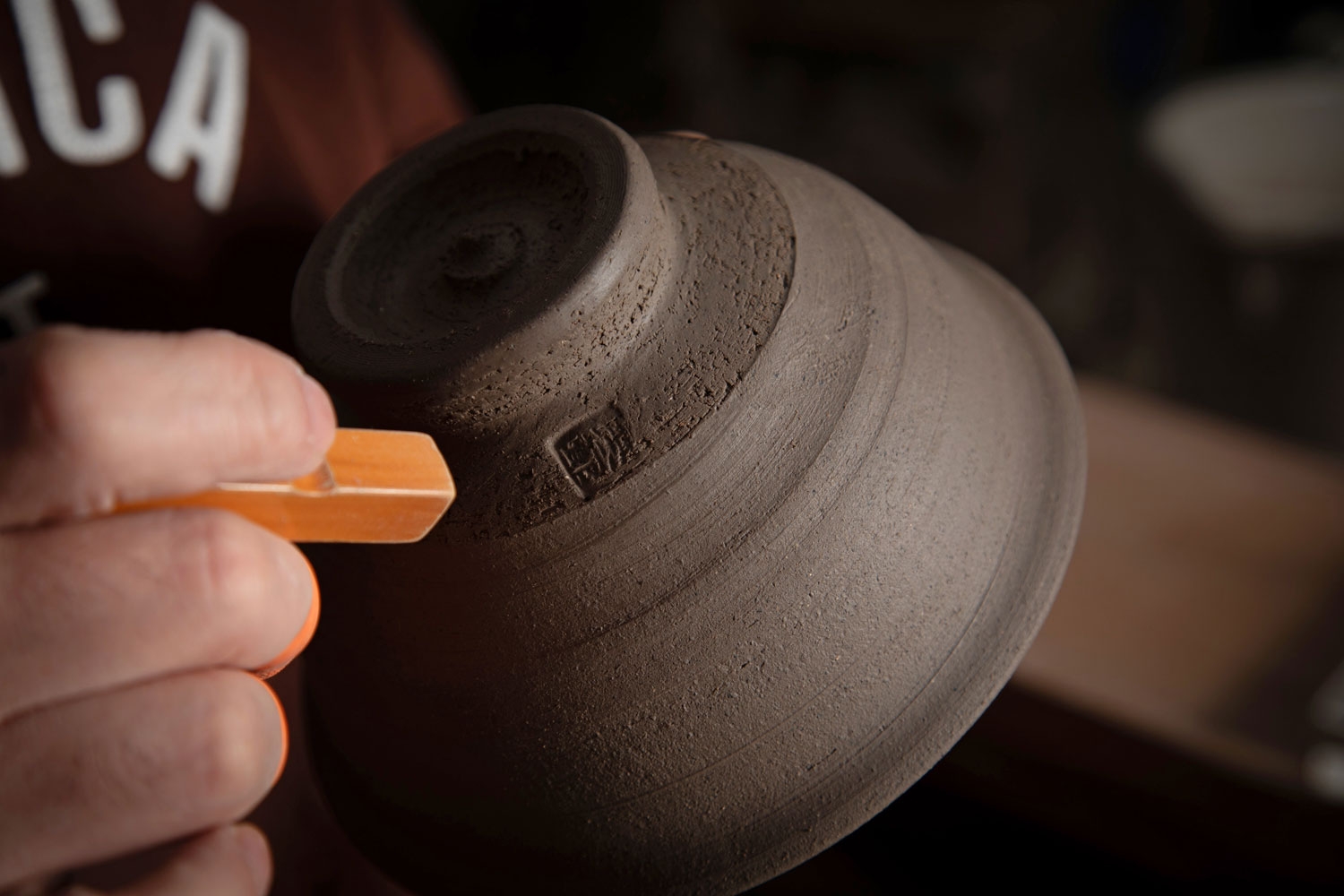
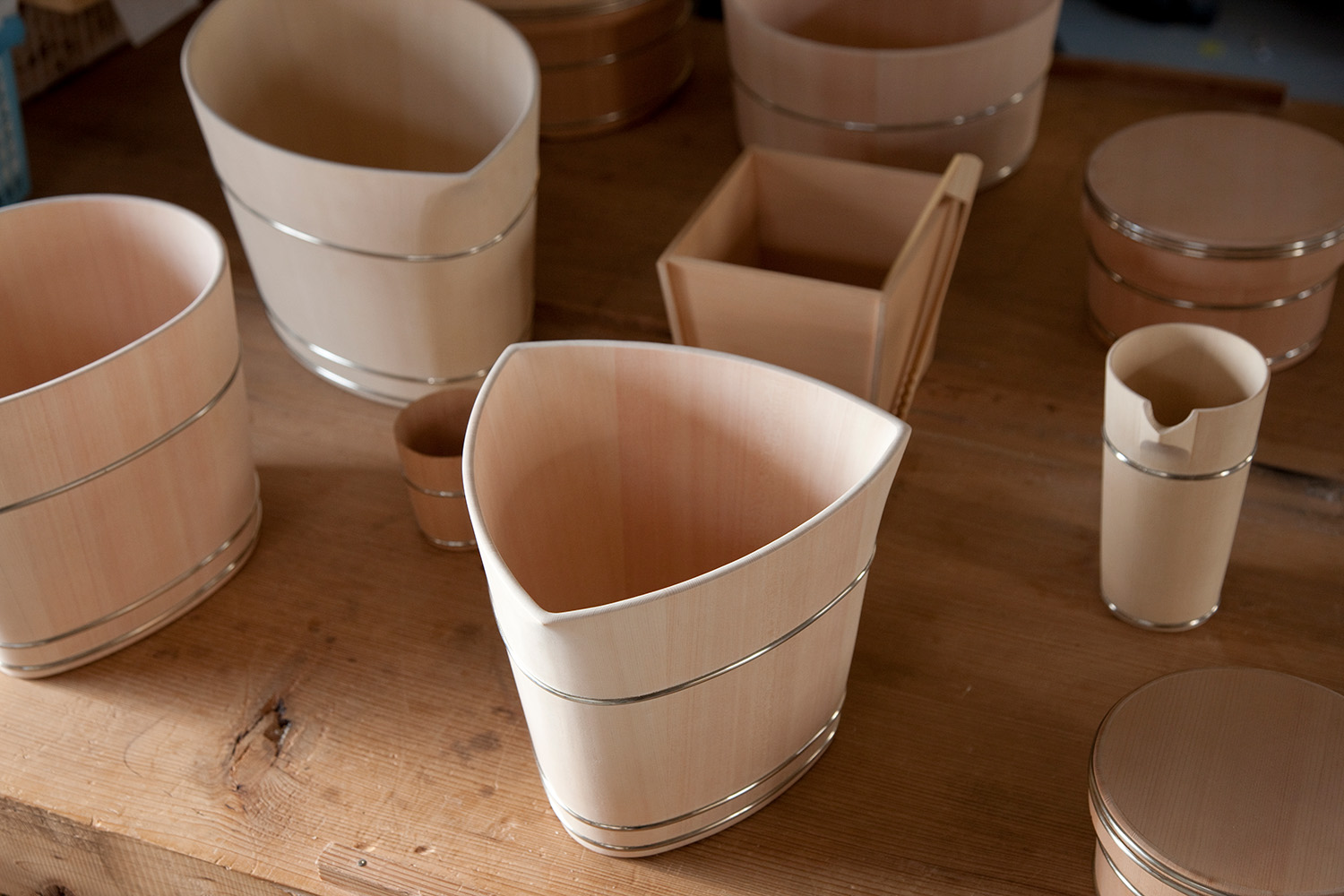
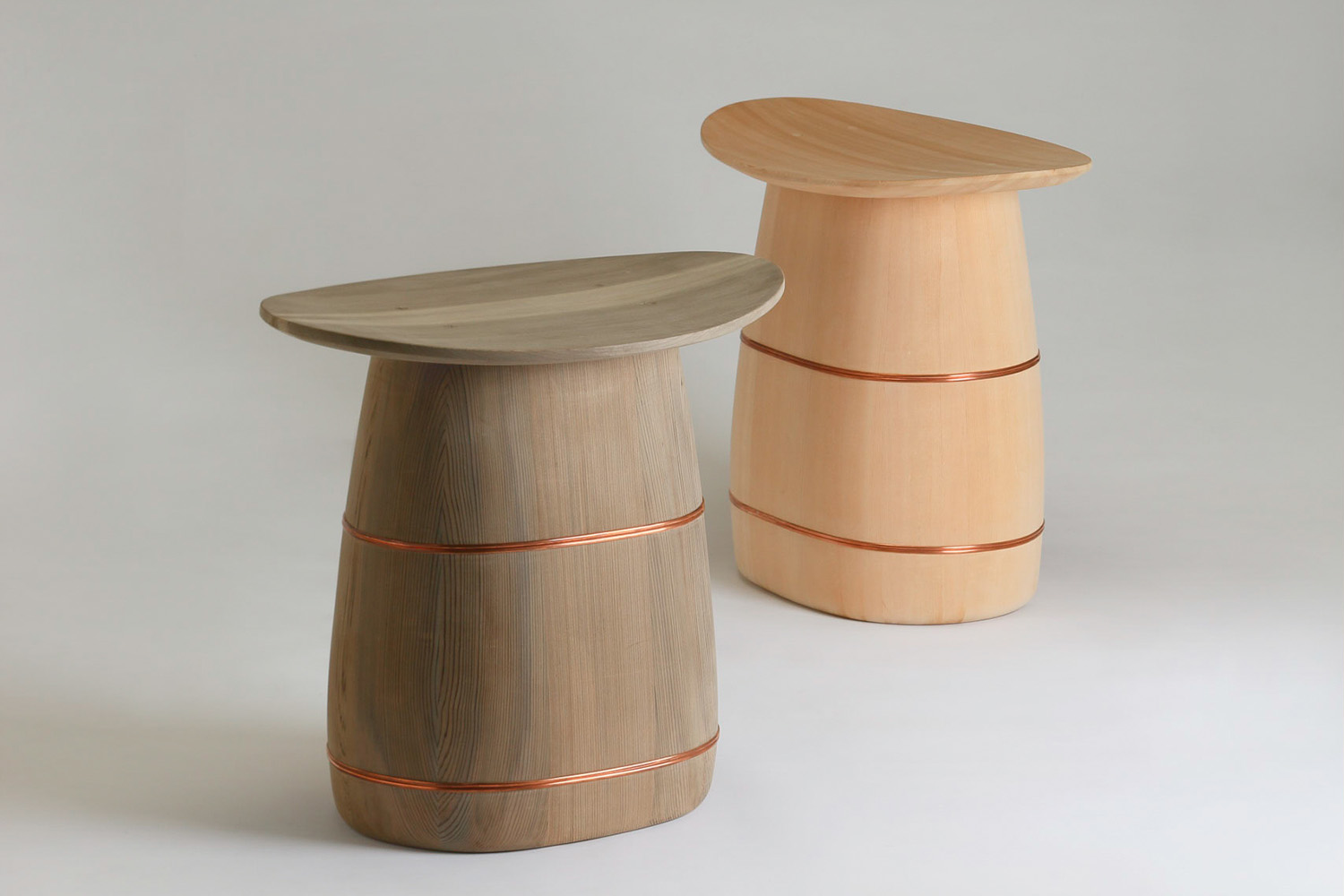
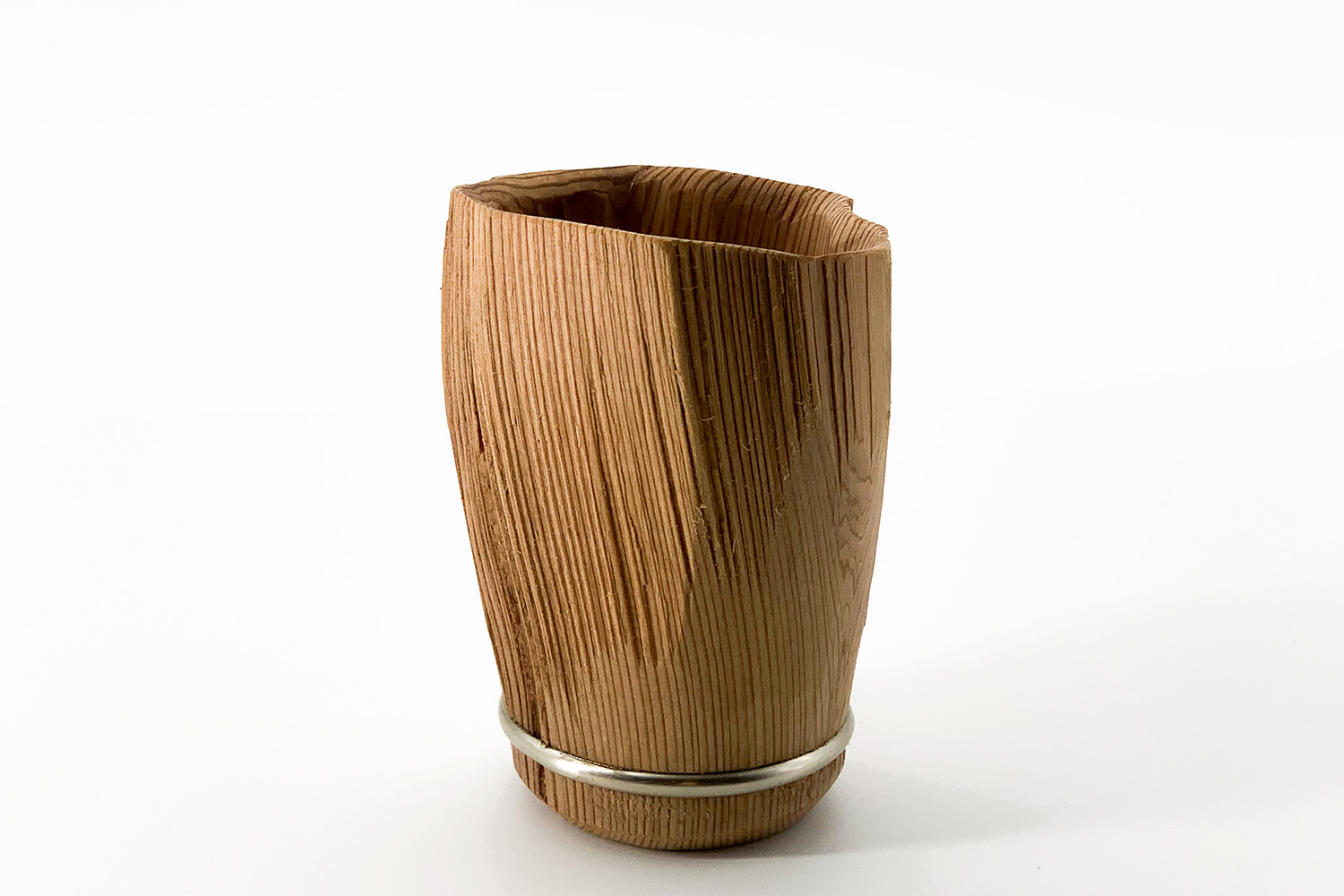
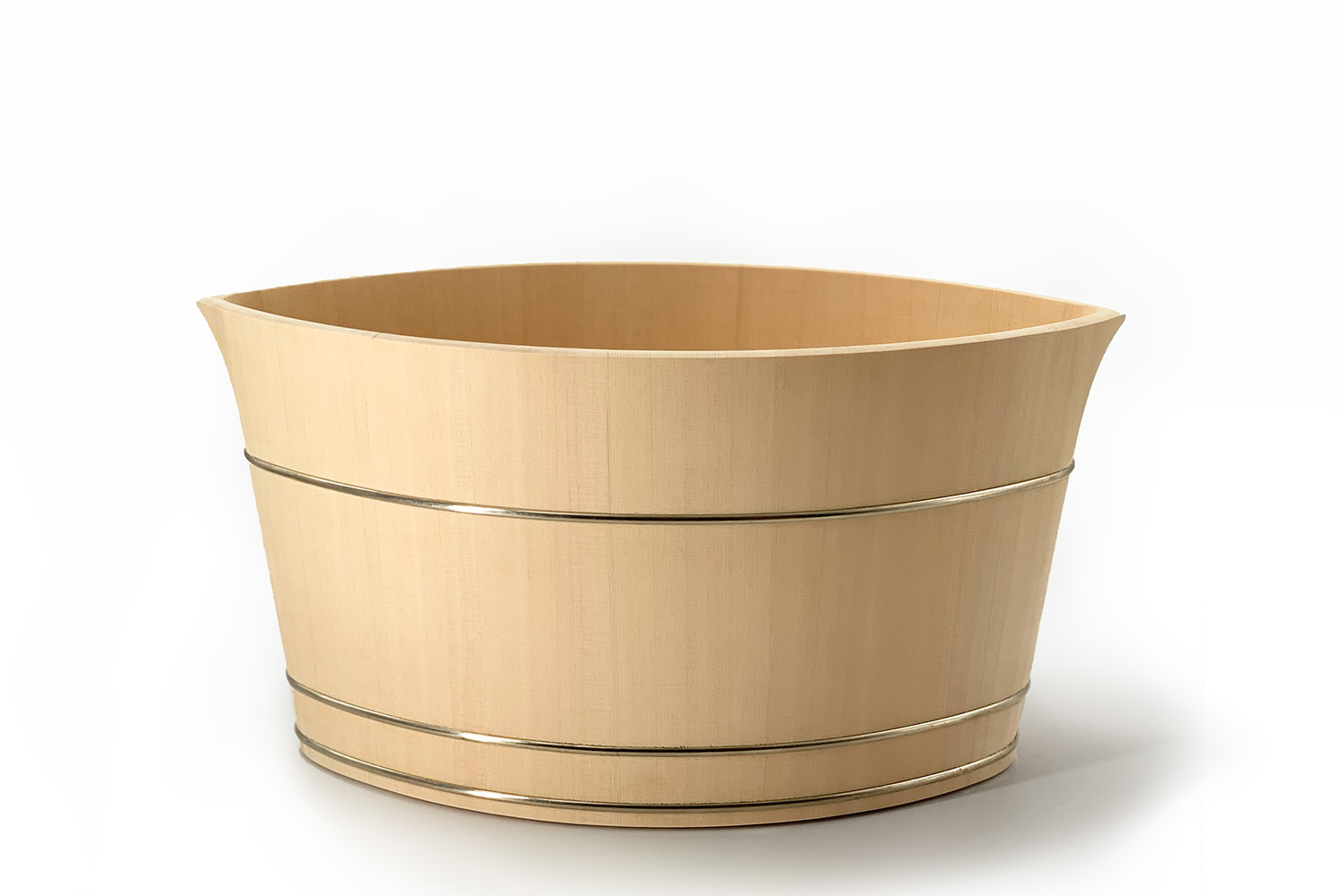
- Shuji primarily makes kioke which are Japanese bowl or buckets.
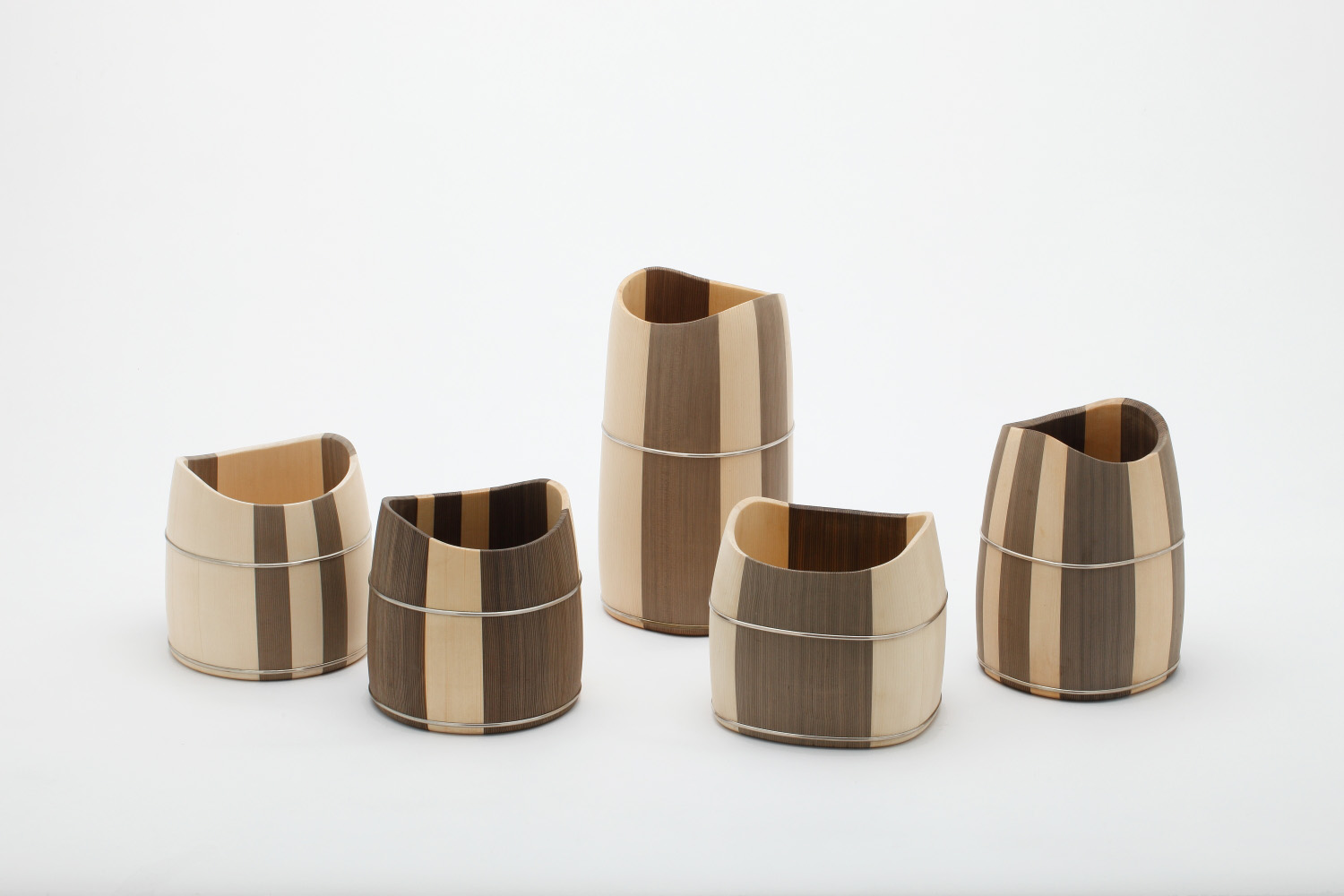
- He brings his own design touch to give this craft a future
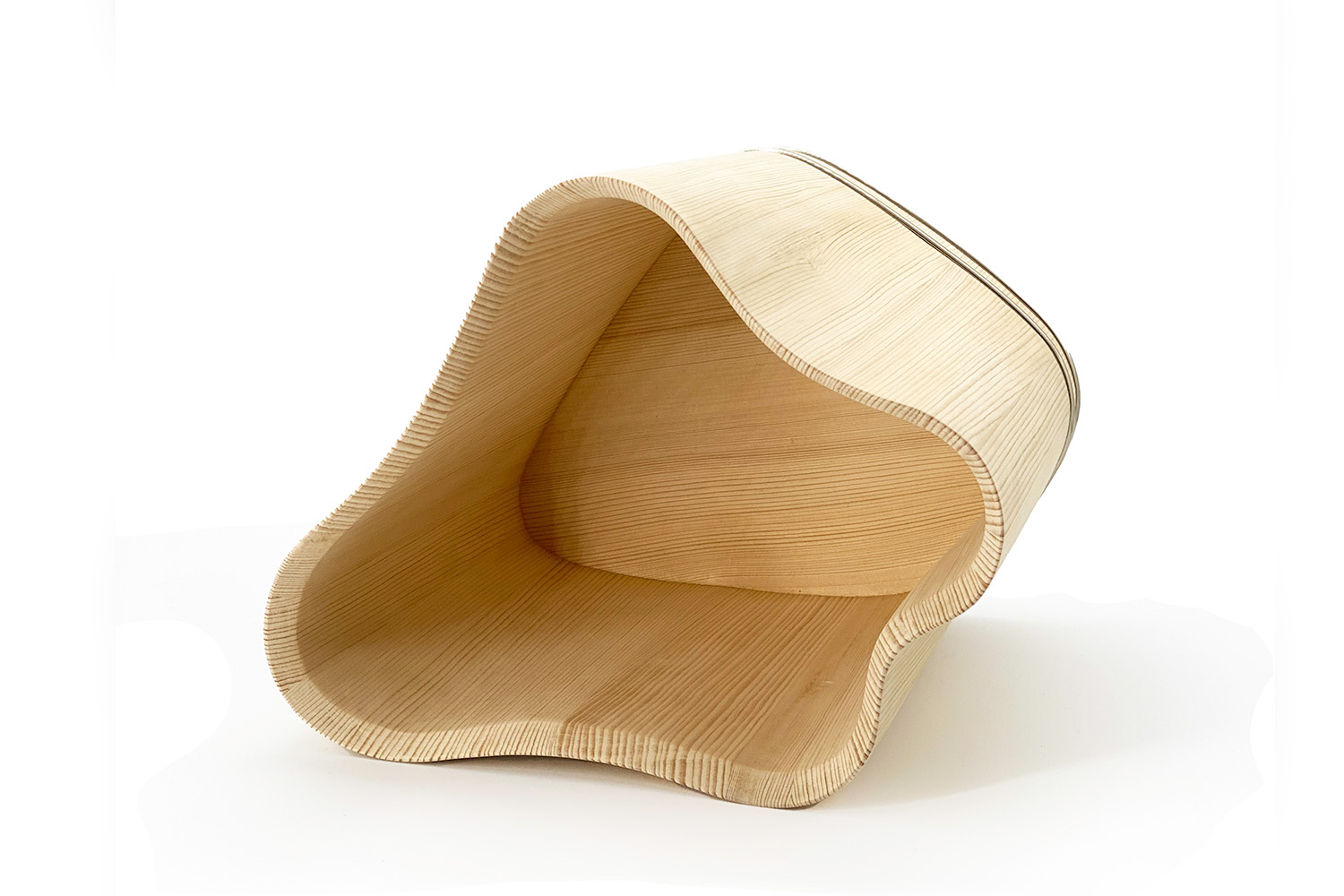
- These hollow shapes are made from the assembly of small panels of wood joined together
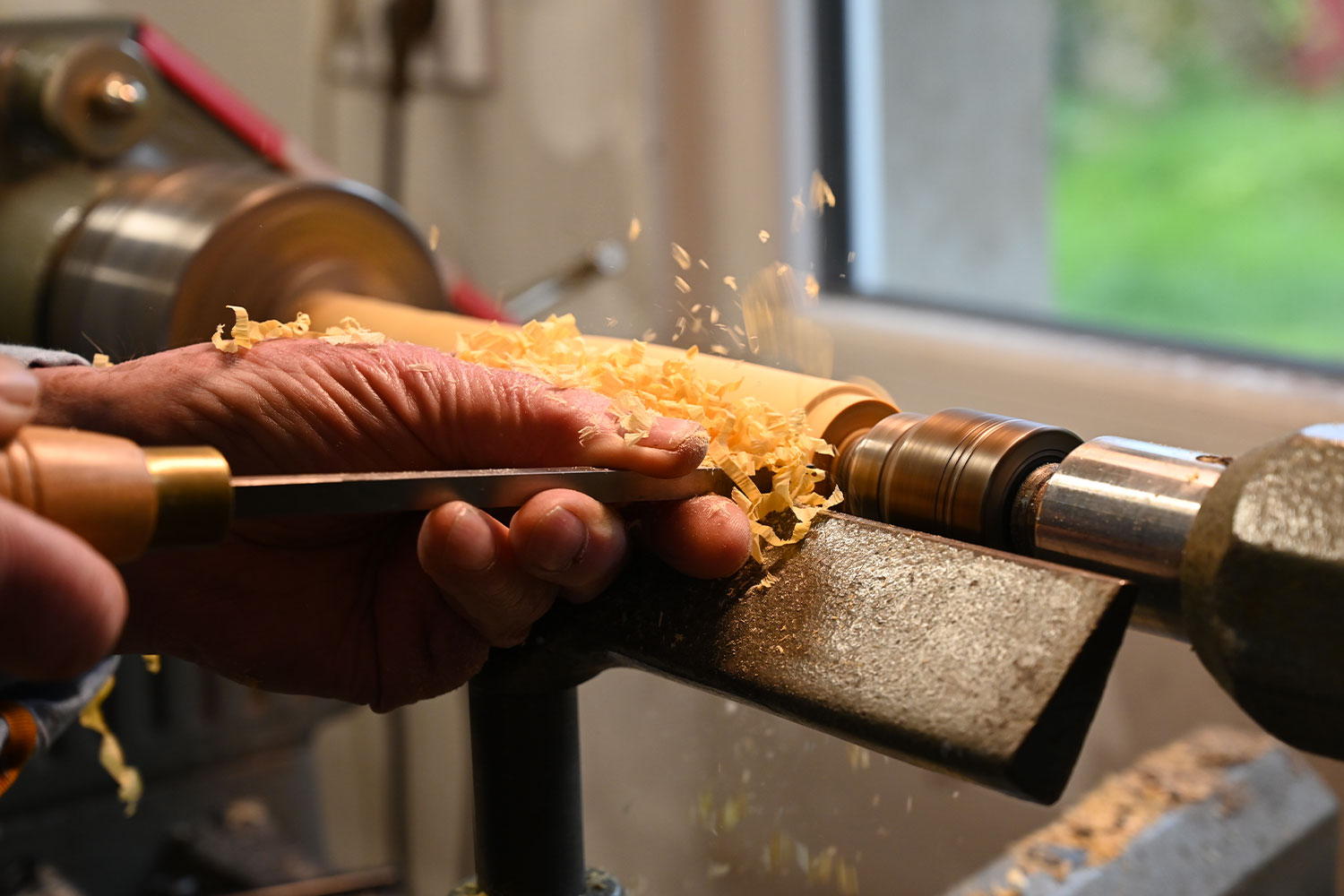
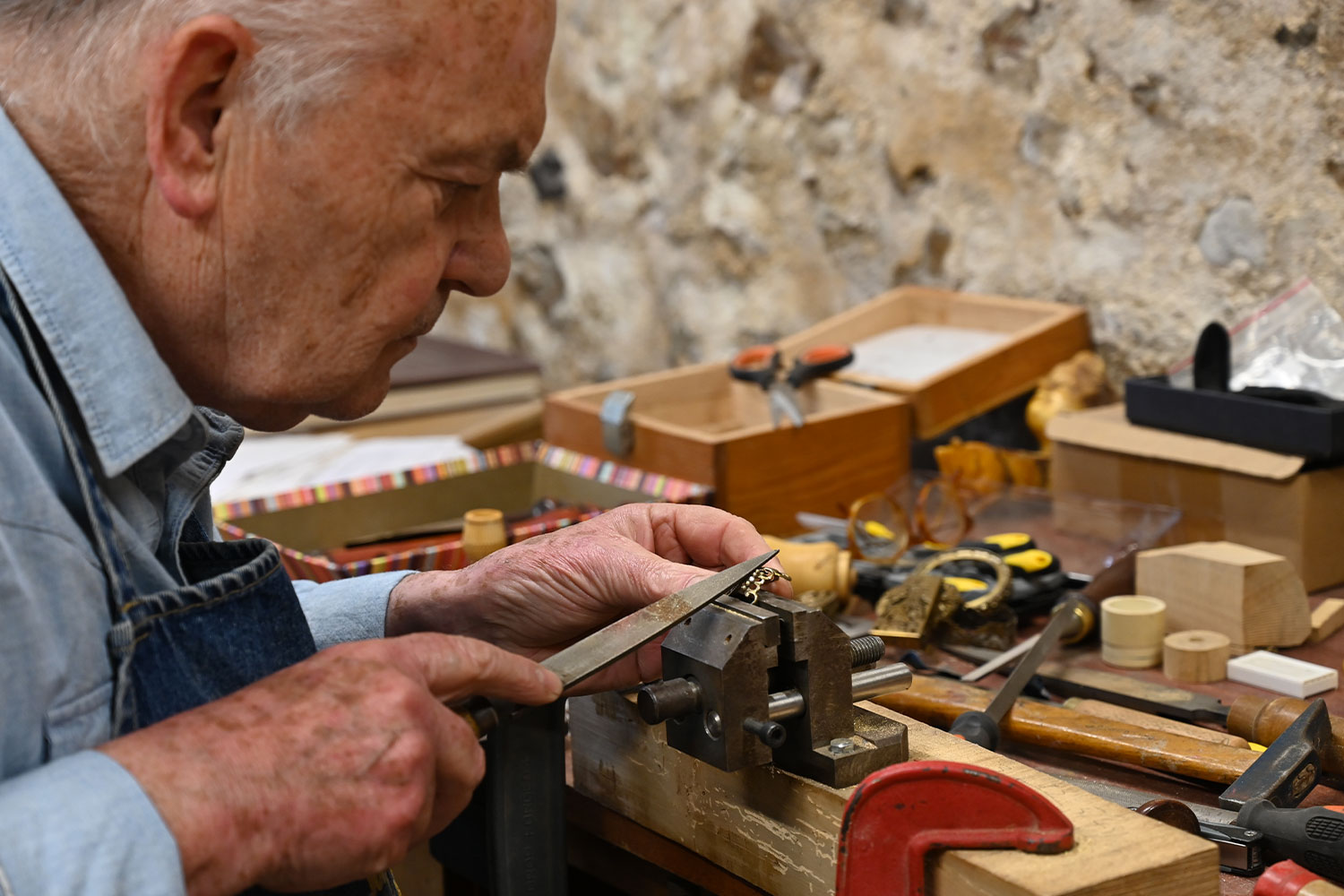
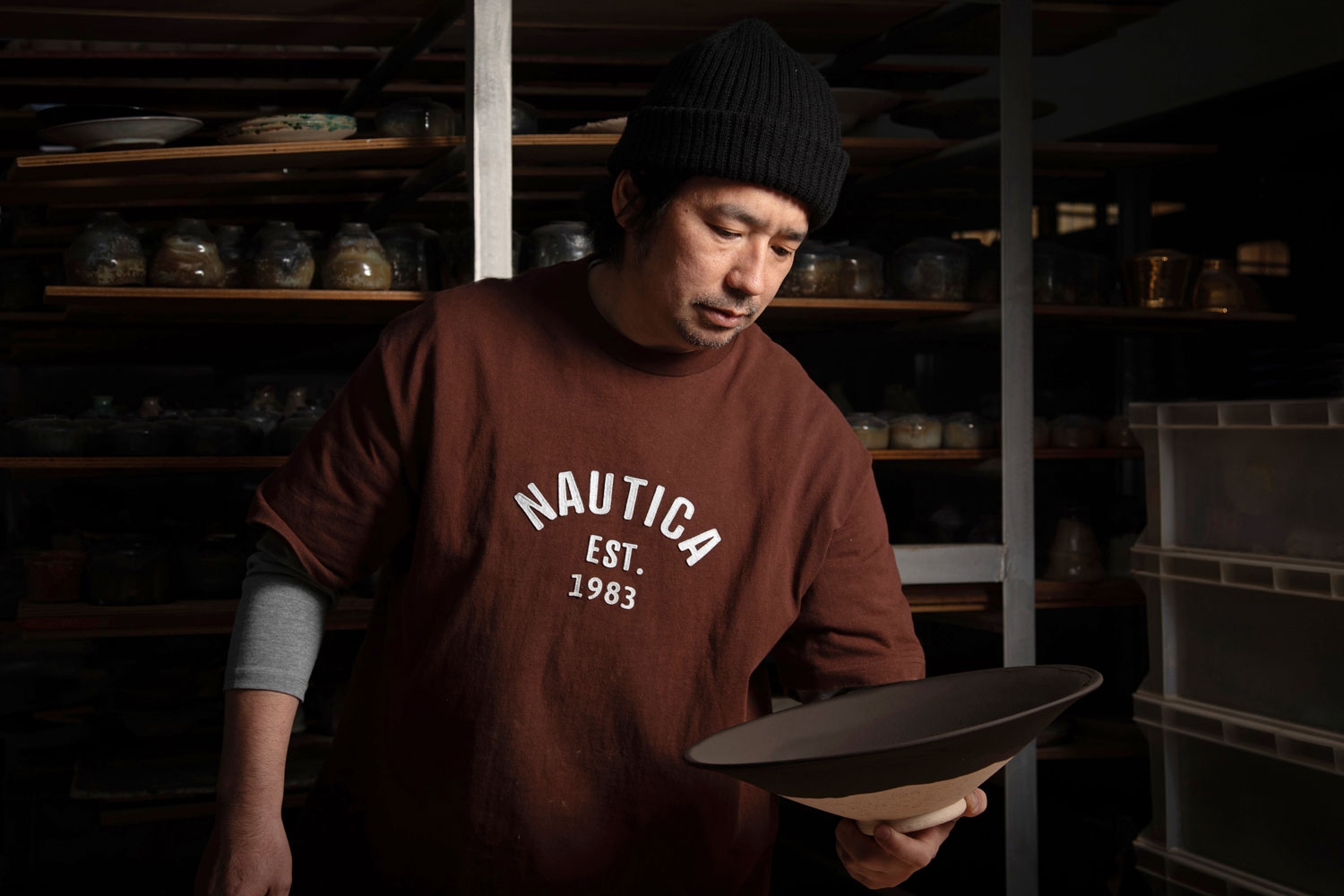
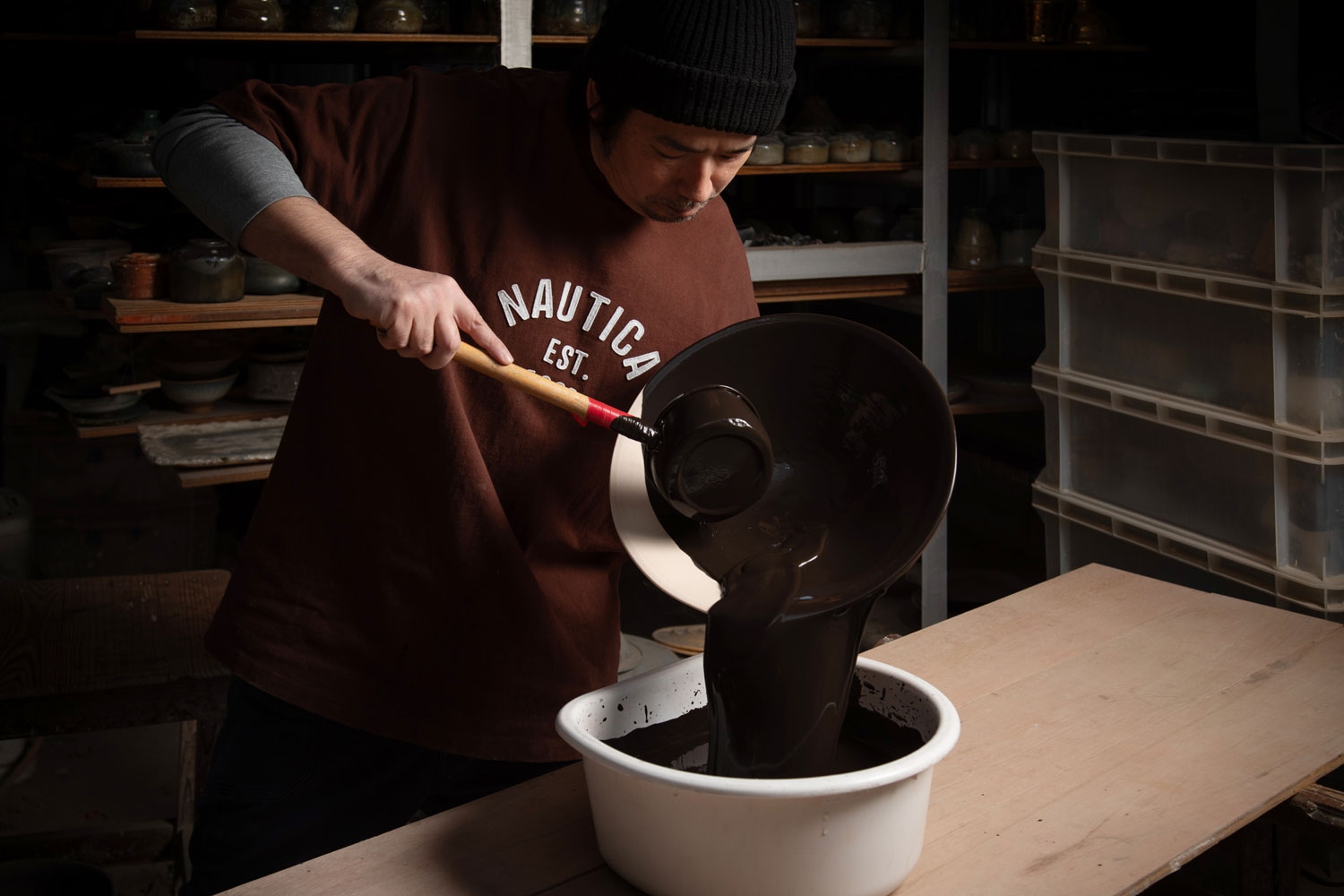
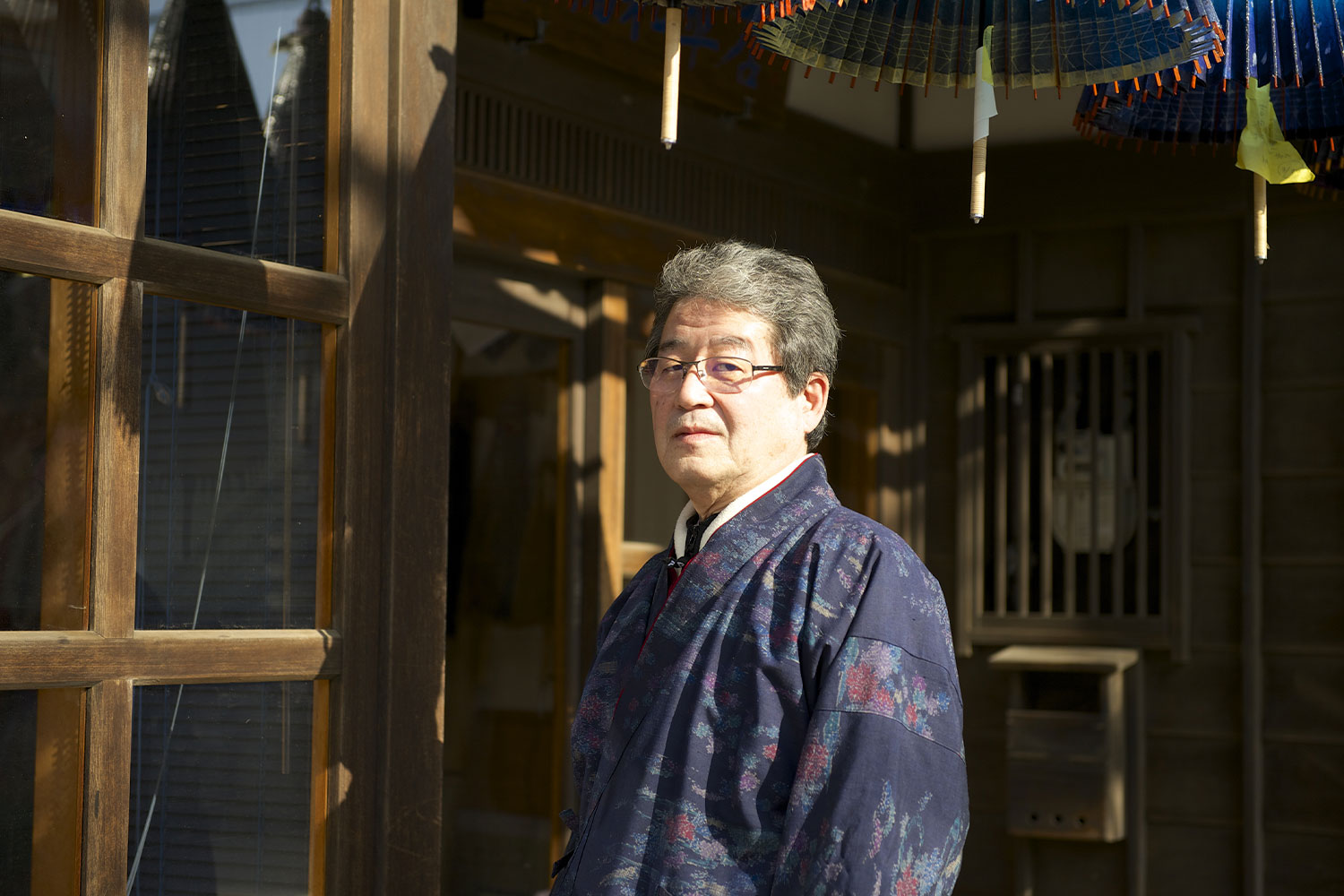
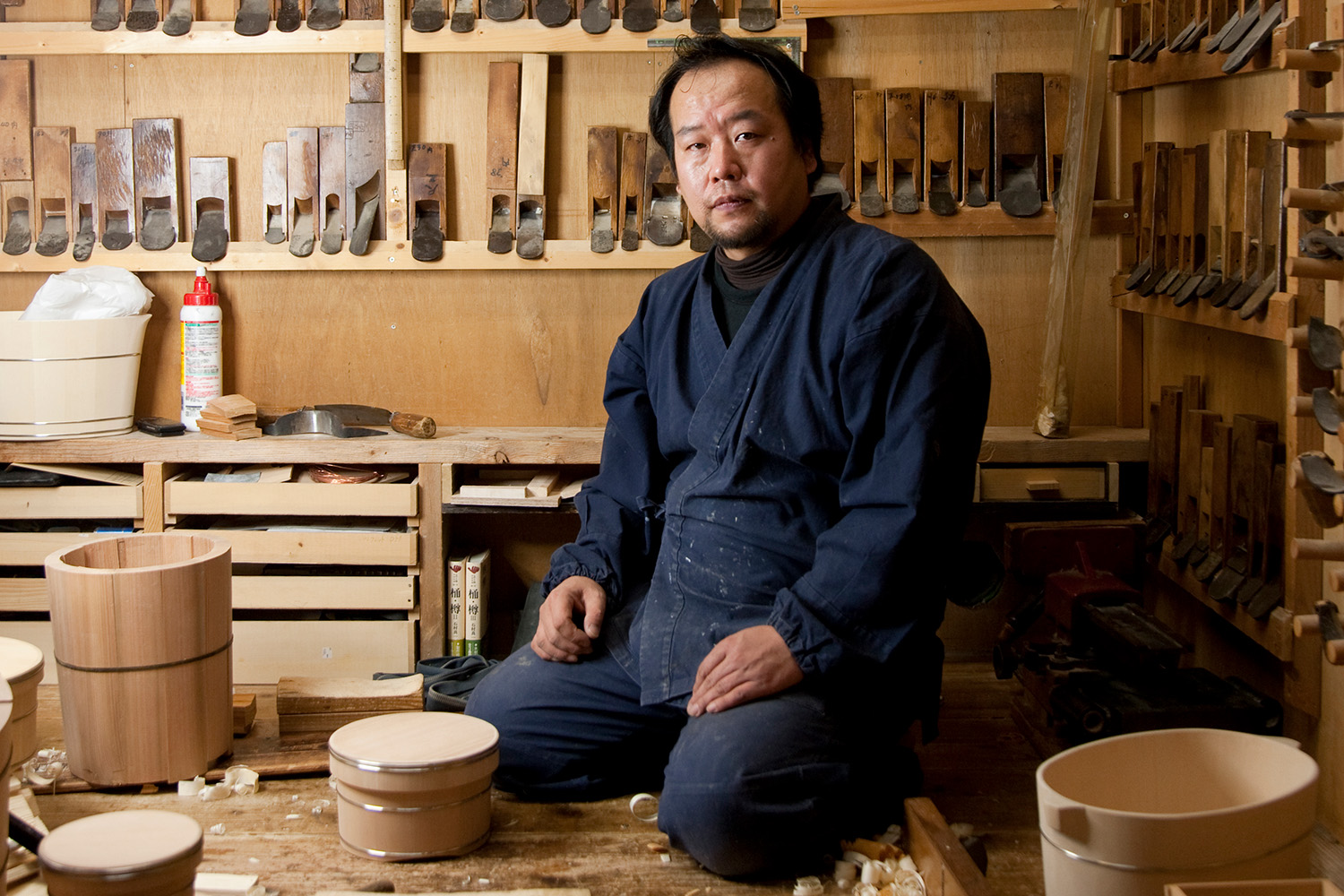
The son of Kiyotsugu Nakagawa, the highly prestigious Japanese Living National Treasure, Shuji Nakagawa represents the third generation in the Kyoto woodcrafting tradition. Not only a guardian and transmitter of knowledge, he is also a contemporary artist, exhibiting his work internationally. Rebellious as an adolescent, Shuji wanted to explore new horizons and undertook studies in Contemporary Art. He even learned steel sculpting, but in the end, it was quite natural for him to return to the family craft. He mixed the knowledge acquired from his studies with traditional techniques to push the boundaries of kioke making to new spheres. Today, Shuji lives on the shores of Lake Biwa with his wife, where he decided to set up his own studio in 2003. Here he finds the calm and inspiration he needs in nature, forests and the lakes.
INTERVIEW
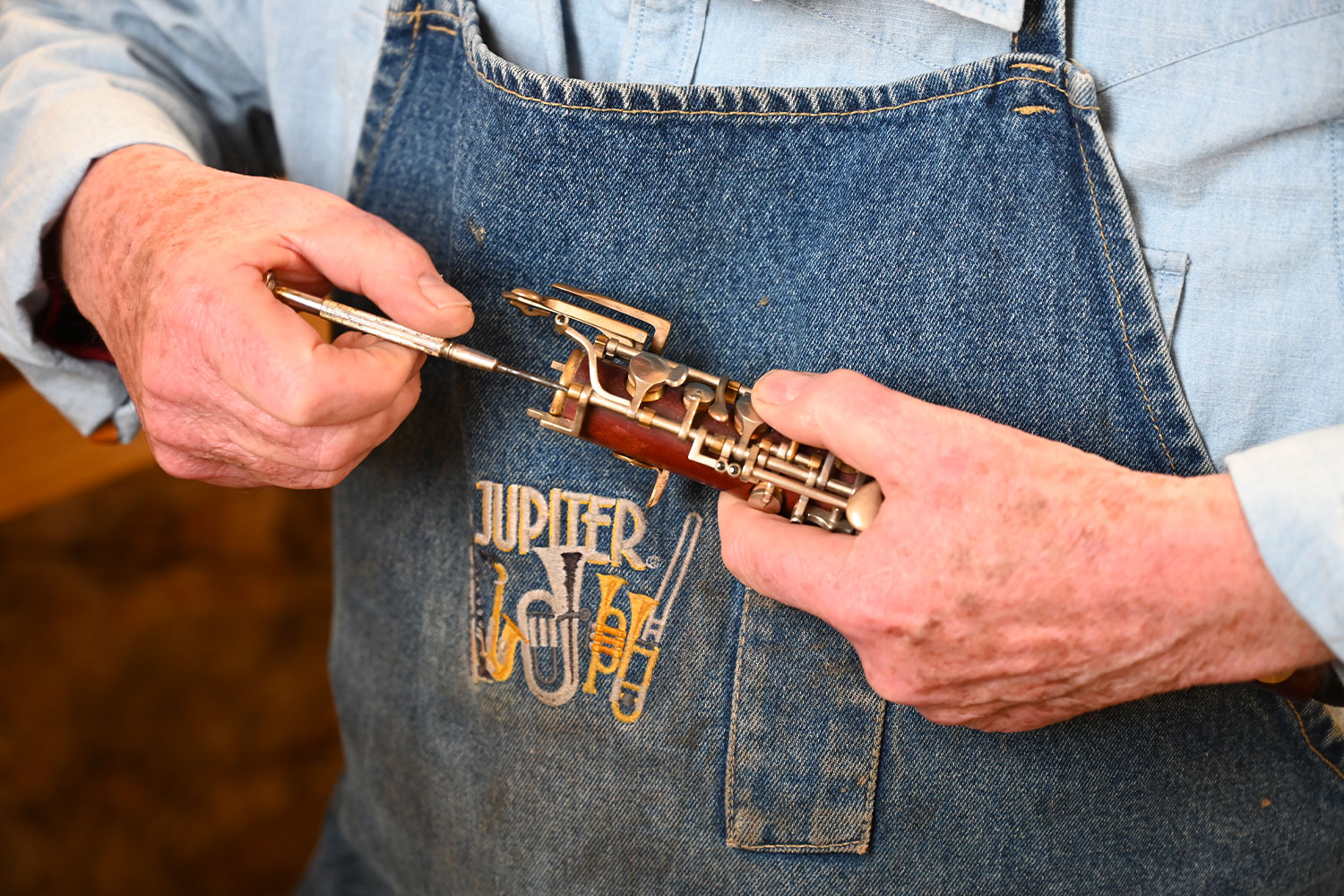
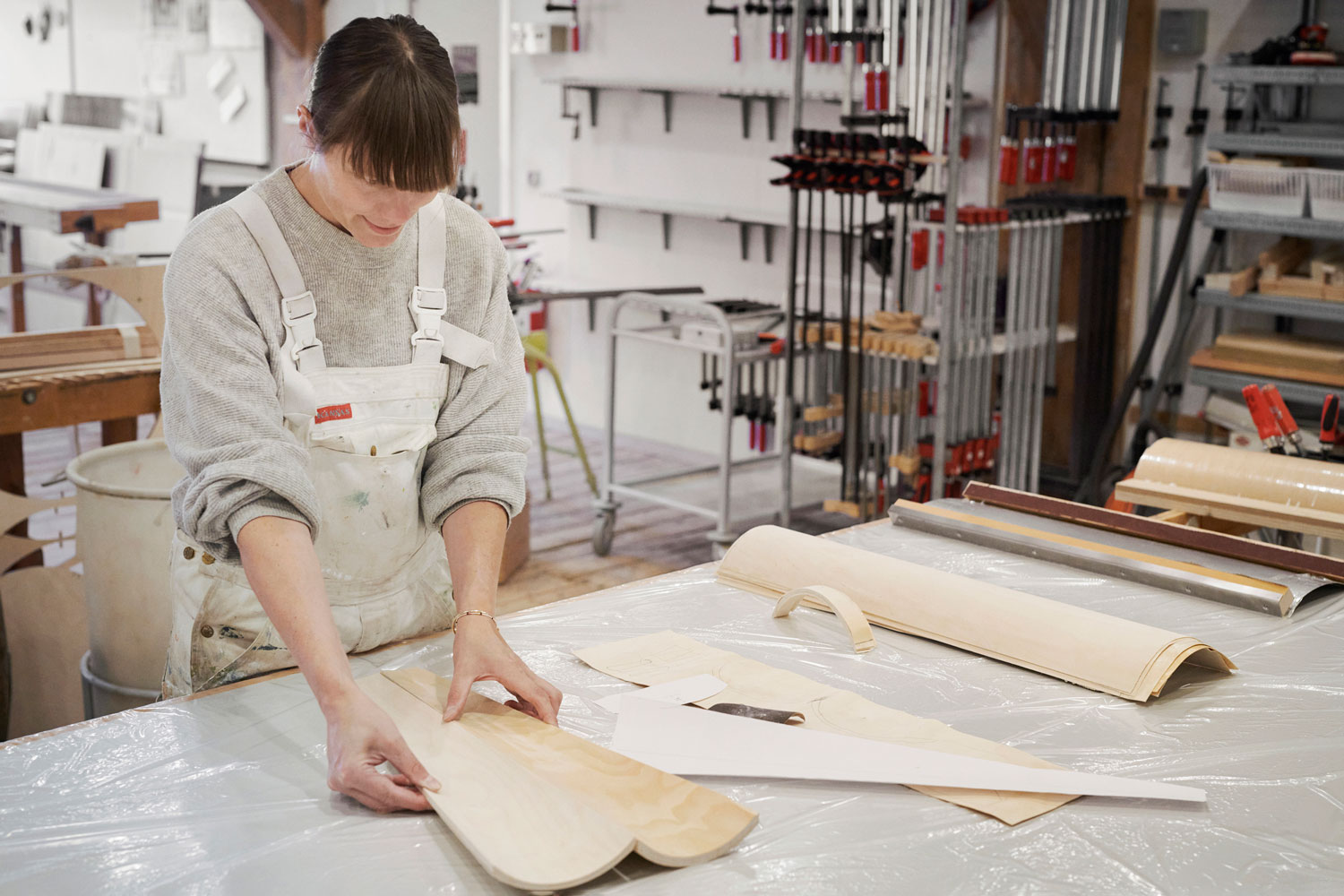
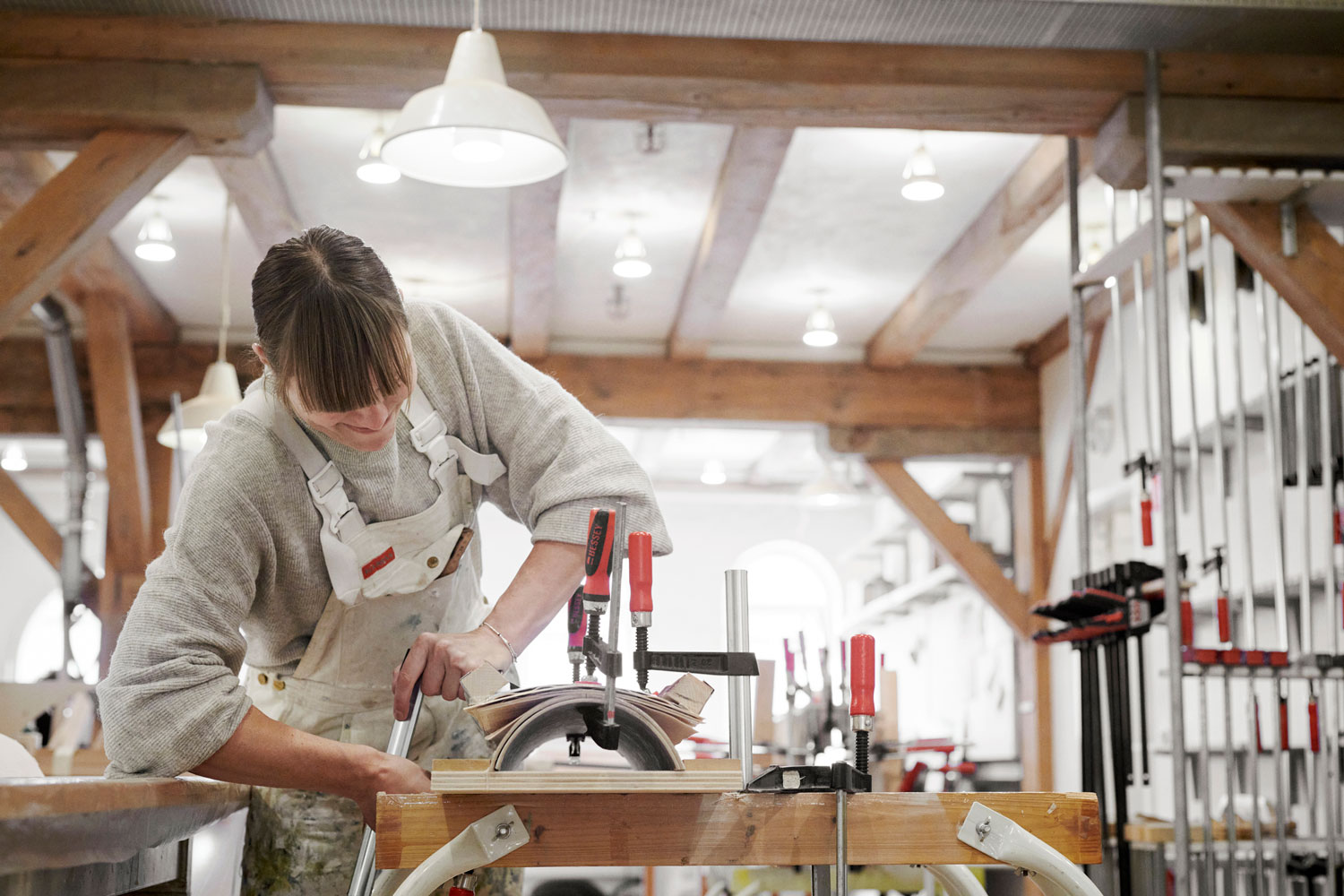
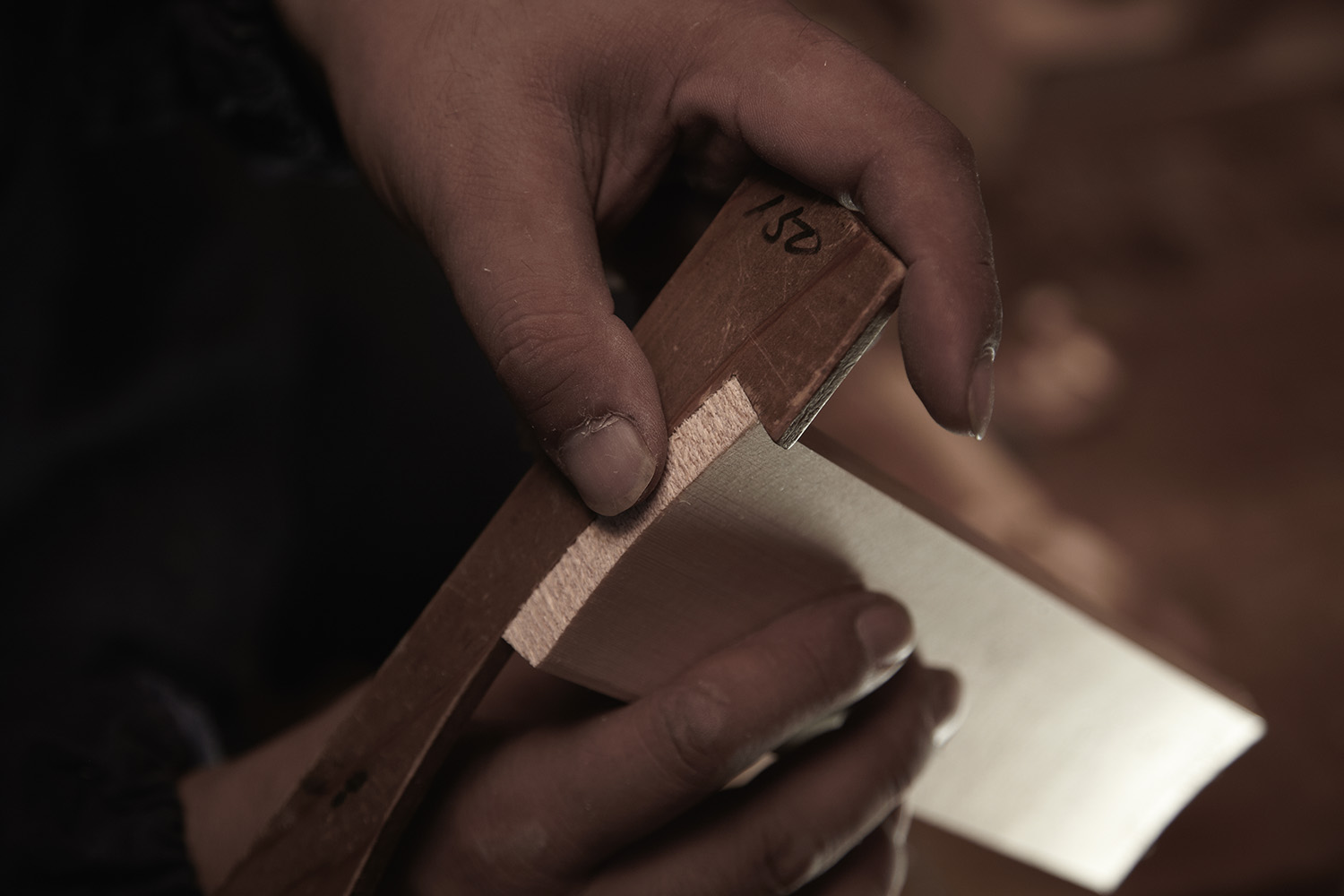
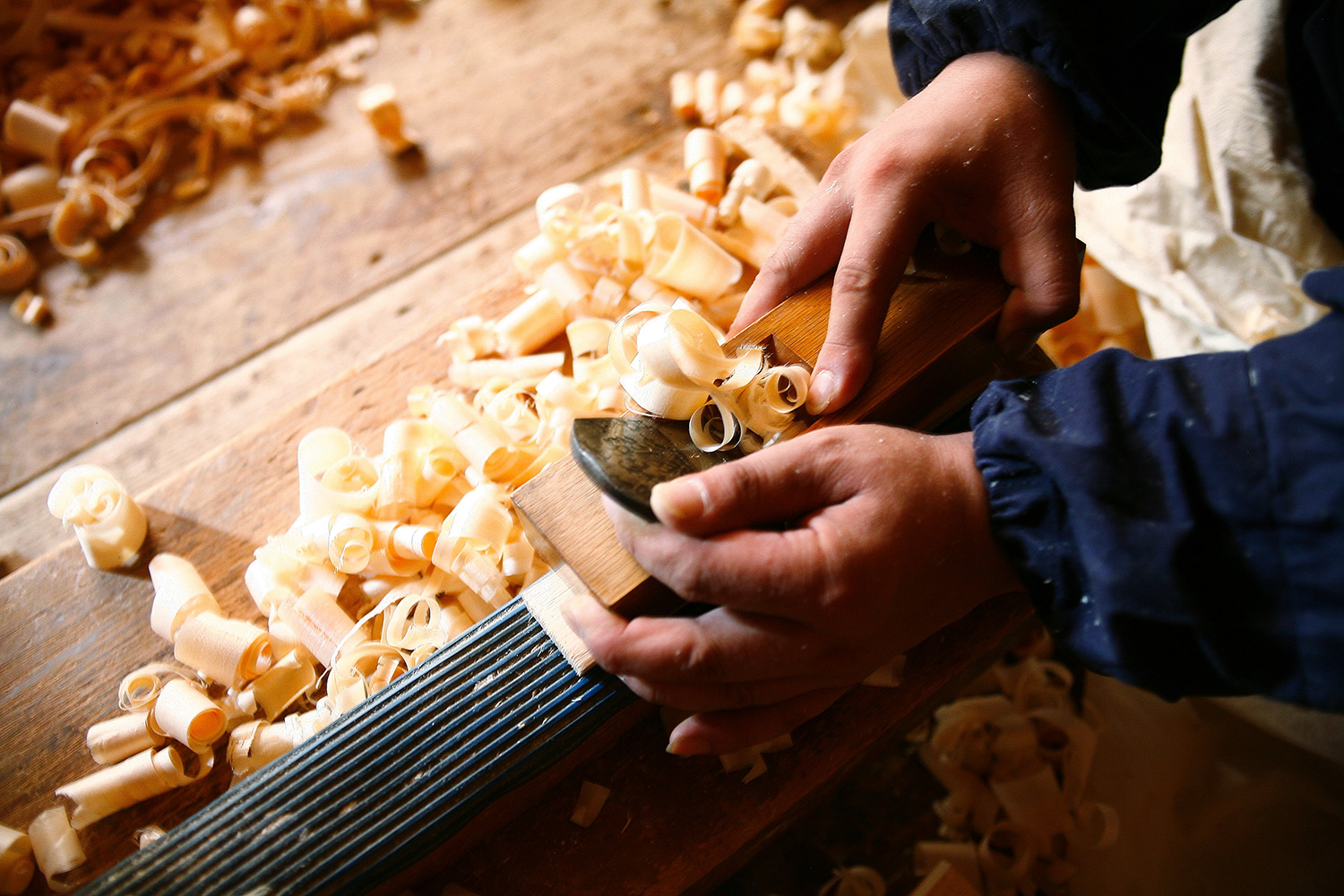
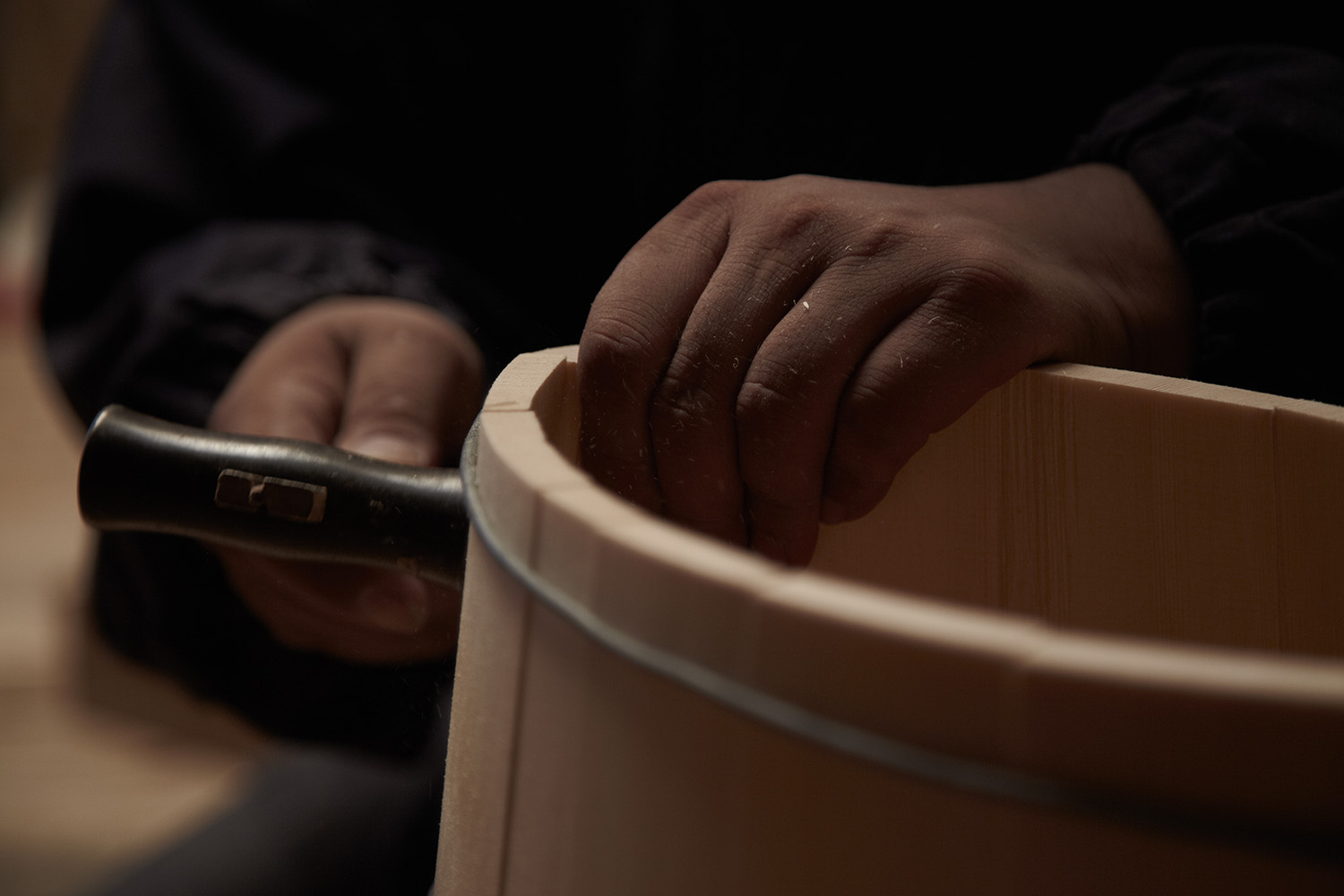
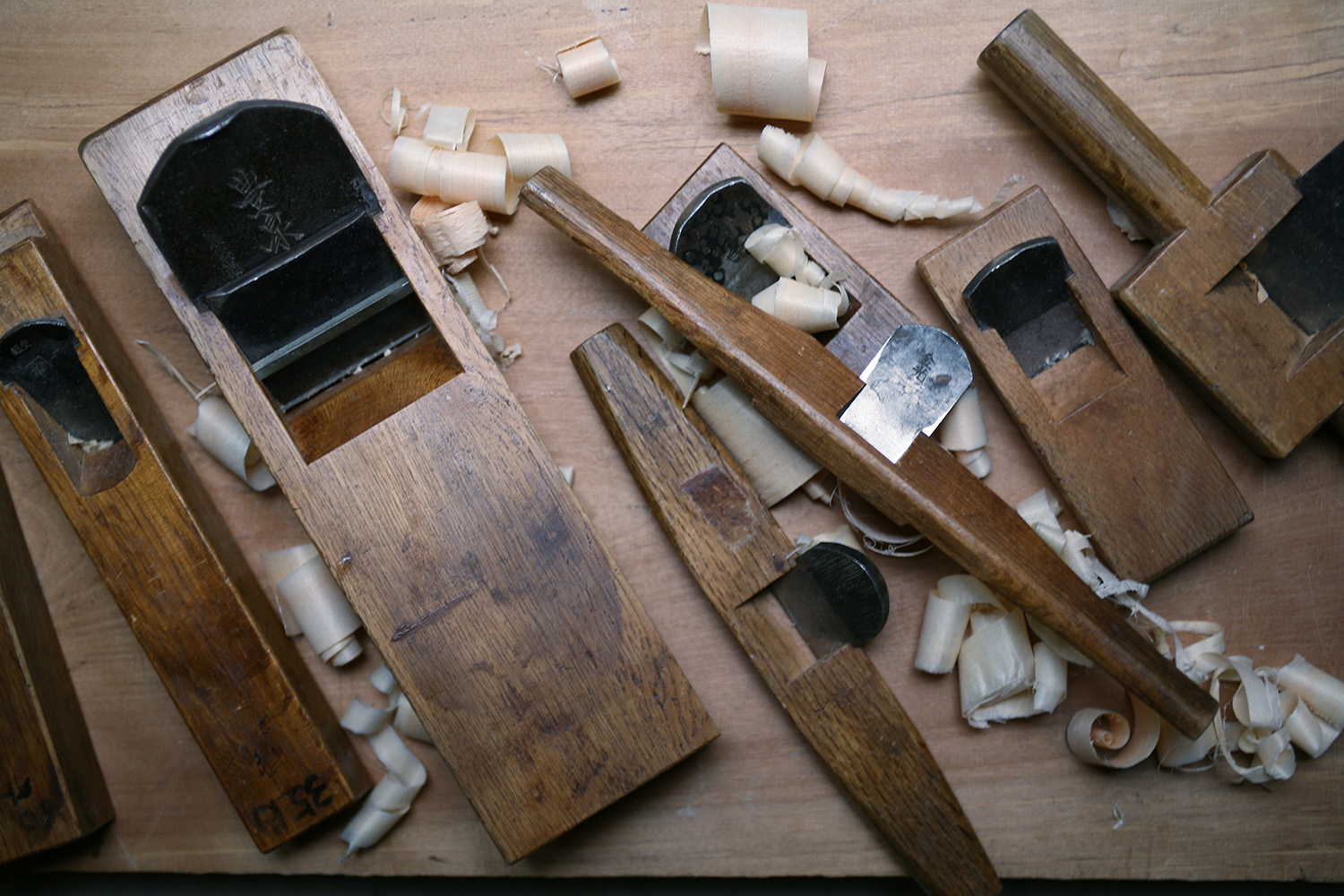
Kioke is constructed out of multiple parts that are pressed together. From the logs cut into four to eight pieces, the wood is dried for several years. Using a small, curved tool called wariyama, pieces are shaped into the right angles, then held together thanks to two metal bands assembling the kioke. The base is added at the end. The pieces need to fit perfectly.
The kioke stands the test of time. Its particularity lies in the fact that any part that becomes worn can be replaced. True to Japanese custom, it embodies the concept of sustaining an object over time through ongoing repairs.
I explore the creation of new bucket shapes. Incorporating design elements or experimenting with new shapes, such as leaves for example, helps accompany the transition from a traditional household object to a more precious and luxurious item. I also train my successors. Some of the craftsmen who have studied in my workshop have started their own business.
The first object I made was a bathtub, which is very basic but requires all the techniques. A pivotal moment in my life was when I started a collaboration with a French champagne brand, to create a cooler. We realised that ice melted very slowly in a kioke and that there was less condensation. A perfect demonstration of usability, design and structure fitting together.
Shuji Nakagawa
Nakagawa Mokkougei Hirakoubou
Woodworker
Otsu, Japan
AVAILABILITY
Daily 09:00-18:00
PHONE
+81 9050549670
LANGUAGES
Japanese
Homo Faber Finds is a new service aiming to inspire admirers of craft to connect and collaborate with exceptional artisans.
We invite you to submit an enquiry here.