©All rights reserved
©All rights reserved
©All rights reserved
©All rights reserved
©All rights reserved
©All rights reserved
Oliver Chalk
Wood sculptor
Canterbury, United Kingdom
©All rights reserved
©All rights reserved
©All rights reserved
©All rights reserved
©All rights reserved
©All rights reserved
©All rights reserved
©All rights reserved
©All rights reserved
©All rights reserved
©All rights reserved
©All rights reserved
Wood, texture and the language of touch
- Oliver makes sculptural objects from sustainably sourced and fallen wood
- He is fascinated by how we understand surface through touch
- His pieces take vessel-like forms, bridging sculpture and functionality
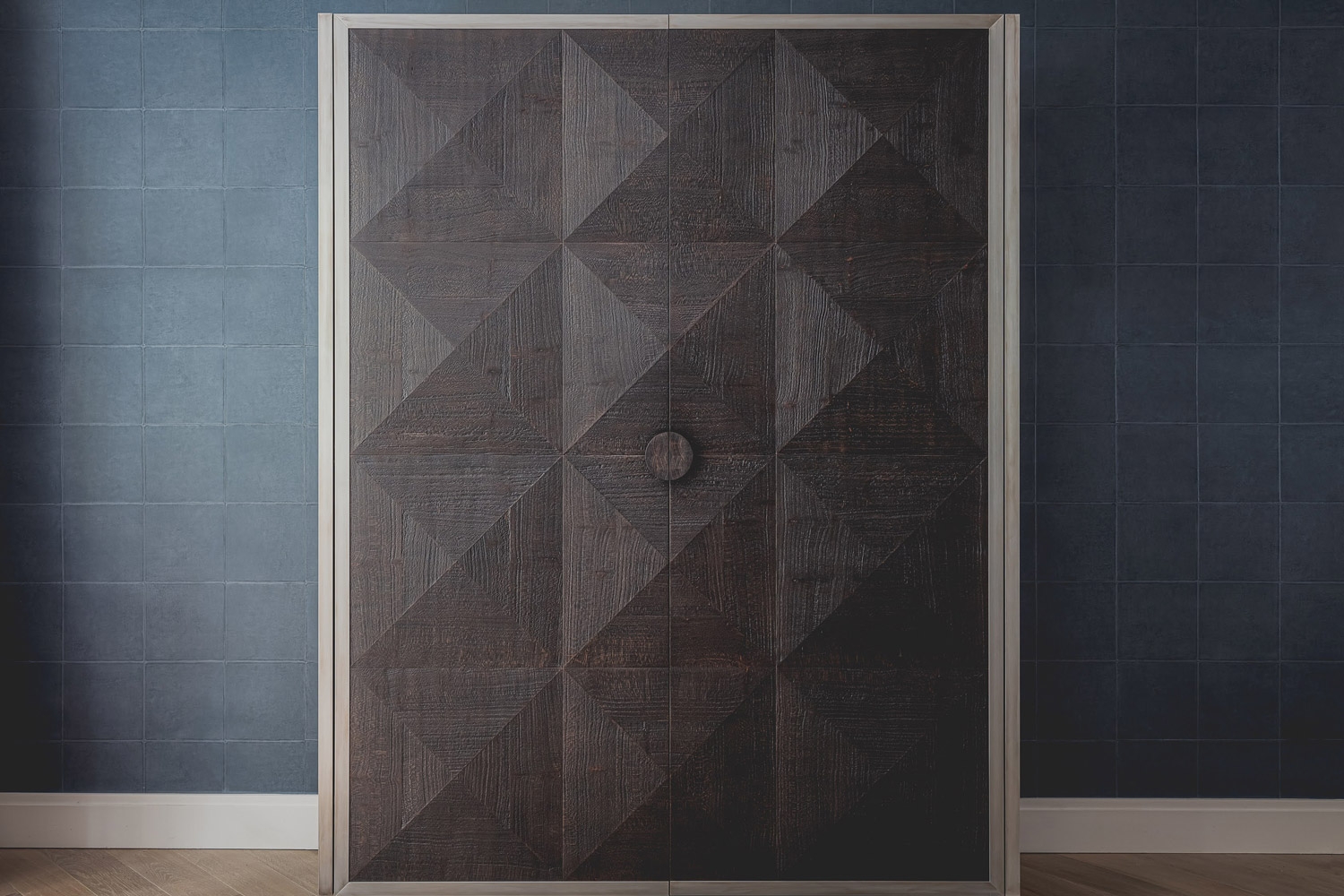
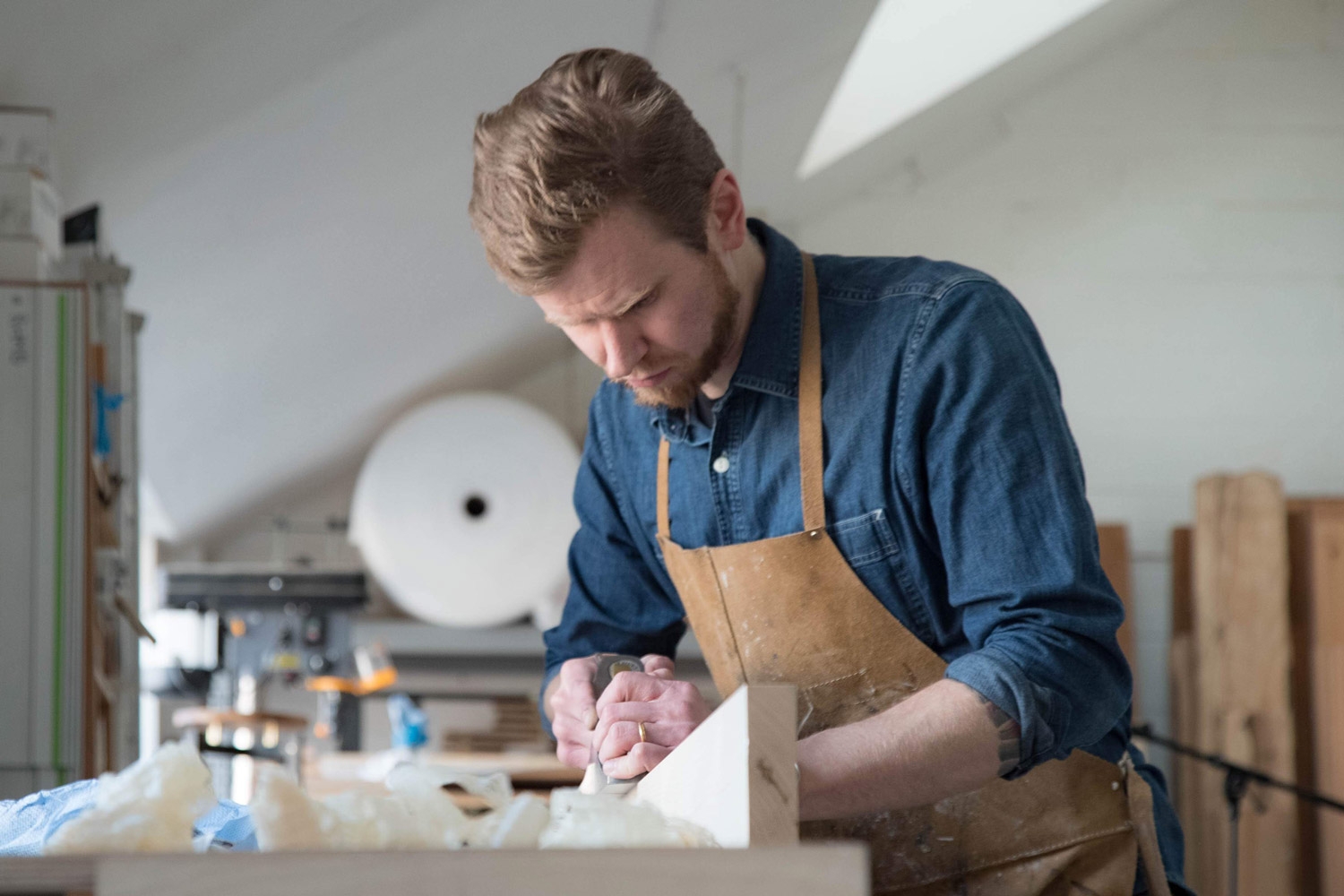
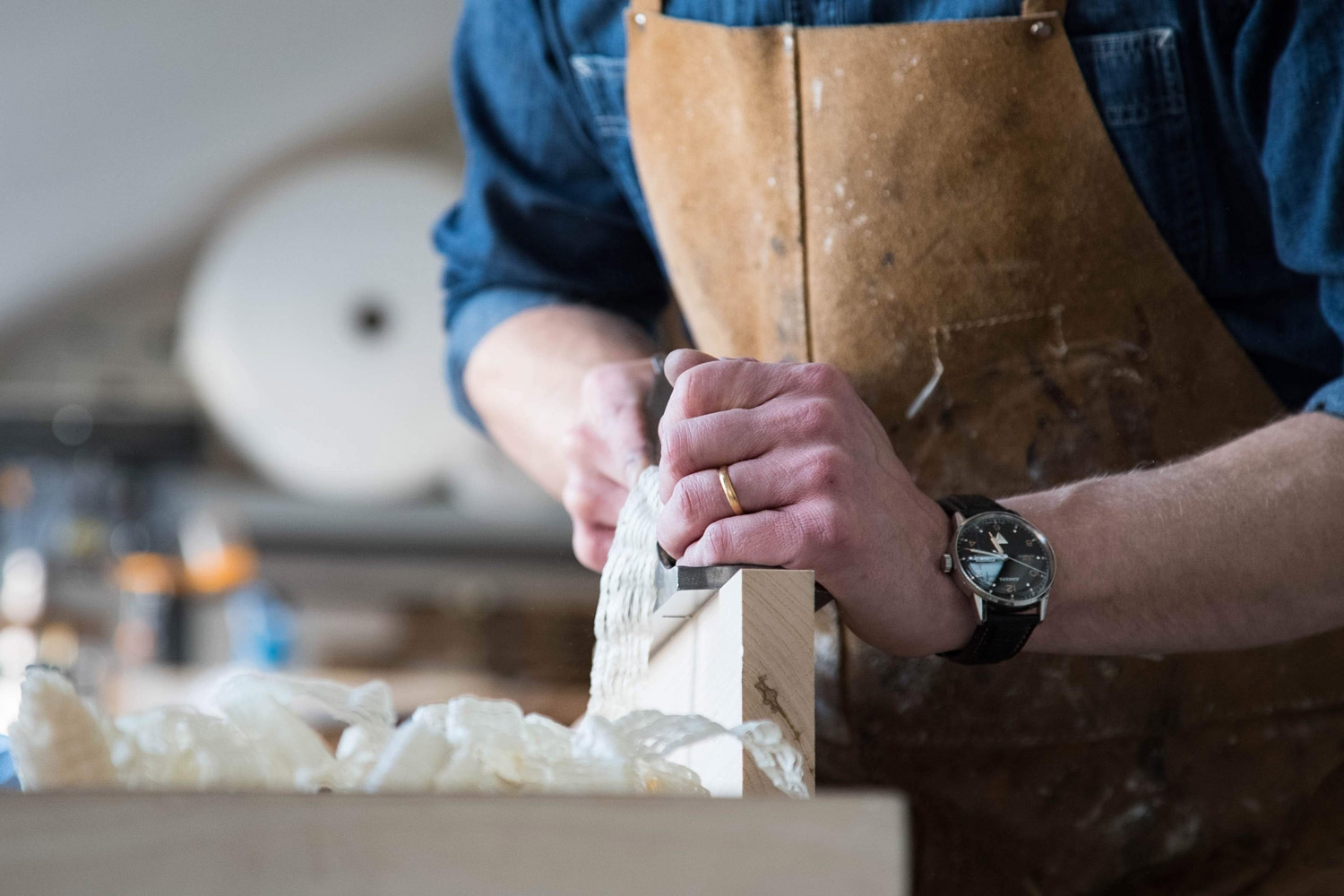
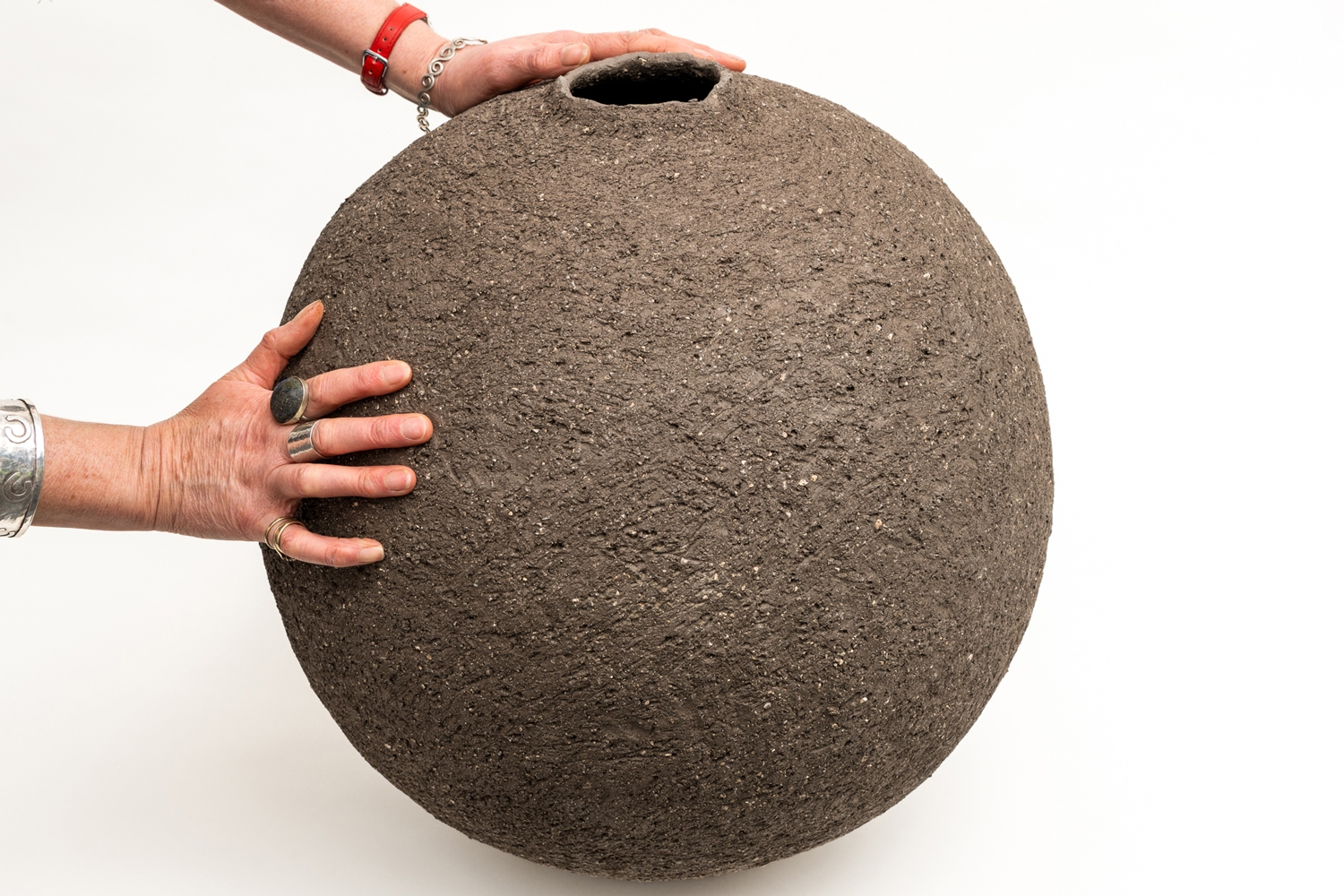
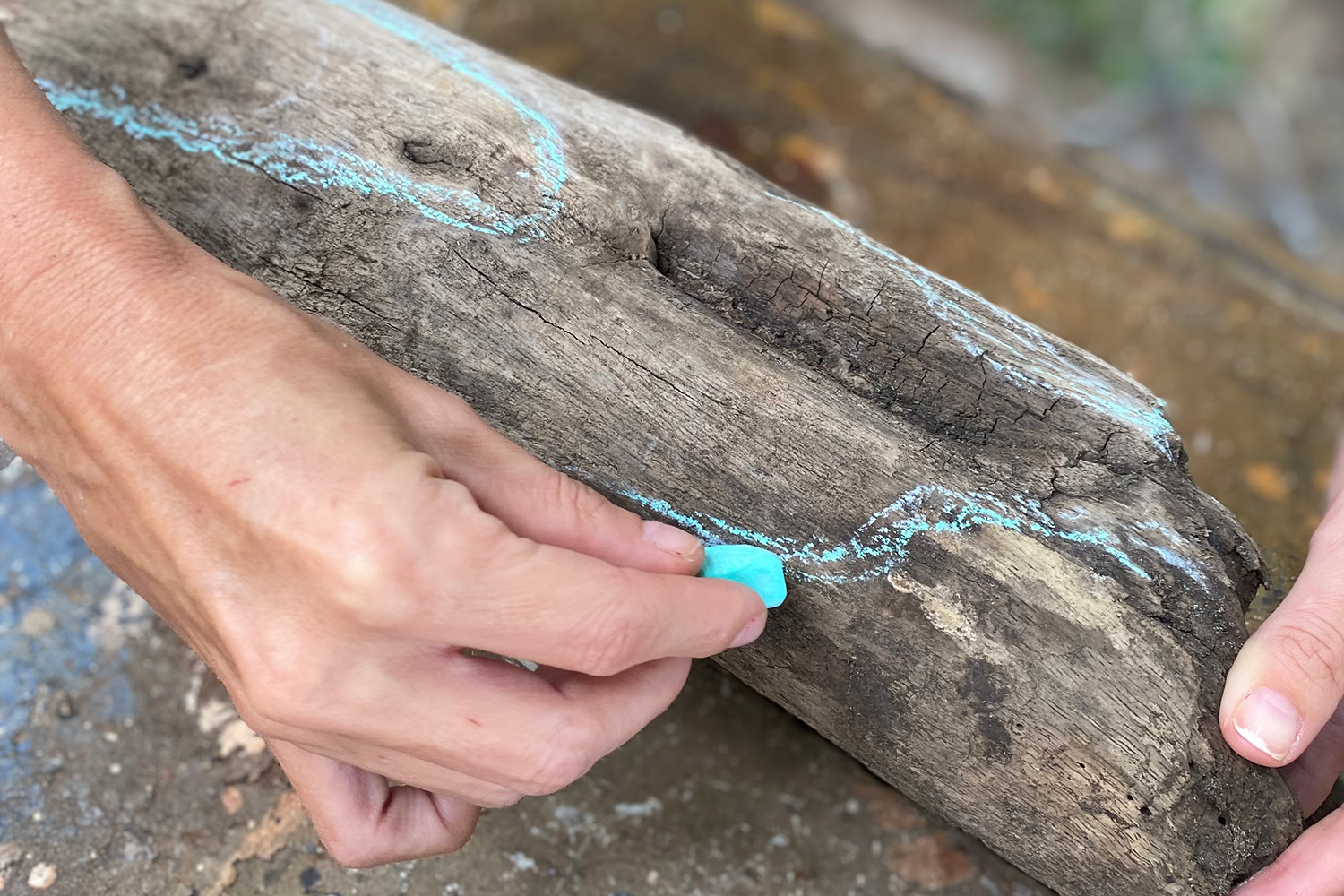
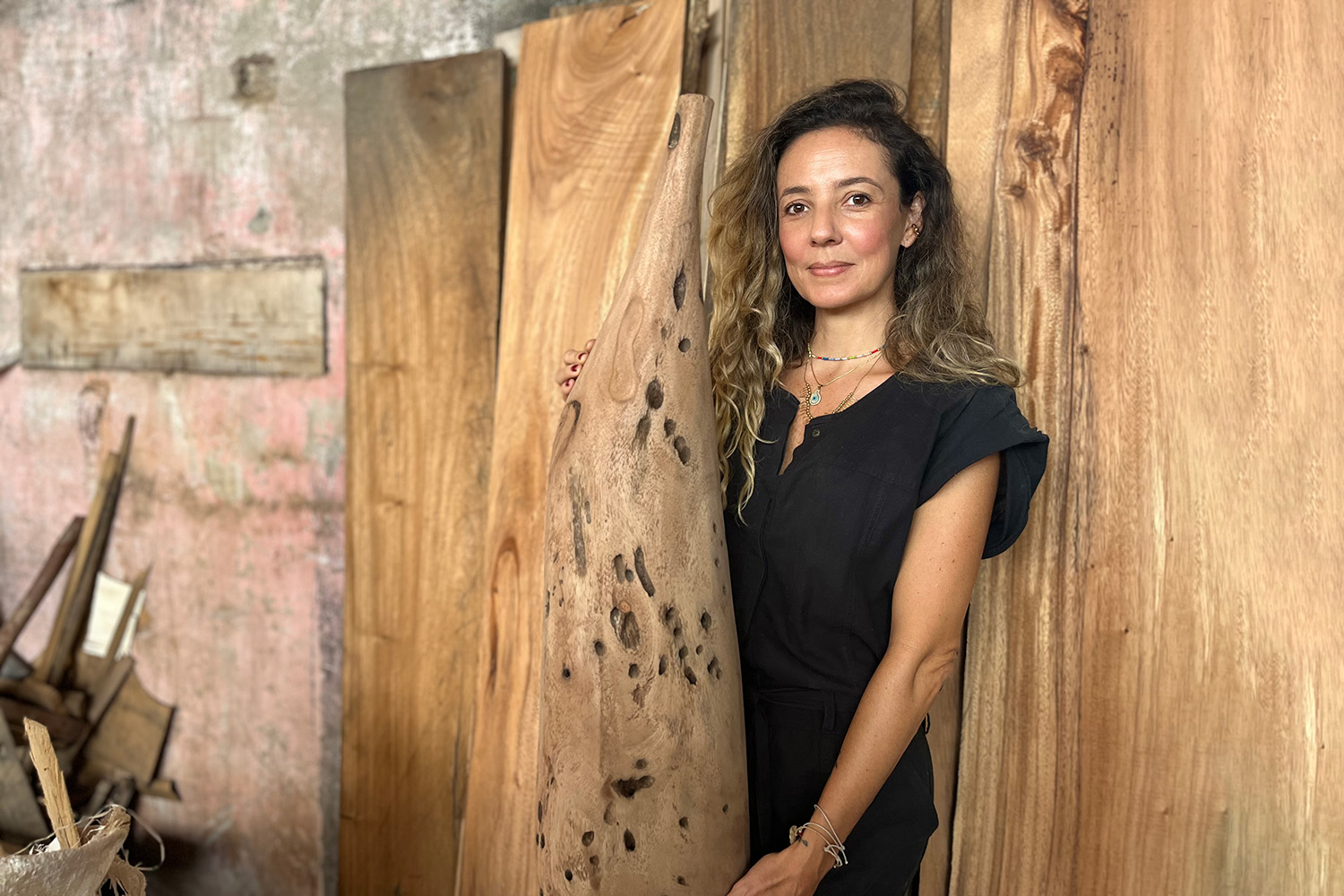
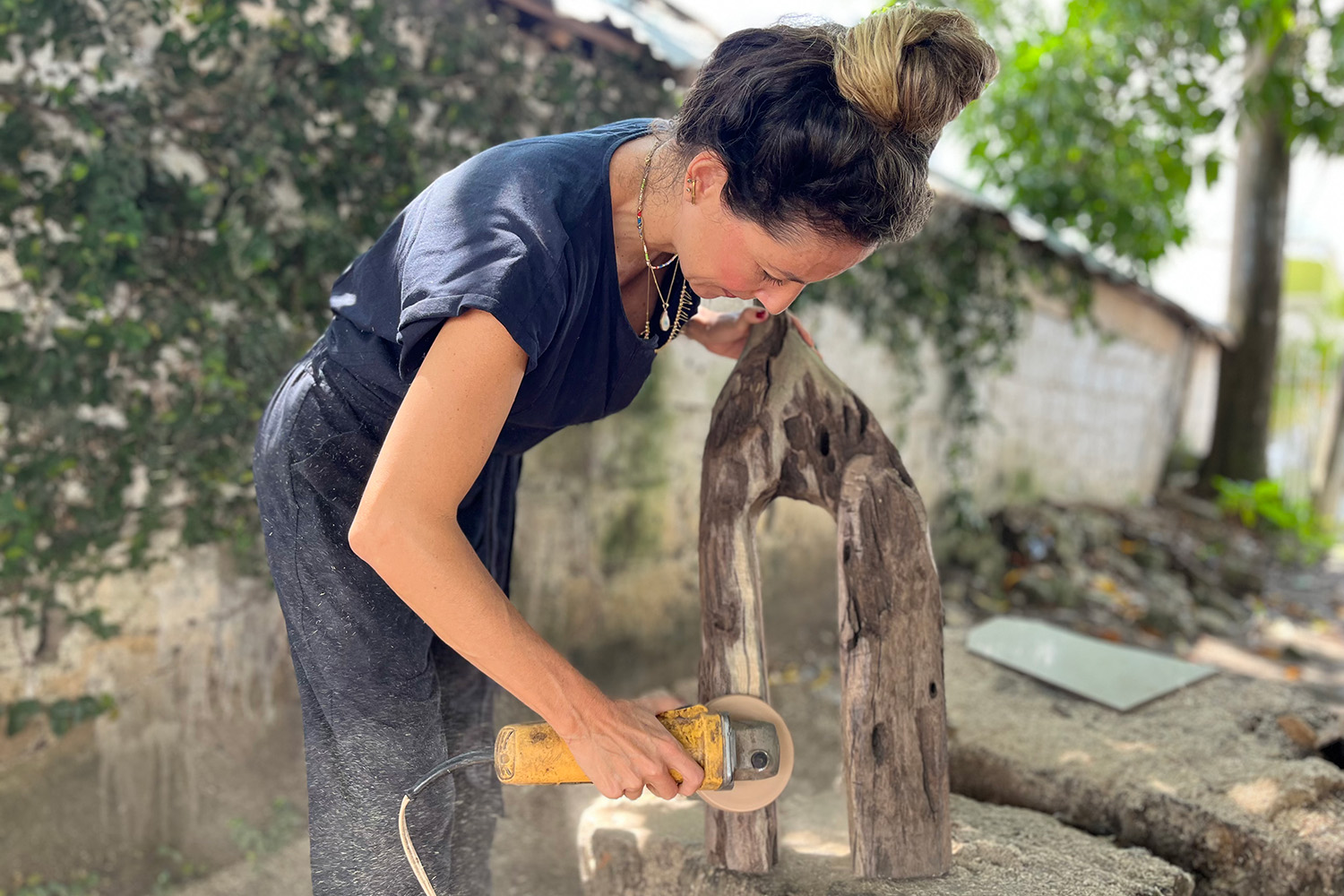
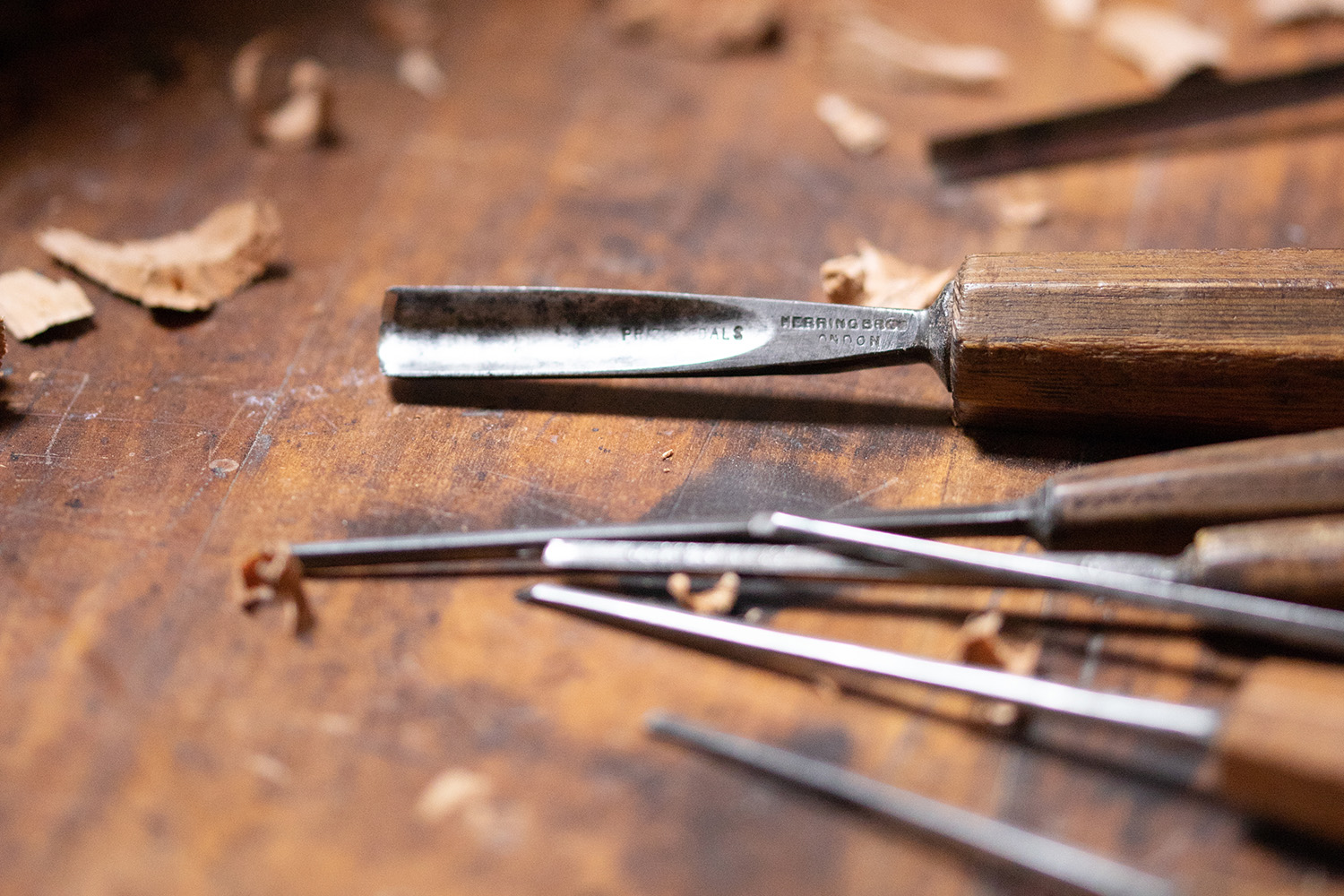
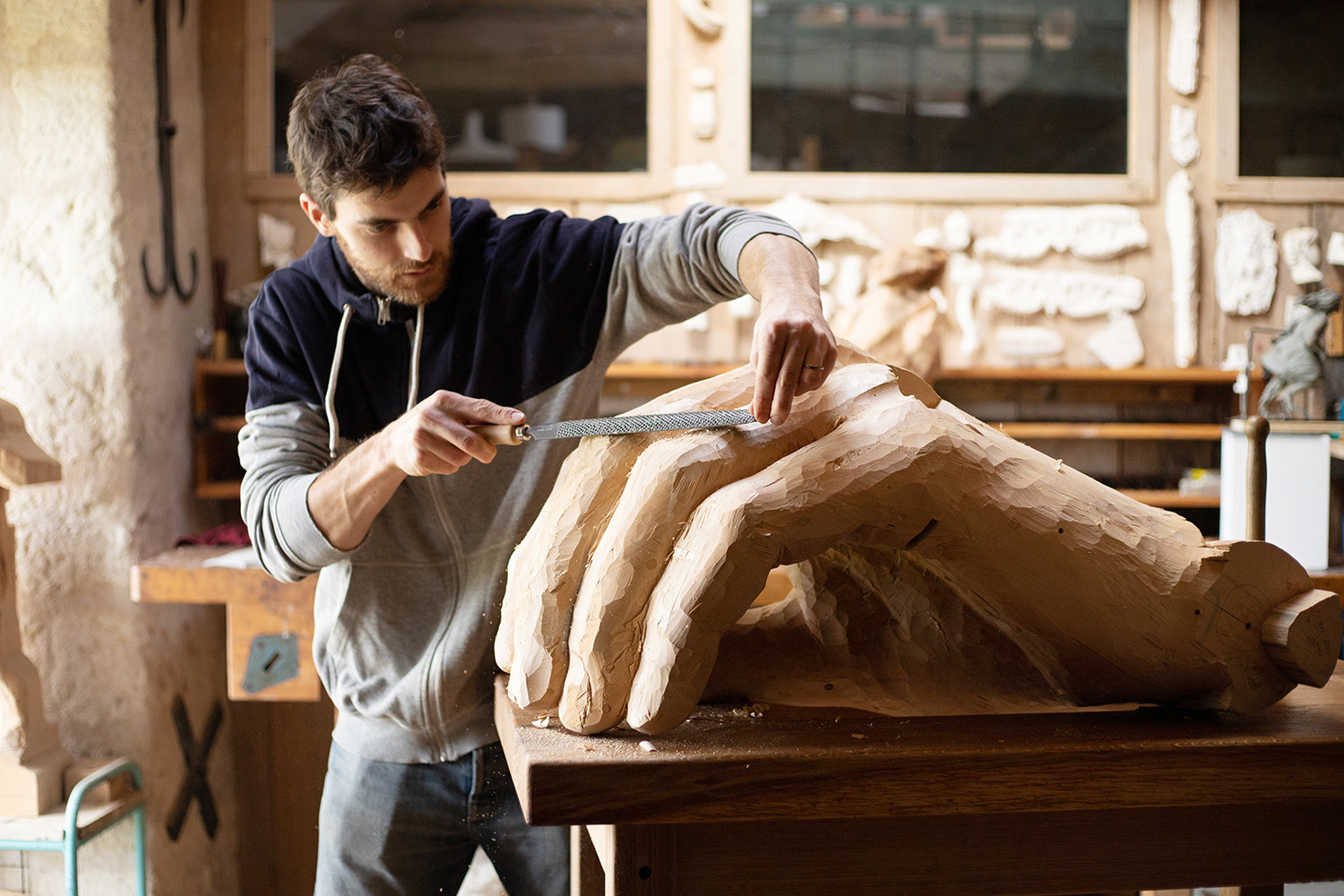
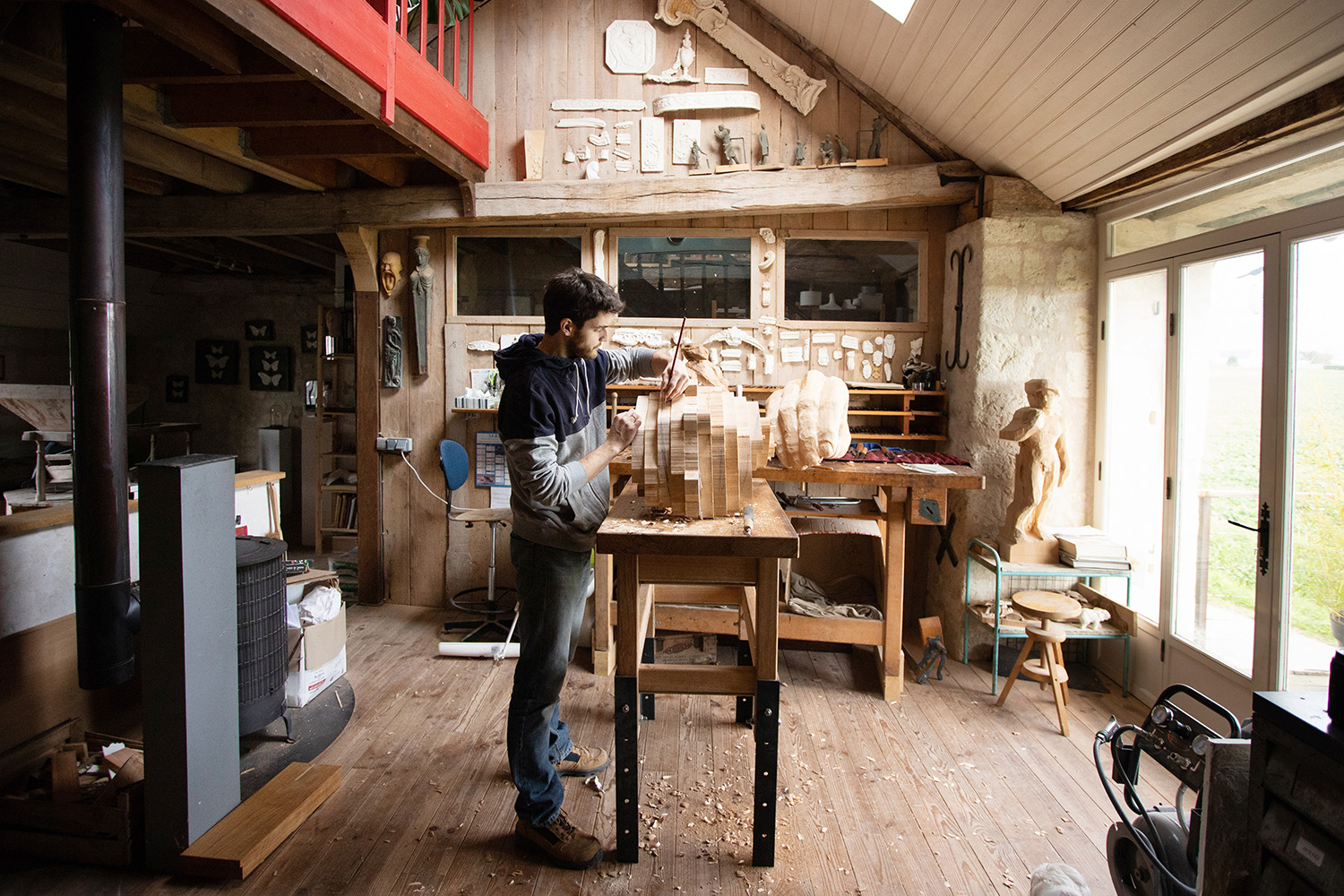
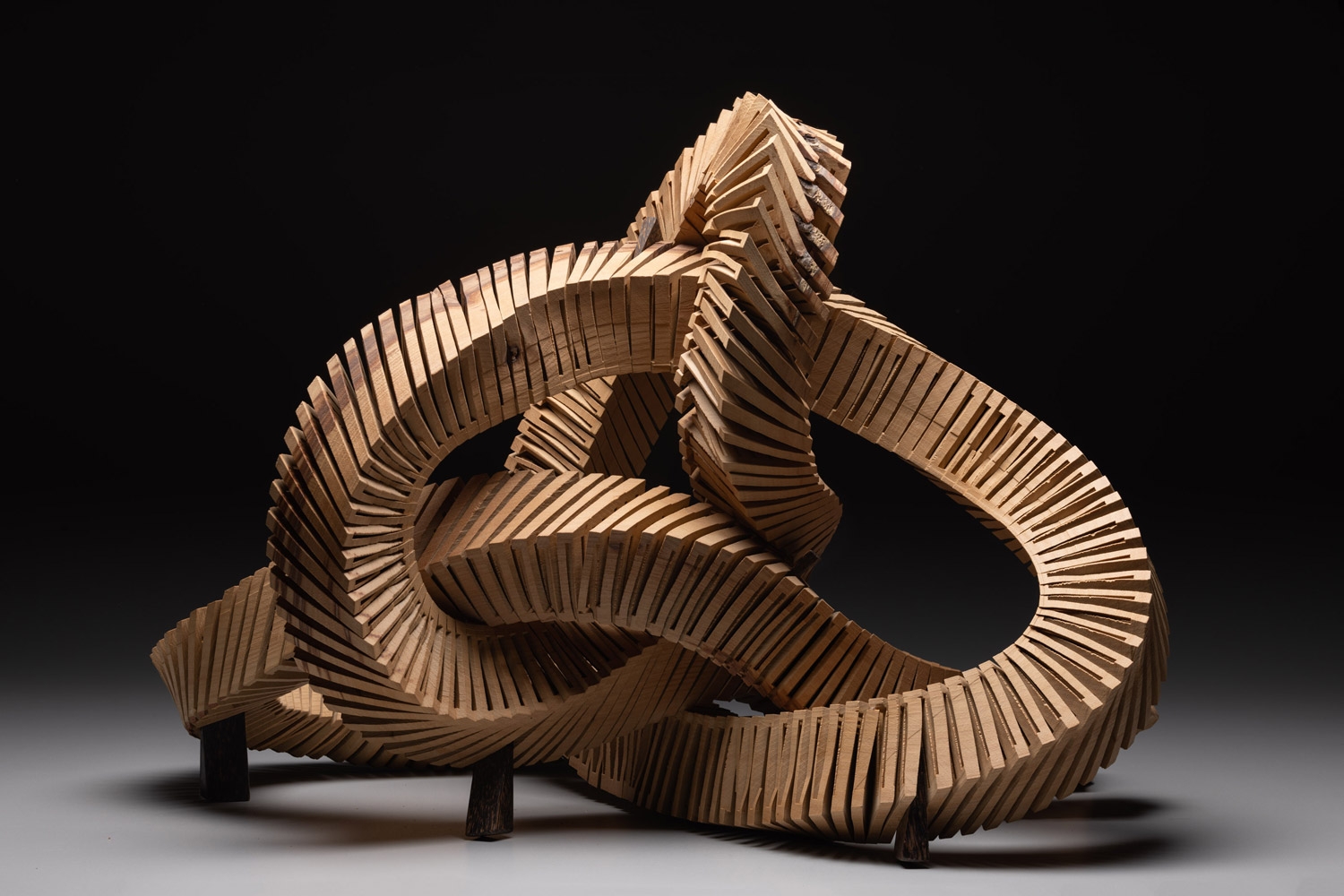
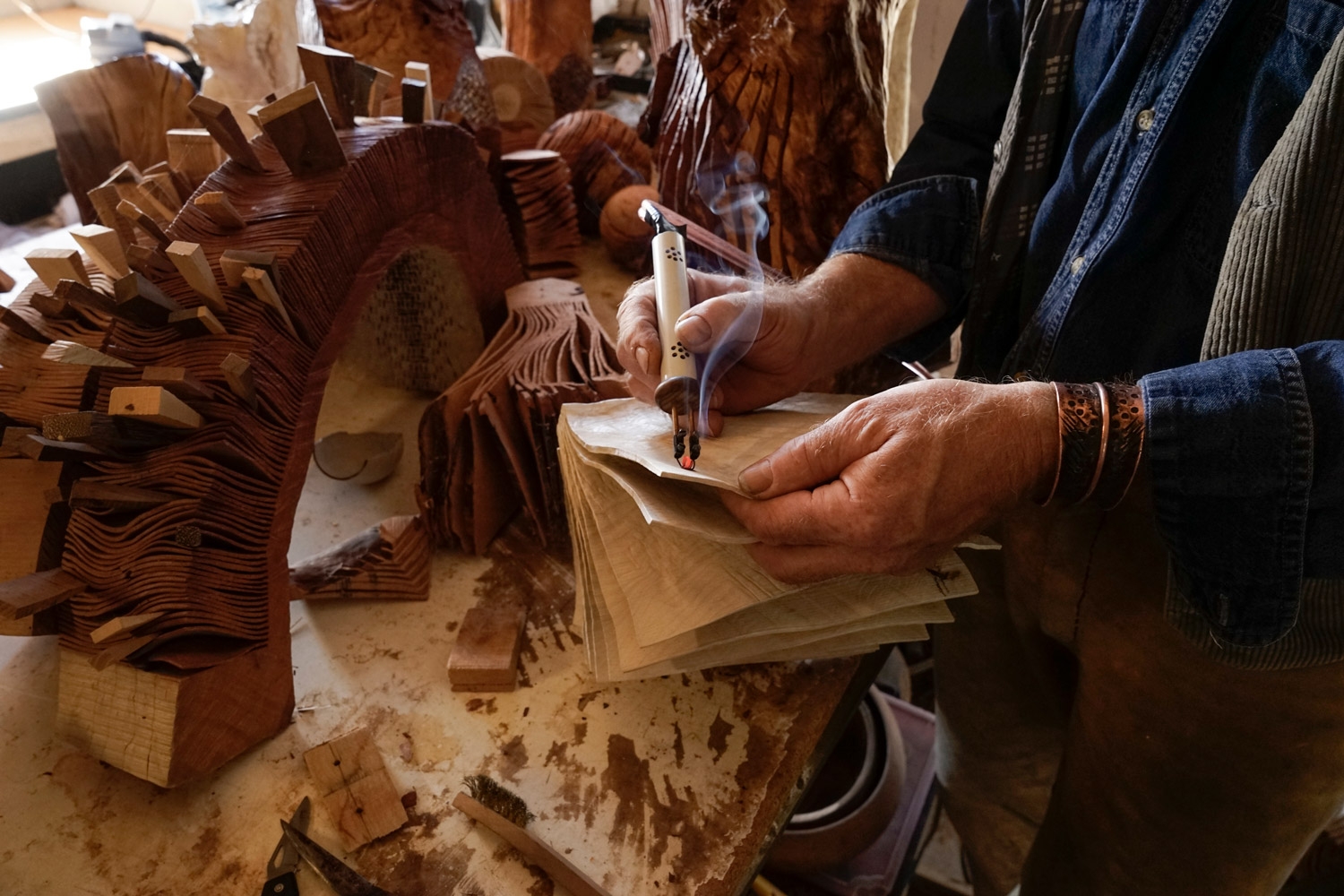
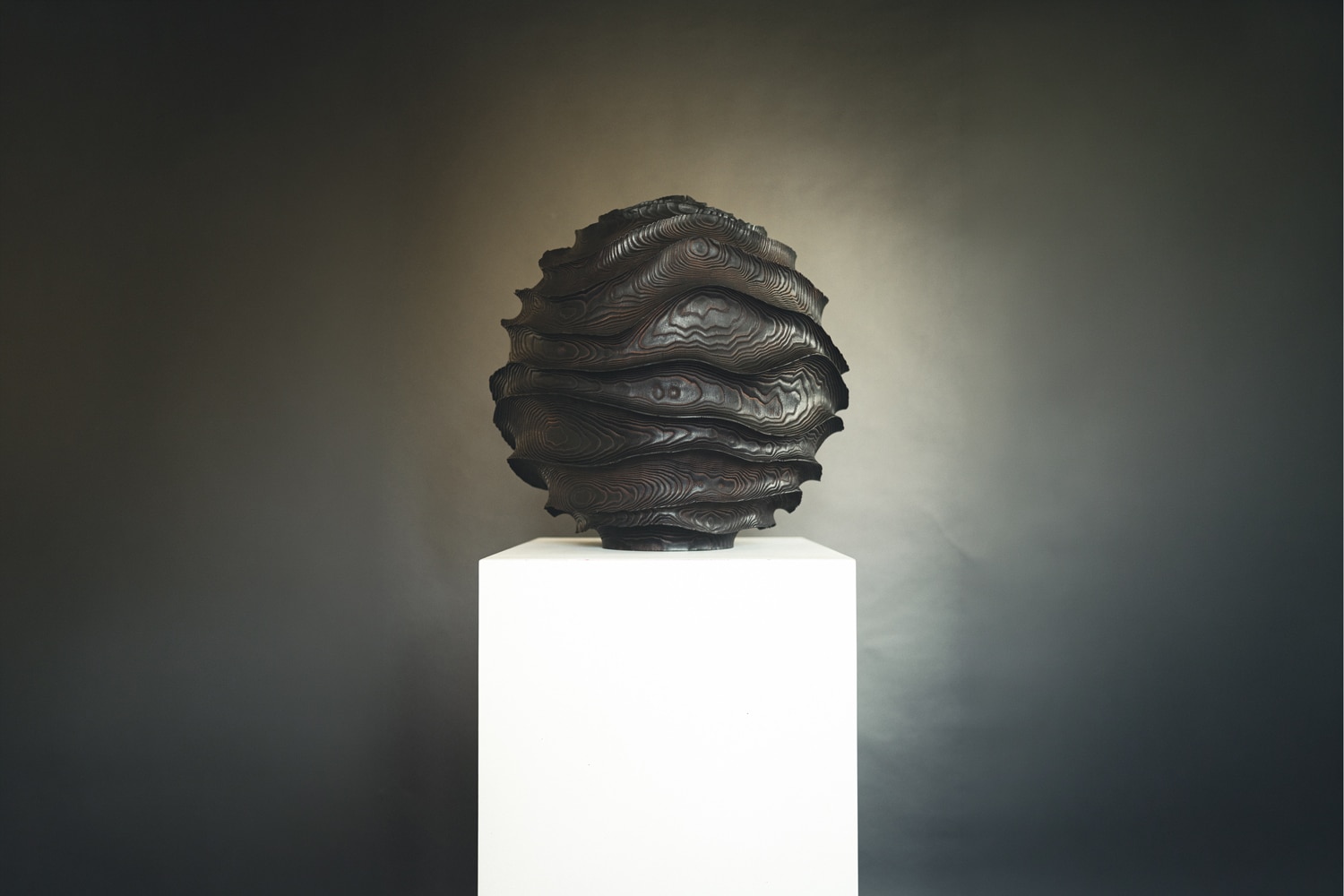
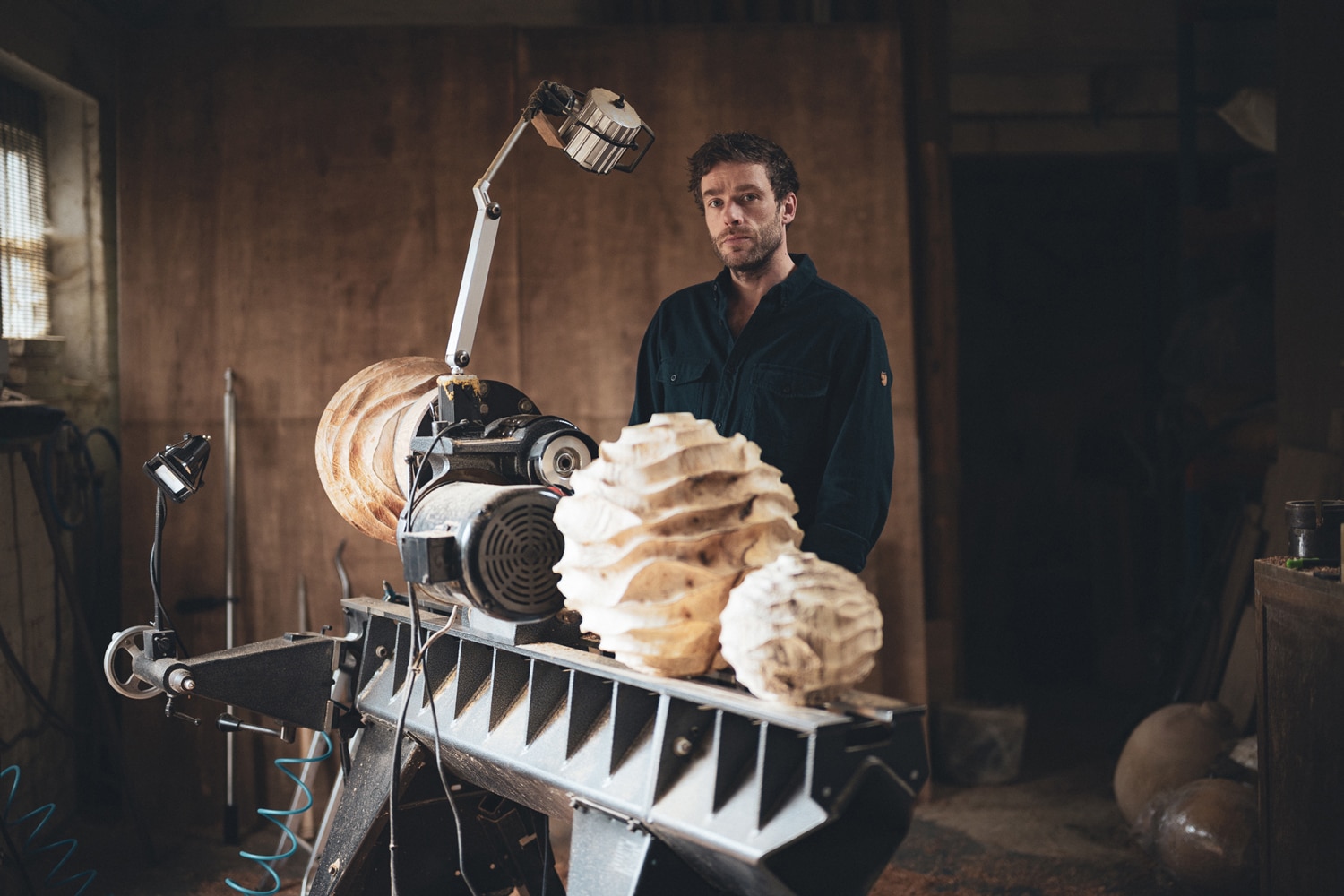
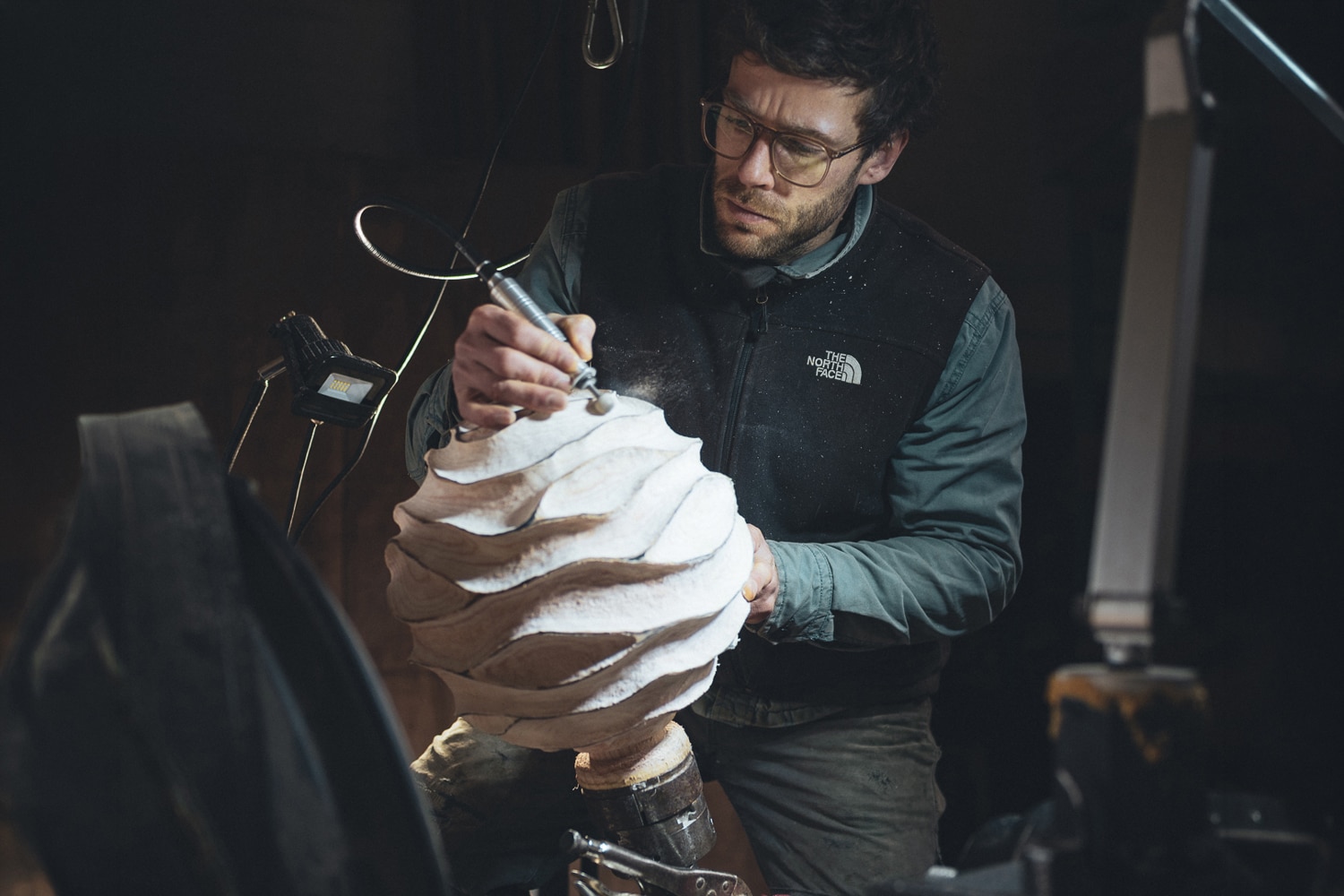
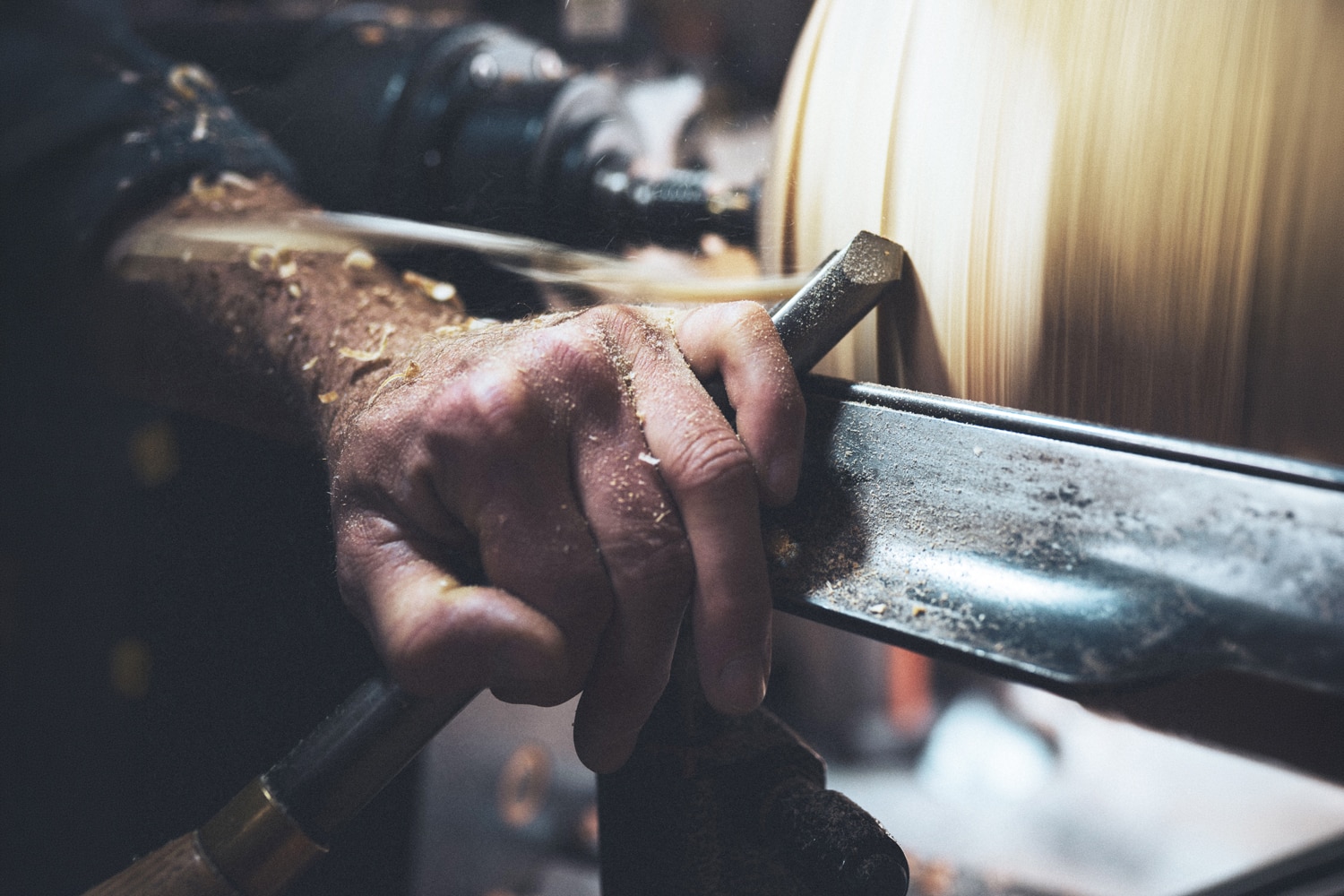
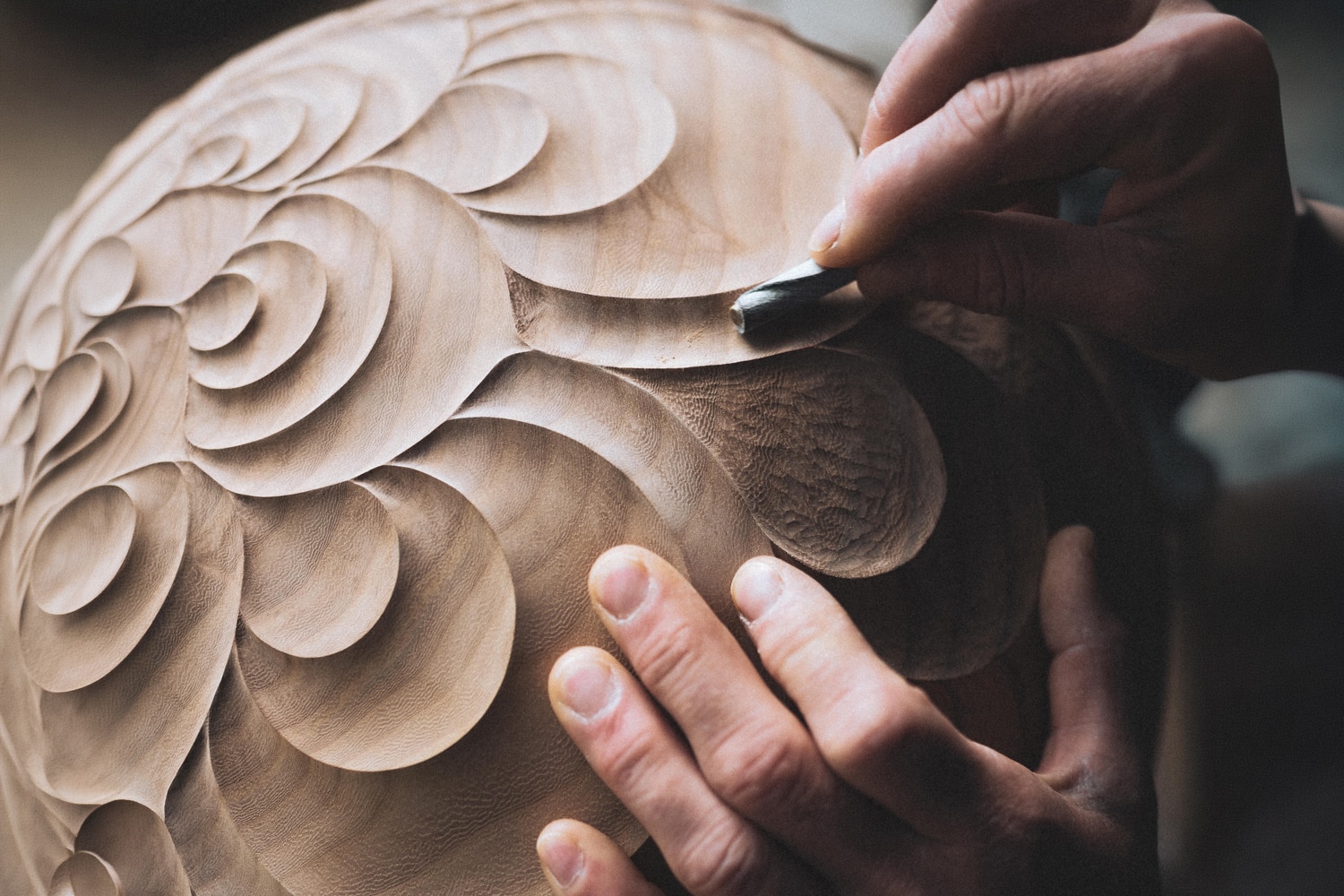
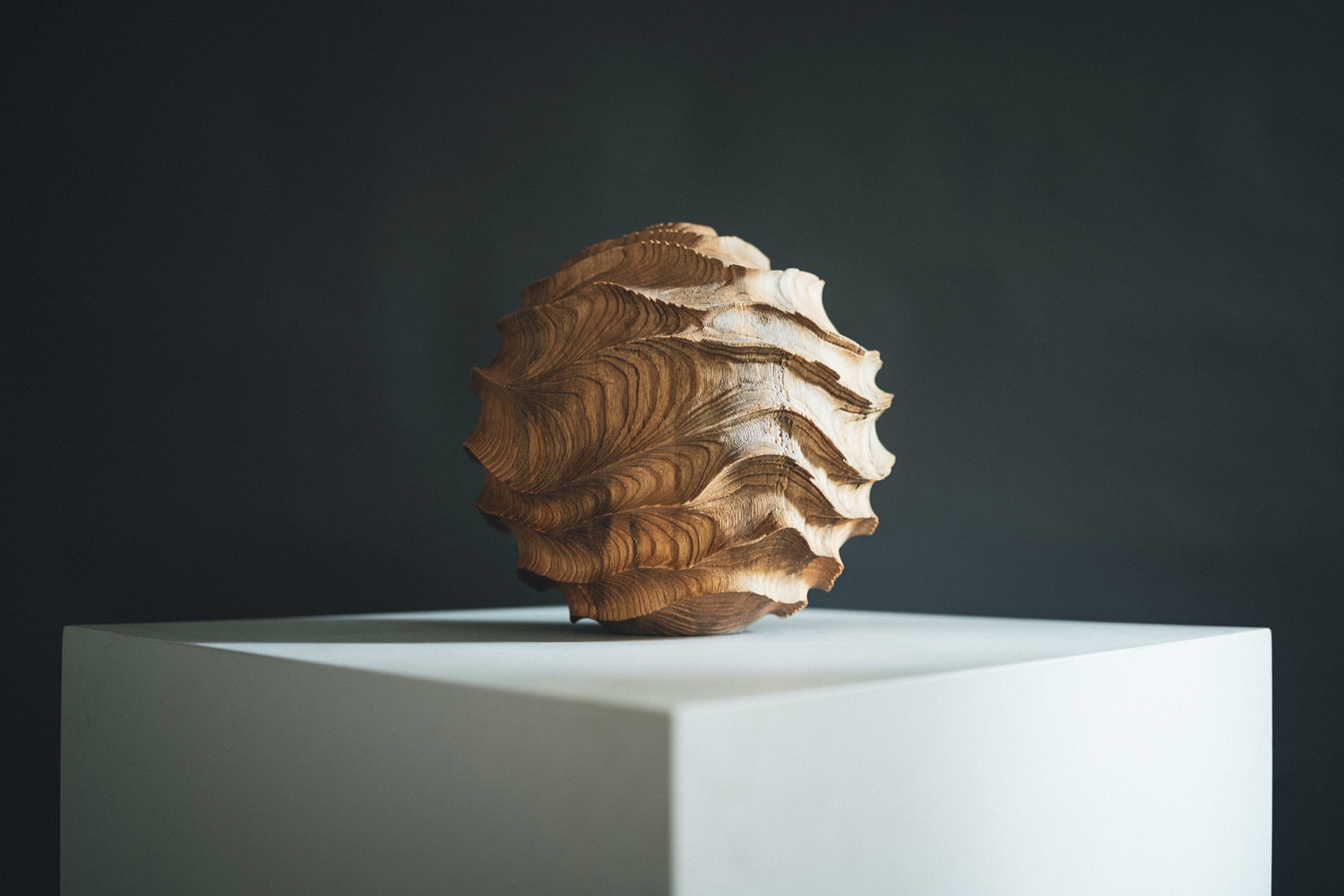
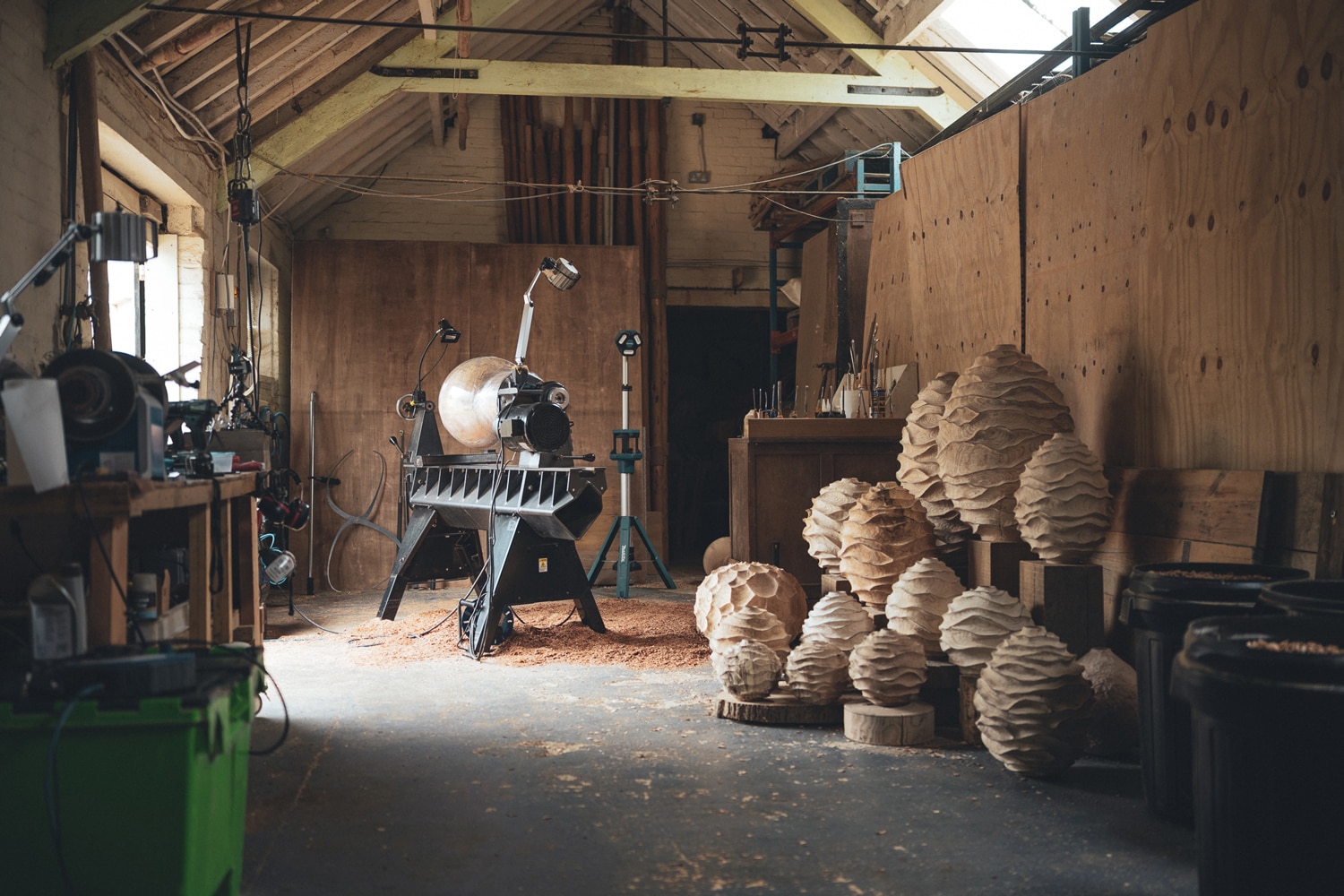
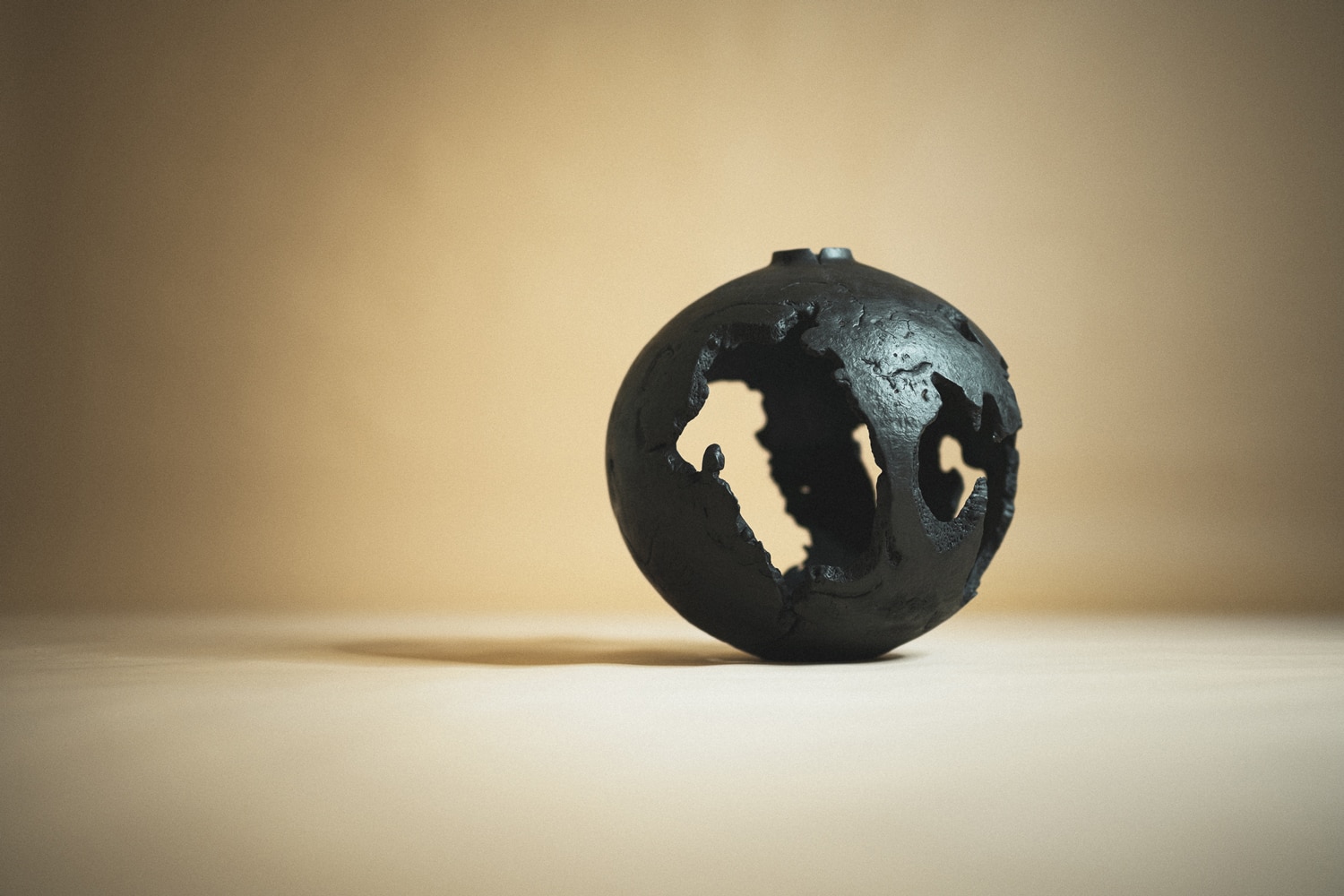
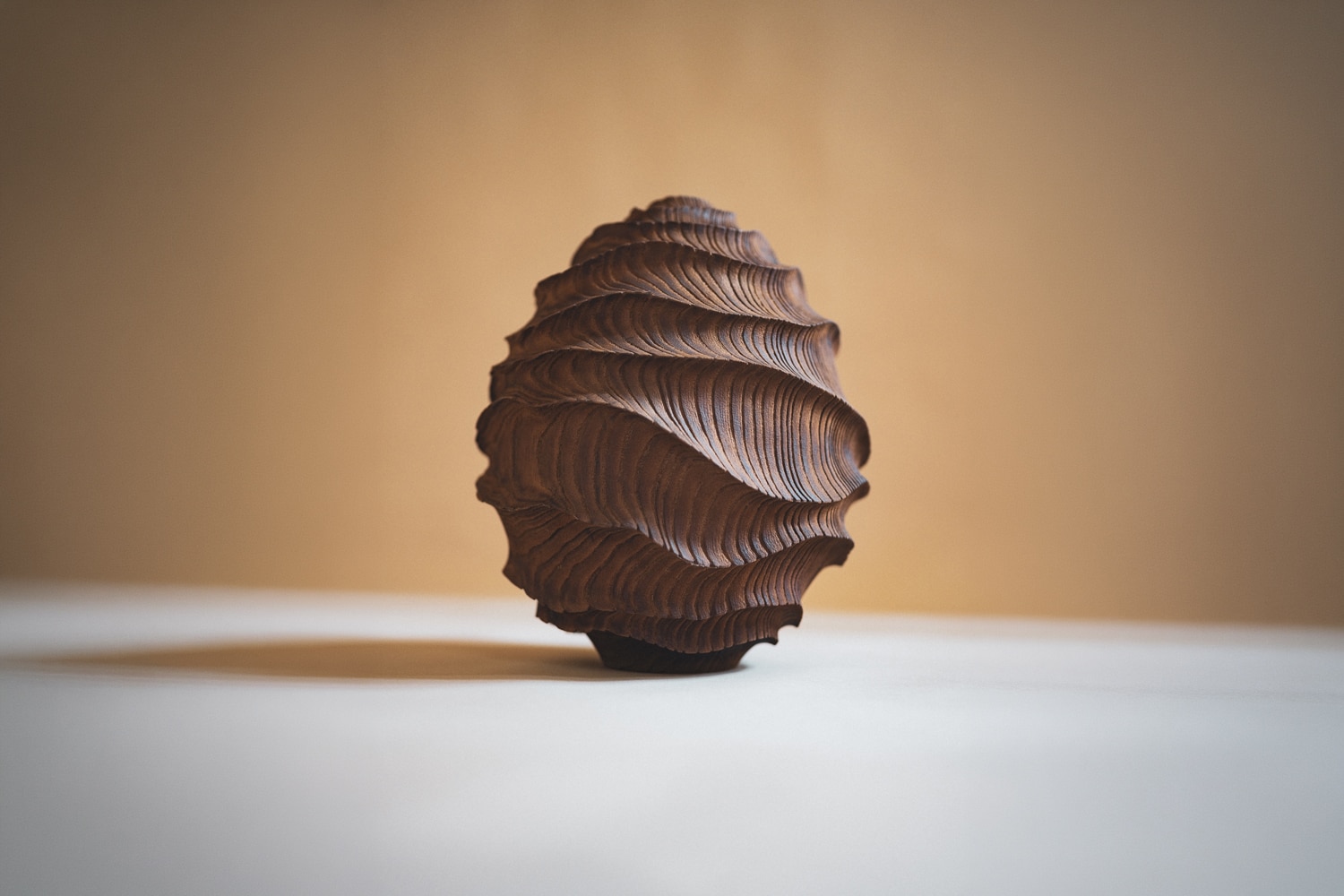
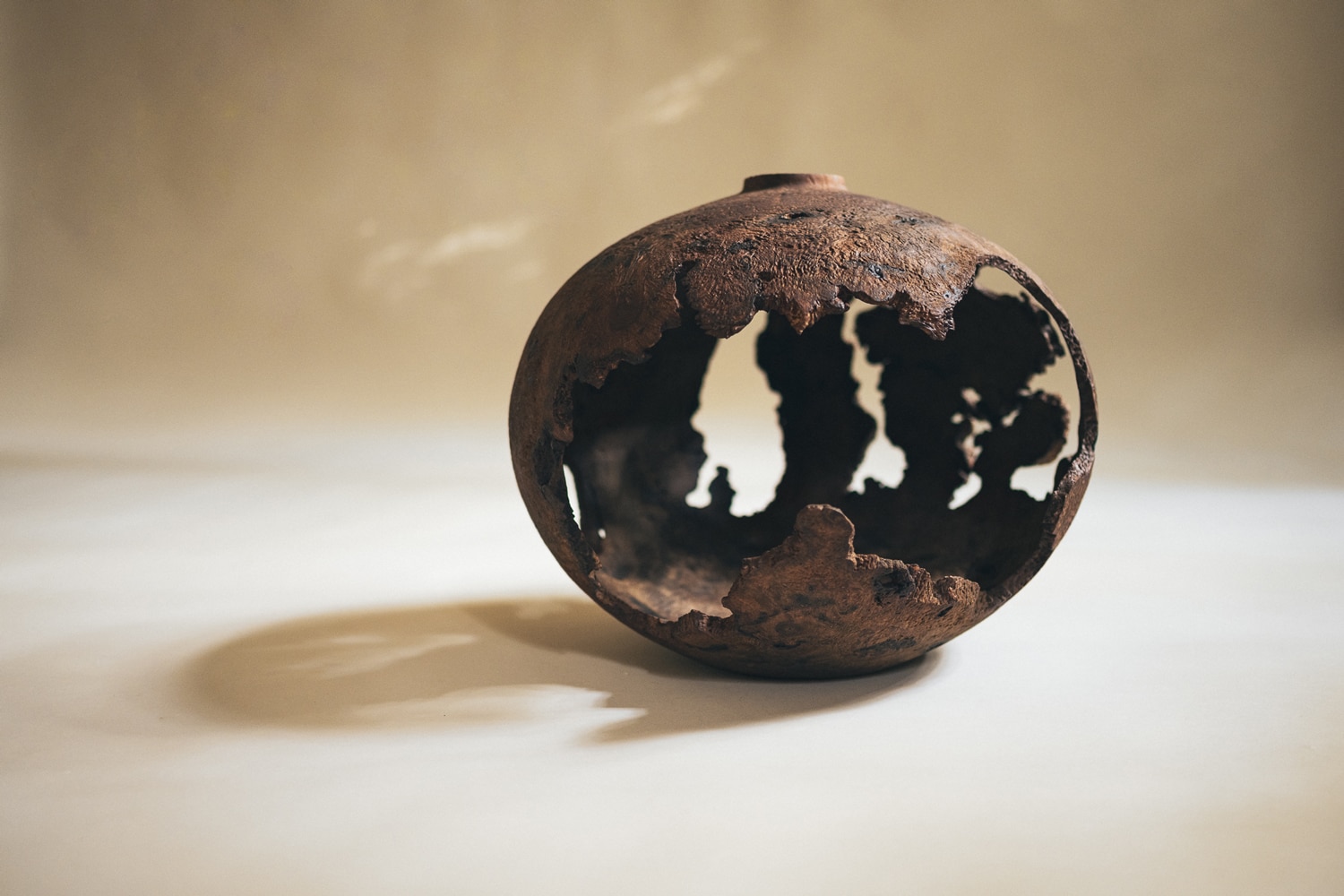
Oliver Chalk creates large-scale, lathe-turned sculptural vessels. His conical and spherical pieces feature intricately hand-chiselled surface patterns that respond to the natural character of each piece of wood. Self-taught and an instinctive problem-solver, Oliver started working with found wood during the pandemic, after years of making large-scale textile installations for music events worldwide. He only makes one collection a year, focusing on pieces that interest him first. “I would describe them as sculptural objects imbued with the philosophical approach of expressing myself,” he says. In 2023, a Queen Elizabeth Scholarship Trust award allowed Oliver to extend his practice into bronze, casting sculptures derived from his wooden vessels and burying them for up to 400 days to develop a patina.
Oliver Chalk is a rising star: he began his career in 2020.
INTERVIEW
I create textured vessels from green wood celebrating the organic lines, inherent imperfections and unique gradients of the timber. Whether small-scale or monumental, the aim is always to impart purity, integrity and grace through my respect for the material before me.
I keep my creative practice very pure. I simply want to make art that interests me. It is a defining aspect of my practice, which has become a philosophical inquiry into what I am capable of and what I can learn from making. I work in silence because I view my workshop as a sort of sacred space in which I am communicating via an unconventional language.
I could just go on making forever, but I would run out of time and brain space. I work until I have given every ounce of myself to the work I make. If I do not love what I do, how can I expect anyone else to?
I run a parallel business which allows me to be a bit more considered about how I use my energy. When I am in the workshop, I can focus on making in a very pure sense. Trying to be creative all the time can be draining, so this balance gives me space to ruminate more subconsciously.
Oliver Chalk
Wood sculptor
Canterbury, United Kingdom
ADDRESS
Address upon request, Canterbury, United Kingdom
AVAILABILITY
By appointment only
LANGUAGES
English
HOMO FABER FINDS
Homo Faber Finds is a new service aiming to inspire admirers of craft to connect and collaborate with exceptional artisans.
We invite you to submit an enquiry here.