©Alun Callender Courtesy of Cockpit Arts
©Sylvain Deleu
©Jeremy Johns
©Alun Callender Courtesy of Cockpit Arts
©Jeremy Johns
©Jeremy Johns
Eleanor Lakelin
Wood sculptor
London, United Kingdom
Recommended by Brian Kennedy
©Alun Callender Courtesy of Cockpit Arts
©Alun Callender Courtesy of Cockpit Arts
©Sylvain Deleu
©Sylvain Deleu
©Jeremy Johns
©Jeremy Johns
©Alun Callender Courtesy of Cockpit Arts
©Alun Callender Courtesy of Cockpit Arts
©Jeremy Johns
©Jeremy Johns
©Jeremy Johns
©Jeremy Johns
Sculpting nature's beautiful chaos
- Eleanor uses British wood including ash and horse chestnut
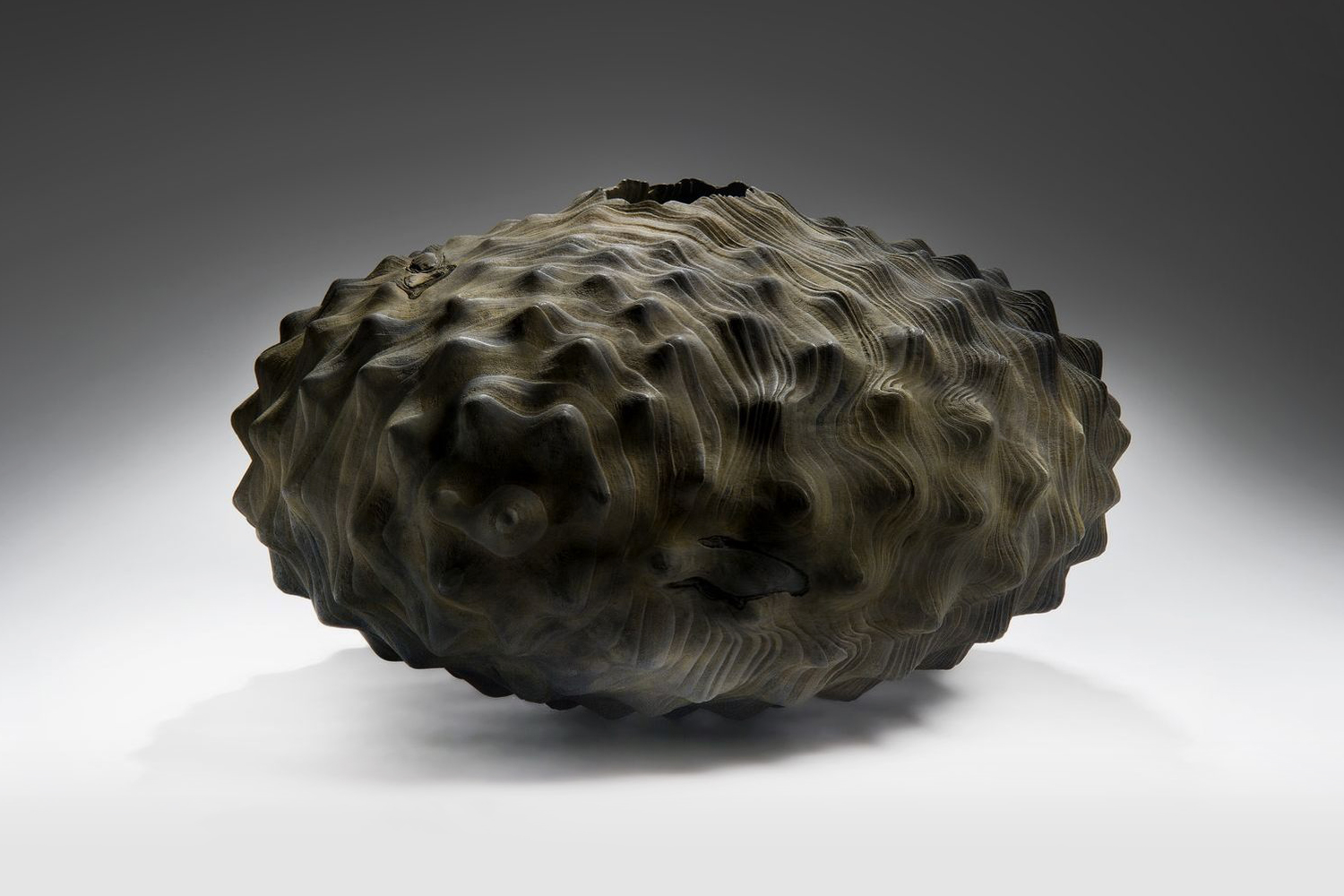
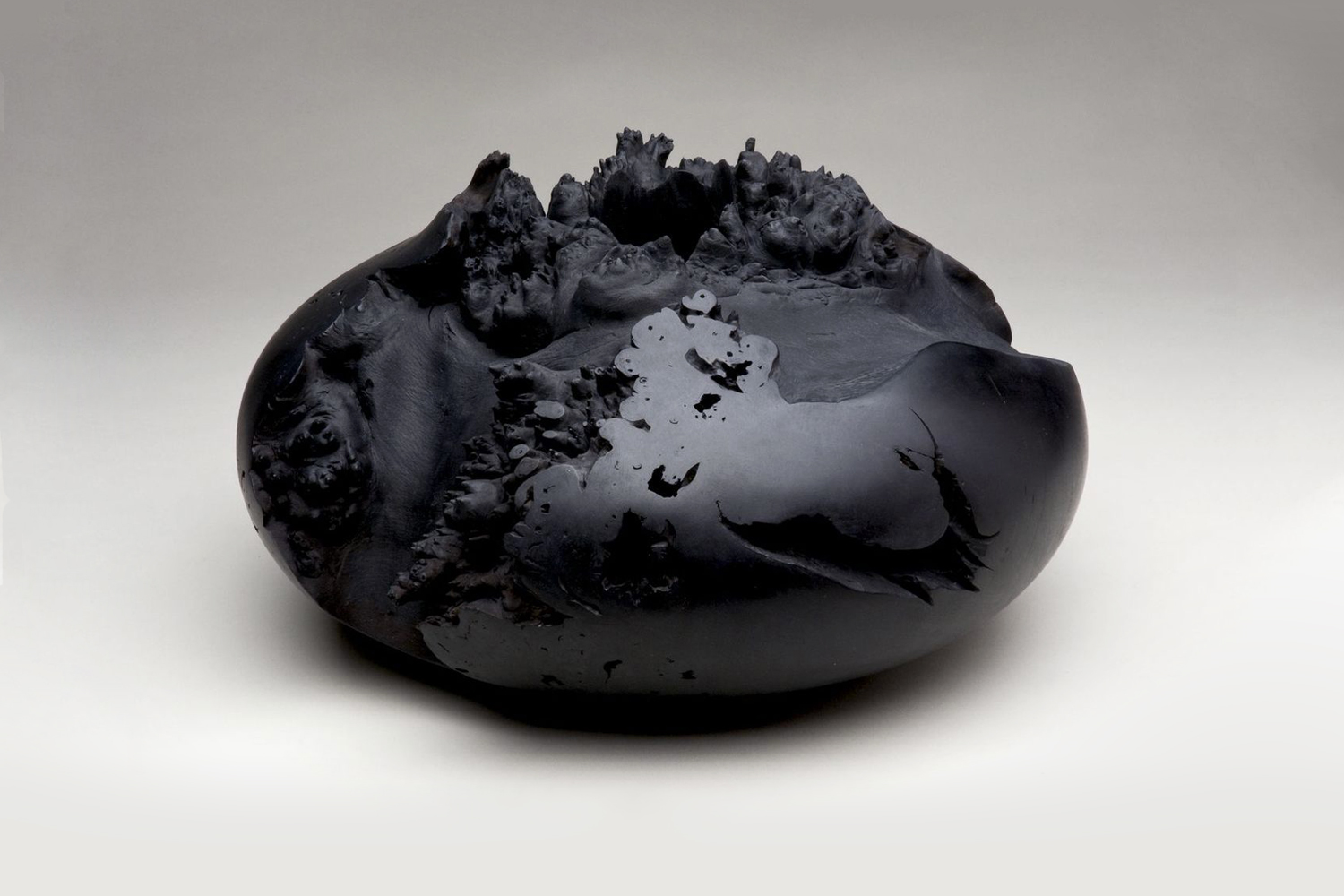
- She has made work from long-buried ‘bog oak’ dating back 7,000 years
- Her techniques aim to bring out the natural beauty of wood
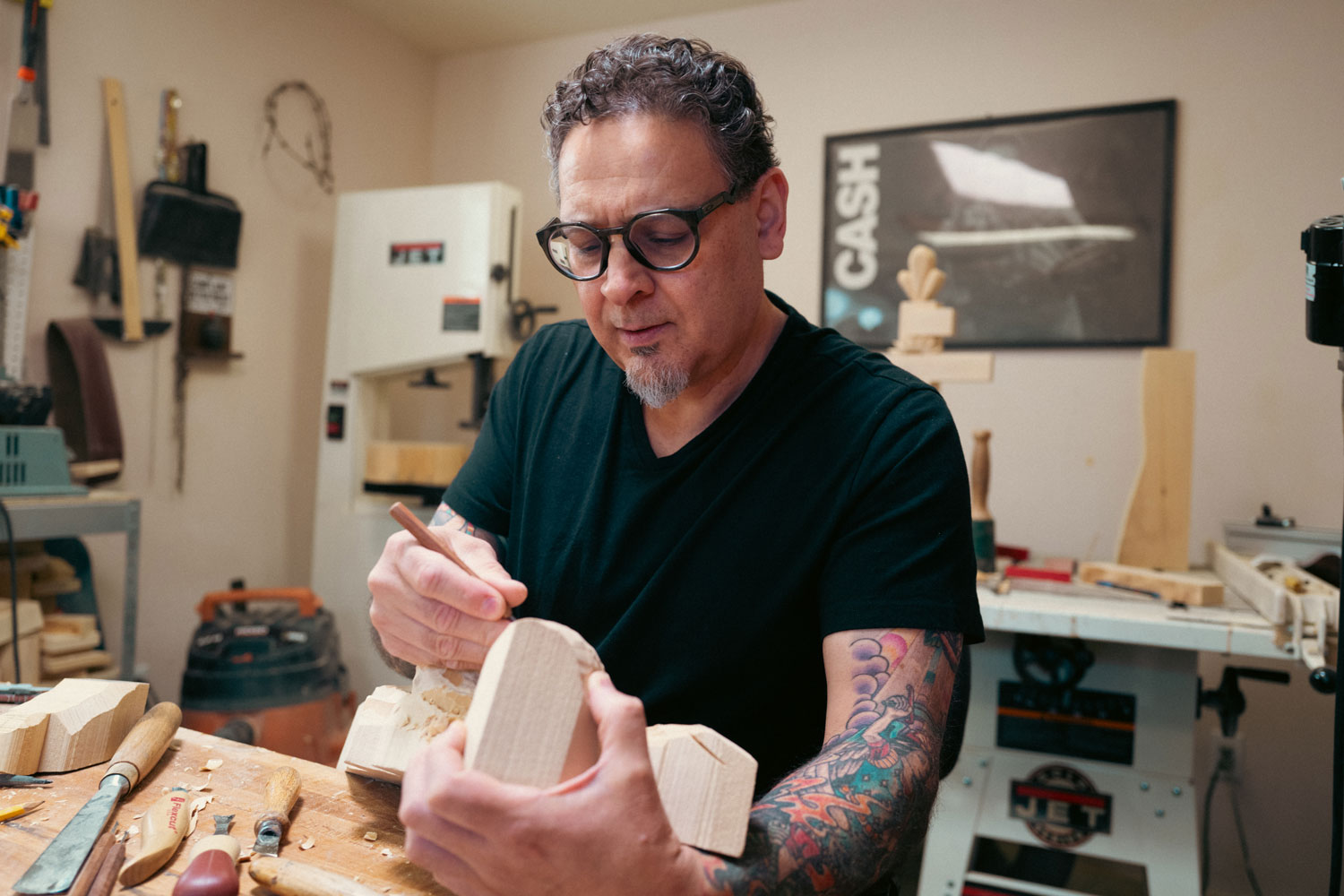
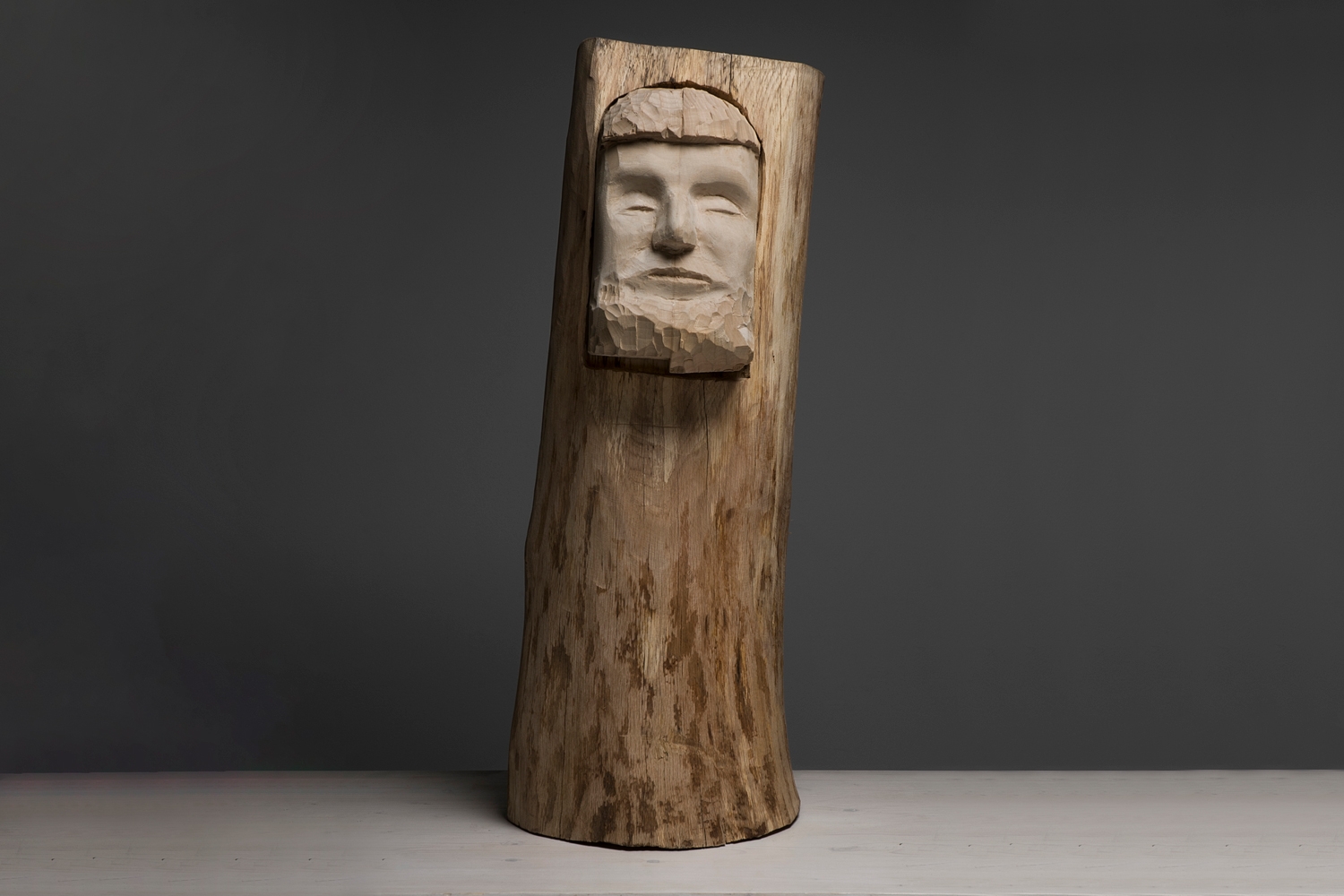
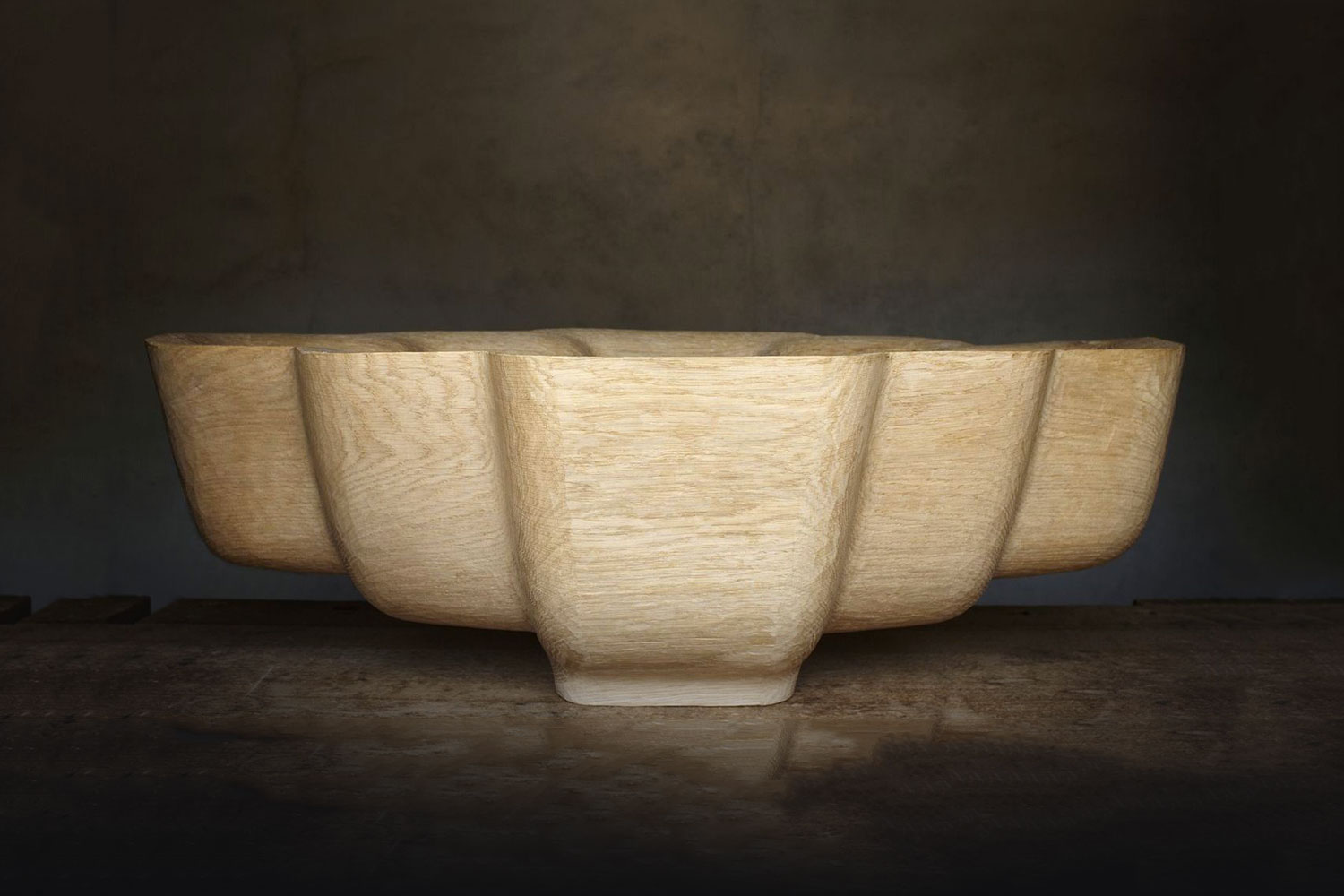
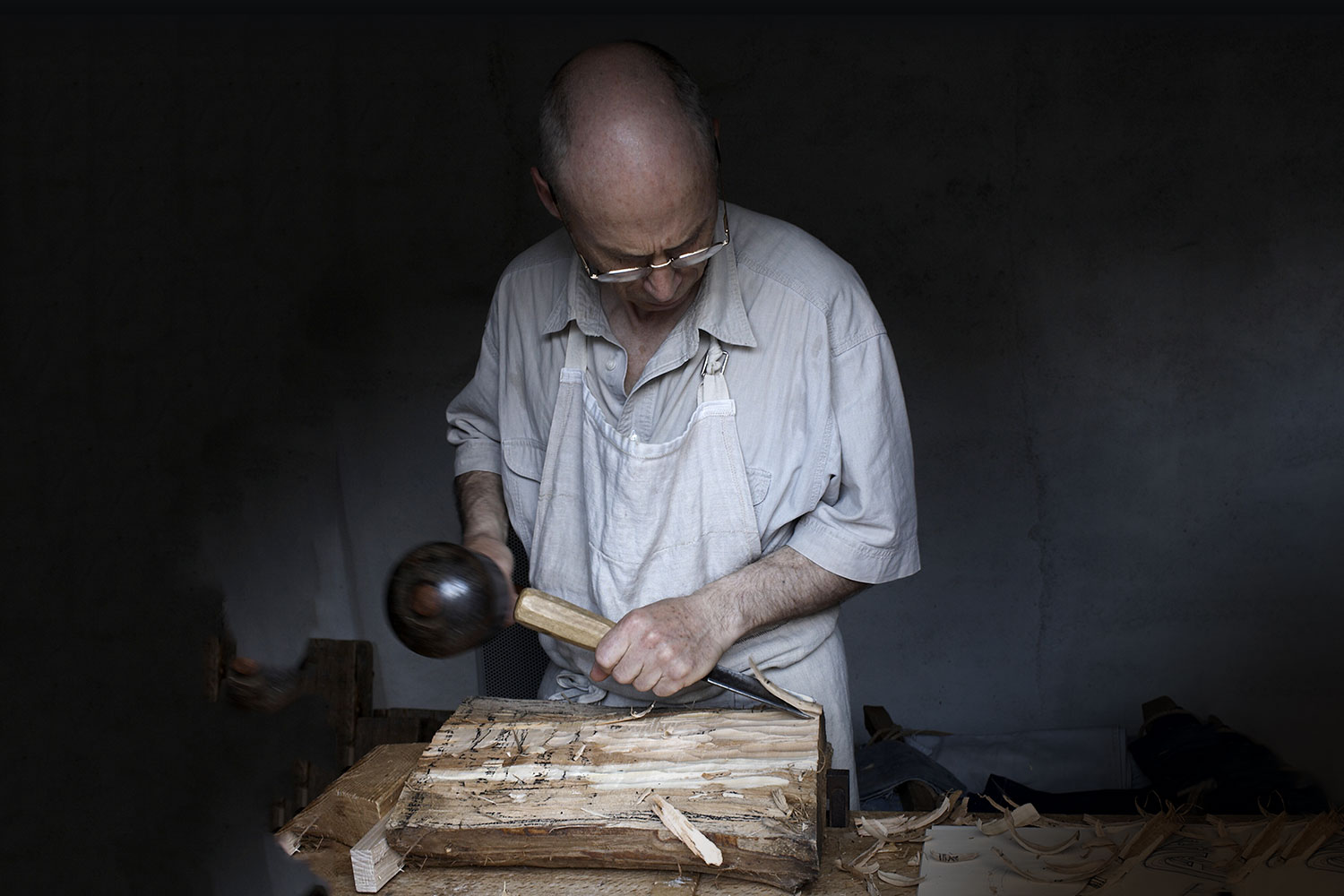
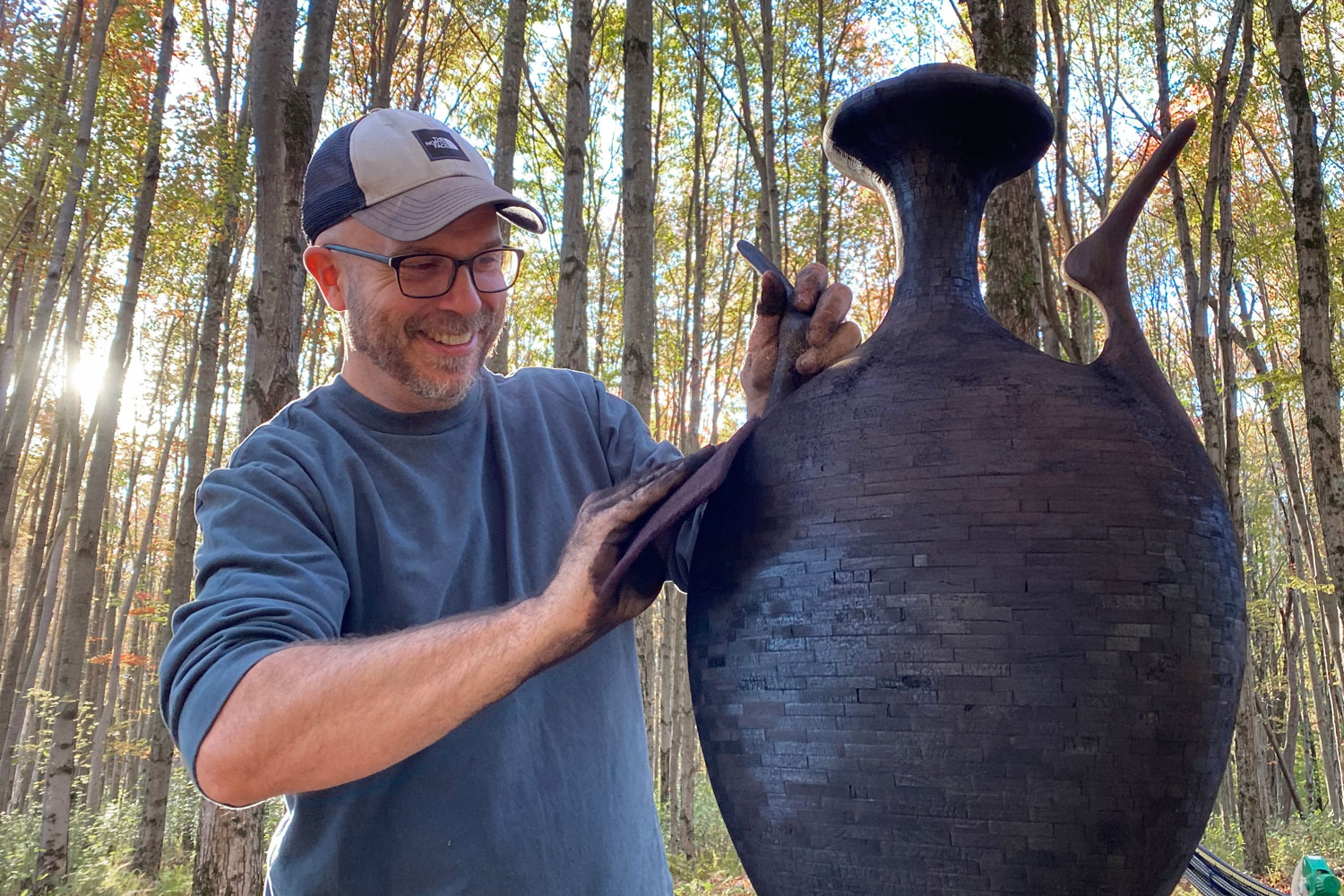
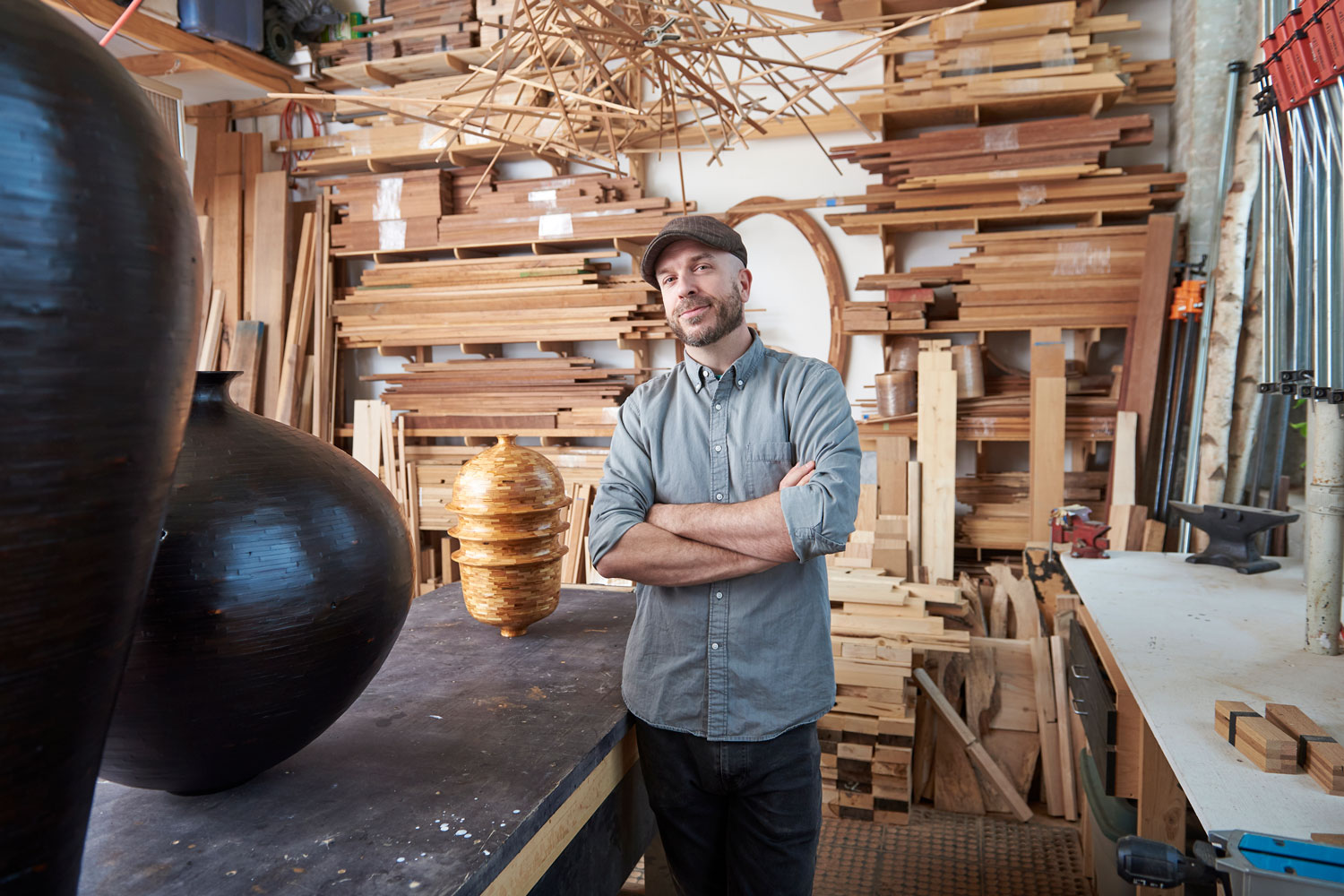
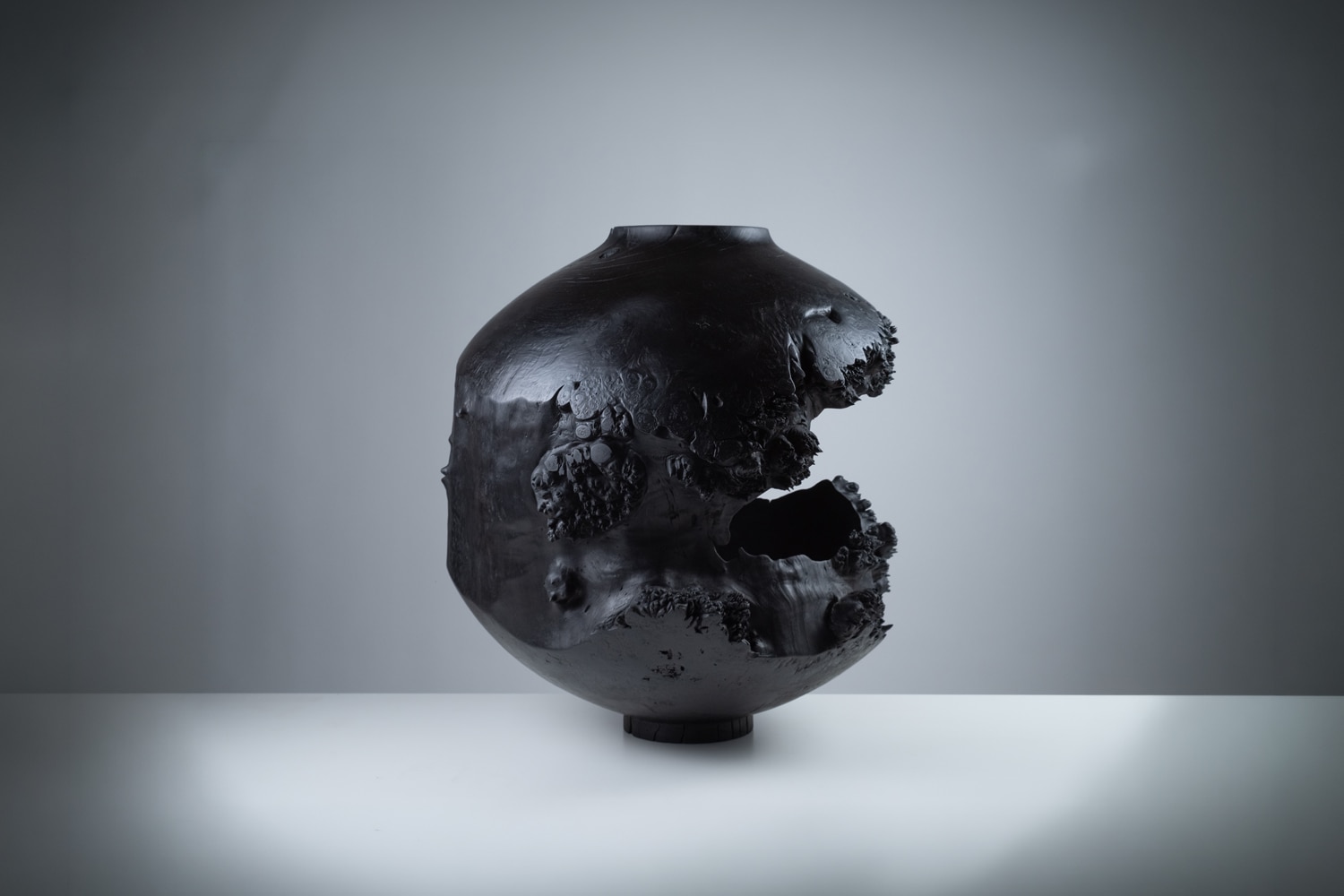
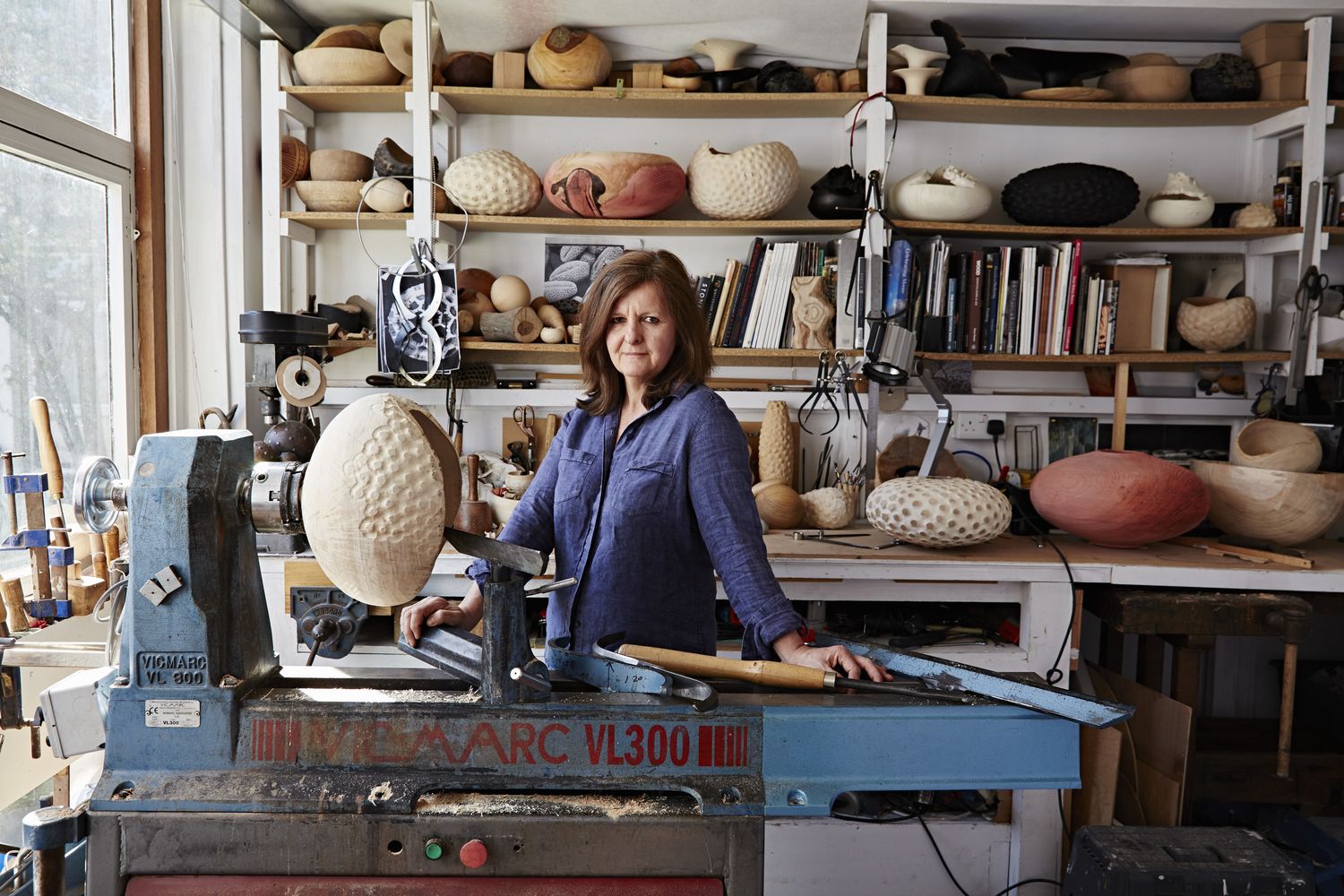
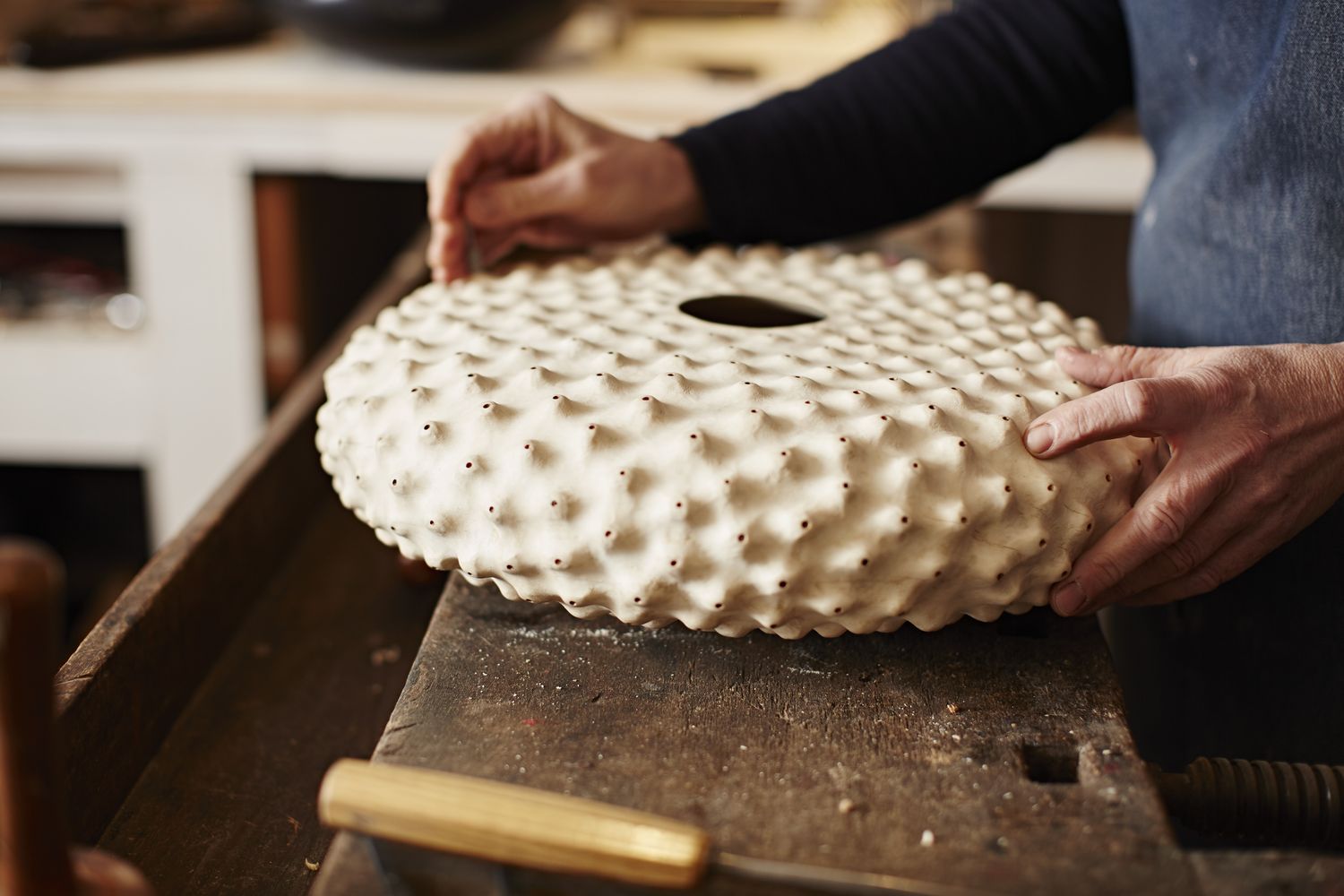
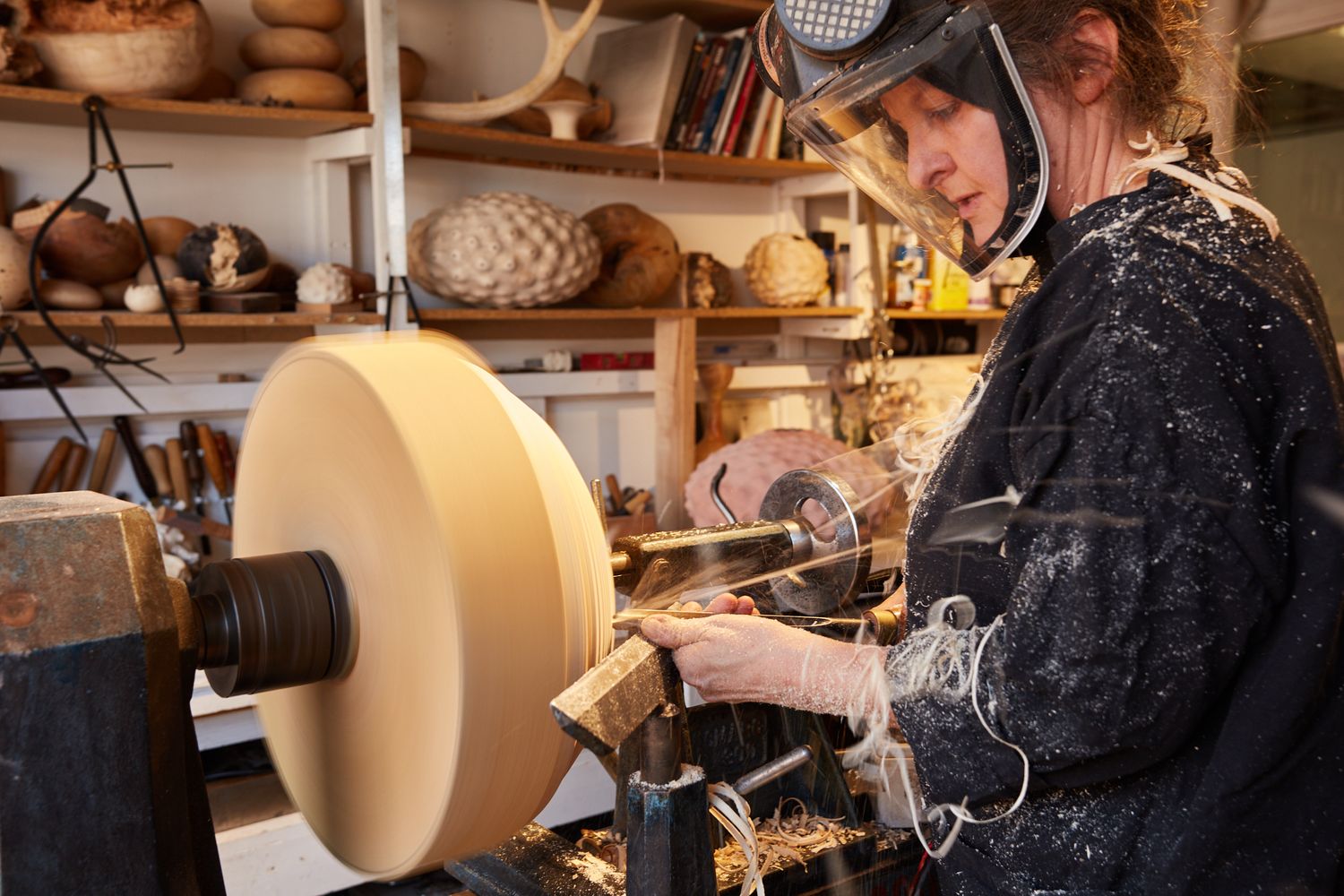
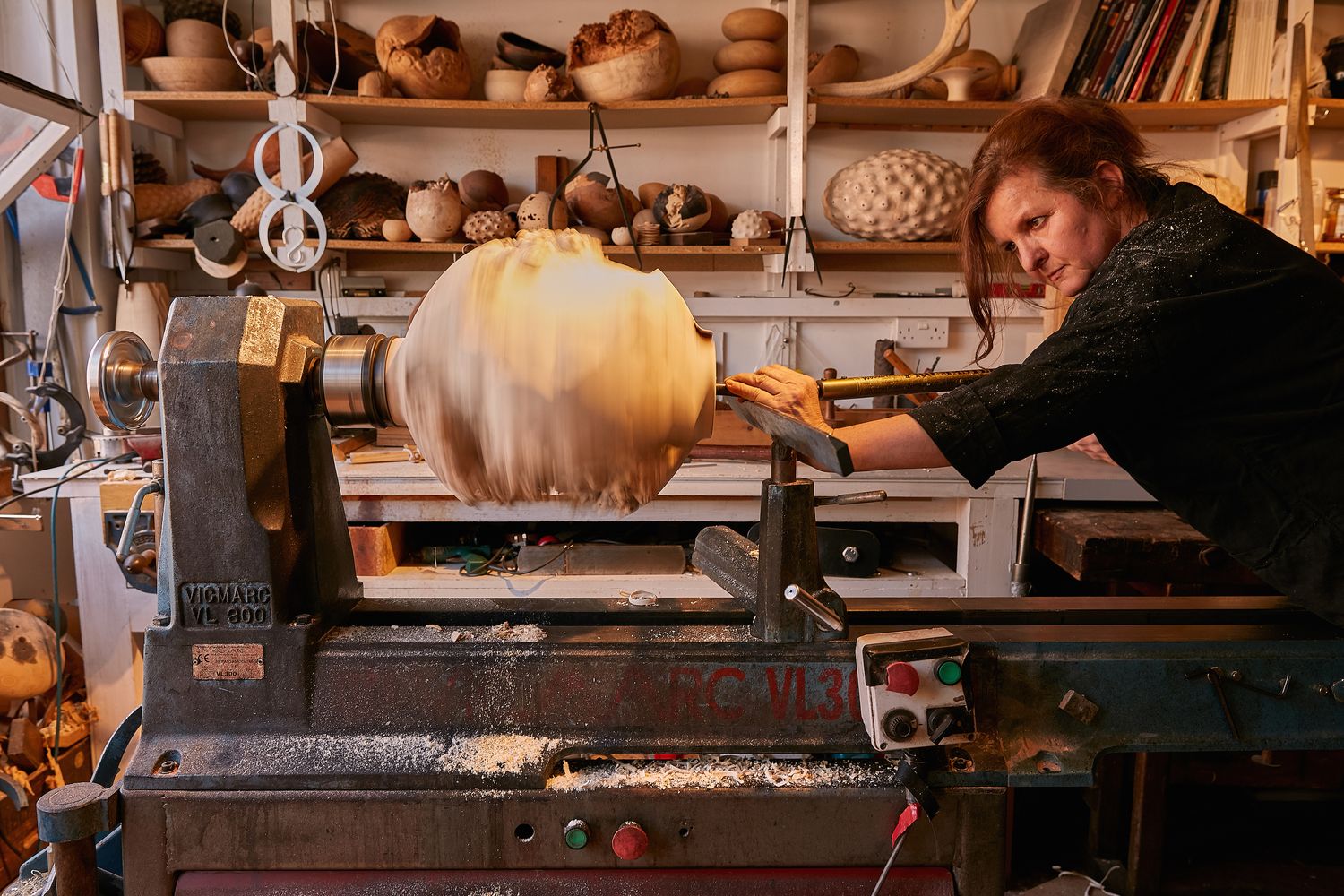
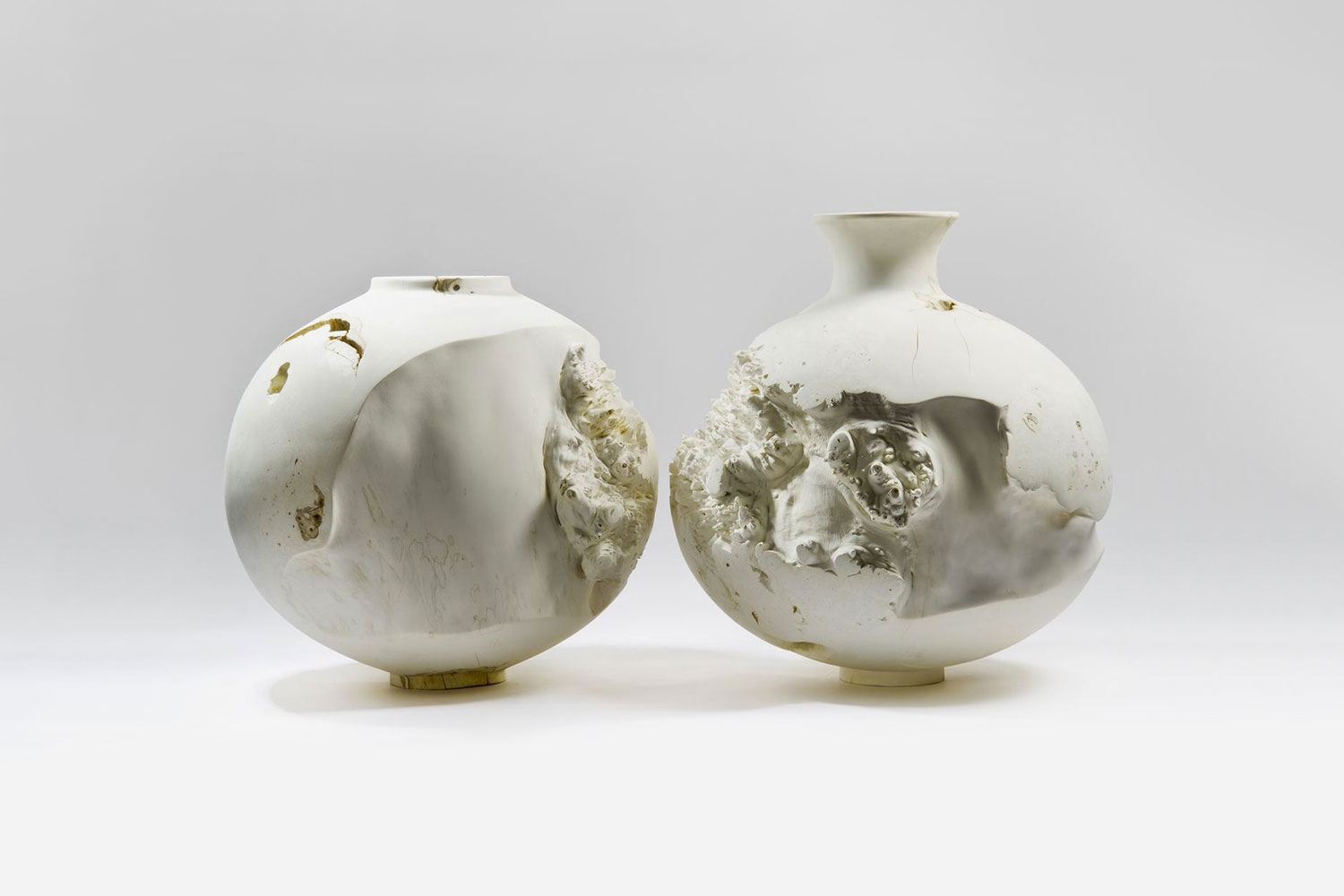
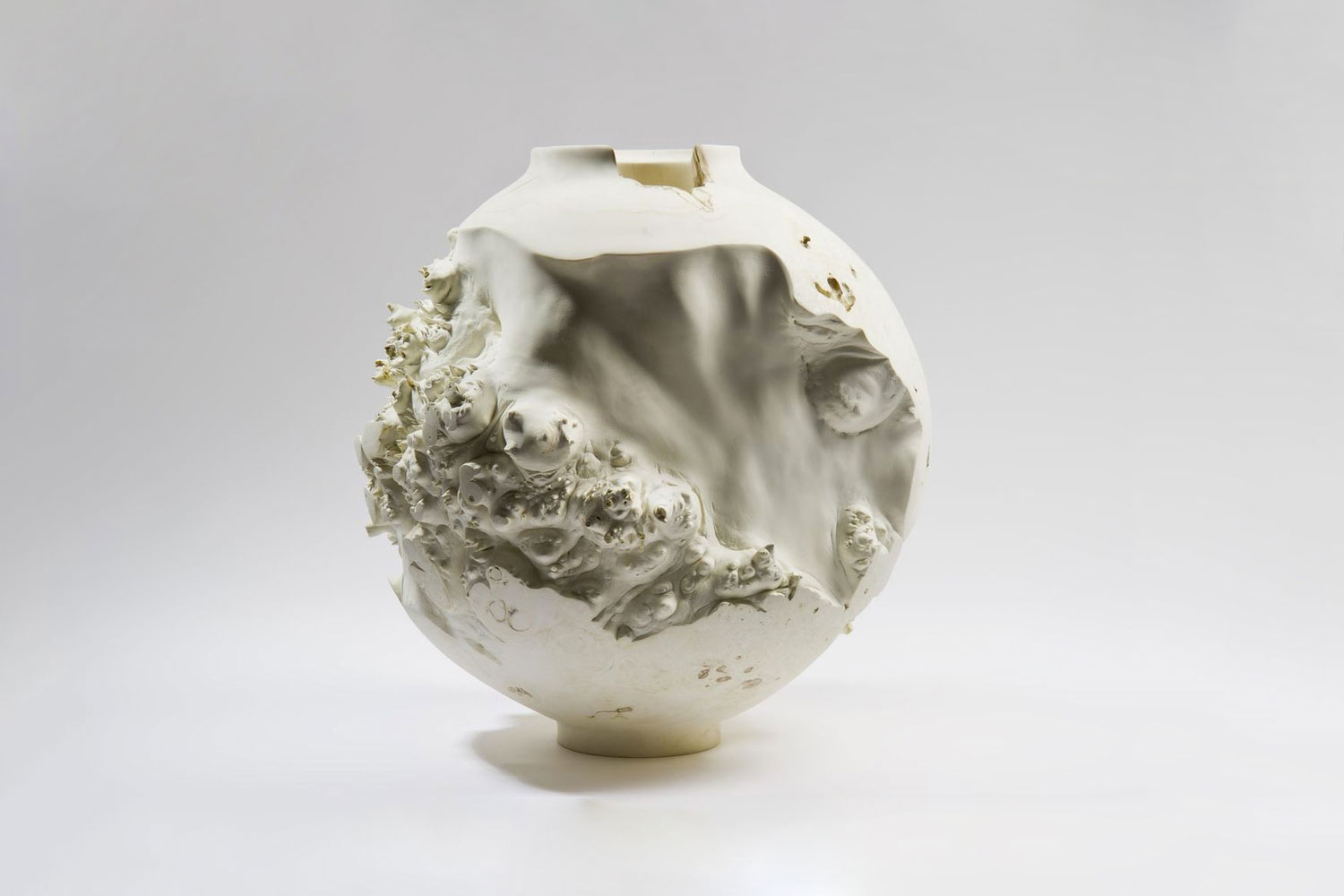
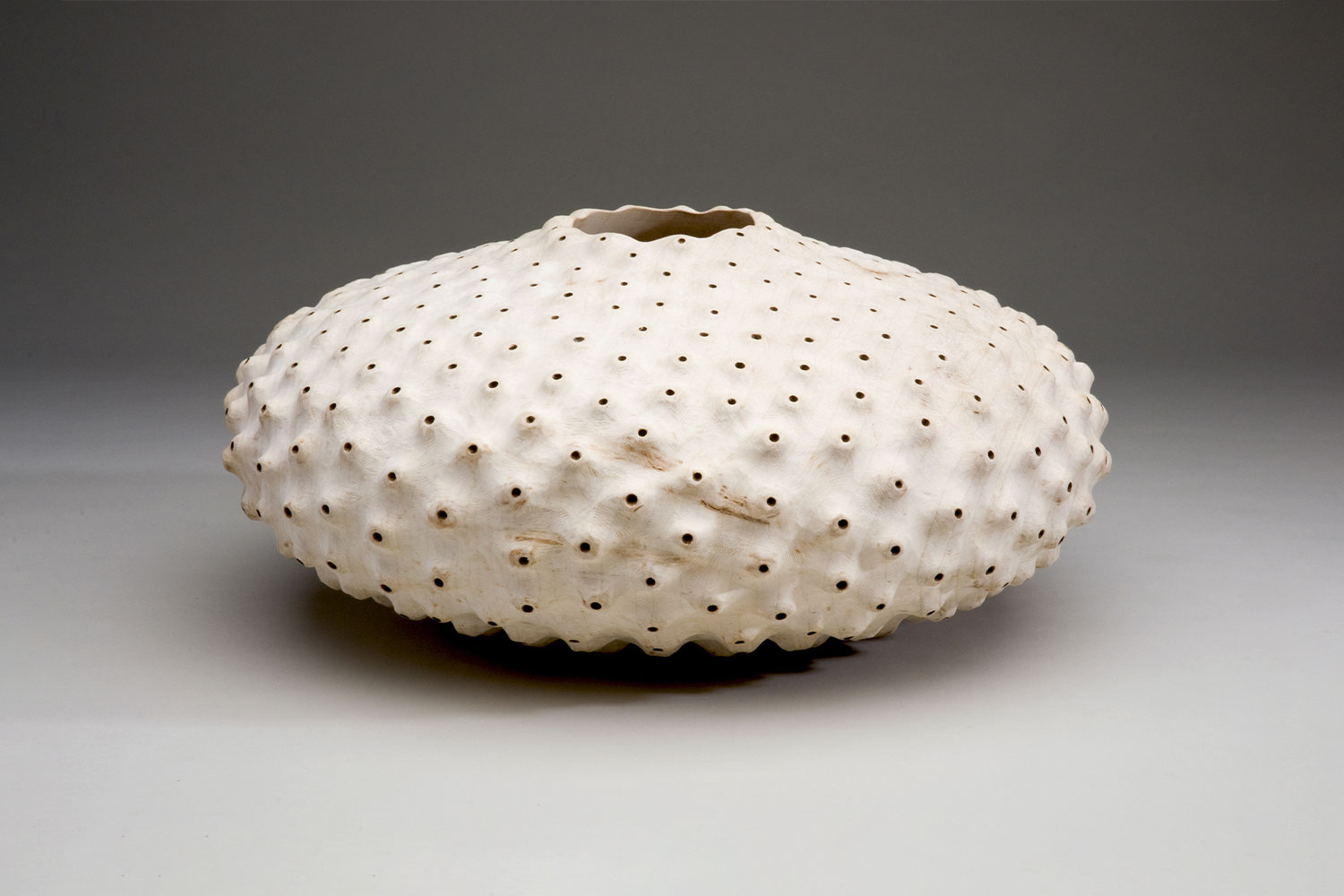
Eleanor Lakelin started making wooden objects as a child, while growing up on a farm in a small Welsh village. She initially became an English teacher, a profession that took her all over the world. However, change arrived when she took two short courses in plastering and woodwork to help her renovate her house. “As soon as I did this woodwork course I knew I had to completely change my life,” she says. “It just made sense.” She retrained as a cabinetmaker and, after many years making furniture, moved towards woodturning sculptural forms. She now makes vessels that harness the natural characteristics and deformities in wood, particularly burrs – growths occurring from disease or stress.
Eleanor Lakelin is an expert artisan: she began her career in 2011.
Discover her work
INTERVIEW
I love the smell of it, the feel of it. Everybody is emotionally connected to it because it feels completely akin to us as humans. We have used it to build, to survive, trees often live for the same amount of time as us, they are affected by weather conditions. I find all that fascinating.
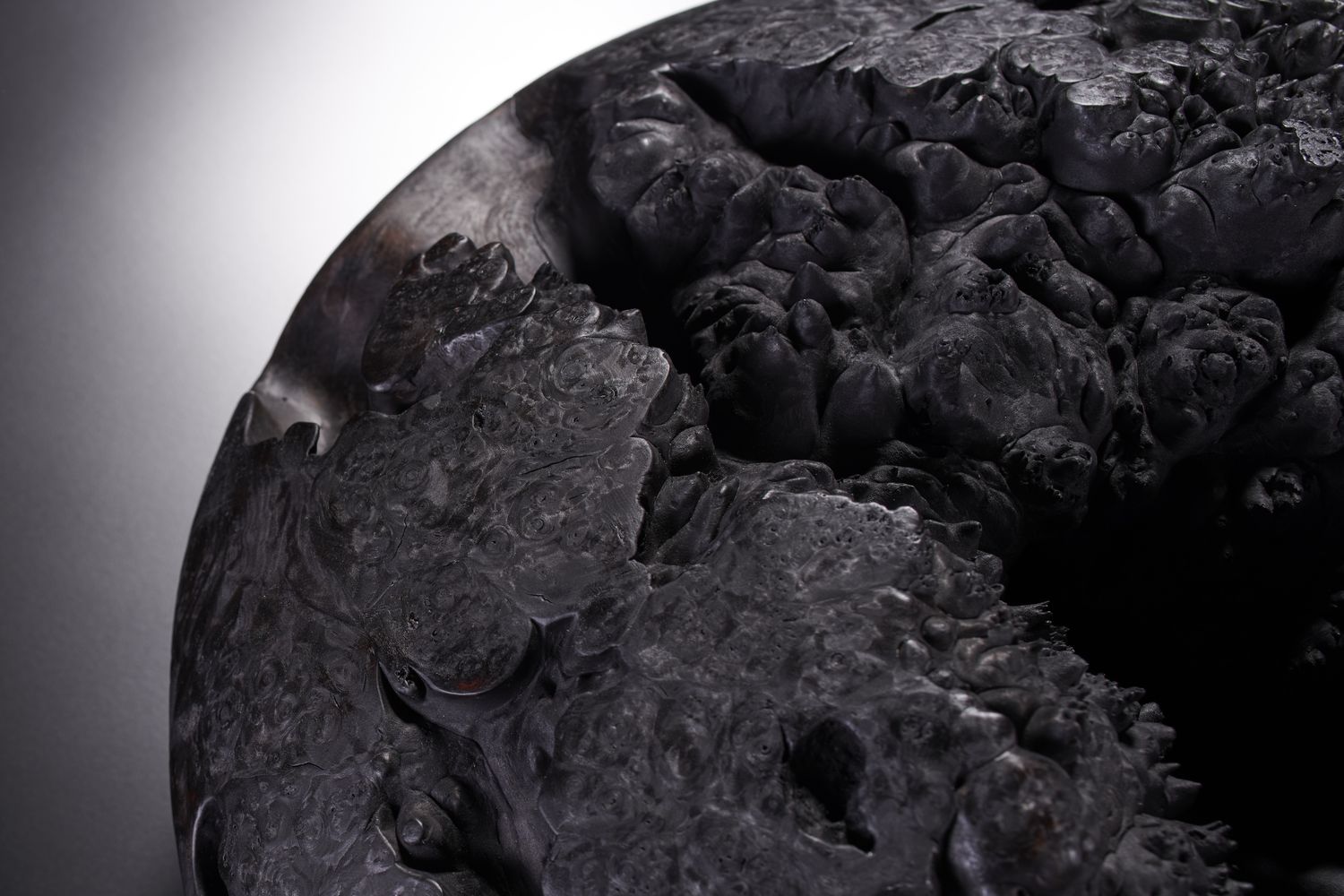
It is such an interesting, mad, organic, chaotic, phenomenon. I use horse chestnut burr in particular because it’s very pale and it burrs in quite a fine way. I love working with it and struggling with it. It’s quite fraught with possibilities for disaster!
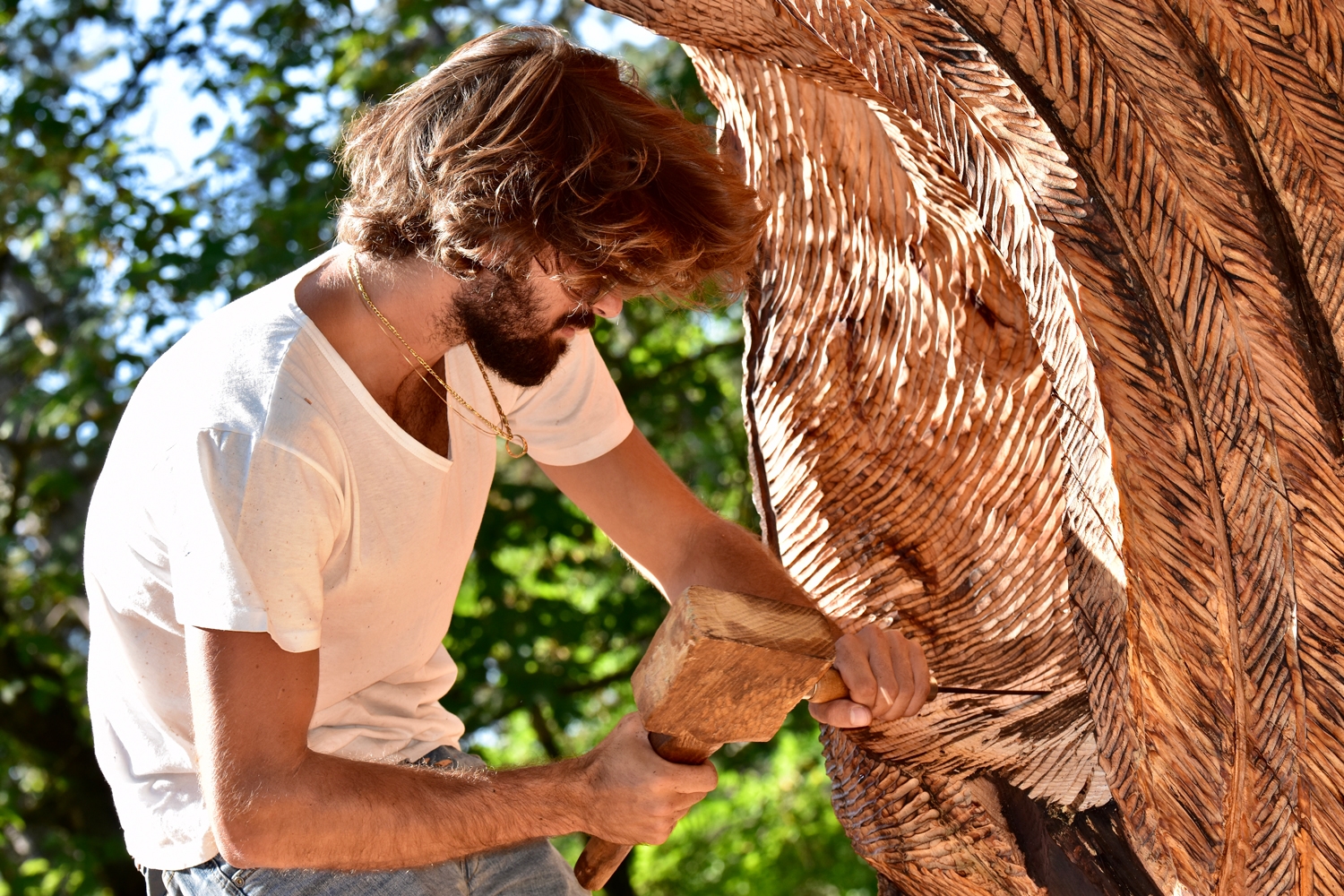
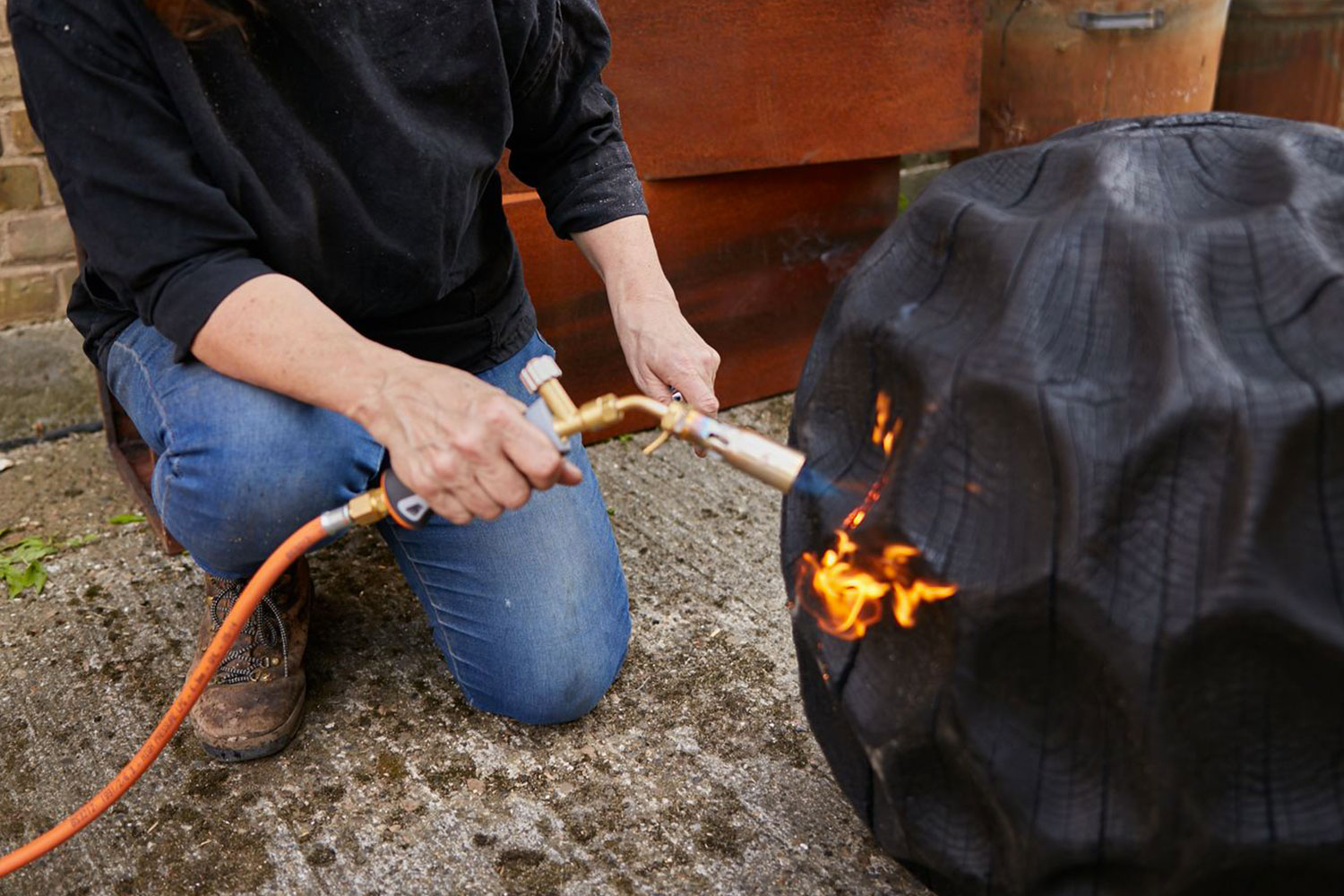
Whatever is needed. I start using a traditional woodworking lathe, and then I use whatever will get me to where I want to be. I use lots of jewellers’ tools, dentists’ tools. I buy chisels from boot sales or sometimes people bring me boxes of old chisels from their family.
We have a responsibility to tread lightly on the earth if we can. There are beautiful woods all over the world, but I feel there are enough trees in this country to work with. It’s important to remind people how amazing this natural material is and that it’s in danger of being lost.
2 DESTINATIONS

2 DESTINATIONS

Eleanor Lakelin
Wood sculptor
London, United Kingdom
Recommended by Brian Kennedy
AVAILABILITY
By appointment only
PHONE
+44 7944811675
LANGUAGES
English
HOMO FABER FINDS
Homo Faber Finds is a new service aiming to inspire admirers of craft to connect and collaborate with exceptional artisans.
We invite you to submit an enquiry here.