Mary Butcher
Basketweaver
Canterbury, United Kingdom
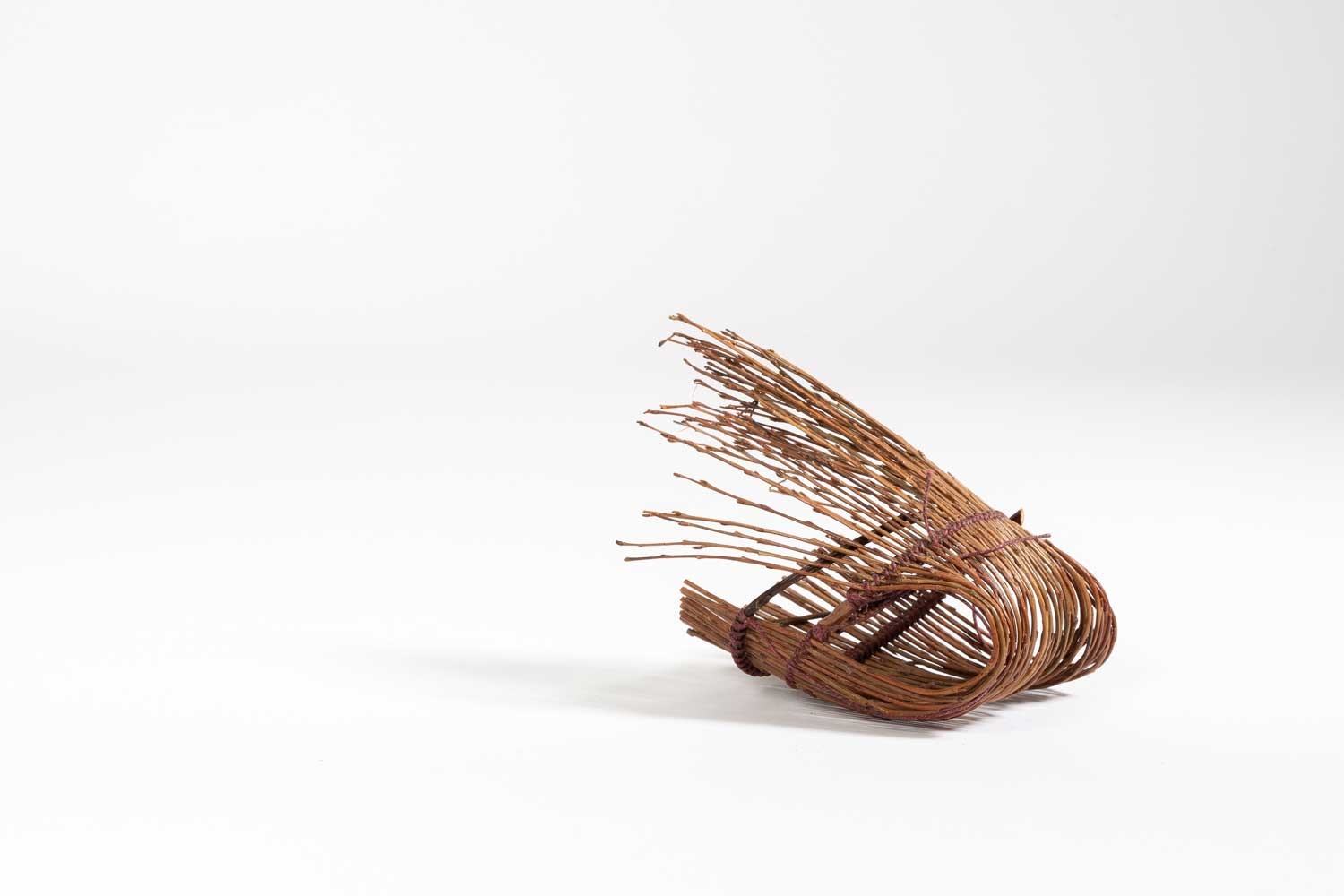
Artfully woven from the finest strands of willow
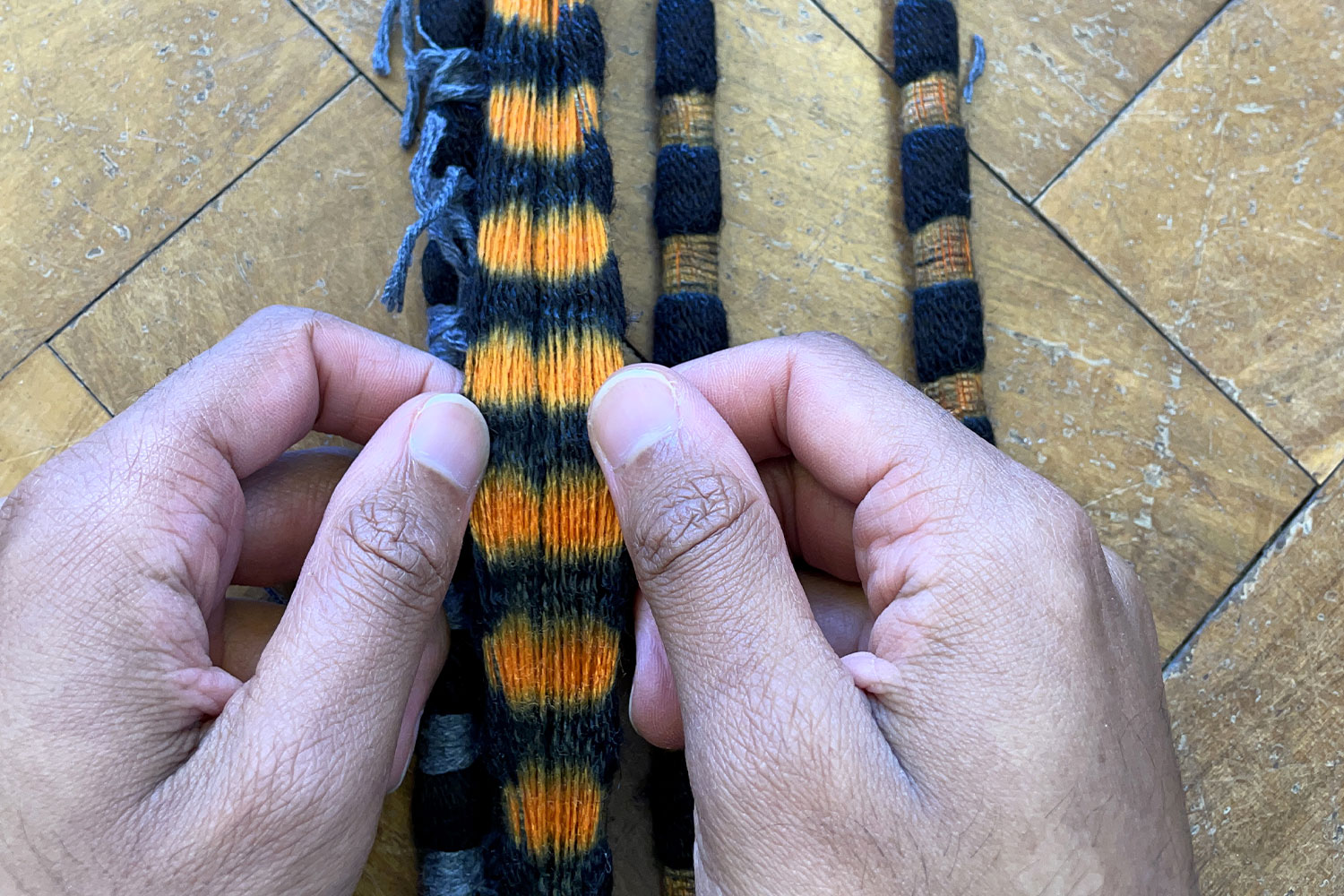
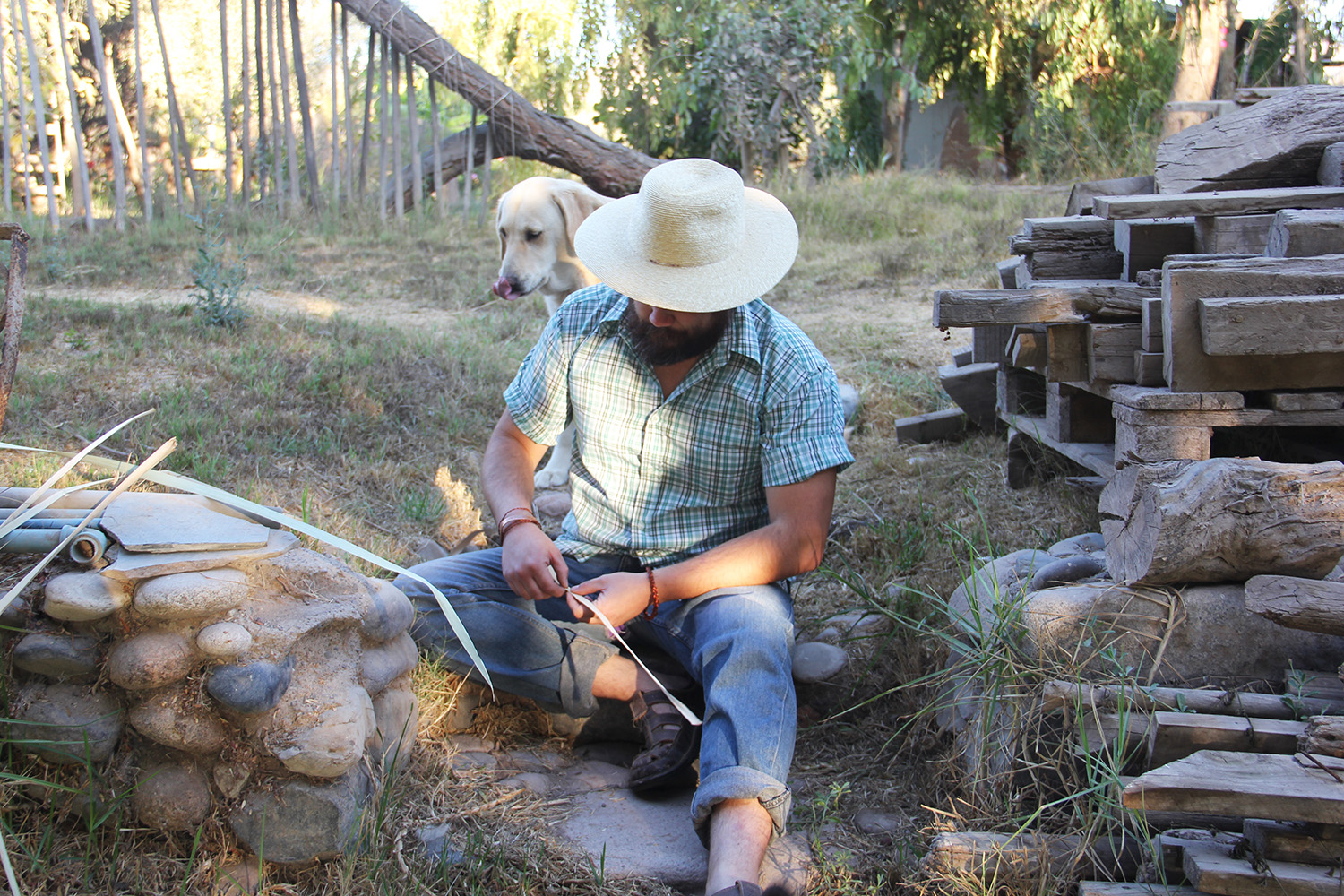
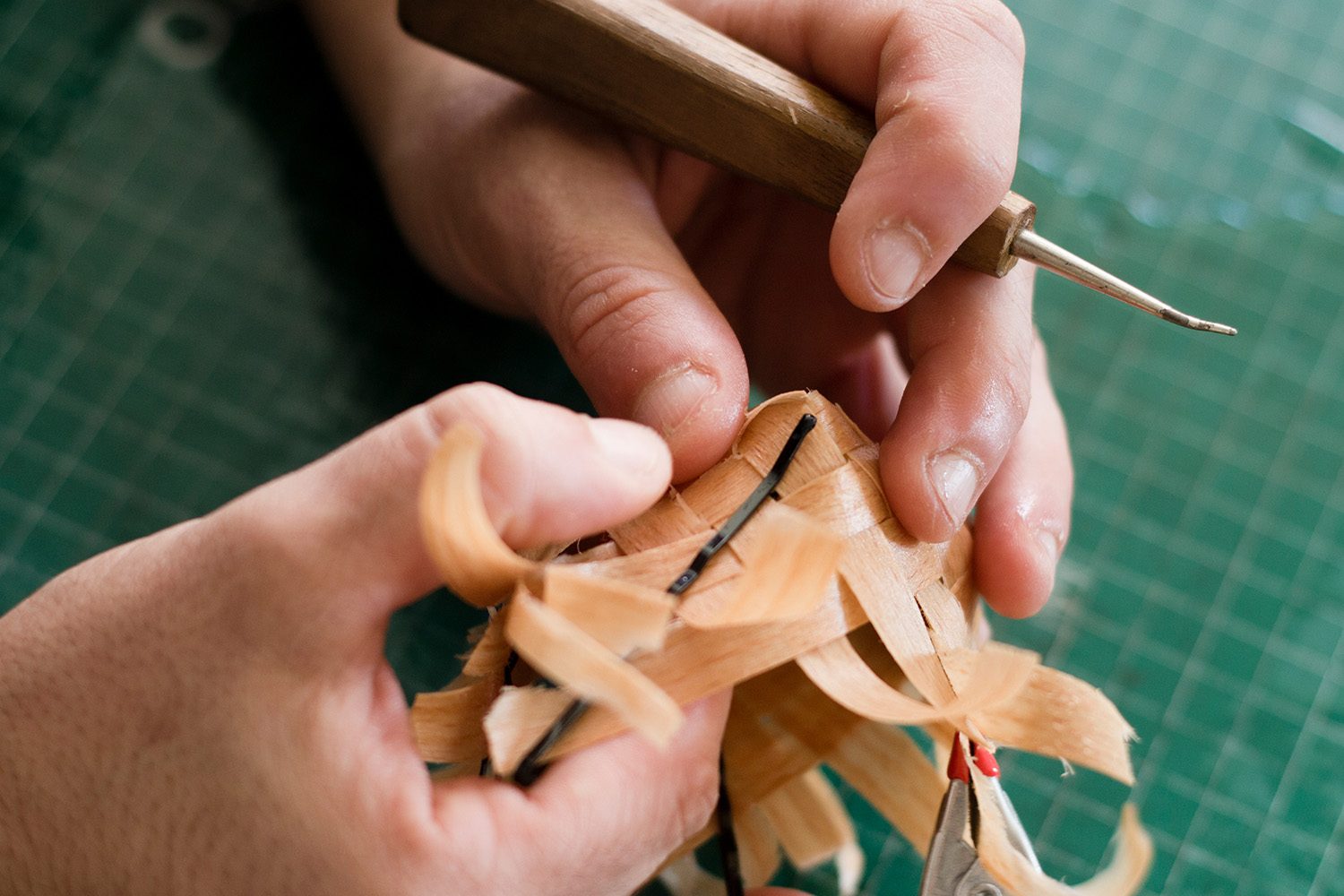
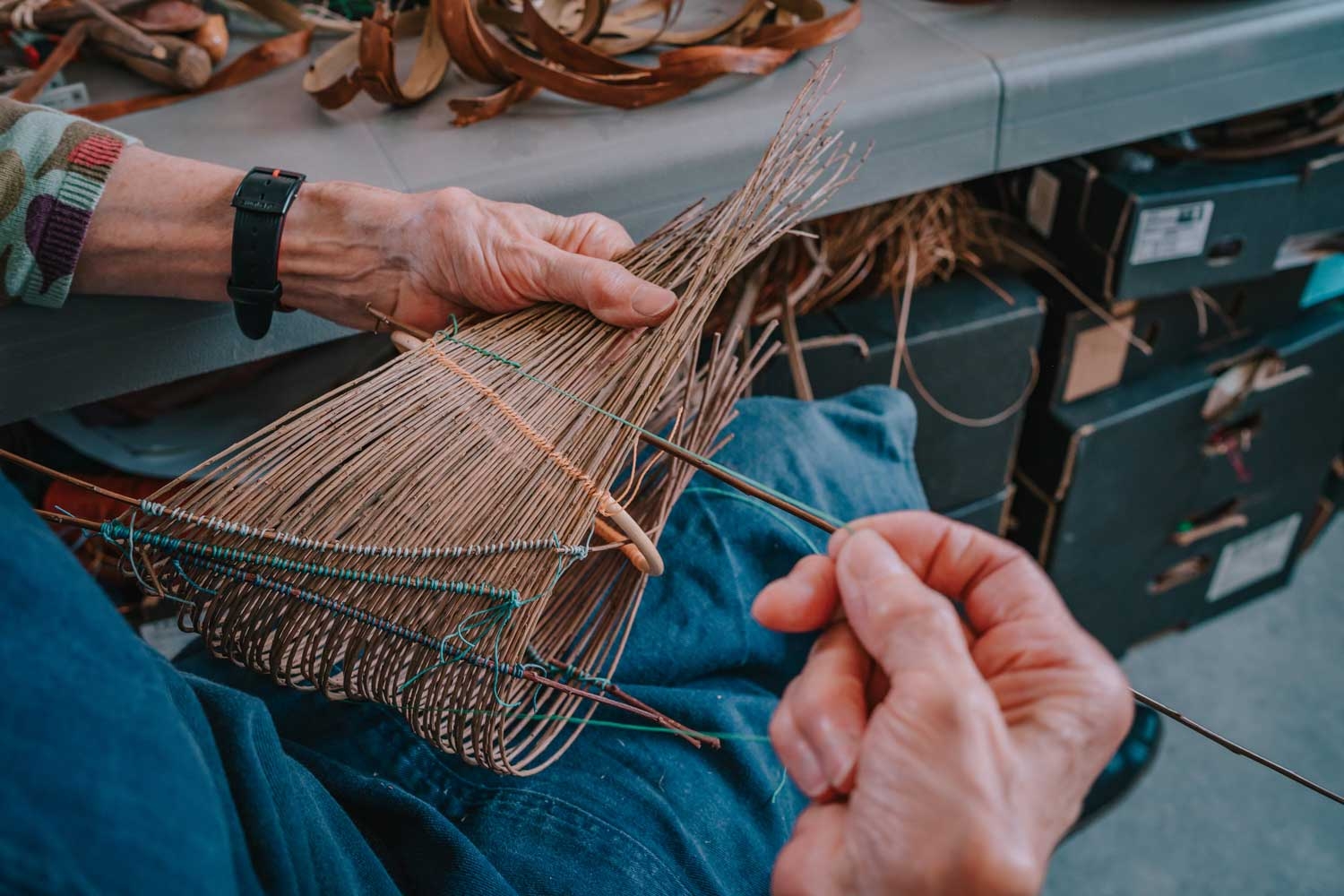
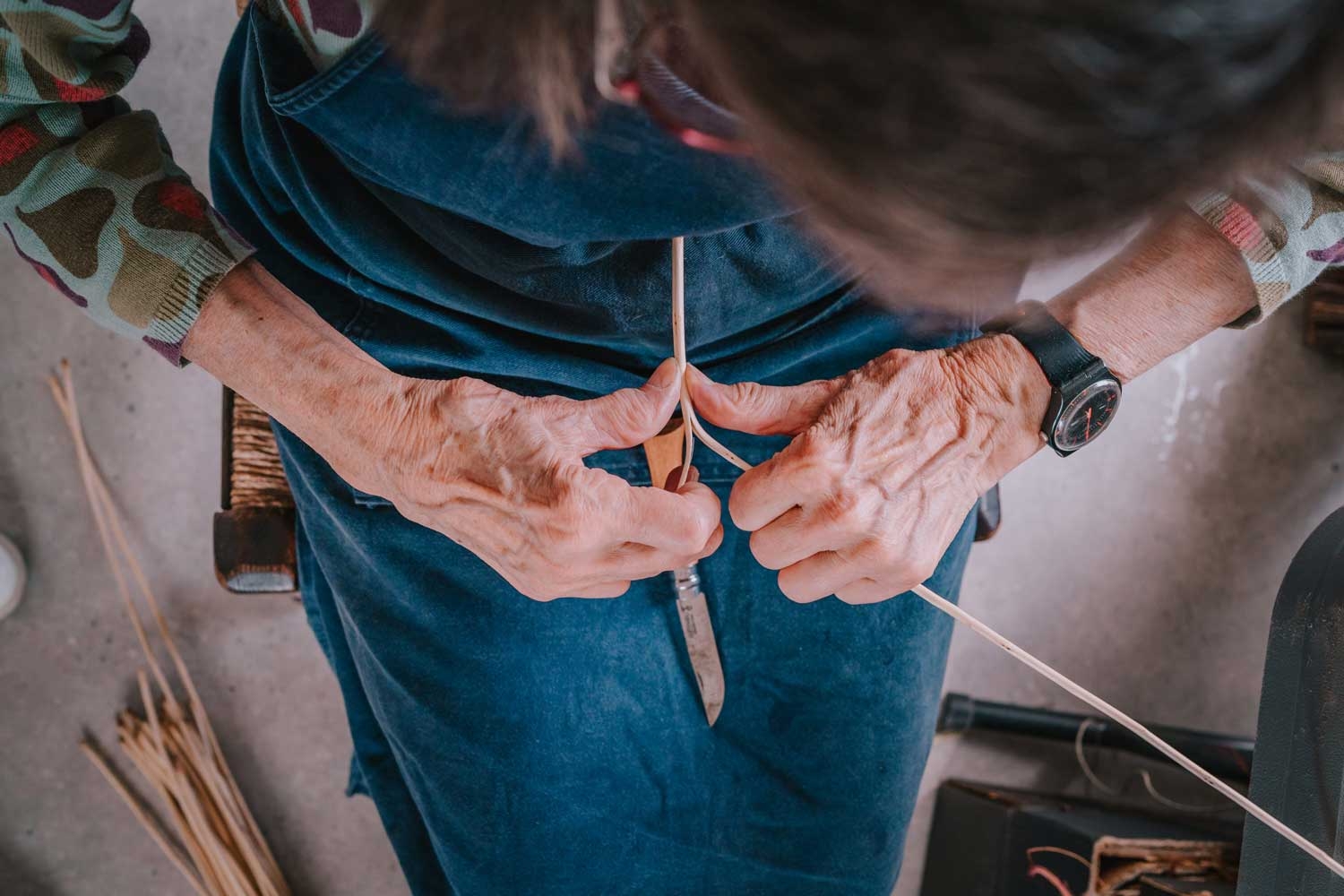
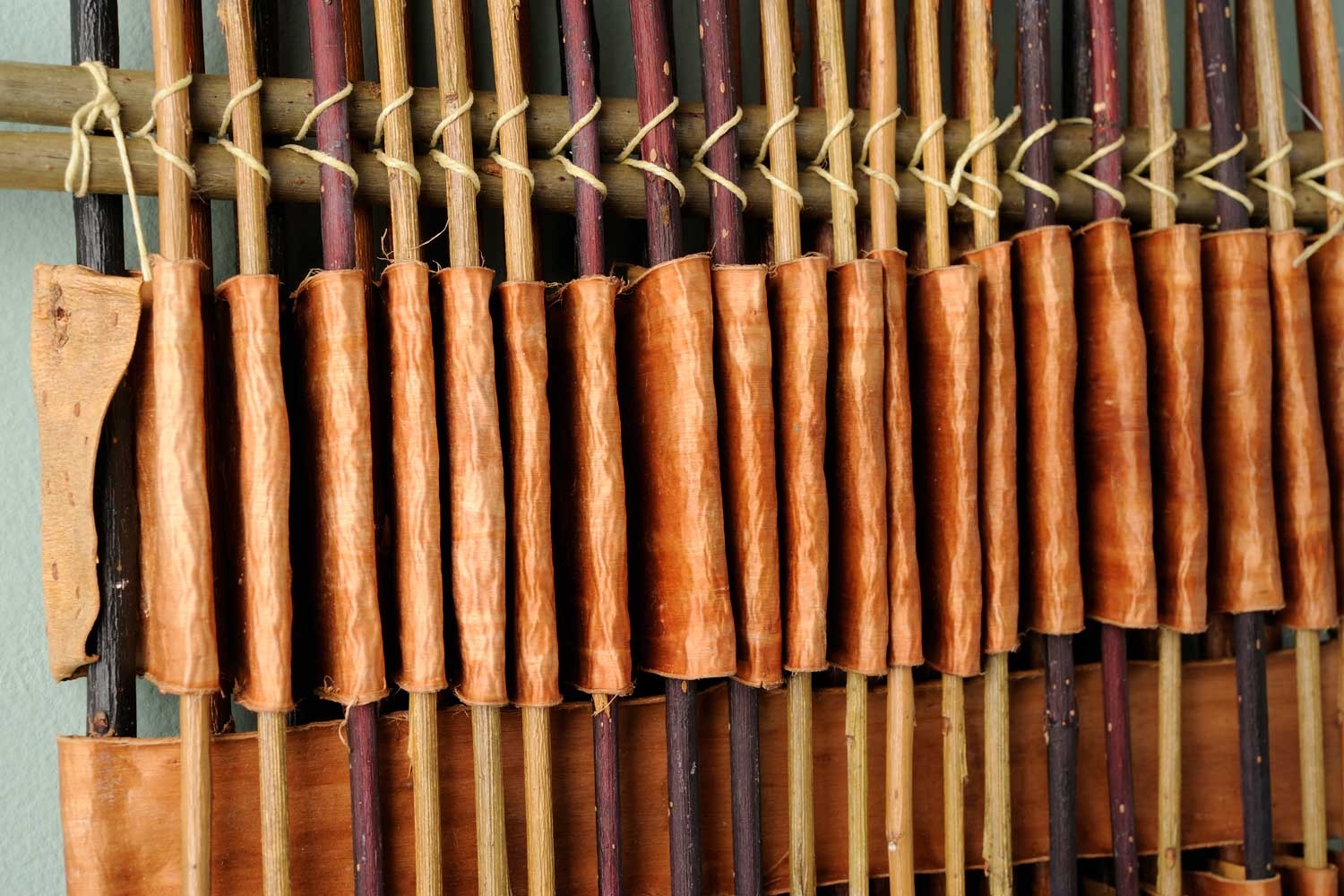
- Mary is a specialist in weaving skeins, which are very narrow ribbons of willow
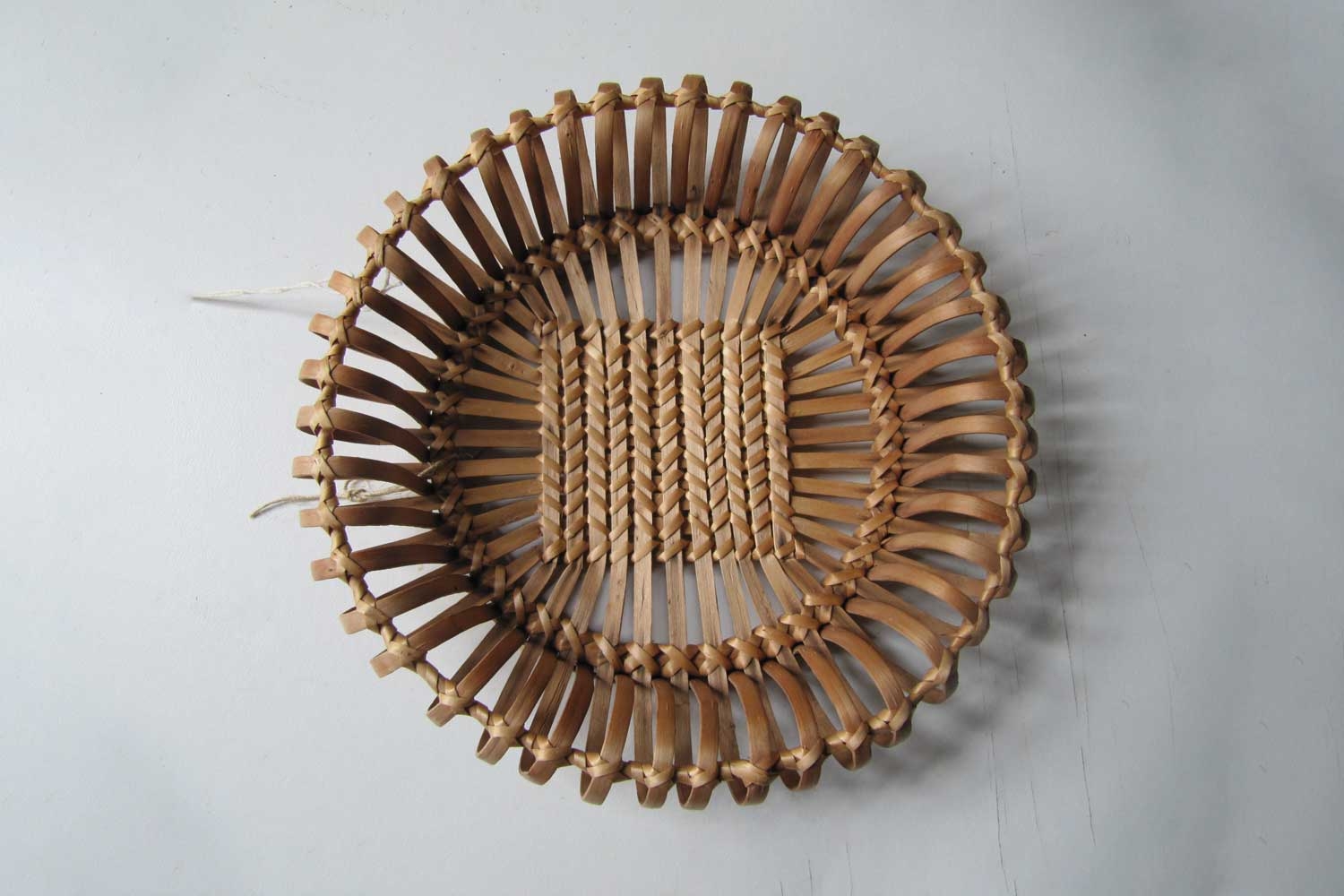
- She is particularly drawn to the traditional technique of English square work, unique to the UK
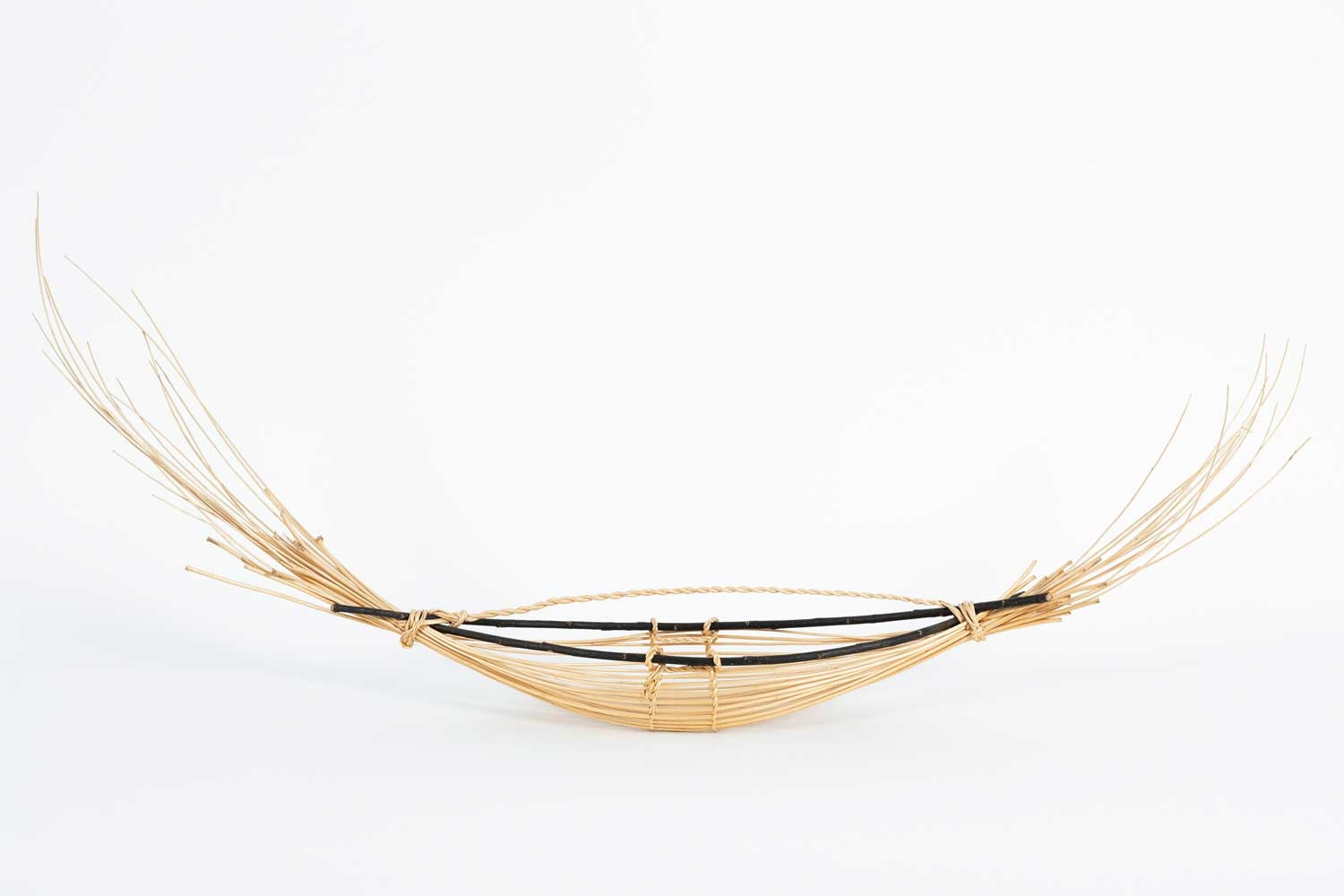
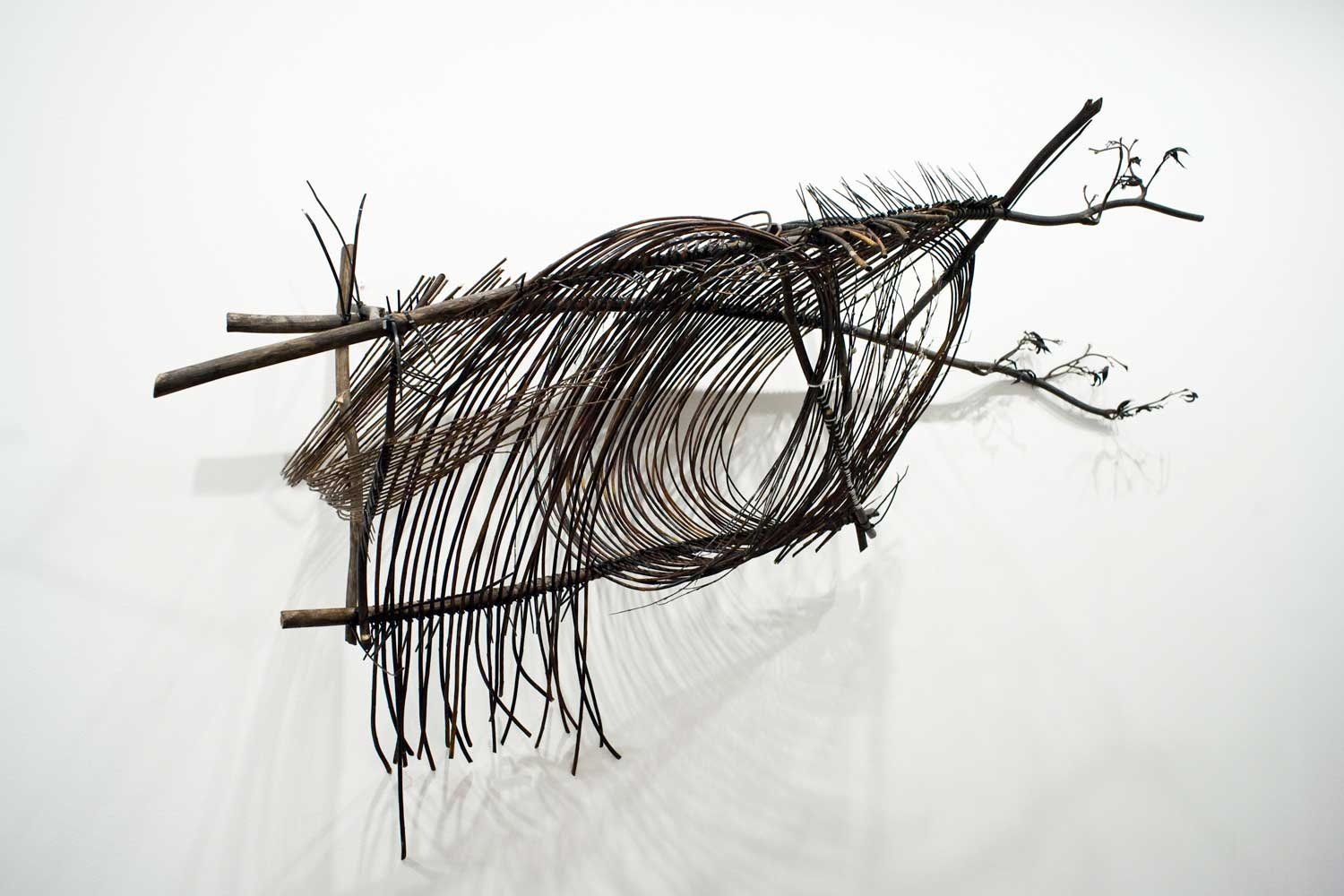
- Her interest in woven fish traps started not from the baskets themselves but from the zoological behaviour of fish
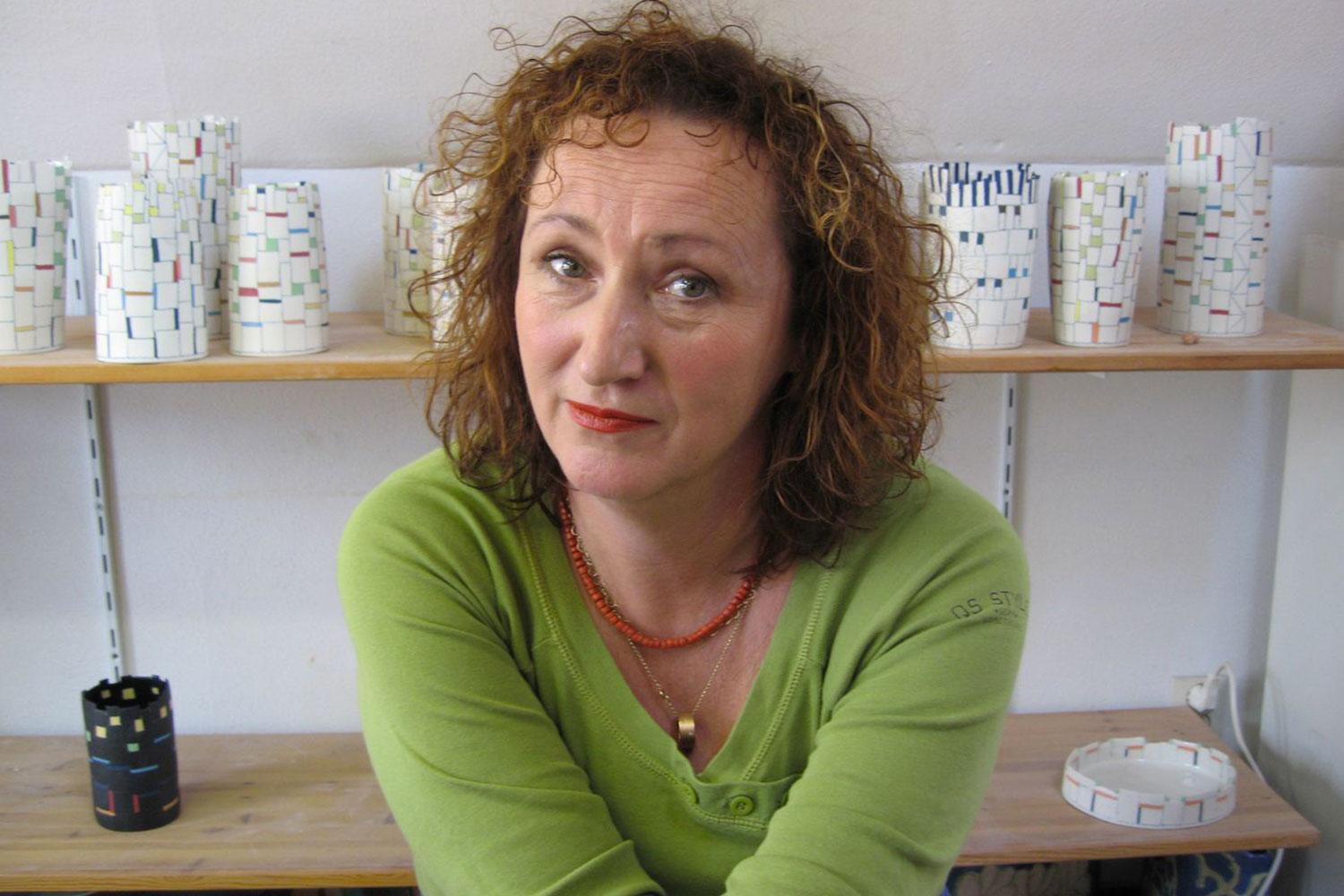
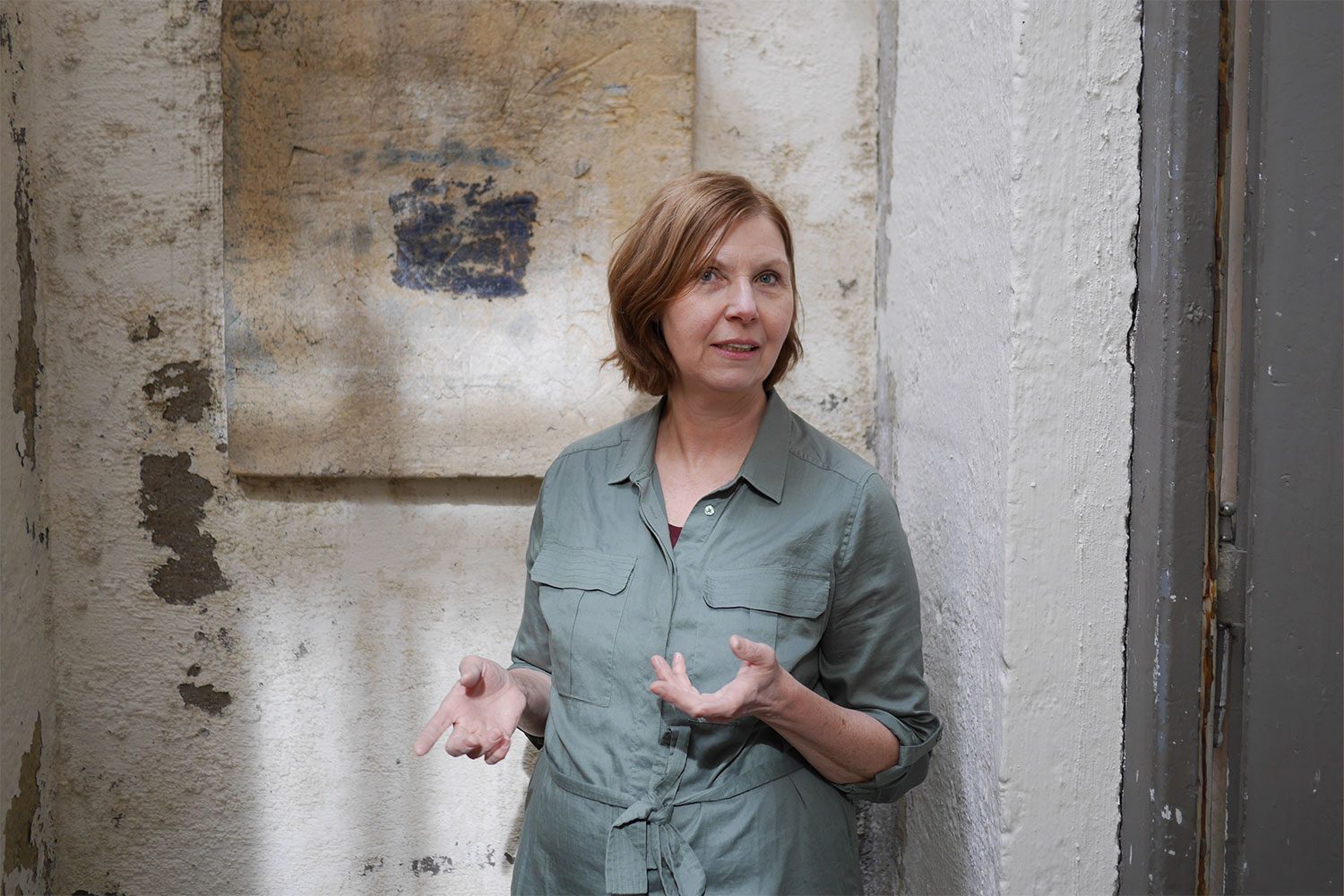
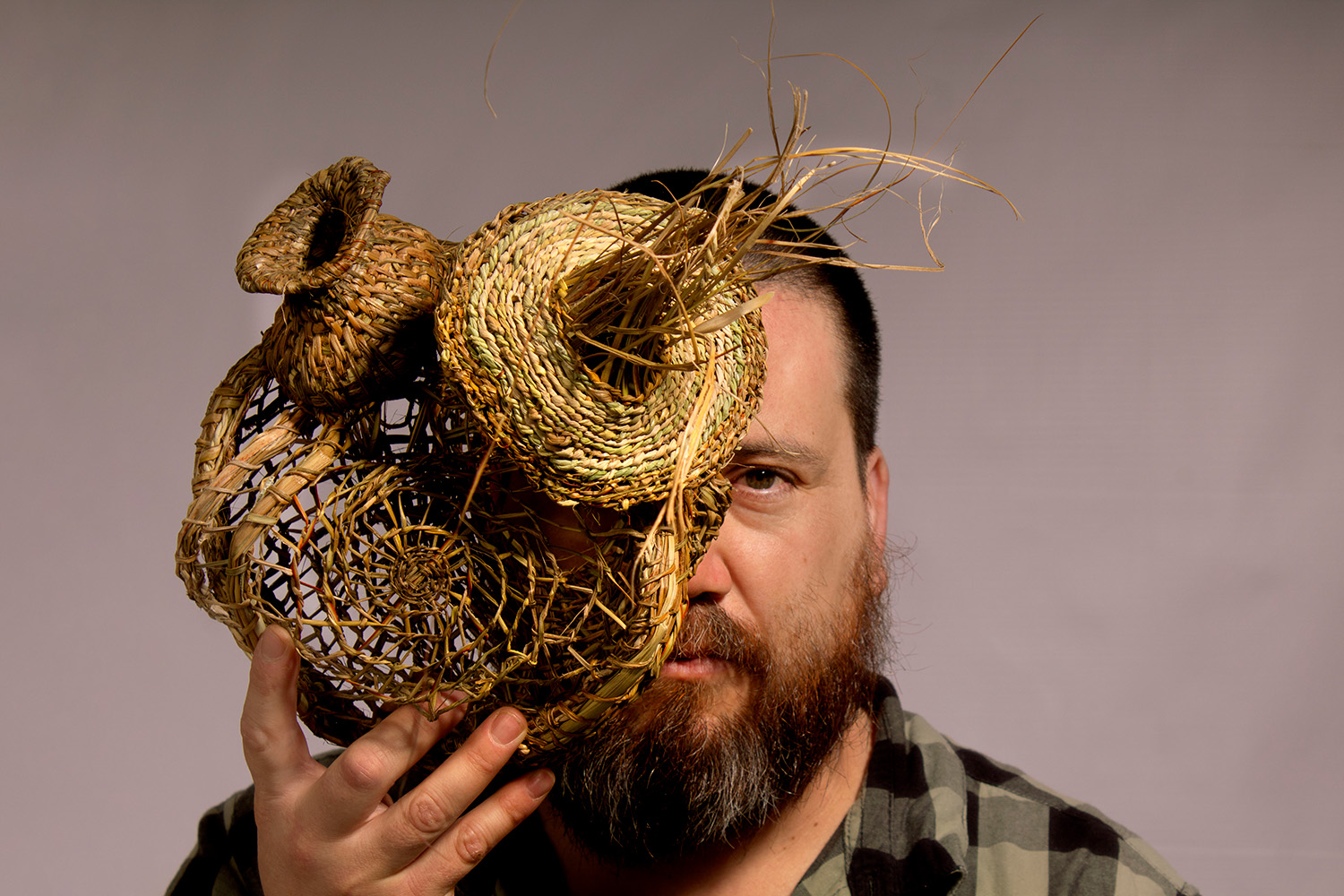
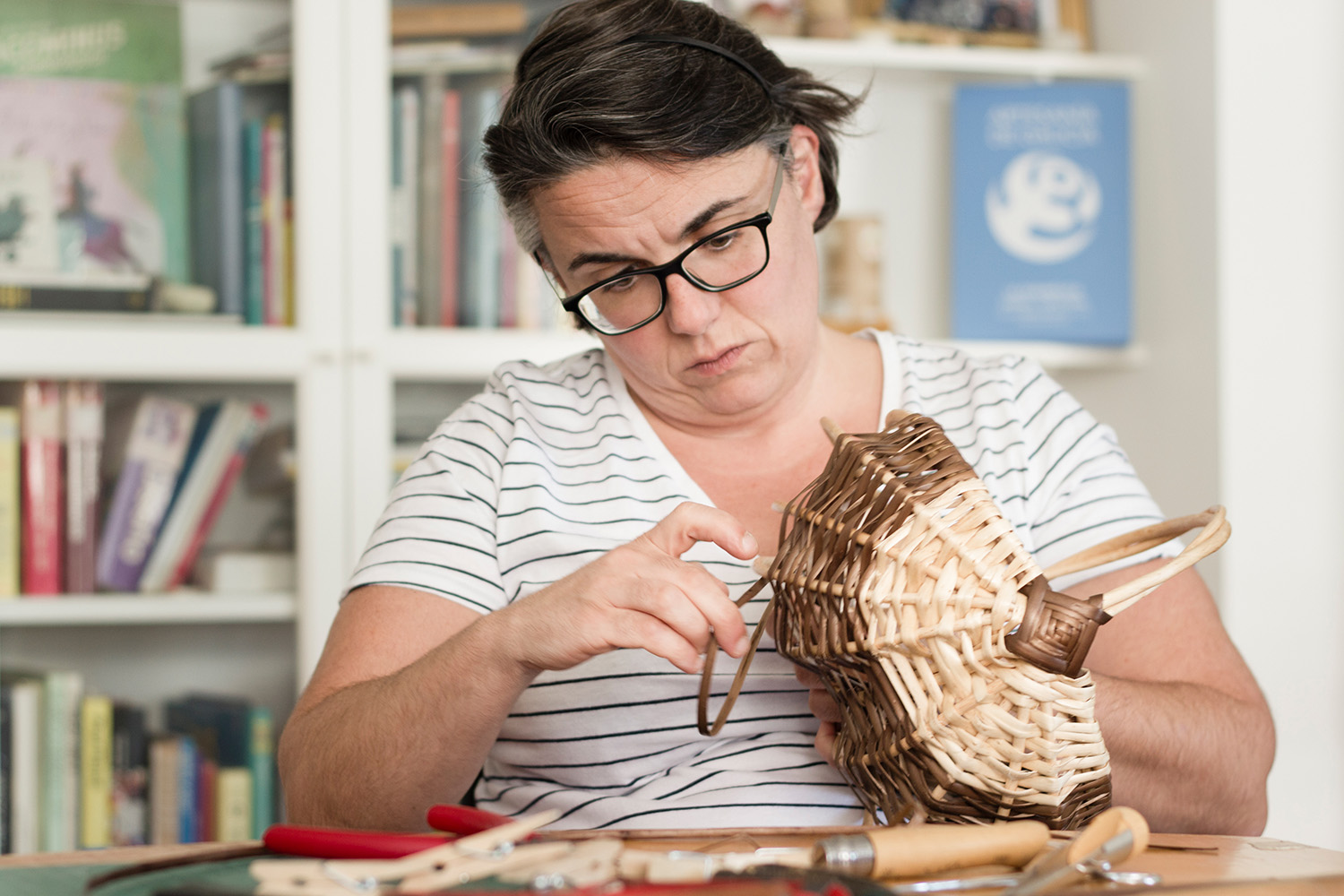
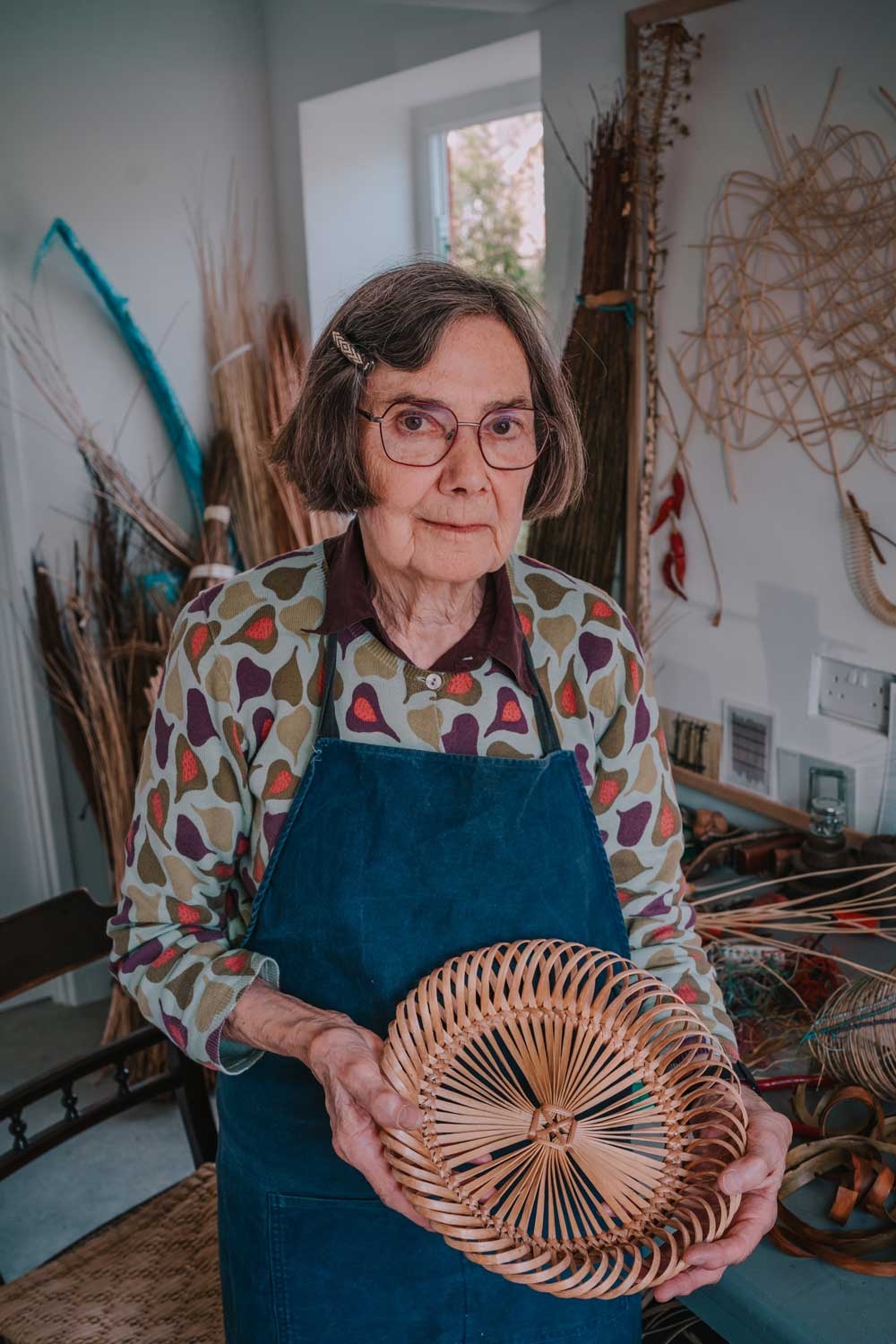
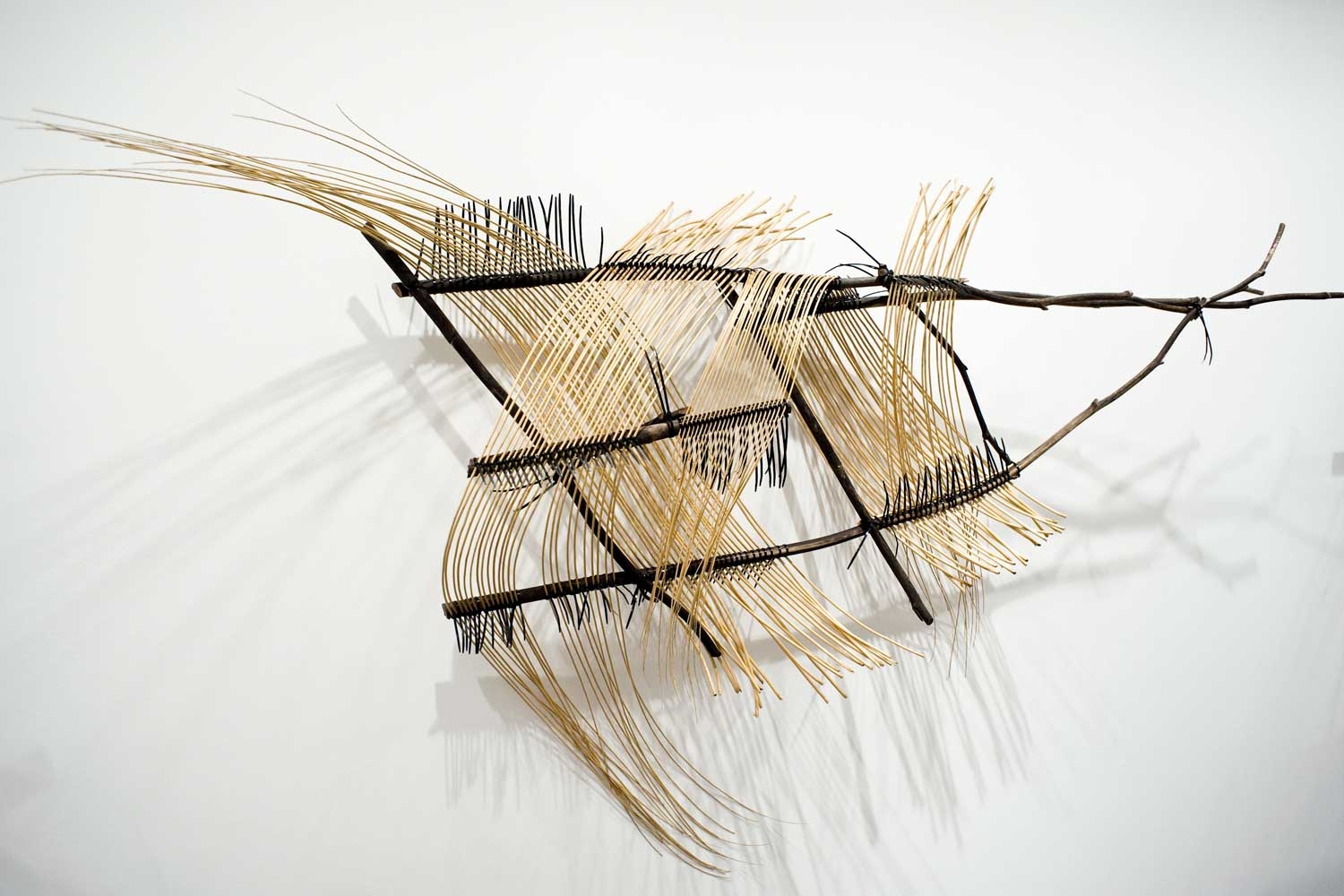
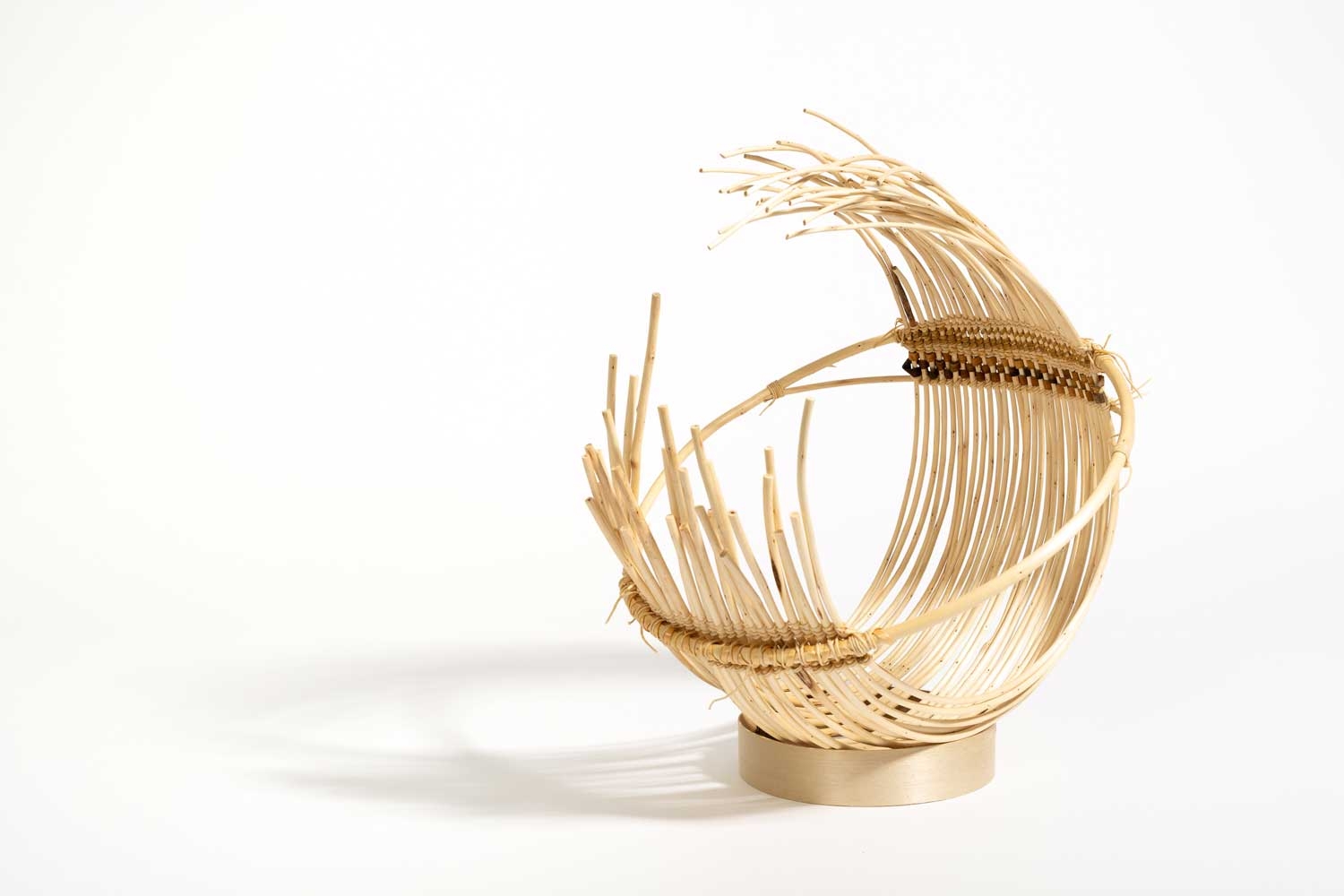
Mary Butcher’s basket-making career emerged from a serendipitous misunderstanding. Seeing baskets on people’s arms in Canterbury in the late 1970s, she set out to find the maker to buy one for herself. “He misunderstood why I was there and readied himself to teach me, whereas I only wanted to be a shopper, so I politely learnt.” This was the beginning of Mary's lifelong journey with basketry. Now recognised with an MBE, her work has led her to meet royalty, to have a residency at the V&A, and much more. With her studies in Zoology at Oxford University, and her master’s research on the ecology of a wetland in the USA, Mary’s wide-ranging creativity and expertise are present in each weave of her work. Her baskets each tell a tale, celebrating traditional techniques, or provoking a rethink on tradition.
Discover her work
INTERVIEW
New ideas come at odd times and places. They are frequently based in some way on techniques or forms that I have experience with, but then the work develops and diverts in new directions, new to that moment and place of work.
I made a small basket from buff willow for blackberry picking. It was not shapely, but I loved making it. Thirty years later, it succumbed to overuse. My second basket was a gift for my parents to hold sandwiches and a thermos.
Many aspects, from availability to the texture of the stem or leaf. The smell can often be important, too. Certain willows are deliciously scented, fresh and spicy with a touch of resin, while cedar bark is rich. All senses come into play.
This is partly in the eye of the beholder and partly involves techniques. Traditional willow baskets should be neat, and that precision is a pleasure to craft and to see. In exploratory work, discordant notes are woven in to break that flow of regularity or to provoke questions.
Mary Butcher
Basketweaver
Canterbury, United Kingdom
AVAILABILITY
By appointment only
PHONE
+44 227766427
LANGUAGES
English
Homo Faber Finds is a new service aiming to inspire admirers of craft to connect and collaborate with exceptional artisans.
We invite you to submit an enquiry here.