Luisa Maisel
Ceramicist
Nice, France
Clay as a vessel for transformation
- Luisa explores the narrative and transformative potential of clay
- Her practice is deeply rooted in the Shigaraki ceramic tradition
- For her, the act of making is a vital form of thinking
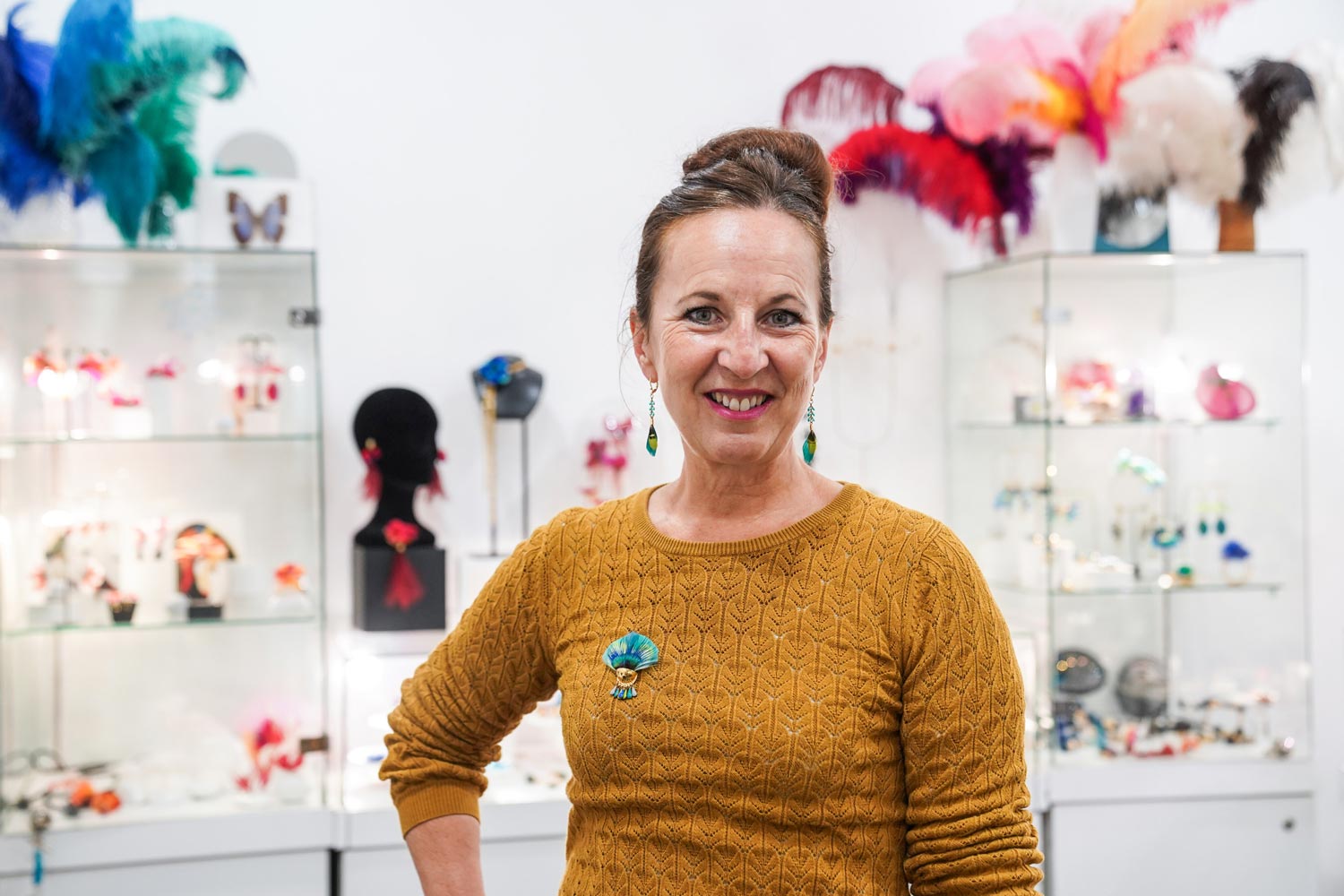
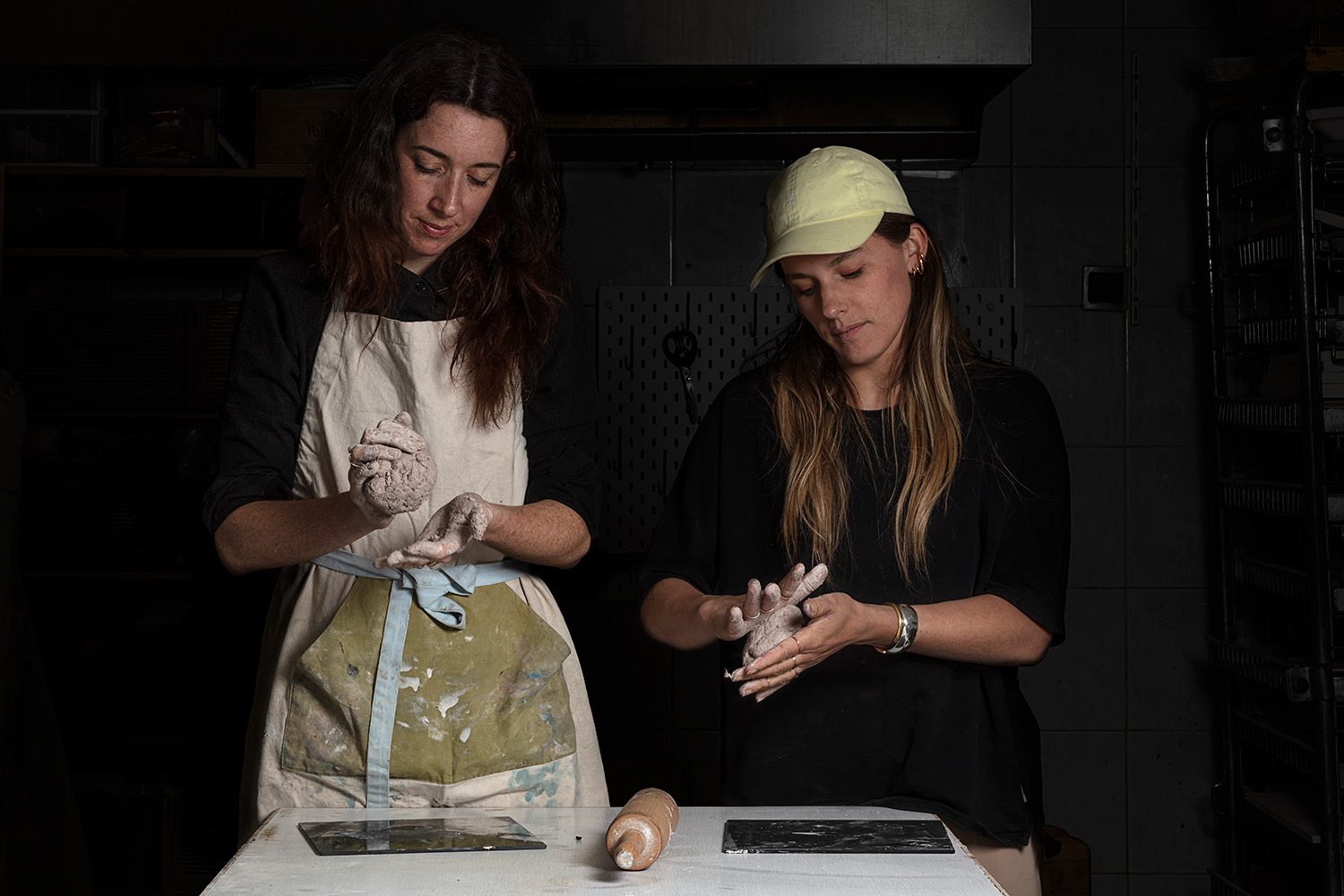
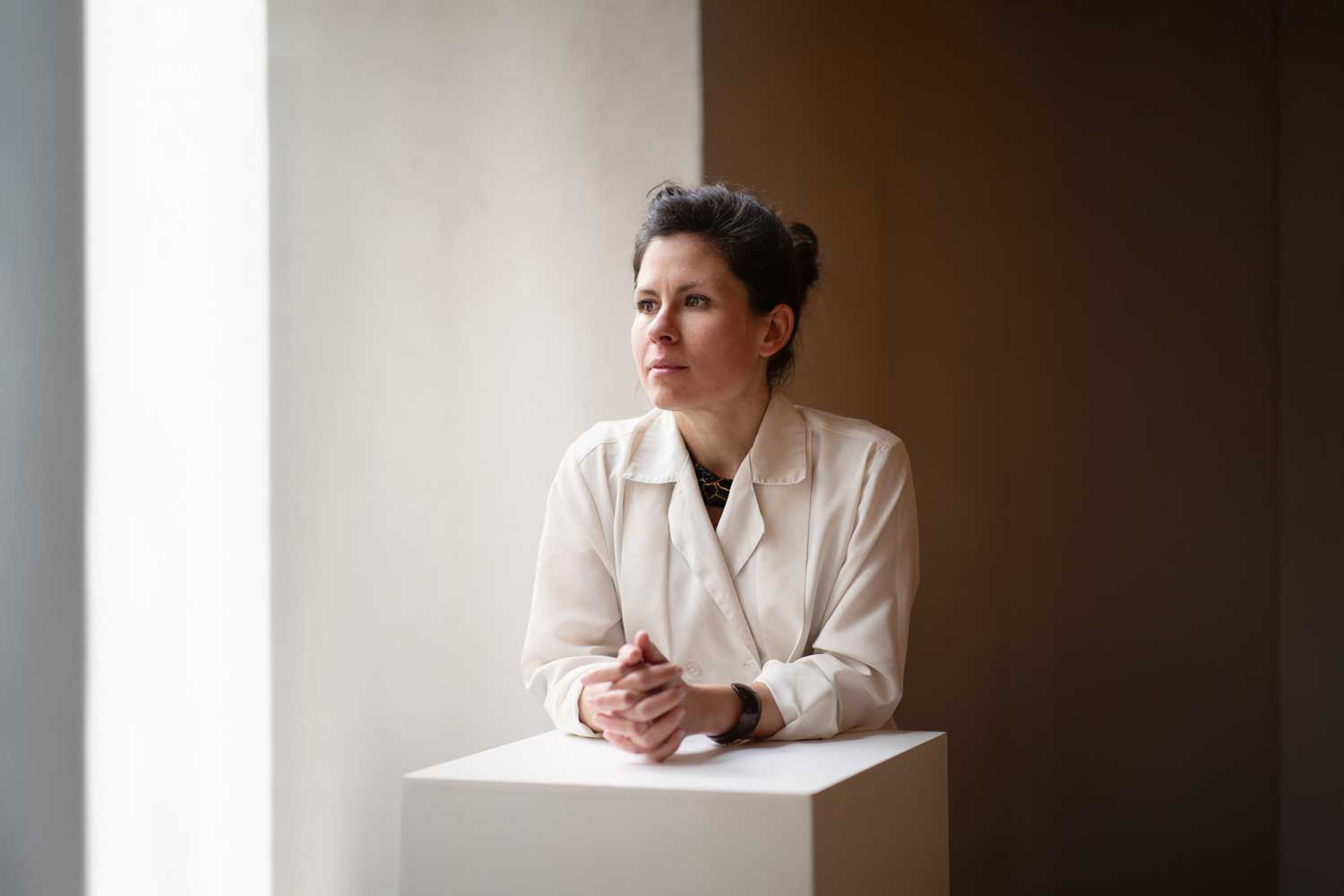
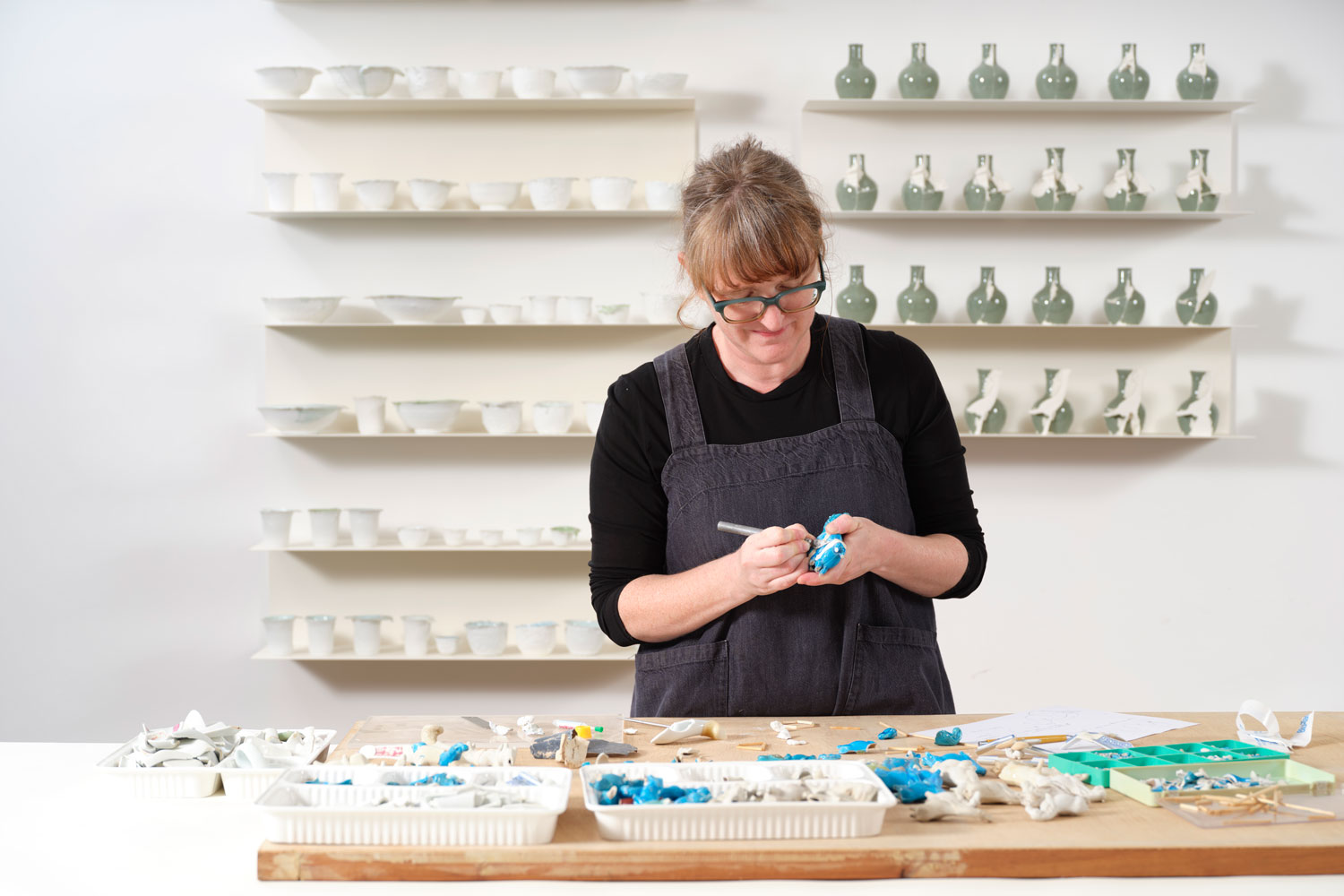
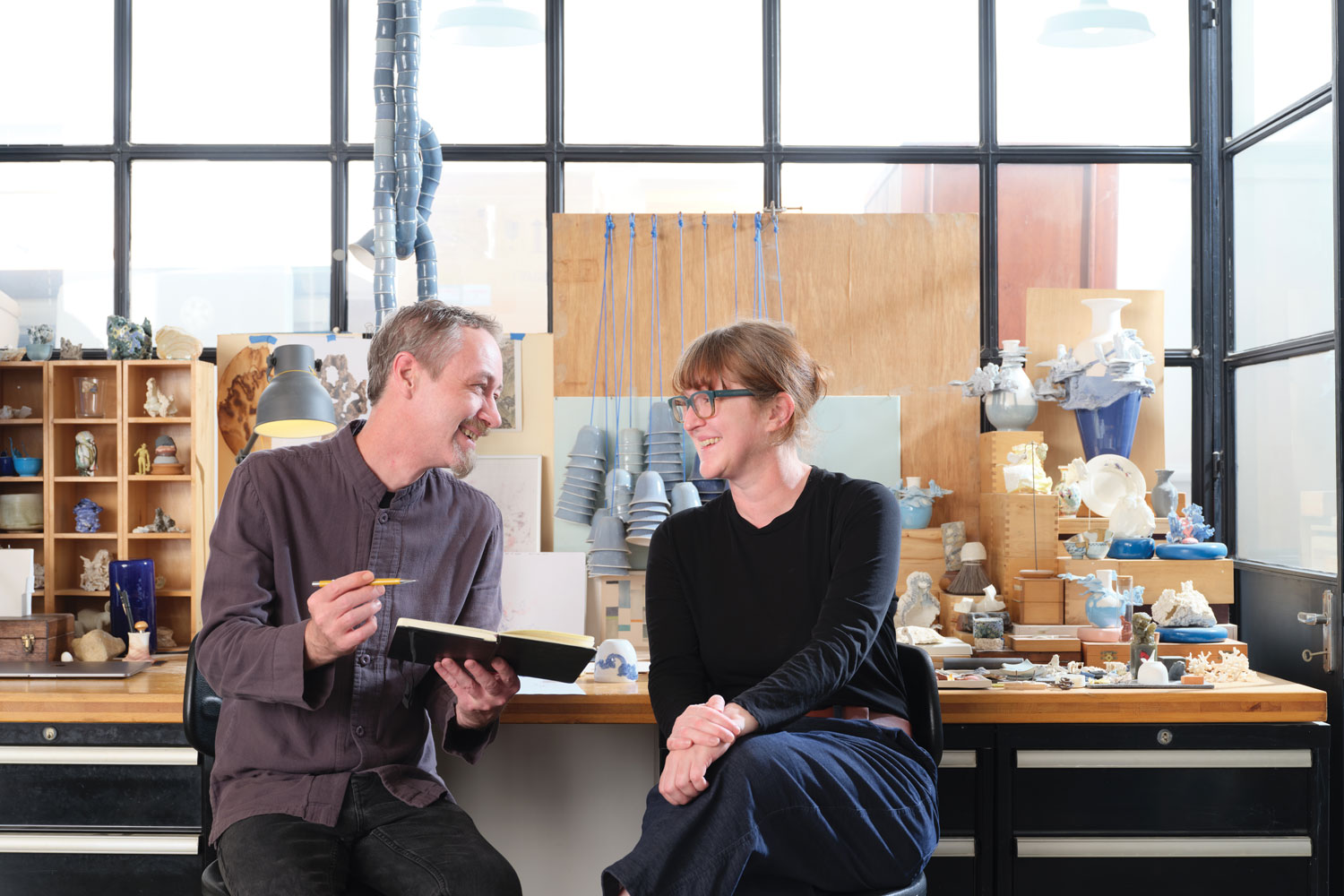
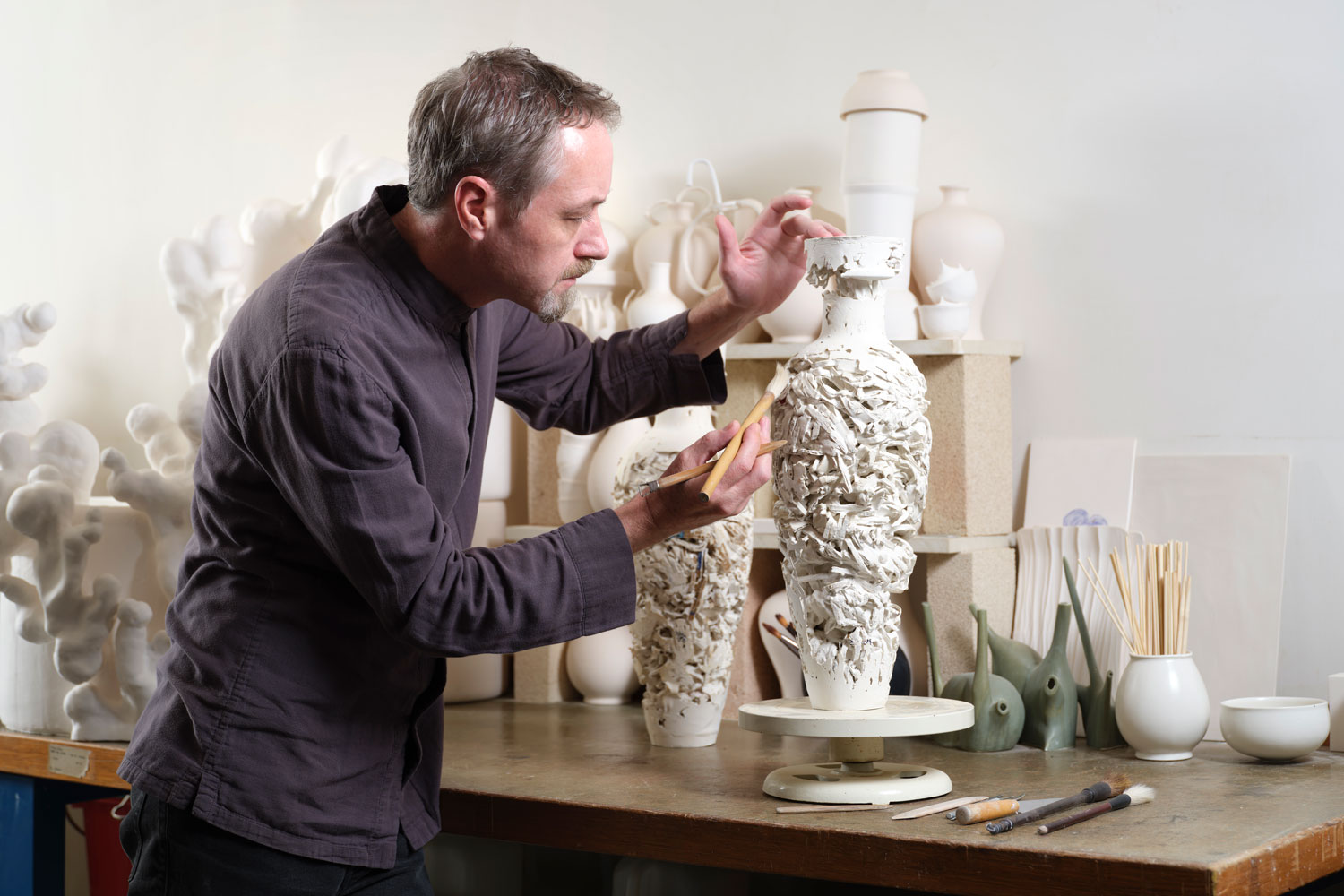
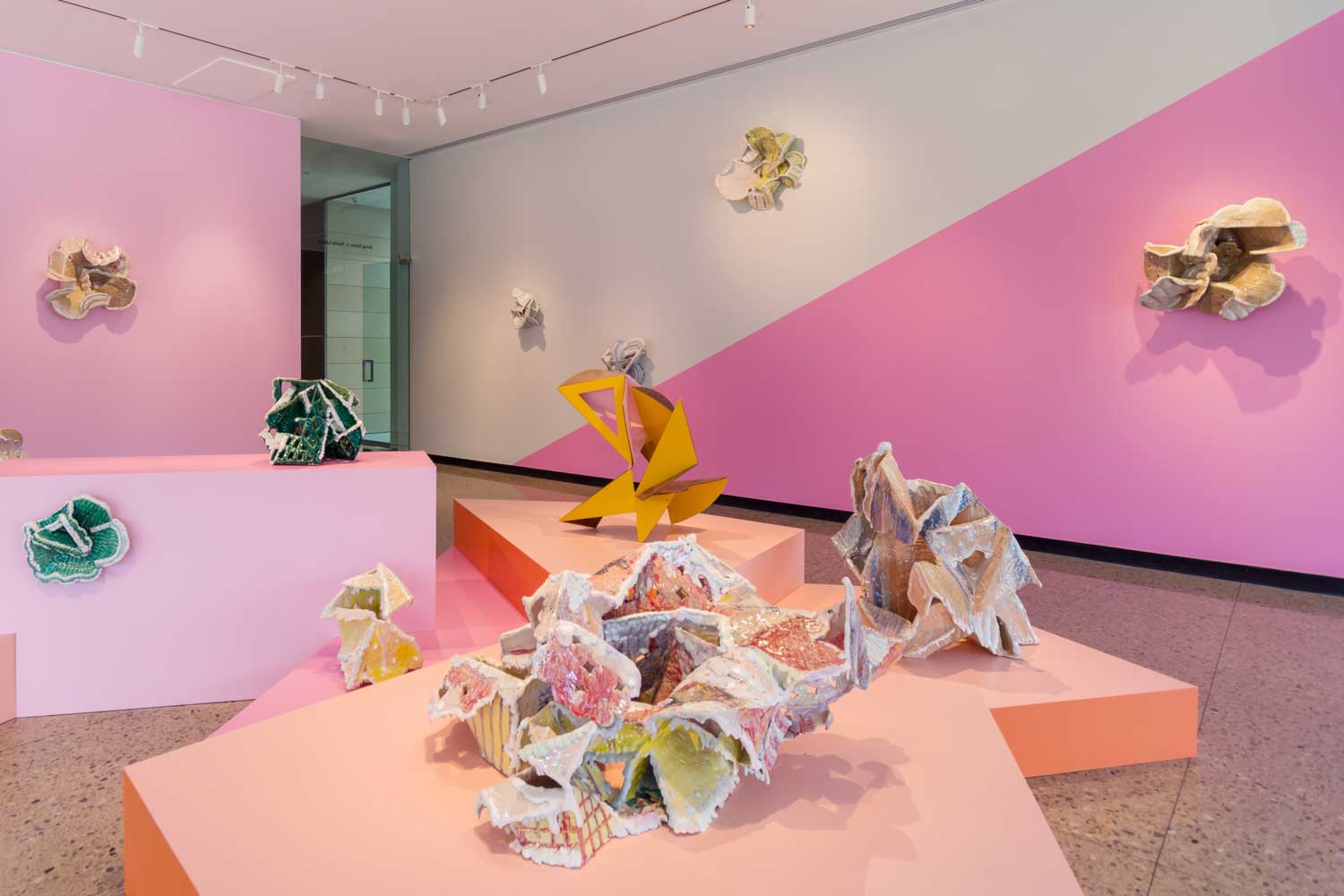
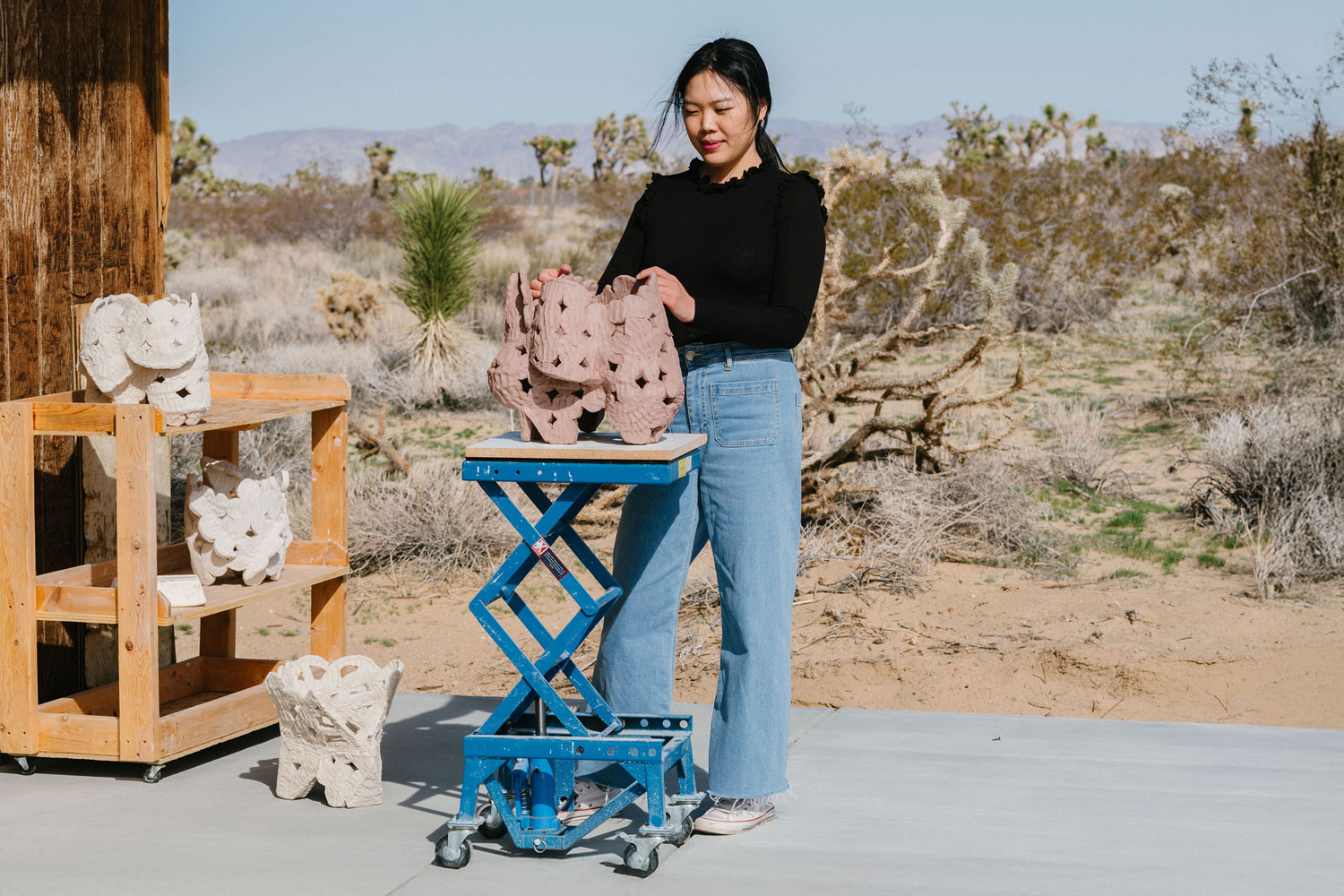
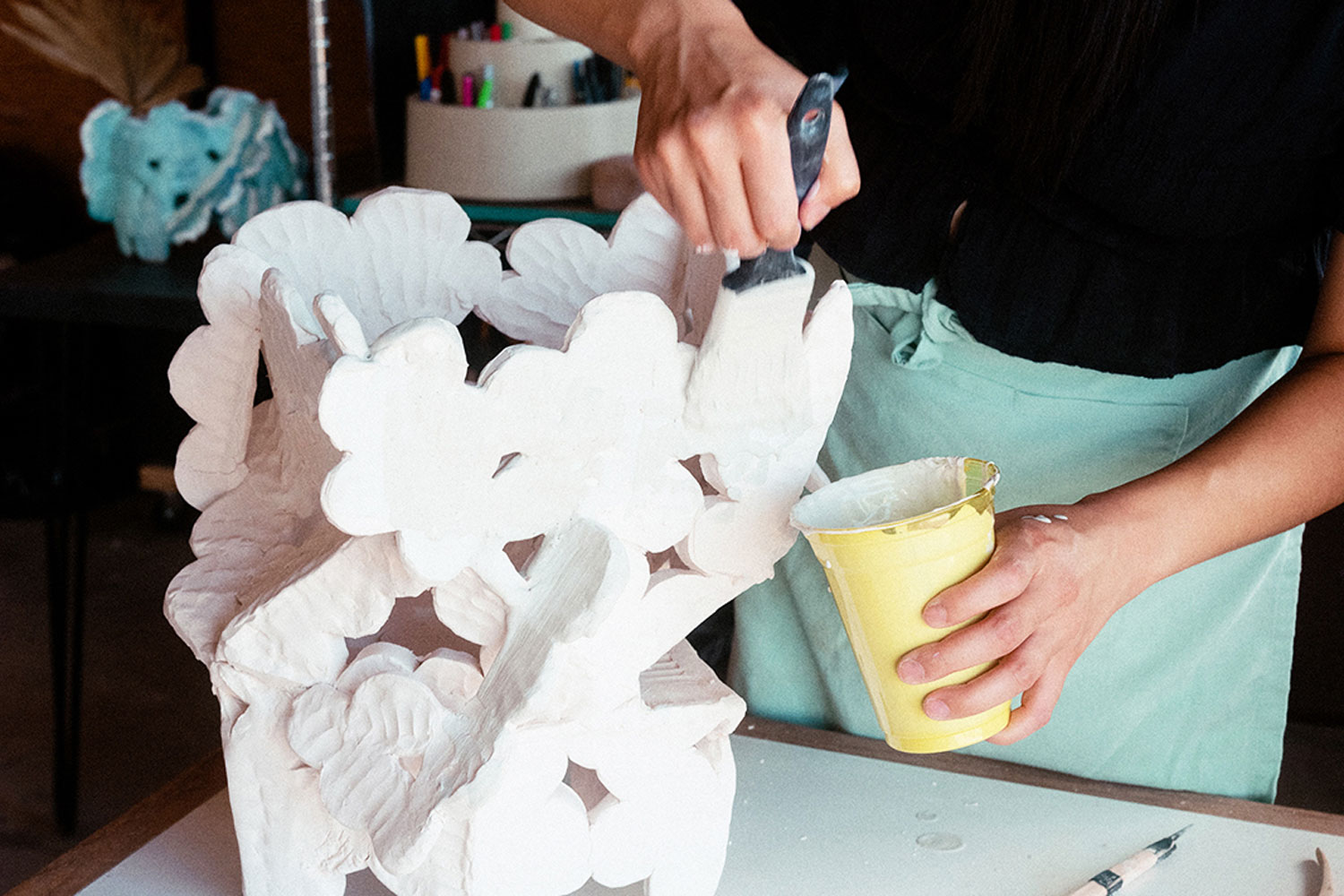
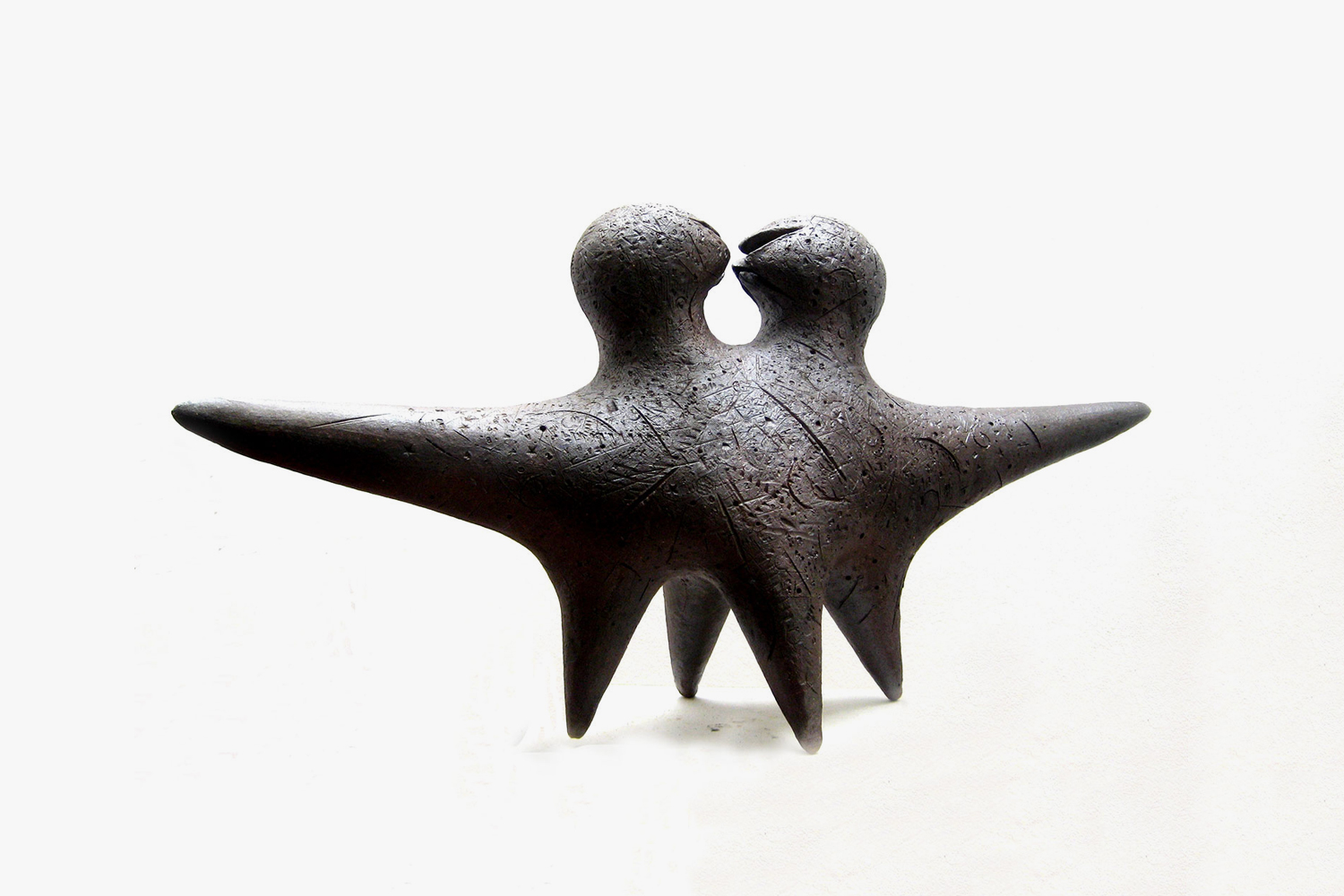
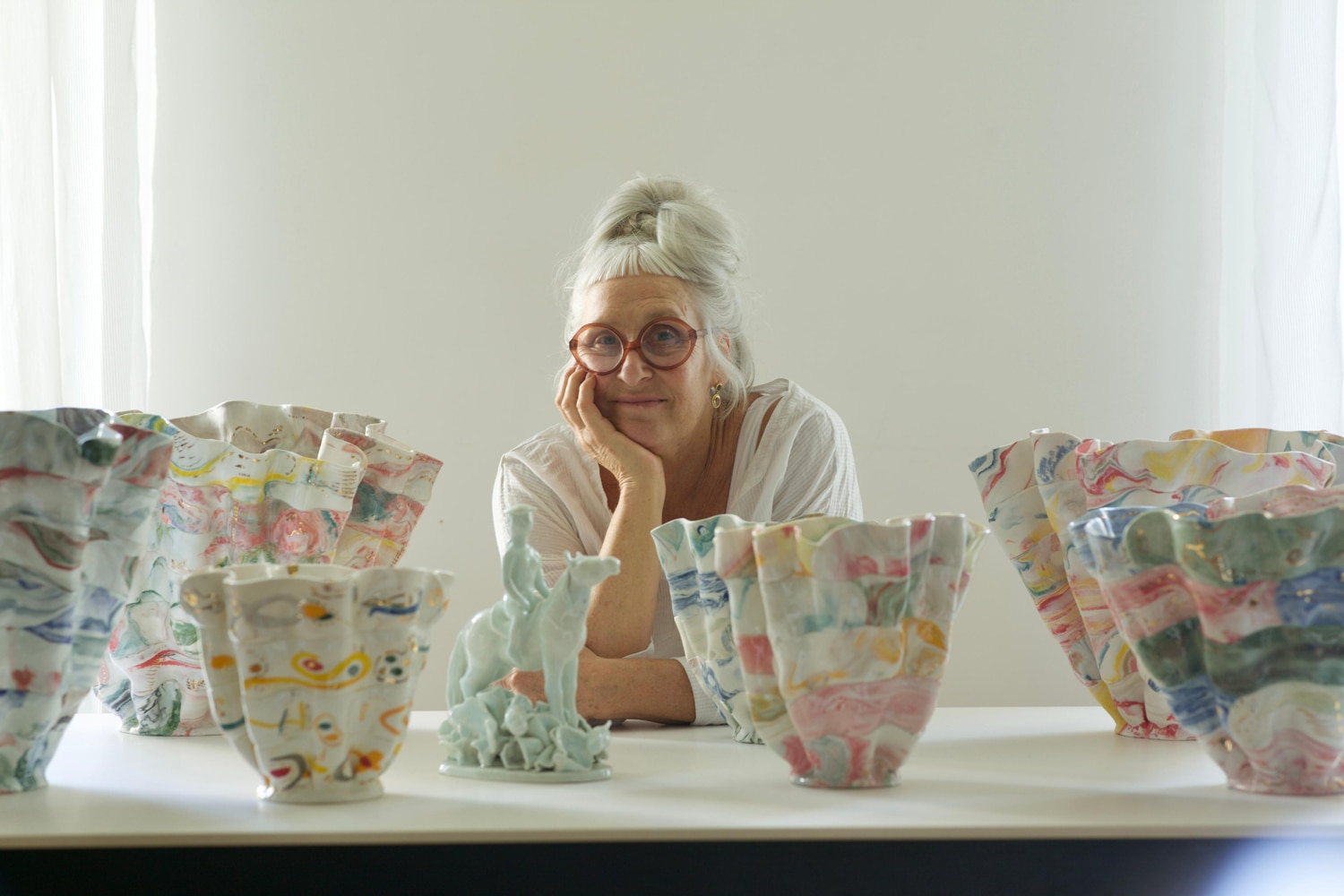
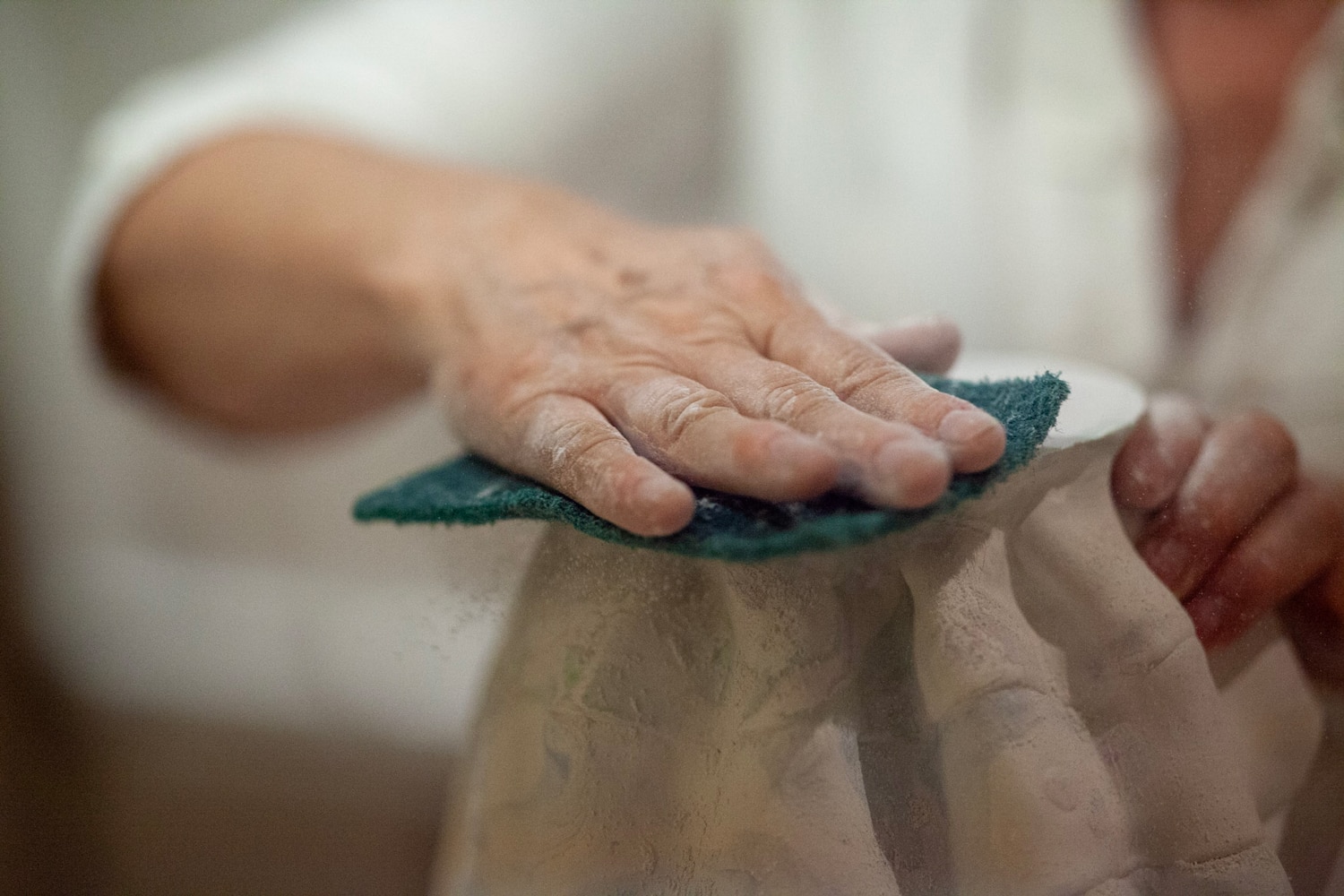
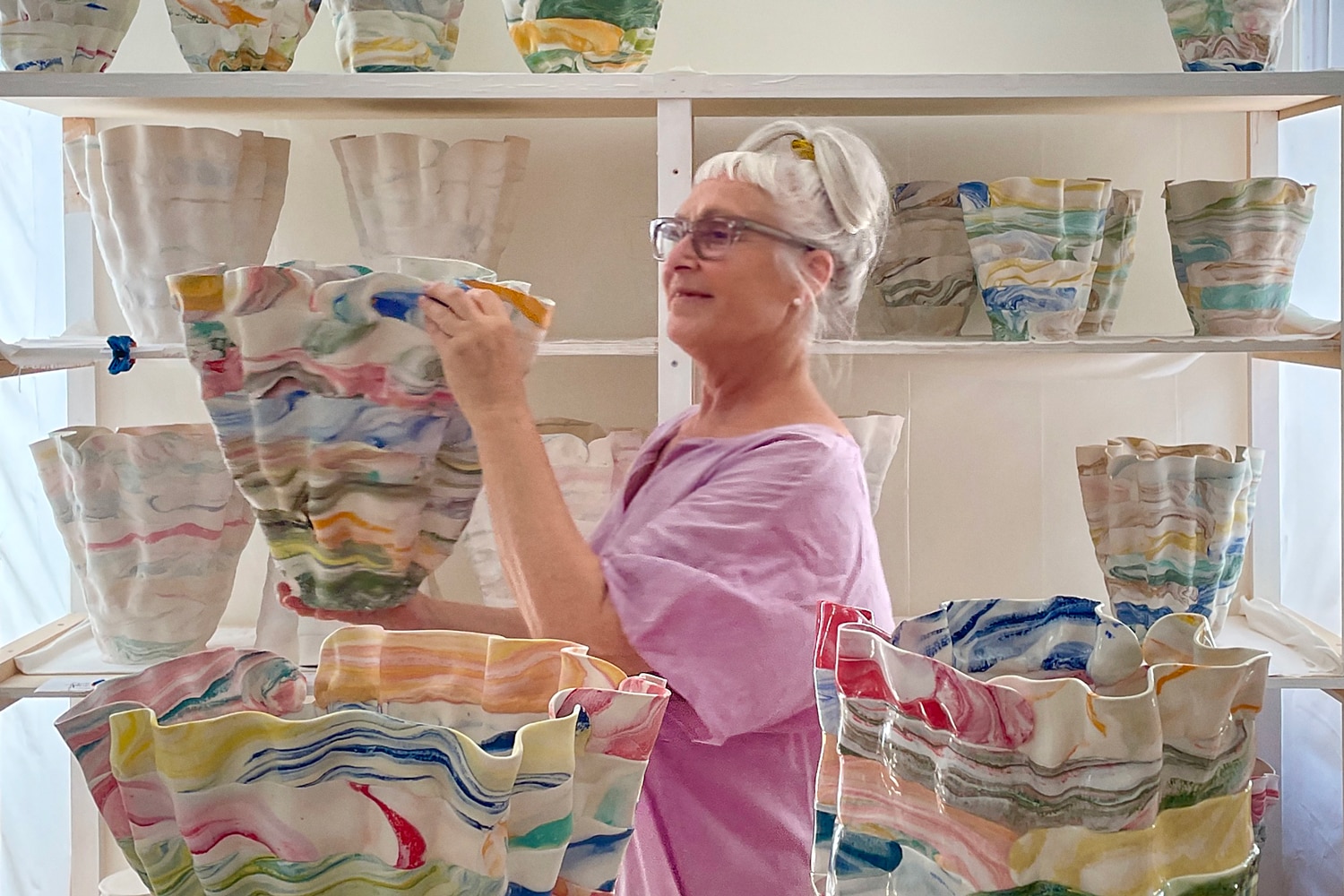
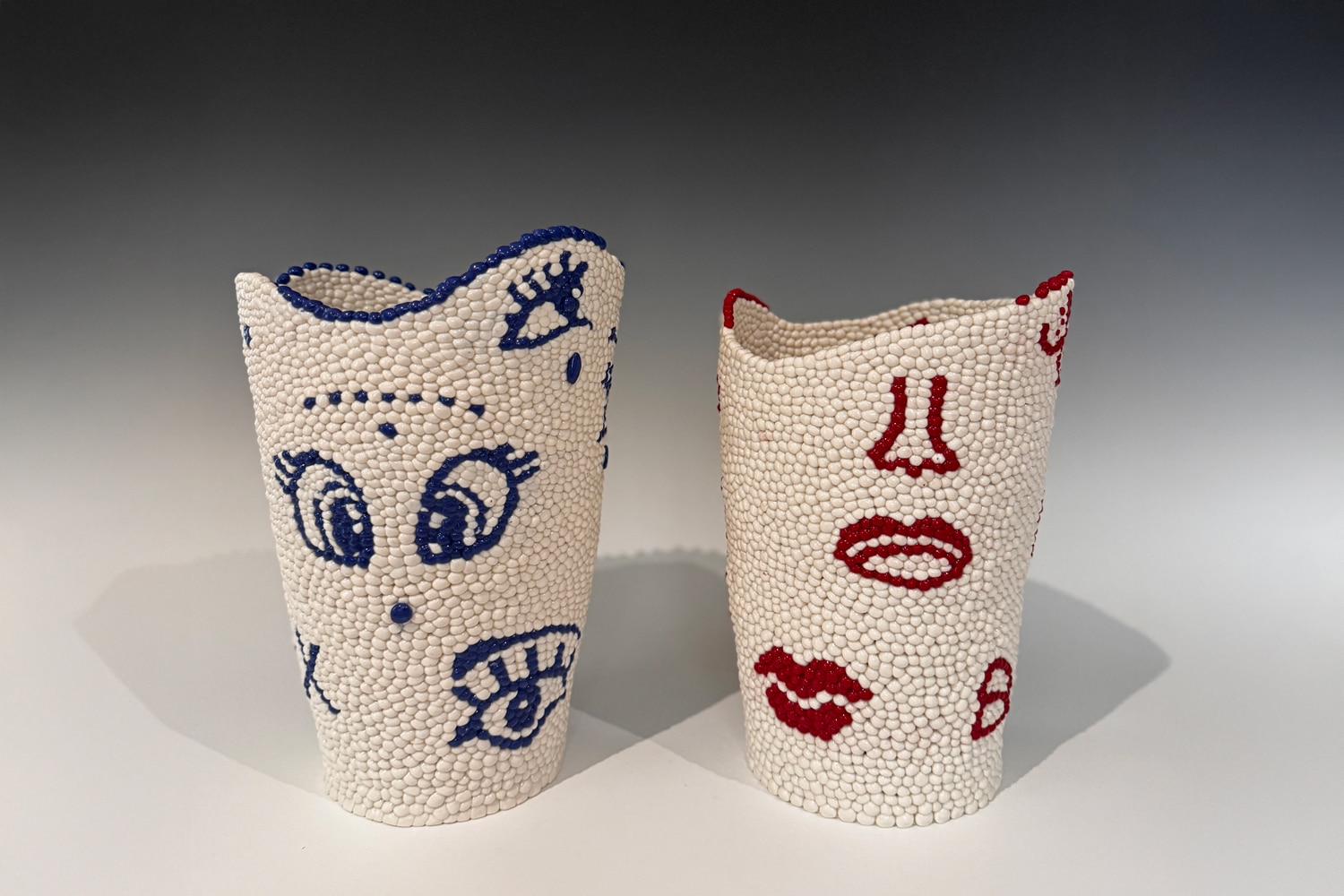
Luisa Maisel found her calling the moment she encountered Judy Chicago's installation, The Dinner Party, at the MOMA in New York. Originally from the Big Apple, she trained in Paris and shaped her practice through research, experimentation and international residencies. In Shigaraki, Japan, Luisa explored alternative firing techniques that profoundly transformed her approach to clay. “Shigaraki invited me to slow down, take risks and let the material and firing process speak more freely,” she explains. Luisa's figurative, often narrative ceramics reflect on identity, power and social codes, while celebrating the endless transformative potential of clay. Based in France since the 1980s, she currently works from her atelier in Nice.
Discover her work

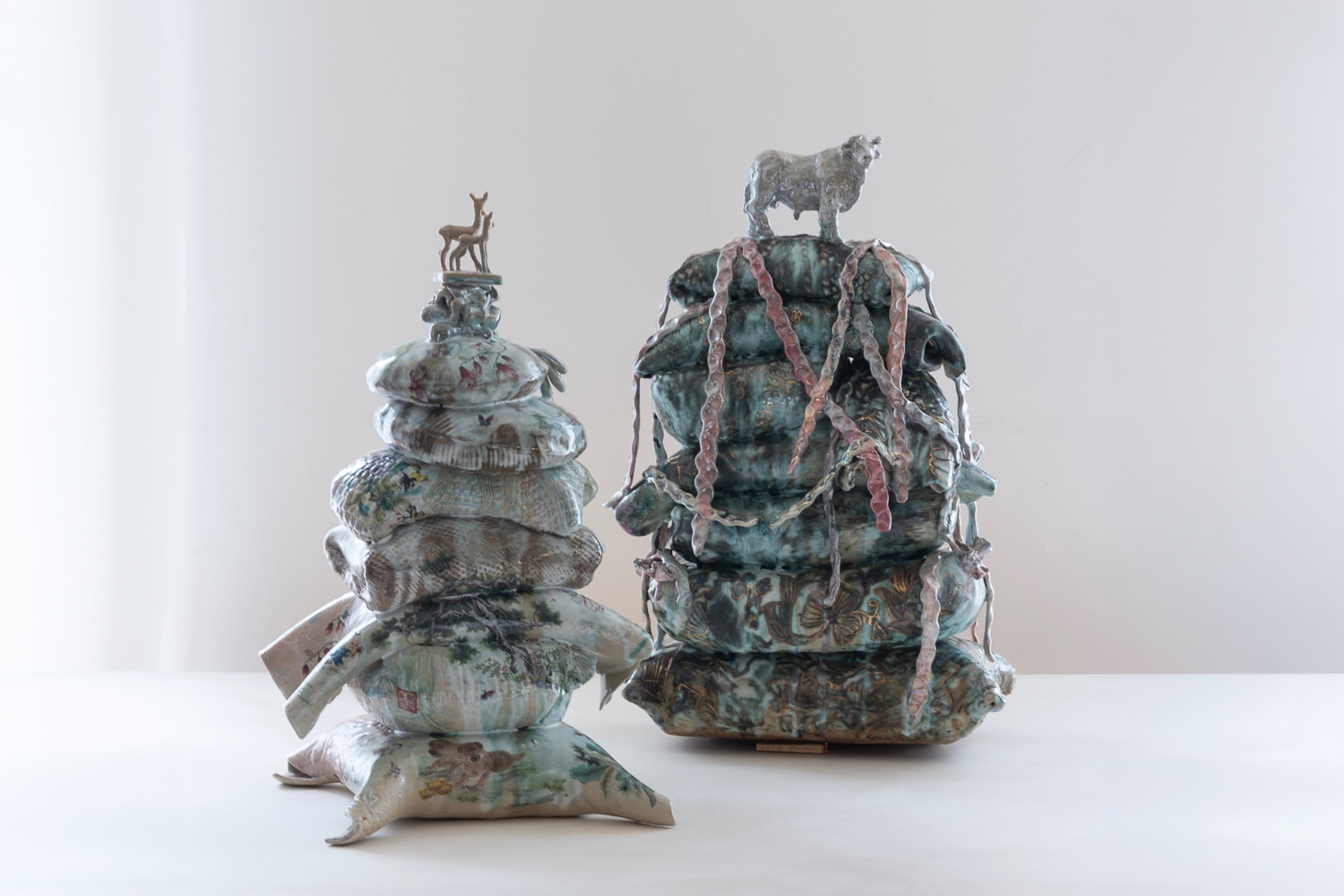
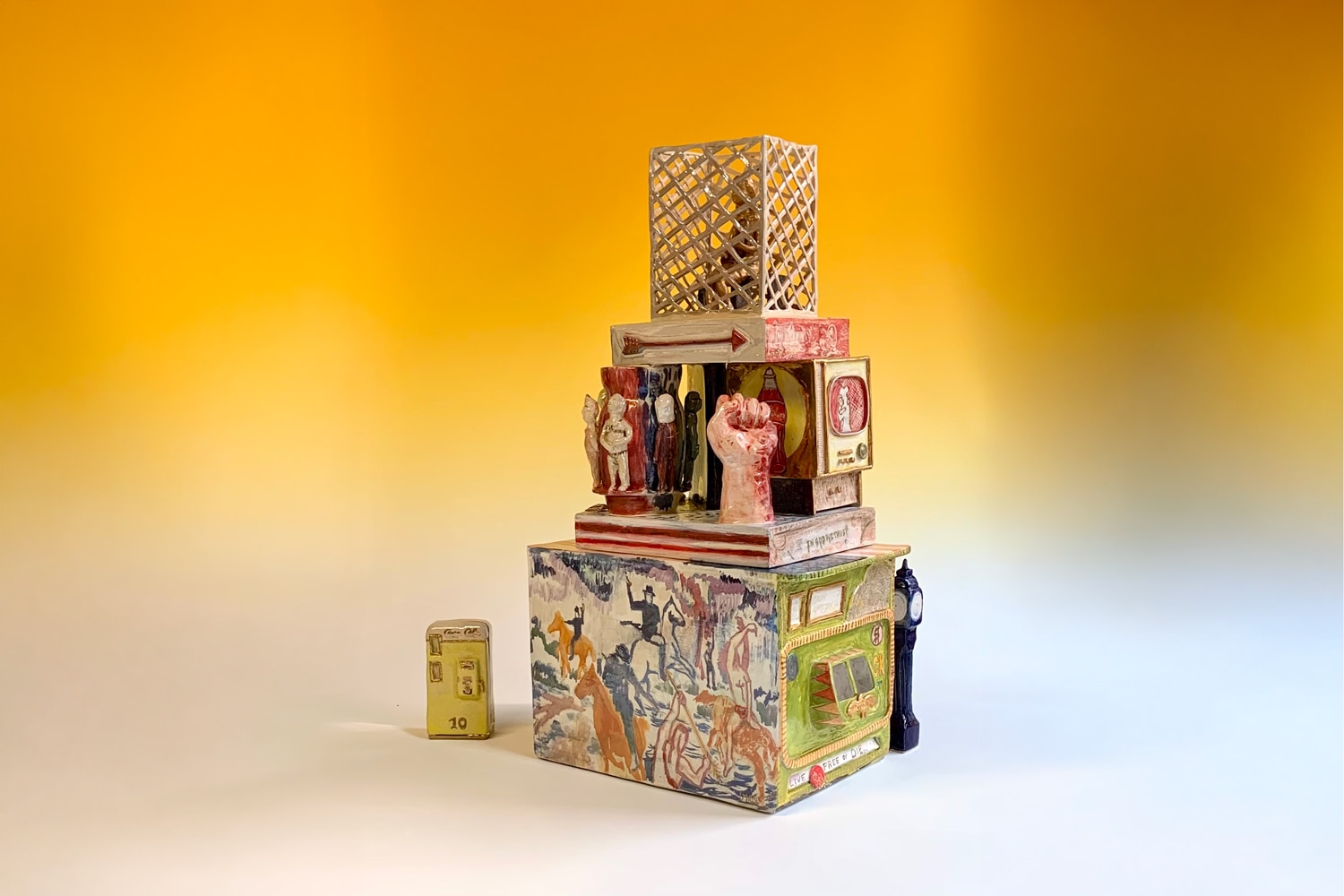
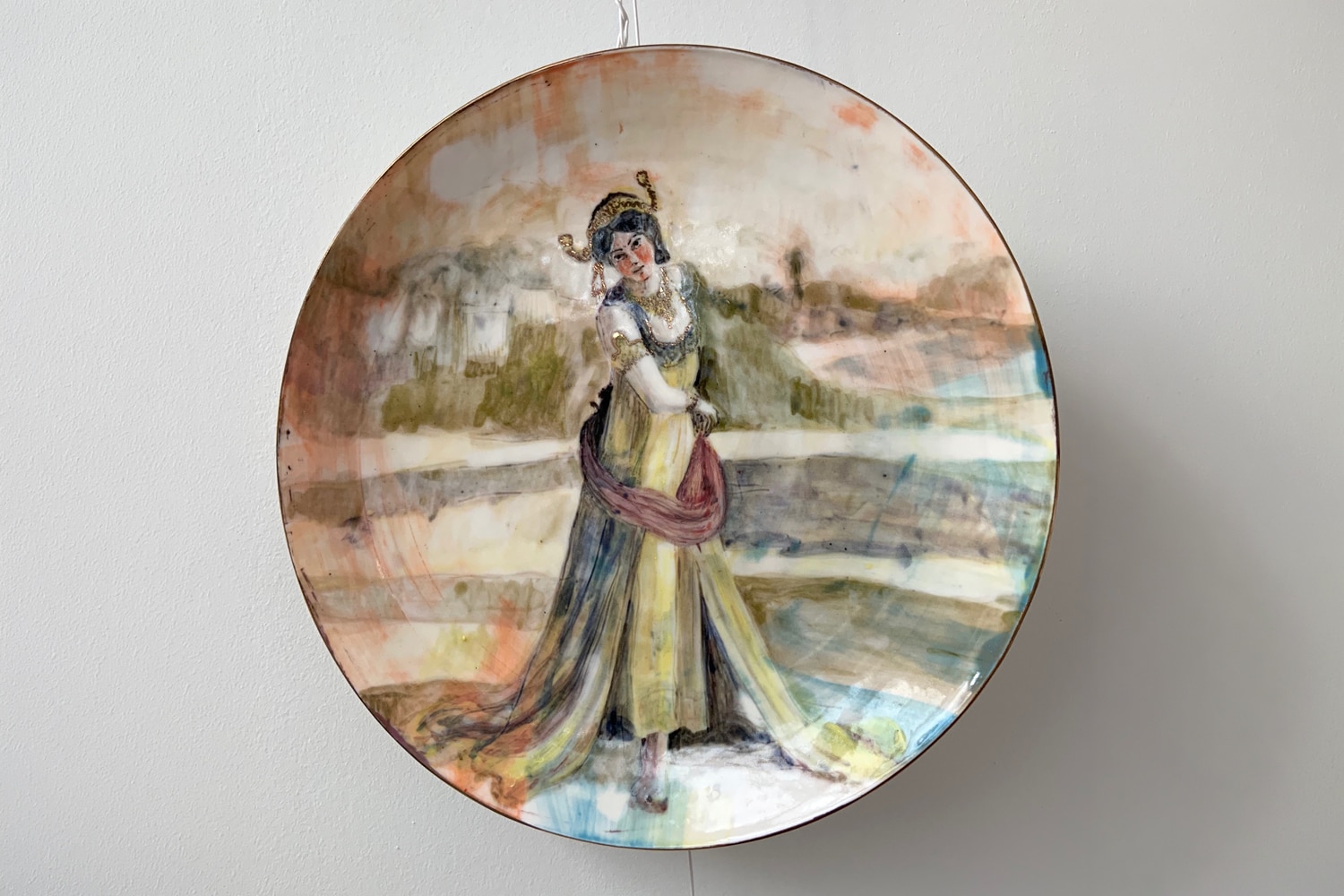
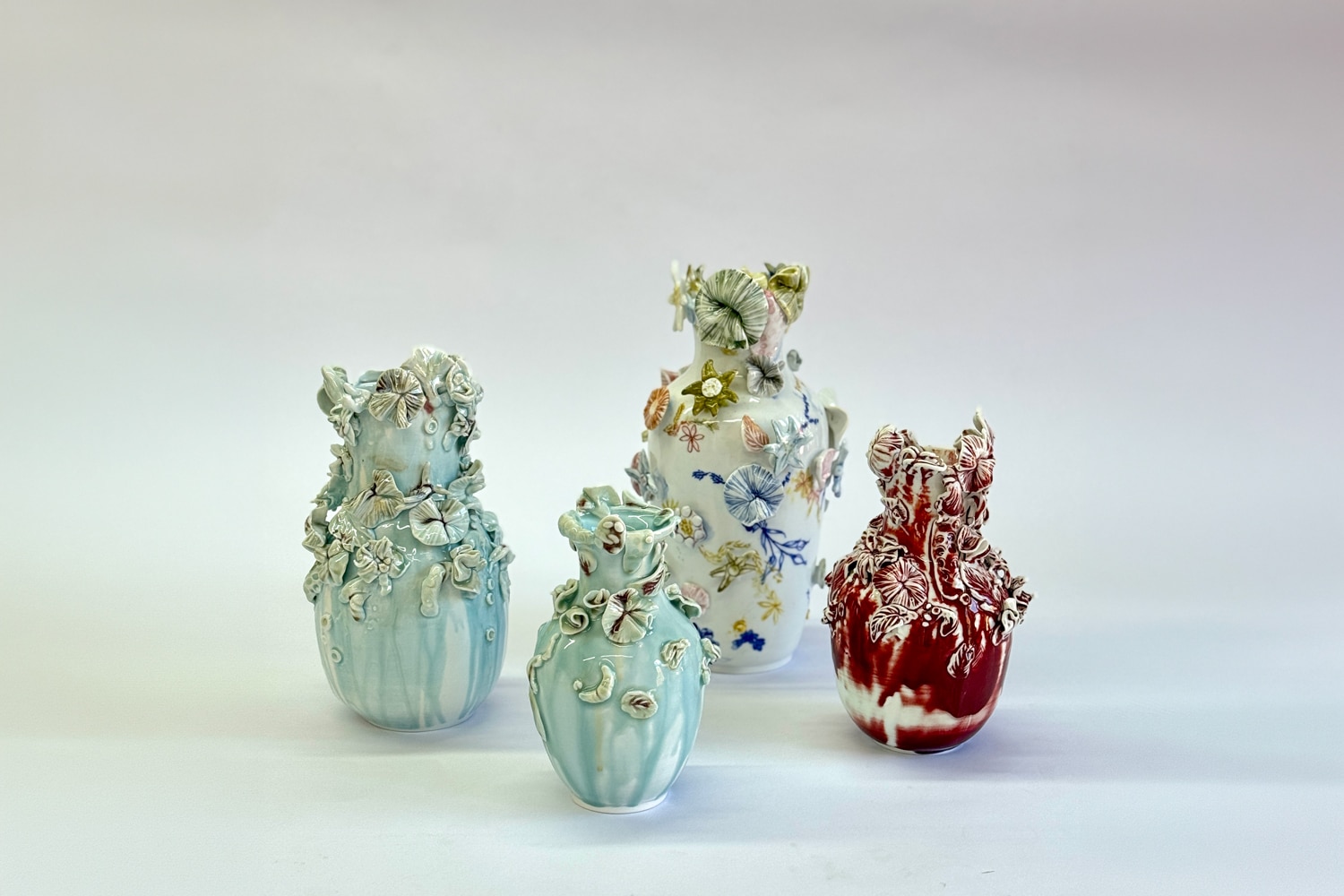
INTERVIEW
I encountered The Dinner Party by Judy Chicago at the Museum of Modern Art in New York in 1979, when I was 20 years old. I was deeply moved by the intricate craftsmanship, the unapologetic symbolism of womanhood and the regal, monumental presence of feminist art. In that moment, I decided to become a ceramicist.
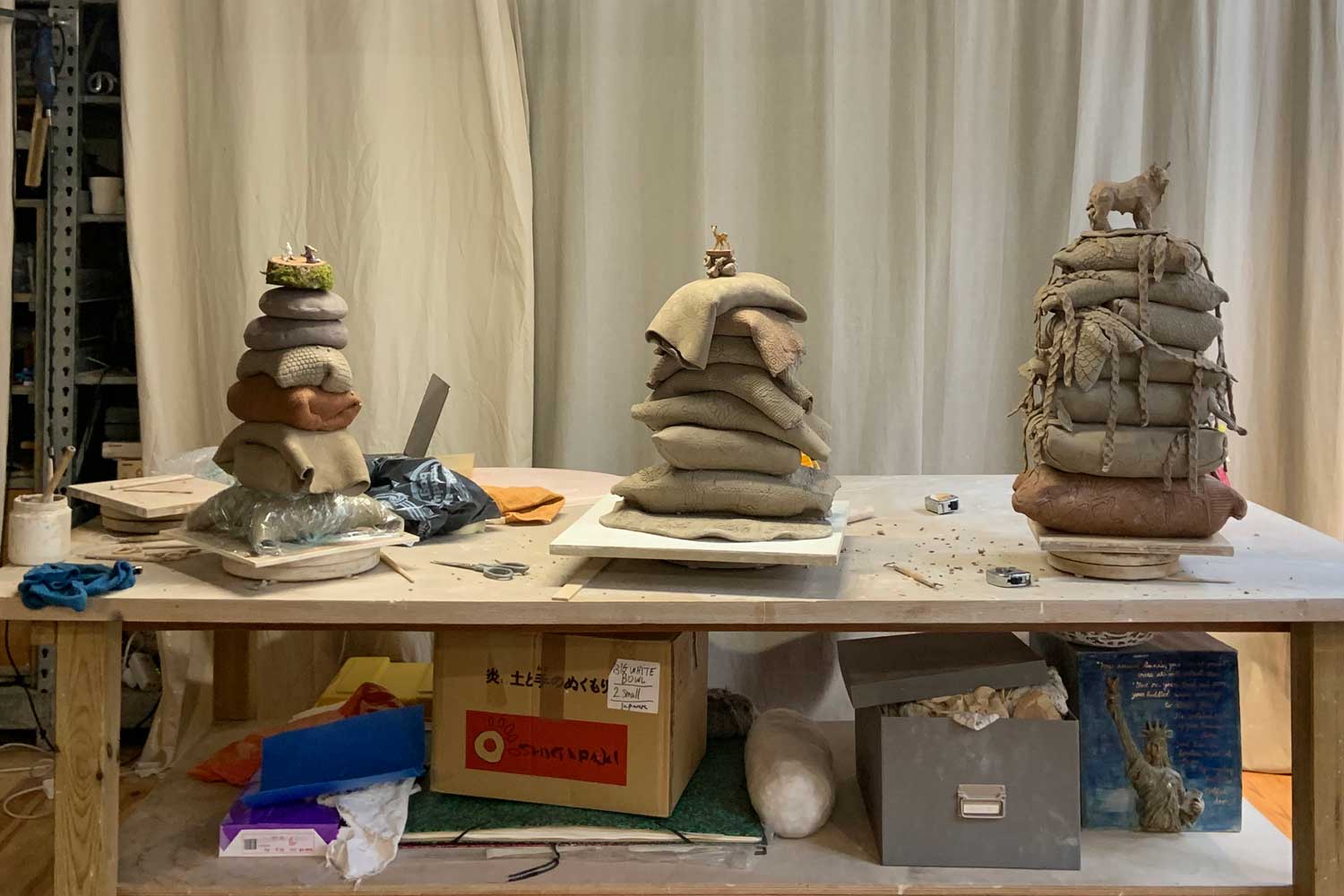
I always carried the idea of creating Another Dinner Table, as an homage to Judy Chicago. During my ceramic residency in Shigaraki, Japan, in 2018, I created my first Banquet table, a tribute to and celebration of femininity. This installation has been an ongoing project since 2018 and continues to evolve as part of my practice.
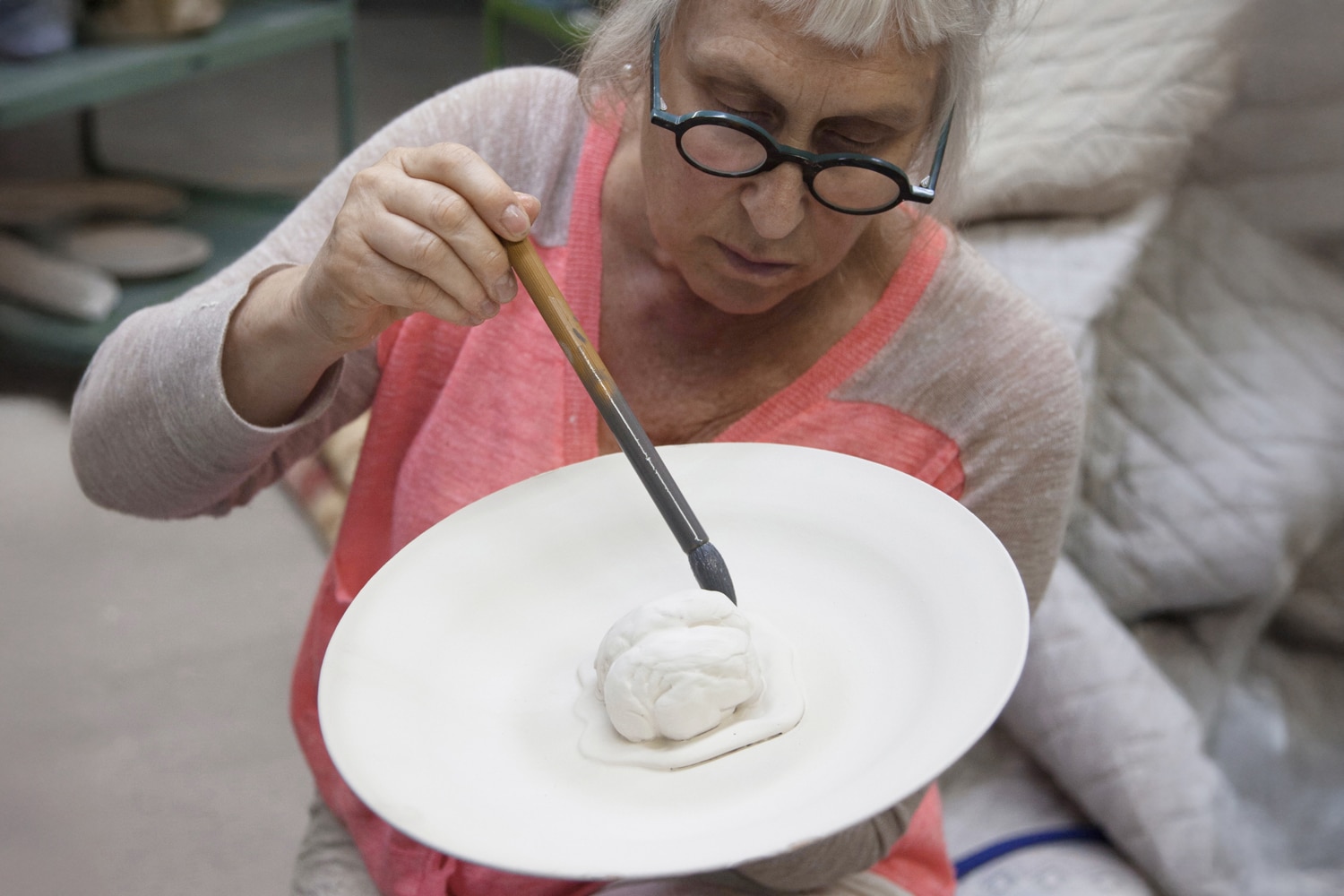
It happened both organically and through a decisive turning point. As graphic design changed dramatically with the arrival of computer graphics, I realised I did not want to work primarily on a computer. I deeply valued physical, tactile processes, from cutting, pasting and painting to making things by hand.
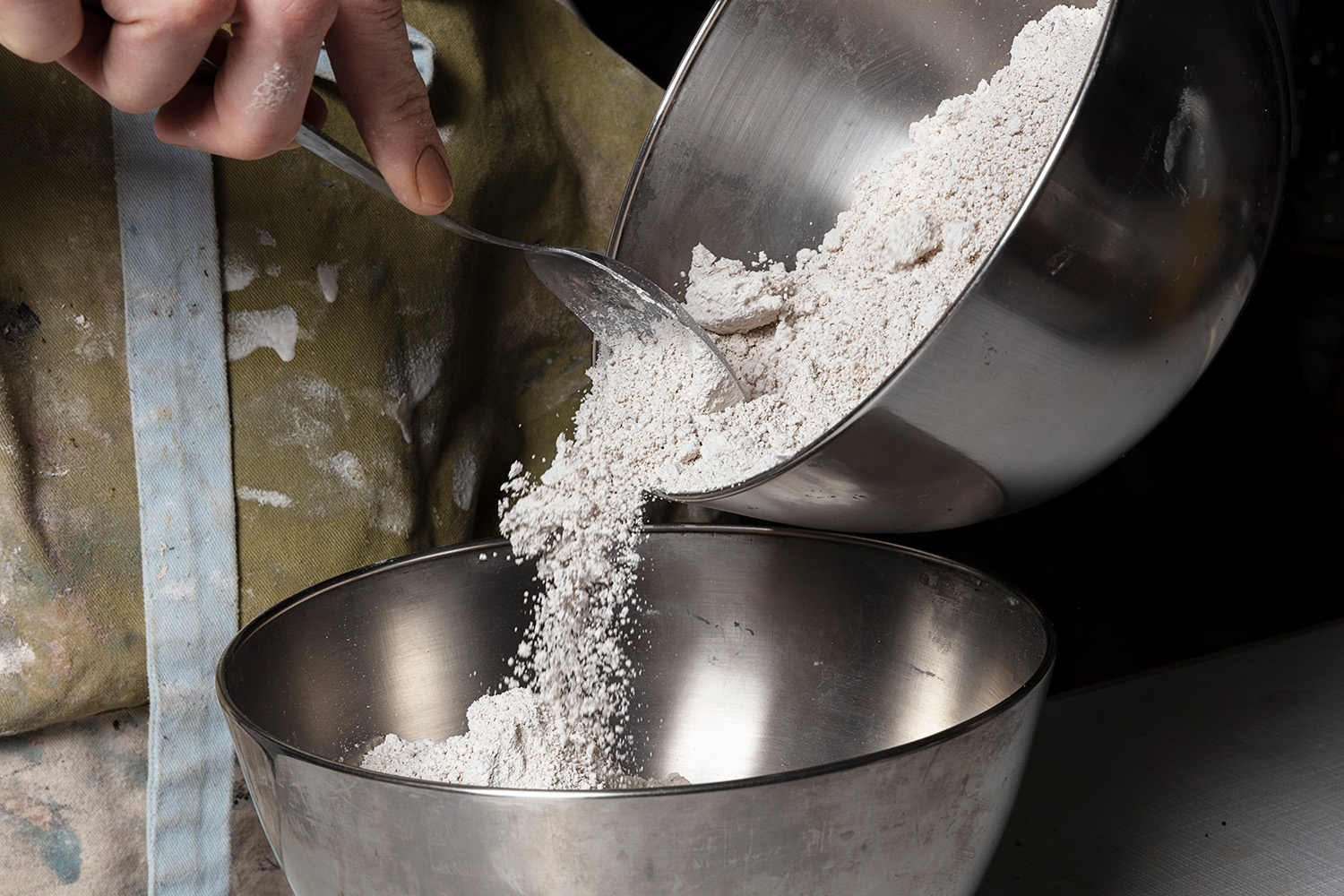
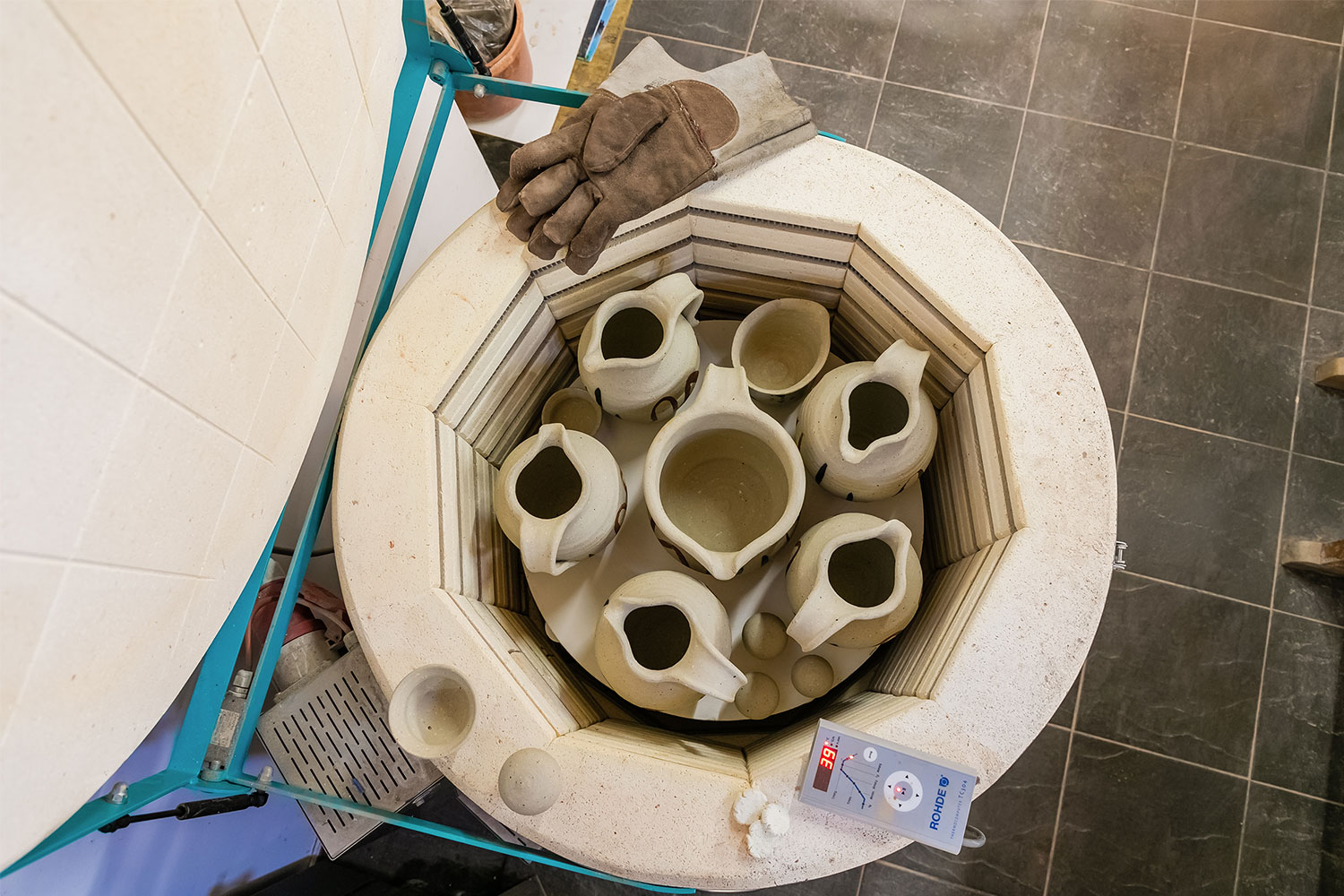
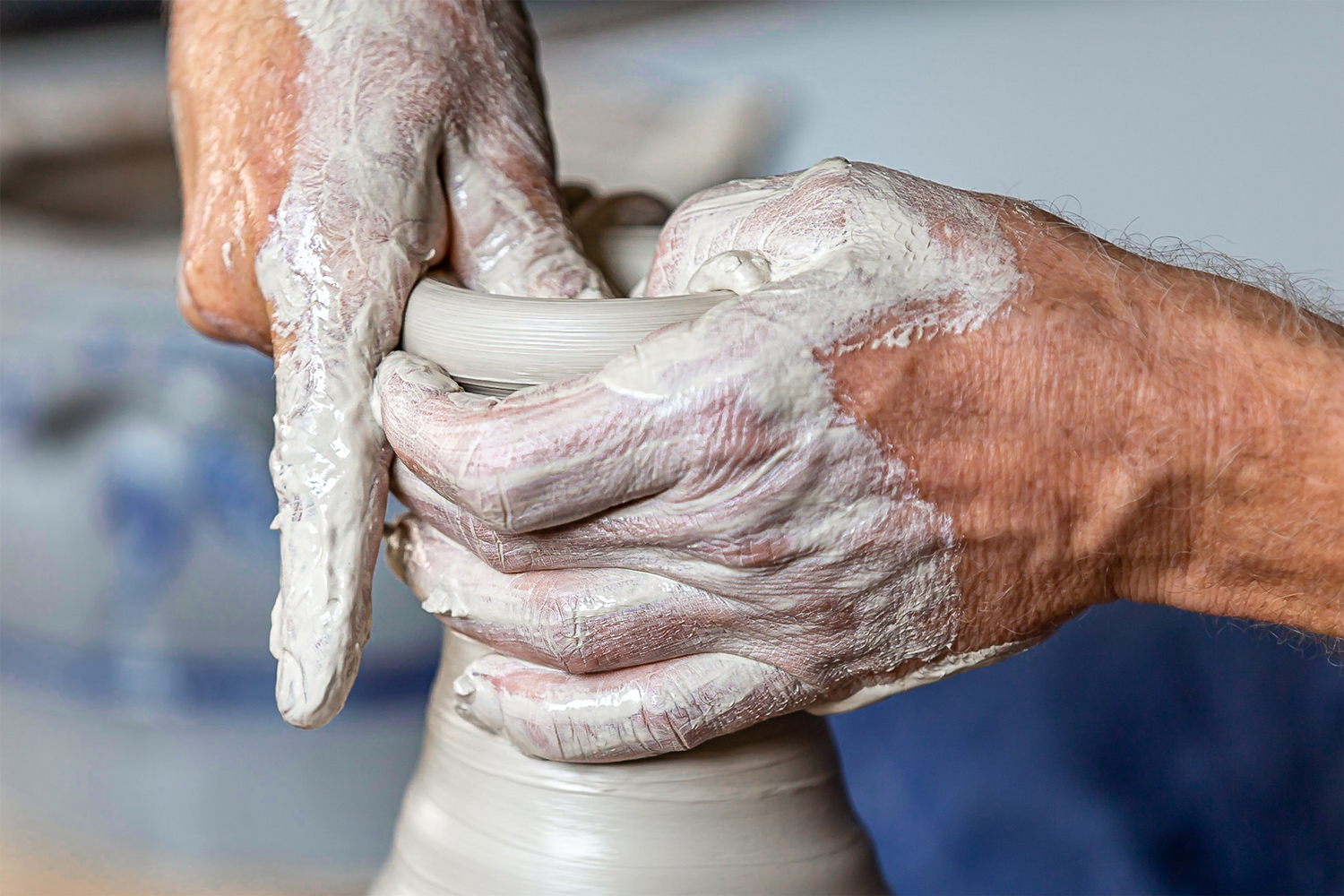
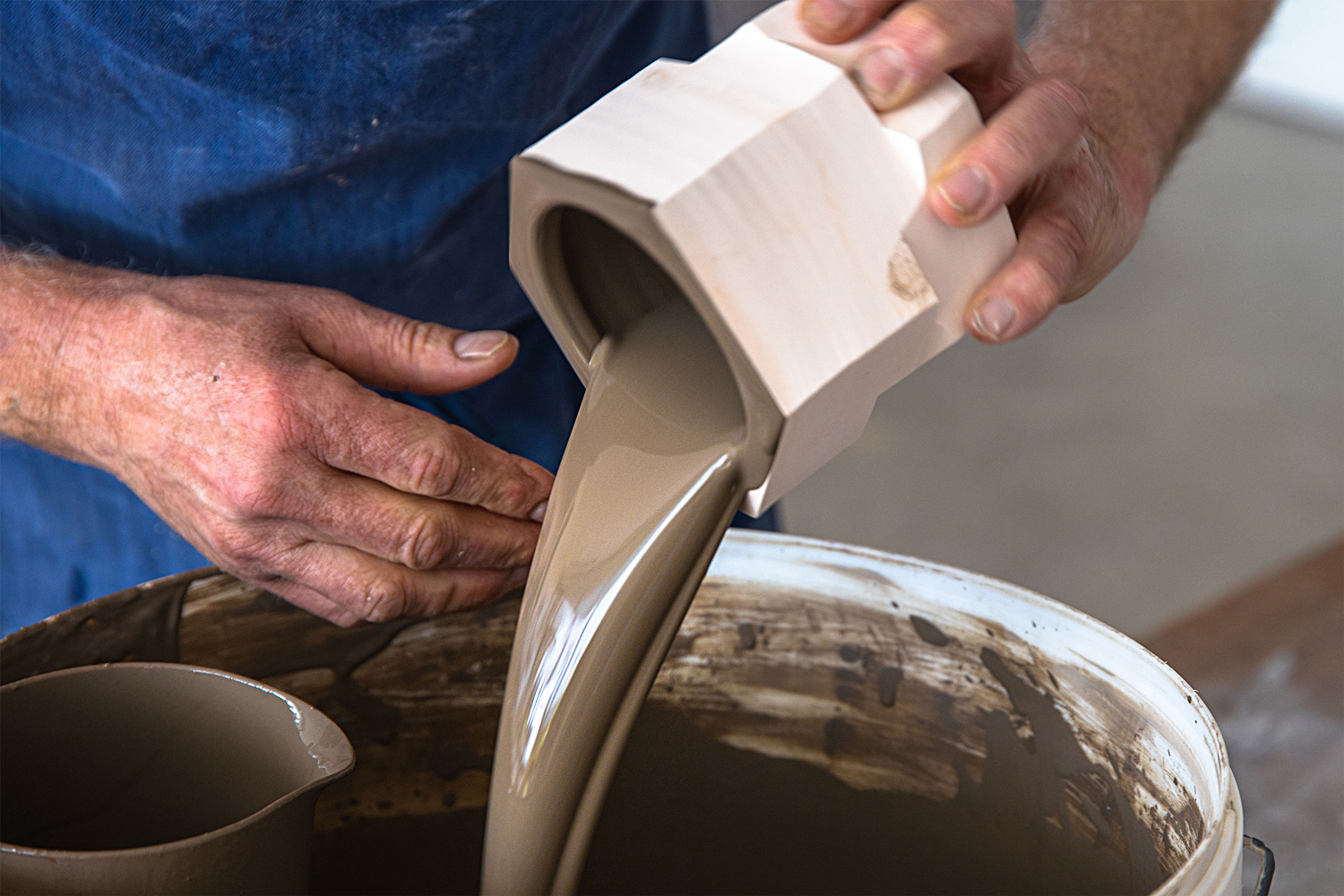
In Japan, I began working with high firing gas reduction kilns, a completely new approach for me after years of working primarily with earthenware. This shift profoundly redefined my relationship to materials: clay, glaze and firing became a vast field of exploration, challenge and discovery.
Luisa Maisel
Ceramicist
Nice, France
AVAILABILITY
By appointment only
PHONE
+33 619771477
LANGUAGES
English
Homo Faber Finds is a new service aiming to inspire admirers of craft to connect and collaborate with exceptional artisans.
We invite you to submit an enquiry here.