Image 1 of 2
Jennifer Zurick
Basketweaver
Berea, KY, USA
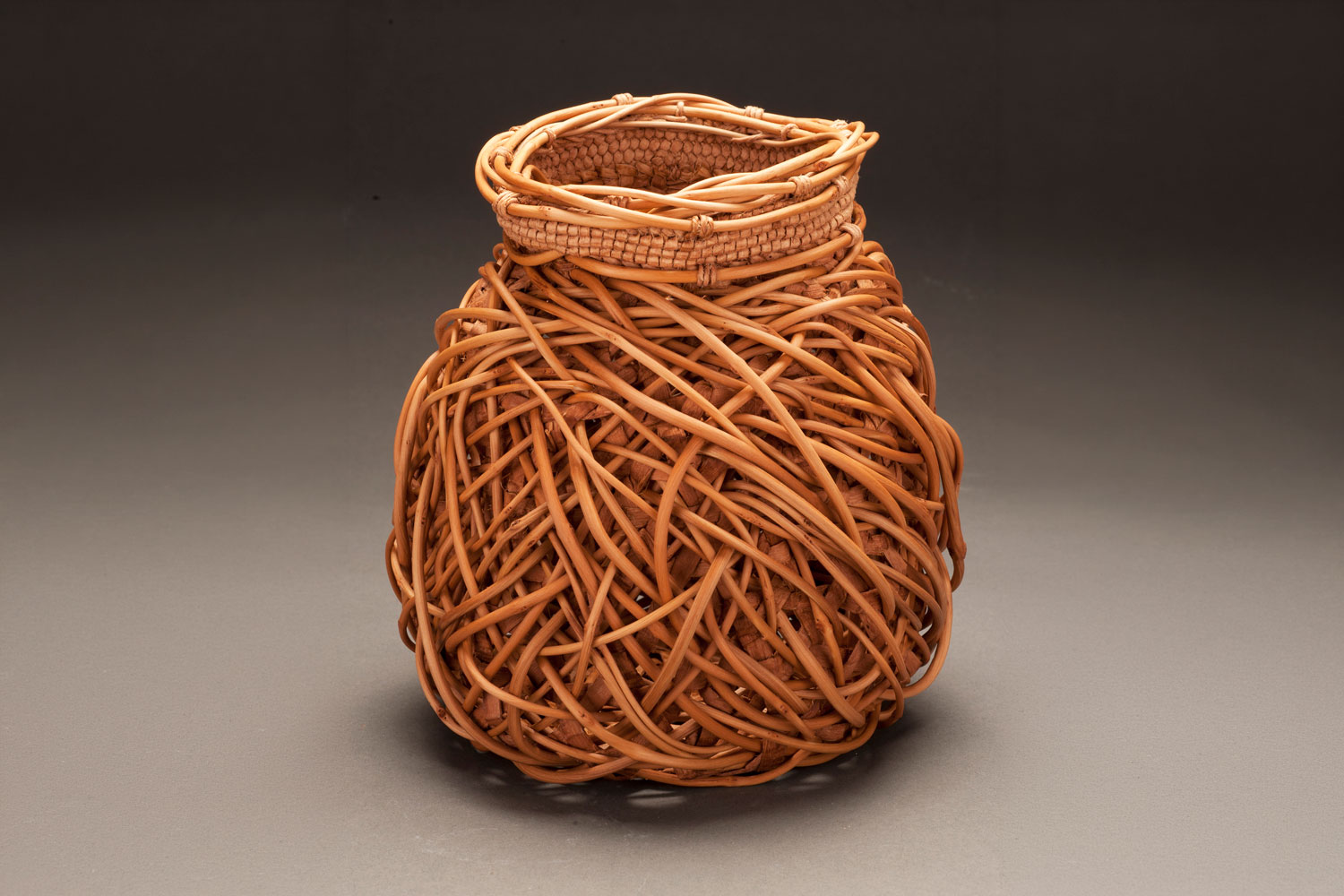
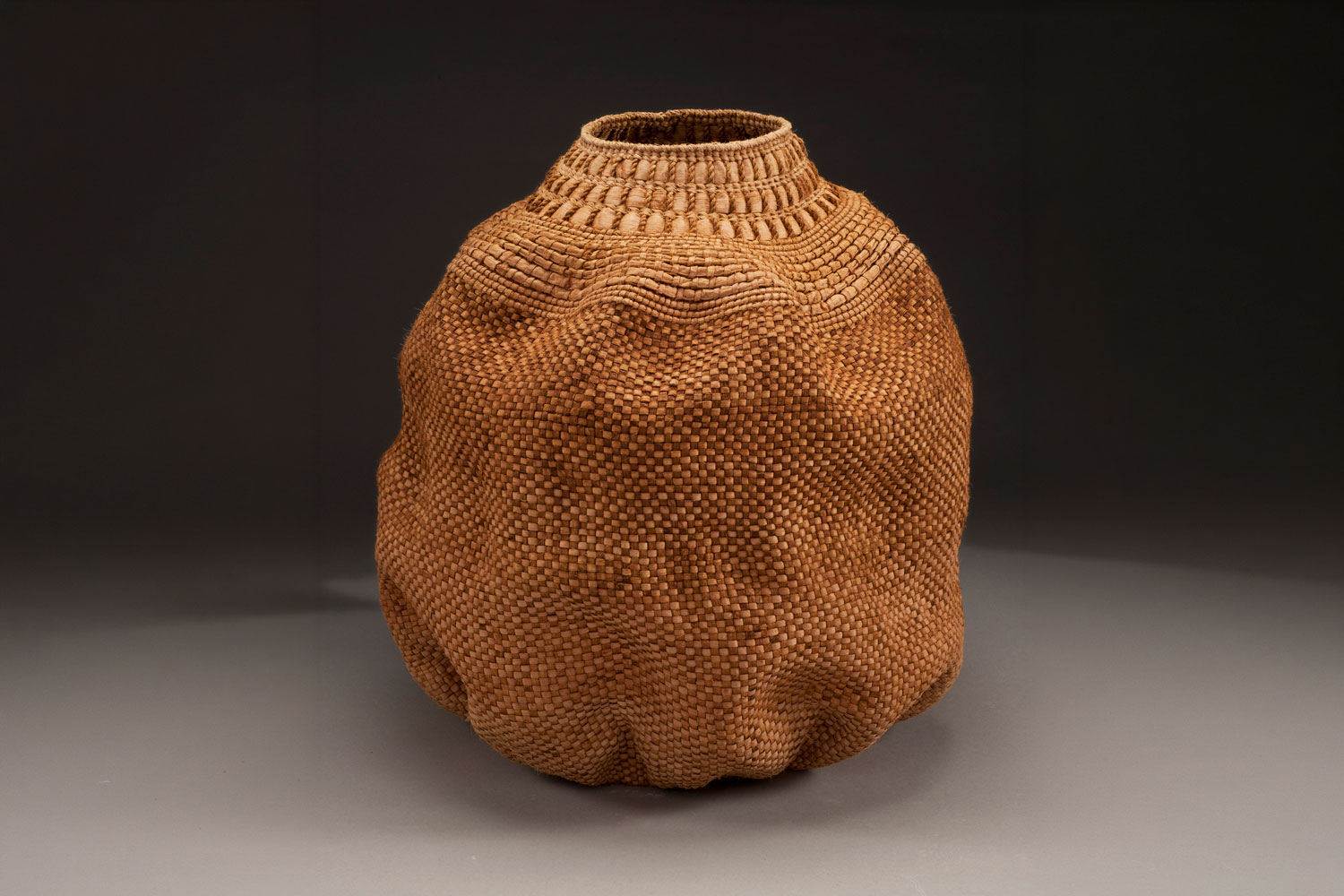
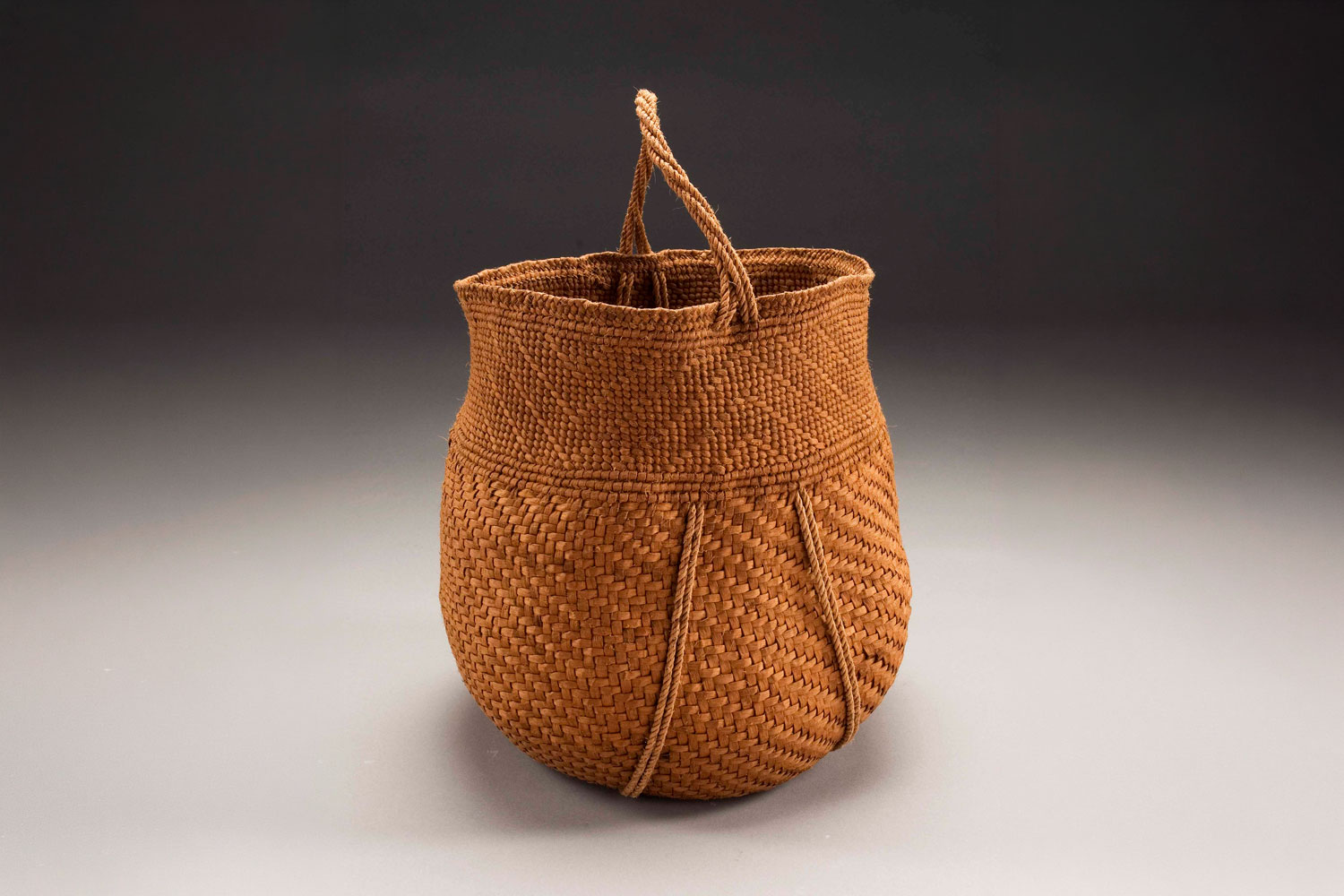
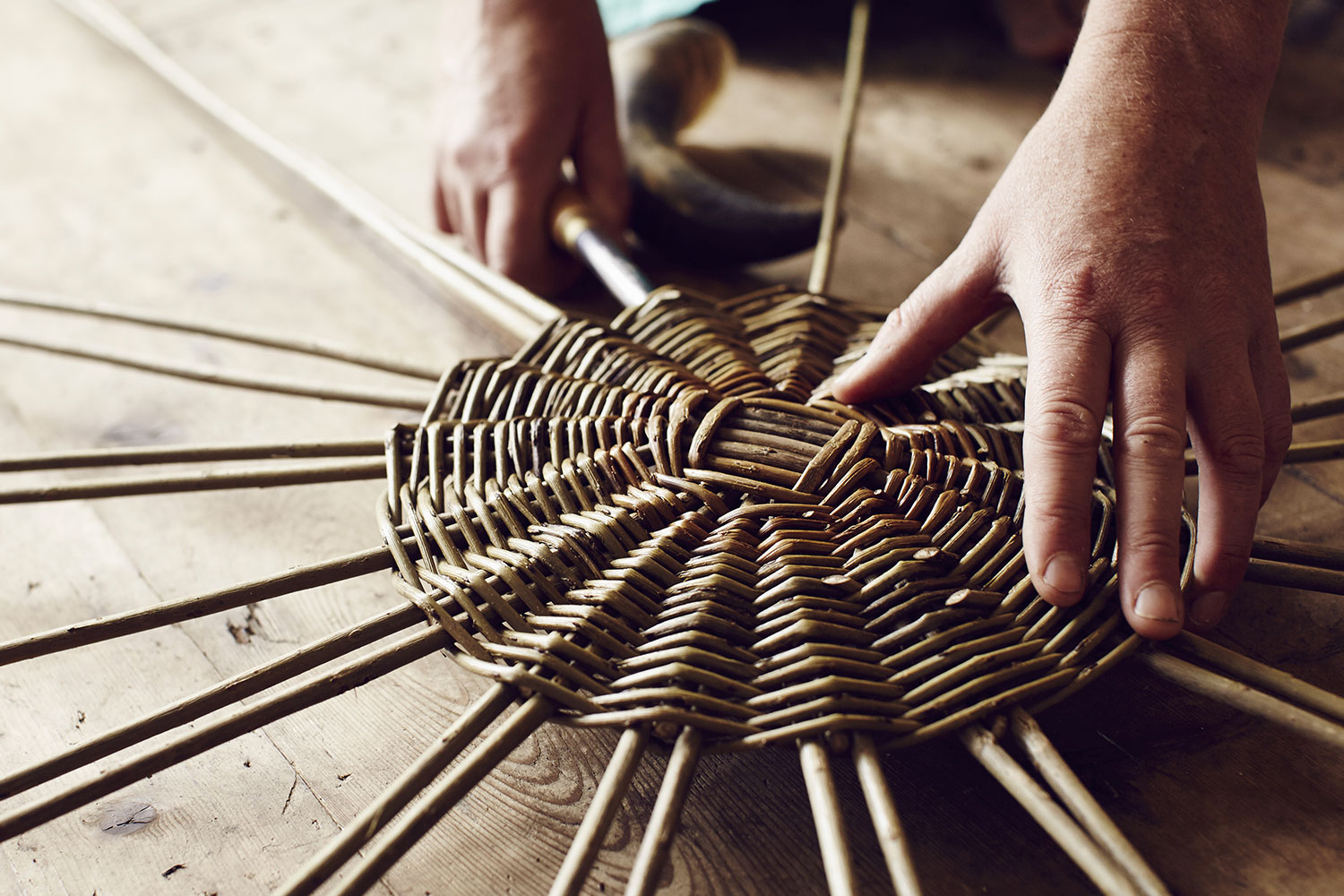
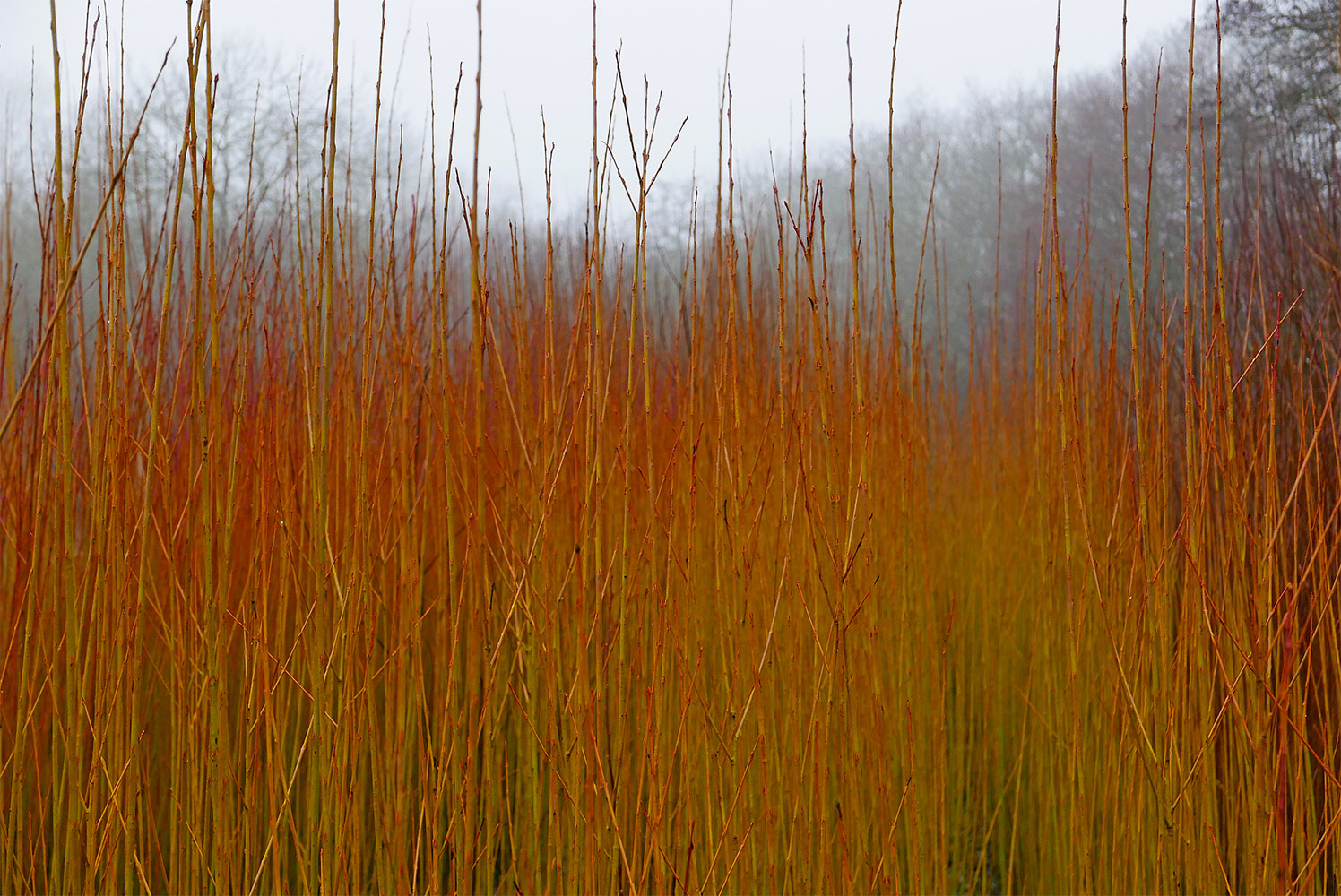
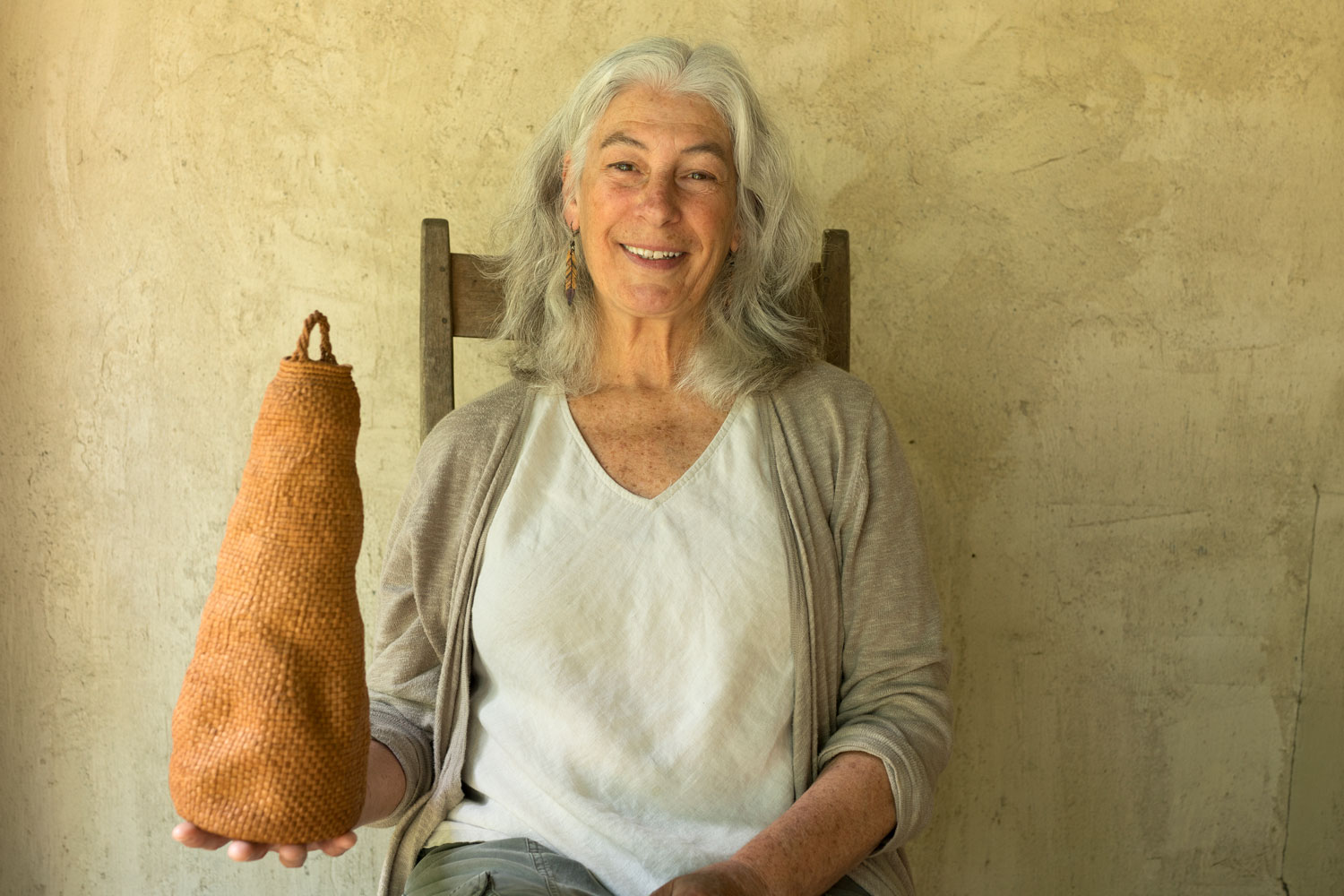
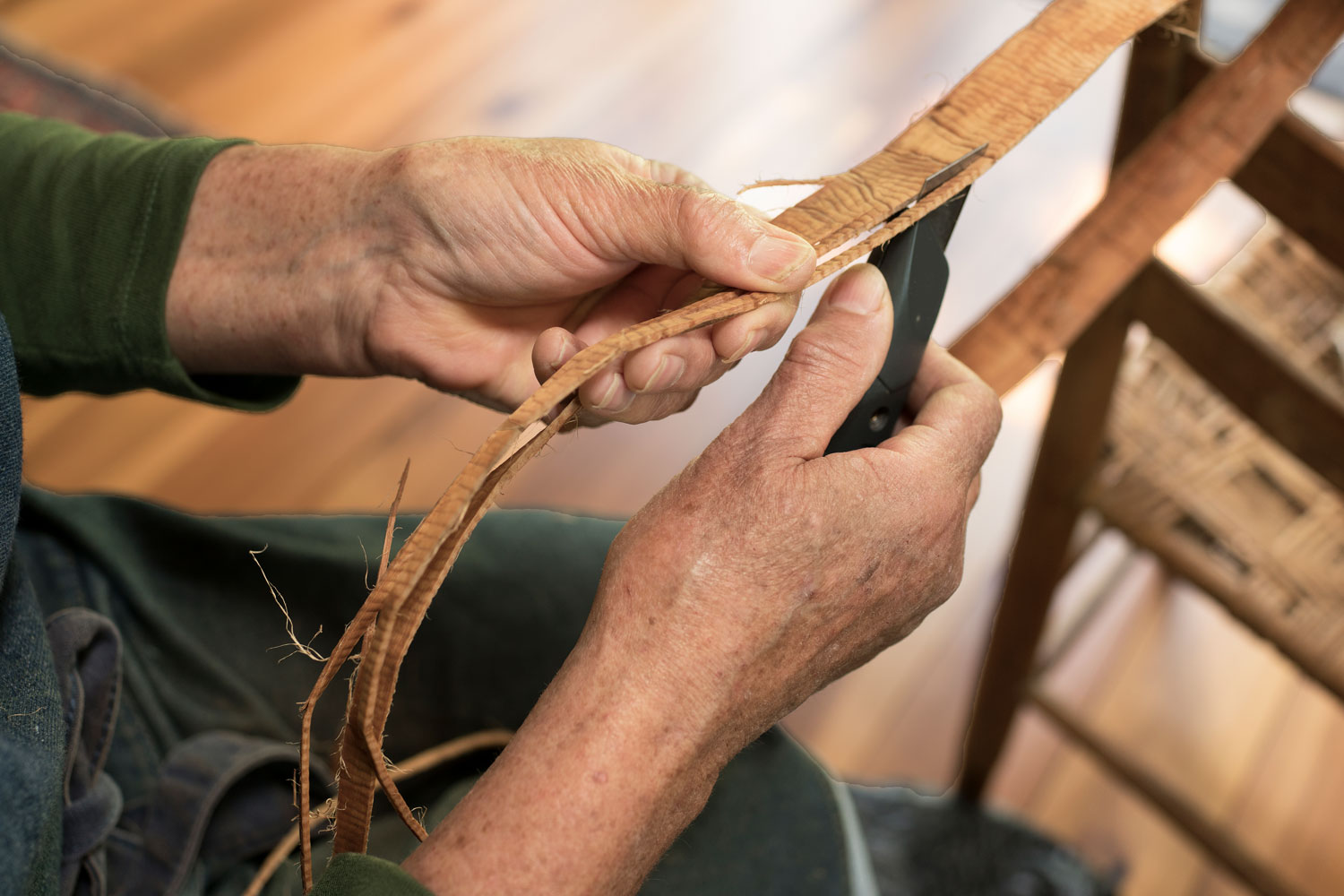
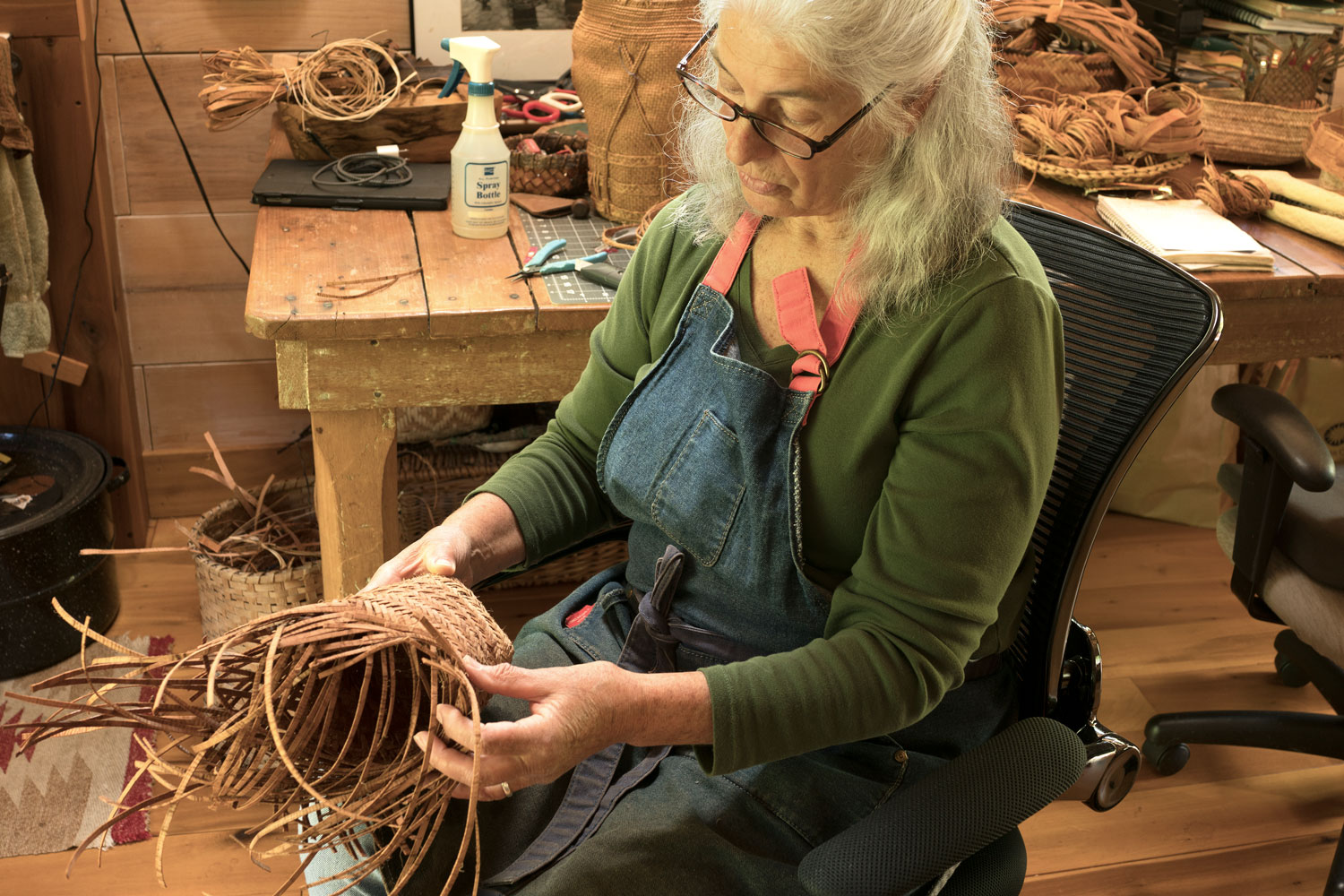
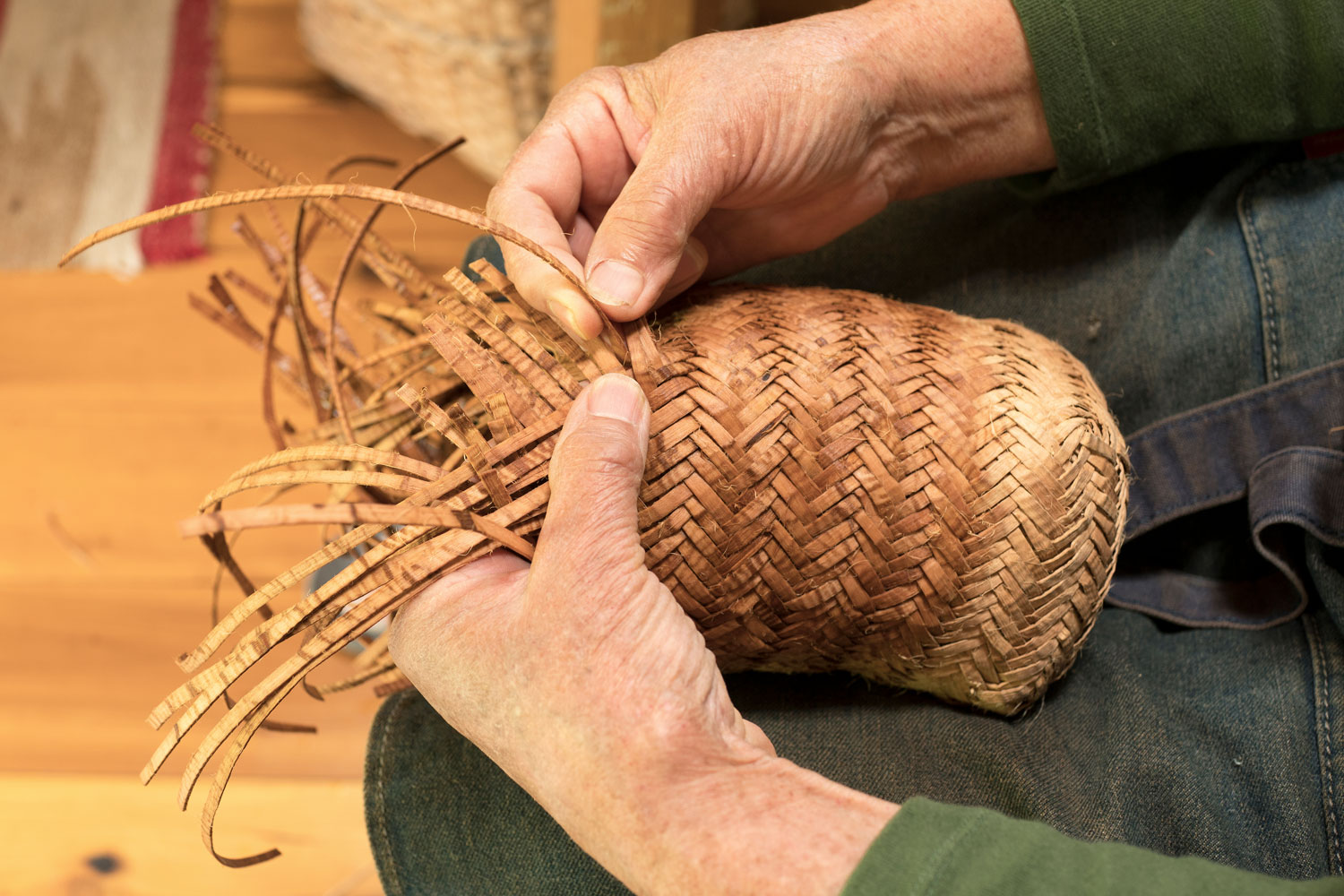
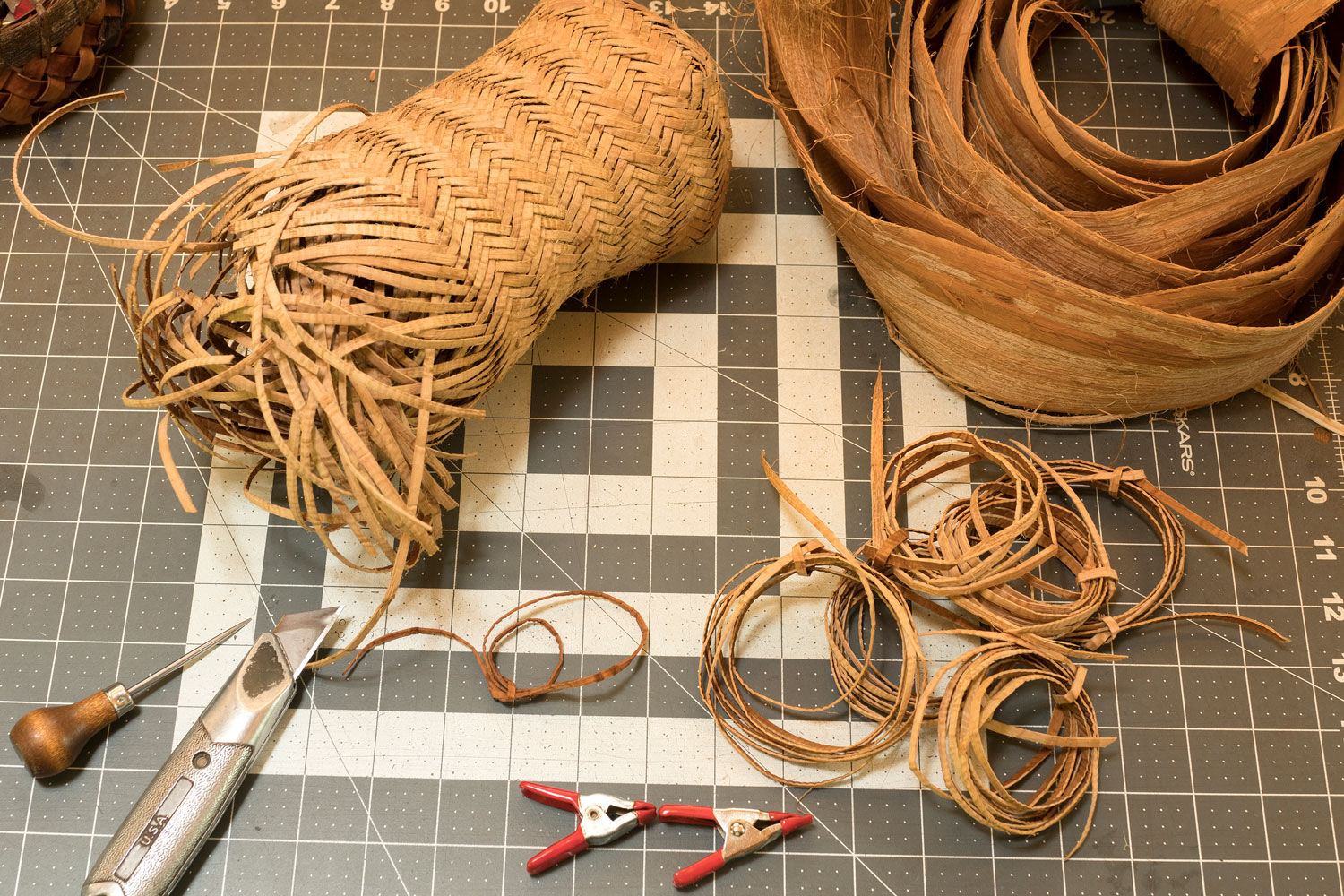
Jennifer Zurick was clearing river bottomland in rural Kentucky in 1973 when she happened upon bark peeling away from a wild black willow tree. “I started pulling, and when it came off in long, strong strips, I thought it must be useful for something,” she recalls. Living off-grid and with no prior experience in the craft, Jennifer decided to make a basket. “It was a slow evolution, but I was enchanted with the fibre and the process,” she says. Harvested in the summer, the bark is dried and cured for a year before it is prepared for weaving and cordage. “I cut all of my pieces by hand, so they are not perfect, which only adds to their homespun appearance,” Jennifer explains. Influenced by styles and techniques from many cultures, she has been particularly inspired by traditional Pacific Northwest Native American basketry.
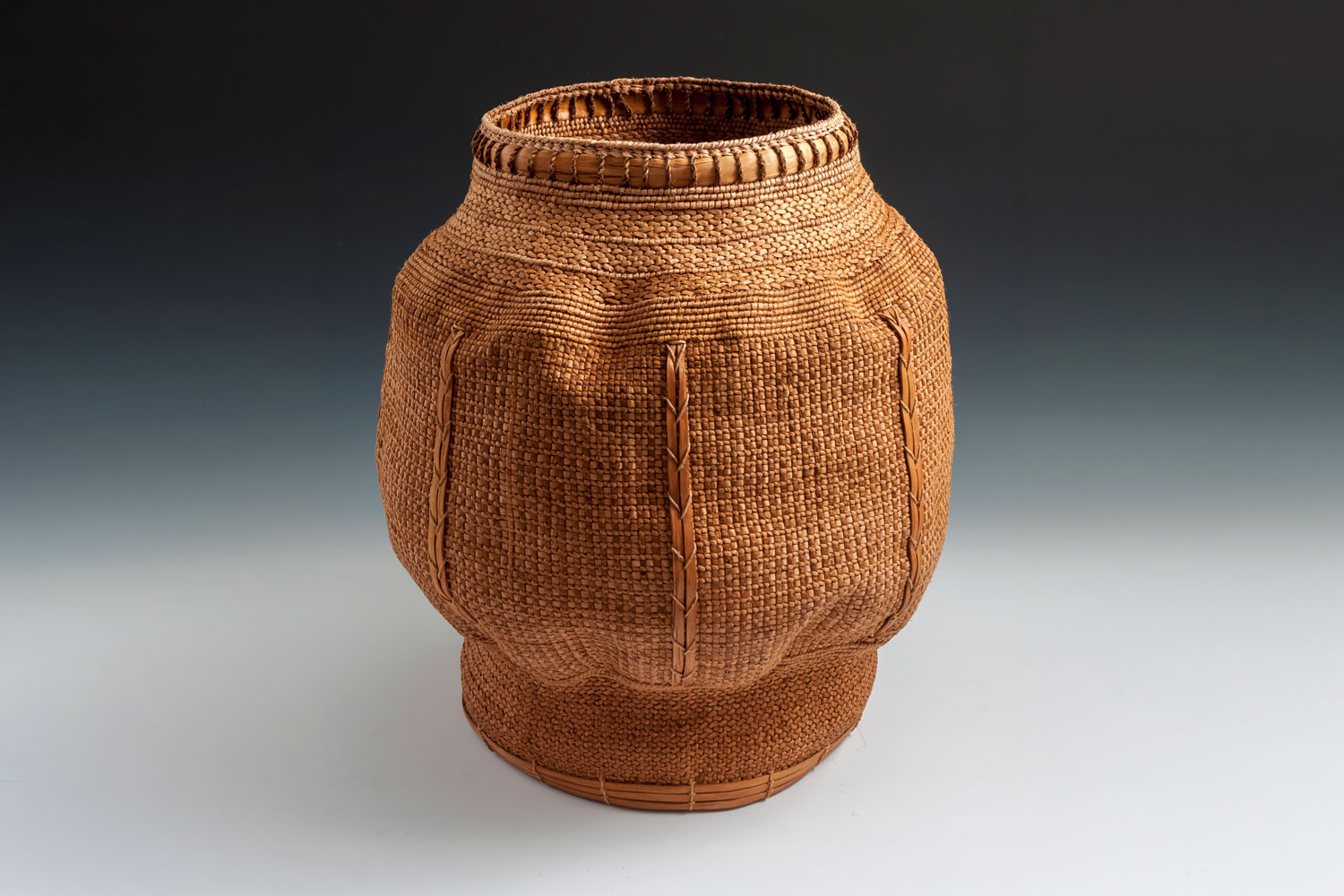
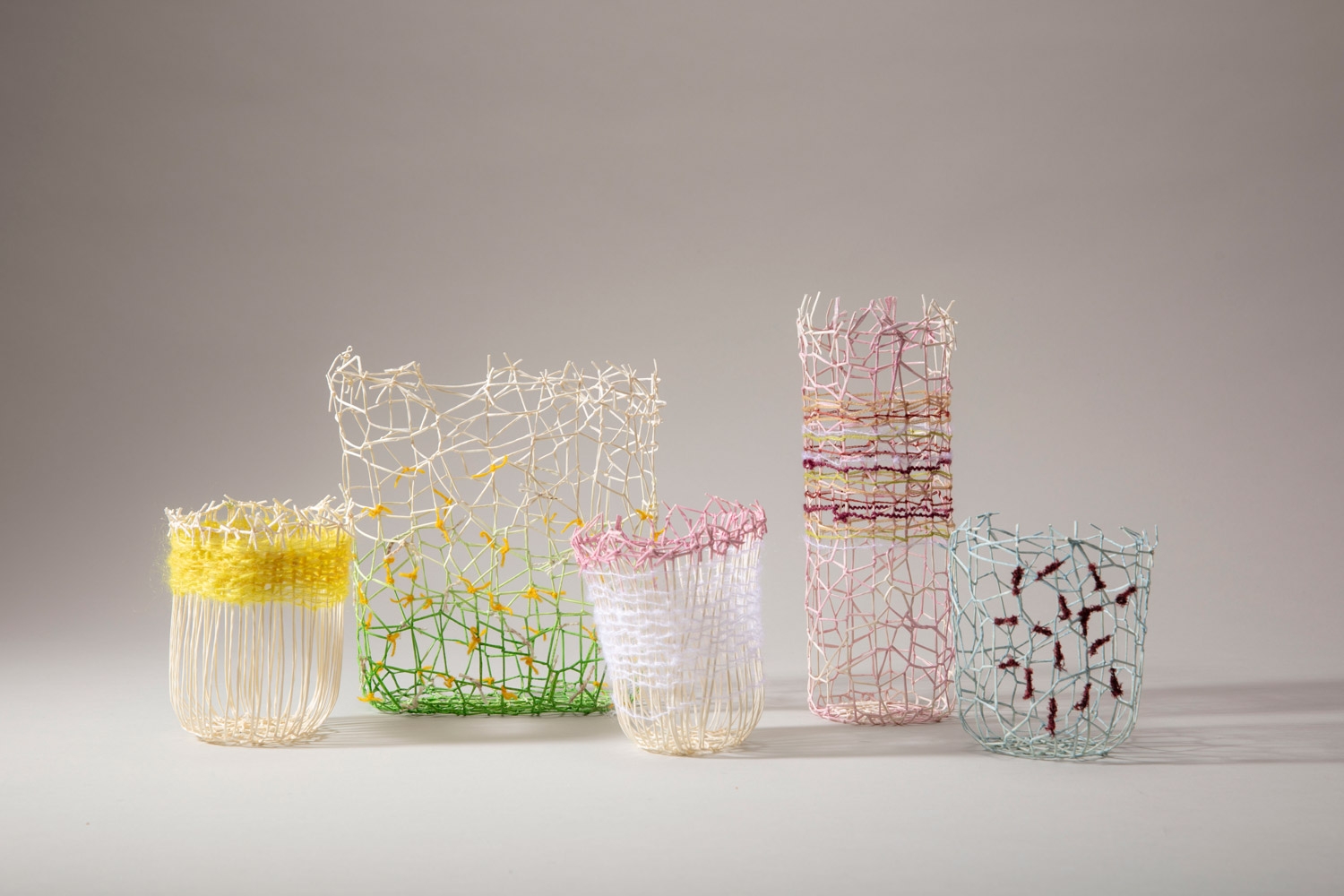
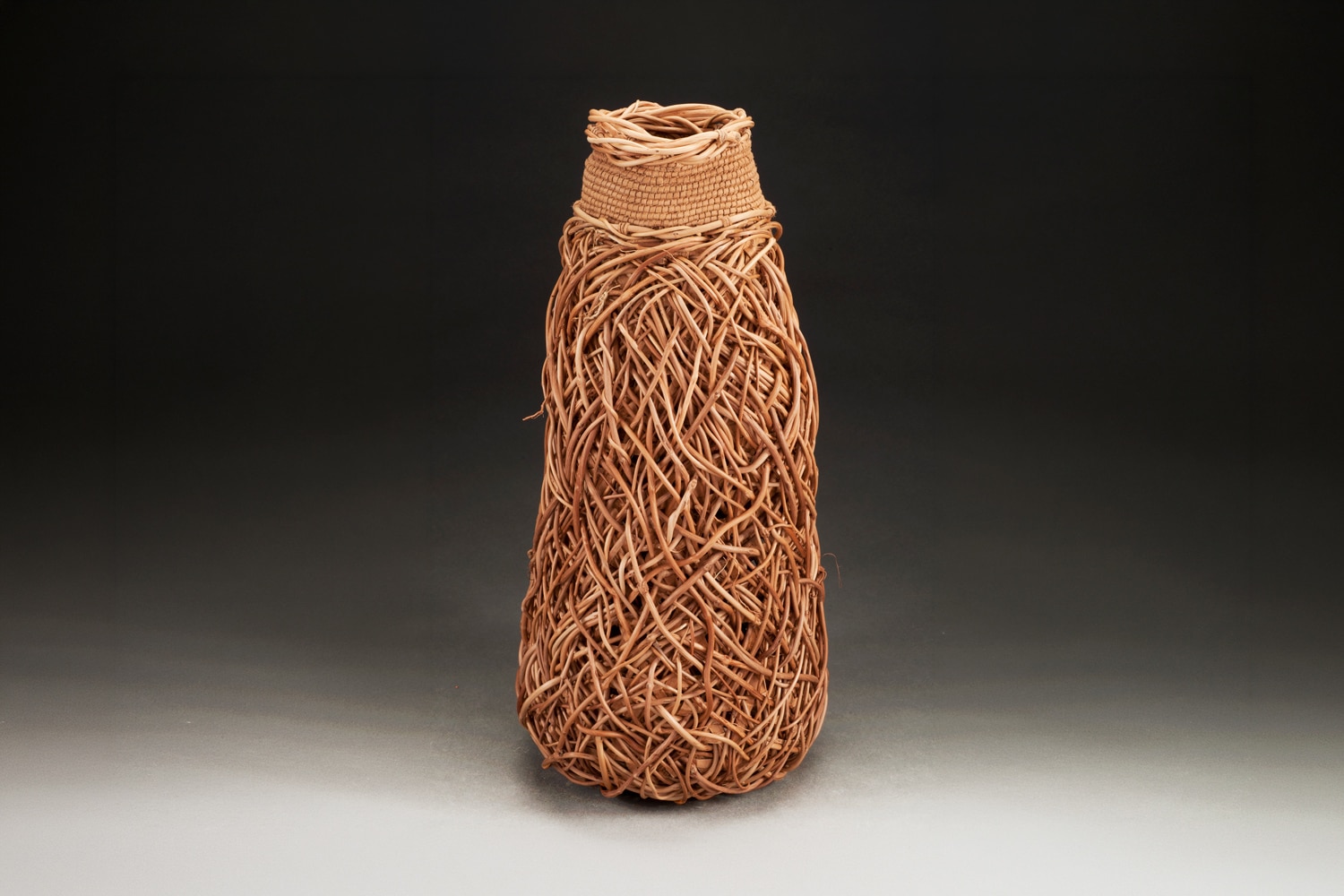
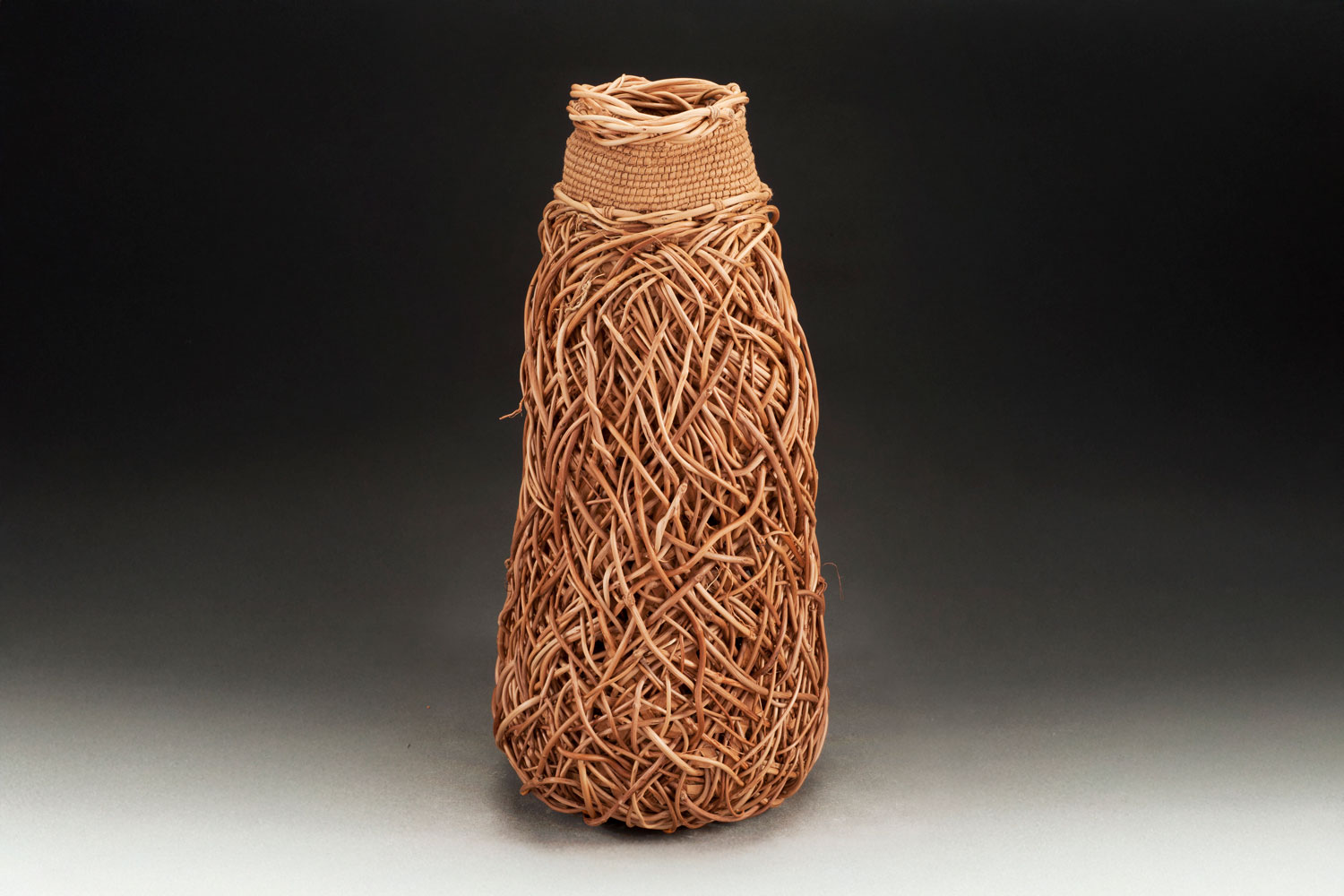
I started out making baskets that were primitive and elemental. I wanted to be more creative and expressive with the work and the baskets naturally became more sculptural and less functional over time. The intricate weave makes a more interesting basket and allows the unique character of the fibre to be expressed.
I have a strong affinity for the fibre, and it feels very natural in my hands. It is not traditional basketry material, so it gives a unique and recognisable aspect to my work. I have experimented with other fibres and cultivated bark, but I always come back to the wild black willow.
The larger pieces have a tendency to list or slump: the finer the fibre is woven, the softer and more textile-like it becomes. Initially, I was conflicted about using encaustic to hold the forms I had created, but it actually took them to another level. While they are not as hard as clay pots, they truly feel more like vessels.
Before 2000, I worked in the middle of my farmhouse kitchen. Establishing my own studio space made all the difference for my career. Because I like to work alone, my studio has become a quiet, peaceful and grounding place where I can create without distraction.
Basketweaver
Berea, KY, USA
By appointment only
+1 8599869491
English
Homo Faber Finds is a new service aiming to inspire admirers of craft to connect and collaborate with exceptional artisans.
We invite you to submit an enquiry here.