Iris Roth
Ceramicist
Milan, Italy
Ceramics inspired by daily rituals
- Iris was introduced to pottery by her father
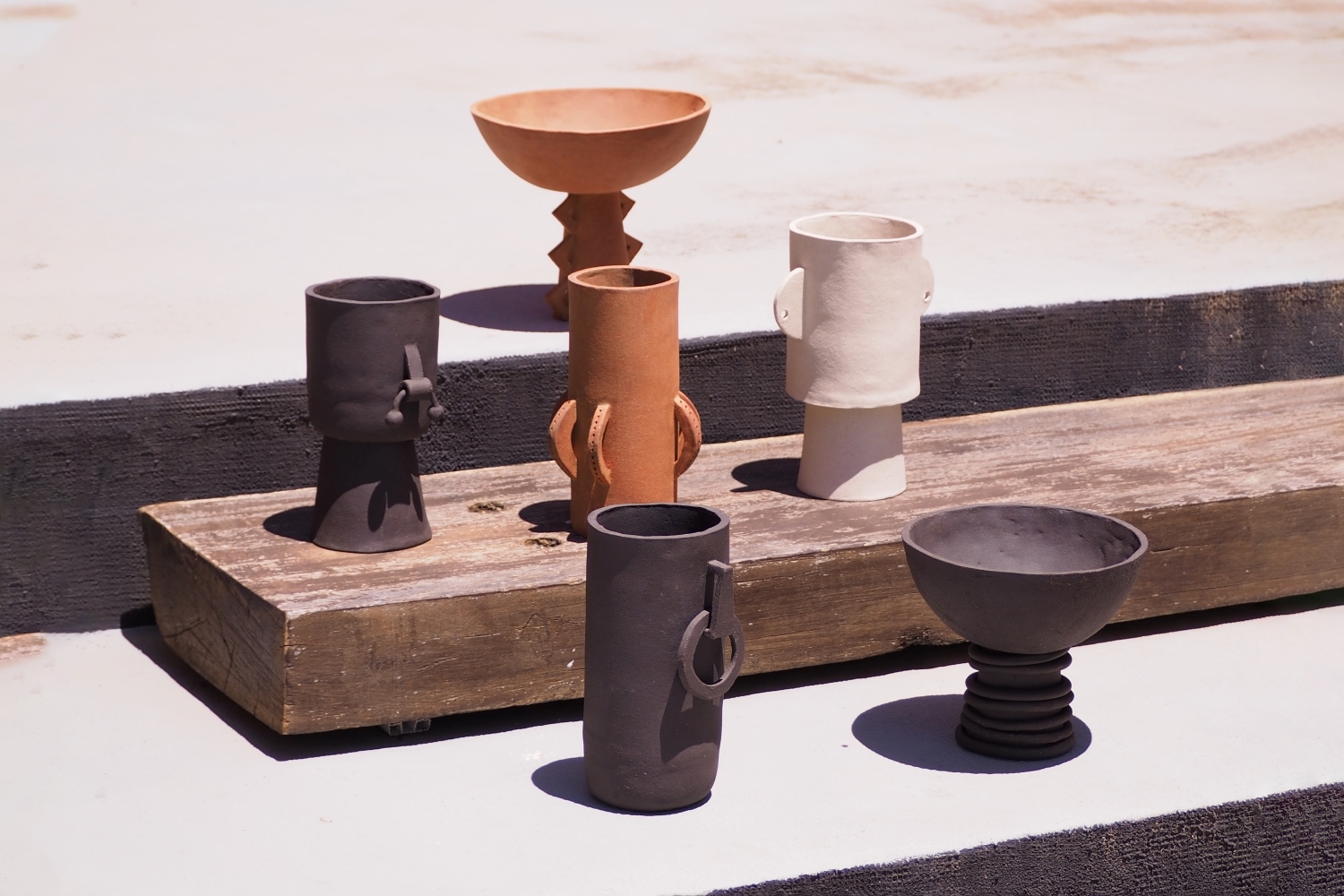
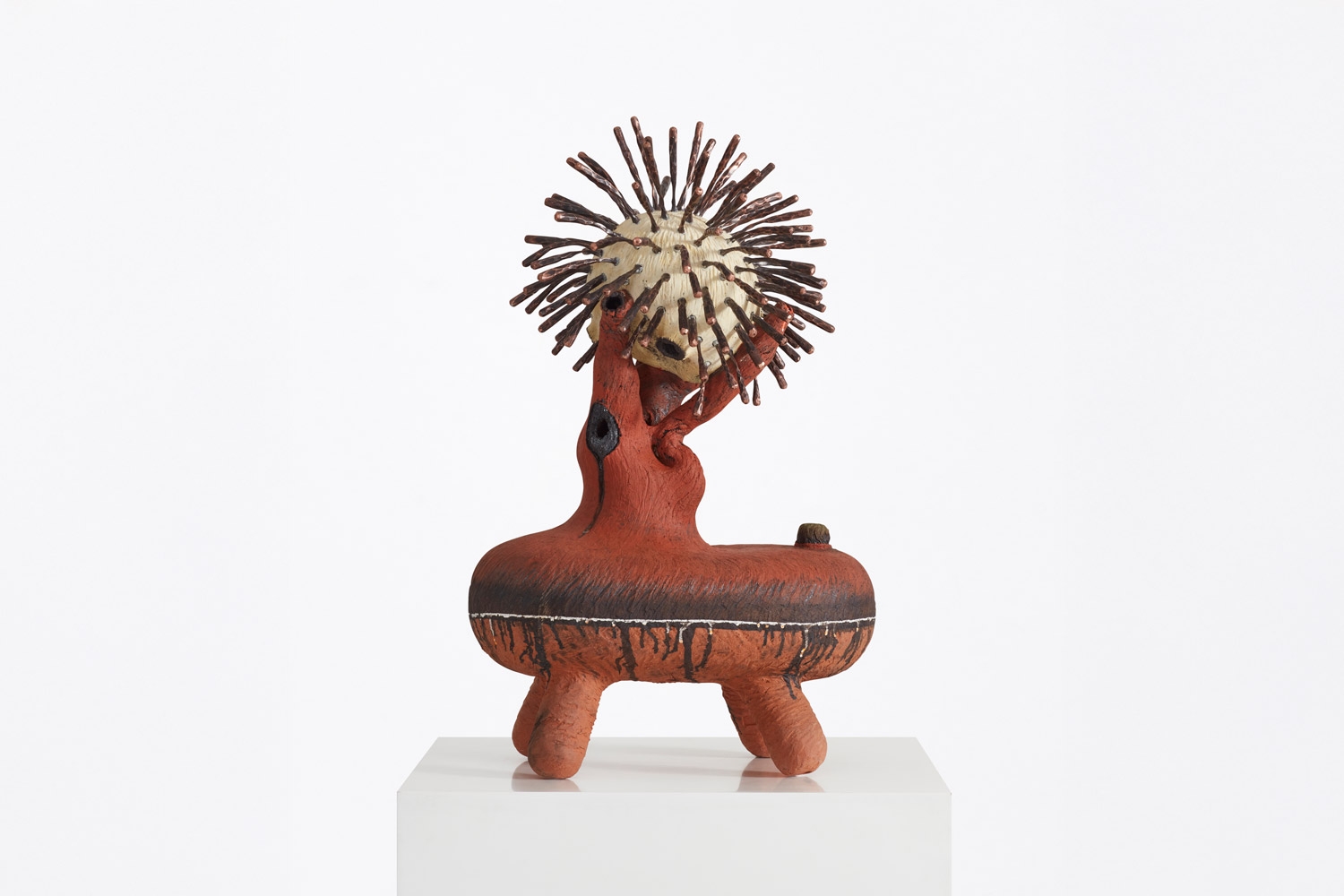
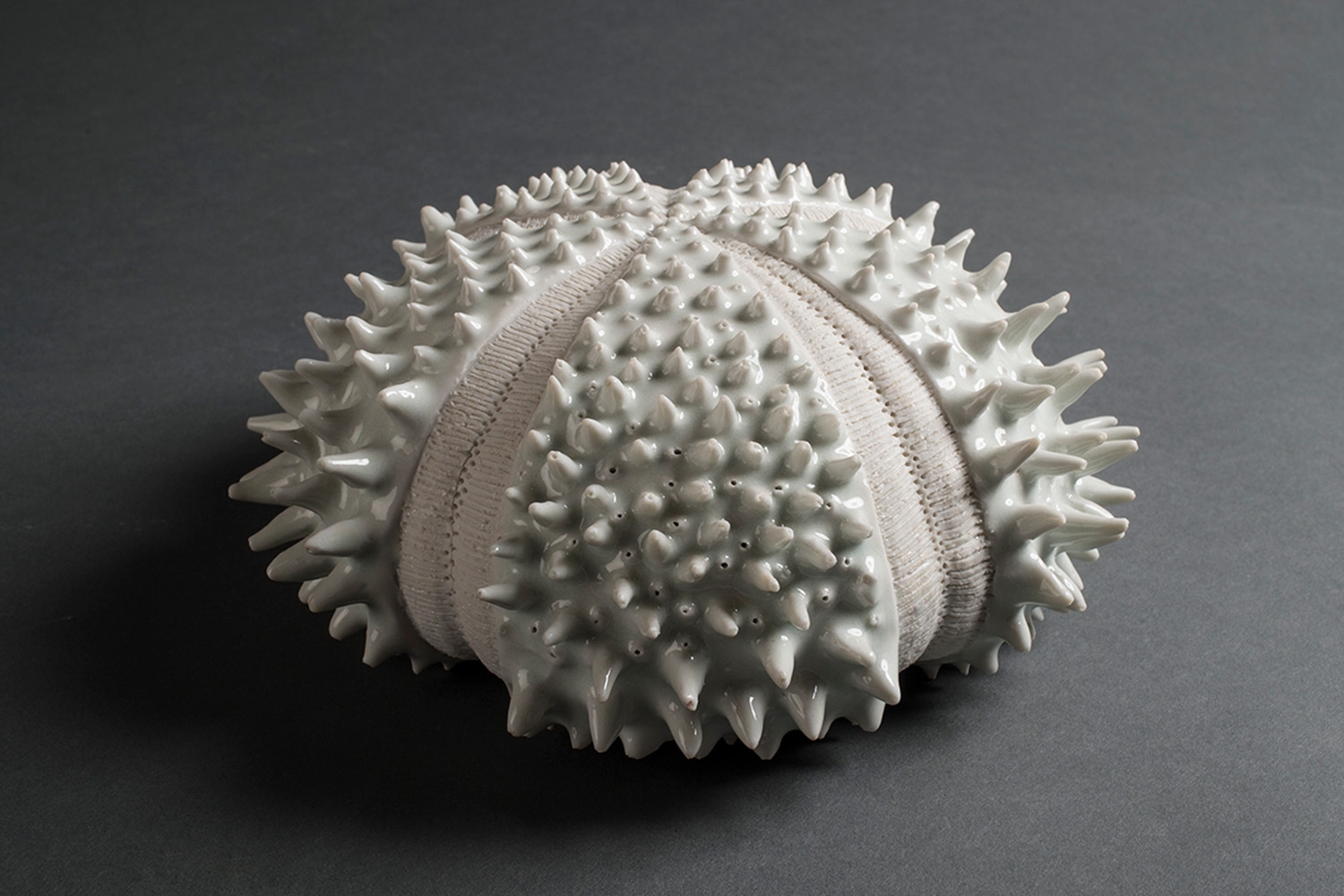
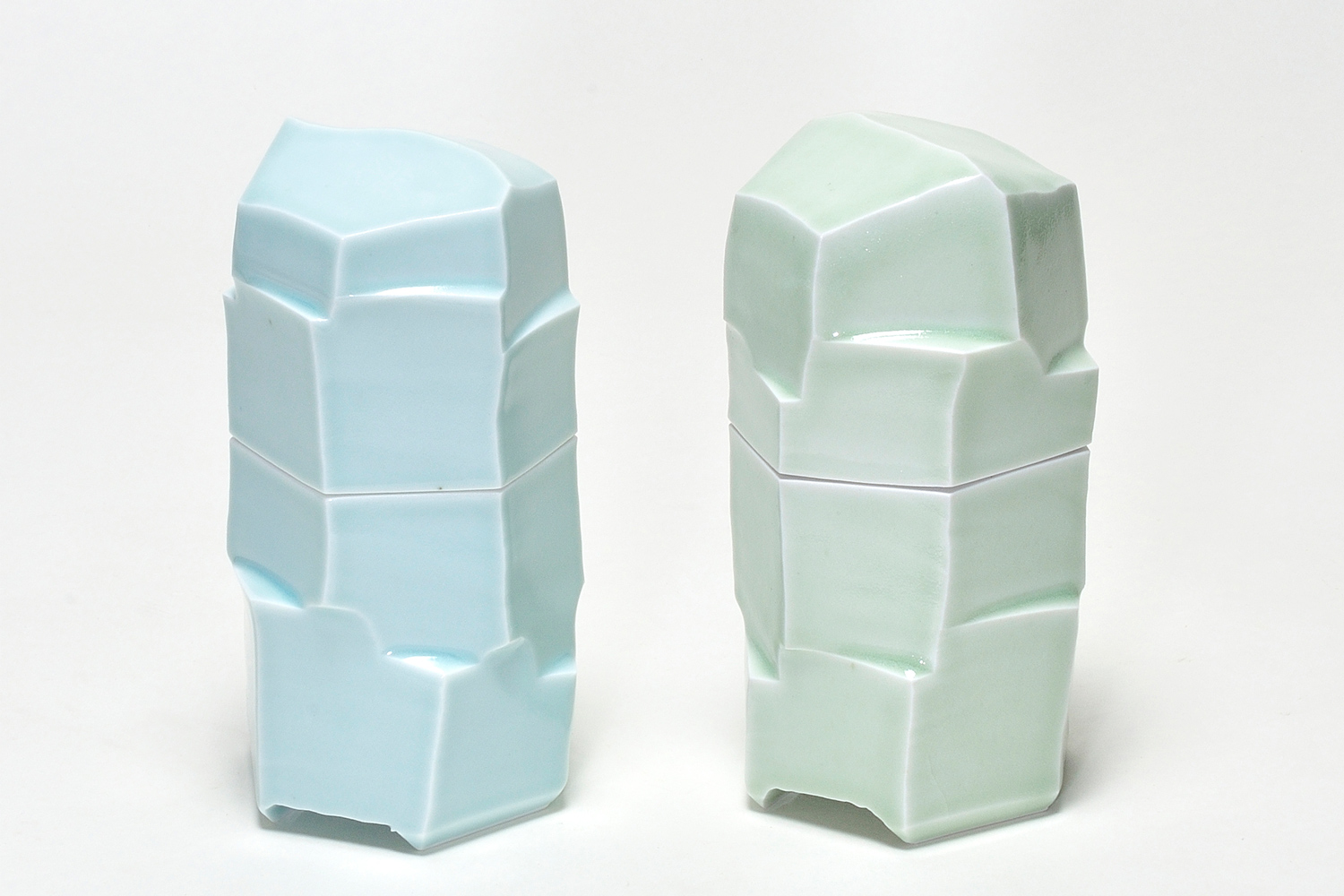
- Her style is warm, earthy and minimalist
- Ancient cultures and lifestyles fuel her research
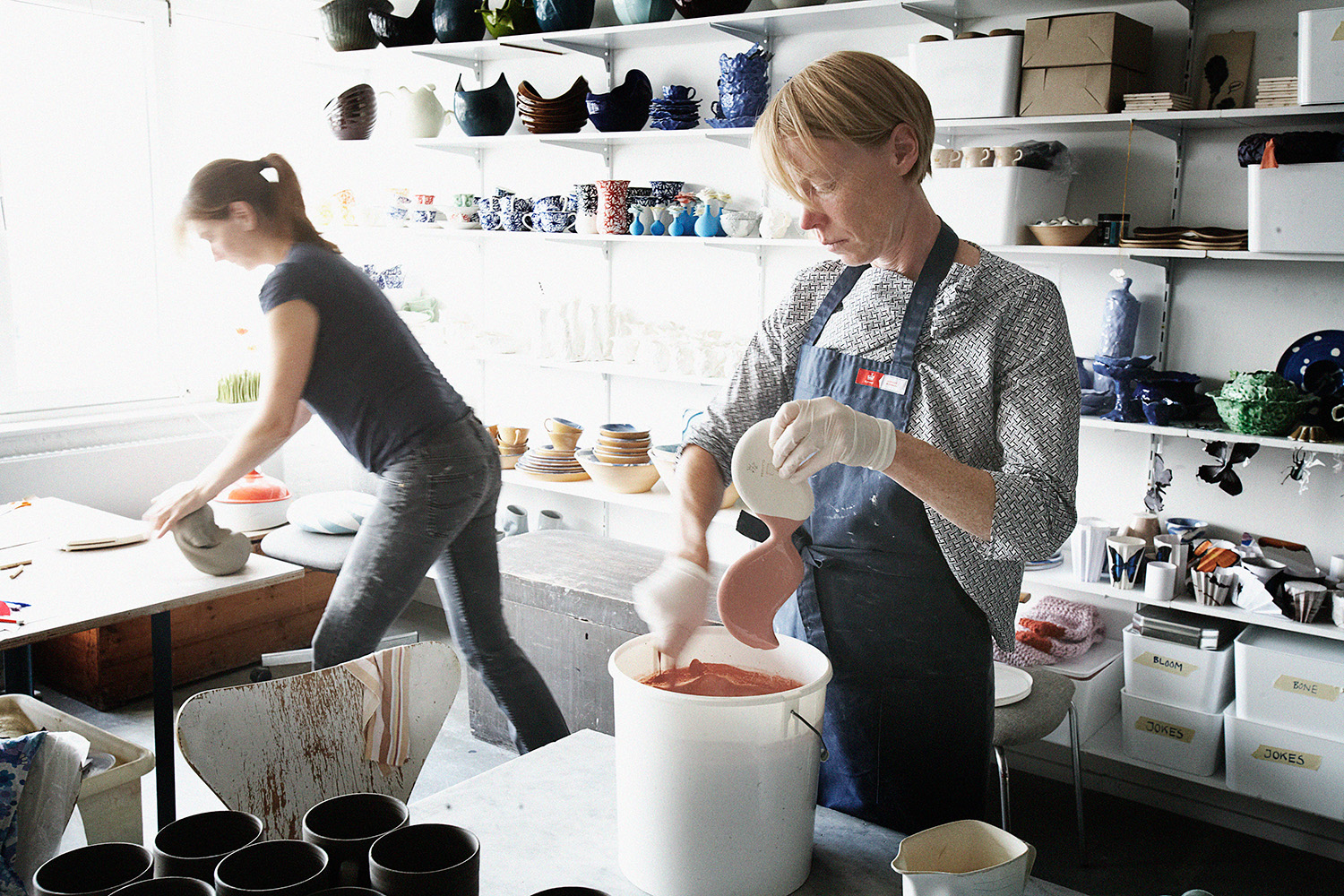
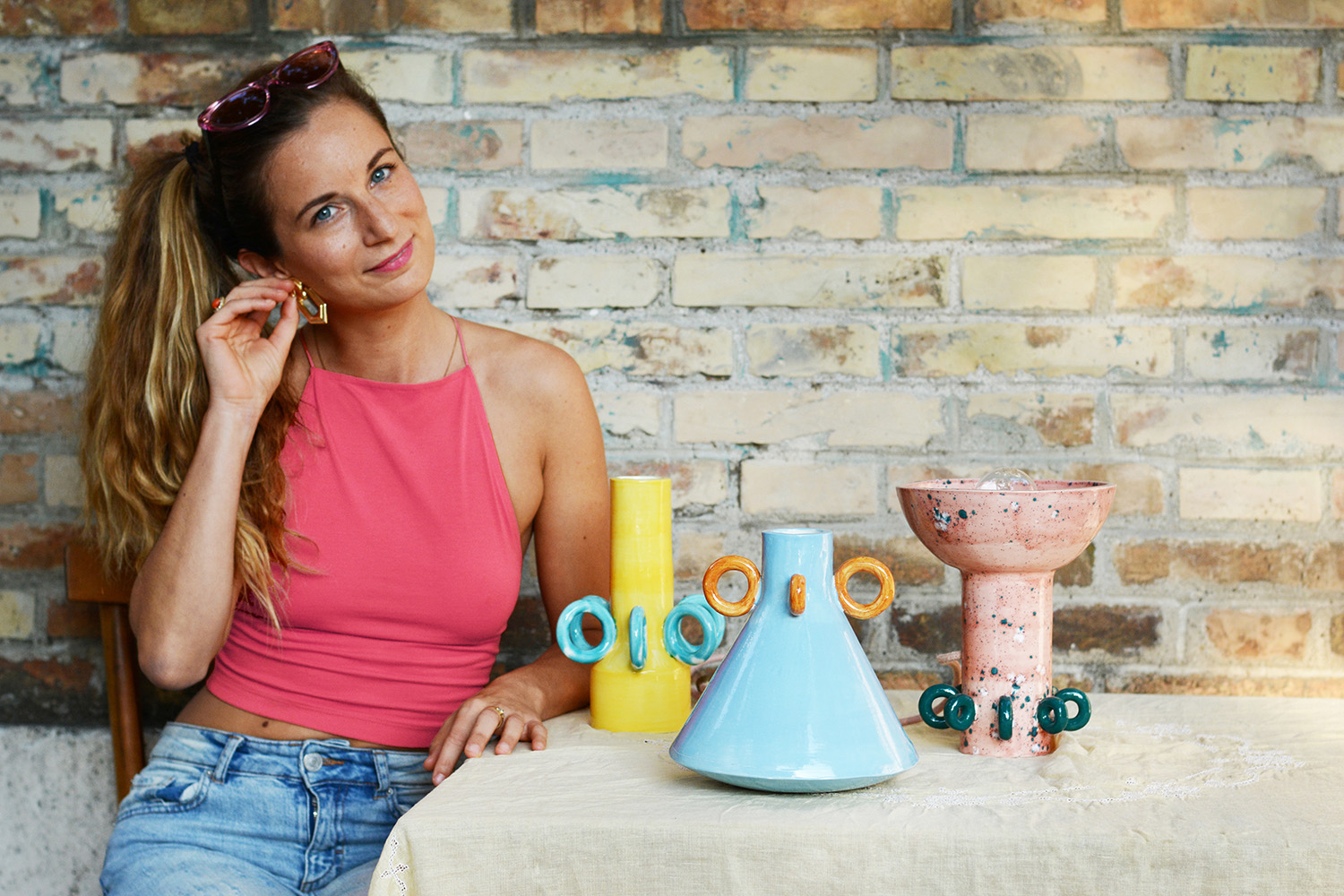
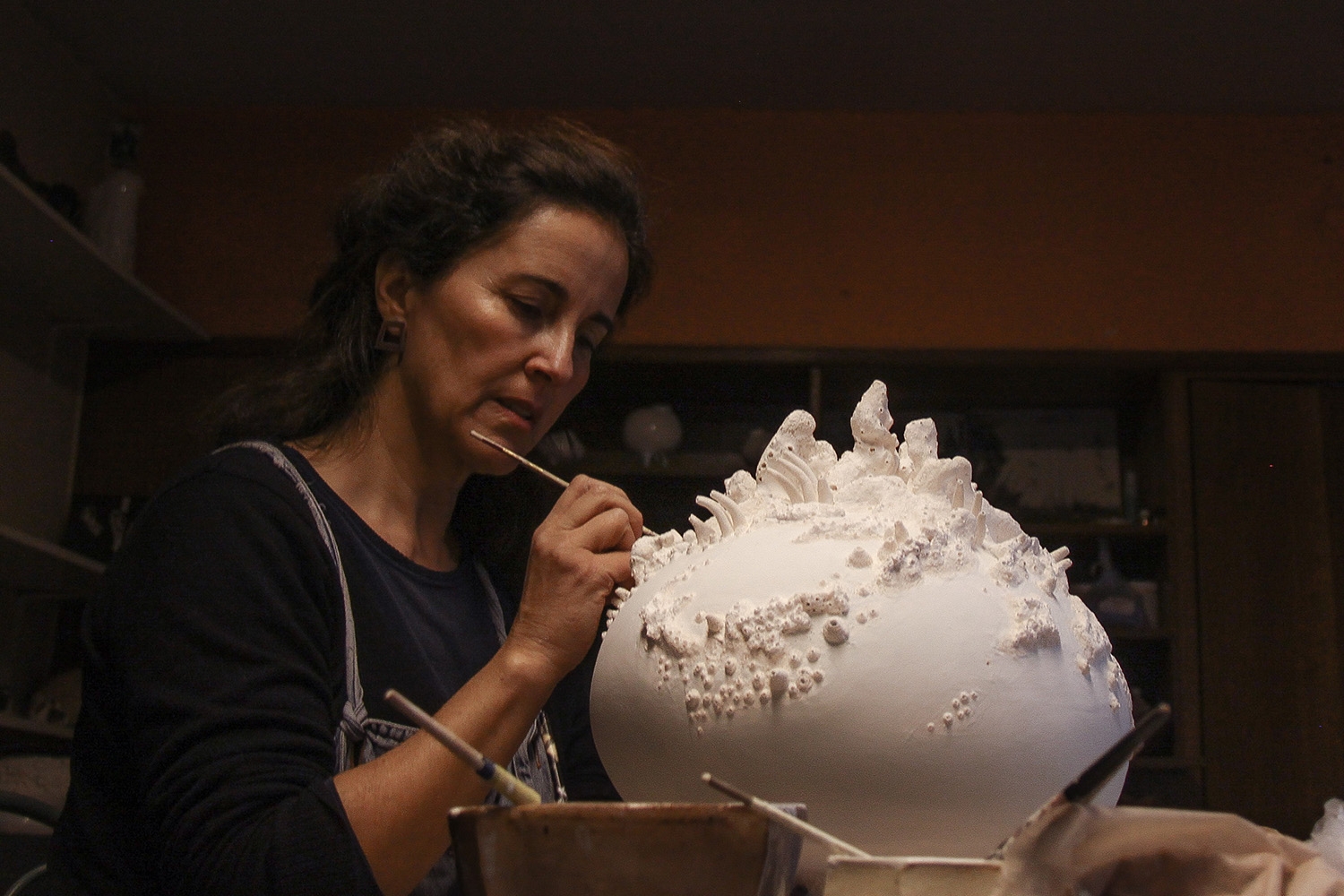
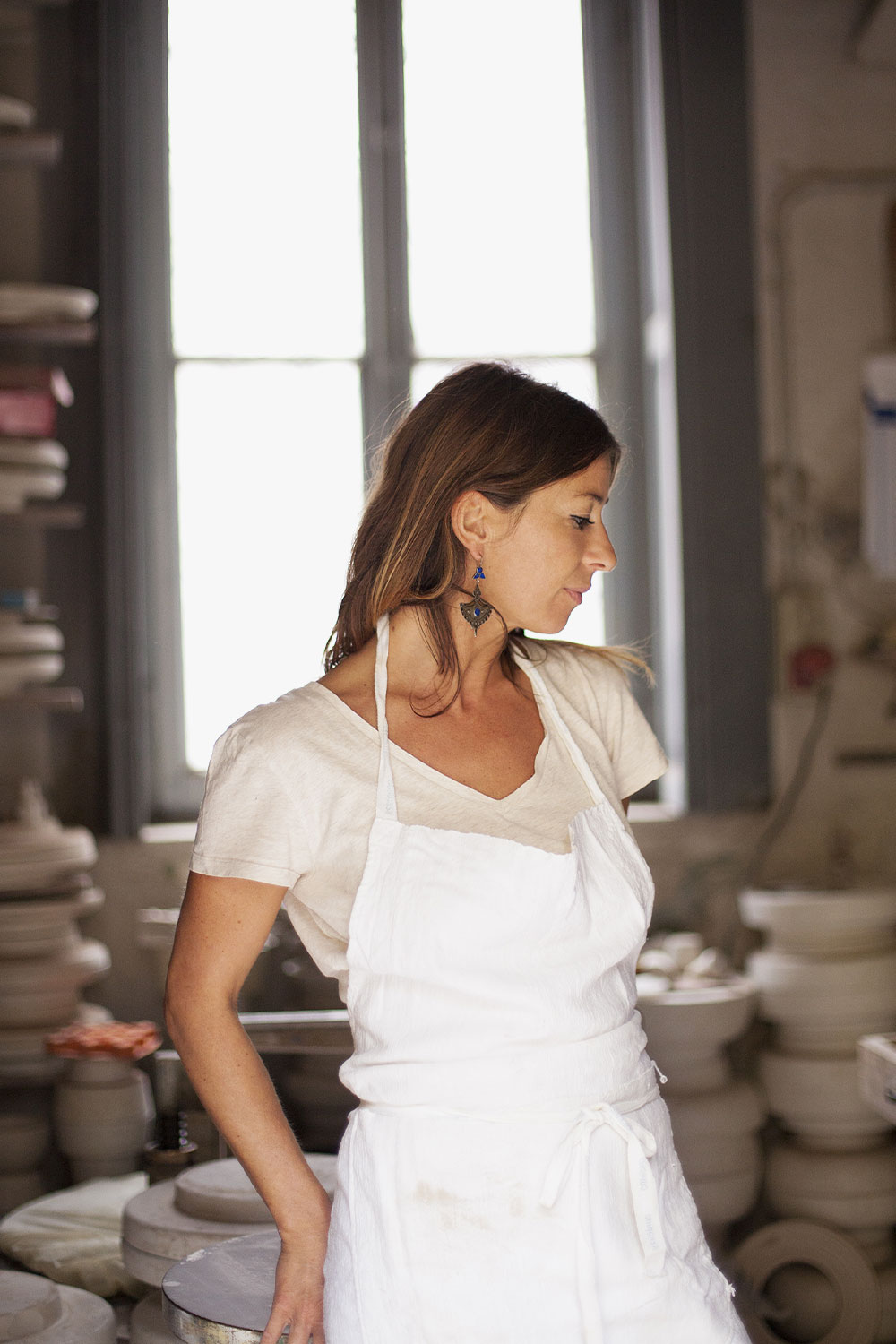
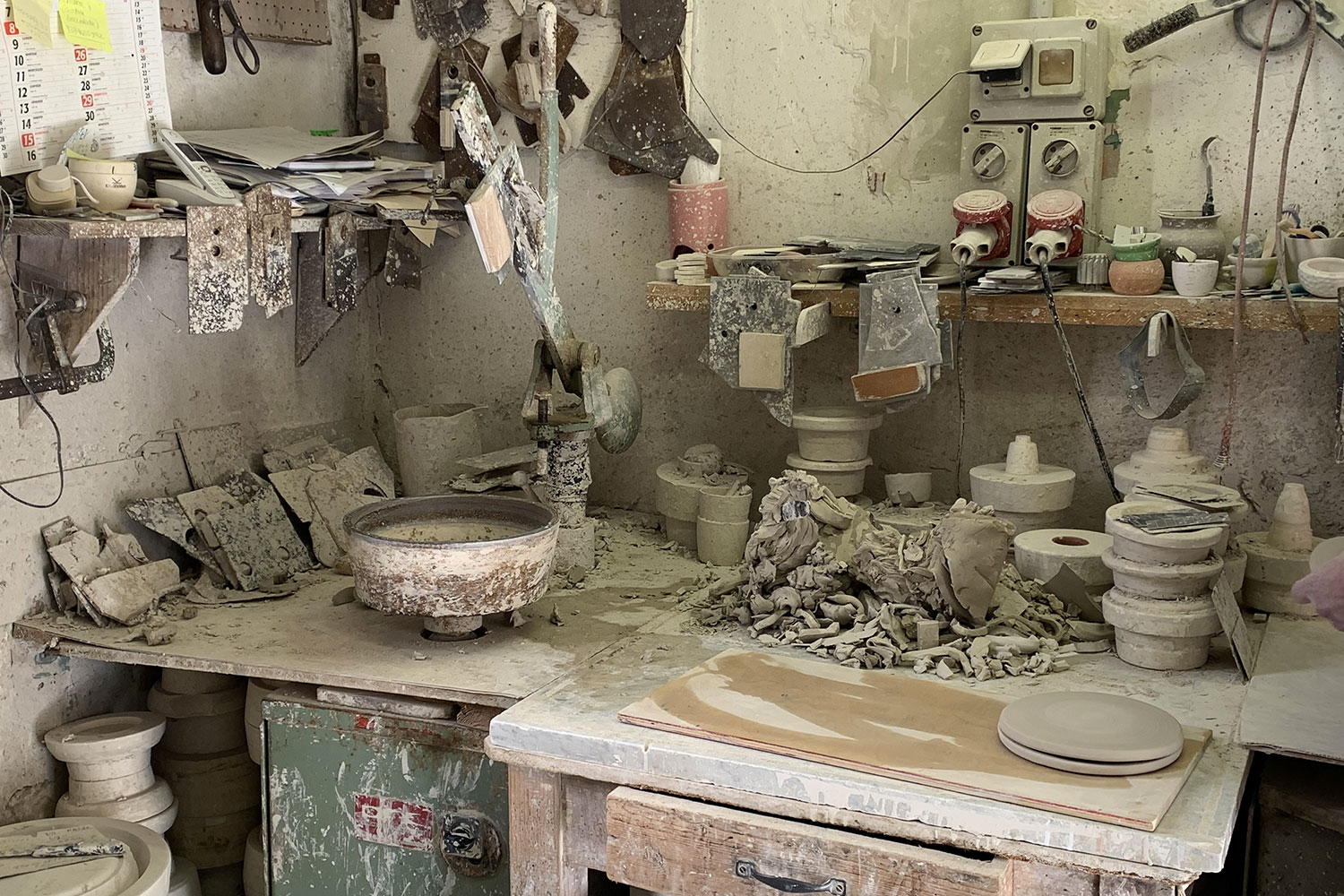
Born to a German father and a French-Swiss mother, Iris Roth moved to Milan when she was 15. Today she lives on the outskirts of the city, away from the fashionable streets and fancy restaurants. Her home is in the semi-industrial, semi-rural area known as Quartiere Adriano and her workshop is in the working-class neighbourhood of Dergano, in some ways Iris’ surroundings seem to reflect the aesthetic of her work: nothing too posh, nothing too stuffy, no formality. Just simple living and good taste. Iris is an interior designer as well as a ceramist: her homewear collection originates from researching all aspects of the art of living. She is interested in whether everyday objects influence your lifestyle, or whether it is the opposite: the work of an artisan is influenced by daily rituals.
INTERVIEW
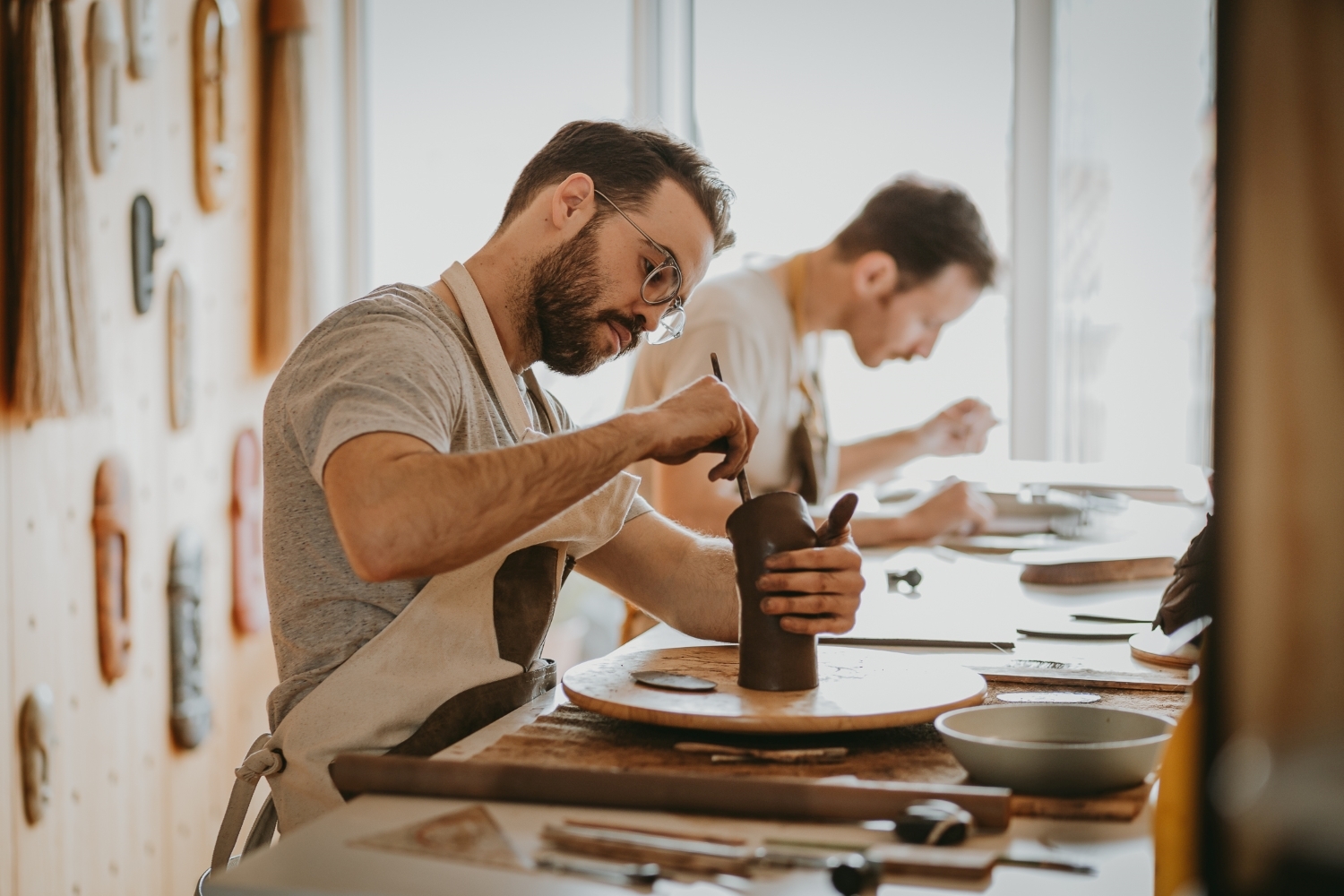
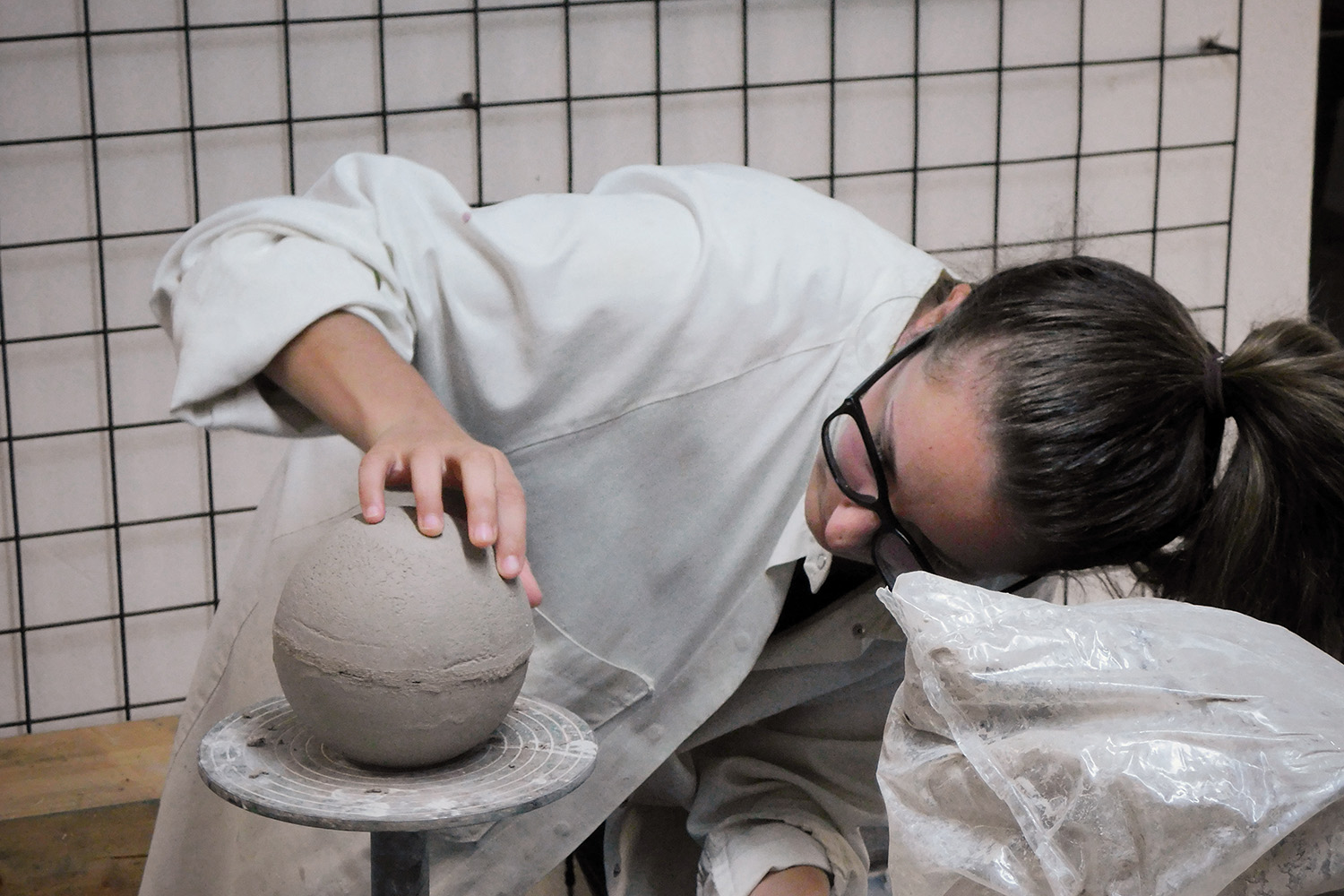
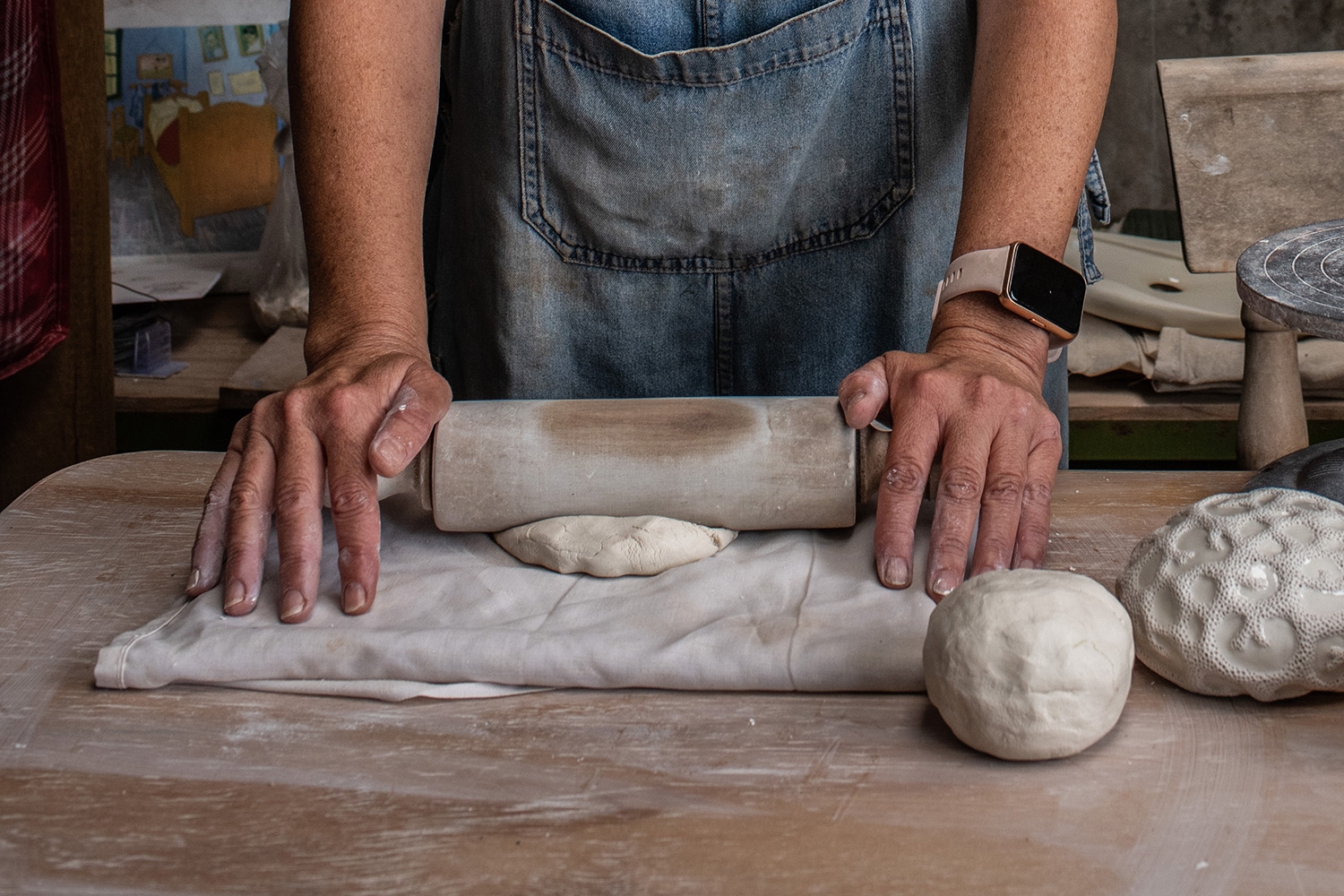
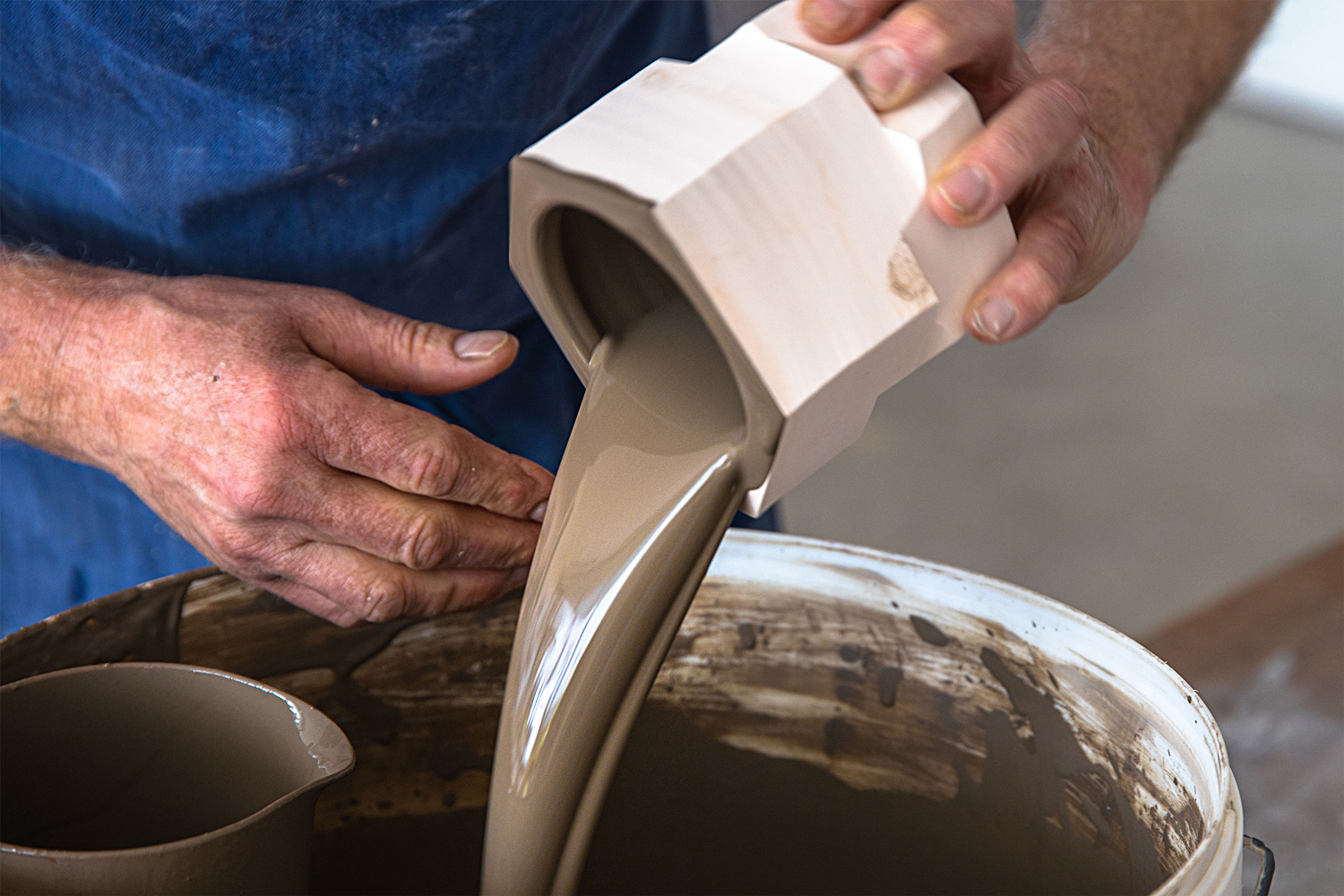
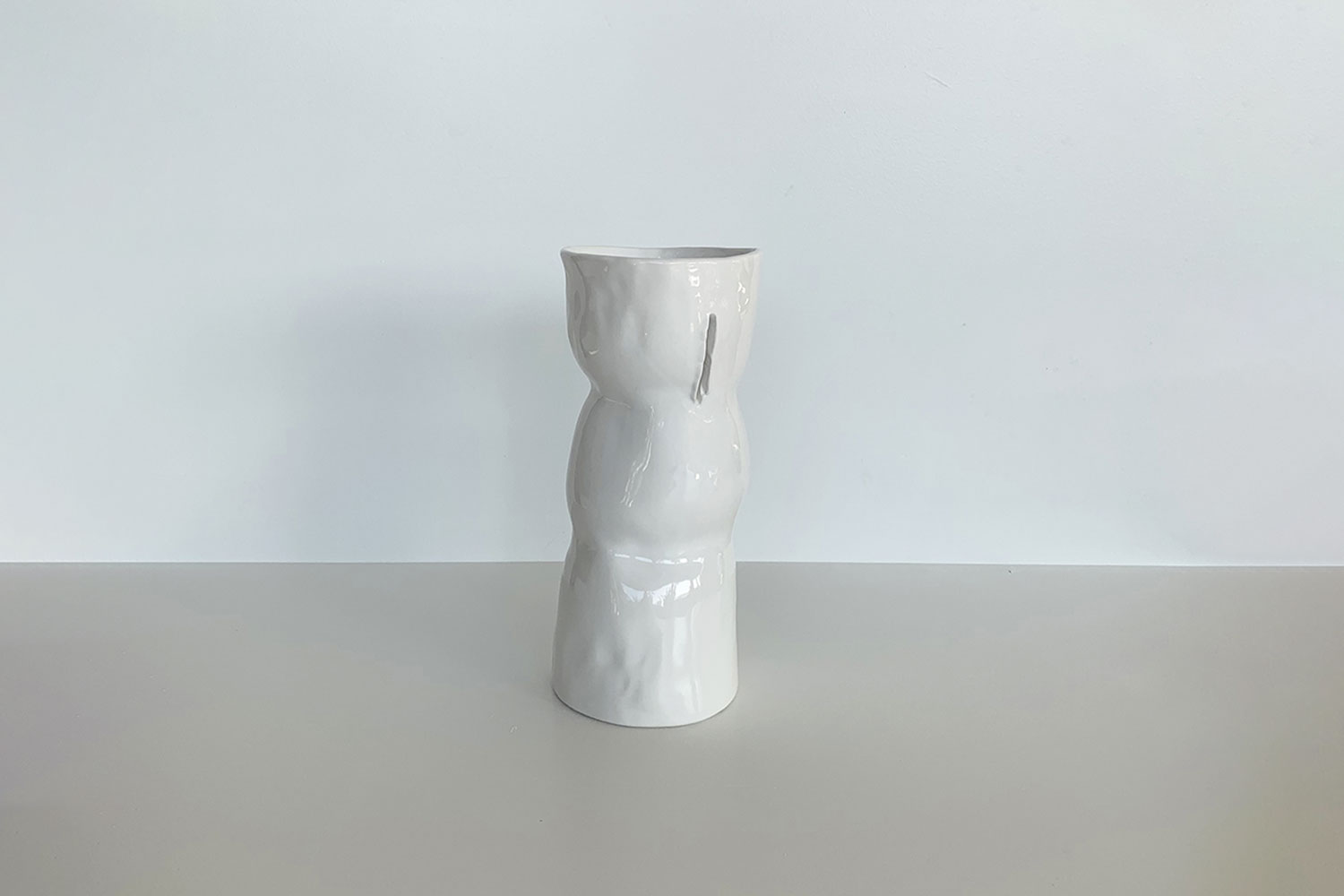
My father is an artist, during a phase in life he worked a lot with ceramics. I was very curious about the material and he encouraged me to try. I started modelling clay, then I moved on to creating homewear products, and eventually I also started creating more artistic objects.
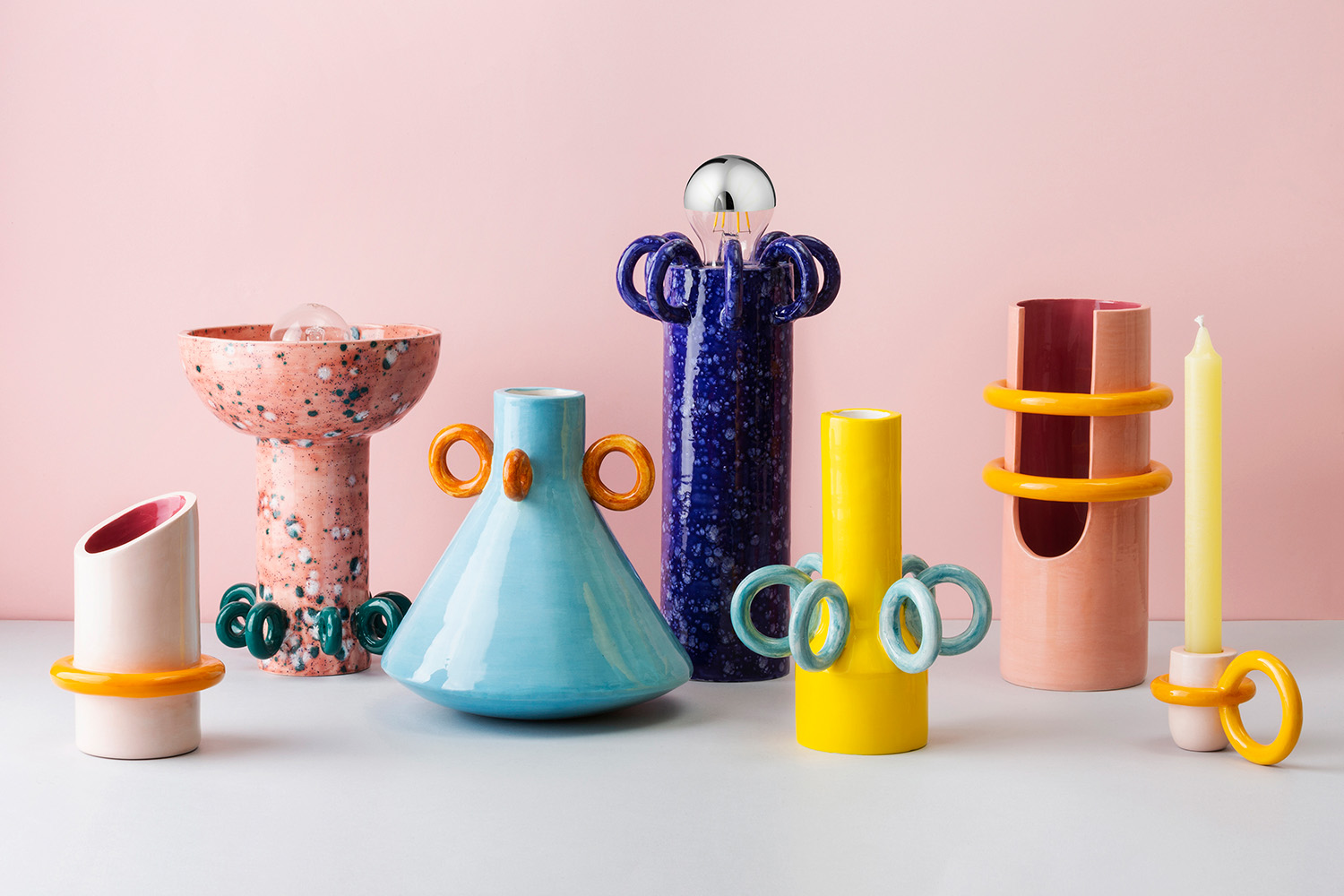
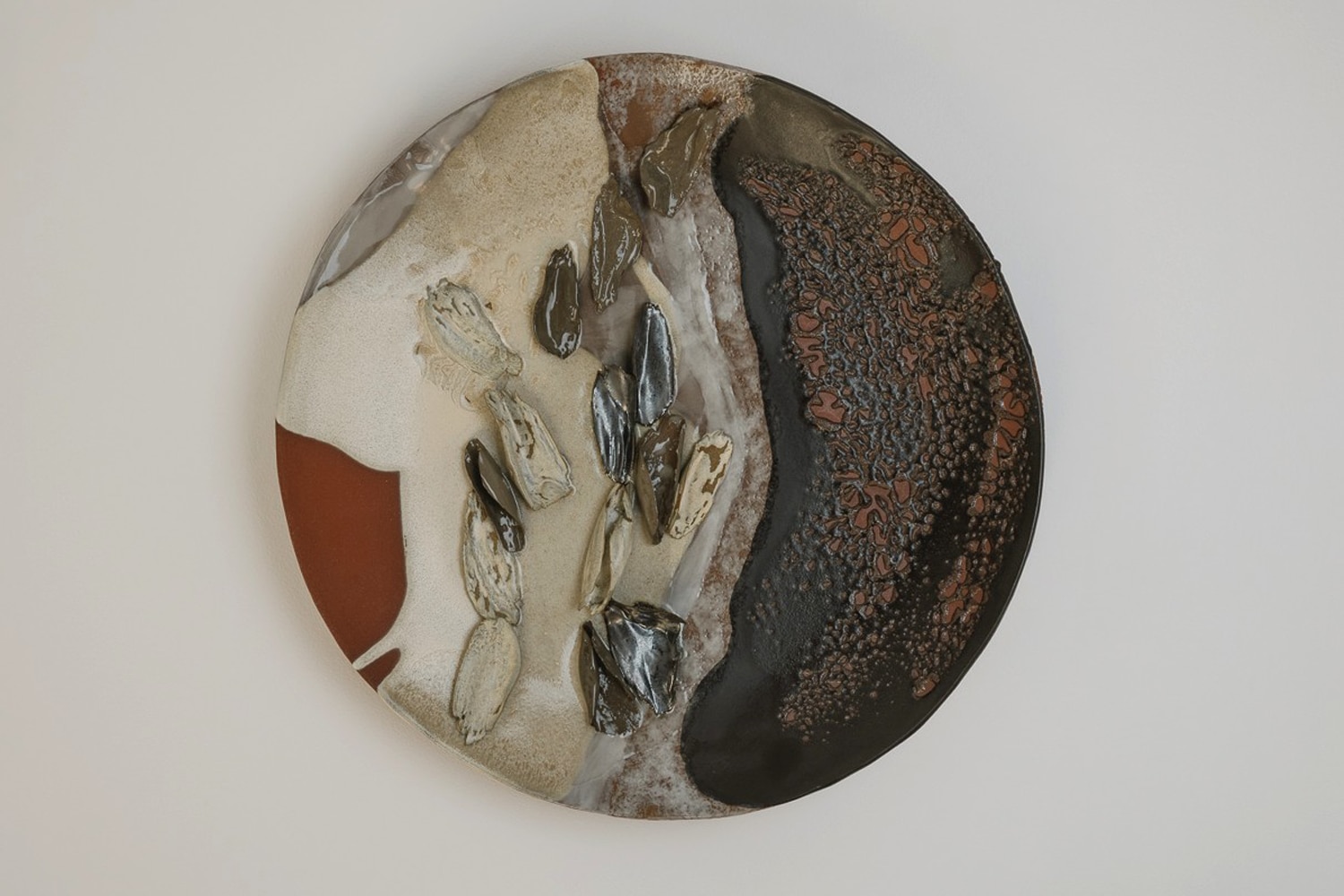
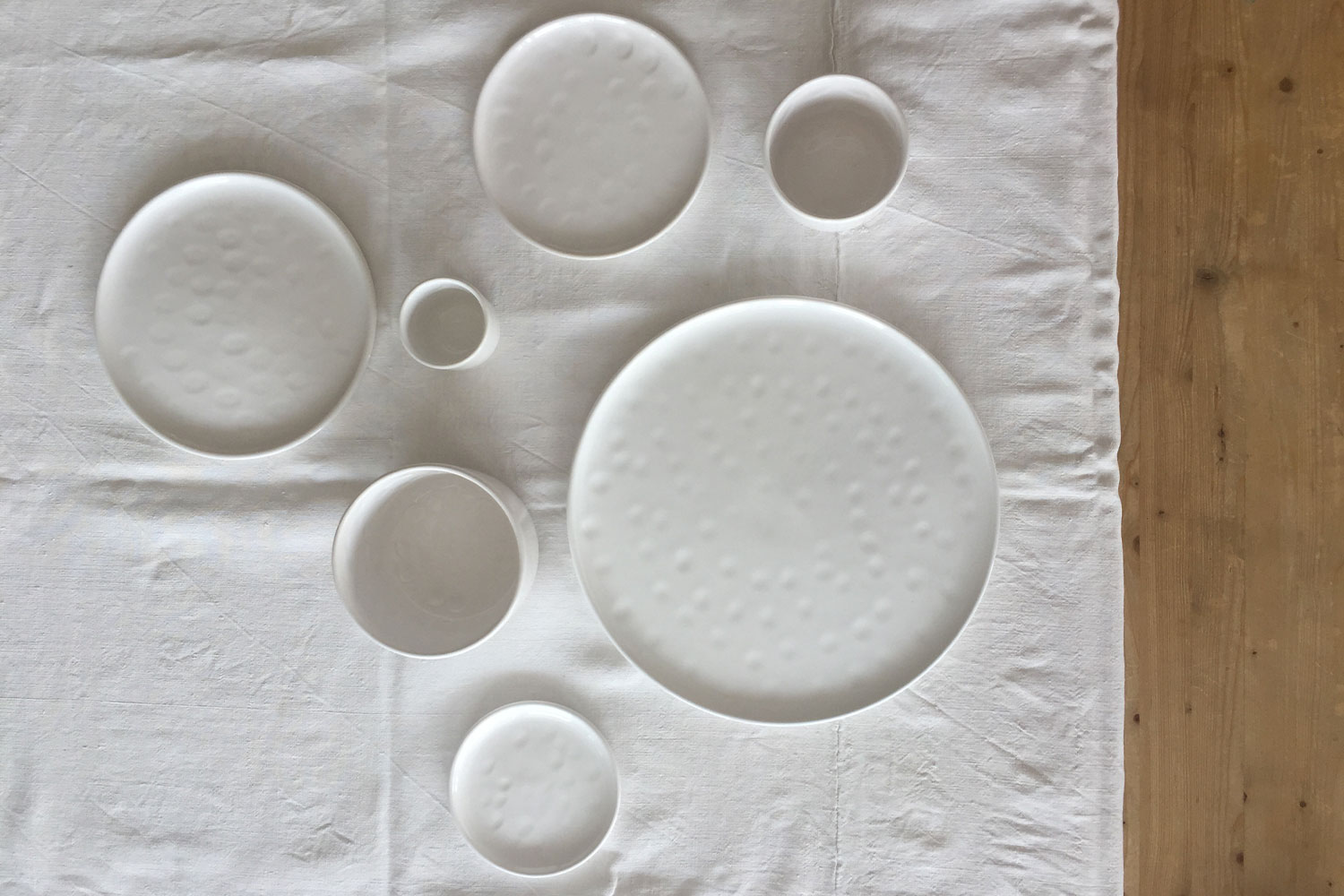
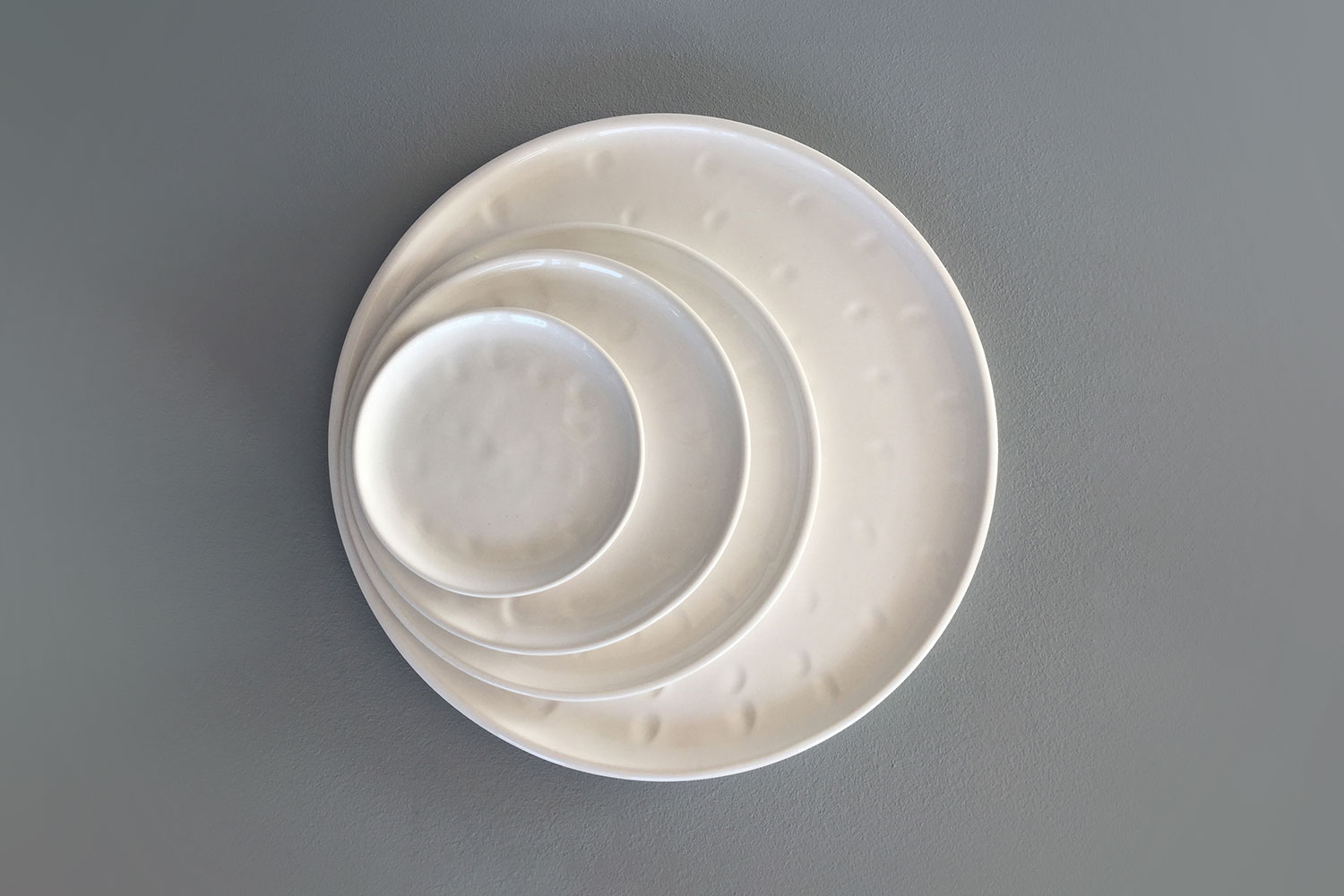
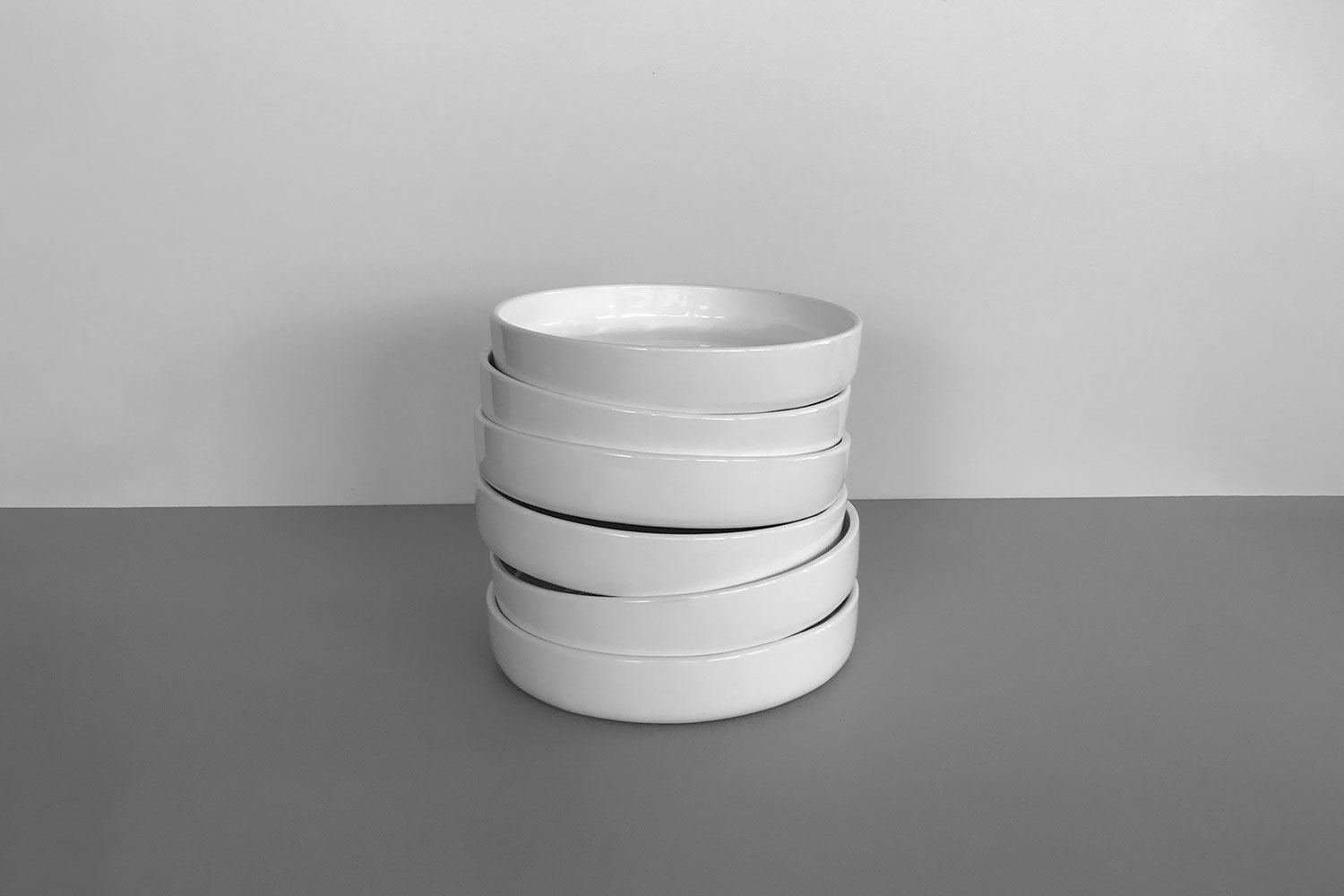
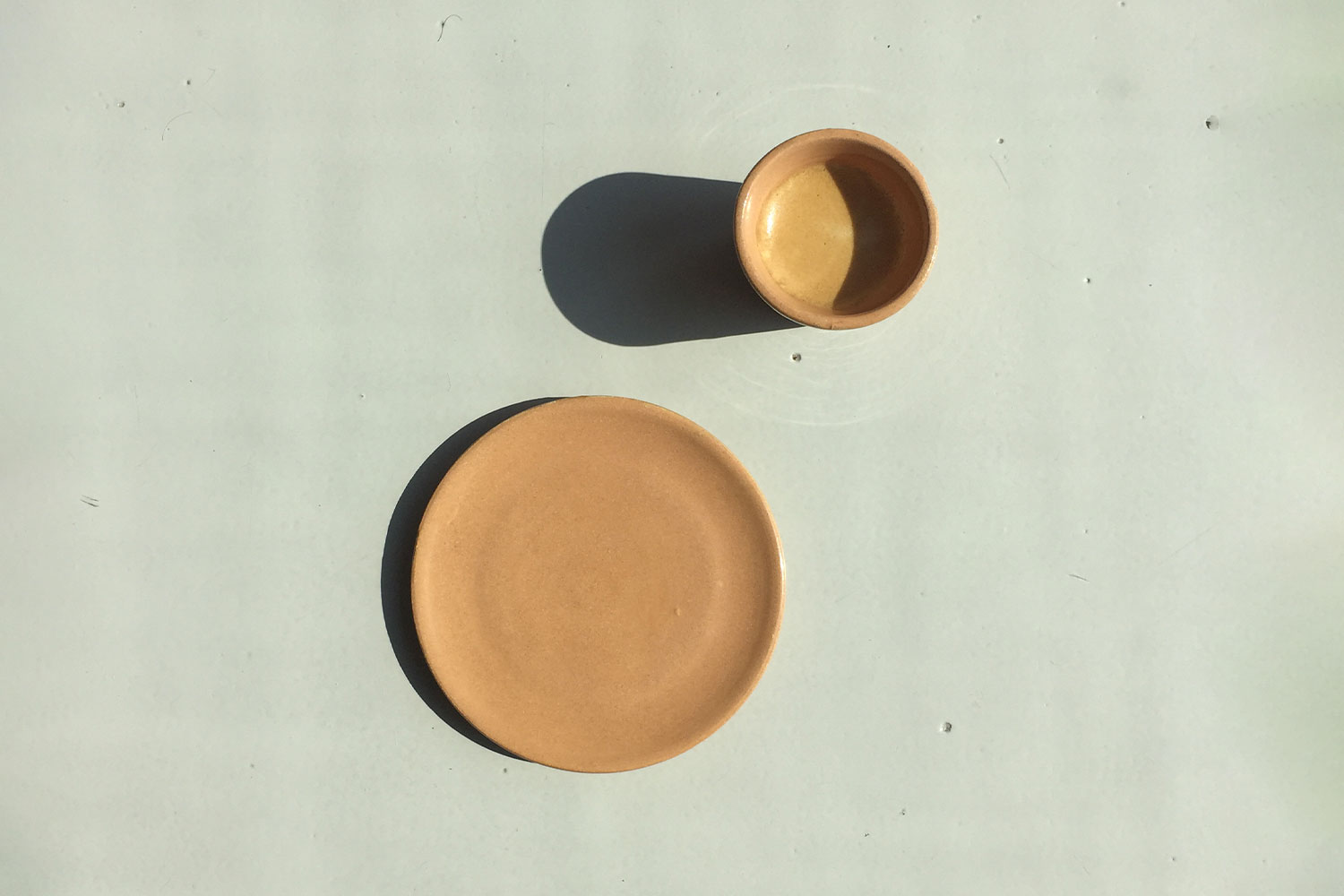
Essential and non-bourgeoise. My pieces are warm and minimal – the mugs have no handles, the cups have no saucer. I am inspired by Japanese culture but also by rural domesticity, stripping out all that is superfluous: few, functional, aesthetic objects.
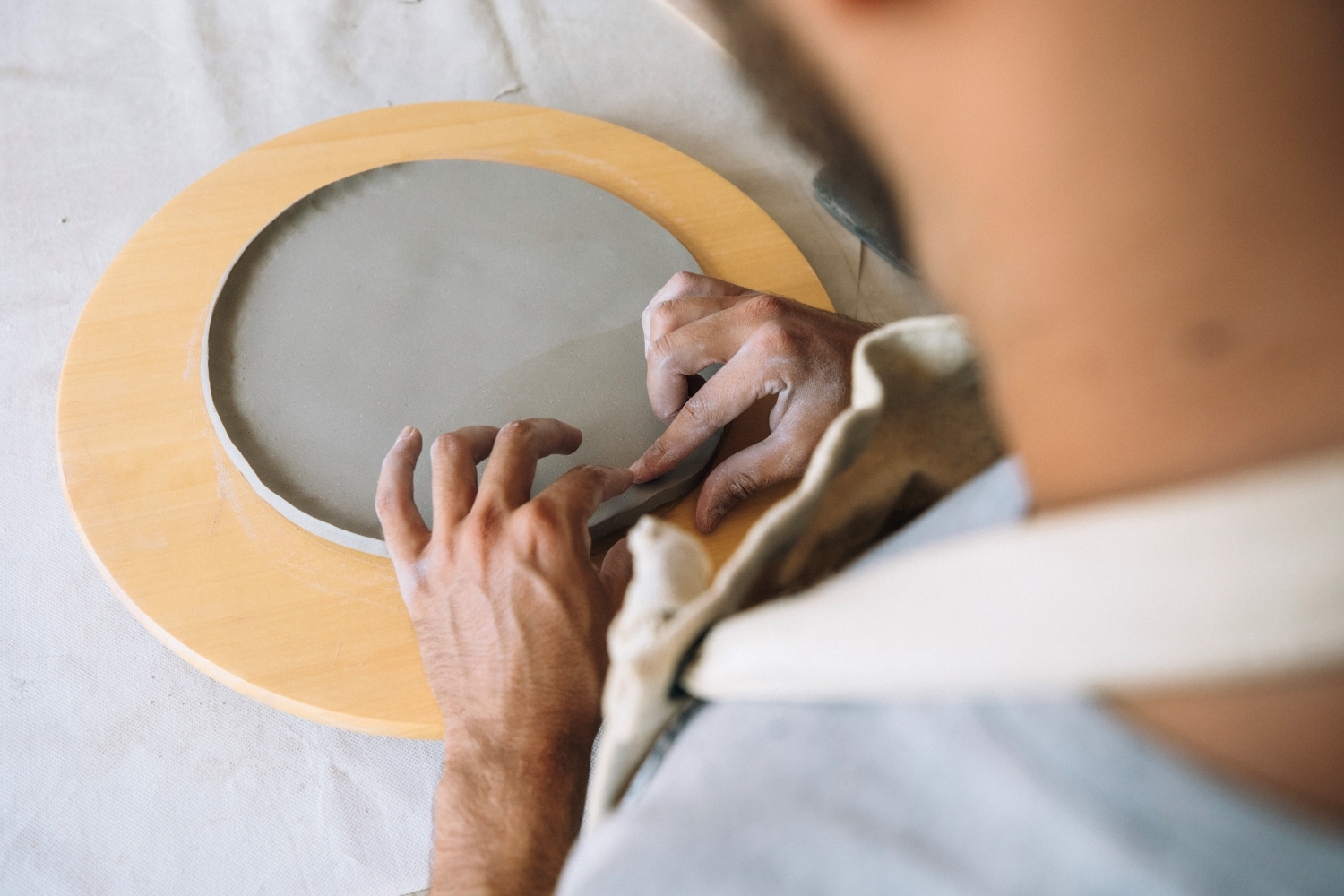
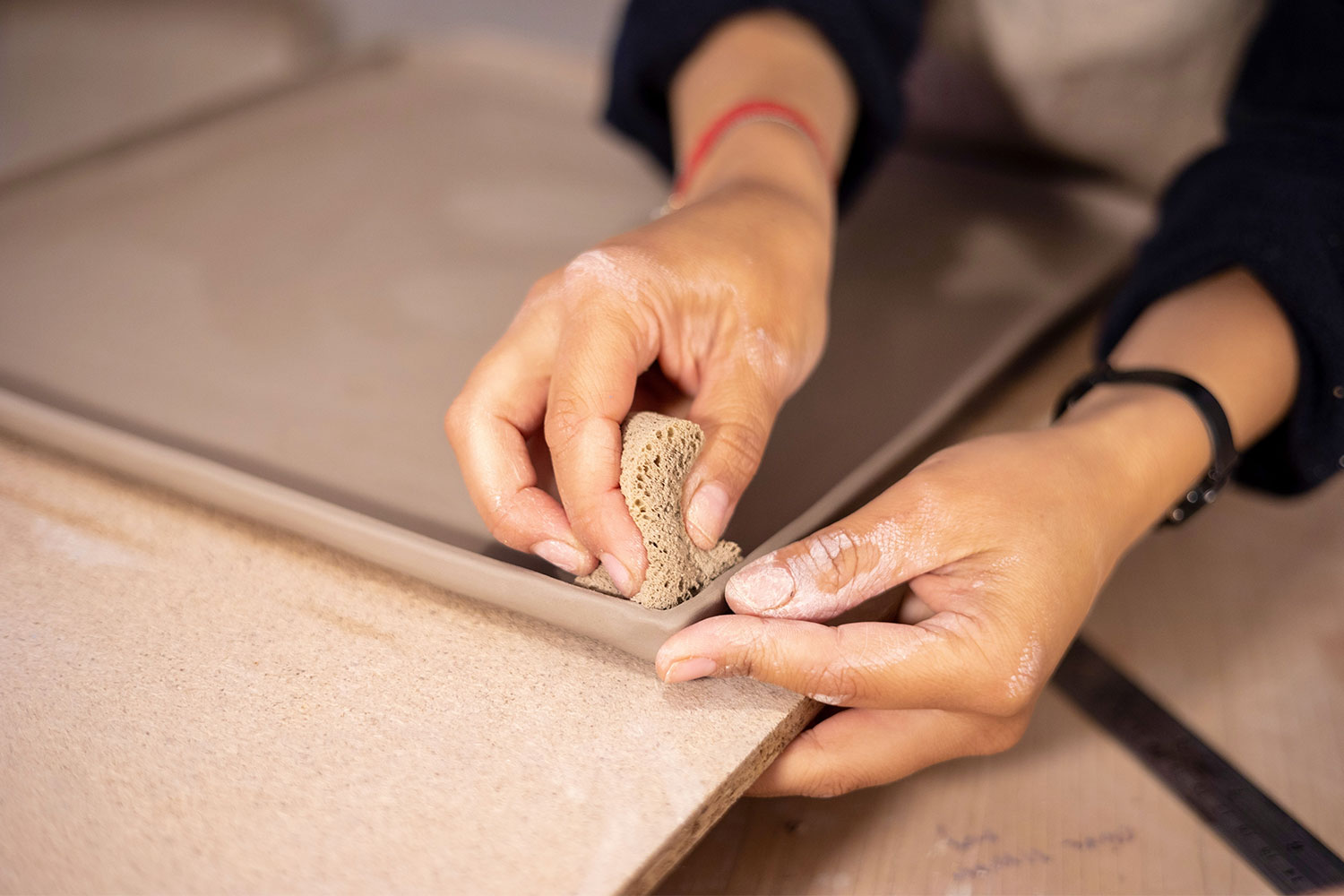
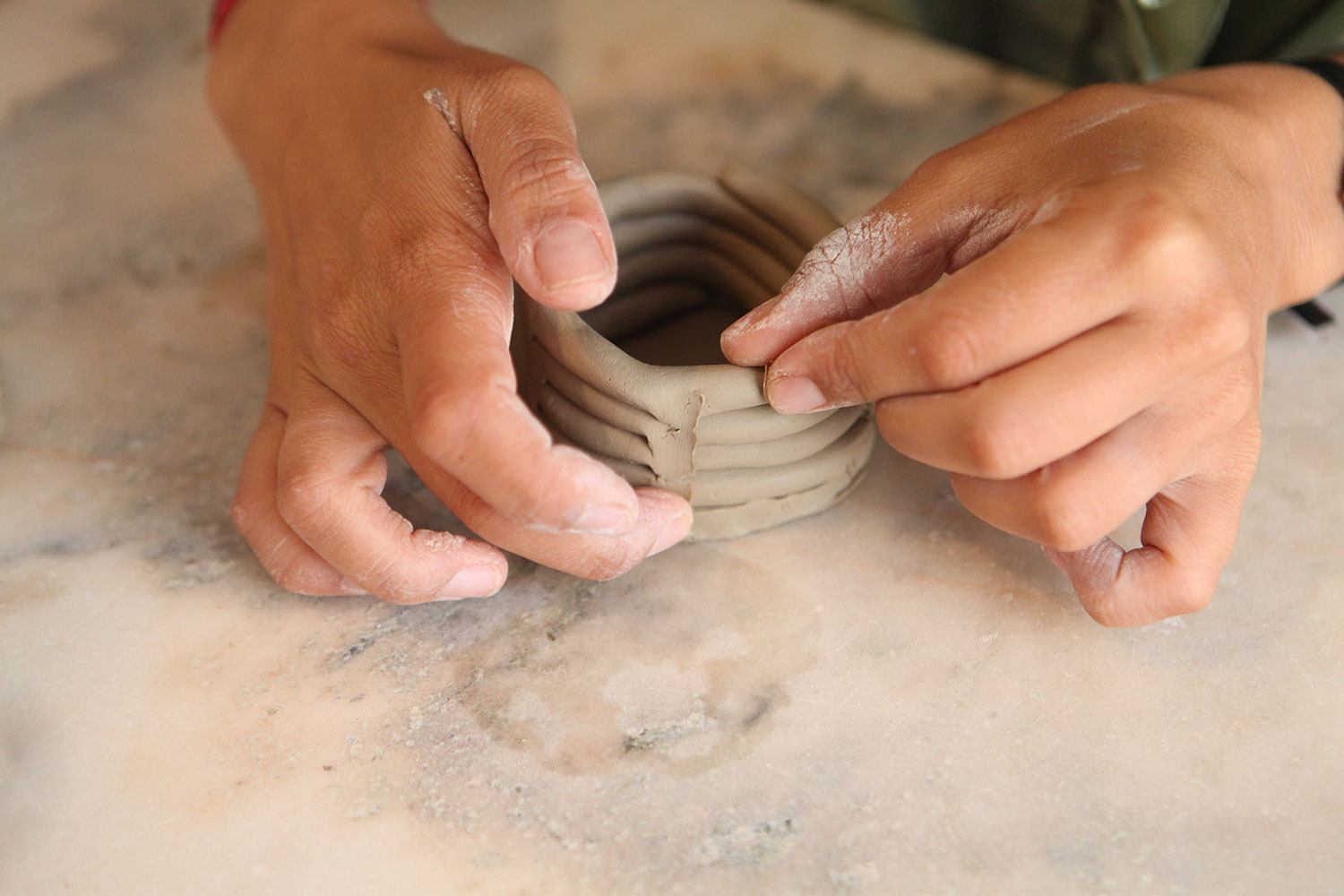
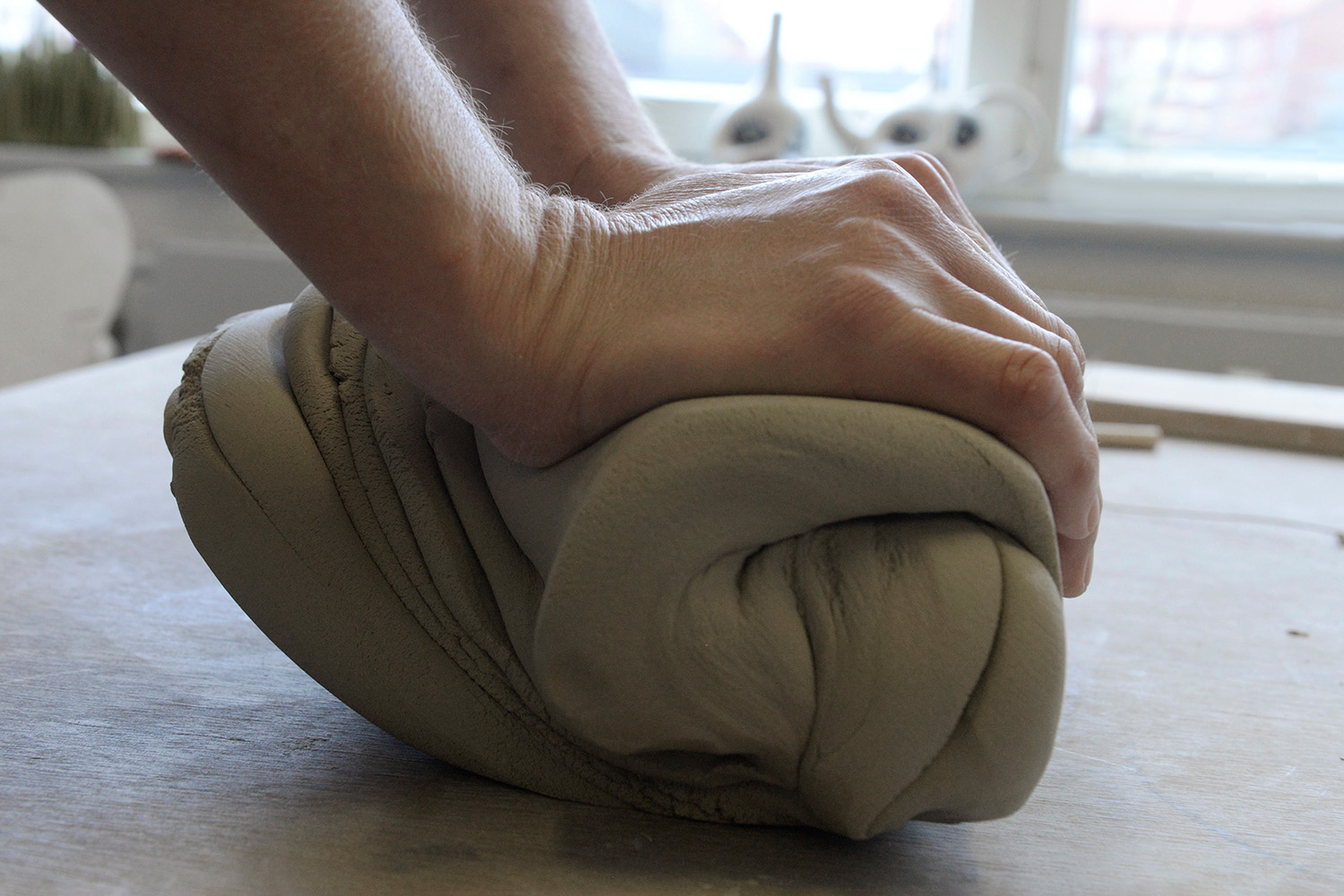
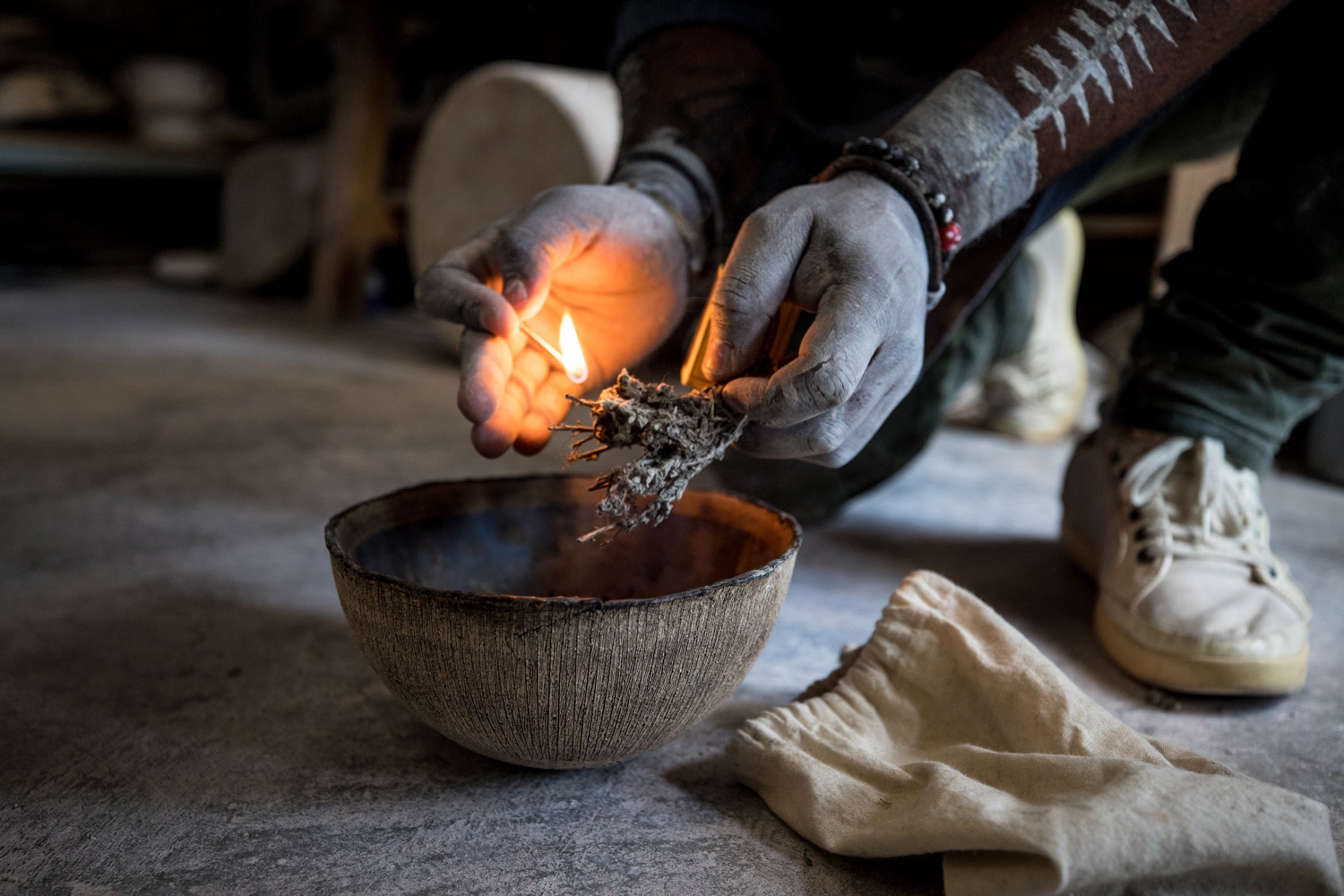
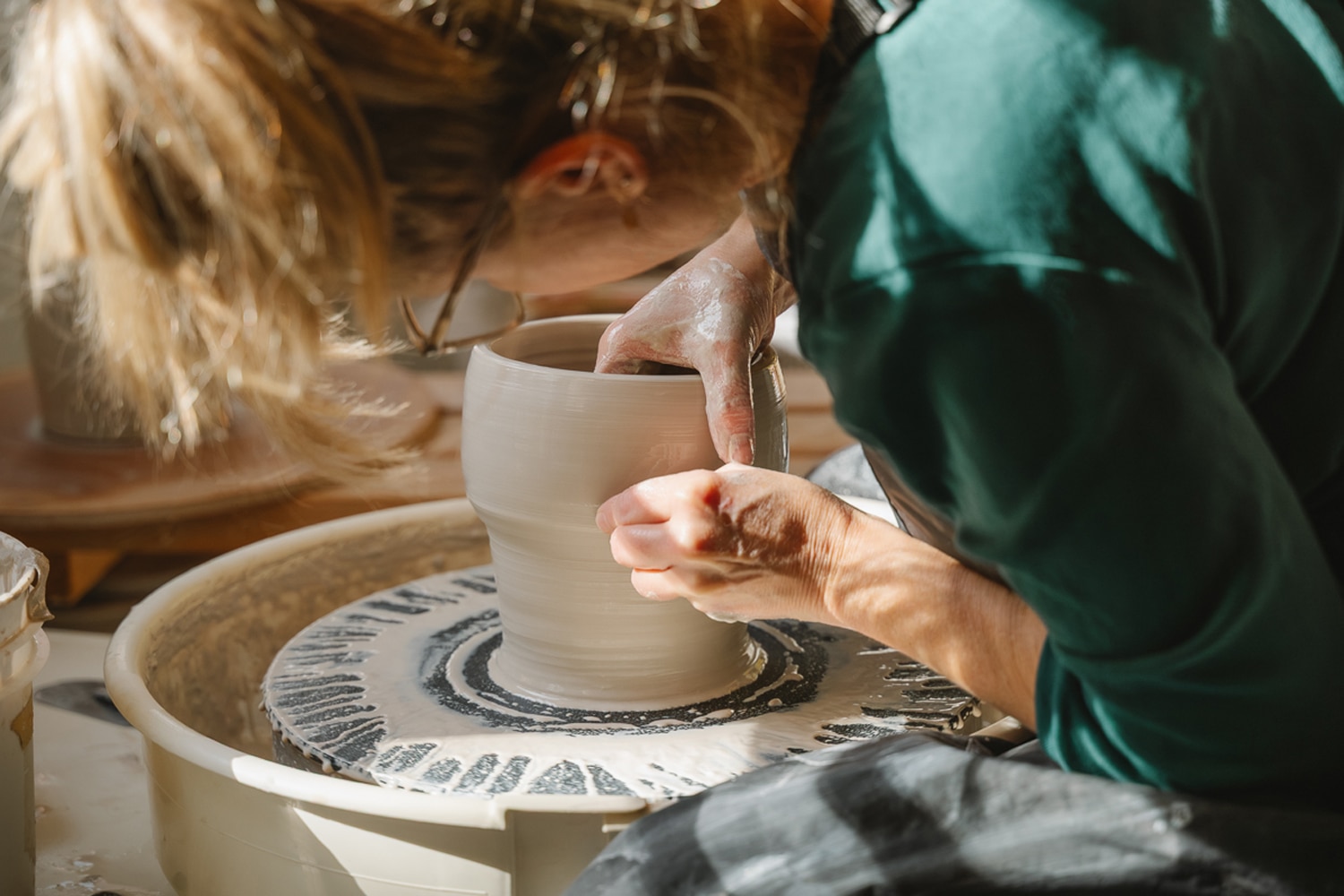
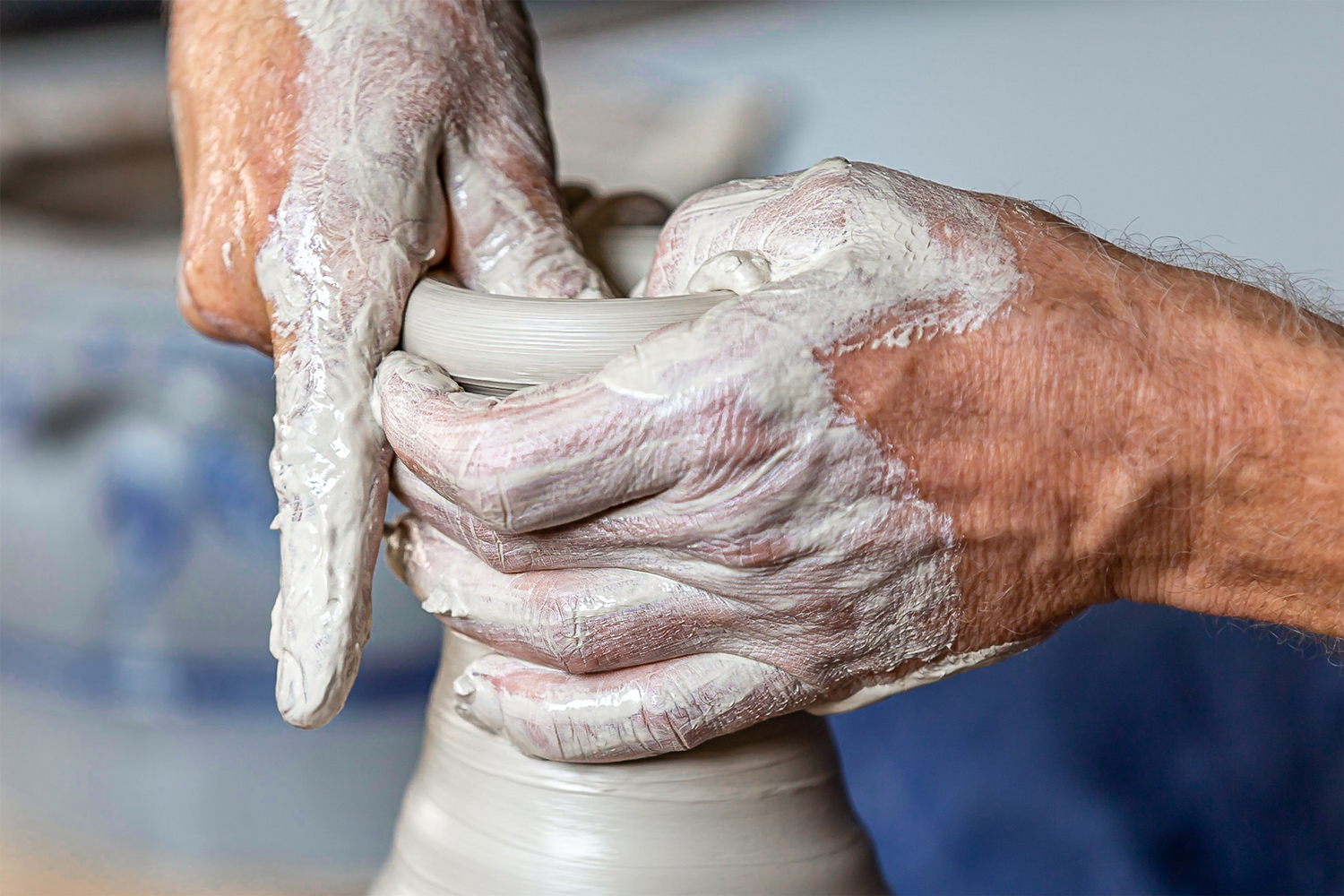
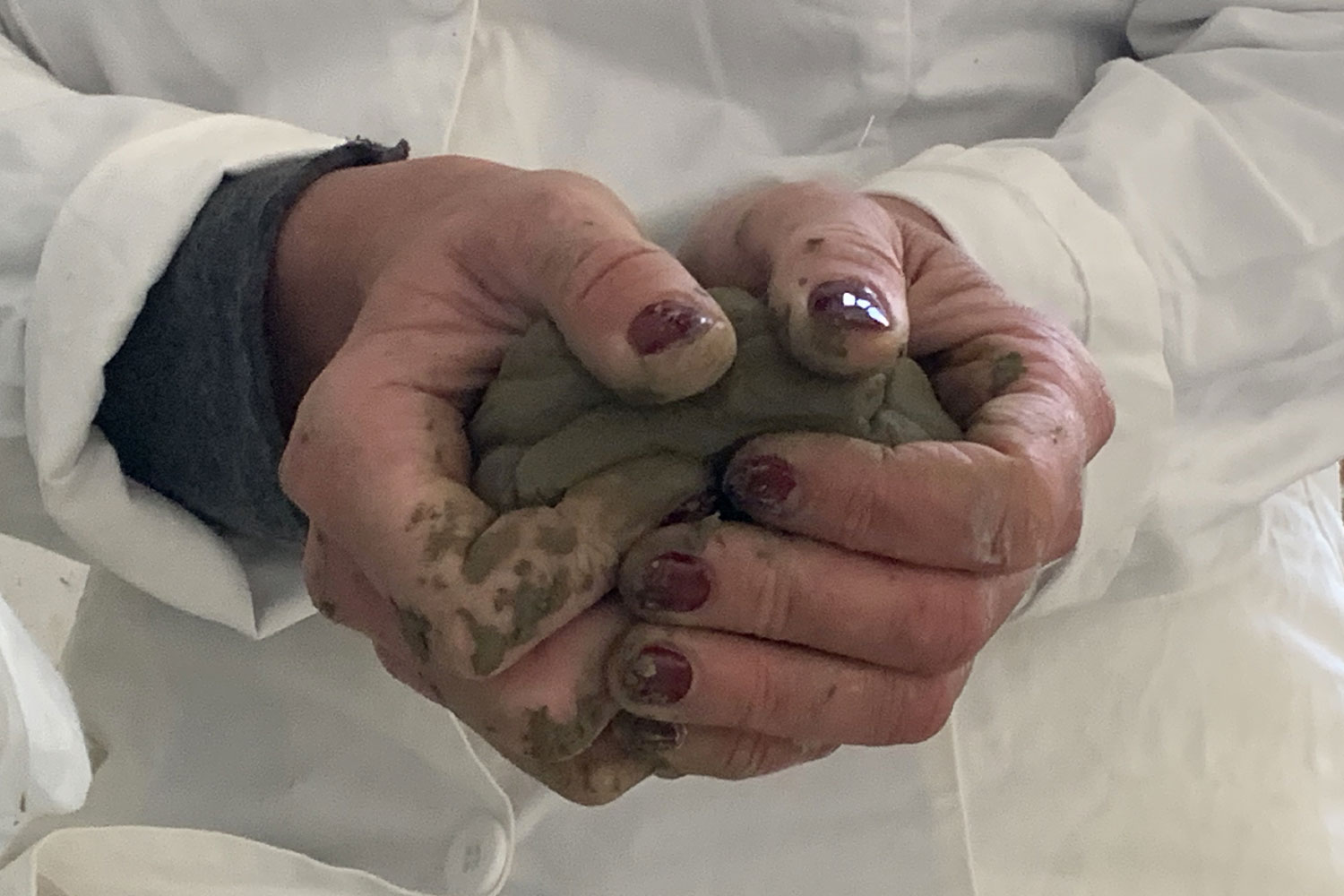
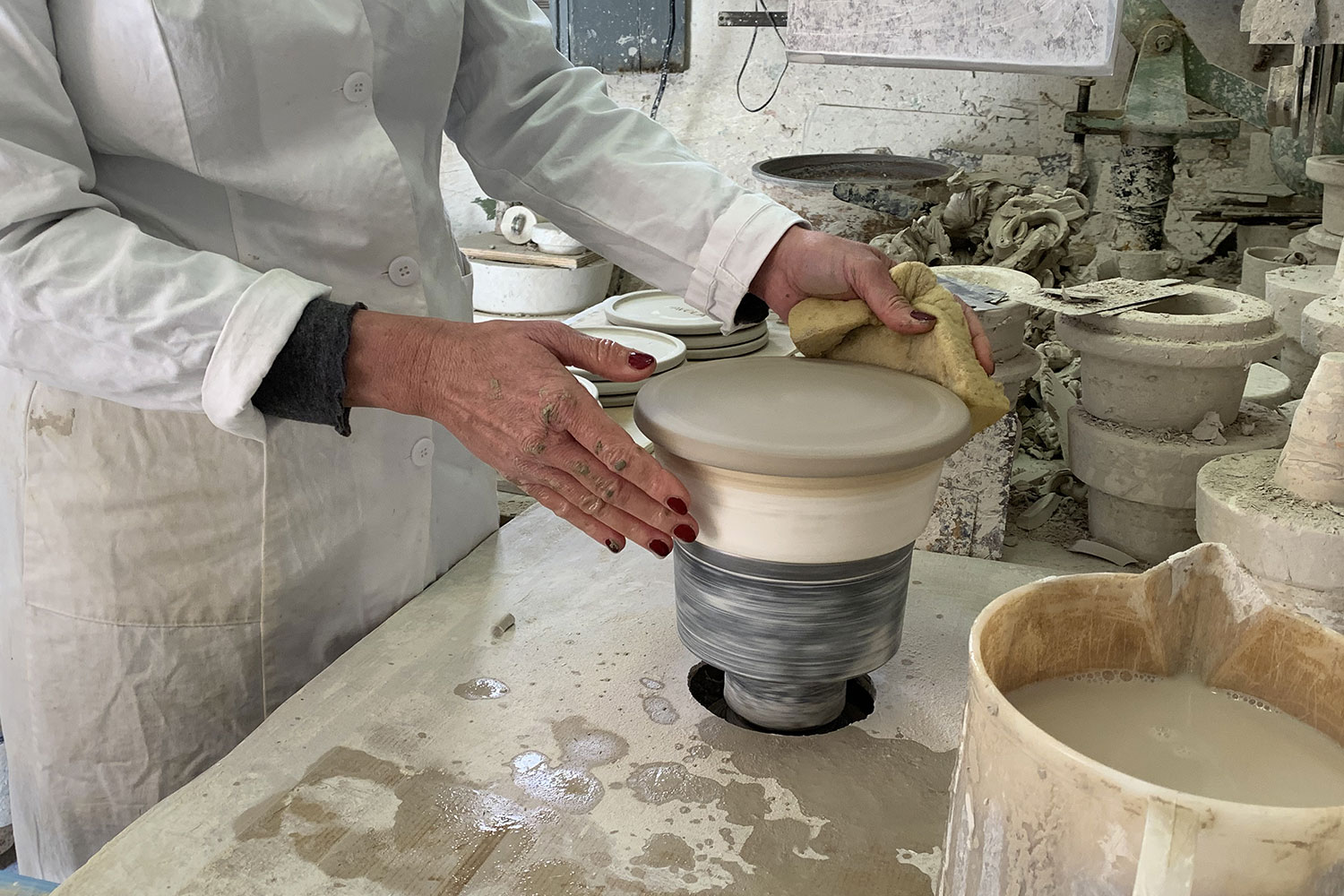
Ceramics is an ancient craft, it has been used throughout history. I see the gestures that surround it as something very primeval and very grounding, literally dipping your hands in earth. However, it can also be very playful: children do it, often with surprising results.
There is still a lot of pottery-making happening around the world, but many small companies are stuck making traditional products yet the demand is changing. To keep the craft alive and thriving, it’s important to combine it with a modern aesthetic, communicating it in a contemporary way.
Iris Roth
Ceramicist
Milan, Italy
AVAILABILITY
By appointment only
PHONE
+39 3337883117
LANGUAGES
Italian, English
Homo Faber Finds is a new service aiming to inspire admirers of craft to connect and collaborate with exceptional artisans.
We invite you to submit an enquiry here.