Mar Fraga
Enmalle Studio
Textile sculptor
Oleiros, Spain
From out of the sea and on to the wall
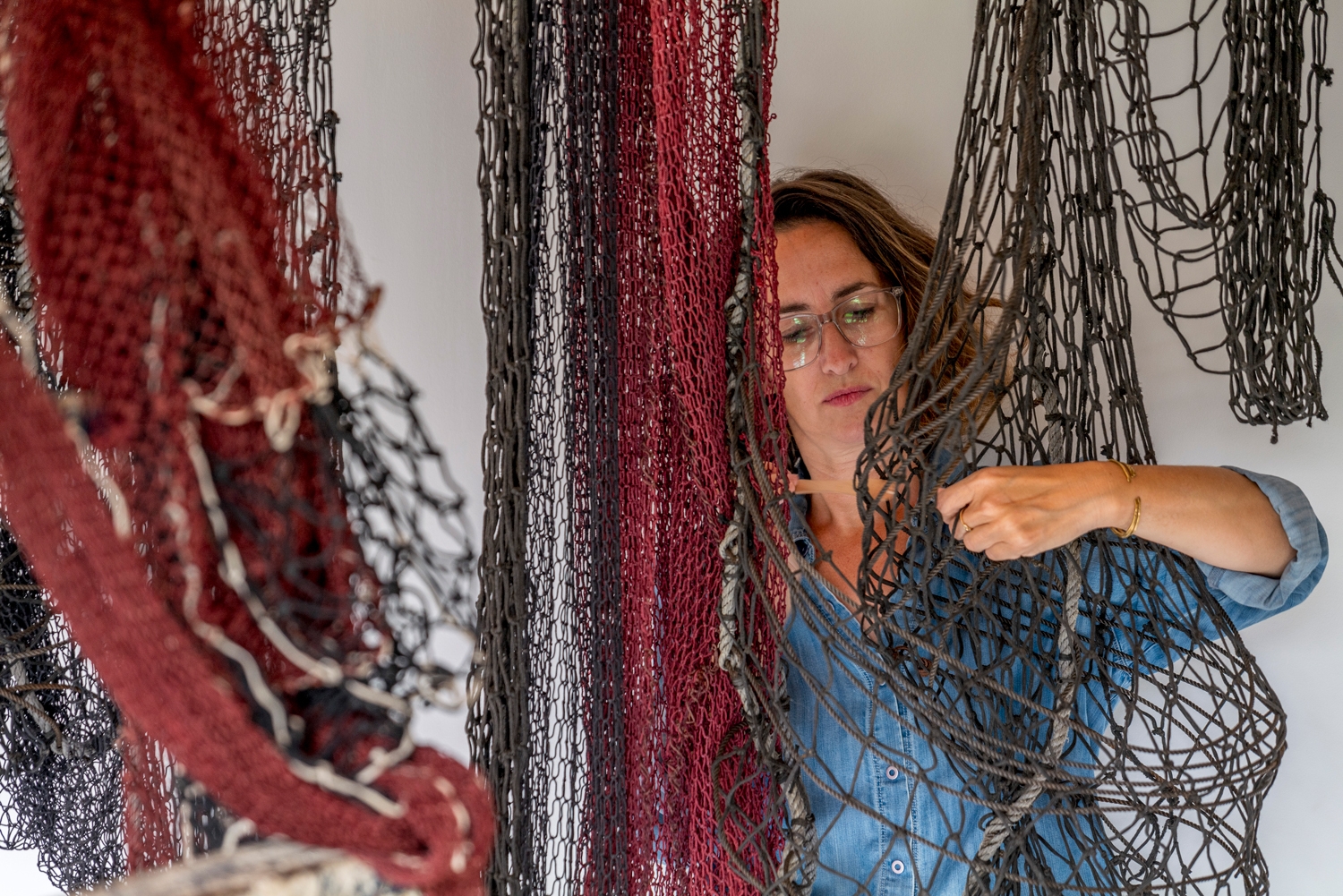
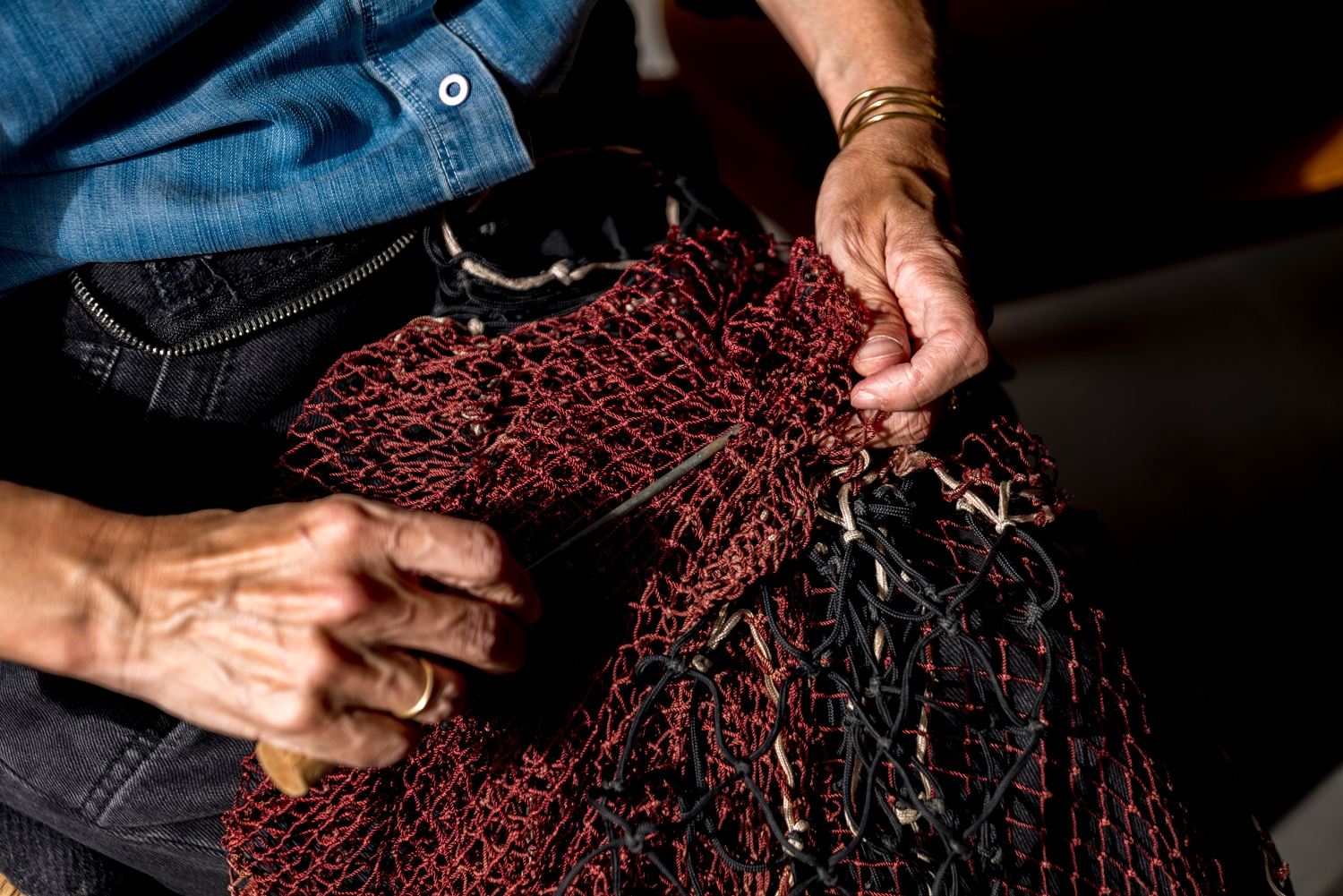
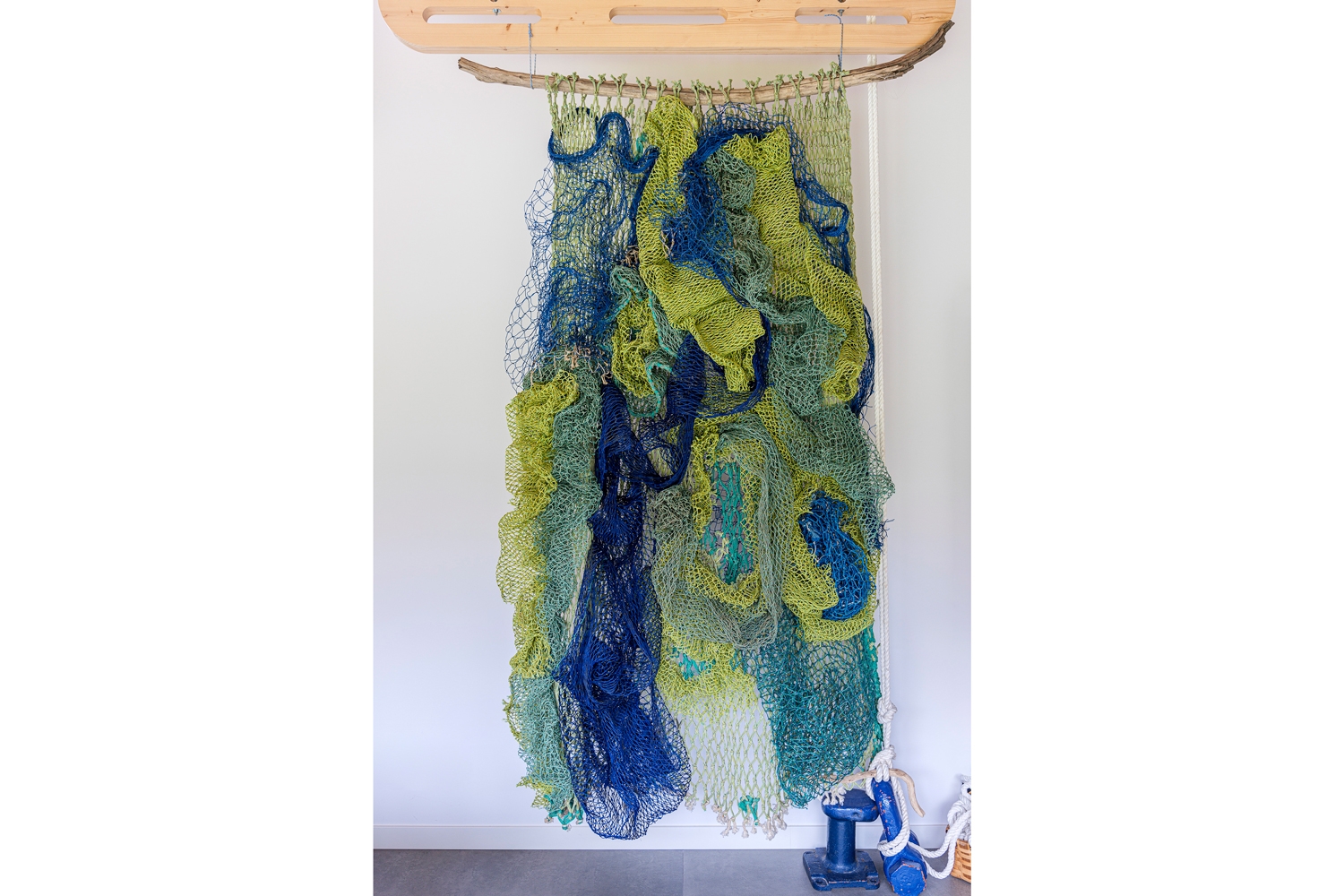
- Mar creates tapestries from fishing nets
- She sources her raw materials from the waste found in the sea
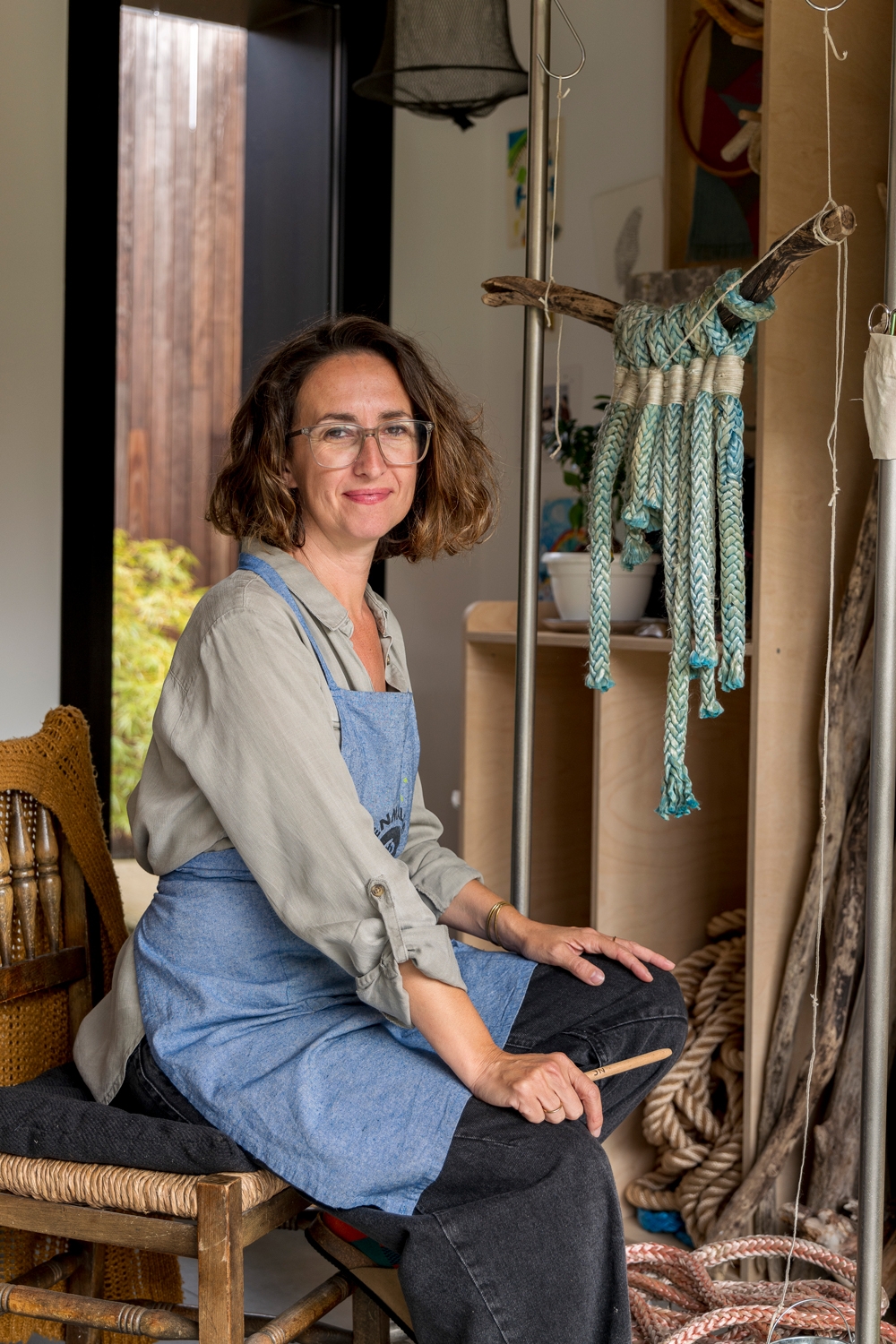
- Her workshop is surrounded by nature
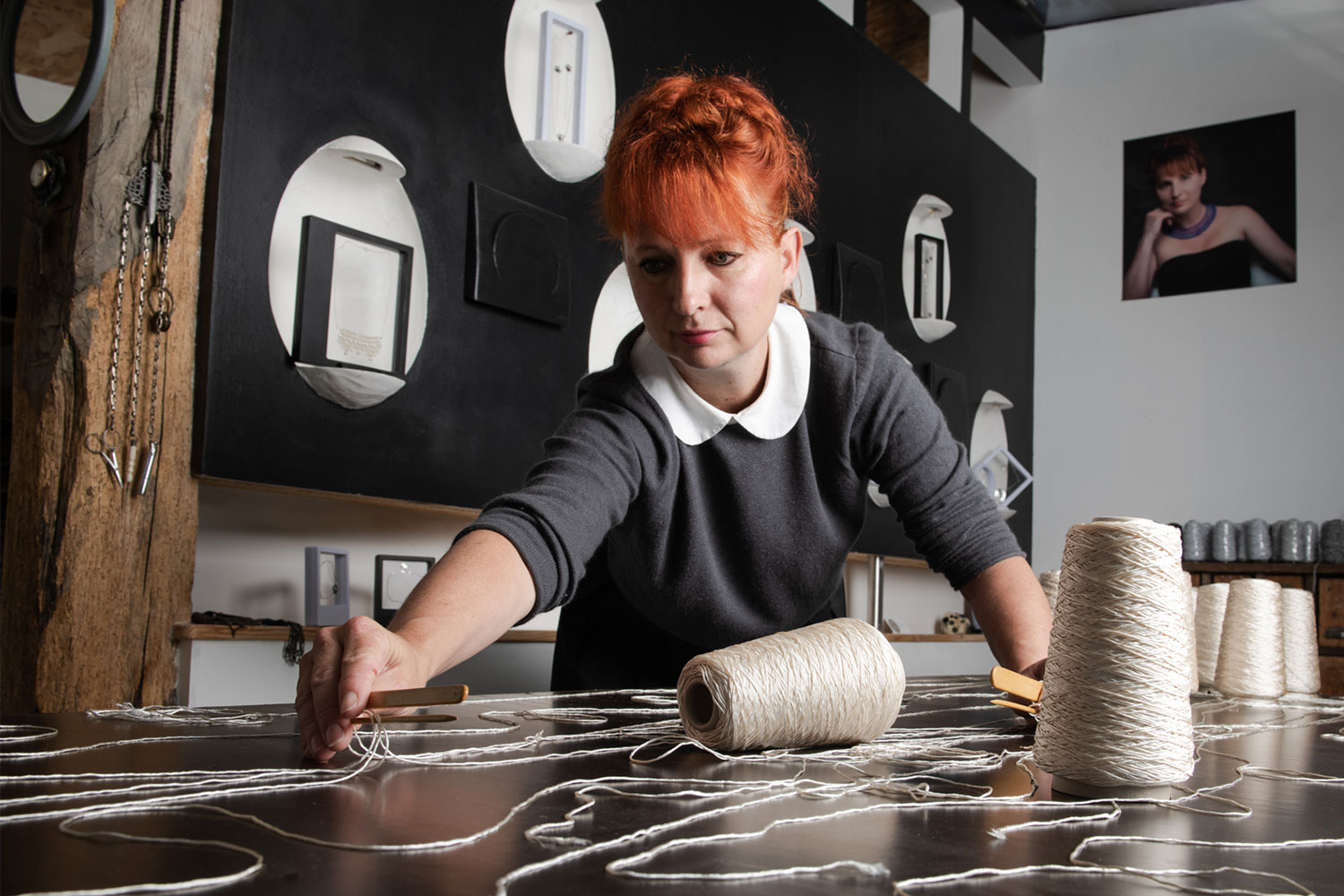
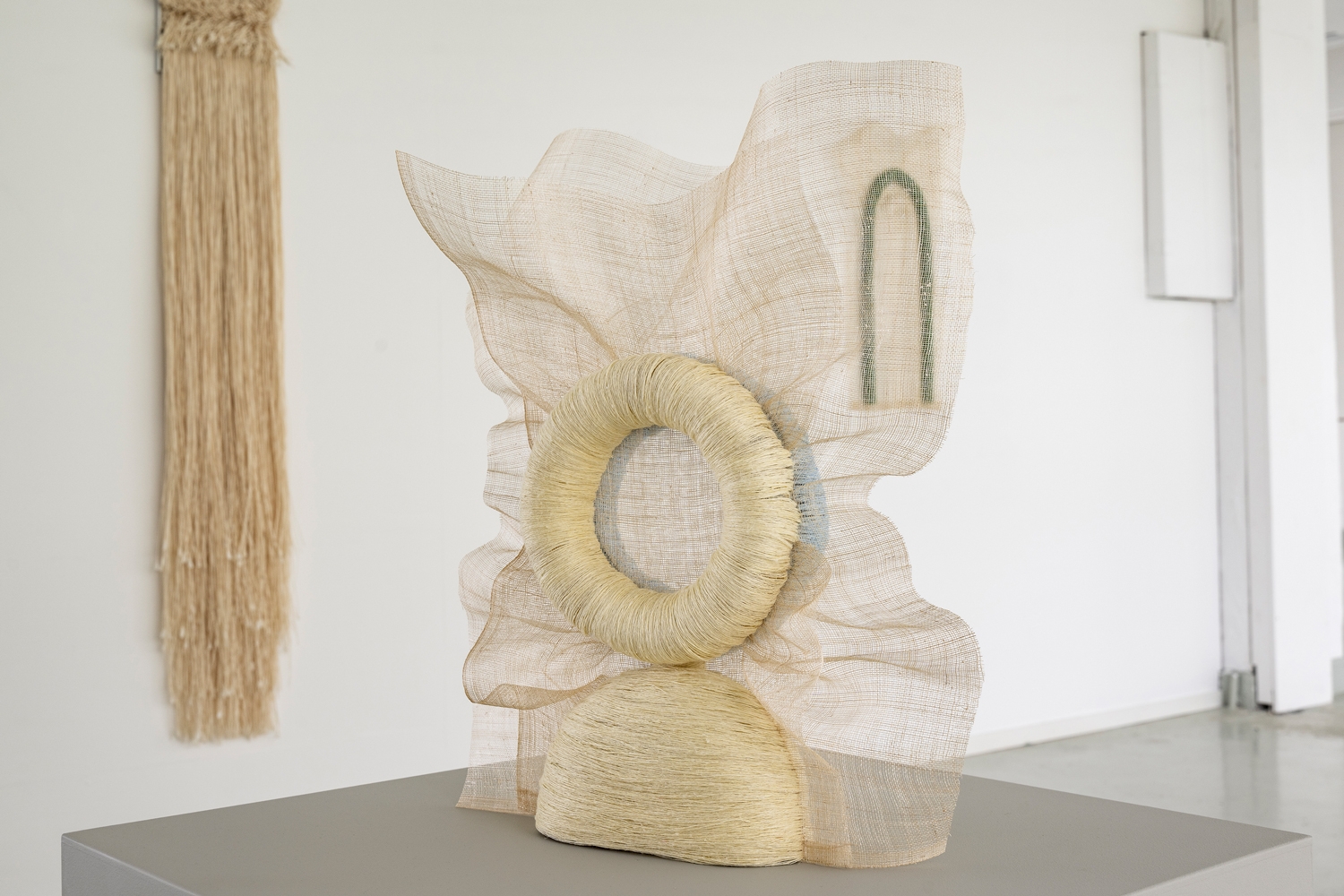
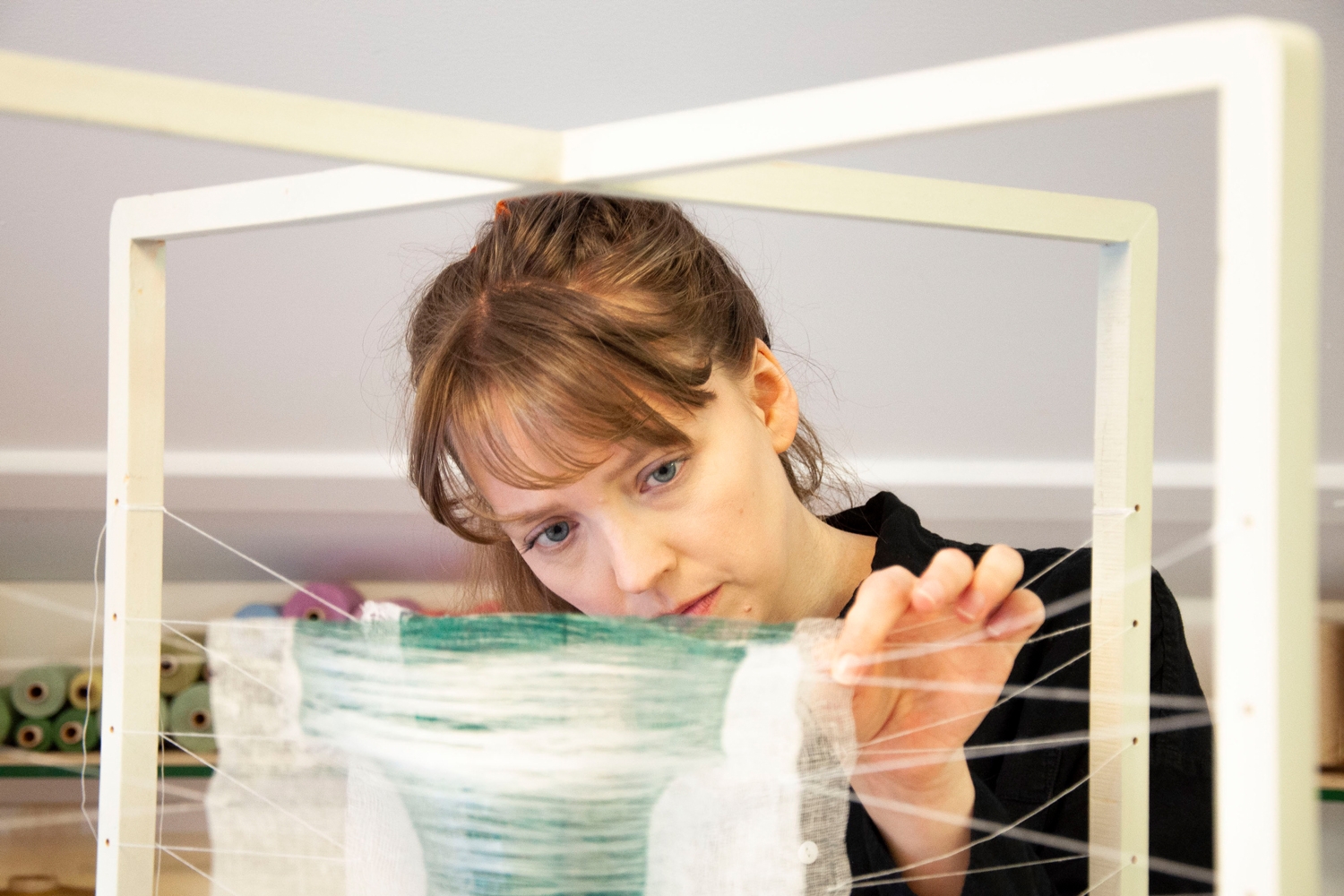
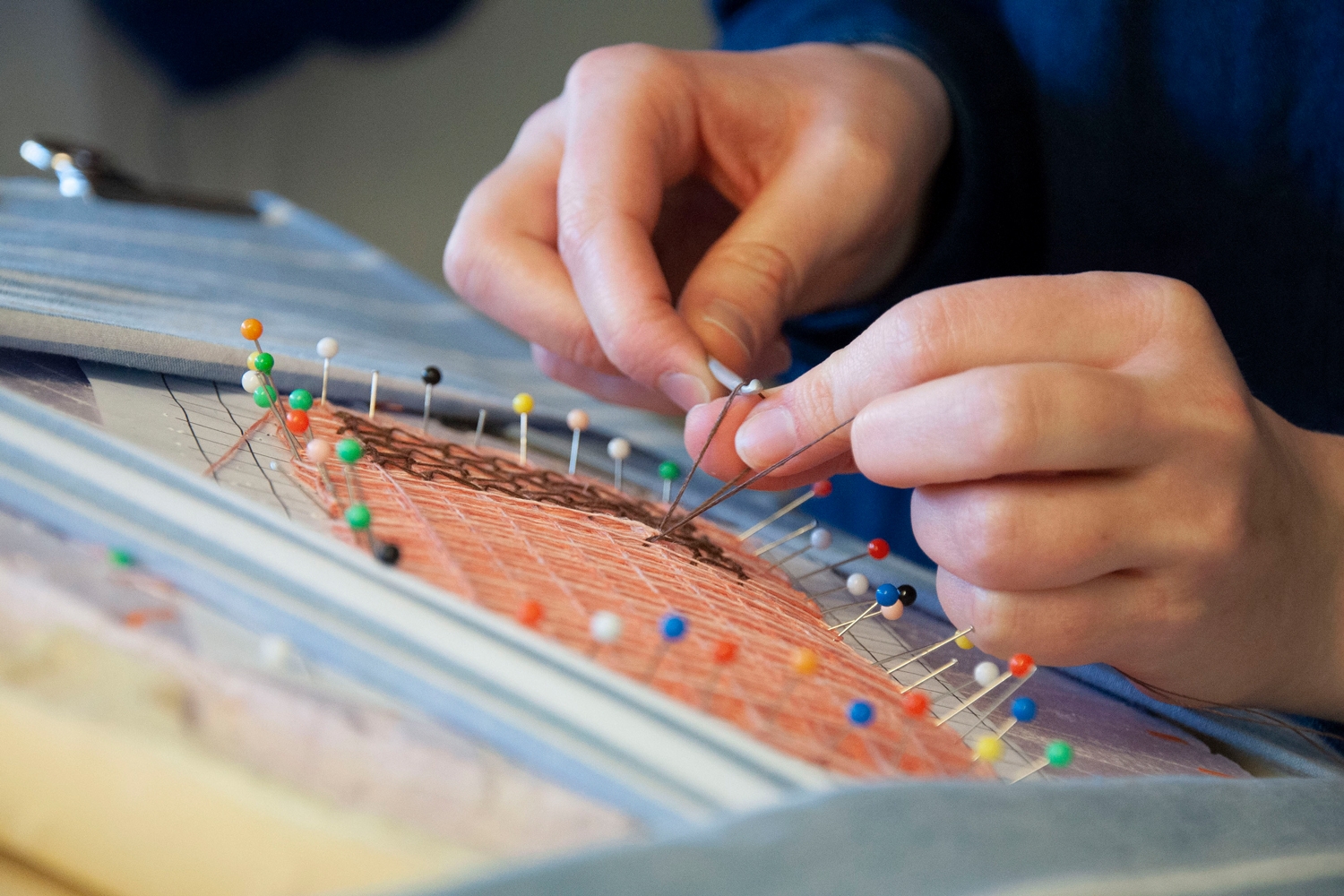
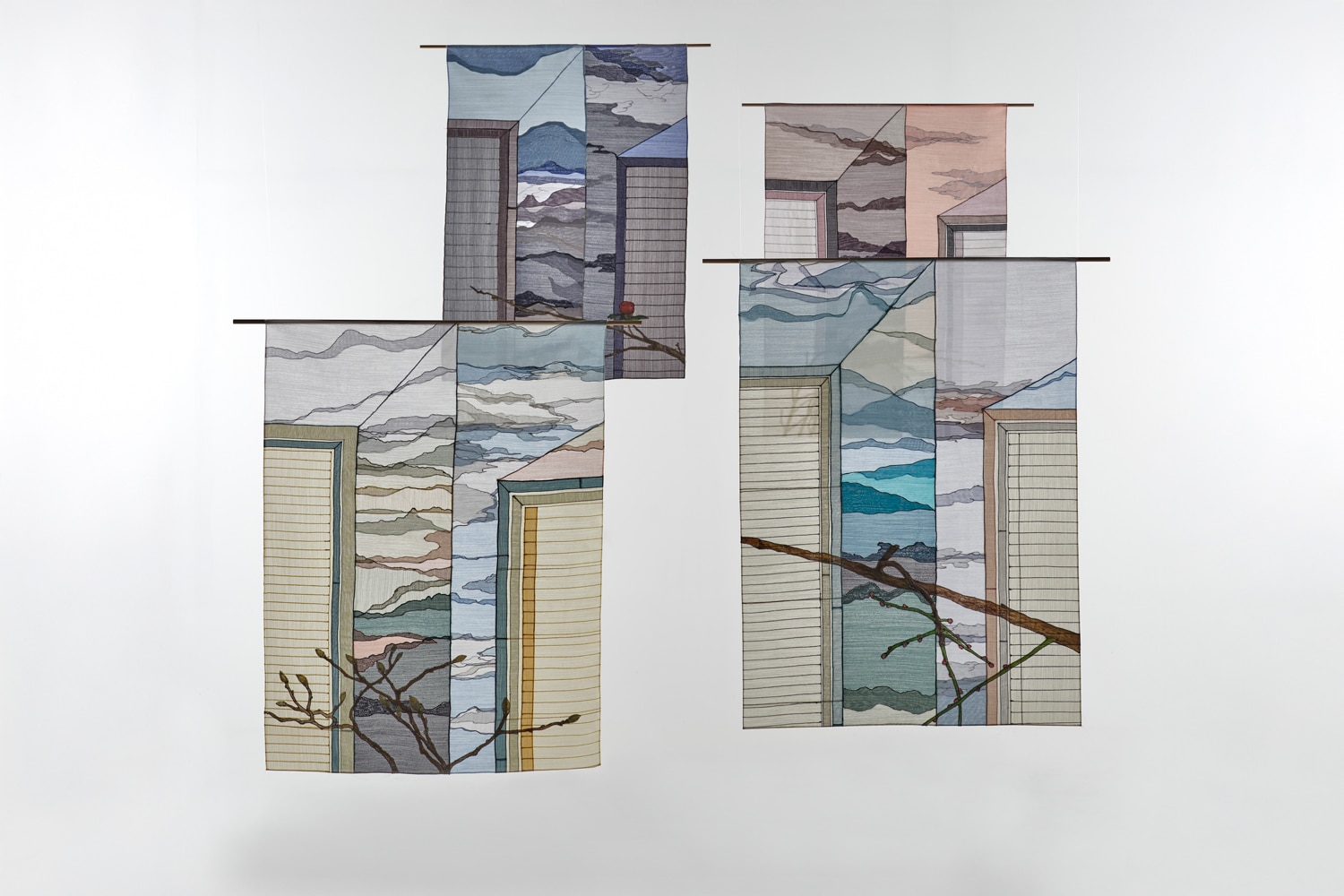
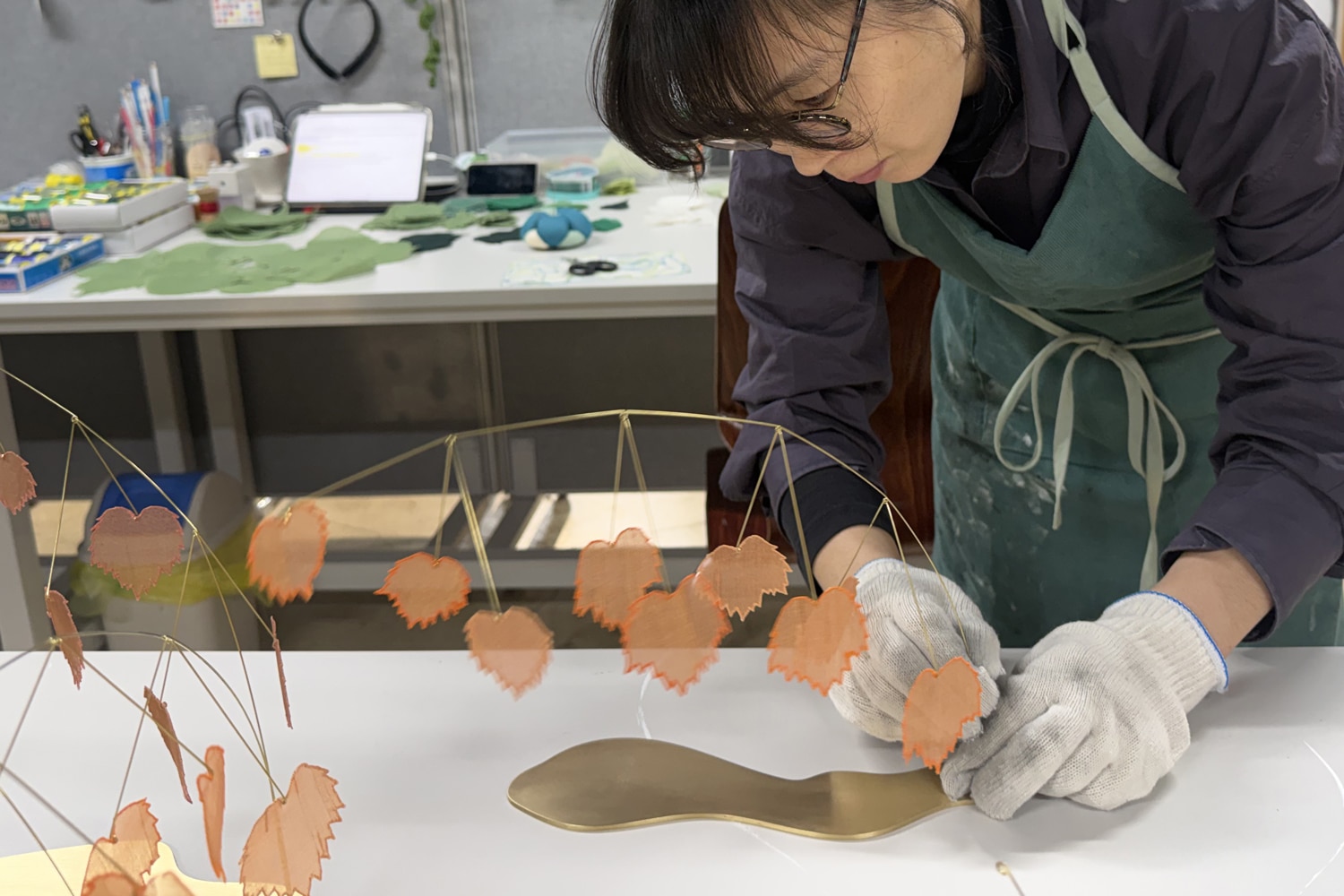
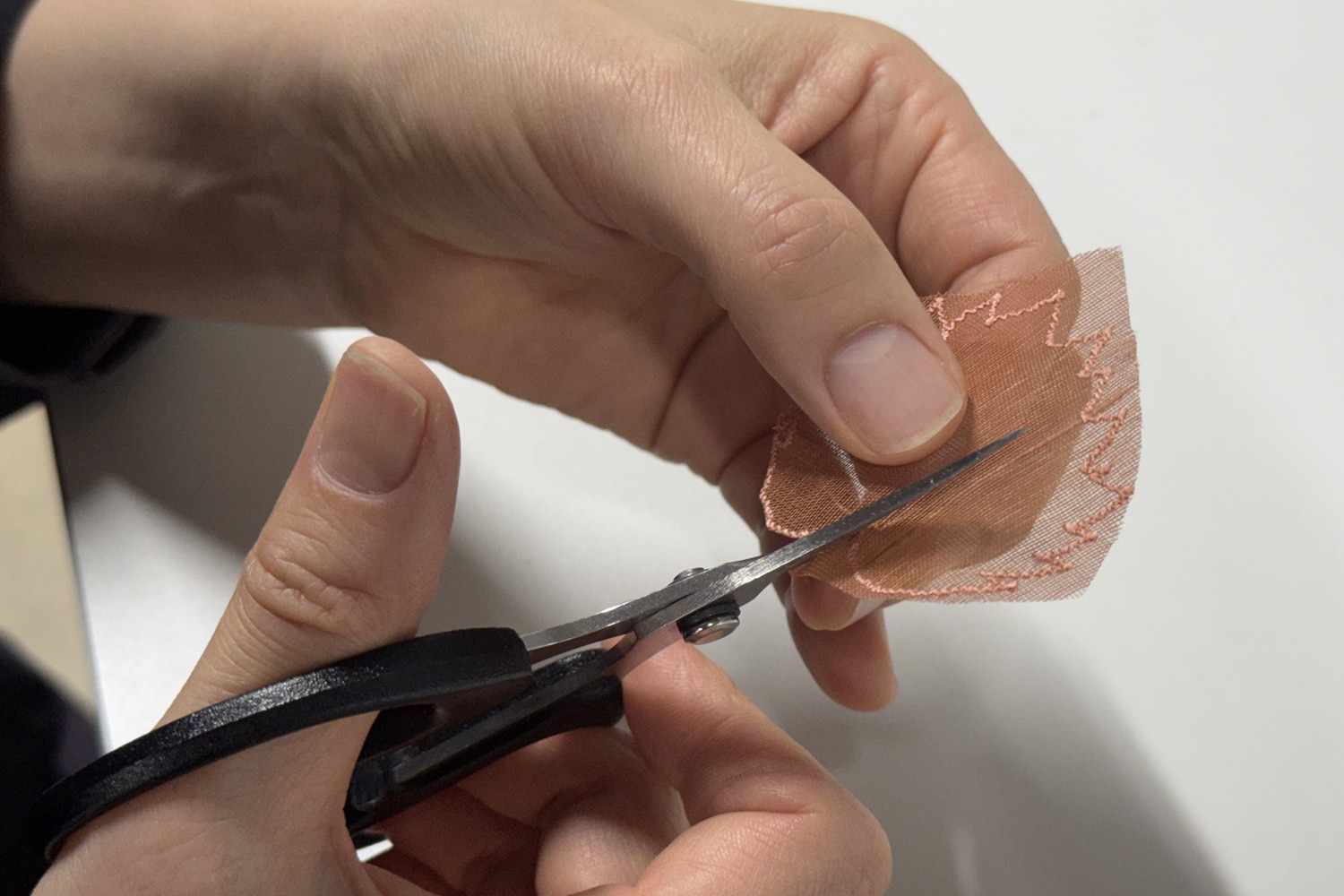
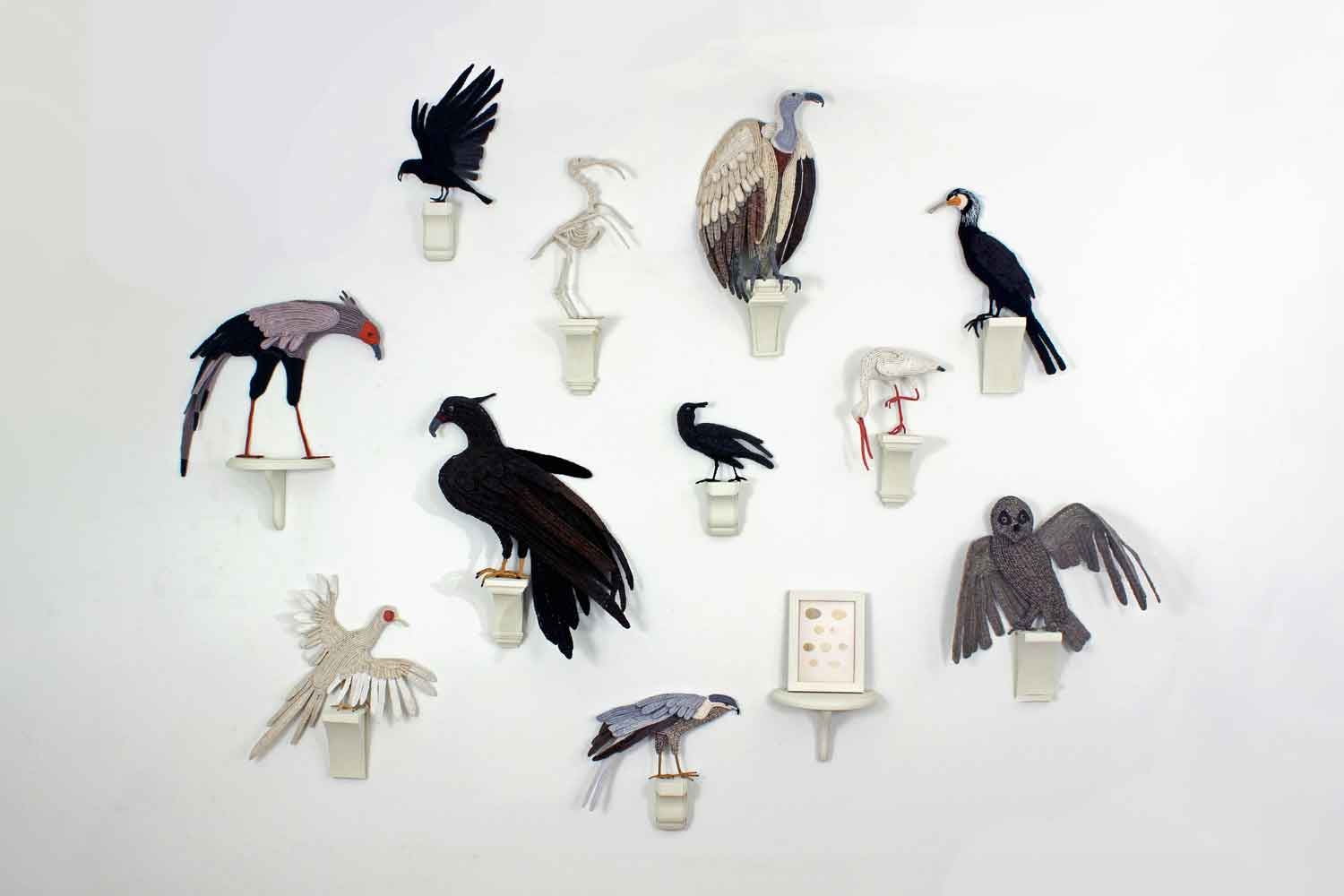
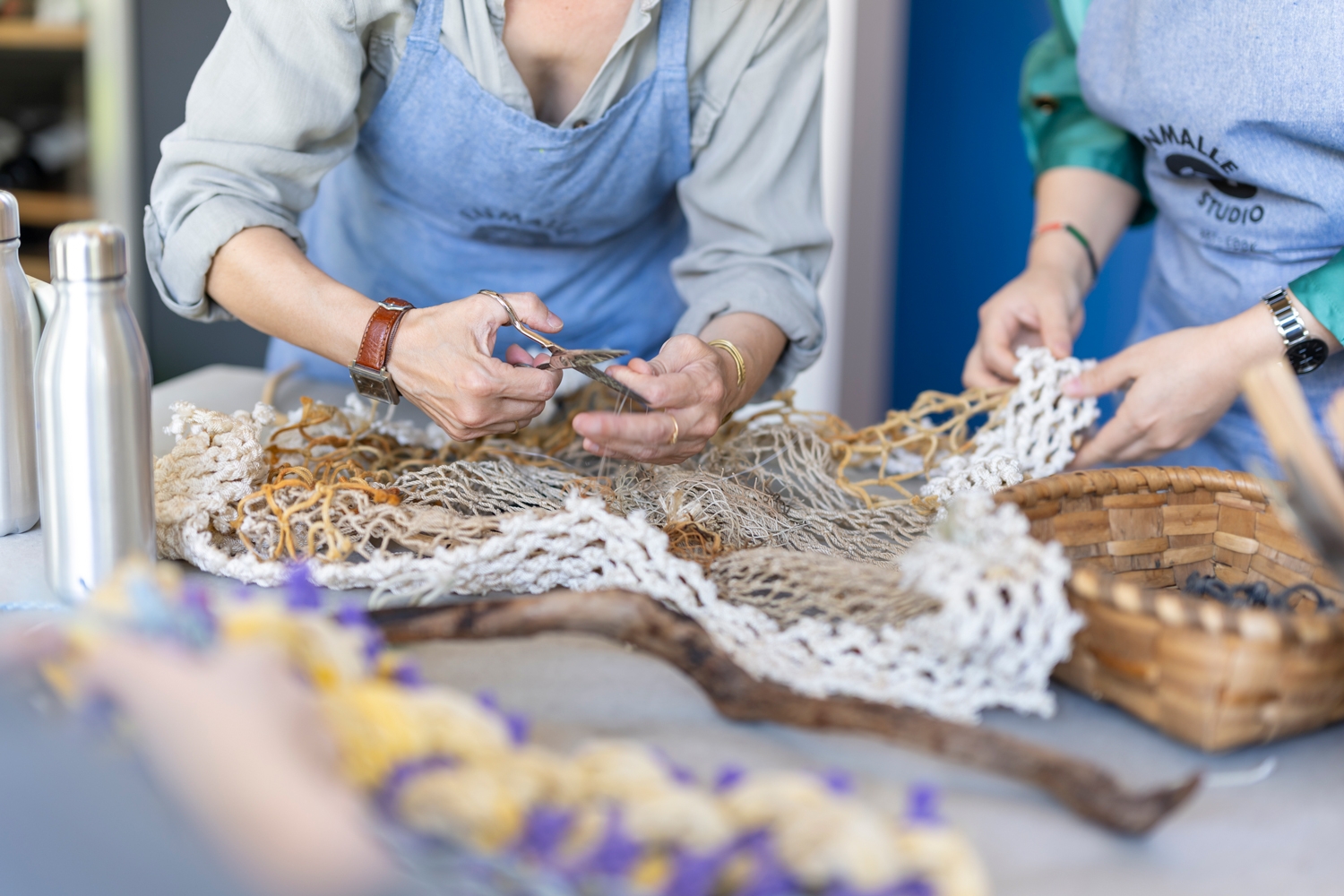
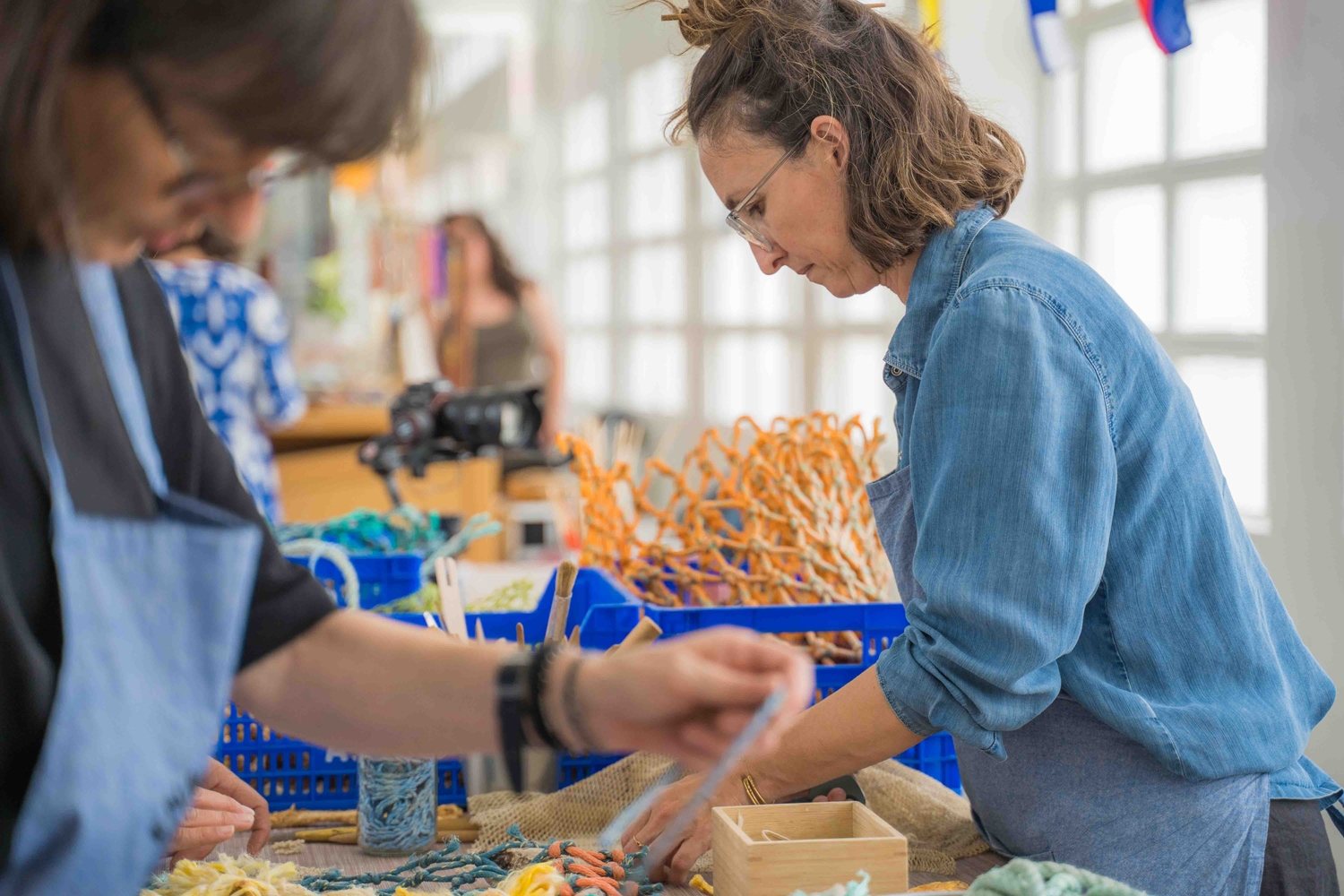
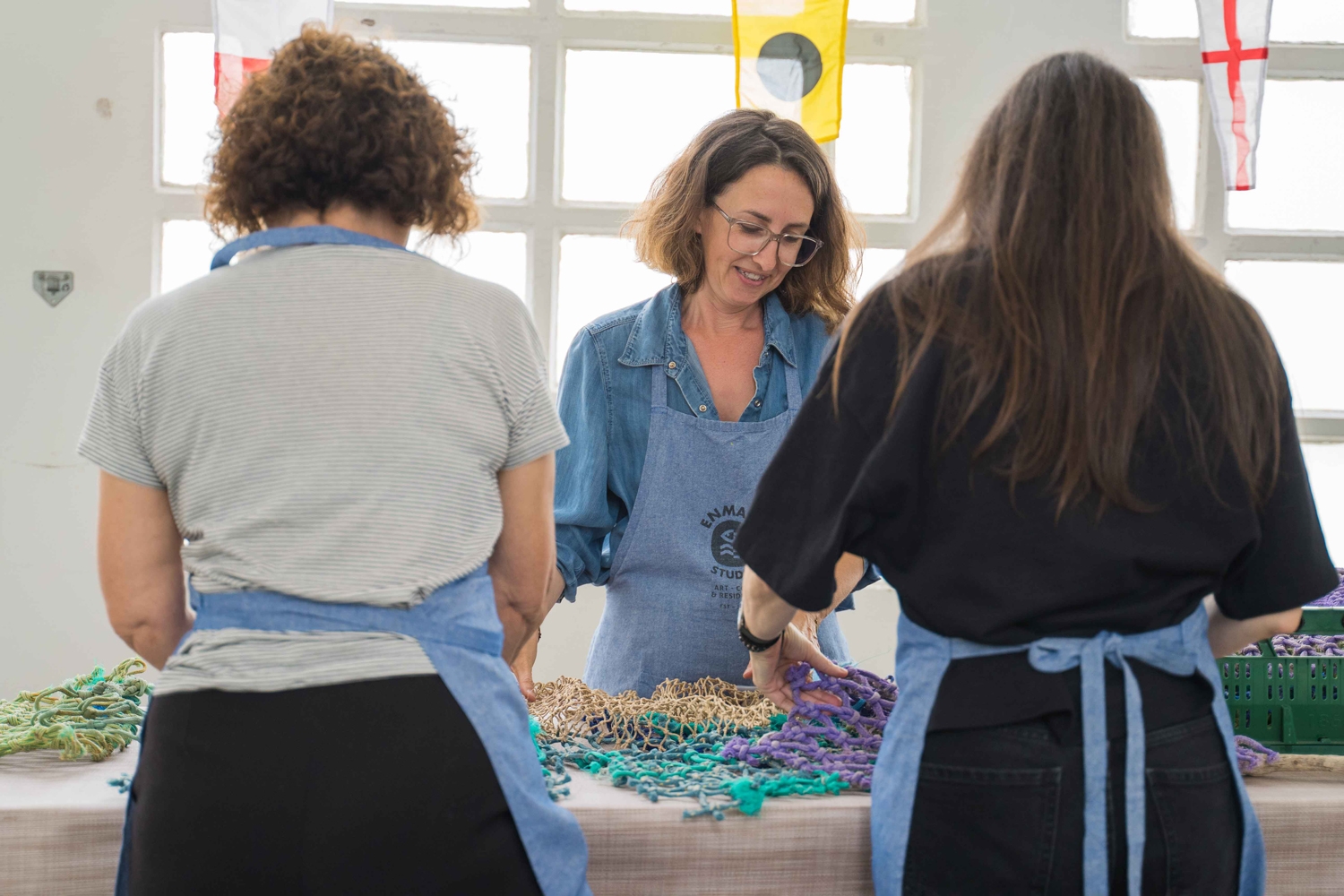
Mar Fraga's passion for textiles began when she was a child, though she later graduated with a degree in Fine Arts, specialising in sculpture. “The volumetrics and materials of sculpture captivated me, but my passion for textiles led me to study costume design for film and theatre,” she confides. Her entry into the world of tapestries came through Fina Sedes, an artist with a long-standing background in high-warp classical tapestry. Mar learned all the traditional techniques but felt from the very beginning that she could put a new spin on them, applying those techniques in a different way. During the pandemic, her work as a costume designer came to a halt, and it was then that she began to dedicate herself to an artistic take on textile craft. For her, this work is a perfect fusion of all her passions. “Textile art, craftsmanship, sculpture, and helping to create a more sustainable and kinder world,” says Mar.
INTERVIEW
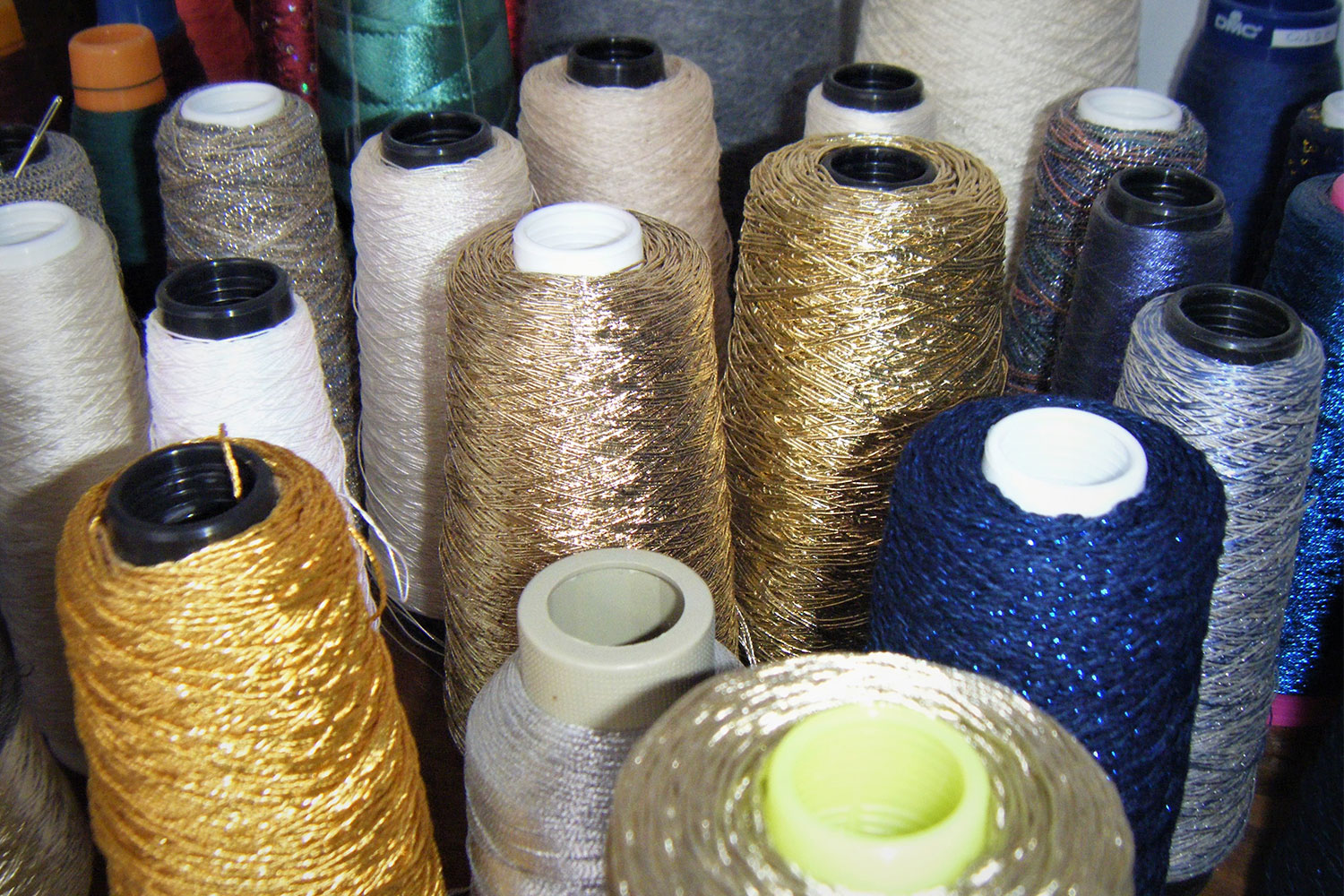
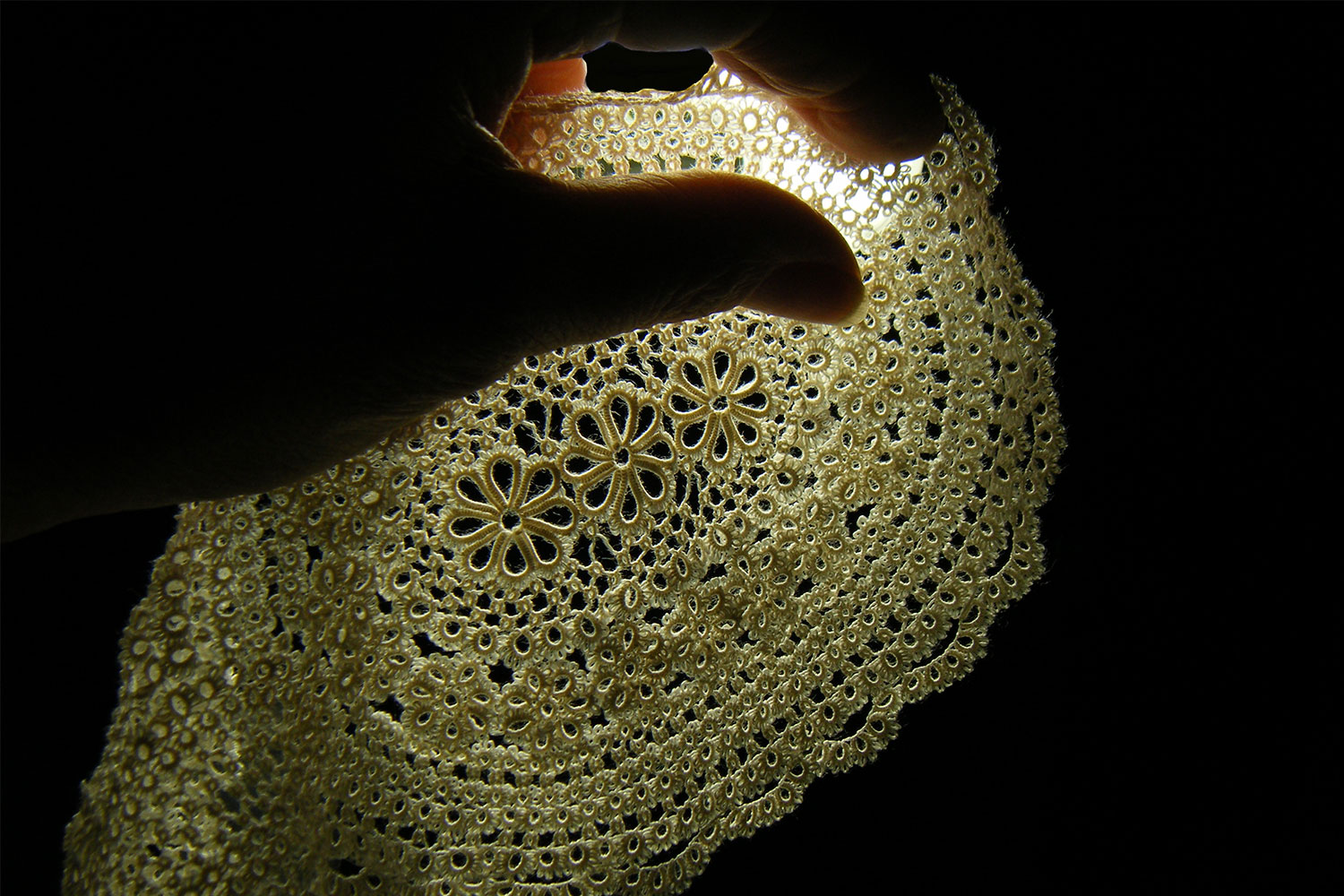
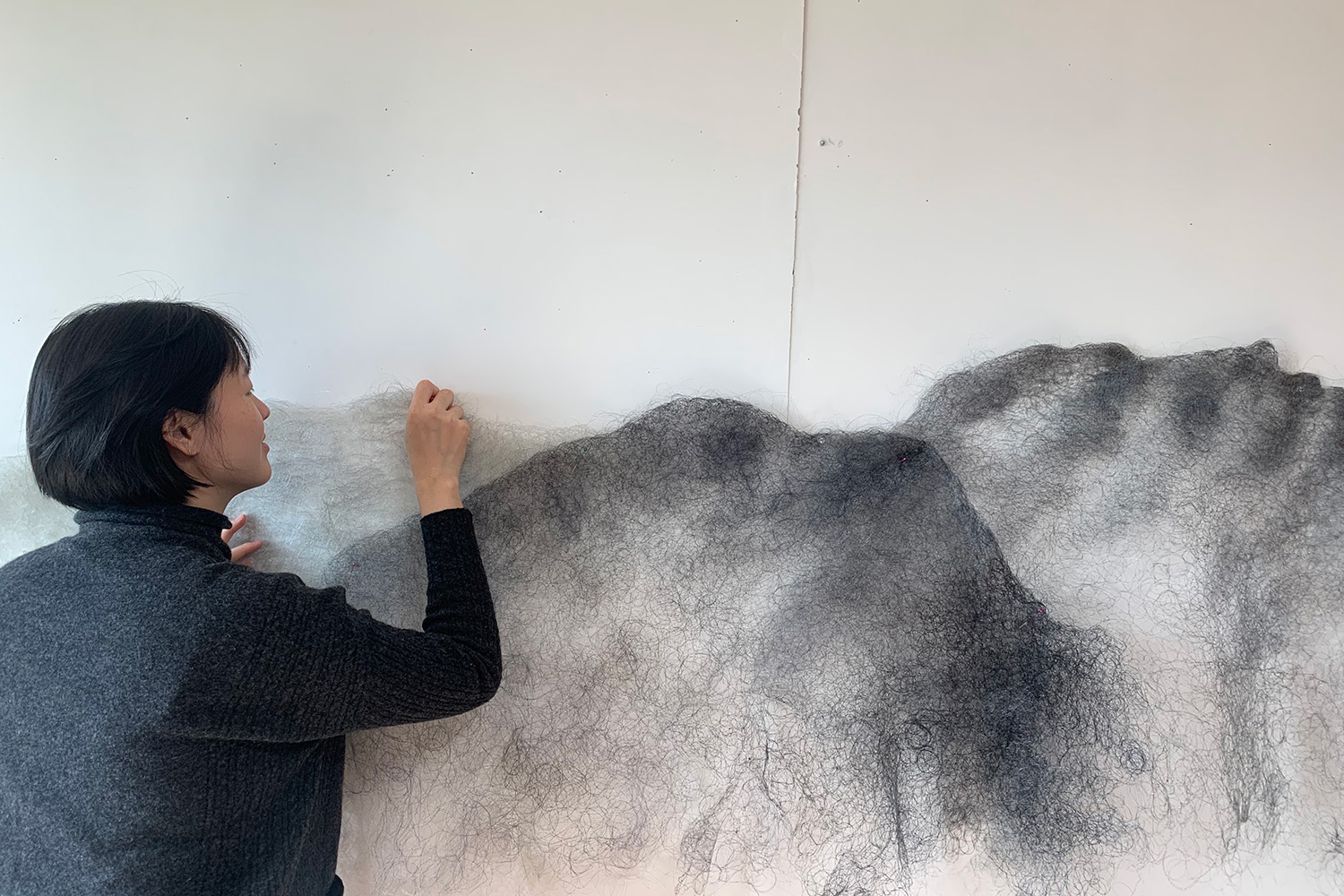
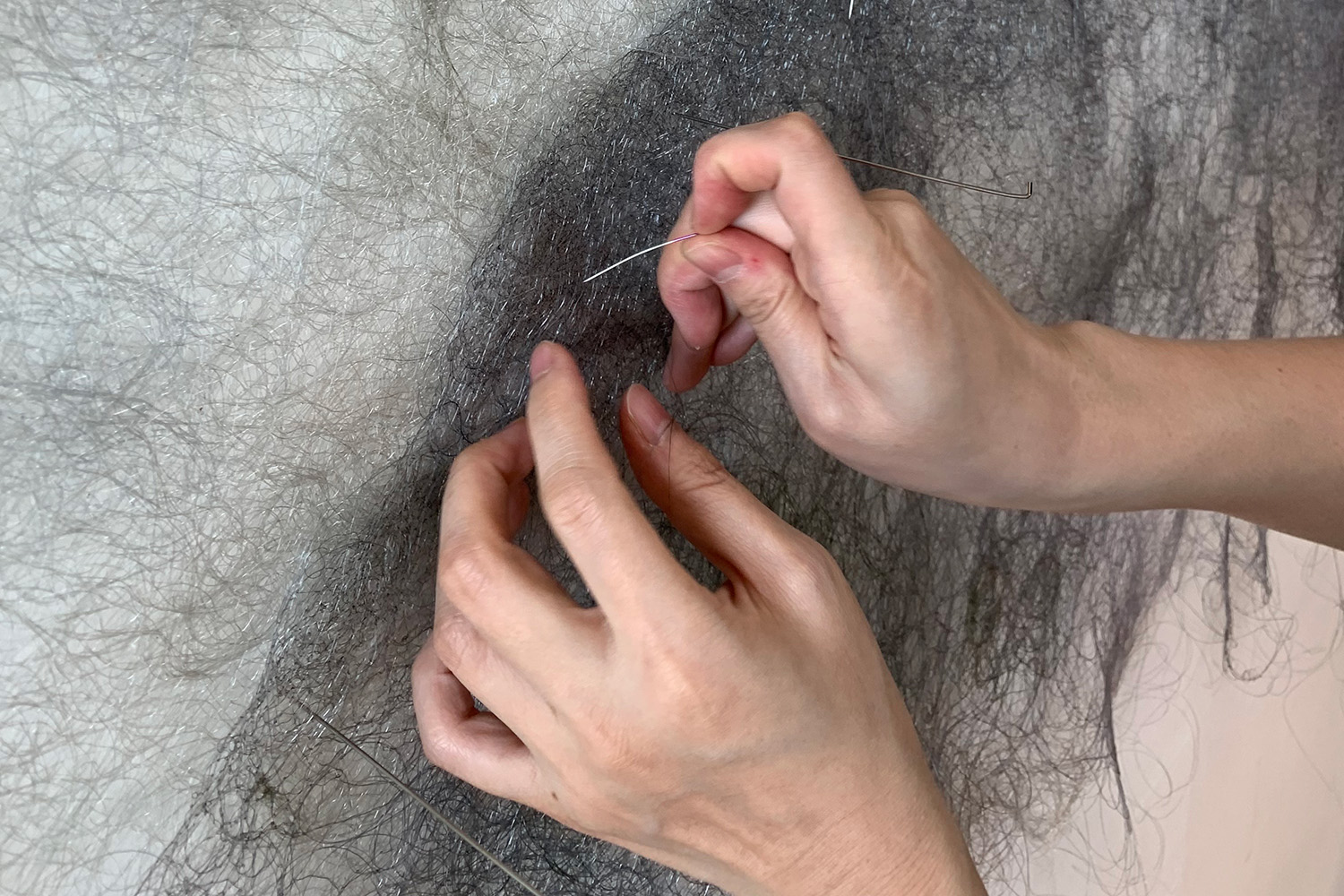
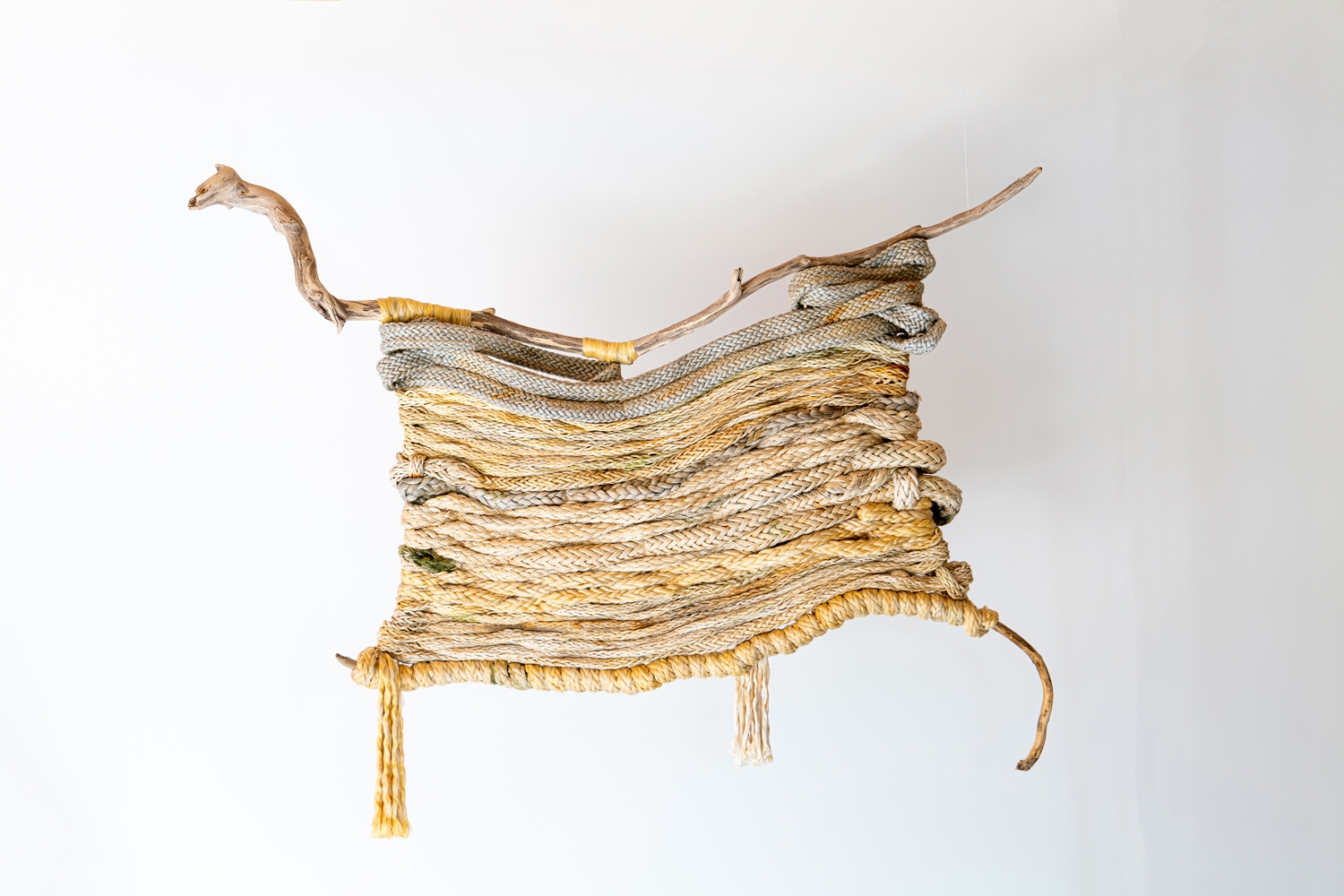
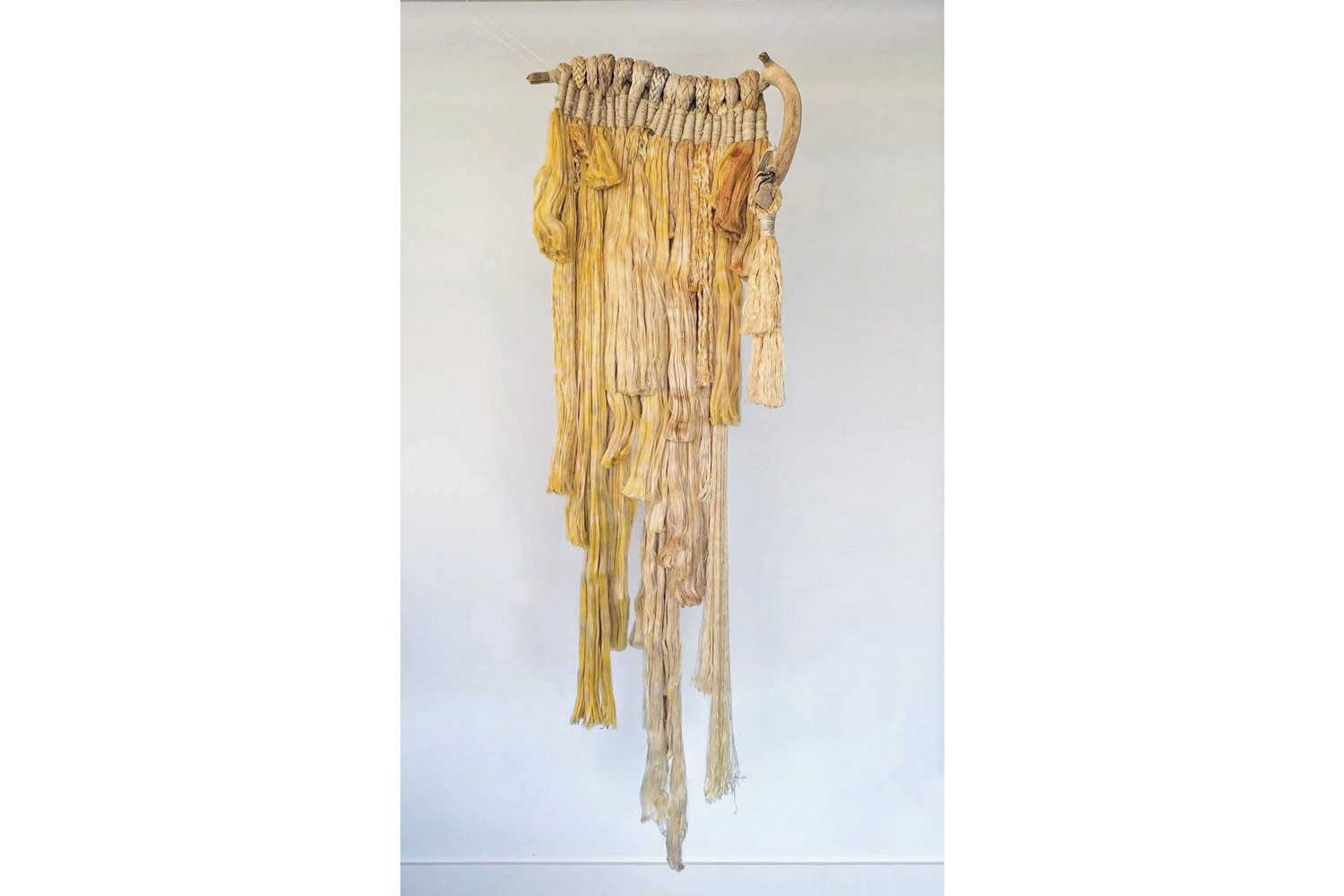
There is a tapestry I created with a type of cord that fascinates me. It is a material that is 15 times stronger than steel and is used extensively by fishermen since it does not sink. The cord is made up of thousands of fine fibres, akin to hair, which together give it that strength and toughness. However, if you unravel the cord, it transforms into a nearly volatile material, incredibly fine and soft like silk.
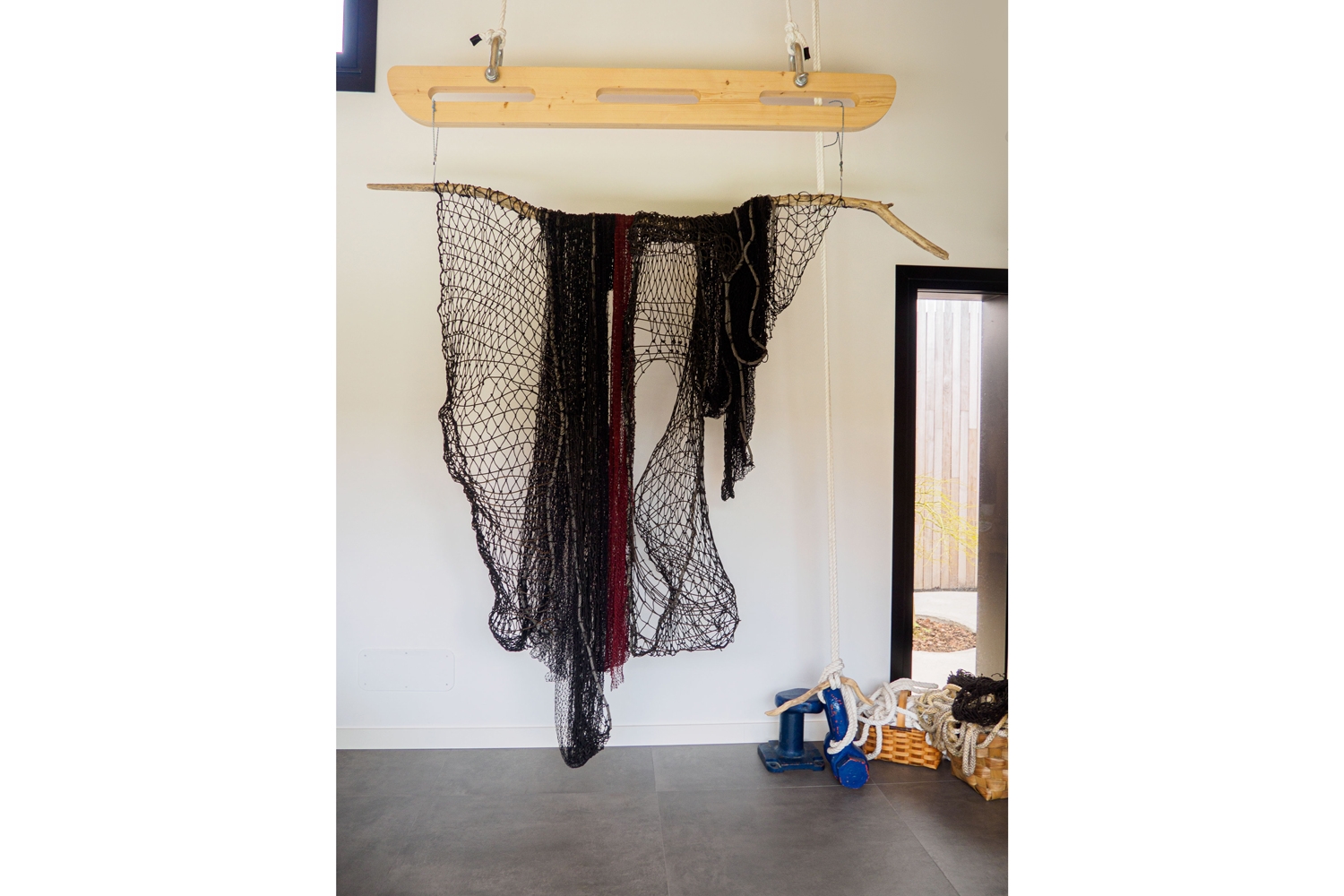
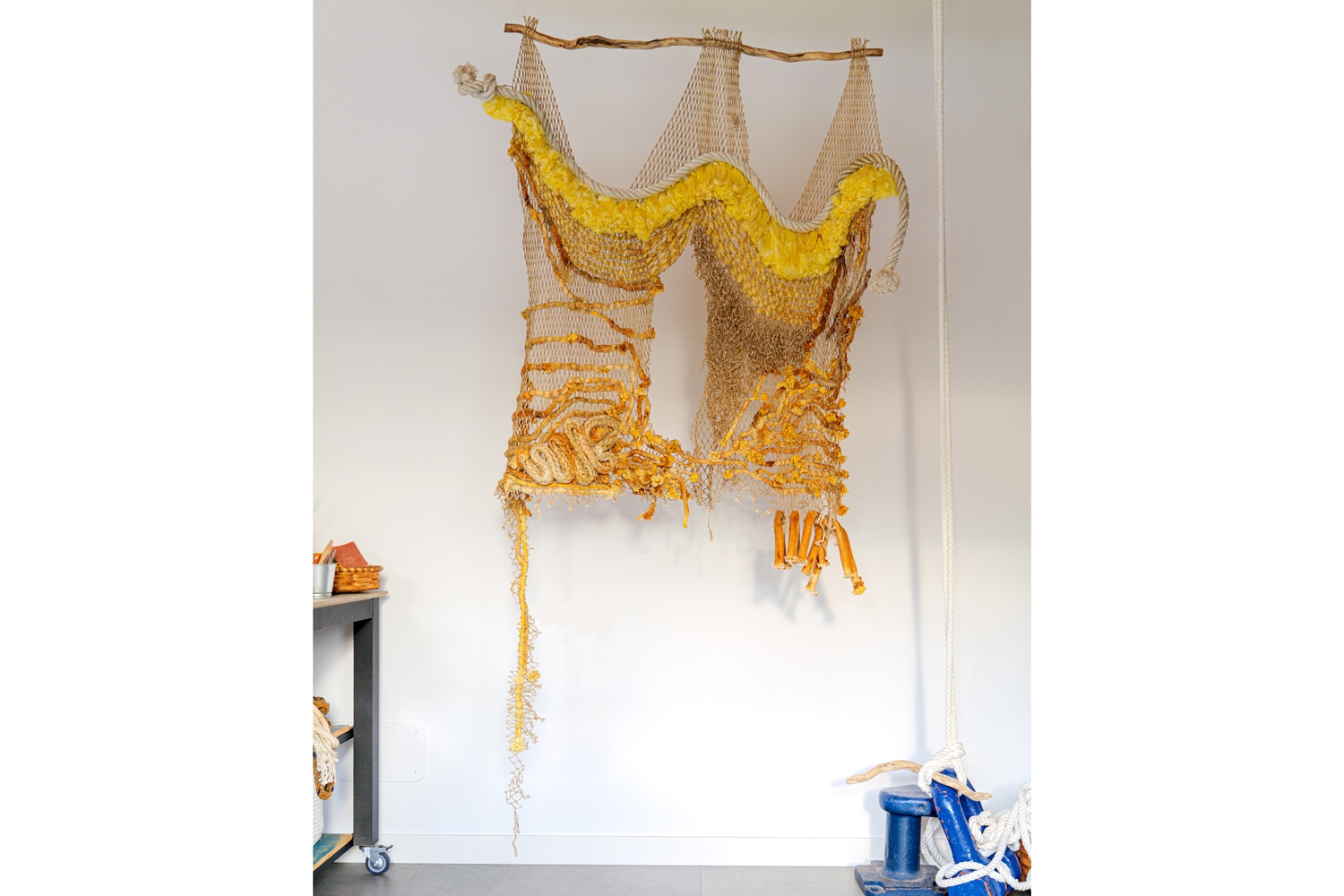
I find it a metaphor for my own work with nets. It starts as a rough, old and dirty material, but once treated and modified, it can reveal a beautiful and creative side. I have a special affection for that piece, as it represents my creative process—the journey from lost nets in the sea to the tapestry hanging on a wall.
In my region, fishing is one of the key drivers of the economy, but it also generates large amounts of marine waste. With my tapestries, I reclaim some of those lost nets to give them a second life while raising awareness about the need for change towards a kinder and more sustainable world.
We are fortunate to have a rich tradition of artisans who have passed down their skills through generations. At the same time, there is a new wave of craftsmanship with a more contemporary and innovative vision that seeks to blend tradition and innovation in the best way possible. I also believe that the public increasingly values quality artisan work.
1 EXPERIENCE
Mar Fraga
Enmalle Studio
Textile sculptor
Oleiros, Spain
AVAILABILITY
By appointment only
PHONE
+34 626133336
LANGUAGES
Spanish, English, Italian
Homo Faber Finds is a new service aiming to inspire admirers of craft to connect and collaborate with exceptional artisans.
We invite you to submit an enquiry here.