Cristina Vallejo
ELSUR
Textile sculptor
Madrid, Spain
Shaping cotton
- Curiosity led Cristina to dedicate herself to handicrafts
- Carlos Fontales and Ana Roquero were her teachers
- What she likes most is to experiment
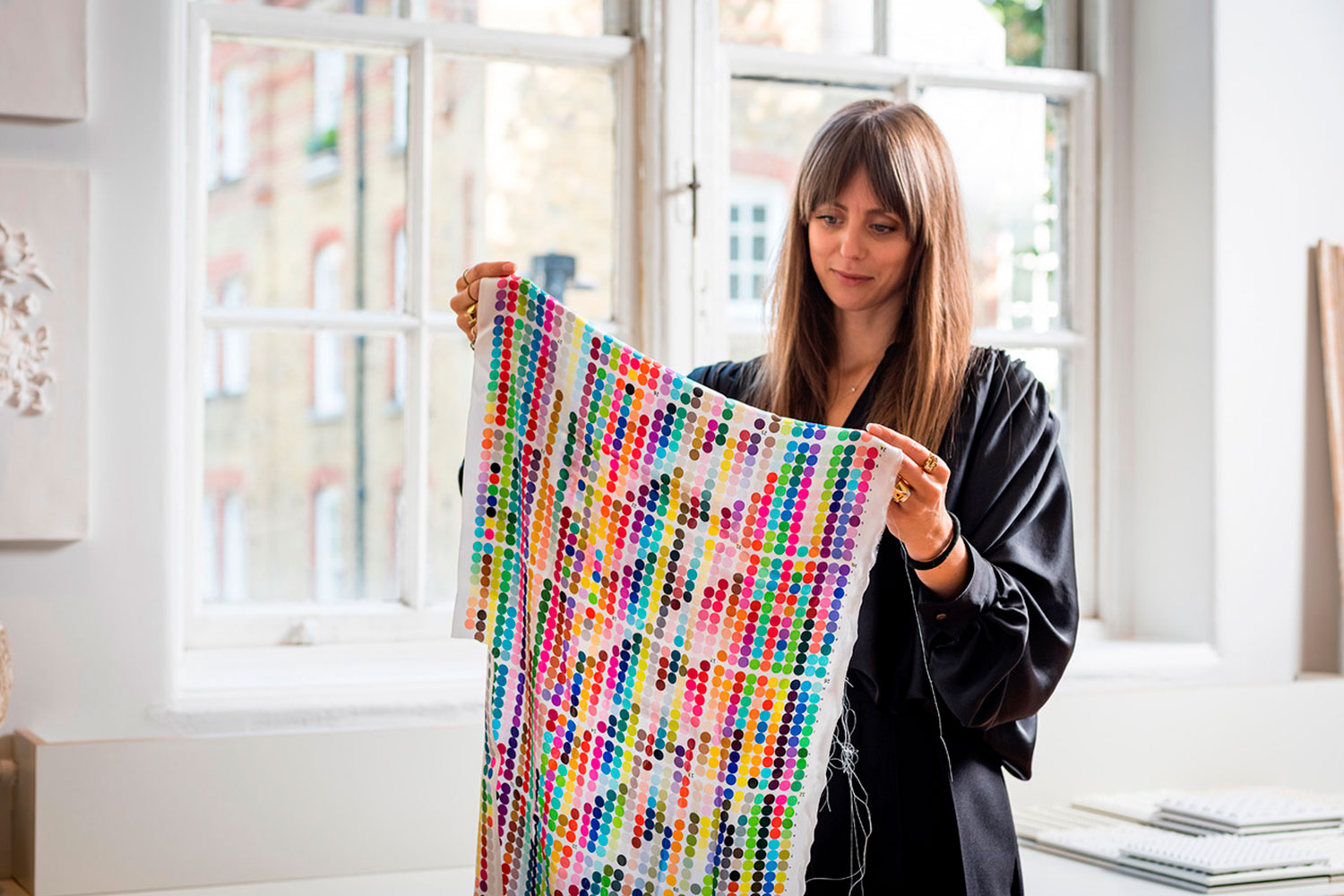
Although she studied architecture, Cristina Vallejo has always been interested in researching and experimenting with different materials and craft techniques. That is why throughout her professional career she has continued her education, taking a wide range of courses in jewellery, ceramics, natural dyes and basketry. Her brand, ELSUR, was born when she was still working as an architect. Her projects have varied from major to minor, in a linear sequence: from urban planning to building and interior design, and from there to the development of exhibition projects, furniture design and product design. Each of her works is conceived with a different approach and thus tells a story that lasts in the memory. "I am interested in the relationship we establish with objects, the value that each one assigns to them, how they are part of our lives, of our memories, how we identify or not with them. Objects must communicate and transmit emotions," she says.
INTERVIEW
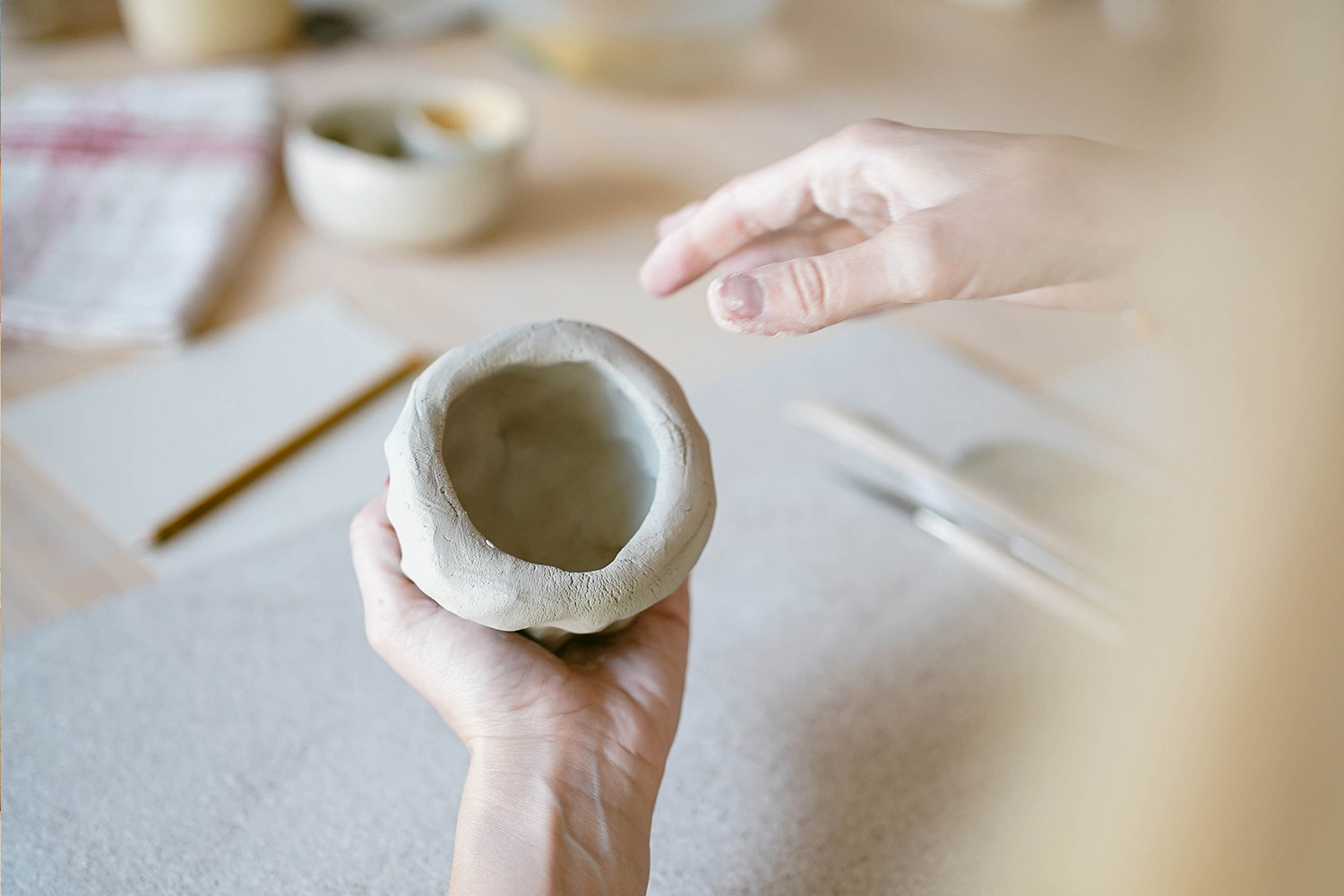
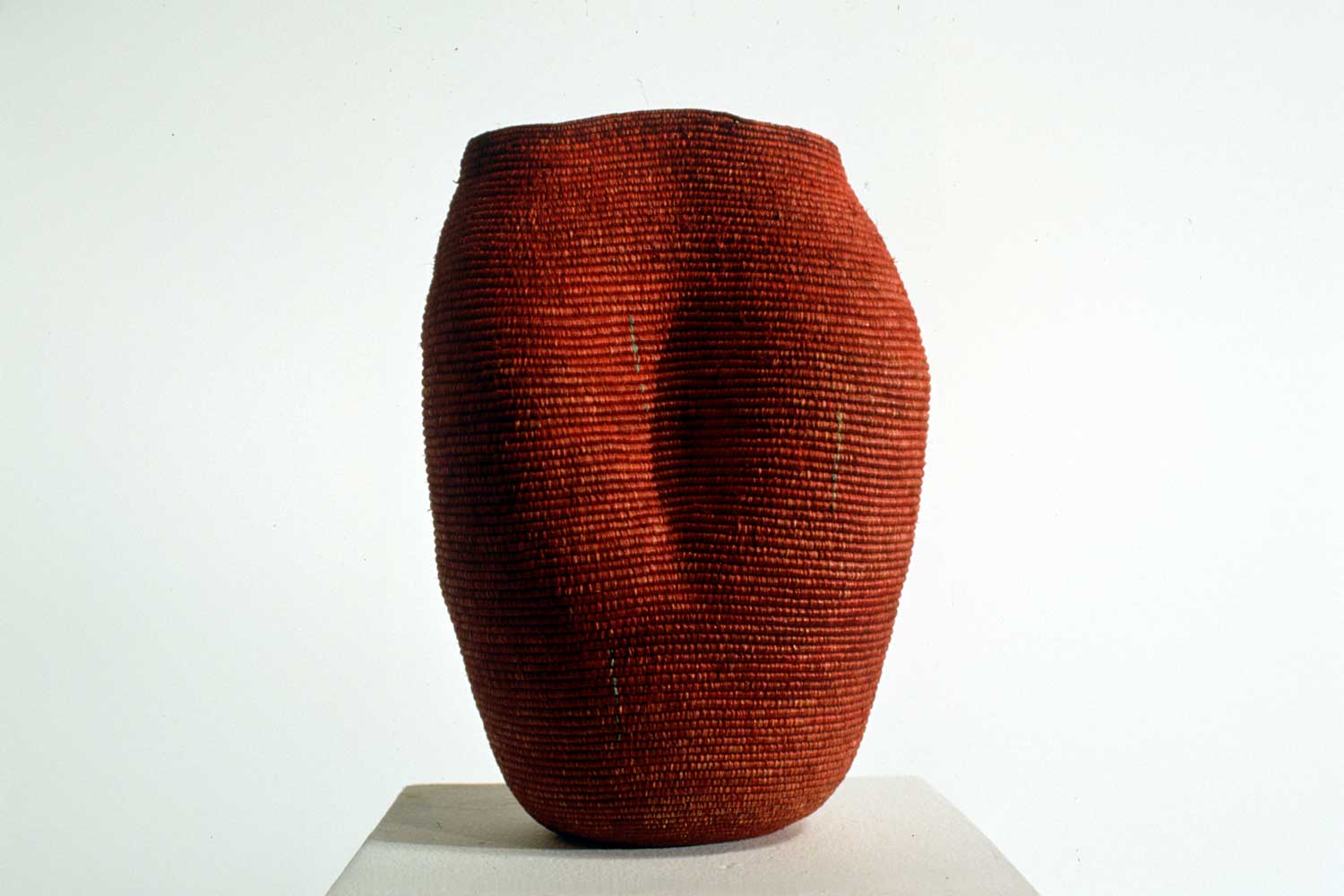
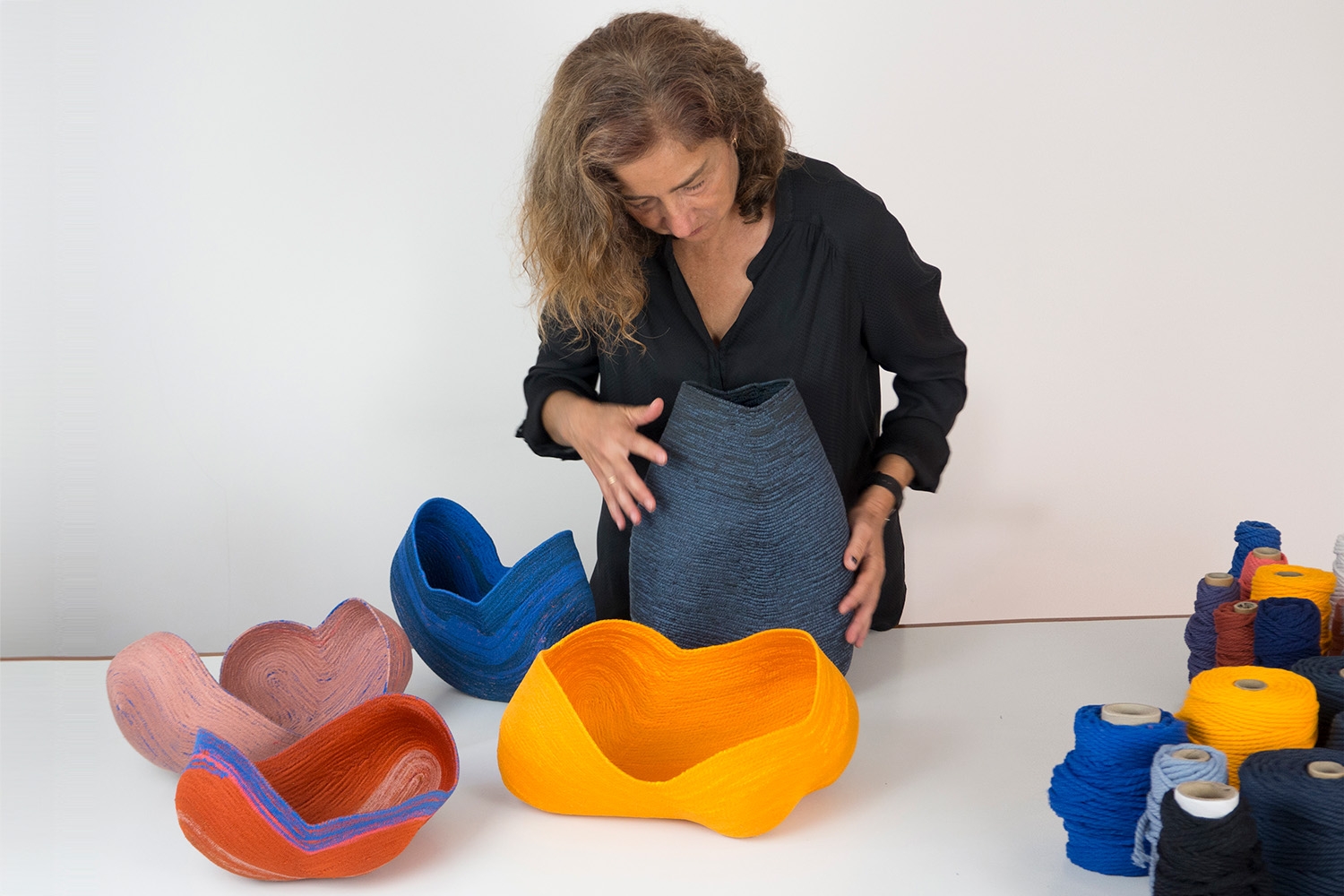
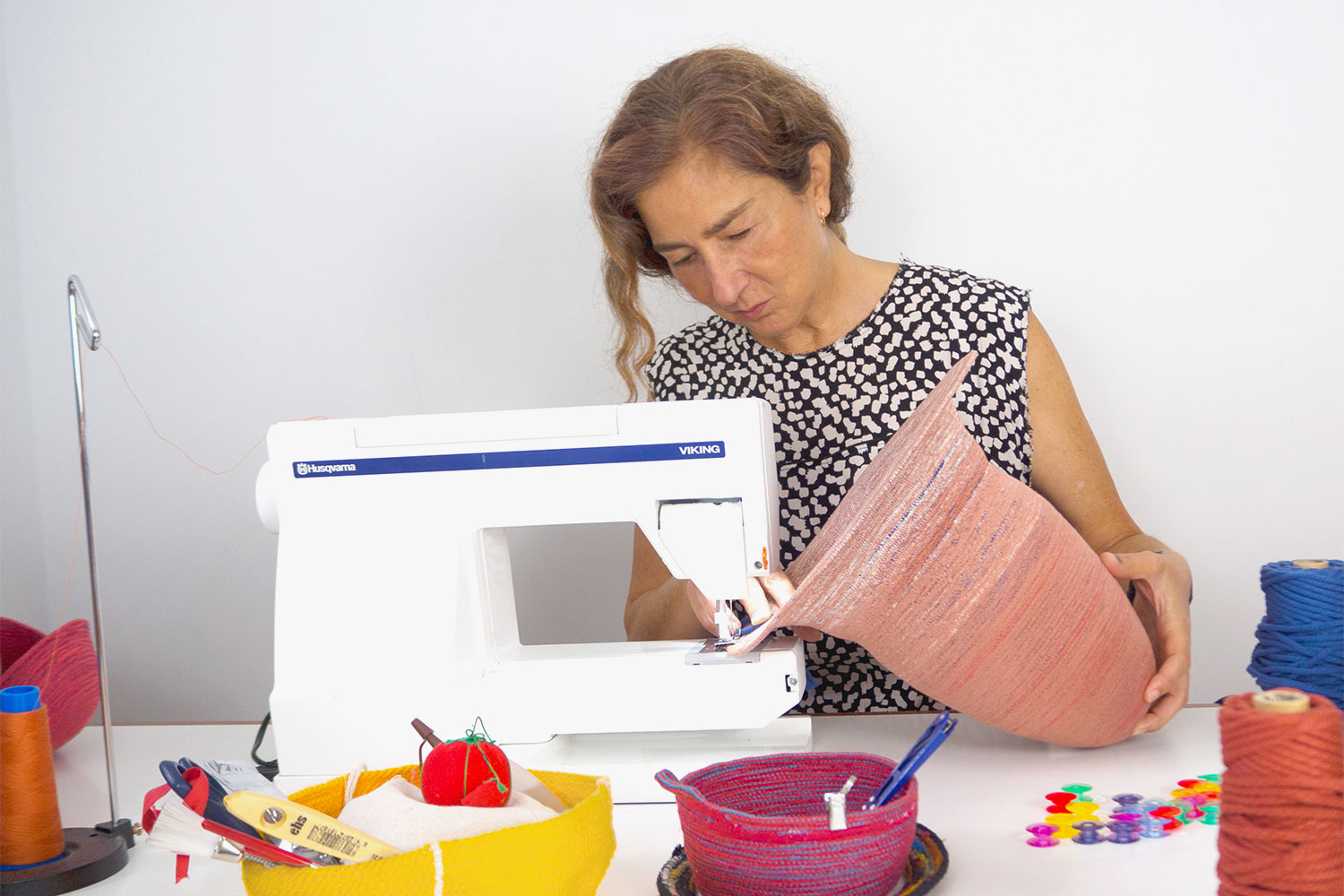
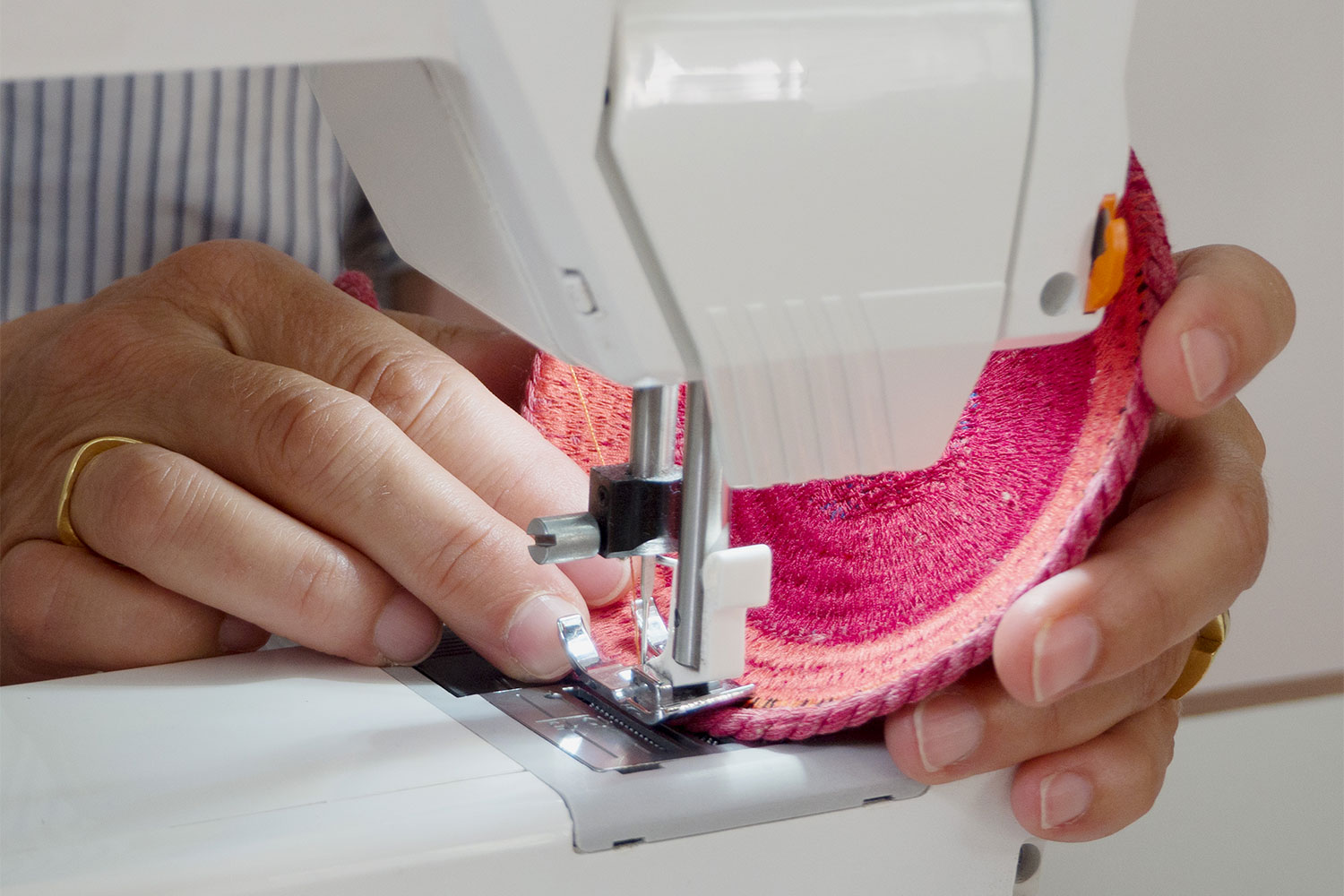
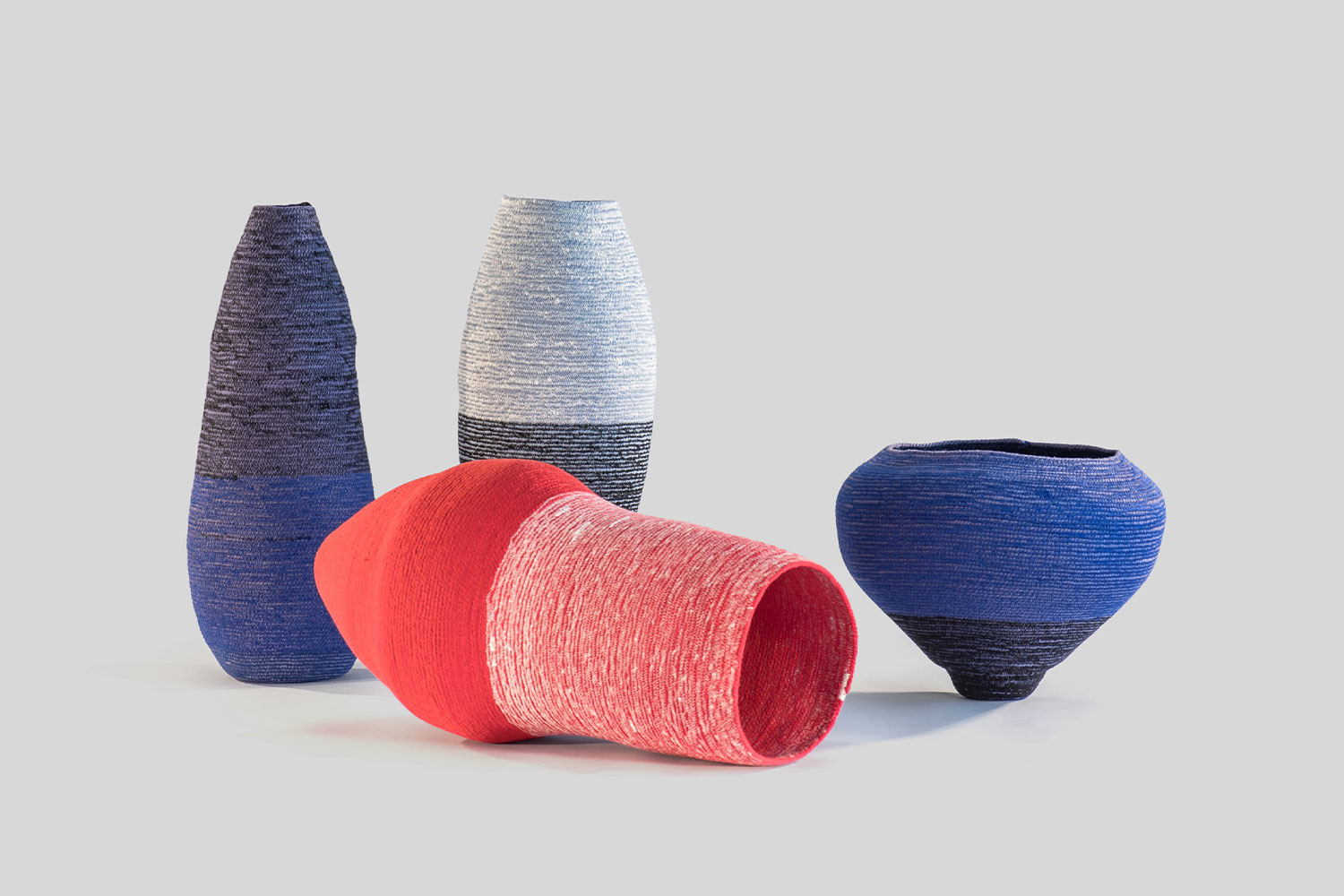
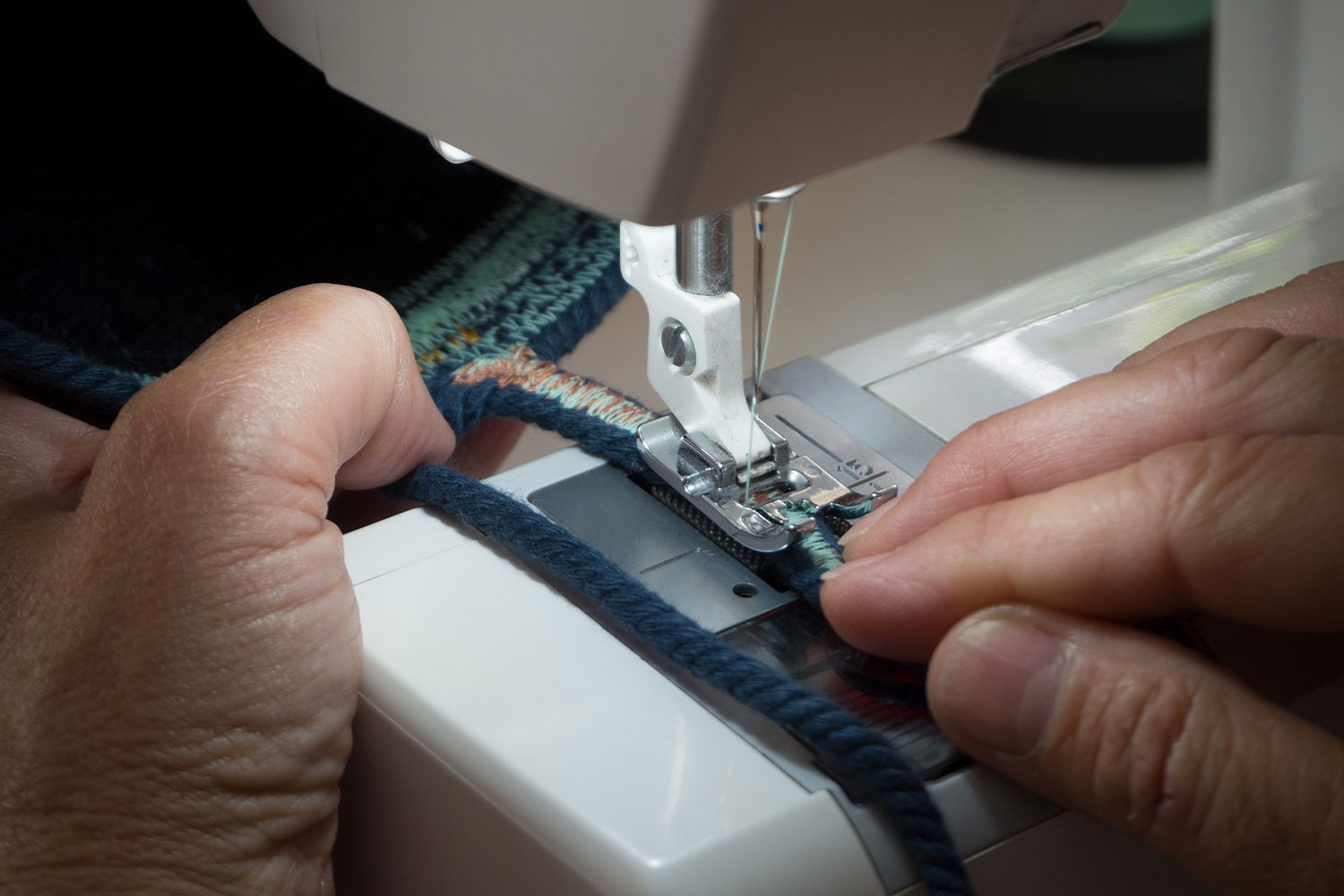
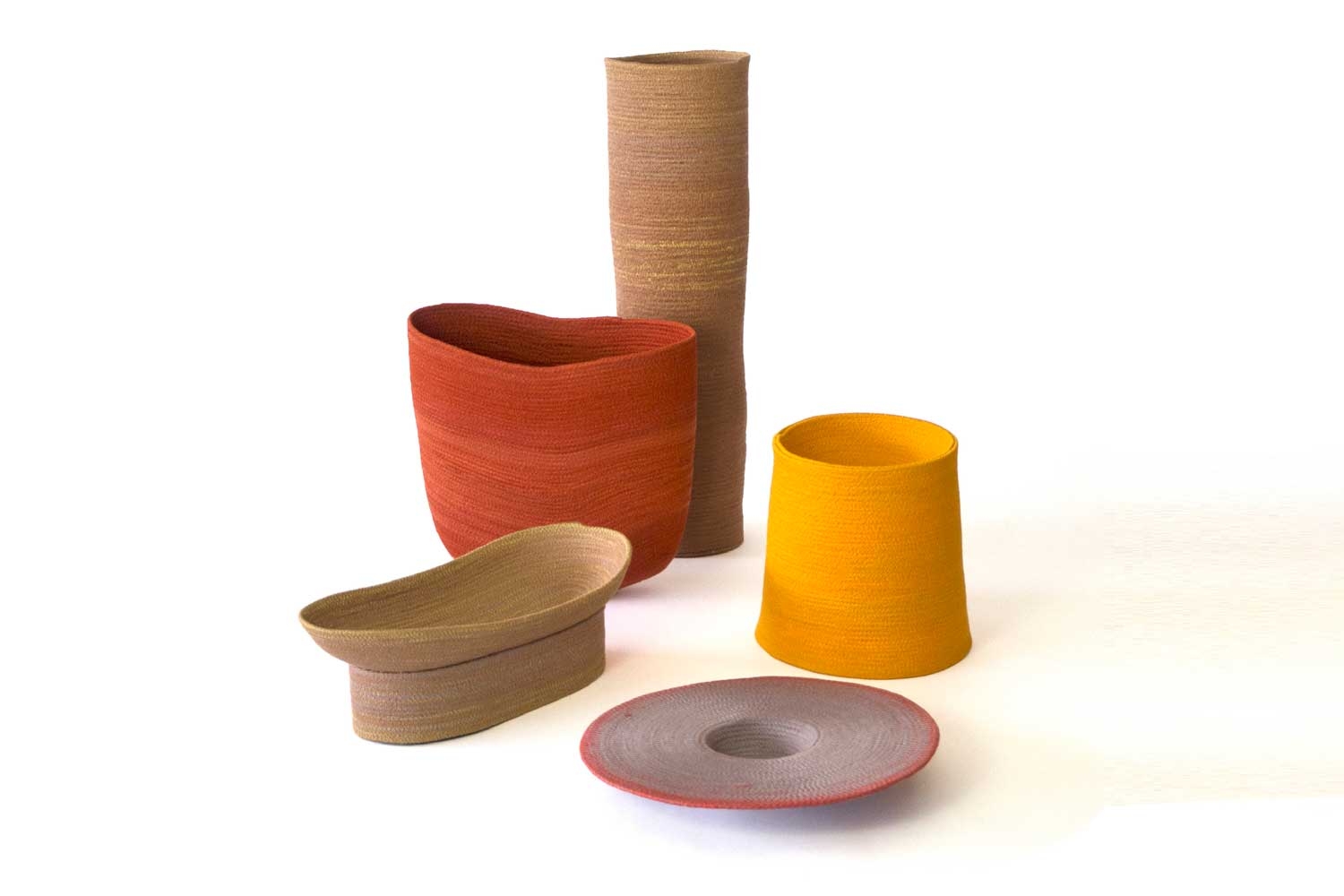
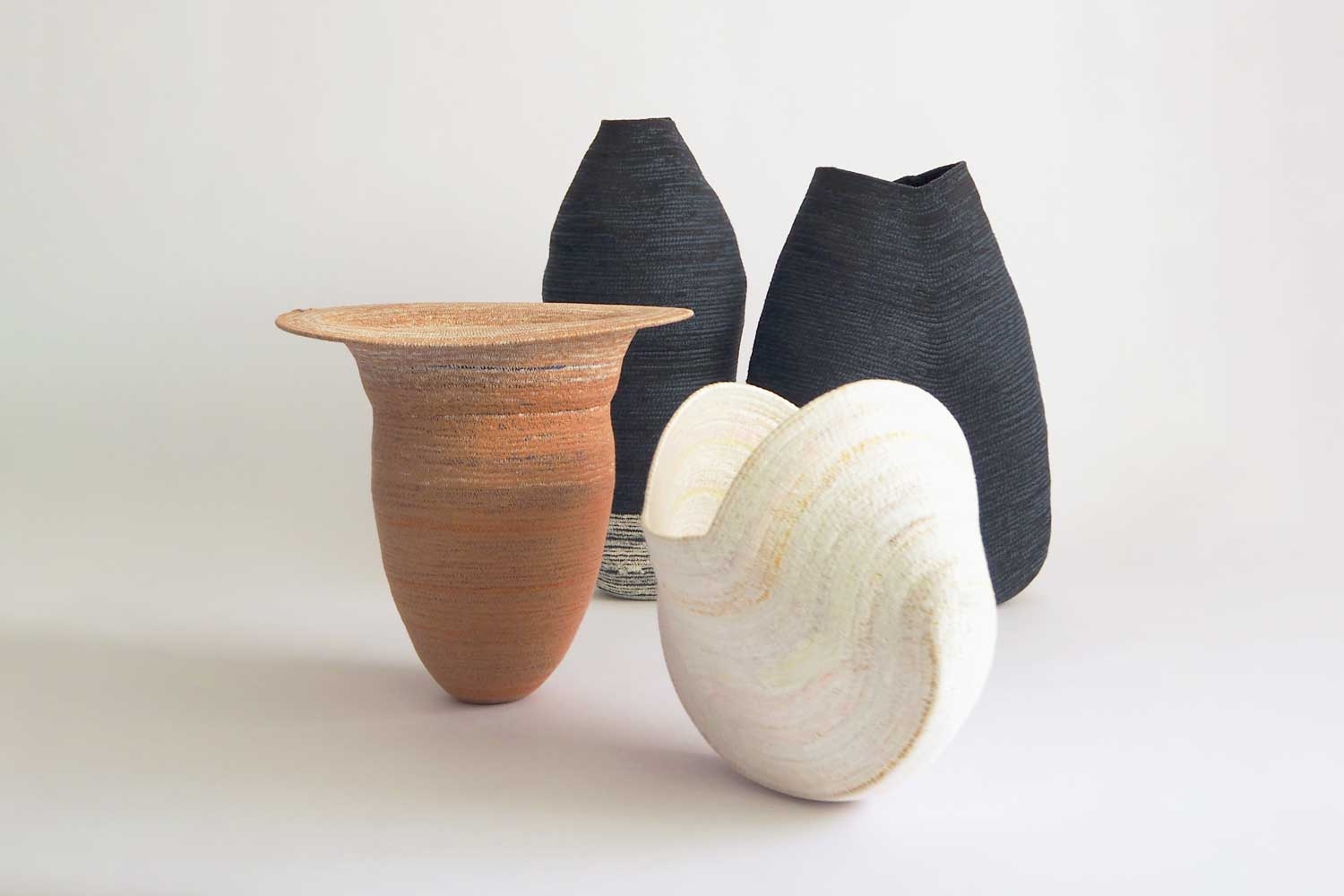
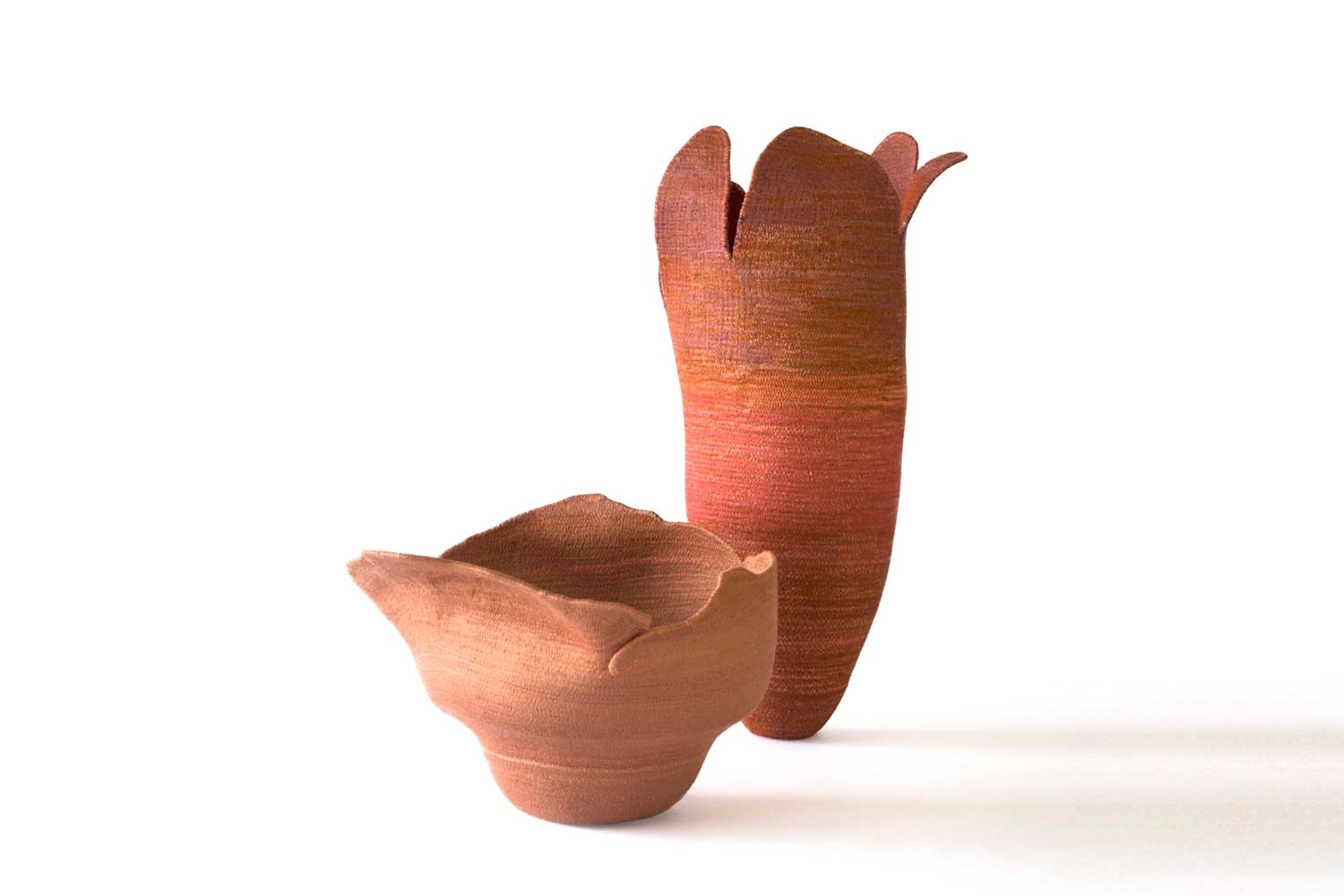
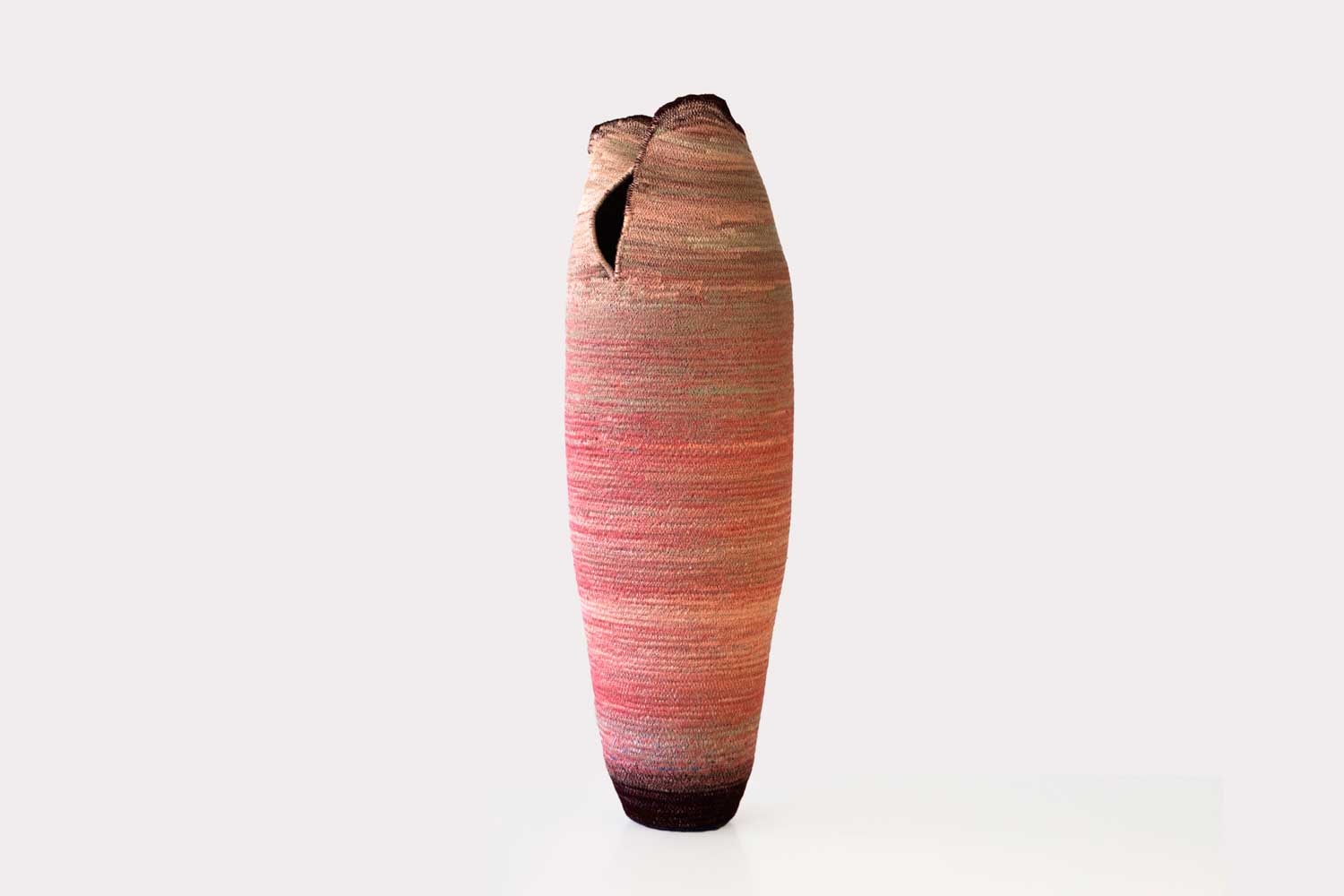
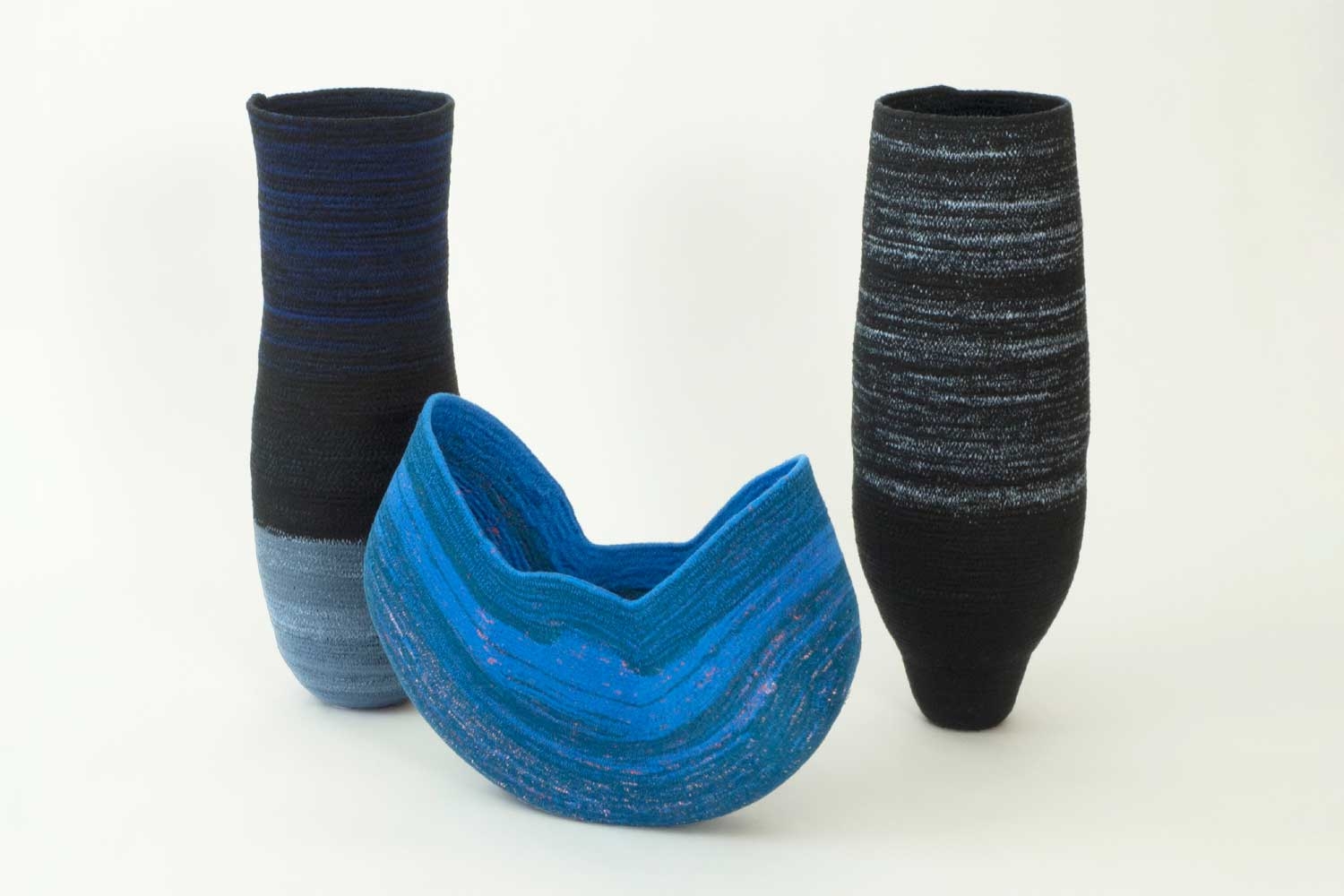
My vessels bring us closer to the world of ceramics both for their appearance and for the process itself. I define it as 'textile pottery'. I'm interested in investigating the expressive capacity of cotton rope and in giving rigidity, weight and volume to material without consistency, just by sewing it.
I like the ambiguity that occurs between the appearance of the vessel and what it is, and to play with what we perceive of it. A vessel is an object used to contain liquids. In this case that condition of use, due to the material from which it is made, does not occur, but, nevertheless the image of the vessel remains in our memory.
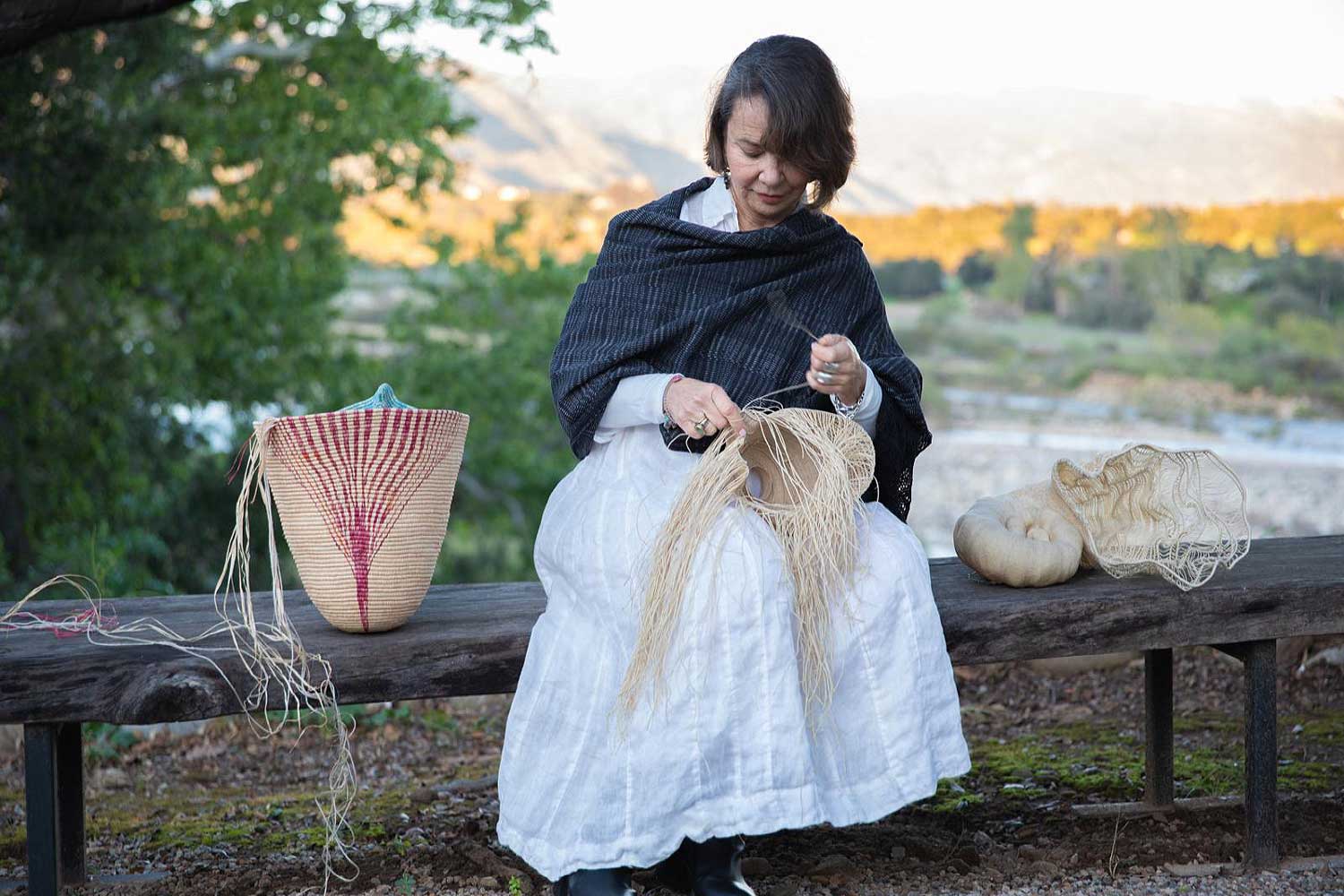
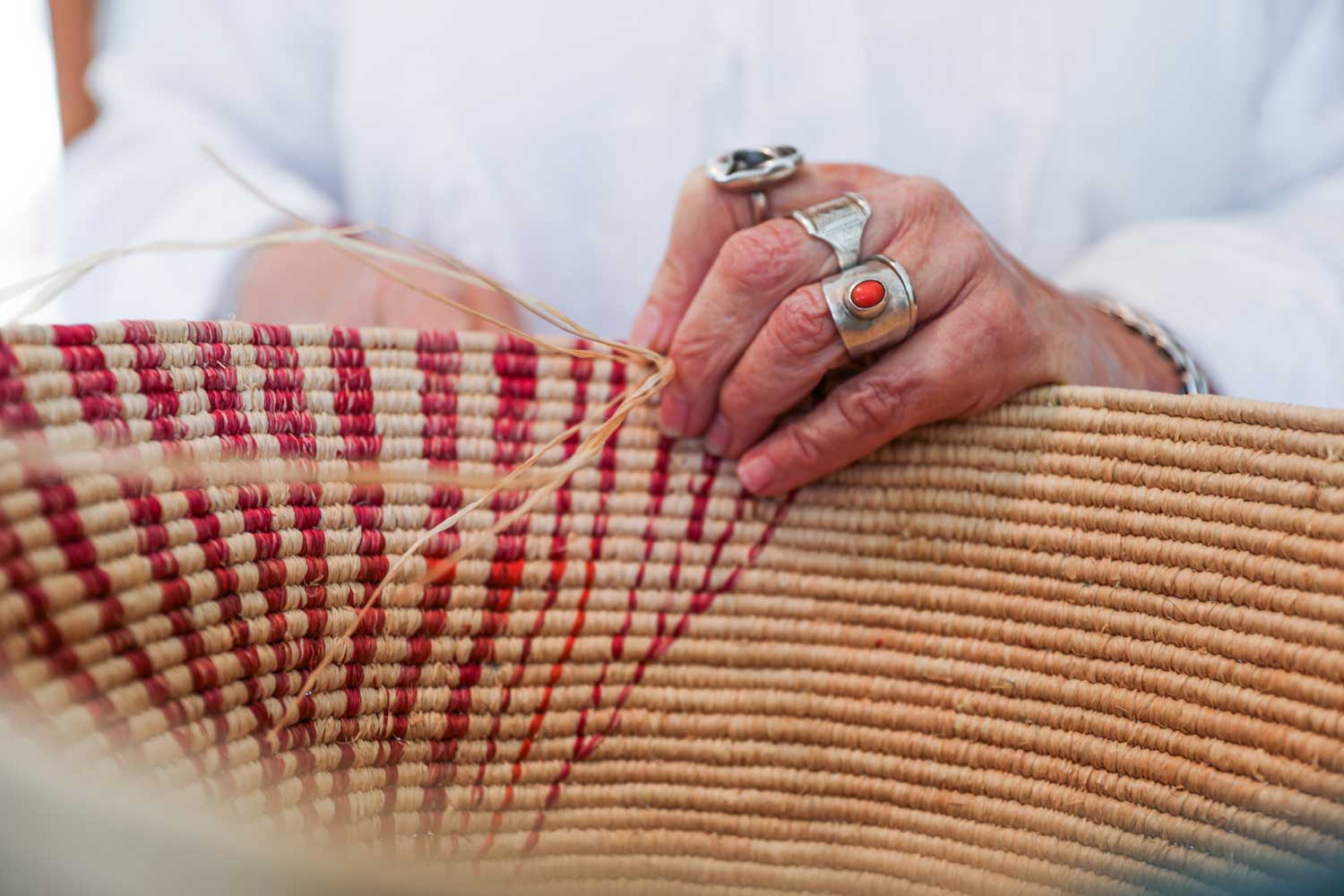
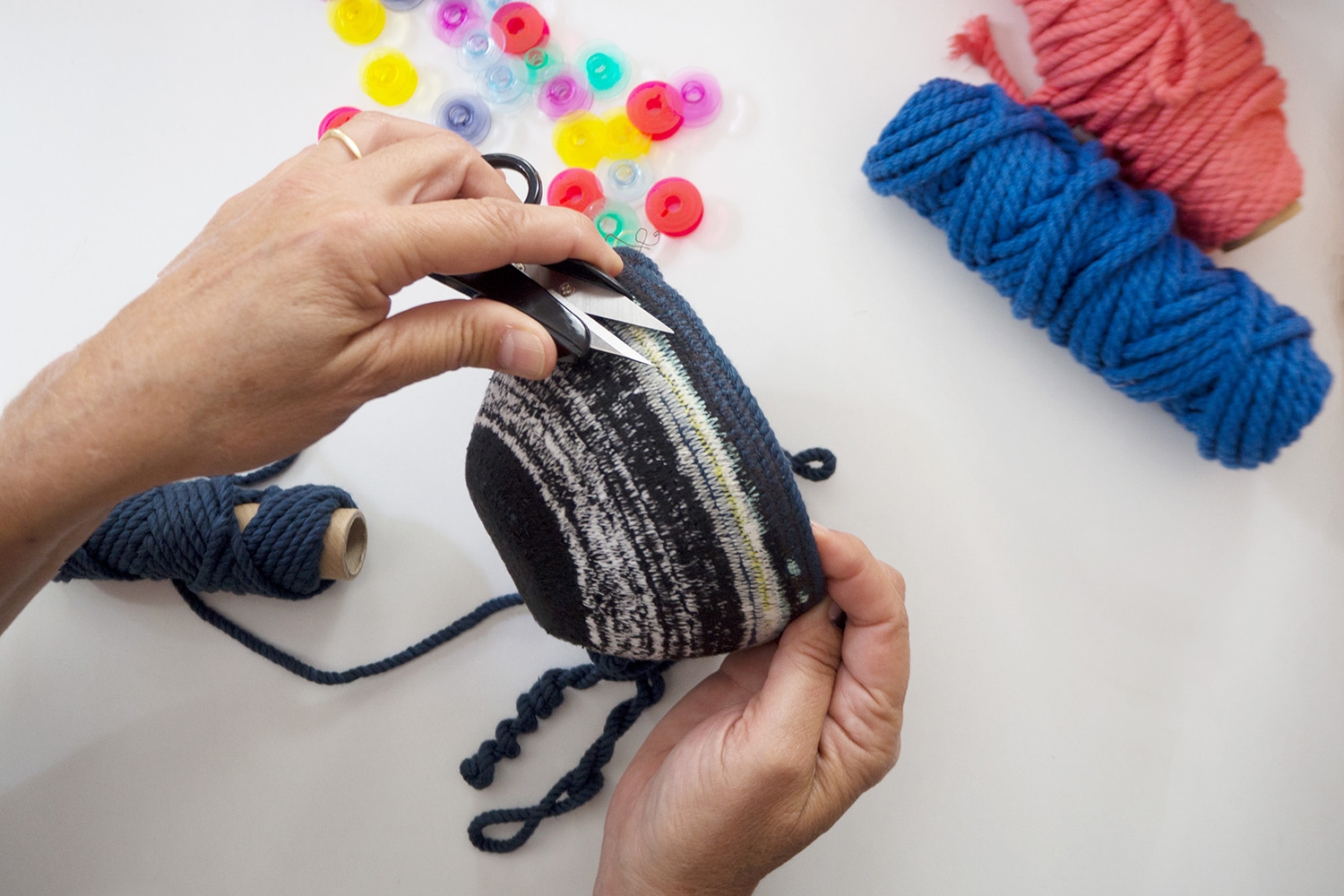
Because I can express myself differently in each proposal, and thus seek the uniqueness and permanence of each piece. I love the slow rhythm of working with my hands and being close to the material to know how it behaves and discover its possibilities.
"A Rope in the Shape of a Vase" is a new proposal with which I want to vindicate the use of common material and a simple technique: machine stitching, but applied differently. I do not consider it a craft with a tradition that could disappear.
Cristina Vallejo
ELSUR
Textile sculptor
Madrid, Spain
AVAILABILITY
By appointment only
PHONE
+34 609129117
LANGUAGES
Spanish, English
Homo Faber Finds is a new service aiming to inspire admirers of craft to connect and collaborate with exceptional artisans.
We invite you to submit an enquiry here.


Tulpenvaas 2.jpg)
IMG_8075.jpg)
IMG_7106.jpg)