Jessica Costa
Tufter
Sao Paulo, Brazil
Tufting against the rush
- Jessica uses tufting to undo assumptions about gender-coded craftsmanship
- Her sculptural tapestries reflect her fashion-trained approach to form and techniques
- She was the first Brazilian woman named a LOEWE Craft Prize finalist
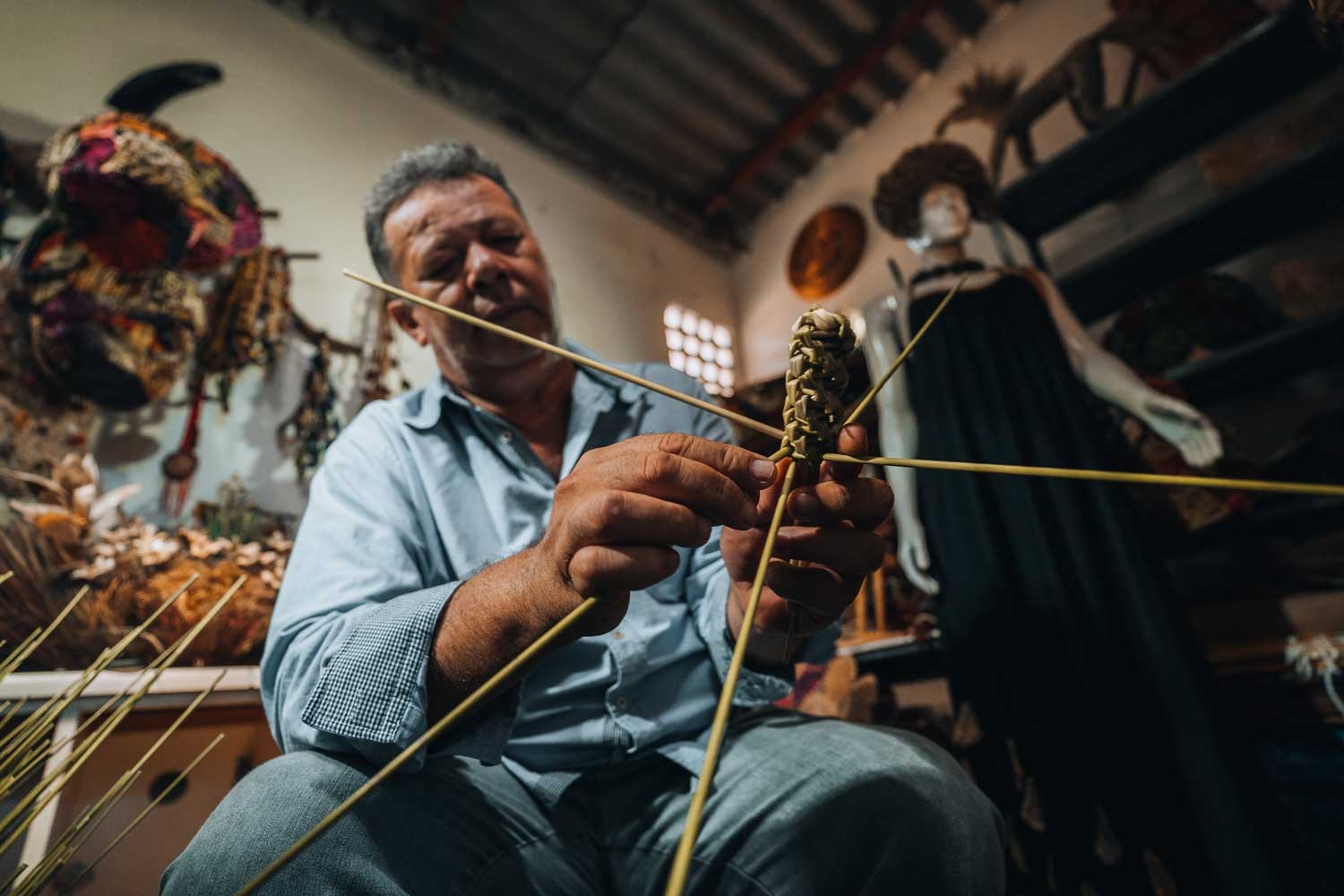
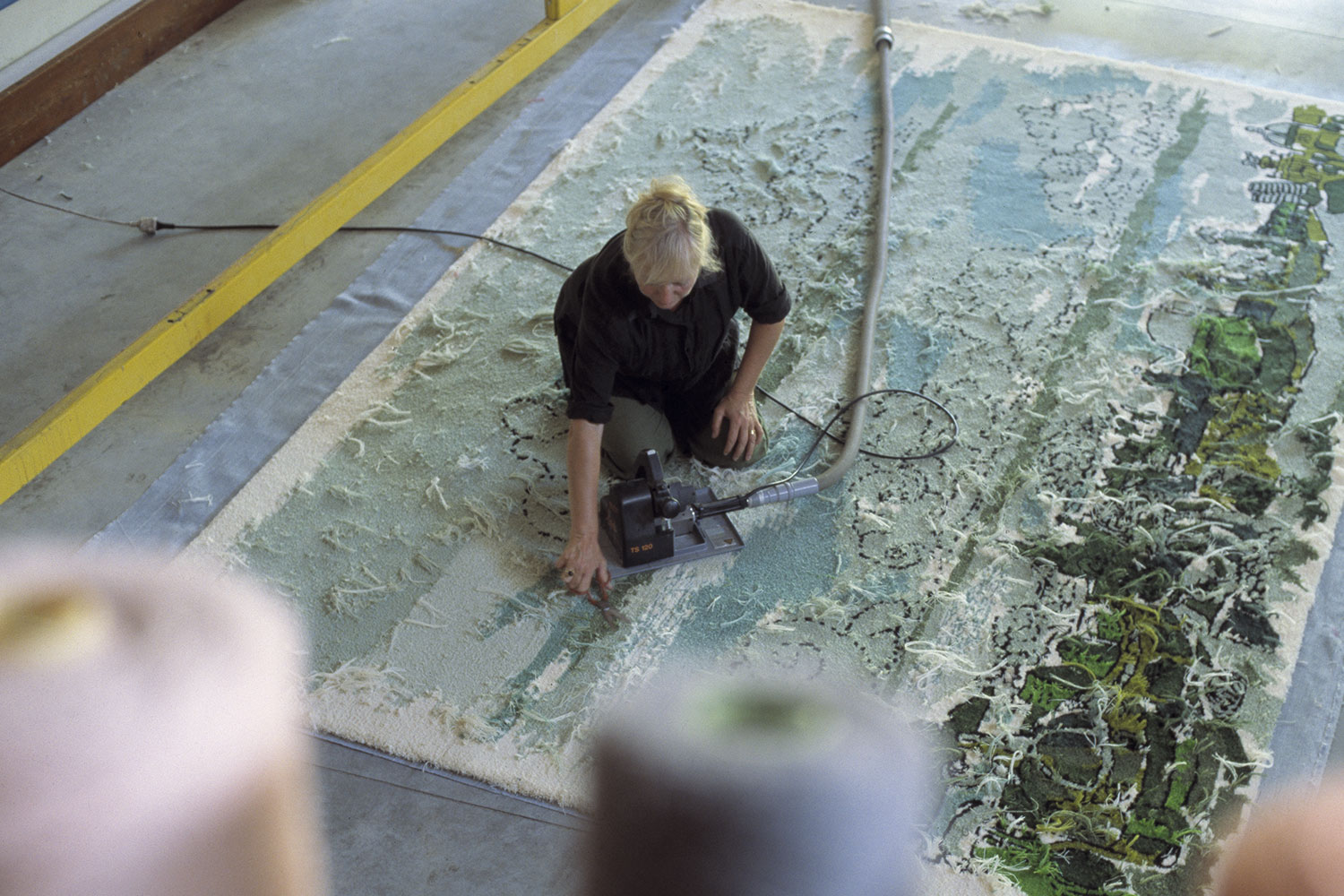
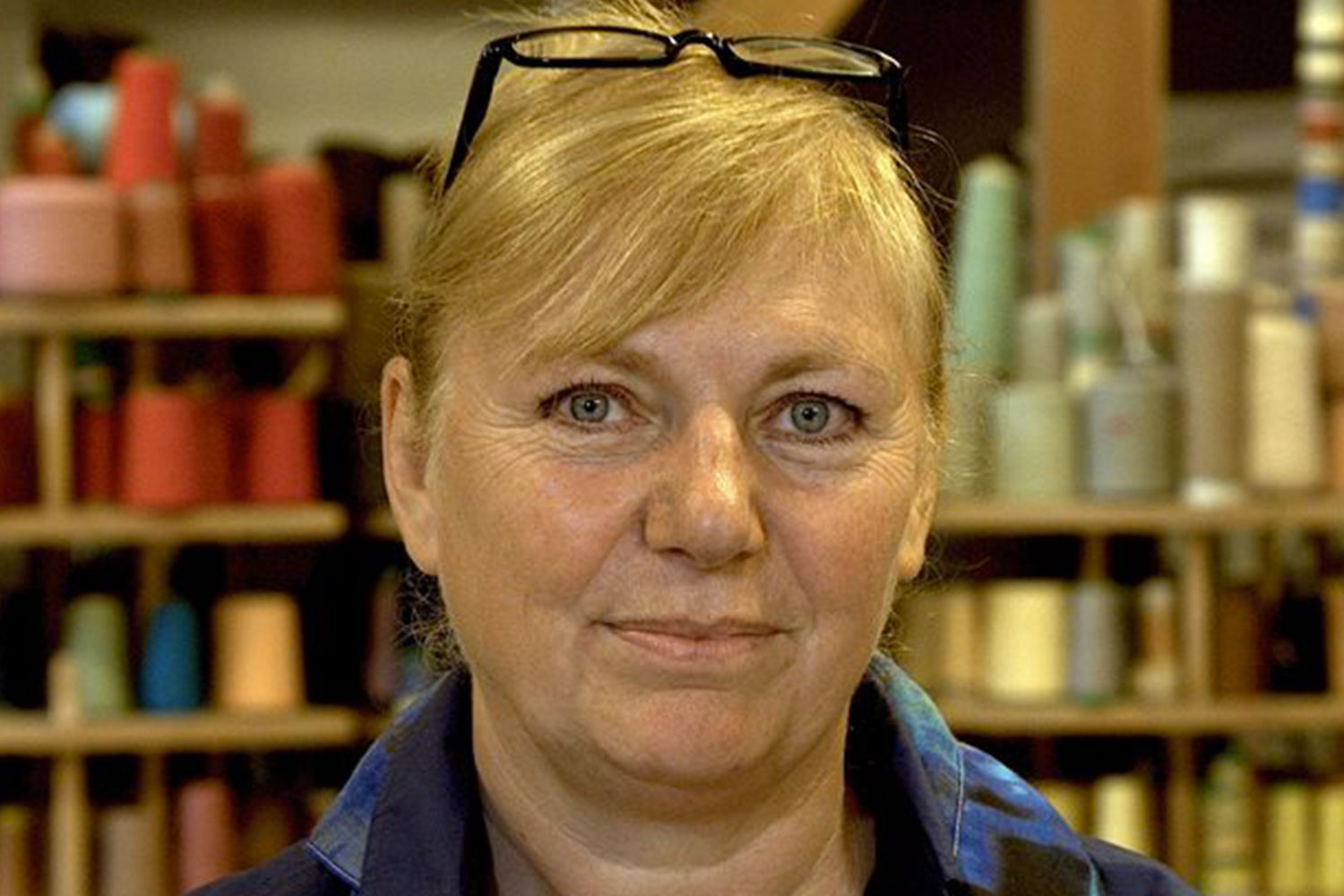
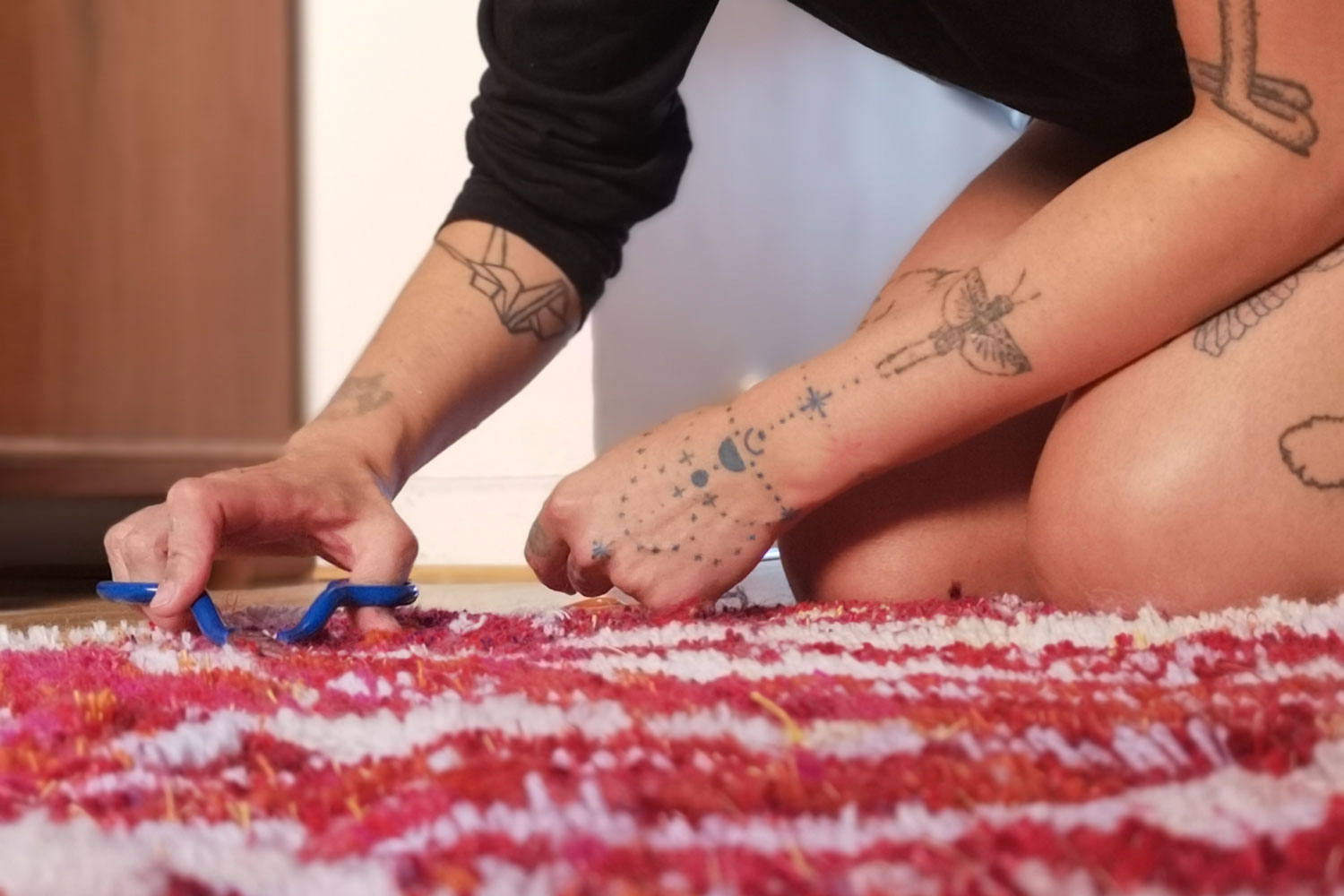
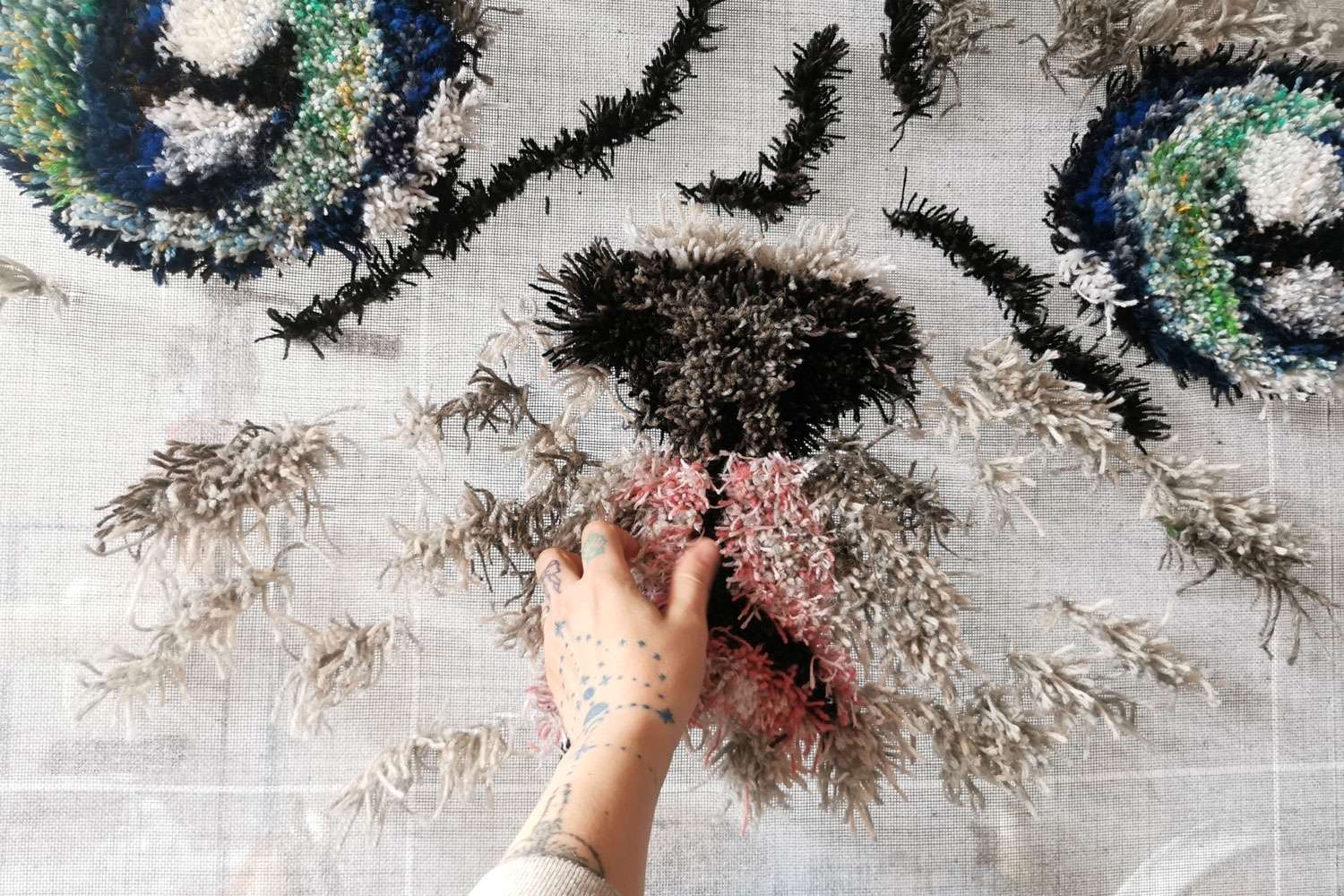
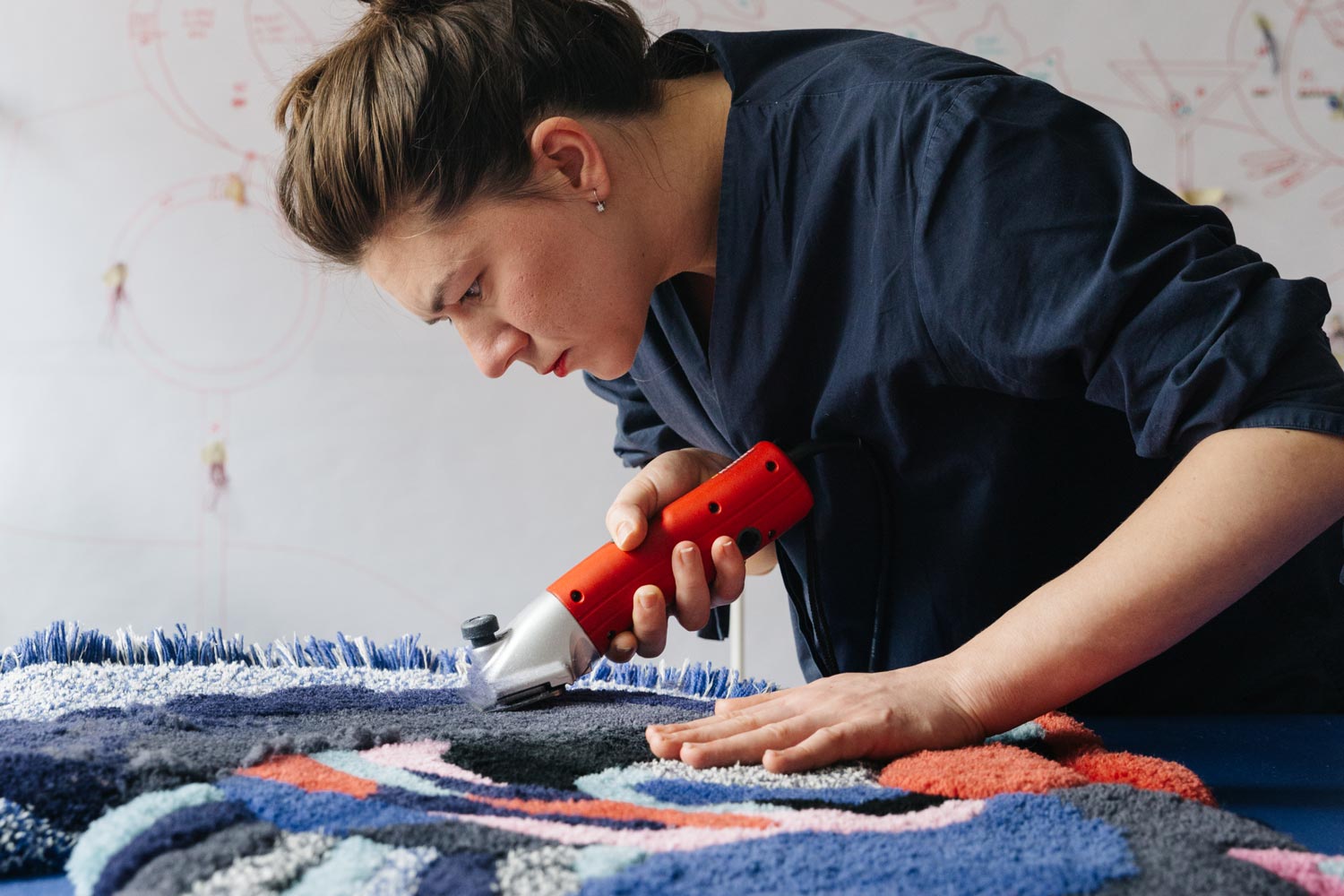
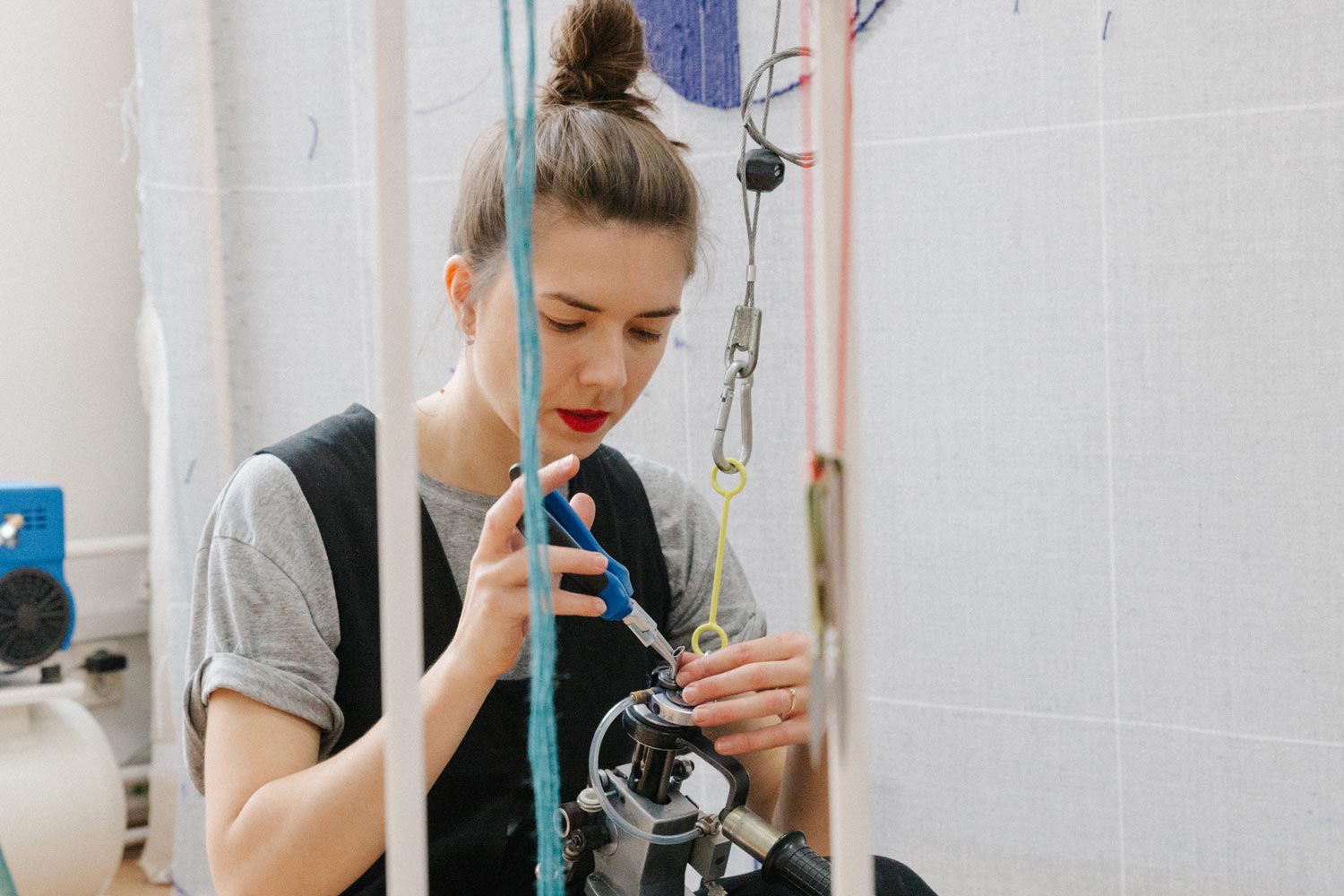
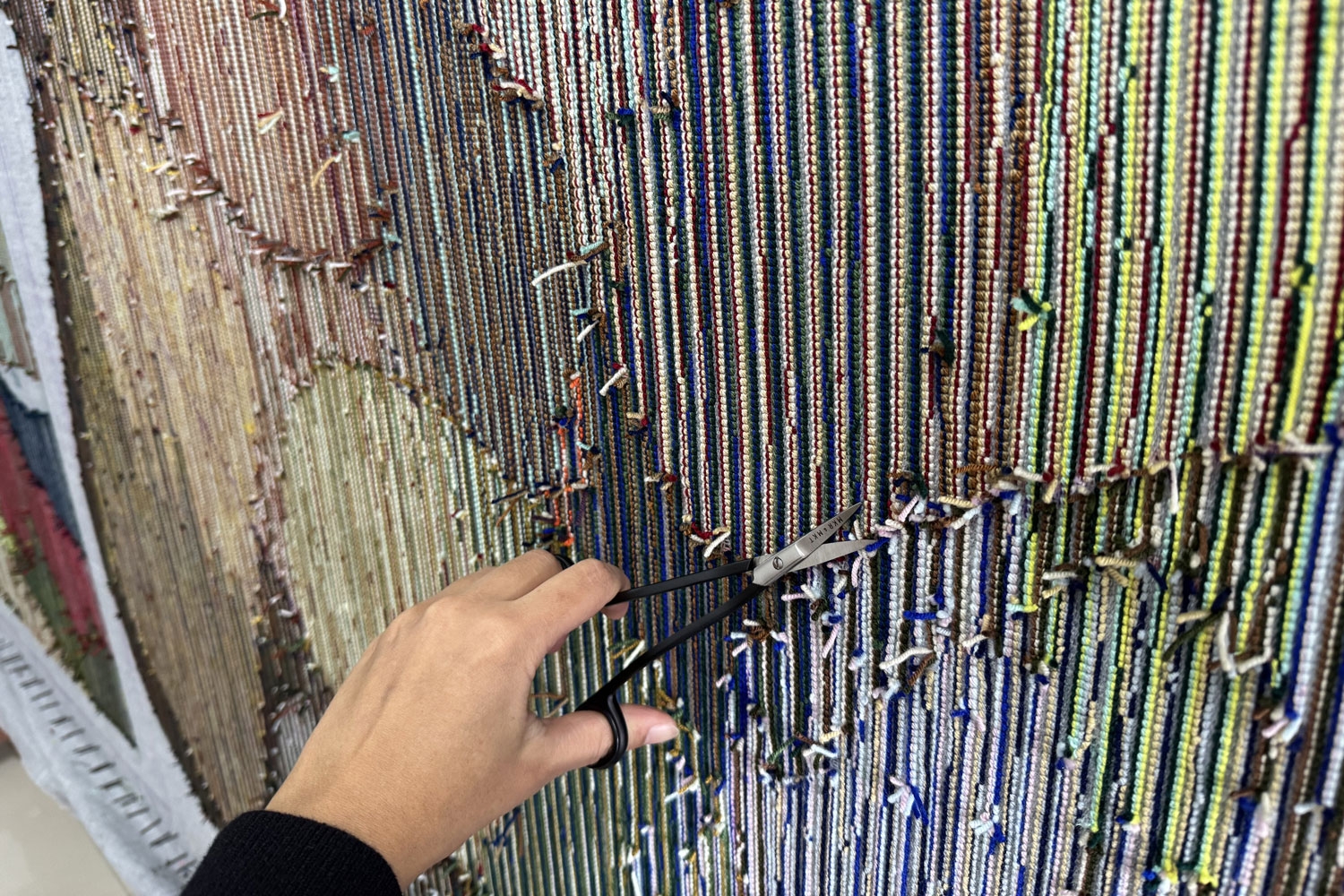
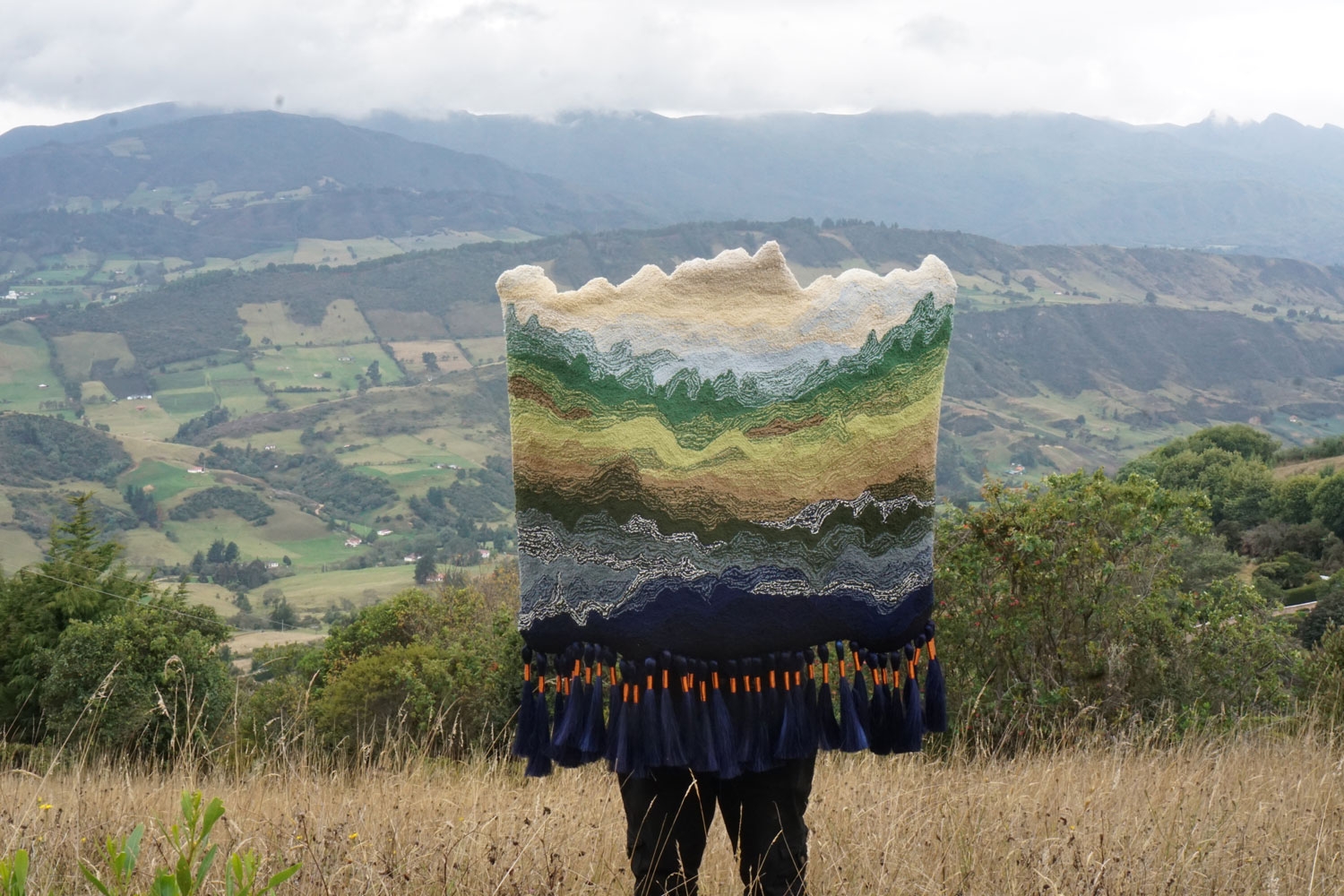
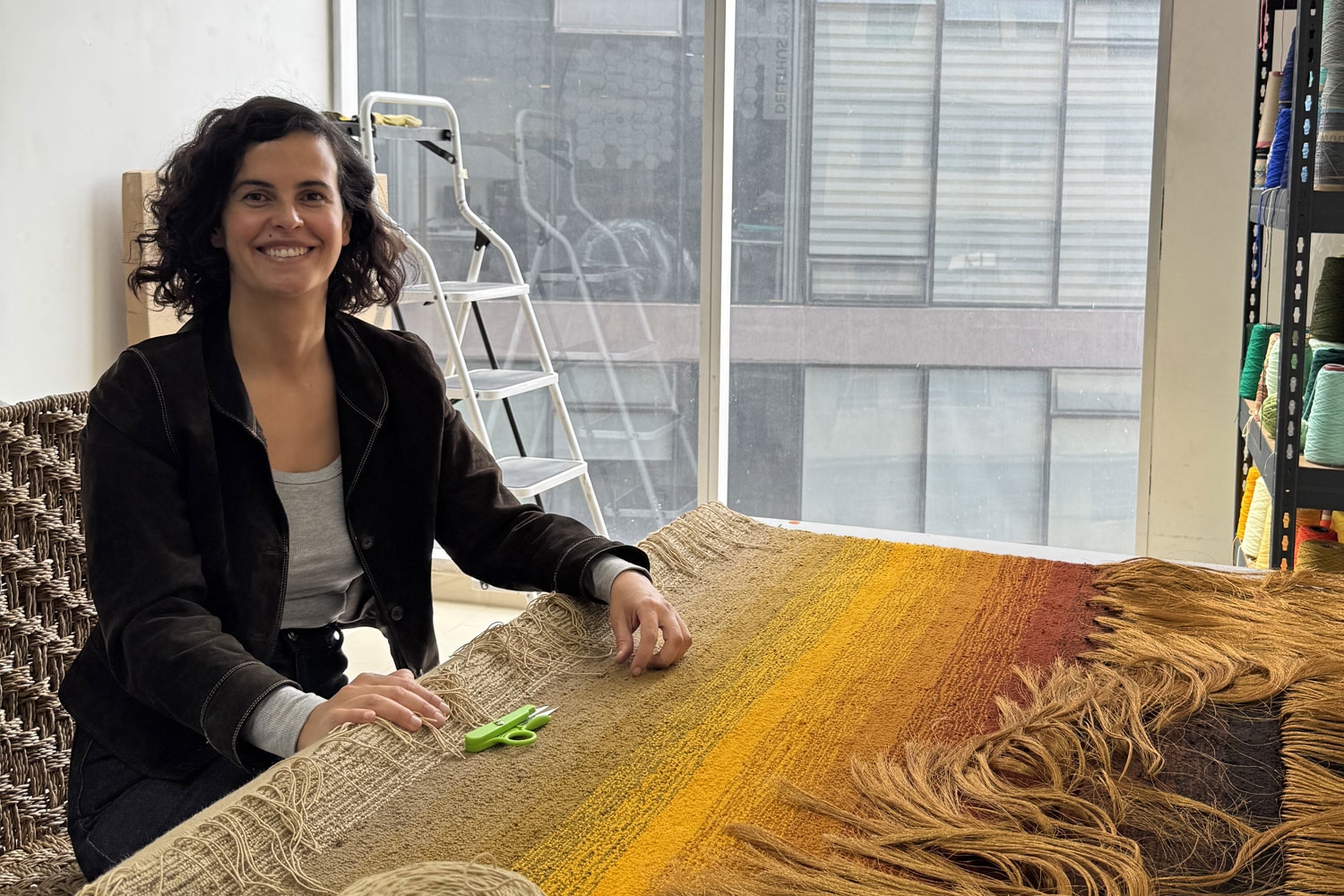
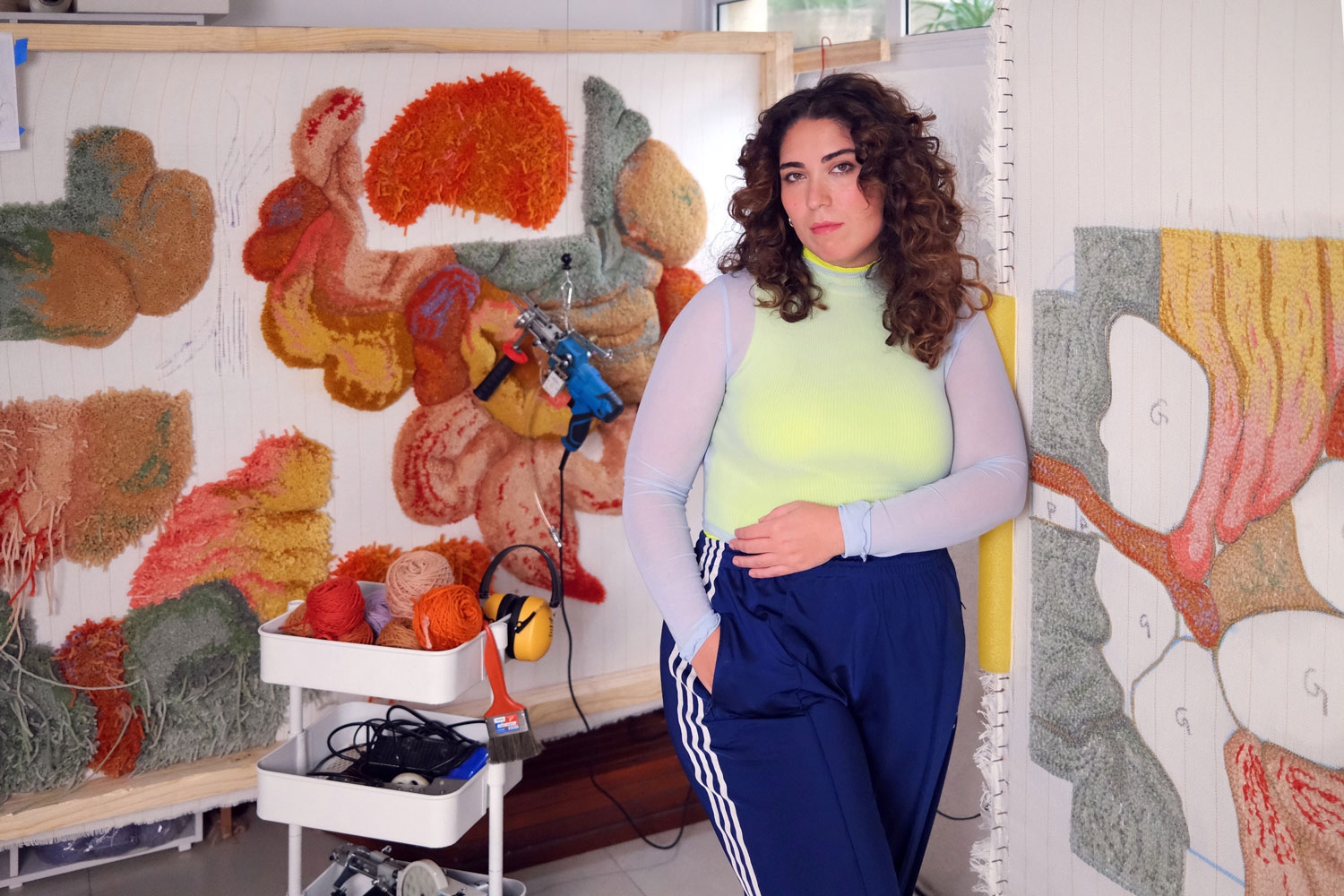
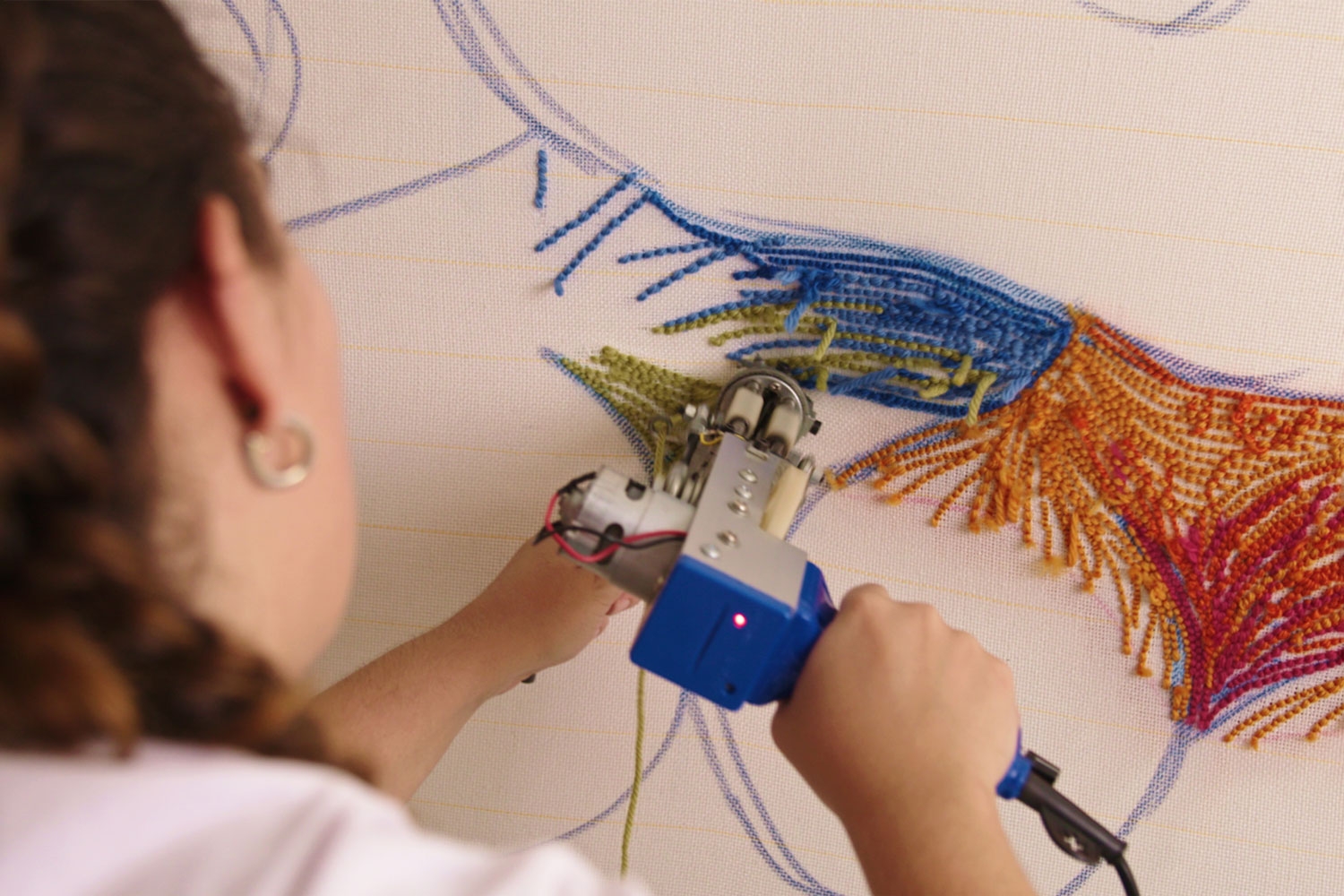
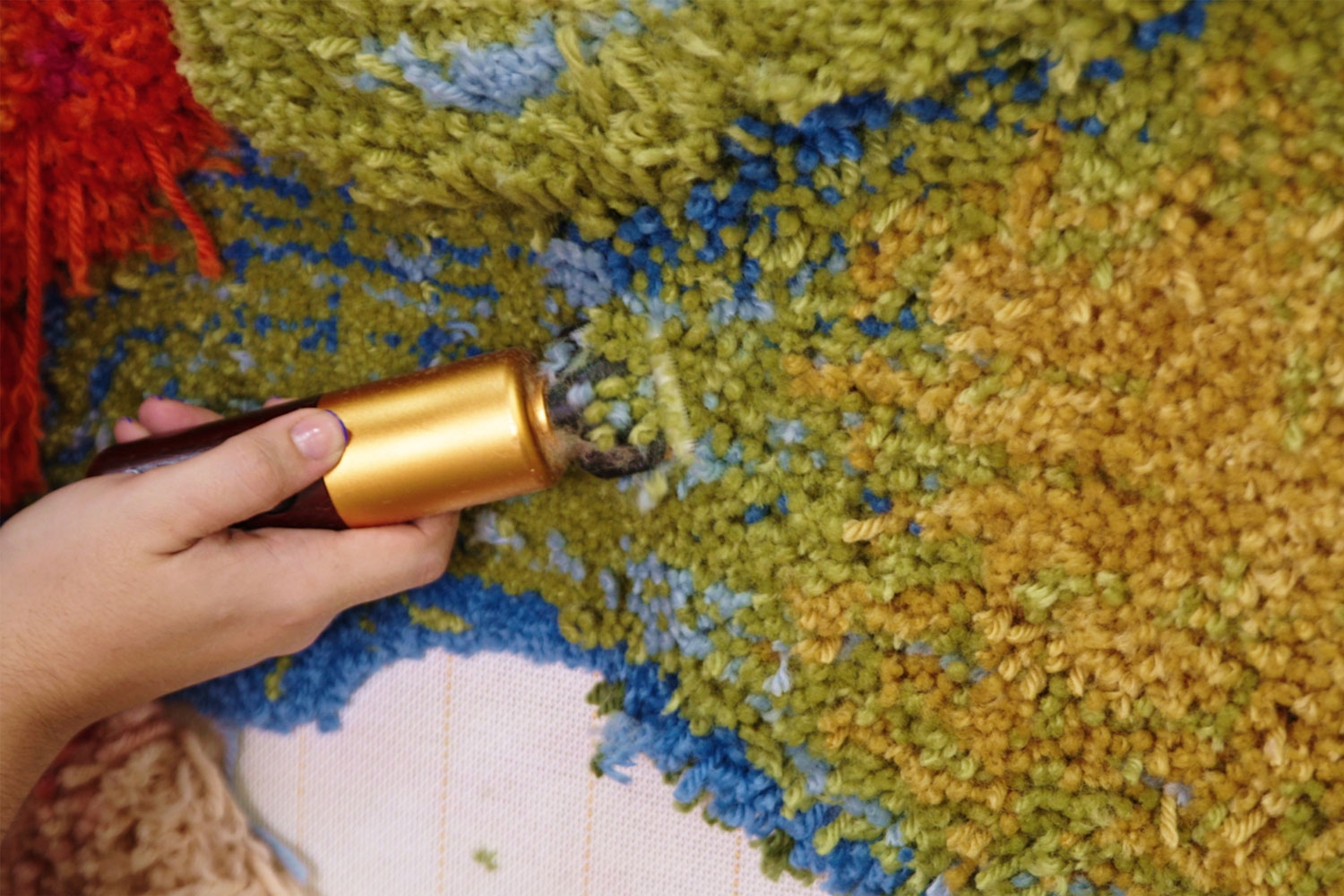
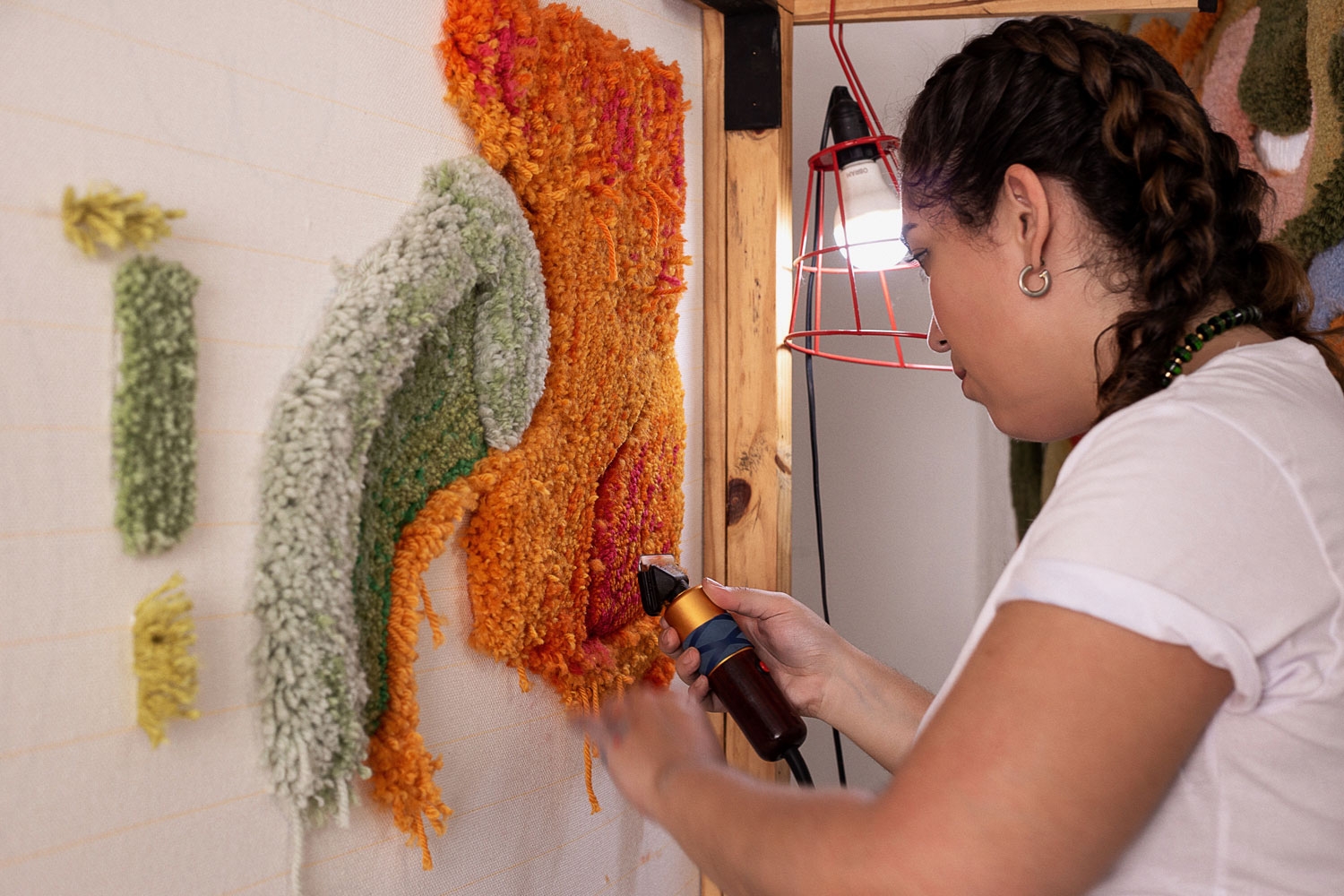
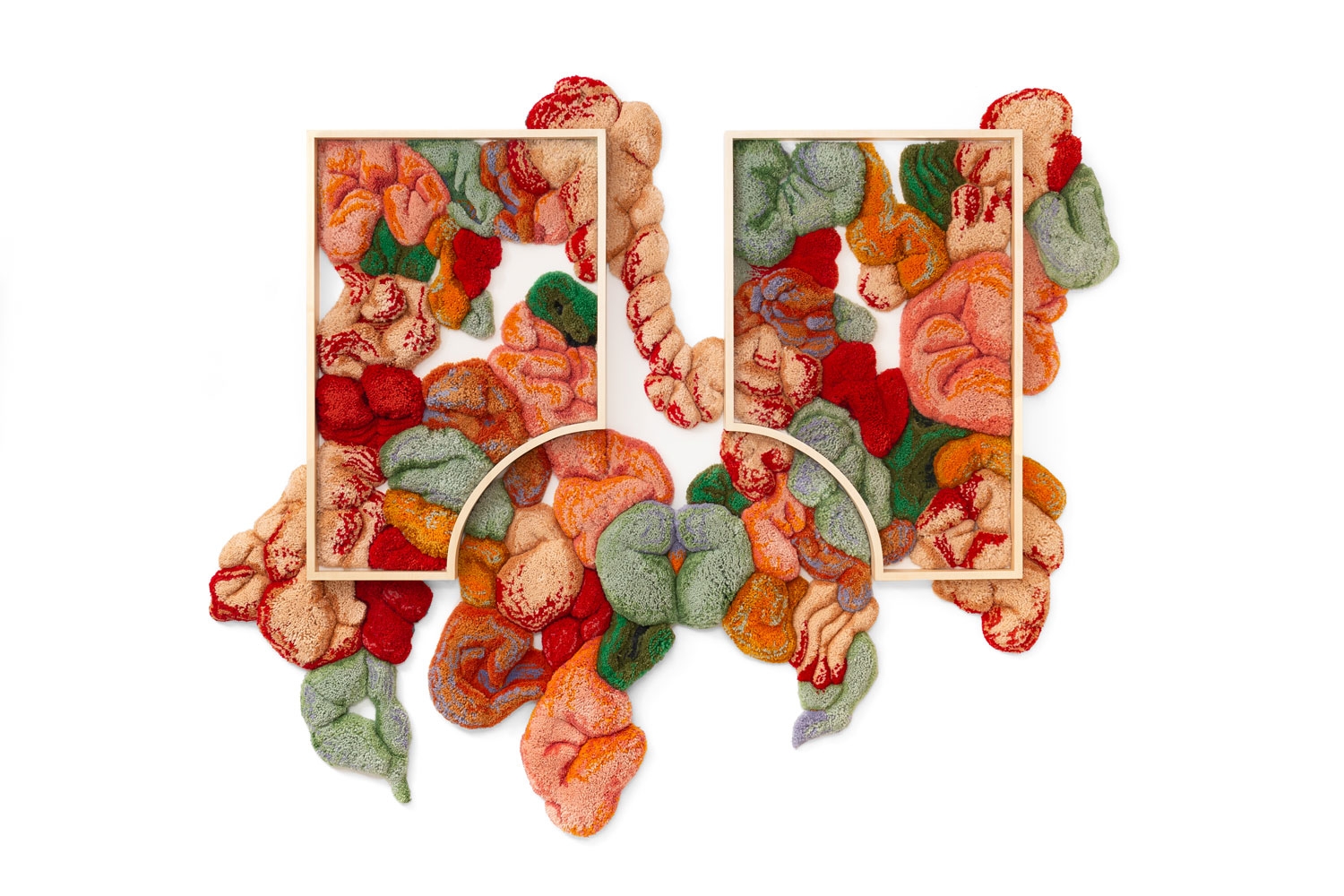
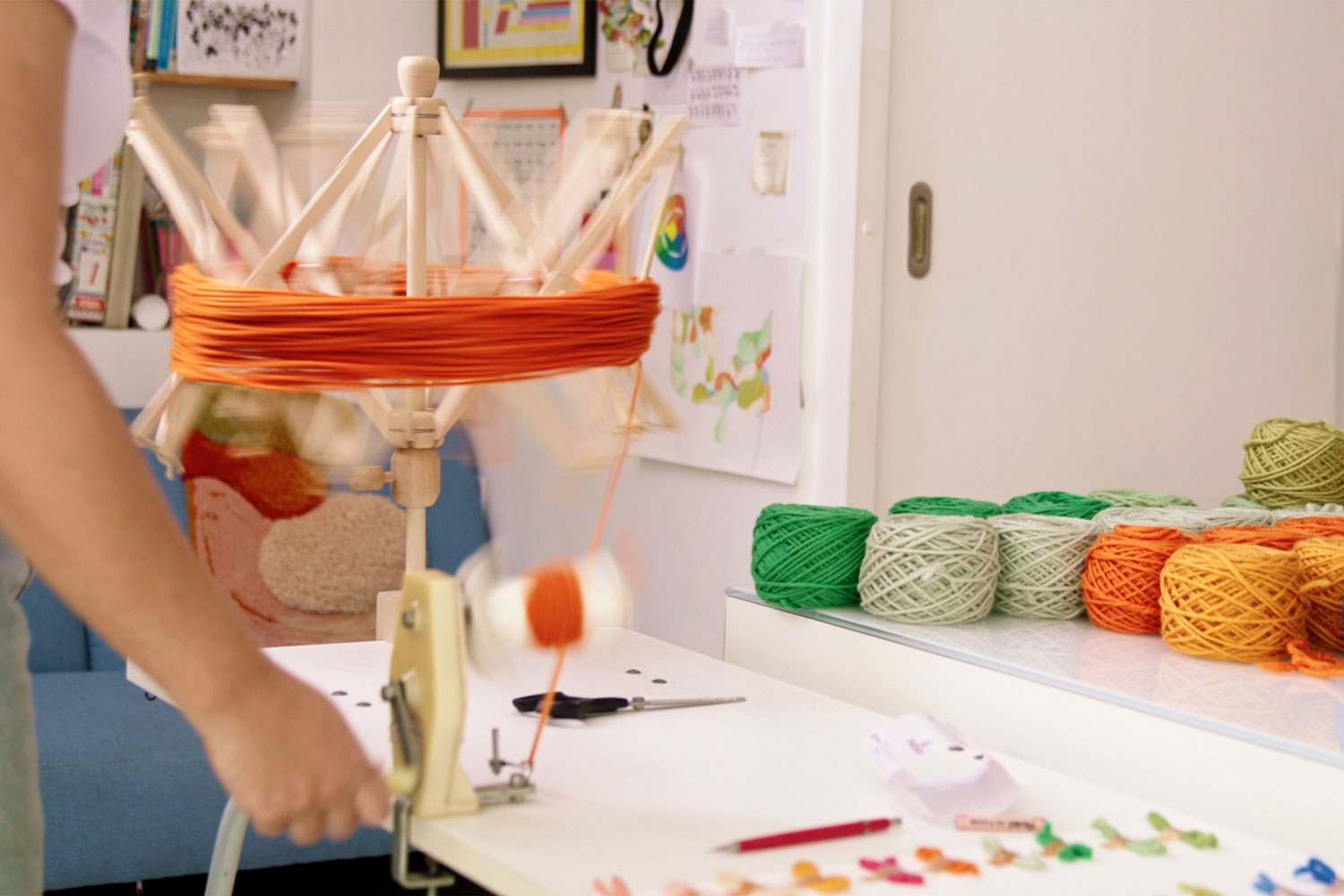
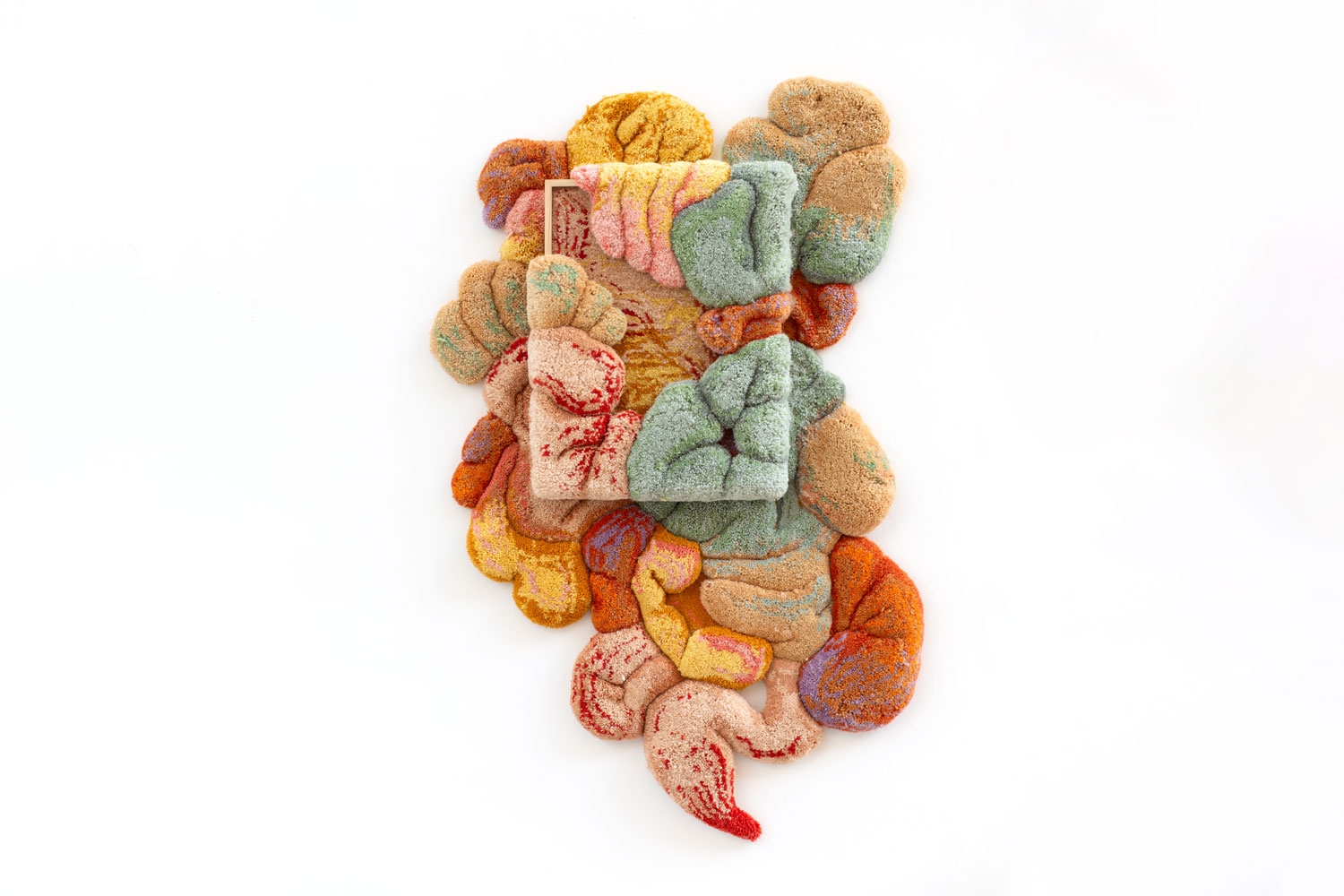
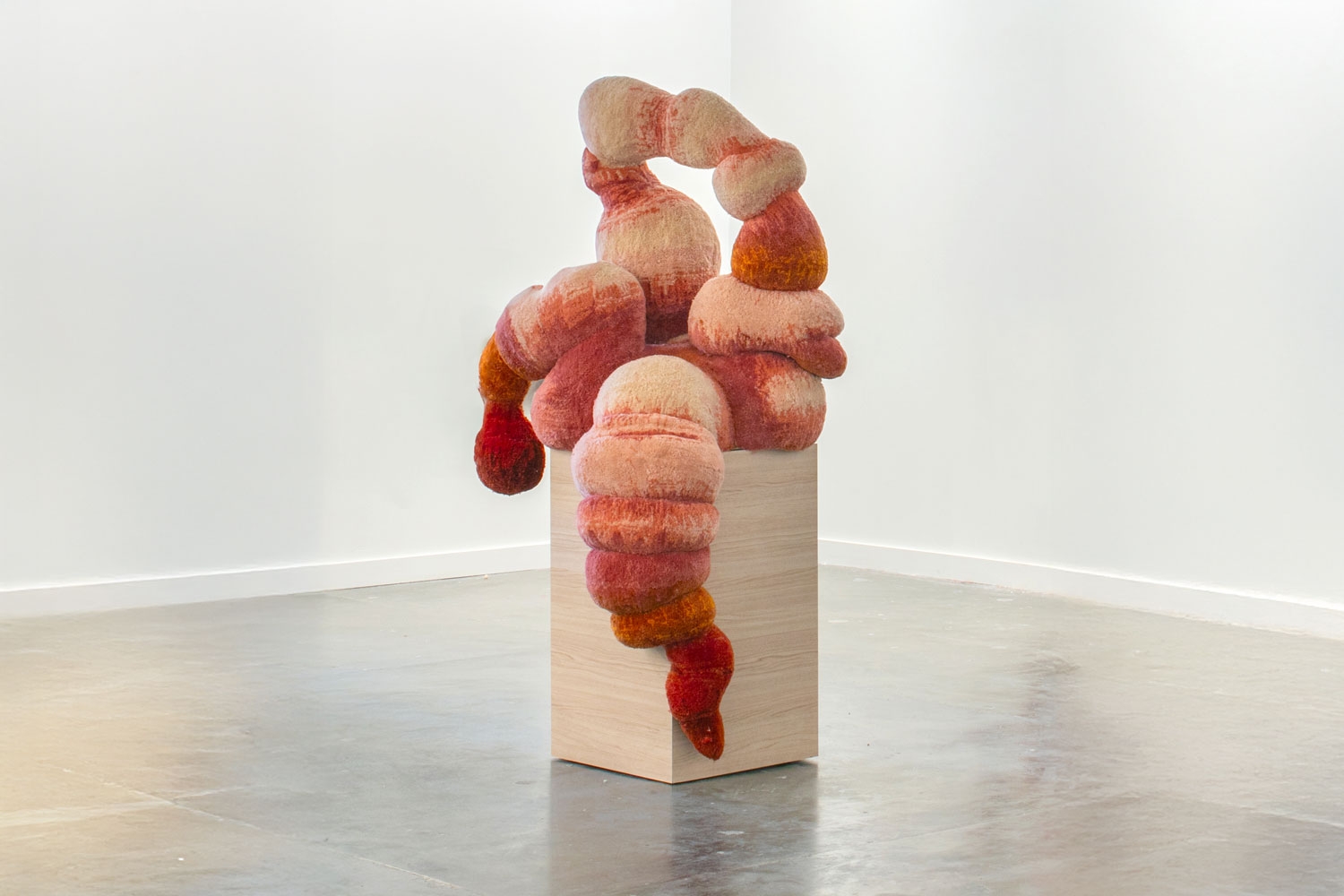
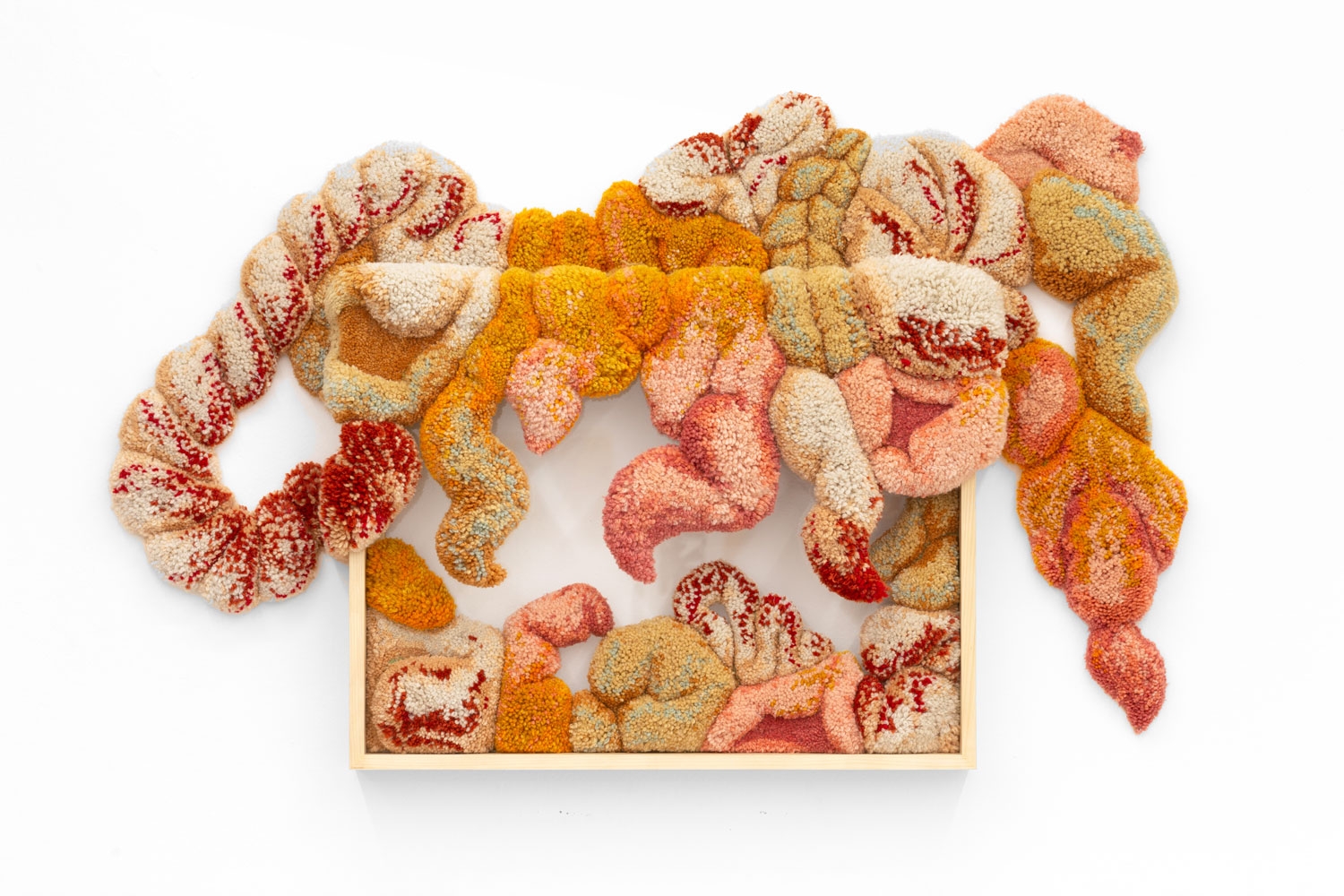
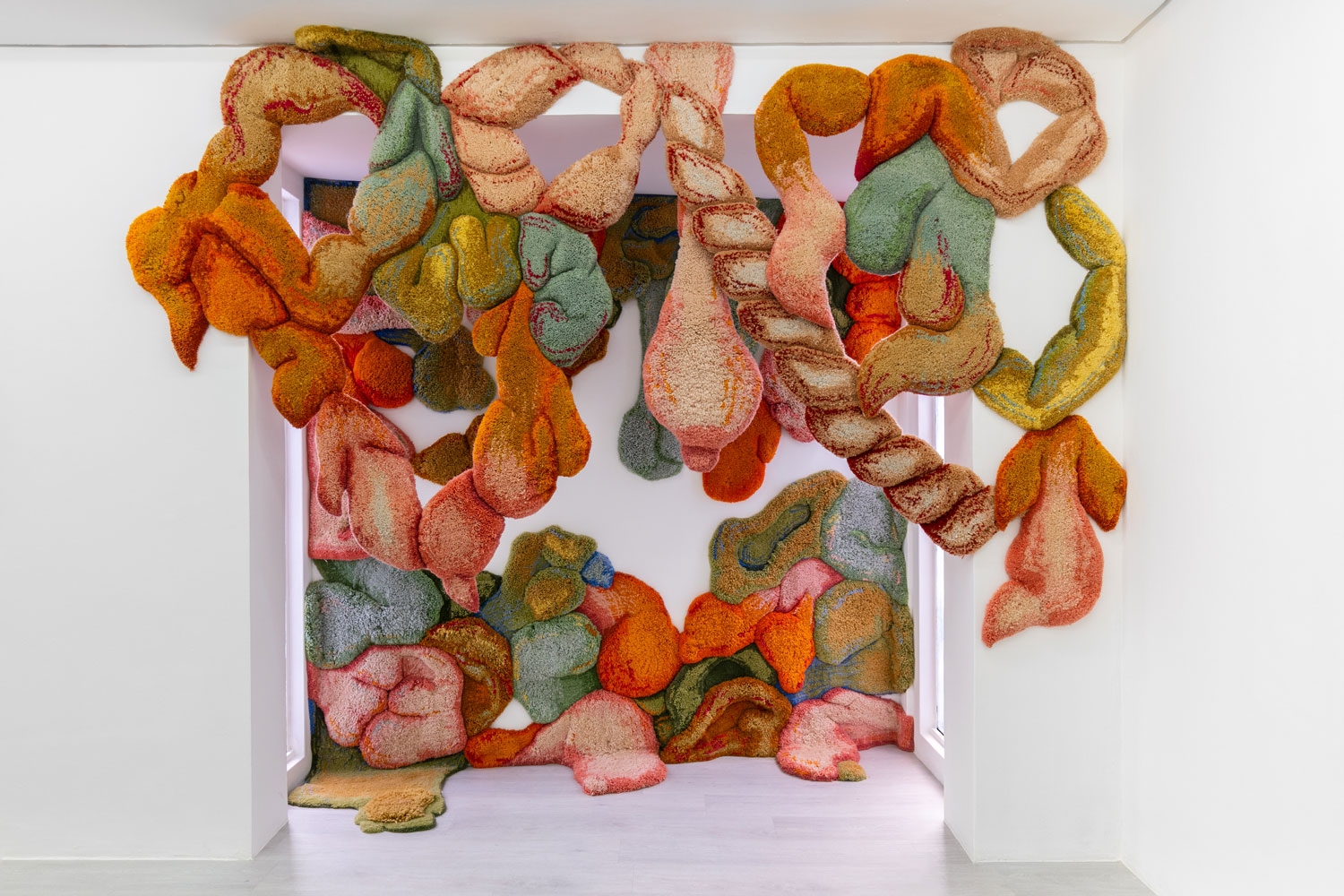
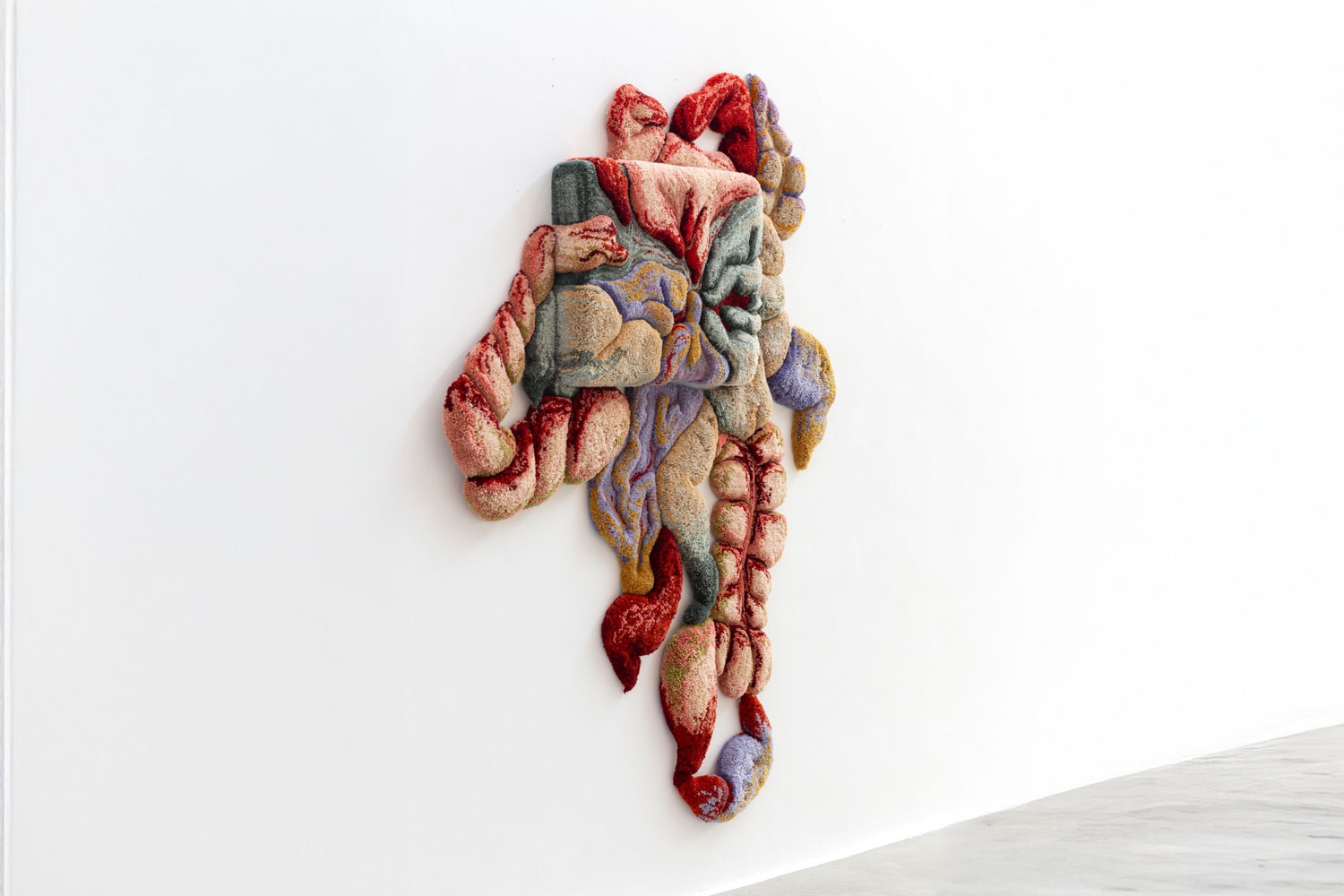
In 2018, Jessica Costa stepped away from fashion and into textile arts, a practice that offers a counterbalance to life in her native Sao Paulo. “Living in a chaotic urban environment while working with slow, hands-on processes creates a certain tension that I fully embrace,” she says. Jessica’s sculptural tapestries, which she crafts by hand using tufting guns, take on unconventional, amorphous forms that could adorn walls, floors and corners. “Space is not just a backdrop to my pieces, but an active part of their compositions. It guides my decisions for both forms and materials,” she says. Through tufting, Jessica challenges prescribed gender roles. “I move beyond the idea of delicate or domestic textiles. The tufting process is physically intense as it demands force, repetition and control, which defies outdated perceptions of women’s work,” she explains.
INTERVIEW
Fashion foundations still ground and expand my practice. In my piece called Inchaços, I used the garment-making technique of flat-pattern modelling that turns 3D forms into flat shapes. The tapestry acted like a second skin wrapping a sculpted body. The human figure, a recurring reference in my current work, also ties back to my fashion training.
Tapestry has long been split between design and execution, erasing the maker’s authorship. In my practice, I aim to unite thought and making, and prove manual labour to be a legitimate form of knowledge and presence in the world.
Many key decisions happen during execution. The piece starts building its identity during colour application and truly comes to life in the sculpting phase, when cutting reveals its forms. That is the part that I find most engaging and alive.
Yes. Teaching nourishes my practice and broadens my field of inquiry. It allows for exchanges that challenge the isolation of studio work and reaffirm my artistic practice as a space of connection and sharing.
Jessica Costa
Tufter
Sao Paulo, Brazil
ADDRESS
Address upon request, Sao Paulo, Brazil
AVAILABILITY
By appointment only
LANGUAGES
Portuguese, English
Homo Faber Finds is a new service aiming to inspire admirers of craft to connect and collaborate with exceptional artisans.
We invite you to submit an enquiry here.