©Melina Tavares
©All rights reserved
©All rights reserved
©All rights reserved
©All rights reserved
©All rights reserved
Deborah Czeresko
Glass sculptor
New York, NY, USA
©Melina Tavares
©Melina Tavares
©All rights reserved
©All rights reserved
©All rights reserved
©All rights reserved
©All rights reserved
©All rights reserved
©All rights reserved
©All rights reserved
©All rights reserved
©All rights reserved
Rethinking the familiar
- Deborah’s glass sculptures question and challenge social norms and beliefs
- Their work depicts arresting interpretations of everyday objects
- In 2019, they won the first season of the Netflix series Blown Away
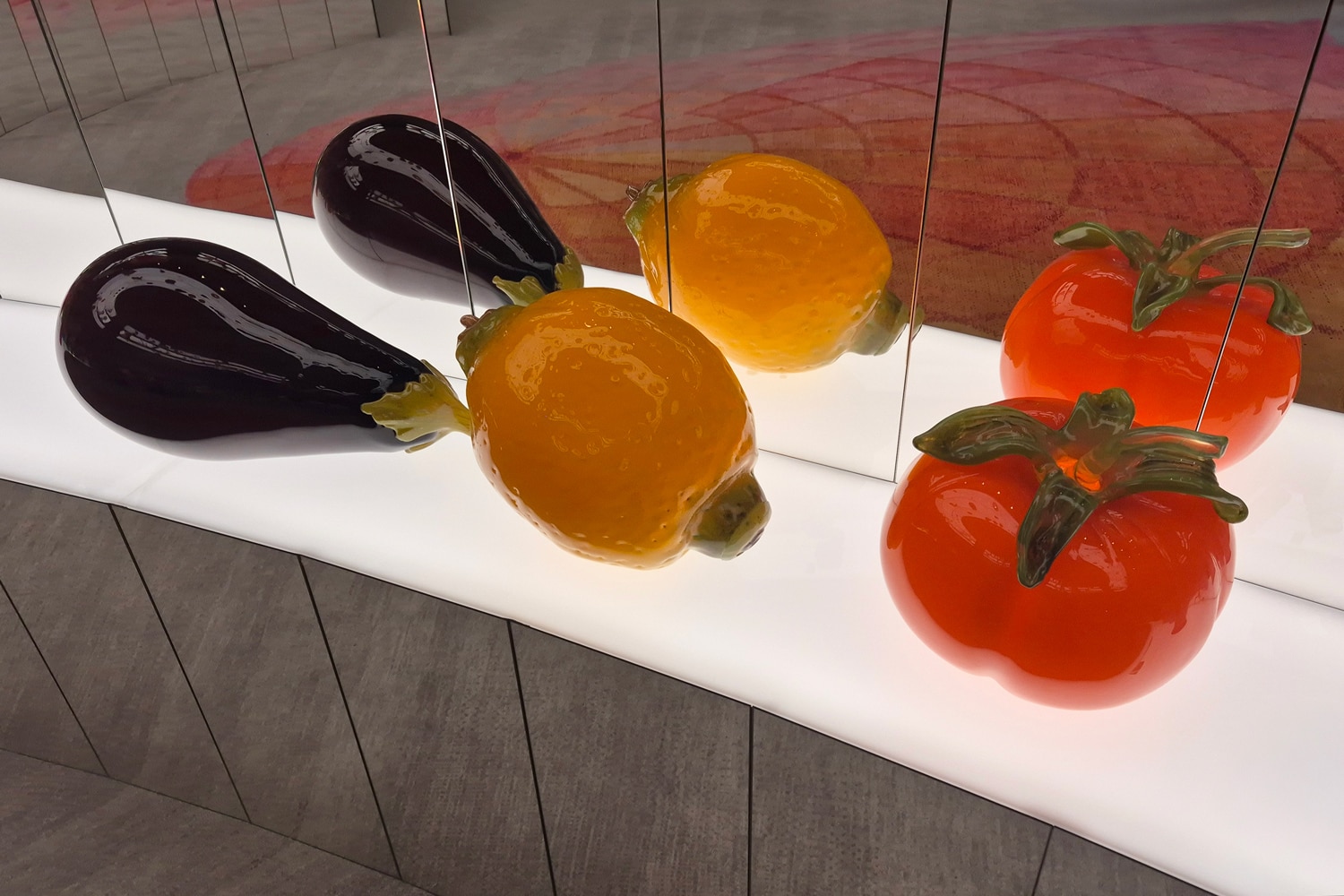
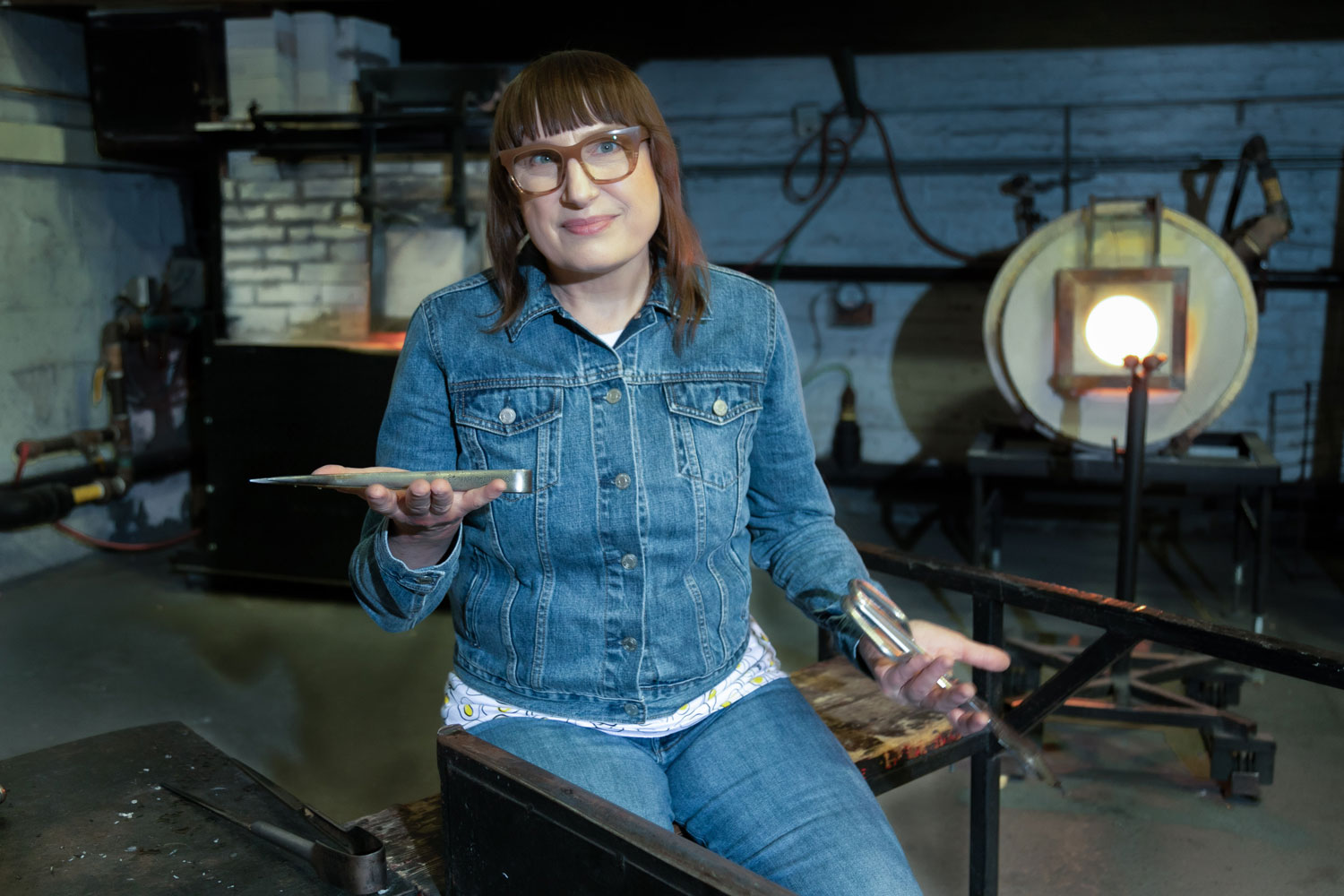
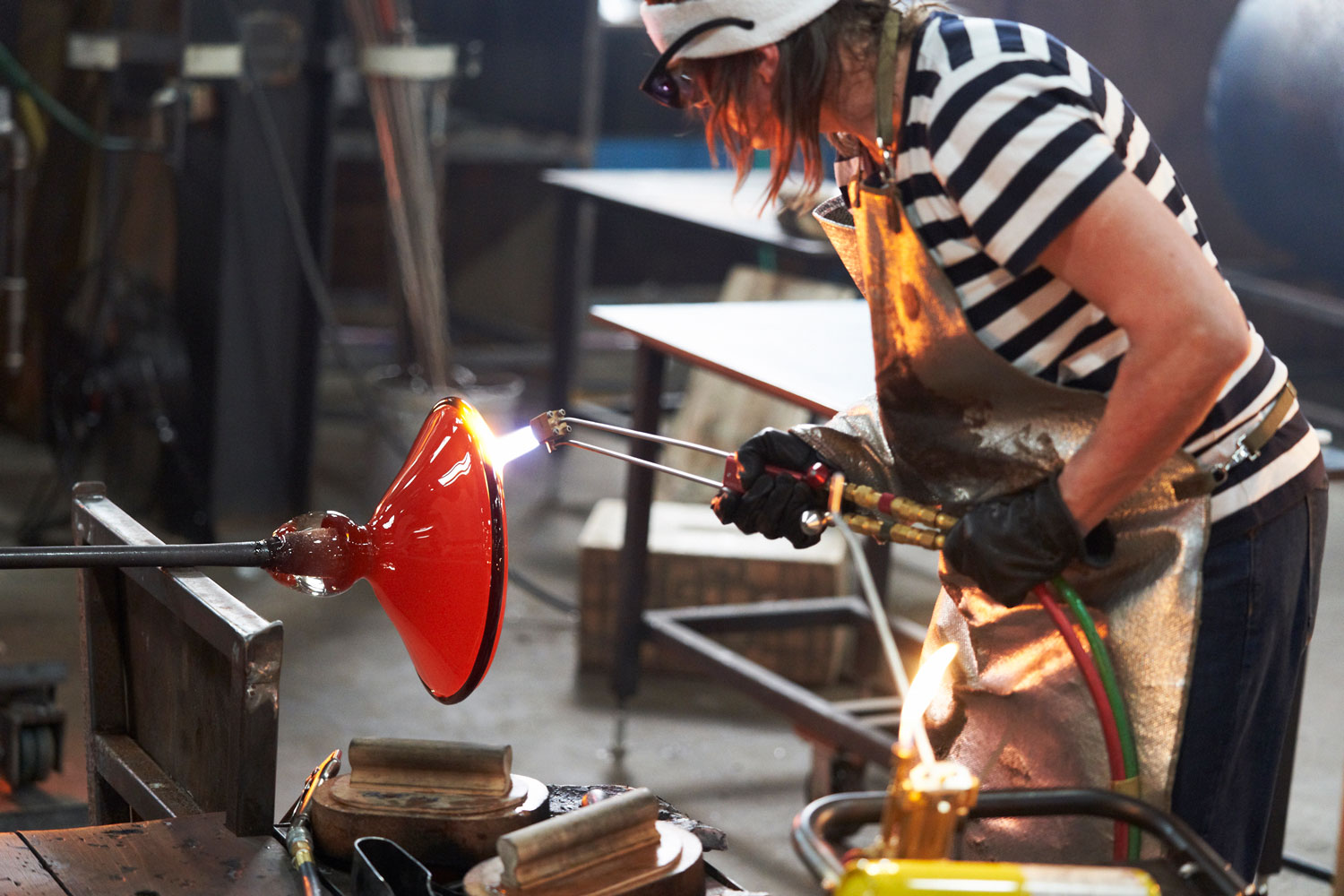
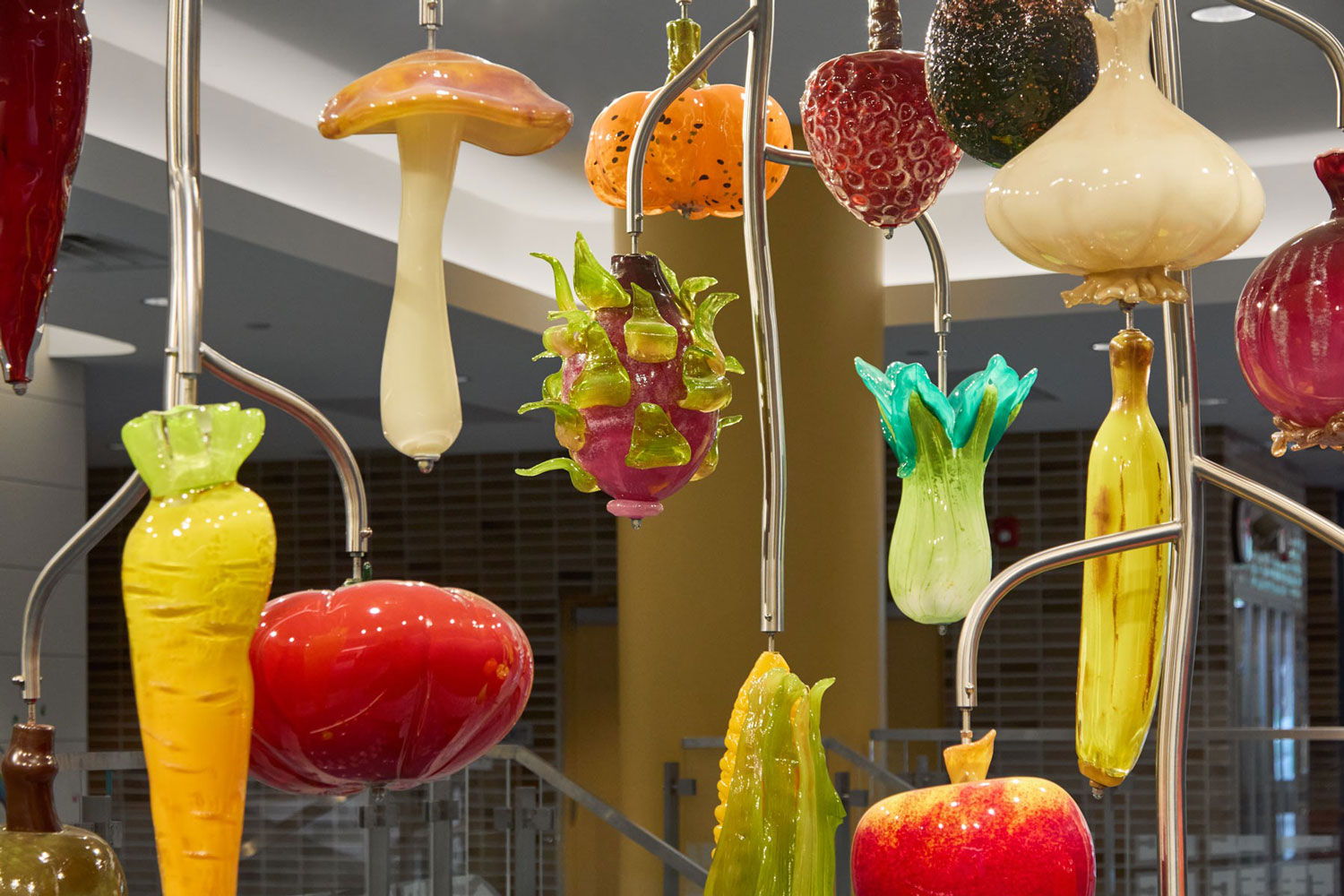
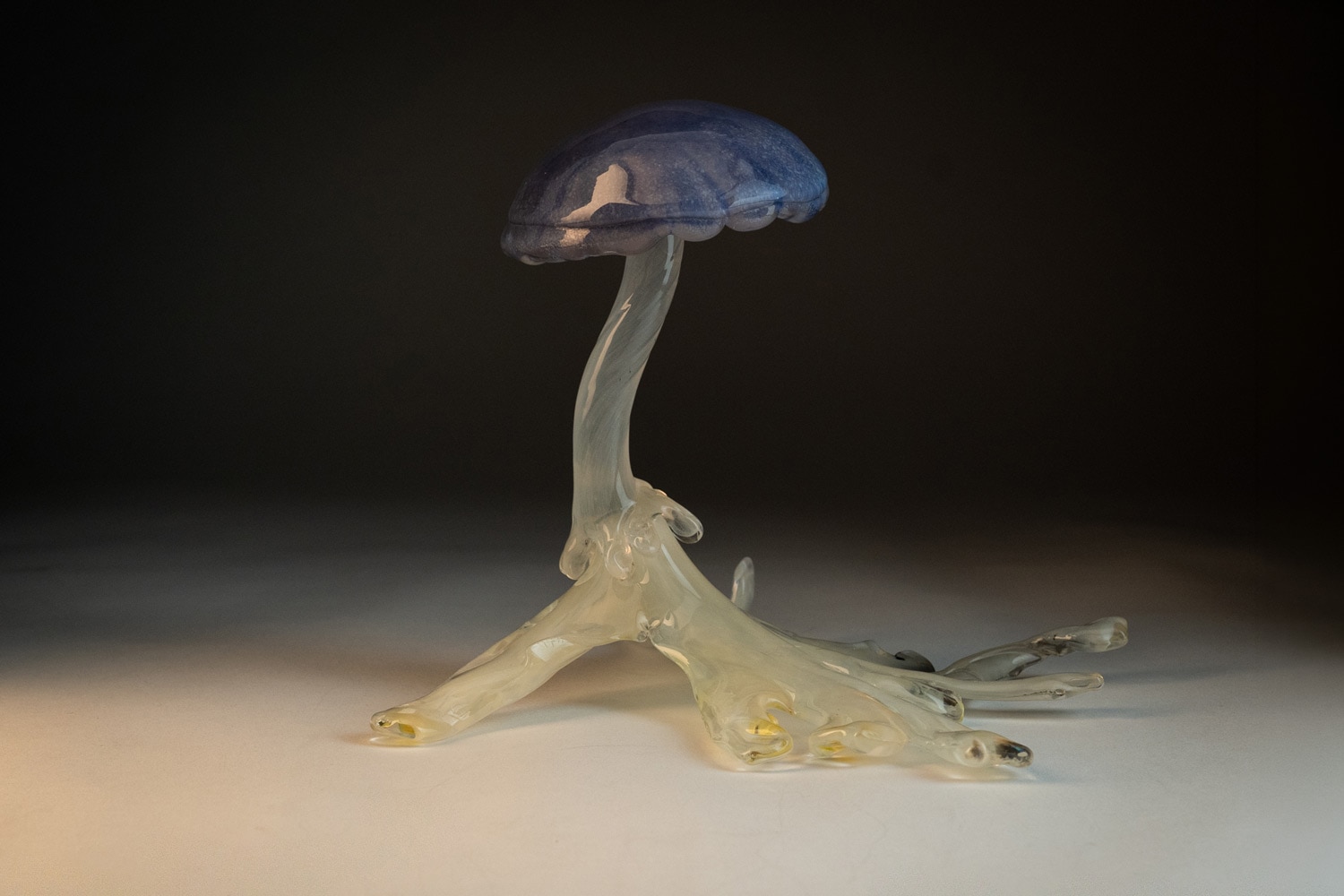
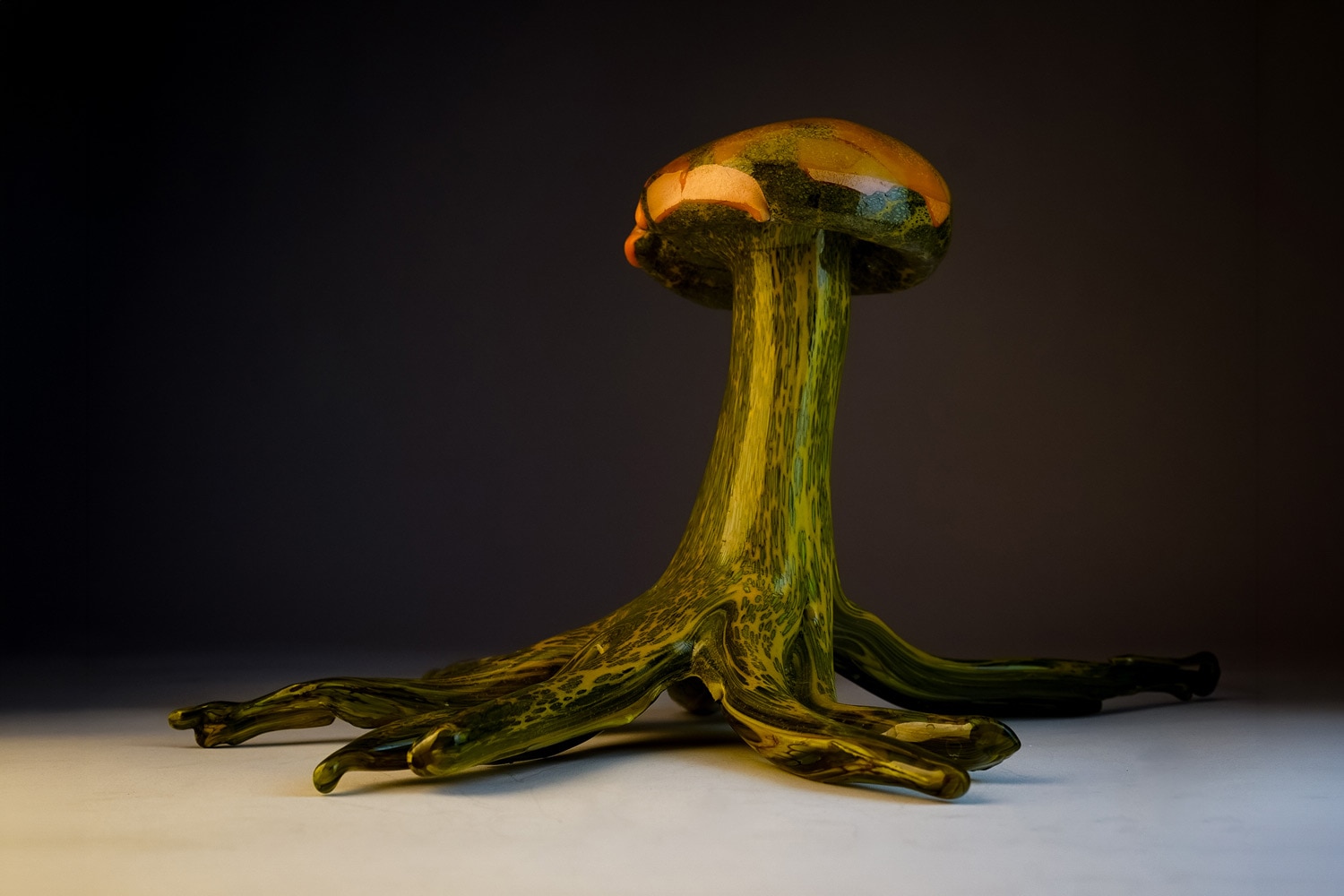
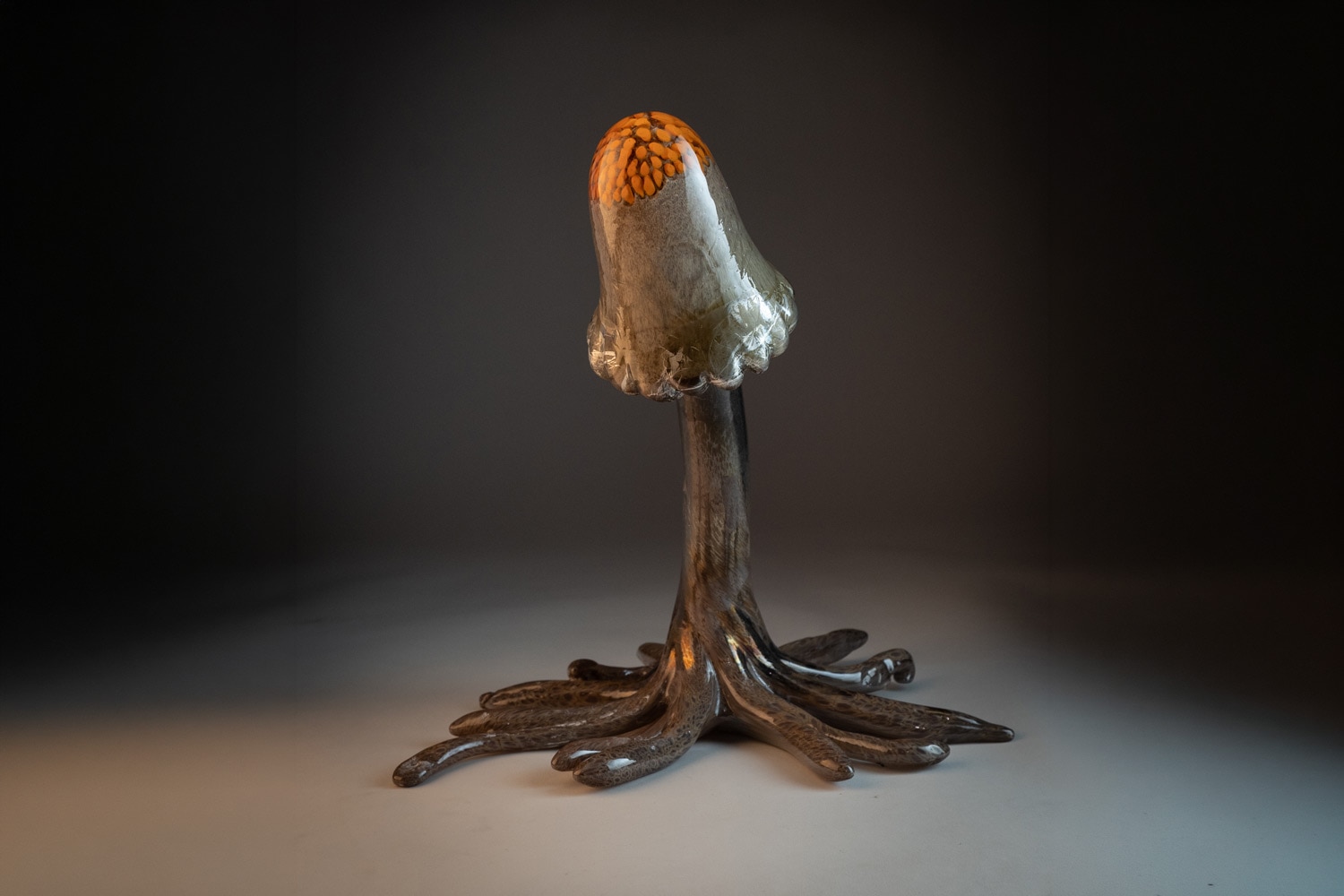
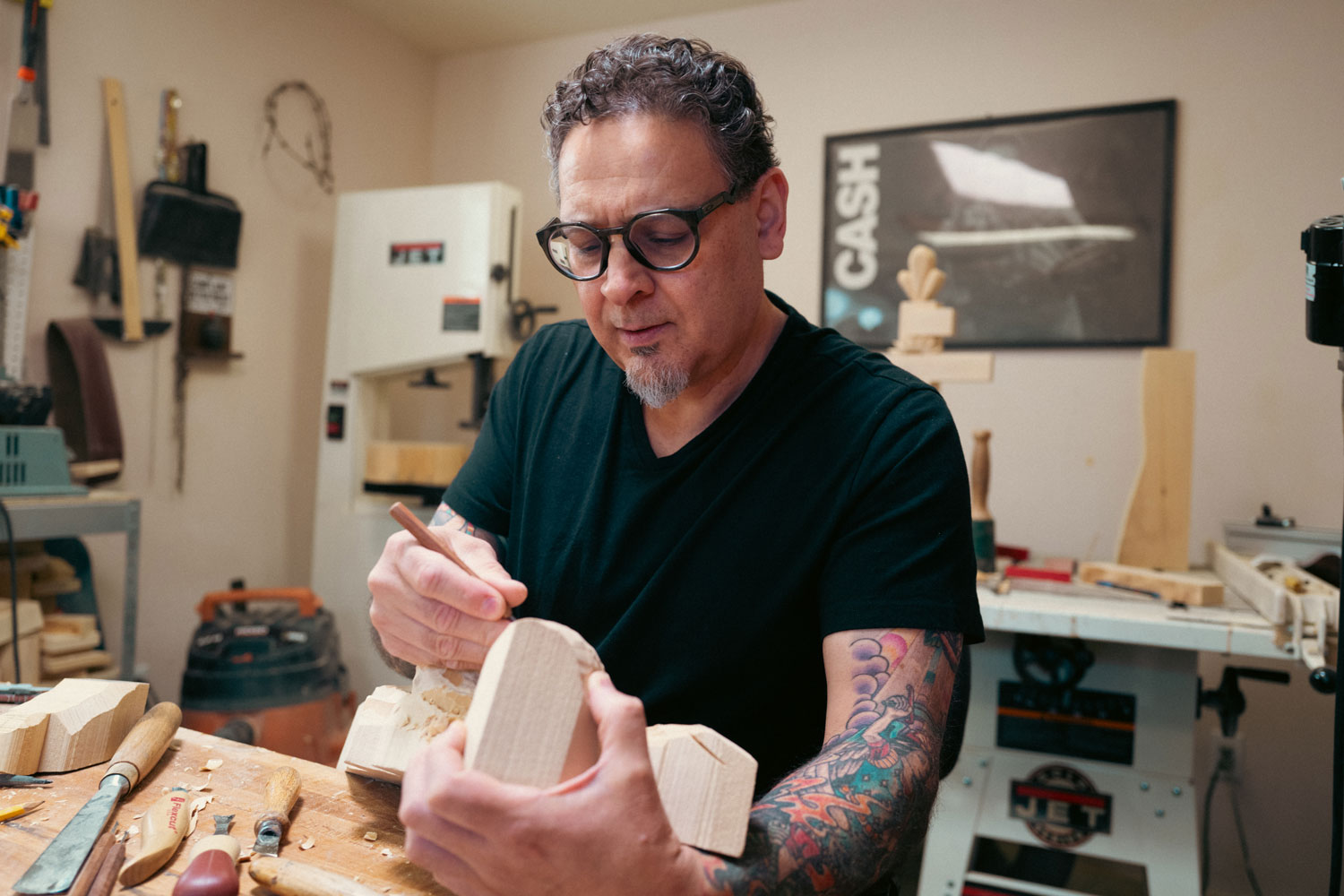
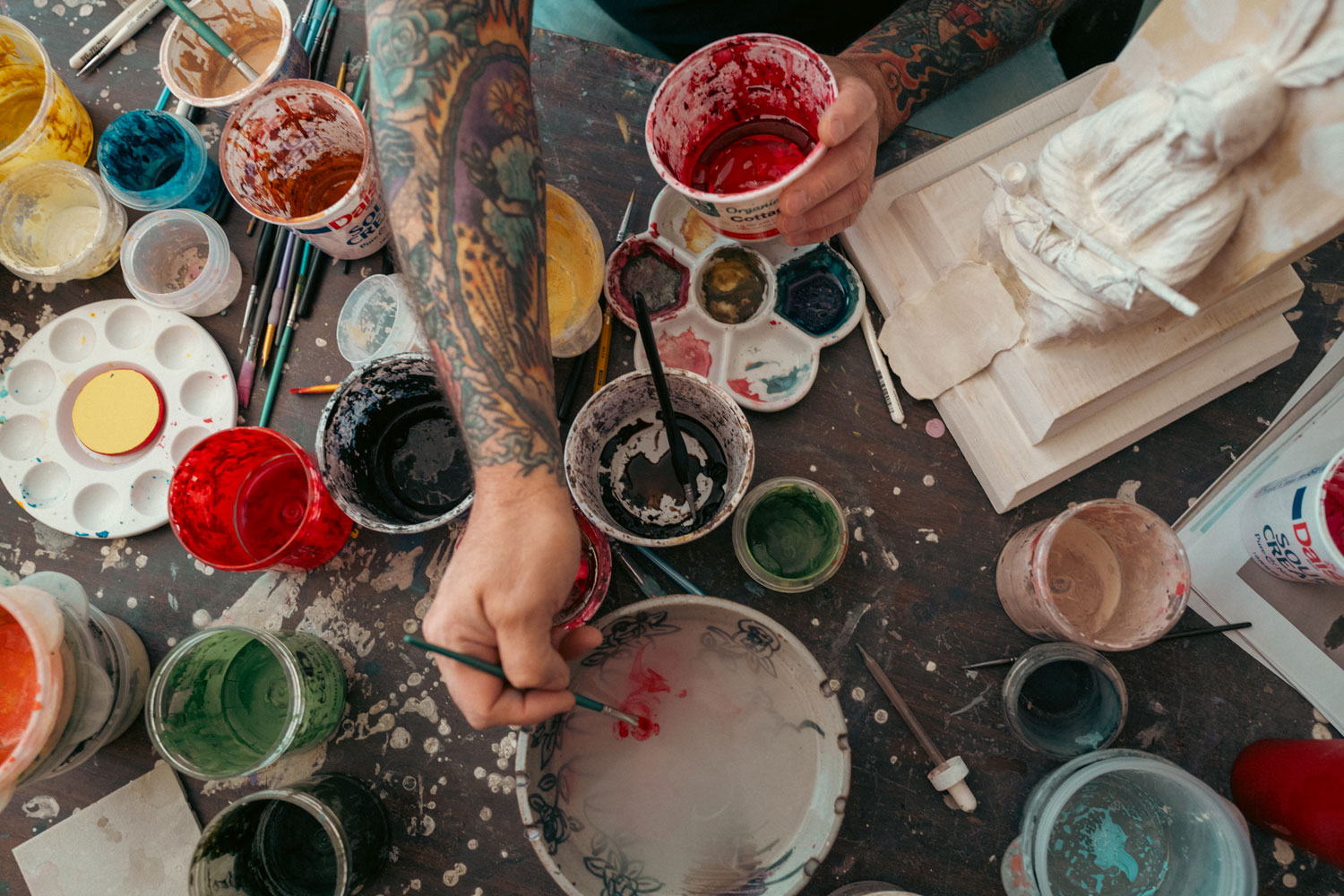
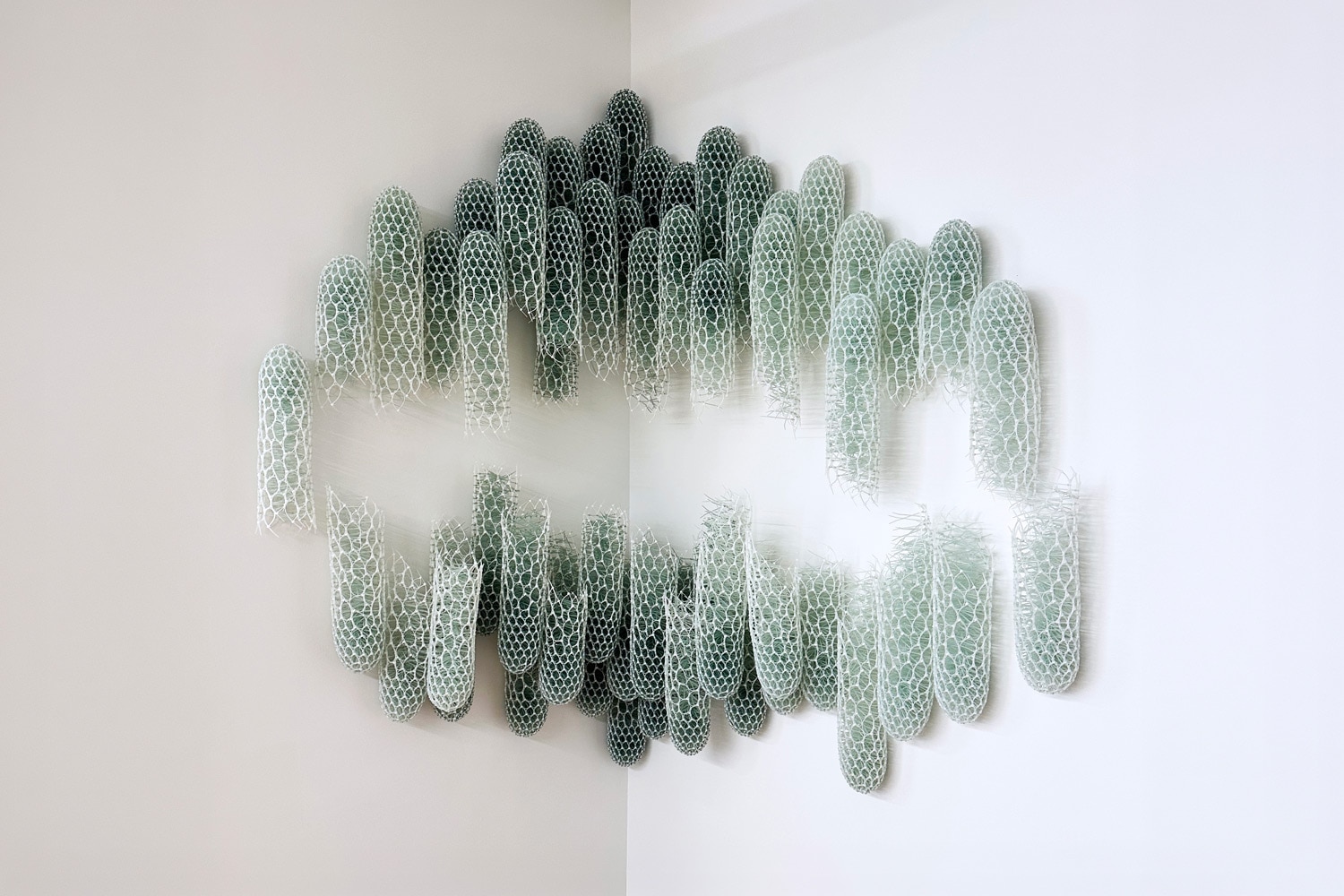
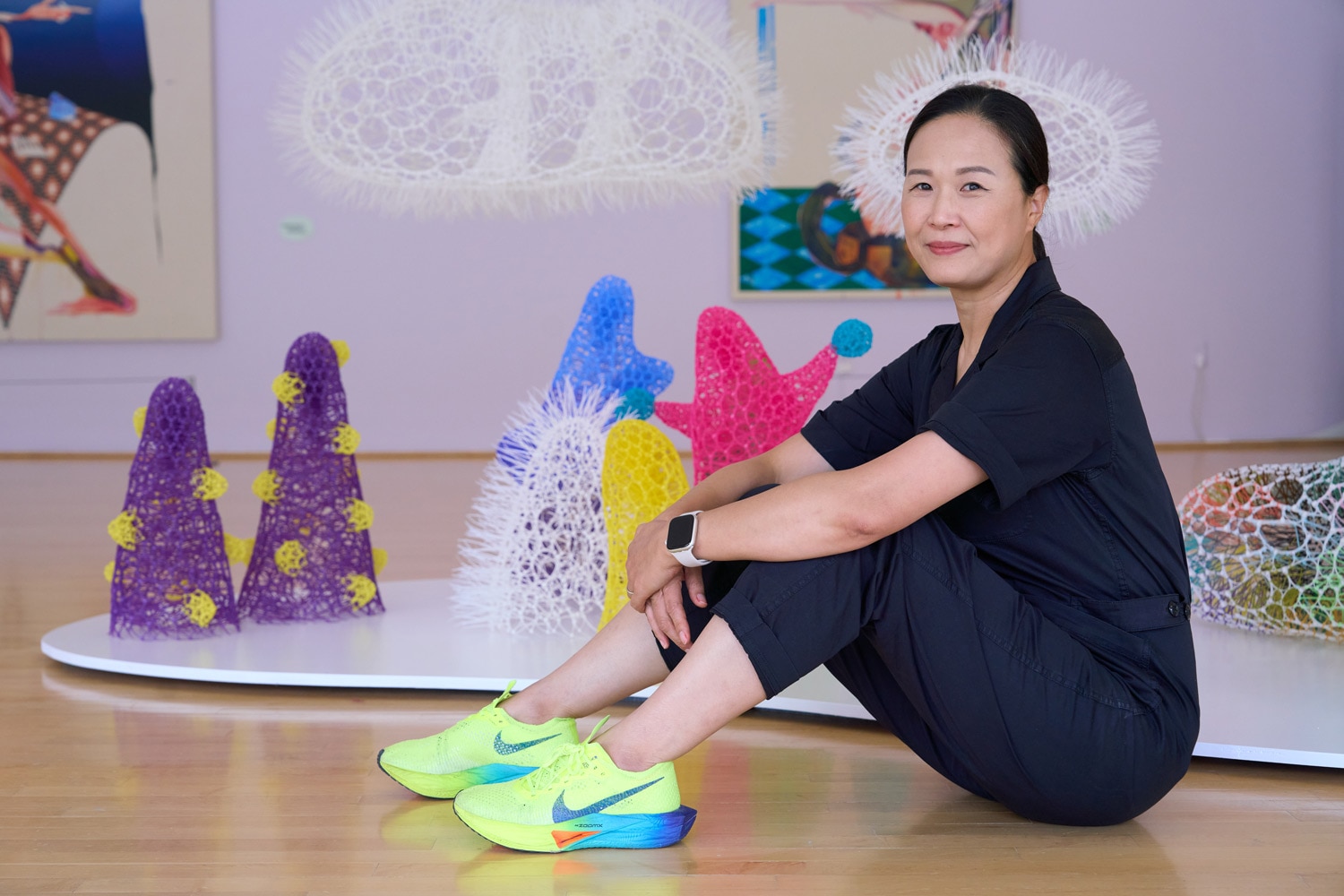
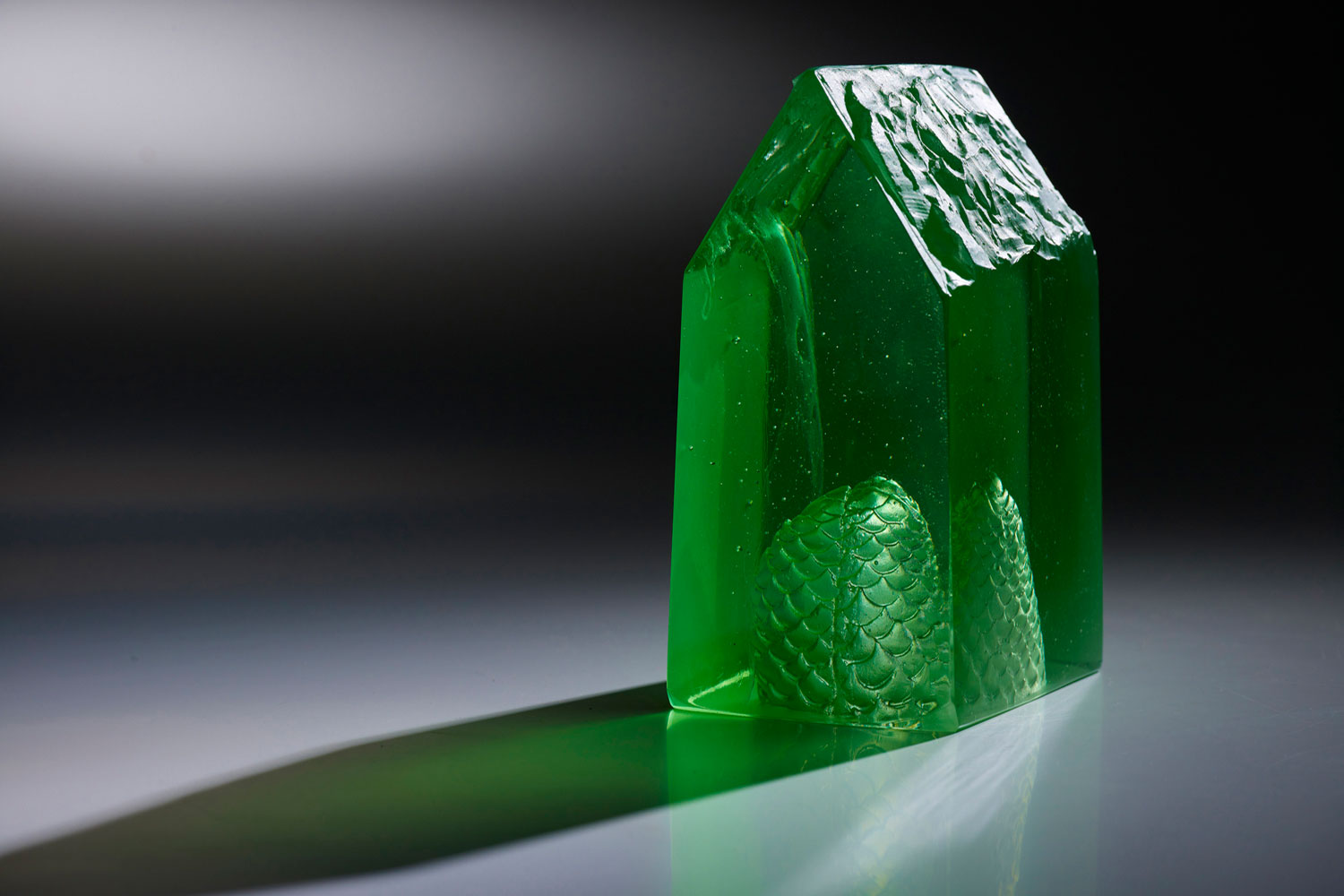
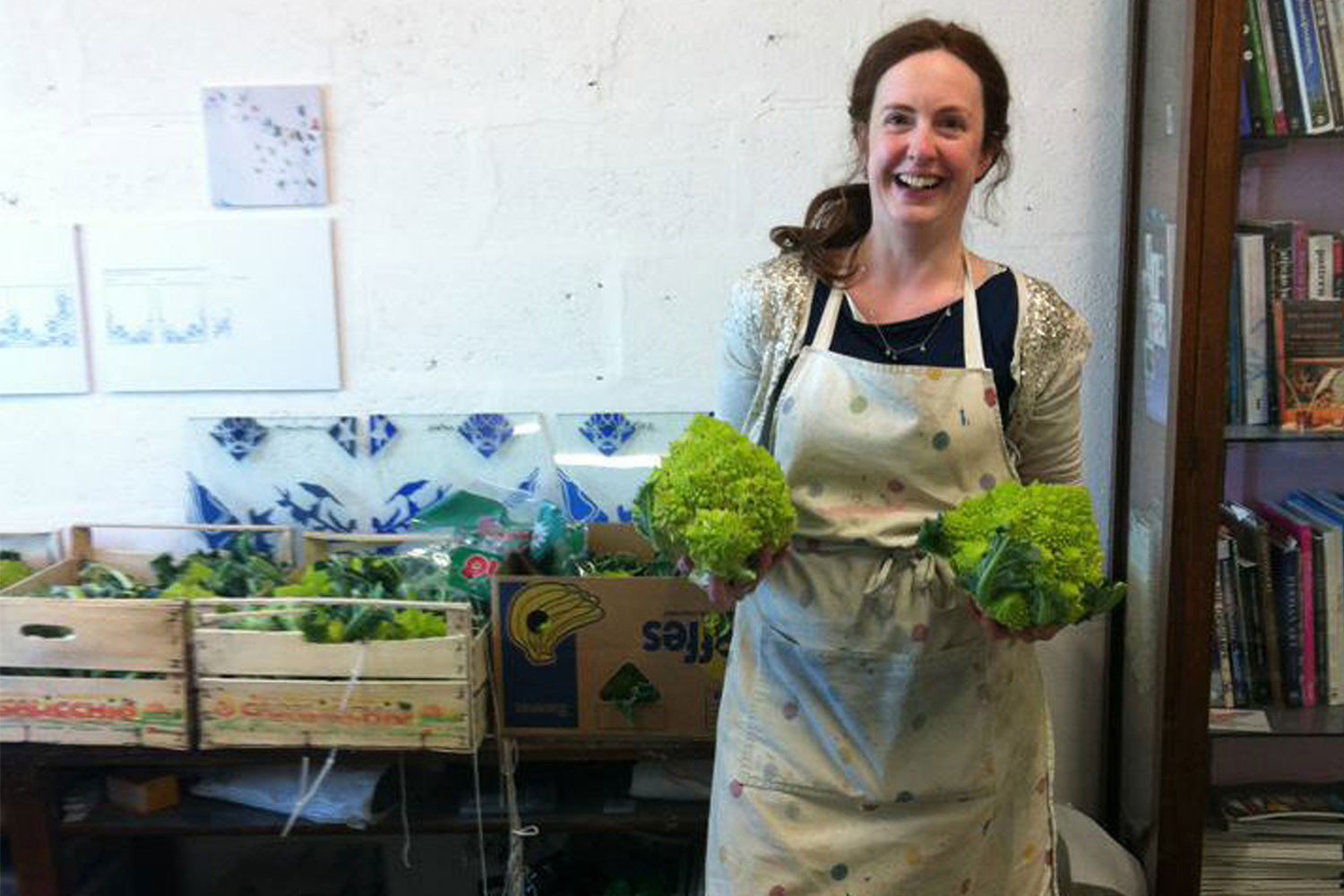
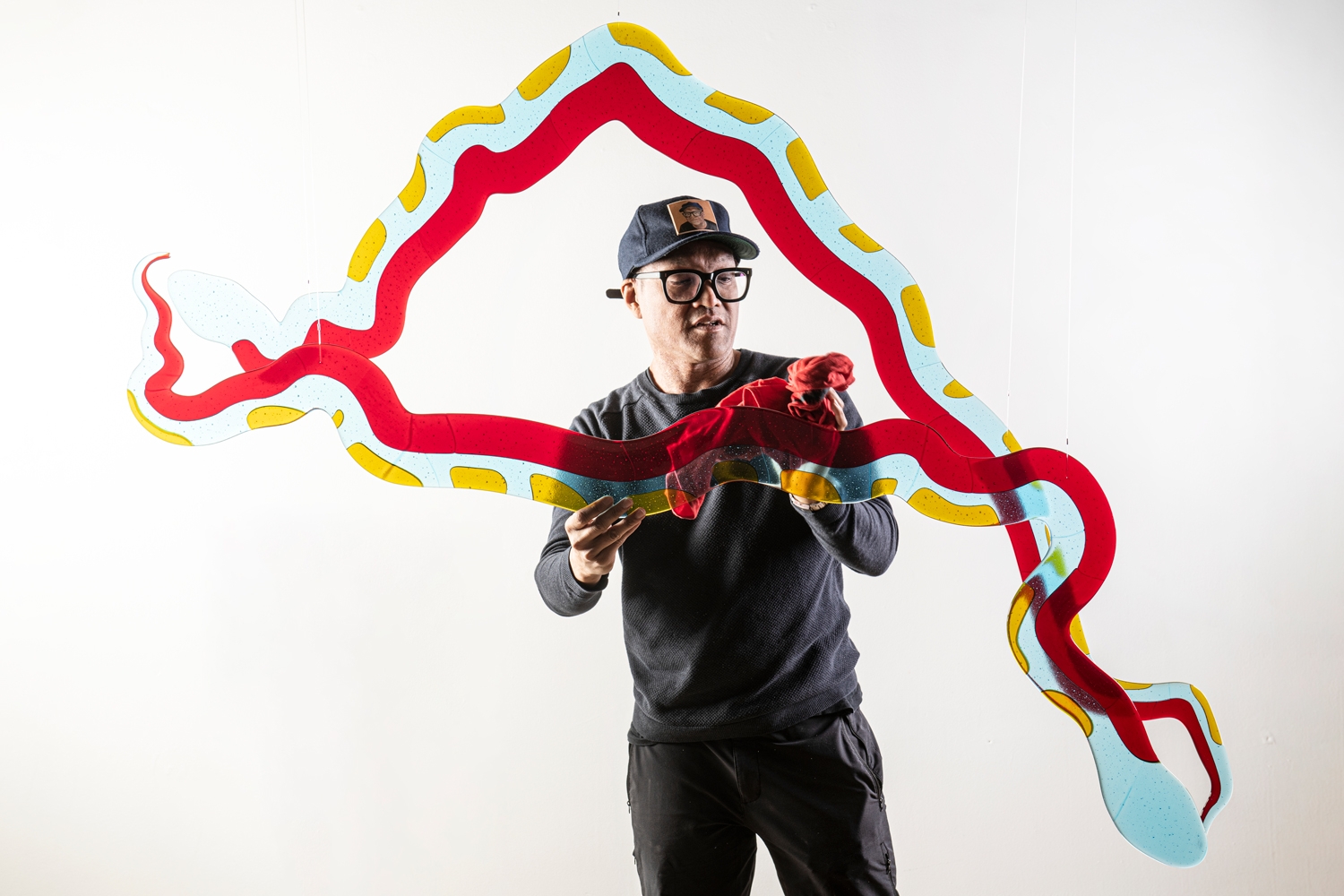
Runny eggs, hubcaps and sprouting potatoes are just a few of the unconventional subjects of Deborah Czeresko’s colourful thought-provoking glass sculptures. Using a medium steeped in historical significance, they open the conversation on contemporary issues such as gender roles, domesticity, consumerism and power. Deborah started out as a psychology student and athlete at Rutgers University, and discovered art after graduating and moving to New York City. "The physicality of glassblowing drew me in," they explain. "It somehow bridged athleticism and art." Having found their medium, Deborah went on to earn a master’s degree in studio art from Tulane University and trained with several prominent Venetian glass artists. Deborah has become widely known for their winning appearance on Netflix's Blown Away, where their technical expertise and bold ideas stood out.
Deborah Czeresko is an expert artisan: they began their career in 1993.
Discover their work
INTERVIEW
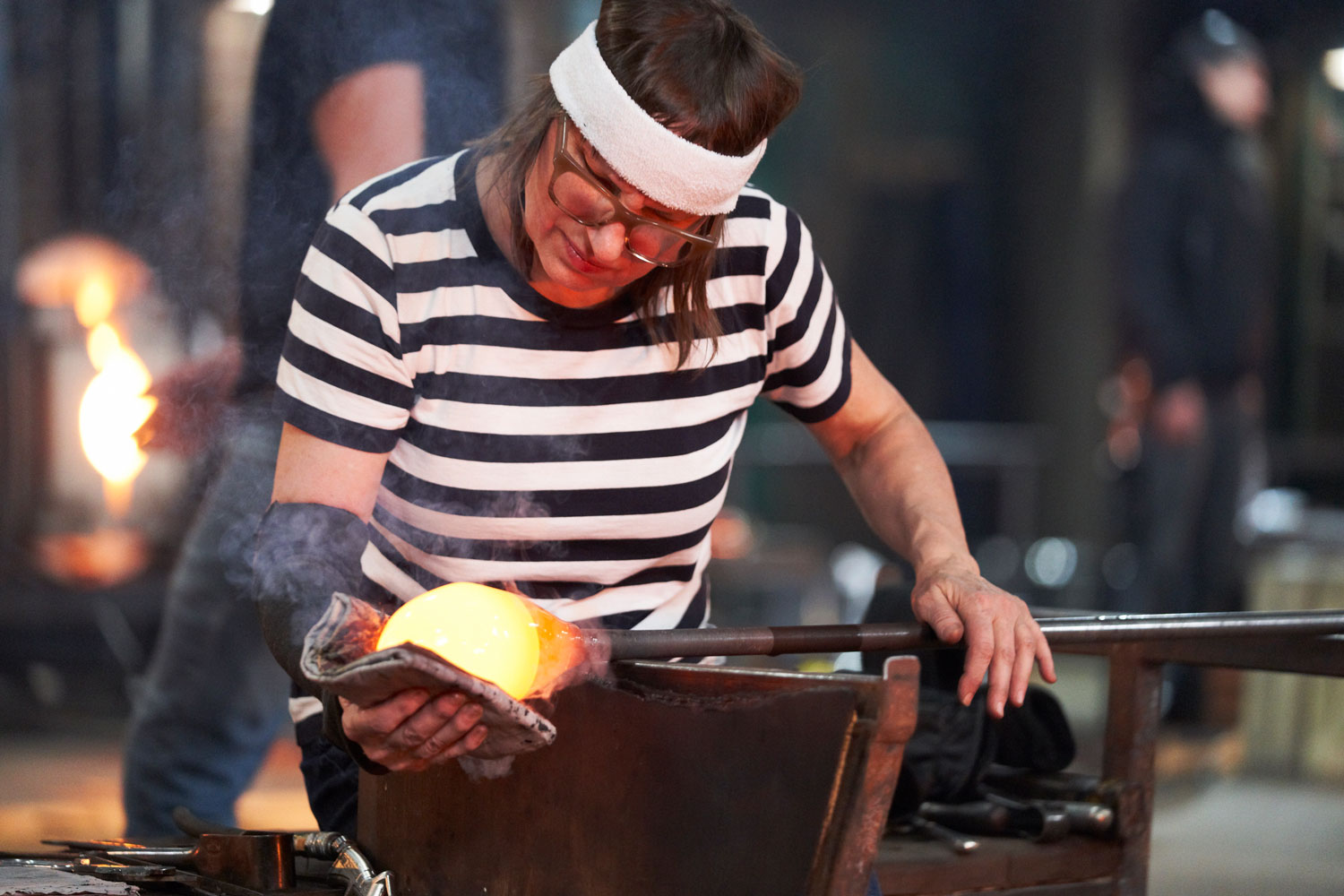
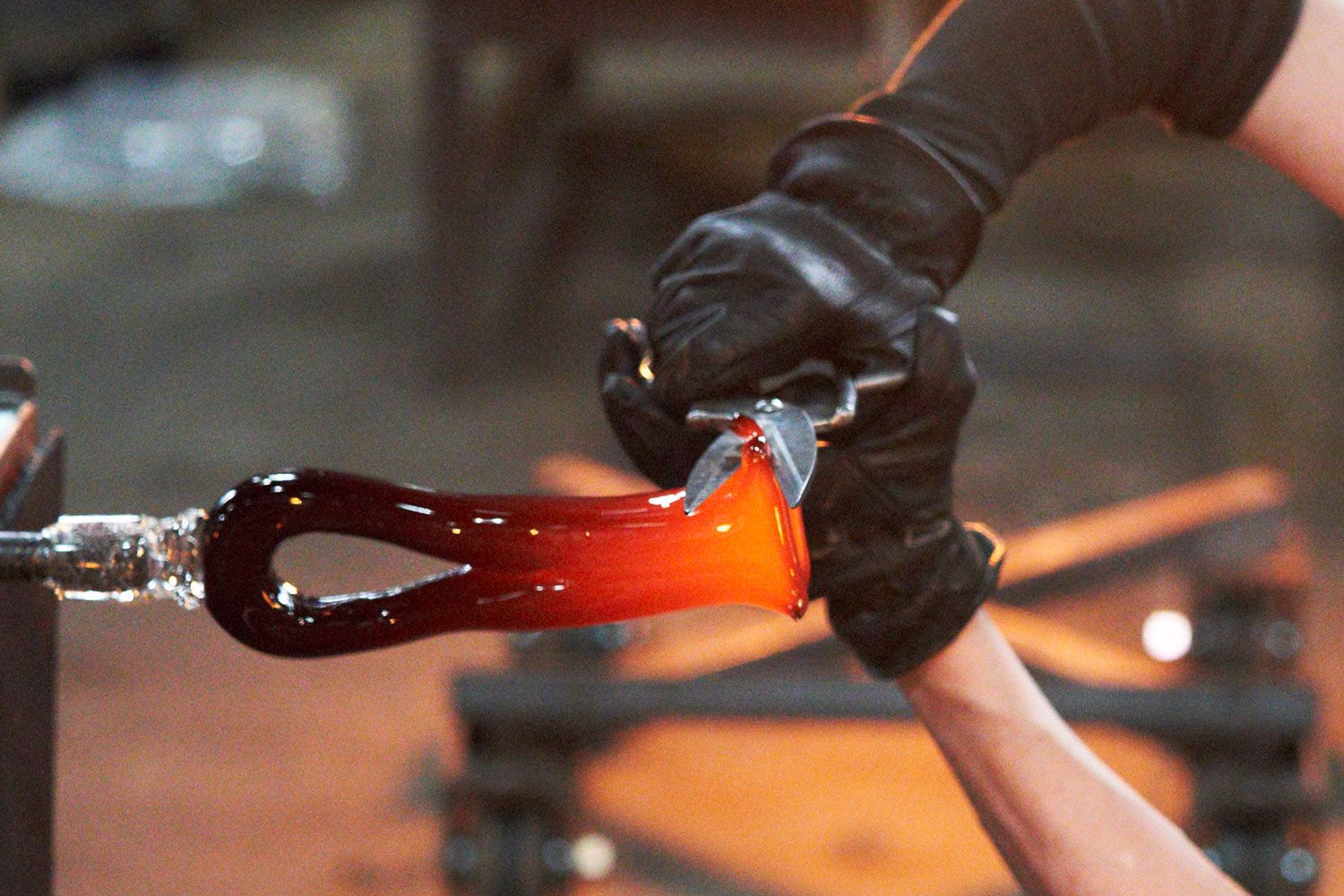
After college, I met a lot of artists and wondered what art was for me. Then I found the New York Experimental Glass Workshop, which is when the magic happened. I was mystified by the material. Working with glass is literally like sculpting a liquid. It is weird, and that weirdness connected with me on a soulful level.
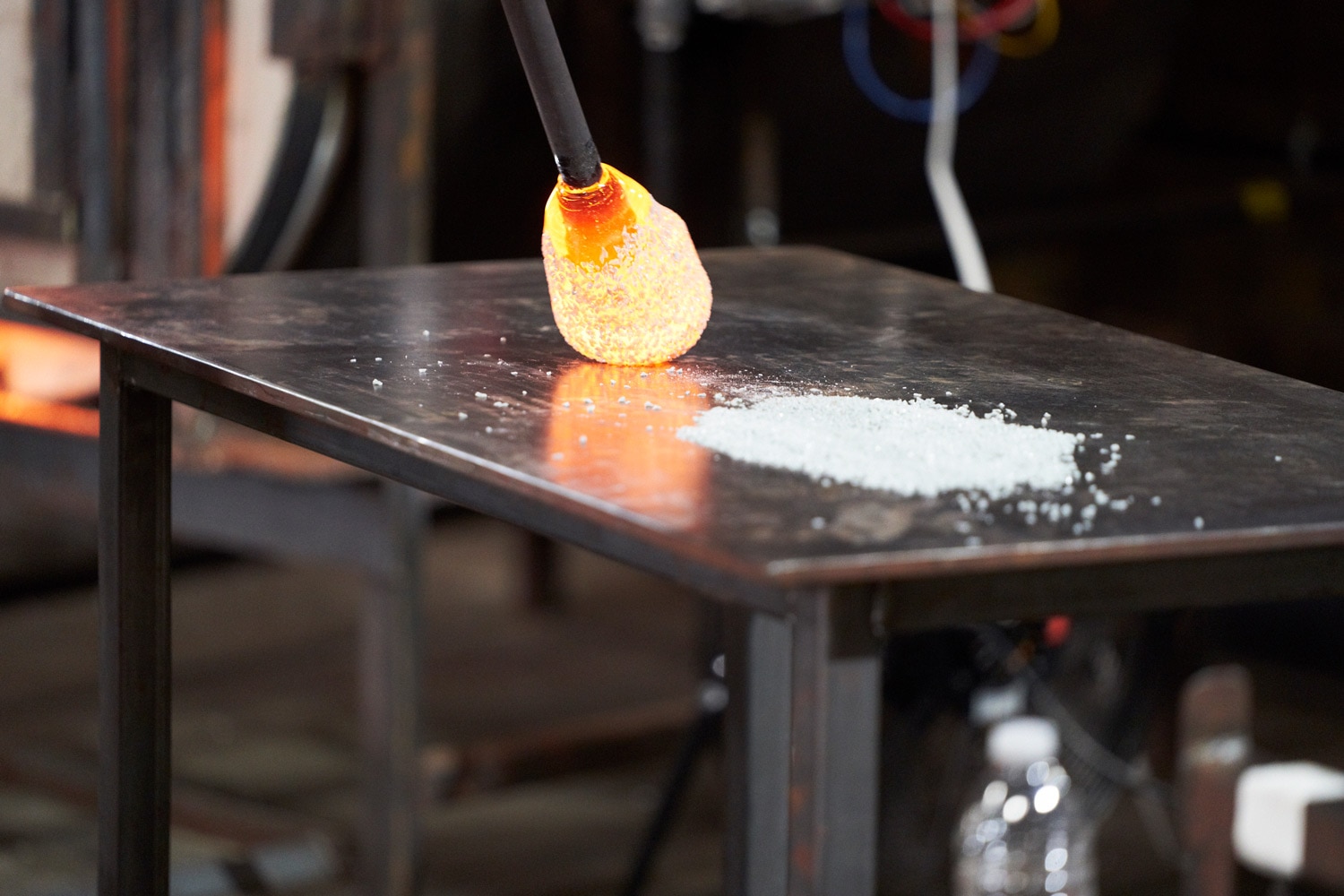
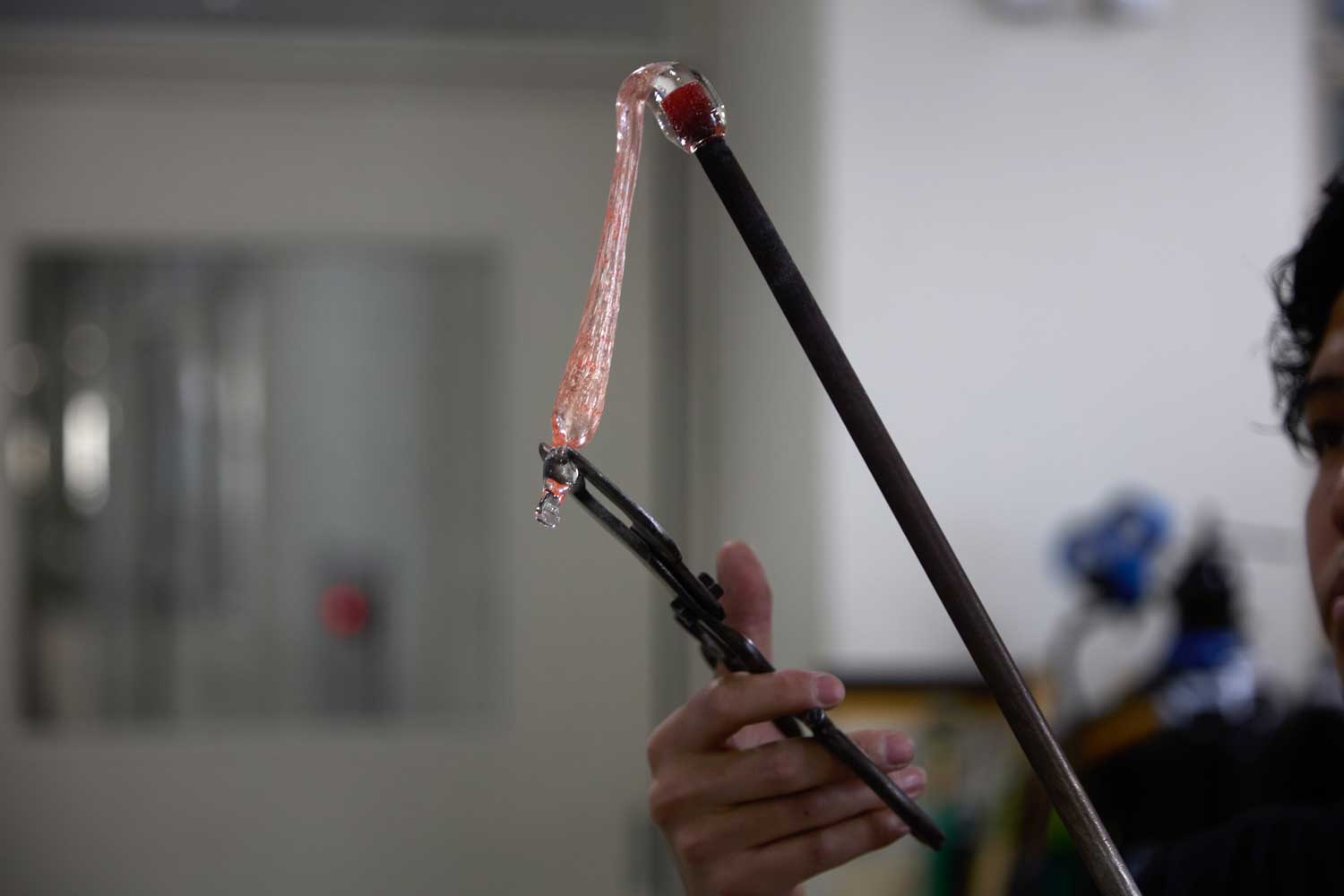
When I am sculpting, I am trying to balance between the material's expression and my expression, to capitalise on what the material can do. It is a very dominant material that lets you know when you are not able to work it well. You have to learn its language, as it will not learn yours!
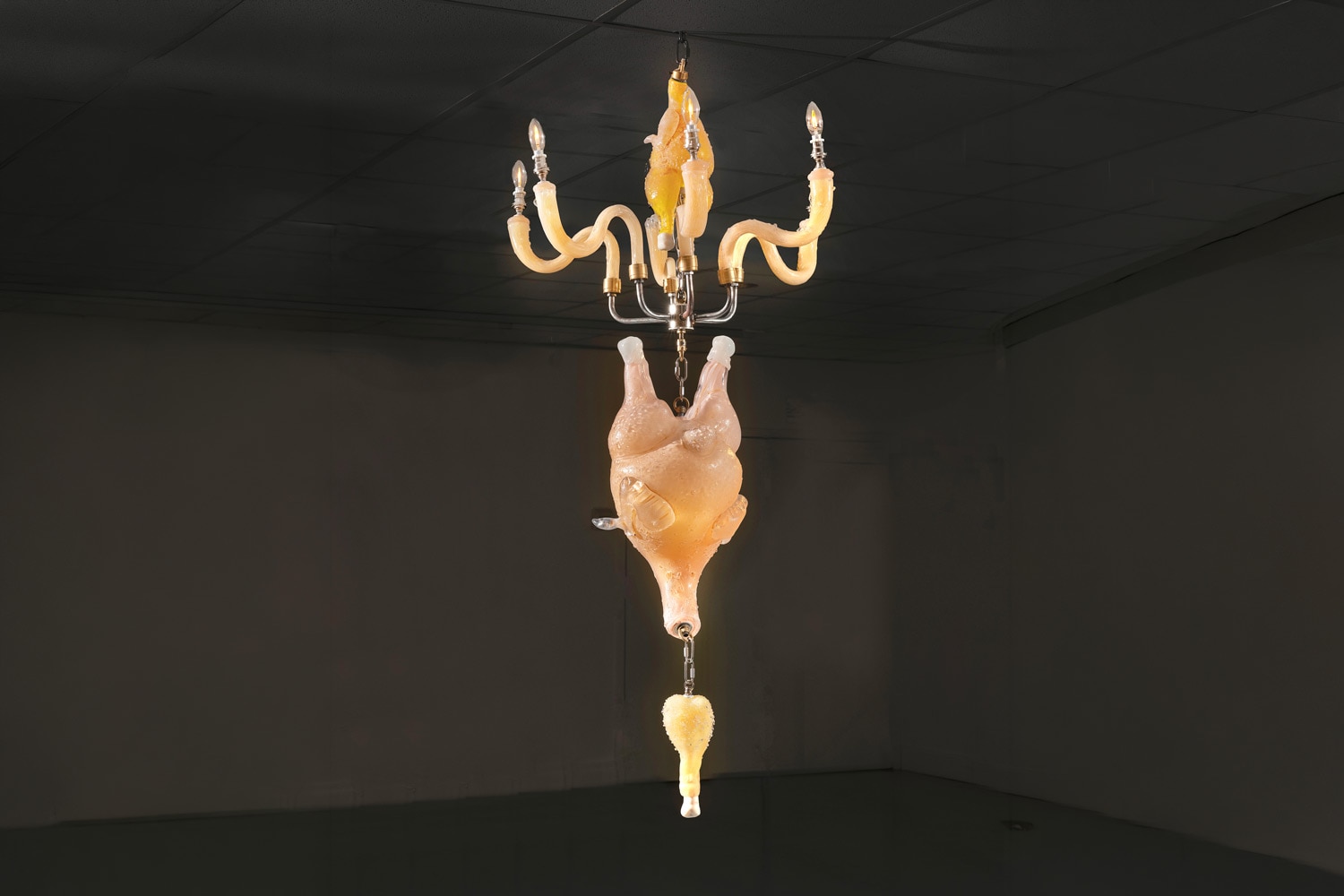
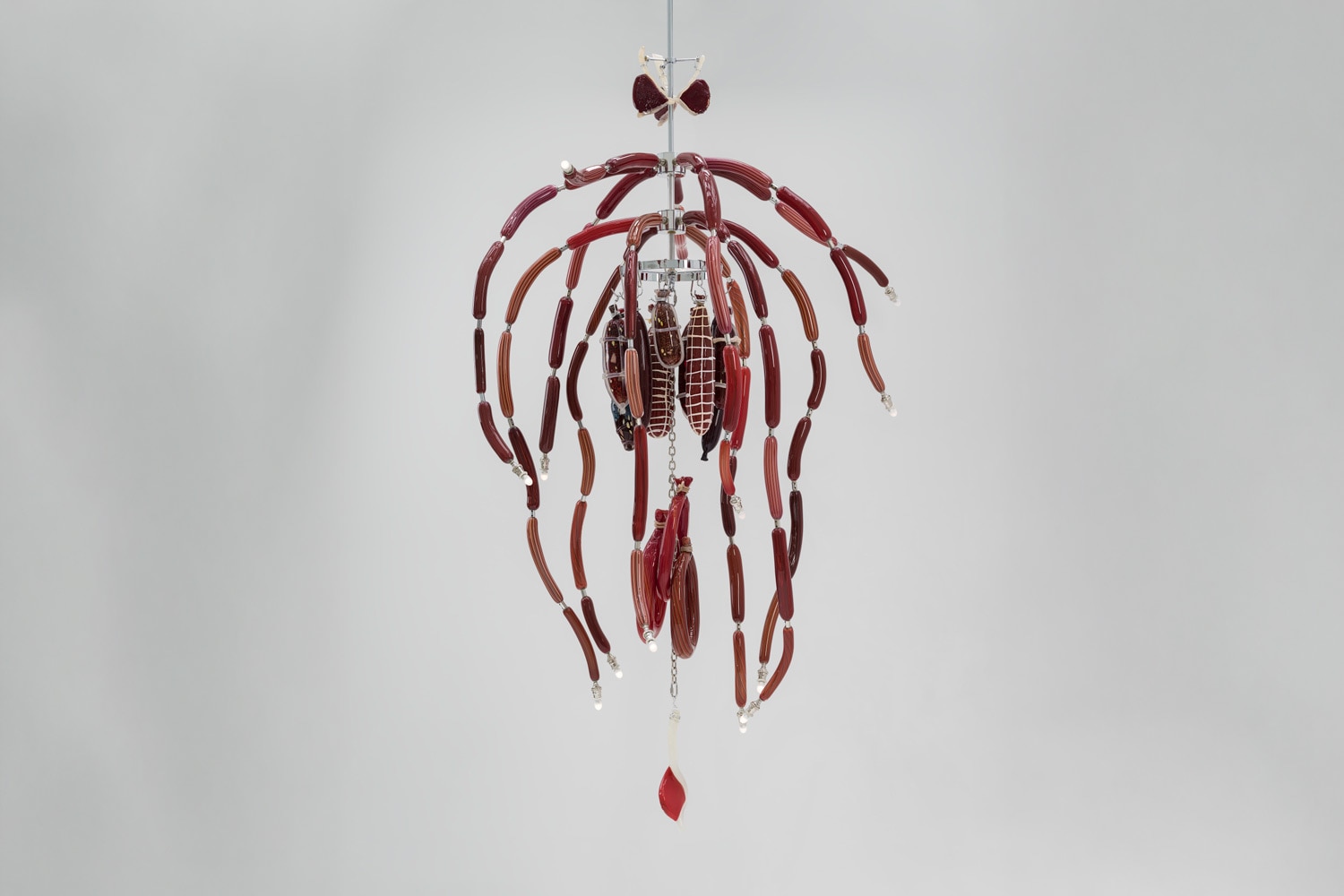
Meat Chandelier, which is at the Corning Museum of Glass, is my most iconic and beloved piece. It references glass history, the making of chandeliers, and how they are typically based on floral arrangements. I am coming at the concepts from a female, non-binary perspective. Making meat instead of flowers is a commentary on who is empowered and who has status in glass, including the hierarchy within this craft.
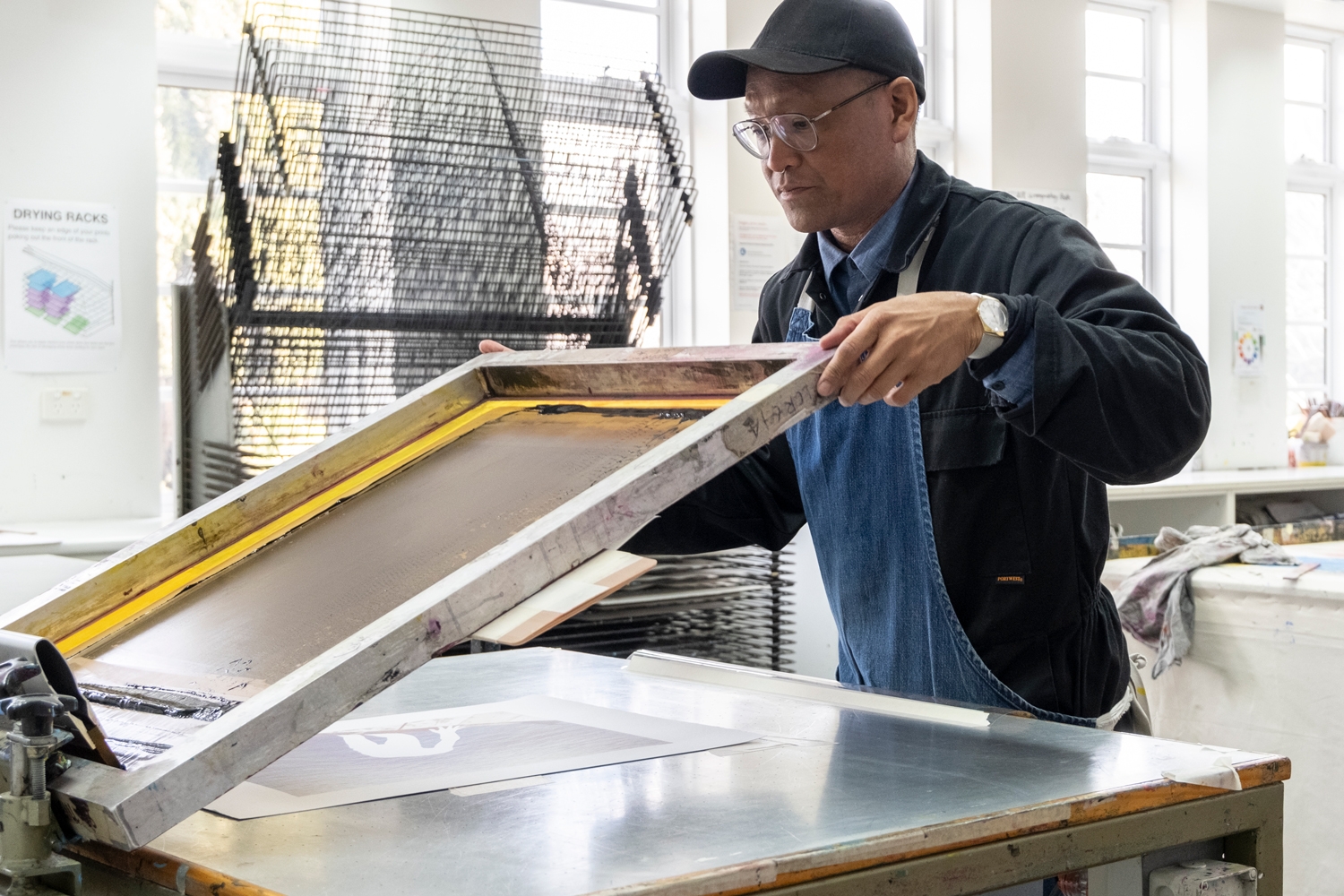
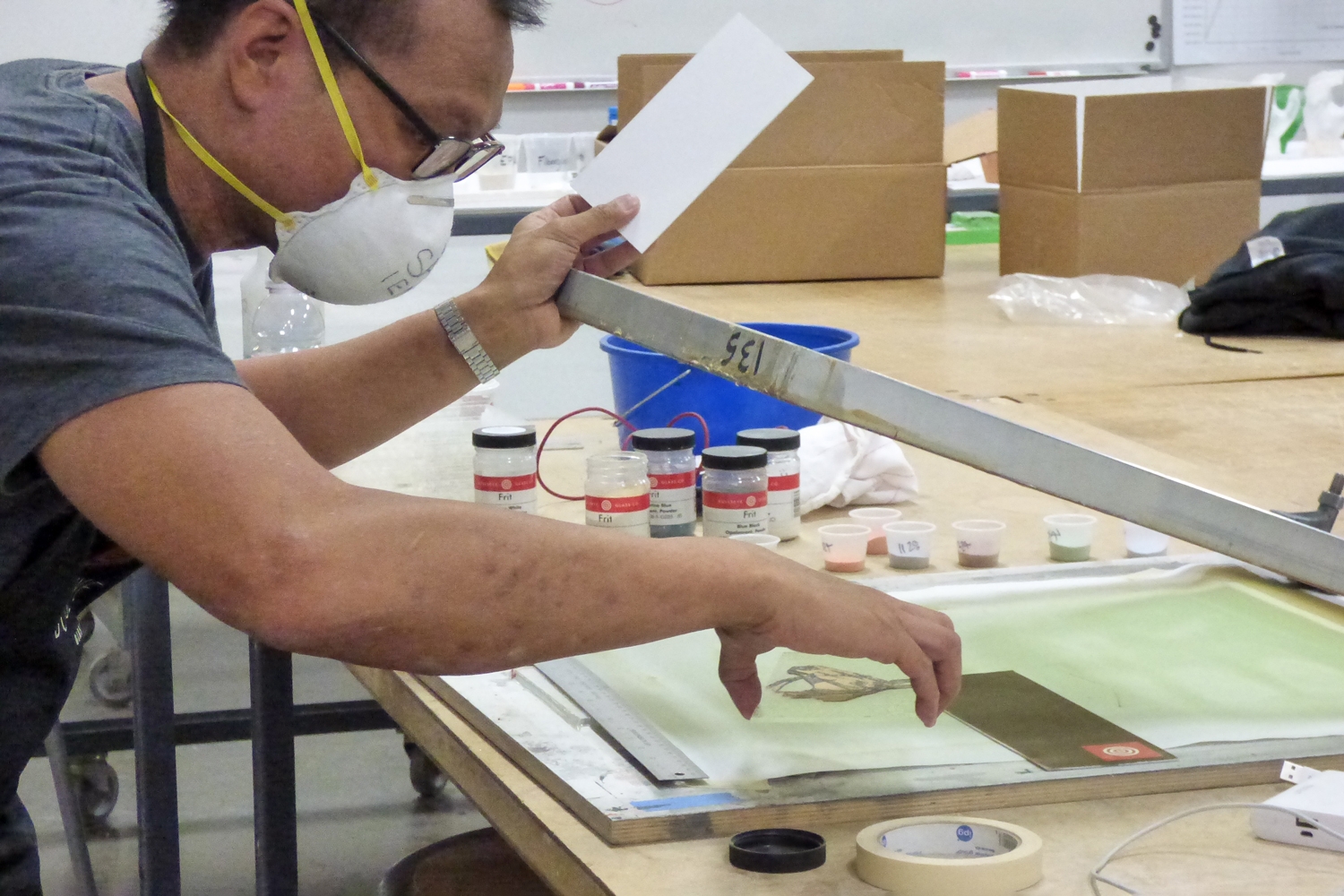
The most surprising thing is how much you can actually do with glass. There are different ways of working it, not just blowing and glass sculpting, but casting, and so many other techniques. The power of it, conceptually, has not been fully mined yet.
Deborah Czeresko
Glass sculptor
New York, NY, USA
ADDRESS
Address upon request, New York, NY, USA
AVAILABILITY
By appointment only
LANGUAGES
English
HOMO FABER FINDS
Homo Faber Finds is a new service aiming to inspire admirers of craft to connect and collaborate with exceptional artisans.
We invite you to submit an enquiry here.

Suzanne-O-Sullivan-,-Daydreaming-.-12-x-12-inch--IMG_6446.jpg)
IMG_20210526_104951~2-copy.jpg)
IMG_20250718_181155-copy.jpg)