Désirée Sessegolo
Glass sculptor
Morretes, Brazil
Creating voids in glass
- Désirée's practice moves between making, teaching and environmental commitment
- She challenged conventional glass aesthetics in the late 2000s to discover her own style
- She has participated in Venice Glass Week as an exhibiting artist
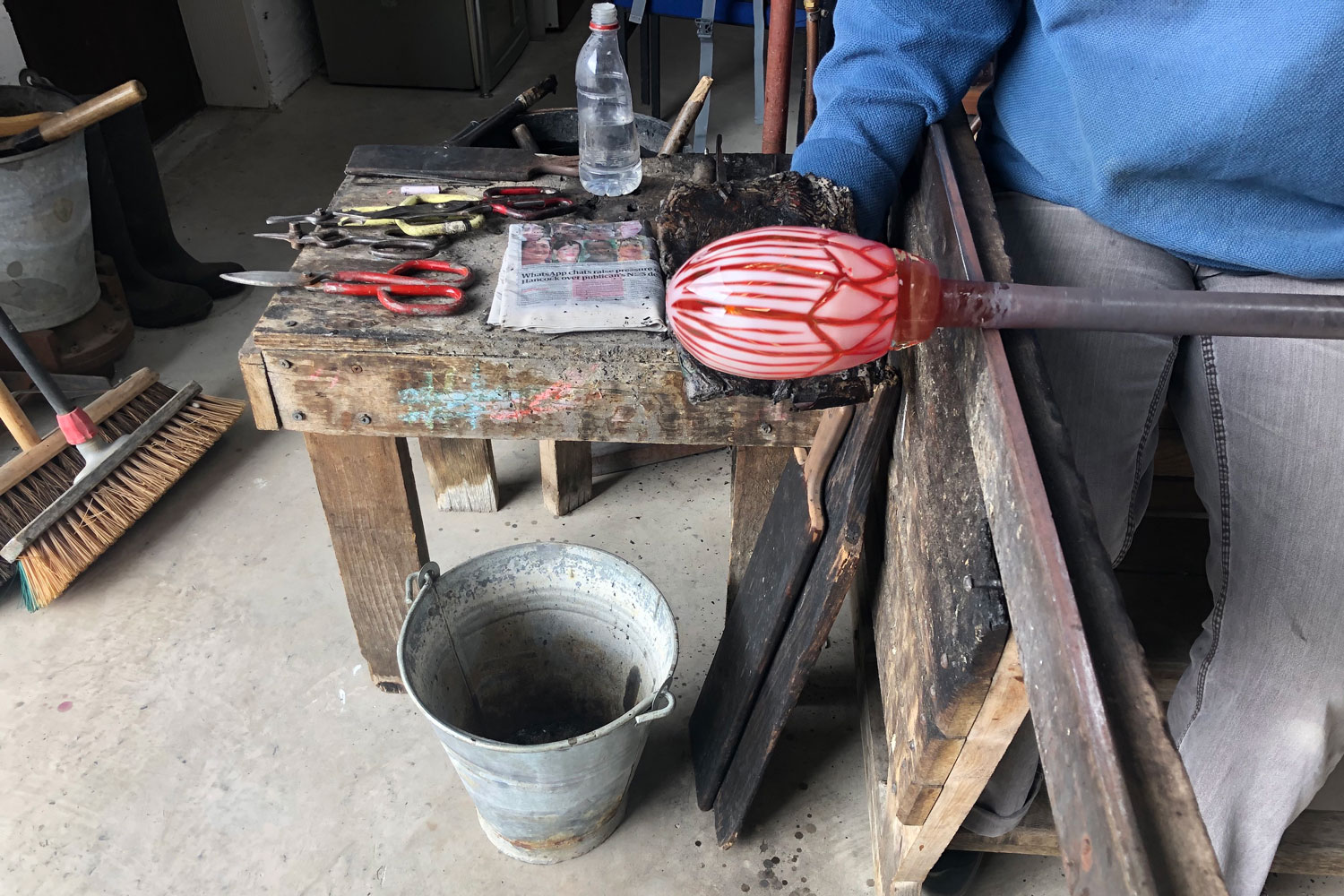
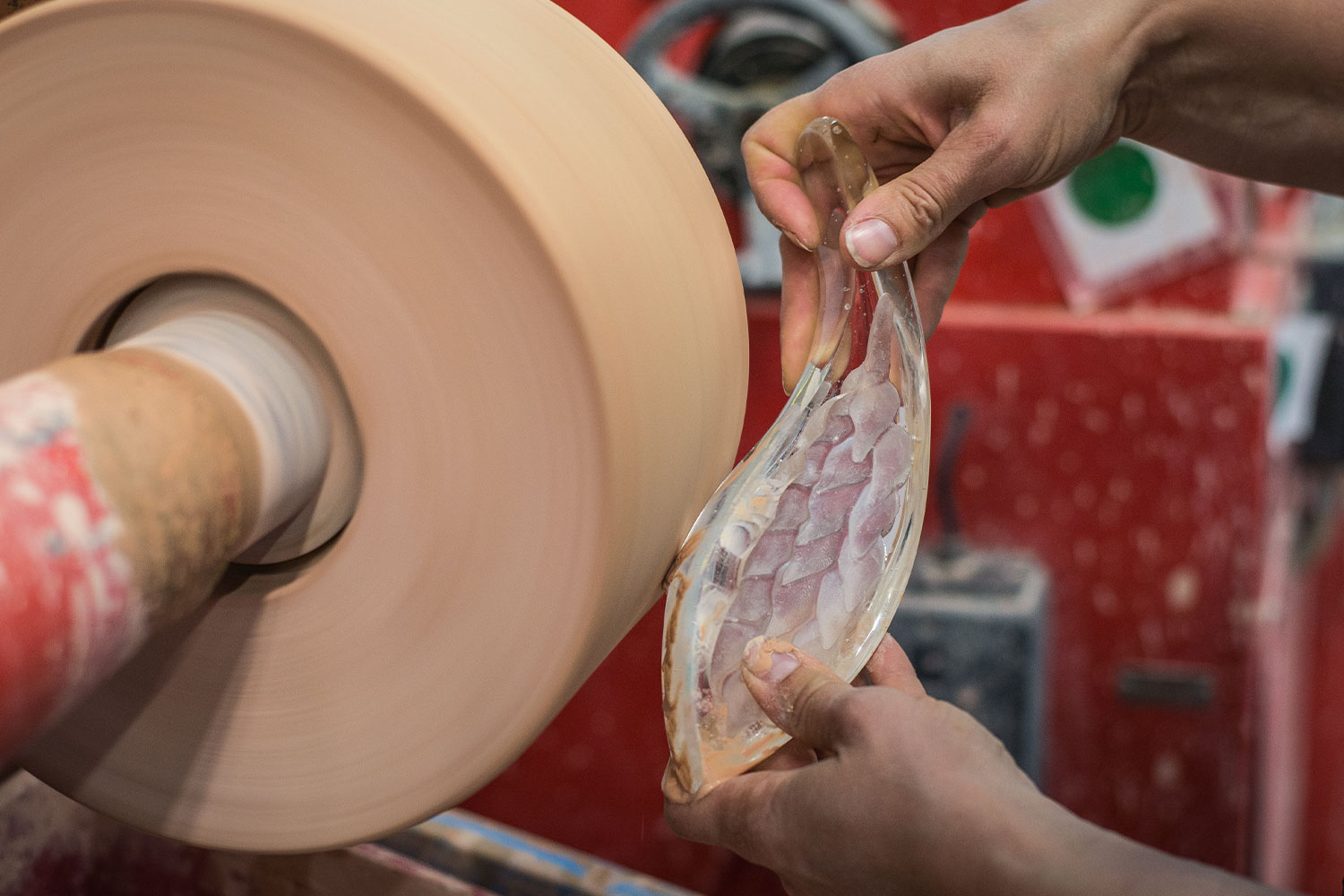
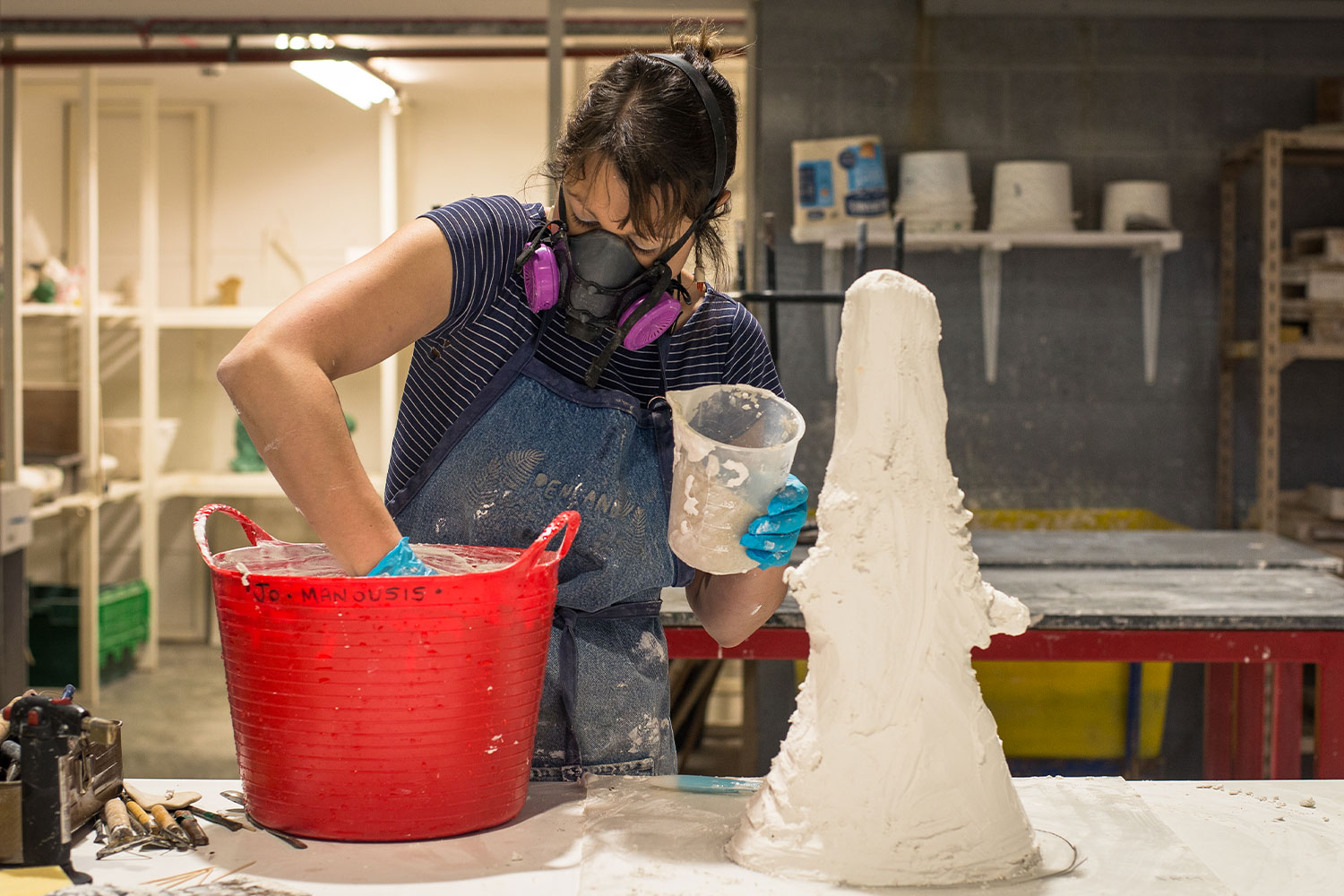
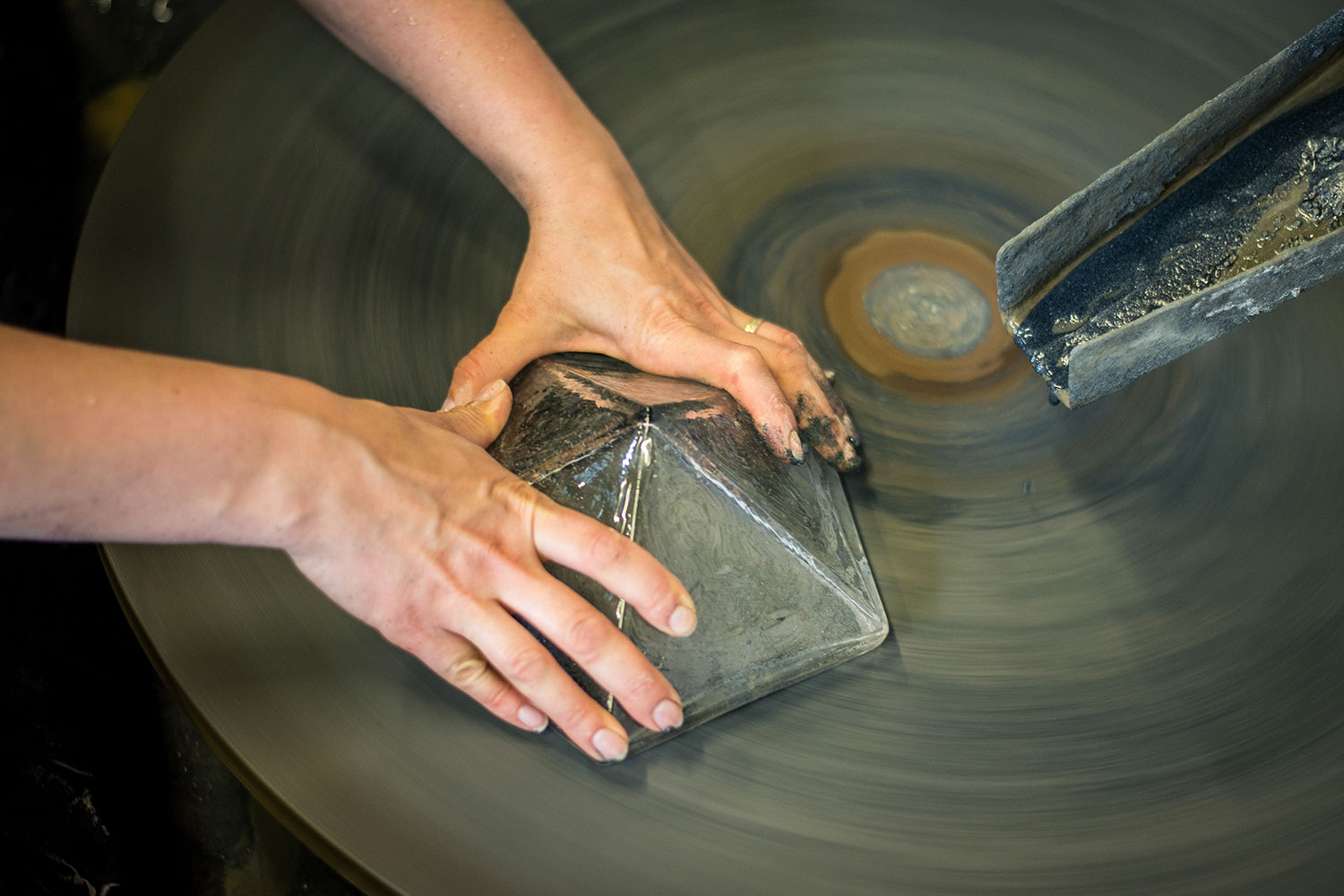
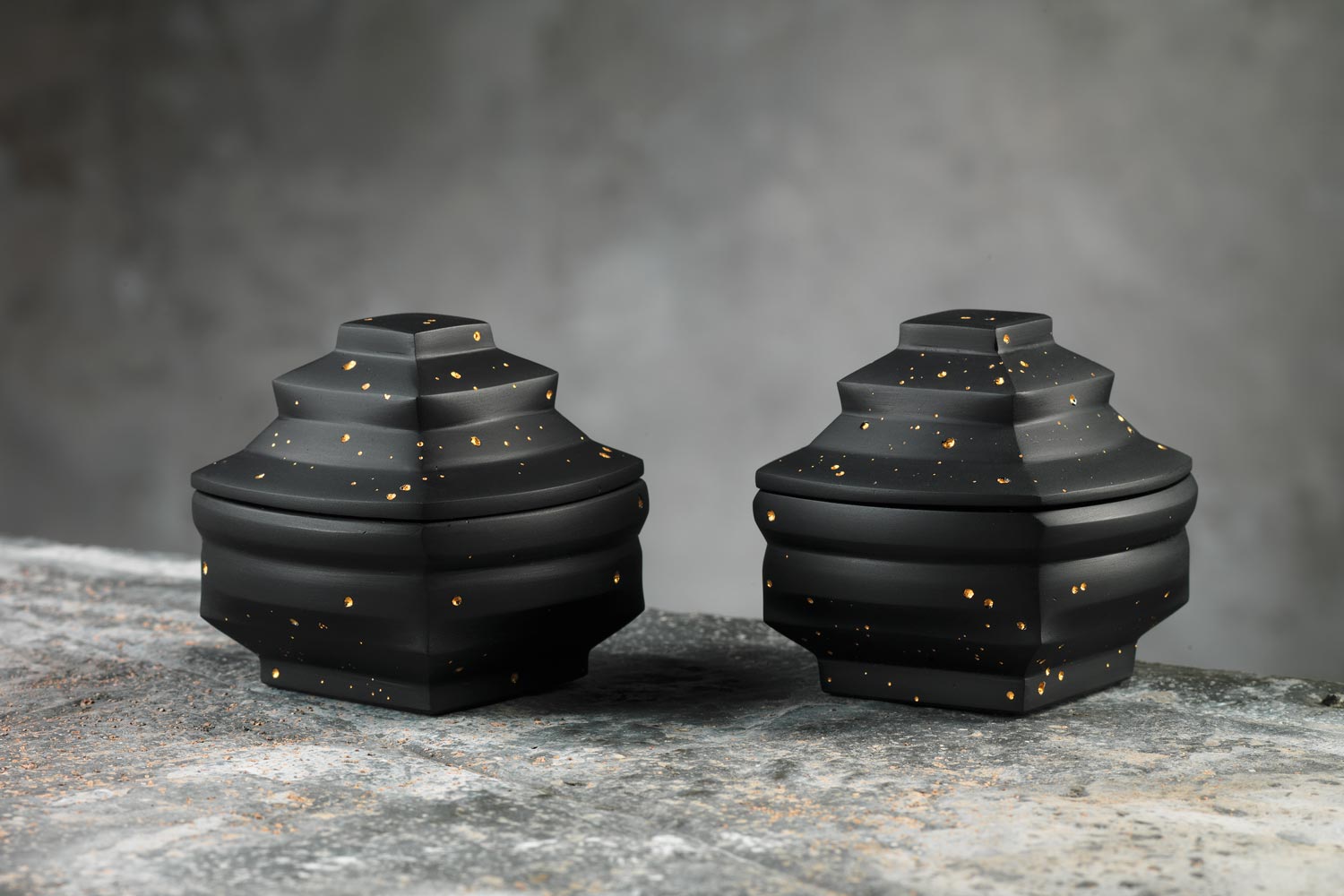
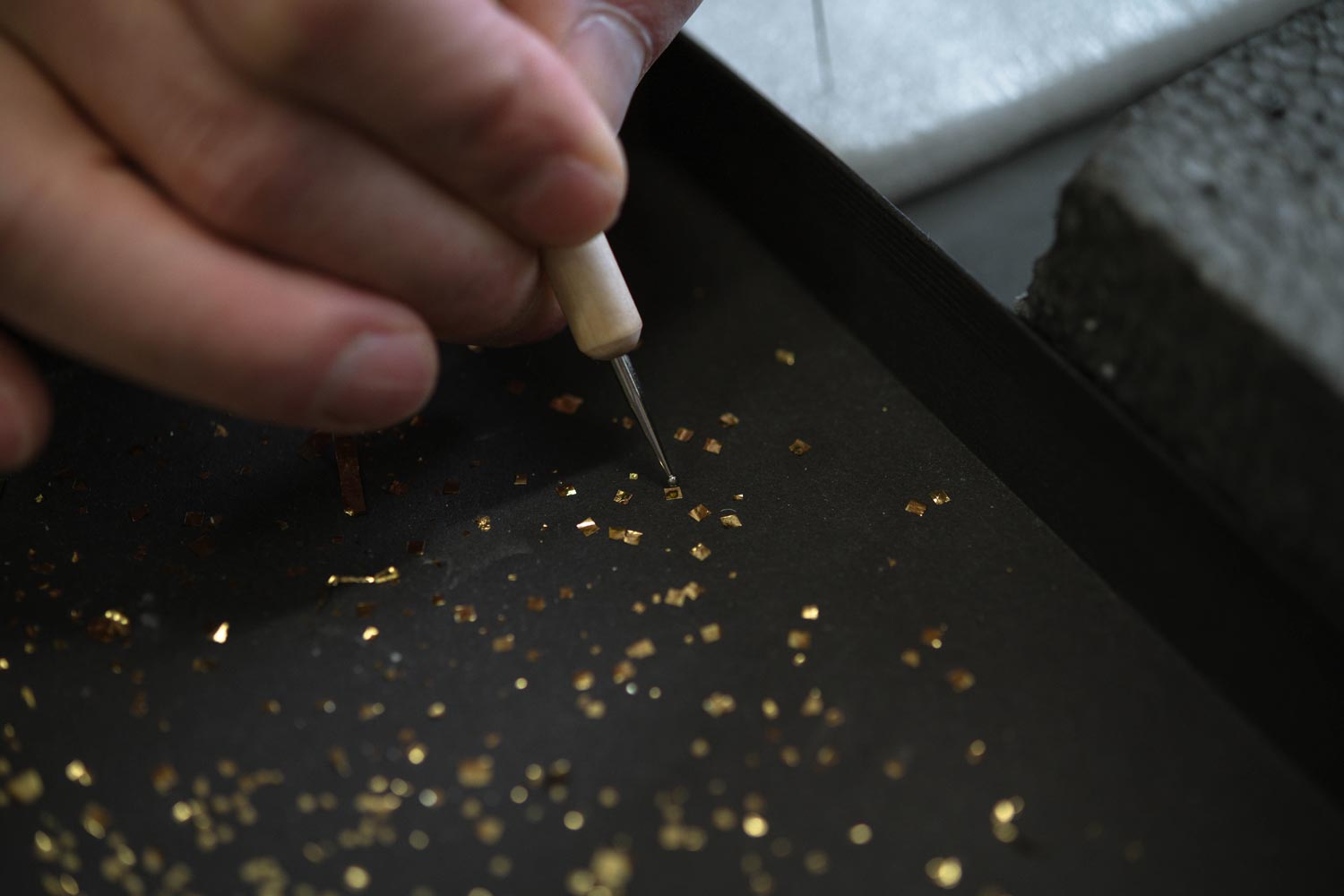
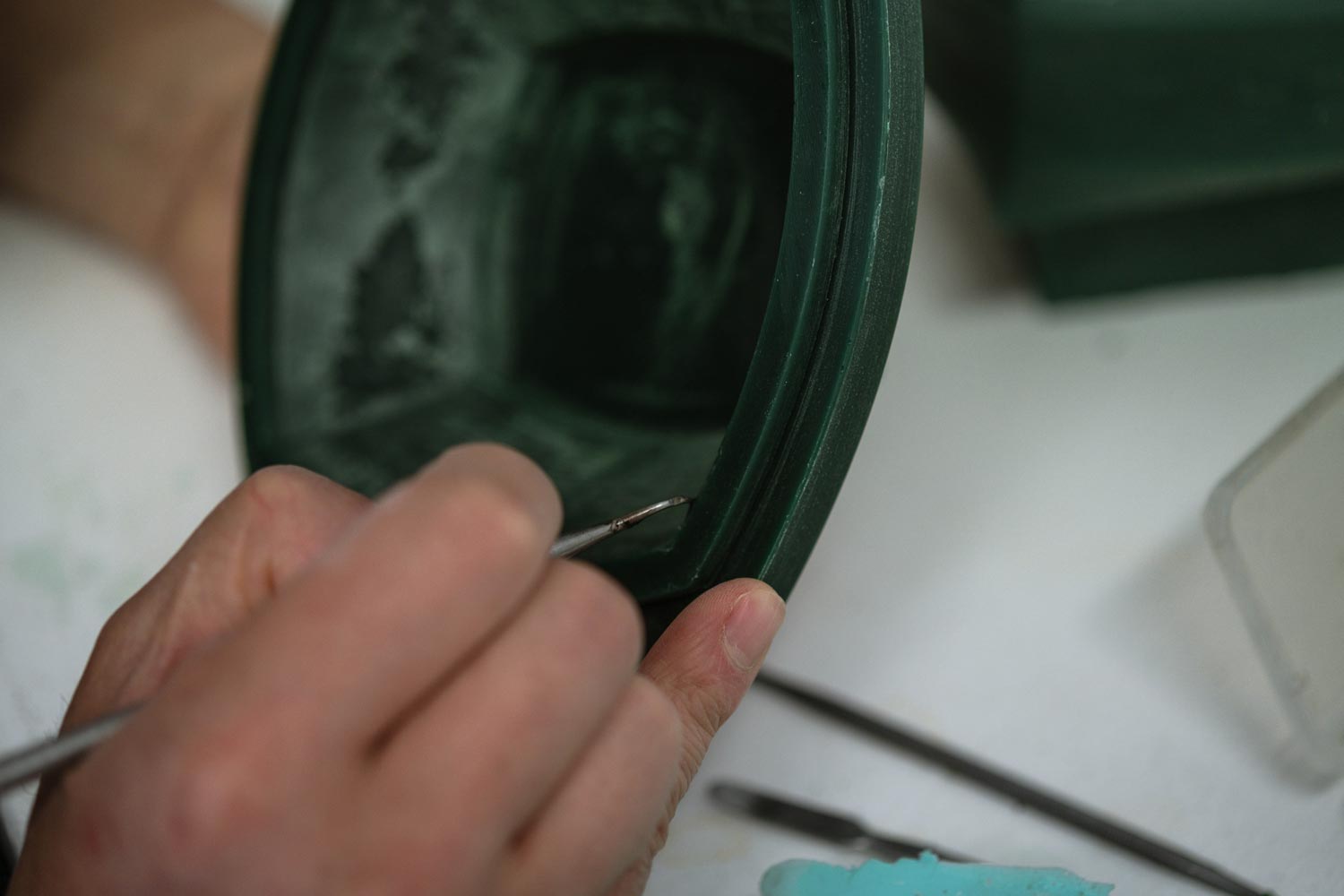
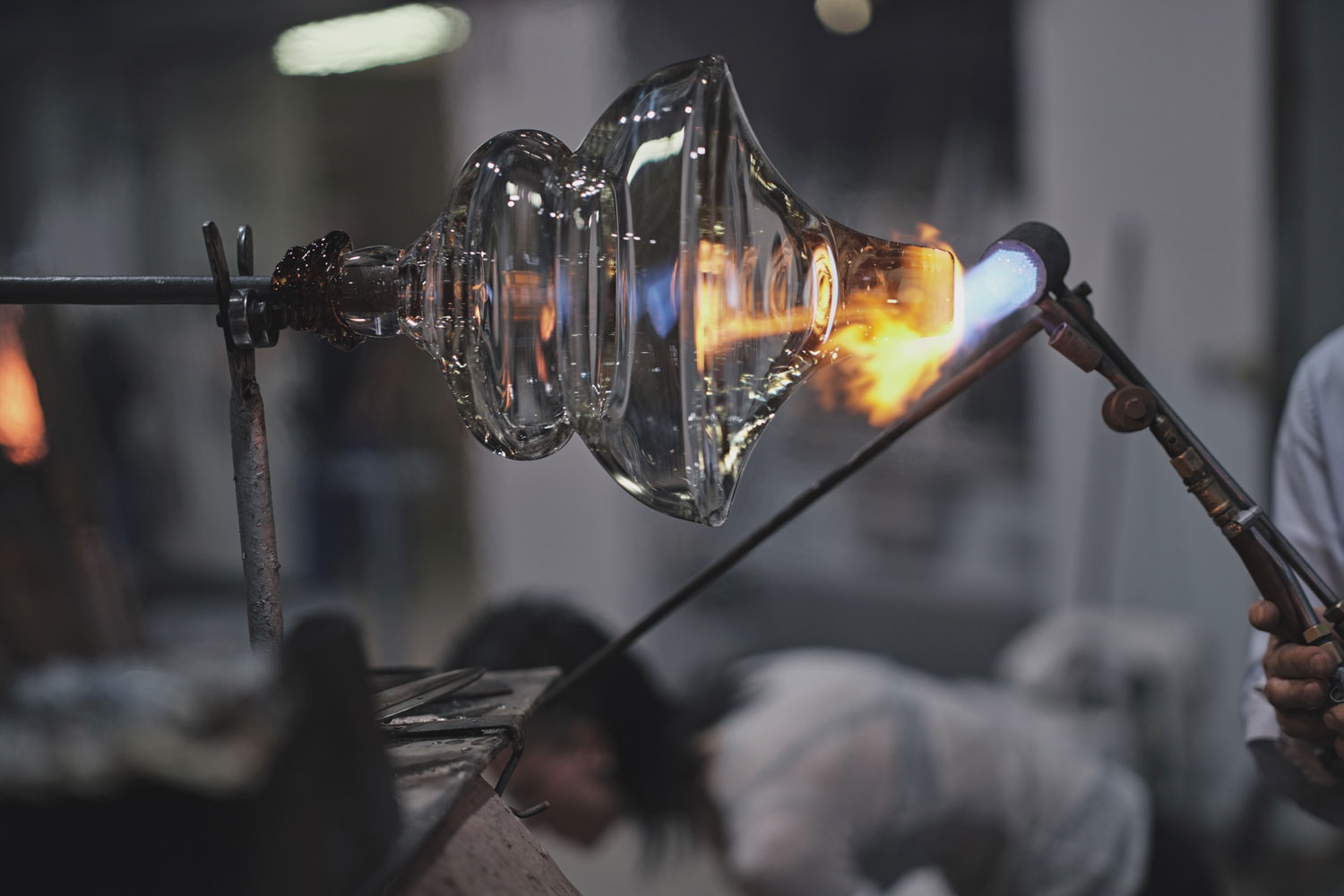
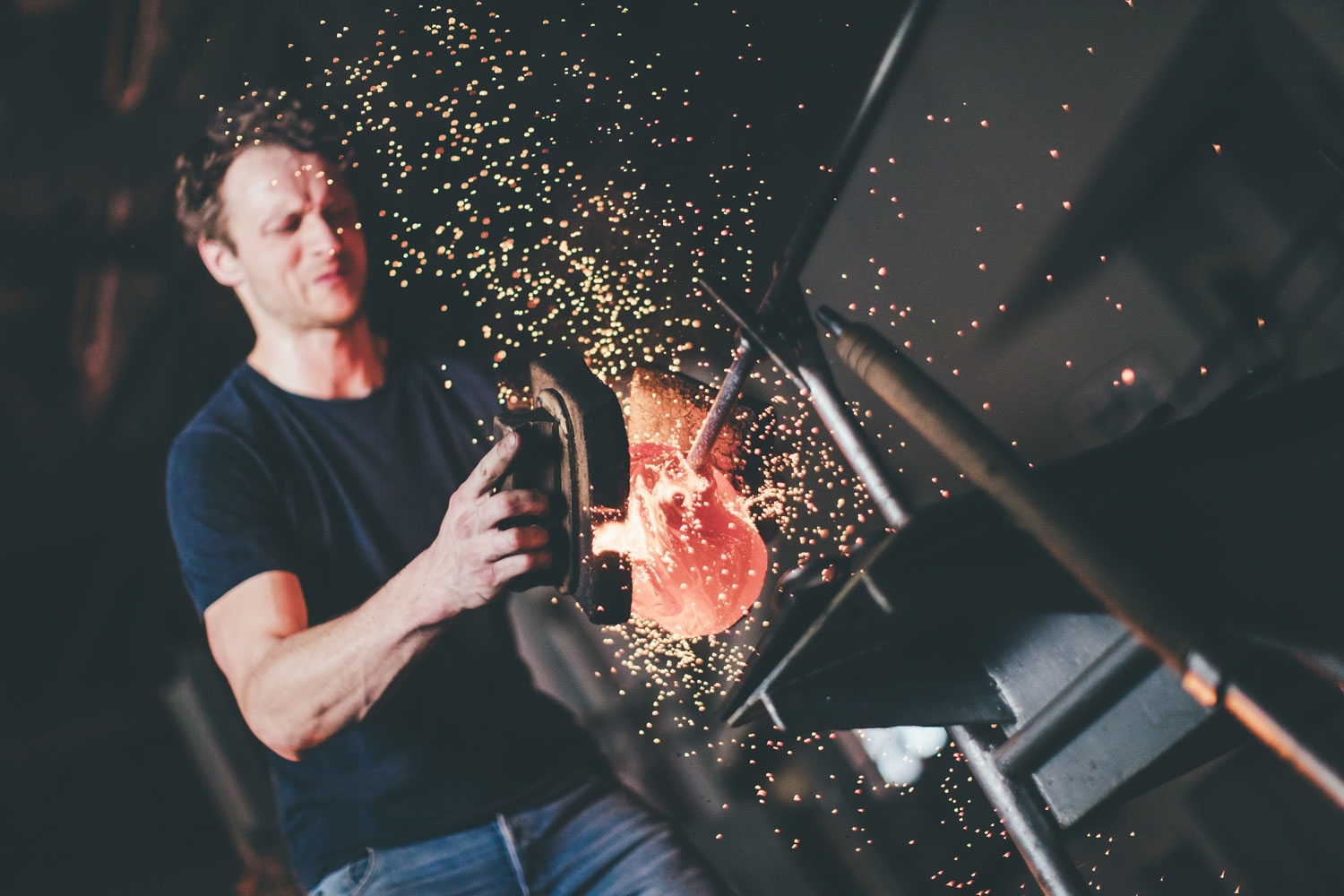
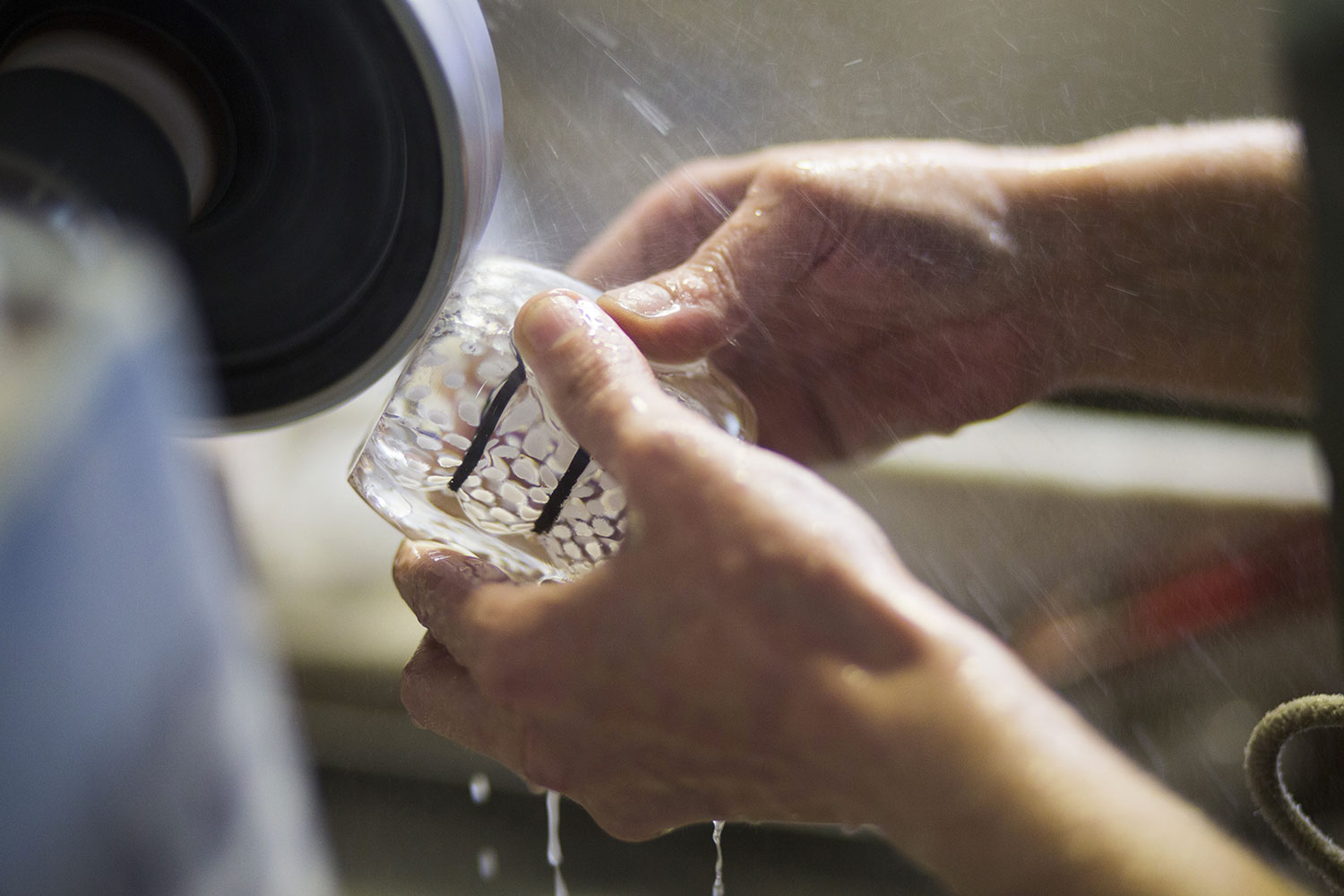
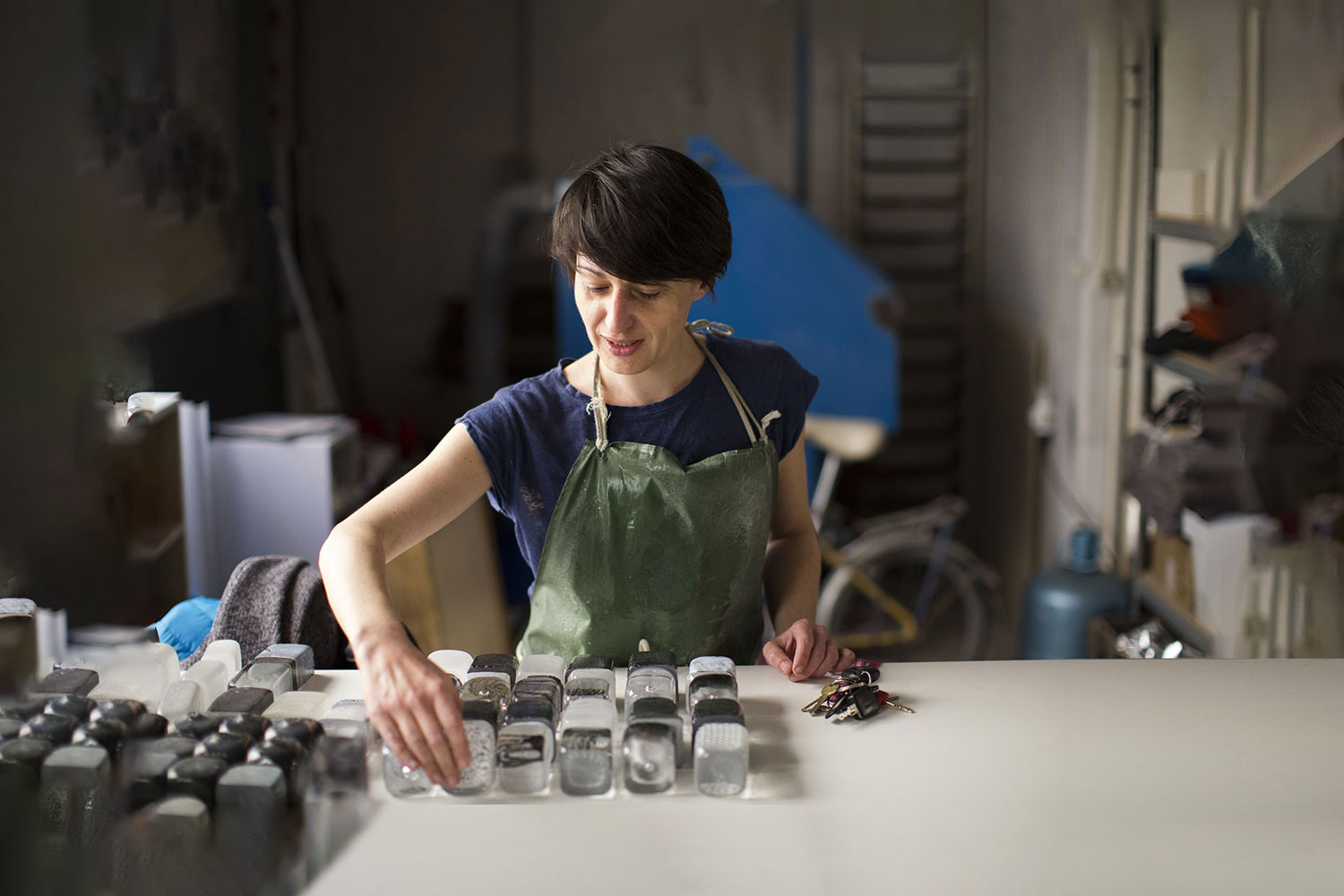
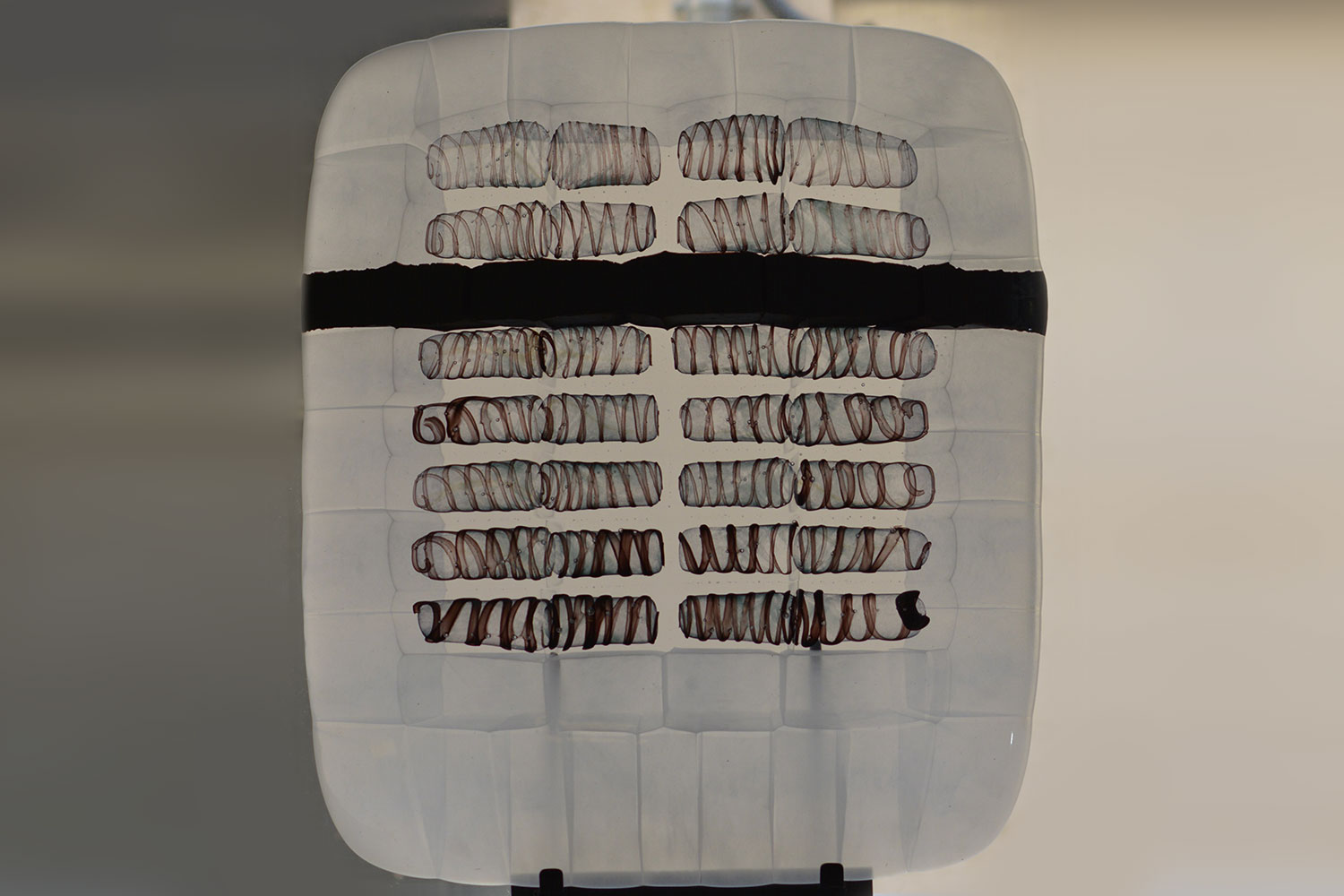
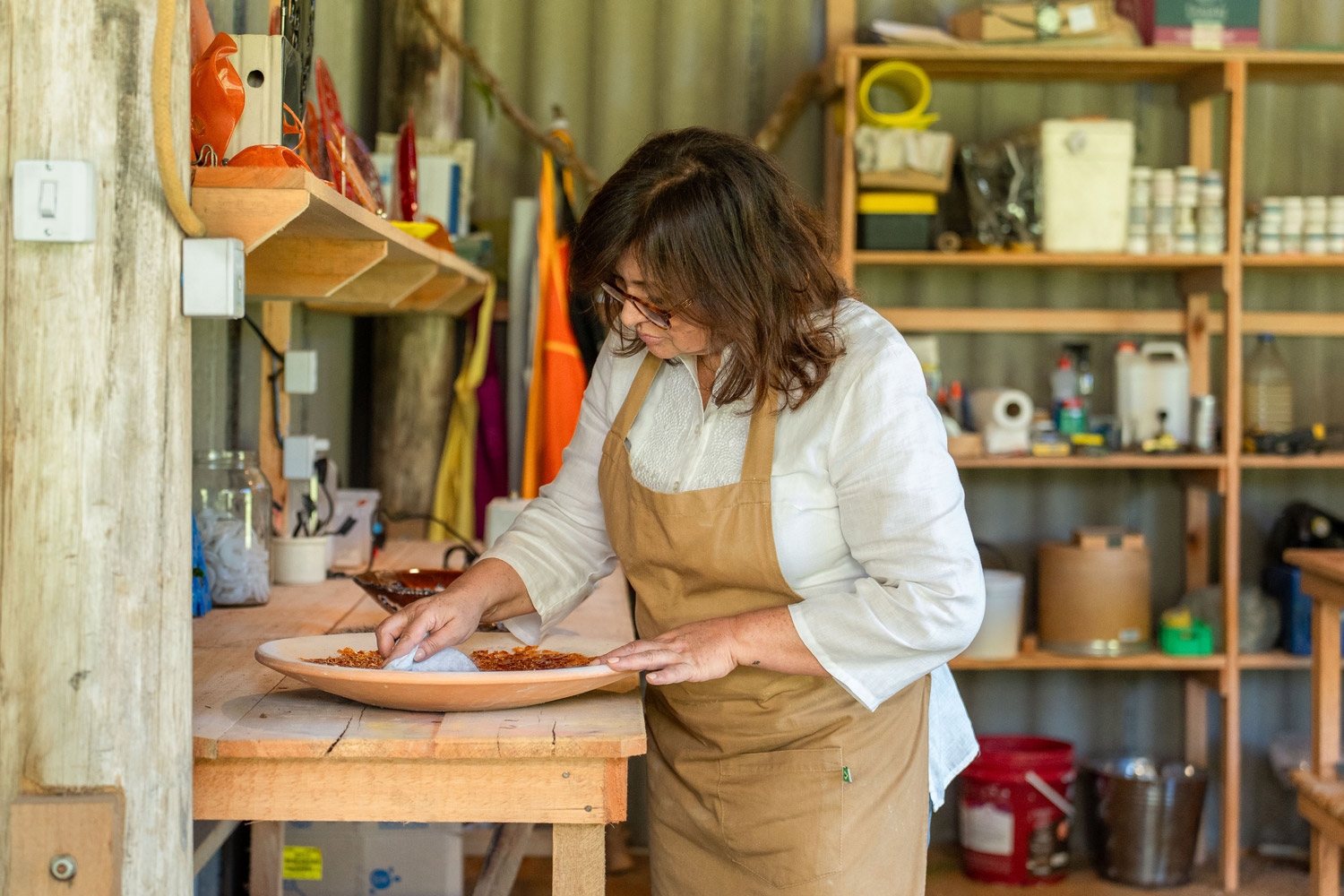
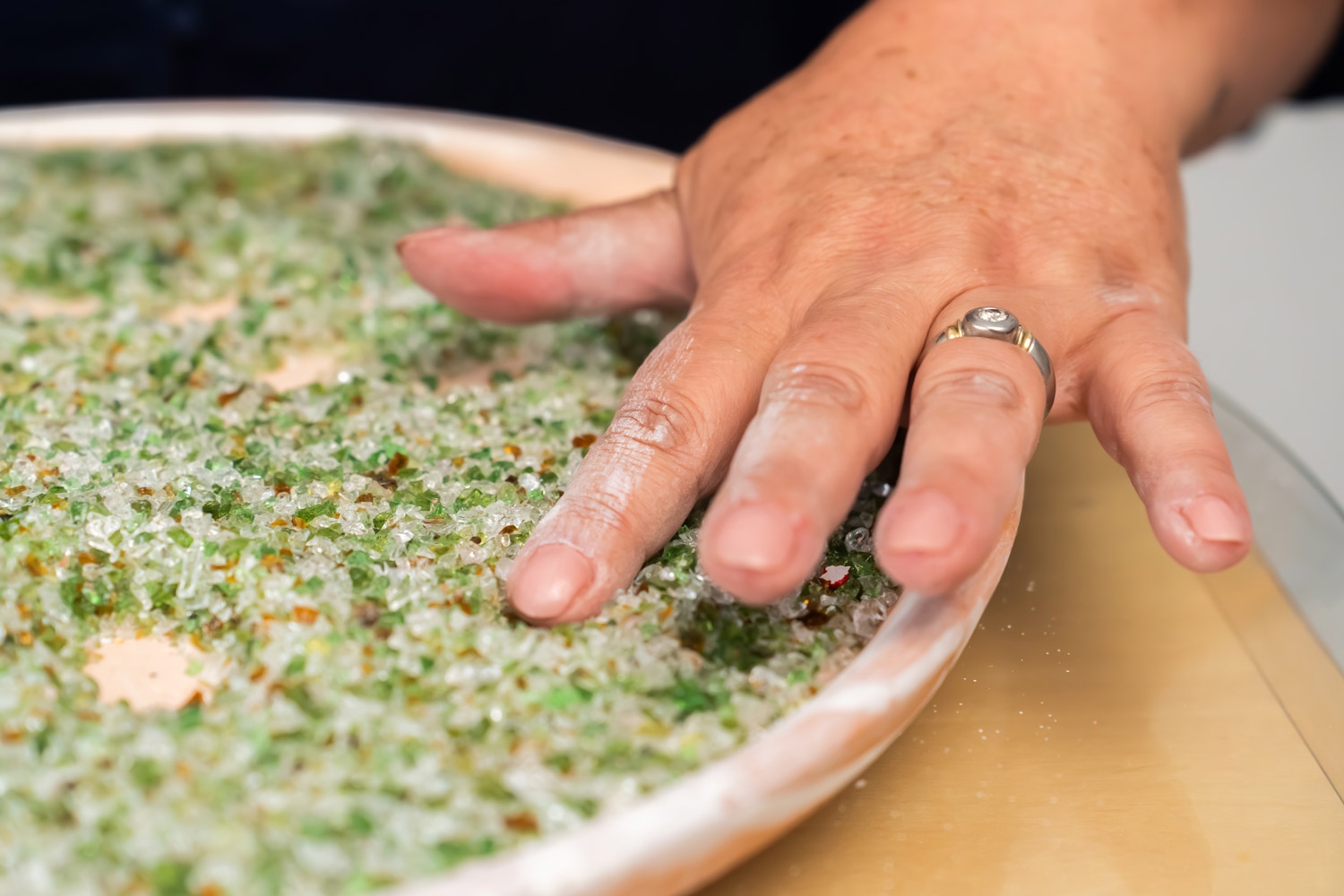
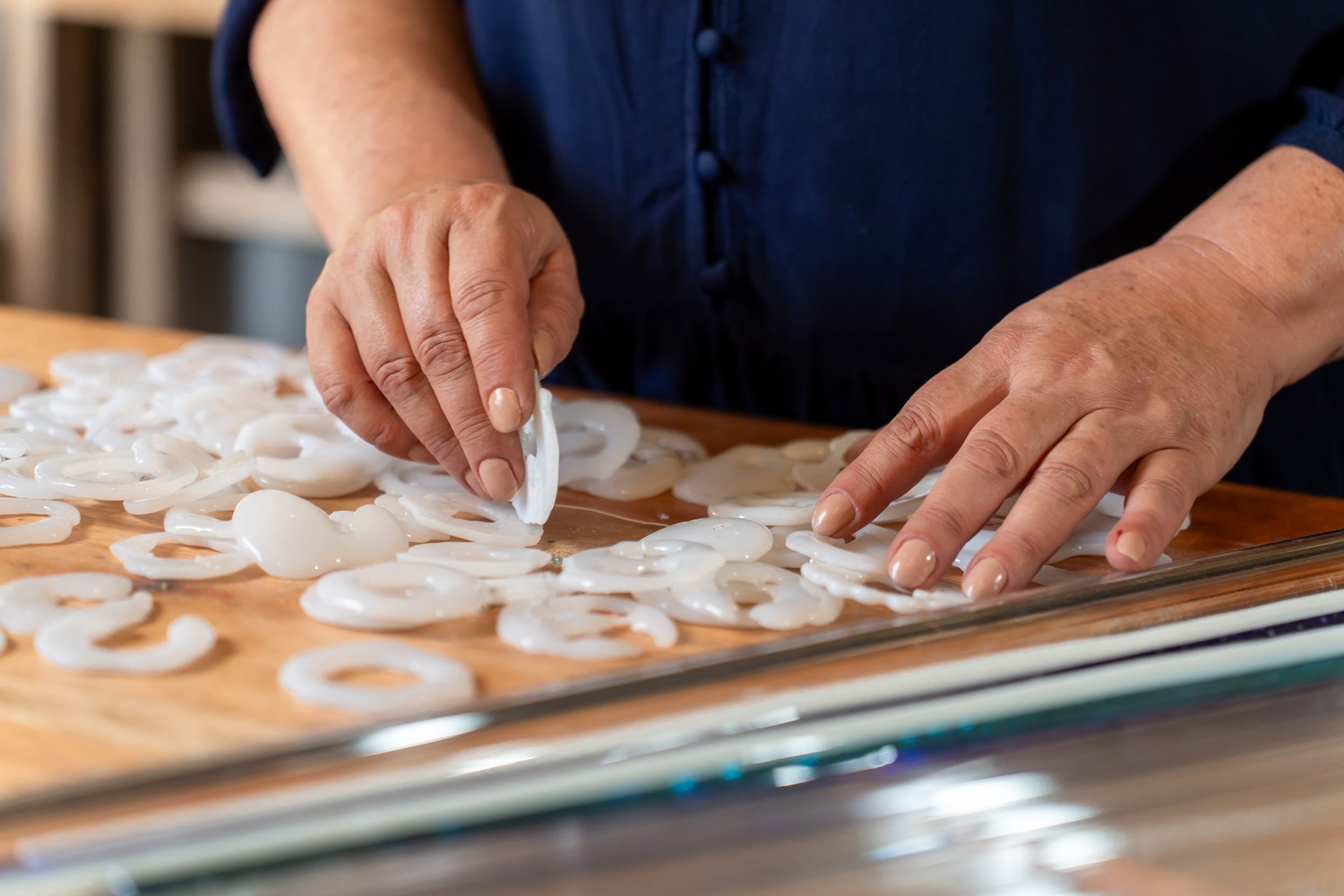
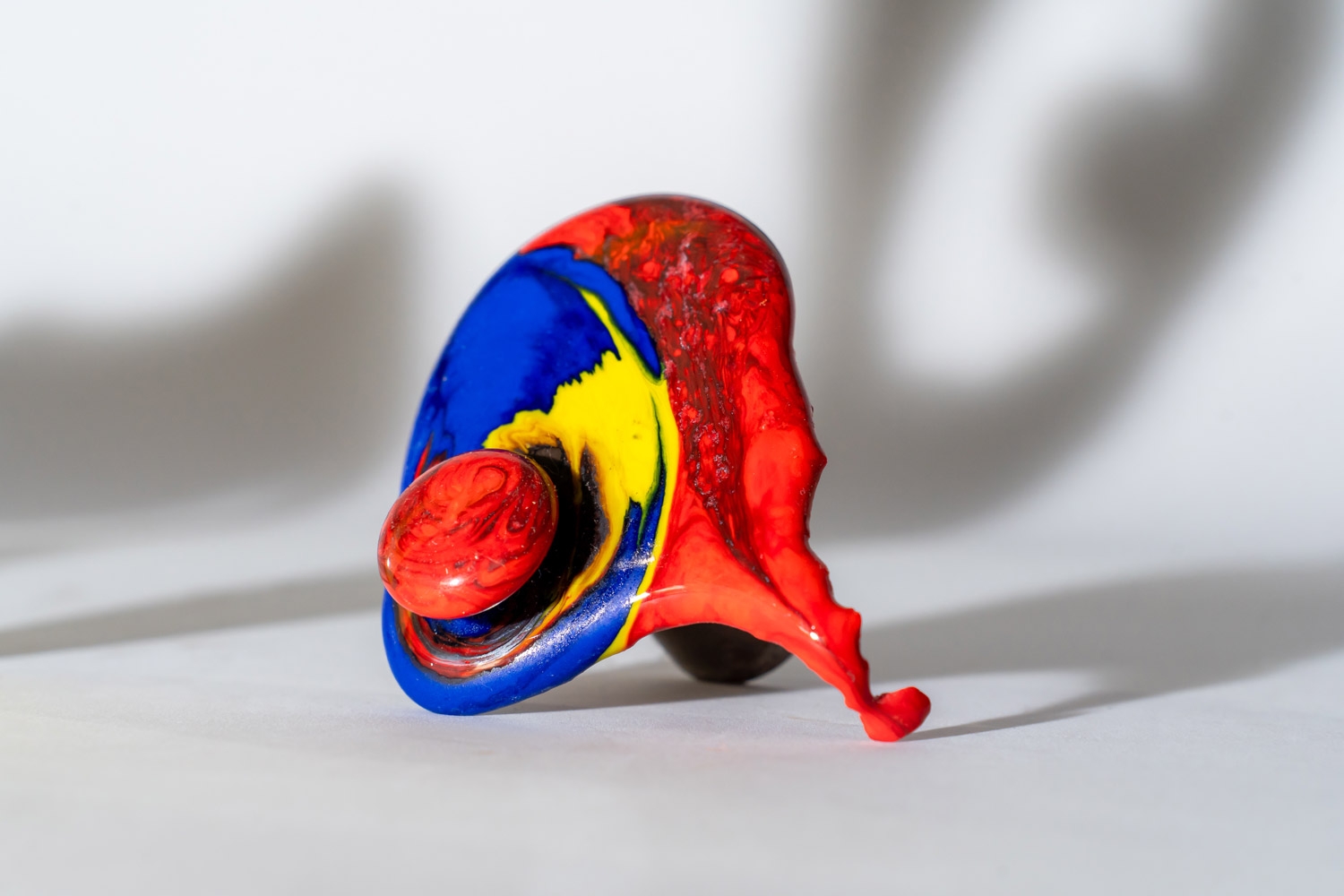
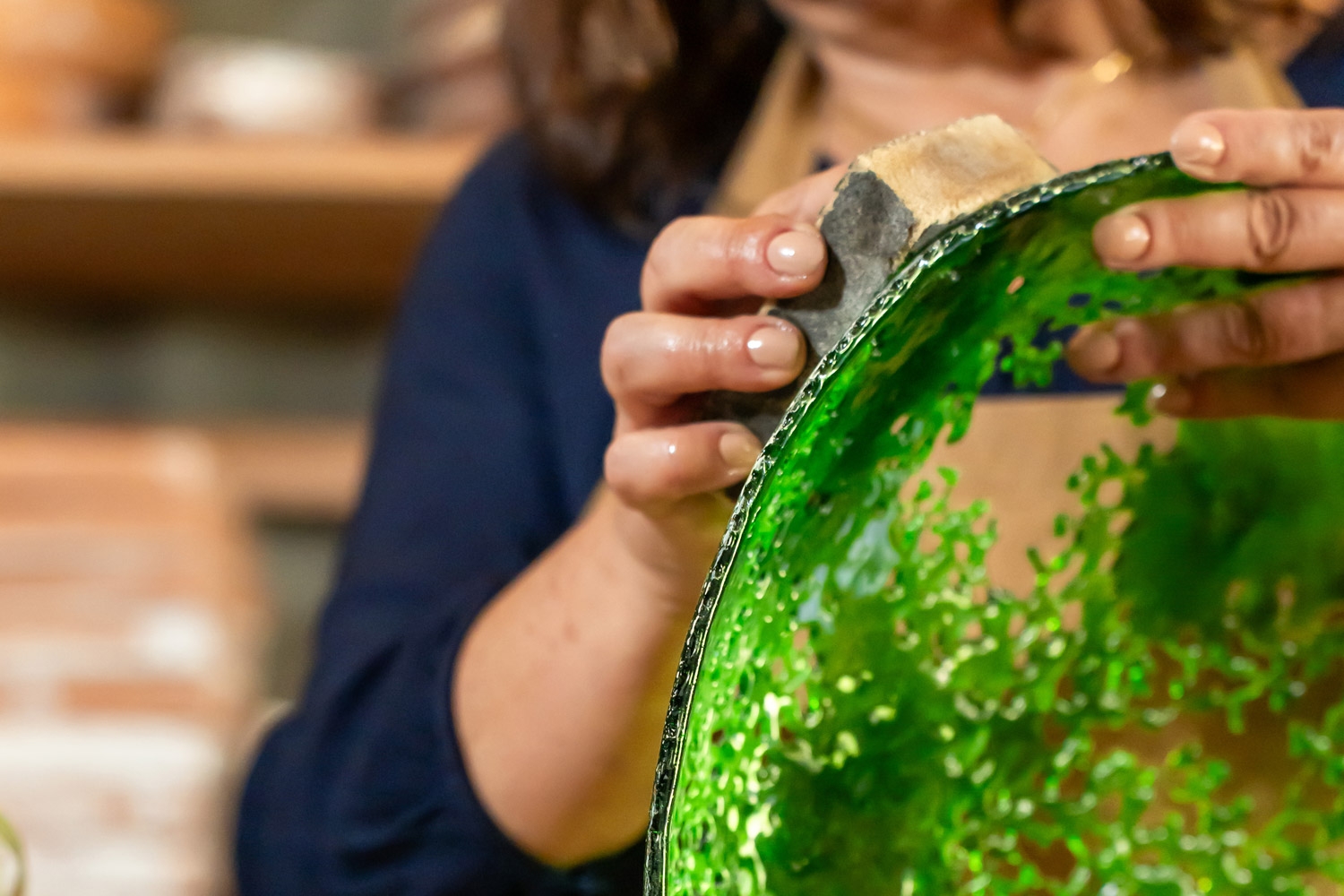
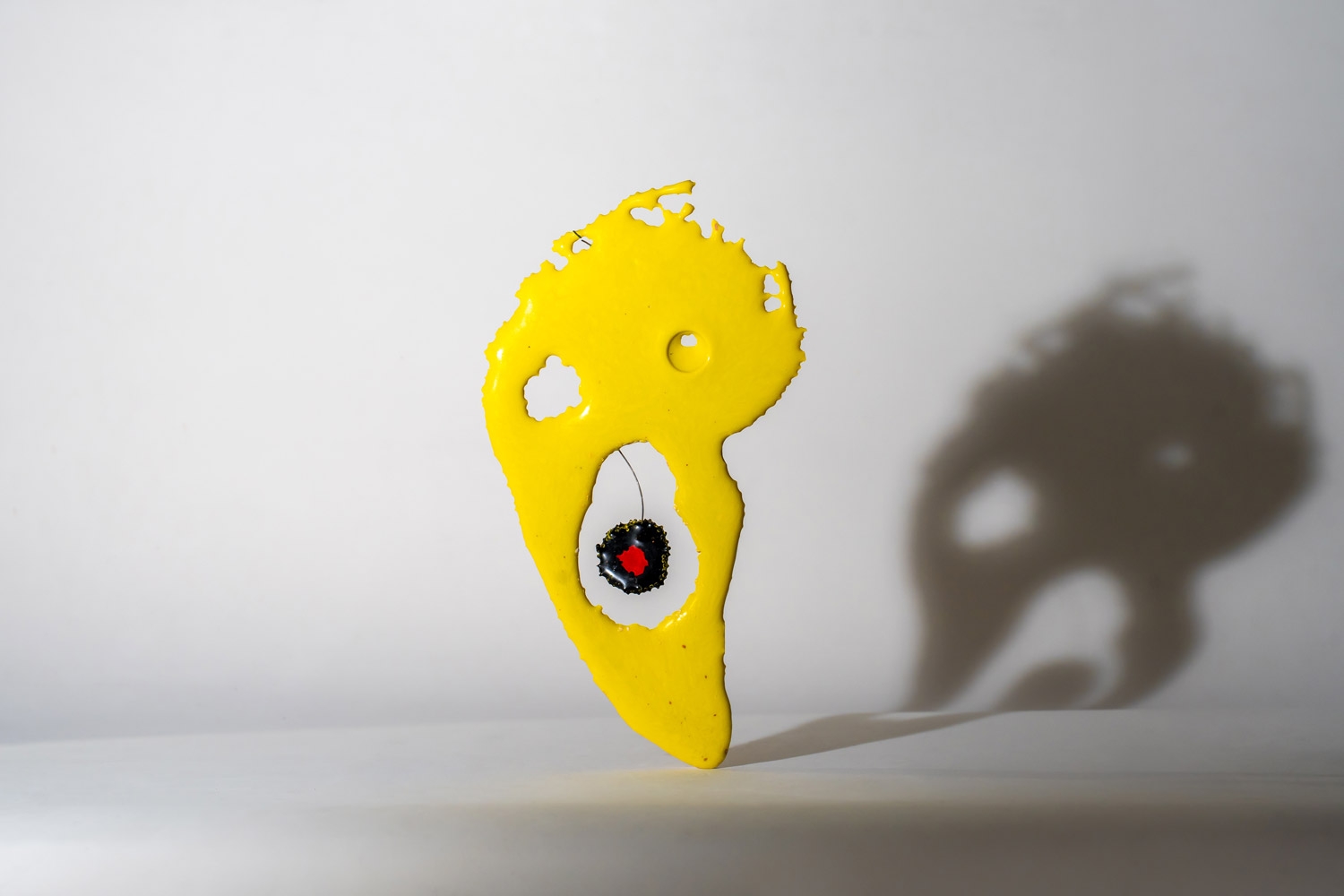
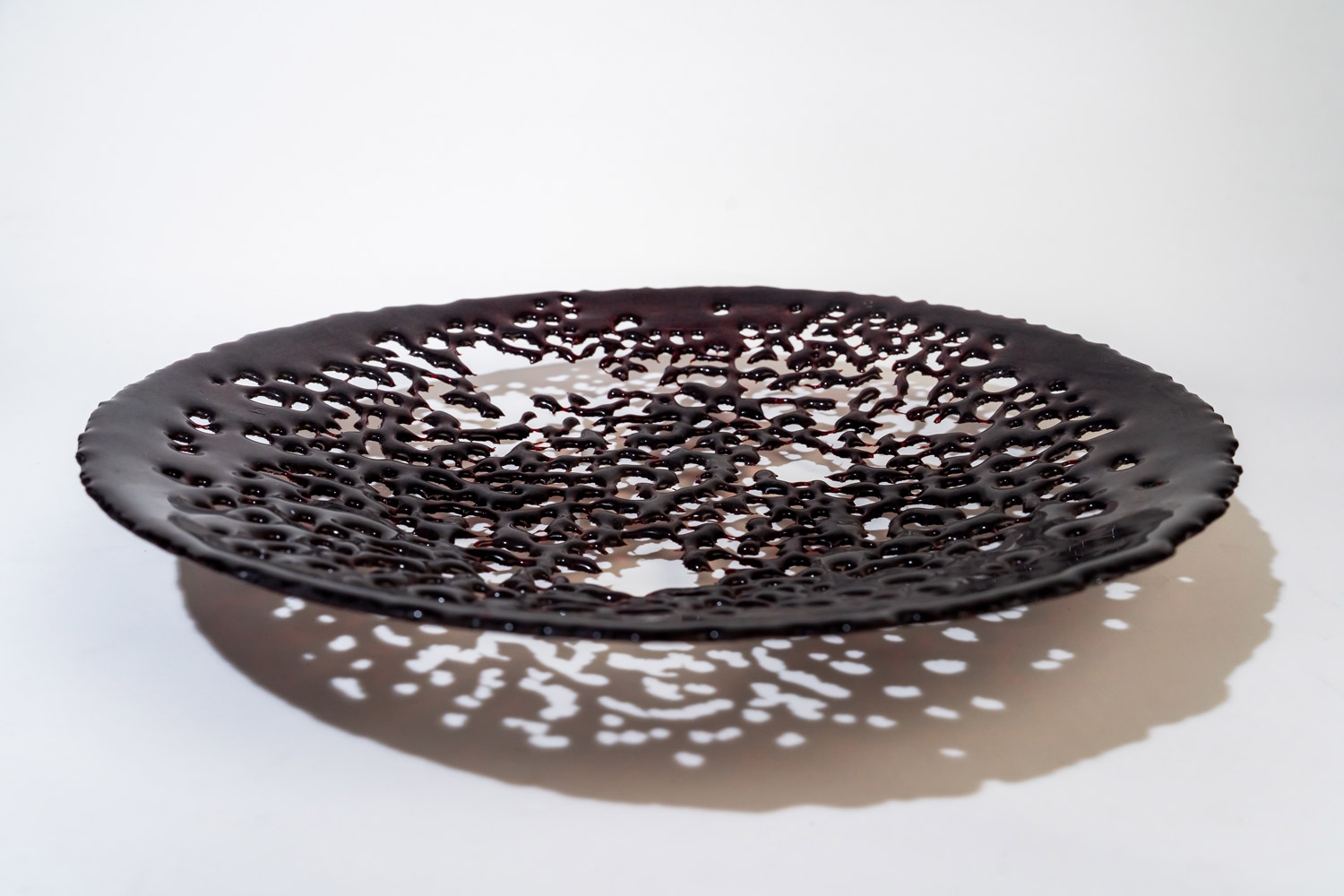
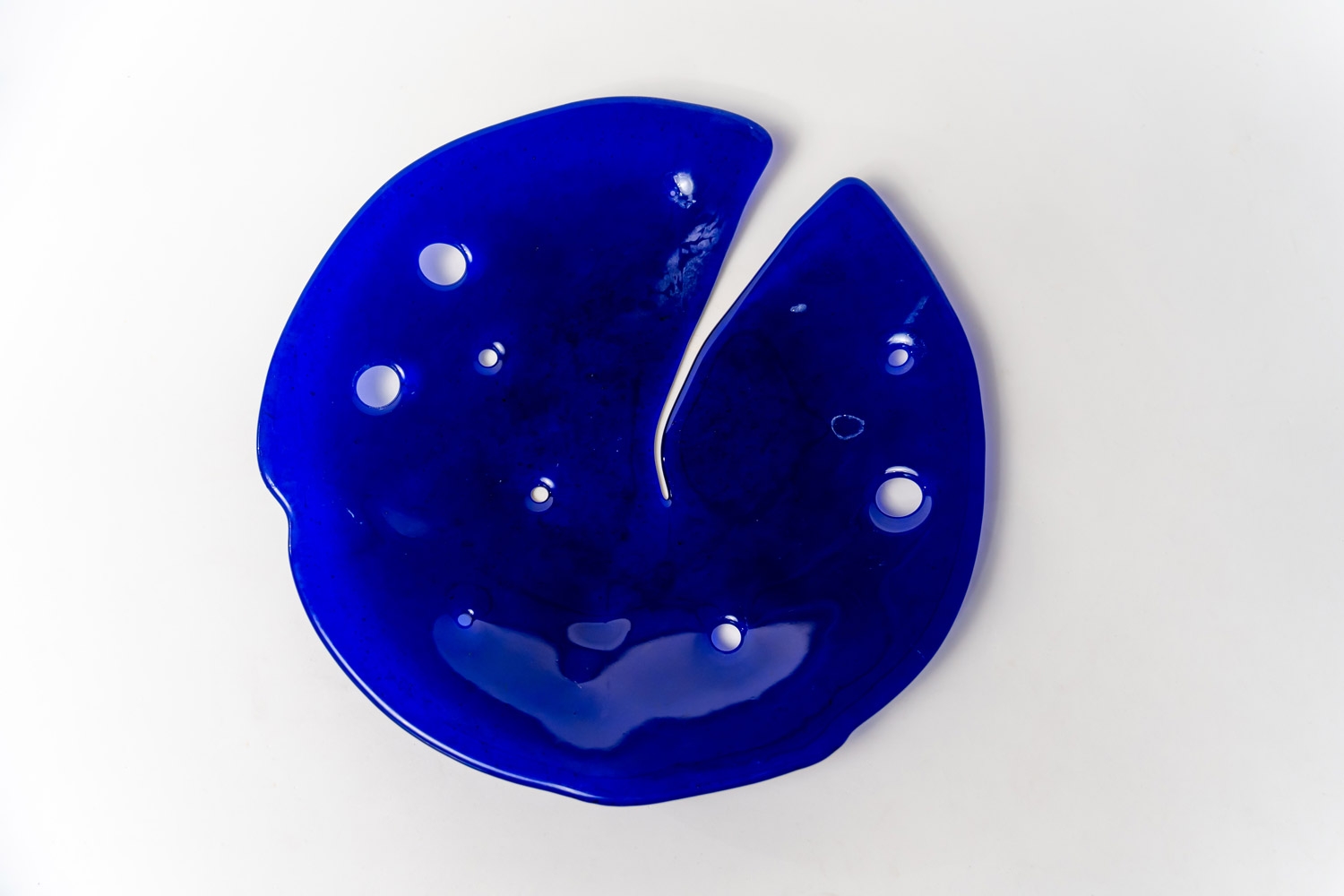
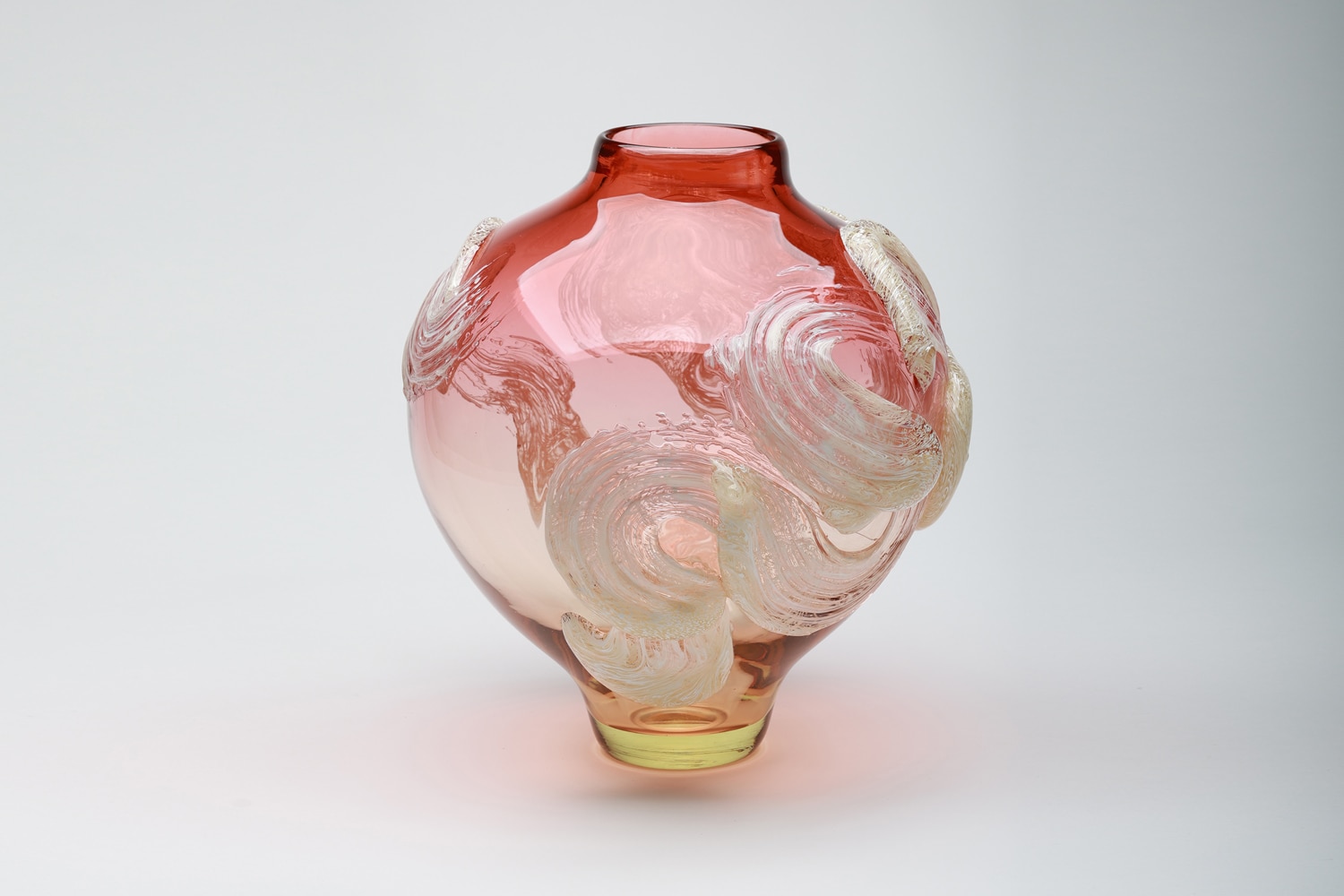
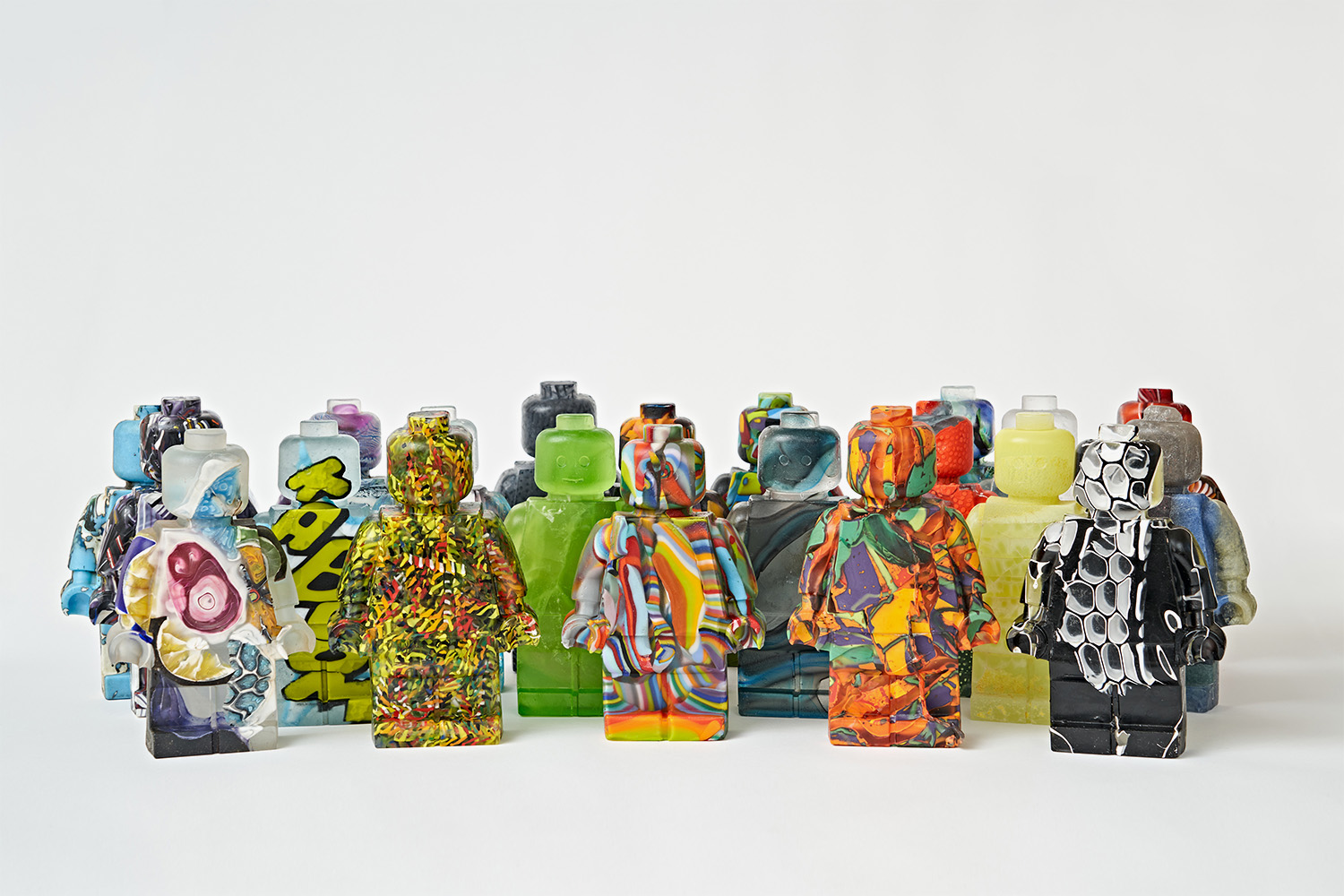
Désirée Sessegolo stepped into glassmaking in 2008, at first just seeking a creative outlet. She began with reclaimed glass but soon felt constrained by conventional techniques. “Smooth, uniform glass held little interest for me,” she notes. Désirée turned instead to her own path of research until her experiments led to her signature cellular glass method, defined by voids intentionally built into the structure. “The process is about physics,” she says. “Under heat, glass softens into a caramel-like state, fusing and moving until it finds equilibrium around the empty spaces I ‘draw’ into the composition.” Today she works mainly with Czech glass. Her practice is closely tied to her surroundings, the rich nature and local culture. "I helped organise the first National Glass Art Salon in Brazil in 2022," explains Désirée.

INTERVIEW
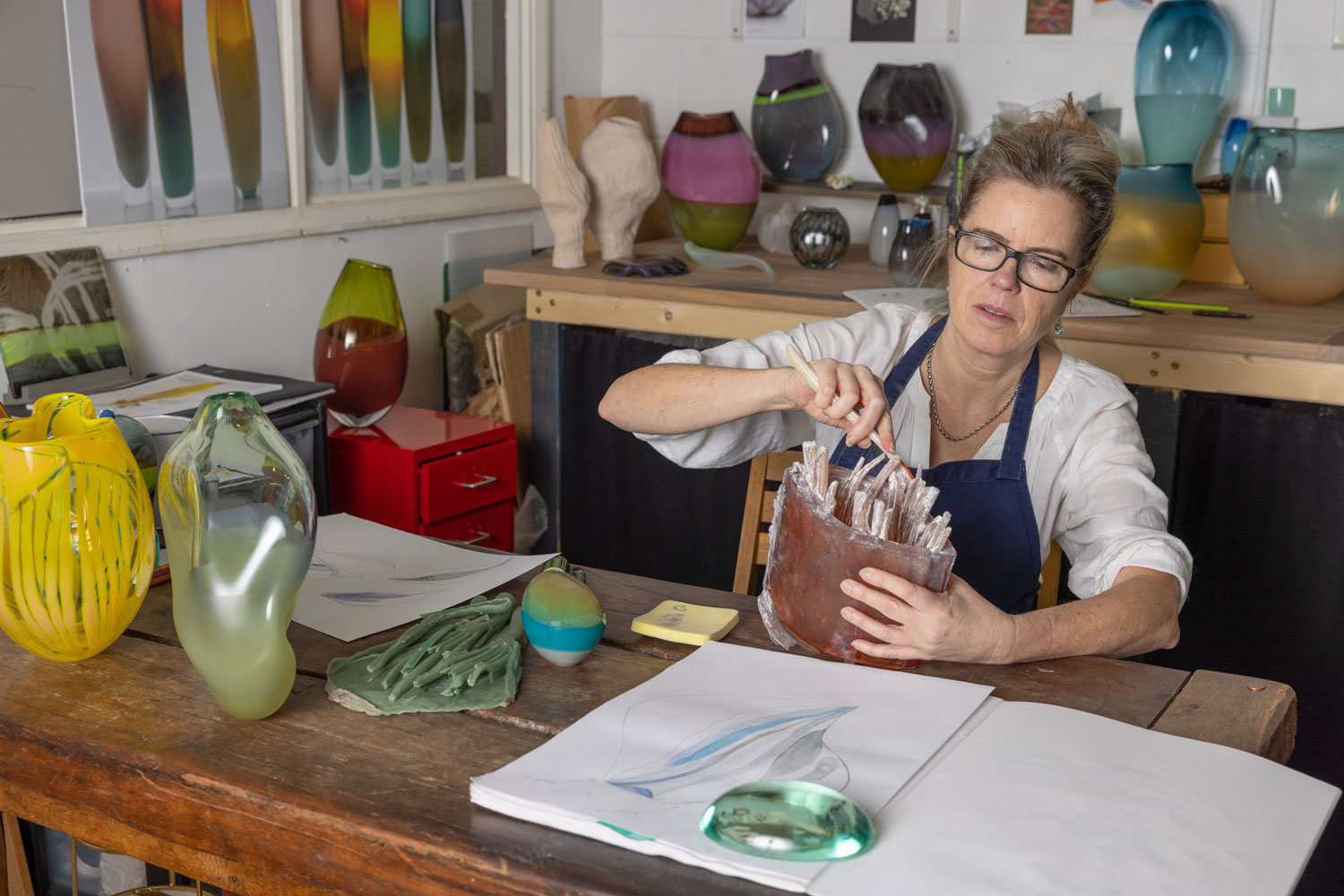
I am a trained designer and I grew up surrounded by art materials as my mother is an art teacher, so scissors, glue and tools were always at hand. I sought a free artistic path and began working with ceramics, which I loved, and this exploration led me to glass.
My mentor said my experiments would not work, seeing the holes as defects. I saw possibility instead. Pushing those 'flaws' became the foundation of my creative language in glass.
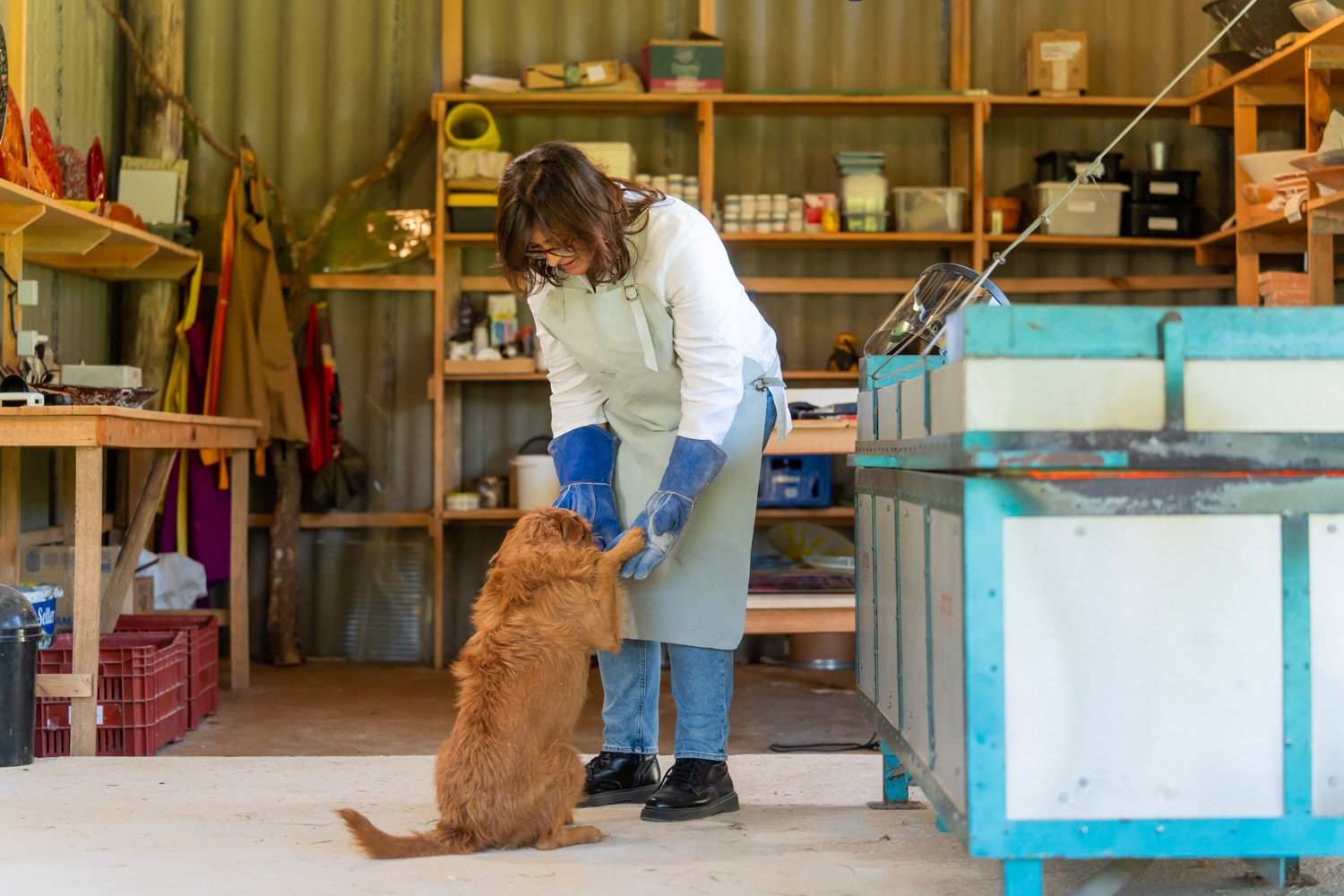
Through my work at Fundição Guará, I extend glassmaking into the community. I work on transforming glass waste and teaching my craft for free to low-income groups.
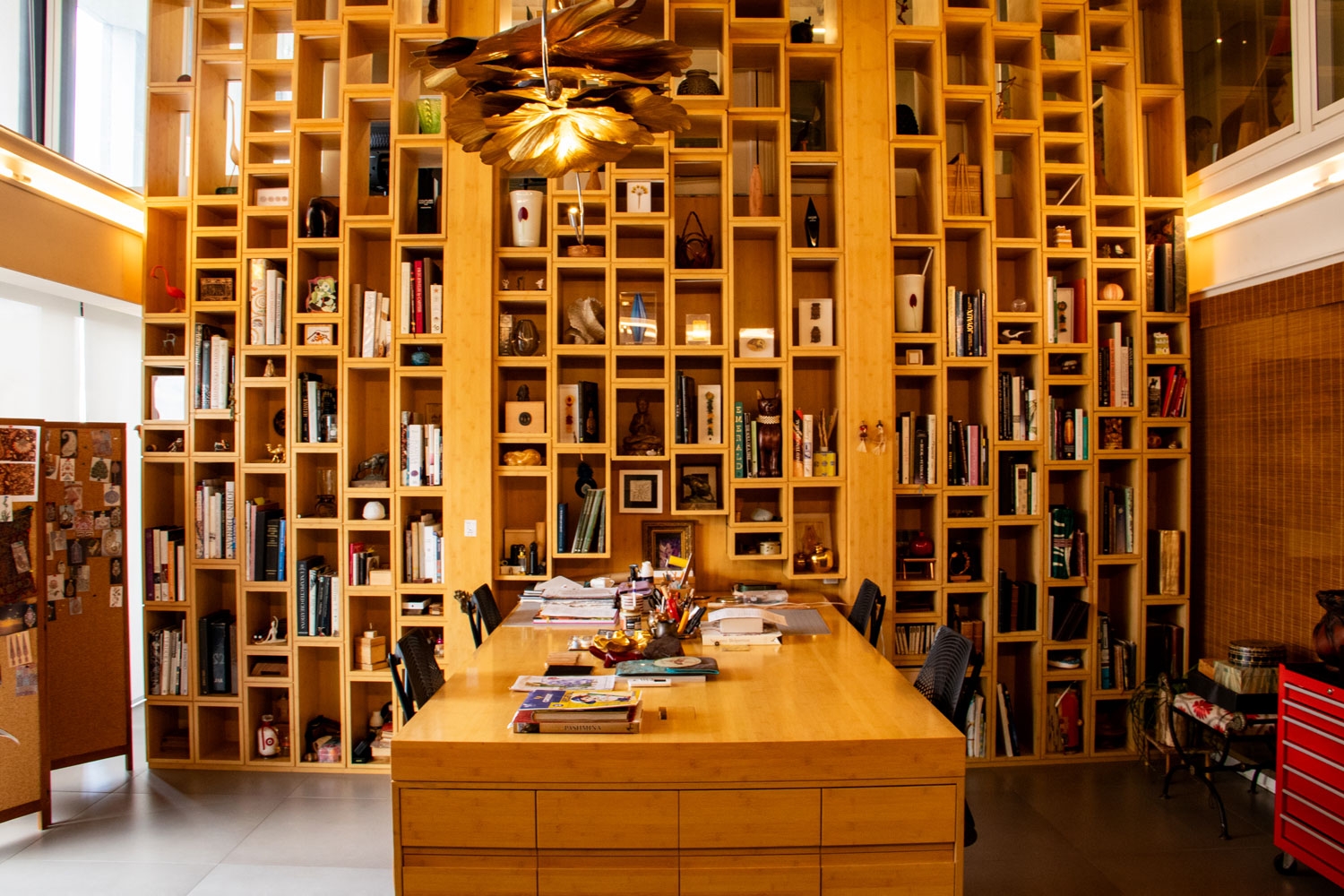
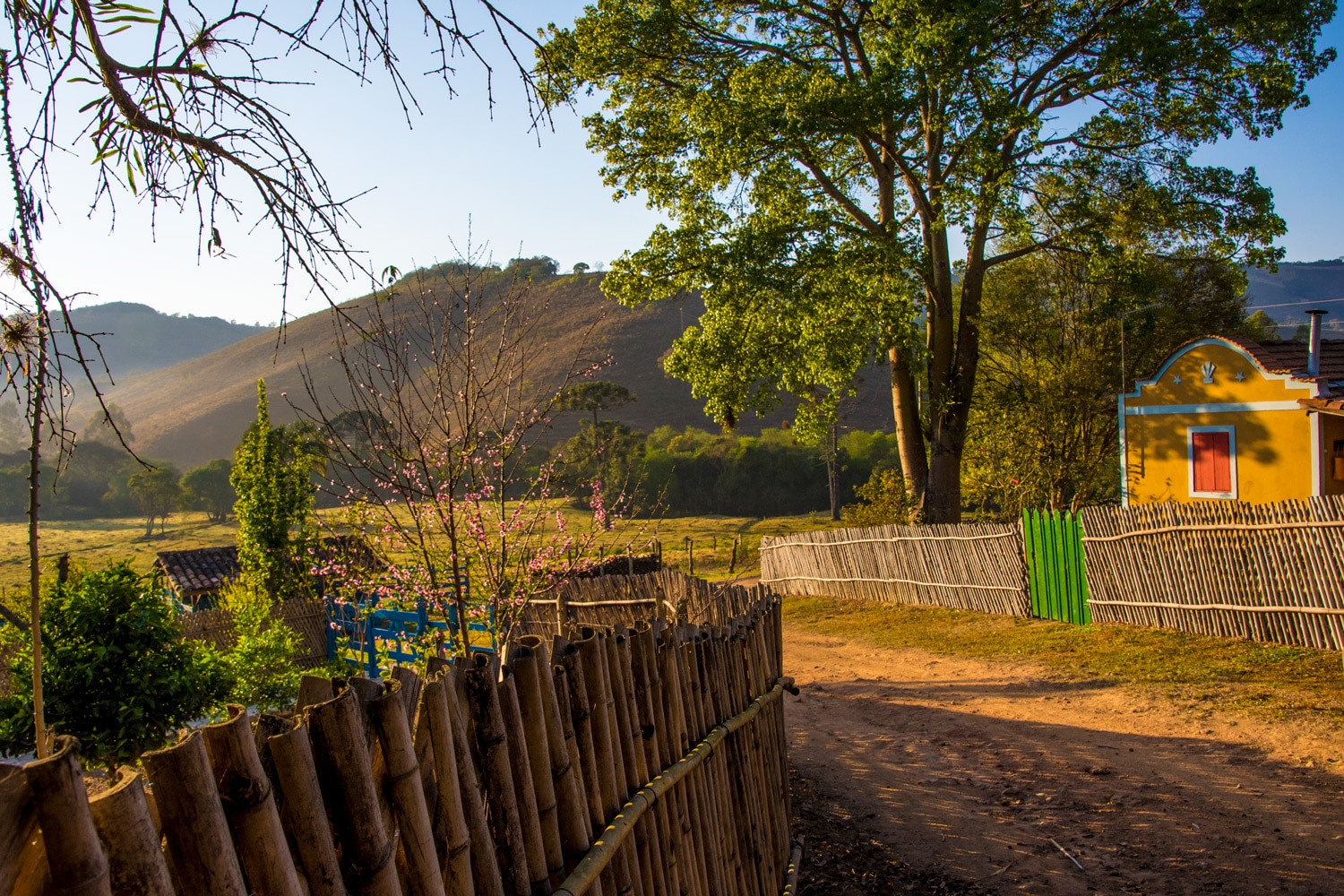
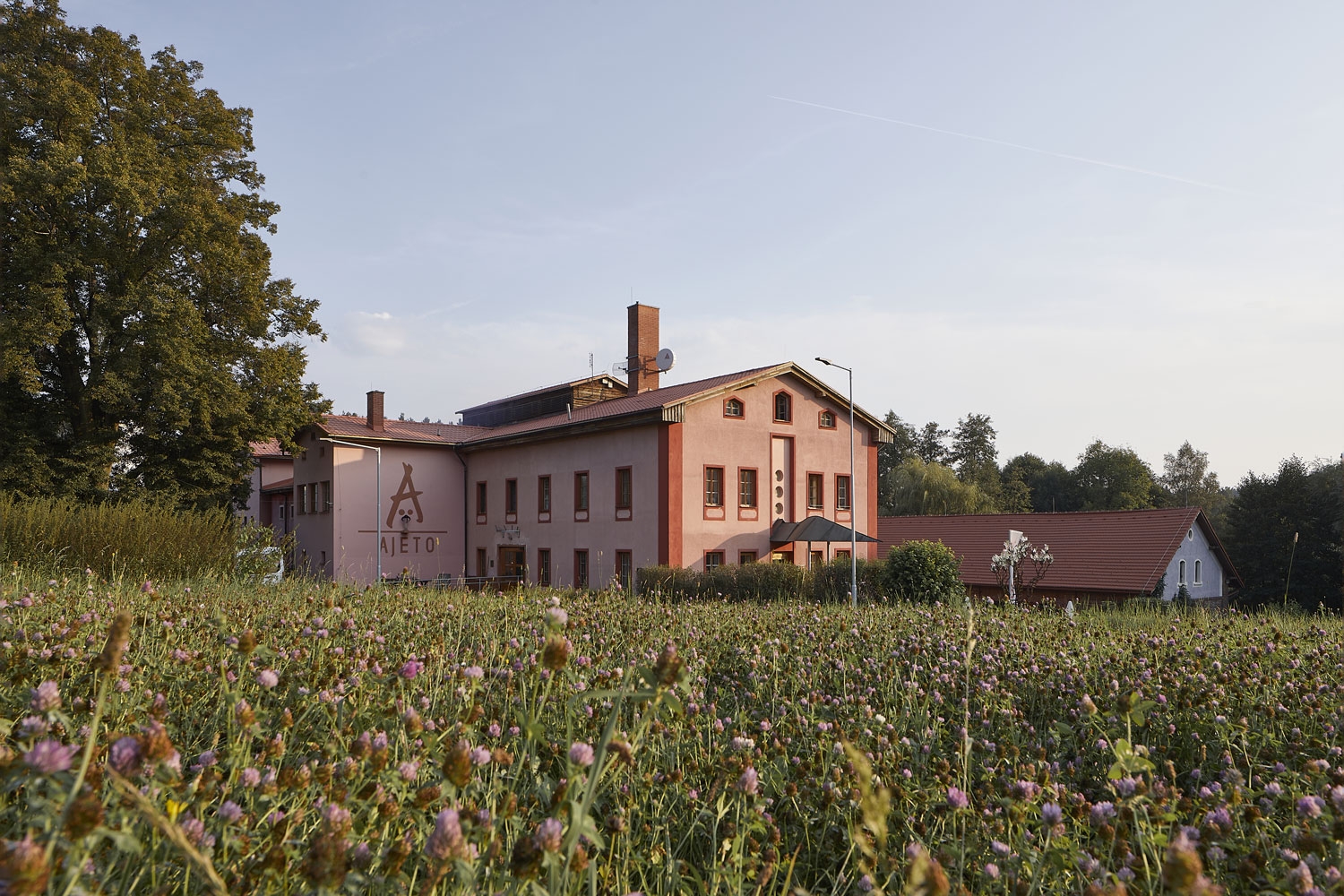
My studio, located in the Atlantic Rainforest, operates on solar energy, using spring water managed with care to minimise environmental impact.
Désirée Sessegolo
Glass sculptor
Morretes, Brazil
AVAILABILITY
By appointment only
LANGUAGES
Portuguese, English
Homo Faber Finds is a new service aiming to inspire admirers of craft to connect and collaborate with exceptional artisans.
We invite you to submit an enquiry here.
Juliette Leperlier_Naïade XXI_(c)Arthur Monfrais.jpg)
Juliette Leperlier_Portrait 1_(c)Arthur Monfrais.jpg)
Juliette Leperlier_Studio 1_(c)Arthur Monfrais.jpg)