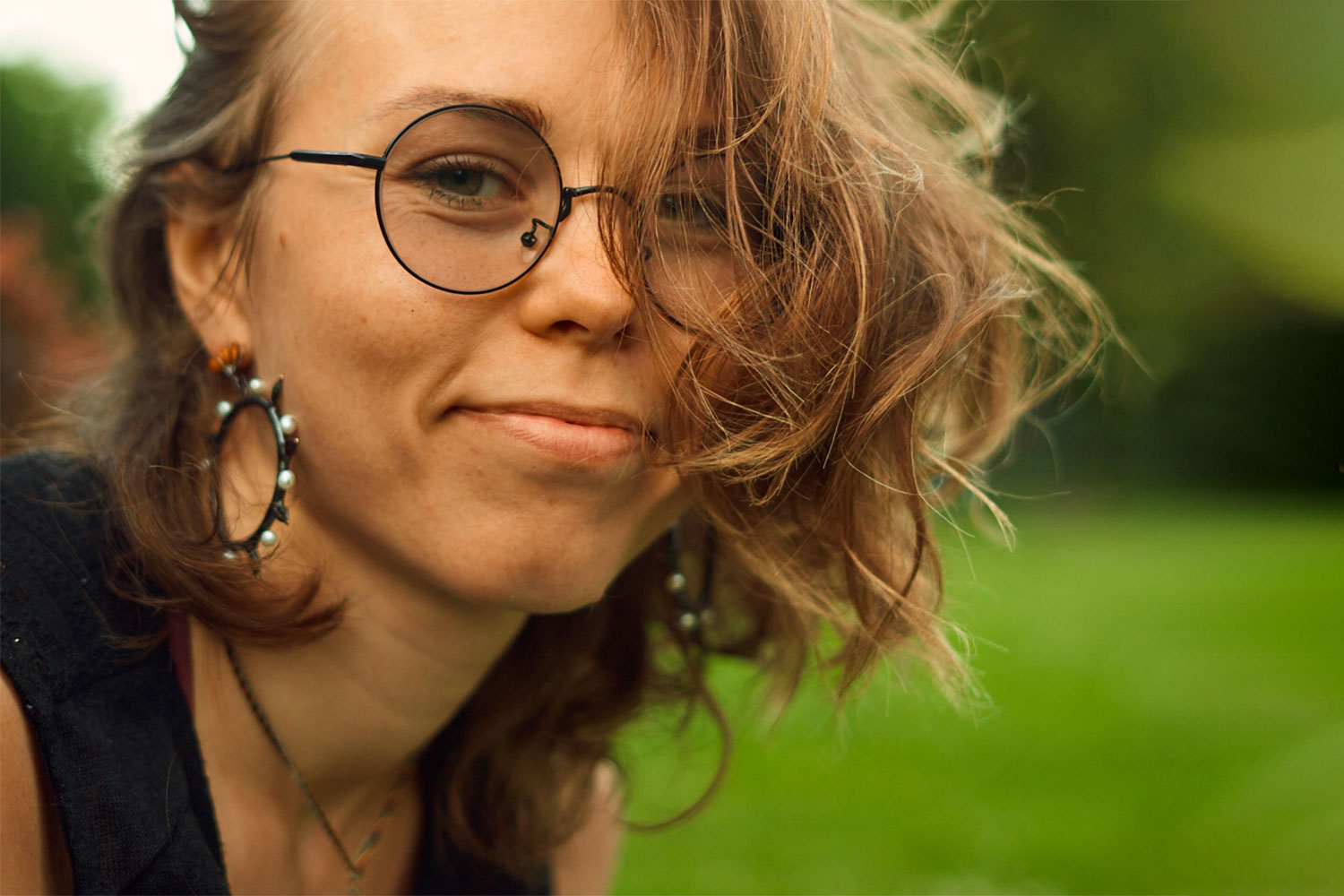
Heike Brachlow
Glass sculptor
Ulverston, United Kingdom
A delicate balance
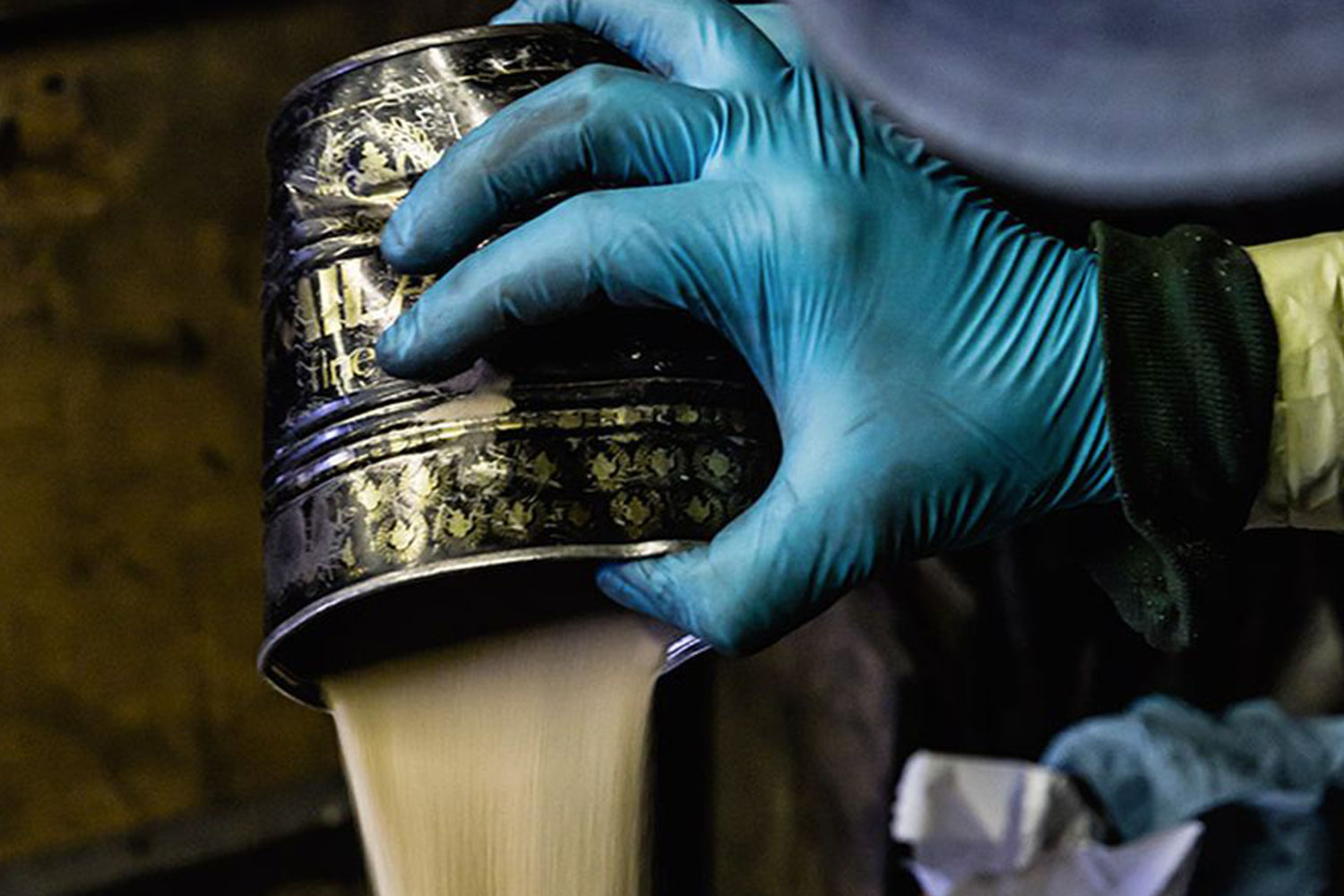
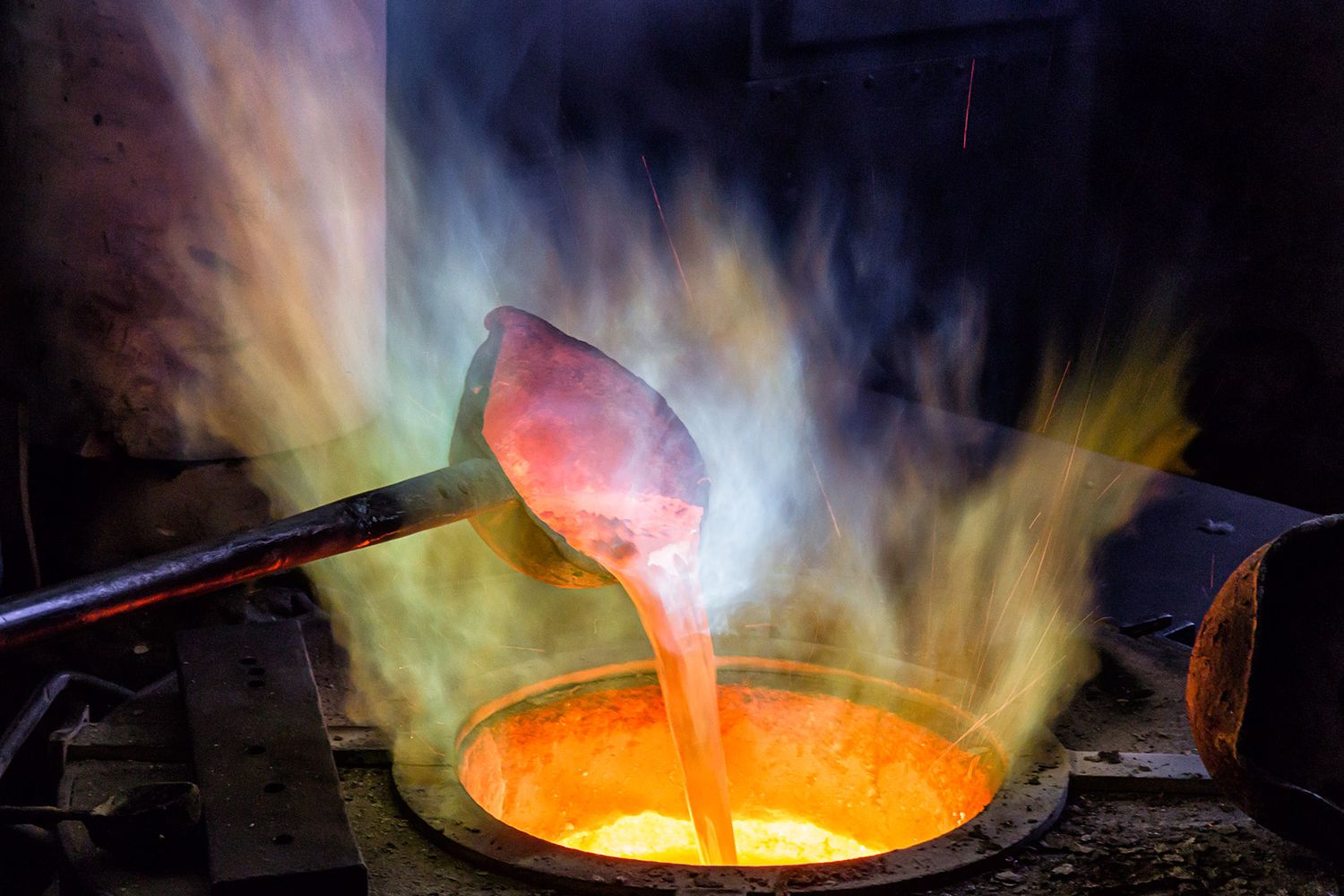
- Heike is a specialist in glass casting, grinding and polishing
- She draws inspiration from her travels, architecture and geometry
- She defines herself as a maker and artist, a researcher and an educator
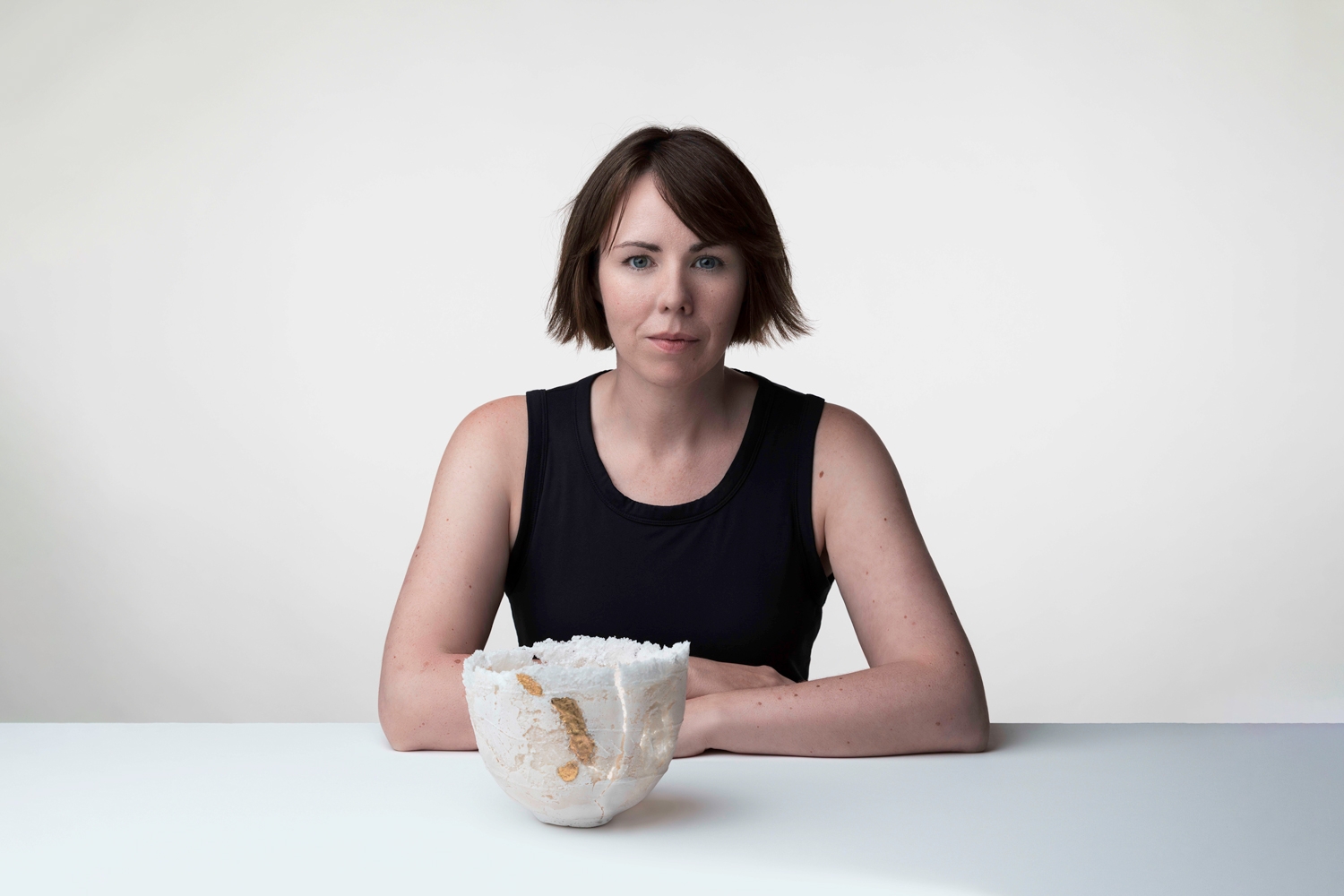
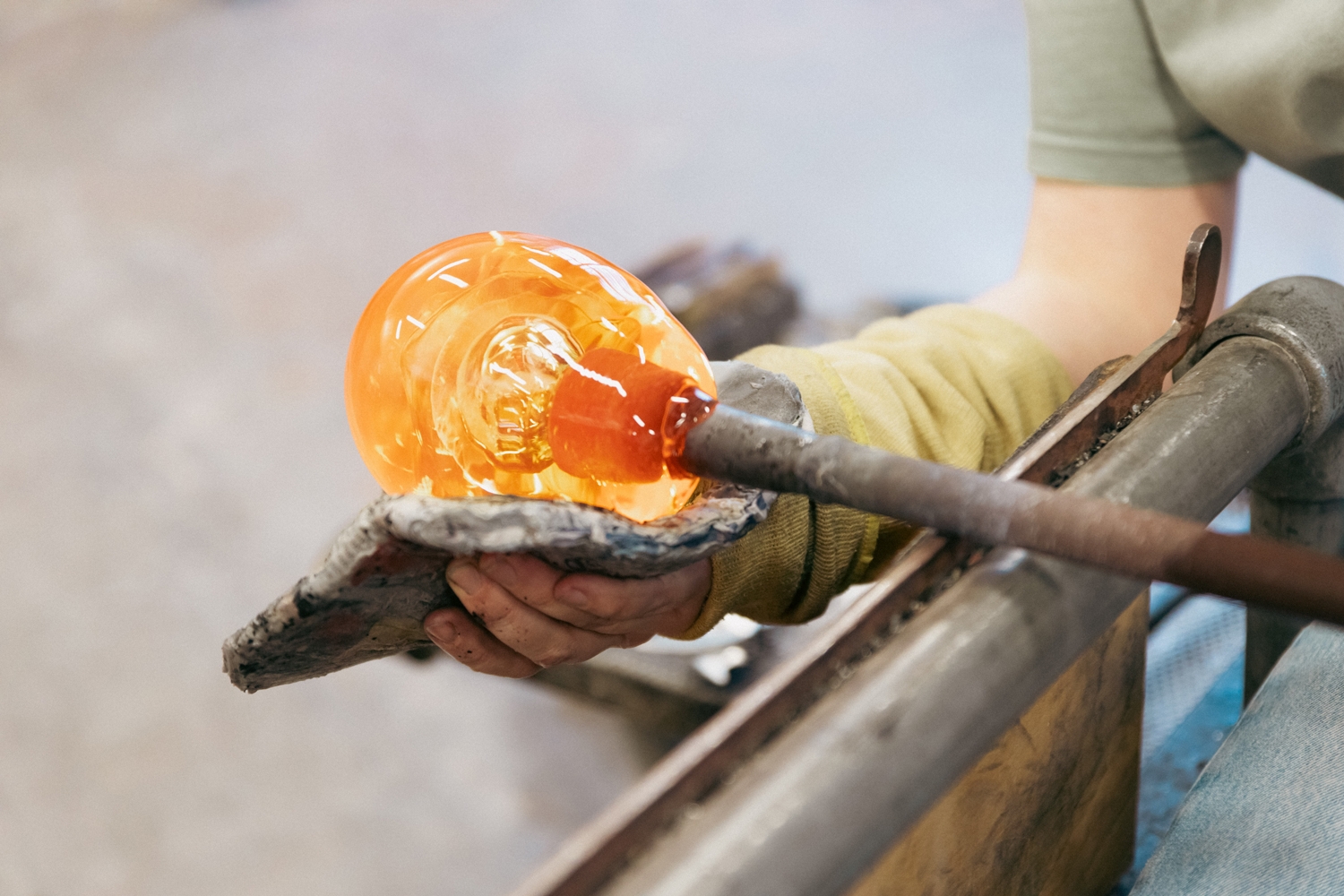
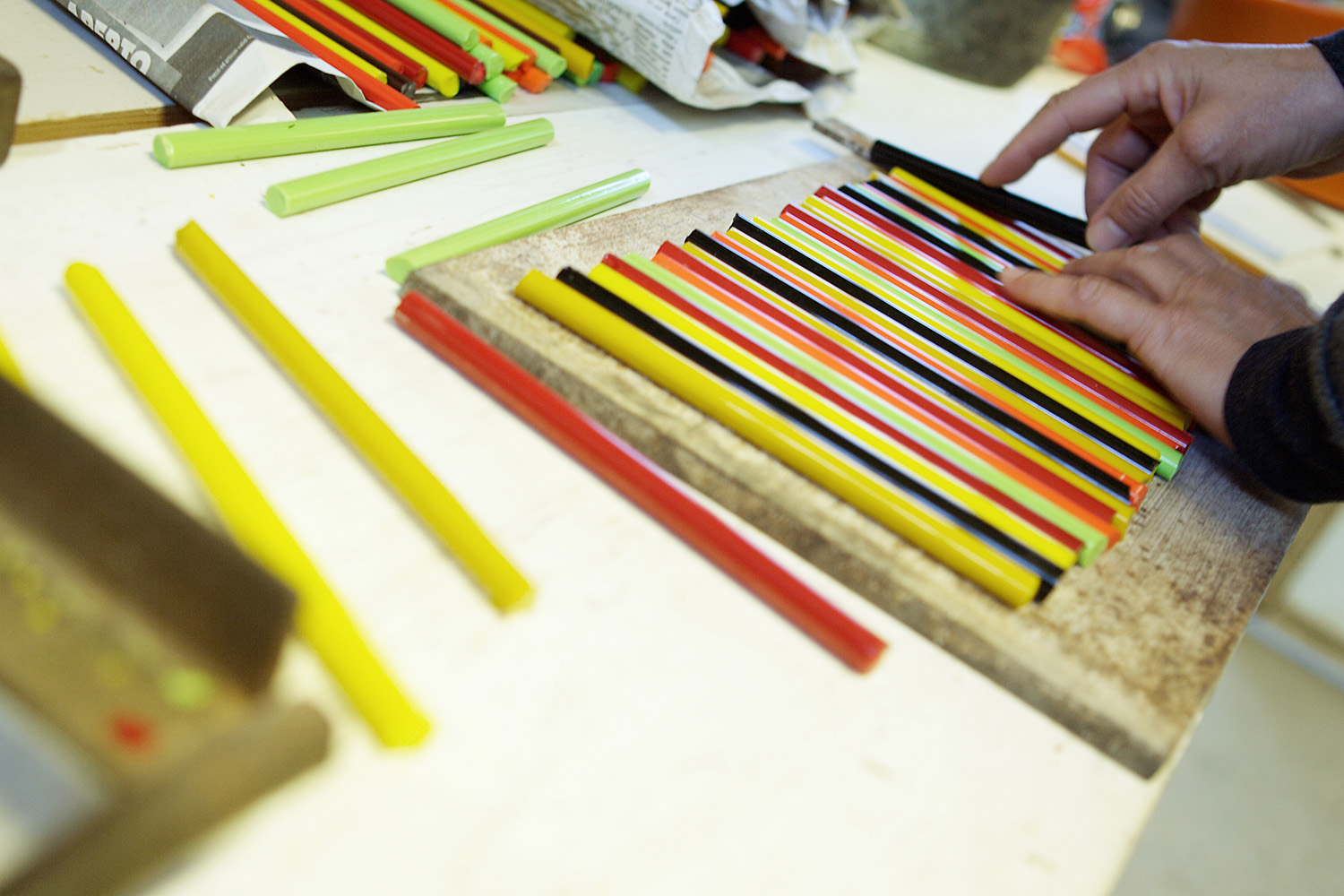
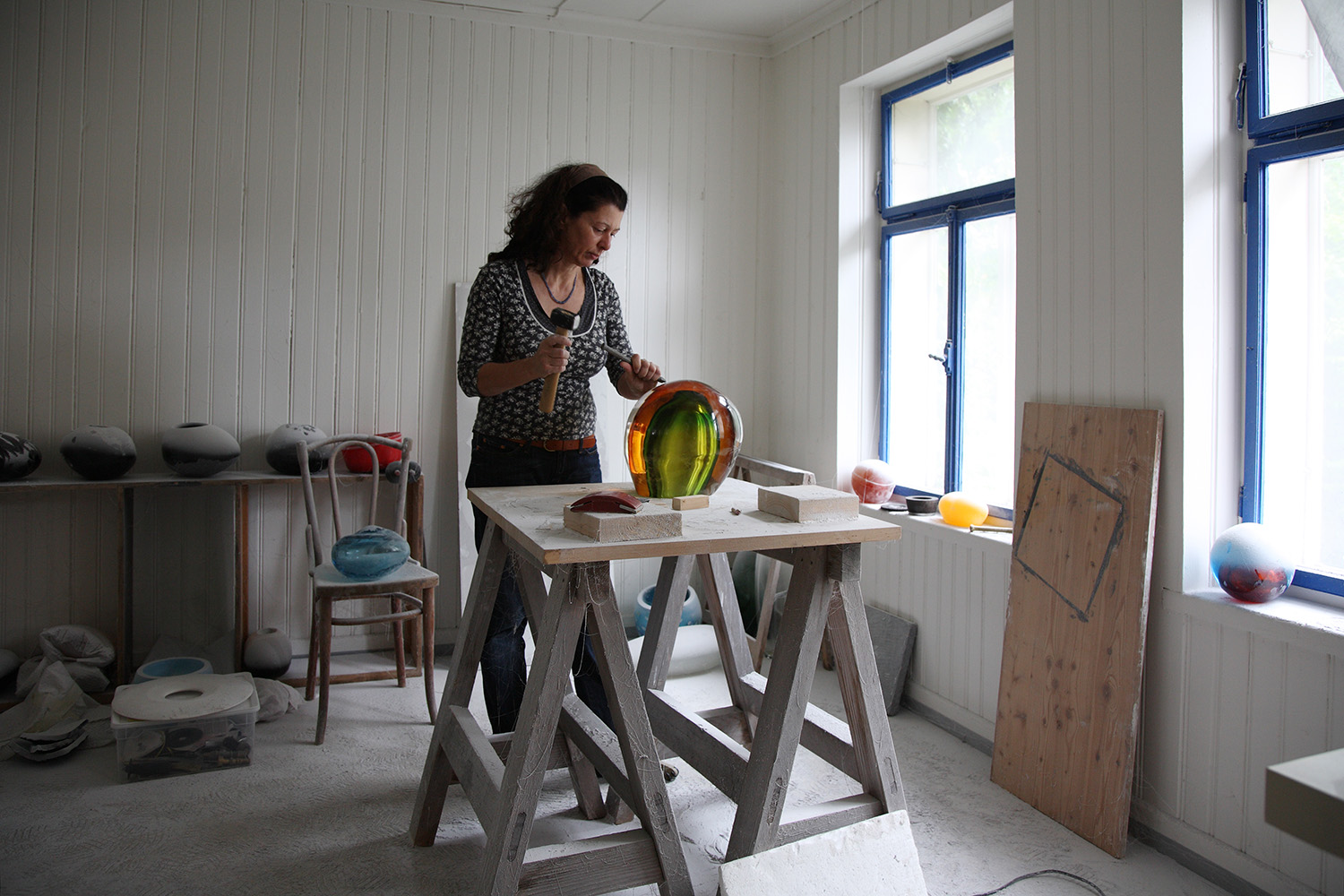
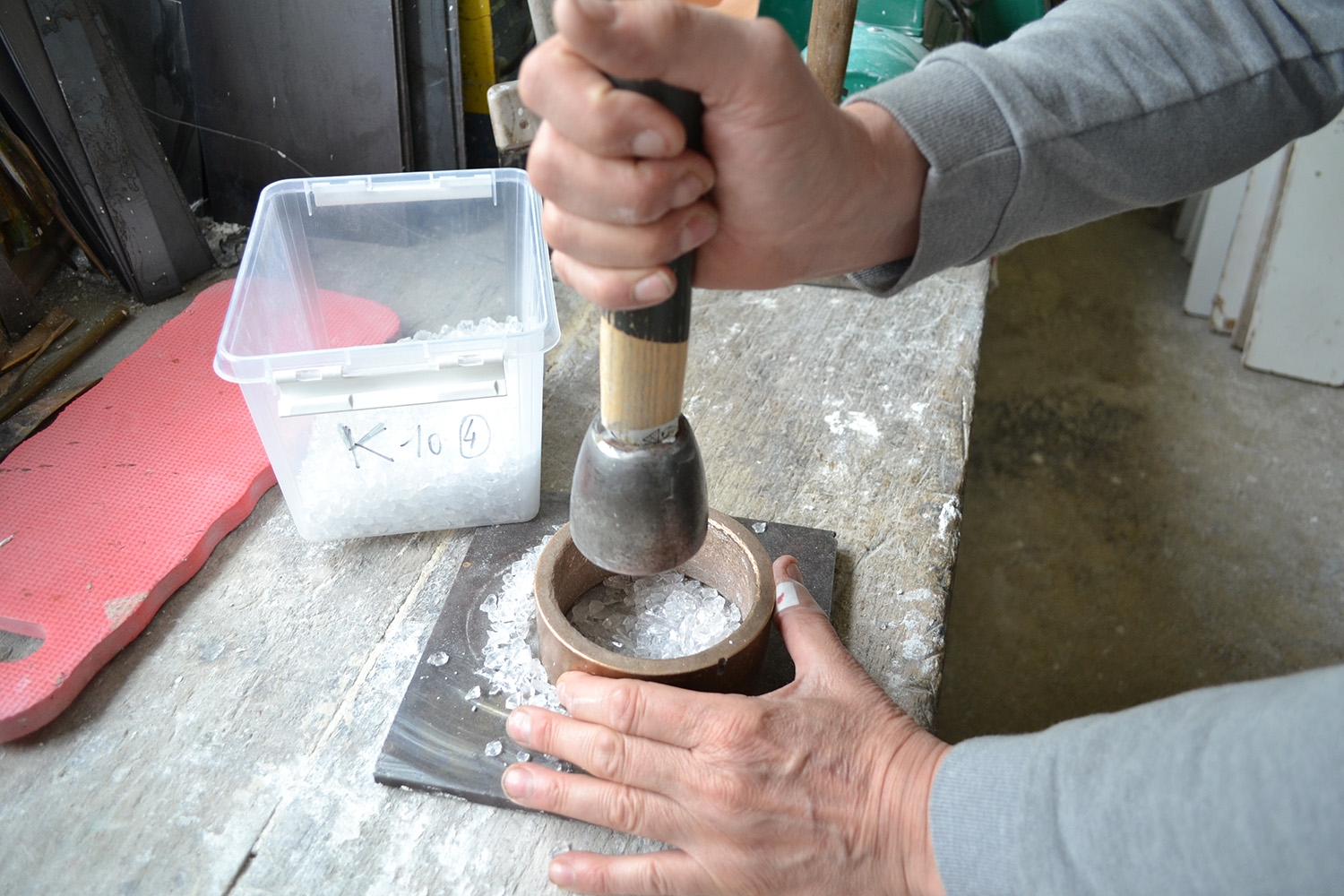
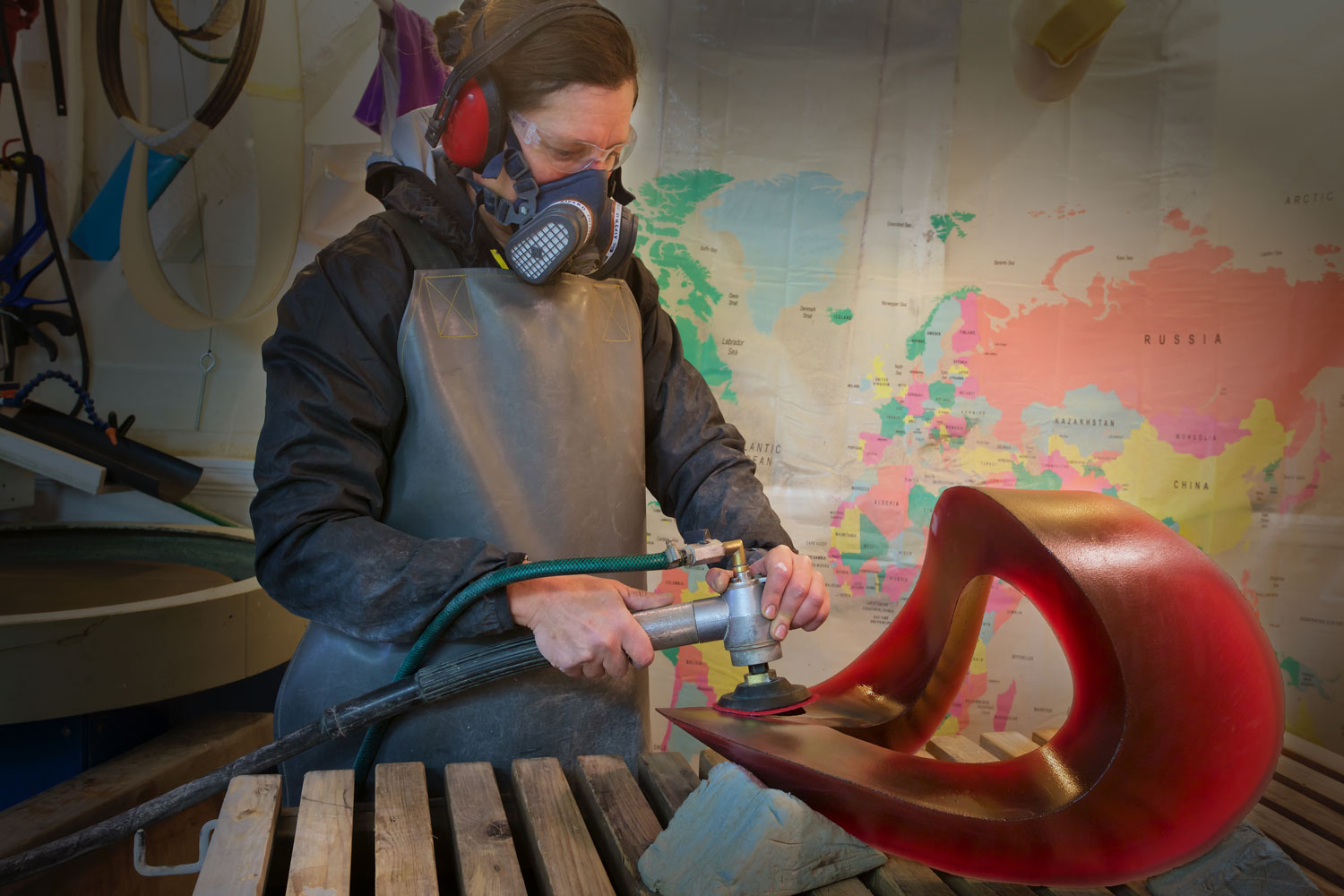
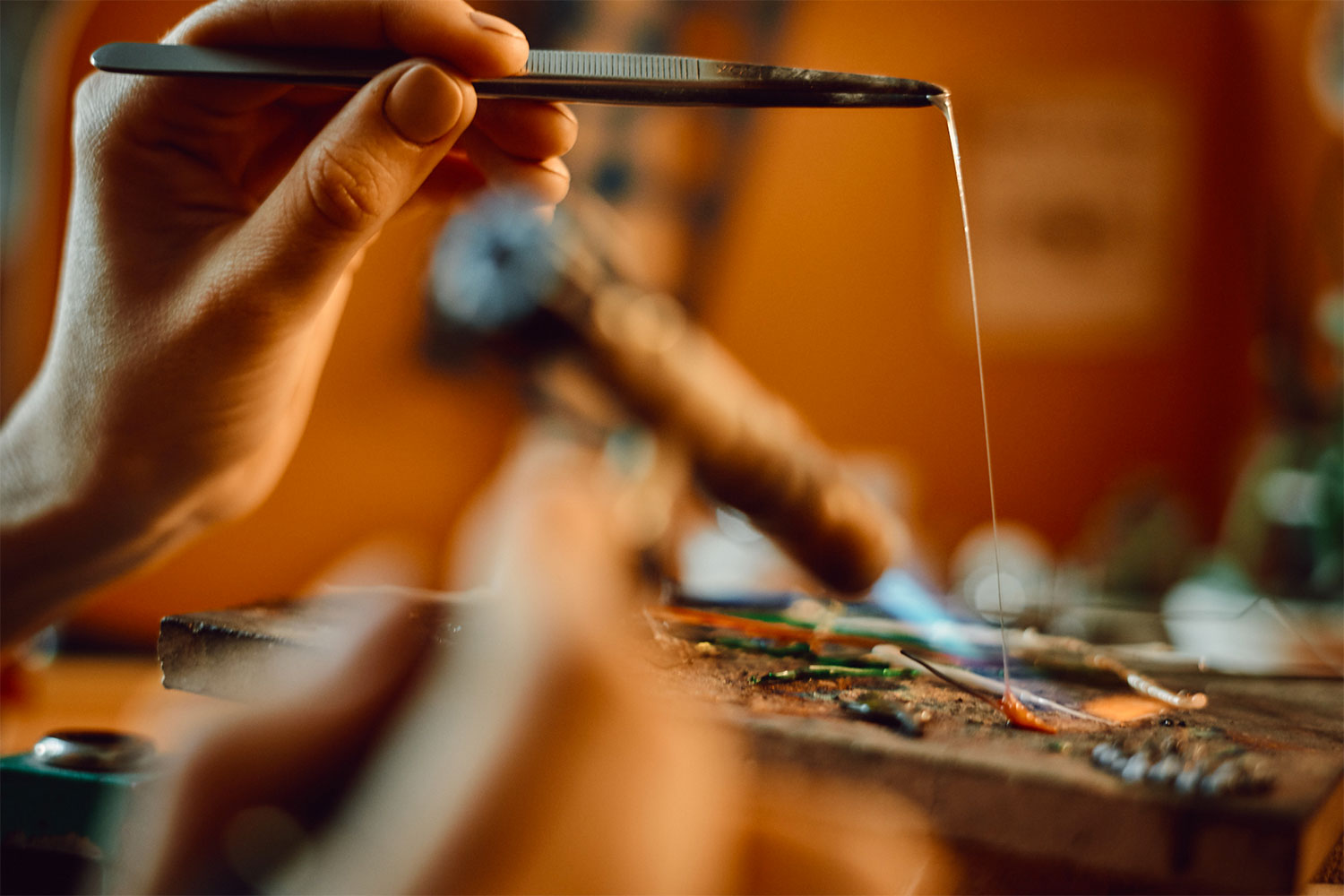
Born and raised in Munich, Germany, Heike Brachlow discovered glass while living in New Zealand. “A friend of mine started a glassblowing studio,” she recalls, “and I was really attracted by the process of glassblowing and the transparent colours achievable in glass. I started assisting him and ended up working there for two years.” Once back in the United Kingdom, she received a BA in 2004 from the University of Wolverhampton and an MA and PhD from the Royal College of Art in London in 2006 and 2012. “The milestone event in my professional life occurred a few months after finishing my MA, when the owner of Bullseye Gallery, who is a great supporter of emerging artists, approached me and commissioned five works. Without this, my career might never have started.”
INTERVIEW
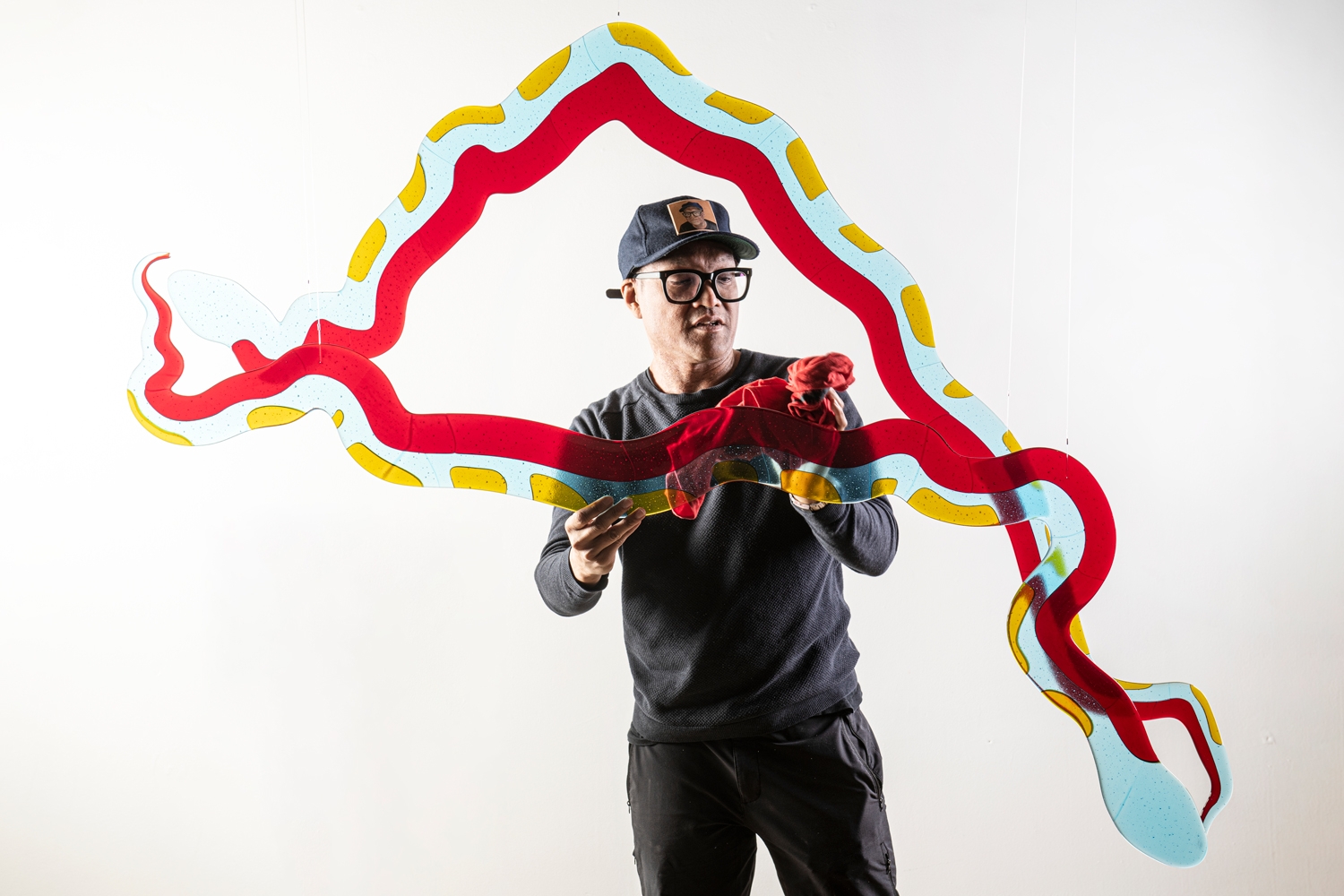
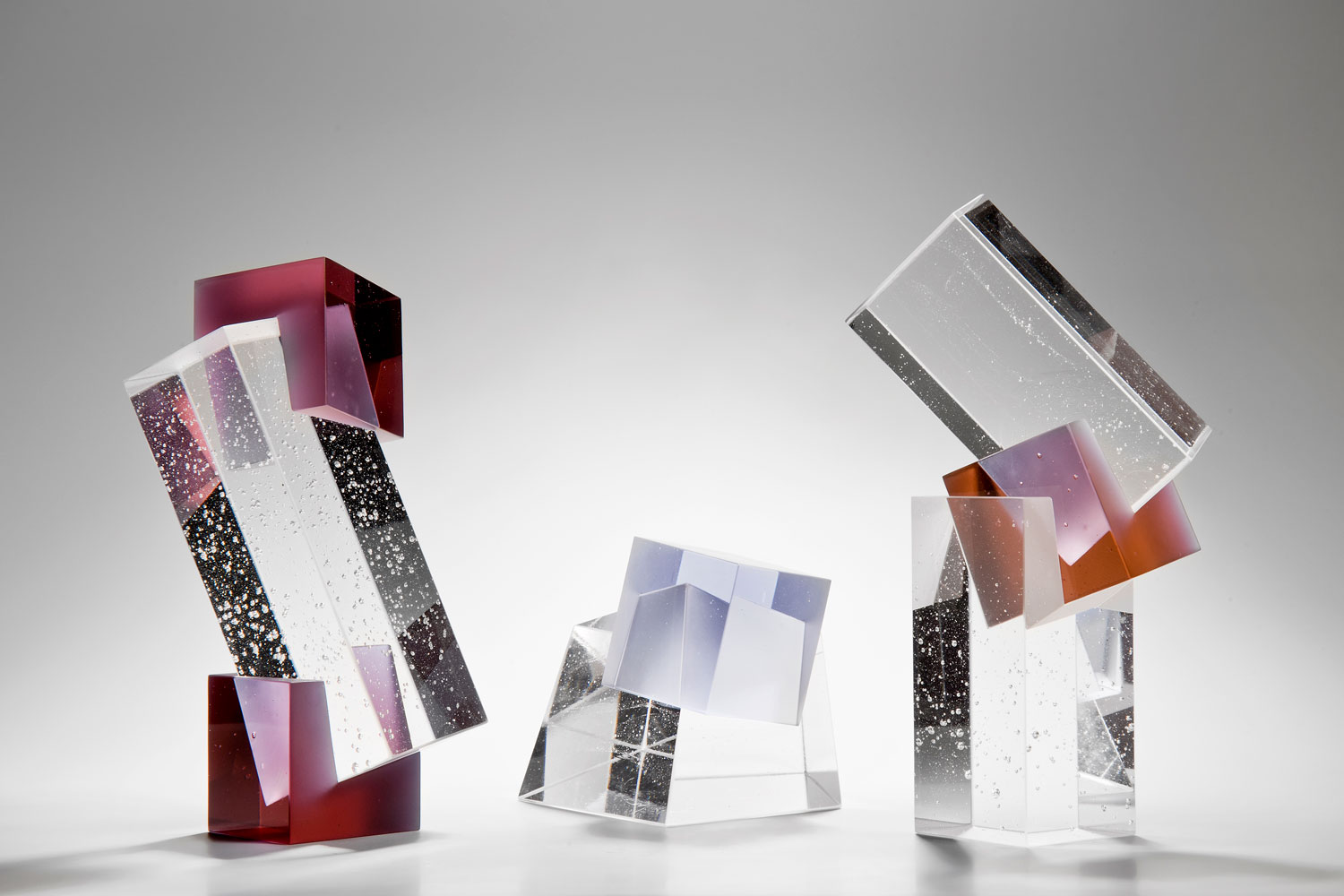
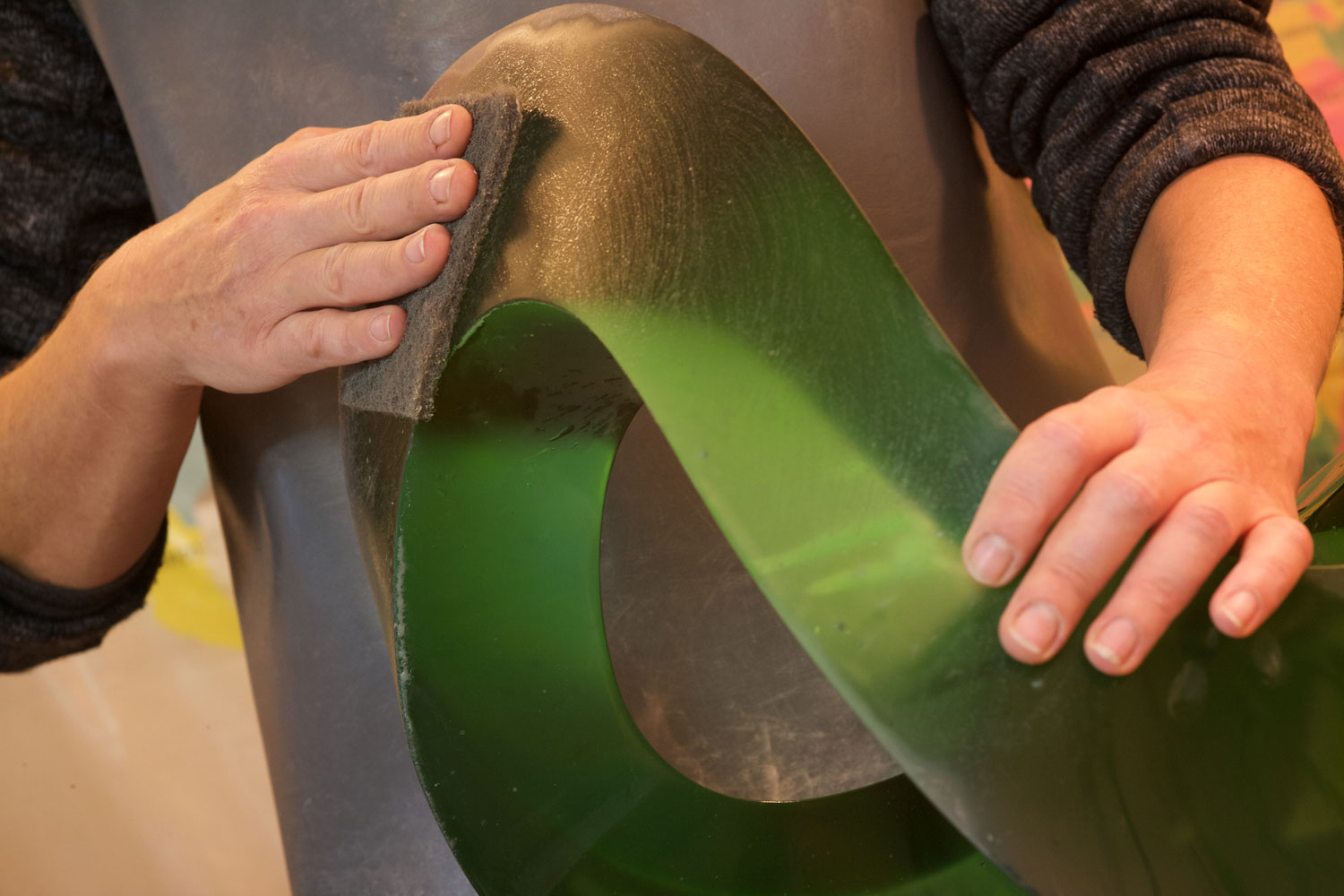
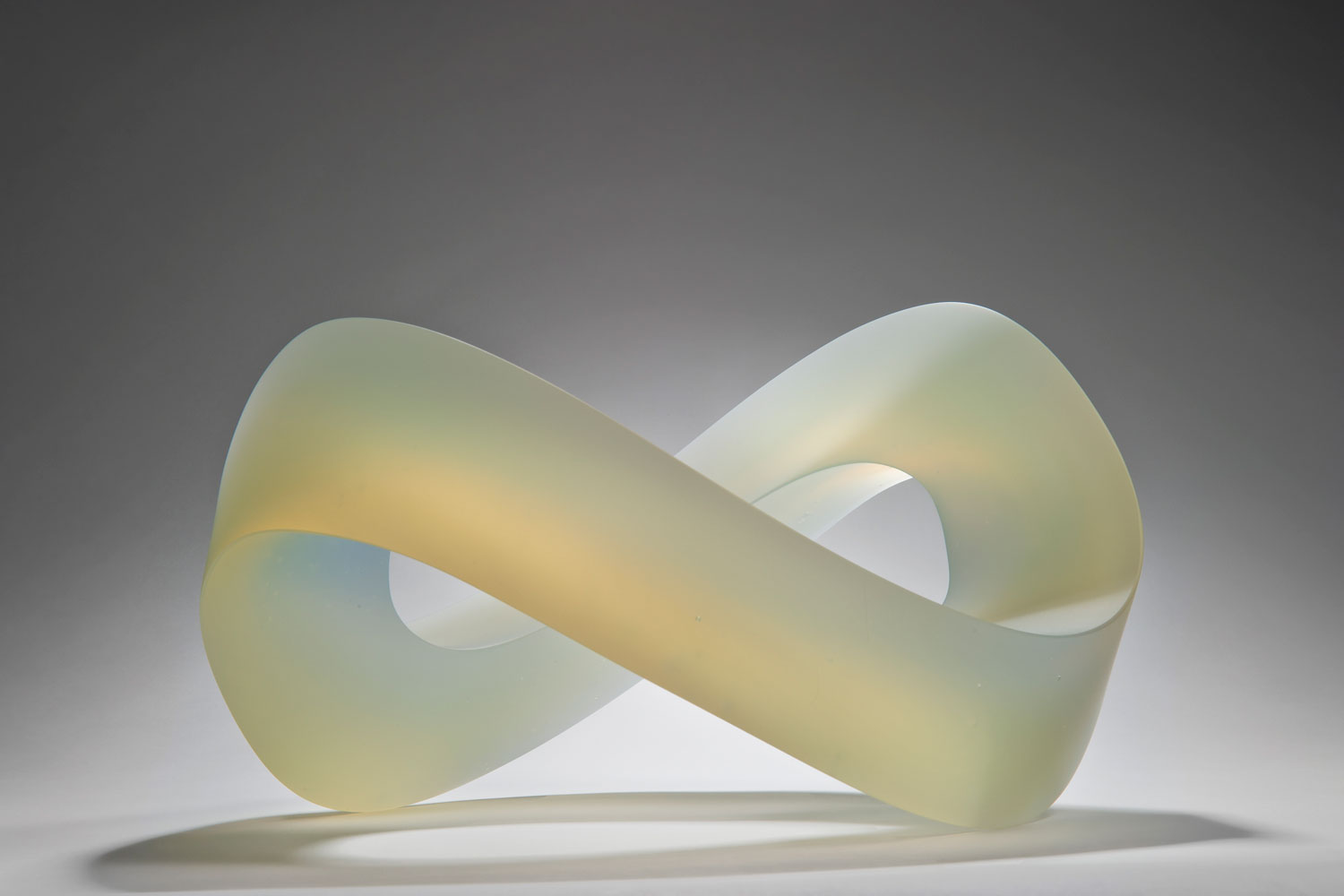
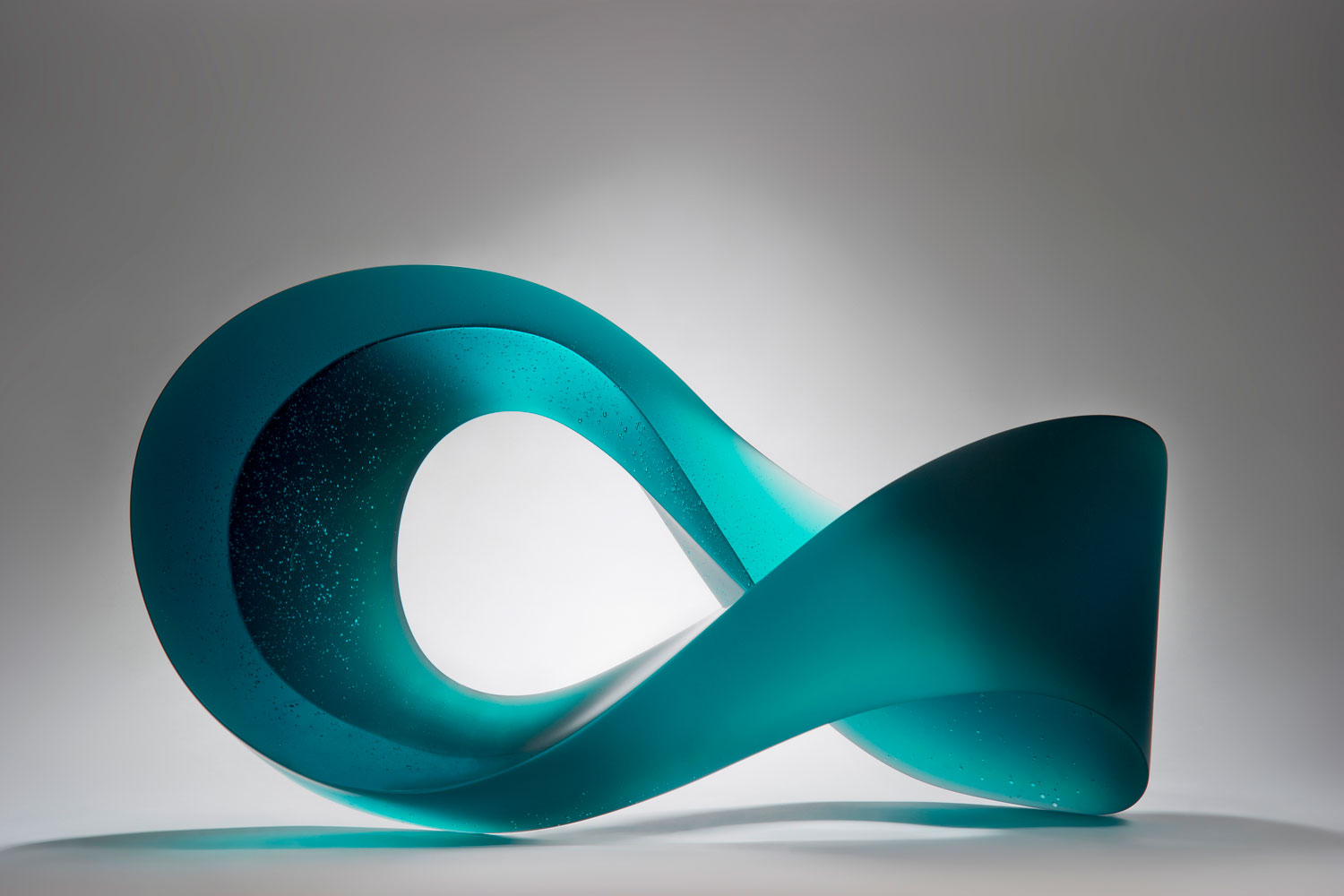
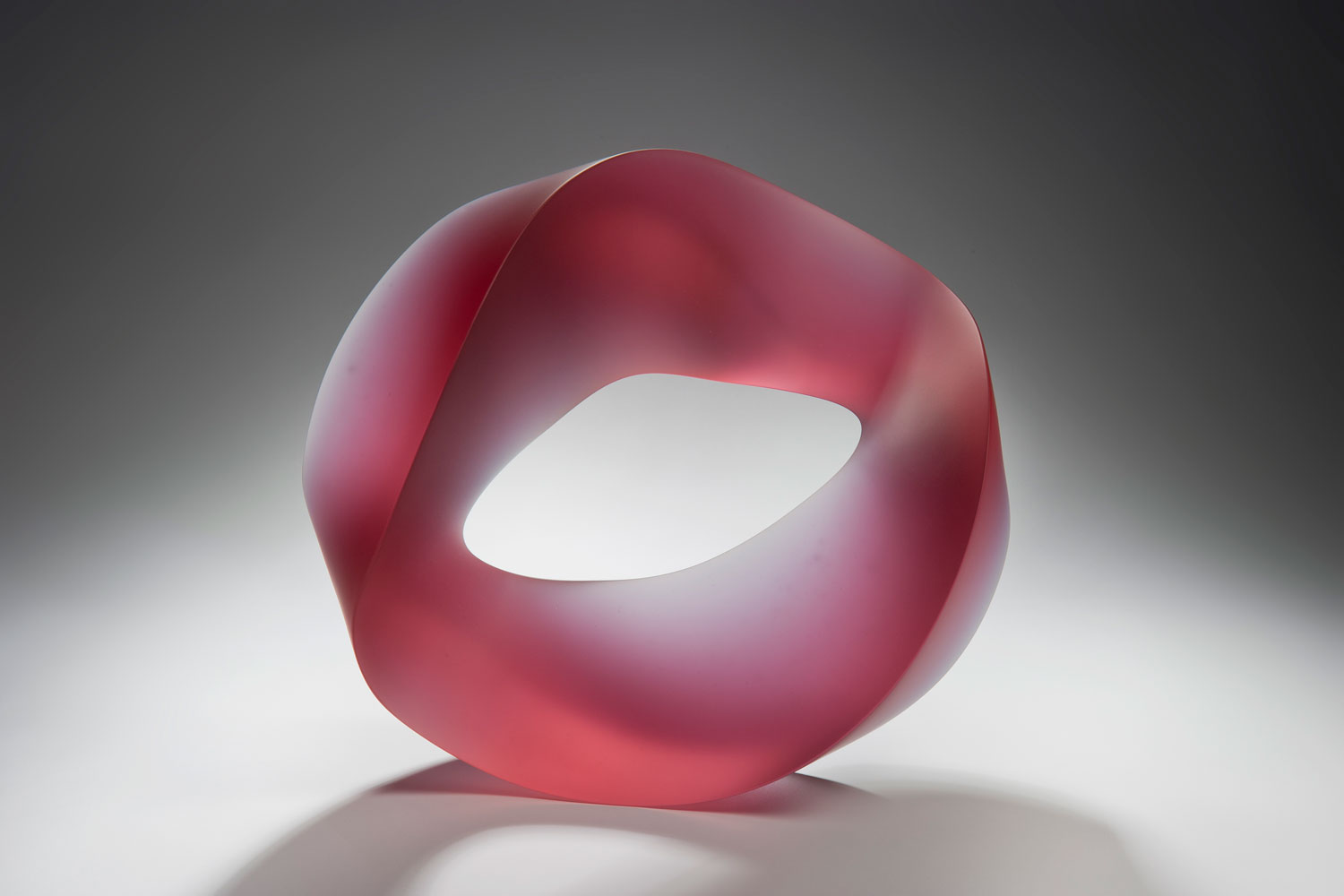
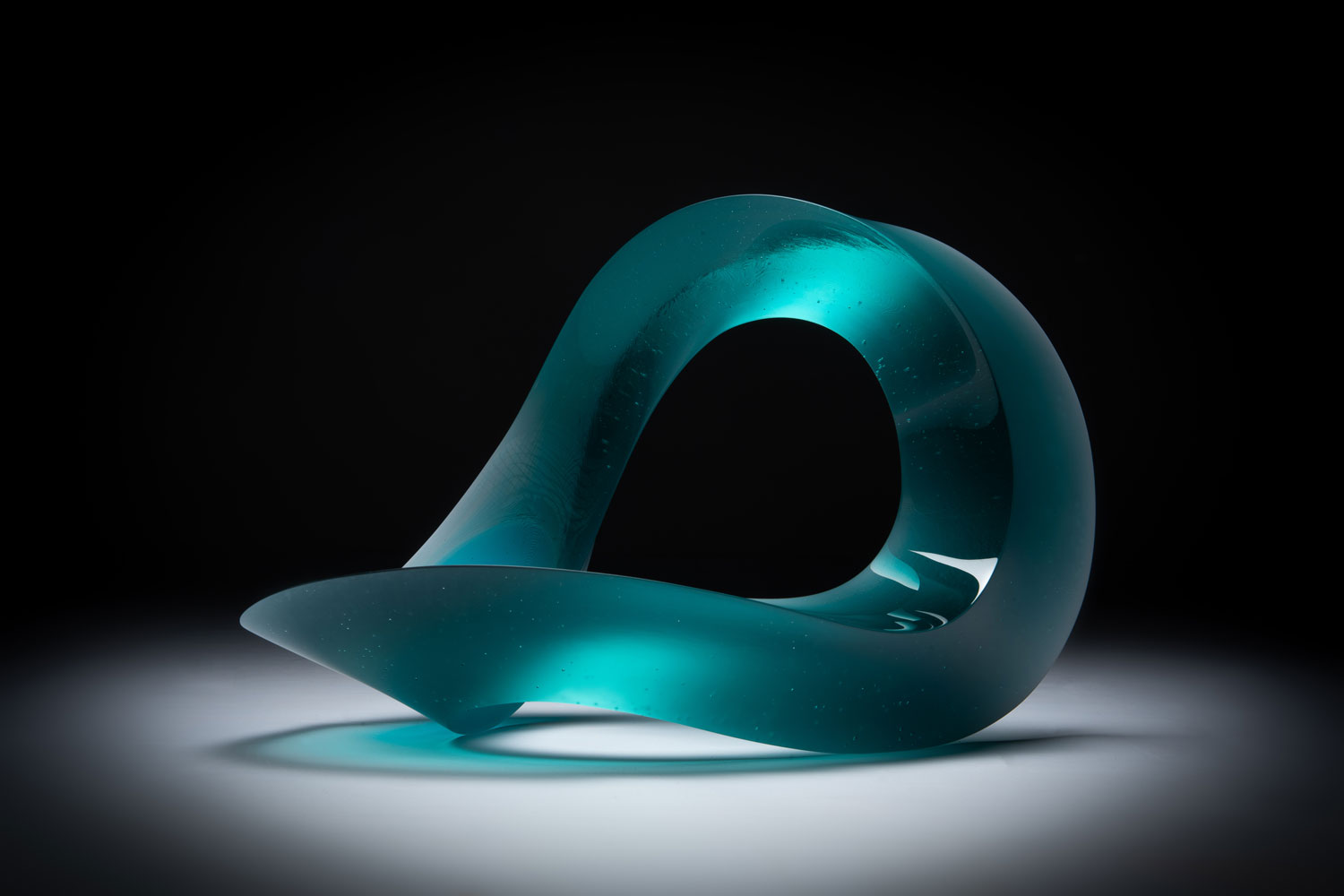
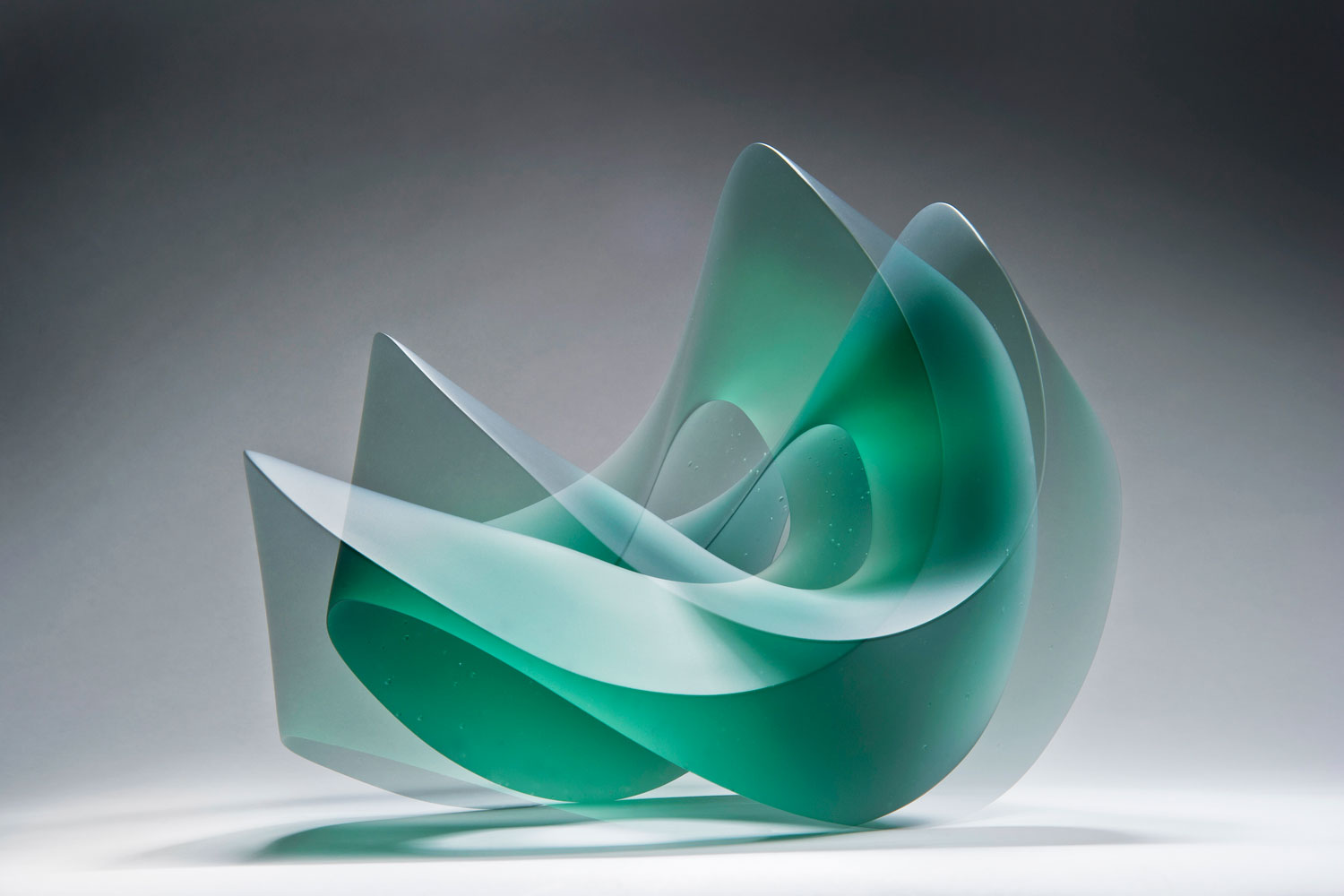
I think it was because of colour. Initially, I was drawn to bright transparent colour combinations, but later on, I looked at how form affects hue in transparent objects. I now mostly use a single colour in one sculpture, but there will be different hues anyway, because of variations in thickness.
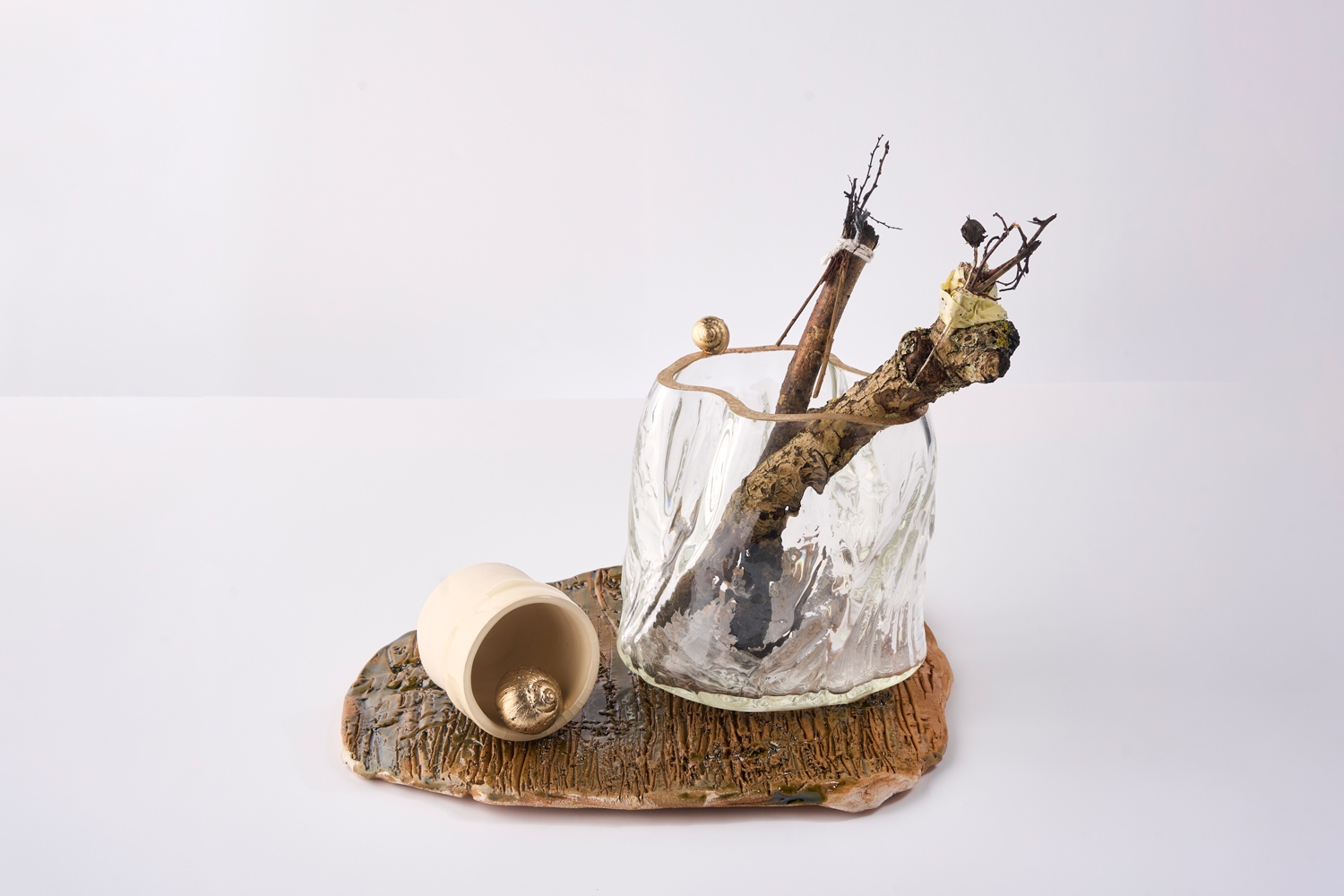
I take a lot of photos of landscape, water, plants and sometimes I have objects (such as a toy balancing bird) or models symbolising ideas and concepts sitting around in my studio. My actual forms are mostly worked out through the making: it takes me a while to develop a new form or body of work.
When it’s made with great care, paying attention to form and surface finish, making sure there are no scratches or marks. But it does not mean perfect - handmade objects are rarely perfect, and I think small imperfections are part of the process.
Glass casting at my scale does not have a long tradition. Large glass casting was developed from the 1960s onwards by Stanislav Libensky and Jaroslava Brychtova, with the help of Czech glass factories. I work within the formalist tradition that they pioneered.
Heike Brachlow
Glass sculptor
Ulverston, United Kingdom
AVAILABILITY
By appointment only
PHONE
+44 7940817019
LANGUAGES
English, German
Homo Faber Finds is a new service aiming to inspire admirers of craft to connect and collaborate with exceptional artisans.
We invite you to submit an enquiry here.

DSC02402_©Meg-Lovell.jpg)
DSC01379_©Meg-Lovell.jpg)
DSC01458_©Meg-Lovell.jpg)