Joanna Manousis
Glass sculptor
Sunderland, United Kingdom
Recommended by Queen Elizabeth Scholarship Trust - QEST
Reflecting on reflections
- Joanna's pieces are exhibited worldwide
- Glass is the medium of her artistic research
- She is fascinated by the theatricality of reflective surfaces
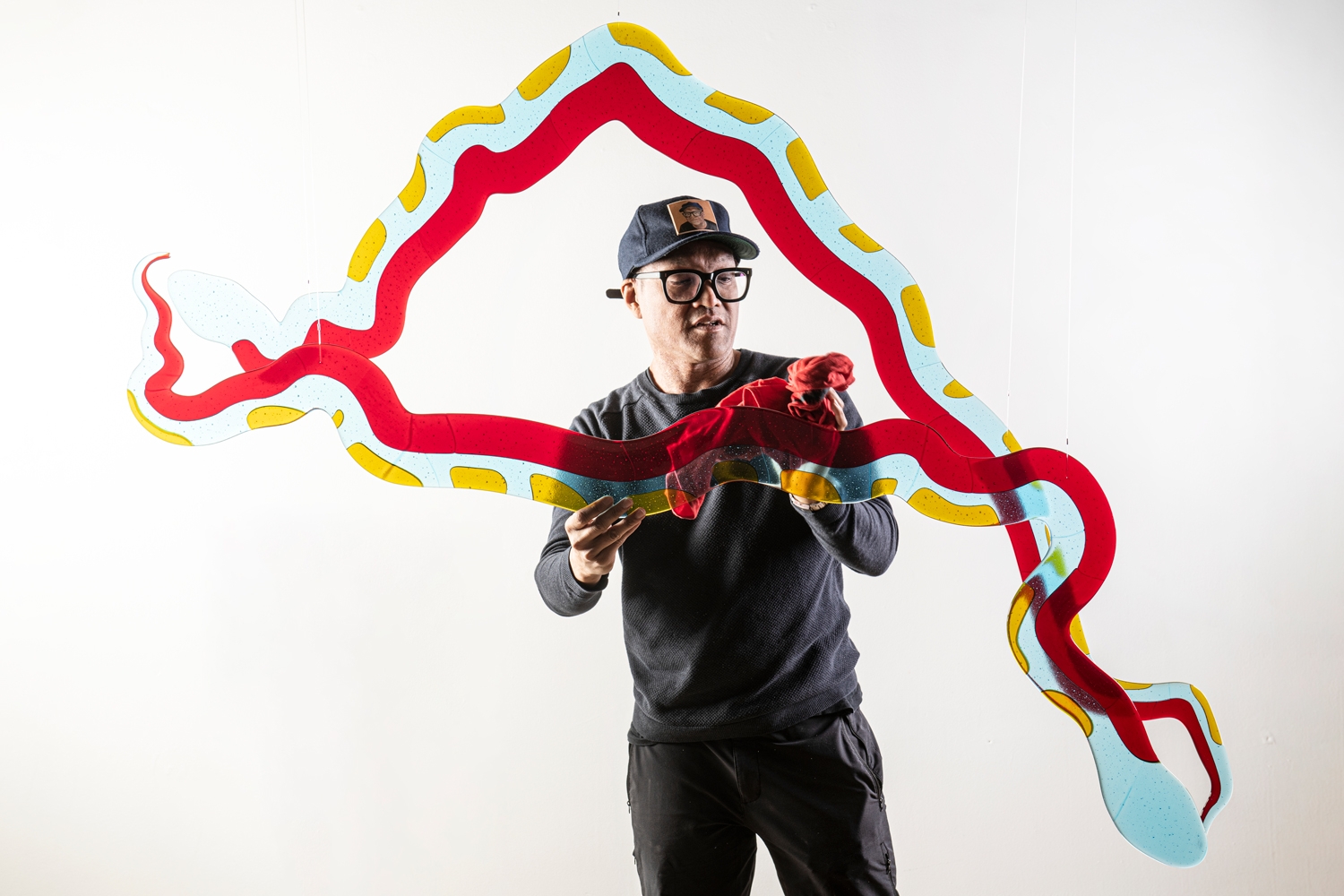
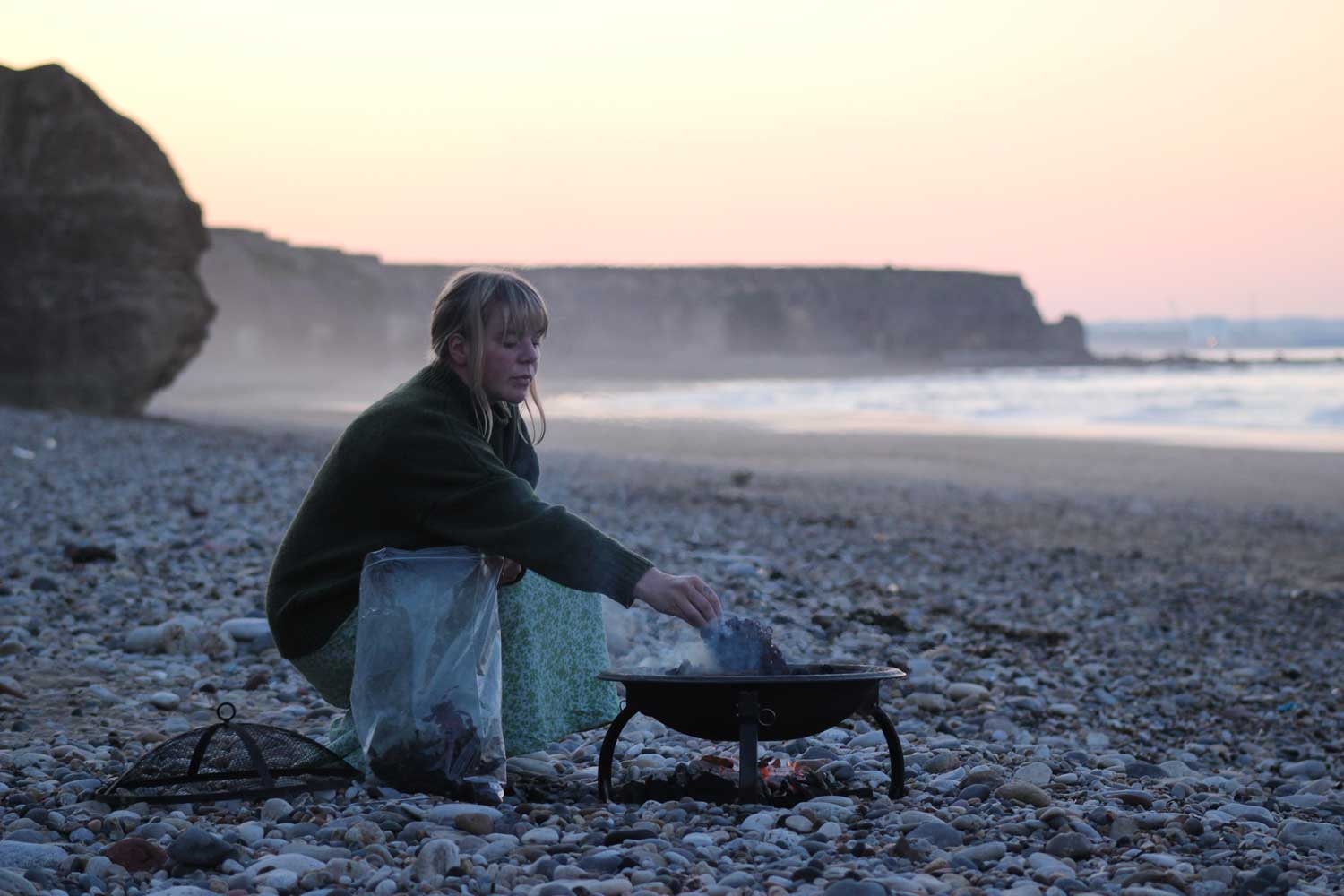
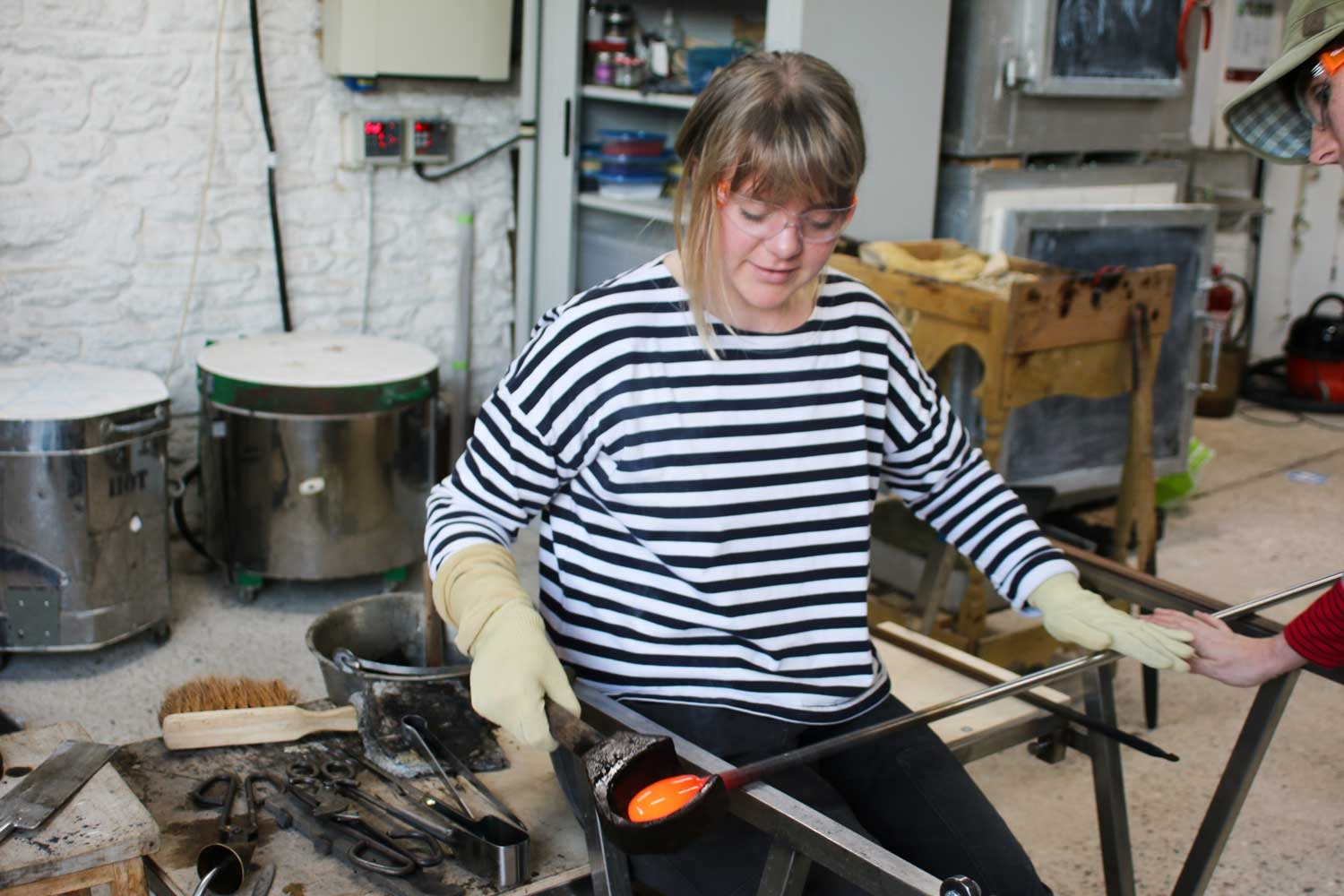
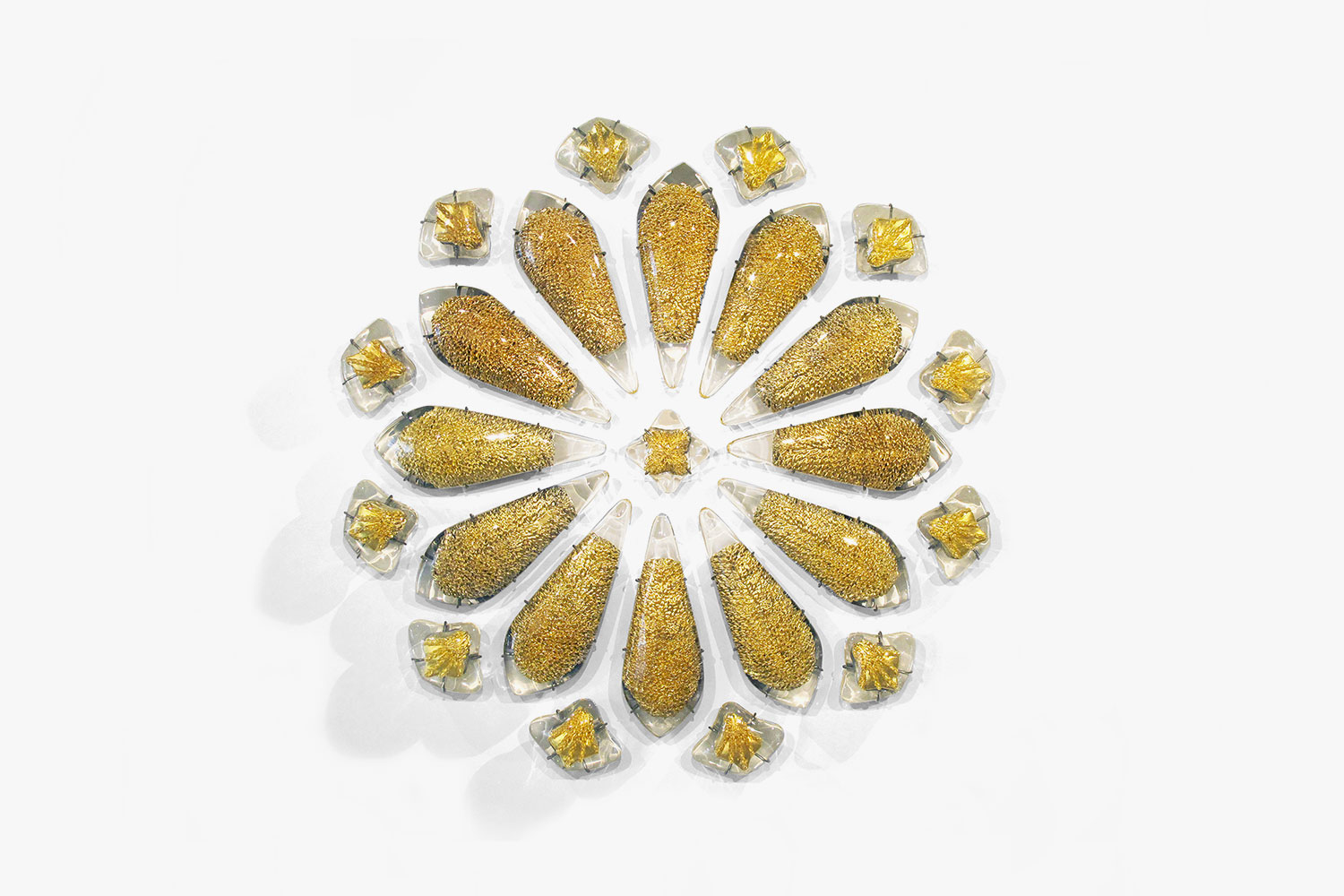
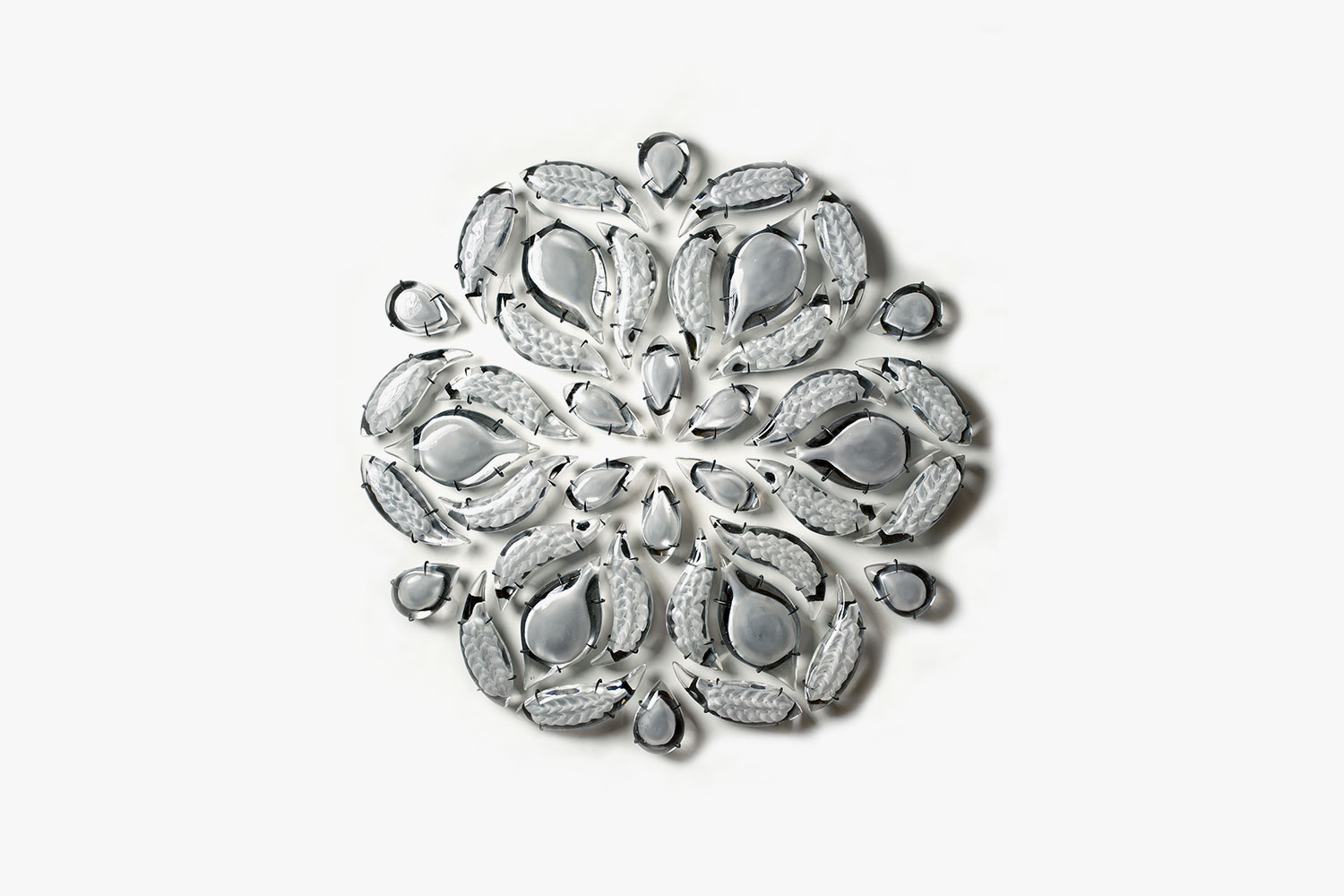
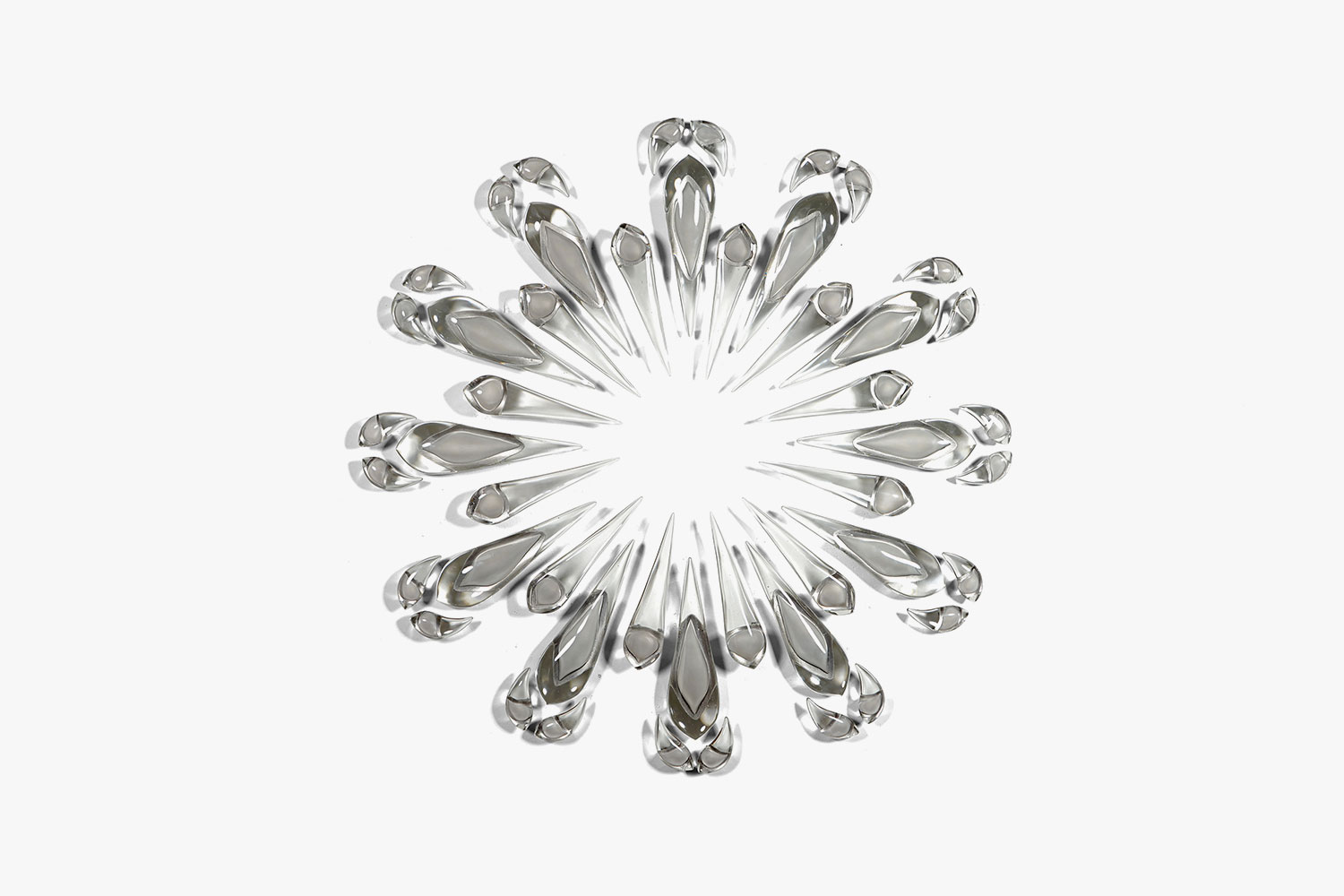
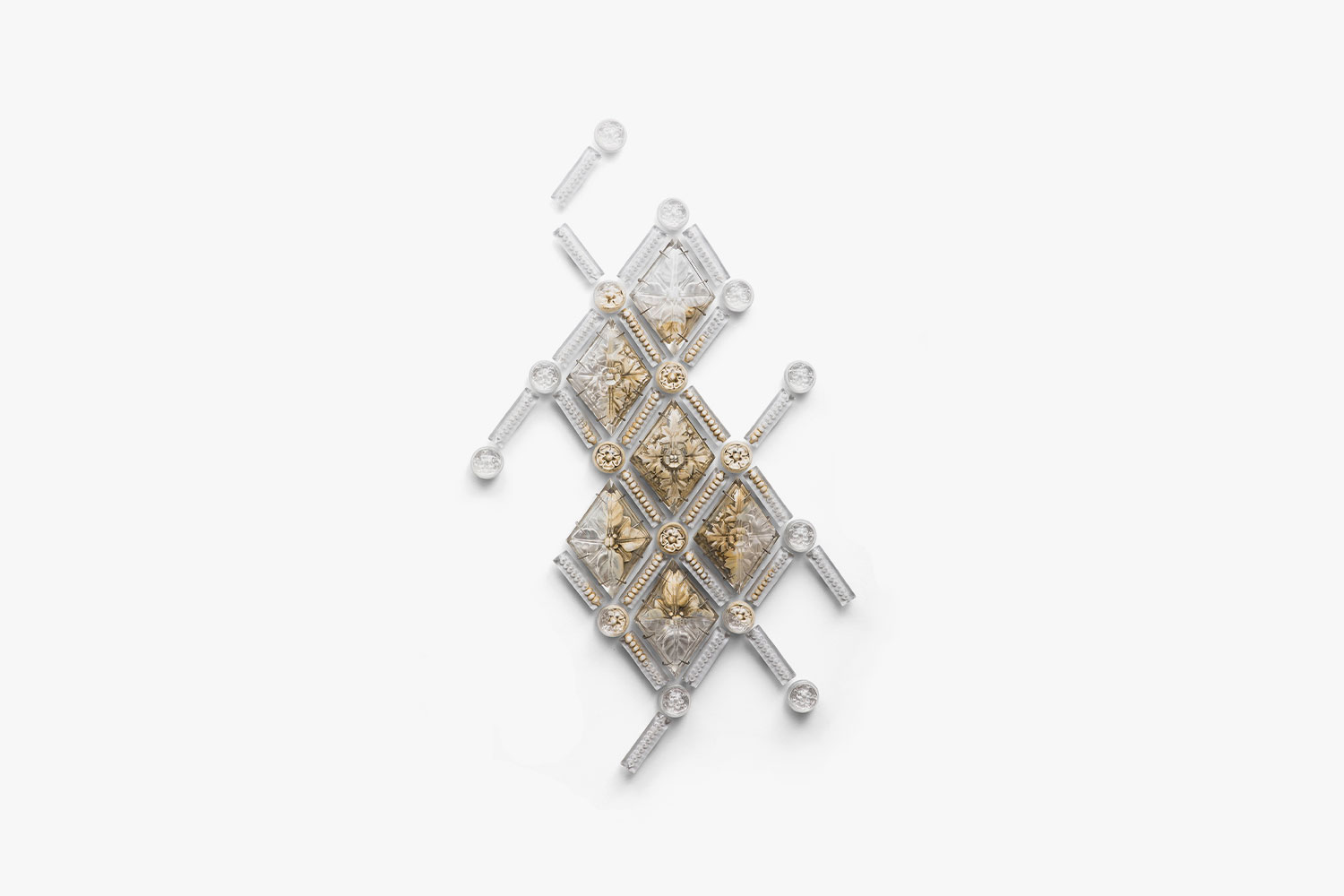
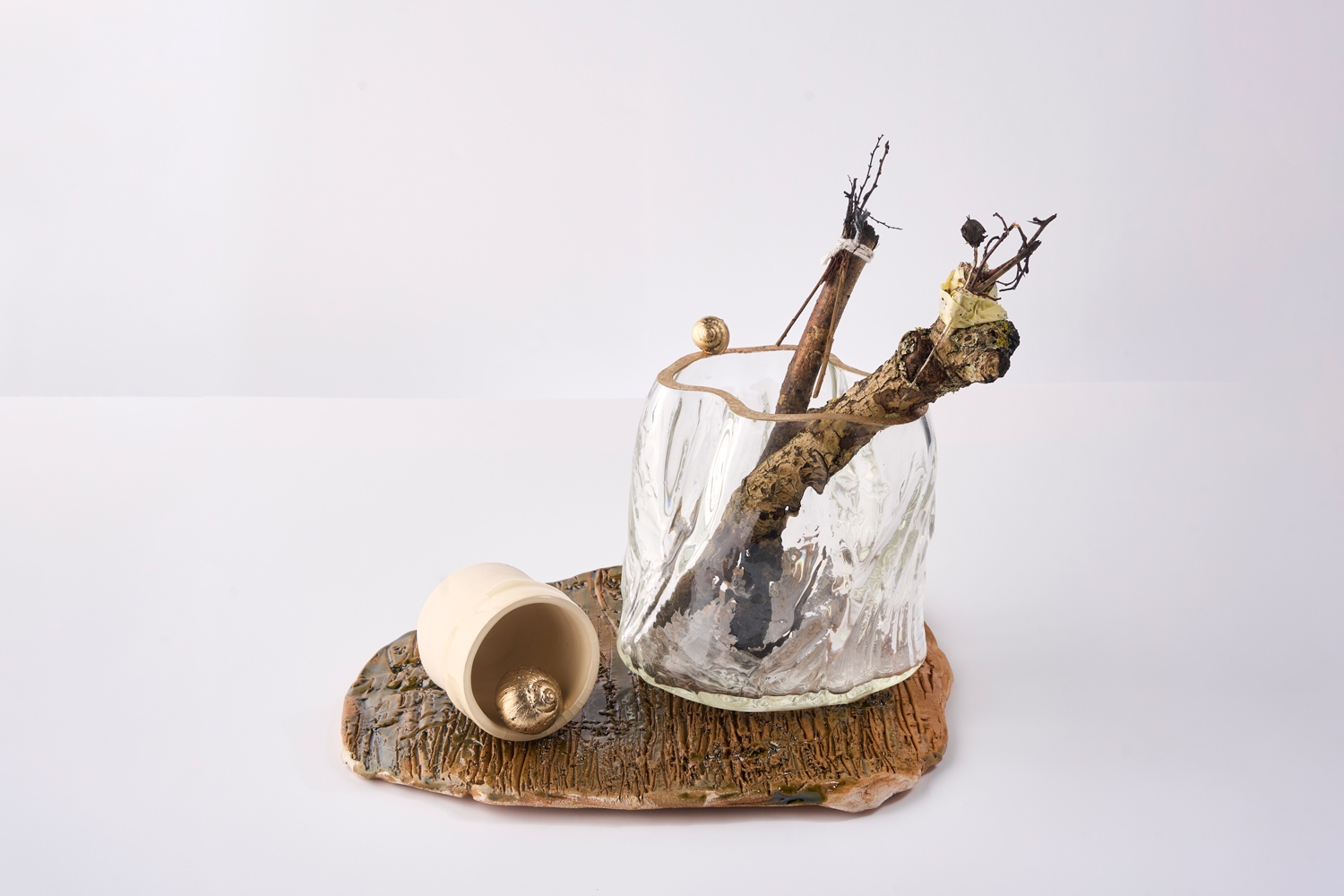
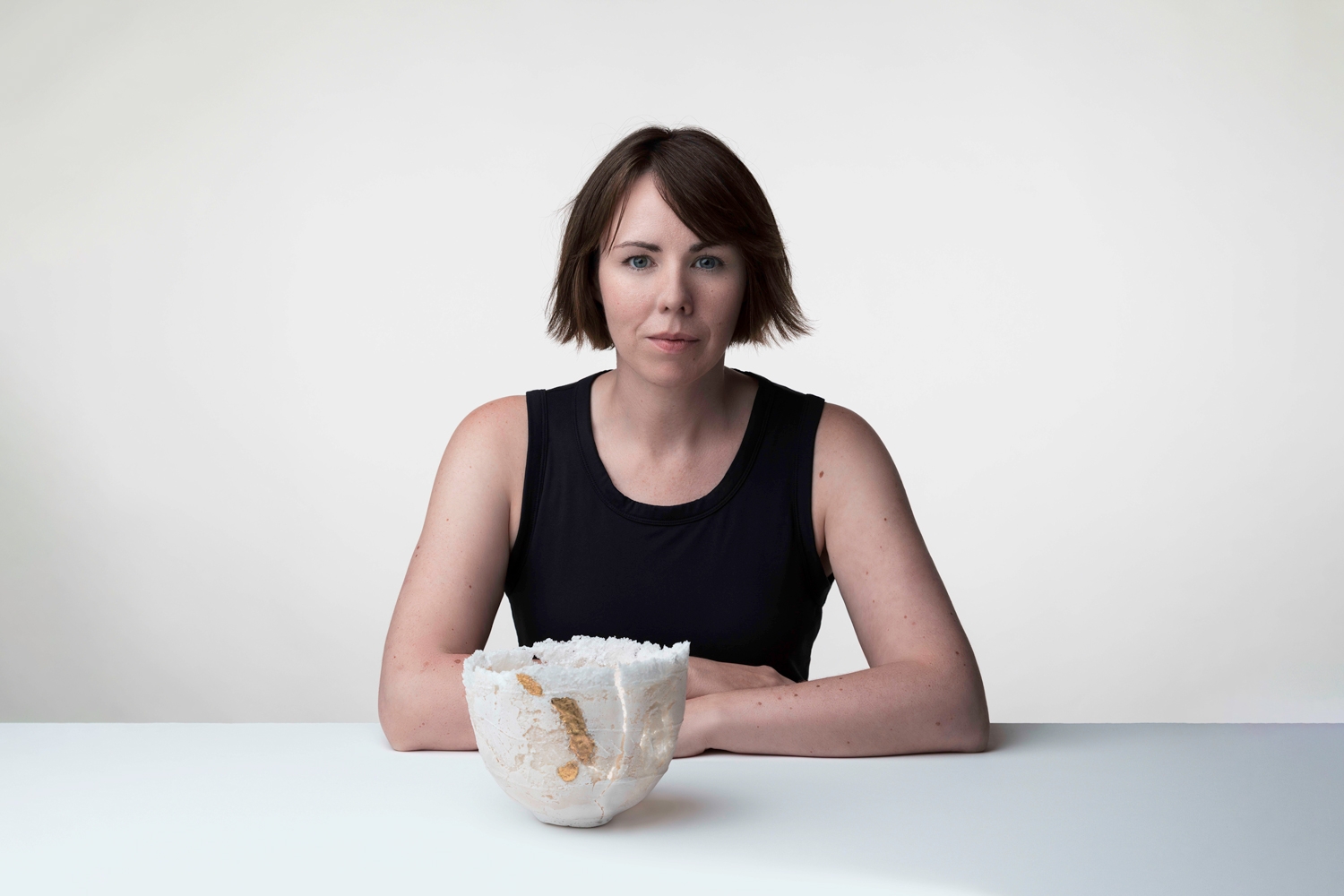
The glass sculpture of British artist Joanna Manousis is fascinating and multilayered. She puts ideas at the forefront of her research and investigates the potential of the medium by using in-depth techniques. With a hands-on studio practice spanning 17 years, Joanna strives to transform cast glass surfaces into reflective, three-dimensional mirrors. This ambition serves to “shift the viewers perspective, bringing new experiential possibilities.” Born and raised in Shropshire, England, Joanna has obtained a BFA in Glass (Wolverhampton University, UK), an MFA in Sculpture (Alfred University, NY) and is currently a PhD researcher at University of Sunderland at The National Glass Centre, UK. Her work encompasses the small and intimate to the large and sublime.
INTERVIEW
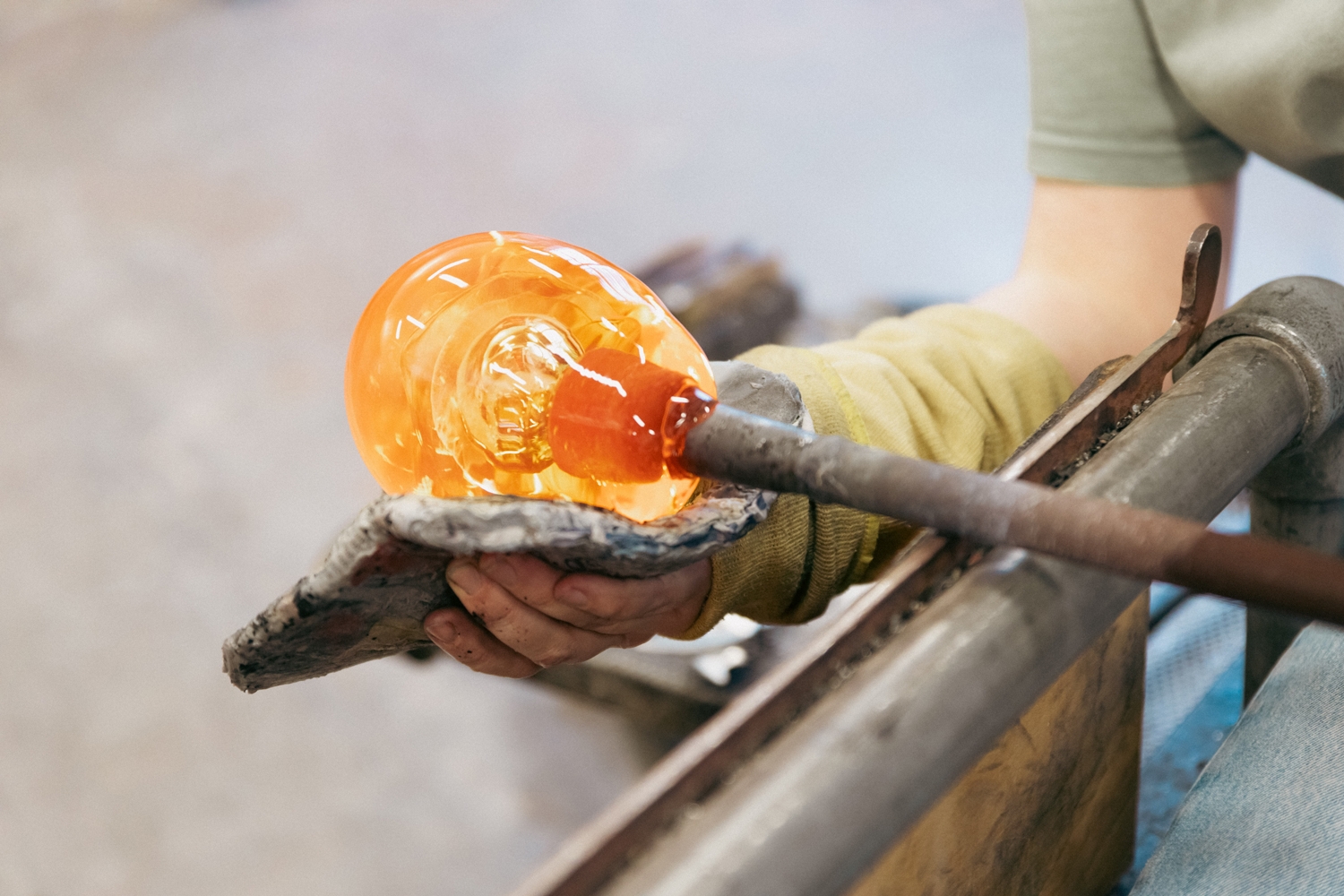
I was introduced to stained glass making during my foundation studies in Art and Design at Yale College in Wrexham, Wales. This sparked an interest to enrol in a BFA in Glass and Ceramics at Wolverhampton University. It was here that I decided to dedicate myself to the material of glass.
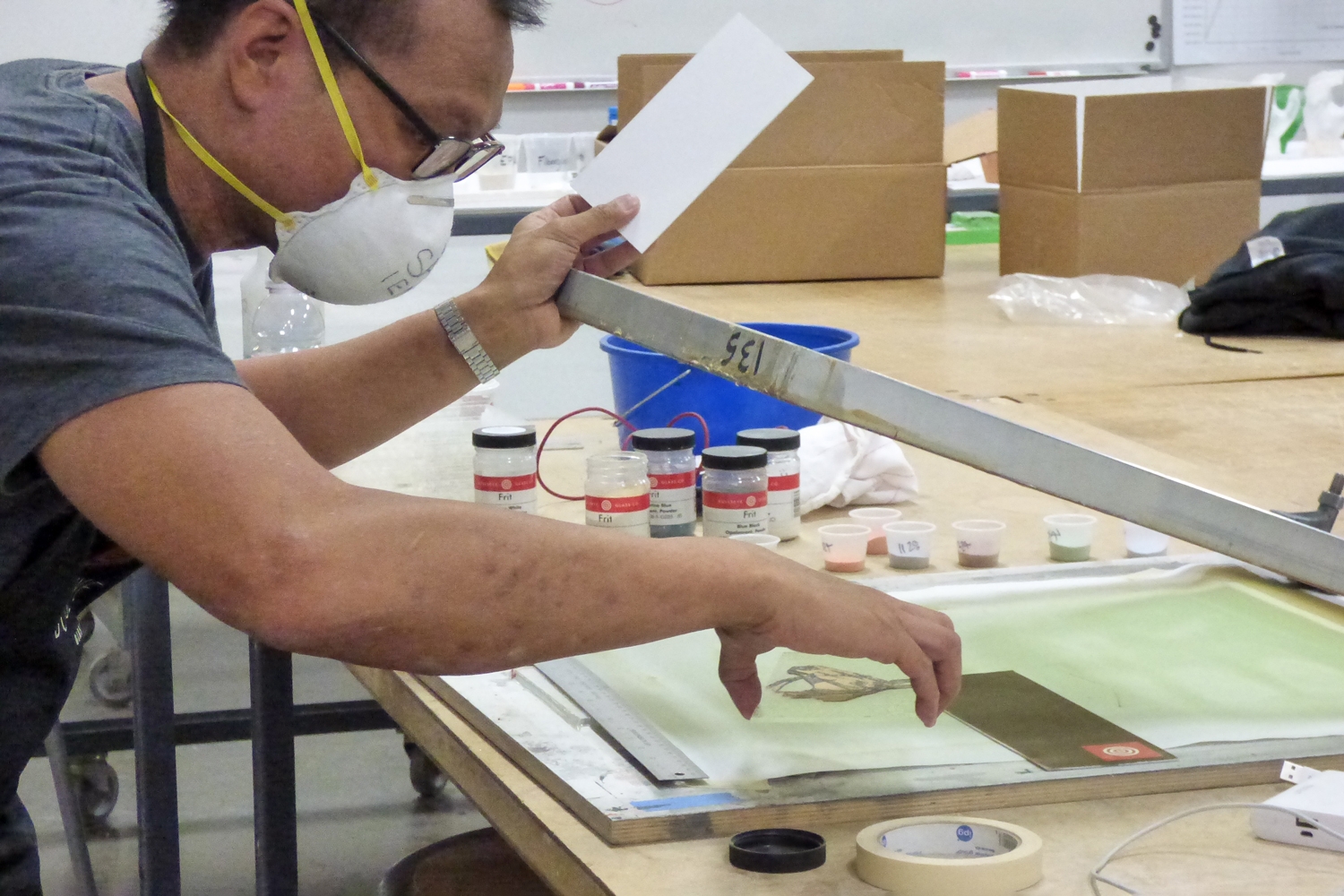
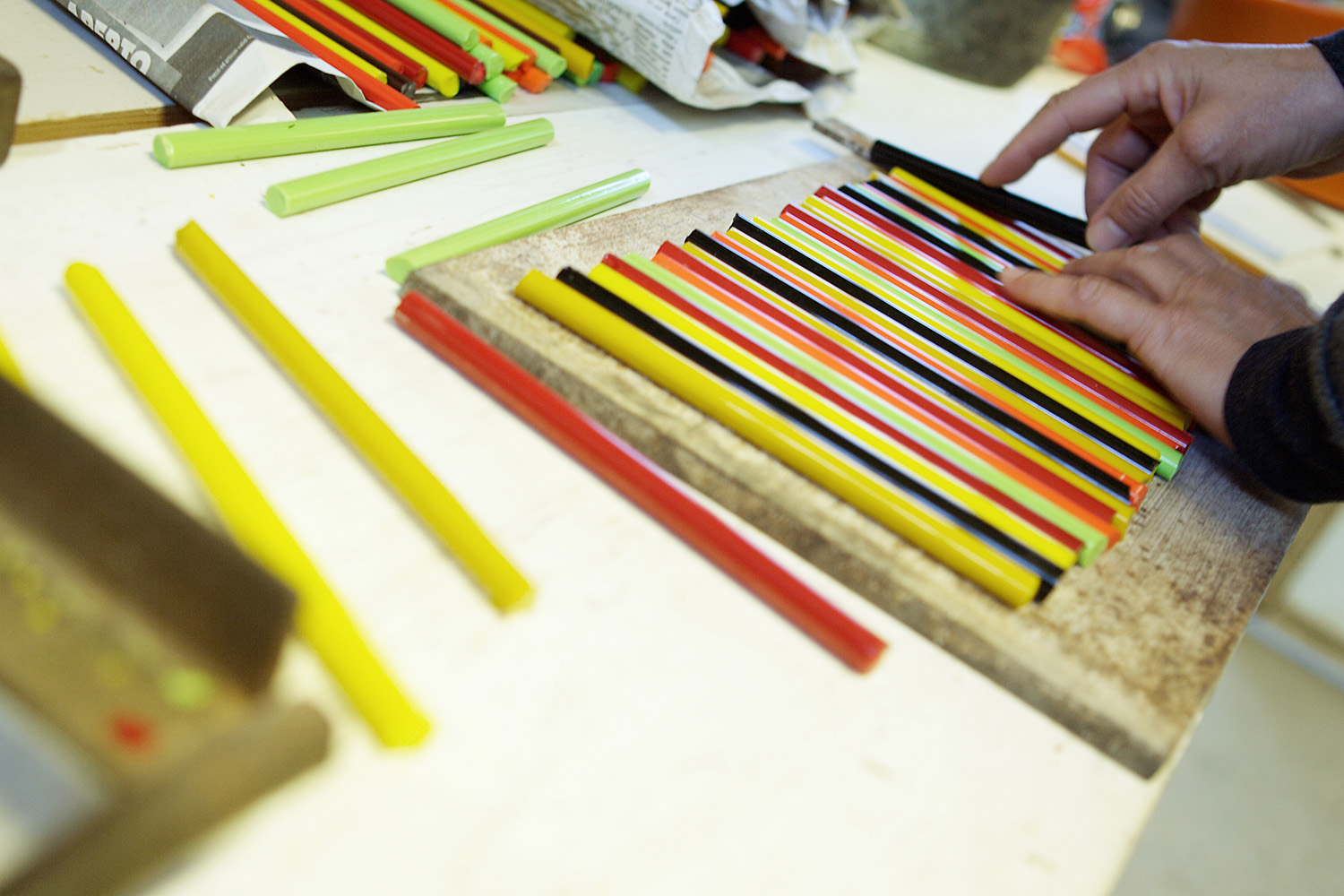
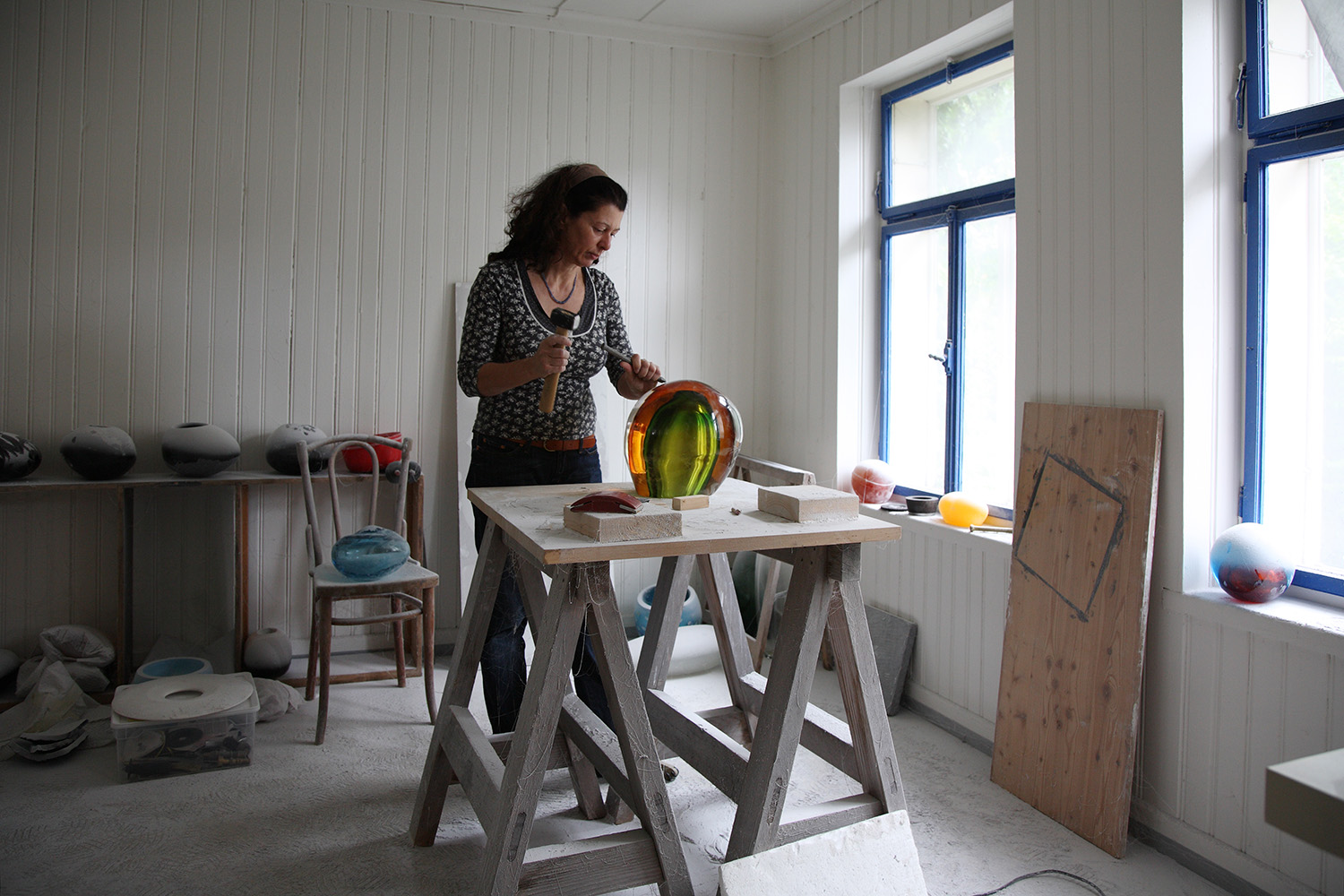
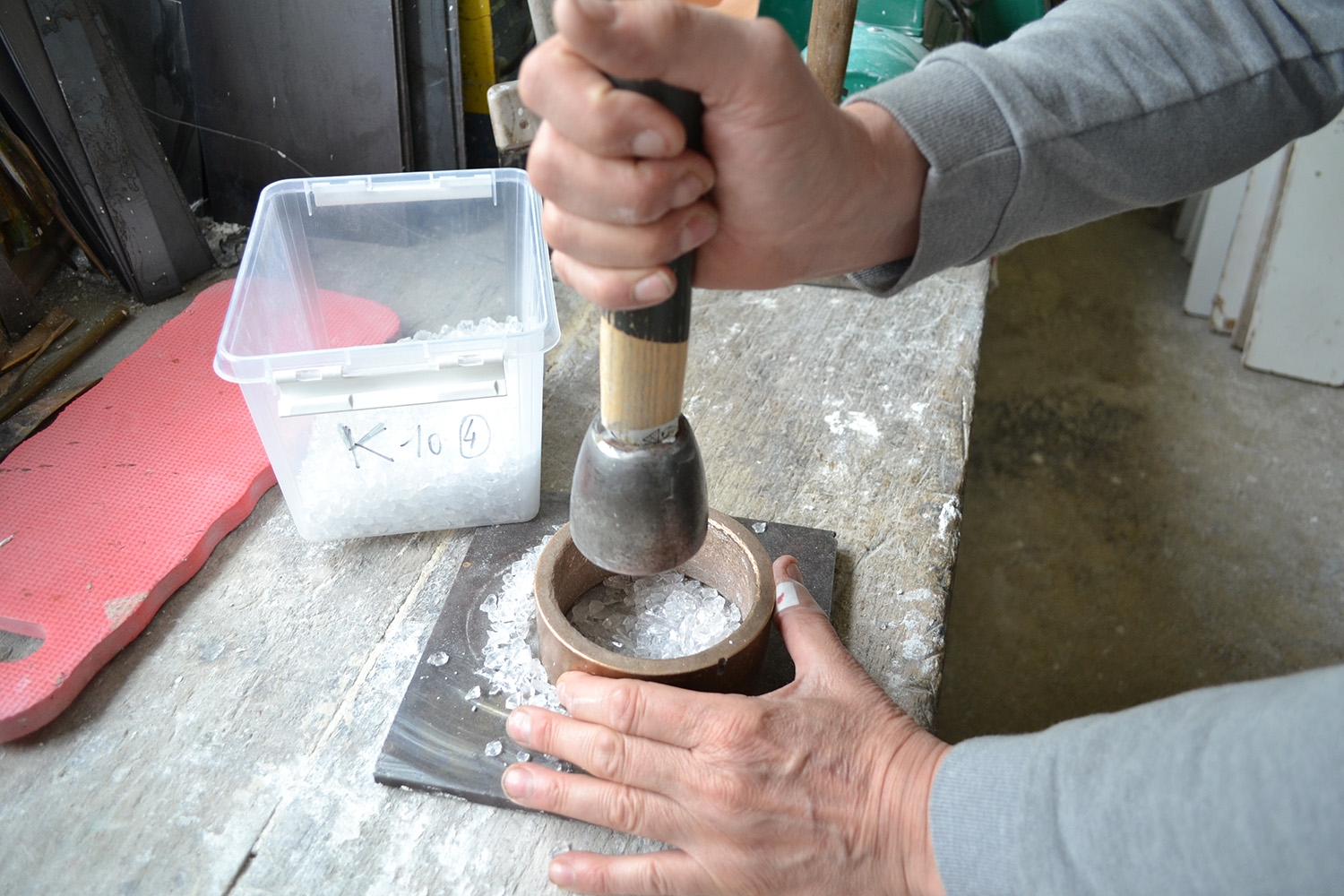
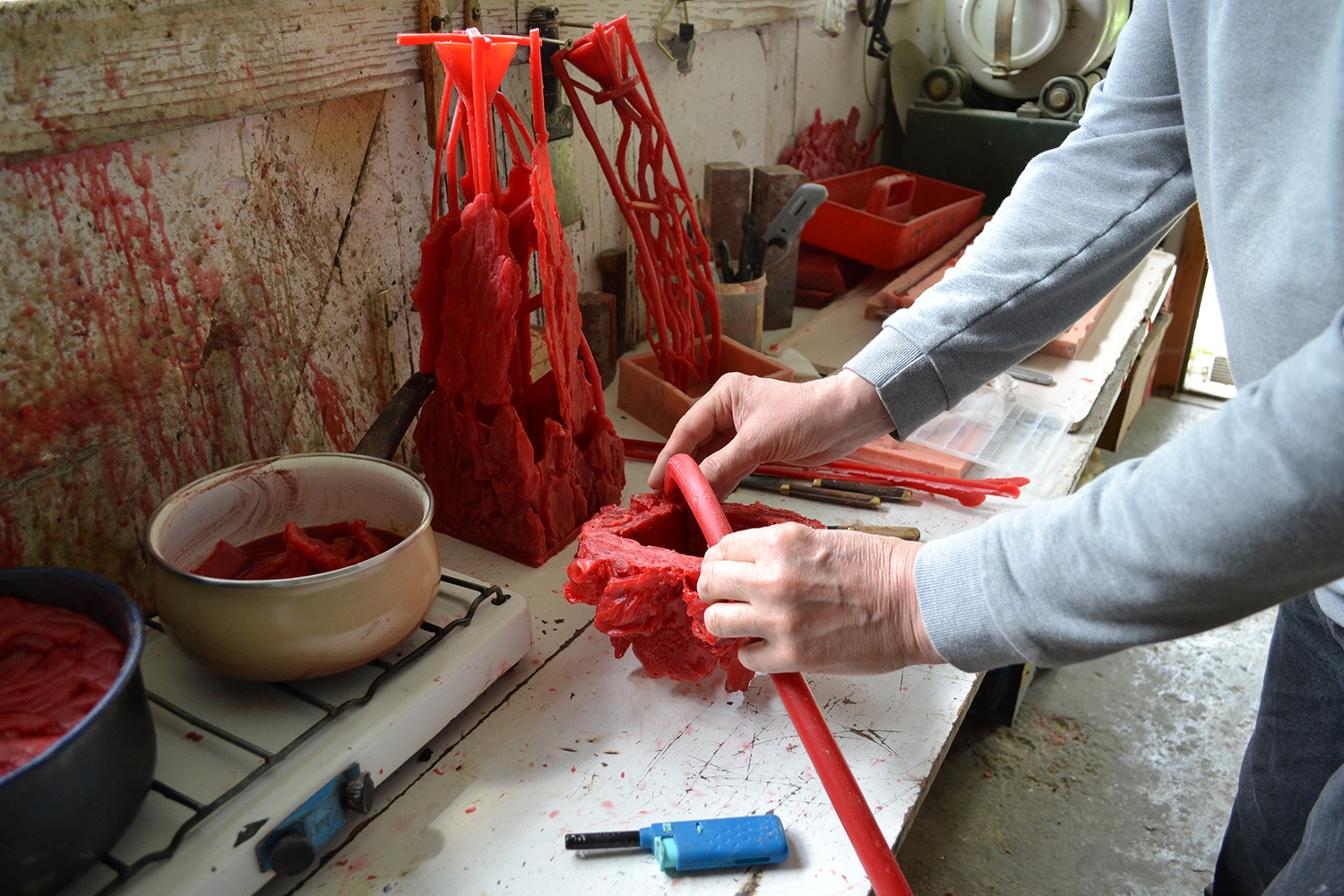
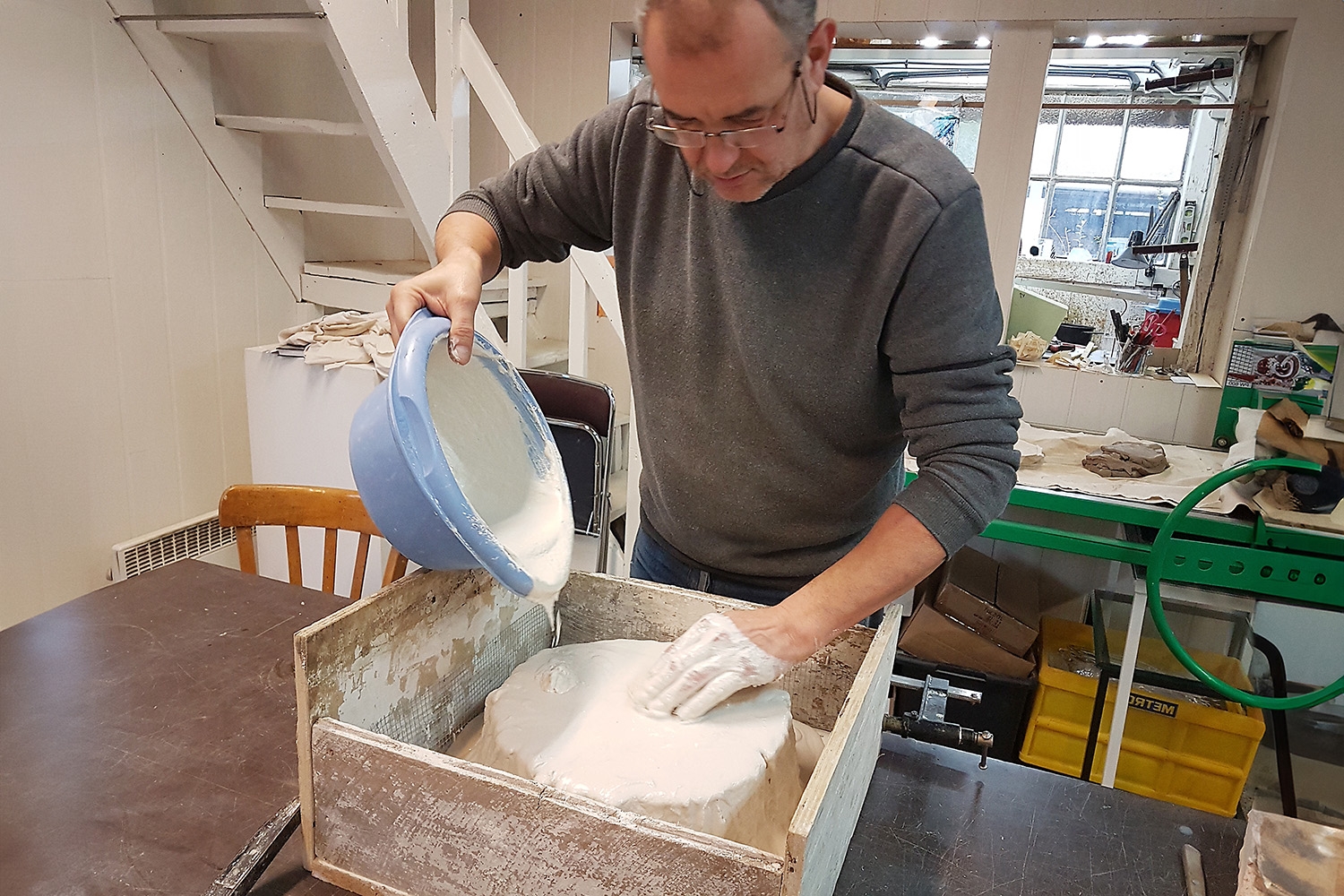
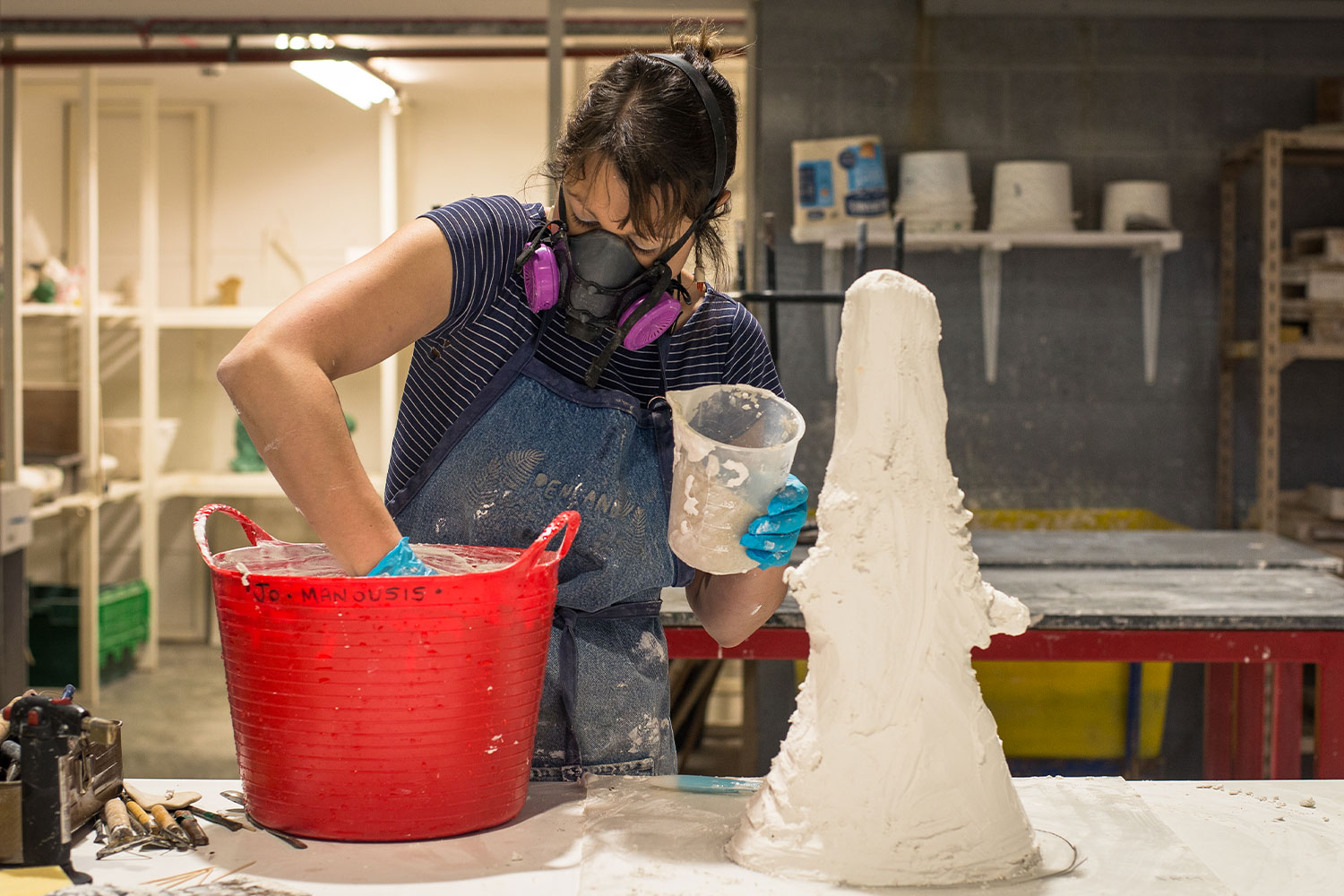
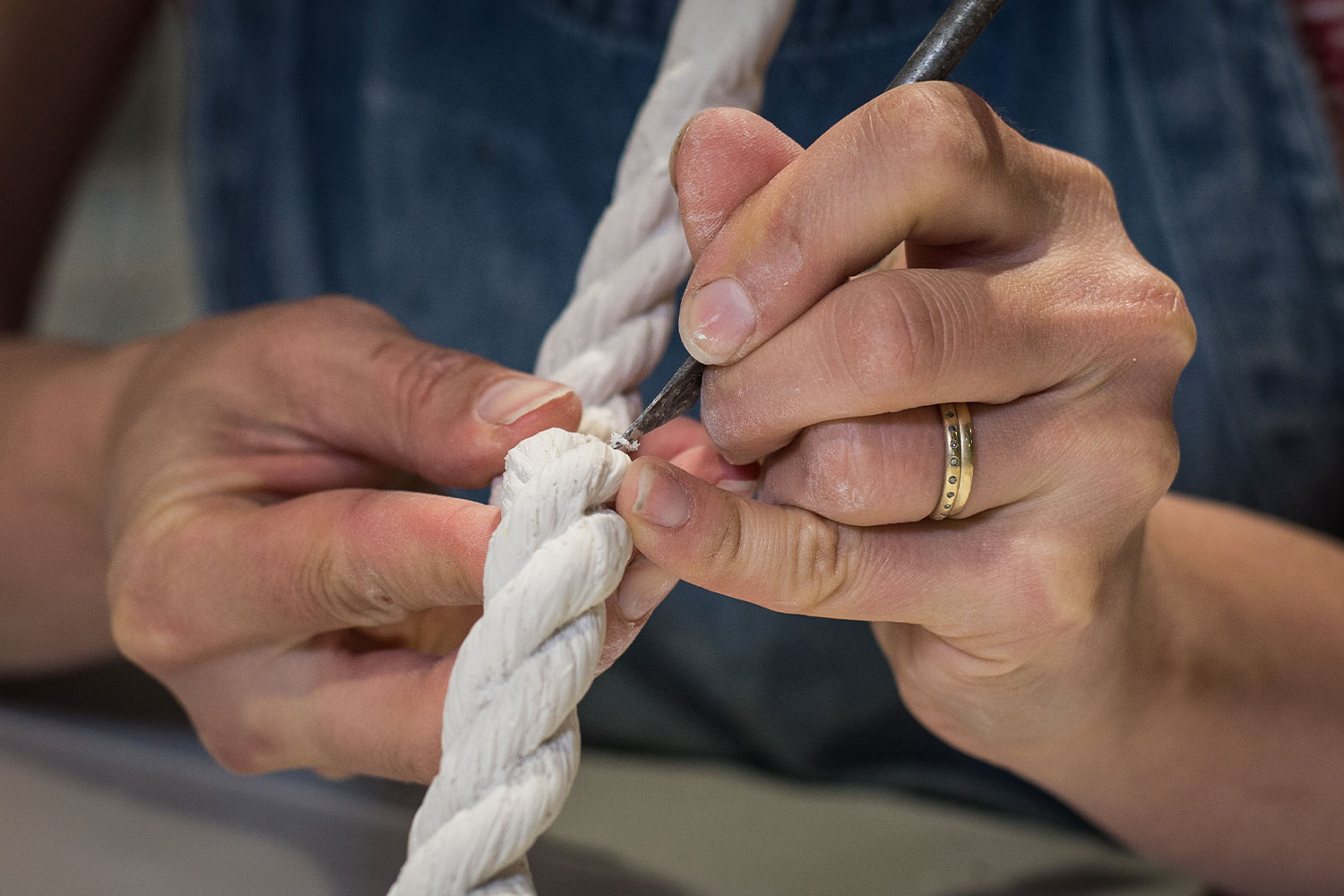
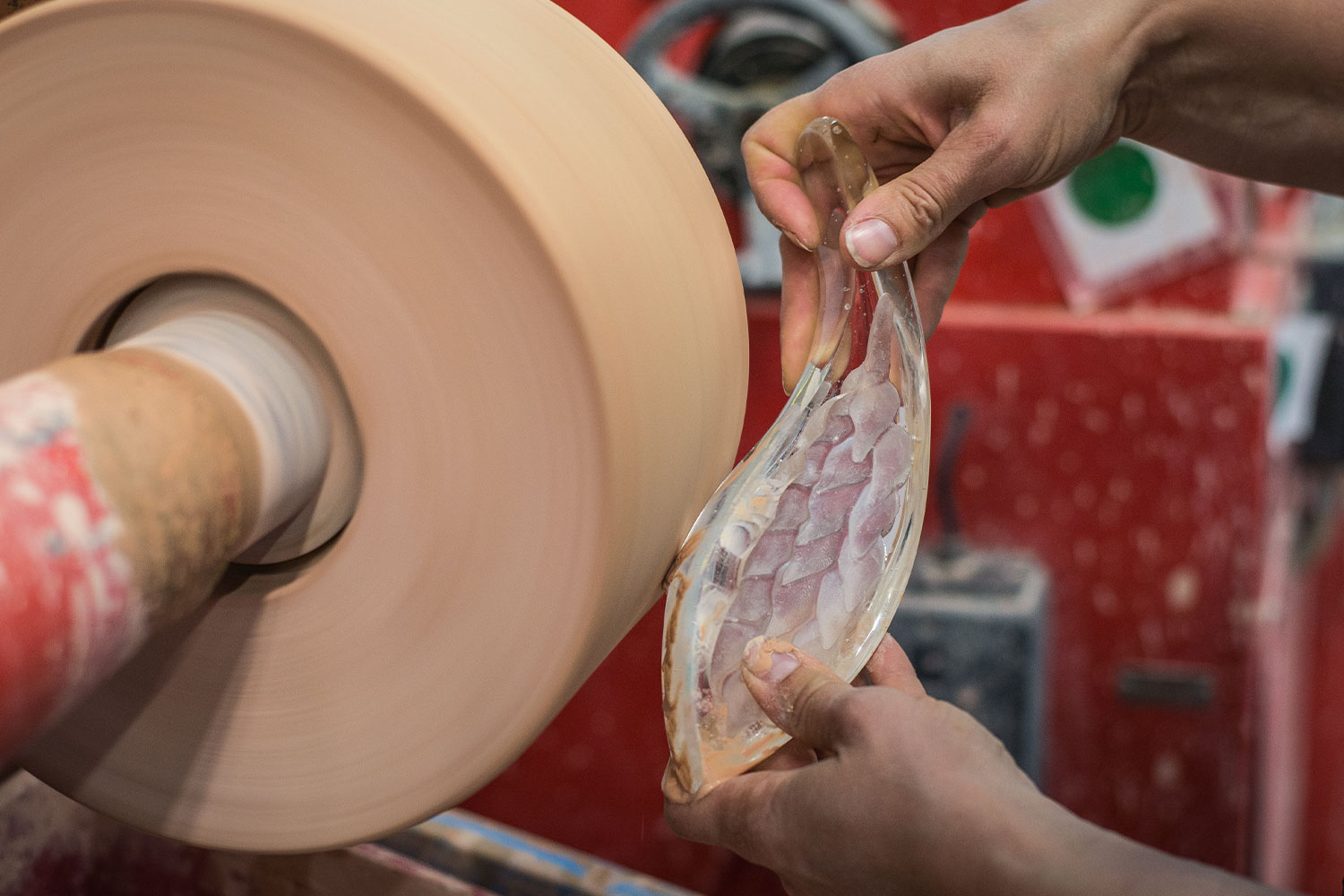
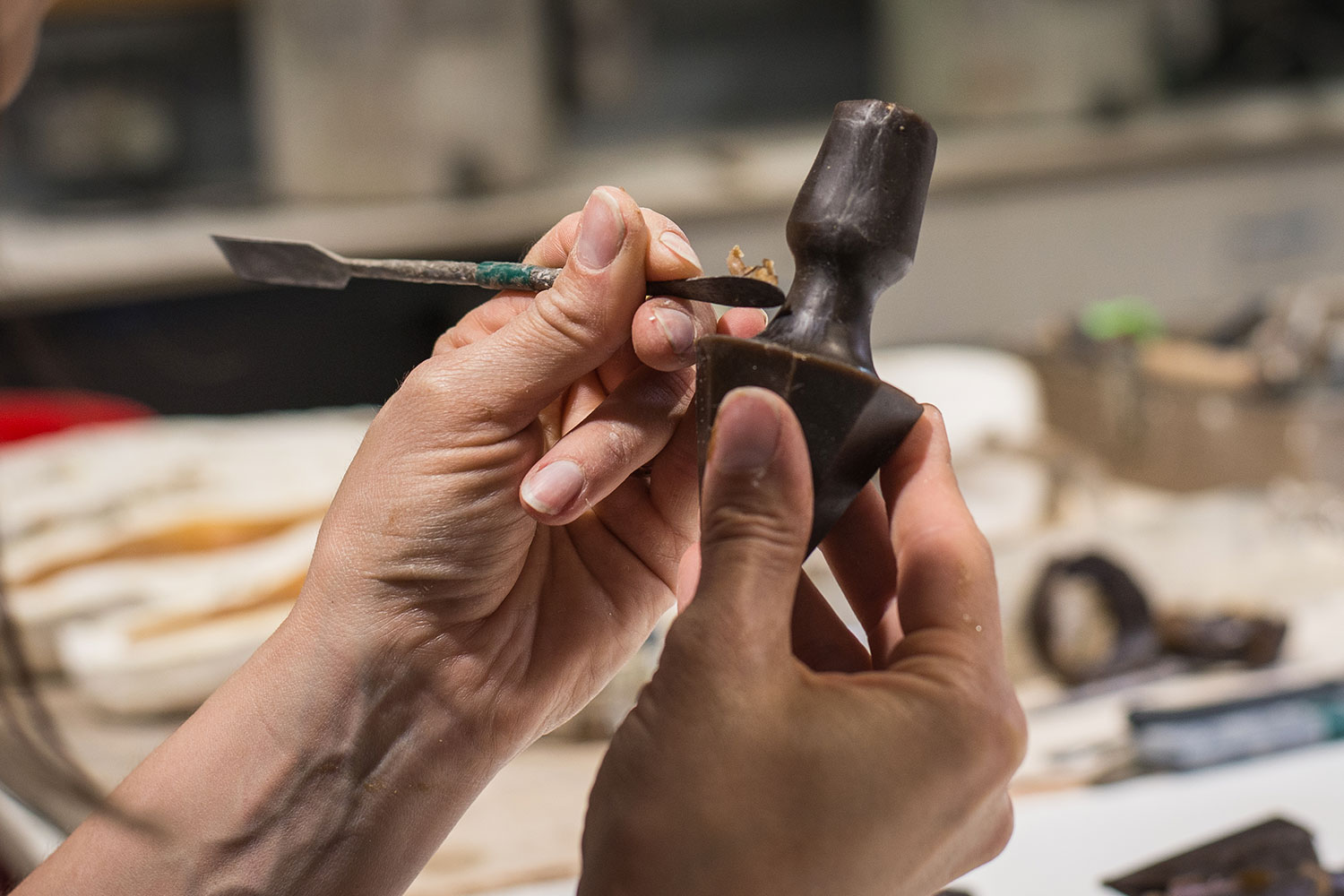
Ideas are always the driver in my work, and my technical understanding allows me to manifest these ideas. I often combine multiple methods of making to achieve a desired aesthetic and narrative. The soul of the artist is captured in works made by hand: that is the essential quality in all my pieces.
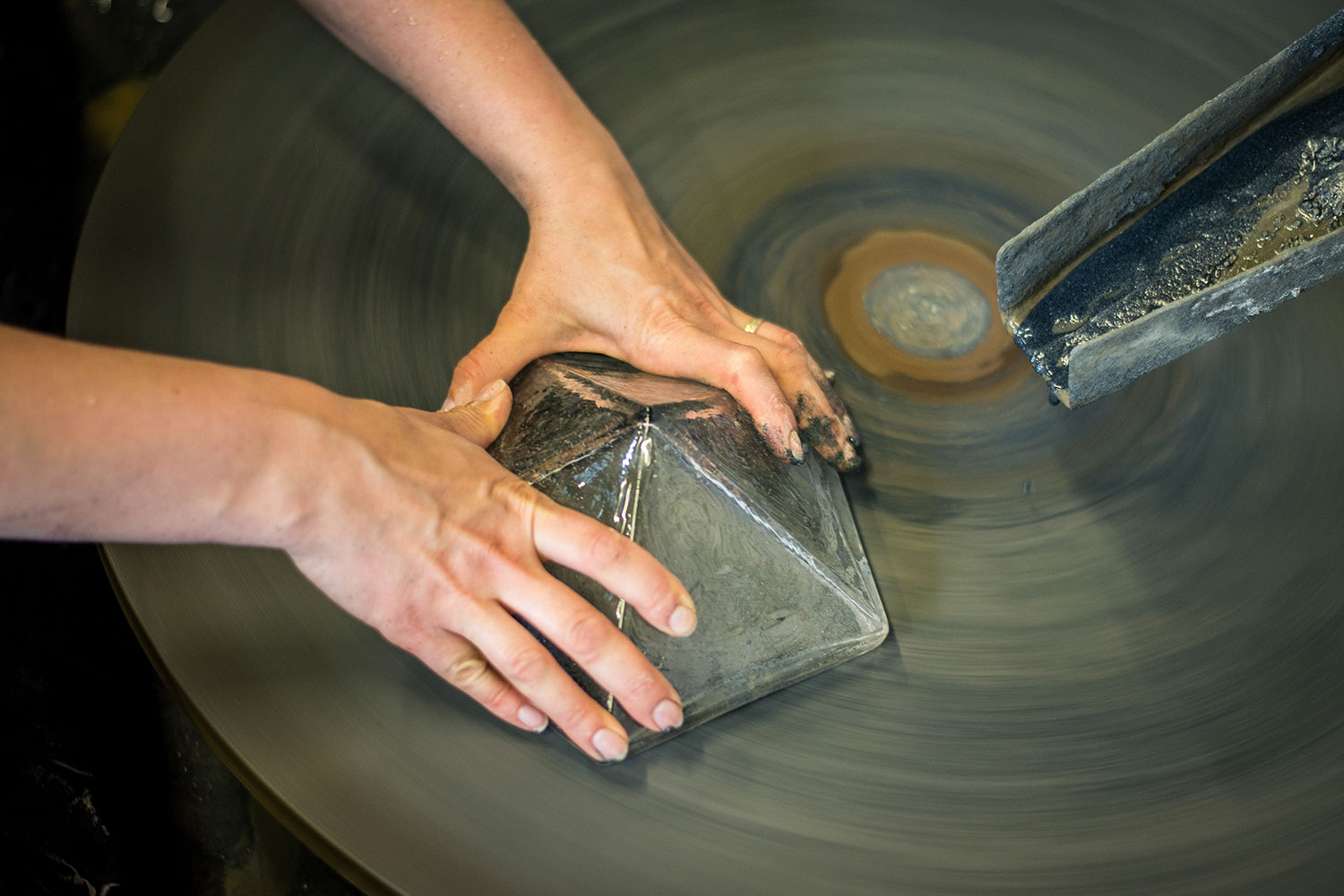
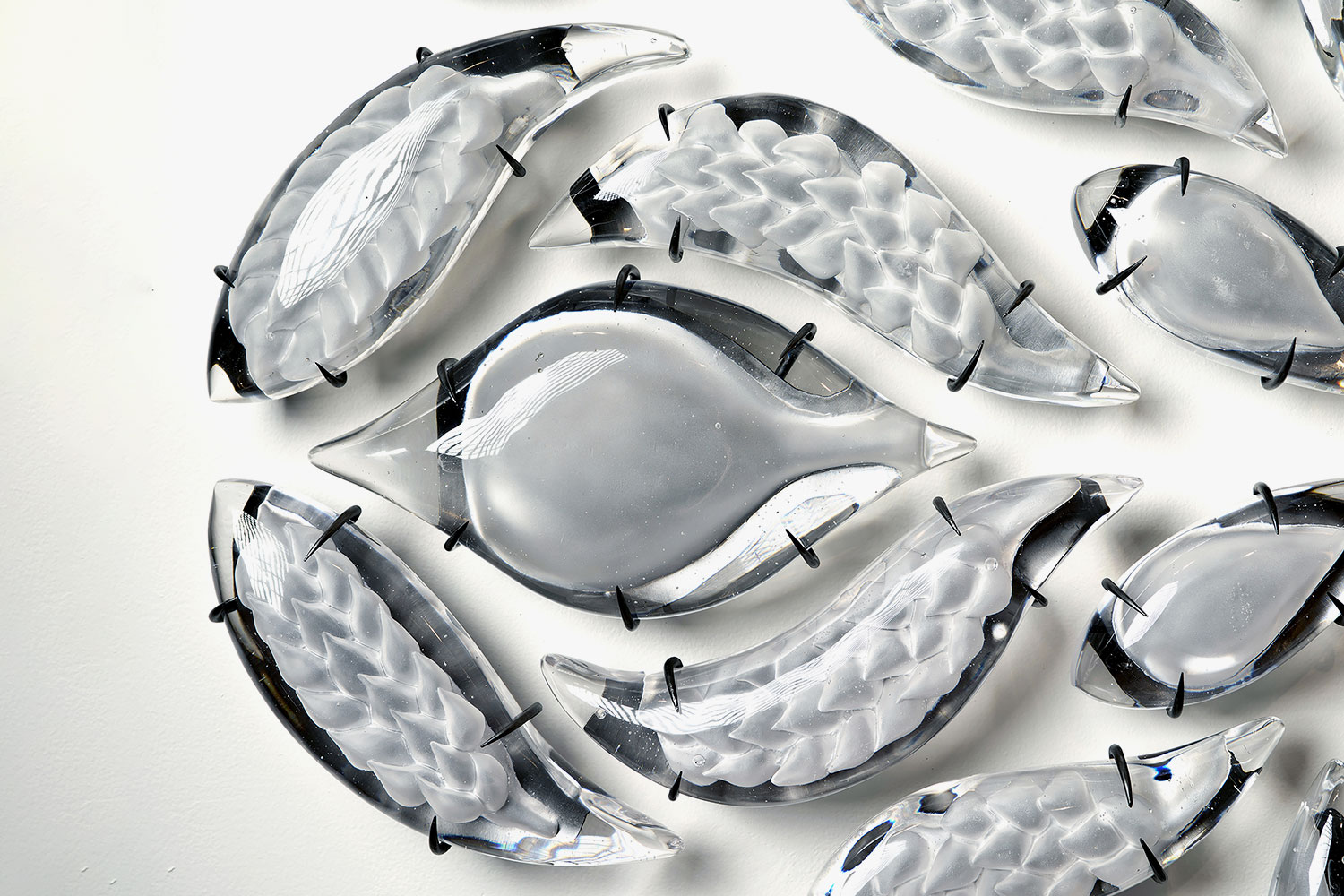
For the last decade, I have been striving to transform cast glass surfaces into reflective, three-dimensional mirrors. Mirrors enliven a surface, bringing a greater connection between the object and the viewer.
The history of the mirror is fascinating and complex. I am interested in how self-awareness is shaped by reflection, both literally and metaphorically. My current PhD research investigates the material parameters of cast glass mirrors to create a palette of ‘mirrored effects’.
Joanna Manousis
Glass sculptor
Sunderland, United Kingdom
Recommended by Queen Elizabeth Scholarship Trust - QEST
ADDRESS
The National Glass Center, Liberty Way, Roker, SR6 0GL, Sunderland, United Kingdom
View on MapsAVAILABILITY
By appointment only
PHONE
+44 7931233922
LANGUAGES
English
Homo Faber Finds is a new service aiming to inspire admirers of craft to connect and collaborate with exceptional artisans.
We invite you to submit an enquiry here.
DSC02402_©Meg-Lovell.jpg)
DSC01379_©Meg-Lovell.jpg)
DSC01458_©Meg-Lovell.jpg)