Lisa Belsky
Ceramicist
Philadelphia, PA, USA
Vessels knitted from clay, fibre and fire
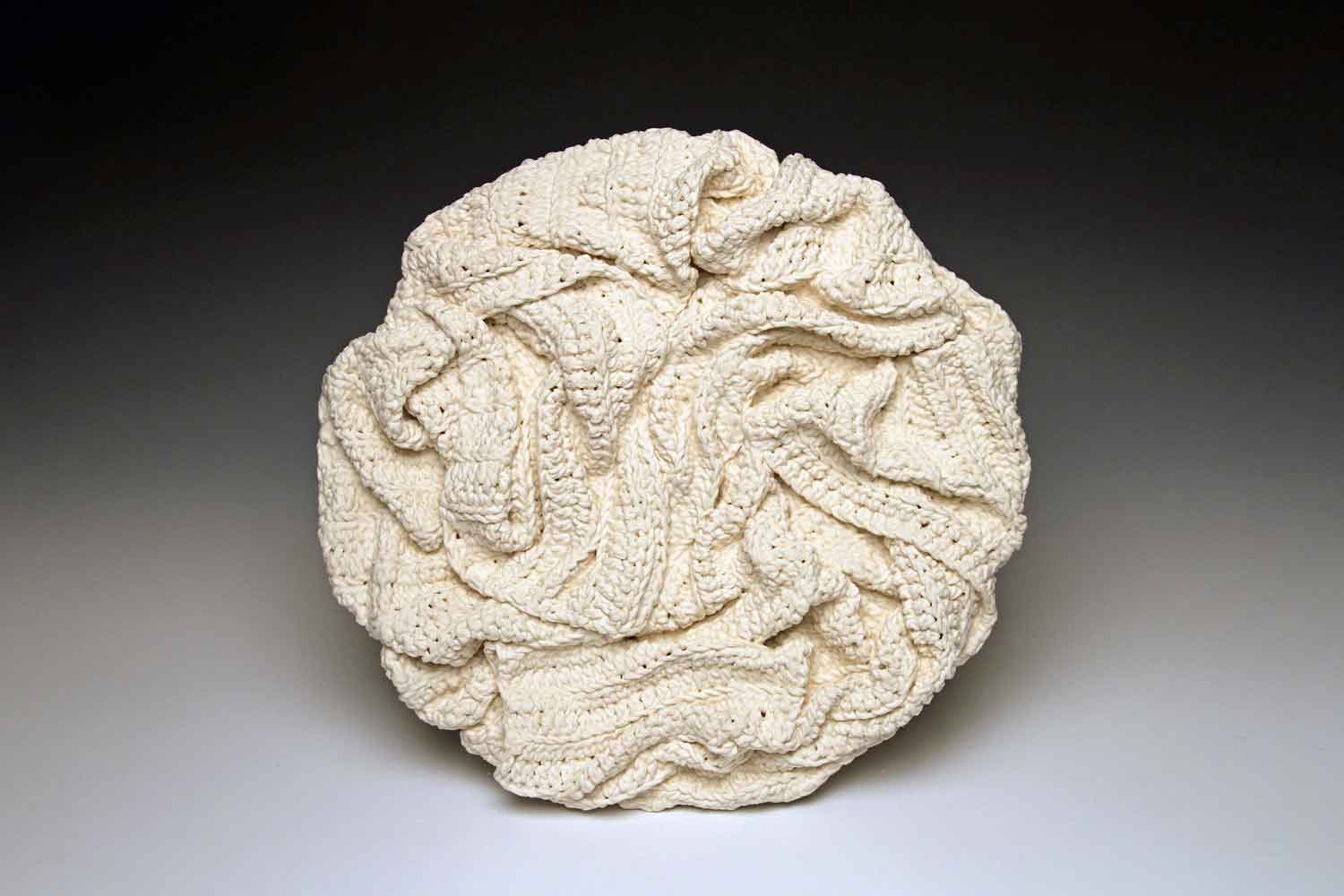
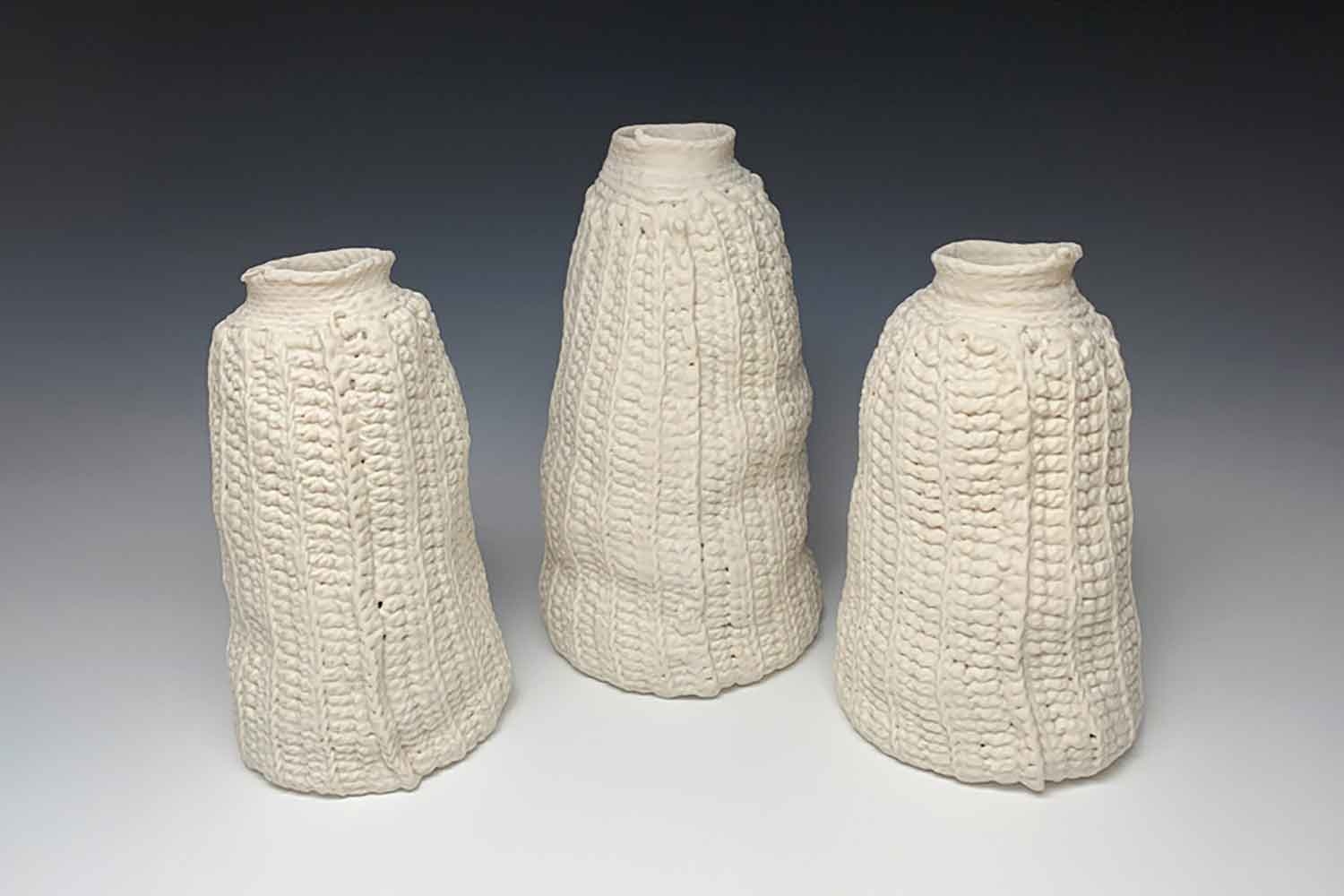
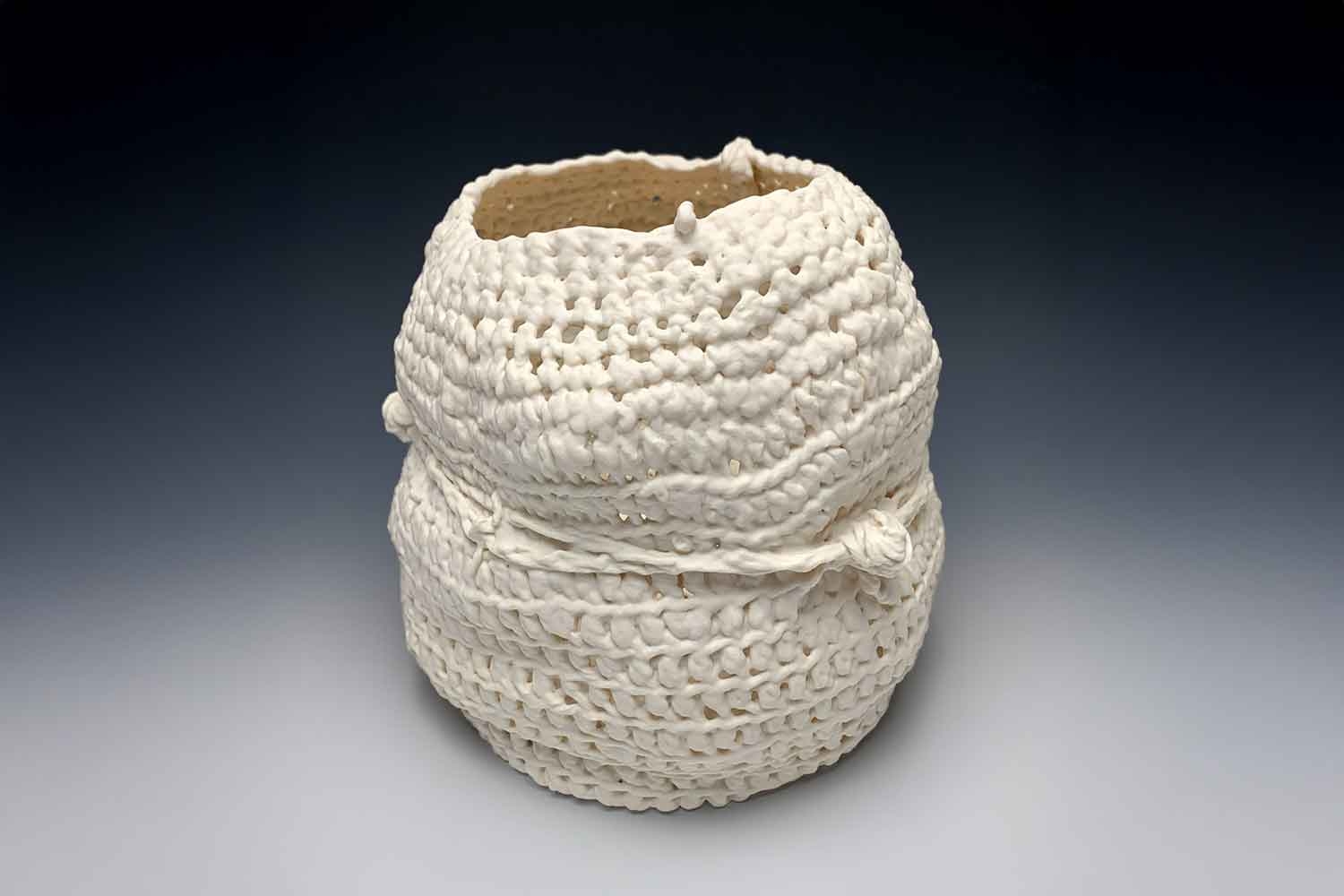
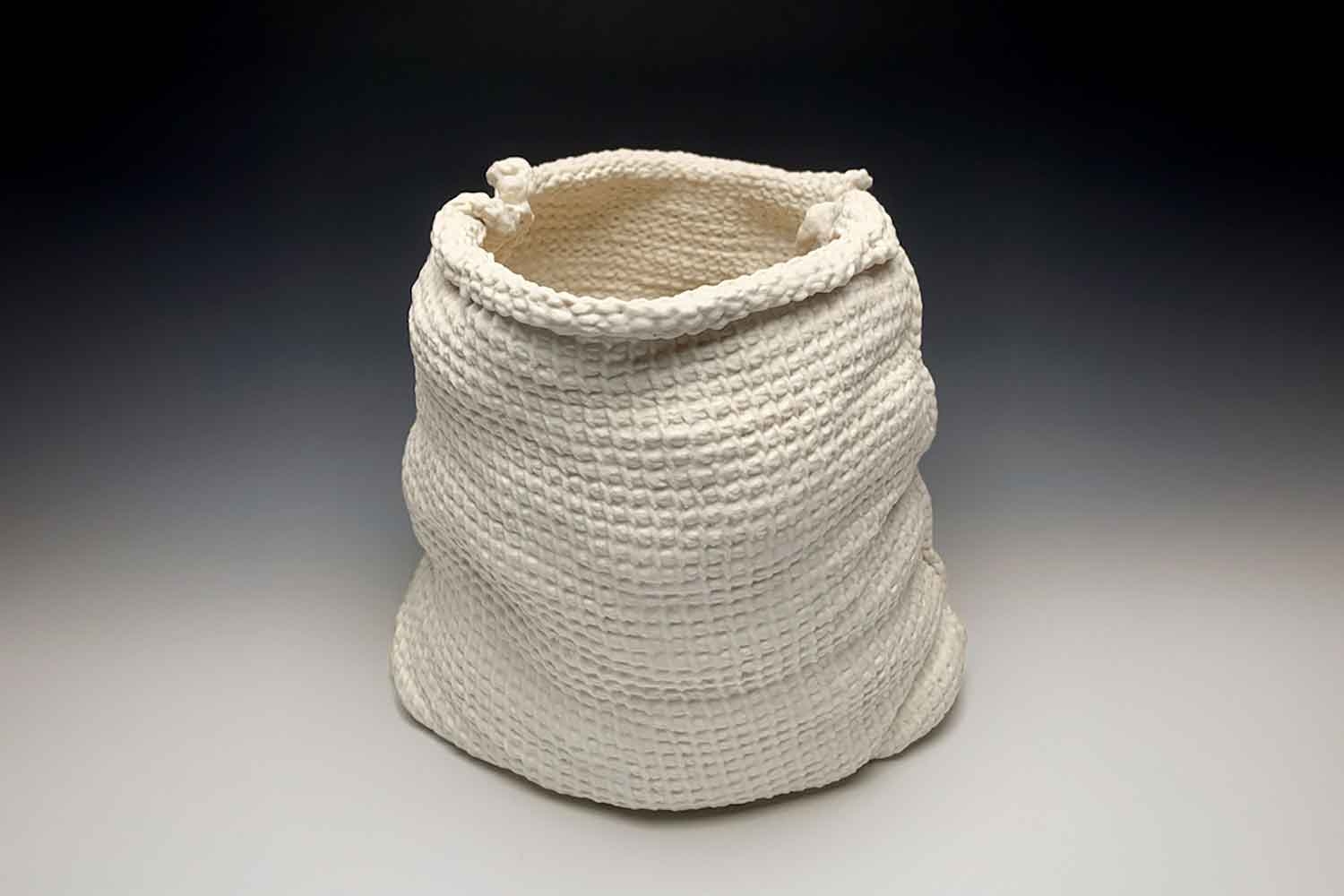
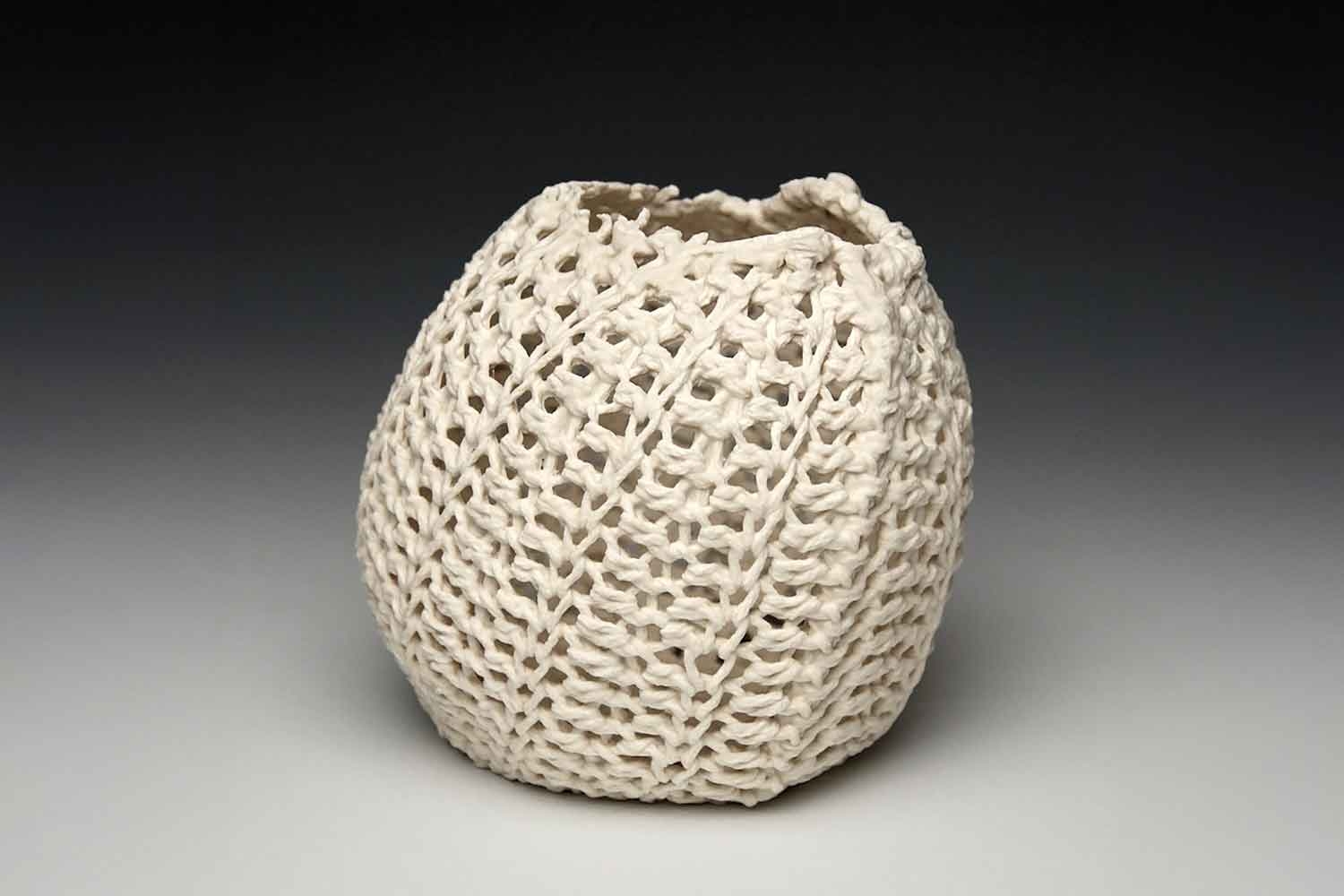
- Lisa’s pieces are knitted or crocheted then turned into porcelain
- Her practice explores the themes of memory, traditions and the passage of time
- The natural transformations that occur in the firing process inspire her approach
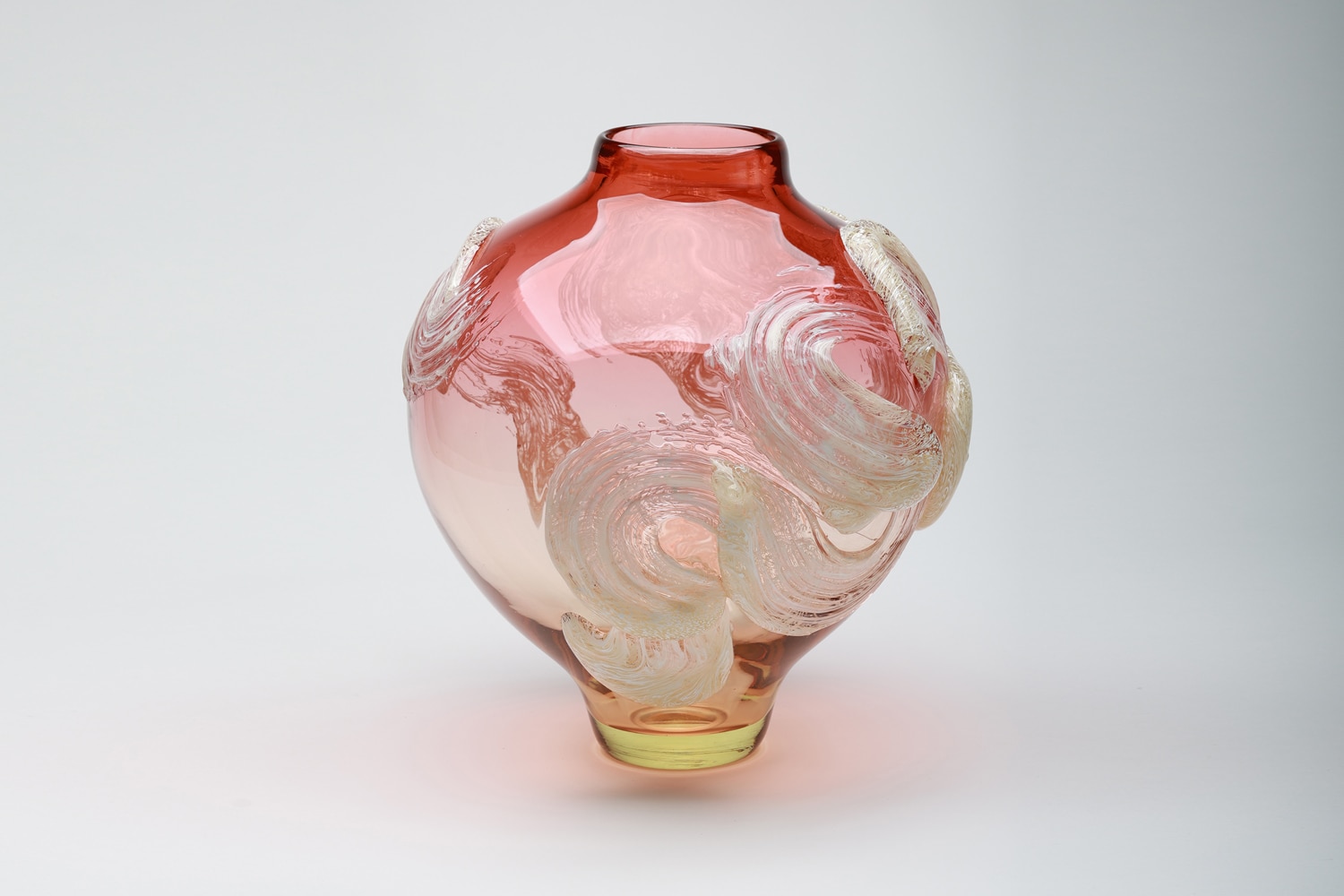
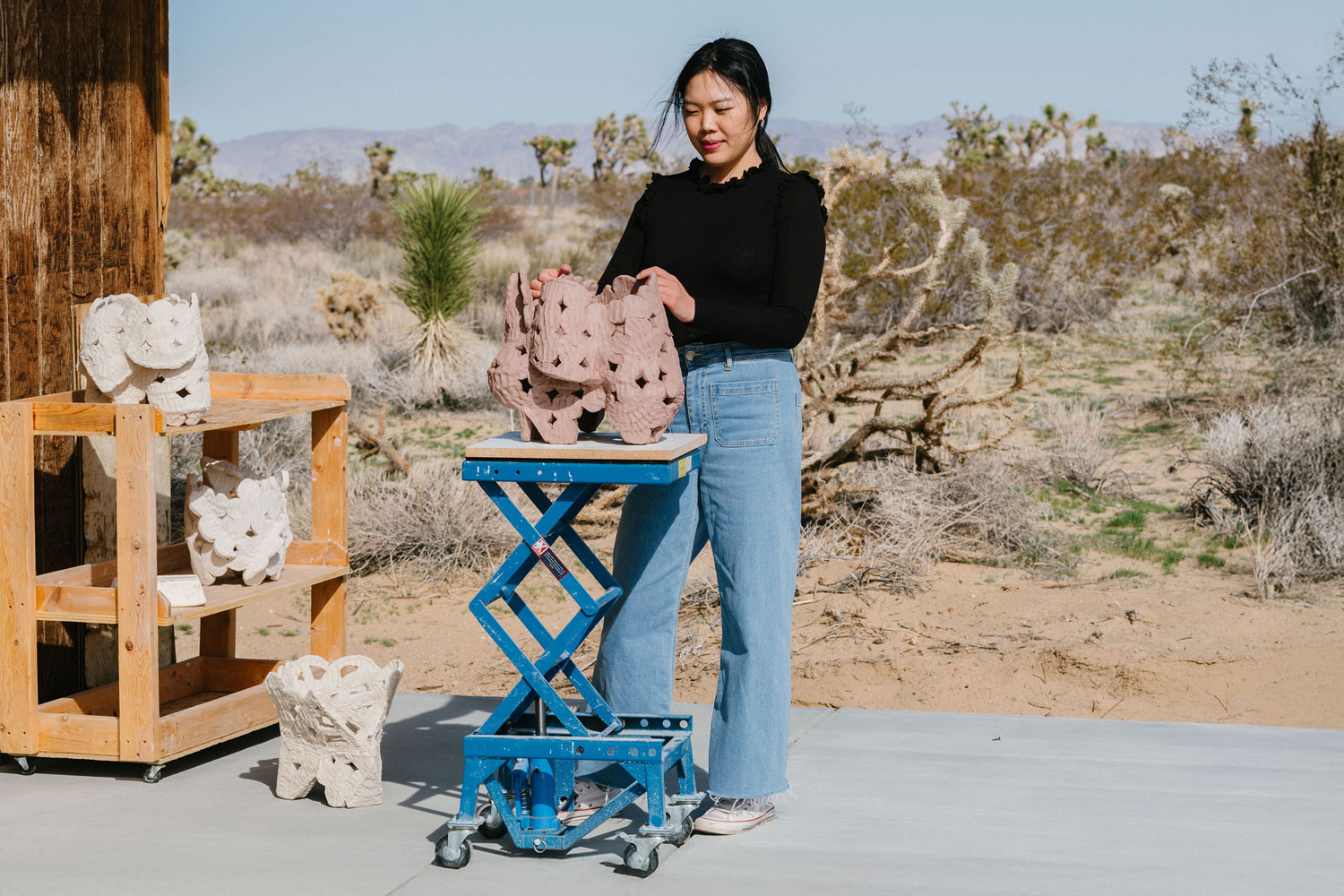
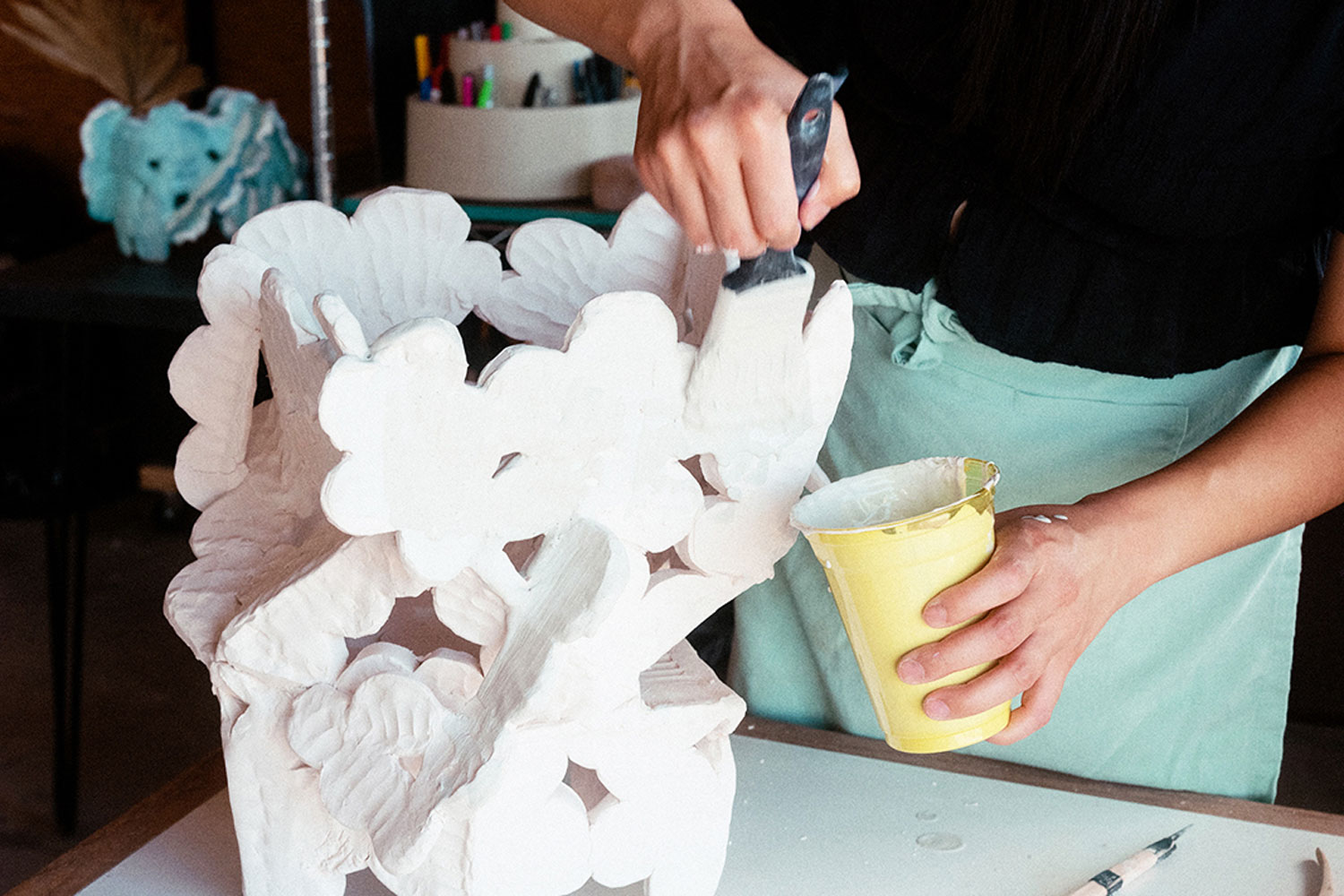
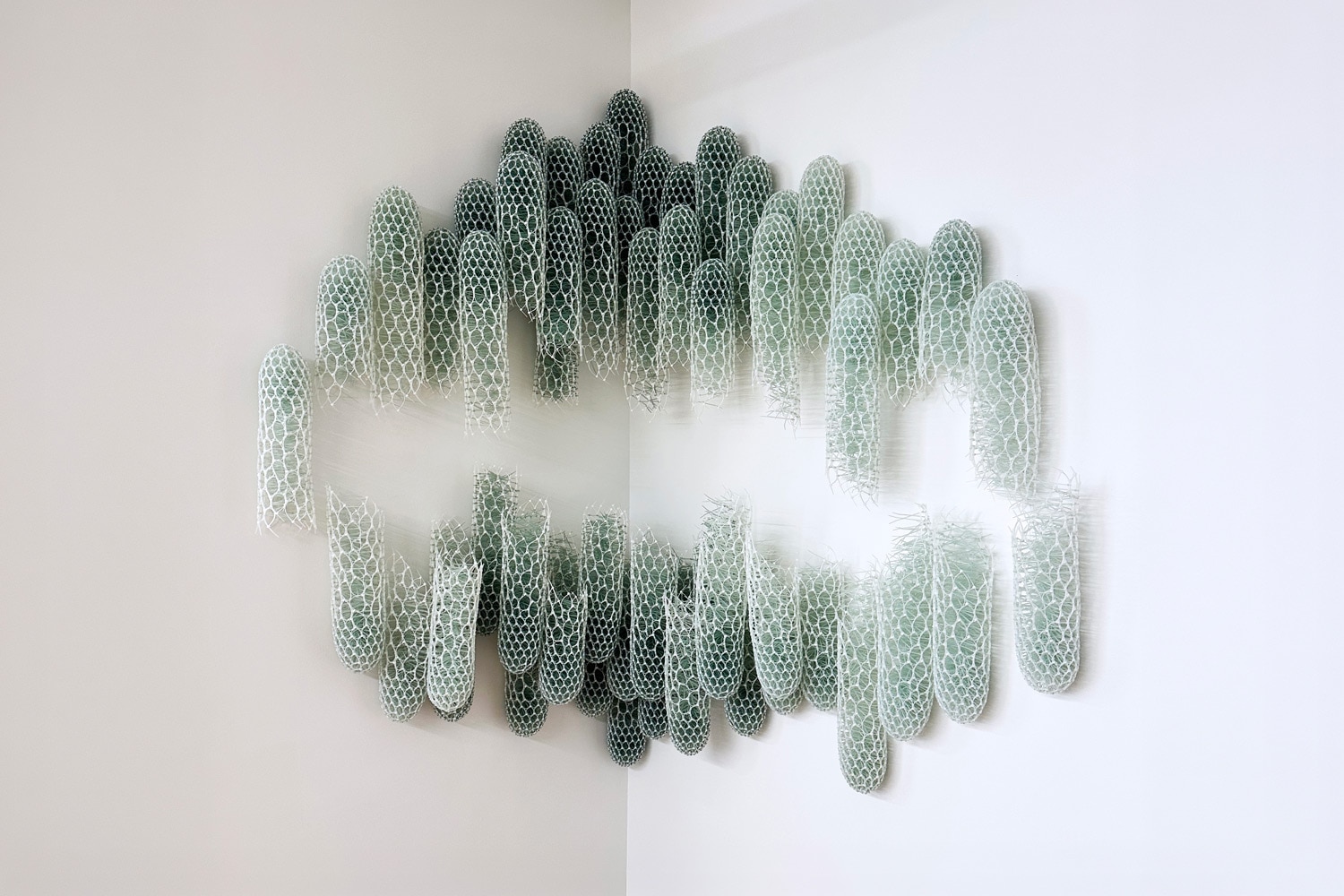
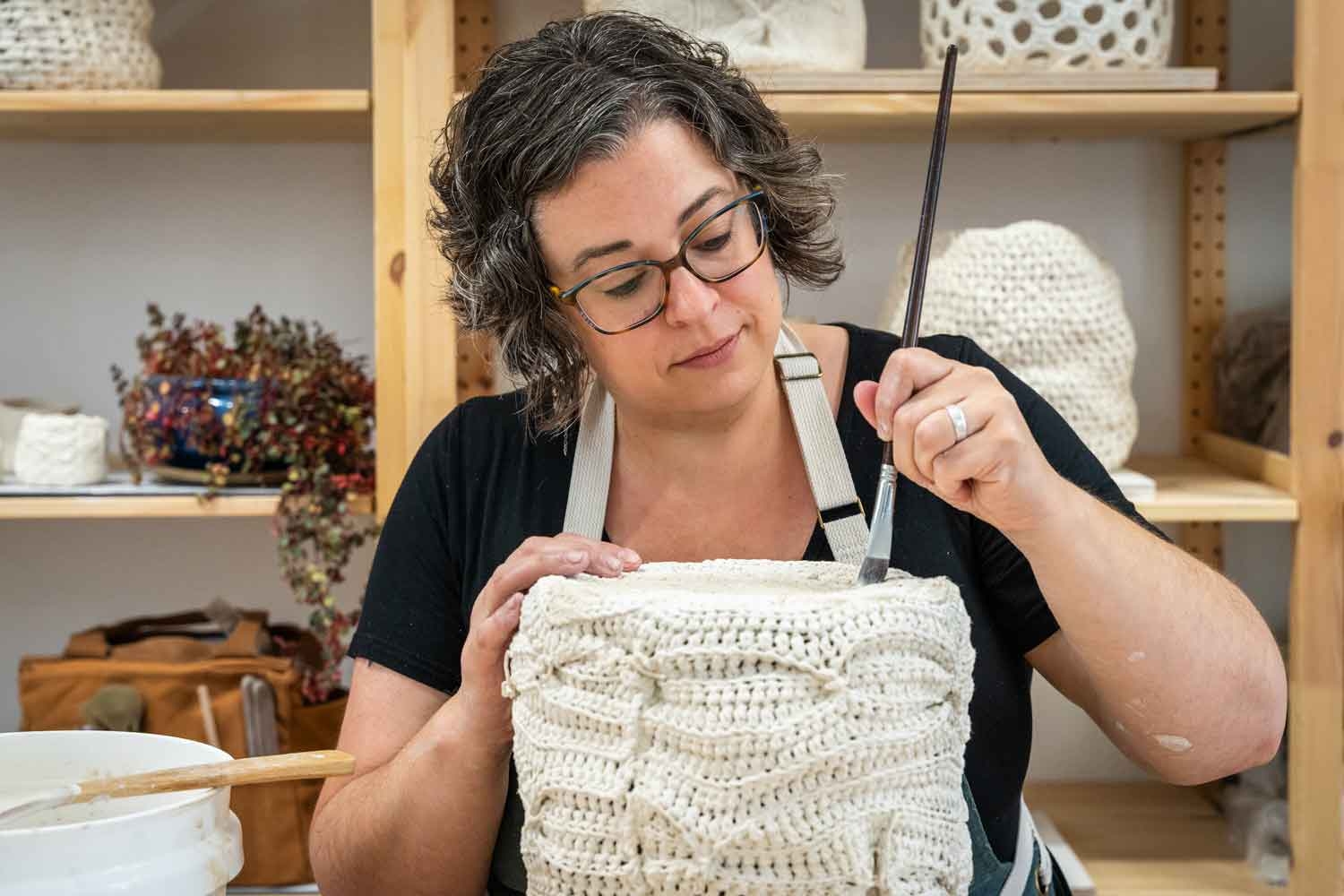
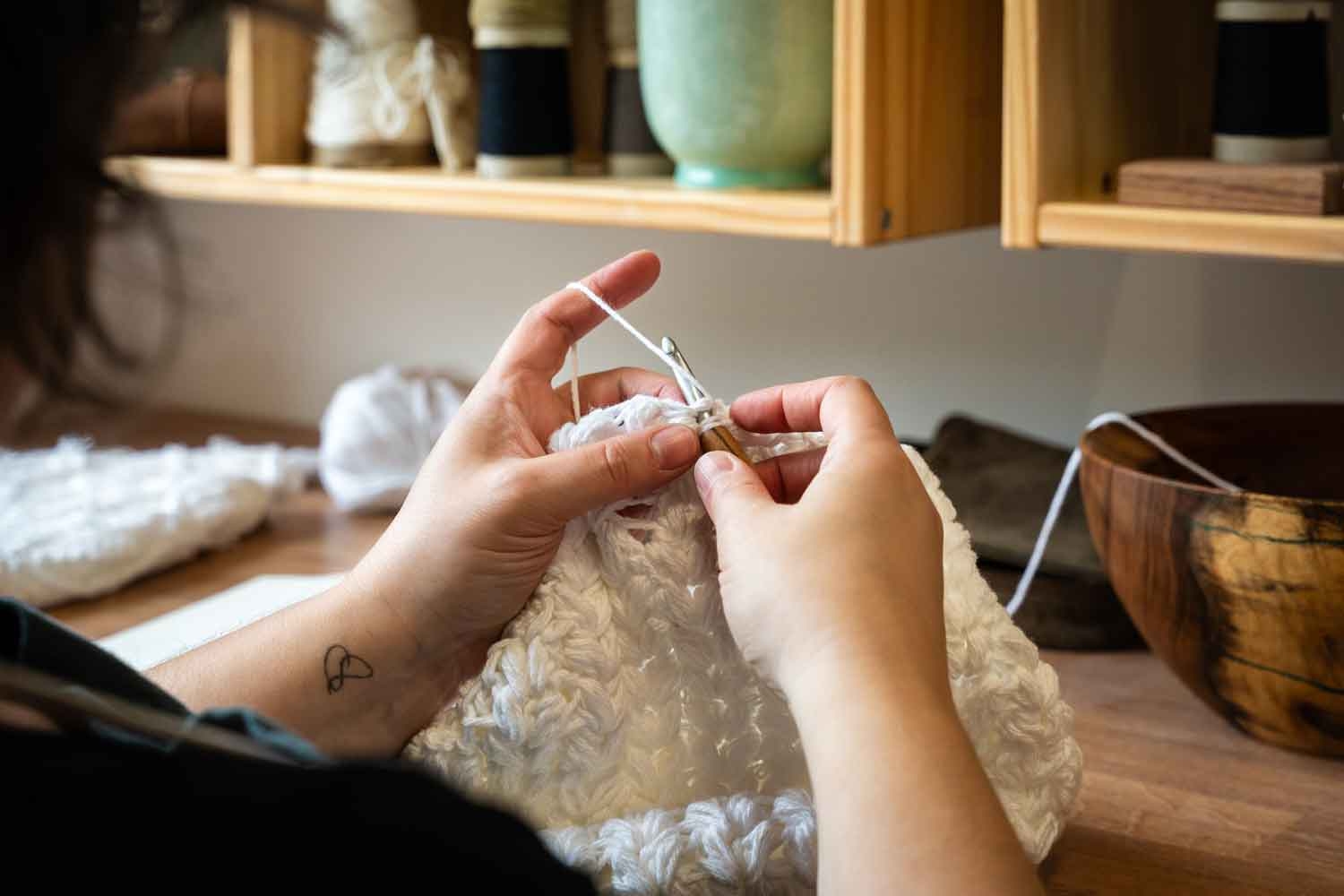
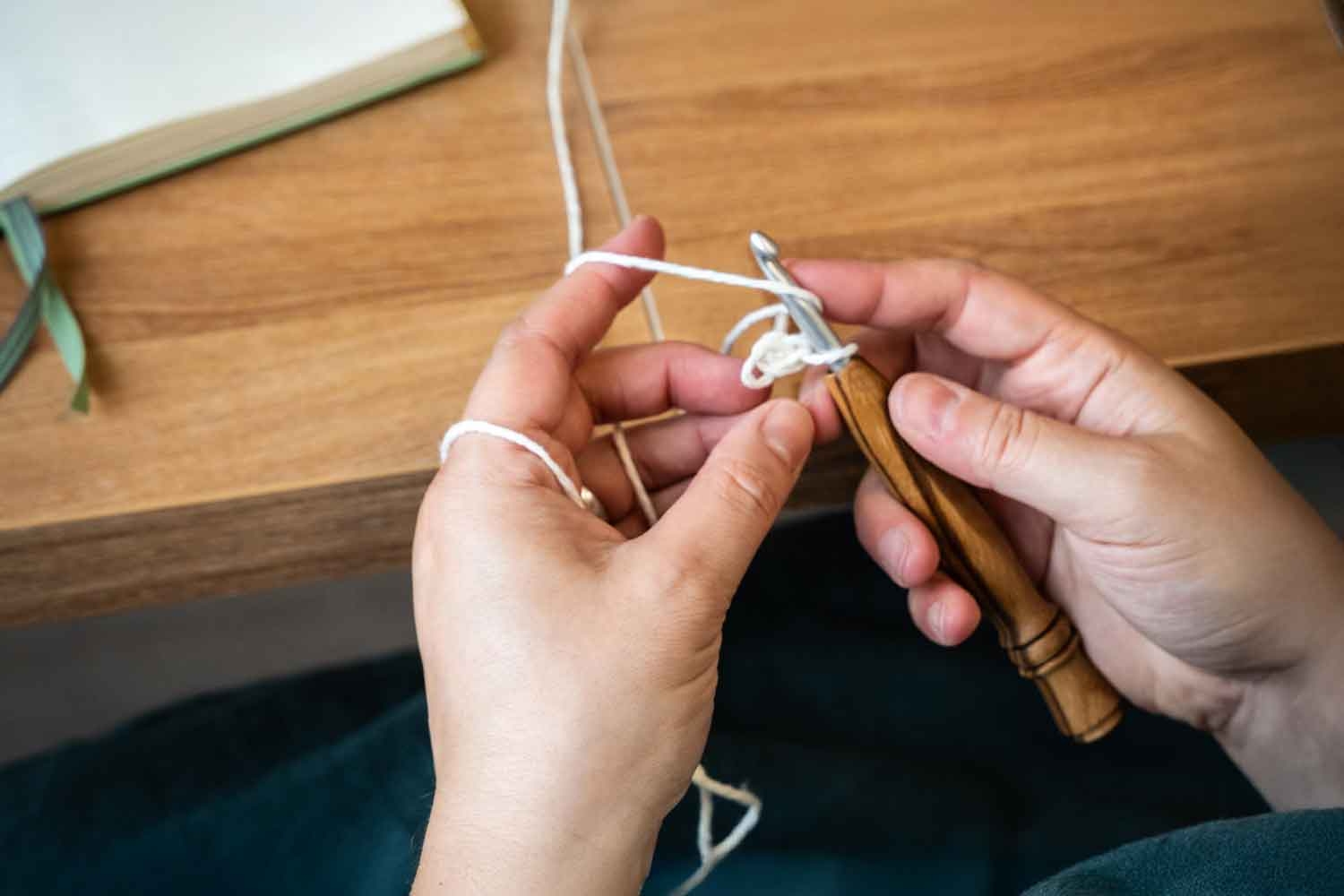
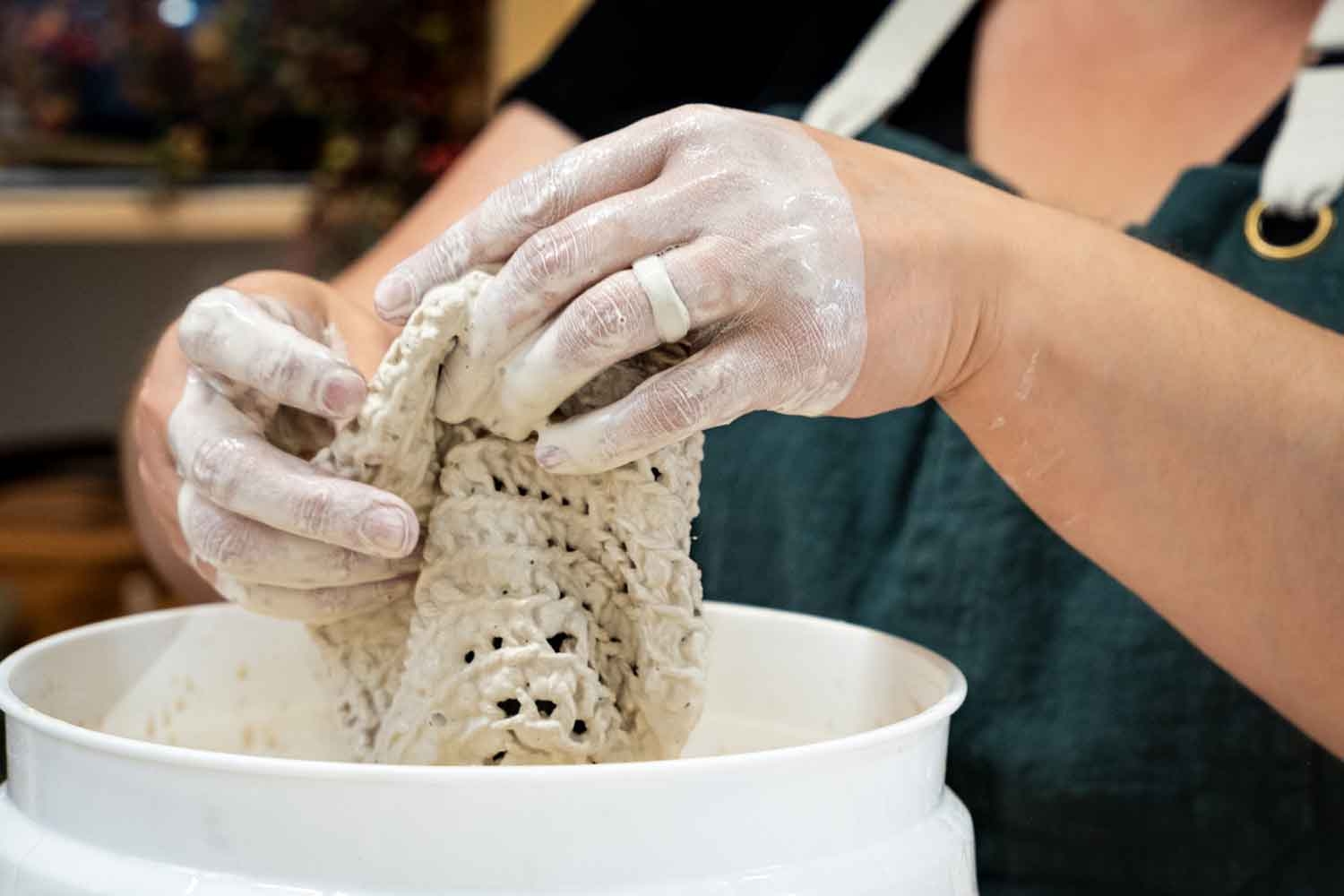
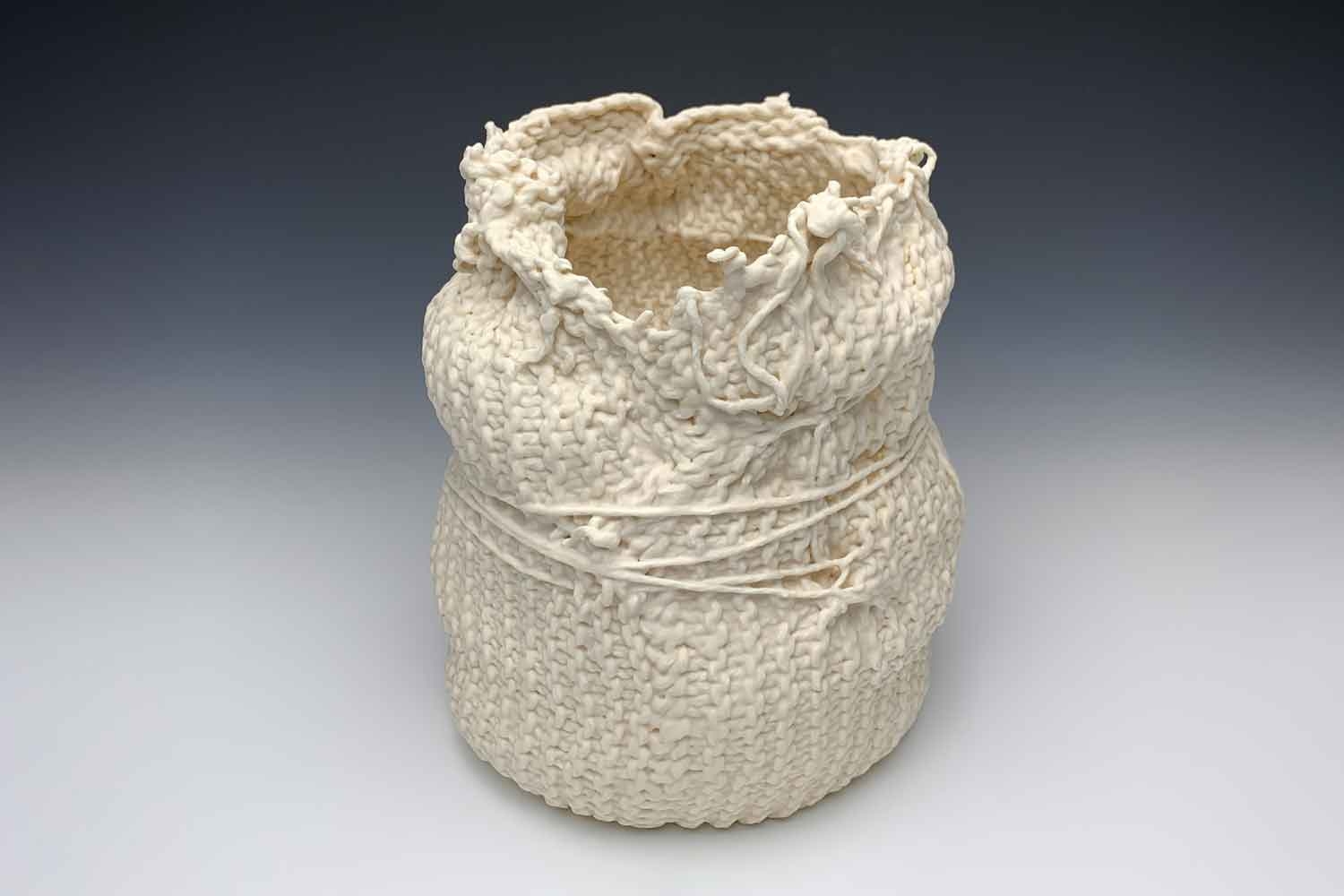
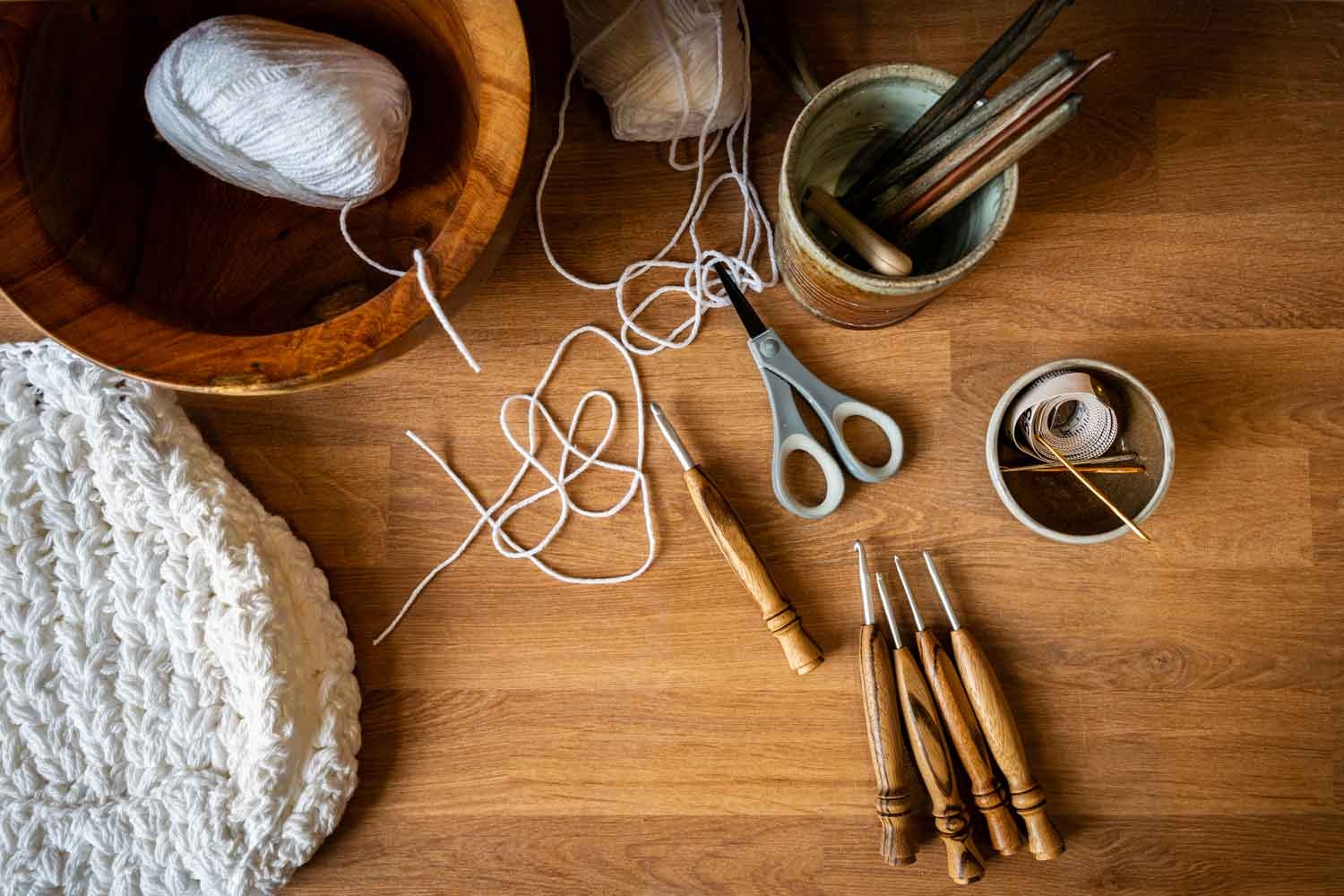
At university, Lisa Belsky began dipping hand knitted and crocheted cotton works into buckets of porcelain slip in a process that she later developed into a distinctive practice. “I come from a family of women who love to knit and crochet,” she says. "I picked up my first set of needles at the age of six.” For her, the transformation of the vessels, when the original fabric is burned away and the porcelain hardens, always yields something slightly different from the initial form. Sometimes, the firing process causes a piece to slump, split or even collapse. Lisa sees these changes as essential to the work. “There are always questions that remain unanswered and new variables to consider, which opens a constant path toward new ideas,” she says.
INTERVIEW
For me, it is about curiosity and experimentation. I have learned so much through trial and error. Recently, I started working with very thin, lacy stitches. There is something about their openness that really intrigues me. I also wonder what would happen if I were to introduce colour into my pieces.
My practice makes me think about the transformations we go through in life, how we move forward as one person but still carry vestiges of our former selves. It also reflects themes of memory and the passage of time.
I have learned so much about how stitches translate from fibre into clay. For example, the thicker the fabric, the more clay it can absorb, resulting in a stronger piece that allows me to scale up. If a stitch is made with a looser needle, I need to compensate for the way it will stretch when dipped and formed. Over time, I have also built a library of stitch combinations that I like for particular types of vessels.
I am grateful to have an artistic practice with endless possibilities for experimentation and exploration. Creating my artwork is also a way for me to maintain closeness with my mother, a way to celebrate, honour and remember her. It also gives me a sense of connection to the women in my family whom I never met but who shared a love for fibre.
Lisa Belsky
Ceramicist
Philadelphia, PA, USA
ADDRESS
Address upon request, Philadelphia, PA, USA
AVAILABILITY
By appointment only
LANGUAGES
English
Homo Faber Finds is a new service aiming to inspire admirers of craft to connect and collaborate with exceptional artisans.
We invite you to submit an enquiry here.