Christopher Poehlmann
Lamp maker
Philadelphia, PA, USA
Biophilic forms in metal and light
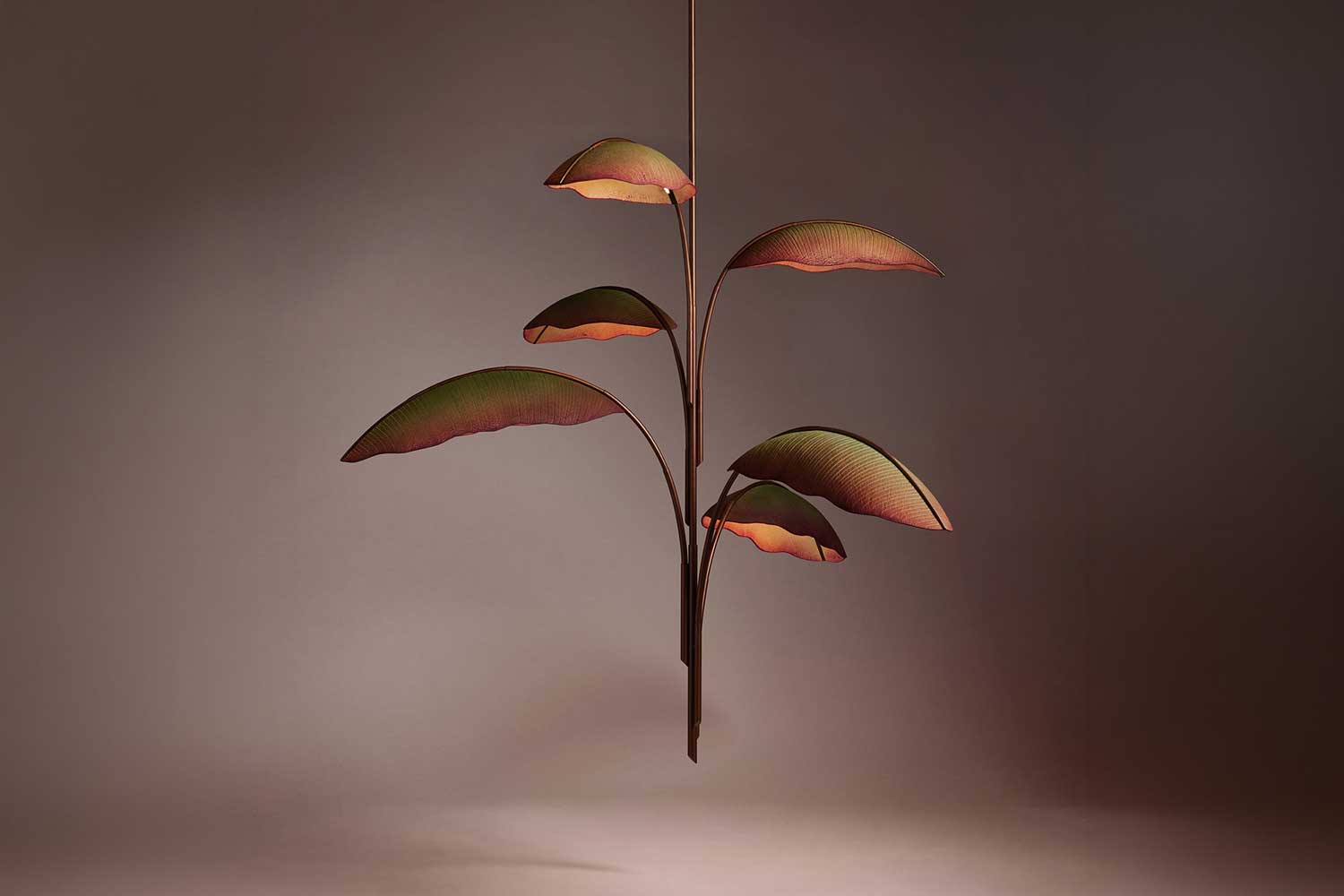
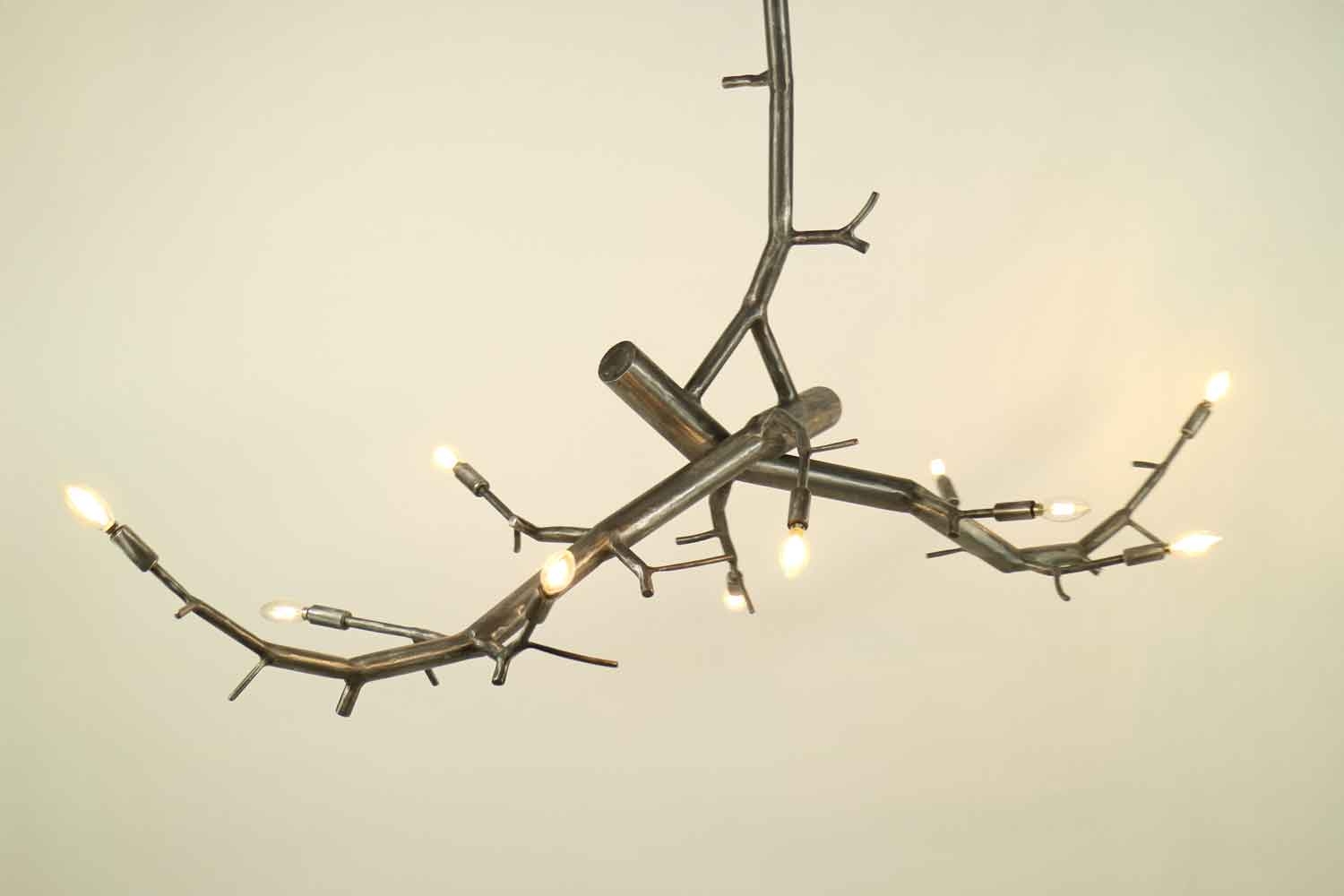
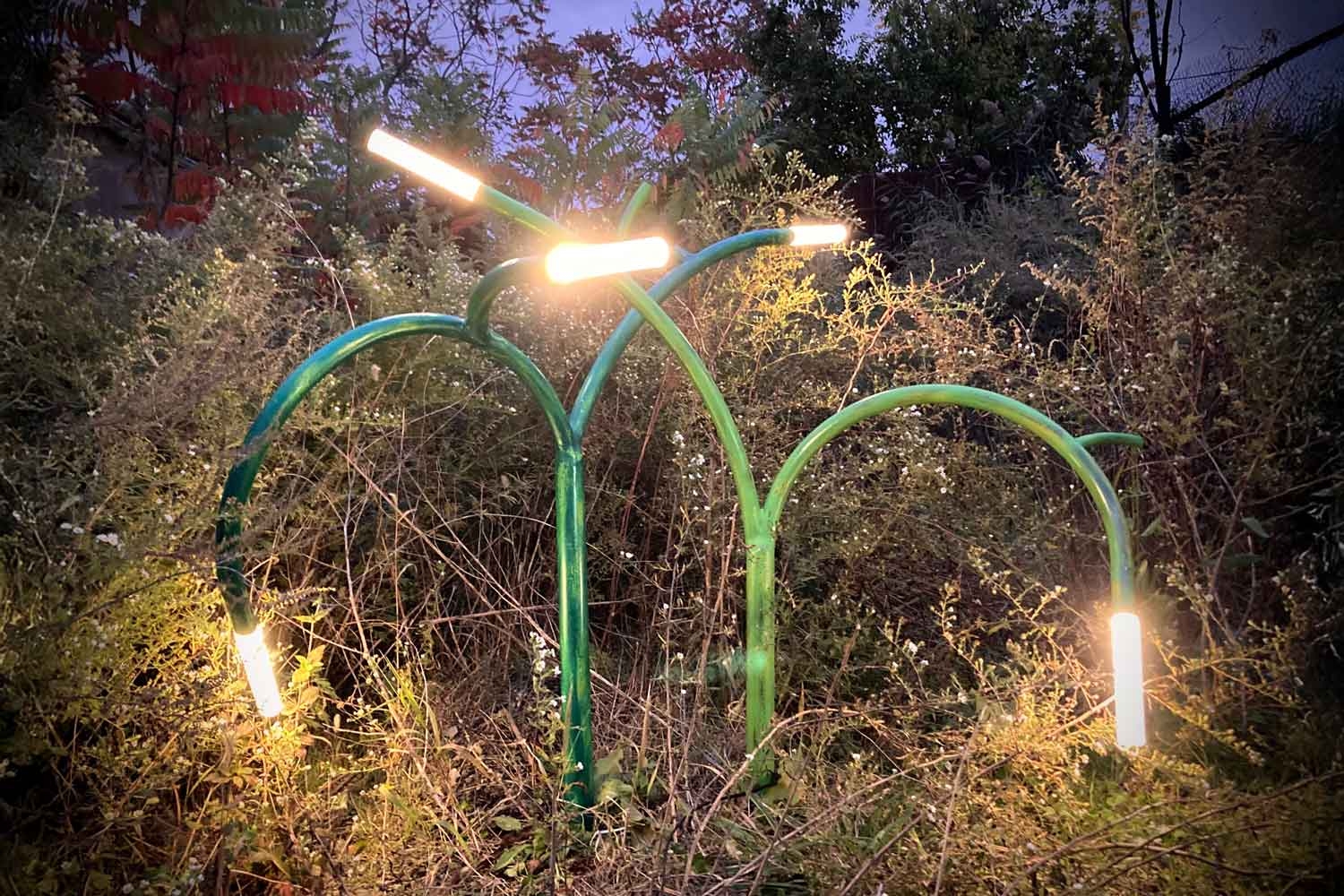
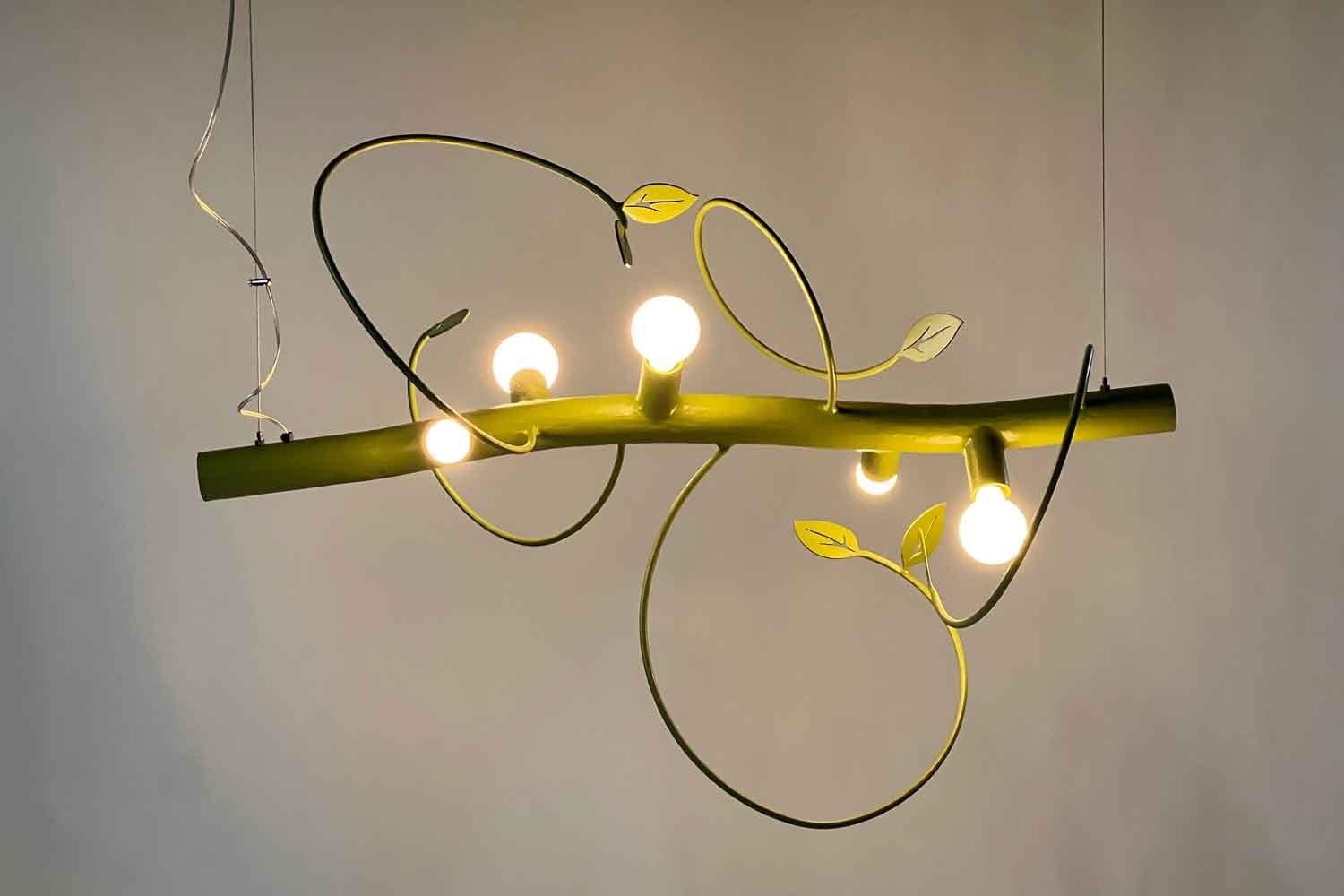
- Christopher’s light fixtures take inspiration from branching patterns found in nature
- Unbound by formal craft training, he developed his own design language
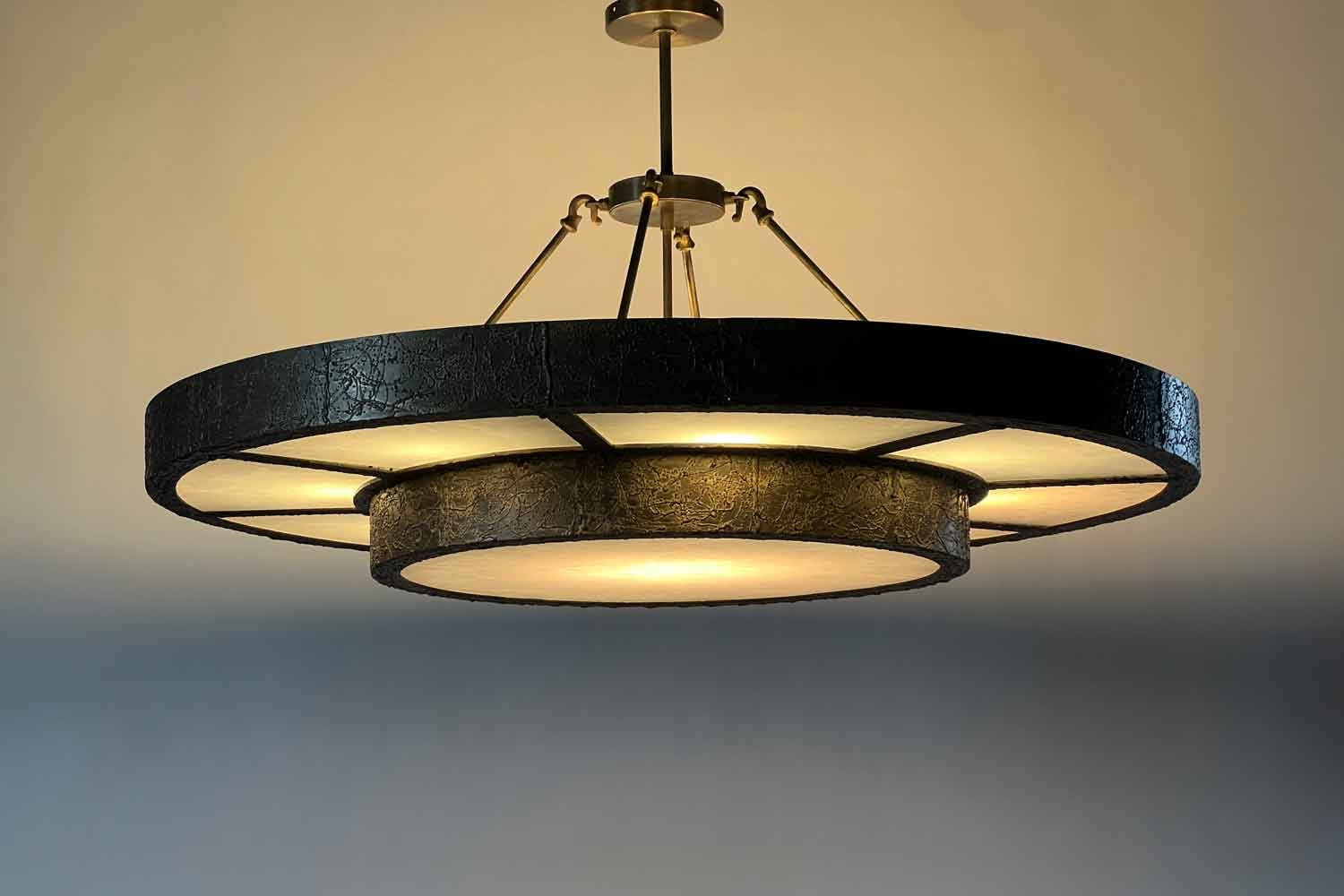
- His pieces are made intuitively and imaginatively from post-consumer materials
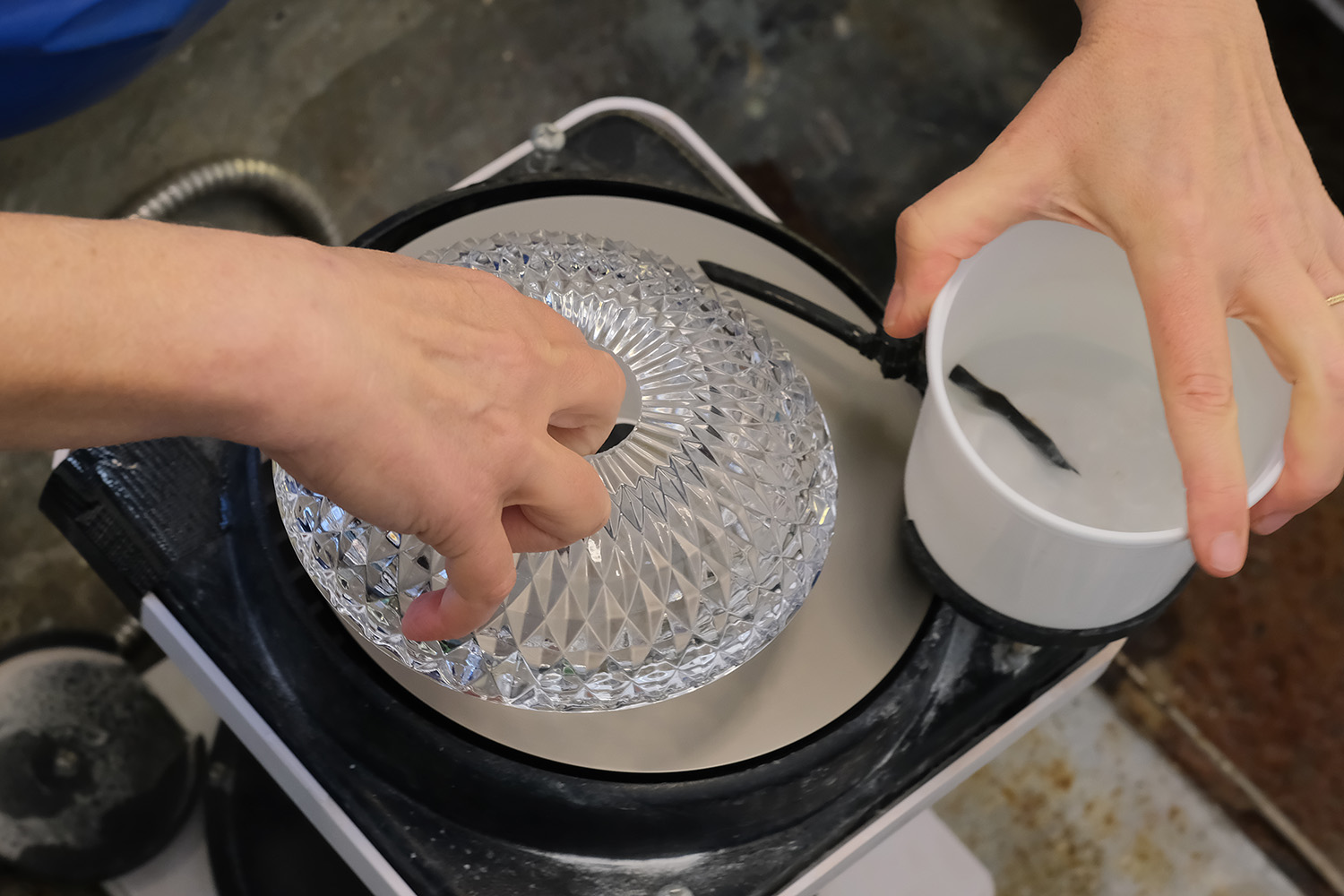
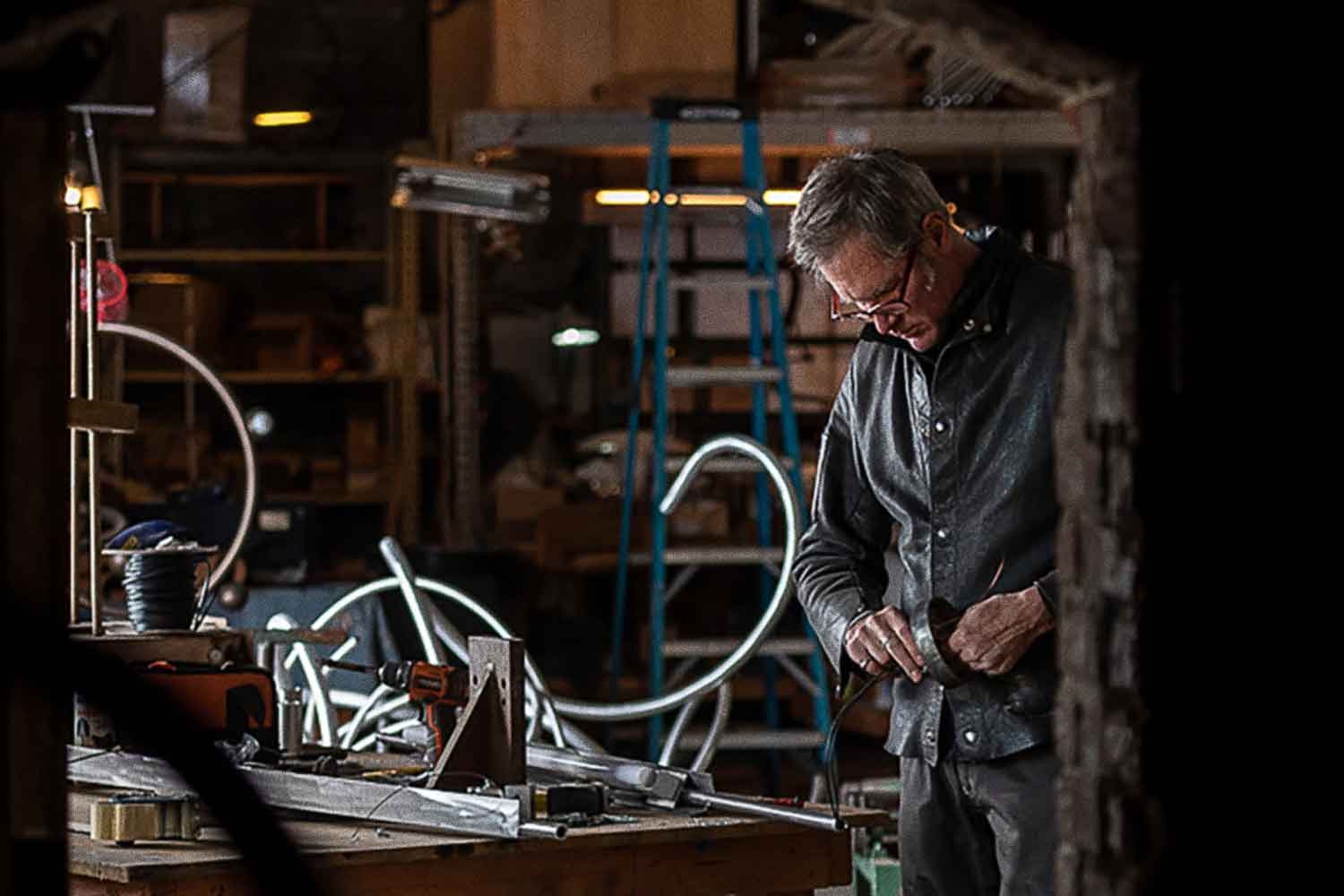
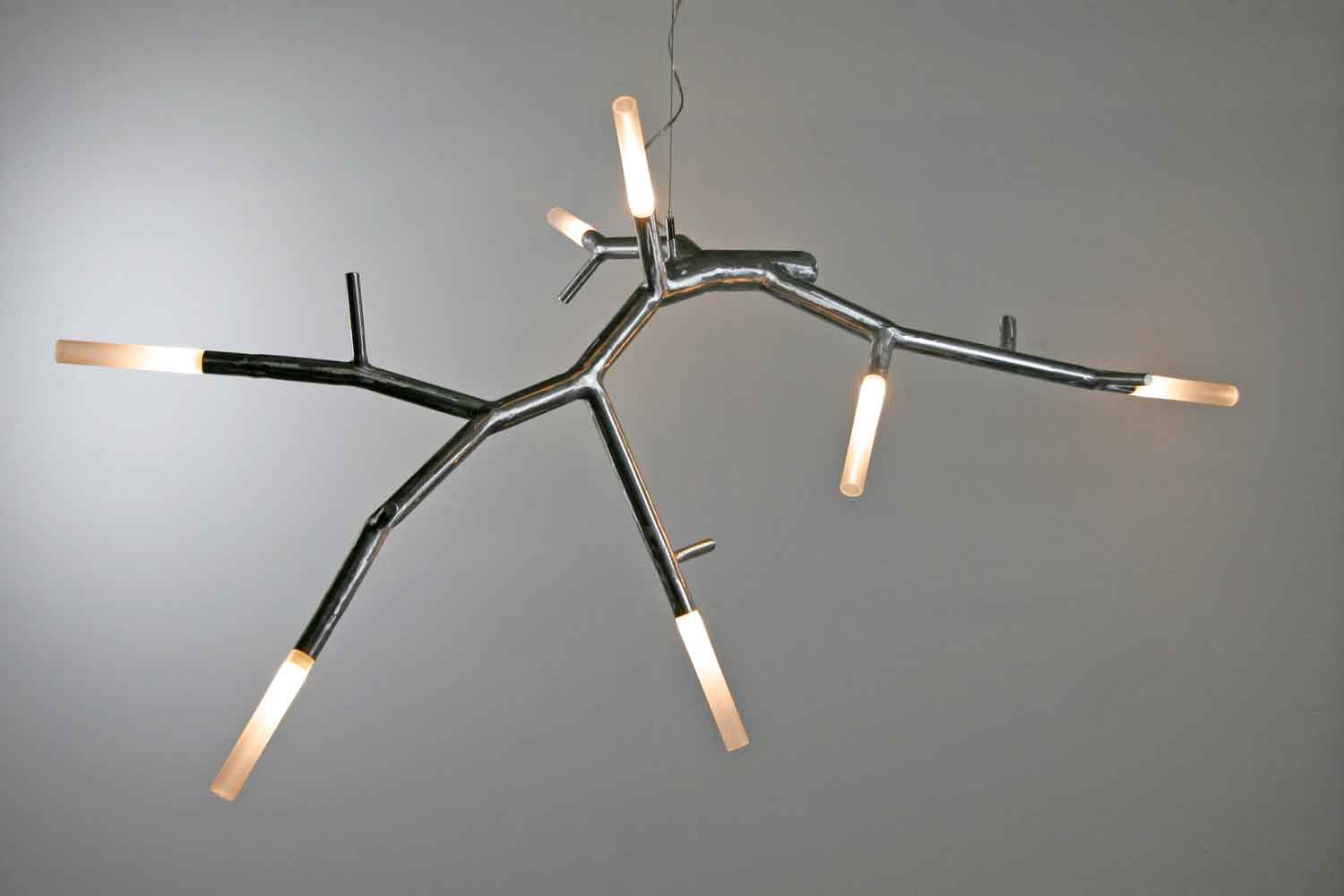
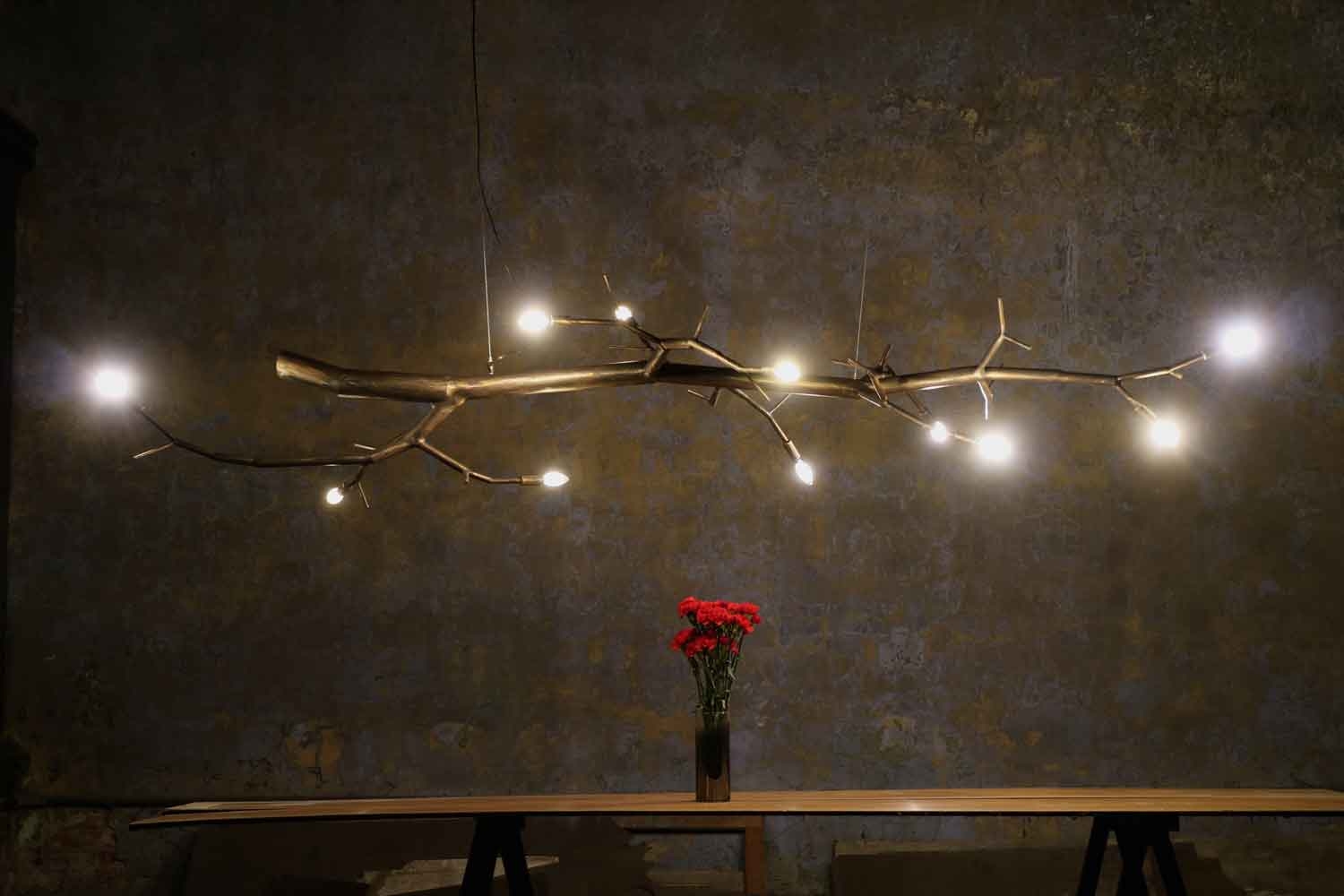
Christopher Poehlmann created a sconce from vintage 1950s plastic cups and saucers as a playful experiment for the 1996 New York furniture fair. It was a turning point in his life. The piece gained wide attention and appeared in more than 40 publications, shifting his primary focus from furniture to light fixtures. Christopher’s approach to working with post-consumer materials has become his niche and the anchor of his practice. Among his best-known examples is the newGROWTH series, informed by biophilic design and defined by branching sculptural forms. These items have a bold presence yet remain deceptively light, being crafted from his material of choice, salvaged aluminium. “I never set out to follow trends. When I first developed the idea in 2000, organic, nature-inspired design was not yet part of the conversation,” he says. “I have been lucky to follow my instincts and make work that feels true to me.”
Discover his work
INTERVIEW
I became obsessively interested in design while taking a semester abroad from college in 1985. I had been studying psychology, but I realised I was not interested in becoming a shrink. I began to think of my future as a professional artist.
I mostly worked with found-object assemblage, creating tables, clocks, lamps and chairs from salvaged materials.
I do not study specific trees or branches, instead, I work from memory and the concept of branches being genetically predisposed to form a light fixture. Like trees, my fixtures can grow in both form and format.
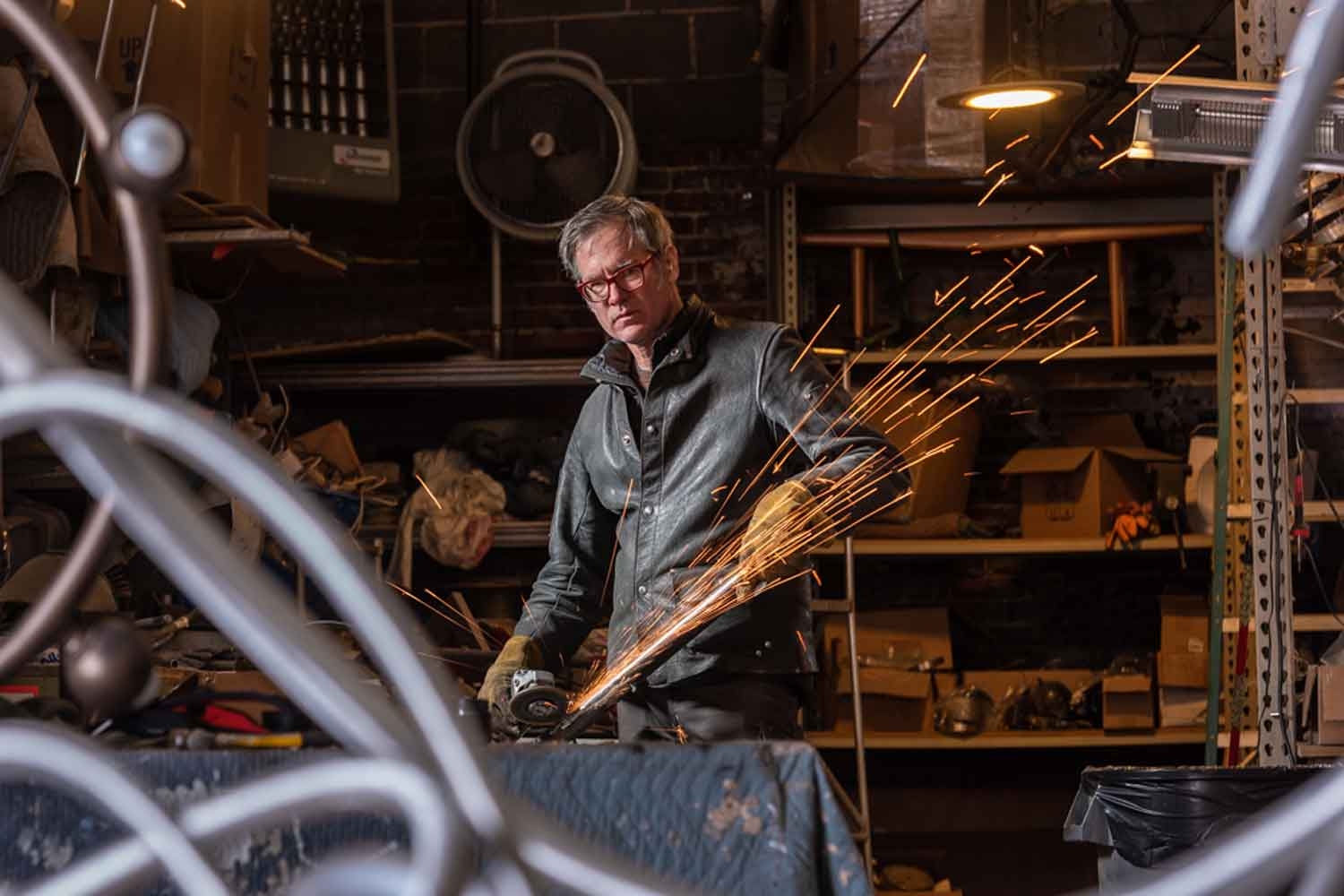
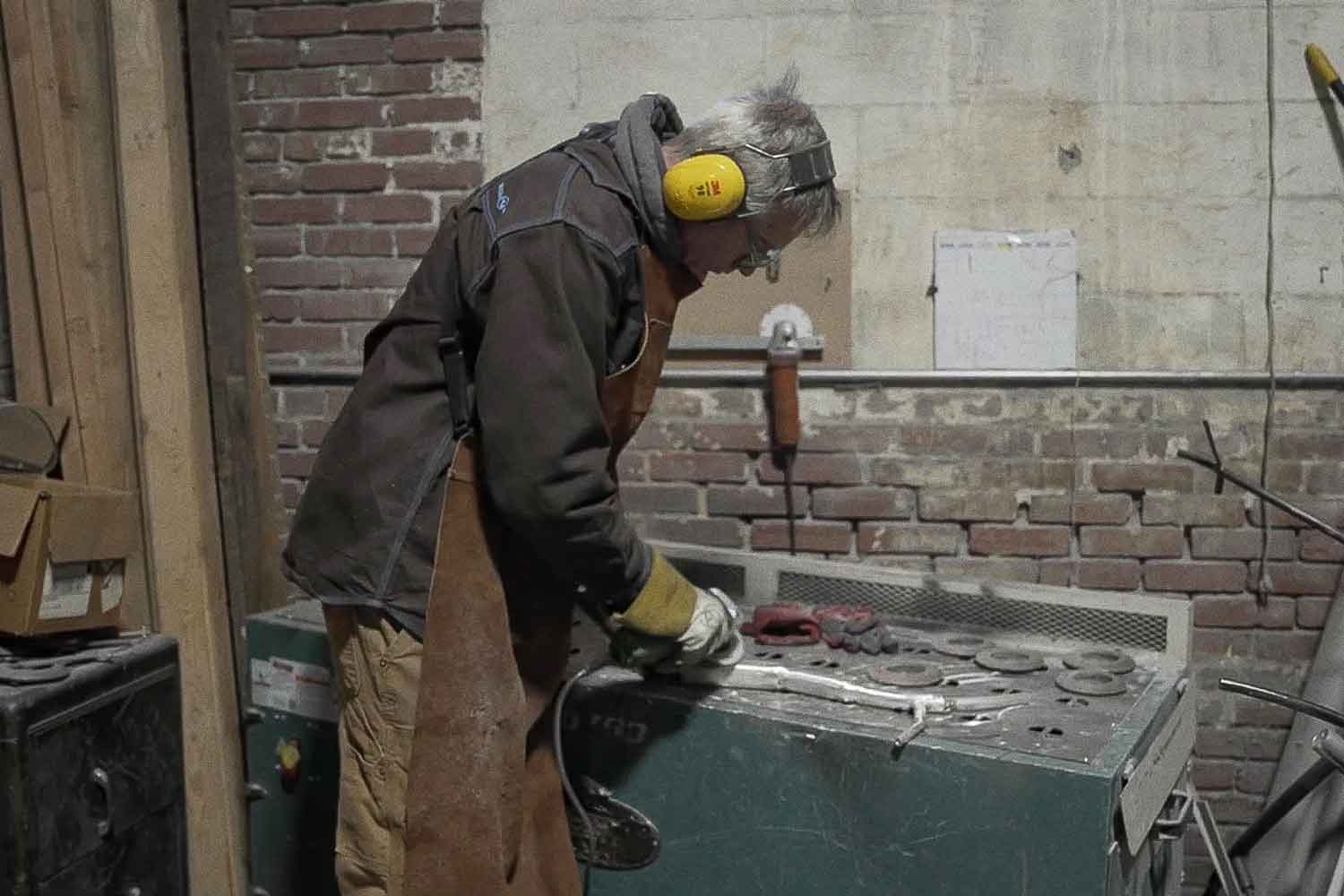
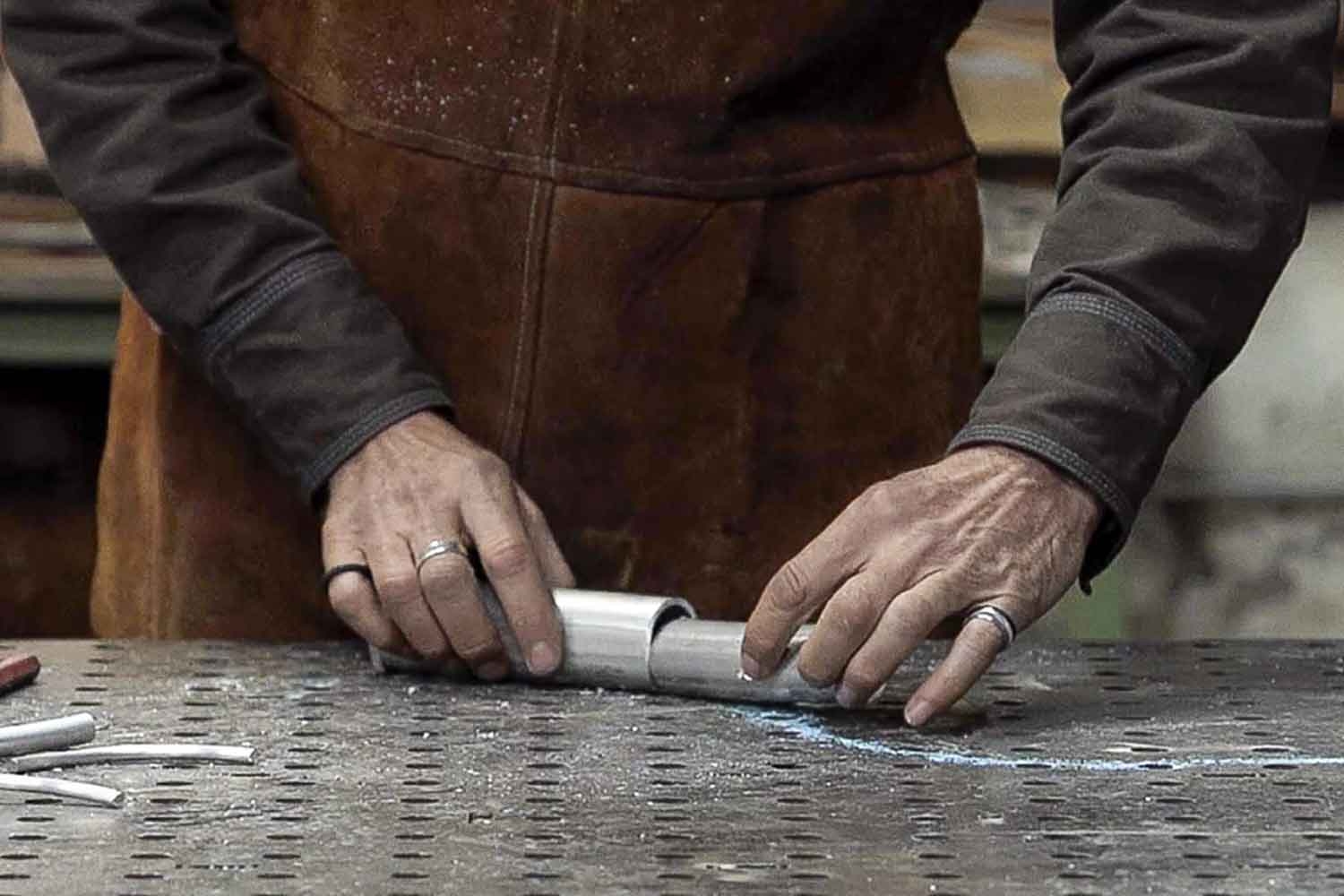
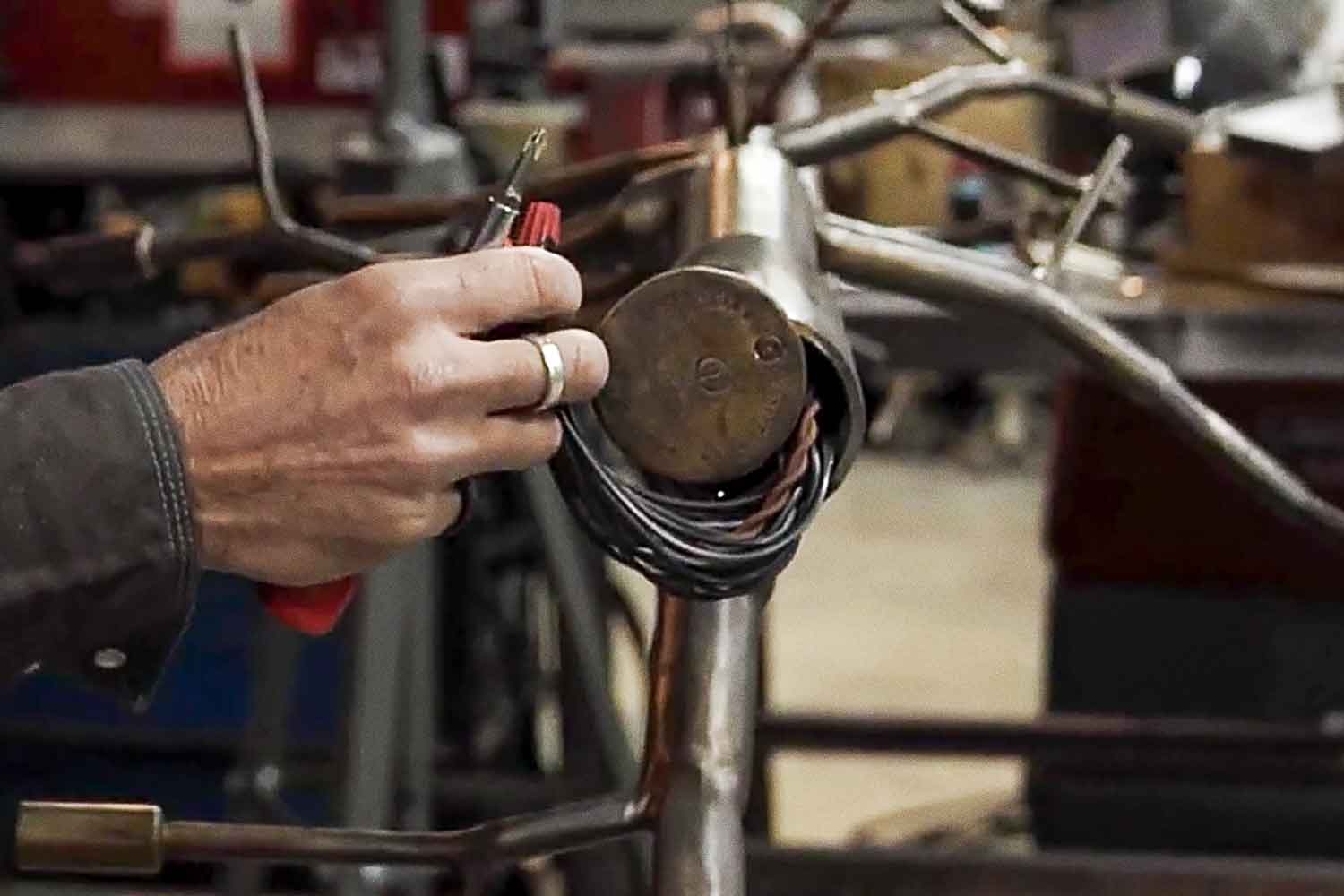
My process is very hands-on and intuitive. I use a special welding tool that allows me to be expressive and shape the metal as I go. I do not use jigs or detailed drawings, just rough sketches for size and proportion. It is a mix of control and spontaneity, and that is what gives each piece life.
Christopher Poehlmann
Lamp maker
Philadelphia, PA, USA
ADDRESS
Address upon request, Philadelphia, PA, USA
AVAILABILITY
By appointment only
PHONE
+1 4144261473
LANGUAGES
English
Homo Faber Finds is a new service aiming to inspire admirers of craft to connect and collaborate with exceptional artisans.
We invite you to submit an enquiry here.

Founders_Storm_V1.jpg)
Materials_Landscape_V1.jpg)
6Metalworker_V1.jpg)