©Hannes Frisenegger
©Christian Maricic
©Christian Maricic
©Christian Maricic
©Max Wallner
©Christian Maricic
Barbara Palatin-Doyle
Studio Palatin
Lamp maker
Vienna, Austria
©Hannes Frisenegger
©Hannes Frisenegger
©Christian Maricic
©Christian Maricic
©Christian Maricic
©Christian Maricic
©Christian Maricic
©Christian Maricic
©Max Wallner
©Max Wallner
©Christian Maricic
©Christian Maricic
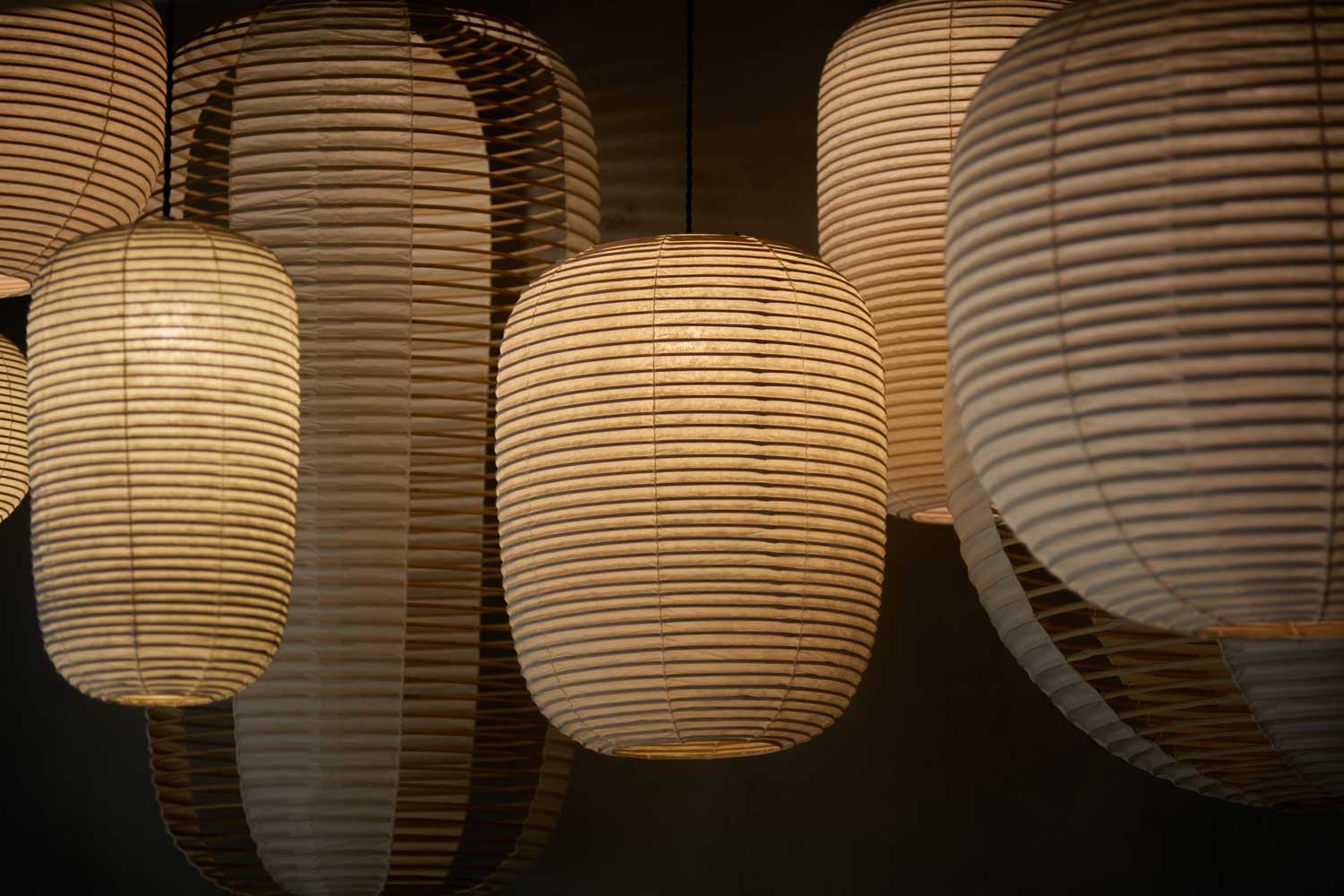
A crafted atmospheric warmth
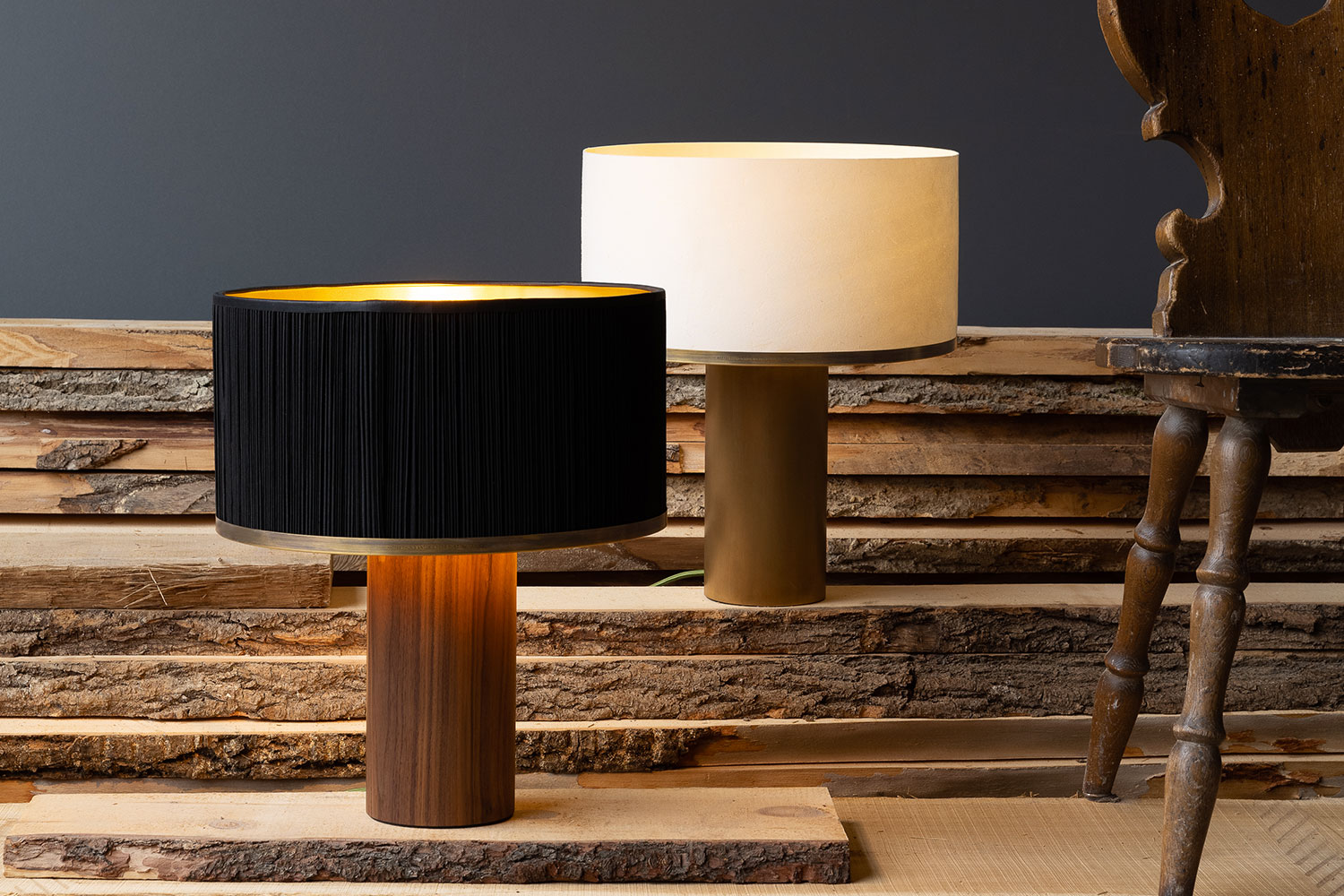
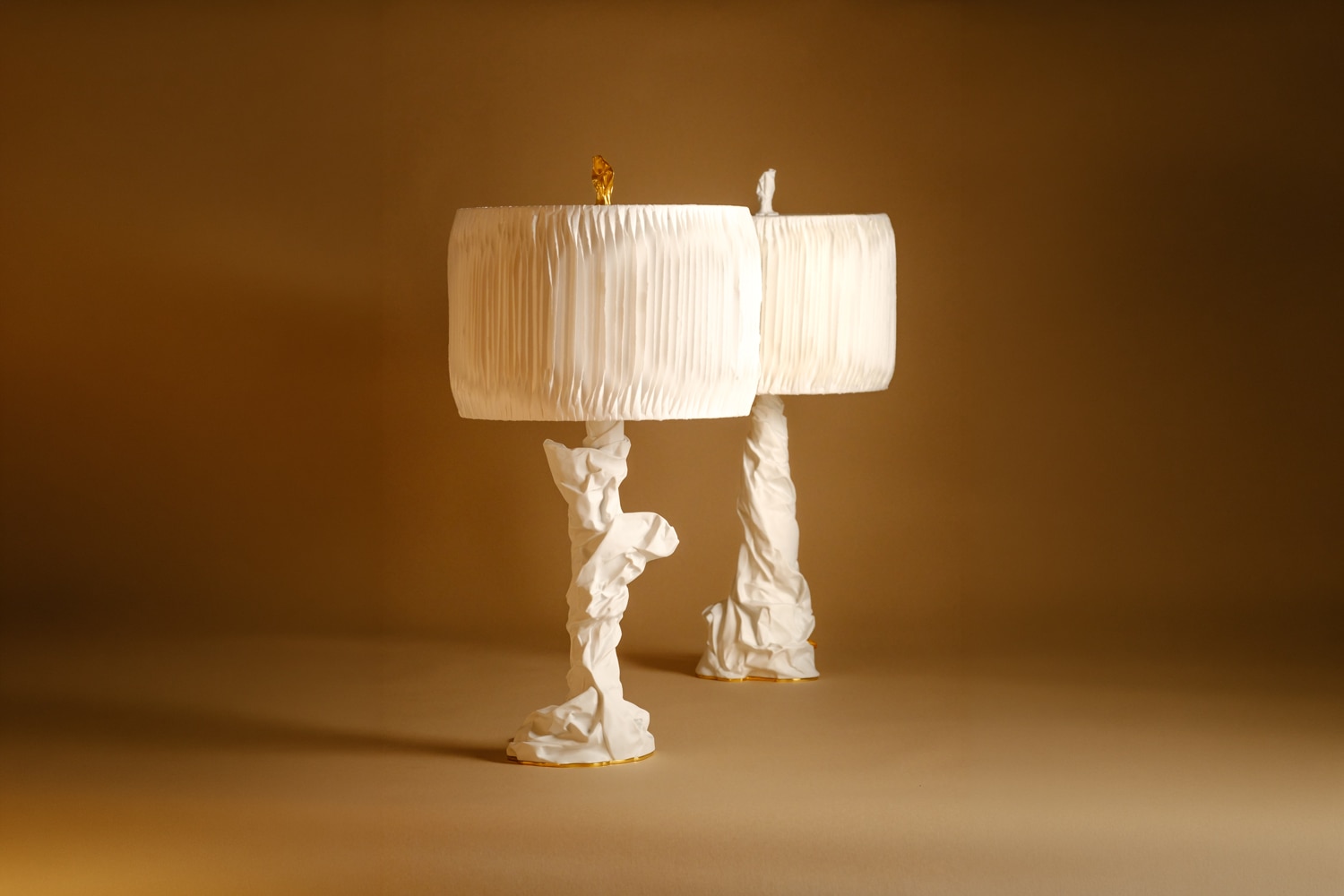
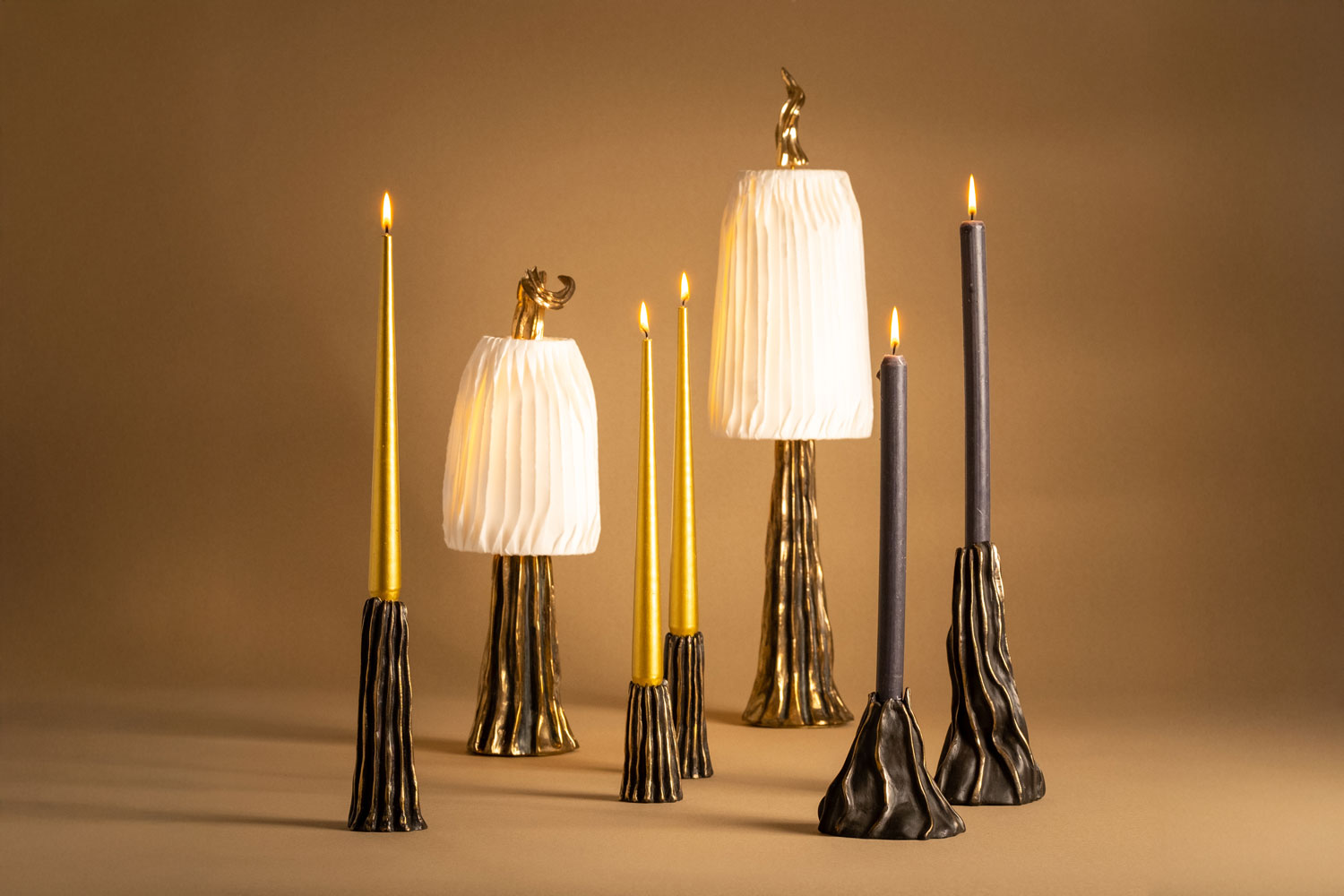
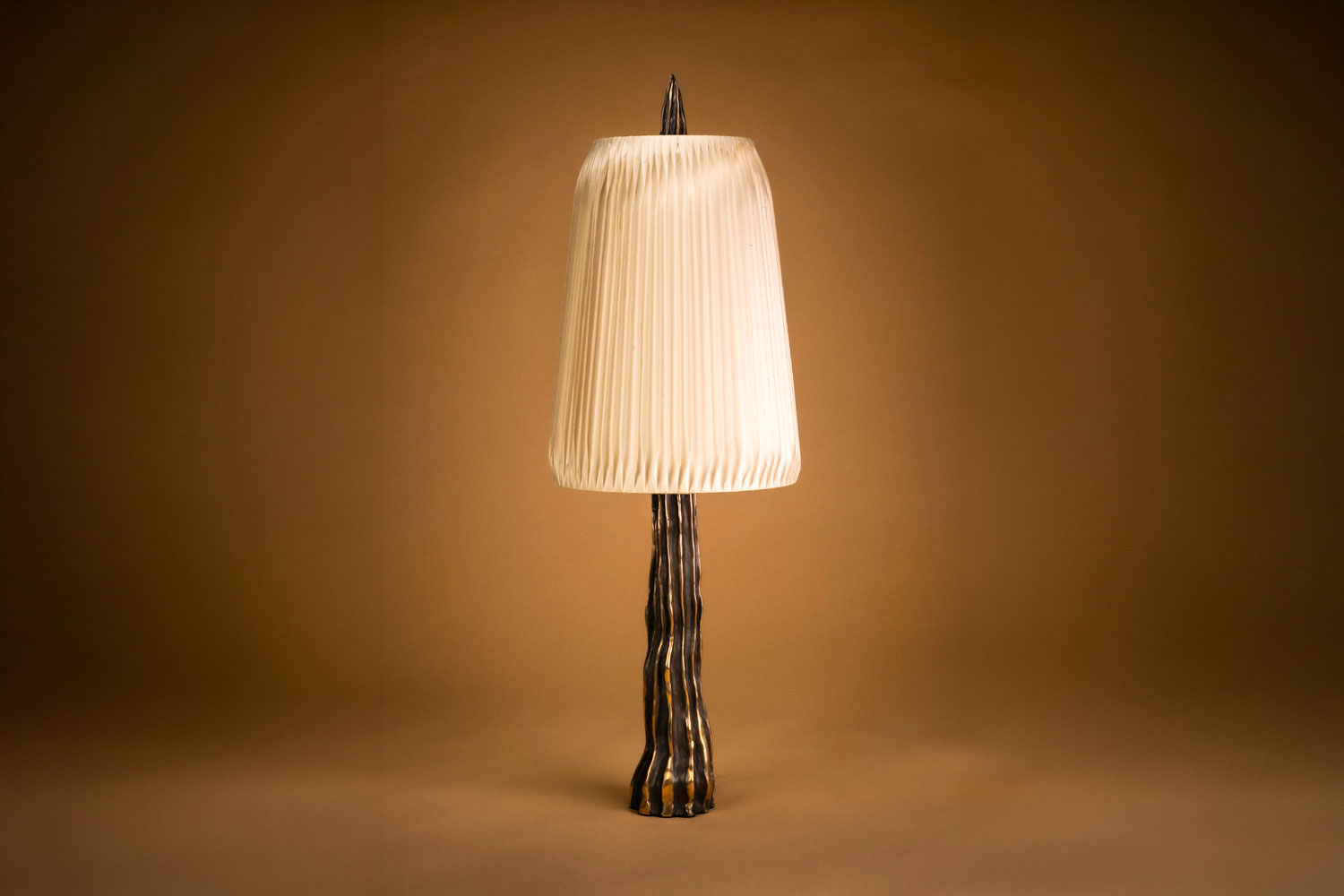
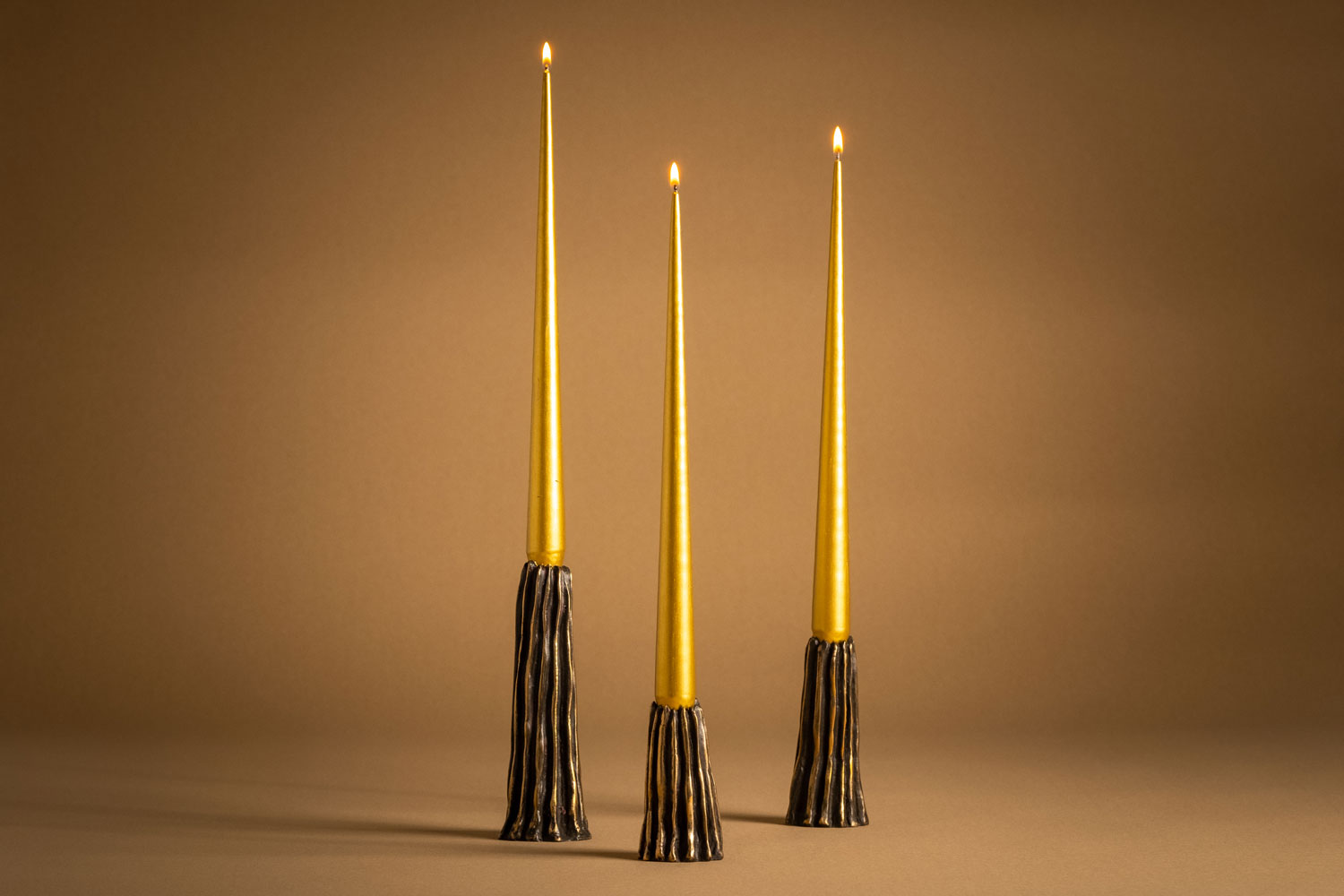
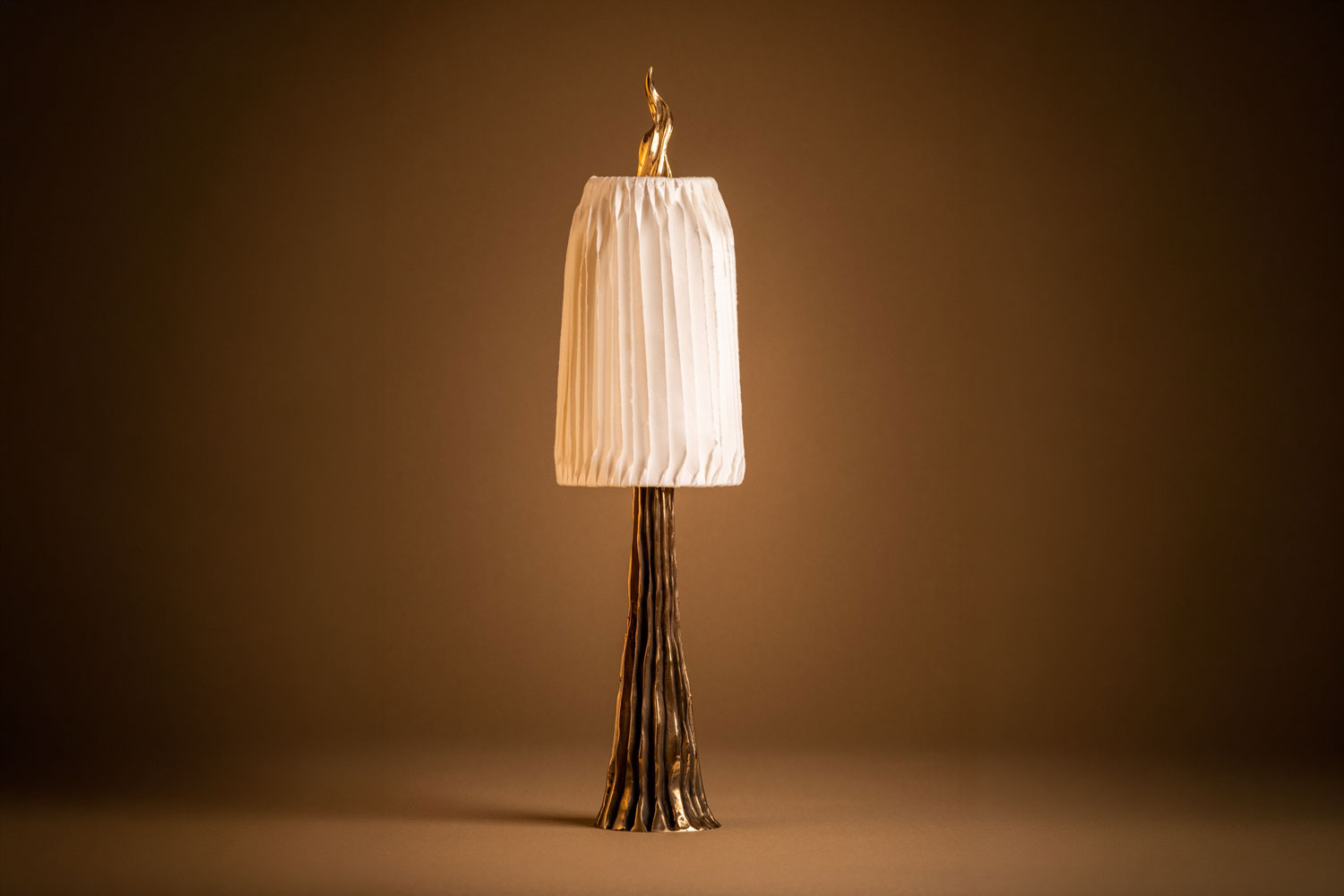
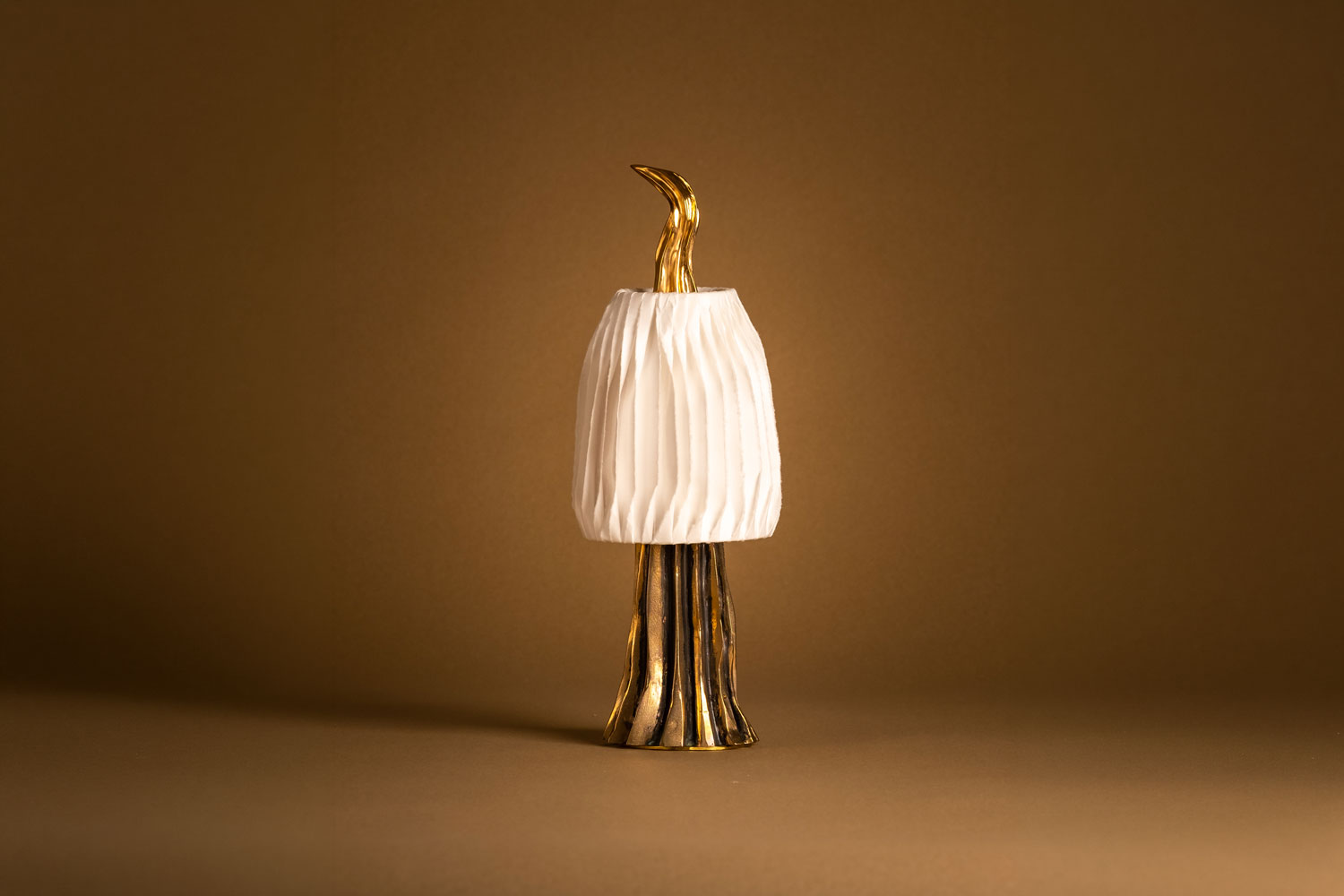
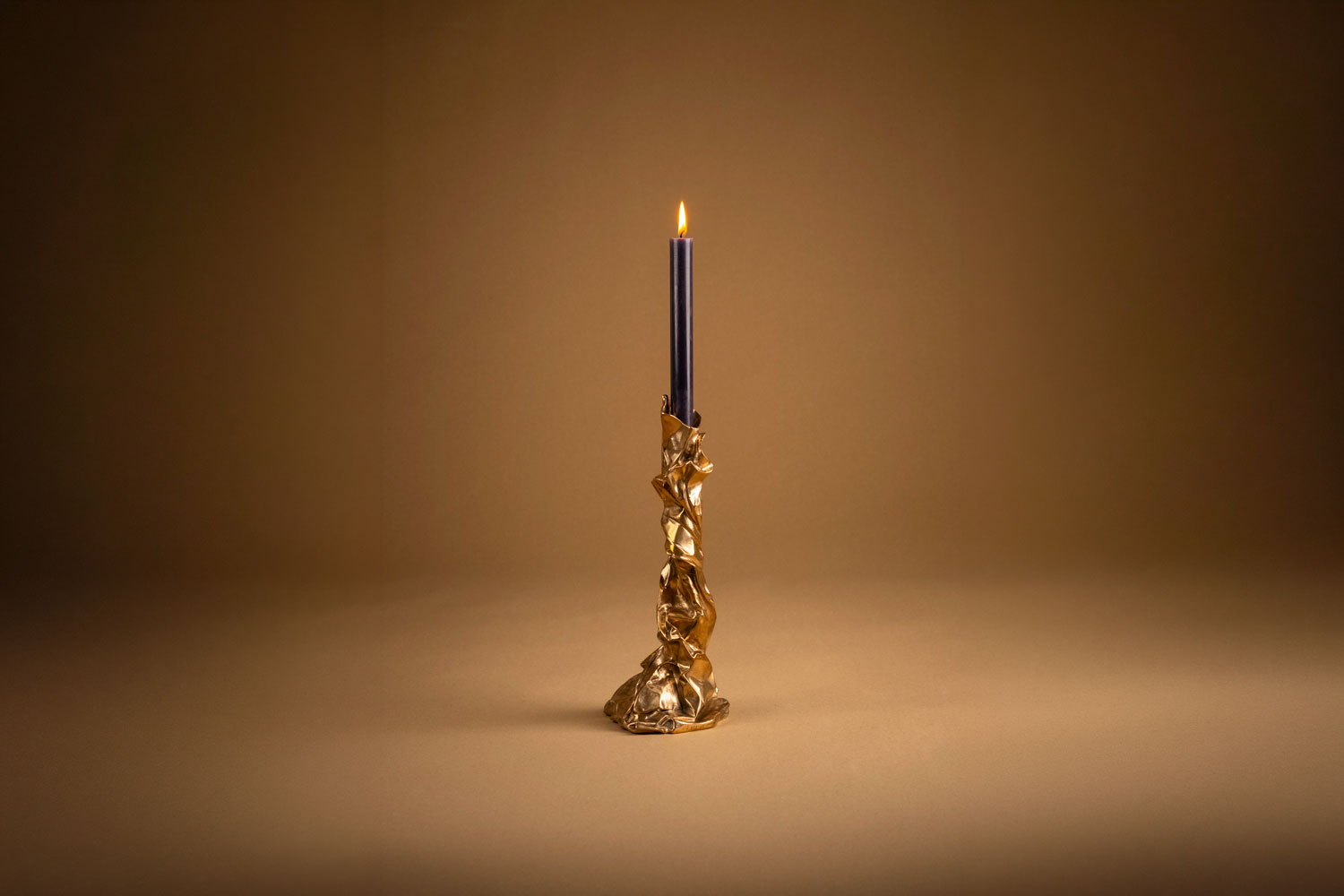
- Barbara's ambient table lamps and candlesticks are made in bronze
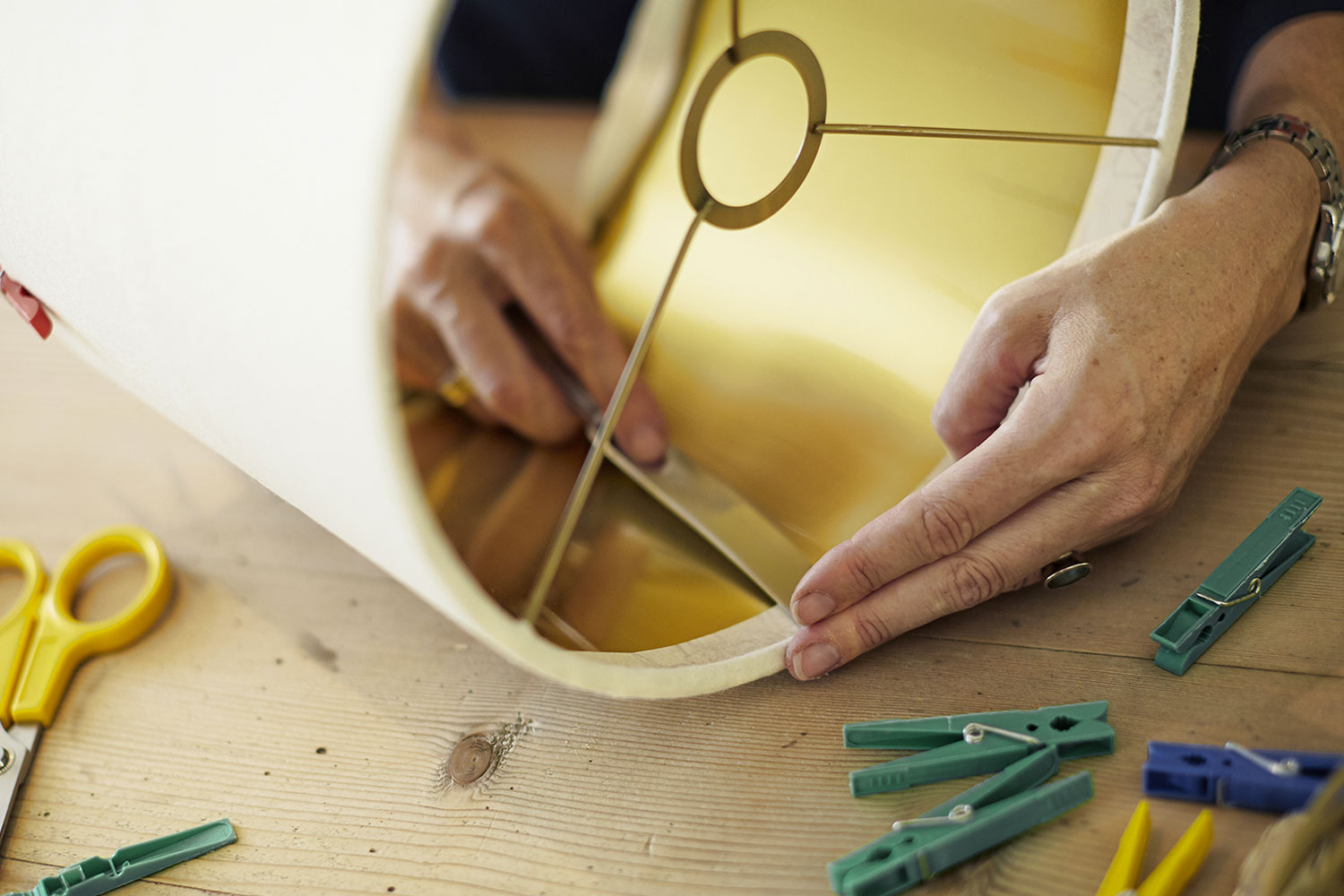
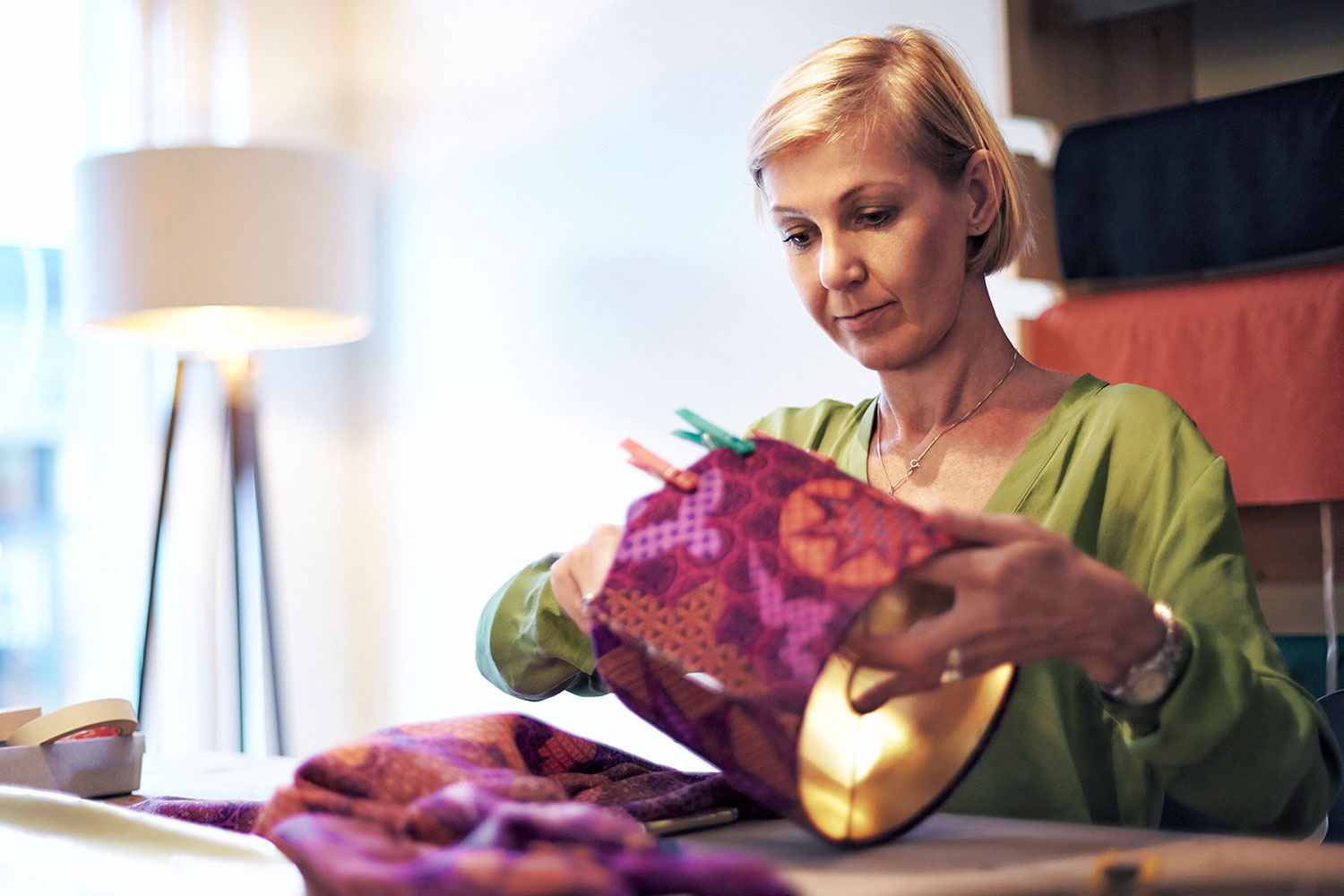
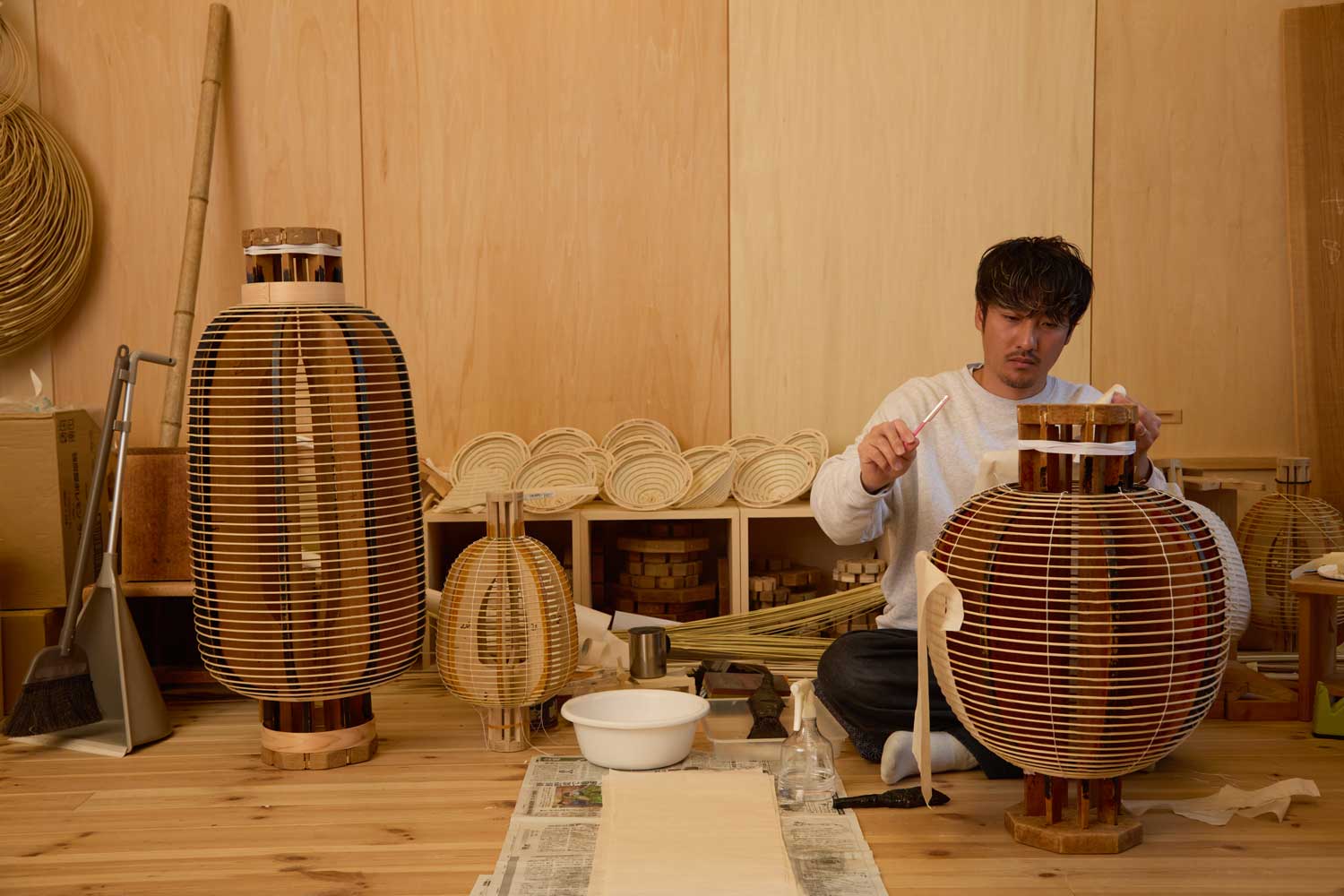
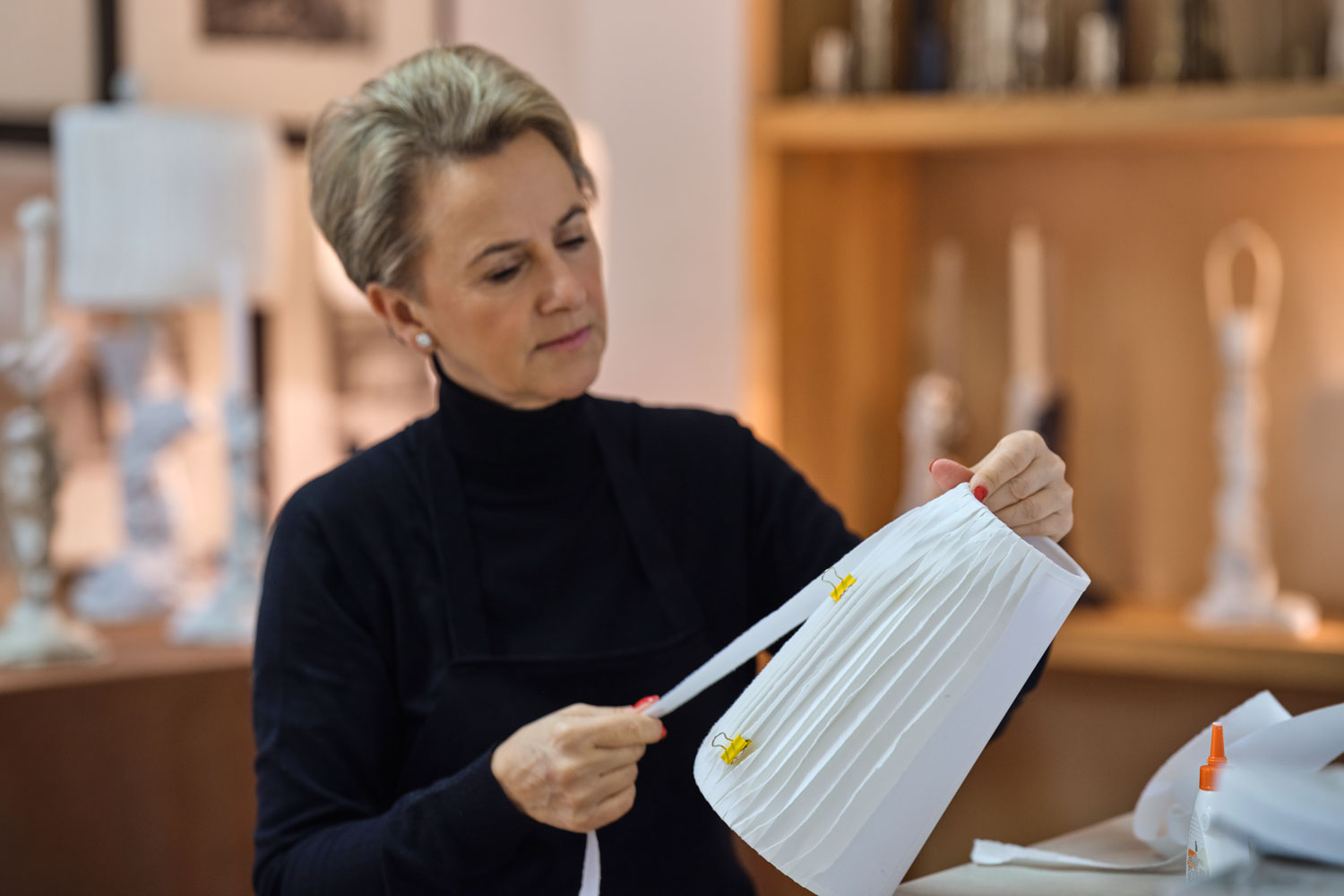
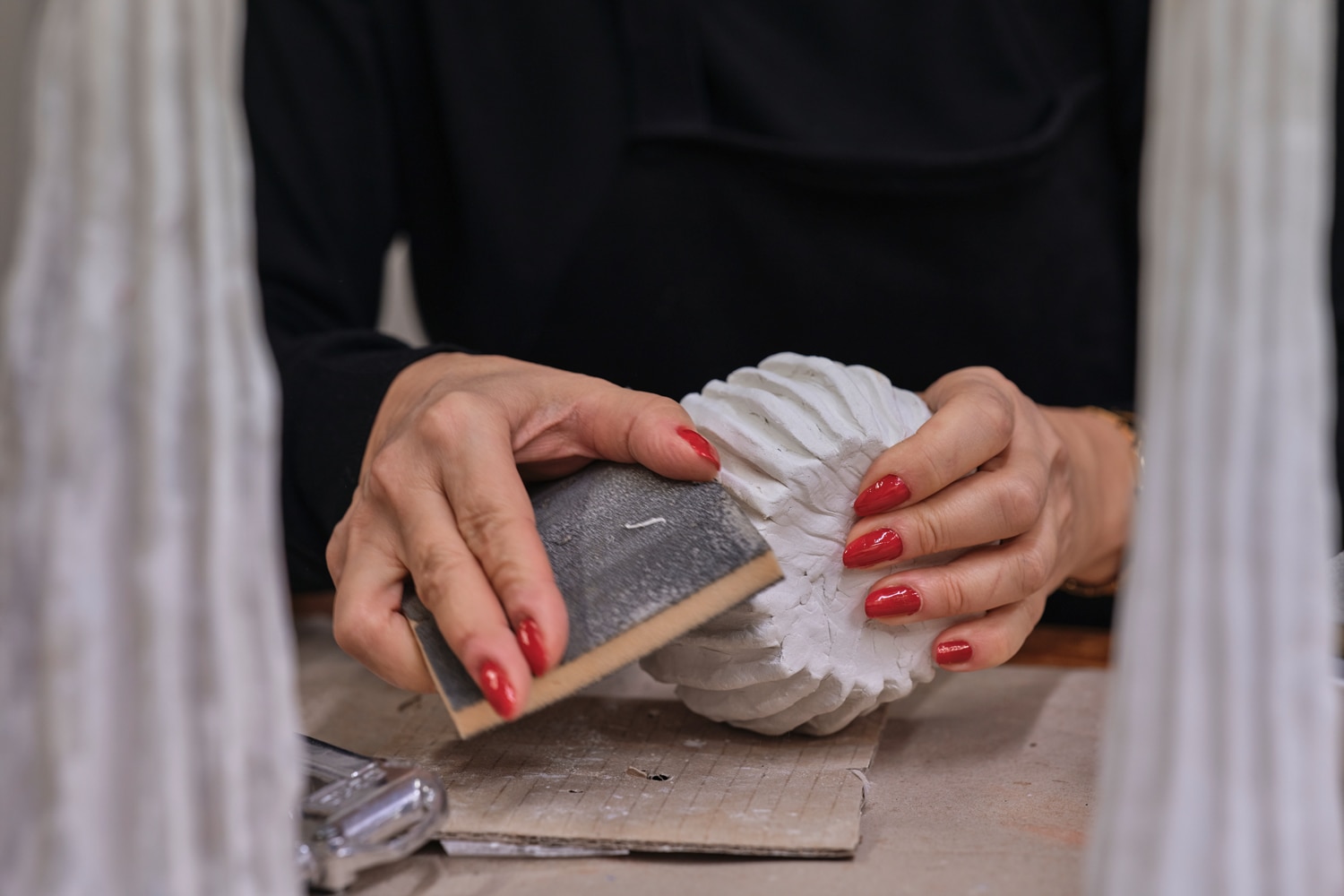
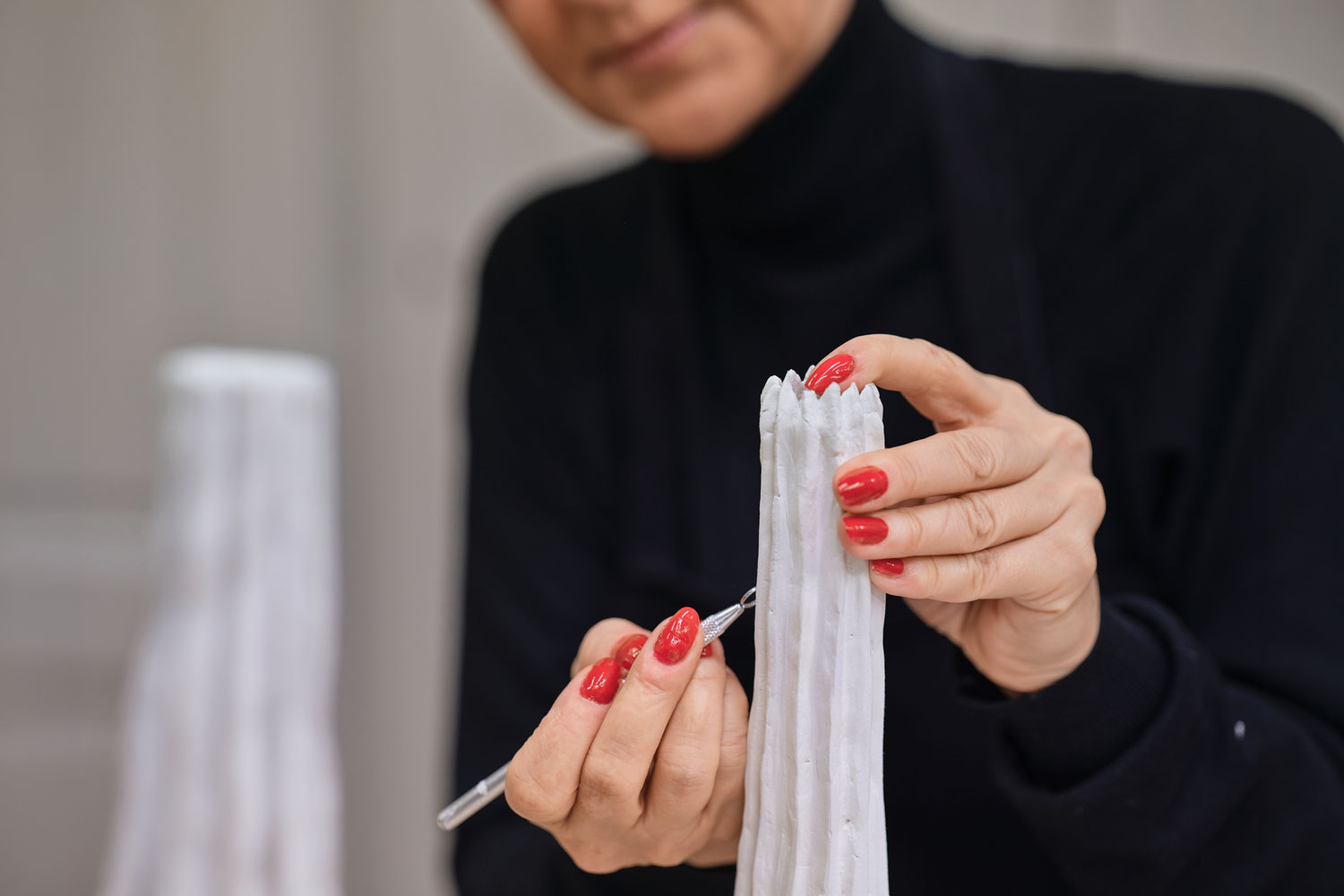
- By folding and modelling paper, she tests structure, balance and light
- She experiments with paper, ink and cast metal
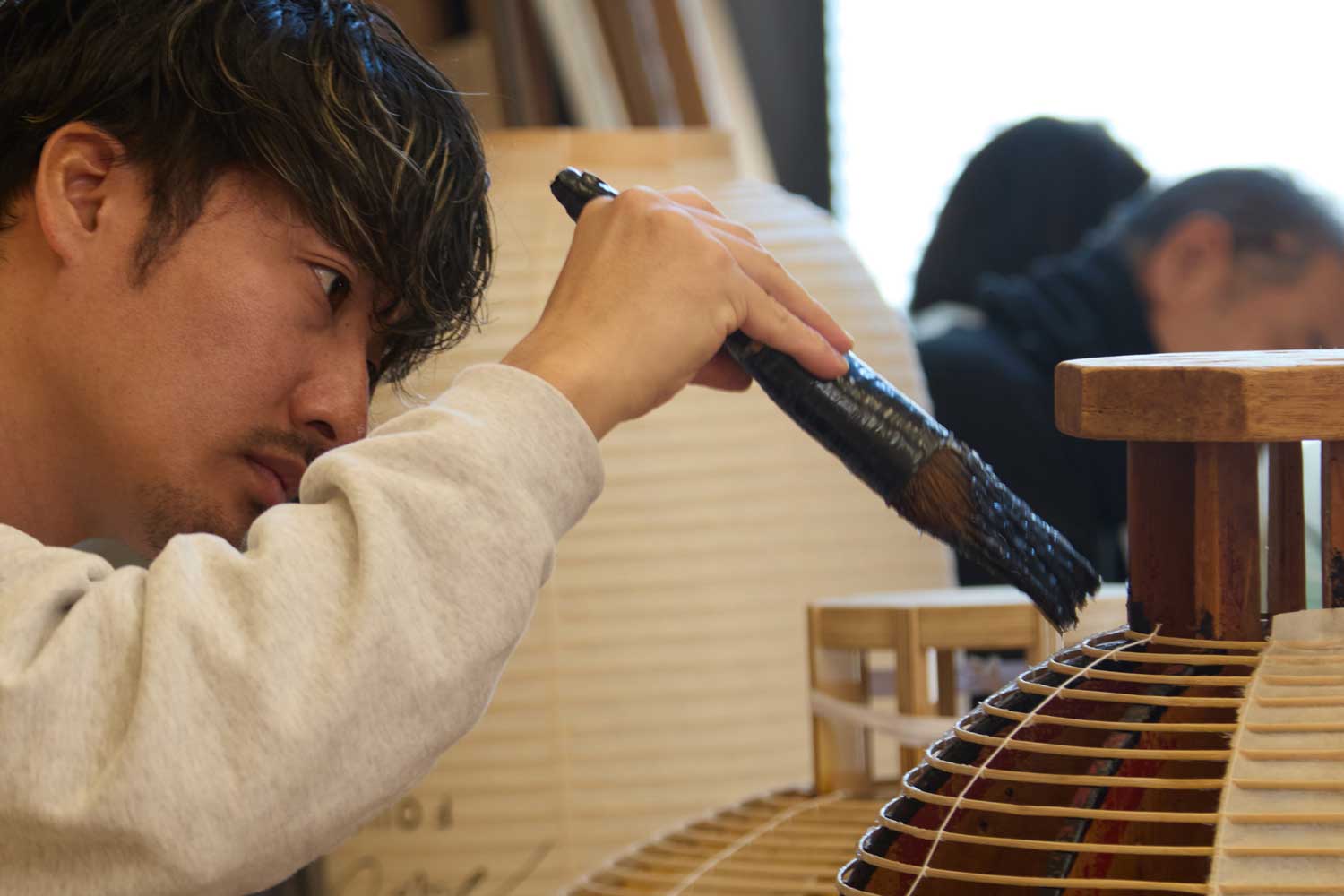
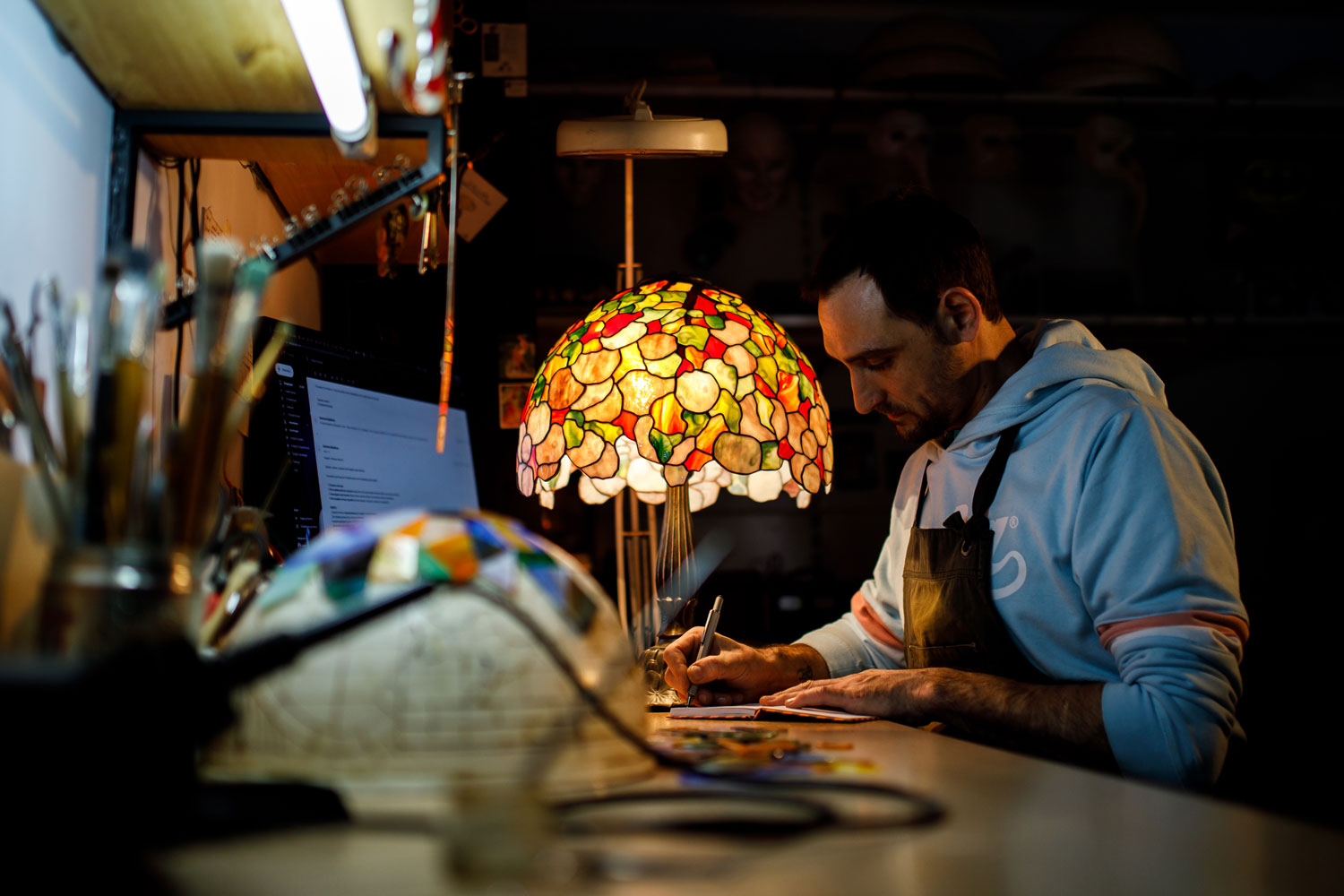
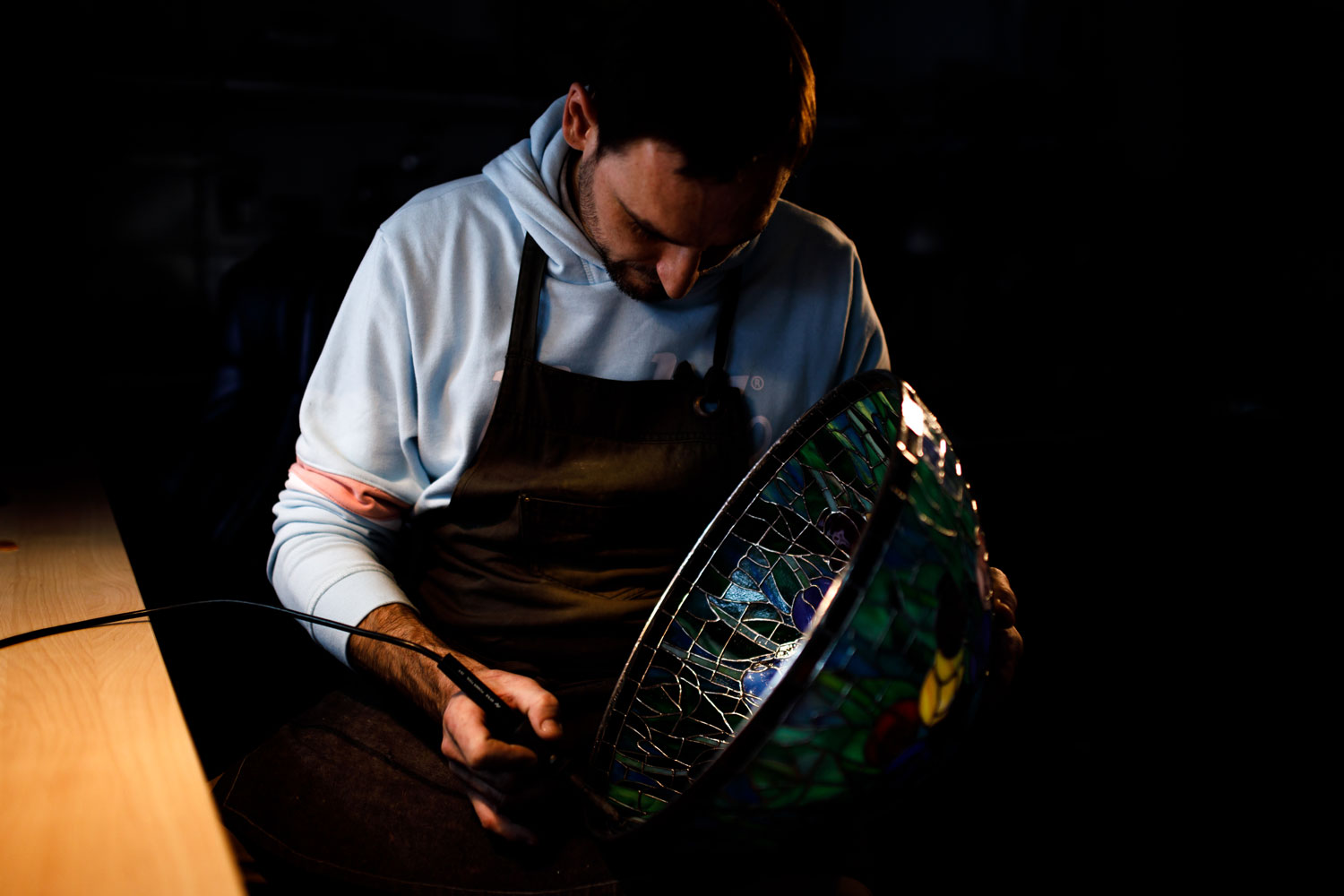
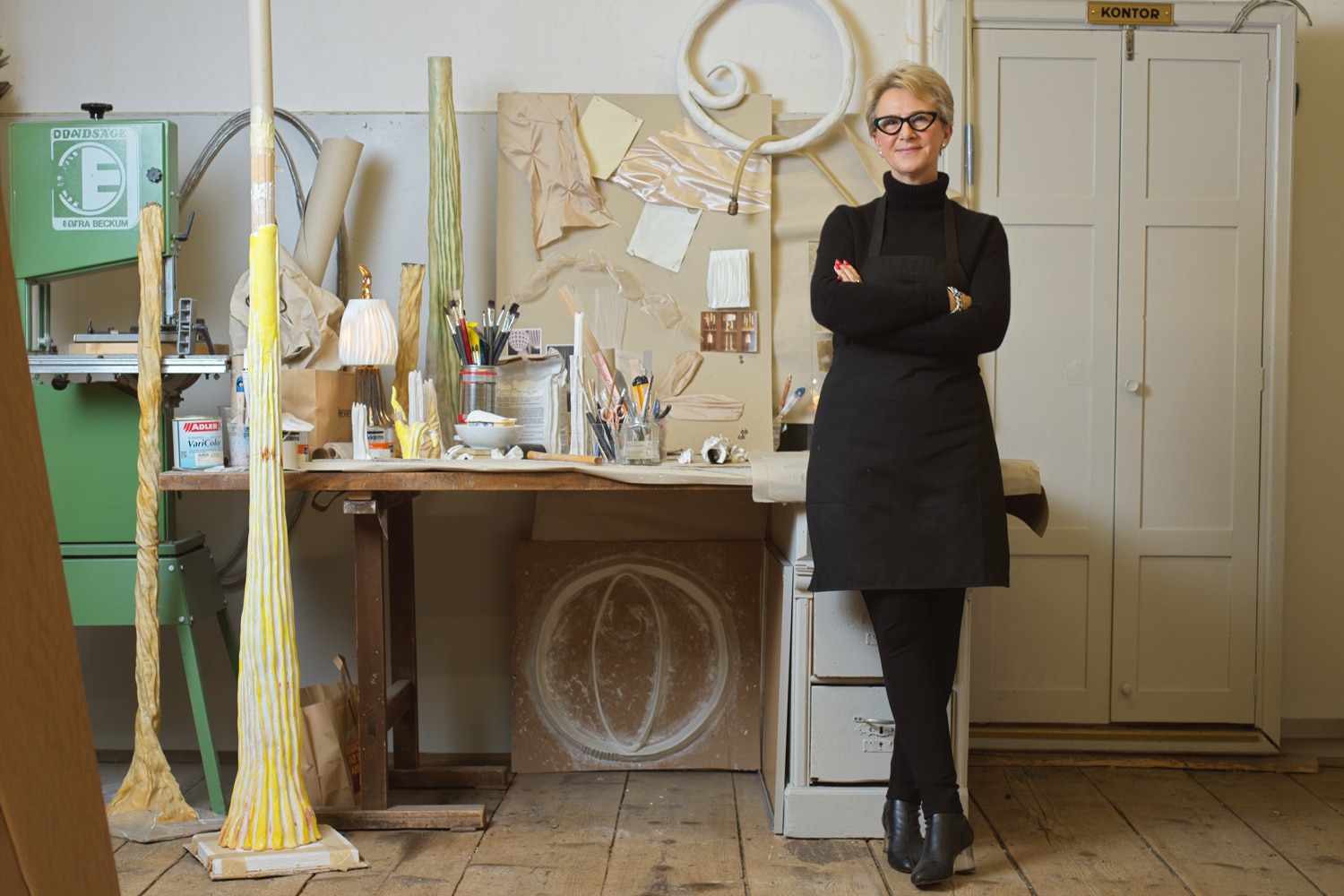
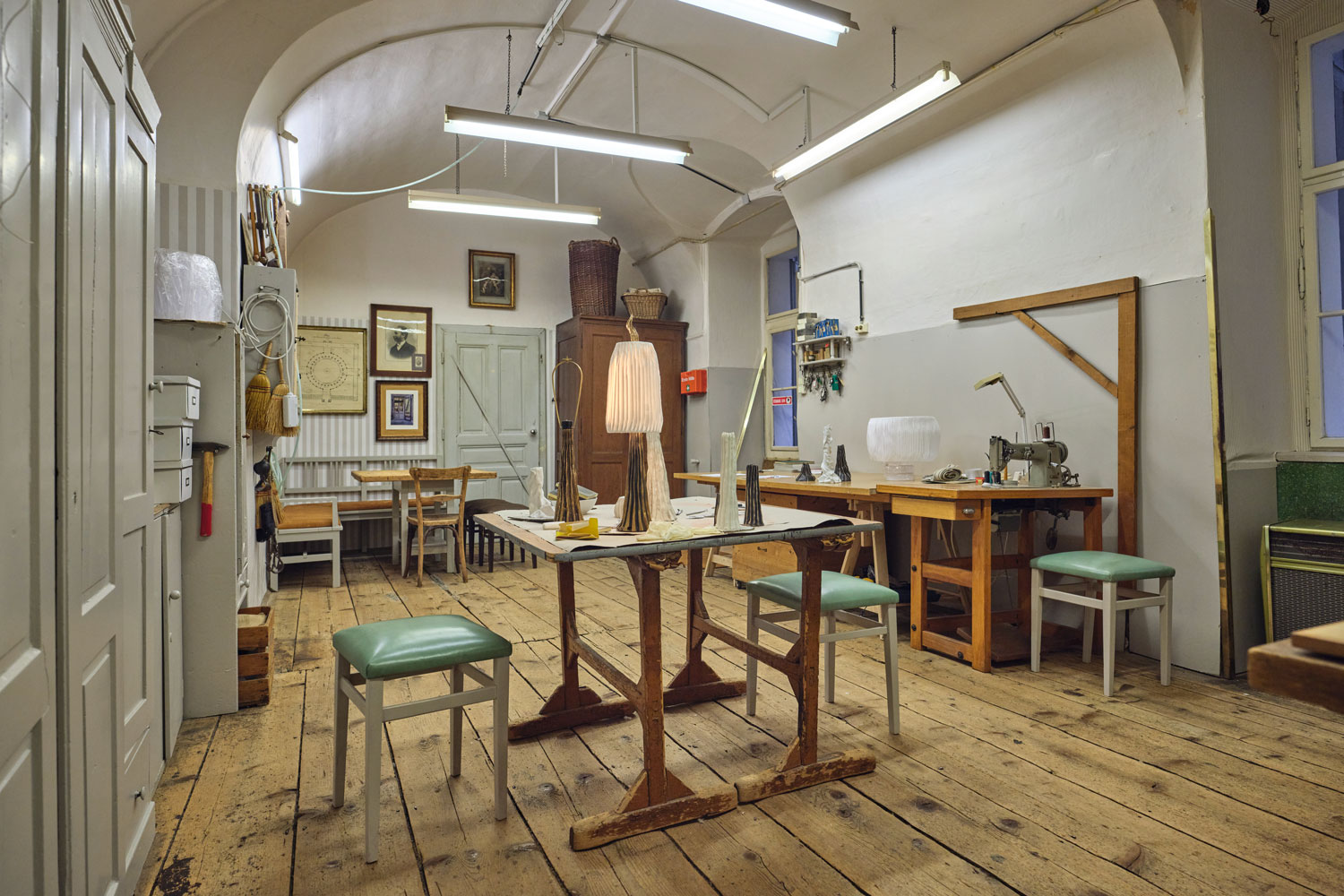
After a career in finance, Barbara Palatin-Doyle delved into hands-on crafting by pursuing a lamp making practice. Her international path took her from London and New York back to her native Vienna, where she founded her studio. "The time I spent at the Metropolitan Museum of Art sharpened my understanding of European decorative arts and their material logic," she says. Barbara's work begins with direct experimentation with paper, before translating her findings into lasting forms with specialised production processes. In her current series, she draws onto lamp shades with diluted inks in deep blues and sepia tones chosen for how they react when illuminated. Barbara is exploring new material directions, such as treated wood, to broaden her technical range.
Barbara Palatin-Doyle is a rising star: she began her career in 2019.
Discover her work
INTERVIEW
As a child, I was always the one to fix whatever needed repair at home such as lamps and fuses. At 18, I built my first wall light, long before I consciously considered this path as a profession.
I see my work as functional art. My lamps are objects that are not only looked at, but truly lived with and used daily. They are meant to create atmosphere, invite touch and bring warmth into a space. I want them to feel natural and present in people’s lives rather than distant or untouchable artworks.
I combine historical techniques and materials such as bronze, porcelain and hand shaped paper with new forms, experimentation and technologies such as 3D printing. For me, contemporary design evolves directly from the knowledge and discipline of traditional craft.
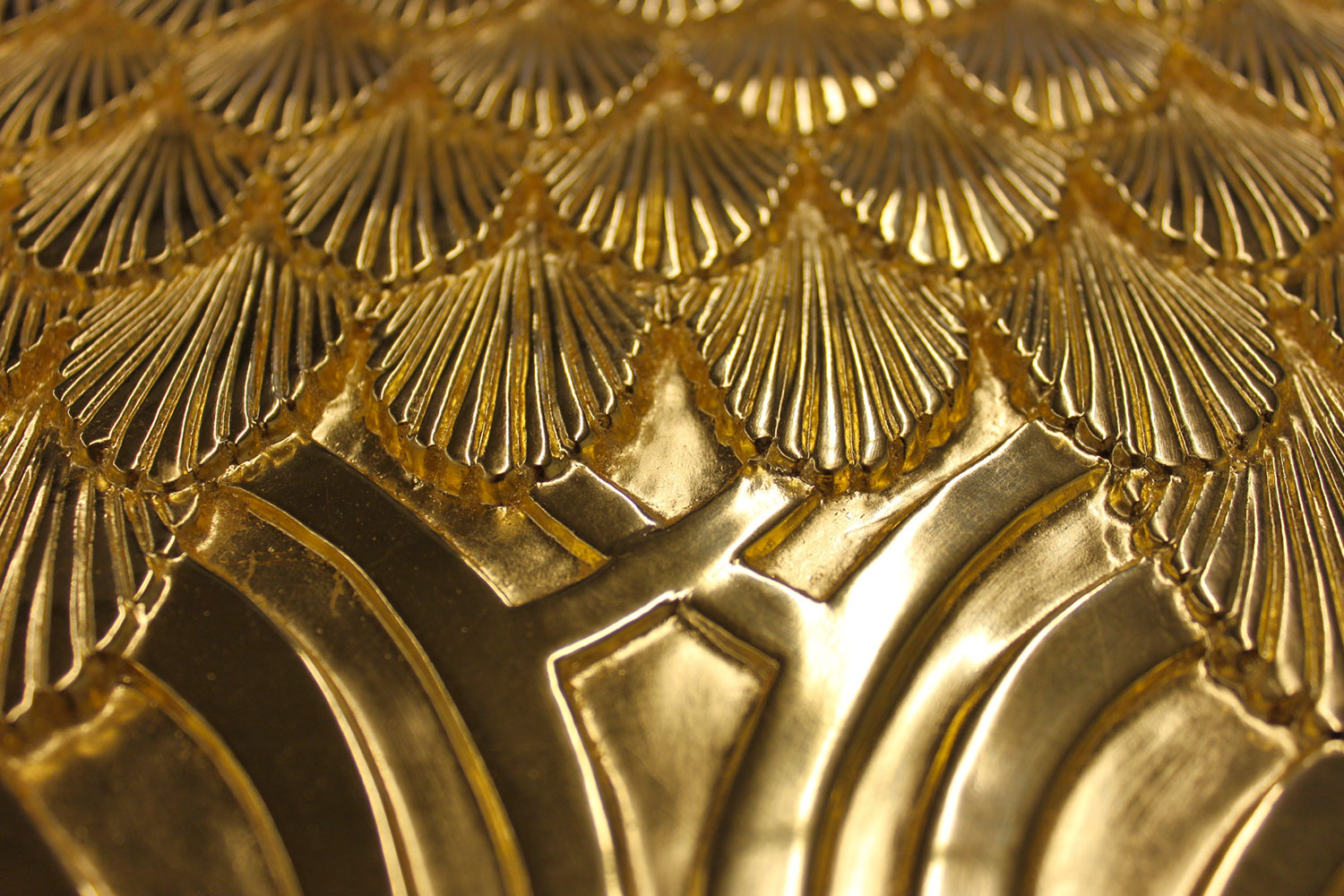
I work with the lost-wax casting technique, because it lets me carry delicate, hand shaped forms straight into bronze. First, I build the model, often inspired by folded paper or organic growth, then I cast it to preserve every gesture. The process is demanding and unpredictable, and that tension is exactly what gives the piece its permanence and presence.
Barbara Palatin-Doyle
Studio Palatin
Lamp maker
Vienna, Austria
AVAILABILITY
By appointment only
LANGUAGES
German, French, English, Italian
HOMO FABER FINDS
Homo Faber Finds is a new service aiming to inspire admirers of craft to connect and collaborate with exceptional artisans.
We invite you to submit an enquiry here.