
Christoph Finkel
Woodturner
Bad Hindelang, Germany
Recommended by Zentralverband des Deutschen Handwerks
The will of wood
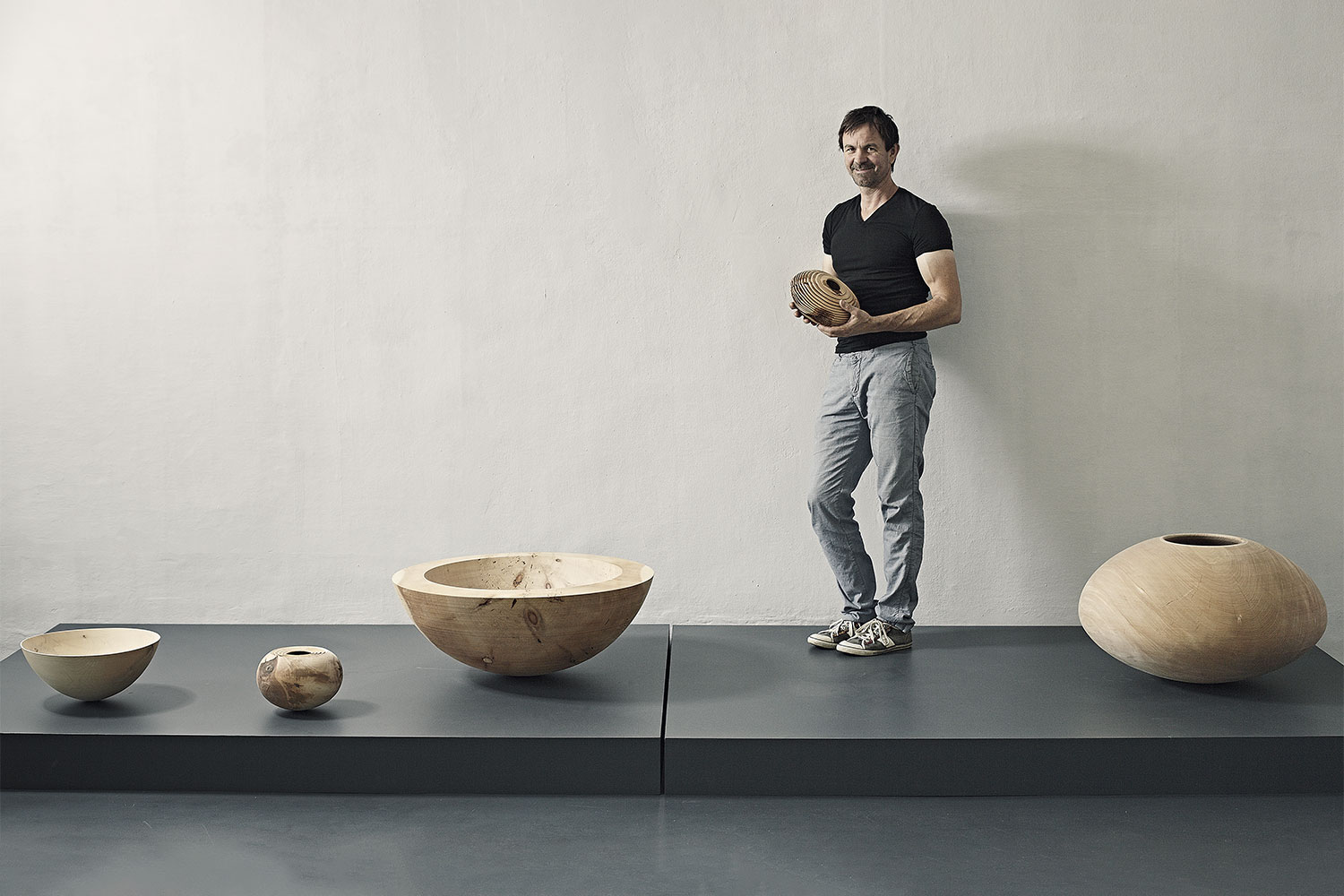
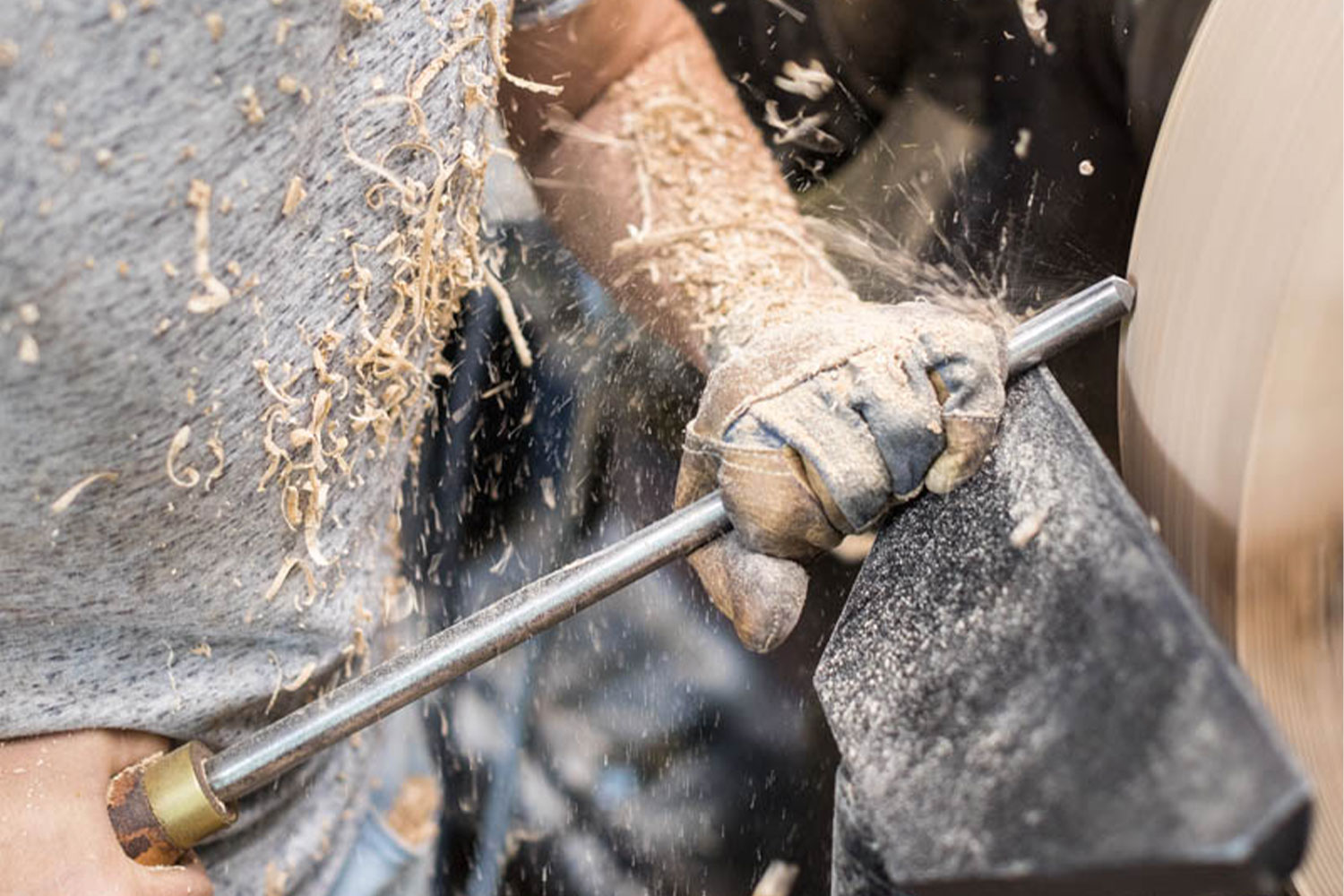
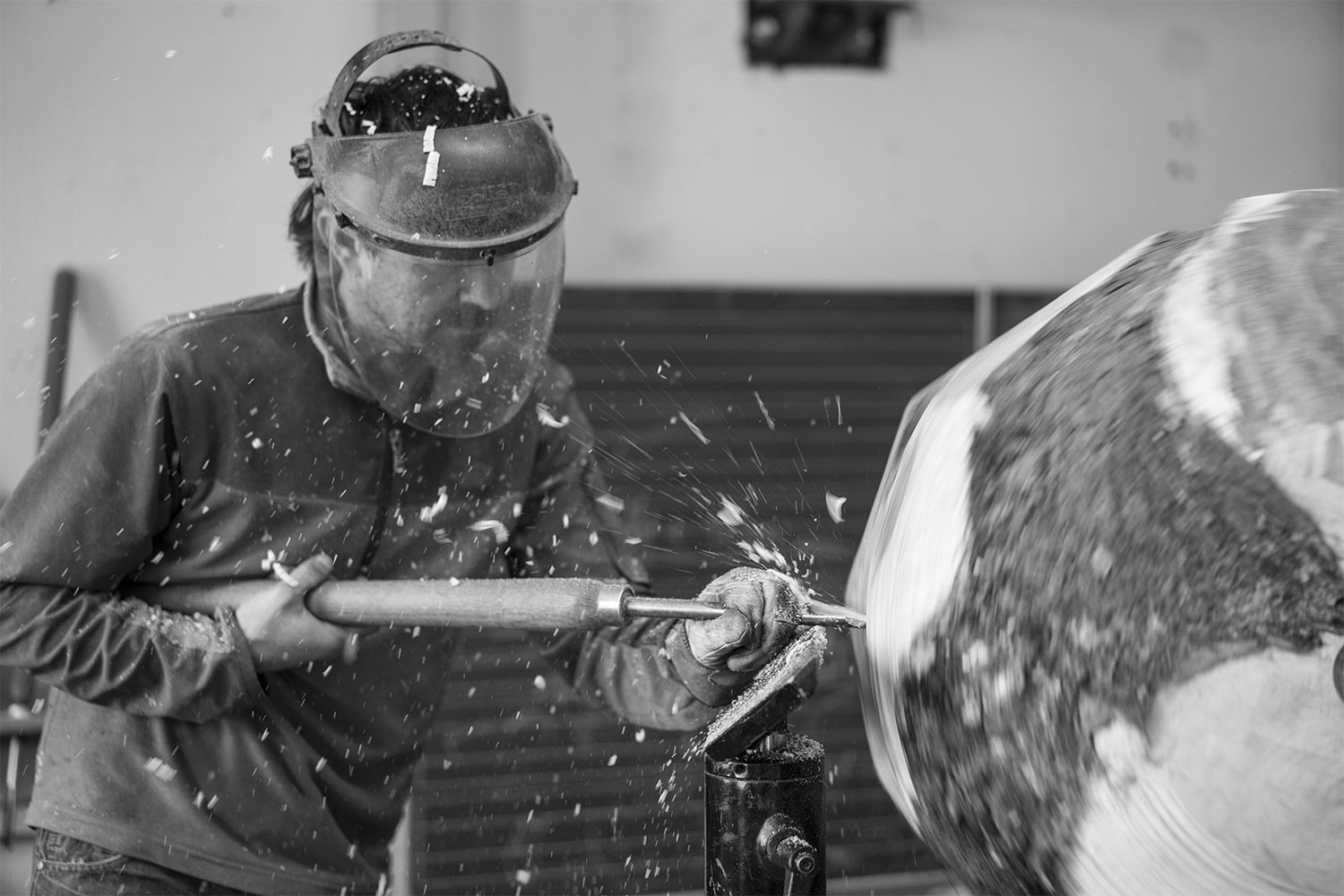
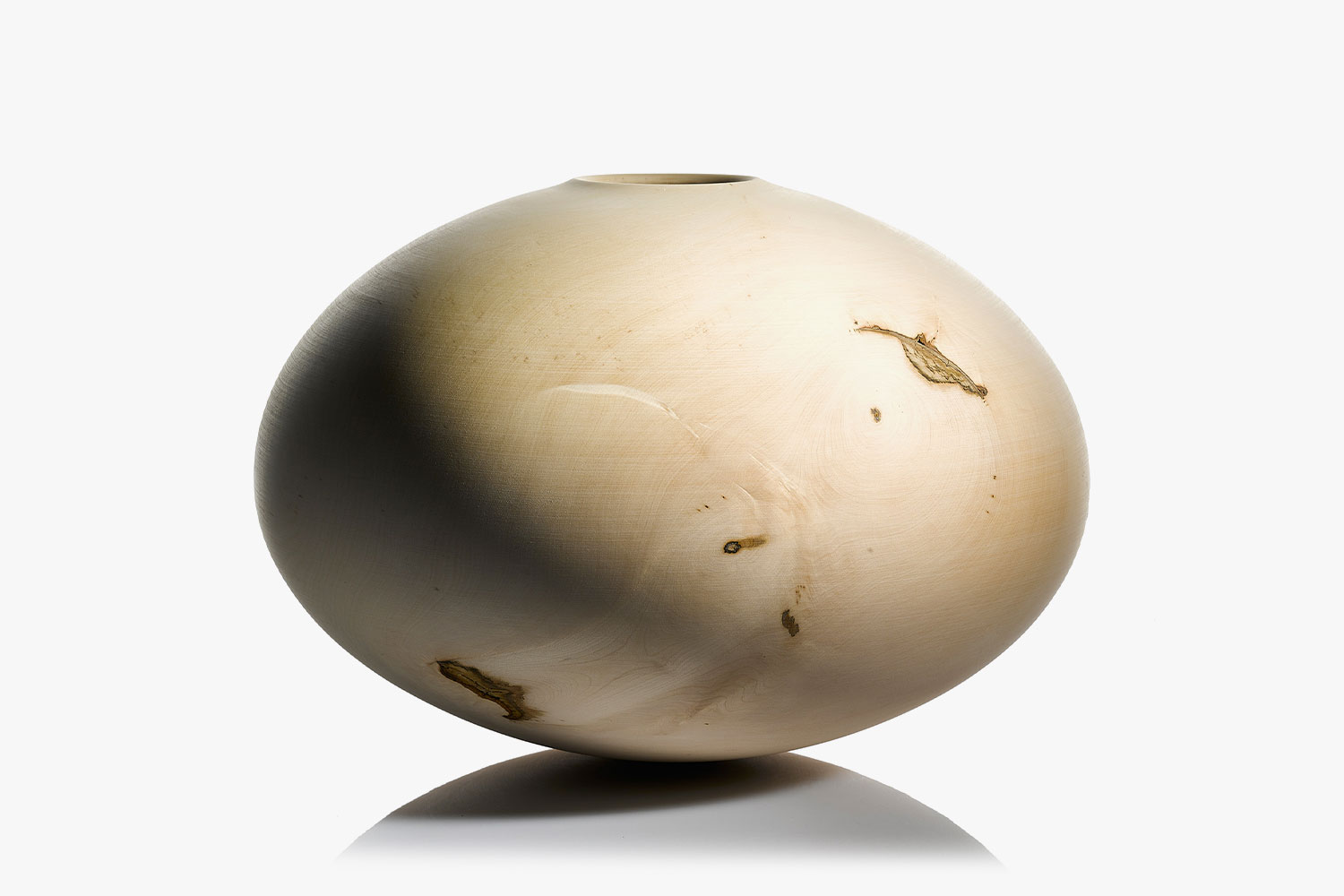
- Christoph uses wood turning to create large symmetric shapes
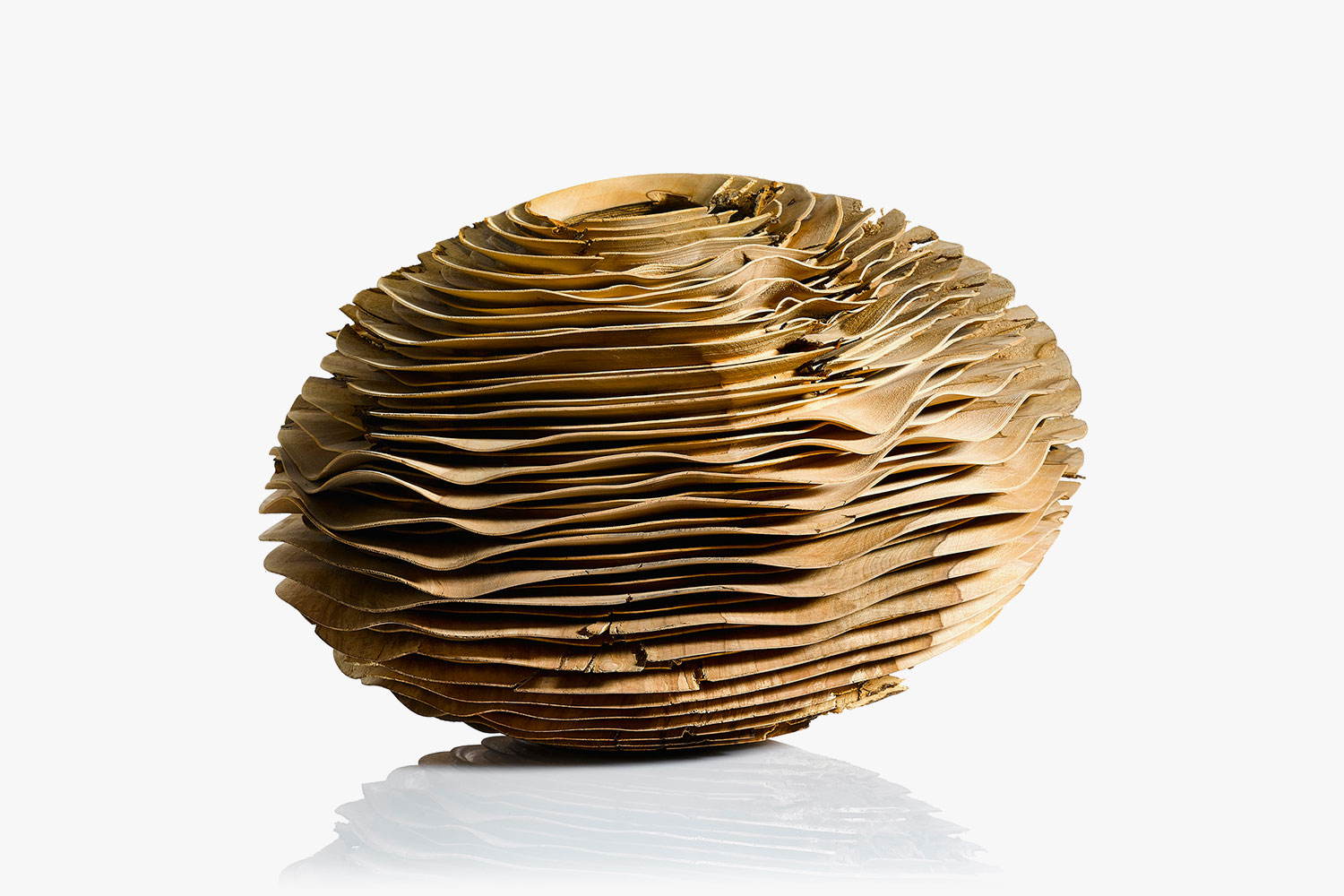
- The shapes are naturally altered during the drying process
- Every piece is as unique as the tree the wood came from
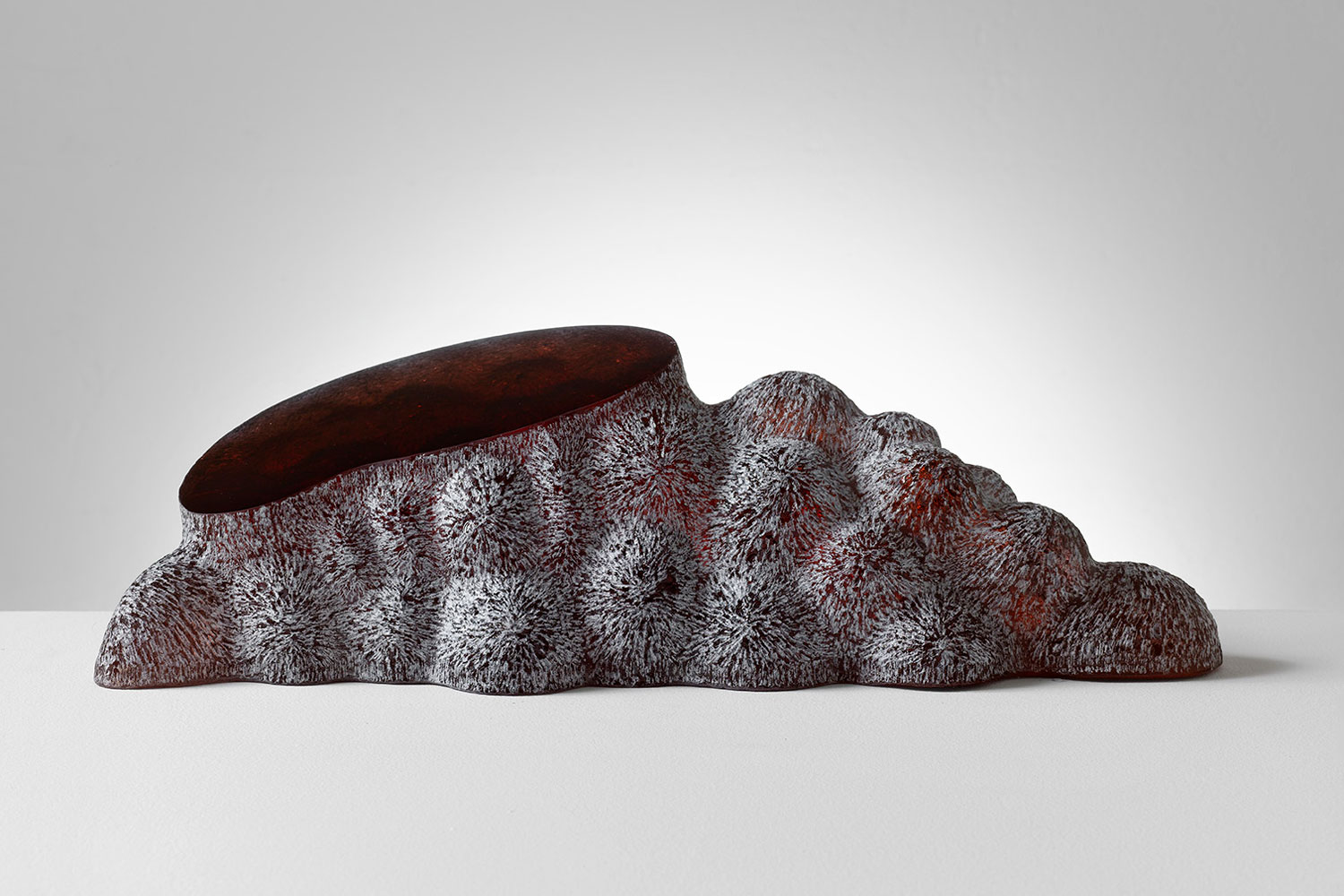
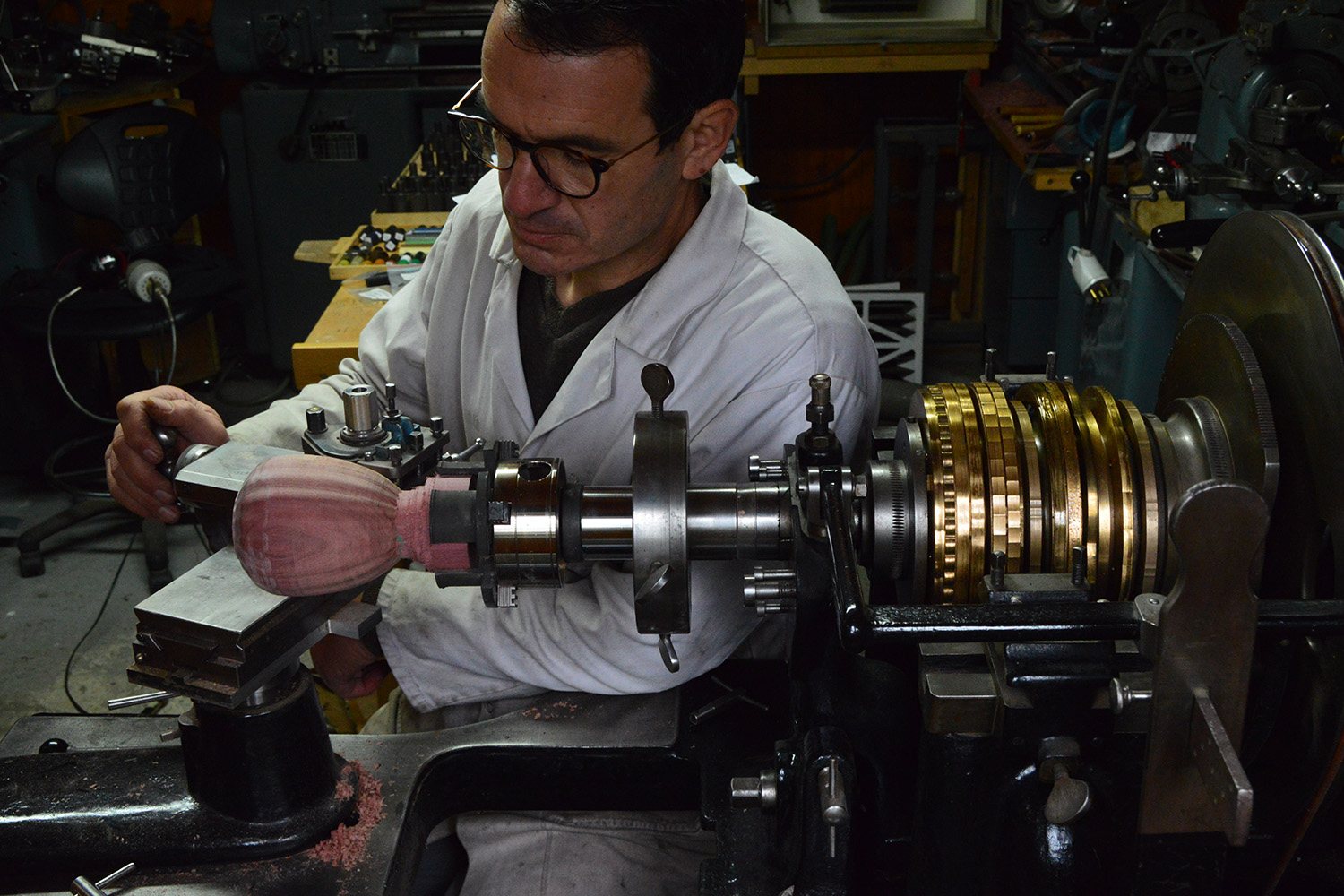
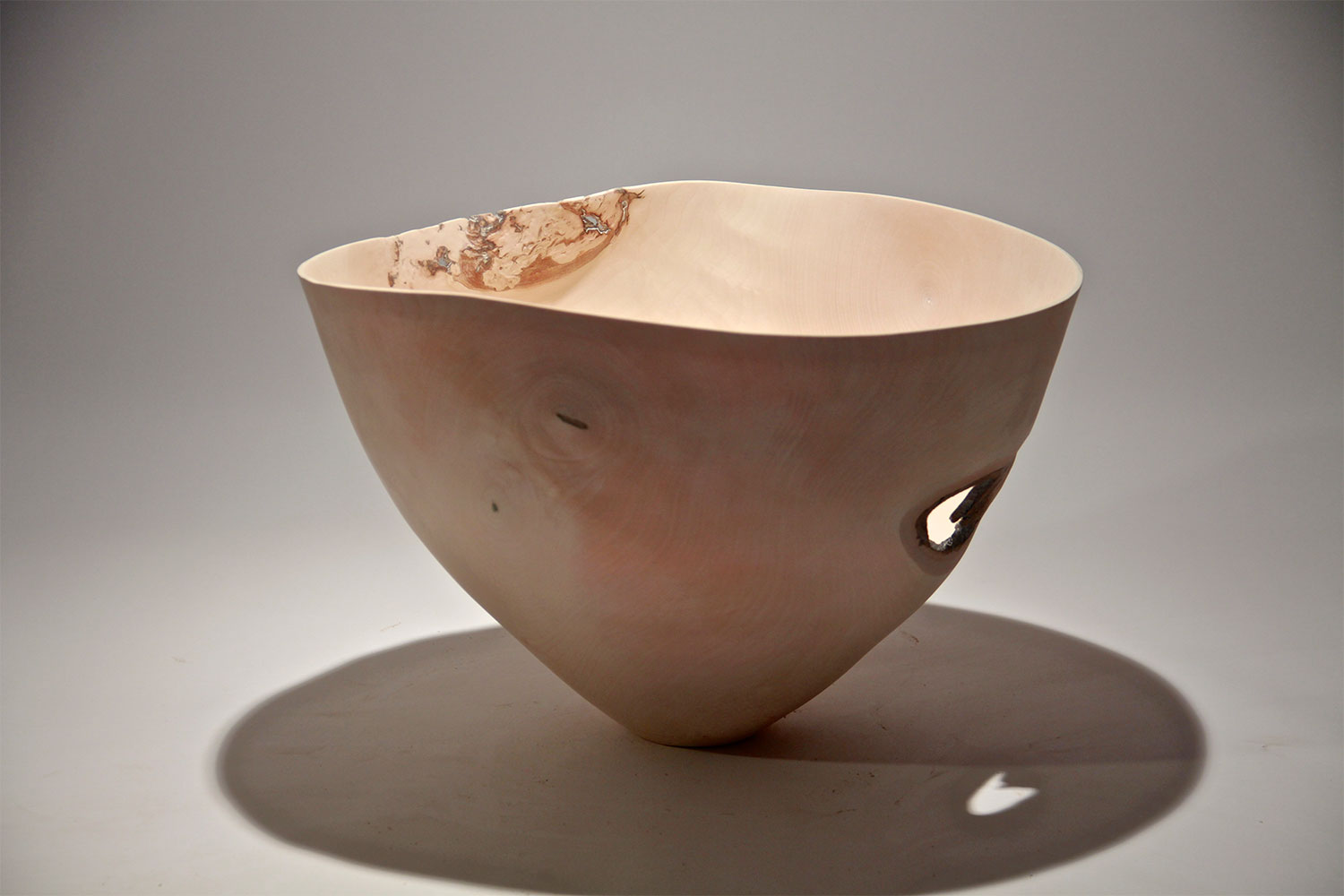
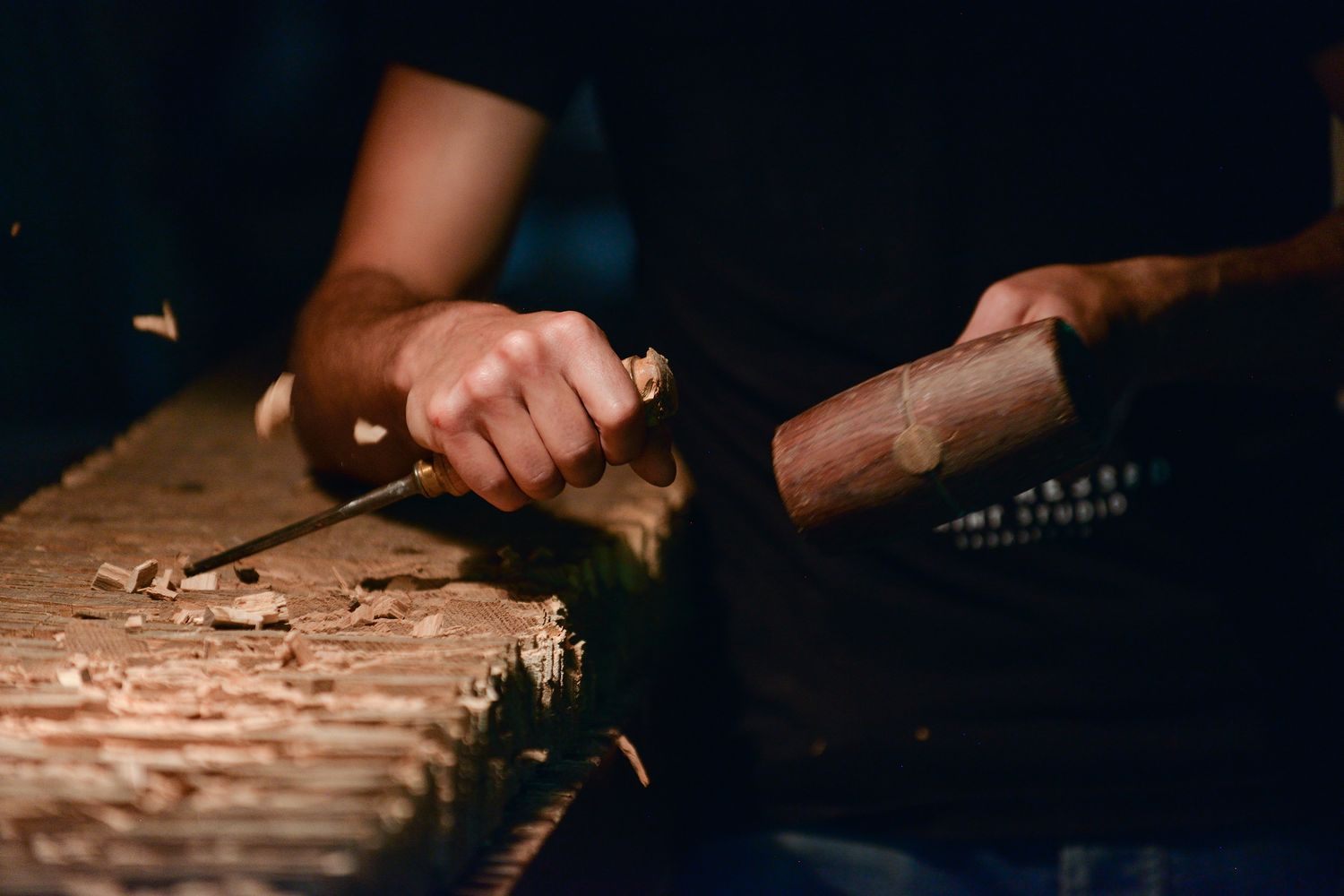
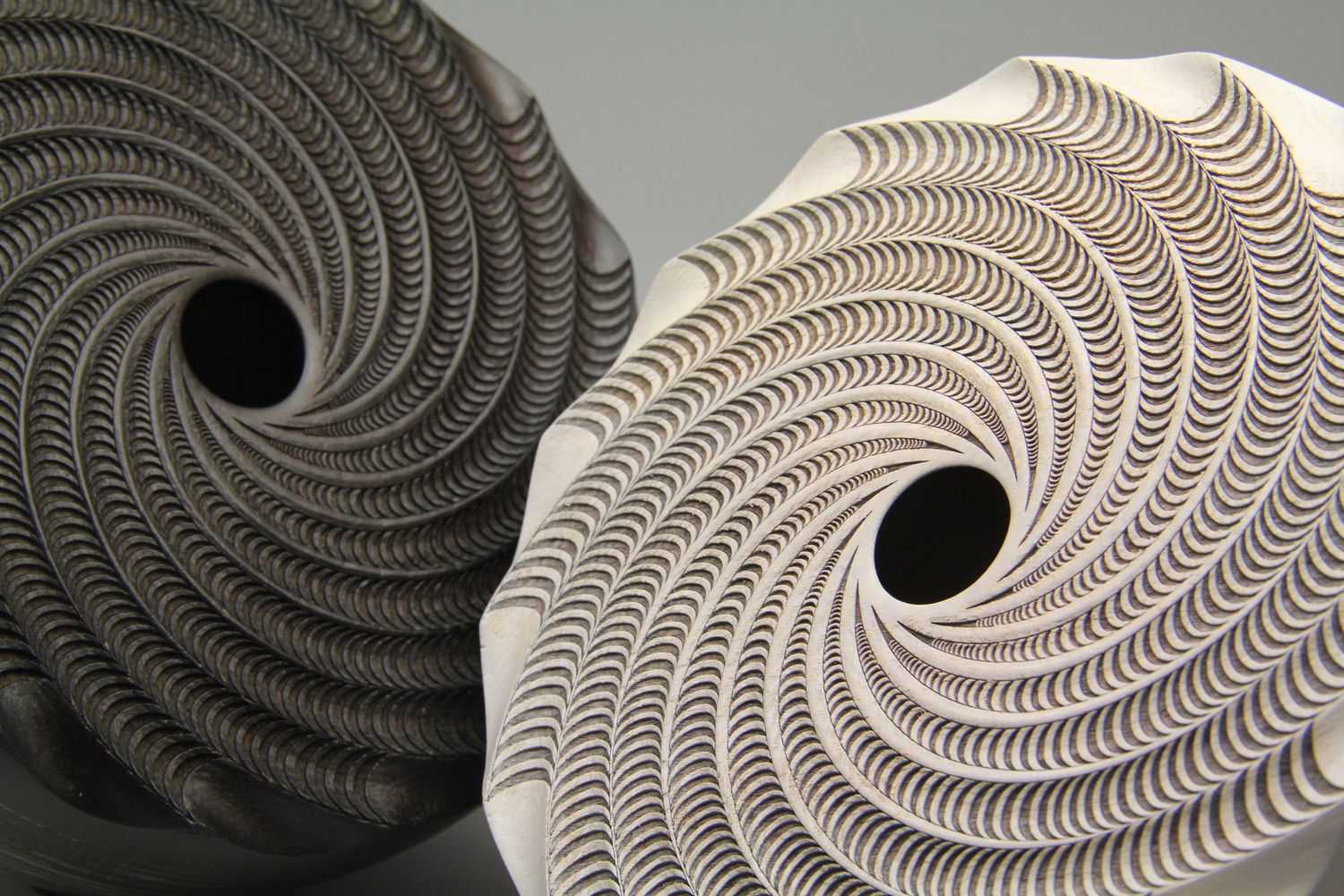
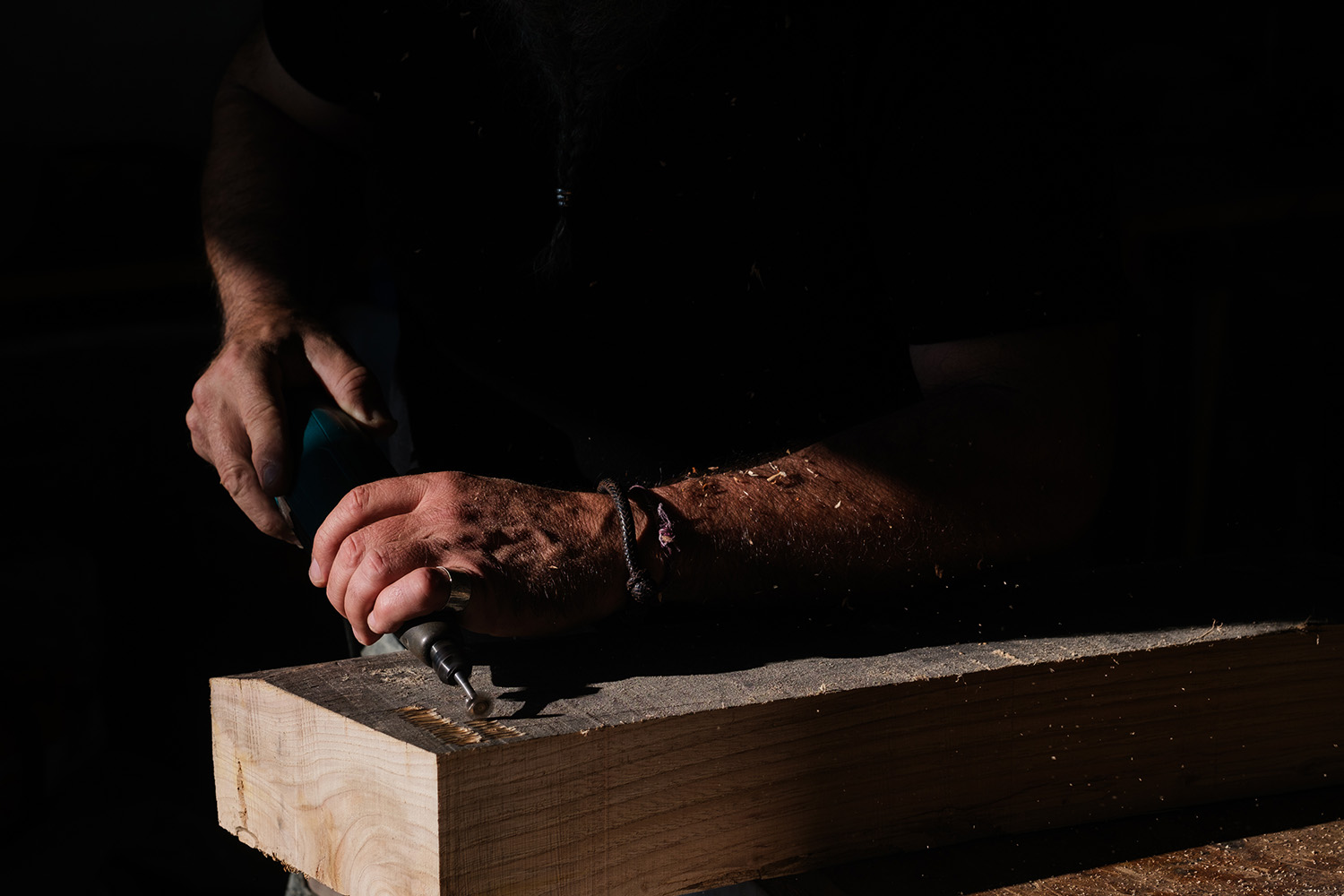
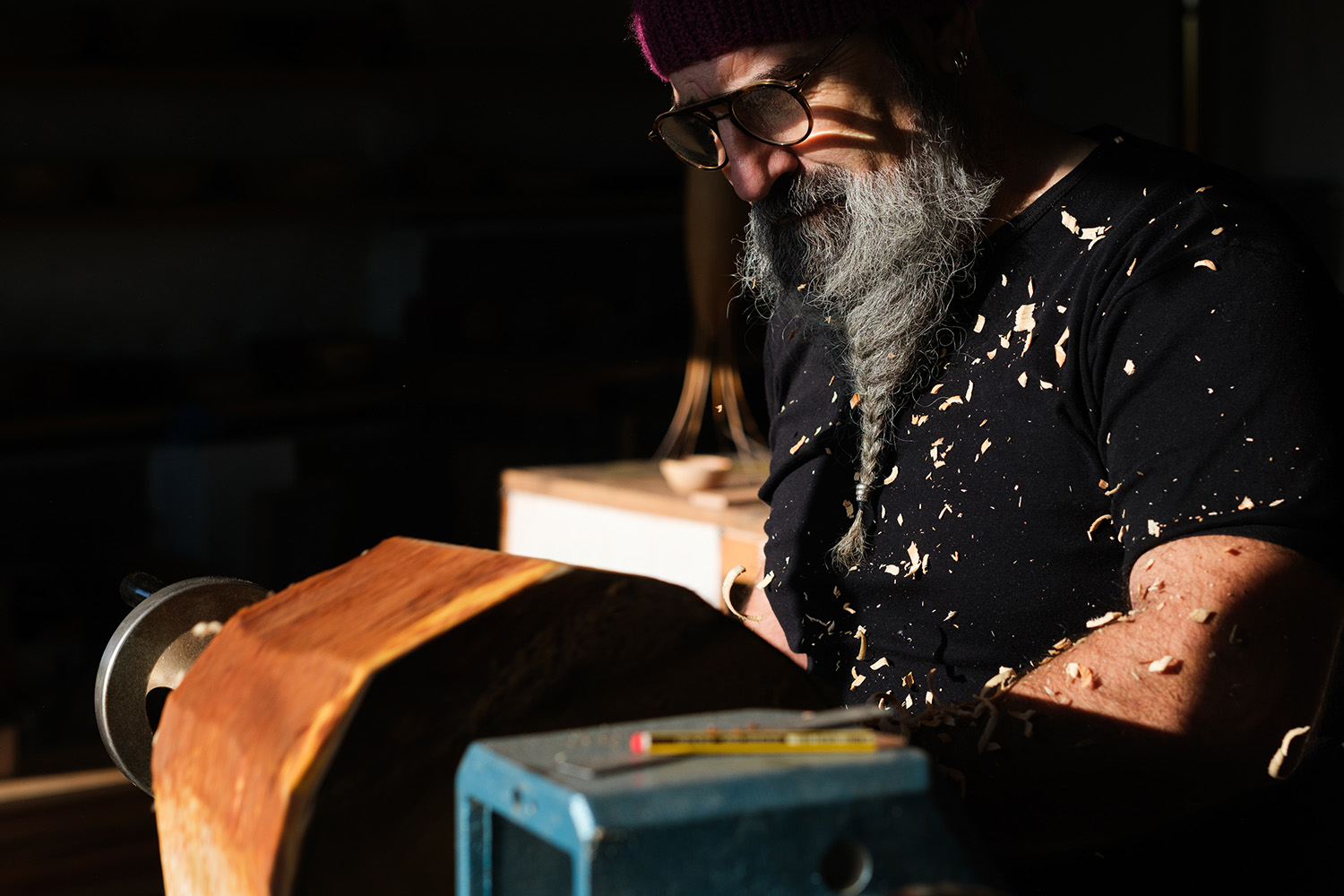
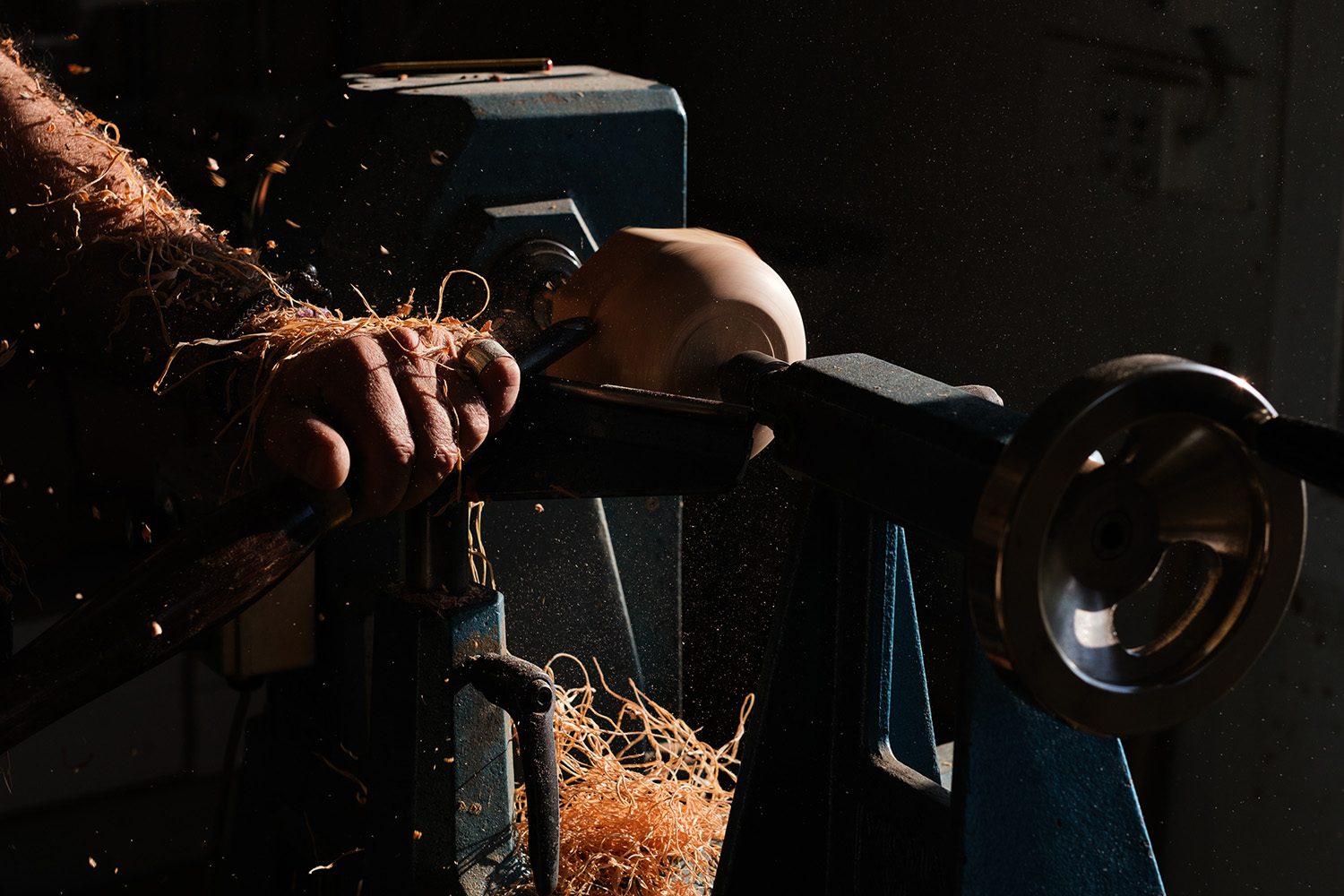
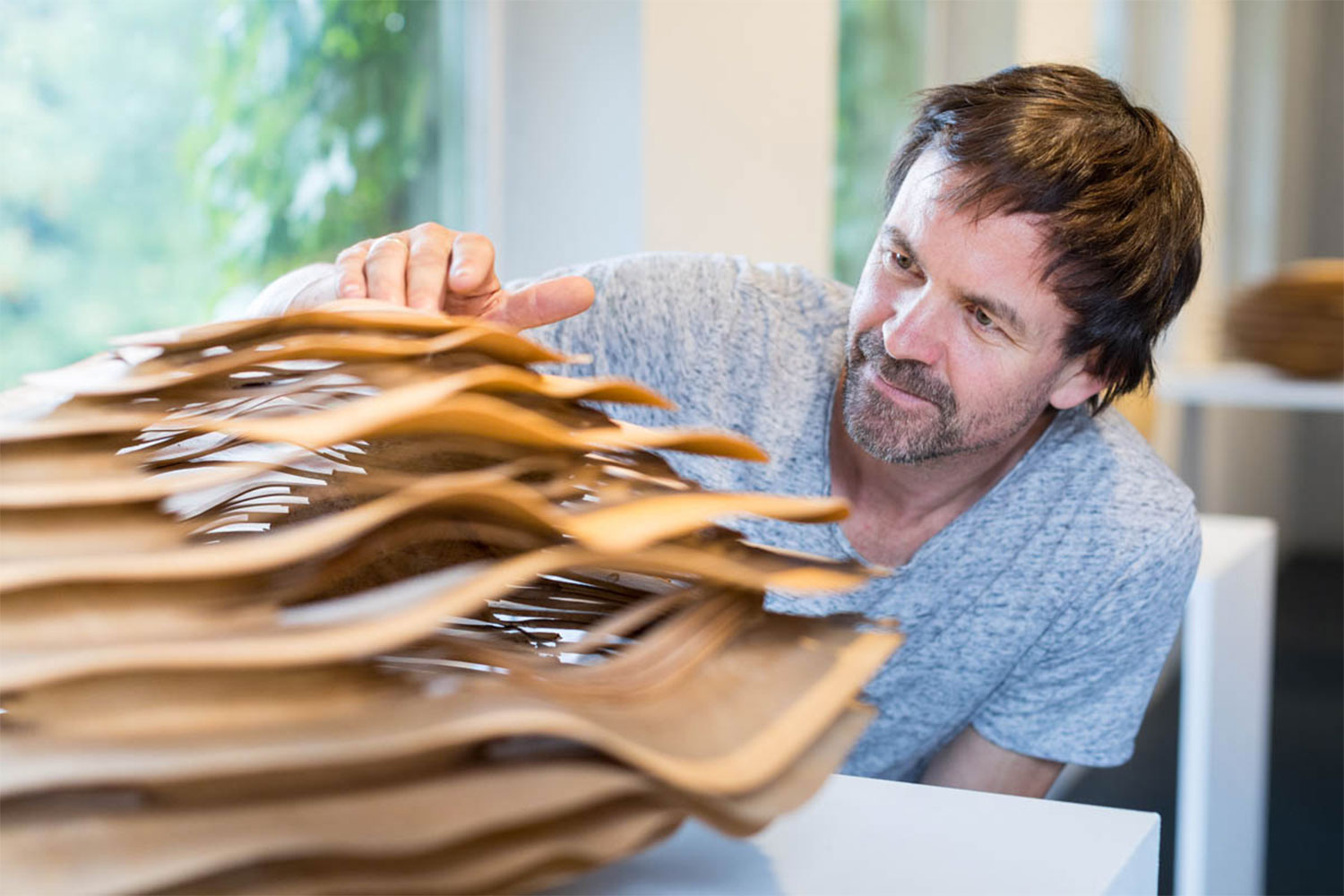
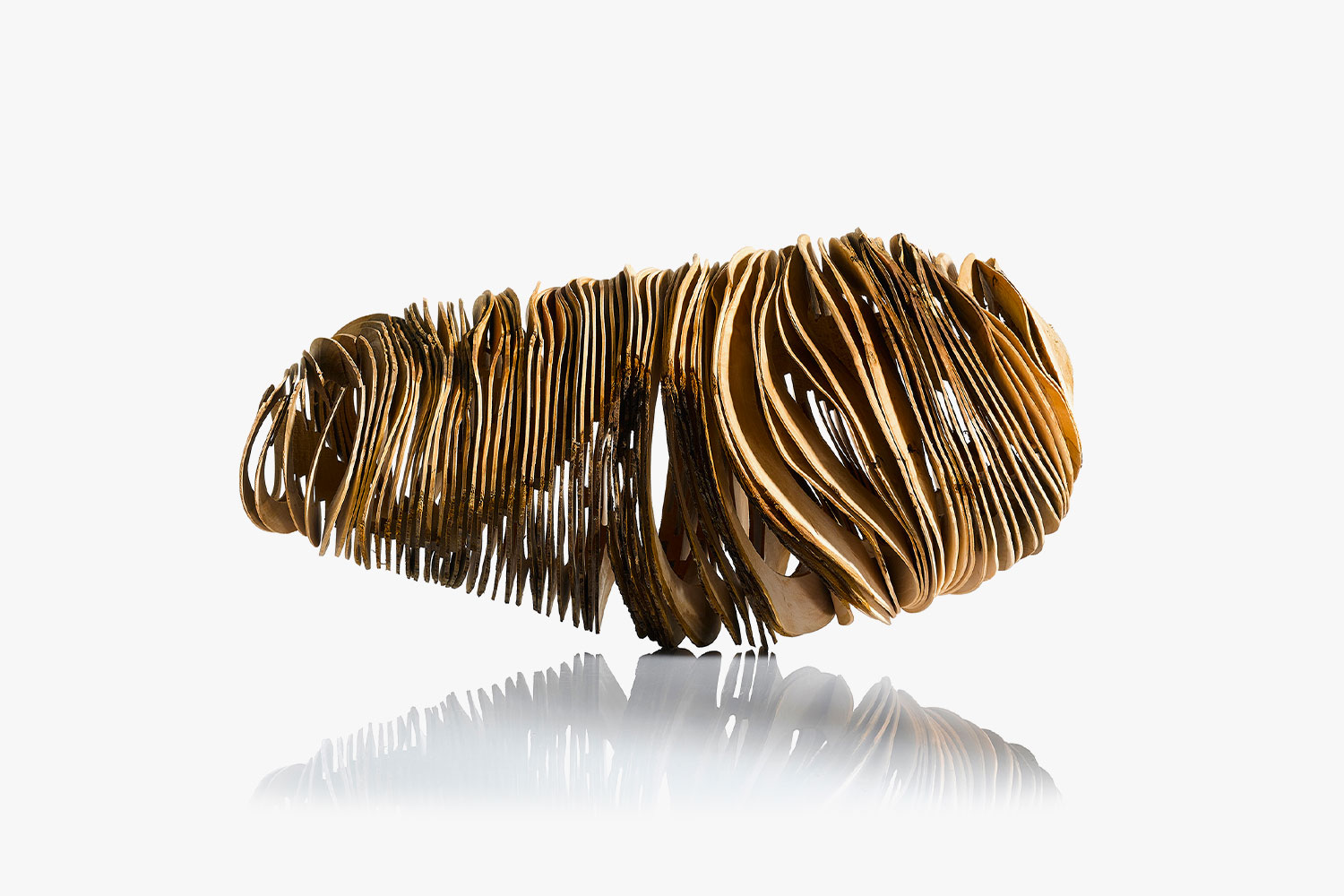
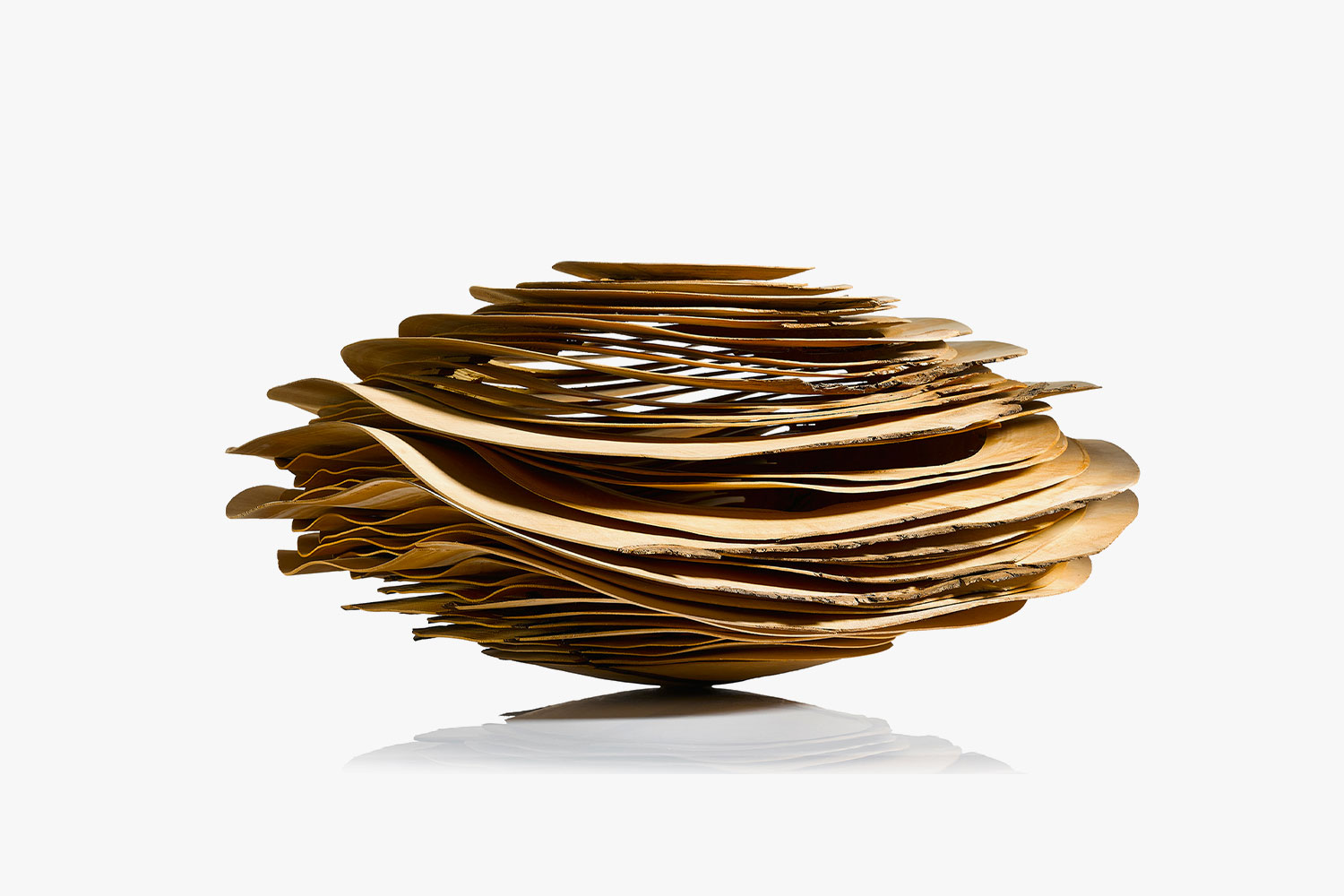
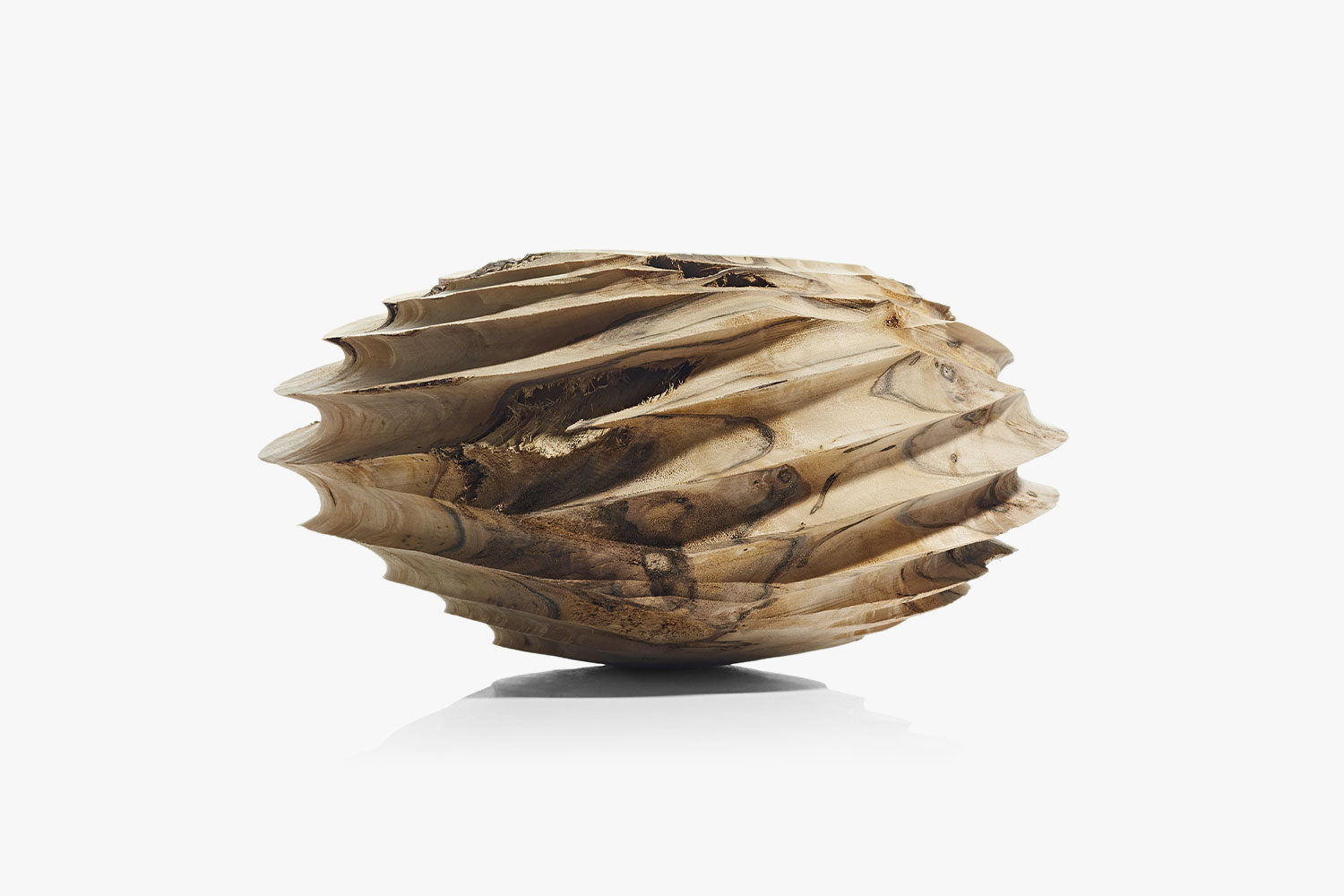
Crafts have always been a means to an end for Christoph Finkel. “I have been practicing and learning about traditional wood working techniques in my father’s wainwright workshop ever since I can remember” however, despite the classical background “it was never an option for me to train as a carpenter or cabinetmaker, as I wanted to experiment with the freedom of expression within the material”. Studies in sculpture at the Academy of Fine Arts in Nuremberg allowed for the longed-for creative freedom. This propelled him in the direction of a remarkable artistic expression in wood, which has seen him be awarded with the Bavarian, as well as the Hessian State Prize. Christoph Finkel’s bowls, gyratory bodies, at times with an almost sliced appearance, are fine examples of creative genius.
INTERVIEW
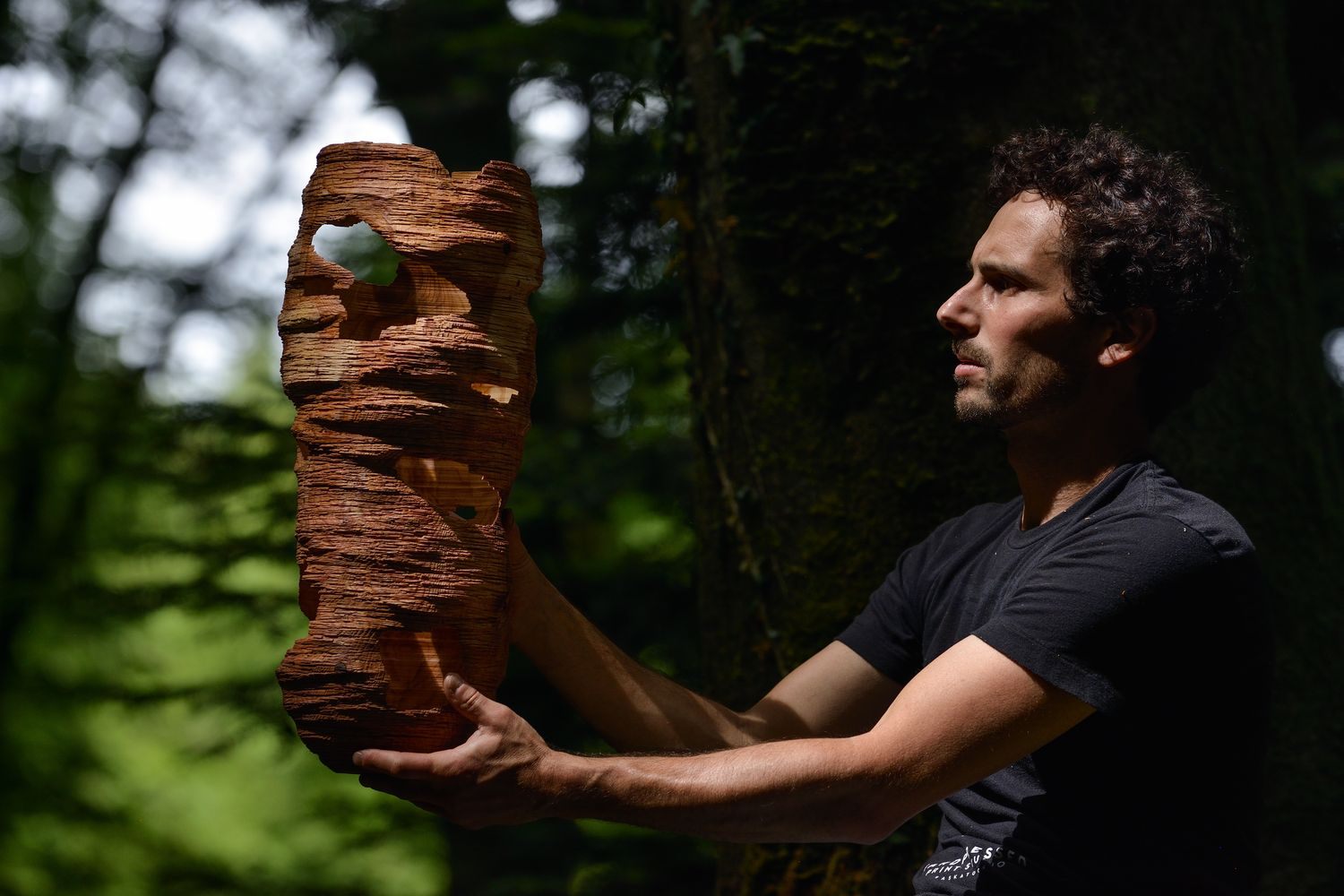
The region is an integral part of it. The family tradition in wood working and the trees in our mountain forests are the basis for my work. An old tree with the history of its growth embedded in the wood, is a unique source of inspiration.
Yes, I use trees from the surrounding mountains. For example, when an old tree was knocked over by an avalanche, I go up and bring it down with a sled. This arduous effort is an essential form of appreciation and teaches me to work responsibly with the material.
Tradition enables innovation. It is the traditional knowledge and techniques that allow me to freely express myself in the material. Innovation is the result of a long process, a struggle with the material and the techniques at hand. Innovation becomes tradition over time.
The wood almost “forms itself” during the drying process in which the wood regains its original balance. It is the moment in which it becomes visible, if my creative and technical interventions have found their way to a successful composition.
Christoph Finkel
Woodturner
Bad Hindelang, Germany
Recommended by Zentralverband des Deutschen Handwerks
AVAILABILITY
Wednesday to Friday 14:00-17:00
PHONE
+49 83249738223
LANGUAGES
German, French, English
Homo Faber Finds is a new service aiming to inspire admirers of craft to connect and collaborate with exceptional artisans.
We invite you to submit an enquiry here.