Jo Maurer
Woodturner
Bad Saulgau, Germany
Reading the tree's journey
- Jo’s passion for working with wood started when he was a child
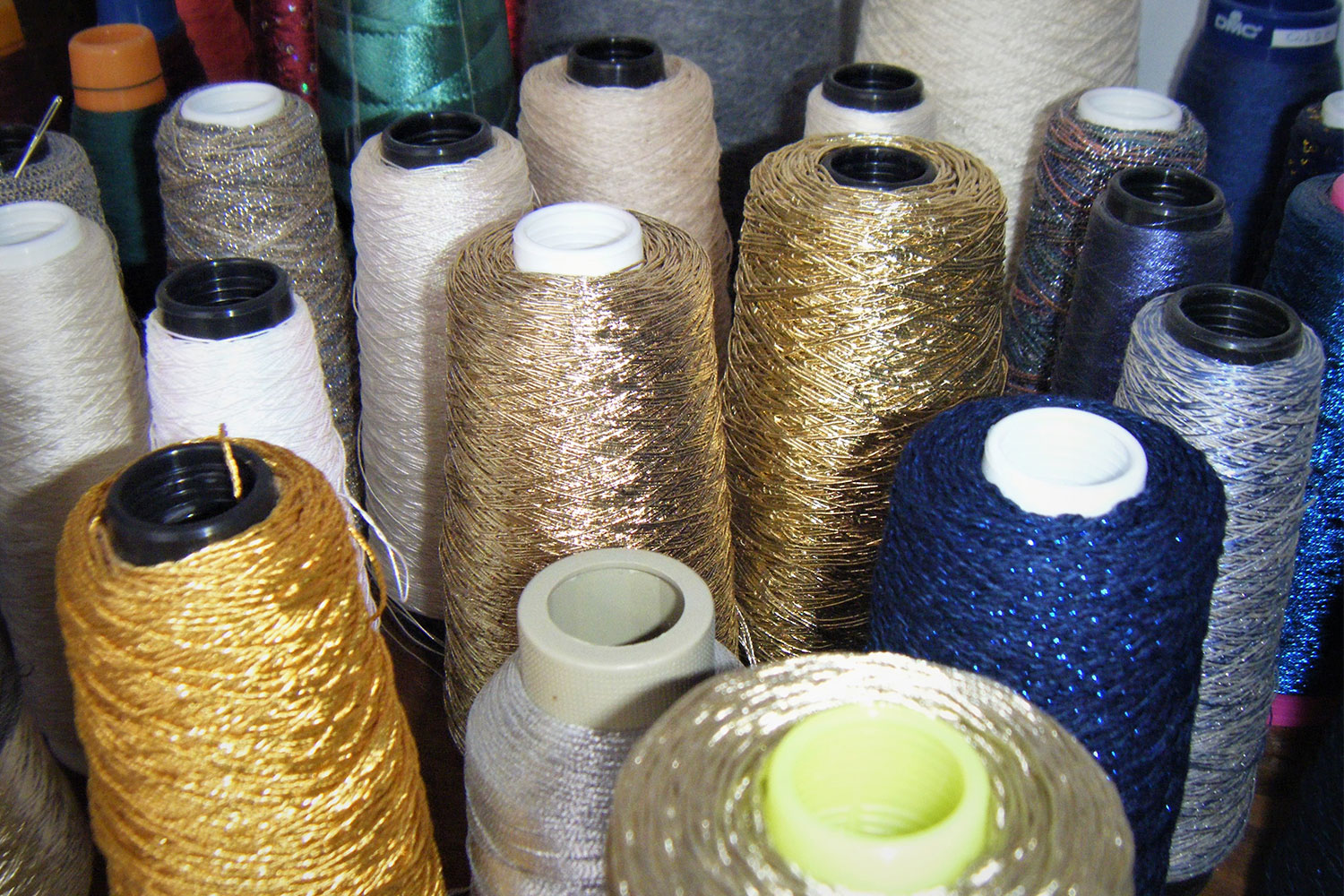
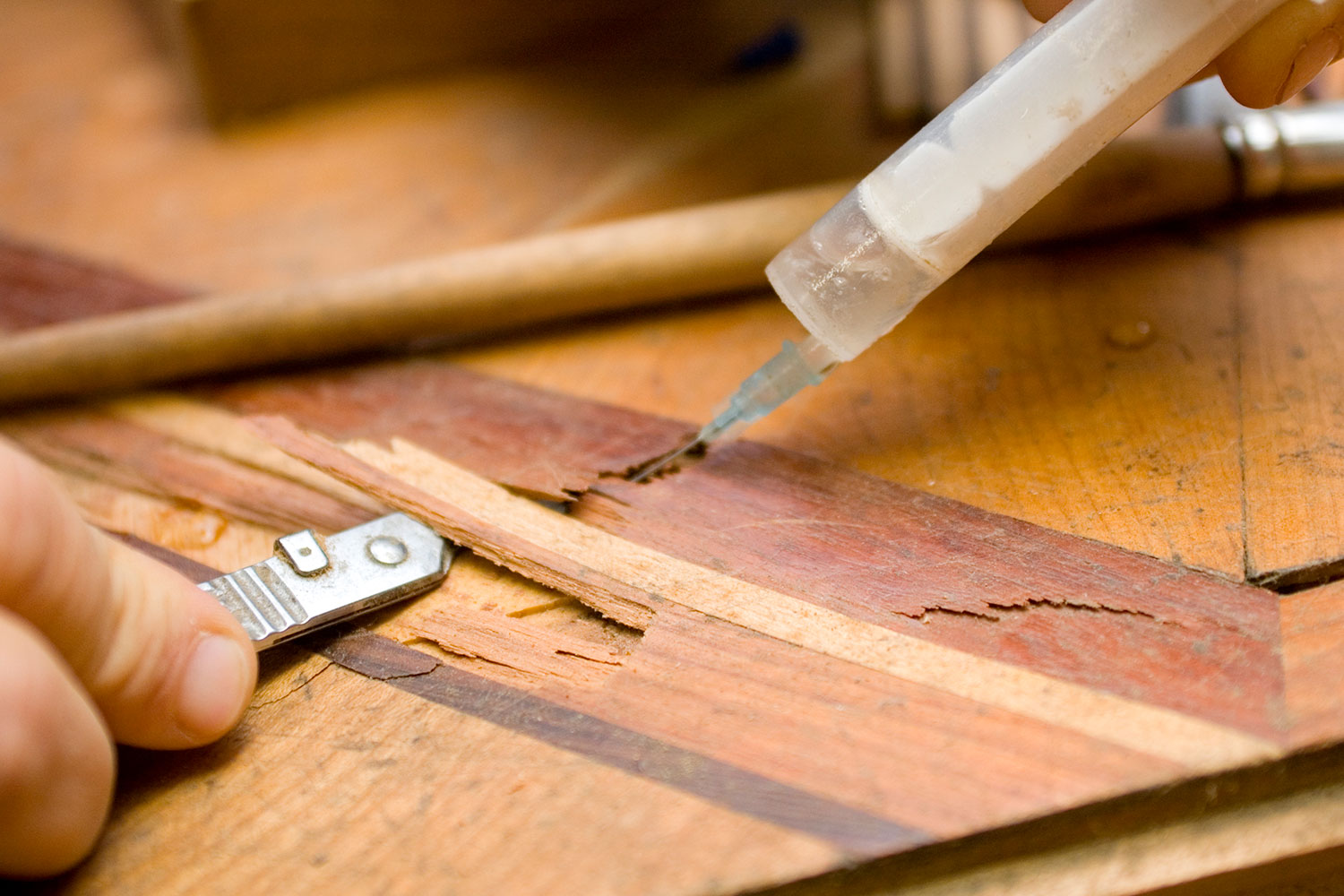
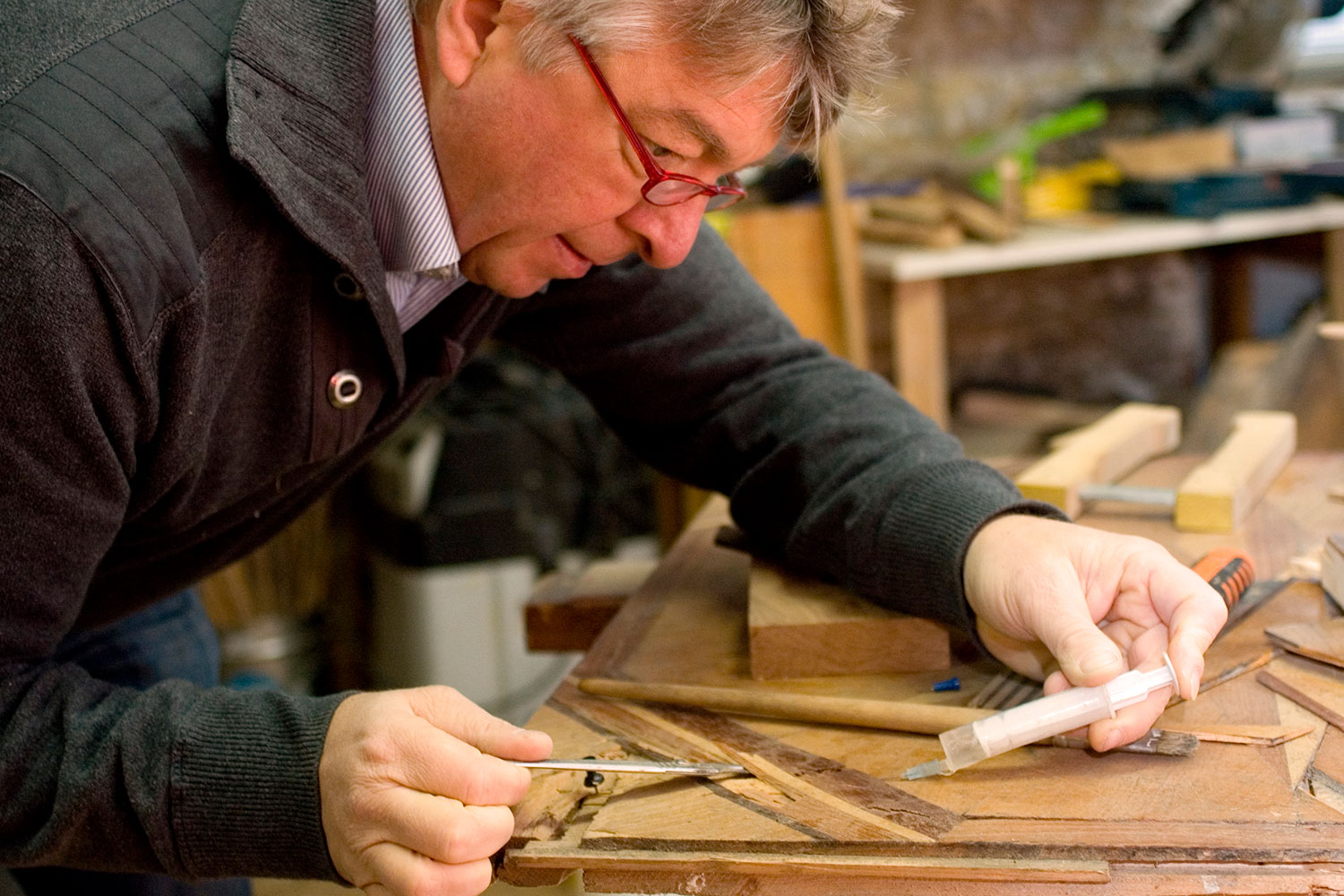
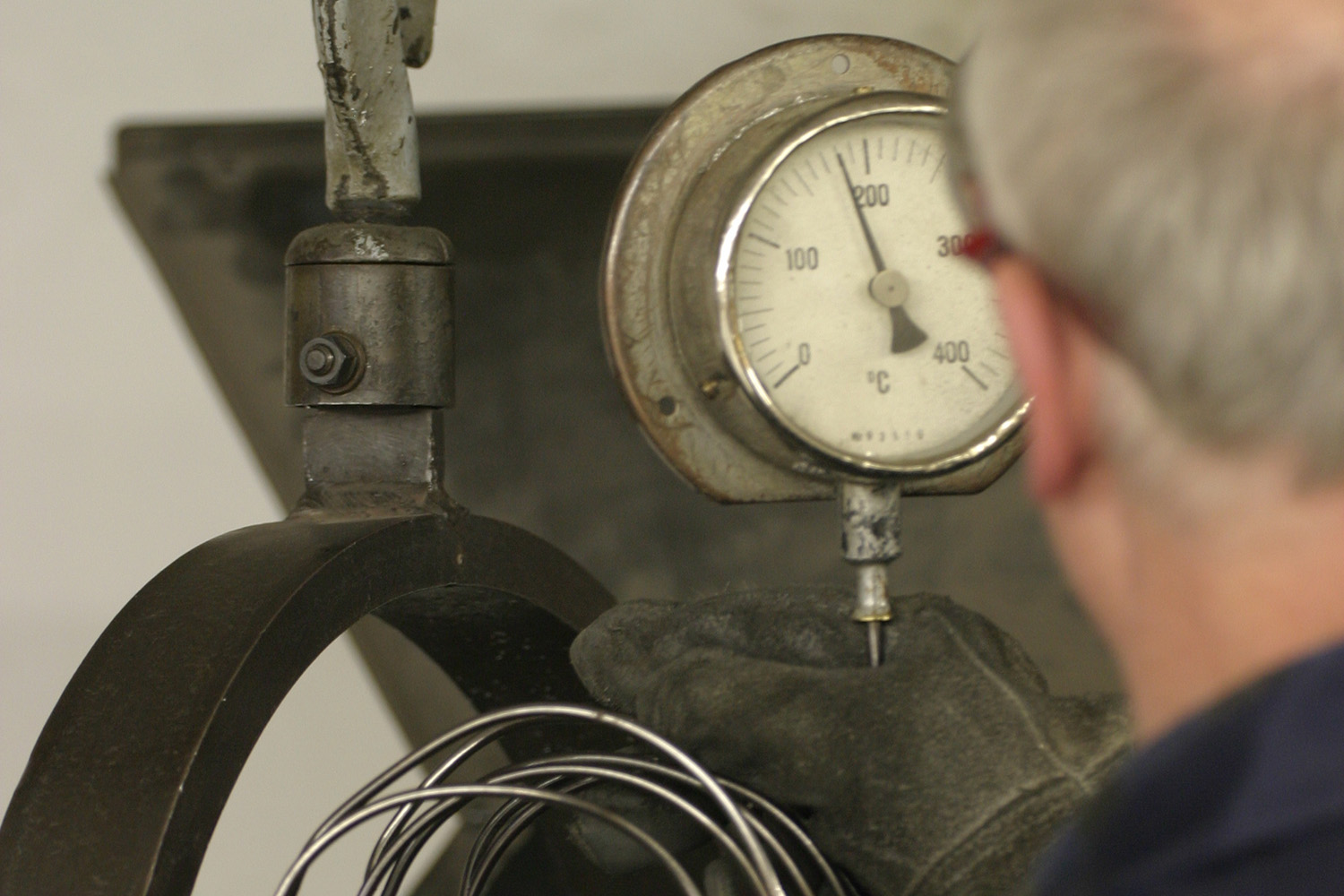
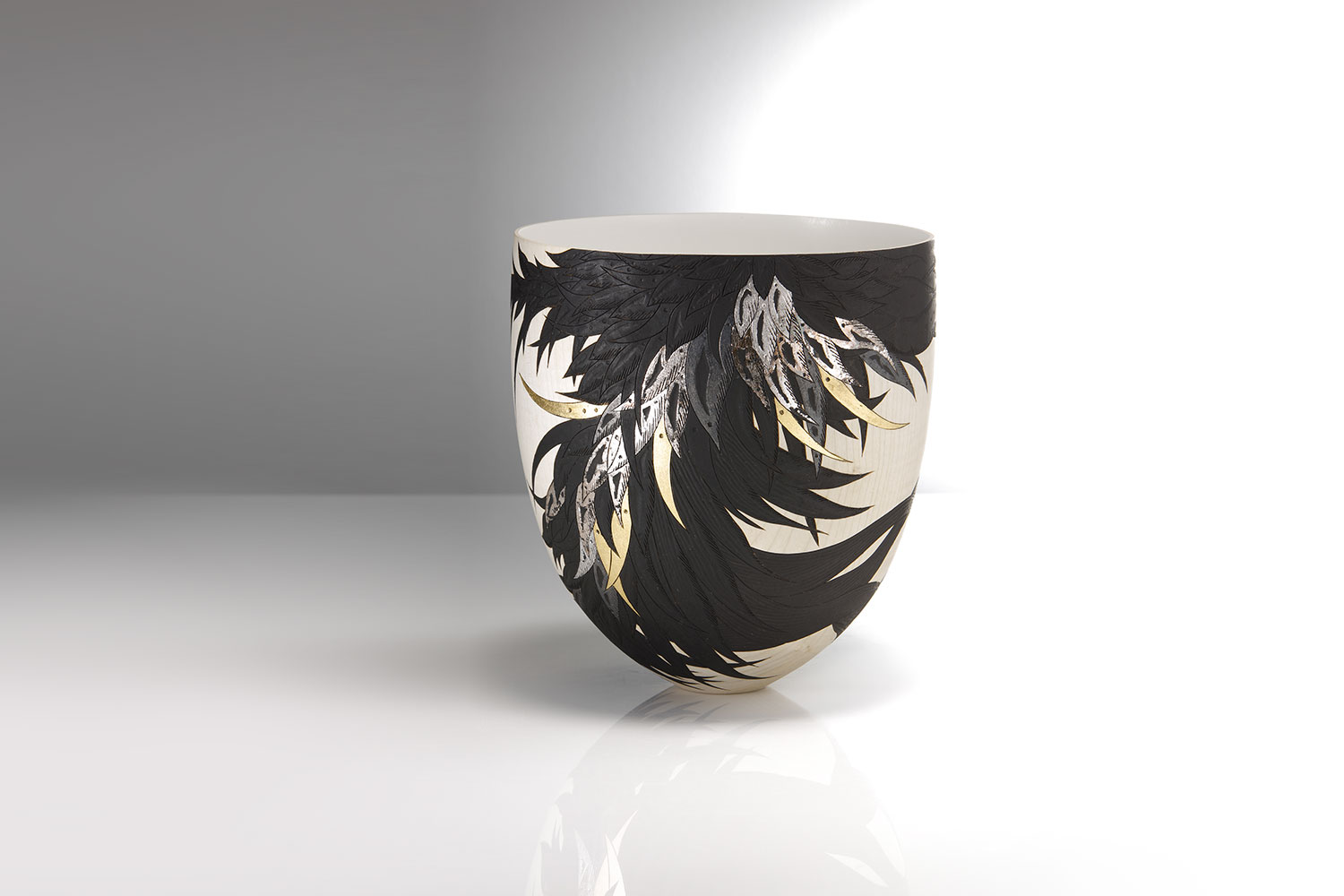
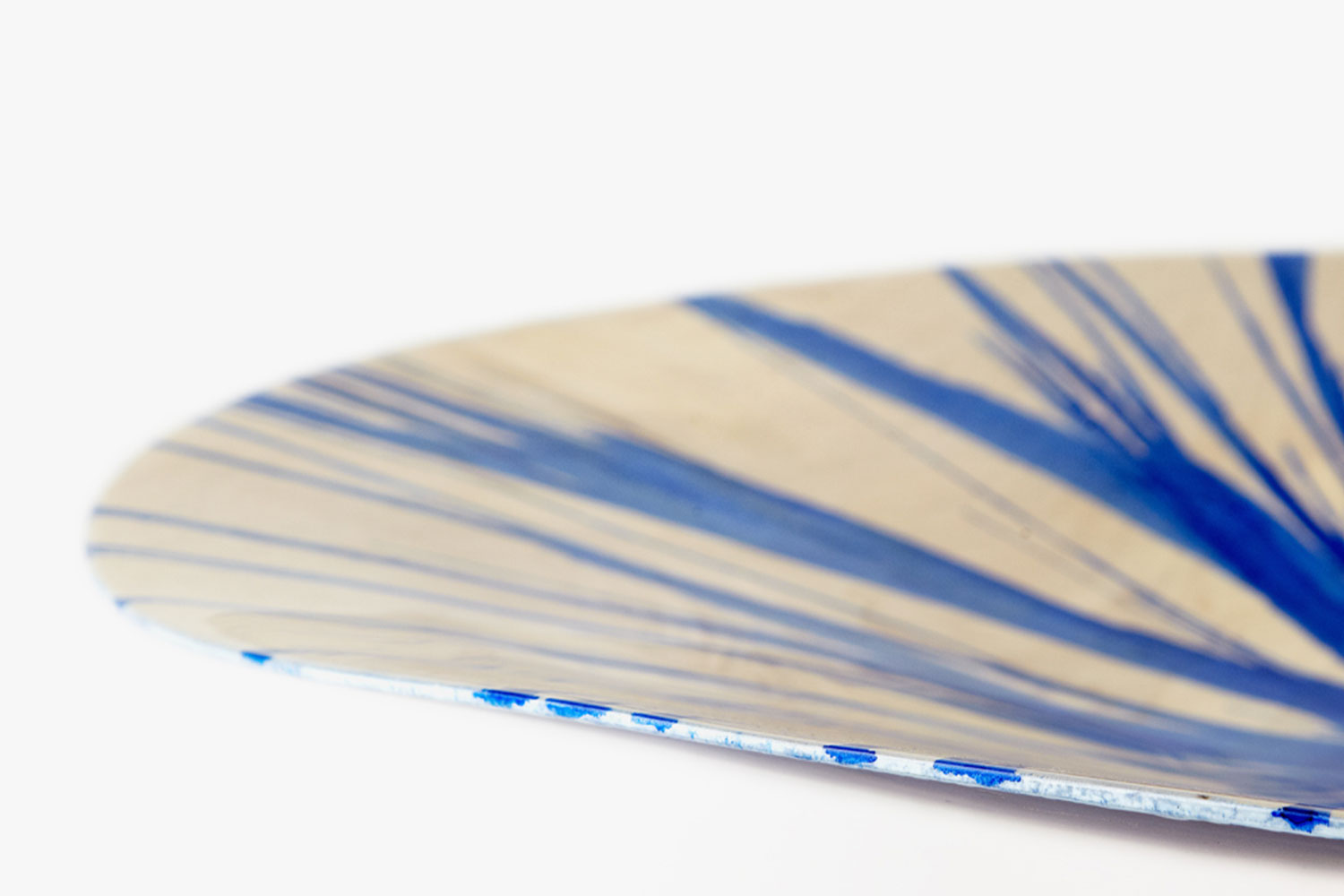
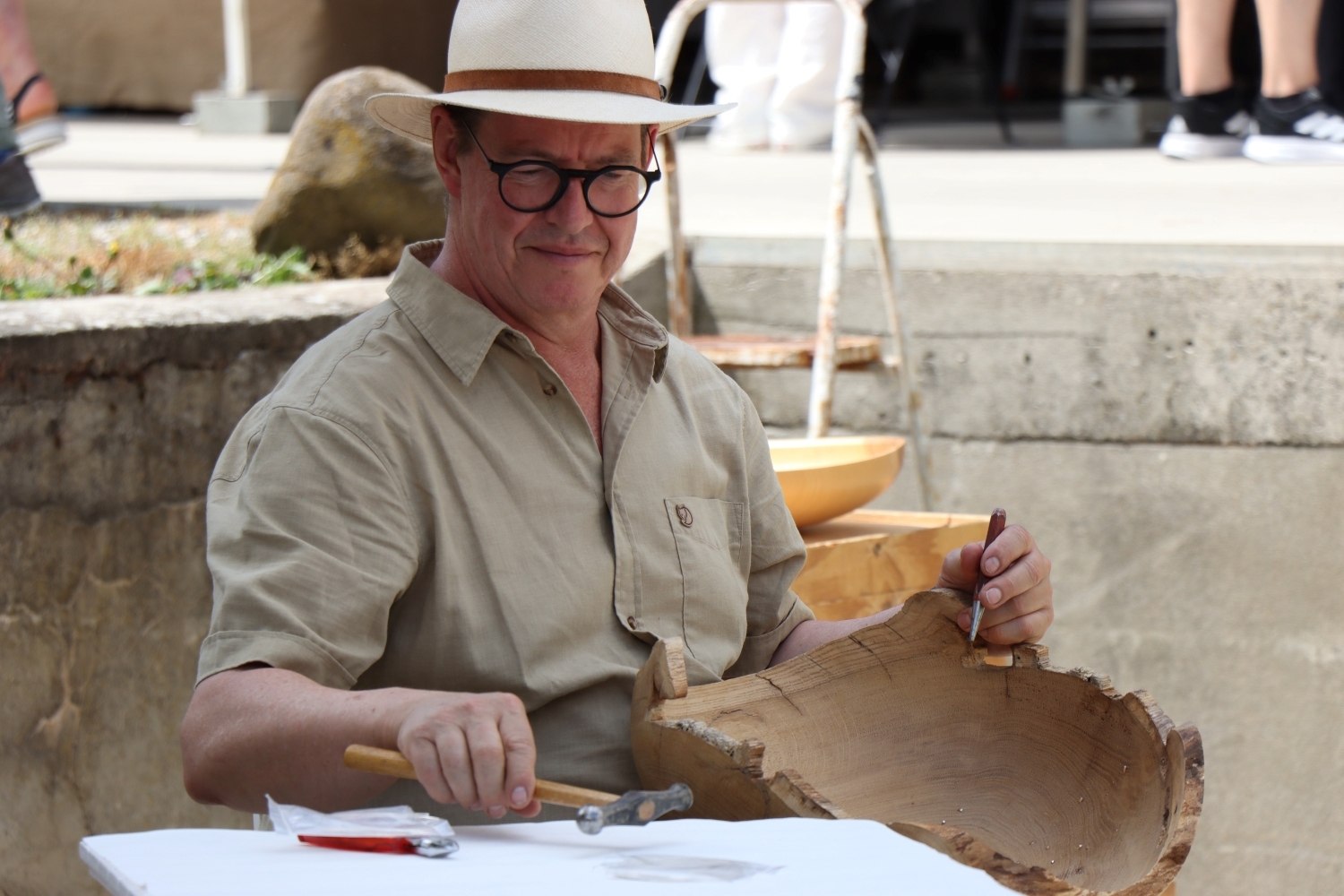
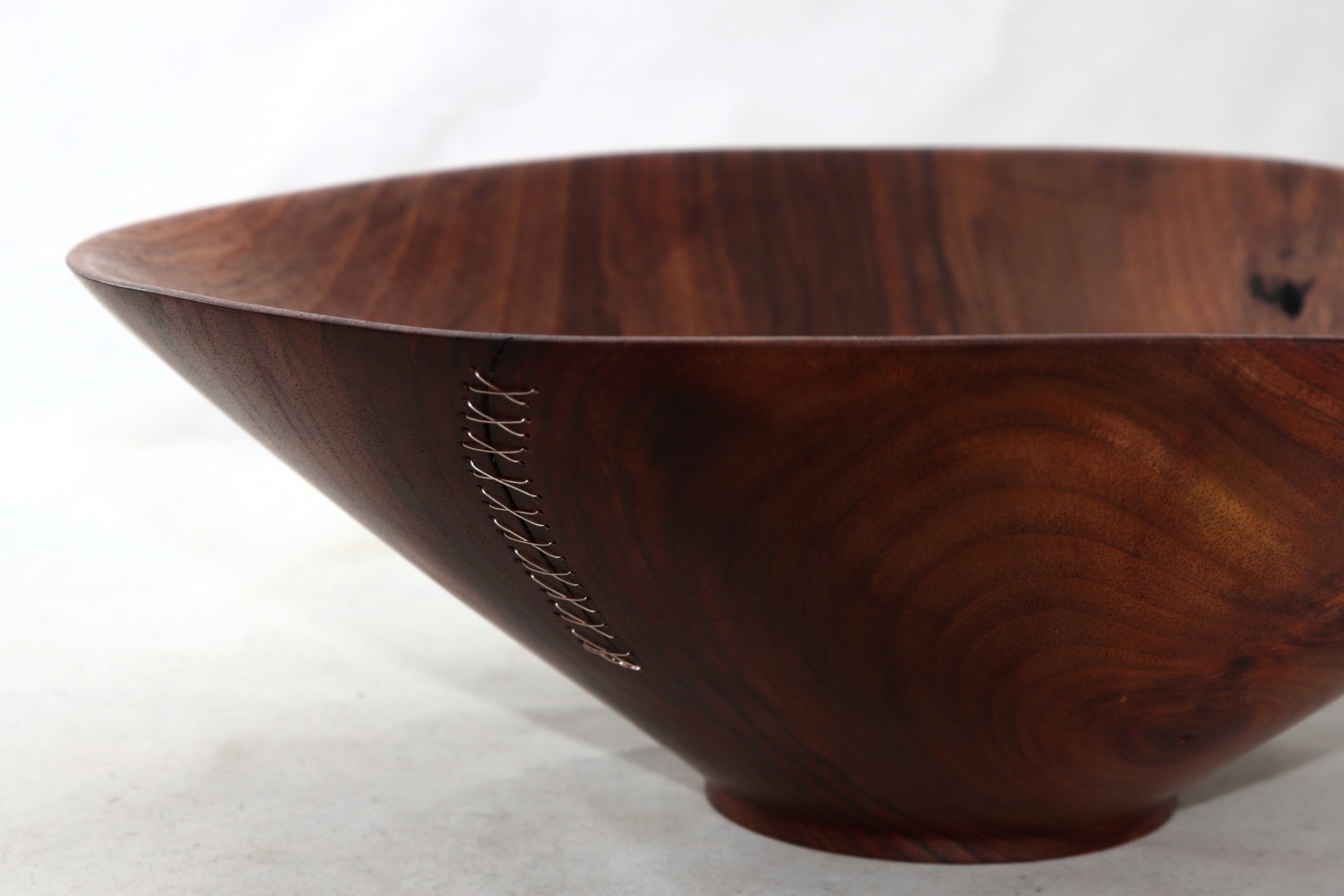
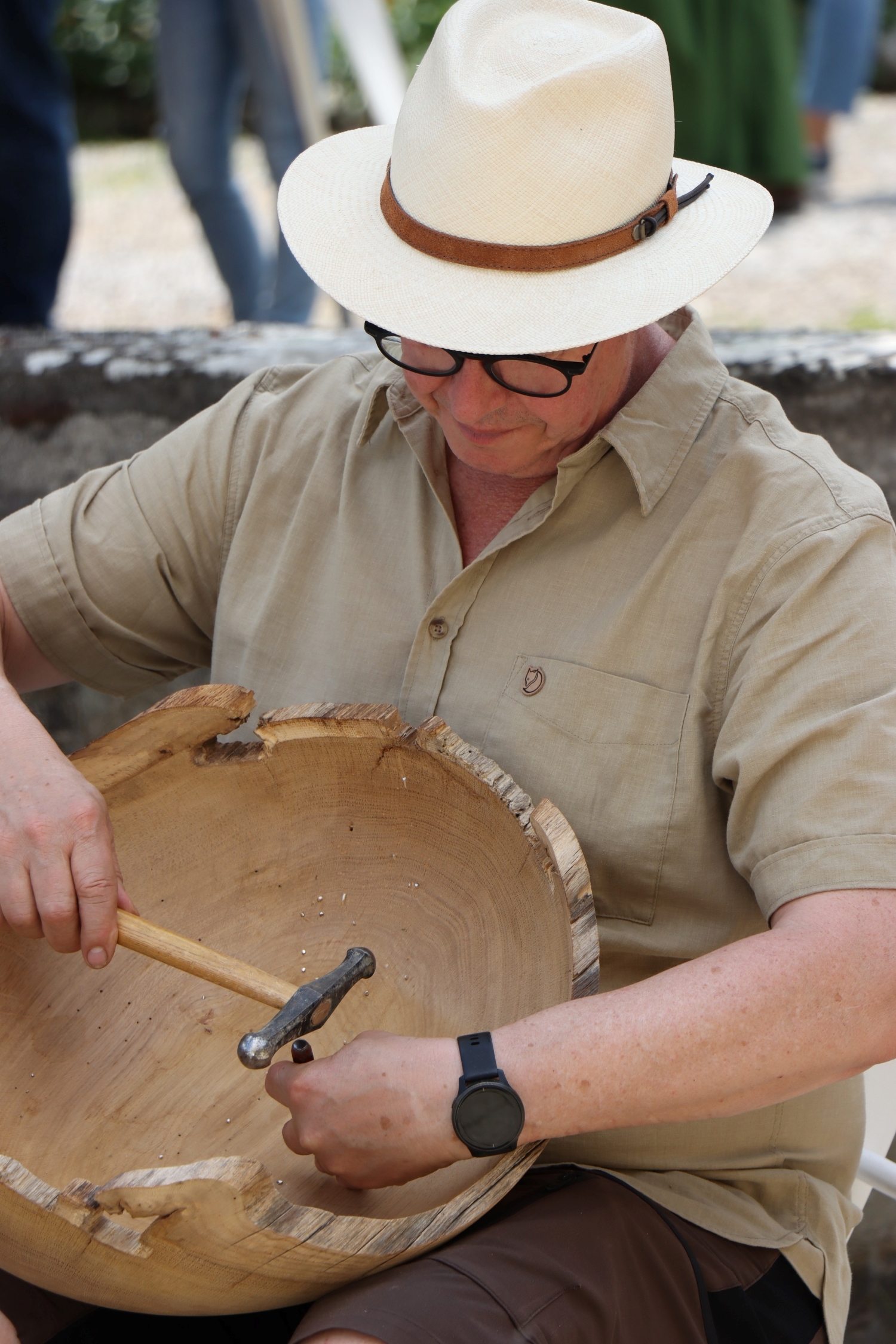
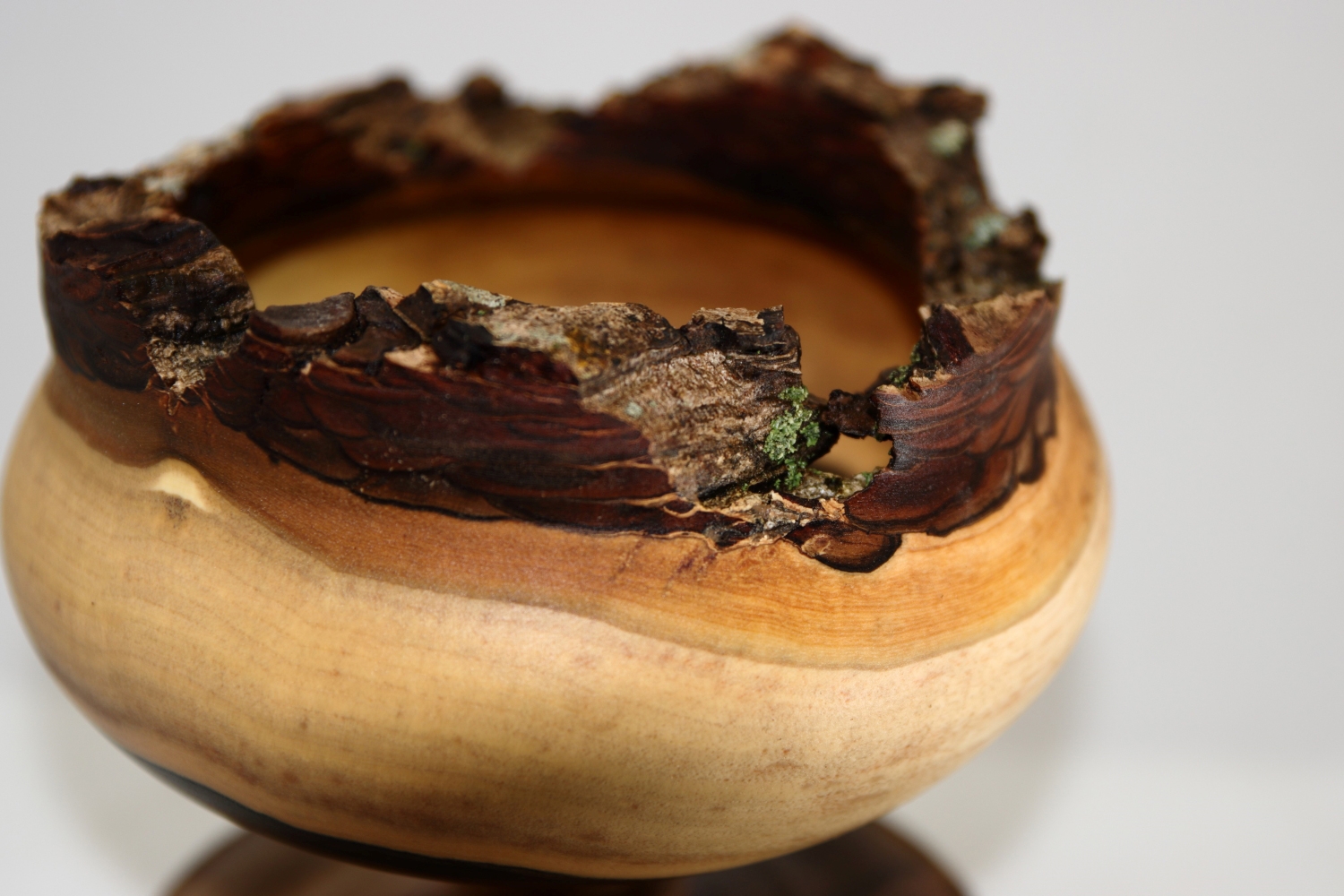
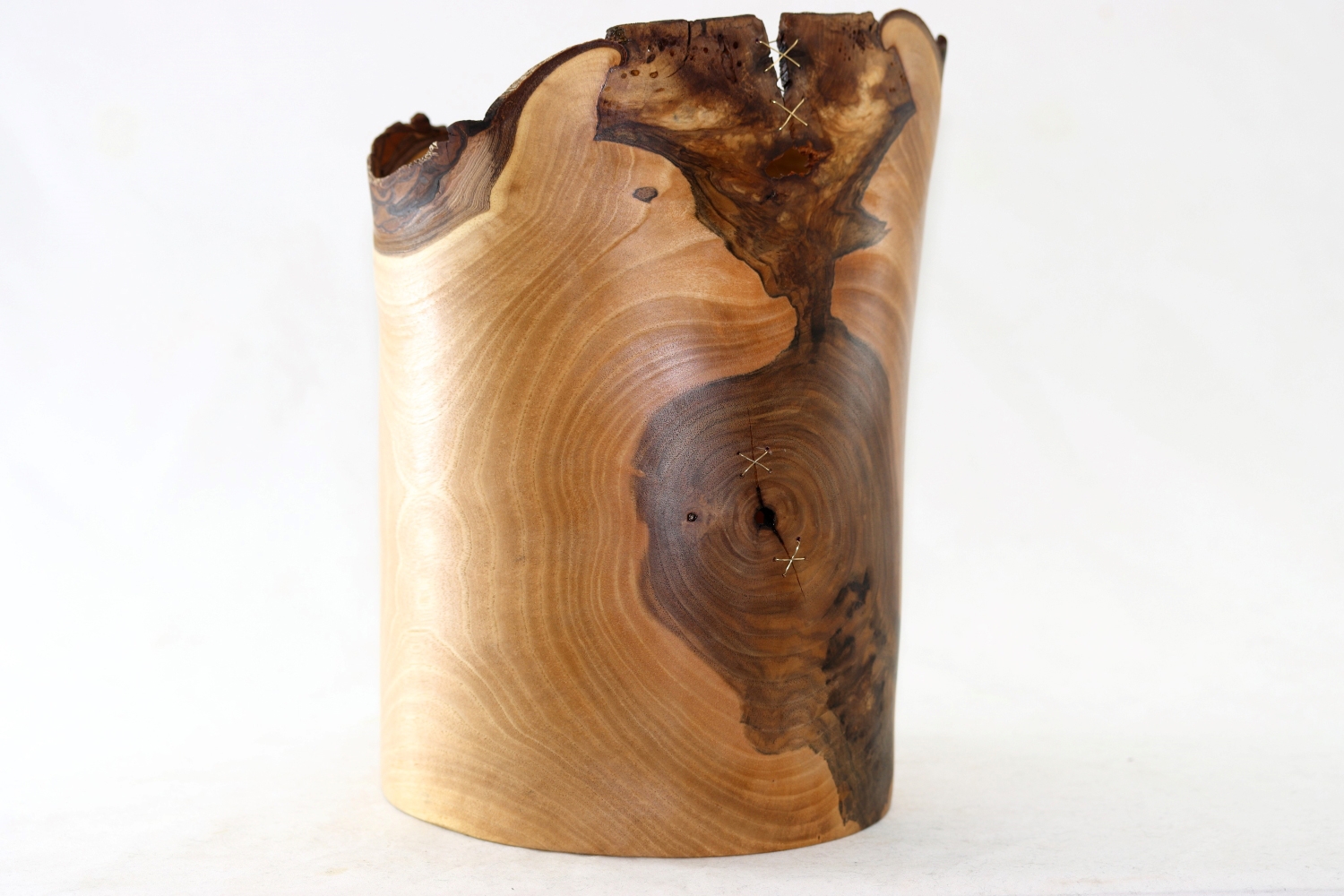
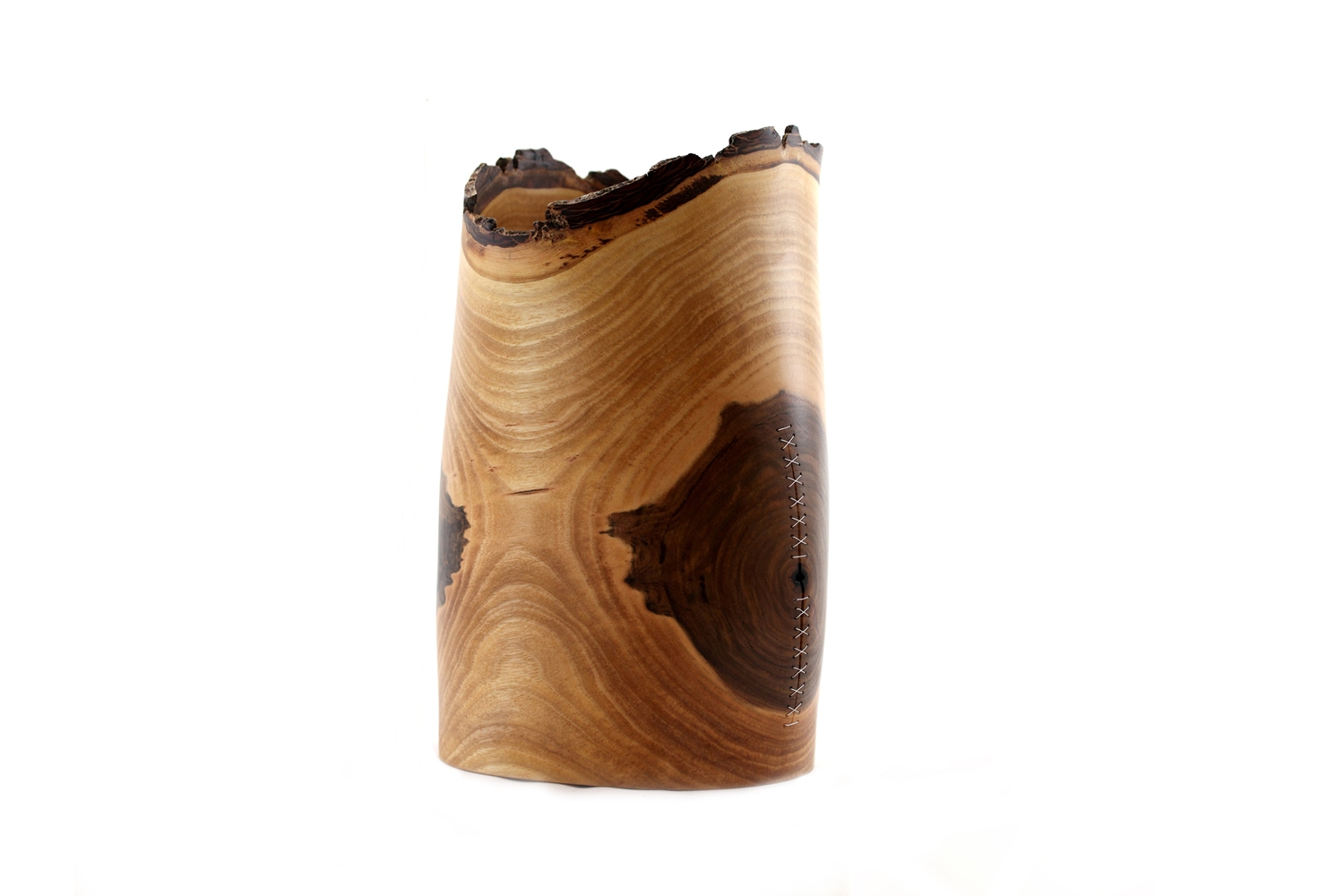
- He stitches cracks in wood with fine metal wires to create finished vessels
- The nature of his homeland in Germany is a constant source of inspiration for him
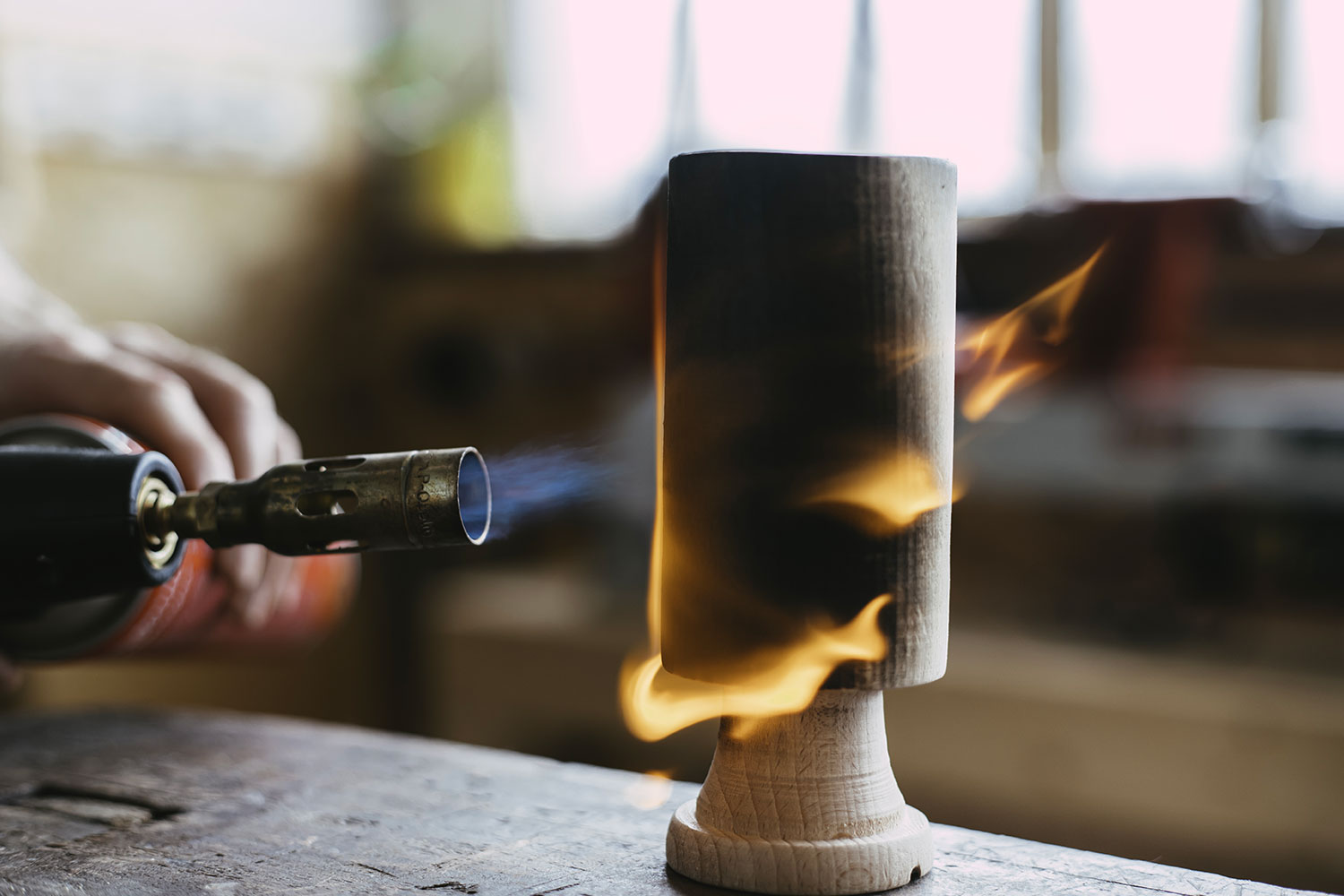
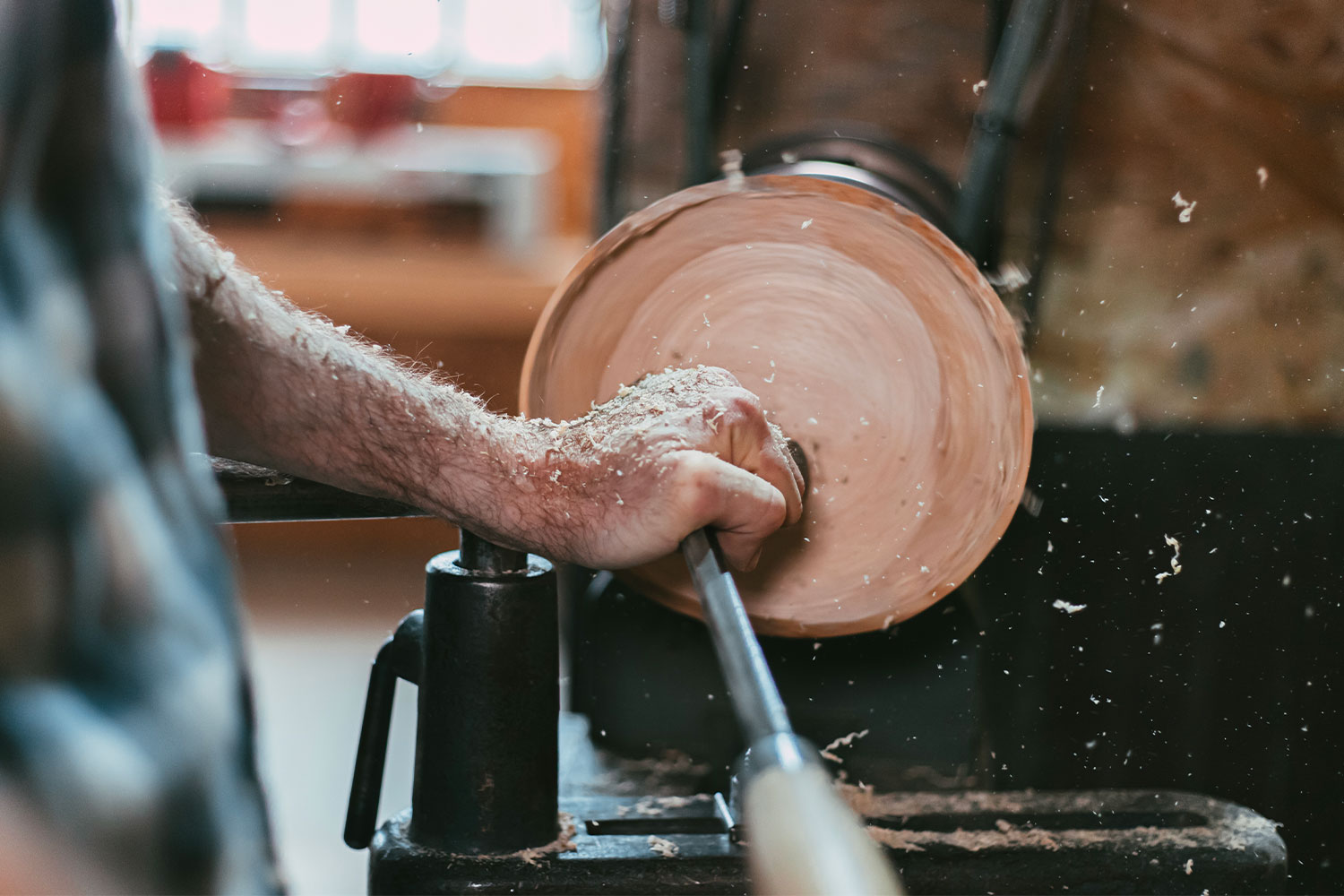
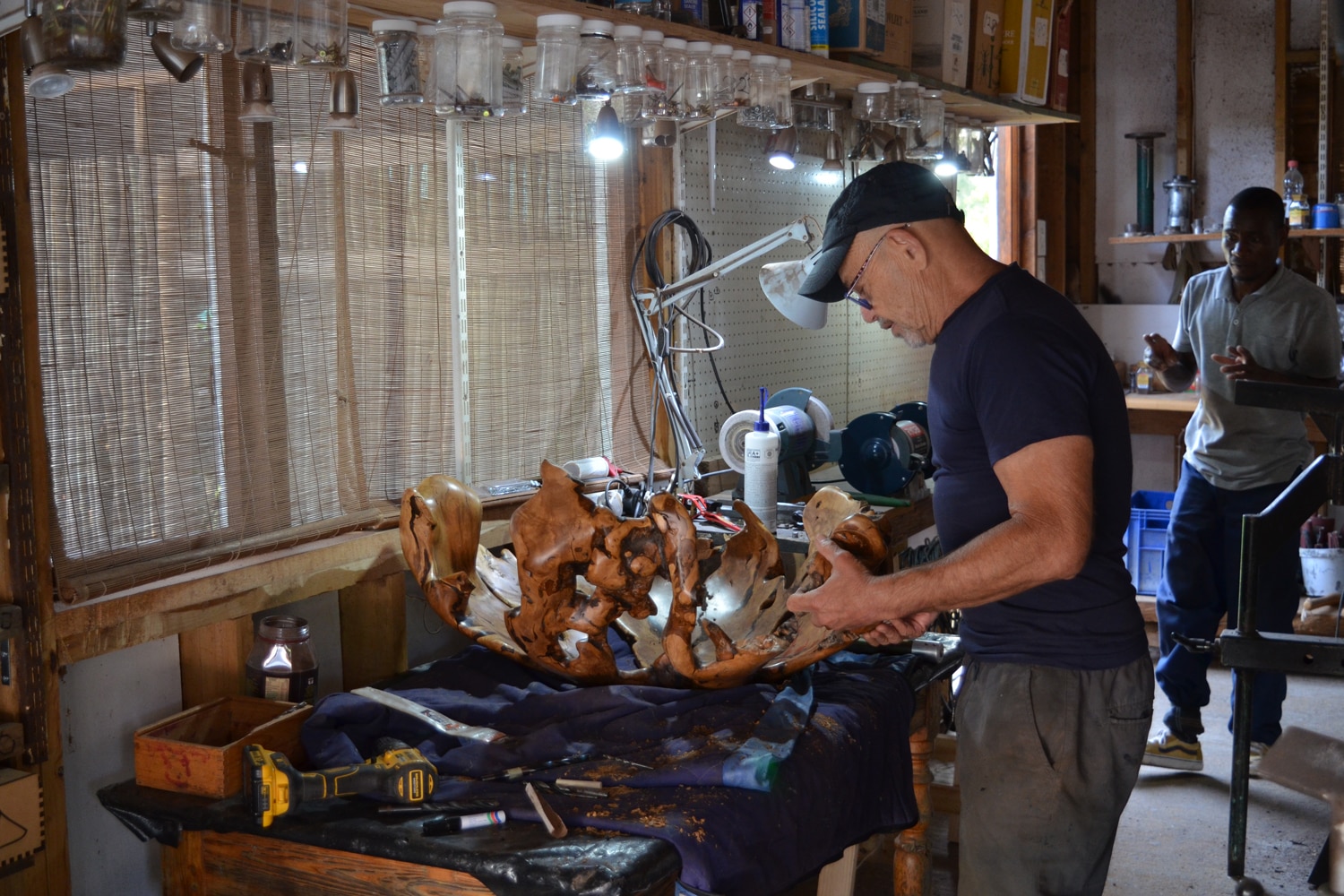
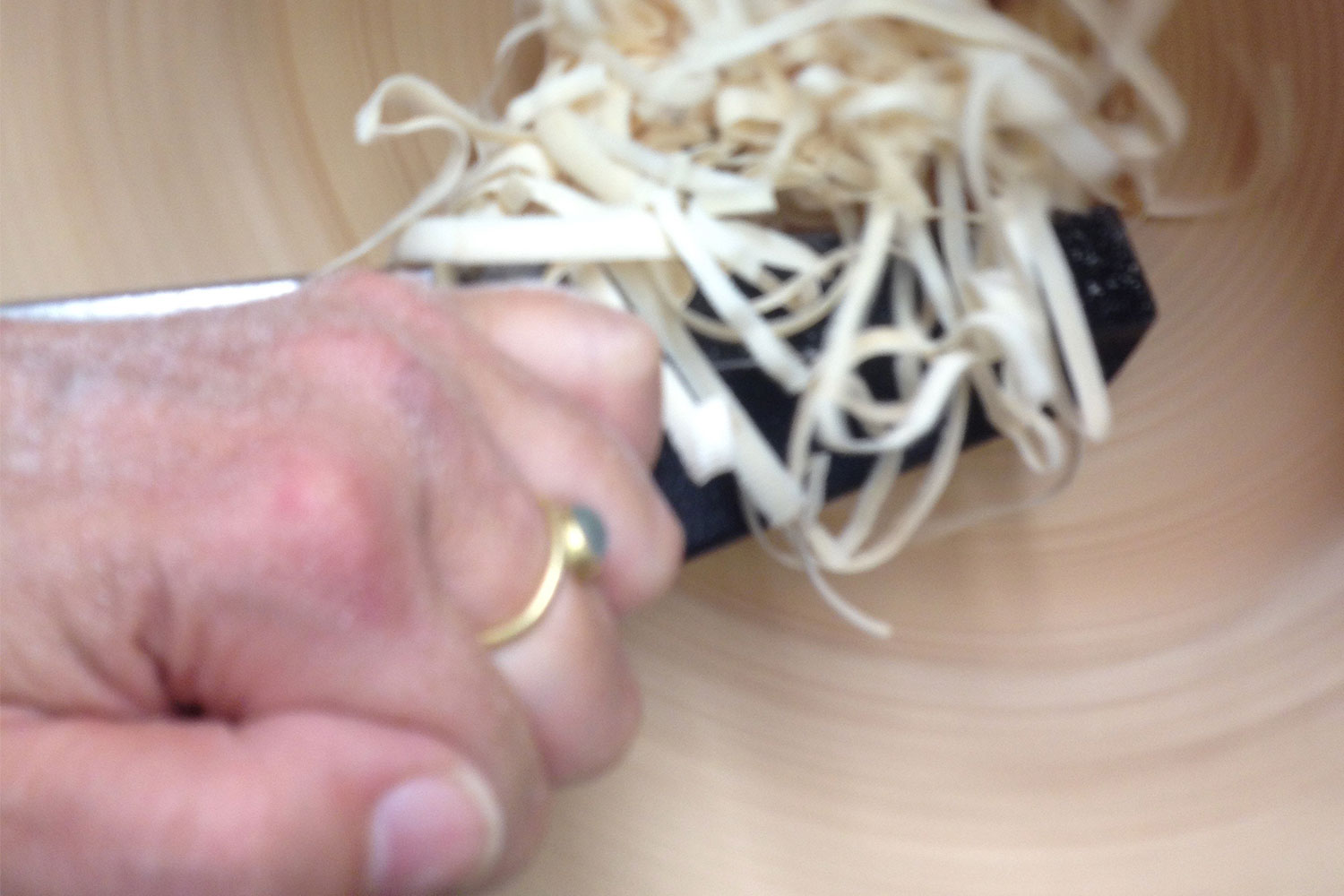
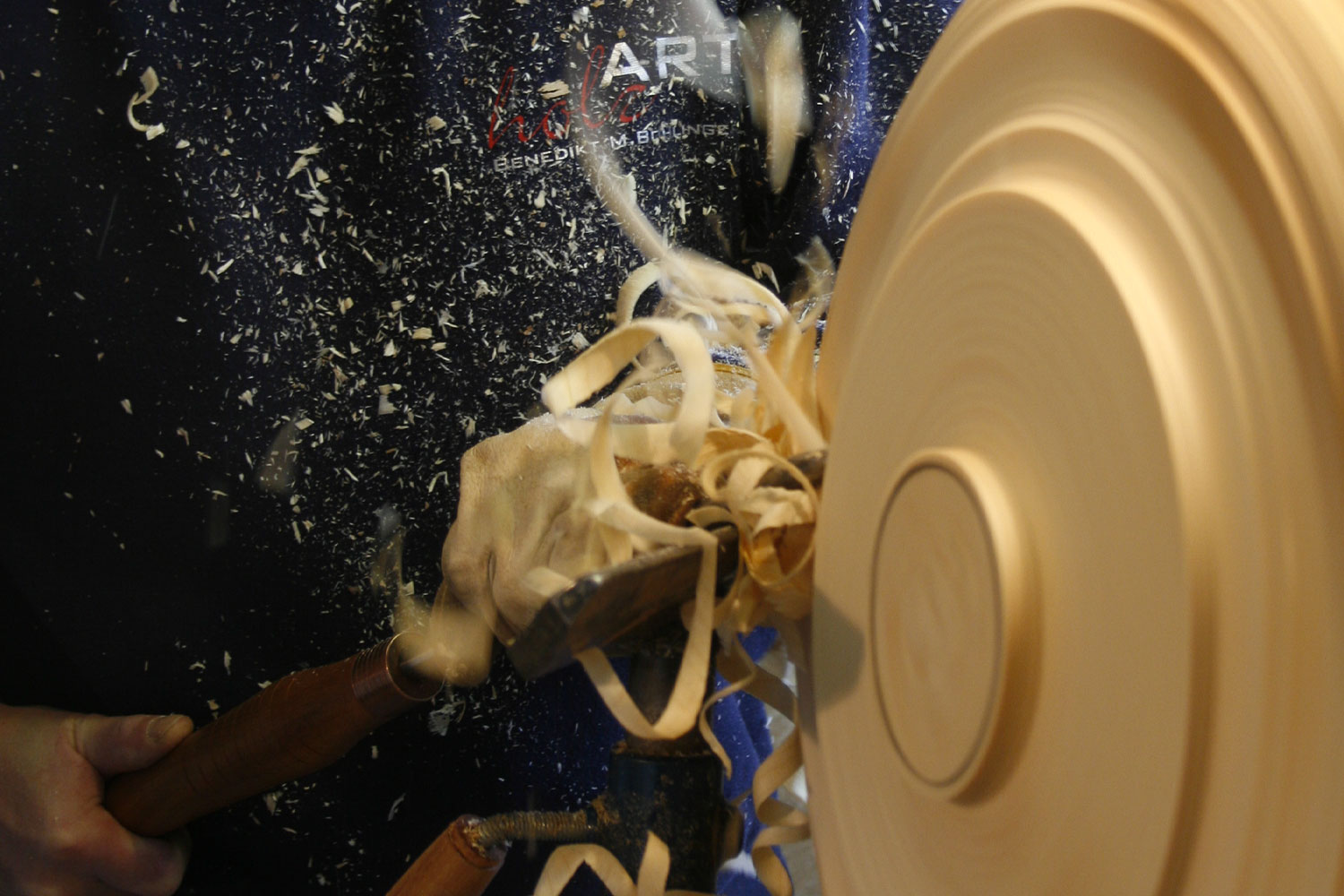
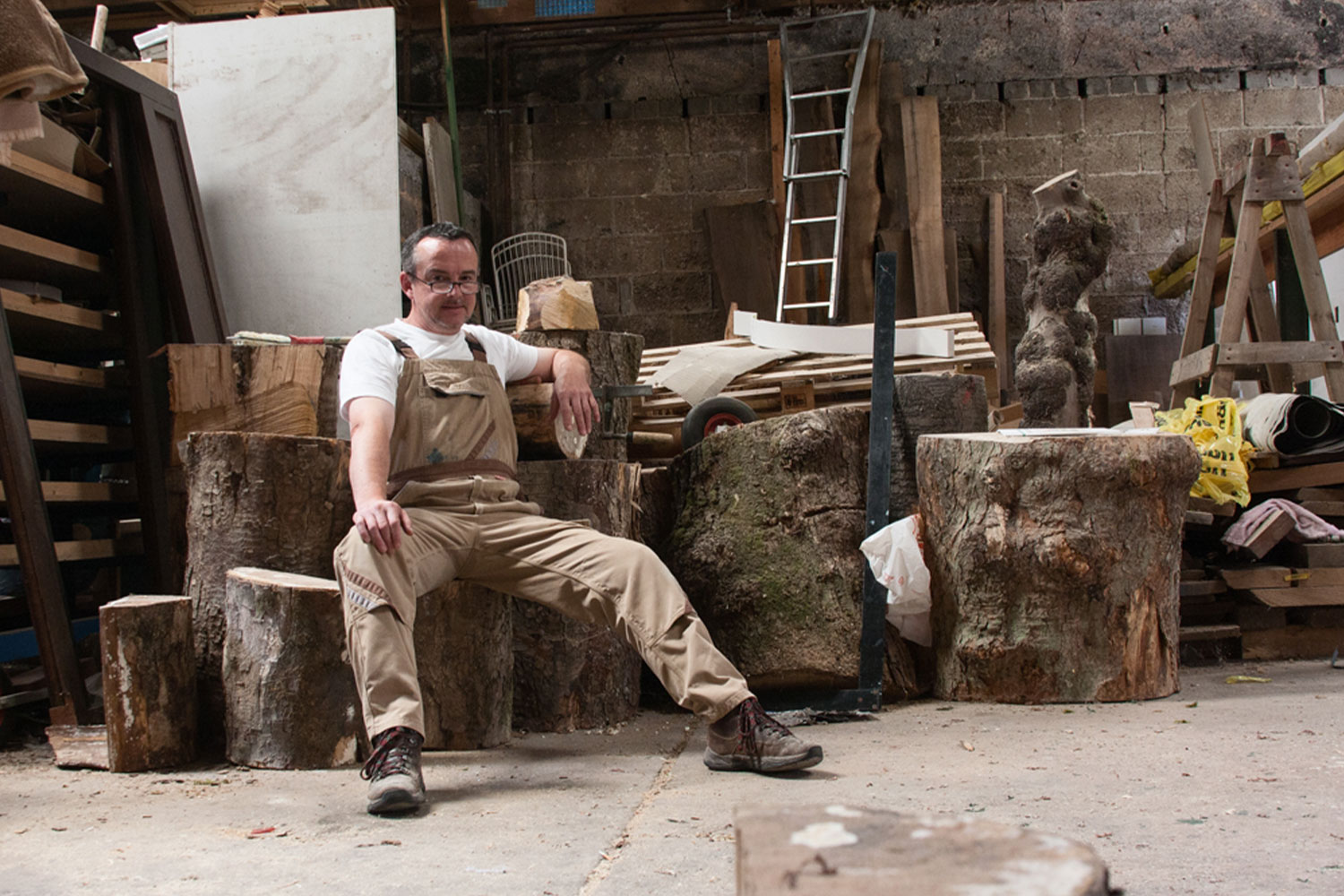
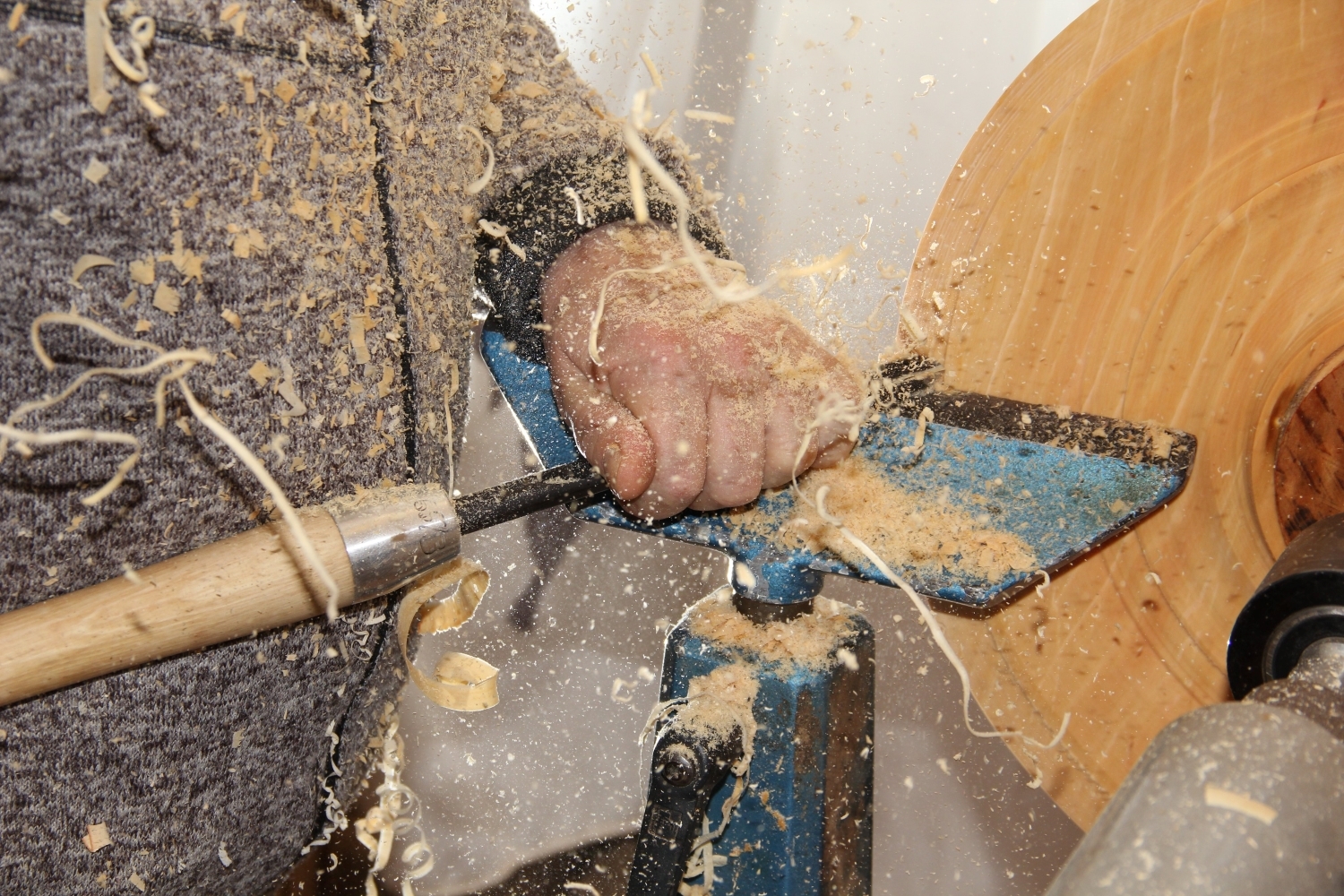
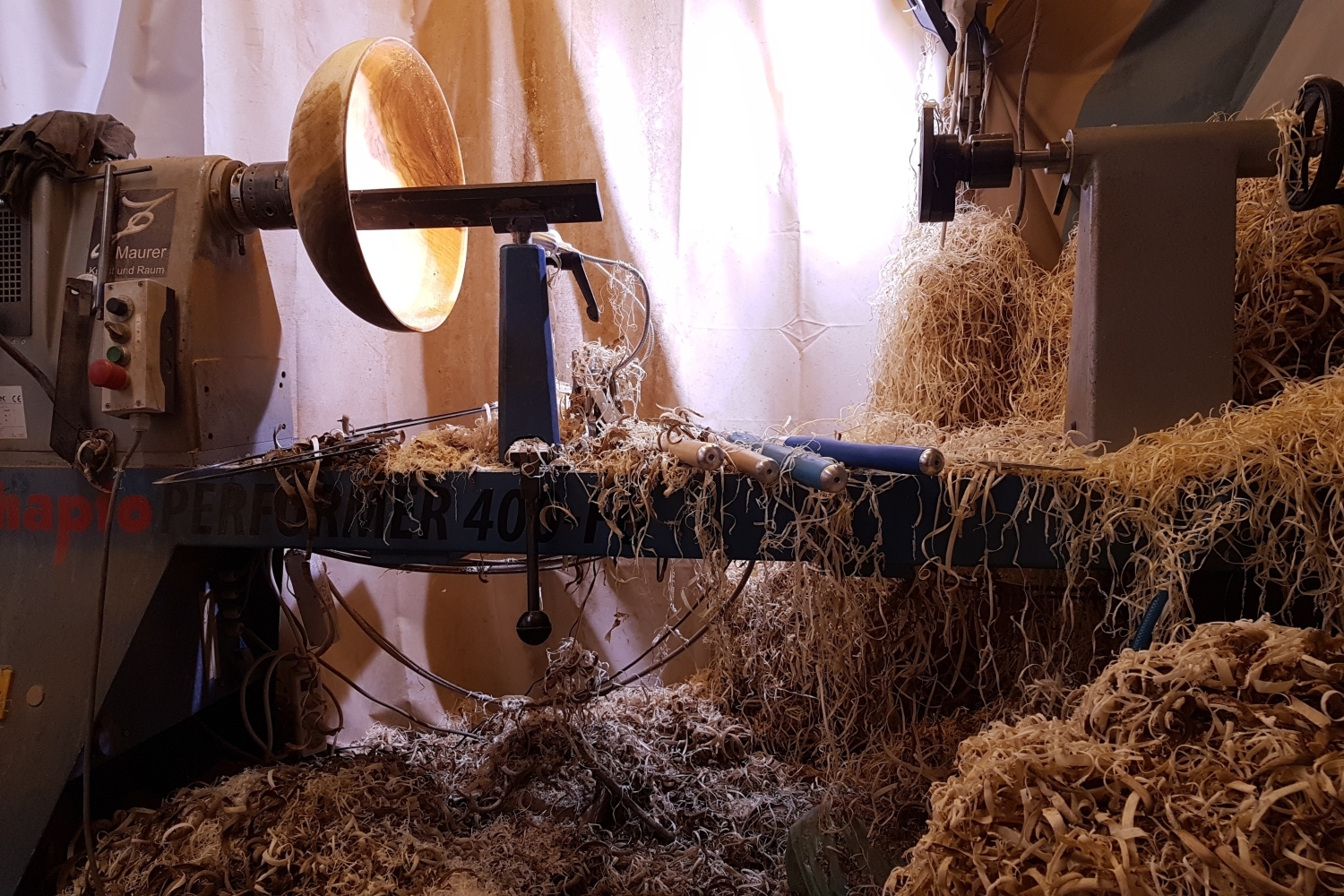
Starting his carpentry apprenticeship at the age of 22, Jo Maurer learned the art of woodturning separately, under the guidance of various master artisans. Before this time, woodturning had been a hobby, and Jo initially learned through trial and error. “I sought out different woodturners to help me expand my knowledge and experience,” he says, confessing that wood has been a part of his life for as long as he can remember. “When I was 12 years old, I had my first experience with an old combination machine,” shares Jo. Back then, his tools were simply reworked chisels. An elderly neighbour gave him some tips, and he later used his first apprentice's salary to buy high-quality woodturning tools and a proper machine. “Wood is my life. Smelling, feeling, seeing, understanding, and shaping it is my passion. The dialogue with this wonderful material is what has inspired me throughout my life,” he adds.
INTERVIEW
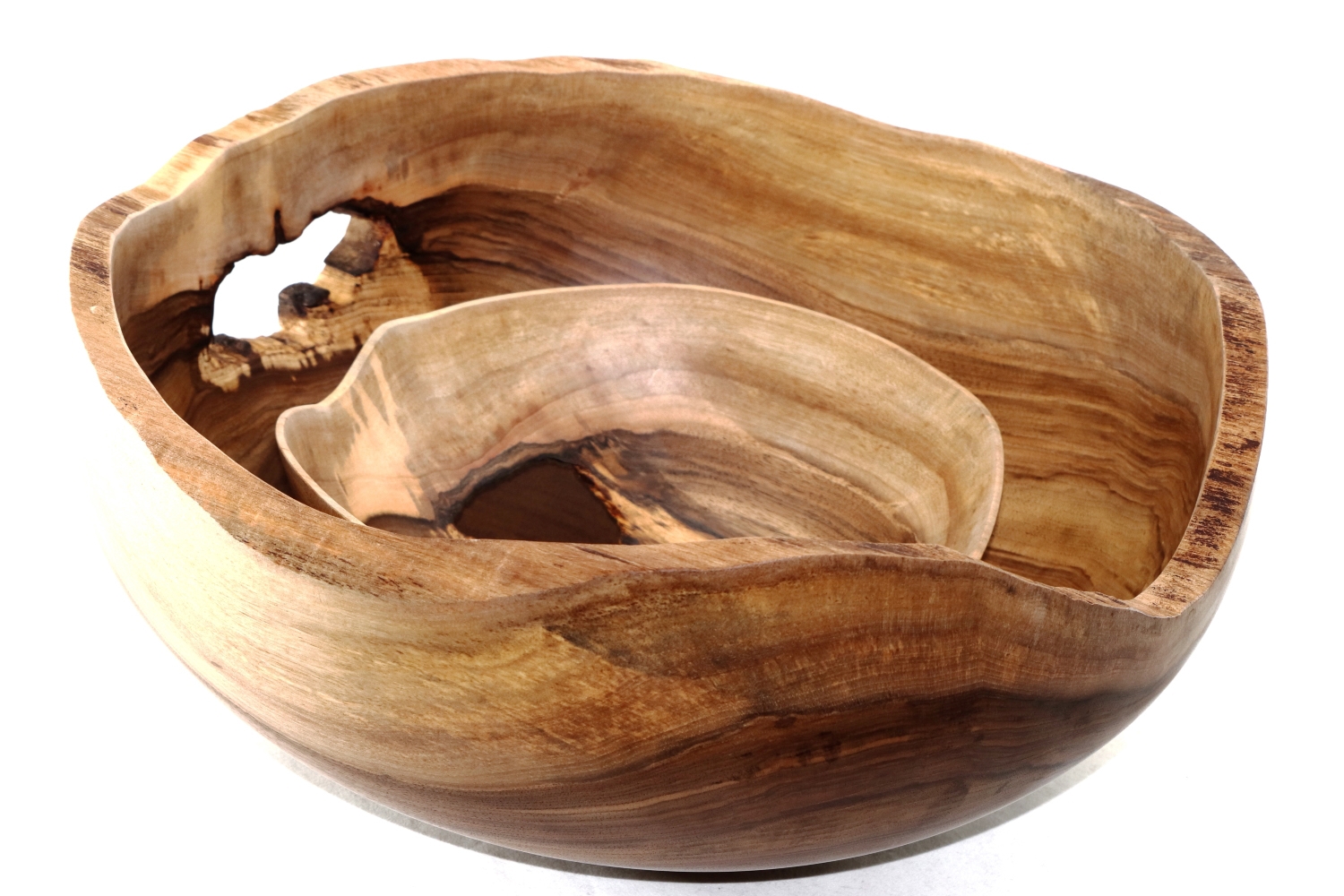
I aim to give the object its intended form in direct dialogue with the selected wood. Cracks are not flaws, but an expression of the strength that has developed in the tree trunk over decades. I do not conceal them but rather celebrate them by incorporating the finest materials.
I never stop learning—wood constantly surprises and allows new experiences to emerge. This makes creativity limitless. It is also rewarding to know that after a long process, the selected tree, the chosen piece, is transformed by my own hands into a finished, unique creation.
Most commonly, it is that objects can be made from wet, or green, wood. Another aspect is the fact that a tree trunk does not have to be cut into planks, but that instead a section can be taken and turned into a large, thin vessel without any glue. It is also often surprising to people that no cracks appear.
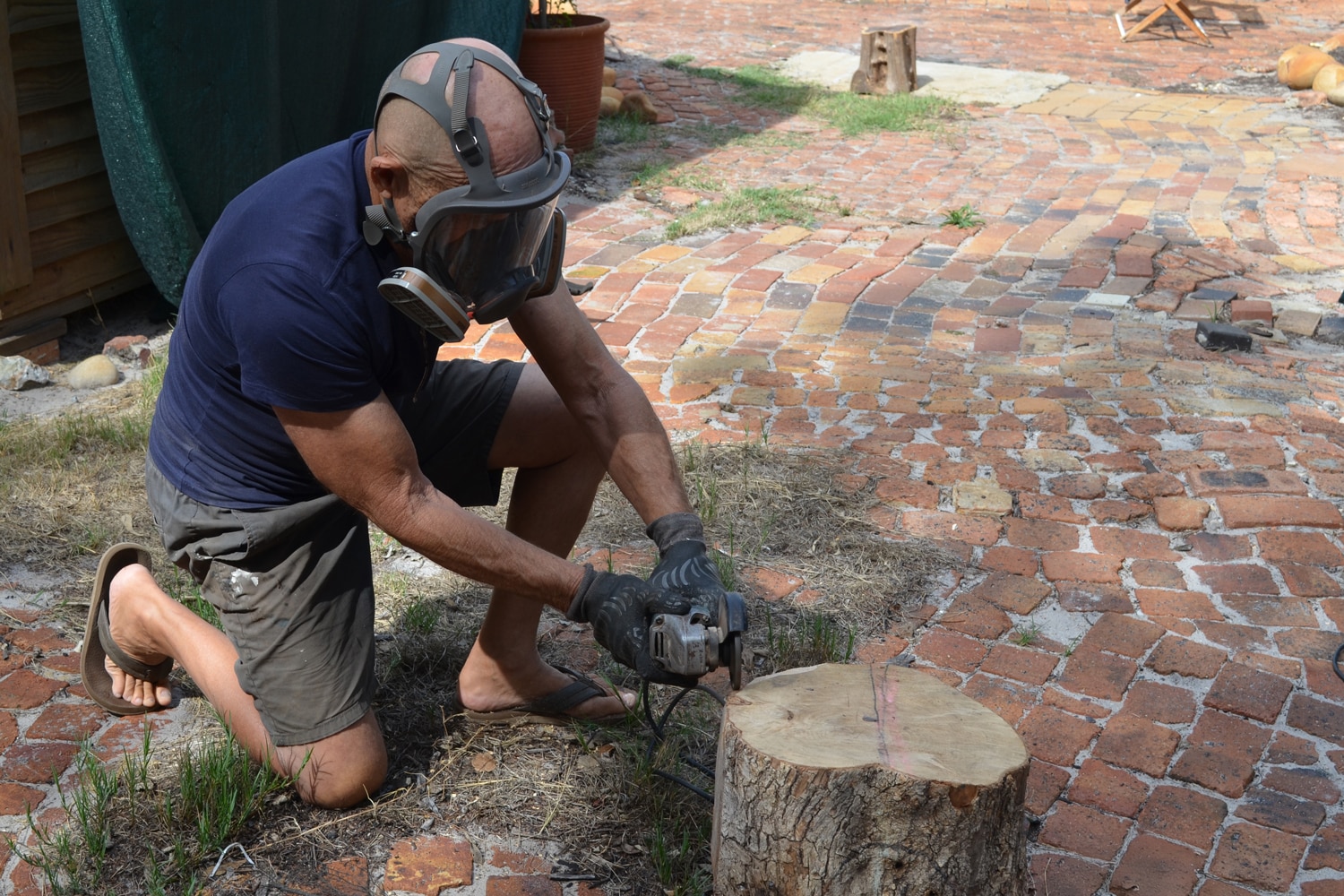
Discovering a giant tree, feeling the hairs on my arms tingle, and then, through strenuous effort, finally removing a massive vessel from the lathe—these moments stay with me. Exhibiting in our municipal gallery was also unforgettable. Perhaps my next significant moment will be being featured as an artist in the Homo Faber Guide.
Jo Maurer
Woodturner
Bad Saulgau, Germany
AVAILABILITY
By appointment only
PHONE
+49 7581537230
LANGUAGES
German, English
Homo Faber Finds is a new service aiming to inspire admirers of craft to connect and collaborate with exceptional artisans.
We invite you to submit an enquiry here.