
Luis Miguel de la Cruz Rivera
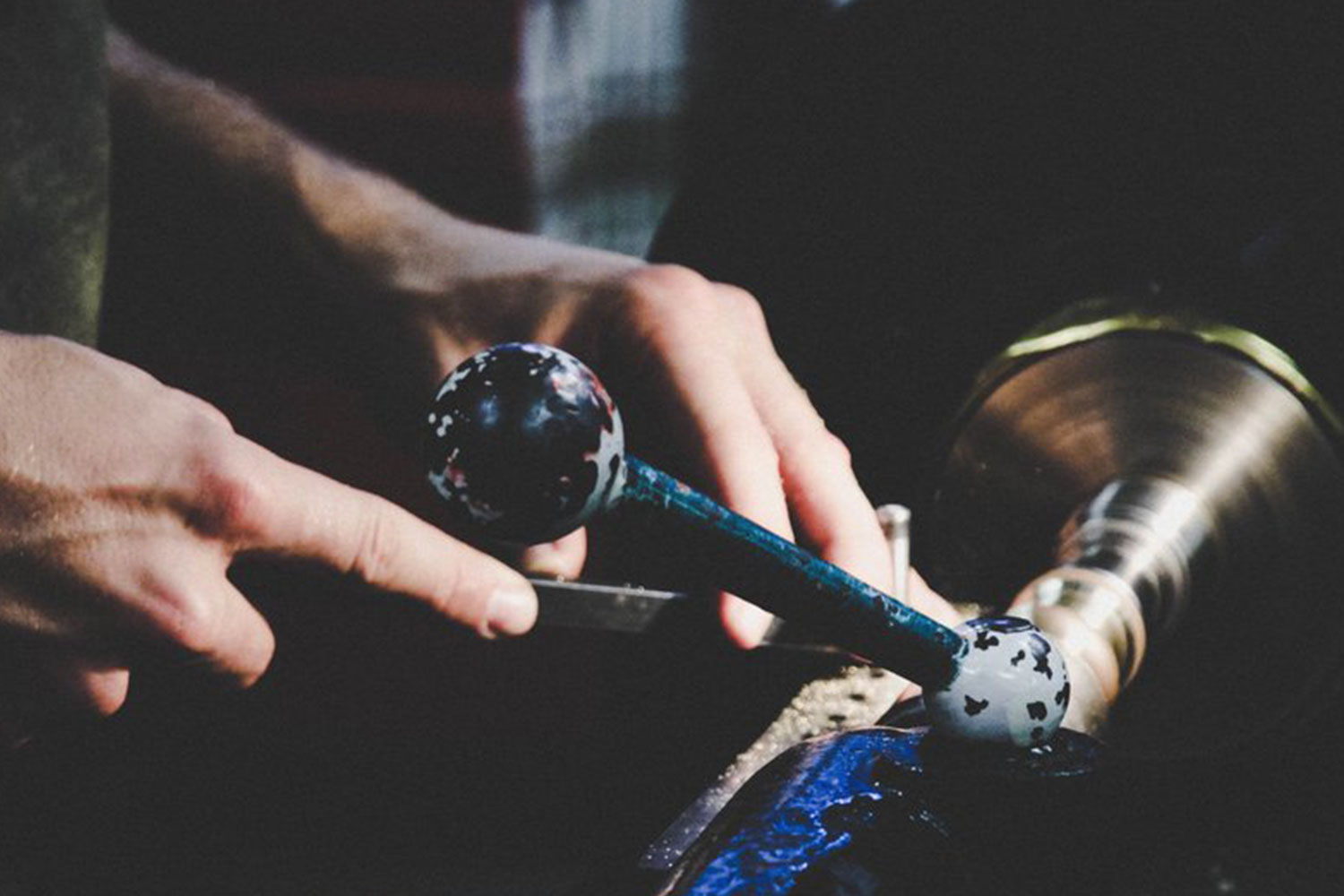
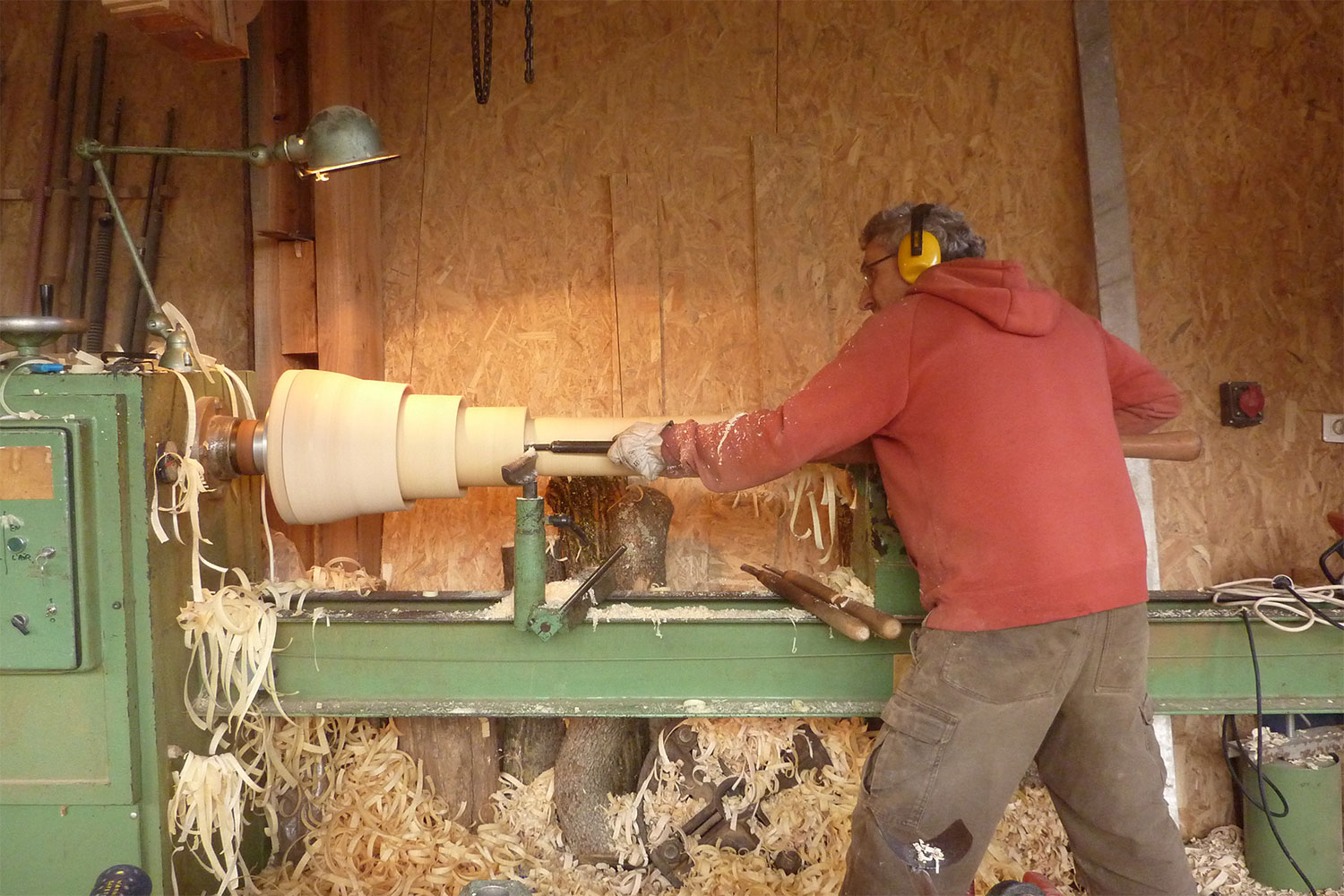
Woodturner
Pasto-Nariño, Colombia
Recommended by Artesanías de Colombia
The tamo maker
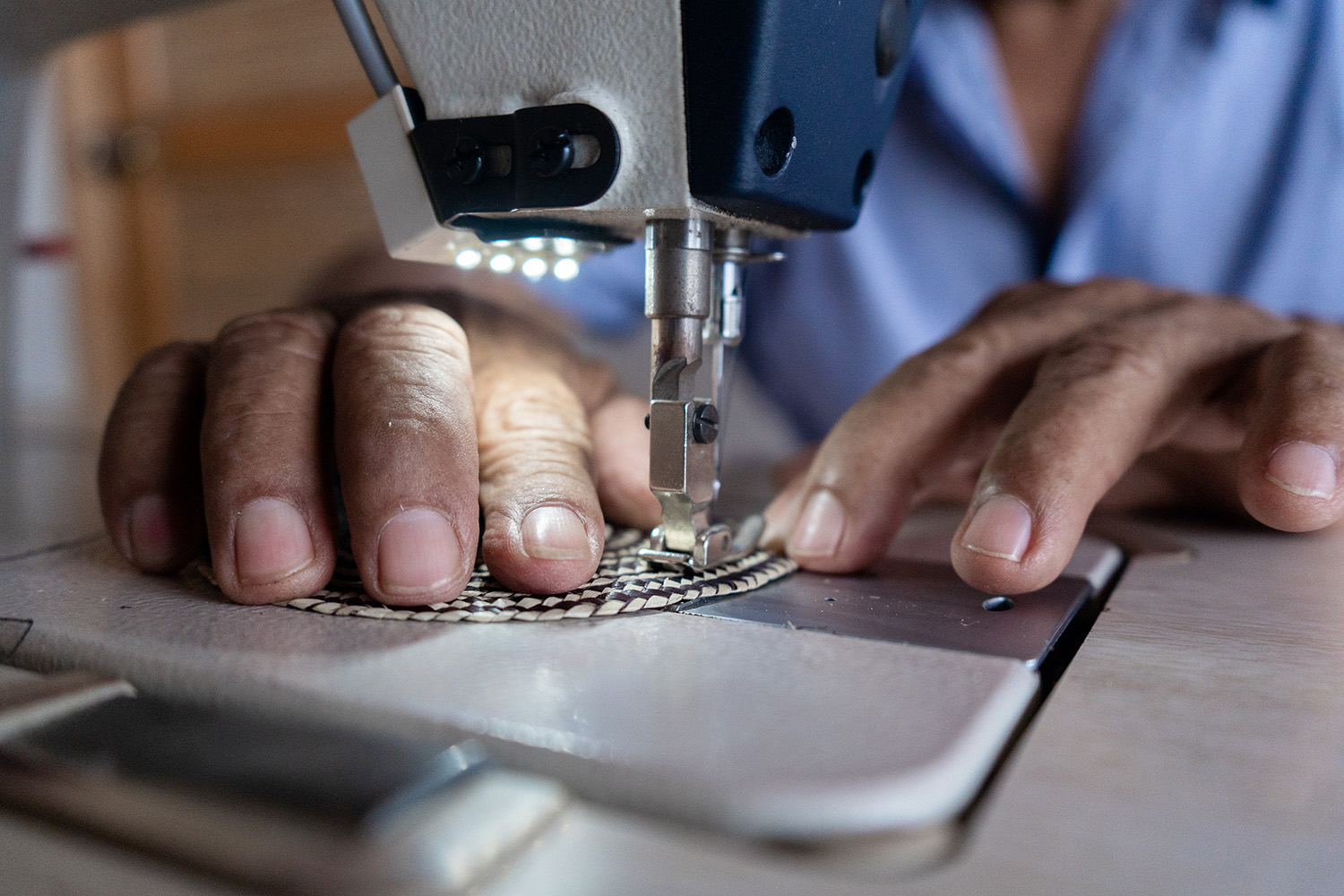
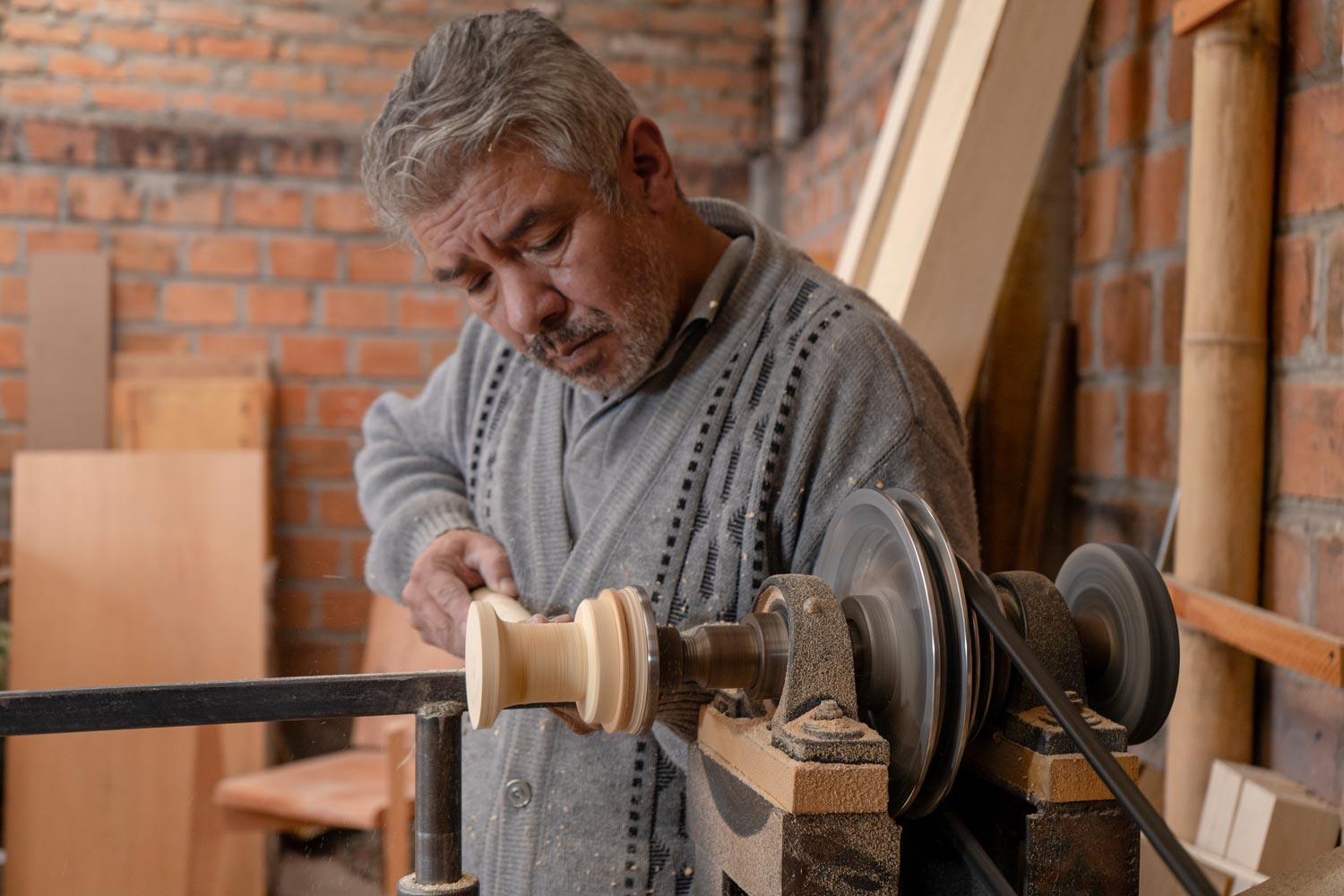
- Luis Miguel is one of the most renowned tamo artists in Pasto
- His technique started with a trial and error methodology
- He also masters leatherworking
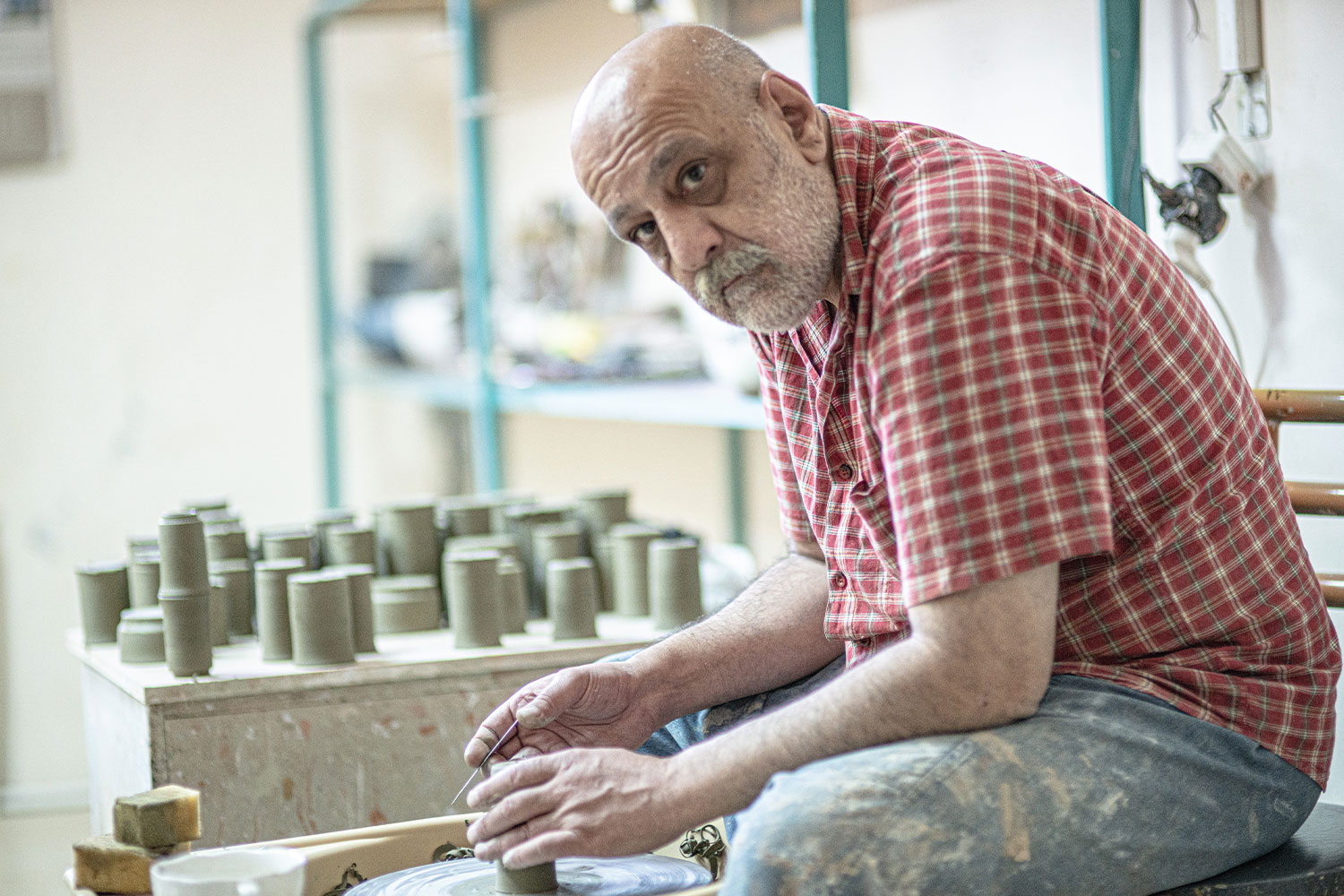
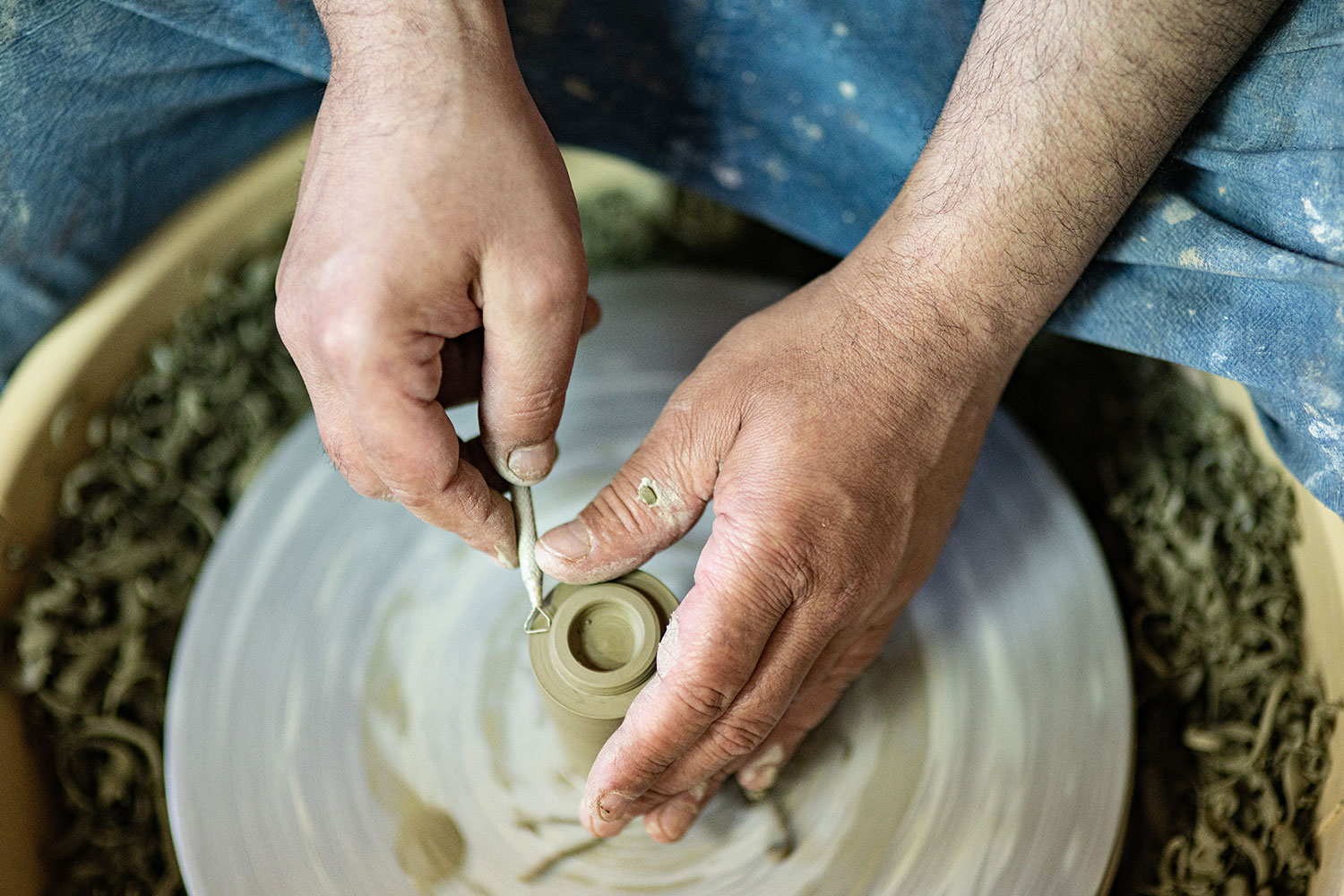
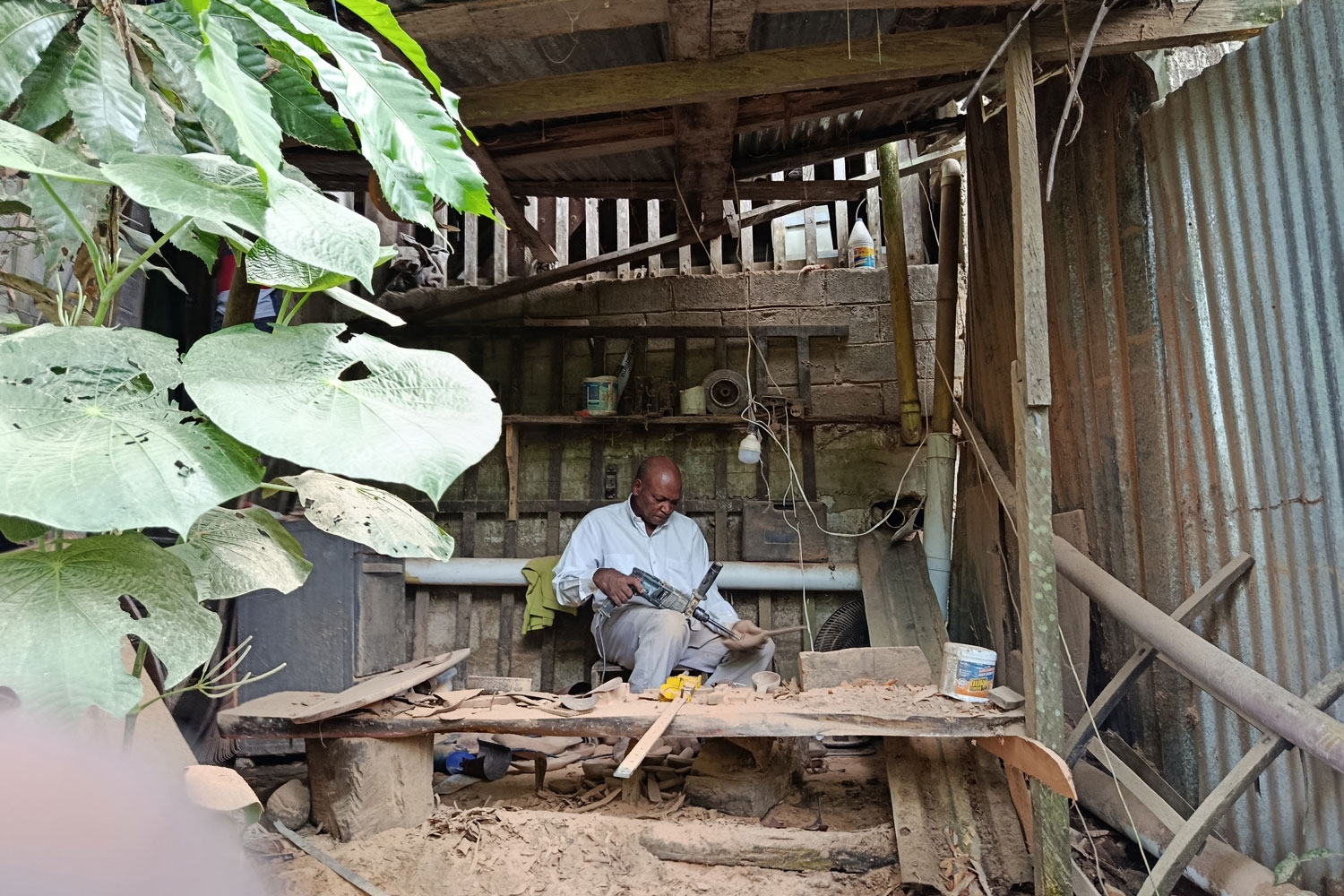
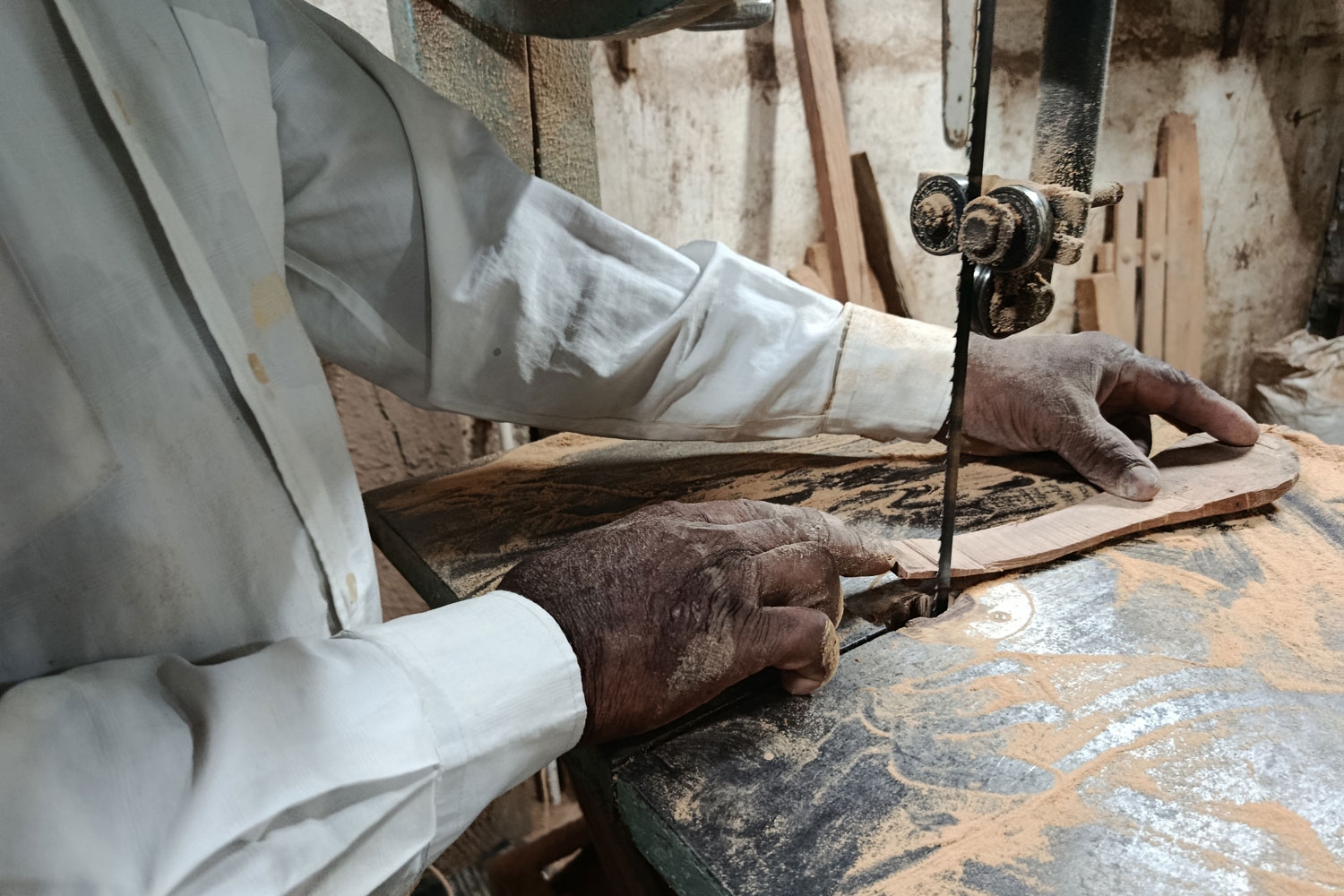
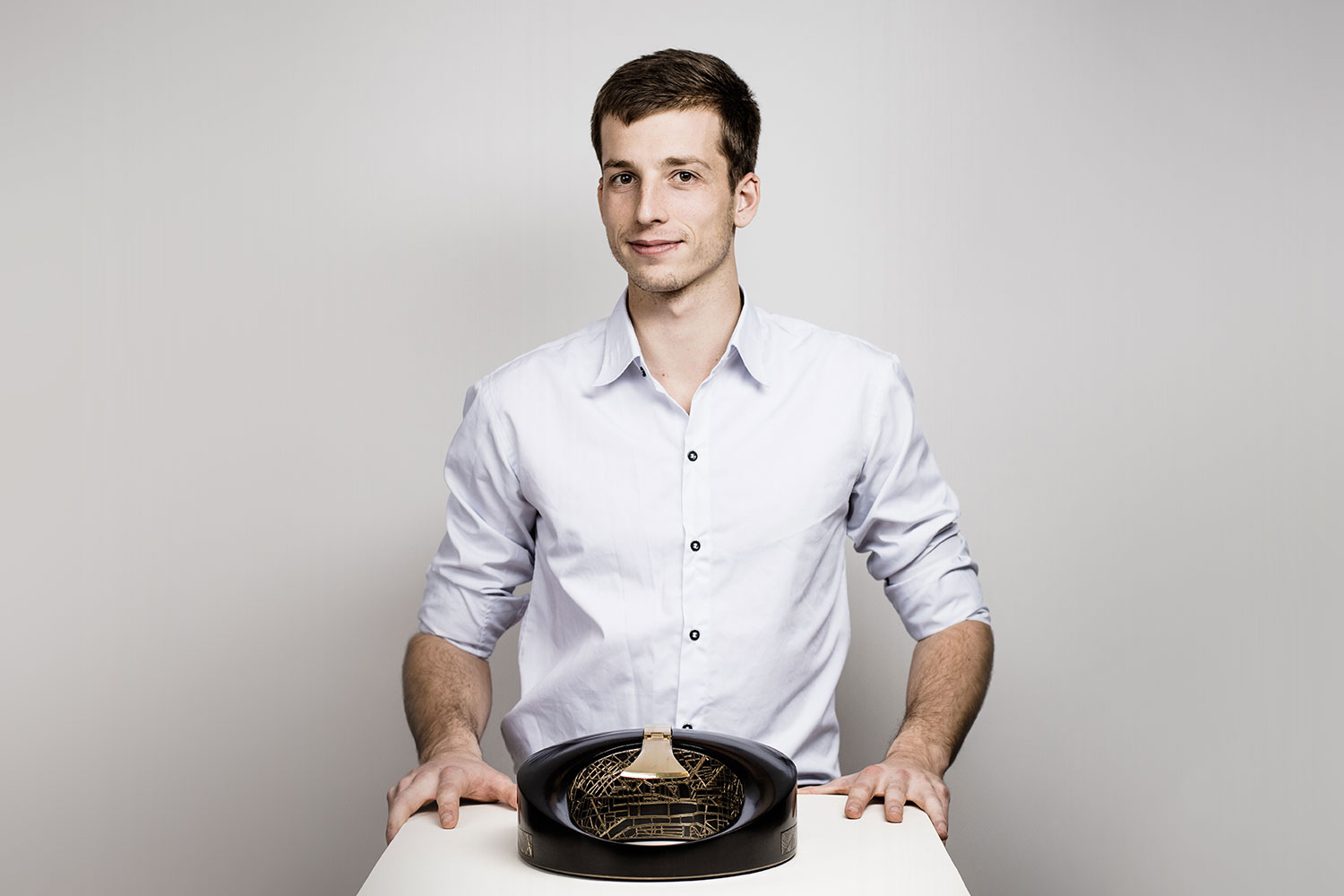
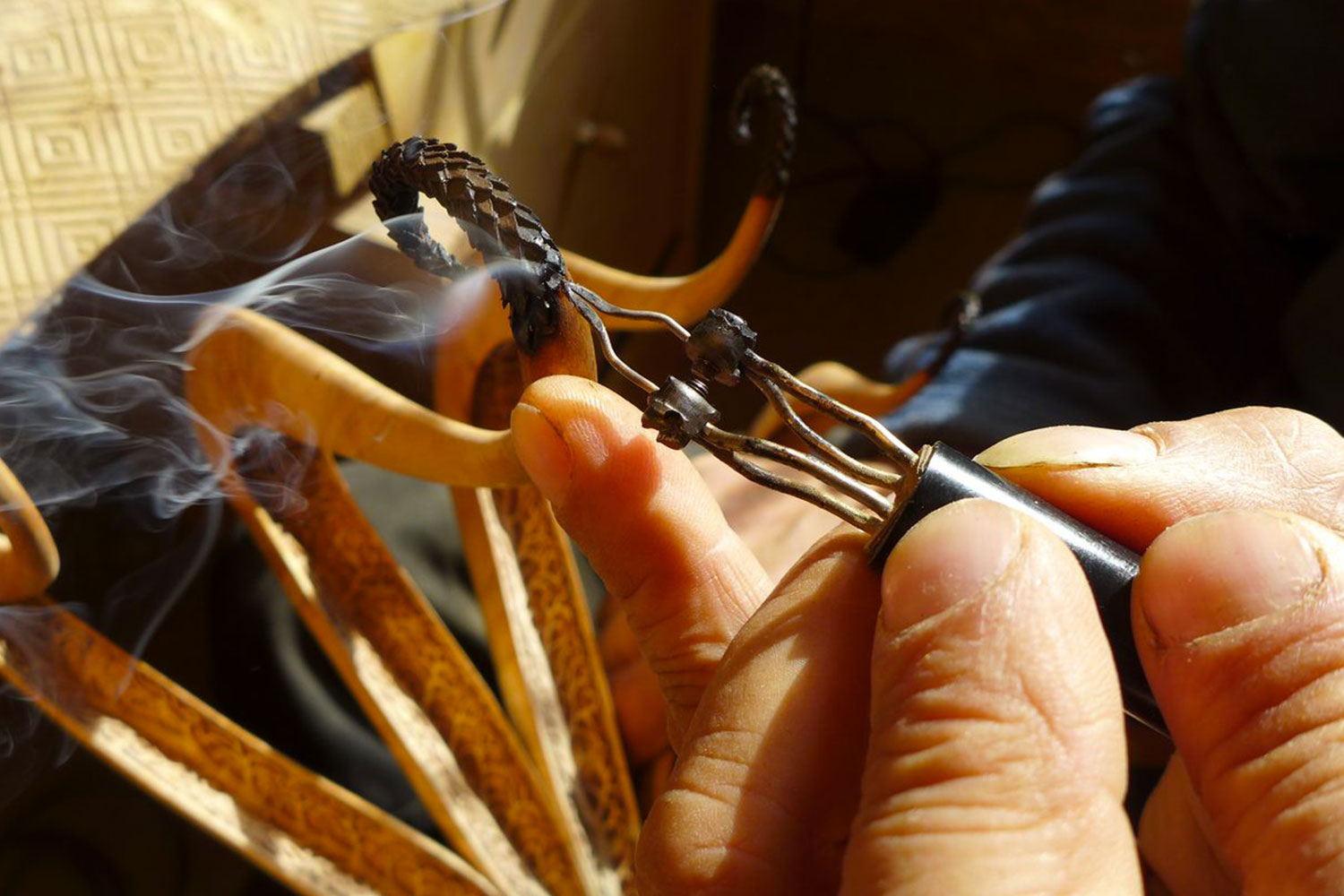
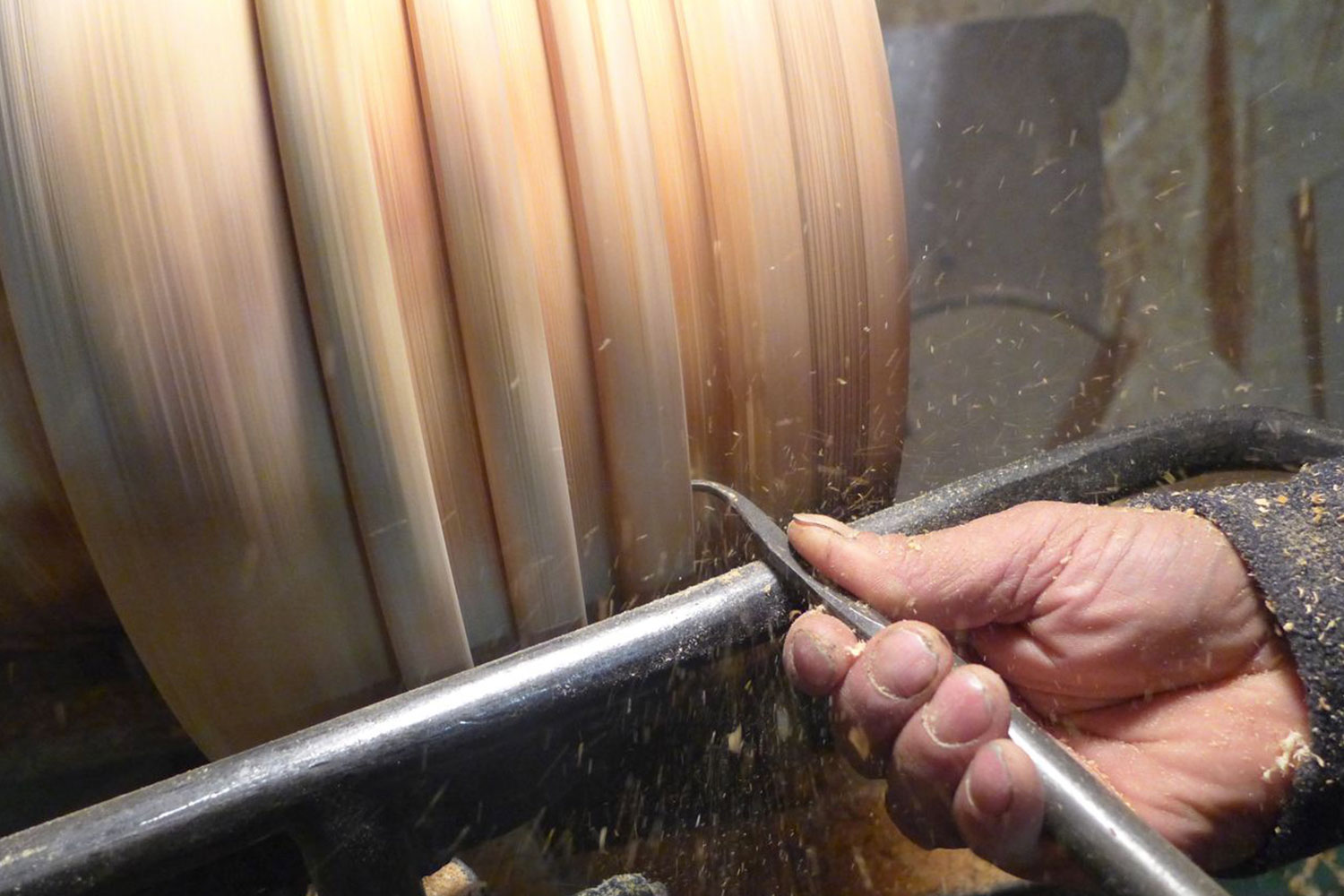
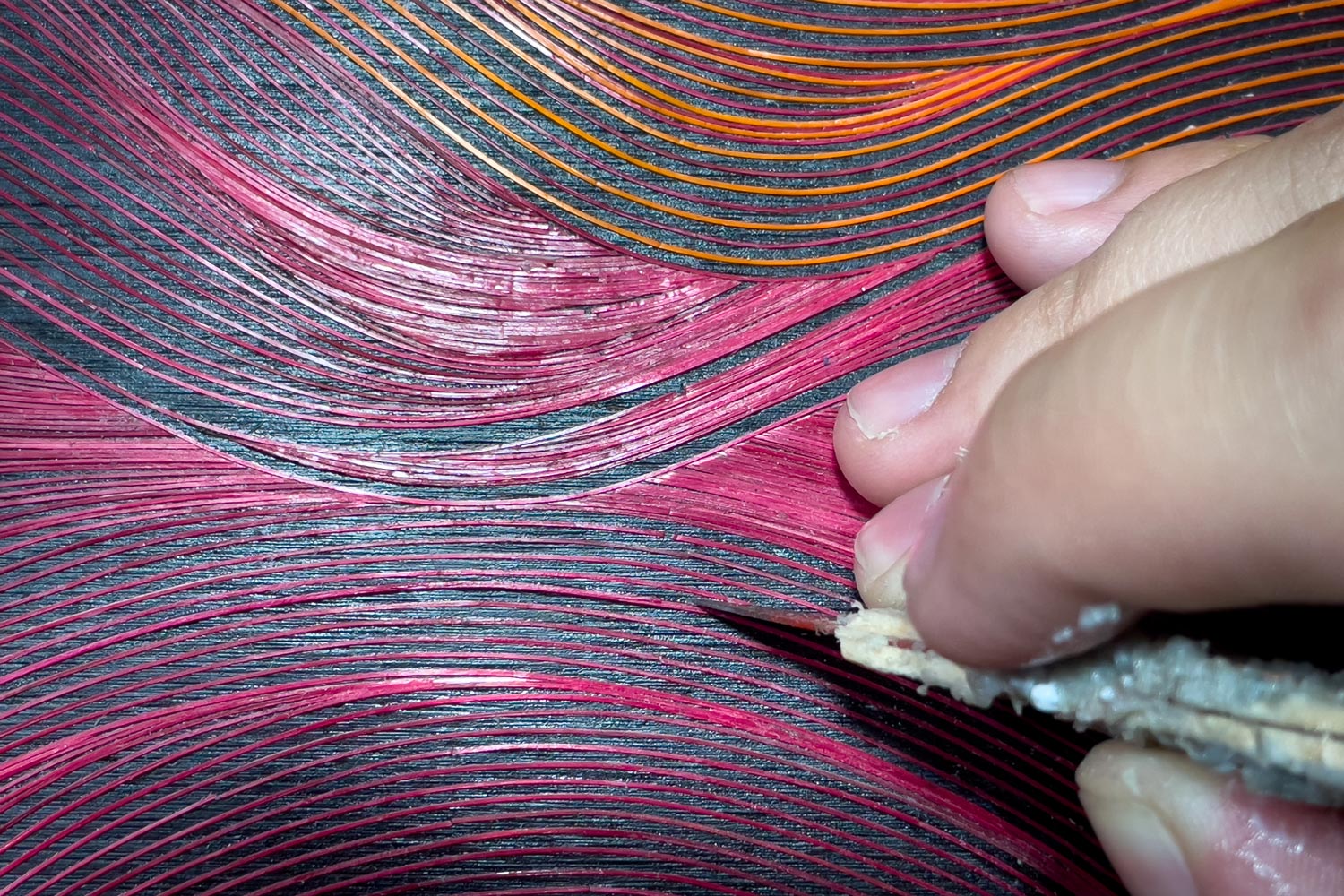
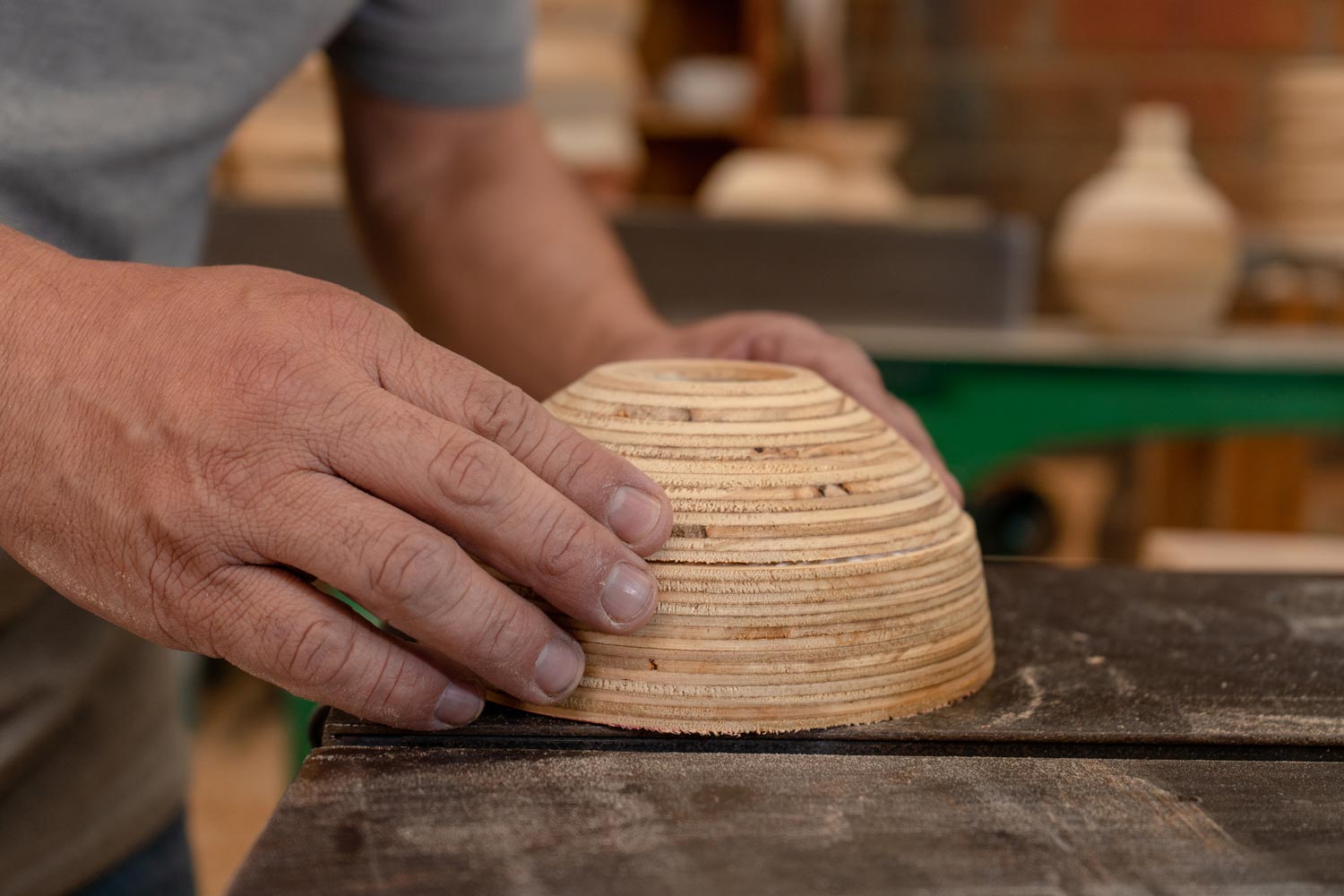
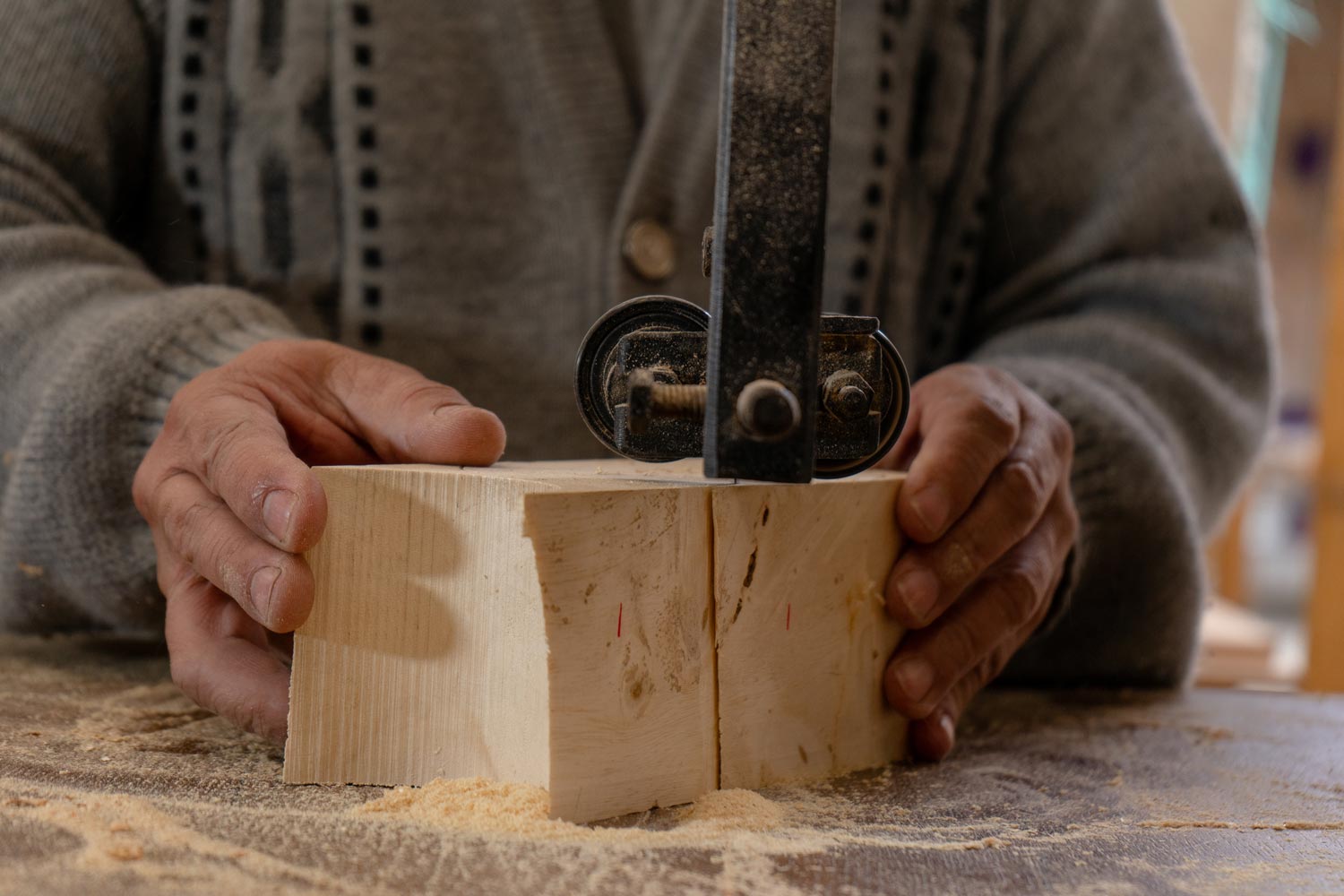
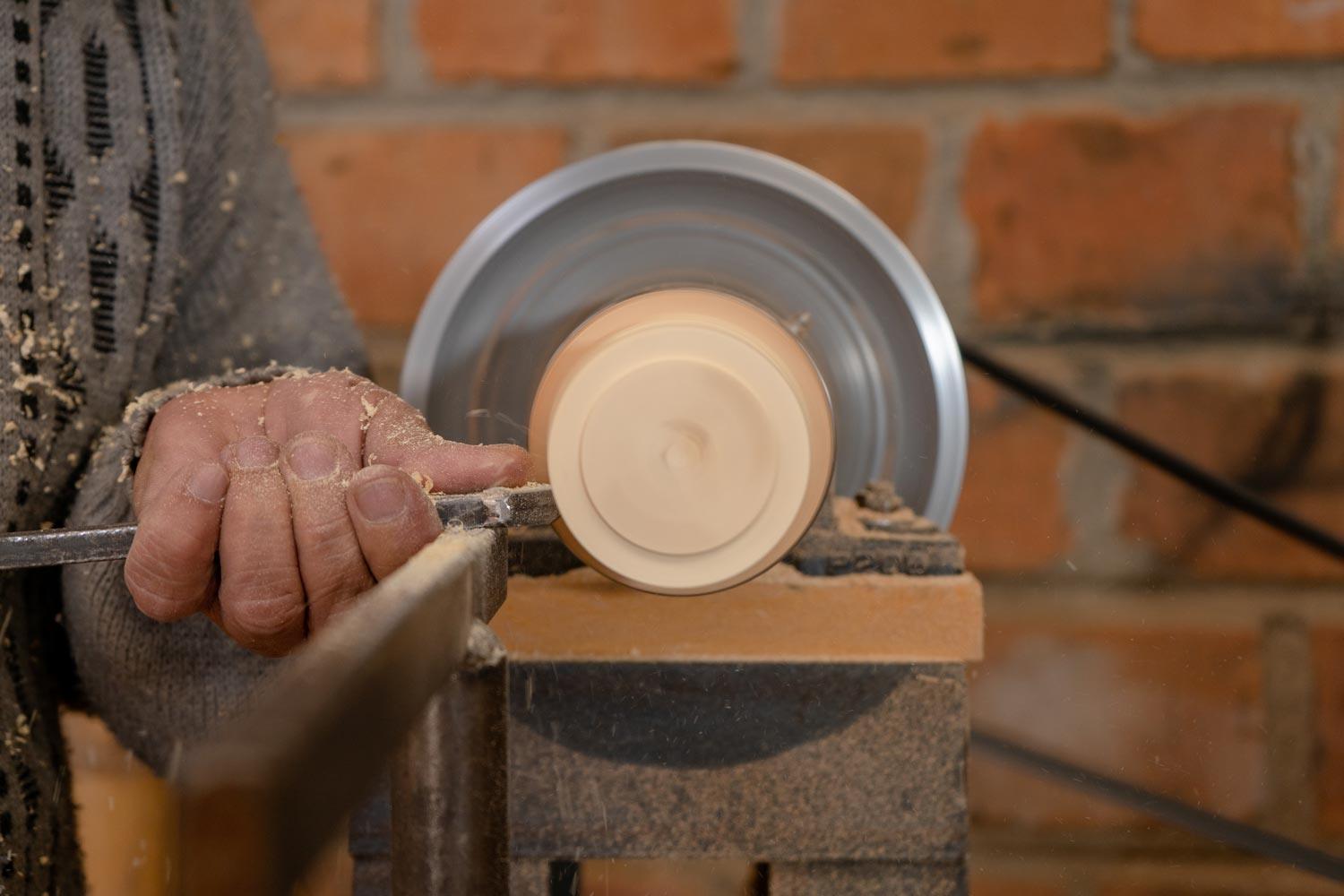
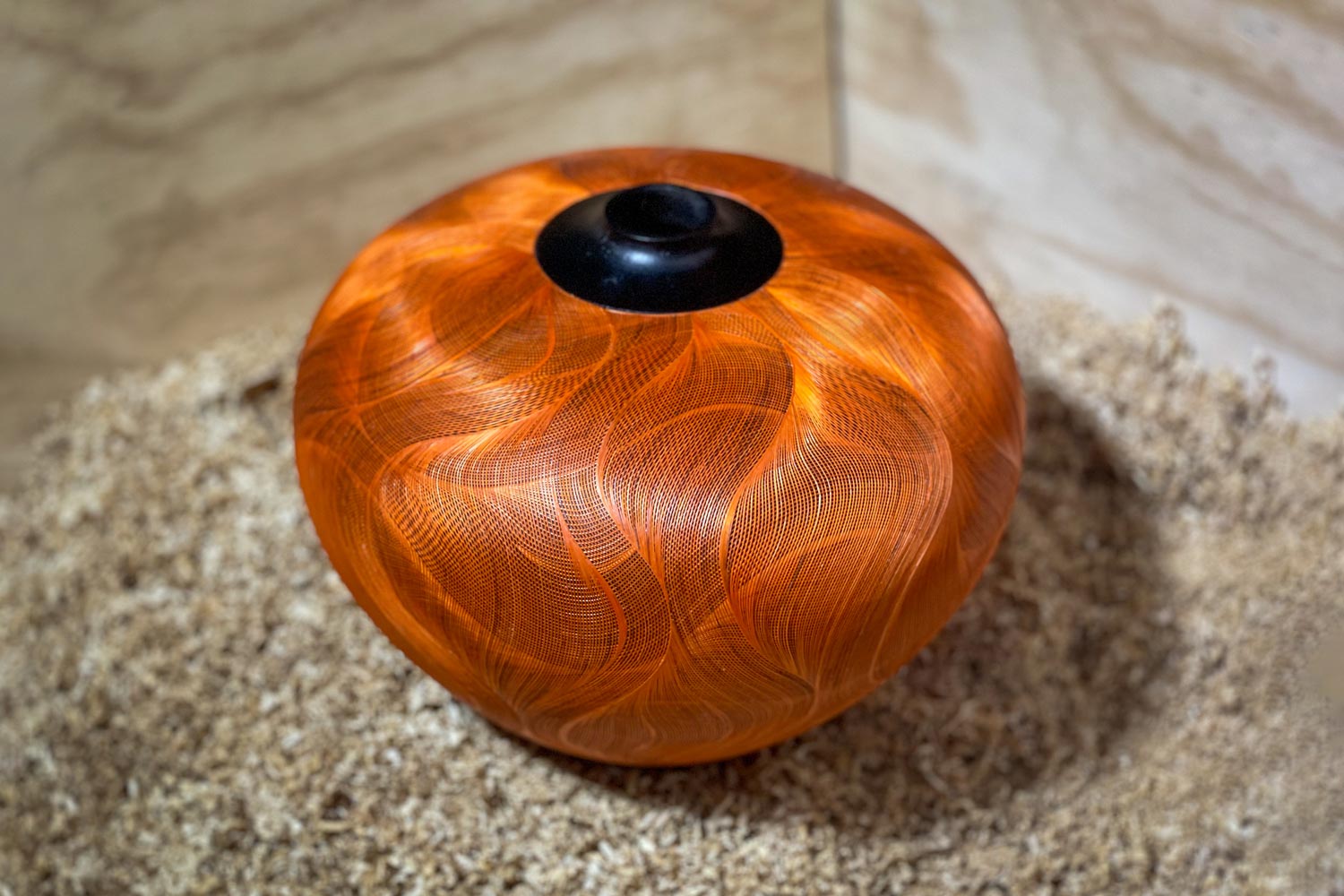
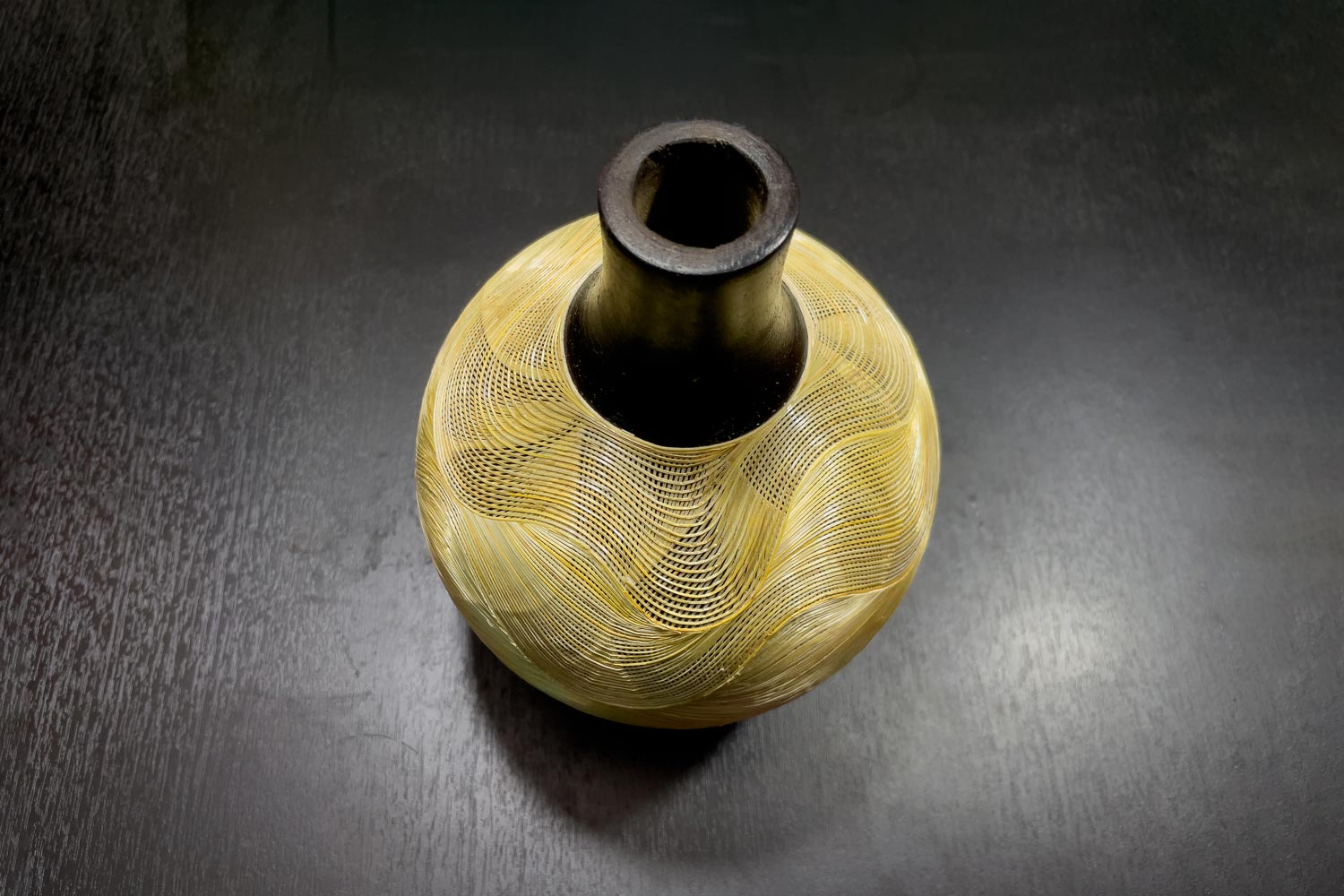
Luis Miguel de la Cruz is the first one in his family to become an artisan. He started his artisan career by working with wood, in crafts such as carving and carpentry. Then he began working in his brother-in-law’s leather workshop. After several years, he got together with his brother and they started selling leather products, which made him famous. Finally, his creativity and passion for craft led him to start experimenting, testing and improving the application of the tamo (wheat stems) technique. With new applications of colours and refined designs, he works every day in order to create elegant and unique products. Luis won the Medal for Artisanal Mastery in 2006 and Master of Masters prize in 2014.

INTERVIEW
I first worked as a carpenter and carver. After several years working with tamo (wheat stems), I noticed that the designs made with this fibre were so basic, that there was room for creativity and new interpretations.
With my new designs, I've created a trend. Many people in Pasto started following my ideas and experiments. I have taught fellow artisans, knowing that they would have been able to pursue their own careers and open their own workshops. Also, I teach my children: I trust they will continue my legacy.
I started working with a trial and error methodology. I made different drawings, and after many mistakes, finally my apprentices and I created an innovative product which reflects Pasto’s landscapes. I also expanded the colour palette.
Although I was the first to innovate tamo’s colours, now I work with plain and sober colours and the natural brightness of this fibre. I don’t mix textures or designs, aiming for a clean and elegant outcome.
Luis Miguel de la Cruz Rivera
Woodturner
Pasto-Nariño, Colombia
Recommended by Artesanías de Colombia
ADDRESS
Cra. 25A No. 5sur-36 Barrio Santa Isabel (Mijitayo), 522020, Pasto-Nariño, Colombia
View on MapsAVAILABILITY
Monday to Friday 08:00-12:30 / 14:30-18:00
PHONE
+57 3006534687
LANGUAGES
Spanish
Homo Faber Finds is a new service aiming to inspire admirers of craft to connect and collaborate with exceptional artisans.
We invite you to submit an enquiry here.