Tom Vaughan
Object Studio
Mixed media sculptor
London, United Kingdom
Recommended by Queen Elizabeth Scholarship Trust - QEST
Bold digital craftsmanship
- A designer and a maker, Tom is the founder of Object Studio
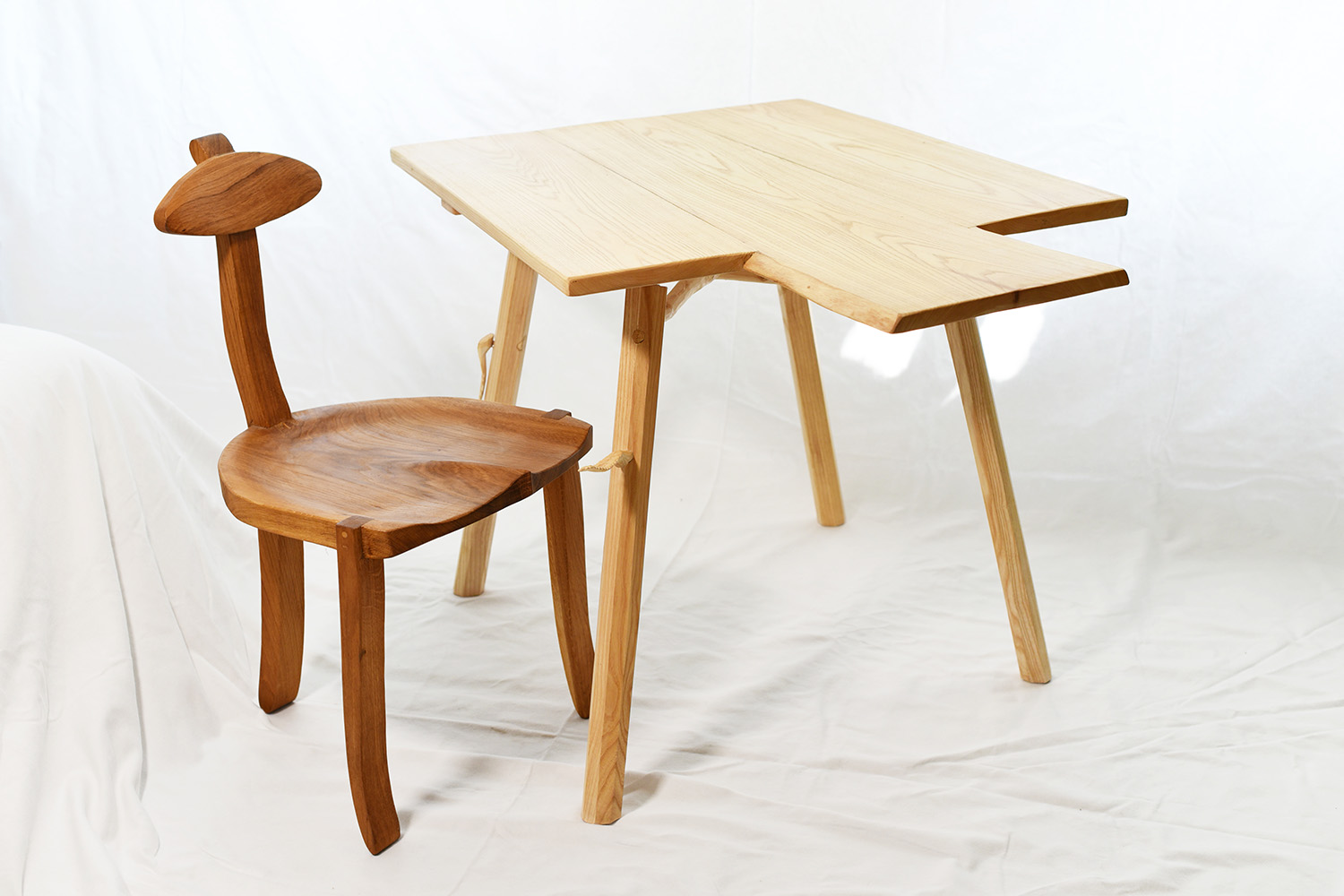
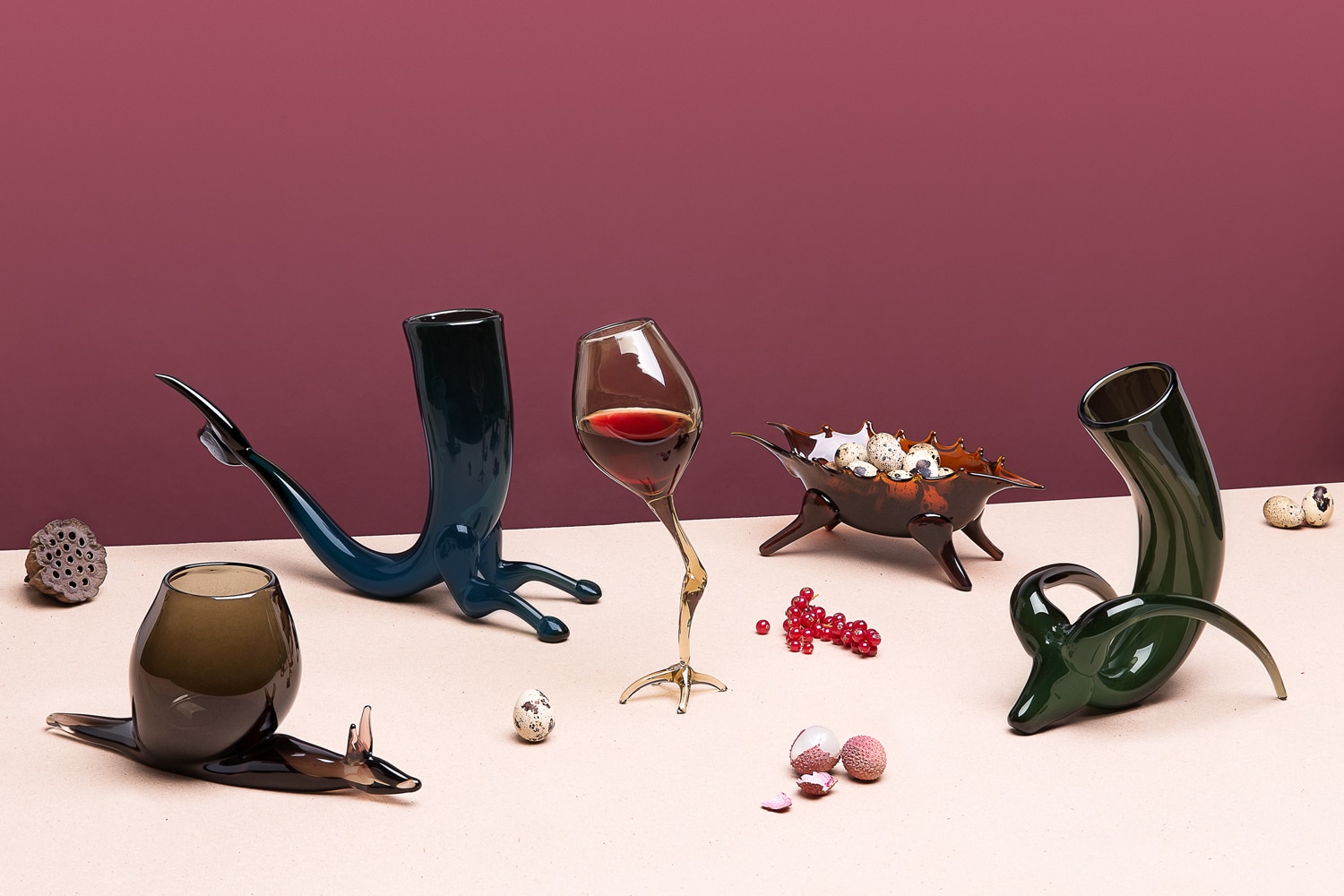
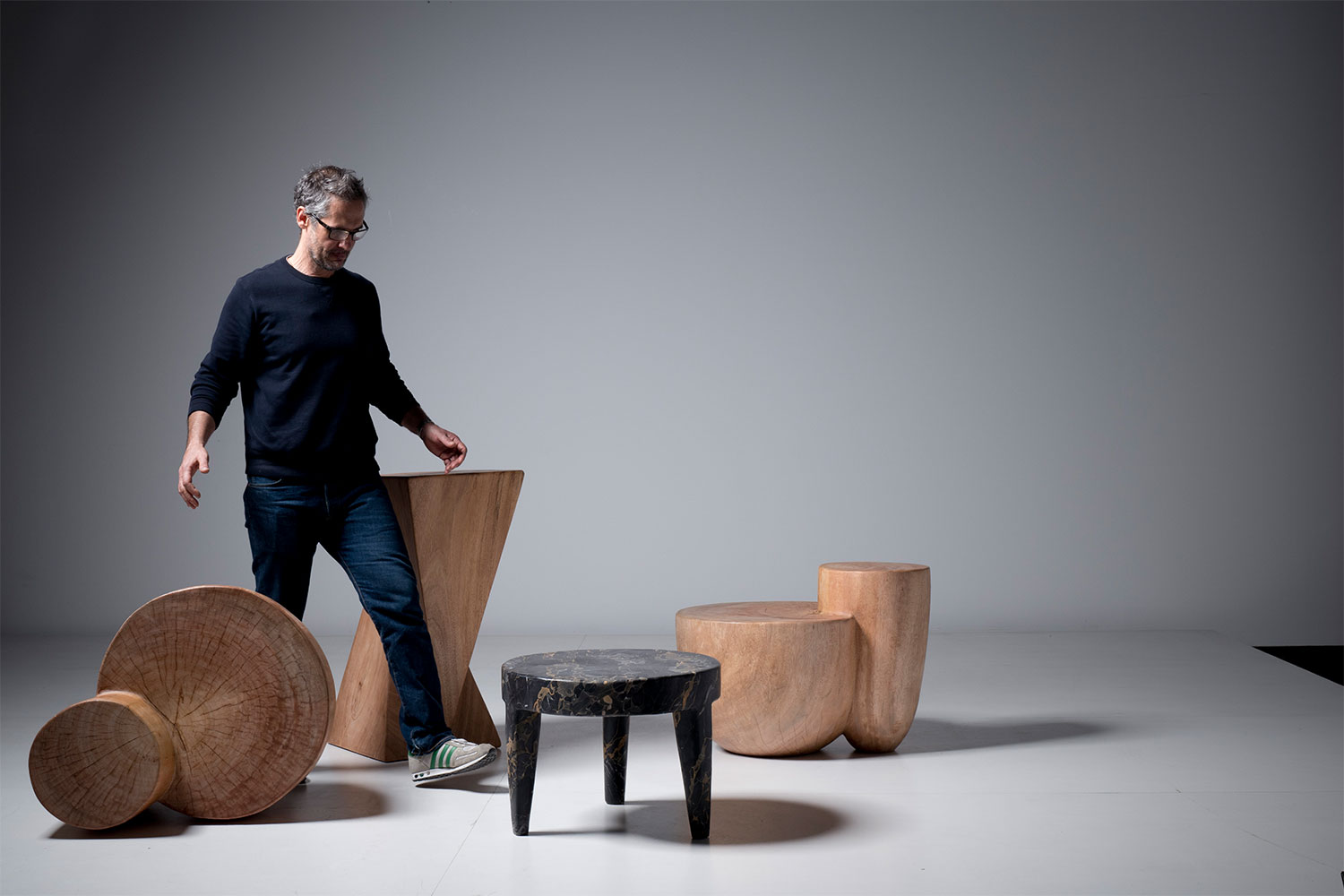
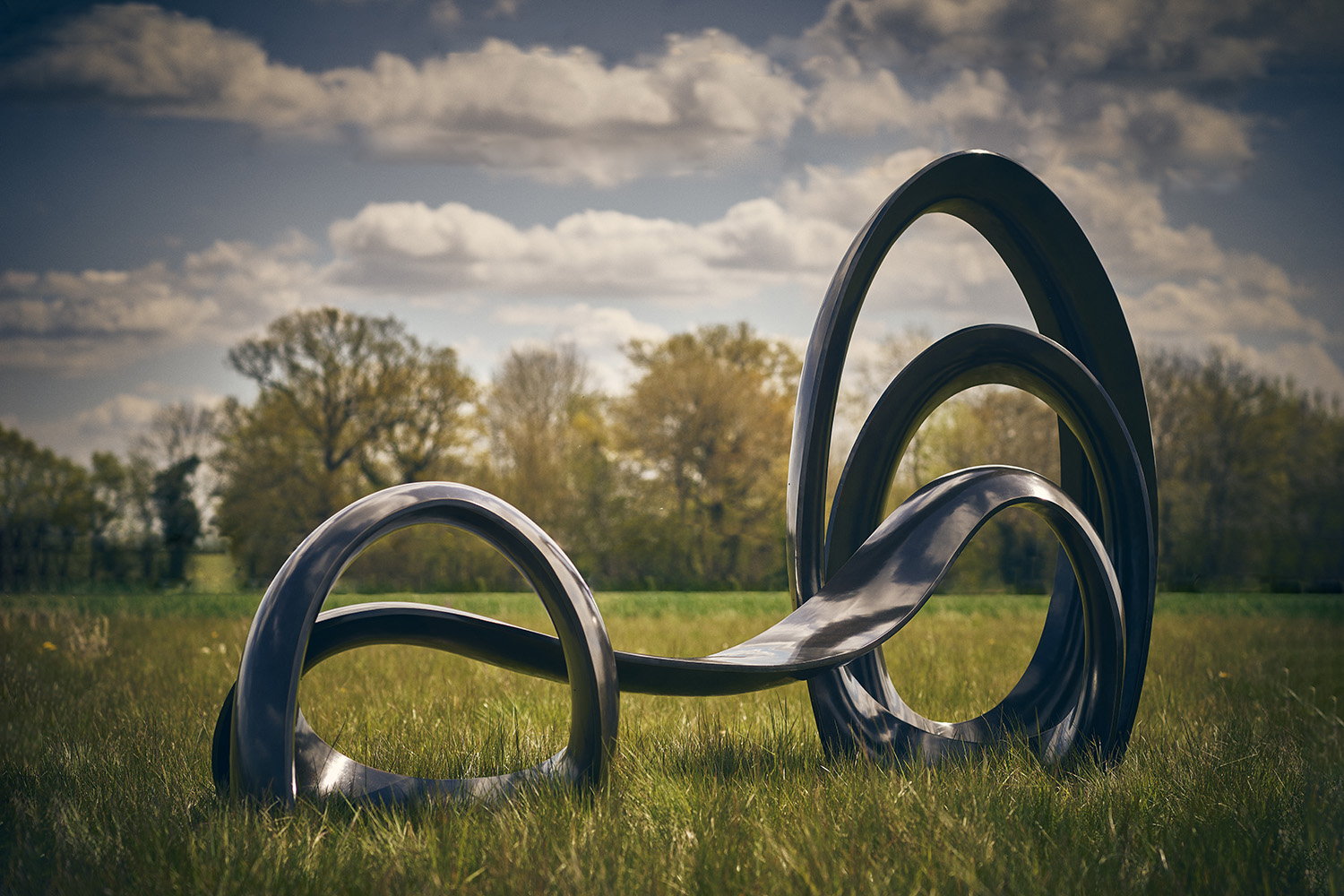
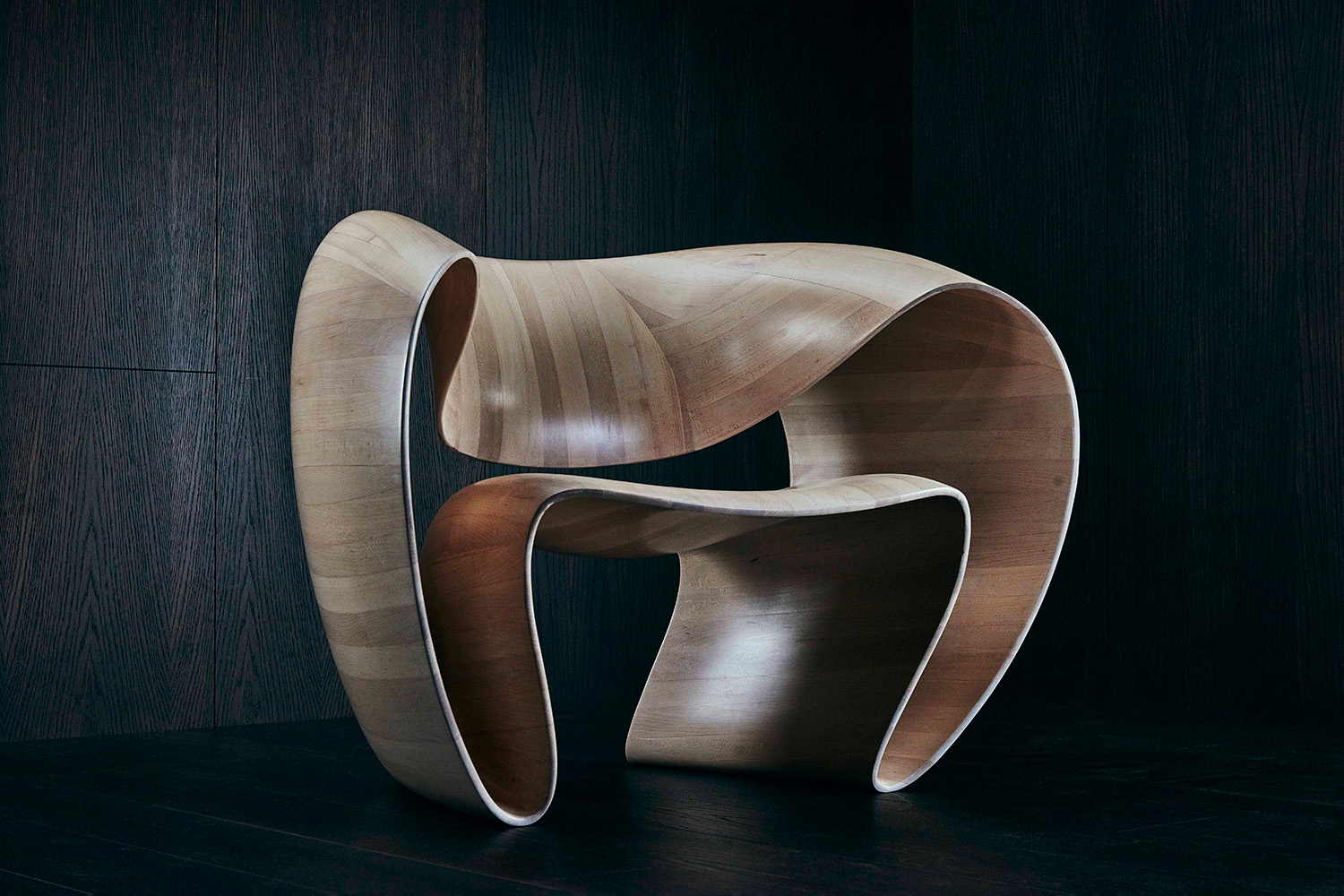
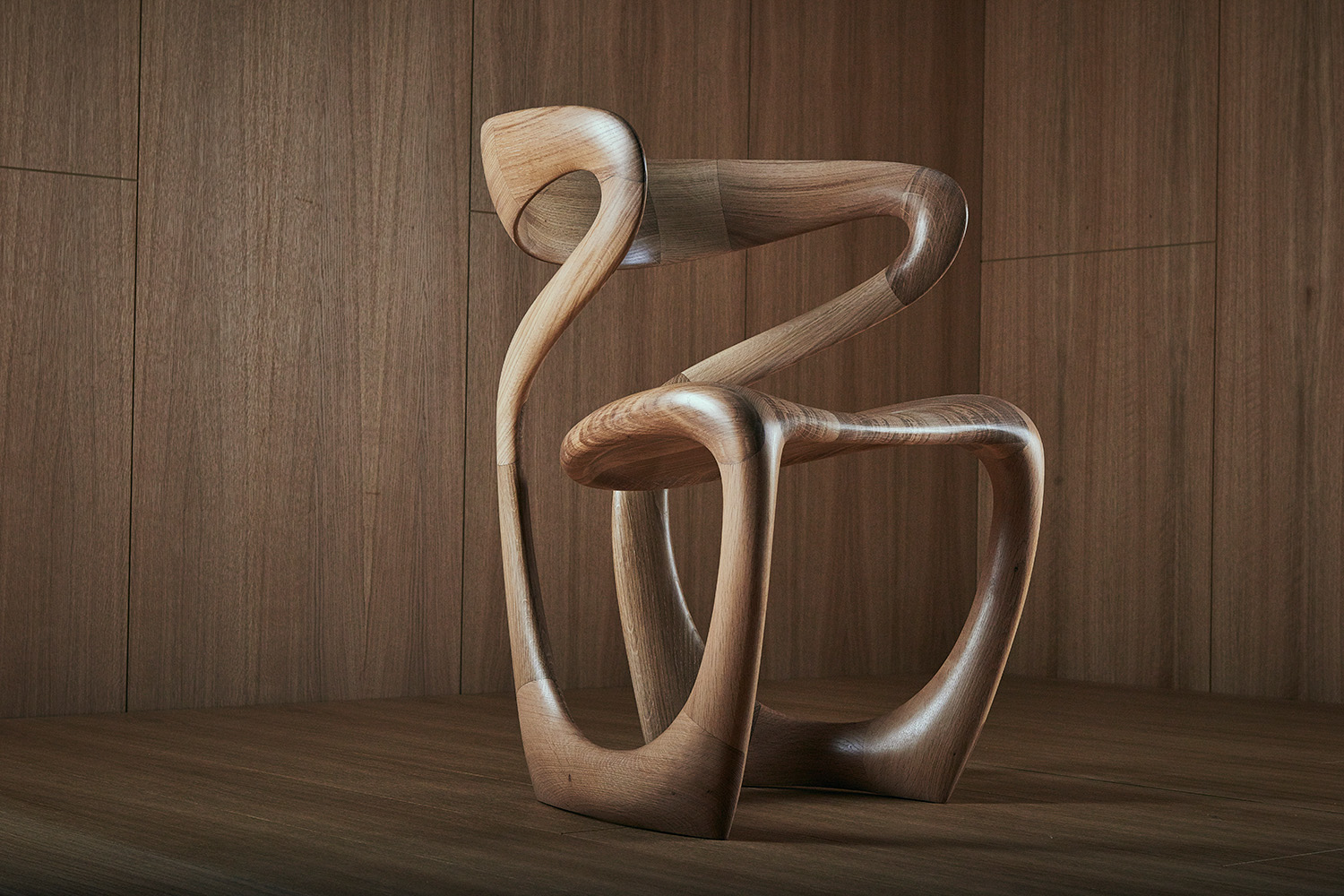
- He makes sculptures, furniture and installations
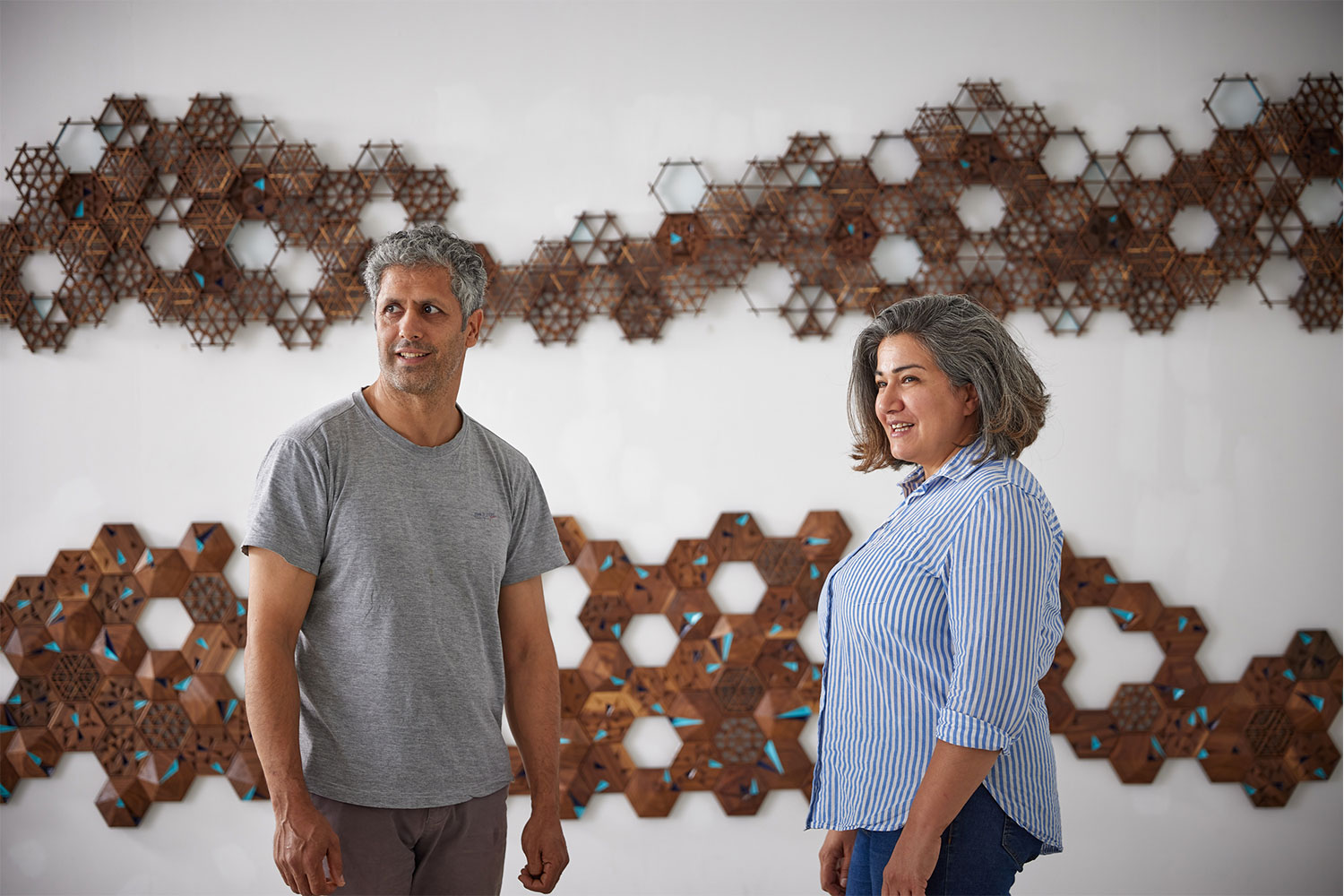
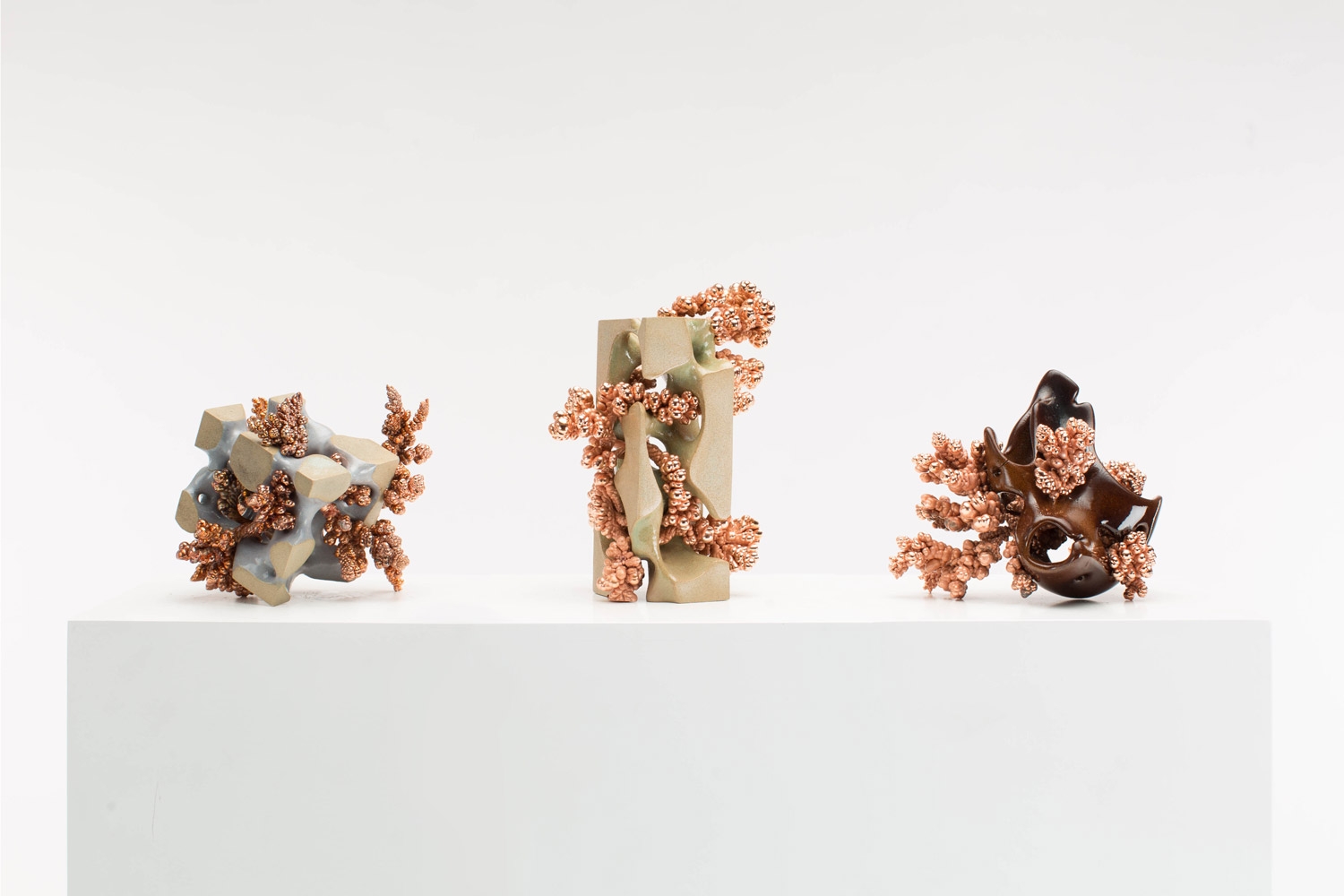
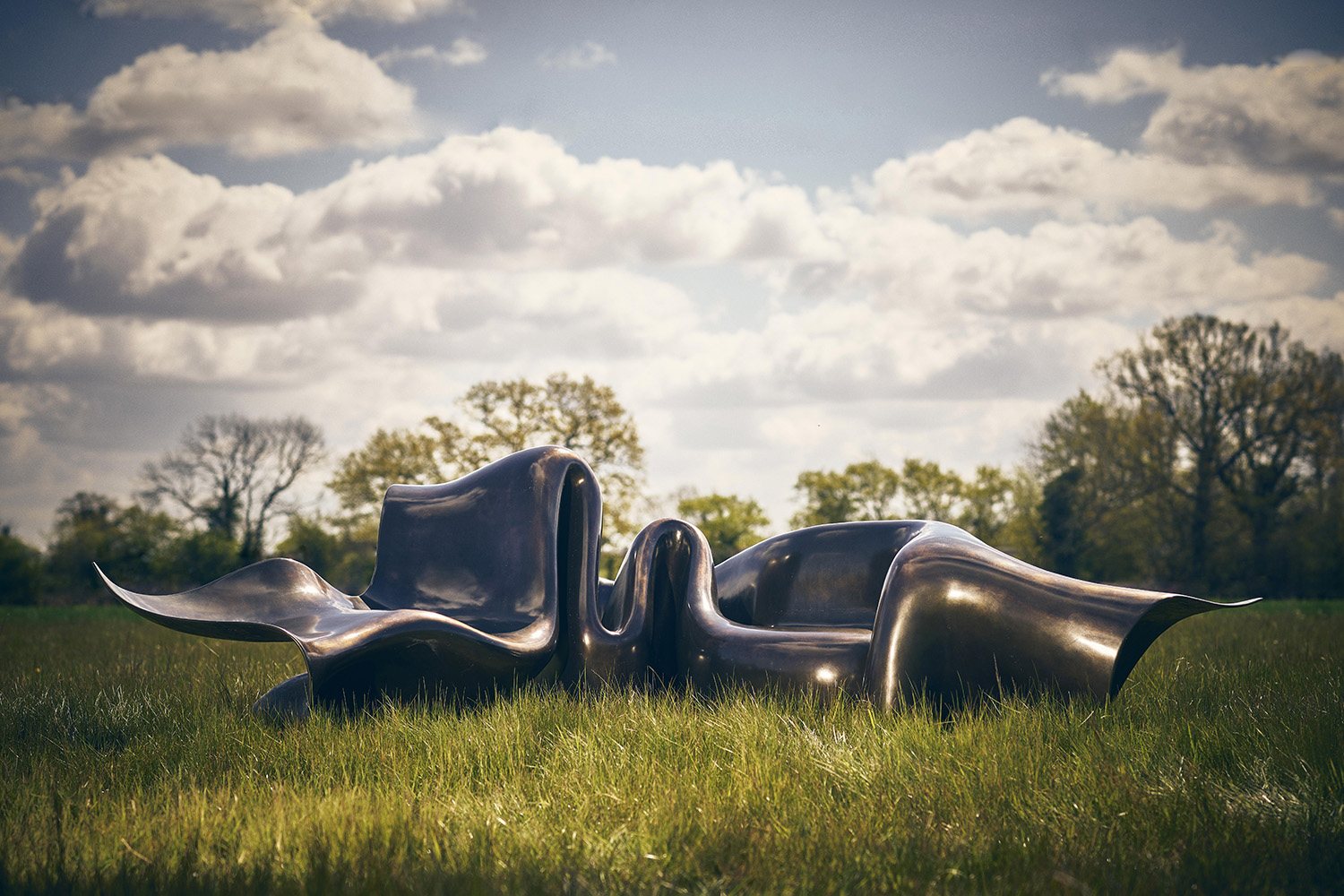
- Complex three-dimensional forms are his signature pieces
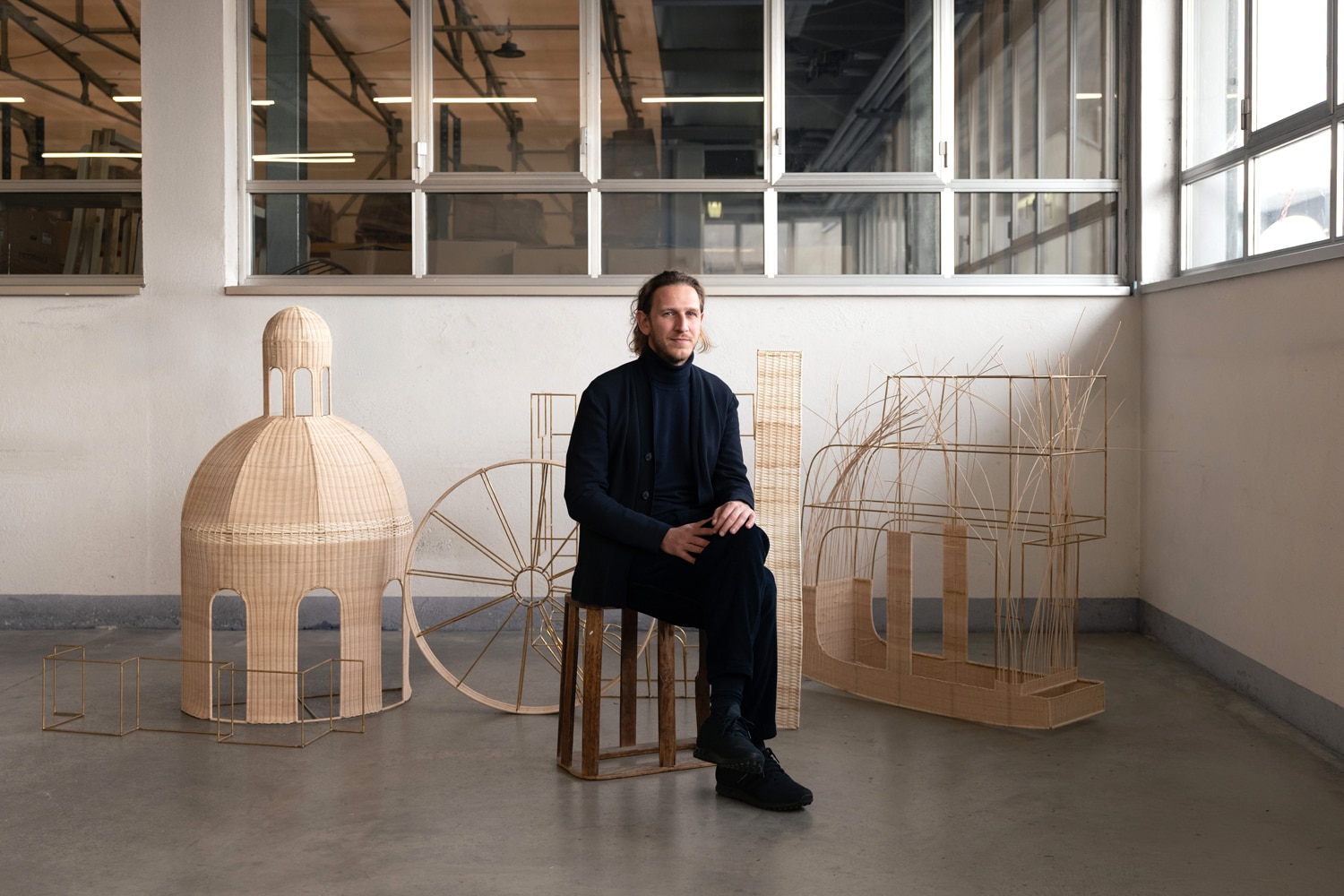
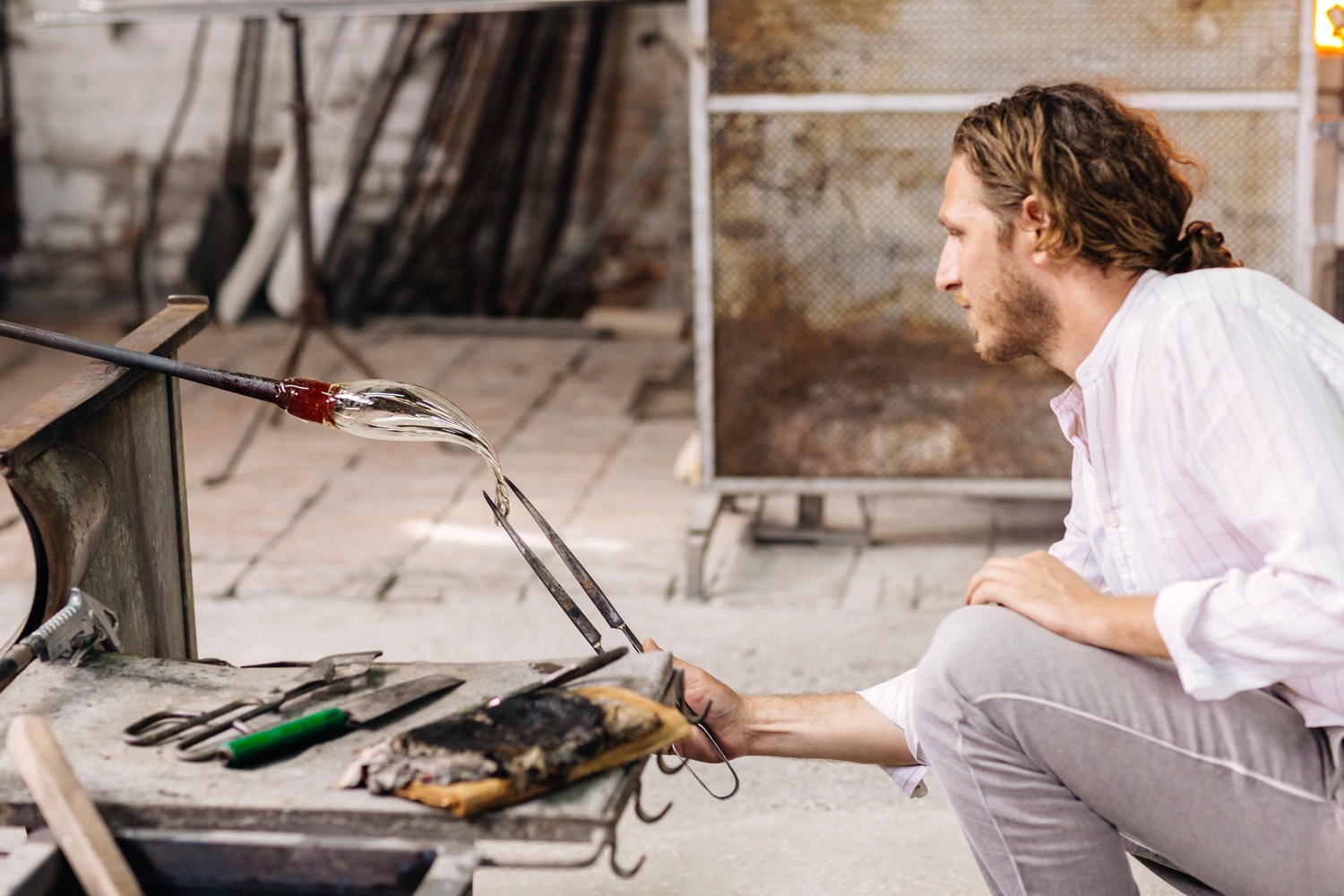
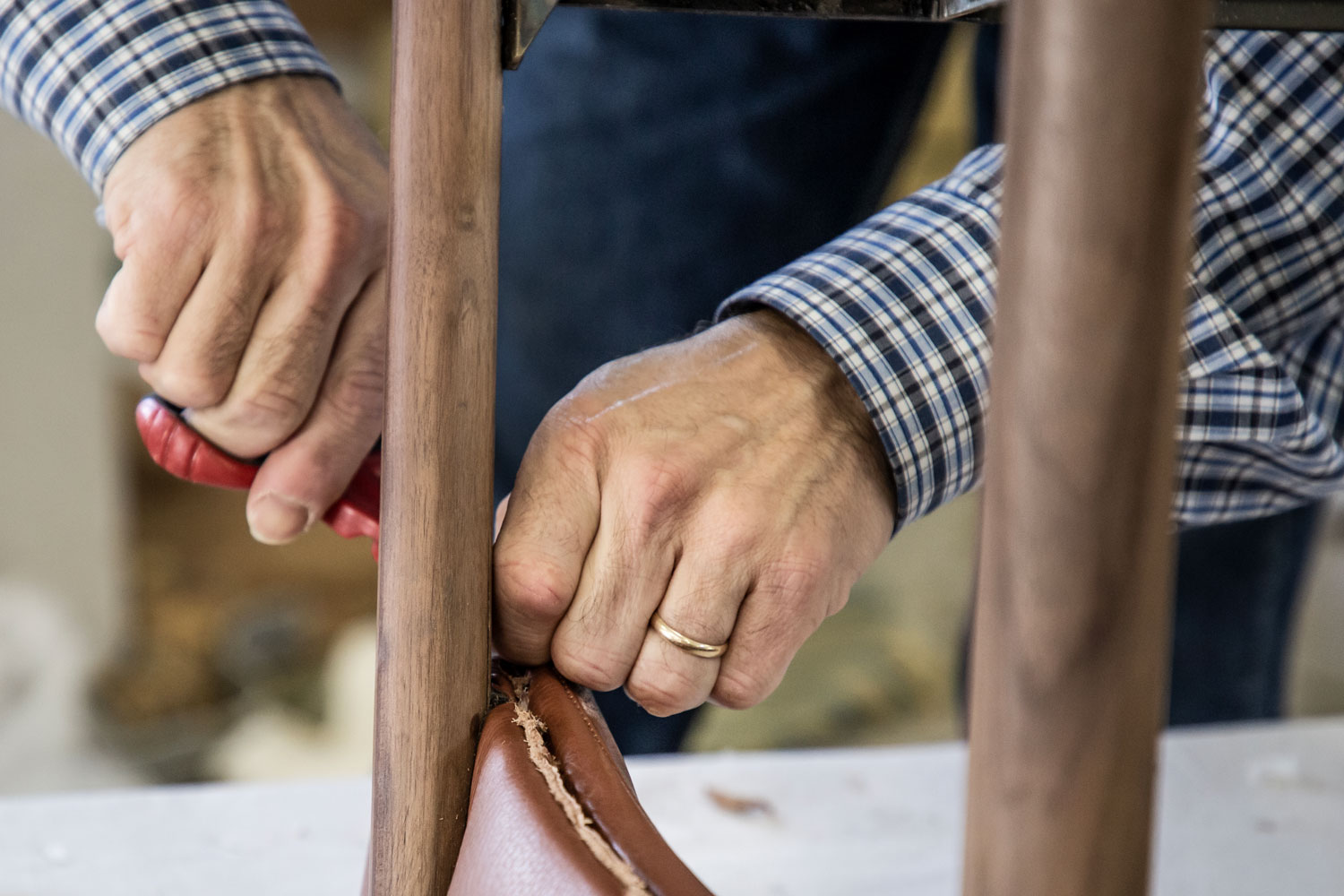
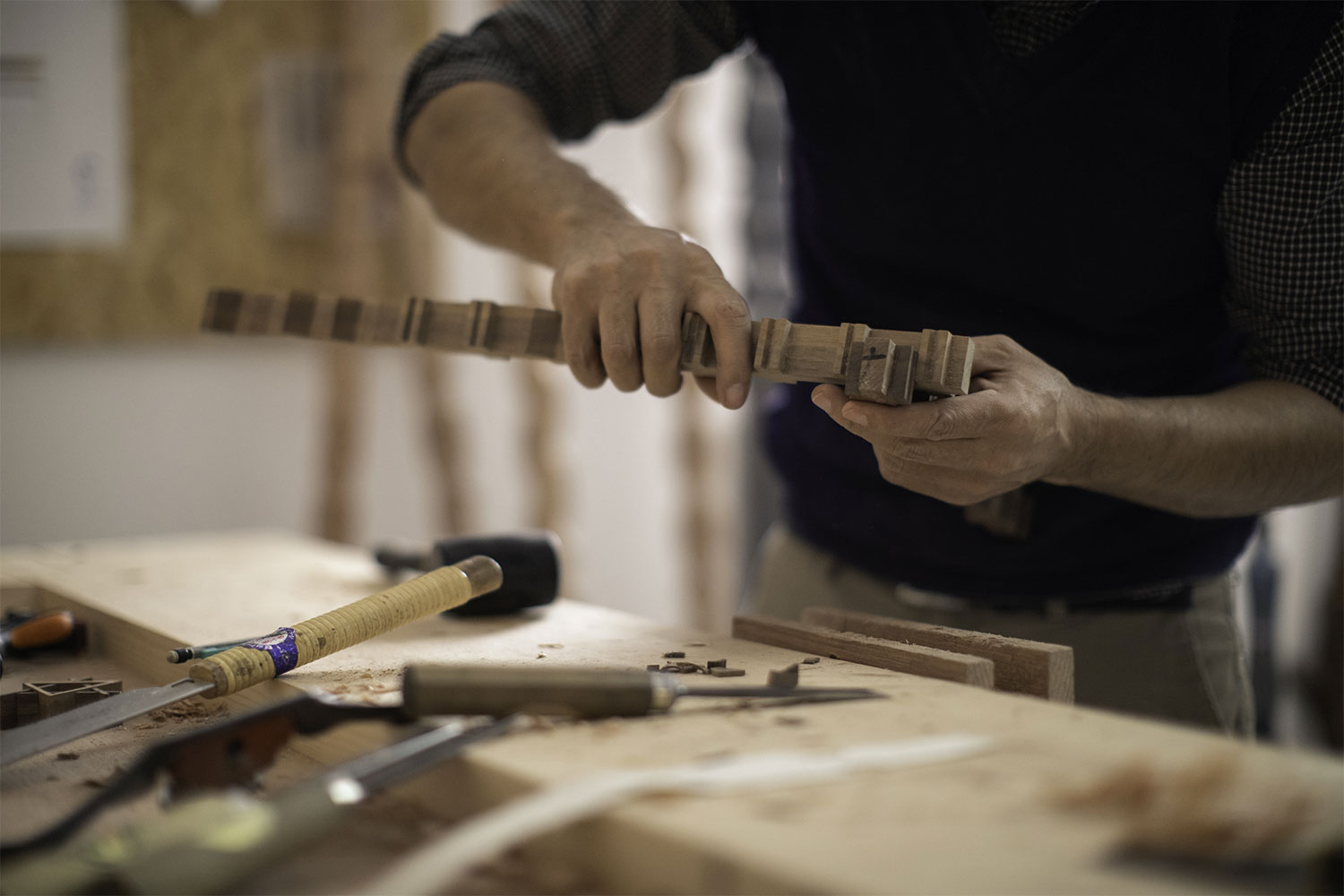
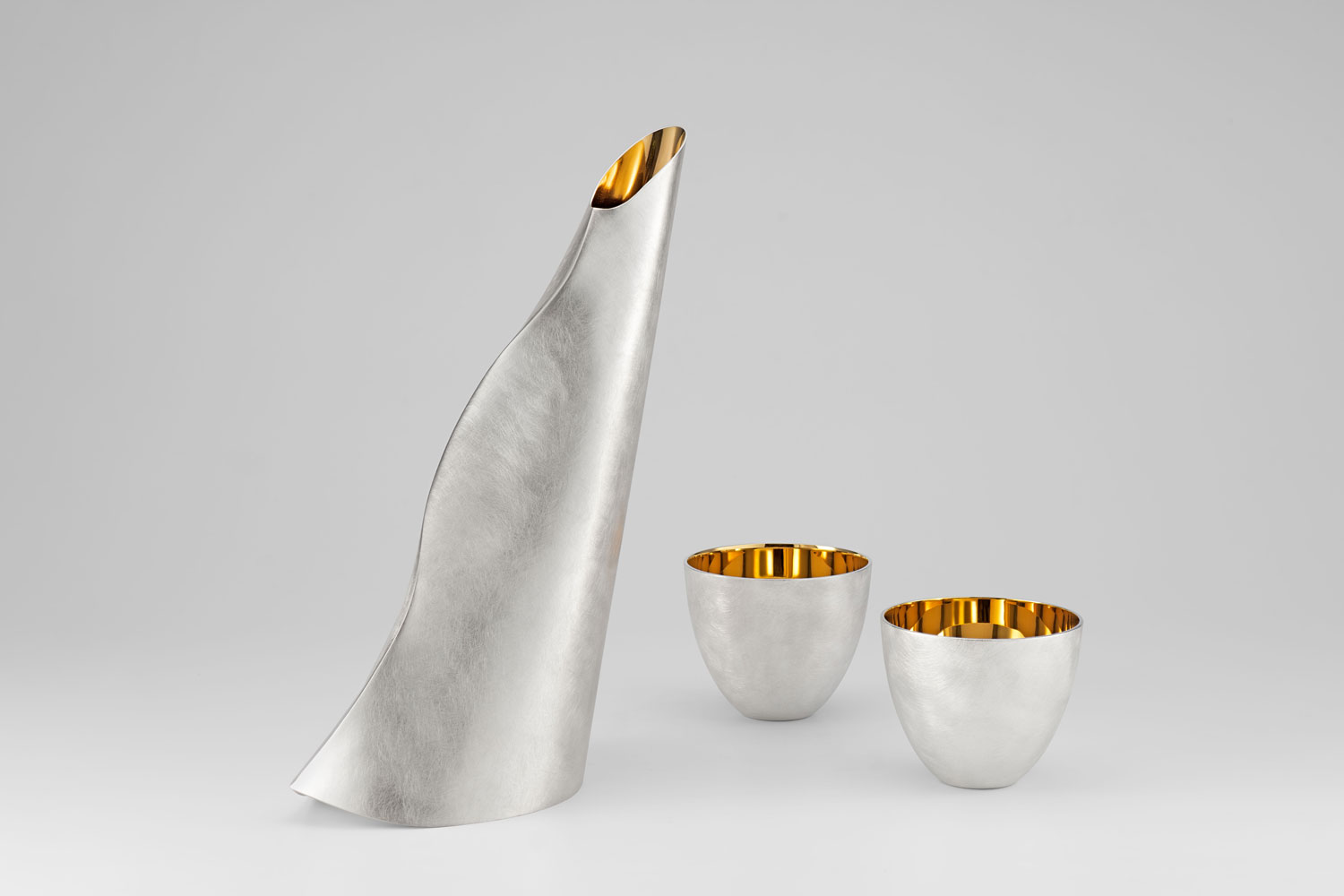
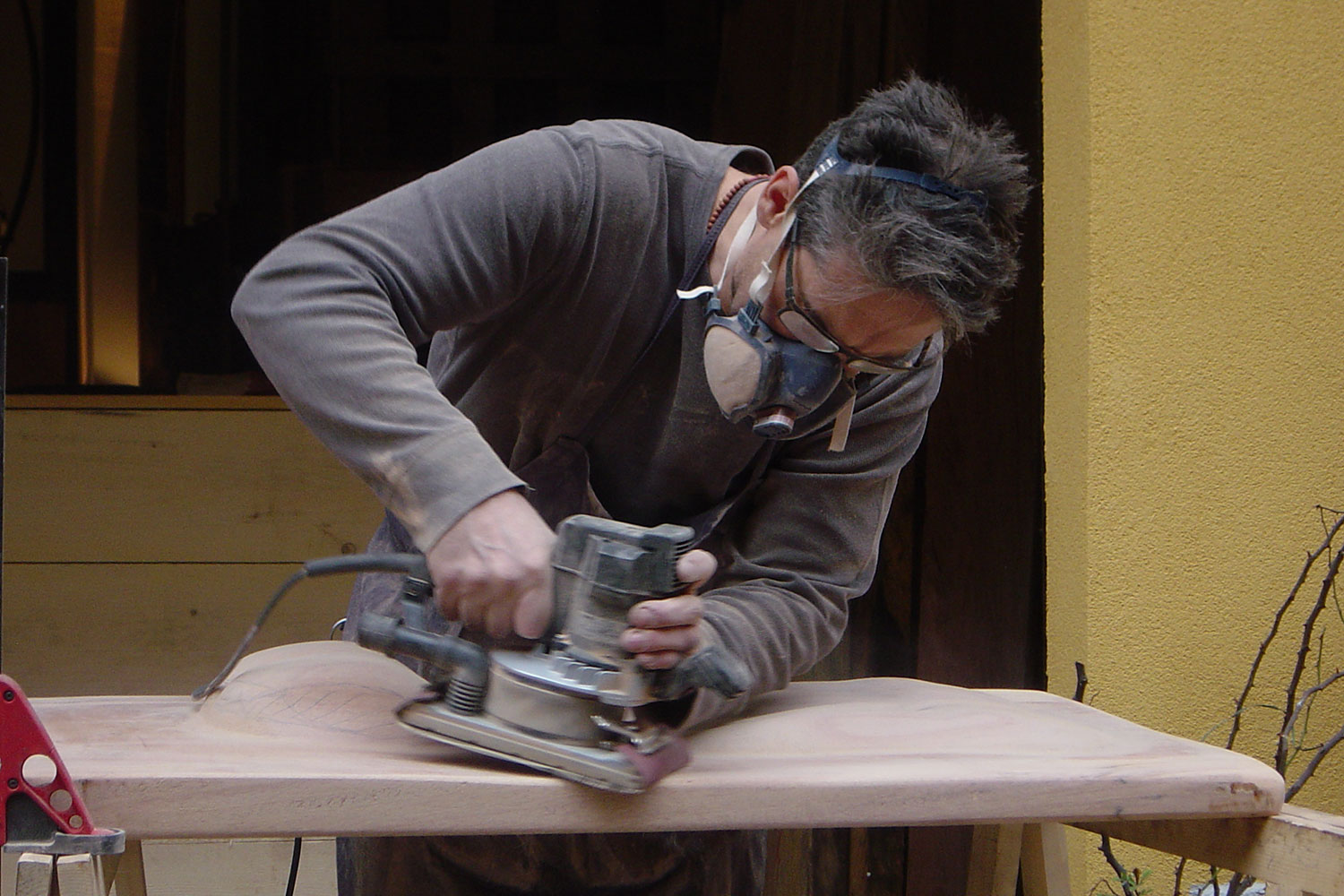
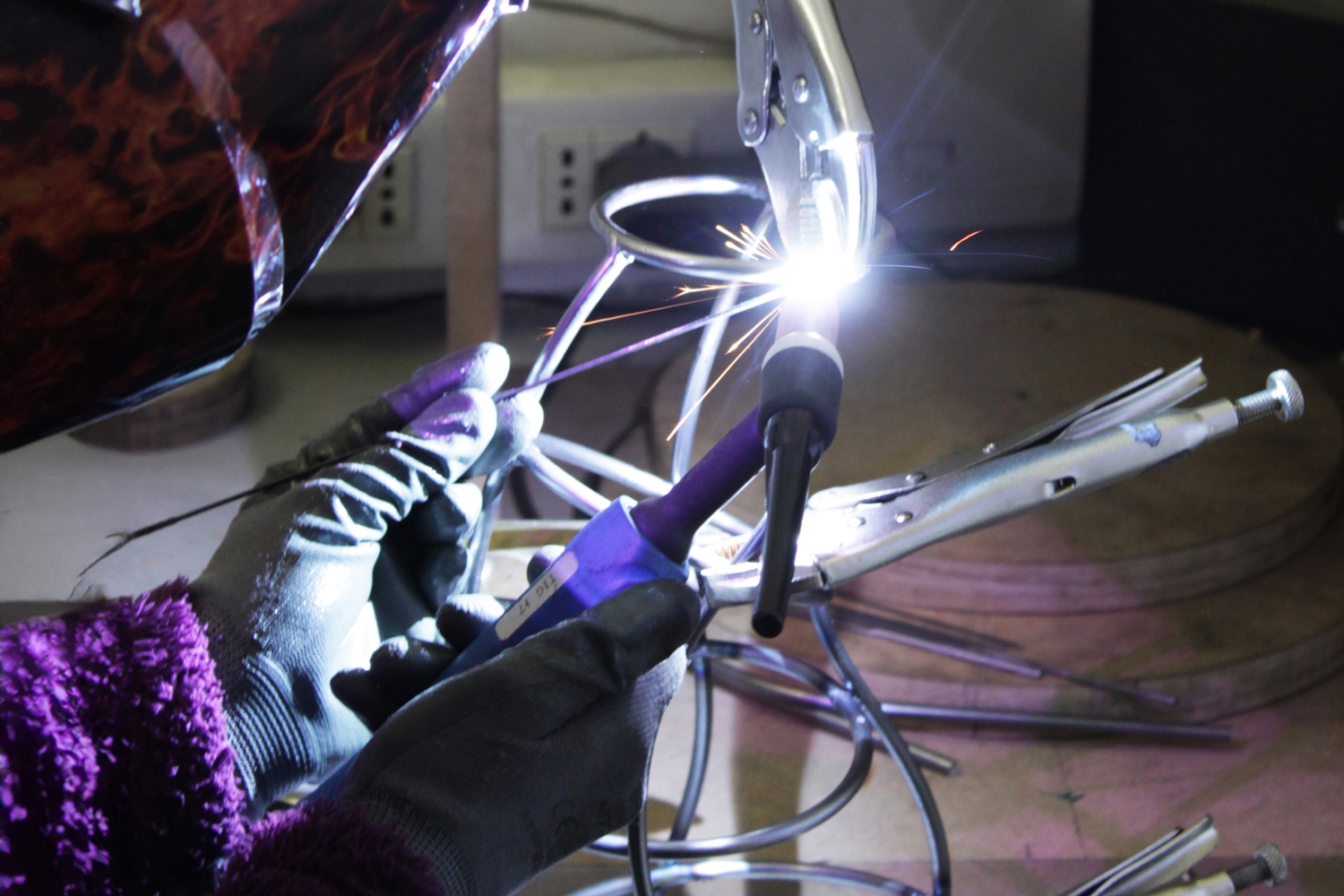
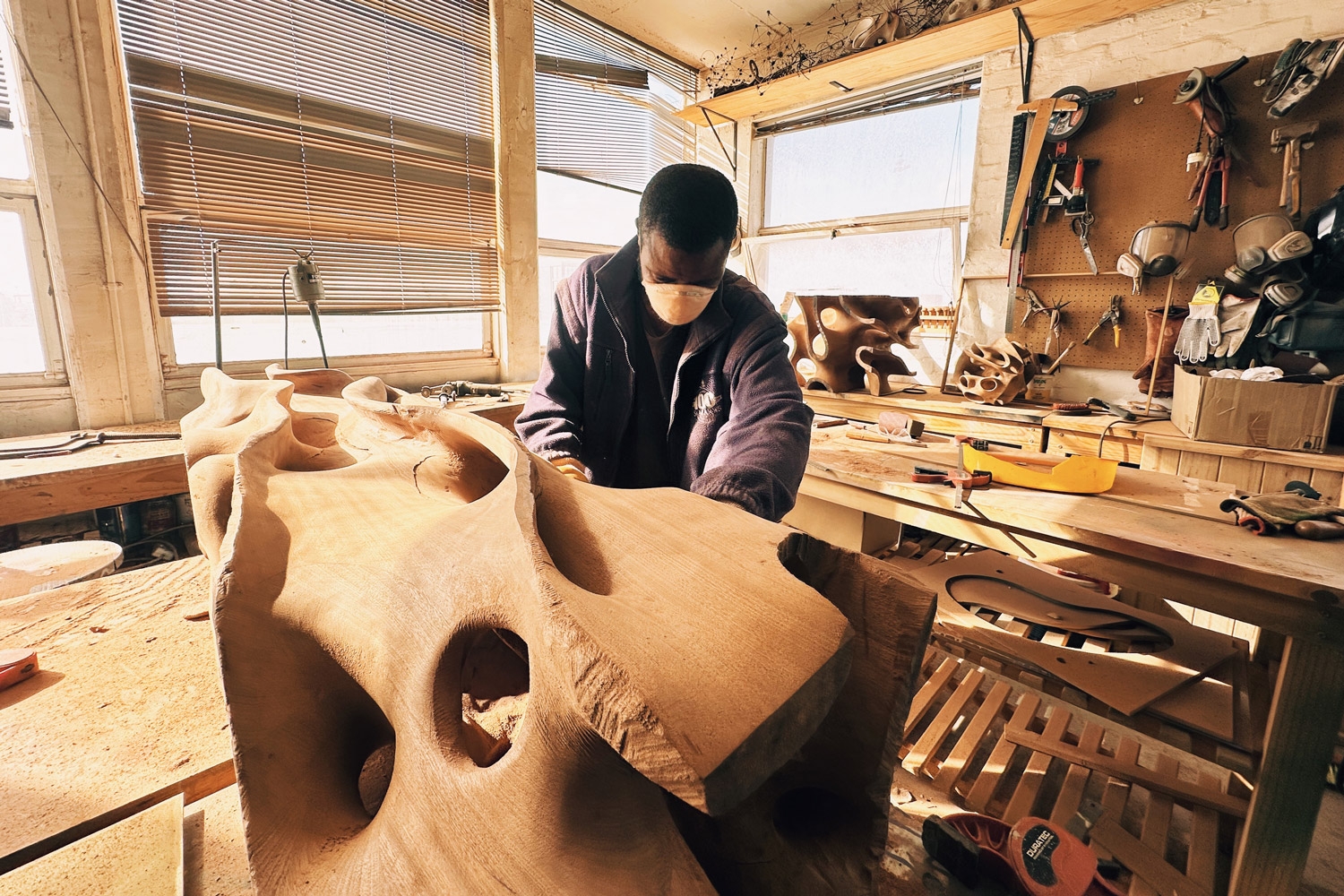
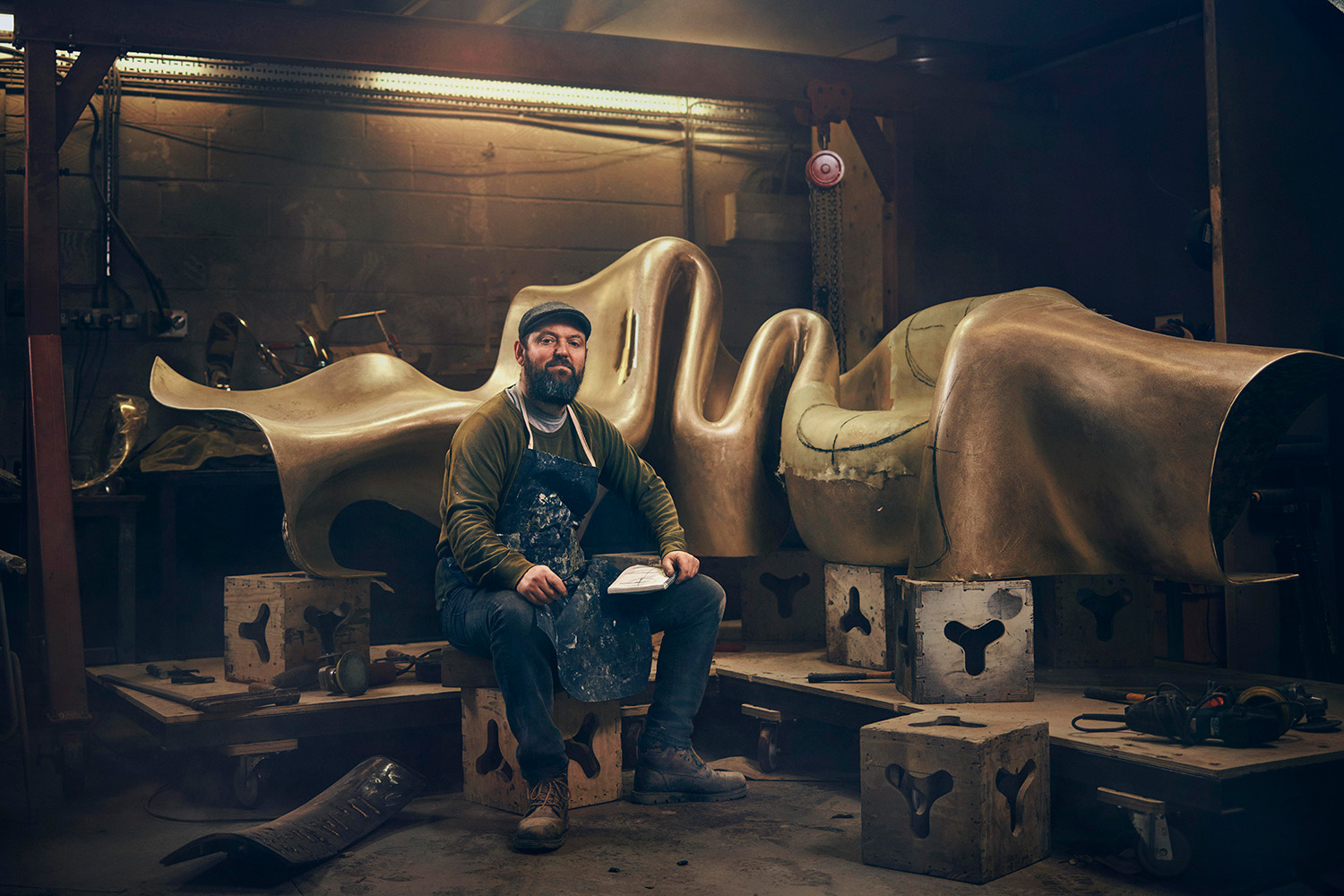
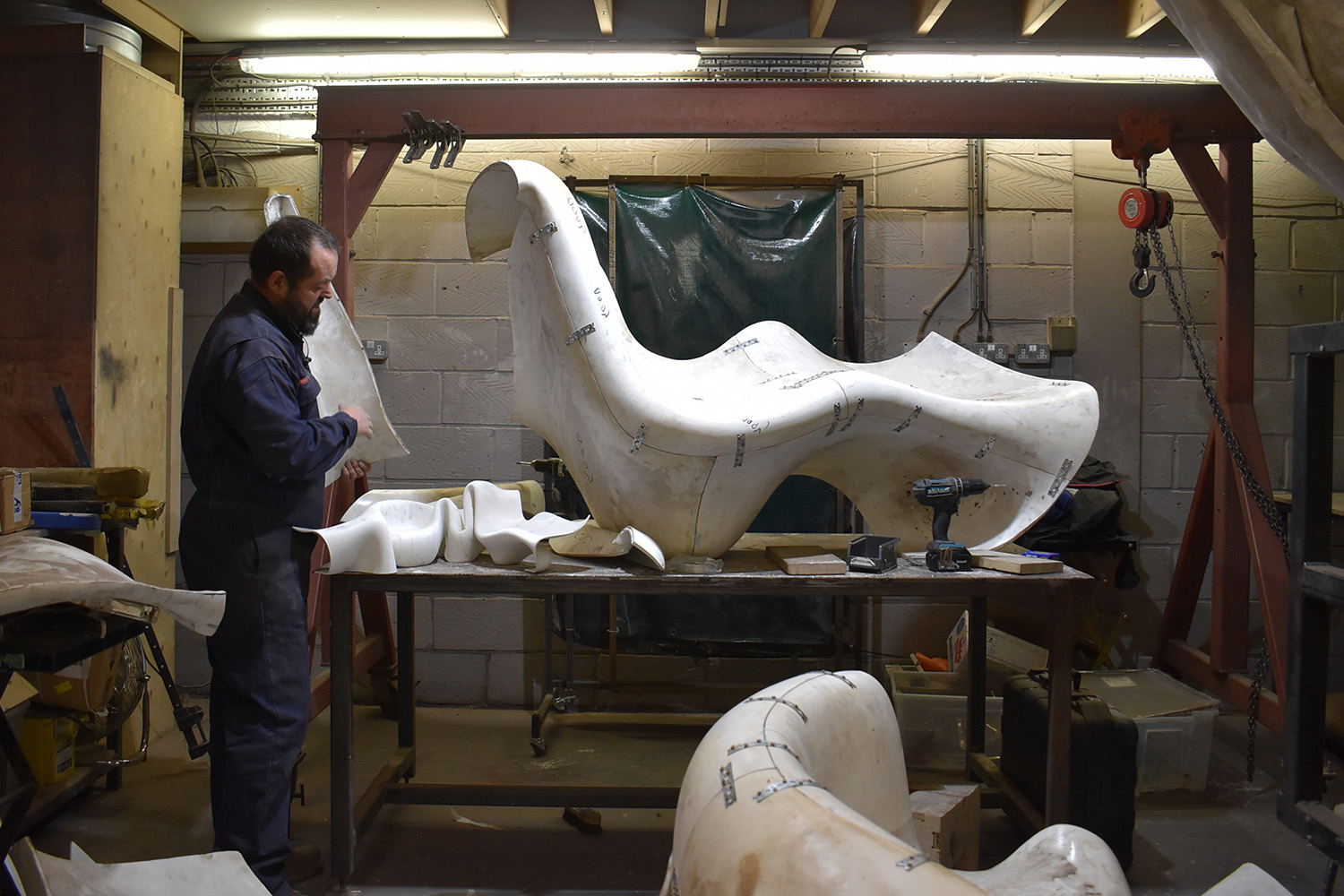
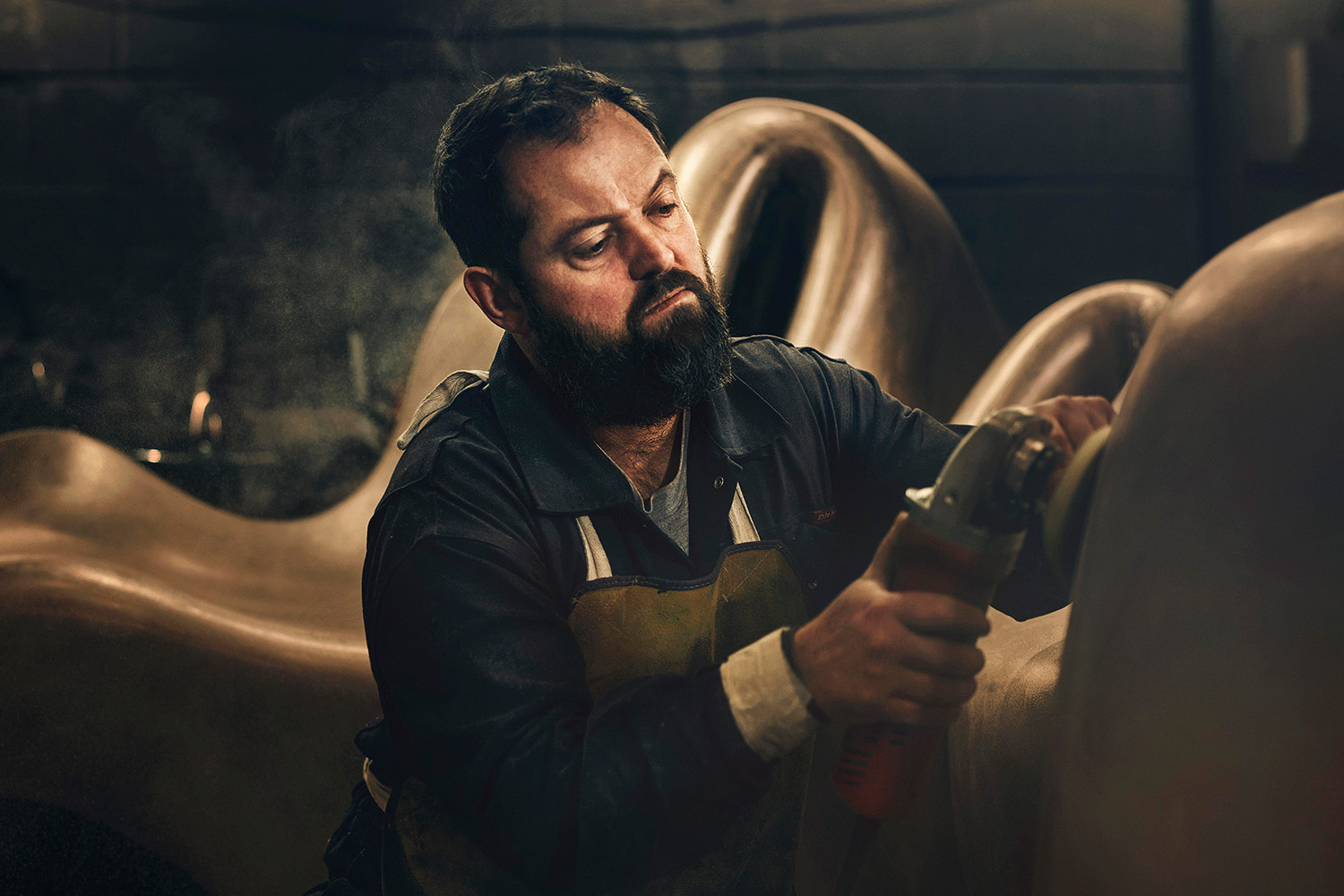
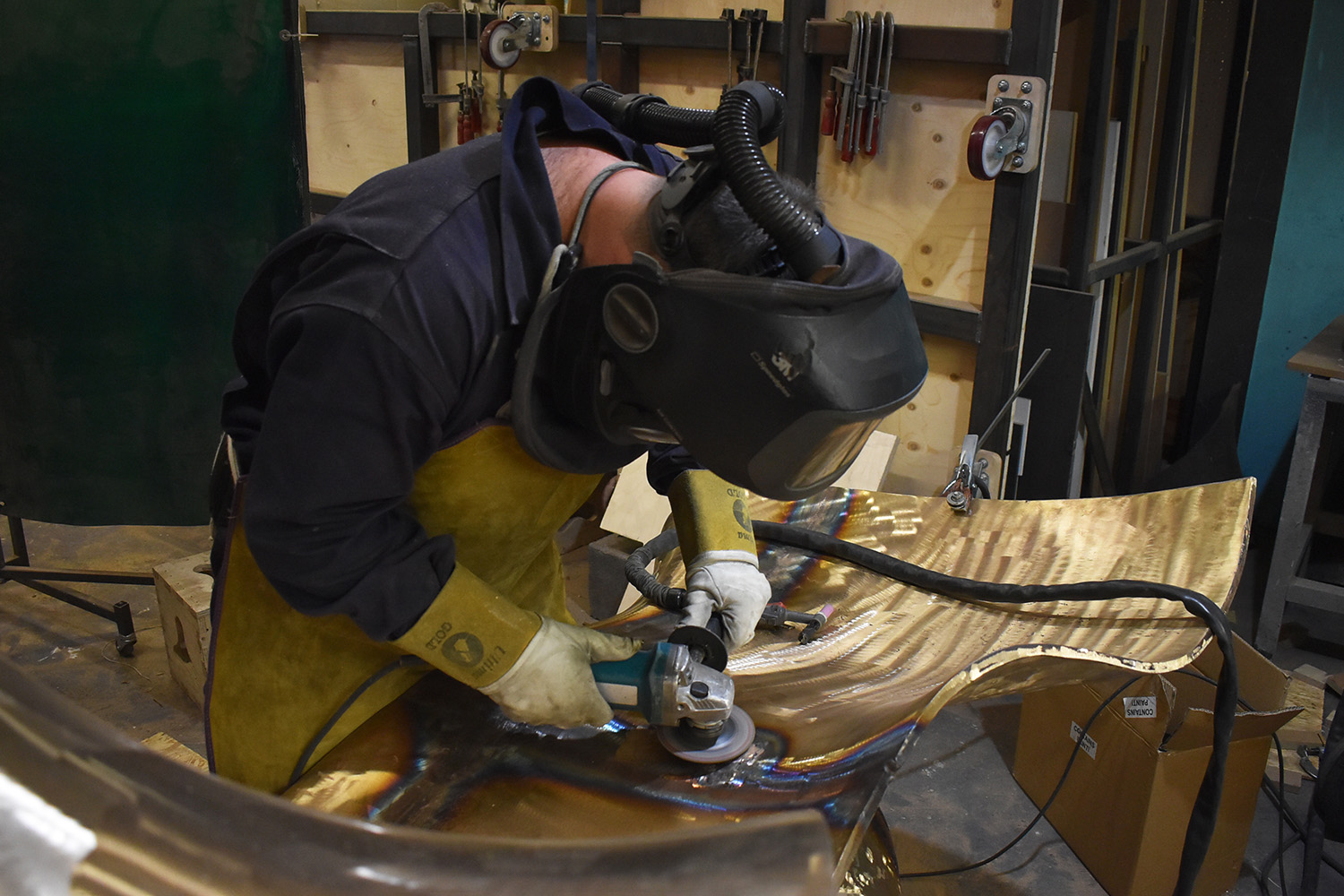
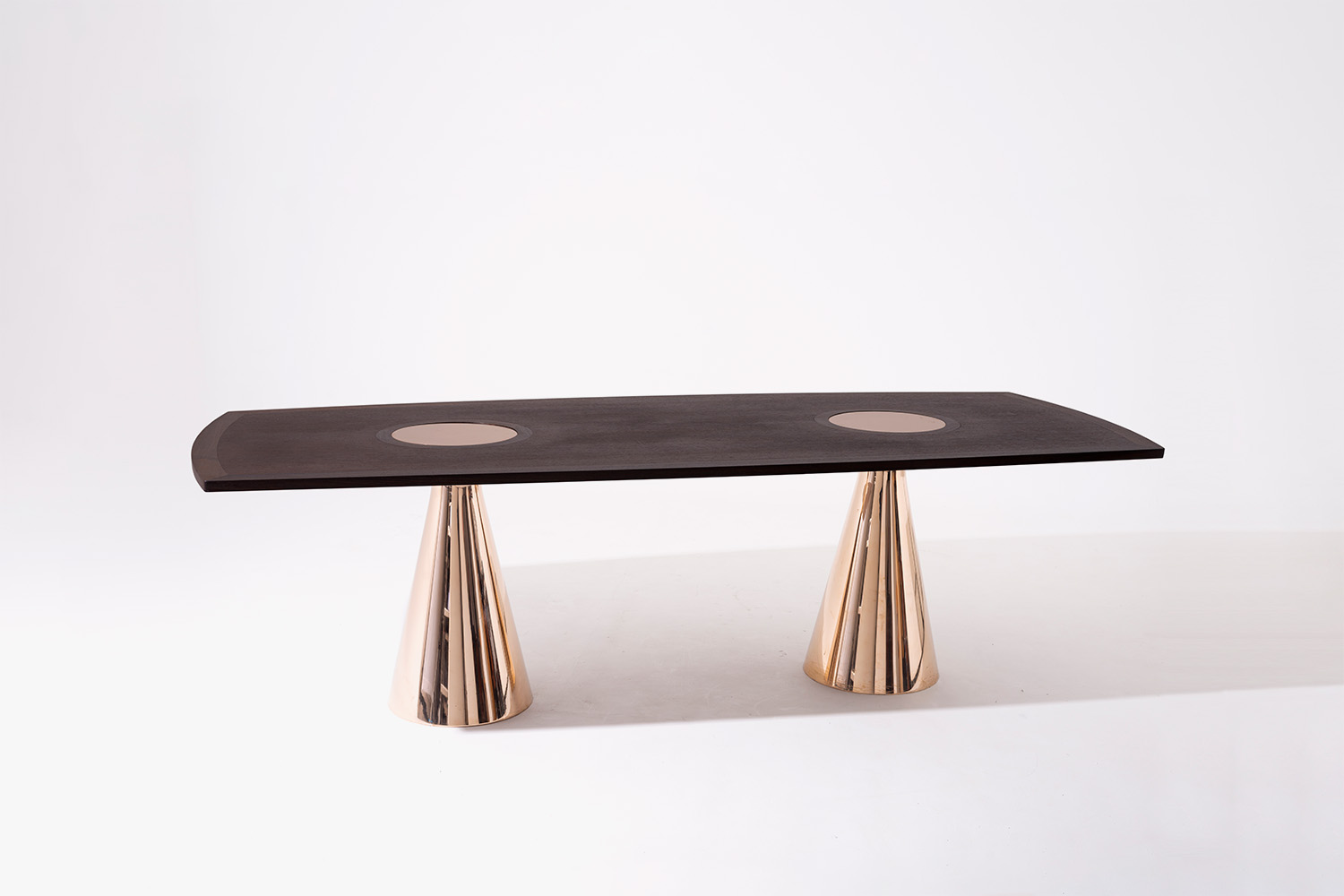
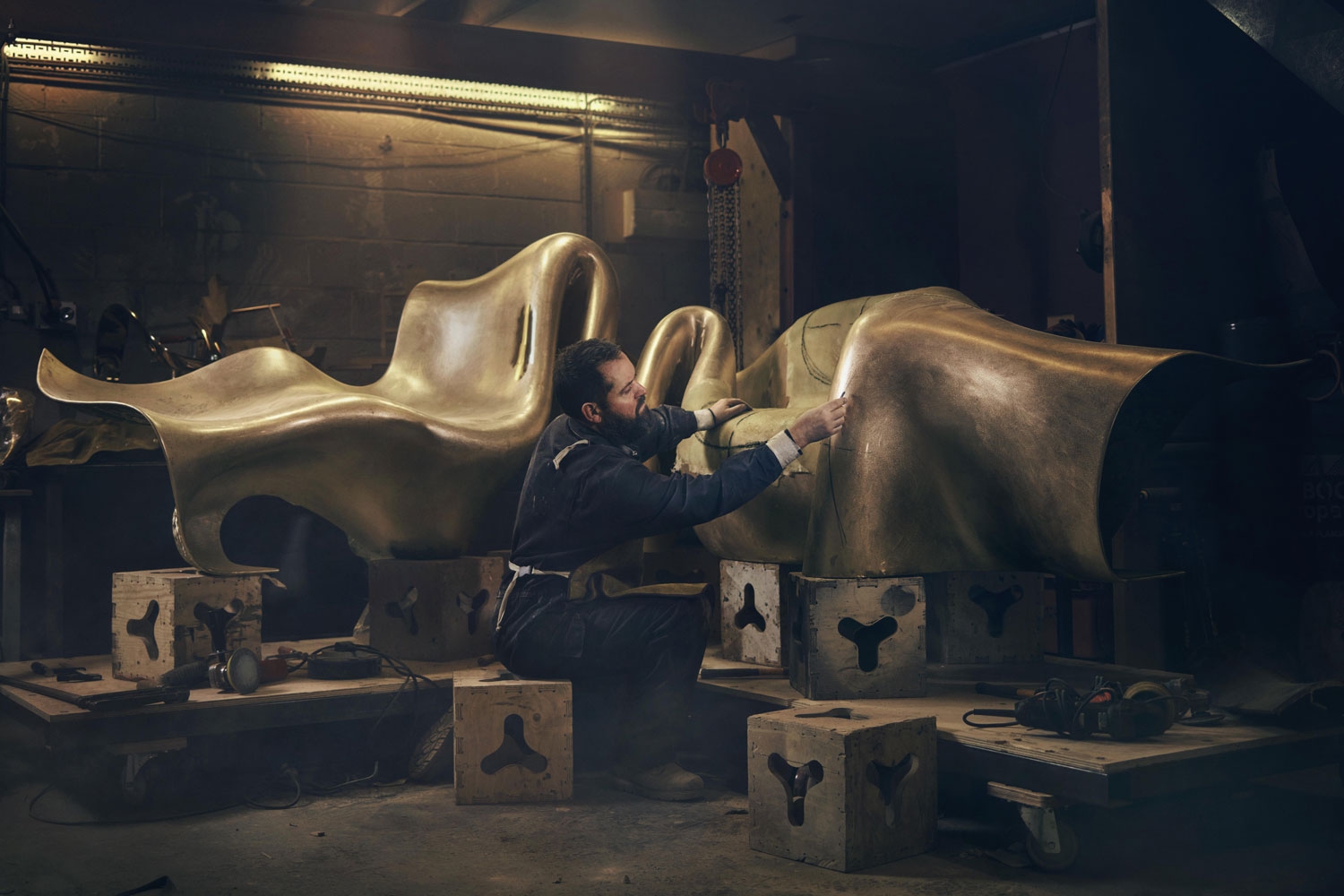
Tom Vaughan was trained both in cabinetmaking and in product design at the Royal College of Art, where he is now also a lecturer. In 2011 he founded his East London workshop, Object Studio, with a small team of highly skilled craftspeople. Their extensive experience and capabilities mean they work with a wide range of materials to craft high-end bespoke furniture, sculptures and installations. All of the creations are entirely designed and crafted in-house, and reflect the dual nature of founder Tom, at once craftsman and designer. Most of the pieces made at Object Studio are site-specific, one-off designs or short limited editions commissioned by private collectors, interior design firms, galleries and institutions around the world.

INTERVIEW
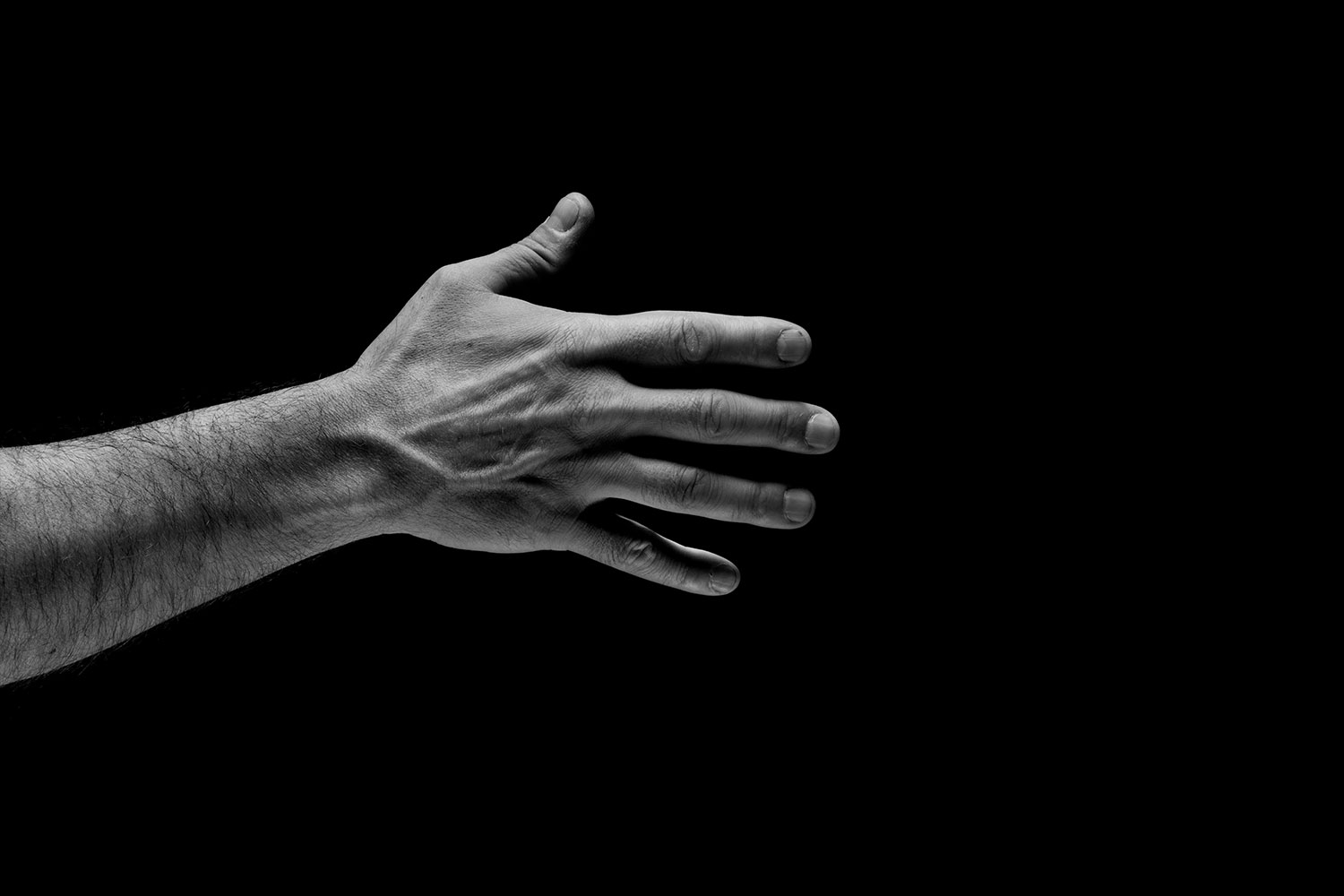
I’m trying to produce work that is beautiful to look at but more importantly being furniture, tactile and pleasing to touch and interact with. For me, the feel of the piece and how you interact with the piece is often more important that the look of the piece.
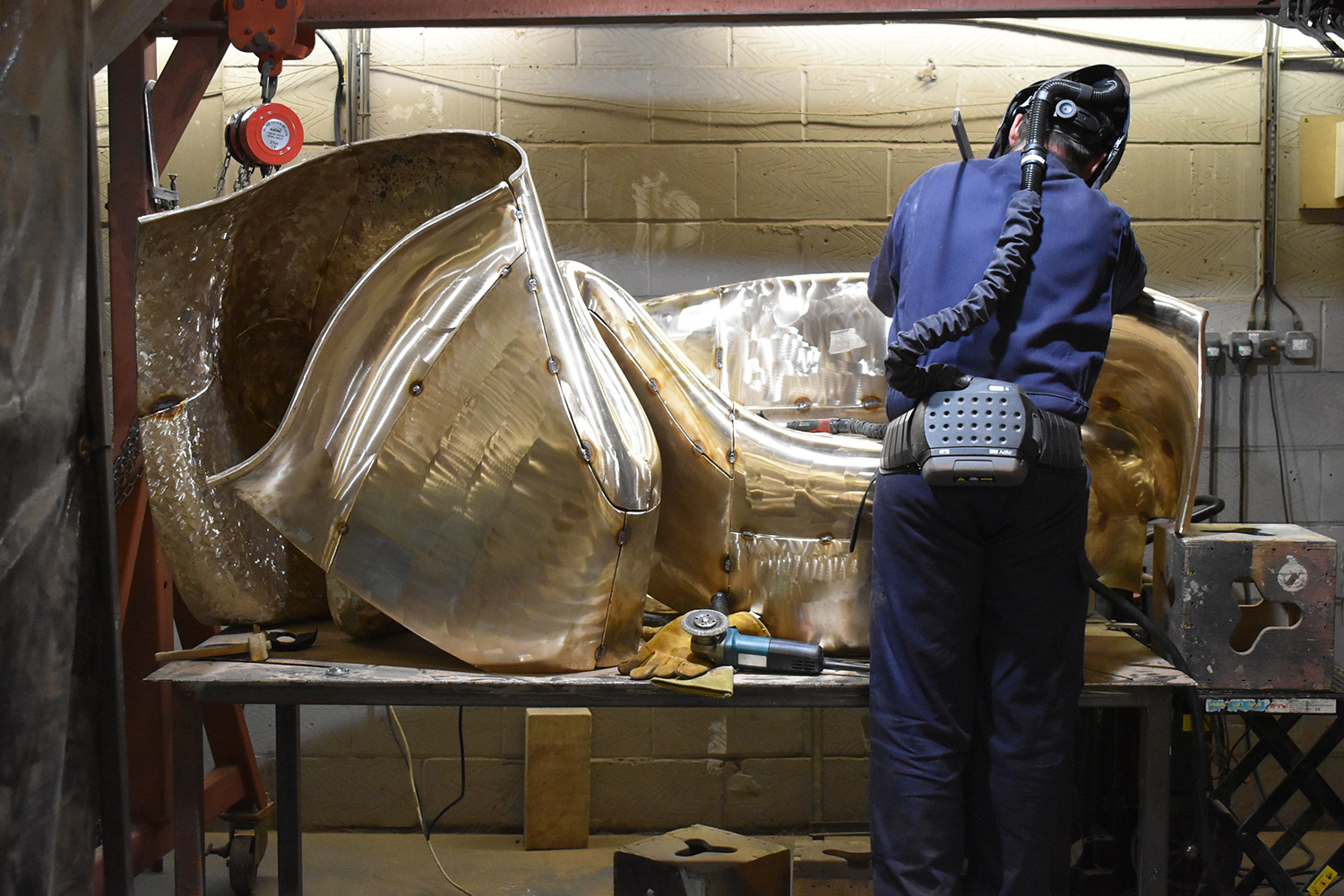
I select materials that are not only beautiful but are tactile and also durable, and very importantly materials that mature and grow in character with age and use. I want materials that embrace wear and aging. I use Oak and bronze a lot for these reasons.
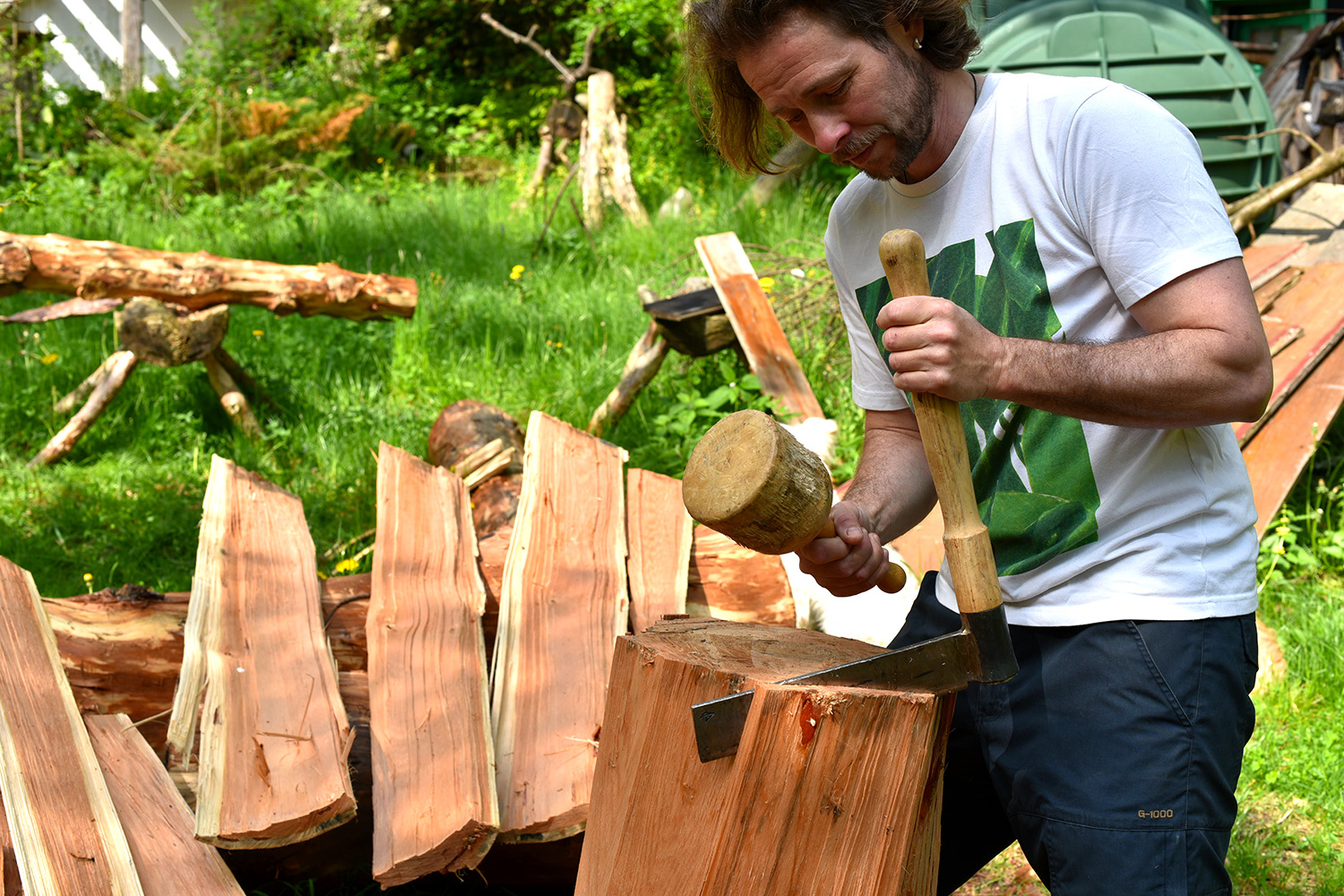
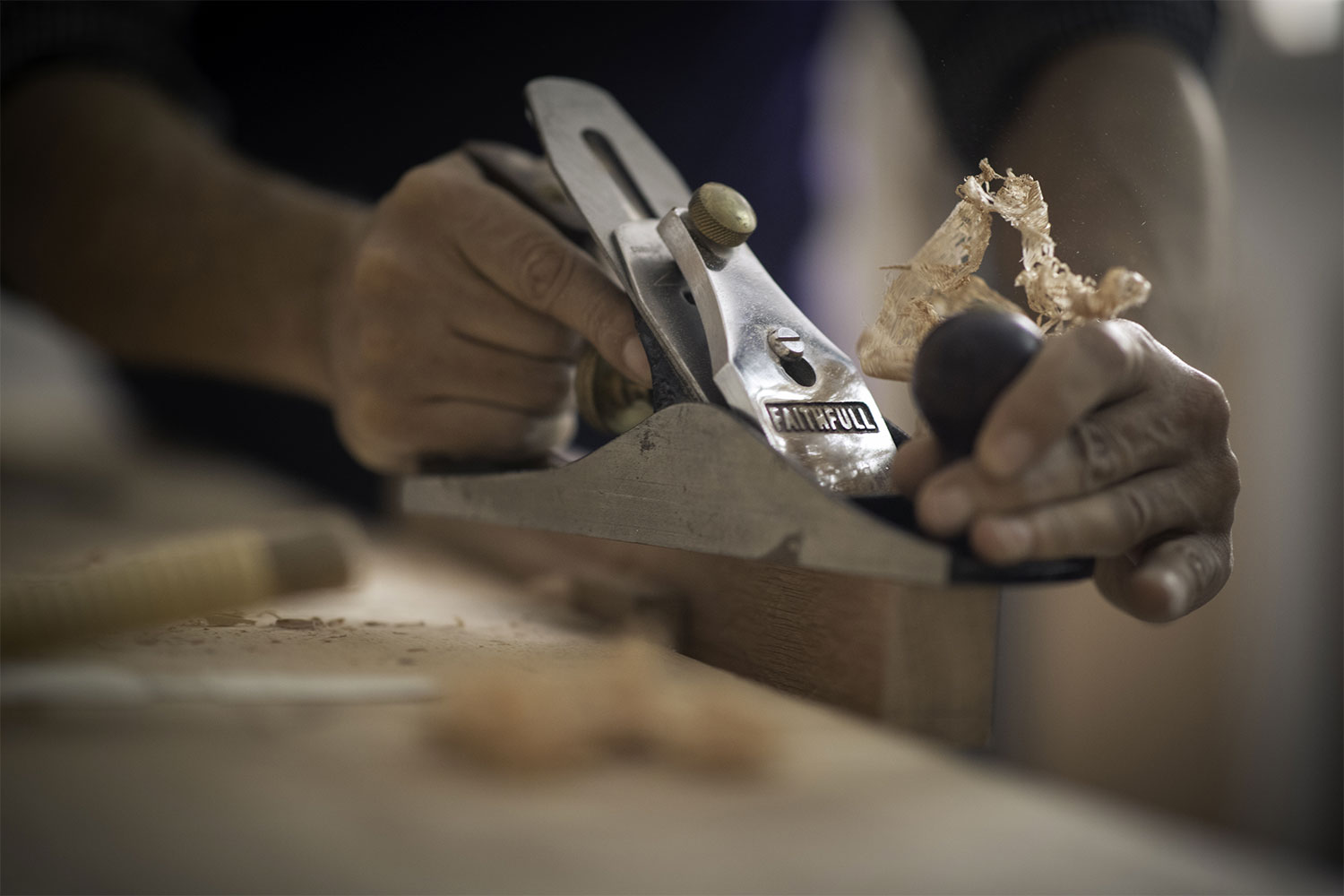
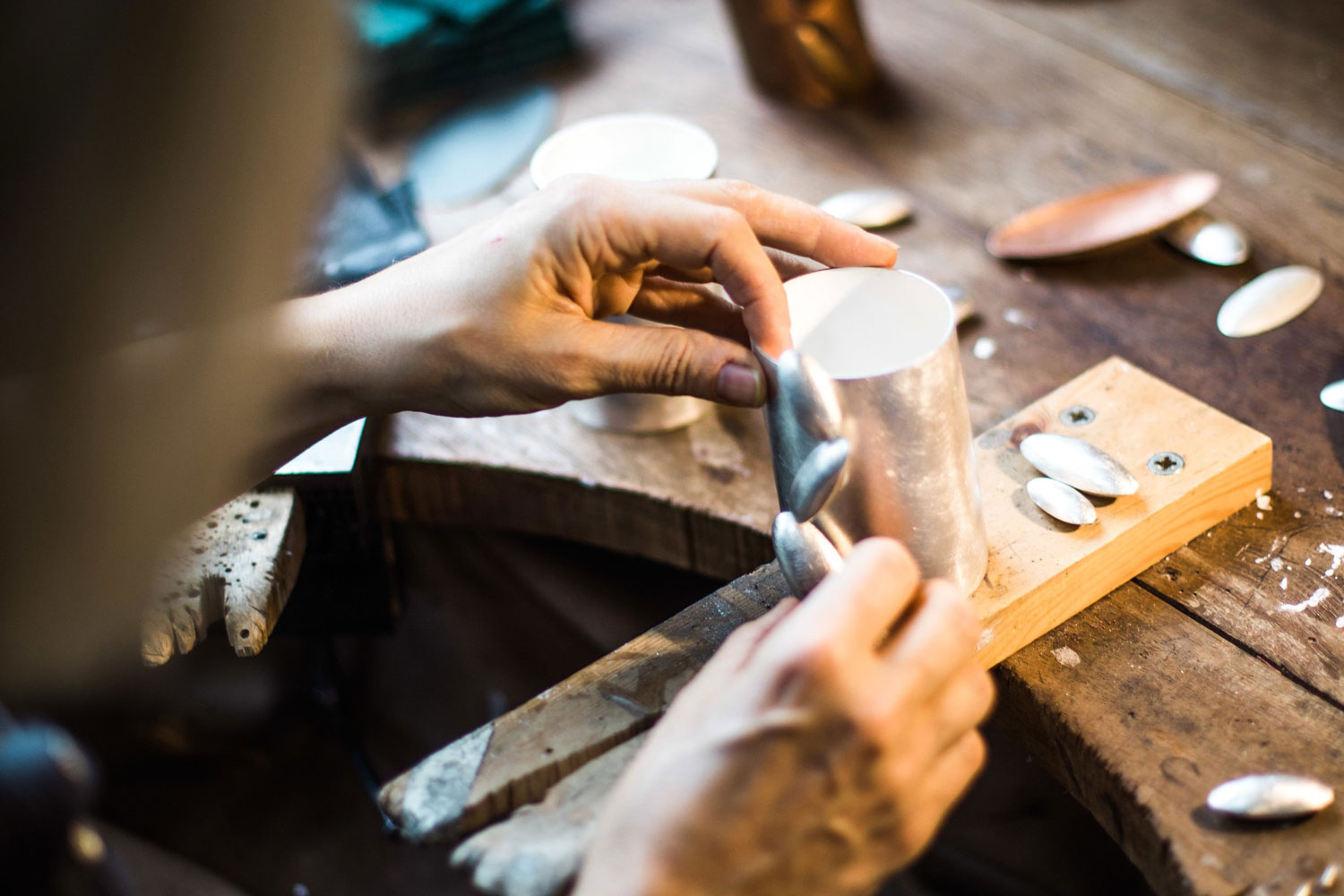
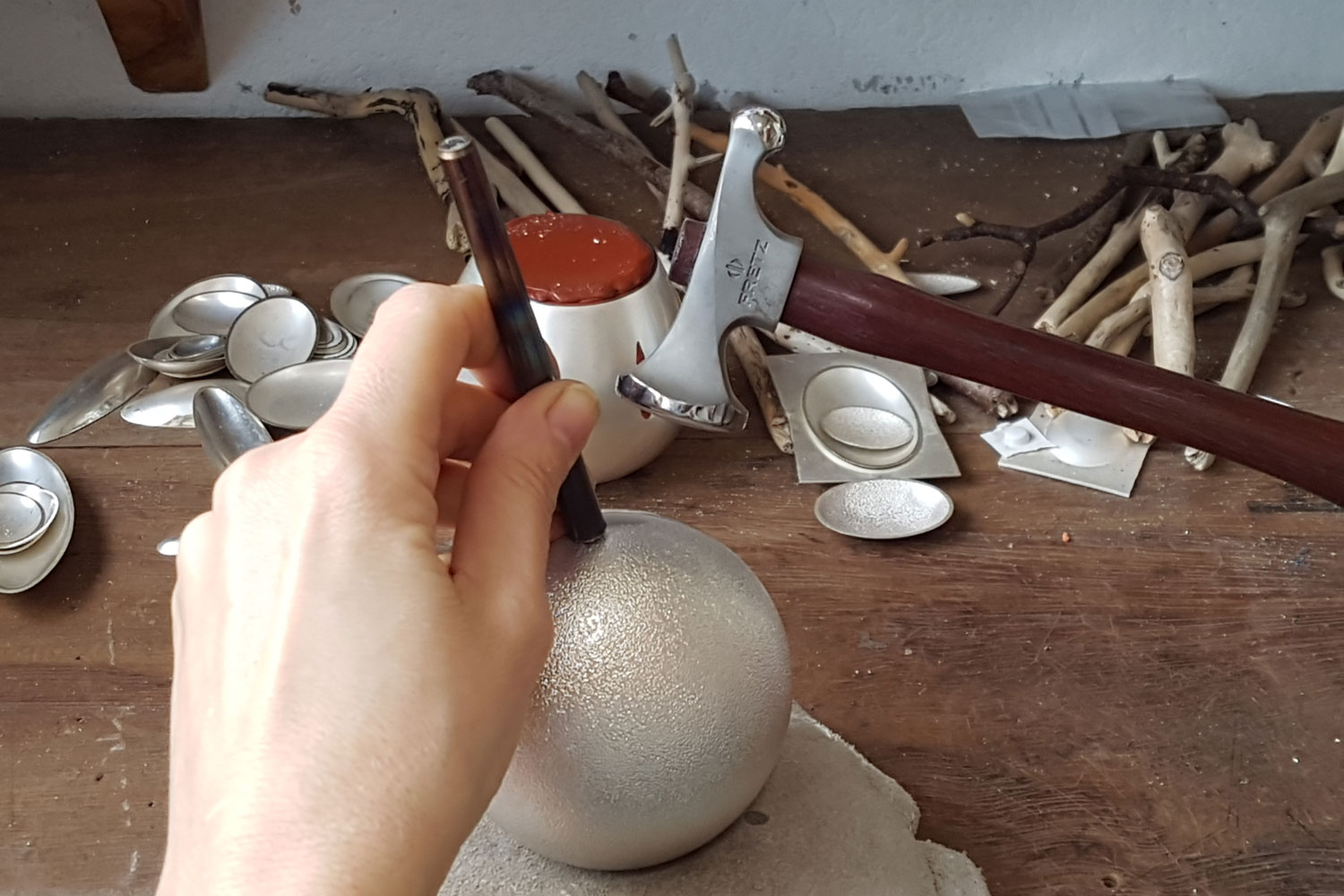
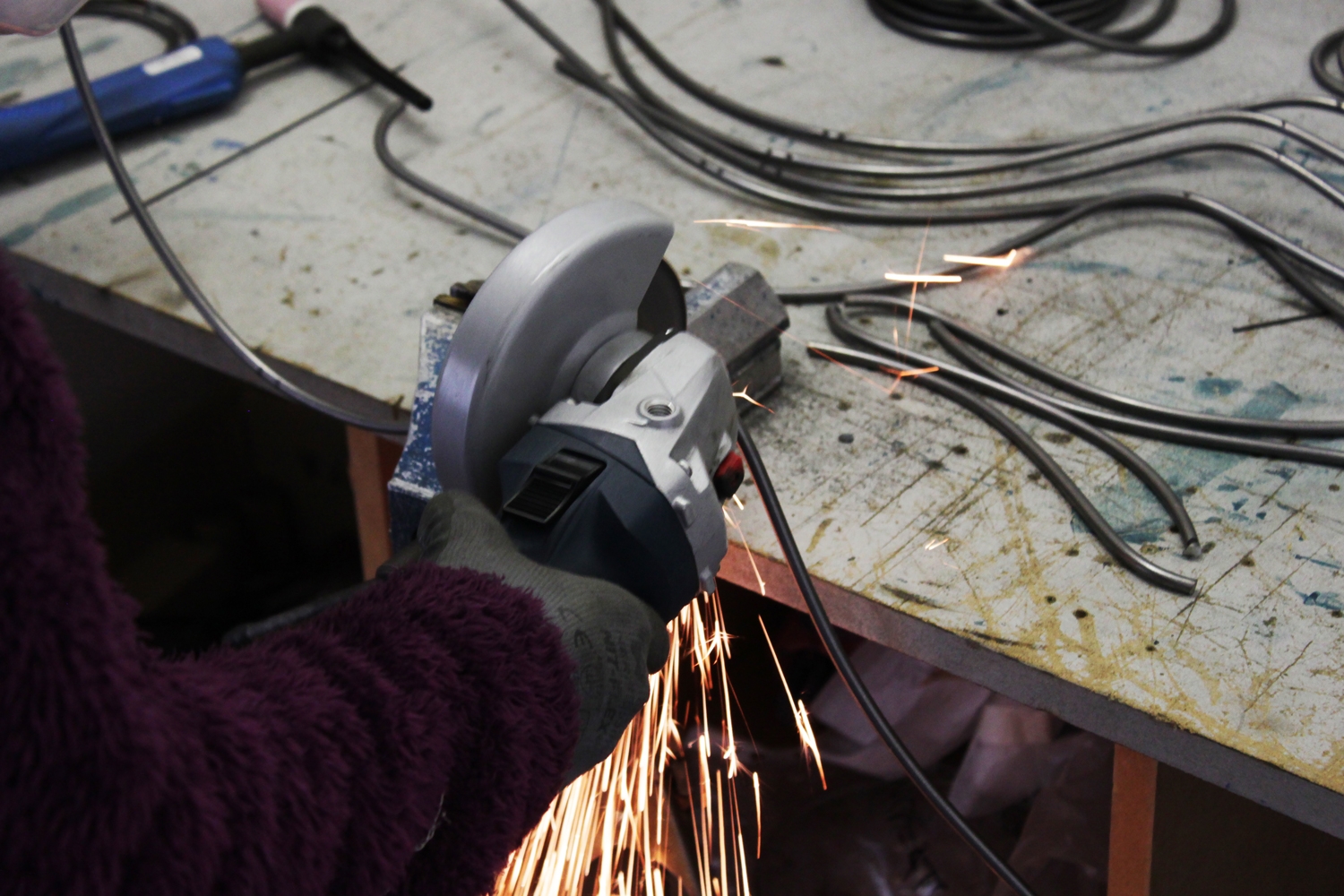
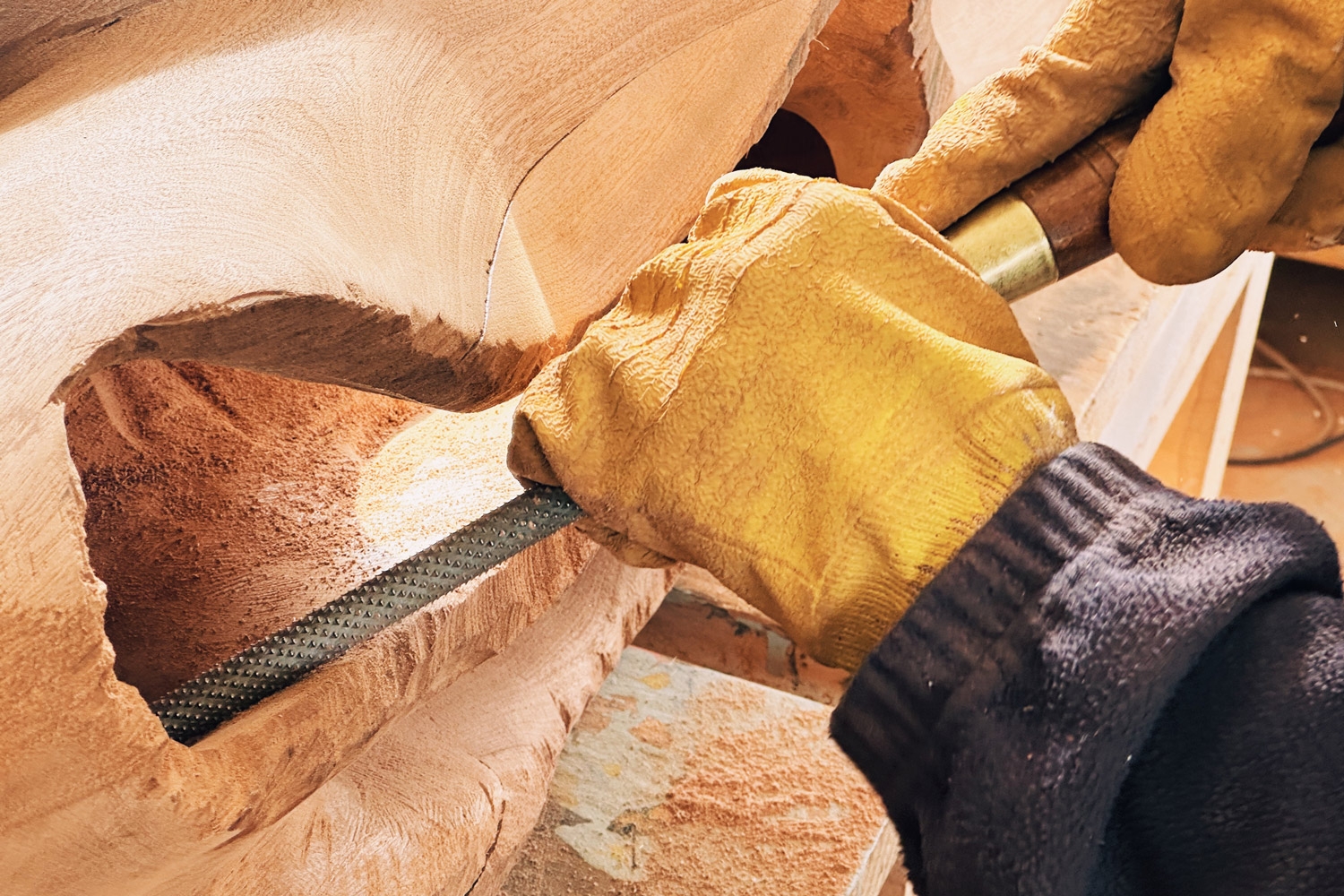
I am obsessed with the process. Mastering and combining both traditional and modern processes, and pushing the capabilities of what can be achieved with them together has been at the core of the last 15 years of my work. I developed my own modern digital craft techniques.
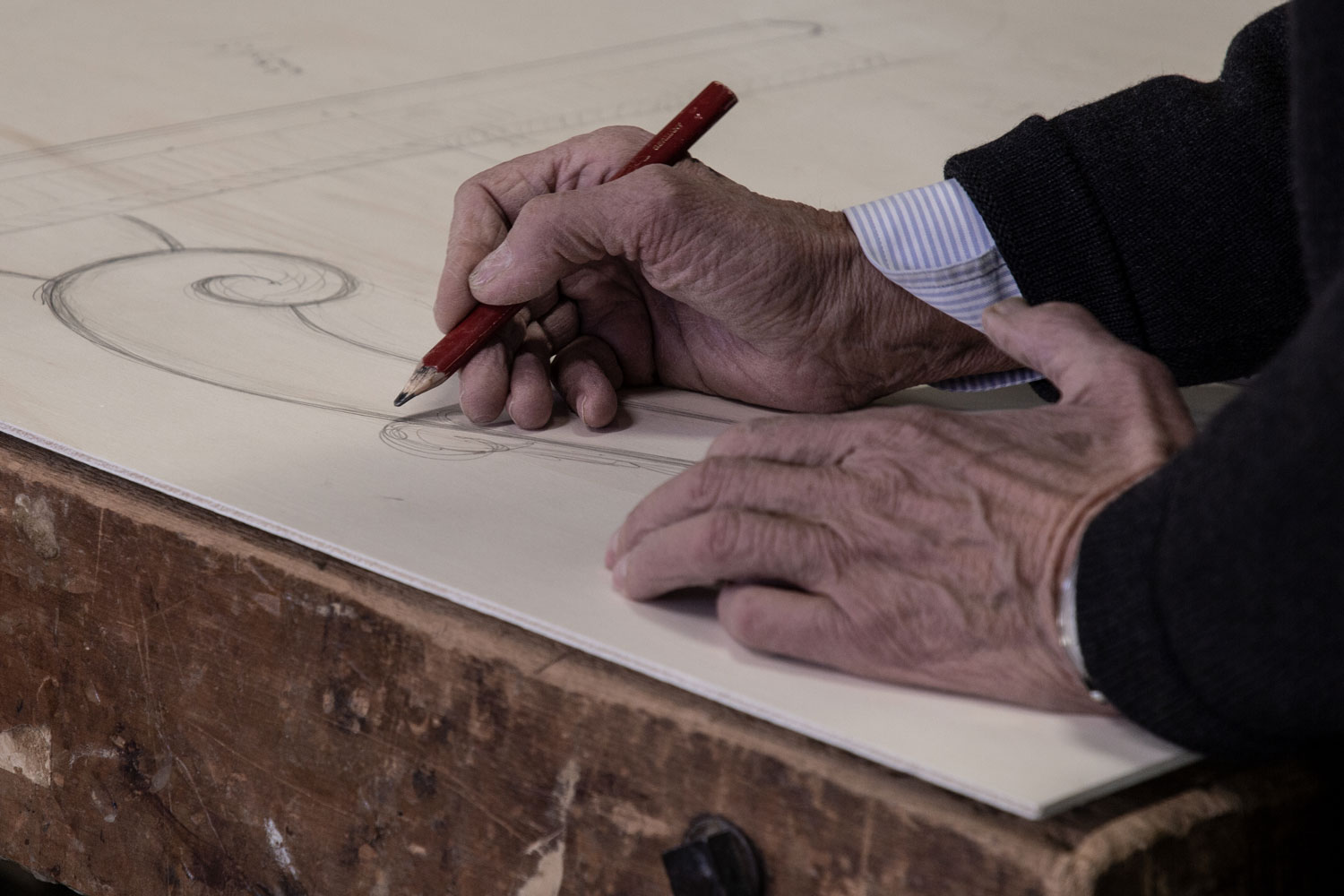
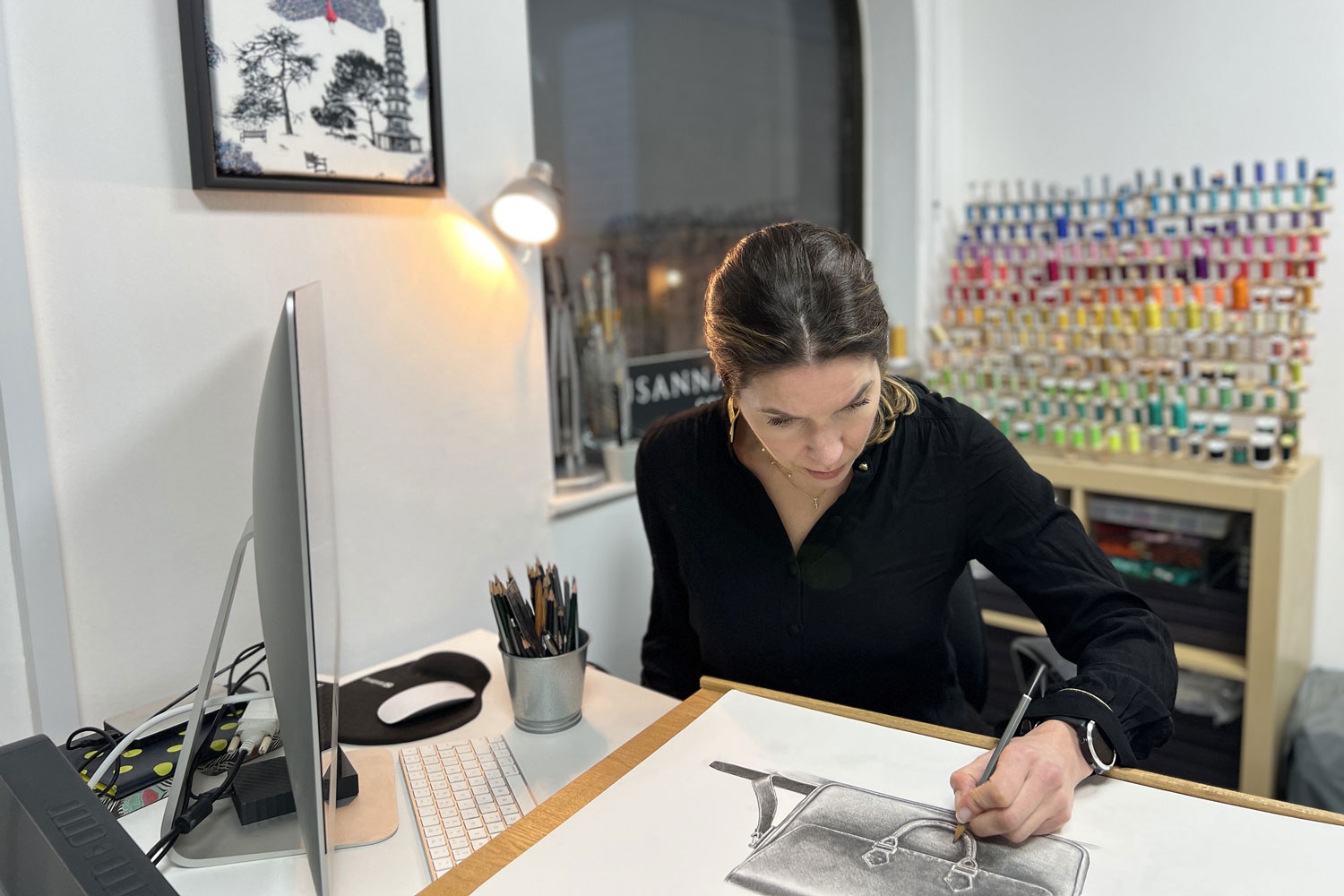
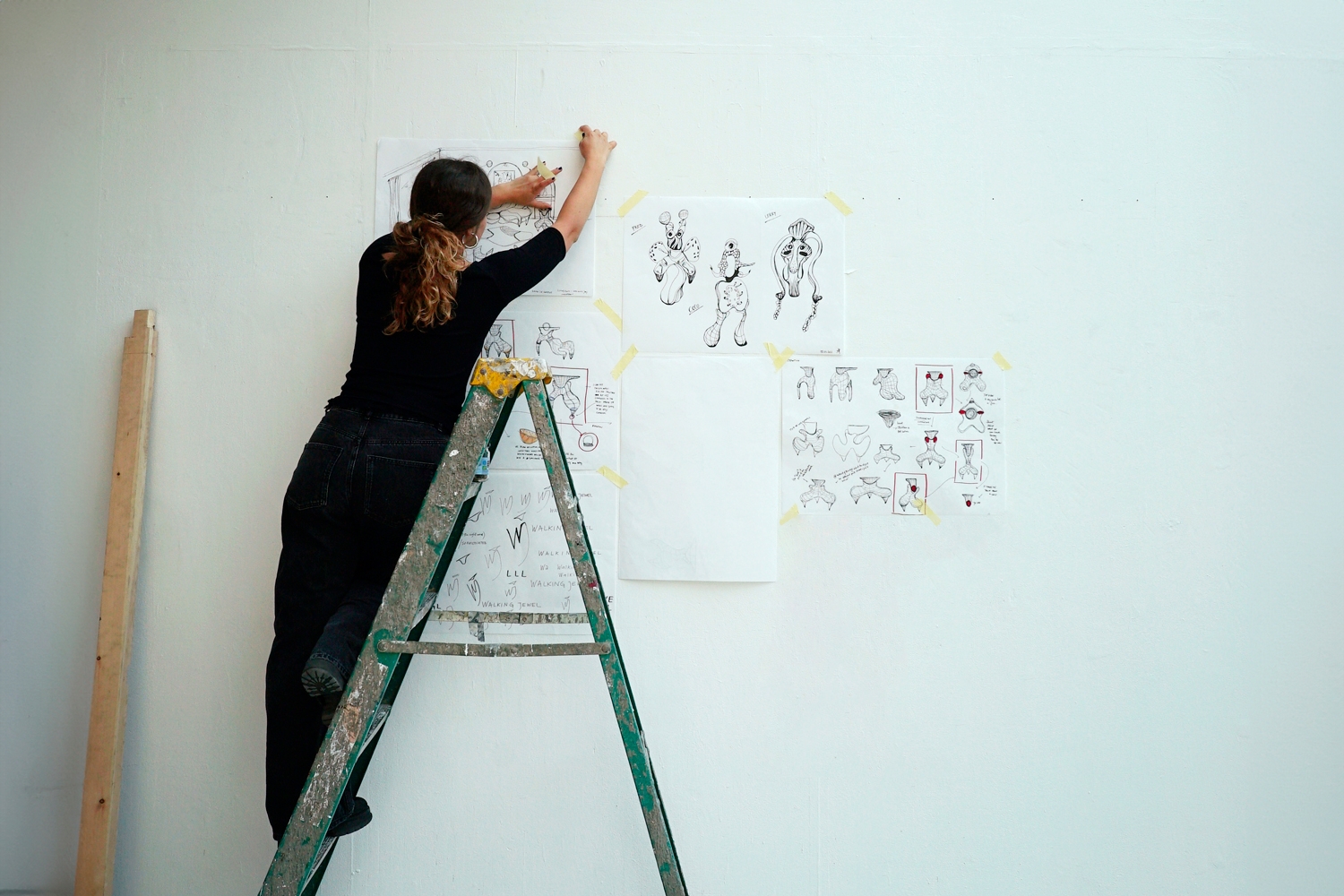
My design process is still very hands on. I start with physical models, and these maquettes are then 3D scanned into the computer where the CAD model is further developed. Computer tools are best used once you have already mastered the traditional techniques and have a good understanding of materials.
Tom Vaughan
Object Studio
Mixed media sculptor
London, United Kingdom
Recommended by Queen Elizabeth Scholarship Trust - QEST
AVAILABILITY
By appointment only
PHONE
+44 7970323212
LANGUAGES
English
Homo Faber Finds is a new service aiming to inspire admirers of craft to connect and collaborate with exceptional artisans.
We invite you to submit an enquiry here.