Creative freedom in woodturning
- Things that radiate calm inspire Stefan
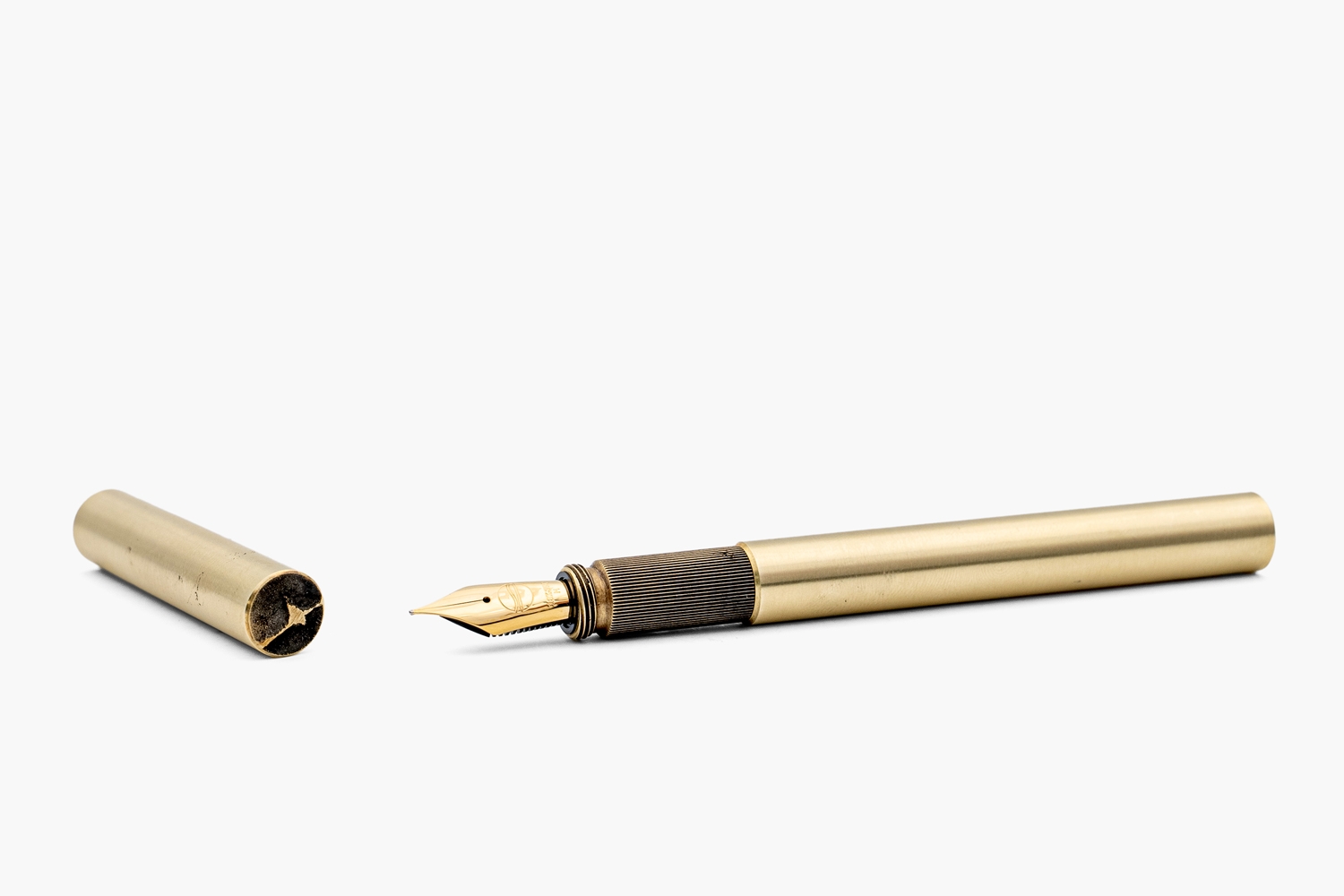
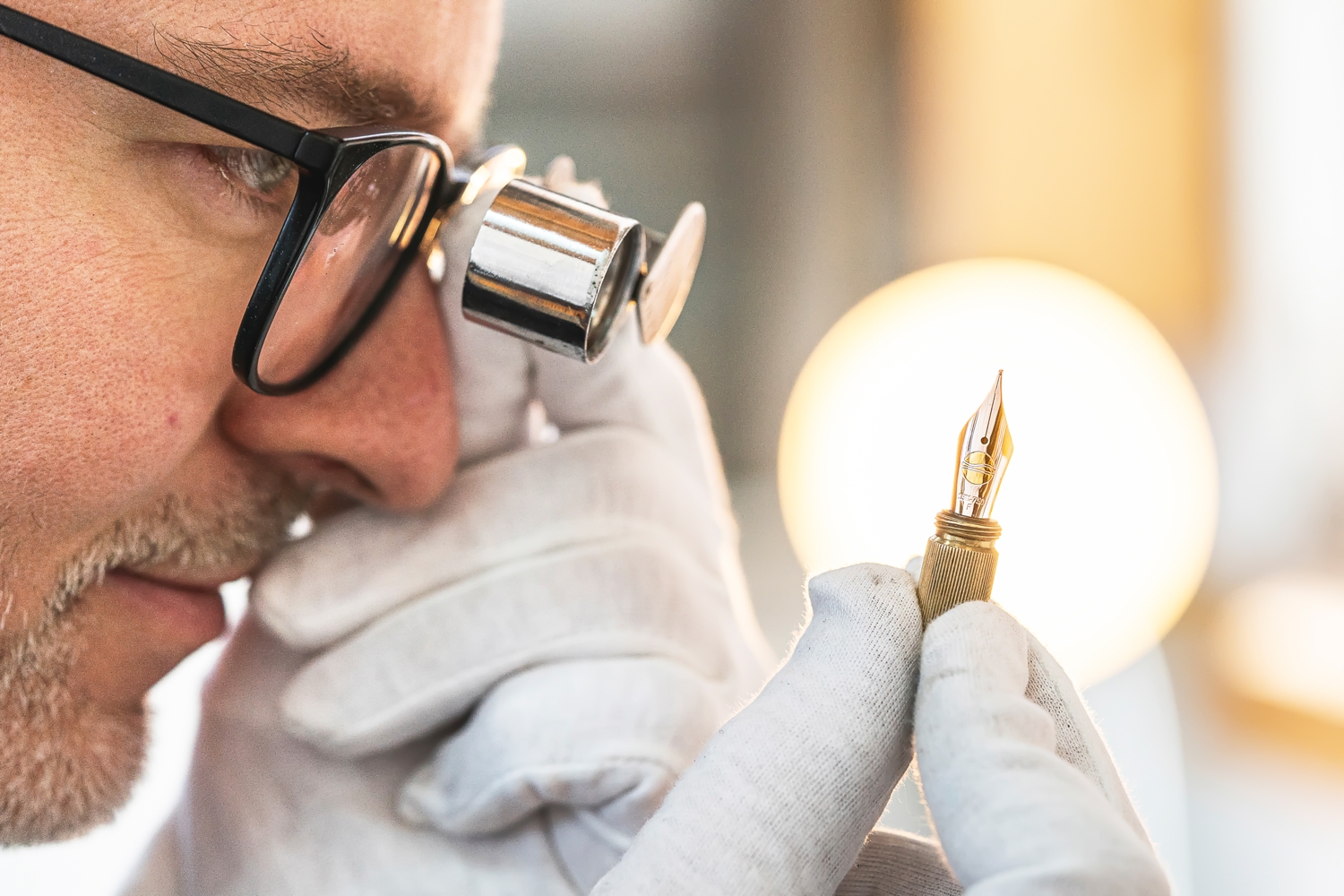
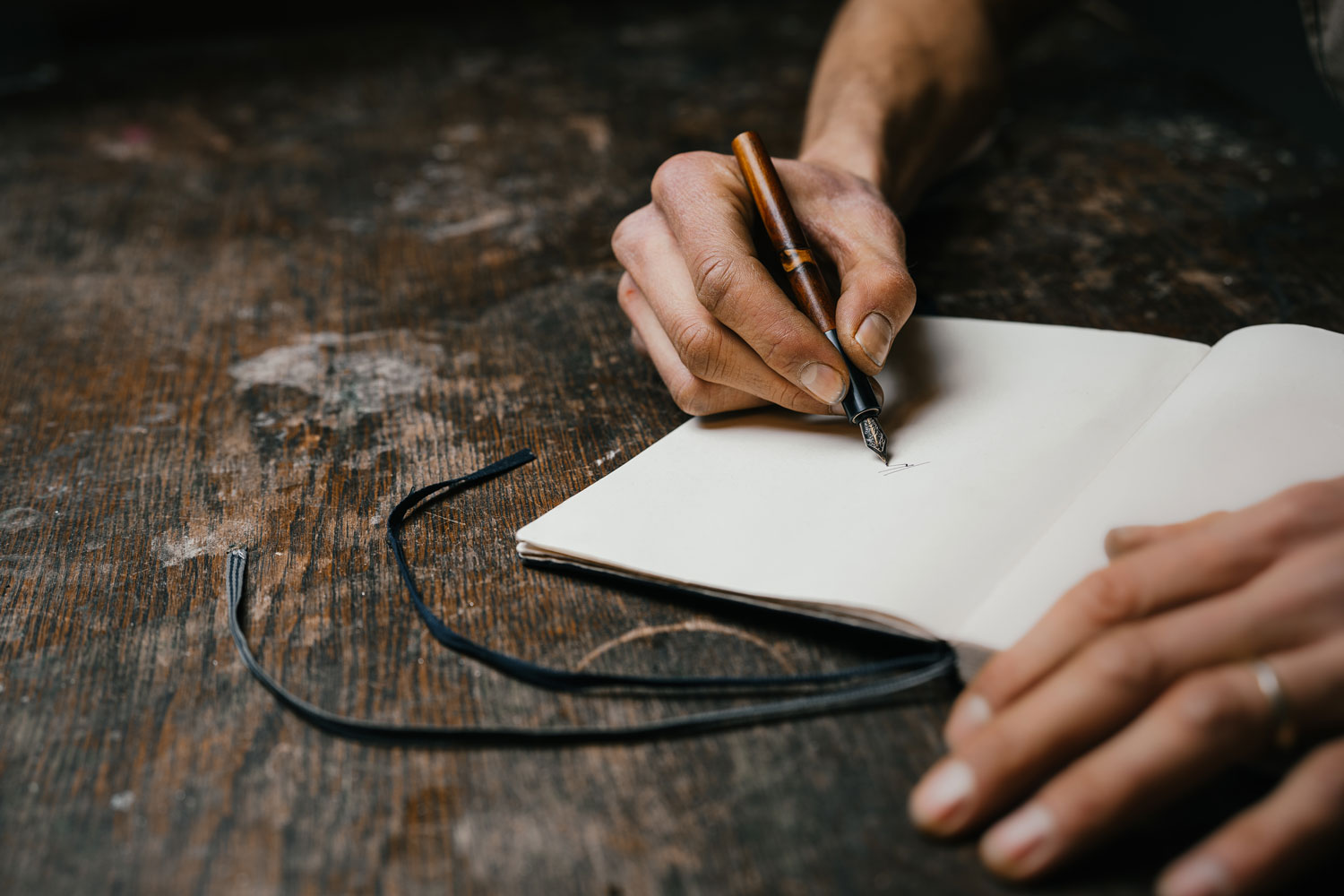
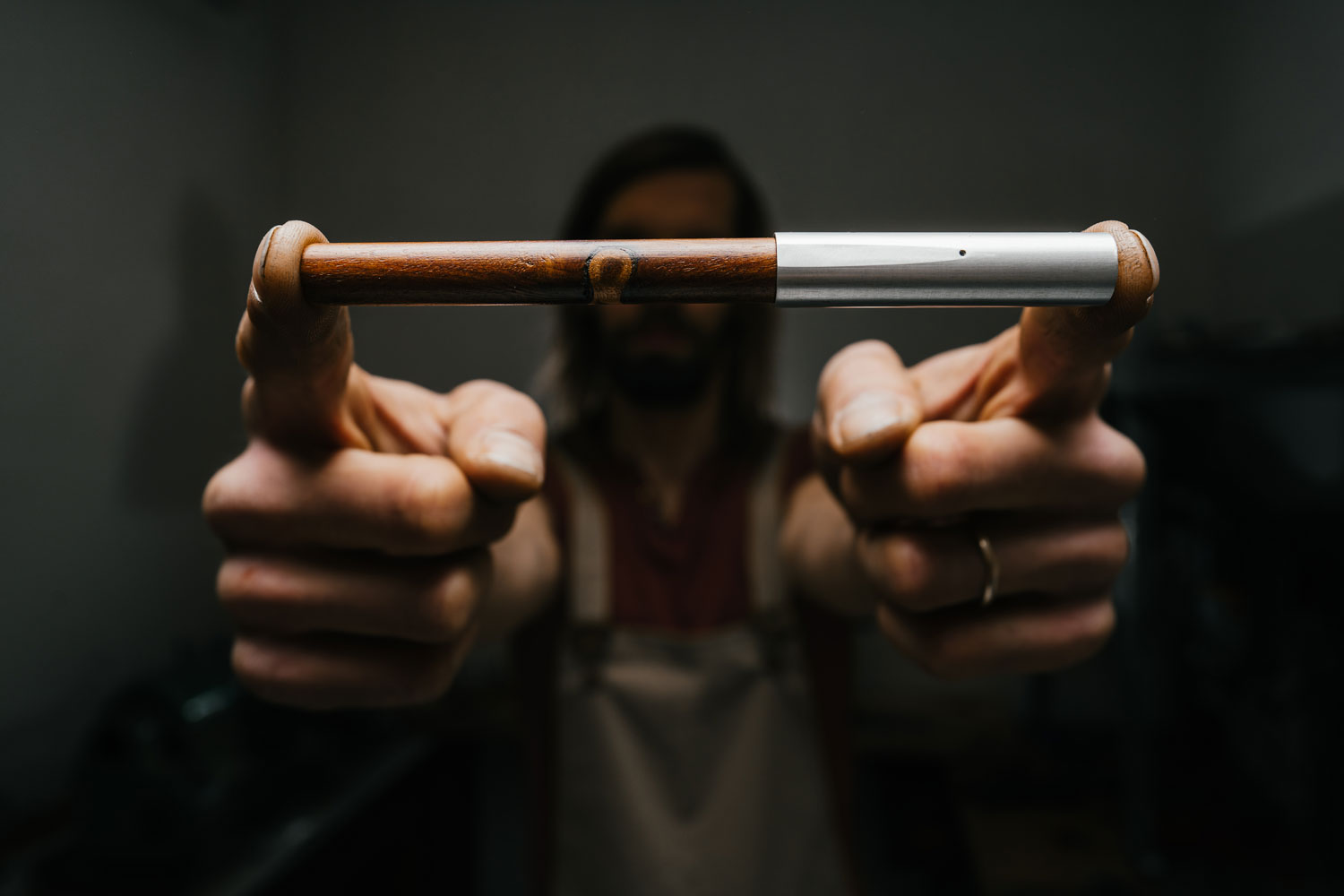
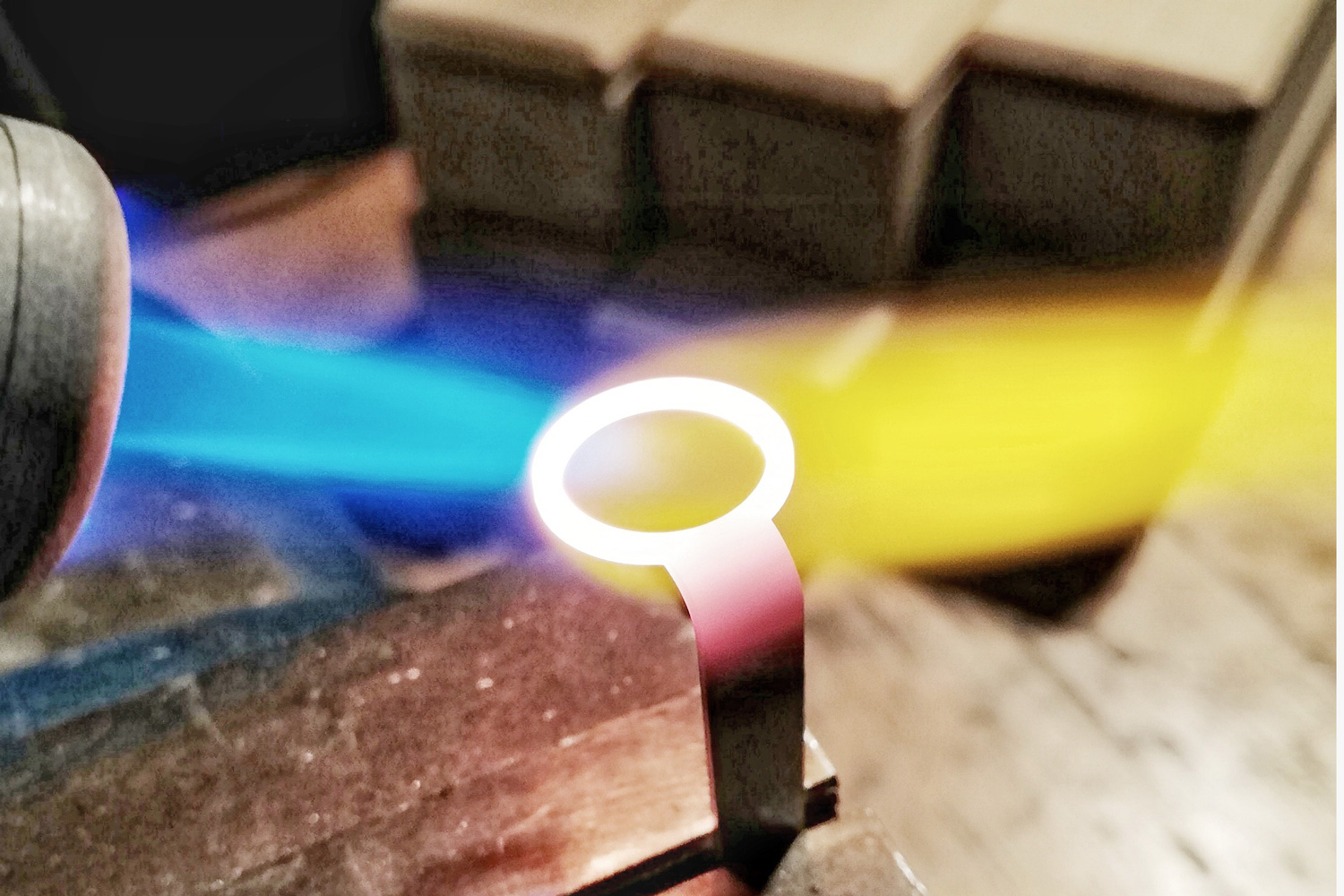
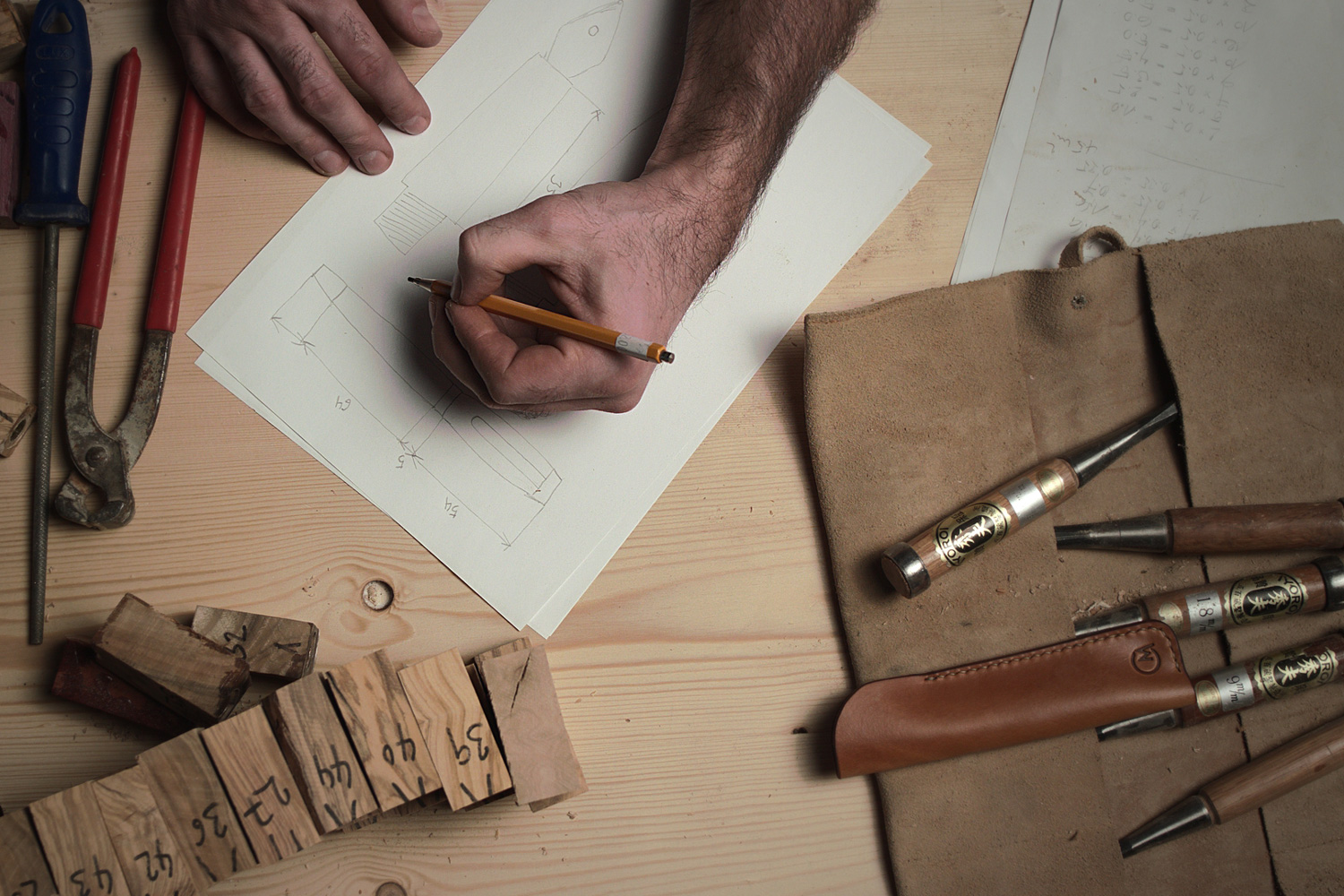
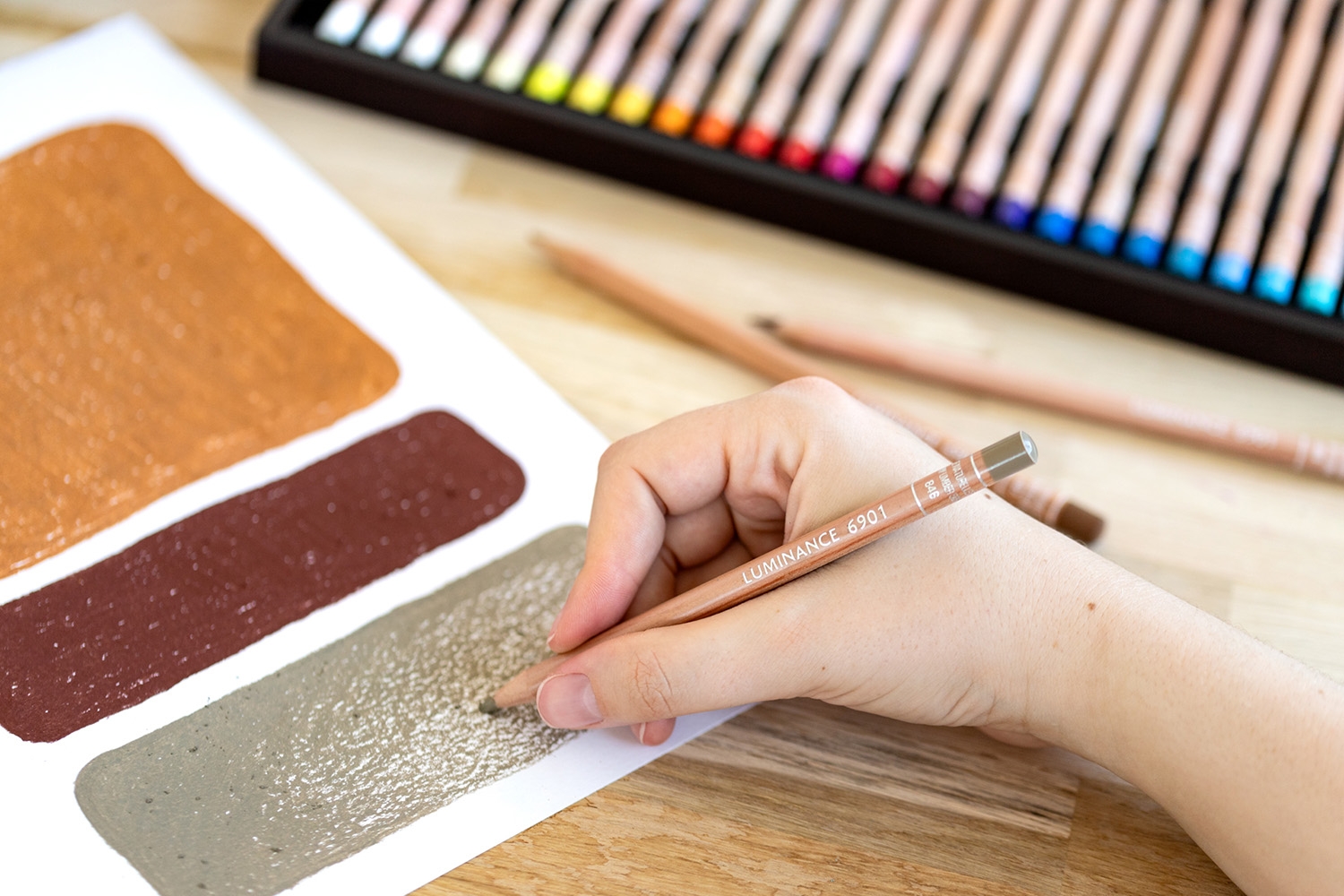
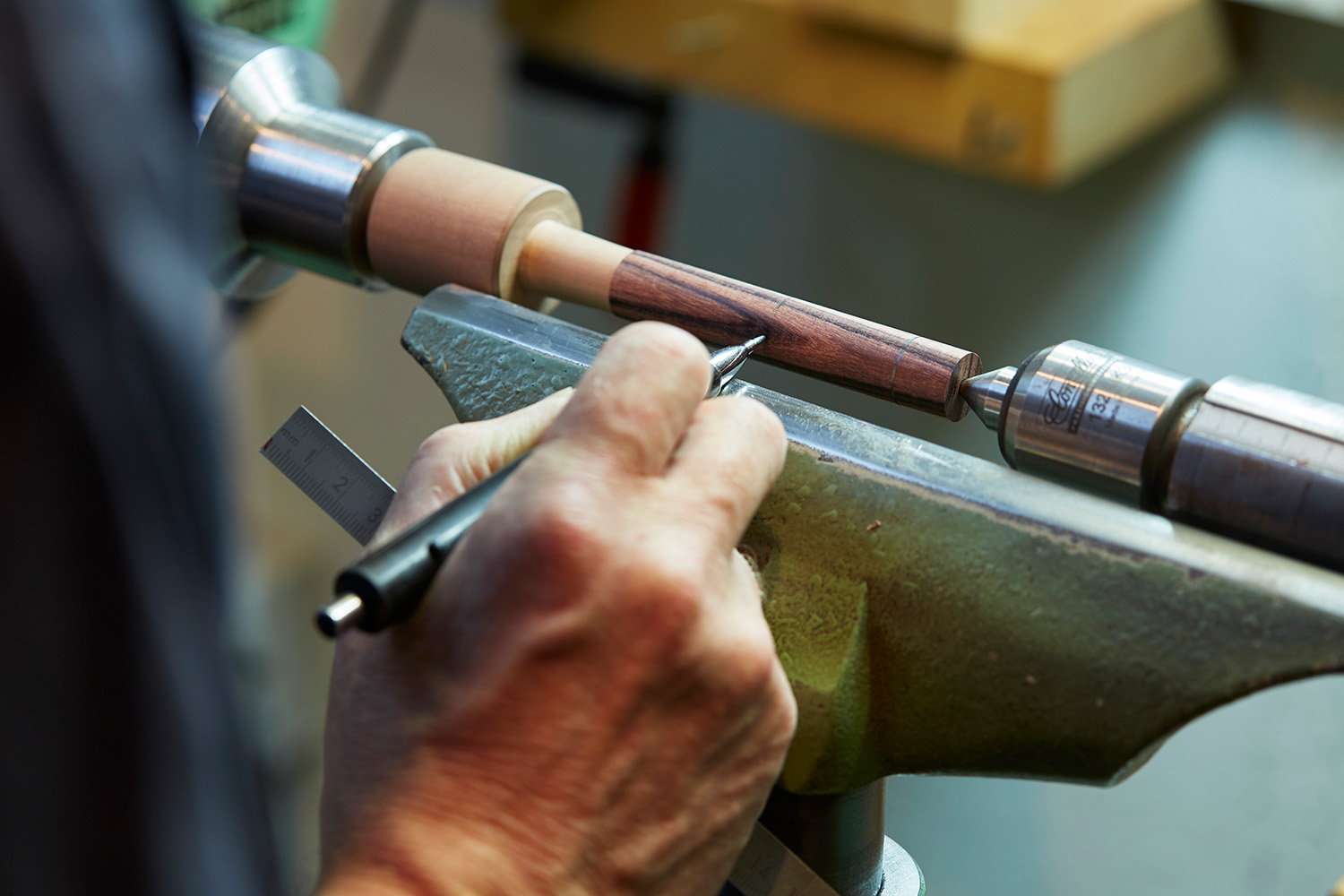
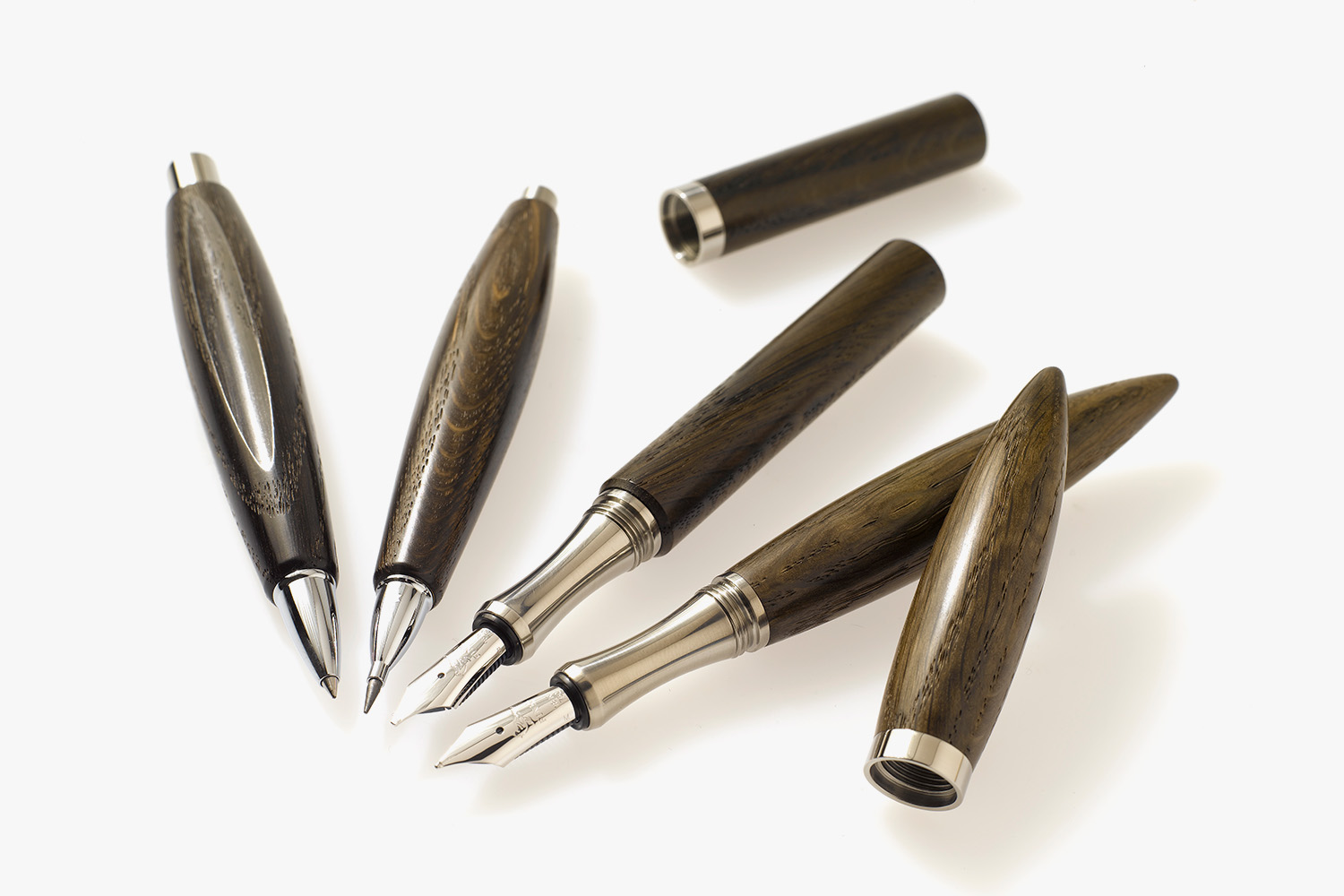
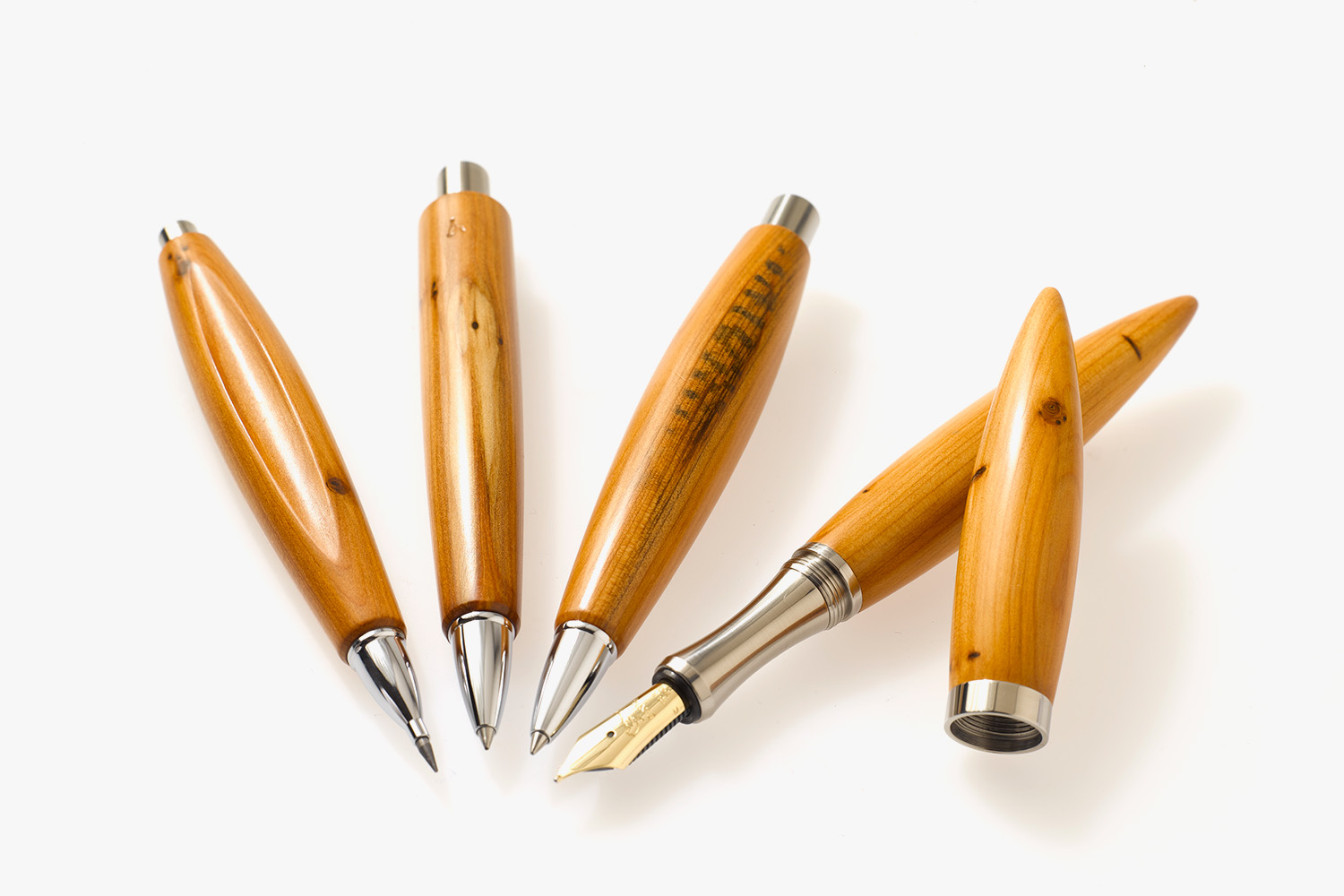
- It takes about 300 steps to produce a writing instrument
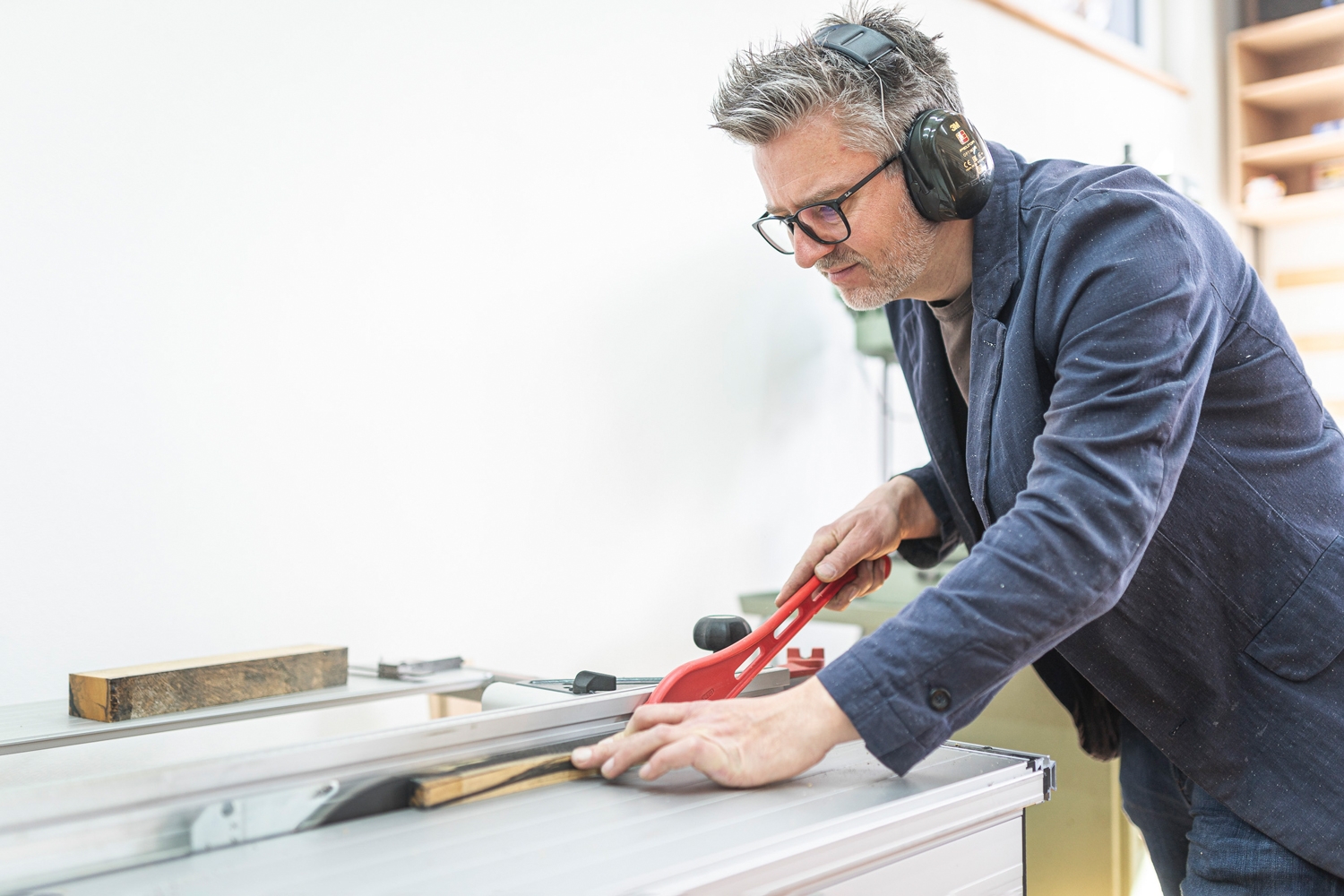
- Wood is his choice material
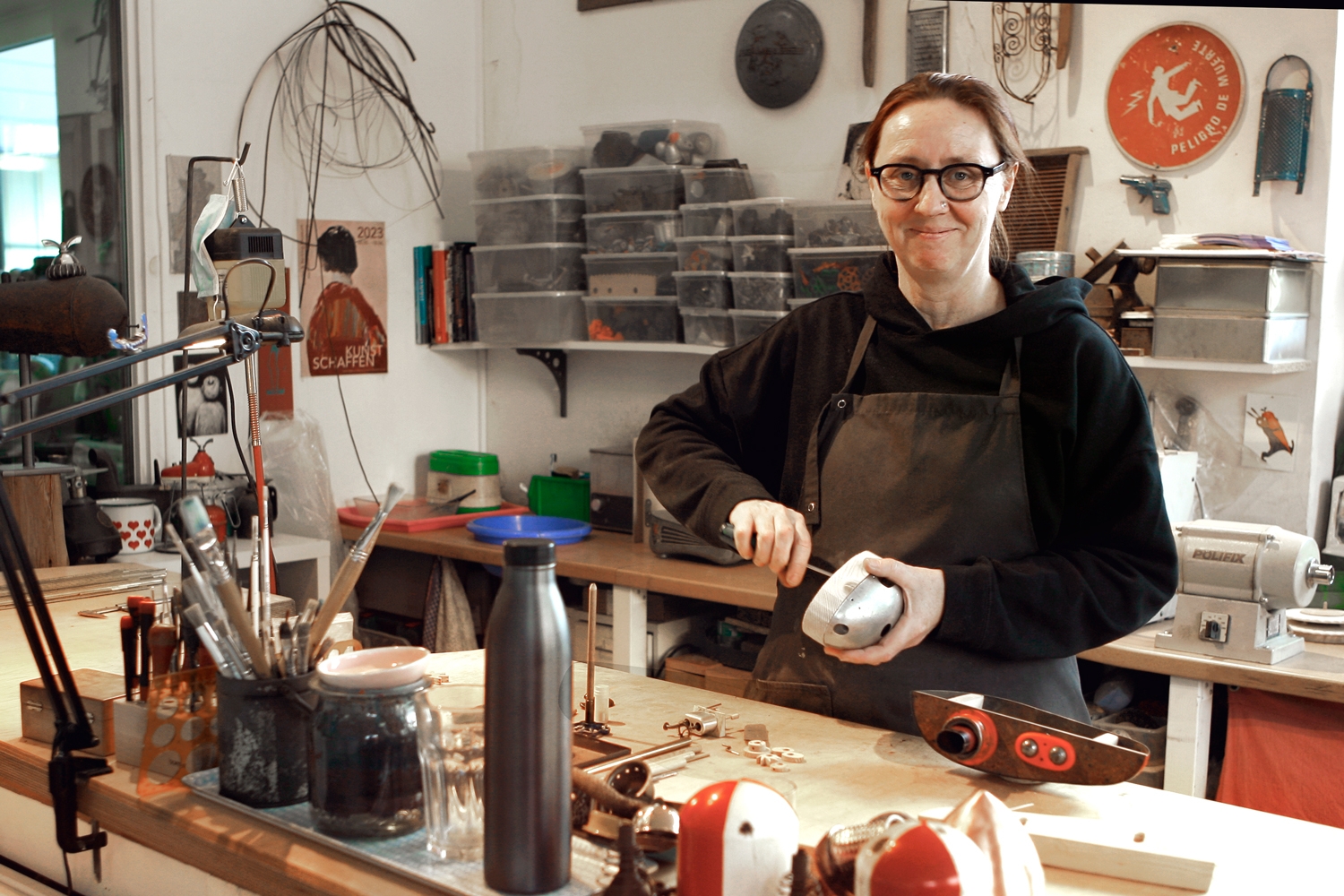
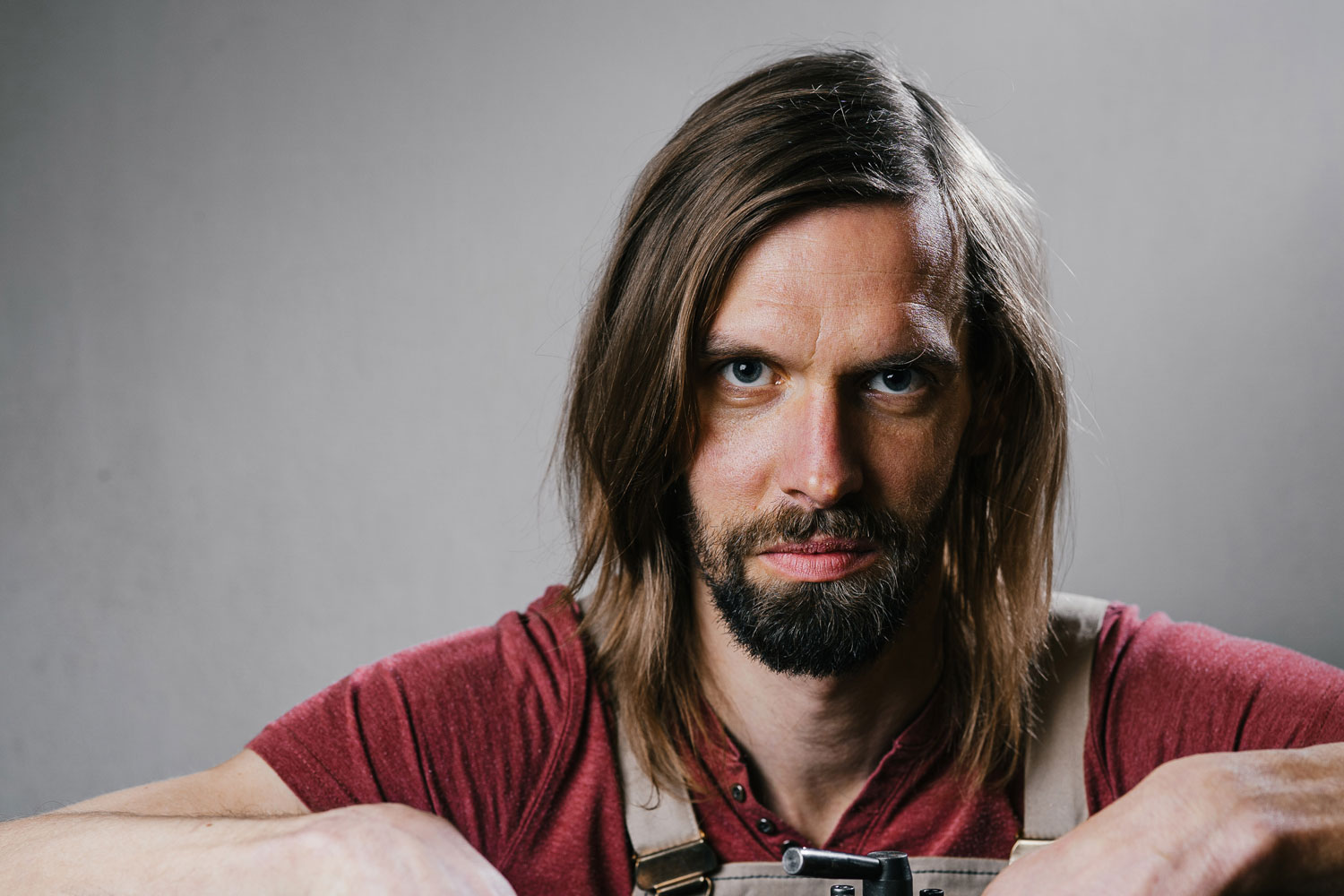
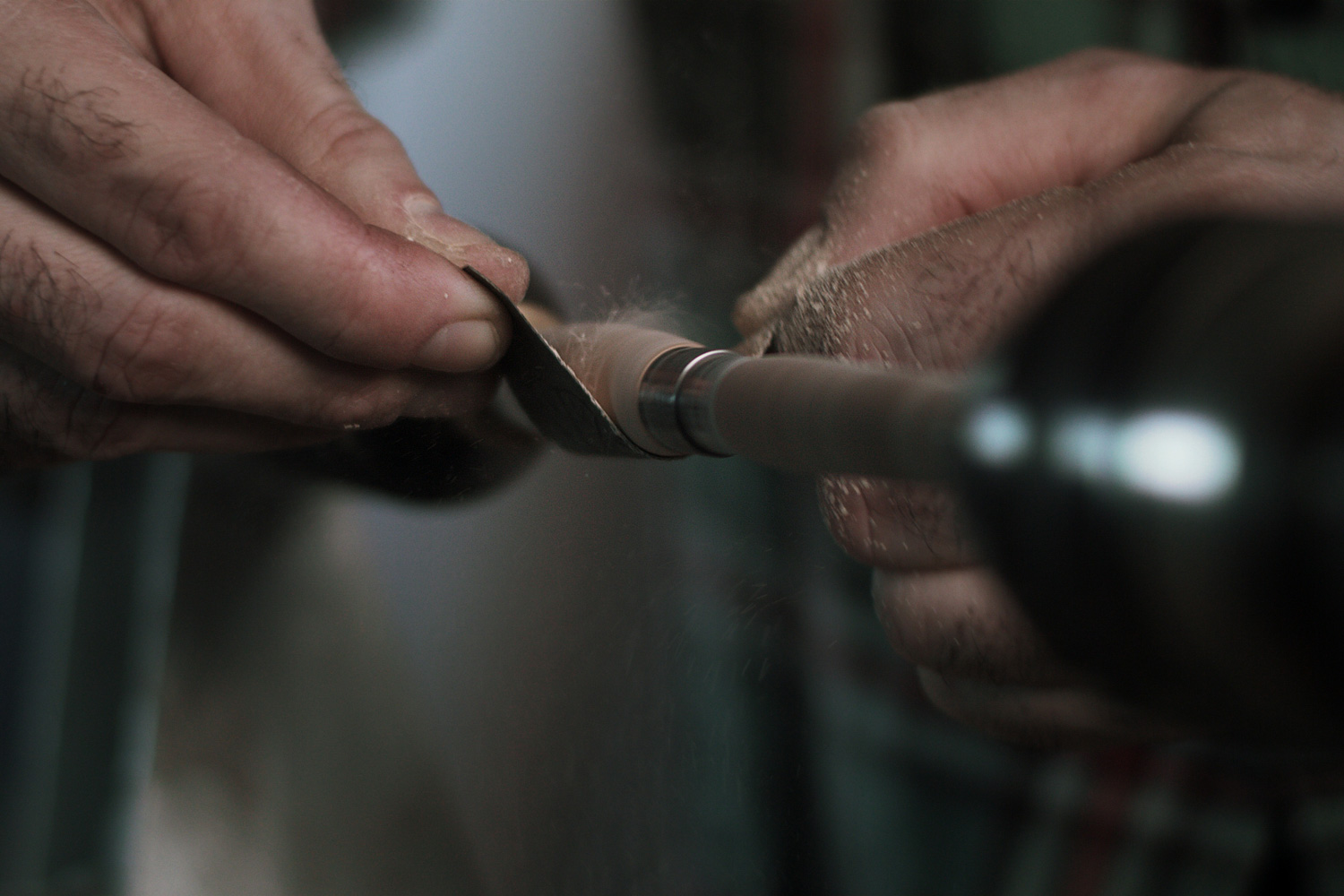
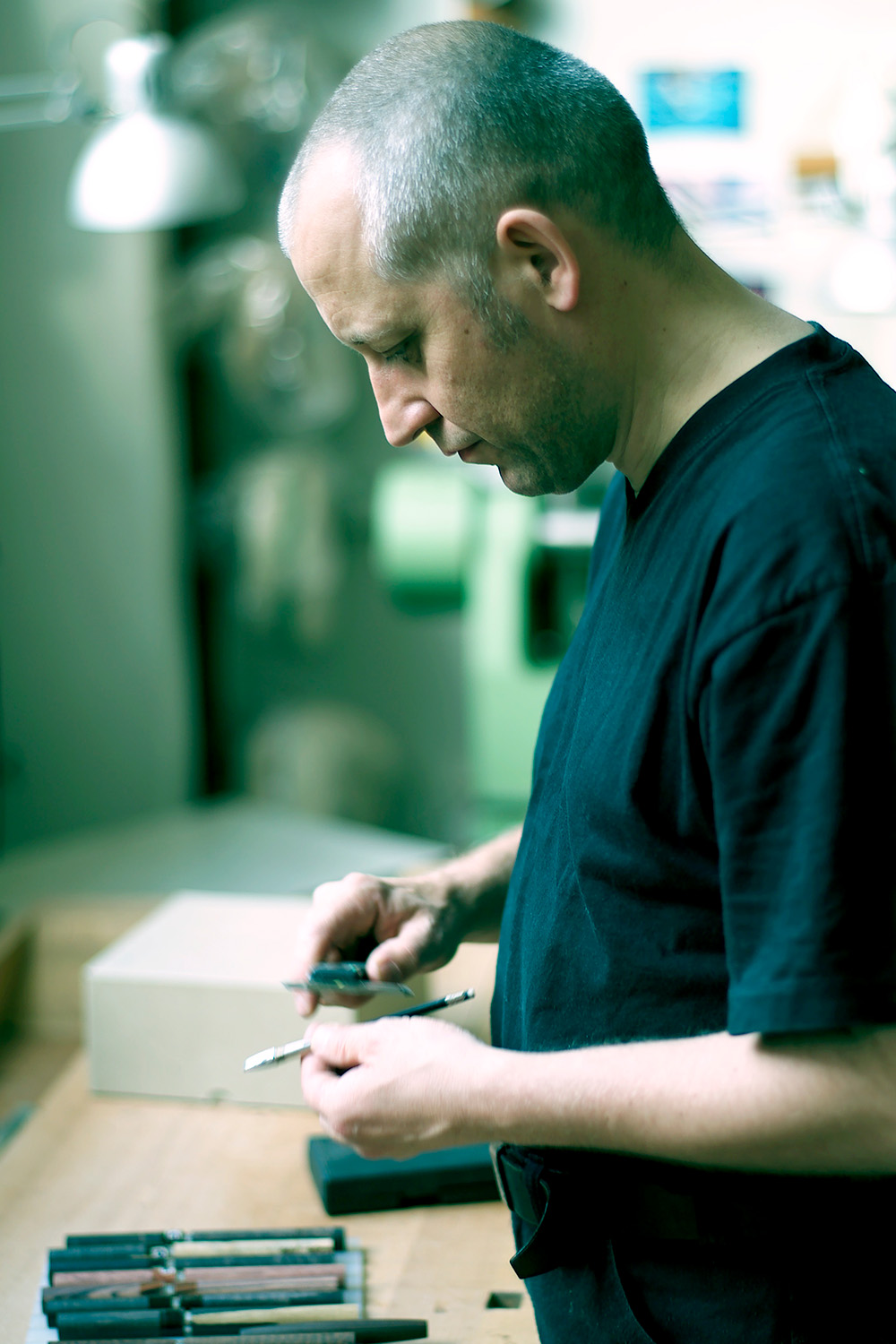
Stefan Fink is a Hamburg native who grew up in his father's carpenter workshop. He began an apprenticeship with master woodturner Werner Nehring as a teenager, where he felt very supported to develop his creativity. Stefan then worked with several cabinetmakers, and in 1982 enrolled at the University of Hamburg (HfbK) to study industrial design. In 1987 he founded his own woodturning and cabinetmaking workshop. For Stefan it has always been important to pick up on the spirit of the time while using traditional skills. In the 1980s for example, he created a wooden pocket condom case that looked rather inconspicuous. Today he welcomes his customers in the beautiful atmosphere of his workshop, which looks out over the Elbe in Hamburg.
INTERVIEW
Despite being in business for many years, Mr. Nehring was always eager to experiment, and he enjoyed teaching me all kinds of techniques and instruments that I could then use to implement my own ideas. Mr. Nehring's support helped me to develop my own design language.
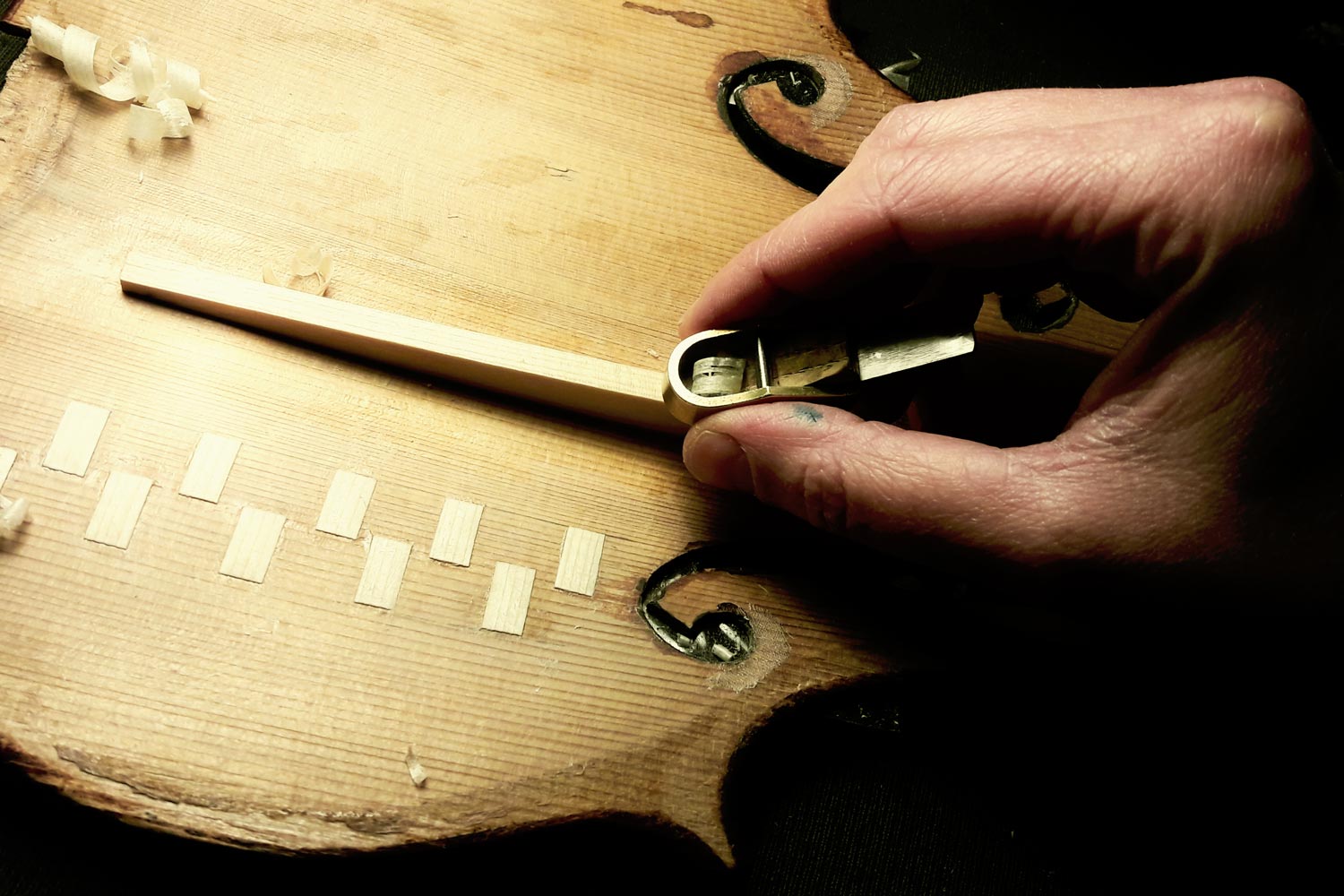
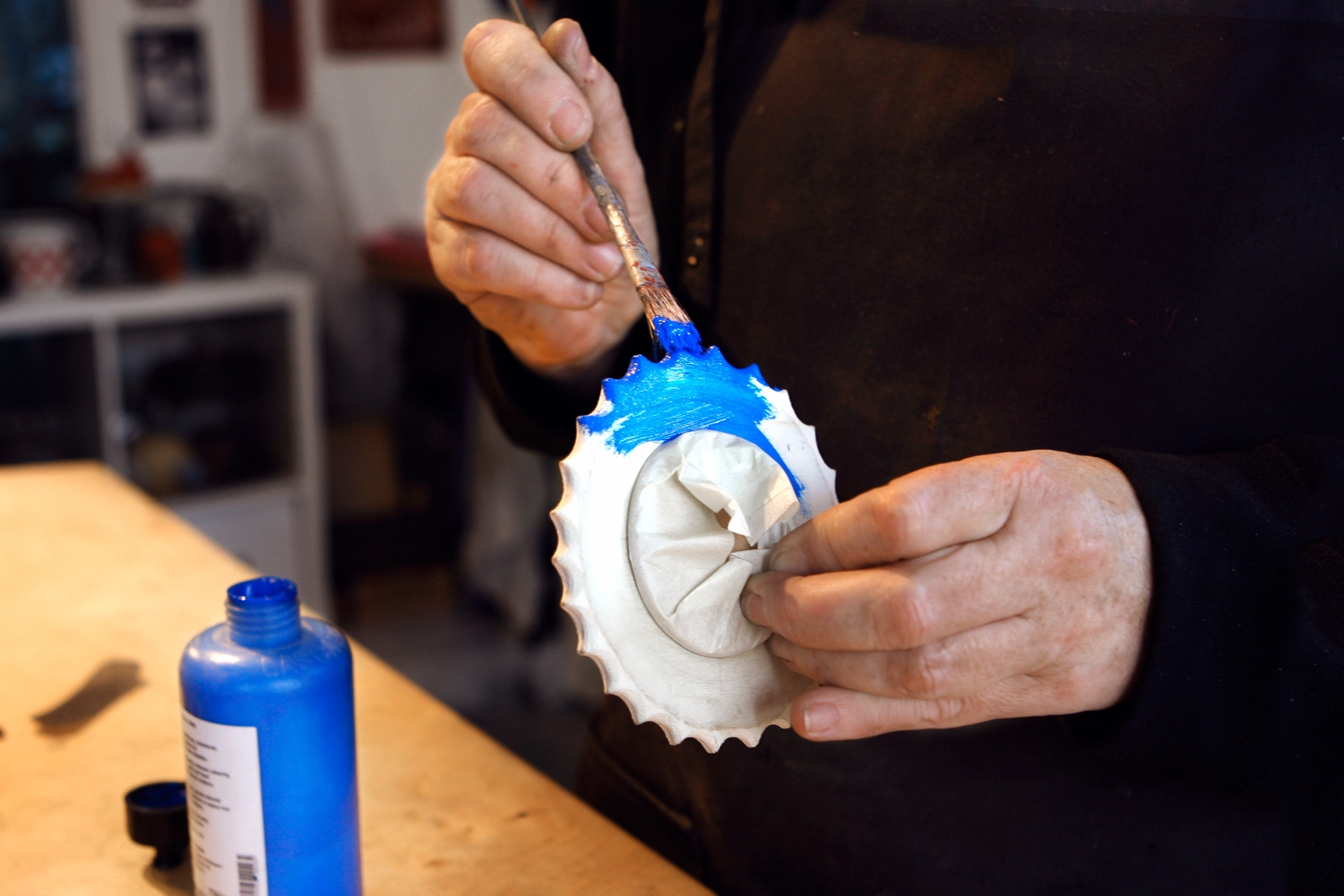
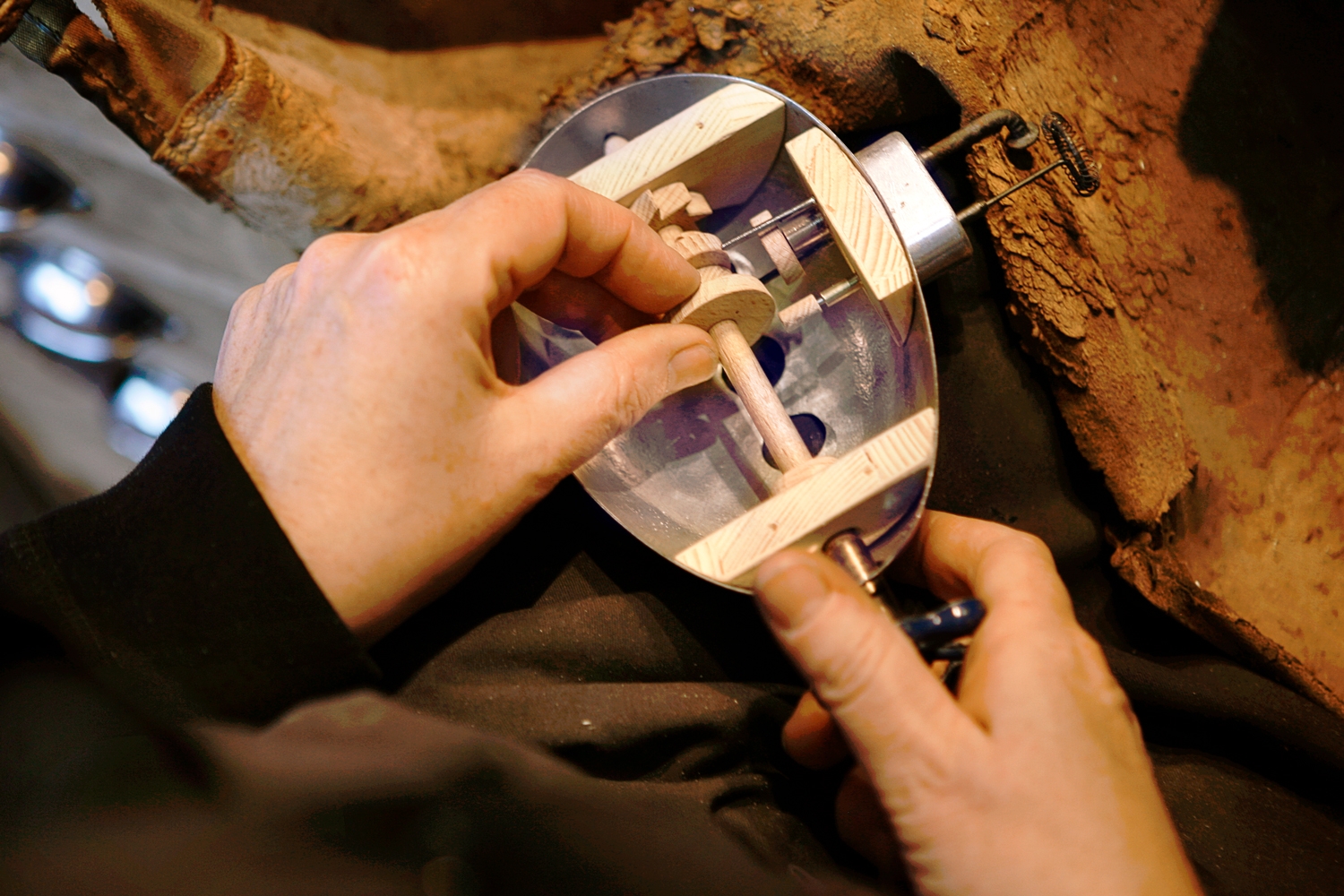
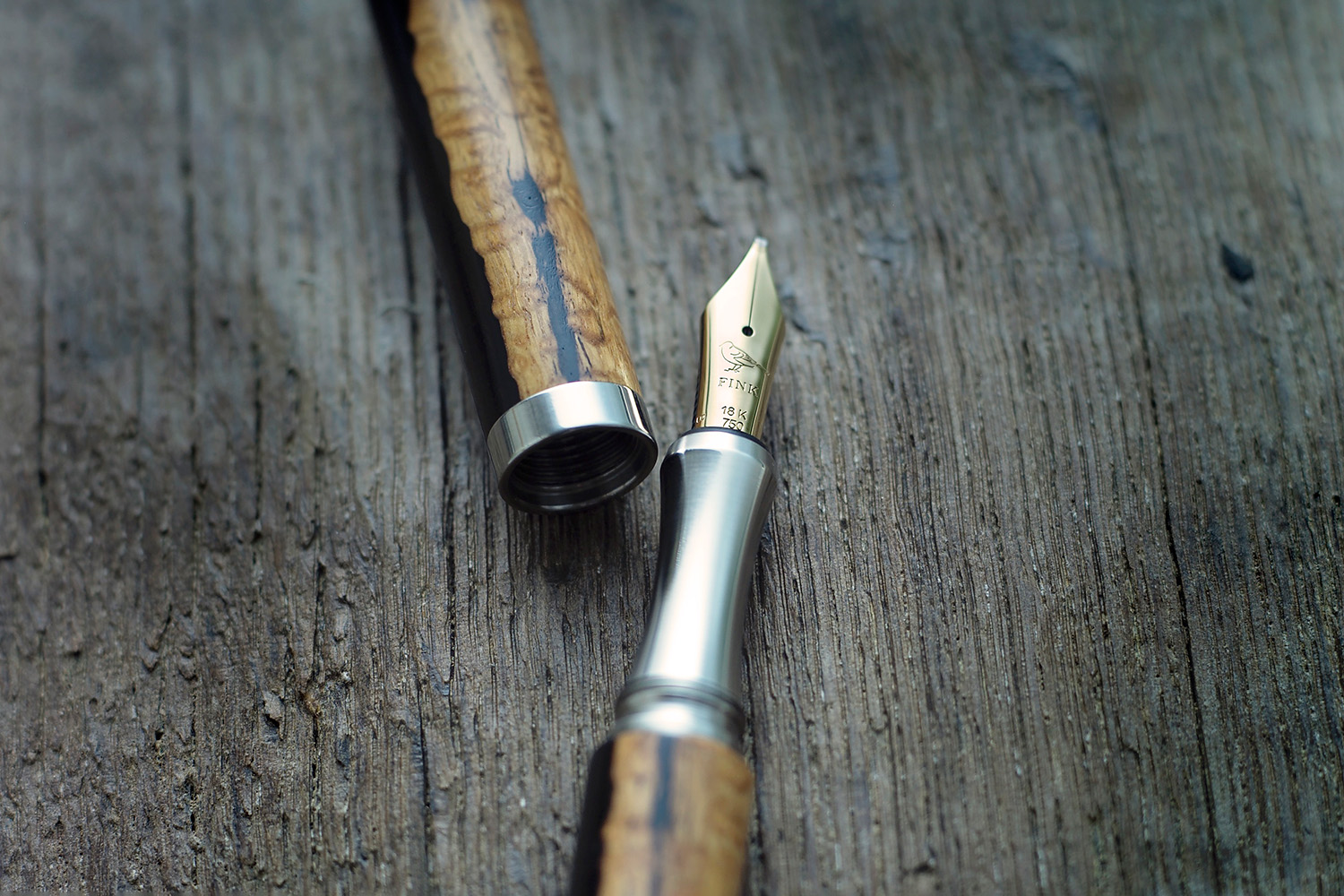
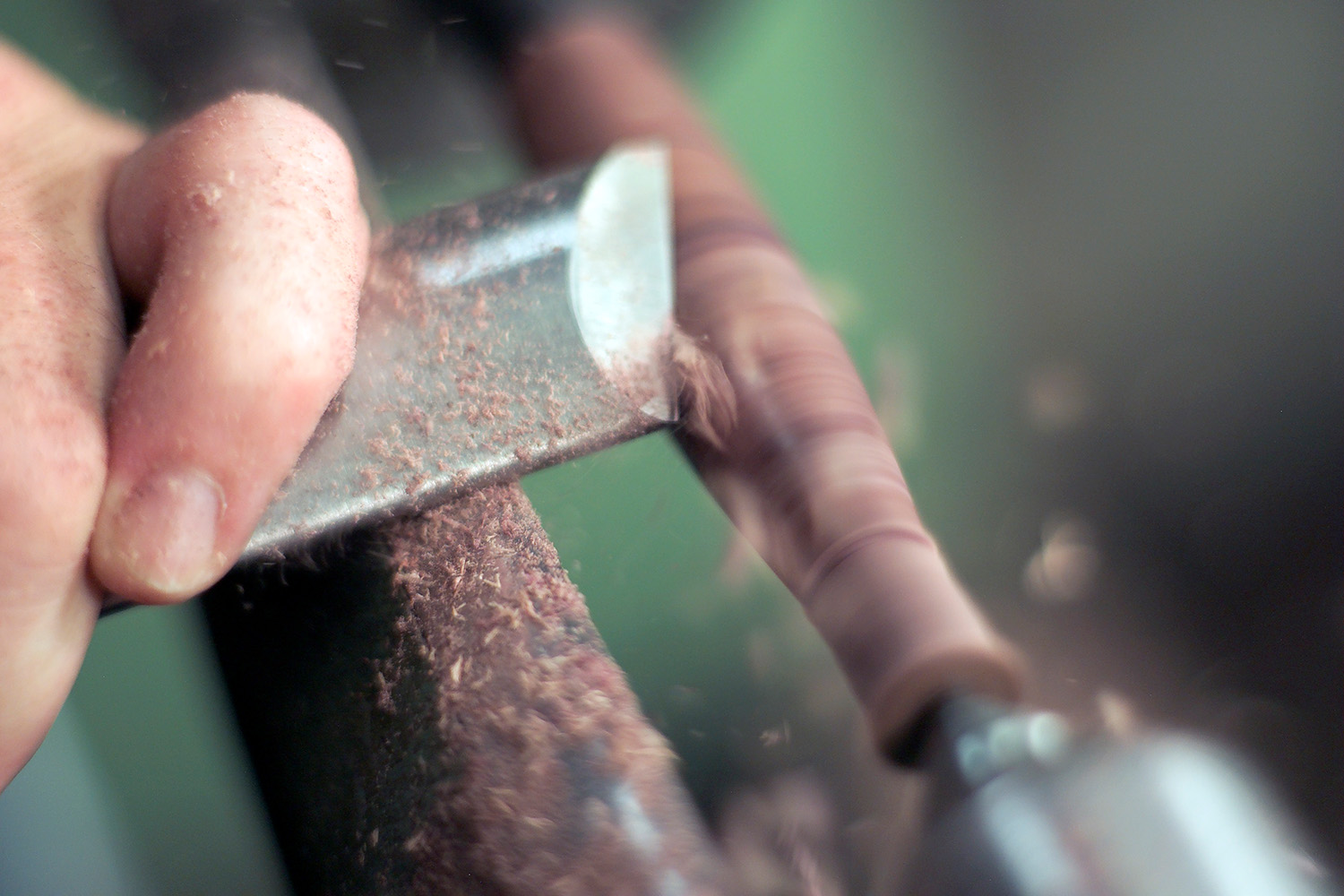
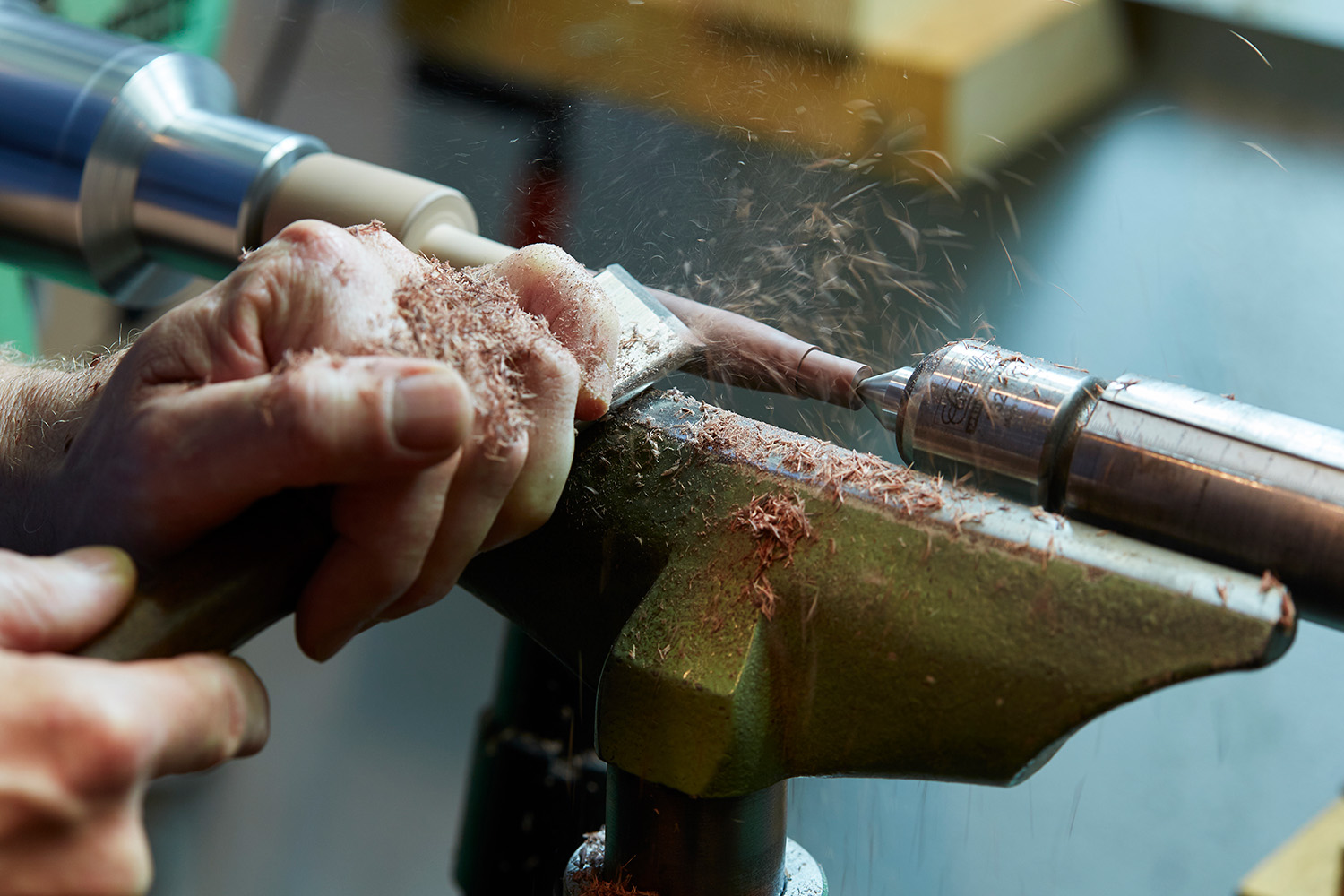
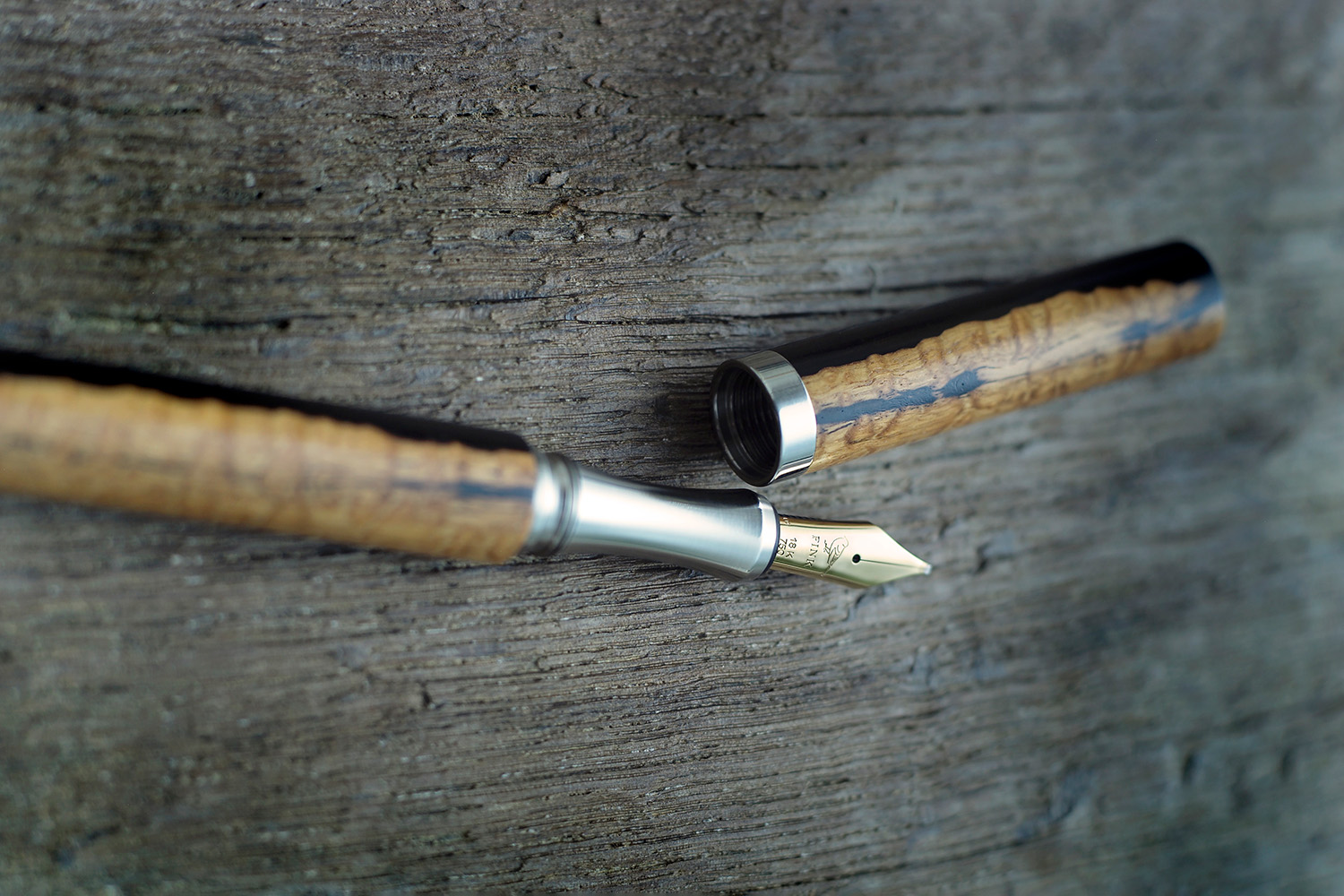
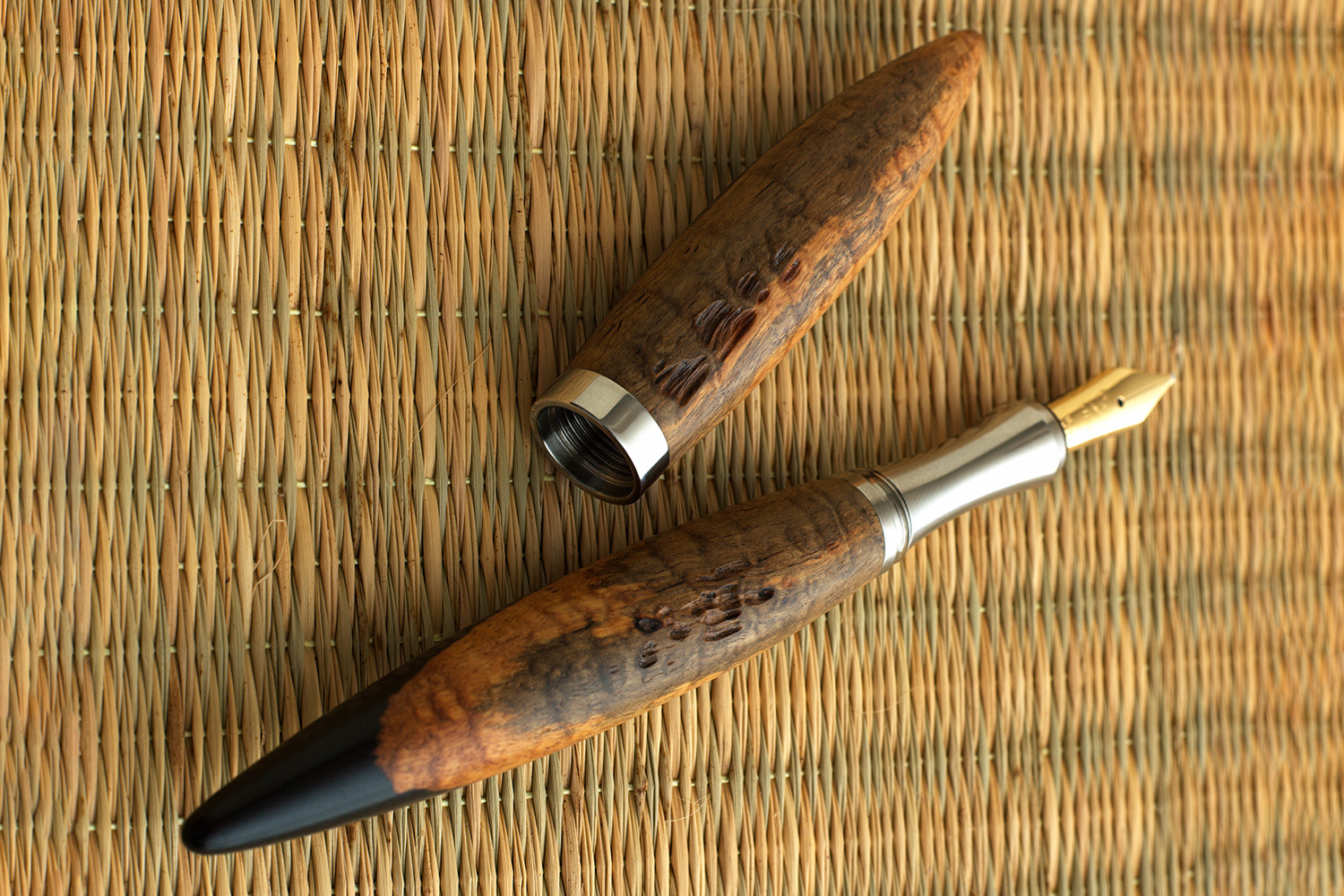
Wood is my main material. Since I have worked with this material for thousands of hours and conducted experiments on it, I have become an expert at turning very finely and accurately assessing its behaviour. My knowledge of wood drying properties is particularly valuable for preventing wood from tearing and deforming later.
I am particularly inspired by things that evoke calm. My writing instruments require a high level of patience, attention, and care from me. It is a state of mind that creates a certain atmosphere, which is also often found in Japanese culture. My wife, a master shoemaker, is also extremely inspiring for me for that reason and many others.
In my first major exhibition in Japan, an elderly lady approached me and took my hands in hers. Thanking me very much, she seemed very moved. I later found out that the lady had bought a writing instrument from me some time ago and had now travelled 1600 km by train to examine my hands. That was a very touching moment for me.