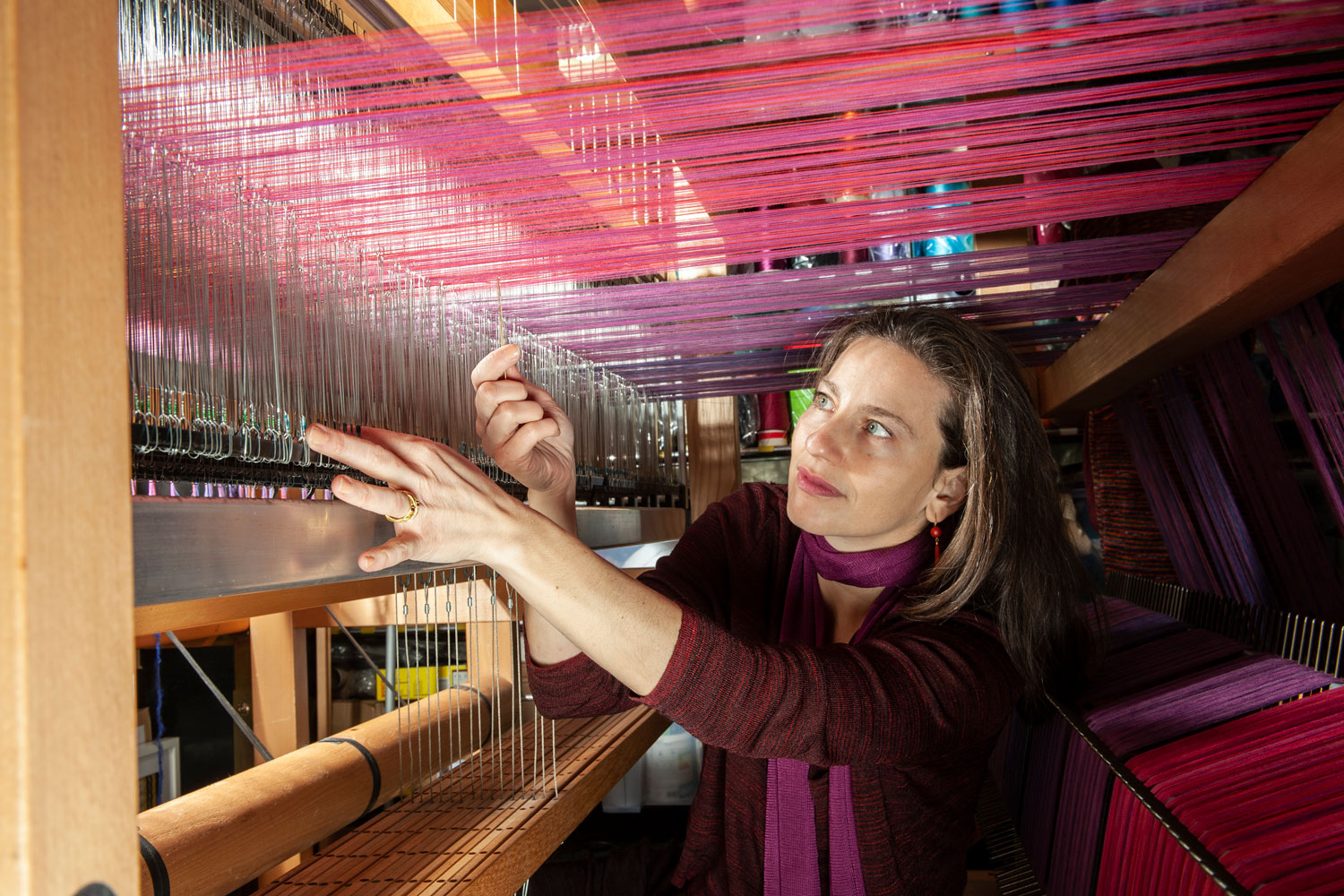
Speaking to the senses
- Livia is an authoritative expert in her field
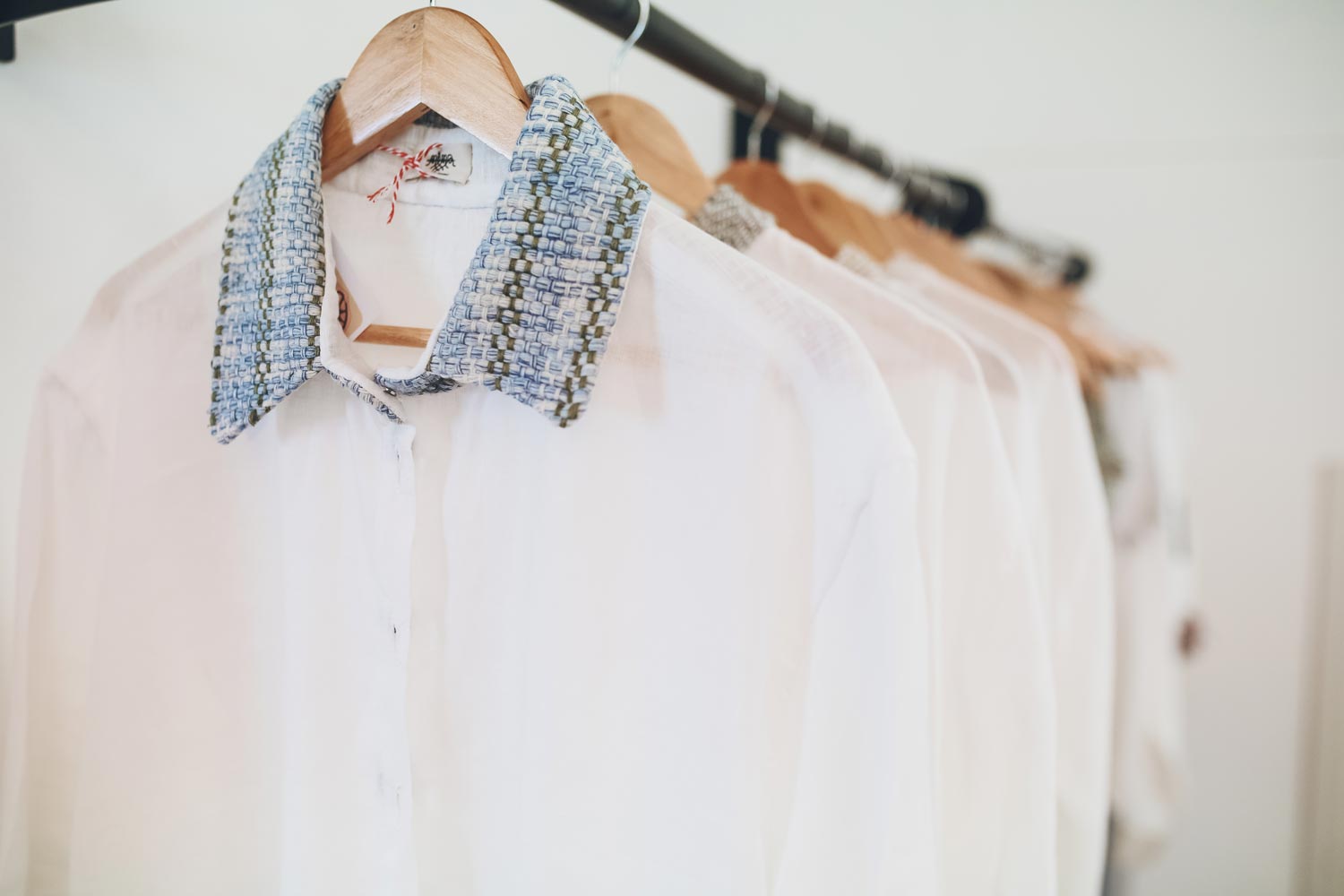
- She has her own brand of handcrafted textiles
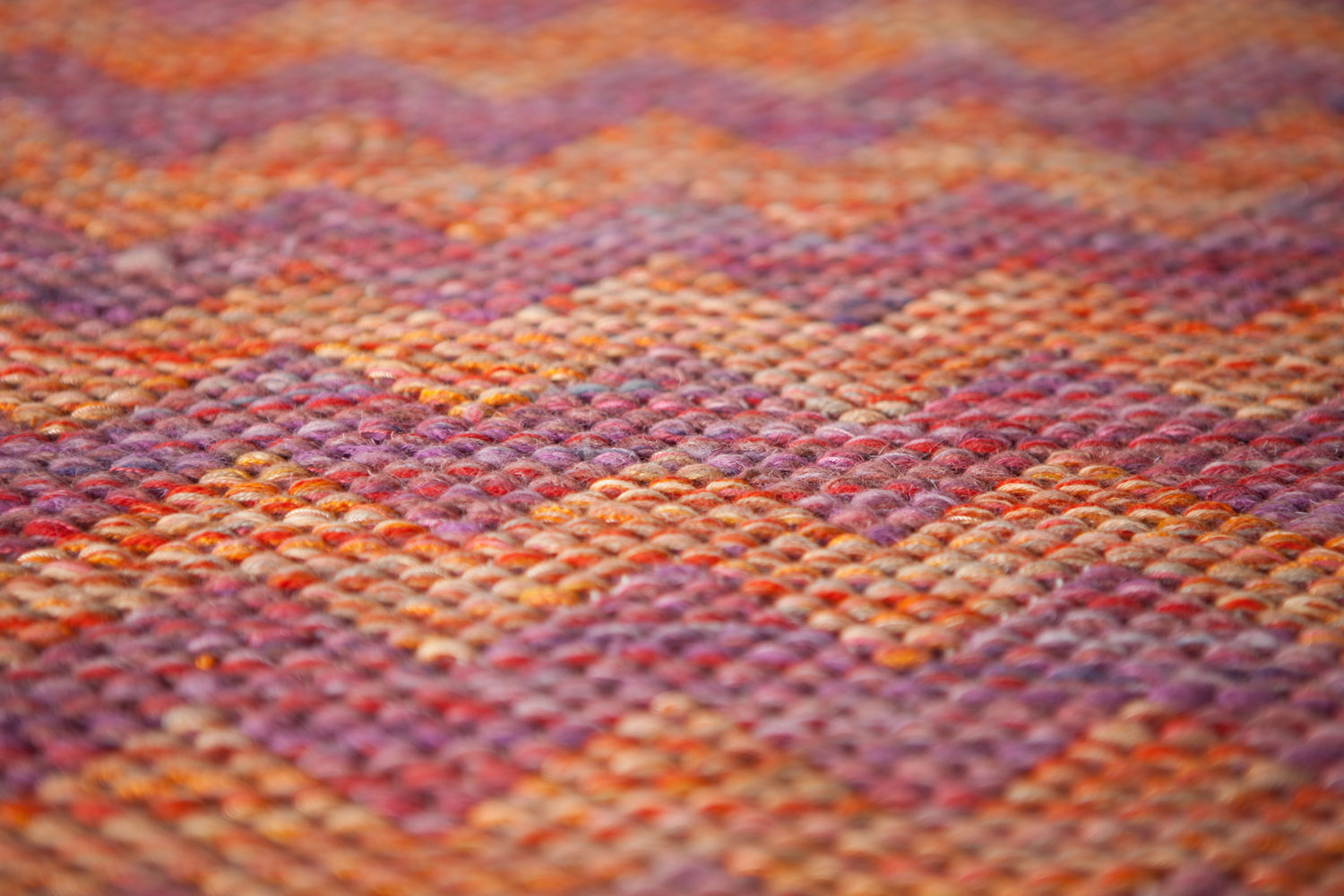
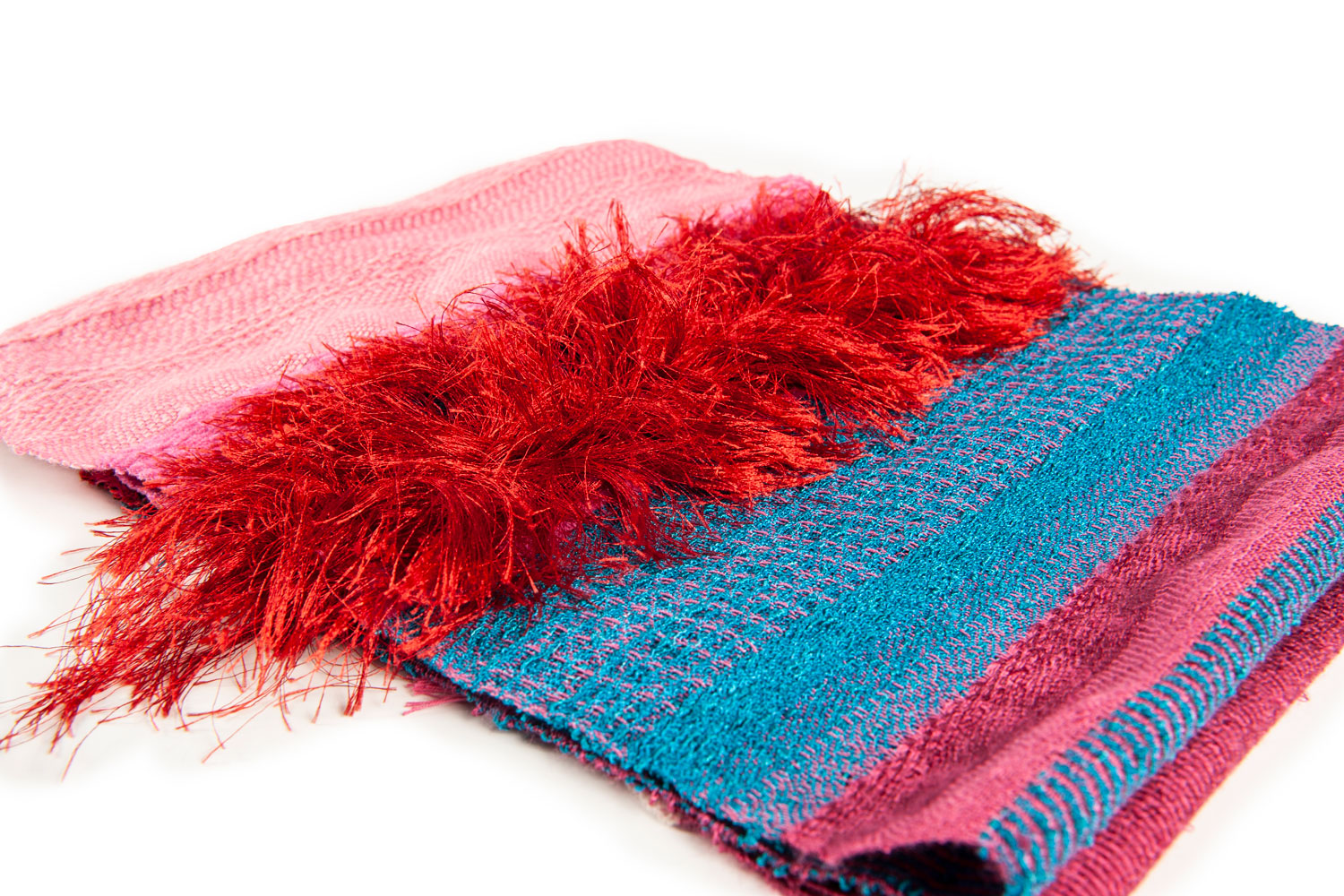
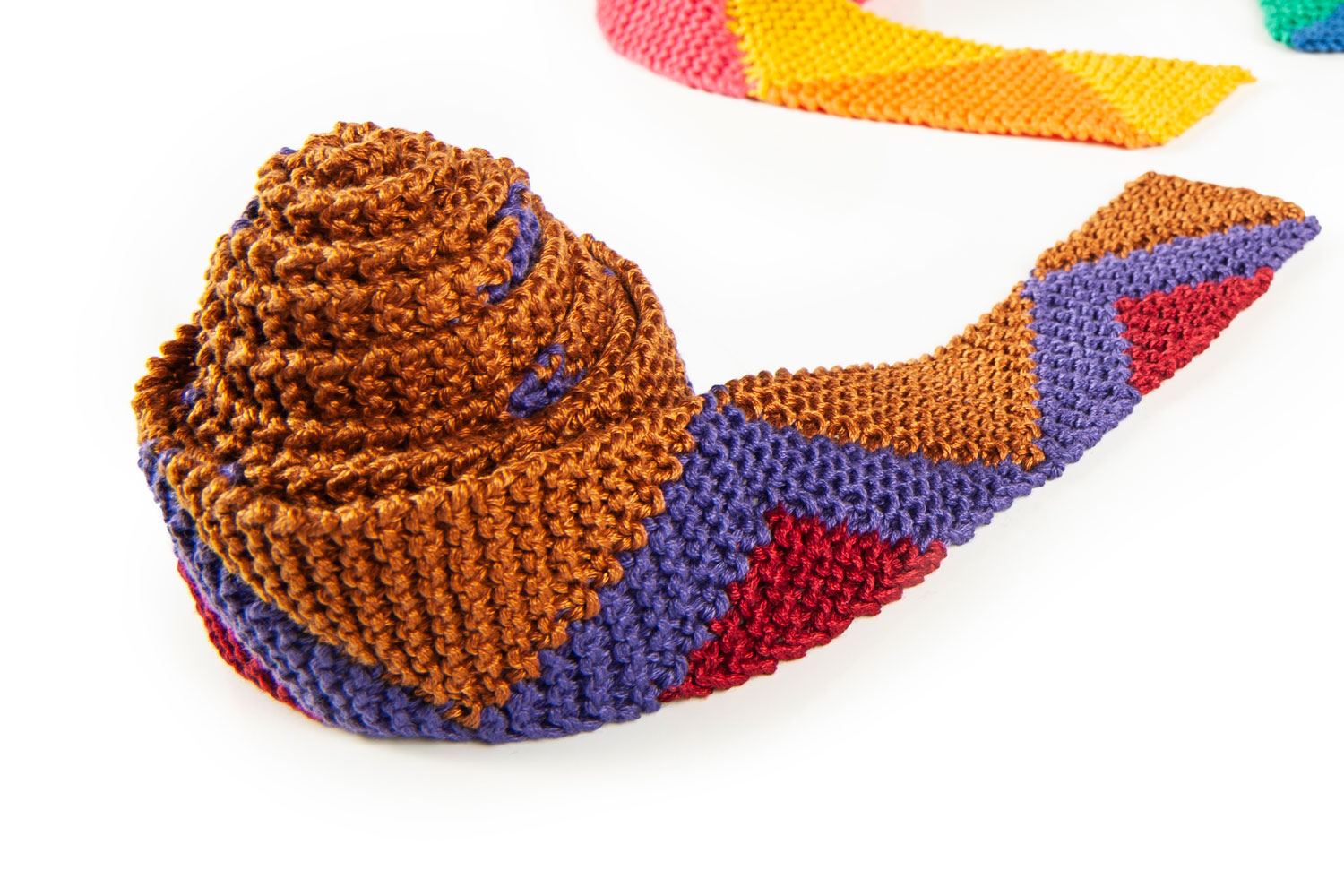
- She creates unique pieces in expressive colours
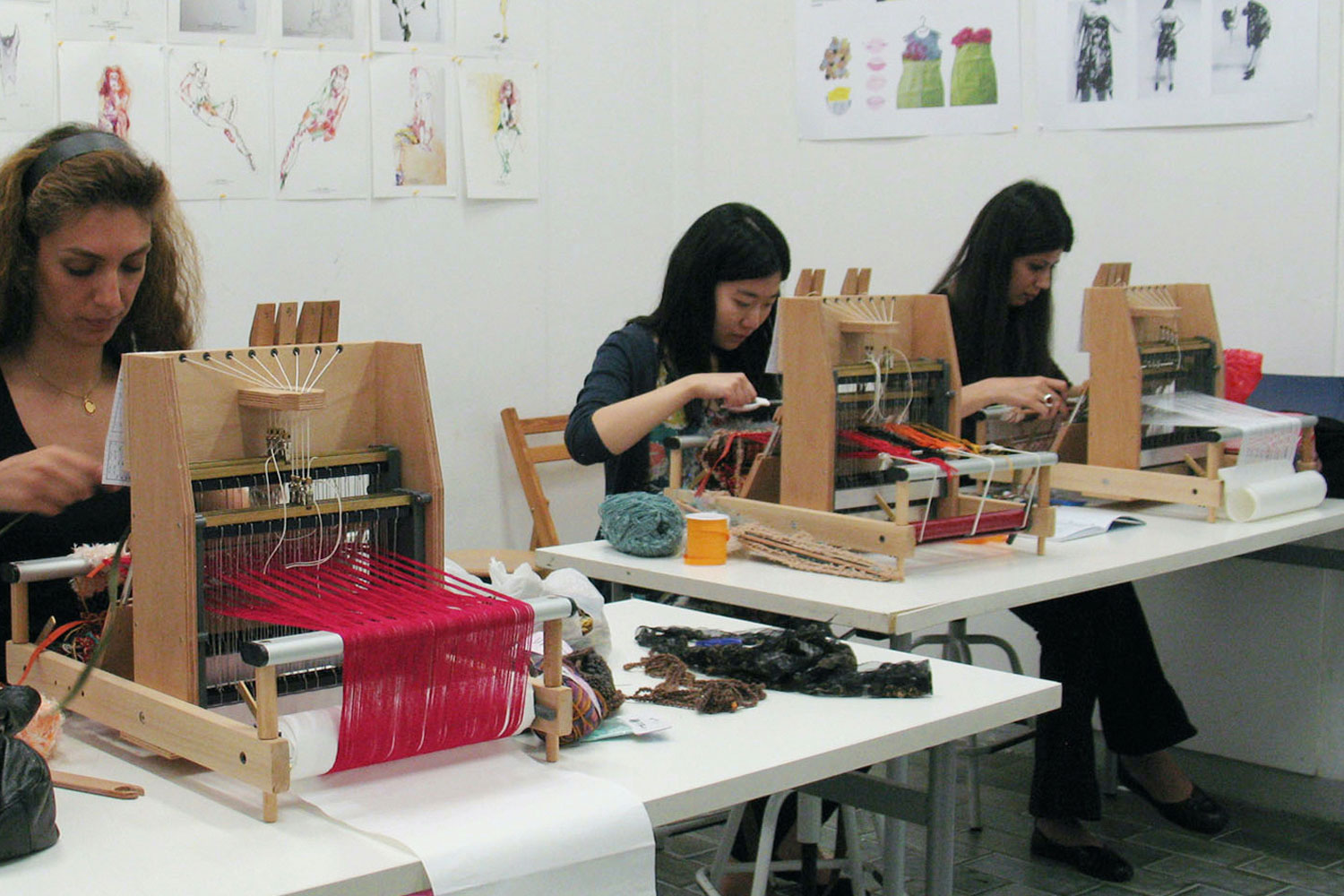
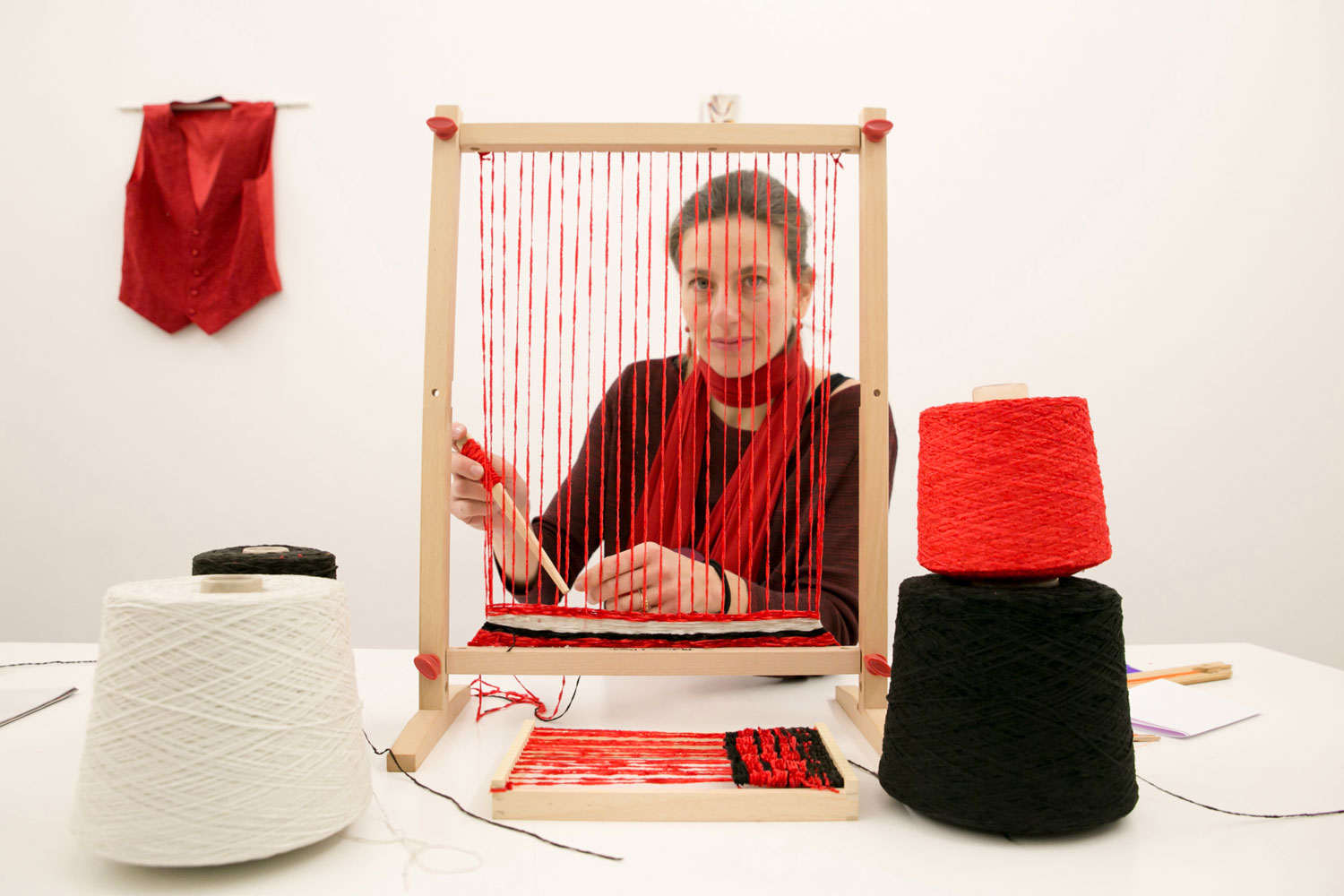
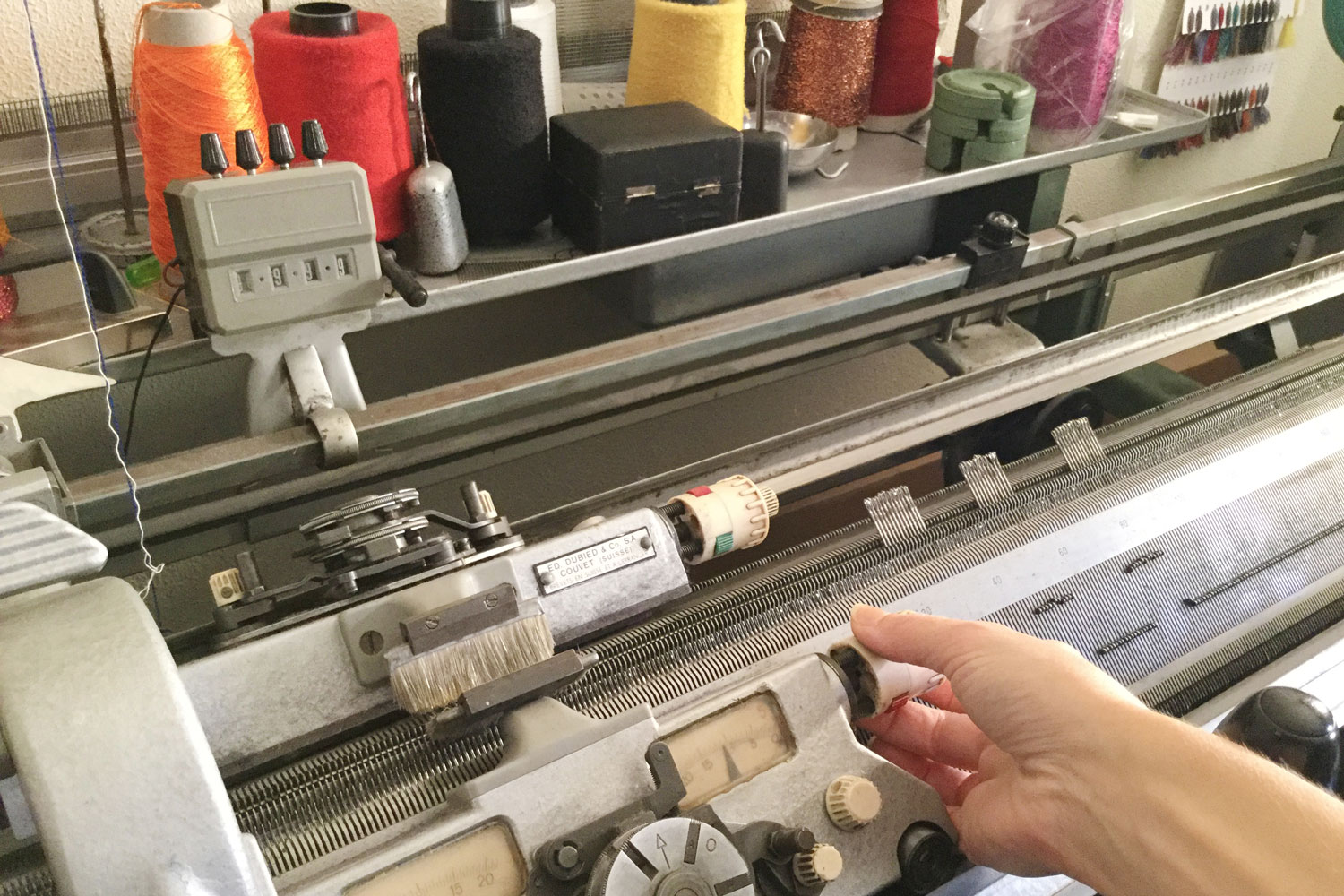
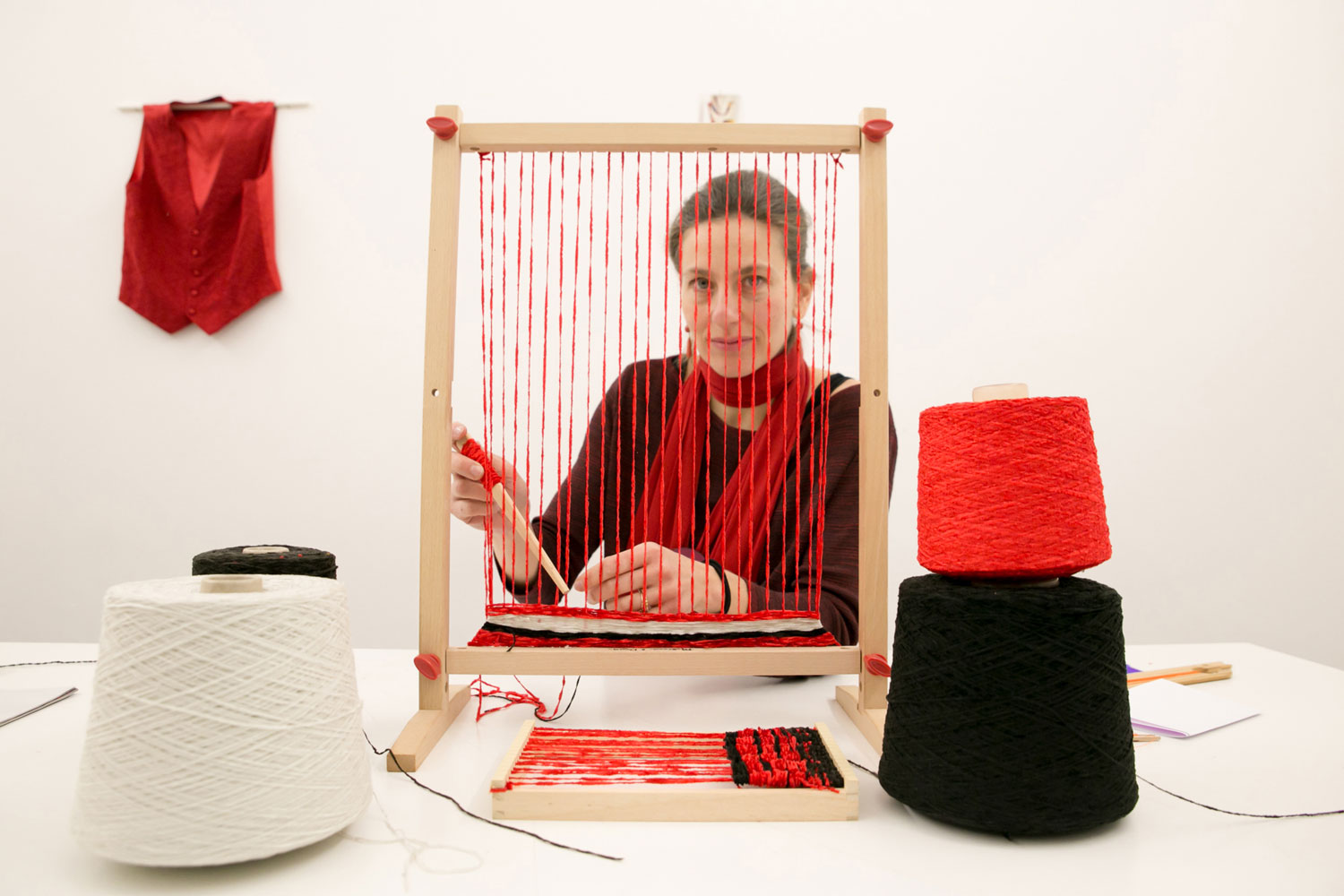
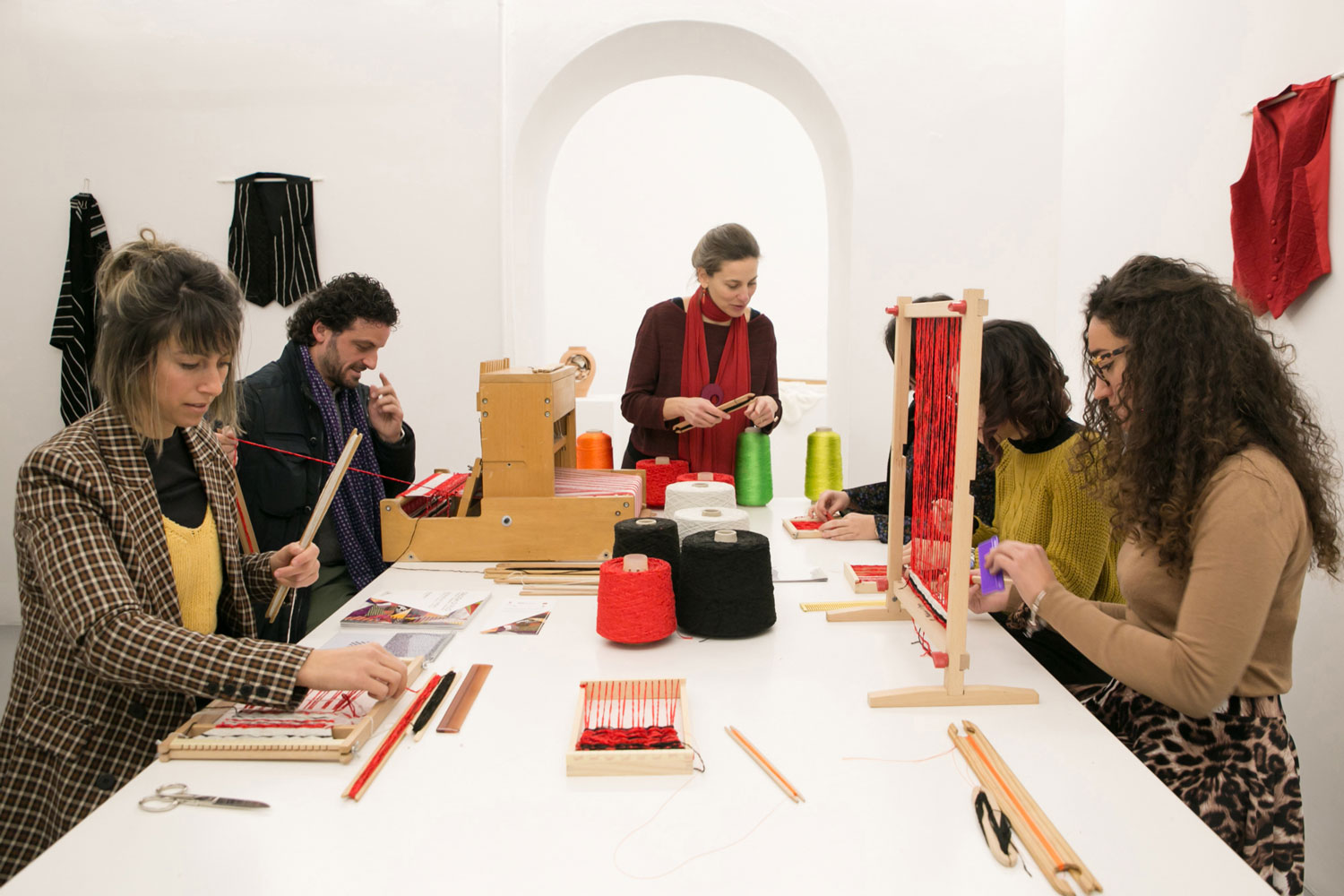
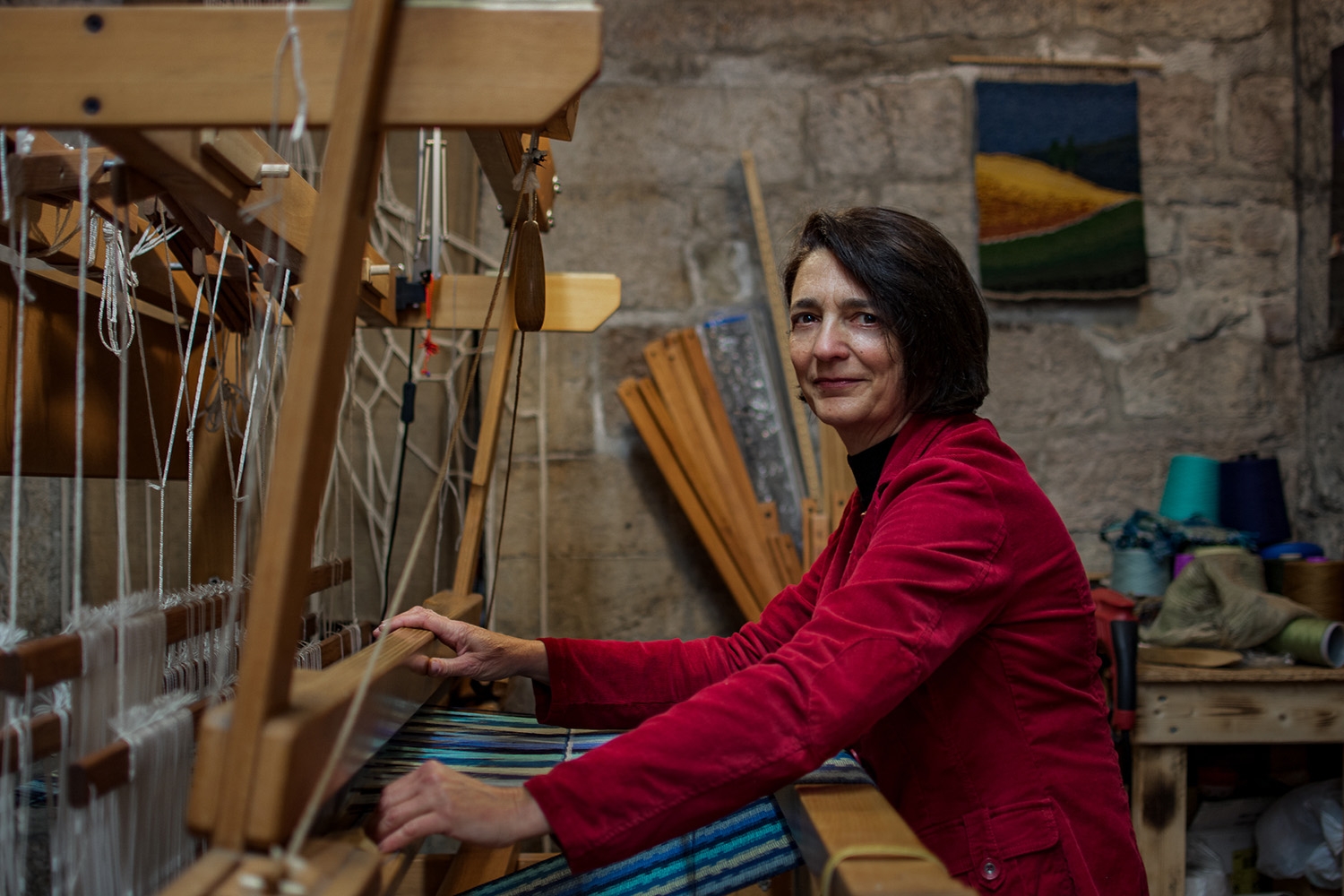
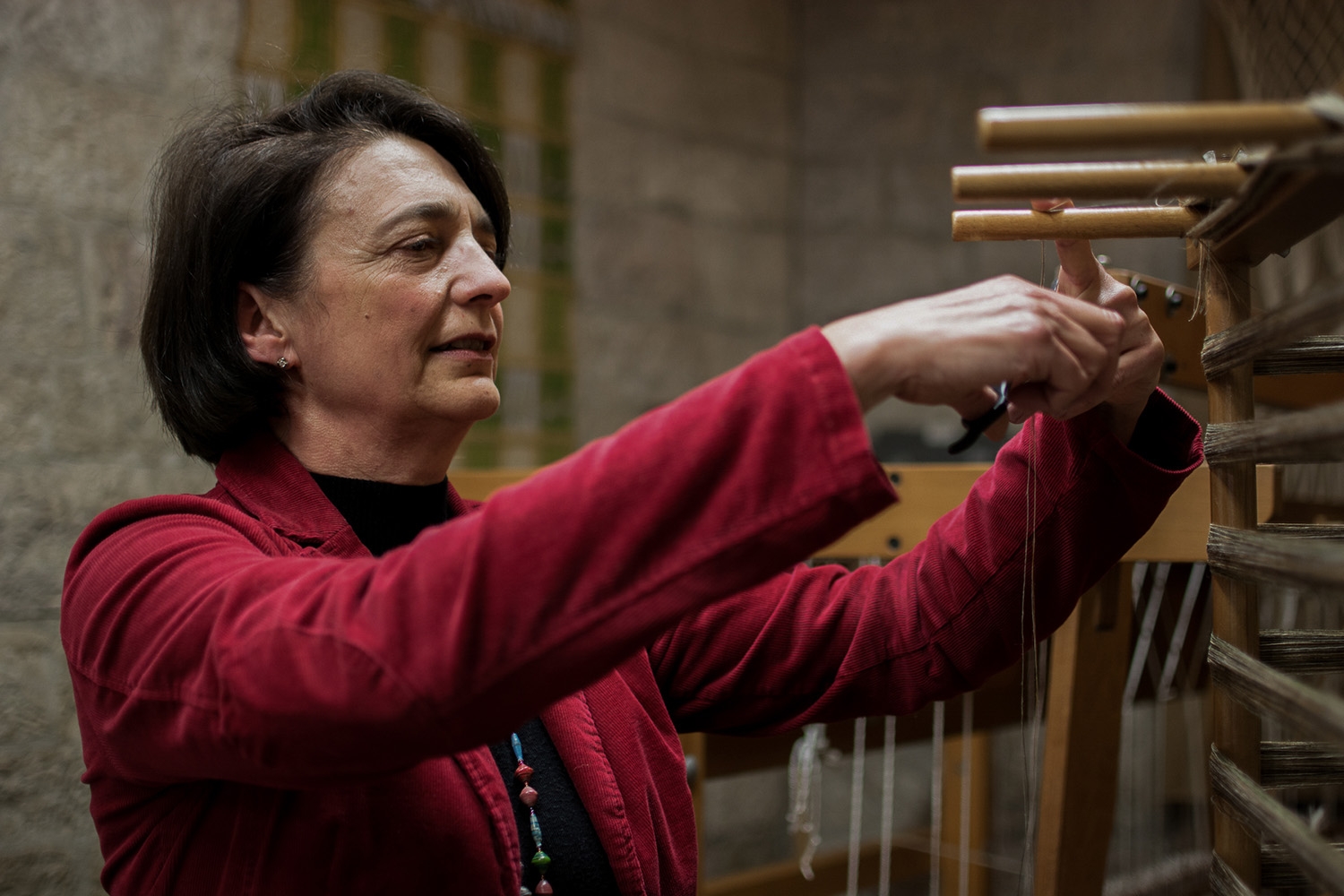
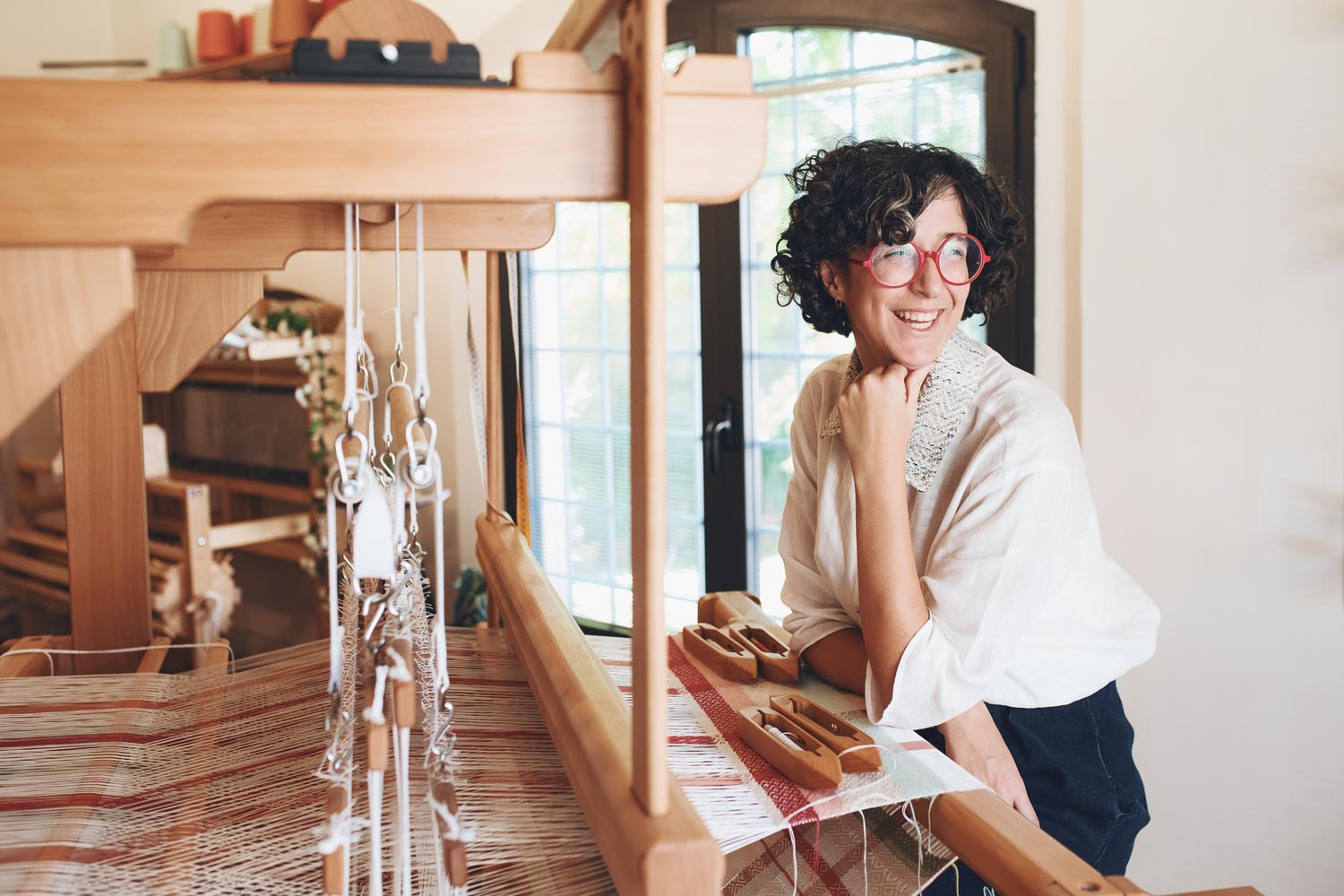
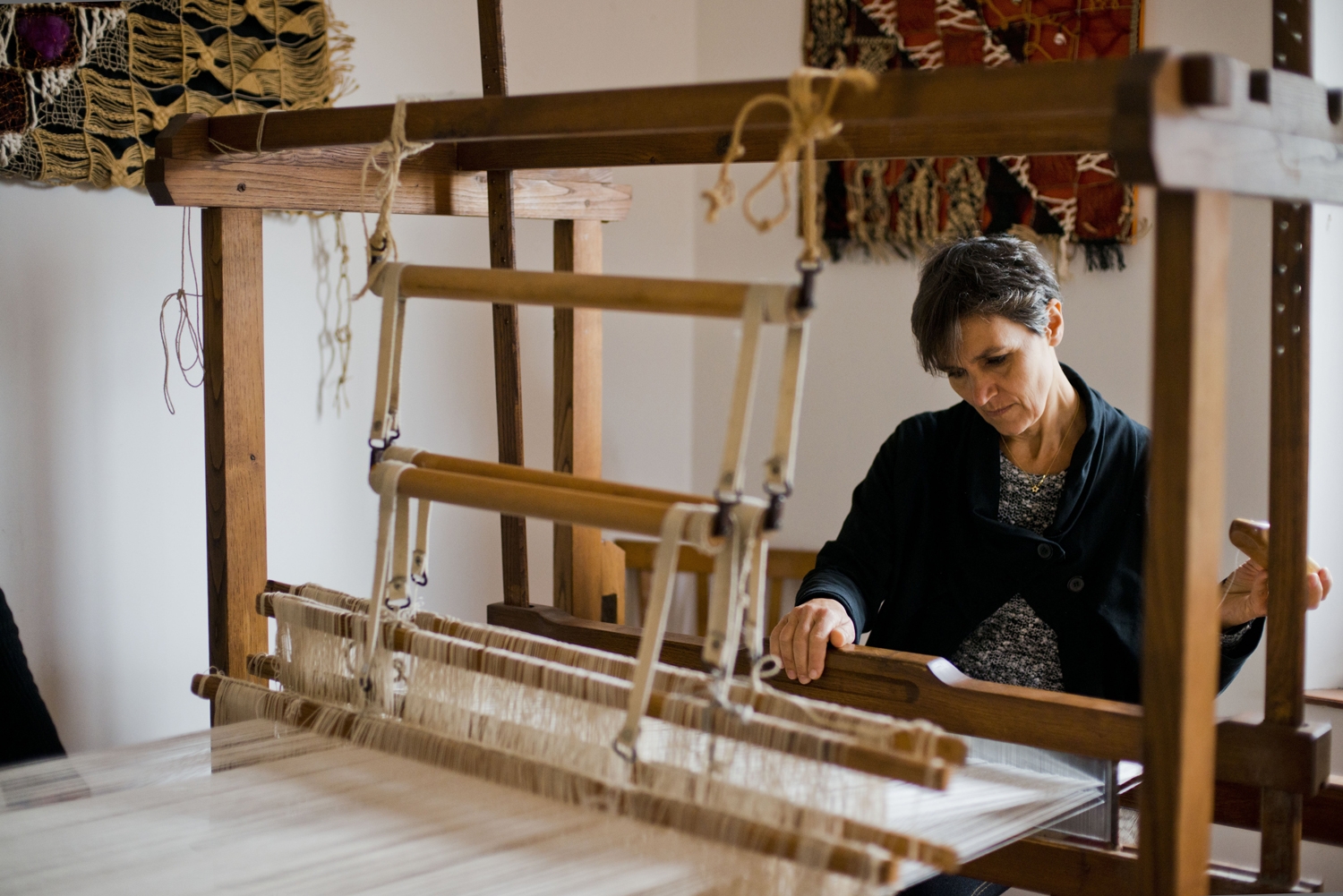
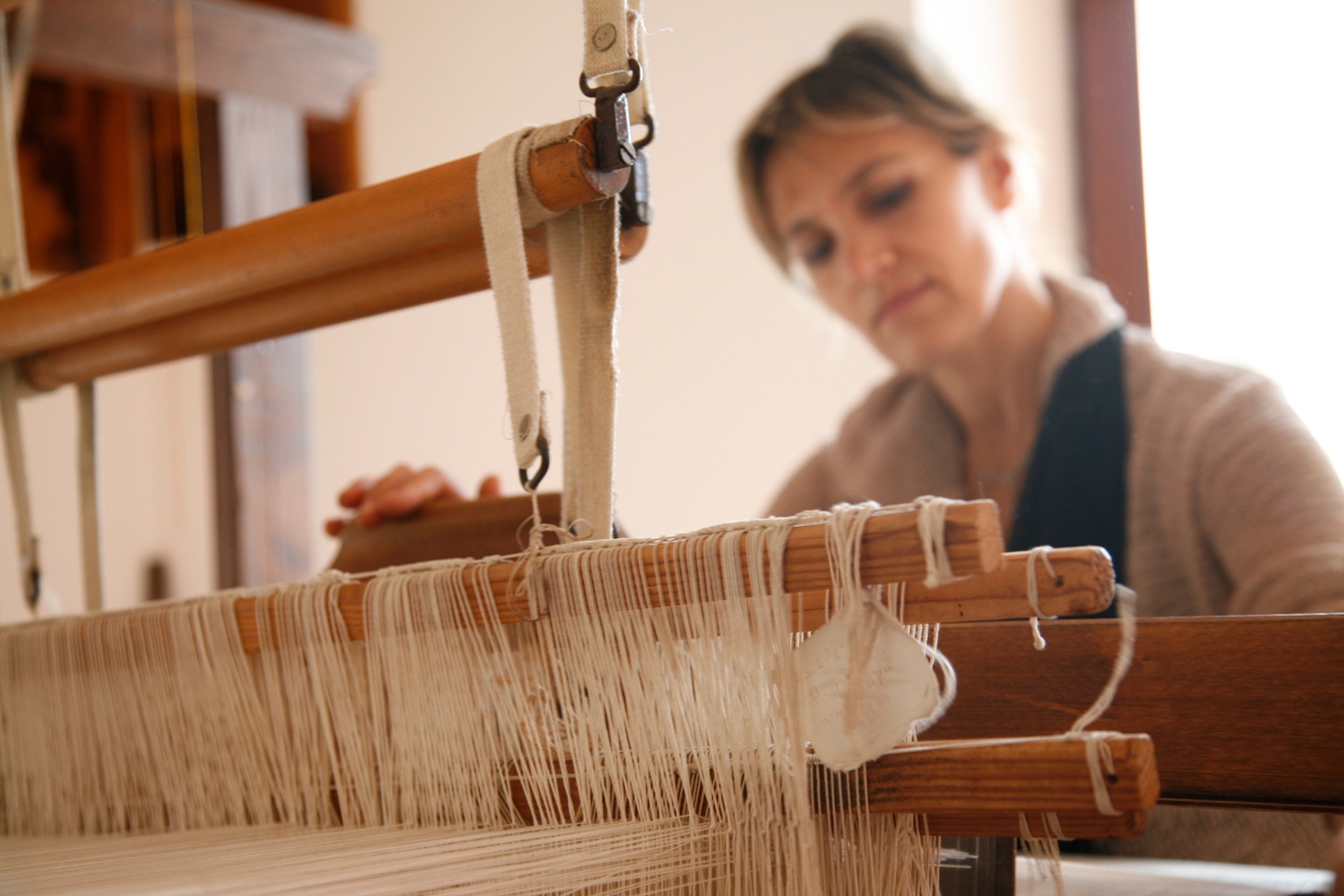
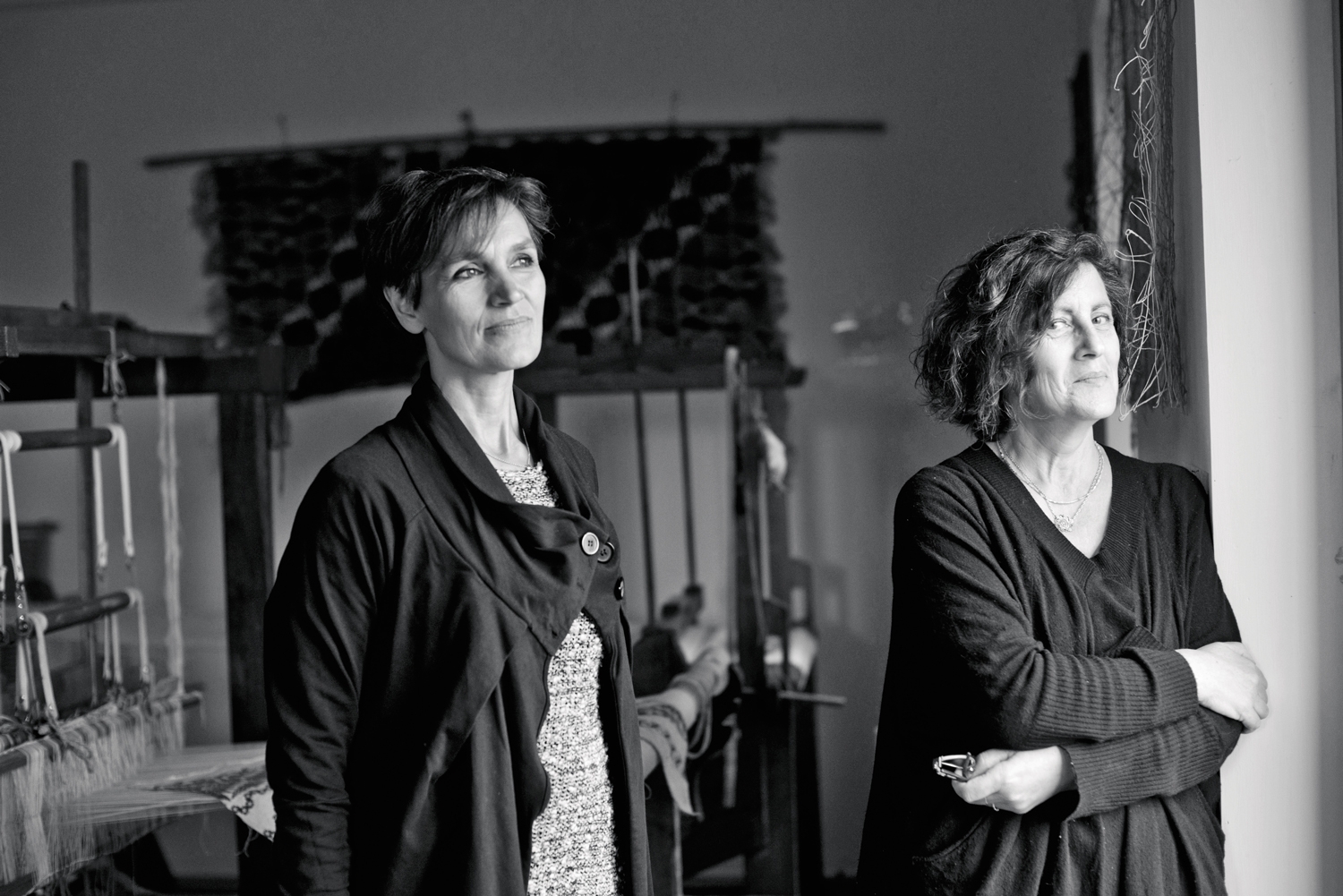
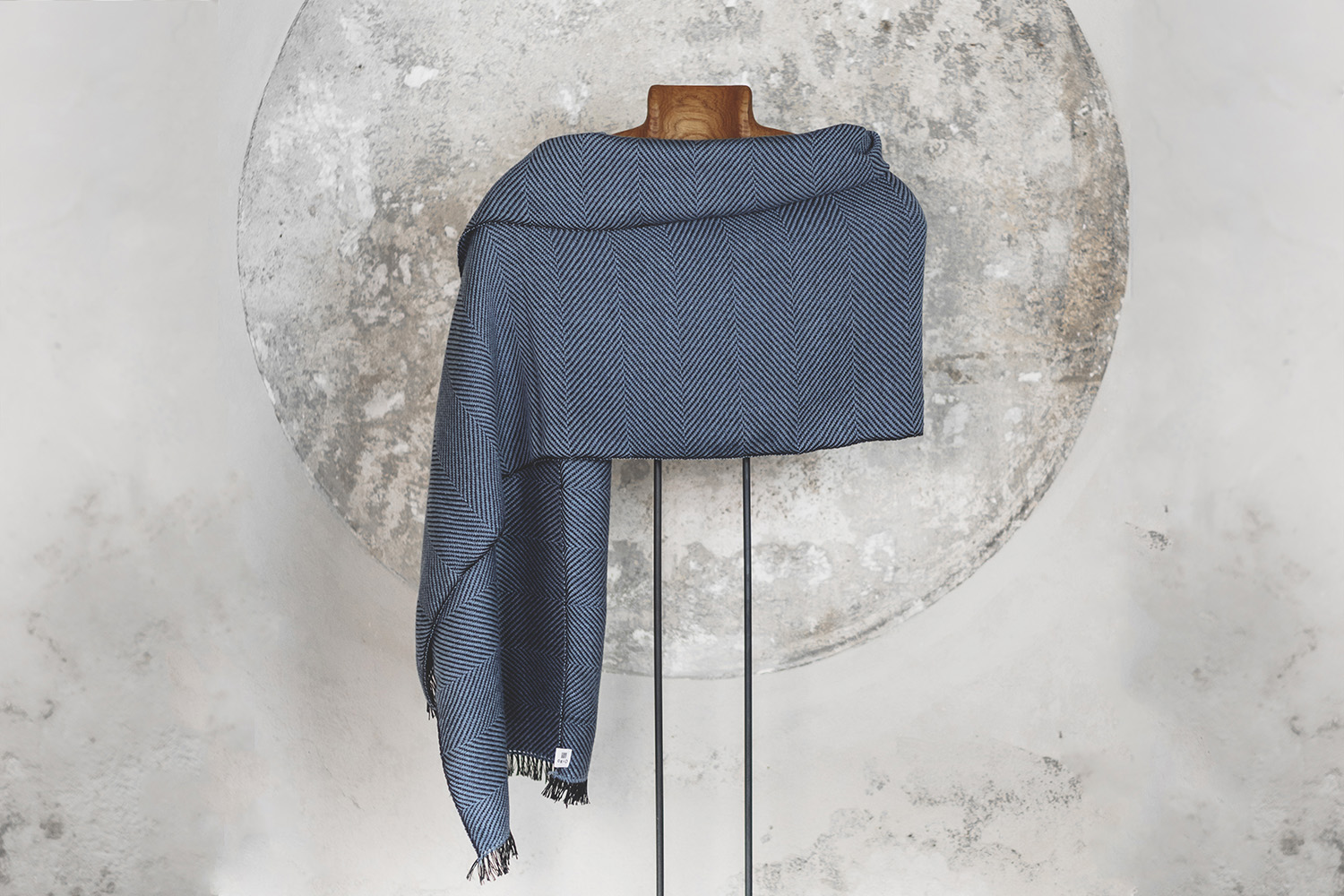
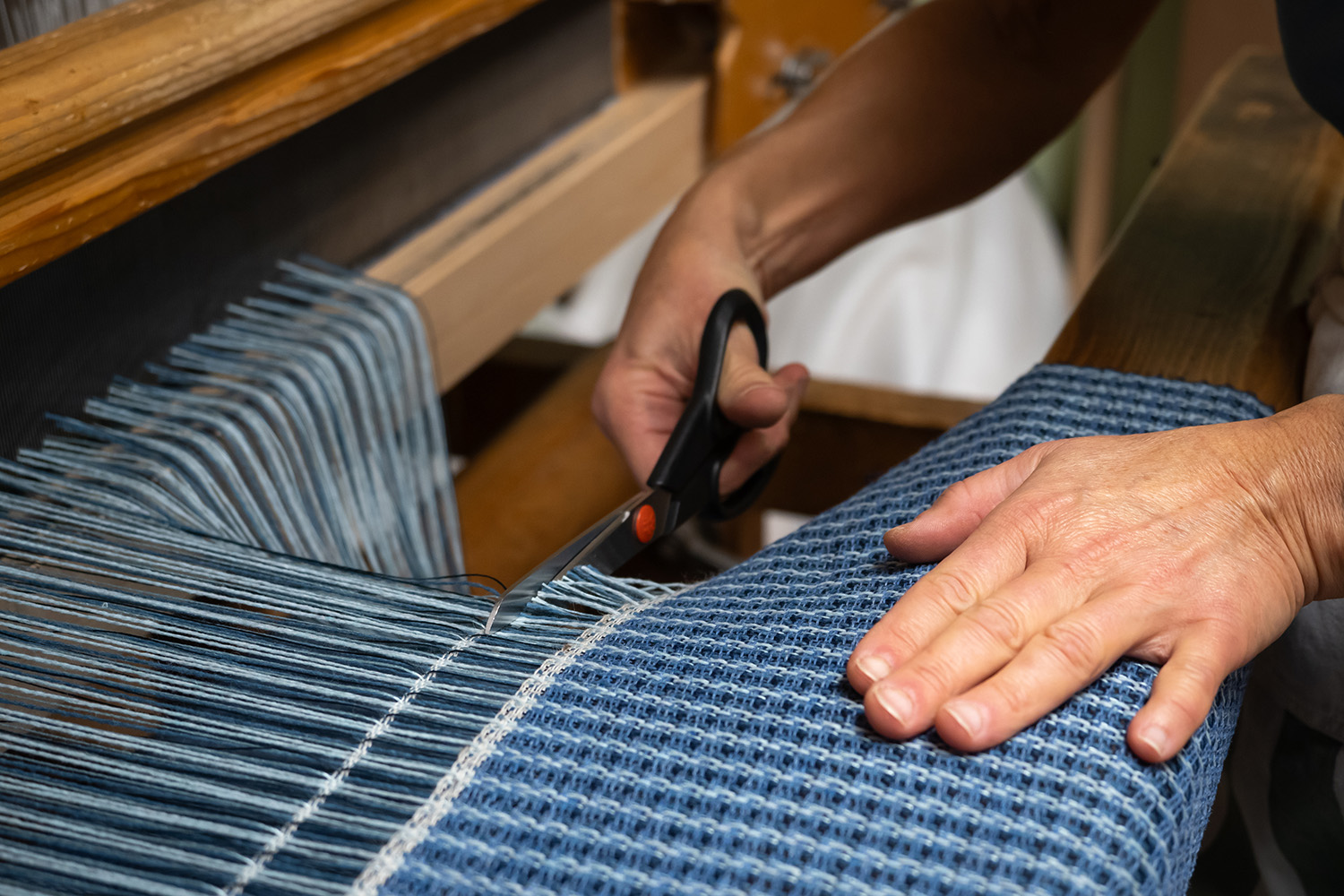
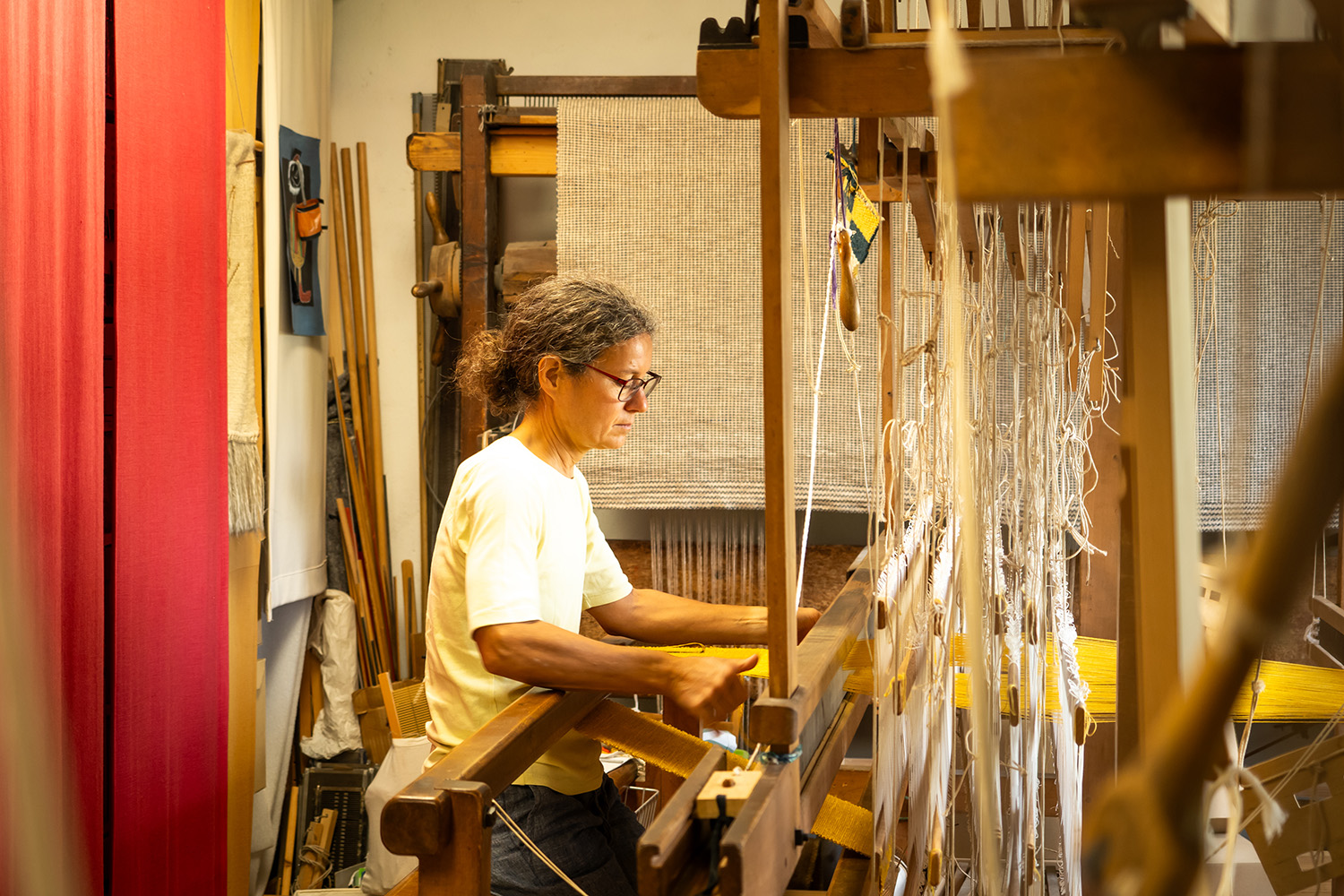
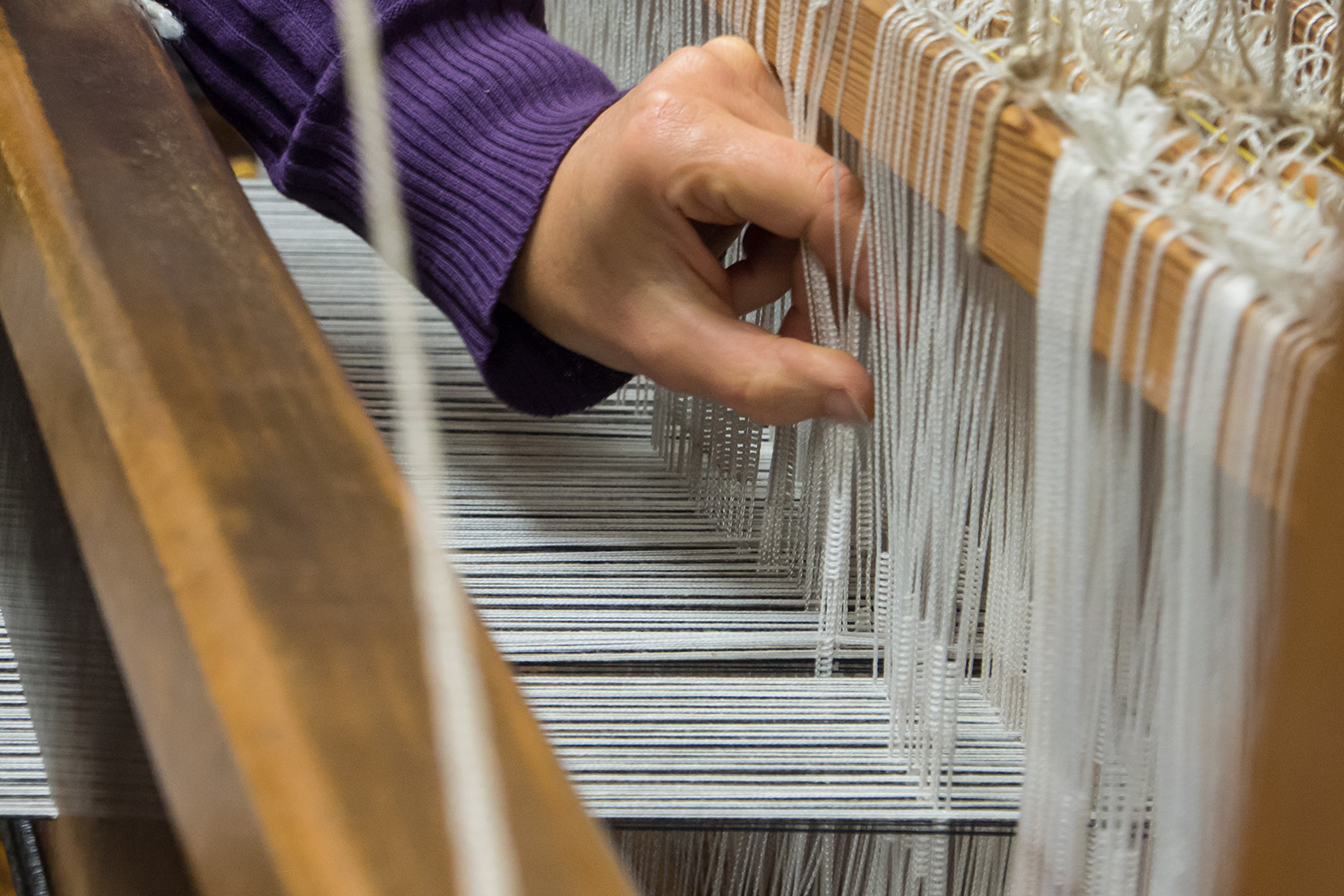
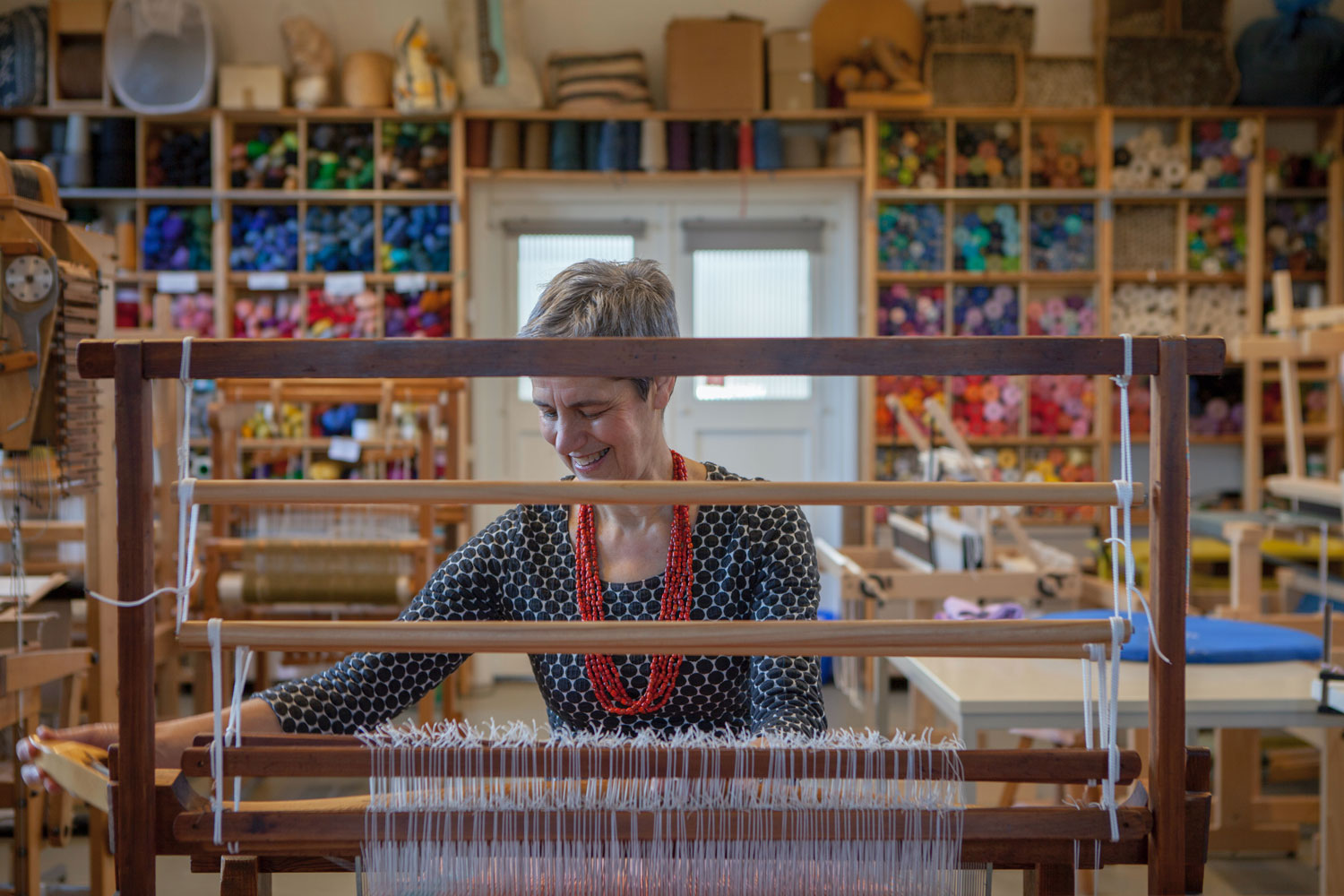
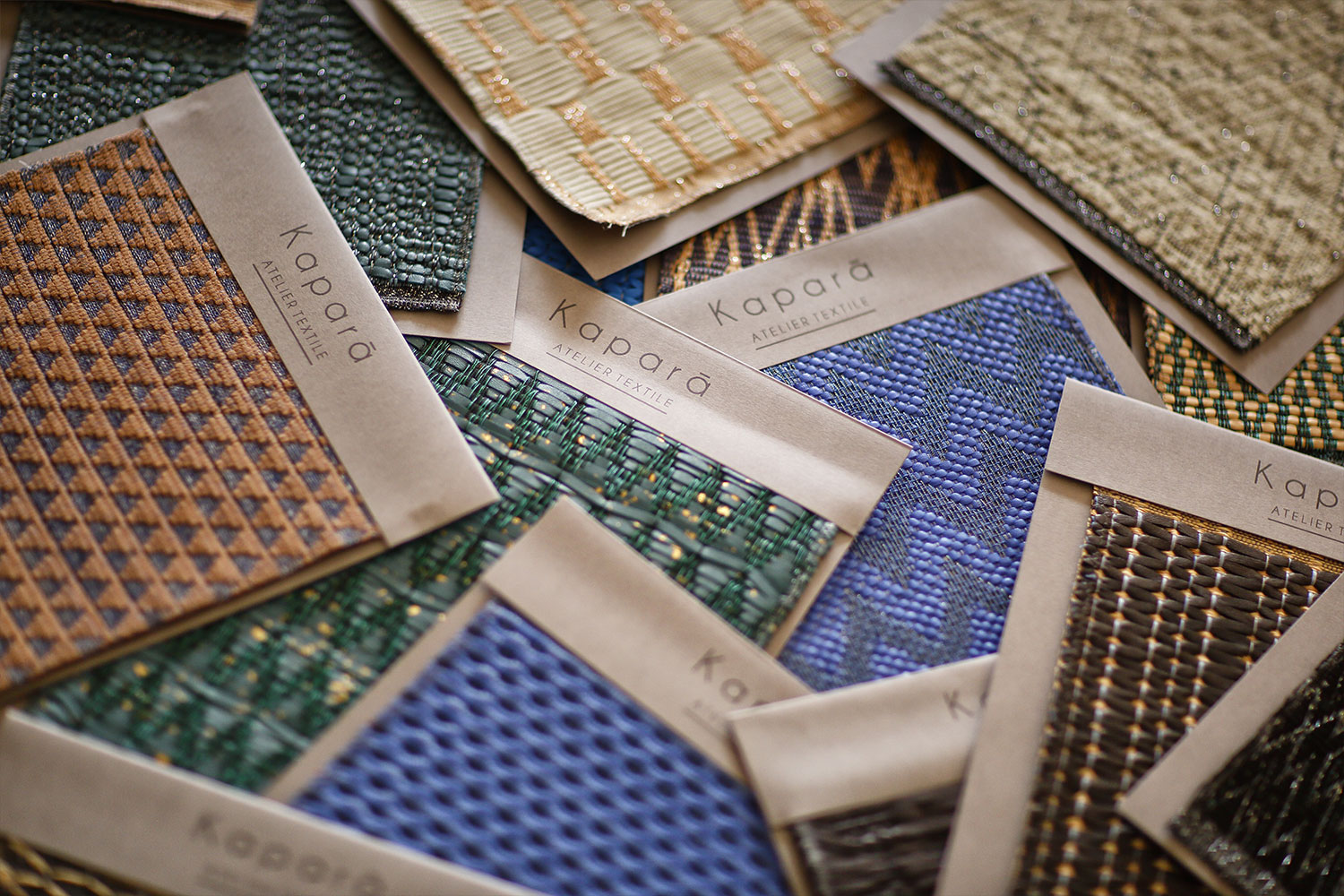
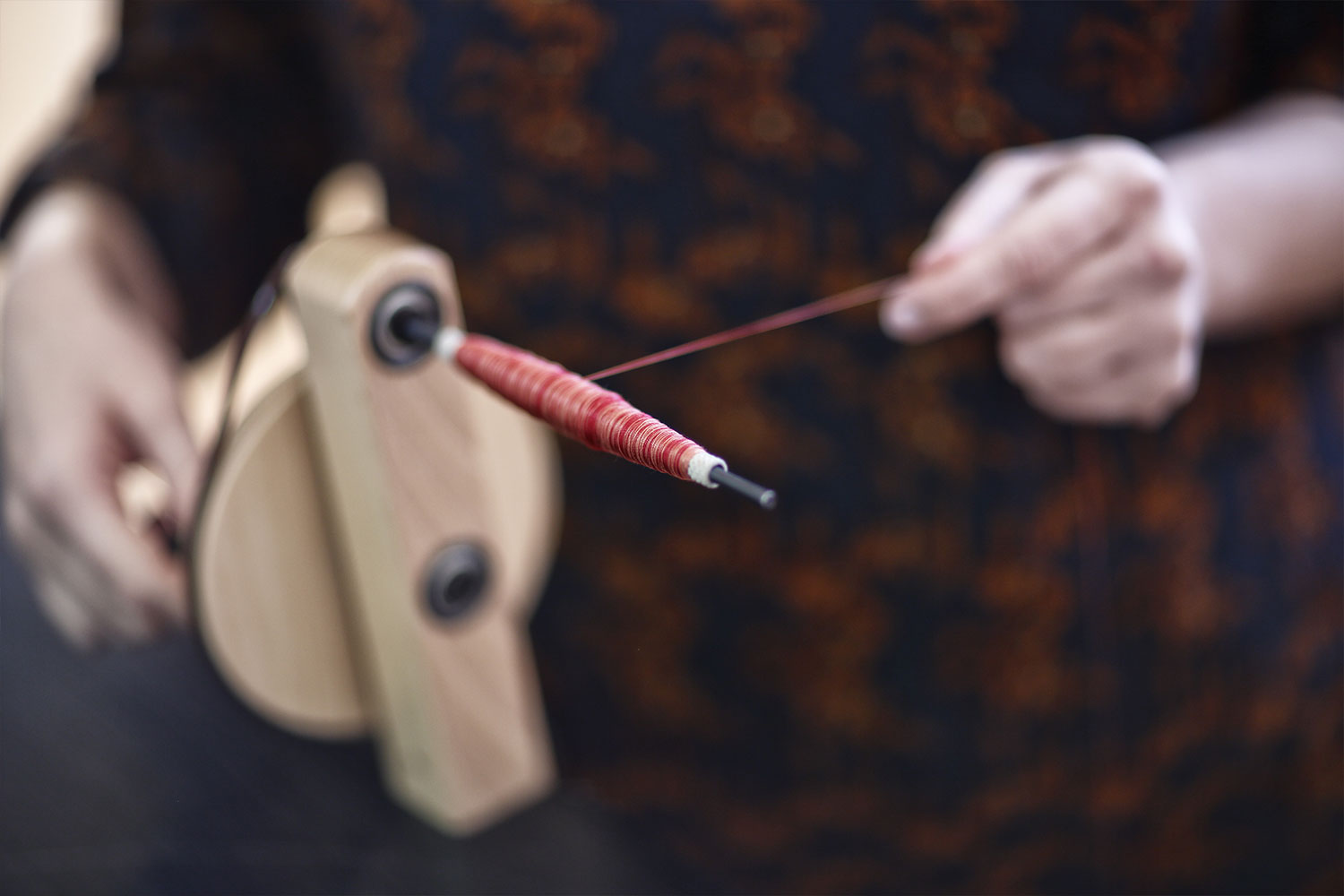
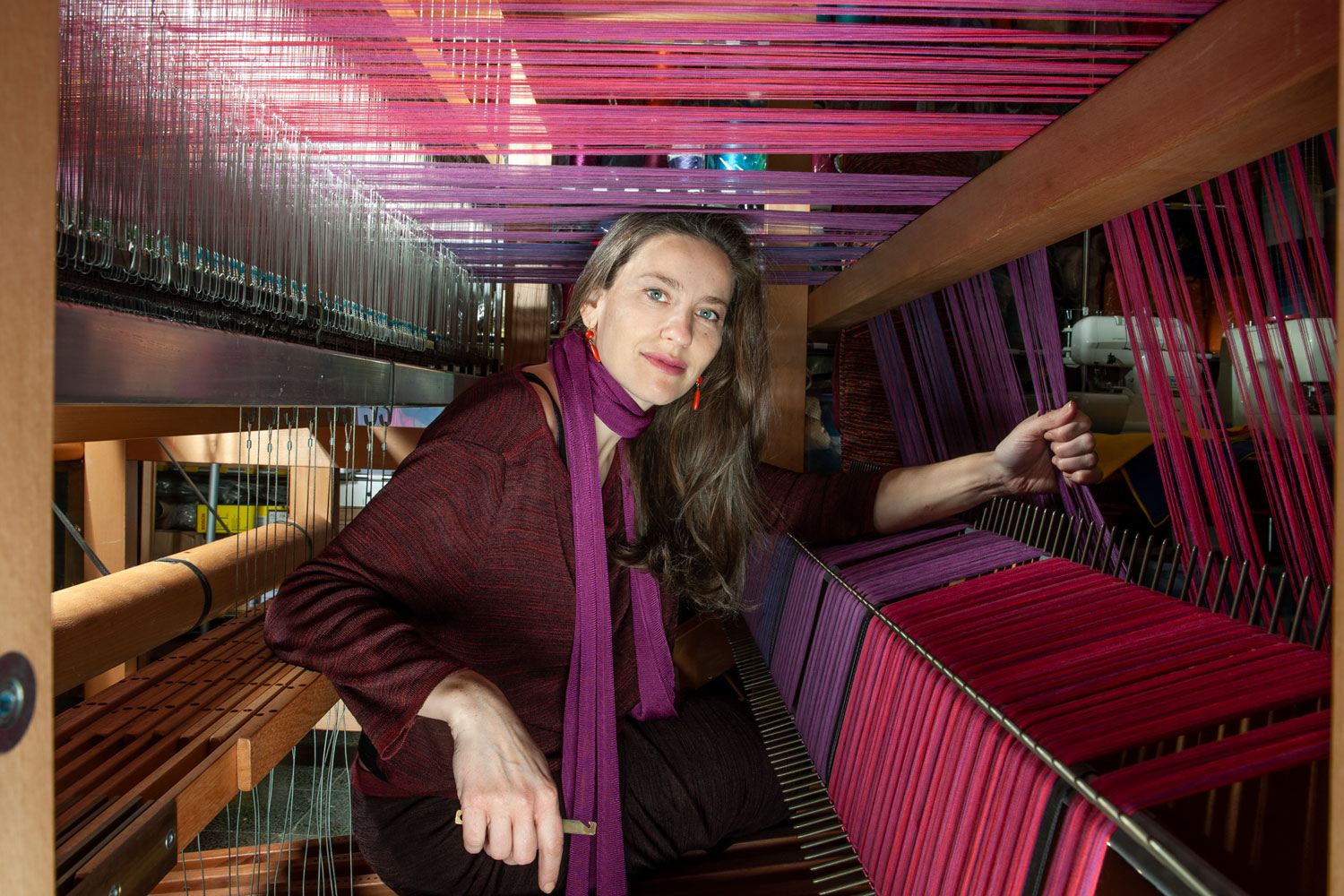
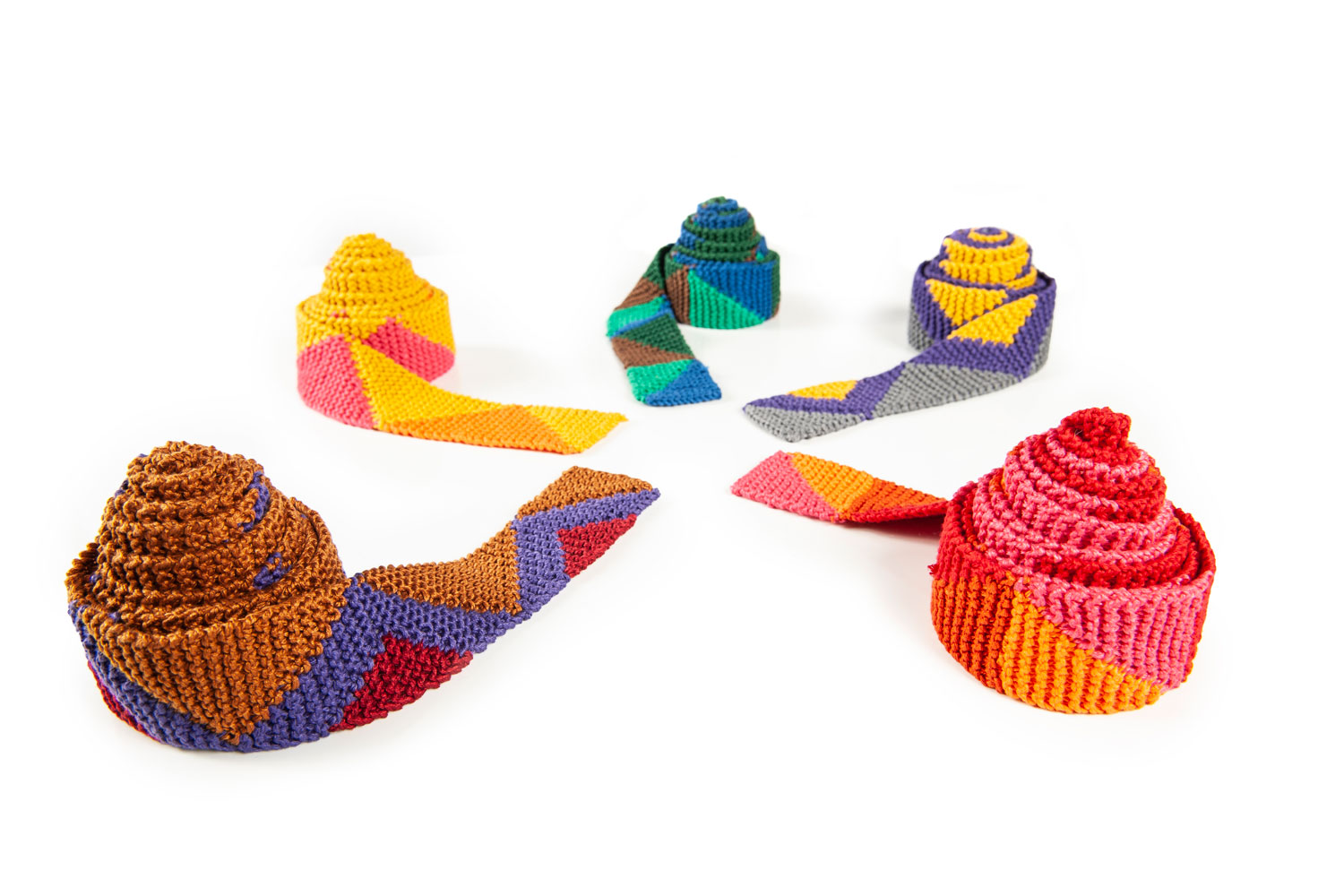
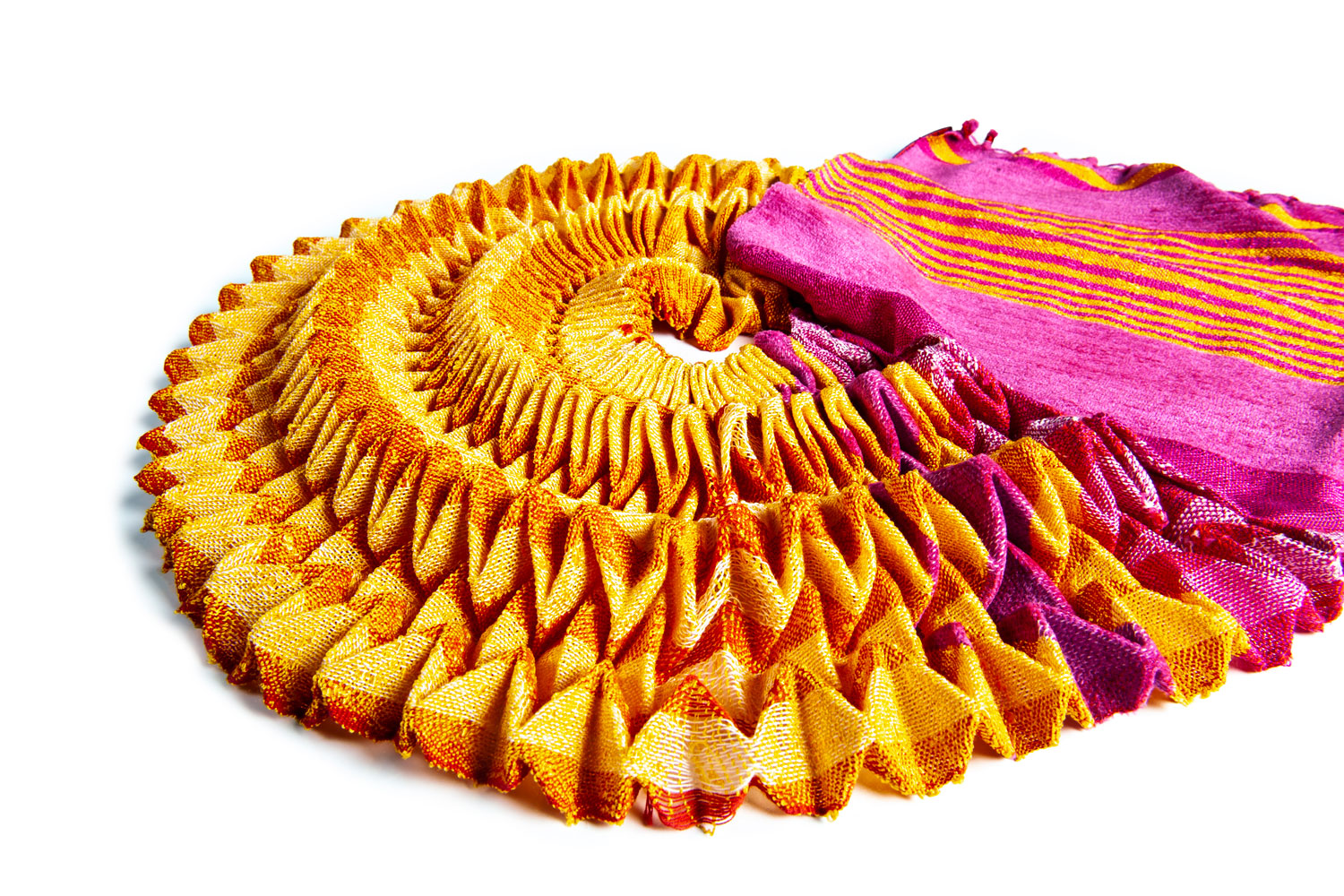
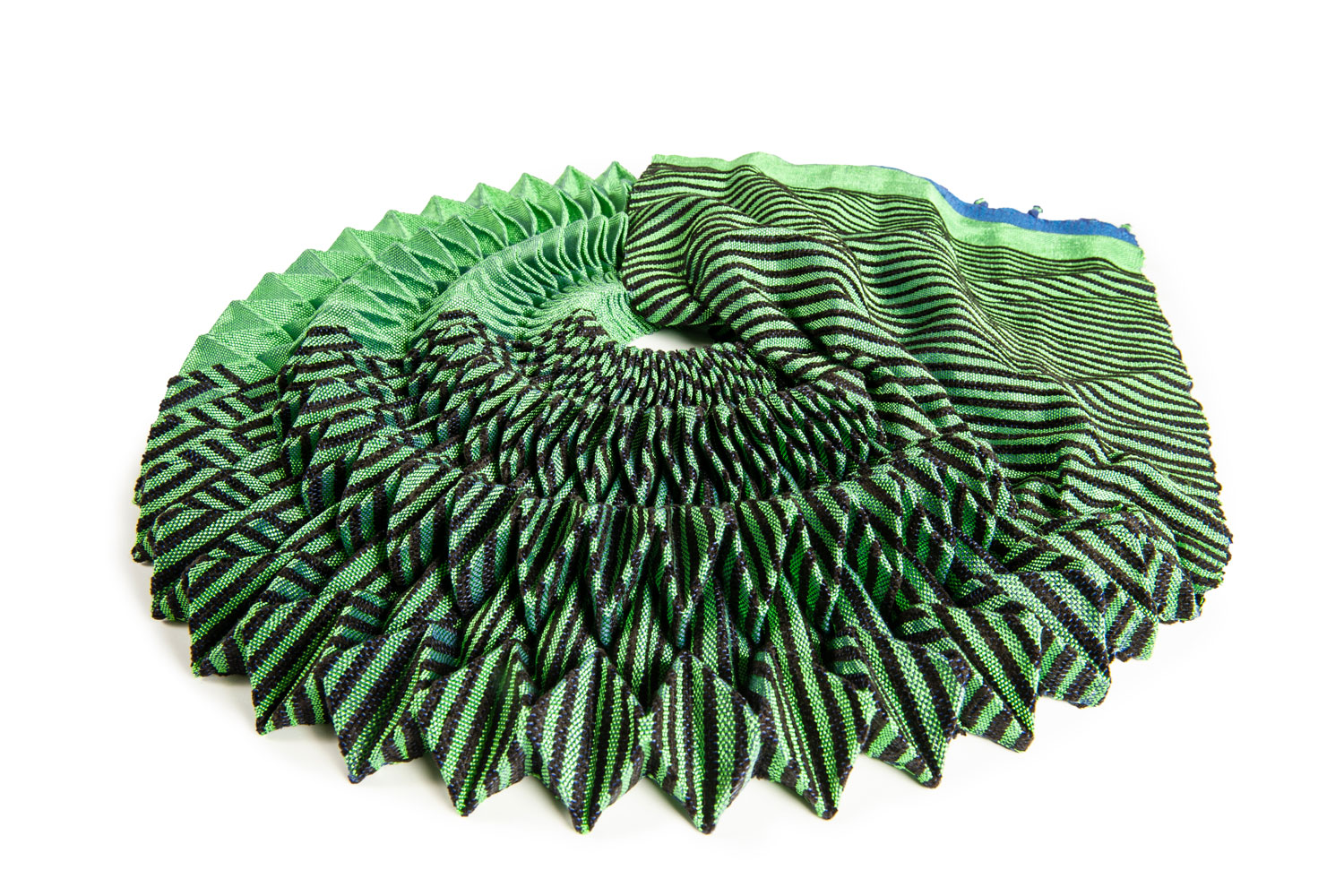
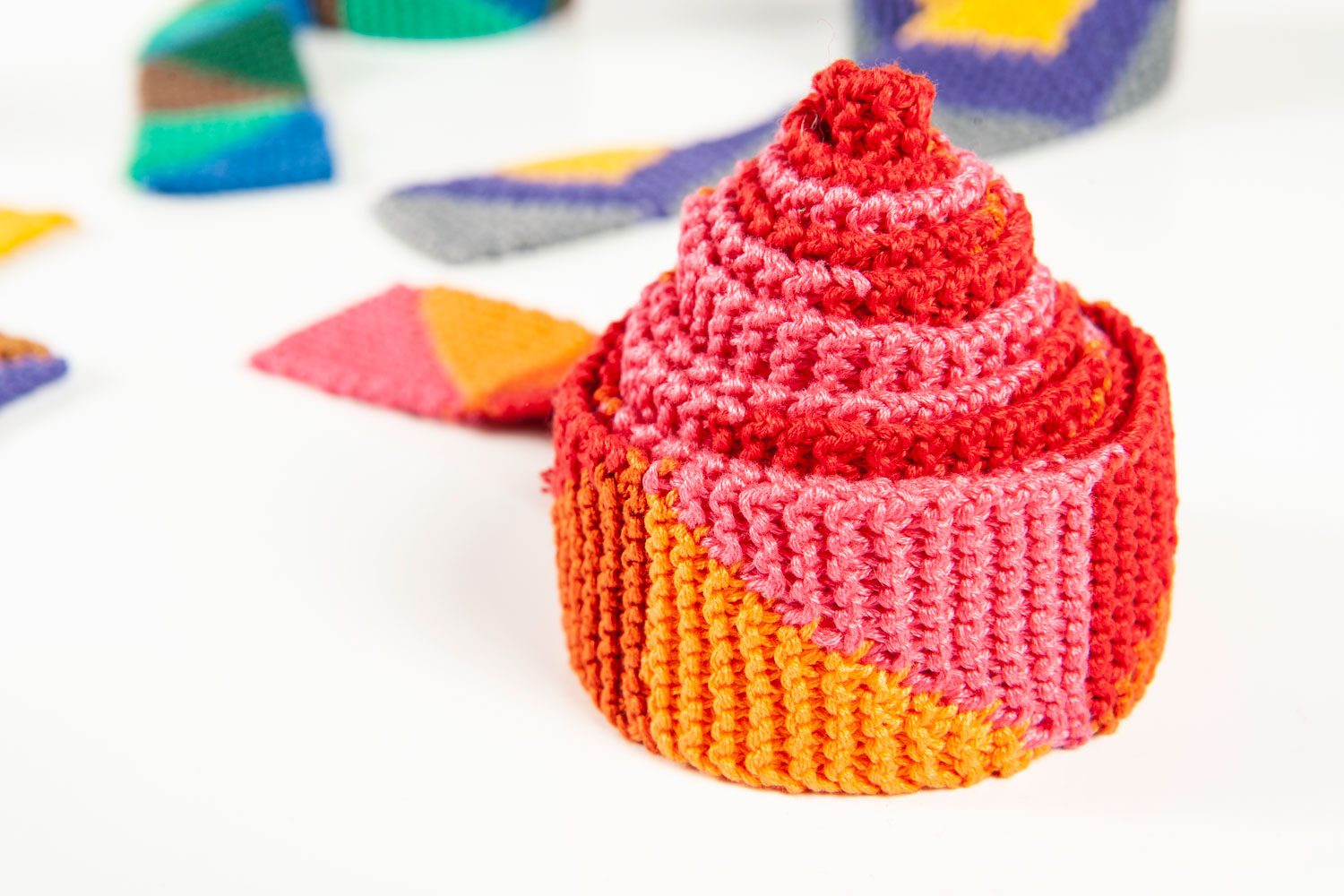
Born in Rome and growing up in an arty family environment, Livia Crispolti fell in love with handlooms at an early age and gradually became not just a renowned textile designer but also one of the most authoritative experts in this field. Professor at the Sapienza University of Rome and at the Brera Academy of Milan, she opened two twin workshops equipped with handlooms in Rome and Milan, where she experiments with the infinite potential of the ancient craft of weaving. She creates unique pieces or small series with her brand Livia Crispolti Tessuto a mano, develops prototypes for the fashion industry and collaborates with other artisans and artists to investigate techniques and self-expression, like musicians, because “every thread is a note, and the possibilities to combine them are countless”.
Discover her work
INTERVIEW
It’s not a family tradition. It all started when I was 18 years old, I moved to Milan and started working in the industry. I spent years learning and practising with masters like Marisa Bronzini and Graziella Guidotti.
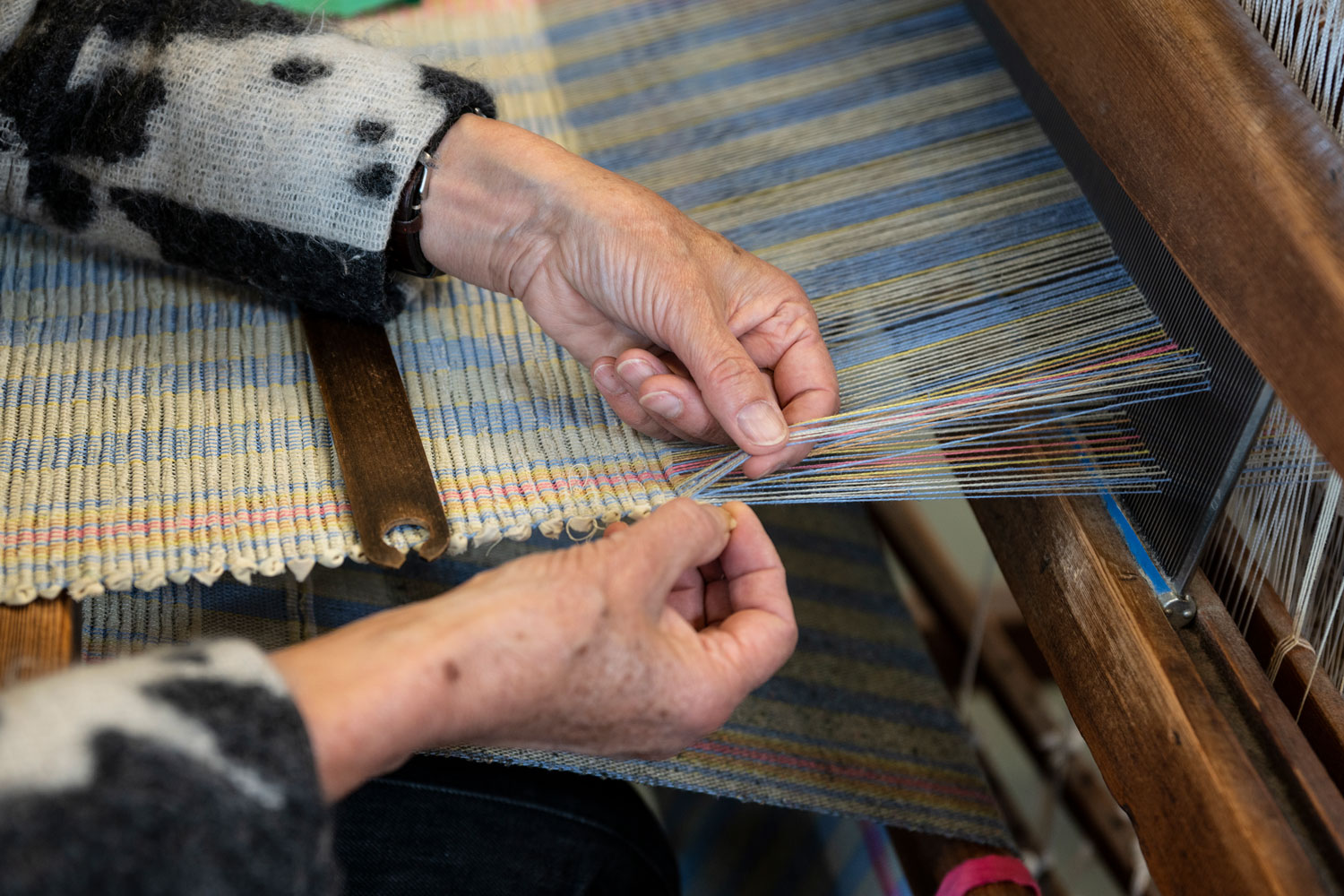
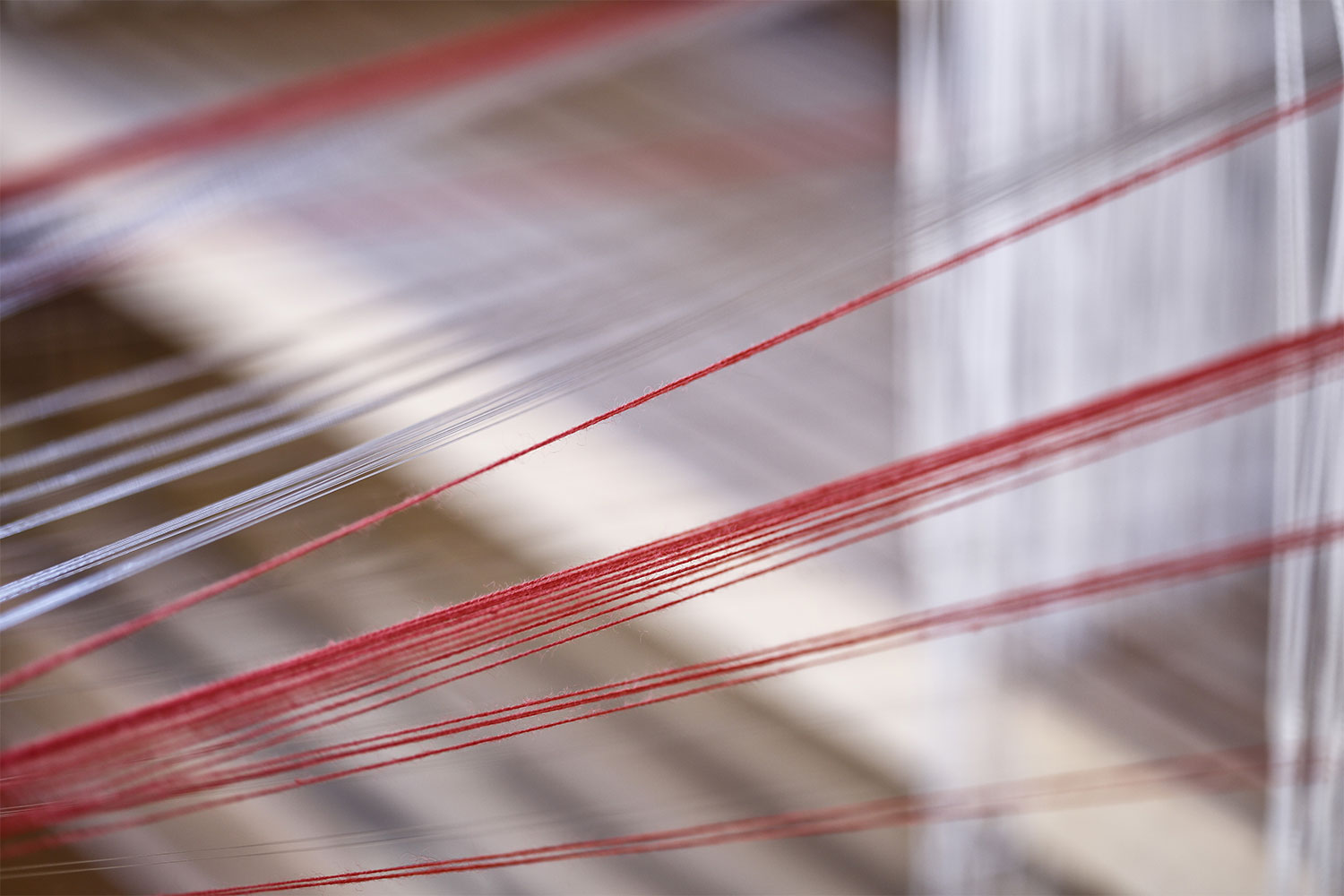
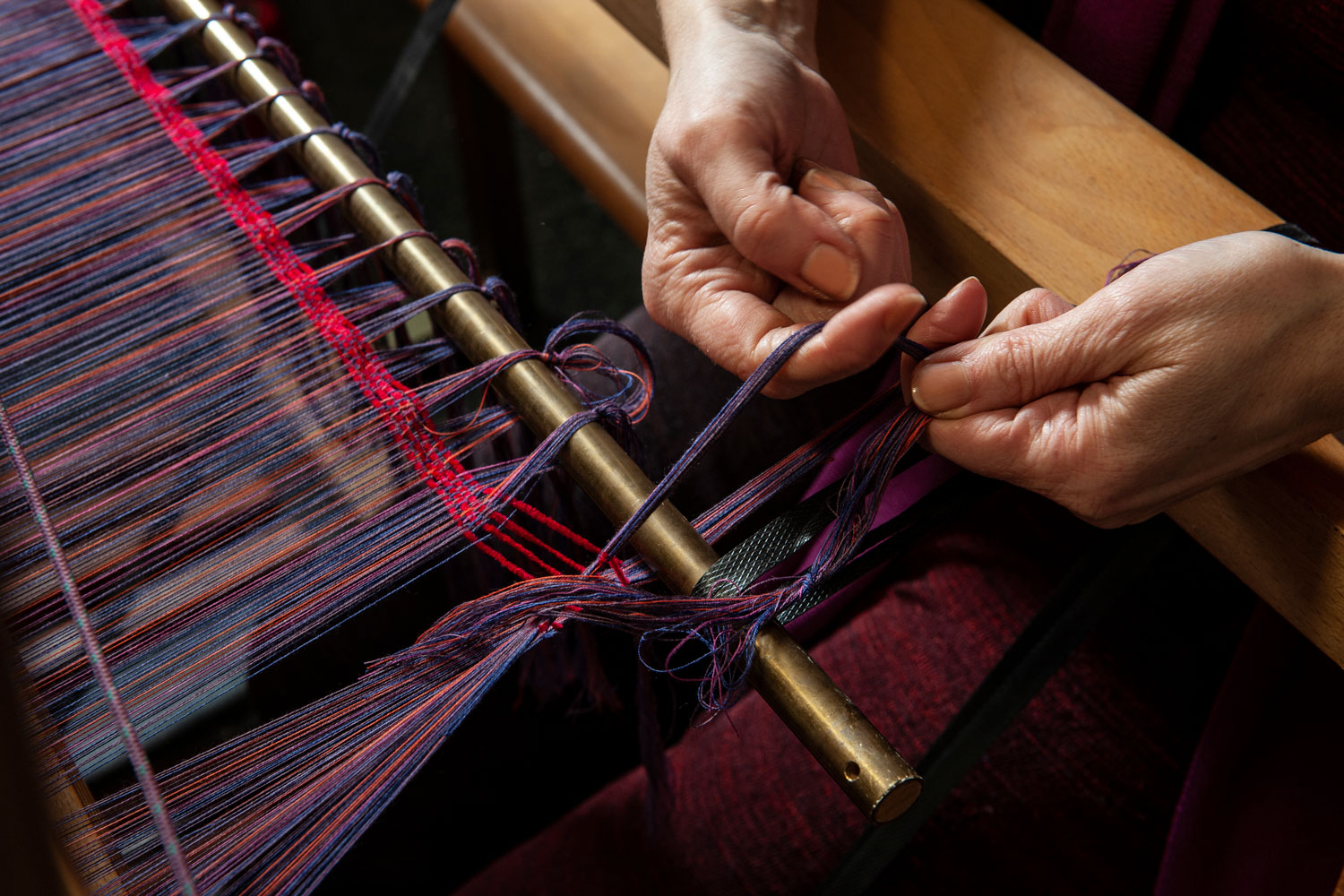
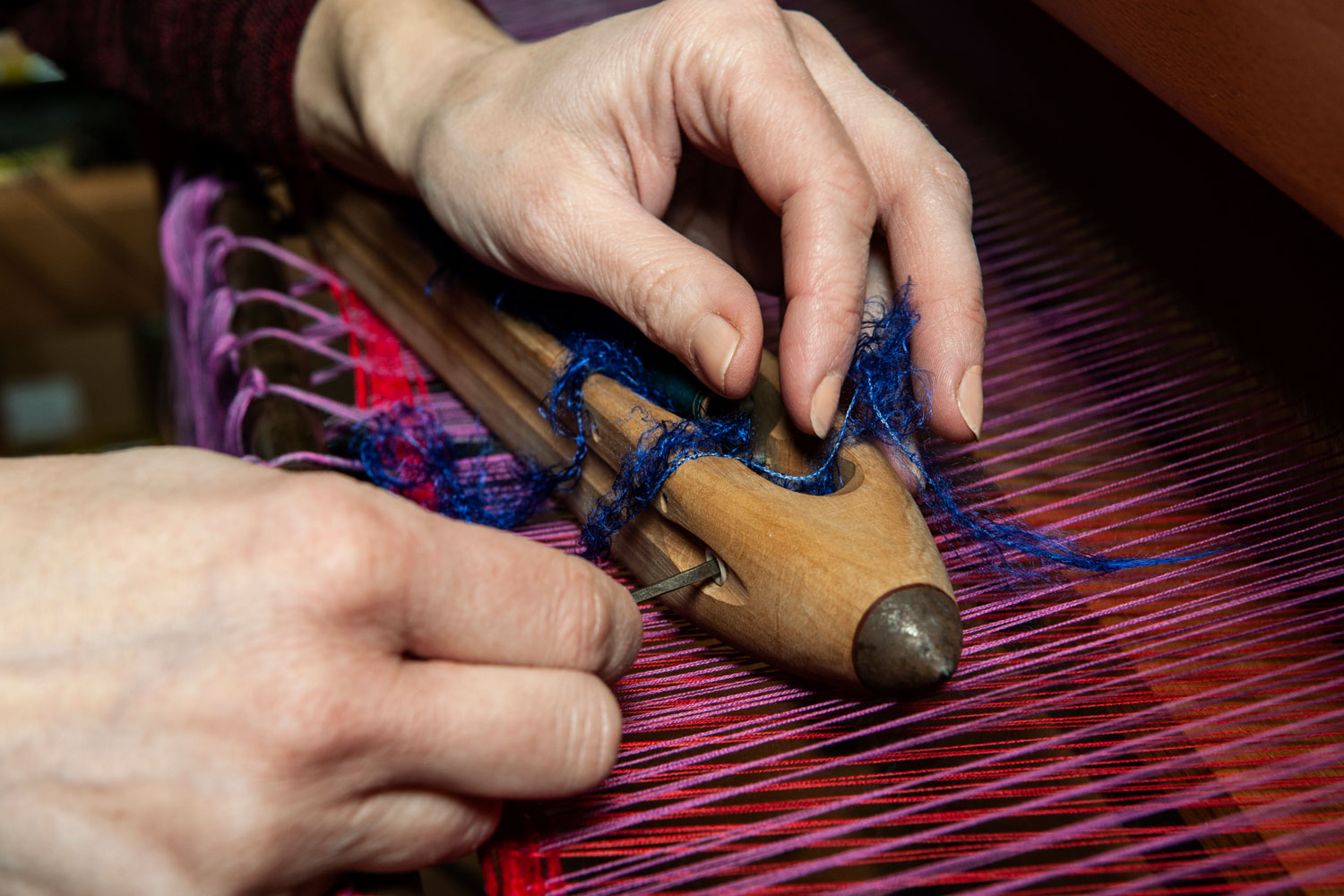
I have a natural tendency for combining colours and textures but my initial approach as a designer is still mathematical: weaving is all about the relationship between warp and weft, horizontal and vertical lines.
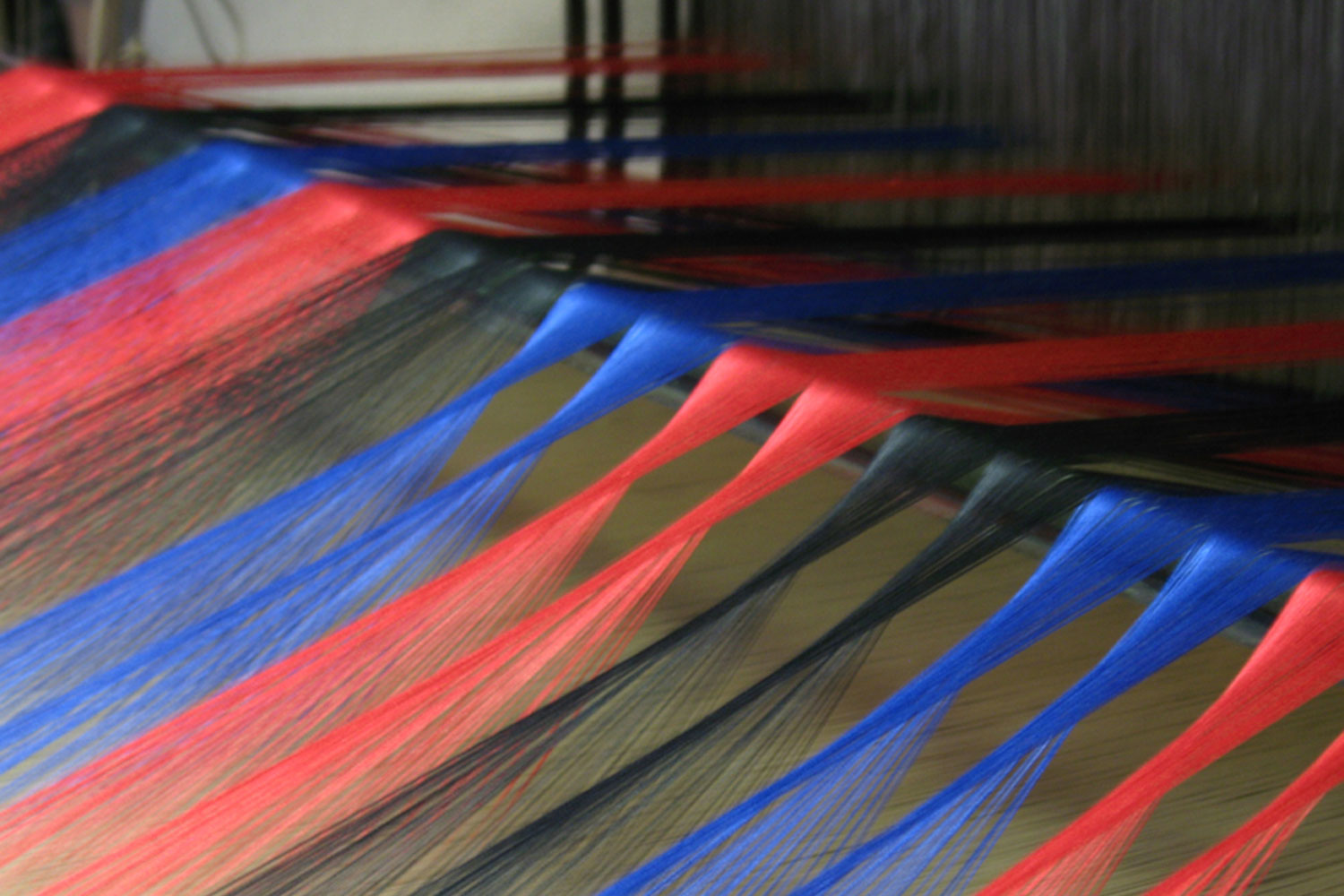
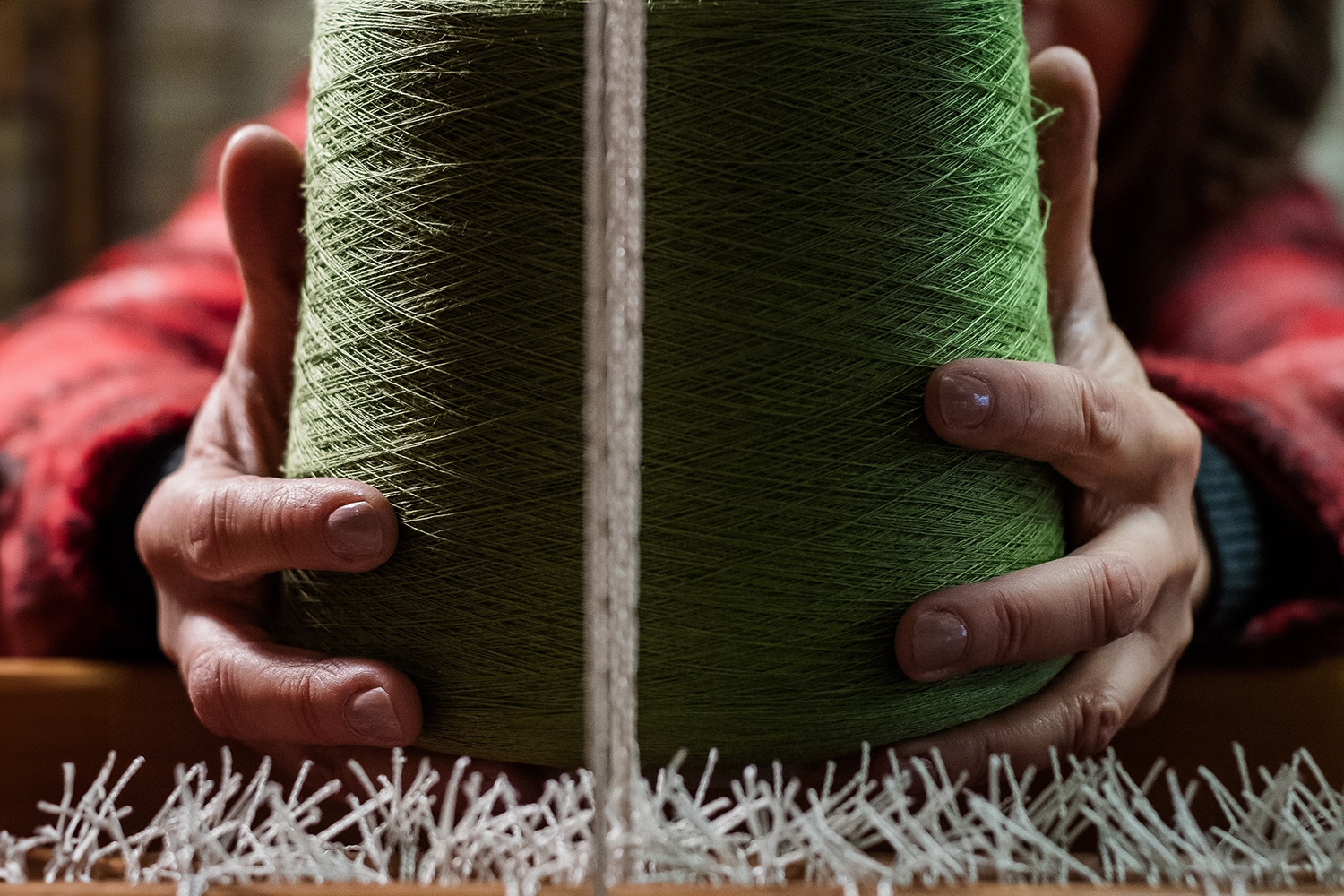
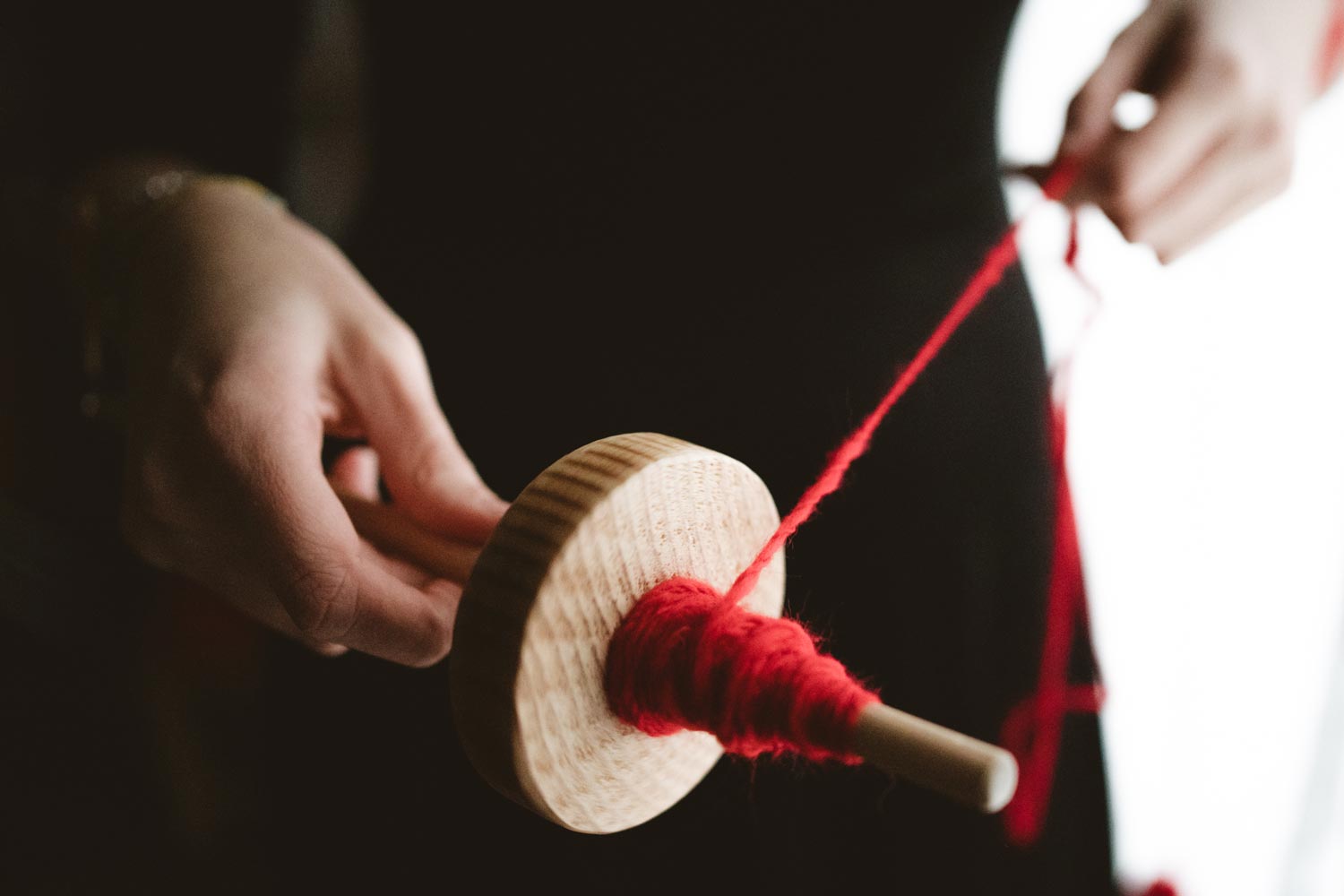
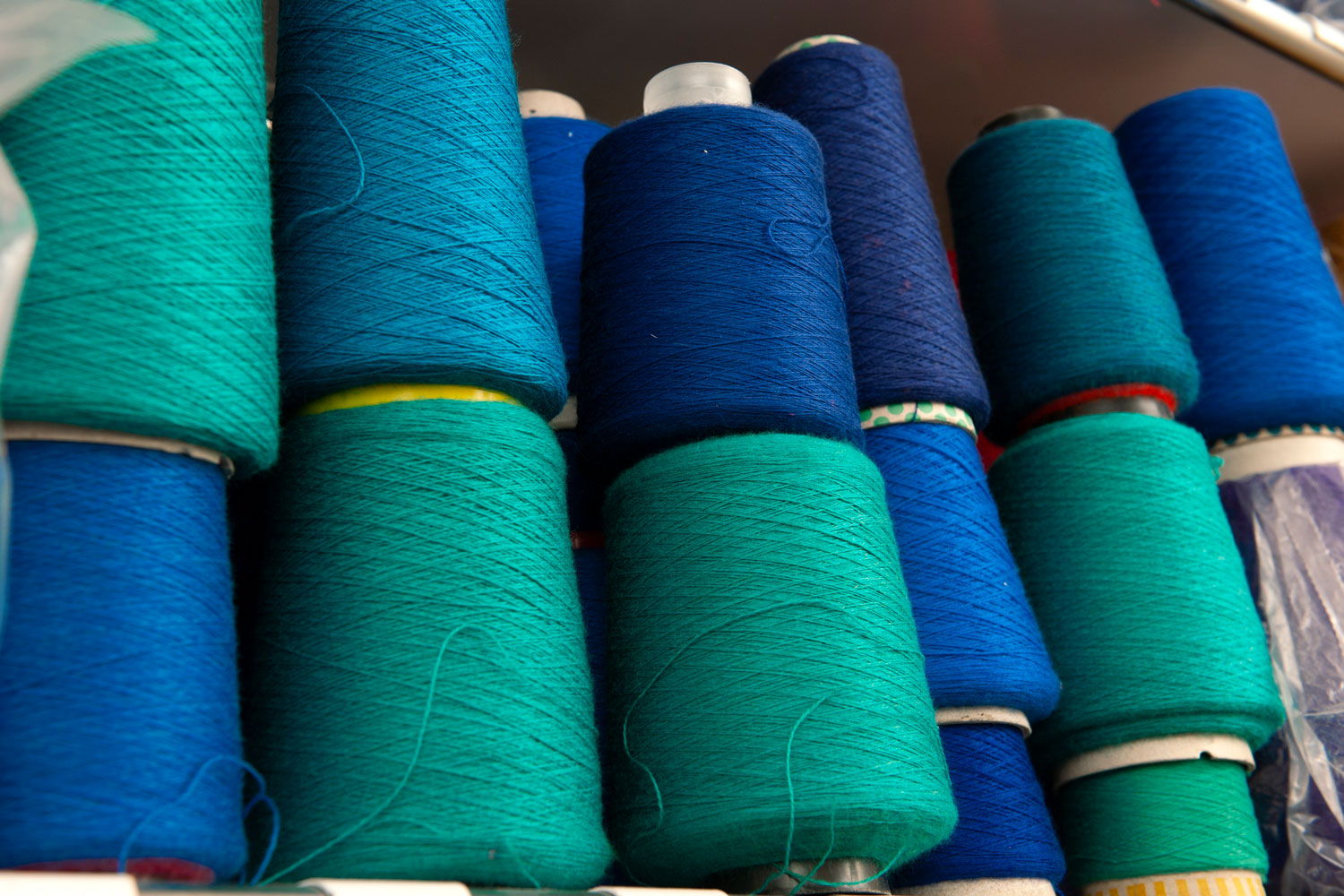
In terms of expression, weaving is like composing music. Every thread is a note, and the possibilities to combine them are countless, but what fascinates me the most is the balance between the geometric nature of weaving and the disruptive, expressive potential of colours and textures.
I don’t feel like an artist but my craft does also have a powerful symbolic meaning: interwining different threads is like creating meetings and relationships among people. It’s an ancestral tradition, and there is a symbolic aspect in perpetuating it as well.
2 EXPERIENCES